Edward II was a king who gloried in the tournaments and festivities of court. Yet, ironically, he lost more battles than he won. His was a reign marked by contradiction, and perhaps no moment captured this better than when he stood barefoot to surrender his crown.
The Rise and the Slow Fall
When Edward II ascended the throne in 1307, hopes for prosperity and strength were high. Young and vigorous, Edward was expected to be a king who would assert England's dominance in Europe. Yet, from the beginning, his rule was fraught with challenges. His close relationship with Piers Gaveston, a companion many considered unworthy, sparked tension among the nobility, setting the tone for a reign plagued by alienation and discontent.
The king's failure to manage effectively the fracturing political landscape was never more evident than in his dealings with Scotland. His father's legacy as the 'Hammer of the Scots' loomed large, but Edward's military campaigns against Robert the Bruce ended in humiliating defeats. The decisive loss at Bannockburn in 1314 was a crushing blow, not only militarily but symbolically, further eroding the king's already waning support.
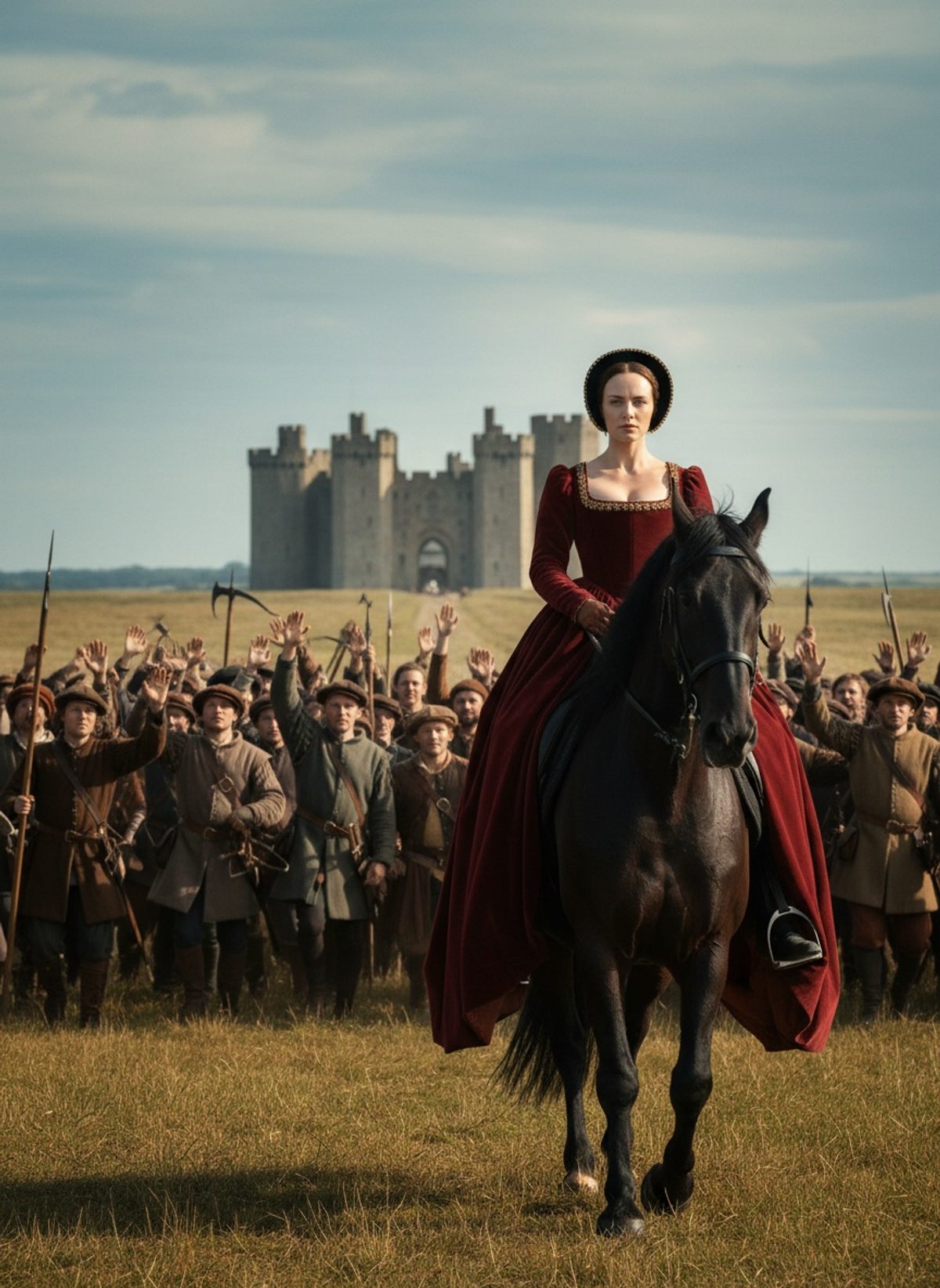
Political machinations continued to hamper his rule. Discontent among the barons grew, and alliances were formed to curb Edward's authority. The barons' demands often clashed with Edward's desires, and as he attempted to assert his will, England's internal instability deepened. The breach with his wife, Isabella of France, and her subsequent alliance with Roger Mortimer, solidified a formidable opposition. By 1326, with her forces landing from France, it was clear that Edward's grip on the throne was loosening.
Read next: The Day a Dying King Named His Own Executioner Queen
The Long Road to Kenilworth
As troops loyal to Isabella and Mortimer advanced, Edward's own forces dwindled. His support evaporated faster than he could consolidate it. When London turned against him, he fled, hoping to regroup. However, the support he sought in Wales never materialized. In November 1326, he was captured, and the reality of his situation set in: the kingdom was slipping away.
For months, the political atmosphere buzzed with deliberation and intrigue. Edward's ordained rights as the anointed monarch of England came into direct confrontation with the barons' growing demand for stability and leadership. In January 1327, these forces converged at Kenilworth Castle. It was a momentous setting for one of the most profound events in medieval England.
Kenilworth, a castle of imposing beauty and strategic significance, stood as a silent witness to history. Within its great hall, a weary Edward was brought to face Parliament — an unprecedented moment. Here, a king who had once revelled in the pomp and majesty of his office now found himself alone and outmanoeuvred. In a final act of defiance, he pleaded his case, but the stark reality remained: his reign had disastrously faltered.
The Weeping King
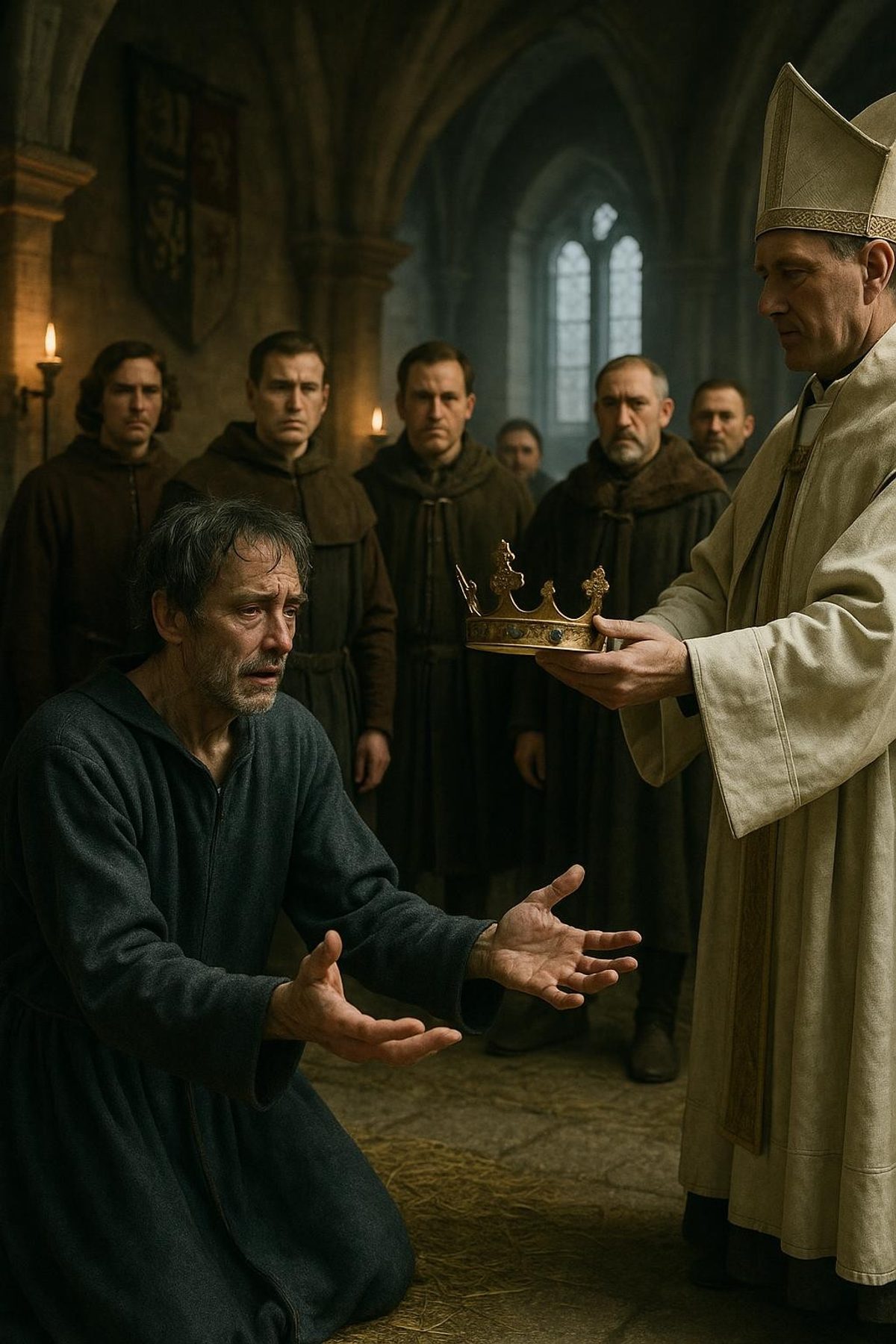
The enormity of the moment was not lost on those present. On that January day, as Edward knelt before Parliament, the air within the great hall was heavy with unspoken tension. There, amidst the murmuring of lords and commoners, Edward took off his crown — a symbol that had once conveyed absolute authority and divine right. Now, stripped of its power, it was nothing more than a circlet of gold.
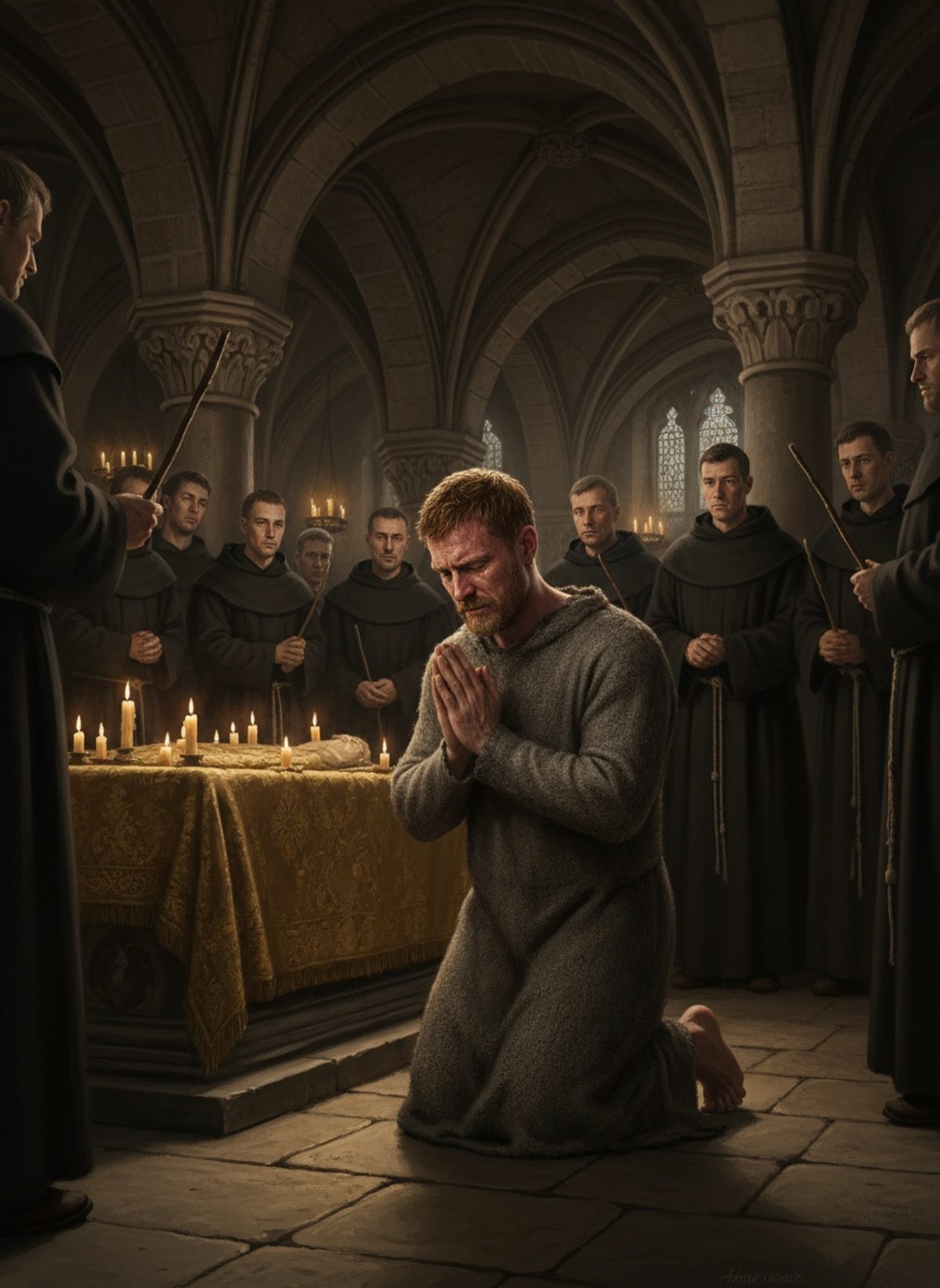
Barefooted and broken, Edward relinquished his claim to the throne. It was one of the few times in history that a reigning English king had been deposed by legal means. Those who witnessed the moment spoke of a man overwhelmed by his fall from grace, tears openly flowing as he handed over the trappings of kingship.
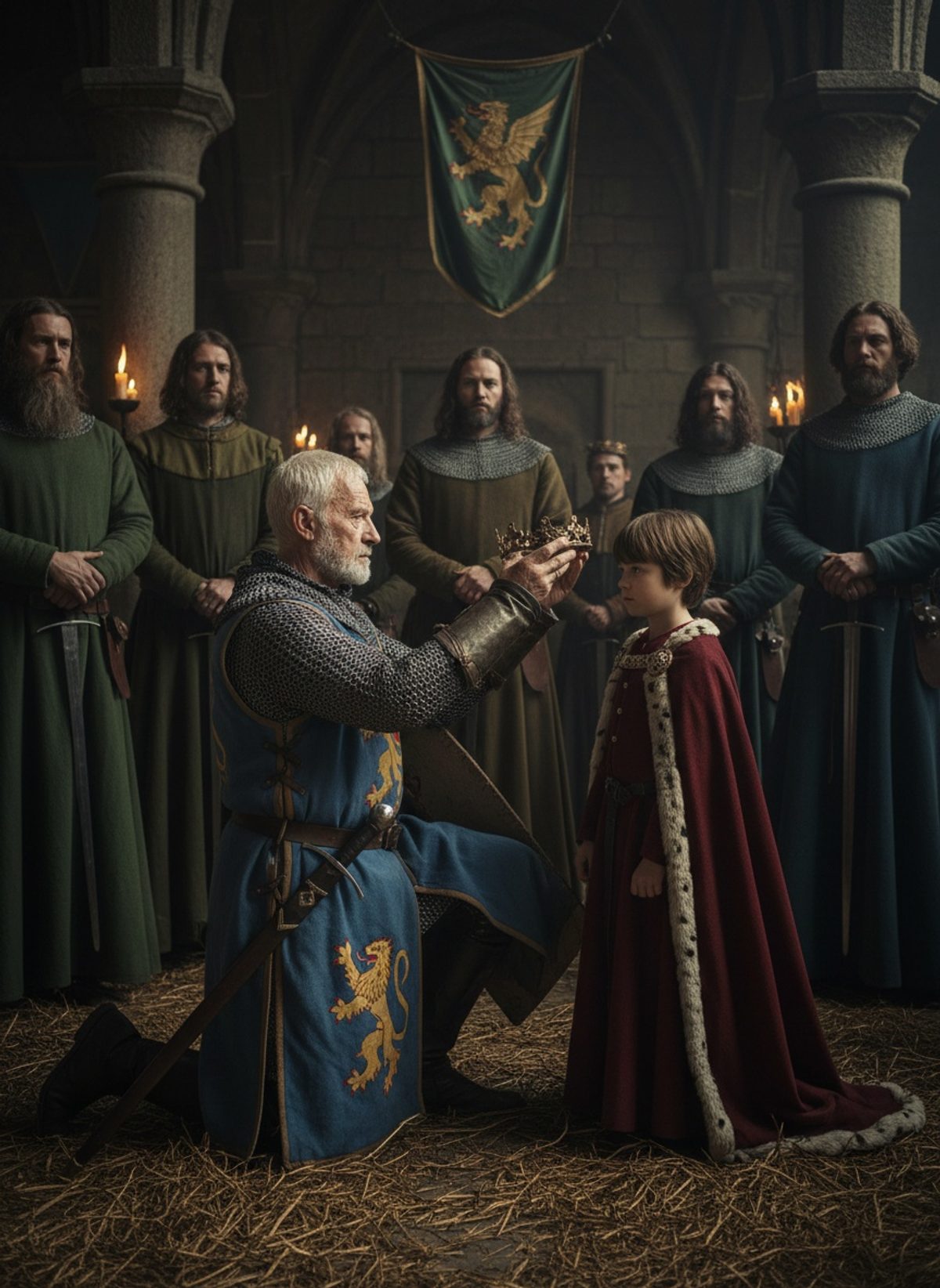
The session of Parliament continued, confirming the transfer of power. Edward's son, the young Edward III, was soon to ascend the throne. The country hoped for a renewal that Edward II could not provide—a hope burdened by the legacy of his father's failures. For Edward, the remainder of his days was a descent into obscurity and confinement, culminating in his death later that year.
Even as centuries have passed, the image of a barefoot king humbly yielding before his own people endures. It serves as a poignant reminder of the fragilities of power and the unseen forces of history that steer the fates of even the mightiest. The tale of Edward II is one less told, but it stands as a profound moment when the grandeur of kingship confronted its own vulnerability. As we delve into history's shadowed corners, such stories continue to illuminate the complexities of humanity and leadership. Edward's relinquishment was not just the end of a reign but a powerful testament to the ever-present dance between power and downfall.