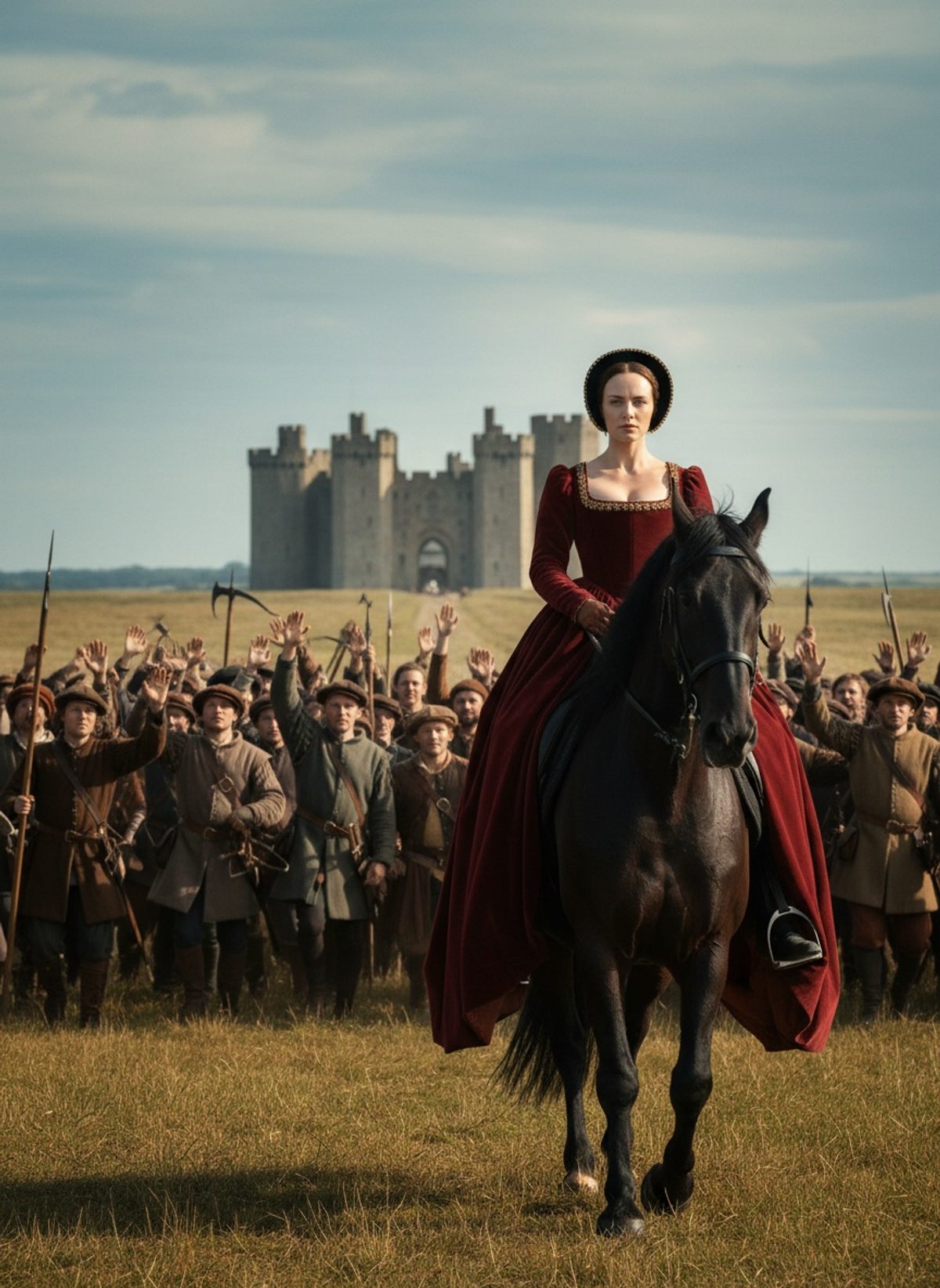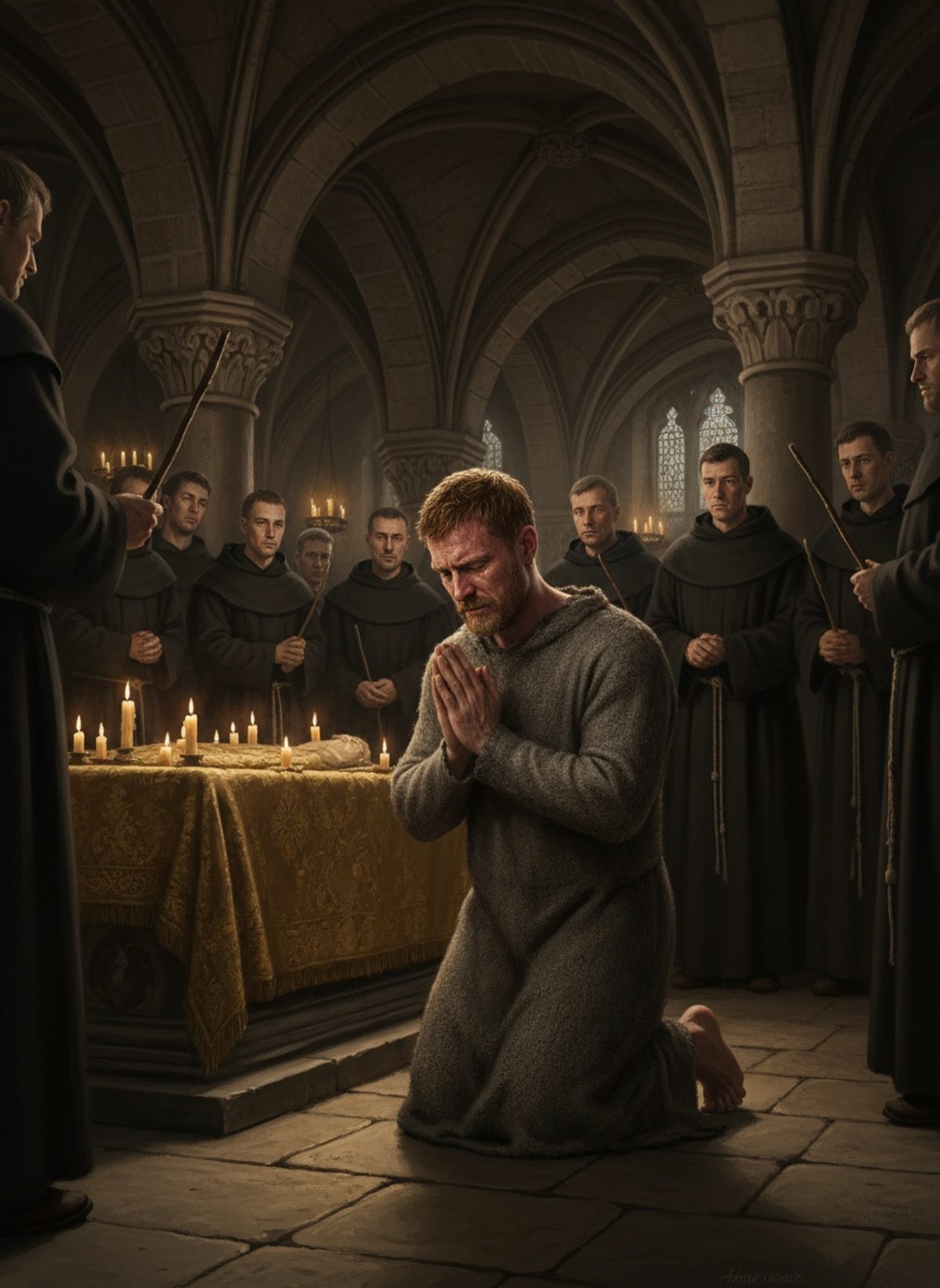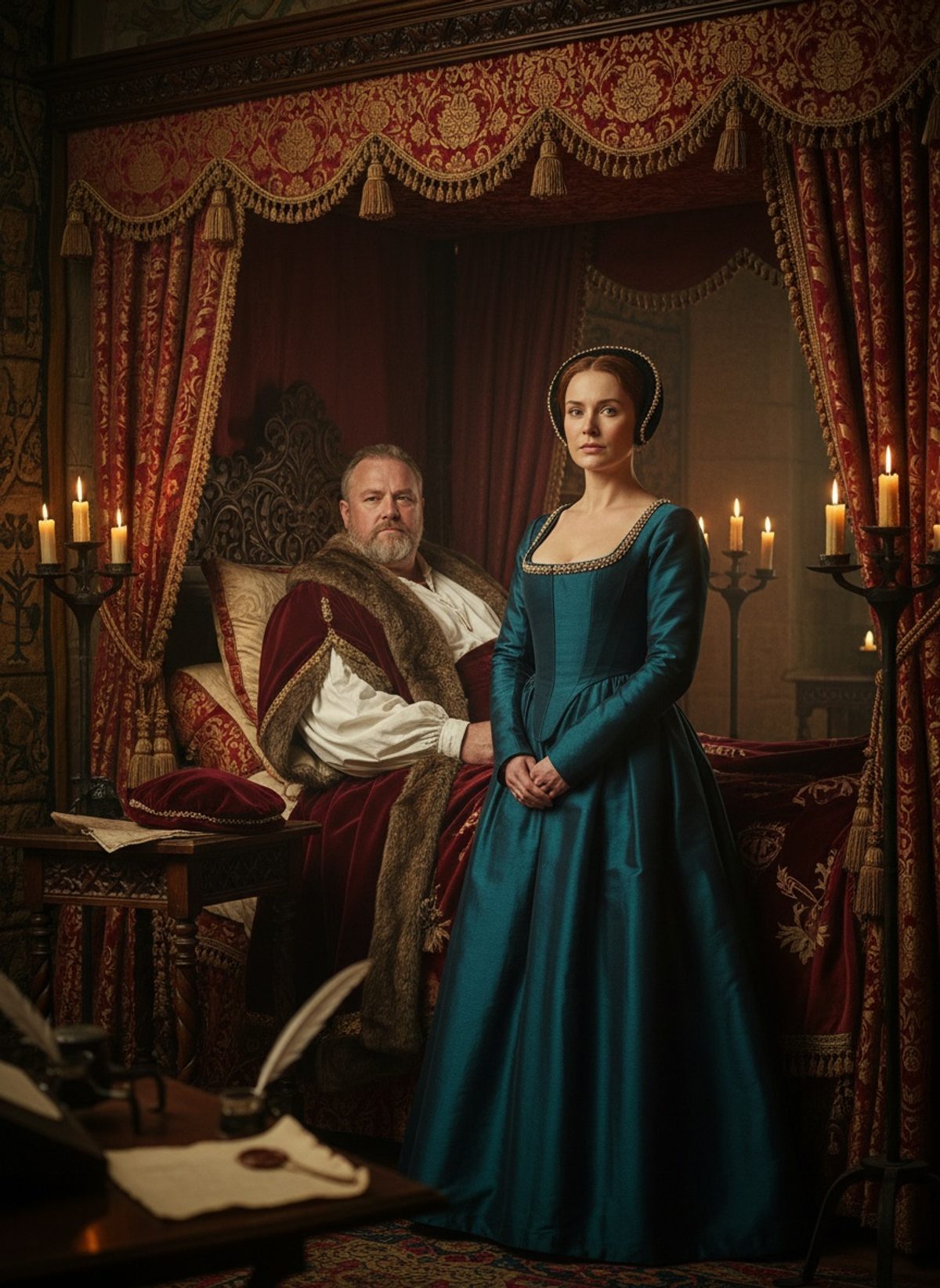
The night was draped in a thick, foggy shroud as if the Earth itself sought to veil the tumultuous soul of England. The air carried the crisp bite of a mid-autumn chill, common to those early days of October. Around the great hall of Gloucester, the flicker of candlelight danced over worn stone walls, shadows heaving like spectres of a kingdom in mourning. England had been left without a king, its heart exposed and vulnerable. The great King John had perished, leaving behind his nine-year-old son, Henry, to inherit a crown that seemed destined to plunge into the abyss of chaos. Across the channel, the ambition of French Prince Louis loomed, enticing half the English barons to consider a new loyalty. Yet, amid the whispers of surrender, one unyielding voice did not falter: that of William Marshal, the venerable statesman and once the greatest knight in Christendom.
The Gathering Tempest
The courtyard of Gloucester Abbey echoed with the murmur of men locked in grave deliberation. The fate of the realm lay in precarious balance, as the echoes of civil war reverberated through stone and soul alike. The death of King John on October 19, 1216, was a sudden release and source of foreboding—a beacon of vulnerability that signaled both an end and an uncertain beginning. With the throne left vacant, the heart of England was exposed to the elements, with French forces already claiming territories and lords doubting the legitimacy of a child king.
Small, fearful eyes looked to the towering figure of William Marshal, the seasoned marshal of the realm, now in his twilight years yet not a shade depleted of valor or conviction. At seventy, a gnarled hand might crease a weathered brow, but the heart beneath was as steely as the armor he still bore with grace. It was this stalwart figure who had gathered the barons at Gloucester. As autumn leaves whispered secrets in the chill, friends weighed the impossibility of crowning a boy against the will of many who had crossed the channel to throw their lot with Louis, whose armies had already taken much of southern England.
The temptation to yield was palpable—a siren call for many who believed a foreign crown would restore order. The land where William stood was divided, fragmented, and fraught with the promise of relentless strife, as castle upon castle contemplated a new allegiance. Yet, in those uncertain moments, Marshal proposed an audacious course—wrap the diadem around the unpolished brow of young Henry, and defend the rights of the legitimate Plantagenet line in defiance of despair.
Read next: The Day a Dying King Crowned His Own Successor
A Knight's Gambit
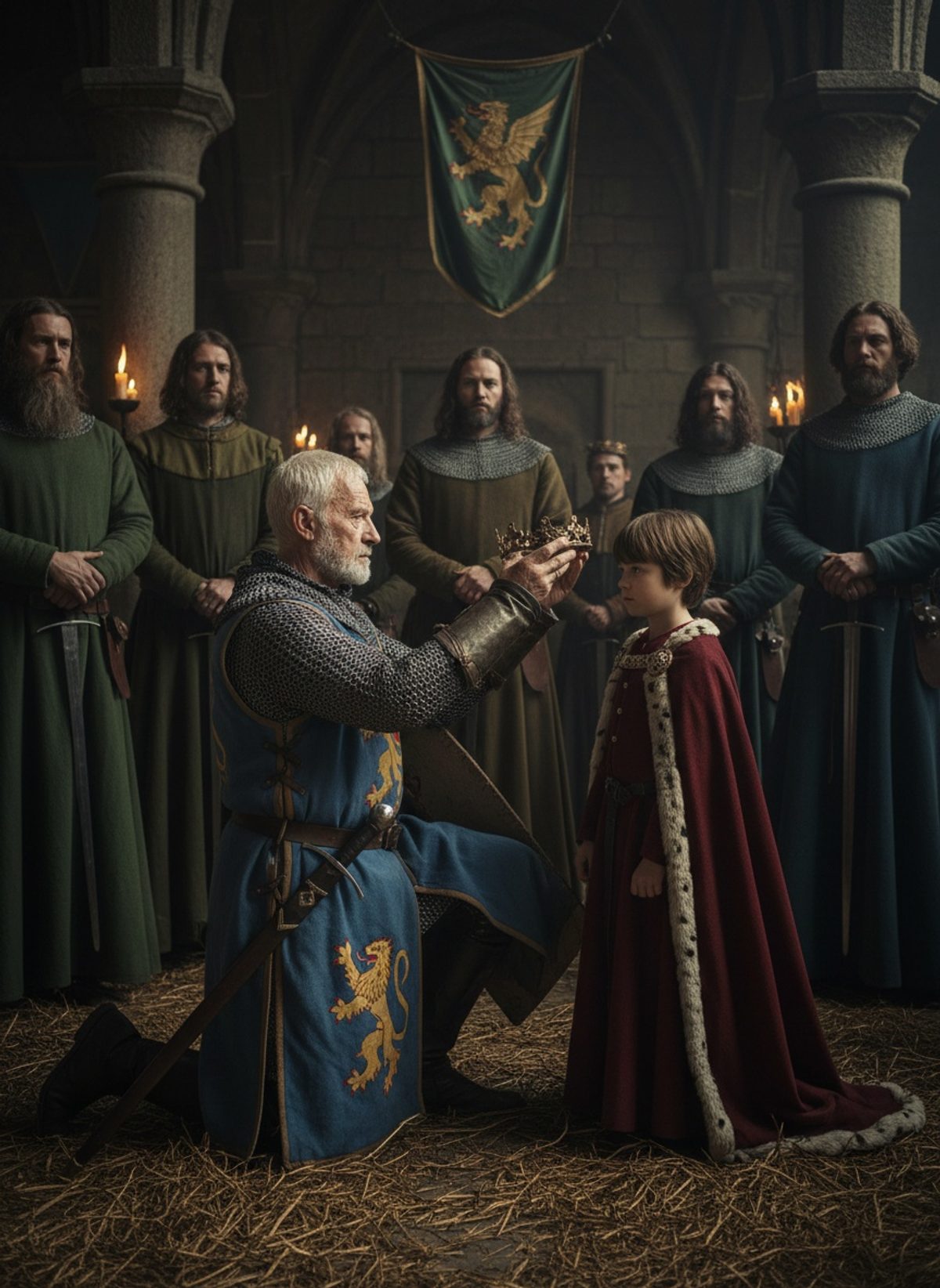
Within the dimly illuminated chambers of Gloucester Abbey, where the atmosphere was heavy with breathless anticipation, William Marshal knelt before Henry. The air felt dense, charged with purpose and a fiercely guarded hope. In those solemn moments, the young boy, bewildered yet dauntless, became the literal and symbolic focal point of that hope. The crown, a symbol of a torn kingdom, stood heavy in Marshal’s hands—an emblem of legacy, baggage, and belief.
Marshal's voice, like a tapestry woven from threads of history and loyalty, filled the chamber. "To my liege, Henry, rightful heir of England," he proclaimed, the words resonating not just as a formality but as a renewed oath to a land aching for its integrity. Henry hesitated only a moment, glancing at the faces chiseling his future. It was Marshal’s fervent belief in the old, chivalrous code that demanded loyalty above convenience, turning wavering hearts resolute, even if just for a fleeting time.
On October 28, 1216, the makeshift coronation took place. It was a modest ceremony by the standards of those who had witnessed the grand solemnities of kings past, yet it was imbued with a poignancy and a powerful promise of continuity. William Marshal, the guardian of the realm, and now regent until Henry came of age, infused that young crown with his own indomitable spirit. Marshal's gamble was that the kingdoms of man were less about the head that wore the crown and more about the hearts that surrounded it. It was a wager that risked all for the reverence of the past and the flickering flame of future peace.
The Resilience of a Realm
The fires of conflict did not extinguish with the coronation, nor did the trials of England vanish overnight. Yet, amidst the turmoil, Henry III's claim was established, largely due to Marshal's exemplary guidance. The struggle was fierce, but the newly anointed king was backed by a coalition driven to hold firm the veins of English sovereignty against the encroachments of Louis and his supporters. The Treaty of Lambeth in 1217 would eventually come to silence the clashing blades, but the true turning point lay in a moment of profound kneeling when William Marshal chose to help build a wall around a nascent reign with his own bare hands.
Beyond the layers of brass and chivalric honor stood Marshal and Henry, an embodiment of an enduring English spirit, refusing to yield to the pull of foreign tides. As the fog of history rolls back, this lesser-known day reveals a turning of tides that reminds us of the startling power of loyalty and principle. In a world prone to upheavals and the siren's promise of easy resolutions, the sight of an aging knight bowing his head to a boy king reverberates as a legacy of courage and conviction, entwining them to an era shaped not just by power, but by unwavering fealty.
For those who peer into the past, seeking lessons as ancient as the echoes of Gloucester Abbey's stones, this act of determined loyalty stands crystalline. It speaks to the enduring truth that sometimes, the most indelible acts of valor are not those found on the field of battle but in the quieter arenas where faith outweighs fear and the crown, though undeserved by so young a brow, gains its substance through the nobility of those who bear its weight.