July 1174. The air in Canterbury was thick with the scent of warm summer earth.
The Shadow of the Crown
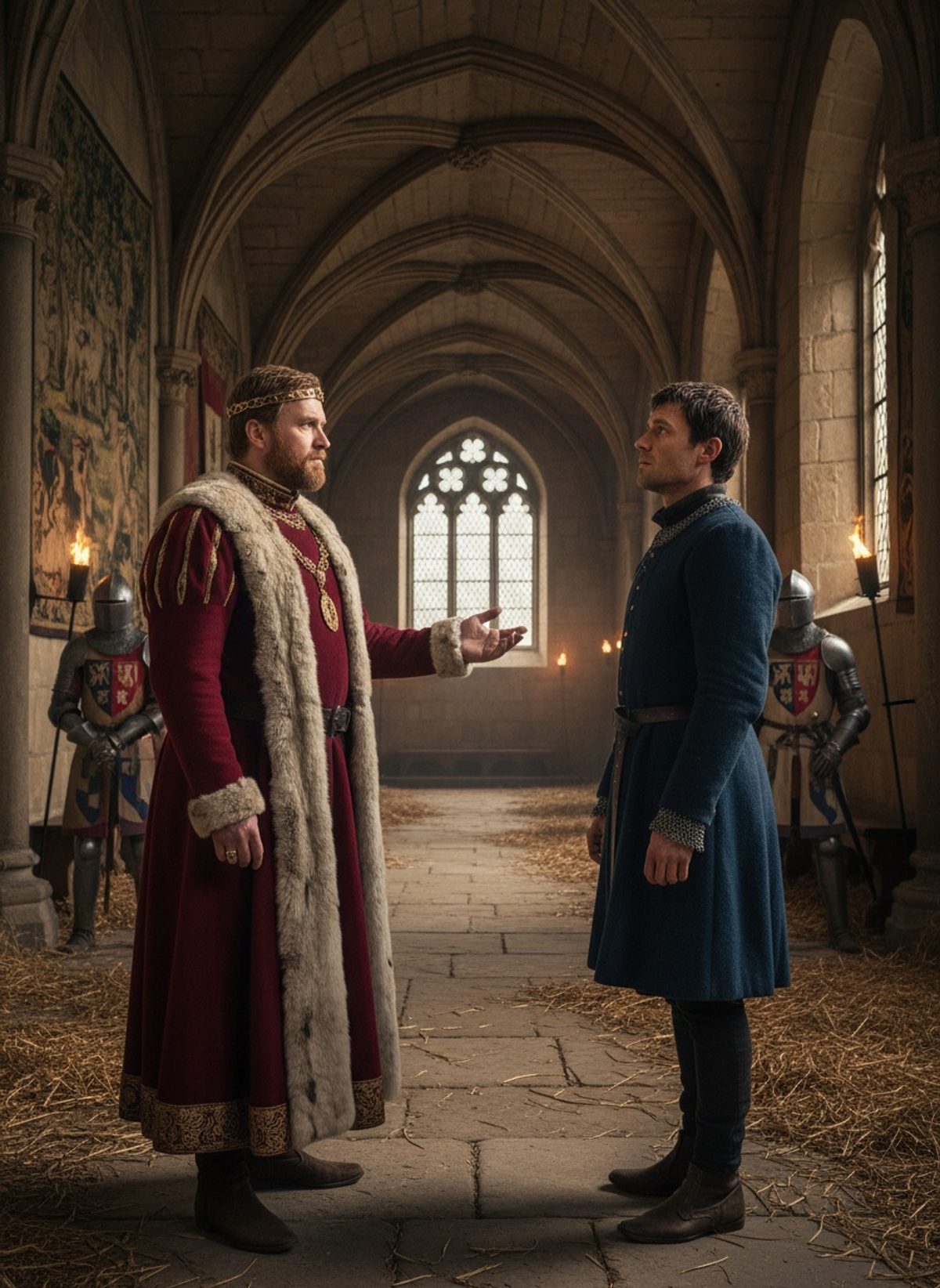
For over two decades, Henry II had reigned as the most powerful king in Christendom, controlling vast territories that spanned England, parts of Ireland, and significant portions of France. Known for his formidable intellect and relentless energy, Henry's influence stretched across Europe. Yet, within the labyrinthine halls of power, a shadow loomed—one cast by the tragic end of Thomas Becket, the Archbishop of Canterbury.
Becket, once a trusted companion and the King's Chancellor, became an unexpected adversary when appointed as Archbishop. The complexities of their relationship, initially rooted in camaraderie, morphed into a deeply personal and public conflict. Henry's frustrated exclamation, "Will no one rid me of this turbulent priest?" became a likely catalyst for Becket's brutal murder in 1170, a moment that shocked Christendom to its core. When the King's words were heeded by four knights, they inadvertently set into motion a chain of events that would haunt Henry. Becket's death transformed him into a martyr and a symbol of defiance against royal interference, canonised just years later.
A King's Contrition
On that poignant summer day in July 1174, Henry II approached Canterbury not as a monarch, but as a penitent man, stripped of his regal trappings. The decision to walk barefoot through the cobbled streets was both an act of humility and one of political necessity. The path he took was not just a geographical journey but a spiritual pilgrimage, rife with symbolism and political ramifications. Henry's bare feet, bloodied with every step, mirrored the deep inner turmoil he bore.
Read next: The Day a King Knelt to Wash a Beggar's Feet
The townspeople of Canterbury witnessed the rare spectacle with a mix of shock and reverence. Here was their king, a man burdened by both immense power and profound remorse, openly displaying his contrition. The event was intended to showcase Henry's repentance before God, the English church, and his subjects. This public act of penance served to reaffirm his piety and seek divine forgiveness, but it was also a calculated political move—intended to restore his tarnished image and quell the political unrest that Becket's death had sparked.
The Tomb of Thomas Becket
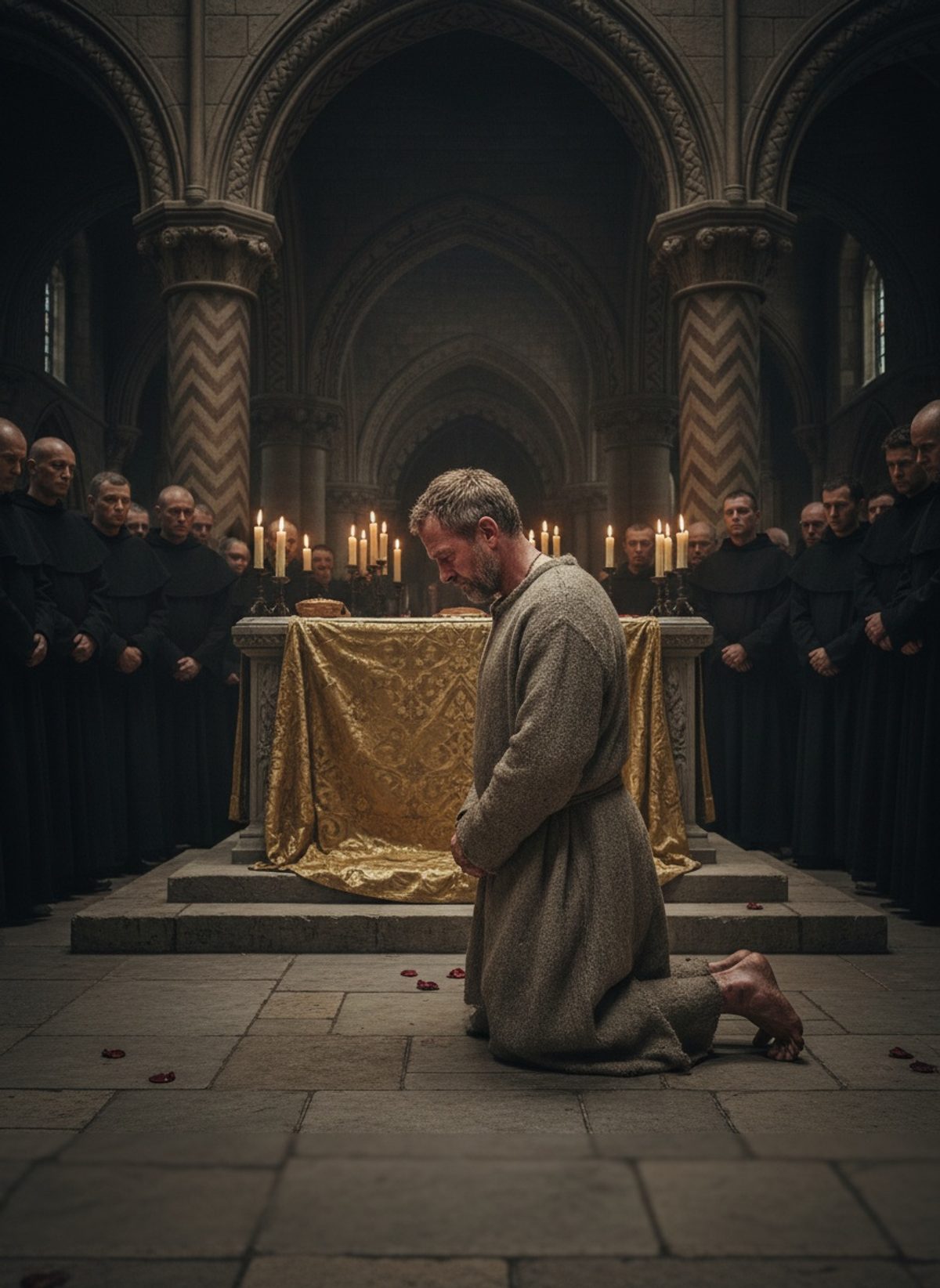
Arriving at the threshold of Canterbury Cathedral, Henry knelt at his former friend's tomb, the cold stone marked with the passage of time and devotion of many. The atmosphere inside the sacred space was hushed, save for the whispered prayers of the clergy and the echo of Henry's weeping. The King sought absolution in the presence of Becket's relics, which had become a focal point of pilgrimage across Europe.
Henry's tearful pleas resonated not only within the hallowed confines of the cathedral but in the chronicles of medieval history. The king's desperate sincerity was both palpable and historic, reverberating across his realm. Throughout the penance, Henry remained prostrate, his regal stature diminished in the face of divine judgment. To further underscore his repentance, he allowed himself to be scourged by monks—a sacrificial offering of flesh to heal the wounds of the past and the soul of a troubled monarch.
A Lesson Echoed Through Time
Henry II's barefoot pilgrimage to Becket's tomb was more than an act of personal atonement. It was a testament to the enduring tensions between crown and church, a struggle that shaped medieval European politics for centuries. This penitential journey, forged in humility and desperation, underscored a pivotal moment when royal authority was publicly checked by moral consciousness.
As the sunlight waned on that historic day in Canterbury, an important lesson emerged that would resonate through the ages—one of accountability, of the delicate balance between power and respect for spiritual authority, and of the profound capacity for human repentance. The scene of a king abasing himself so publicly was a reminder that even the mightiest are not infallible, a narrative that history continues to reflect upon till this day.