April 9, 1361. A sharp chill clung to the air inside the stone walls of Westminster Abbey.
The Humble Deed of a Warrior King
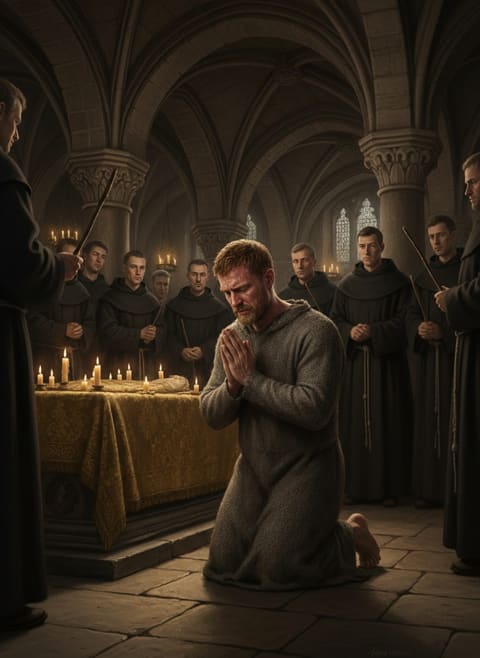
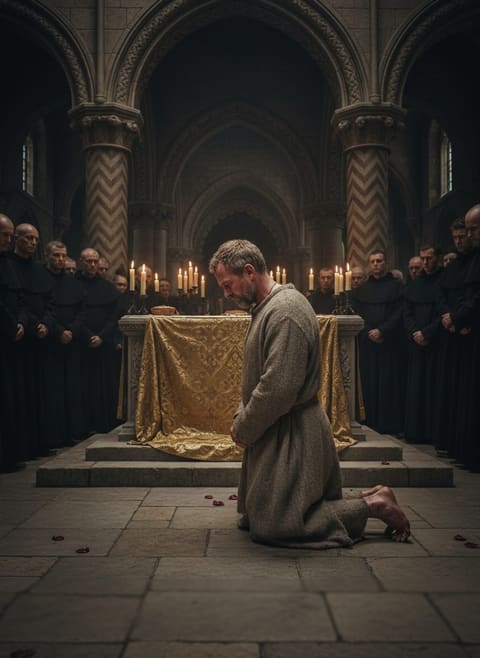
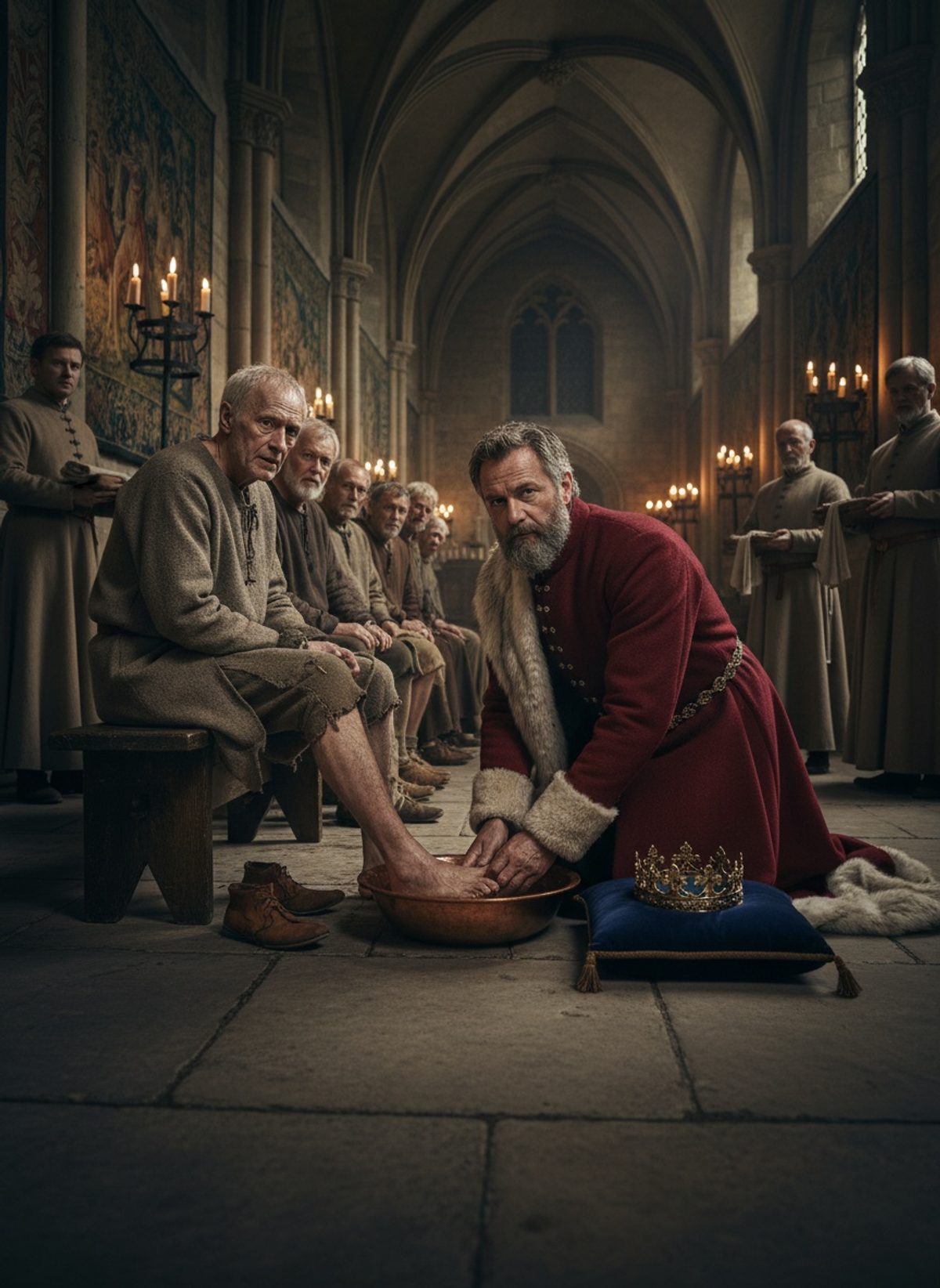
Amid the echoing vastness of the abbey, seats were arranged for an unusual assembly. Fifty of England's most destitute sat expectantly, their eyes flickering with a mixture of bewilderment and gratitude. Among them strode Edward III, not clad in the shining armor that had led to resplendent victories at Crécy or Neville's Cross, but in the simple garb of service. Kings of England were the mighty rulers of the medieval world, commanders of armies and builders of empires. Yet here was Edward, setting aside his regal trappings to kneel on cold stone, his hands touching and washing the feet of the destitute, one pair for every year of his life.
On this Maundy Thursday, a solemn Christian tradition unfolded. It was the day preceding Good Friday, a moment that commemorated Jesus Christ's final acts of service before his crucifixion. In this spirit, Edward III followed a sacred custom that was, for kings, far from compulsory. That he, a monarch known for his triumphs in battle and the expansion of his realm, should choose to embody such humility remains a remarkable testament to his character.
A Custom Steeped in Tradition
The ceremony, known as the Royal Maundy, has roots in an age-old practice intended to symbolize Christ’s humility and instruction on loving service. While many monarchs preferred to delegate such humbling tasks to their clerics or lesser nobility, Edward embraced them personally. He was not the first king to practice this ritual, but in his hands, it acquired a renewed sincerity.
Read next: The Day a Young Prince Knelt and Refused a Crown
The selection of fifty impoverished souls was not arbitrary. It was a reflection of the king’s own years, a poignant recognition of both age and duty. Furthermore, each received gifts following the ritual cleansing: a sum of money, food, and clothing symbolic of the king’s charity. Most significantly, each was granted a garment from the king himself, a robe carrying both warmth and dignity out into their bleak world.
The ceremony was distinctive in its intimacy. Where political gestures could be grandiose and public, this act spoke quietly of a personal commitment. It was a powerful statement of service woven into the very fabric of kingship—a reminder that beneath the crown was not just power, but humanity.
Echoes of a Different Kind of Nobility
The deeds performed within the abbey’s cold confines reverberated far beyond its stone walls. In an era when tales of chivalric valour and battlefield prowess dominated, Edward’s actions on Maundy Thursday added a different narrative. It was the story of a ruler who paused from the relentless march of conquest and governance to perform an act of personal service.
These gestures took place against a backdrop of medieval tumult. Royal authority was frequently contested, wealth was unevenly distributed, and life could be parched with hardship. Yet here was the king, reversing roles with the least of society, eschewing pride for piety. Edward’s act, consistent and deliberate, was as carefully executed as any strategy on the battlefield. It communicated a different kind of strength—a moral fortitude rooted in spiritual conviction.
Read next: The Day a Queen Rode Alone Into a Mutinous Army
The Lessons of a Foot-Washing King
The significance of Edward’s actions on that chilly April day extends beyond the mere recounting of a curiosity from history classes. It speaks to the versatility of leadership and the multifaceted roles a historical figure can embody. In Edward III, one finds not just a warrior and a king, but a man who understood that true kingship also involved acts of humility.
The tradition of the Royal Maundy endured, evolving over centuries, deepening the public’s perception of compassion. It served as a template for the modern monarchy’s focus on service and charity. Although the symbolic washing of feet has largely evolved into more ceremonial proceedings, its resonance remains a powerful reminder of the human qualities underlying the divine right to rule.
If history is indeed a tapestry woven with the endless threads of human experience, the subtle gesture of a king kneeling to wash the feet of beggars is an arresting stitch. It reminds us that leadership's true grandeur may often lie not in the blazing light of swords and shields, but in the humble shadows of service and grace, articulated in the quiet moments of shared humanity.