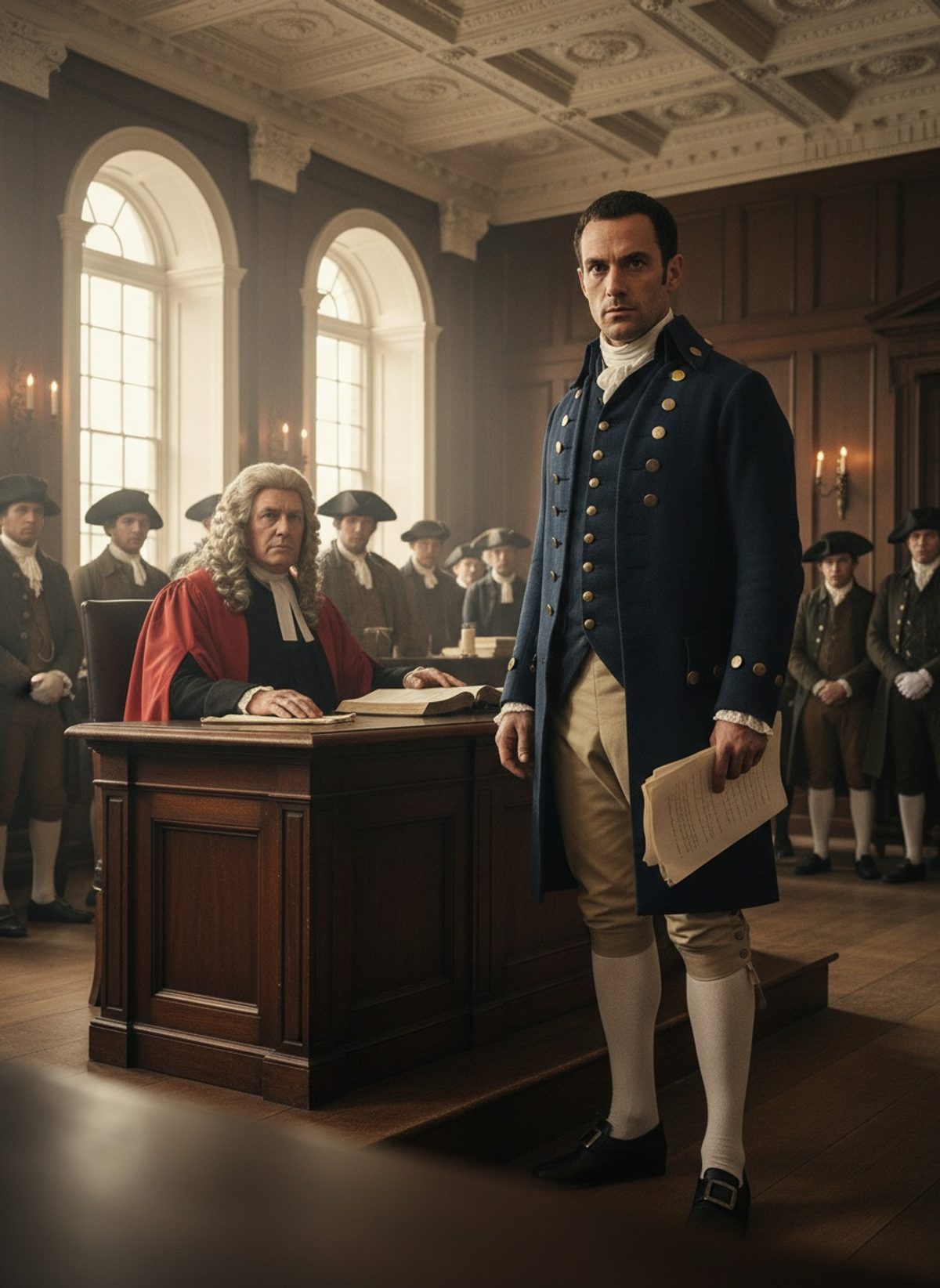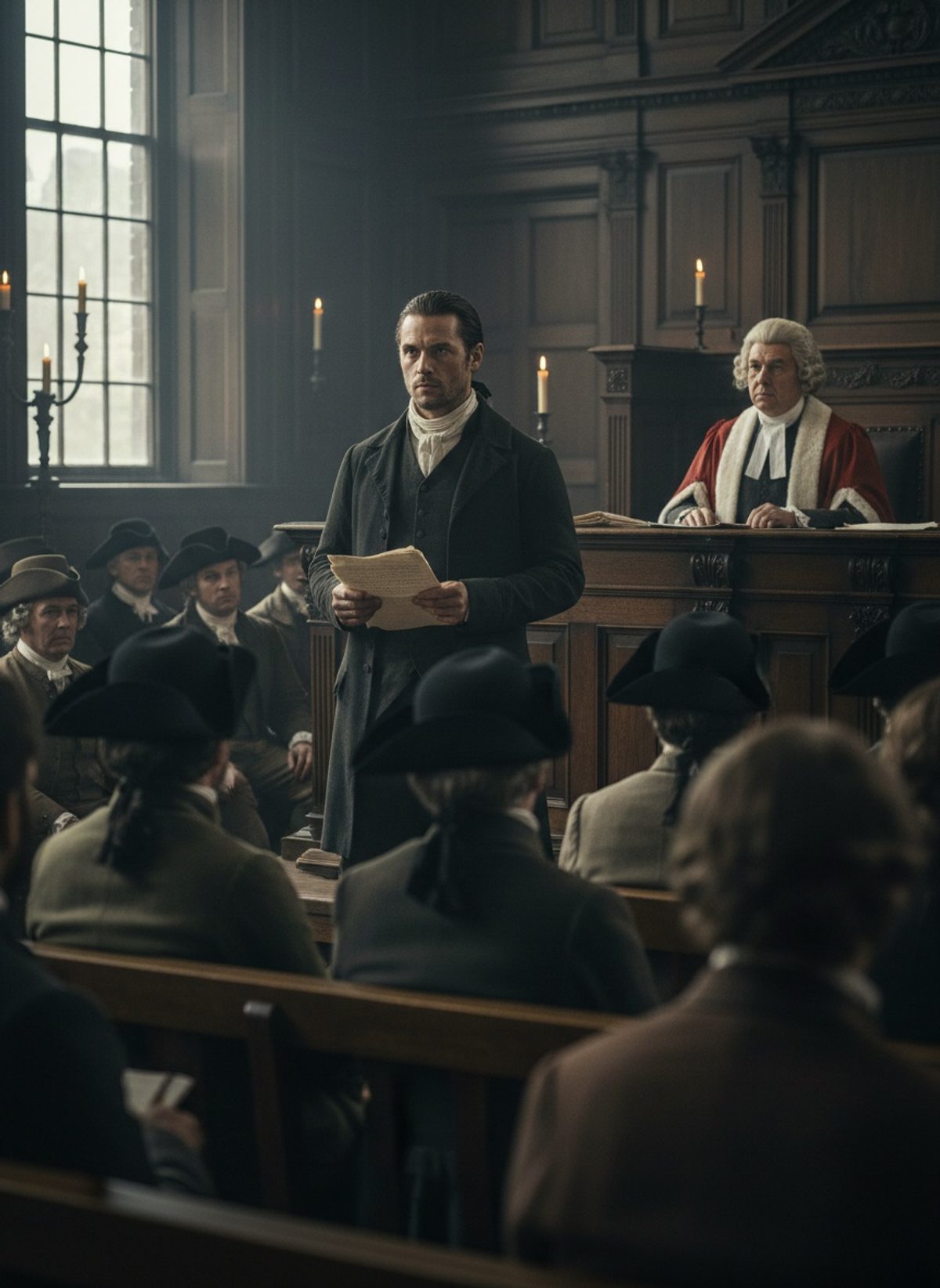
The clatter of iron chains echoed eerily against the cold stone floors as Jonathan Strong entered the courtroom, his hands shackled and his spirit worn from years of endurance. Nevertheless, the air crackled with tension, as if charged by an unseen storm brewing within the walls of Westminster Hall. Eyes shifted to a lone figure moving with purpose through the crowd — not a seasoned lawyer or grand orator, but a humble clerk named Granville Sharp, whose resolve was as unyielding as the weight of history about to be decided.
The Meeting That Set a Revolution in Motion
It all began serendipitously in 1765, when Granville Sharp, a burgeoning scholar of Biblical texts and a civil servant in the Ordnance Office, was summoned by circumstance onto the stage of history. As Granville strolled through the bustling streets of London, he encountered Jonathan Strong, a young Black man battered and broken, having narrowly escaped the clutches of death. Just two years ensnared in the horrors of forced servitude on a sugar plantation had left scars, but it was the merciless beating by his then master, David Lisle, a wealthy Barbadian planter, which rendered Strong almost blind and in dire need of aid.
Moved by compassion, Sharp and his brother William, a doctor, provided shelter and medical treatment for Strong, who eventually regained his health and a semblance of independence. Yet the echoes of his battered past continued to chase him, as two years later, while walking the very streets that had once offered refuge, Jonathan Strong was abducted by agents of Lisle who cruelly intended to resell him in the Caribbean.
A Battle Not of Arms, But of Wits
The rediscovery of Strong's plight ignited a fierce determination in Granville Sharp, who, despite having no formal legal training, resolved to seek justice in the name of freedom. Sharp had grown steadily more involved in the burgeoning movement against slavery, his mind as sharp as his conscience was awake. With London’s legal world largely complicit in the trade of human souls, Sharp’s audacity in contesting Strong's re-enchainment stood as a solitary flame flickering bravely against a midnight sea.
Read next: The Day a Freed Slave Walked Into a Bristol Church and Spoke
The deathly cold halls of jurisdiction felt the warmth of fervor as Sharp meticulously constructed his case, delving into the annals of common law and British policy. His painstaking research unearthed an explosive contention: no individual, regardless of origin, could be lawfully classified as property on English soil. It was a bold declaration that threatened to unravel the fabric of Britain's economic interests, woven tightly with the prosperity of the Atlantic slave trade.
Sharp’s weapon was a pamphlet, published in 1769, titled *A Representation of the Injustice and Dangerous Tendency of Tolerating Slavery in England*. With it, he launched a campaign not only of legal challenges but also of public persuasion, courageously questioning the morality and legality of human bondage.
The Verdict Heard Around the World
Then came the fateful day, June 22, 1772, when William Murray, the first Earl of Mansfield, presided over the now infamous case of *Somerset v Stewart*, which had grown from the roots of Strong's earlier ordeal. Sharp's groundwork in defending Jonathan Strong played heavily in court, echoing through the charges laid against another man's enslavement. The courtroom was crowded, anticipation hanging thick as the Earl of Mansfield contemplated the monumental decision placed before him.
Consequently, the ruling resonated far beyond Westminster Hall, declaring that James Somerset, like Jonathan Strong before him, could not be forcefully removed from England or transacted as mere chattel. With eloquent deliberation, Lord Mansfield delivered words that shattered centuries of complacency: "The state of slavery is of such a nature, that it is incapable of being introduced on any reasons, moral or political... therefore the black must be discharged."
A Change in the Trajectory of Nations
The seismic ruling did not abolish slavery outright, nor did it sever Britain's complicity in the global slave trade. Yet its ripple effect was undeniable. A pinprick of emancipation had pierced the dense shadows of oppression, sowing seeds that would burgeon into future legal reforms and abolition movements across the British Empire.
Granville Sharp’s impassioned stand inserted a crucial pivot point into the course of history, one that reminded the world of a simple yet profound truth: the human spirit cannot be owned. His bravery and tenacity revealed that ordinary people, armed with unyielding conviction and a thirst for justice, could affect change on a grand scale. Against societal norms and economic pressures, the day Jonathan Strong walked into court illuminated the power of one individual's resolve to reshape the destiny of many, dissolving chains both visible and invisible.
In many ways, the echoes of that courtroom in 1772 still resound today, urging us to confront injustices and elevate the enduring struggle for equality. Jonathan Strong and Granville Sharp might have been singular characters in our collective narrative, but their story enriches the vivid tapestry of our shared humanity, reminding us that the quest for freedom is neither constrained by the chains of time nor silenced by the echoes of history.