He was only a young scholar from Cambridge. But Thomas Clarkson sparked a revolution without ever taking up arms.
The Battle Begins in Bristol
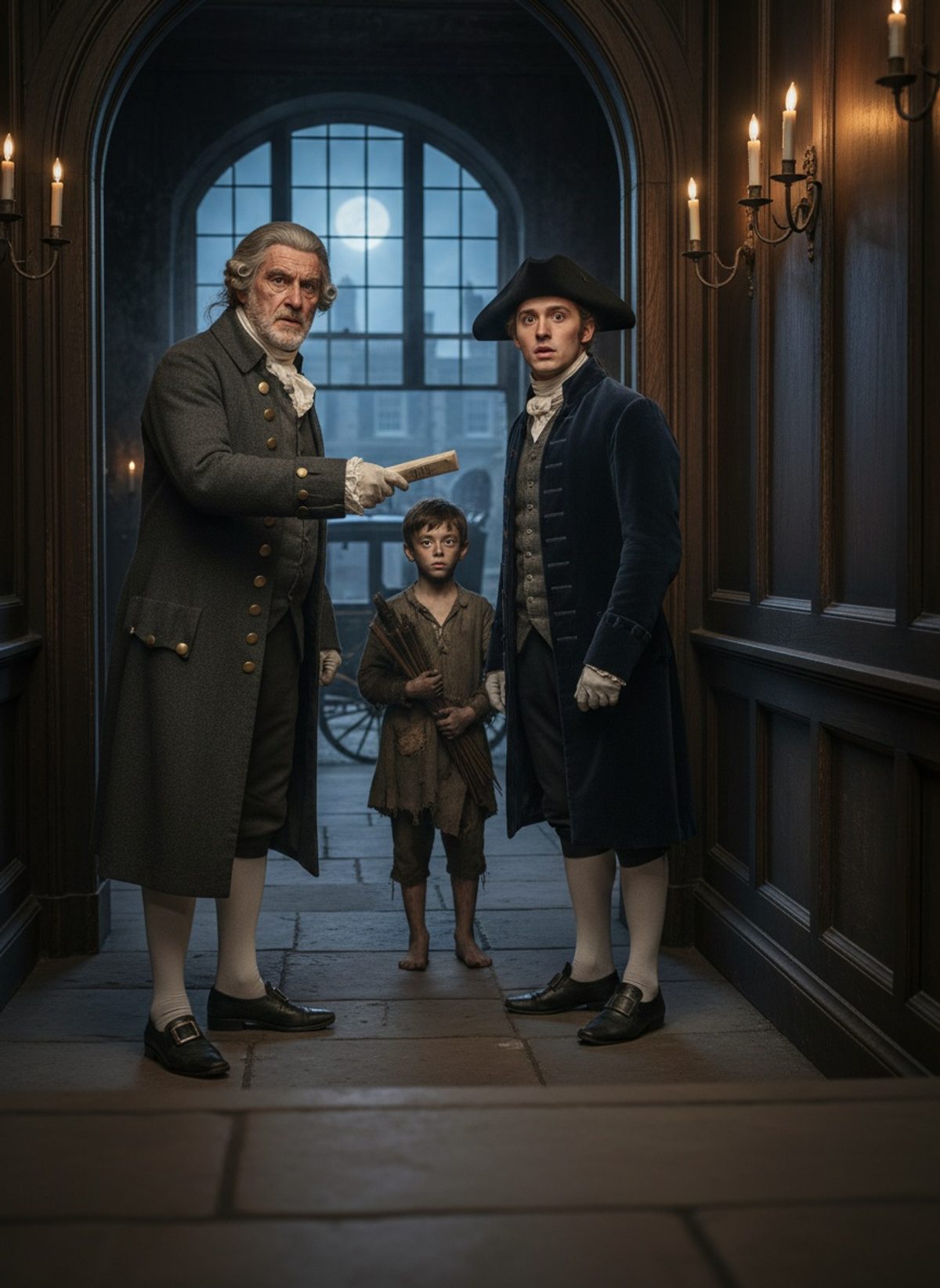
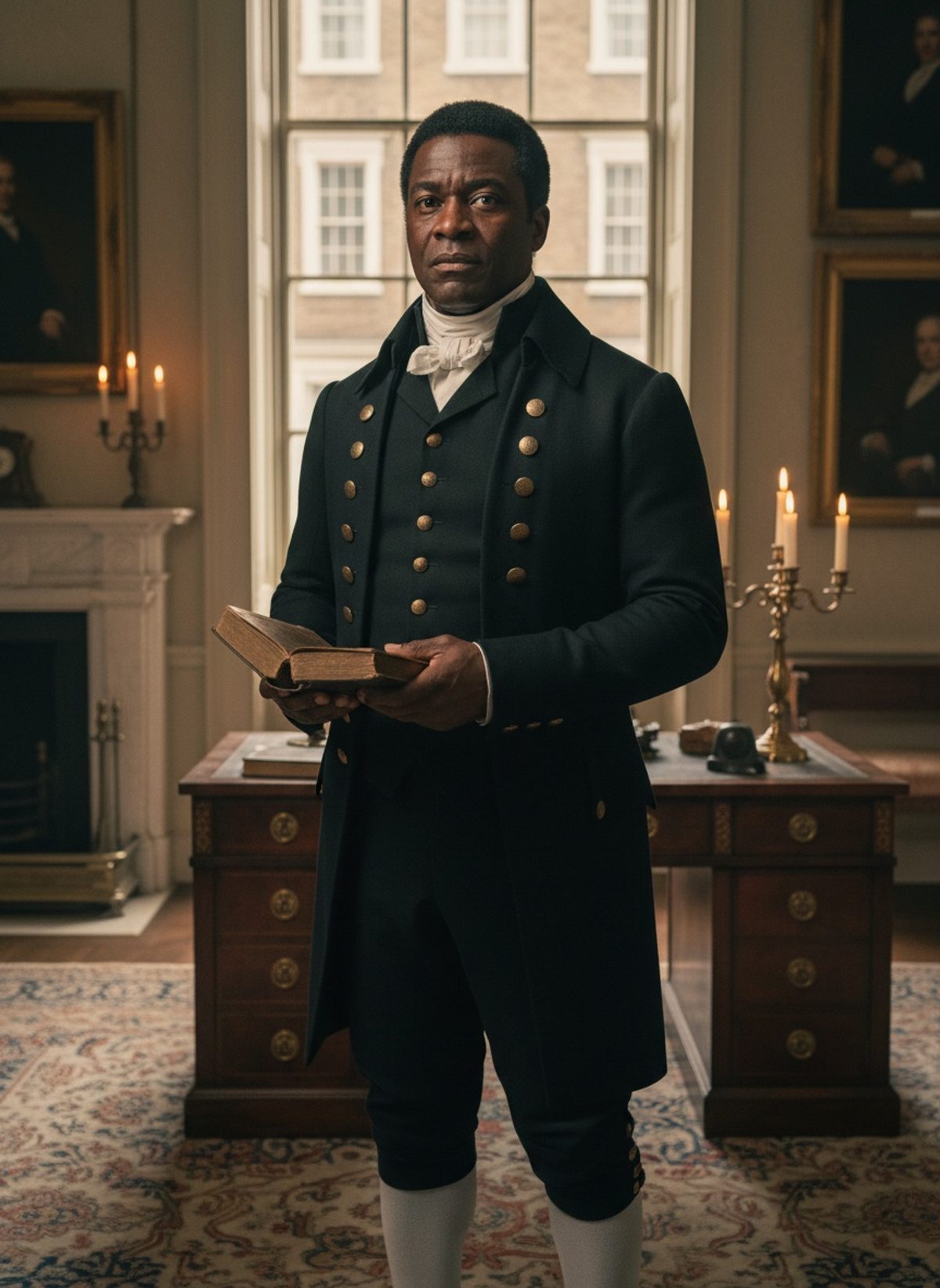
The year was 1787 and the backdrop was Bristol, a city enmeshed in the slave trade. This otherwise unassuming port city found itself at the epicenter of a movement that would change the course of history. Thomas Clarkson, with a tireless spirit and an ink-stained notebook, rode into town carrying the weighty burden of uncomfortable truths. The facts he uncovered about the British slave trade were enough to unsettle even the most hardened hearts.
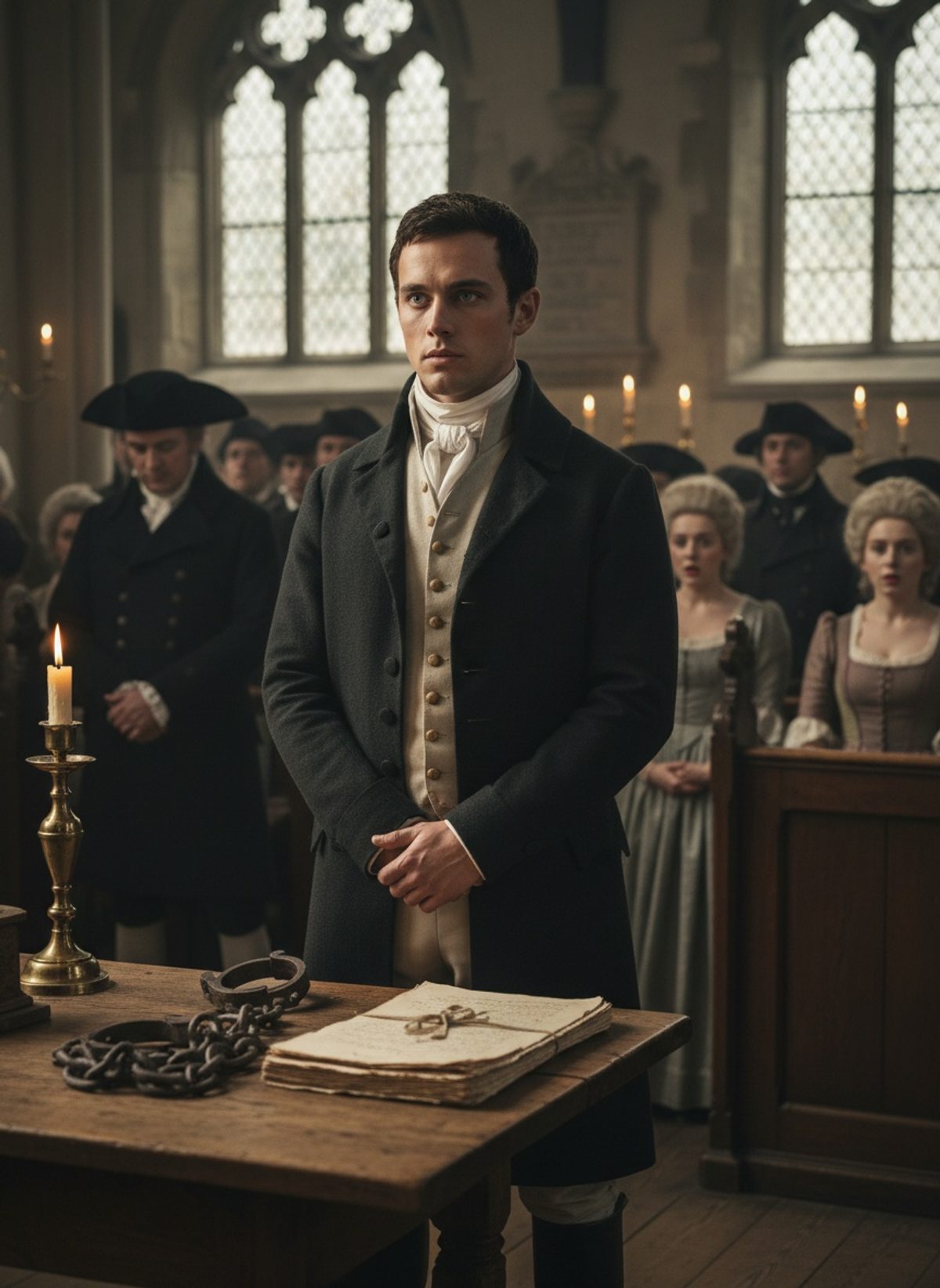
Clarkson’s mission was not an easy one. Bristol had prospered enormously from the triangular trade, where human lives were reduced to mere commodities, shipped across the Atlantic like sacks of coal. However, armed with slave ship manifests, iron shackles, and damning testimonies from sailors, Clarkson’s evidence began to unravel the web of cruelty and profit. Ship names like ‘Zong’ and ‘Brookes’ became synonymous with unspeakable suffering, not just in the records but in the whispers that started to flow through the streets of Bristol.
But it was not the merchants who felt the brunt of his revelations. Thanks to Clarkson, the city’s regular citizens were suddenly faced with the grotesque reality of the slave trade. The tales of forced journeys and the conditions below decks thrust uncomfortable conversations into the limelight. His documentation was poised to challenge not just the legality of the trade, but the moral fabric of society.
Read next: The Day a Baronet Stood Up in Court and Freed His Slaves
The Church as a Catalyst
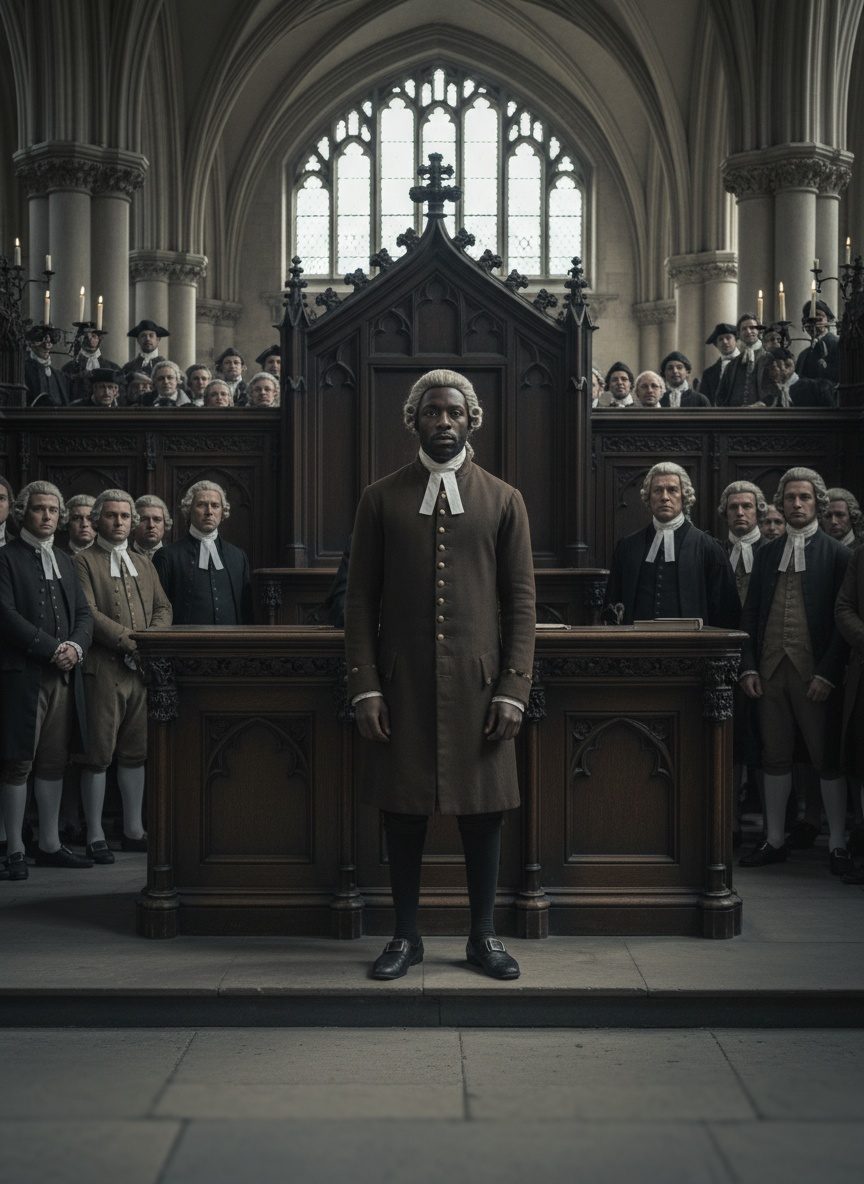
Despite an insurmountable wall of indifference, Clarkson aimed to win hearts in one of the most influential battlegrounds—inside the sacred halls of the church. It was here in a Bristol church that Clarkson stood, feeling the eyes of congregation members boring into him, some with anticipation, others with disdain. As an outsider, he had no anchor to hold him steady against the storm of societal norms. Yet, with conviction in his voice, he began to speak.
Clarkson named the ships. He named the dead. The atmosphere was like the calm before the storm, an electric pause as the congregation grappled to absorb the hard-hitting truths laid bare before them. The silence that filled the room was heavy with contemplation. No hymn could shield them from the reality Clarkson unveiled—each trade representing a life snuffed out, a family torn, a freedom lost.
What happened next was unexpected. Instead of a rebuke, a ripple of understanding spread across the aisles. The stark evidence Clarkson presented unearthed a hidden empathy that had long been dormant in the hearts of many. The seeds of change, quietly planted through the eloquent testimony of one determined man, began to sprout growth visible only through the relentless efflux of time and history.
Change on the Horizon
As Clarkson’s words hung in the air of that Bristol church, a peculiar transformation within the congregation began to emerge. A collective conscience began to awaken, hesitant at first, but gaining strength. Ordinary citizens whispered Clarkson’s revelations in the markets, at family tables, and in quiet corners of the city. Awareness spread like light creeping into a darkened room, inch by inch, sparking conversation and igniting passionate debates.
But transforming the moral landscape of an empire was an endeavor not achieved overnight. For every heart that beat in recognition of Clarkson’s truth, there were those vehemently entrenched in denial or fear of change. Yet, the discourse had begun and the momentum was undeniable.
This skirmish was not fought with weapons, but in the hearts and minds of the populace. Clarkson's ride into Bristol lit a fuse too flammable to extinguish. With persistent efforts from Clarkson and his compatriots, the extraordinary human drama continued to unfold, bridging gaps between economic powerhouses and common people who began to see the injustices in the same light.
Today, the significance of Thomas Clarkson’s solitary yet courageous stand in that Bristol church cannot be overstated. It laid a foundation for future actions, contributing to the gradual dismantling of the slavery backbone that supported the British economy. His voice, though solitary at the start, resonated across generations, teaching us the value of truth, courage, and moral fortitude. The stories omitted from our textbooks hope to teach us not just about history’s dark corners, but about the shining instances of light that steered its course toward compassion and justice.