The salt-laden breeze carried cries of distress across the docks of London, piercing the clamor of merchants and sailors as they loaded cargo onto a ship bound for the distant shores of Jamaica. Among them, a Black man named James Somerset lay shackled, each desperate gasp for air a tortured plea amidst the chaotic hustle. His illness had made the hard, wooden planks feel like a deathbed, the dampness seeping through his clothes into his bones. The ship that stood ready to sail seemed like a vessel of doom, promising only despair on its perilous journey across the Atlantic—a journey that Granville Sharp was determined to stop.
A Fateful Encounter
The burgeoning web of public streets and private affairs in Georgian London couldn’t hide the severe injustice unfolding along the docks. It was here that Granville Sharp, a former civil servant for the Board of Ordnance, now a prophetic figure in the fight against slavery, faced the grim implications of a system that refused to recognize humanity in its entirety. Sharp, driven by a resolute spirit, was no stranger to defending the rights of those who had been cast aside by society. His home had become a sanctuary for African citizens trapped in legal struggles, a beacon of hope amid a relentless sea of indifference.
Somerset's plight first captured Sharp’s attention through a series of visits to the squalid, overcrowded prison cells where Somerset was held after being recaptured by Charles Steuart, his former master. The conditions mirrored the life he was being dragged back into—a demoralizing, degrading servitude on the scorching plantations of Jamaica. Somerset had escaped once before, earning his freedom through sheer will and stamina, but the maritime commerce laws of the age threatened to snatch his liberty back.
Granville Sharp, understanding the gravity of this moment, immediately saw not just a man in chains but a representation of countless others subjugated under the cruel and relentless institution of slavery. His conviction grew stronger each passing day as he delved into legal manuscripts and historical precedents, determined to build a case against the forcible transportation of a man against his will. The courtrooms of England were about to witness a pivotal clash, the echoes of which would resonate through history.
Read next: The Day a Freed Slave Preached to Parliament's Conscience
The Battle in Court
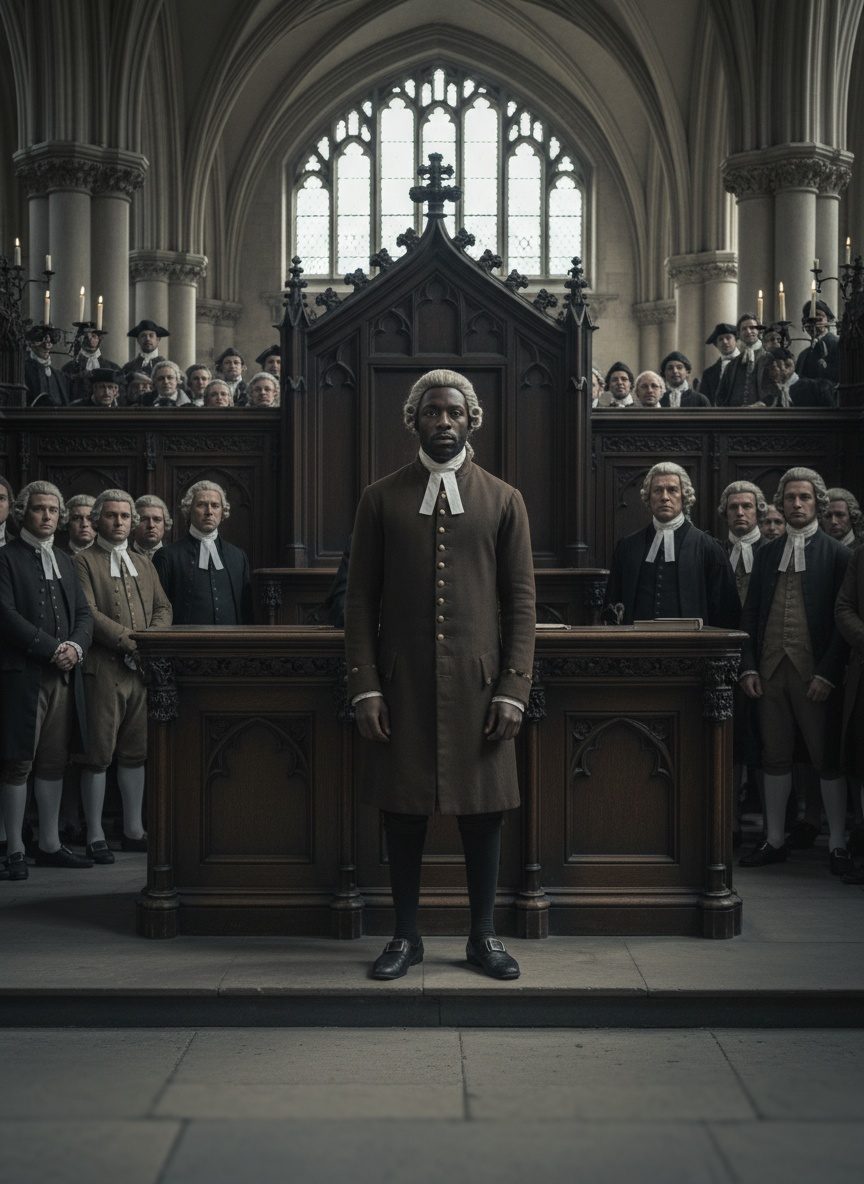
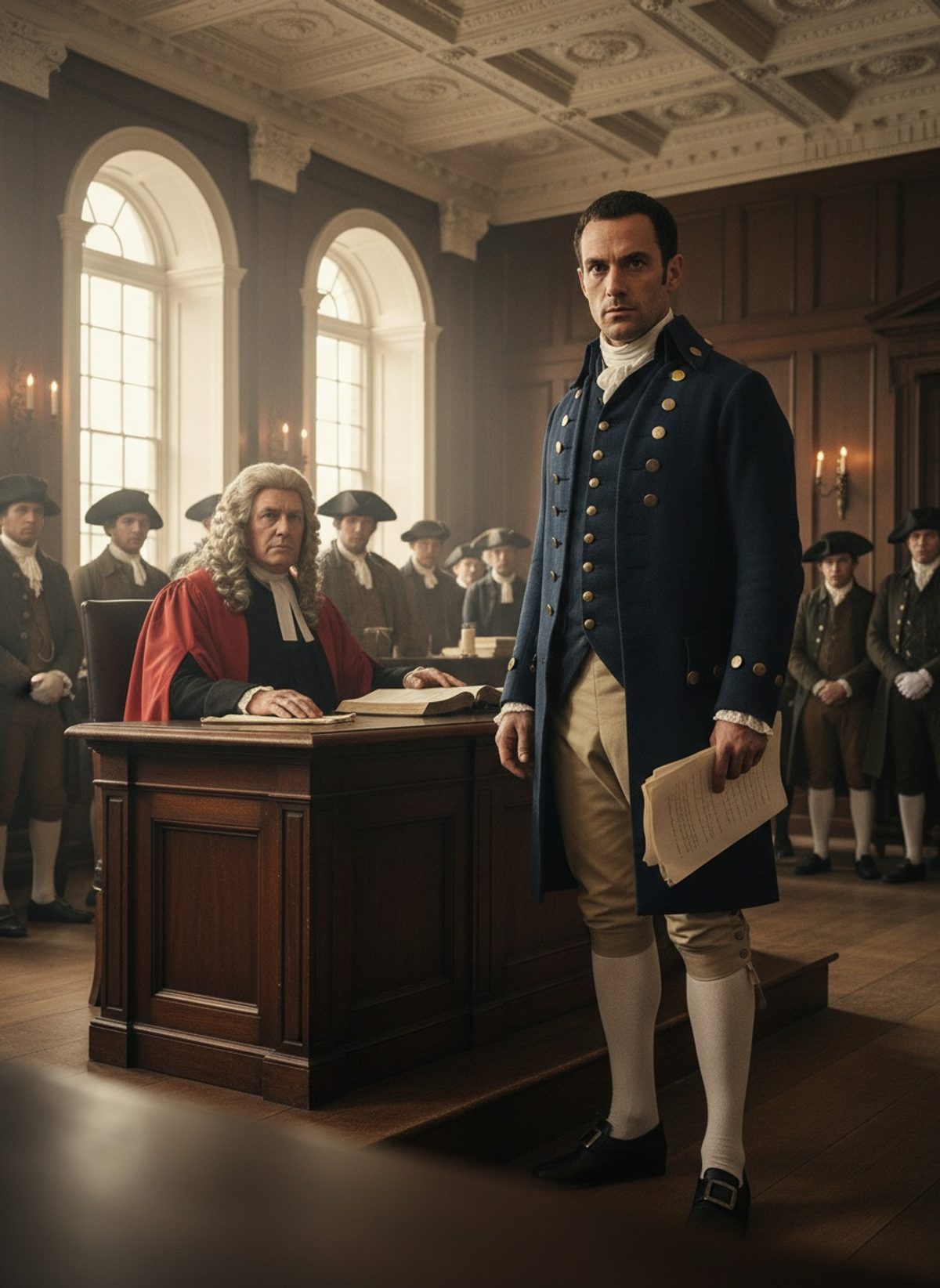
When Sharp took James Somerset’s case to court, it wasn’t merely a legal battle over one man's fate. It was a profound challenge against a deeply entrenched institution. The legal proceedings commenced with Lord Mansfield presiding over the case, a man known for his judicious poise and commanding presence. Yet, the weight of this trial went beyond precedents and laws. It was a confrontation with morality and humanity enveloped inside the courtroom's austere wooden walls.
The dialog within those chambers was fraught with tension, as legal arguments moved beyond specifics and language into the territory of moral philosophy. Sharp’s eloquence in presenting Somerset’s case was matched by his deft ability to conjure the long-forgotten freedom owed to all men under natural law. Echoes of biblical scriptures, historical cases, and moral quandaries coalesced into a discourse that called into question not just the sovereignty of English soil but the conscience of mankind.
During the trial, the air inside was taut with anticipation, each heartbeat reverberating through the silence following Sharp’s climactic arguments. The opposing bench, representing Steuart, clung to the last remnants of legal technicalities, but the court felt something larger unfolding—an awakening of the soul of the nation. With every assertion Sharp made, every passage he quoted, a new crack formed in the brittle foundation maintaining the institution of slavery.
The Verdict that Shook an Empire
The aging Lord Mansfield, weighing each word with the solemnity of a judge whose decision would ripple through the annals of history, delivered his verdict. As his voice carried over the expectant crowd, declaring that "no master was able to compel a slave to leave the country against his will," the room erupted into a cacophony of gasps and murmured disbelief. It was an unequivocal statement, a principle that echoed into every corner of the British Isles—English soil could no longer be a ground where the chains of slavery could be enforced.
This judgement was far more than a legal decision; it was a moral declaration that dared to tug at the rigging holding the British Empire together. Granville Sharp’s unyielding effort not only freed a man named James Somerset but ignited a fire that would burn in the hearts and minds of those who sought freedom and equality worldwide. The resonance of that judgment precipitated discussions and movements against slavery, contributing to the eventual legislative reforms that would unfurl in the following decades.
As the reverberations of that day's decision settled across England and eventually the world, it became clear that the shackles broken were more than mere iron—they were the boundaries of complacent acquiescence to unjust norms. Somerset walked free, an emblem of courage and hope, his story offering inspiration to countless others. It was a silent testament to the resilience of humanity and the scope of change fashioned by those who dare to seek justice—an untold legend etched in the sprawling tapestry of Britain’s history.