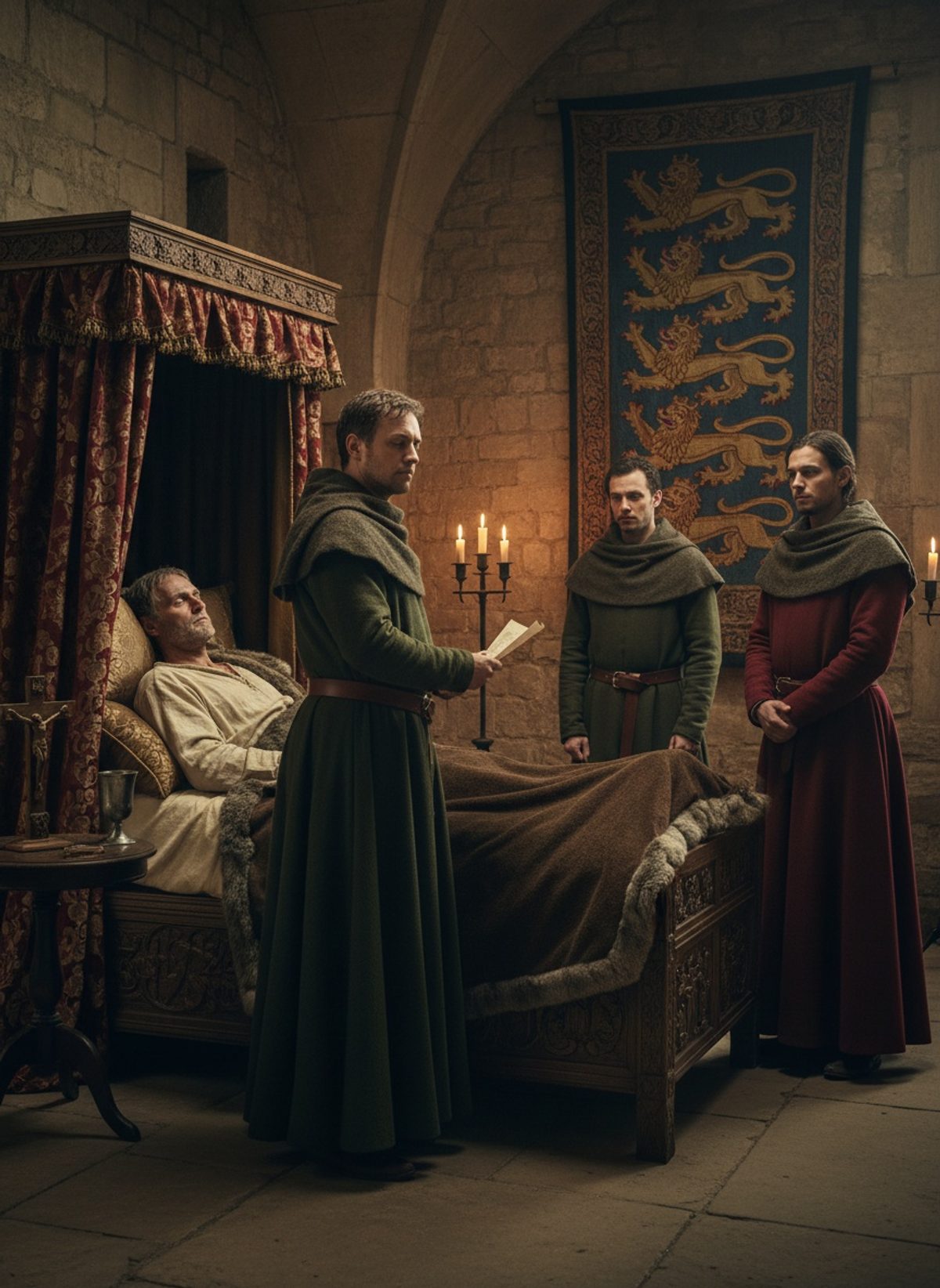
The air was thick with anticipation, whispers skimming like a light wind through the gray, cold corridors of the Tower of London. A single flickering torch illuminated the regal yet frail figure lying on the stone slab. Henry III, England's sovereign since he was merely a boy, was breathing laboriously, his heart slowing with each passing moment. The king's eyes, a mirror of dwindling twilight, scanned the faces of those who surrounded him. Among them, his closest counselors stood stoic, their minds already half a world away with his son, Edward. An anxious silence filled the chamber; the fabric of their nation seemed to hang by a delicate thread.
The Unseen Coronation
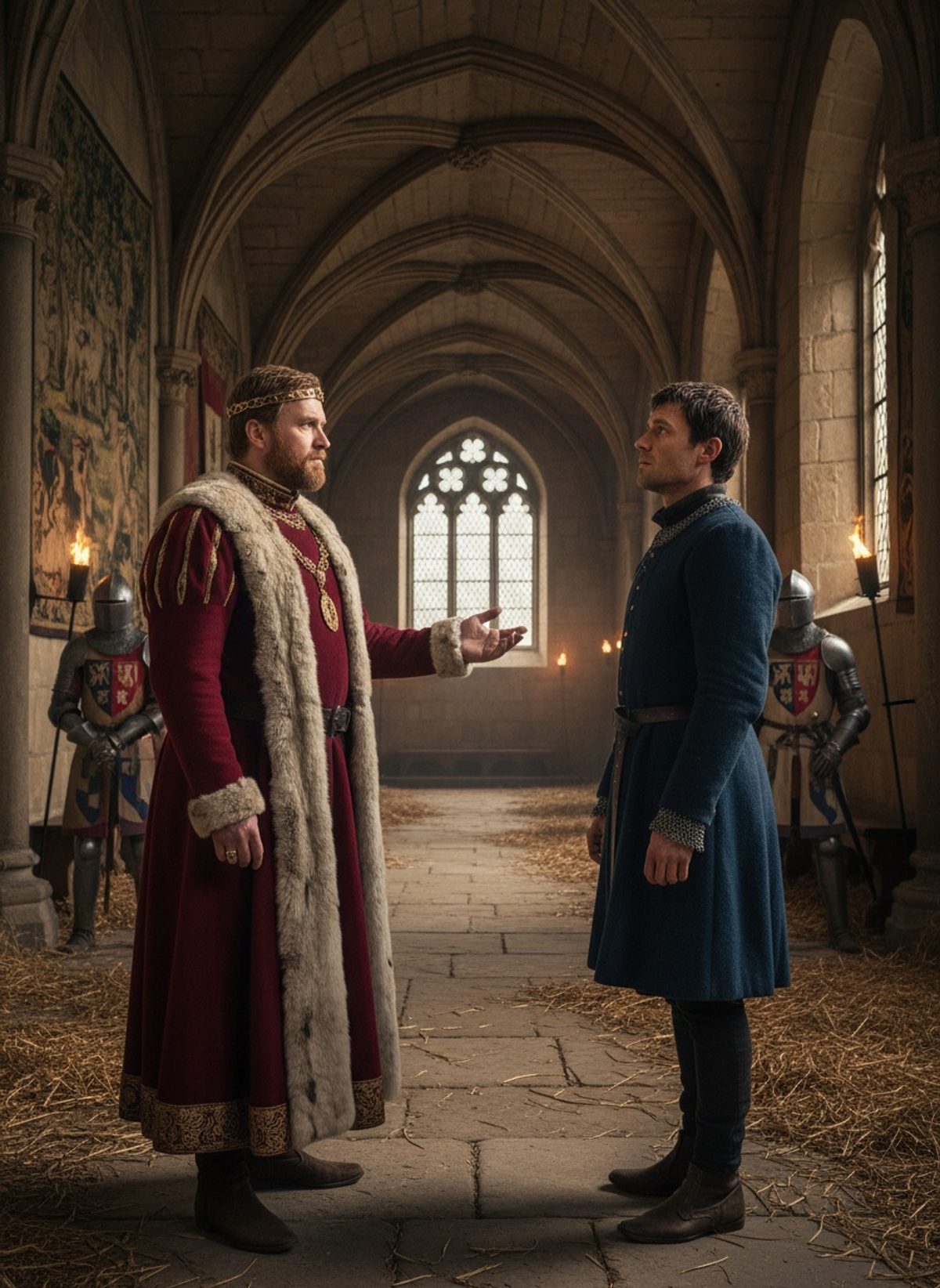
In that solemn chamber, a decision loomed—a resolve shaped not by tradition or ritualistic pomp, but by sheer necessity. It was the year 1272, and England was perched on a precipice. With Edward, the heir to the throne, far off embroiled in the Crusades, the English dominion was tethered precariously between the old reign and the new. The king's council, a body of distinguished but anxious minds, was acutely aware of the potential chaos that could follow without swift action. Succession disputes had, after all, seeded tumultuous wars and fractured states before; it was a pattern not soon forgotten.
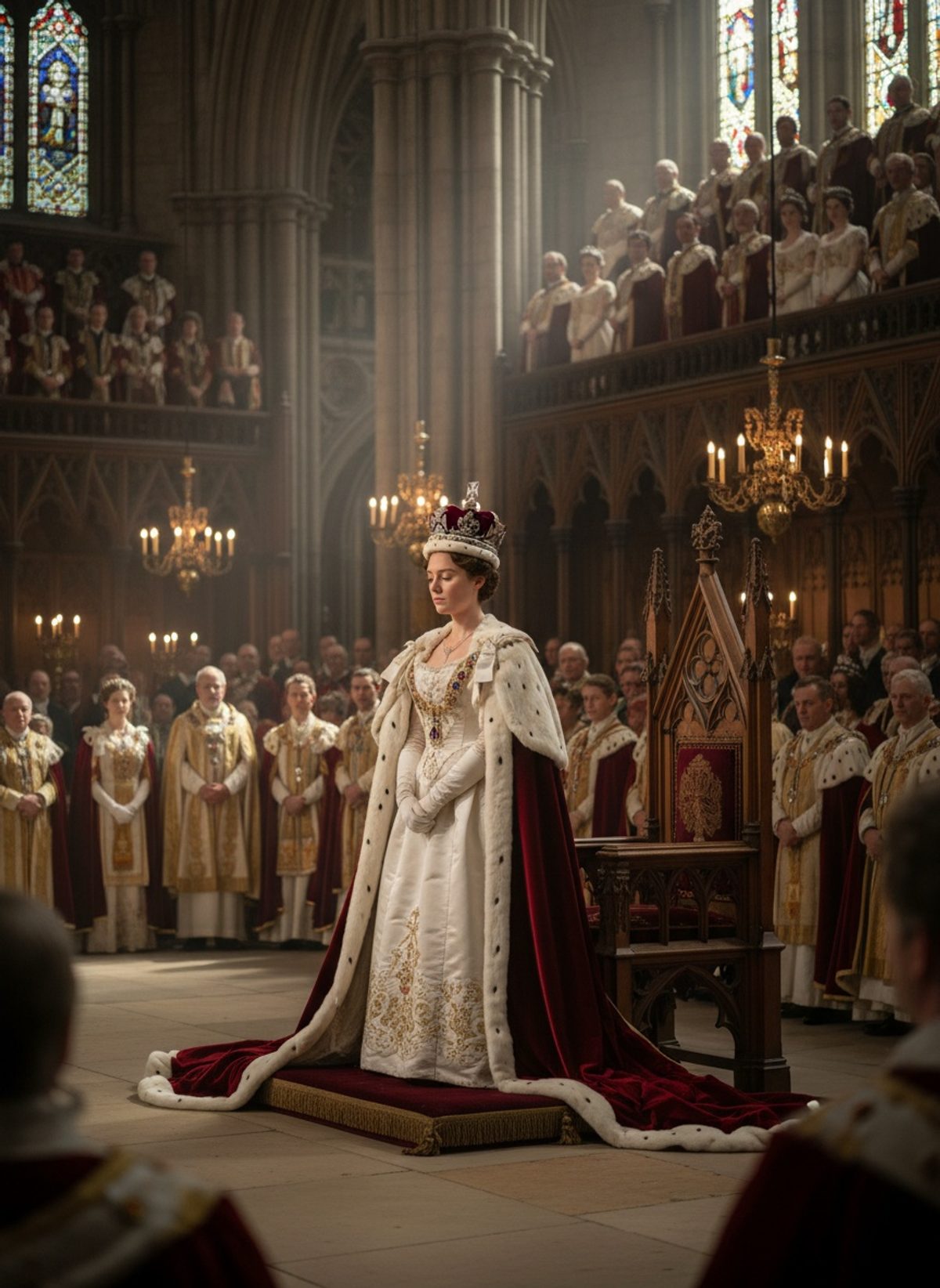
Henry's life force waned, and with it, the fervor of those who held sway over the land. A king's death could mean days, even weeks, of uncertainty—and with his successor oceans away, the risk ran deeper. Yet in those critical moments, an extraordinary choice was made—something that would alter the fabric of English monarchical tradition. The barons and advisers proclaimed Edward king by right of blood alone, a move that, while devoid of ceremonial fanfare, was a proclamation that echoed through the corridors of the kingdom itself. For the first time, the mantle of kingship was bestowed in absence, transforming an oceans-apart heir into a sovereign ruler without the symbolic weight of the crown or the solemnity of the church.
A Crown Across the Seas
The responsibility of announcing this unprecedented royal ascension fell upon the Duke of Gloucester, a man whose loyalty was as immutable as it was necessary. The corridors of power stretched far, reaching to the coasts and beyond, into the stark heat of the Holy Land where Edward campaigned. Messengers, swift as the winged thoughts of those who commissioned them, took to horseback and vessel to carry the tidings: England had a new king. A crown had been placed not on a physical head, but on the resolve and recognition of an absent prince. The act itself was less tangible than the iron helmet adorning Edward on the battlefield, but far weightier in its implications.
Read next: The Day a King Knelt to Wash a Beggar's Feet
From the shores of Dover to the pilgrim-clad lands of Acre, the message rode the winds of change. The crusading prince, in the midst of waging battles in foreign lands, received news that would redefine his role—a notification that was less a command and more a summons to destiny. It was a transfer of power that spoke less to the ornate theaters of royal ascension and more to the pragmatic heart of governance that pulsed at the core of English rule.
As Edward took the message to heart, a resolve simmered within him. Orders were dispatched; his return to England became a beacon of stability. In the absence of a coronation, the acknowledgment of his rule coursed through lanes and fields of the homeland, binding communities under a singular new name. The seamless shift reflected not merely an adherence to the doctrine of succession but an audacious forethought that sidestepped internal conflicts and anchored the realm in a time of potential dismantling.
The Weight of an Unseen Coronation
In an era defined by towering castles and expansive feudal estates, royals served not only as vessels of divine right but as the pillars of societal cohesion. Edward's unorthodox ascendance amidst foreign sand dunes was a testament to the evolutionary needs of an English monarchy that was ripe for transformation. It illustrated a conscious choice to embrace order over the cacophony of disruption—a decision perhaps more visionary than any crown could symbolize.
This tale of an inheritance claimed across tumultuous waves of both sea and circumstance remains a neglected episode of historical foresight. England’s peaceful passage of power in an age dominated by swords and shields demonstrates the subtler might of collective deliberation over ceremonial splendor. The weight of that unceremonious coronation was carried not upon regal shoulders but through the steadfast dedication of those who desired continuity for their kingdom. The act was a harbinger of a monarchy adapting, ensuring foundations were not fractured during times of transitory uncertainty.
Amid the rigid hierarchies of medieval Europe, the self-coronation of Edward I revealed the quiet potency of adaptability within the institution of the Crown. Though it may lie shadowed by more celebrated epochs, that deft declaration etched itself subtly into the annals of time, reminding us that sometimes, the most profound shifts occur not under the glare of gilded crowns but within the whispers of uncertain times.