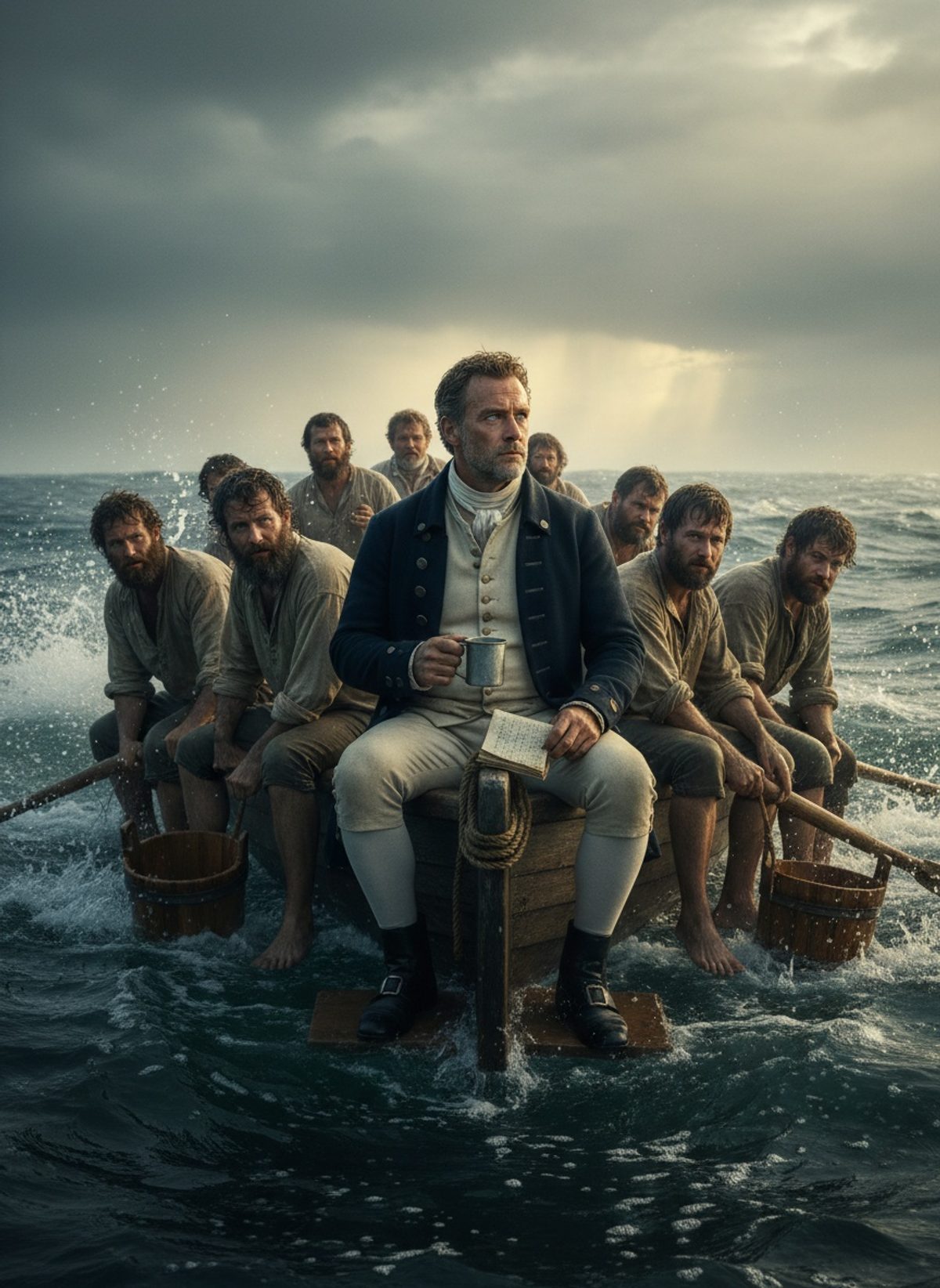
The morning sun shimmered off the gentle ripples of the Pacific Ocean, casting golden rays on the azure expanse that seemed to stretch into infinity. The horizon was a blurred line between sea and sky, the kind of vast, unyielding solitude that could humble even the bravest souls. But this was no serene seascape to eighteen men tossed in a meagre seven-metre open launch. For them, the placid waters under the May sun of 1789 became a cruel reminder of their isolation, a far cry from civilisation, and an epitome of the unknown that awaited in every direction.
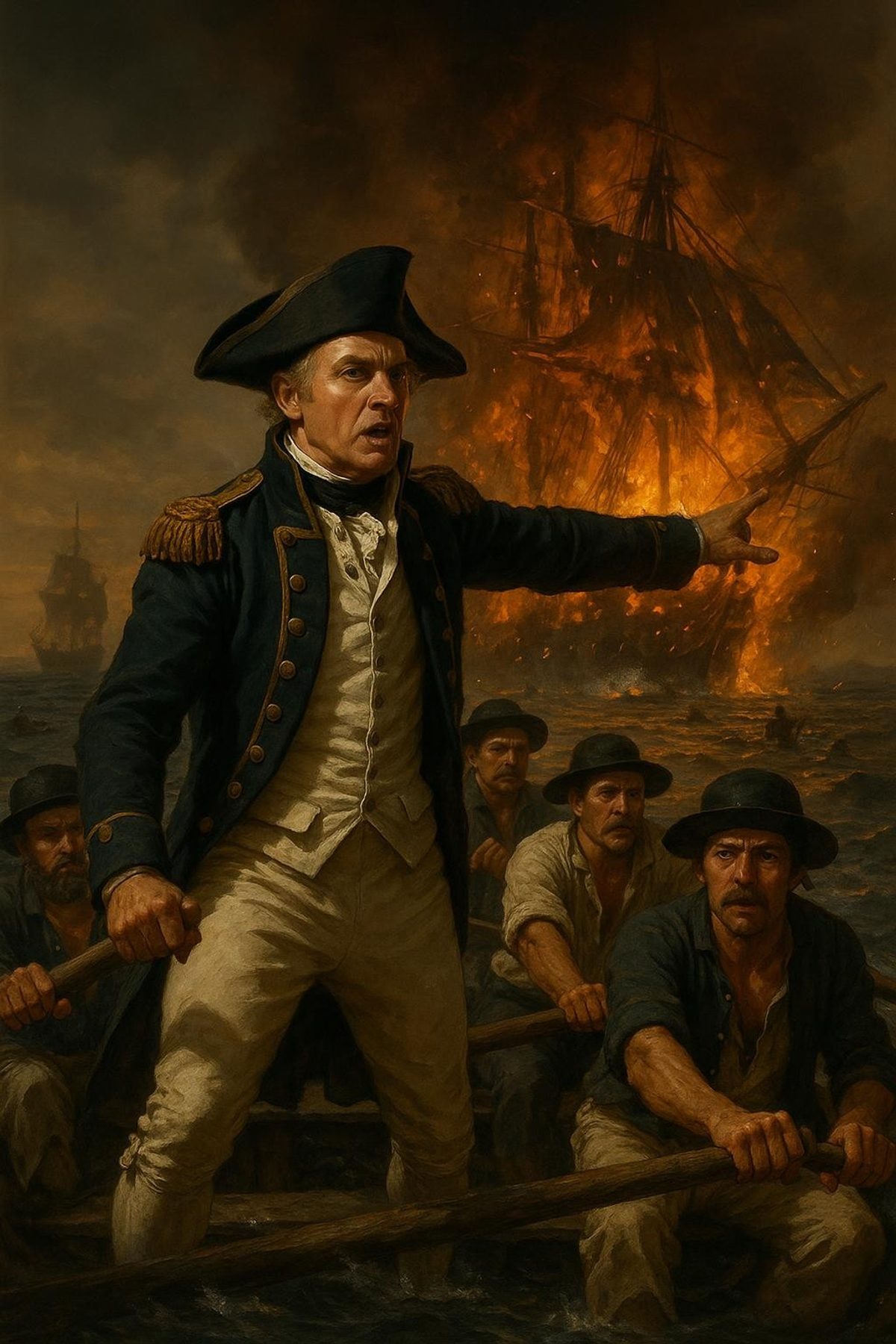
Cast adrift from His Majesty's Armed Vessel Bounty, under the harsh decree of rebel sailors now dubbing themselves masters of the ship, Lieutenant William Bligh found himself entrusted with navigating 3,600 miles of ungodly ocean with a scant handful of supplies and a intrepid willpower that few could claim. The mutiny aboard the Bounty, orchestrated by Fletcher Christian, had stranded Bligh and his loyal men with near nothing but a navigational horror and the smallest pinch of fate clutched between their palms.
It was a cruel irony that the very ocean that had nurtured Bligh's nautical career since his youth now threatened to seal his fate. Born to a mariner’s life from his earliest days on British shores, he had become an adept sailor by the age of twenty-four. Yet no experience, no training, could fully prepare one for the stark reality of being marooned upon the high seas. The scant provisions allowed him to dole out food by the mere spoonful, their journey a vast testament to human endurance and scant mercy.
Bligh's tin cup became emblematic of his desperate ingenuity. Carefully, he rationed the meagre reserves of bread and water aboard; each drop, each morsel measured and meted with precision that was almost painful in its necessity. Their survival clung to this metal sliver's measured redistribution, a reality that changed daily as Bligh's course pushed them ever closer to their distant salvation.
Read next: The Day a British Captain Pulled His Enemy From the Sea
The men battled more than just hunger and thirst; the psychological toll imposed by the infinite blue desert was unrelenting. Bligh had no charts to plot their course for half the journey. The sextant and pocket watch became his most trusted allies, allowing him to navigate using skills surpassed only by his sheer tenacity. The tropical sun beat down on them during the day while cold nights pierced their scant rations, while they clung numbly to a sliver of unwavering hope.
The courage of Bligh's leadership could not be overstated. While history often recalls him in various lights, his stewardship aboard the small craft was a masterclass in crisis management. He kept morale from disintegrating through inspired speeches and equally shared burdens. He assumed the role of the father figure, protector, and navigator, recalibrating not just their direction but their spirit with each nautical mile.
Their ordeal through rough waters and prickly skies was accompanied by harrowing moments that tested the soul. The cries of men growing delirious with fatigue and thirst punctuated the nights. Yet, through the bitter turn of forts and fearsome sea swells, Bligh charted their course past deadly reefs and deceiving illusions of land that turned to mirages upon approach. Relief came when finally, they sighted land within the limits of their dwindling endurance, arriving into Timor forty-seven days later like spectres from a maritime nightmare.
The arrival at Timor was not one of triumph but rather profound relief. The journey had claimed none to the sea, a testament as miraculous as their ordeal was grievous. The bountiful lands of Timor offered redemption; their battle against nature's rawest forces had found its resolution at shores that gowned them in the cloak of civilisation once more.
This story matters not merely because of the lengths and winds and sails it covers, but because it hinges on the indomitable spirit of human resolve, a testament to leadership in extremis. Bligh's voyage remains a profound narrative on the resilience of the human experience, echoing far beyond the ages as an unsung legend left out of textbooks, waiting in the drafts of history for its rightful readership.