April 12, 1814. The spring air in Paris carried the scent of fresh rain mingled with the lingering aroma of horse-driven carriages clattering through the cobblestone streets.
Within the opulently adorned halls of the Château de Saint-Cloud, a tense and charged atmosphere loomed. With Napoleon Bonaparte's abdication days prior, the political landscape of France had shifted dramatically. Allied forces occupied Paris, the Bourbon monarchy sought to reclaim its throne, and foreign dignitaries moved through the court like chess pieces amid a game of power and persuasion.
Amidst this turmoil walked Arthur Wellesley, the Duke of Wellington, a name that elicited both respect and resentment across Europe. Having played a central role in the Peninsular War, Wellington was hailed as a hero in Britain but regarded with deep-seated animosity among Napoleon's supporters—particularly the French marshals whose military dominance he had repeatedly thwarted.
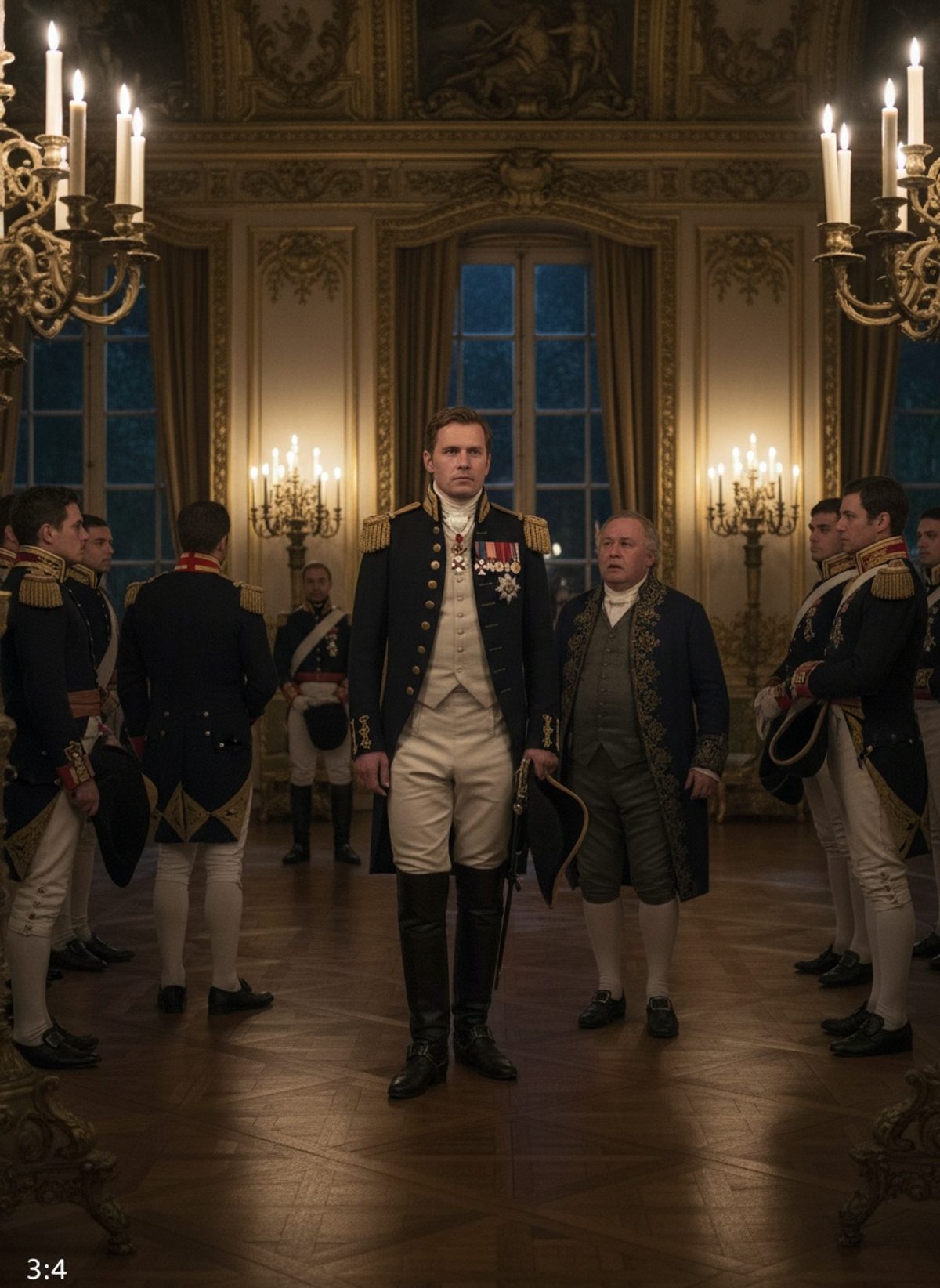
The moment Wellington entered the grand salon, the scene unfolded with an intensity that few anticipated. It was as though the room’s very decorum was held captive by an unspoken rule. Every one of the French marshals—a cadre of men who had once represented the very heart of the Napoleonic military machine—turned their backs in unison. The gesture was one of silent contempt, a defiant refusal to acknowledge the man who had so decisively contributed to their leader's fall.
Read next: Joe Medicine Crow Touched the Enemy. He Came Home a War Chief.
Amidst the stunned murmurs of the court, Louis XVIII himself, already aware of the importance of reinforcing newly-formed alliances, rushed forward to defuse the tension. Hastily, he offered an apology for the disrespect shown by his marshals, an apology wrapped in the silk of diplomacy and the necessity of forging a conciliatory path forward.
Wellington, known for his poise and keen wit, responded with a calm that neither exaggerated nor belittled the moment. His words would capture the enduring strength of character often attributed to him: “Your Majesty, what they are doing is only natural. I have been fighting against them for a long time.”
This understated retort not only neutralized the situation but also placed the momentary slight within the context of their shared history. It acknowledged the past while simultaneously laying the groundwork for the reconciliation effort that Europe so desperately needed.
Wellington's reply went beyond mere politeness. It was a testament to the complexities of wartime rivalries and post-war reconciliations. The Napoleonic Wars had torn through the European continent like a gale, uprooting established orders and planting the seeds for future national consciousness and conflicts. For the French marshals, each turn of the back symbolized not only a personal defeat but also the lingering bitterness of a broken dream of conquest, the fracturing of an empire that many had believed invincible.
The marshals themselves were a fascinating collection of characters—men who had risen to considerable power under Napoleon's aegis, some with humble beginnings, elevated by merit and wartime necessity. Their achievements not only brought them wealth and titles but an unshakeable belief in the endurance of Napoleon's vision, making their collective snub of Wellington both personal and deeply symbolic.
Yet, Wellington was no stranger to adversity and hostility. His military career had seen its fair share of hard-fought campaigns and terse negotiations, honing within him a mastery over both the art of battle and the delicate dance of diplomacy. This event at the French court was as much an engagement of wit as any skirmish on the battlefield. His conciliatory acknowledgment to Louis XVIII, while tactful, didn't cede ground but rather translated past enmity into mutual respect.
As the specter of war receded, Wellington found himself navigating the diplomatic halls of Europe with as much skill as he had its battlefields. In Paris, amidst the echoes of empires clashing, he planted seeds for lasting peace—diplomatic overtures critical to stabilizing a continent worn by decades of conflict. The venue of this particular standoff was as significant as the words exchanged within it. In turning their backs, the marshals had unwittingly invited one of history's great reconciliations.
For students of history, this storied encounter serves as a vivid tableau of broader themes that defined the Napoleonic era—shifting allegiances, the ebb and flow of power, and the vexing pace of change driven by ambition and forged by war. It underscored an essential truth about this critical juncture: that the personal histories of figures like Wellington and the marshals were intertwined with the fate of nations.
Today, as nations navigate their own complex histories, the events of April 1814 offer a timeless lesson: even in the aftermath of our most divisive conflicts, the path to peace often requires facing once-bitter rivals and transforming victories into lasting coexistence. As Wellington capably demonstrated, even the most subtle of exchanges can pave the way for reconciliation over the ruins of war. The room might have turned their backs on him, but history would not forget the grace with which he turned resentment into history's enduring legend.