170 stories
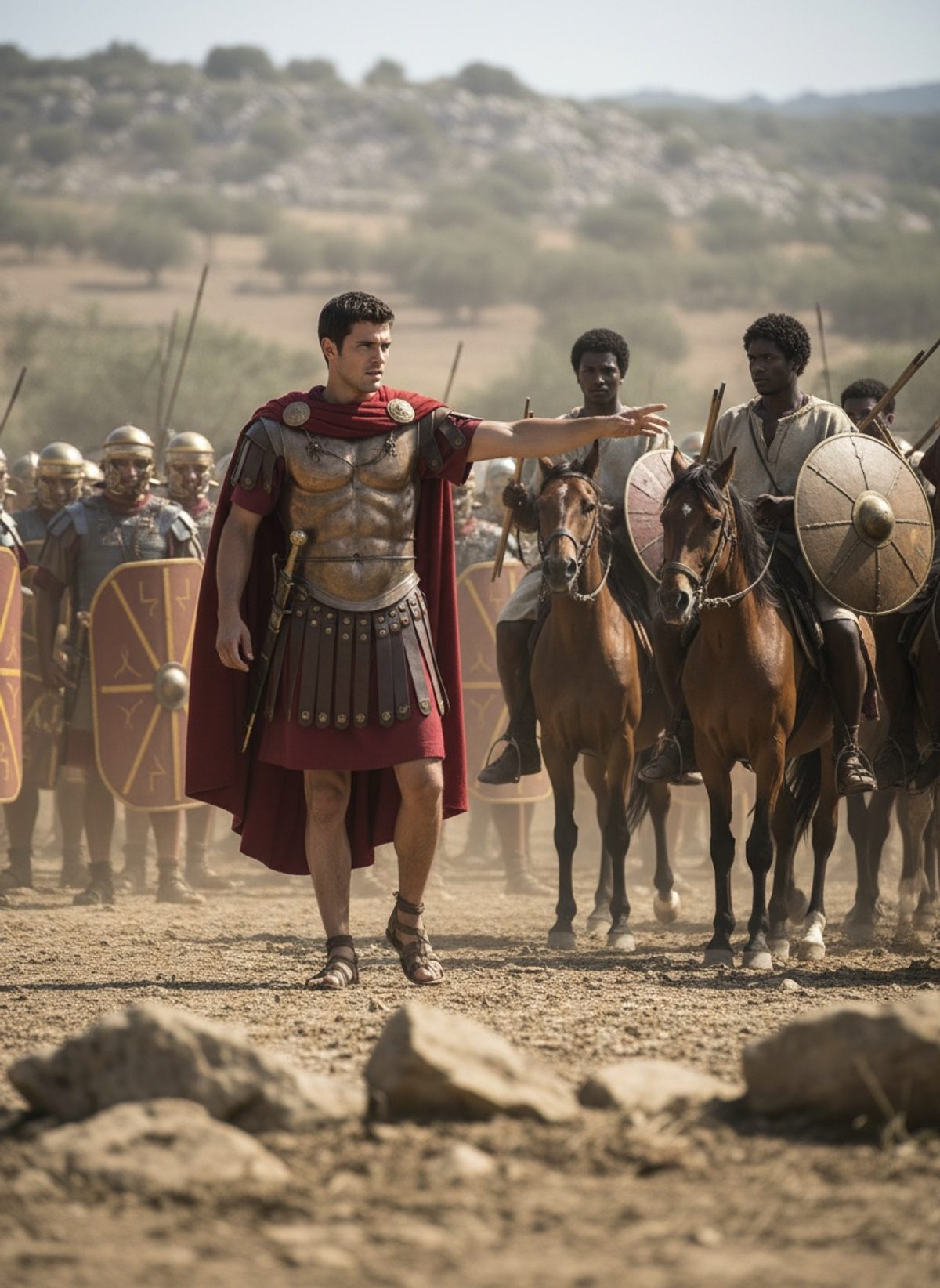
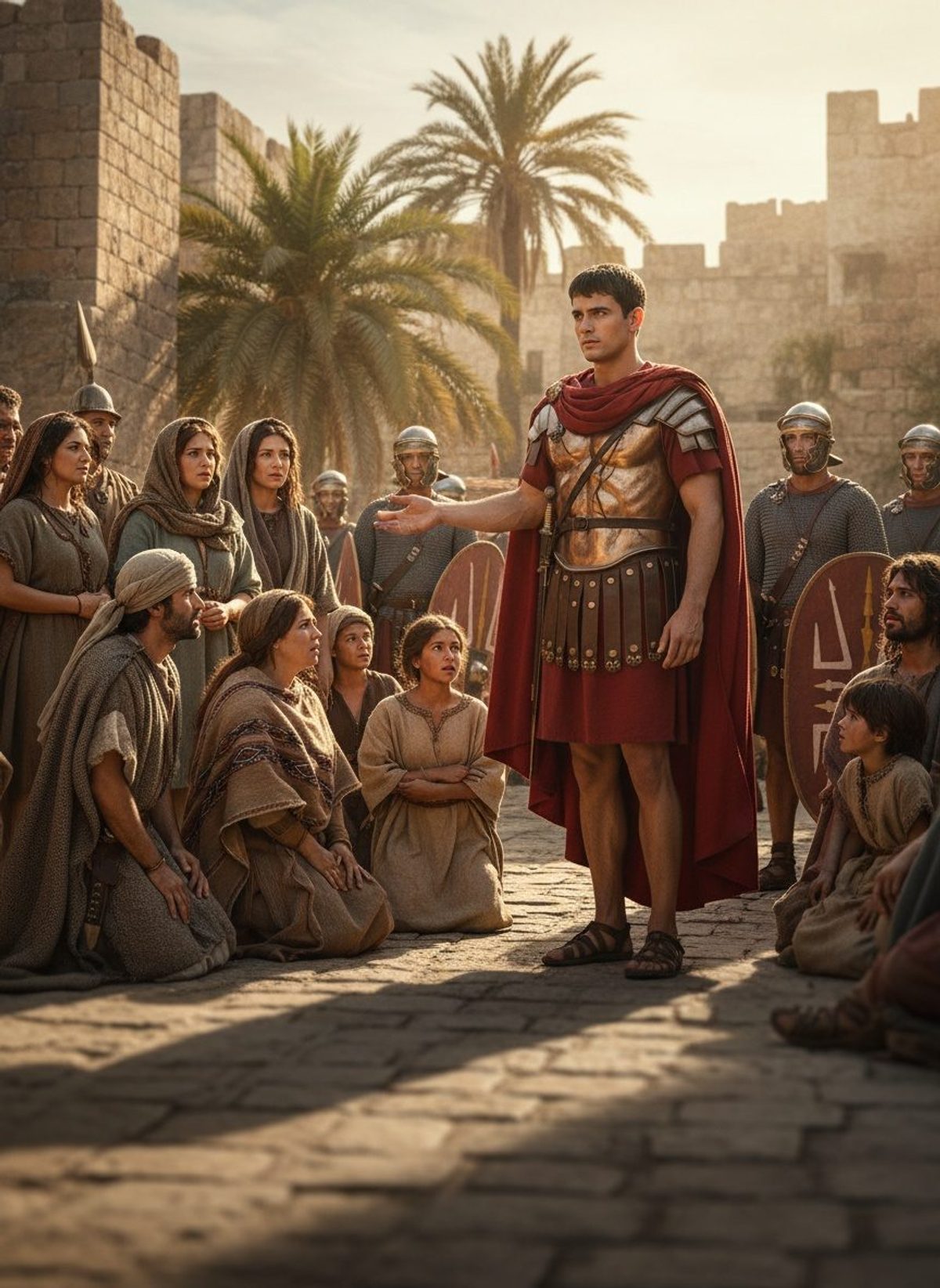
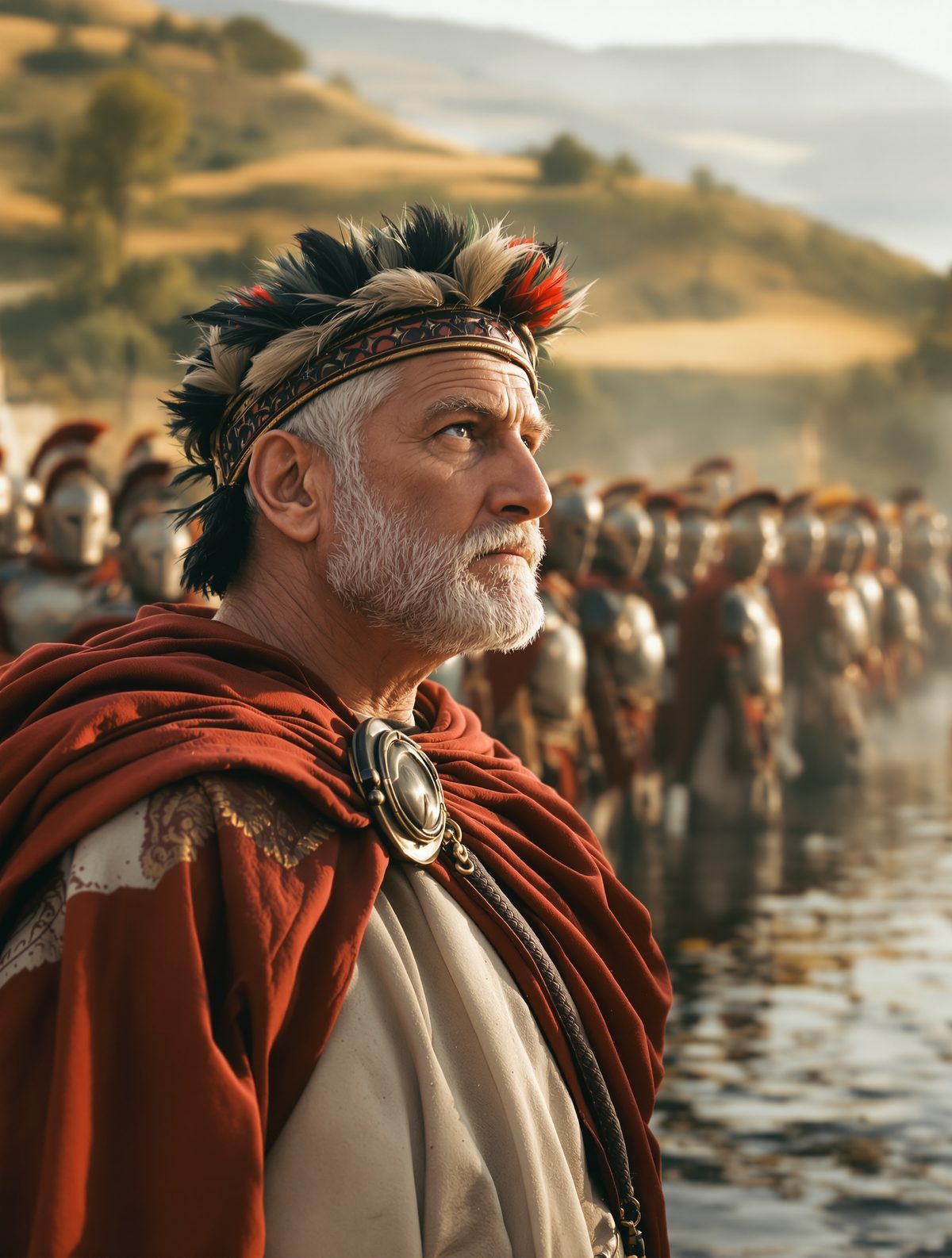
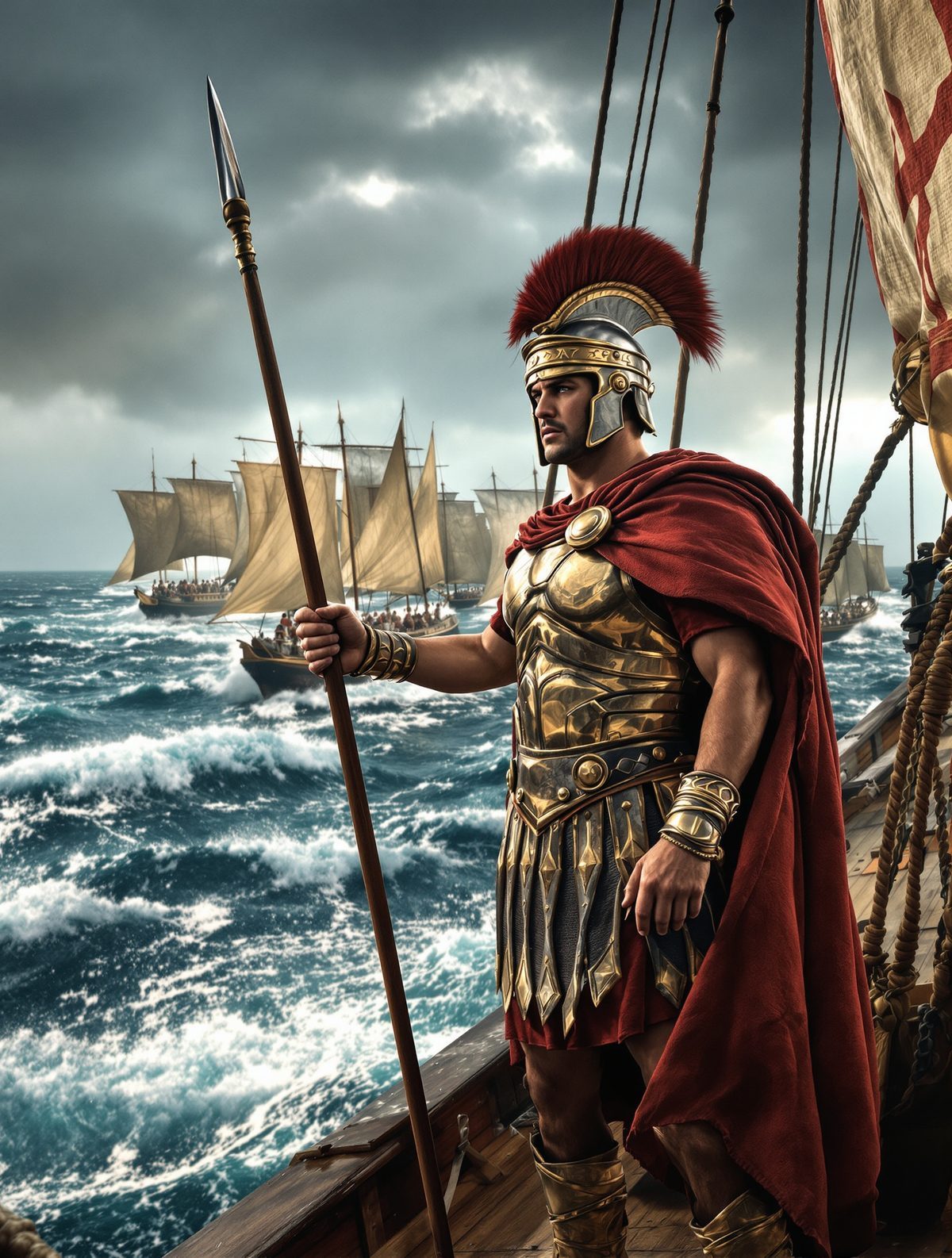
206 BC. Rome had no cavalry in Iberia. Scipio Africanus took Numidian prisoners. Fed them. Armed them. Rode them into battle against Carthage. They won. Rome never forgot the lesson.
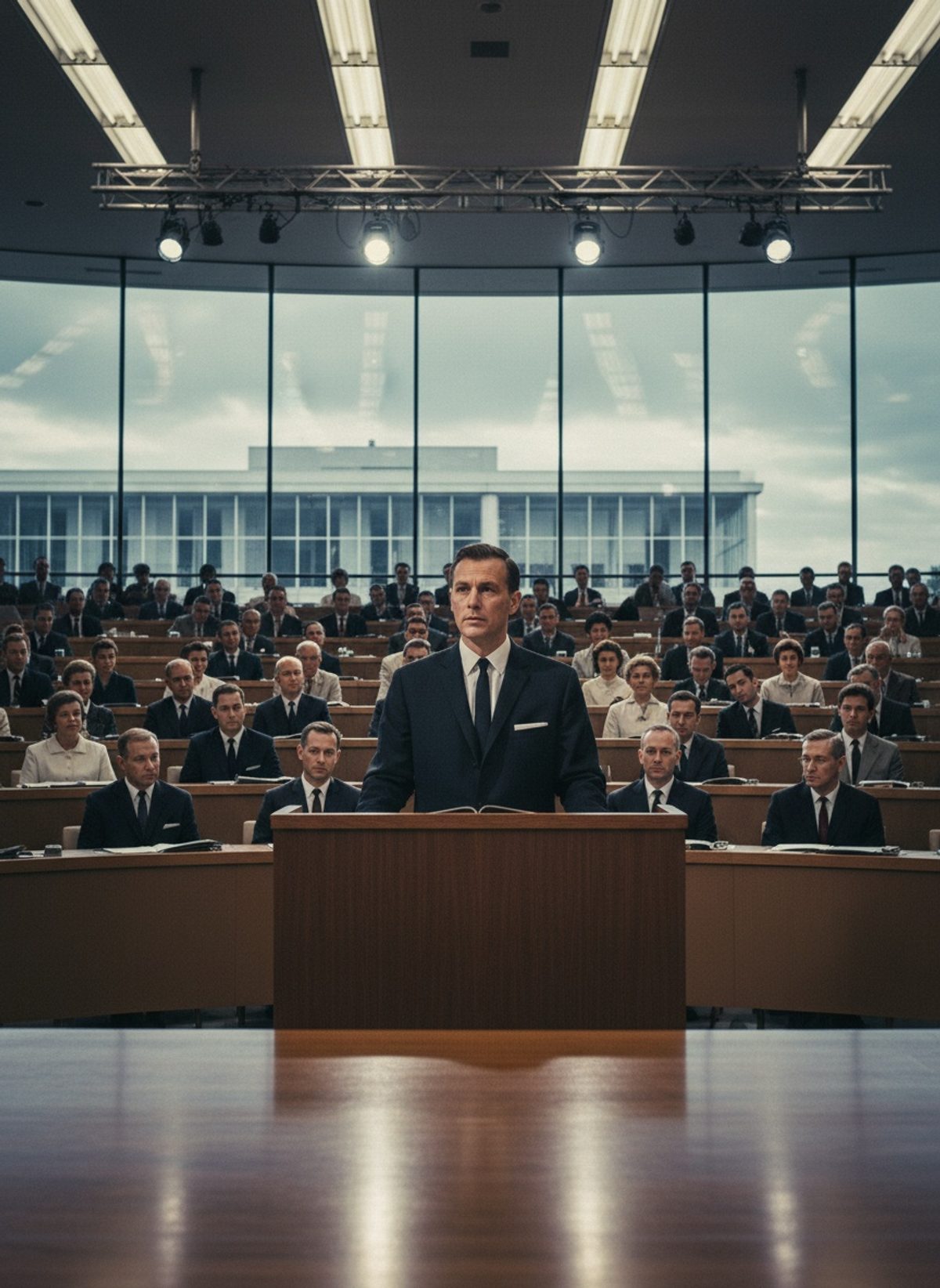
September 1961. Nuclear arsenals could end civilisation. A young American president stood before the world's nations and said: the choice is disarmament or destruction. The speech changed nothing. And everything.
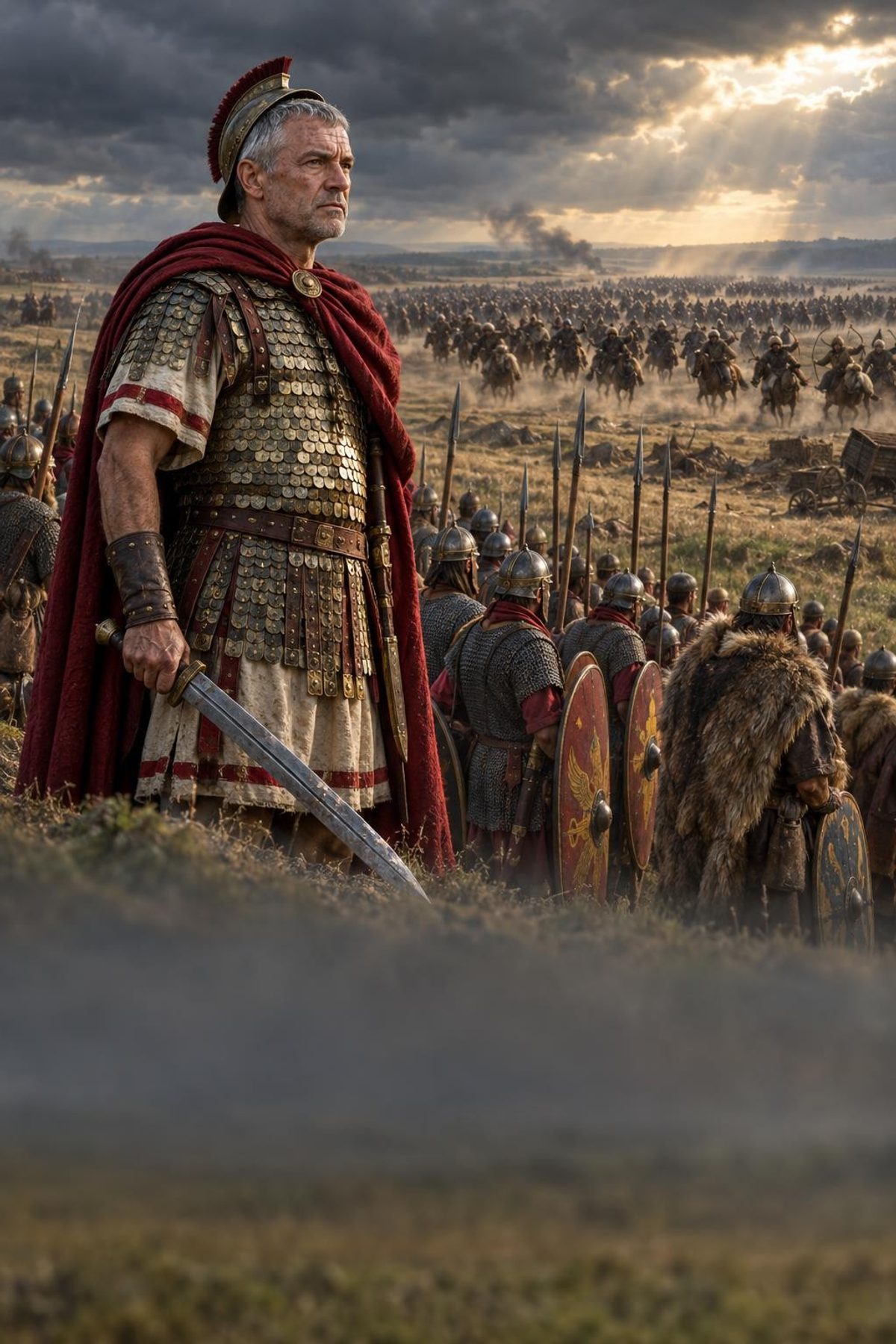
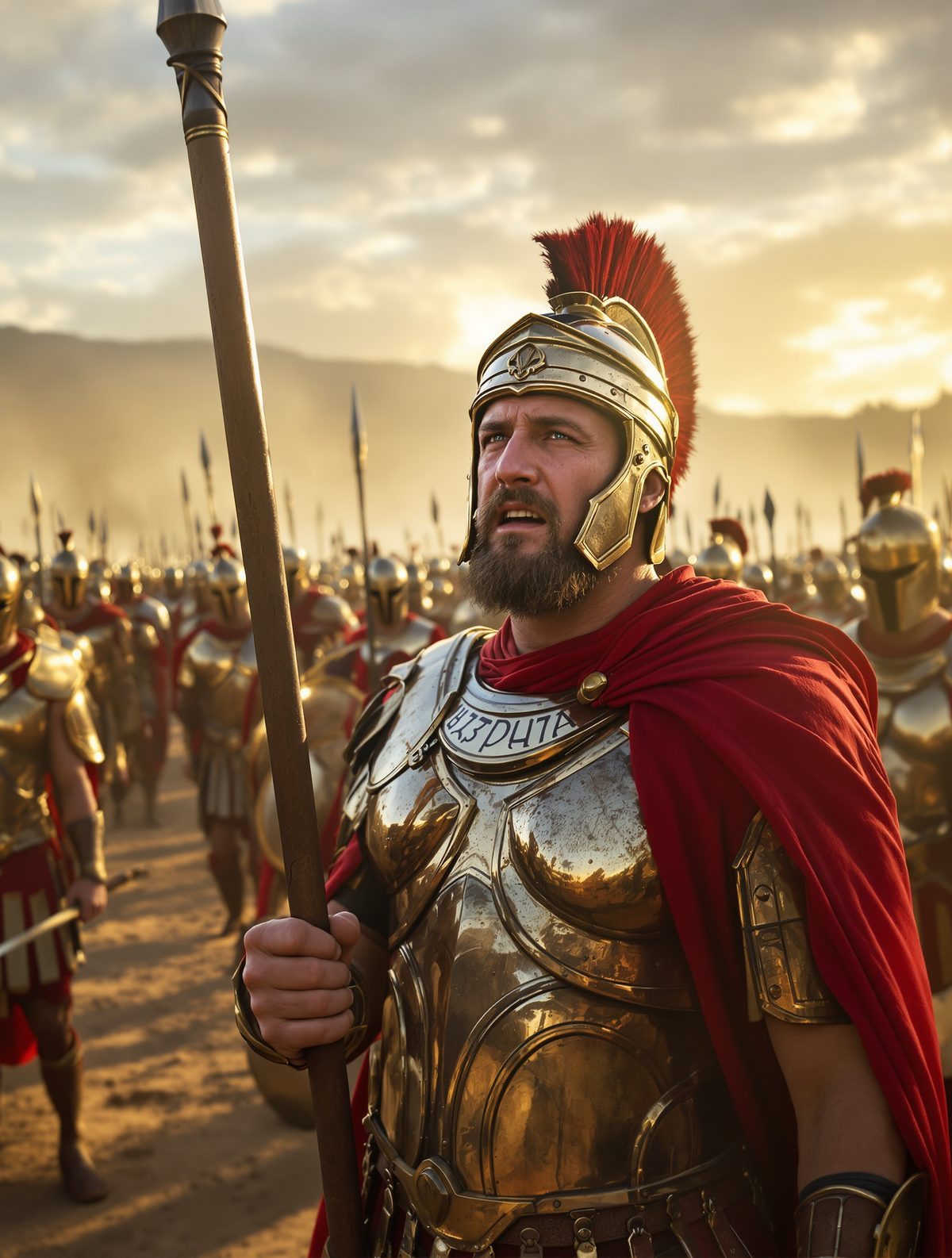
June 451. Attila the Hun had burned his way across Gaul. One Roman general stood in his path. Flavius Aetius gathered Romans, Visigoths, and Franks into a single line. They held. Attila retreated. It was the last great Roman victory in the West.
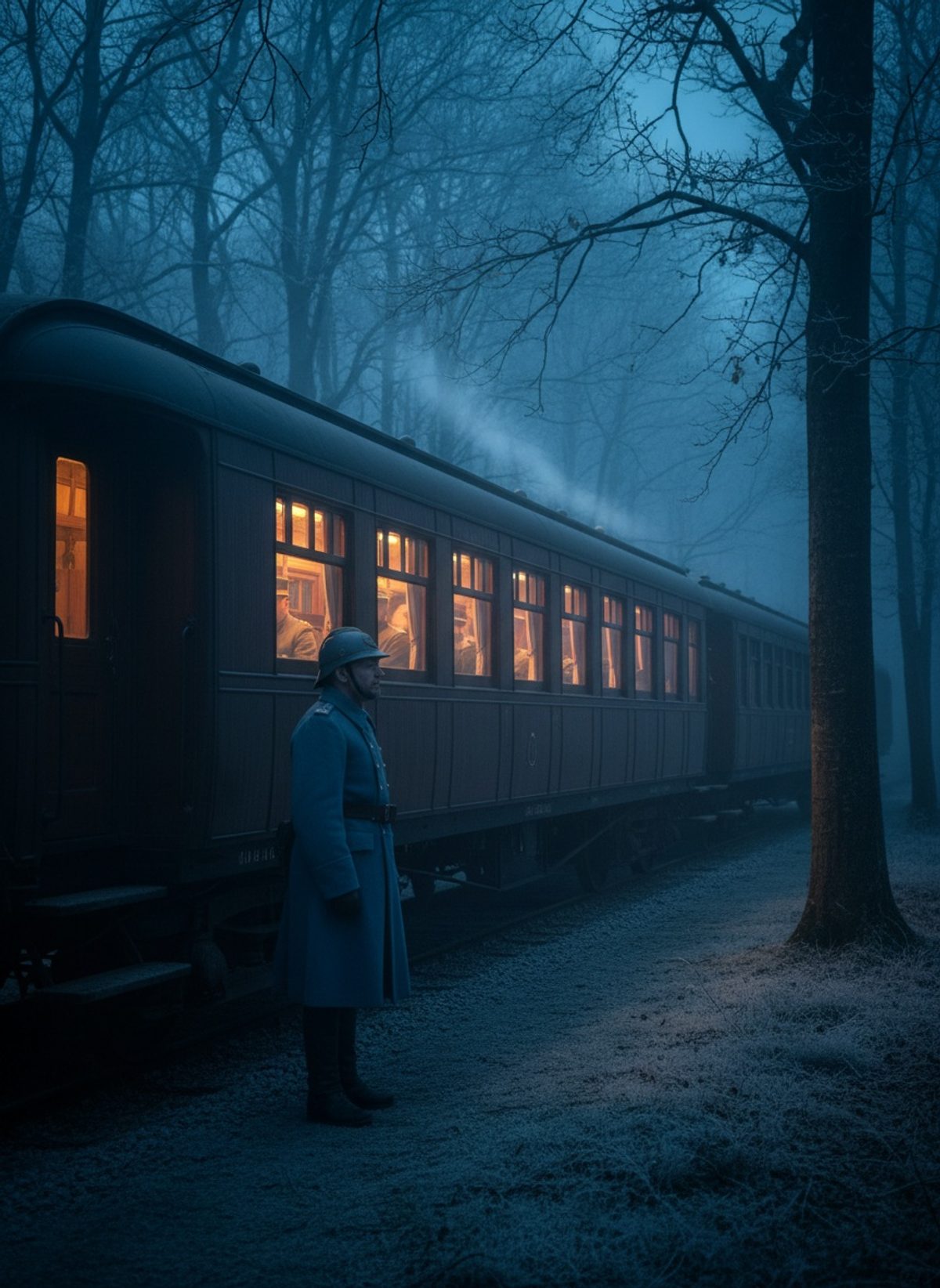
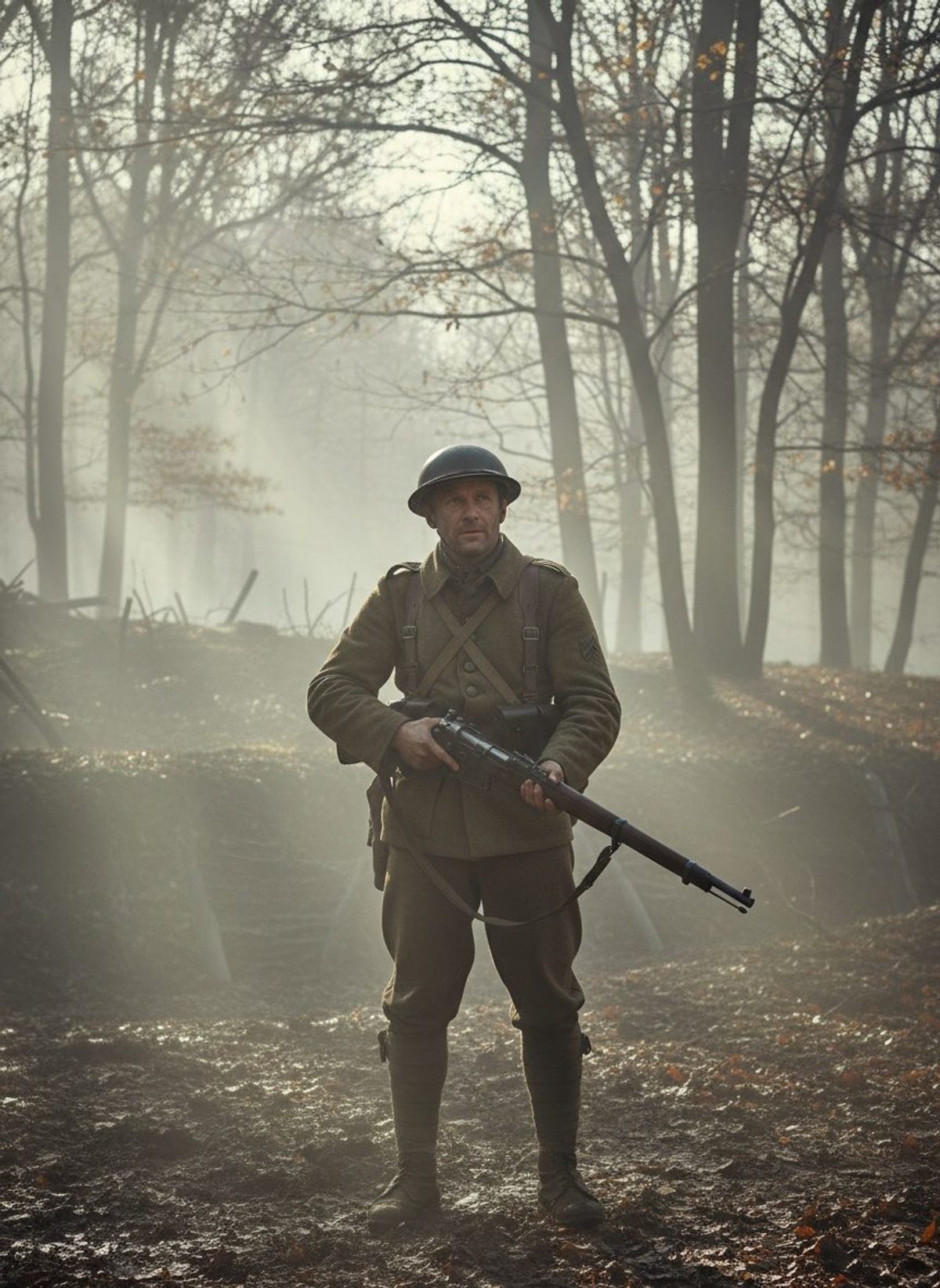
Before dawn on 11 November 1918, in a dining car parked in a French forest, the Armistice was signed. The guns fell silent at 11am. In 1940, Hitler brought the same carriage back.
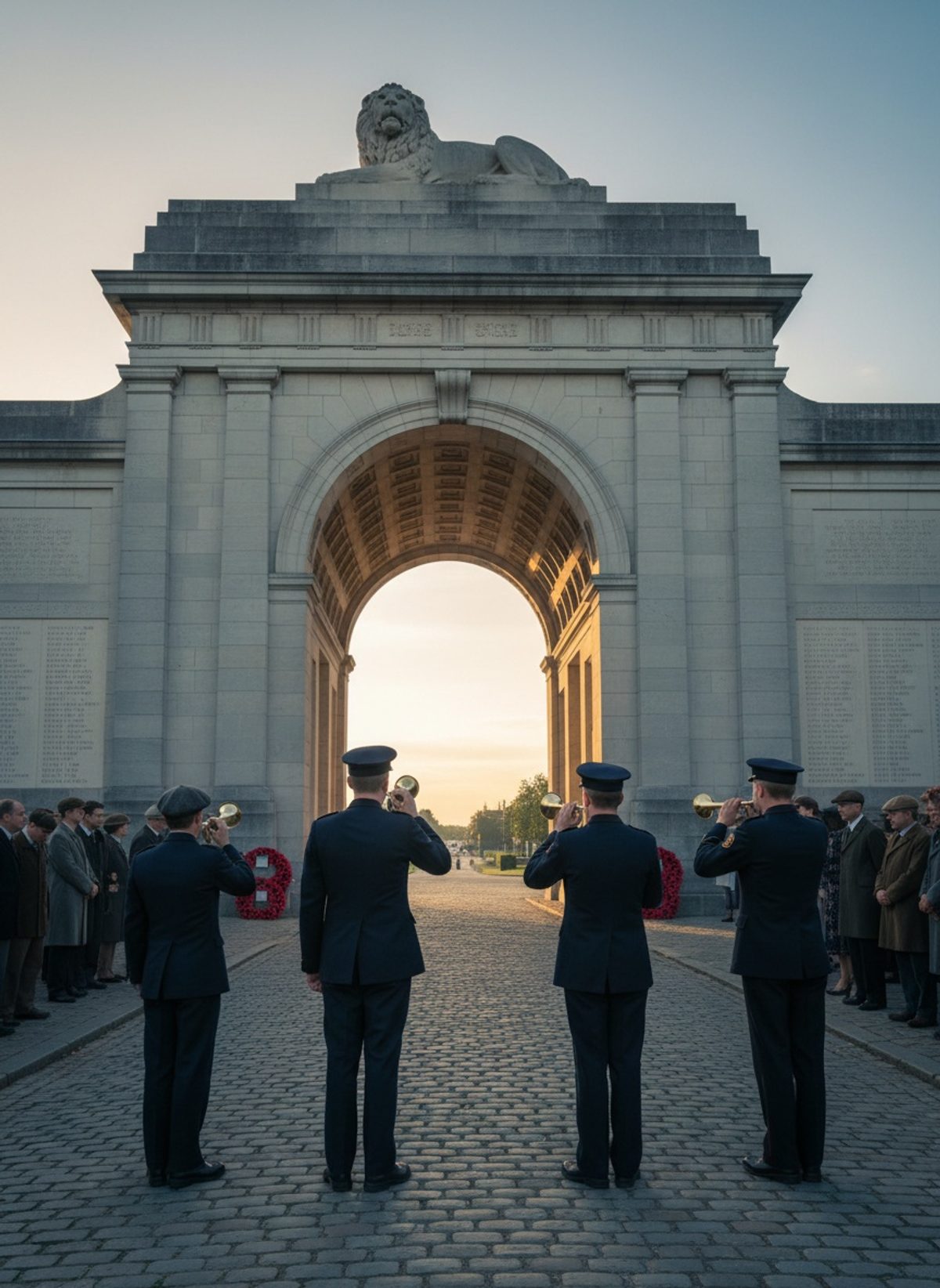
Every evening at 8pm, the traffic stops at the Menin Gate in Ypres. Buglers play the Last Post for 54,395 soldiers with no known grave. They have done it since 1928.
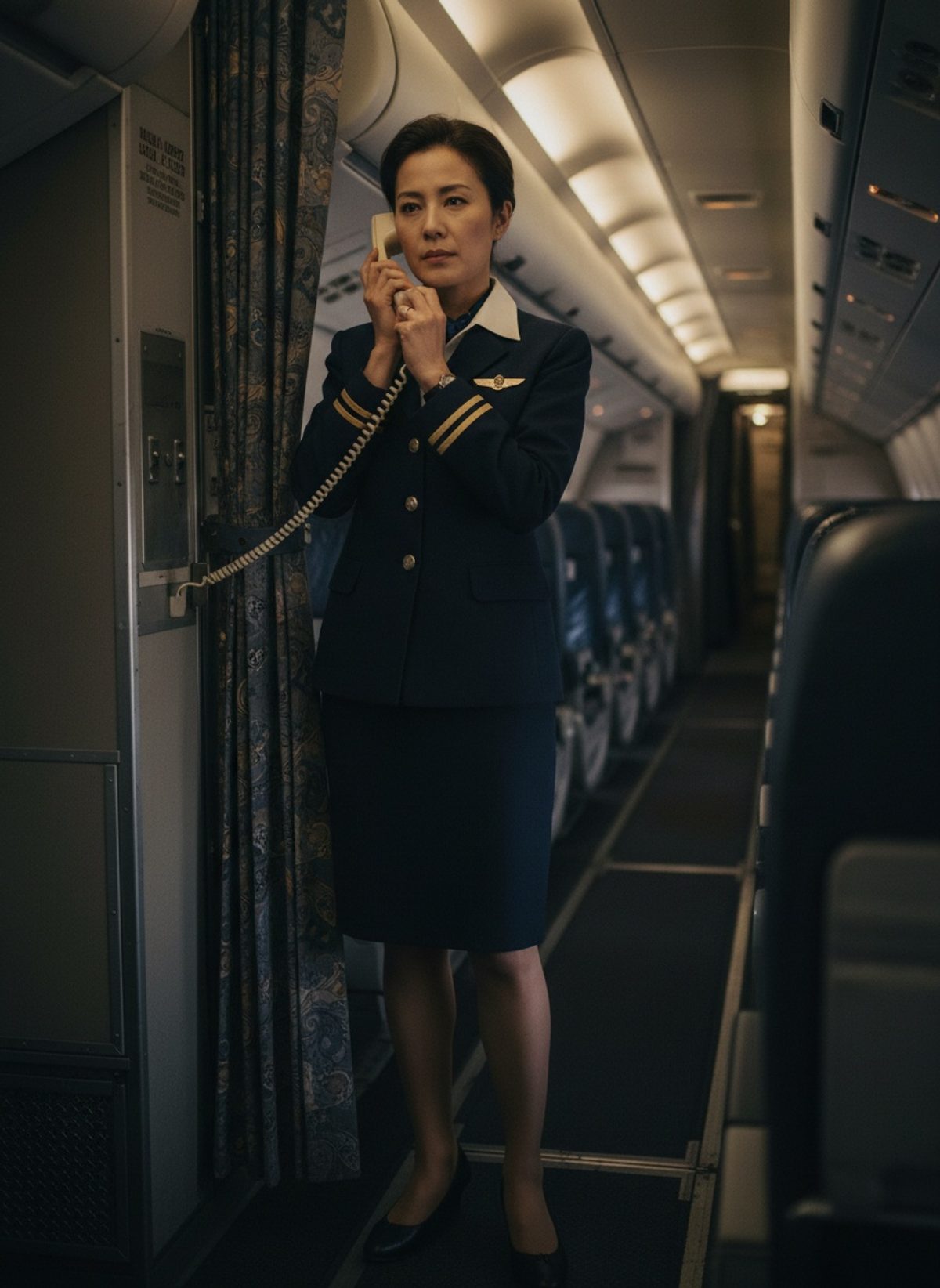
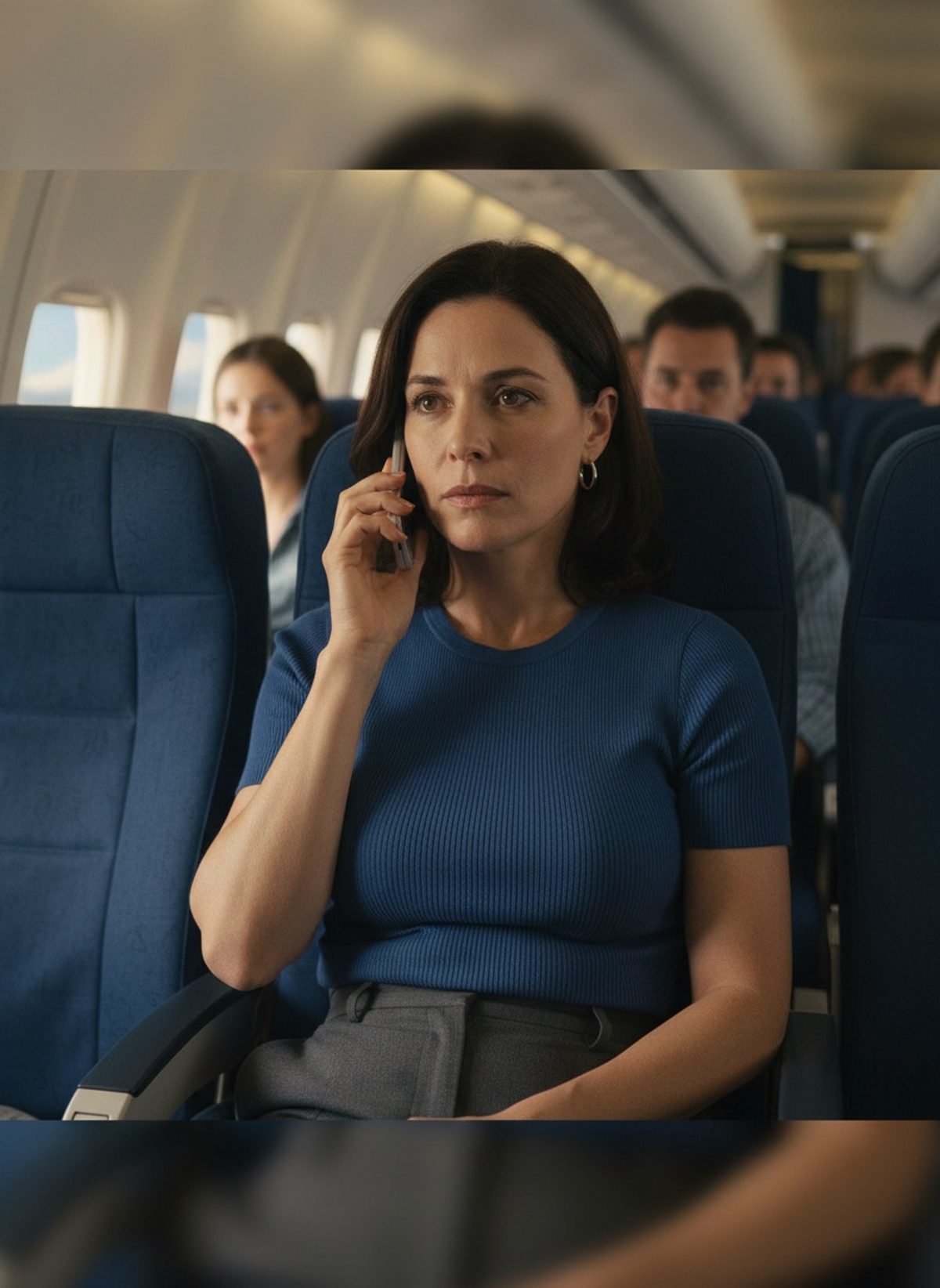
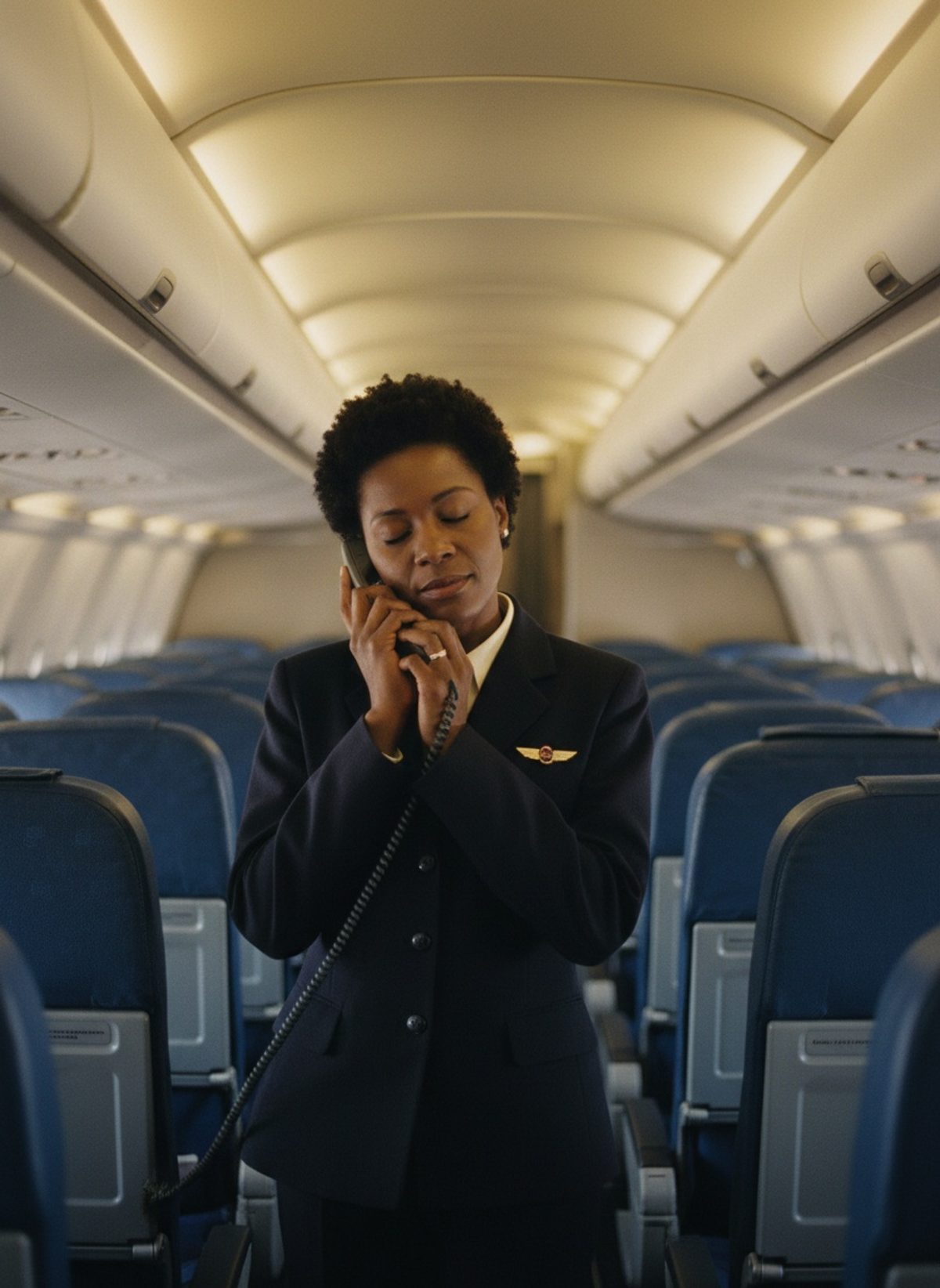
She was 45,000 feet up when hijackers took the plane. For 23 minutes, Betty Ong stayed on the line. She gave names, seat numbers, and injuries. The FBI used every word.
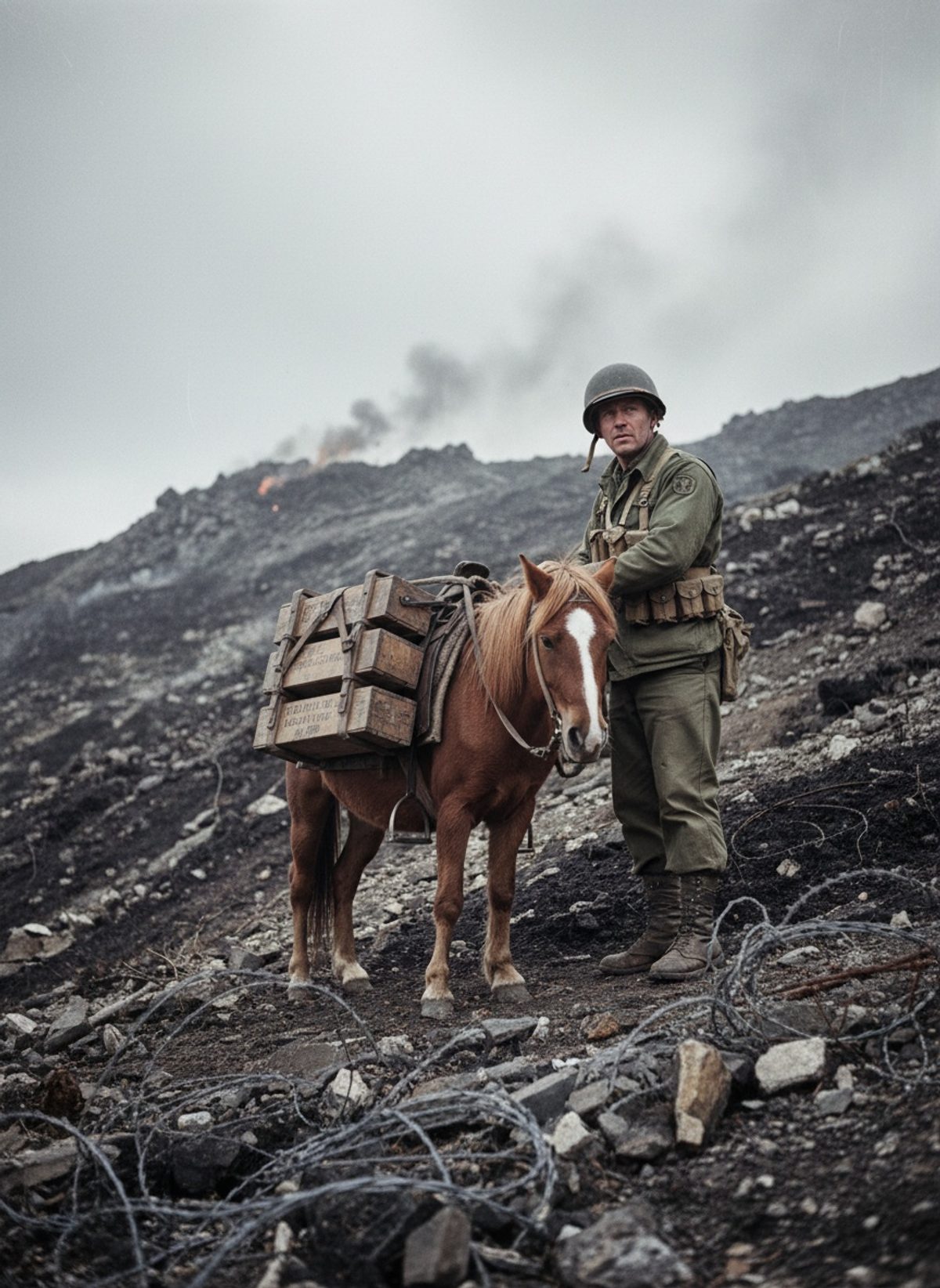
She was bought for $250. She became a Staff Sergeant. In one day at Outpost Vegas, a small chestnut mare made 51 solo runs up a shell-torn hill — carrying 9,000 pounds of ammunition toward the guns.
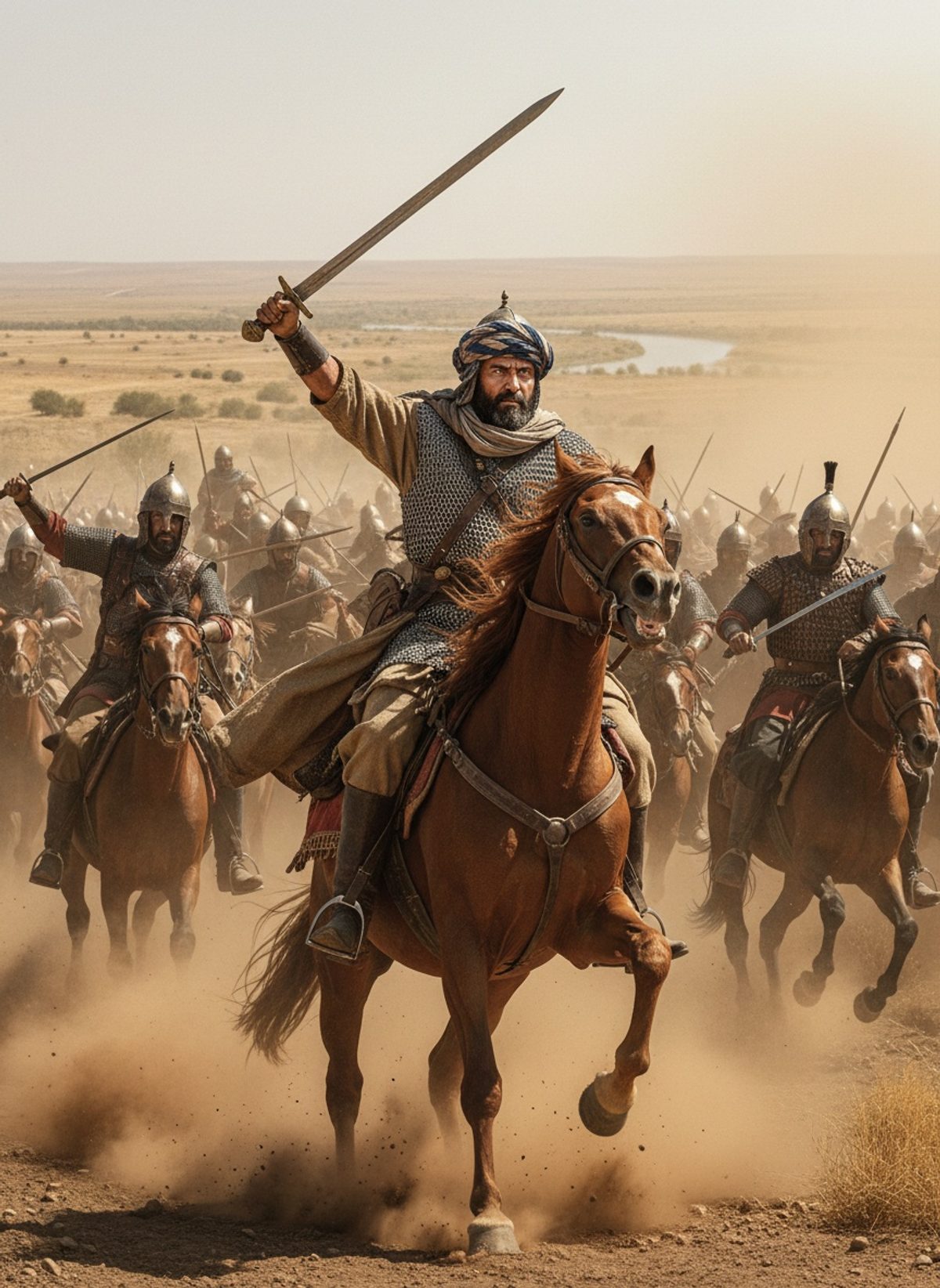
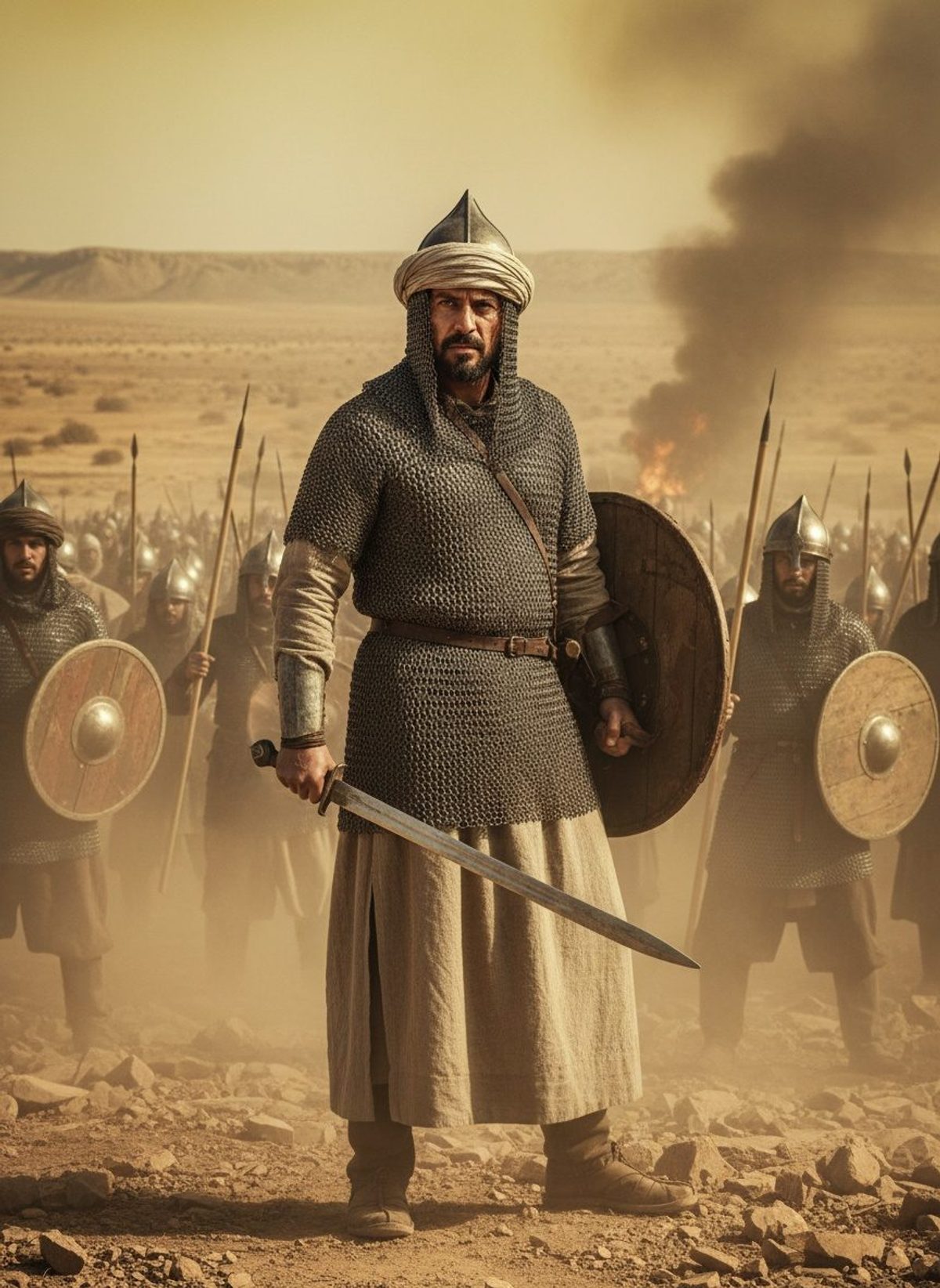
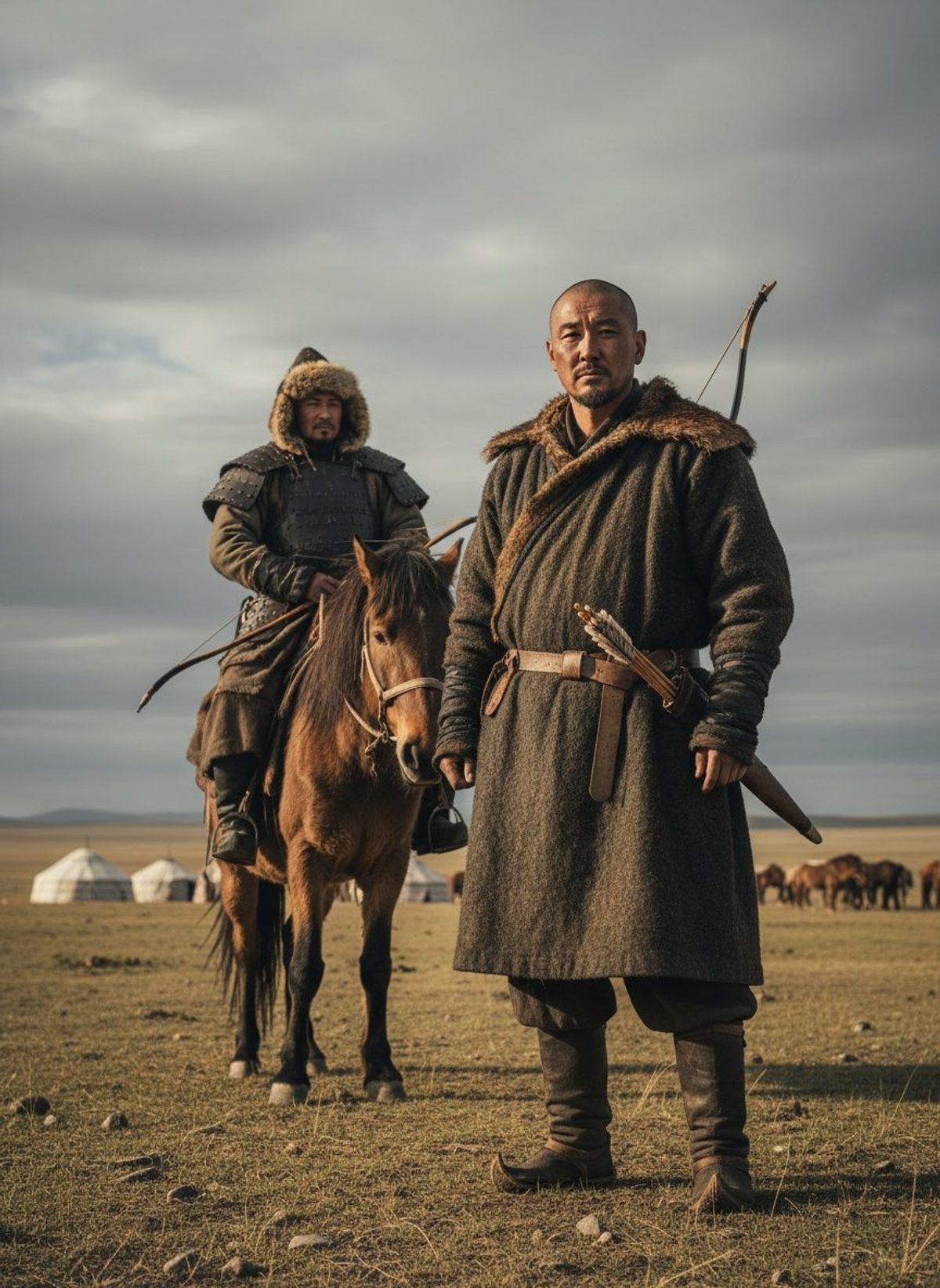
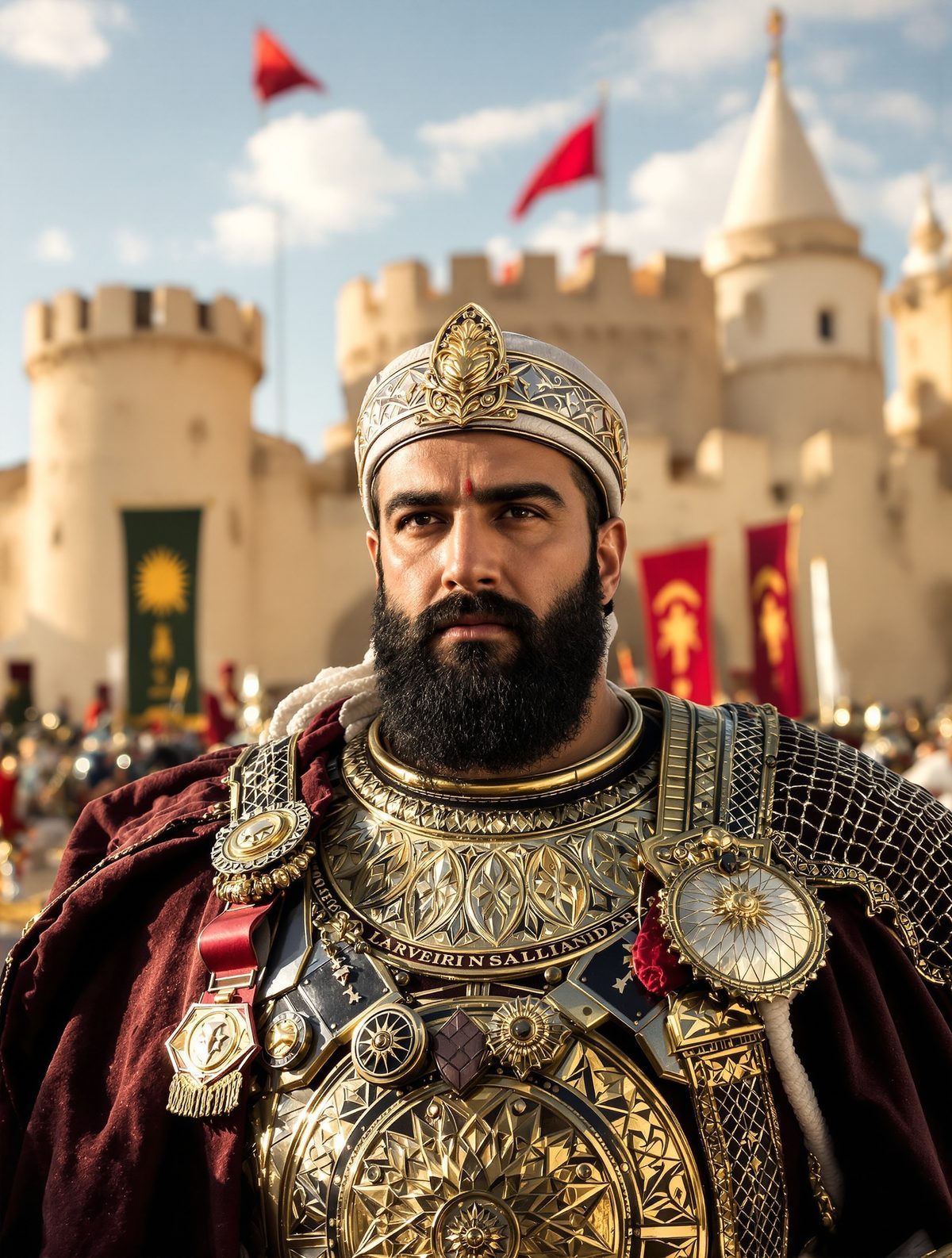
May 633 CE. The Persian army outnumbered his force at Walaja. Khalid split his cavalry into two hidden wings. He let the Persians push forward. Then he closed the trap. The entire Persian army was encircled and destroyed in hours.
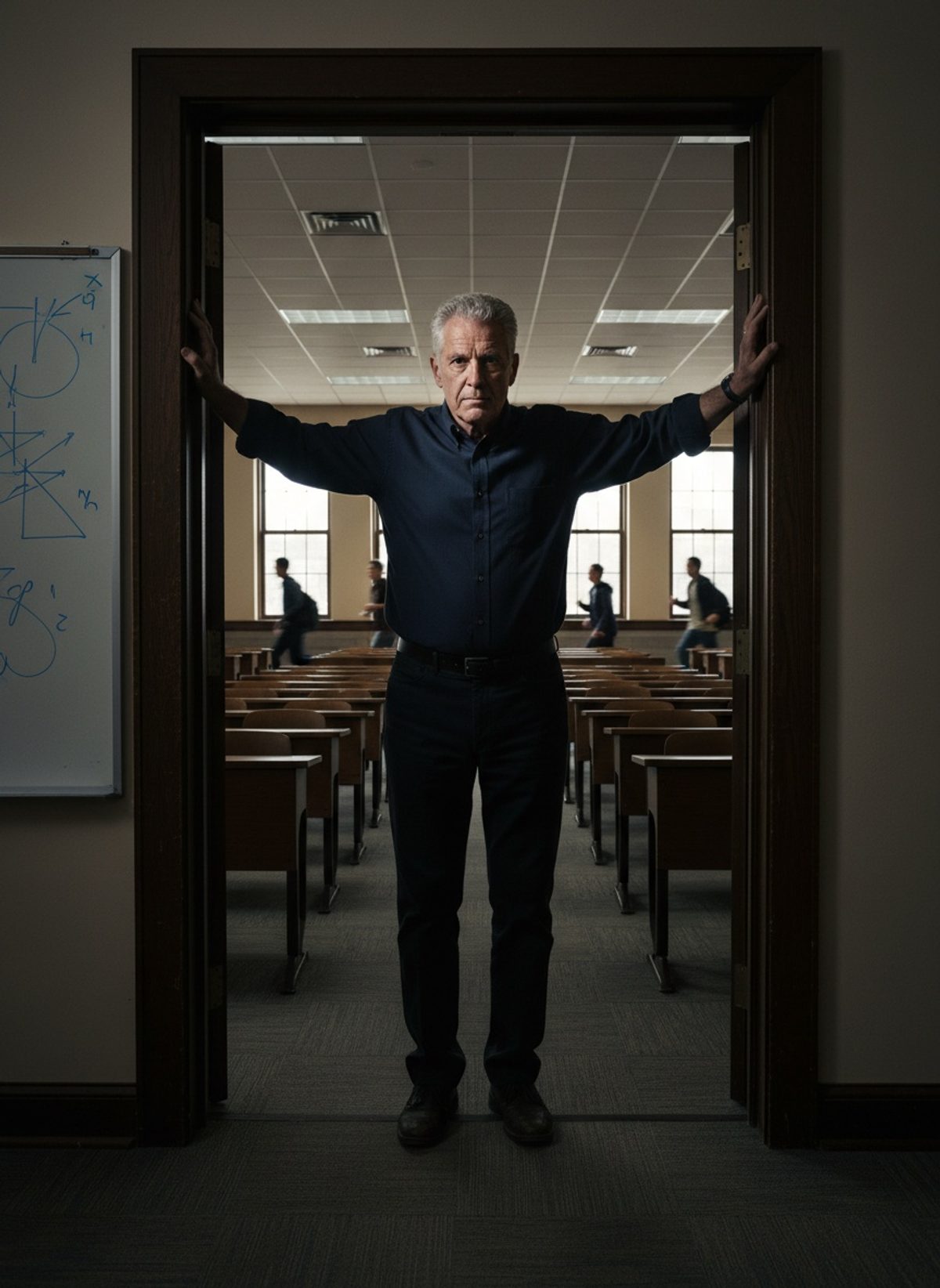
He survived the Holocaust as a child. Sixty years later, he faced another kind of evil. On April 16, 2007, Liviu Librescu pressed his body against a classroom door so his students could escape through the windows. He died holding it shut.
On Sept 11, 2001, Cantor Fitzgerald lost 658 people. Its CEO had walked his son to kindergarten that morning. He came back to 658 empty desks — and made a promise that took 25 years to keep.
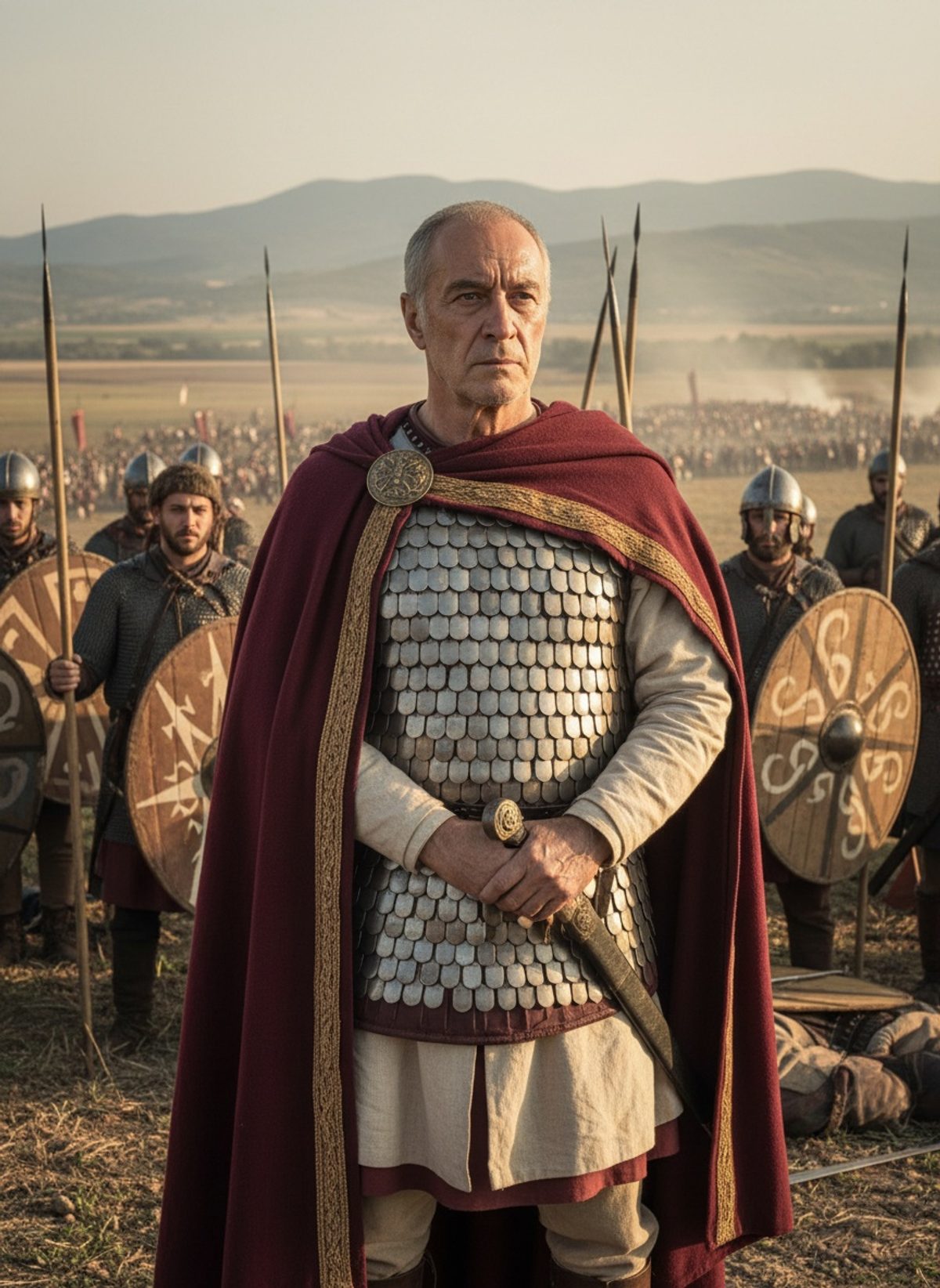
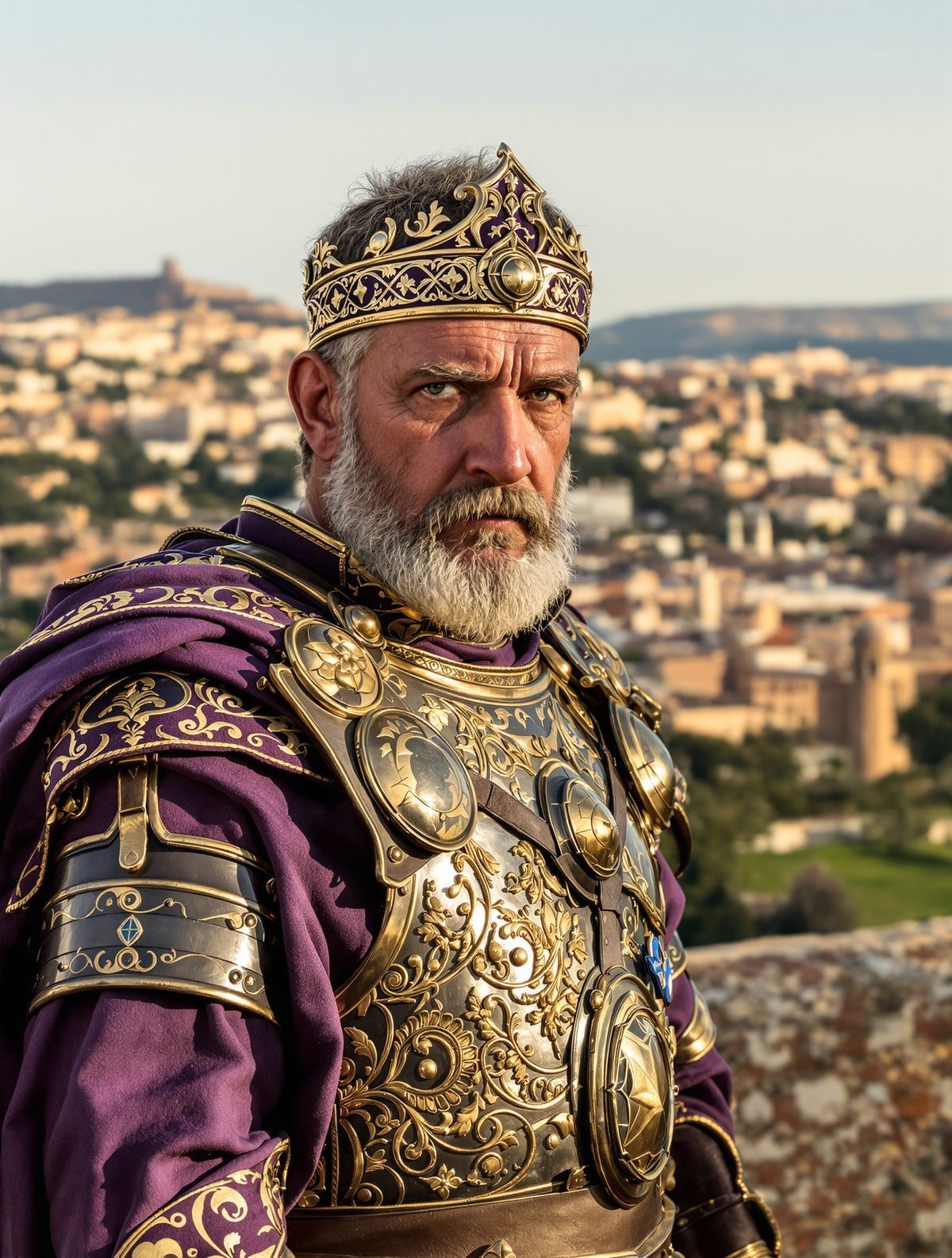
552 CE. The Gothic kingdom ruled Italy. Emperor Justinian sent his last hope. Narses was 74 years old. A palace eunuch. He had never commanded an army. He crossed the Alps. Outflanked 20,000 Goths. Destroyed them in a single afternoon.
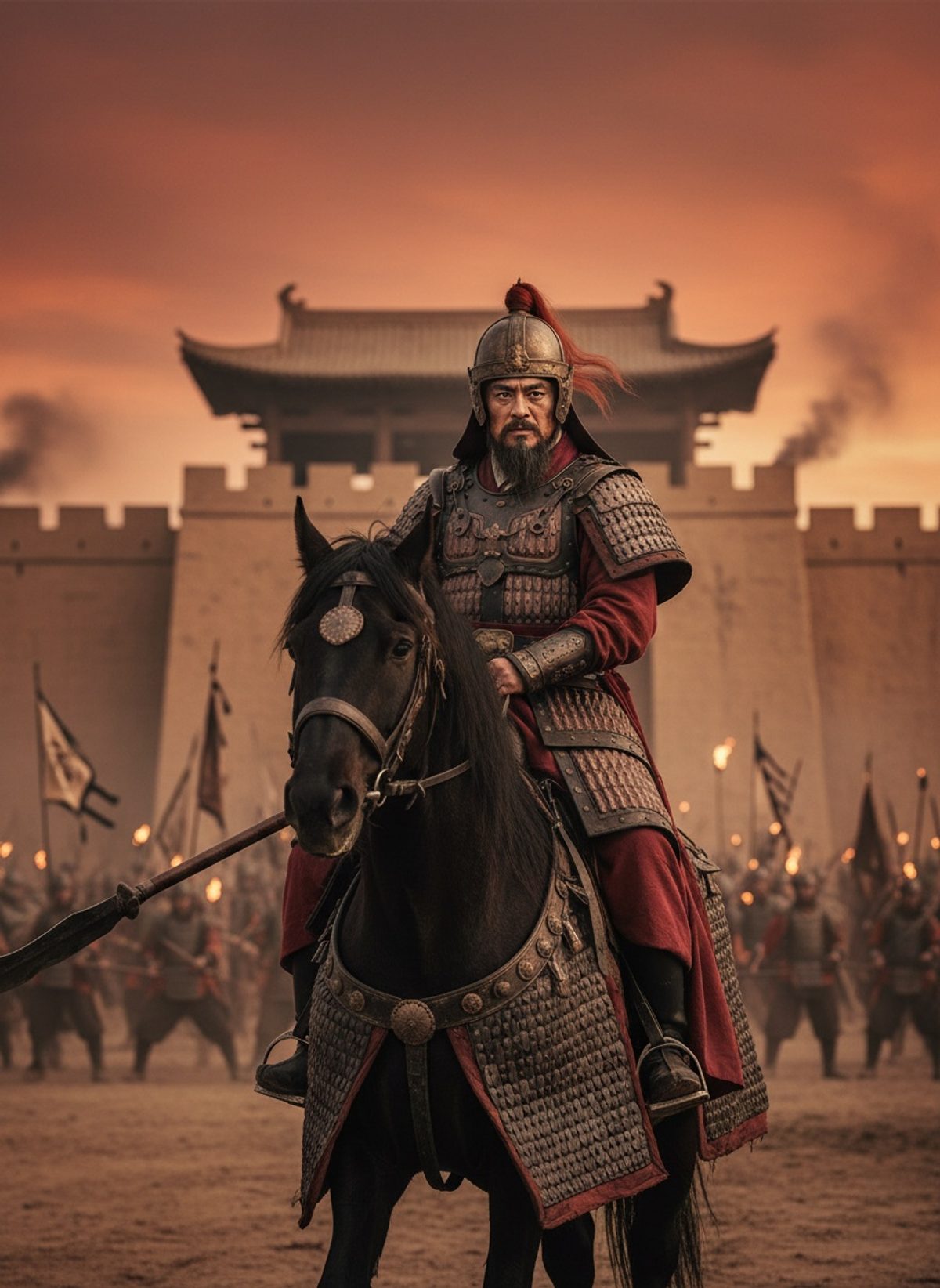
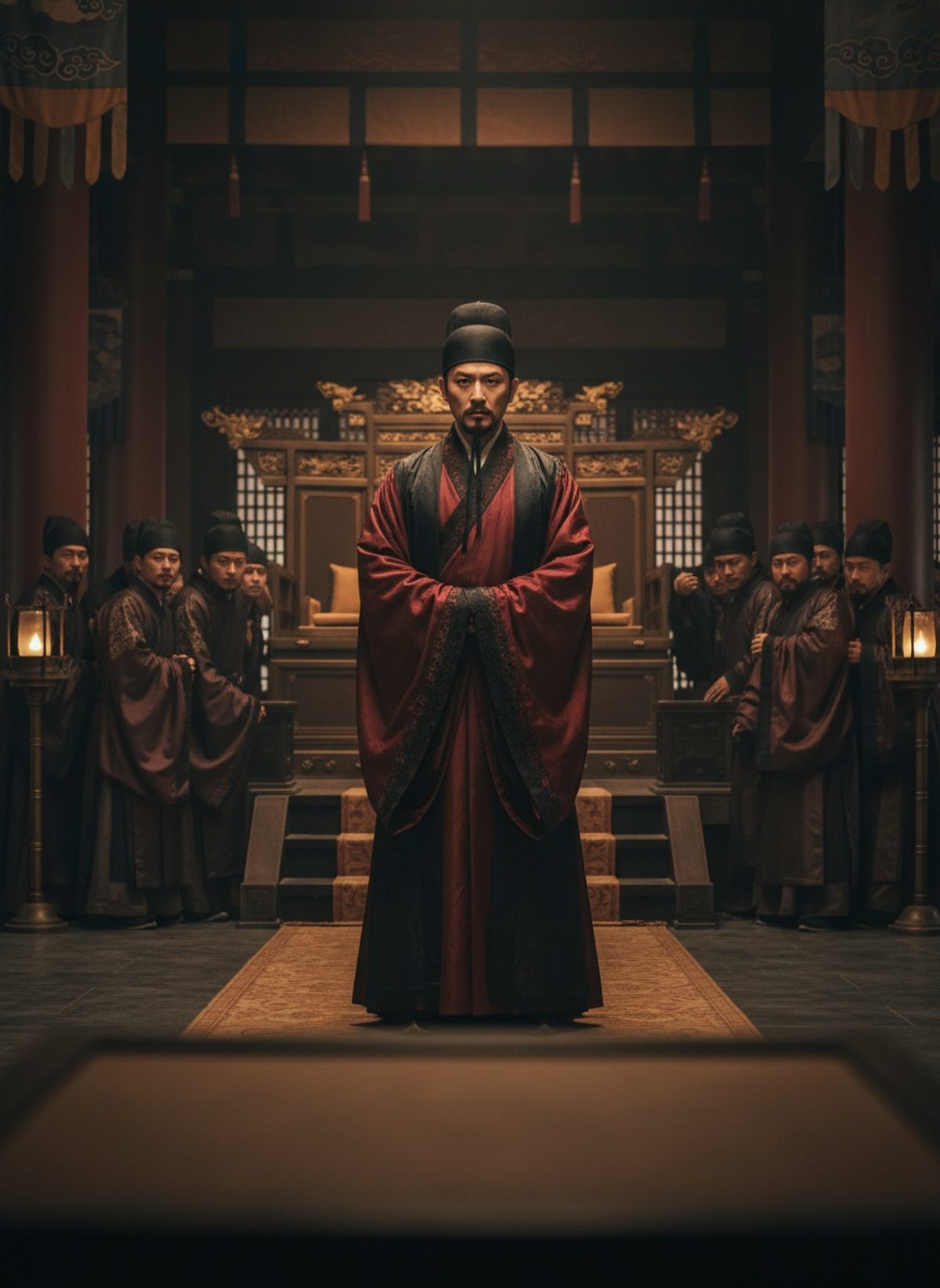
198 CE. Cao Cao's army surrounded the city. The governor had fled. One official remained. Lu Zhi opened the gates. He fed the starving soldiers. He surrendered to save ten thousand lives.
198 CE. The city of Xiapi was falling. General Guan Yu was trapped. He rode out under a white flag. Not to surrender. To set his terms.
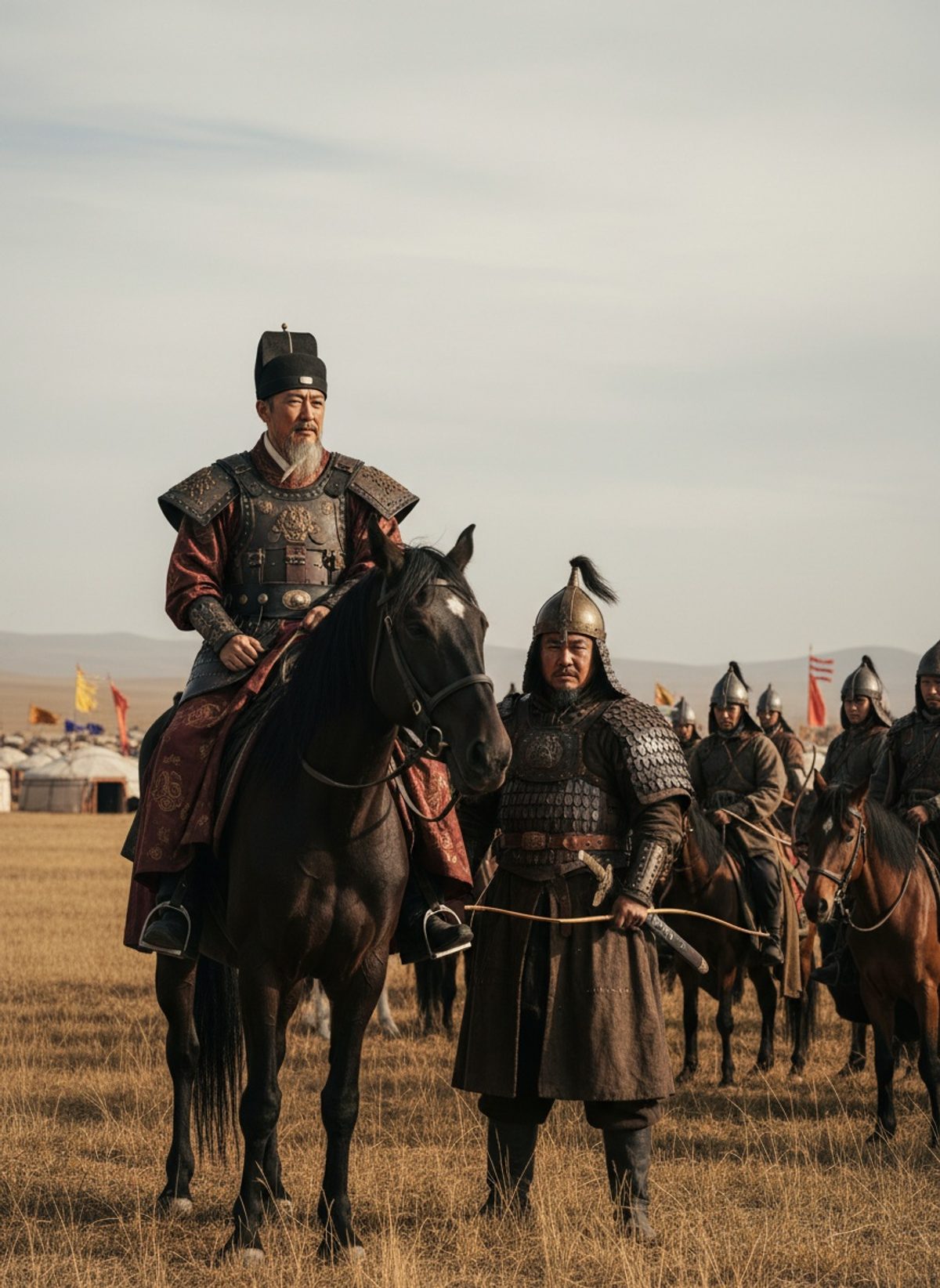
757 CE. The Uyghur Khan had 100,000 warriors. Guo Ziyi had one horse. He rode out unarmed. He dismounted before the Khan. He spoke. The army turned around.
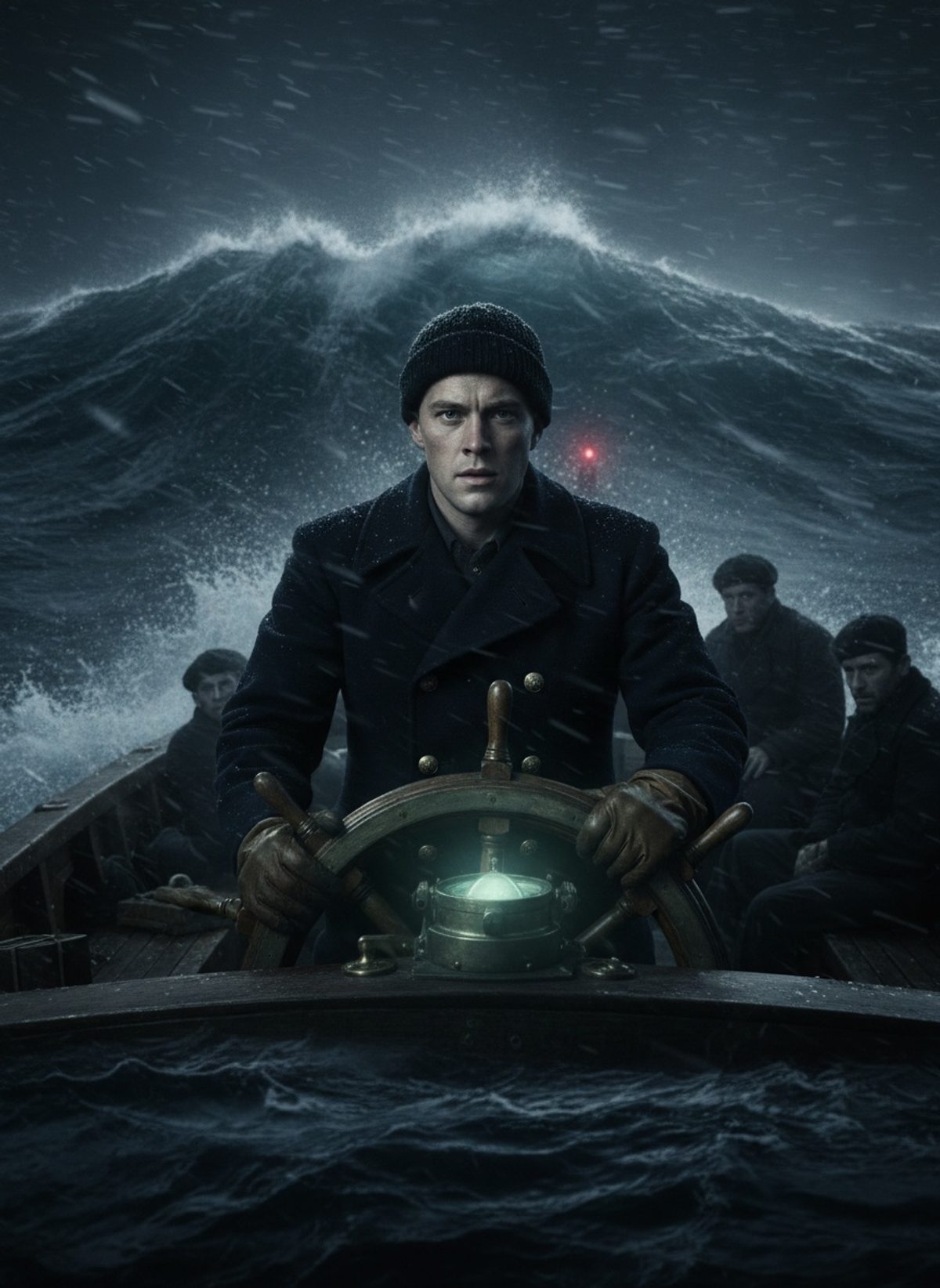
A nor'easter split a tanker in half off Cape Cod. A 24-year-old took a 36-foot wooden boat into 60-foot waves to find it. He lost his compass in the dark. He found them anyway.
99 BCE. The army was surrounded. The general sent word back to the Emperor. Li Ling had surrendered. The court demanded his execution. One man stood up. He spoke the truth. The Emperor exiled him for it.
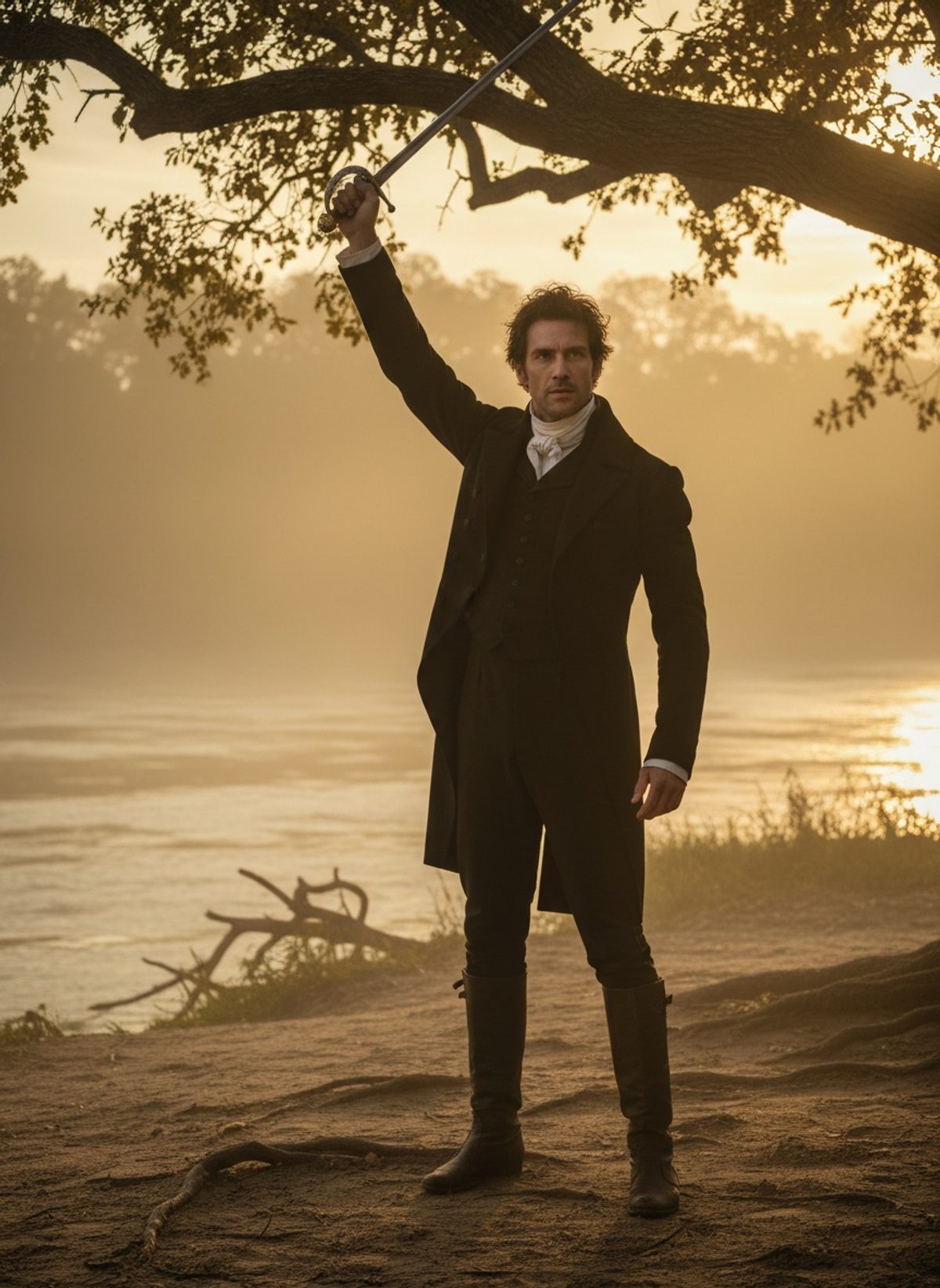
In 1842, Abraham Lincoln was challenged to a duel. He chose cavalry broadswords. Then he swung one above his opponent's head. The fight never happened.
Knocked overboard. Captured. Underestimated. Douglas Hegdahl let his captors call him stupid. Then he memorized 256 names — set to a nursery rhyme. And walked out with all of them.
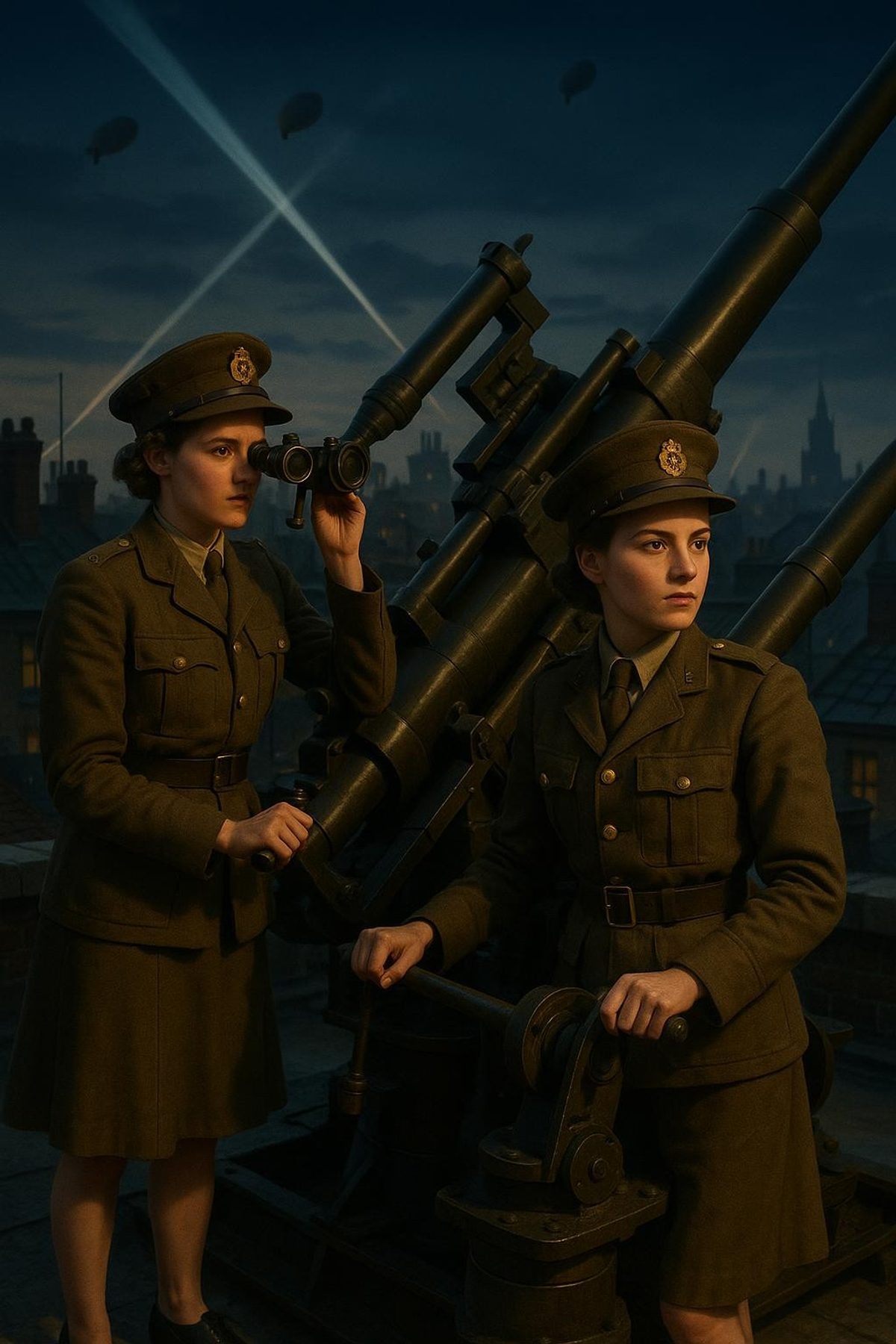
London was burning. The guns needed crews. There were no men left to spare. Churchill looked at the problem differently. He opened the door to half a million women — and they answered.
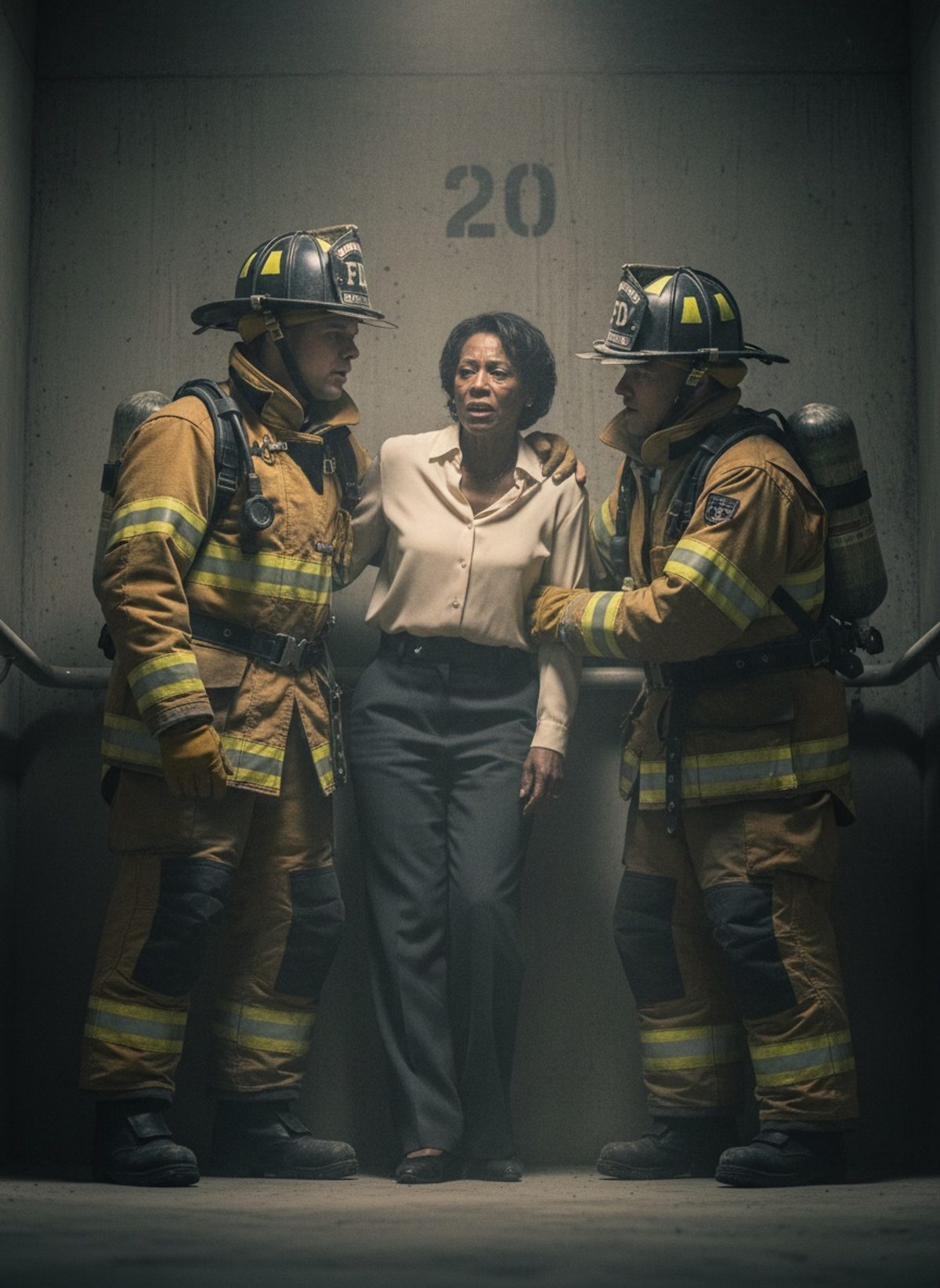
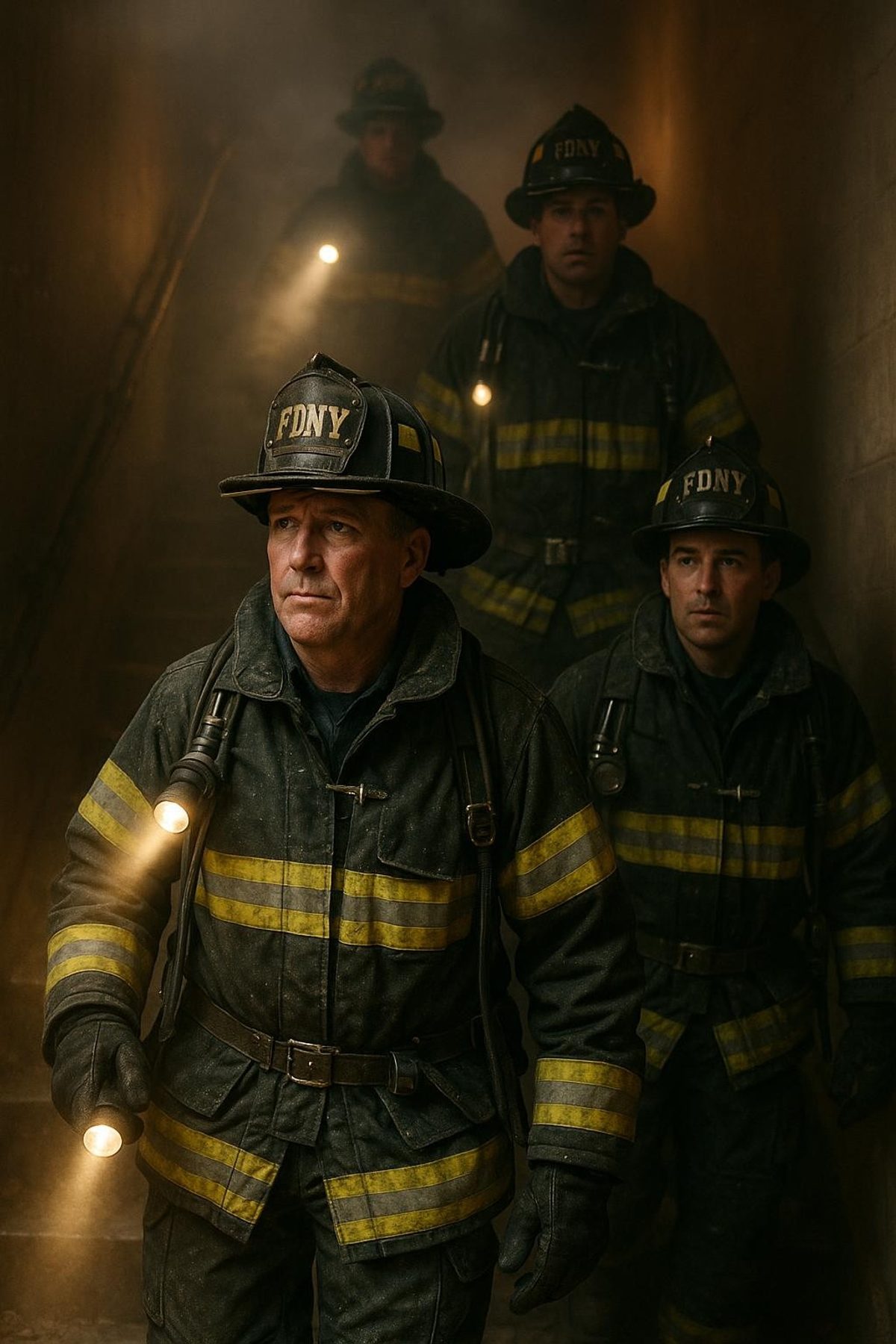
Josephine Harris had already walked down 53 floors when she stopped. Six firefighters refused to leave her. Seconds later, the North Tower fell. The stairwell around them held. They were the only ones inside who made it out.
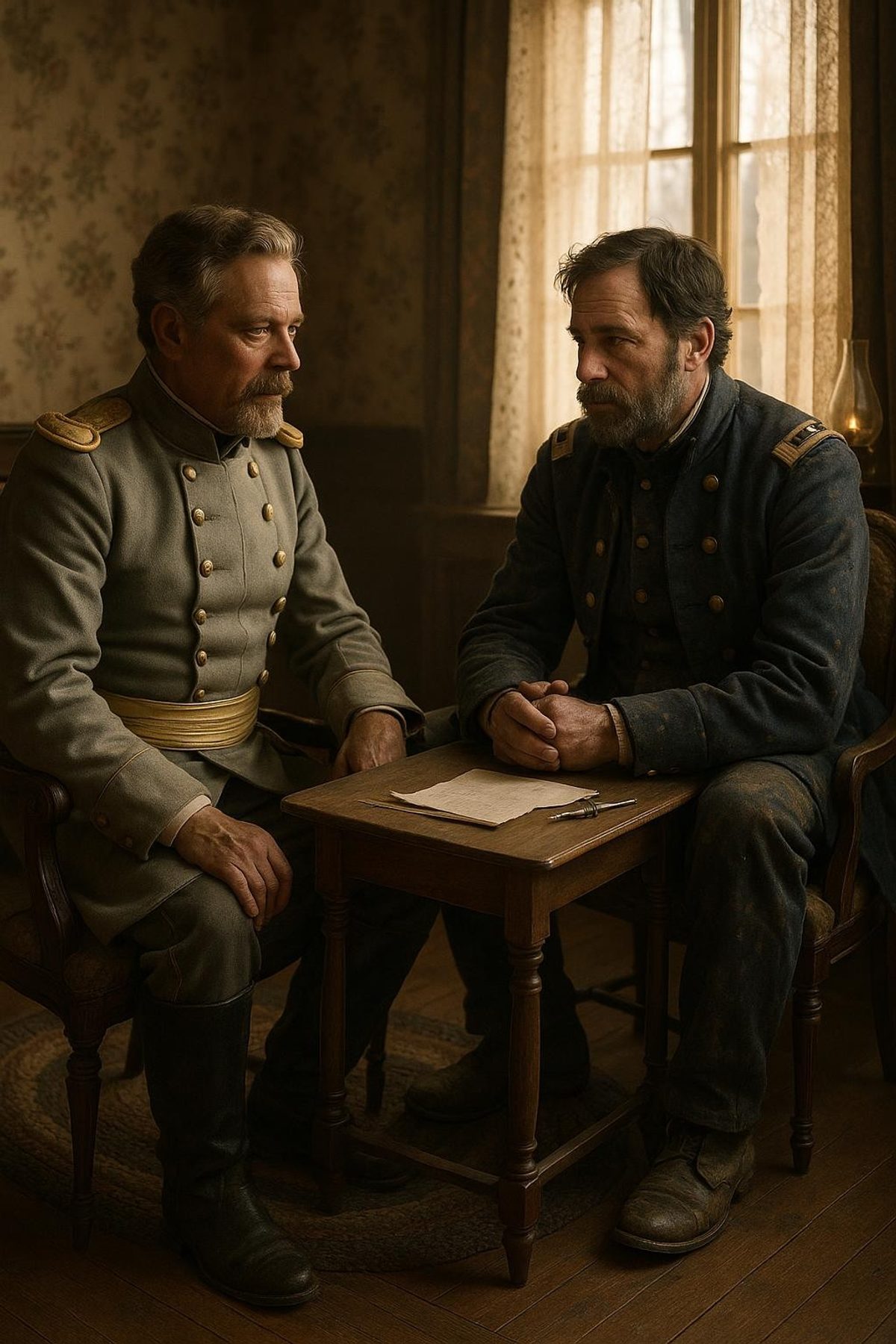
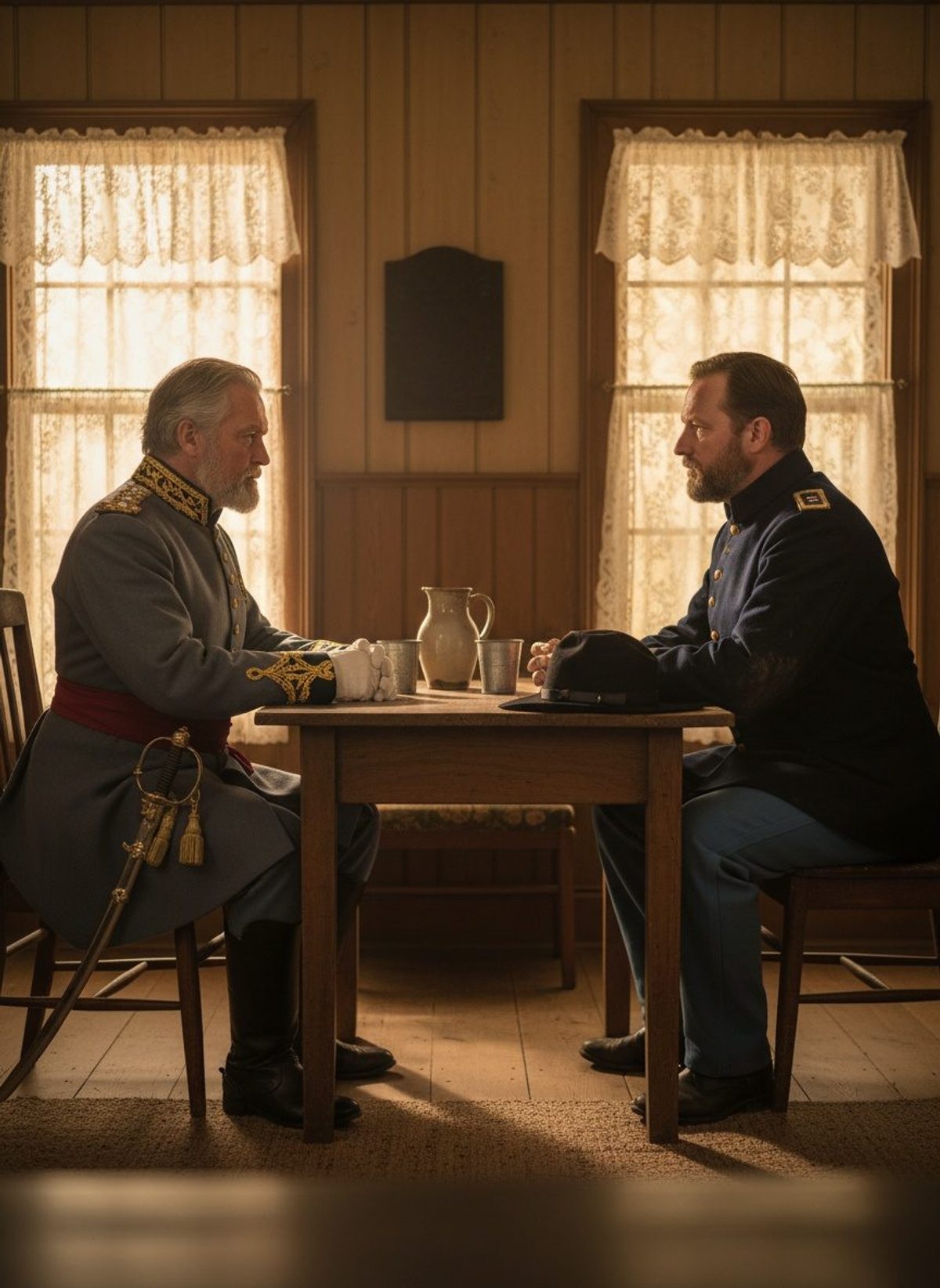
April 9, 1865. Lee arrived immaculate. Grant arrived mud-soaked. One man was surrendering an army. The other almost forgot why they had come.
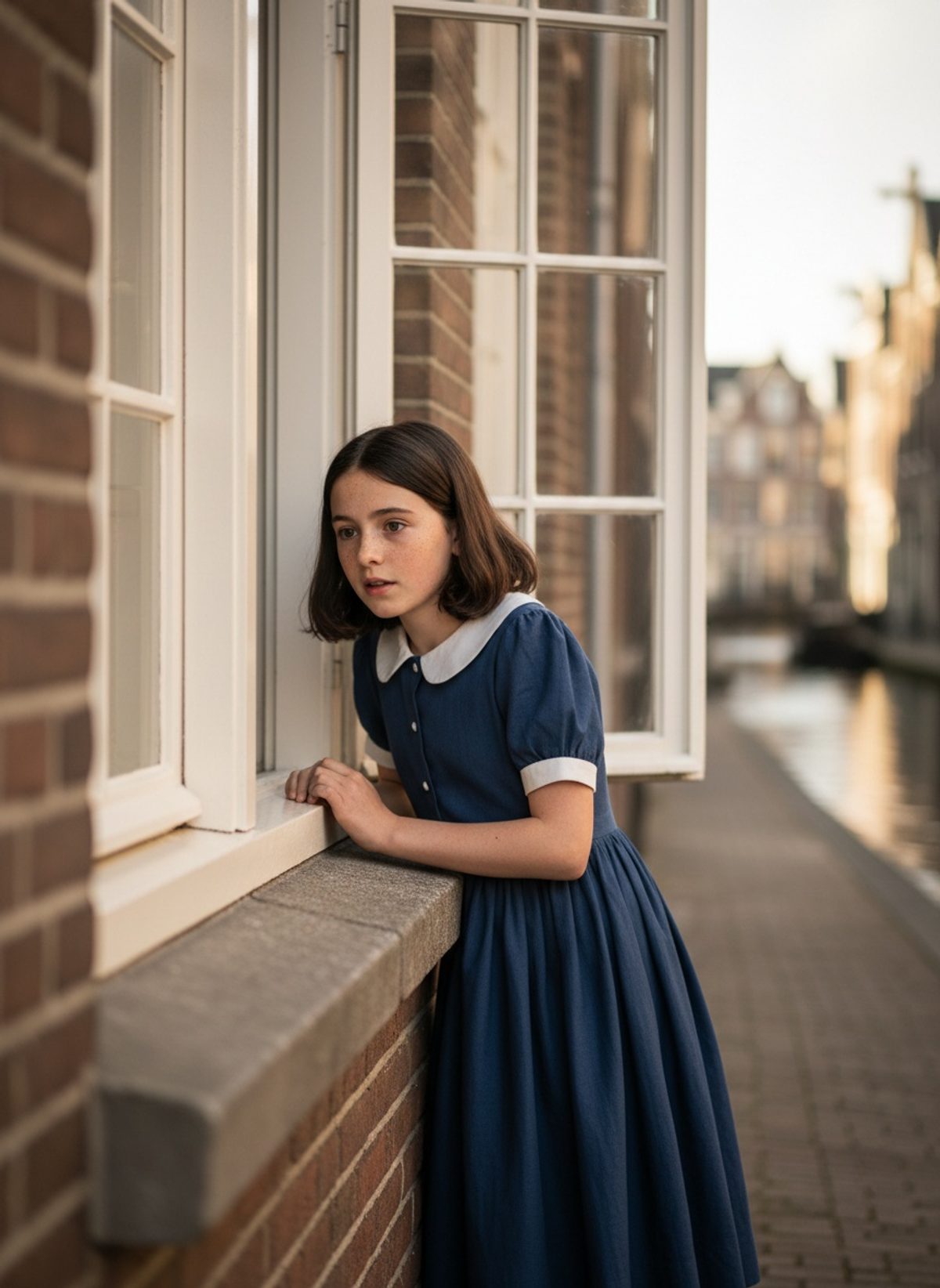
Amsterdam, 1941. A neighbor's wedding. A borrowed camera. And a 12-year-old girl leaning from a window. No one knew it would be the last moving image of Anne Frank ever recorded.
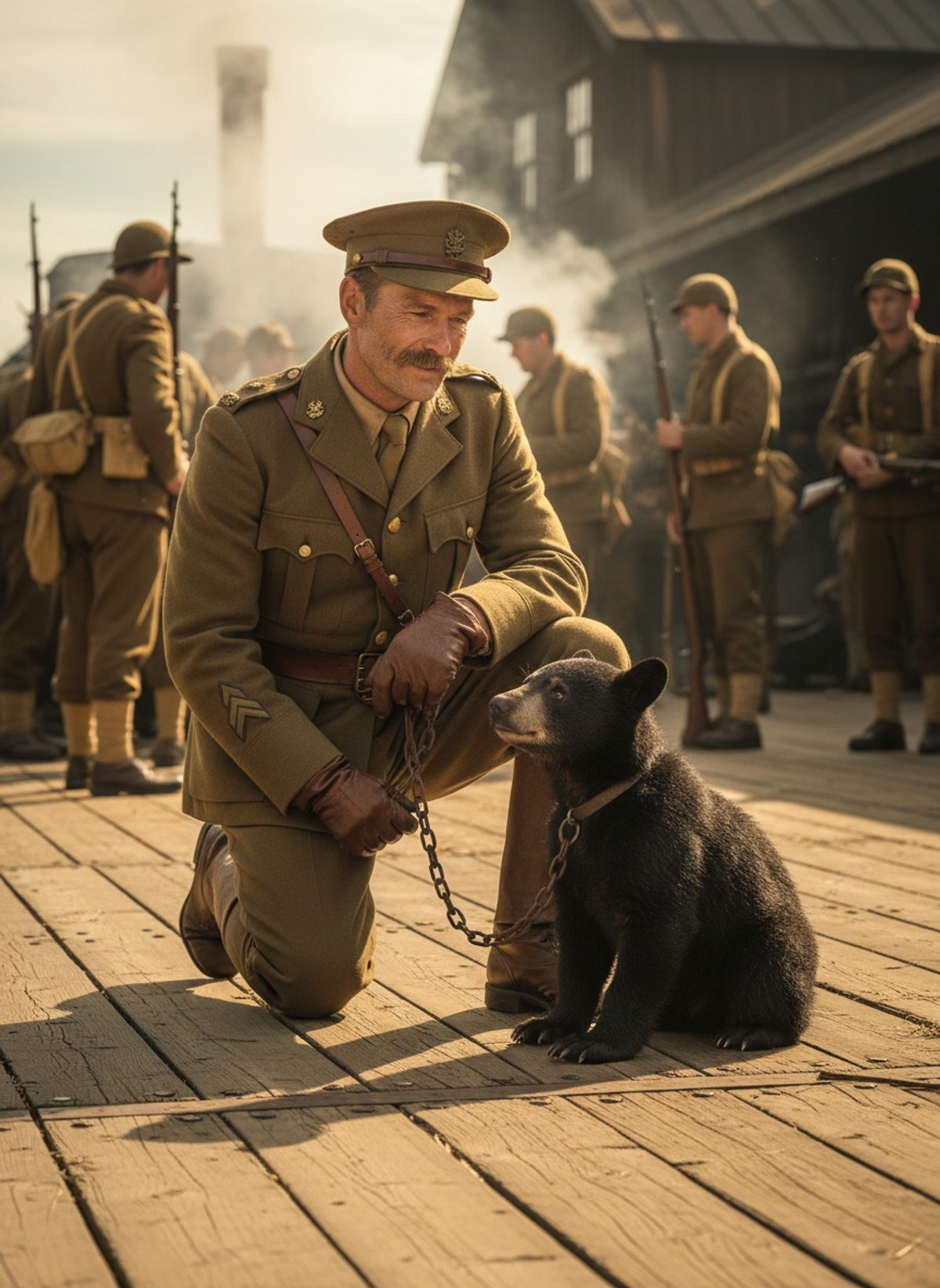
In 1914, a Canadian soldier bought a bear cub for $20. He named her Winnipeg. She crossed the Atlantic with his regiment. When he shipped to France, he left her at London Zoo — and changed children's literature forever.
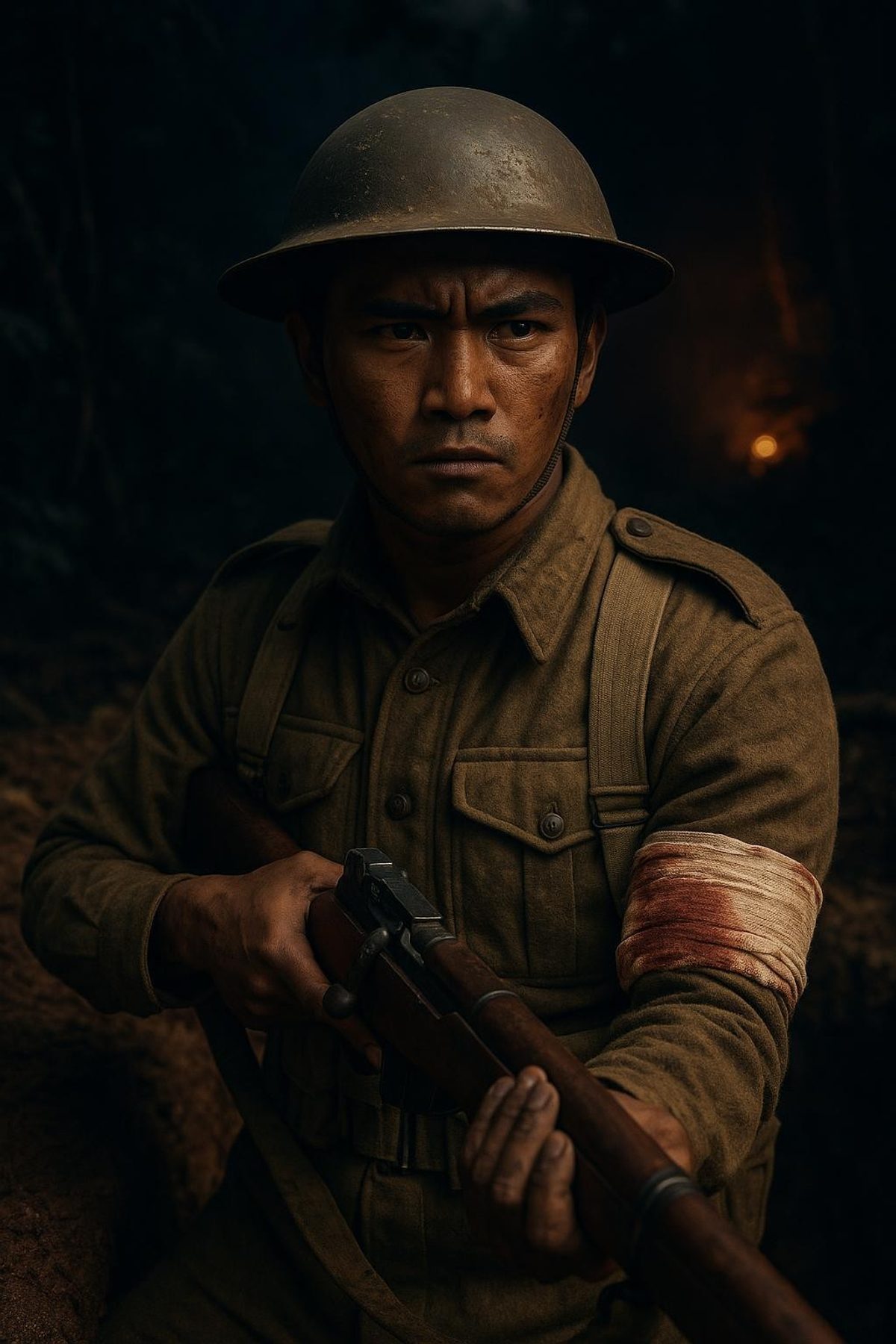
May 1945. A single Gurkha rifleman. Thirty-one enemy soldiers. He threw back two grenades bare-handed. The third took his hand. He kept fighting.
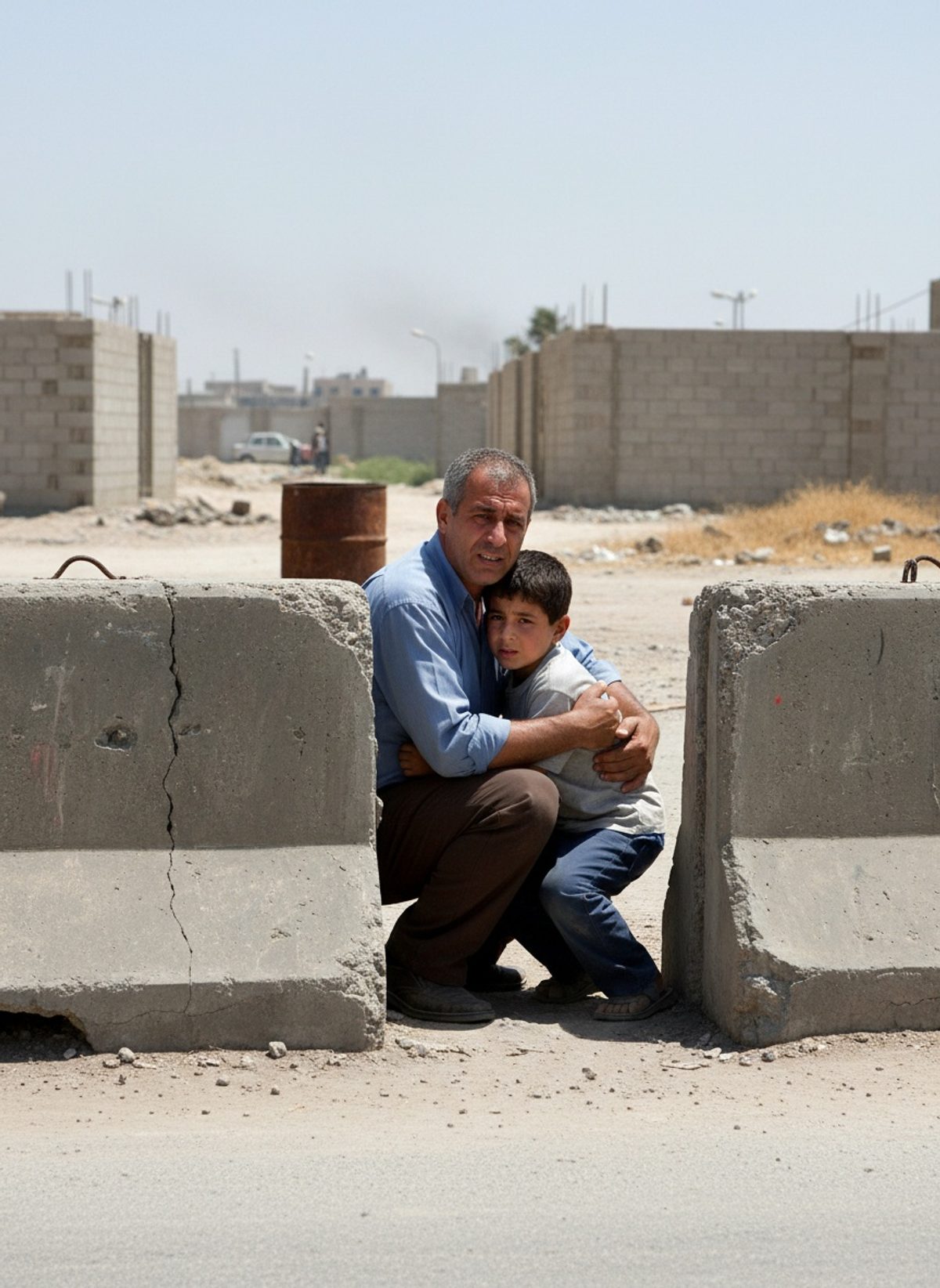
Gaza, 2000. A 12-year-old and his father were caught in crossfire. A cameraman kept filming. The world saw everything. His name became history.
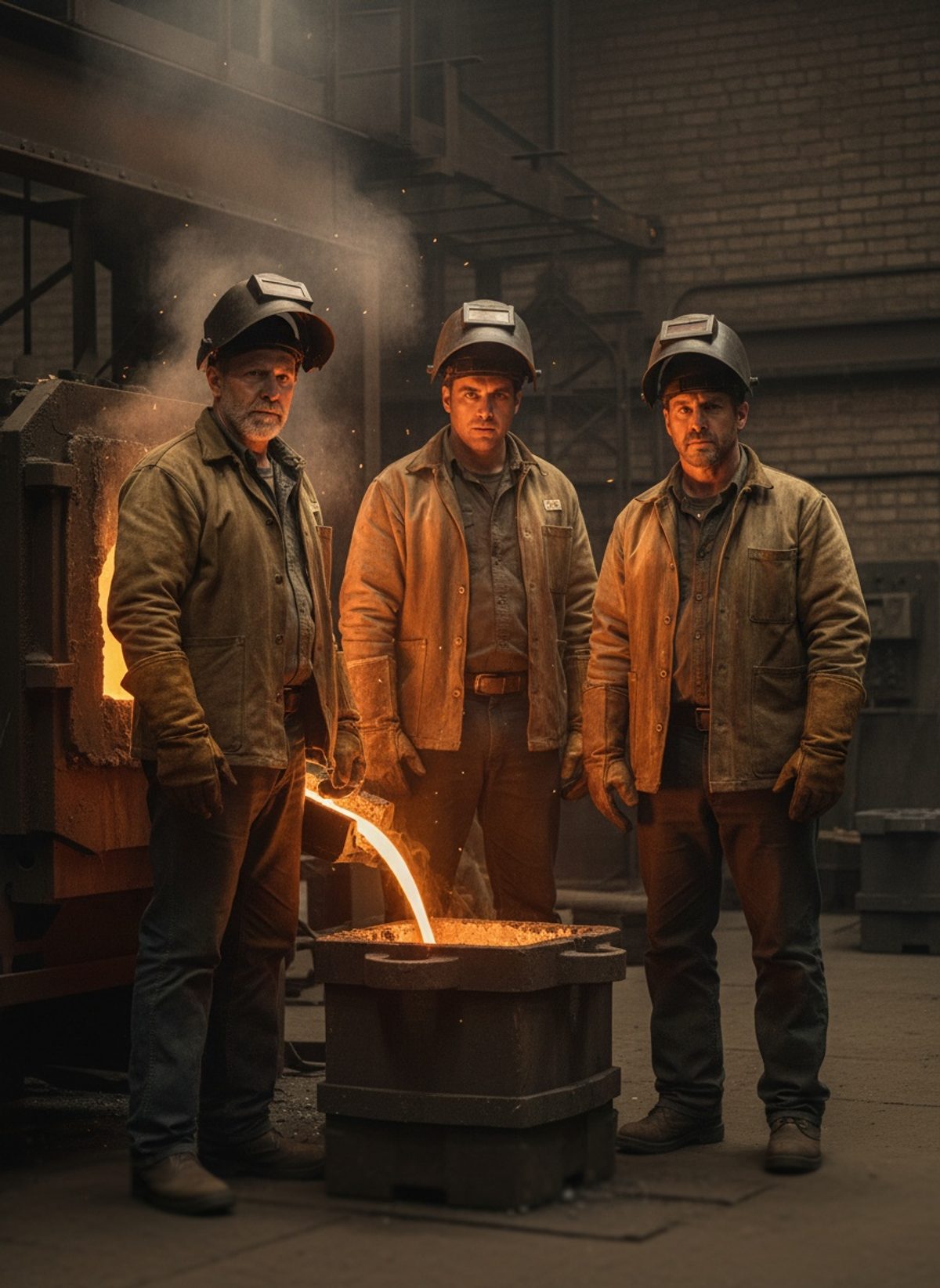
After 9/11, the Navy did something no one had done before. They melted the Twin Towers into a warship. When the USS New York sails, the steel from Ground Zero is the first part to touch the water.
December 1, 1969. 366 capsules in a glass bowl. One by one, they were drawn on live television. Young American men sat at home and waited for their birthday to be called.
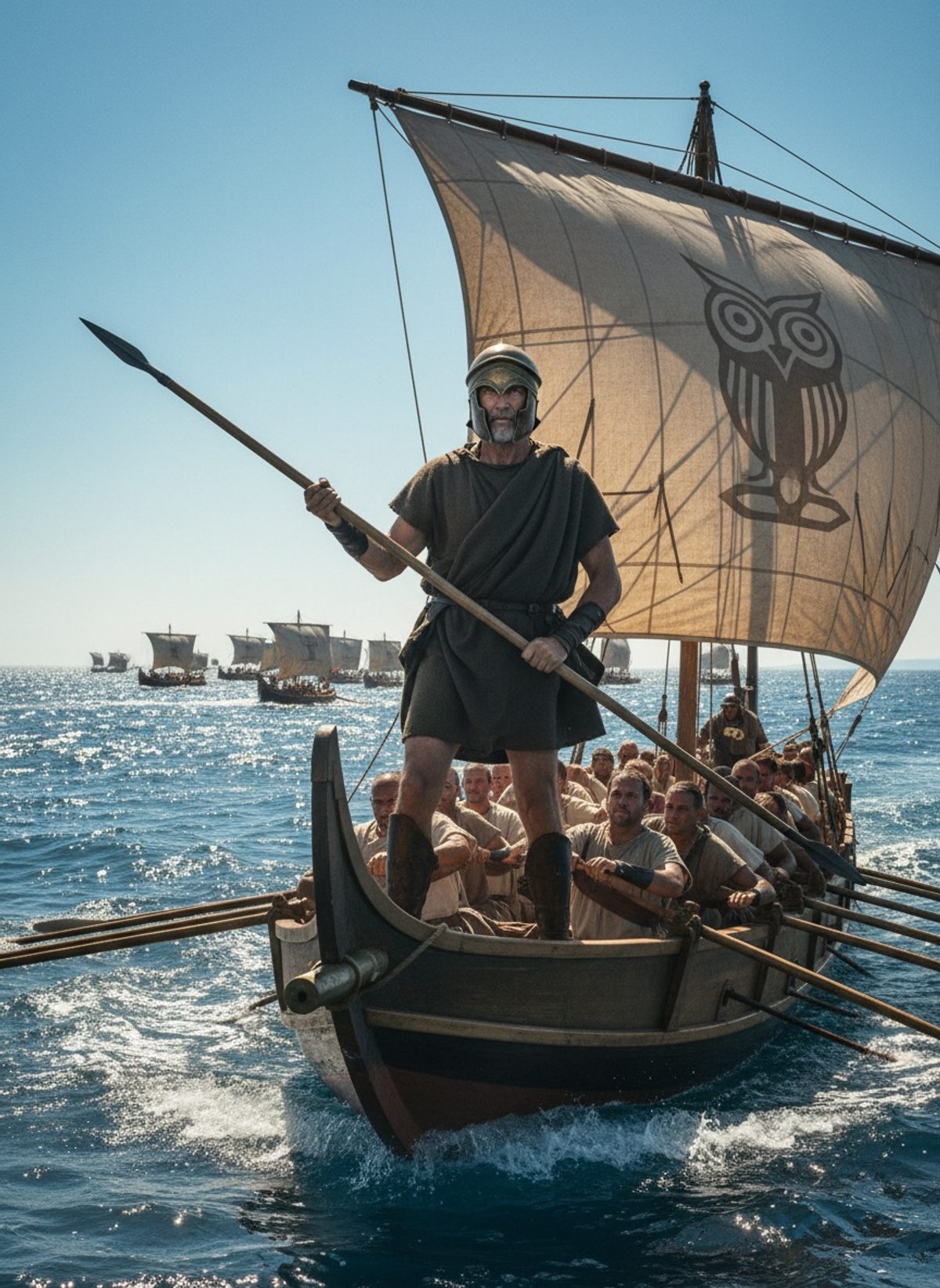
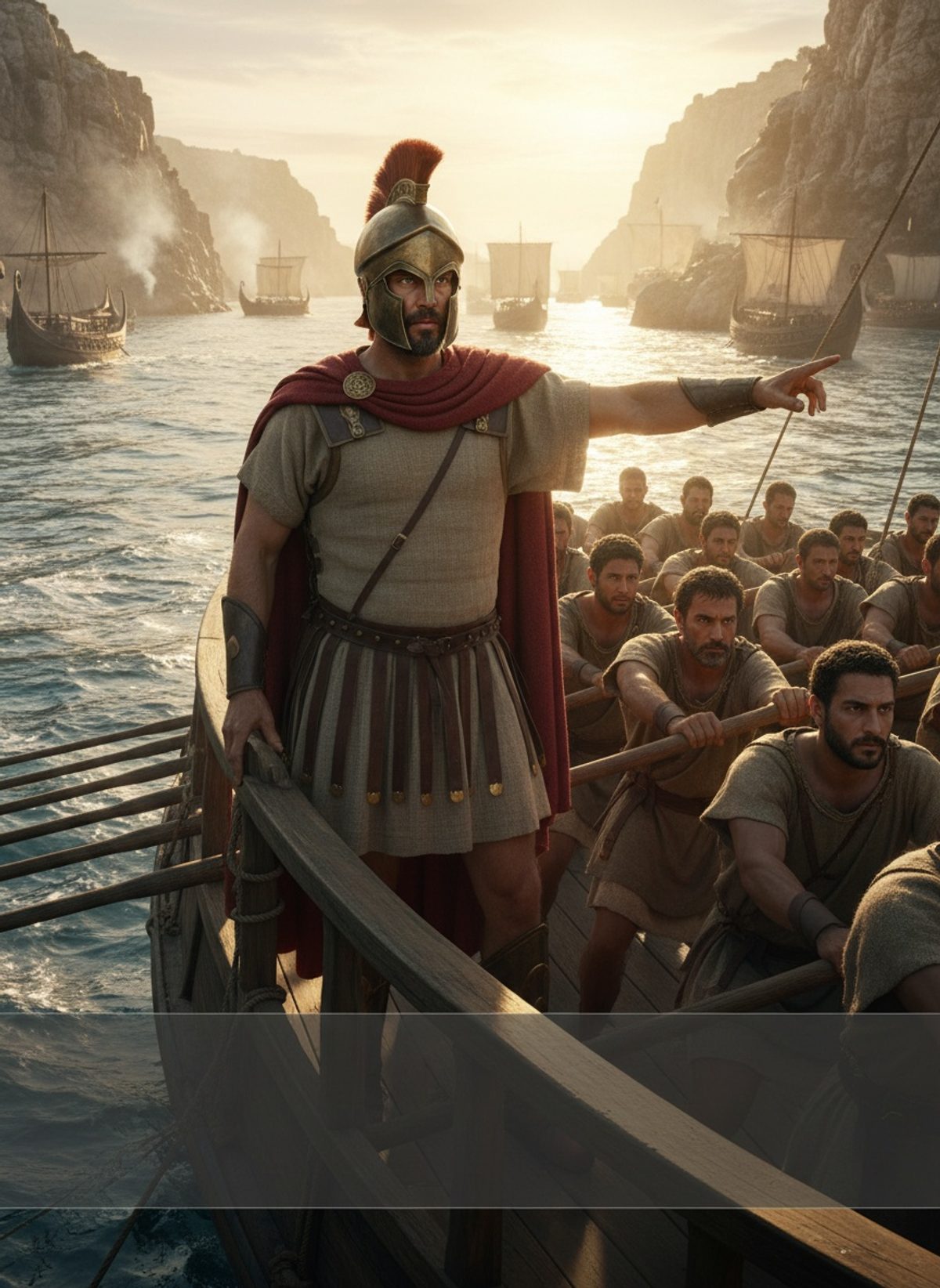
429 BCE. The Corinthian Gulf. Athens sent twelve triremes. Sparta sent forty-seven. Phormio did not retreat. He circled them. Then he struck. Athens never lost a man.
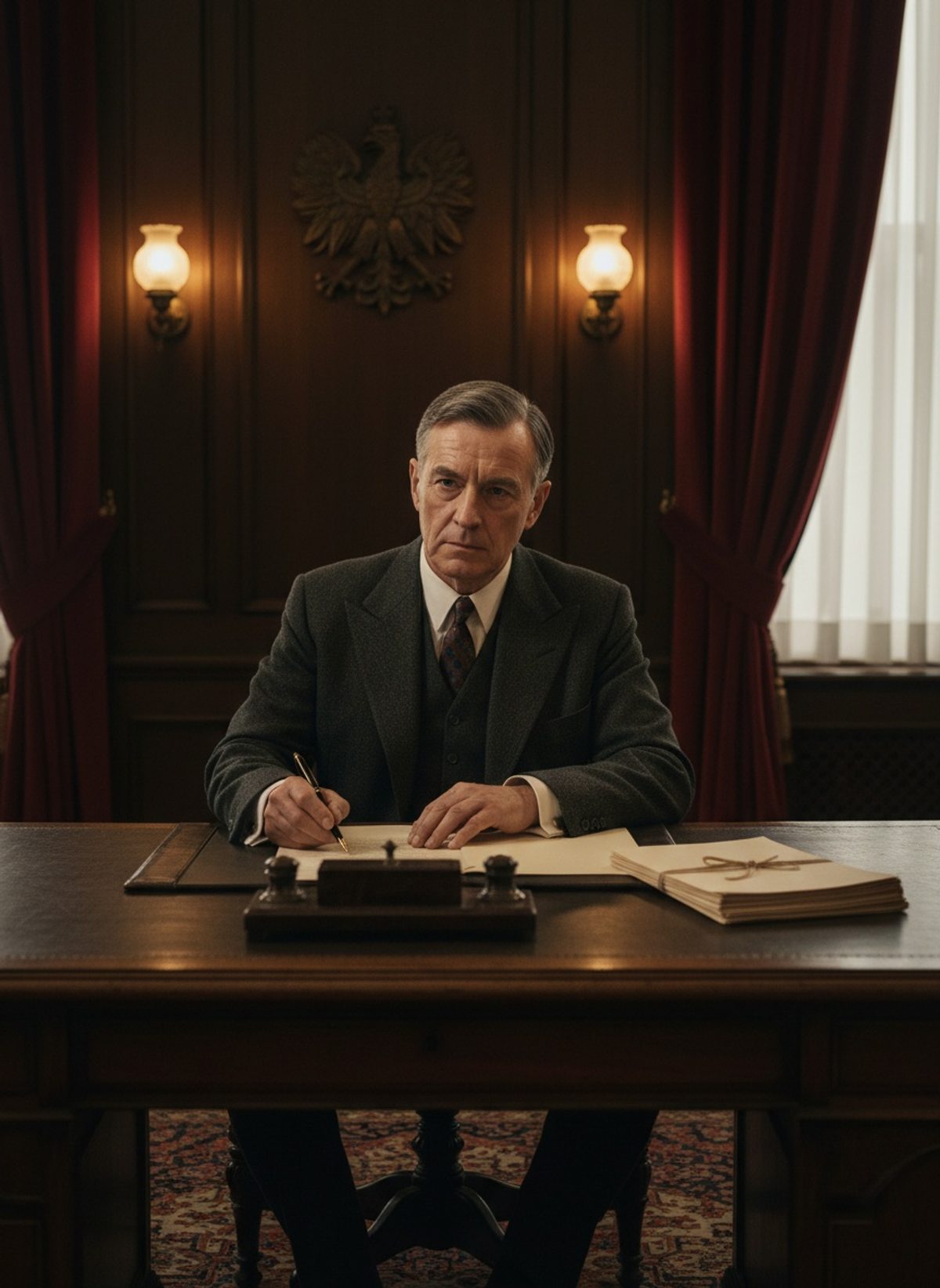
December 1941. Poland's exiled government declared war on Japan. Tokyo never responded. No battles. No deaths. Just sixteen years of two nations pretending the other didn't exist.
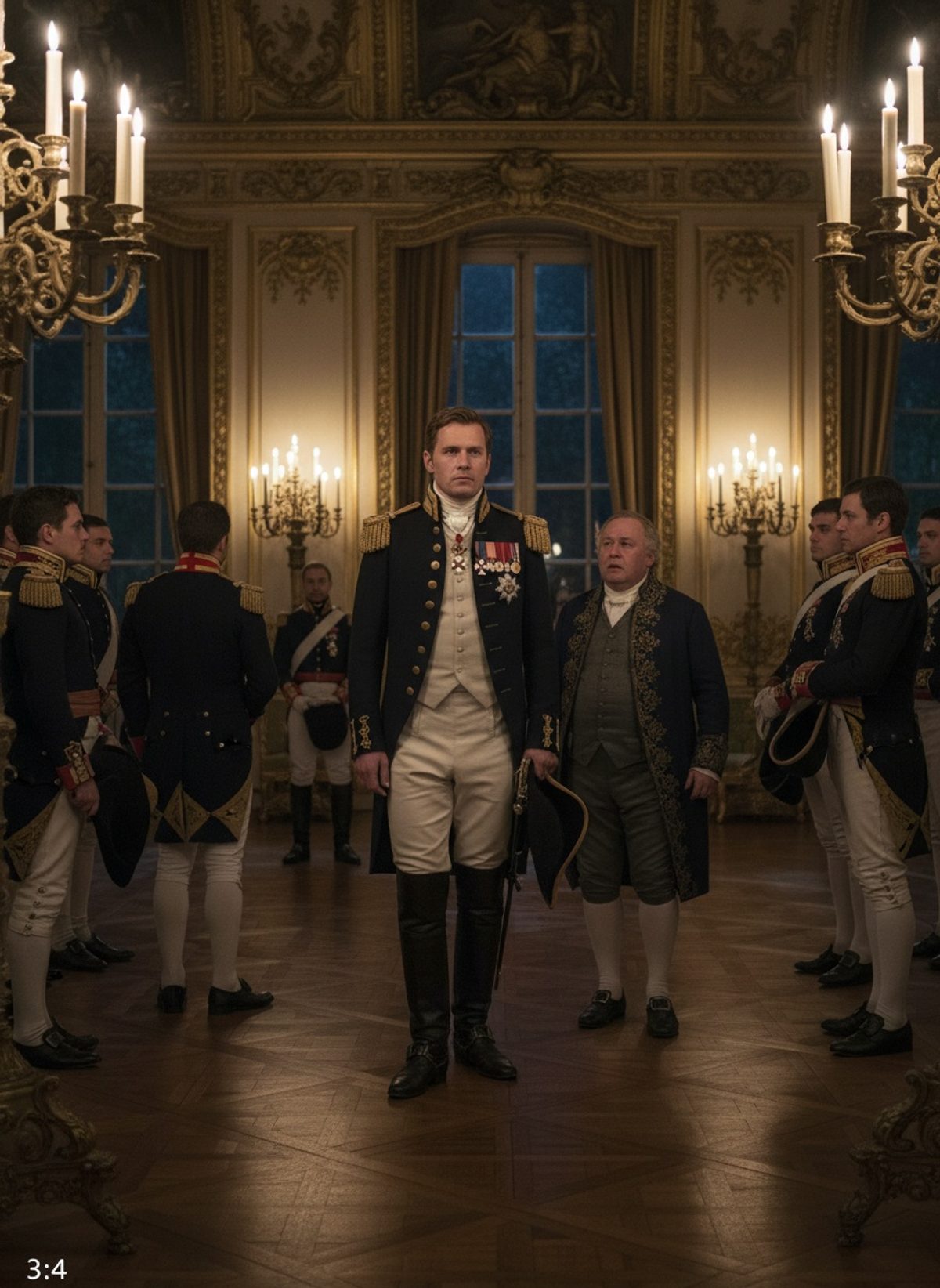
Paris, 1814. Wellington walked into a room of French marshals. Every man turned his back. Louis XVIII rushed forward to apologize. Wellington's reply became legend — but the moment behind it was extraordinary.
July 1944. Saipan. A Beverly Hills dentist stood between 3,000 charging soldiers and thirty wounded men who could not run. He chose the gun. He did not survive.
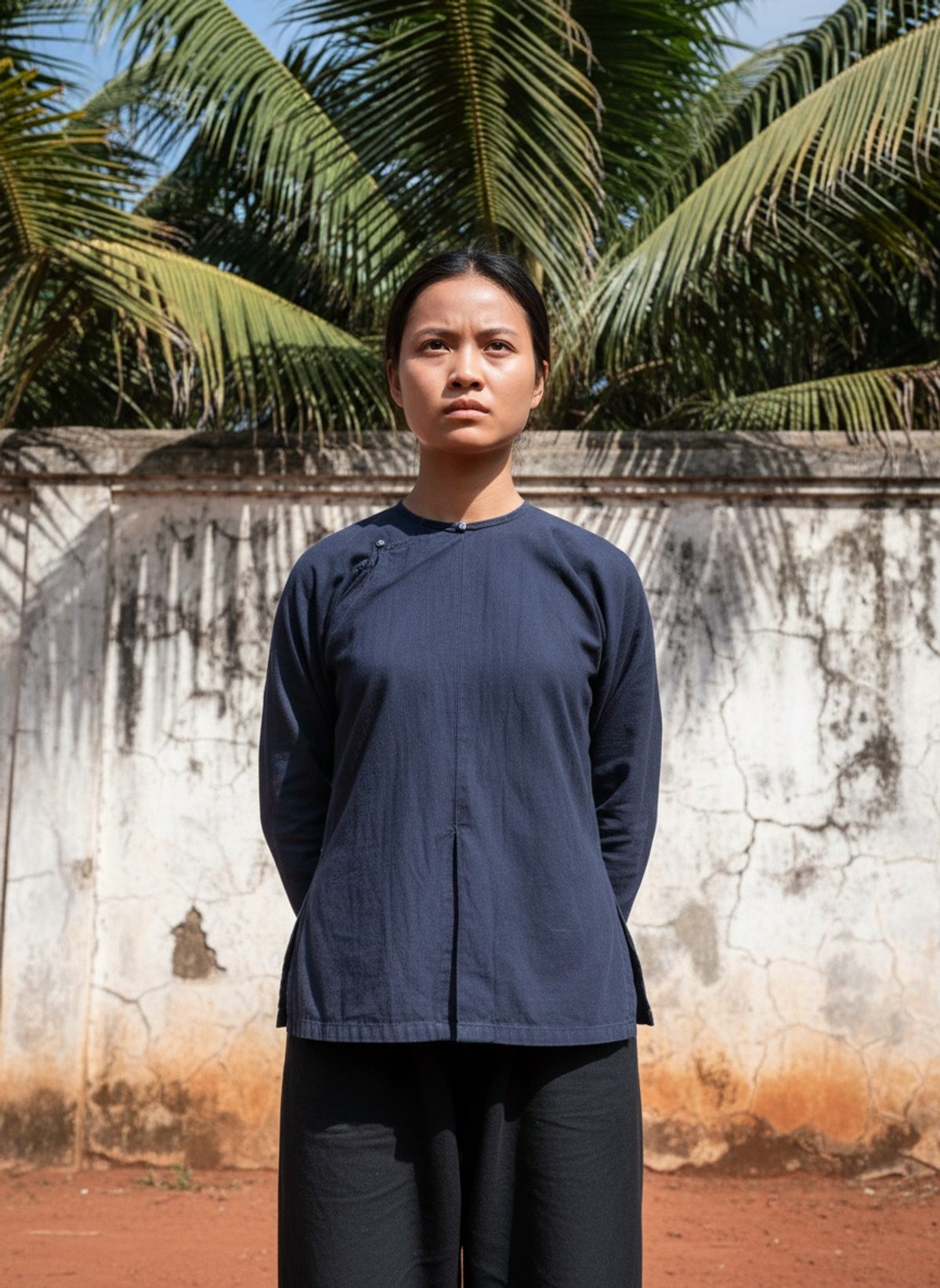
January 1952. Con Dao Island. A French firing squad stood ready. She was nineteen years old. She had already refused a priest. She refused the blindfold. She faced them with open eyes.
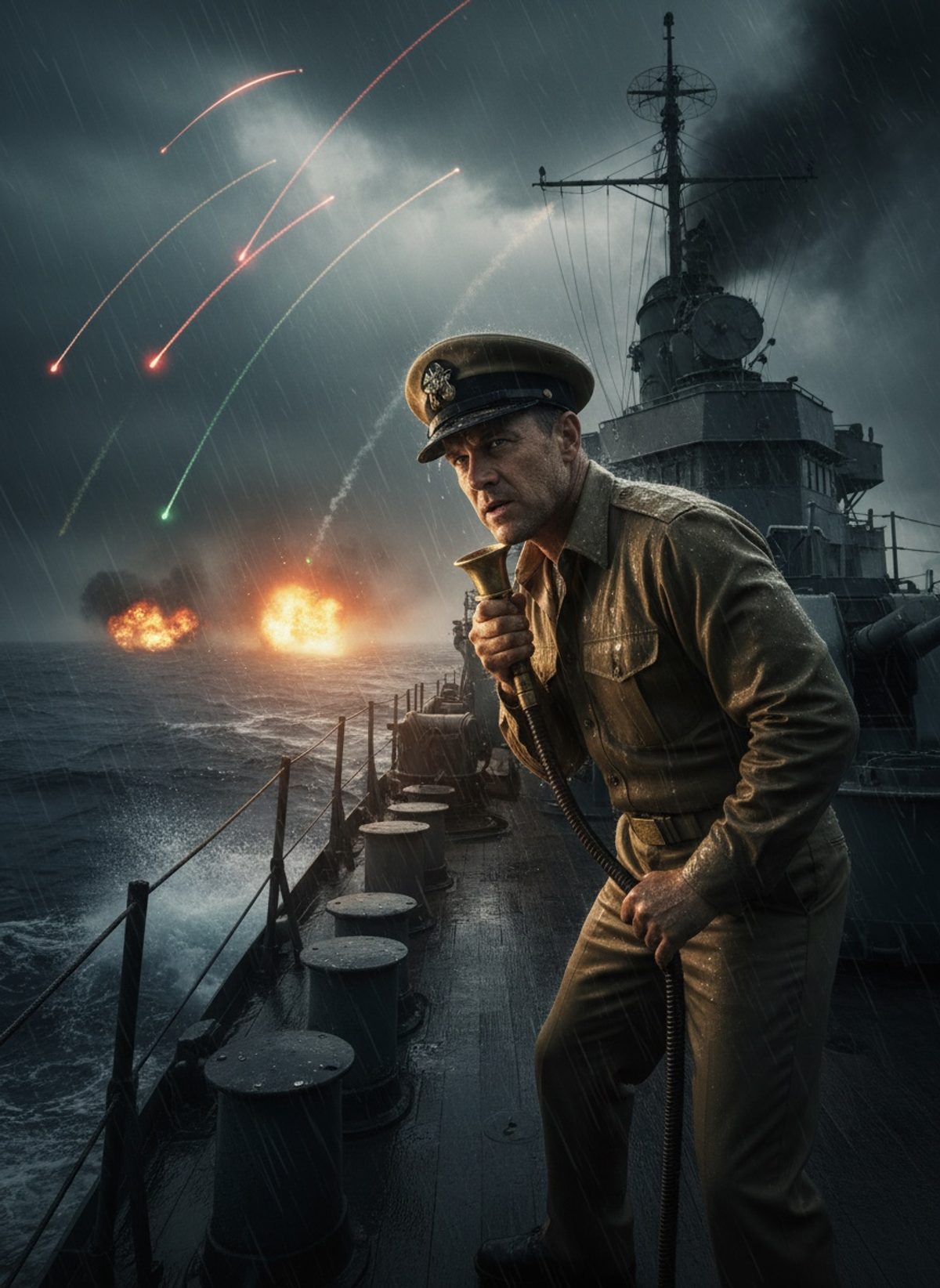
One ship. A dying engine. A suicide run into a typhoon of steel. Commander Amos Mahoney didn't wait for permission. He turned his crippled destroyer straight into the Japanese fleet and refused to stop.
He needed four deeds to become a war chief. He did all four in Europe. In Nazi Germany. In 1945.
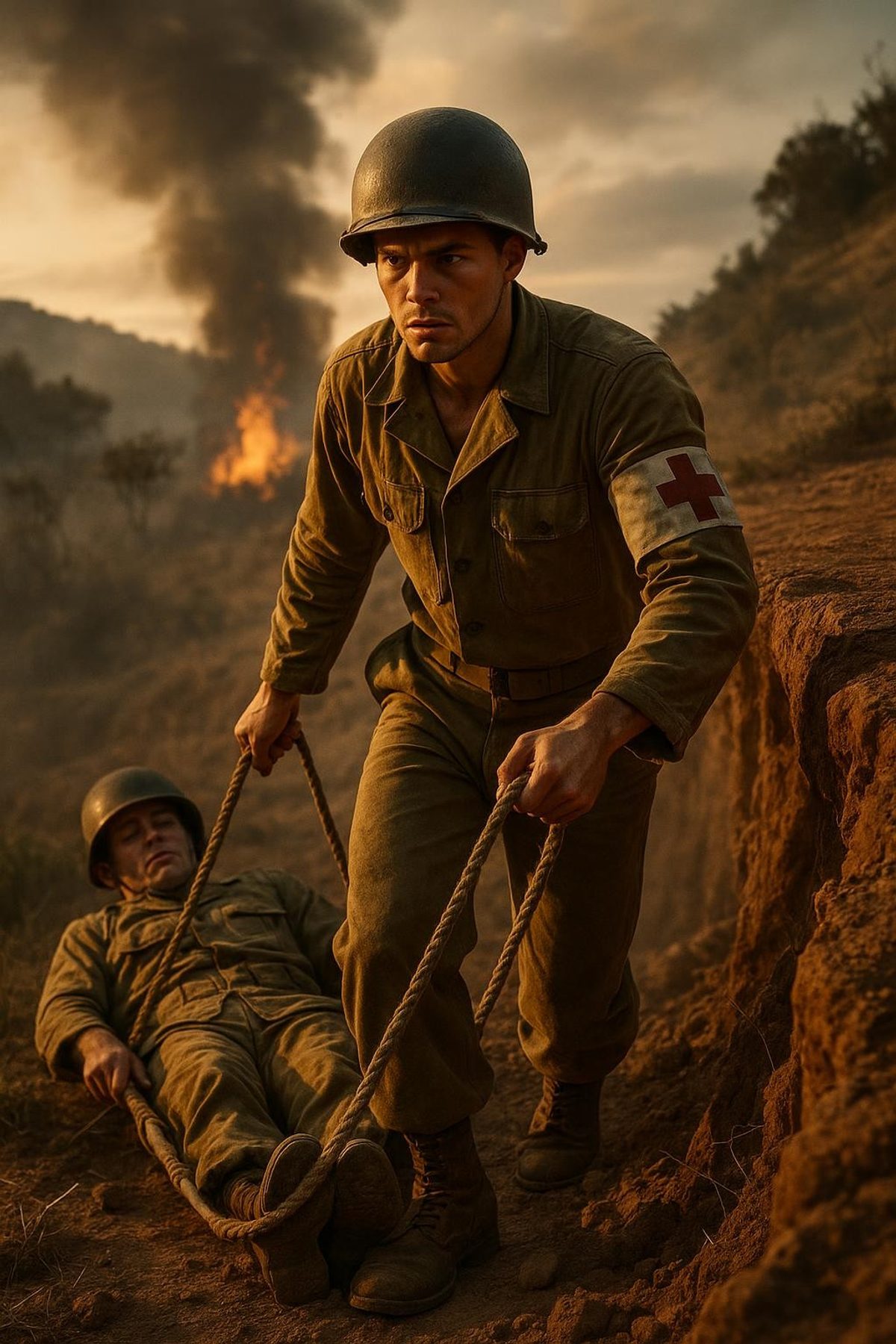
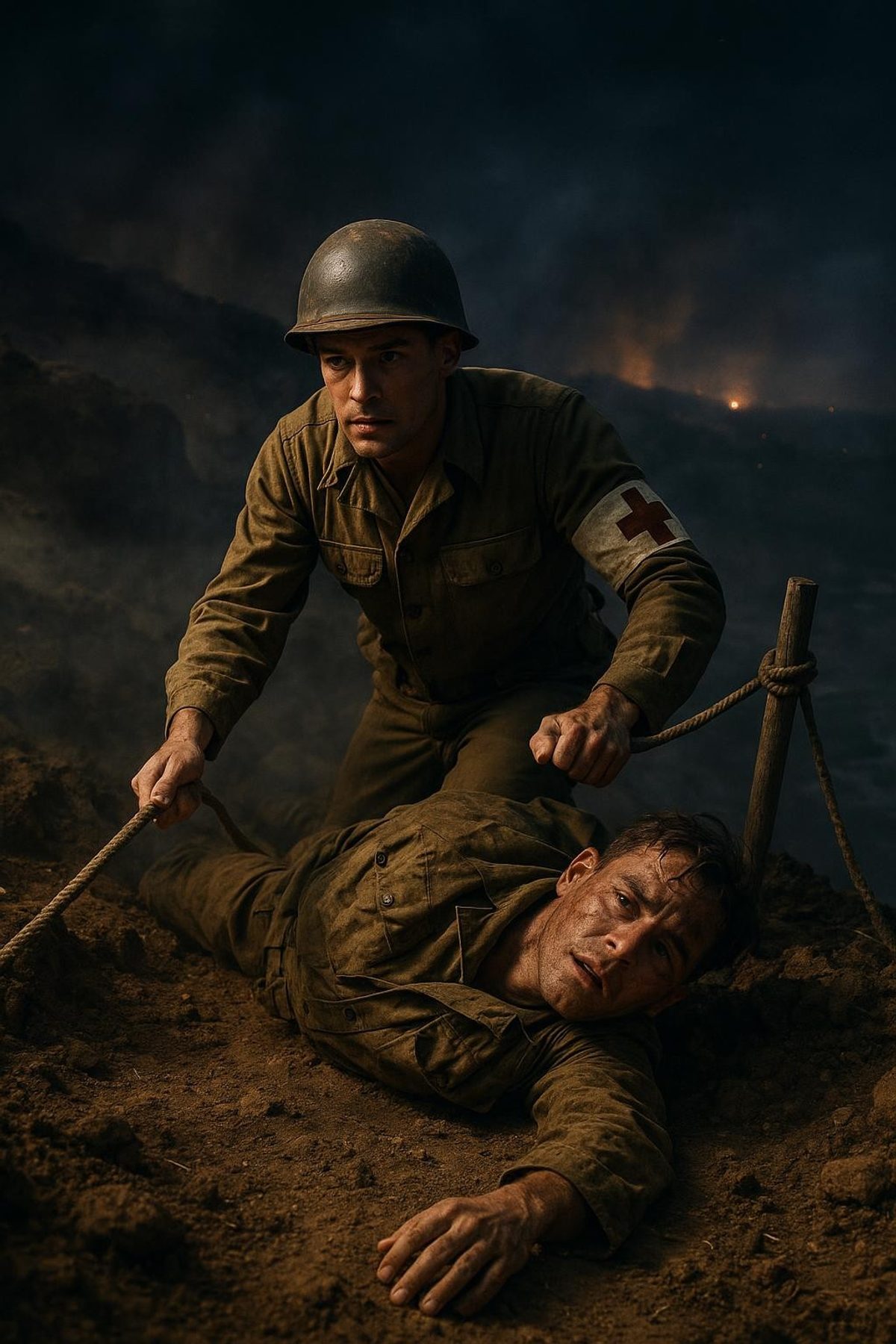
No weapon. No backup. Just rope and faith. Desmond Doss lowered 75 wounded men off a 400-foot cliff under Japanese fire. He prayed the same prayer every time. Lord, let me get one more.
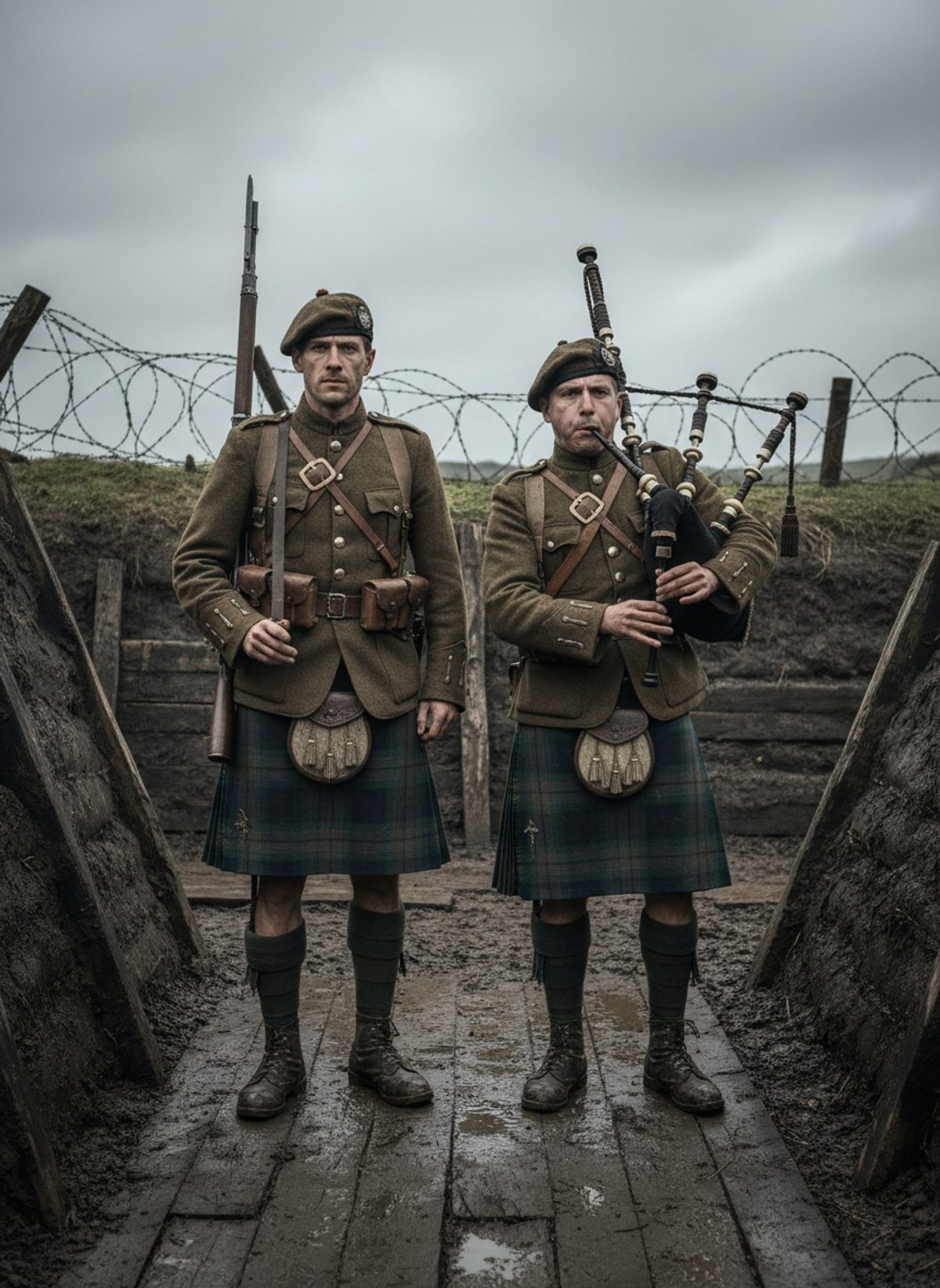
In 1914, Scottish Highland regiments marched into modern war wearing kilts and led by bagpipes. German soldiers had never seen anything like it. They never forgot it.
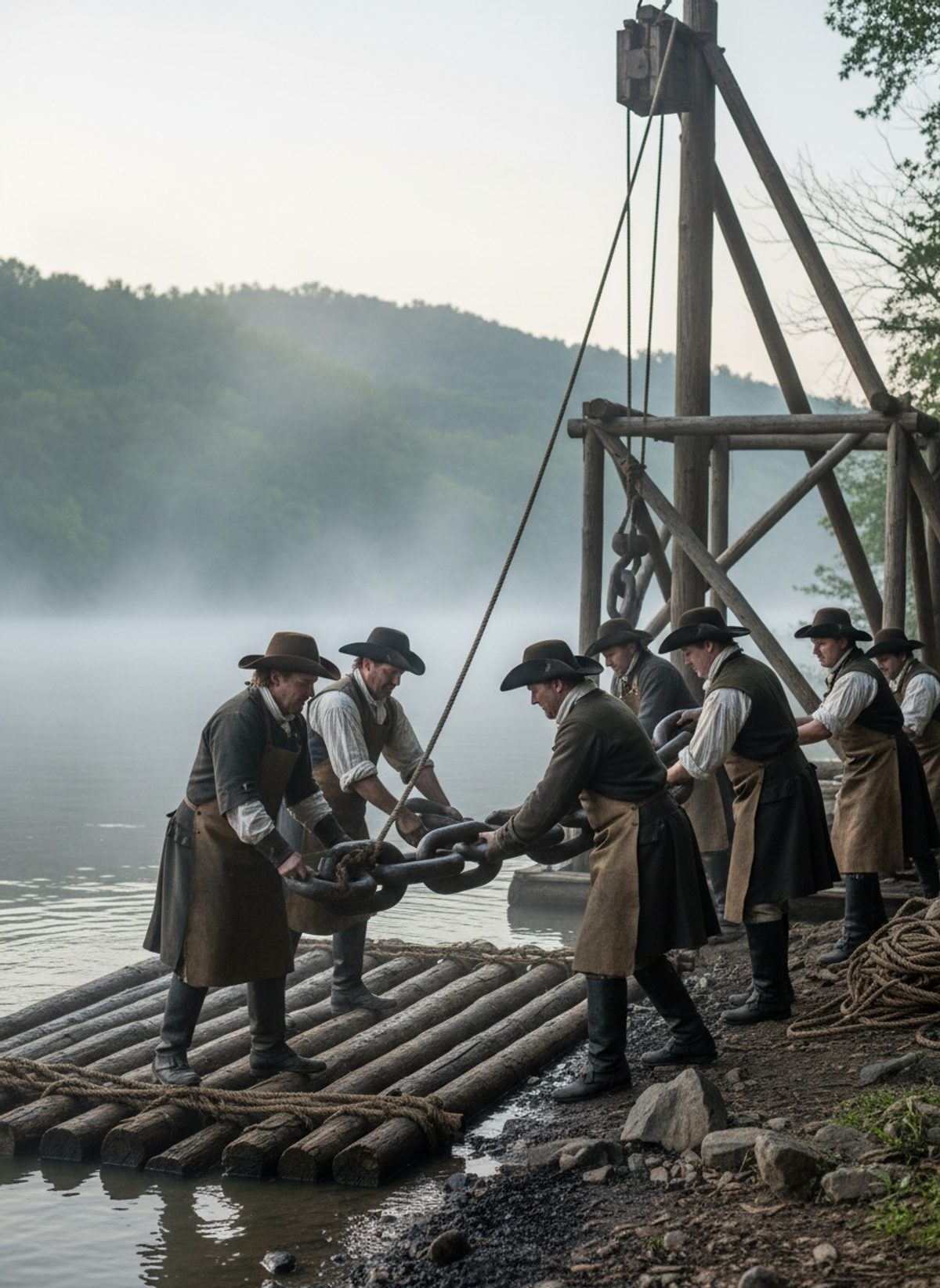
In 1778, American engineers forged a massive iron chain across the Hudson River. Each link weighed up to 180 pounds. The British fleet never broke through. They never tried.
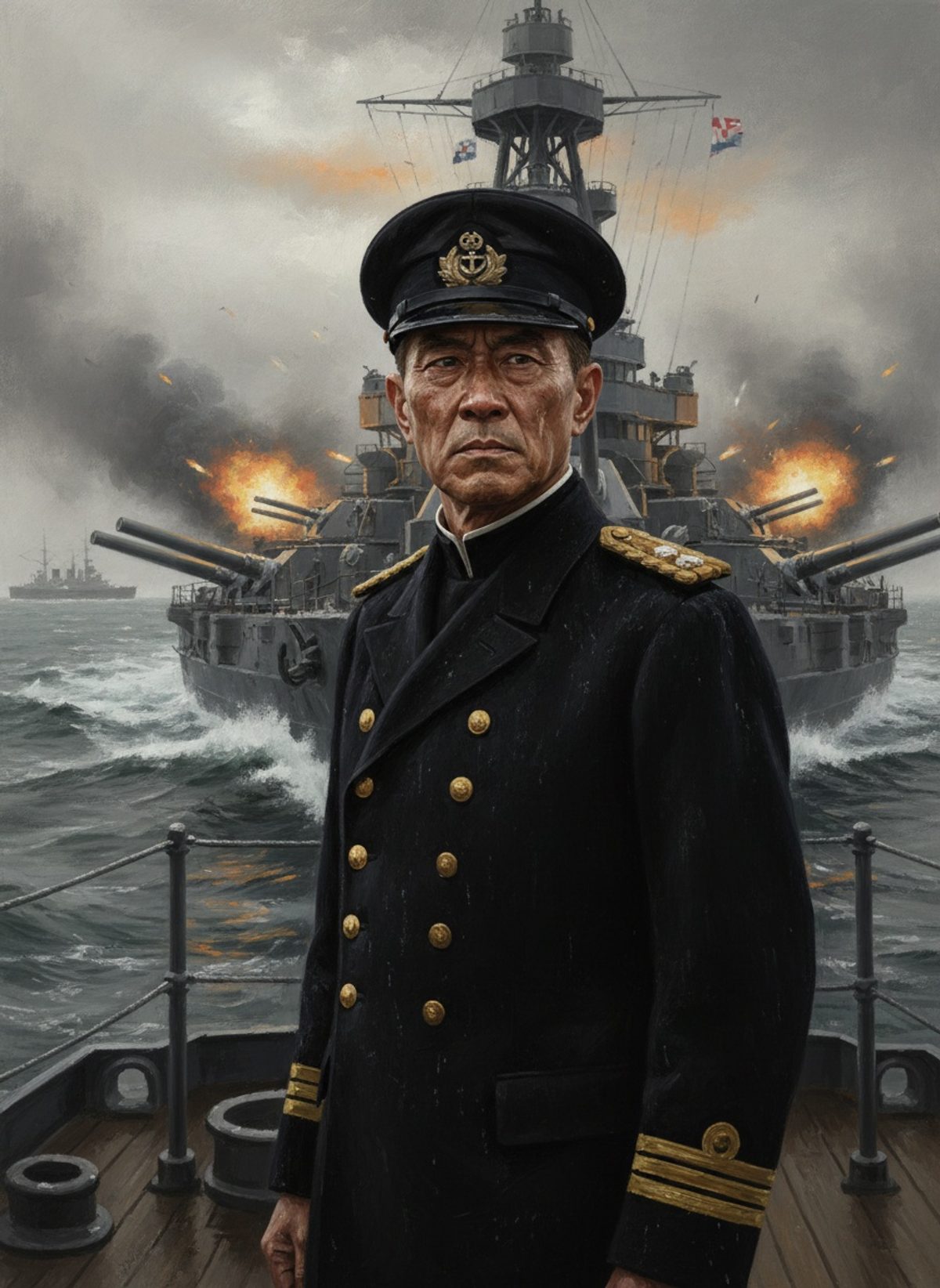
Russia sent its entire Baltic Fleet halfway around the world to crush Japan. Admiral Tōgō had one chance. He turned his ships directly into their guns. It worked.
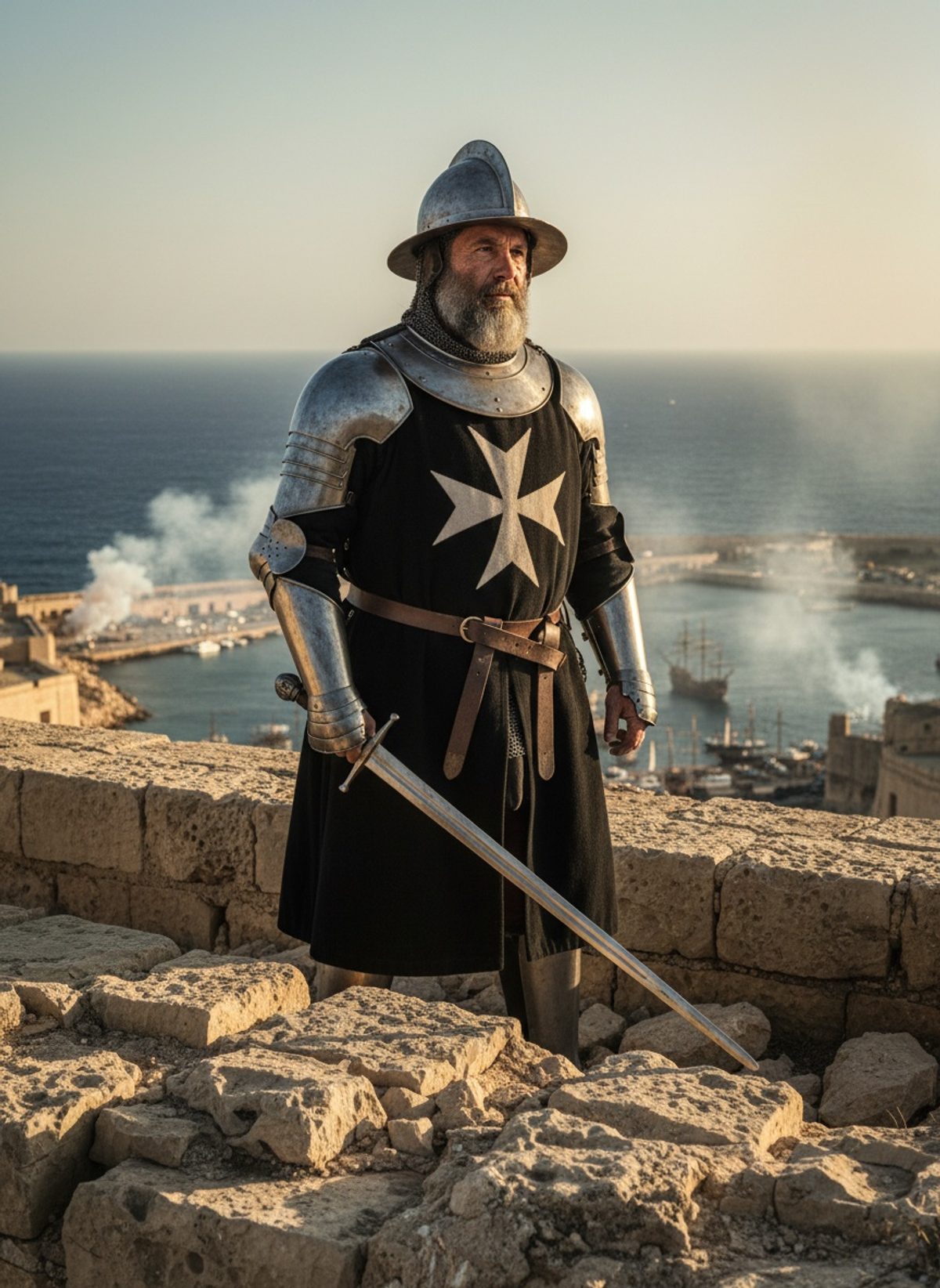
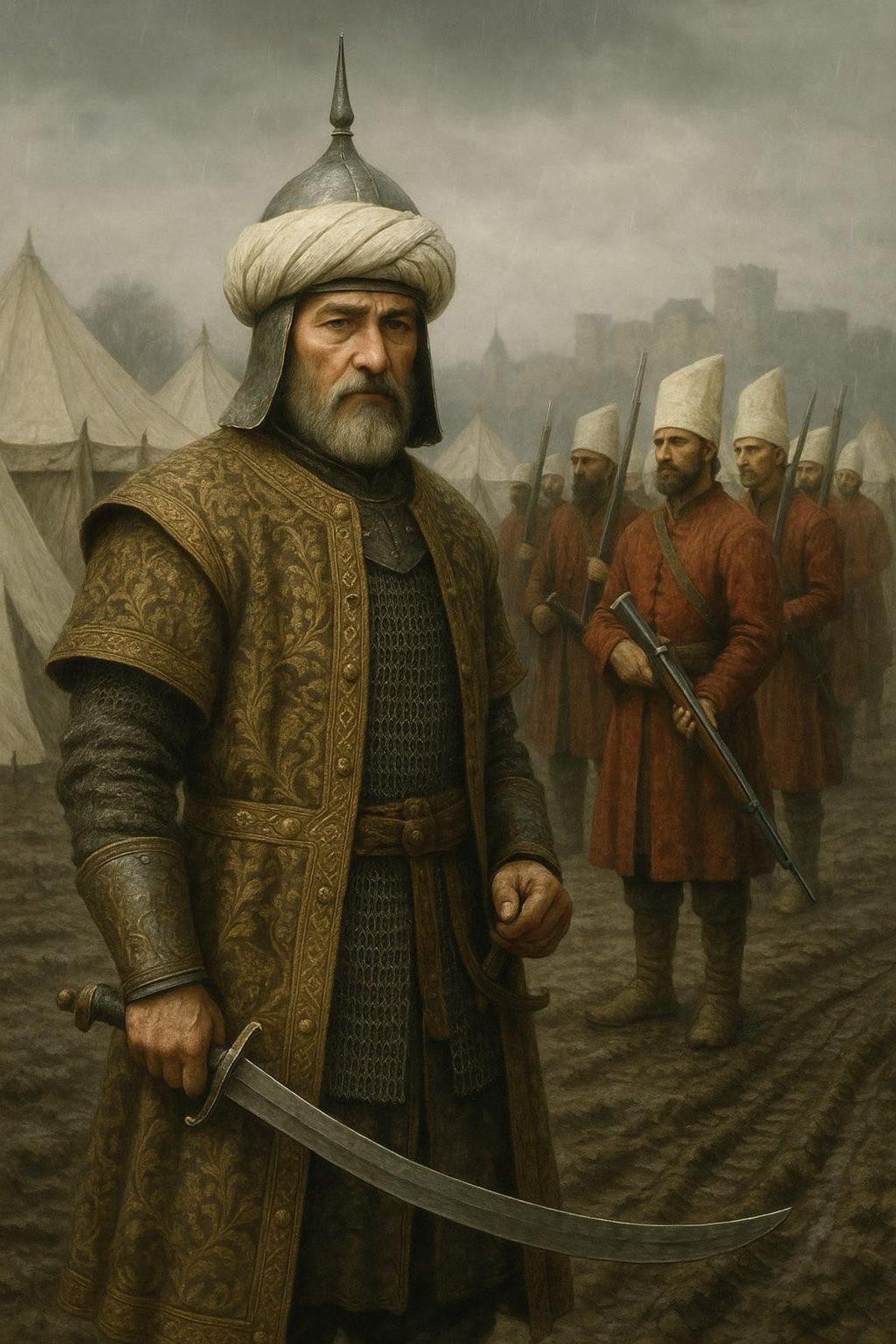
In 1565, Suleiman the Magnificent sent one of the largest Ottoman fleets ever assembled to crush a few hundred Knights of St. John on a tiny Mediterranean island. They held for four months. The world watched.
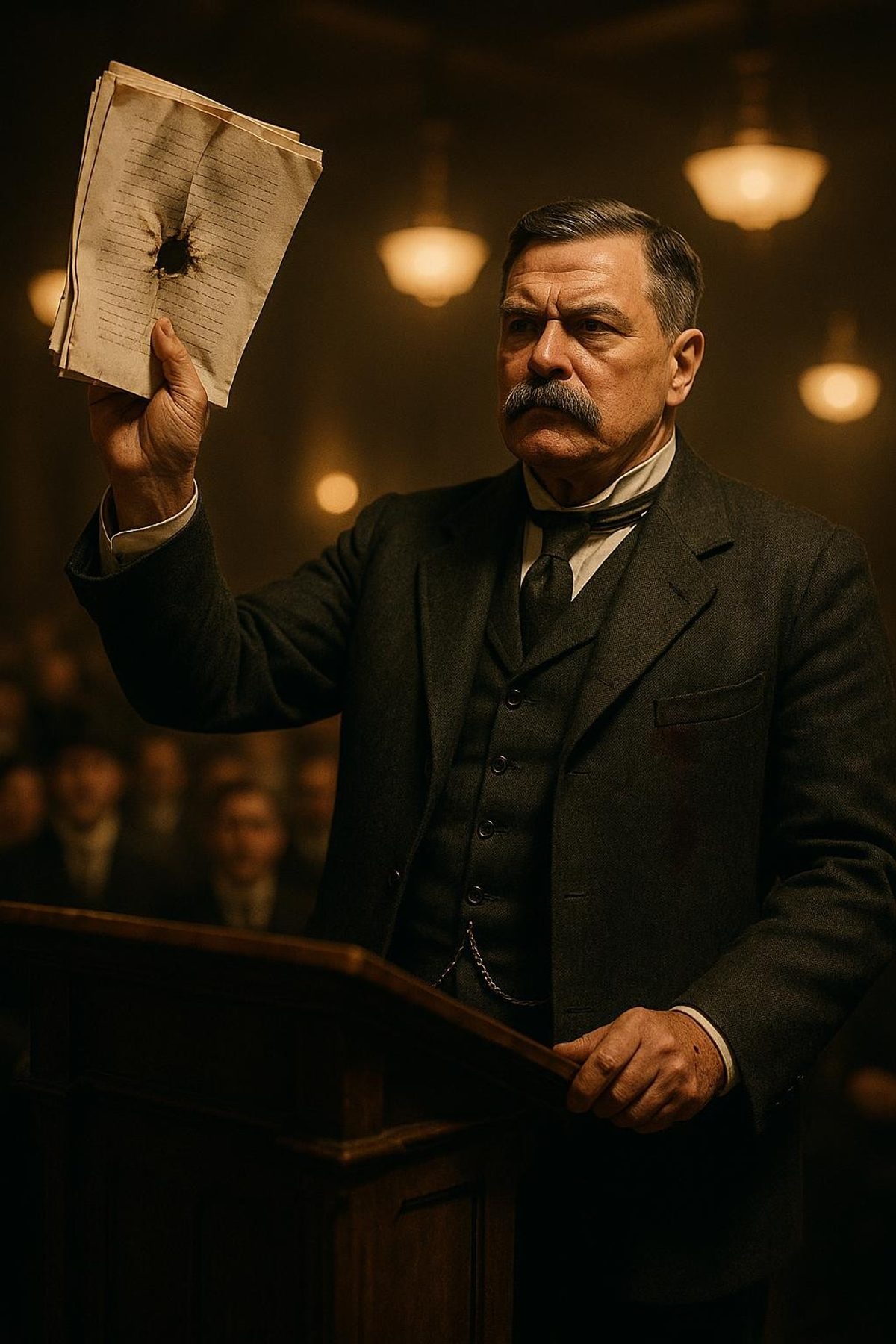
A bullet entered his chest. He walked on stage anyway. Roosevelt held up his blood-stained pages and told the crowd what had just happened. He spoke for an hour. The bullet stayed inside him forever.
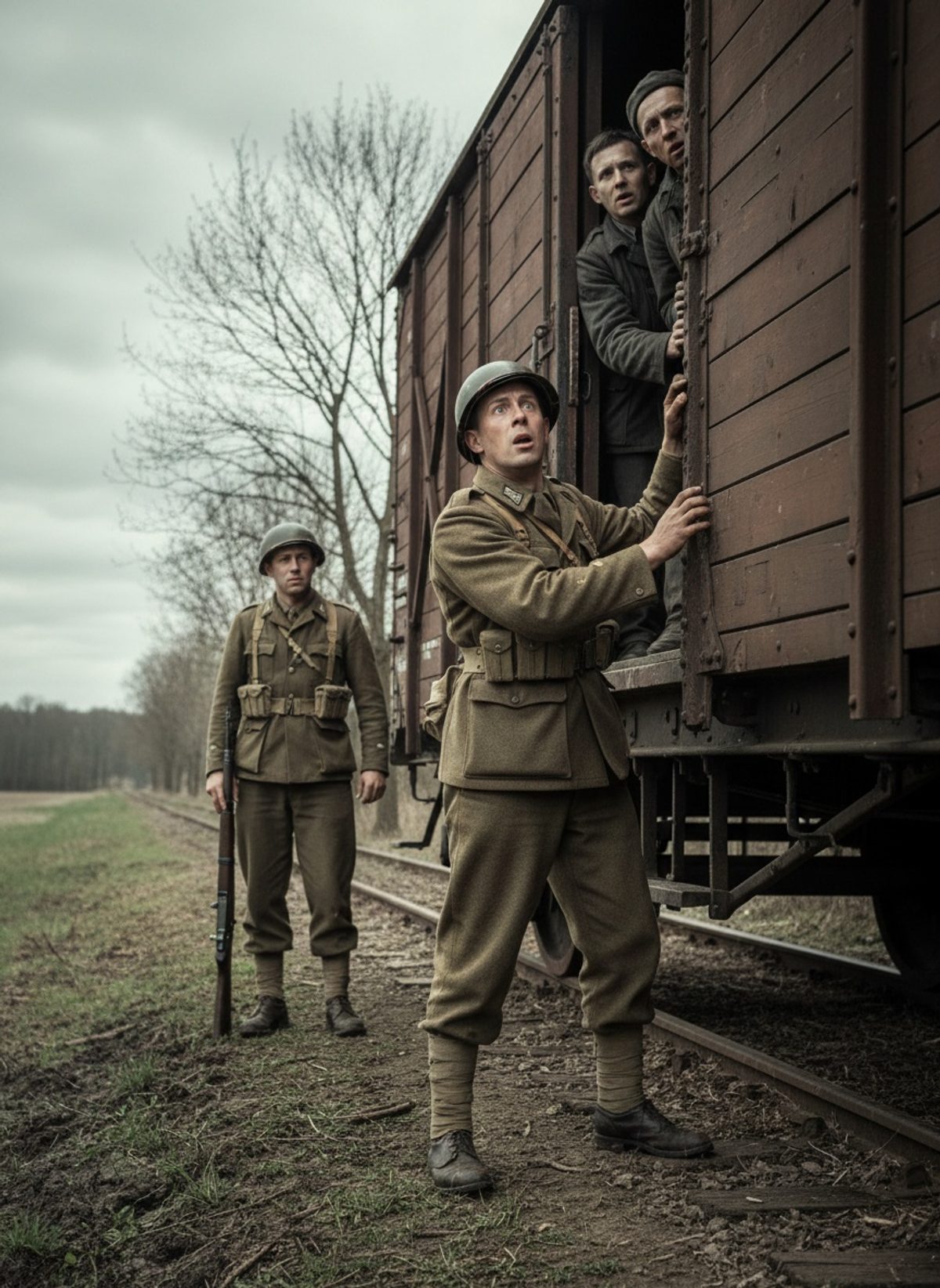
April 13, 1945. American tank crews stumbled on a halted train in Germany. Inside: 2,500 prisoners evacuated from Bergen-Belsen. The soldiers had no orders for this. They acted anyway.
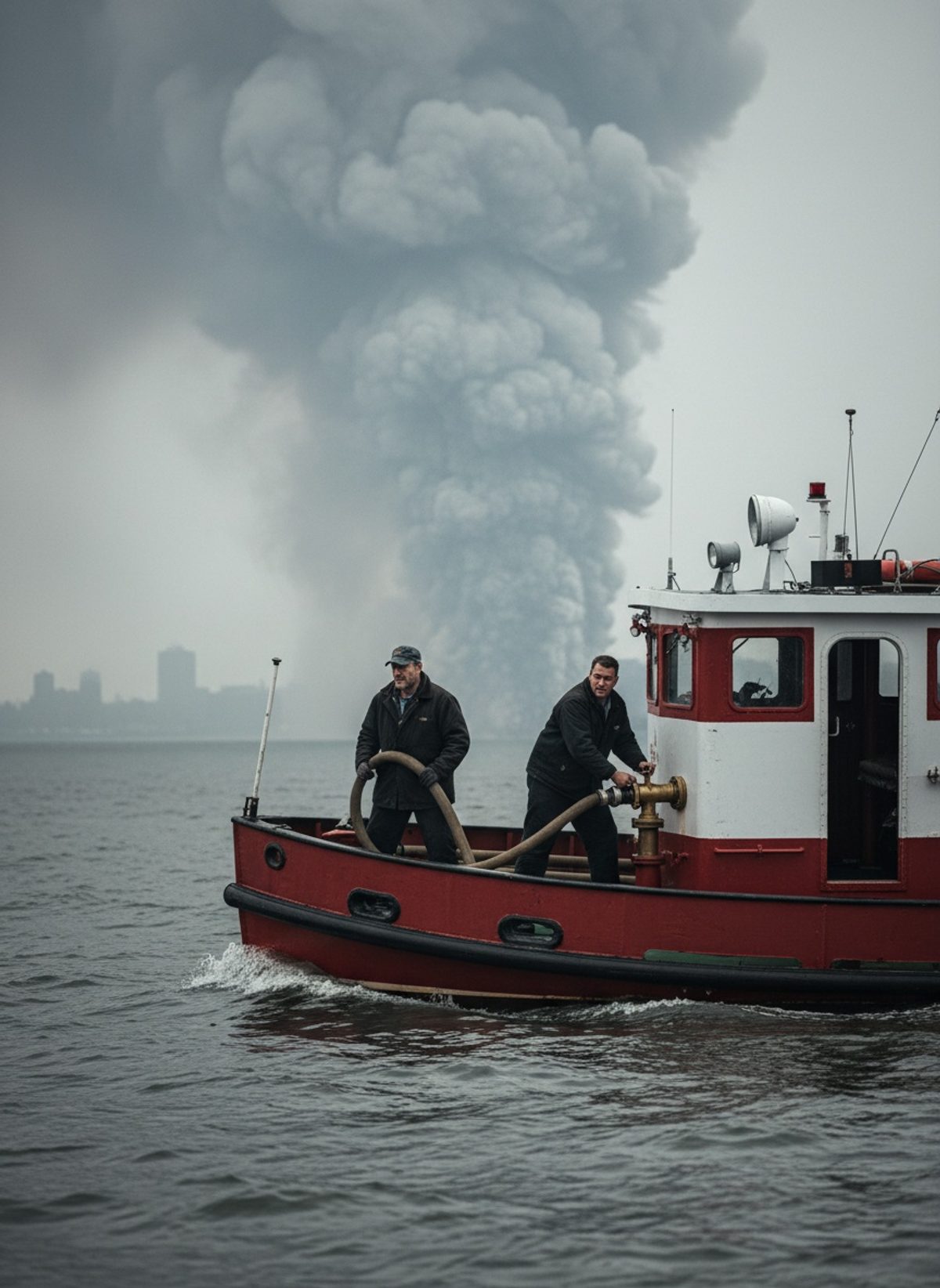
Retired in 1994. Marked for scrap. On September 11, 2001, five volunteers sailed her south toward the smoke. The water mains were gone. She pumped for 80 hours straight.
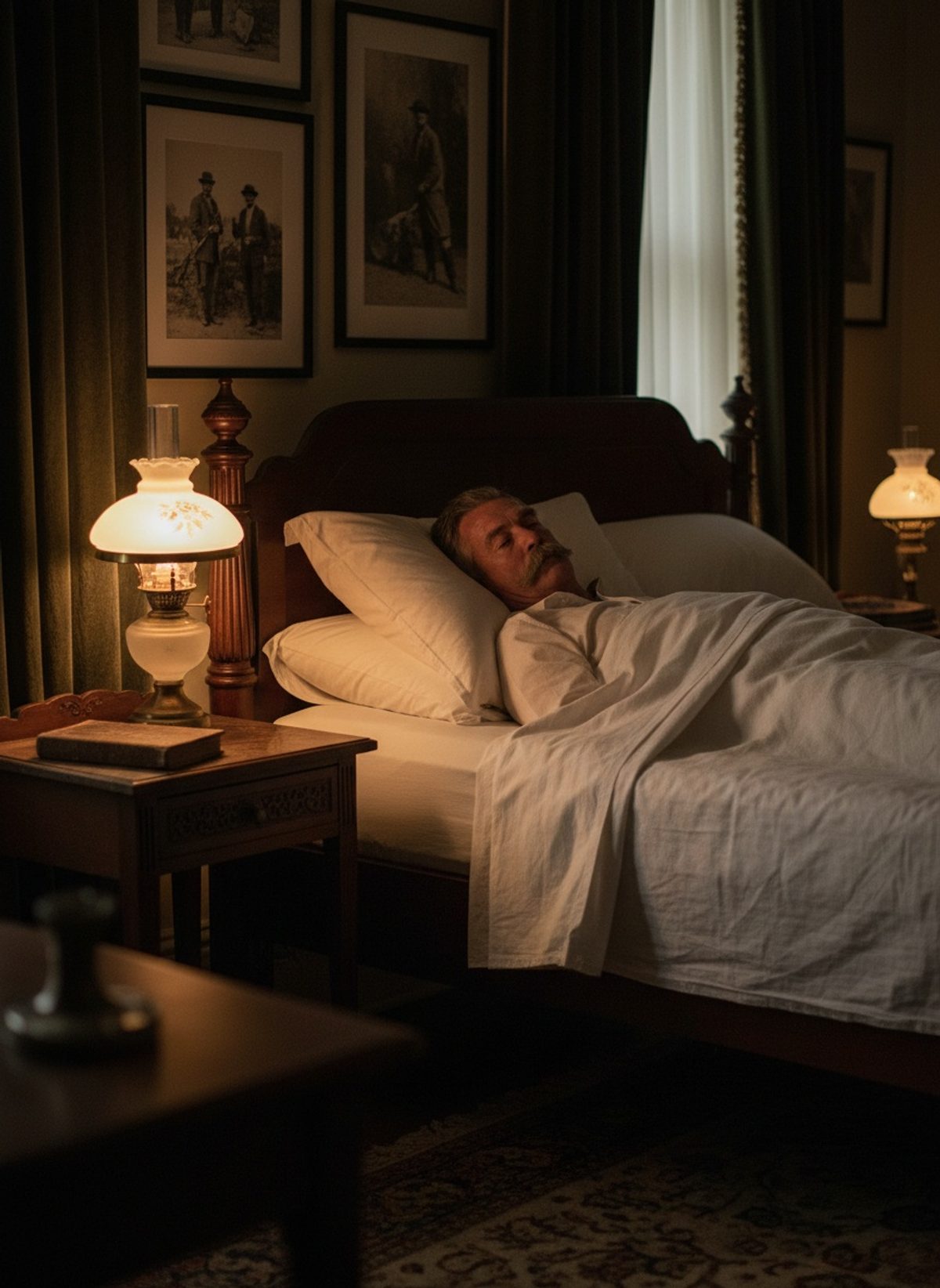
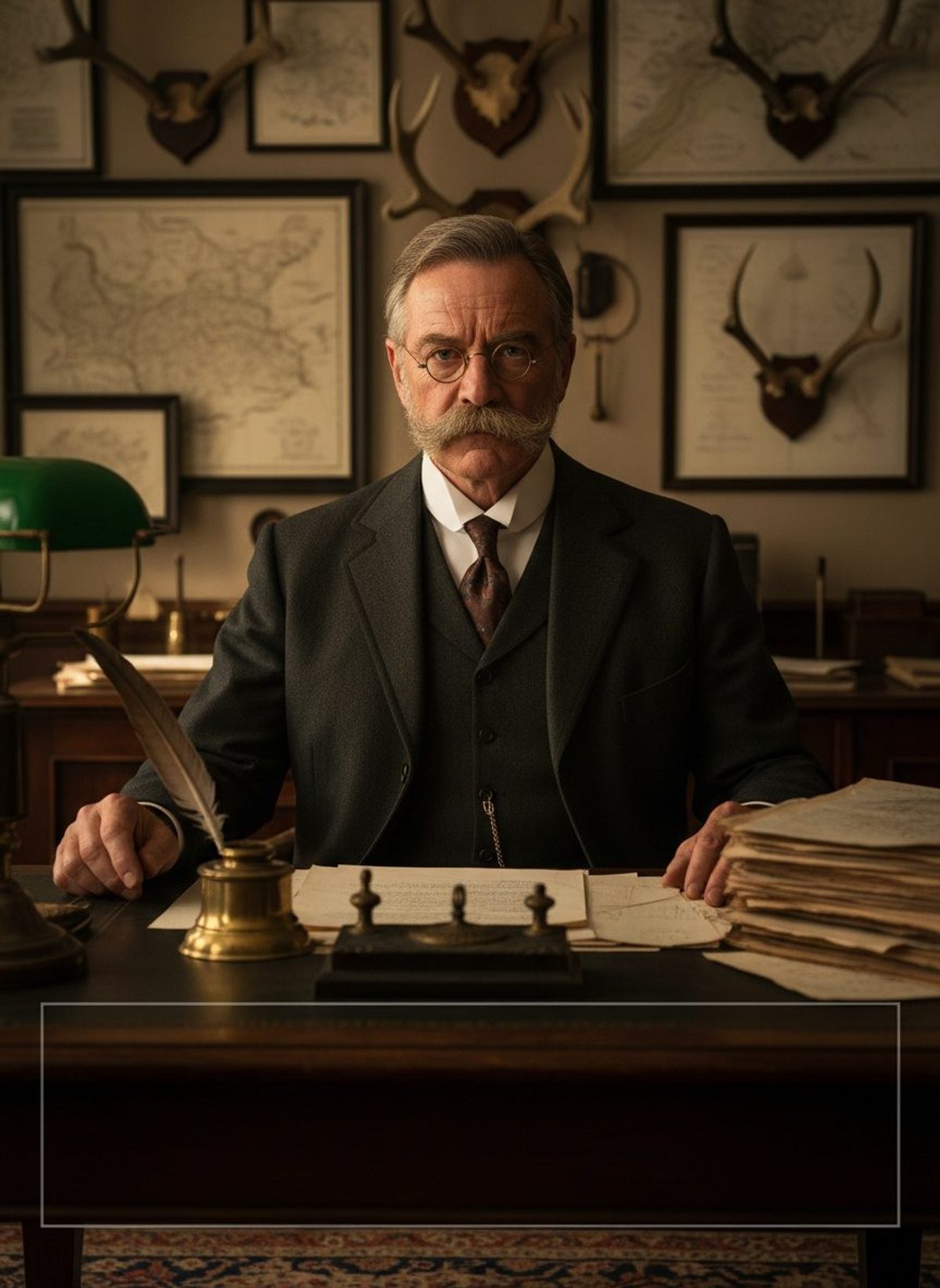
Theodore Roosevelt died quietly on January 6, 1919. He was 60. When the Vice President heard the news, his tribute stopped the room cold.
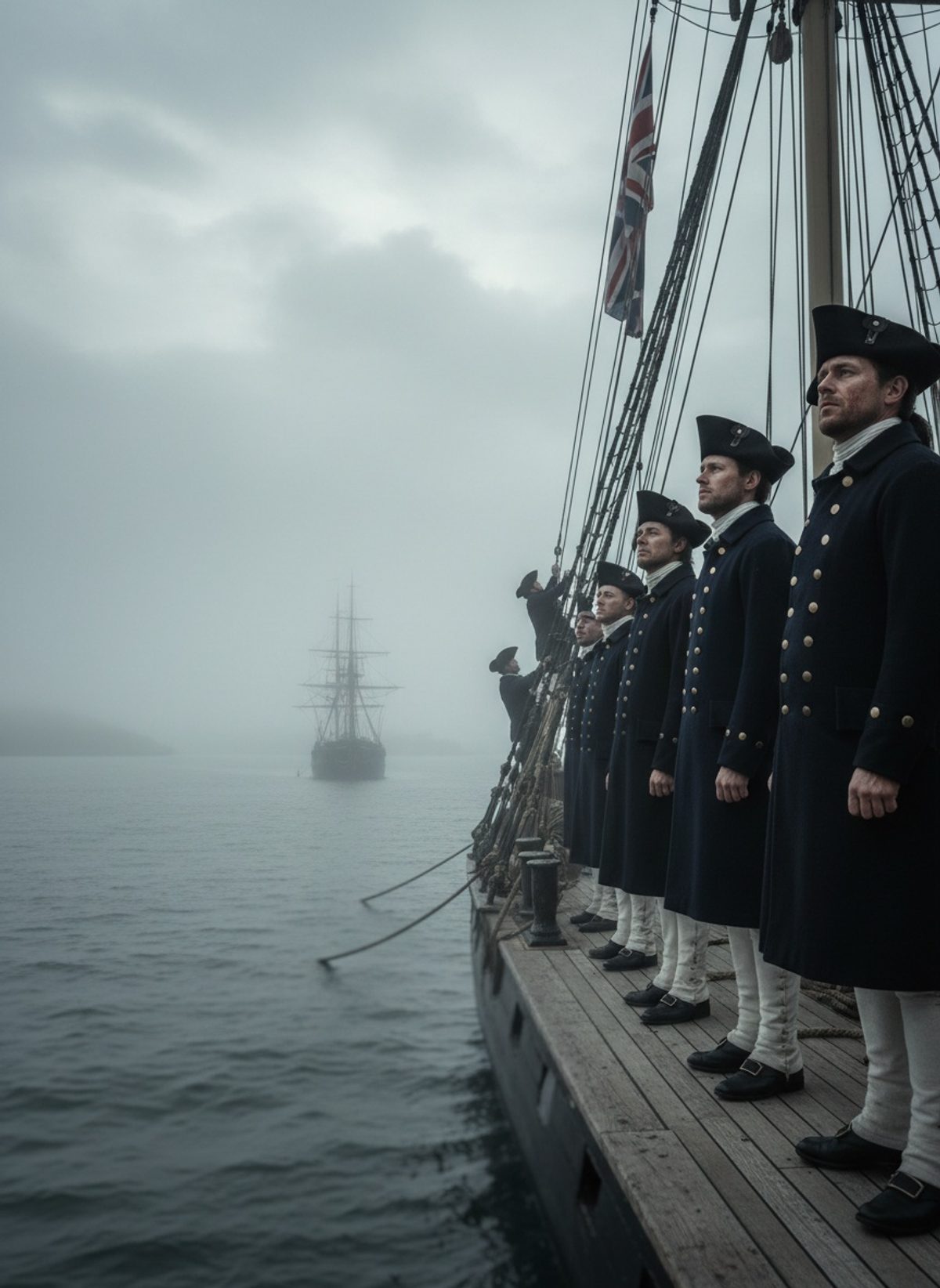
Washington died in December 1799. Within weeks, two nations that had fought him — or fought beside him and turned away — stopped everything. Britain lowered its flags. Napoleon ordered ten days of mourning.
A young wagoner refused an order. The British gave him 500 lashes. He survived. Twenty-six years later, he destroyed their army.
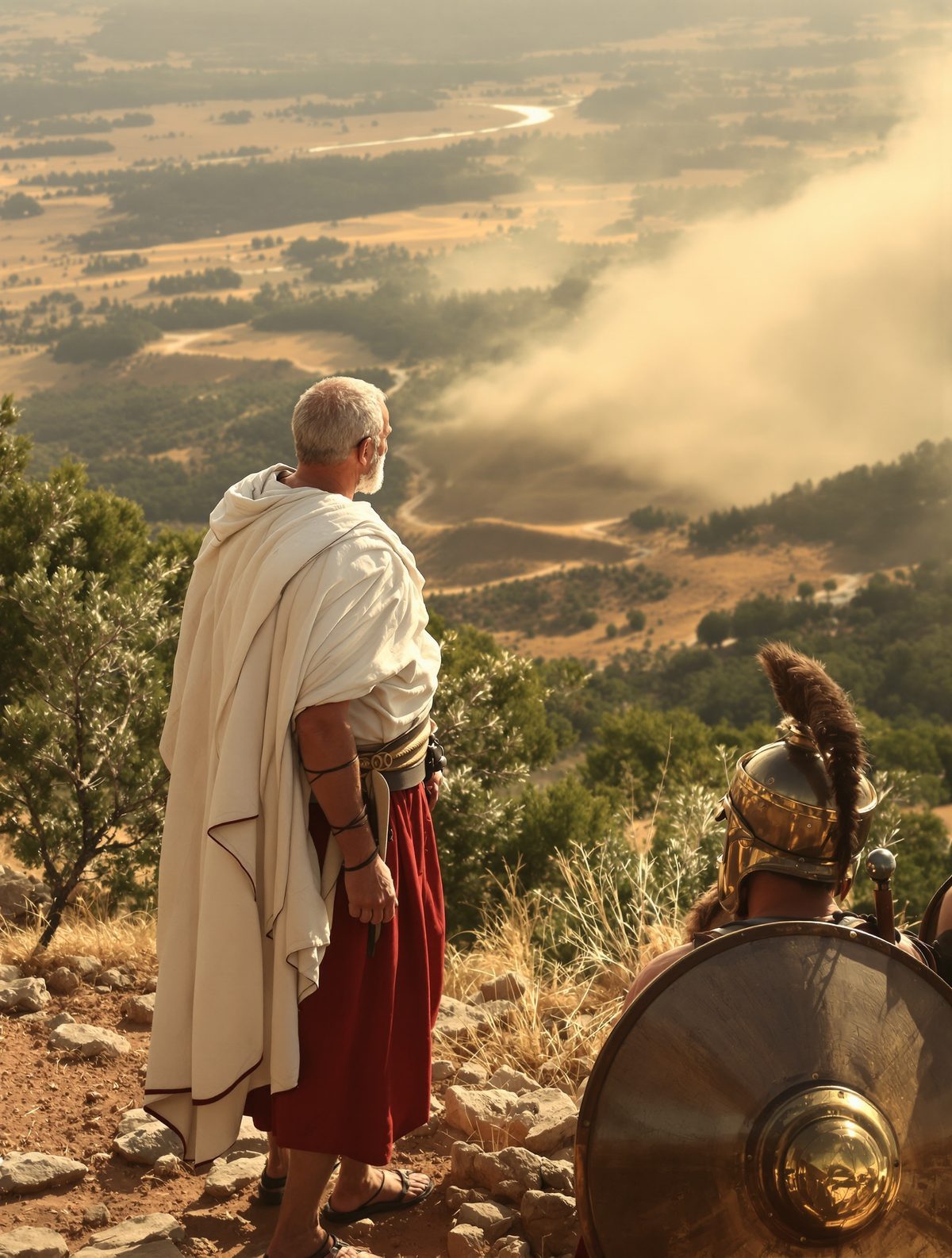
480 BCE. The Persian fleet was coming. Themistocles had one plan. Abandon Athens. Every house. Every temple. Every street. The city emptied. The fleet waited at Salamis. Then the trap closed.
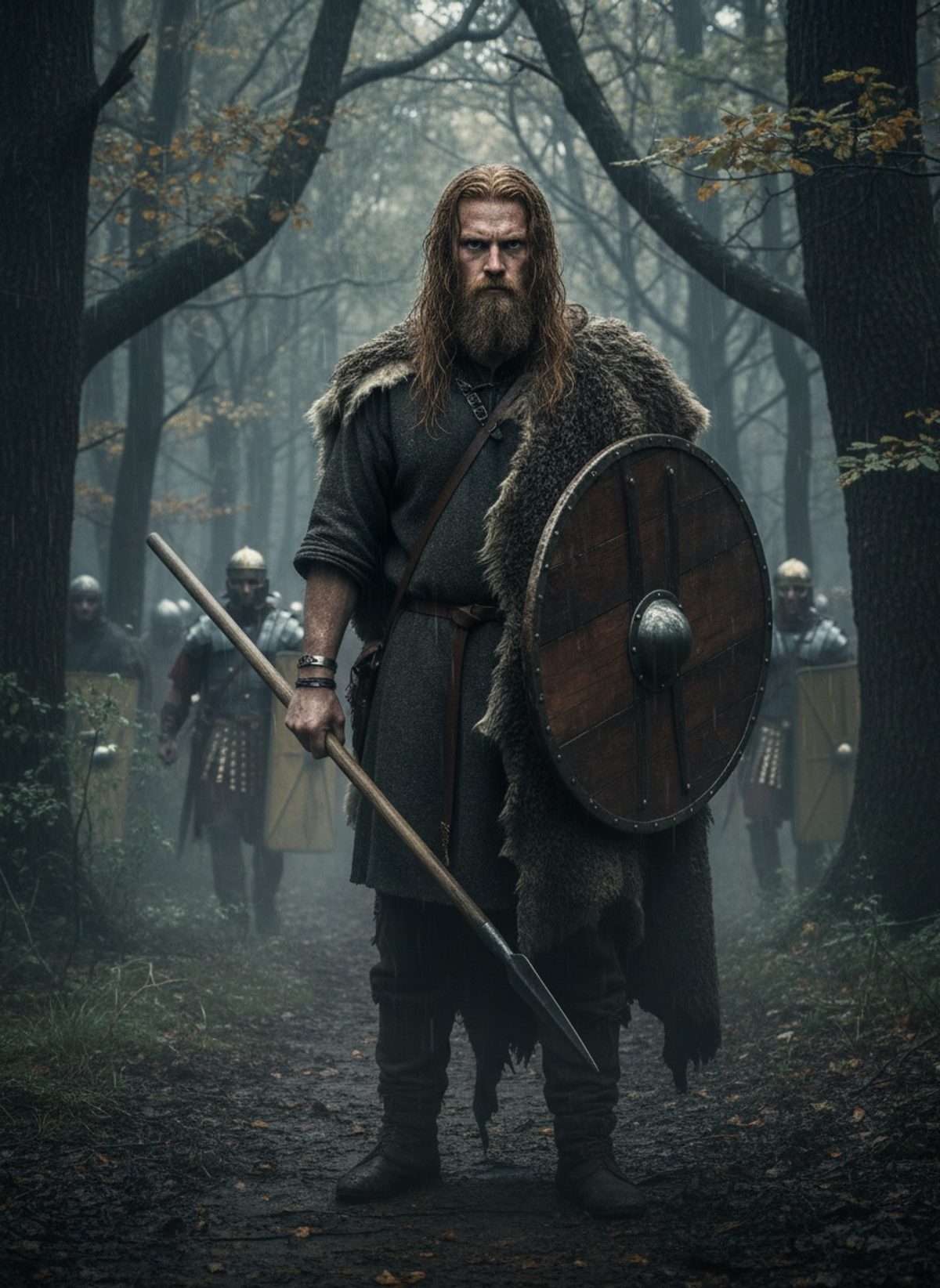
September, 9 CE. Three Roman legions marched into the Teutoburg Forest. Arminius had fought beside them for years. He led them in. They never came out. Rome never crossed the Rhine again.
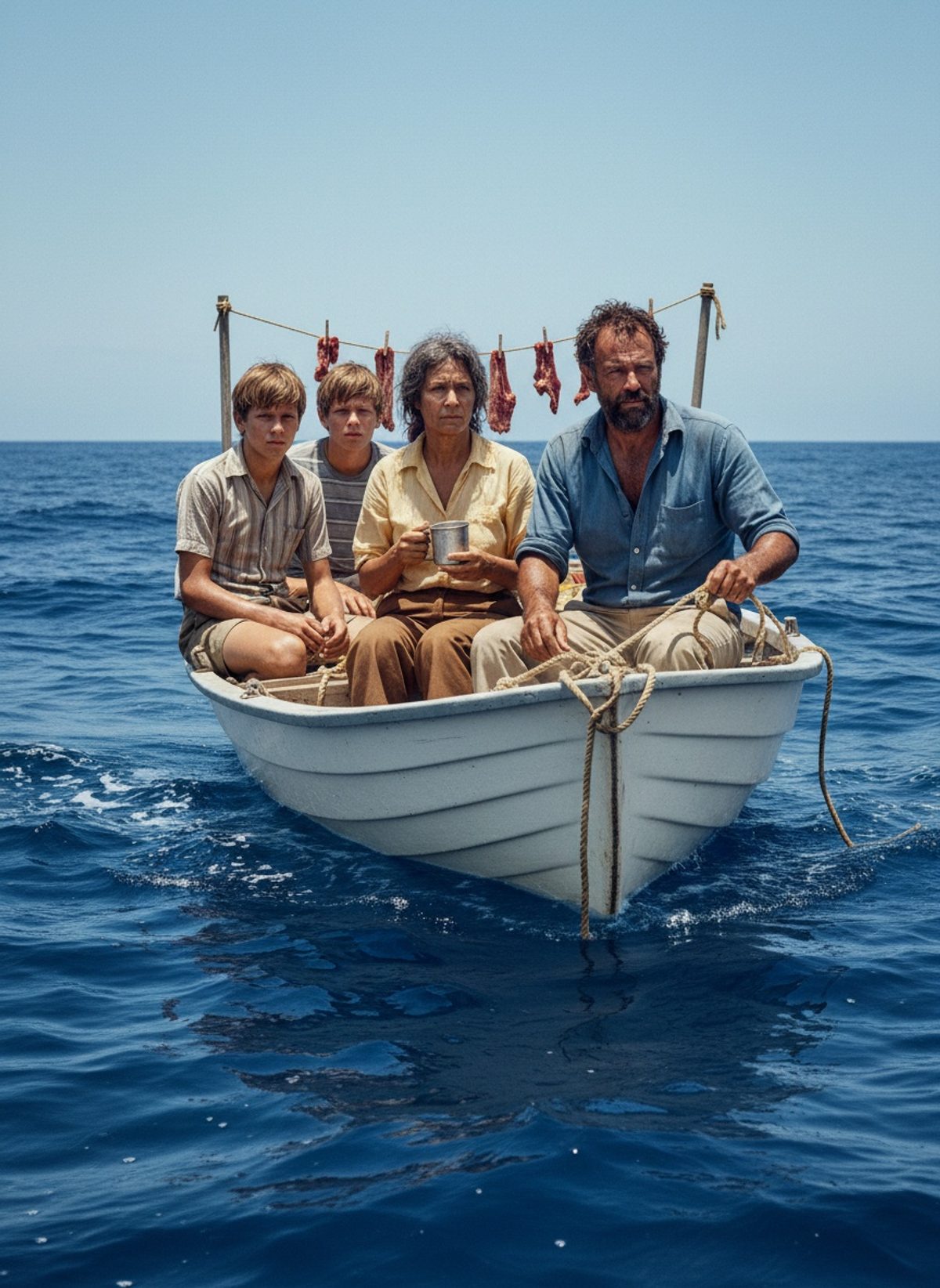
June 1972. A family's boat sank in 60 seconds. Six people. Open ocean. 3,000 miles from land. They made one rule: no one gets left behind. Thirty-eight days later, all six came home.
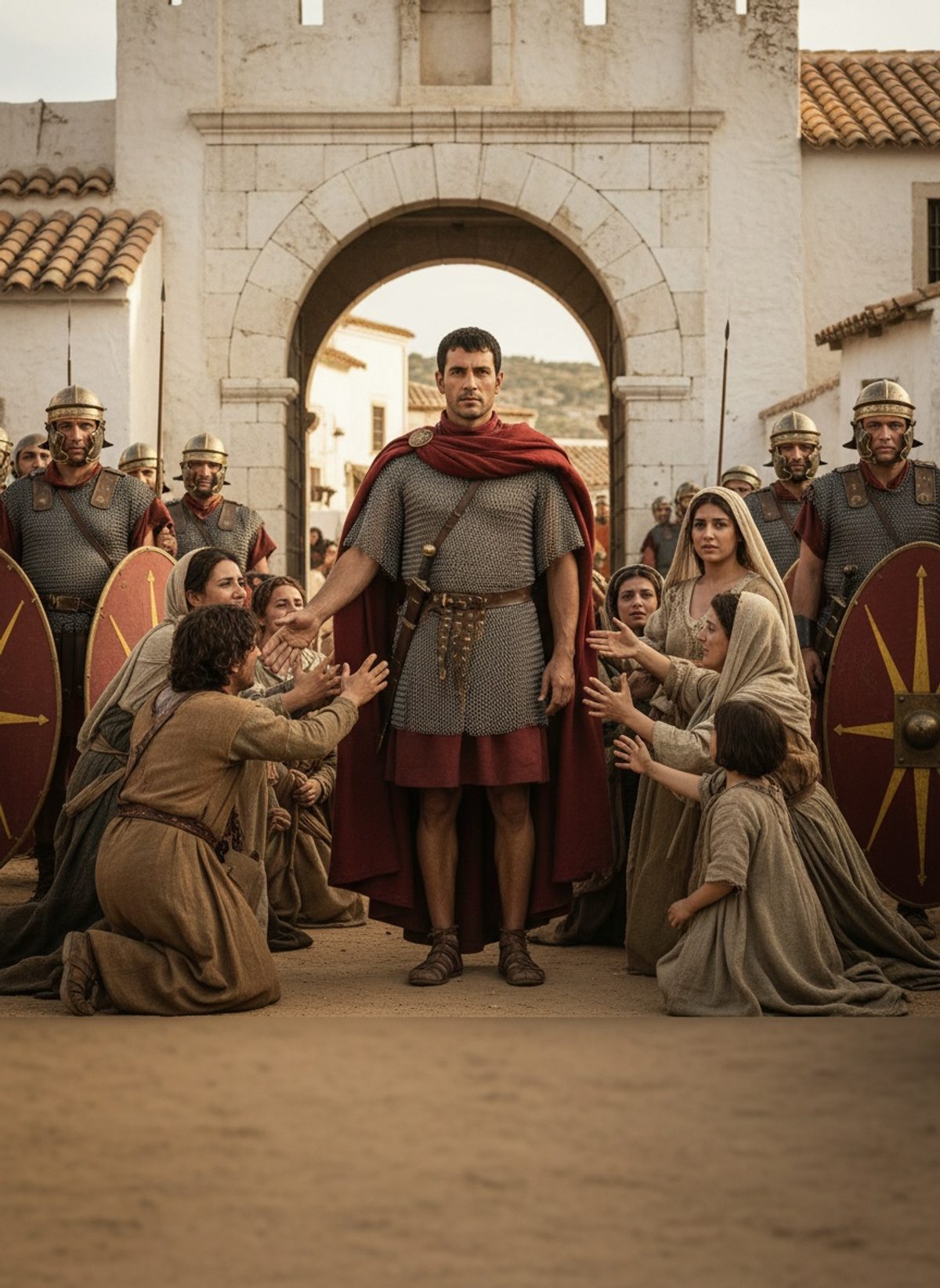
209 BCE. Scipio took Carthago Nova. His men expected slaughter. He ordered it stopped. He freed the hostages. Returned them to their people. Rome was stunned. Carthage was speechless.
Lauren Grandcolas was three months pregnant when Flight 93 was hijacked. She left a voicemail for her husband. Calm. Reassuring. She said she loved him. Then she joined the passengers who fought back.
Todd Beamer died on Flight 93 before his daughter was born. Morgan never met him. Years later, she chose his college. She wore his number. She earned First Team honors.
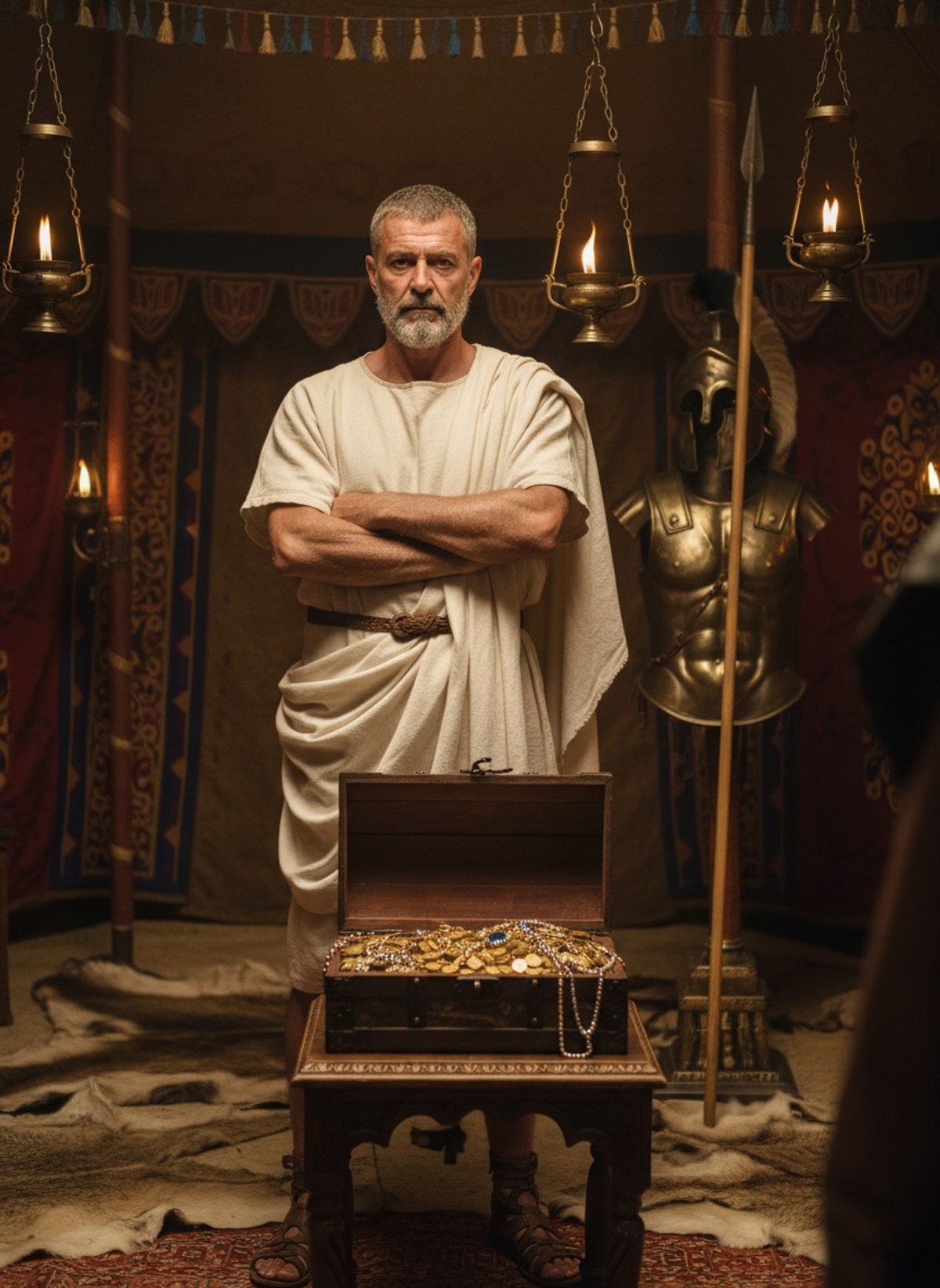
280 BCE. The Greek king Pyrrhus offered Fabricius gold. Land. Power. Everything Rome could not match. Fabricius looked at the treasure. Then walked away. Rome never forgot it.
In 40 CE, a Vietnamese noblewoman's husband was executed by a Han governor. She didn't mourn in silence. She raised 80,000 soldiers and drove out an empire.
343 New York firefighters died on September 11, 2001. They knew the towers were failing. They climbed anyway. Every one of them chose the stairs.
Desmond Doss refused to carry a weapon. His unit thought he was a coward. Then the battle of Hacksaw Ridge began — and he stayed alone on the cliff after everyone else retreated.
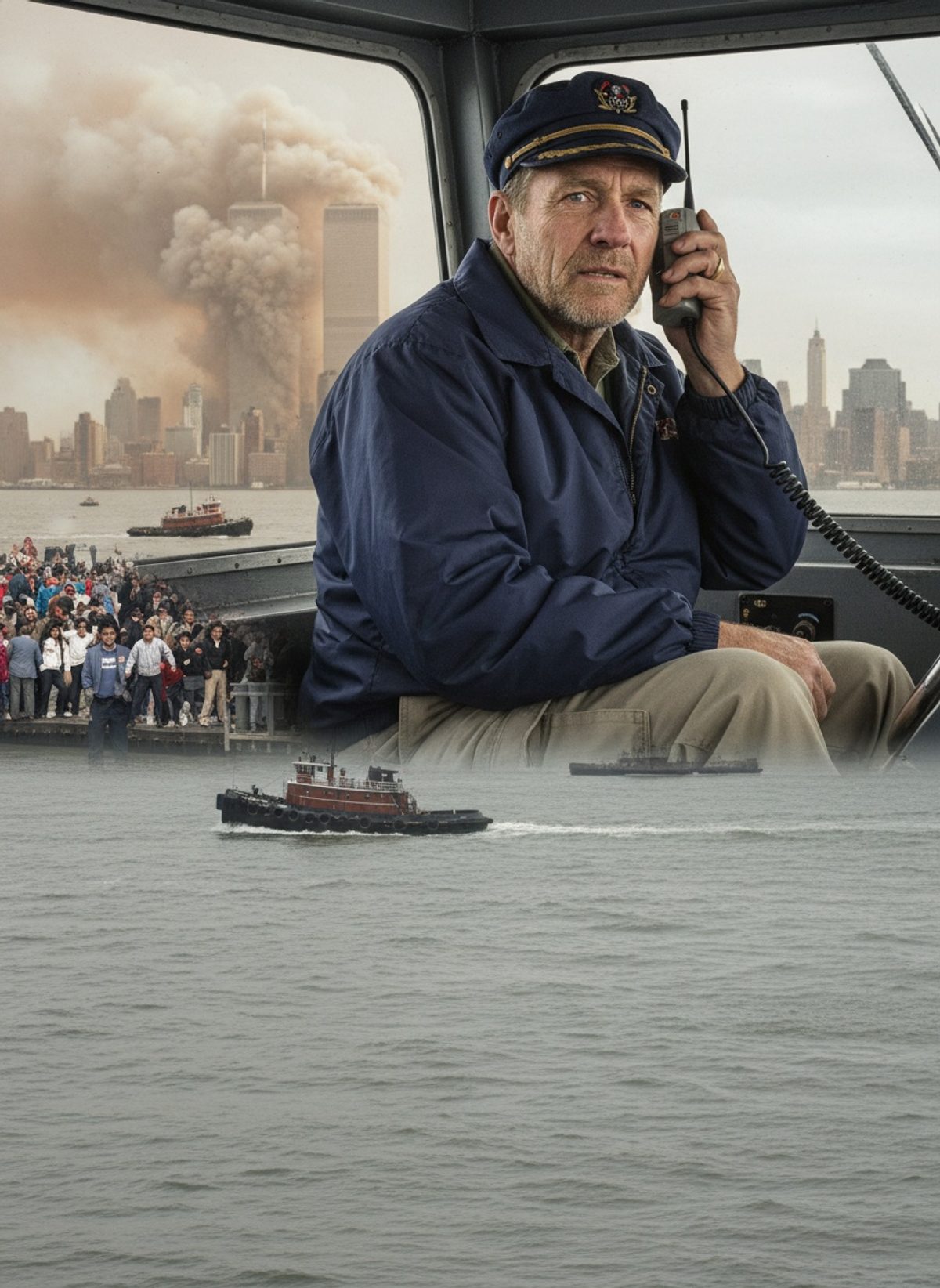
Lower Manhattan. September 11, 2001. Every bridge and tunnel sealed. Half a million people trapped at the water's edge. Then a Coast Guard officer keyed his radio. And the boats came.
CeeCee Lyles was a cop before she was a flight attendant. On 9/11, she called home twice. The second time, her husband answered. They prayed together as passengers prepared to fight back.
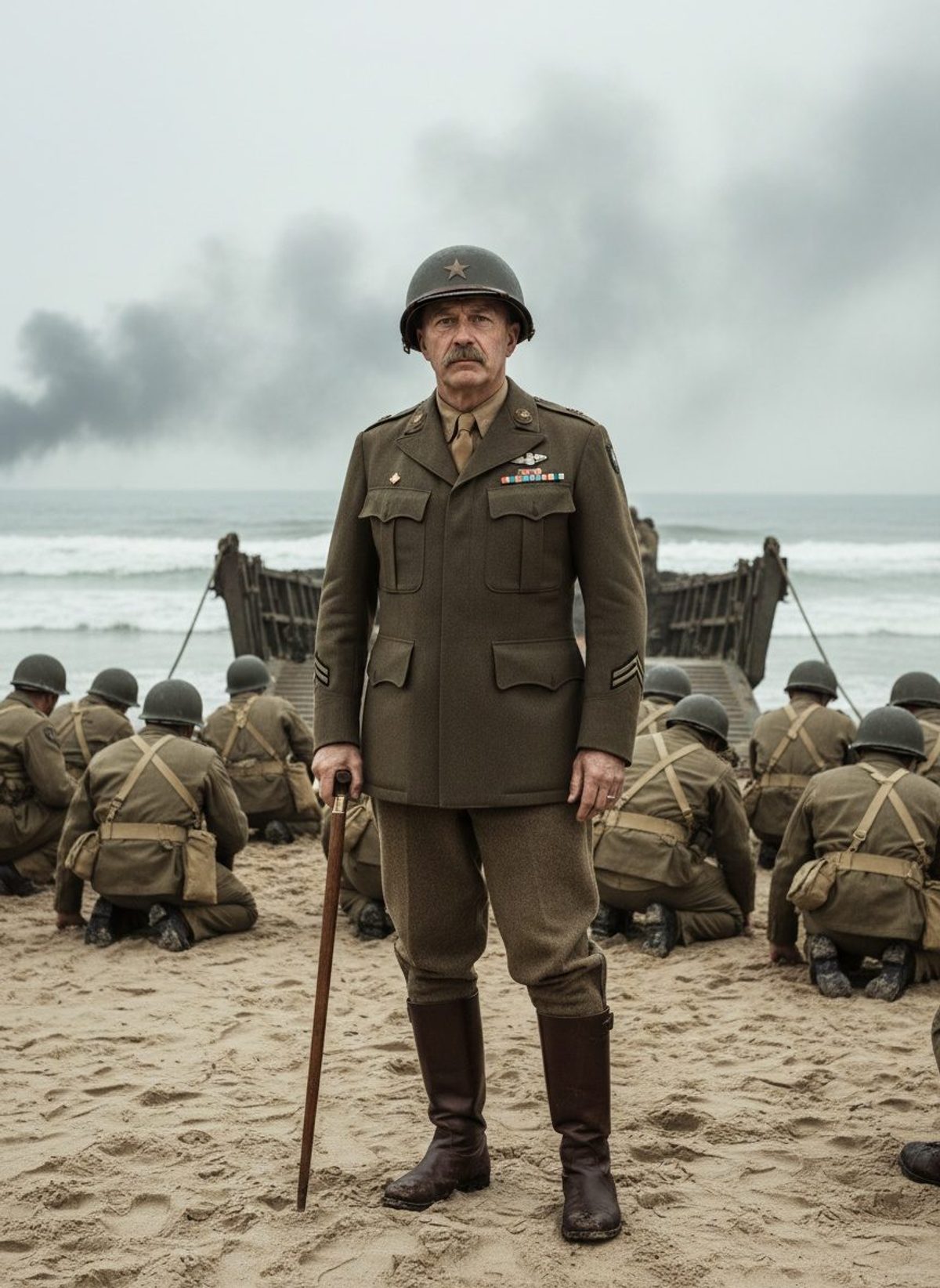
He was 56, arthritic, and needed a cane to walk. He demanded to land with the first wave anyway. When his men hit the wrong beach, Roosevelt didn't panic. He made it the right beach.
April 9, 1865. The war was over. Lee's men were starving. Grant had just defeated them. Then he sent 25,000 rations across enemy lines — no conditions, no ceremony.
Four hijackers. 380 hostages. 17 hours. Neerja Bhanot was 22 years old, two days from her birthday. She could have gone down the chute first. She stayed.
By 1944, Oskar Schindler had bribed, bluffed, and spent a fortune. Every reichsmark went to keeping his workers alive. When liberation came, he had nothing left. He had planned it that way.
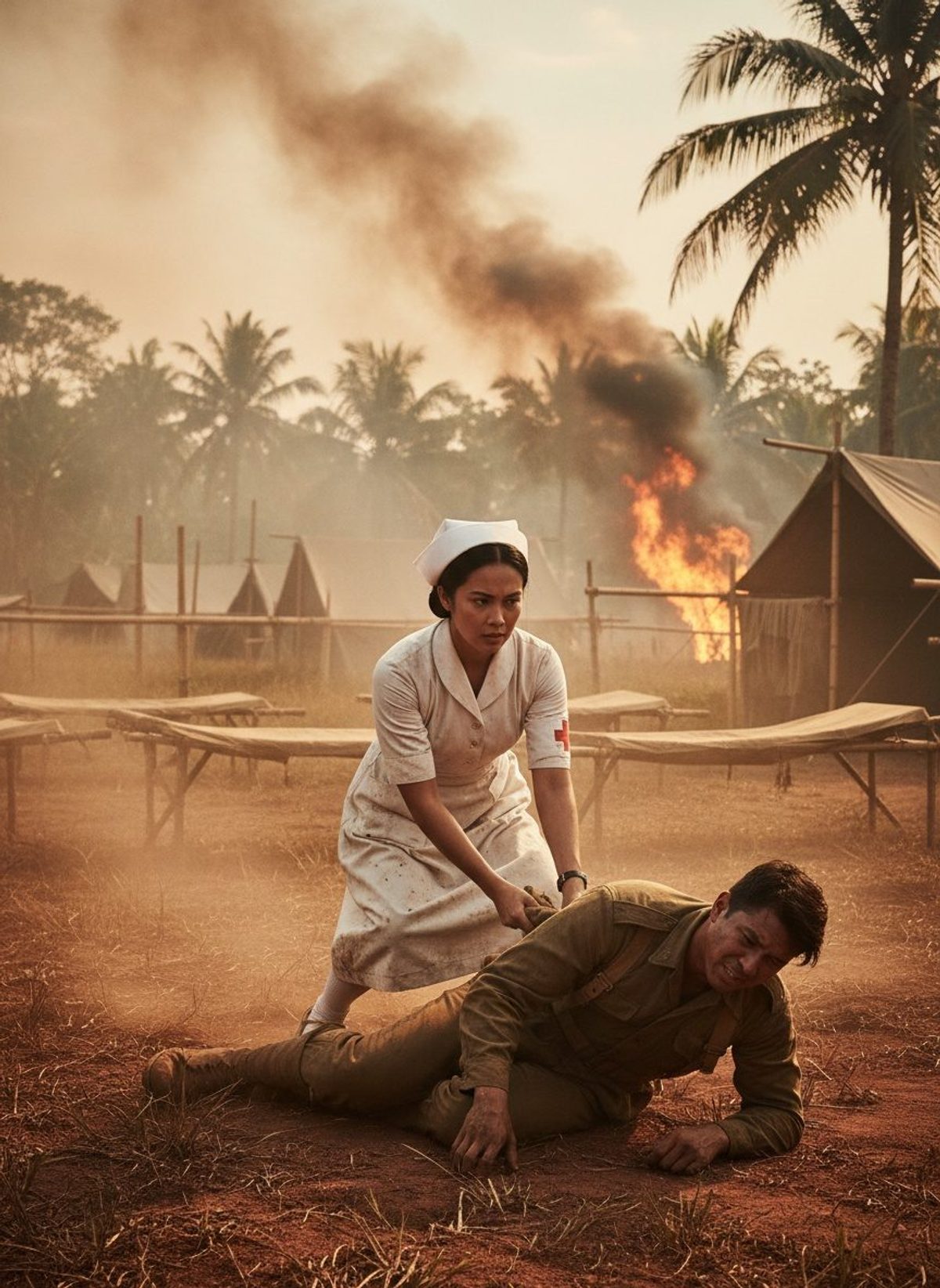
Manila, 1942. Japanese forces closed in. Every foreign nurse fled. Dormitorio Josefa Llanes Escoda stayed. She fed prisoners, smuggled medicine, and refused every chance to run.
She smuggled 2,500 Jewish children out of the Warsaw Ghetto in toolboxes and coffins. The Gestapo caught her. They never found the list.
In 1938, a young British stockbroker saw children in Nazi-occupied Czechoslovakia facing death. He built a rescue operation alone. Then kept quiet for half a century — until the survivors stood up around him.
Japan, 1945. A 22-year-old nurse ran toward the guns. She had no weapon. She carried only bandages. The wounded called her back from the edge of the cliff.
August 1566. Suleiman the Great lay dead in his tent. His army did not know. Nikola Zrinski opened the fortress gates. Three hundred men walked out. Into one hundred thousand.
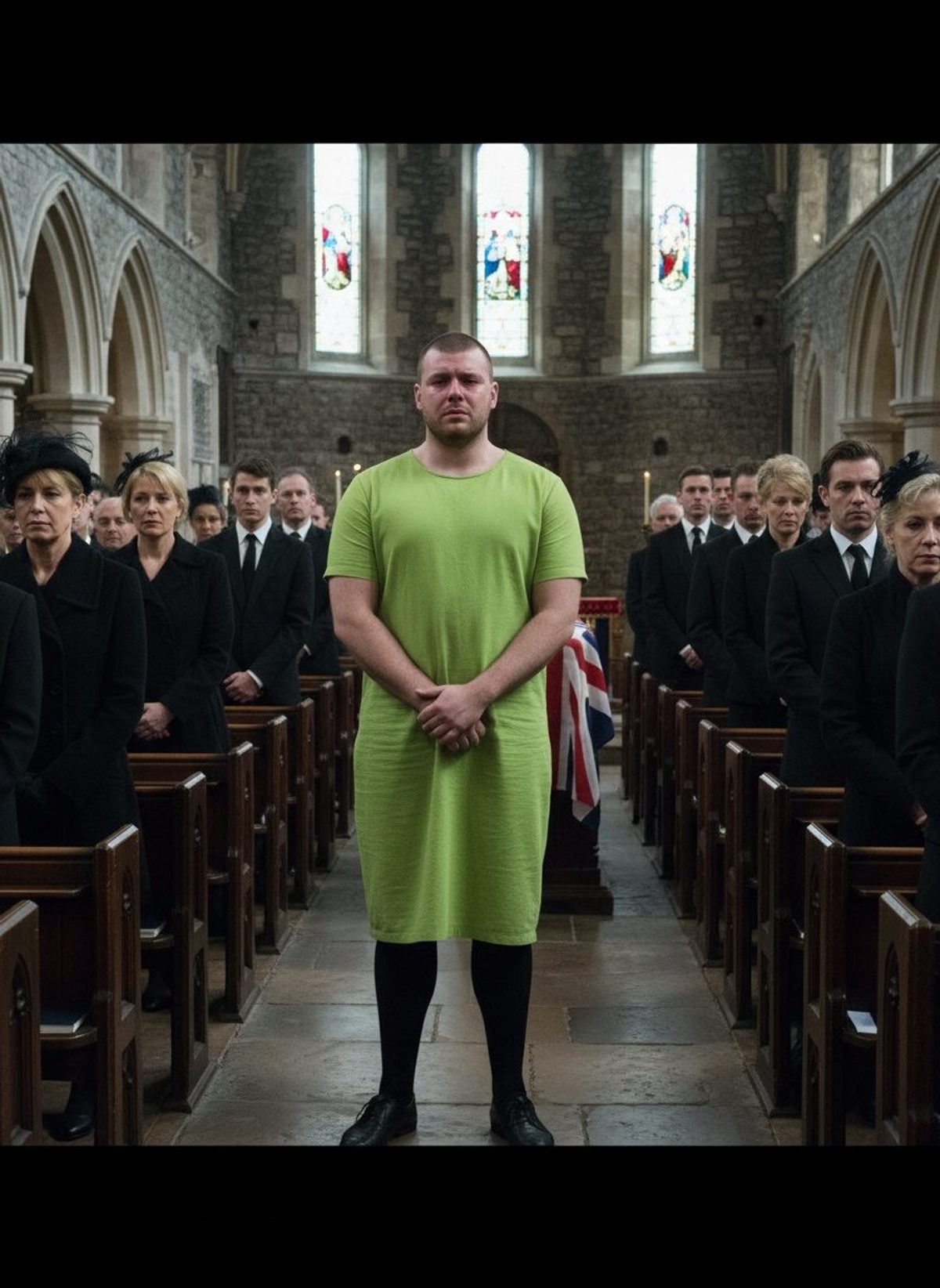
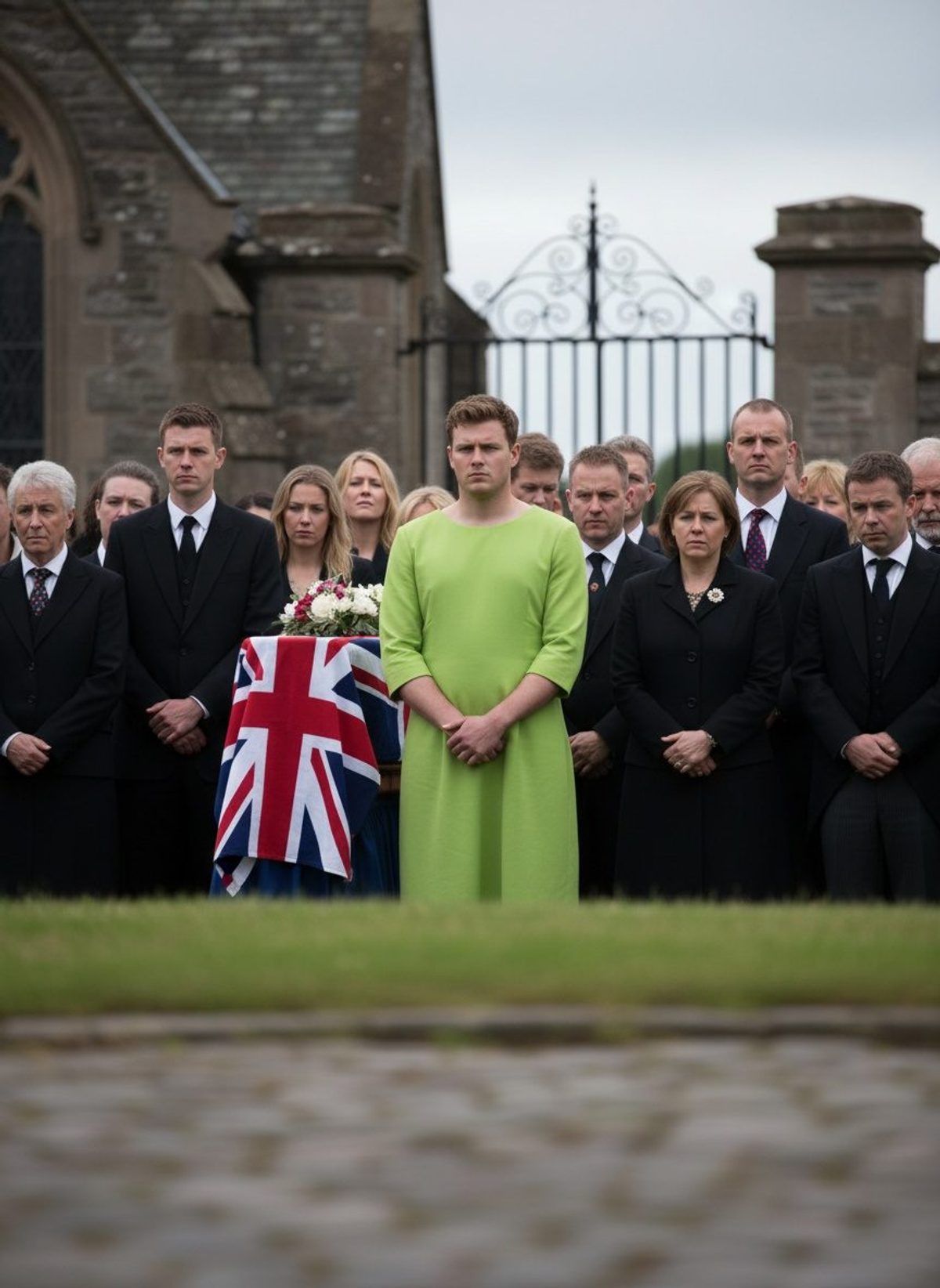
Before shipping out, Kevin Elliott told his best friend: wear a bright green dress to my funeral. In 2009, Elliott was killed in Afghanistan. Barry Delaney showed up exactly as promised.
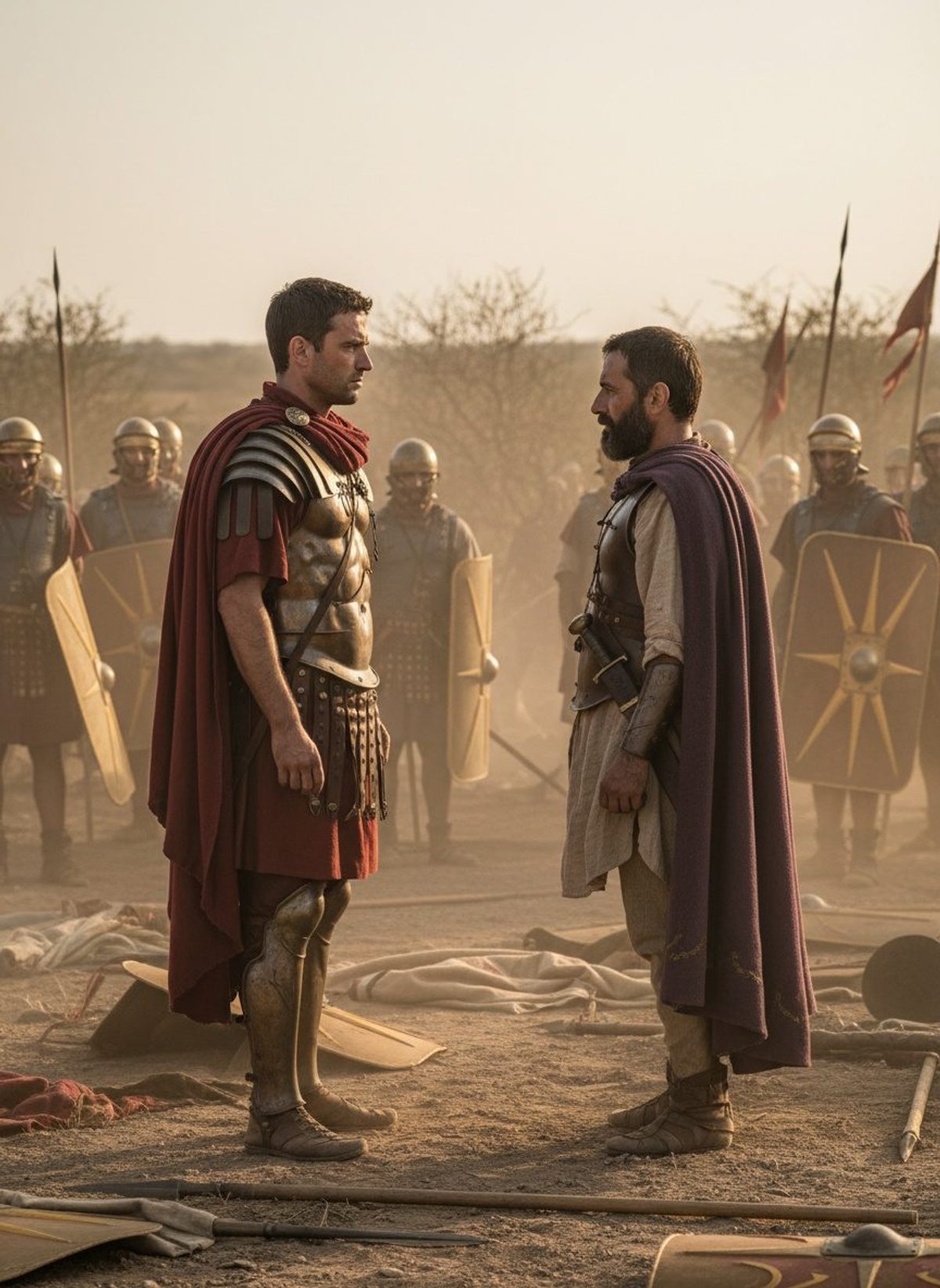
202 BCE. Zama. The battle was over. Hannibal had lost. Scipio Africanus stood before his defeated enemy. Every Roman expected humiliation. He offered terms. He let Carthage live.
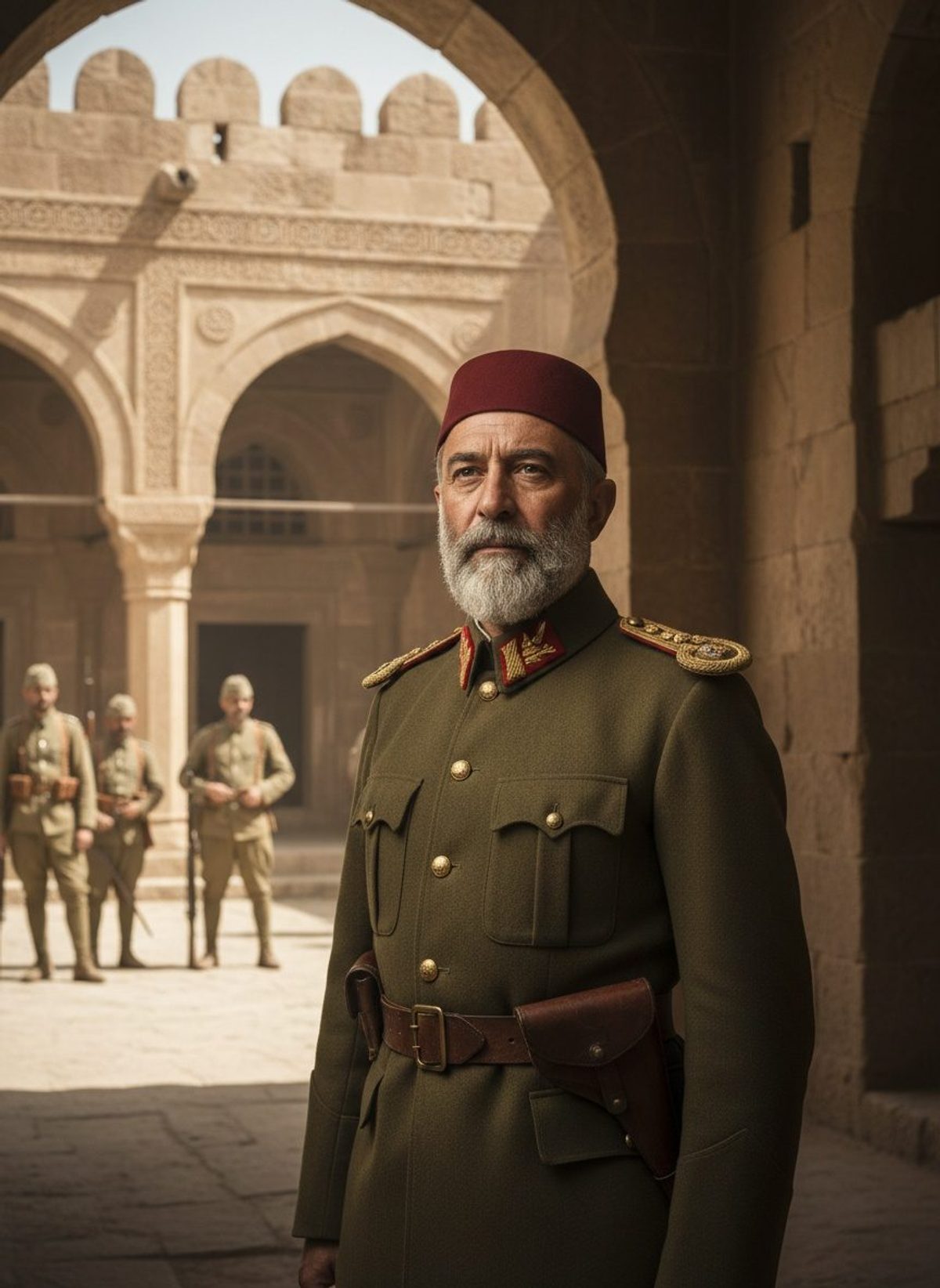
Medina, 1918. The Ottoman Empire had collapsed. Fahreddin Pasha still held the holy city. Starving. Surrounded. He would not surrender. He fed the wounded enemy instead. Then he wept.
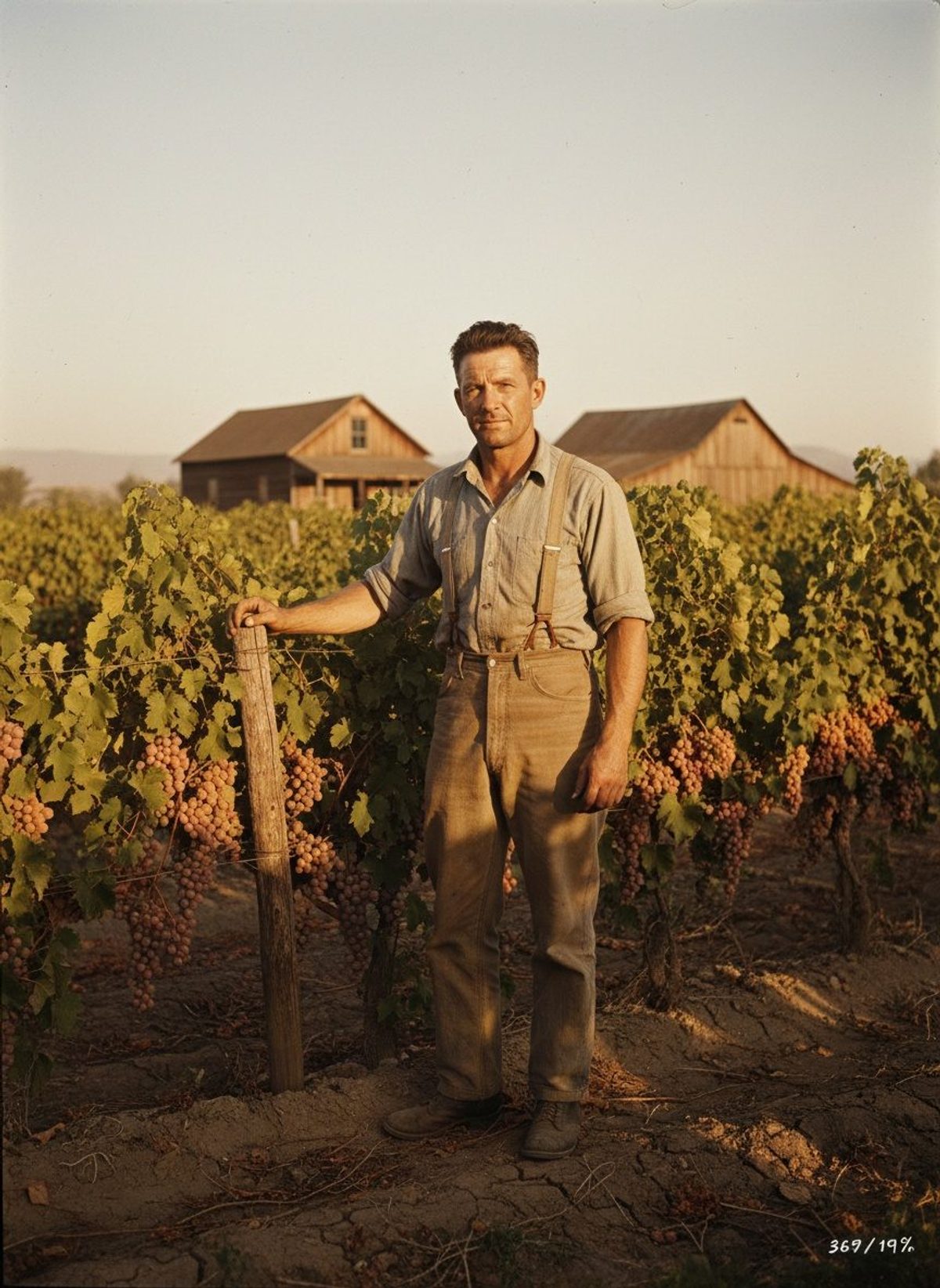
Spring 1942. Japanese American families were forced into camps. Their farms would be lost to taxes and time. One state inspector quit his job, worked their land alone, and banked their earnings under their names.
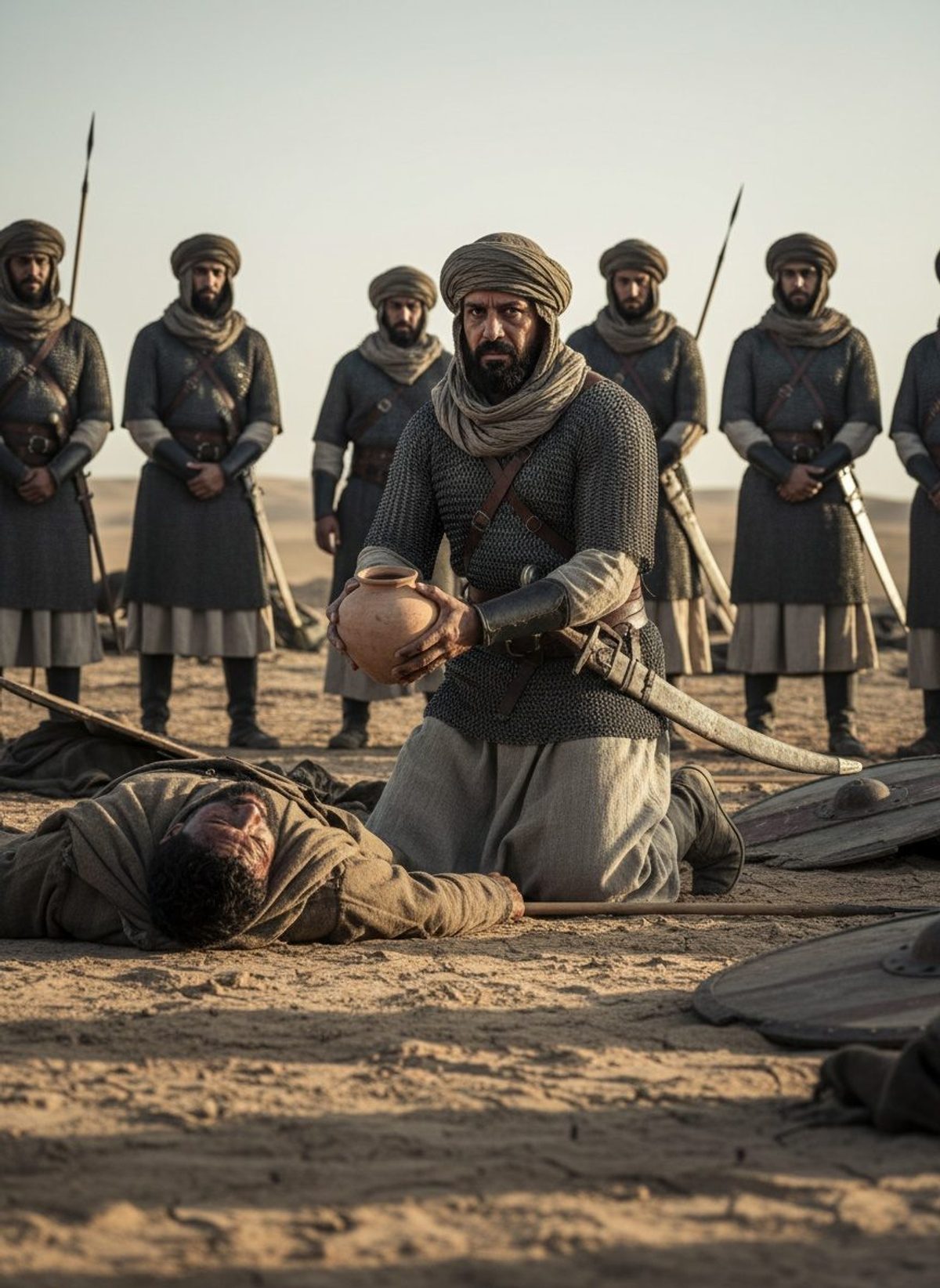
633 CE. The desert city of Ullais. The battle was over. The enemy commander lay wounded and captured. Khalid ibn al-Walid knelt beside him. He handed him water. Then buried his dead with honour.
After Waterloo, Wellington was asked his opinion of Napoleon. He paused. Then said: 'The greatest general that ever lived — except myself.' The man who had just destroyed Napoleon refused to let him be forgotten.
March 2005. A convoy ambushed in Iraq. Fifty insurgents. Ten soldiers. One 23-year-old military police team leader who got out of the vehicle when everyone else was pinned down.
69 BCE. Armenia. Tigranes the Great looked down at Lucullus and laughed. He had 300,000 men. Lucullus had 10,000. Then the Romans moved. Tigranes stopped laughing.
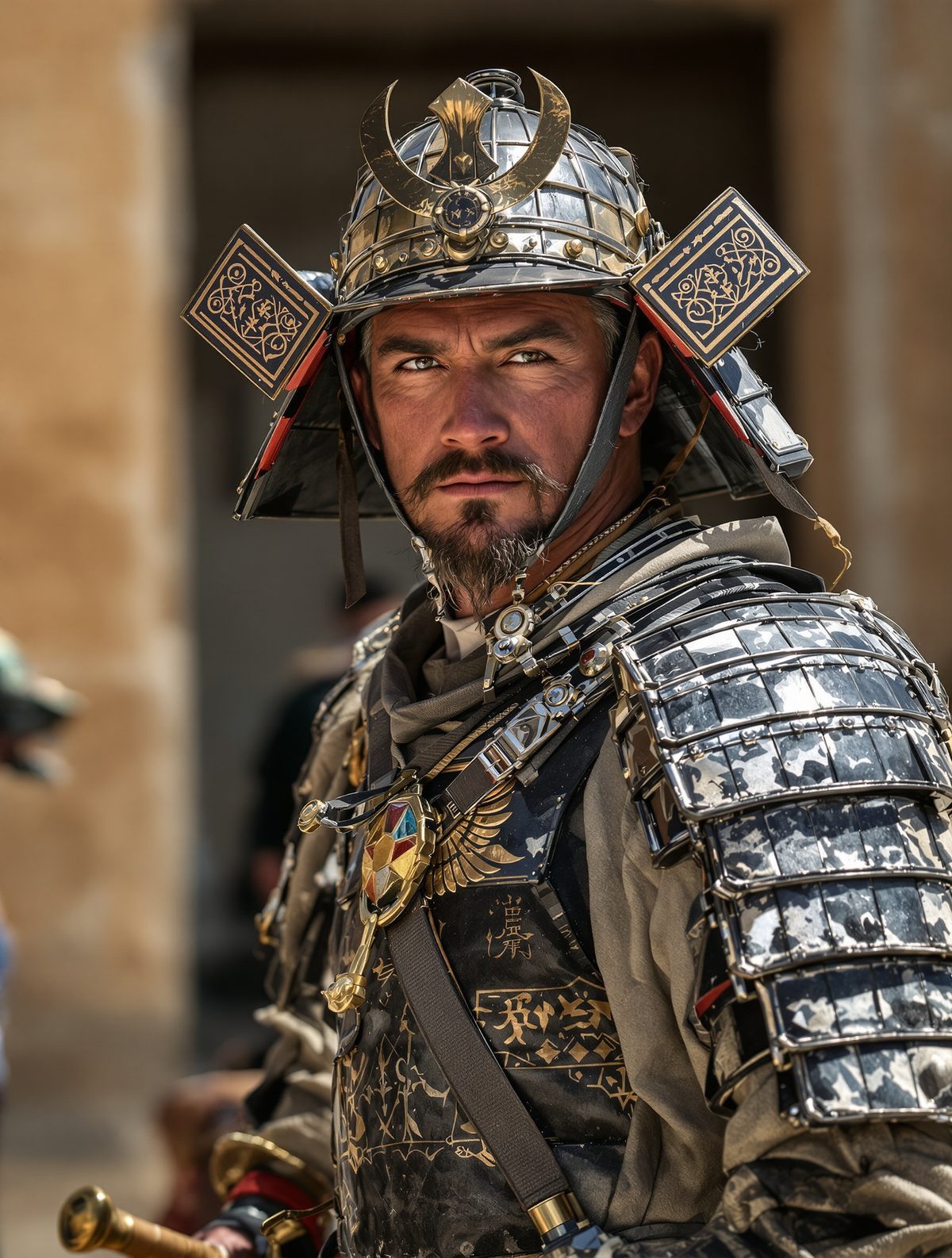
Before the Battle of Sekigahara, Kobayakawa Hideaki held 15,000 men on a hill. Both sides waited. Then he wept — and switched sides. One man's grief changed Japan for 250 years.
209 BCE. Rome was losing. Scipio had just taken New Carthage. Inside were hundreds of Spanish hostages. He fed them. Clothed them. Sent them home. Their tribes switched sides. Rome won the war.
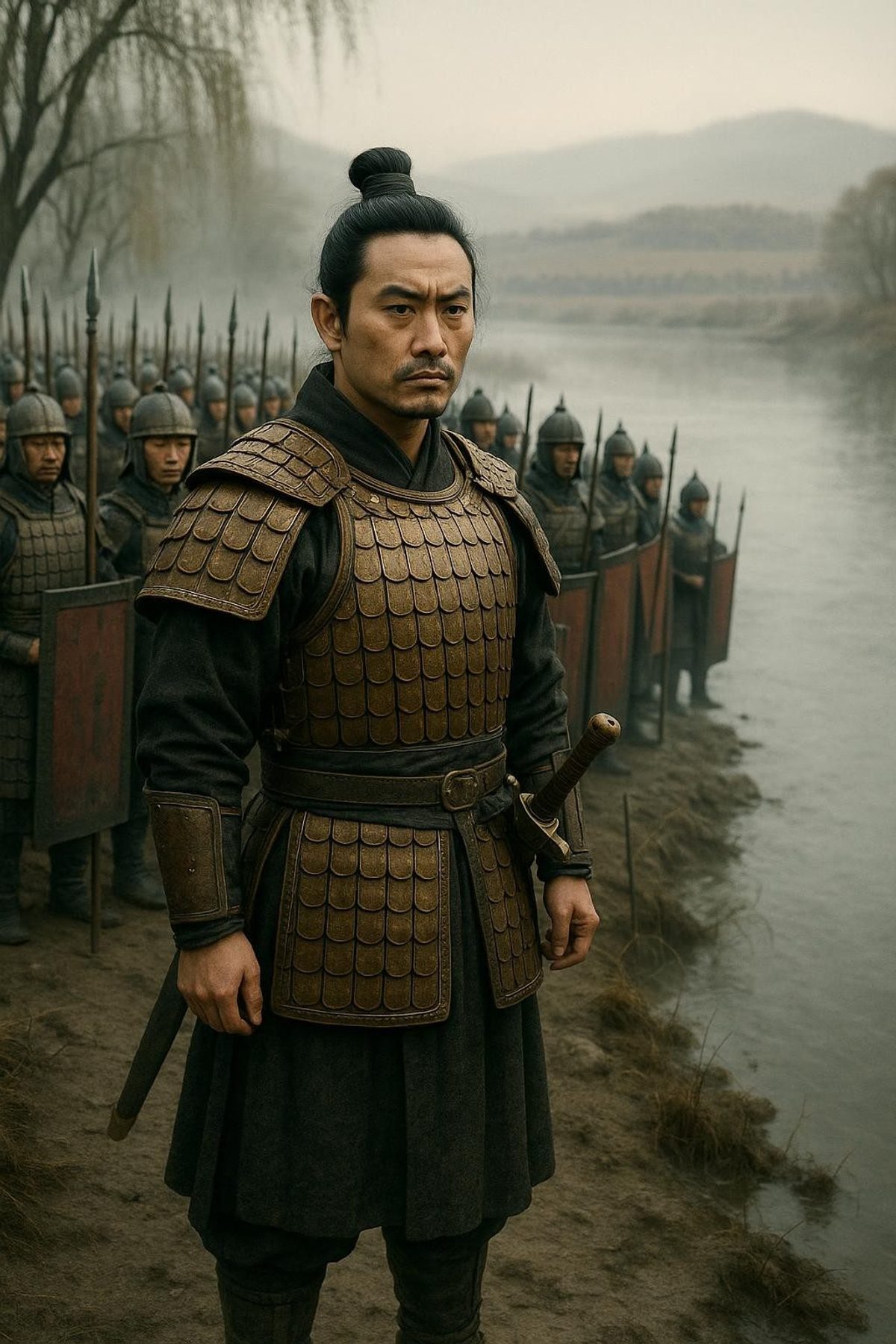
204 BCE. The Zhao army held the high ground. Han Xin lined his soldiers up with their backs to the river. No retreat. No escape. The Zhao laughed. Then they charged. Then they broke.
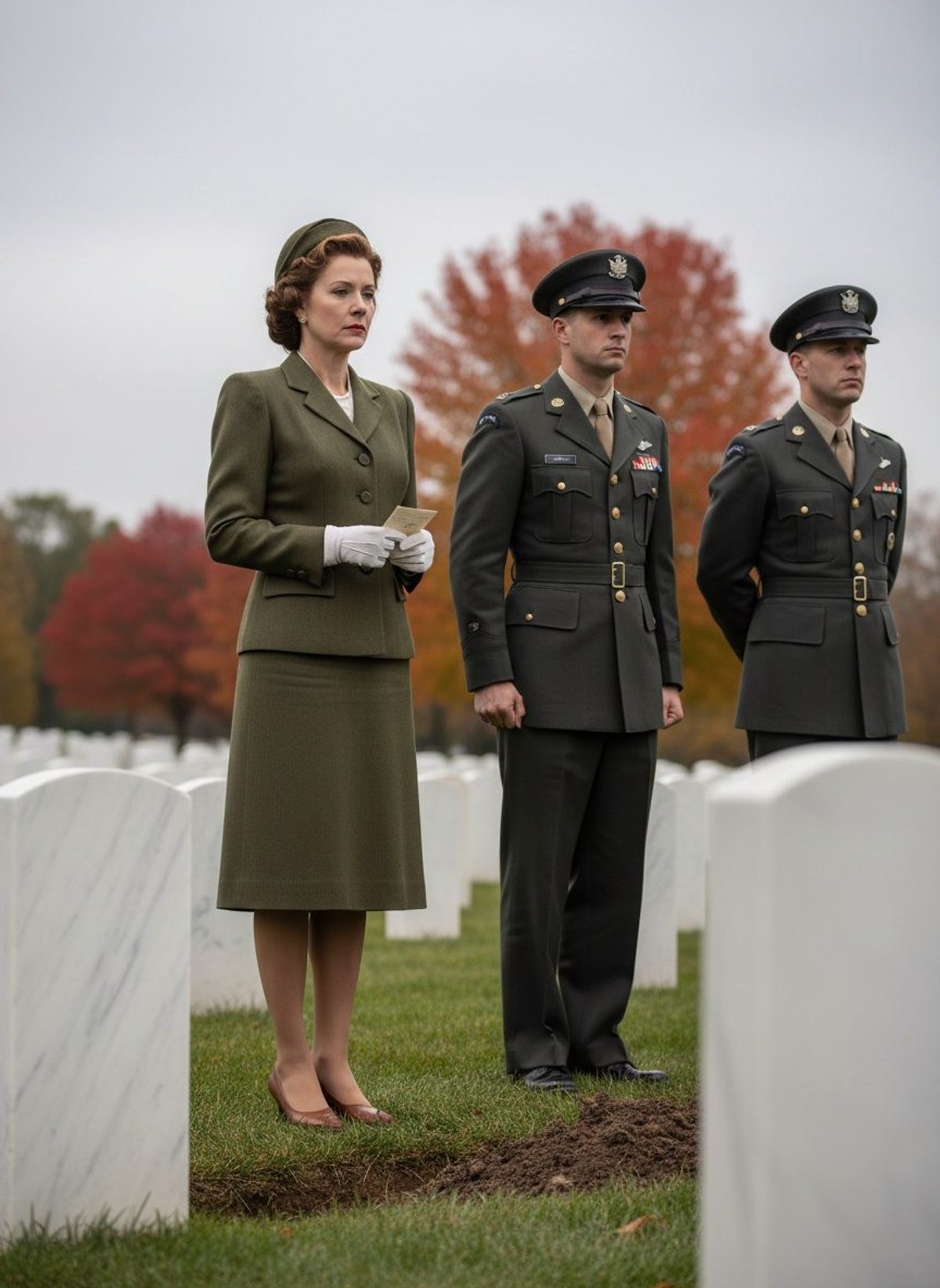
In 1948, Gladys Vandenberg learned some airmen were buried at Arlington with no one watching. She gathered volunteers. Decades later, that promise has never once been broken.
When Theodore Roosevelt died in his sleep, a single remark captured his entire life. Vice President Marshall said death had no choice — had Roosevelt been awake, there would have been a fight.
Before leaving for Afghanistan, Kevin Elliott made his best friend promise something absurd. When Elliott was killed in 2009, Barry Delaney kept that promise — and showed up in a bright green dress.
636 CE. Battle of Yarmouk. Khalid ibn al-Walid received his dismissal mid-battle. He read the order. Set it aside. Kept fighting. The Byzantine army broke. He handed command to the new general. Then stepped back into the ranks.
On Christmas Eve 1971, Juliane Koepcke's plane broke apart above the Peruvian Amazon. She fell nearly 10,000 feet, still strapped to her seat. She was 17. And she was alone.
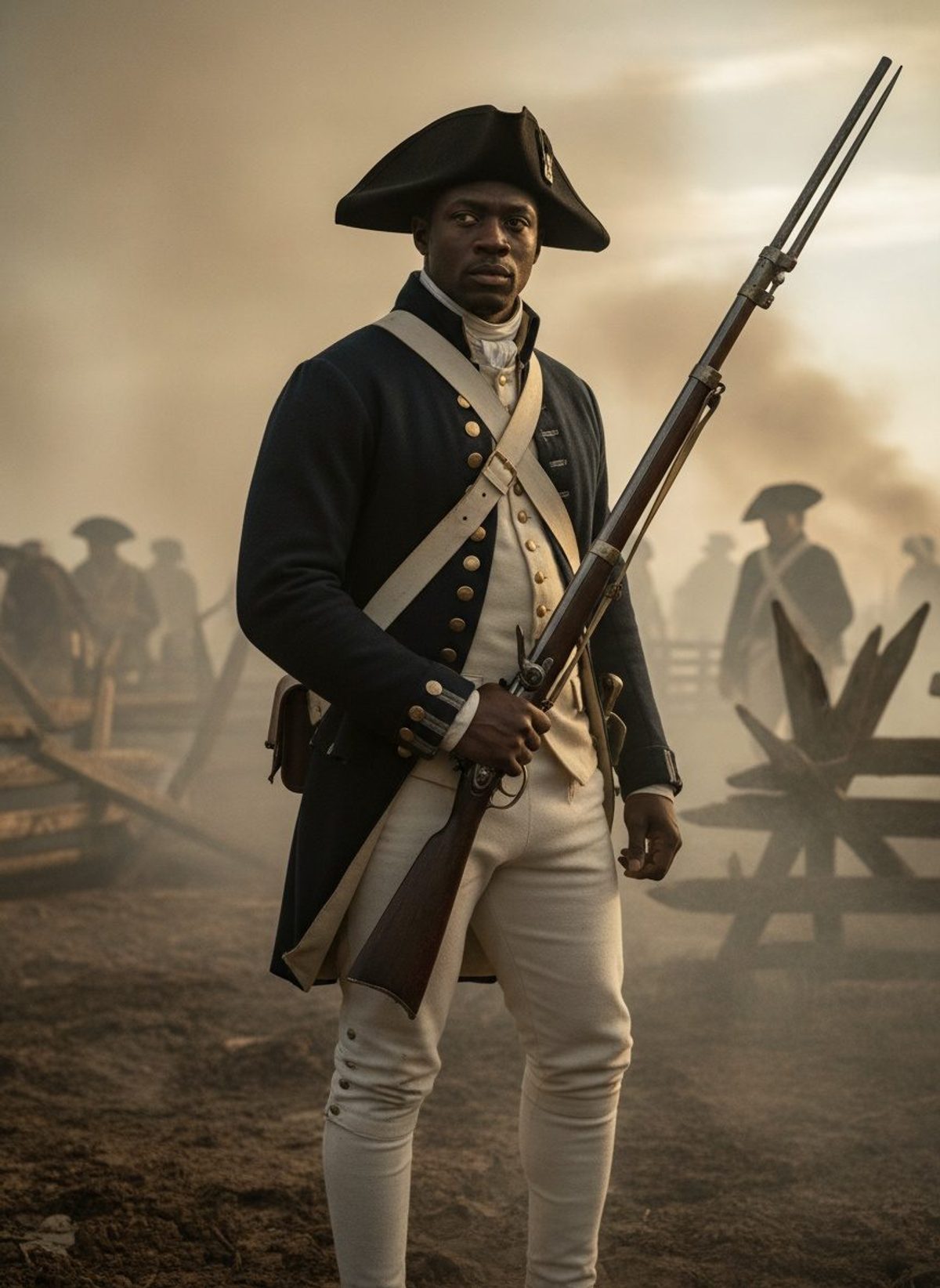
Born into slavery. He bought his freedom. Then he fought for a nation that hadn't freed anyone. At Bunker Hill, Salem Poor fought so fiercely that fourteen officers signed a petition demanding he be honored.
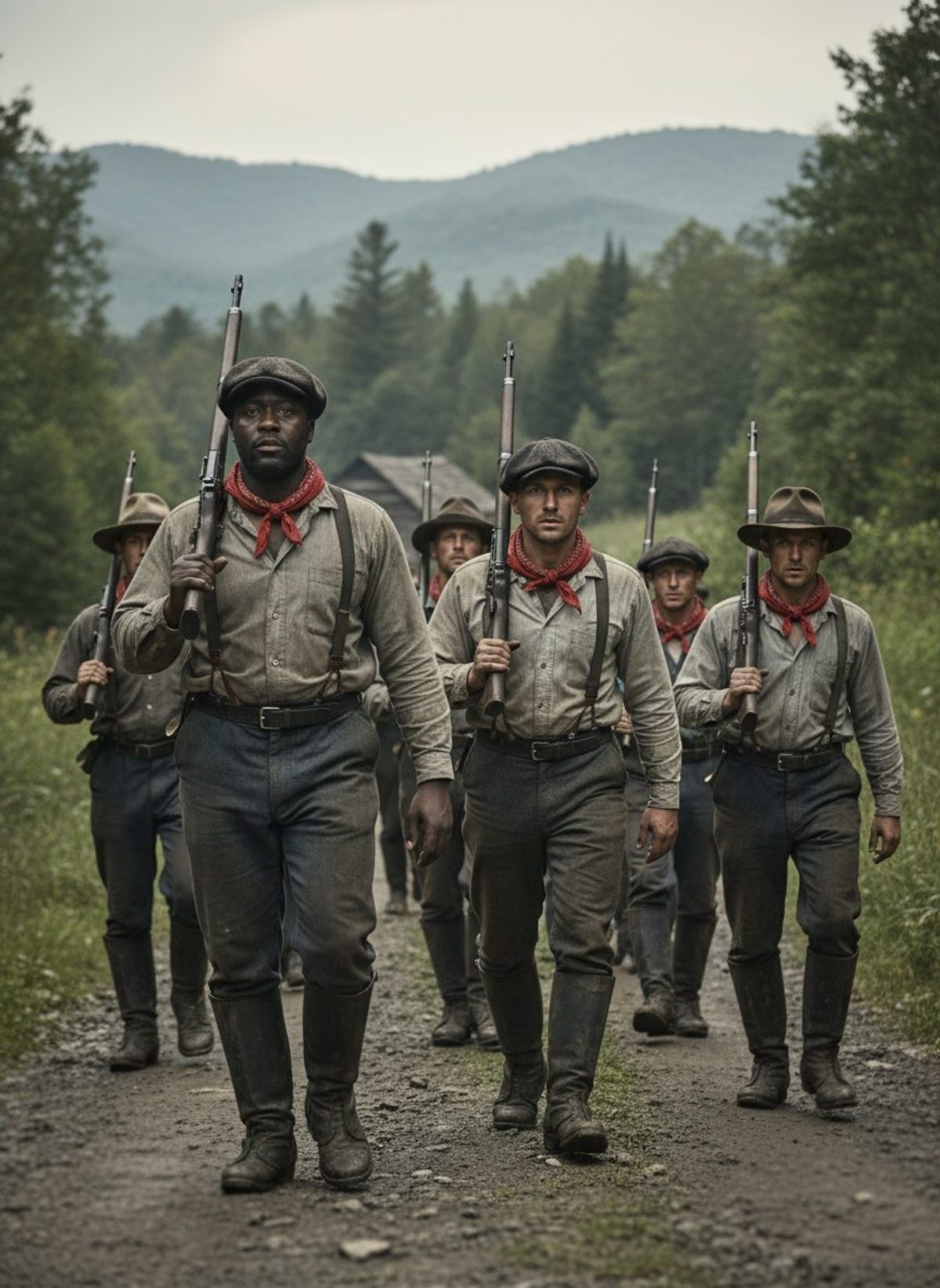
Ten thousand armed miners marched fifty miles toward Logan County. The coal company dropped bombs on them from biplanes. The U.S. Army finished what the bombs did not. Nobody who ordered it was ever charged.
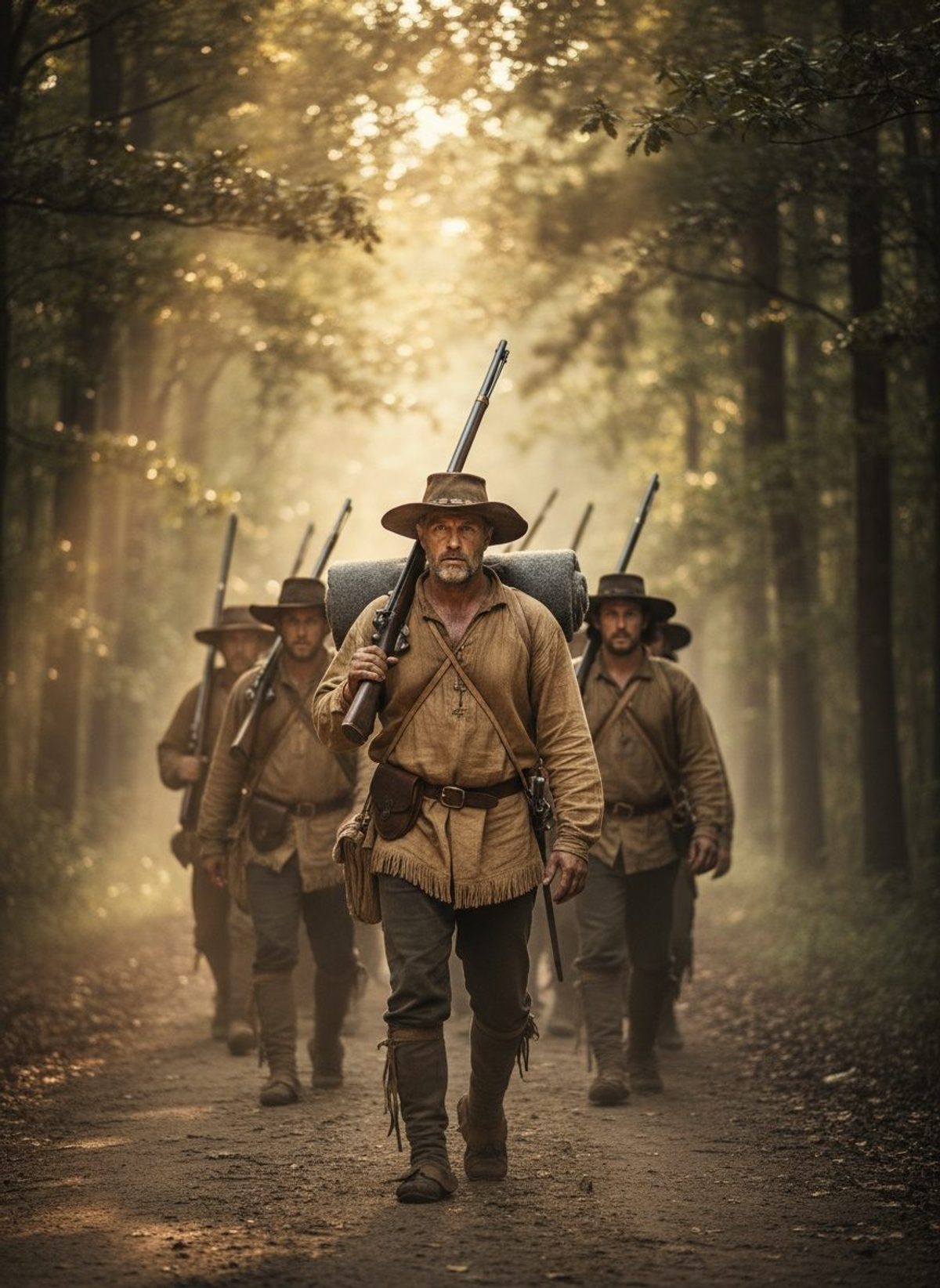
In July 1775, 96 frontier riflemen left Winchester, Virginia. They marched 600 miles in 21 days through summer heat. Every single man arrived. Before they fought a war, they had to survive the road.
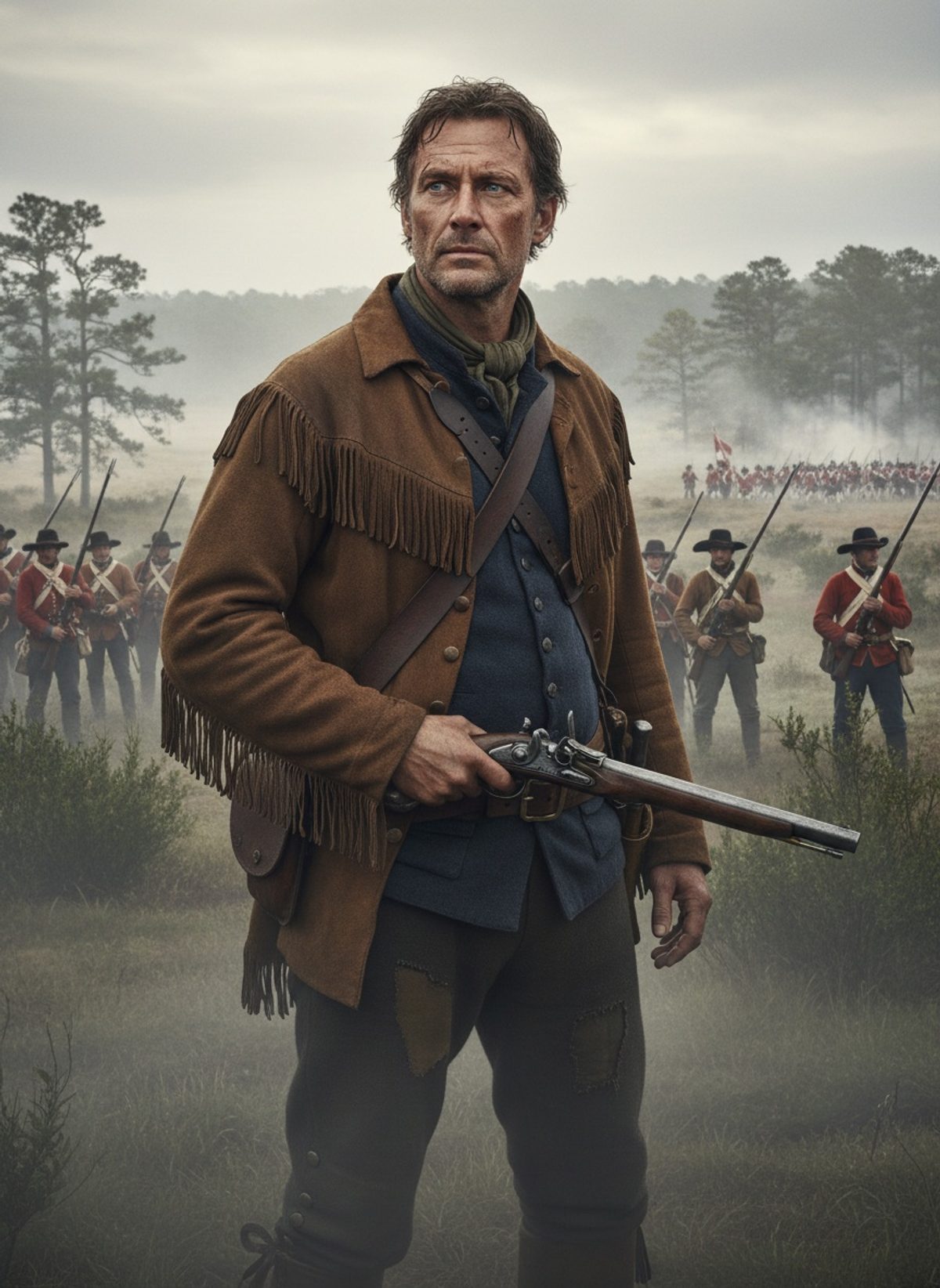
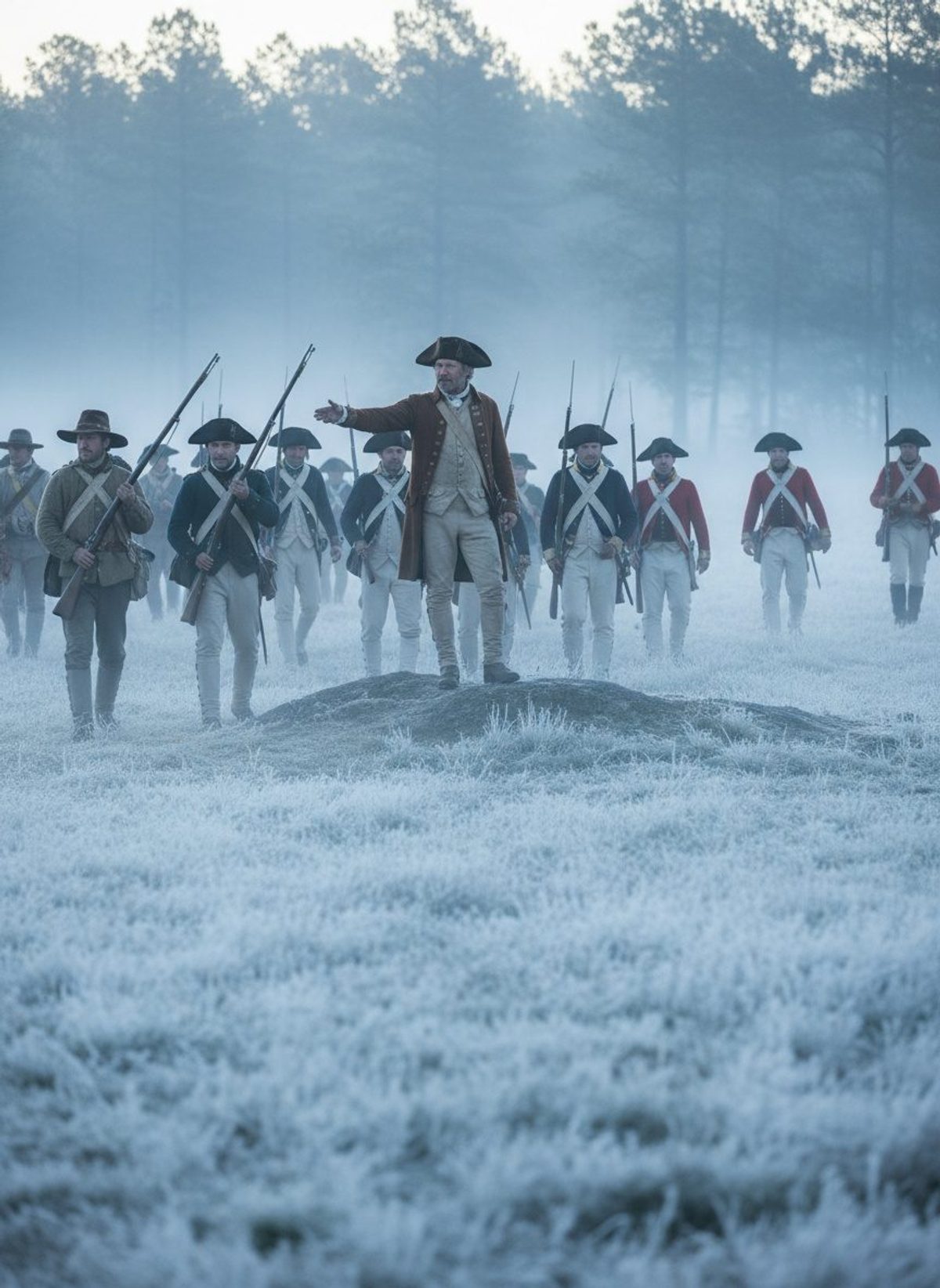
January 17, 1781. A cattle pasture in South Carolina. Daniel Morgan had no formal training. But he understood one thing: arrogance is a weapon — if you know how to aim it.
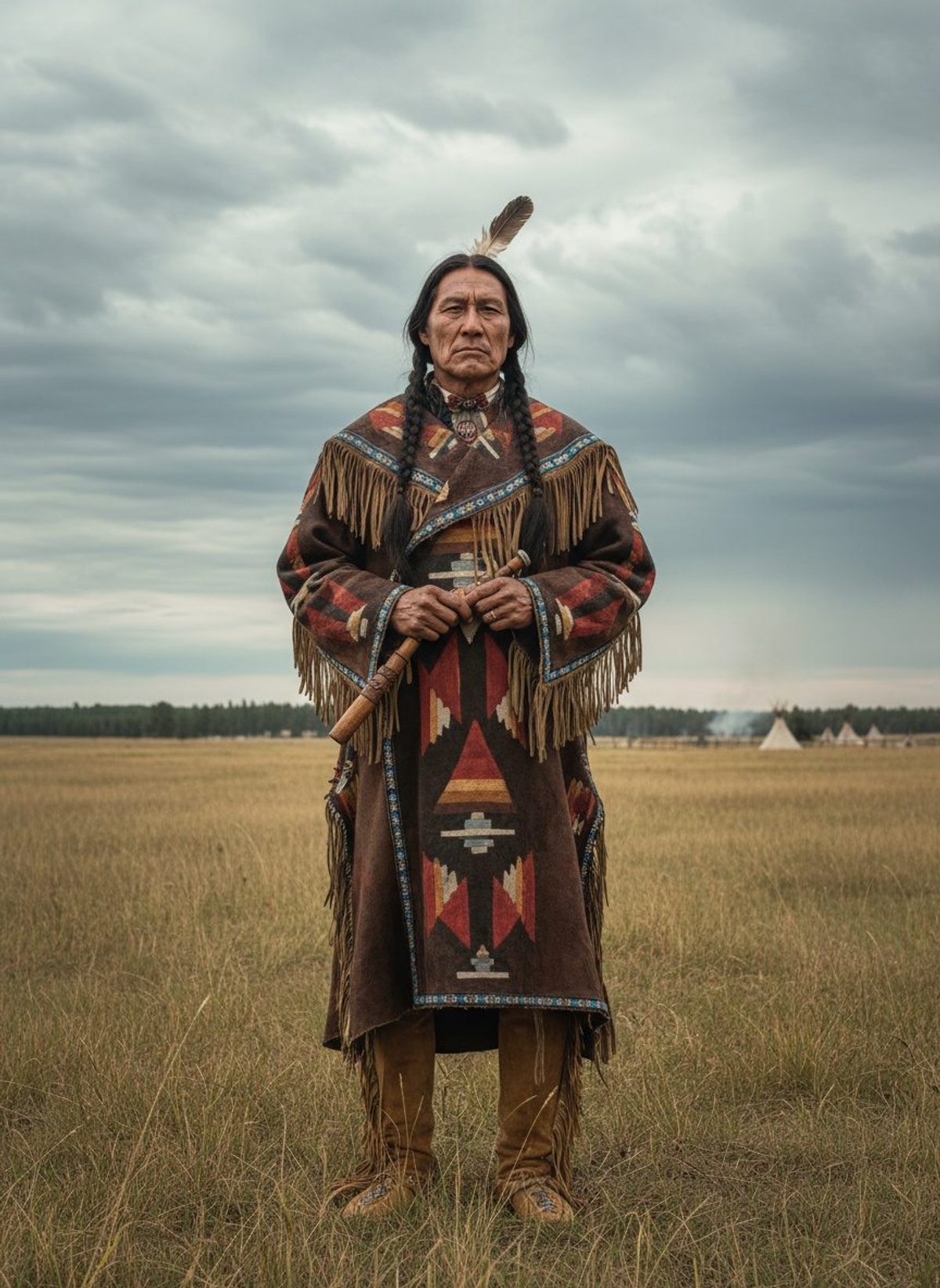
He was born Jumping Badger. He earned his name in battle at fourteen. For thirty years he held his people together. Then the government came for the last piece of ground they had left.
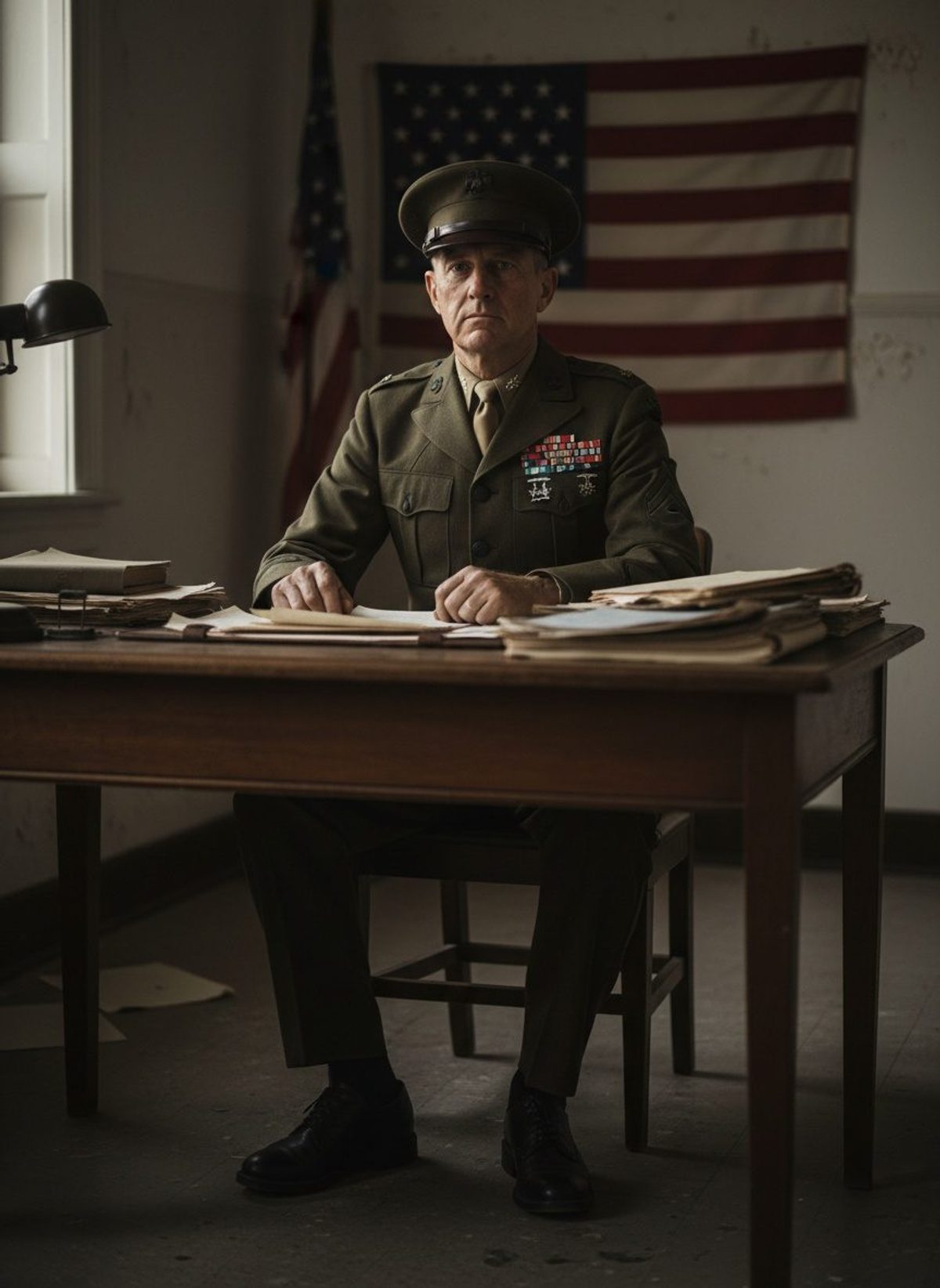
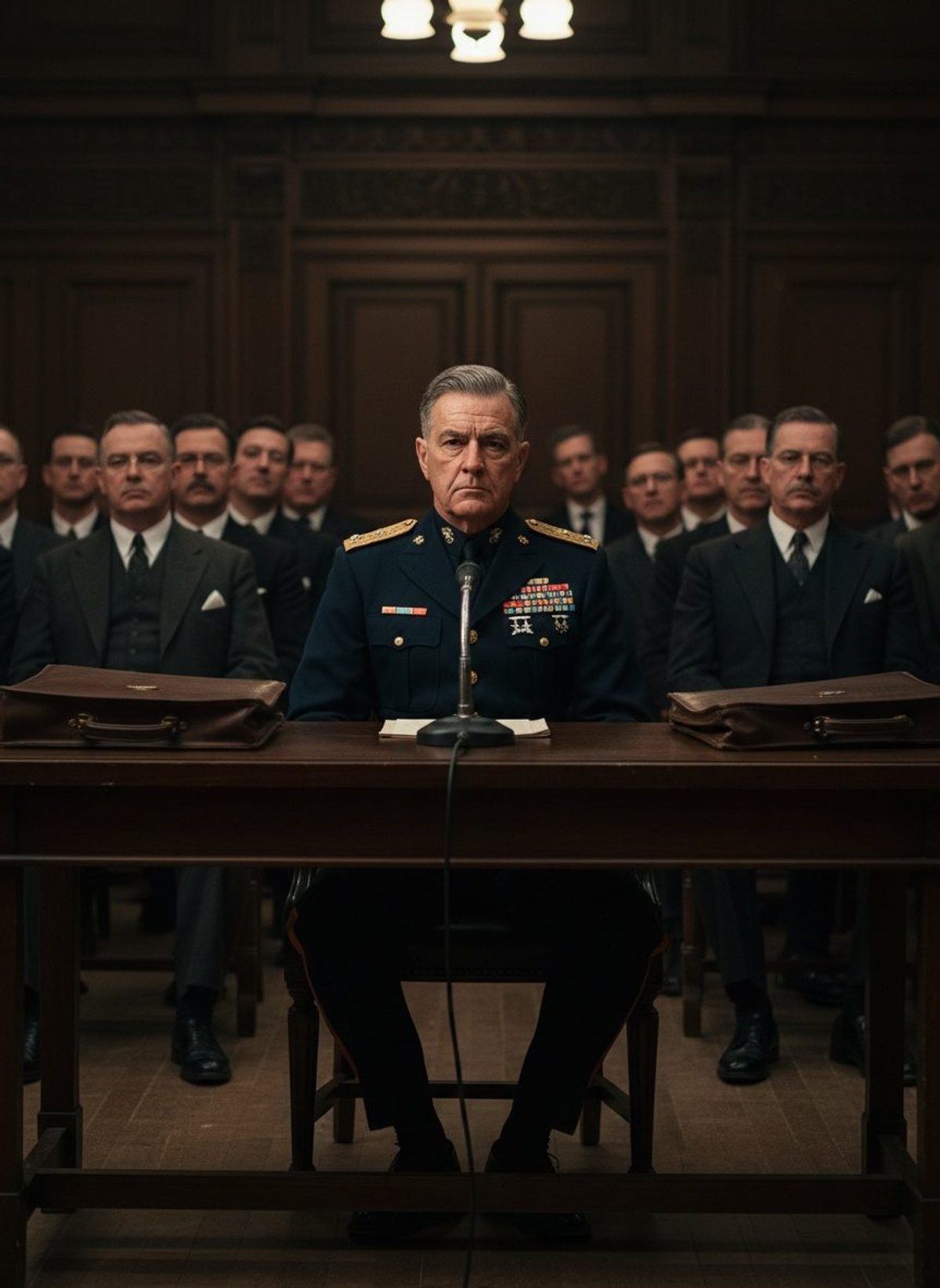
He won two Medals of Honor. Fought in five wars. Then he sat down and told the truth. America's most decorated Marine said he'd spent his career as muscle for Wall Street.
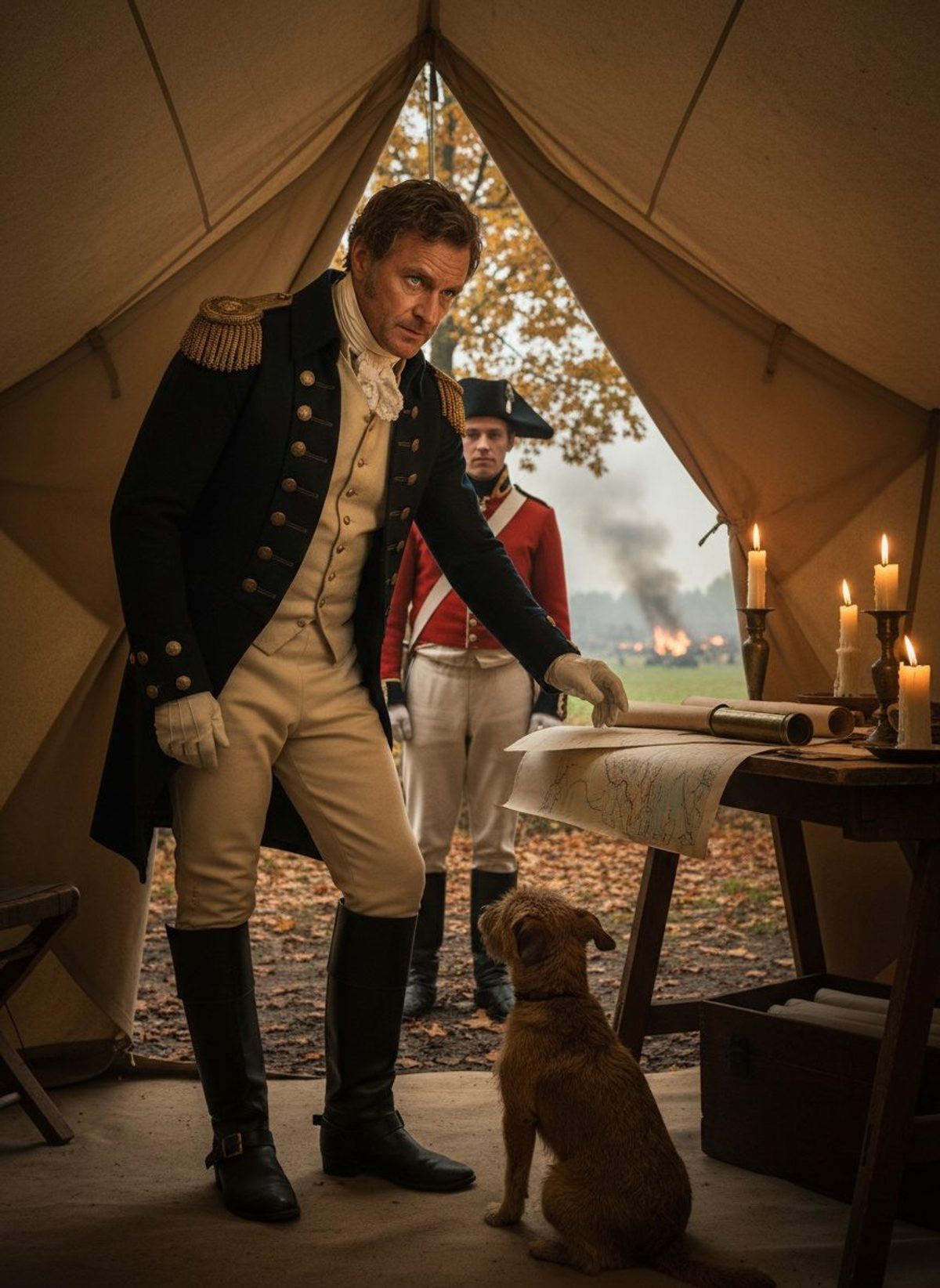
After the Battle of Germantown, a small dog was found wandering the field. Its collar bore the name of British General William Howe. Washington ordered it fed, cleaned, and returned under a flag of truce.
278 BCE. The Roman envoy stood before King Pyrrhus. Pyrrhus offered gold. Fabricius refused. Pyrrhus tried fear. Fabricius did not move. Then Pyrrhus did something no king had ever done. He freed the prisoners. Unconditionally.
635 CE. Damascus had fallen. The prisoners knelt. Khalid ibn al-Walid read the peace terms aloud. Every captive was to go free. Unharmed. With their belongings. The city watched in silence.
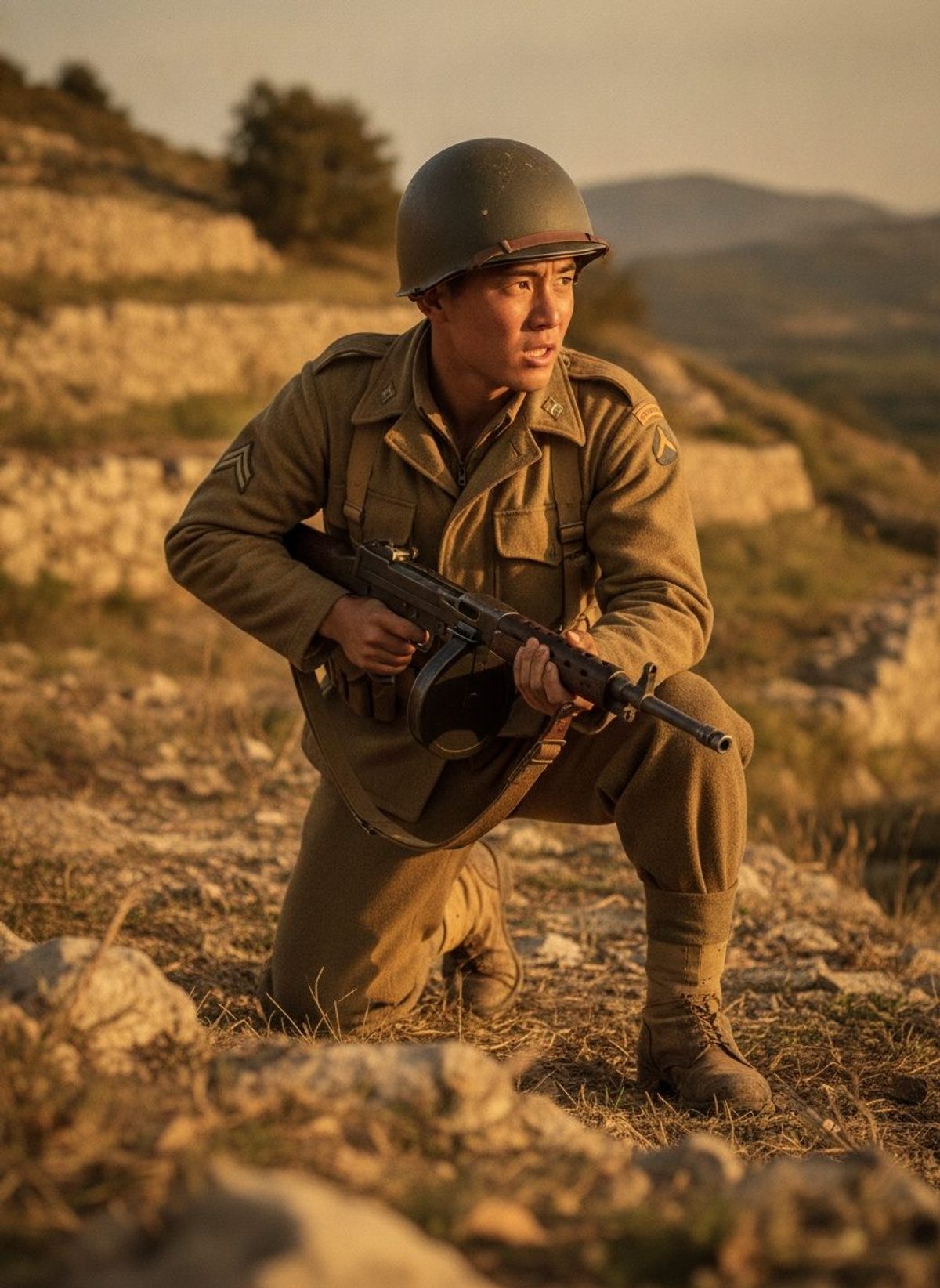
His country called him an enemy alien. He ran two miles to enlist anyway. On a ridge in Italy, a grenade blew off his arm. He finished the attack with the other one.
An arrow nearly ended Genghis Khan before his empire began. One warrior admitted he fired it. Instead of death, he earned a new name: Jebe — the Arrow. He became one of history's most feared commanders.
Manila, 1944. Sixty Japanese soldiers. One Filipino nurse. Valentina Tolentino crawled into open ground to reach her wounded. She made four trips. None of her patients died.
He won two Medals of Honor. Then he told Congress the truth. America's most decorated Marine said he'd spent his career as muscle for Wall Street. The room went silent.
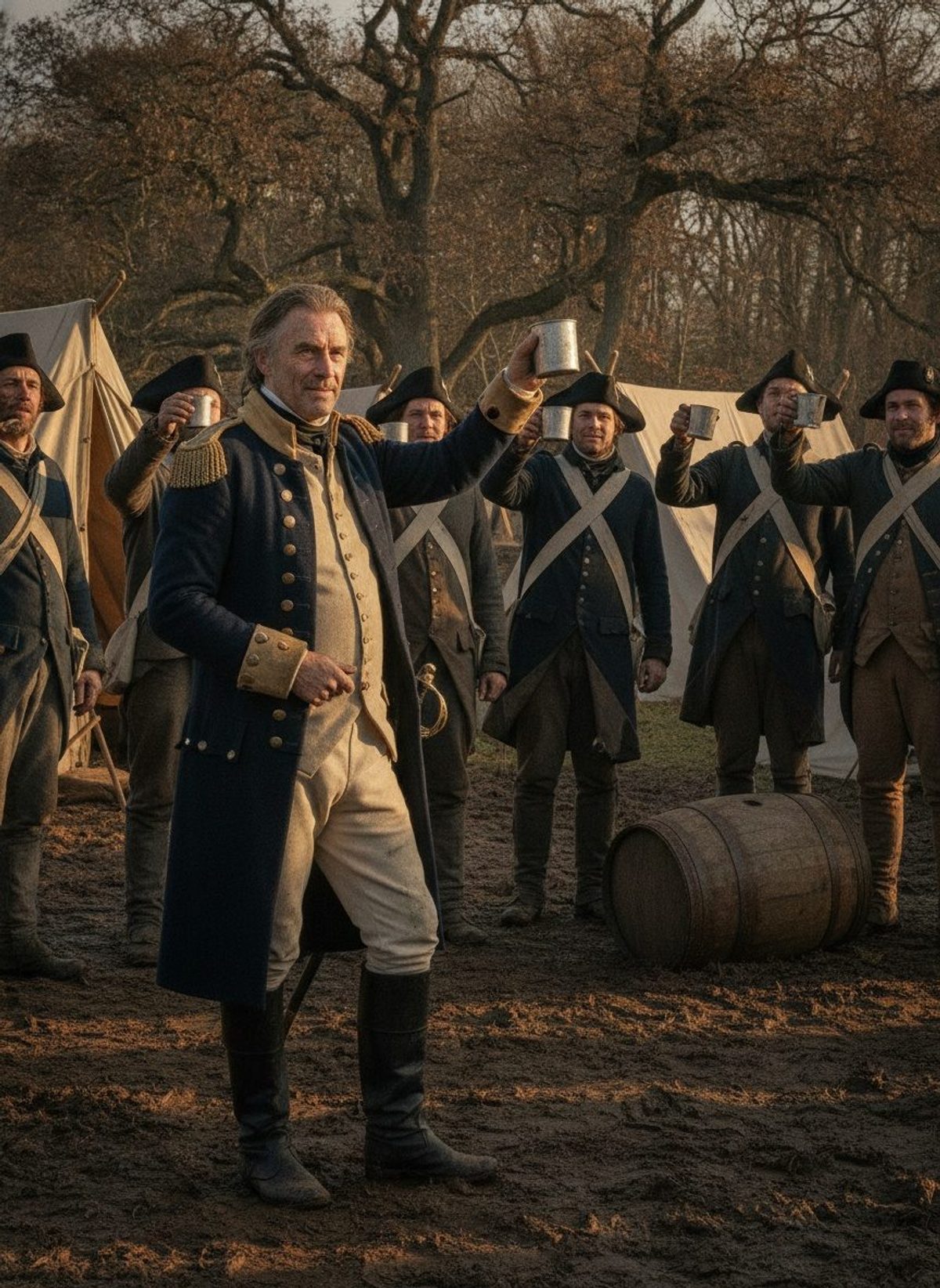
The Continental Army had won. Now it was over. Washington's final order: every man gets rum. One last drink before the soldiers who built a nation walked away forever.
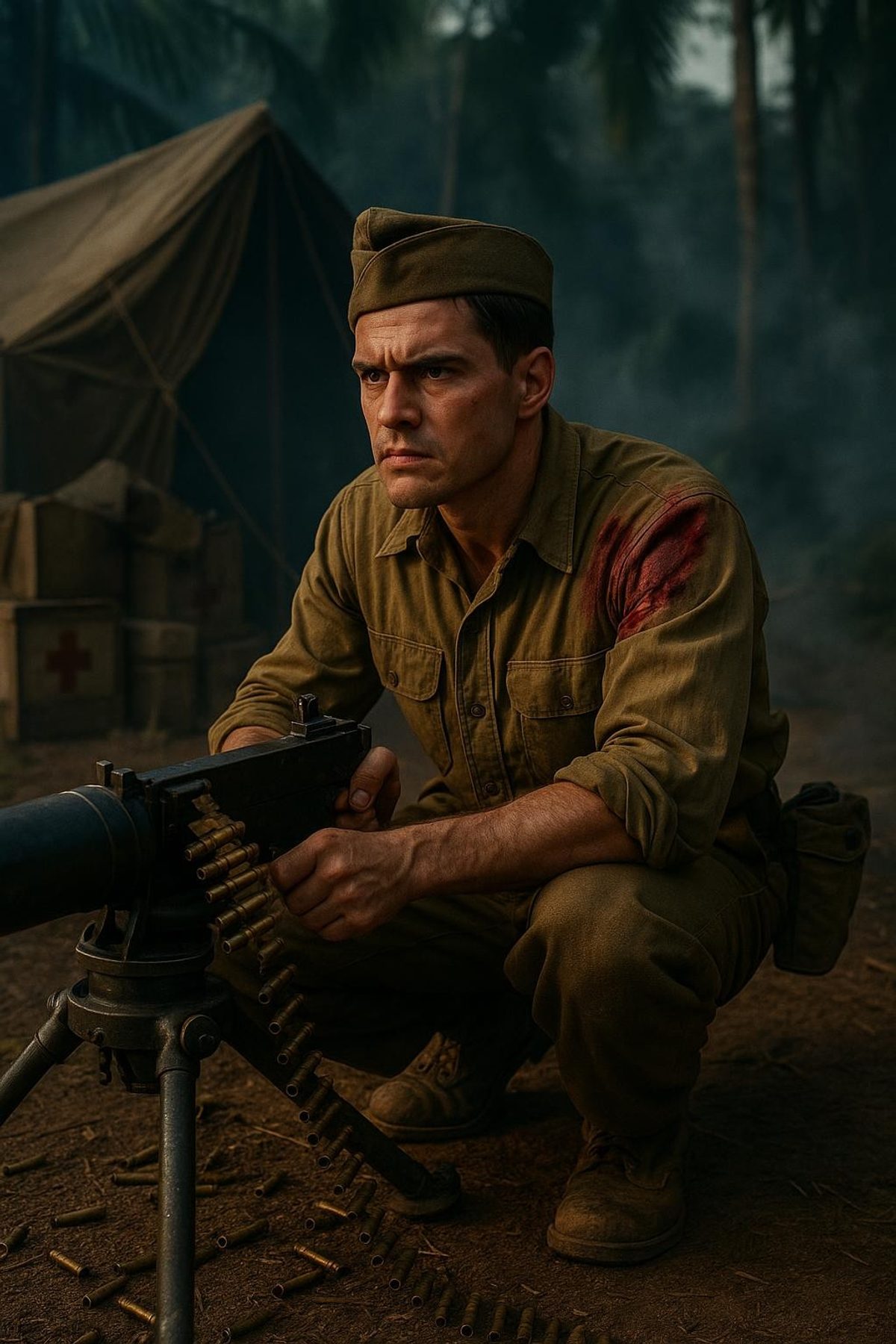
Four days. Repeated German tank assaults. A misfired bazooka. When the ammunition ran out, Technical Sergeant Charles Coolidge ordered his men to throw rocks. The Germans hesitated. That was enough.
August 1944. Paris was burning. One man jumped from a plane alone, landed behind enemy lines, and walked into the Nazi garrison. He had no orders to do it.
A Japanese-American teen watched Pearl Harbor burn. His country called him an enemy. He fought anyway — and lost his arm throwing a grenade with a hand he could no longer feel.
June 1968. A four-man patrol was surrounded. The rescue helicopter couldn't land. So one pilot flew a gunship with no passenger space directly into the kill zone — and landed anyway.
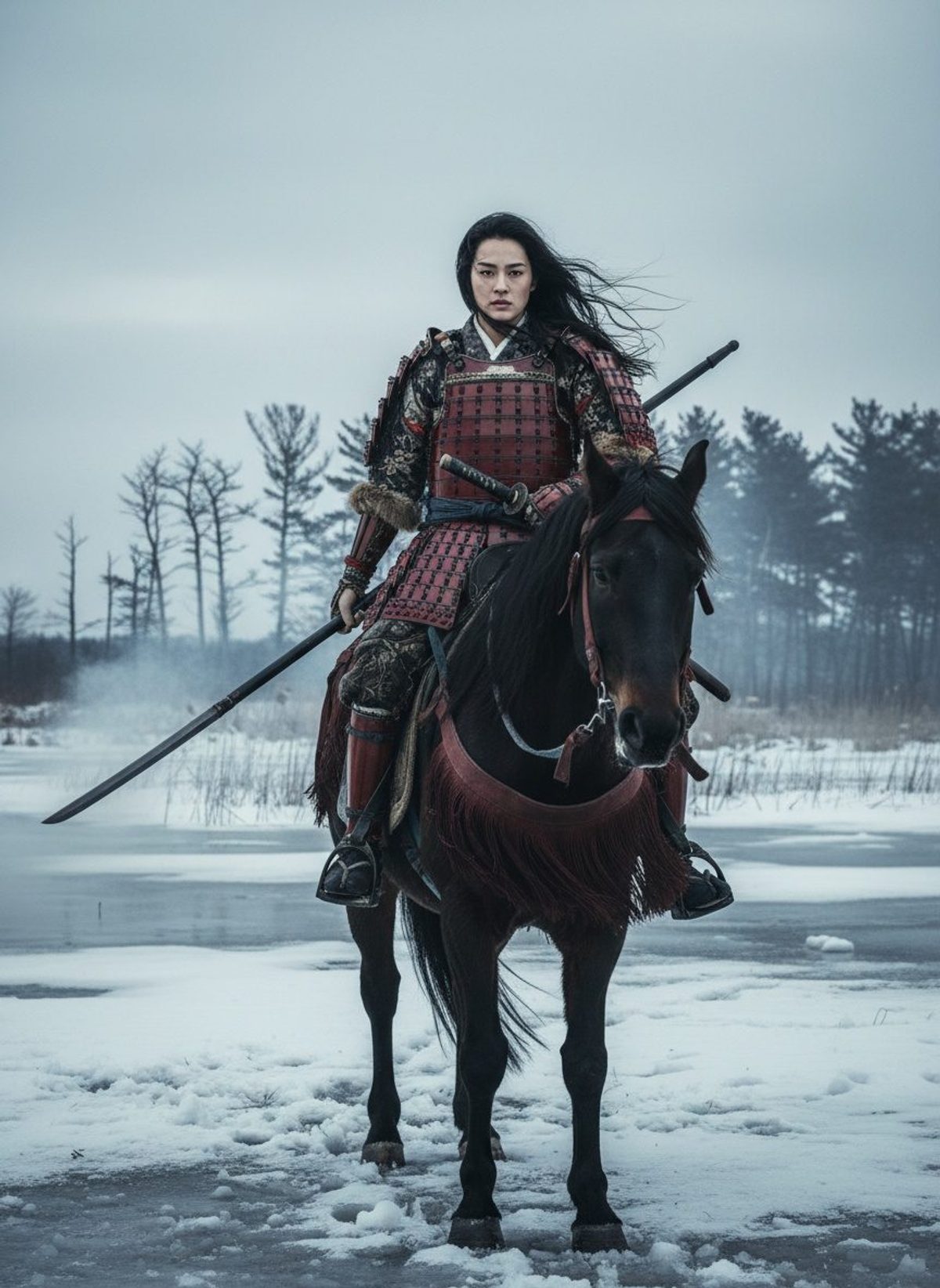
Tomoe Gozen rode into battle at Awazu in 1184. Outnumbered. Her general dying. She charged into enemy cavalry alone and took a head. Then she vanished.
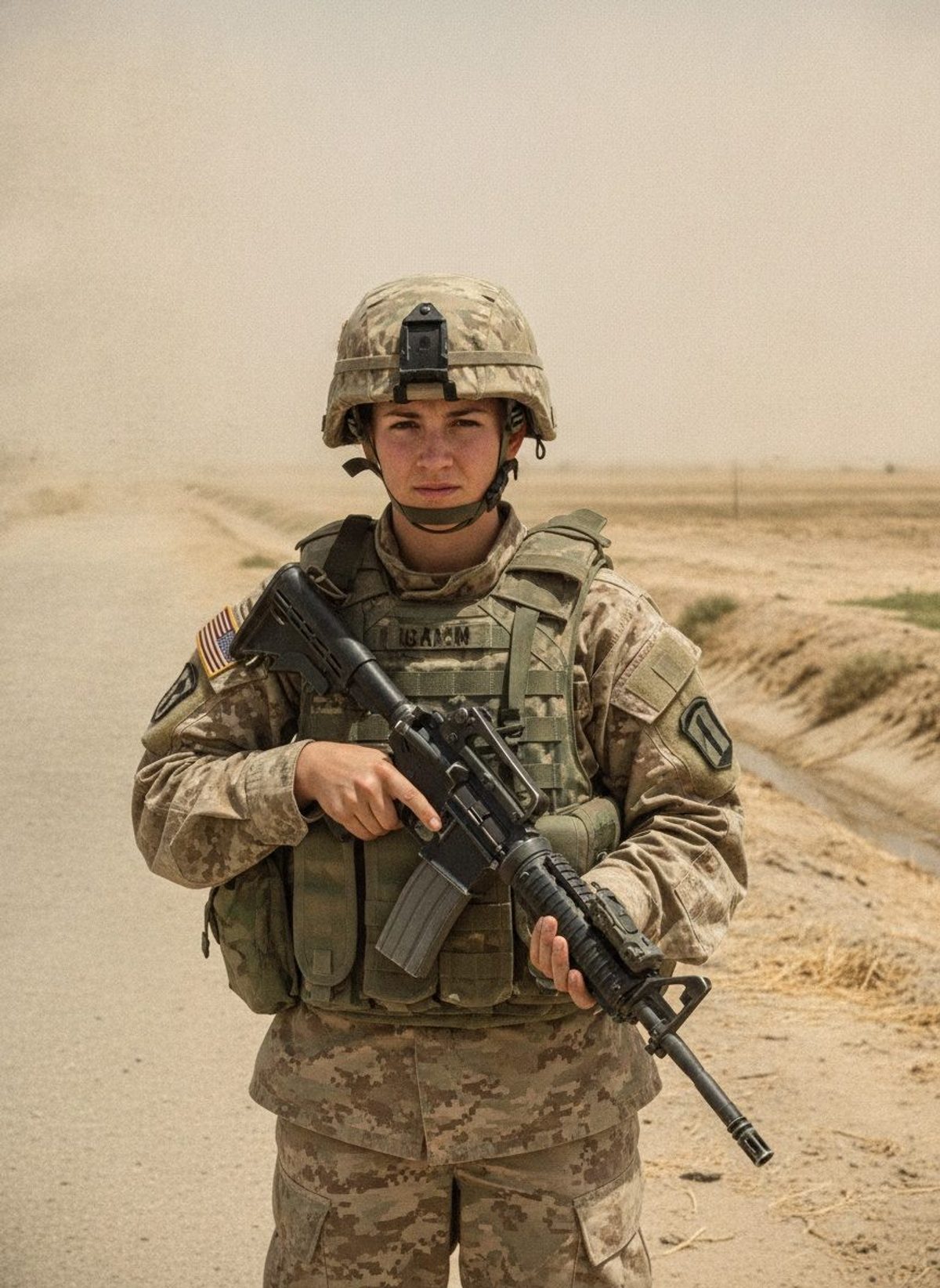
50 insurgents. An ambush on a desert road. One 23-year-old sergeant with an M4 and a grenade launcher. Leigh Ann Hester didn't hold the line. She attacked it.
Tibor Rubin was 13 when the Nazis took him. At 15, American soldiers freed him from Mauthausen. He made a vow. Then he kept it — in a Chinese POW camp, at the cost of everything.
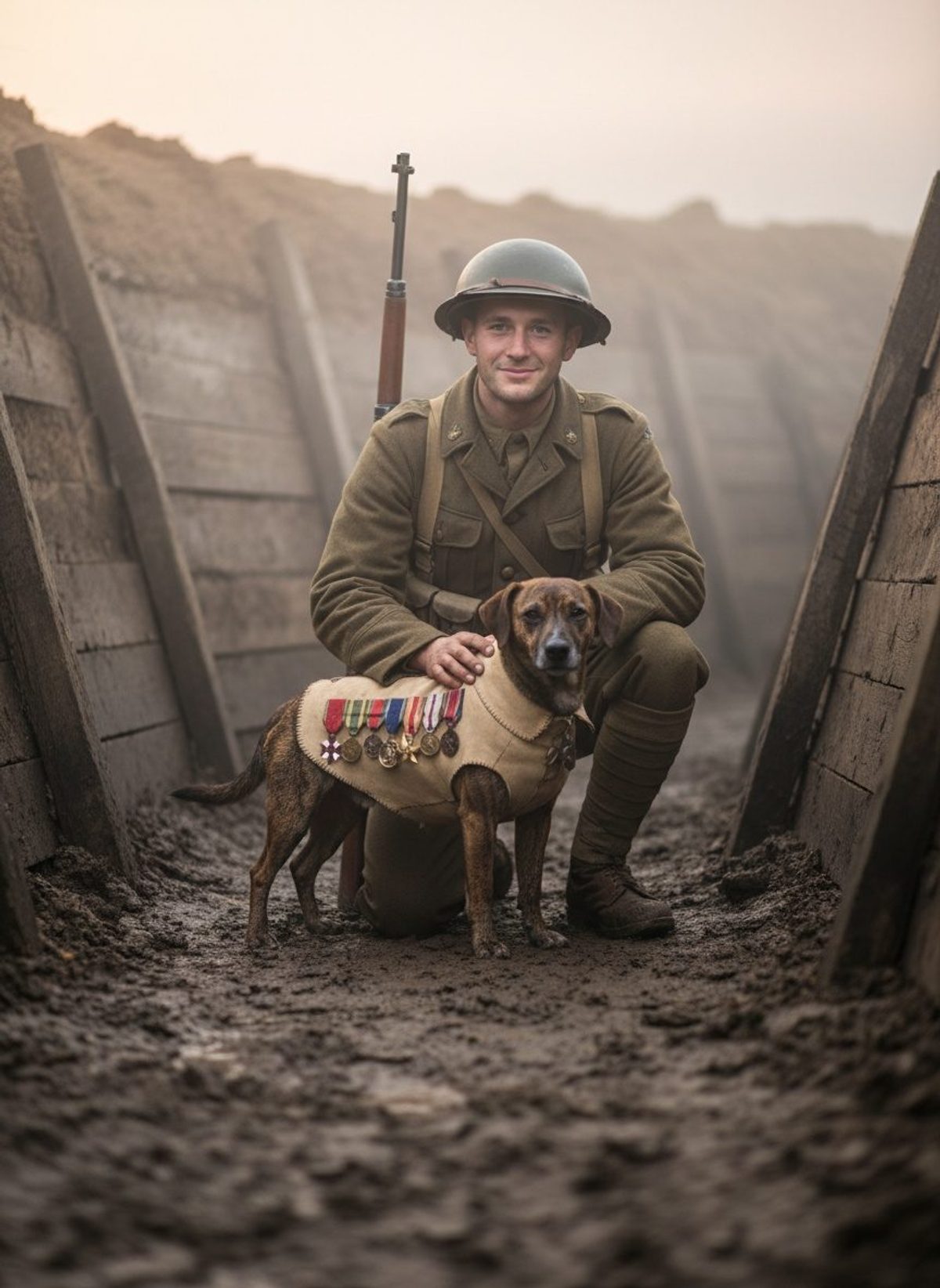
A brindle puppy wandered into a U.S. Army camp in 1917. He crossed to France. Survived gas, shrapnel, and seventeen battles. Then he caught a spy — and outranked his own handler.
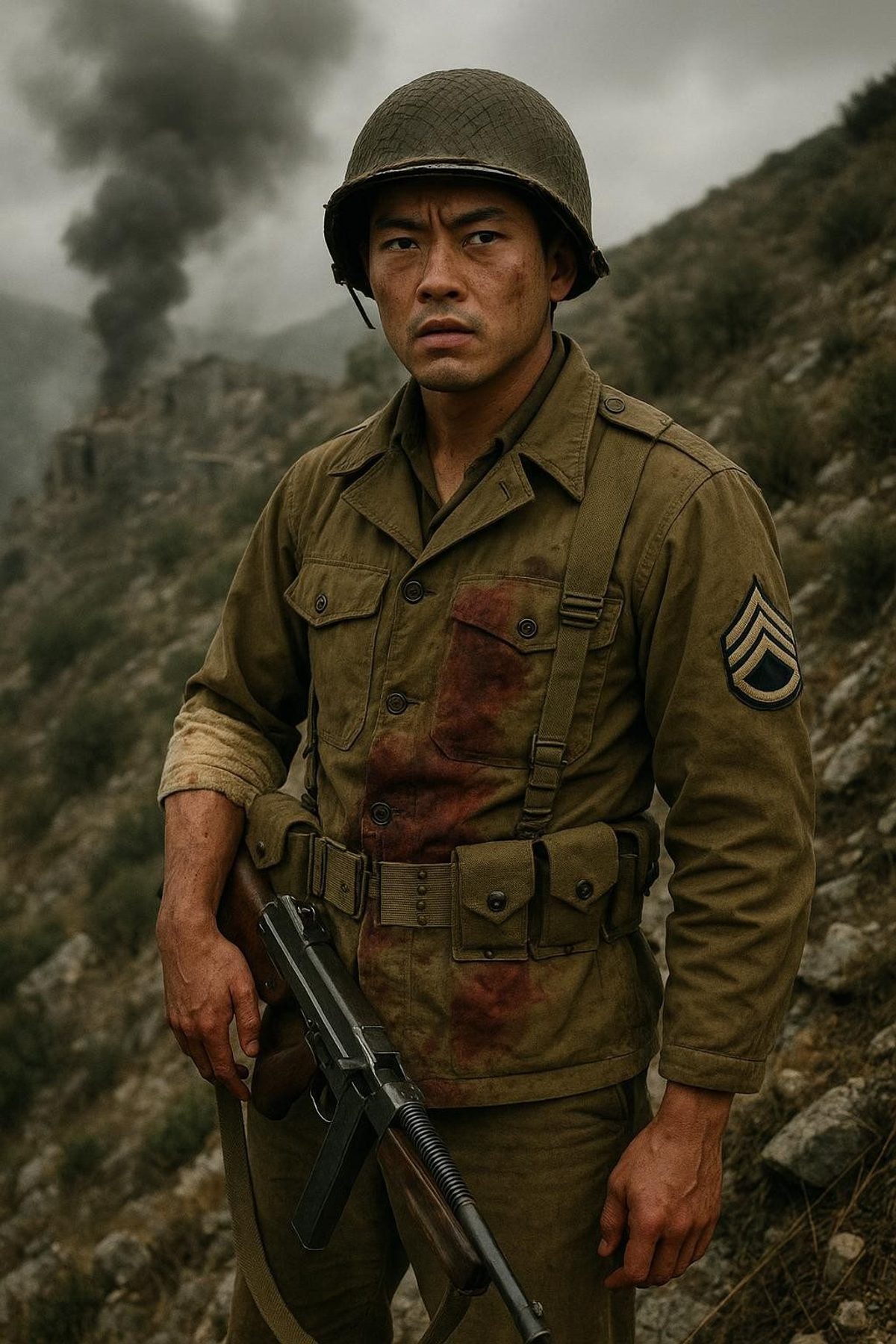
May 1945. Burma. 200 Japanese soldiers rushed his trench at night. Lachhiman Gurung threw back two grenades bare-handed. The third detonated in his grip. He loaded his rifle one-handed and held the line for four hours alone.
A 14-year-old Hungarian boy survived Mauthausen. He promised himself he'd become an American soldier. He kept that promise — and then held a hill alone for 24 hours.
Nine bombers. One pilot. Four minutes. Lt. Butch O'Hare climbed into the sky with limited ammunition and no backup. He brought five of them down. Then flew home with bullets to spare.
McMinn County, Tennessee, 1946. Veterans came home from war to find their votes stolen. When the ballot boxes vanished into the county jail, they picked up rifles. By dawn, they had counted the votes themselves.
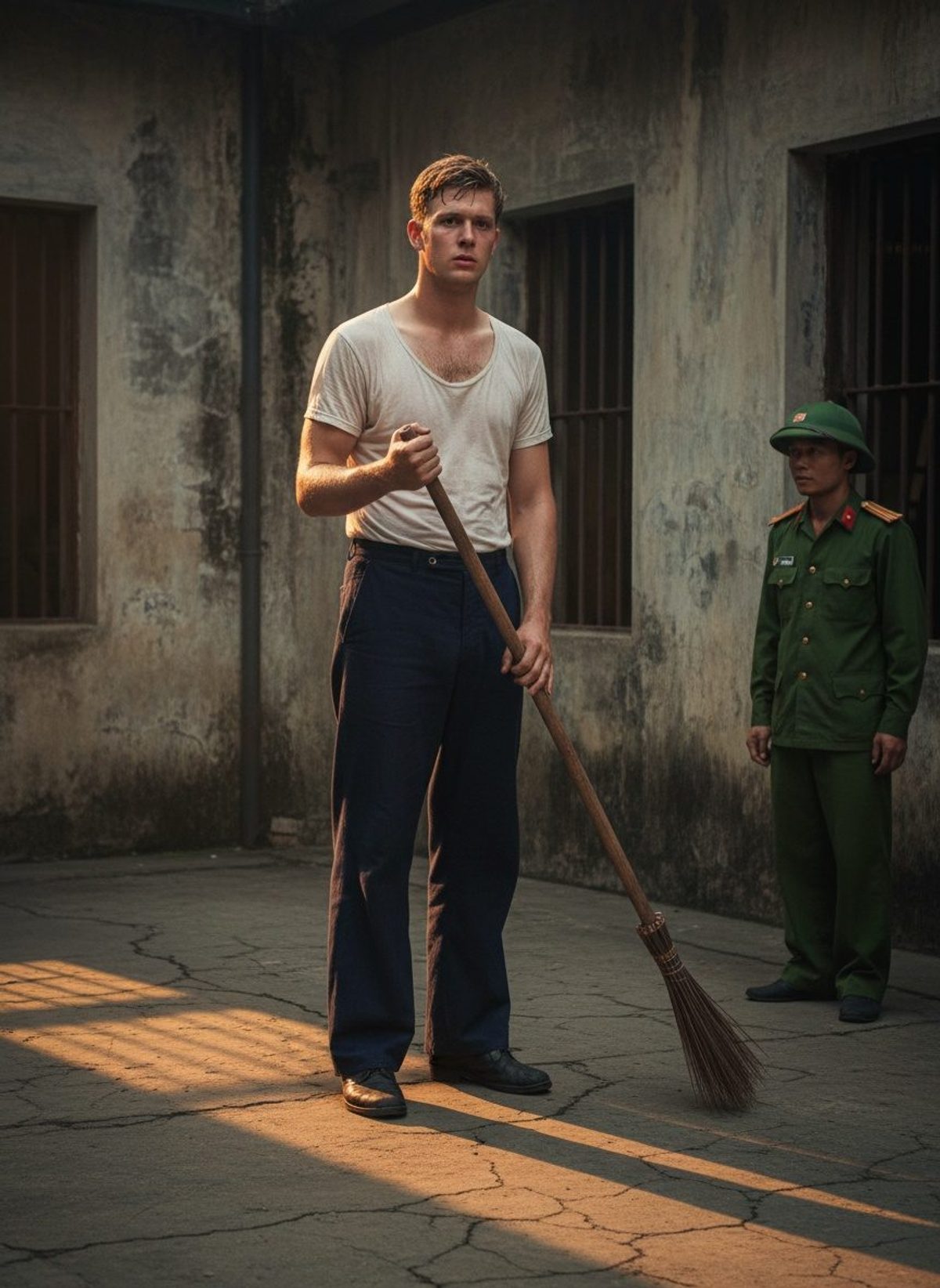
He fell off a warship at midnight. North Vietnam thought he was a spy. So he became the village idiot — and memorized 256 names.
October 1918. Argonne Forest. Corporal Alvin York wrote 'Don't want to fight' on his draft card. The Army drafted him anyway. That morning, thirty machine guns opened on him from twenty-five yards.
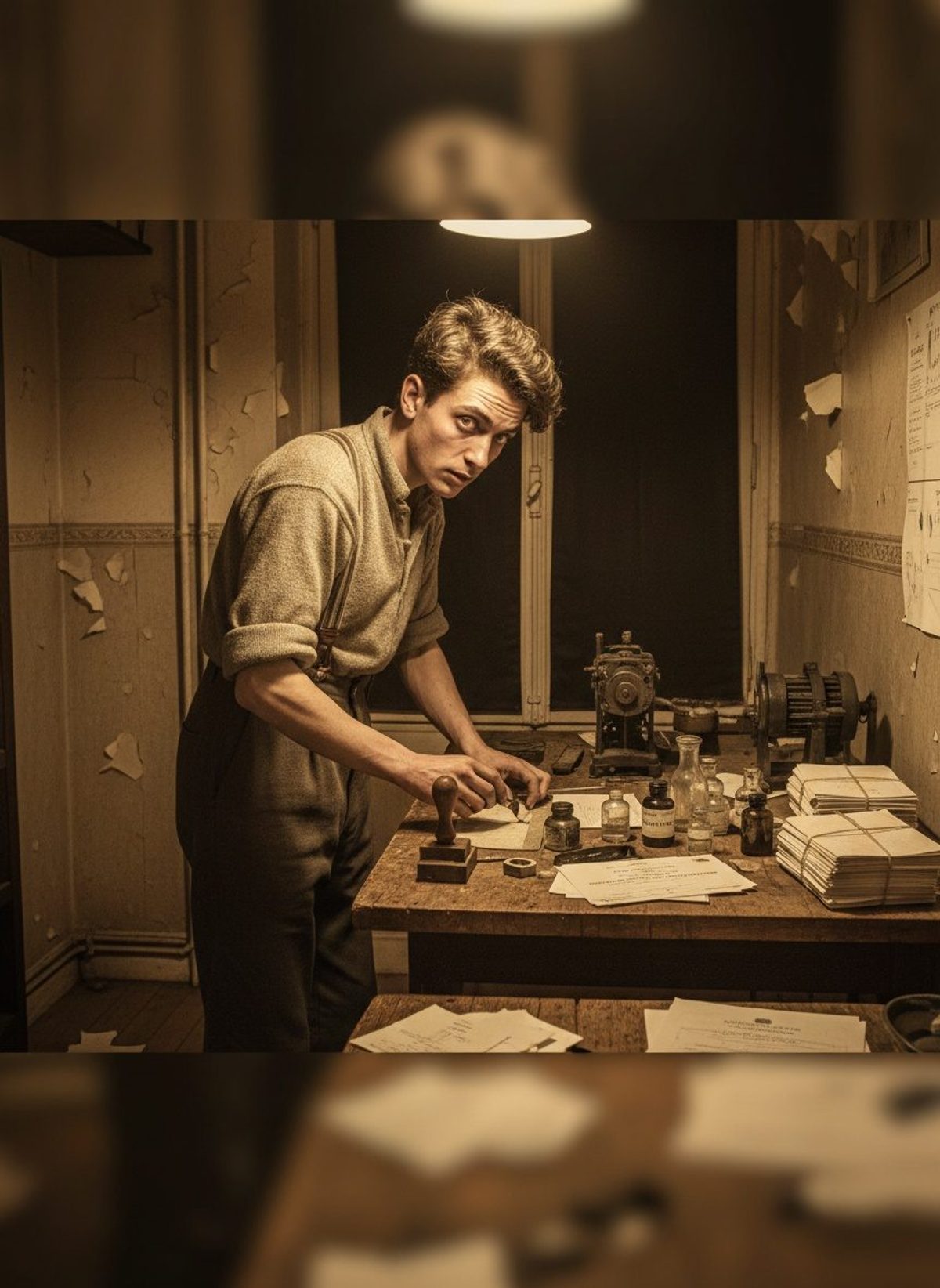
Paris, 1944. 300 Jewish children. 900 forged documents needed in three days. An 18-year-old Argentine-born forger sat down and refused to sleep. Every hour he closed his eyes, thirty more children would die.
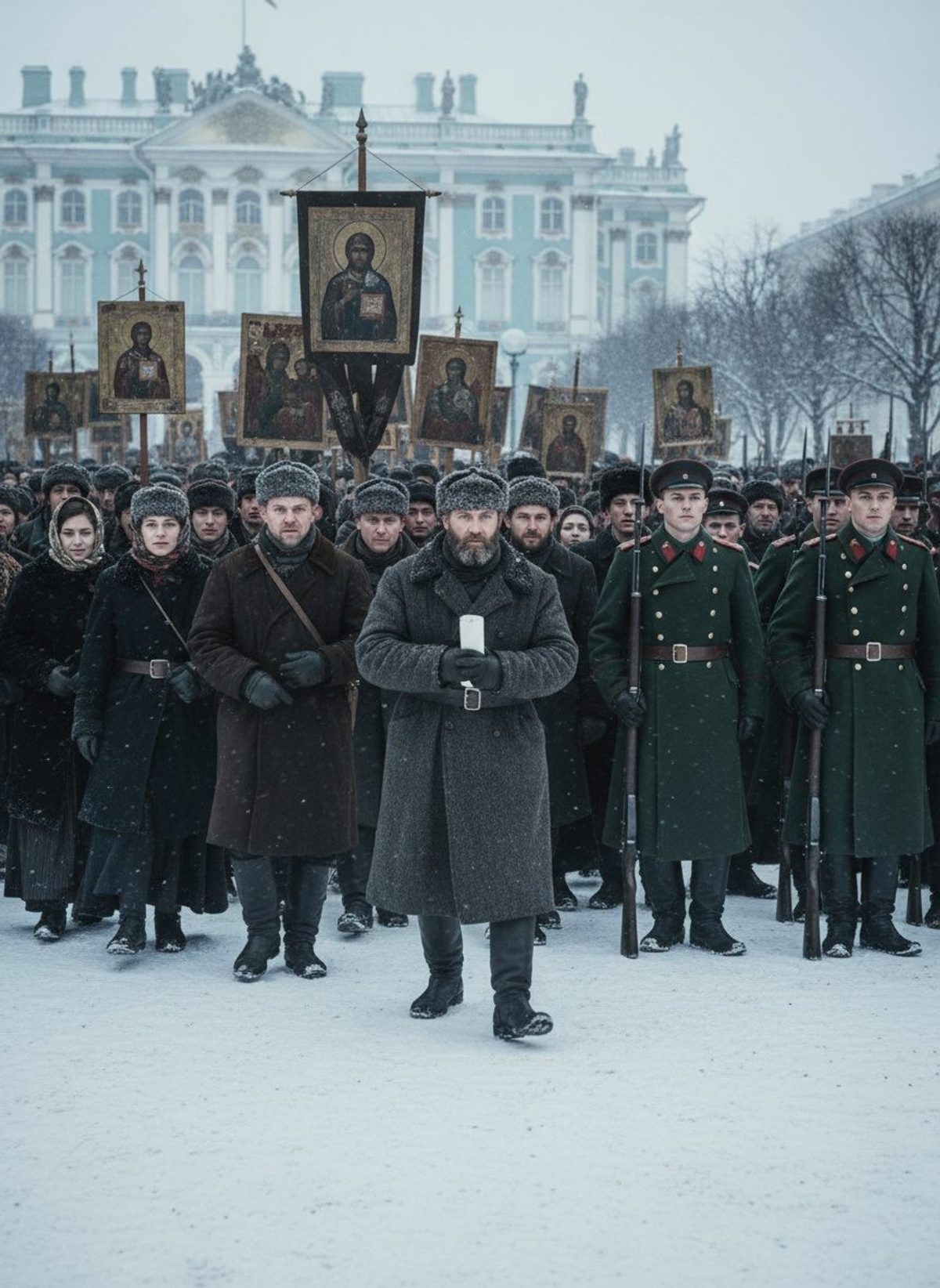
January 22, 1905. 150,000 workers marched to the Winter Palace singing hymns, carrying icons. They brought a petition, not weapons. The Imperial Guard opened fire. History called it Bloody Sunday.
December 1994. Port Elizabeth. Alison Botha was left for dead in the dark. Thirty-seven stab wounds. Her throat nearly severed. She decided to live — and crawled toward the road.
The Endurance sank in 1915. 27 men. No radio. No rescue coming. Shackleton crossed 800 miles of the world's worst ocean in a 22-foot boat. Every man survived.
January 1945. A German camp. An order to separate the Jews. One American sergeant gave a counter-order. At dawn, 1,292 men stepped forward as one. The commandant drew his pistol. Edmonds didn't move.
636 CE. The Byzantine army outnumbered his men four to one. Khalid ibn al-Walid split his forces into forty units. Each attacked in sequence. The Byzantines never found the flank. The Yarmouk valley ran with the sound of retreat.
In 1938, Nicholas Winton skipped his ski holiday and went to Prague. He saved 669 children. Then he went home and said nothing. For fifty years.
By 1884, Ulysses S. Grant had nothing left. A con man had taken everything. Then came the cancer. So he picked up a pencil and wrote — dying, in pain — to provide for his wife.
May 2, 1968. A 12-man patrol was dying in a Vietnamese jungle. Three helicopters had already failed. Roy Benavidez grabbed a medic bag and jumped out anyway. He had no rifle. Just a knife.
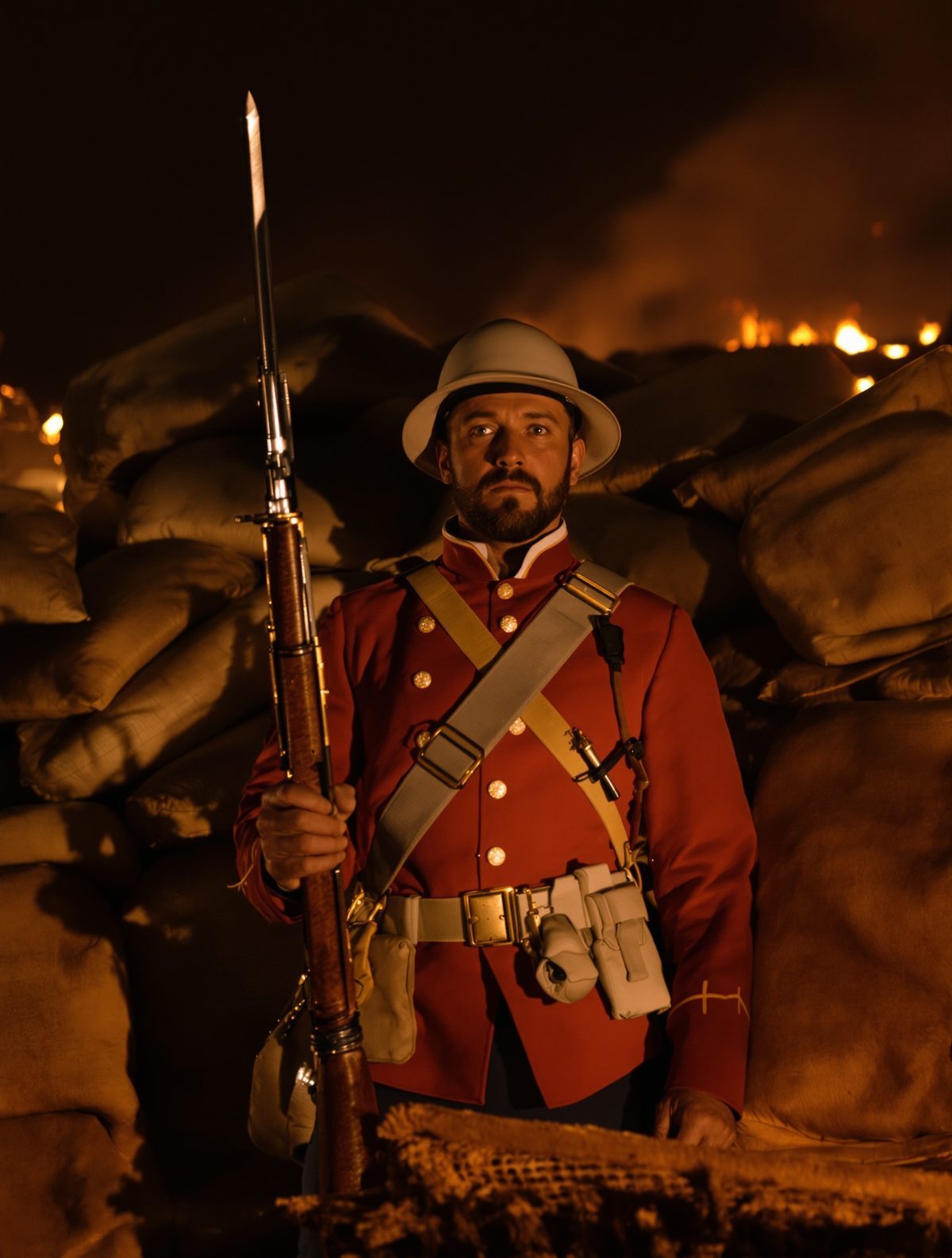
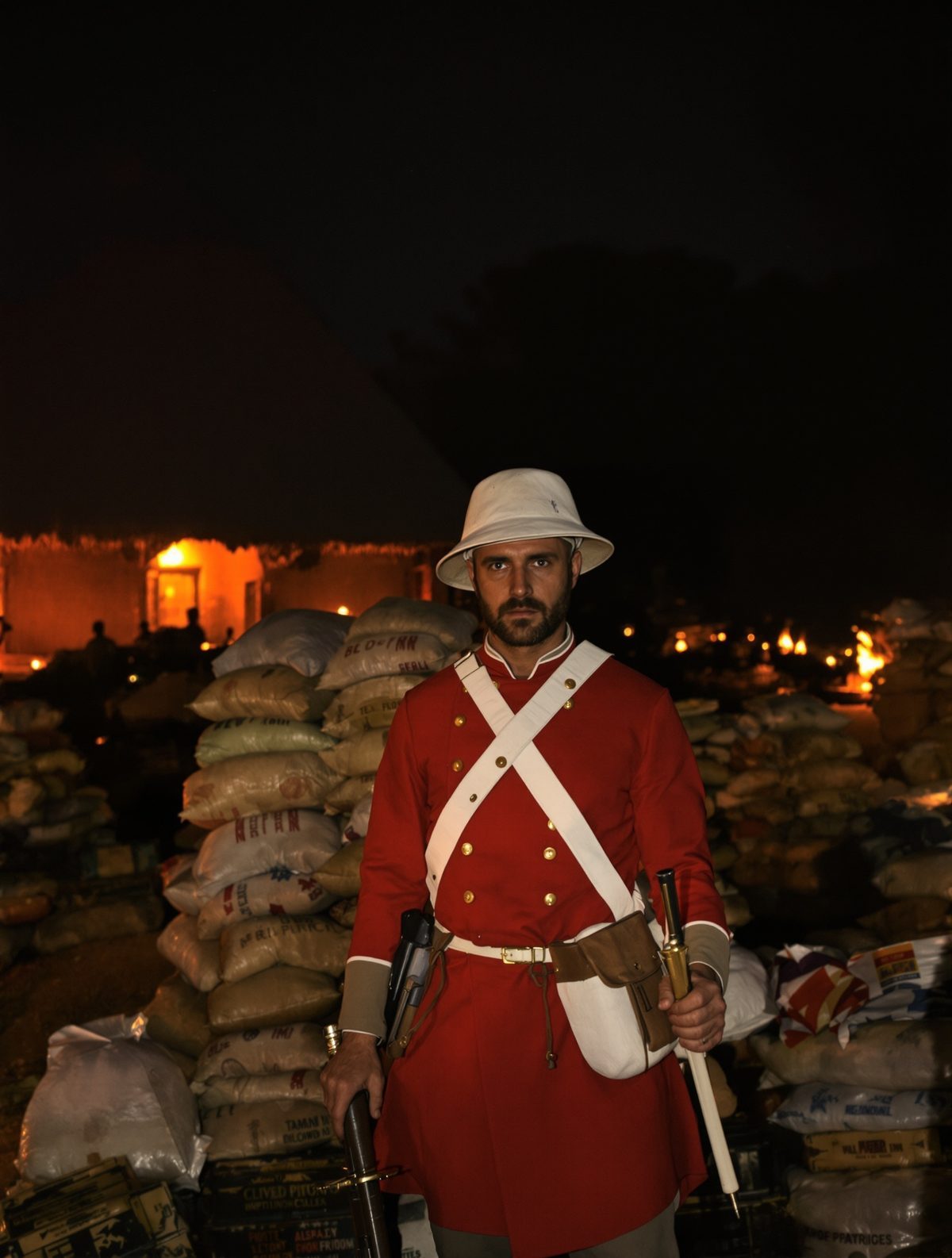
January 1879. Rorke's Drift was burning. Private Henry Hook was in the hospital ward. He had a rifle, a bayonet, and a wall. He held it. Room by room. Man by man.
America called his family enemy aliens. He enlisted the day he could. Shot through the stomach in Italy, he kept going. He came home without his arm. He served his country for 53 more years.
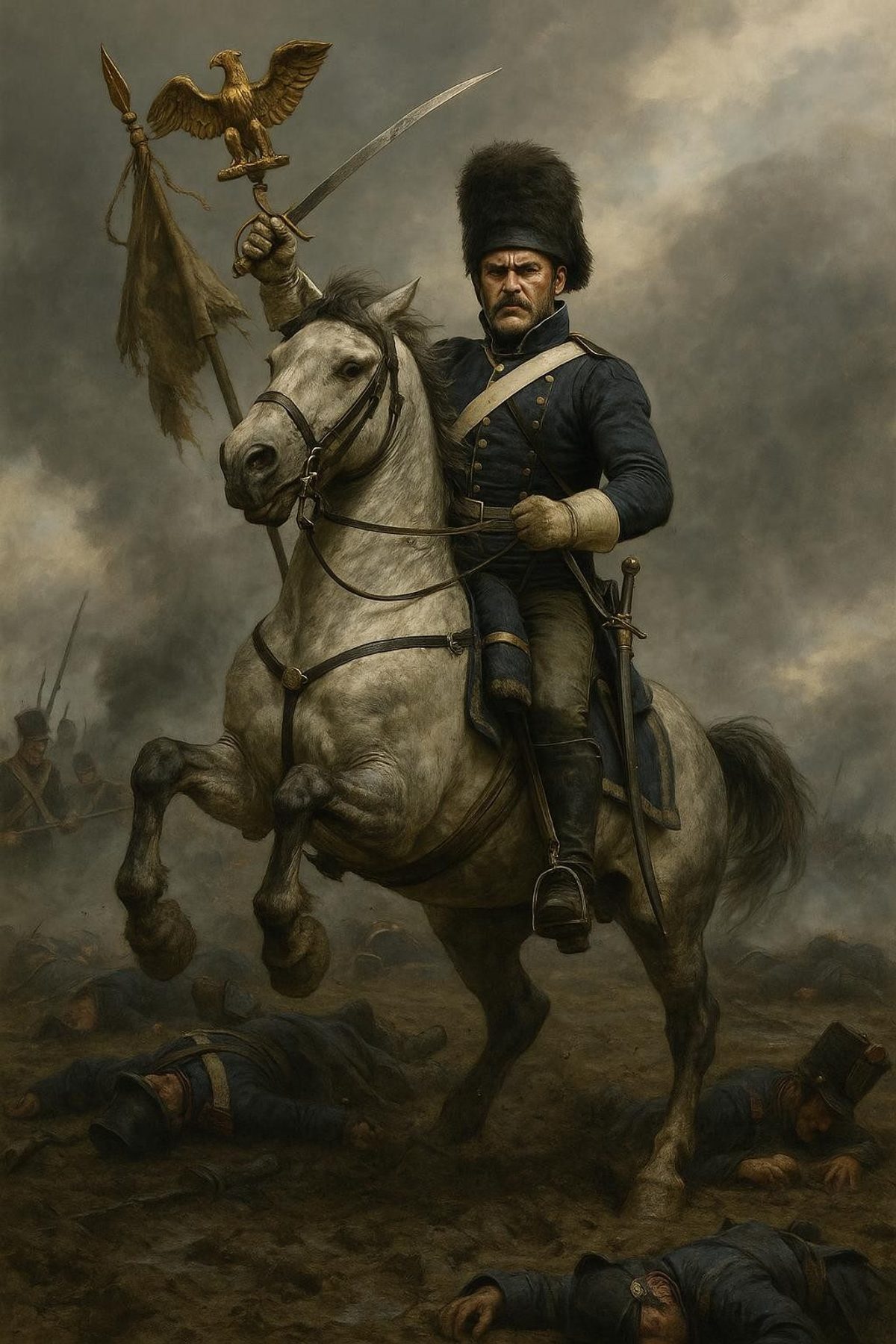
June 1815. Waterloo. The French infantry advanced in a massive column. Sergeant Charles Ewart rode alone into the chaos. He captured Napoleon's eagle standard. One man. One charge. The battle turned.
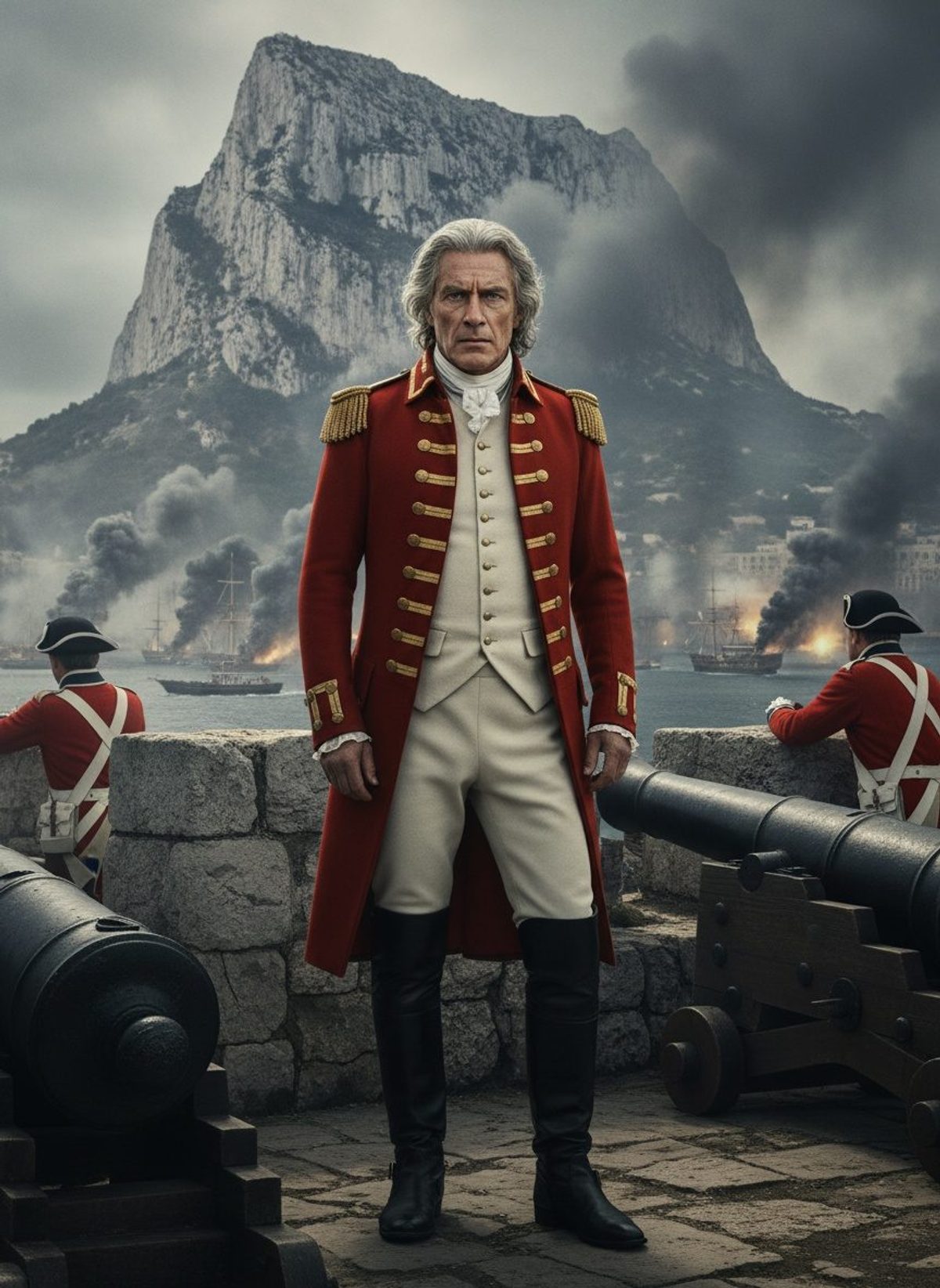
1779. Spain and France blockaded Gibraltar. Sixty thousand troops surrounded the Rock. General George Elliot had four thousand men. He rationed food. He held the walls. He never surrendered.
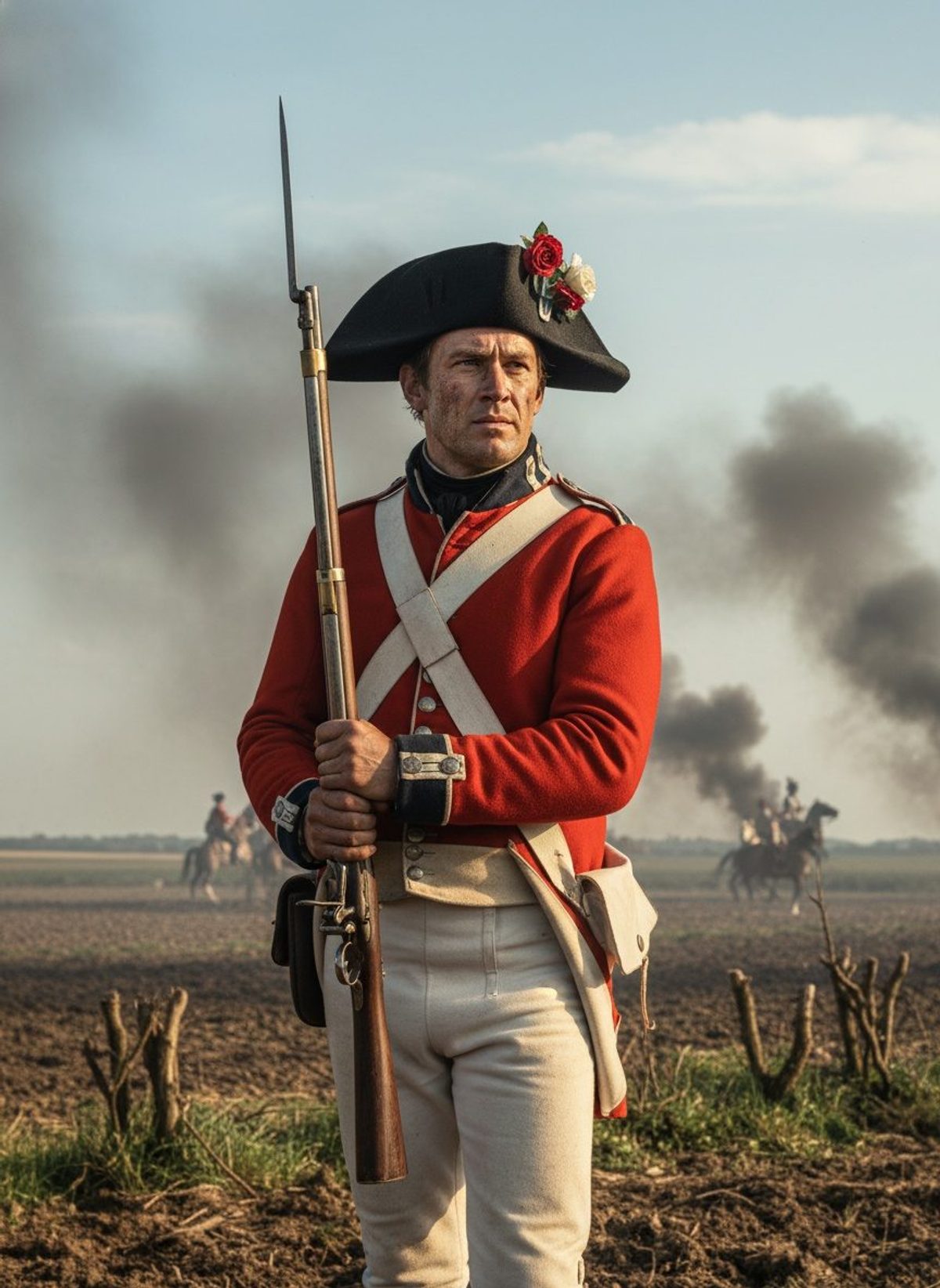
August 1759. Six British infantry regiments advanced alone. The French cavalry charged. The redcoats held their fire. Then unleashed it. The finest horsemen in Europe broke and fled. Britain never forgot.
In 1936, a teenage girl in rural Missouri married a 93-year-old Union veteran of Gettysburg. She kept it secret her whole life. When researchers found her decades later, she was the last living human link to that war.
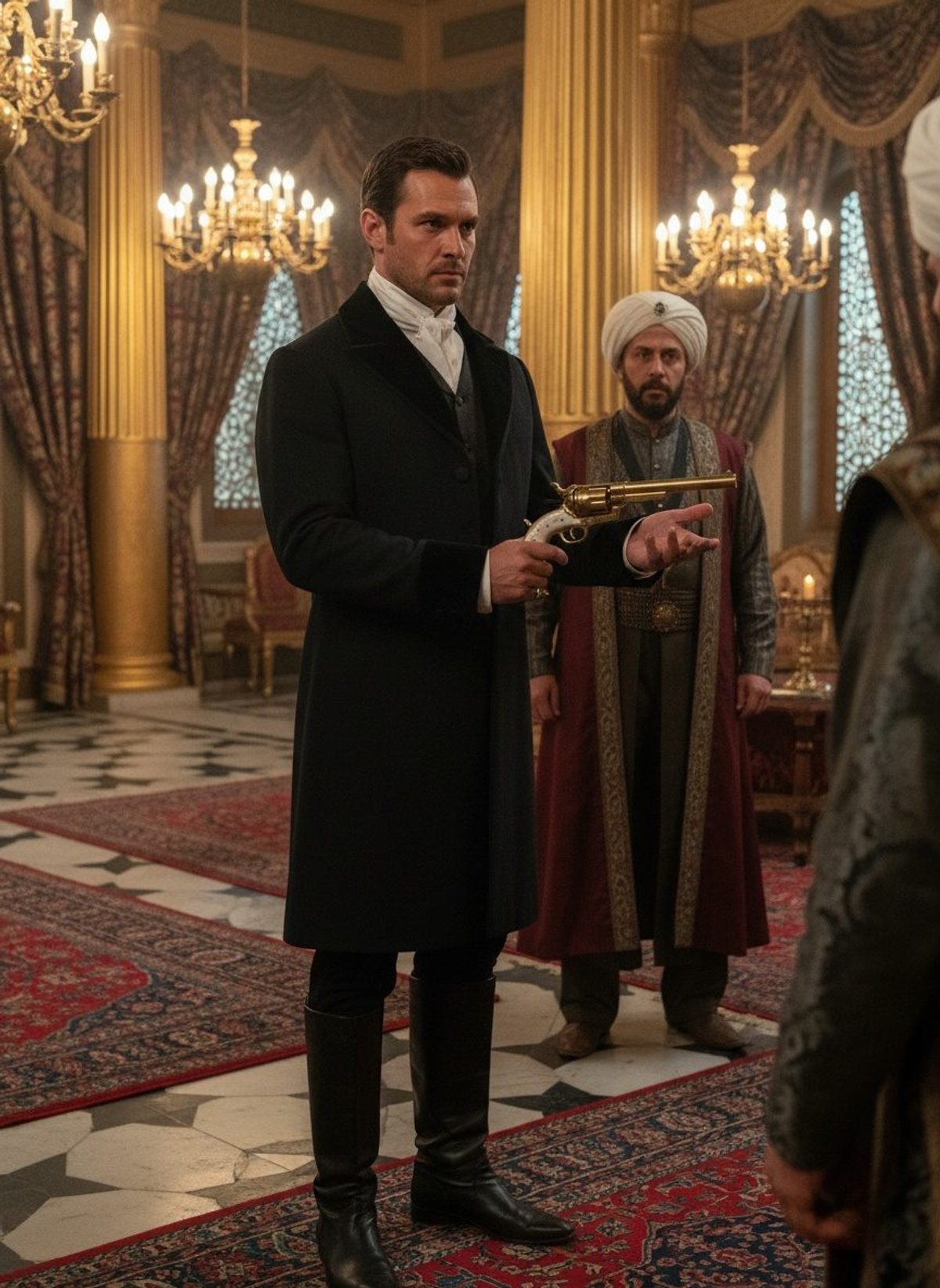
Samuel Colt needed a sale. So he invented one. He told the Ottoman Sultan that Russia was already buying his revolvers. It was fiction. The arms race it started was very real.
A North Korean shell nicked the USS Wisconsin in 1952. The damage was trivial. But the US Navy's response turned a scratch into a statement that echoed far beyond the Korean coast.
7 legions crushed by Parthian horse archers in history's deadliest tactical trap
Charles Martel's cavalry charge stopped Islamic expansion into Europe forever
King Epitadas and 120 elite Spartan warriors were trapped on a tiny island. Athens offered surrender terms. For 300 years, no Spartan had ever surrendered in battle. The king made an impossible choice.
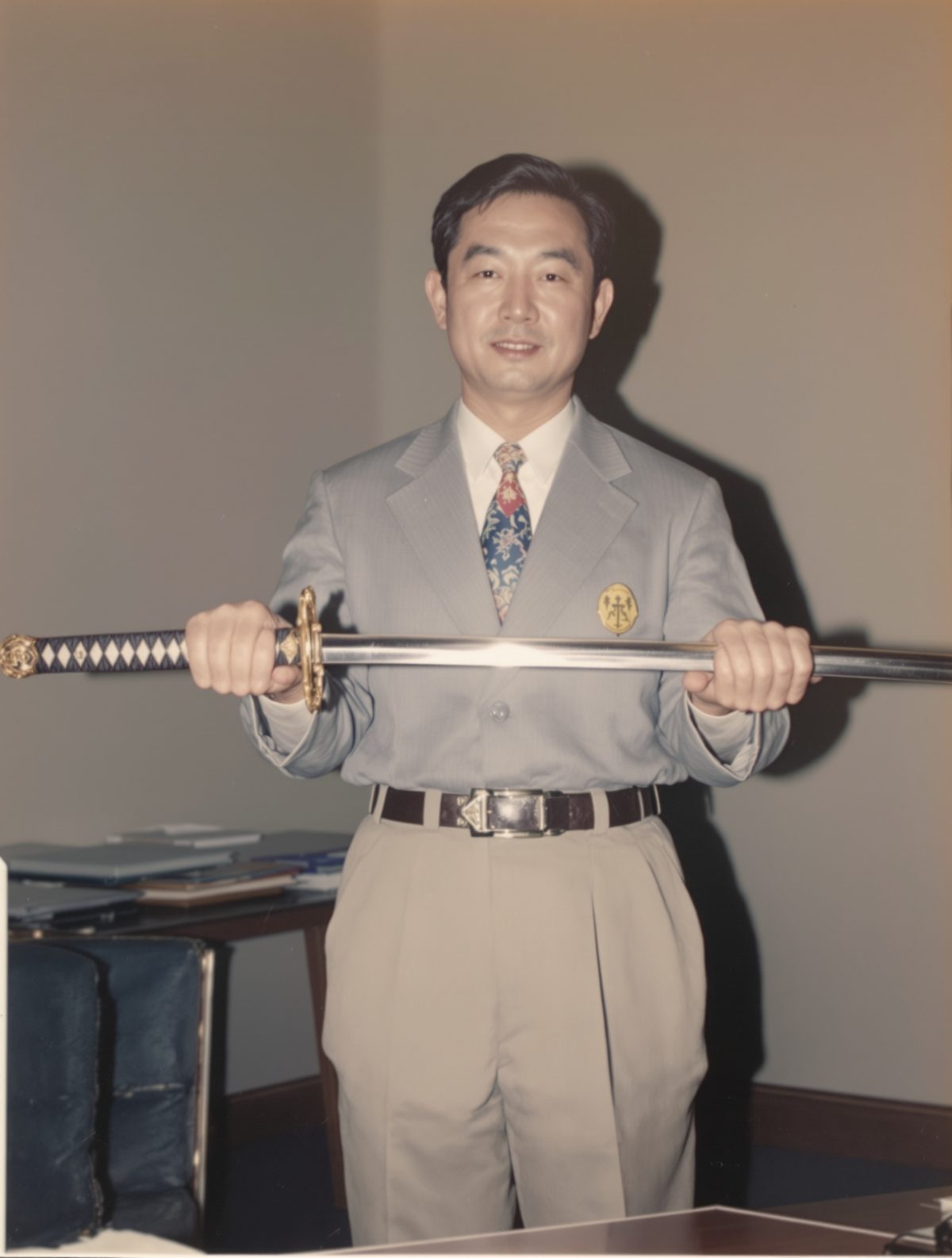
Nobuo Fujita dropped incendiary bombs on Oregon forests in 1942. The only pilot to bomb mainland America during WWII. Twenty years later, he returned to the same town. This time as an honored guest bearing a 400-year-old family sword.
Confederate General Stand Watie fired the final shot of the Civil War on June 23, 1865. Two months after Lee's surrender. Deep in Indian Territory. Then he vanished into the wilderness for three months before finally surrendering.
Hasekura Tsunenaga sailed from Japan to meet the Pope. Storm winds blew his ship to Mexico instead. He converted to Christianity. Took the name Francisco. Fought alongside Spanish conquistadors against Aztec rebels. Never saw Japan again.
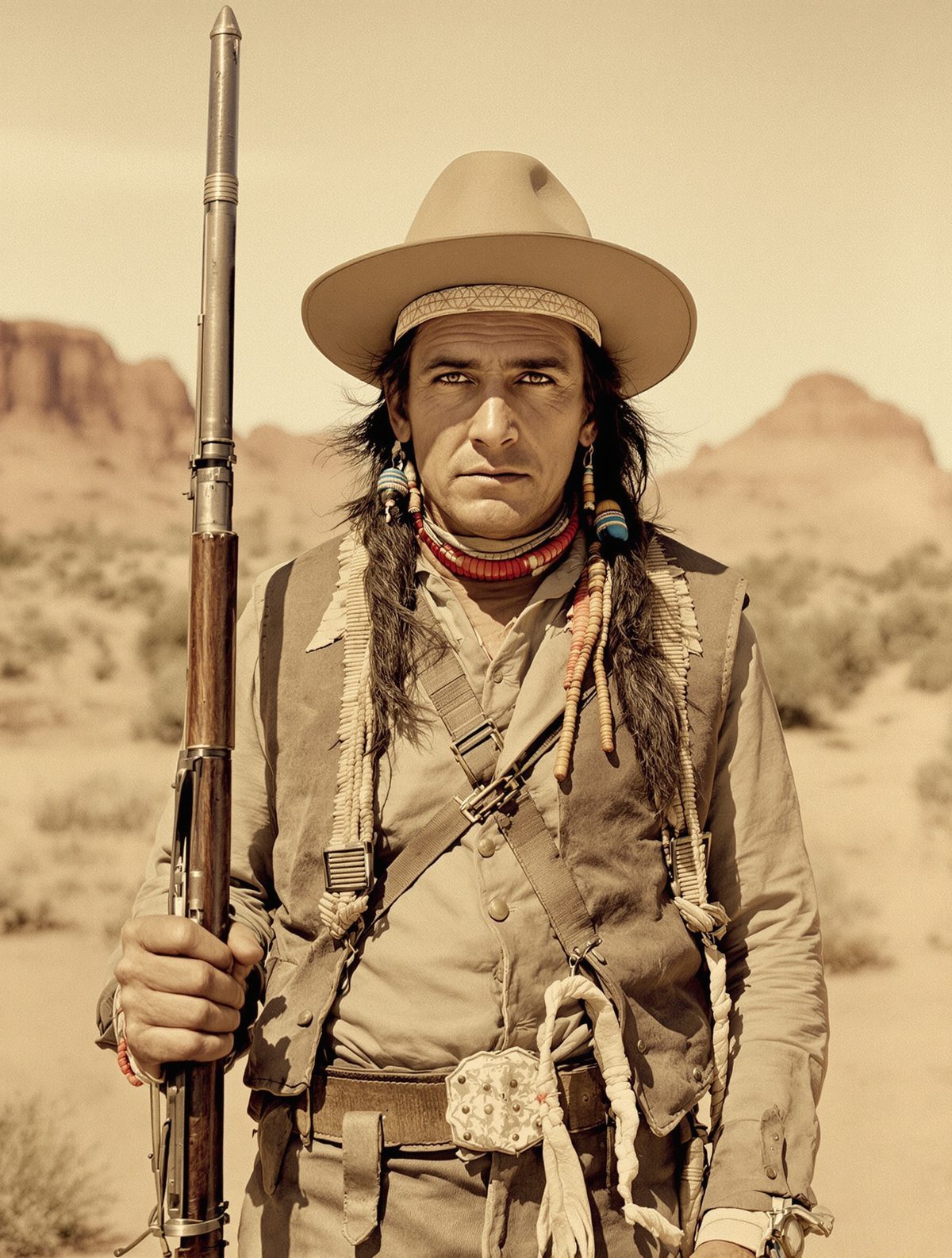
Mickey Free tracked Apache warriors across Arizona's desert. The US Army's most skilled scout. Then he discovered the truth. He was hunting his own people. The kidnapped Irish boy had become Apache.
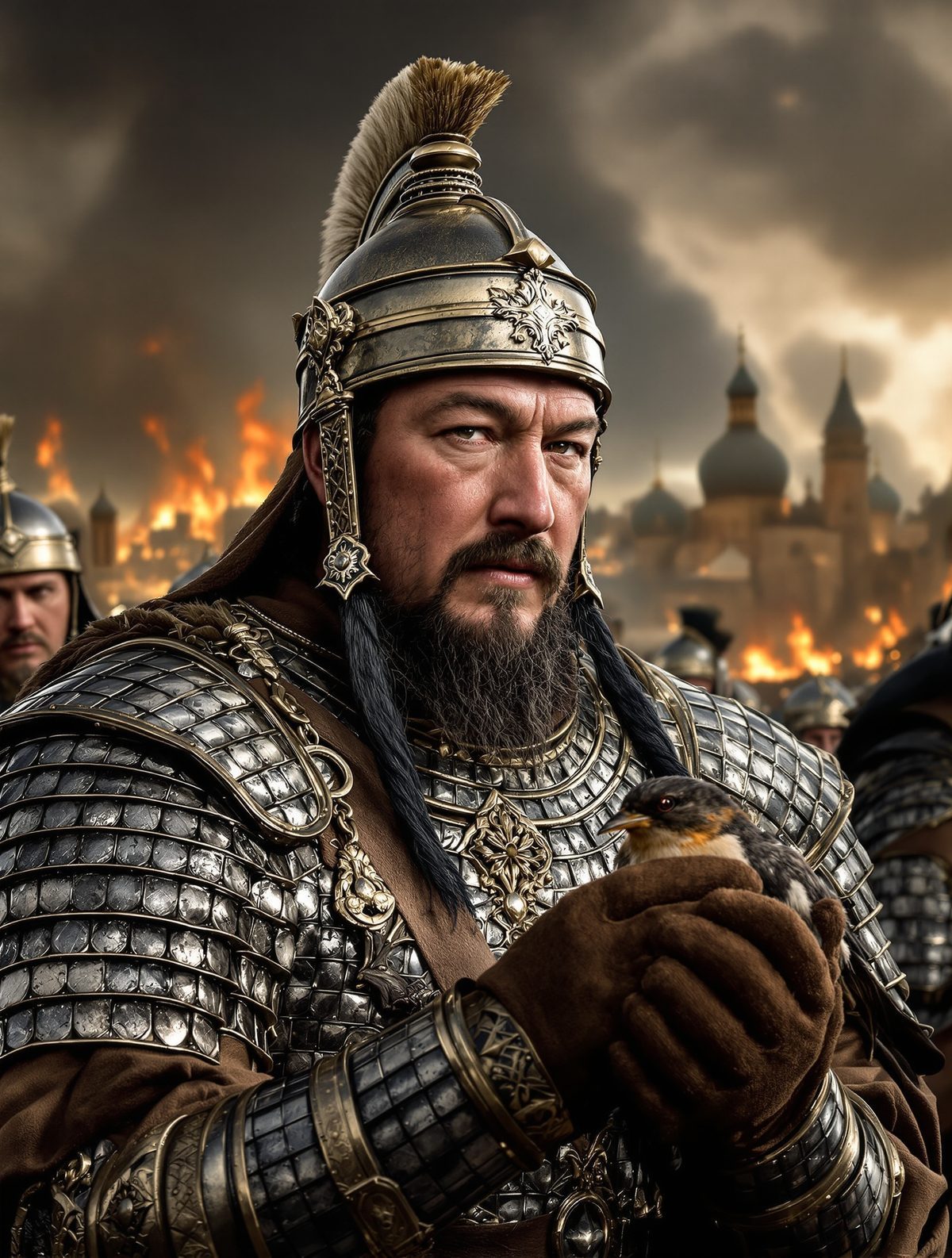
General Jebe captured a Persian city. Defenders thought they'd won when he retreated. Then he tied flaming bundles to cats and birds. Released them back to their homes. The animals burned the entire city down from within.
Scipio Africanus spent three years secretly learning Punic. He intercepted Hannibal's battle orders. Read them aloud to confused Carthaginian troops. They surrendered thinking their own commander had betrayed them.
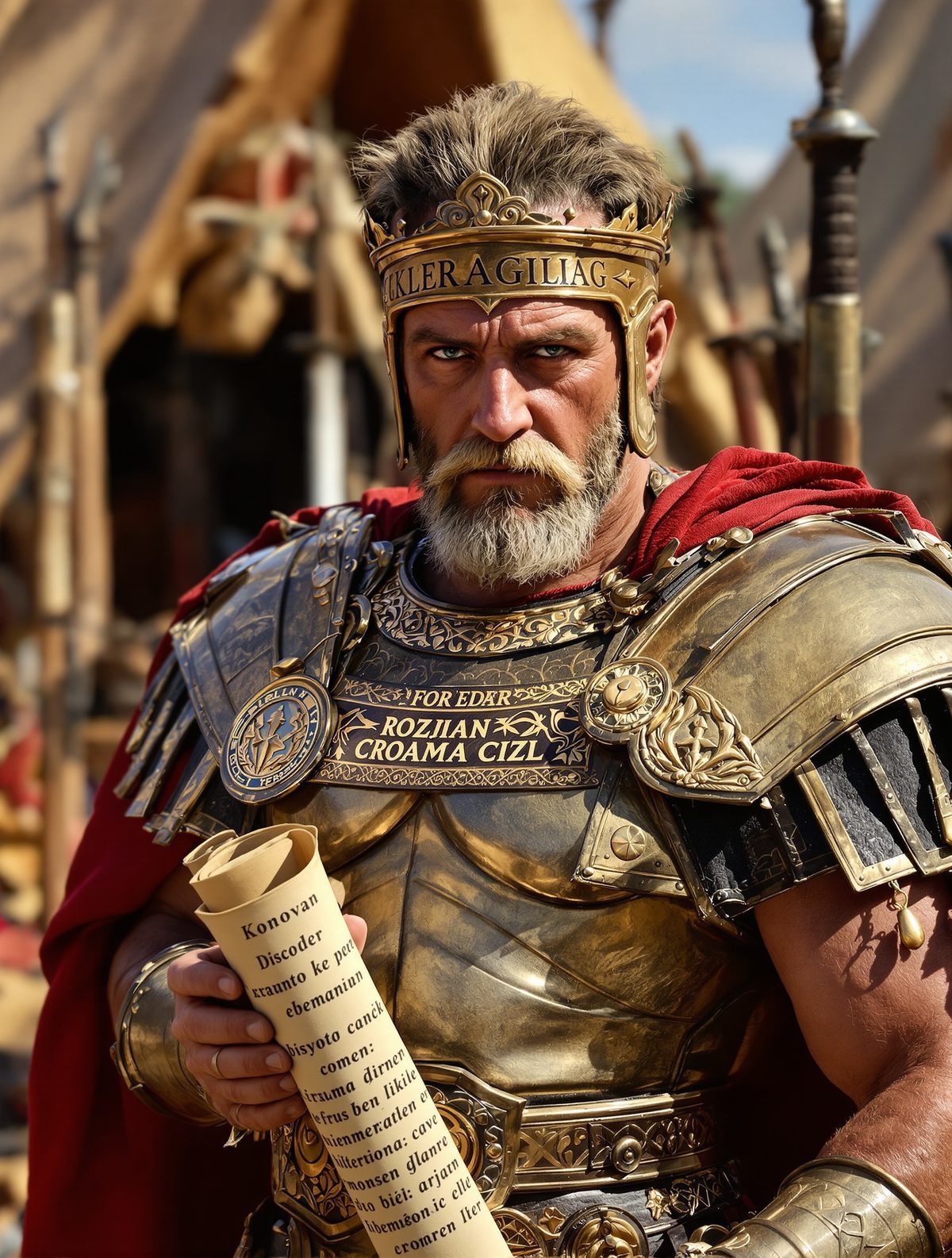
Julius Caesar stood at the Rubicon River with his army. Roman law forbade generals from crossing with troops. It meant civil war against Pompey and the Senate. Caesar uttered 'Alea iacta est' - the die is cast. He crossed. Rome would never be the same.
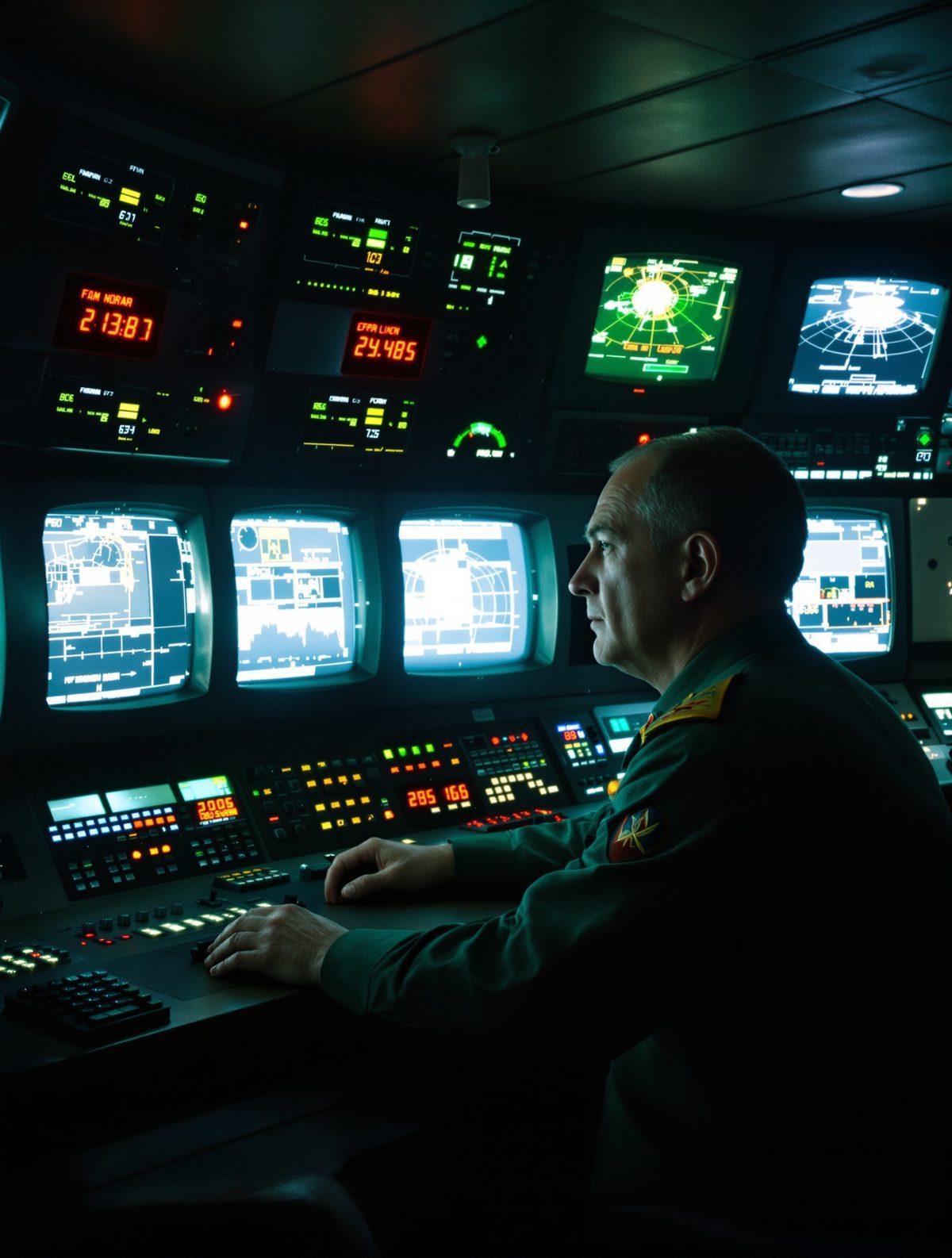
The computer screens flashed red. Five American missiles headed for Moscow. Soviet protocol demanded immediate nuclear retaliation. Lieutenant Colonel Stanislav Petrov had 20 minutes to decide. Launch World War III or trust his gut that the machines were lying.
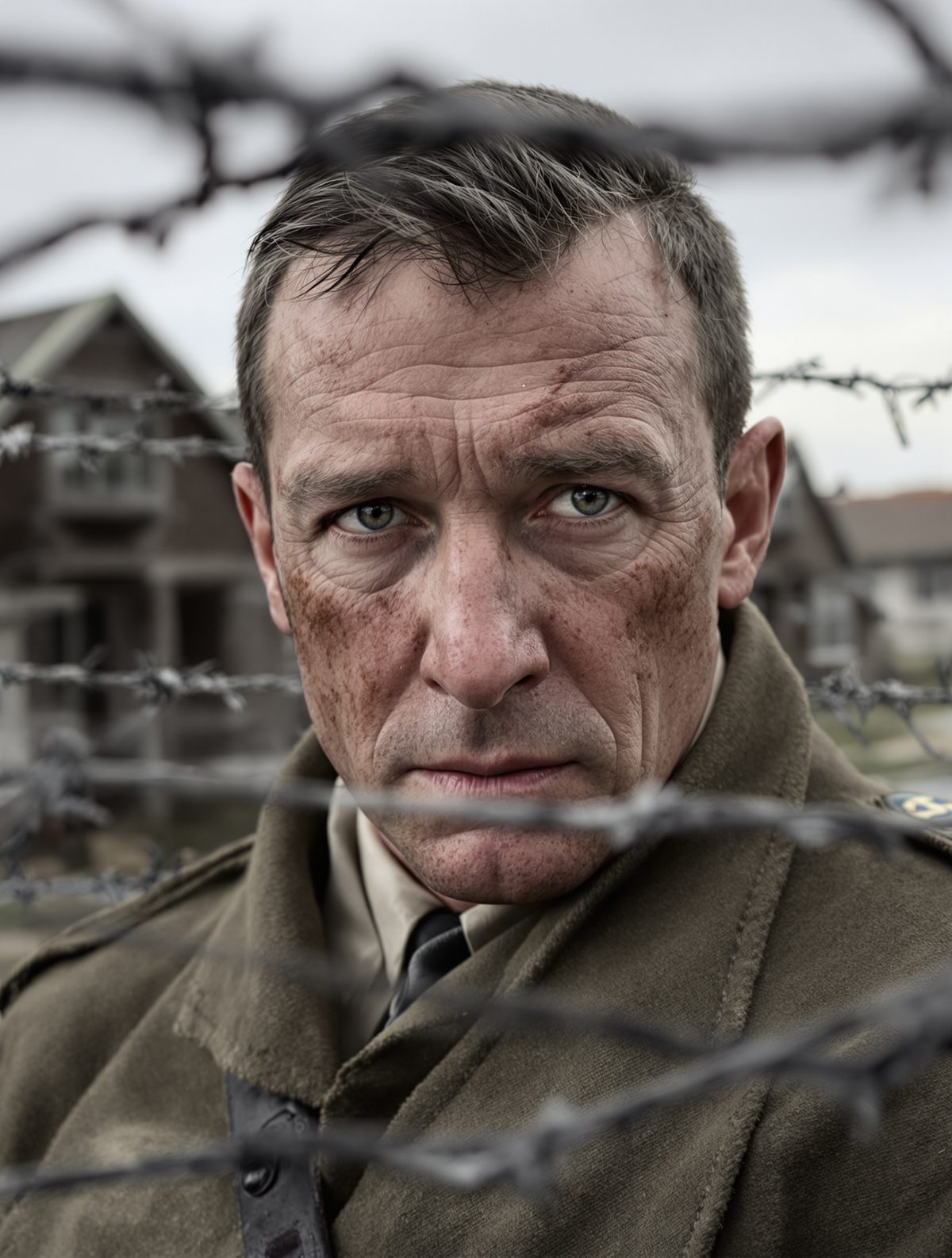
Polish officer Witold Pilecki deliberately got himself arrested by the Nazis. His mission: break into Auschwitz concentration camp. He spent 947 days inside gathering intelligence. Then he escaped to warn the world.
Epaminondas invented the military tactic that won Thebes its greatest victories. At Mantinea, he used his own strategy one final time. The enemy fled in defeat. But as Epaminondas pulled the spear from his chest, he knew his innovation had killed him.
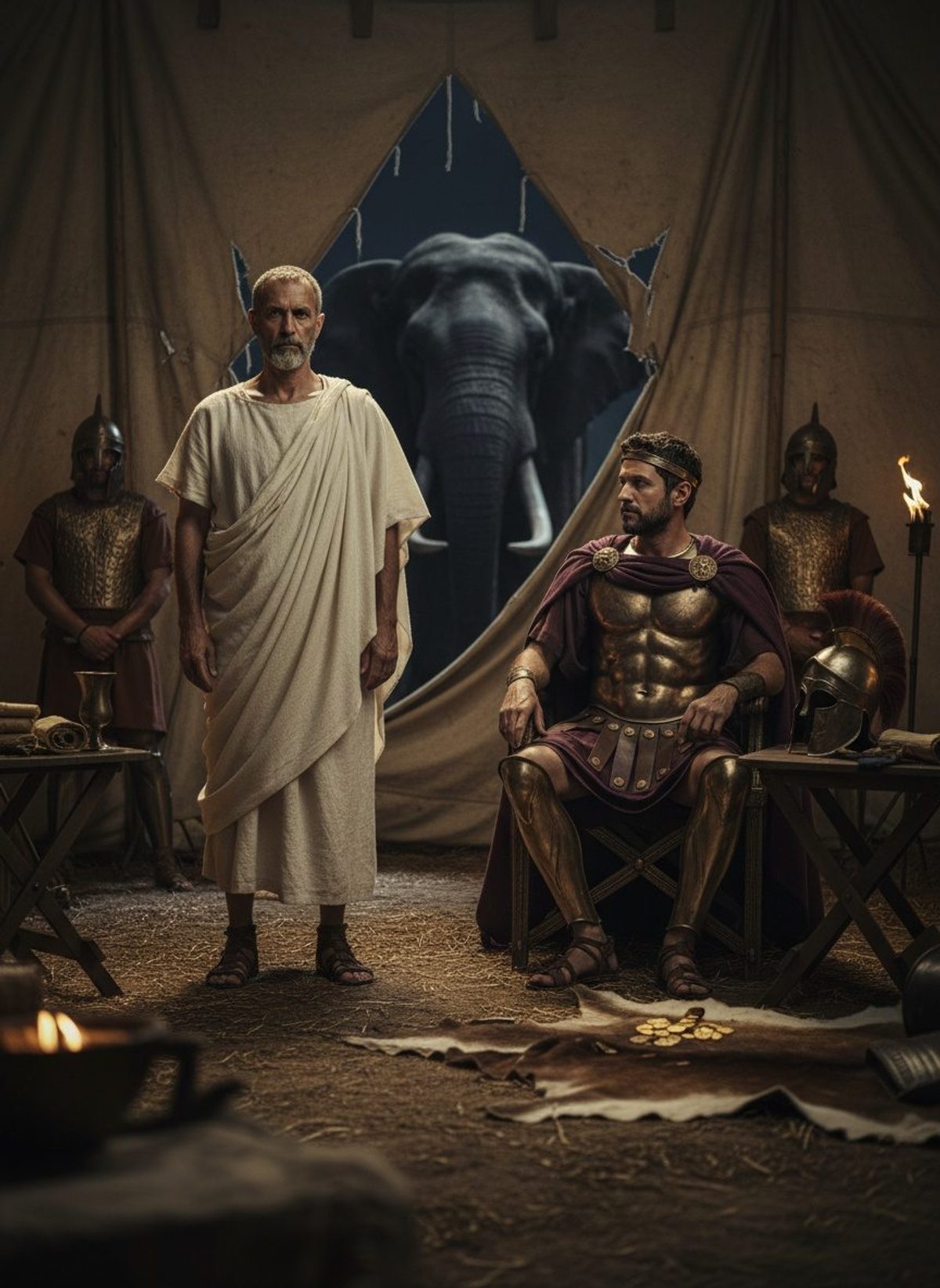
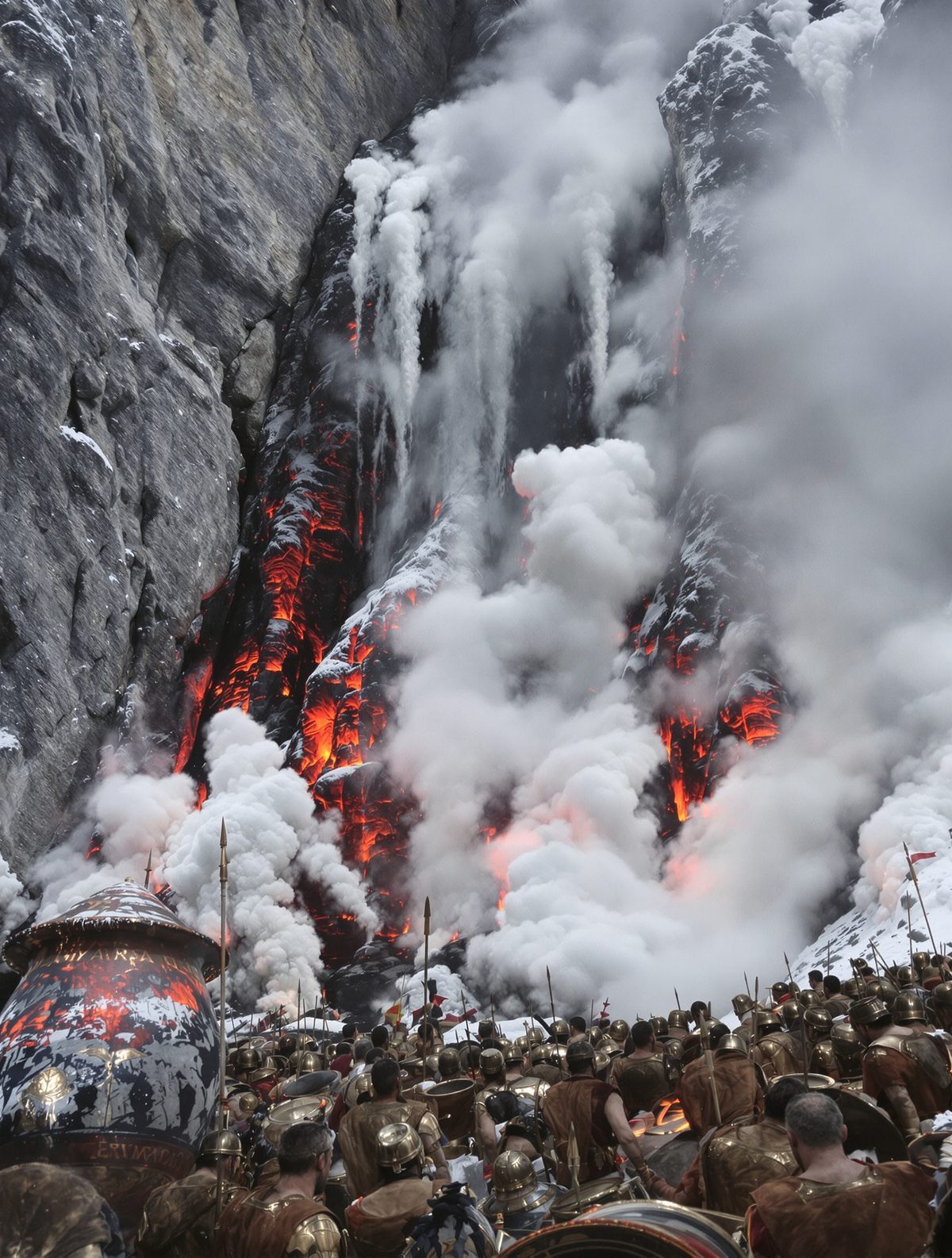
Hannibal's elephants couldn't climb the icy Alpine rocks. His engineers had no explosives. So they lit massive fires against the stone cliffs. Then poured vinegar on the superheated rock. The chemical reaction split entire cliff faces apart.
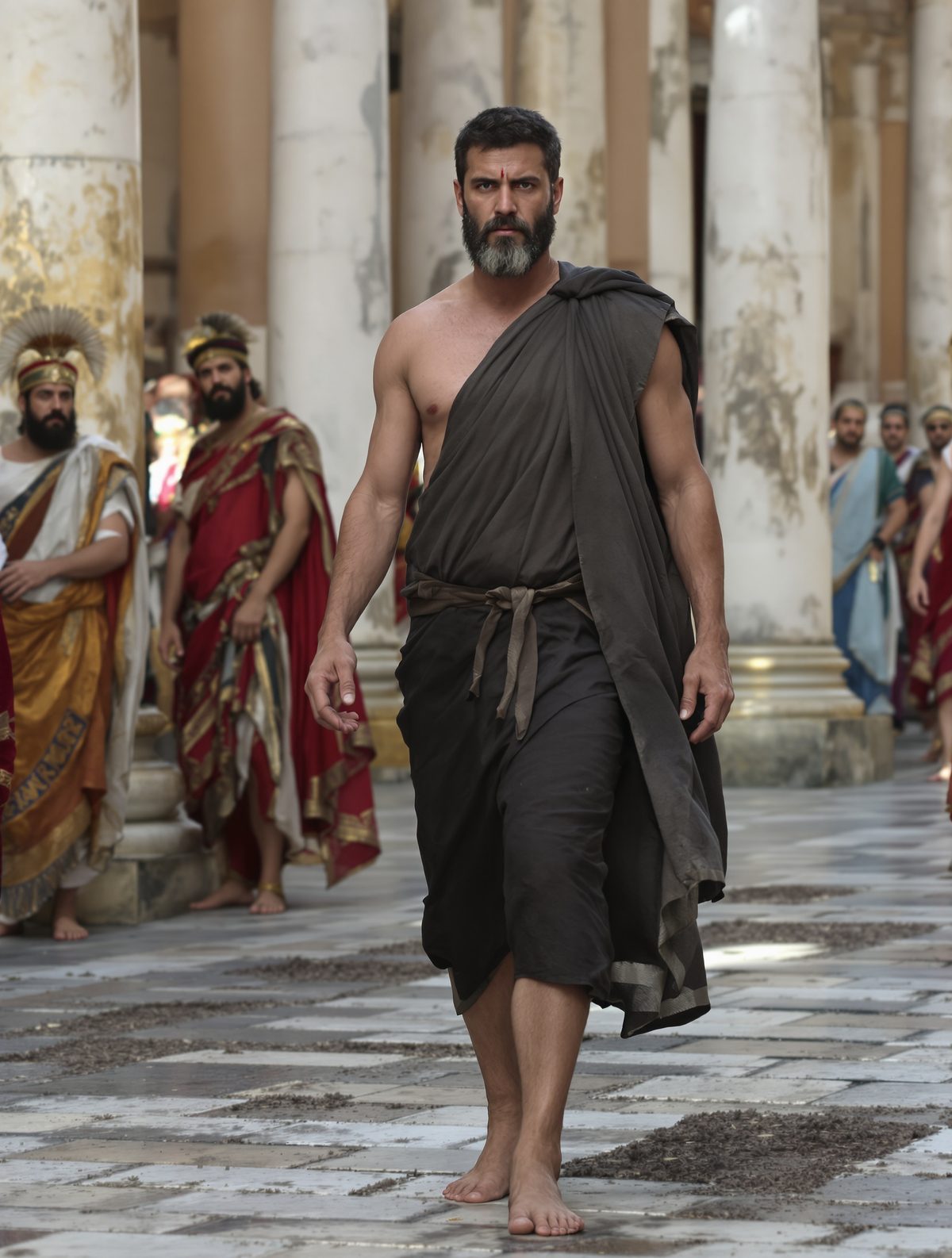
Marcus Cato walked through Rome's streets barefoot and without a tunic. Citizens stared in shock. He wasn't poor or mad. He was making a point about Roman corruption that would echo for centuries.
King Pyrrhus defeated the Romans at Asculum. His officers celebrated the crushing victory. Pyrrhus looked at his decimated forces. 'One more victory like this and we are lost,' he said.
King Sargon II consulted his astrologers before battle. They warned: 'The king must not fight personally or he will die.' He ignored them. Led his army from the front. His body was never found on the battlefield.
Byzantine General Belisarius landed in Italy with just 15,000 soldiers. His mission: reconquer the entire Western Roman Empire. The Ostrogoths had 150,000 warriors and controlled every major city. Belisarius won anyway.
Maurice Tillet was called "The Angel" for his angelic face and brilliant mind. Then a rare disease transformed his features completely. He became professional wrestling's most feared monster. But he spoke 14 languages and had a law degree.
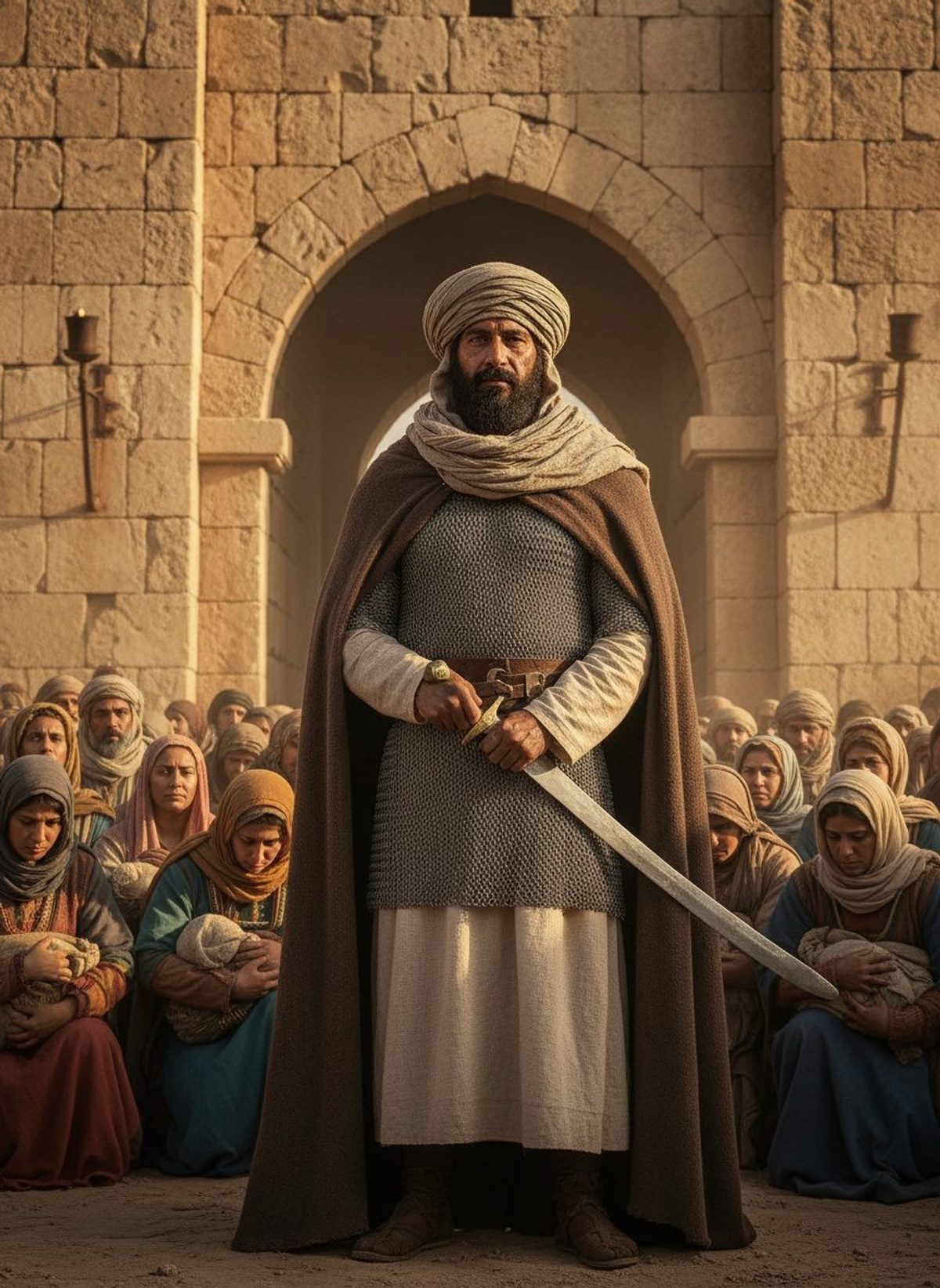
Saladin's army breached Jerusalem's walls after 88 years of Christian rule. The defenders expected massacre. Instead, he guaranteed safe passage for all civilians. The Sultan who shocked the world by showing mercy to his enemies.
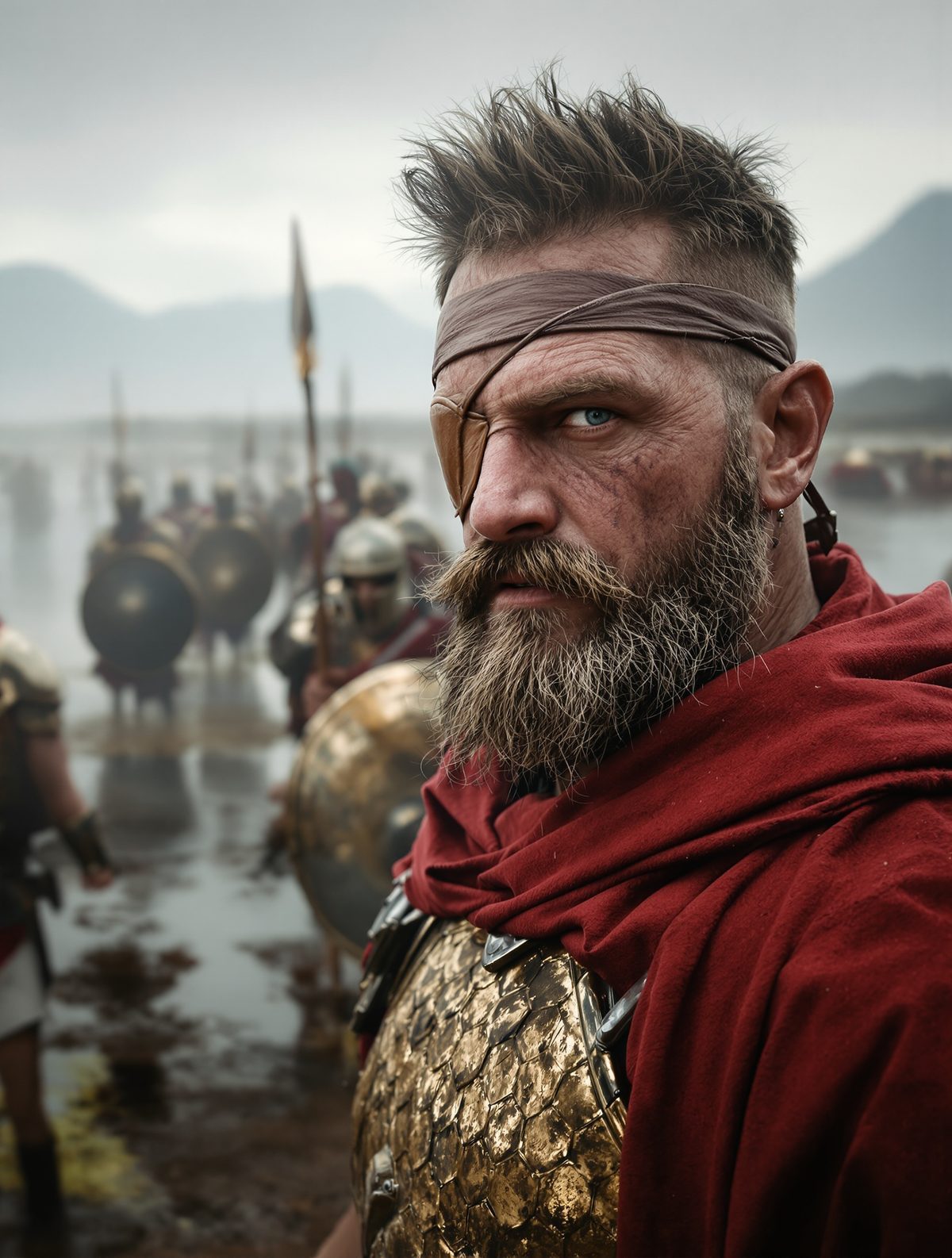
Hannibal leads 90,000 men through treacherous Italian marshlands. Infection ravages his right eye during the brutal march. The Carthaginian general refuses to stop for treatment. He loses the eye but saves his army.
Young Roman general Scipio faced Hannibal at Zama. He had studied every Carthaginian battle. Scipio used Hannibal's own tactics against him. The master became the student.
Spartacus broke out of gladiator school with just 78 men. Armed with kitchen knives and meat cleavers. Within months he commanded 120,000 rebels. His slave army crushed four Roman legions.
Alexander had conquered from Greece to India. His empire stretched across three continents. At age 32, he controlled the known world. Then he sat down and cried. There were no more lands left to conquer.
Roman Senator Cato the Younger spent his final night reading Plato's dialogue on the immortality of the soul. He discussed philosophy with friends until dawn. Then he calmly dismissed his servants. And drove his own sword through his chest rather than submit to Julius Caesar.
British General Adrian Carton de Wiart lost his eye in Somalia. Lost his hand at the Somme. Survived plane crashes in Libya. He called World War One 'the most enjoyable time' of his entire life.
King Harold defeated the Vikings at Stamford Bridge. Then marched 250 miles in four days. At Hastings, Norman archers darkened the sky. Harold fell with an arrow through his eye socket.
The Greek generals were dead. 10,000 soldiers trapped deep in Persian territory. No maps. No supplies. No hope. Then a young philosopher named Xenophon stood up. He had never commanded an army before.
Cassius Chaerea was Caligula's most trusted Praetorian Guard. For years he endured the emperor's humiliation. When Caligula mocked his manhood with passwords like 'Priapus' and 'Venus,' Chaerea snapped. He stabbed his own emperor 30 times in a palace tunnel.
Stilicho crushed barbarian armies for 13 years. Saved Rome from Alaric twice. Protected the child emperor Honorius. Then Honorius accused him of treason. Stilicho walked into the cathedral knowing it was a trap. He refused to let his bodyguards fight back.
Colonel Joshua Chamberlain faced Confederate charge up Little Round Top. Out of ammunition. 300 men against 500. The college professor ordered bayonets. Then did the impossible. He charged downhill.
Marcus Bibulus was elected co-consul with Julius Caesar. Caesar ignored him completely. Bibulus spent his entire year in office locked in his house. He issued angry proclamations from his bedroom. Romans joked they had only one consul.
Lieutenant Audie Murphy stood alone on a burning tank destroyer. German infantry advanced through the snow. For one hour he held off an entire company. Using the tank's machine gun. Against 250 enemy soldiers.
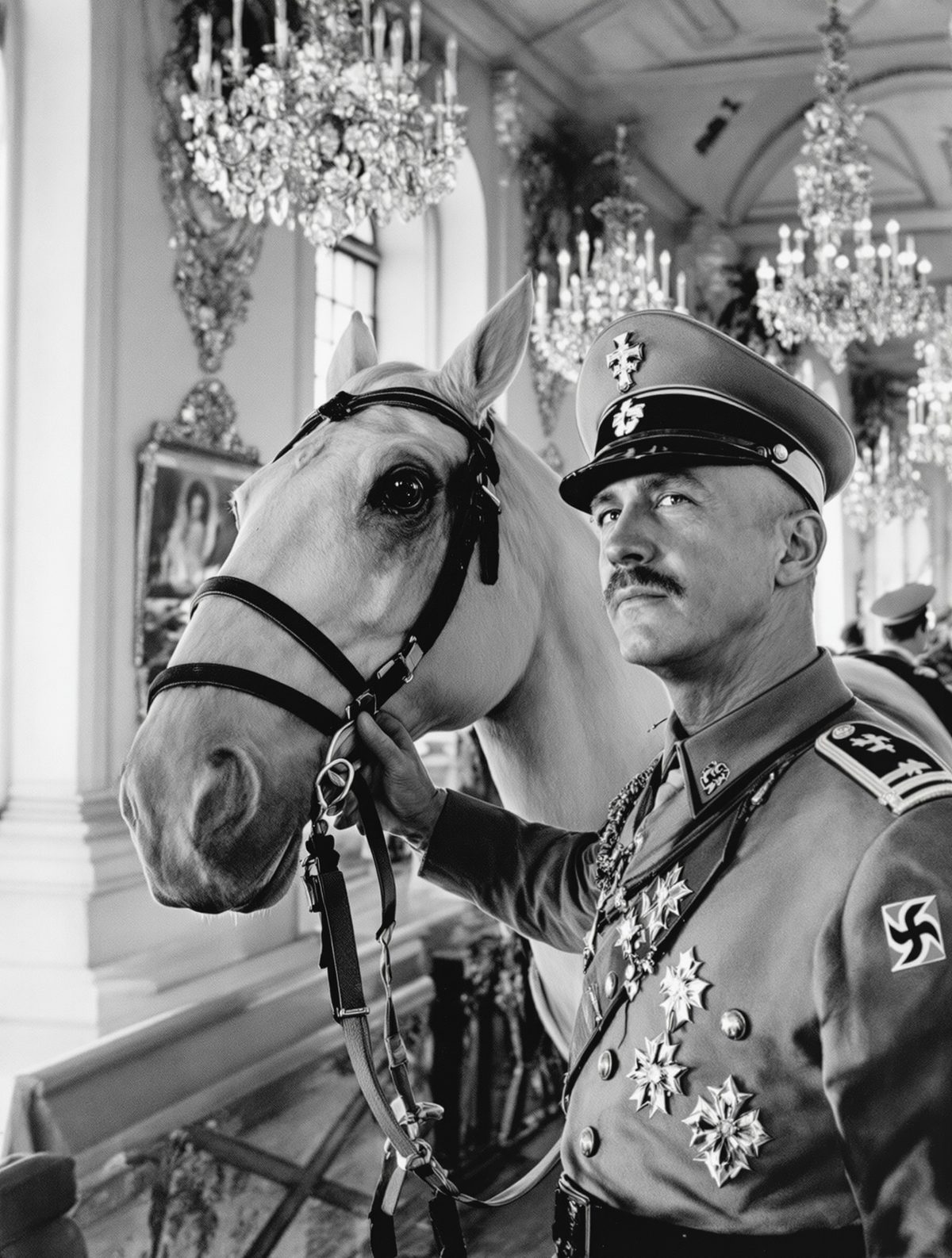
Vienna, April 1945. Soviet artillery pounds the city. Colonel Alois Podhajsky faces an impossible choice. Save the world's most famous horses. Or obey orders to evacuate without them.
Eleven Victoria Crosses. One afternoon. At Rorke's Drift, 139 British soldiers held off 4,000 Zulu warriors through a single night. Most armies would have run. These men built a wall of biscuit tins.
Rome was losing. Hannibal had crushed two armies. Every general wanted to charge. Fabius Maximus refused. He shadowed Hannibal for months. Never attacking. Rome called him a coward. Then came Cannae.
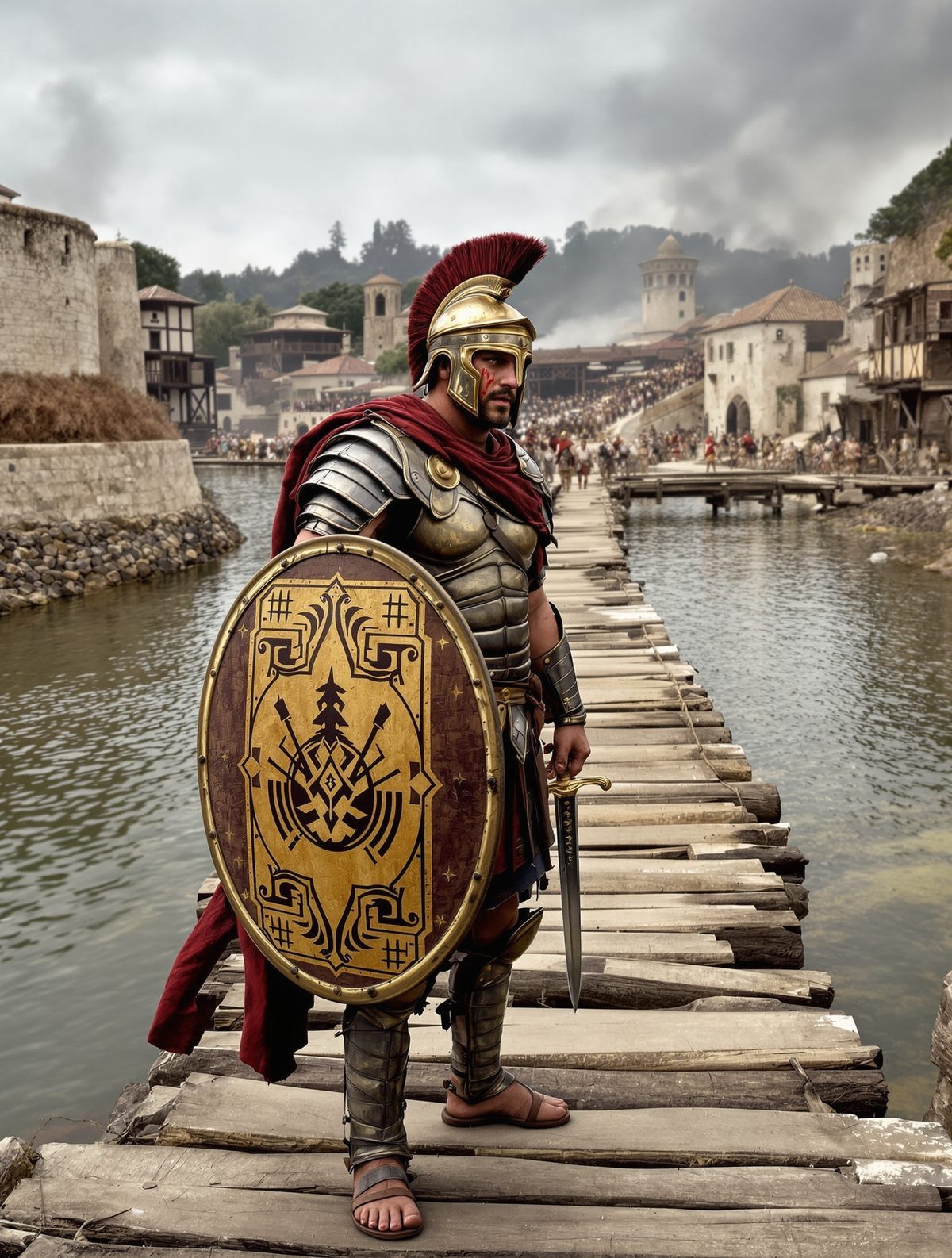
Rome was falling. The Etruscan army of Porsenna was crossing the Tiber. One man told his soldiers to run. Then he turned to face the horde alone. His name was Horatius.
A Jewish child begins to cry at a Nazi checkpoint. One wrong sound means death. A 22-year-old steps forward and begins to mime. The boy falls silent. The soldiers look away.
The messenger arrived at dusk. 1,300 British soldiers had just been massacred at Isandlwana. Now 4,000 Zulu warriors were marching toward a tiny field hospital. 150 men had one hour to decide.
Rome had fought Carthage for 14 years. Hannibal still roamed Italy. The Senate said wait. Scipio said no. He sailed anyway. He won in a year.
In 1529, the most powerful army on earth marched on Vienna. Suleiman the Magnificent had never lost a siege. Then the weather intervened — and the Ottoman tide stopped forever.
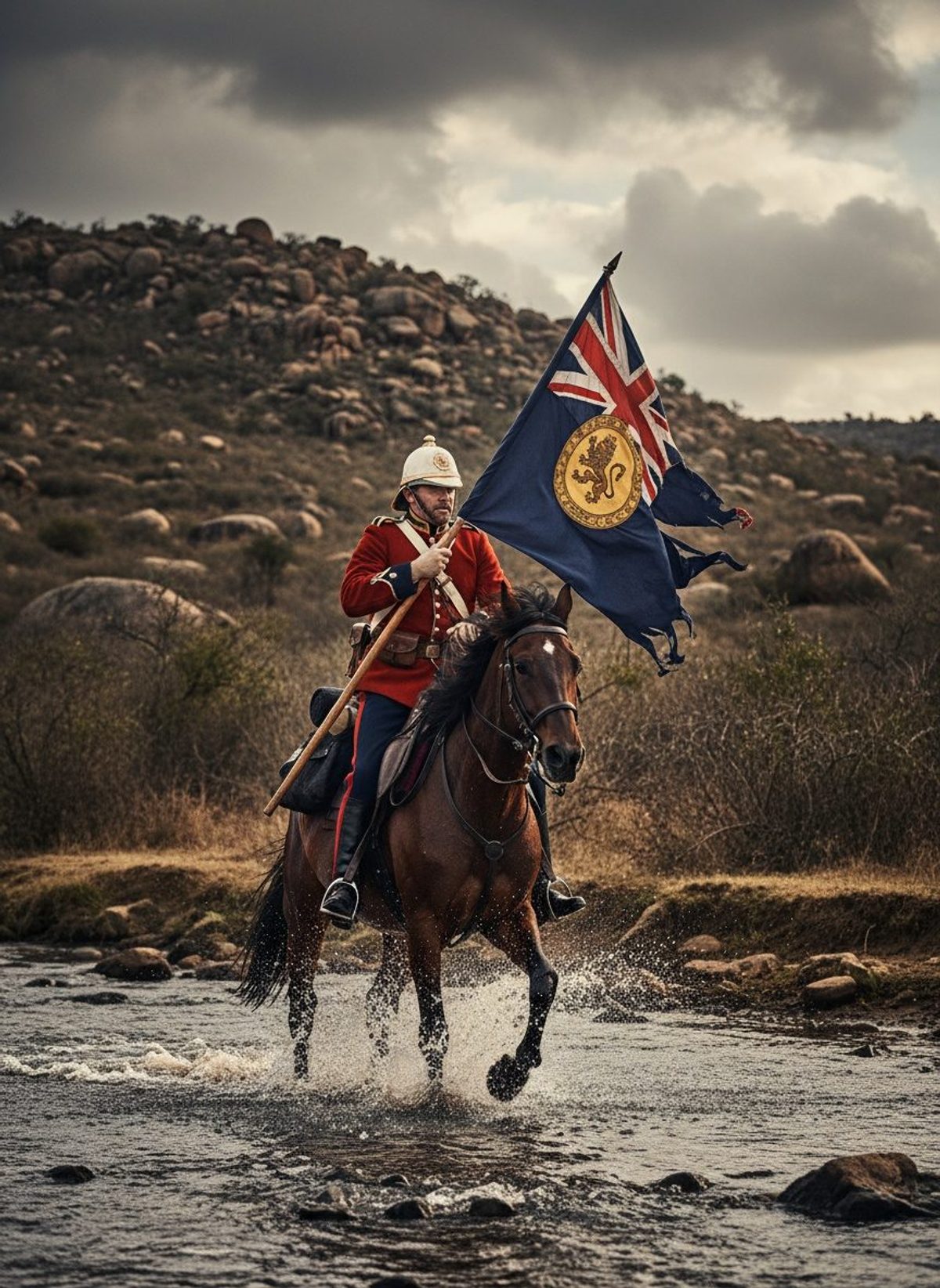
January 1879. Isandlwana. Twenty thousand Zulu warriors surrounded the British column. Lieutenant Teignmouth Melvill grabbed the Queen's Colour and rode for the Buffalo River. He would not let the flag fall. He died in the water. The Colour was found clasped in his hands.
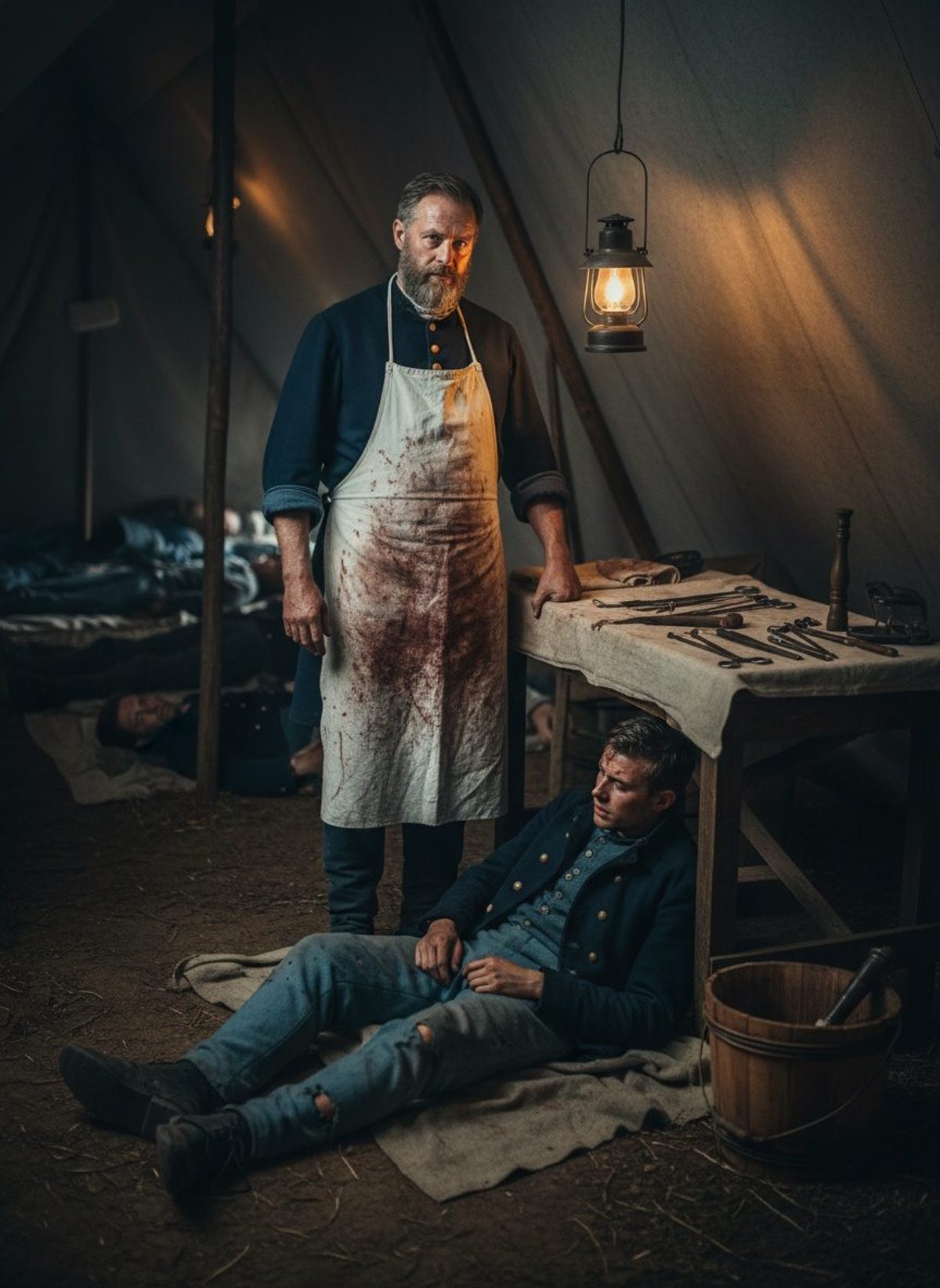
Two armies. Half a million dead. But most never fell to enemy fire. The real killer moved silently through camps, tents, and water pails. And soldiers on both sides knew it.
Hand-picked from Britain Untold's archive. The stories you weren't taught at school. 3-minute read.
No spam. Unsubscribe in one click. We hate spam too. Privacy Policy.