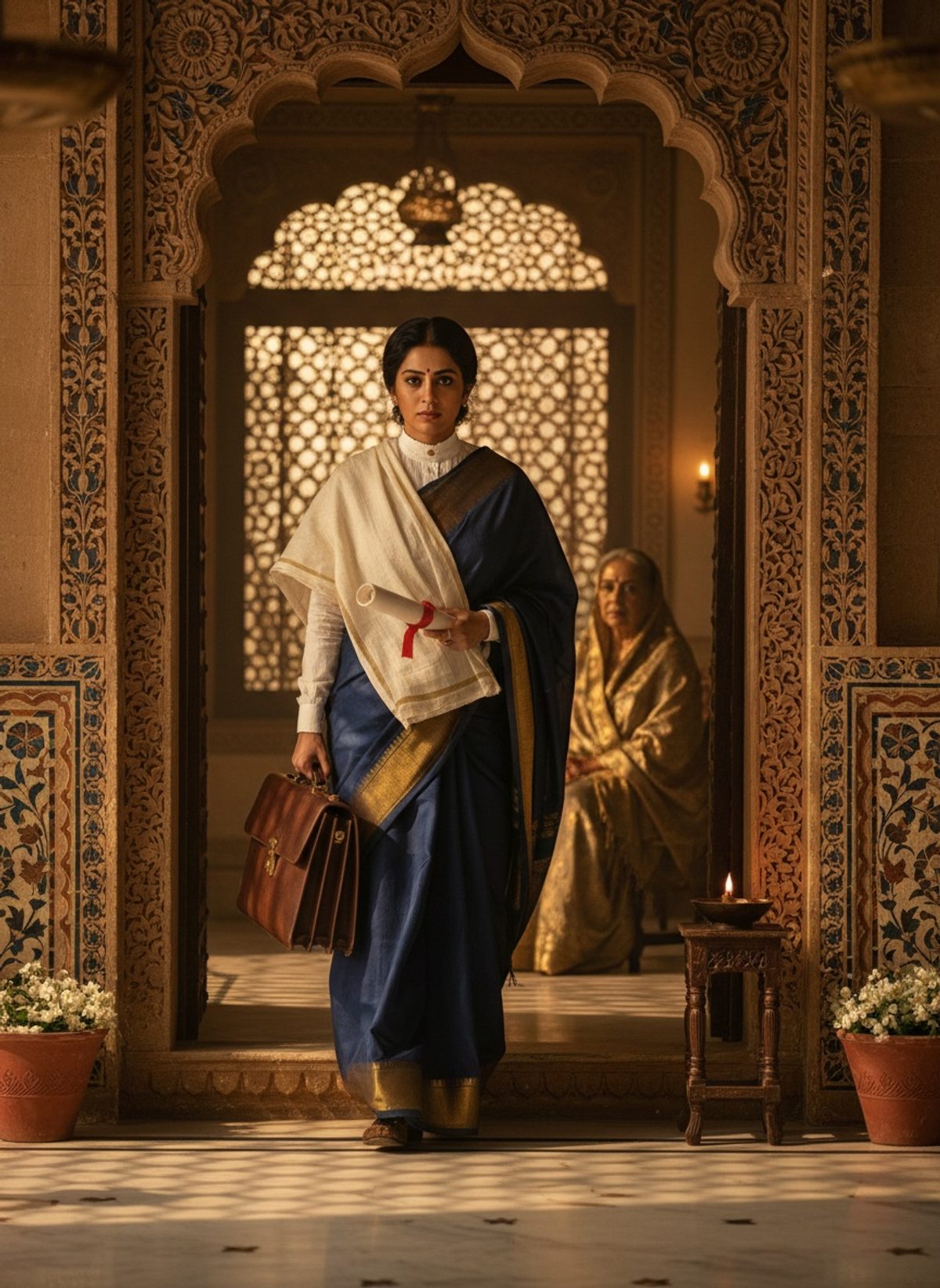
Her path was a series of groundbreaking firsts. Yet, Cornelia Sorabji's most profound work occurred in the shadows, often overlooked by history's more glaring lights.
A Pioneer Against the Odds
At a time when the idea of women practicing law was barely conceivable, Cornelia Sorabji carved a path through barriers that seemed insurmountable. Born to a Parsi father and a Bengali mother who were committed to education, she grew up in a household that highly valued learning. This environment sowed the seeds for Sorabji's policies of relentless dedication and unfaltering grit.
In the late 19th century, Sorabji achieved the extraordinary feat of being the first woman to sit the Oxford law examinations. Despite that milestone, Britain stood firm in its refusal to admit her to the bar, maintaining the rigid gender lines of the era. However, her quest for justice and equity was far from over. Instead of dwelling on this setback, Sorabji redirected her formidable talents to the Indian subcontinent, where the need for legal representatives of women was dire.
Behind the Purdah
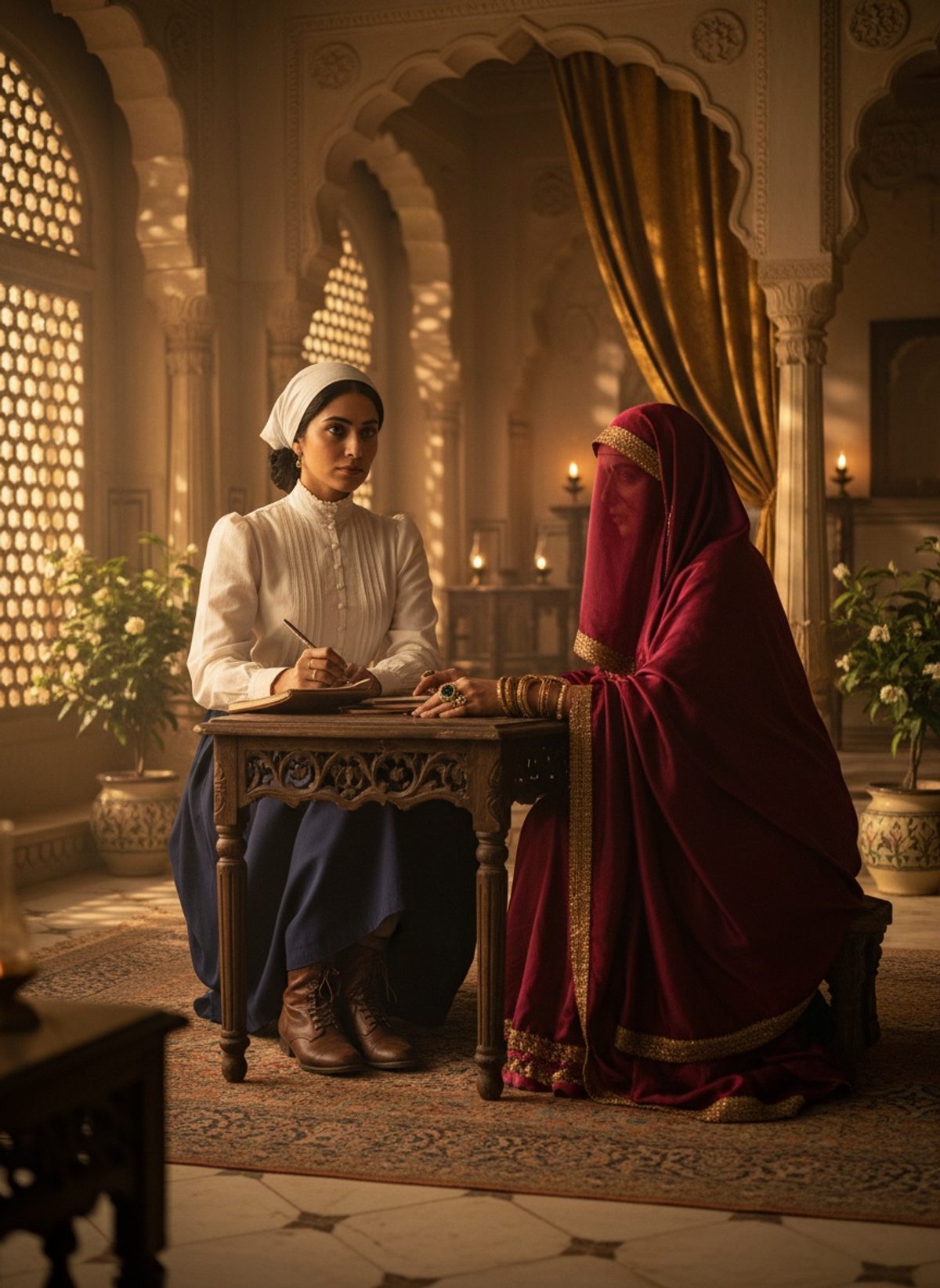
What greeted Sorabji in India was a society entrenched in tradition. The practice of purdah, which sequestered women from the public eye, was a significant social barrier. These women, known as purdahnashins, were isolated, voiceless, and denied the agency to manage their affairs, even in legal matters. No male lawyer, regardless of his skills, could breach these heavily guarded sanctuaries, both physical and cultural.
Read next: When Nain Singh Mapped Tibet for the Crown, 1875
Cornelia's arrival on this scene was nothing short of revolutionary. She was one of the few who could navigate both the British legal system and the deeply rooted customs of Indian society. By extending her services to these silenced women, Sorabji became their advocate, standing as a bridge between the world locked behind the purdah and the justice they seldom saw.
The Cases That Changed Lives
Over her career, Sorabji handled over 600 cases for purdahnashins, a monumental undertaking for a single person. These cases ranged from ensuring property rights and dealing with estate management to thorny inheritance issues that demanded intricate understanding of both British and Indian legal systems.
Visualize the strength of character it required to step into claustrophobic rooms, often partitioned by an intricate curtain, to meet her clients. Her voice became theirs, articulating the issues they could not voice themselves. The courage it took to pierce the veil of secrecy and prejudice was matched only by her intellect and conviction in the pursuit of justice. Sorabji’s work was not just about winning cases; it was about reclaiming human dignity confined within purdah walls.
A Quiet Revolutionary
Sorabji's journey was one of persistent struggle against entrenched norms. While she tirelessly worked for those hidden behind curtains, the spotlight often overlooked her contributions. This particular period in British-Indian history is rife with tales of viceroys and rebellions, powerplays, and patronage, rarely giving due recognition to a woman who operated behind the scenes but brought tangible change.
The very system that initially thwarted her by refusing her barrister status unwillingly acknowledged her contribution in small but significant ways. With each case she won, not only did she secure justice for her clients, but she also chipped away at the systemic barriers that shackled countless other women.
The Echoes of Her Legacy
Though her name might not be as prominently praised as some of her contemporaries, Cornelia Sorabji's life's work resonates with profound contemporary relevance. Her ability to empathize across cultural divides and challenge legal systems with deft intelligence provides inspiring lessons for those advocating for justice today.
Sorabji's story is a testament to the impact of quiet revolutions fought not with fanfare but with persistent resolve and compassion. Her legacy reverberates in today's global conversations about women's rights and the ongoing struggle that many continue to face in pursuit of equality. By stepping into the shadows and giving voice to the voiceless, Cornelia Sorabji not only dismantled a piece of the purdah but also lit the way forward for others to follow.