87 stories
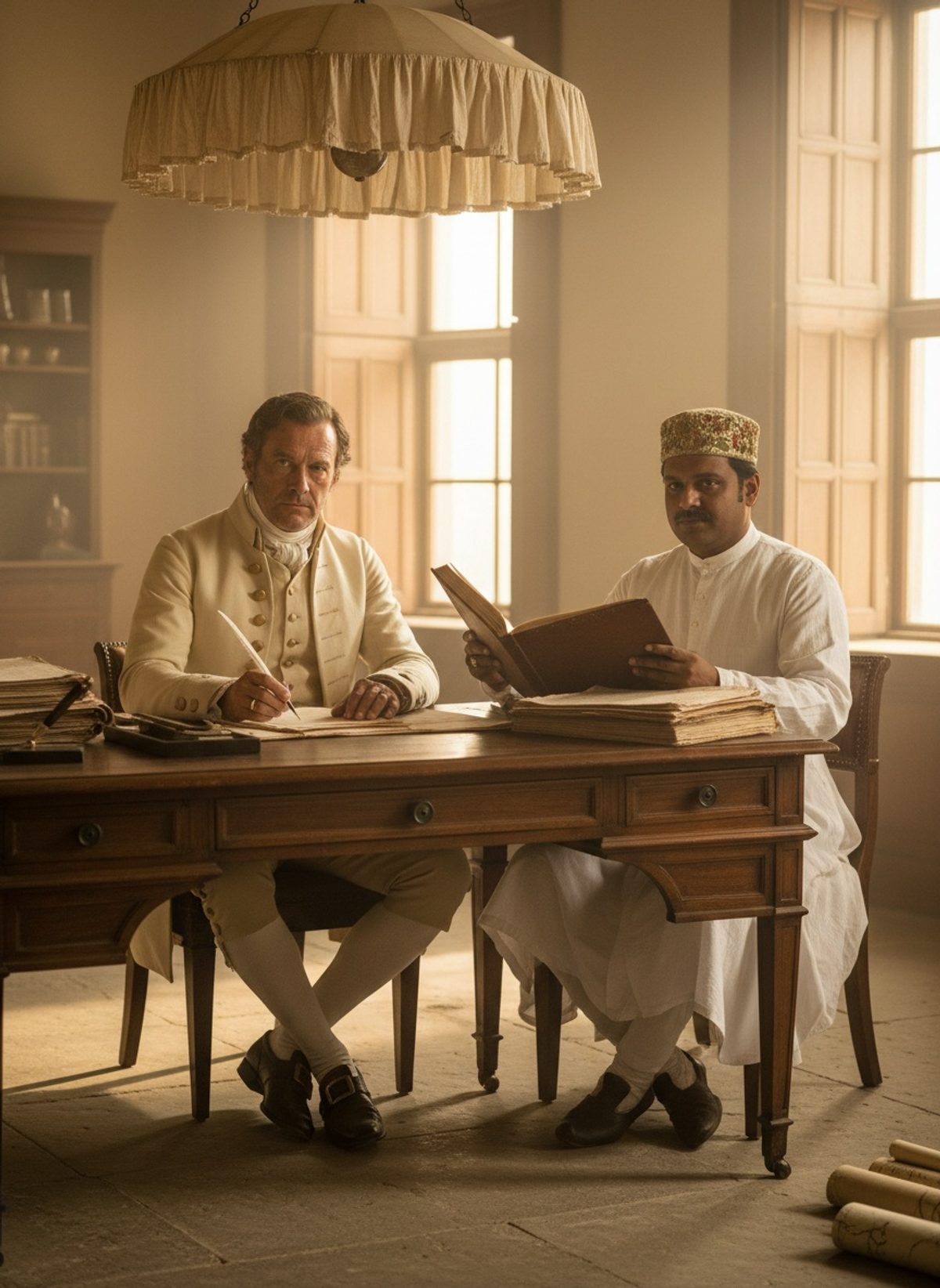
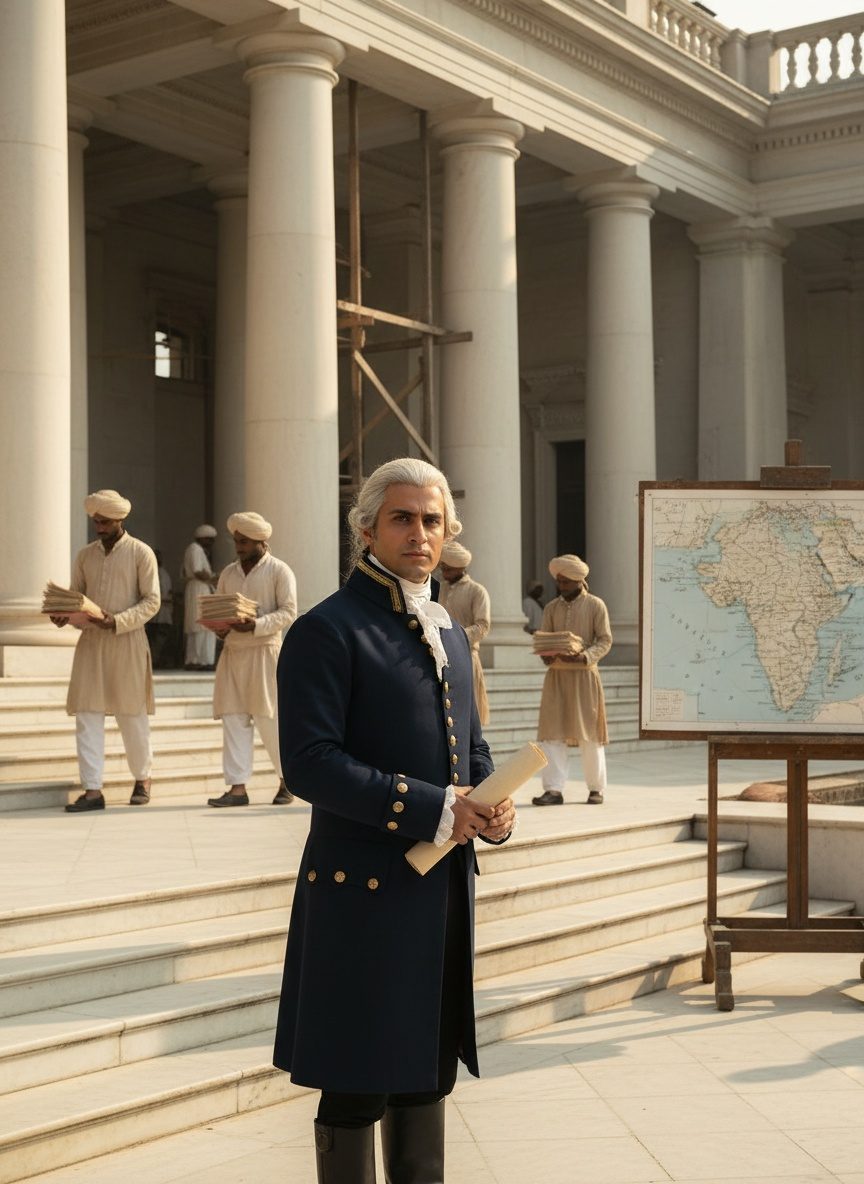
Britain's first Governor-General of India spent years learning Persian, funding Hindu temples, and defending Islamic law. He believed empire could only work if it respected what it ruled. London never forgave him.
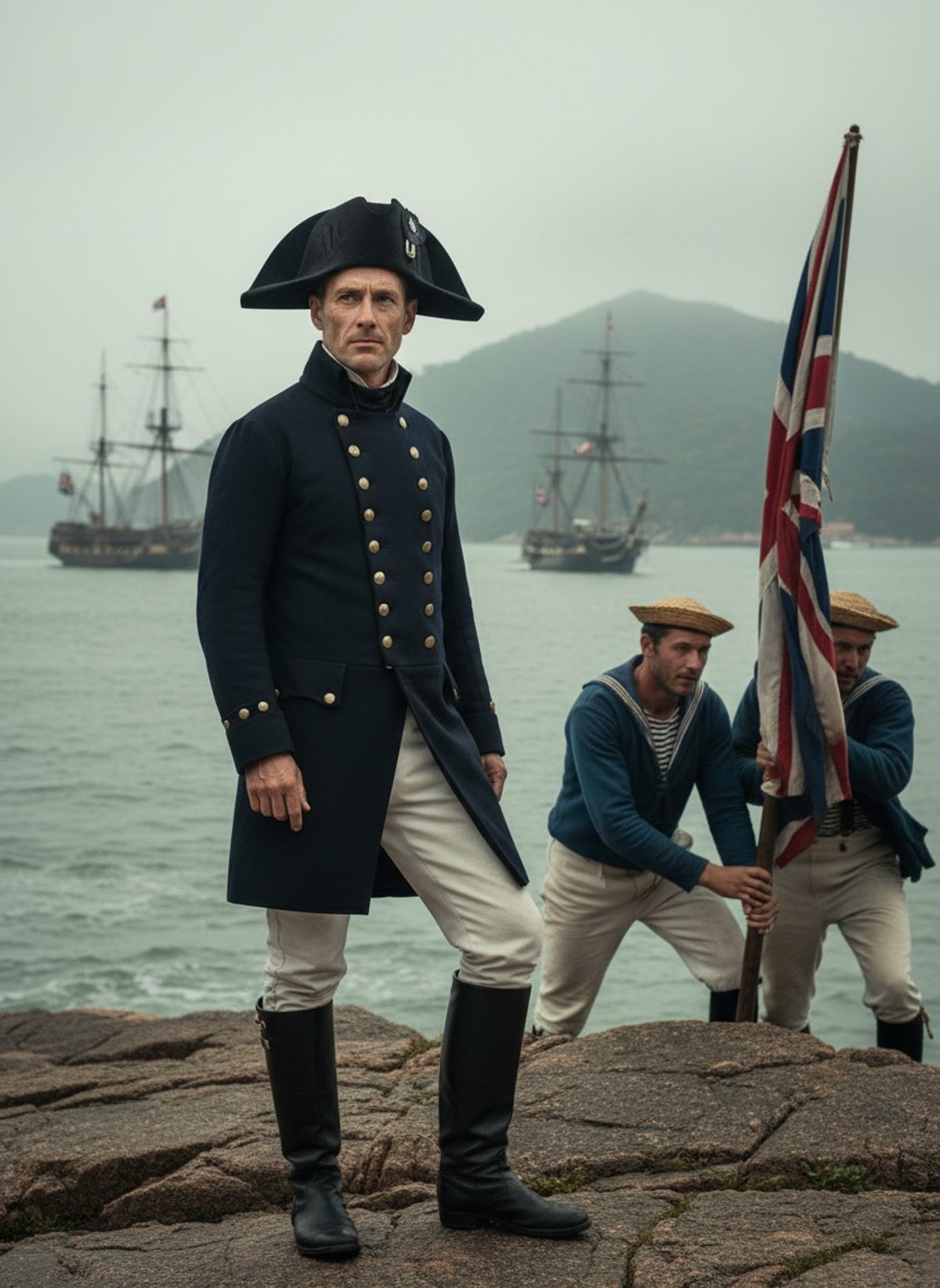
Britain wanted a trading base. China said no. So Britain simply took one. Hong Kong was seized by Captain Edward Belcher in January 1841 — before any treaty, before any legal authority. London was furious. And kept the island anyway.
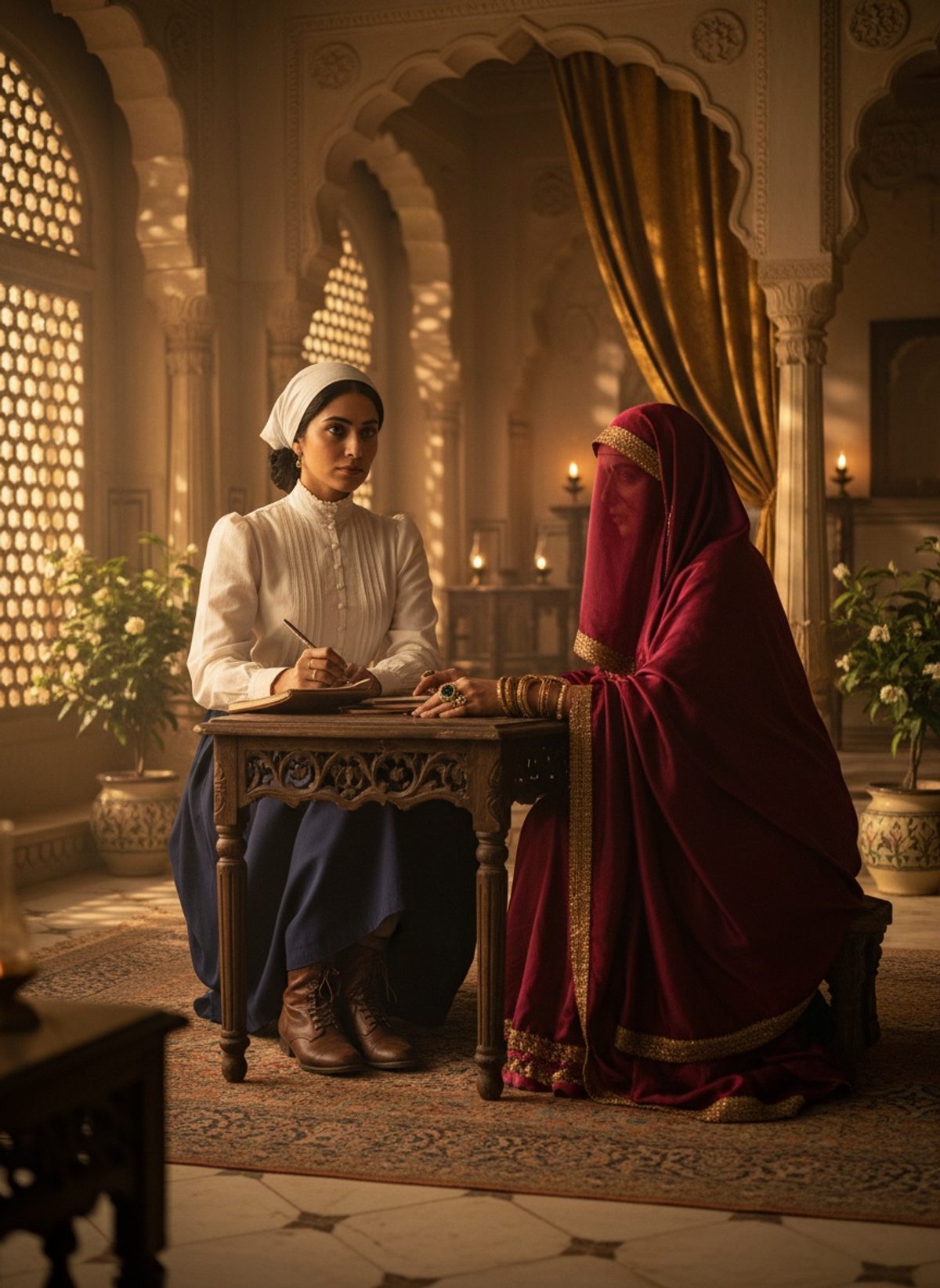
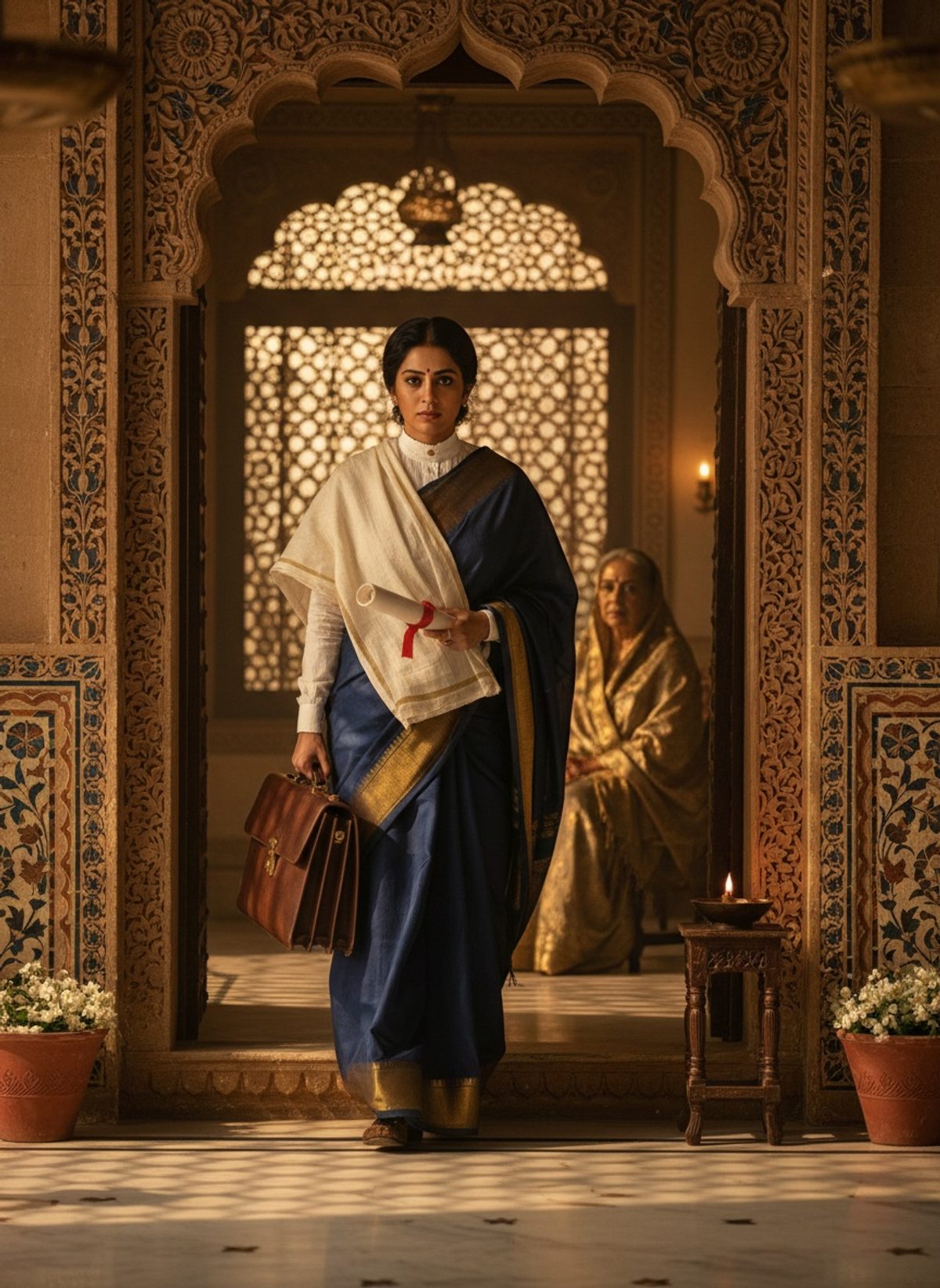
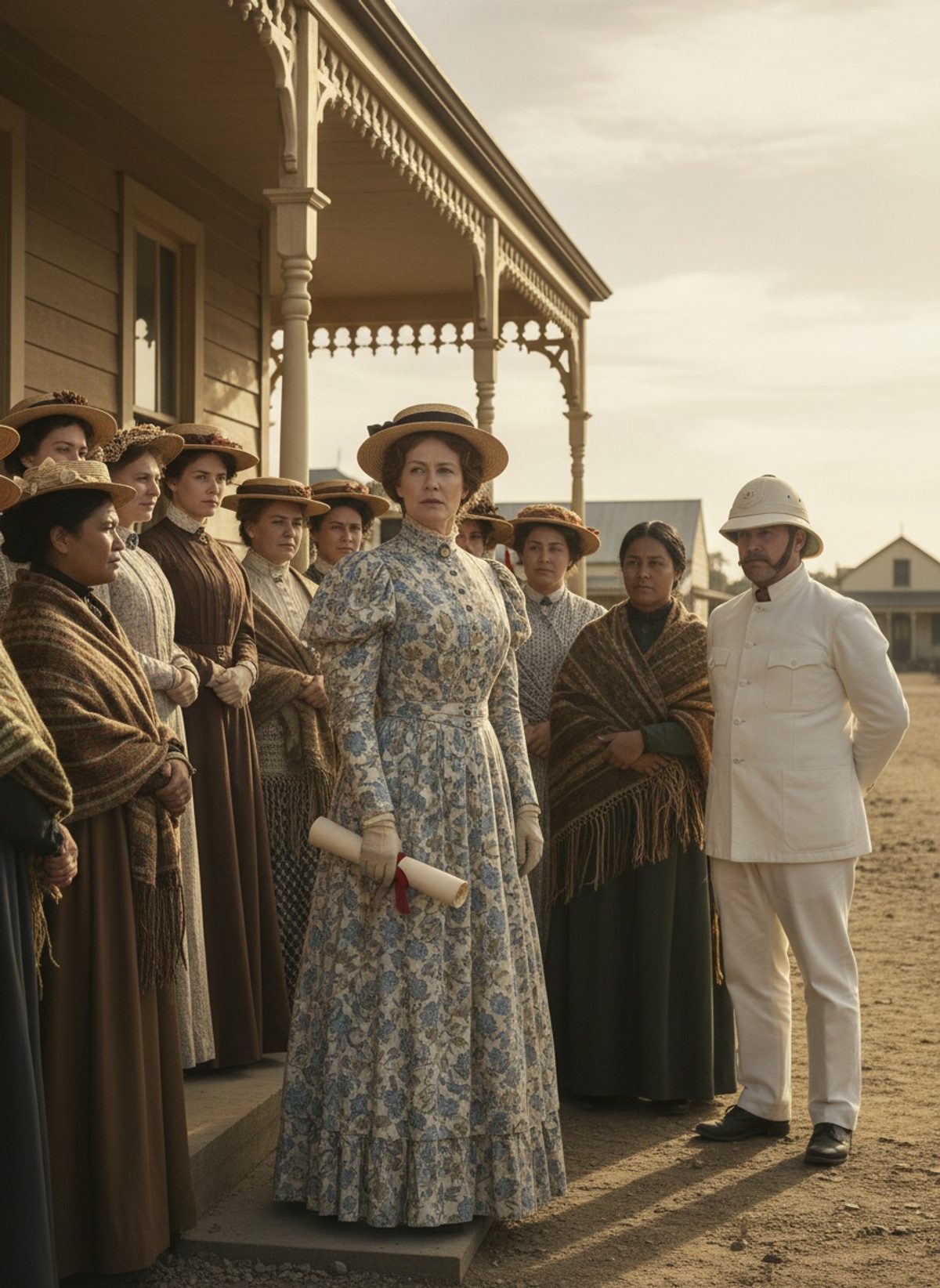
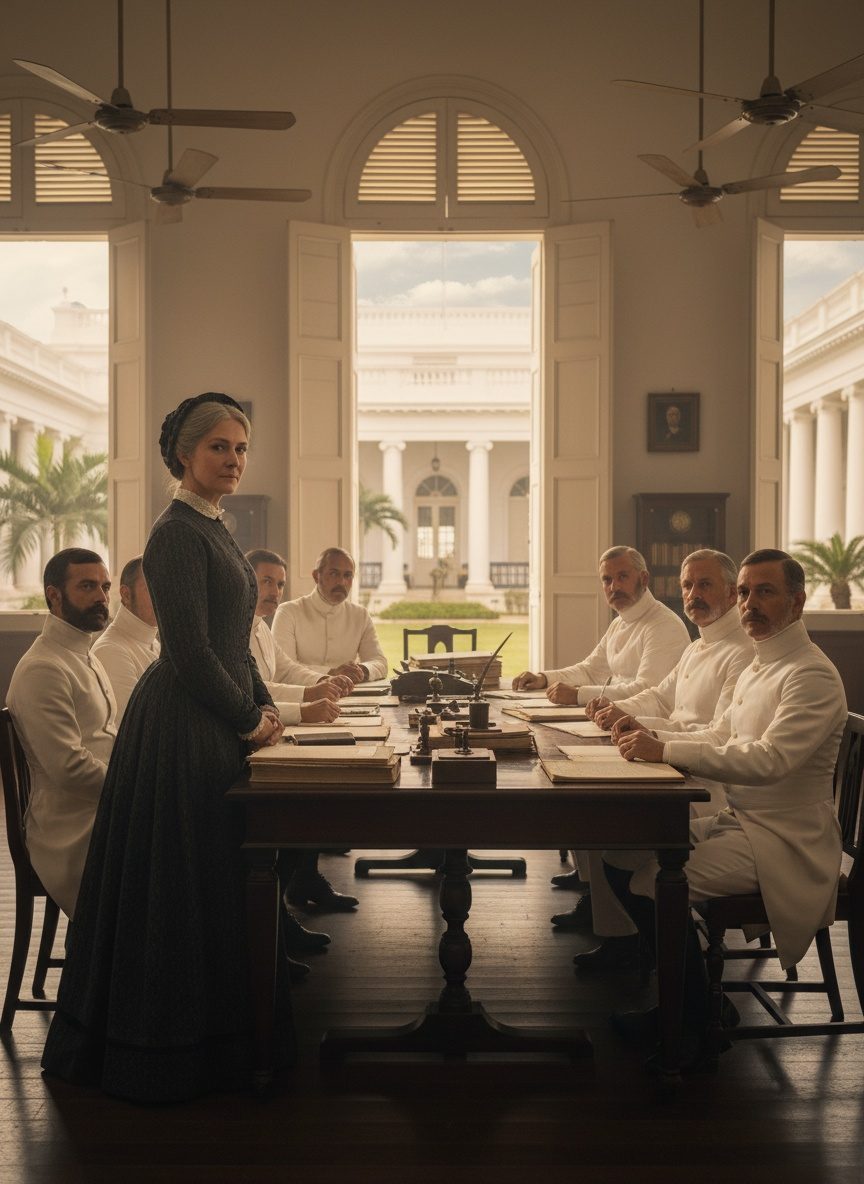
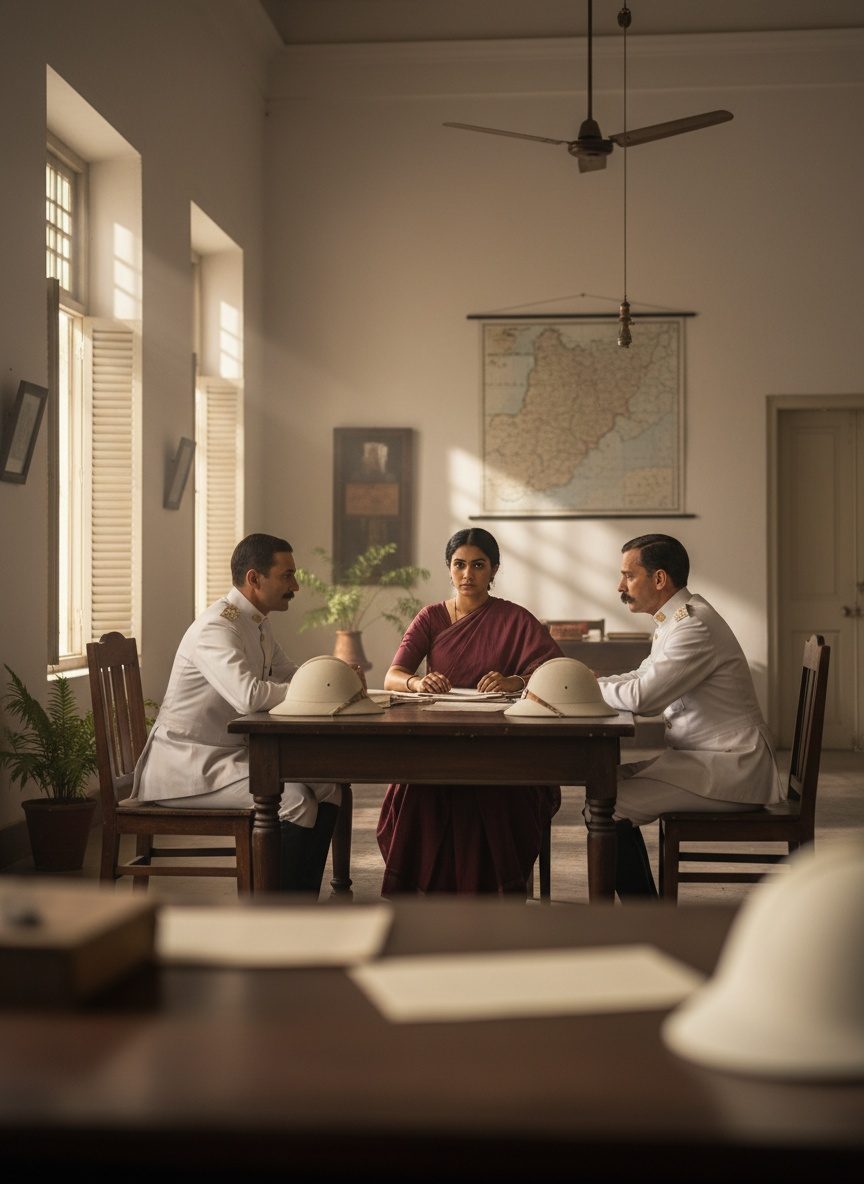
India, 1904. A woman sat behind a screen. She could not be seen. She could not own. She could not speak for herself. Cornelia Sorabji stepped through the curtain. She became her voice.
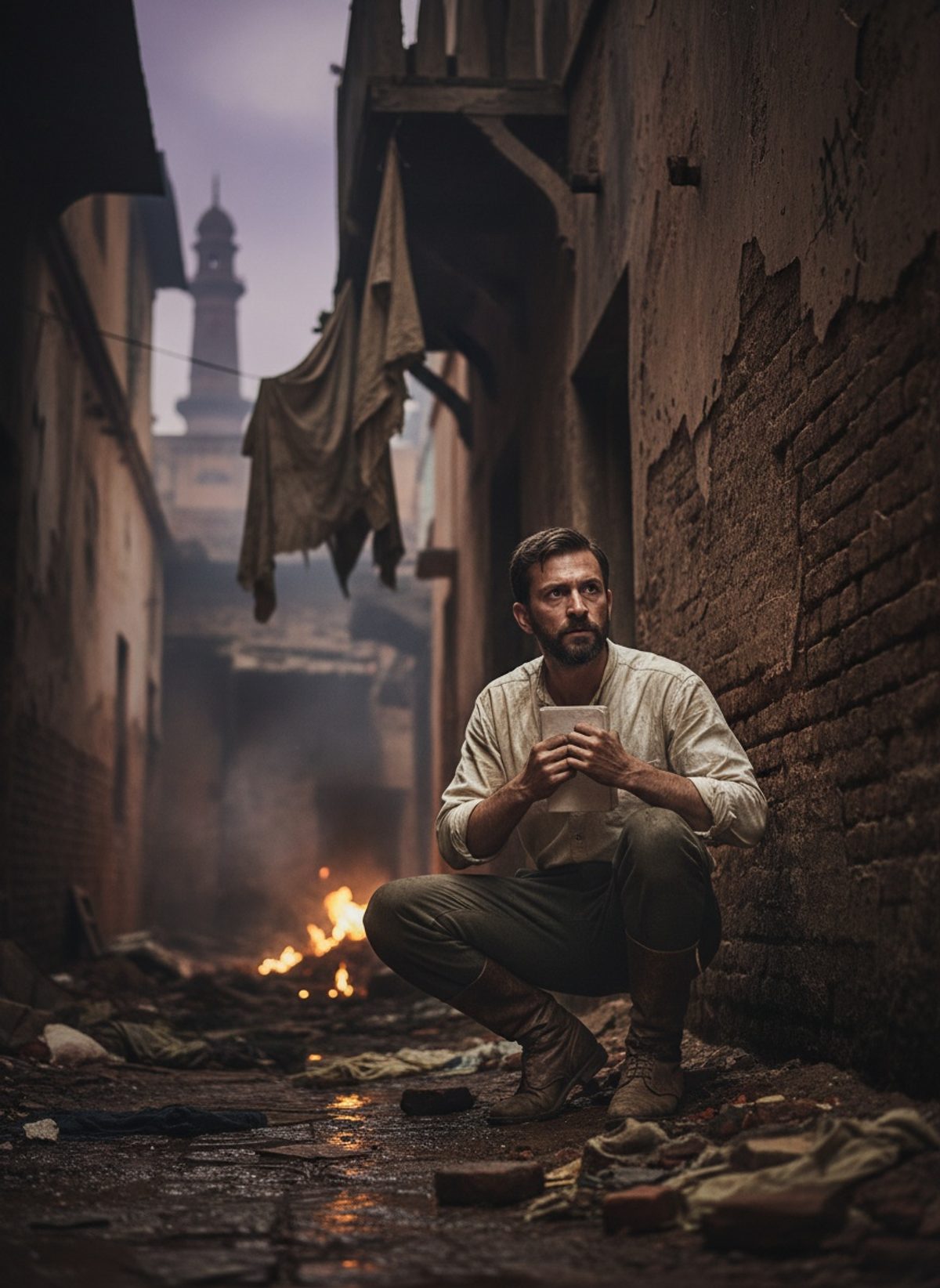
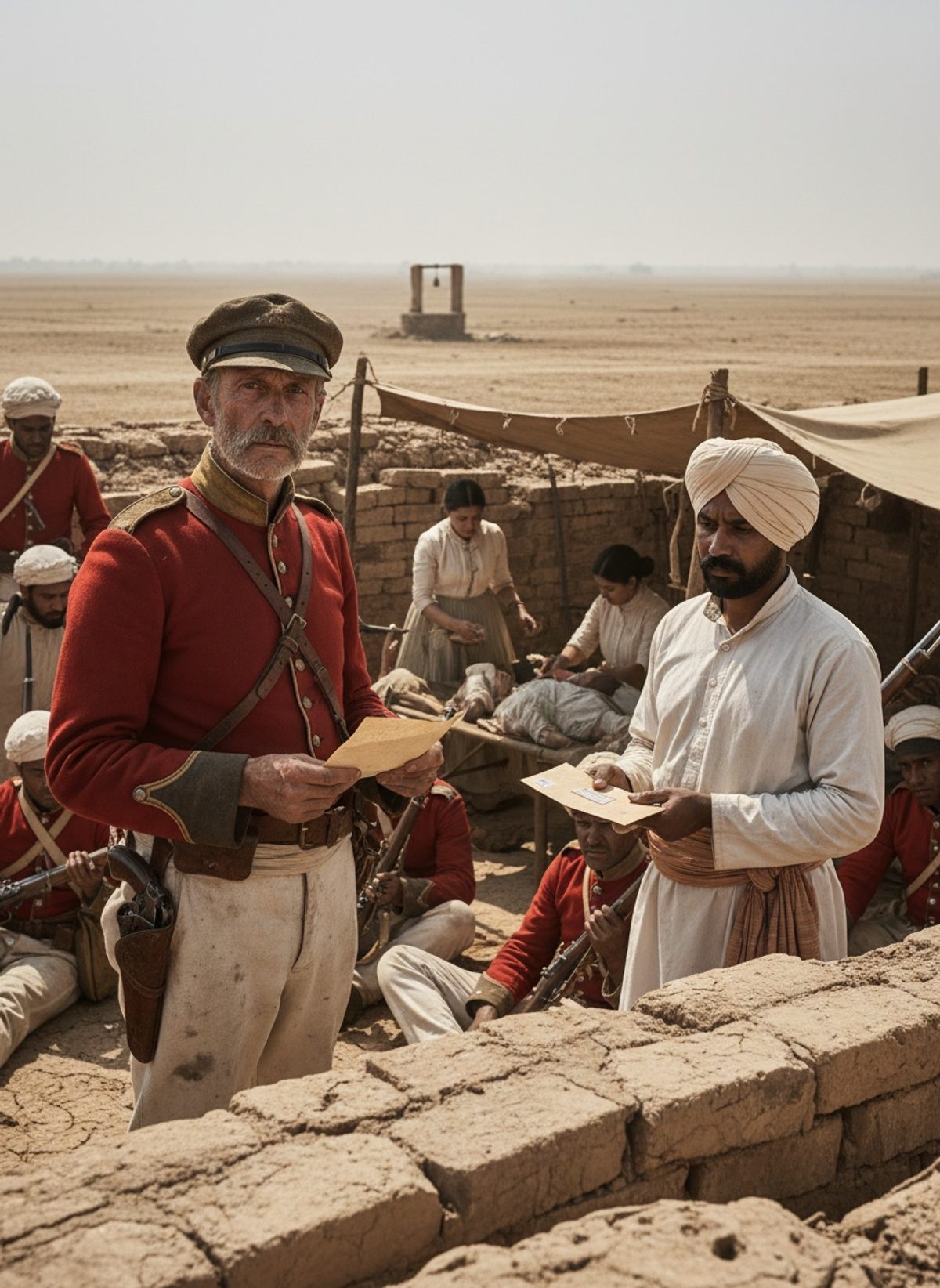
September 1857. Lucknow was surrounded. The Residency was dying. William Lowe slipped through enemy lines alone. He carried the relief force's plans in his boot. He made it.
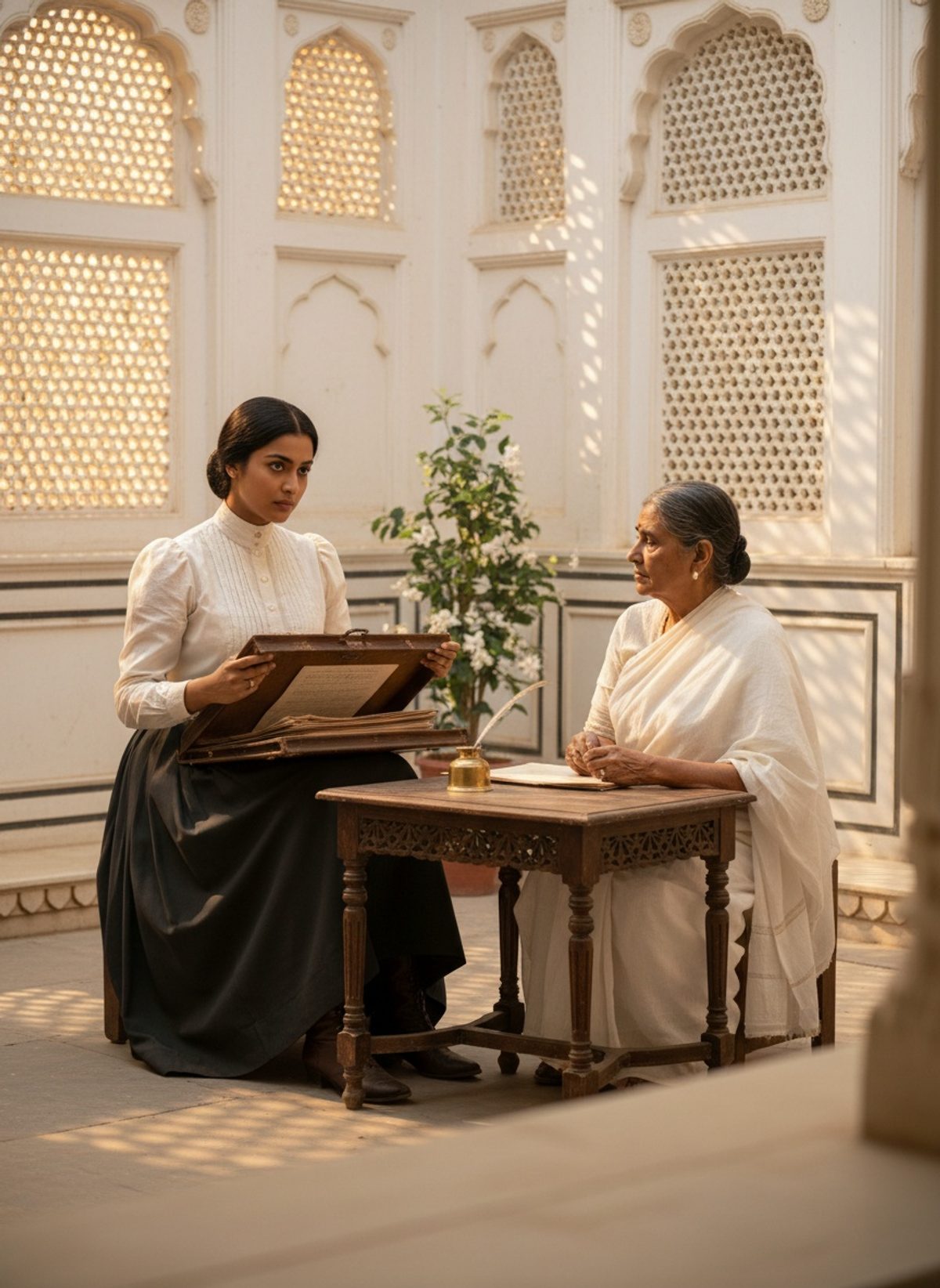
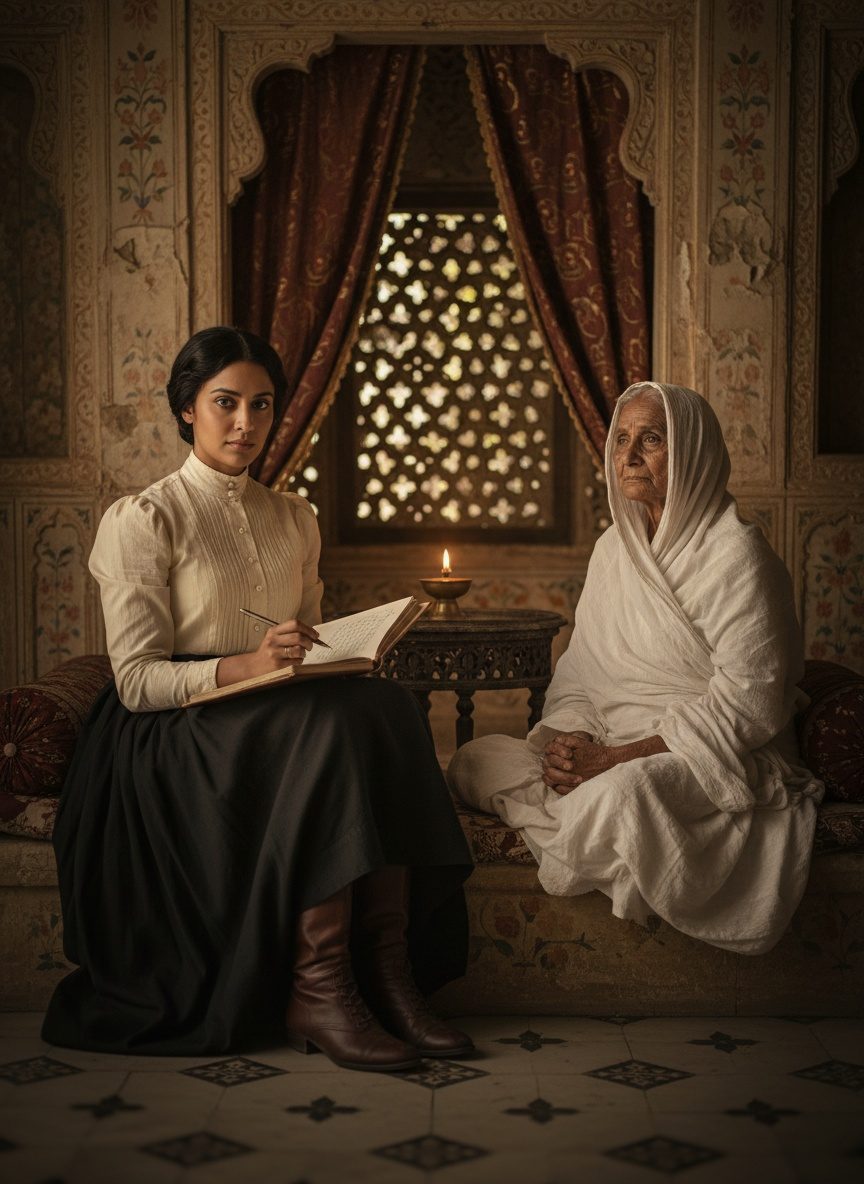
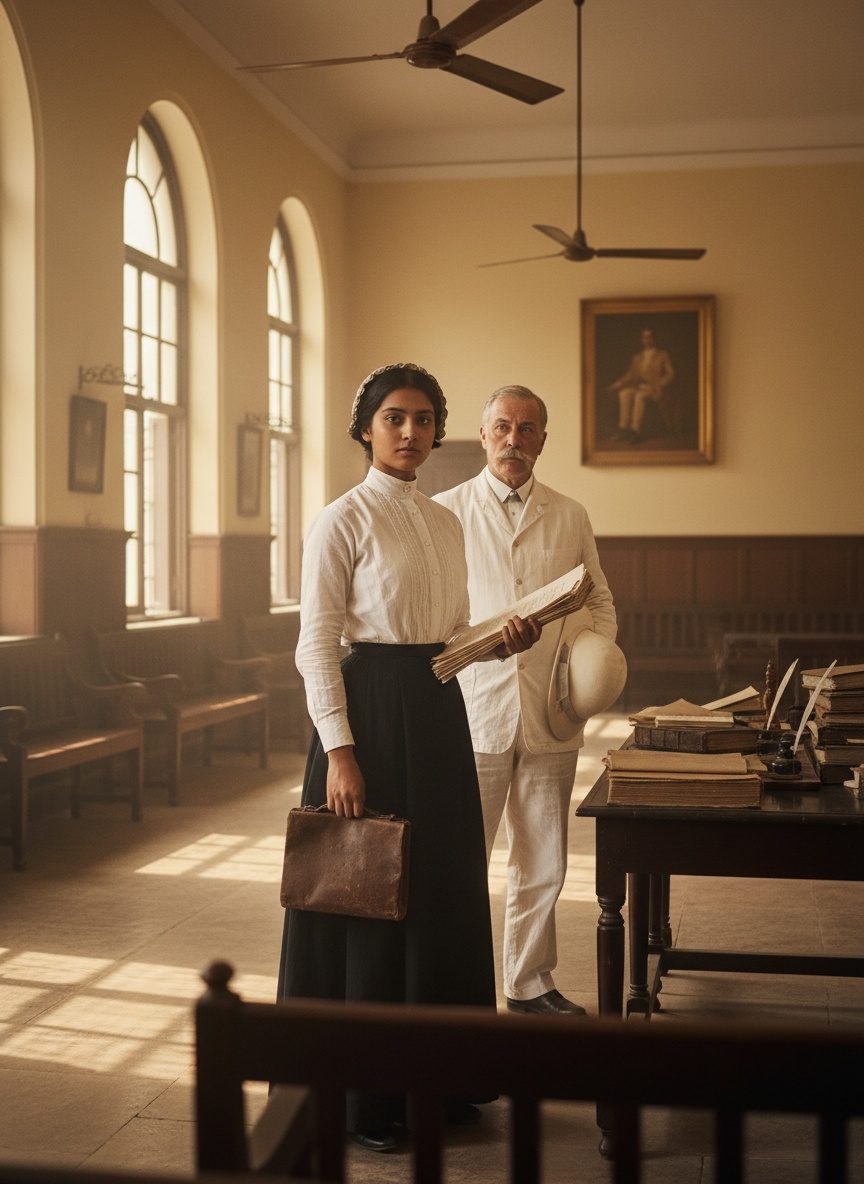
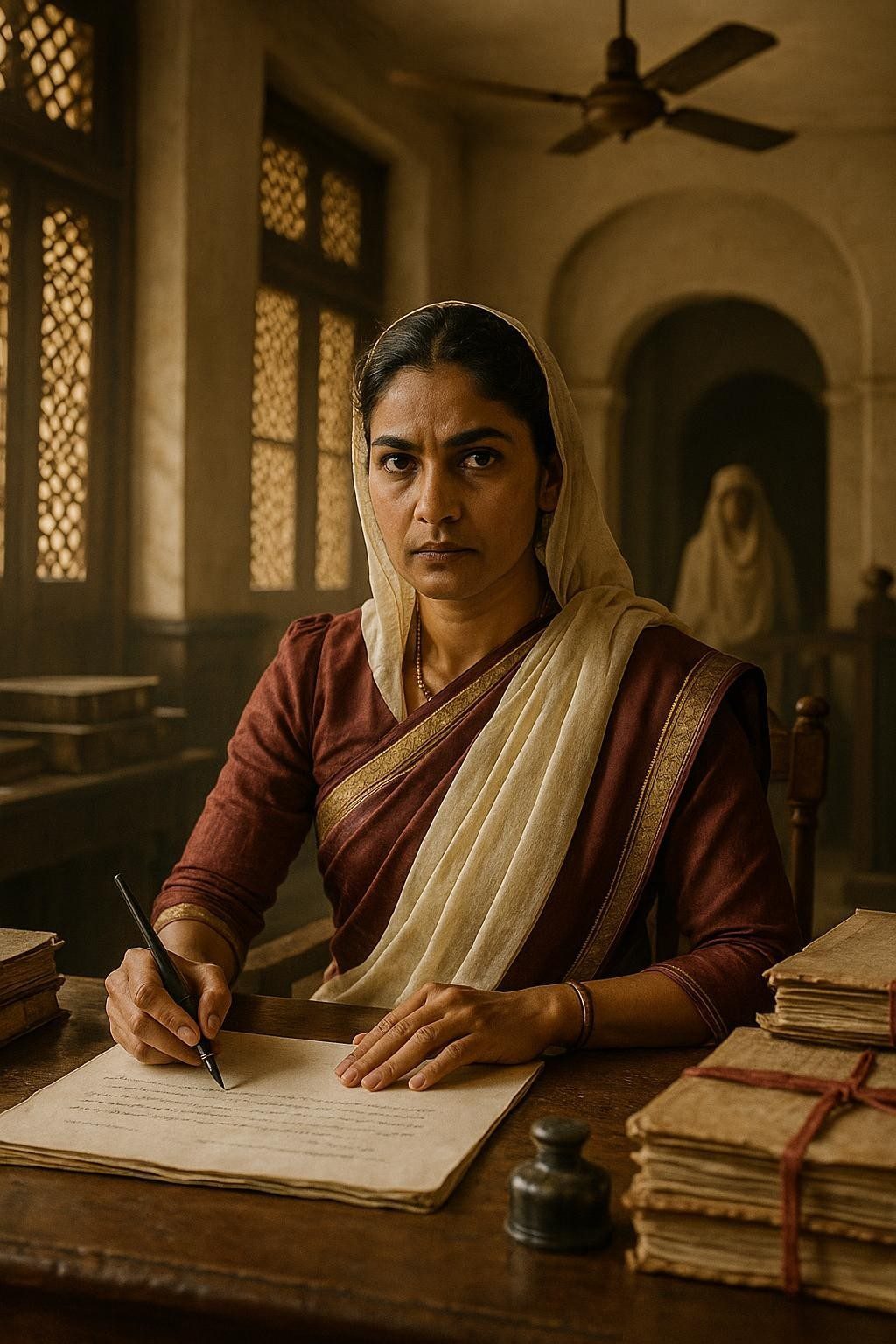
Allahabad, 1904. Behind the purdah wall, widows had no voice. No man could enter. No lawyer could reach them. Cornelia Sorabji could. She walked in. She listened. She fought.
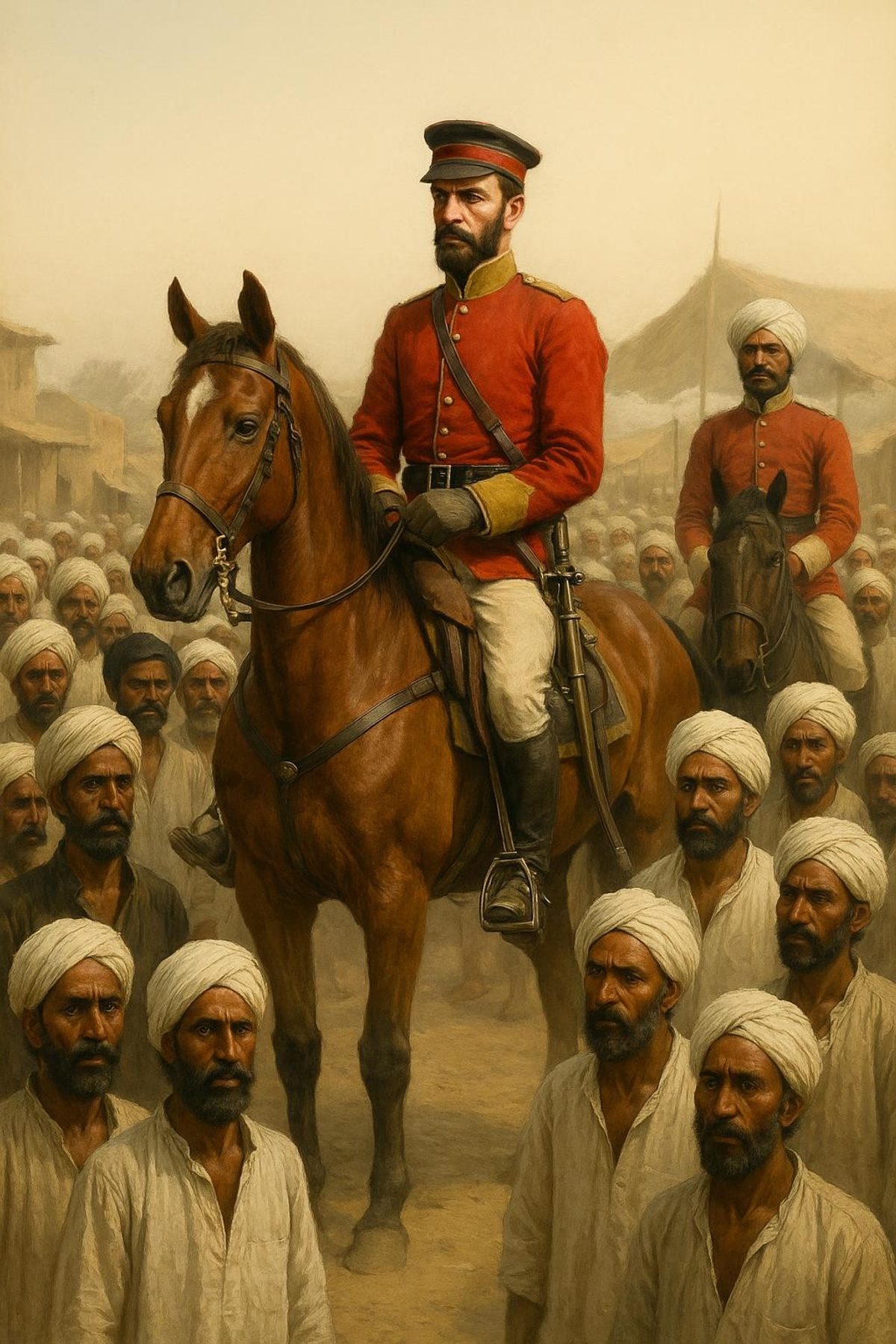
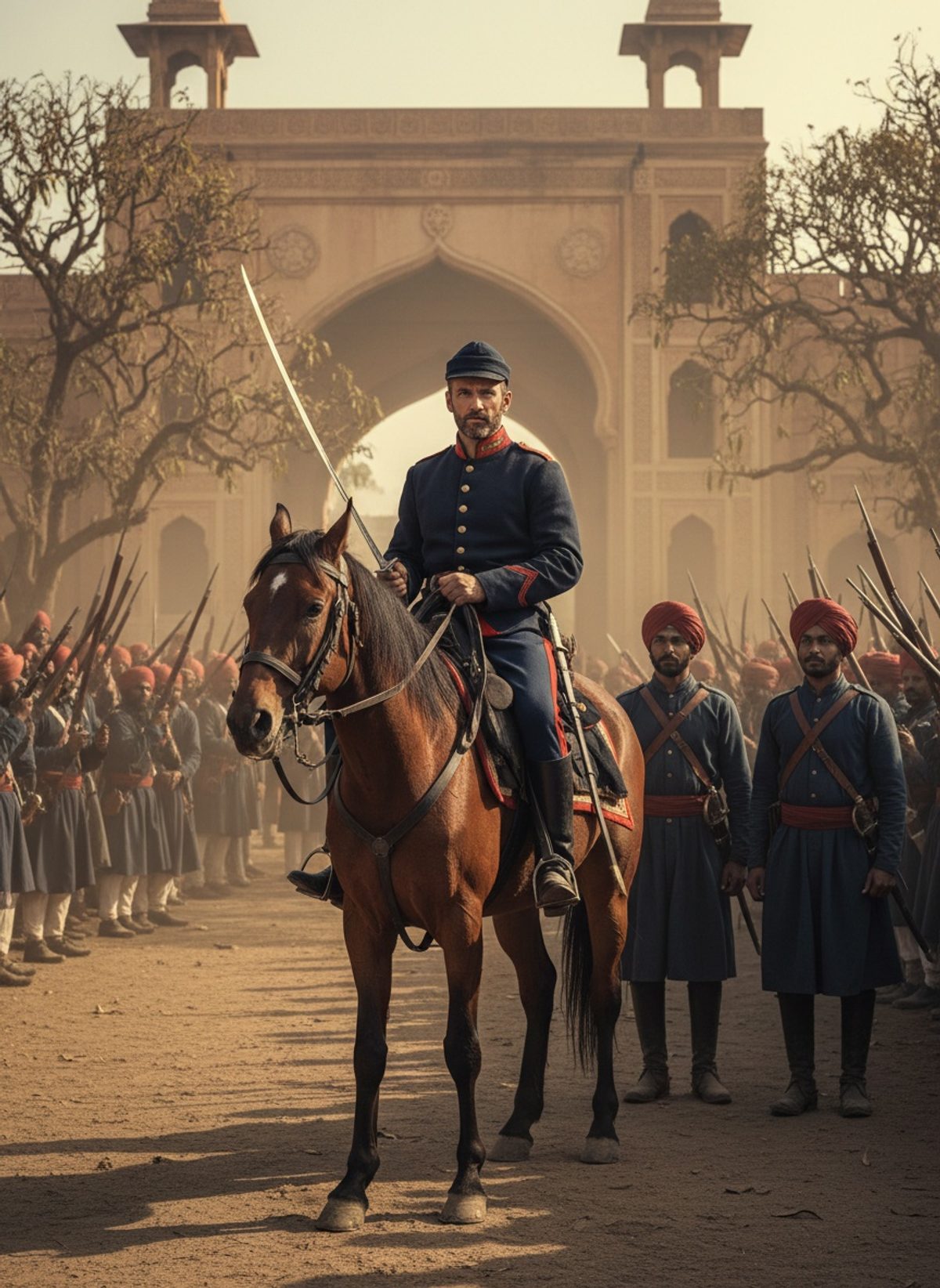
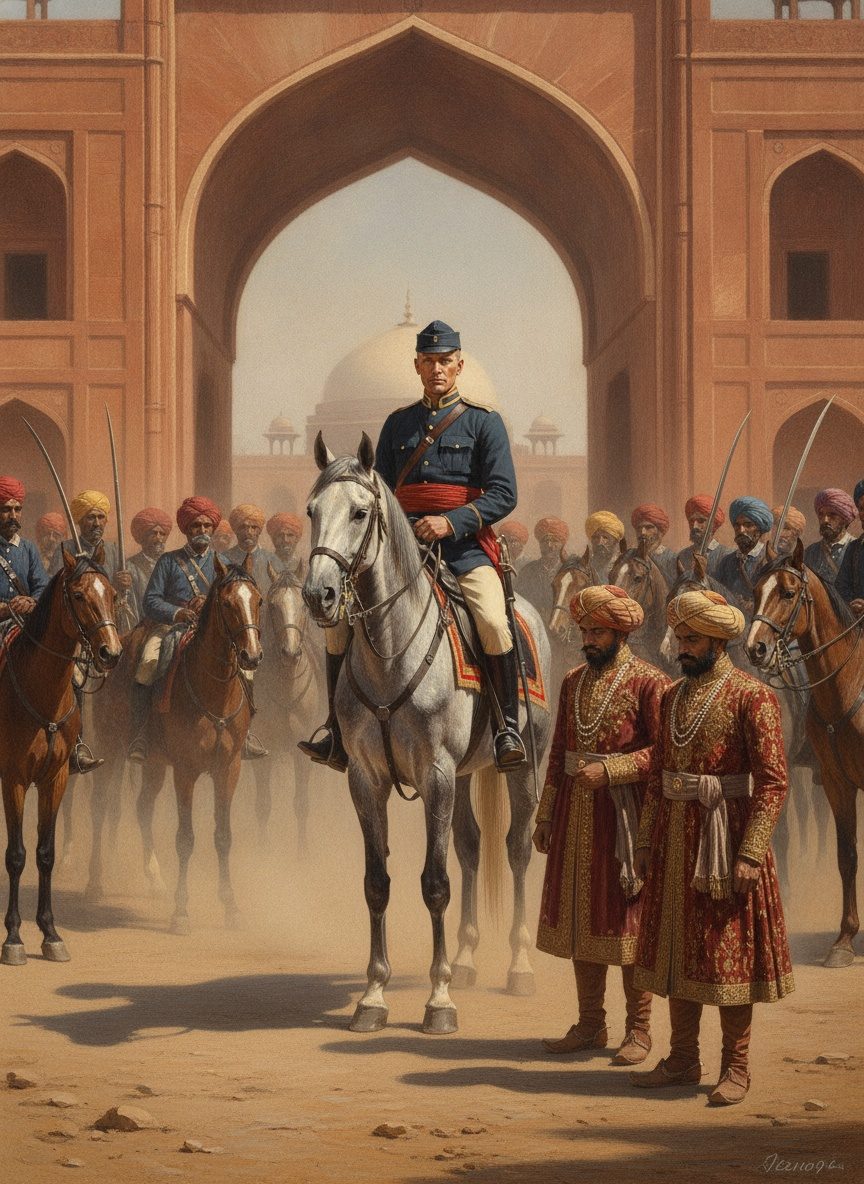
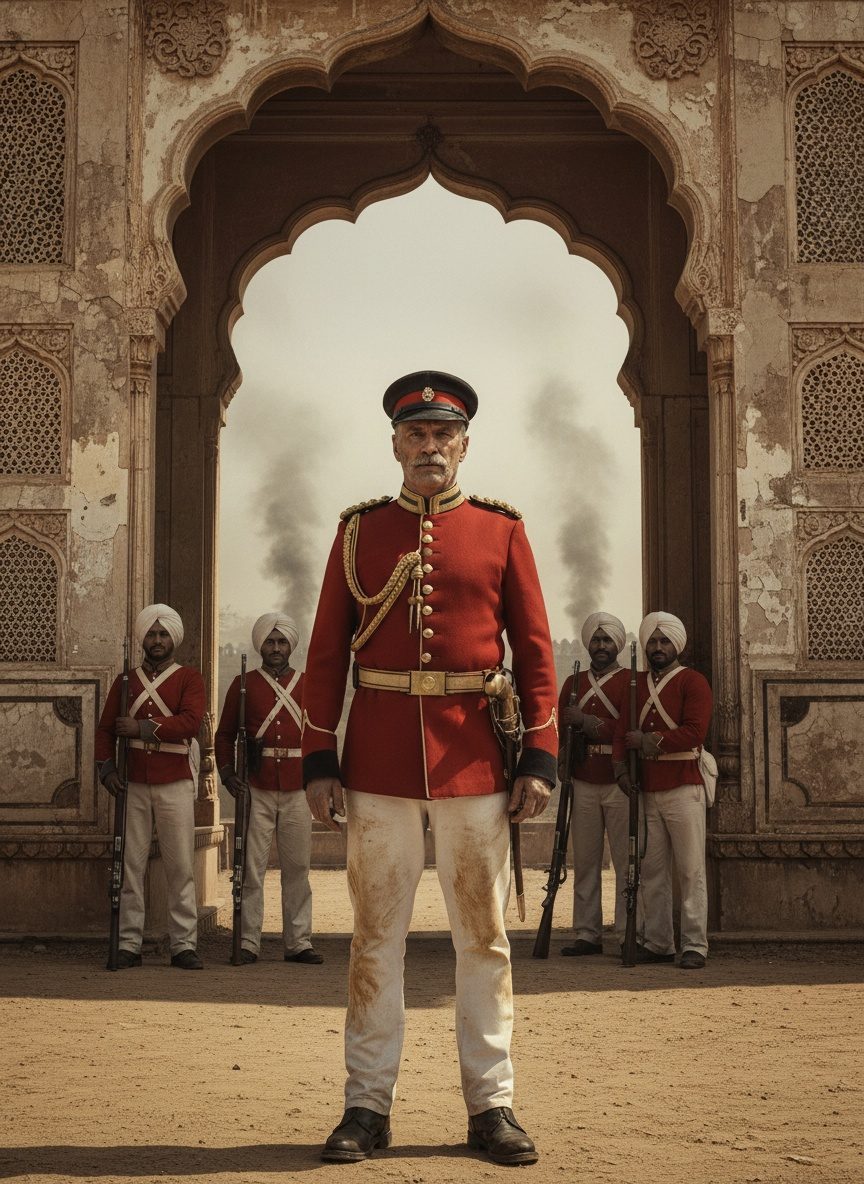
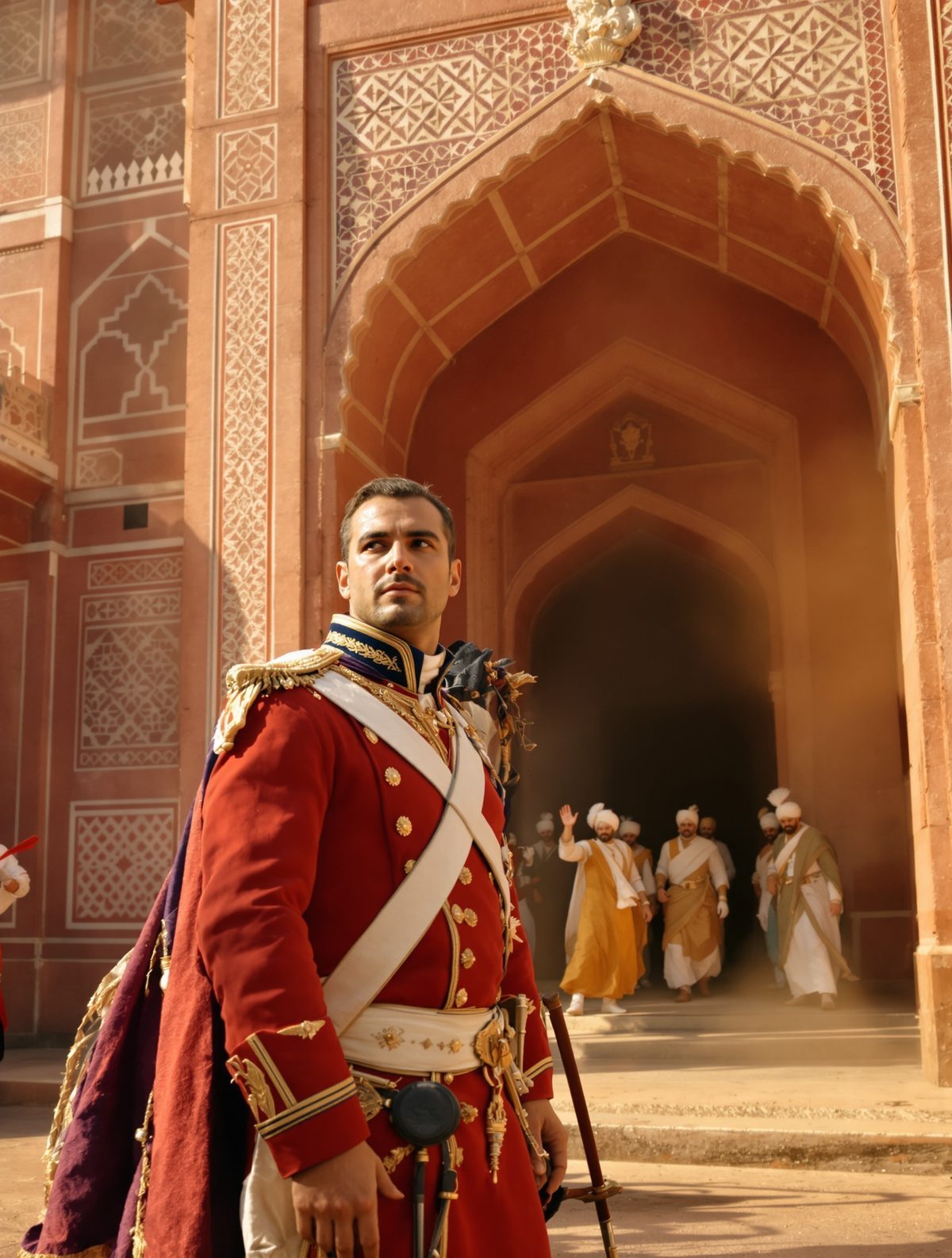
September 1857. Delhi had just fallen. William Hodson rode into a camp of thousands alone. He demanded the surrender of the last Mughal princes. They handed over their swords. He brought them out on foot. The crowd watched in silence.
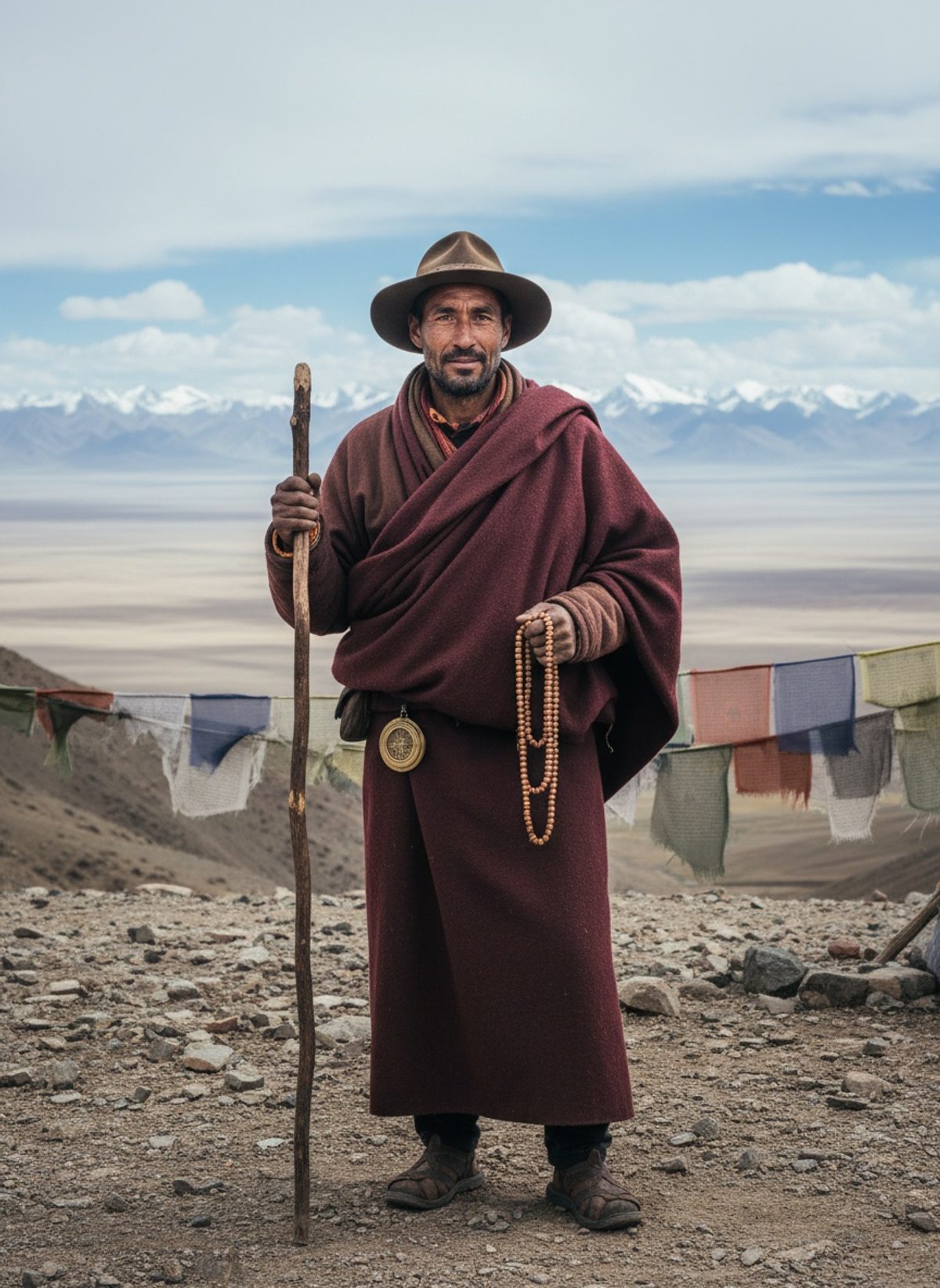
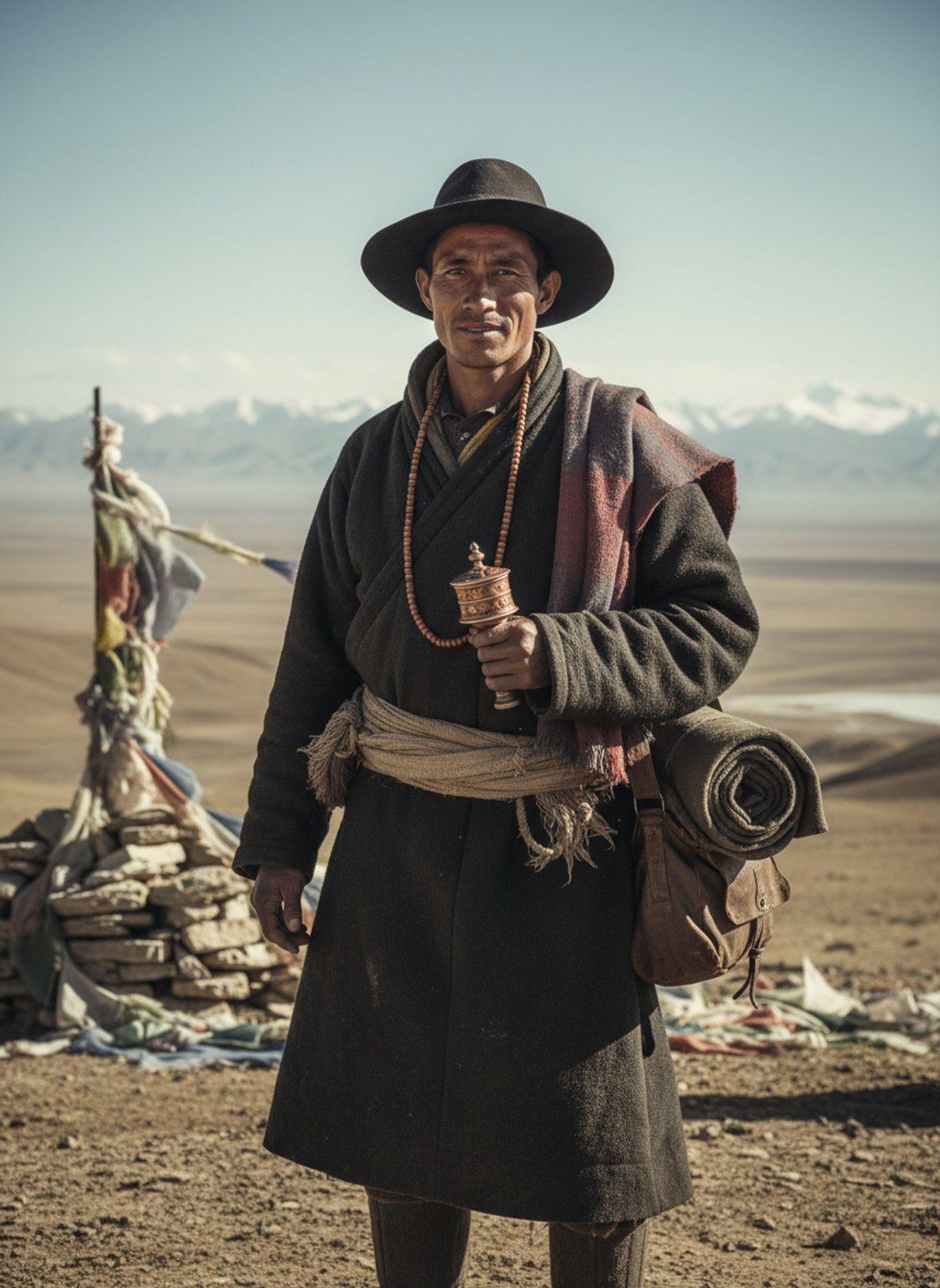
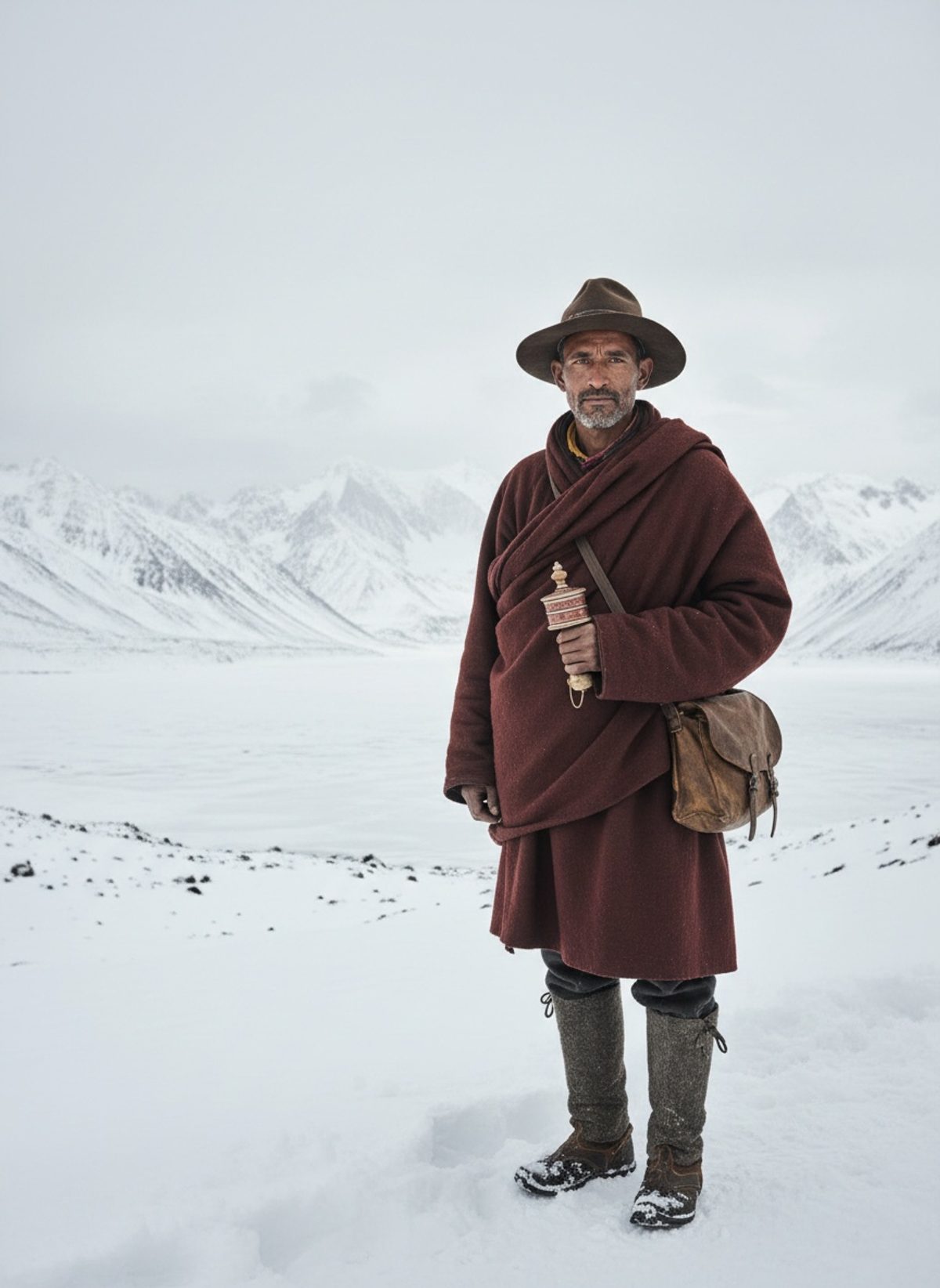
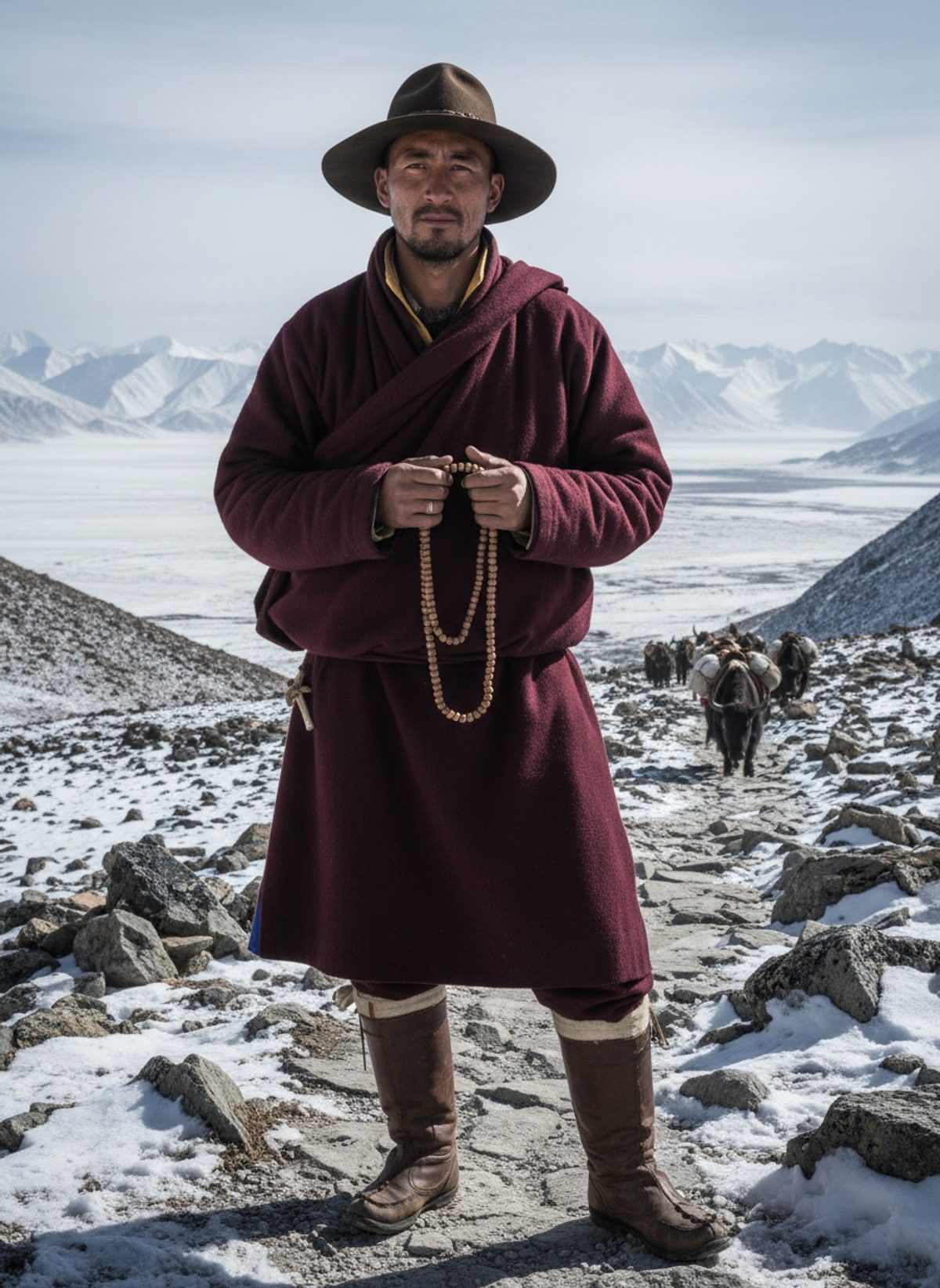
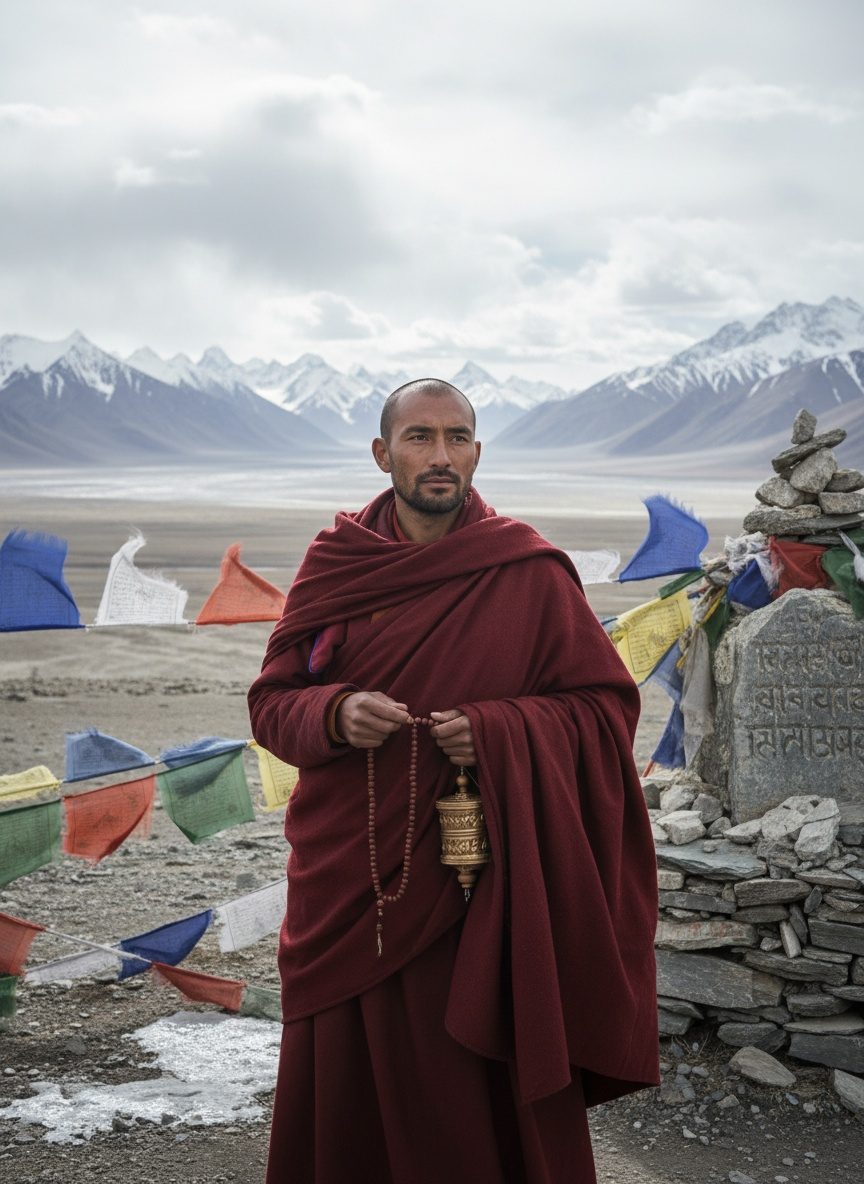
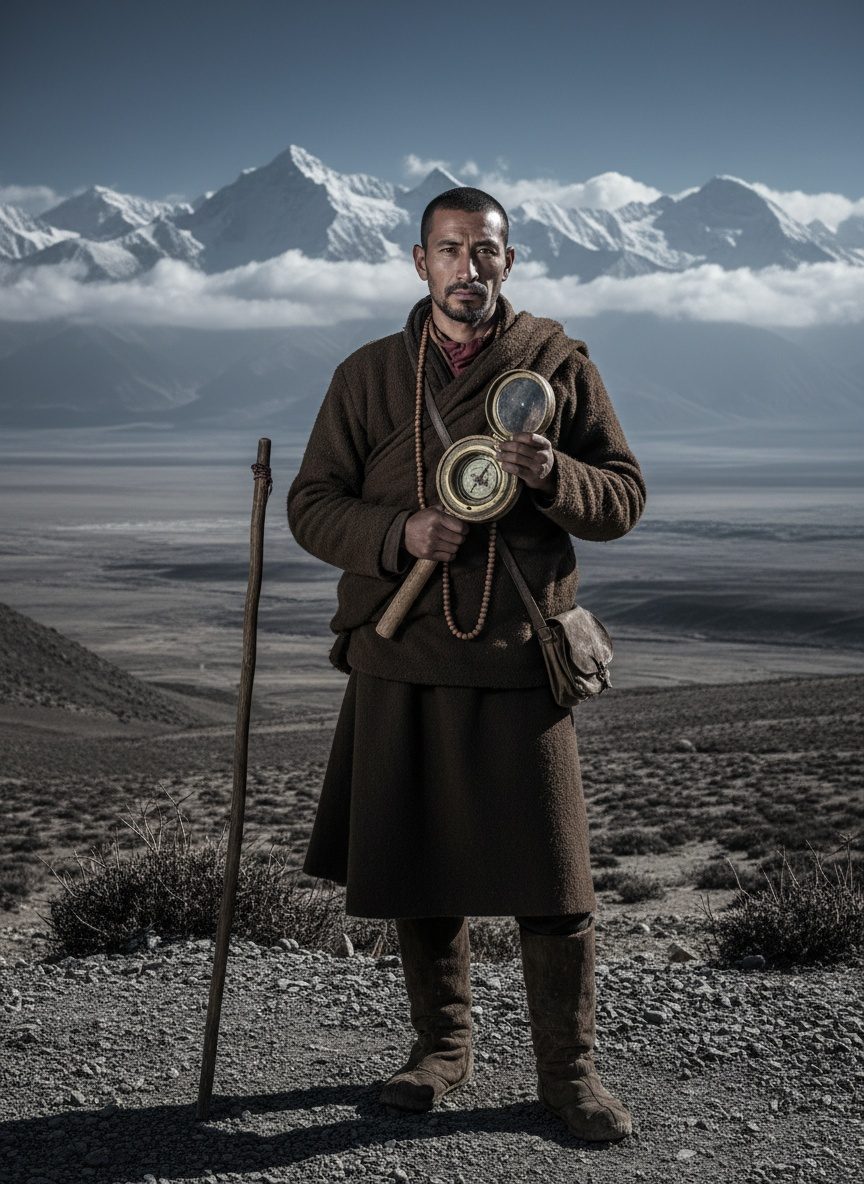
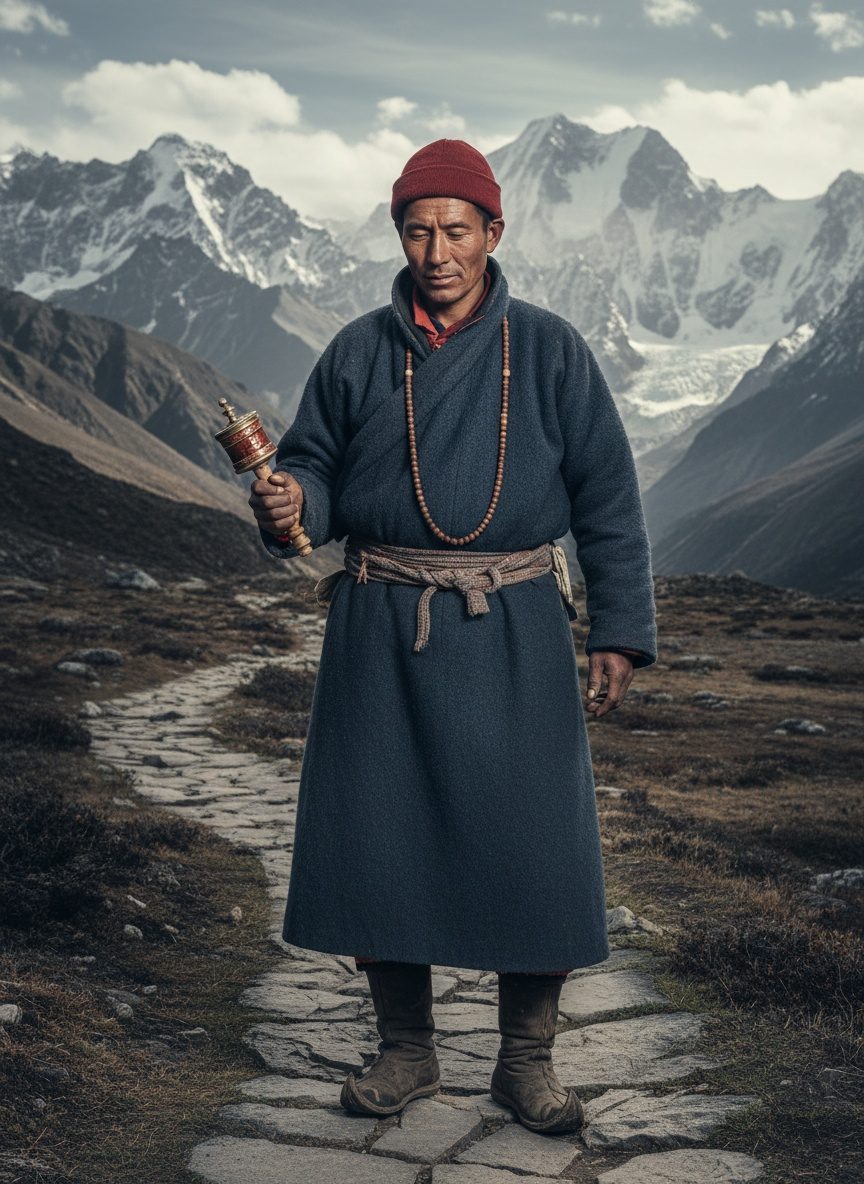
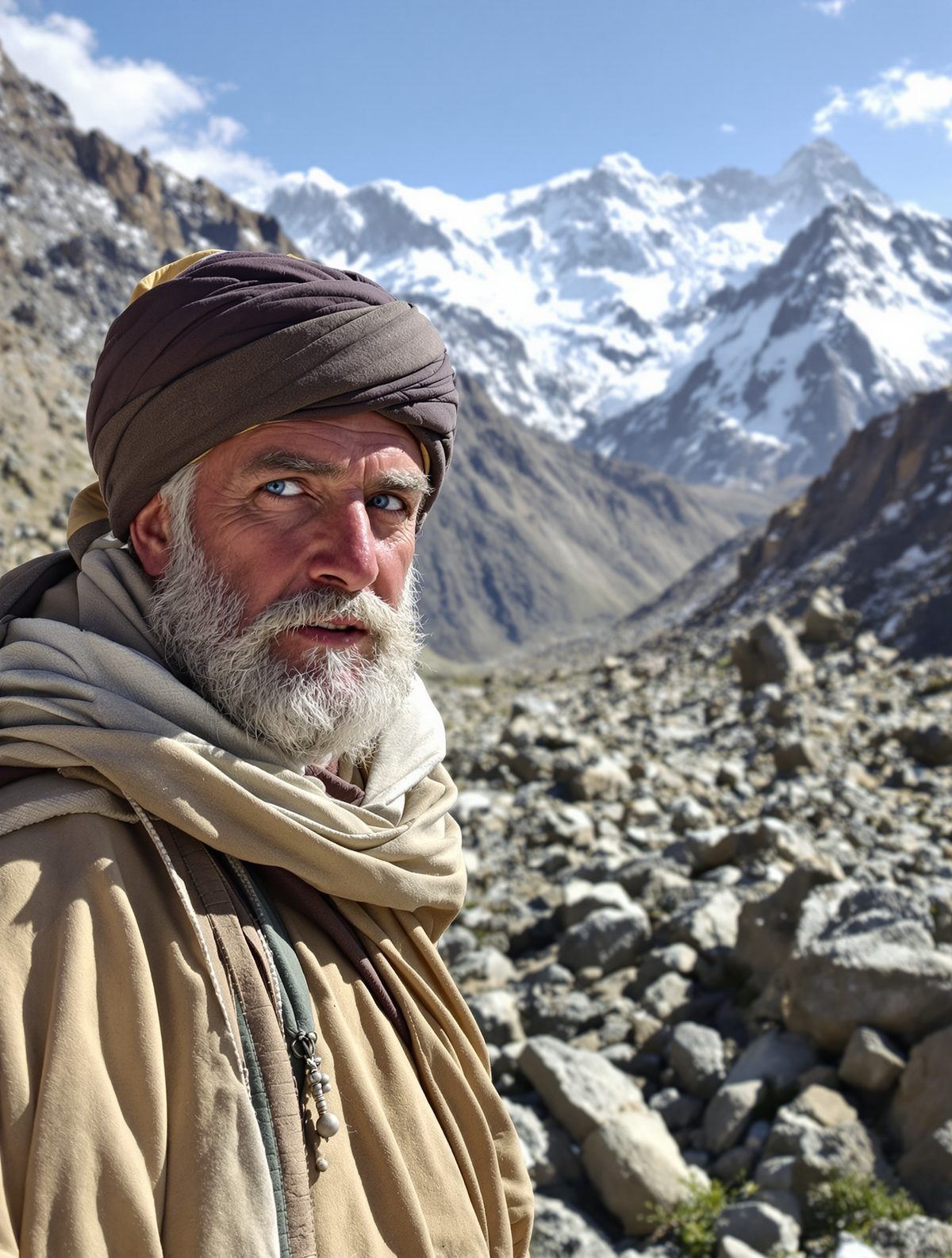
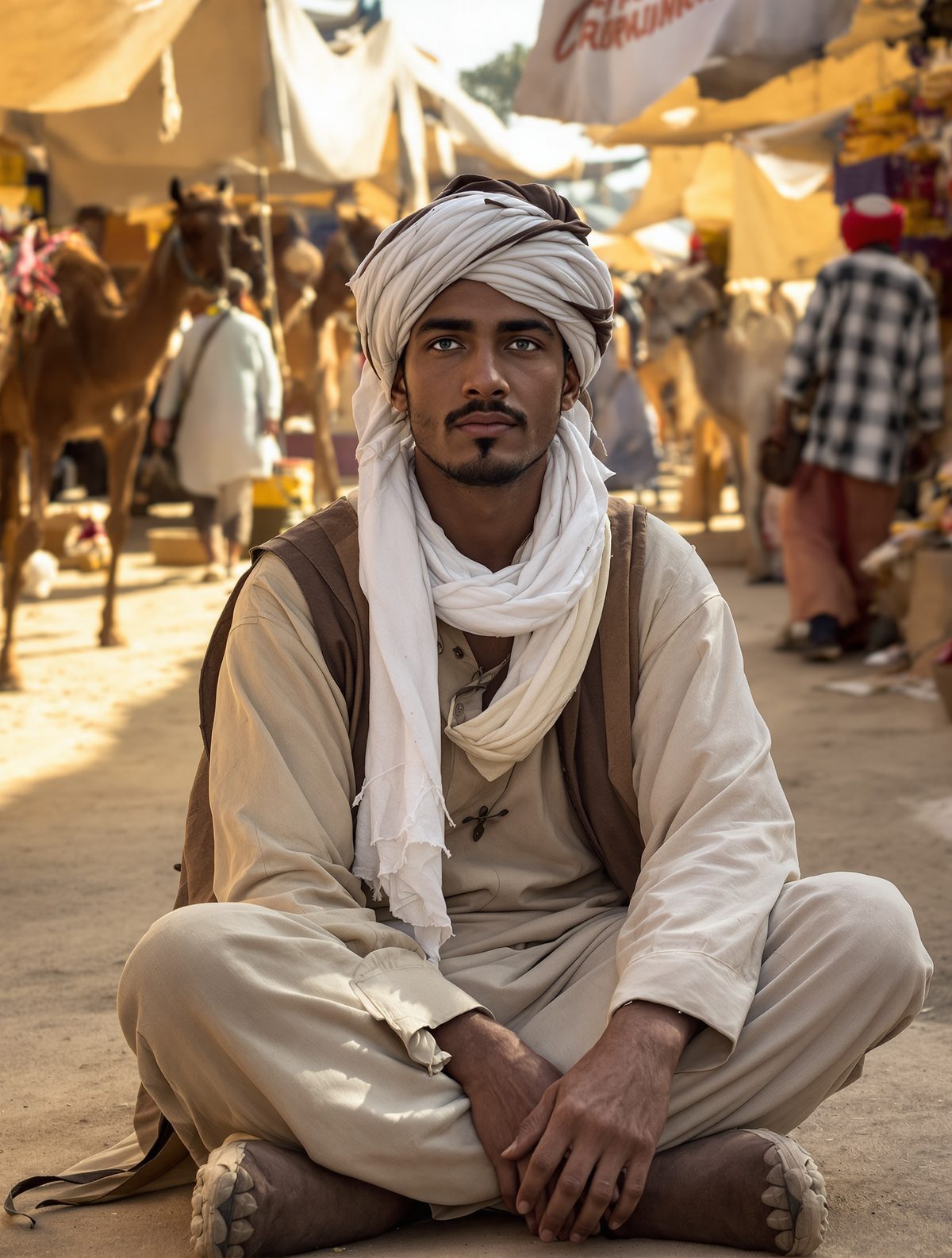
1875. Nain Singh walked into Lhasa disguised as a pilgrim. He counted every step. A rosary of exactly 100 beads kept his count. He mapped a forbidden kingdom. No European could go where he went.
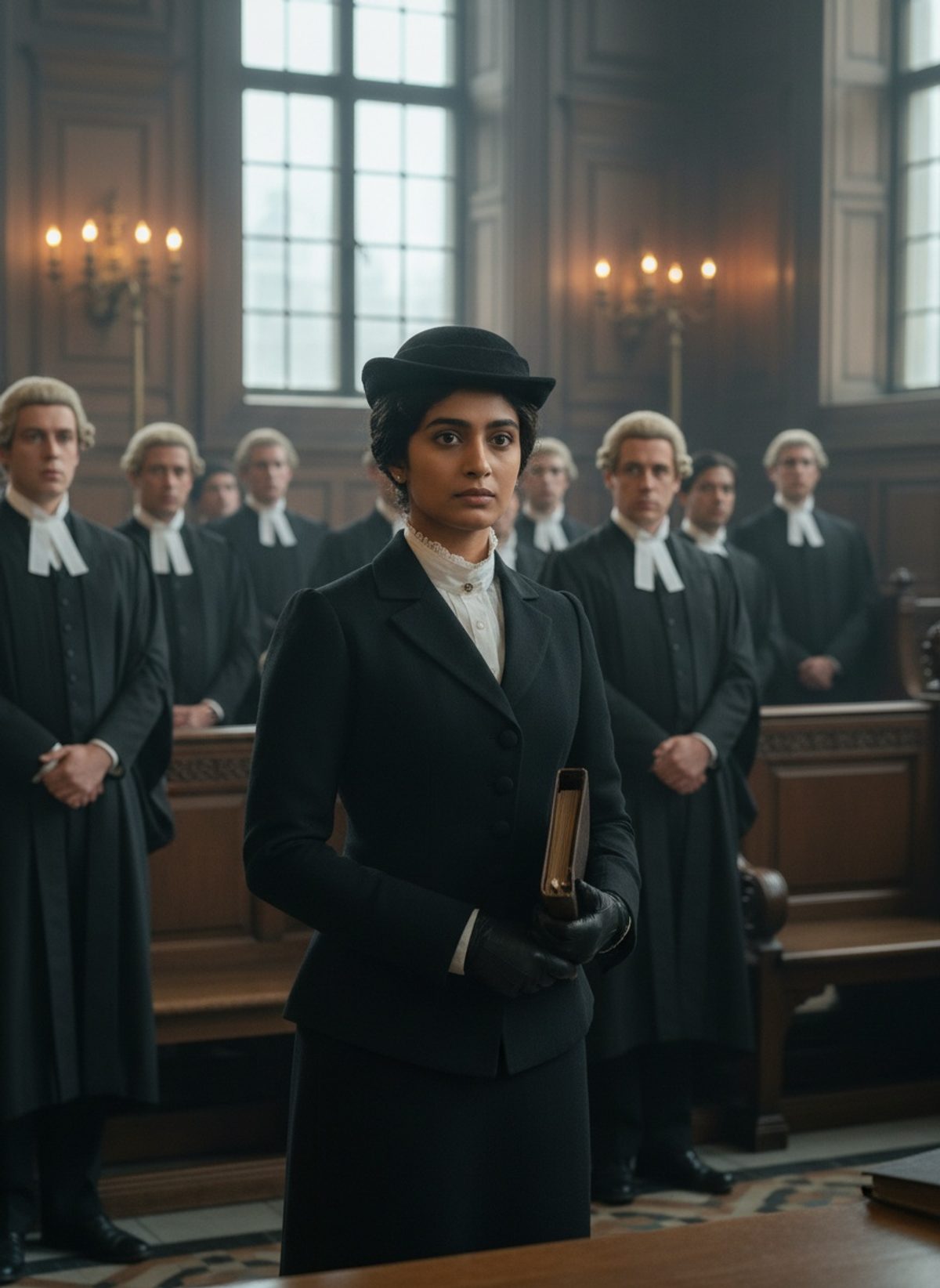
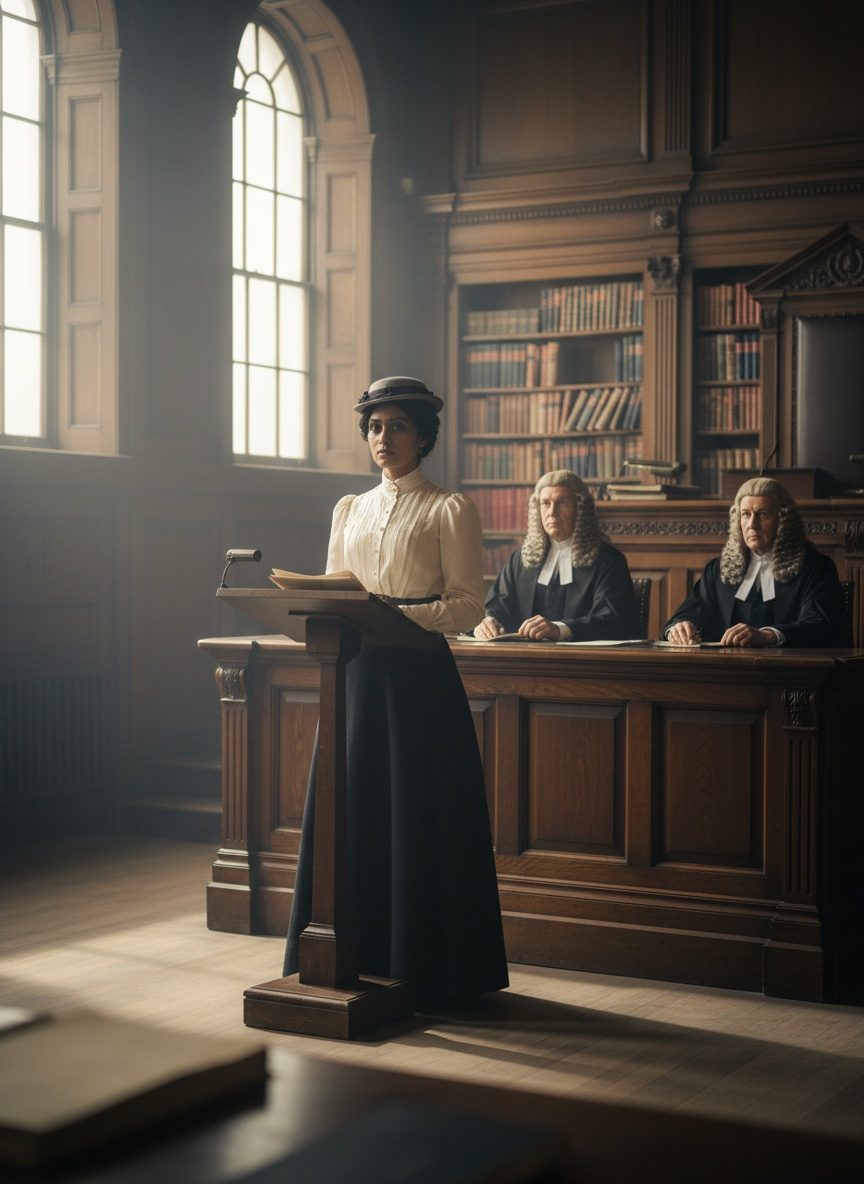
1909. A woman stood before the Privy Council in London. She was Indian. She was a barrister. No woman had done this before. She had spent years fighting purdah walls for women who could not speak for themselves. She won.
In 1893, New Zealand became the first self-governing country on earth to grant women the vote. The Colonial Office had expected resistance. Instead, they got a signature — and a lesson.
1866. The British needed maps of Tibet. No European could enter. Nain Singh walked in disguised as a Tibetan merchant. He counted every step with a modified prayer wheel. He reached Lhasa. He counted his way home. Nobody suspected a thing.
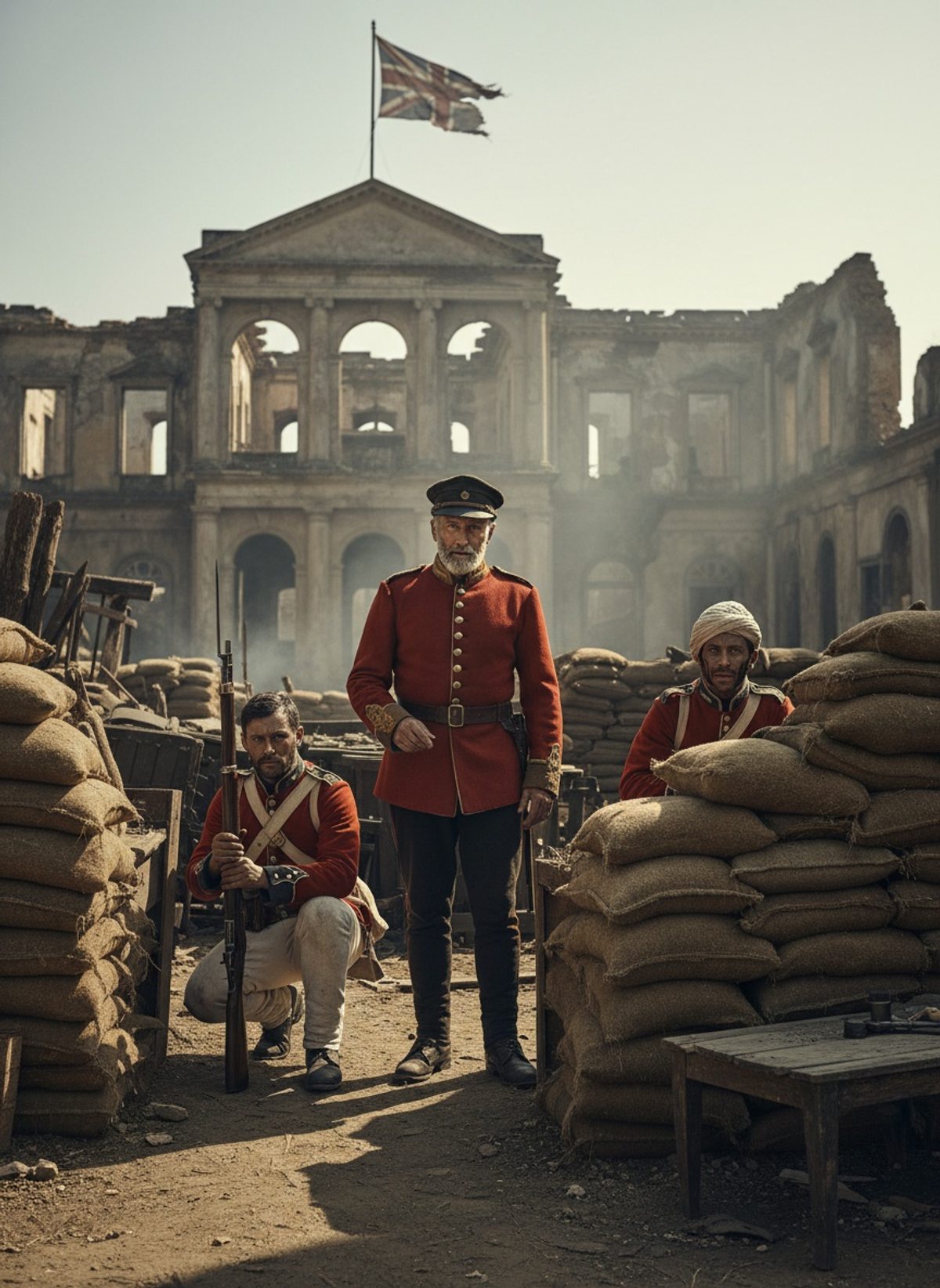
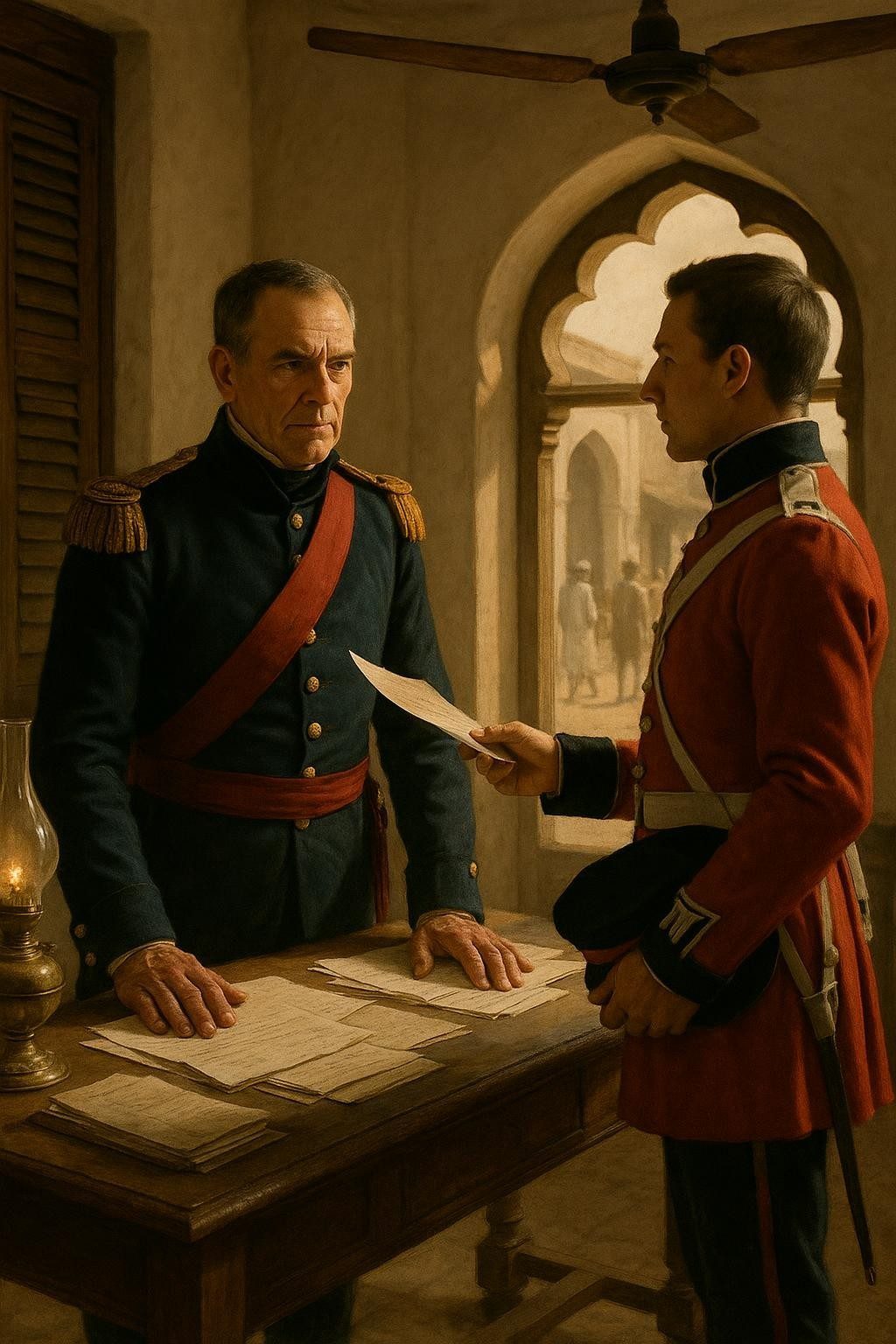
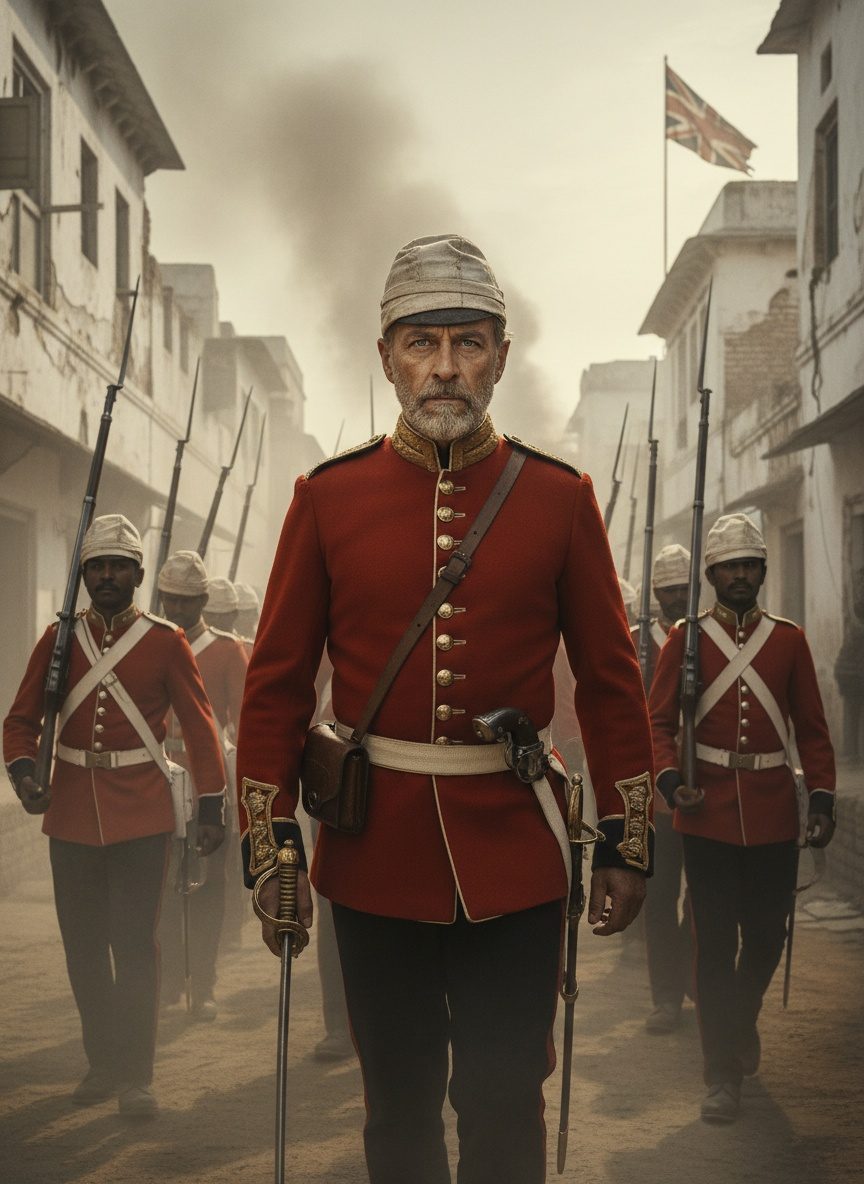
June 1857. The Mutiny had swept northern India. Brigadier-General Henry Lawrence gathered 1,700 men inside Lucknow Residency. Outside, 60,000 sepoys waited. Lawrence was dead within days. His garrison held on for eighty-seven days.
September 1857. Delhi had fallen. William Hodson rode out alone to accept the surrender of the last Mughal princes. Three men. Thousands watching. He faced them down. Disarmed a crowd of hundreds. Brought them in.
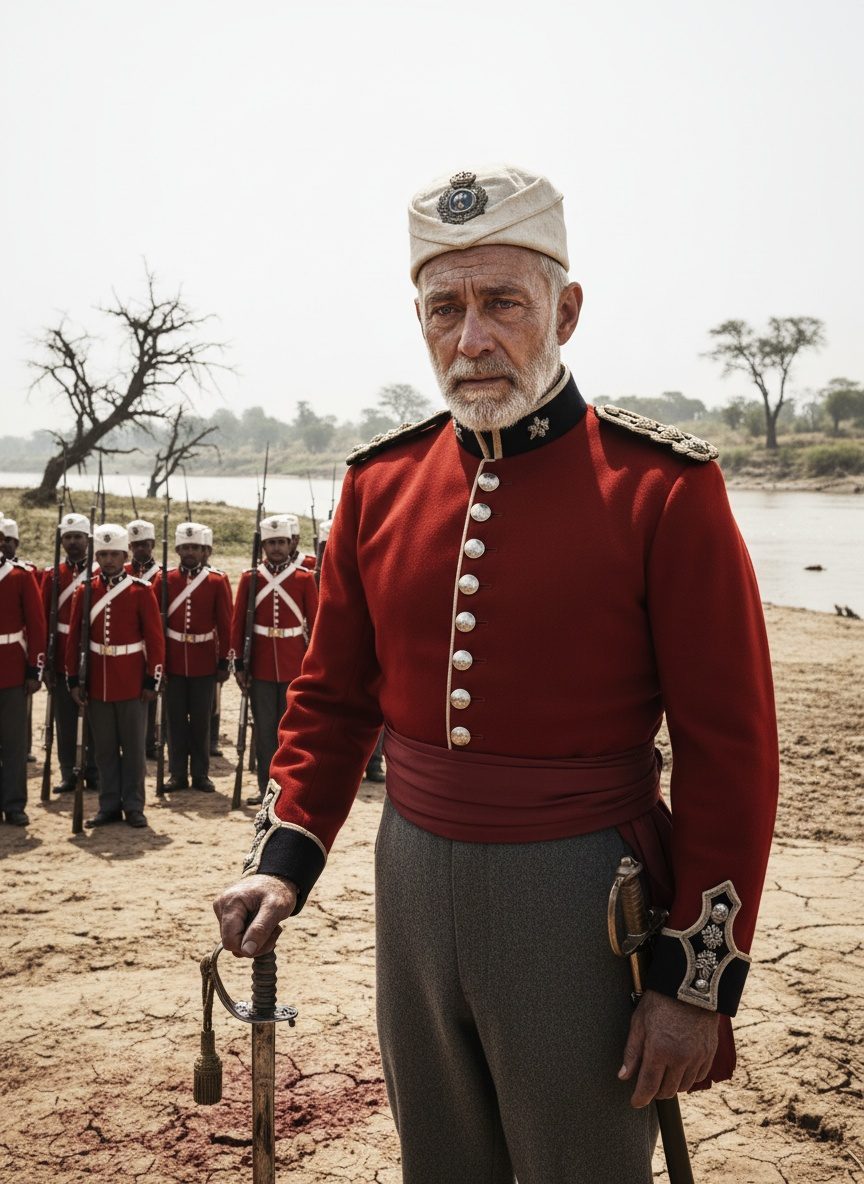
June 1857. The garrison at Cawnpore was starving. General Wheeler had held out for three weeks. Nana Sahib offered safe passage to the river. Wheeler believed him. He should not have.
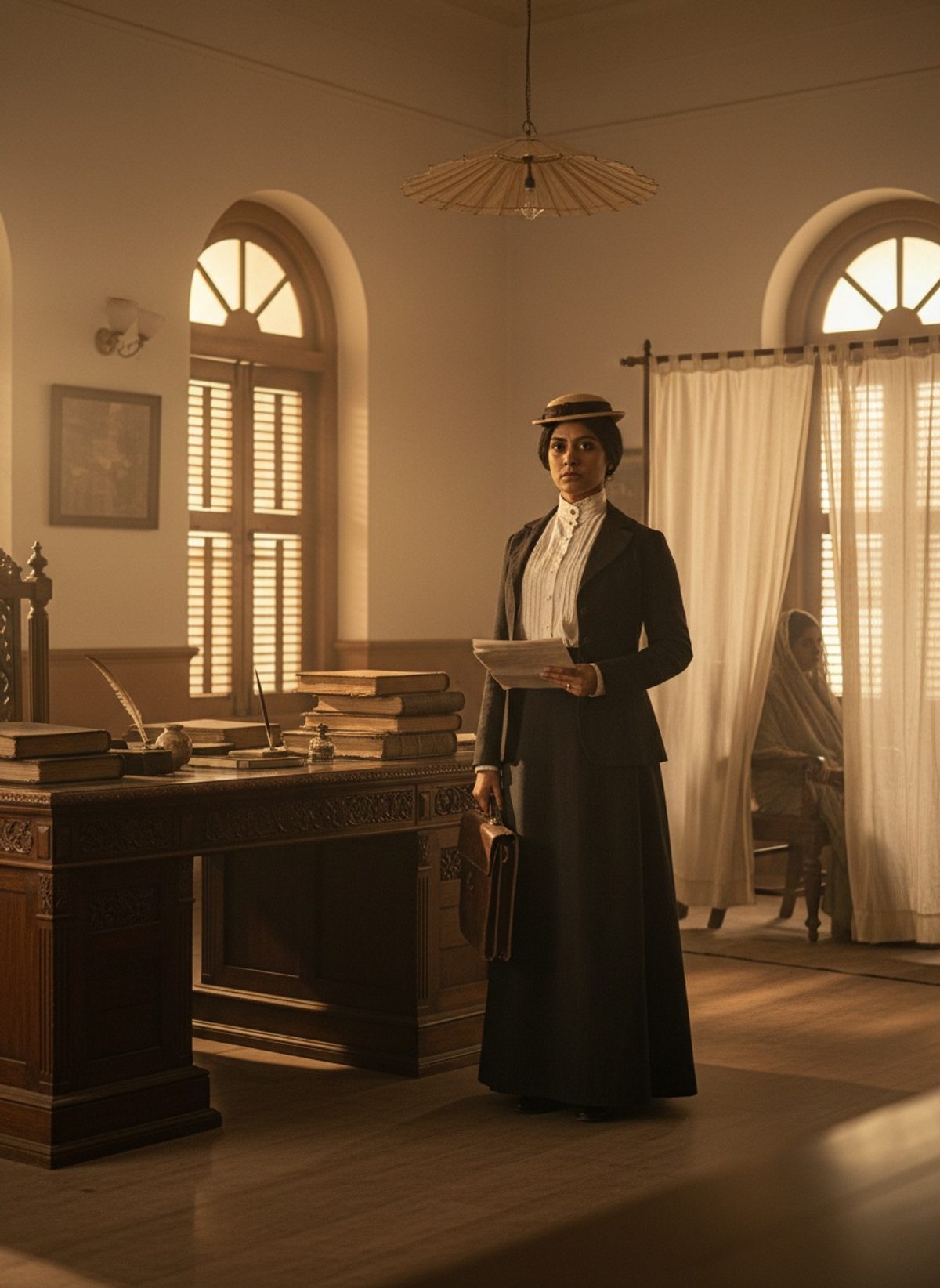
Allahabad, 1904. A woman knocked on a locked gate. Behind it, a widow had not left her room in three years. Cornelia Sorabji was the only lawyer allowed inside. She carried a briefcase. She changed a life.
Allahabad, 1904. A woman waited behind a curtain. She had never spoken to a lawyer. Cornelia Sorabji stepped through. She was the first. The widow's land was saved.
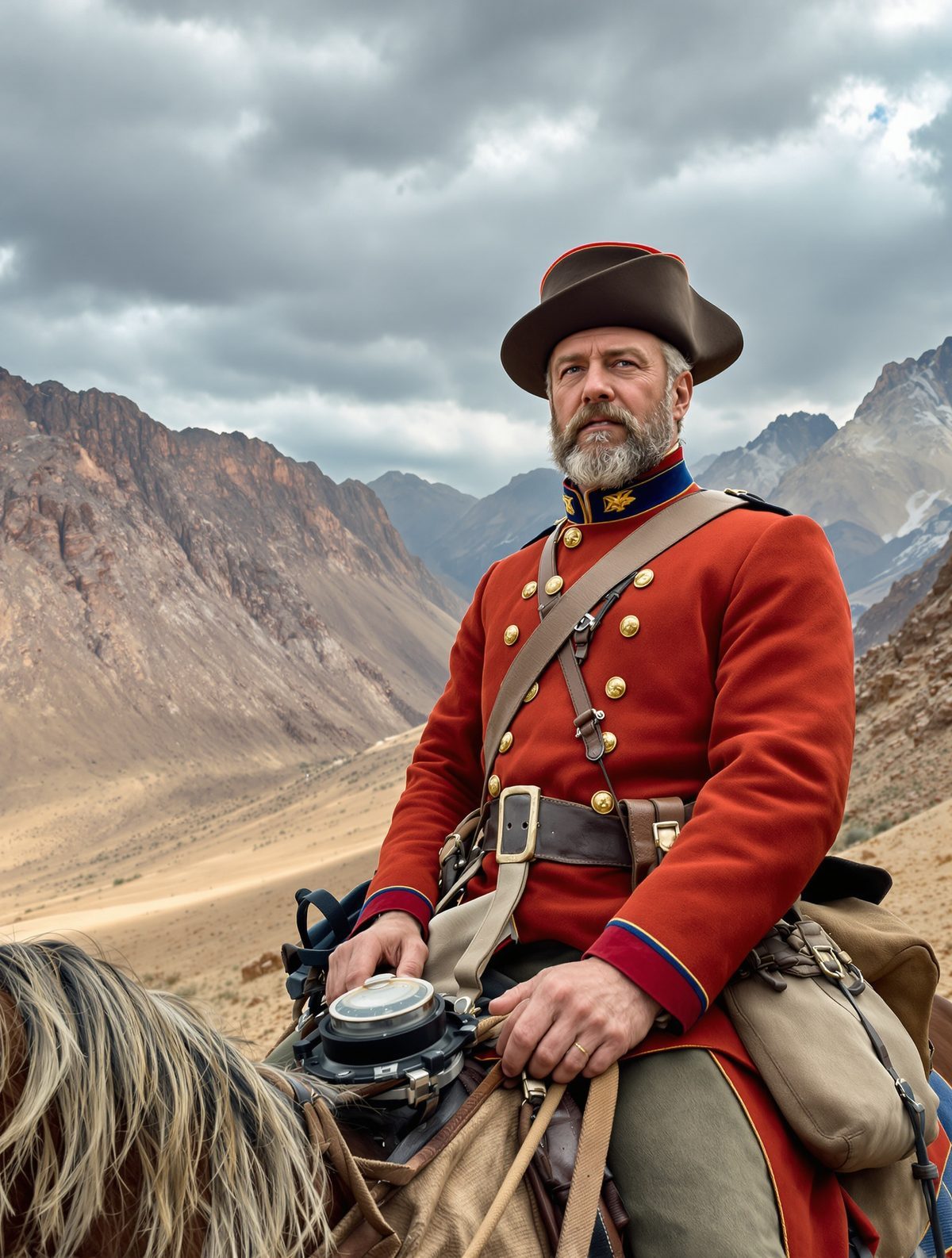
1865. The Survey of India needed Tibet mapped. No British officer could enter. Nain Singh crossed the Himalayas in disguise. He counted every step. 2,000 miles. Alone. He brought back the first accurate map of Lhasa.
1865. Tibet was closed to all outsiders. A Himalayan schoolteacher walked in anyway. He counted every step. 2,000 miles. On prayer beads. He mapped a forbidden empire alone.
Allahabad, 1904. A woman no court would employ. She walked alone into the locked women's quarters of a dying widow's estate. She carried a notebook. No man could enter. She was the only lawyer in India who could.
1906. A woman stood before England's highest court. She was Indian. She was a lawyer. No woman had argued there before. She won. Her clients were widows no one else would defend.
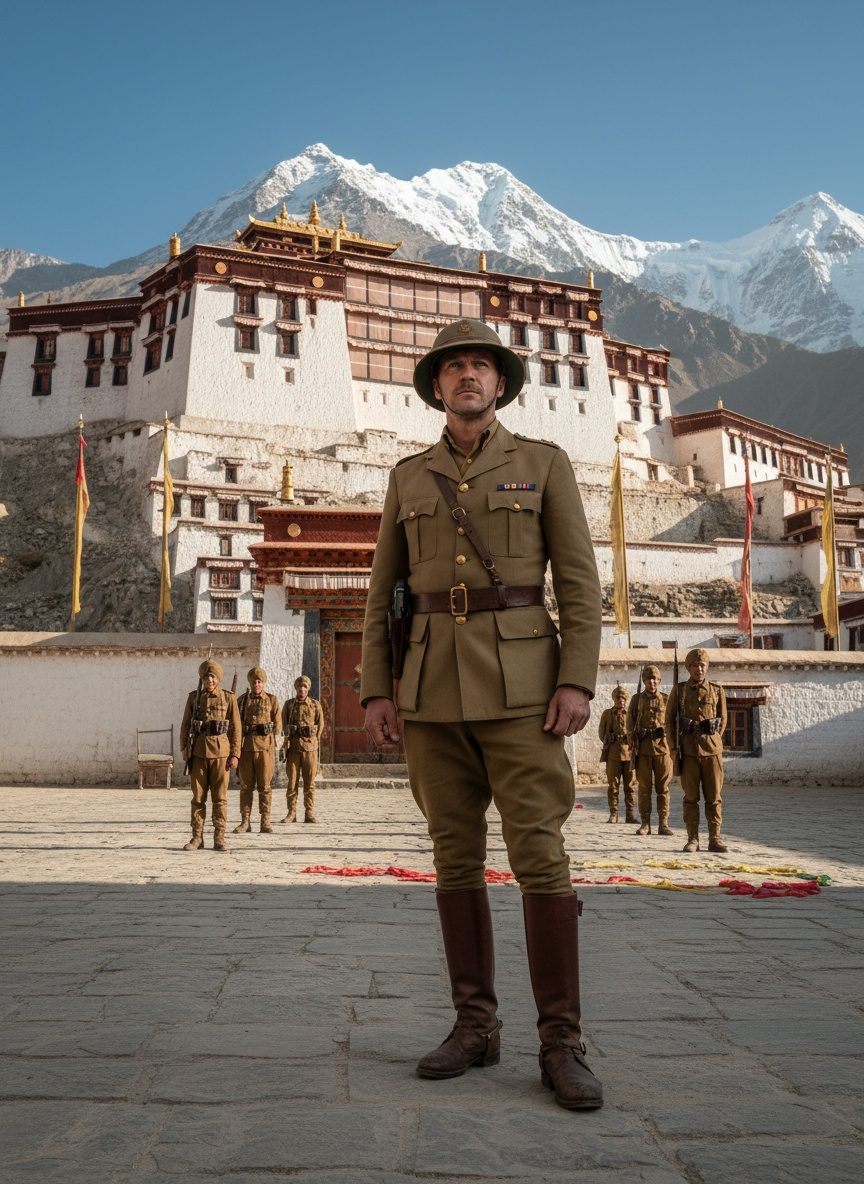
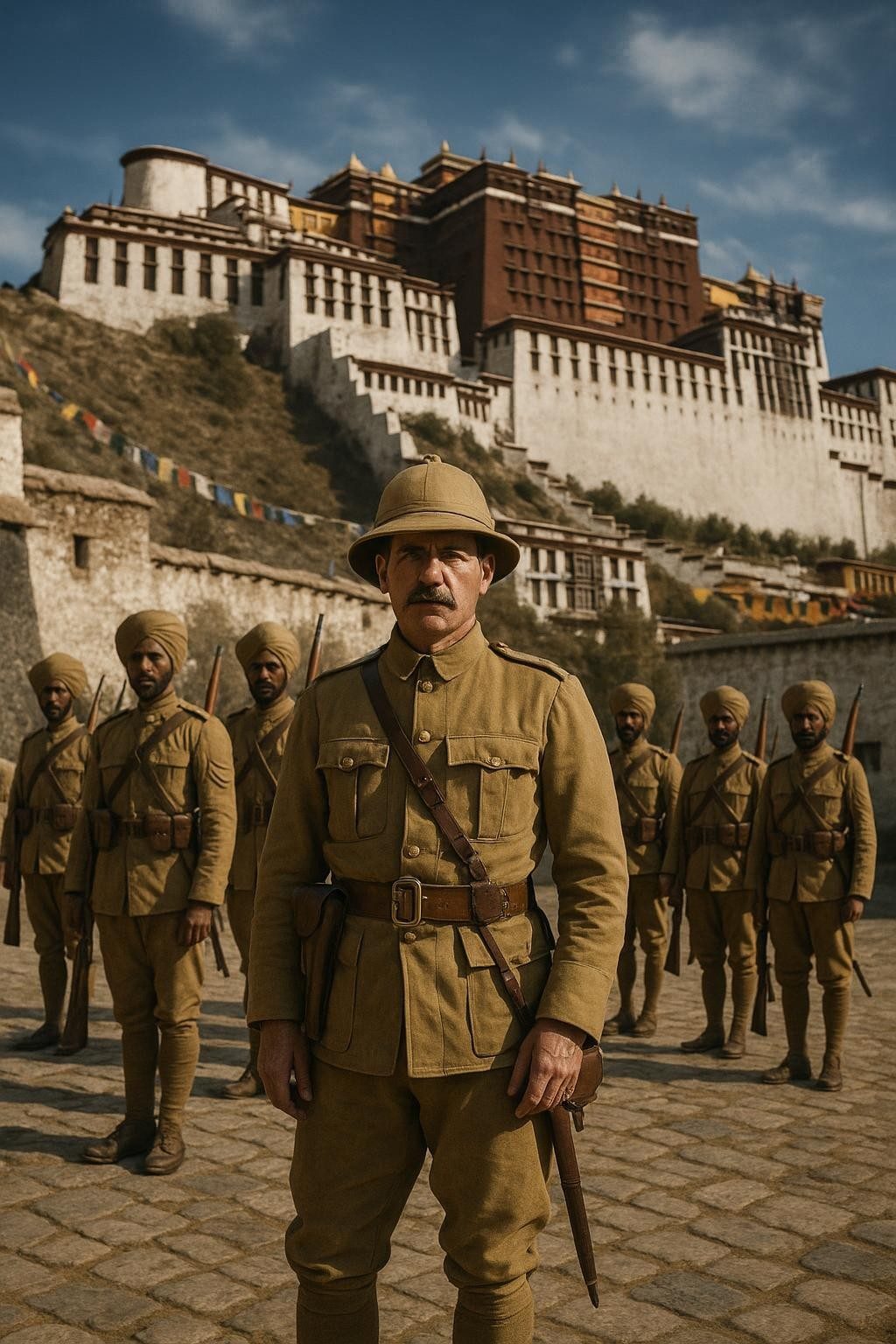
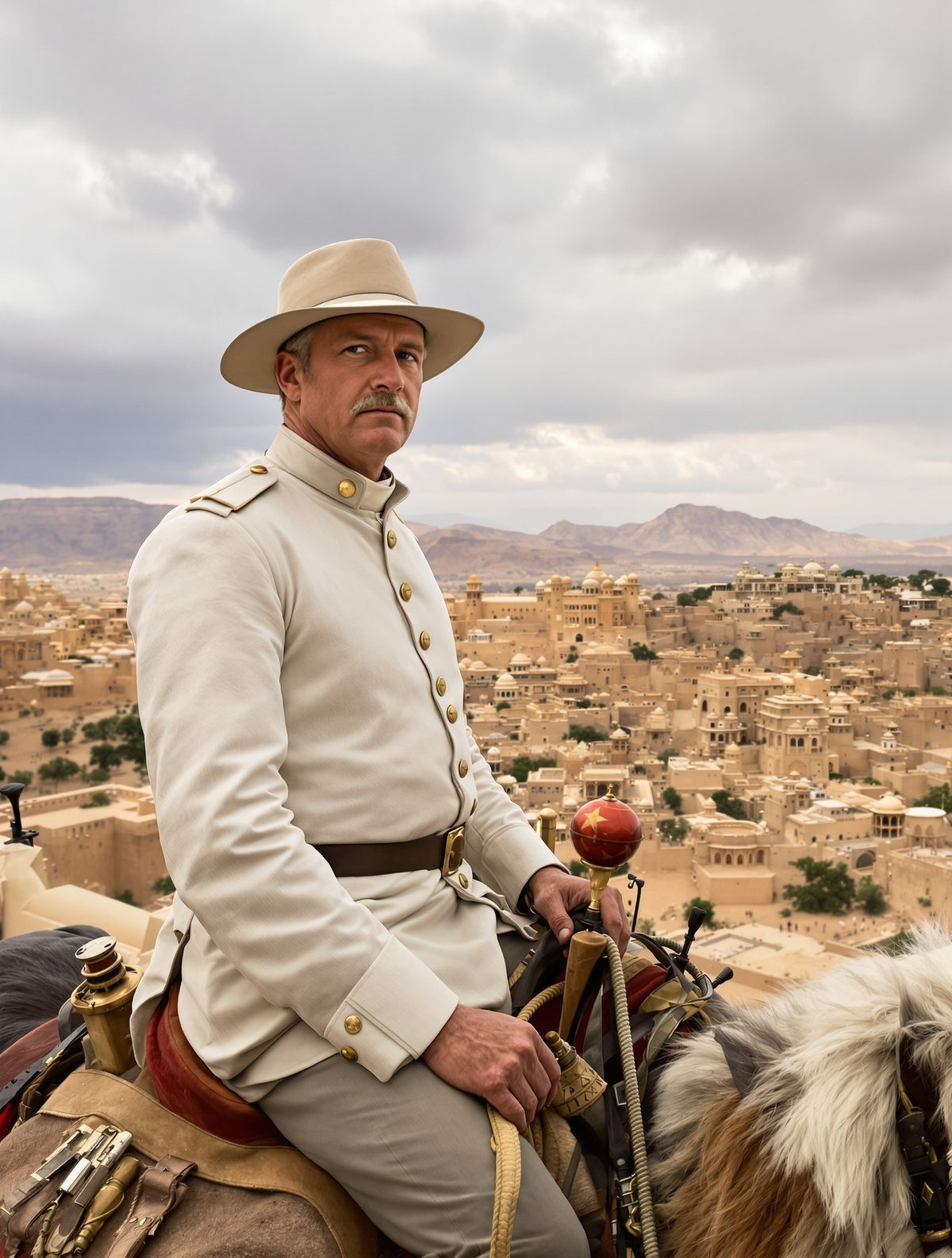
August 1904. No army had ever entered Lhasa. Francis Younghusband led his column through the Forbidden City's gates. The Dalai Lama had fled. The golden temples stood silent. Britain had reached the roof of the world.
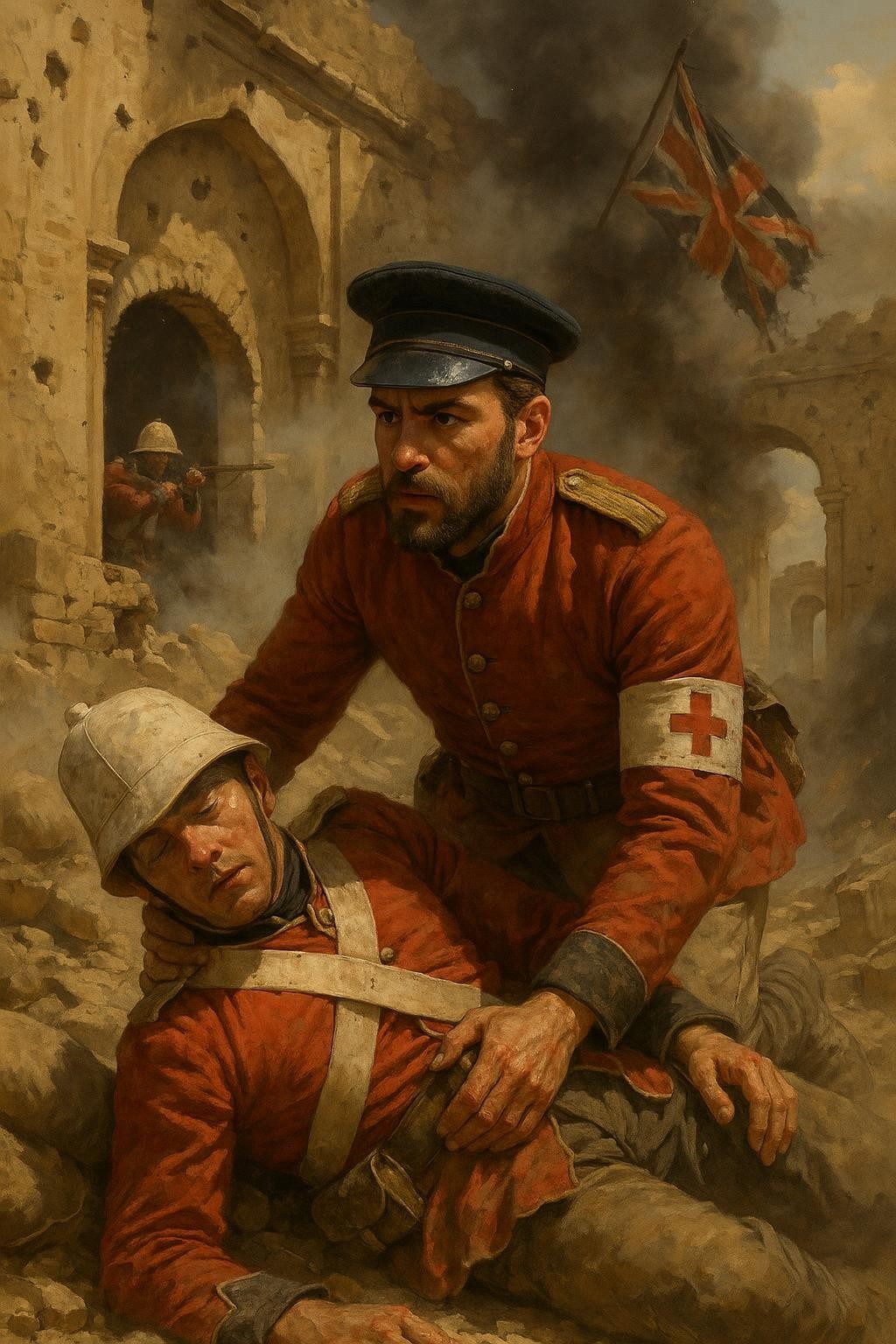
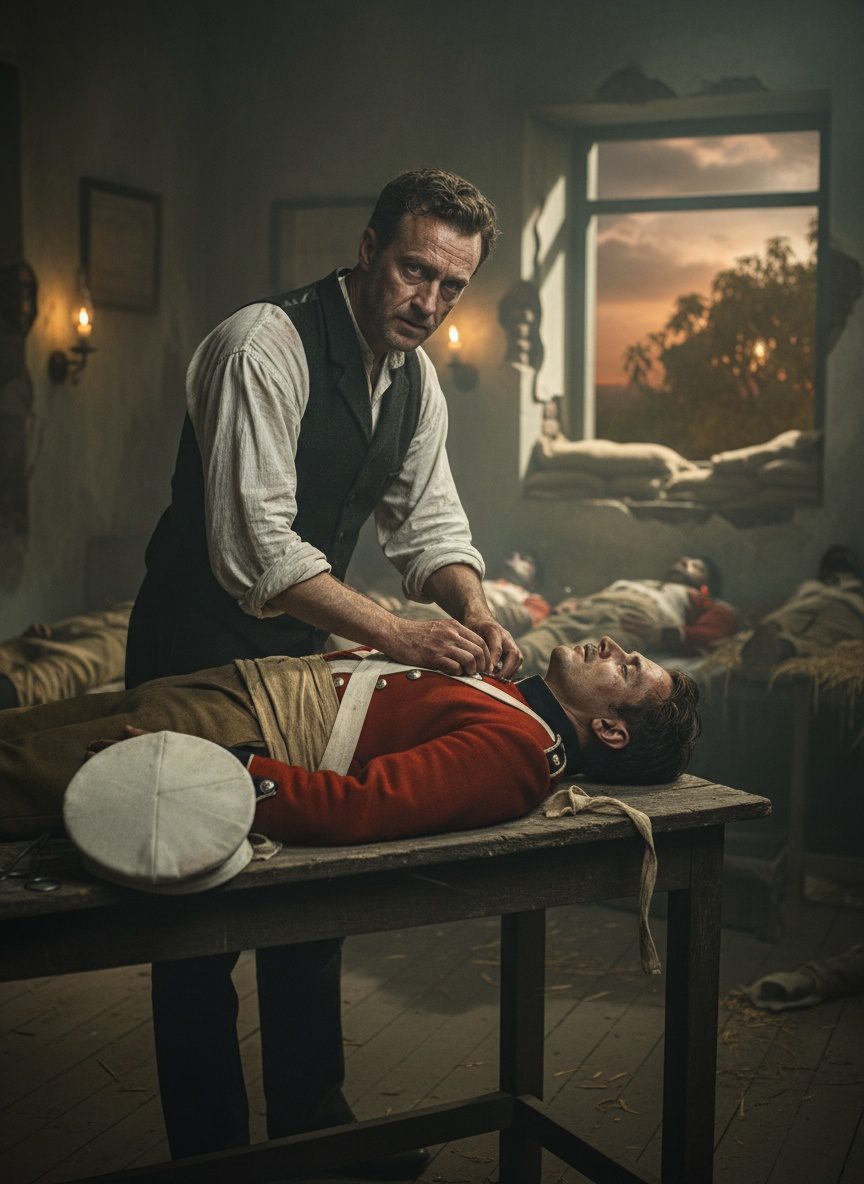
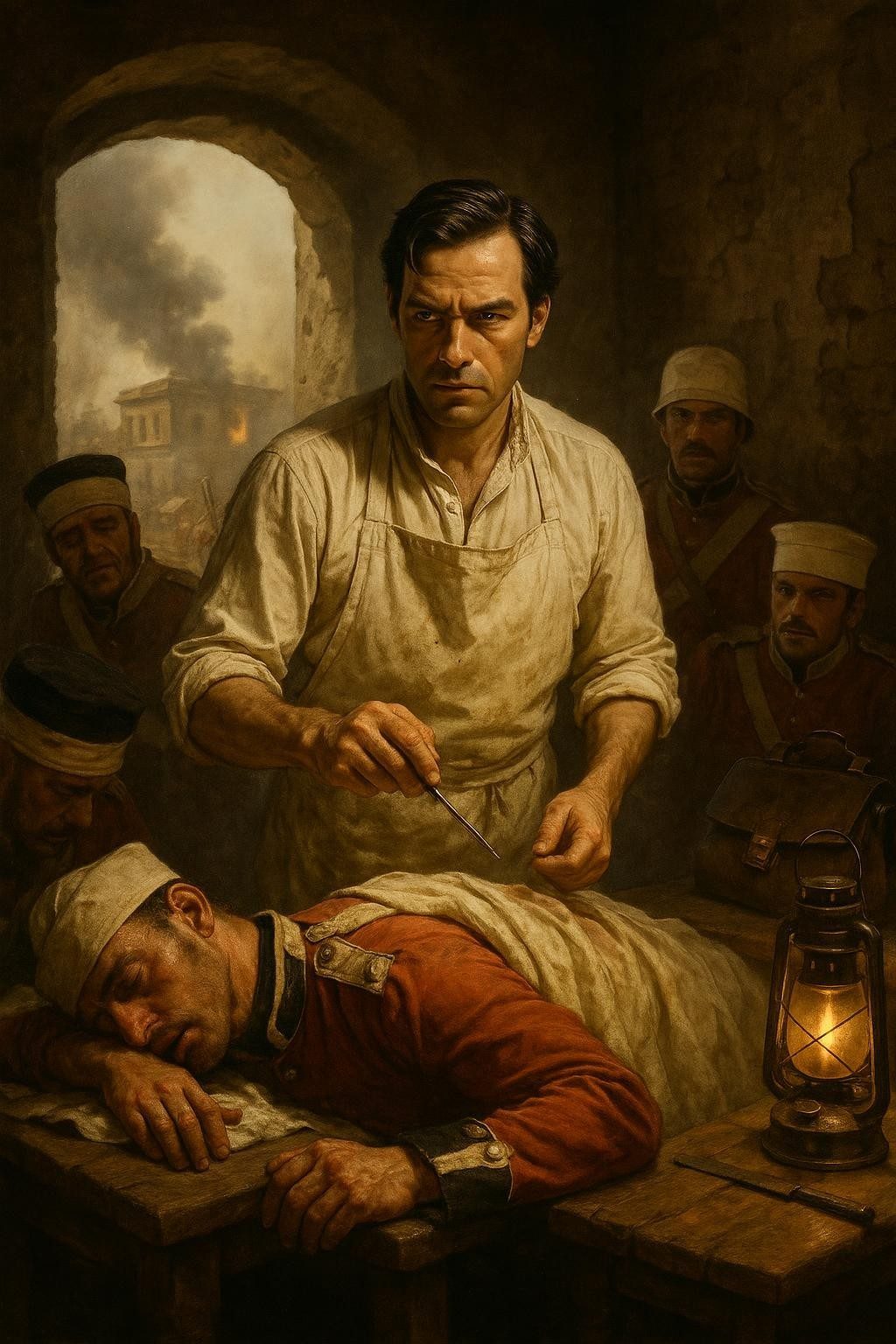
September 1857. The Lucknow Residency was burning. Surgeon William Lowe had no weapon. He stood at the breach anyway. He pulled the wounded clear. He held the line. A doctor became the last defence.
Allahabad, 1904. A woman walked into a British courtroom. No woman had done it before. Cornelia Sorabji was India's first female barrister. She fought for purdahnashins. Widows locked away. Robbed blind. She gave them a voice.
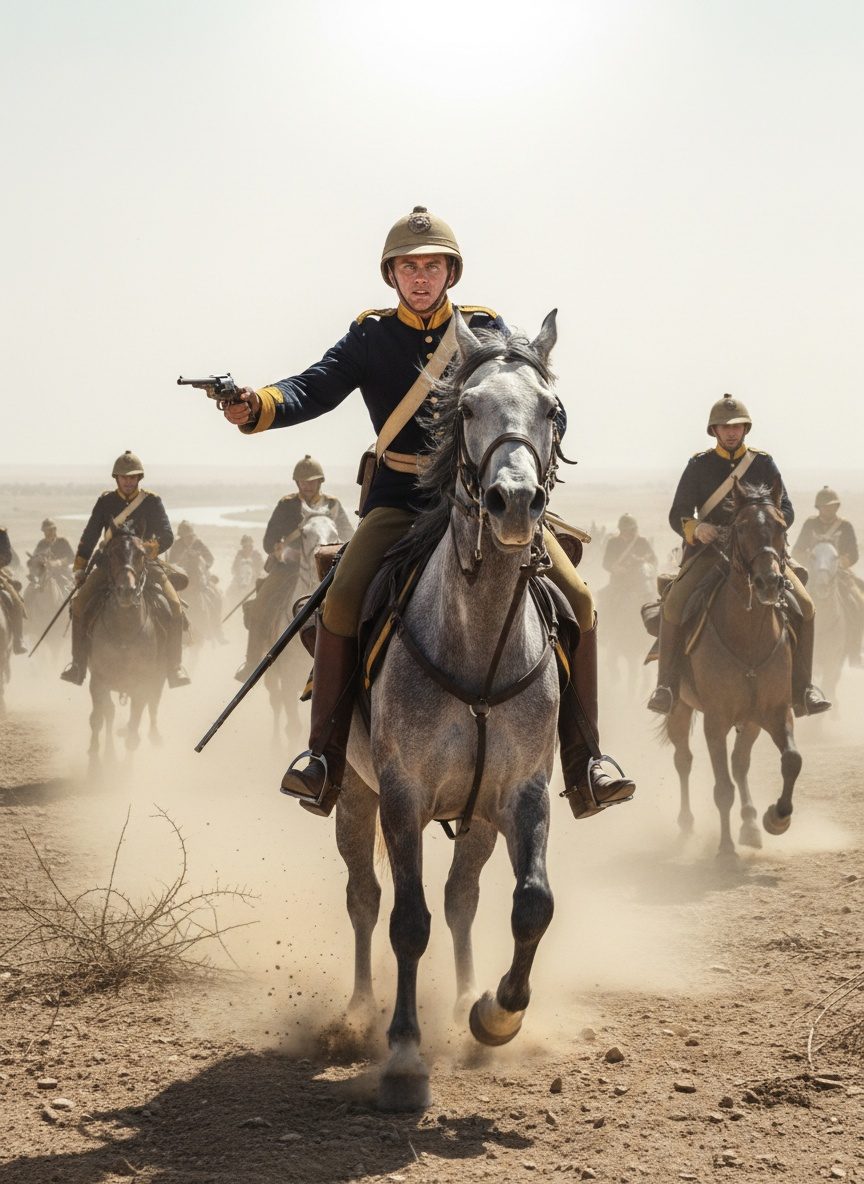
September 1898. The Dervish army spread across the Sudan desert. A young British officer fixed his revolver. The 21st Lancers charged. Churchill rode into the last great cavalry charge of empire. He survived. Barely.
September 1857. The Mutiny was barely broken. Two Mughal princes hid in a tomb outside Delhi. William Hodson rode out alone with fifty sowars. He brought them back. Alive. The crowd could not believe it.
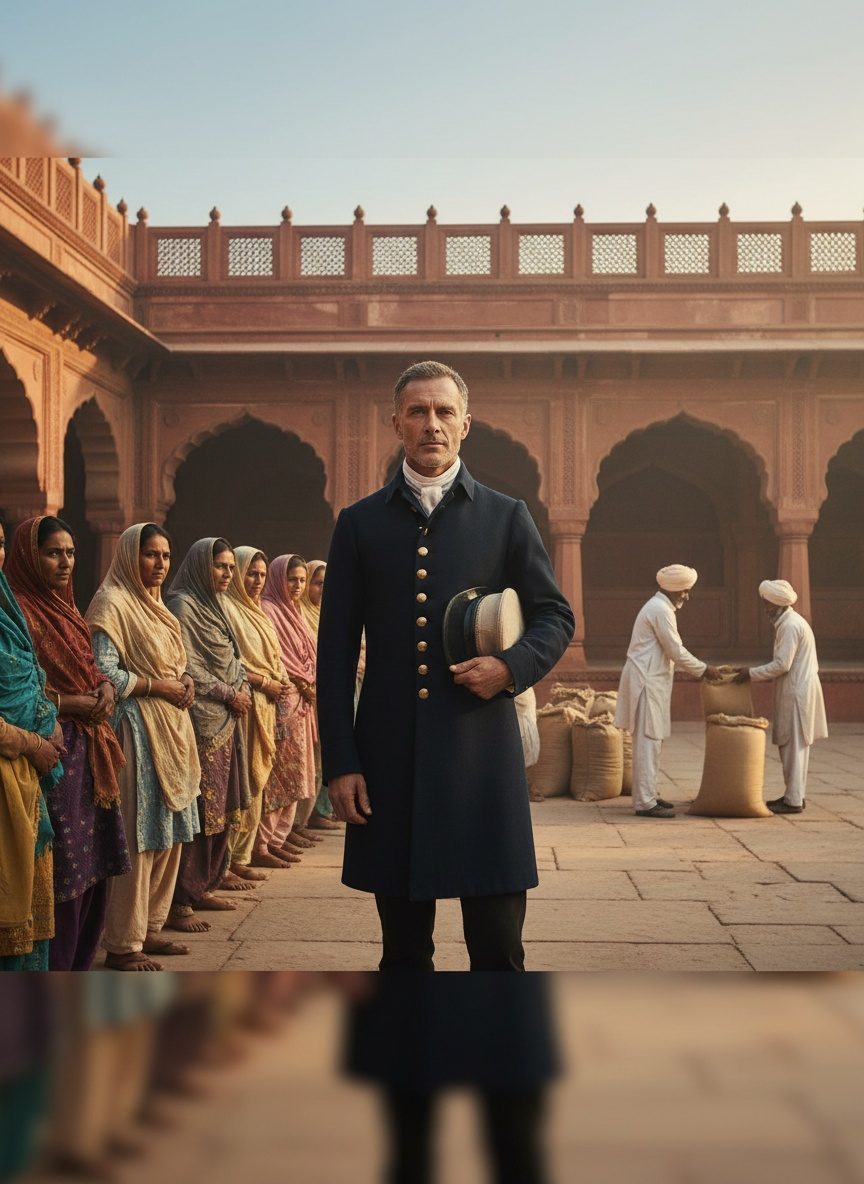
Punjab, 1849. The harvest had failed. Thousands were starving. Sir Henry Lawrence was ordered to collect taxes anyway. He refused. He opened the granaries instead. The Company was furious. The people lived.
1865. The Himalayas were forbidden. A schoolteacher from Kumaon walked into Tibet disguised as a monk. He counted every step. He hid a compass in a prayer wheel. He mapped a nation that had never been mapped.
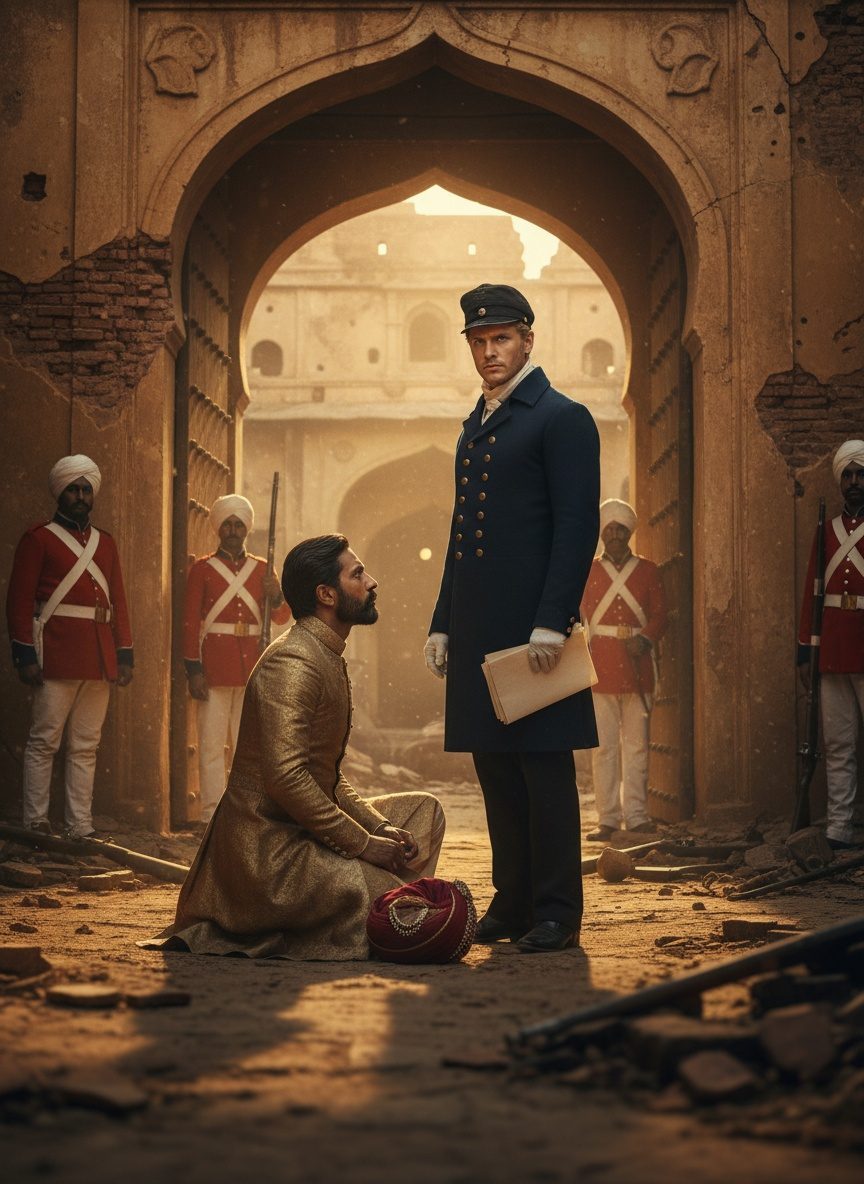
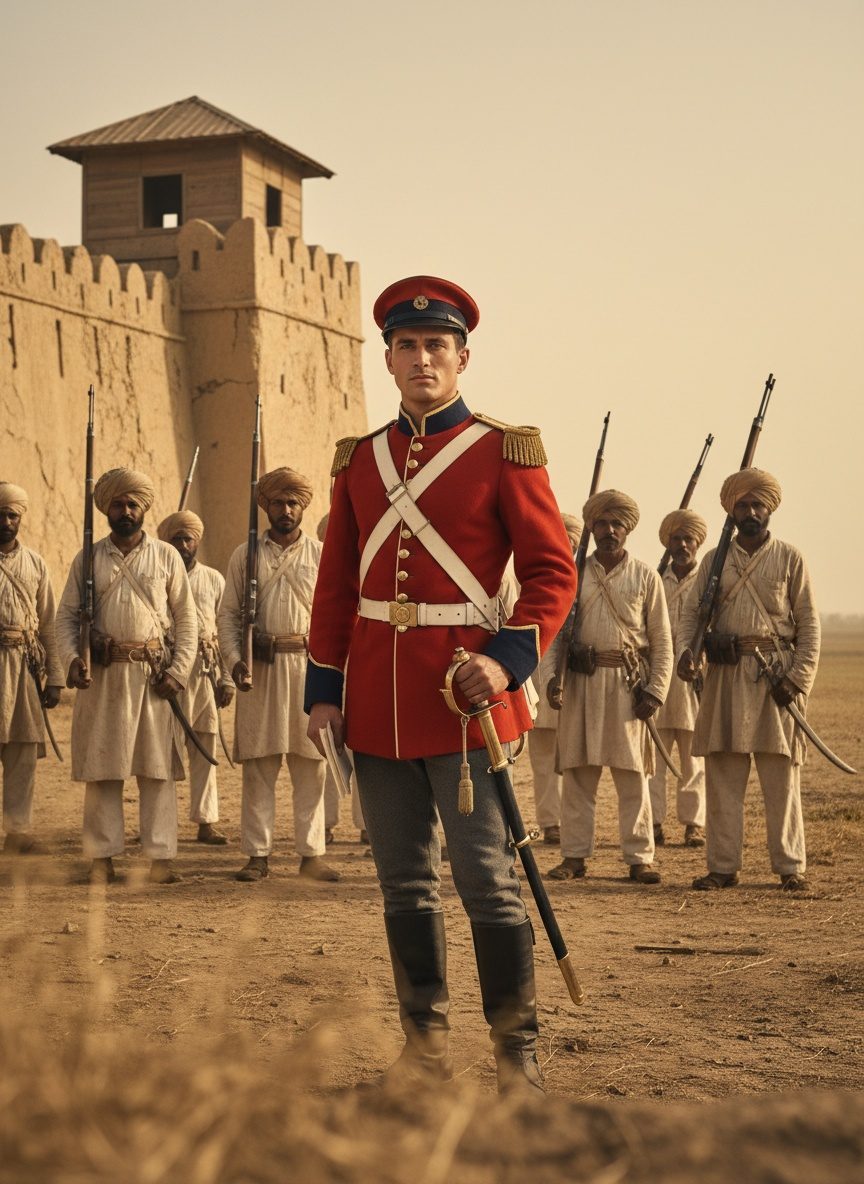
1848. Multan had fallen. Diwan Mulraj surrendered his fort. Every instinct demanded execution. Herbert Edwardes refused. He sent the defeated king to trial instead. One act of mercy changed the Punjab forever.
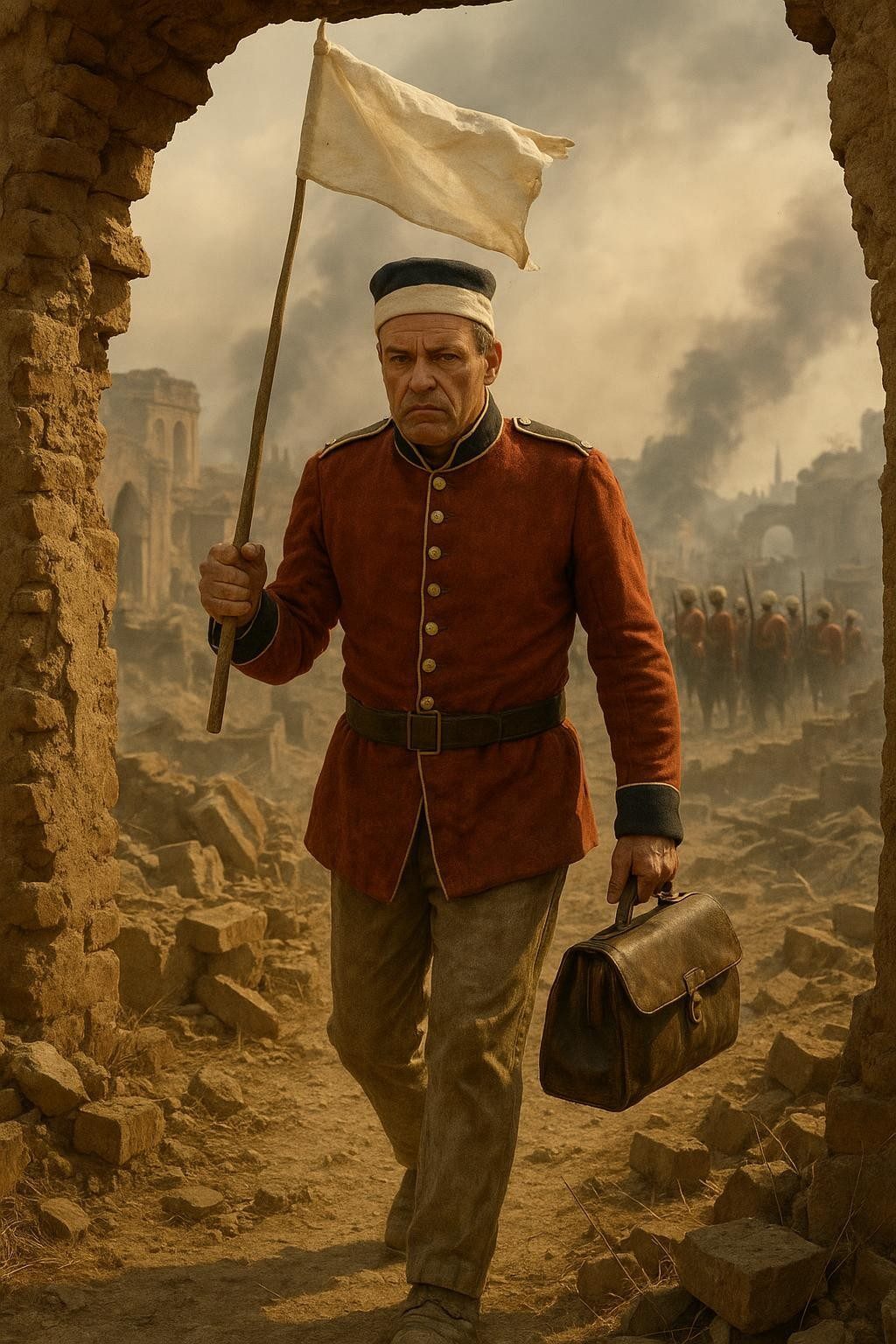
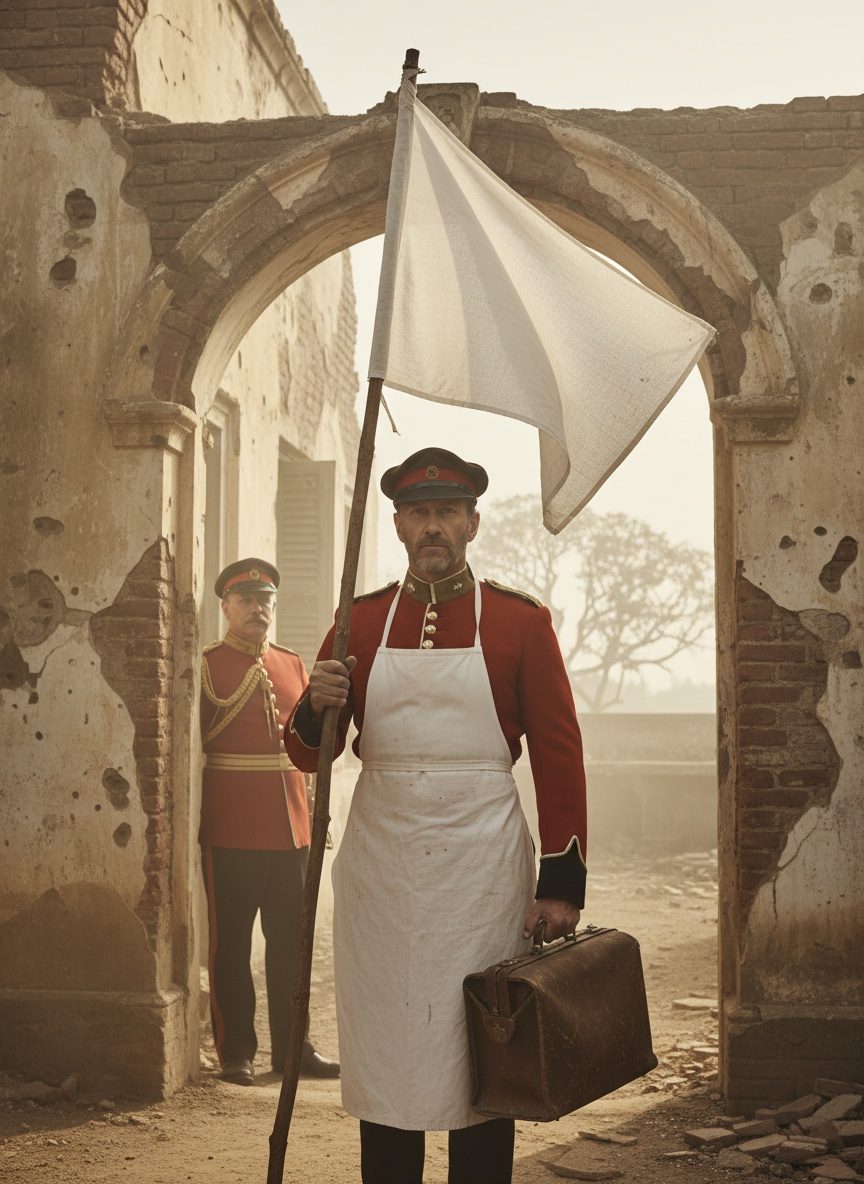
June 1857. Lucknow was under siege. A wounded sepoy lay dying beyond the walls. Lawrence ordered his surgeon out under a white flag. No weapons. No escort. The enemy let him pass.
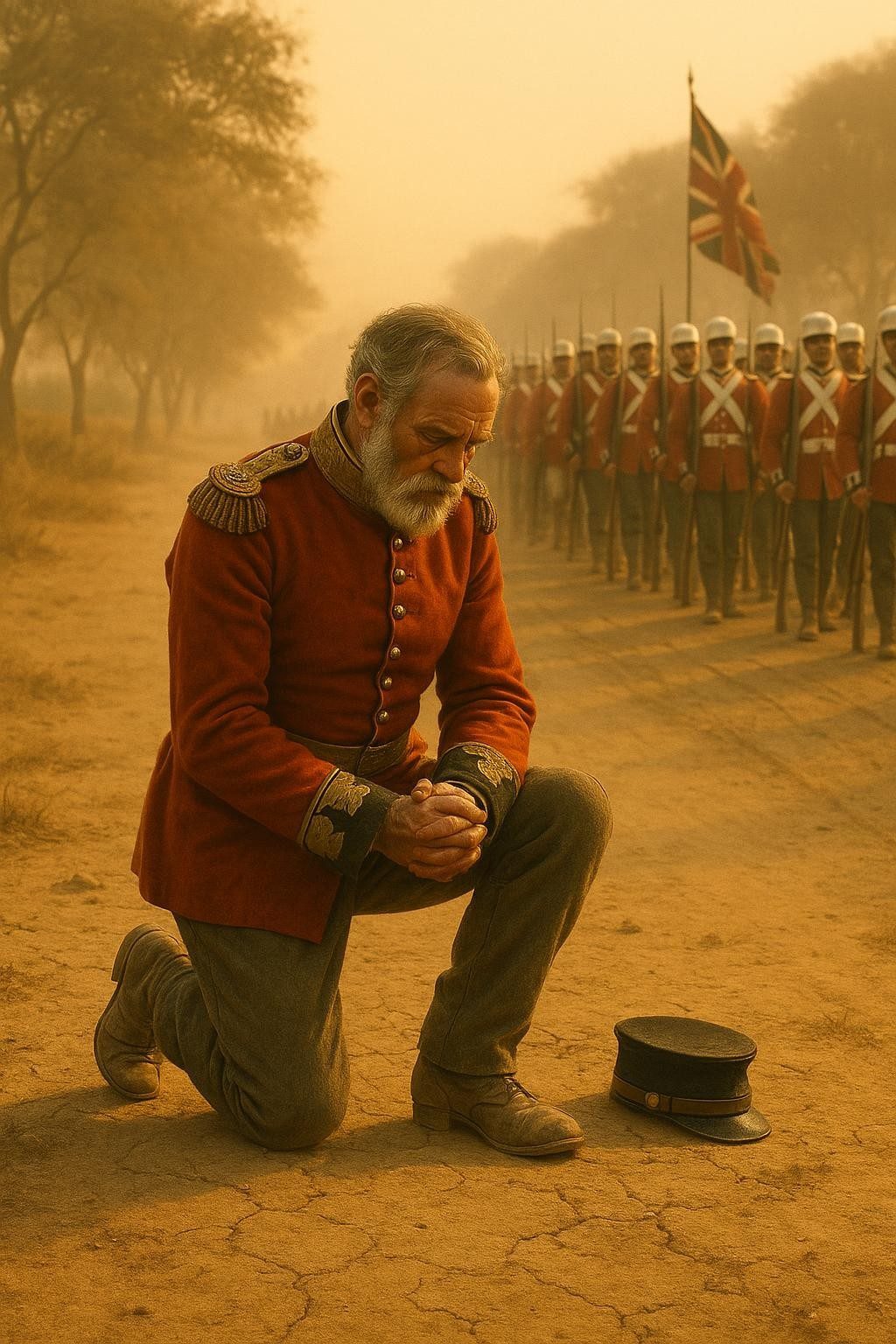
July 1857. Cawnpore had fallen. British captives had been massacred. General Henry Havelock knelt in the dust. He prayed. Then he rose. Led 1,500 men through three battles in eight days. Reached the city. Freed the survivors.
1865. Tibet was forbidden to outsiders. Death awaited any spy caught inside. Nain Singh walked in anyway. He hid a compass in his prayer wheel. Counted every step for 1,200 miles. He came back with the map that changed the world.
1904. Thousands of Indian widows were legal prisoners of their own guardians. One woman refused to accept it. Cornelia Sorabji rode into the purdah courts alone. She was the only woman lawyer in the Empire. She freed hundreds. No one stopped her.
June 1857. The Punjab held fifty thousand armed soldiers. The Mutiny was spreading. John Lawrence faced his officers. He chose to disarm the sepoys. Alone. Against every instinct of caution. The Punjab held.
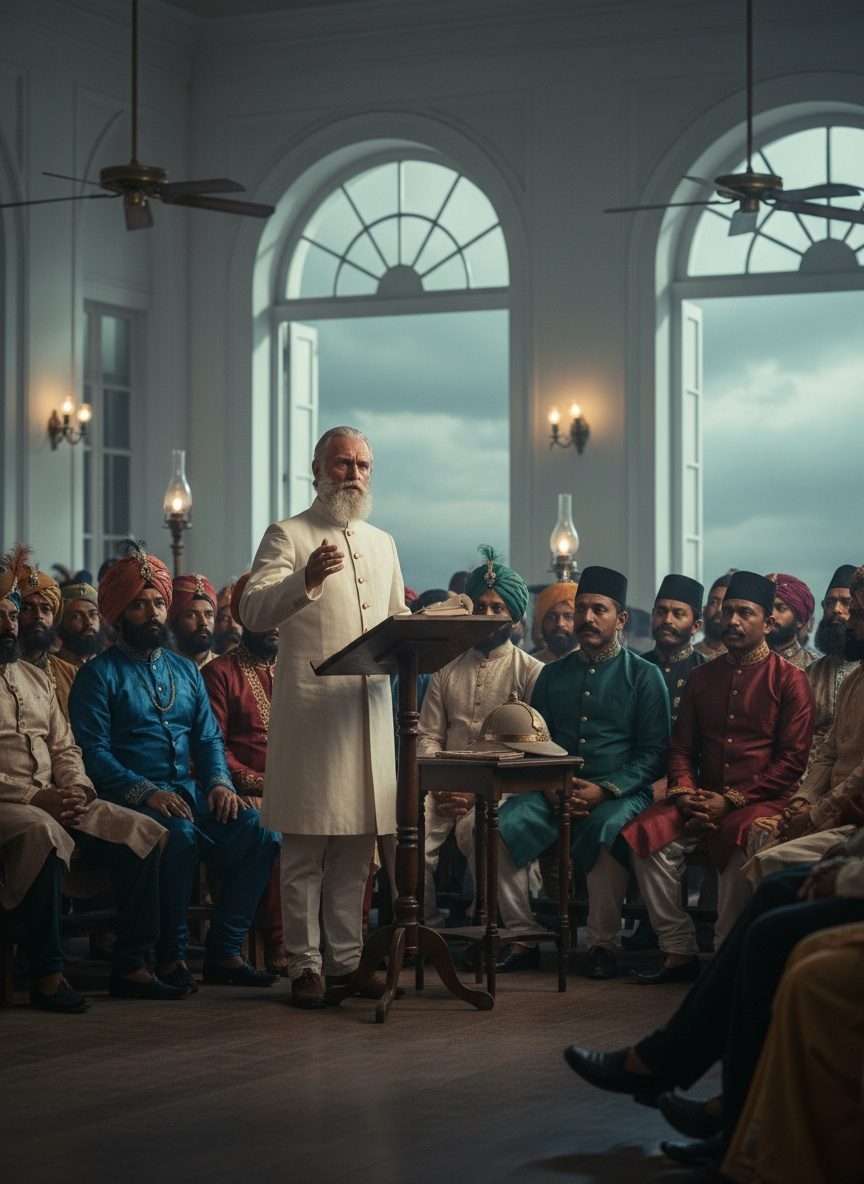
1866. A Bristol reformer stood before India's governors. She had no army. No title. No power. She had only the truth. She spoke it anyway. The Raj listened. India's first girls' schools followed.
1885. A retired British civil servant faced his own government. Allan Hume founded the Indian National Congress. Not to end the Empire. To give India a voice within it. London was furious. He did not care.
June 1857. Lucknow was under siege. The wounded lay dying on both sides. Henry Lawrence ordered his surgeon out under a white flag. To treat the enemy's injured. The rebel commander wept.
1848. The Punjab was on the edge of revolt. A 27-year-old lieutenant held it alone. No regiment. No orders. Just his word. And it held.
The Lion of the Punjab was dead. No succession plan. No heir strong enough. The British watched from Ludhiana — patient, calculating. Within ten years, they would own everything he had built.
Winter 1846. Lahore was starving. A British officer opened the treasury. He fed thousands from his own authority. No order. No permission. Just conscience.
July 1857. Cawnpore had fallen to the mutineers. Hundreds of British civilians were dead. One general refused to stop marching. Havelock crossed the Ganges in the Indian heat. He arrived too late to save them. He wept. Then he pressed on to Lucknow.
Lucknow, 1857. The siege was breaking men. A British chaplain refused to leave the wounded. He walked unarmed between soldiers and the guns. He bargained. He pleaded. He saved them.
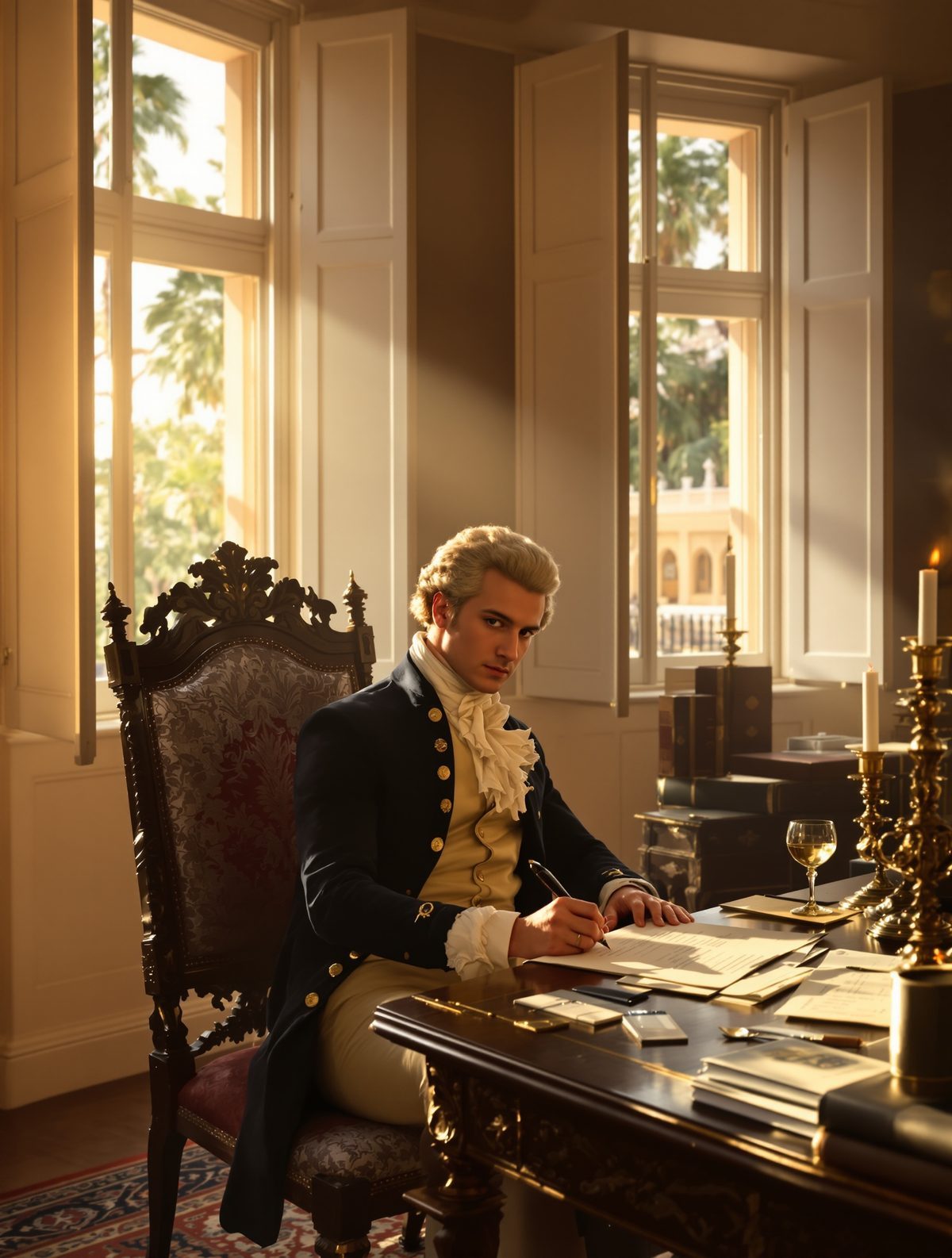
In 1798 a 37-year-old governor-general arrived in Calcutta with one idea: turn a trading company into a continent-spanning empire. Within seven years he had done it — and nearly bankrupted Britain doing so.
Poona, 1851. Child widows had no school. No future. No voice. Pandita Ramabai had lost everything. She stood before the Raj's commissioners anyway. She spoke. They listened. India changed.
Lucknow, 1857. The Residency was falling. A lone British officer walked into the enemy's court. No army behind him. No guarantee of return. He bargained. He held his nerve. He walked out alive. So did a thousand refugees.
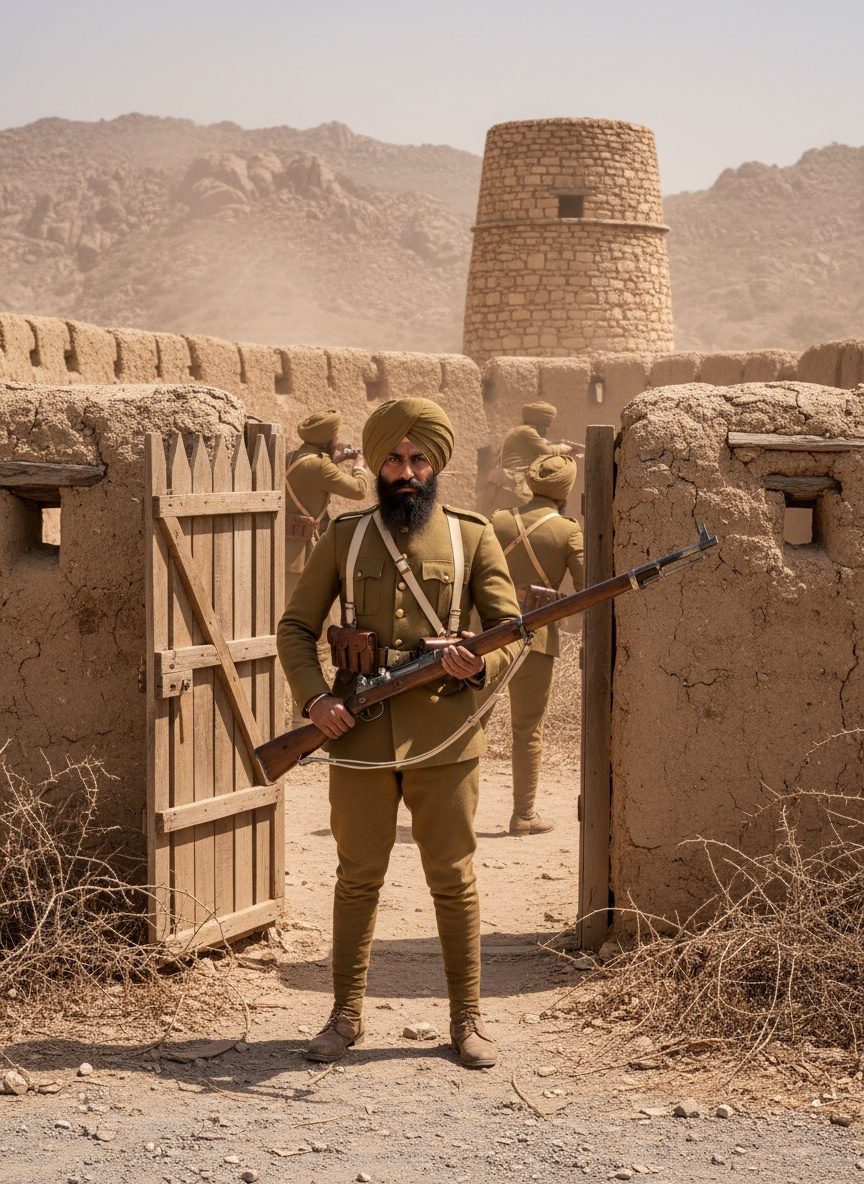
12 September 1897. Twenty-one Sikh soldiers held a tiny signal post. Ten thousand Afridi tribesmen surrounded them. Not one man surrendered. They fought until the walls fell.
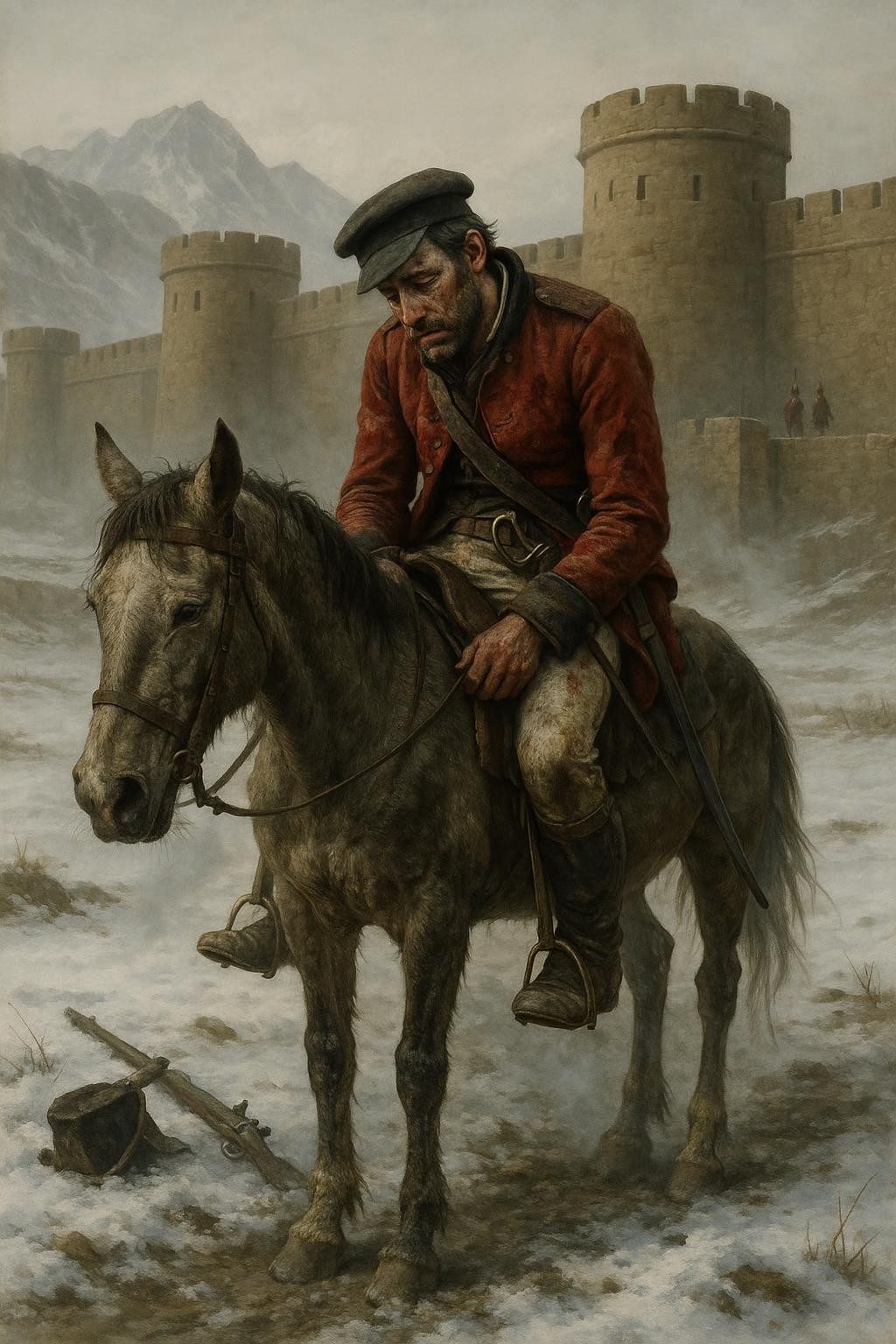
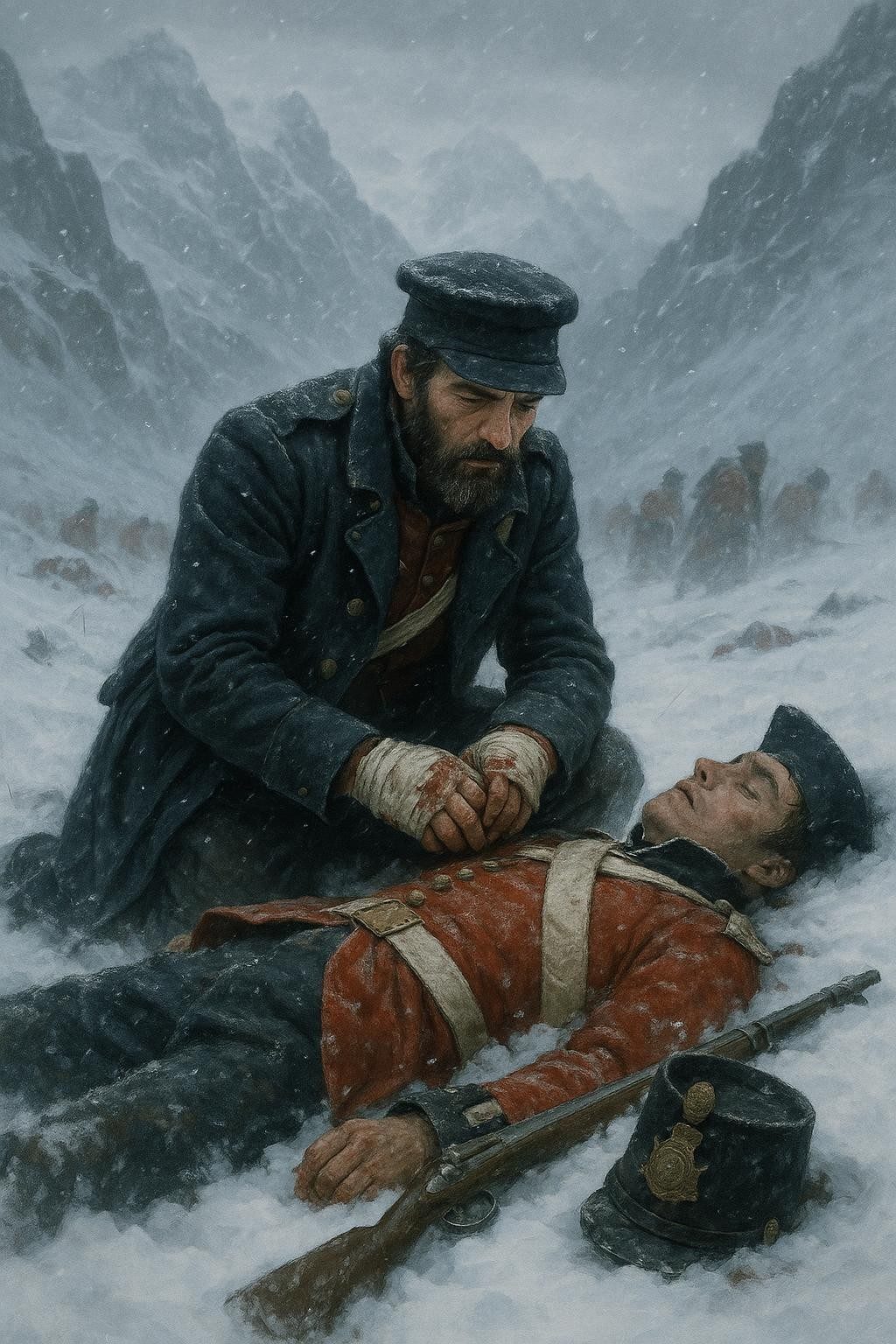
January 1842. Sixteen thousand soldiers and civilians left Kabul. Afghan tribesmen closed in from every pass. One man rode back alone to buy them time. His name was William Brydon. He was the only one who made it to Jalalabad.
June 1857. The Lucknow Residency was surrounded. Surgeon Joseph Fayrer had no supplies. No relief. Two thousand civilians sheltered inside. He worked without stopping. For eighty-seven days. He saved hundreds. The Empire held.
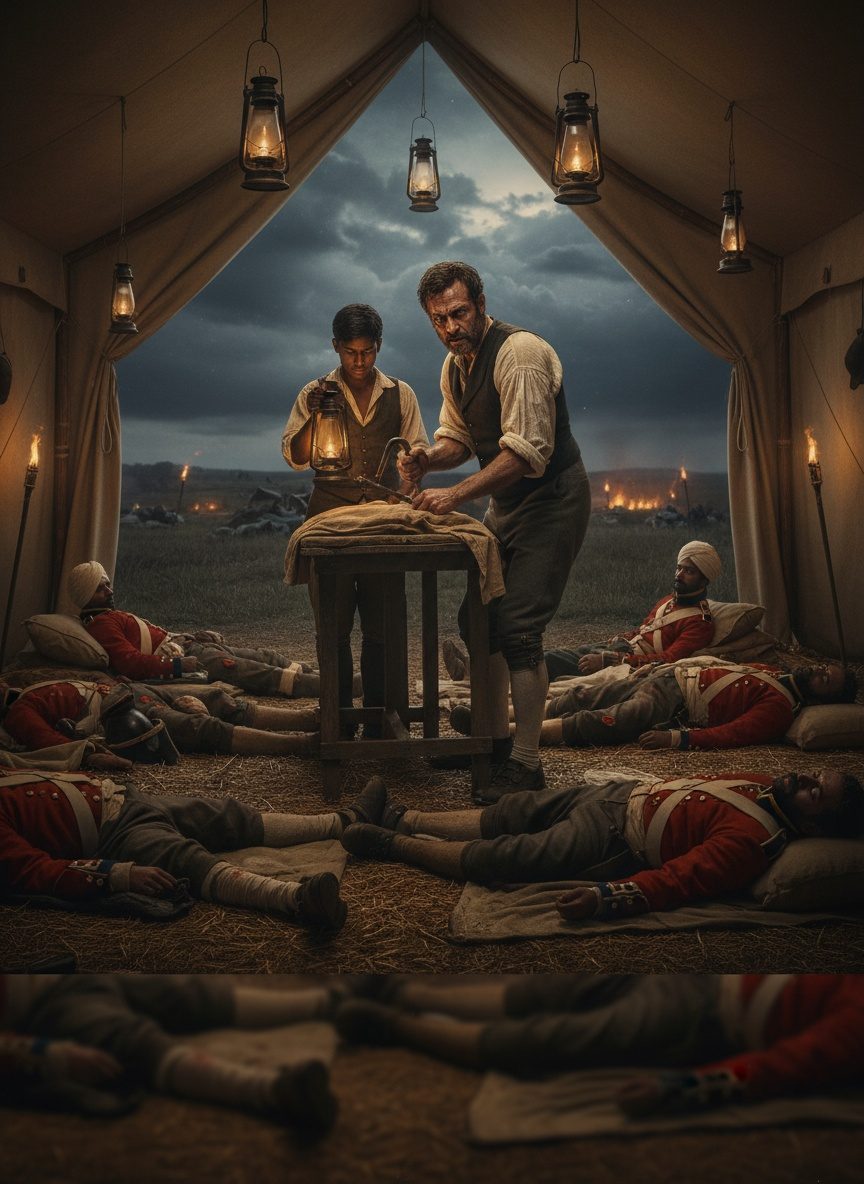
September 23, 1803. Assaye, India. Wellesley's army had smashed a Maratha force three times its size. The field was carnage. One surgeon worked through the night. He did not stop until dawn.
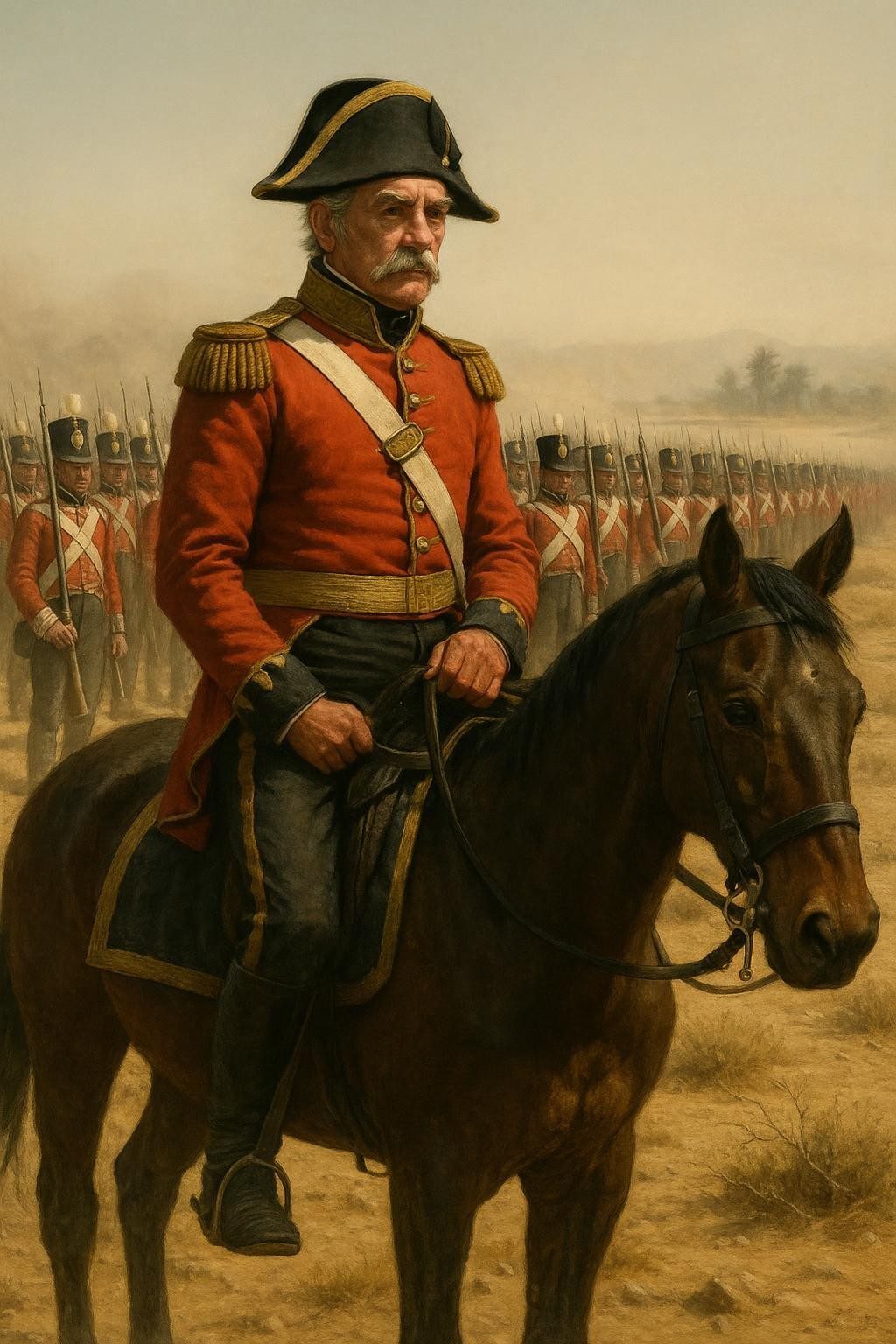
February 1843. Charles Napier had 2,800 men. The Baluchi army had 35,000. His cavalry was outnumbered ten to one. He attacked anyway. By nightfall the entire Sind was British.
June 1857. The Lucknow Residency was surrounded. Surgeon Joseph Fayrer had no soldiers to command. He had only a scalpel. For eighty-seven days he kept the wounded alive. The fort held.
July 1857. Lucknow was besieged. Over a thousand British women and children were trapped inside. General Havelock marched 126 miles in blistering heat. He fought four pitched battles in eight days. He broke through.
Rajkot, 1881. A single British political agent faced a fortified palace. The Maharaja of Morvi had barricaded his gates. No troops. No cannon. Just one man with a letter. He walked in. And walked out with a signed submission.
August 1904. No westerner had entered Lhasa in centuries. Francis Younghusband led 3,000 men through the Himalayas. The gates of the Forbidden City opened. He walked inside. Britain had reached the roof of the world.
1860. Malaria was killing British soldiers across India. One man had a plan. Clements Markham trekked into the Andes. He smuggled cinchona seeds past Peruvian guards. Planted them in India. Saved millions of lives.
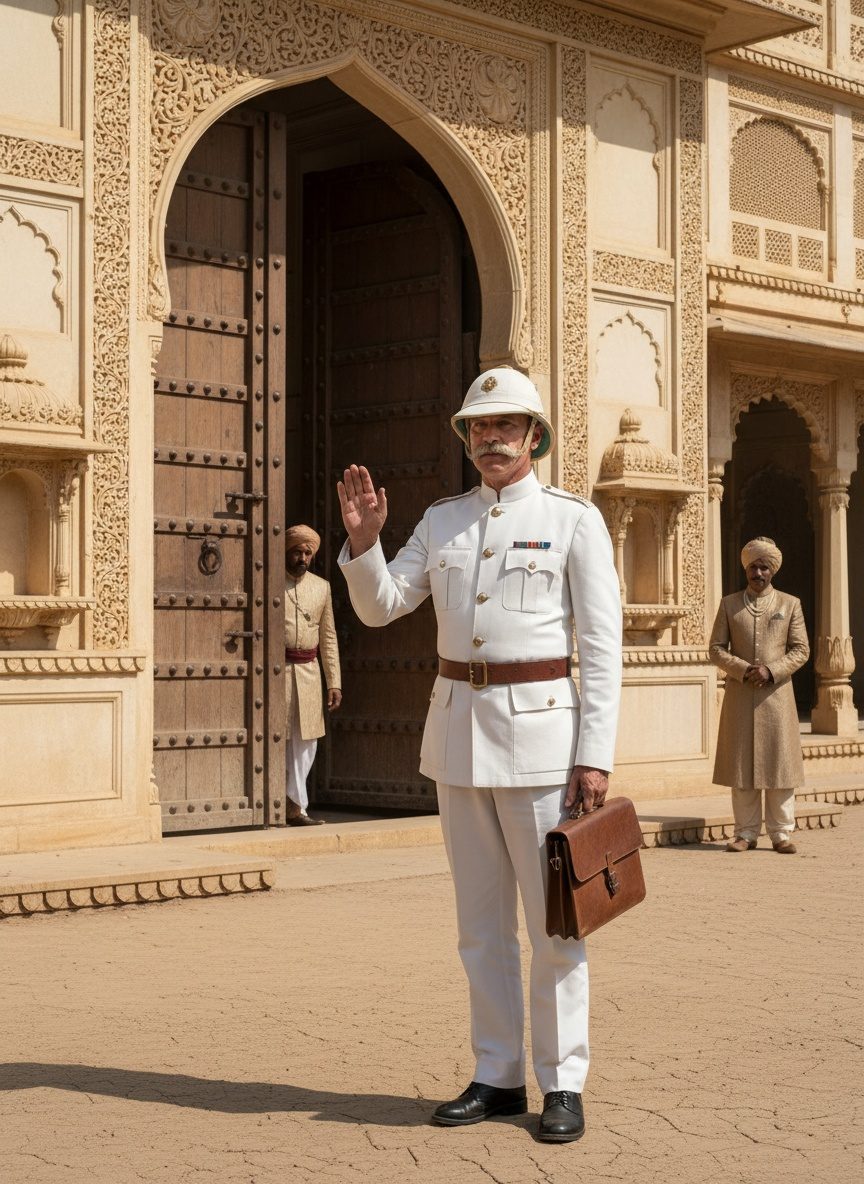
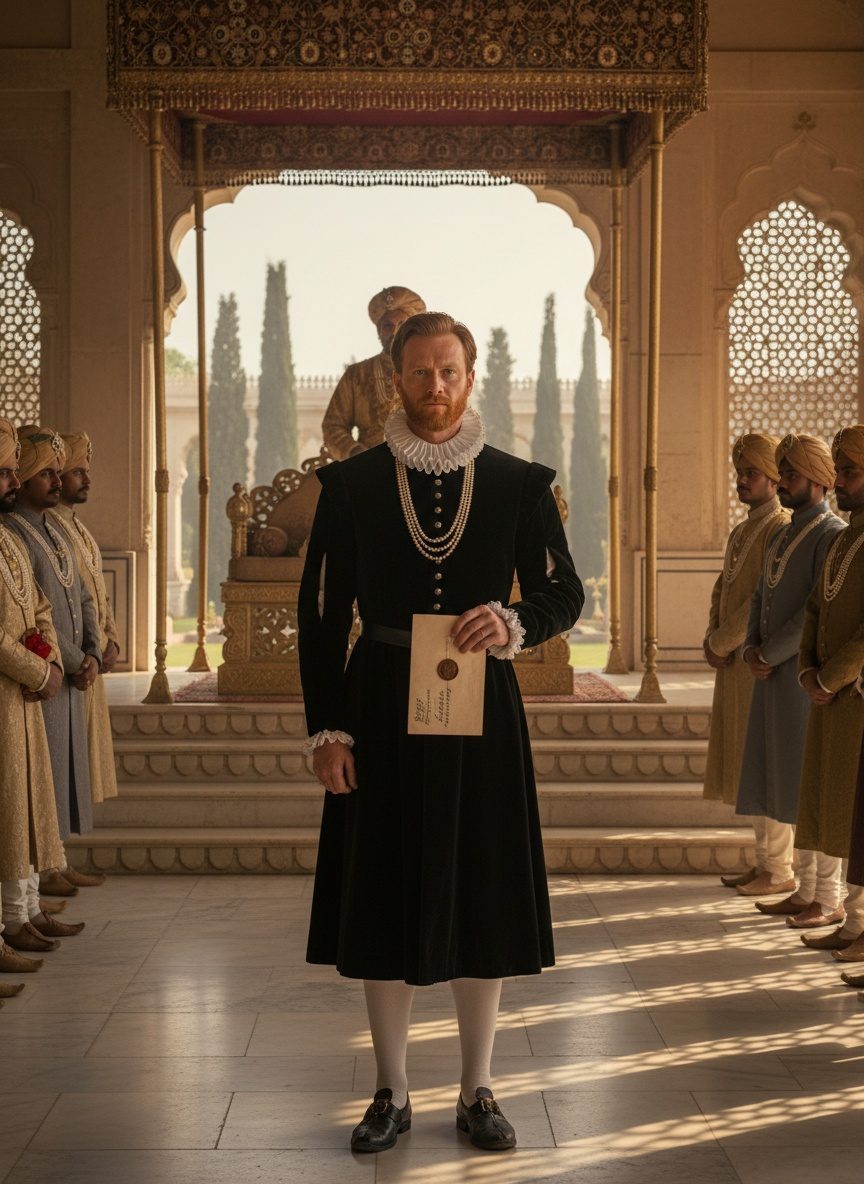
1615. One man stood at the gates of Agra. Thomas Roe carried a letter from King James. He faced the most powerful ruler on earth. He had no army. No gifts. Just words. He won.
1857. The Survey of India needed maps no European could make. Nain Singh walked in secret. Through Tibet. Through forbidden Lhasa. Every step counted. He hid his instruments in a prayer wheel. He came back with the shape of the world.
January 1842. The British Army of the Indus was dying in the snow. One surgeon stayed behind. He treated the wounded. Bargained with warlords. Saved dozens. His name was William Brydon.
Lucknow was surrounded. 900 civilians and soldiers were starving inside the Residency. One man slipped through enemy lines alone. He rode 60 miles through rebel-held India to bring help.
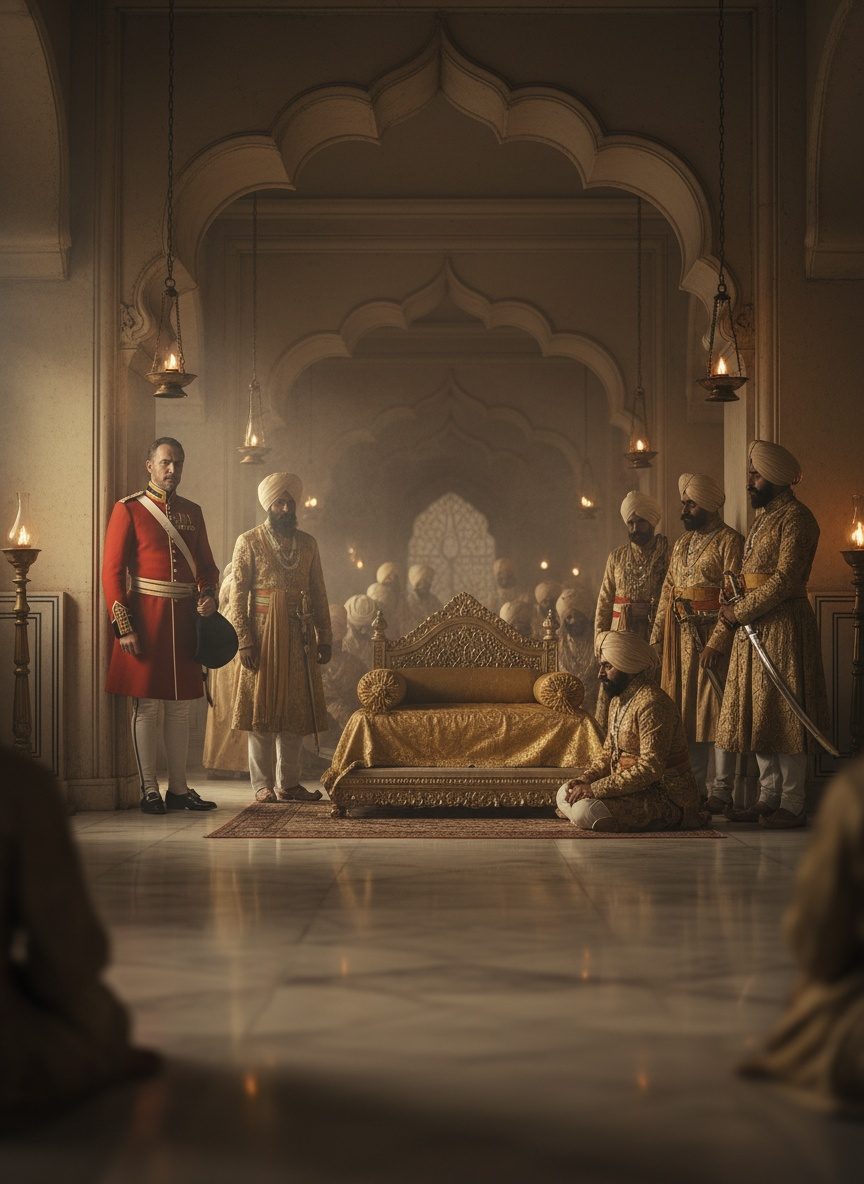
In 1838, Maharaja Ranjit Singh ruled the most powerful kingdom in Asia. Britain needed an ally — or a buffer. One man walked into Lahore's golden court alone. What he said changed the map of India forever.
Before Plassey, Robert Clive faced impossible odds. So he forged a conspiracy. A fake treaty. A planted spy. One fabricated letter decided who would rule India.
The Ganges Canal stretched 350 miles. It was the longest irrigation canal on Earth. One British engineer built it in a land where millions starved. His name was Proby Cautley. And he did it in nine years.
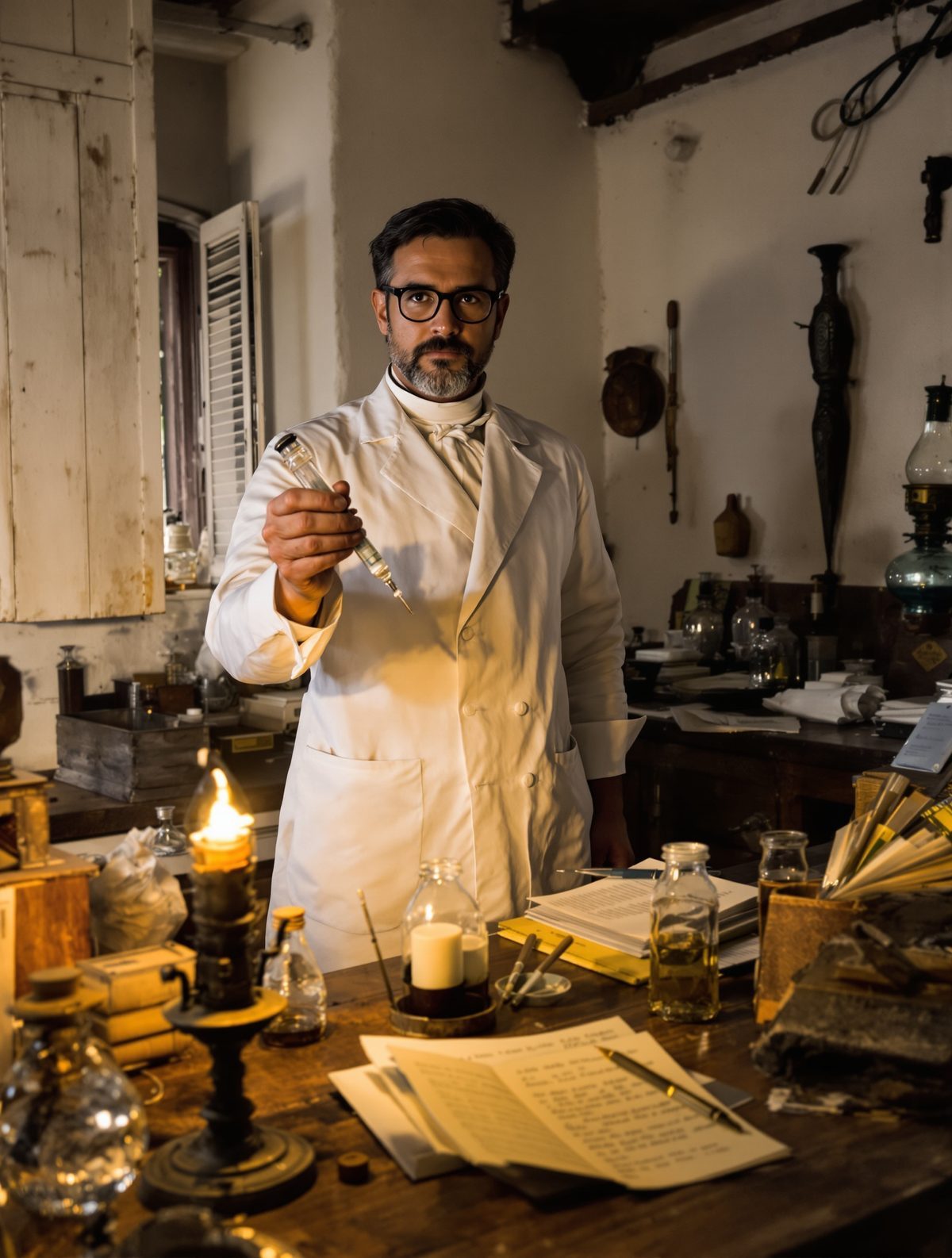
Bubonic plague was tearing through Pune. Waldemar Haffkine had one chance. Working alone in a makeshift lab, he injected himself first. Then he saved half a million lives.
In 1852, an Indian mathematician burst into his boss's office. He had calculated the exact height of a distant Himalayan peak. His number was so clean it looked made up. So the Survey of India buried his name for years.
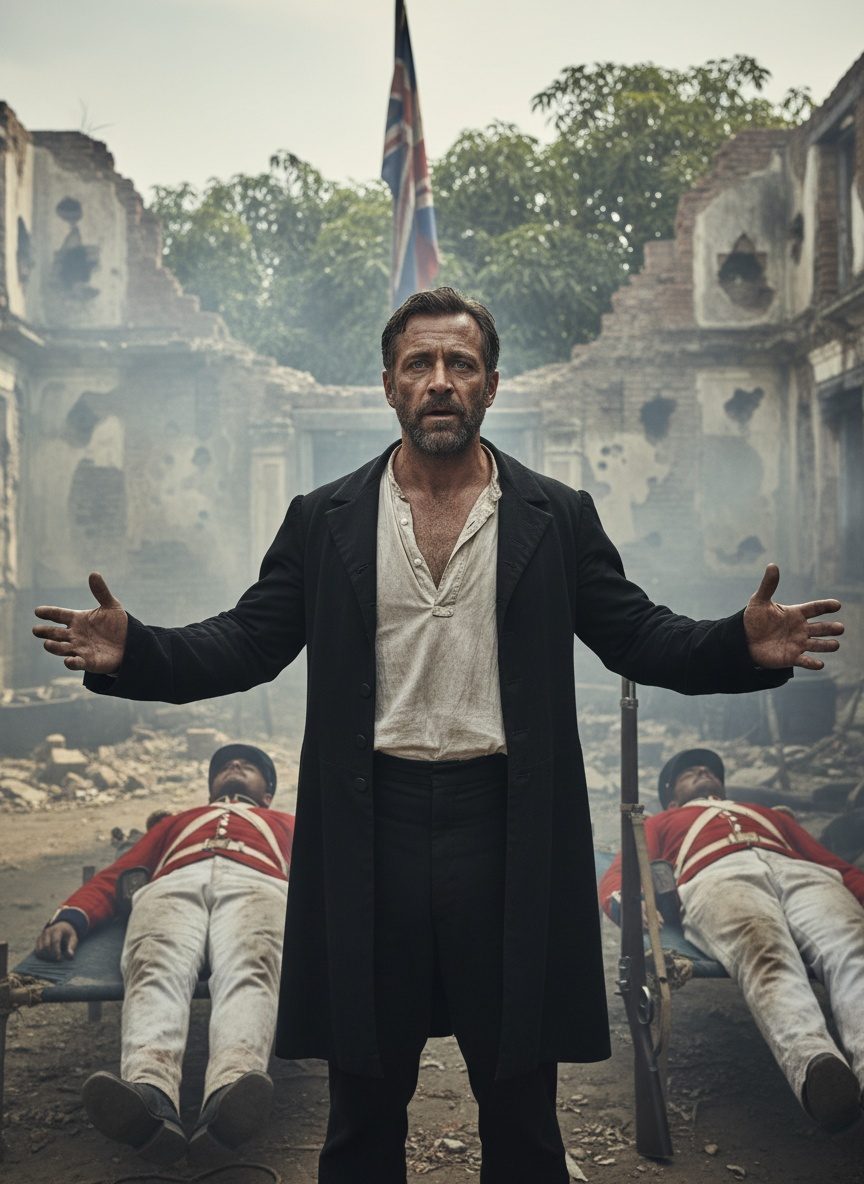
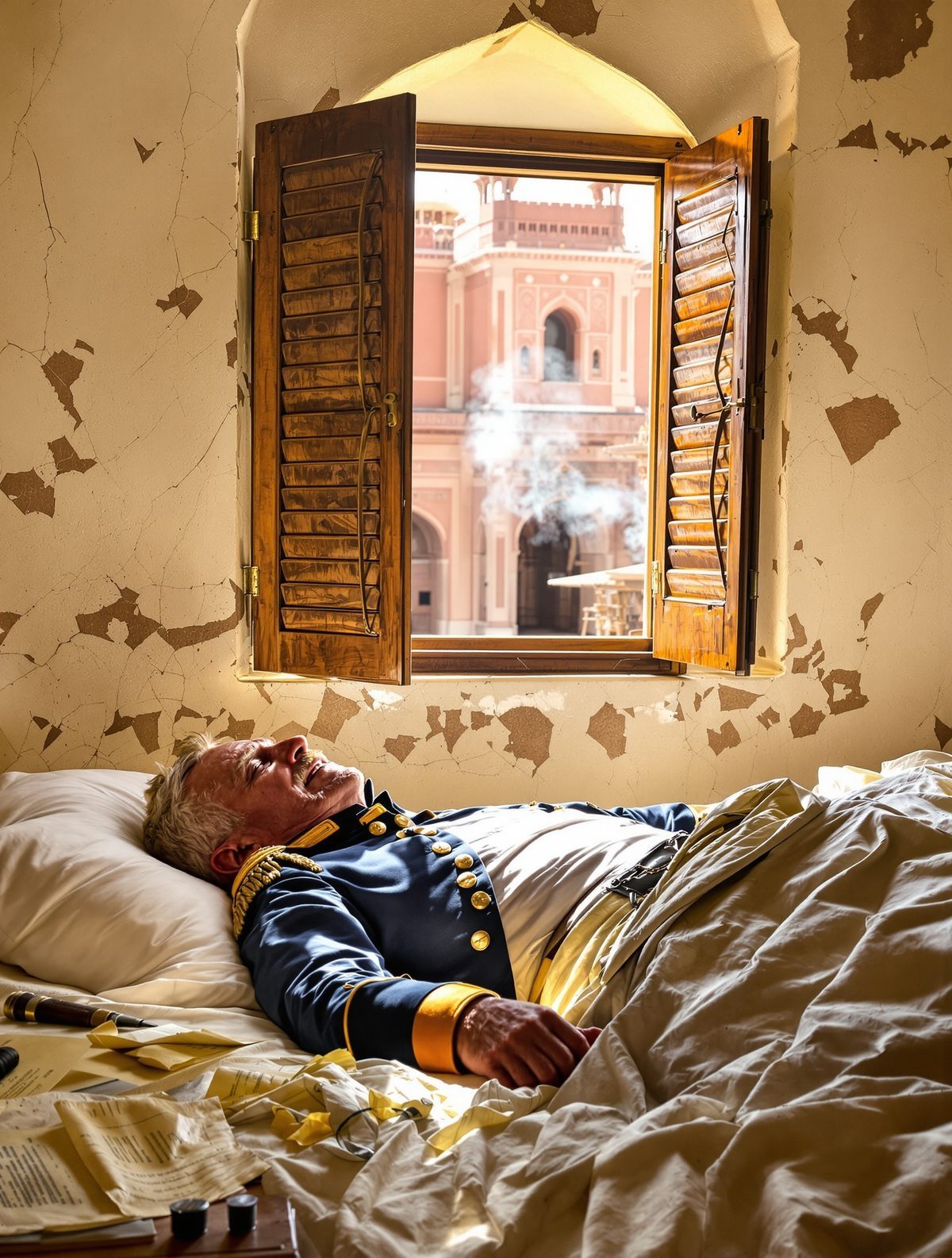
July 1857. The Mutiny raged. Sir Henry Lawrence was dying from a shell wound. His final order: hold the Residency. For 87 days, 1,000 souls survived behind crumbling walls — and waited.
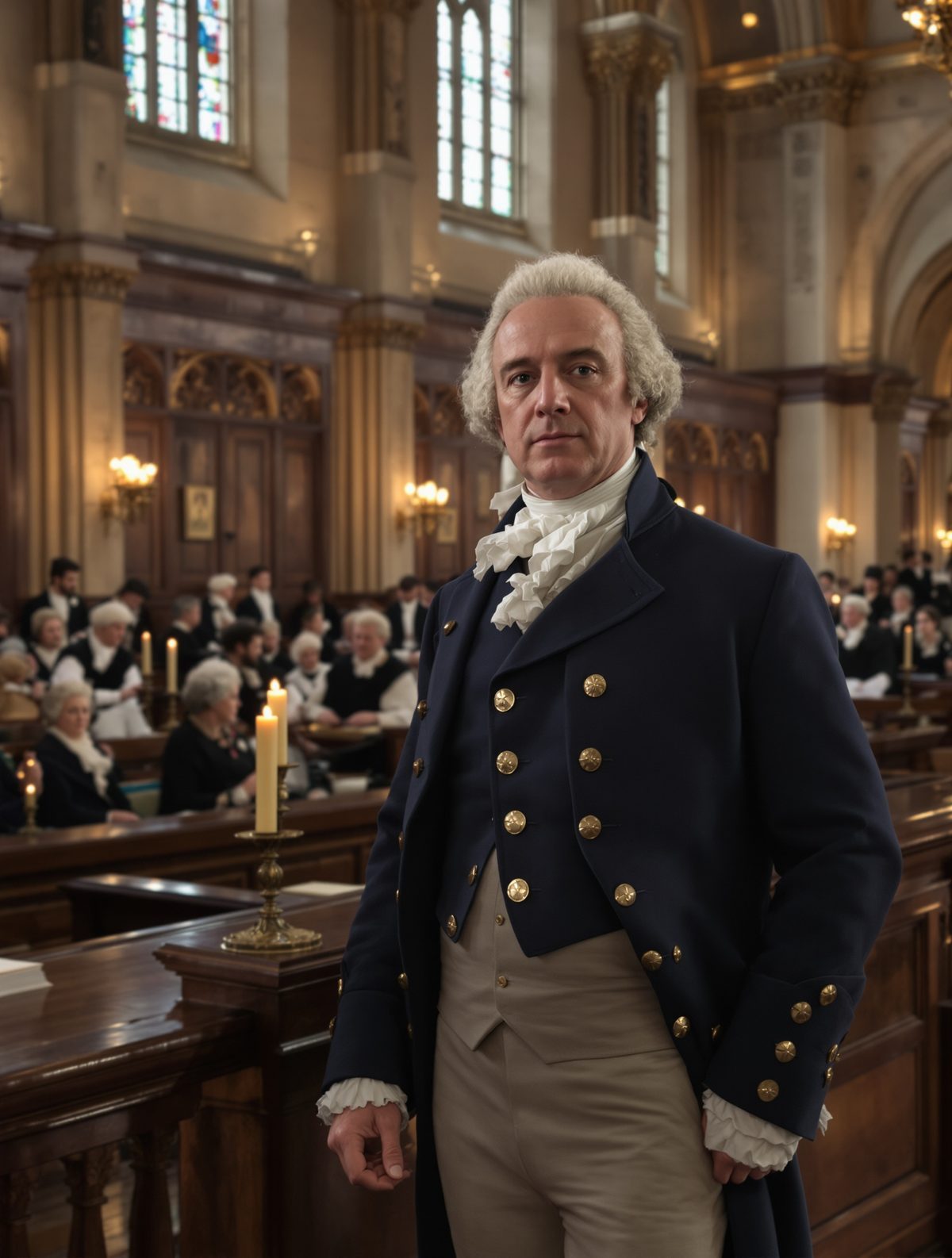
Westminster Hall, 1788. Britain's first Governor-General faces impeachment. Seven years of testimony. The entire Indian Empire hangs in the balance. One man's trial becomes the Empire's.
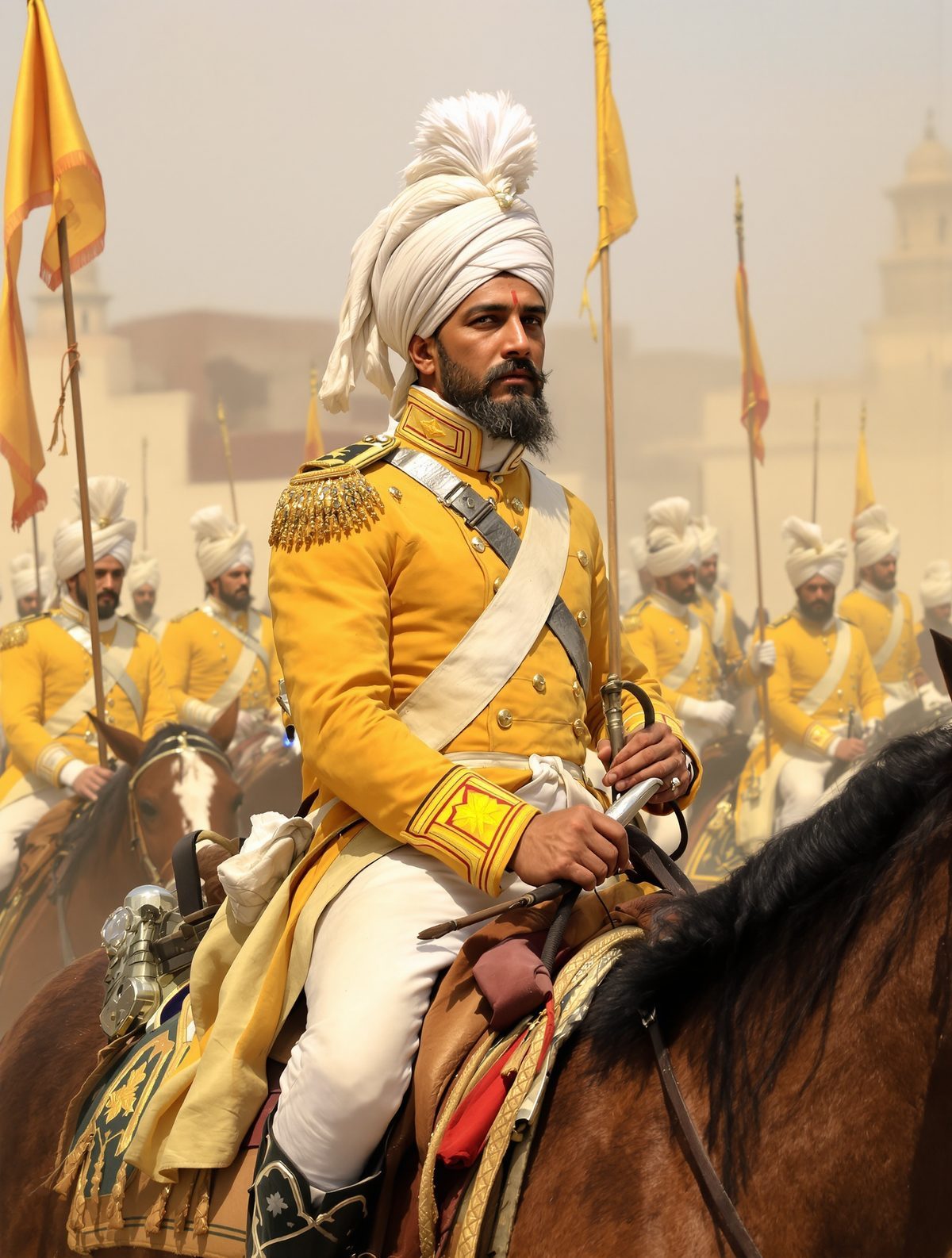
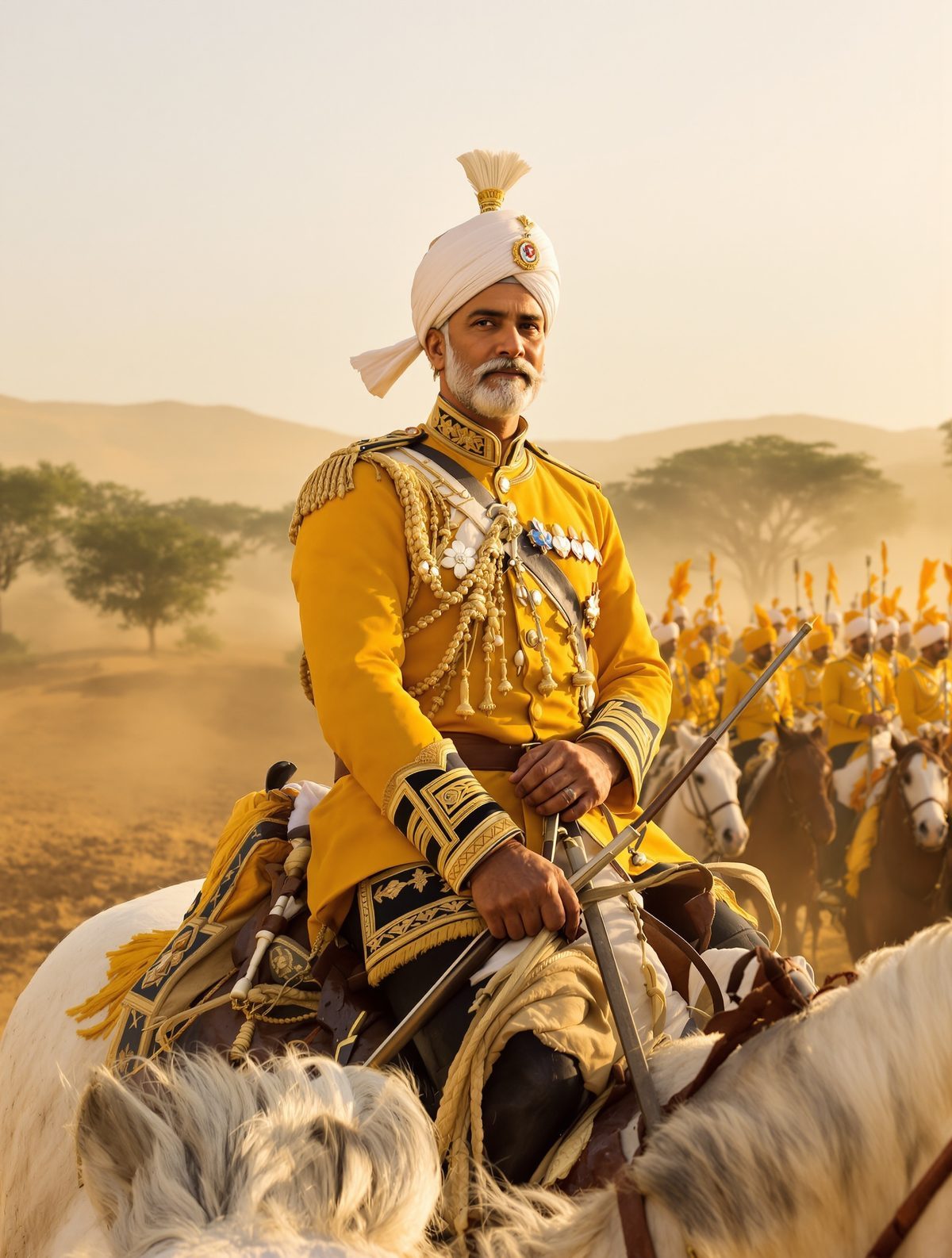
James Skinner spoke nine languages and built his own cavalry regiment. His men wore yellow uniforms and fought for whoever paid them best. They served the Marathas, then the British, then back again.
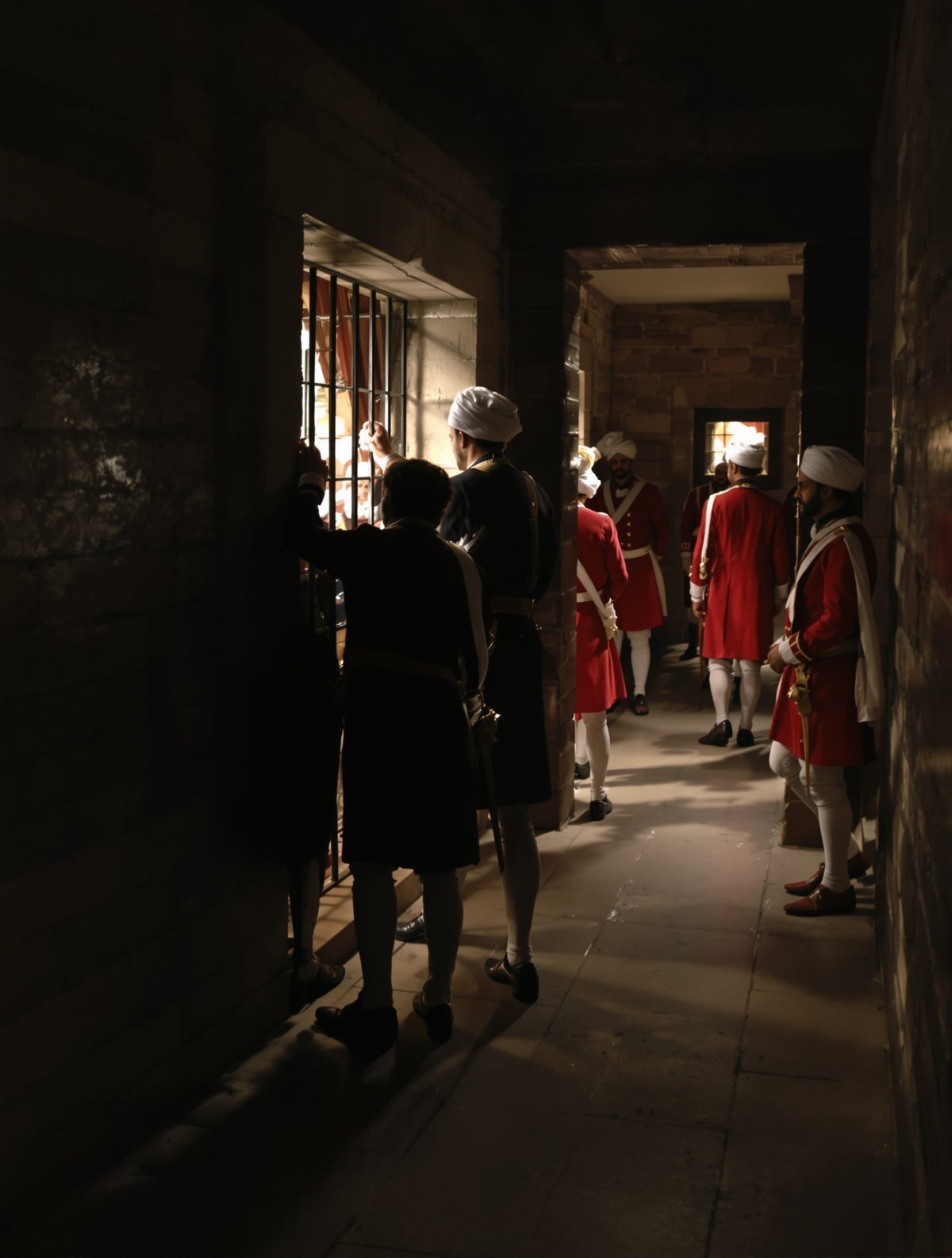
146 British prisoners crammed into an 18x14 foot cell. No windows. June heat. By dawn, only 23 were still breathing. The horror that launched Britain's conquest of Bengal.
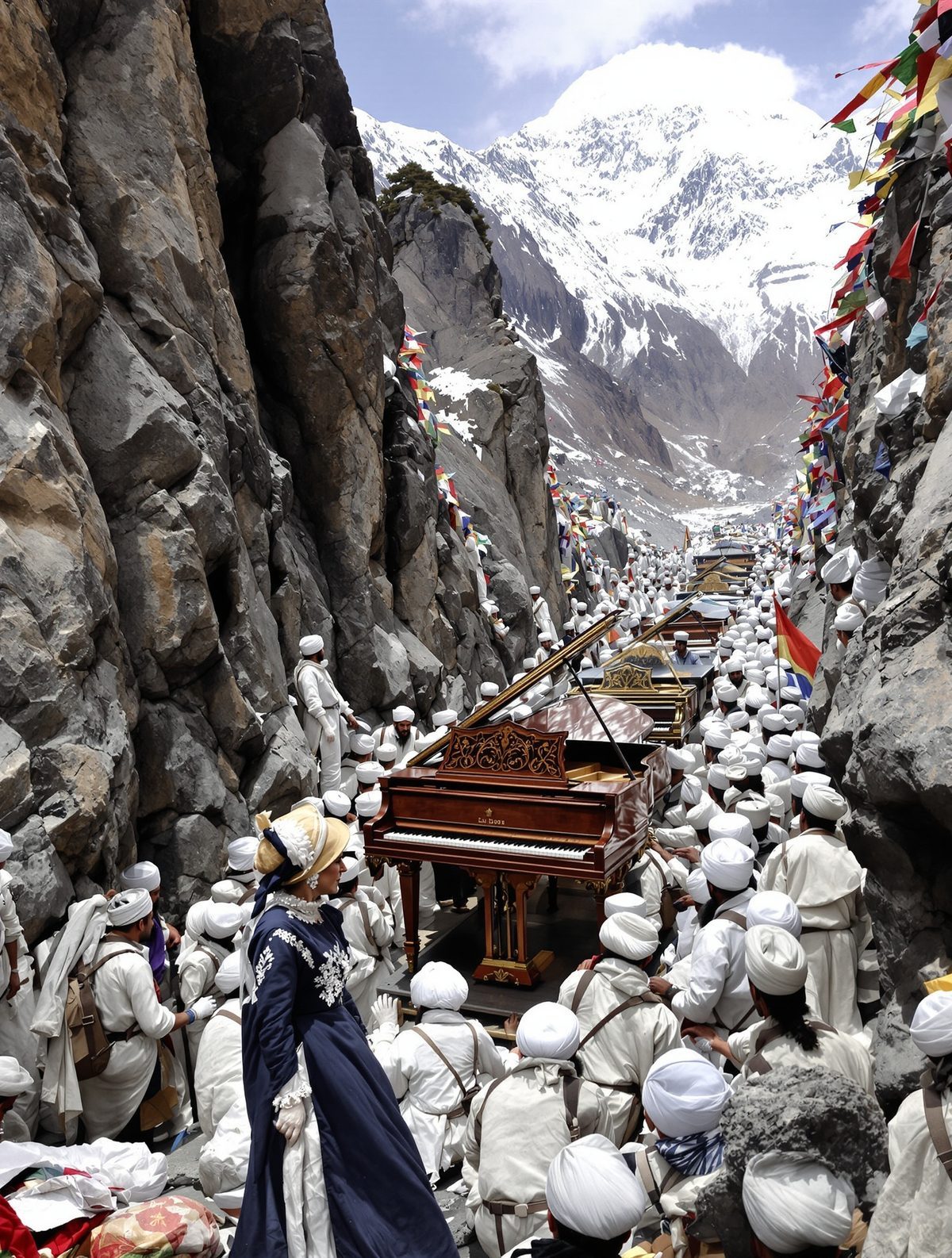
Lady Emily Eden insisted her grand piano accompany her brother's 1838 diplomatic mission. 300 Indian coolies carried it 1,200 miles through jungle and mountain. She played Beethoven at 8,000 feet. The Himalayan piano became legend.
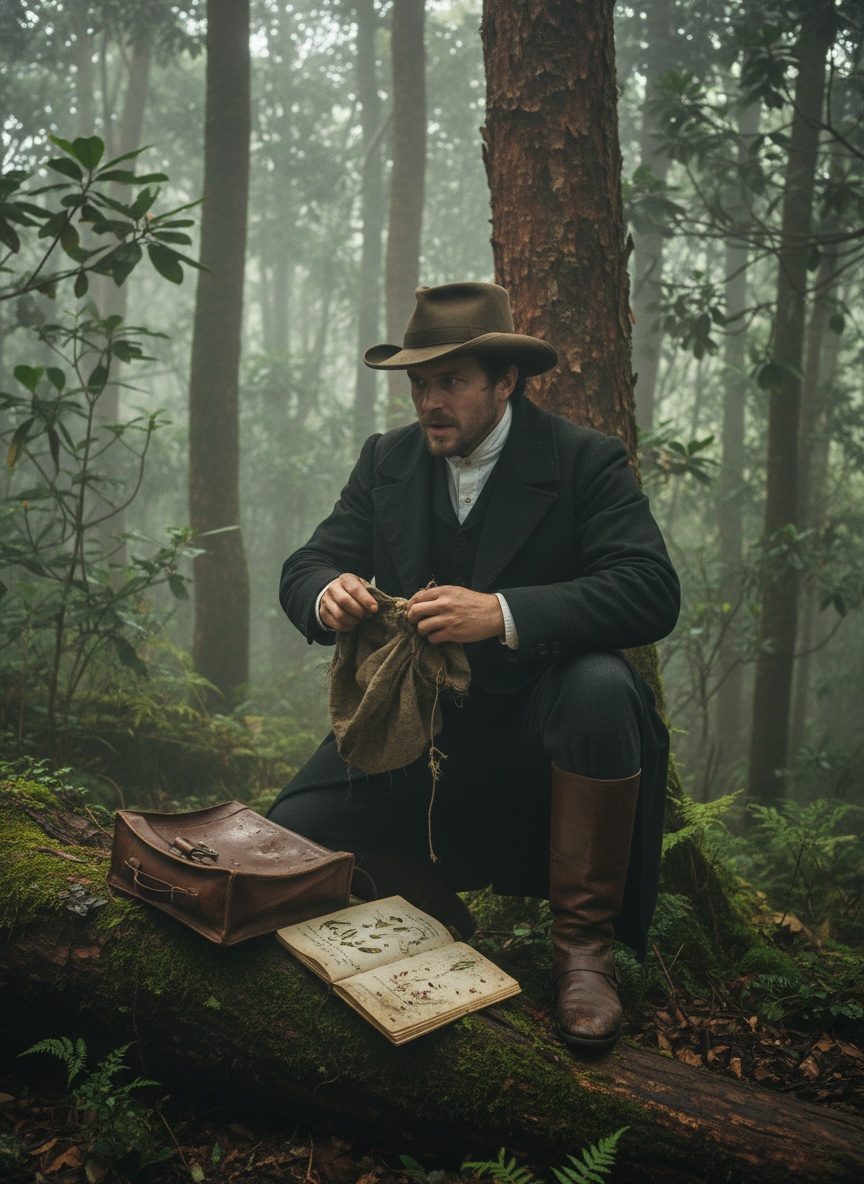
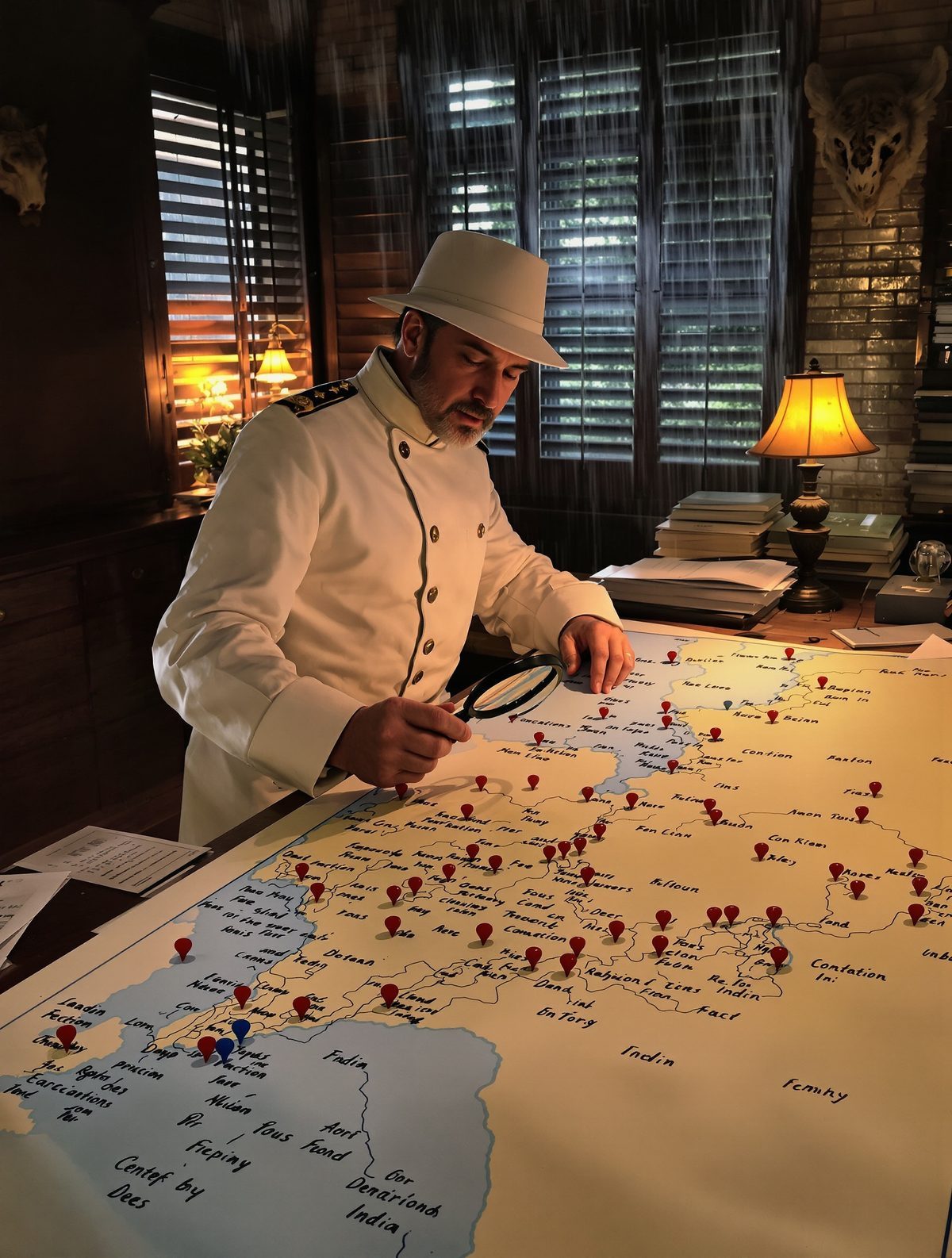
Major William Sleeman stared at his hand-drawn map of India. Red pins marked murder sites. Blue pins marked captured Thugs. The pattern was clear. For 600 years, the Thugee cult had strangled travelers on India's roads. Now one British officer's detective work would end their reign of terror forever.
Colonel James Tod rode alone into Rajputana's forbidden kingdoms. The warrior princes had never allowed foreigners to map their lands. Tod spent four years sketching every fort and palace. His surveys became the foundation of modern Rajasthan.
Sir Henry Lawrence lay dying from a cannonball wound. British families huddled in Lucknow's Residency as 60,000 rebels surrounded them. His final order: "Let there be no surrender." His preparations kept them alive for 87 days until relief came.
Major William Sleeman discovered that thousands of travellers vanished each year on India's roads. The killers were Thugs — ritual murderers who strangled victims for the goddess Kali. Sleeman infiltrated their secret society. He turned Thug against Thug with pardons and promises. In seven years he captured 3,000 Thugs and ended 600 years of ritual murder.
Sir John Malcolm rode alone from Bombay to Tehran. No British envoy had survived the journey in 30 years. Persian bandits controlled every mountain pass. Malcolm carried £50,000 in gold and Britain's future in the East.
Colonel James Skinner commanded the most feared cavalry in India. His yellow-uniformed irregulars served three different armies. Maratha. Sikh. British. They called themselves Skinner's Horse. They never lost a charge.
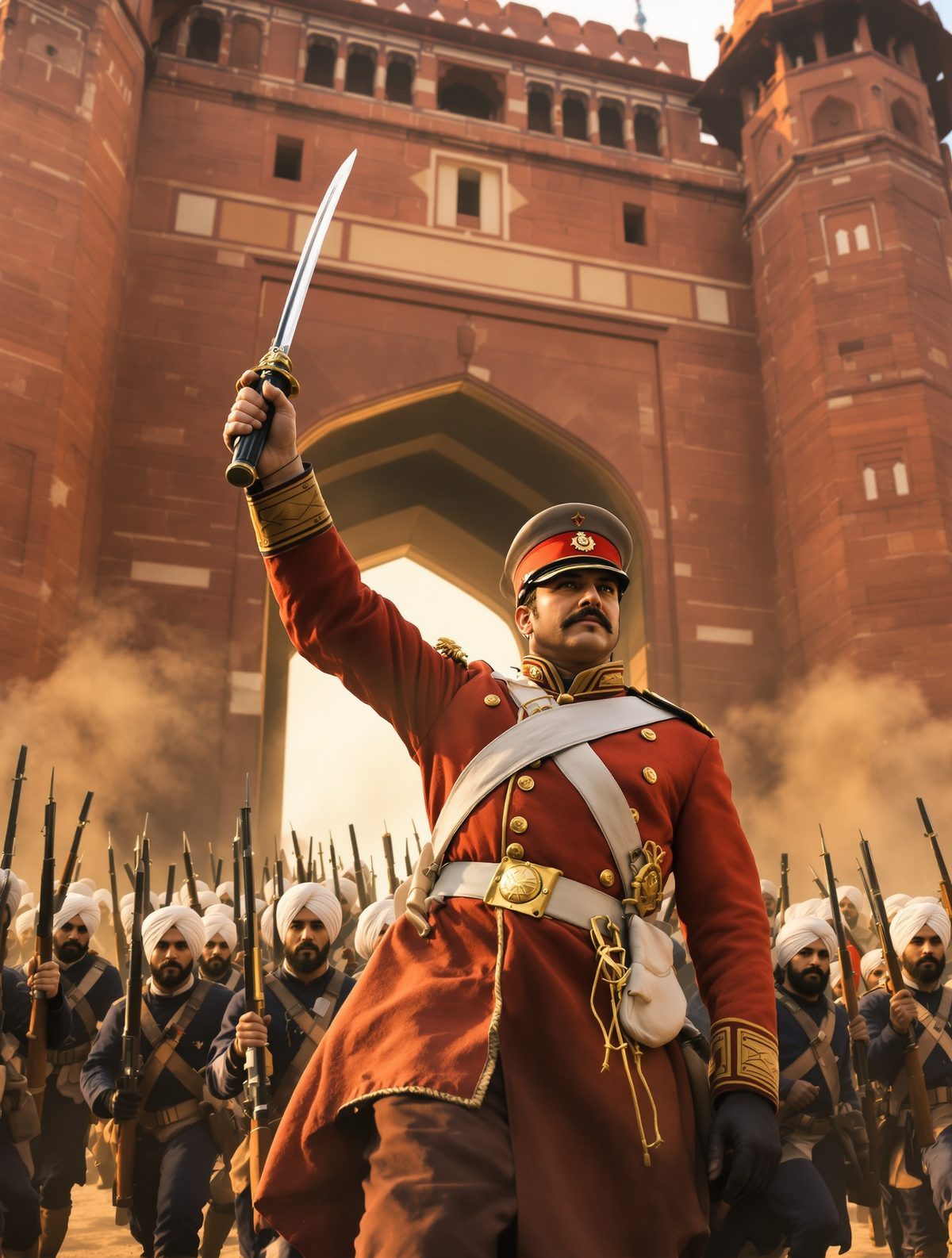
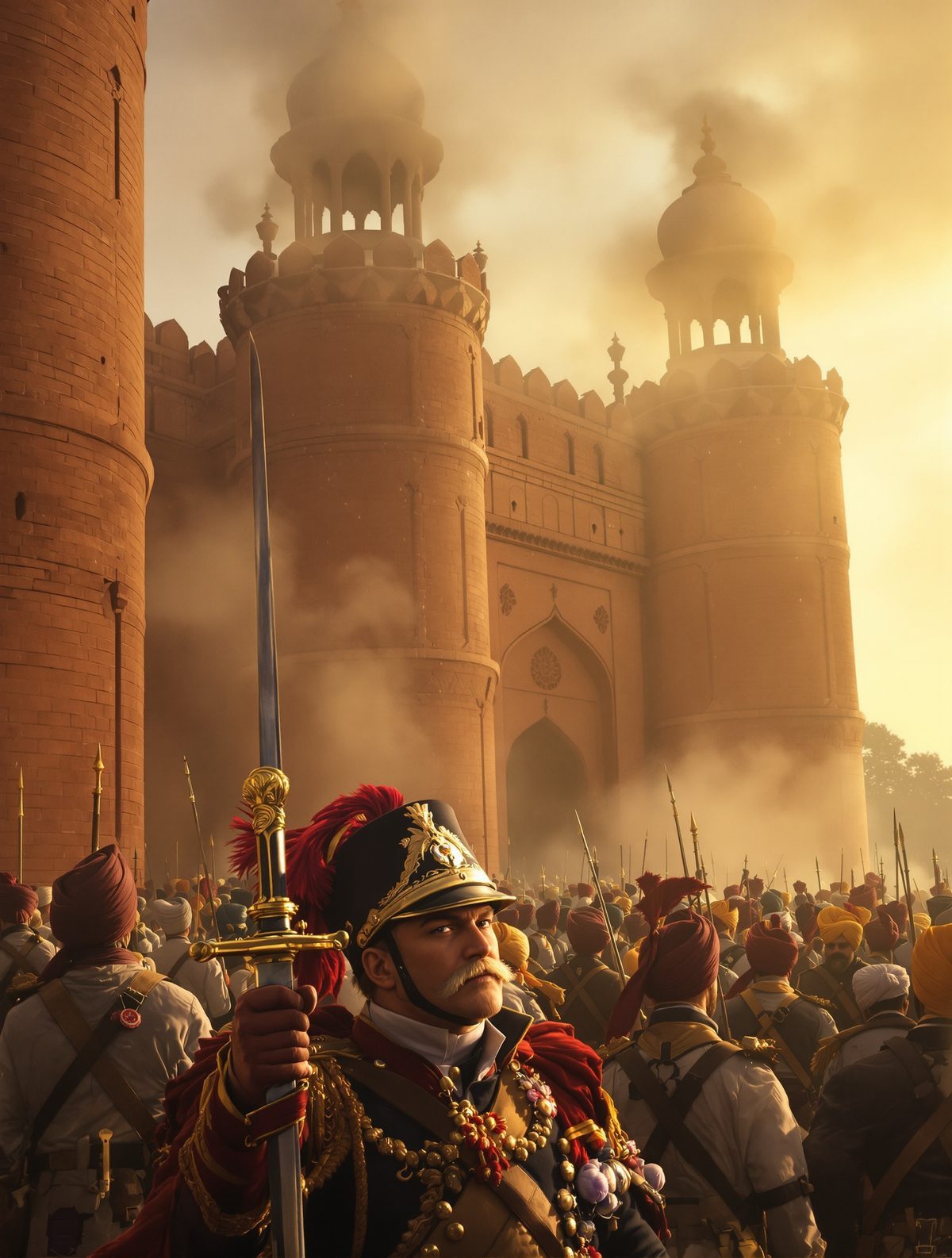
September 1857. Major John Nicholson led 100 Sikh soldiers against Delhi's massive Kashmir Gates. The rebels had 30,000 men inside. Nicholson charged the gates with just his sword and his Sikhs' bayonets. They held the breach for six hours.
Captain Hawkins stepped into the Mughal court as the first Englishman to meet Emperor Jahangir. The emperor made him a noble. Hawkins married an Armenian princess. For three years he lived as 'English Khan' in Agra.
In 1847, engineer Arthur Cotton stared at India's drought-ravaged Godavari Delta. Millions faced starvation. He designed impossible canals through 300 miles of swamp and rock. His waterways transformed wasteland into India's rice bowl. Nine million people never went hungry again.
Major Hodson rode alone into Delhi's Red Fort. The last Mughal princes had fled to Humayun's tomb. He demanded their surrender. They emerged from hiding. Hodson's carbine ended the 300-year-old dynasty in a single afternoon.
January 1781. French and Indian armies surrounded Porto Novo with 40,000 warriors. Sir Eyre Coote had just 7,000 exhausted British troops. The future of British India hung on one desperate dawn attack.
September 1857. Lucknow was surrounded. 3,000 British civilians trapped inside the Residency. Sir James Outram volunteered to serve under his junior officer Henry Havelock. Two generals. One impossible rescue mission through rebel-held streets.
General John Nicholson lay dying from a bullet wound. His Sikh soldiers refused to believe their commander was mortal. They called him the 'Lion of the Punjab.' As Delhi's walls crumbled, they fought believing his spirit led them into battle.
Young lawyer William Hickey sailed to Calcutta in 1769. He built Britain's most scandalous fortune. Spent £40,000 on wine in one year. Kept a harem of Indian mistresses. His memoirs shocked Victorian England.
Scottish soldier Alexander Gardner spent nine years wandering Afghanistan and Kashmir. He fought in eighteen battles. Changed identity twenty-five times. Survived by his wits alone. When he finally reached British India, no one believed his story.
Lieutenant Alexander Burnes dyed his skin brown. Learned perfect Persian. Walked from India to Afghanistan disguised as a horse trader. He was mapping the route for a British invasion.
May 1857. The Indian Rebellion explodes across northern India. Punjab sits on a knife's edge. One wrong move and 8 million people rise in revolt. John Lawrence sends a single telegraph message. It saves the Empire.
September 1857. Delhi under rebel siege for months. John Nicholson gets the order. March from Punjab to Delhi. 400 miles in 20 days. Through monsoon and desert. One final assault to retake the Mughal capital.
Lady Florentia Sale was captured with British families during the 1842 Afghan retreat. She kept a secret diary through nine months of captivity. Her husband thought she was dead. Her journal became a bestseller.
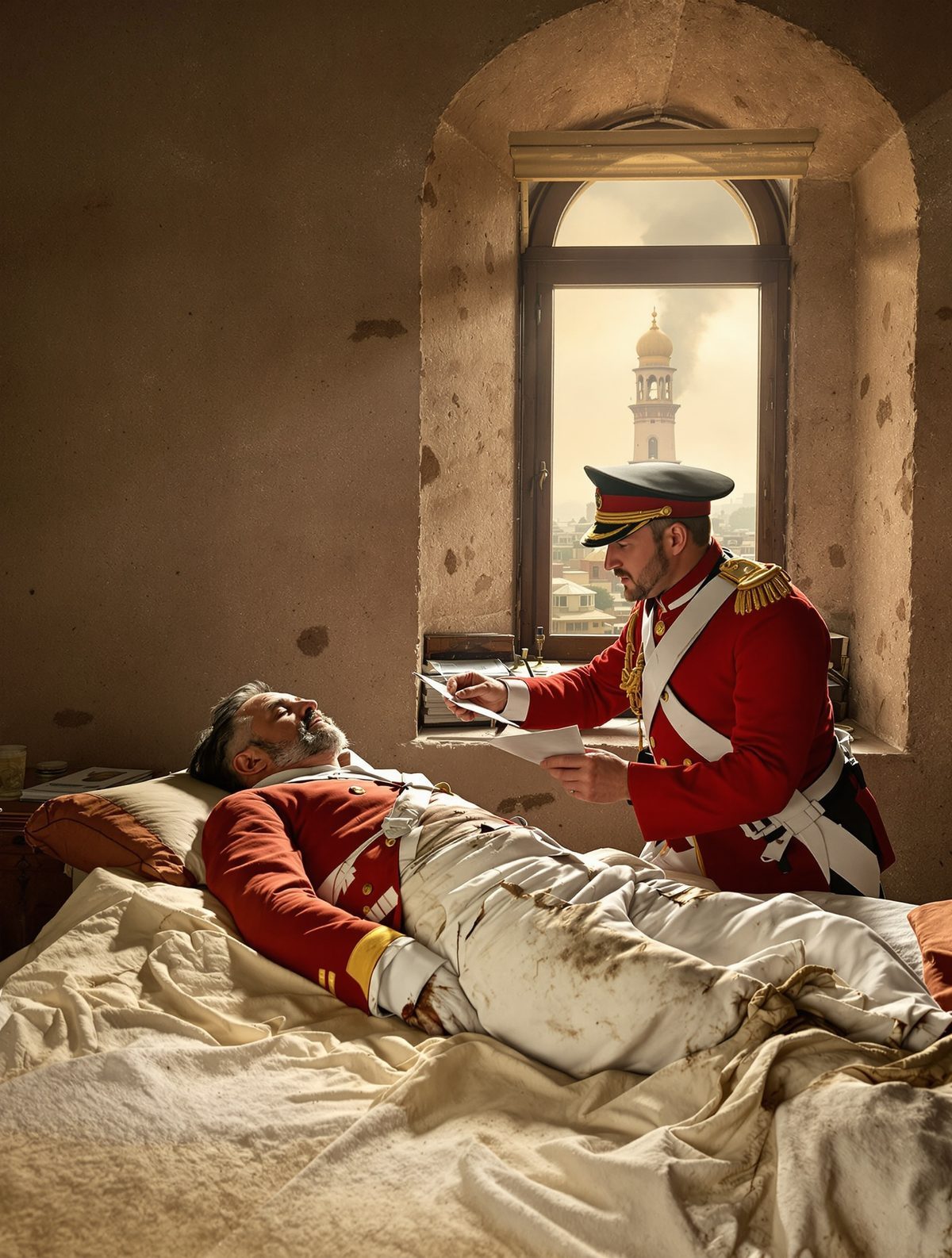
July 1857. The Indian Rebellion has erupted across northern India. Sir Henry Lawrence holds the Residency at Lucknow with just 1,700 souls. A cannonball mortally wounds him on day two of the siege. His dying words: 'Let there be no fuss when I am gone.'
Hand-picked from Britain Untold's archive. The stories you weren't taught at school. 3-minute read.
No spam. Unsubscribe in one click. We hate spam too. Privacy Policy.