He wasn't a pirate or a seasoned seafarer. Sir Hugh Willoughby was a gentleman whose adventures had been solely terrestrial.
In the 16th century, the world was a patchwork of mysteries, with expanses of untamed oceans and lands unexplored by the Western world. Tudor England, driven by dreams of wealth and influence, sought new pathways to the riches of Asia. An audacious plan emerged to seek a Northeast Passage — a direct shipping route from England to the fabled lands of Cathay, what we now know as China. The venture was a high-stakes gamble, a daring attempt to carve out a new artery for trade that could bypass the strangleholds of traditional routes controlled by other European powers and the Ottomans. When Hugh Willoughby was appointed to lead this expedition, he became part of a narrative so much bigger than he was. Yet, his name vanished with winter winds snapping his sails.
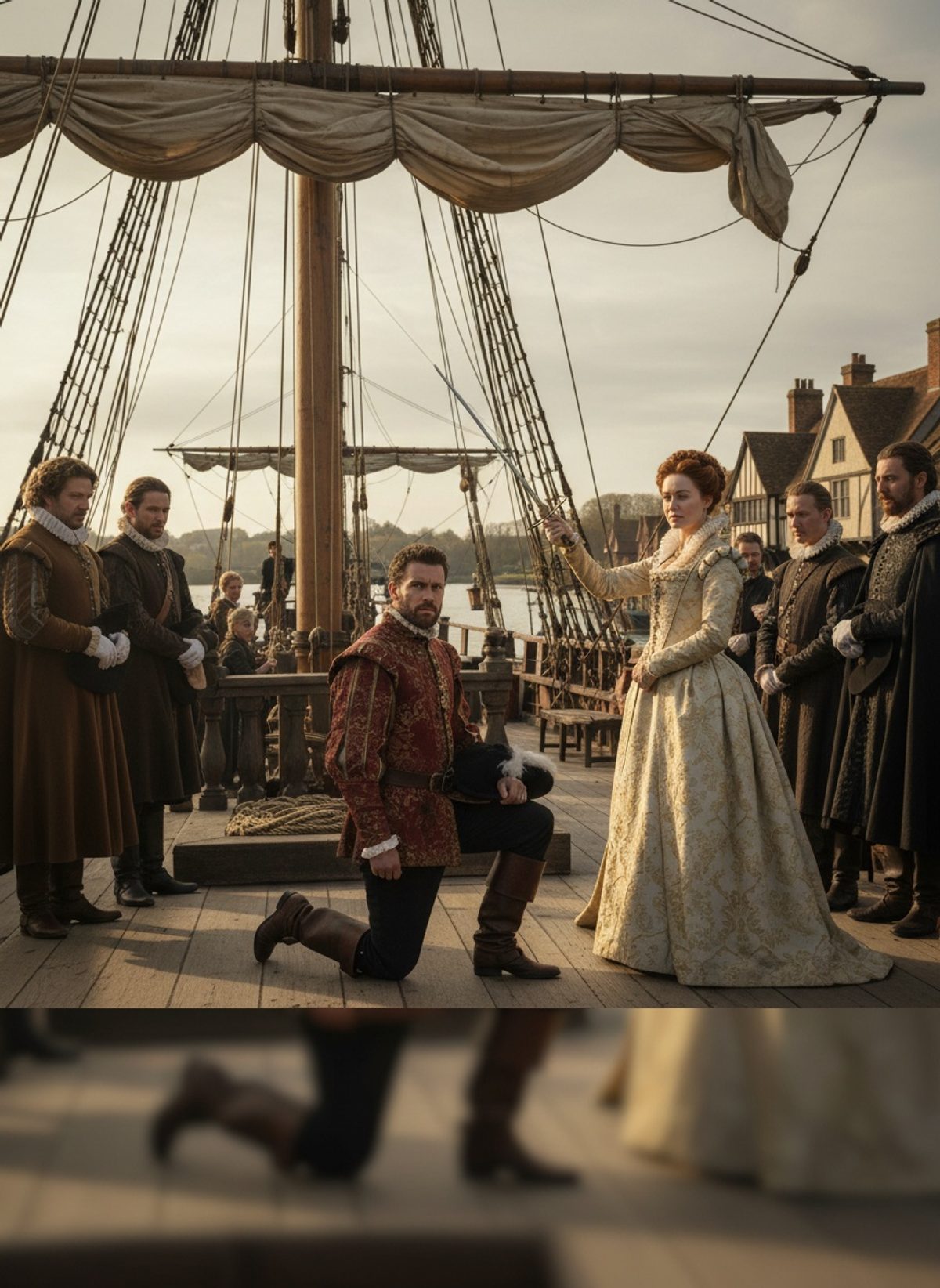
The year was 1553, and the backdrop of Europe was a tense chessboard of political maneuvering and maritime ambition. England yearned for the lucrative spice markets, silks, and porcelain of the East. The merchant adventurers formed the Company of Merchant Adventurers to New Lands, which would later become known as the Muscovy Company. They pooled their resources and political connections, and the mission's success required not just courage but also a visionary plan. Sir Hugh Willoughby, as untested on sea as he was enthusiastic, was appointed by the Privy Council to lead the voyage. His appointment was perhaps surprising for a man of his limited maritime experience.
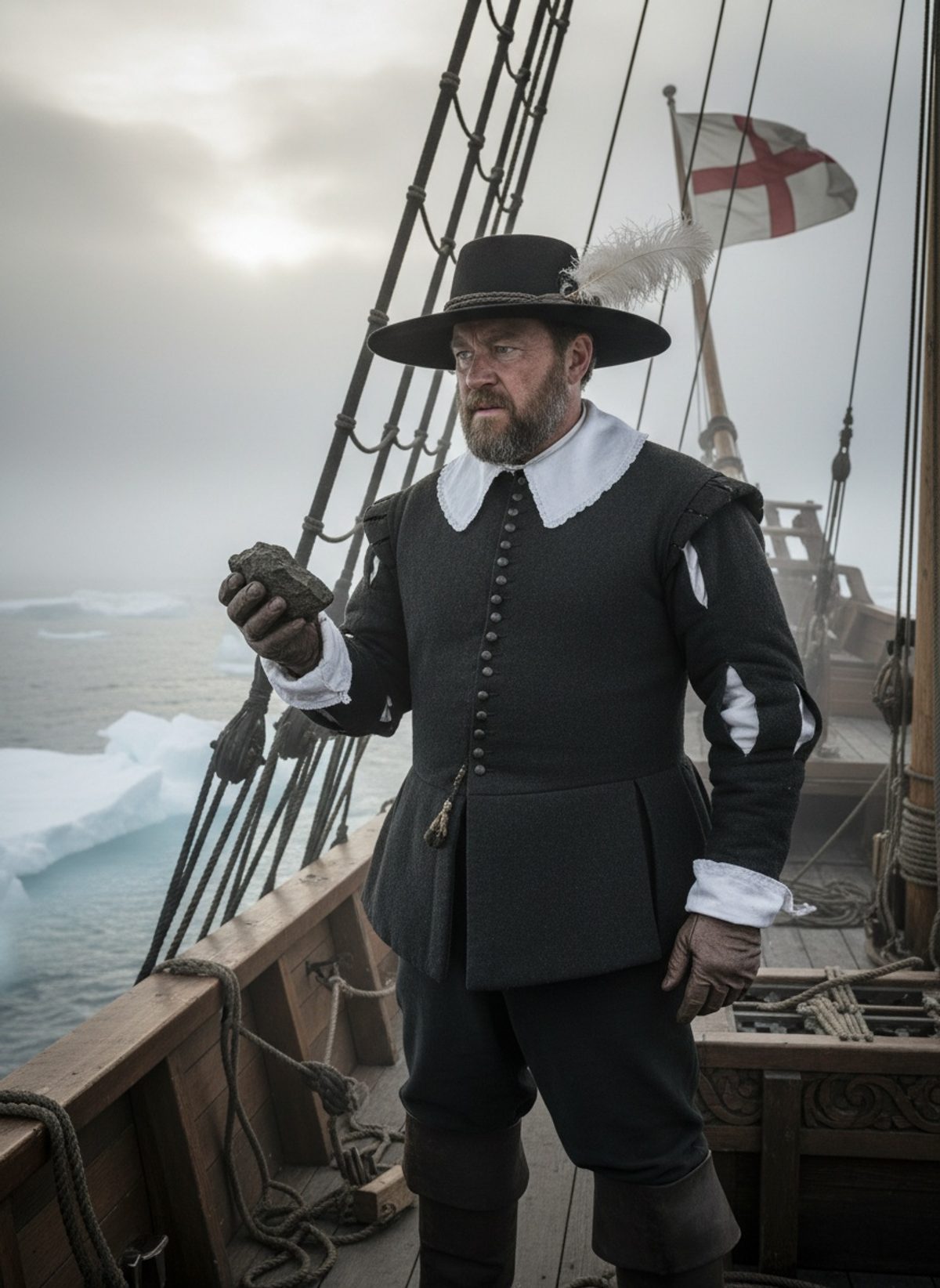
Setting sail with three ships, Willoughby commanded the "Bona Esperanza," while Richard Chancellor, a more seasoned navigator, captained the "Edward Bonaventure." The third ship, "Bona Confidentia," trailed their wake. The armada departed from the Thames and plunged into the unknown, their hulls filled with dreams and provisions to last the months of uncertain navigation. As they journeyed northward, the British coastline faded behind them, and the true challenge began. The Arctic is a bewildering theatre — scenes shifting from the haunting stillness of ice to the relentless assault of gales. The North Sea in 1553 was an embodiment of chaos; nature cared little for Willoughby’s guidelines and even less for his intrepid spirit. Conditions grew harsher with every nautical mile, the ships battered by polar winds and tightened by ice floes more menacing than any naval enemy.
Read next: When William Adams Knelt Before a Shogun, 1600
Fate played its cruel hand when a vicious storm separated the ships. Chancellor, by fortune or fate, managed to navigate through an environmental labyrinth to reach the Russian port of Archangel. There, diplomatic ties were established that would foster decades of trade relations between England and the Russian Tsardom. Unfortunately, the “Bona Esperanza” and “Bona Confidentia” were not so fortunate. Willoughby and his crew, attempting to reconvene with Chancellor, became entangled in the Arctic’s enigmatic embrace.
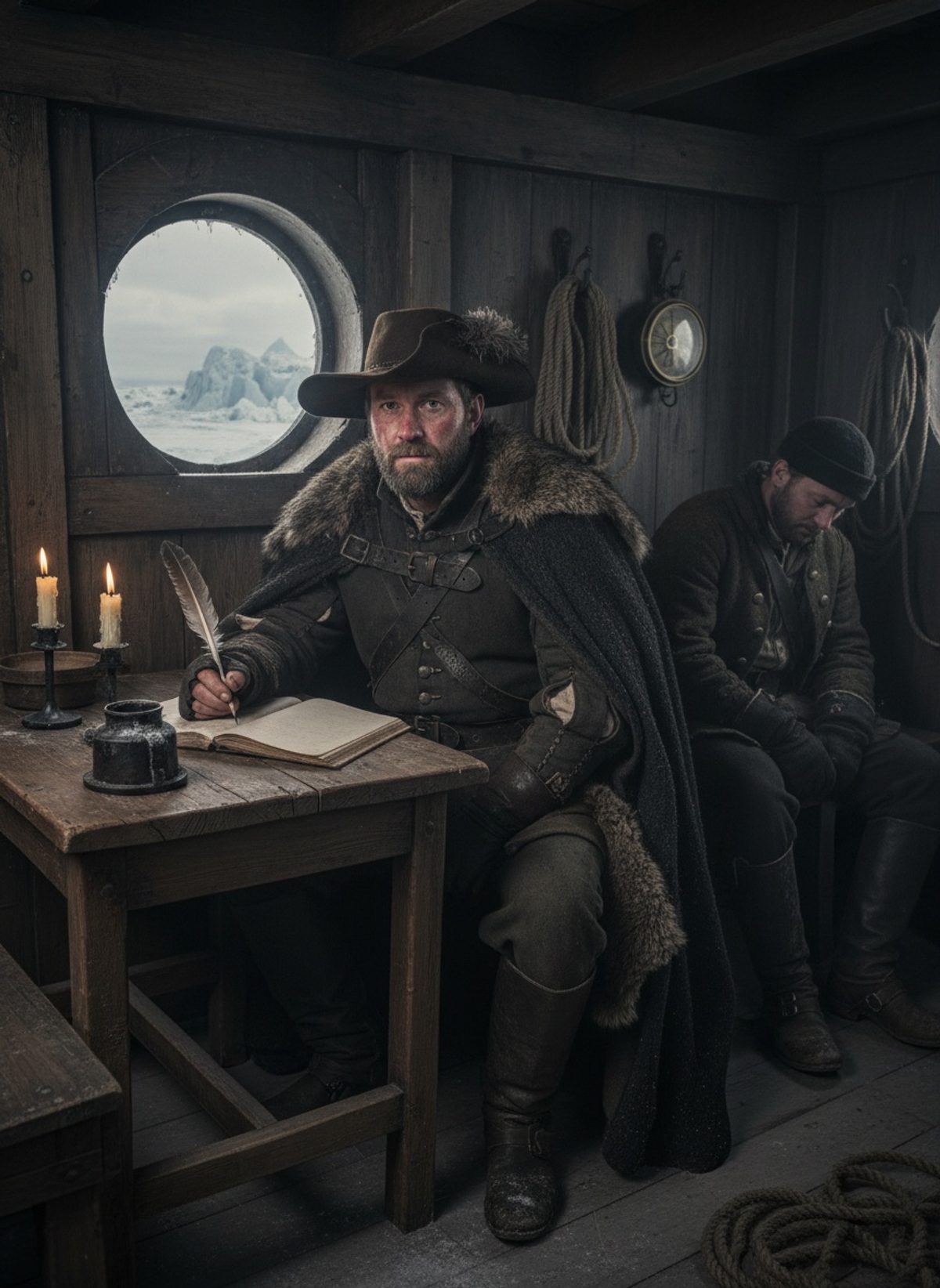
The grave silence of the Arctic winter offered no hint of the tragedy that would unfold. The ships anchored near the Lapland coast, ice forming a requiem against their battered hulls. The end, when it came, was steeped in the cruel poetry of survival. The crew remained frozen almost as in mid-action; the ship was a tableau of despair, with some sailors found below deck wrapped in silence’s shroud, others on guard, untouched by time's passage. The Arctic chill preserved them languidly awaiting discovery, like failed time travelers, to tell their tale without uttering a word.
In his final act, Sir Hugh Willoughby turned to his journal, the last refuge of a man confronting oblivion. He scribbled notes, not with the flourish of an explorer chronicling success, but as a man seeking to record the simple, earnest details of lived experience for someone in the unfathomable future. This ledger of Willoughby’s ambition and demise would become the legacy that survived the freezing dark to speak across centuries.
When dawn broke over the Arctic’s tempestuous theater the following spring, Russian fishermen stumbled upon a floating ghost story. Their sight catching the ominous shape where no ship should dwell, the desolate boards of Willoughby’s vessel offered clues in ice-bound fragments. The fishermen retrieved the ghostly relics of Willoughby’s only voice left — his written words, preserving the nobility and failures of human curiosity and frailty.
Chancellor’s return from Archangel with reports of his adventurous exploits and newfound alliances paved pathways that would reverberate through history. The narrative encounter with Russia sowed seeds of an Anglo-Russian trade partnership; the Muscovy Company would anchor England into a new chapter of global commerce. The consequences of the expedition, though tragic, echoed far beyond Willoughby’s icy memorial. Chancellor’s survival and documented journey opened a conduit for ongoing contact, diplomacy, and exchange. He became the torchbearer of an expedition cut short by nature’s sternest mood but ignited a flame of enterprise and exploration in his countrymen.
The chilling story of Sir Hugh Willoughby resonates because it underlines the vast gulf between human ambition and nature's harsh reality. It is a stark reminder that exploration is often a negotiation not with certainty, but with doubt. Willoughby’s expedition unfurled the stark tapestry of risk embedded in the pursuit of empire. Despite its tragic outcome, the voyage symbolizes the restless spirit of discovery that fueled the rise of powers and the expansion of knowledge. Here lies the paradox of exploration — that often, even when set sails freeze, the currents of history warm to new opportunities birthed through perseverance and serendipity. In the legacy of Sir Hugh Willoughby, we find the essence of human enterprise as much marked by icy graves as by new horizons. Humanity pushes into the unknown not just to seek what is beyond the horizon but to find endless futures bearing the weight of its past. Every step forward drags a shadow, and in each silhouette is the promise of understanding.