97 stories
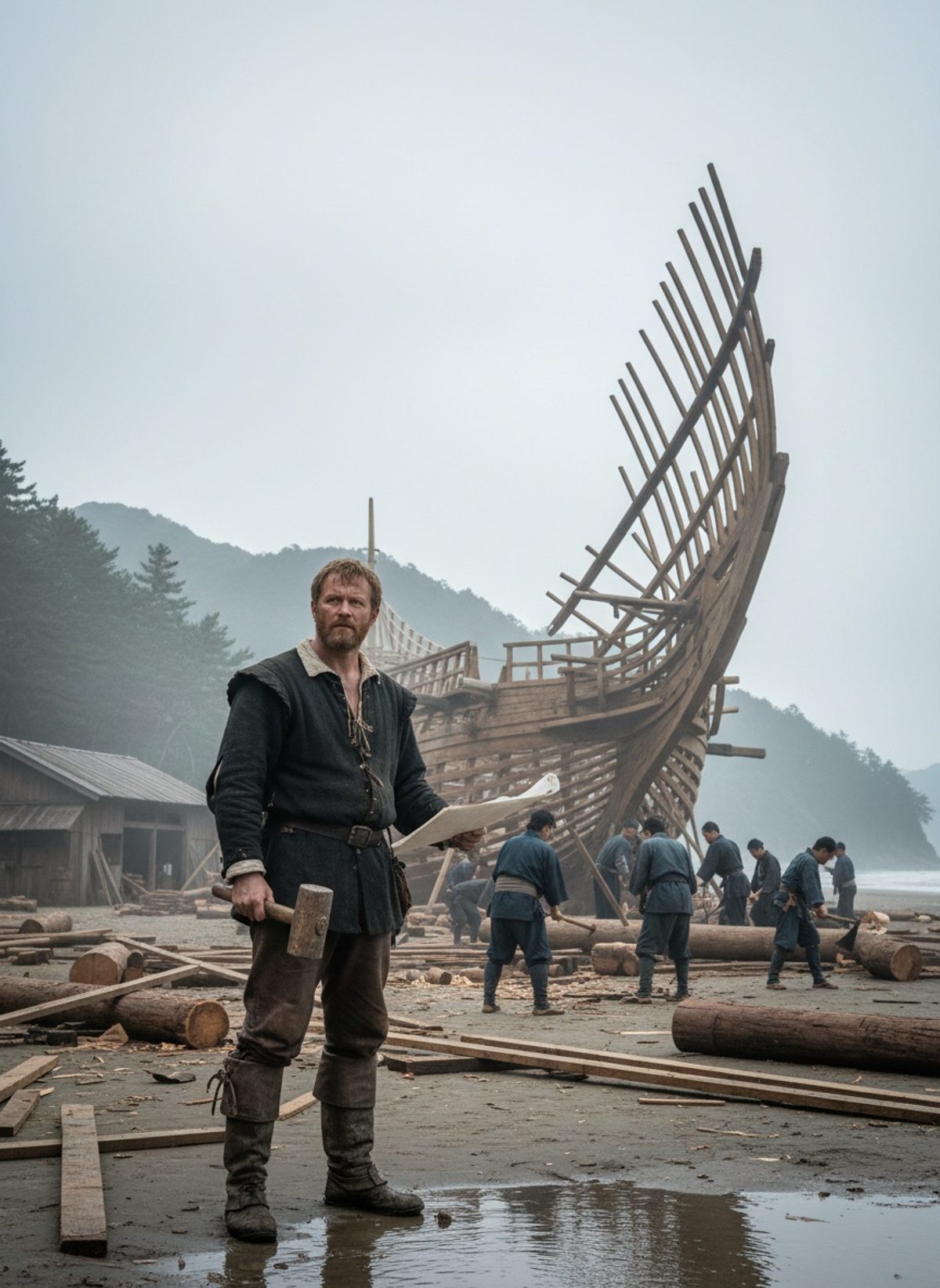
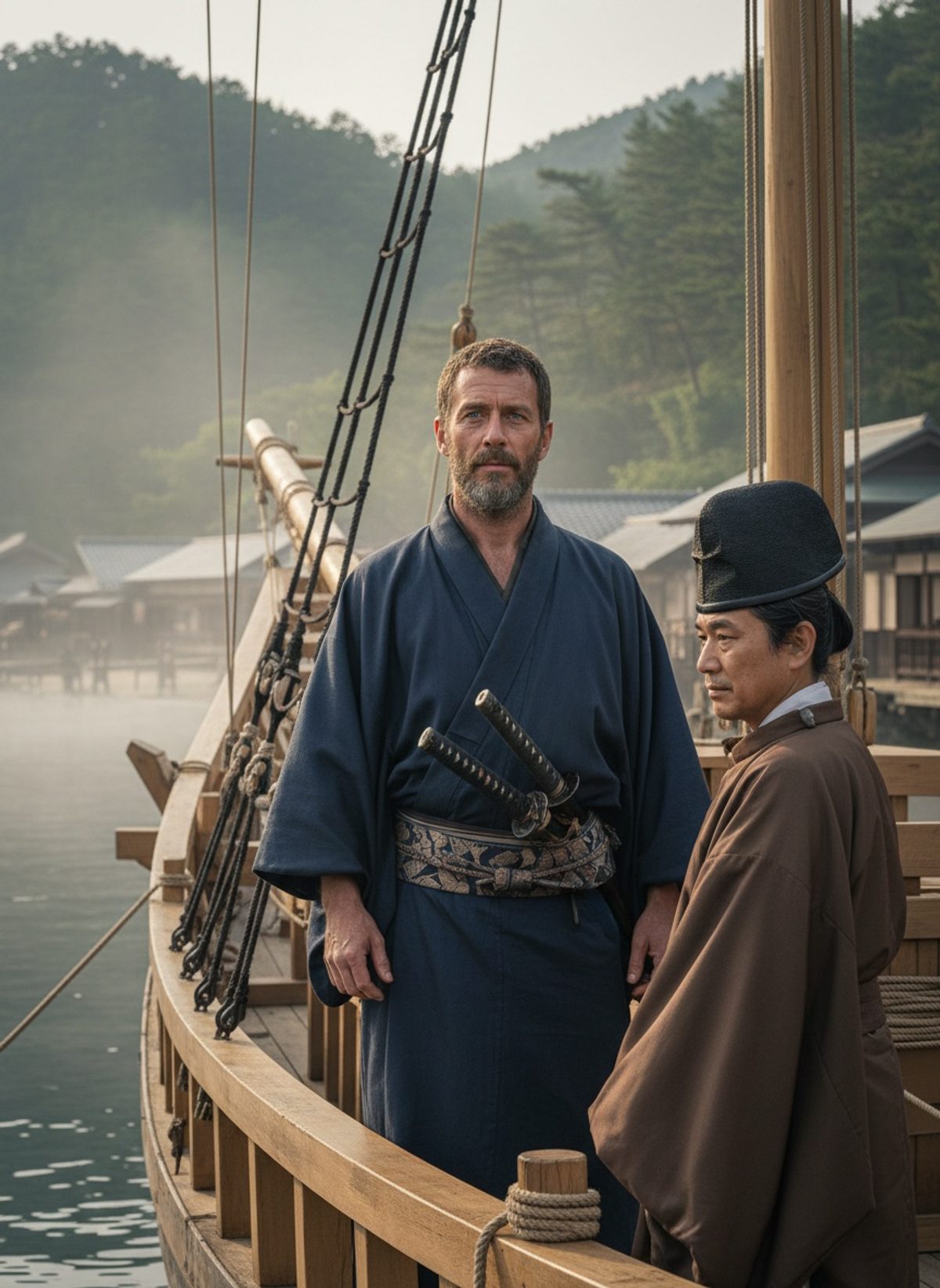
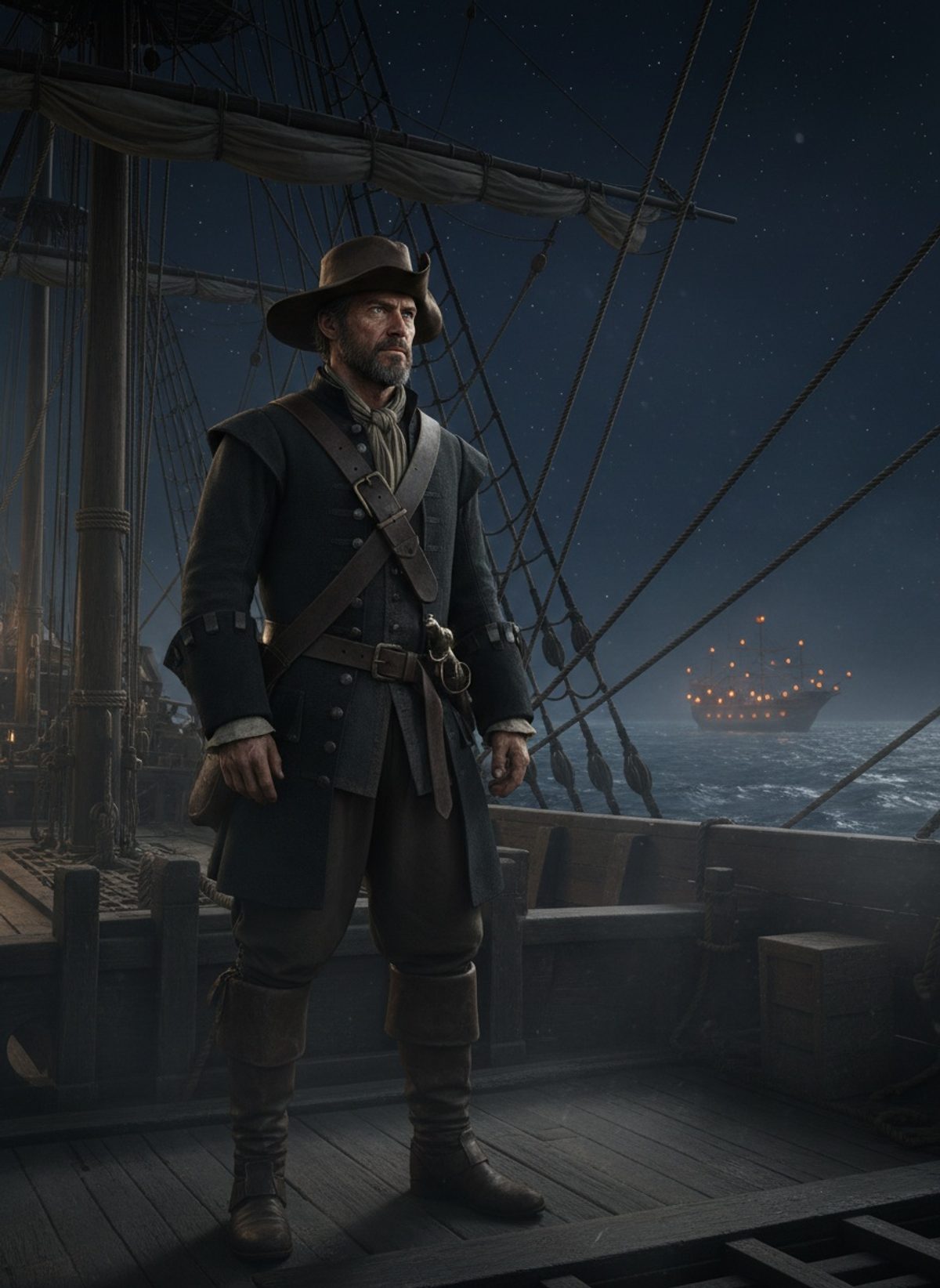
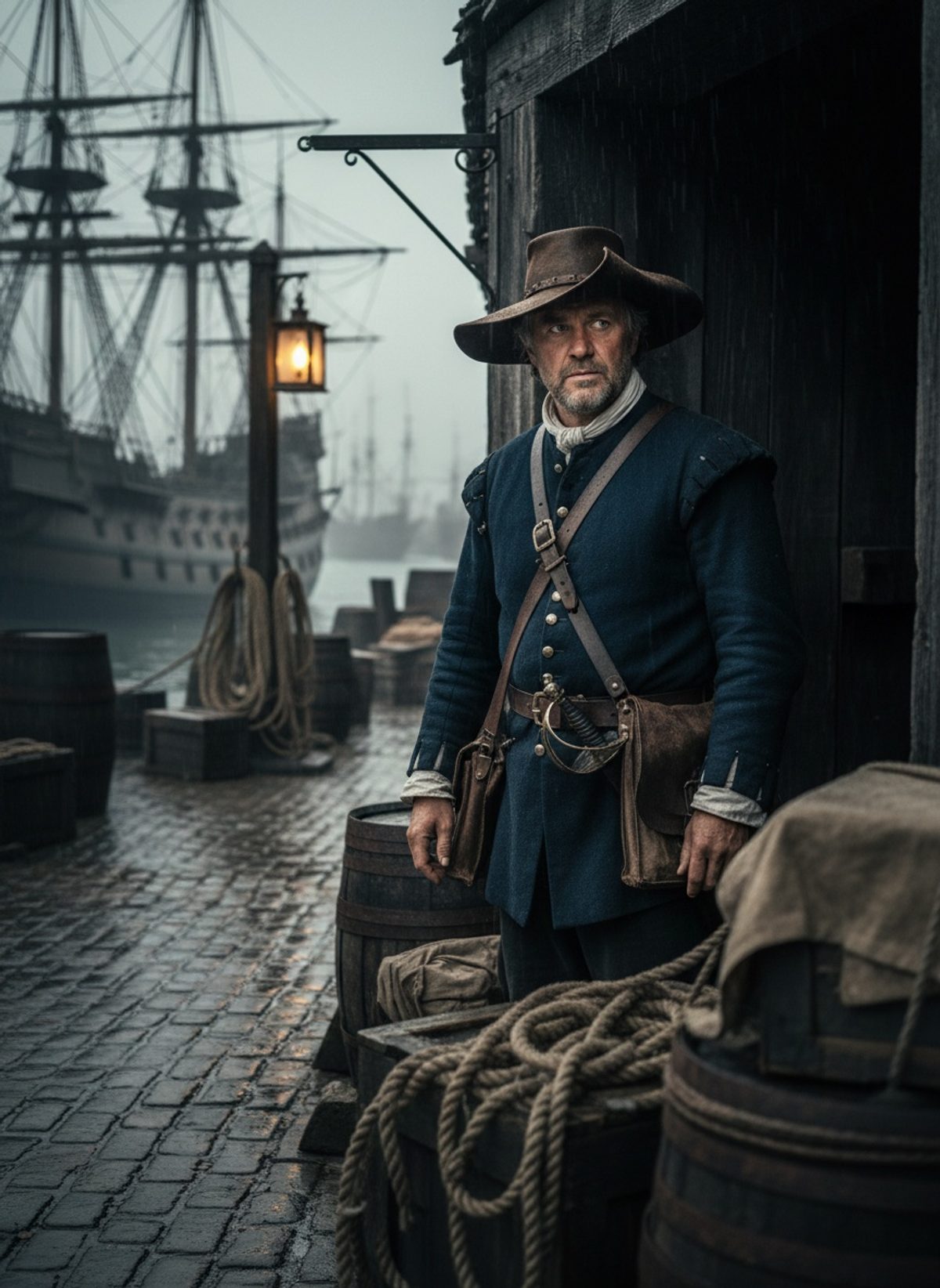
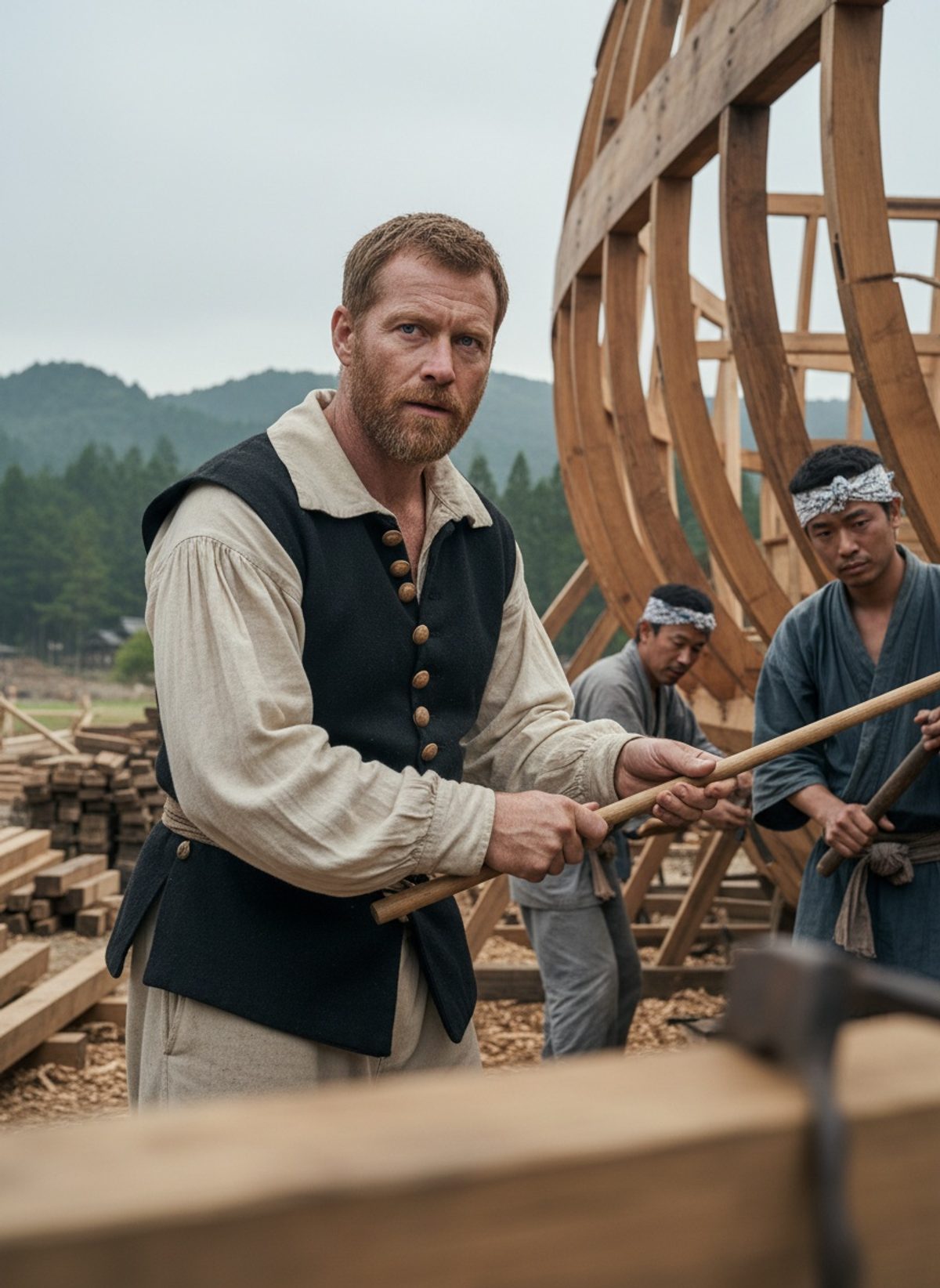
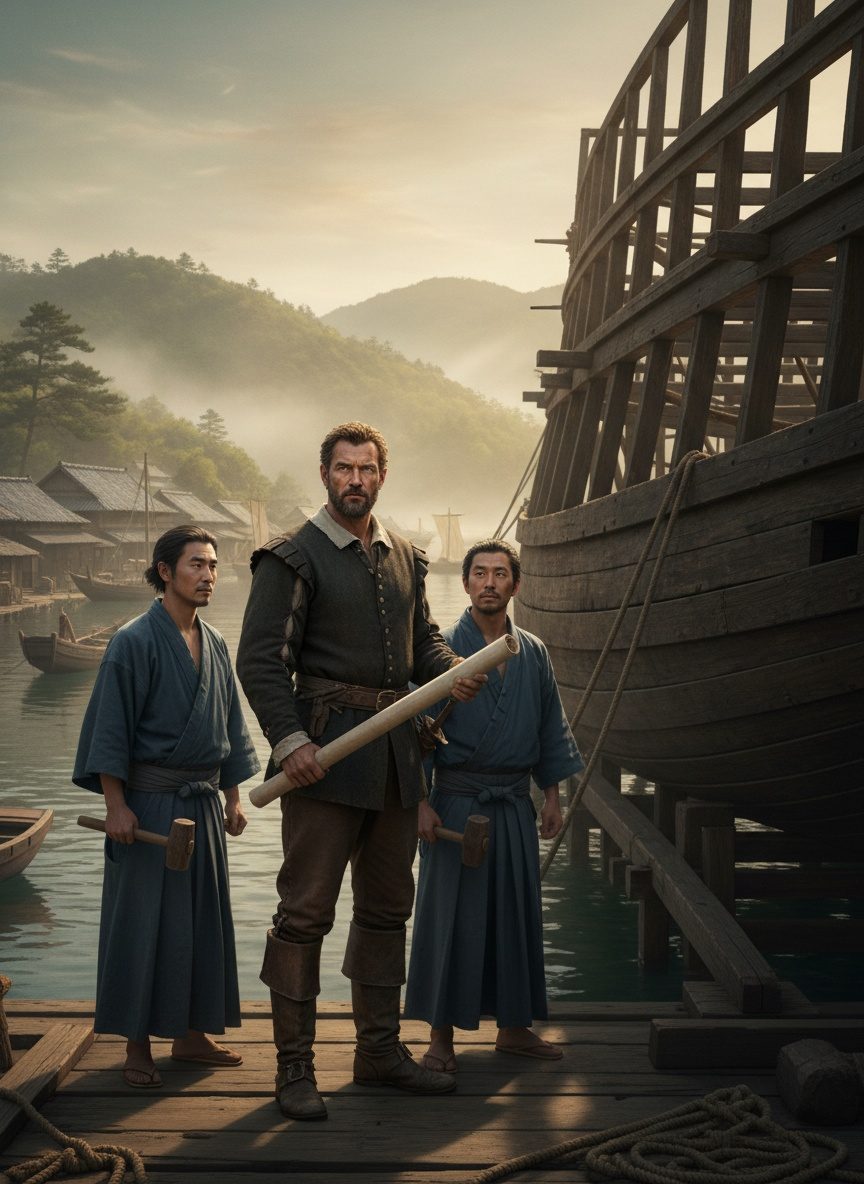
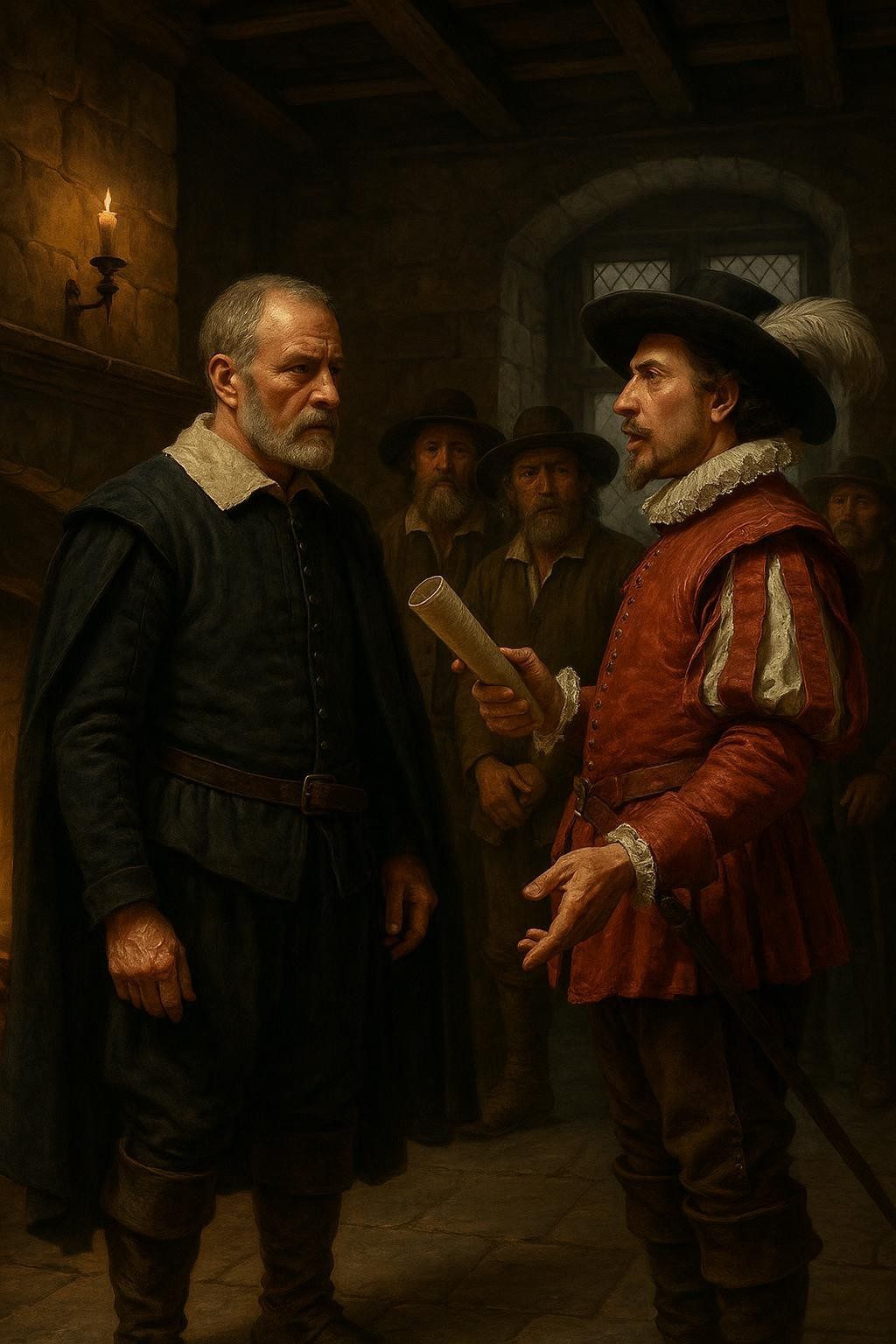
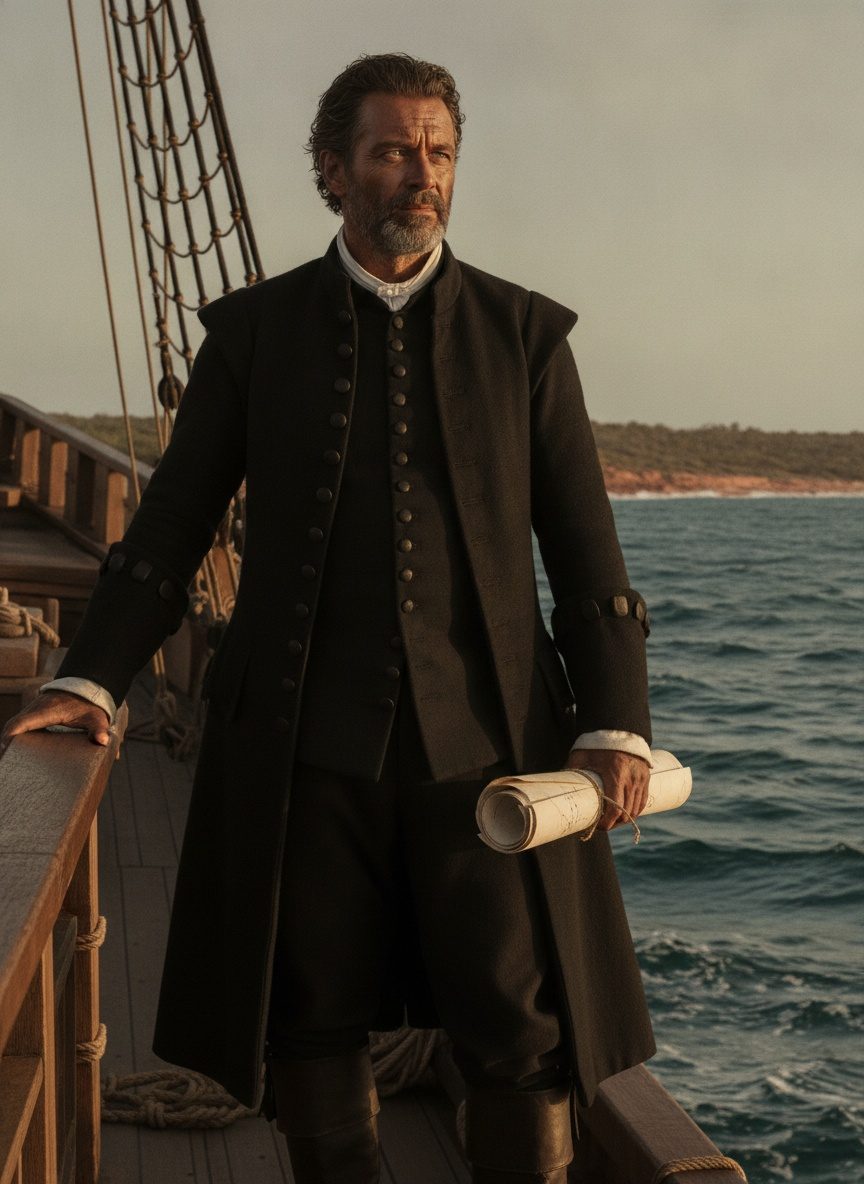
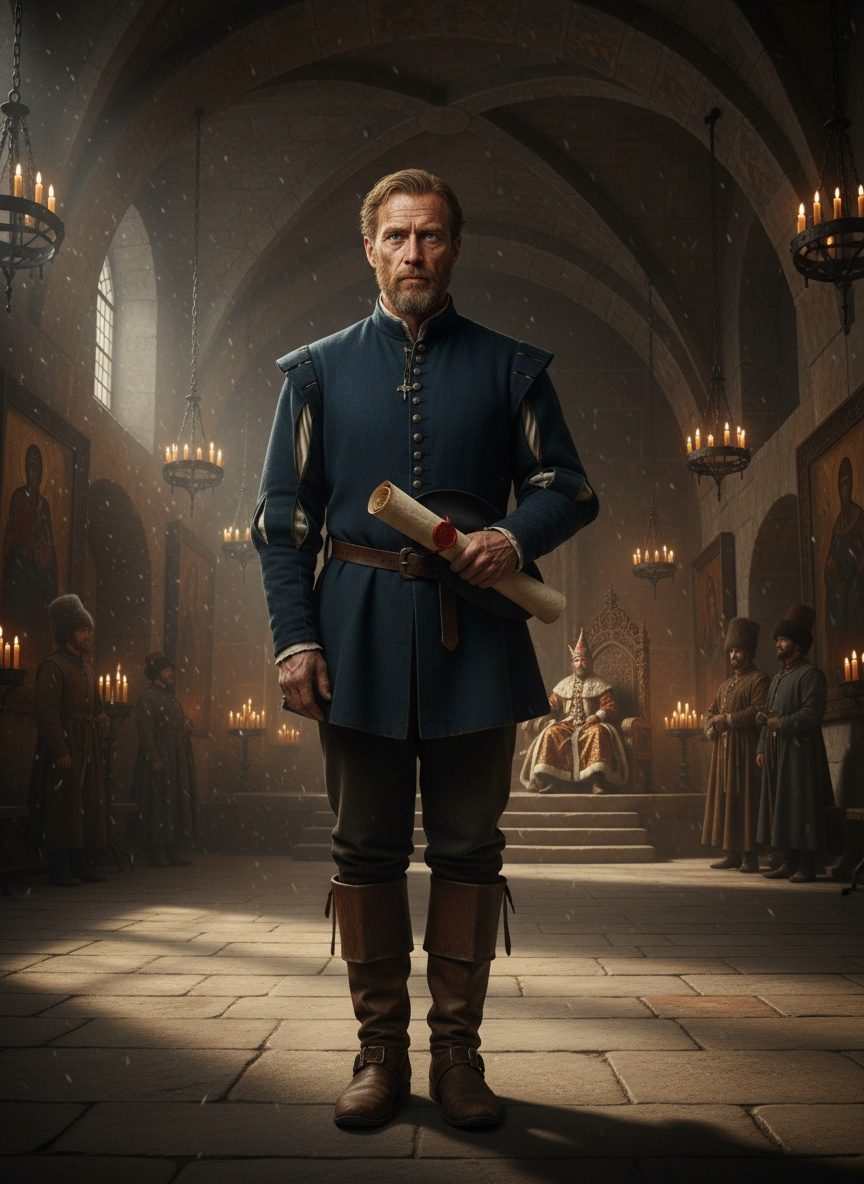
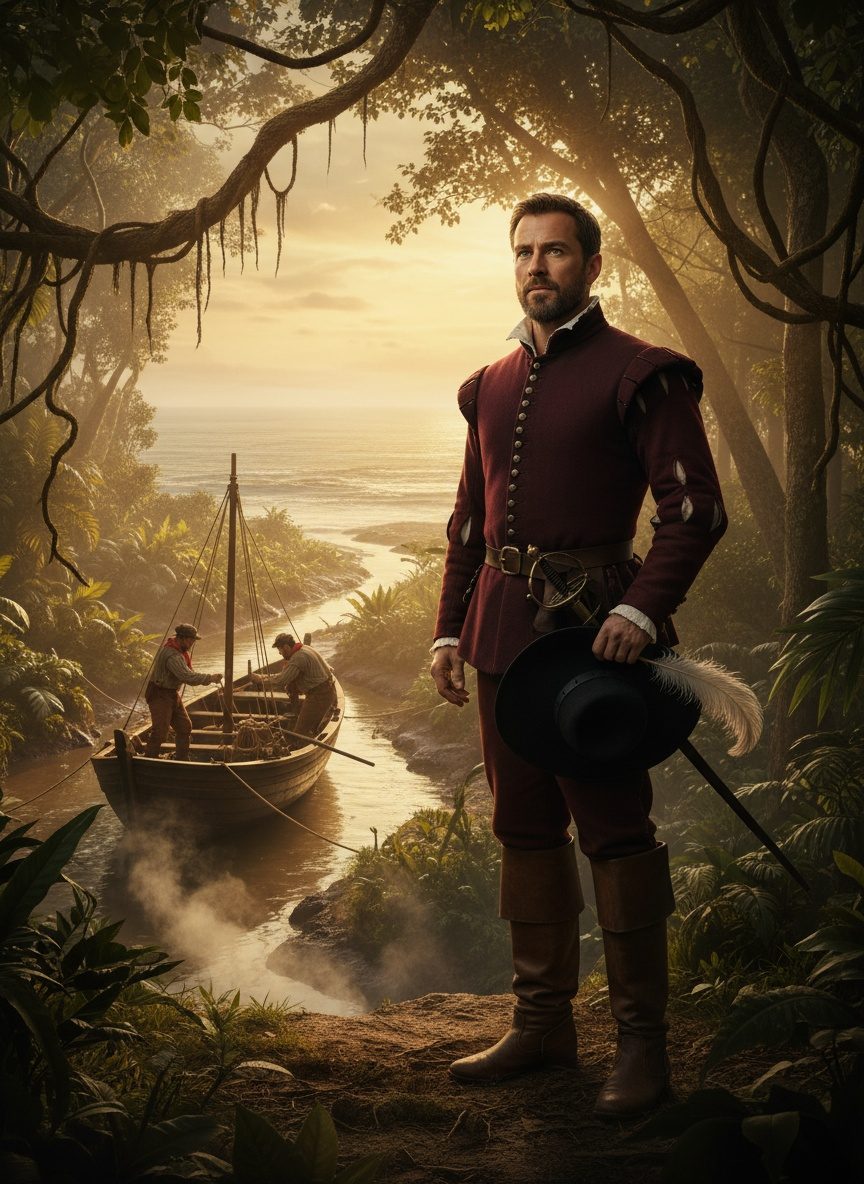
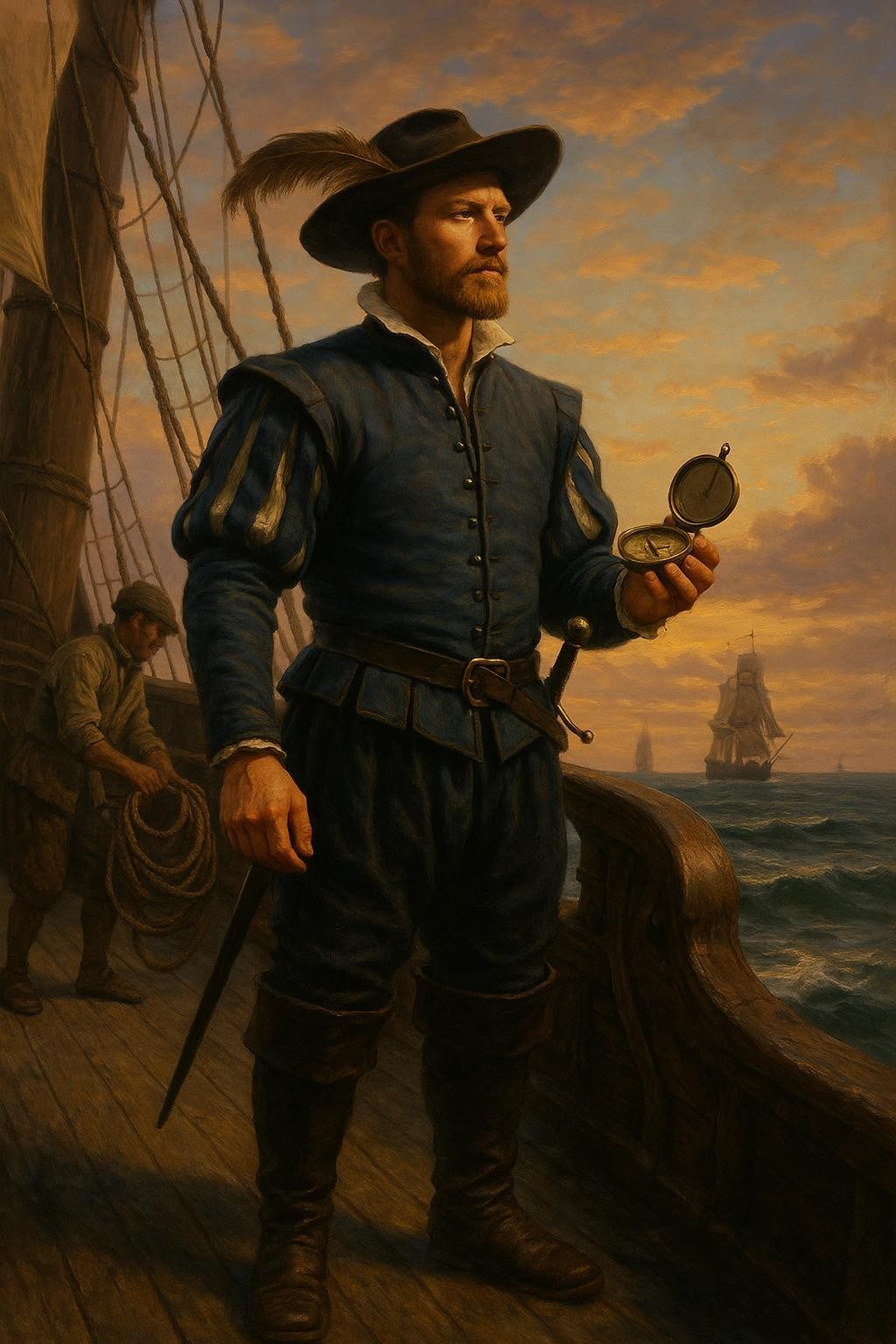
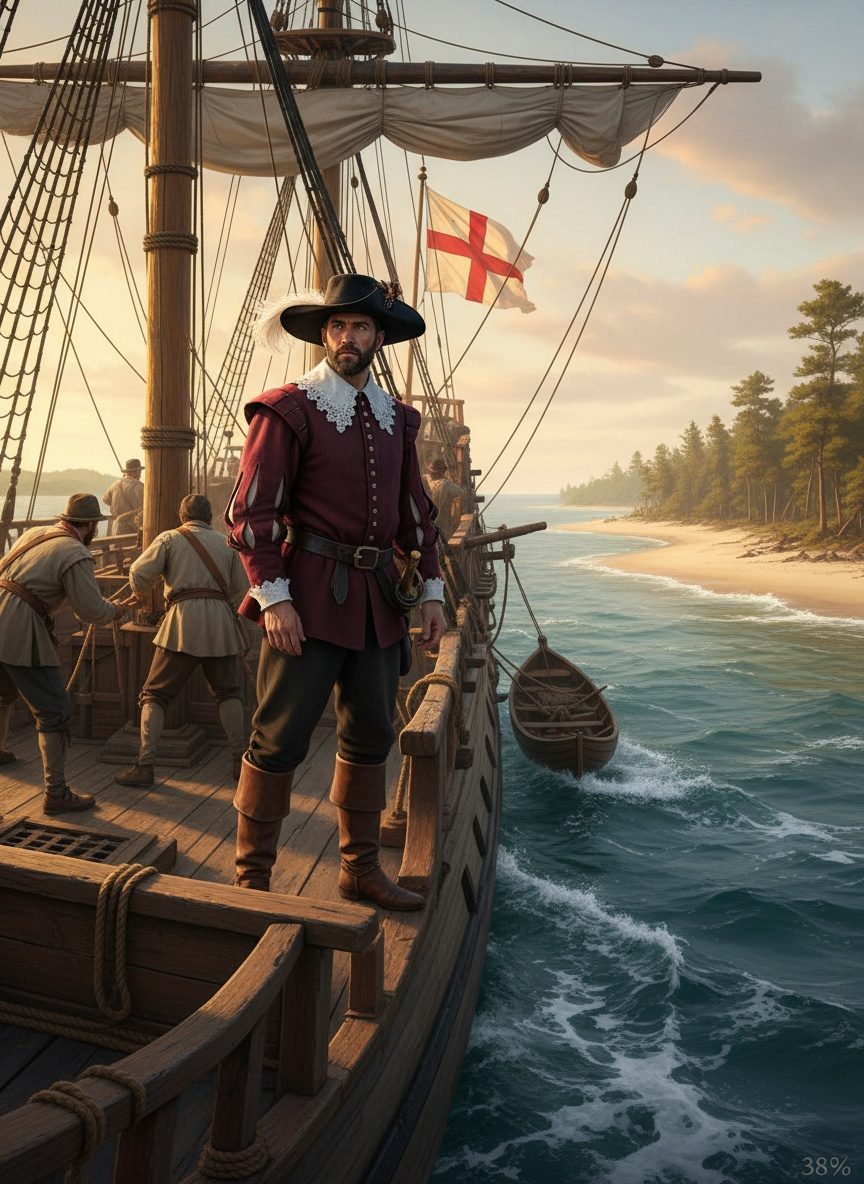
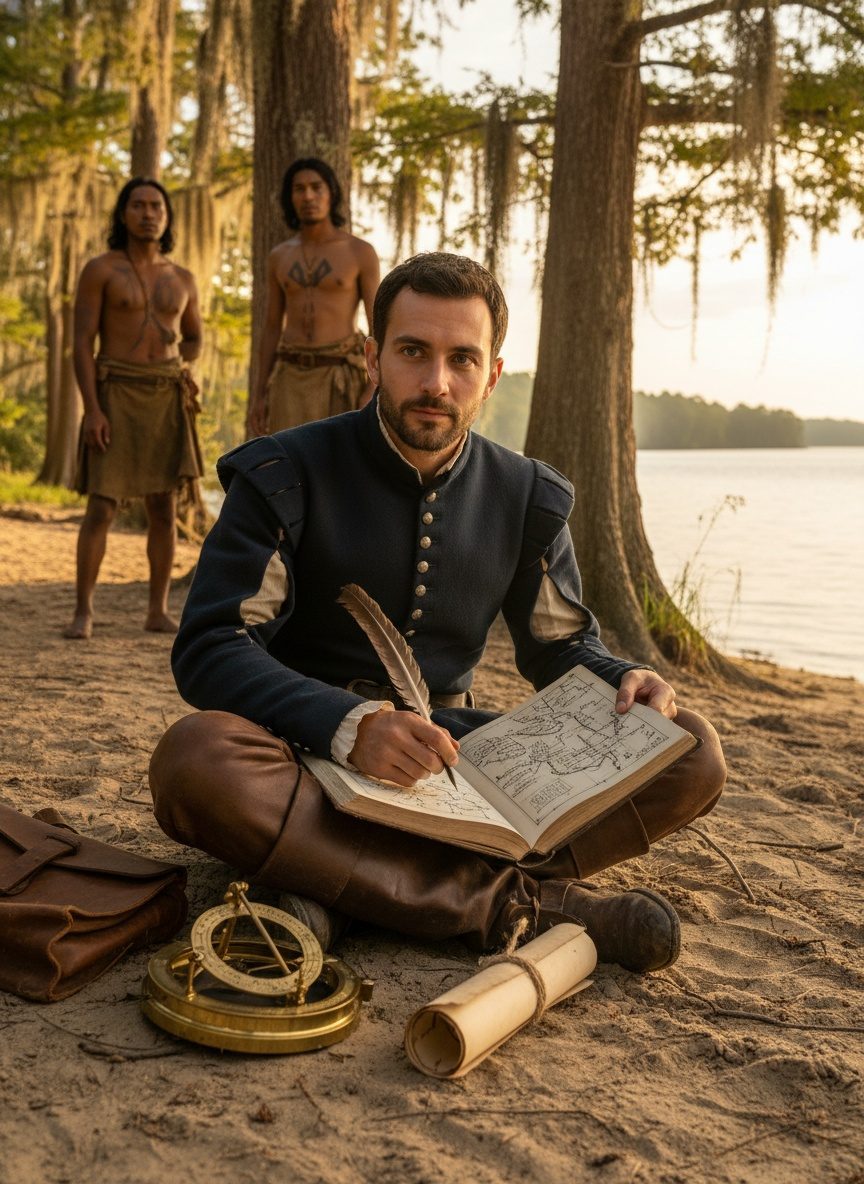
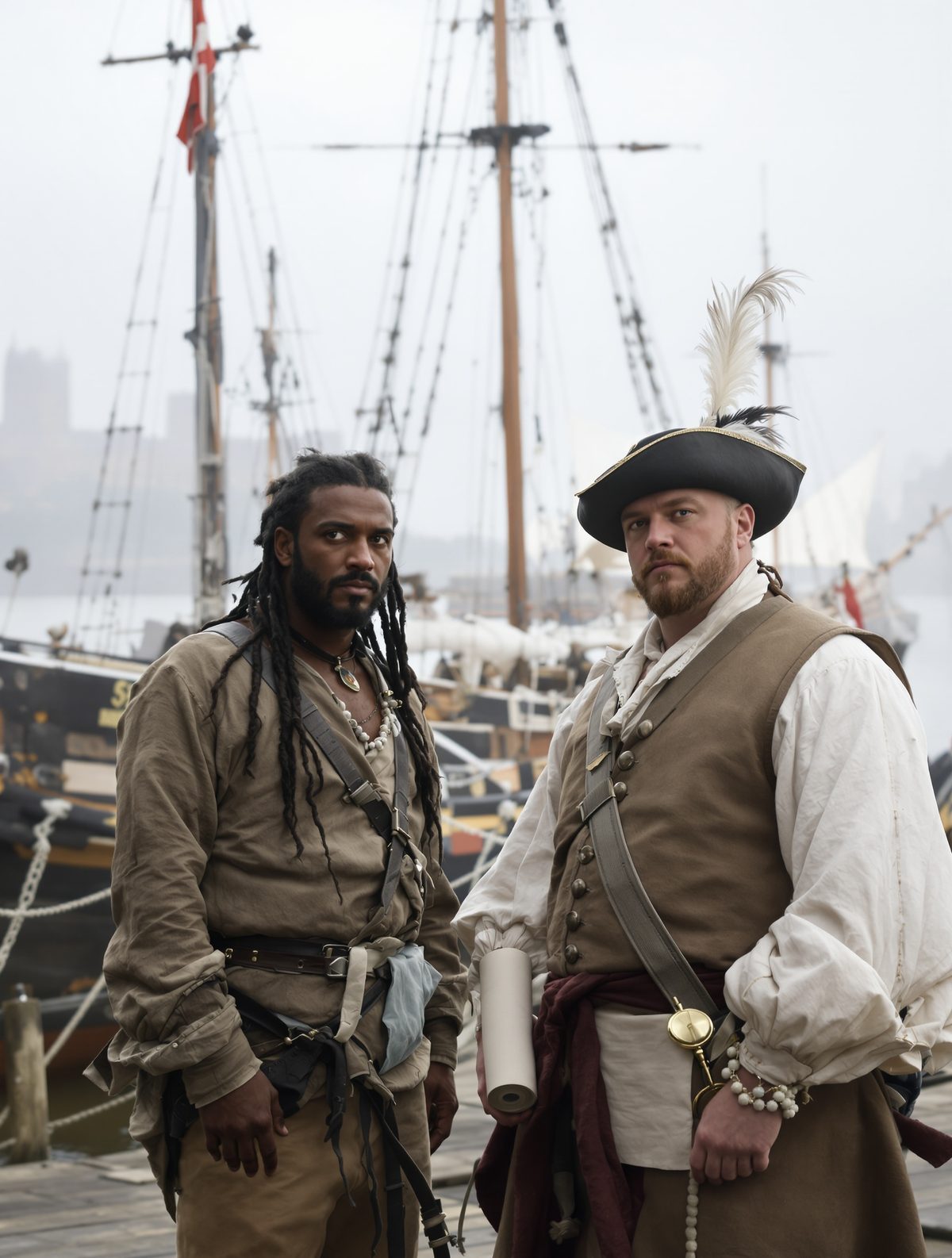
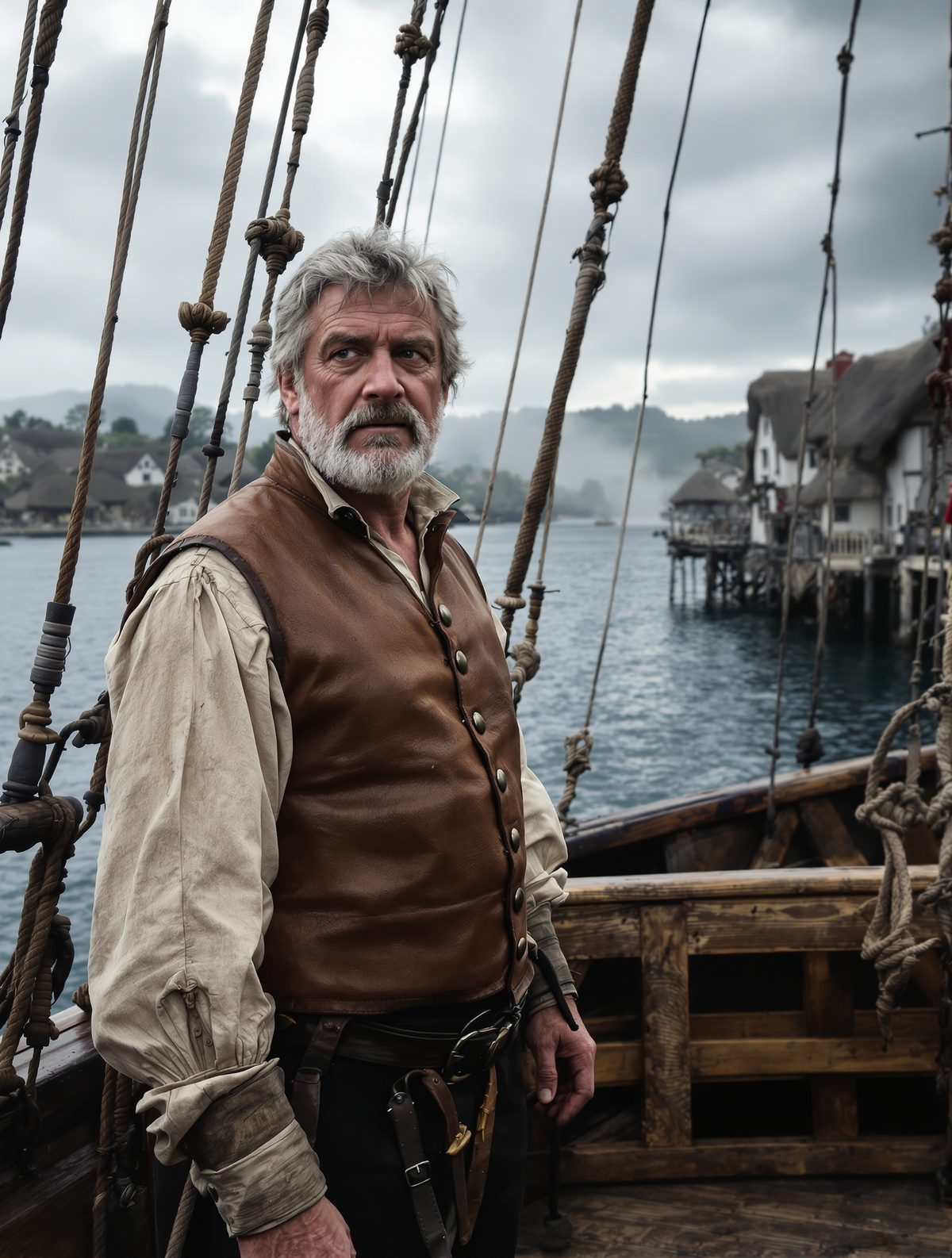
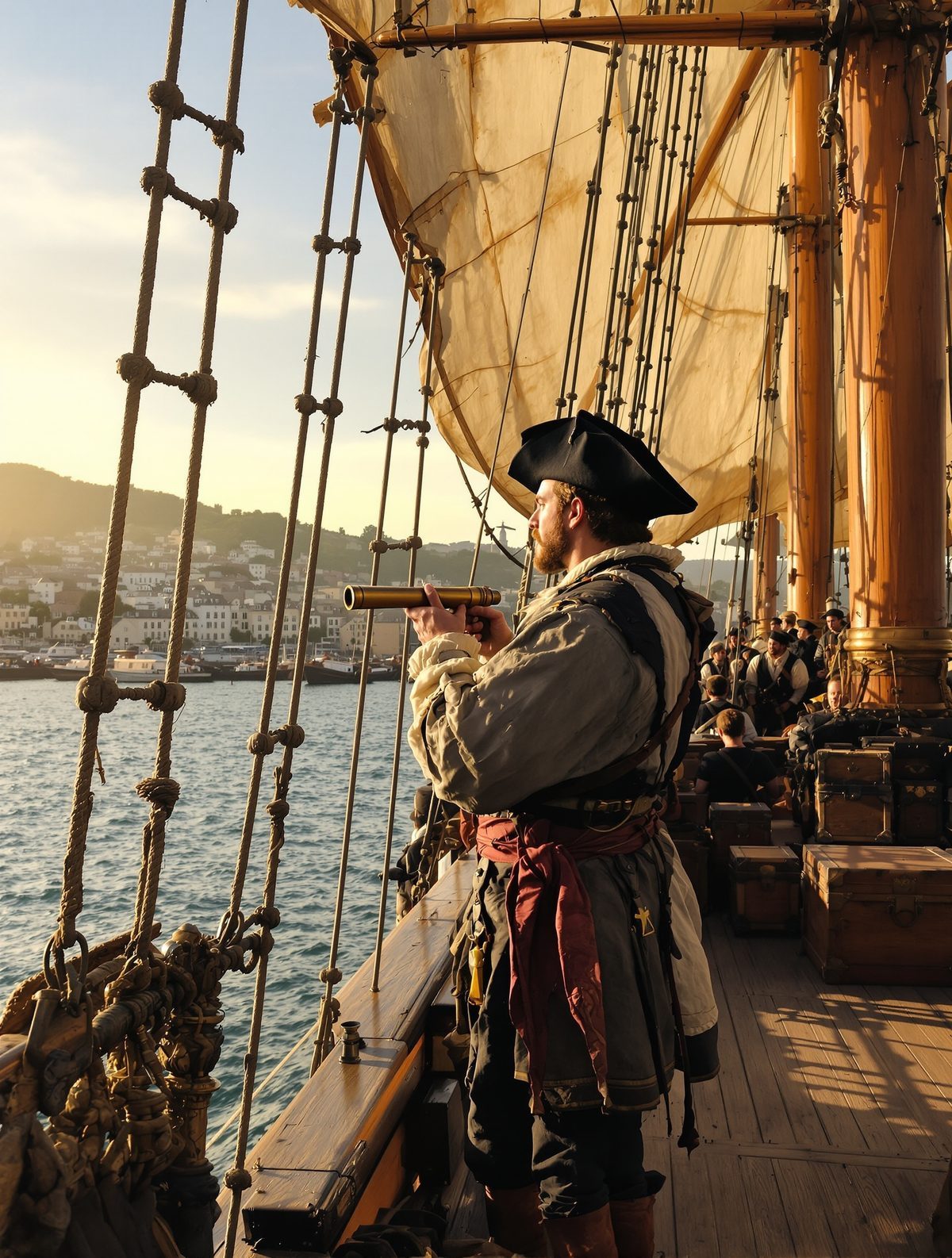
1604. An English sailor stood on a Japanese beach. He had no charts. No crew. No tools he recognised. The Shogun wanted a Western ship. Adams built him one. The first European-style vessel ever launched in Japan.
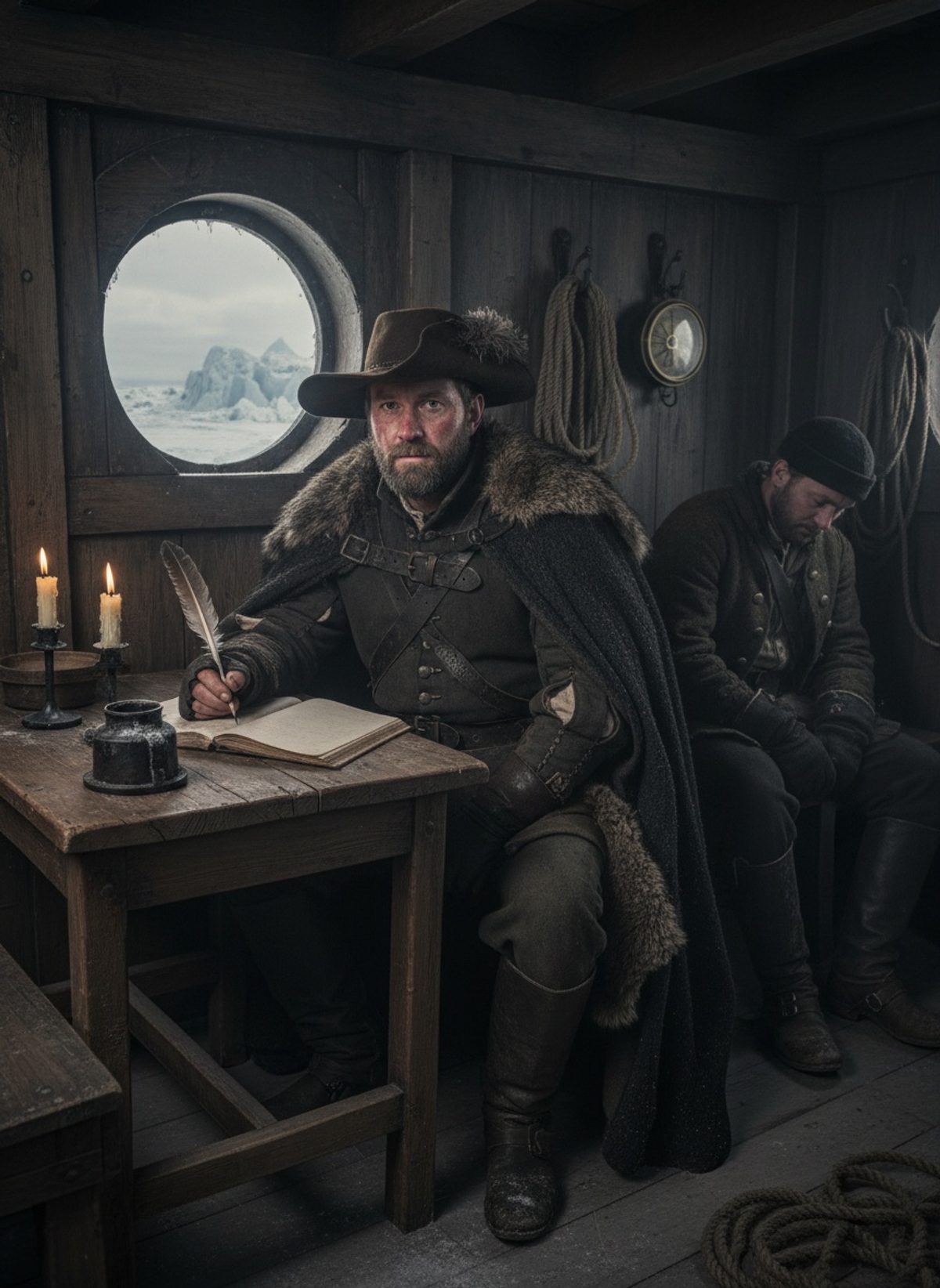
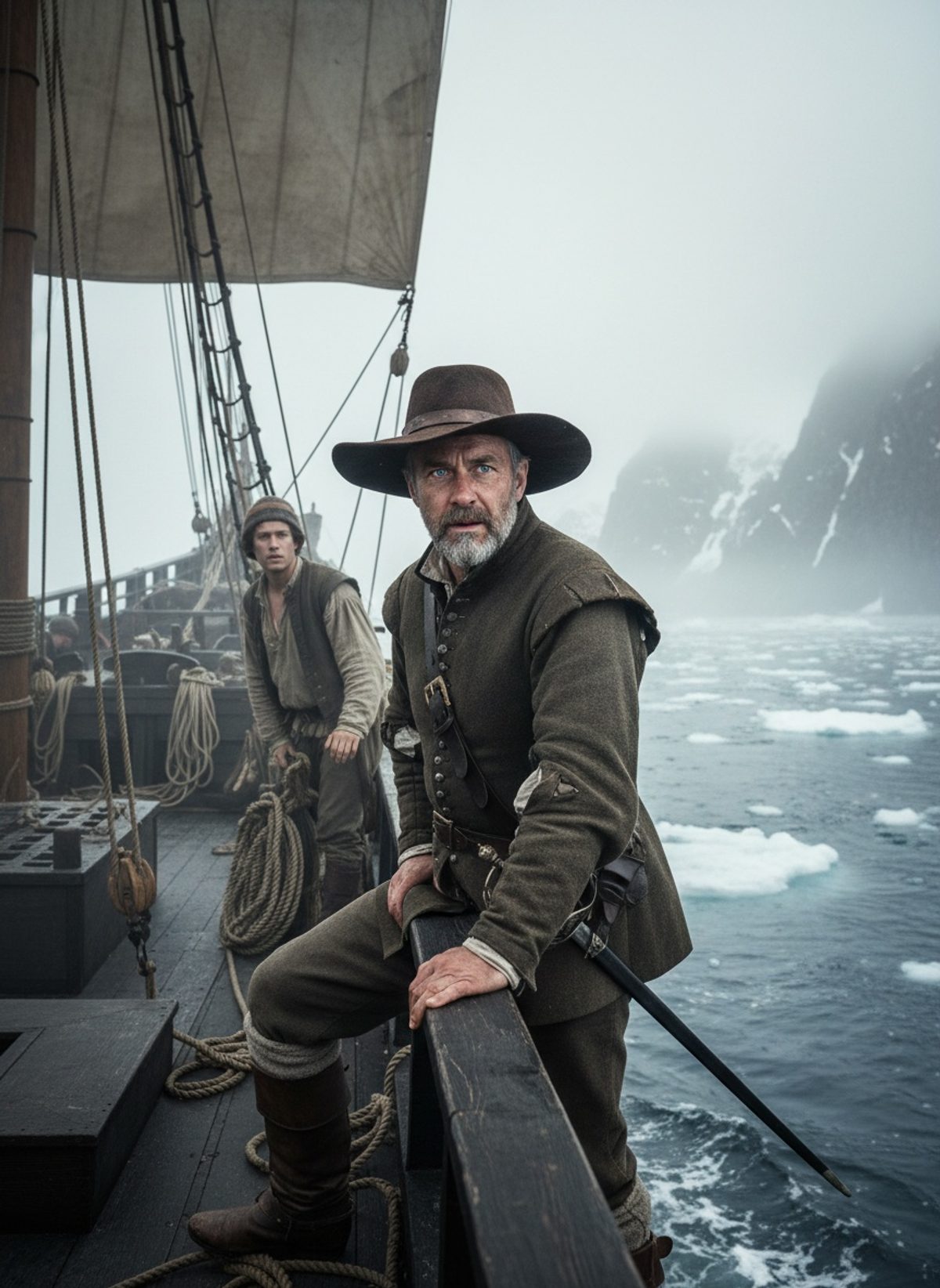
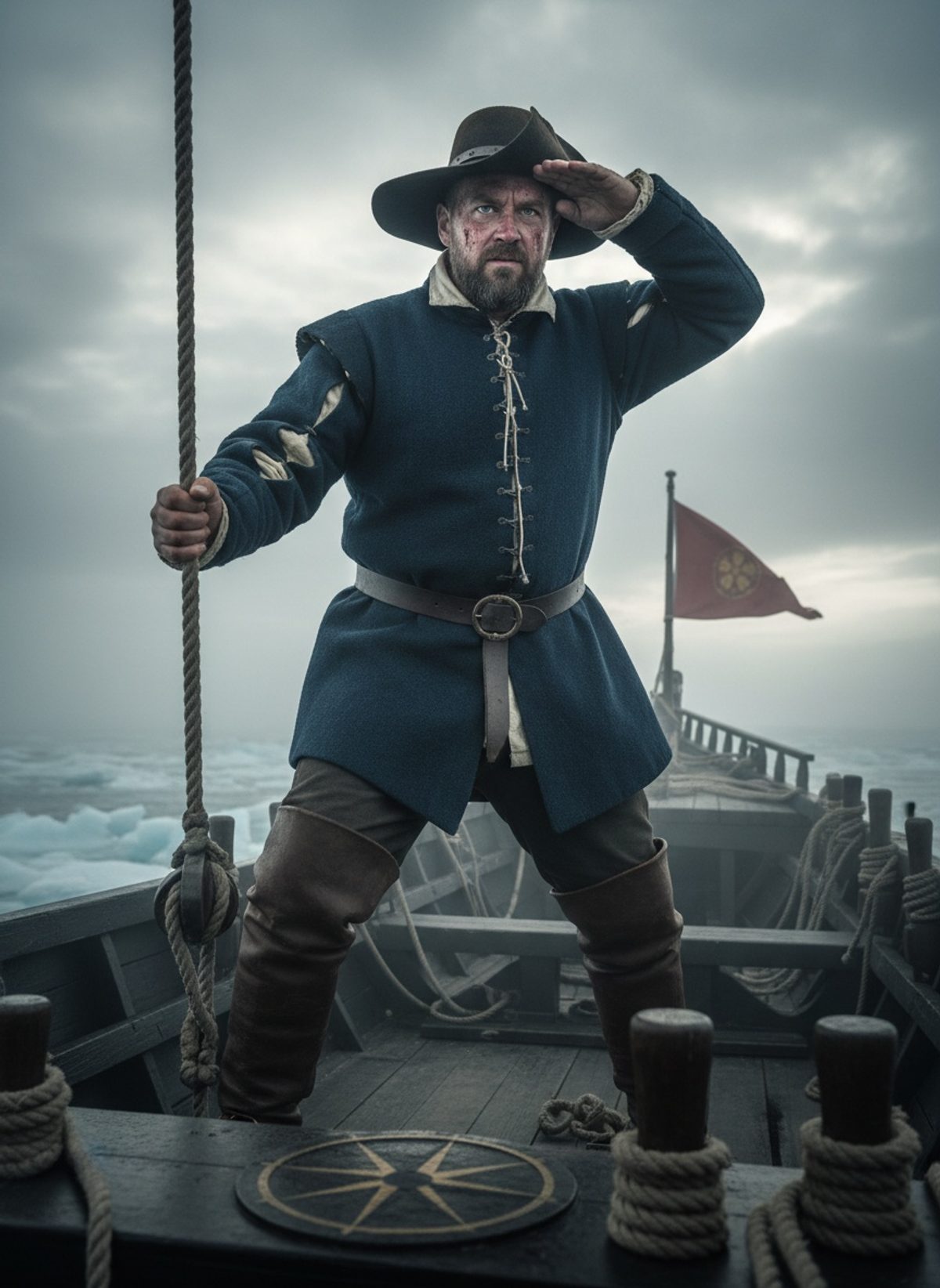
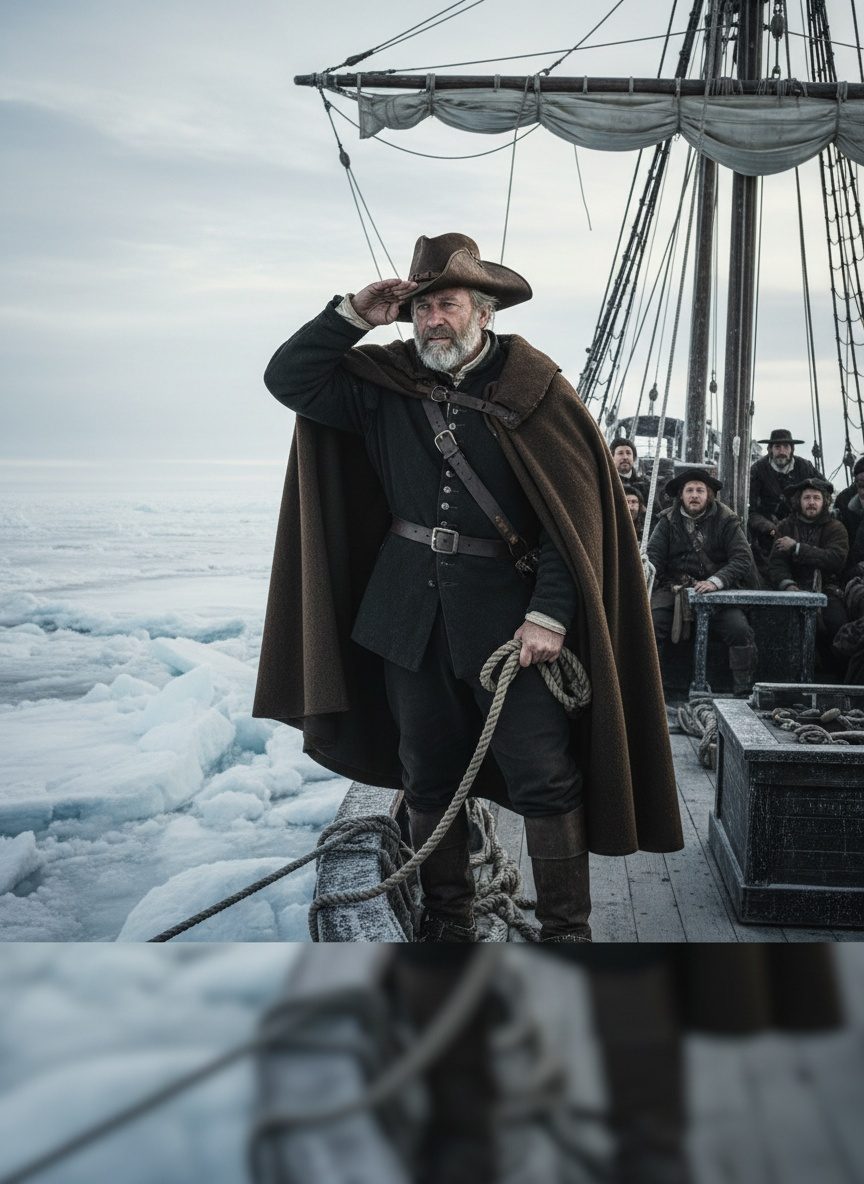
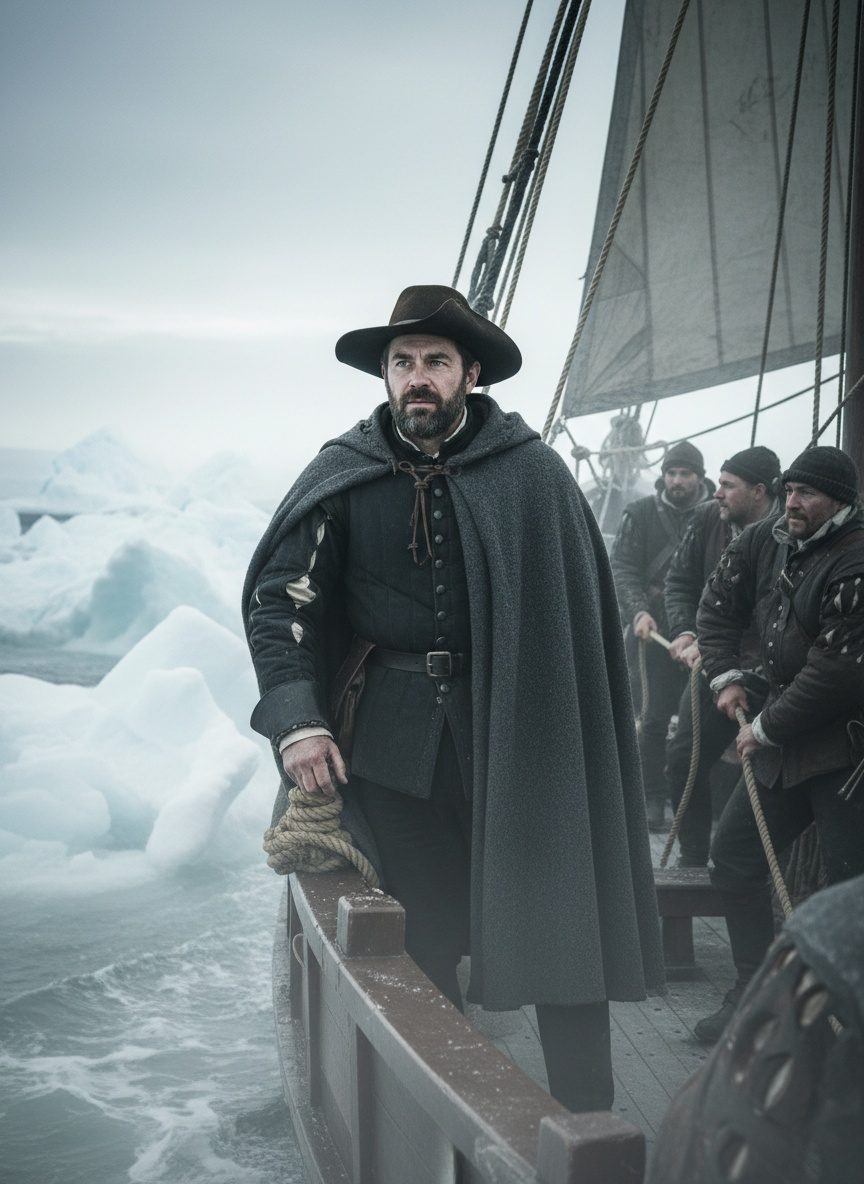
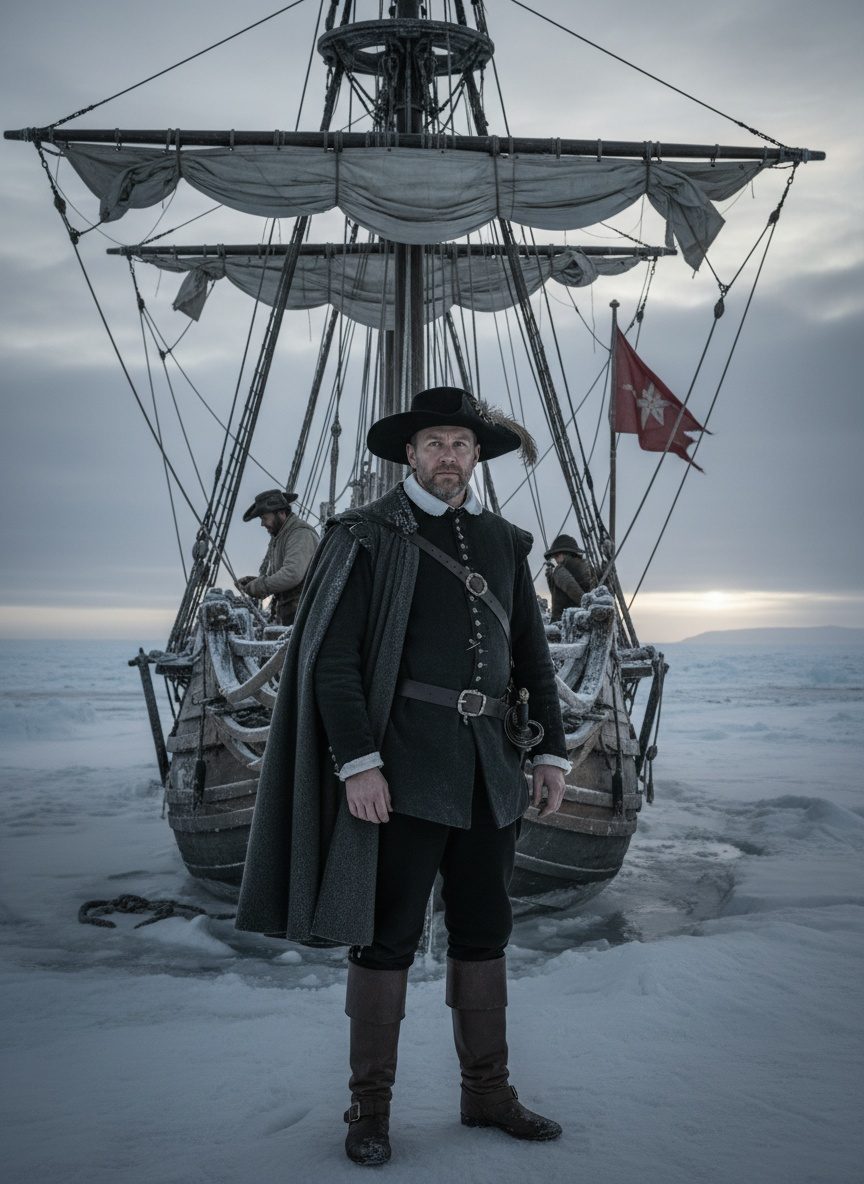
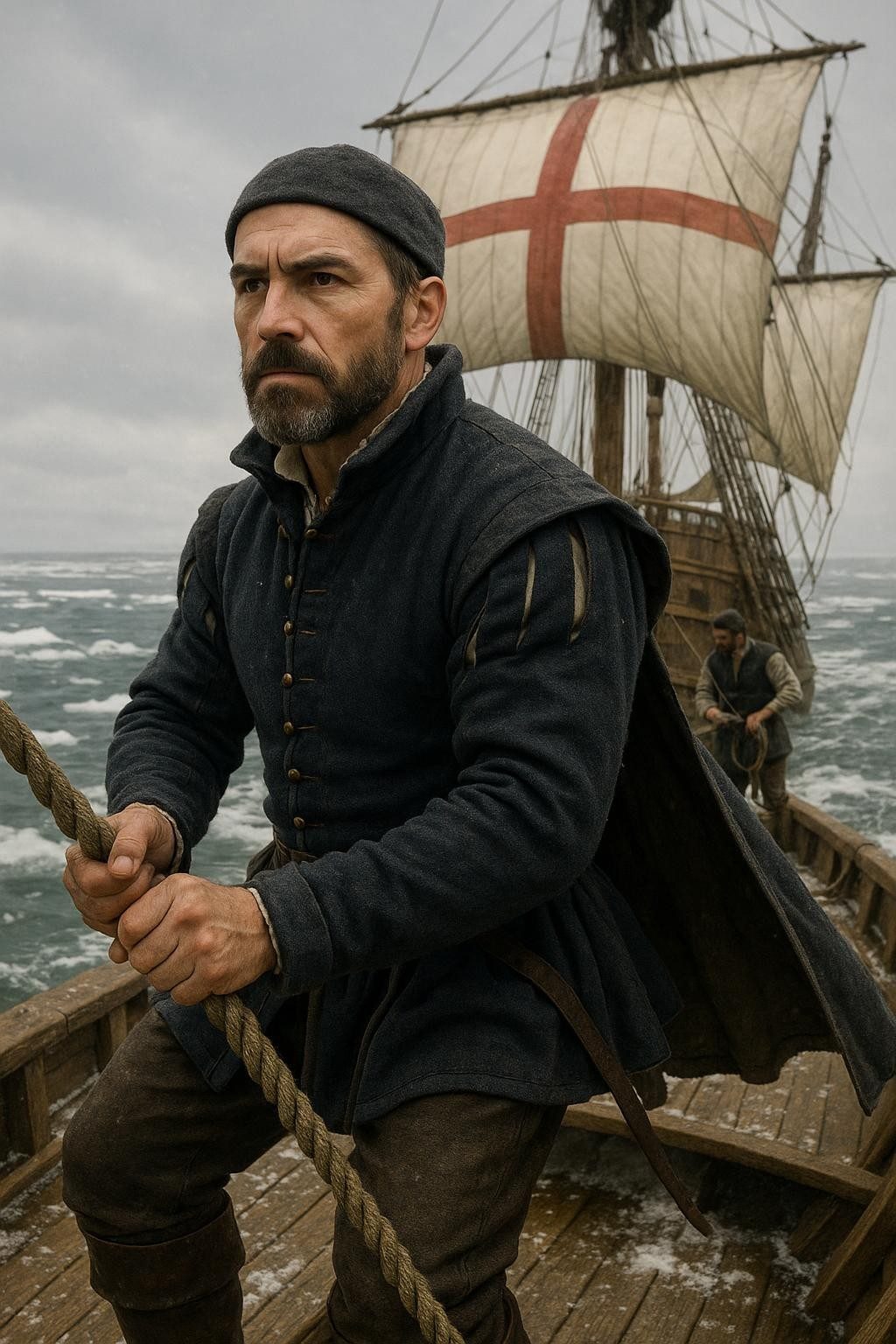
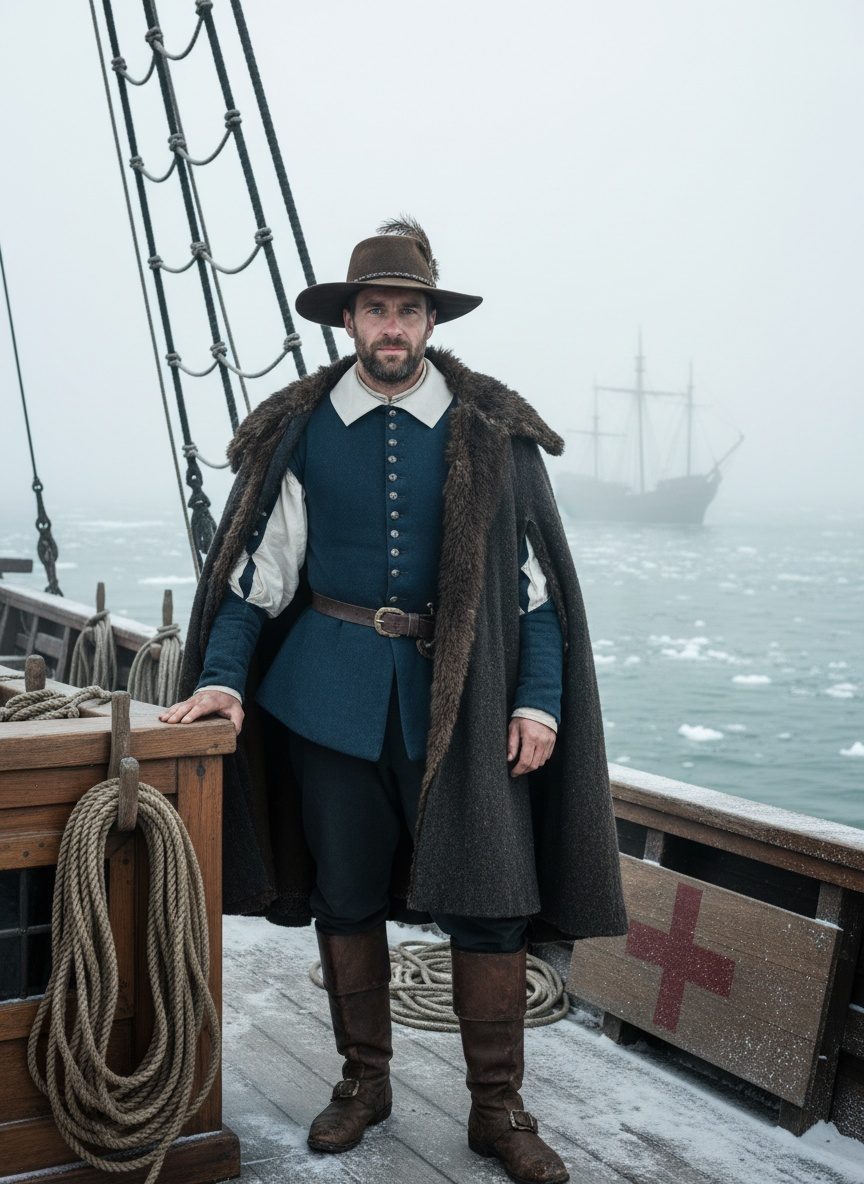
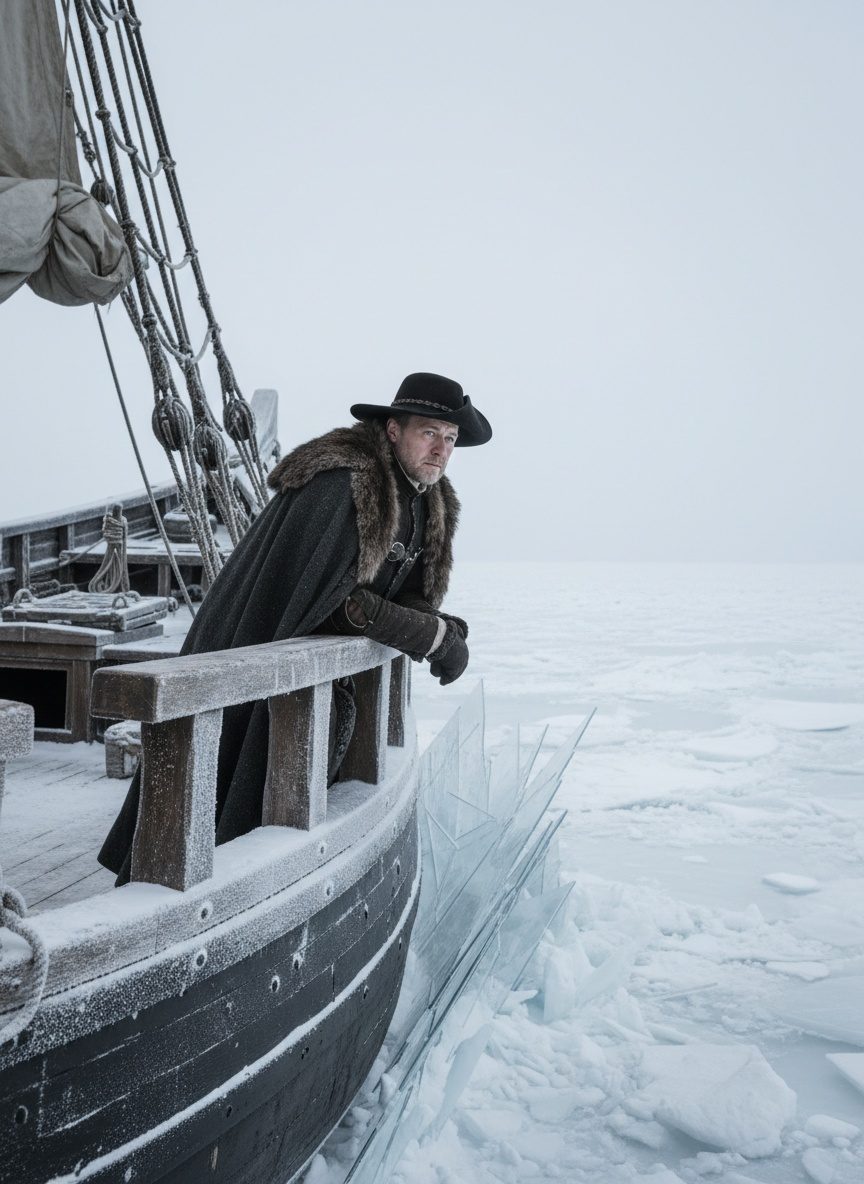
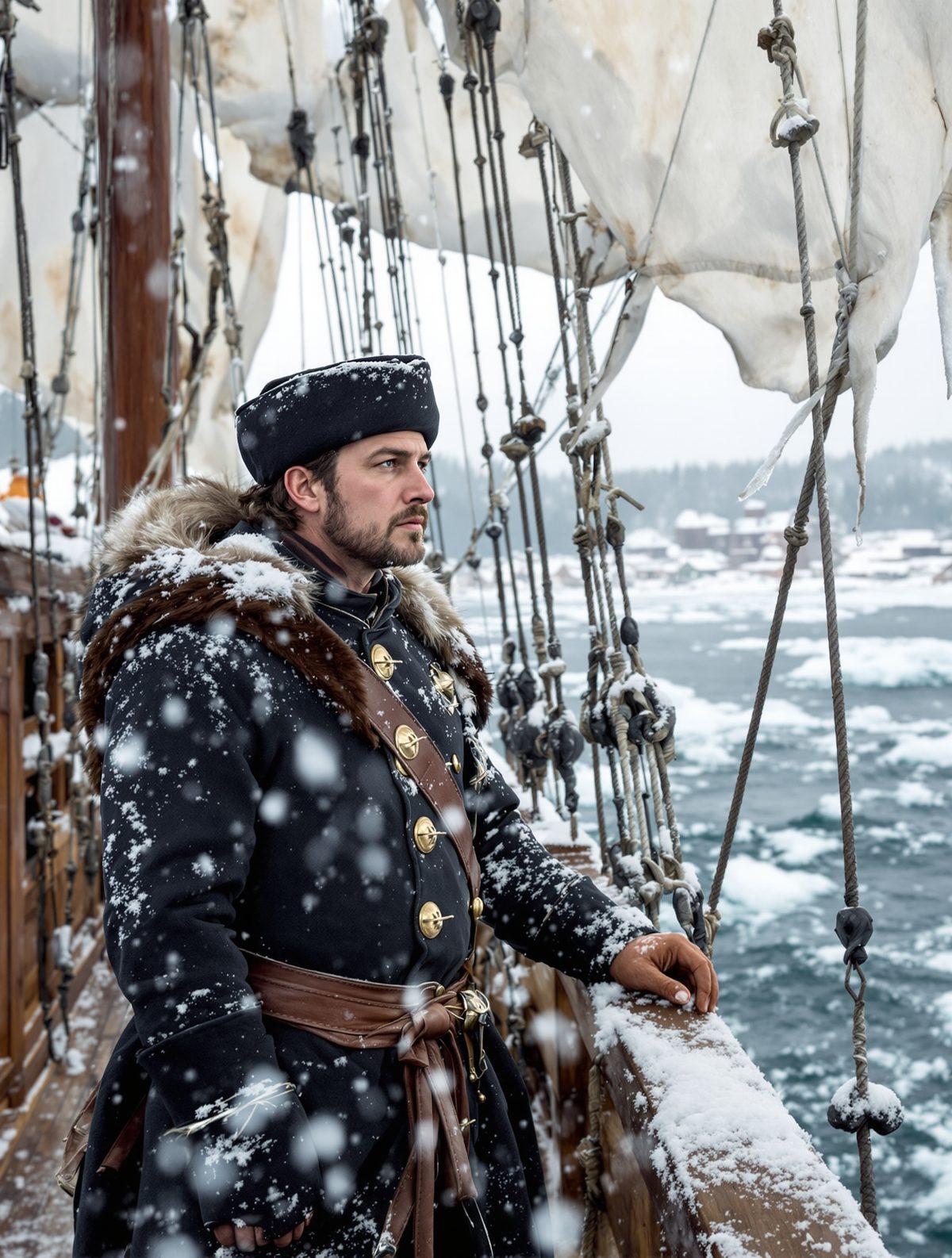
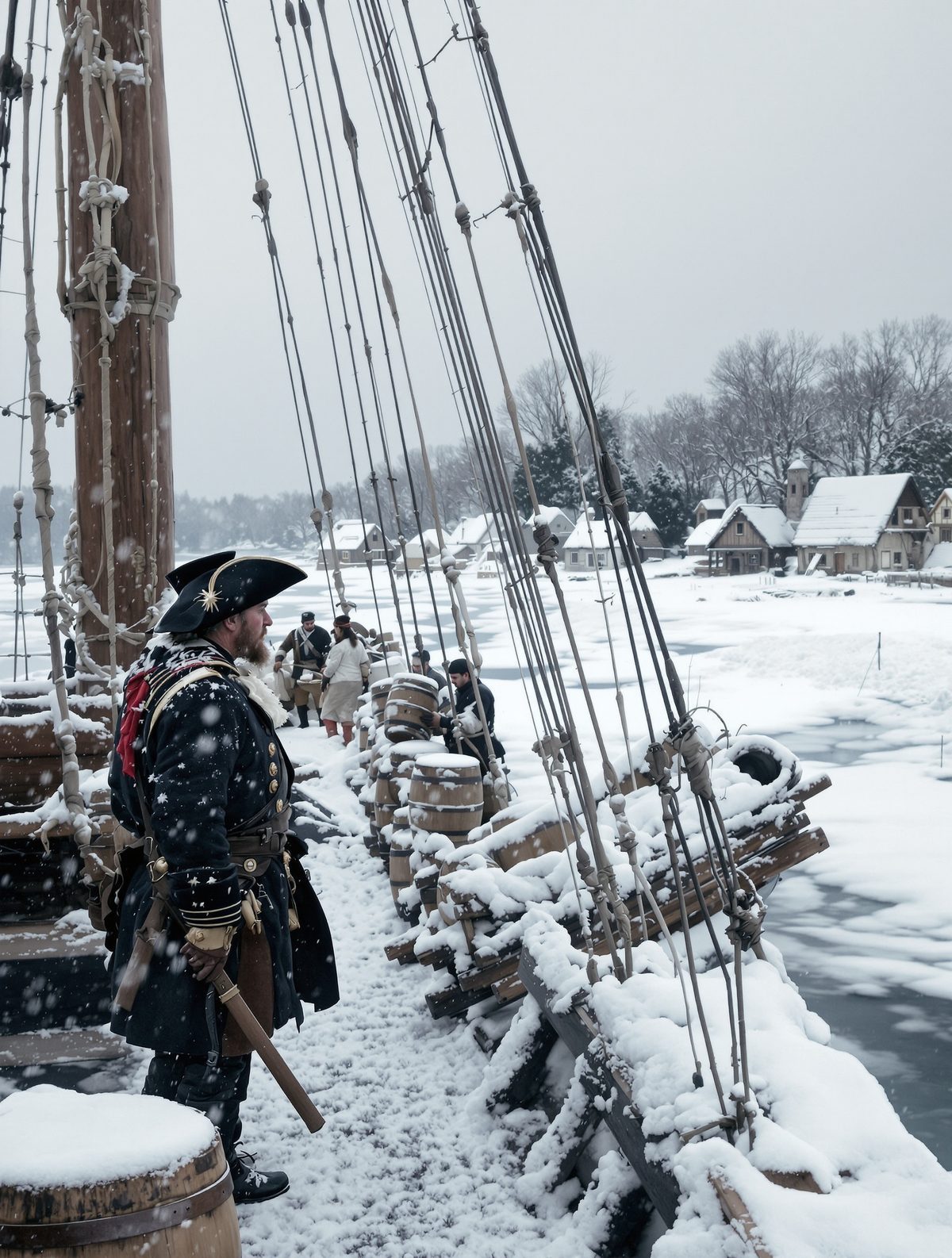
1553. Three English ships sailed northeast seeking a new route to China. Two vanished into the Arctic winter. Months later, Russian fishermen found them. The crews were frozen at their posts. Sir Hugh Willoughby still held his pen.
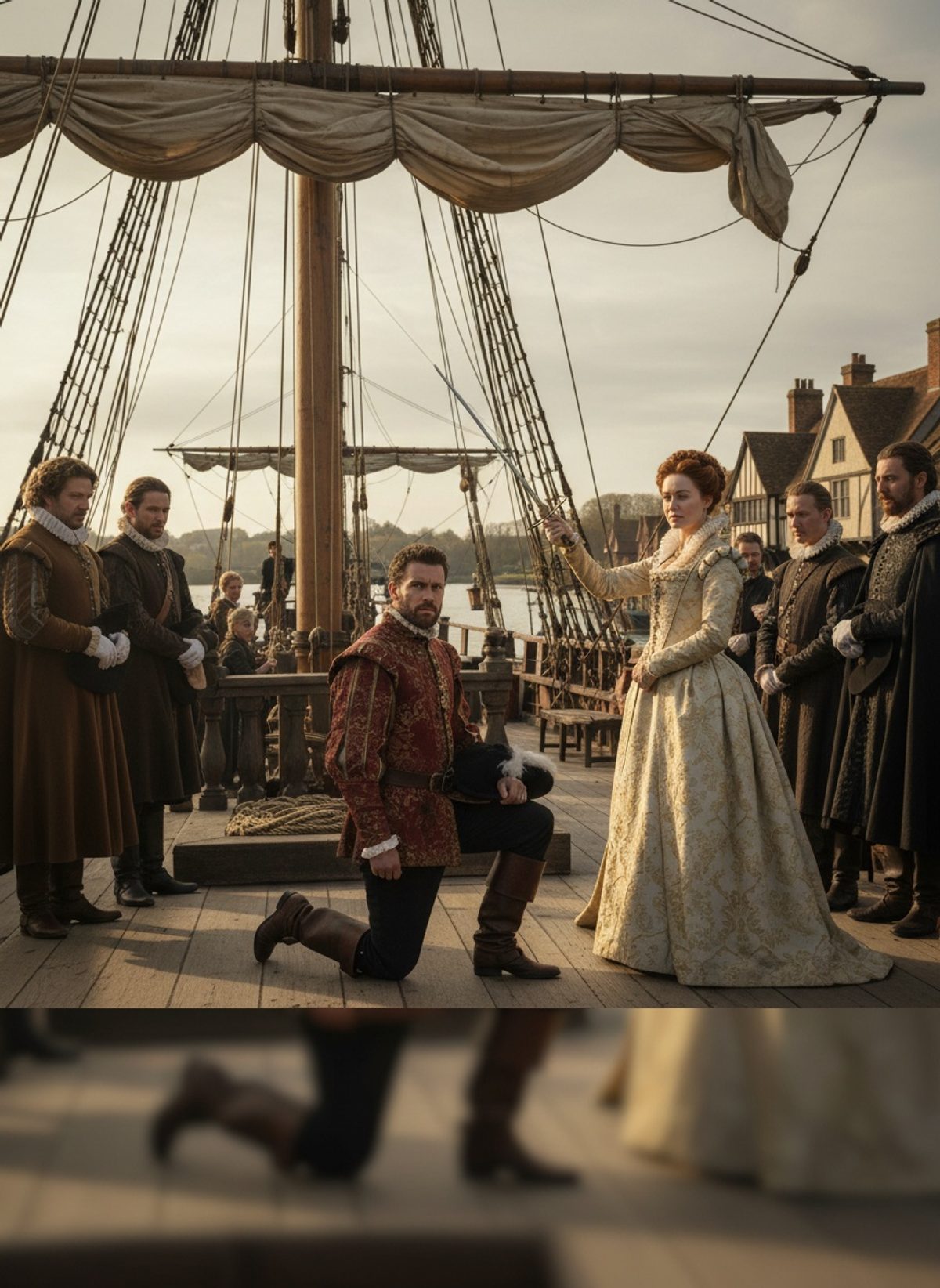
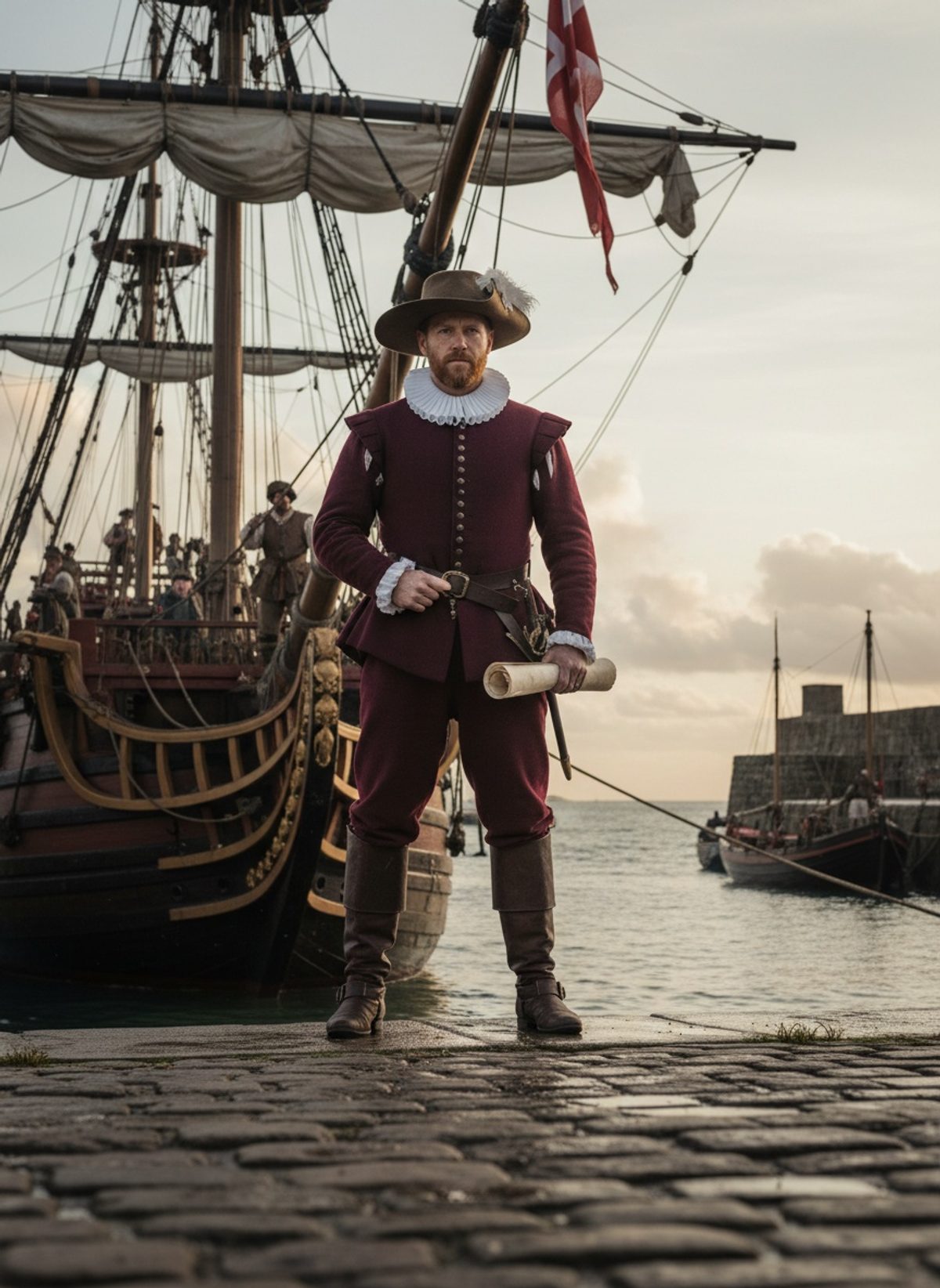
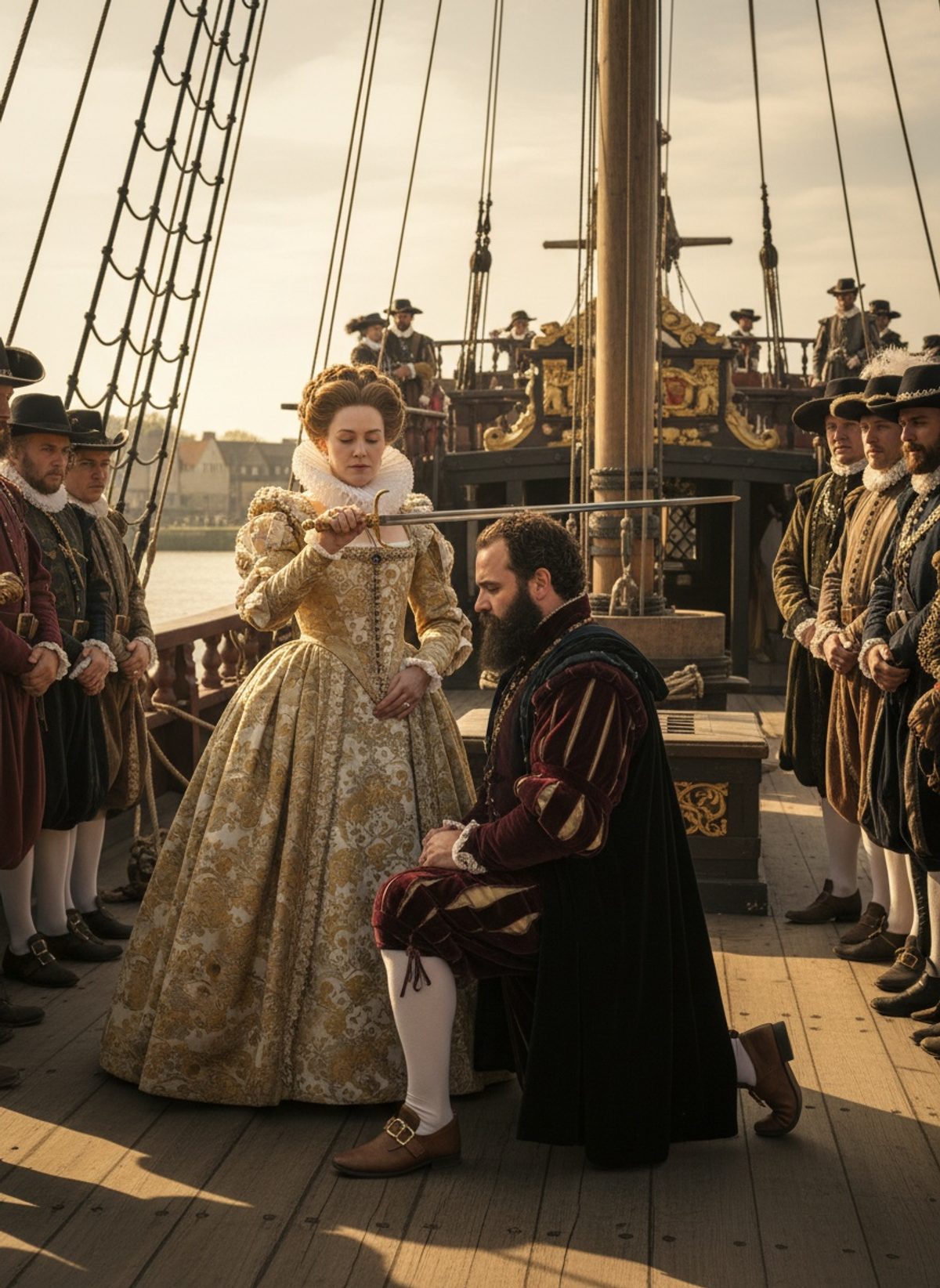
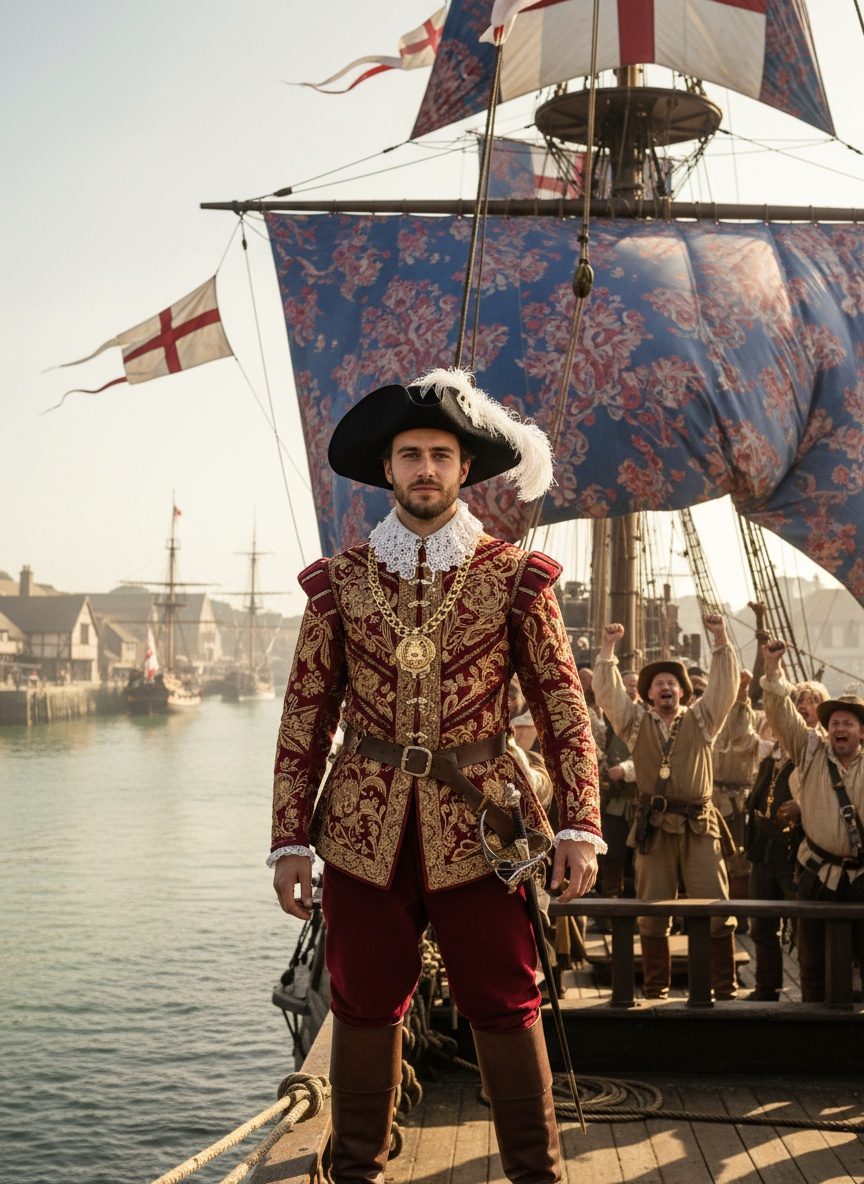
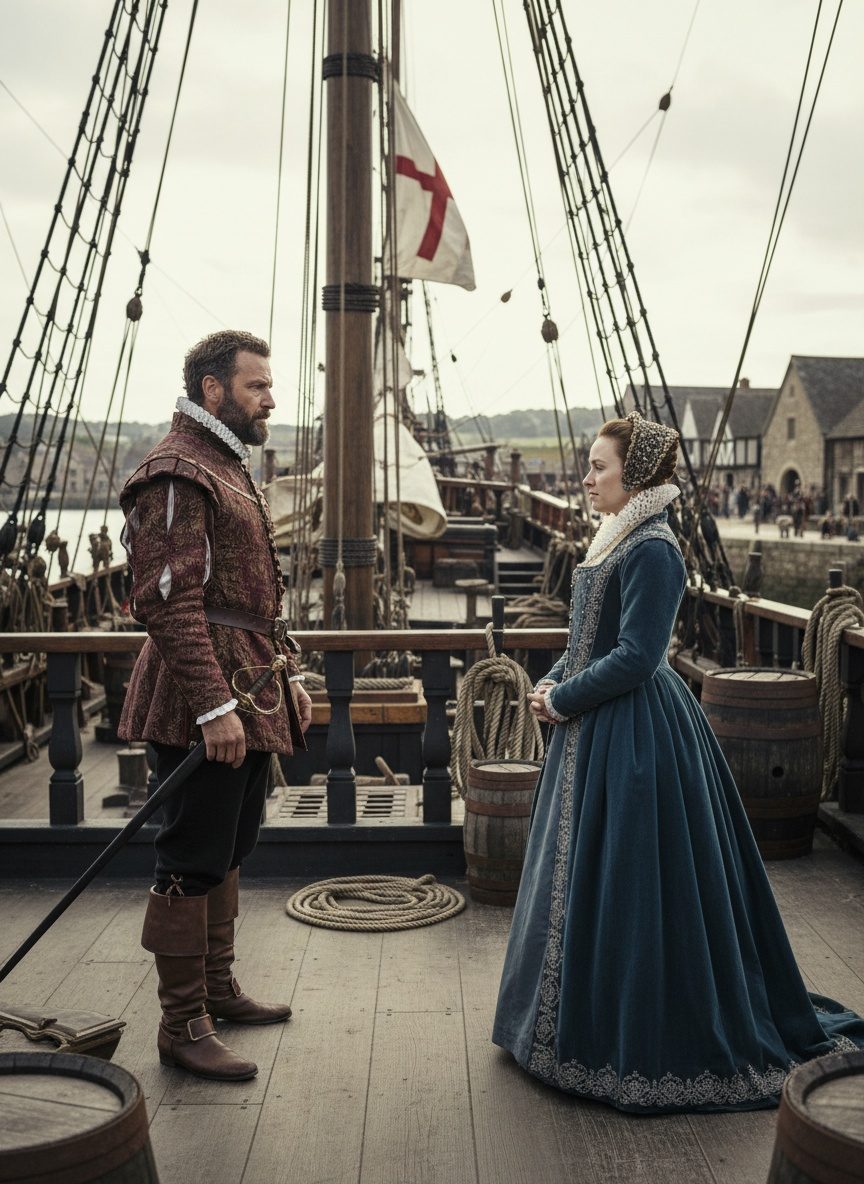
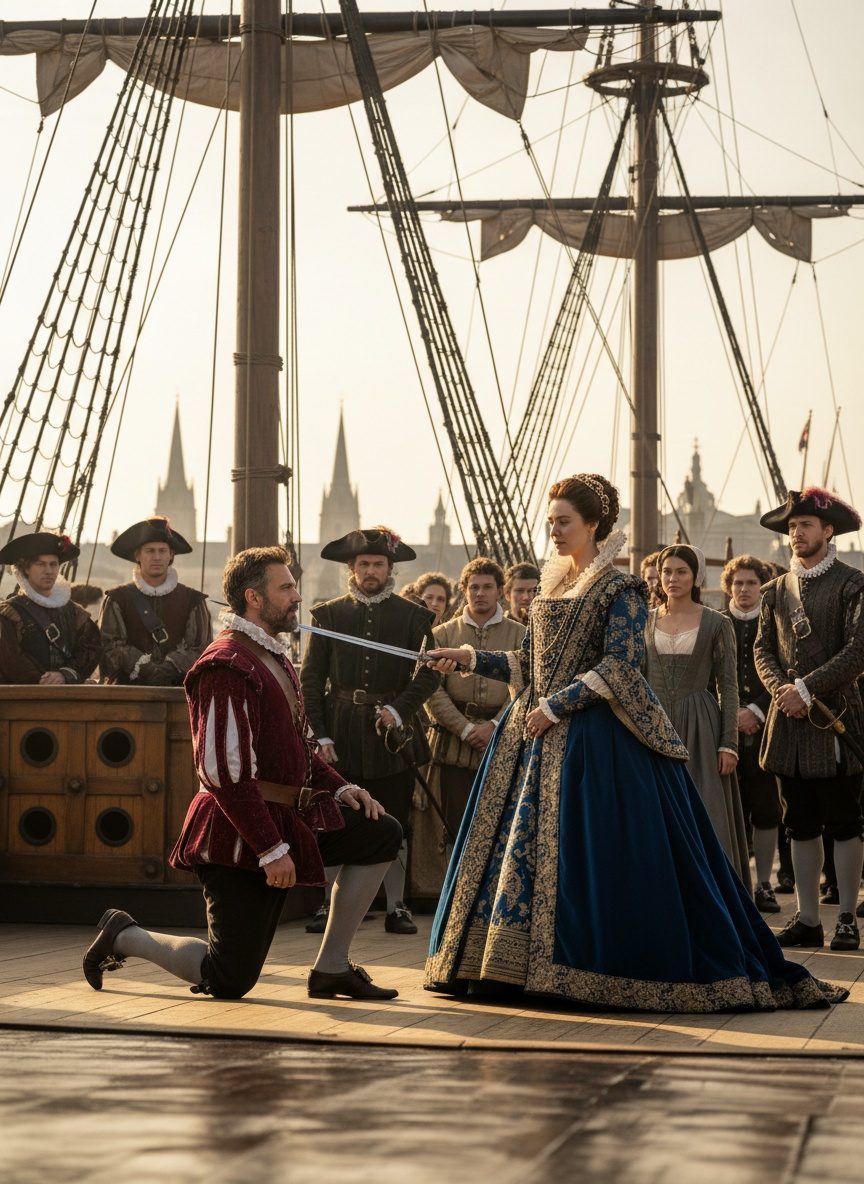
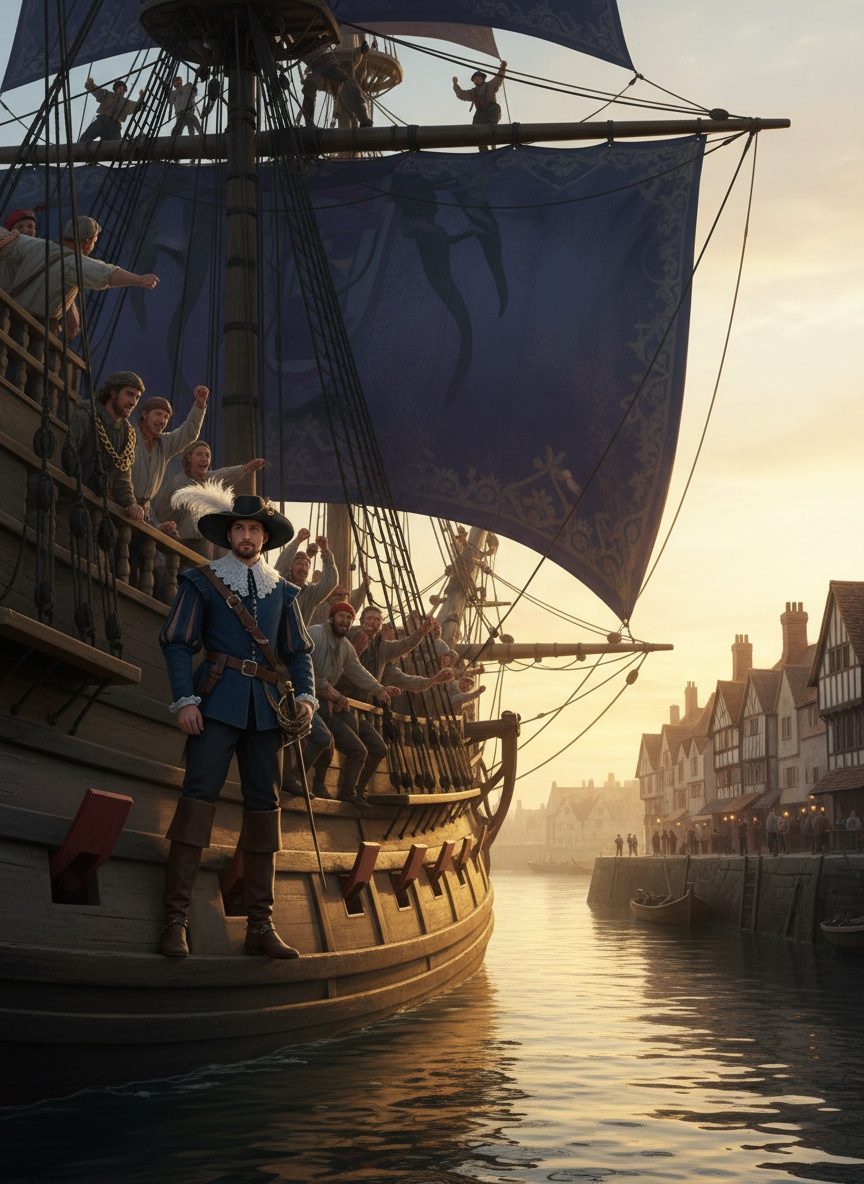
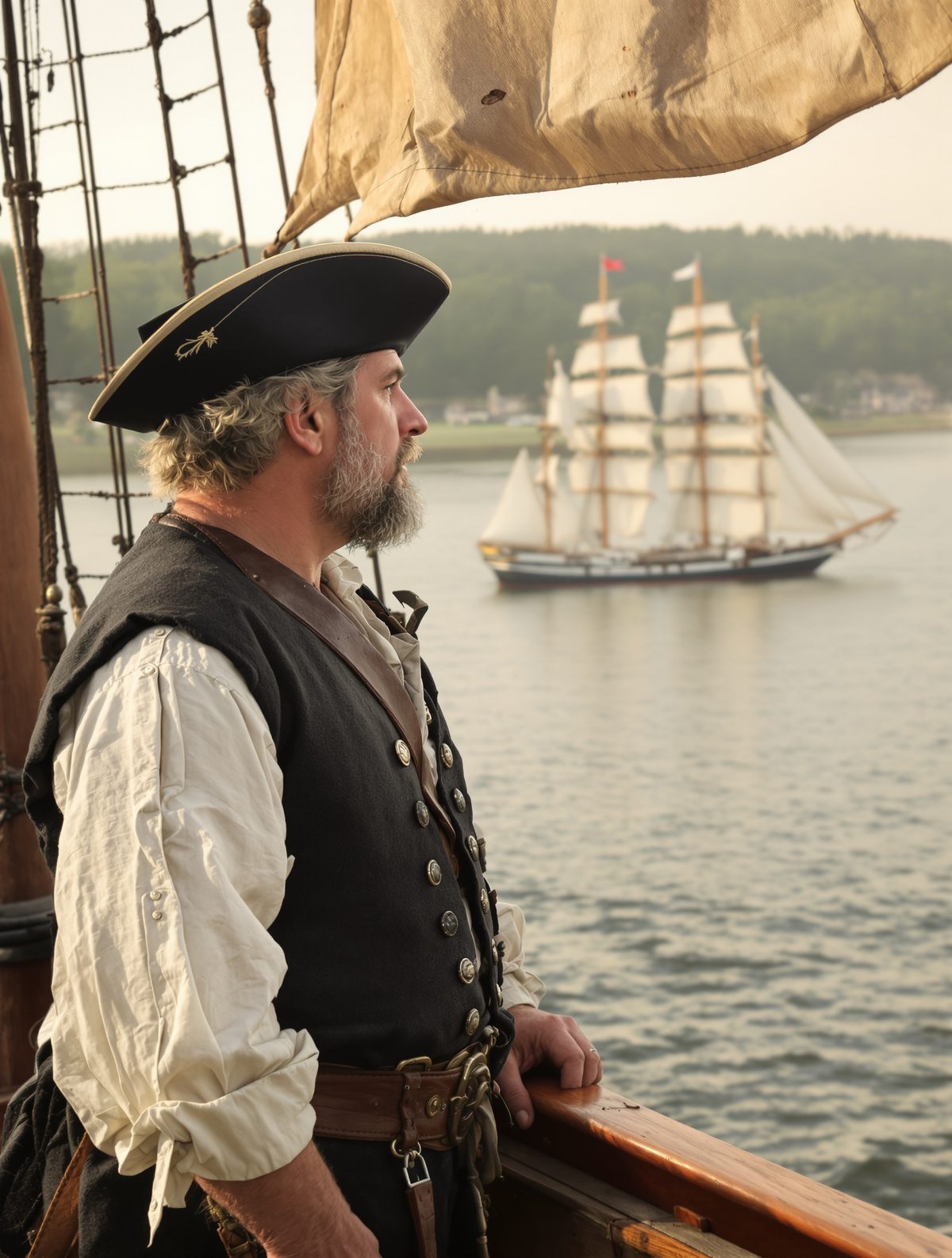
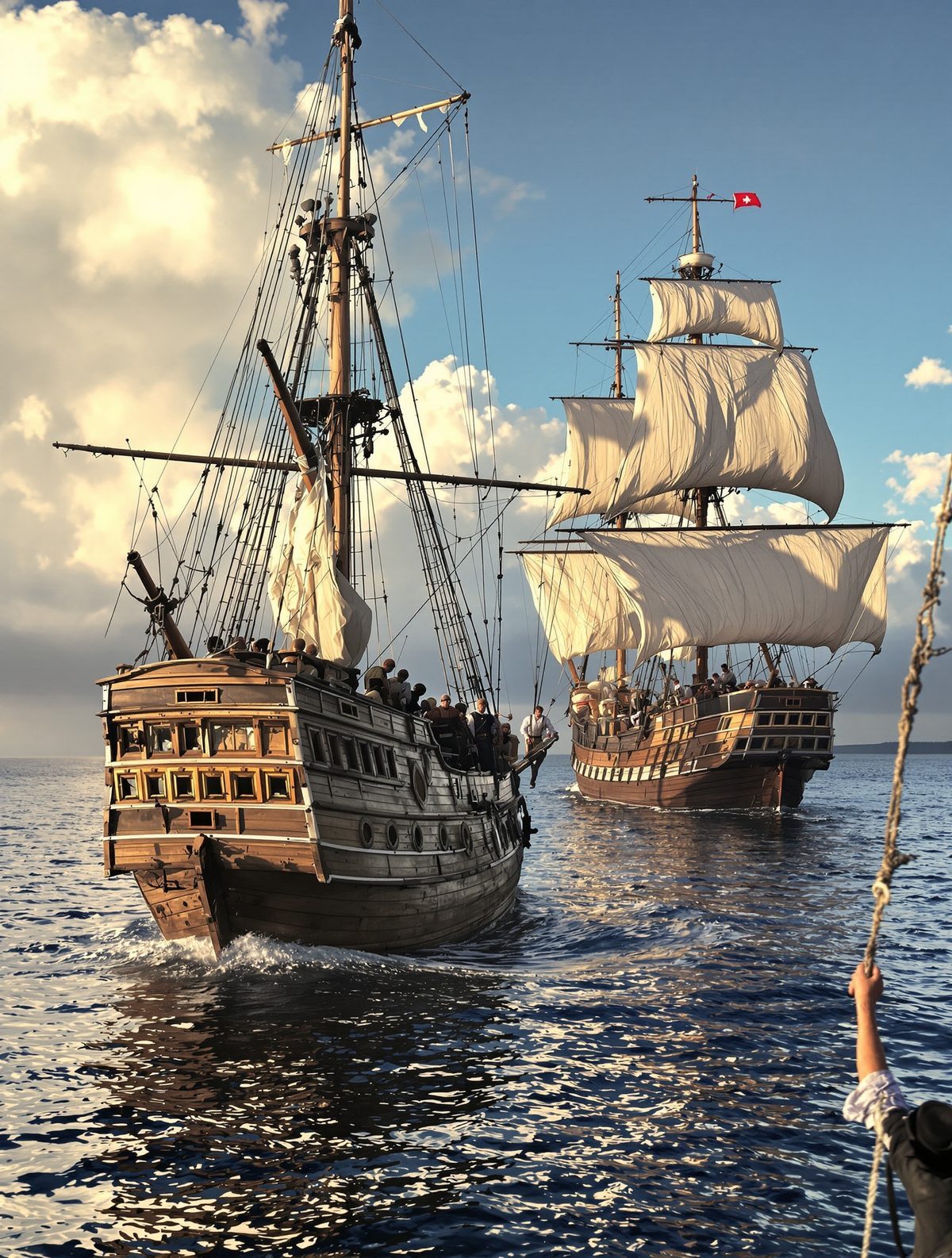
September 1580. Francis Drake sailed the Golden Hind into Plymouth Sound. He had circled the entire world. Three years gone. One ship left. Queen Elizabeth knighted him on the deck. England held its breath.
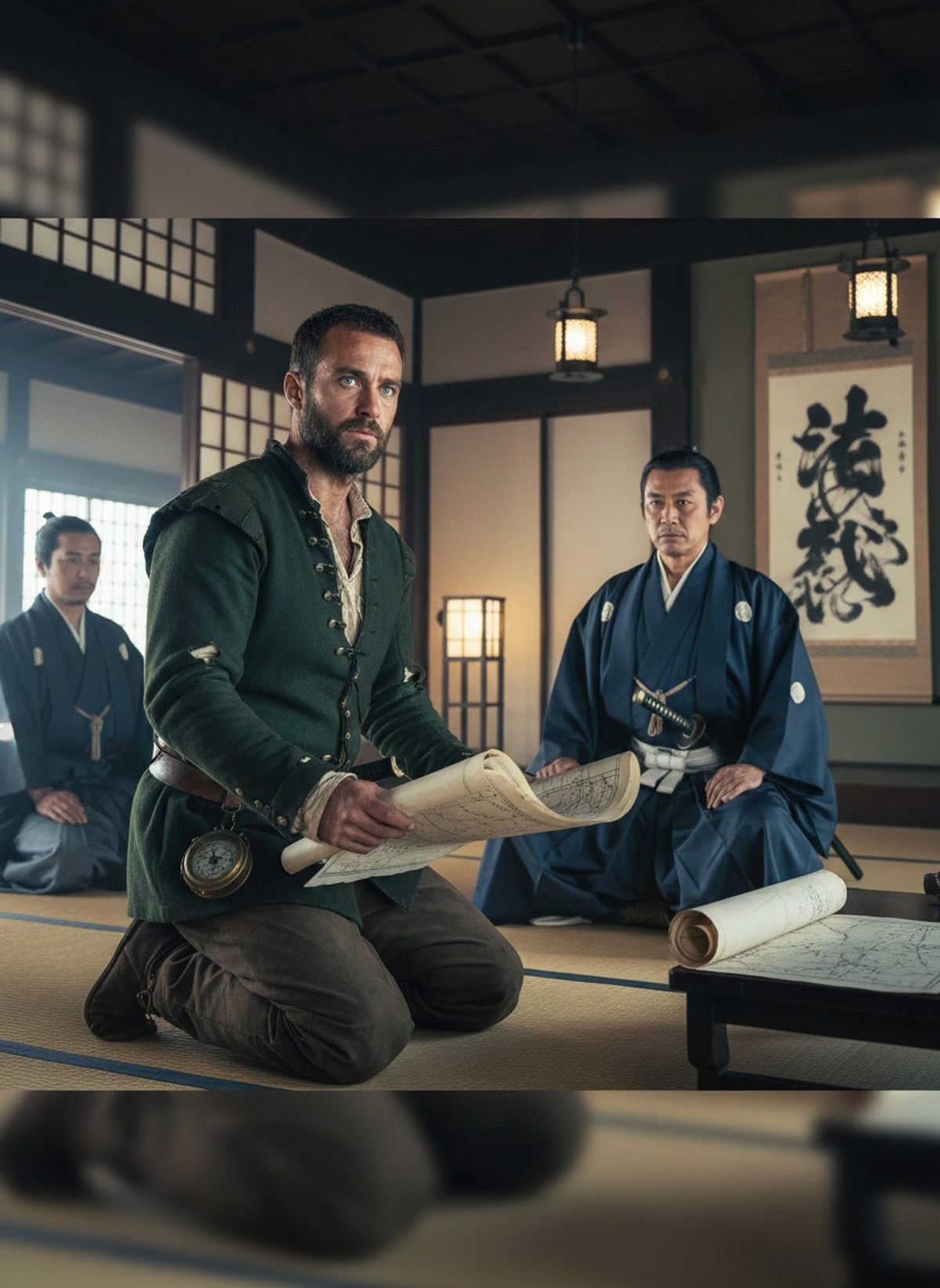
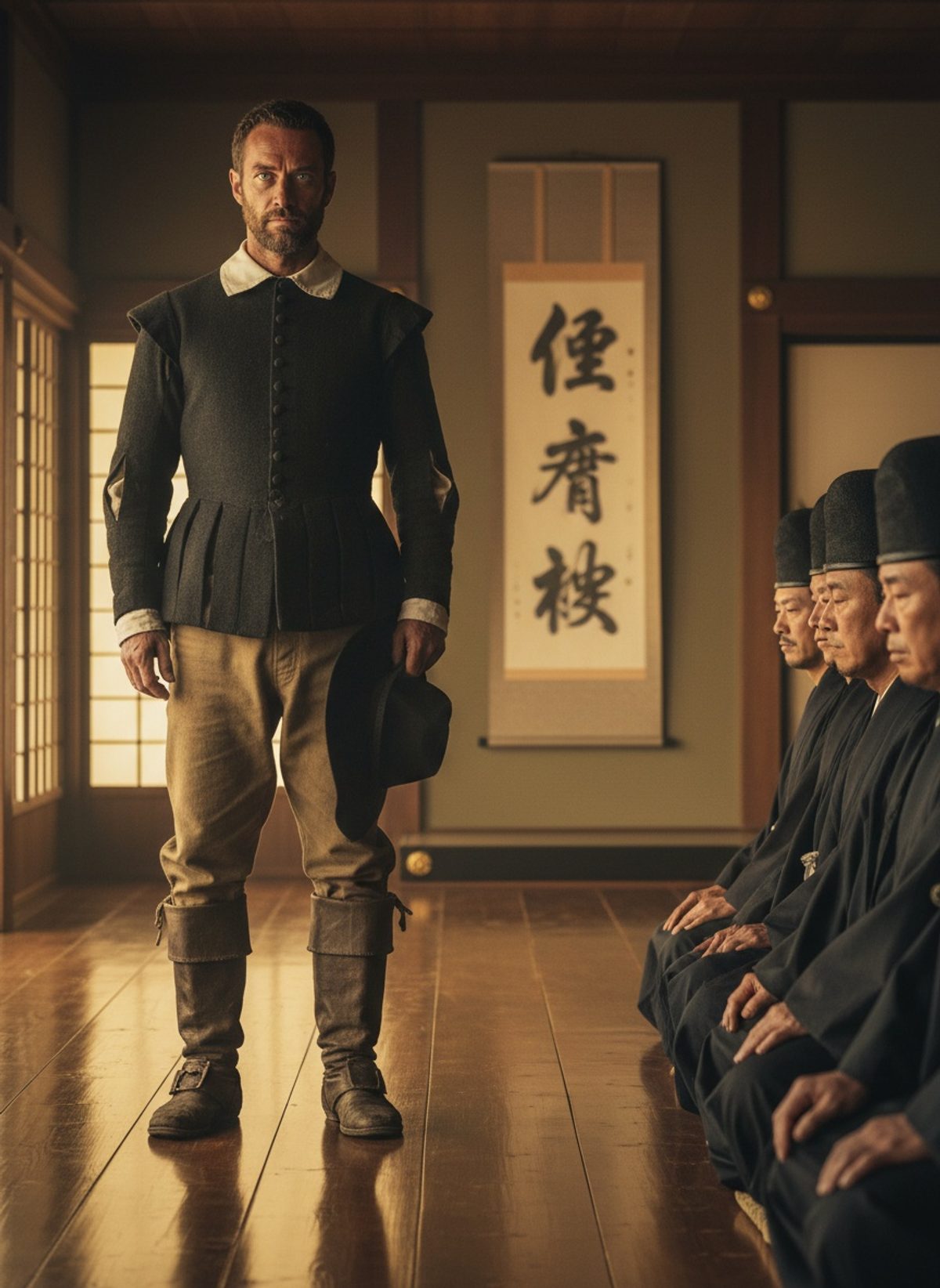
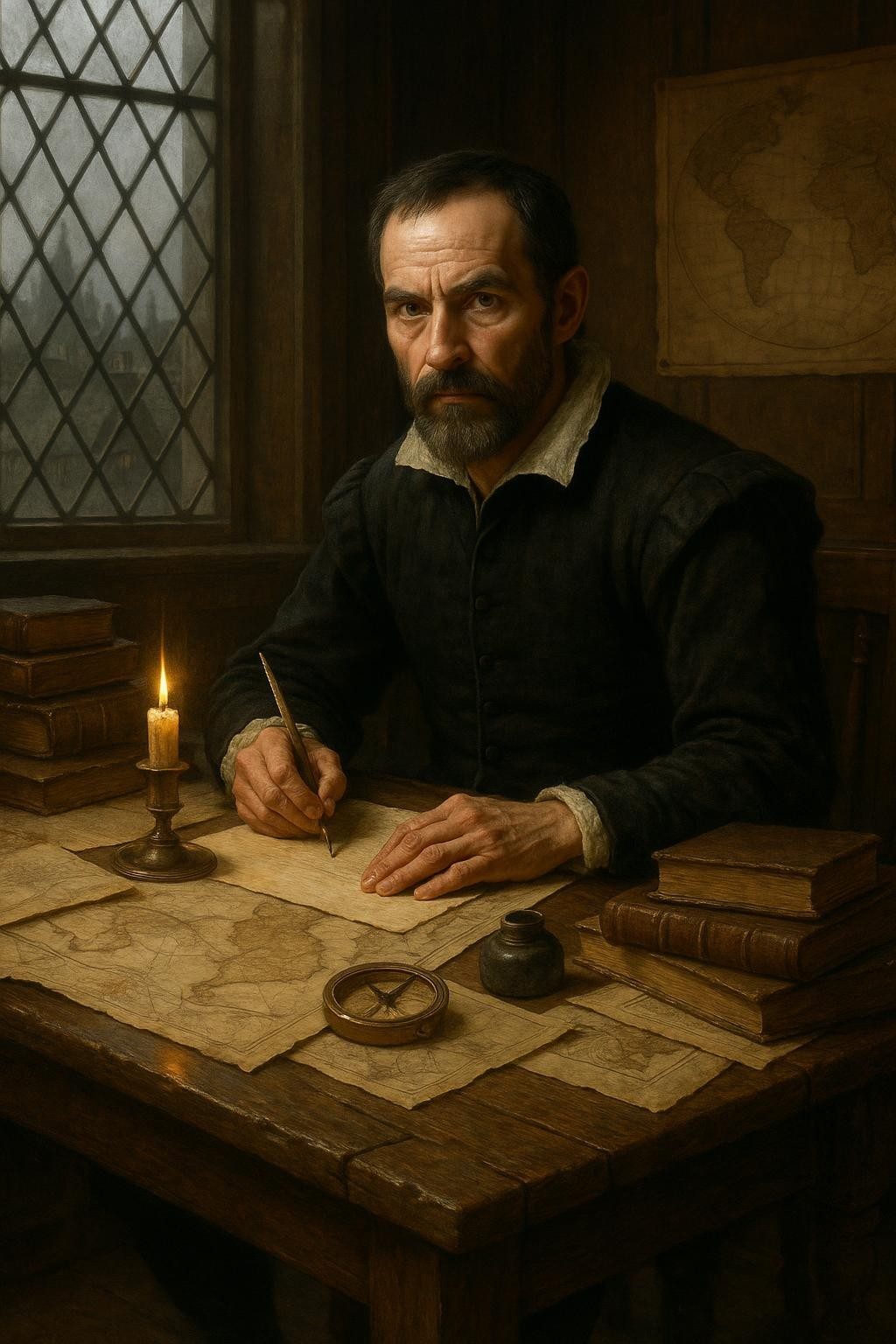
1600. An English pilot shipwrecked on Japan's shore. Tokugawa Ieyasu summoned him. Adams drew charts no European had made. England's reach touched the Pacific.
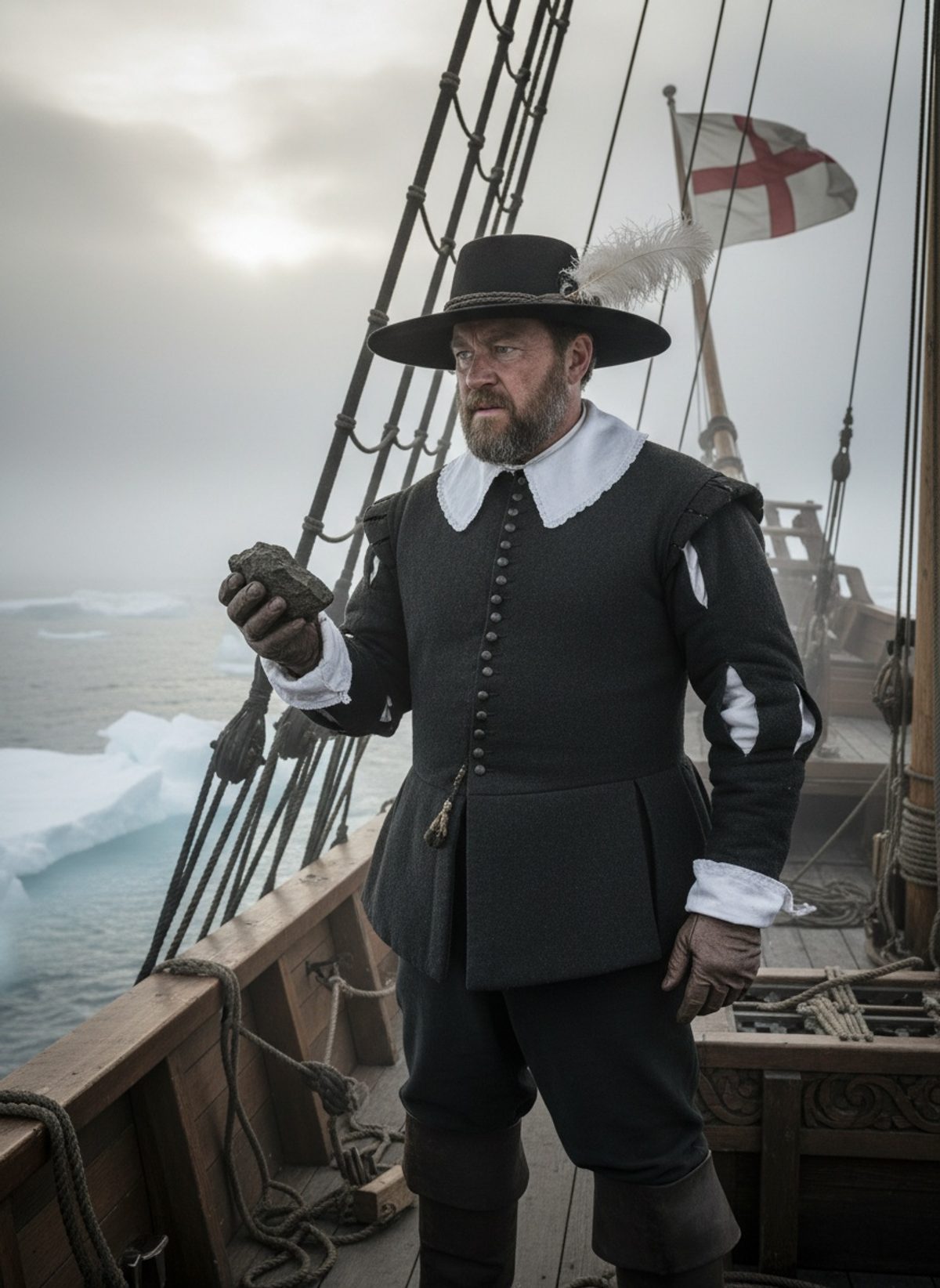
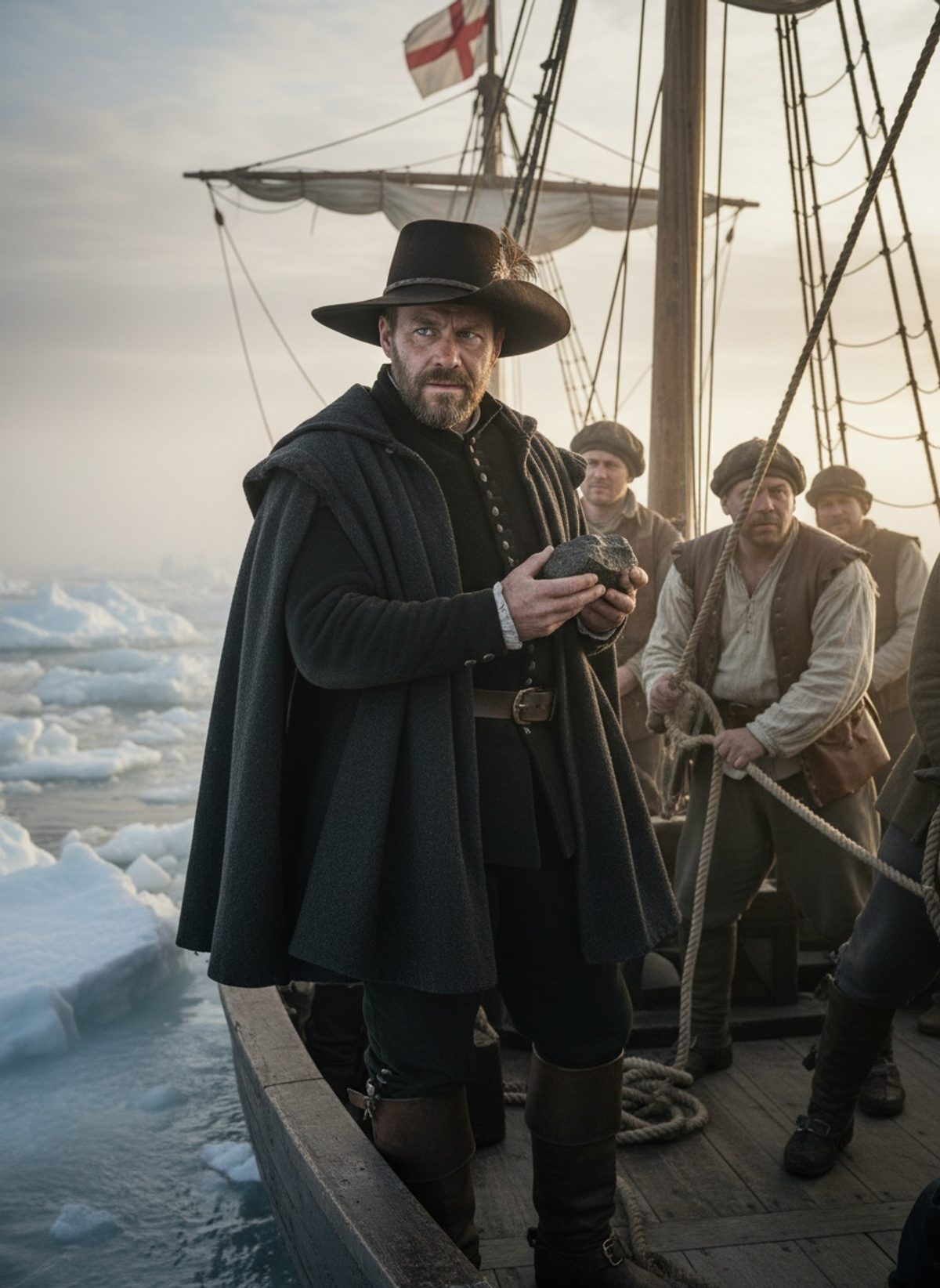
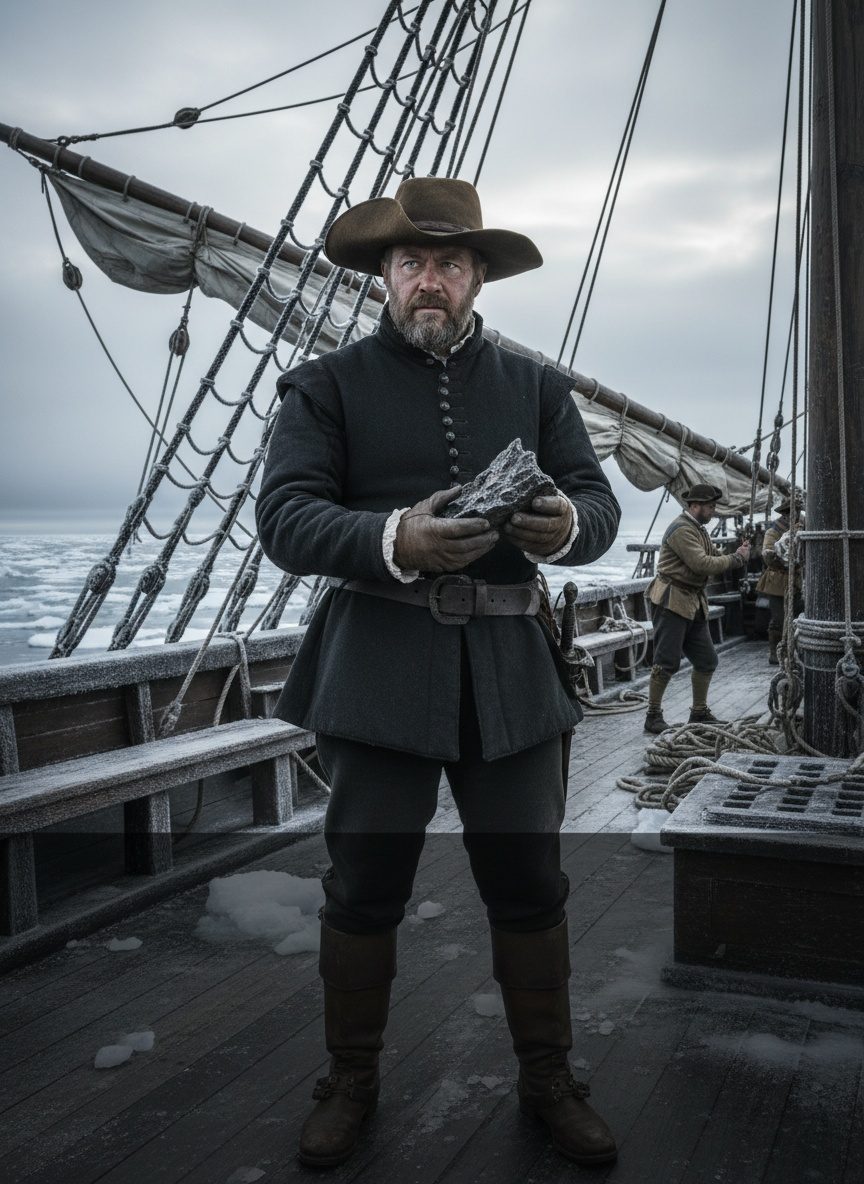
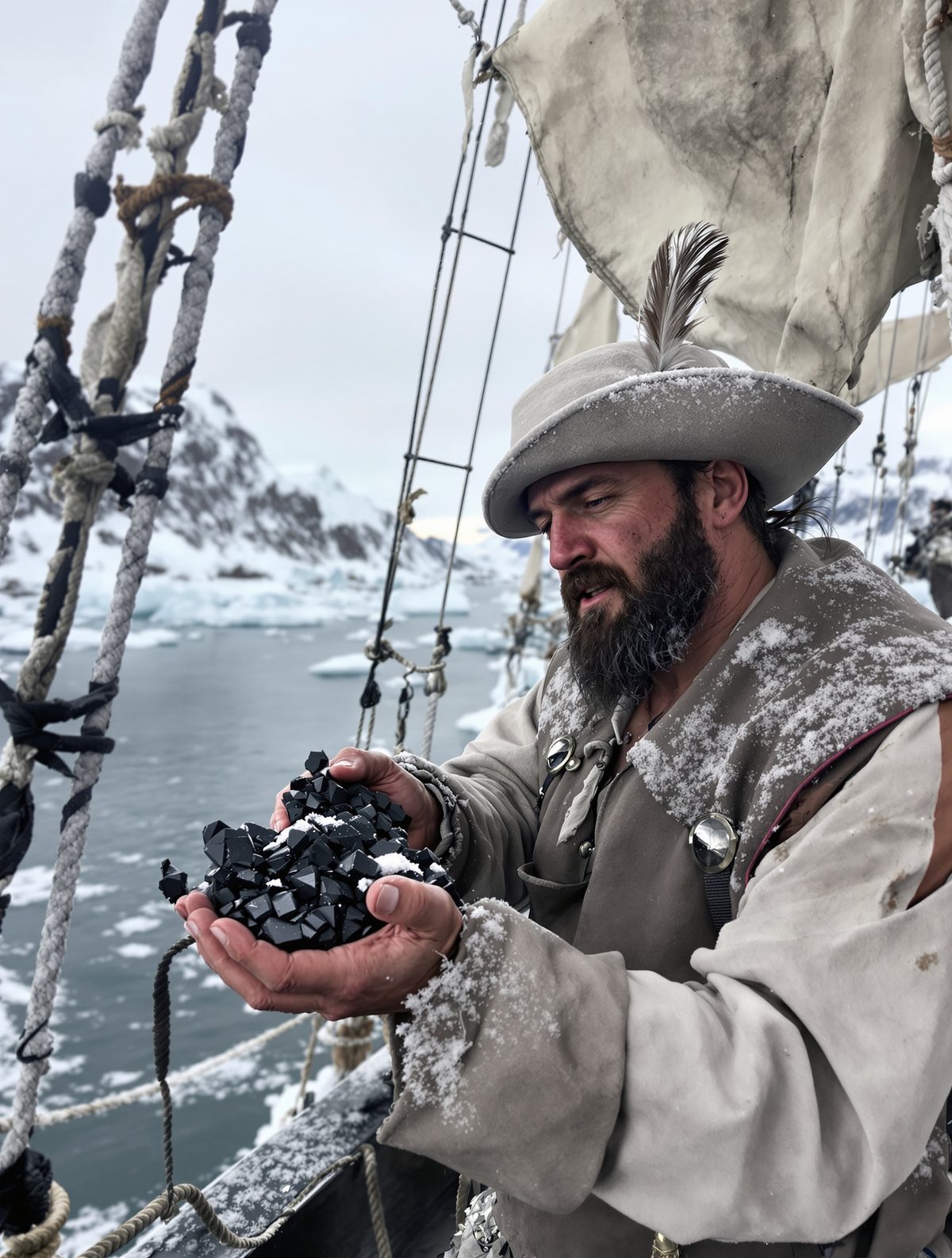
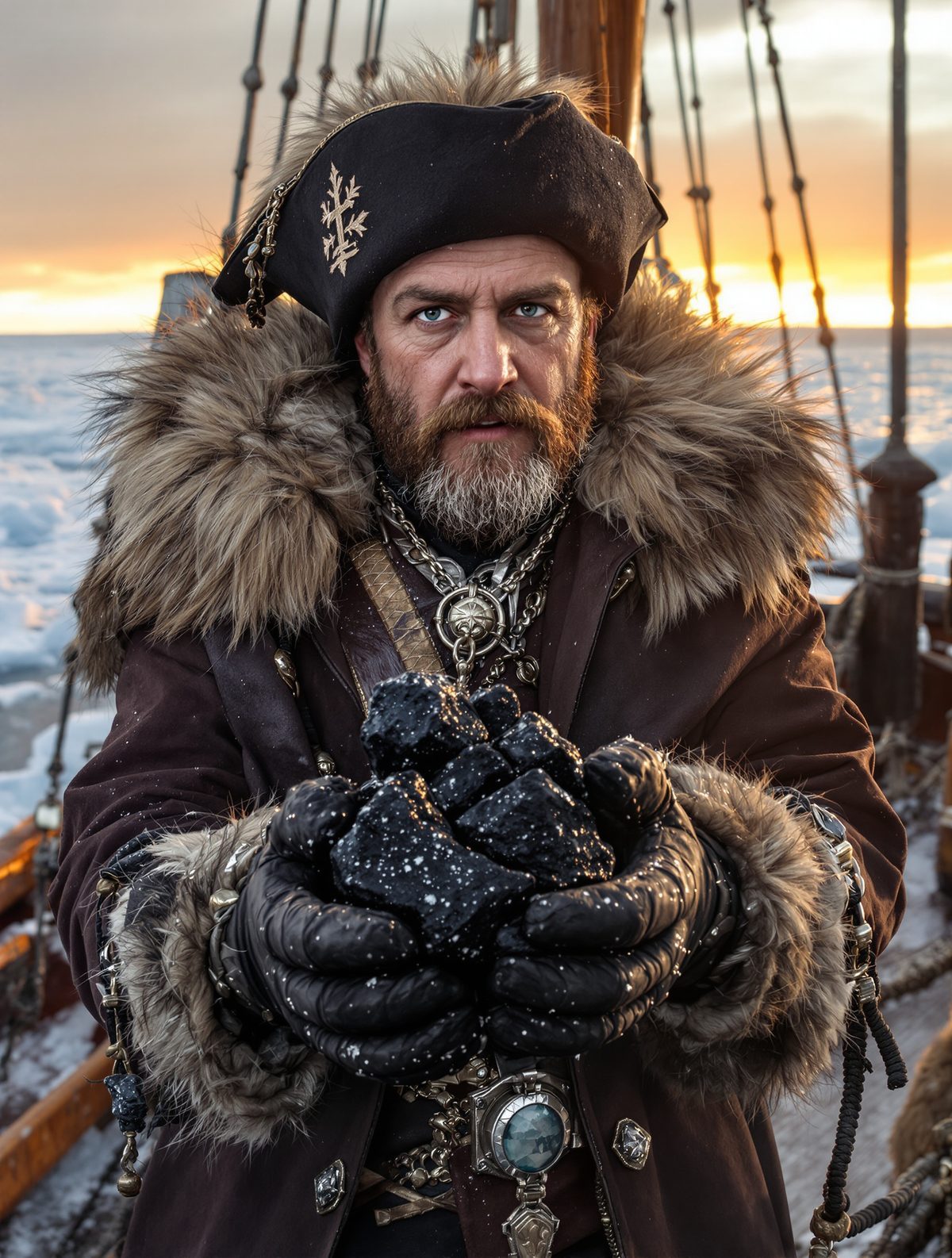
1576. Martin Frobisher sailed northwest into uncharted Arctic seas. He found a bay no European had entered. He brought back a black rock. England's queen called it gold. A nation dreamed of empire.
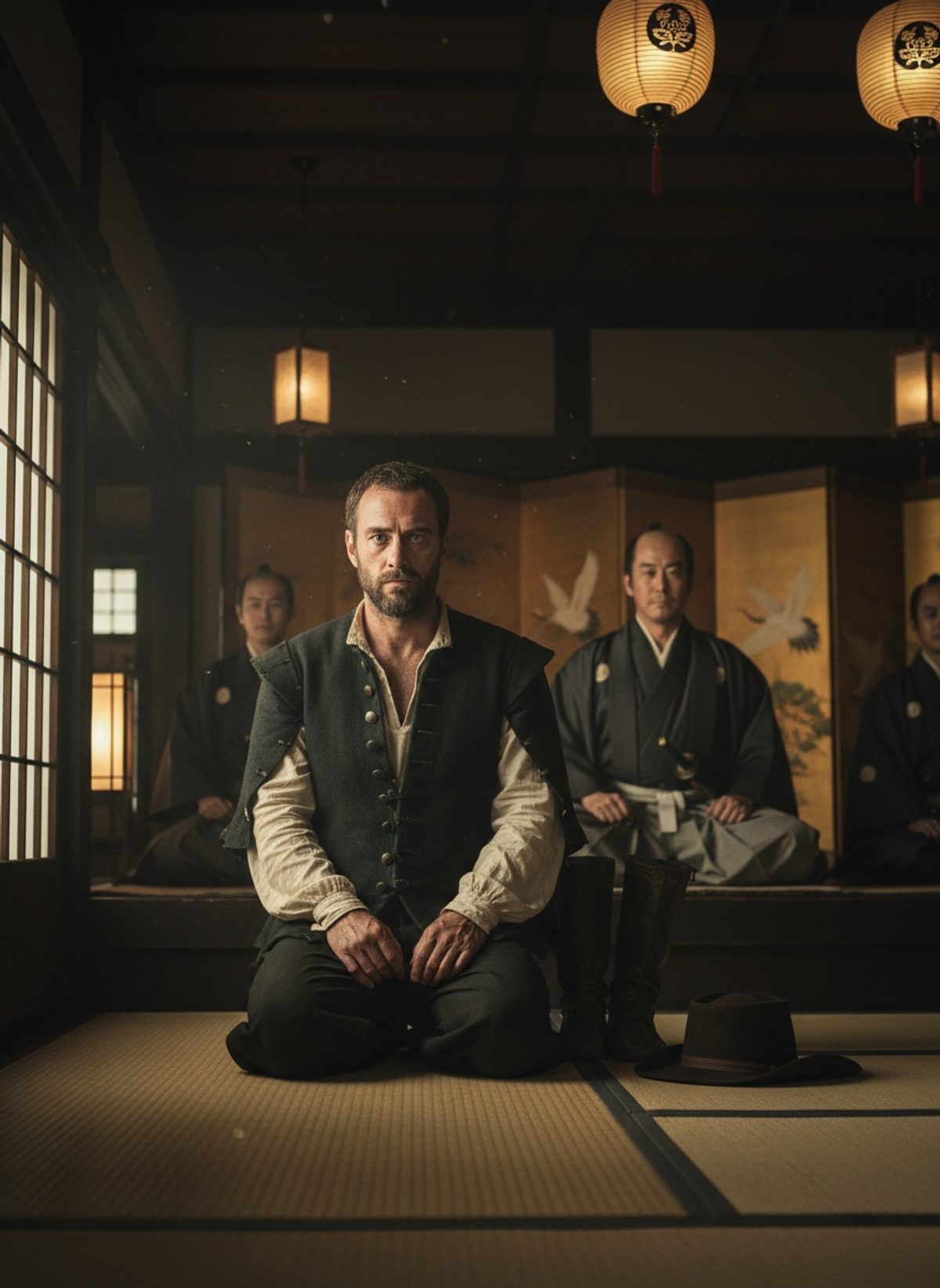
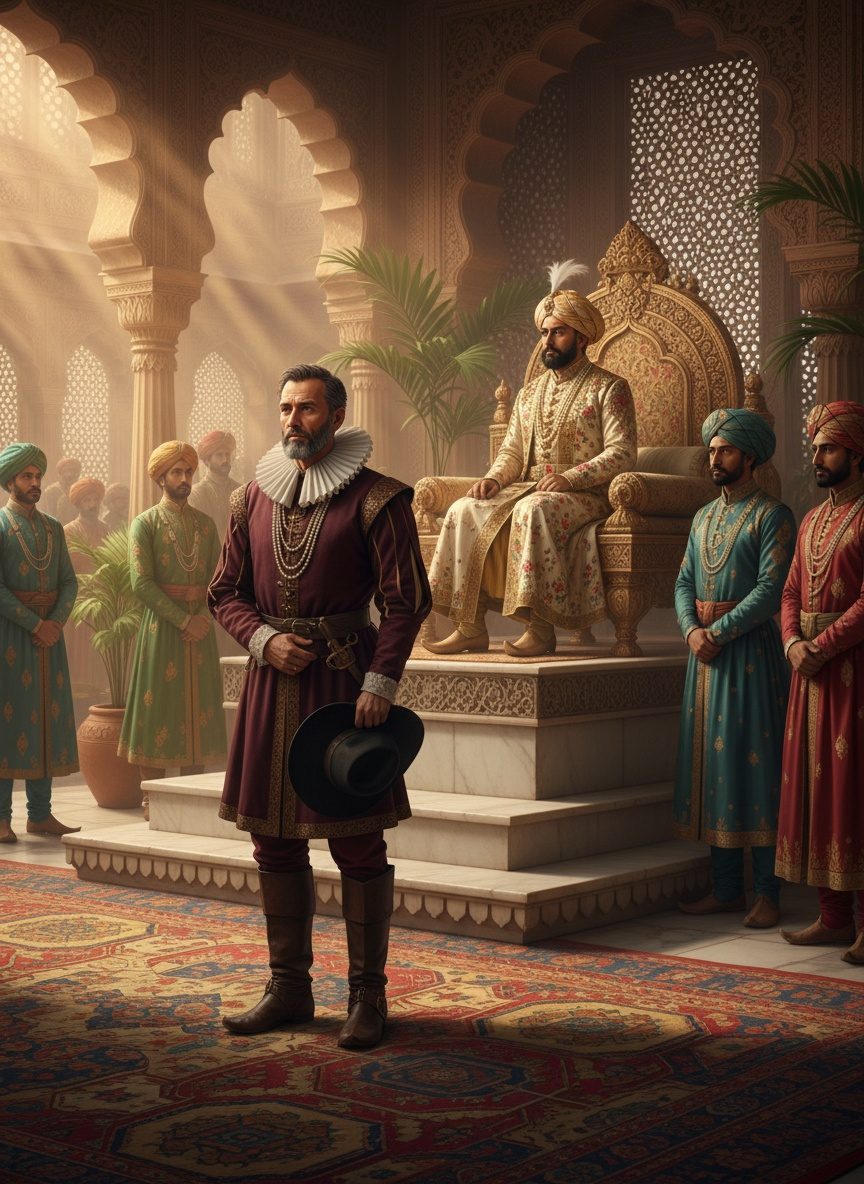
April 1600. An English sailor stood before the most powerful man in Japan. Every other European had been executed. Adams spoke plainly. Tokugawa Ieyasu listened. He walked out alive. The first Englishman Japan ever trusted.
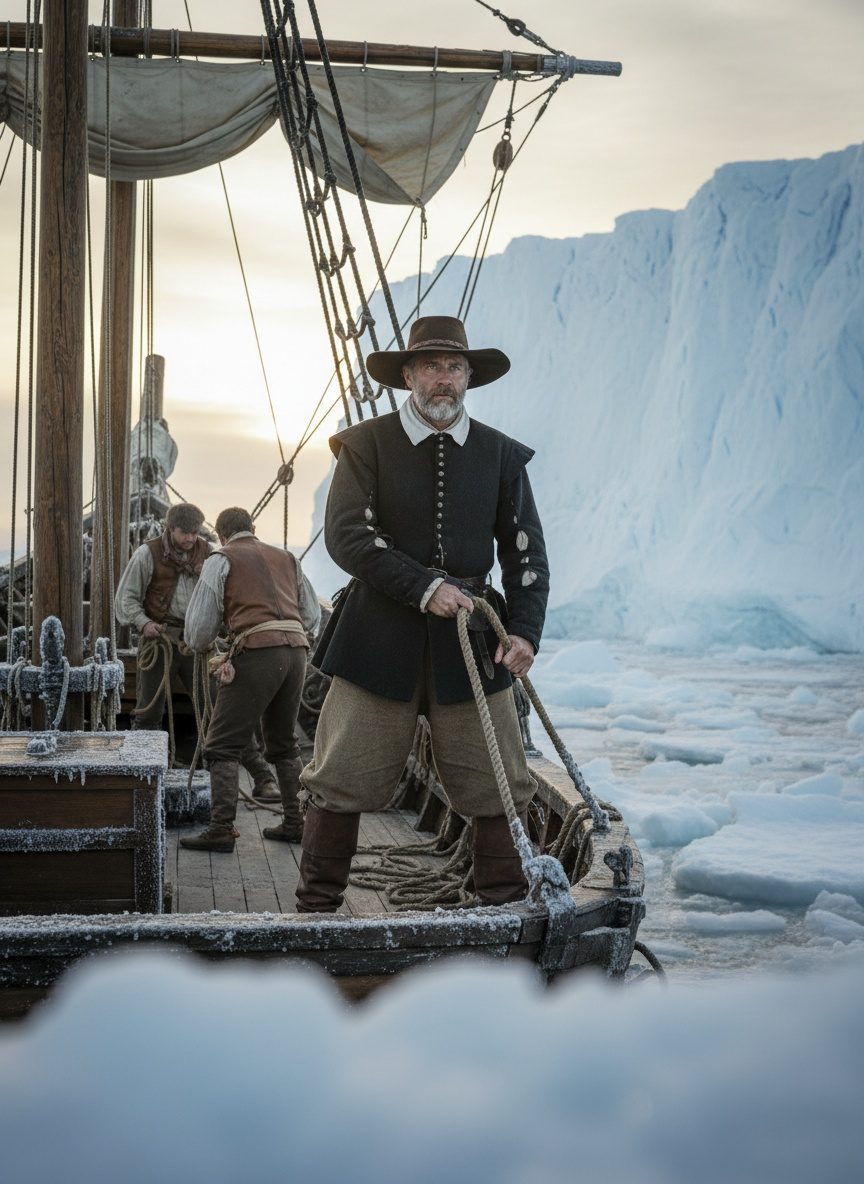
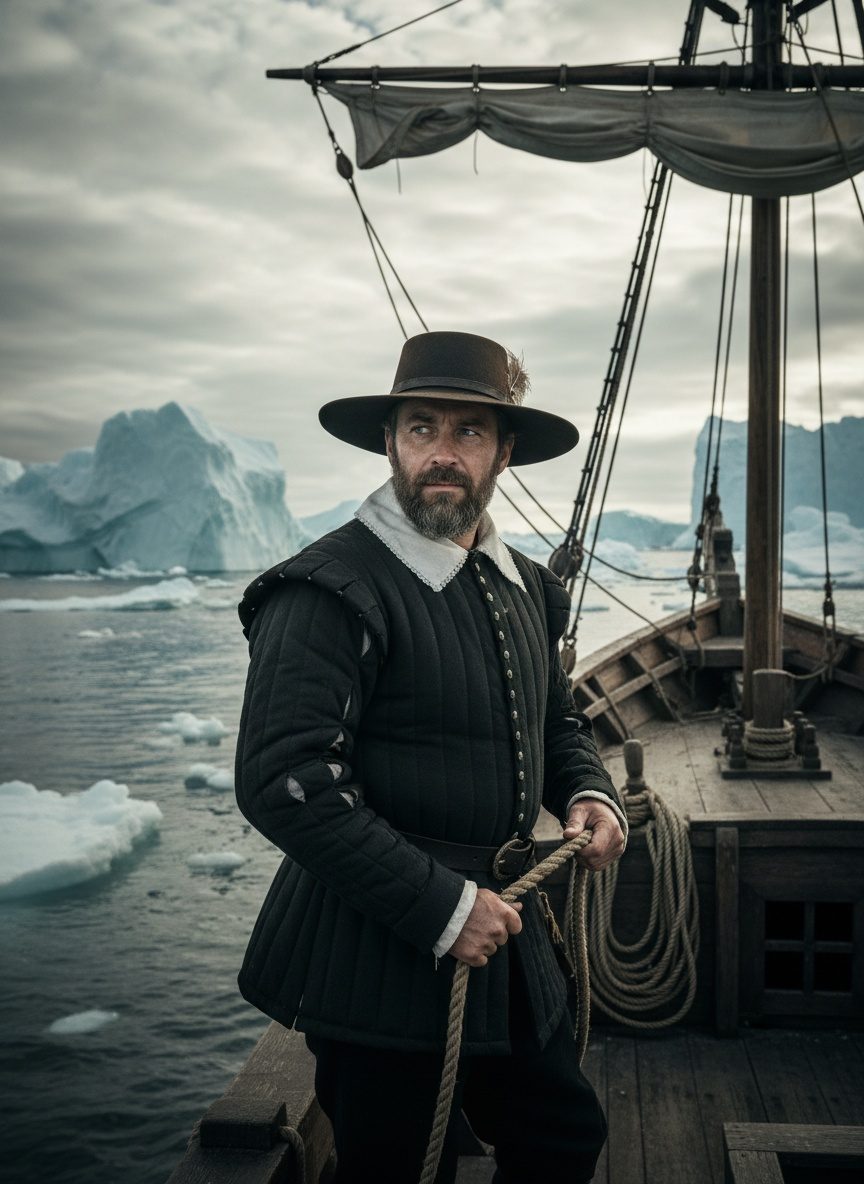
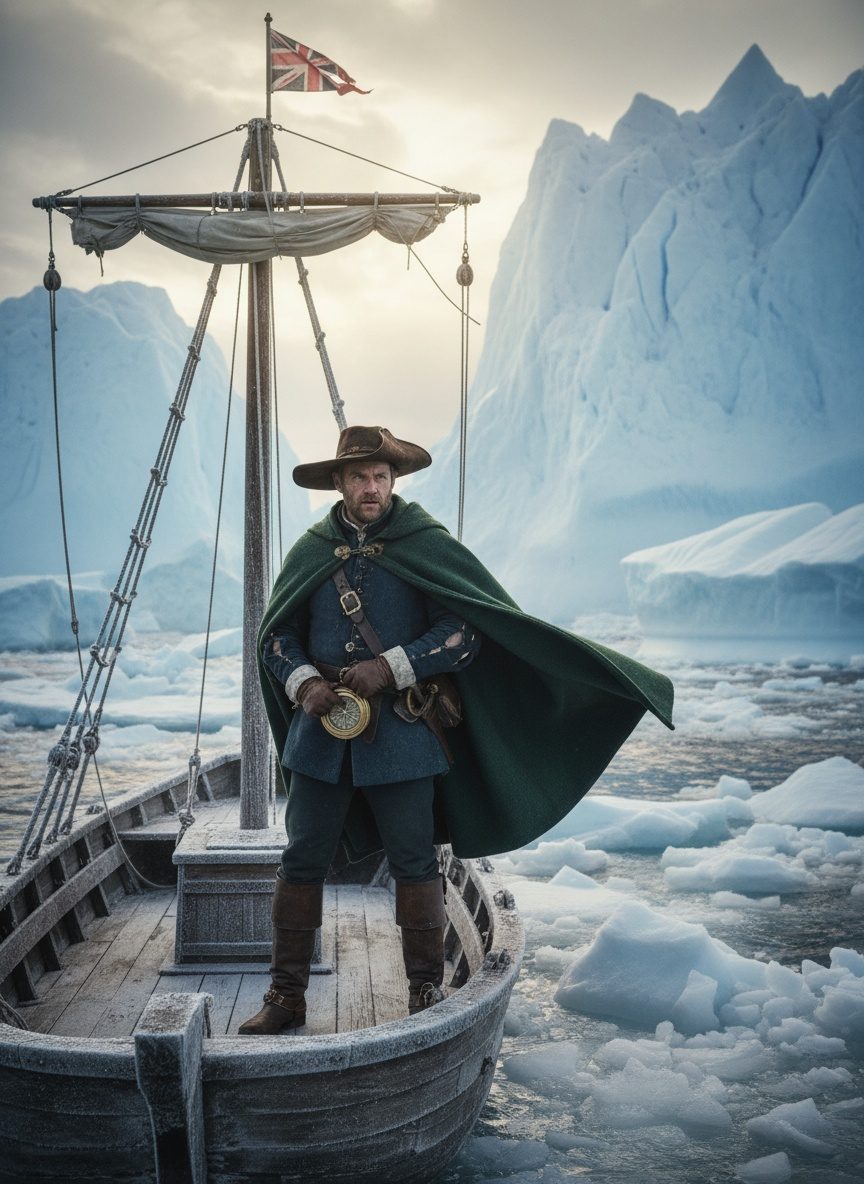
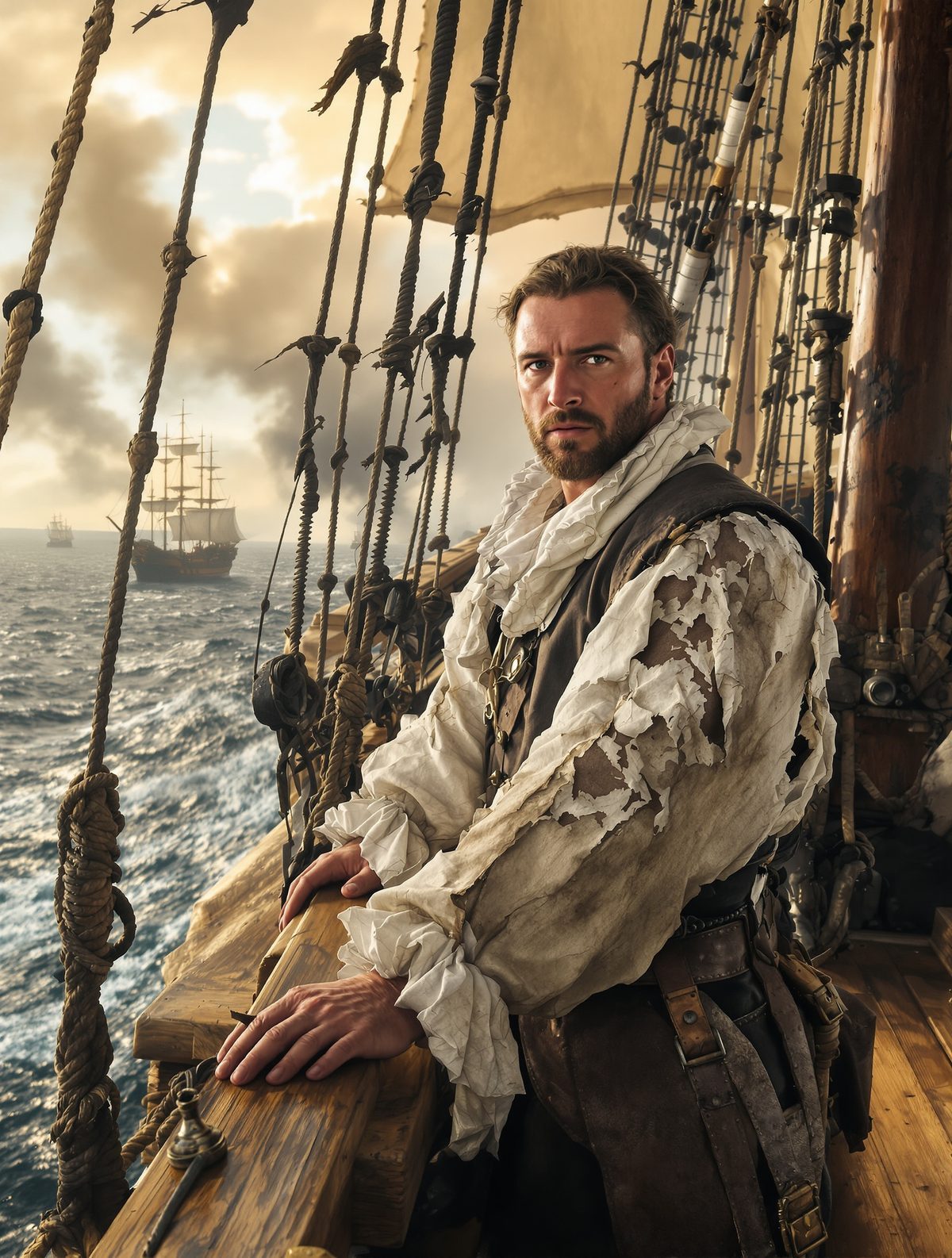
Summer 1610. Henry Hudson pushed his tiny ship through Arctic ice. No European had sailed this far into the frozen north. His crew was mutinying. He kept going. The bay that bears his name opened before him like a new ocean.
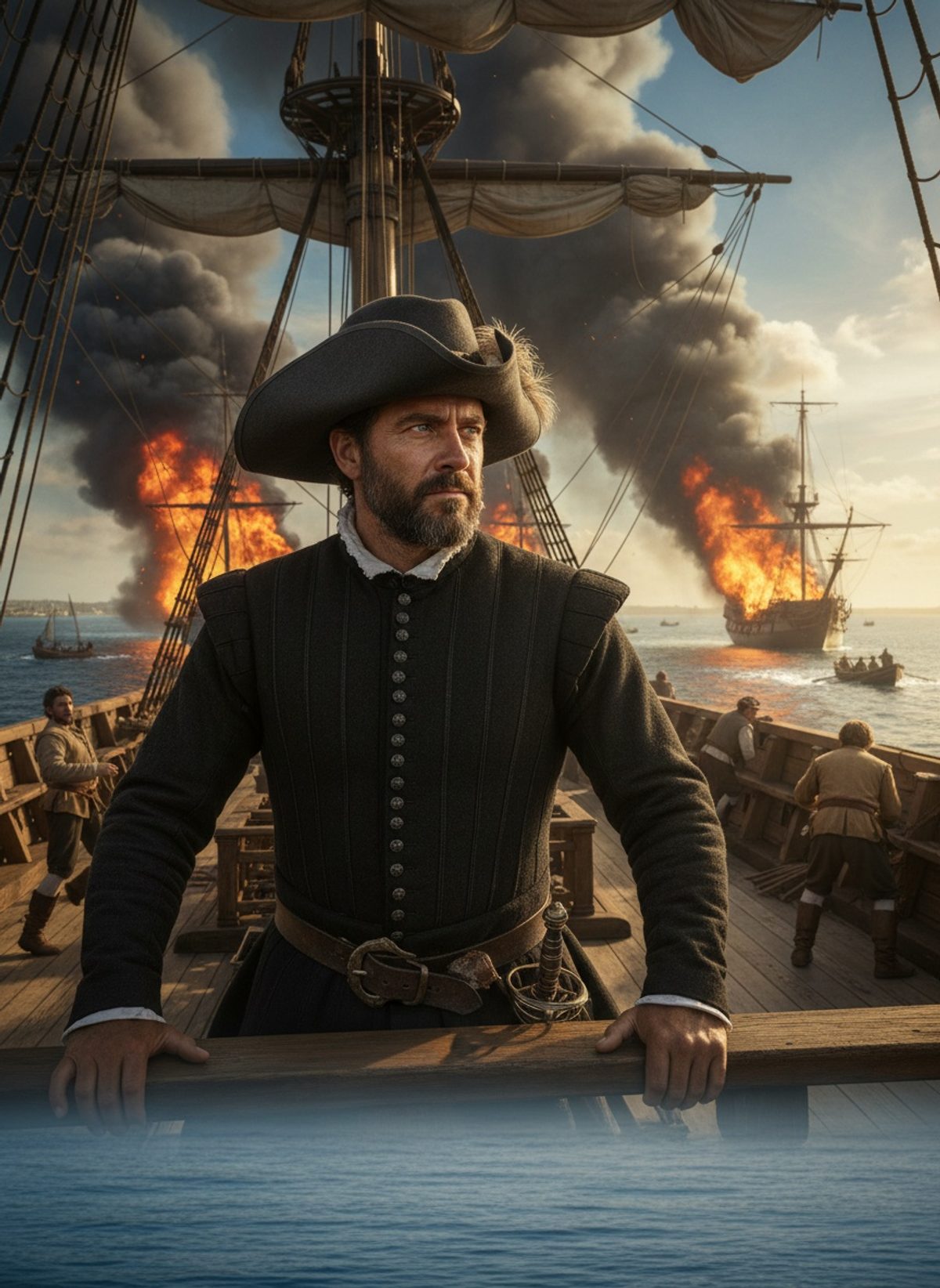
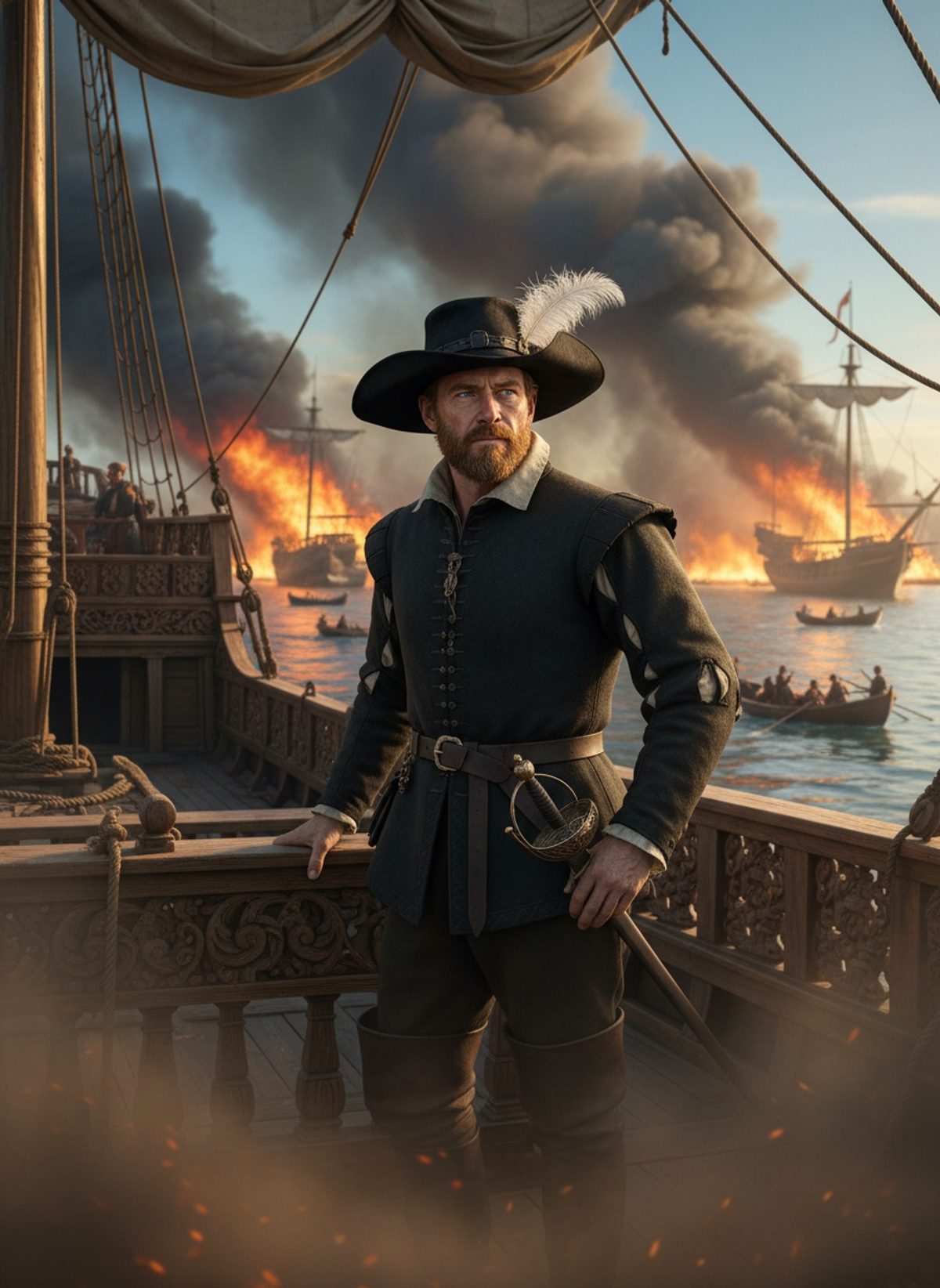
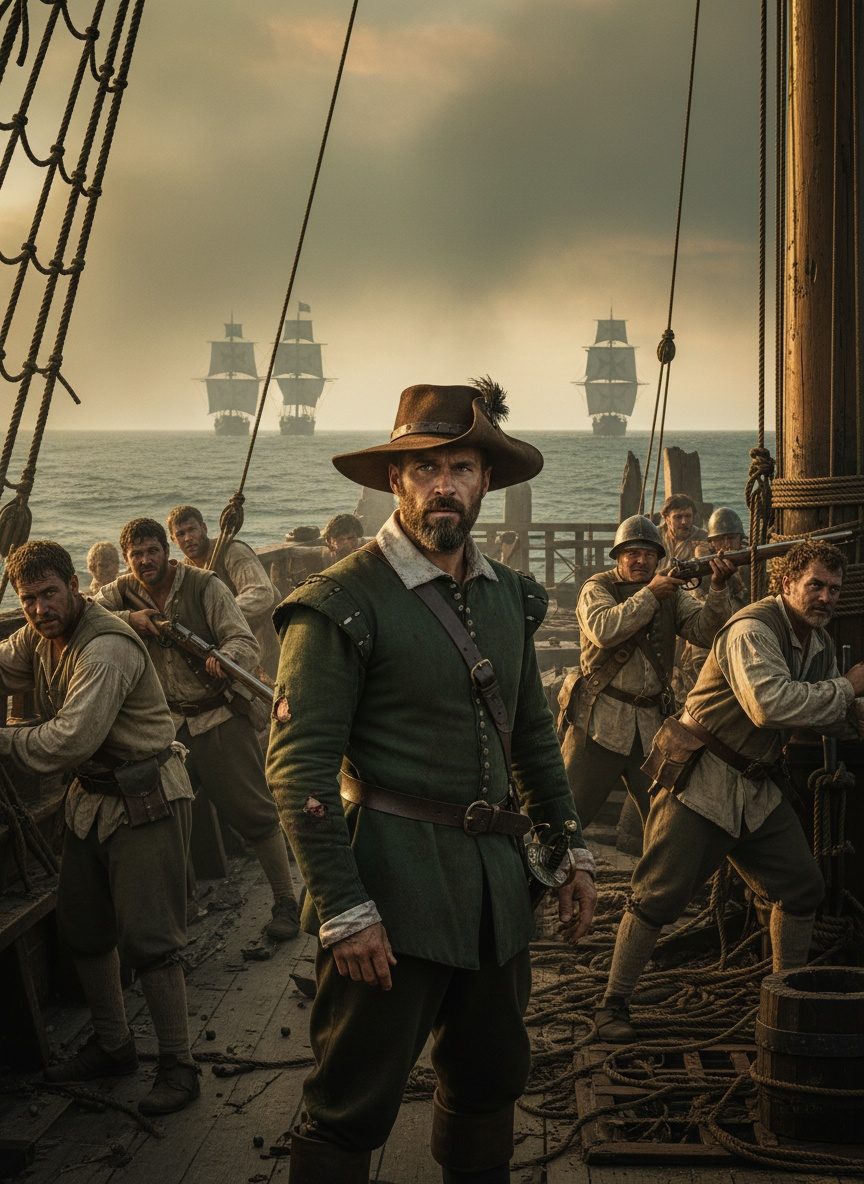
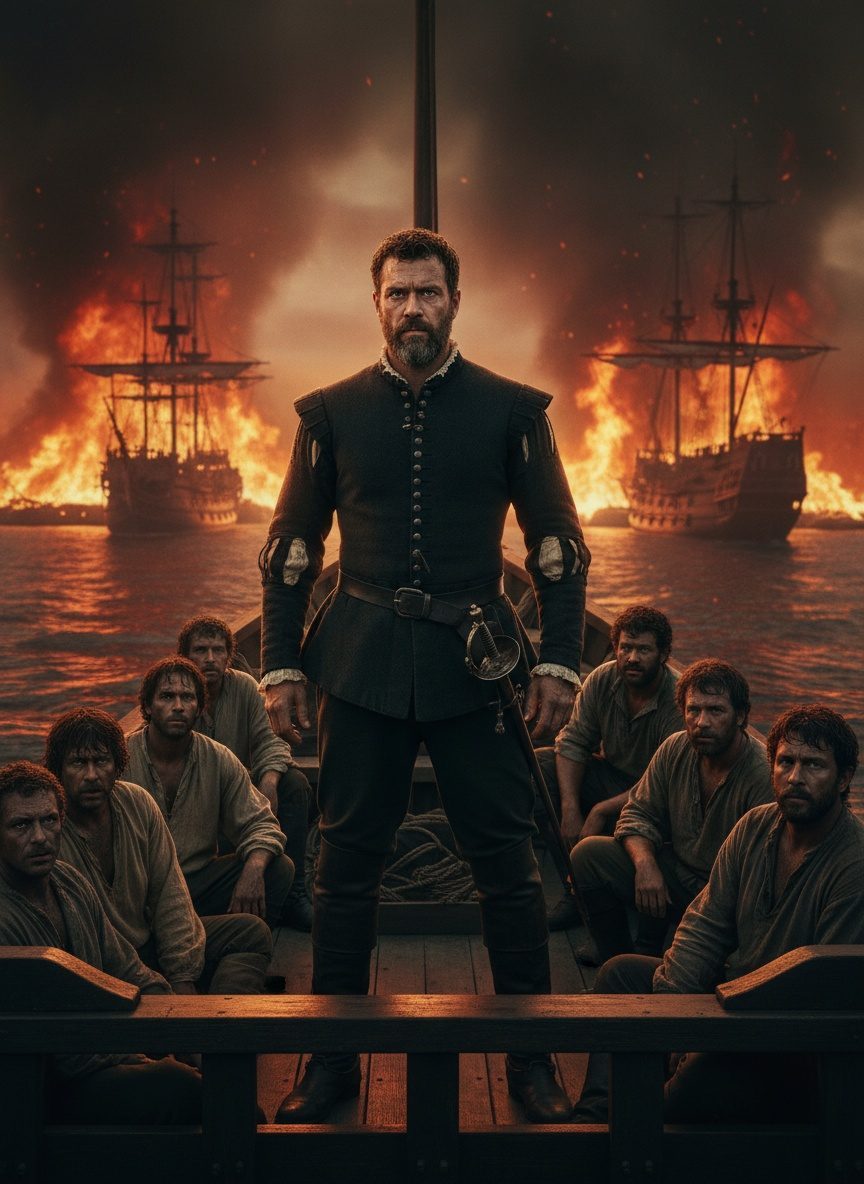
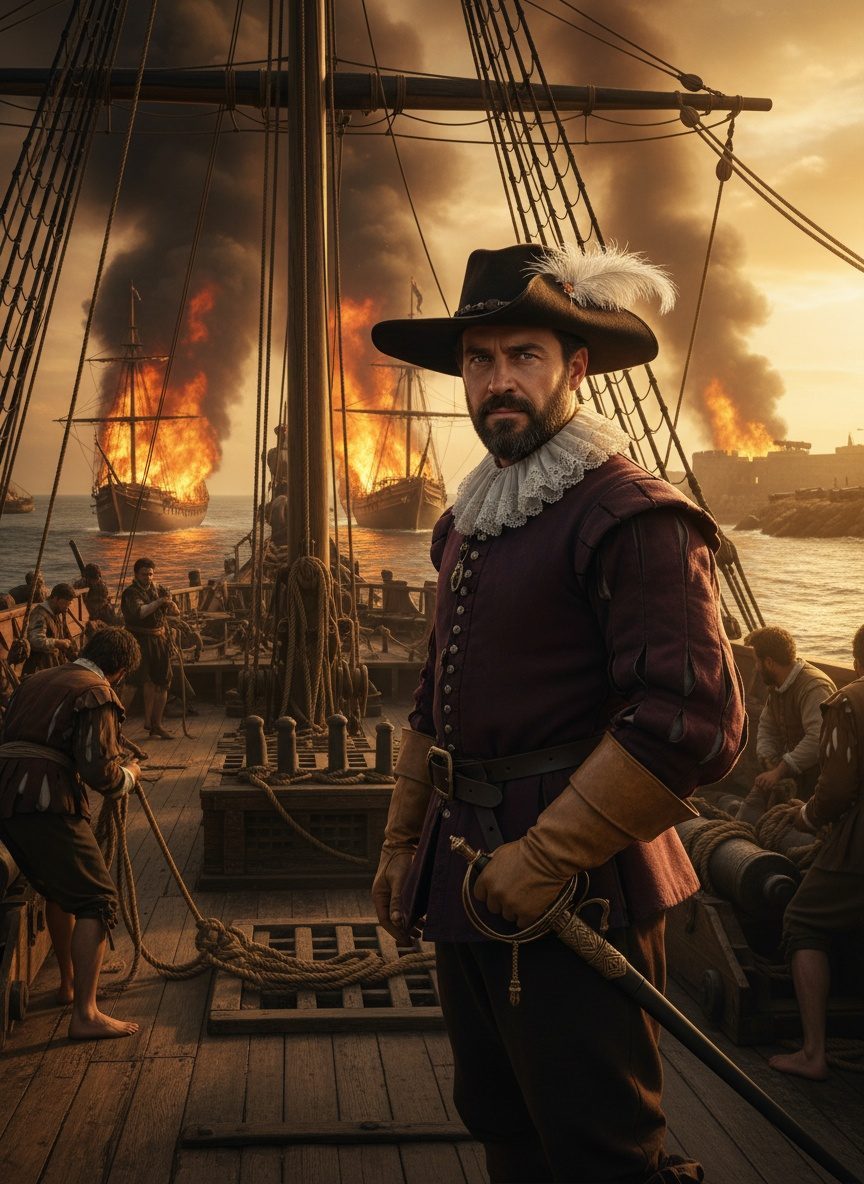
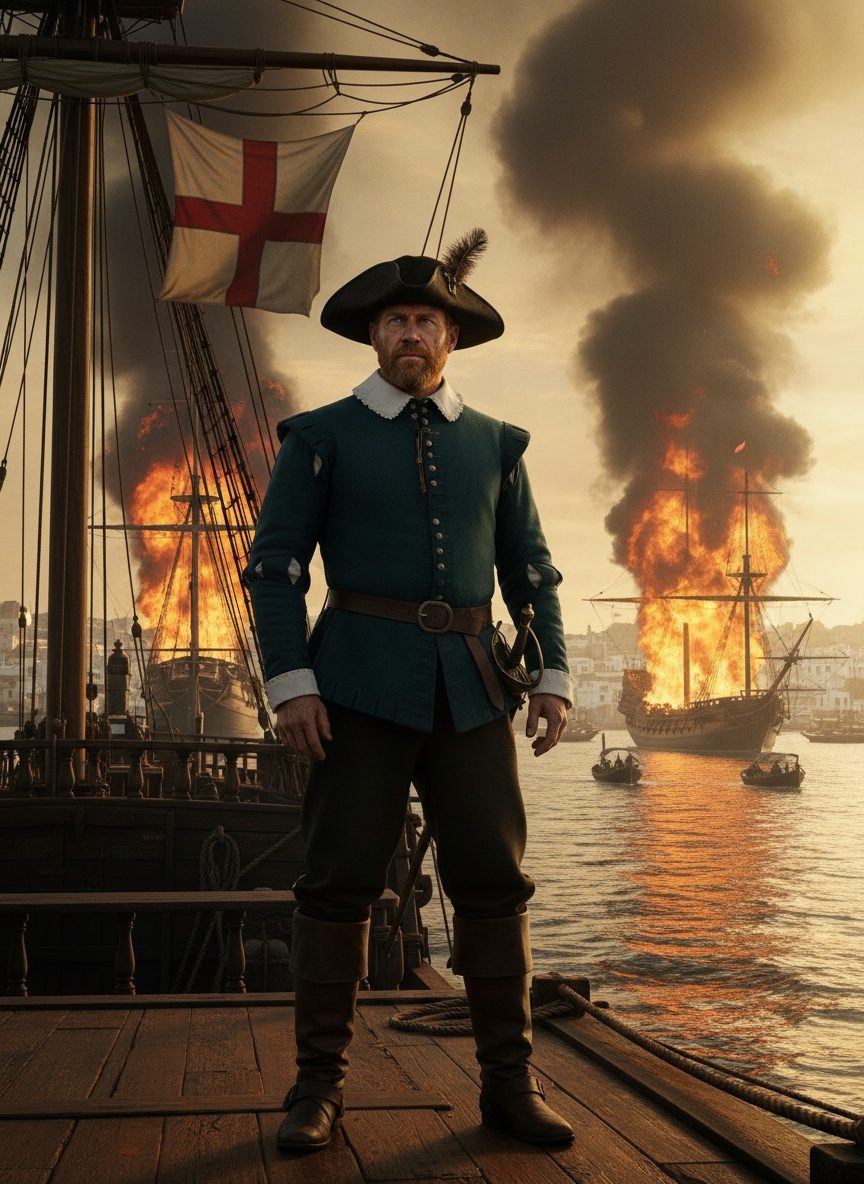
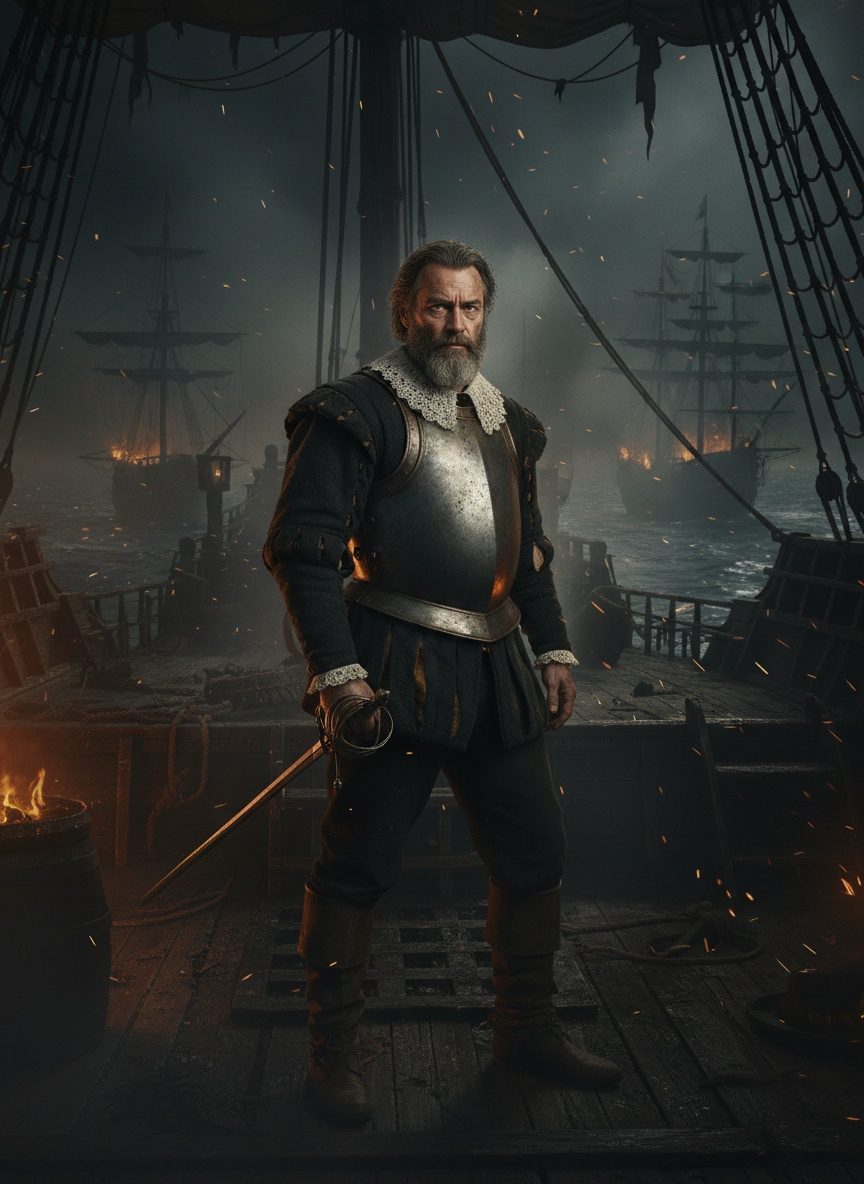
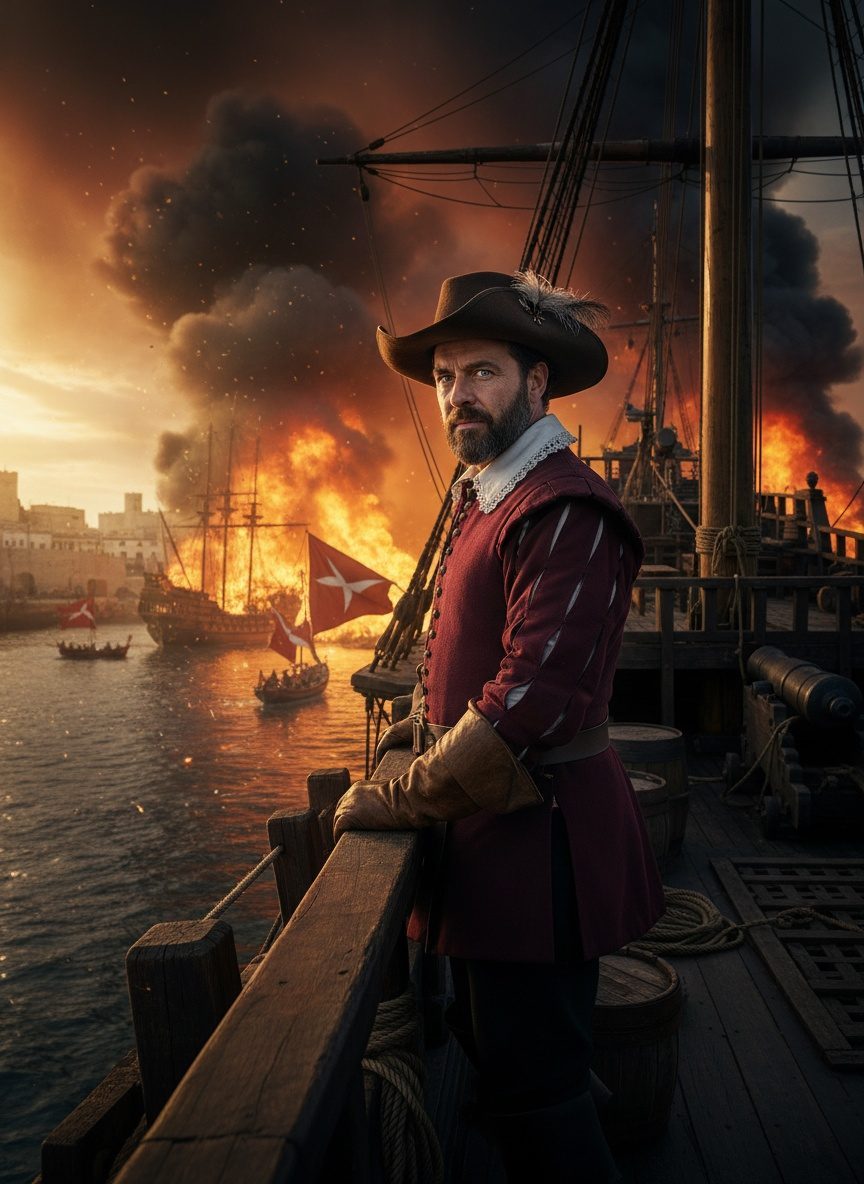
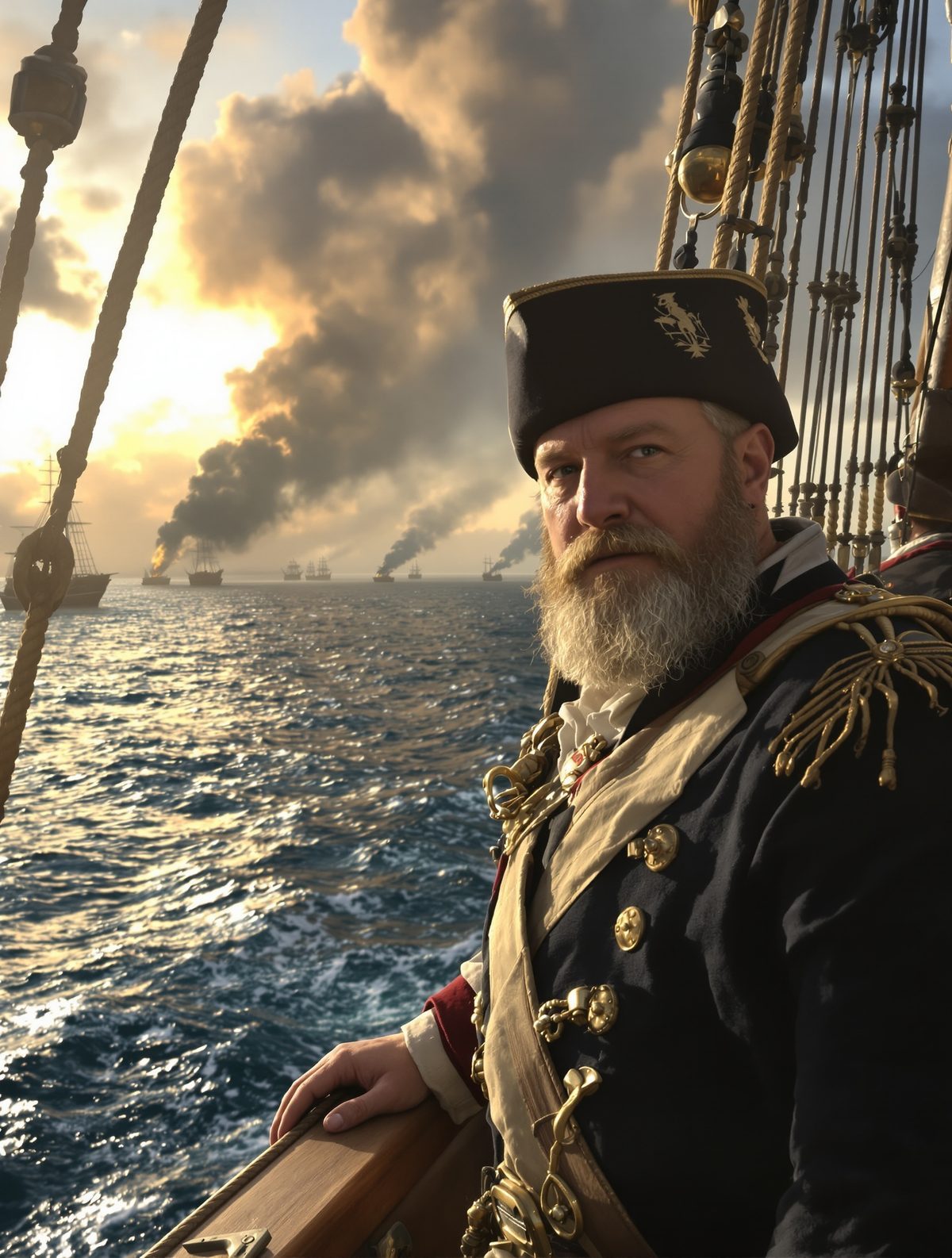
April 1587. Spain was building the greatest fleet the world had ever seen. Drake did not wait. He sailed straight into Cadiz harbour. He burned thirty ships in a single afternoon. He called it singeing the King's beard.
1605. William Adams had sailed from Gillingham as a navigator. He never reached his destination. Japan kept him. The Shogun made him a samurai. He built Japan's first Western warships. England called. He stayed.
April 1600. A Kent sailmaker stood before the most powerful man in Japan. The Shogun Ieyasu wanted him dead. Adams spoke plainly. He lived. Japan would never be the same.
1576. Martin Frobisher sailed northwest into unmapped ice. He returned with a black rock. Londoners believed it was gold. Three voyages followed. The ore was worthless. But Frobisher had found something greater. He had proven England could reach the ends of the earth.
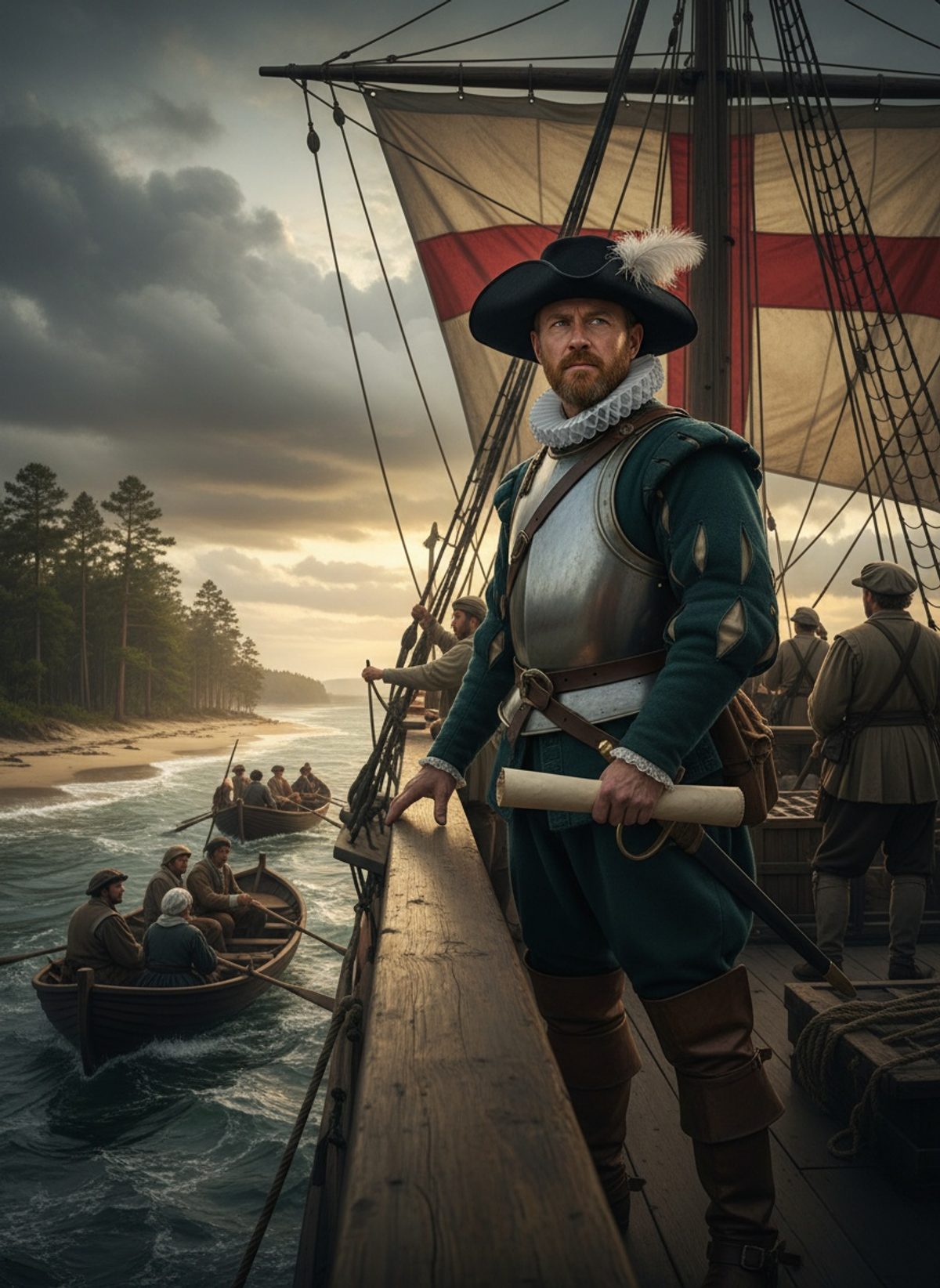
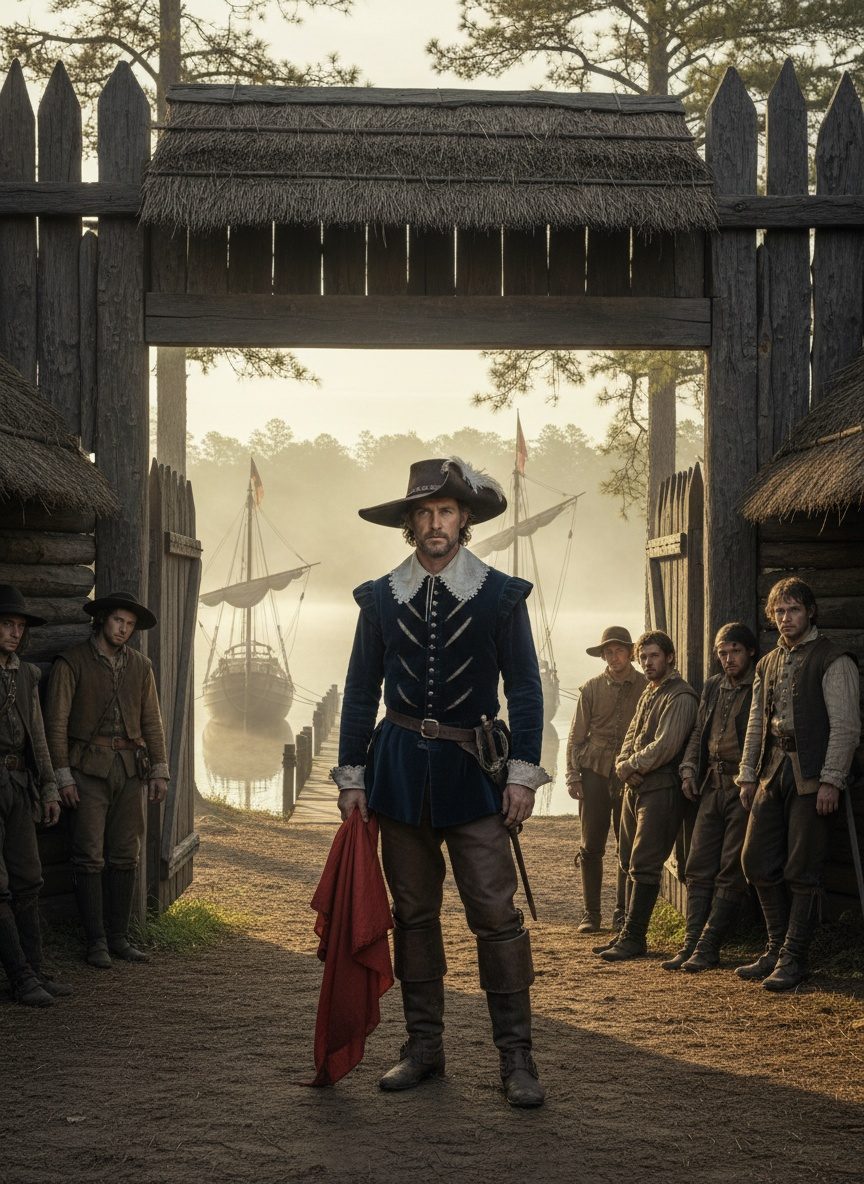
1585. Sir Richard Grenville stood on the deck of the Tiger. He was delivering England's first colonists to Roanoke Island. A storm had already nearly sunk the fleet. He pressed on. The colony was planted. England's American dream began here.
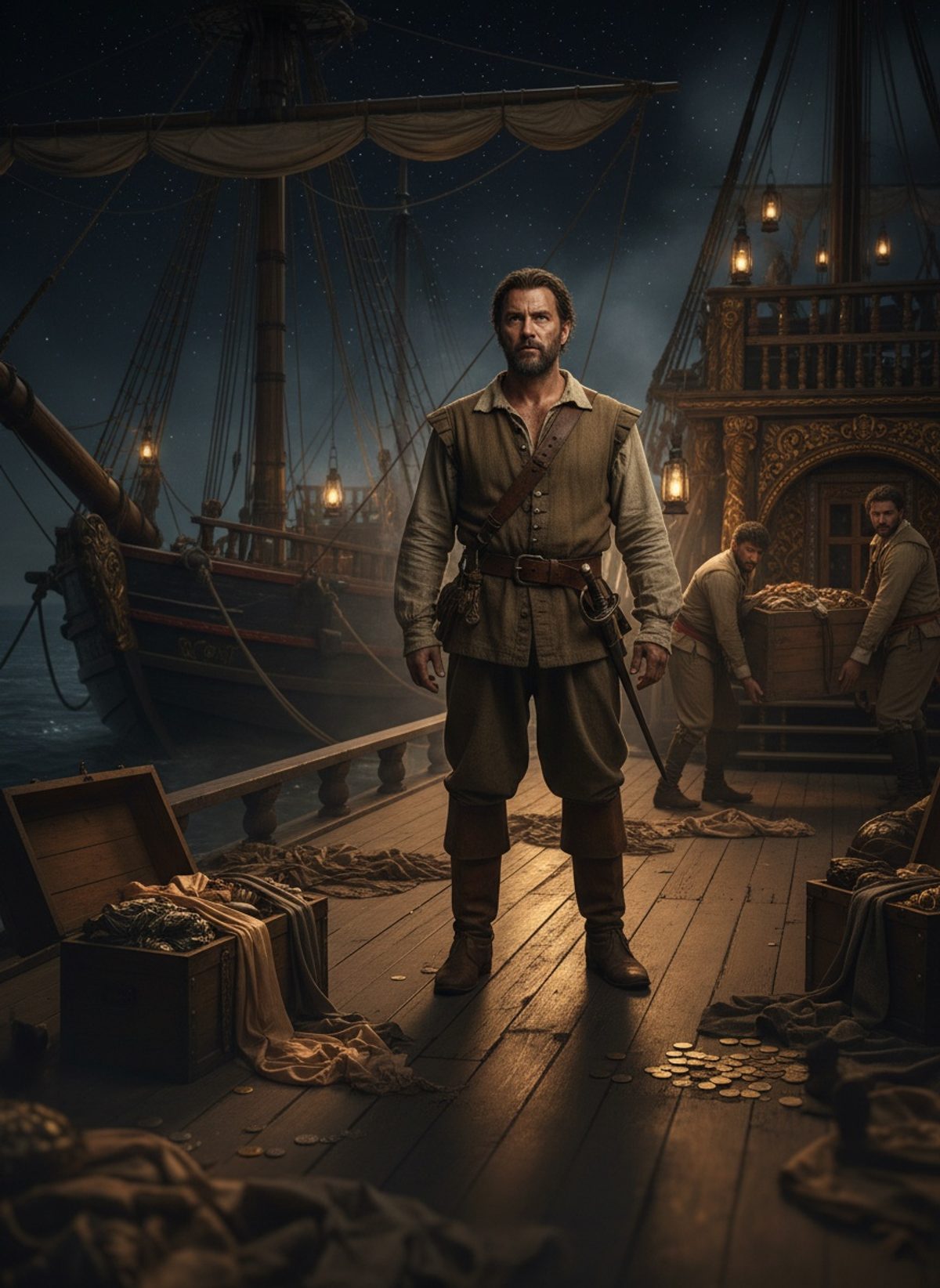
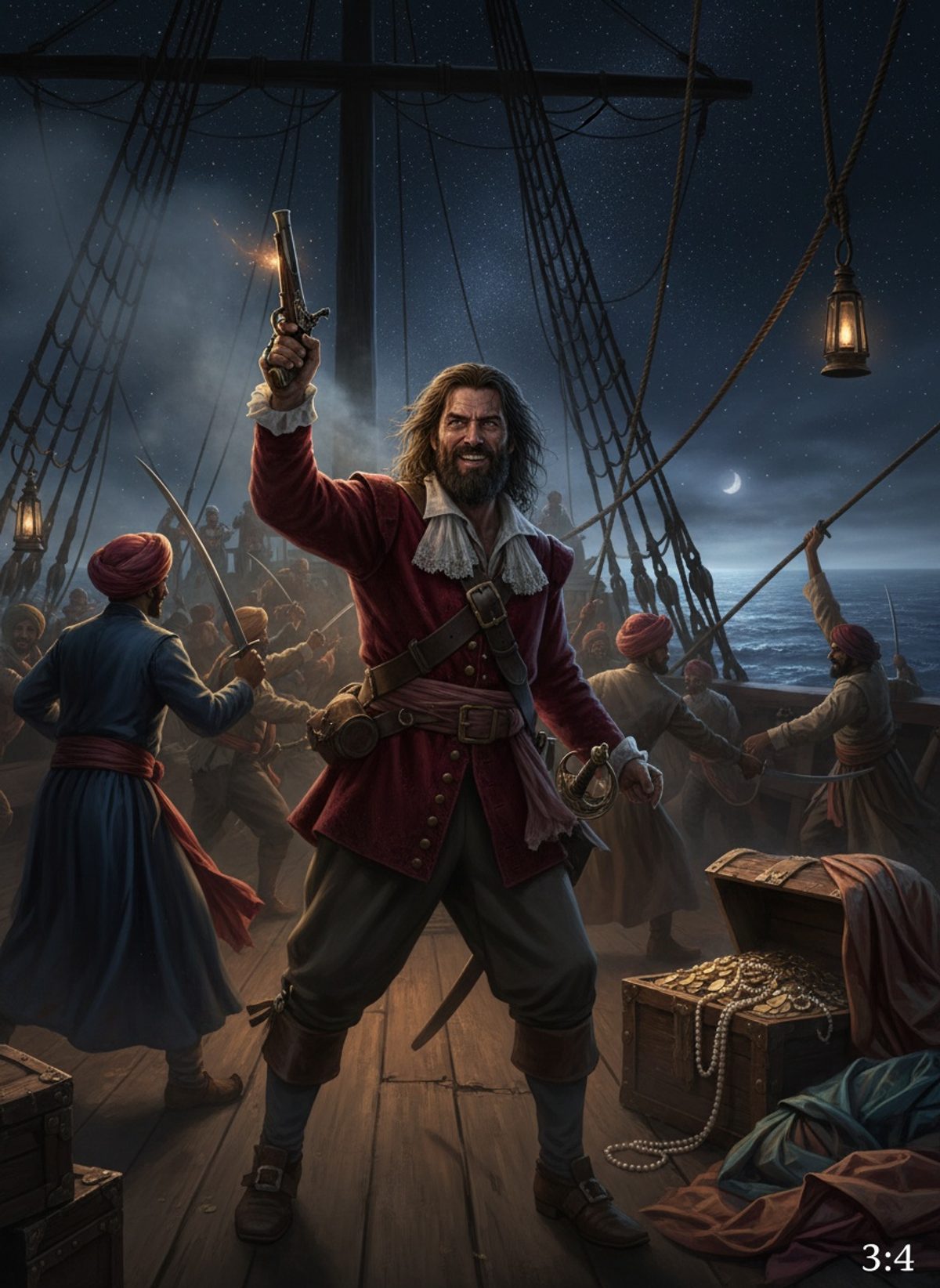
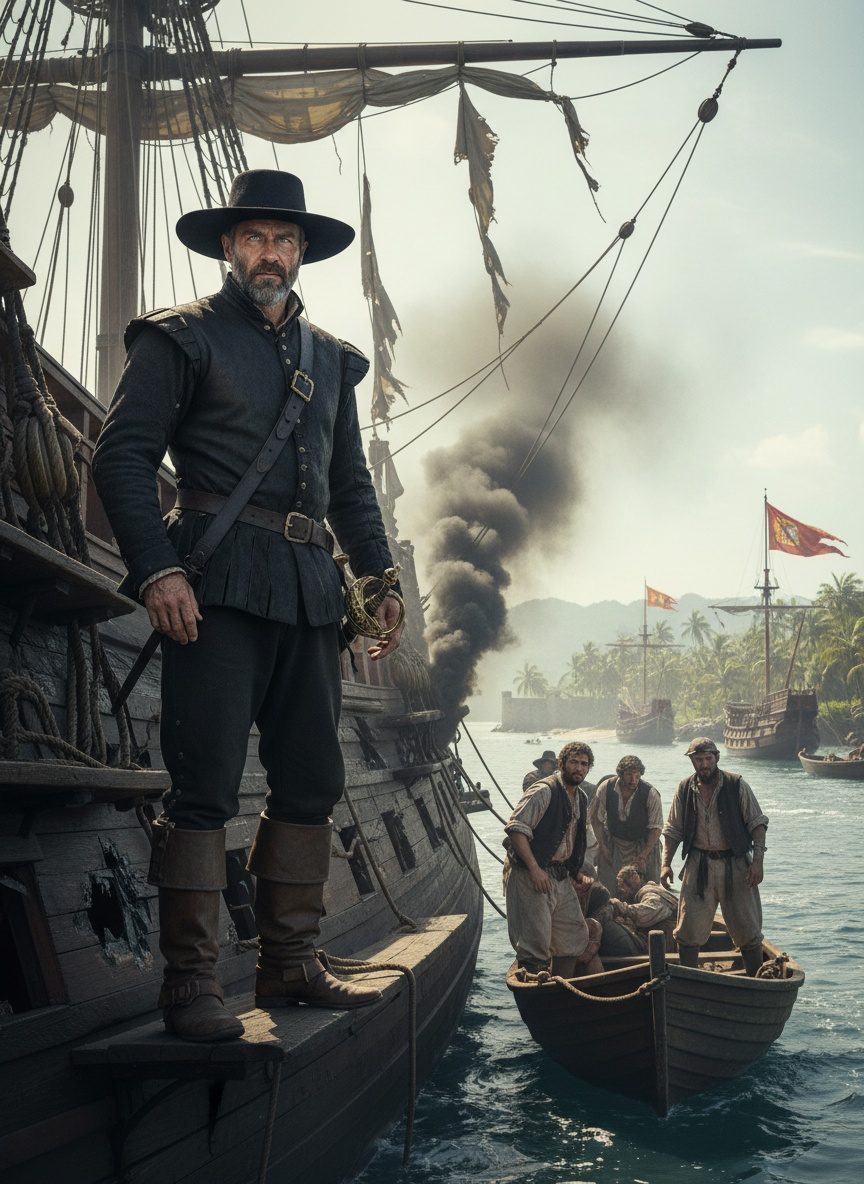
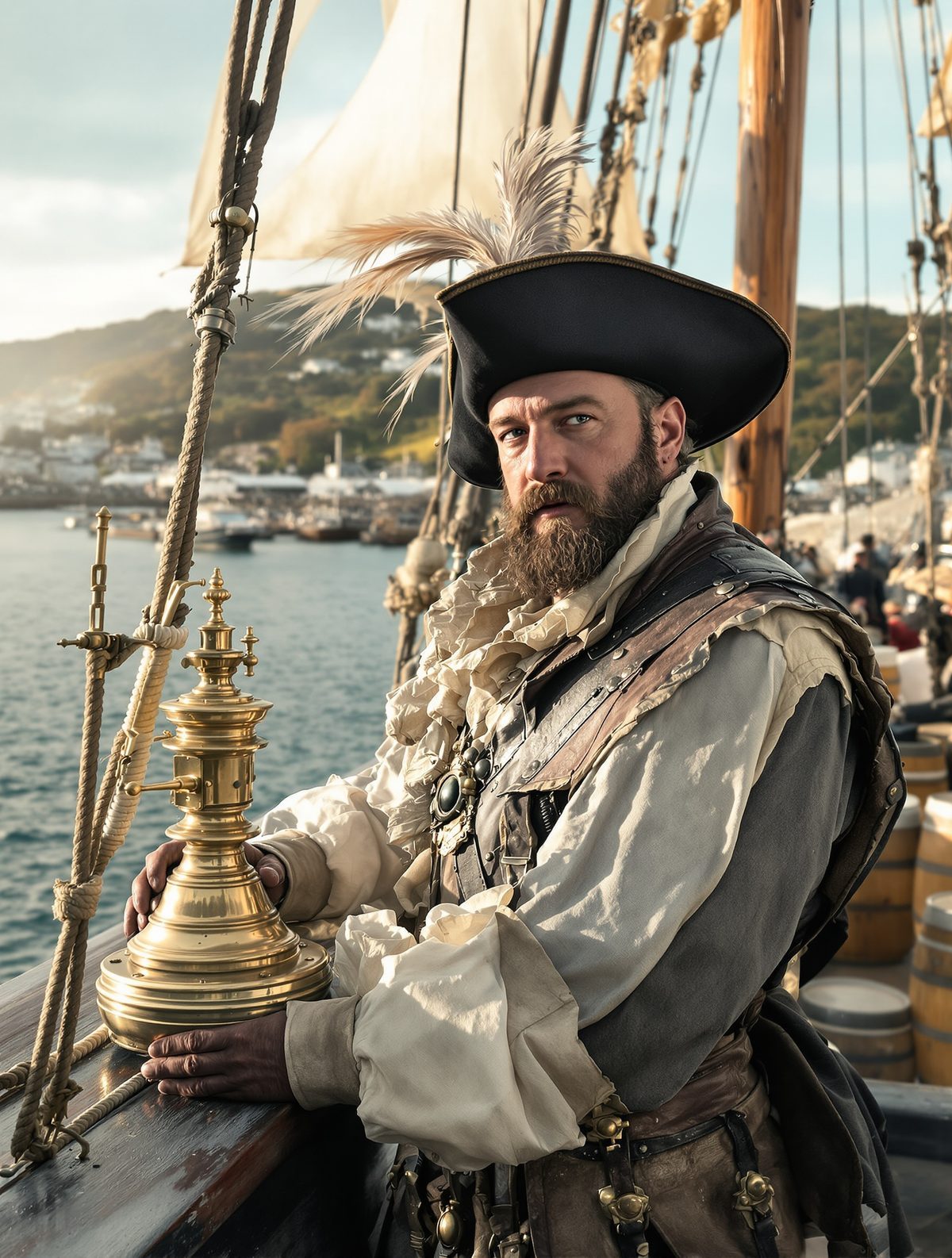
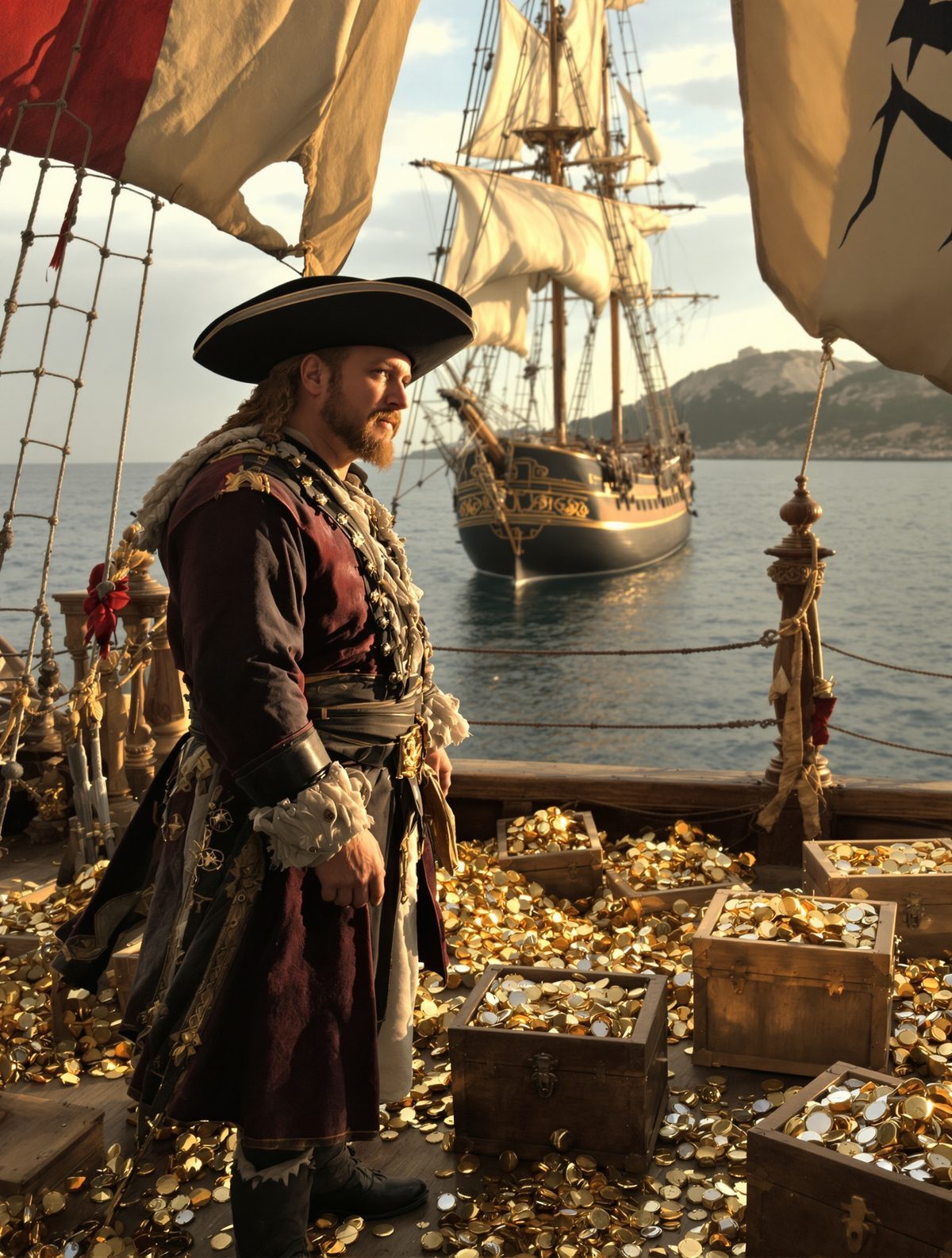
1695. The Red Sea. One English captain. One Mughal treasure fleet. Henry Every brought his crew alongside in darkness. The boarding was swift. The haul was staggering. England trembled at what he had done.
1695. A Devon sailor turned pirate. One Mughal treasure ship. Every seized the Ganj-i-Sawai in a single night. The cargo was staggering. The consequences shook the world.
December 1577. Five small ships left Plymouth harbour. Their captain told no one the true destination. Francis Drake was sailing to circumnavigate the globe. England had never done it before. He brought one prayer book and absolute nerve.
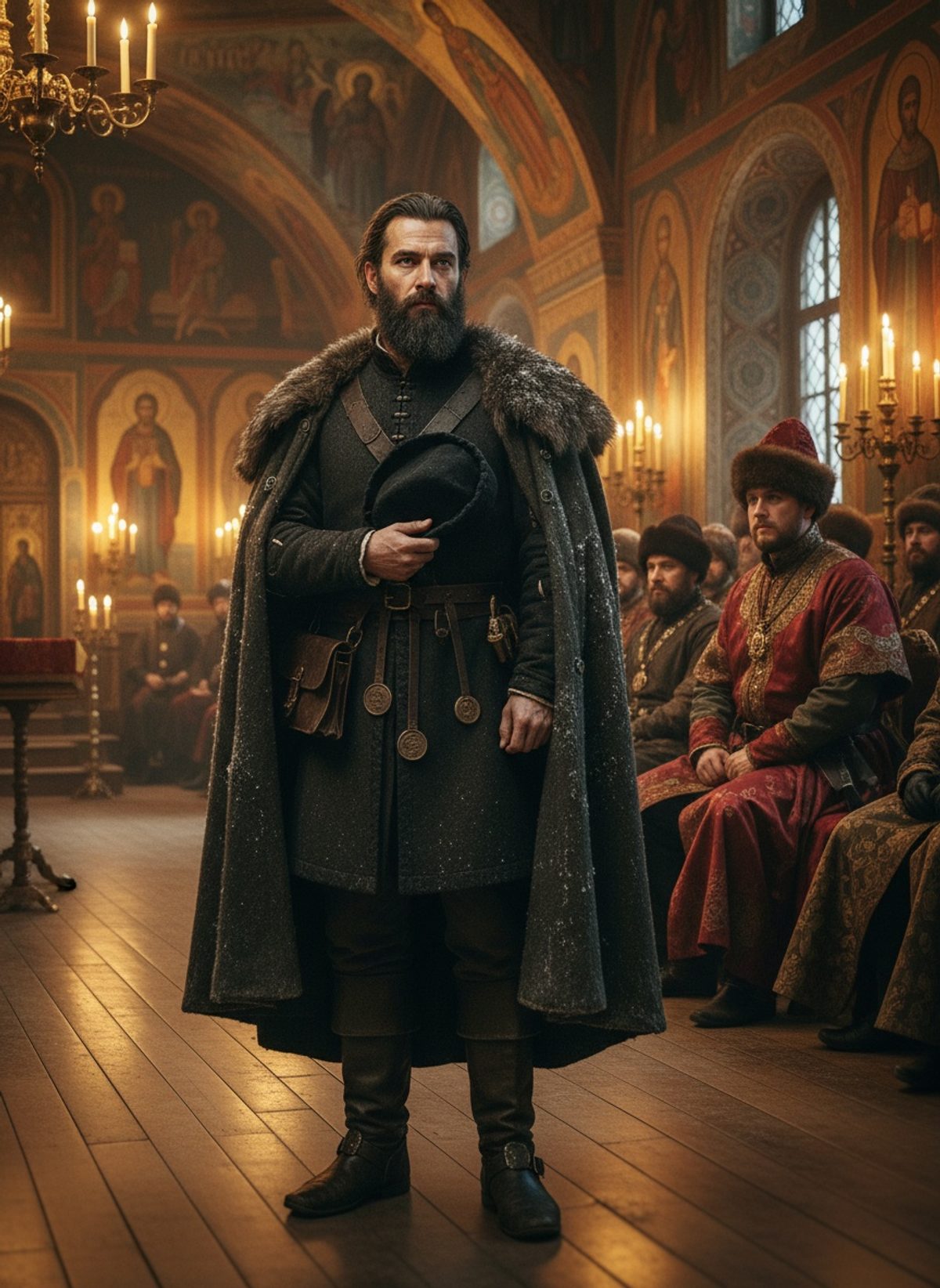
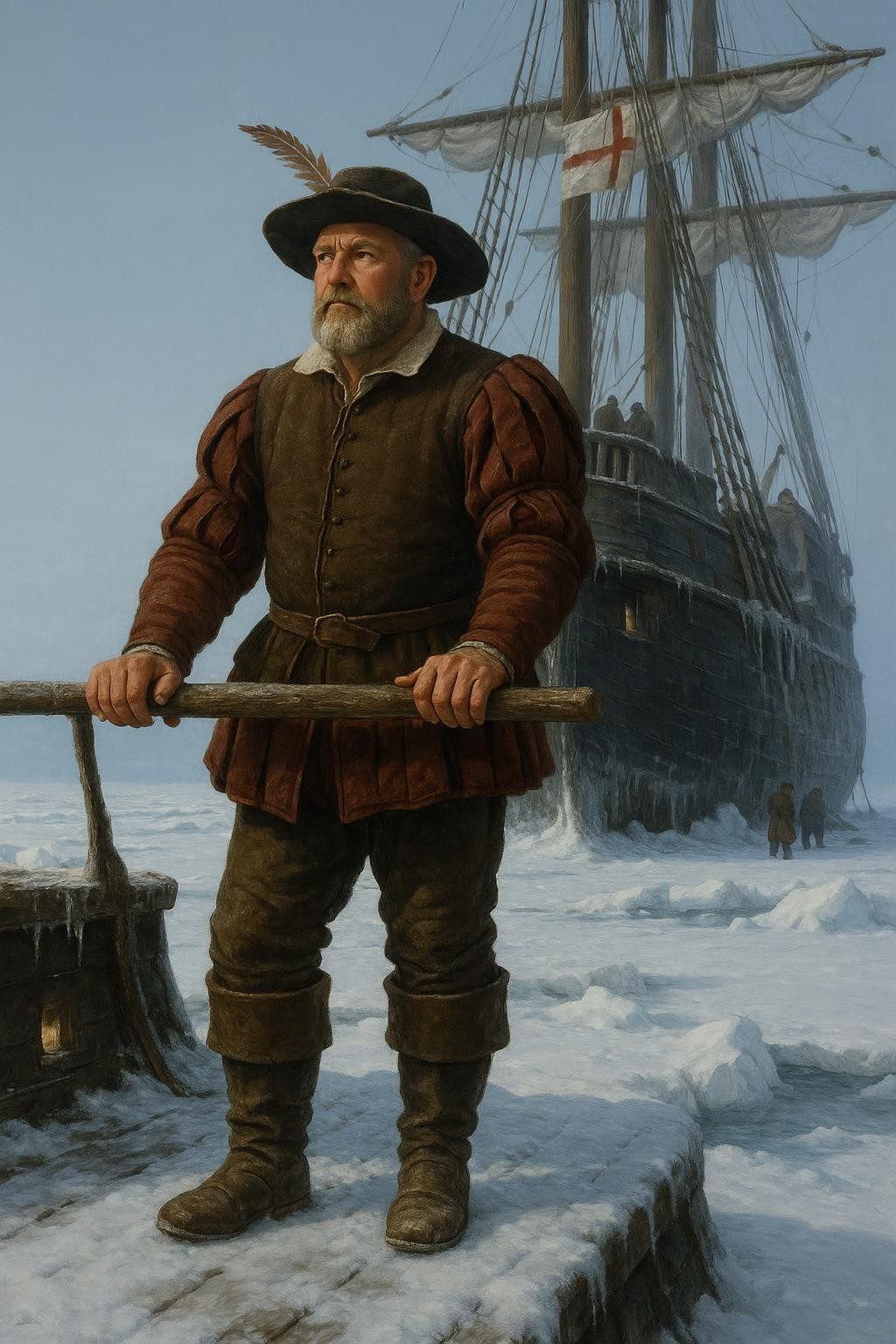
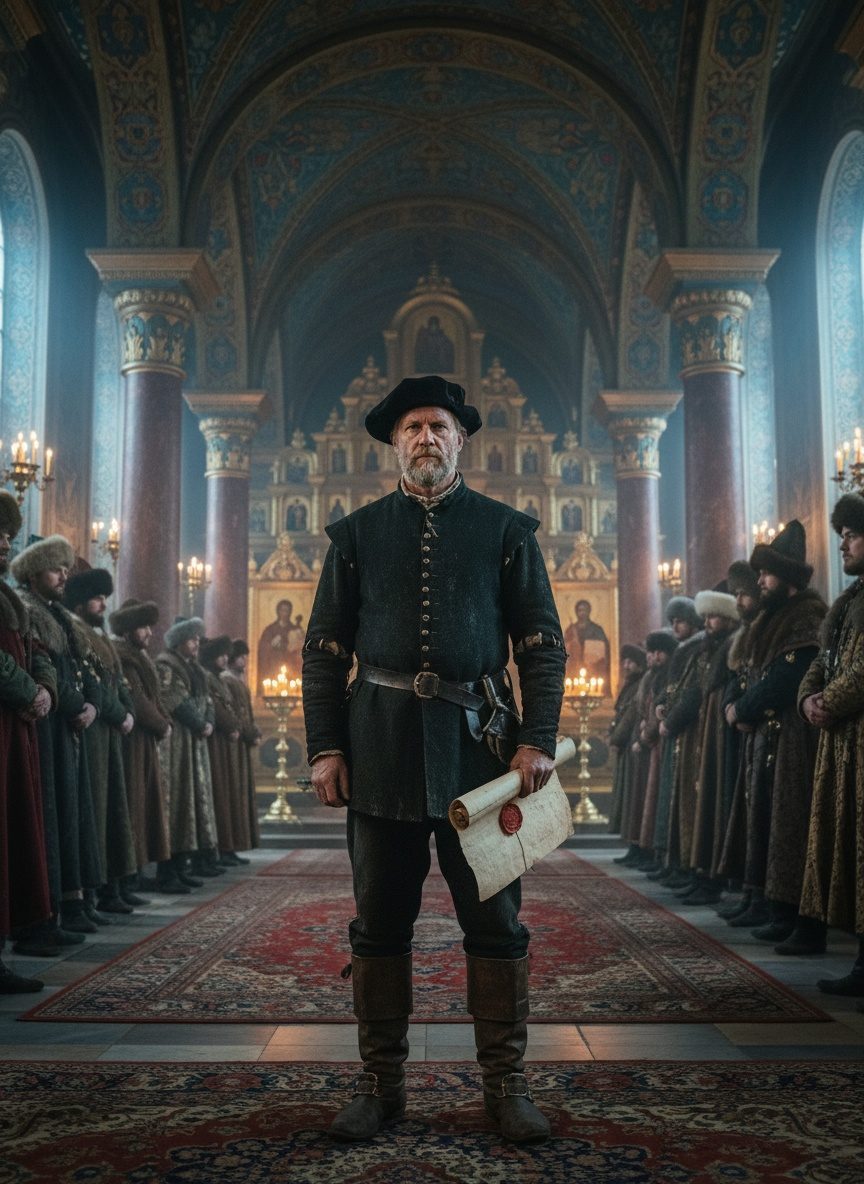
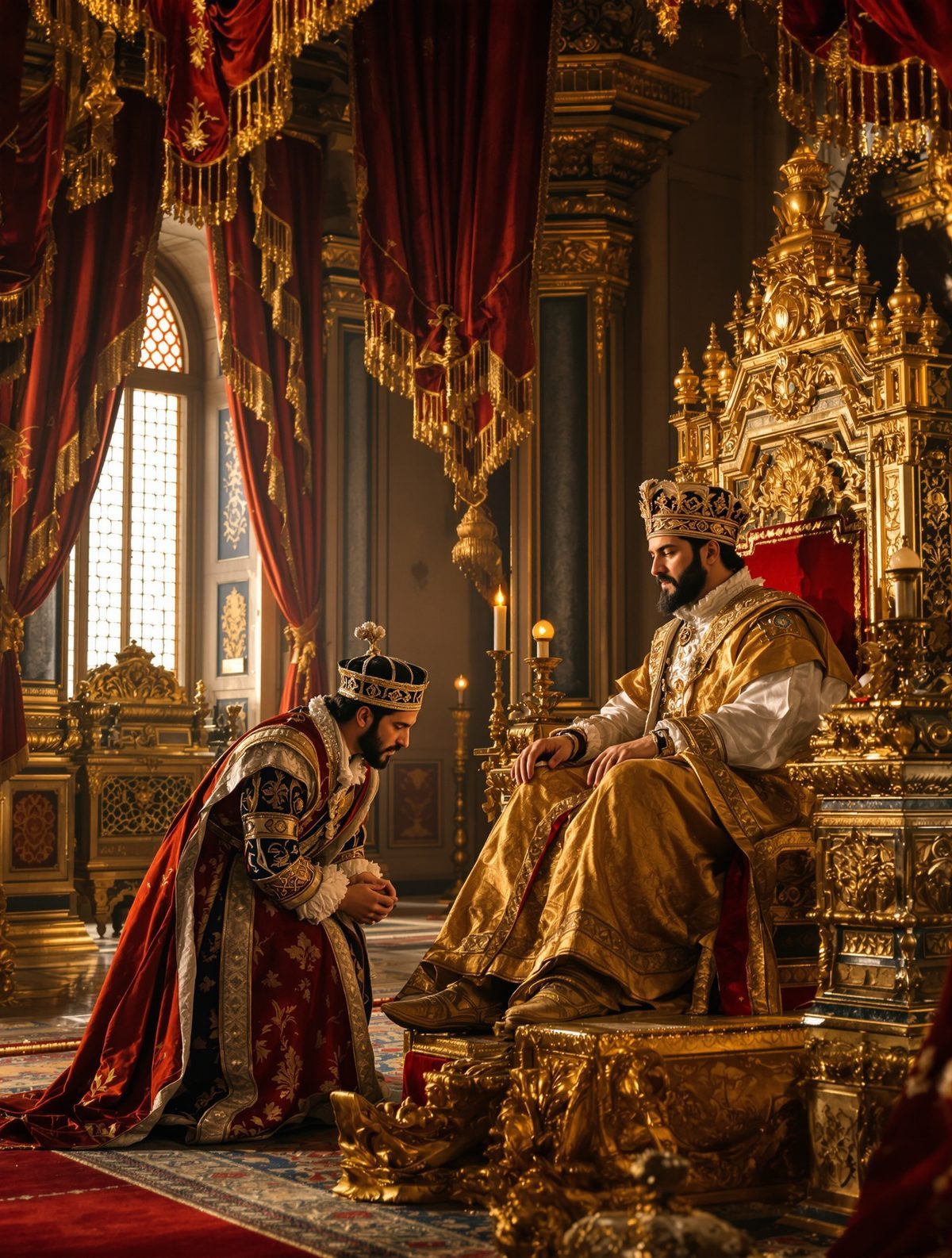
1553. His ships were lost in Arctic ice. Chancellor pressed on alone. He crossed frozen Russia on a horse-drawn sledge. Ivan the Terrible received him in a hall blazing with gold. England had found its back door to the world.
1696. Every port in England watched. Henry Every had taken the richest prize ever seized at sea. He had 500 men and a hold full of Mughal gold. Then he simply disappeared. No one ever found him.
September 1695. A Bristol-born captain named Henry Every turned pirate in the Indian Ocean. He seized the Mughal emperor's own treasure ship. The haul was staggering. The consequences nearly destroyed England's trade with India forever.
April 1587. Spain was building the greatest fleet ever seen. Drake sailed straight into Cádiz harbour. He destroyed thirty-seven ships in a single afternoon. The Armada was delayed by a year. England bought time.
1604. An English sailor stood in a Japanese shipyard. He had been a prisoner. Now he was a master shipwright. Tokugawa Ieyasu wanted Western ships. Adams built them. Japan launched its first.
Summer, 1576. Martin Frobisher left England with three small ships. One sank. One turned back. He pressed on alone. He found a bay no Englishman had seen. He brought home black rock he thought was gold. England went mad.
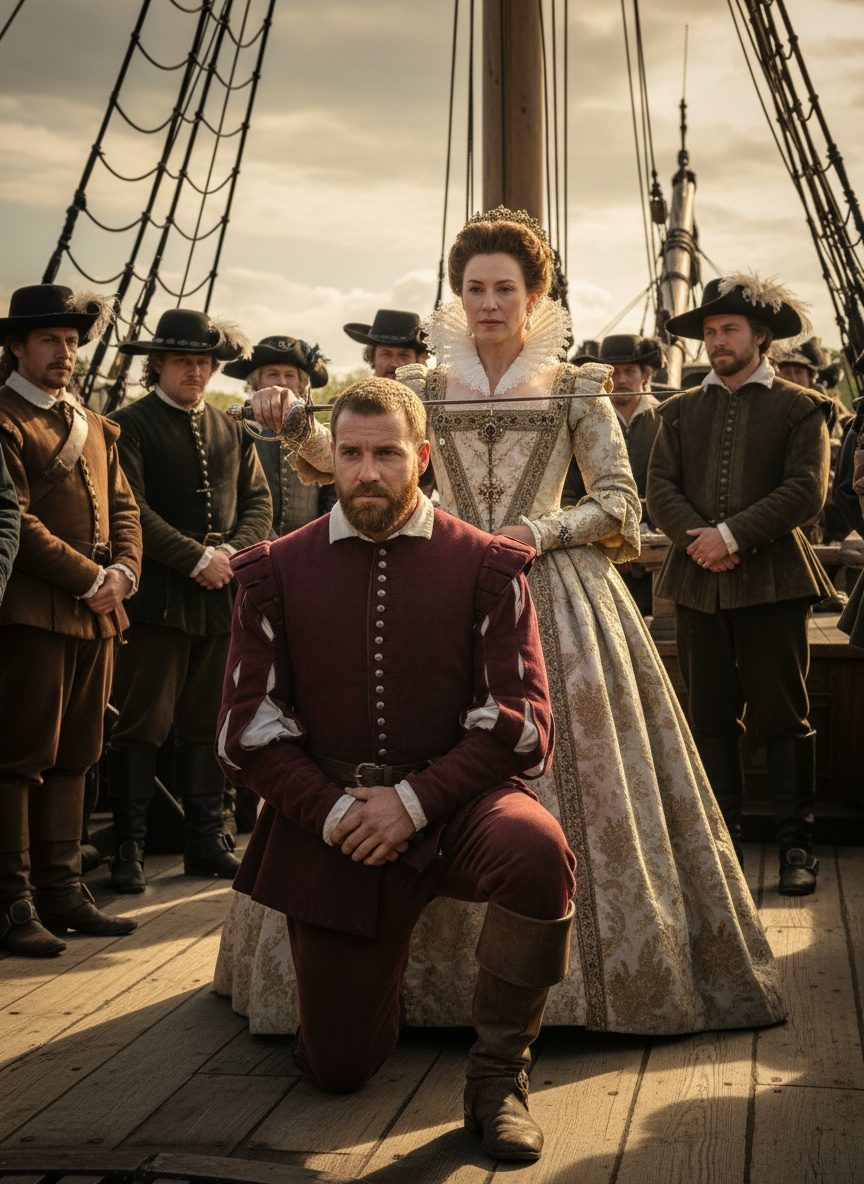
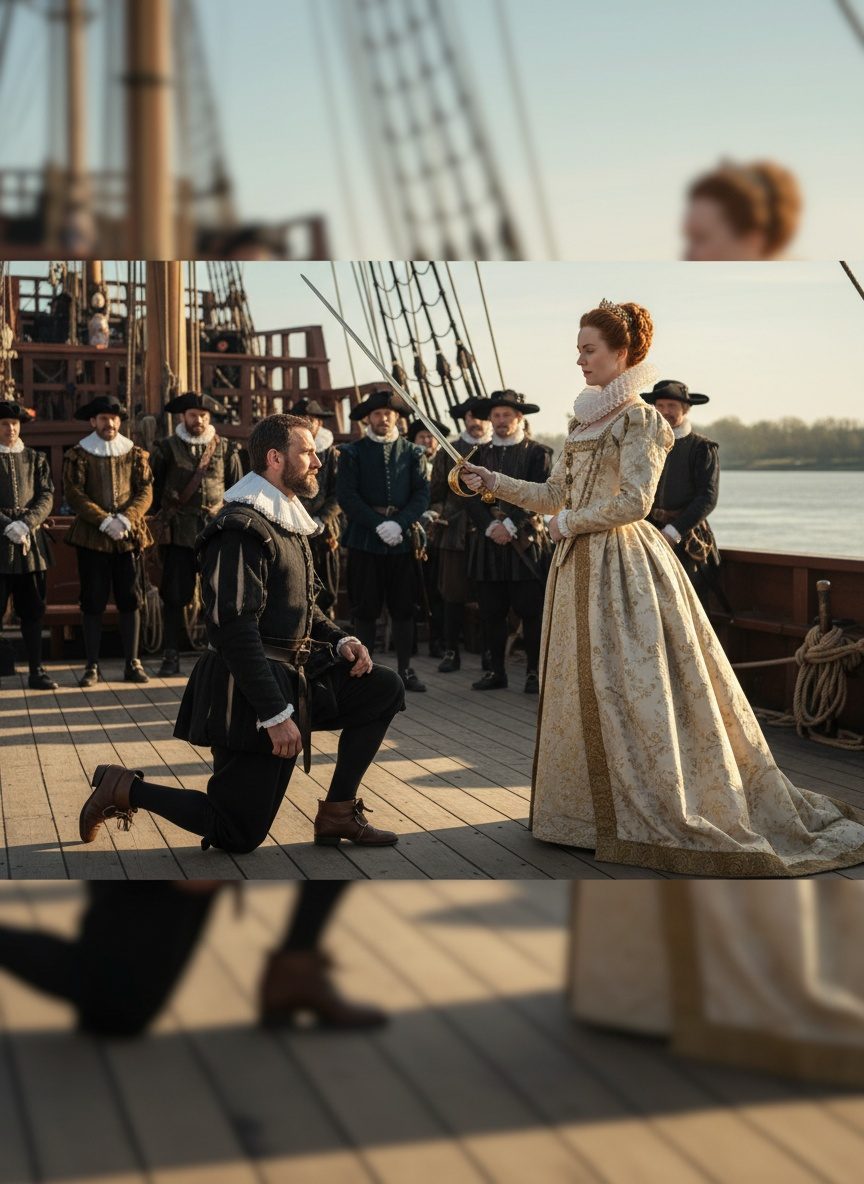
April 1581. Drake knelt on the deck of the Golden Hind. Queen Elizabeth raised a gilded sword. She dubbed him knight. Spain had demanded his head. England made him a legend.
1553. Three English ships sailed northeast to find a route to China. Two vanished in the Arctic winter. Months later, Russian fishermen found them. Crews frozen at their posts. Logs still open. Pens beside them.
1600. An English pilot washed ashore in Japan. He expected execution. Instead the Shogun summoned him. Adams built Japan's first Western warships. He never came home. He died a samurai.
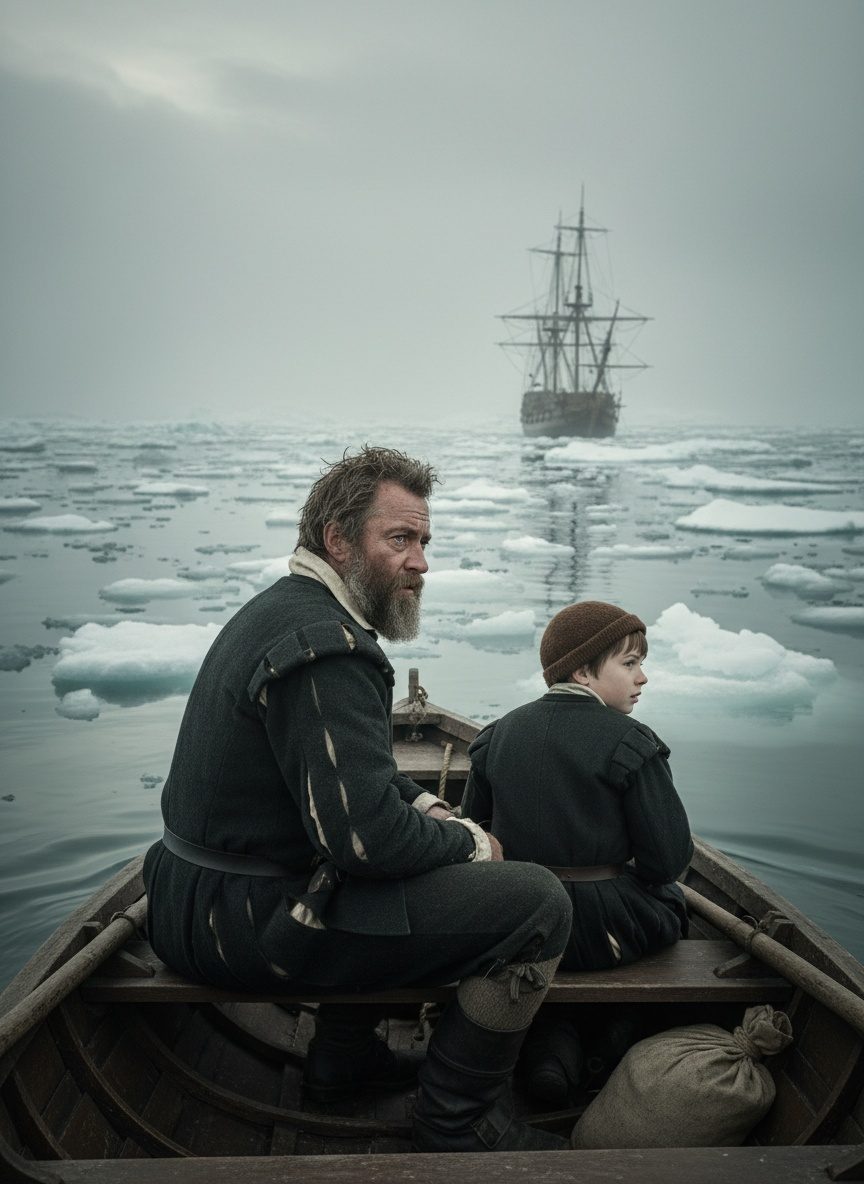
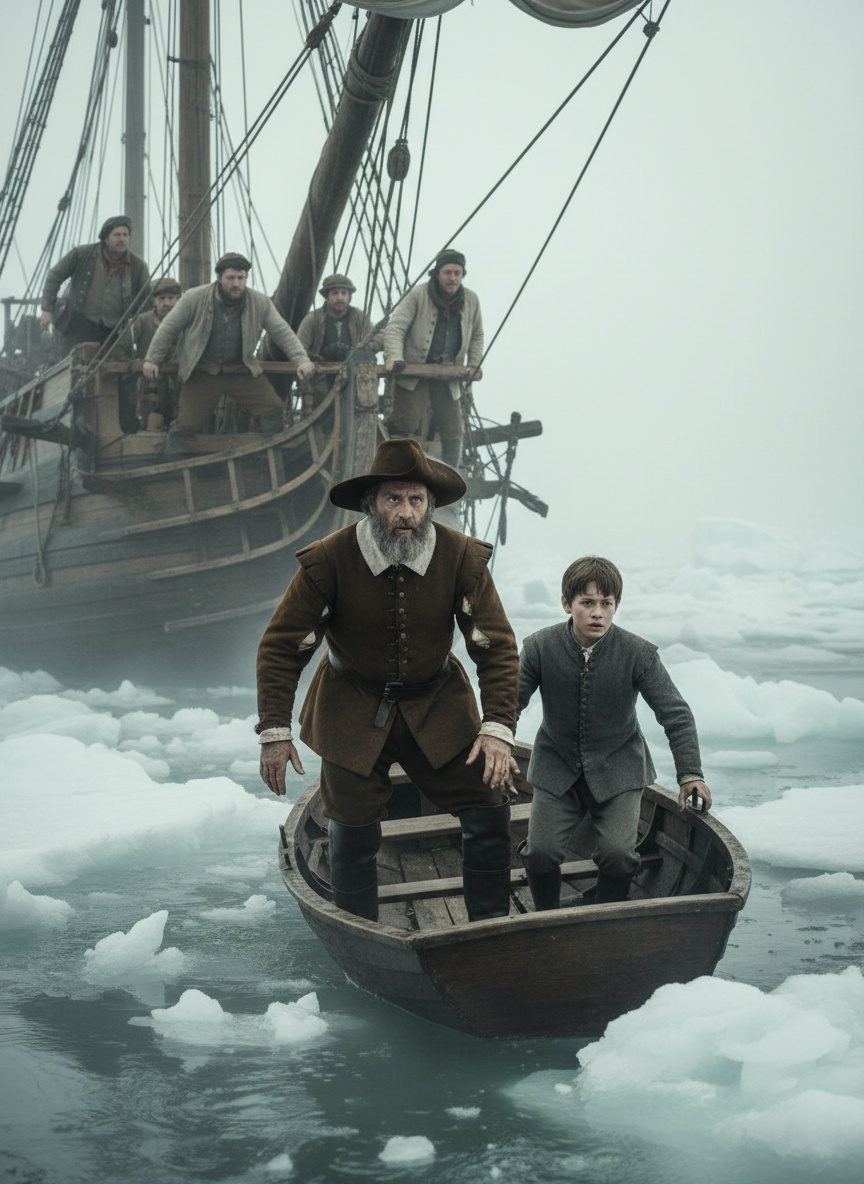
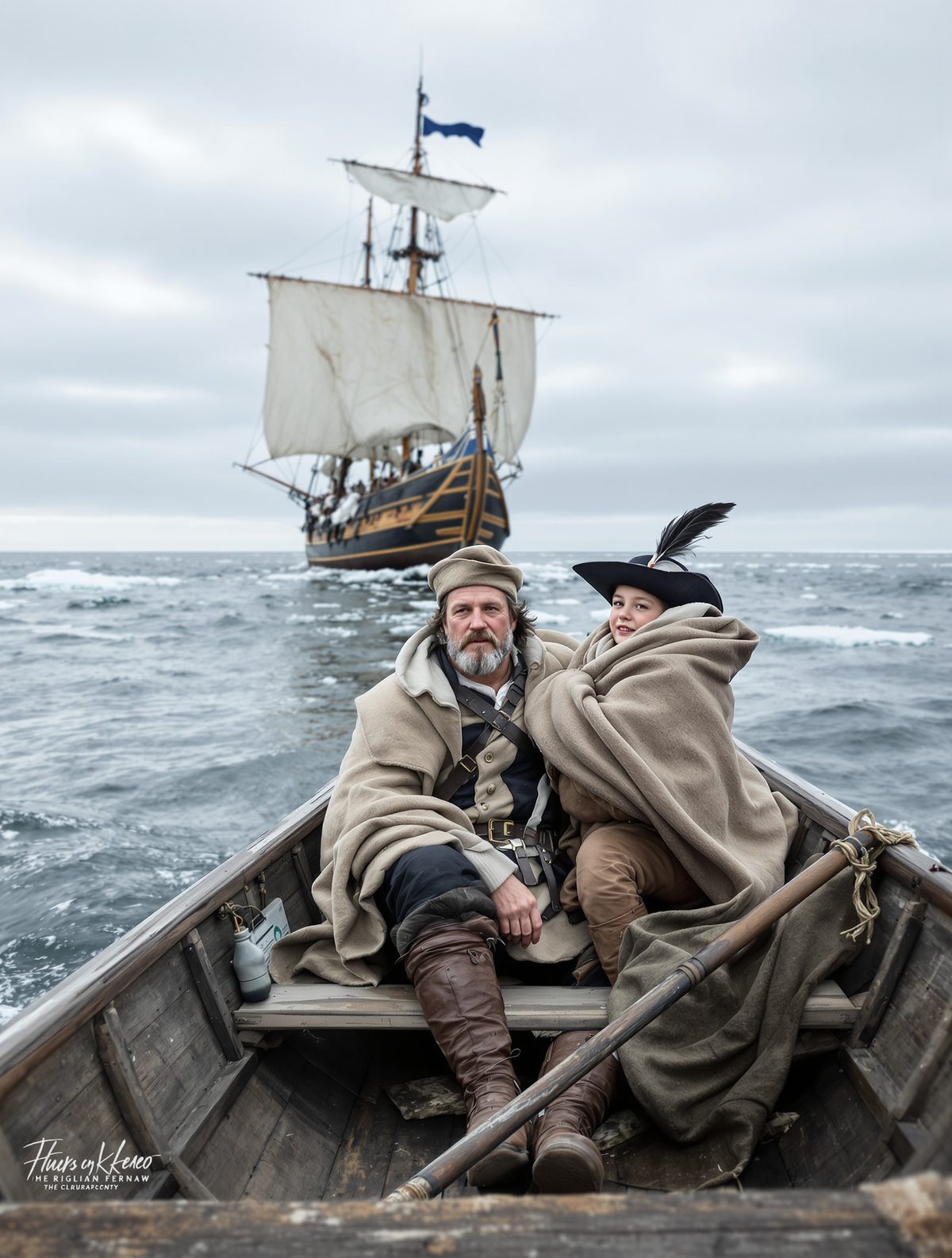
Summer 1610. Hudson's ship pushed deep into Canada's frozen bay. His crew mutinied. They put him in a small boat. His son sat beside him. The ice closed in. He was never seen again.
September 1588. Thomas Cavendish sailed into Plymouth Harbour. His sails were made of Chinese damask. His men wore gold chains. He had just circumnavigated the world. He was twenty-eight years old.
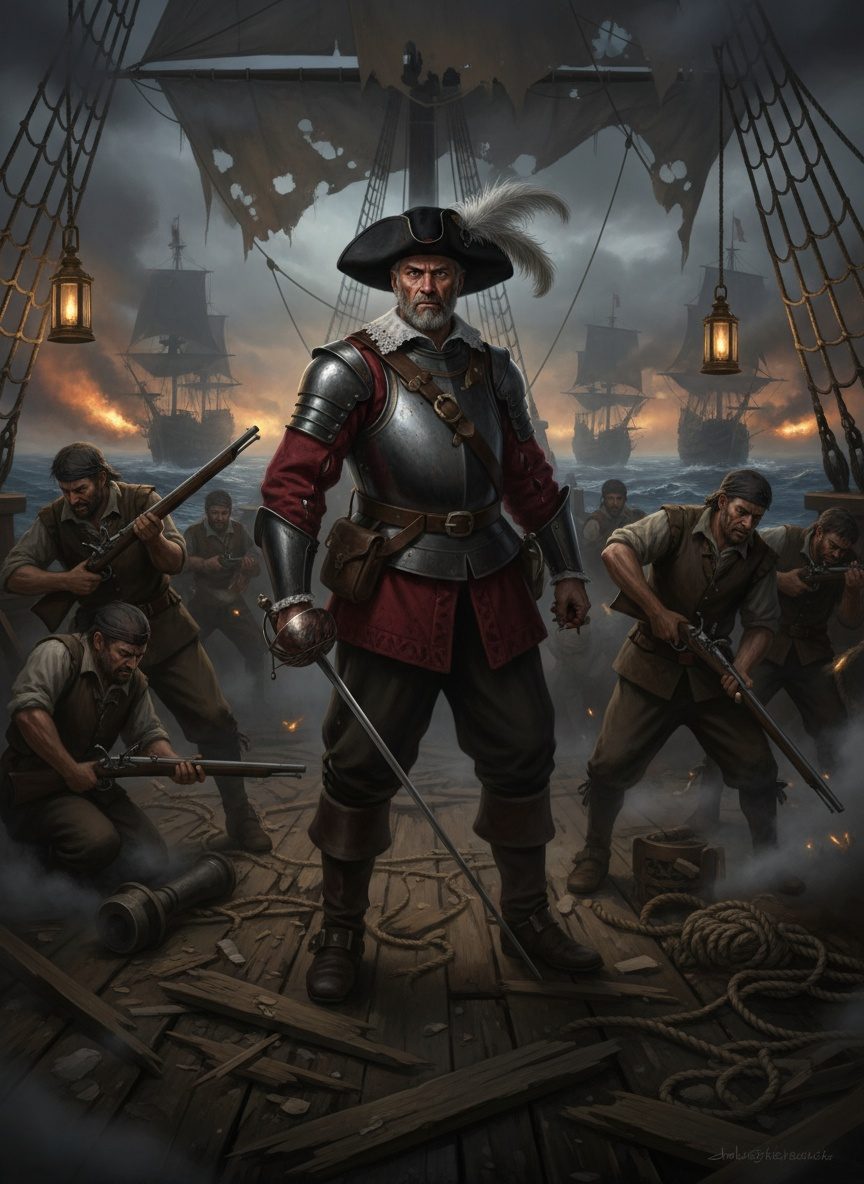
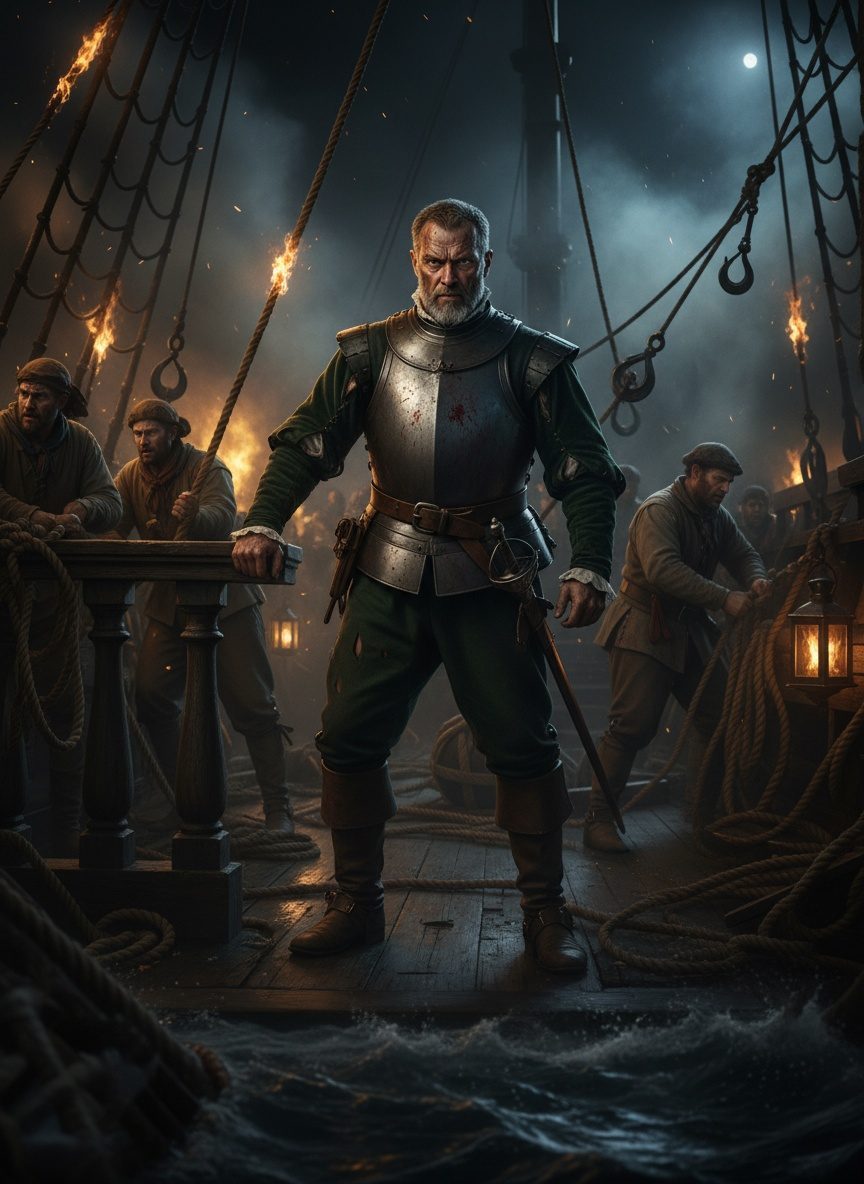
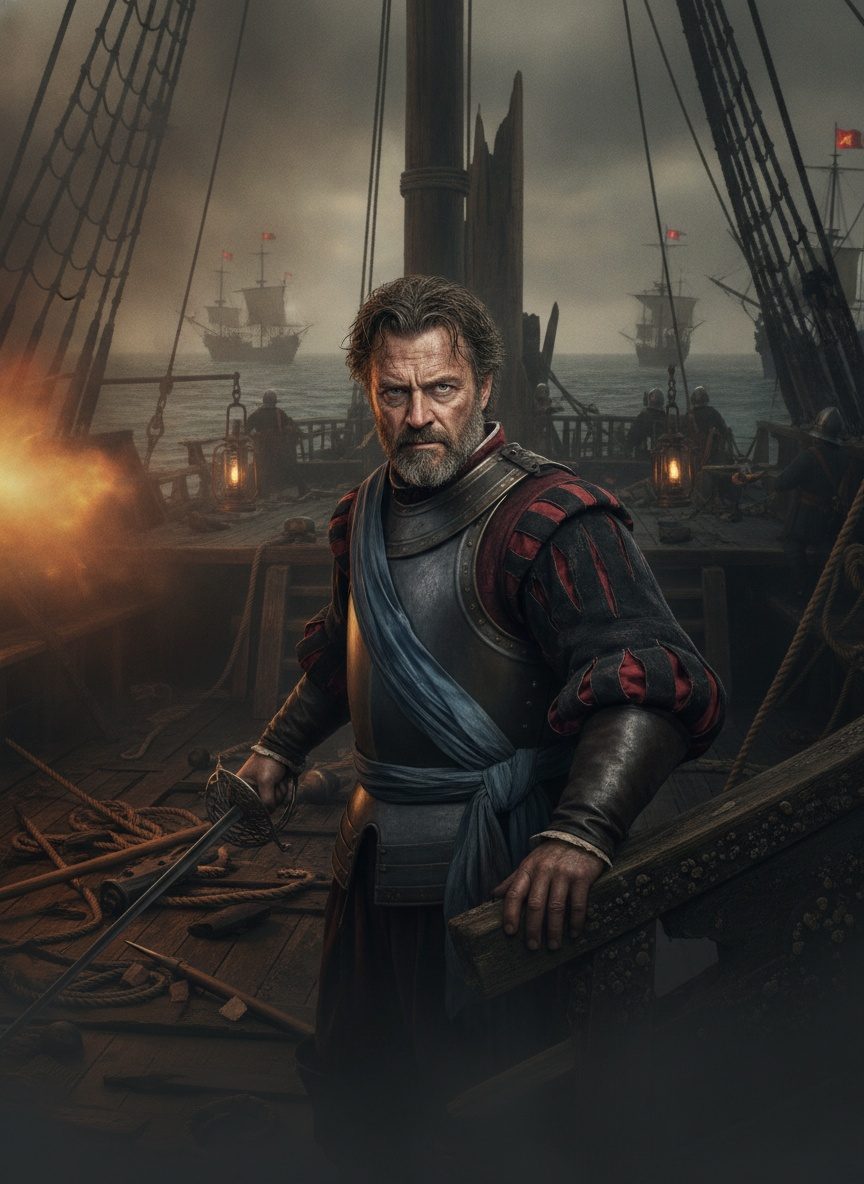
August 1591. One English warship. Fifteen Spanish galleons. Sir Richard Grenville refused to run. The Revenge fought through the night. Alone. When she finally fell, she had not surrendered. She had simply run out of men to fight.
1607. Henry Hudson pointed his tiny ship north. His crew begged him to turn back. The ice closed around the hull. He refused. He pushed further north than any Englishman before him. The passage was not there. But the courage was.
1576. Three tiny English ships sailed into unknown Arctic waters. Two turned back. One pressed on. Martin Frobisher gripped the helm. Ice closed around him. He did not flinch. He found the passage no one else dared seek.
September 1580. Drake's battered Golden Hind crept into Plymouth harbour. Three years gone. Fifty-six men left from a hundred and sixty-four. He had sailed around the entire world. The Queen knighted him on his own deck.
1594. Sir Richard Hawkins sailed the Dainty into the Pacific alone. Three Spanish warships found him off Ecuador. He fought for three days. Outnumbered ten to one. He refused to strike his colours until his decks ran red.
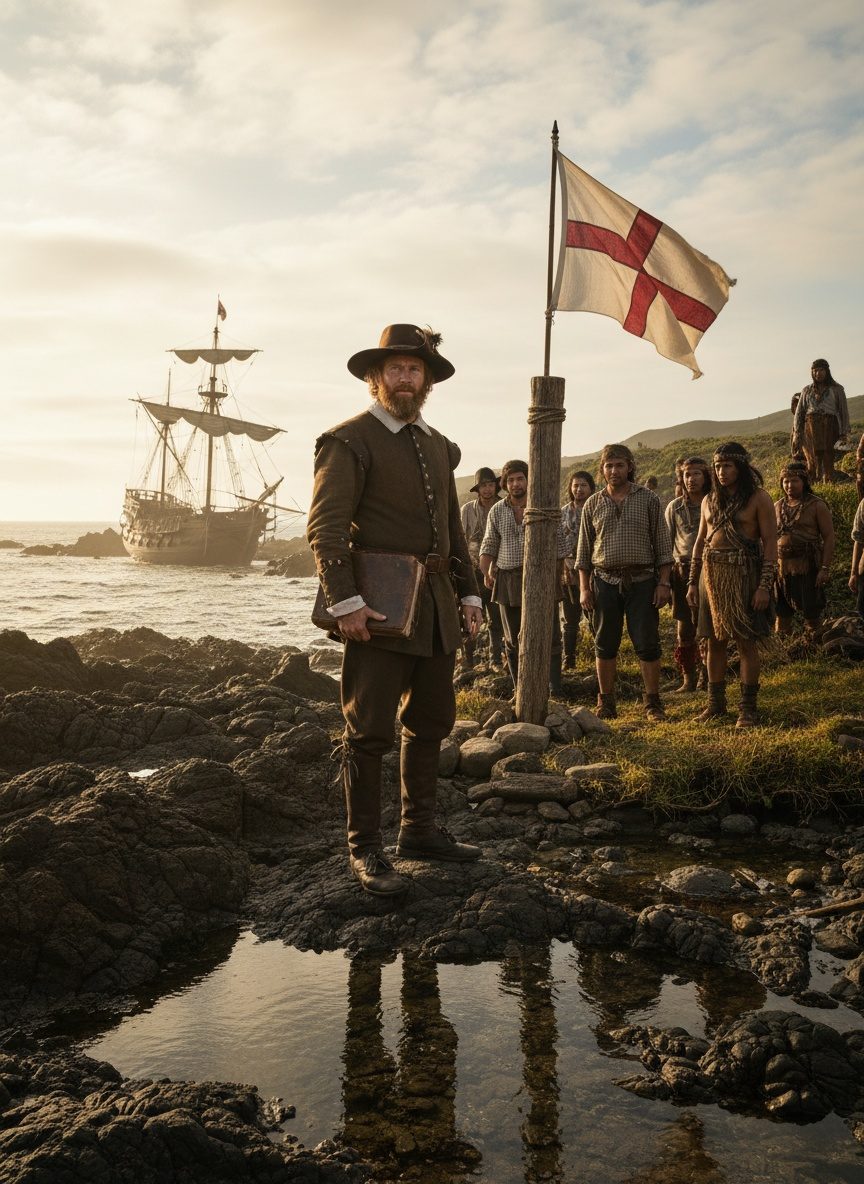
June 1579. Drake's battered Golden Hinde limped into a bay north of Spanish Mexico. He stepped ashore. Raised the English flag. Read prayers aloud to the Miwok people watching from the cliffs. Named it Nova Albion. England's first claim on the Pacific coast.
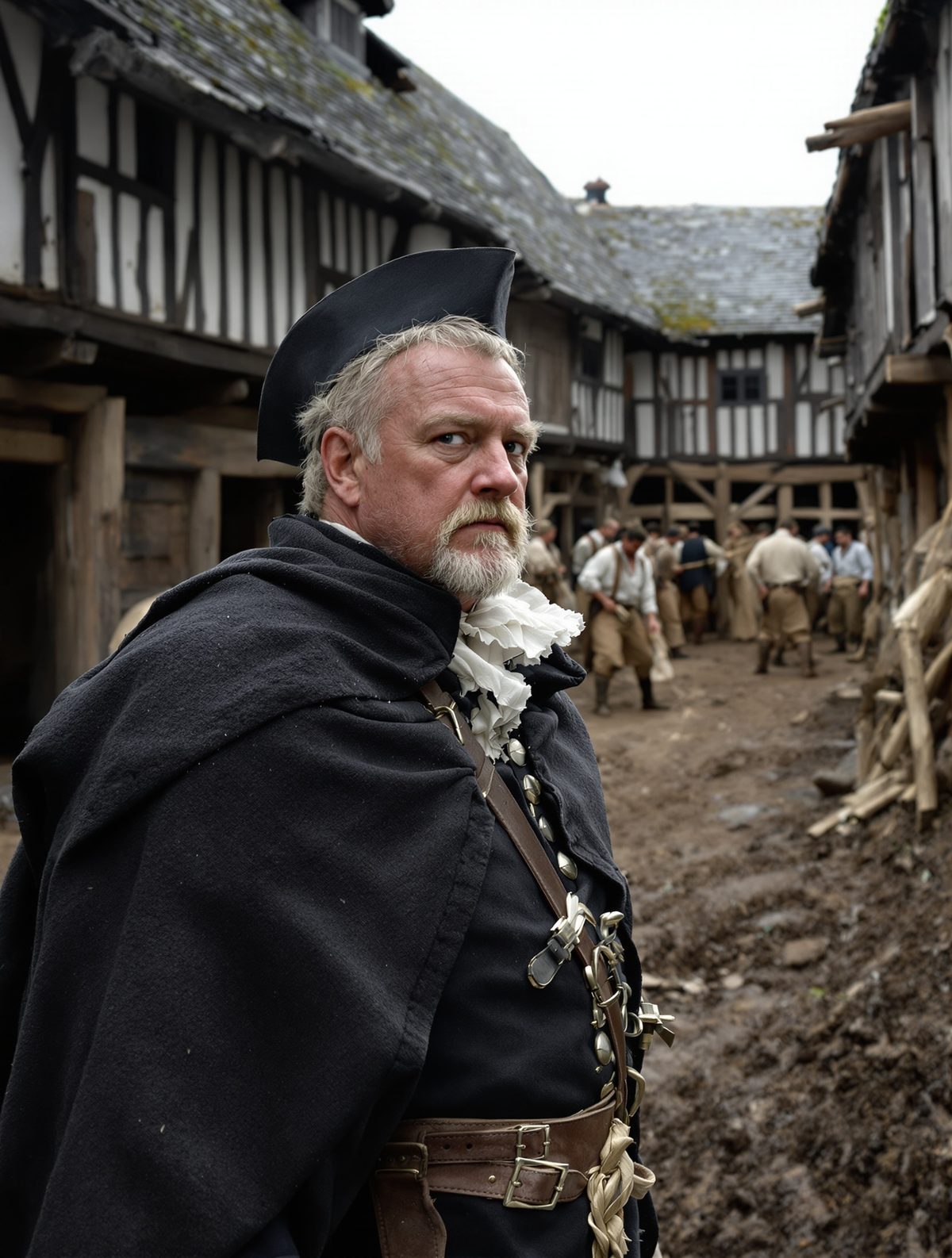
Ireland, 1629. Richard Boyle, Earl of Cork, had promised his Protestant tenants protection. The Lord Deputy threatened to ruin him if he defied the Crown. Boyle stood firm. He kept his word. Every one of his tenants stayed free.
1578. The Pacific lay ahead. Drake's expedition was fracturing. His closest friend Thomas Doughty faced death for mutiny. Drake wept. He presided over the trial himself. Then served Doughty his last supper. Broke bread with a condemned man. And let him choose his death with dignity.
August 1591. One English warship. Fifty-three Spanish vessels. Sir Richard Grenville refused to run. He fought for fifteen hours. Alone. Outnumbered a thousand to one. He never surrendered.
San Juan de Ulúa. 1568. The Spanish fleet trapped Hawkins in harbour. His ships were shattered. Hundreds of his men faced death or capture. He put the weakest ashore. Walked away from the cargo. Chose his crew over profit.
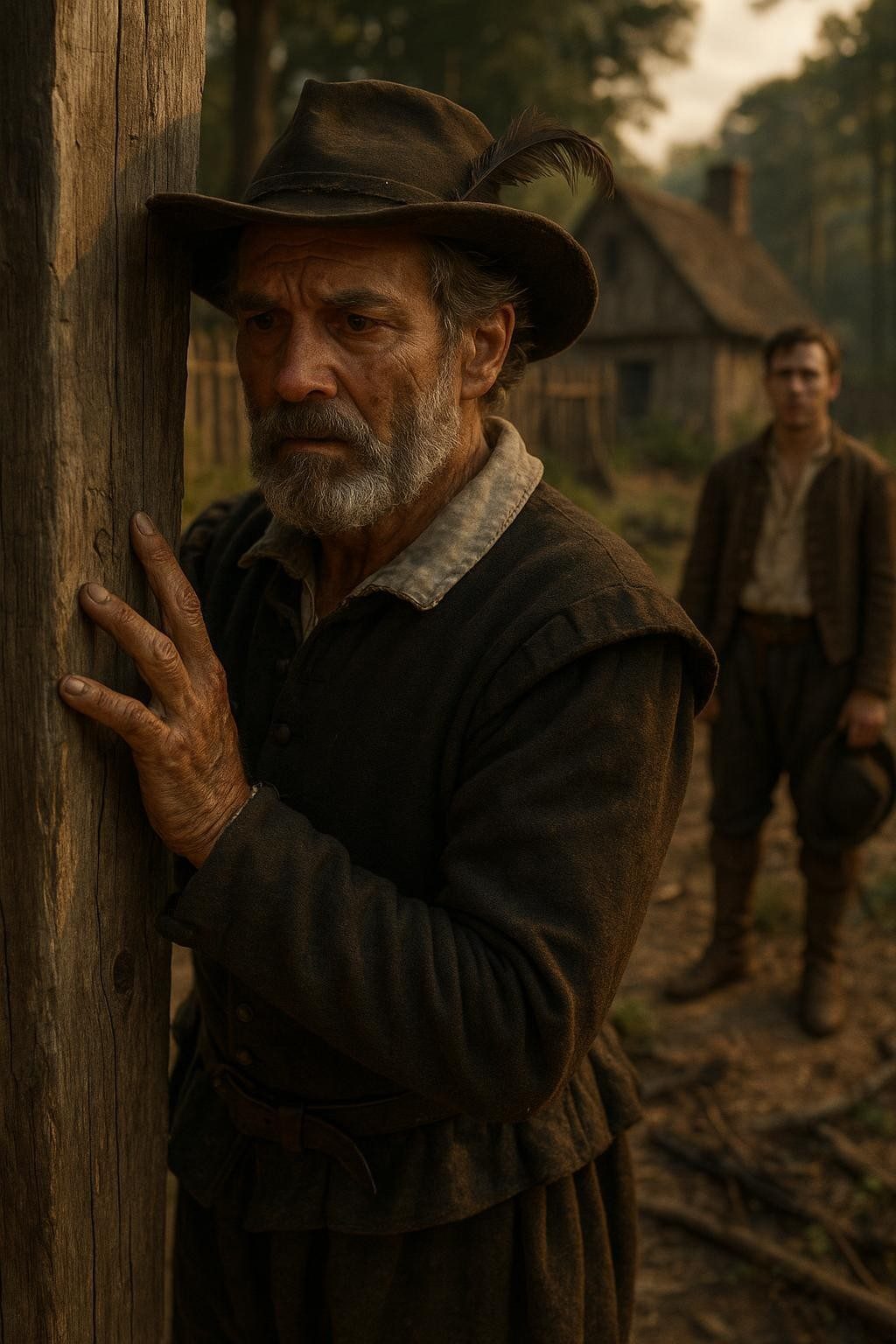
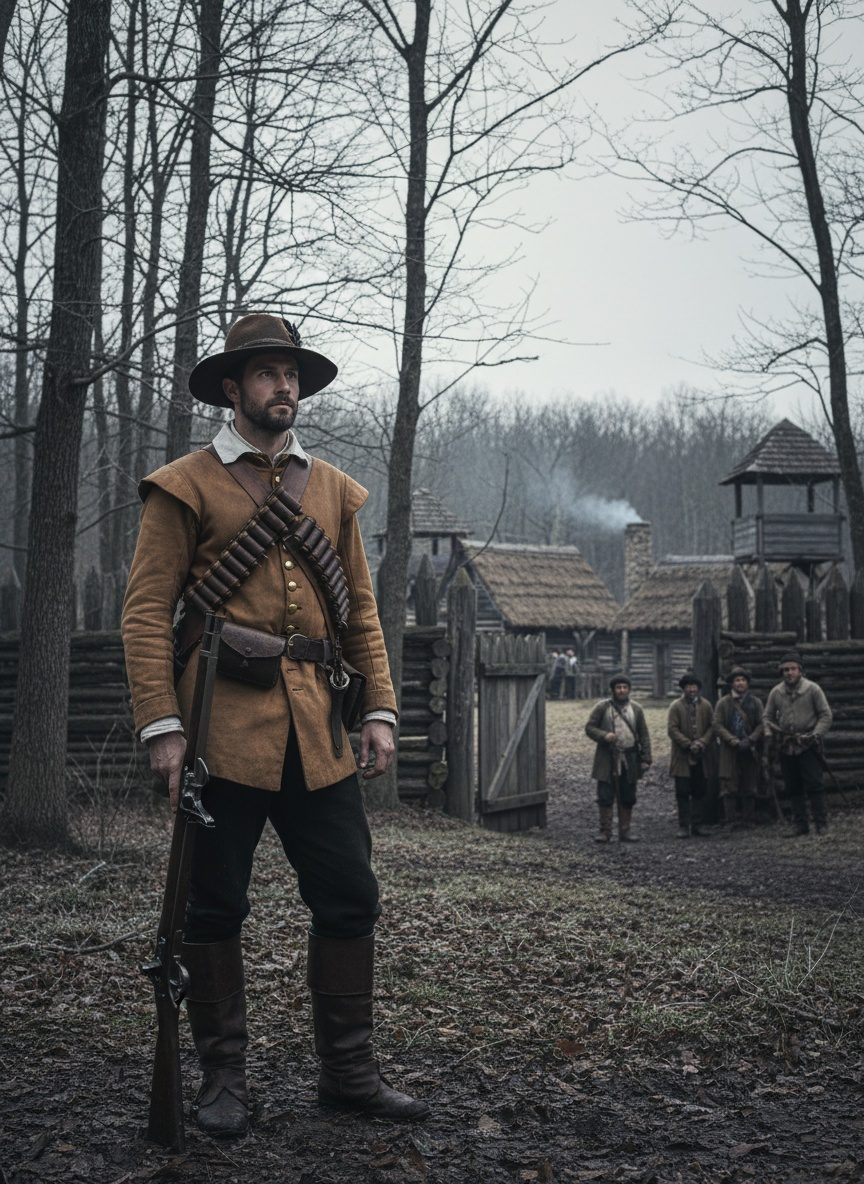
August 1590. John White finally returned to Roanoke. Three years had passed. The settlement was empty. No bodies. No graves. One word carved into a post. CROATOAN. His granddaughter was among the missing.
September 1568. Spanish warships closed in at San Juan de Ulúa. John Hawkins had one small vessel left. He loaded it with survivors. Then made the hardest choice of his life. He left men behind. So others could live.
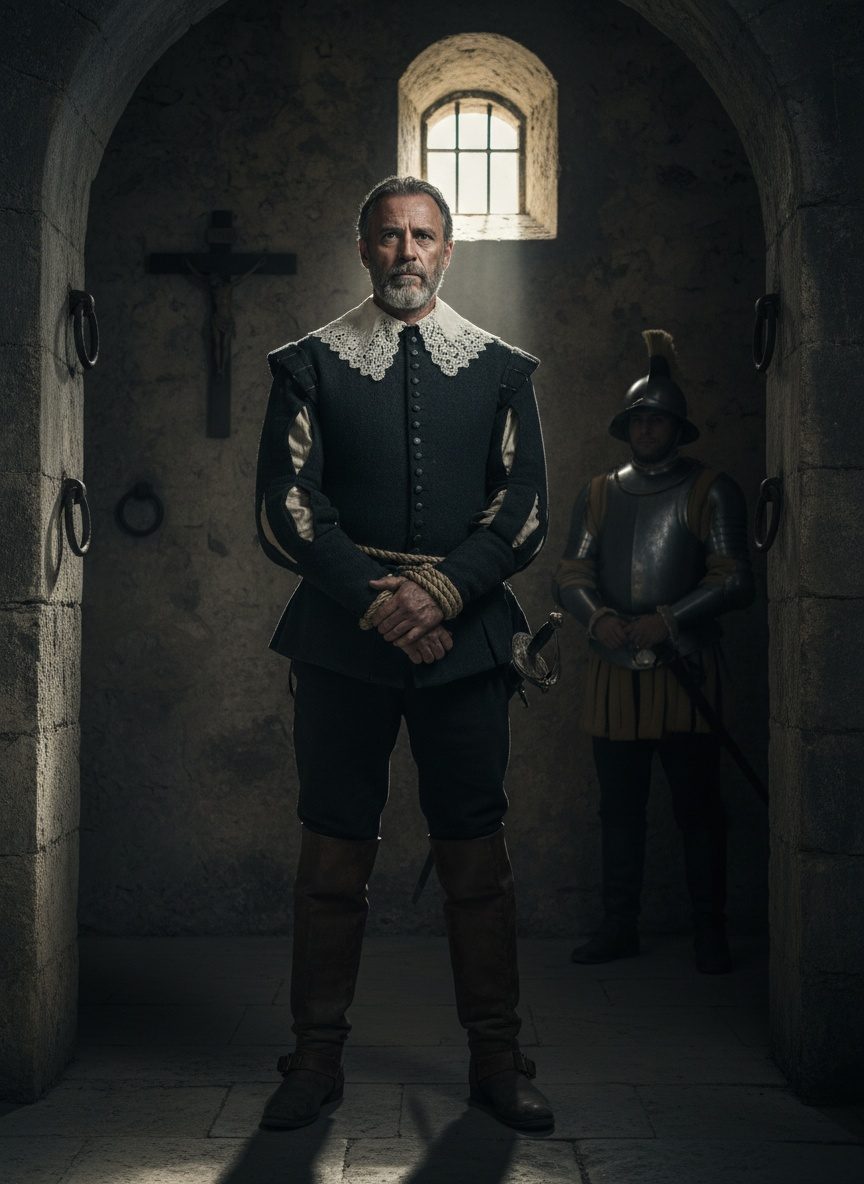
1597. Sir Richard Hawkins was chained in a Spanish prison. He had surrendered to save his dying crew. Spain demanded he renounce England. He refused. He waited. Elizabeth sent for him anyway.
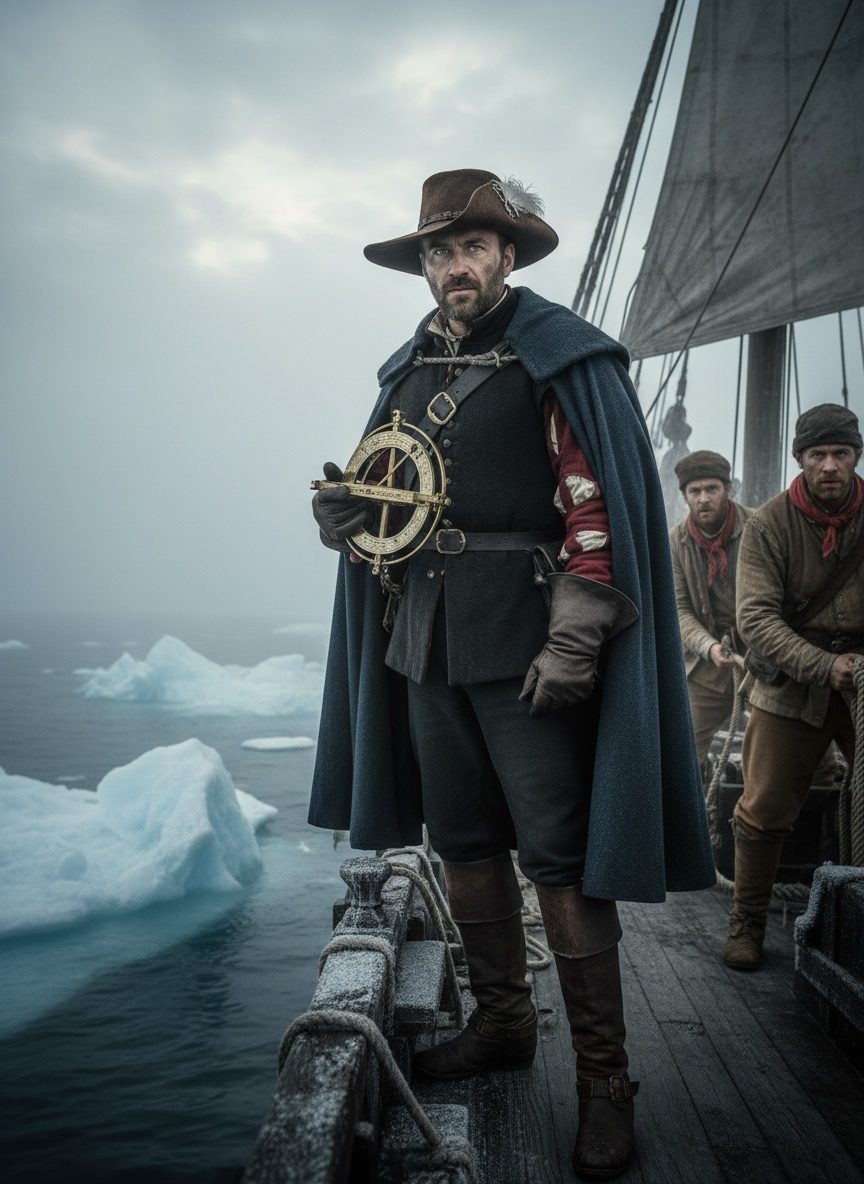
1585. No Englishman had sailed so far north. John Davis turned his ships into the Arctic fog anyway. Ice cracked against the hull. The crew prayed. He kept going. Three voyages. No passage found. But the charts he made changed navigation forever.
April 1581. Drake had just sailed around the world. Spain demanded his head. Elizabeth boarded his ship at Deptford. She knighted him on the deck. One gesture. One defiance. The empire began.
May 1610. Jamestown was dying. Starving settlers begged to abandon the colony. Governor Thomas Gates ordered the flag raised one last time. Then the supply ships arrived. Virginia survived.
London, 1589. England's voyages were failing. Men were dying. Richard Hakluyt wrote it all down anyway. The disasters. The courage. The truth. He published it. The Crown had wanted glory. He gave them honesty instead.
1699. William Dampier sailed for the unknown coast of New Holland. He was a former buccaneer. Now he carried the King's commission. He mapped shores no Englishman had seen. He brought back sketches, specimens, and wonder. Britain looked west and never stopped.
1553. Richard Chancellor's ship lost its fleet in an Arctic storm. He sailed on alone. He reached Russia. No Englishman had ever done it. He walked into Ivan the Terrible's court. And came home with an empire's trade.
April 1587. Spain was building the greatest fleet in history. Drake sailed into Cadiz harbour. Alone. He burned thirty ships in a single afternoon. Then he held the harbour for three days. England bought herself a year.
Summer, 1576. Martin Frobisher sailed north with one small ship. Ice crushed his fleet. Two vessels turned back. He did not. He pressed on alone into the unknown. He reached what no Englishman had ever seen. He came home.
1553. Three ships sailed north into unknown waters. Ice closed in. Two crews froze to death at anchor. One captain survived. Richard Chancellor alone reached the court of Ivan the Terrible. And won England a trade empire.
1575. No Englishman had ever crossed the Darien alone. John Oxenham did. He hauled a dismantled pinnace over the mountains. Launched it on the Pacific. Flew the English flag where no Englishman had sailed. He paid for it with his life.
Winter 1608. Jamestown was dying. Forty settlers remained. Starvation had taken the rest. Captain John Smith walked into the wilderness alone. He came back with food. He saved England's first colony.
December 1577. Francis Drake led five small ships into the Atlantic. His mission was secret. His destination unknown to most of his crew. He would not return for three years. He came back with a fortune. And a knighthood.
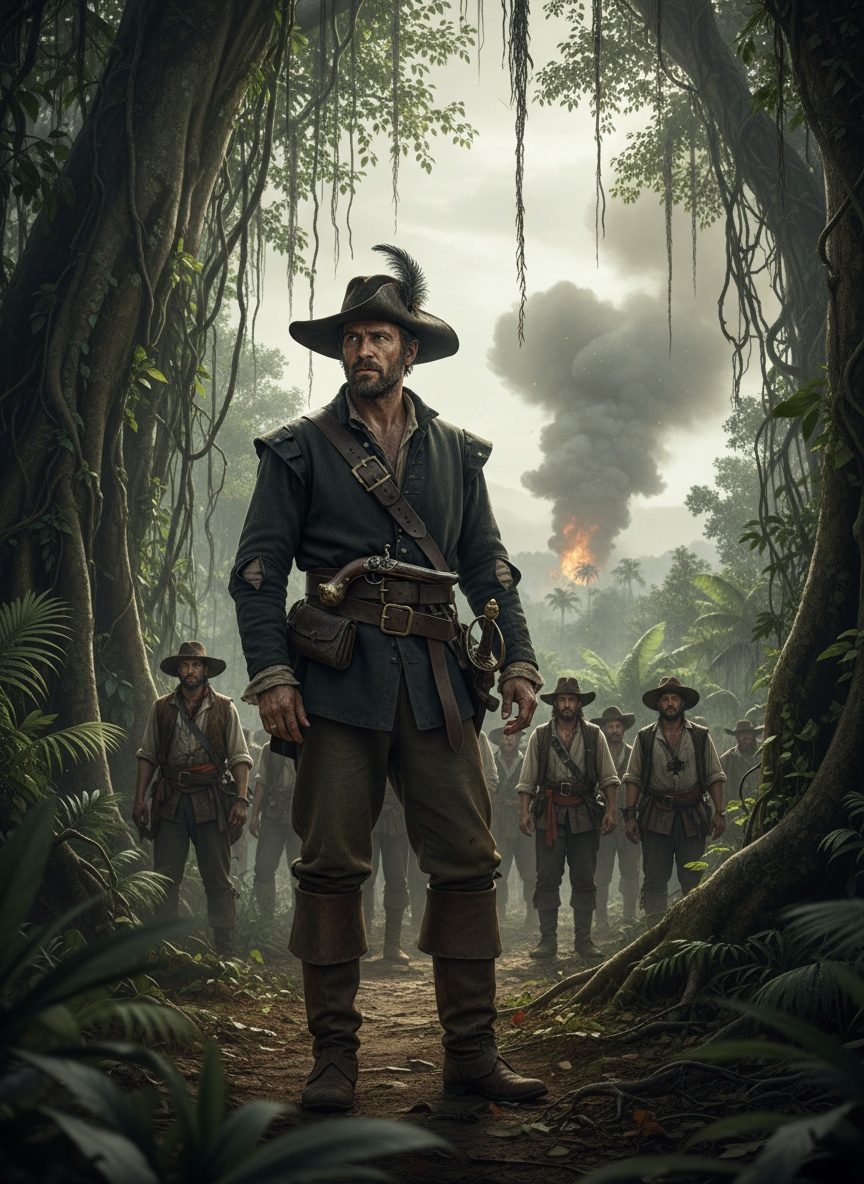
January 1671. Henry Morgan led 1,200 men into the jungle toward Panama. Spain called it the richest city in the New World. Nine days of hunger and ambush. Then the city burned. Morgan walked out with a fortune.
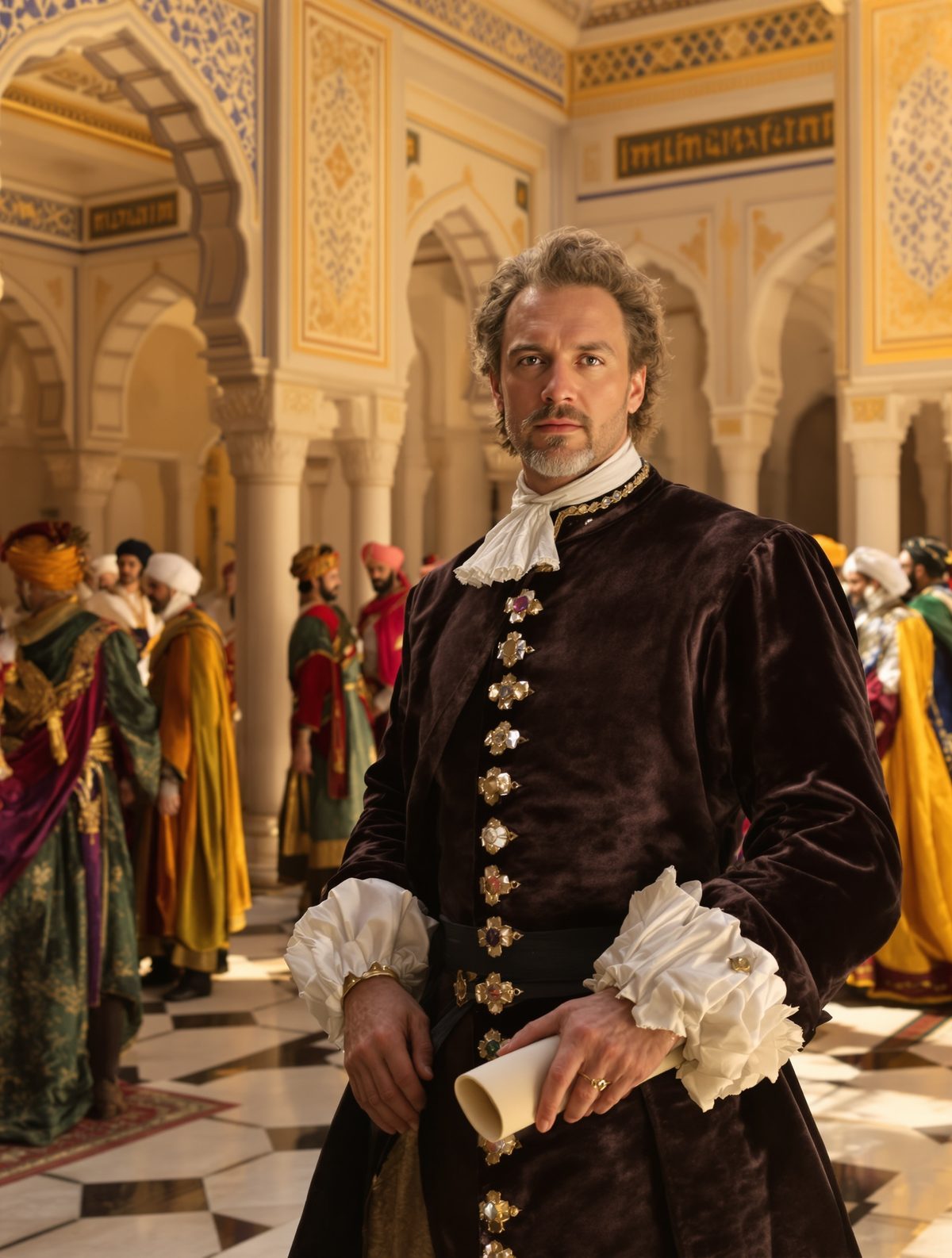
1608. A lone English merchant stood before the Mughal Emperor Jahangir. He carried no army. No fleet. Just words. William Hawkins spoke Turkish. The Emperor listened. And Britain's first foothold in India began.
Summer 1585. Seven ships crossed the Atlantic. Sir Richard Grenville landed 108 men on a strip of Carolina sand. No roads. No fort. No guarantee of return. He built England's first colony in the New World. Then sailed home alone.
August 1591. One English warship faced fifty-three Spanish vessels off the Azores. Sir Richard Grenville refused to run. He fought for fifteen hours. Alone. He never struck his colours.
April 1581. Drake's ship sat at Deptford. The Queen stepped aboard. He had sailed around the world. Plundered Spanish gold. Defied an empire. She raised her sword. Knighted him on his own deck.
April 1587. Spain was building the greatest armada in history. Drake sailed into Cadiz harbour with eighteen ships. He burned thirty-seven Spanish vessels in a single afternoon. He called it singeing the King of Spain's beard.
1553. Three ships left England seeking a northern passage to China. Two were lost in Arctic ice. One sailed on. Richard Chancellor dropped anchor in a frozen bay. He had found Russia.
April 1581. Francis Drake knelt on the deck of the Golden Hinde. He had sailed around the world. Queen Elizabeth raised her sword. A pirate became a knight. England had announced herself to the world.
1553. Three ships sailed north into frozen darkness. Two never returned. Hugh Willoughby perished in the ice. But Richard Chancellor pressed on alone. He sailed into Russia. Met Ivan the Terrible. And opened a trade route no Englishman had dared dream of.
June 1611. The ice would not break. Henry Hudson's crew had starved for months. They seized him at dawn. Put him in a small boat. His young son beside him. Cast them into the vast frozen bay. Neither was ever seen again.
August 1591. One English warship. Fifty-three Spanish vessels. Sir Richard Grenville refused to surrender. The Revenge fought through the night. She was taken only after Grenville lay dying. He never struck his colours.
1578. Martin Frobisher loaded fifteen ships with black Arctic rock. He was certain it was gold. England believed him. The ships returned. The ore was worthless. Every penny gone.
April 1587. Spain was building the greatest fleet the world had ever seen. Francis Drake sailed straight into Cadiz harbour. He sank thirty ships in a single afternoon. He called it singeing the King of Spain's beard.
1585. Sir Walter Raleigh needed proof. He sent one man to America. Thomas Harriot landed on Roanoke Island. He learned the Algonquian tongue. He mapped every creek. He returned with a book that stunned Europe.
June 1611. Hudson had sailed further into the frozen bay than any man alive. His crew mutinied. They forced him into a small shallop. His young son beside him. Cast adrift on the ice. Never seen again.
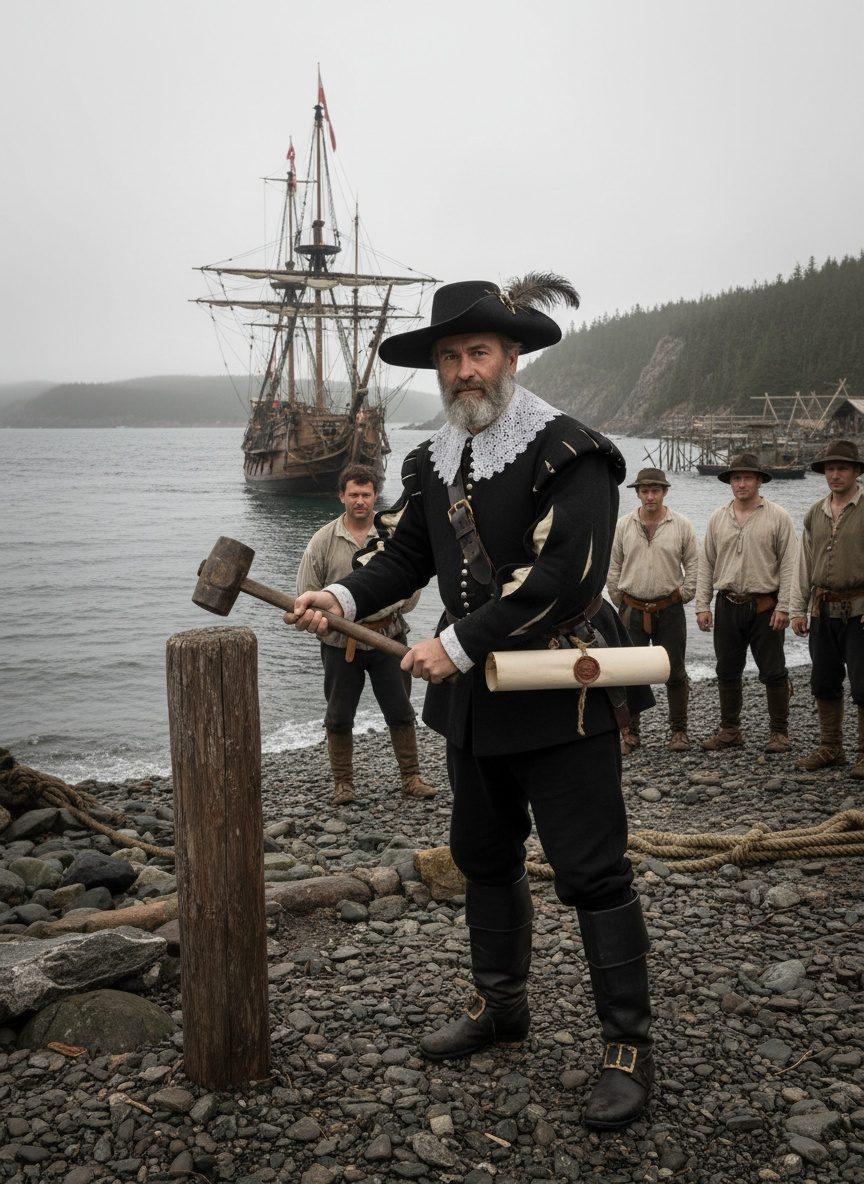
August 1583. A storm-battered harbour. Sir Humphrey Gilbert stepped ashore at St. John's. He planted a wooden post. Declared the land England's. The first overseas territory ever claimed in the Crown's name. He never made it home.
September 1588. Thomas Cavendish sailed into Plymouth harbour. His sails were made of blue damask. His sailors wore chains of gold. He had circled the entire world. He was twenty-six years old.
1585. England needed a new route to the East. John Davis sailed north into unmapped Arctic waters. Three voyages. Storms. Starvation. Ice walls taller than his masts. He never found the passage. But he mapped a world no European had seen.
1553. Three English ships sailed northeast into unknown waters. Sir Hugh Willoughby led them toward Russia. The ice closed in. The ships vanished. Fishermen found them a year later. Every man frozen at his post.
1553. Richard Chancellor's ship was blown off course. He landed in Arctic Russia. No Englishman had ever been there. Ivan the Terrible summoned him to Moscow. Chancellor walked in. And opened a trade route that changed England forever.
1580. One battered ship sailed into Plymouth Harbour. It had been gone three years. Francis Drake had just circled the entire globe. He was the first captain to survive it. England would never be the same.
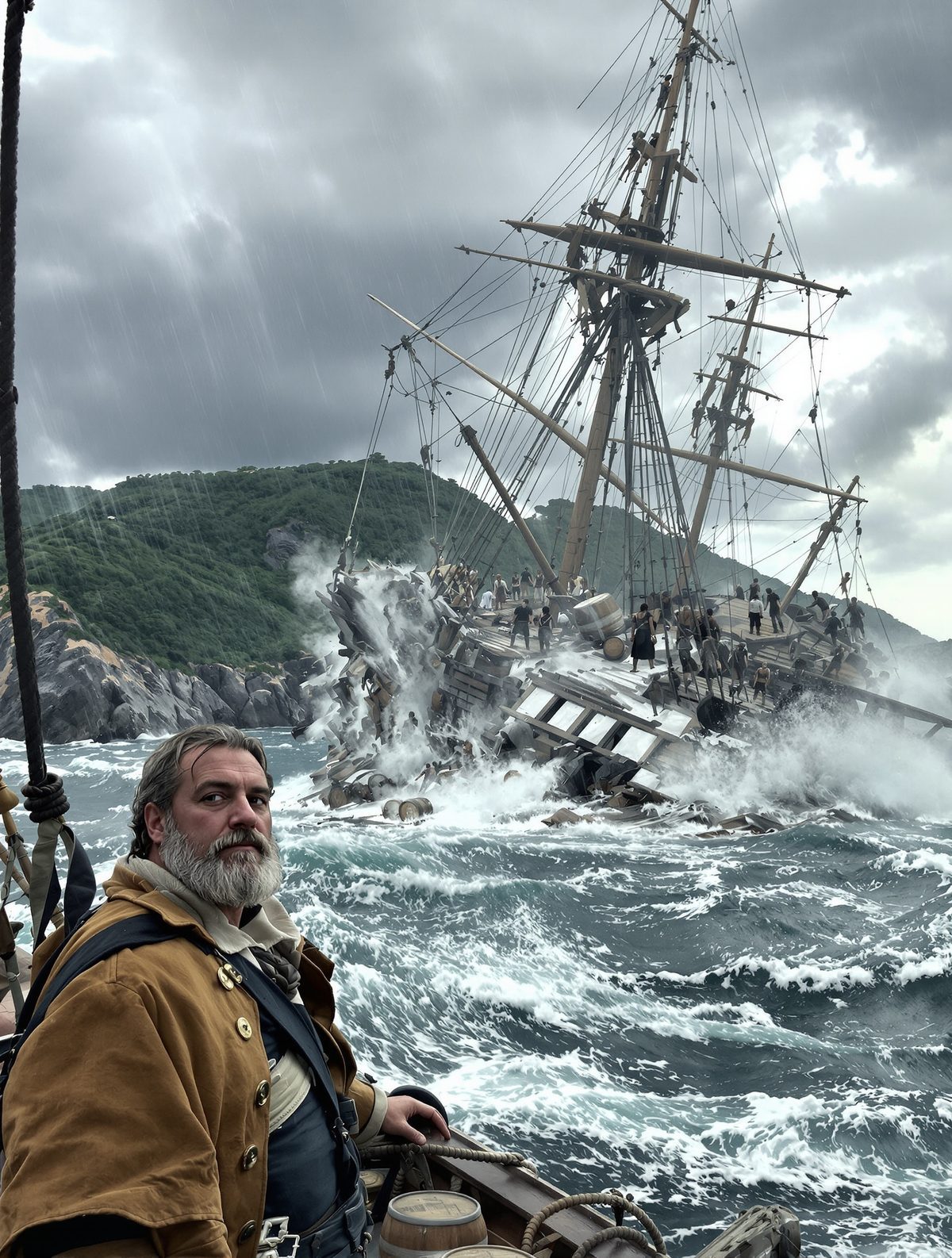
In 1609, a hurricane shattered the Sea Venture on Bermuda's reefs. The 150 survivors should have died. Instead, they built two new ships from cedar trees. And saved a dying Virginia colony.
1576. Martin Frobisher sailed into the Arctic unknown. He came back with a lump of black rock. London's assayers called it worthless. One man disagreed. England loaded fifteen ships and sailed back. The gold was slag. The dream cost a fortune.
Henry Hudson had found a great bay in the New World. His crew had not. In the brutal winter of 1610, they mutinied. They put Hudson, his son, and seven sick men in a small boat. And sailed away.
In 1614, English captain Thomas Hunt kidnapped a Patuxent man named Tisquantum and sold him in Spain. Rescued by friars, he reached London. He spoke fluent English before the Mayflower ever sailed.
June 1611. Henry Hudson had found a vast inland sea in the New World. His crew had other ideas. They put him in a small boat. They cut him loose. He was never seen again.
September 1580. Drake's battered Golden Hinde limped into Plymouth. He had circled the entire globe. Elizabeth I sailed out to meet him. Then she drew a sword. And knighted him on the deck.
Admiral Somers sailed into a hurricane. His flagship Sea Venture split on Bermuda's reefs. Nine months later, he reached Virginia with two ships built from shipwreck timber. Jamestown was three days from abandonment.
Captain Christopher Newport's relief ship appeared on the James River horizon in January 1608. Just 38 colonists remained alive of the original 104. His cargo hold carried grain, medicine, and 120 fresh settlers. Jamestown's first winter had nearly ended England's American dream.
Governor Gates returned to find Jamestown's 500 colonists reduced to 60 starving skeletons. They had eaten their horses. Then their dogs. Then leather from their shoes. Gates loaded the survivors onto ships to abandon America forever. Then three English ships appeared on the horizon.
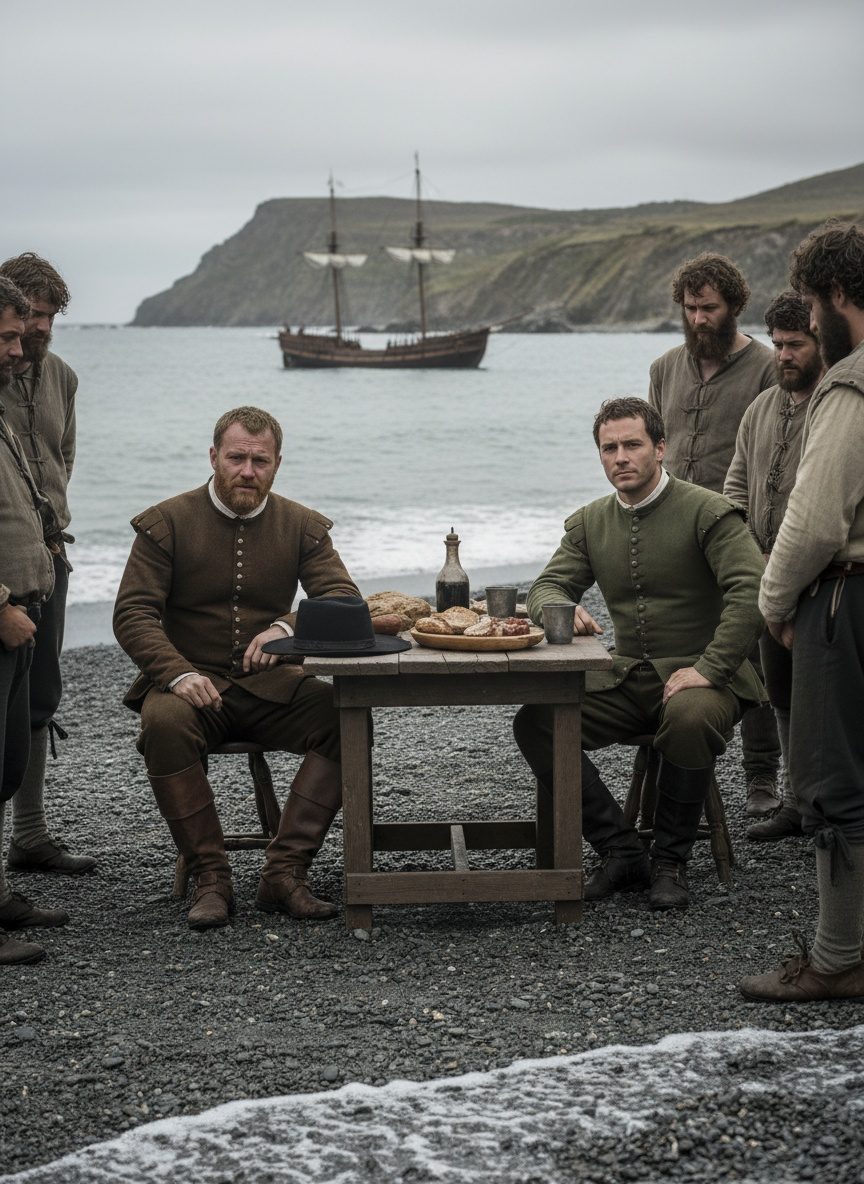
May 1607. Three battered English ships reached Virginia's marshy coast. Captain Newport had sailed 4,000 miles with 104 colonists. Half would be dead within months. But Jamestown would survive to become England's first foothold in America.
Three English ships sailed north seeking China. Two vanished in Arctic storms. Chancellor's lone vessel found a frozen bay. Local fishermen led him 1,500 miles overland. He became the first Englishman to meet the Tsar of Russia.
Sir Richard Hawkins sailed his ship Dainty into the Pacific in 1594. Off Ecuador, he met seven Spanish galleons waiting for him. For three days he fought them all. His 76 men held off 1,500 Spanish marines until their ship was shot to pieces.
March 1579. Pacific Ocean. Drake spots the Spanish treasure galleon Cacafuego. One broadside. No blood spilled. The greatest pirate heist in history. £10 million in silver stolen in twenty minutes.
Governor Thomas Dale arrived in Virginia in 1611 to find chaos. His solution was brutal. Death for stealing food. Death for blasphemy. Death for desertion. His iron discipline saved the colony. But at what cost?
September 1580. The Golden Hind limped into Plymouth harbour after three years at sea. Sir Francis Drake had done the impossible. He'd sailed around the world and returned with Spanish treasure worth half the Crown's annual income.
Ambassador Roe arrived at Emperor Jahangir's court in 1615 with just gifts and wit. The Mughal ruled 100 million subjects. Roe had no army, no fleet, no leverage. Yet he secured England's first trading rights in India through pure diplomatic genius.
Frobisher brought back 1,350 tons of 'gold ore' from the Arctic. Queen Elizabeth invested her own fortune. London's finest assayers confirmed the riches. It was worthless rock. Three frozen expeditions. One magnificent delusion.
William Dampier sailed as a pirate across three oceans. But between raids, he collected plants. Studied winds. Mapped currents. His secret journals became the Royal Navy's most treasured navigation guides.
1612. Four English ships face Portugal's entire Indian fleet off Bombay. Captain Best commands the Dragon against impossible odds. Victory here would open India to English trade forever.
Admiral Sir George Somers was sailing to rescue starving Jamestown in 1609. Hurricane winds drove his flagship onto Bermuda's reefs. For ten months his crew built new ships from cedar and salvaged timber. They reached Virginia just as the colonists were abandoning America forever.
Captain Jones was hired to drop off the Pilgrims and sail home. But when winter trapped them in Plymouth, half the colonists died. Jones could have left them to starve. Instead he stayed four months. Fed them from his own supplies.
Drake's Golden Hind spotted the Spanish galleon Nuestra Señora. Thirteen chests of silver. Eighty pounds of gold. Twenty-six tons of precious cargo. One audacious capture that funded Elizabeth's navy for years.
In 1586, young Thomas Cavendish set sail with three ships and 123 men. Two years later, he returned alone with just 47 survivors. But his hold was full of Spanish treasure. He had become only the second captain in history to circumnavigate the globe.
1615. Ambassador Sir Thomas Roe reached the court of Emperor Jahangir in Agra. No European had ever secured a trade treaty with the mighty Mughals. Roe refused to prostrate himself. Against all odds, he won Britain's first foothold in India.
1587. Spanish Armada preparing to invade England. Drake sails into Cadiz harbor with just 30 ships. Burns 10,000 tons of supplies in one night. Delays the invasion by a full year.
Hand-picked from Britain Untold's archive. The stories you weren't taught at school. 3-minute read.
No spam. Unsubscribe in one click. We hate spam too. Privacy Policy.