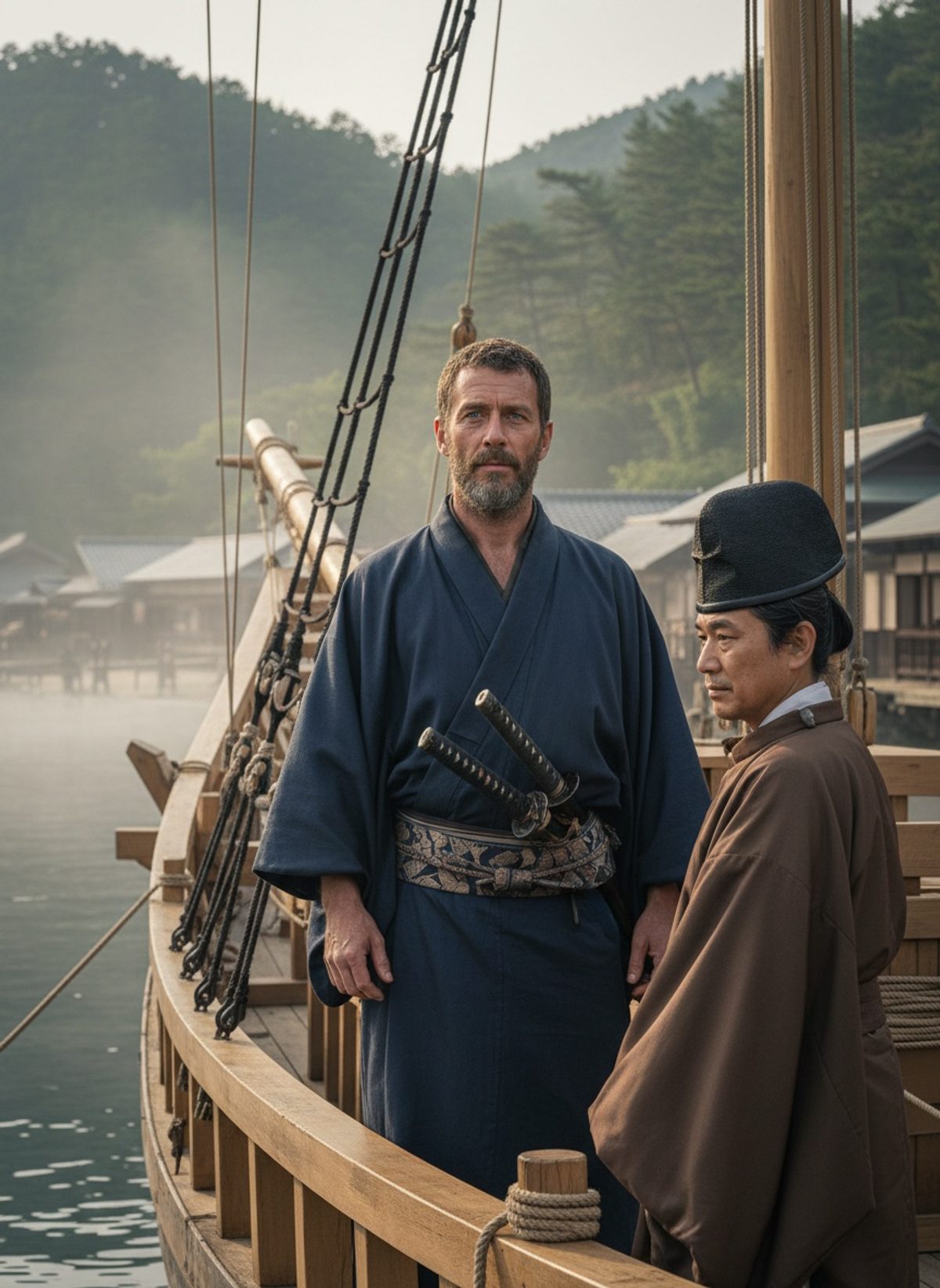
The English sailor’s chances of survival were slim in Tokugawa Japan. Yet, remarkably, William Adams did more than survive; he thrived.
The Ship That Defied the Waves
April 1600 saw the battered remnants of the Dutch ship *De Liefde* reach the shores of Japan. Among its skeleton crew stood William Adams, the only Englishman aboard, and he was at the brink of death. The ship had originally departed from Rotterdam on a trade mission to the elusive riches of the East, a risky undertaking that drew together multinational seamen in pursuit of wealth. What unfolded along the journey was a harrowing tale of adversity – storms, disease, and death decimated the crew. By the time the ship limped to the coast of Kyushu, it was barely seaworthy, a ghost ship piloted by ghosts of men.
Adams, a navigator by trade, had become a leader out of necessity. With just a handful of his comrades left, he knew their position was precarious. Japan in 1600 was a land with strict warnings against outsider influence, particularly given the presence of the Portuguese, who watched their trade interests jealously. Any unfamiliar European faced charges as a potential pirate, a prelude to execution. The presence of this Englishman rattled existing ideological fences.
The Audience That Changed an Empire
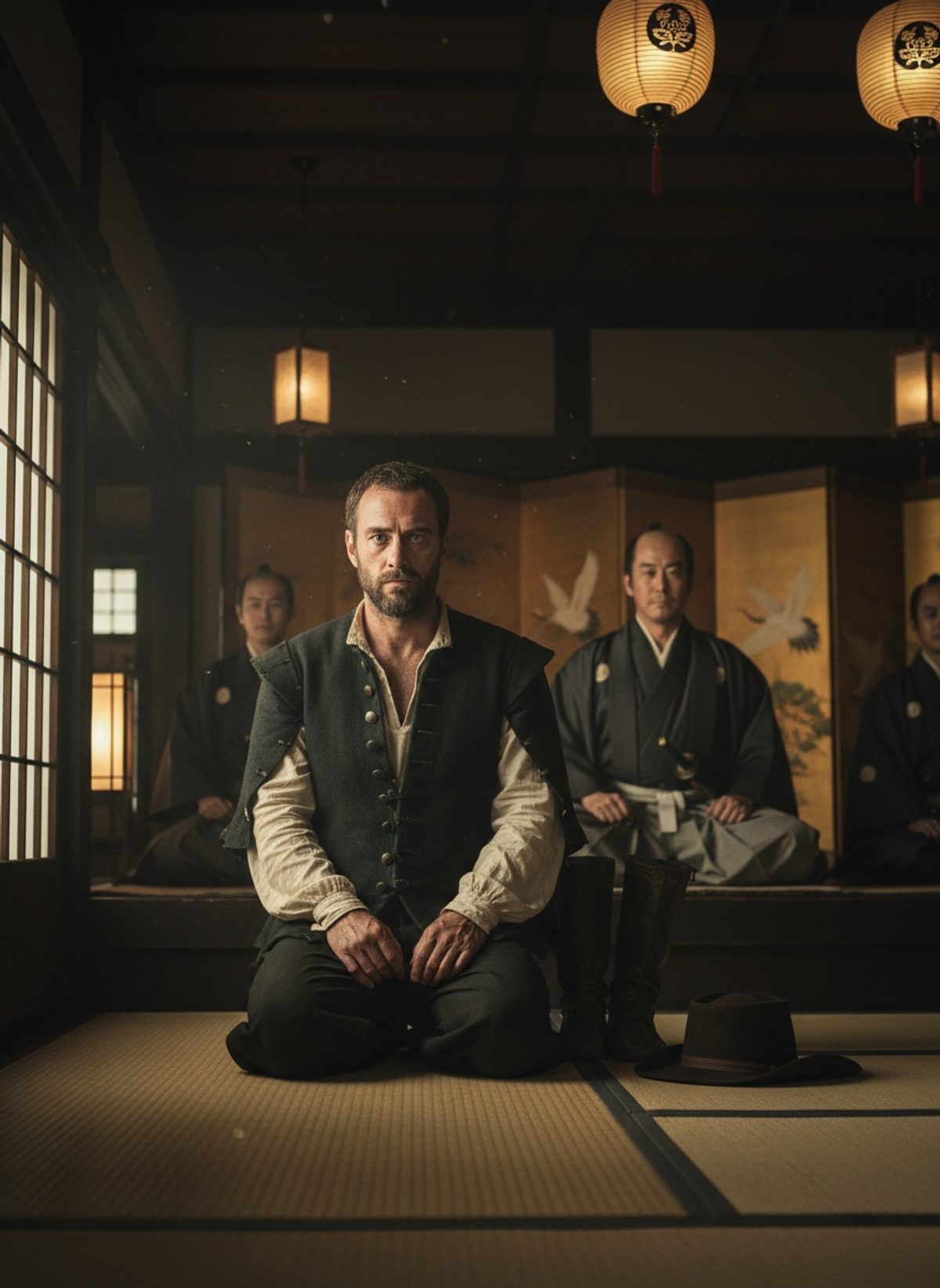
While his crewmates were restrained only by the thin thread of uncertainty about their fate, Adams found himself singled out by Shogun Tokugawa Ieyasu for an audience. The invitation was an enigma and perhaps the only thing between him and death. Tokugawa, a cunning leader renowned for his strategic acumen and foresight, was on the cusp of unifying Japan after a period of prolonged civil strife. He saw potential value in this outsider.
Read next: When William Adams Stood Trial Before a Shogun, 1600
As Adams knelt before the Shogun, expectations weighed heavily on both men. With every other European subjected to the sword, Adams stood as an exception. He spoke plainly, explaining his origins not as a pirate eager for plunder, but as a navigator in search of knowledge and opportunity in this distant land. What transpired in that chamber, shielded from the ears of his detractors, was Adams' revelation of the larger world beyond Japan and the potential benefits trade could bring. It was a singular moment of diplomacy and understanding, leading to his release and a remarkable transformation from prisoner to honored retainer.
The Unlikely Samurai
Following this fateful meeting, Adams became a confidant and counselor to Tokugawa Ieyasu, marking an unprecedented level of trust placed in a foreigner. The Shogun, valuing Adams' knowledge of shipbuilding and navigation, provided him with patronage to build Western-style ships. Such knowledge was considered invaluable for a nation on the precipice of engaging wider with the world. Adams was granted an estate, a new Japanese name—Miura Anjin—and the rare status and appreciation accorded to a samurai.
Not only did Adams flourish, but his influence extended deeply into Japanese political structures. His insights into European politics and technologies were critical during a time when Japan began to consider its place on the international stage. Whereas others saw outsiders only as threats, Tokugawa recognized that the wisdom and expertise Adams provided could help consolidate the fledgling state’s power and technological prowess.
The Legacy of the Unspoken English
Adams did not return to England, although he maintained ties with his native land from afar and even received a pardon from King James I, acknowledging his unique status in Japan. Despite living out his life thousands of miles from home, Adams significantly influenced both Japanese and British history. Through his expertise and advice, he helped navigate the diplomatic waters between the two nations, laying a foundation for future interactions long after his death in 1620.
William Adams' journey speaks of resilience and adaptability. His improbable rise to prominence against a backdrop of rigid isolationist tendencies and cultural suspicion reveals a man uniquely able to bridge divides, dispelling myths of monolithic cultures. When he knelt before a powerful Shogun, he planted seeds of trust and mutual benefit between distant worlds. While history often anonymizes such figures, Adams stands out, a reminder that the true architects of change are those who navigate the currents of circumstance with wisdom and courage.