Martin Frobisher was a Yorkshire mariner with a reputation more as a reckless adventurer than a polished courtier. He had spent years embroiled in piracy—not exactly the curriculum vitae one would expect from a man who would kneel before a queen and captivate a nation.
The Untamed Seas Awaited
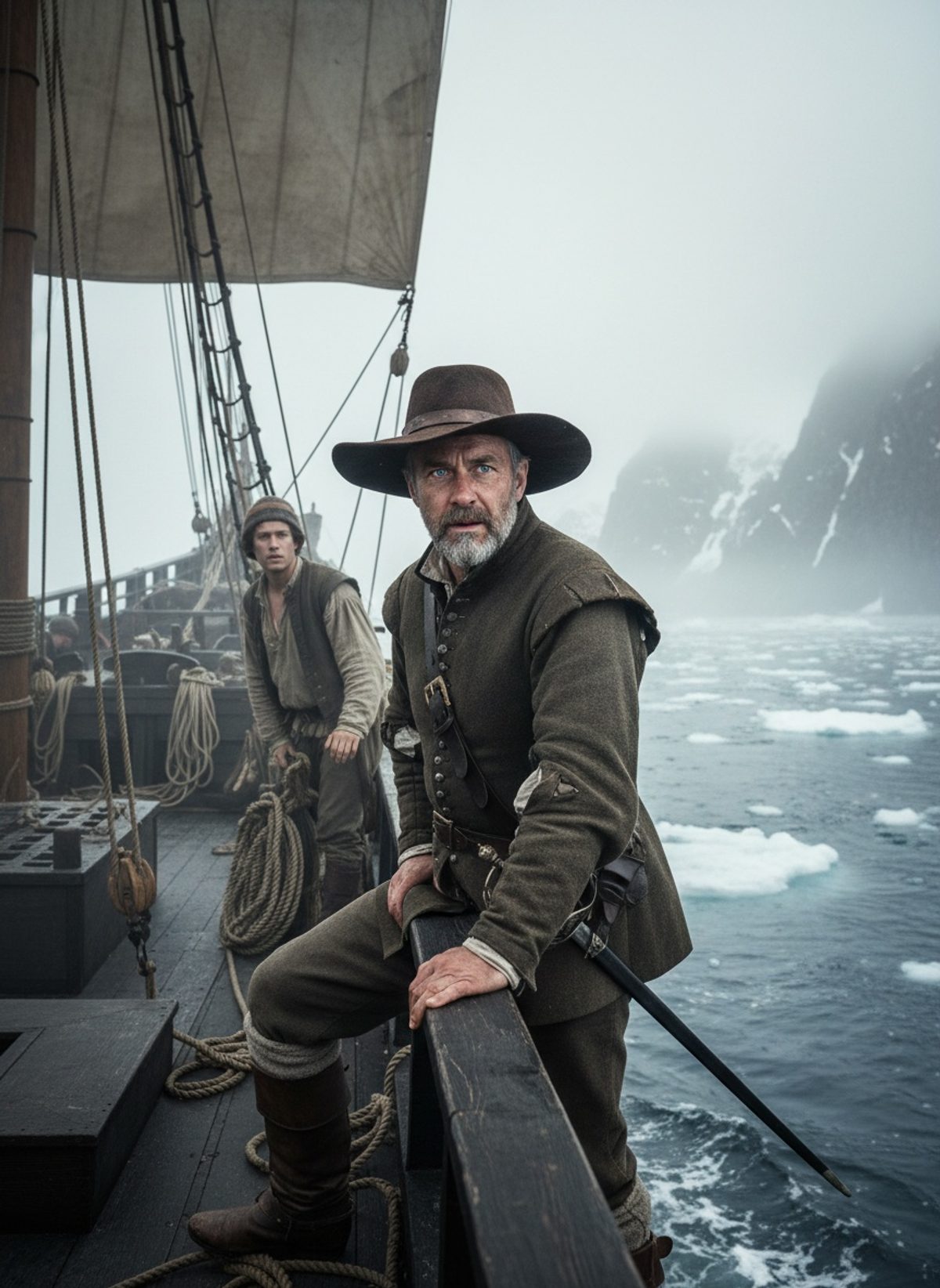
In 1576, the icy waters of the Arctic were as mysterious and daunting as they were enticing. The idea of finding a northwestern passage to the riches of Cathay had danced through the dreams of many explorers before Frobisher took to the seas. But unlike his predecessors, Frobisher possessed an almost reckless audacity, unbounded by fear of the perilous unknown. Setting his sails toward the chilling embrace of uncharted waters, Frobisher departed England in June, on a gamble that would change the course of his career—and momentarily, England's ambitions.
He embarked on this daring voyage with a small fleet, originally comprising three ships; however, fate's tempestuous nature had decreed that one would soon turn back, leaving him with the Gabriel and Michael to brave the treacherous ice floes. For weeks, they charted a course where no European had ventured, guided only by the allure of riches that lingered in distant lands. It was amidst the silence of the Arctic, where the sun refused to set, that they stumbled upon what would be known as Frobisher Bay, a place untouched by European hands.
A Black Rock Shimmering with Possibility
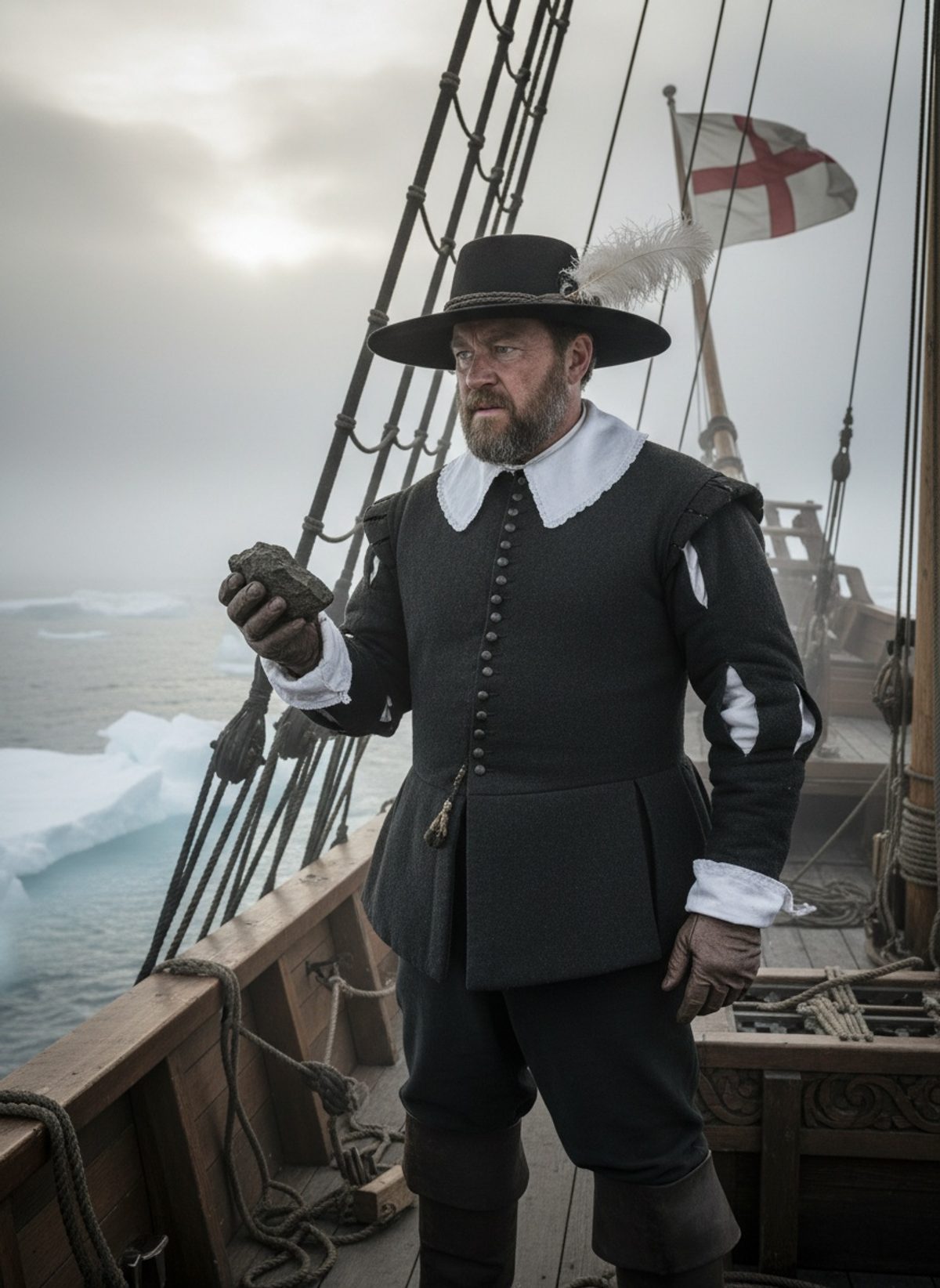
As far as discoveries went, Frobisher's was initially innocuous—chunks of rock, dark and foreboding, embedded in the frigid terrain. Yet, beyond appearances was the glint of possibility. This was no mere rock, but purportedly an ore of considerable worth. Where others might see a stone, Frobisher saw gold. It was a bold claim, one that ignited imaginations when he returned to England that autumn.
Read next: When William Adams Refused a King's Fortune to Go Home
Upon presenting his find to Queen Elizabeth I, Frobisher found himself transformed from pirate to prodigy. The queen, piqued by her own ambitions of empire and wealth, was intrigued. The prospect of gold in distant, unexplored territories not only promised riches but the means to elevate England on the world stage. It was a matter of prestige, and it set the courts abuzz with anticipation.
Elizabeth's Nod and the Echo of Empire
One might imagine the scene vividly: Frobisher, battle-worn and sun-kissed by Arctic gales, standing before the Gloriana of the English court. Queen Elizabeth, whose kingdom was on the cusp of expanding its influence, could scarcely contain her curiosity. Here was a sailor reviled for his past exploits, now revered as a bringer of potential wealth. But beyond Frobisher's tangible offering of ore, there was an intangible treasure—dreams of an imperial destiny.
Endorsed by royal favor, Frobisher launched further expeditions in the subsequent years, spurred by the glittering dream of vast fortunes buried beneath Arctic ice. The pursuit became not merely a quest for gold but an emblem of England's burgeoning maritime aspirations. For a fleeting moment, each stake driven into the frozen earth was a claim not just of mineral wealth, but of England's place among empires.
Between Dreams and Cold Realities
Reality, however, has a way of tempering dreams. As further shipments of the ore were analyzed back in England, hopes began to dim. The “gold” was little more than worthless iron pyrite—fool's gold. Once hopeful alchemical processes gave way to harsh realities. The gold rush turned out to be more of a mirage, an illusion shaped by fervent ambitions.
Yet in these explorations, England honed its most valuable asset: its seafaring prowess. Frobisher's voyages, though ill-fated in their original intent, served as a proving ground, sharpening English maritime capabilities. Compelled by visions of navigating globally, England was edged closer to embarking on its larger narrative—the creation of an empire as much marked by dominant naval presence as by colonial ventures.
A New Chapter Beyond the Stone
Frobisher's tale speaks to the heart of exploration, where ambition collides with reality, and failure paves the path to unforeseen successes. His Arctic adventures may not have showered England with gold, but they marked the nation's burgeoning steps into the expansive chess game of empire-building. It was the dawning of a new era, where the real treasure lay not in Arctic bays but in the expanding horizons of English influence.
In kneeling before a queen with his rock held aloft, Frobisher unwittingly summoned dreams that would outlive the failures of his expedition. His legacy lies not in fortunes won or lost but in awakening a maritime nation to its potential. As Elizabeth's court quietly mulled over metal that shimmered with false promise, England gathered its sails, ready to chart a world yet to be entirely brought within its grasp.