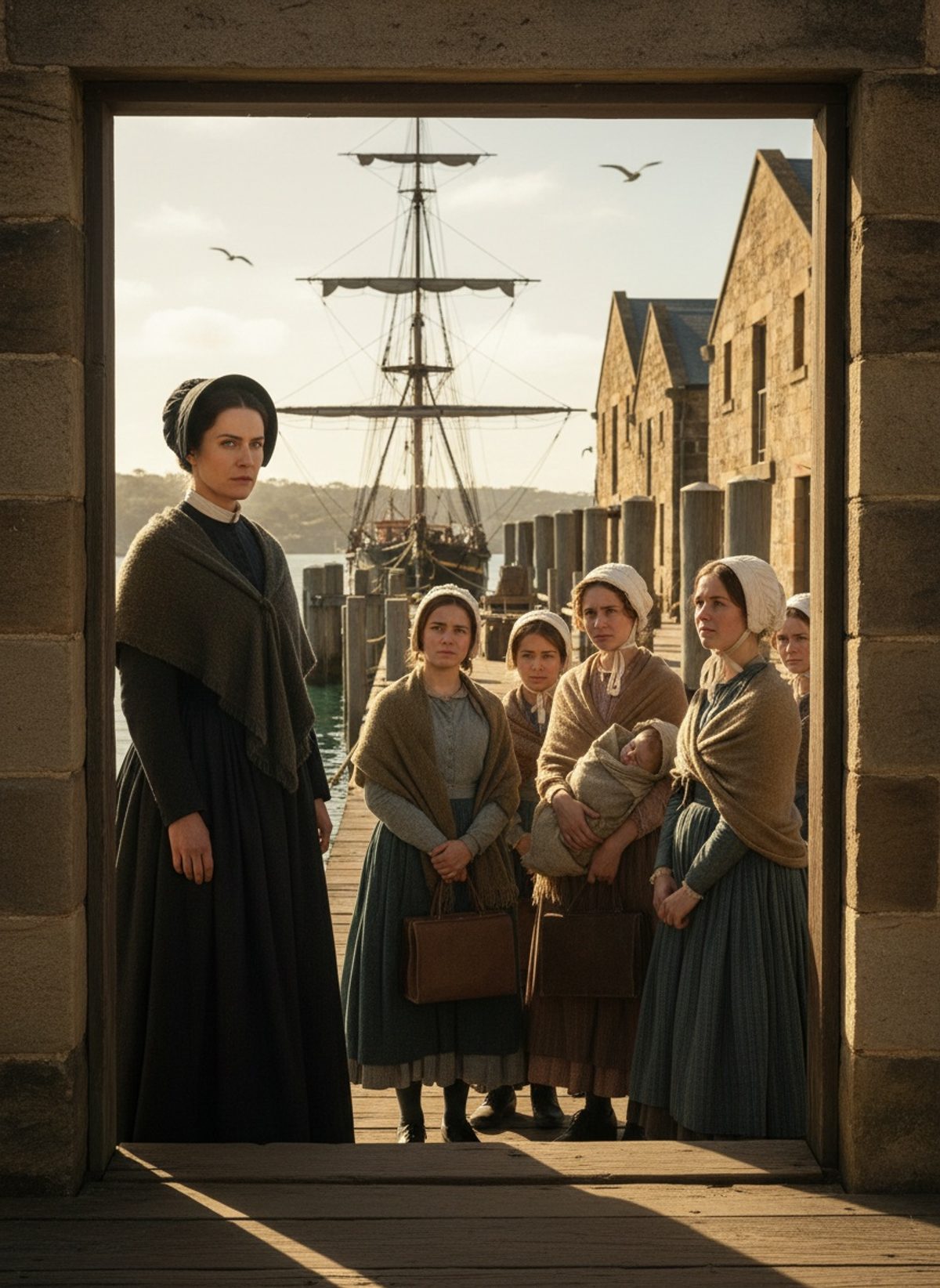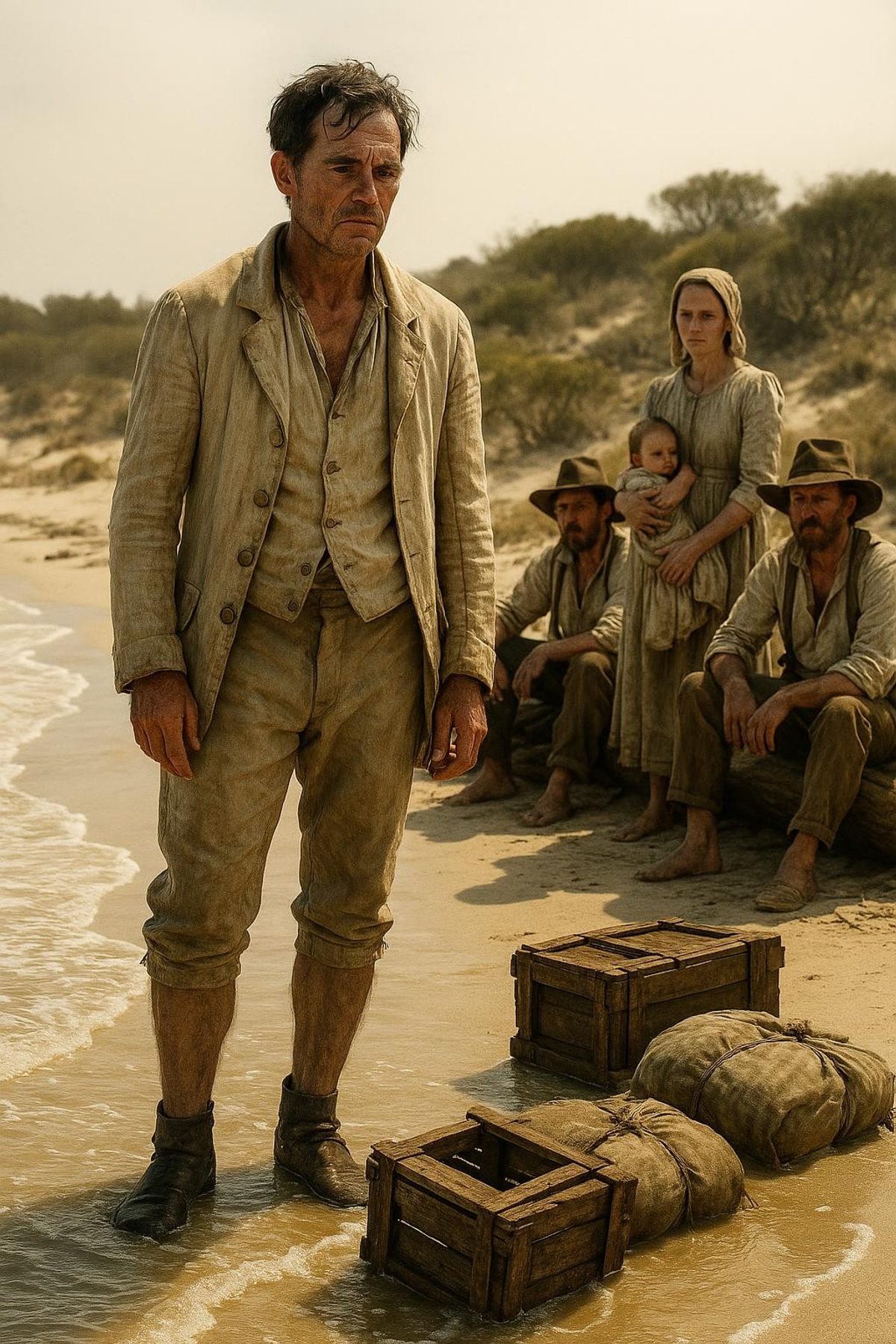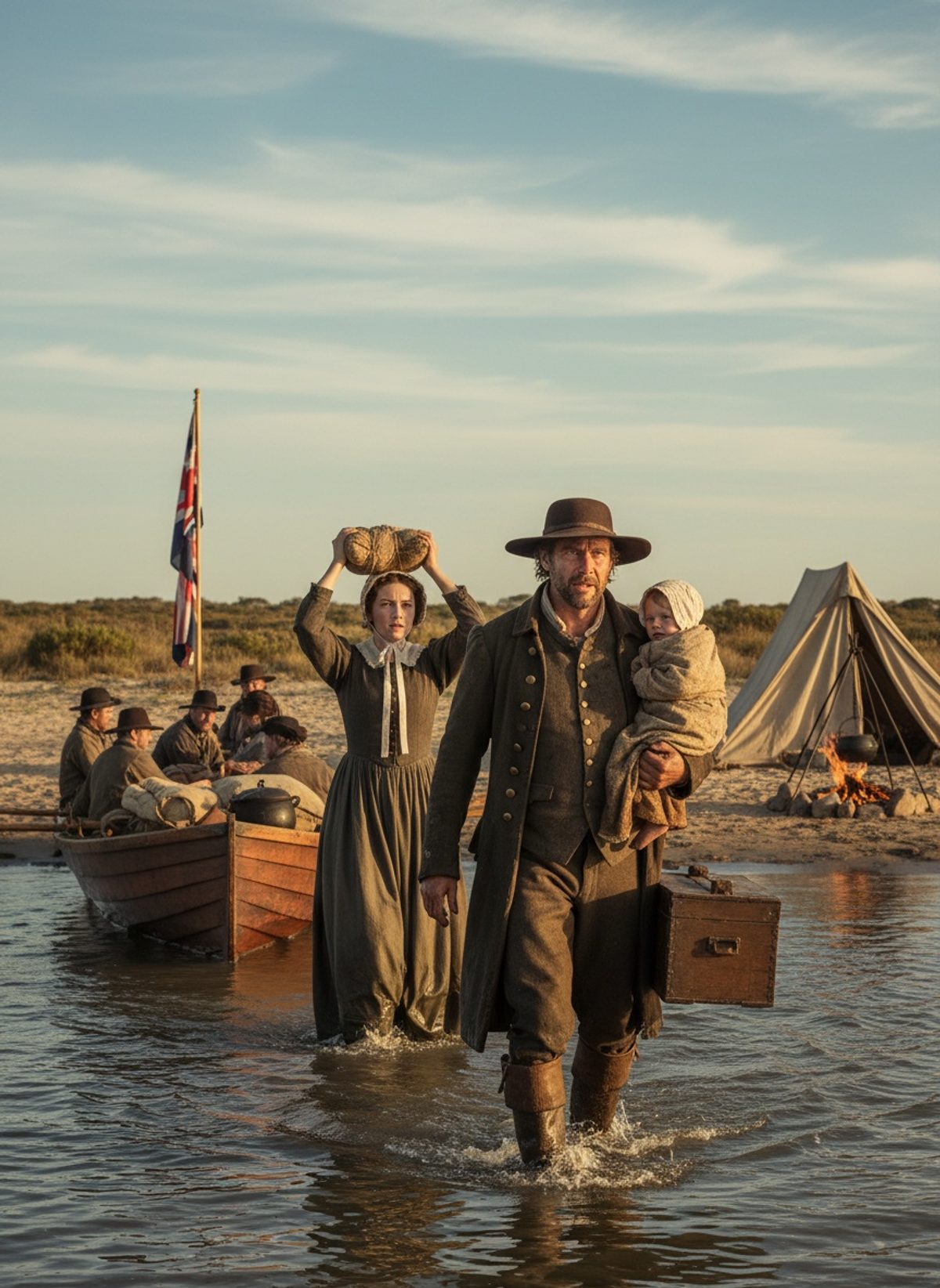
As the sunlight trickled through the trees and danced over the sandy expanse of Holdfast Bay, a peculiar resilience settled in the air. Far from the grizzled coastline of its convict-settled neighbours, this stretch of South Australia was to be home to a bold experiment in colonial ideals. The first settlers staggered ashore, encouraged by more than mere survival. They carried ambitions of a society without the heavy chains of the penal past, a chapter unwritten in the annals of empire. The salt wind whispered promises of liberation, echoing the radical vision of Edward Gibbon Wakefield.
From Pen to Paradise: Wakefield's Vision Unveiled
Edward Gibbon Wakefield, an unusual architect of empire, had been a pivotal force behind this gamble. Known for his controversial past and the unrelenting pursuit of reform, Wakefield envisioned a "systematic colonization," driven by sound land sales rather than the shackle of penal servitude. Long before the settlers' feet met the red sands, he had carefully crafted a plan to attract free men and women to the antipodes. This was to become the cornerstone of the South Australia Act, transforming his theoretical utopia into tangible reality.
What set Wakefield apart from other colonization thinkers was his emphasis on carefully curating the social constitution of this new colony. Each immigrant was a volunteer, their hearts and hands unswayed by iron chains. For Wakefield, the land itself would only be distributed at a price that ensured stability, valuing the land to create a self-sufficient and prosperous society. No longer would the British Empire's new lands be populated by those sent against their will; instead, free settlers would become the bedrock of this society.
The Arrival: Spirits of Adventure and Determination
In 1836, the muffled clanking of bucket against hull rang over the restless waters as those first ships approached the coast. The pioneers must have felt a heady cocktail of anxiety and hope as they peered at their new home, etched into history with their very footsteps. As these families clambered down, their presence marked not only a new geographical boundary but a philosophical line against colonial practices steeped in coercion.
Read next: When John Strong Named the Sound No One Claimed, 1690
The terra incognita that greeted them was painted with unconventional strokes of opportunity. The absence of prison chains lent a unique purity to the endeavor. The settlers, tradesmen, farmers, and artisans alike, carried not only their trade tools but dreams nurtured in distant Europe, eager to hammer them into reality against the sandstone bluffs of Holdfast Bay.
Building from Red Dust: The Rise of a Free Society
The landscape of South Australia offered its own assortment of challenges and boons as the settlers began their formidable task of carving a new world out of the bushland. Apart from the ubiquitous eucalypts and serenading magpies, the settlers were met with a different kind of challenge—how to construct a society from scratch without the institutional backbone that marked other British colonies.
Communities began to sprout like wildflowers from the fertile red dust, fuelled by the ingenuity and resolve of their people. Roads were traced by boot and wagon, homesteads and public buildings erected by cooperative endeavor. Here, settlers found an unexpected camaraderie, forged not from iron but in the shared pursuit of freedom and prosperity. As towns emerged, so too did institutions—the first schools, churches, and marketplaces—crafted not from imperial commands but local aspirations.
No Chains, No Masters: A New Ethos in Colonial Living
As charters and proclamations swelled with lofty ideals seldom seen in the penal-stained history of colonization, the reality reflected them in vibrant ways. People who had chosen to voyage across the world exhibited patience and resilience, creating in South Australia a community birthed not from external decree but internal drive.
However, the absence of an enforced hierarchy did not mean the absence of challenges. The settlers faced their share of trials, from tense land agreements to resource scarcity. Yet, without the burden of convict leasing and guard towers, they worked through conflict with a spirit that was both pragmatic and progressive. The governance here was to be by choice, a novel concept amid an empire more used to mandates than experiments.
The Legacy of a Dream: Shaping Future Colonies
As South Australia thrived on the ideals of liberty and self-governance, ripples of its success spread beyond its shores. The colony became a beacon pointing to a new way to settle lands. The paradigm set forth by Wakefield’s plan inspired the reformation of colonial policies elsewhere, where both the convicted and free men found hope in the potential for redemption and equity in new, far-flung endeavors.
The founding of South Australia thus marked more than a date on a map; it represented a radical divergence in colonial theory. Wakefield's speculative utopia became an alternative blueprint for expansion, one where the echoes of chains would not drown out the chorus of human ambition. And so, the red dust of Holdfast Bay bore witness to a unique legend, crafted from sweat, ideals, and the will to build something fundamentally different from all that had come before.