77 stories
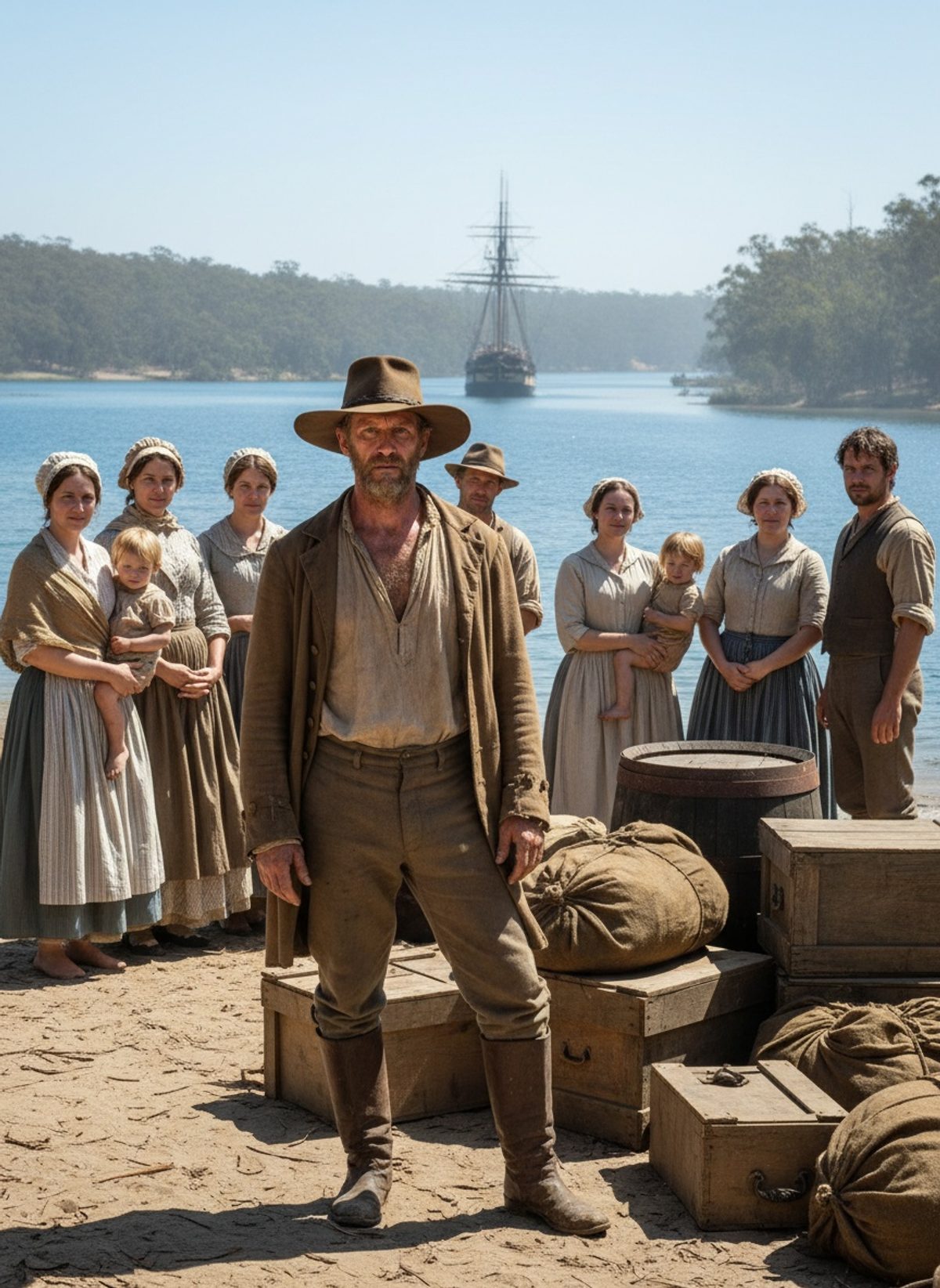
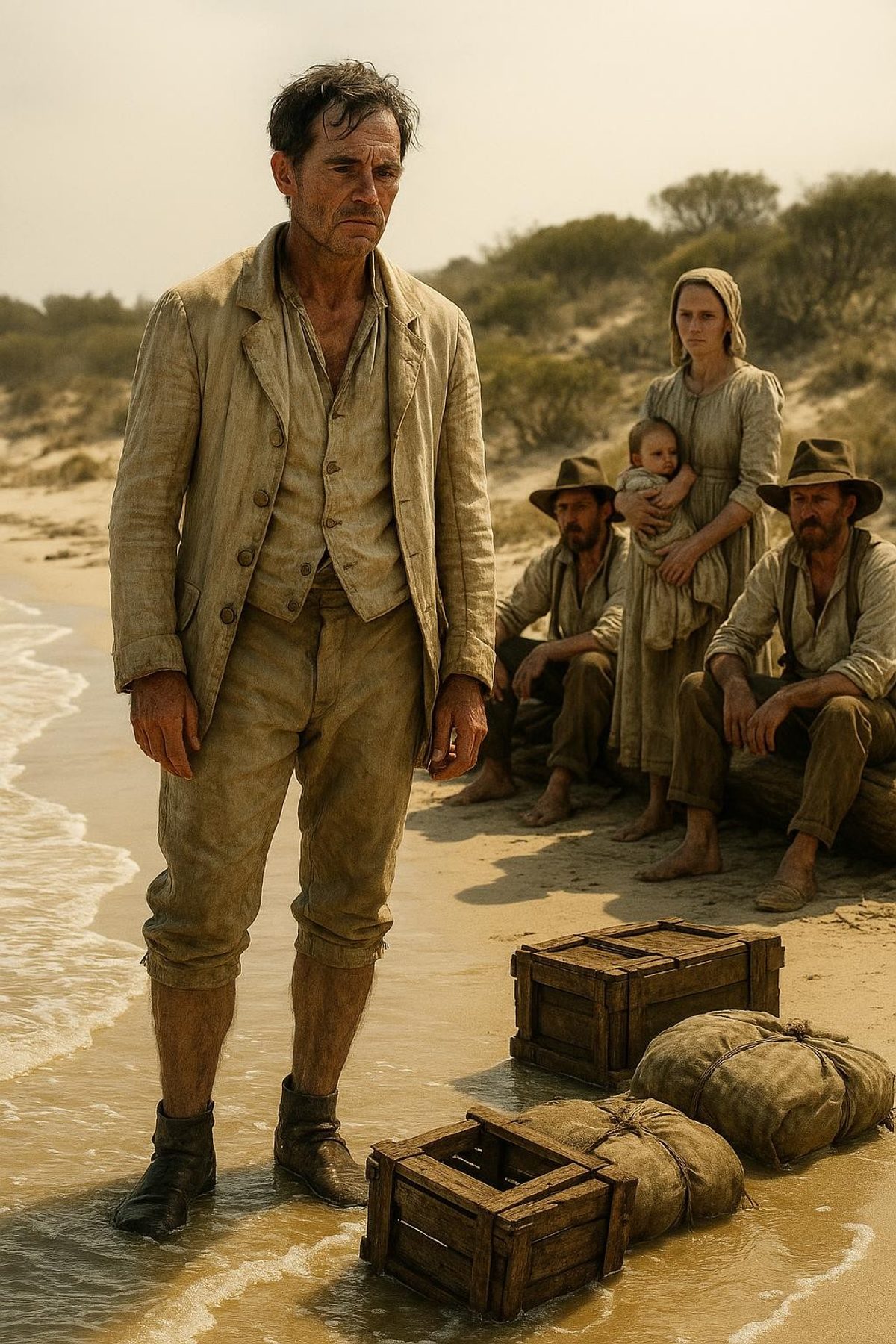
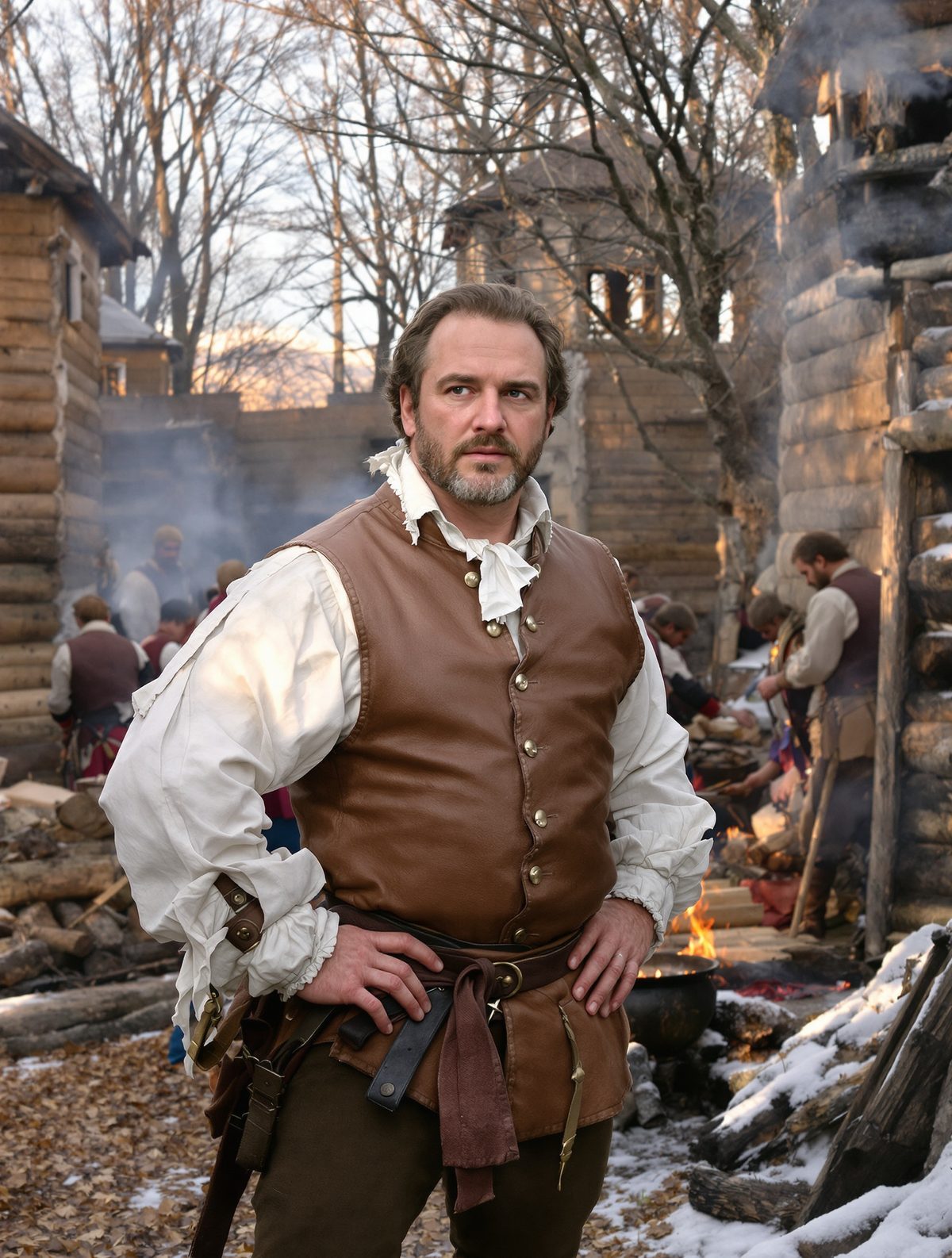
Swan River Colony. 1830. Thomas Peel had promised Britain a paradise. Three thousand settlers arrived. There was no shelter. No cleared land. No food. Ships turned back. People died on the beach. The dream had become a catastrophe.
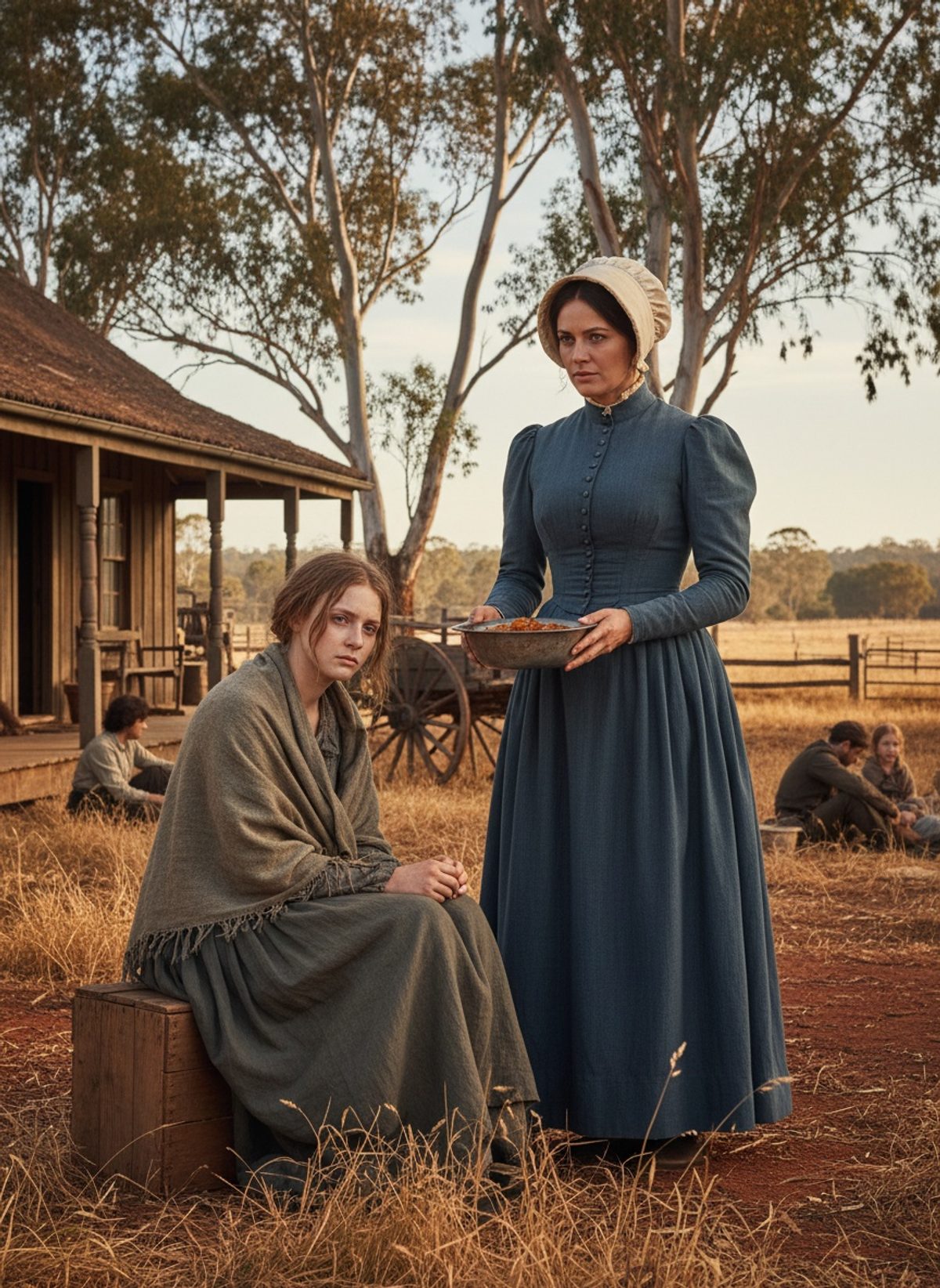
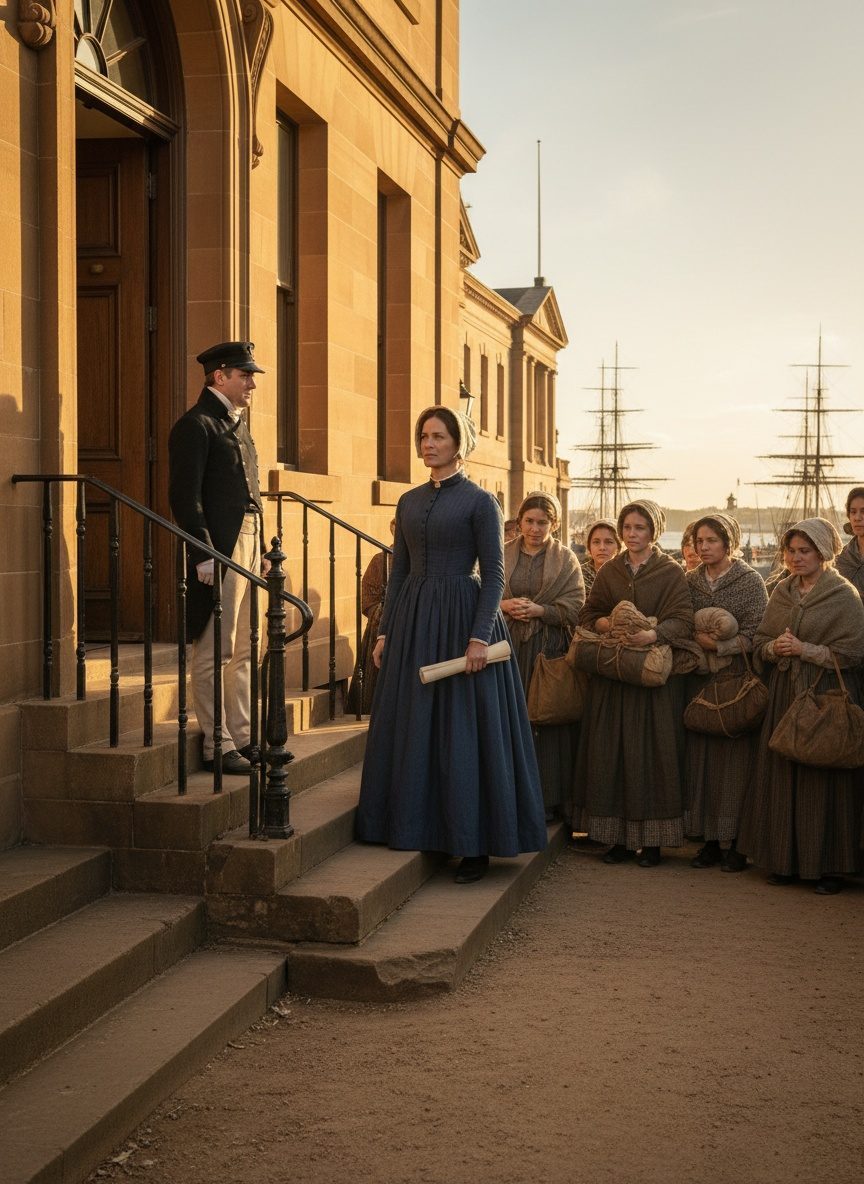
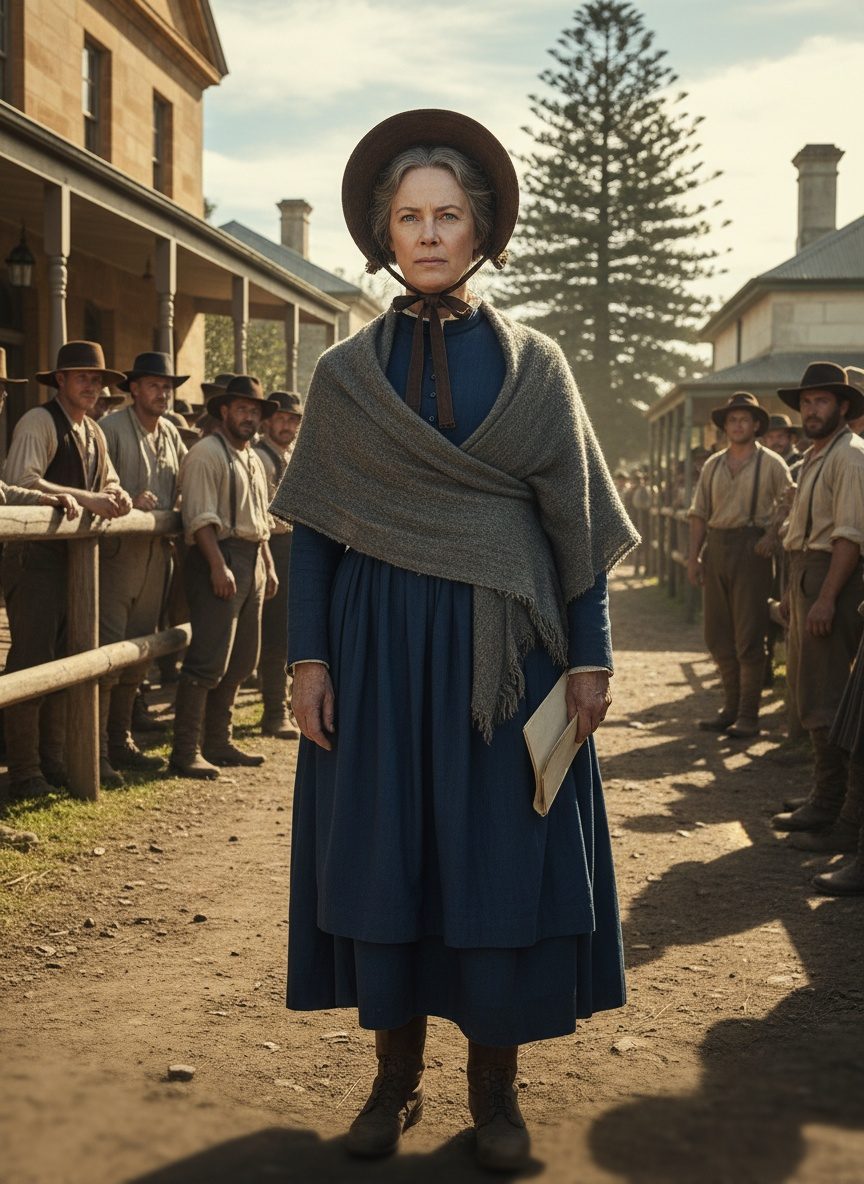
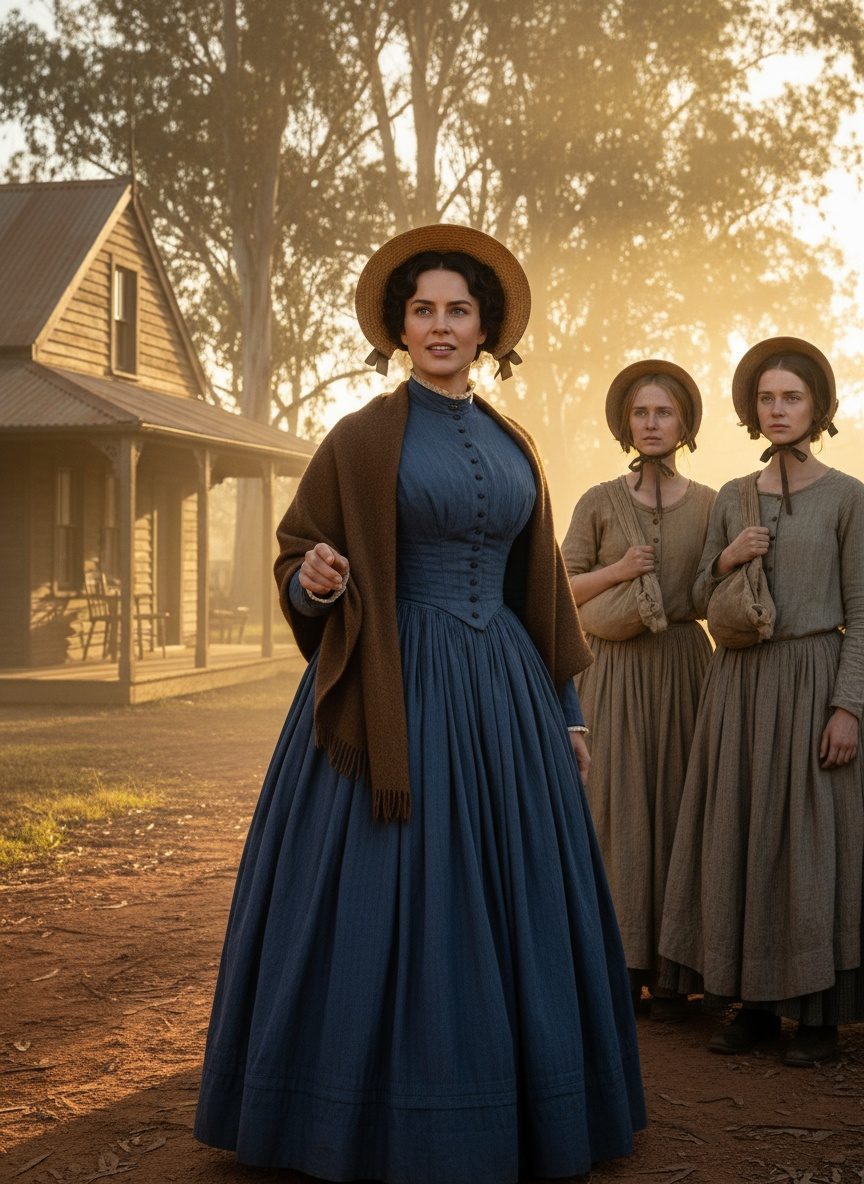
1843. The immigrant ships kept coming. Women arrived at Sydney Cove with nothing. No work. No shelter. No food. Caroline Chisholm met them at the dock. She walked them inland herself. Fed them. Found them homes.
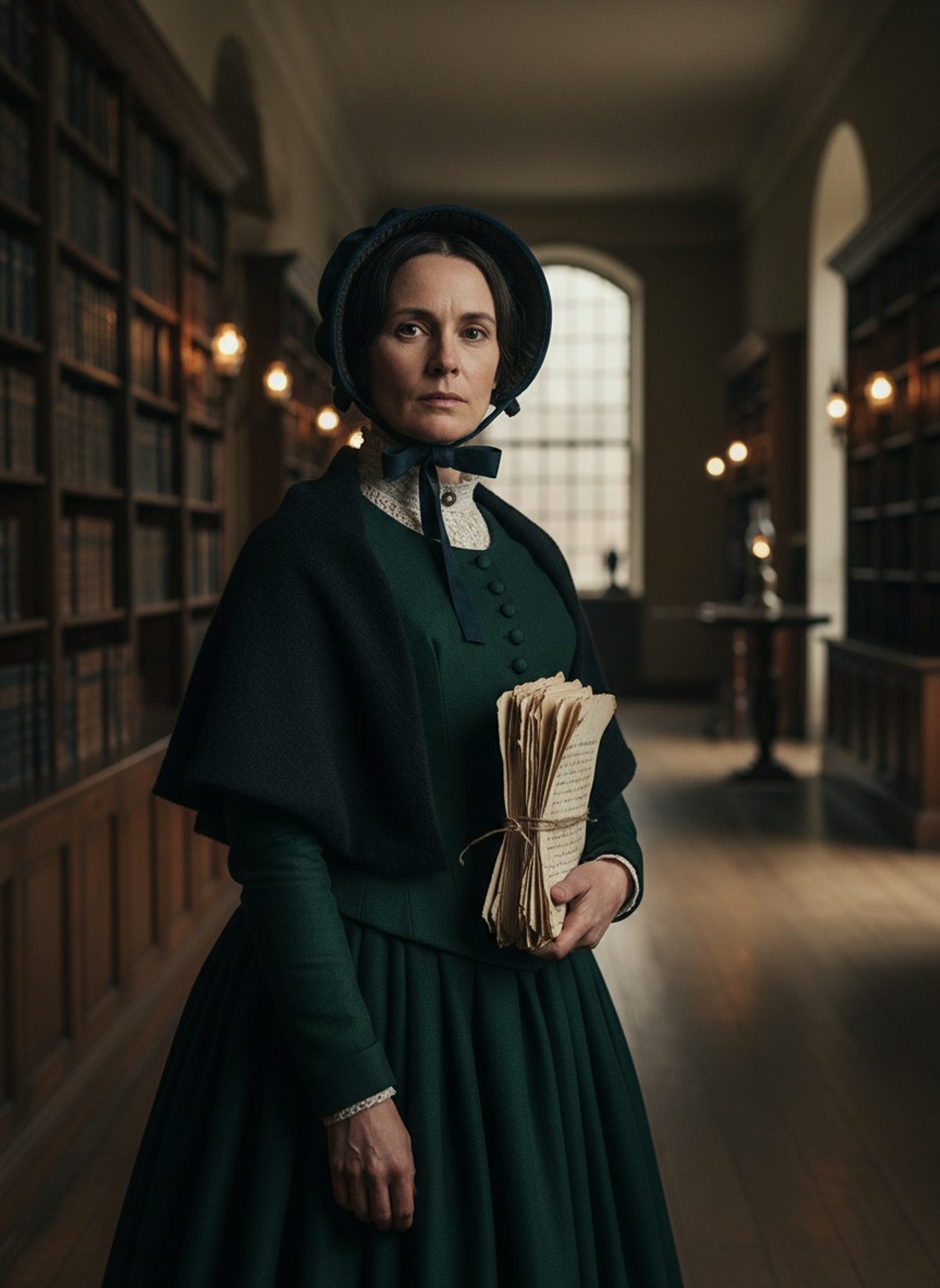
1841. Elizabeth Macarthur was eighty years old. Her husband was long dead. Her sons were gone. She walked the orchard alone. She had built a colony from wool and silence. She outlasted them all.
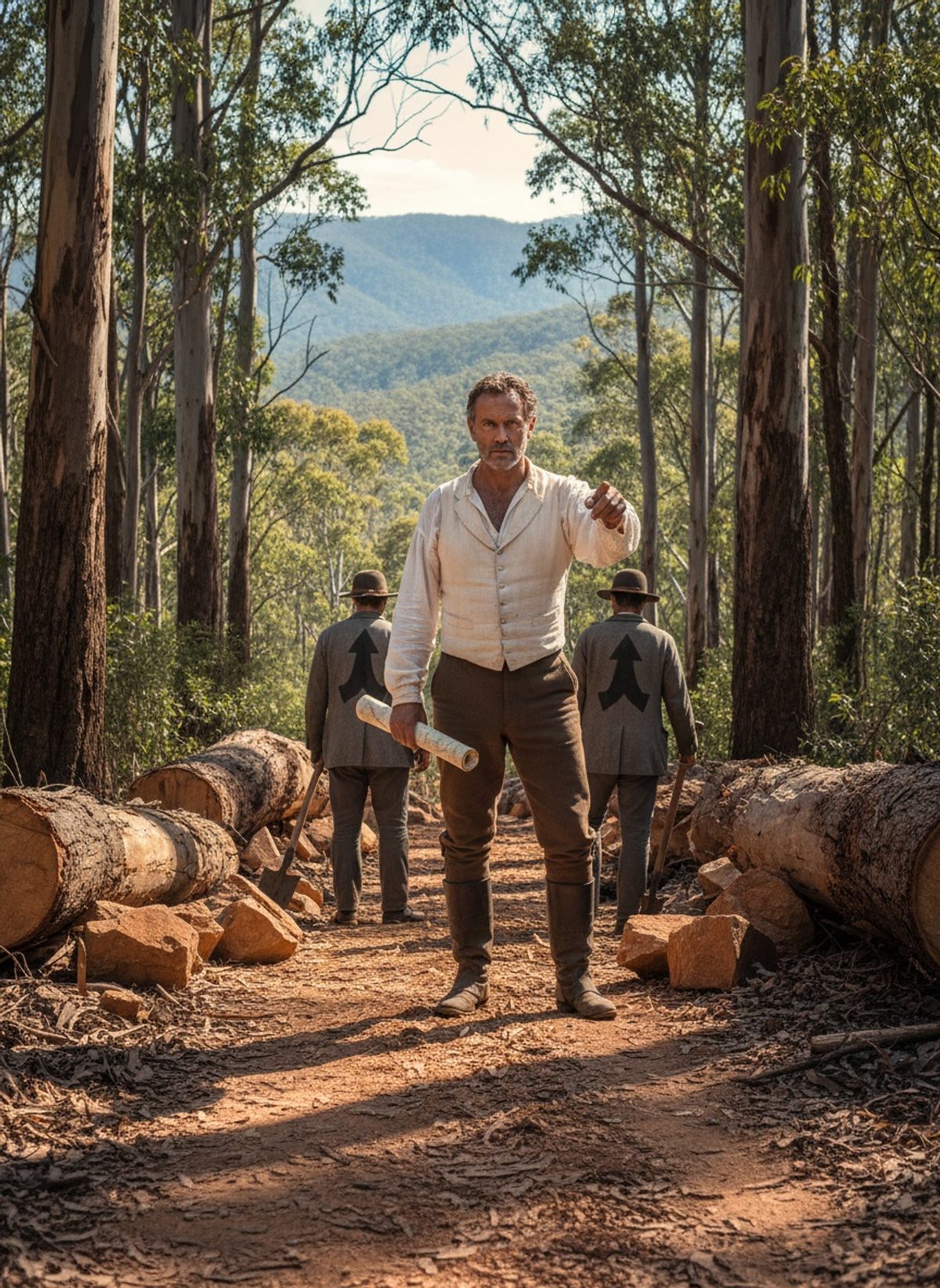
1815. The Blue Mountains had stopped Australia's growth for 27 years. No road. No way west. Three surveyors and a gang of convicts changed everything. They cut a road through granite and forest. A continent opened.
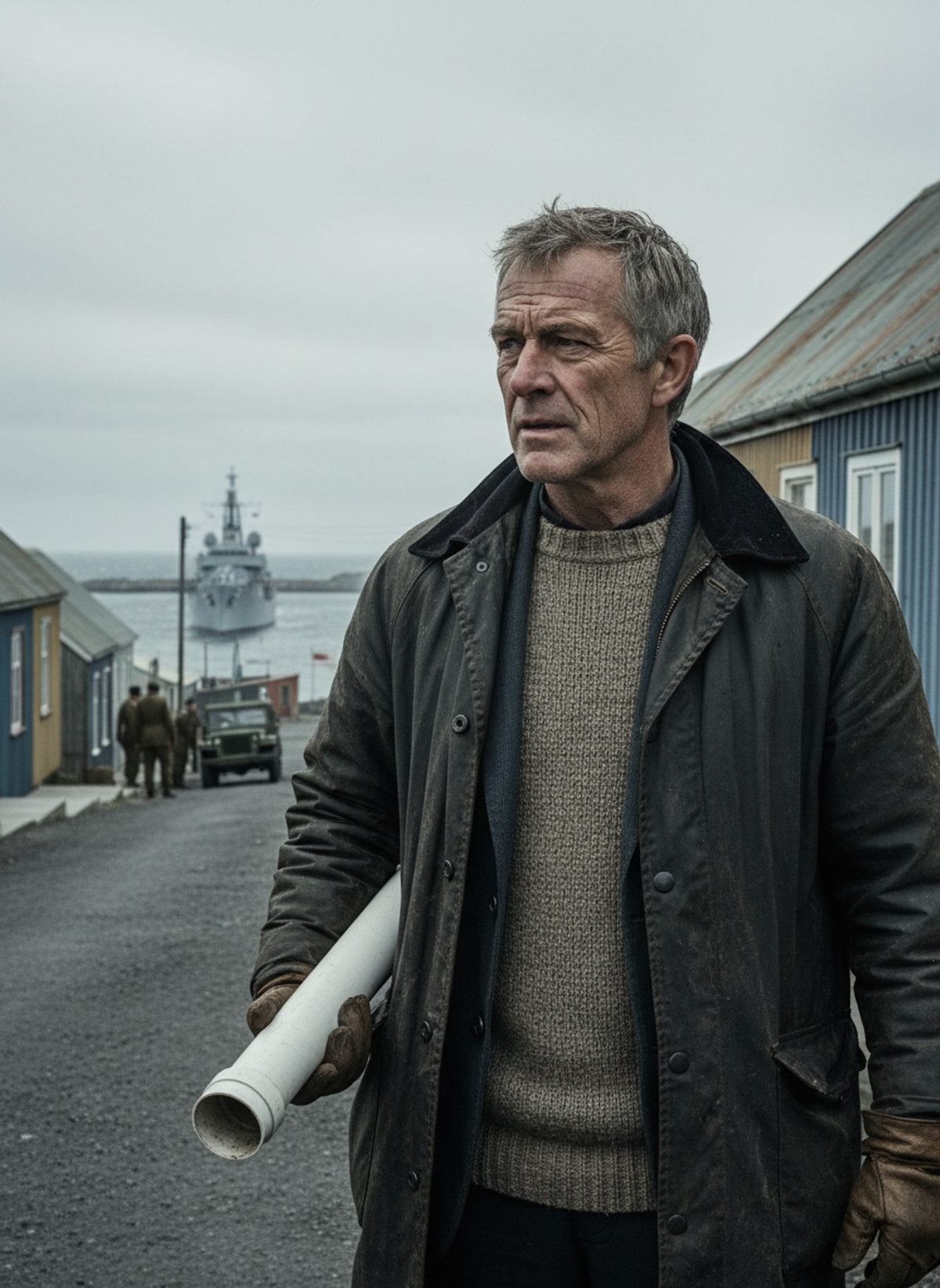
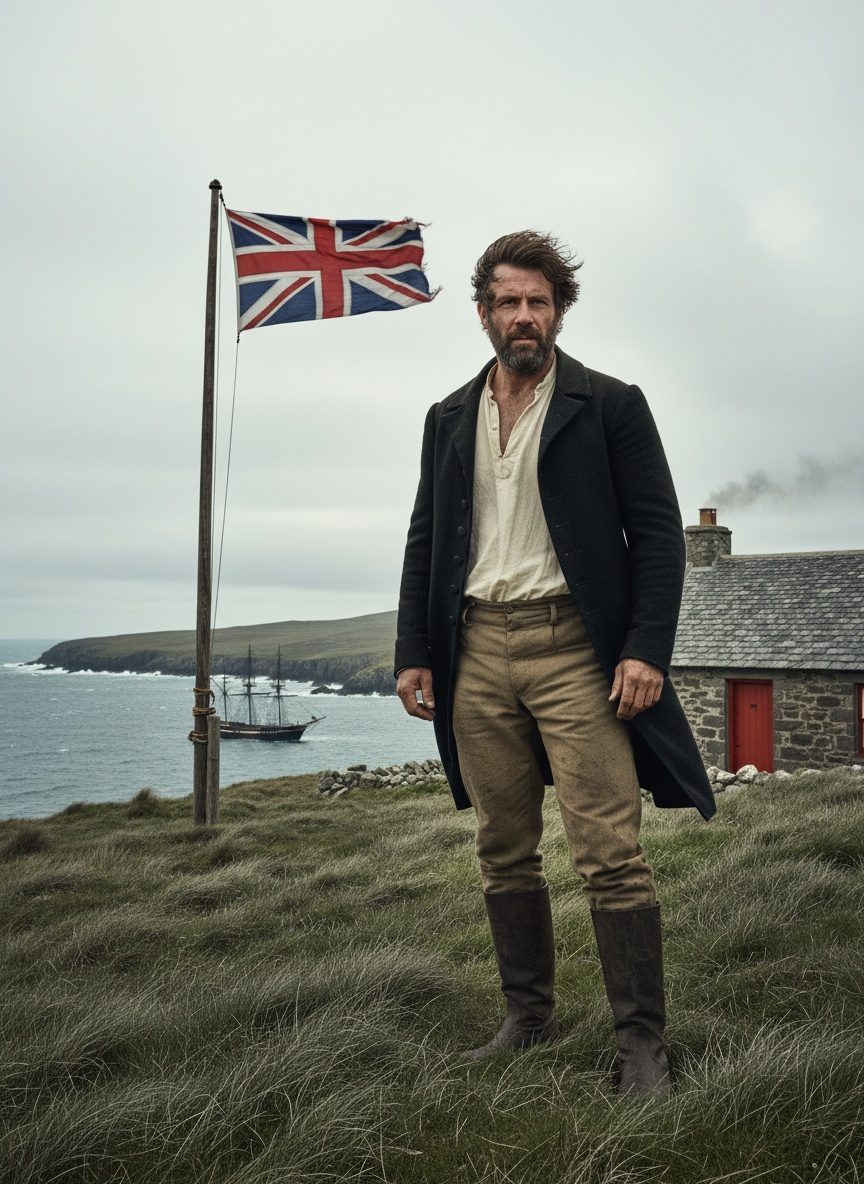
1982. Stanley is occupied. A former police chief walks the streets with a length of drainpipe. Inside it is a telephoto lens. Then he steals away on a motorbike.
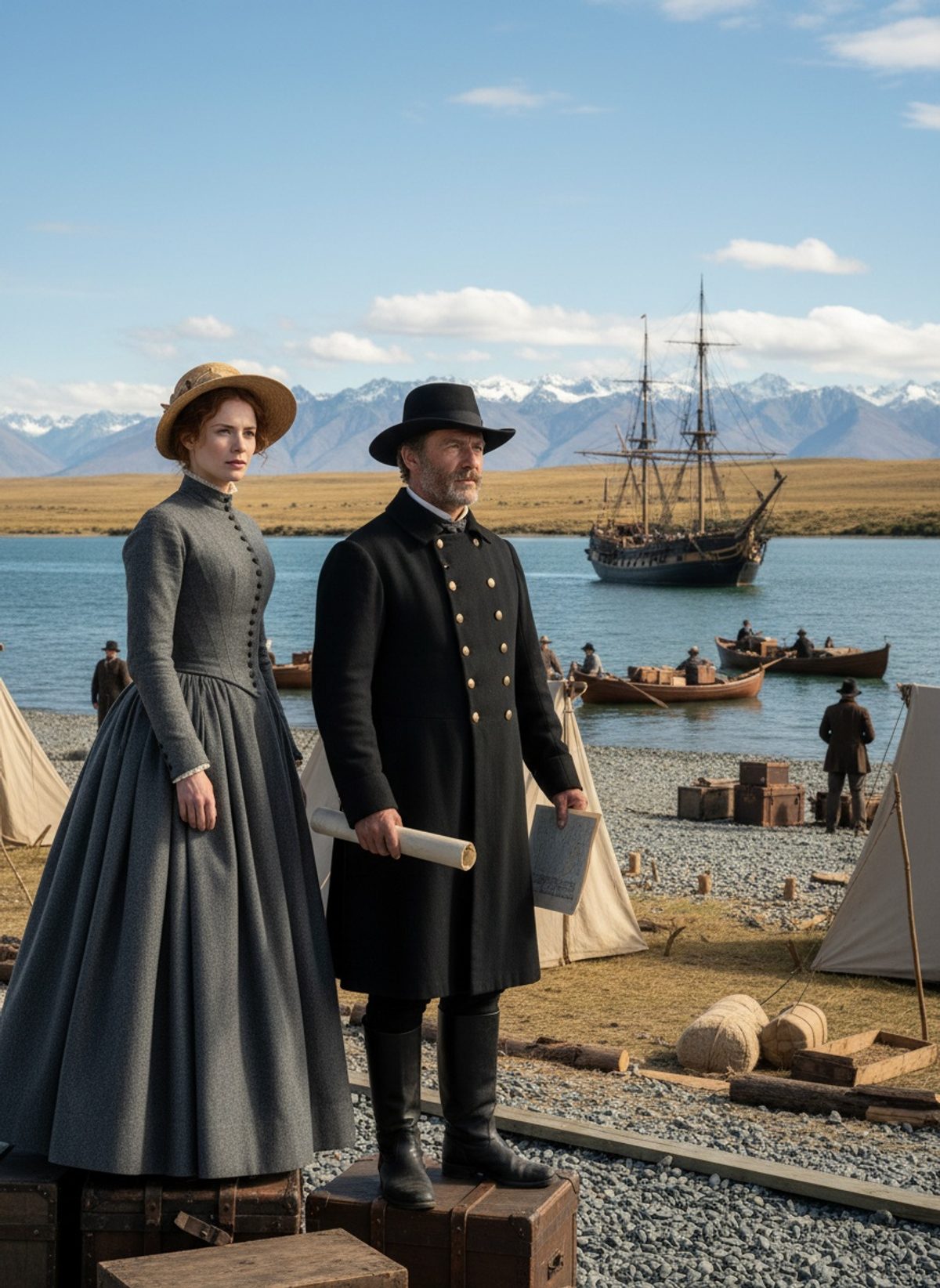
1840. A ship dropped anchor off a raw New Zealand shore. The settlers aboard carried a plan for a perfect English town. Edward Wakefield had designed it from a prison cell. They built it anyway. Christchurch rose from the mud.
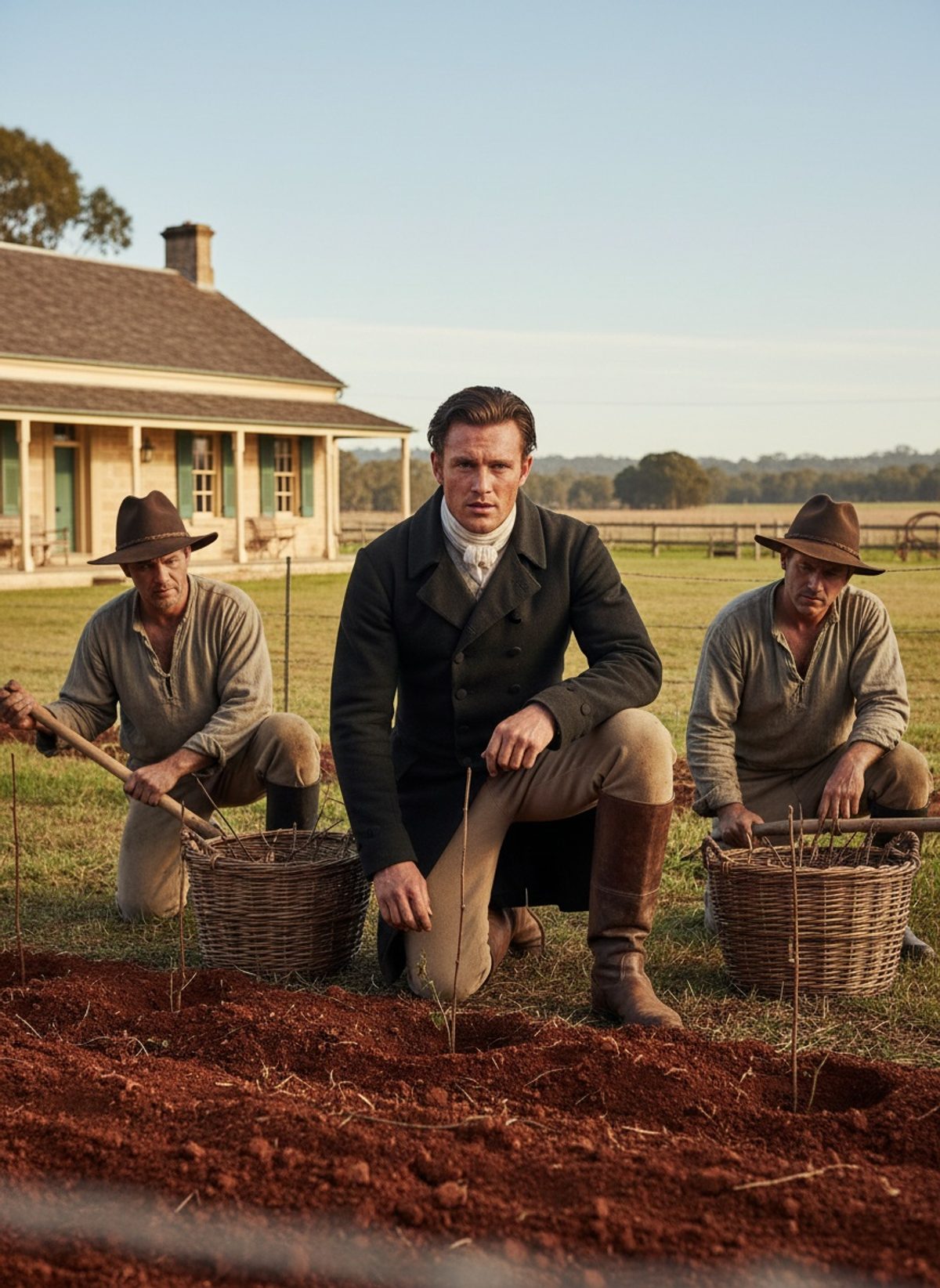
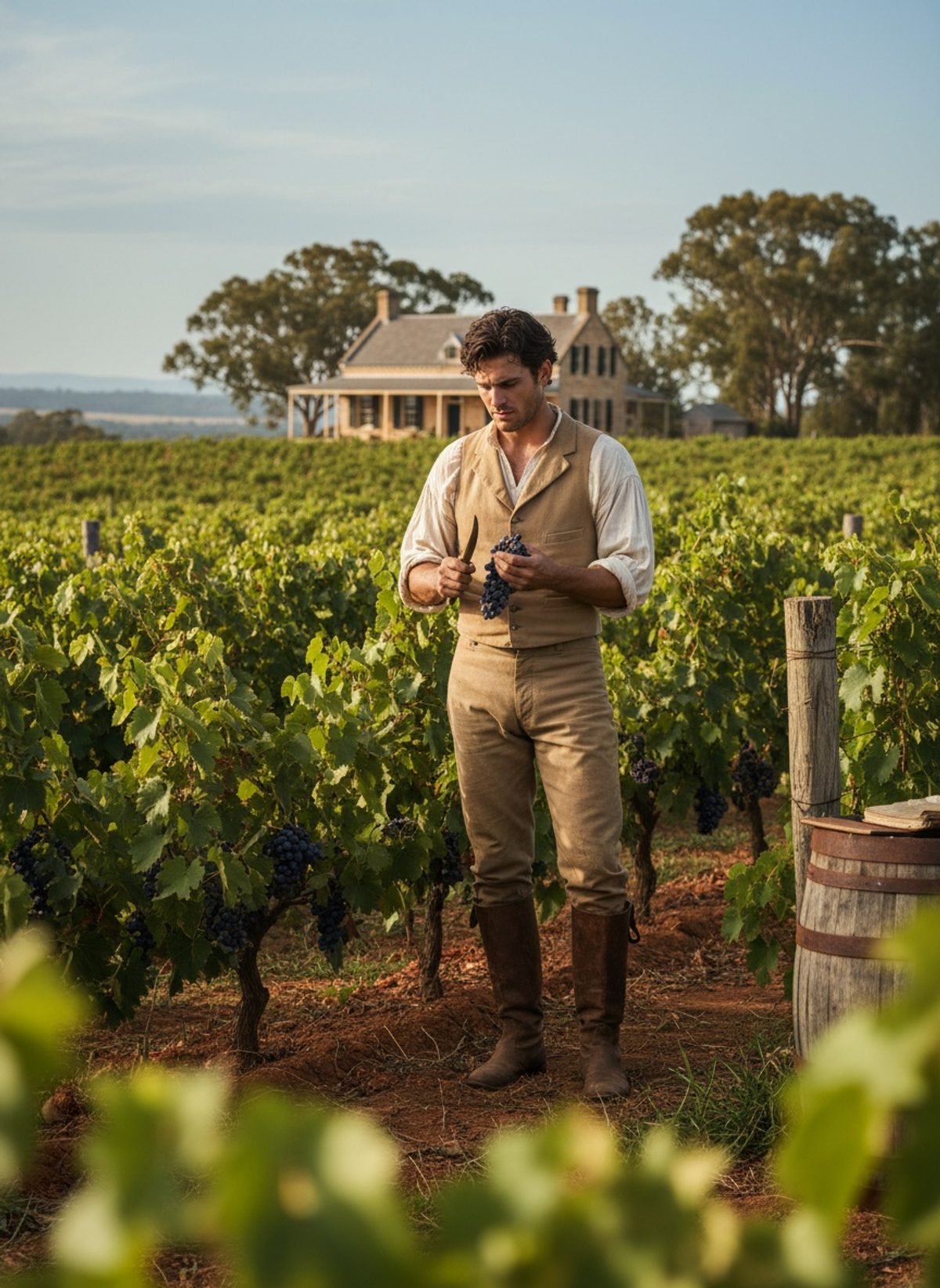
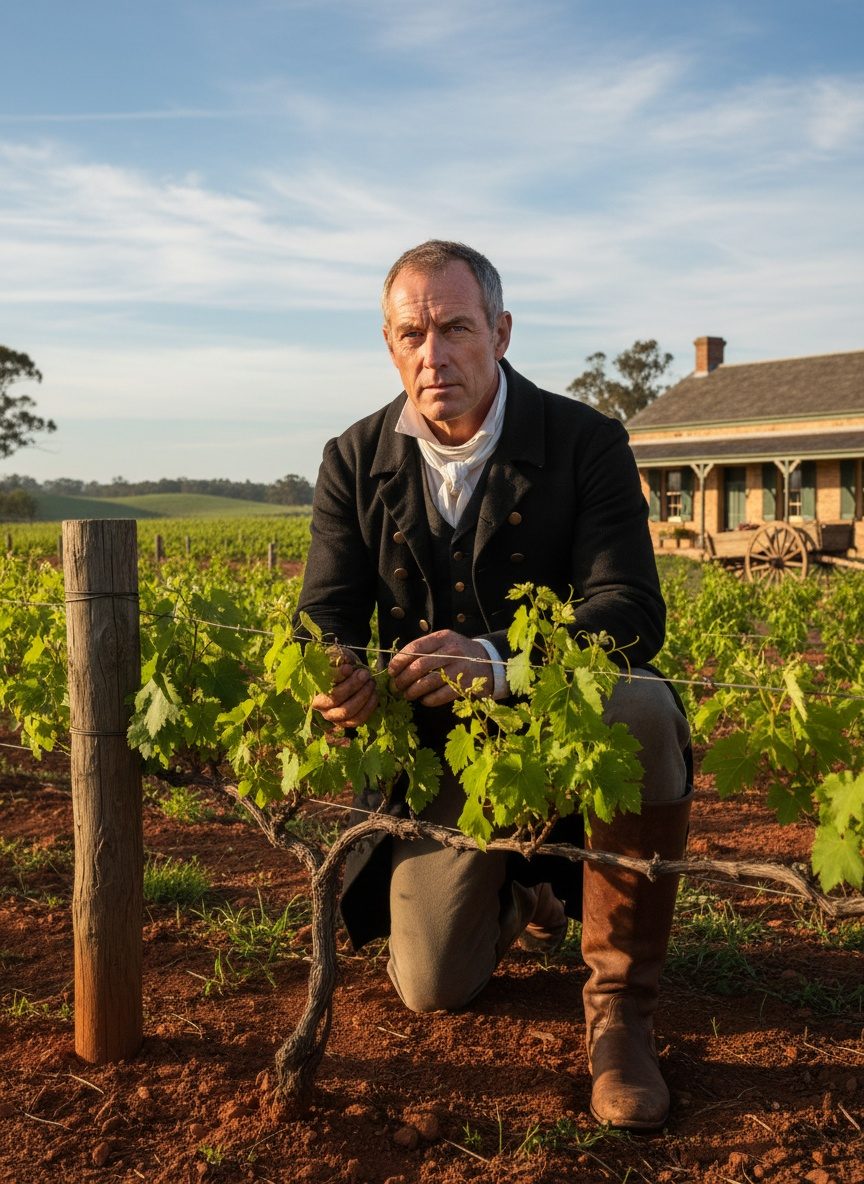
1820. The Blue Mountains had just been crossed. New South Wales was raw and young. William Macarthur planted vines at Camden Park. A convict colony began its first harvest. An empire of wine grew from seeds.
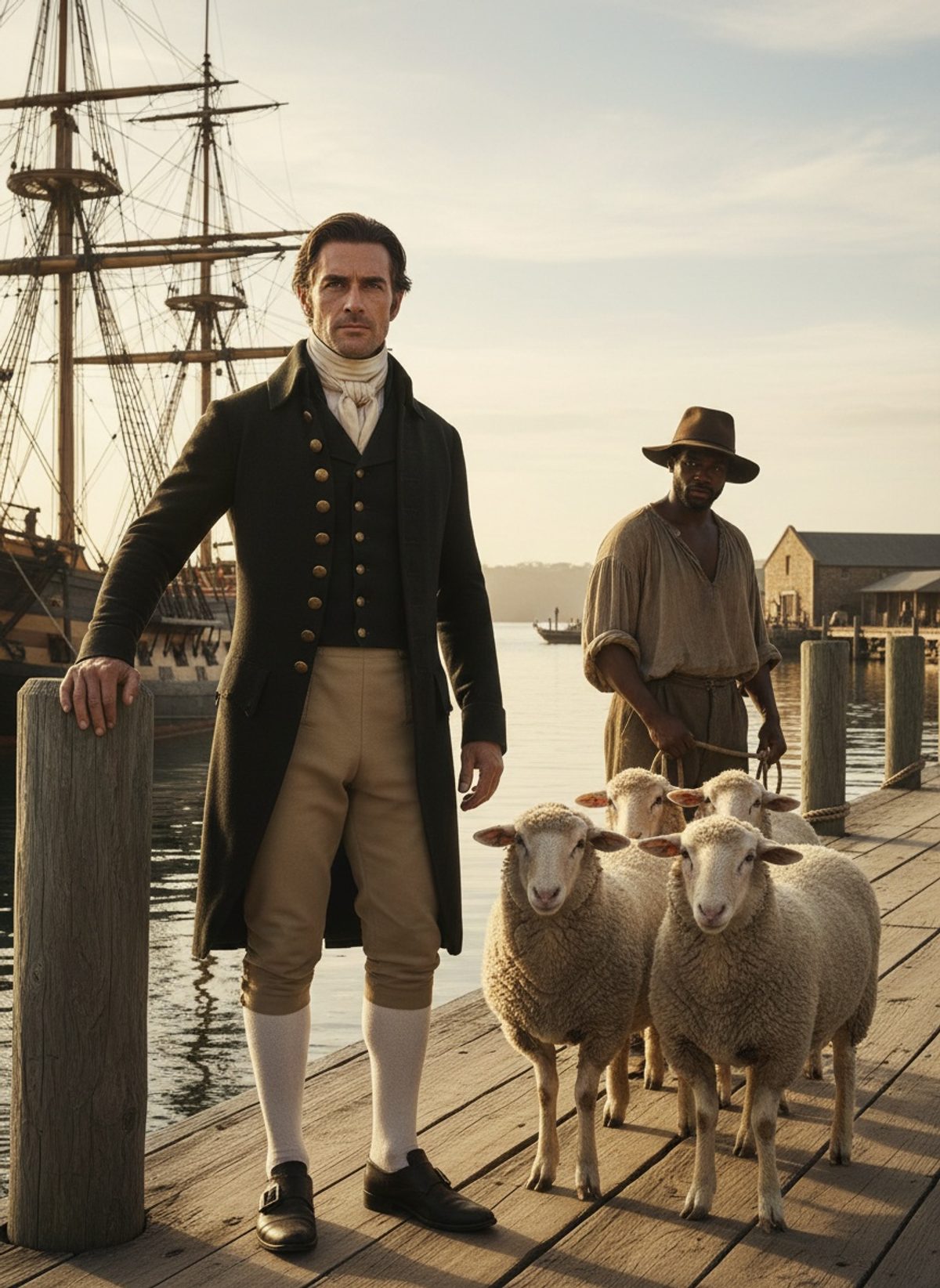
1803. A disgraced officer sailed home in disgrace. In his cabin: a small flock of merino sheep. He had stolen the future of a continent. Australia would never be the same again.
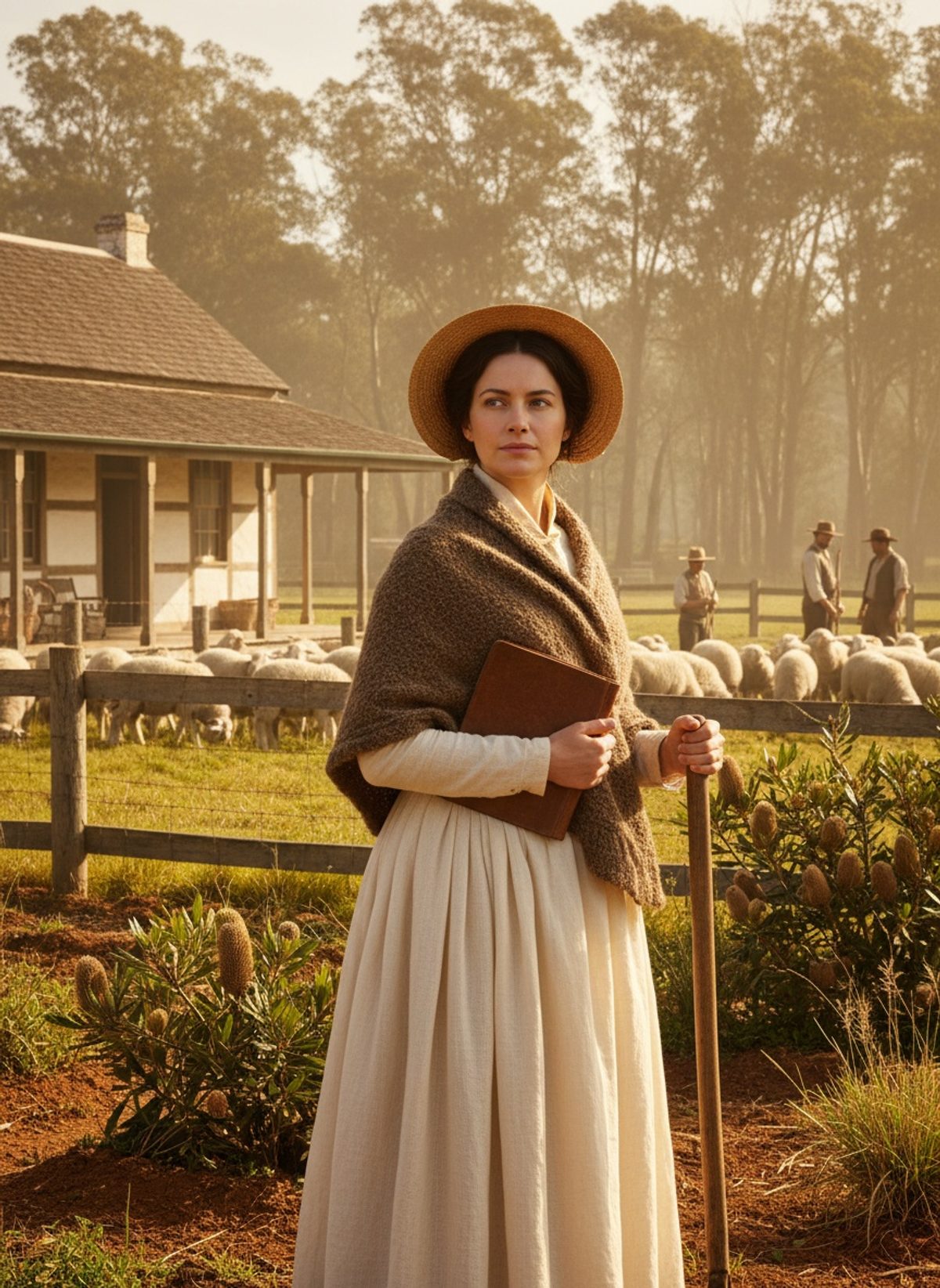
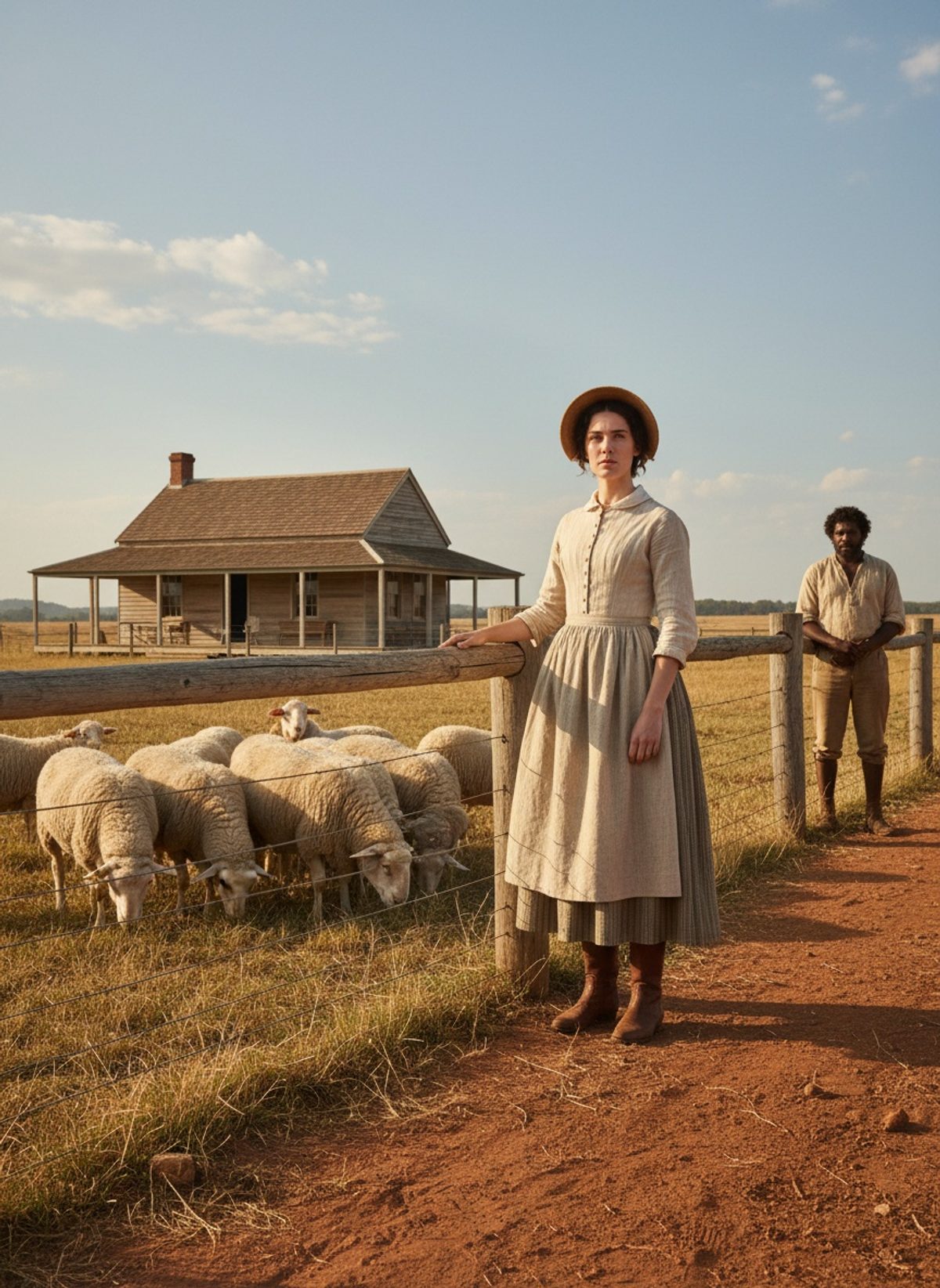
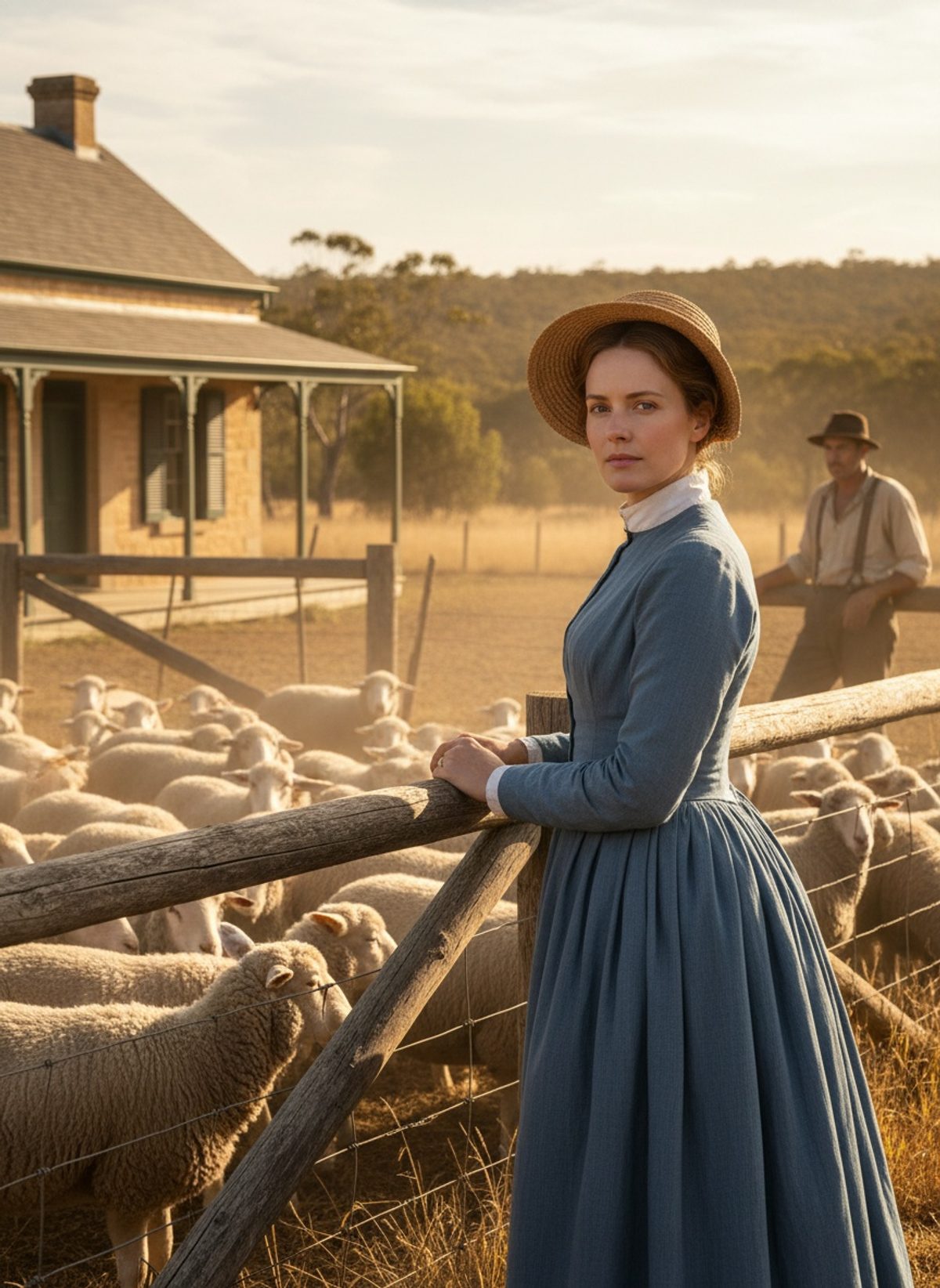
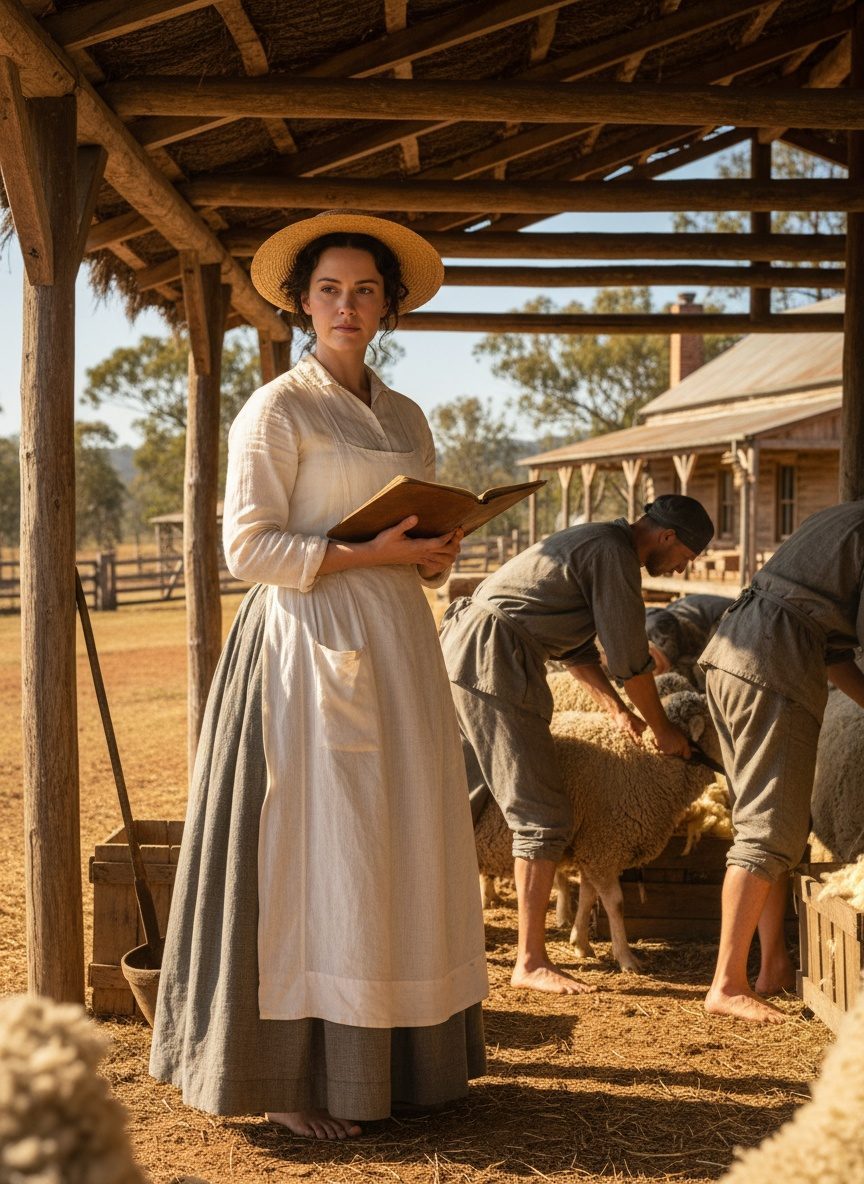
1797. A storm-battered ship limped into Port Jackson. Aboard were Spanish Merino sheep. Elizabeth Macarthur had kept them alive. Her husband was under arrest. She ran the farm alone. Australia's wool industry began that day.
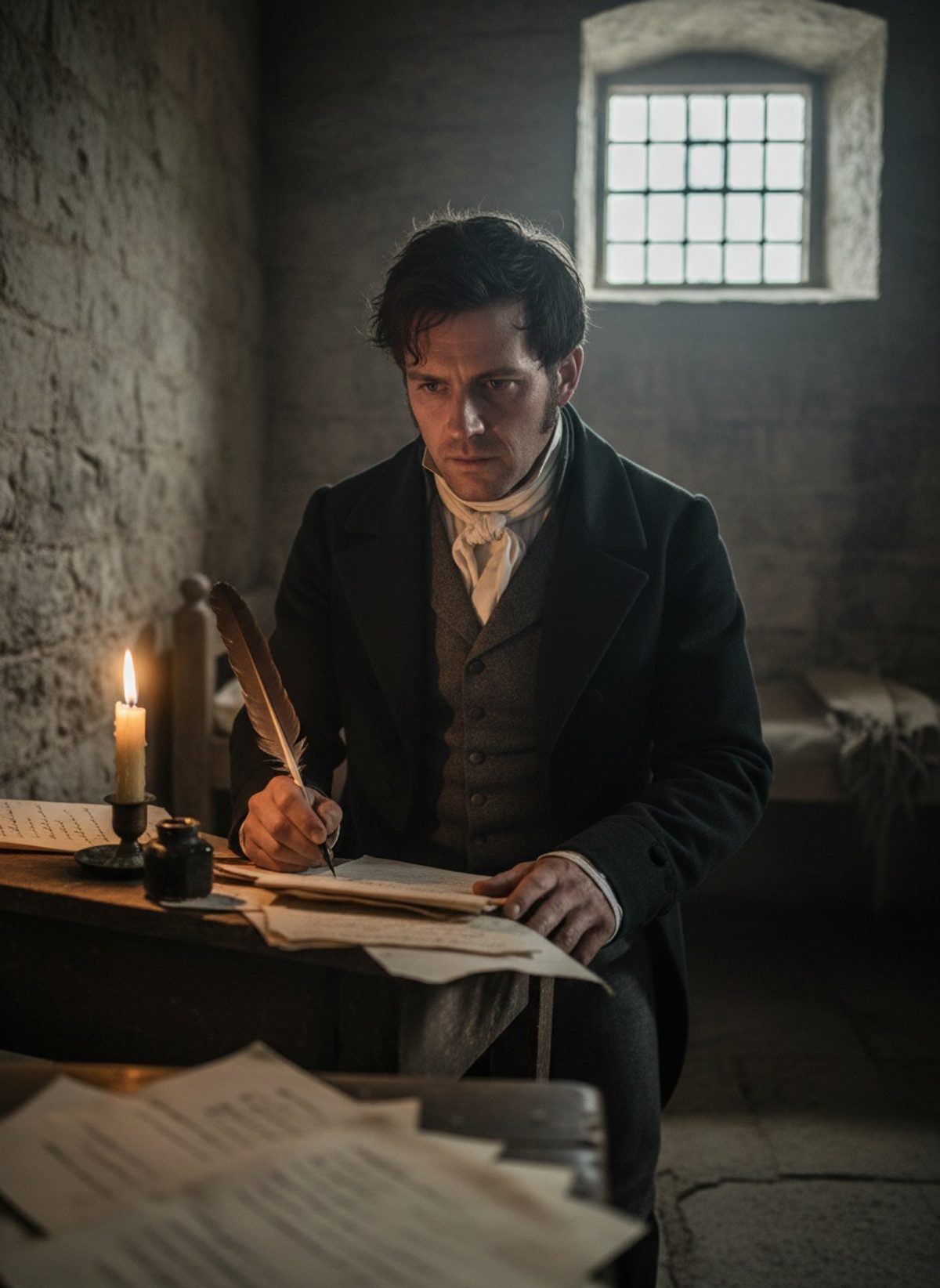
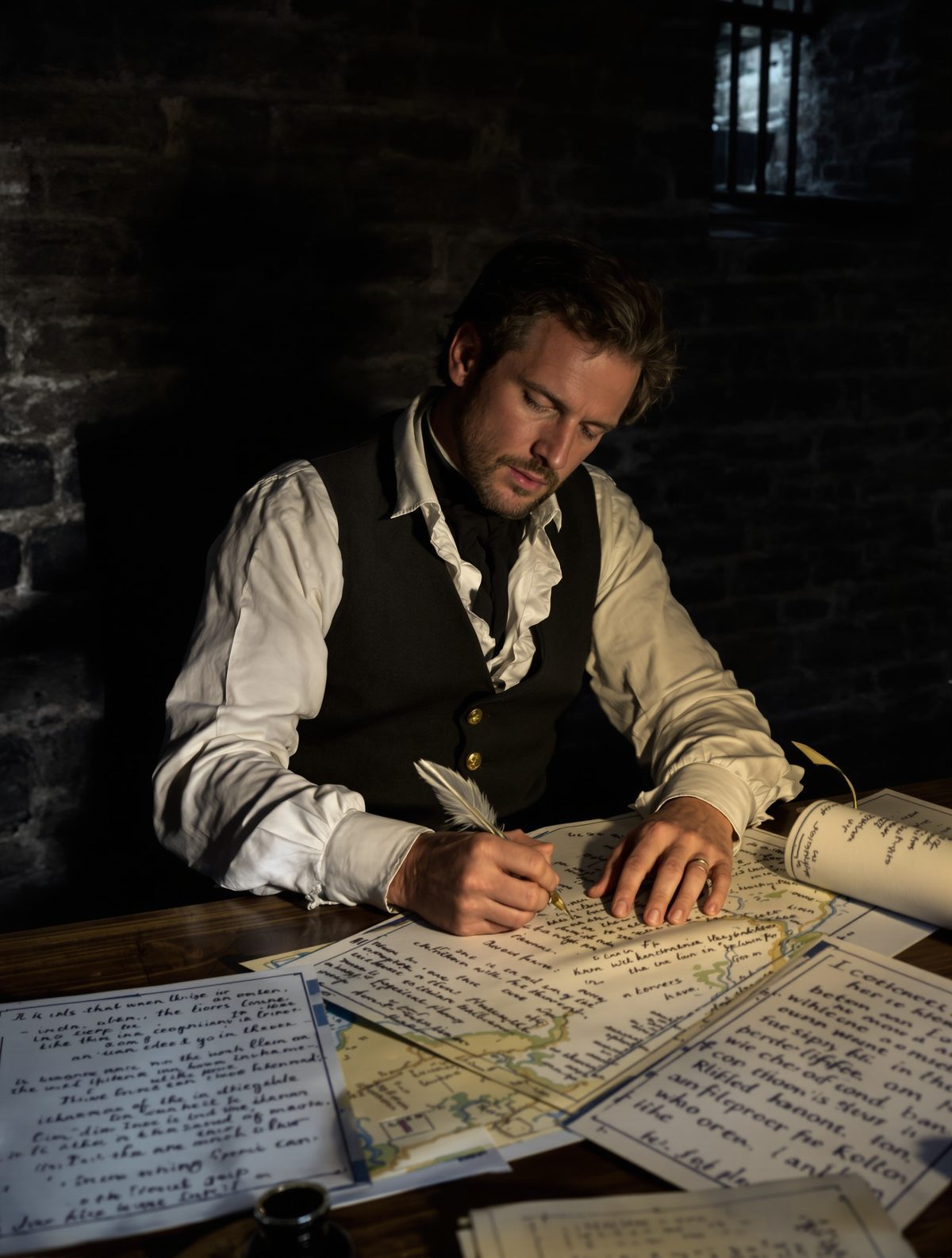
London, 1829. Edward Gibbon Wakefield sat in Newgate Prison. Disgraced. Forgotten. He began writing. His pamphlet redesigned how Britain would colonise the world. South Australia rose from those pages.
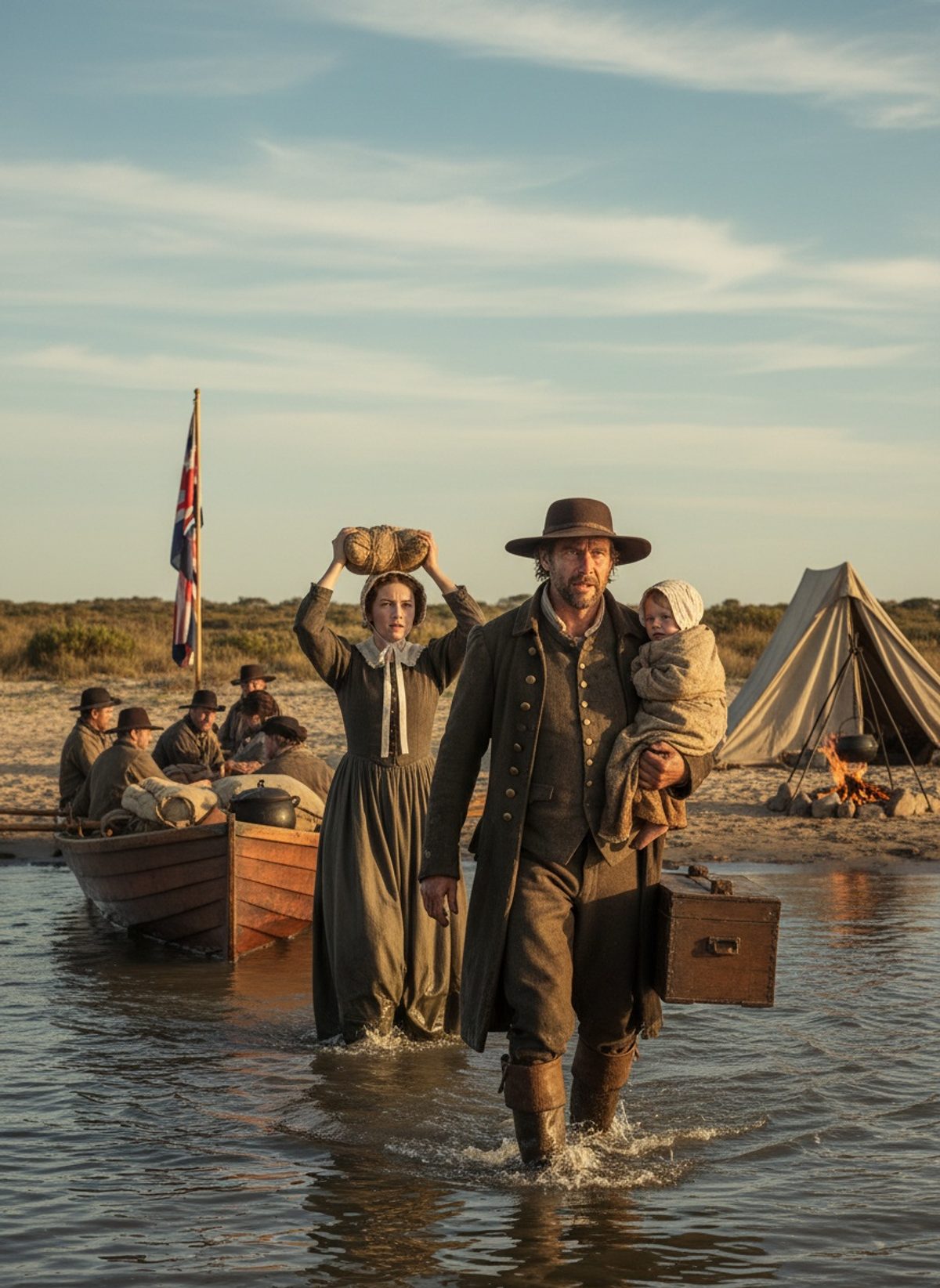
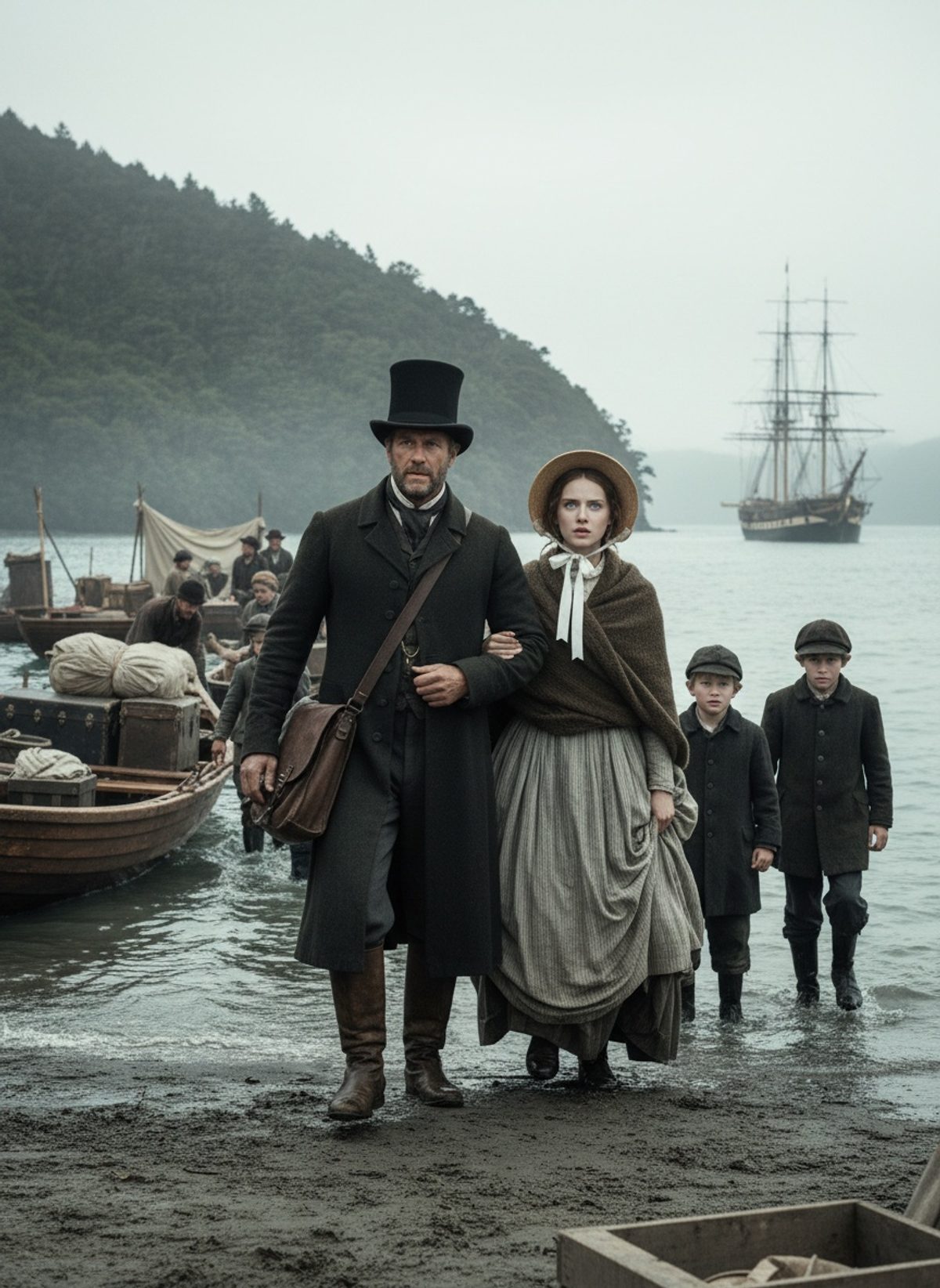
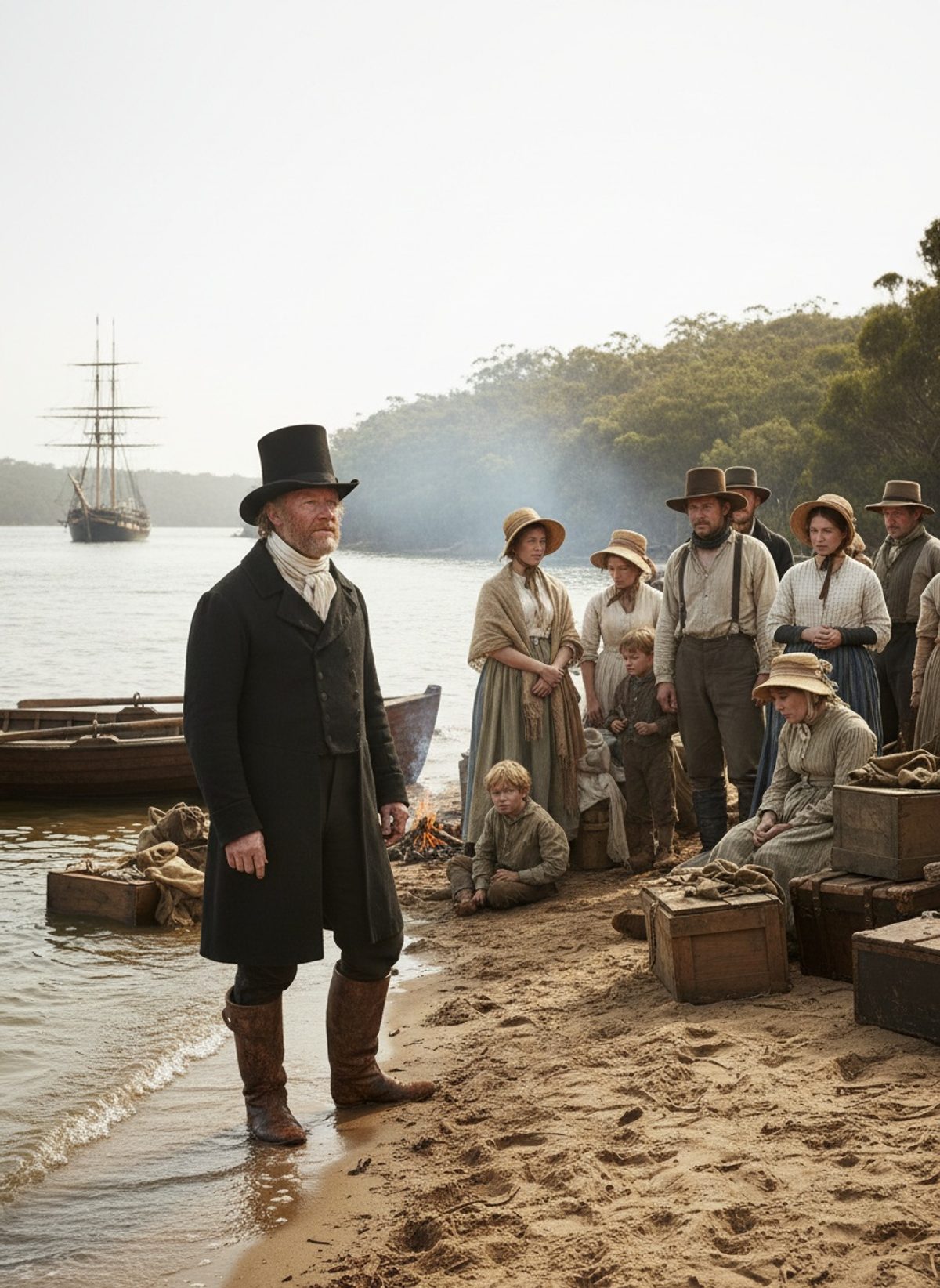
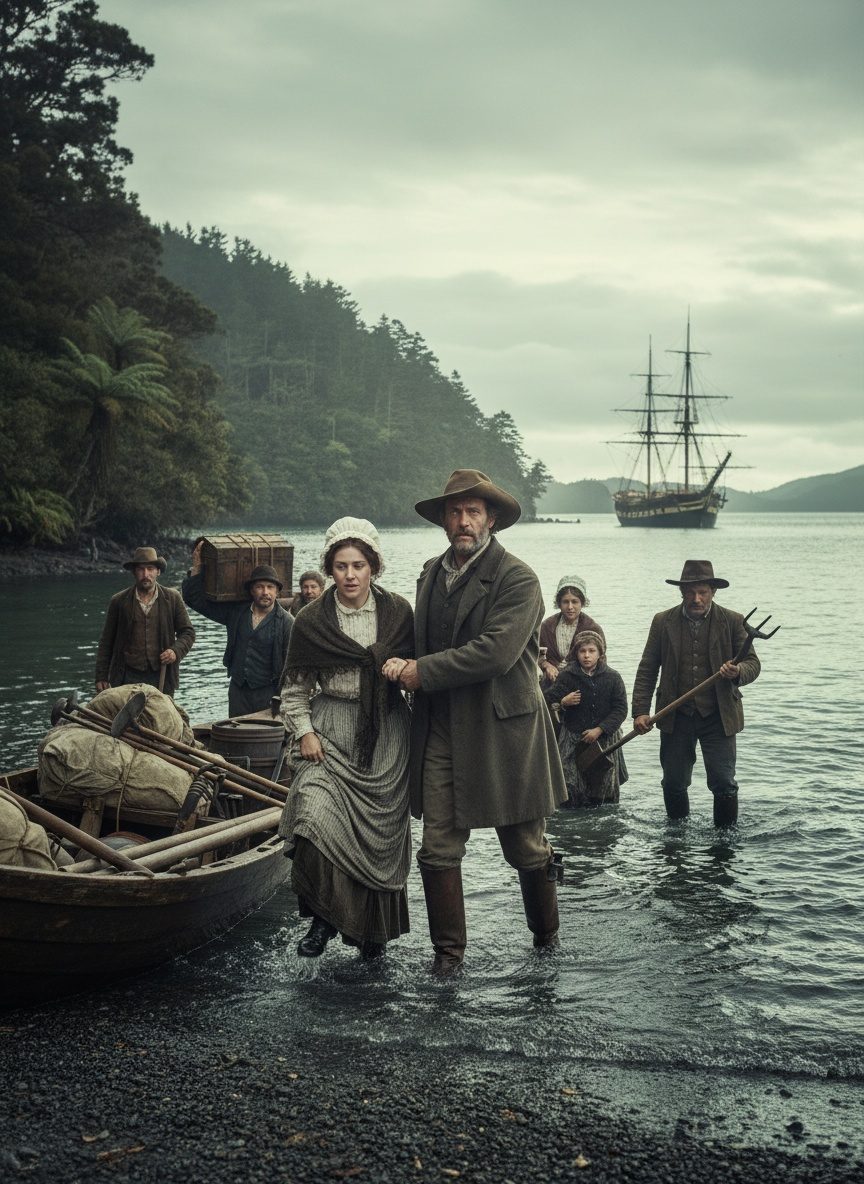
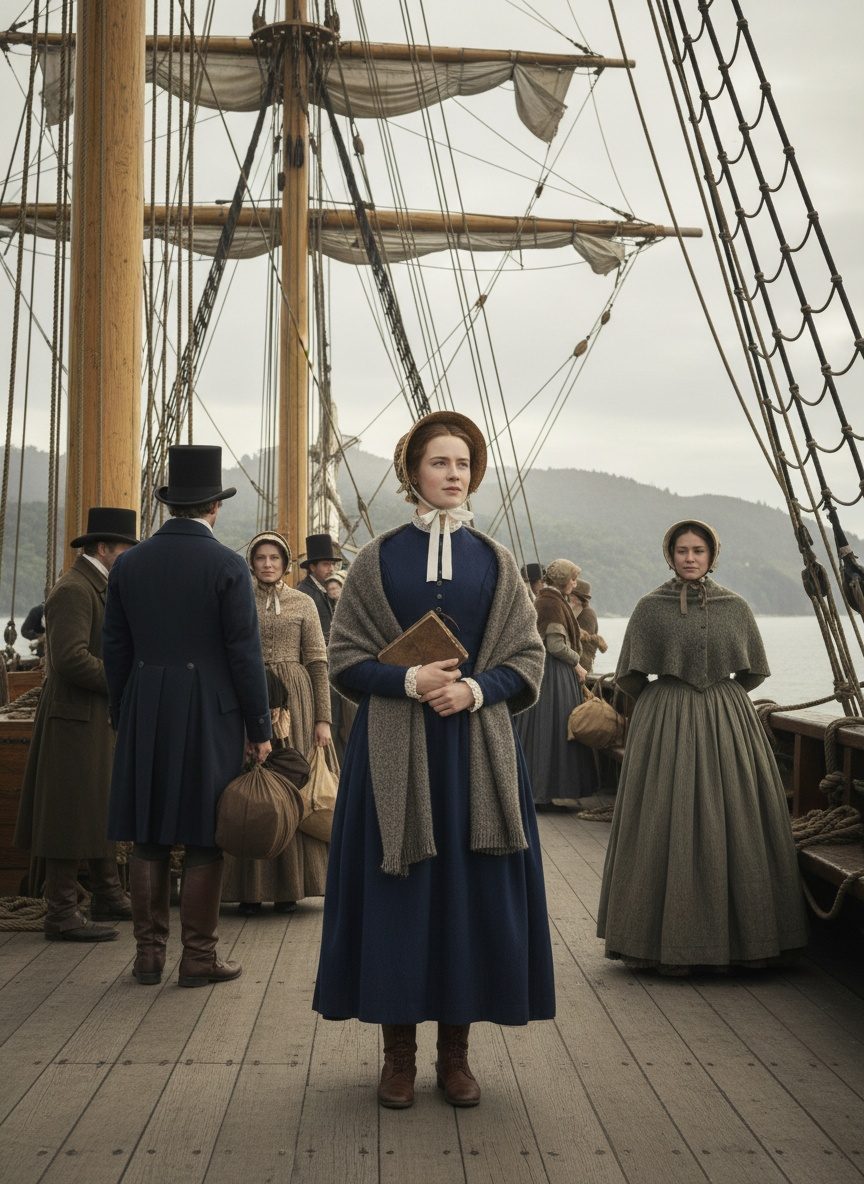
South Australia, 1836. No convicts. No chains. Edward Gibbon Wakefield had promised a colony of free men. The first settlers waded ashore at Holdfast Bay. They carried their children. They carried their tools. They built something new.
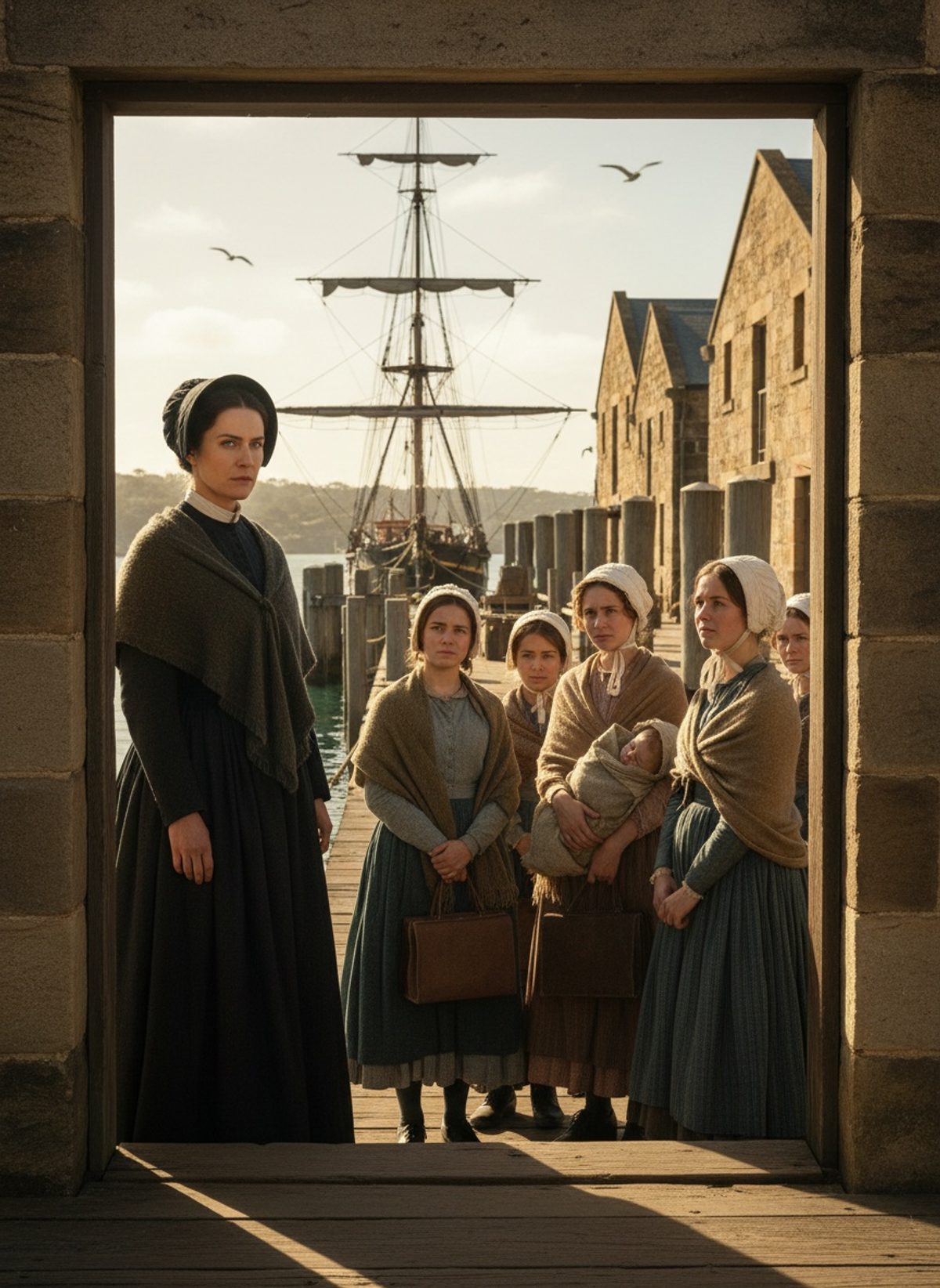
Sydney, 1841. Ships arrived daily. Young women stepped ashore alone. No money. No work. No shelter. Caroline Chisholm met every one. She opened a room. She found them homes. She refused to stop.
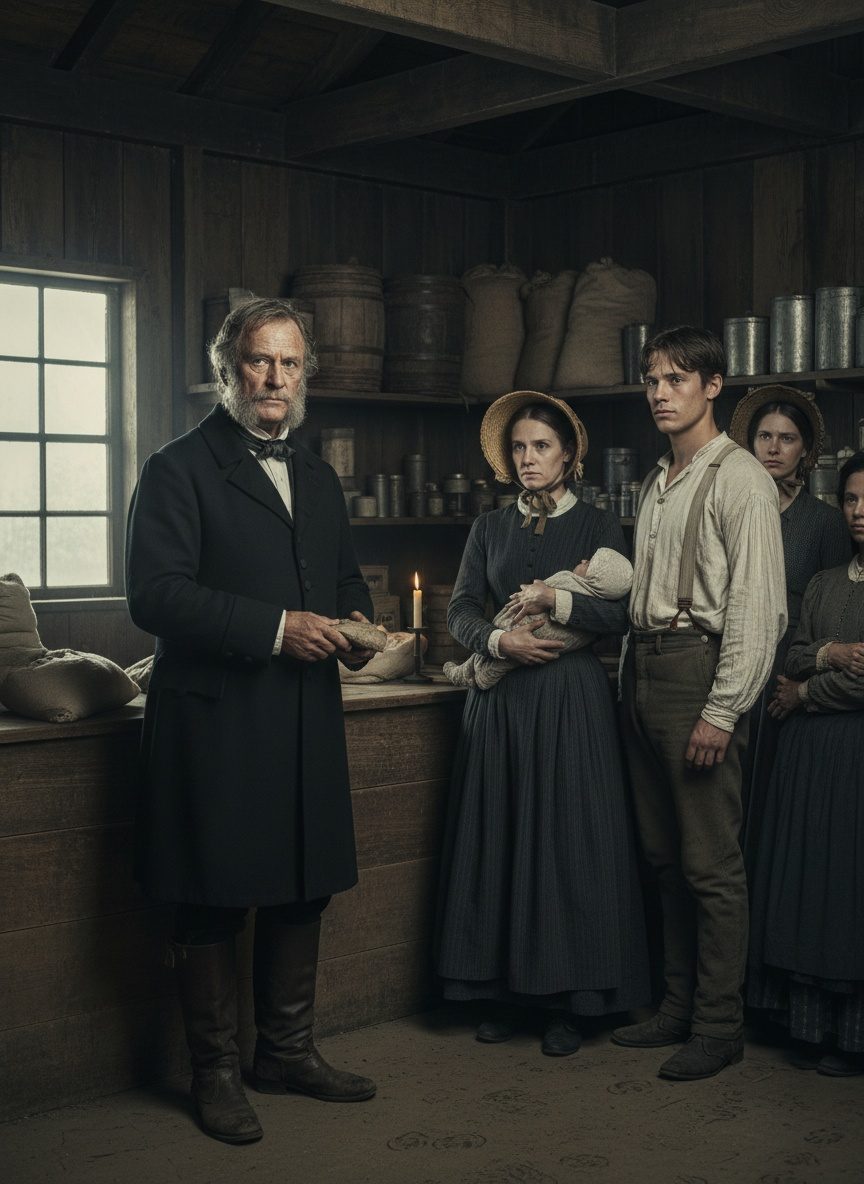
1830. Thomas Peel landed five hundred settlers at Clarence on Western Australia's coast. No roads. No stores. No plan. The supplies rotted on the beach. Within months, men and women knelt in the sand. Starving. Abandoned by the man who promised them a new world.
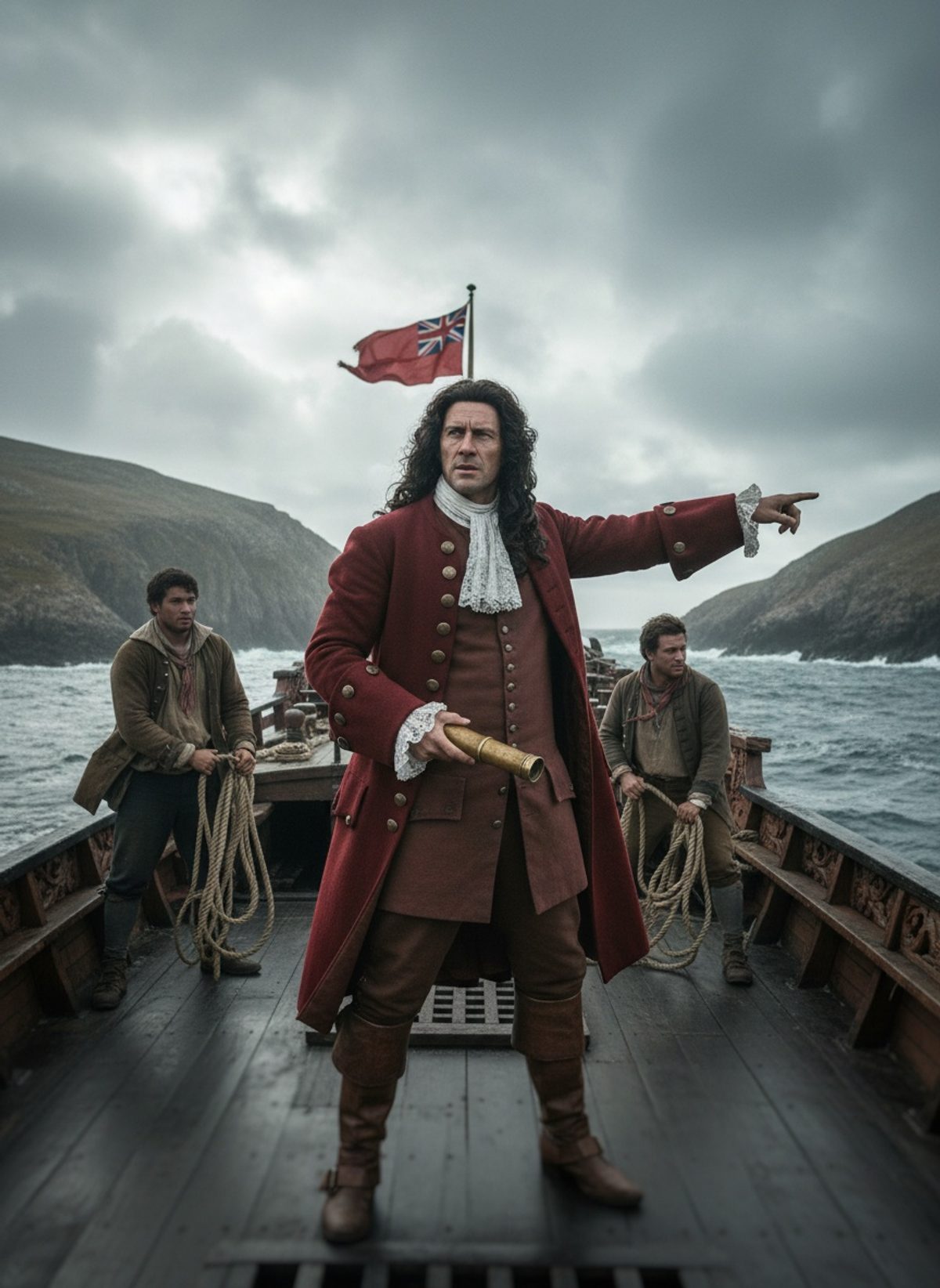
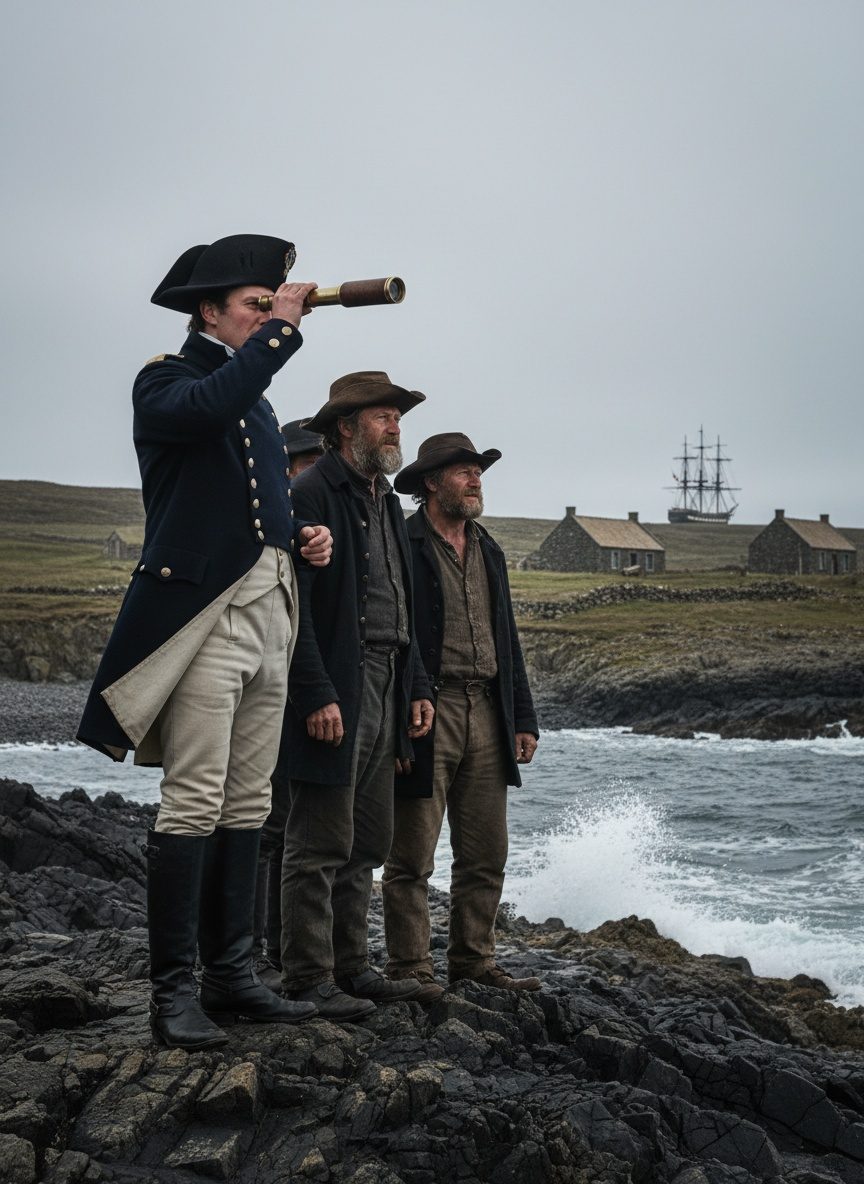
In 1690, Captain John Strong sailed between two uncharted islands and named the channel after a British viscount. That name outlasted every rival claim. Britain was there first — and the record proves it.
1840. Eight ships. 1,200 settlers. Edward Wakefield promised them an England without poverty. They sailed into Wellington Harbour and found wilderness. They built it anyway. Brick by brick. From nothing.
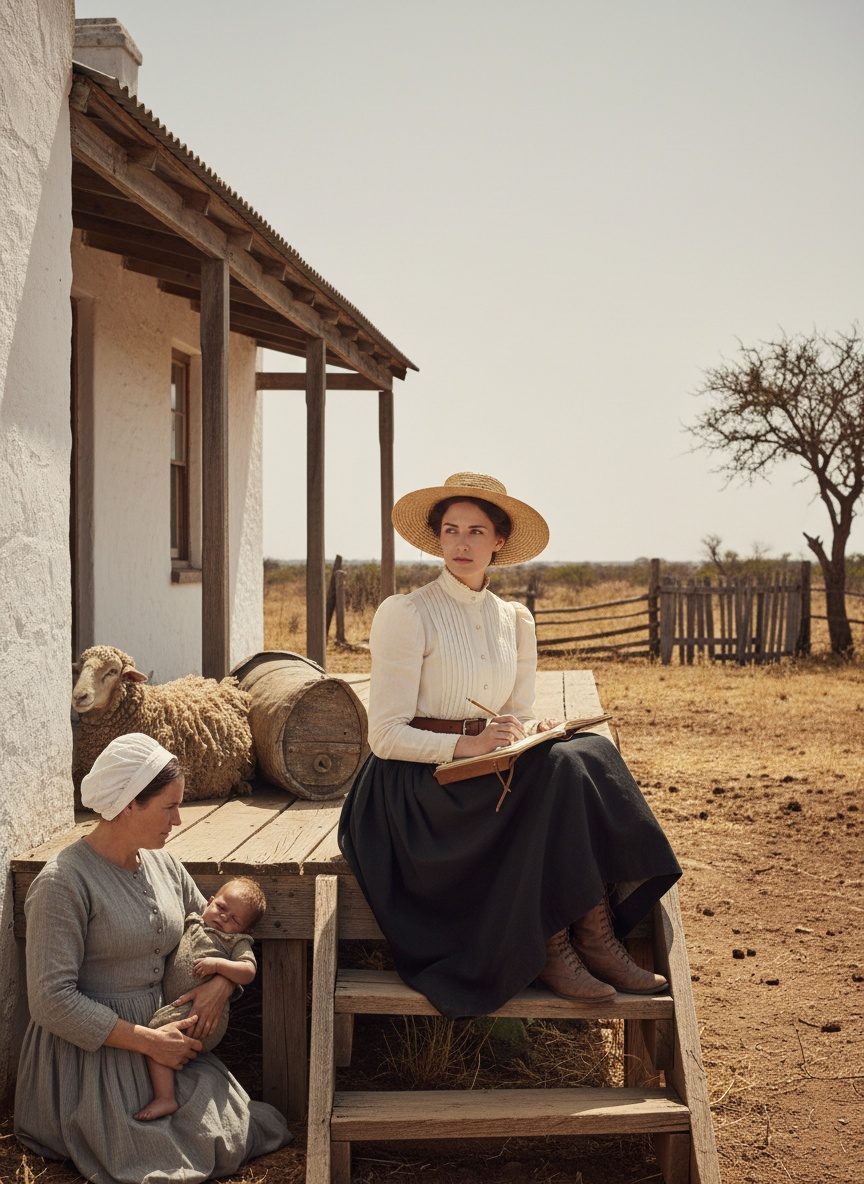
1804. John Macarthur sailed to England in chains. Elizabeth was left alone. Six children. A struggling farm. A flock of merino sheep no one believed in. She ran the station. She sold the wool. She kept the dream alive.
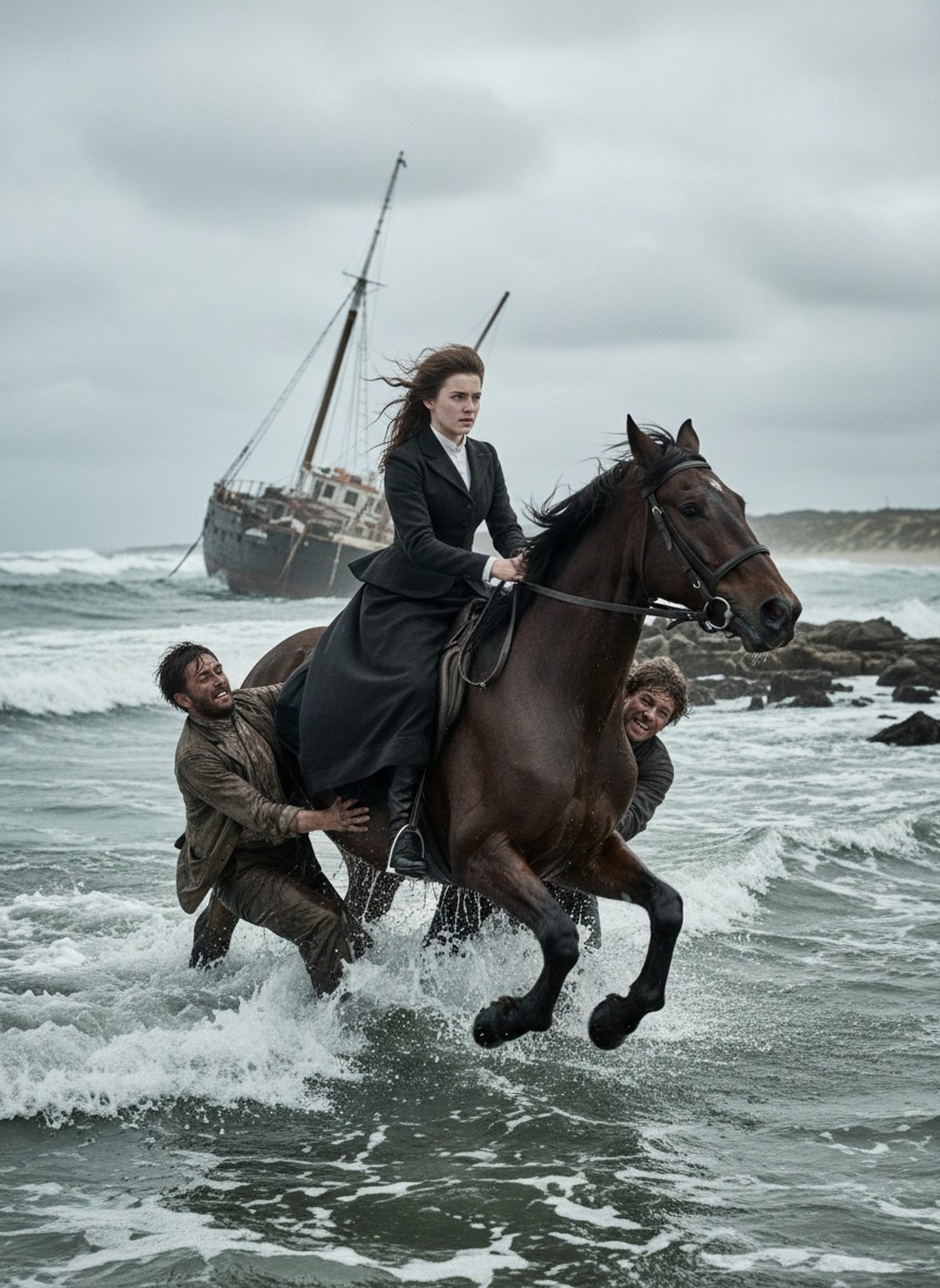
1876. A ship struck the rocks off Western Australia. Grace Bussell was sixteen. She rode her horse into the heaving surf again and again. Fifty lives. One girl. One horse.
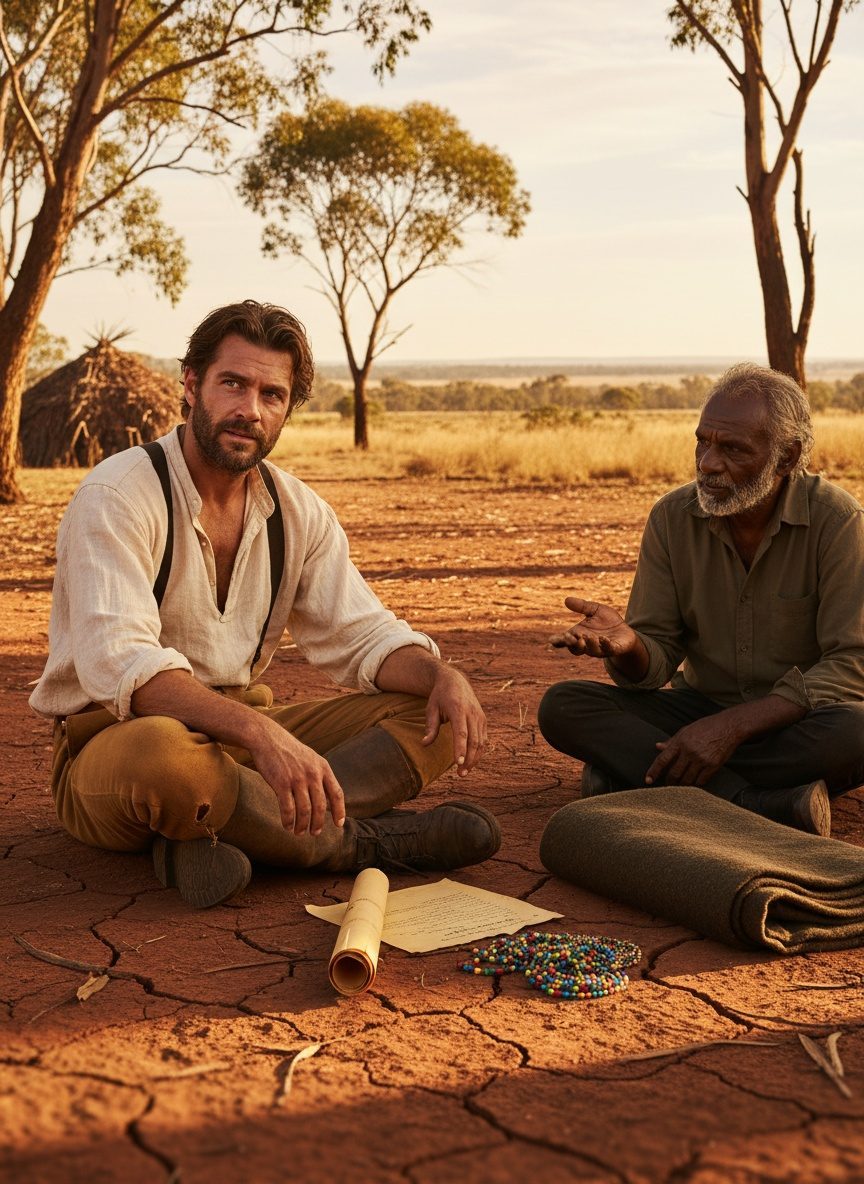
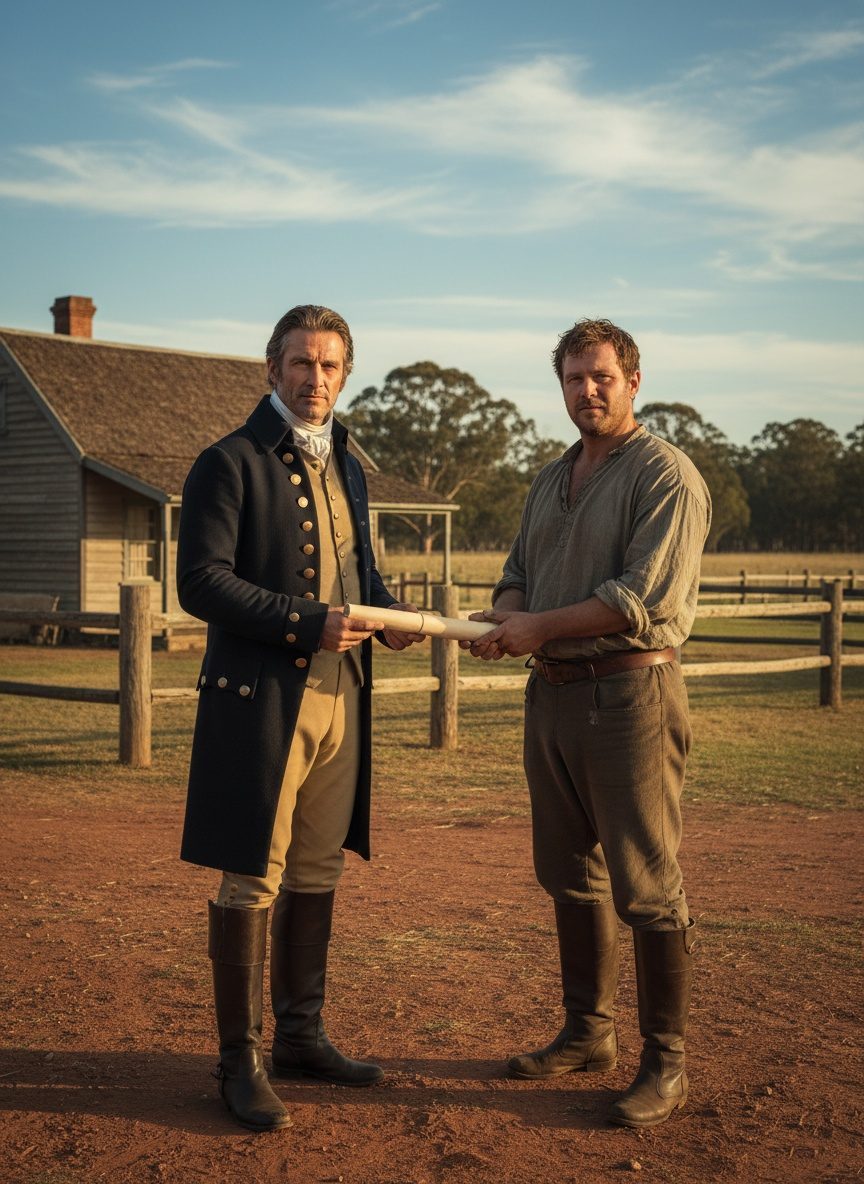
June 1835. A Tasmanian farmer sailed to an empty bay on the Australian mainland. He sat with the Wurundjeri elders. He traded blankets and flour for six hundred thousand acres. He planted a flag. He wrote in his journal: 'This will be the place for a village.' That village became Melbourne.
London, 1851. Thousands of women arrived in Australia alone and destitute. One woman had seen it. She crossed the world to fix it. Caroline Chisholm walked into Whitehall and handed them a plan. Parliament listened.
New South Wales, 1827. James Macarthur pressed the first commercial vintage from Camden Park. His father had built a wool empire. He built something quieter. A bottle of Australian wine. From English hands. On the other side of the world.
1830. Thomas Peel brought 400 British settlers to Western Australia. They arrived to find no shelter, no roads, no food stores. Just bush. He had promised them paradise. He had delivered wilderness. Many starved. Peel died penniless.
1837. A pamphlet circulated London. It promised something extraordinary. Not convicts. Not soldiers. Families. Farmers. Clergymen. A new England. Built from scratch in New Zealand. They believed it. They came.
June 1866. Armed Irish-American veterans crossed the Niagara frontier. Young Canadian militiamen marched to meet them. Nine never came home. Canada was still a year from existing.
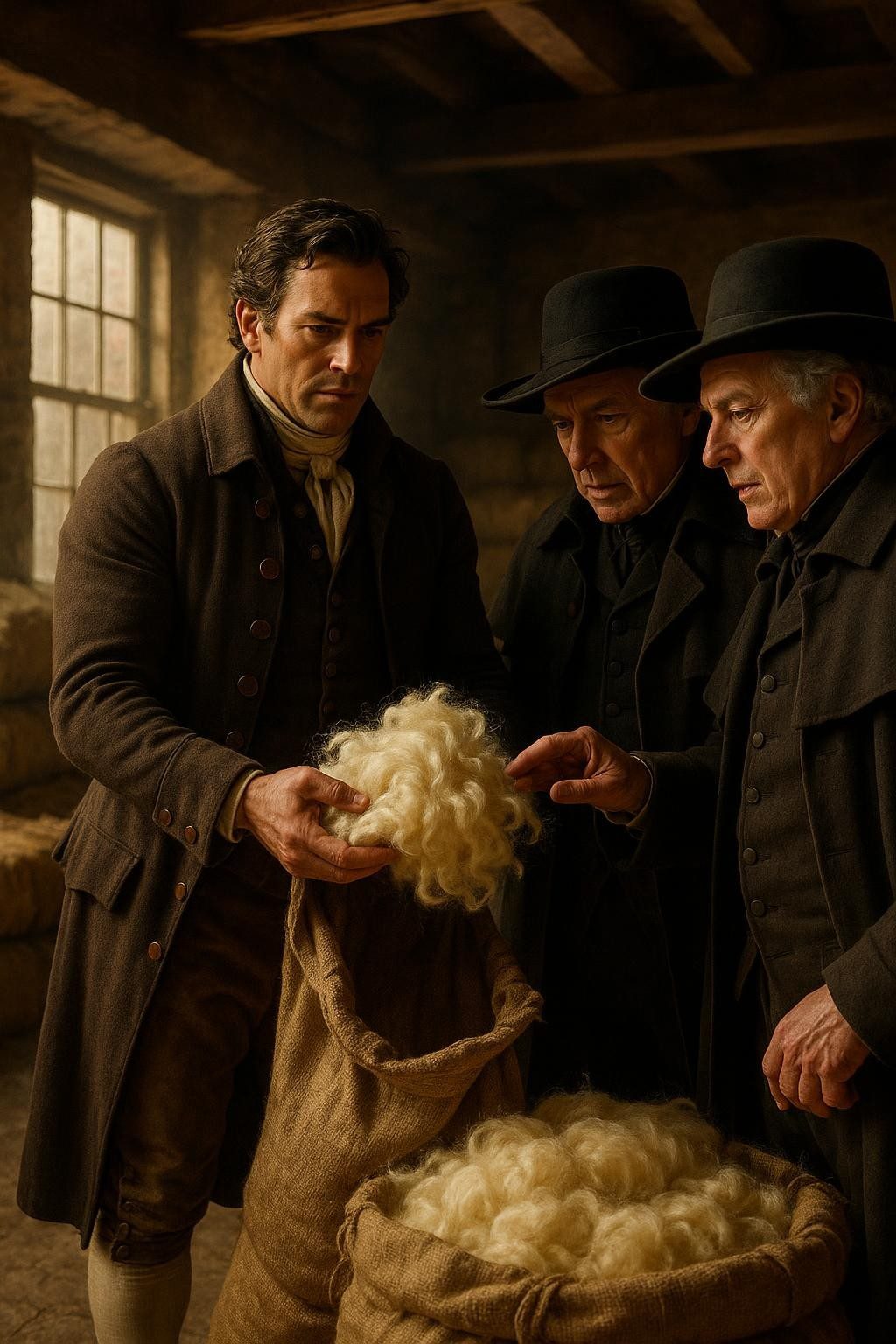
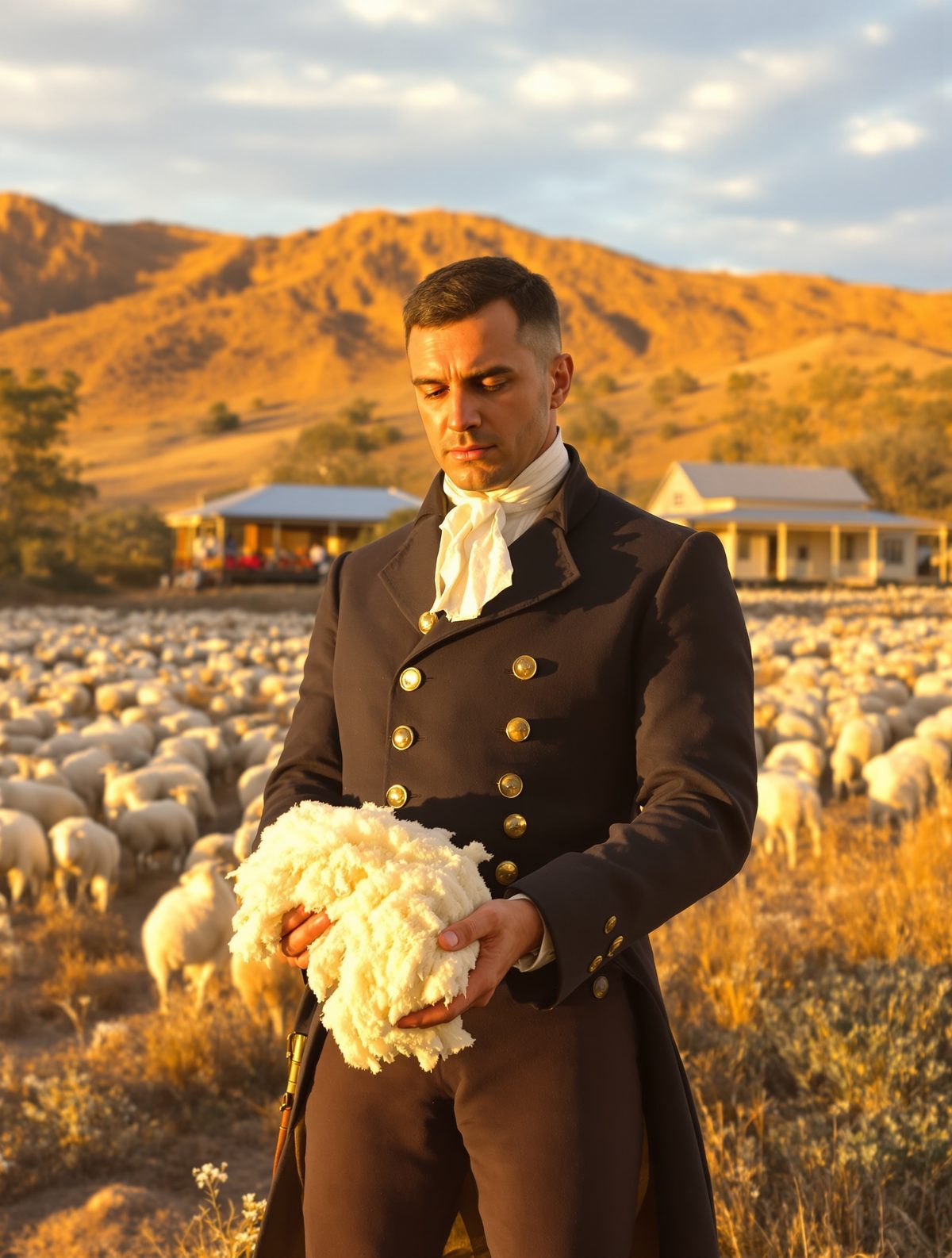
1803. A former soldier stood before Britain's finest wool merchants. He carried fleece from a sheep station at Parramatta. They had never seen its equal. Australia's future had just arrived in a sack.
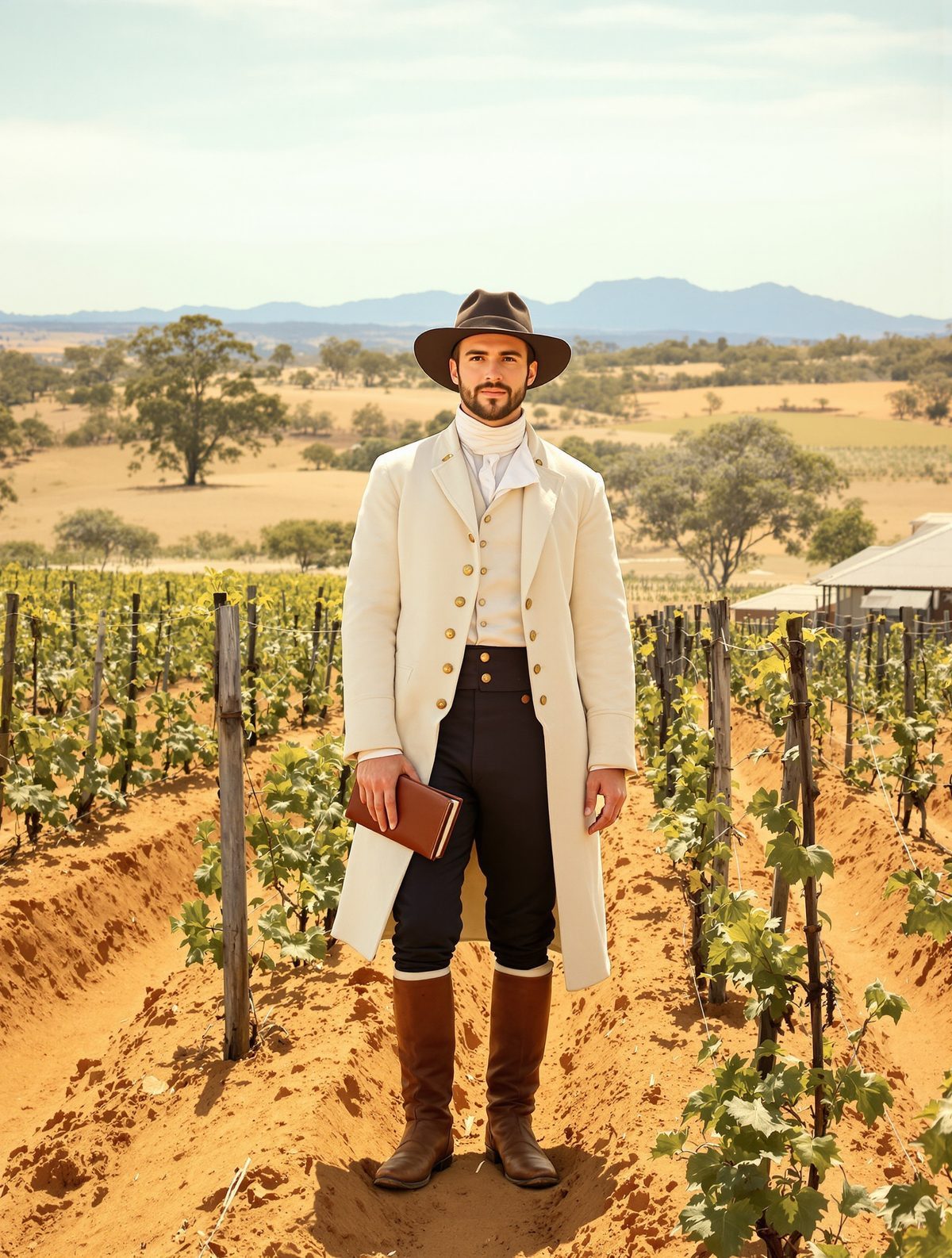
Parramatta, 1817. A Scottish-born soldier planted vines in Australian soil. Everyone said it was madness. The grapes grew. He proved them wrong. Australia would never be the same.
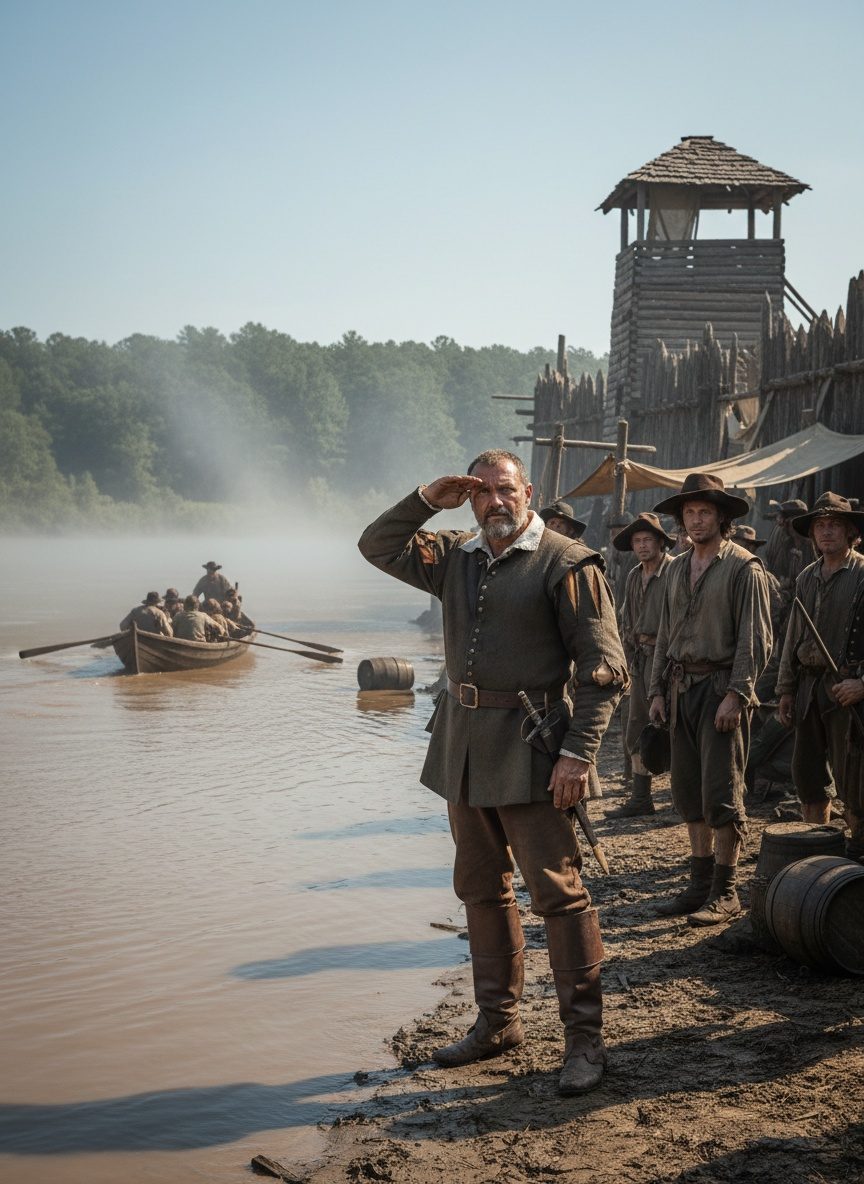
Summer 1610. Jamestown was dying. The survivors had eaten leather. Then sails appeared on the James River. Governor Thomas Gates made a choice that saved a colony — and a continent.
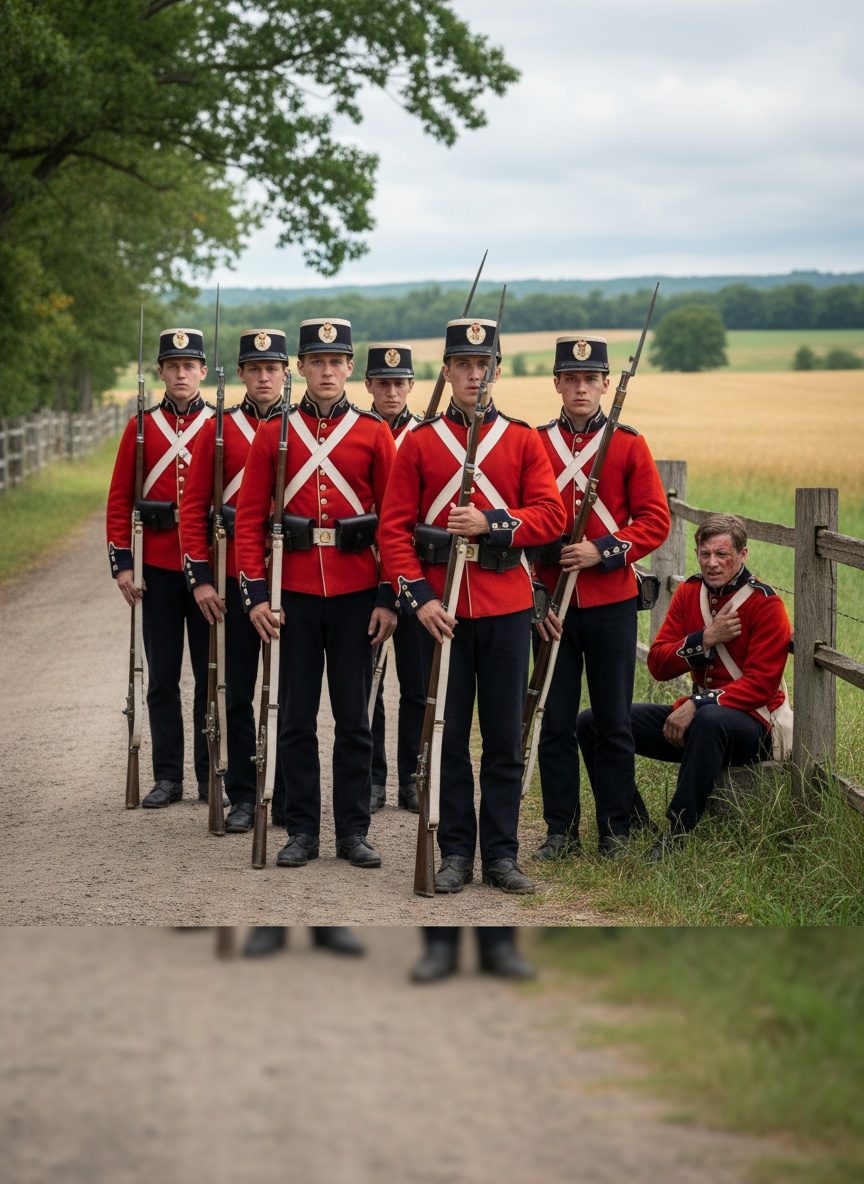
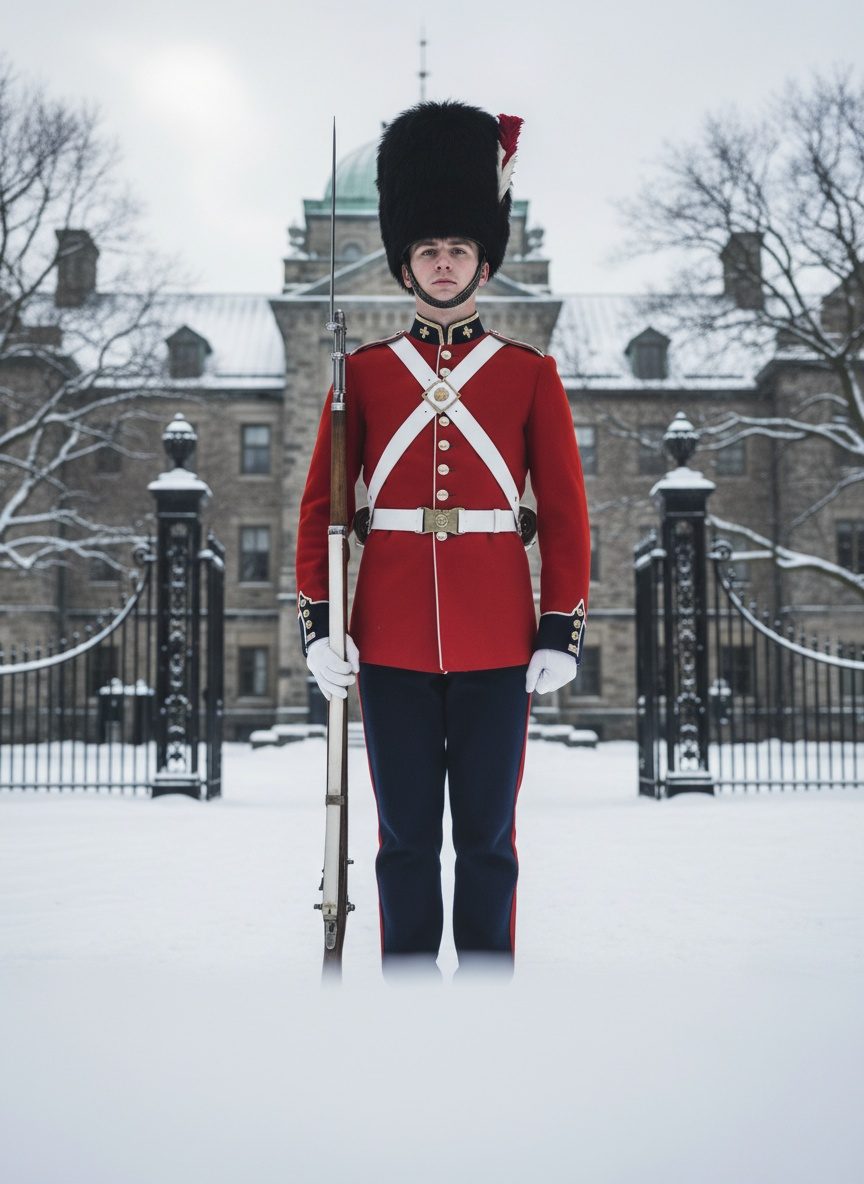
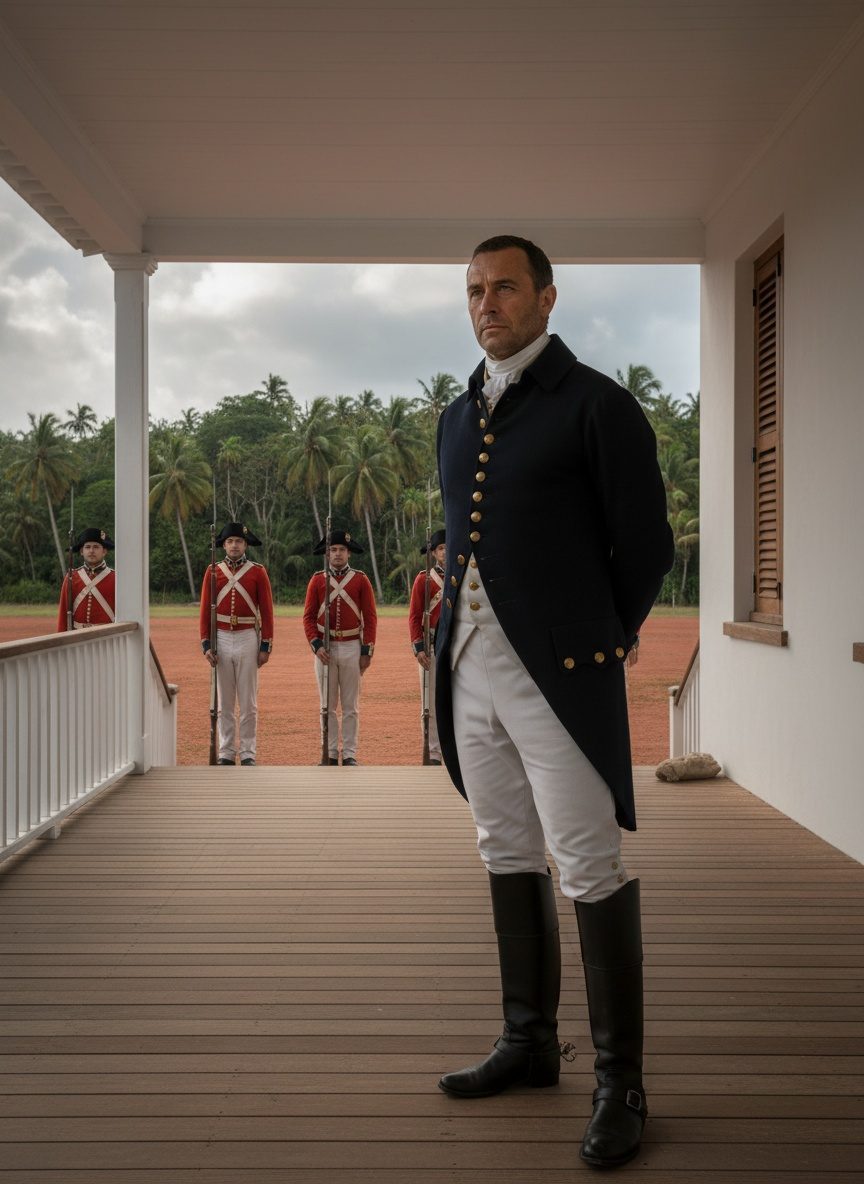
Canada was a new Dominion. Britain needed a symbol of loyalty in stone and scarlet. So Ottawa got its own household guard — modelled on the men who stood outside Buckingham Palace.
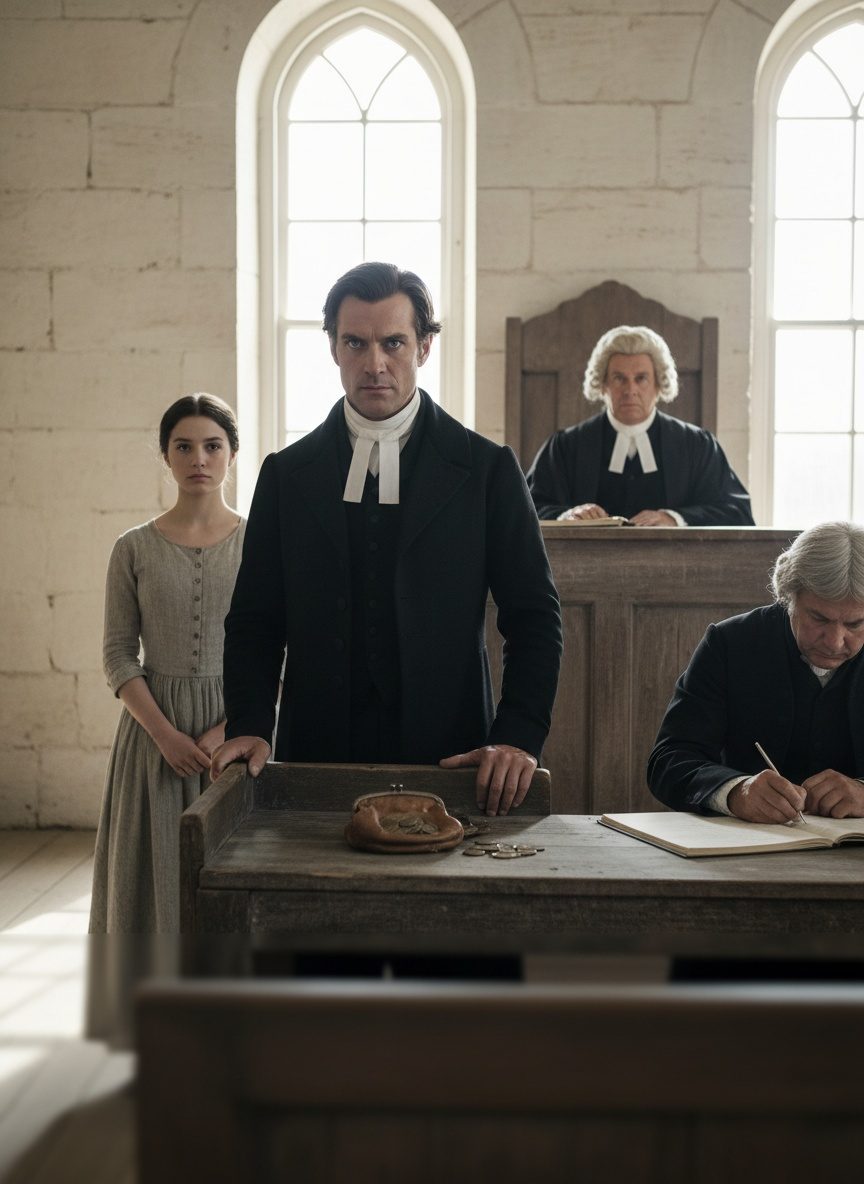
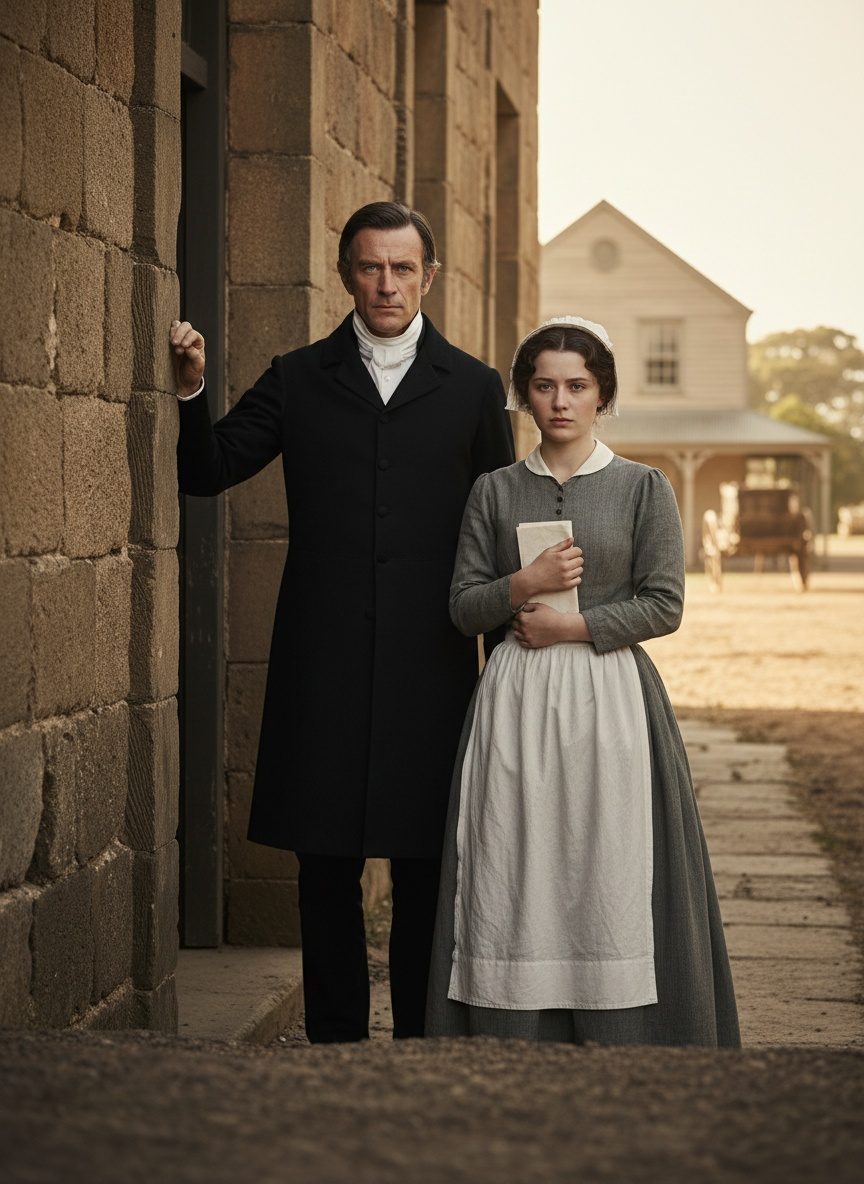
Sydney, 1837. A Scots minister stood in court alone. He had no legal power. He had no authority. He had only his own purse. He paid a woman's bond himself. She walked free.
Sydney, 1846. Hundreds of women arrived in New South Wales with nowhere to go. Governor FitzRoy refused to act. Caroline Chisholm stood in his office and would not leave. She won. Every woman found shelter that night.
Sydney, 1837. A convict woman faced flogging for refusing her master's advances. No one would help her. Reverend John Dunmore Lang paid her bond from his own pocket. Then he named her abuser in the press.
New South Wales, 1840. A free settler named Angus McMillan watched a magistrate order fifty lashes for a starving convict. He refused to witness it. He walked to the courthouse. He filed a formal objection. One man. One conscience. One record that survived.
Melbourne, 1851. Gold fever had emptied the farms. Shops closed. Families went hungry. John Pascoe Fawkner opened his own stores and fed them. No profit. No fanfare. Just a pioneer doing right.
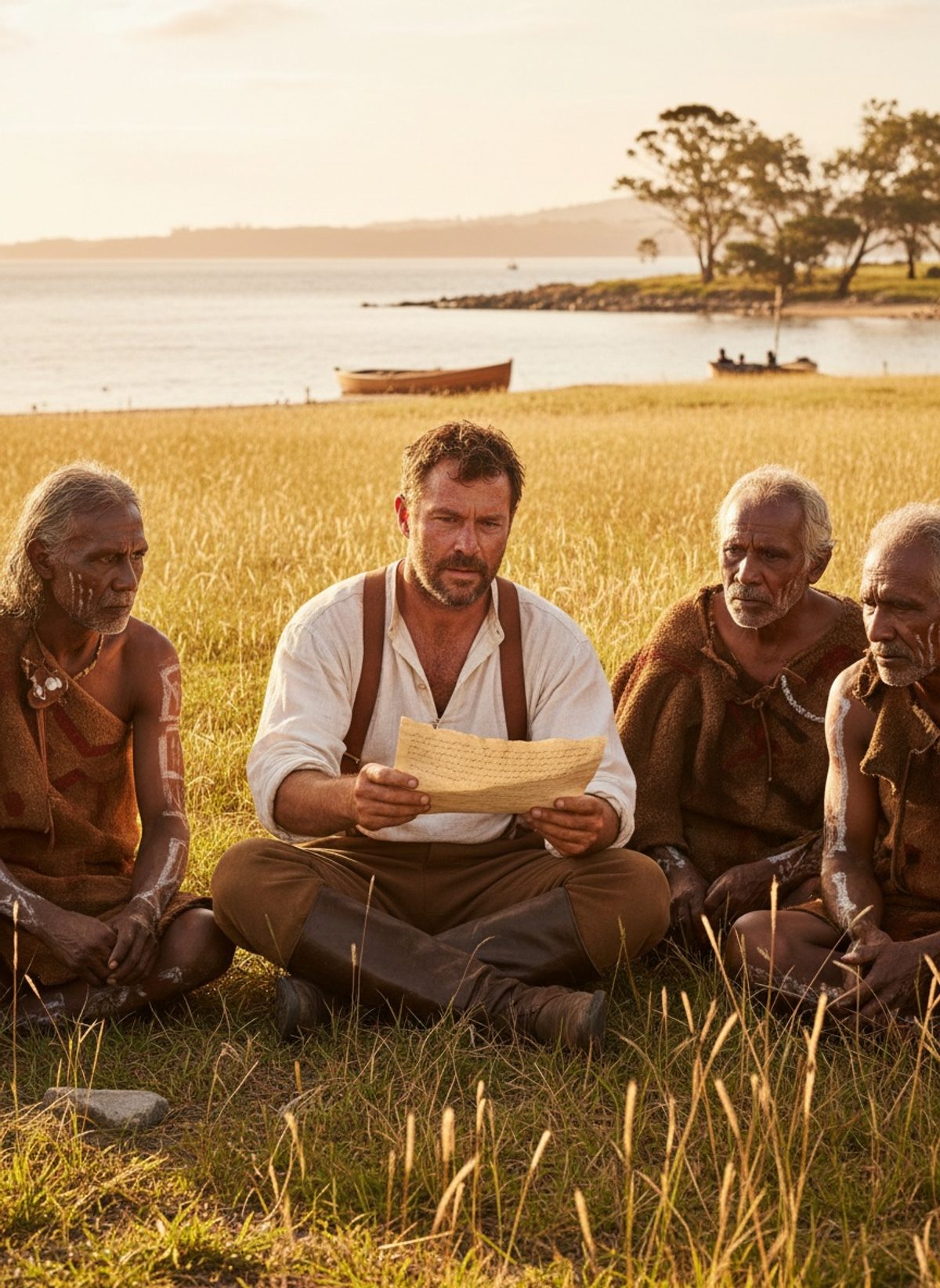
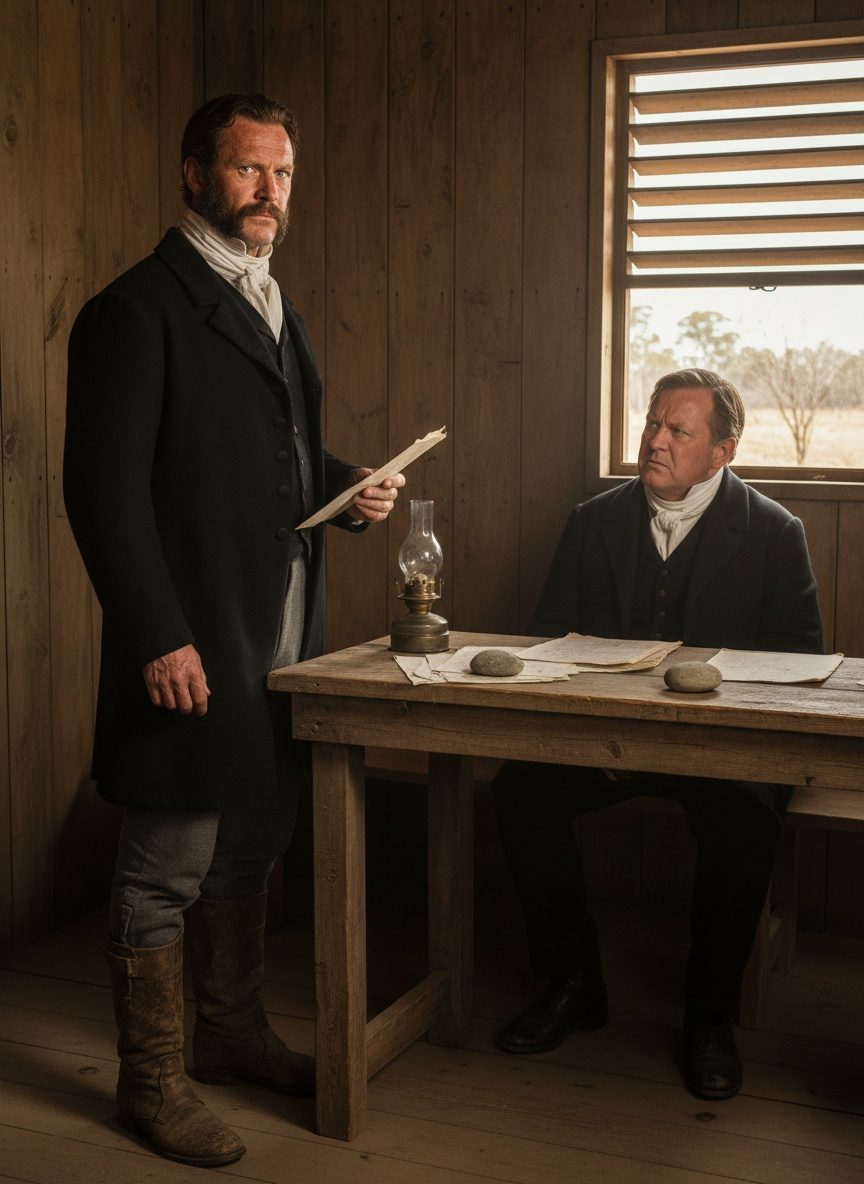
1835. No governor had sanctioned it. No soldier stood behind him. John Batman walked alone into the bush. He sat with the Wurundjeri elders. Signed a treaty. And handed back beads and blankets in return for 600,000 acres. One man. One word. A continent changed.
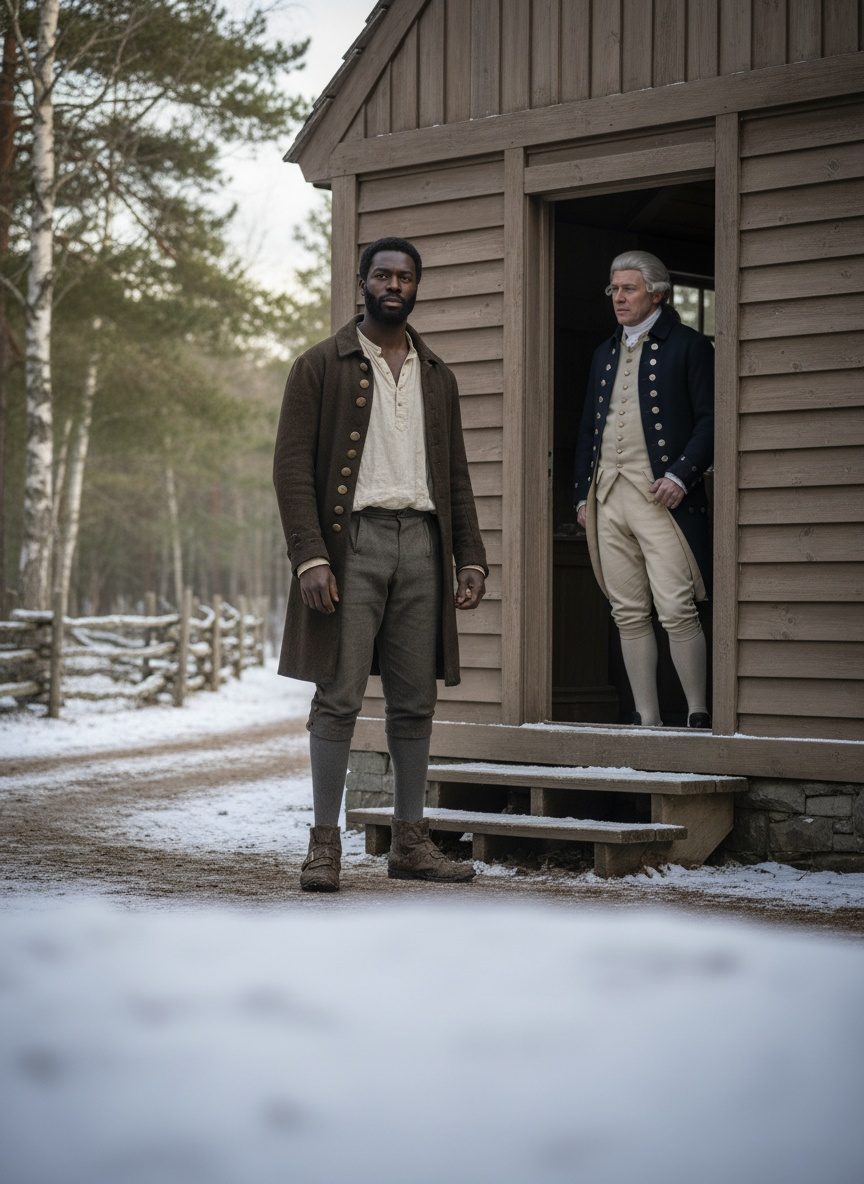
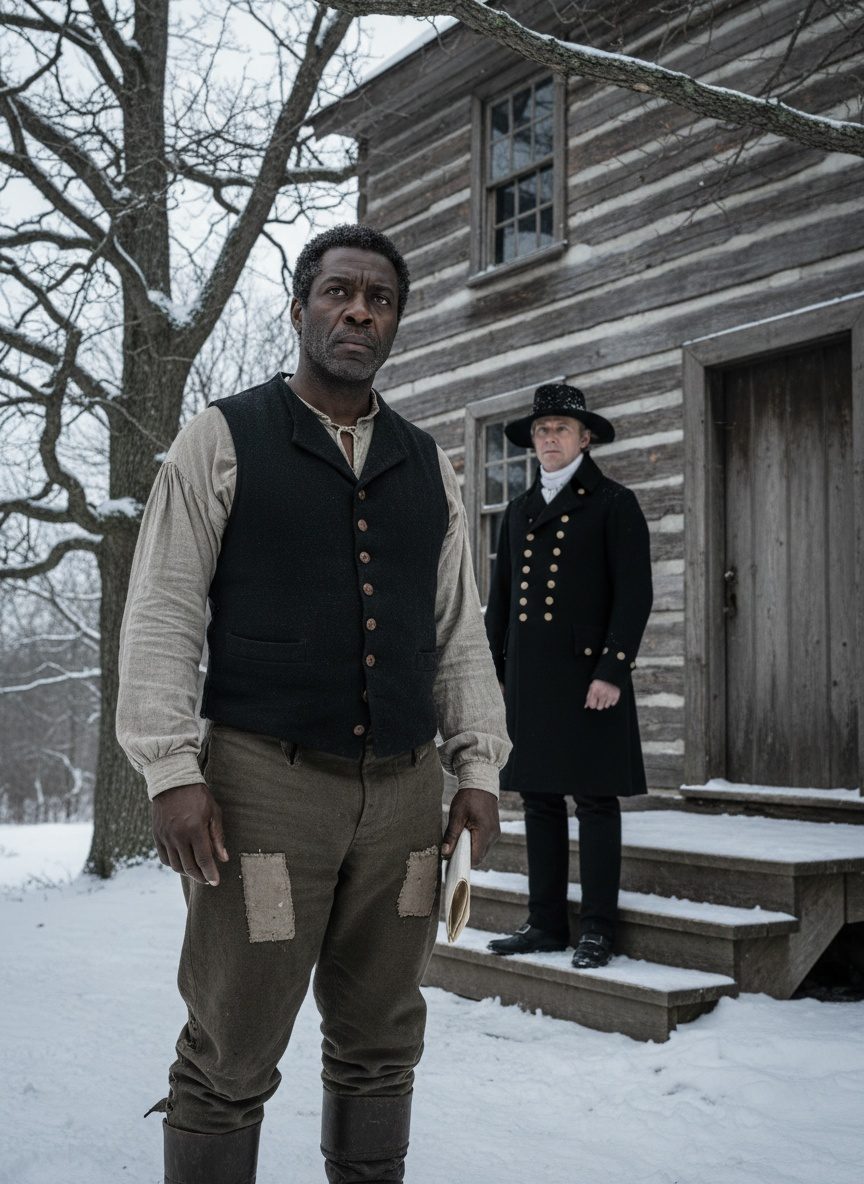
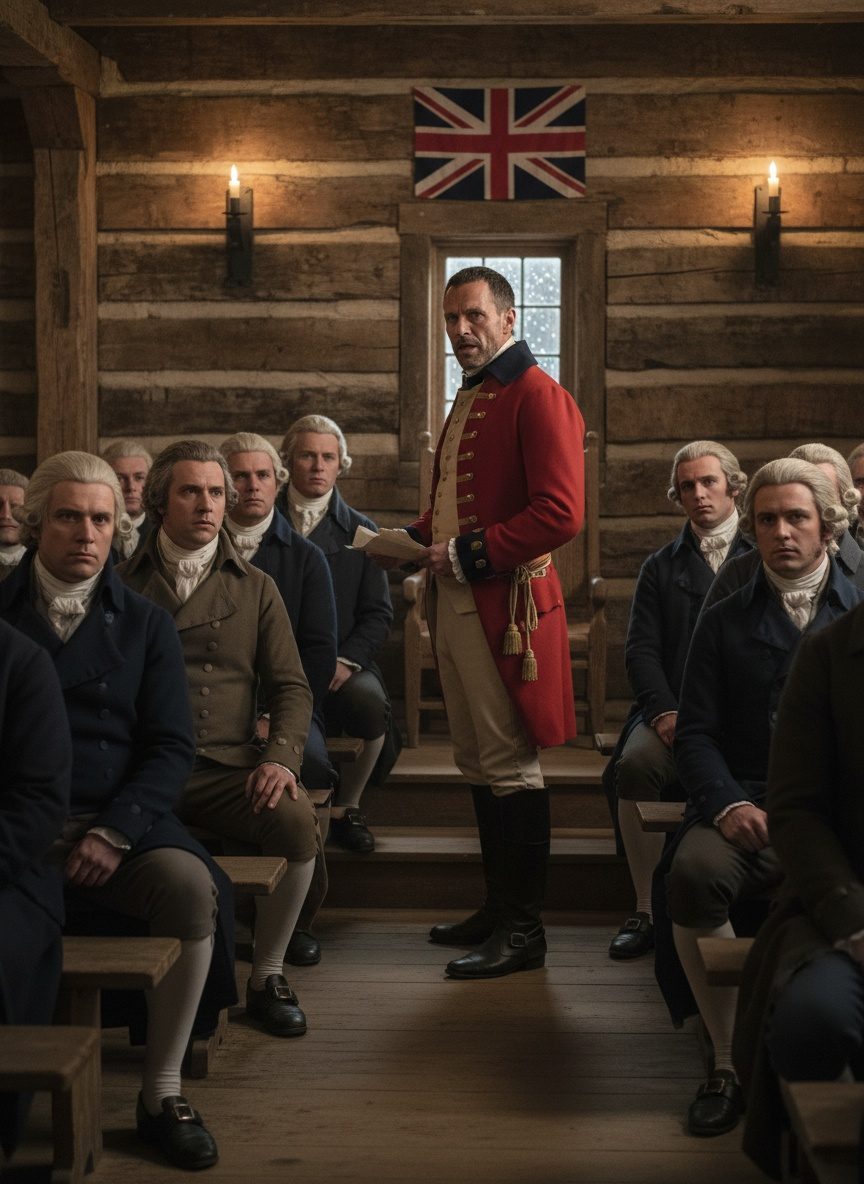
Upper Canada, 1793. Chloe Cooley was chained and sold across the border. One witness, Peter Martin, walked to the Governor. Simcoe listened. He changed the law. Slavery began its end in British North America.
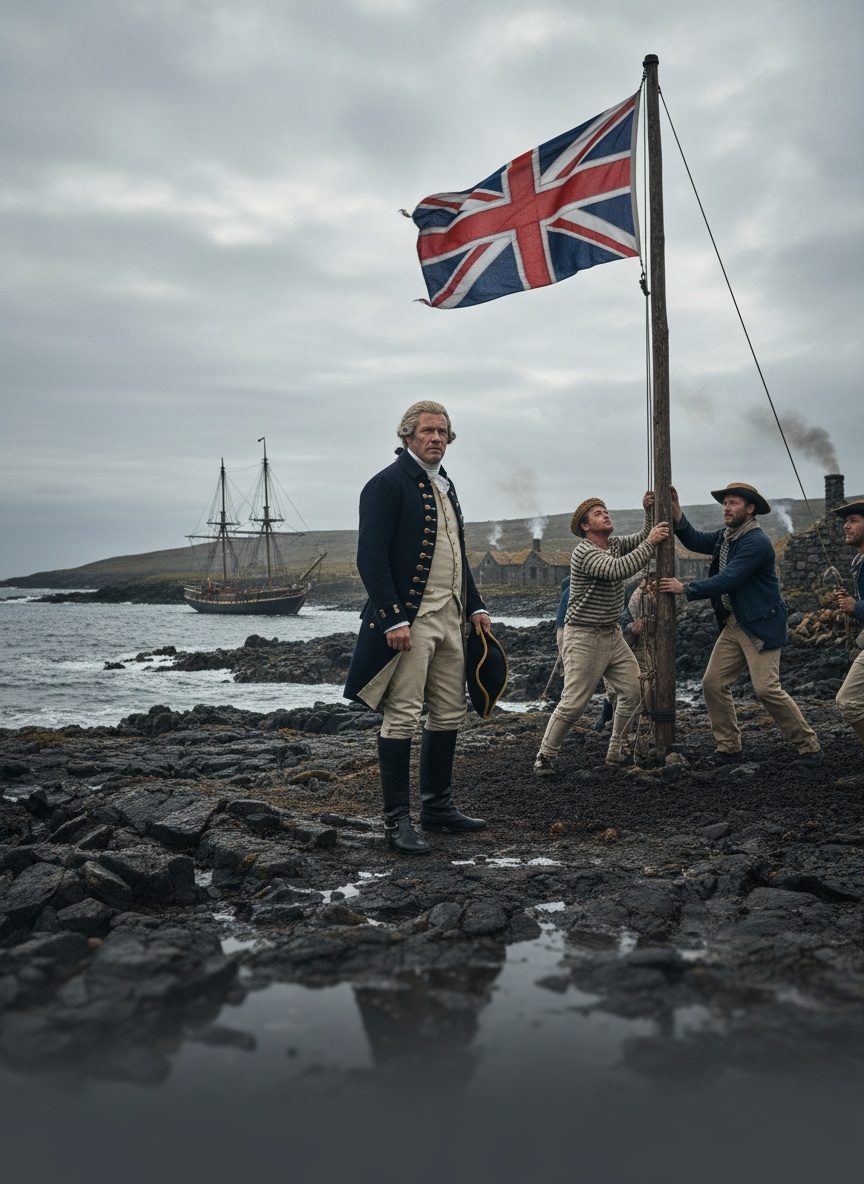
In 1764 France planted a colony on the Falklands. Britain followed in 1765 — not knowing France was already there. Spain then bought France out and demanded Britain leave. Britain refused. Then caved. Then took them back anyway.
In 1833, Britain reclaimed the Falklands. Buenos Aires said its settlers were violently expelled. The record tells a different story. Most left willingly. Several stayed. The myth outlasted the facts by two centuries.
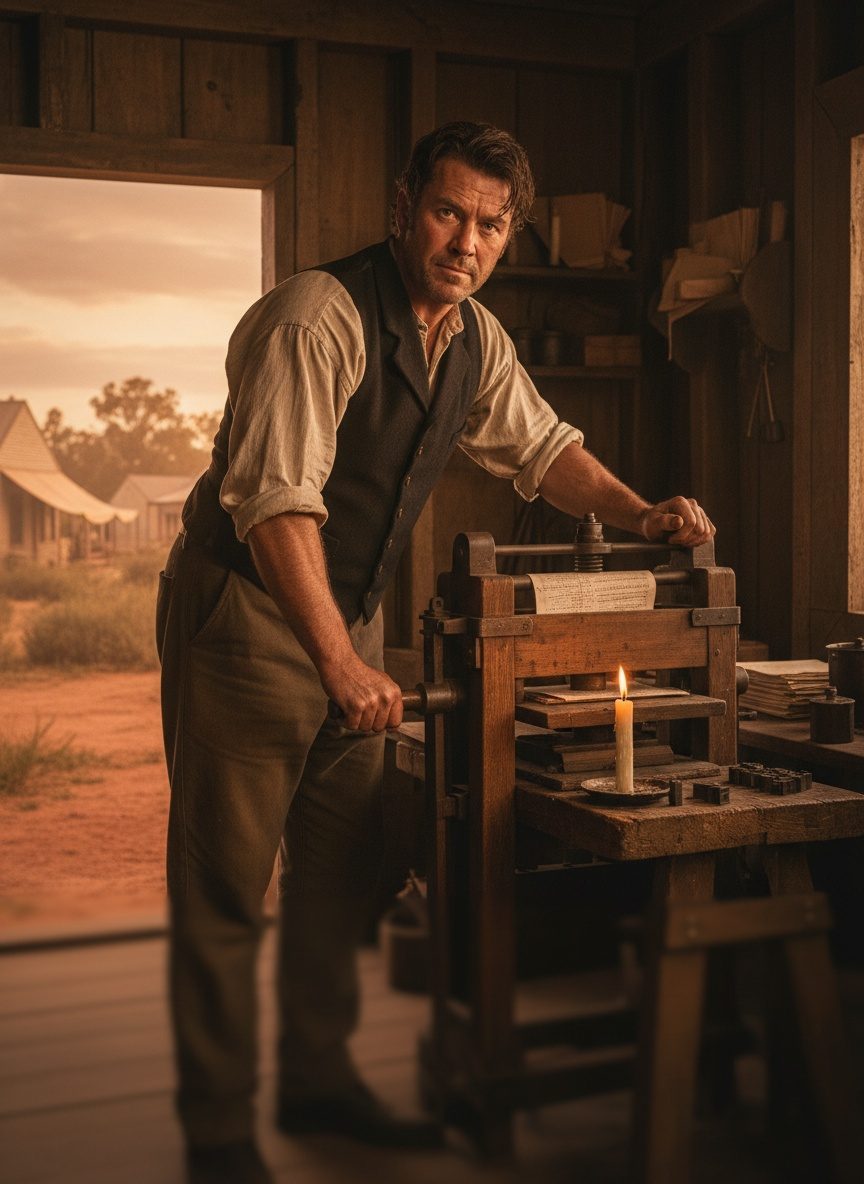
Melbourne, 1838. Governor Bourke had banned the press. John Pascoe Fawkner ran his paper anyway. They threatened him with ruin. He printed the next edition. The settlers read every word.
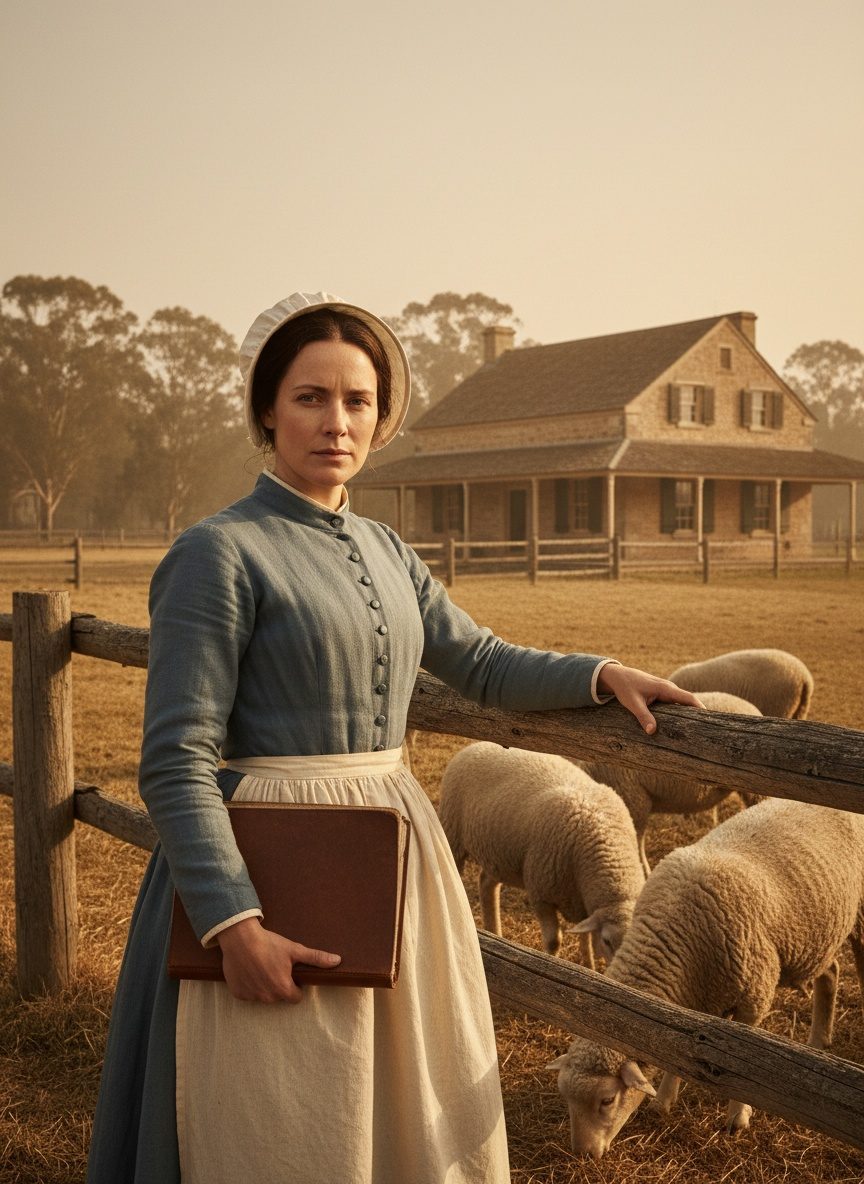
New South Wales, 1803. The colony was failing. One woman refused to let it die. Elizabeth Macarthur managed the merino flocks alone. Her husband was exiled. She held the farm together. She saved Australia's wool industry.
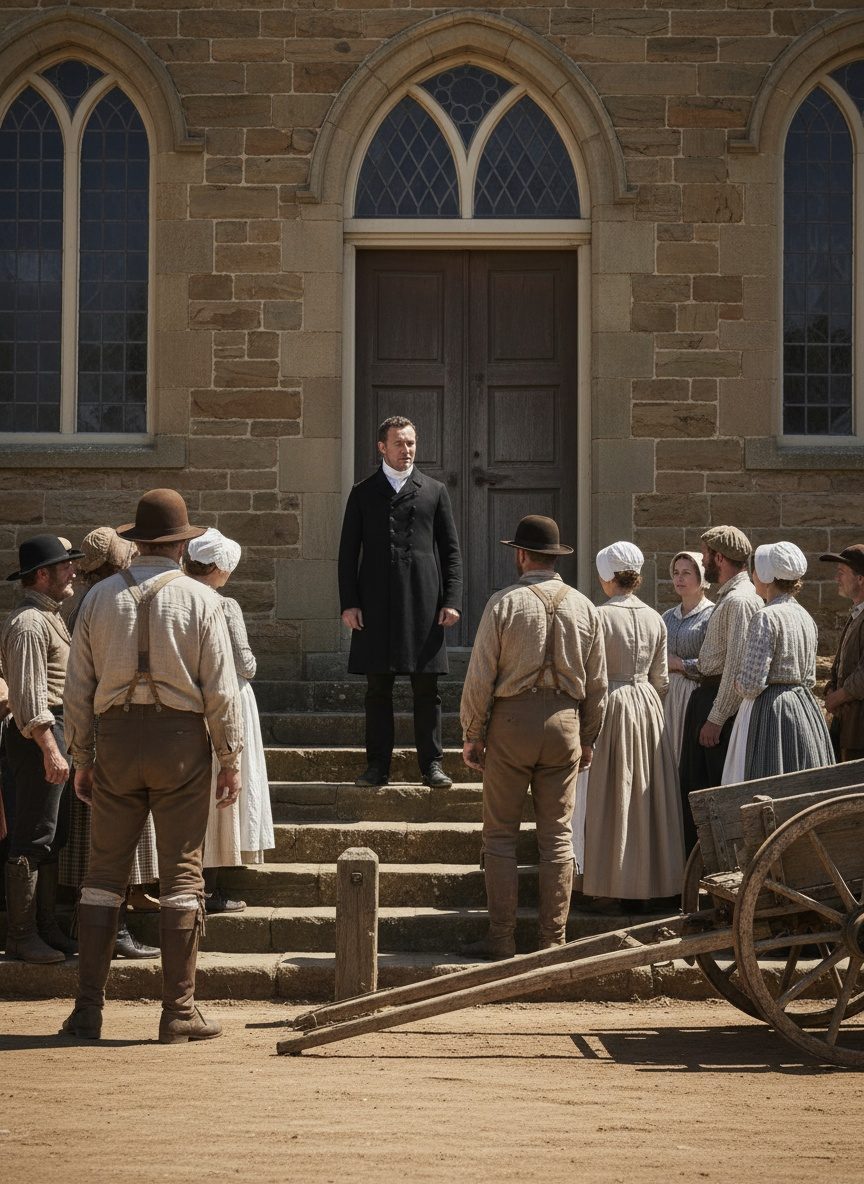
Sydney, 1838. A Scottish minister stood before a hostile governor. He had brought free settlers to New South Wales at his own expense. The governor moved to crush him. Lang refused to yield. He went to prison. The settlers stayed free.
Upper Canada, 1793. A young enslaved woman named Chloe Cooley was bound and shipped across a river against her will. One man witnessed it. Peter Martin brought her case to the Governor. The legislature acted. Slavery began to die in British North America.
1793. Upper Canada. A British governor stood before his own assembly. He demanded a law no colony had yet dared pass. The Act Against Slavery became law. Canada was the first place in the Empire to move toward abolition.
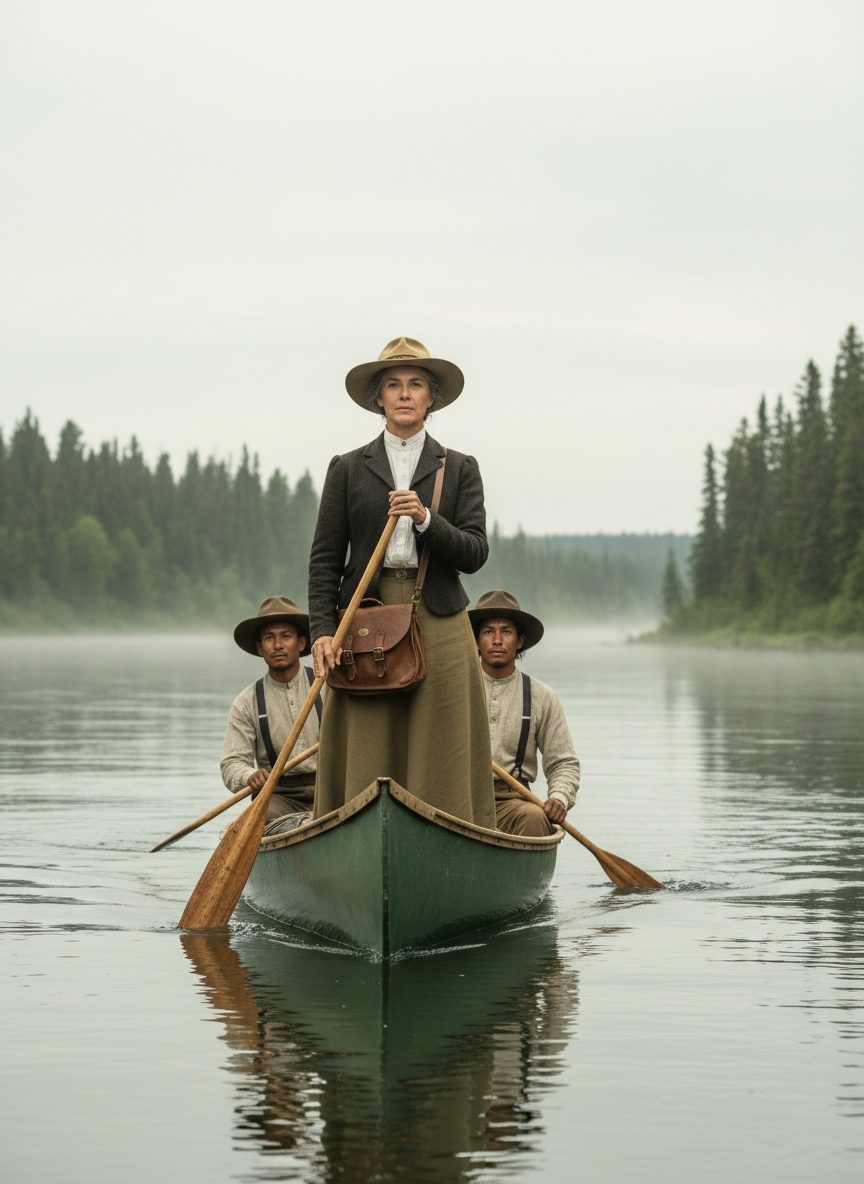
1908. Every railway official said no. Every newspaper mocked her. Agnes Deans Cameron packed her bags anyway. She walked two thousand miles into Canada's northern wilderness. A schoolteacher. Alone. She came back with proof that the Empire's north was alive.
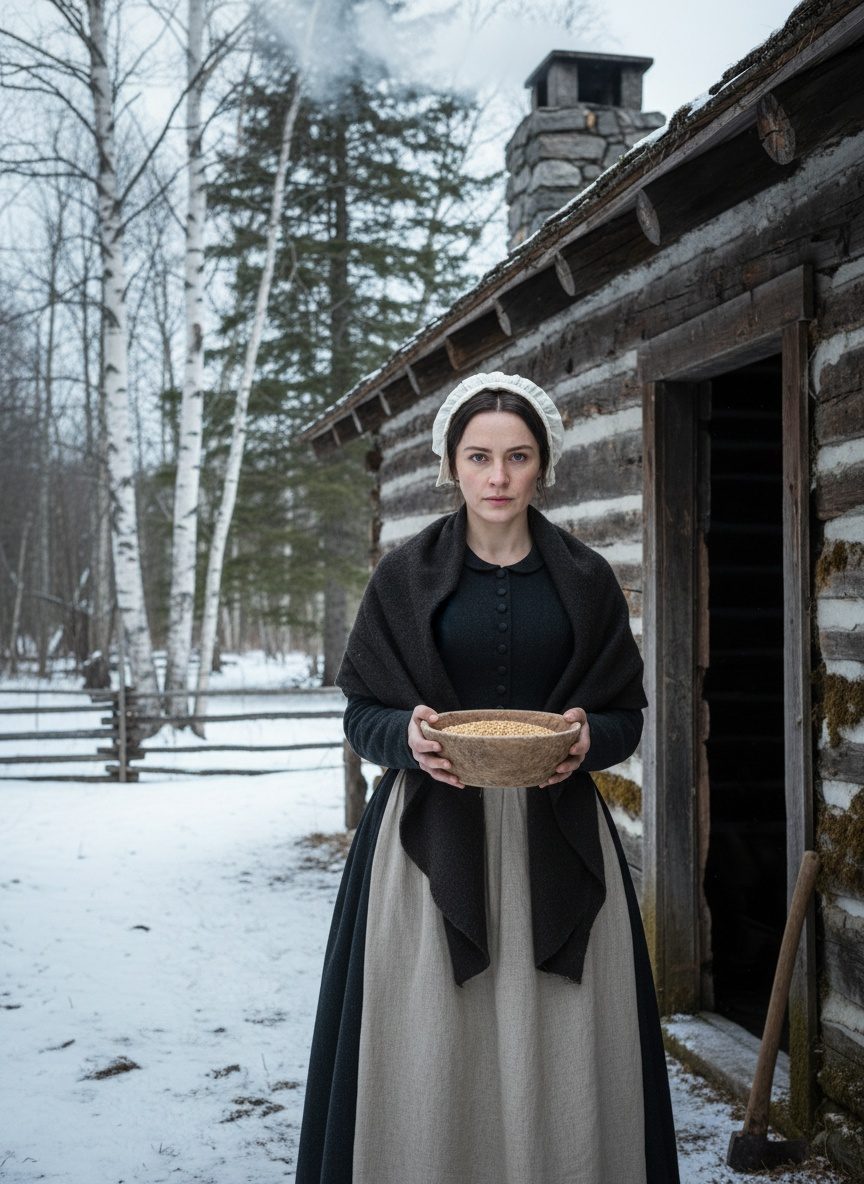
Ontario, 1834. The harvest had failed. Susanna Moodie had almost nothing. Her neighbours had less. She gave it away. Every last grain. Then she waited for spring.
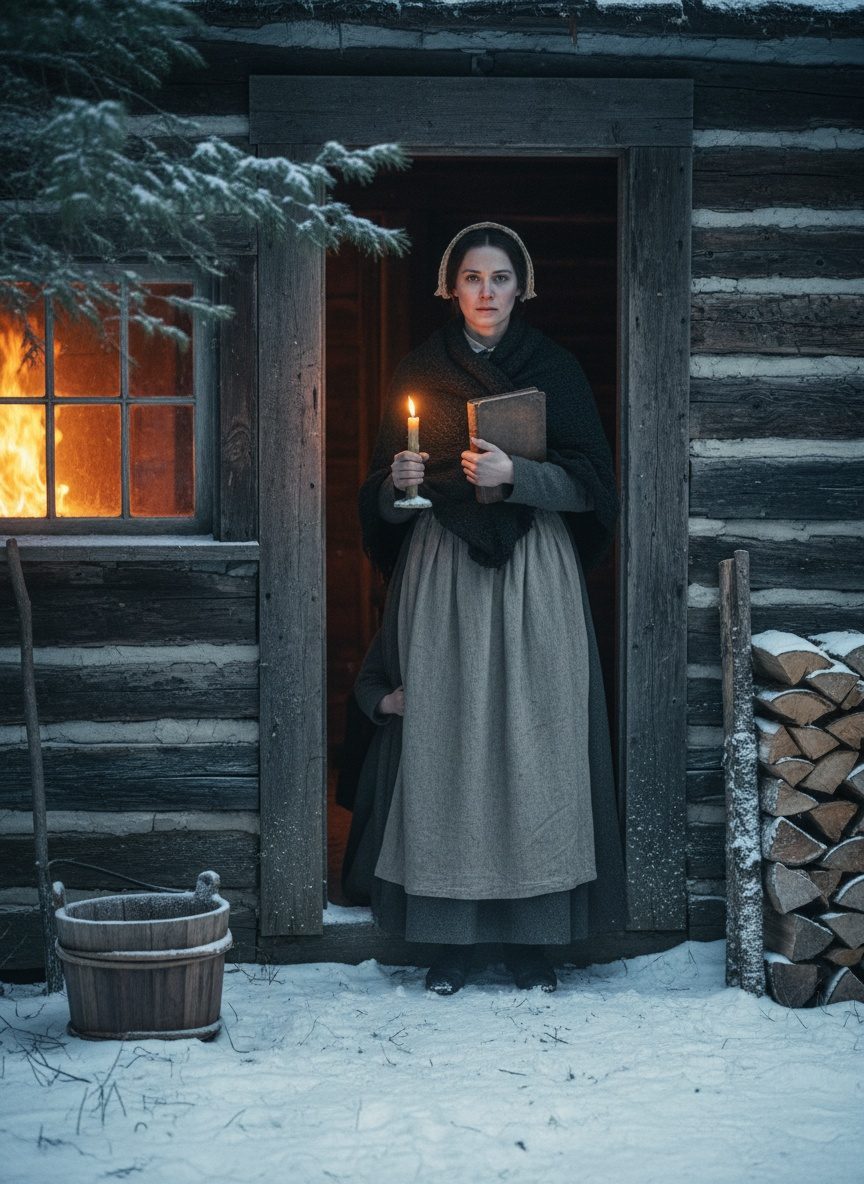
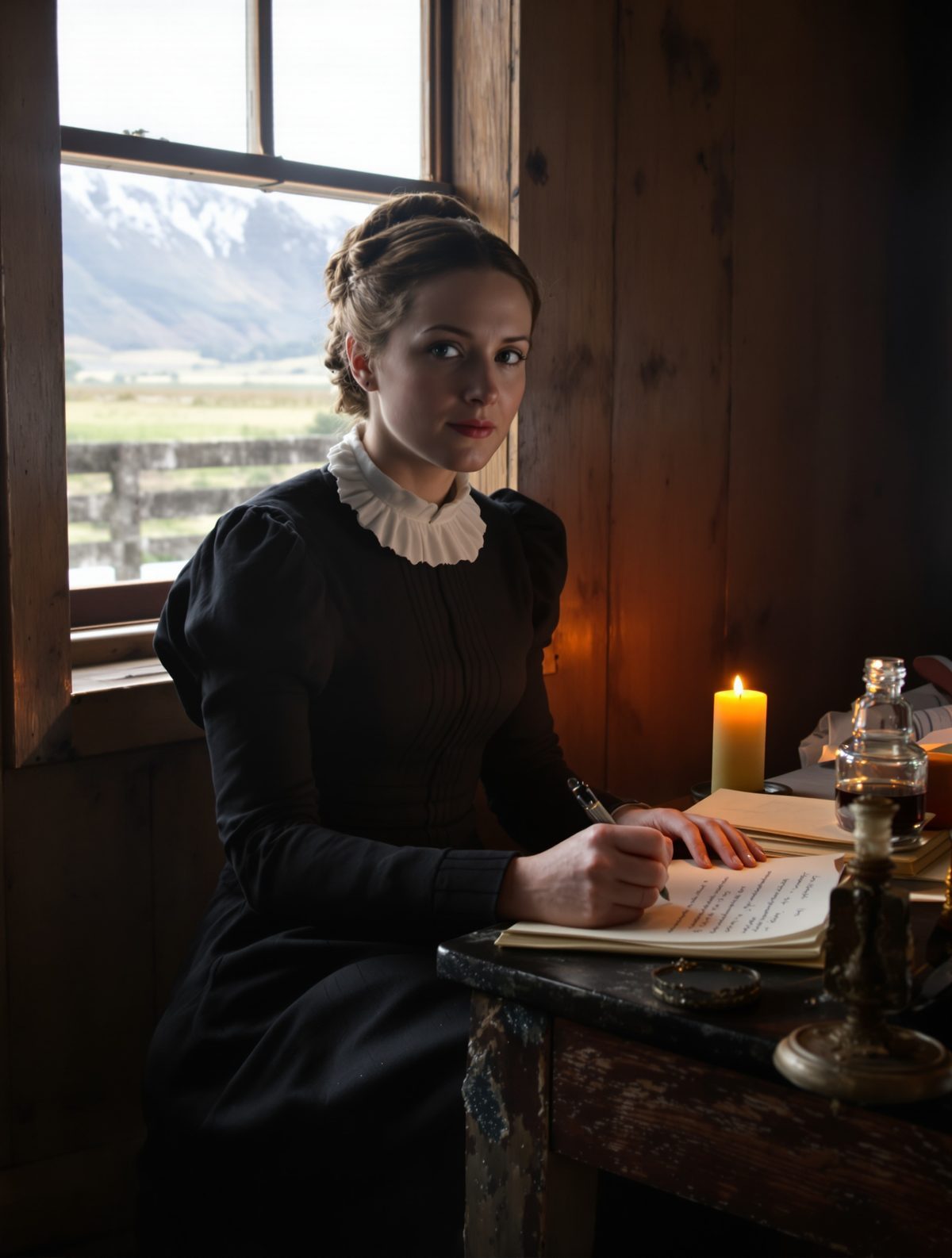
Ontario, 1833. Susanna Moodie had left a comfortable English life for the wilderness. Her husband was gone for months. The forest closed in. The cold came. She kept the fire. She kept her children alive. She kept writing.
New South Wales, 1804. Convicts were property. Governor Philip Gidley King believed otherwise. He granted land to freed convicts. Handed them tools. Told them to build a life. They did.
Argentina calls Falkland Islanders artificially implanted. But its own population arrived from Europe decades later. The islands had no prior inhabitants. The settlers voted 99.8% to stay British.
New South Wales, 1837. A freed convict faced the noose on false testimony. The mob outside wanted him dead. His neighbour, a farmer's wife named Mary Reibey, walked into court alone. She told the truth. The jury believed her.
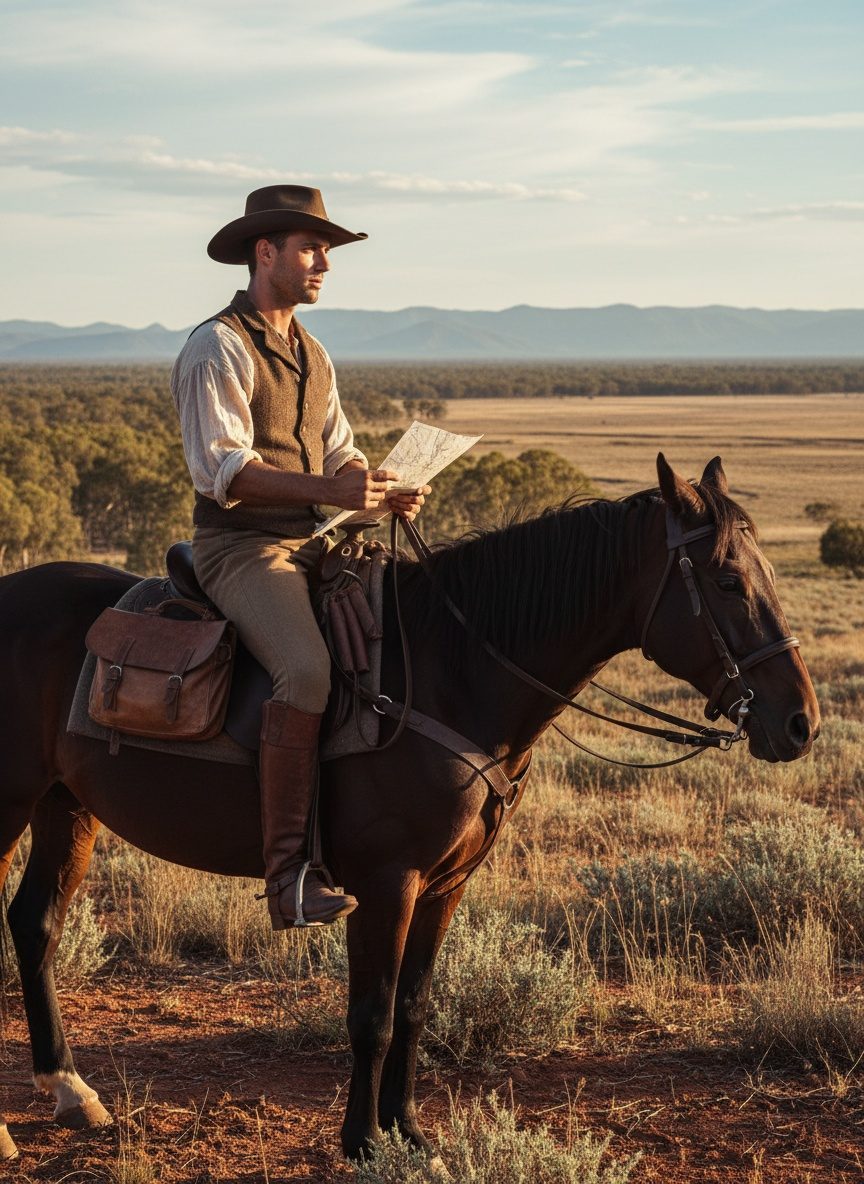
New South Wales, 1827. James Macarthur rode alone into unmapped bush west of Camden Park. No track. No guide. He returned with land enough to double the family's empire. One man. One horse. One chance.
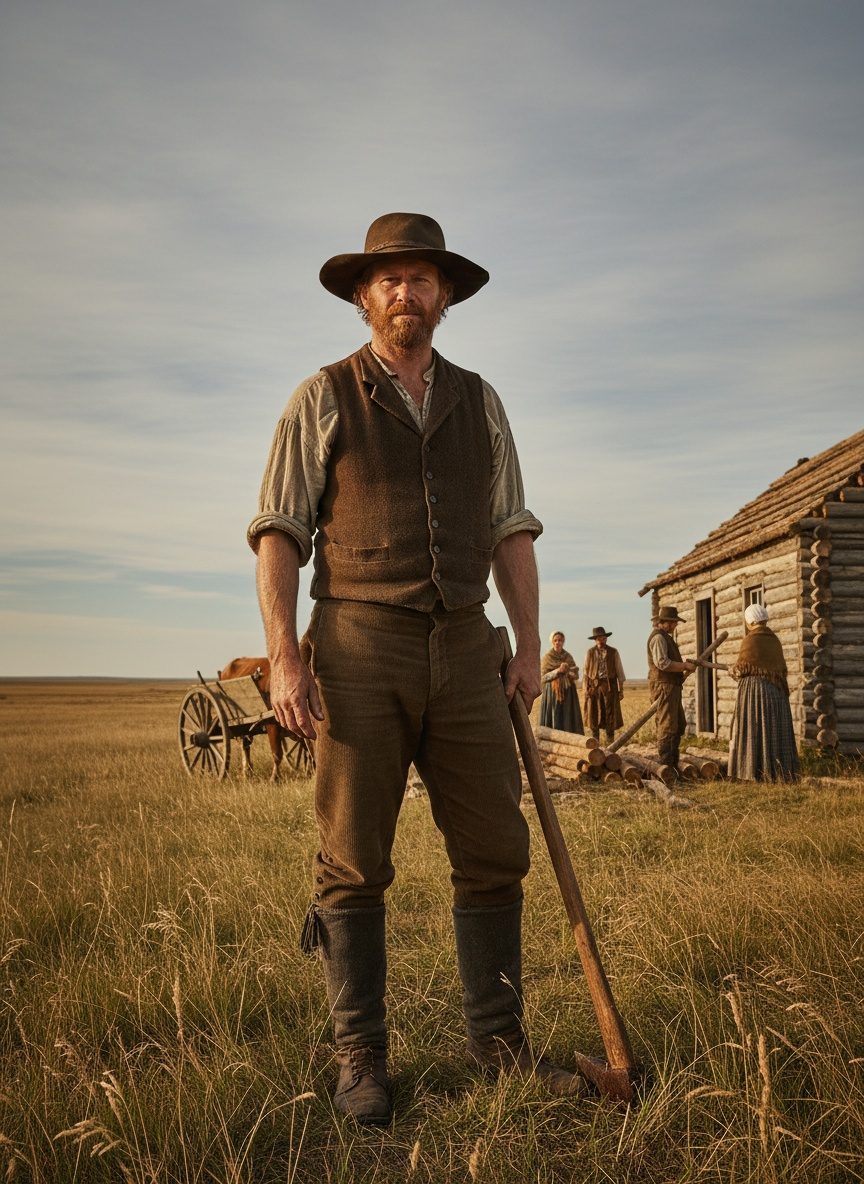
1812. Lord Selkirk had a plan. He would take Scotland's starving crofters and plant them on the Canadian plains. Five thousand miles from home. In the middle of nowhere. They came anyway. They survived anyway.
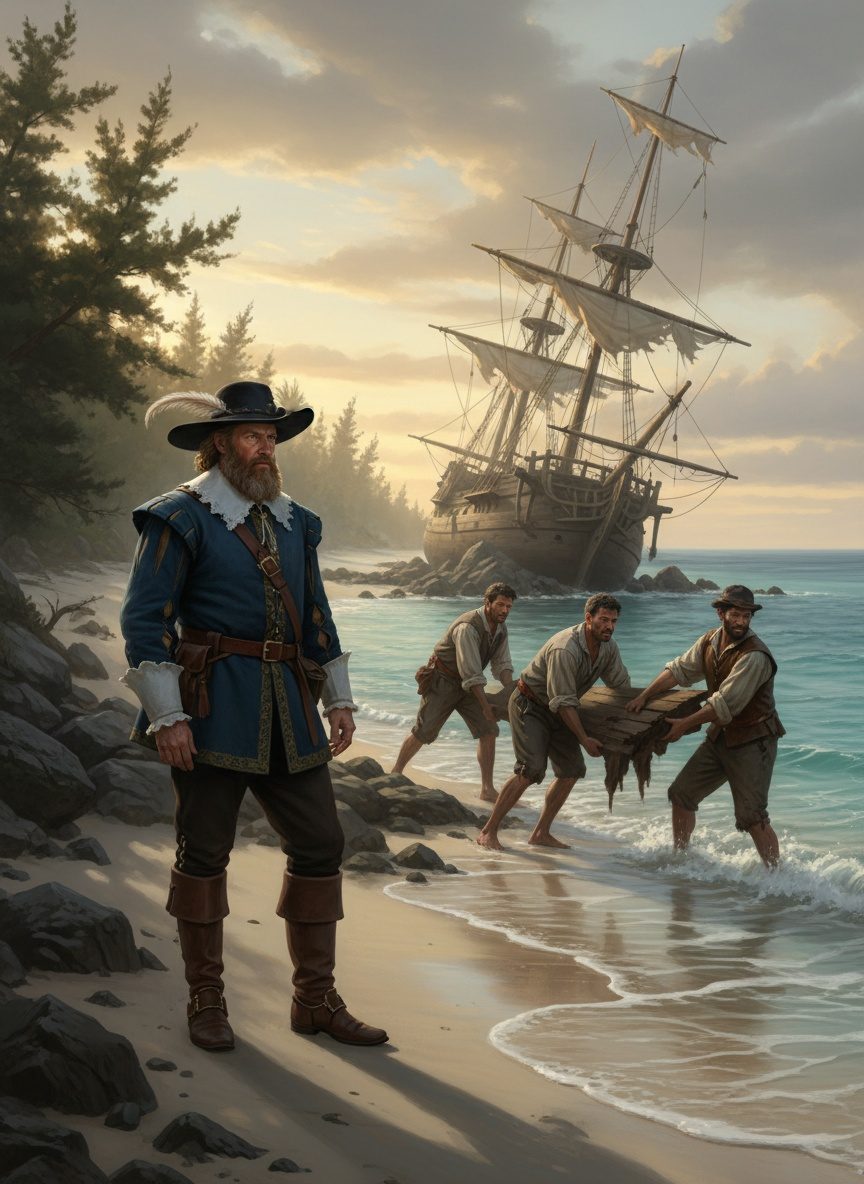
July 1609. A hurricane hit the Sea Venture hard. Sir George Somers drove her onto a reef to save his men. Every soul survived. They built two new ships from cedar. And sailed on to Virginia.
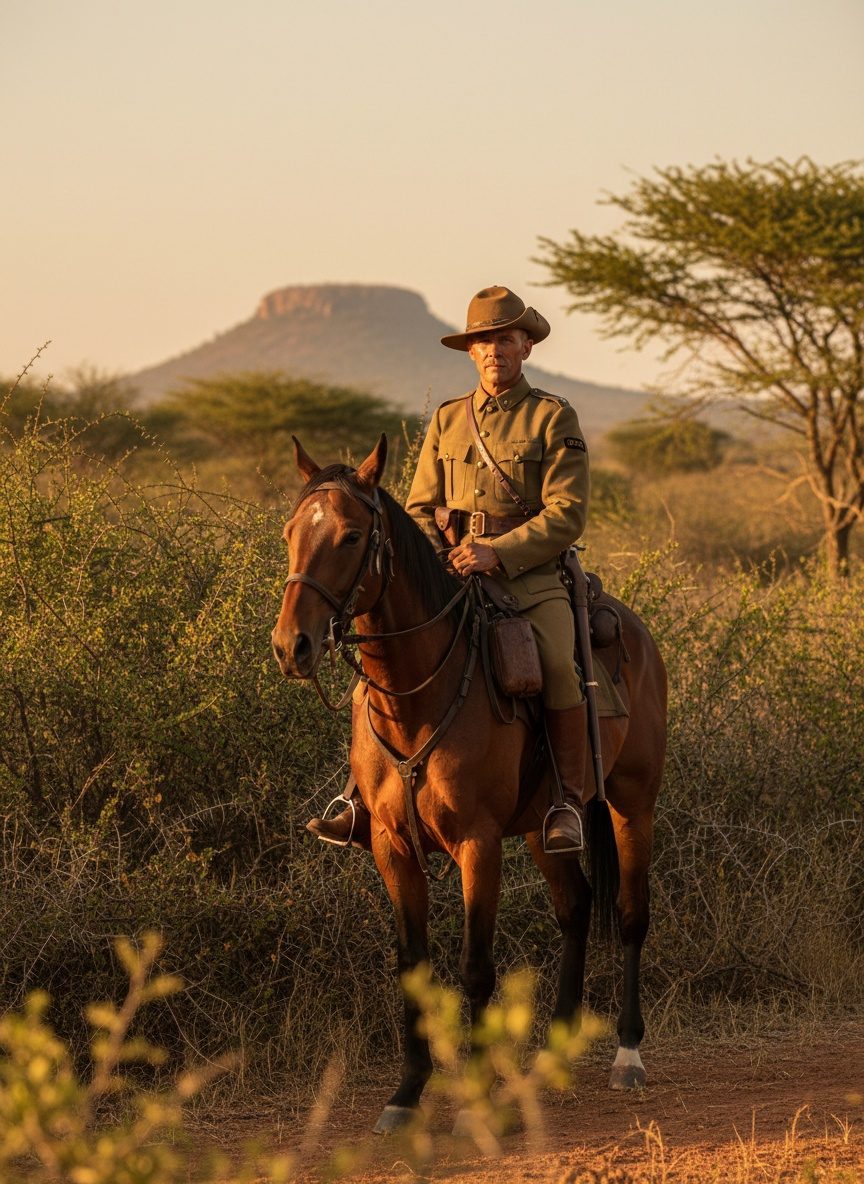
They weren't trained for desks. The British South Africa Police chased armed men through thornbush on horseback. No backup. No protocol. Just nerve. The men who built them had left Britain to find harder ground.
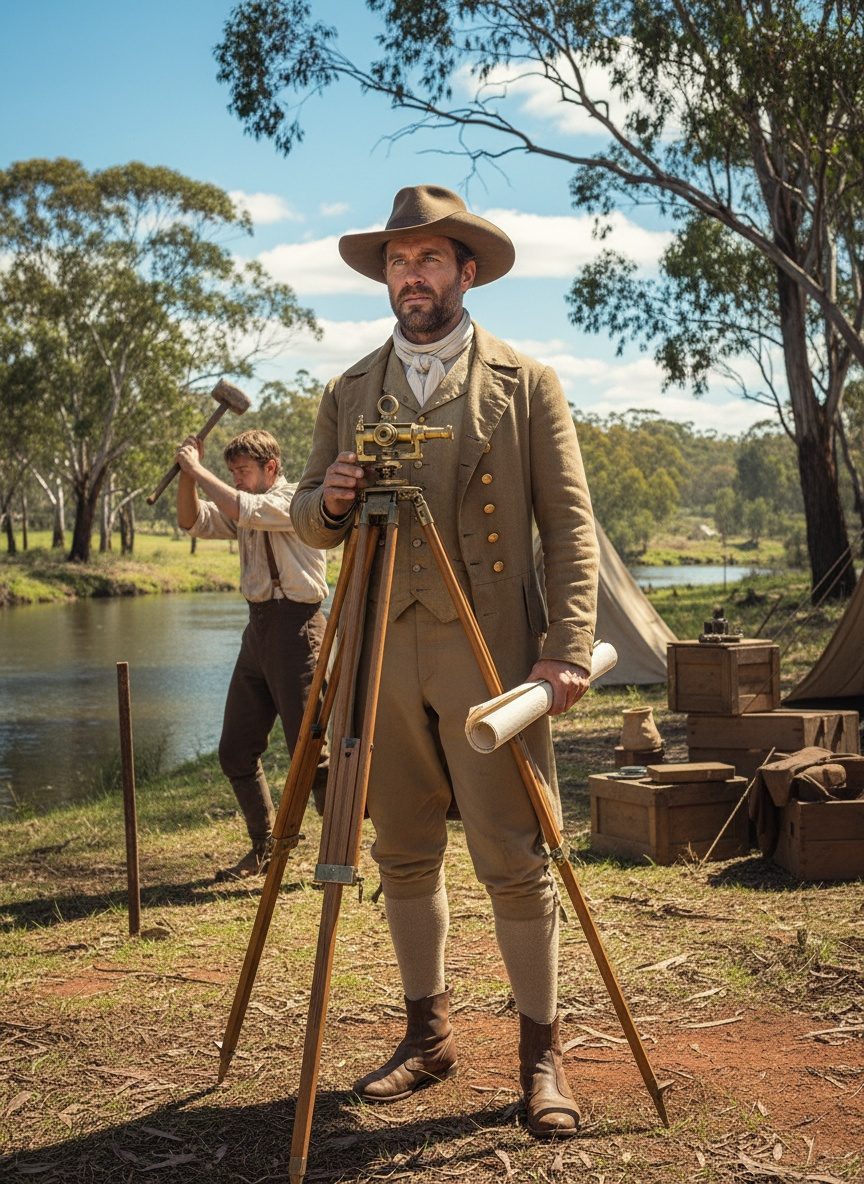
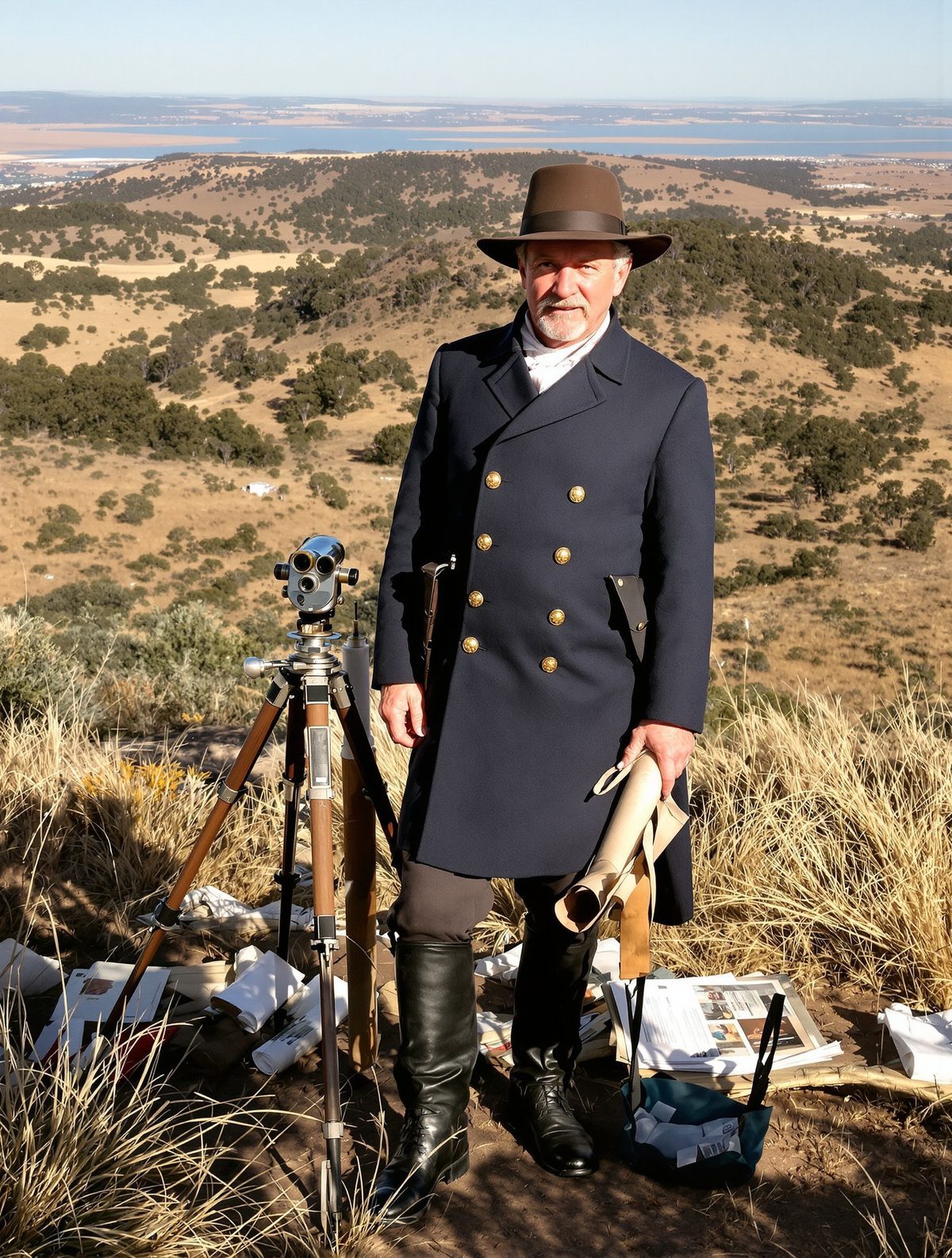
Port Phillip Bay. 1835. John Batman landed and bought land from the Wurundjeri. One year later, surveyor Robert Hoddle arrived. He drew straight lines in the bush. Those lines became Melbourne.
1840. A handful of English settlers stepped ashore at Petone Beach. They carried seeds, tools, and a dream. Edward Jerningham Wakefield had promised them England in the Pacific. The bush was impenetrable. The dream held.
Sydney, 1841. Thousands of women slept in the streets. No work. No shelter. No hope. Caroline Chisholm walked out alone. She found them farms. She found them futures. She saved them all.
1797. Britain seized Trinidad from Spain. Governor Picton faced jungle, disease, and chaos. He built courts, roads, and farms from nothing. A broken island became a working colony in three years.
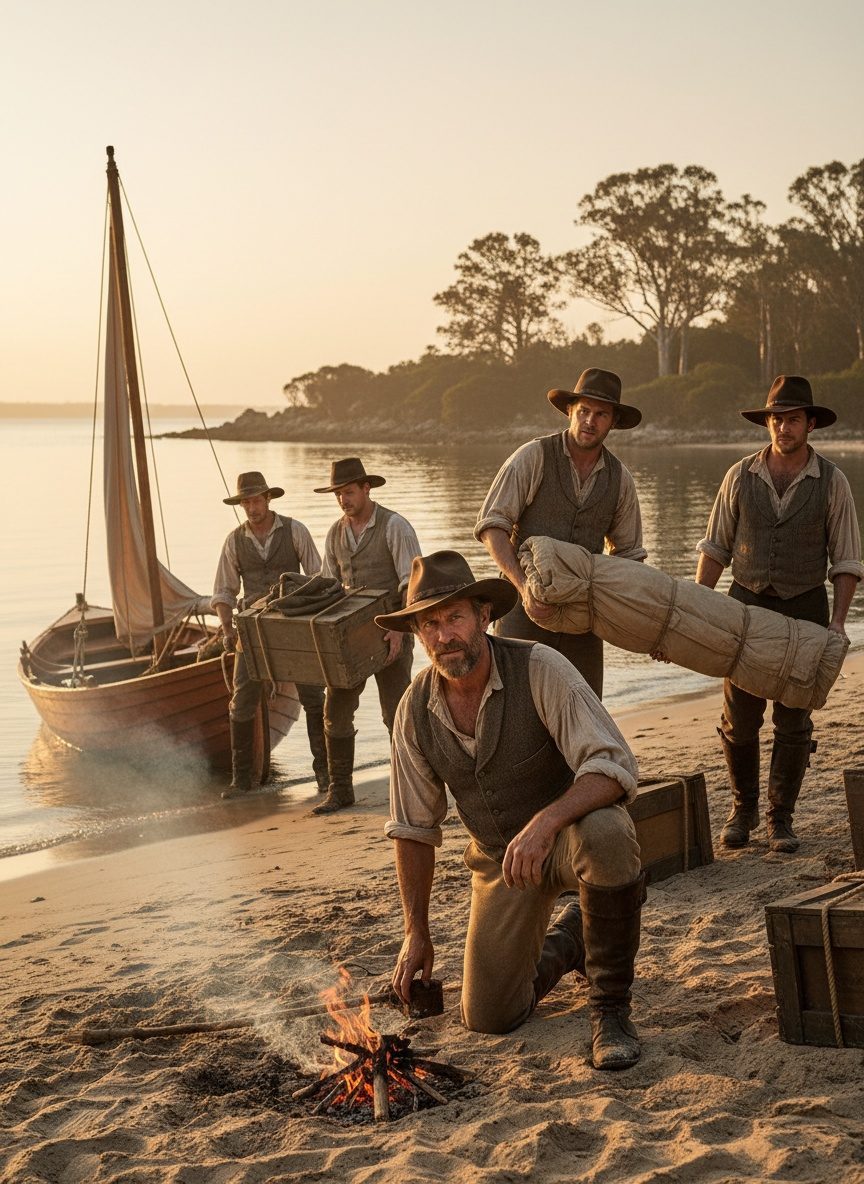
August 1835. A small boat pushed ashore at Port Phillip Bay. Seven men stepped onto empty land. No governor. No orders. No permission. They lit a fire. They stayed. Melbourne had begun.
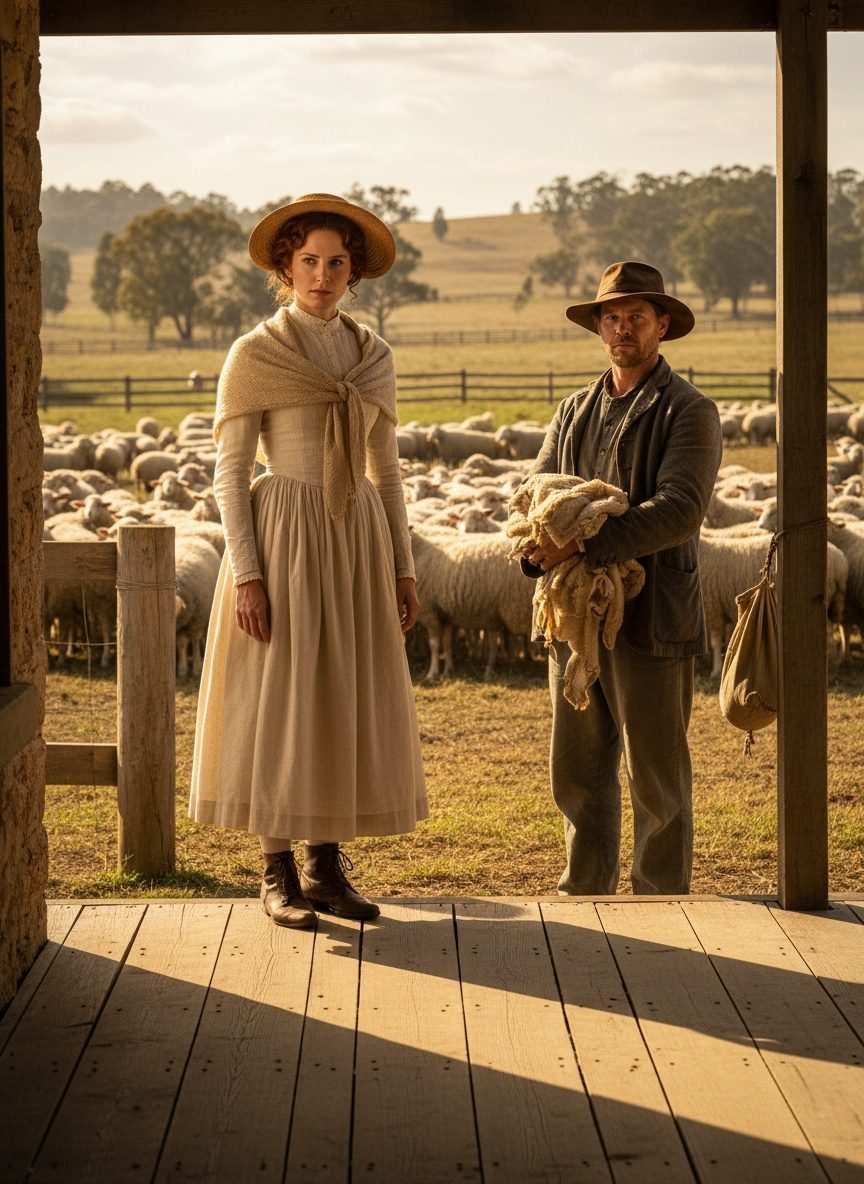
Sydney, 1805. Elizabeth Macarthur had run the farm alone for years. Her husband exiled. Her workers convicts. Her merino flock the finest in the colony. She sheared them anyway. The wool reached London. It changed everything.
1901. The drought was killing the Cape Colony's sheep farms. Emily Hobhouse rode out alone. She found British families starving on abandoned homesteads. She fed them. Shamed a government. Saved hundreds.
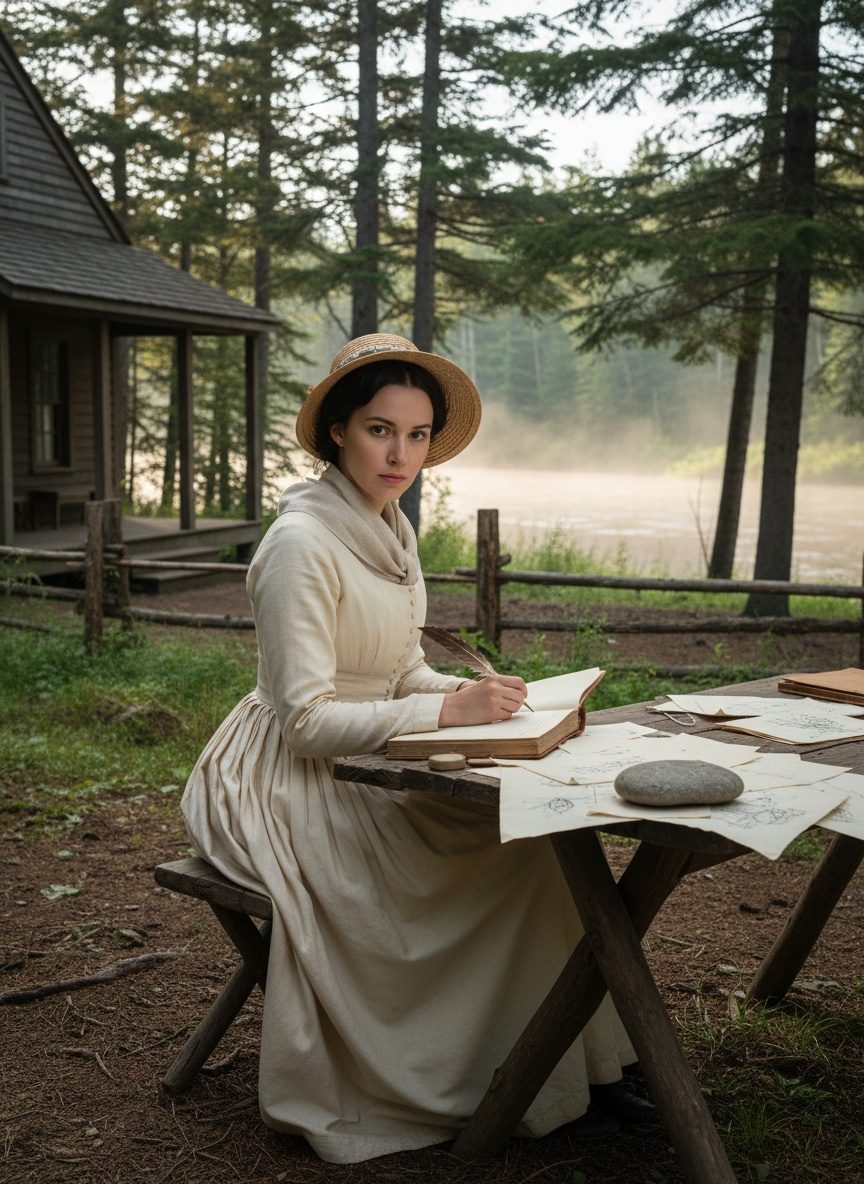
1796. Governor Simcoe sailed home to England, gravely ill. His wife Elizabeth stayed behind. She sketched. She wrote. She mapped a wilderness colony. Alone. Her journals became Upper Canada's founding record.
New South Wales, 1813. The colony was starving for trade. One woman refused to give up. Elizabeth Macarthur managed the farm alone for eight years. Her wool changed a nation. Her courage changed everything.
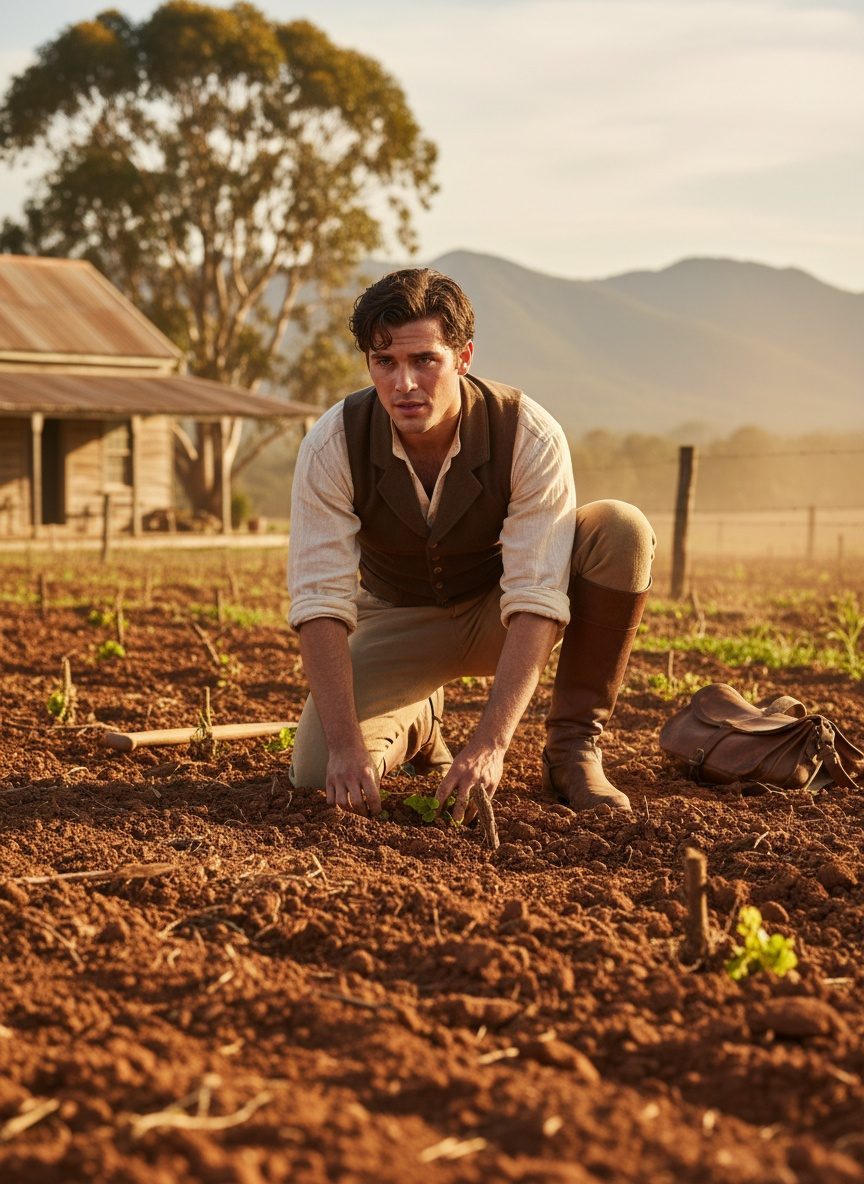
New South Wales. 1835. The son of a disgraced soldier knelt in red Australian soil. He pressed a cutting into the earth. That vine became the foundation of an industry worth billions. He never sought fame. The land remembered.
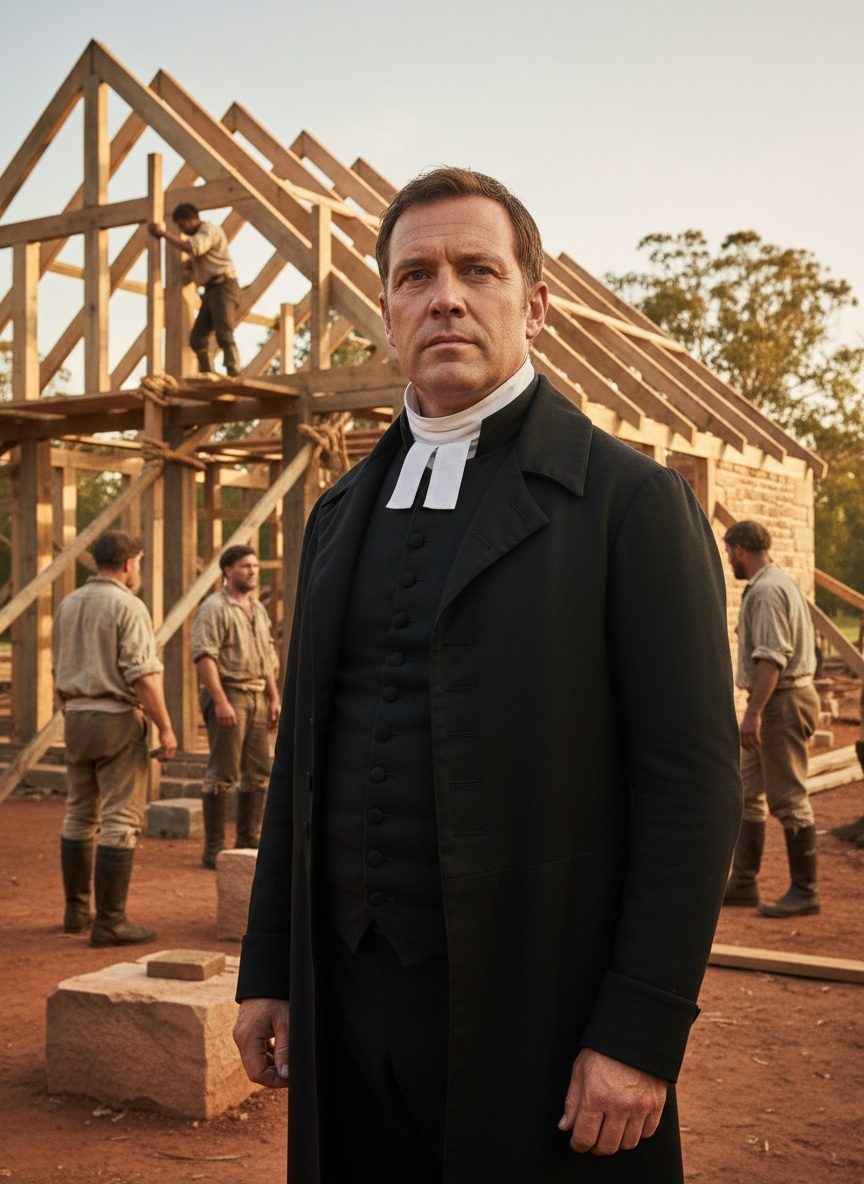
1793. A young surgeon arrived in New South Wales with a box of seedlings. Samuel Marsden had nothing else. He cleared land with convicts. He built a school. Then a church. It still stands in Parramatta today.
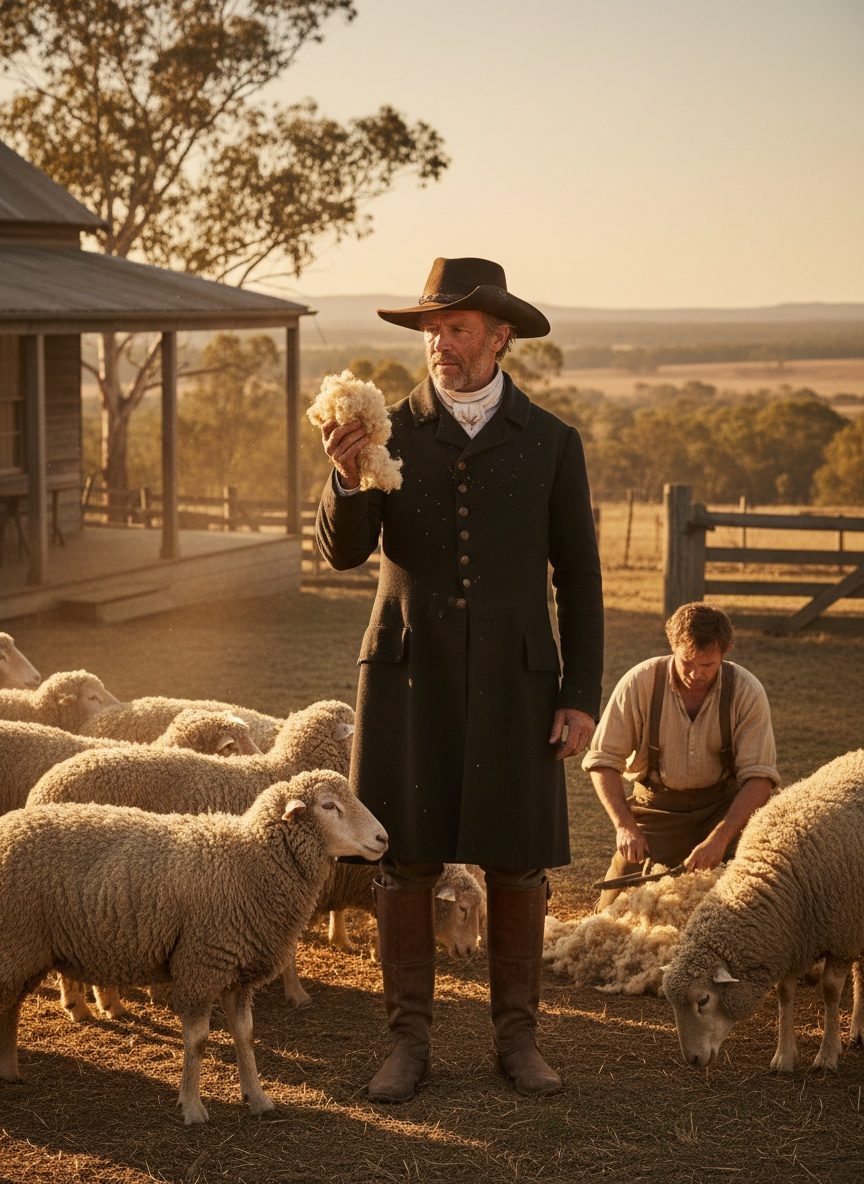
Sydney, 1805. A former army captain stood before a flock of scrawny sheep. He had gambled everything. The wool was fine. Finer than anything England had seen. Australia had found its fortune.
1837. Edward Gibbon Wakefield wrote his plan from a prison cell. He had never seen New Zealand. He described it anyway. Settlers followed his blueprint. A nation rose from his words.
1851. Charlotte Godley arrived in Canterbury, New Zealand, with nothing but faith and ink. Her letters home painted the raw colony in such vivid life that thousands followed. One woman's pen built a nation.
In 1820, James Busby arrived in New South Wales with a dream. He planted 20,000 vines in a single year. A Scottish schoolteacher turned a dusty colony into a wine nation. Nobody believed him. The land proved them wrong.
A disgraced officer. A handful of stolen sheep. And a bet that would clothe the world. John Macarthur arrived in chains. He left as the father of a nation's fortune.
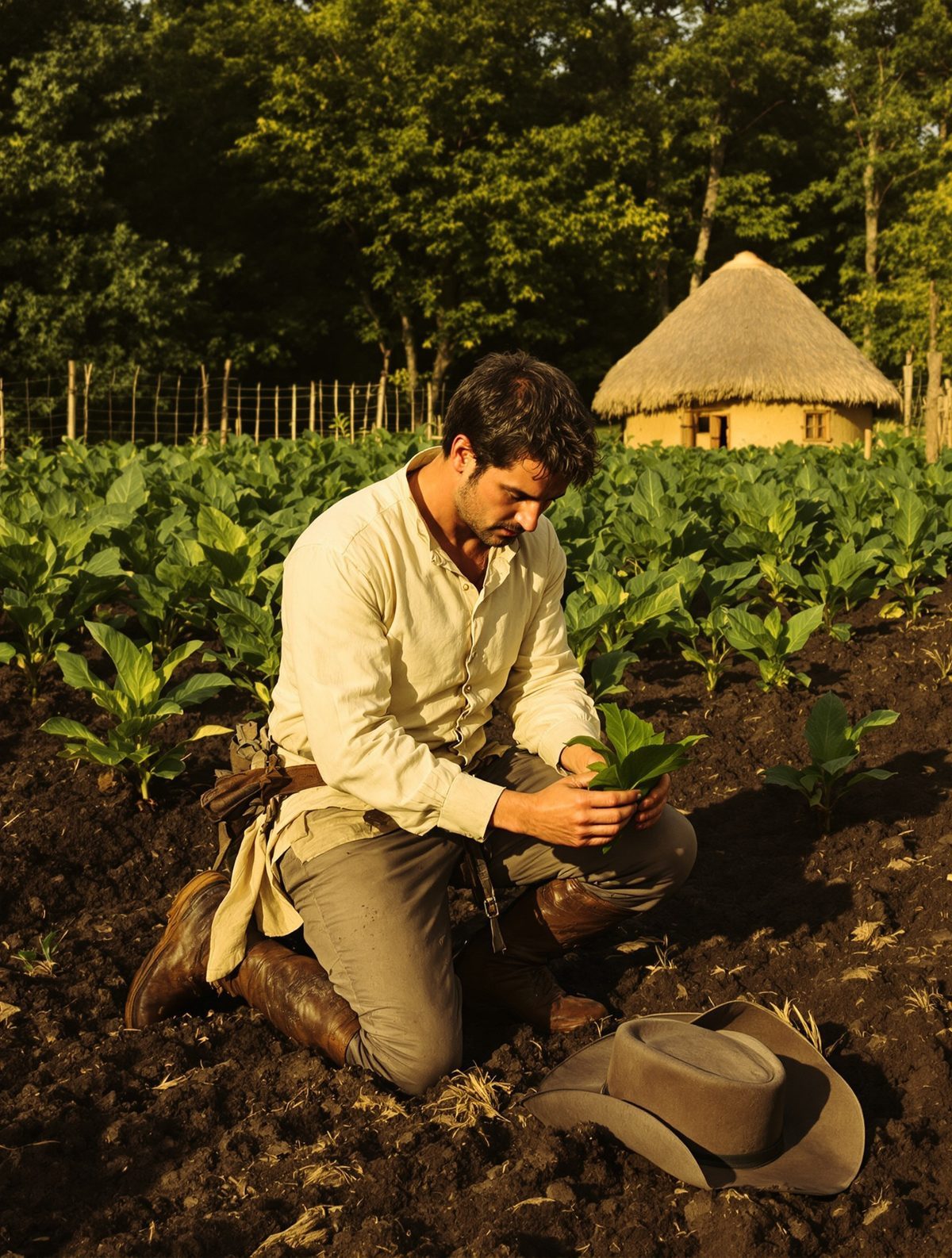
Jamestown was failing. Men were dying. The investors were pulling out. Then one settler tried something no Englishman had dared. He planted a foreign seed. And changed the New World forever.
The Virginia colonists were dying by dozens. Disease and starvation claimed half the settlement. Then Captain John Smith issued his famous decree: 'He who does not work, does not eat.' The lazy gentlemen who refused to labor were cut off from the common store. Within weeks, Jamestown transformed from a death trap into a working colony.
Colonel William Light had 99 days to choose South Australia's capital site. The colonists screamed he'd picked swampland. Light surveyed anyway. His perfect grid became Australia's most liveable city.
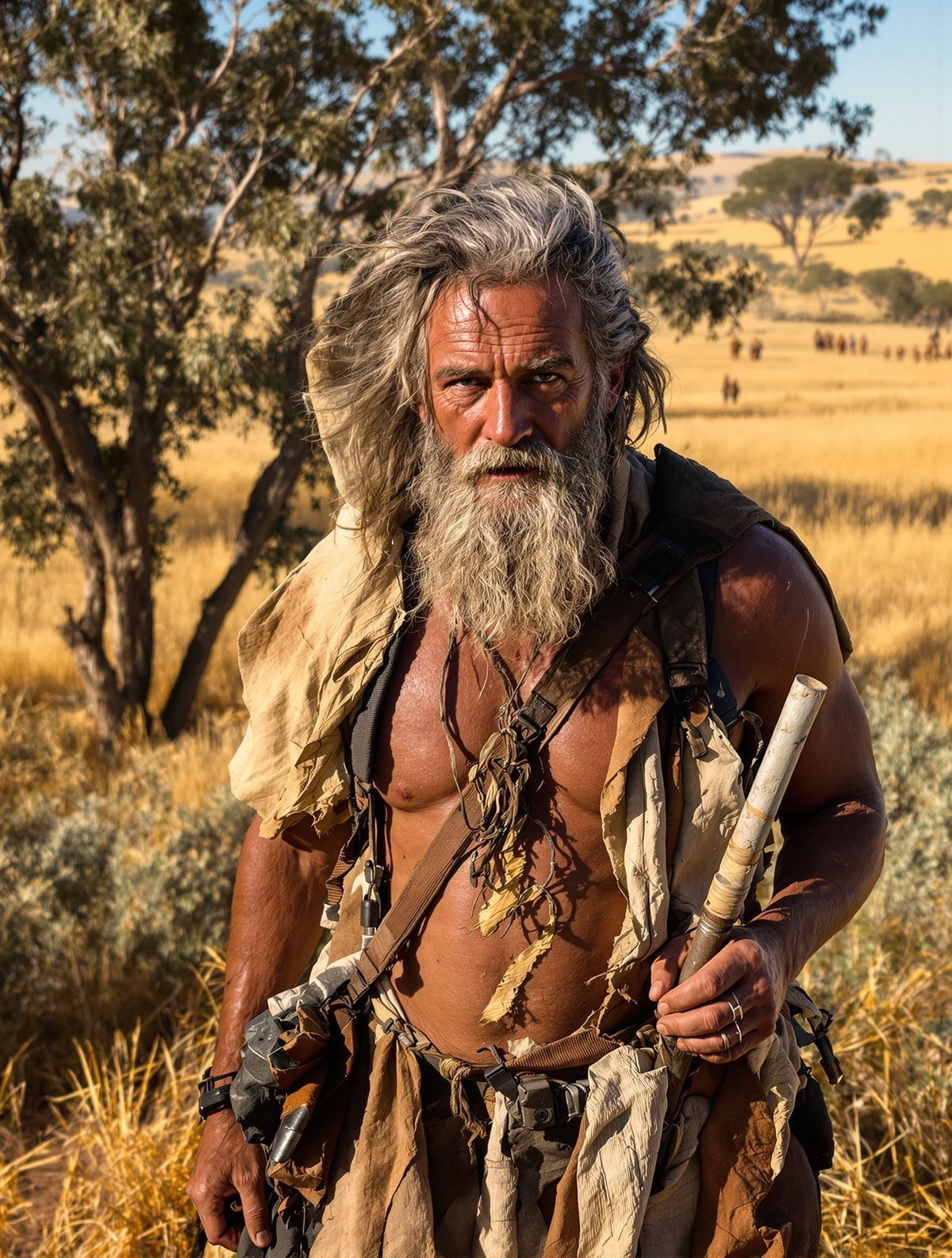
William Buckley escaped from Australia's first penal colony in 1803. He was given up for dead. Thirty-two years later, he walked out of the bush. The Aborigines had adopted him as one of their own.
Convicted kidnapper Edward Wakefield sat in Newgate Prison with pen and paper. He had never seen New Zealand. But from his cell, he wrote the blueprint that would build a nation. His 'systematic colonization' plan created Canterbury and Wellington.
In 1897, Adelaide Hoodless lost her infant son to contaminated milk. She blamed her own ignorance about domestic science. So she started a women's movement in rural Ontario that would spread to 70 countries and teach millions of women essential life skills.
English gentlewoman Catherine Parr Traill arrived in the Canadian wilderness in 1832. No servants. No comforts. Just her diary and determination. She turned survival into literature. Her backwoods guide became every pioneer's bible.
May 1835. John Batman sailed into Port Phillip Bay with a wild plan. He would buy 600,000 acres from Aboriginal chiefs. The price? 40 blankets, 30 axes, and 100 pounds of flour. The site would become Melbourne.
January 1788. Captain Arthur Phillip stared at the empty shores of Botany Bay. 1,400 souls aboard 11 ships. No supplies waiting. No rescue coming. Just orders to build a colony from nothing.
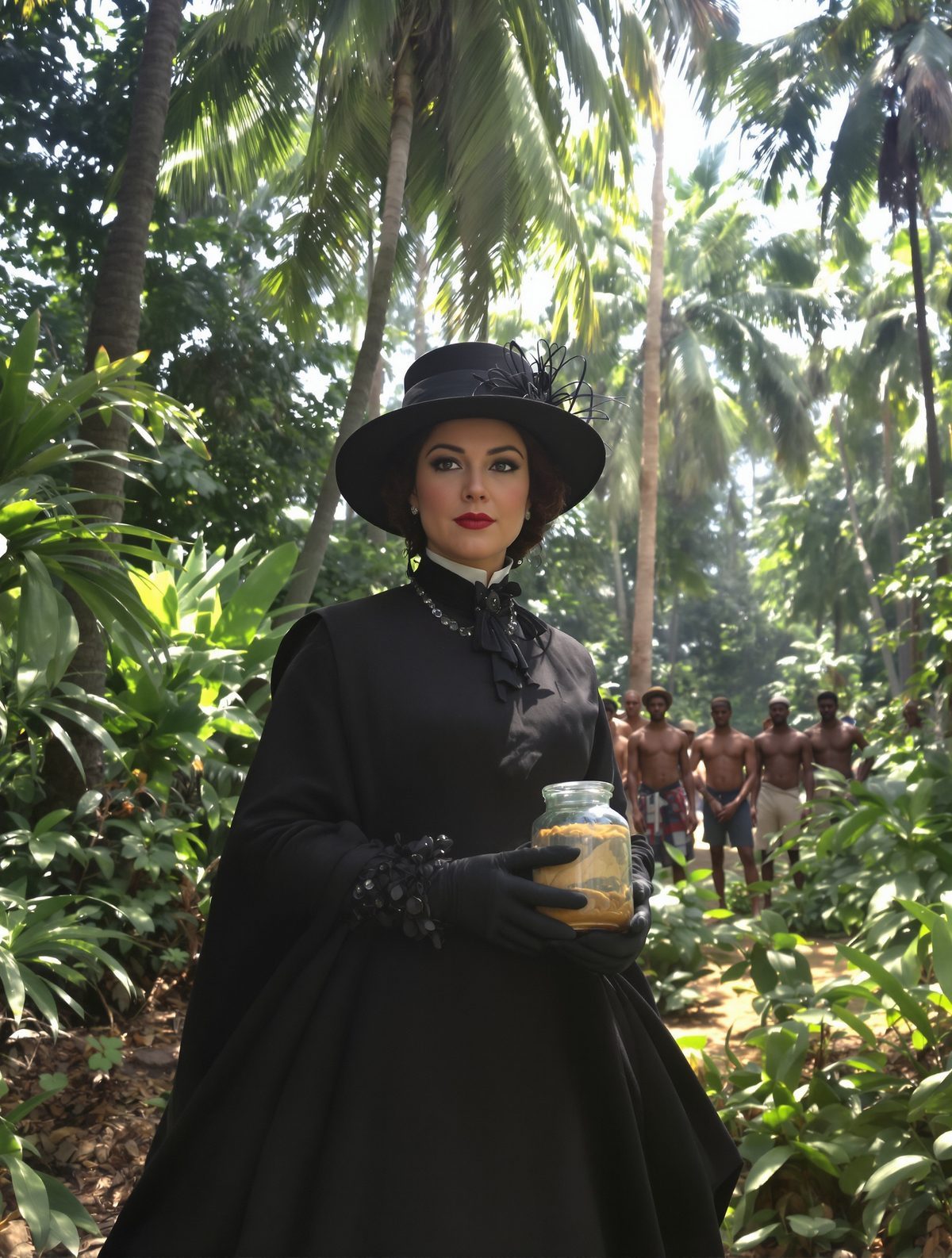
Victorian spinster Mary Kingsley traveled alone into West Africa's most dangerous regions. She traded with cannibals. Collected fish in her petticoats. Survived crocodiles and leopards. All while wearing full Victorian dress and refusing to carry a gun.
Hand-picked from Britain Untold's archive. The stories you weren't taught at school. 3-minute read.
No spam. Unsubscribe in one click. We hate spam too. Privacy Policy.