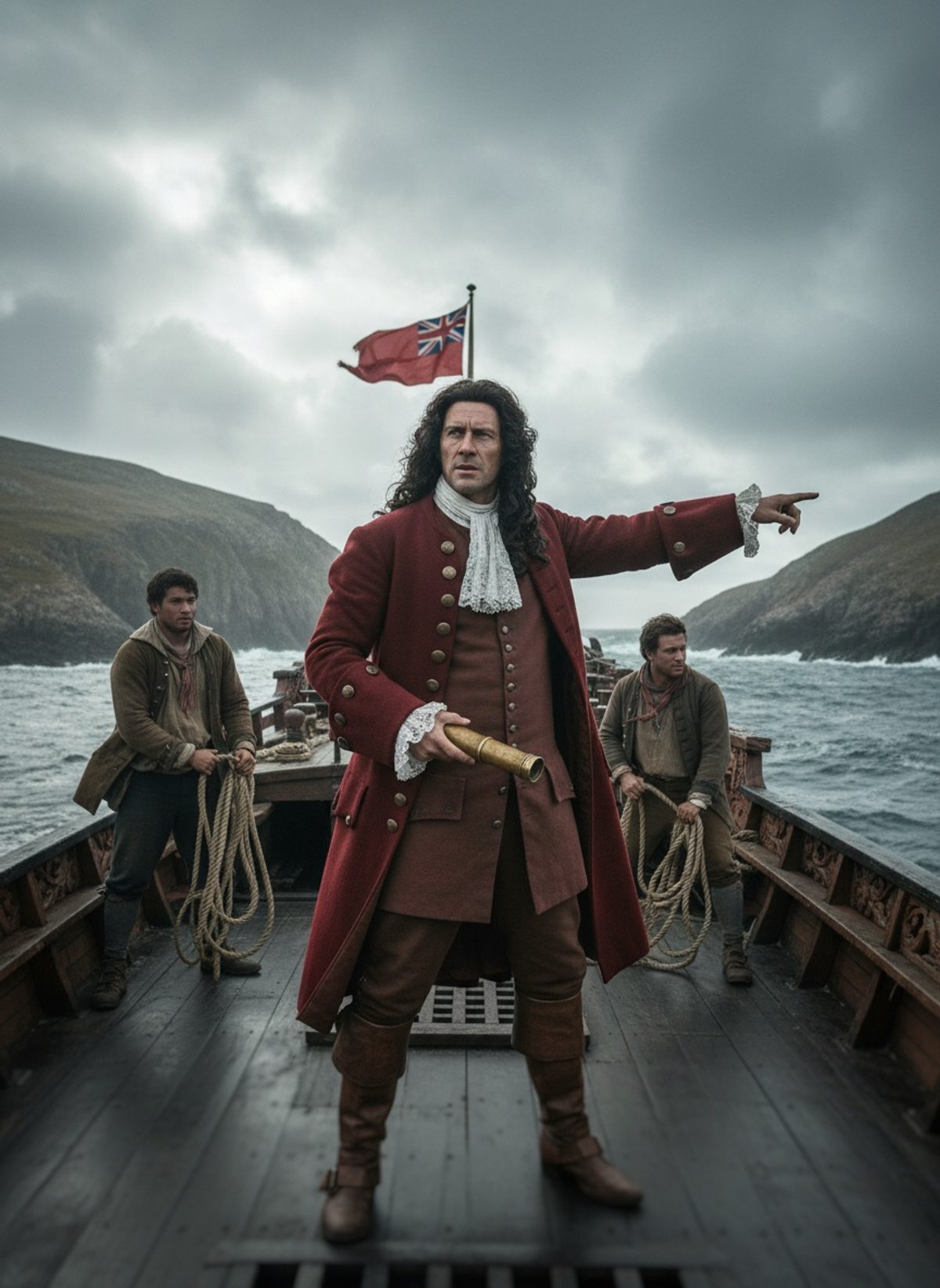
August 1690. The wind whipped furiously through the sails as Captain John Strong's ship navigated the uncharted waters of the South Atlantic. The horizon was an untamed expanse, with rugged landmasses breaking the monotony of the sea, islands that the world had yet to name, known, or even claim.
As the crew of the British vessel approached, Strong was struck by the breathtaking majesty of the archipelago that lay before them. These islands, hardened by relentless ocean waves and winds, protruded from the sea with an almost defiant solitude. It was here, amidst the lure of discovery and the promise of geographical conquest, that Strong would etch the British presence into history with a single, decisive act.
The channel between the largest of the islands beckoned Strong like an open invitation for exploration. As his ship carefully maneuvered through the narrows, he couldn't help but notice the strategic importance of the place. To name it was to claim it—a practice not uncommon among explorers eager to stamp their legacy upon newfound land. And so, he christened it after a British nobleman, Viscount Falkland, neither aware nor concerned that the name would endure through centuries of territorial disputes and would be a lasting testament to Britain's early assertion over these remote islands.
This moment, engraved in maritime logs, anchors Britain's first recorded encounter with the islands that many today refer to as the Falklands. During this period, Europe was awash with tales of discovery and conquests, yet few had ventured to these distant shores in the South Atlantic. No Spanish governor had set foot on this land, and no Argentine nation existed to contest this early claim. It was an era of exploration, defined by bold navigators who claimed not just territories but also legacies.
Read next: When Grace Bussell Rode Into the Surf to Save Strangers
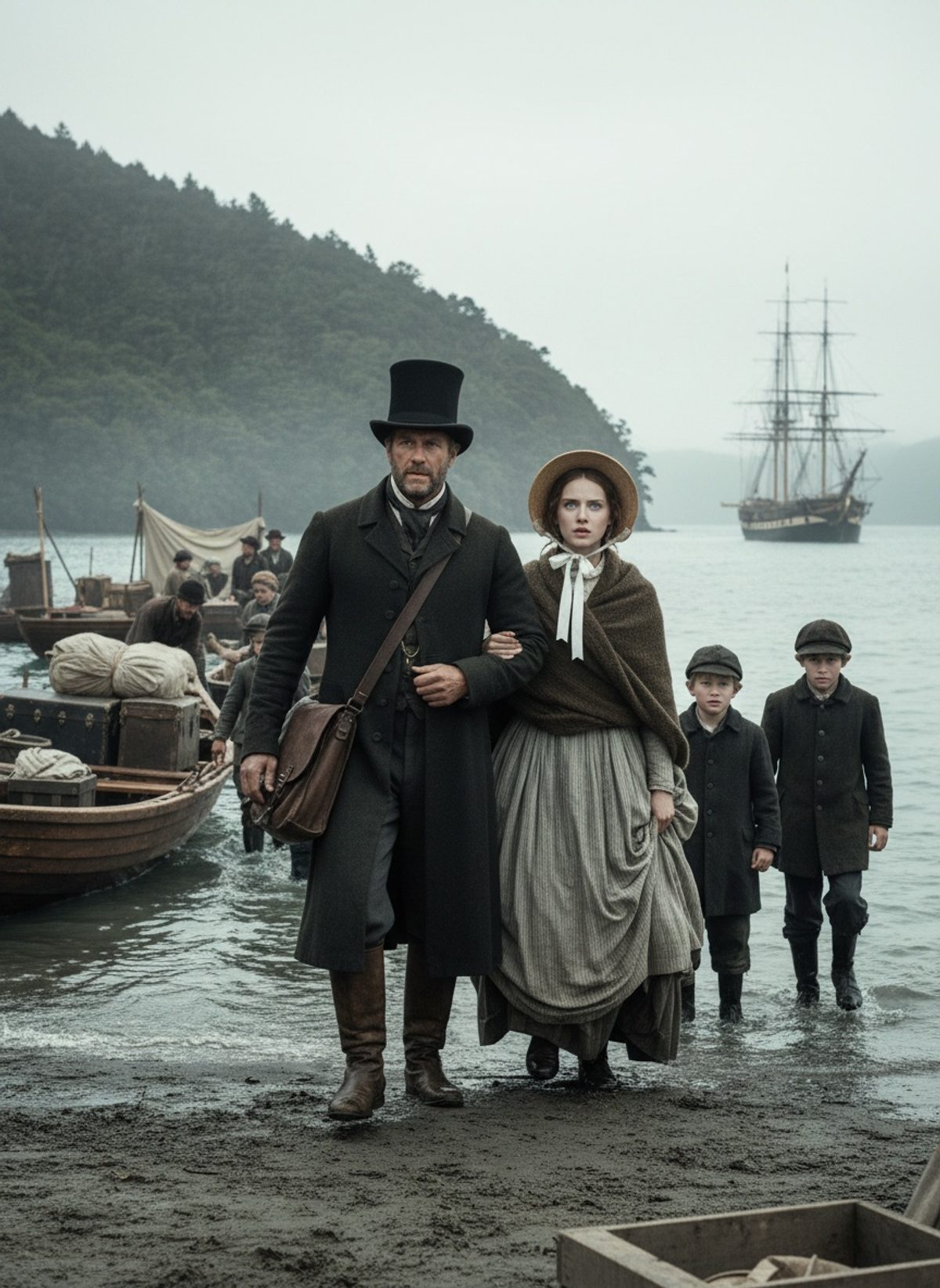
Imagine the scene as Captain Strong and his crew went ashore. The islands presented a harsh but haunting beauty—windswept and isolated, with tufts of hardy grass and jagged rocks dotting the landscape. The air was thick with salt, mingling with the earthy scent of untouched soil, and the occasional cry of seabirds punctuated the enveloping silence. For the sailors, some likely seasoned veterans of the sea, this was more than an adventure—it was a footnote in history that spun tales of empire and honor.
What Strong may not have realized is that the name he bestowed upon the channel and those islands would become a lightning rod for geopolitics centuries later. The Falkland Islands, or Islas Malvinas as they are known in Argentine discourse, have been a symbolic chessboard—a flashpoint of sovereignty and national pride for countries many miles removed from Strong’s original voyage. Yet it was his simple act of naming that would provide Britain with the foundational claim in later territorial dialogues.
In the swirling mists of history, it might be easy to dismiss this act as just another line in the chronicles of empire. However, it occupies a unique space in the lore of discovery and ownership. As explorers ventured further into unknown territories, their journey was more than a search for new lands—it was a journey to stamp their identity across oceans, ensuring their own narrative endured alongside the tides of change.
Reflecting on this, one must consider how names possess power, serving as legal and cultural placeholders that transcend the mere act of discovery. Even if the rocks and churning seas of this archipelago looked as harrowing 300 years ago as they do today, each name carved into their history carries with it a story—of those who dared to claim the islands as their own, of legal battles fought in courts and battles fought in reality.
By the time Strong made his landing, routes to the New World had been established, and stories of riches and untamed territories filled the courts of Europe. Yet, his contribution was not in riches but rather in the assertion of sovereignty. There were no riches to haul back to the British Isles, and no conquests to recount, except for the grand, albeit figurative, victory of marking Britain’s presence on a brutally isolated map.
To the modern reader, such acts of nomenclature may seem a quaint or antiquated enterprise. But examining history through the lens of names, we acknowledge a deeper understanding of geopolitical legacies and contested histories. Strong's christening of the channel underscores the very nature of colonial ambition—not just in tangible conquest but also in claiming through language and culture. It reminds us of the paradox of exploration—simultaneously a marvel of human spirit and a harbinger of conflict.
Still today, debates over these rugged islands are not just about the past but about identity, sovereignty, and memory. The name Falkland, etched into mariners' maps by Strong's simple yet profound act, serves as an early chapter in a story that continues to evolve. It is a legacy of knowledge and exploration—a story of what it means to navigate unknown waters and to claim your place within them.