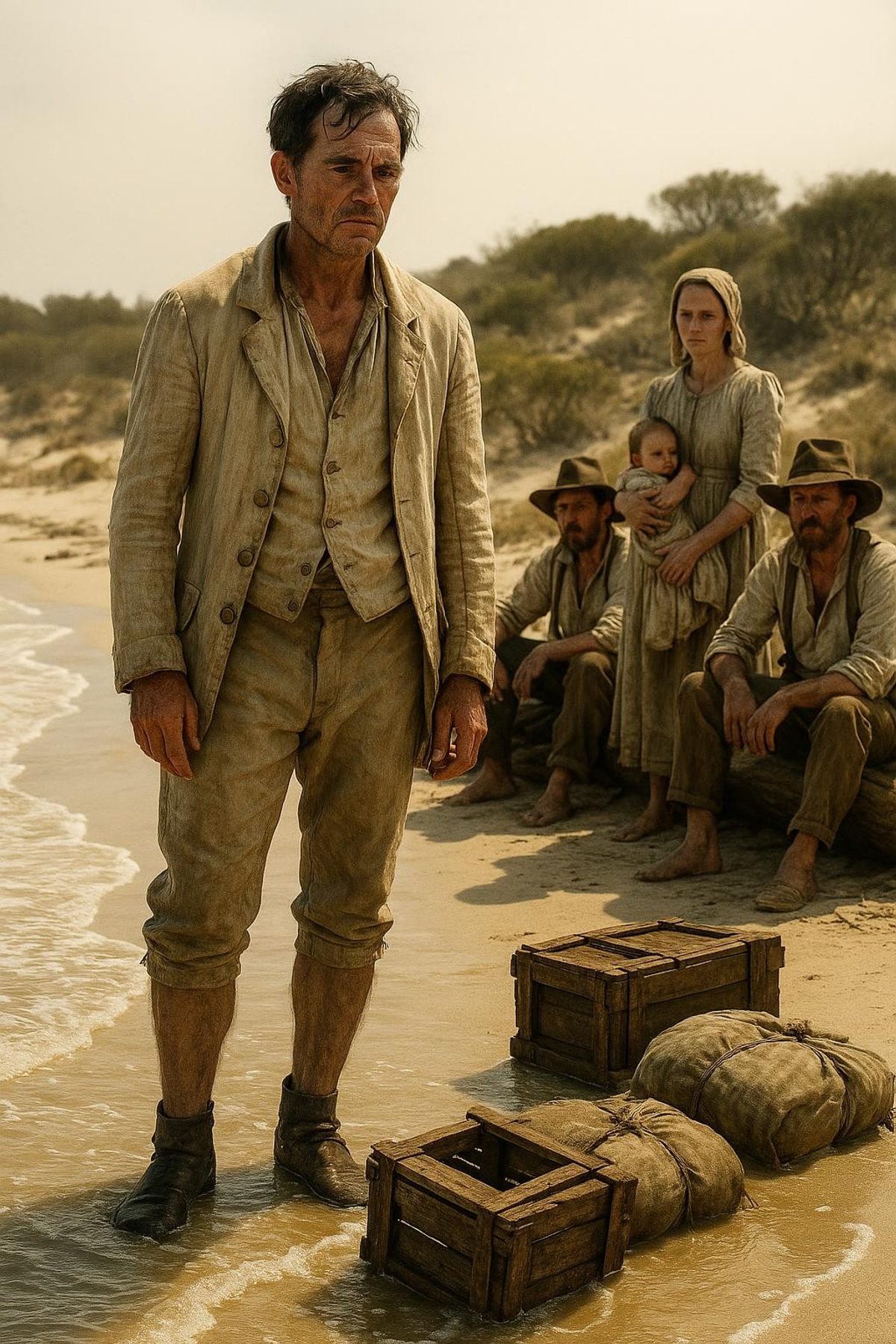
Sand mingled with sweat as Thomas Peel's settlers pushed their cracked lips into the last of the precious water, the ocean's relentless applause the only witness to their desperation. Sheltered from the scorching sun beneath makeshift tents of frayed canvas and driftwood, they clung to the remnants of a dream that had not withstood the harsh realities of Western Australia's untamed coast.
The Arrival of Dreams and Disaster
The settlers who disembarked with Thomas Peel did so not with trepidation, but with a fervor born of promise. Aboard a vessel crammed with hope, livestock, and supplies, they sailed towards a new dawn — only to find a barren land waiting, indifferent to their expectations. Clarence, intended as a bastion of British ambition, stood naked as the surf, with only Peel's assurances to shield its settlers from nature's indifference.
There were no roads carved into the sinewed landscape, no welcoming stores filled with provisions, just the unyielding coastal bush that loomed over fledgling tents like an elder defying change. The settlers knew they should expect struggle; what they didn't expect was the unraveling of leadership before the challenges even truly began. Supplies rotted under the blistering sun, the promise of abundance foiled by oversight and Peel's inadequate foresight. The very elements they sought to tame instead rose against them as stores of flour soured and barrels ruptured.
Betrayal and Abandonment
It wasn't long before whispers of dissent crept through the ranks. Peel, the architect of their exodus, seemed all but absent, his grand plans hollow echoes against the cries of hunger and thirst. Fascination with his ego had perhaps blinded him; he envisioned a colony thriving from the very fabric of the new world, yet failed to steer it past its birth pains. An isolation settled upon him separate from that inflicted by distance. Doubt was a cruel catalyst, shattering the fragile bonds that once held the settlers in awe of Peel’s grandiloquence.
Read next: When Edward Wakefield's Dream Colony Rose From the Sea, 1840
Desperation taught unity, yet it also intensified the sense of betrayal. Men and women looked to Peel for salvation that he seemed unable or unwilling to provide. As days turned into weeks, the settler’s hope disintegrated into despair. The realization spread like a brushfire — they had been stranded on the edge of the Empire, promised the cradle of civilization only to meet isolation. With no direction from their leader, they faced the impossibility of survival in solitude.
The Tenuous Threads of Survival
The people, left to fend for themselves, turned to the scant resources they could find. Unused to the bushcraft of the Indigenous peoples, their efforts were frail shadows of necessity. The land's natural bounty was as foreign to them as the tongues spoken by the Aboriginal tribes to their north. With water dwindling to a trickle, agonizing decisions loomed large. They labored to dig wells, hands blistering, only to find the ground as unyielding as the circumstances, the sahara swallowing hope.
Those with initiative combed the coastline for anything salvageable from the ship's wreckage, flotsam rendered treasure by dire need. Survival hung by coarse threads — plants newly discovered were both food and foe, fingers sliced upon unknown blades hidden within stumps and scrub. Still, within the grinding hardship, some found ways to persist, piecing together a semblance of shelter where hope could find purchase.
Unseen Allies and Unlikely Resilience
Amidst this unfolding drama, the settlers' plight compelled the compassion of nearby Australian tribes. Stories long suppressed speak of quiet aid rendered, small gestures of goodwill shown by a people who belonged to this land. Through wisdom and pity, techniques of survival were passed — knowledge of plants safe to eat, pointers to freshwater springs hidden from the settler's untrained eyes. Yet these acts went largely unacknowledged; history’s focus on Peel often blots out such human threads of resilience.
The settlers who endured did so by weaving a tapestry of defiance large enough to rebuff the despair. They were not simply victims, but architects of extraordinary perseverance. Their trials an unmerited dare against imperial aspirations, an untold saga of an empire's pawns finding strength within a fractured orbit of influence.
Lessons from the Sand
The settlement's unraveling holds mirrors to our own time, reflections of a world where promises can turn to dust without consideration of consequence. Thomas Peel's failure was not just logistical; it was a calamitous miscalculation of humanity’s needs against imperial ambition. Yet, in this patch of history lies a tale worth telling — the fleeting arrogance of leaders stripped bare by nature and their corresponding silent struggle of the disenfranchised to live.
In our age of renewed frontiers, Peel’s failed promise is a complex reminder of resilience spurred by the absence of leadership. The settlers of Clarence found the strength to survive where governance fled, their story the untold breadth of humanity's indomitable spirit cut adrift on an empire's margin. They teach us that communities, however dismantled, can rise from the sands of despair and forge ahead, a lesson etched in the forgotten whispers of those firstly cast aside.