Juan Pujol García was a Spanish poultry farmer. He was also one of the most successful spies in history.
A Most Unlikely Spy
Imagine, if you will, the bustling streets of Madrid during the Second World War. In a modest suit, a determined man walked to the British Embassy. Juan Pujol García, a poultry farmer from Spain, approached the red-bricked consulate with a singular purpose: to offer his services as a spy. He had no experience, no military background, nor any governmental contacts, which was why he was promptly shown the door. Yet, this setback only fueled the fire in Pujol's belly. Undeterred, Juan devised a plan that would change the course of the war.
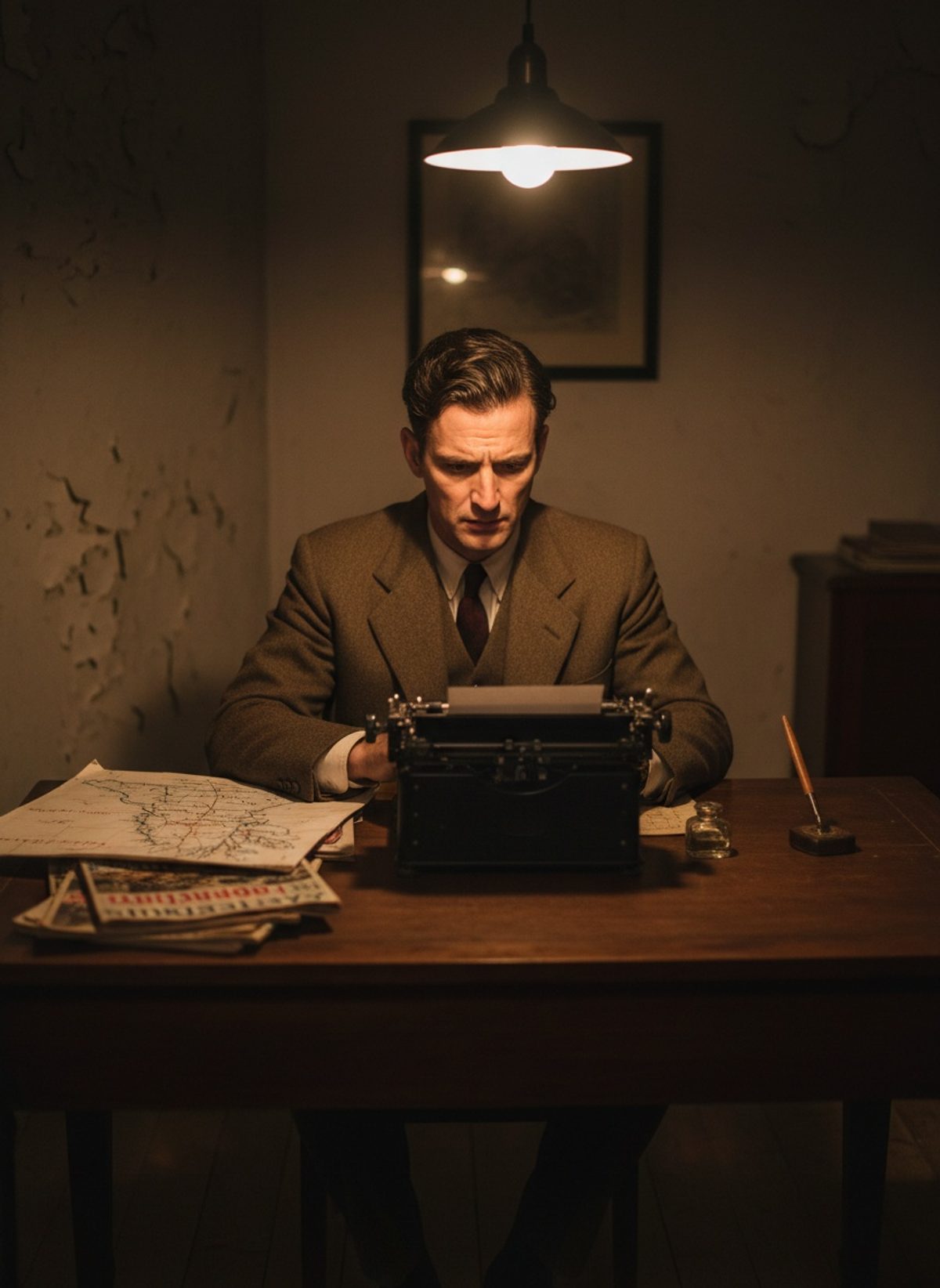
It was a grand illusion spun with a library card. Pujol began crafting an entirely fictional network of informants and agents, initially aimed at deceiving the Germans about Allied troop movements. His tools were nothing more than a travel guide, a railway timetable, and his remarkable ingenuity. To the Germans, however, his reports were gold. They believed him to be completely embedded within the British espionage network, code-named "Garbo" because of his theatrical brilliance.
A Fictional Web of Spies
Pujol's reports were masterpieces of deception, filled with mundane details that lent them authenticity. They detailed troop movements and strategic plans, all pulled from thin air, with occasional nods to genuine but non-essential operations. His imaginary network eventually burgeoned into 27 supposed agents, each with their own crafted backstory and personality, all relayed through his tireless fingers on a typewriter in a Lisbon hotel room.
Read next: He Was Fourteen. The Navy Gave Him a Gun.
The Germans, convinced of Garbo’s loyalty and brilliance, showered him with praise for his apparent dedication. So entrenched was their belief that they awarded Pujol the Iron Cross—a wartime honor typically reserved for German soldiers. This elaborate web was tightly woven and flawlessly executed, astonishingly without the Germans’ slightest suspicion. He had managed to wrap the enemies around his little finger, feeding them snippets of fantasy cloaked as formidable intelligence.
The Grand Deception of D-Day
The pinnacle of Pujol’s espionage came with Operation Fortitude, an Allied deception campaign designed to mask the true location of the D-Day landings. The Allies used a two-pronged approach, taking full advantage of Pujol's talents. While actual Allied forces prepared to invade Normandy, Pujol convinced the German high command that the main invasion would occur at Pas-de-Calais, further reinforcing this with scattered, misleading reports of a secondary, smaller assault elsewhere.
This misdirection was crucial as it led Hitler to hold back his reserve troops, whom he kept stationed near the Pas-de-Calais, awaiting an attack that would never materialize. As storming figures of the Allies broke the beaches on that fateful morning, the real strength of German resistance awaited elsewhere under false pretenses.
The Power of One Man's Conviction
In reflecting upon Juan Pujol García’s tale of daring subterfuge, his legacy goes beyond just the stratagems and operational brilliance. It underscores a profound notion: the human spirit, audacity, and creativity often reside in the most inconspicuous places. From a simple farmer with a burning desire to make a difference, "Garbo" transcended enemy lines and orchestrated intricacies of military misdirection that played a significant role in shaping the outcomes of World War II.
The irony that a man once denied by intelligence agencies so thoroughly fooled an oppressive regime makes one ponder the overlooked potential in overlooked people. In narratives typically defined by mighty armies and grand strategies, the story of "Garbo" affirms how a solitary individual's resolve can indeed tilt scales of destiny, leaving an indelible mark not as a forgotten footnote but as a true unsung hero of history.