October 1, 1960. Lagos was alive with anticipation.
Beneath the Midnight Sky
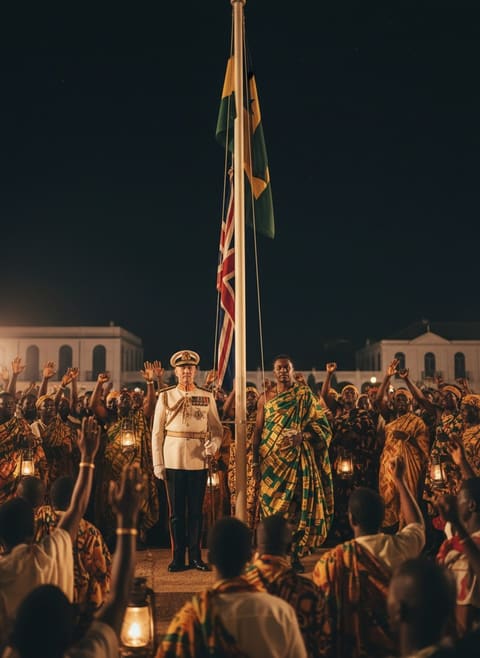
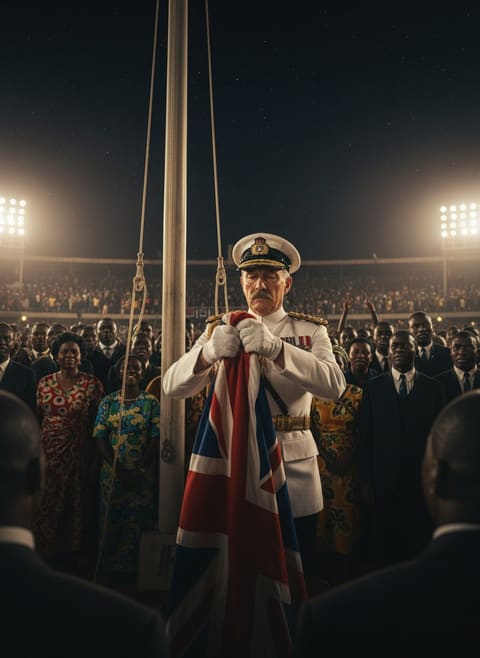
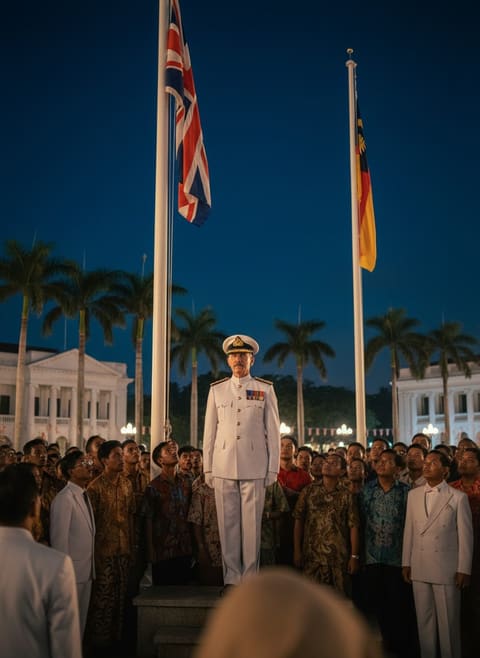
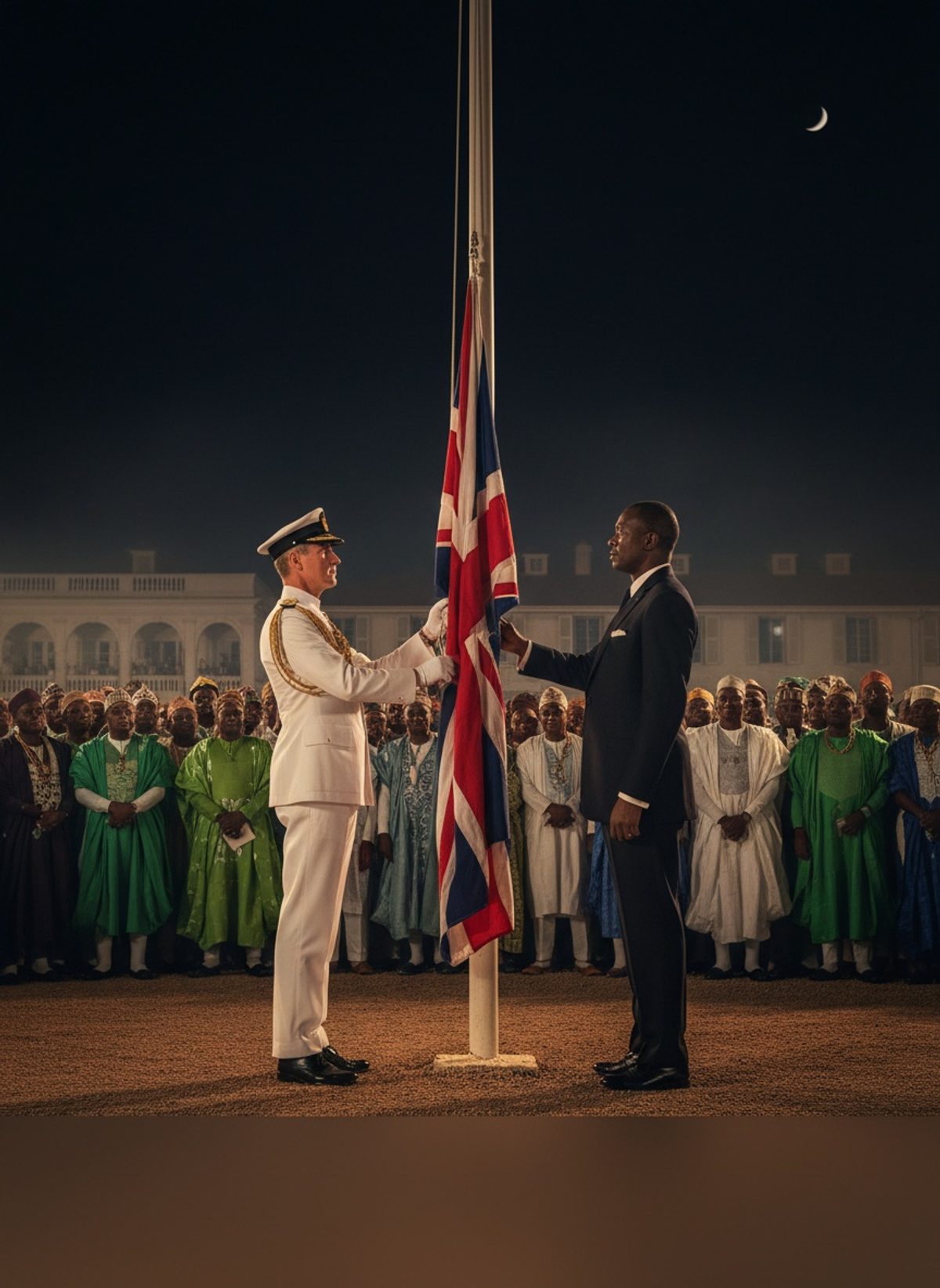
In the early hours of that day, the heart of Lagos throbbed with an energy that seemed to pulse from the earth itself. The night was warm, and the air carried an electric charge that brushed against the skin of tens of thousands gathered around Tafawa Balewa Square. There, under the glow of floodlights, they bore witness to an event both monumental and quiet—the birth of a nation. As the clock approached midnight, a hush fell over the crowd, their collective breath held in anticipation. From afar, the gentle rustle of the palm trees seemed to whisper promises of a new dawn. On a dais, a British officer stepped forward and, ceremonially yet with heavy symbolism, lowered the Union Jack for what could be the last time in this part of Africa.
As the emblem of British imperial might came down, its fabric flirting with the breeze, a collective sigh resonated through the crowd, punctuated only by the rhythmic drumming of the nation's heartbeat. It was a simple yet profound gesture; a tacit acknowledgment that the era of British rule, painted across decades and continents, was turning its page. In its place, the green-white-green flag of Nigeria ascended, each inch upwards telling a story of resilience, identity, and hope.
A Tapestry of Cultures
Nigeria, a land teeming with cultural diversity, was about to step onto the world stage with a vibrant palette of ethnicities, languages, and traditions. For over 36 million people, independence was not just a political milestone but a reclaiming of identity forcibly interwoven by colonial threads. The rich Hausa-Fulani empires of the north, the sophisticated Yoruba kingdoms in the west, and the resourceful Igbo communities of the east—their narratives were complex tapestries woven over centuries. Each had felt the weight of an empire that often ignored such richness for the convenience of administration.
Read next: When Britain Handed Malaya Its Flag and Walked Away, 1957
Yet, in those early hours of October, these diverse groups gathered not in discord but in unity, each finding itself reflected in the ascending flag. For the first time, they were all part of something greater—something that promised autonomy and the power to shape its own destiny. Yet, it was also a poignant reminder of the challenges ahead. How does one navigate the crossroads of ancient traditions and the demands of a modern state? How could they ensure that their unity in diversity would not succumb to division? These questions lingered beneath the celebratory surface, casting an introspective shadow even as the crowd erupted in applause and song.
Britain's Departure: A Quiet Acknowledgment
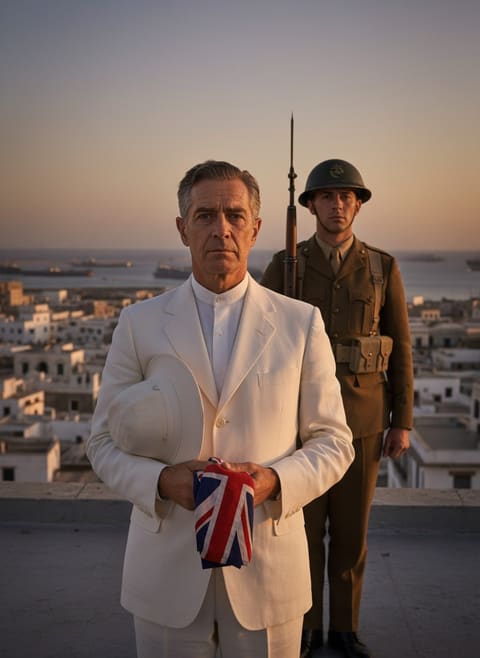
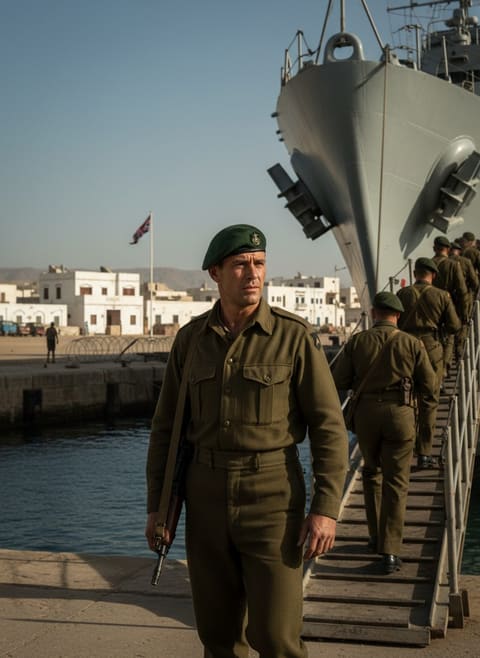
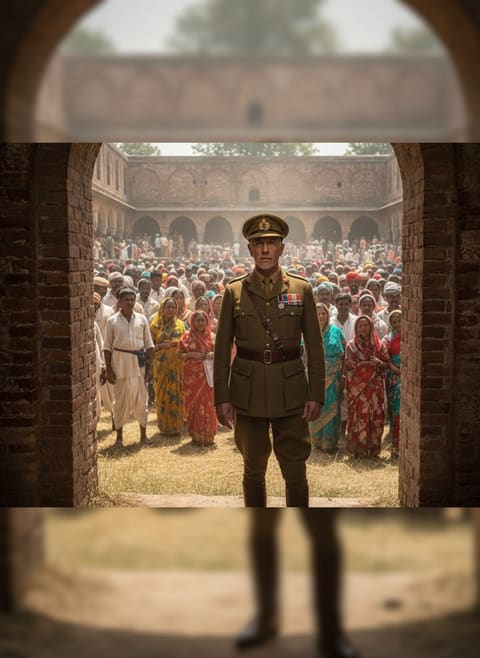
Despite the tumultuous history of British colonial rule, Nigeria's transition to independence was marked by an unusual peace. There were no cries of grief; the guns remained silent. Instead, there was a mutual recognition—a shared understanding that the past was irretrievable and the future unavoidable. Among the watching British officials, there was a sense of gravitas as they realized the handover was no longer just an administrative procedure; it was an acknowledgment that an era had ended.
Many in Britain had witnessed similar transitions in countries like India, Ghana, and Sudan, each relinquishing its hold on their imperial reign. Yet, each was unique, painted in its shade of history and resistance. In Nigeria's case, there seemed to be a tacit acceptance that this moment was inevitable—all empires would eventually meet a crossroads. The sun had begun to set on the British Empire, and Nigeria's independence was both a reminder and a harbinger of those changing times.
Through this quiet transfer of power, Britain was recognizing Africa's changing role in the world, a release perhaps too long in coming, yet respectful in its execution. The Nigerian people—a mosaic of stories and histories—had persevered through years of governance that often prioritized the empire's need over local aspiration.
Read next: When the Last Gunner Left Gan and Switched Off the Lights
Reclaiming the Future
When the dawn of October 1, 1960, finally broke over Lagos, it did so over a Nigeria that was both ancient and brand-new. With the rising sun casting an invigorating glow over the streets, it was as though each ray of light whispered of possibilities untold. Lagos, and indeed Nigeria, was alive with the promise of a future self-determined and unshackled. The challenges were numerous; political stability, economic independence, and unity would be hard-won prizes. However, the spirit of the people, much like that green-white-green banner, soared higher than ever before.
The moment the flag unfurled was more than just a political transformation—it was a deep, symbolic act of reclaiming the stage of history. Every Nigerian was part of this grand gesture, pivoting from an imposed identity to one born of their own choosing. The echoes of that midnight handover lingered in every corner, each a subtle reminder that they were not just inheritors of a newfound freedom but architects of Nigeria's tomorrow.
As the sun climbed higher, the unity of anticipation melted into the warmth of ambition. They knew that building this new nation would require courage, determination, and a lingering awareness of the ghosts of their colonial past. Yet facing the future, Nigerians were anything but afraid. Their eyes were set on the horizon, ready to write their own story in bold strokes of independence. This moment, born under the midnight sky, resonated far beyond the borders of Nigeria, heralding a broader African awakening—a narrative of self-assertion, identity, and resilience that would inspire generations to come.