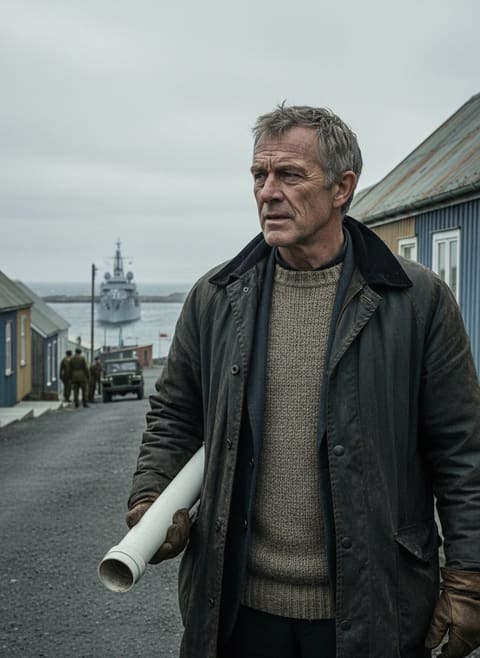
The southern Atlantic winds whipped through the peaks above Port Stanley, their icy fingers dancing over the scarred ridgelines where not long ago the sounds of helicopters and gunfire filled the air. The damp chill of mid-June in the Falklands crept into every crevasse, wrapping around the soldiers who had borne witness to the unfolding of a momentous chapter in British military history. On 14 June 1982, as the first light broke over the horizon, a different sense of silence descended upon the troops. For the first time in ten weeks, the guns fell silent above Stanley, signalling the end of a brutal conflict and the beginning of new hope for the Falkland Islanders.
Night Falls on Stanley
As the final hours of the 13th of June wore on, British forces prepared their last coordinated assault. The air was thick with anticipation as the Scots Guards began their daring nighttime attack on Tumbledown Mountain. Under the cover of darkness, the guardsmen moved stealthily across the rugged terrain, their boots slipping on frost-covered rocks. It would be a close-quarters battle, with little room for error. The sound of sporadic gunfire echoed through the night as both sides fought fiercely to claim the high ground.
Meanwhile, the men of 2 Para engaged with Argentine forces at Wireless Ridge, their boots serving as the drumbeat of determination as they surged forward. Each skirmish pushed them closer to the ultimate goal: Port Stanley. In the strategic chess game of the battlefield, the Gurkhas were positioned to assault Mount William, poised to unleash their legendary combat skills at a moment's notice. But the Argentine lines were breaking, and soon the order was given to fall back. In a matter of hours, the soldiers could see the flickering street lights of Stanley from their positions on Tumbledown. The ring was closing around the beleaguered town.
The Surrender
On the 14th of June, Major General Jeremy Moore officially accepted the surrender of the Argentine commander, General Mario Menéndez. It was a moment of both triumph and solemn reflection—Moore, a battle-hardened figure with a storied history of combat, knew the cost of such a victory. Well-acquainted with the jungles of Malaya and the rescues in Borneo, Moore stood with quiet dignity as the formalities were concluded. After 74 days of intense conflict, the Falkland Islands returned to British hands.
Read next: When Sir Rex Hunt Burned His Cipher Codes as the Argentines Landed
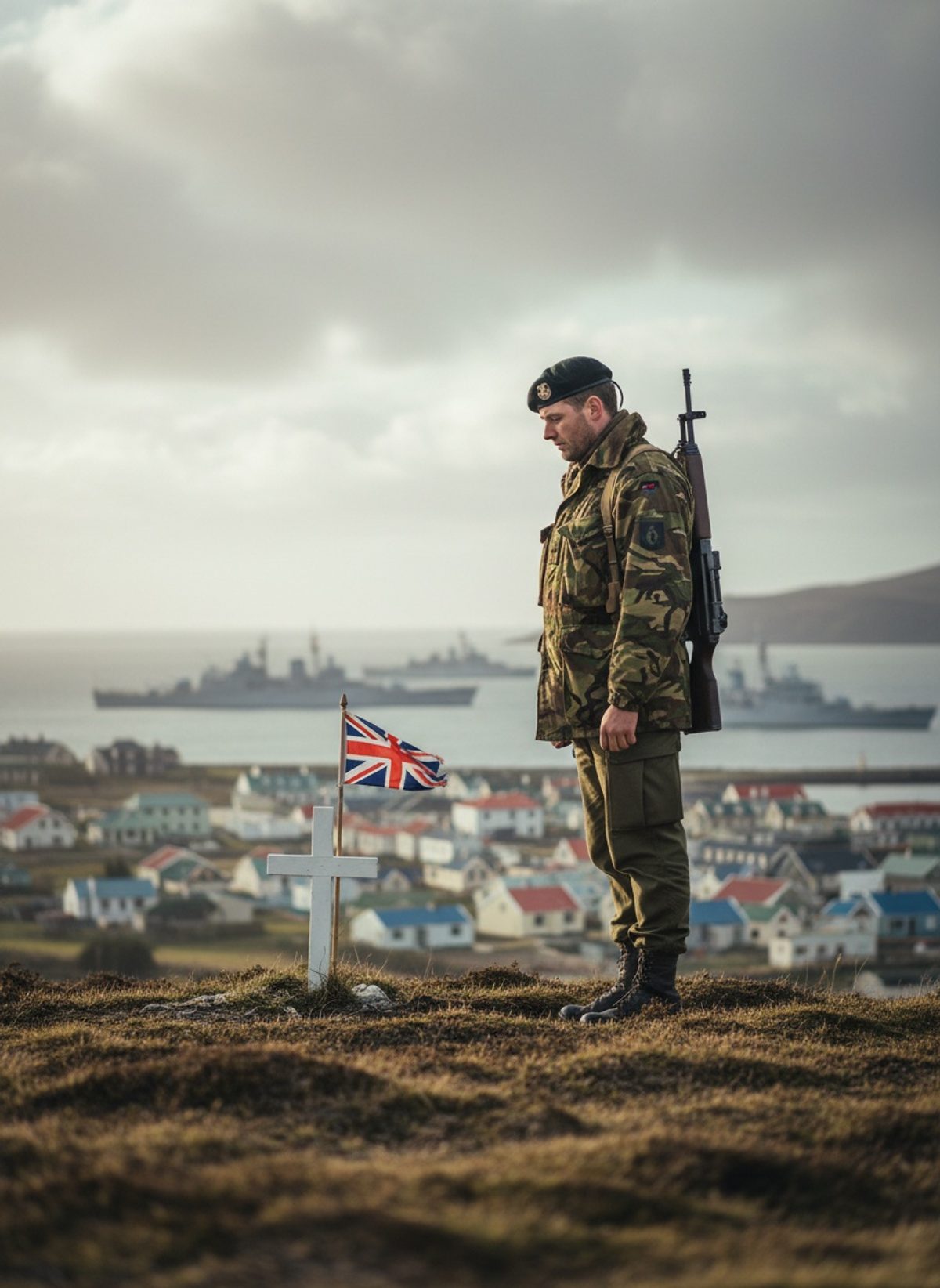
The full impact of the war manifested in the grim tally of lives lost—255 British servicemen gave their lives, among them Lieutenant Colonel H. Jones, who led from the front at Goose Green, and Sergeant Ian McKay, who charged valiantly up Mount Longdon, earning a posthumous Victoria Cross. The Liberation Monument in Stanley, overlooking the waters that once bore the might of the Royal Navy, now carries their names in perpetual remembrance.
A Distant War
No one in Britain expected Argentina to seize the islands with such sudden audacity. The distant archipelago, more than 8,000 miles from British shores, fell under Argentine control on 2 April 1982. However, the United Kingdom responded with staggering resolve, dispatching a naval task force under the codename Operation Corporate. Within days, the British military marshaled its resources, determined to reclaim the islands.
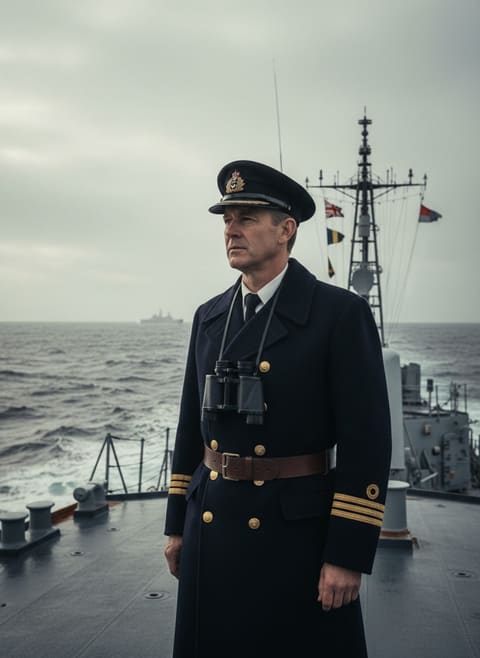
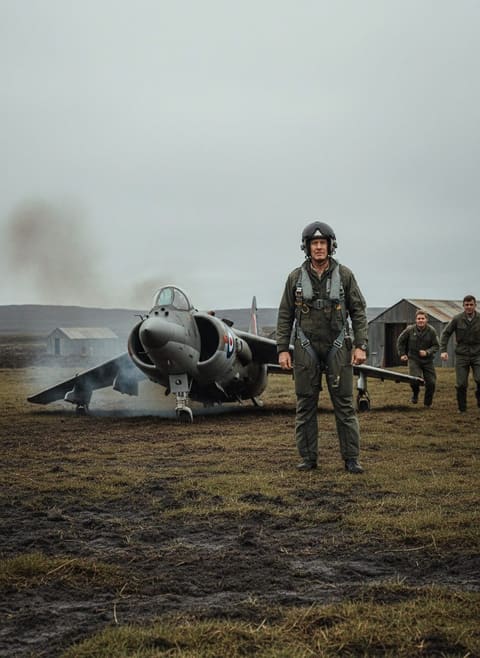
HMS Hermes and HMS Invincible led the charge as the fleet set sail, joined by requisitioned civilian vessels turned troop carriers. It was a colossal effort, involving destroyers, frigates, and amphibious assault ships. Alongside them flew Harriers, their roar cutting through the ocean mist as they launched from the decks, ready to defend the task force against enemy fighter jets and missiles. In the air and on the water, these ships and aircraft faced Argentine forces head-on, proving that the reach of Britain's determination extended even to these remote isles in the southern hemisphere.
The Ring of Fire
The War Cabinet, under Prime Minister Margaret Thatcher, orchestrated the ambitious military operation from the halls of London, placing trust in the commanders on the ground. This decisive action above the lash of the South Atlantic seas demonstrated Britain's readiness to stand firm amid international pressure and potential diplomatic fallout.
Throughout ten weeks of conflict, the soldiers stationed in freezing conditions looked at more than just strategic gain; their focus never wavered from the poignant truth that for many on the islands, this was also a fight for their homes and freedoms. The men of the Royal Marines and the Parachute Regiment, alongside the famed Scots and Welsh Guards and the valiant Gurkhas, formed an unyielding force. As each force secured its objective, the bond among them grew stronger, forged through hardship and courage.
The outcome resounded beyond military circles. A strategic victory for Britain, it had profound implications back home, solidifying Thatcher's resolve and bolstering her government, just as it unraveled support for the Argentine junta, leading to its eventual downfall.
Read next: When Three Oil Rig Ships Were Reborn as Royal Navy Warships
Yet, it is not through military and political achievements alone that this story finds its significance.
The tale of the Falklands War on that silent morning in June speaks to a broader narrative about identity, resilience, and sovereignty. It's a reminder of the lengths to which nations will go to protect their people and uphold pledges made long ago. The threads of history are intricately tied, sometimes stretched across oceans and time, yet always rooted in the enduring spirit of those who stand ready to defend their liberties.
Today is Remembrance Sunday. We will remember them.
Part 24 of 24: One Falklands story a day until Remembrance Sunday