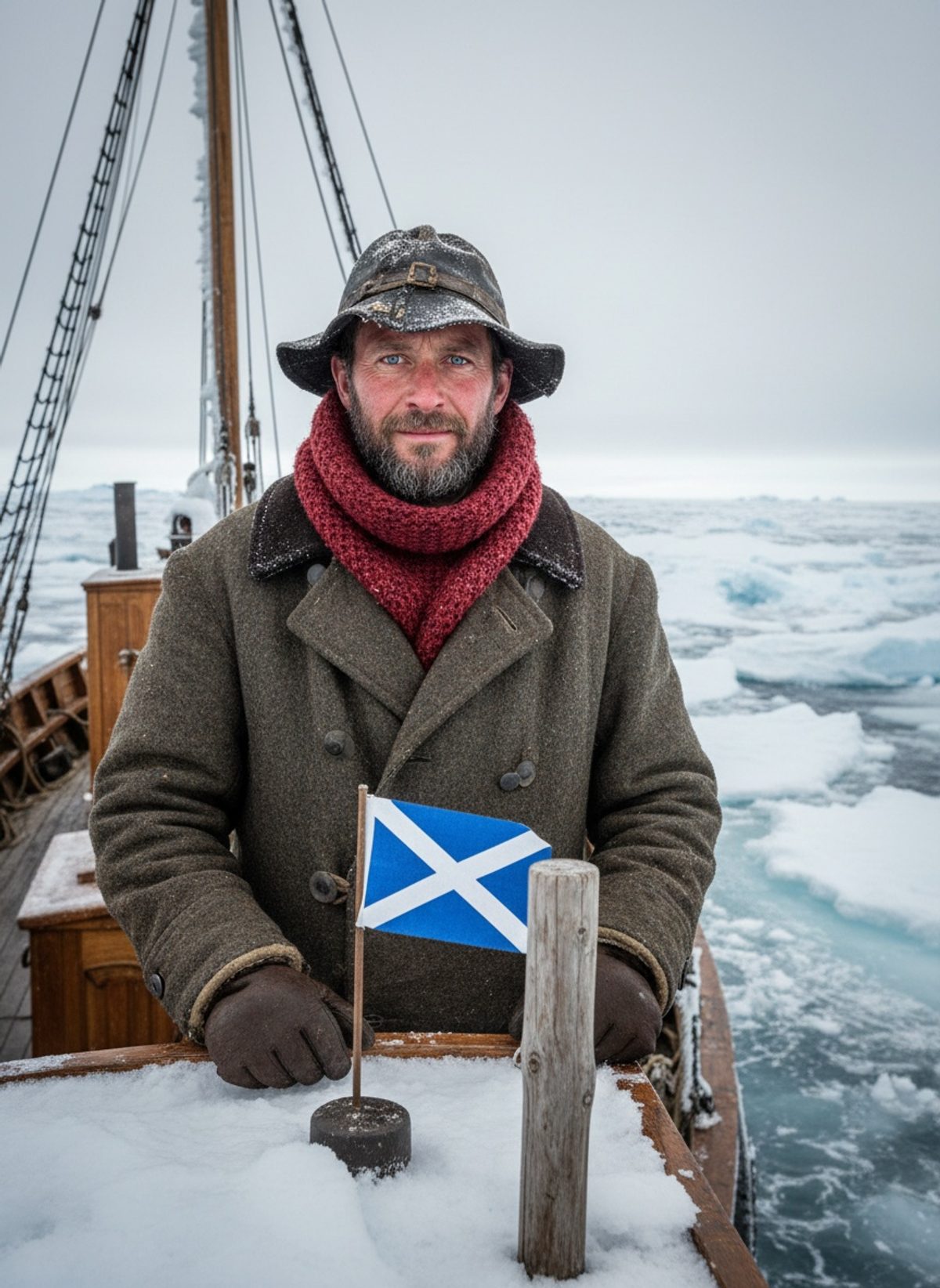
Spring 1902. The icebergs of the Antarctic Ocean glistened beneath the pale sun like sentinels of a world untouched by time.
A Different Kind of Explorer
At the dawn of the 20th century, the fierce competition to reach the South Pole was heating up. Noble adventurers from powerful empires set sail to the Antarctic, driven by the promise of discovery and glory. Among them was the lauded British explorer Robert Falcon Scott, whose expeditions painted him as the quintessential hero of Britain’s polar quests. Yet, in the same epoch, there was another figure whose contributions would fall into the shadows of history: William Speirs Bruce.
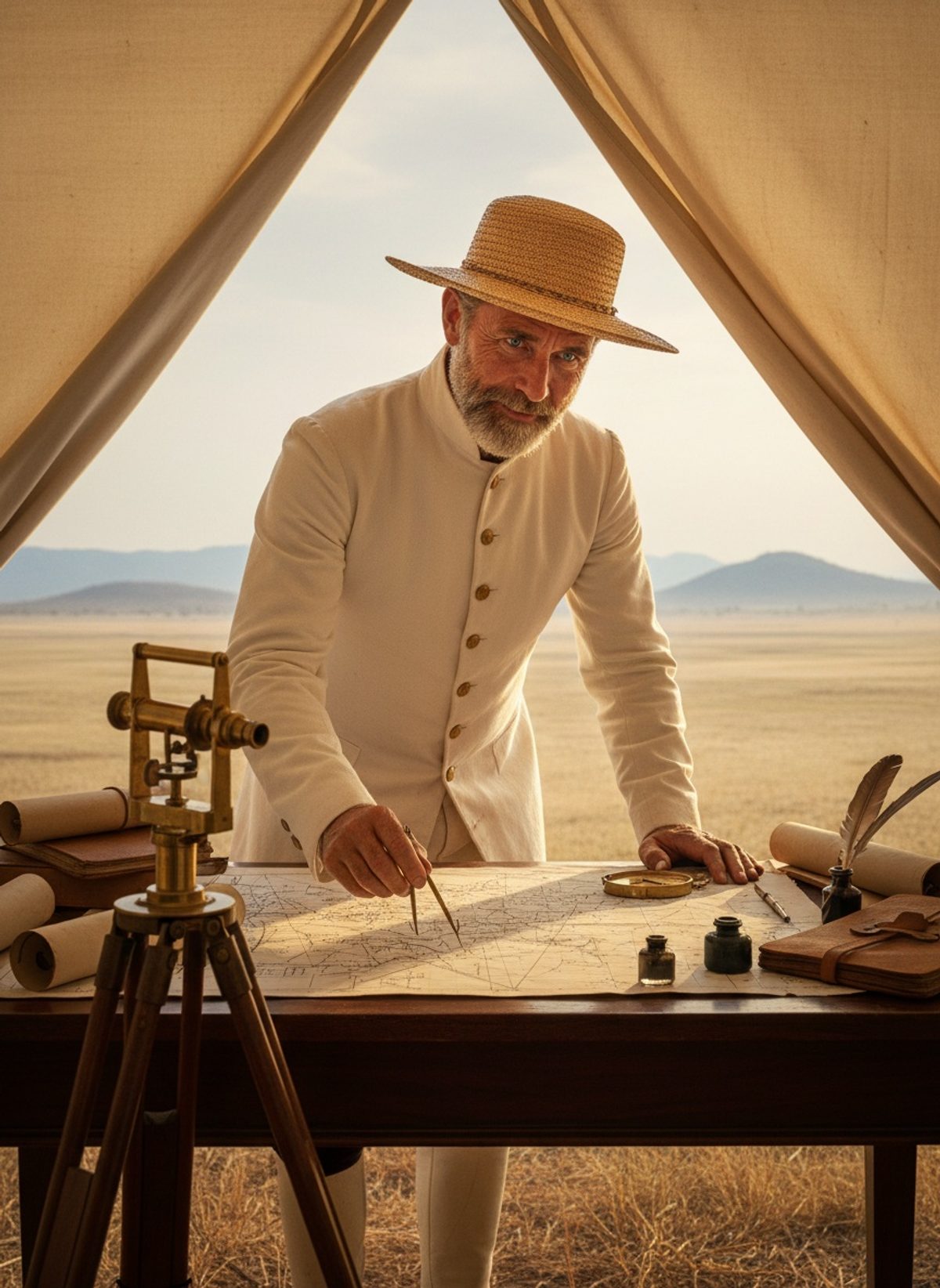
Unlike his contemporaries, Bruce was not a man molded by the desire for fame or imperial conquest. He was a dedicated Scottish oceanographer deeply committed to scientific exploration. Rejecting the typical route of glory-driven expeditions, Bruce sought to uncover the secrets held within the frosty embrace of the Antarctic, focusing on the Weddell Sea, rather than racing to the South Pole.
The Scottish National Antarctic Expedition
In 1902, Bruce, undeterred by his lack of official support from the British government and the Royal Geographical Society, embarked on the Scottish National Antarctic Expedition. The journey was a manifestation of Scottish pride and scientific curiosity—Irvine designed, Scottish-funded, and against all odds. The expedition team sailed aboard the aptly named Scotia, a former Norwegian whaling vessel, refitted to endure the unforgiving polar climate.
Read next: When Arthur Wellesley Wept for a Dog at Seringapatam, 1799
The conditions were as harsh as one might imagine. The Scotia navigated through labyrinthine ice fields and relentless storms. The crew endured the chilling depths of Antarctic winter, determined to collect data that would reshape our understanding of this remote region. During the expedition, Bruce and his intrepid explorers set foot on land that had never been charted by any previous explorer—a testament to their perseverance and resolve.
Scotland on the Map
Upon planting a flag atop this new territory, Bruce made a choice that would encircle his achievements with controversy. Instead of the Union Jack, he erected the Saltire, a nod to his Scottish heritage and an assertion of the expedition's independence from British imperial interests. This quiet act of nationalism was perhaps more significant than anyone on board the Scotia immediately realized.
Bruce's decision was both daring and unprecedented, breaking ranks with the imperial norms of the time. Yet it wasn't merely a flag he left behind; Bruce brought back a treasure trove of scientific data, including the first complete meteorological records of the Antarctic region. This was a gift to the scientific community and would remain a cornerstone of Antarctic research for decades. His comprehensive collection of marine specimens and data further enriched the burgeoning field of oceanography and advanced our understanding of Earth's final frontier.
A Tempered Legacy
On returning home in 1904, Bruce was met with a muted reception. The British establishment did not celebrate his accomplishments, perhaps viewing his actions as a national slight rather than a scientific triumph. Recognition came sporadically, and without the grand fanfare or extensive publications that accompanied the achievements of explorers like Scott or Shackleton.
For Bruce, however, the expedition was a triumph of a different kind. It represented the fusion of national pride and scientific endeavour, a validation of the belief that exploration need not hinge on conquest or political overtones. It served as a reminder that the pursuit of knowledge is a reward in its own right, unbound by geographic or political territories.
William Speirs Bruce's story is one of quiet defiance and passion for science, reminding us that history’s great tales are not solely the possession of those who wave the brightest flags, but also belong to those who chart new courses, driven purely by curiosity and a desire to illuminate the darkest outlines of the world. Through his perseverance and dedication, Bruce challenged the notion of exploration, proving that the noblest quests are not always those attended by the loudest acclaim or the most prominent place in textbooks.