The British Empire — the forgotten chapters · page 10 of 22
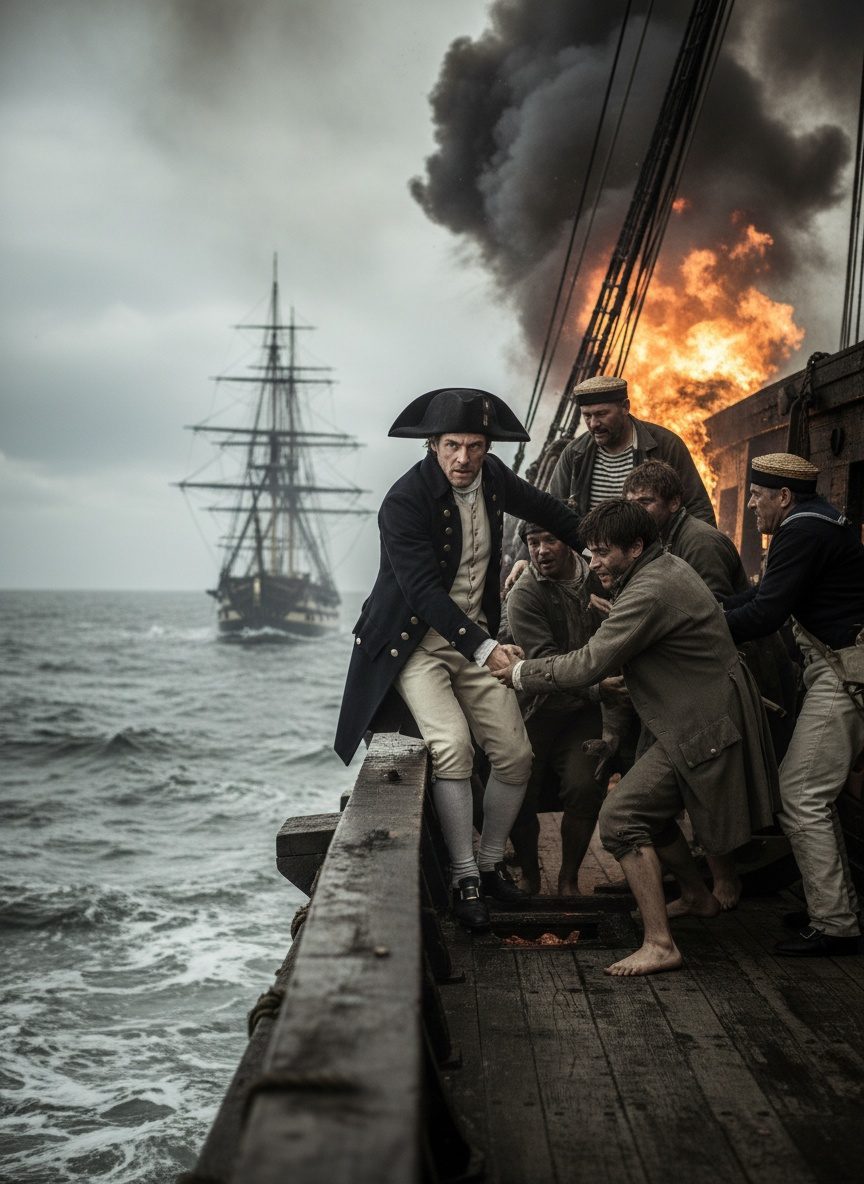
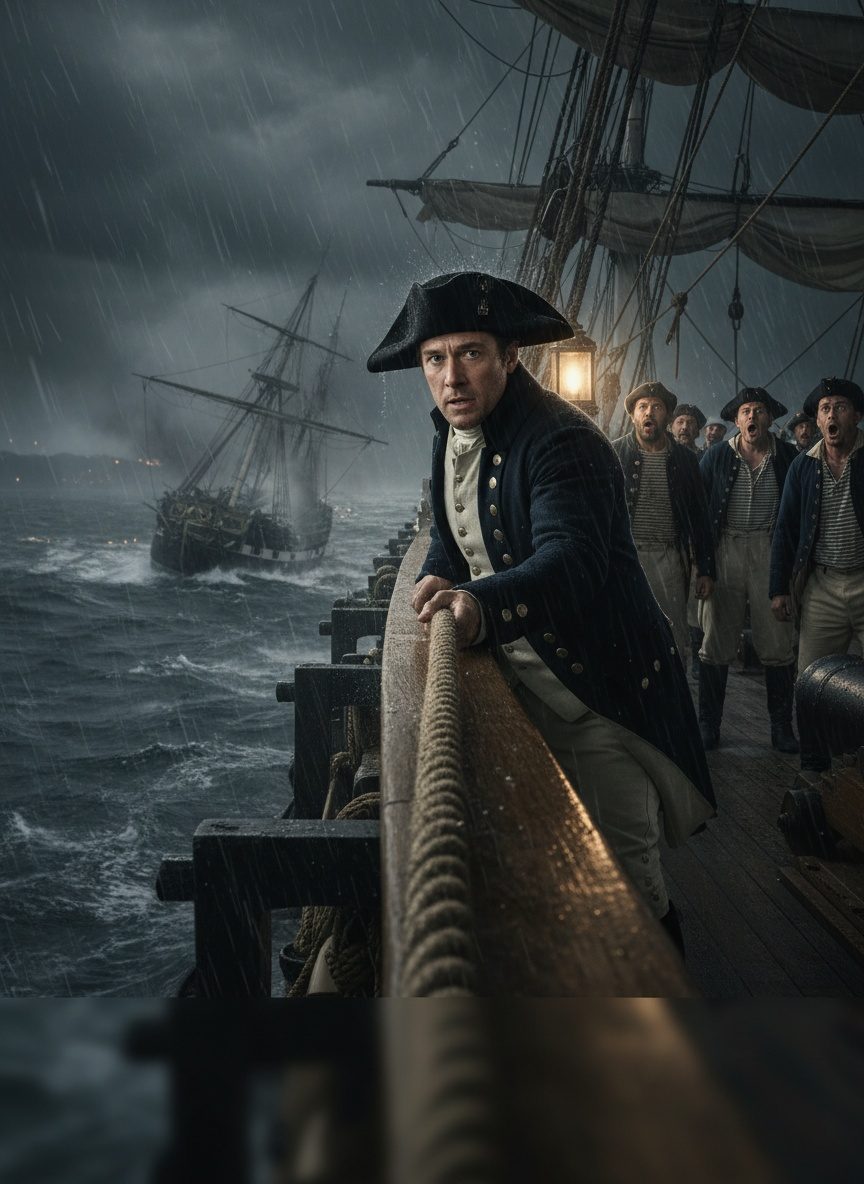
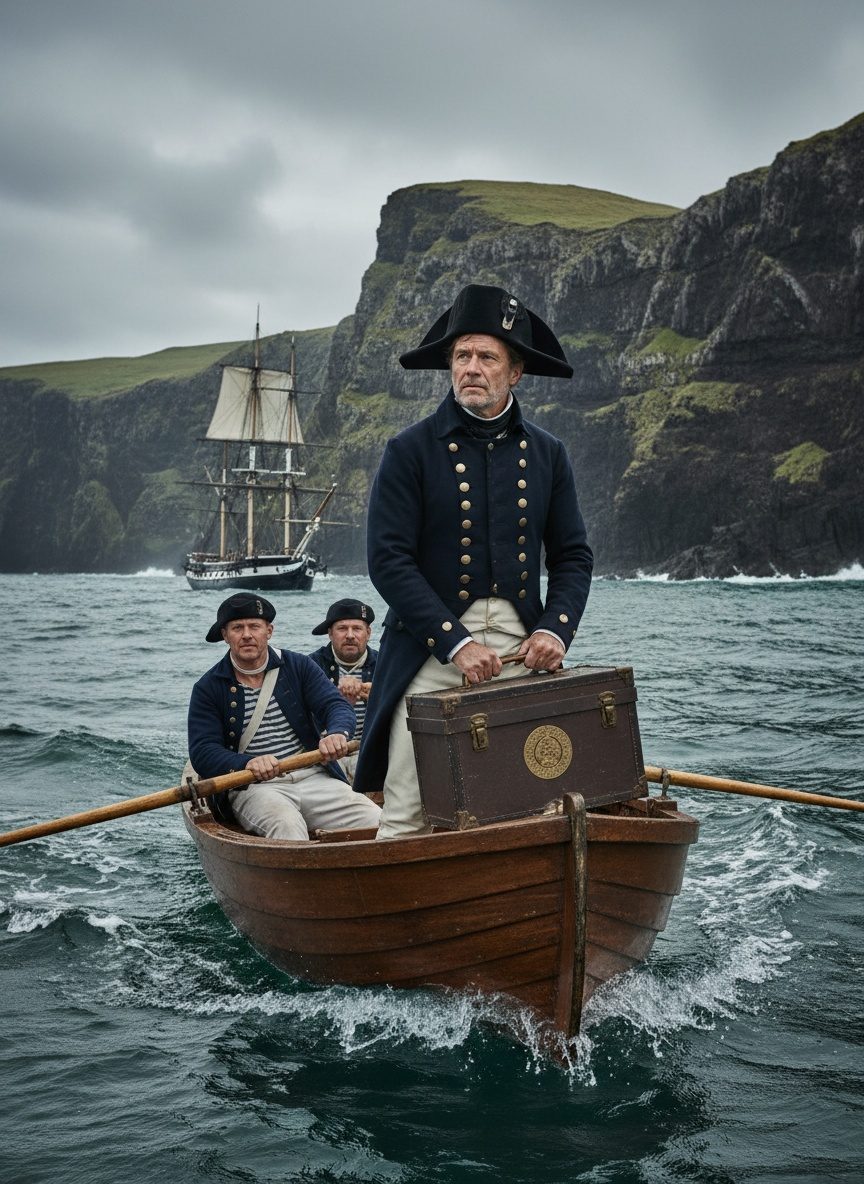
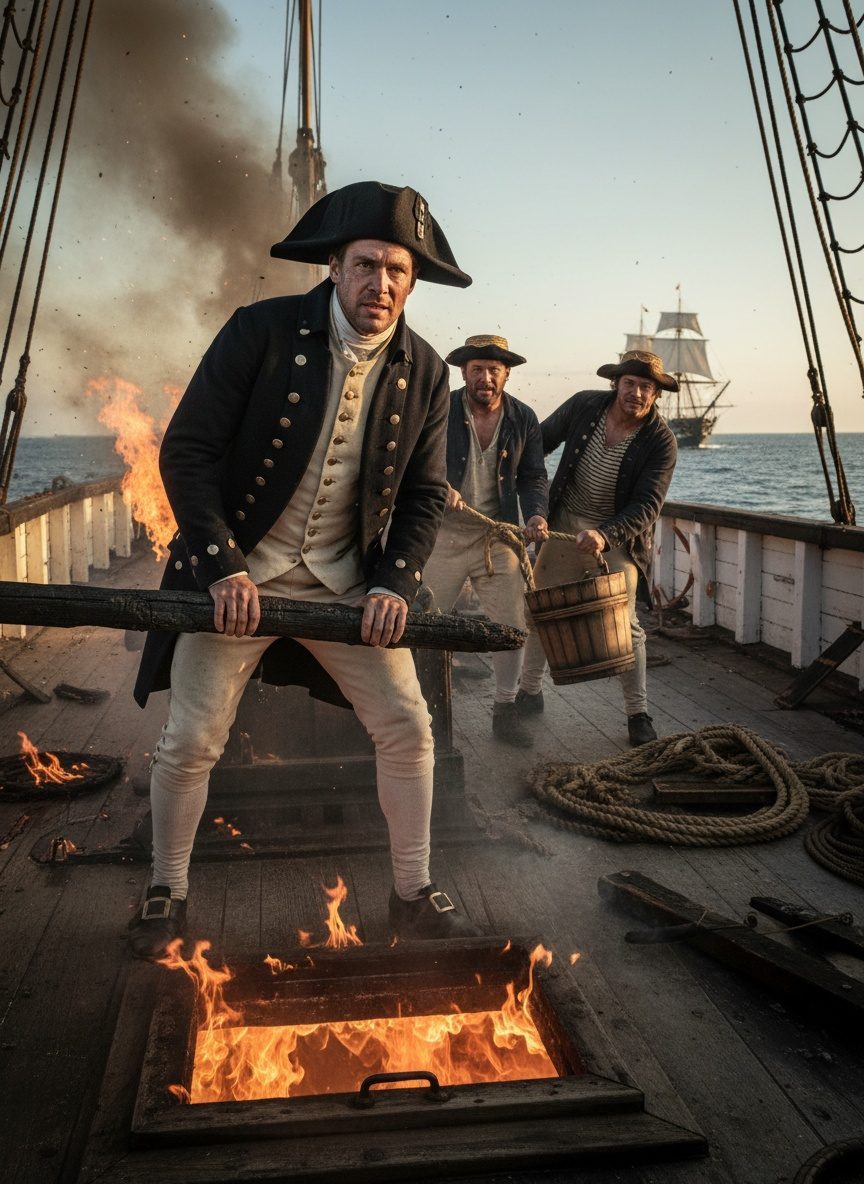
1796. HMS Indefatigable had just captured a French corvette. The prize caught fire. The prisoners were locked below. Pellew went back. He opened the hatches himself. Every man came out alive.
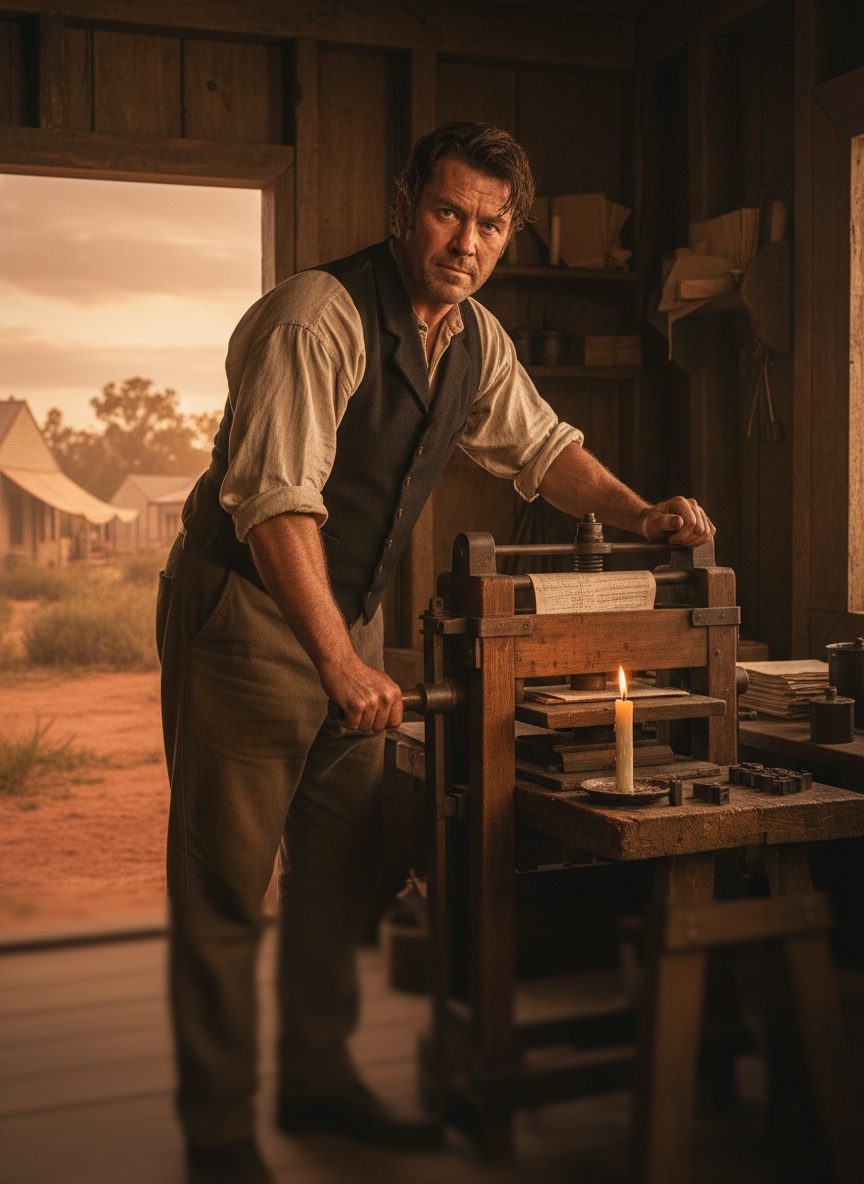
Melbourne, 1838. Governor Bourke had banned the press. John Pascoe Fawkner ran his paper anyway. They threatened him with ruin. He printed the next edition. The settlers read every word.
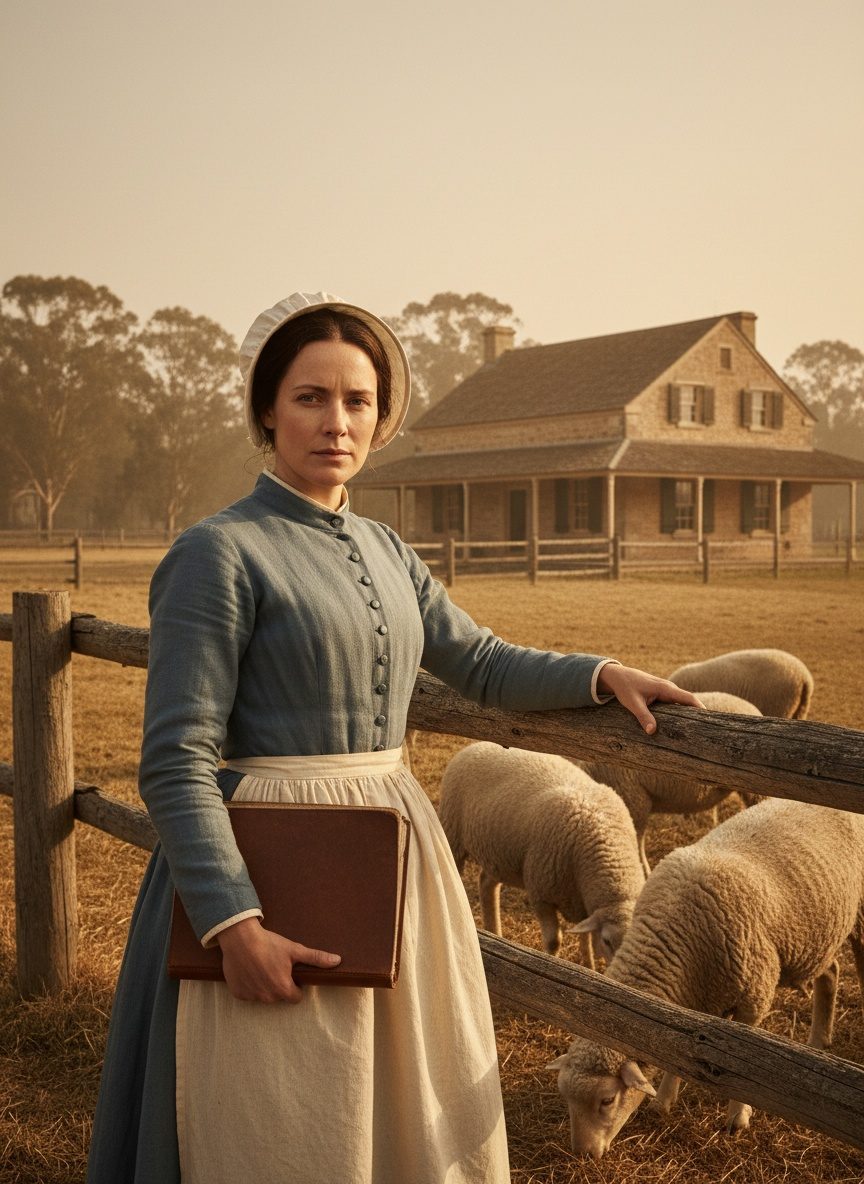
New South Wales, 1803. The colony was failing. One woman refused to let it die. Elizabeth Macarthur managed the merino flocks alone. Her husband was exiled. She held the farm together. She saved Australia's wool industry.
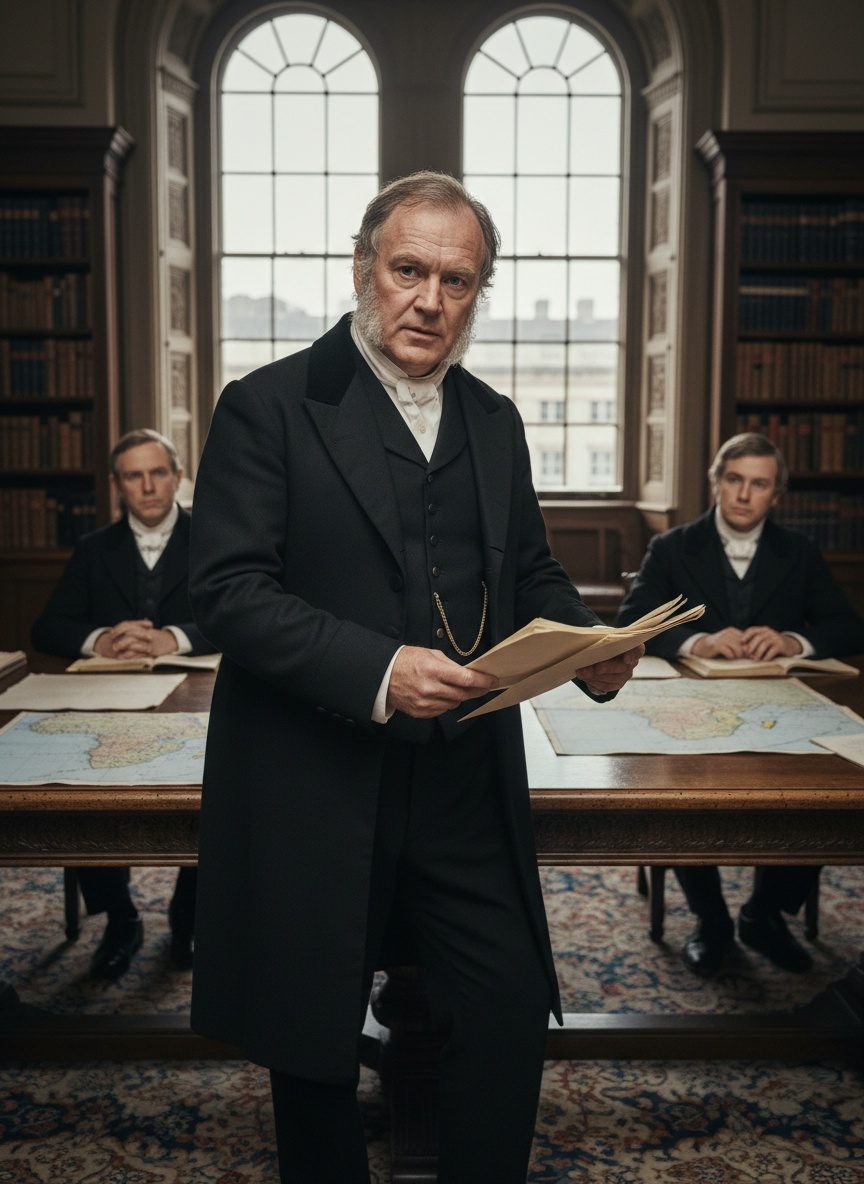
London, 1840. The slave trade still ravaged West Africa. Thomas Fowell Buxton stood before Parliament with one plan. Not soldiers. Not gunboats. Legitimate trade. He staked his reputation on it. The empire listened.
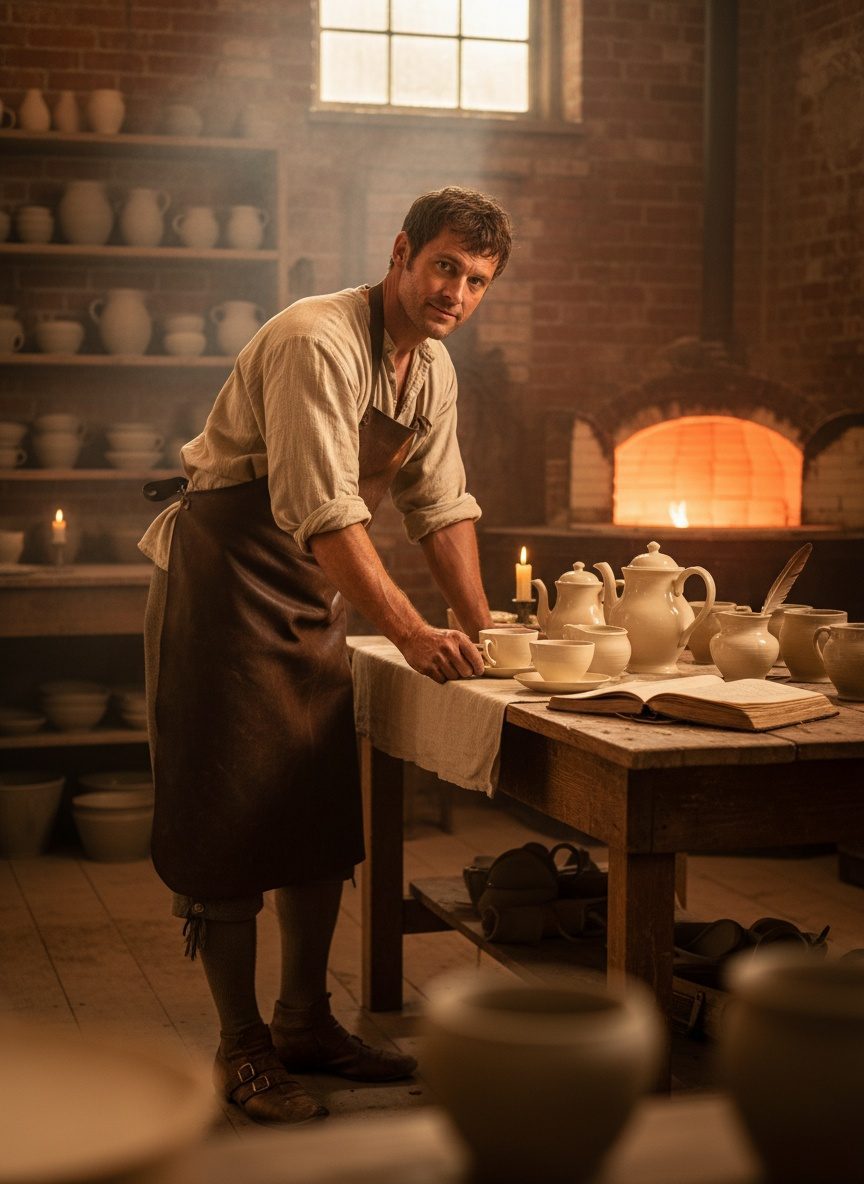
1765. A Staffordshire potter received a royal order. Josiah Wedgwood made Queen Charlotte a cream-coloured tea service. She named it Queensware. He sold the same design to all of England. One man turned clay into a global empire.
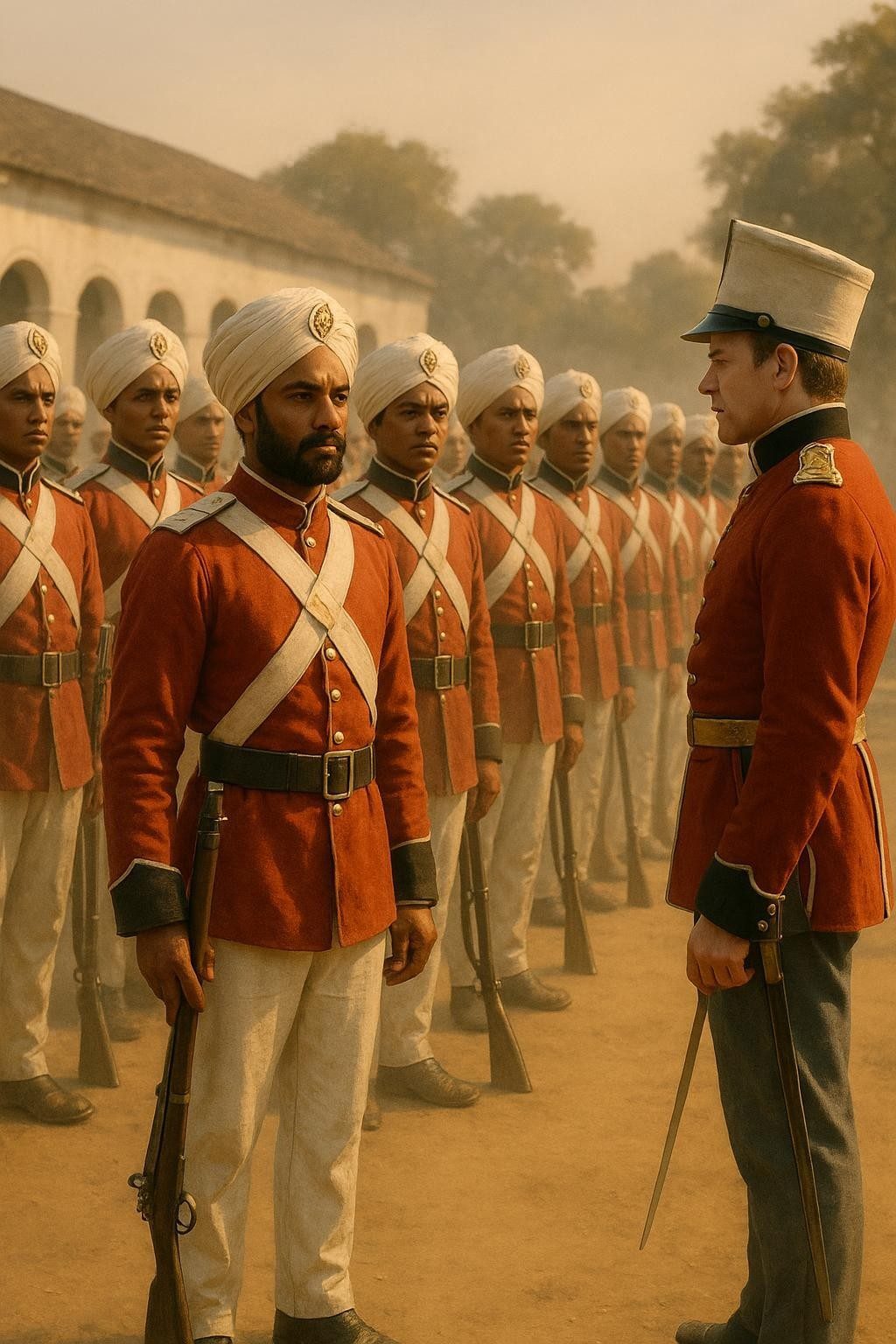
May 1857. The order came down the line. Load your rifles. The sepoys of the 34th BNI looked at each other. Then they set their Enfields down. Every last man. The spark that lit India.
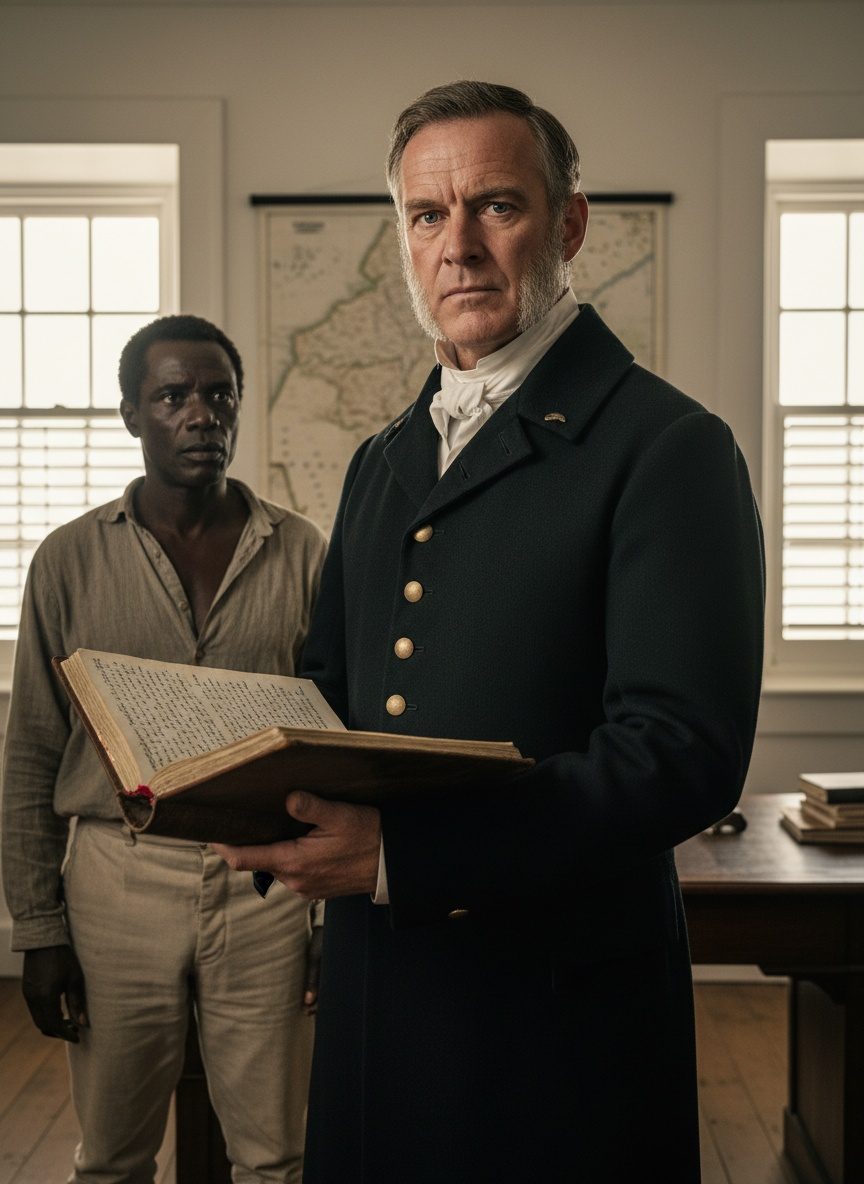
Cape Colony, 1828. One missionary stood before a hostile governor. He carried testimony of beatings, chains, and stolen children. He refused to be silent. The Hottentot Code was struck down. Thousands walked free.
June 1797. HMS Indefatigable had just crippled the French frigate Droits de l'Homme. Her crew were exhausted. The French captain was drowning. Pellew threw him a rope. An enemy. A man.
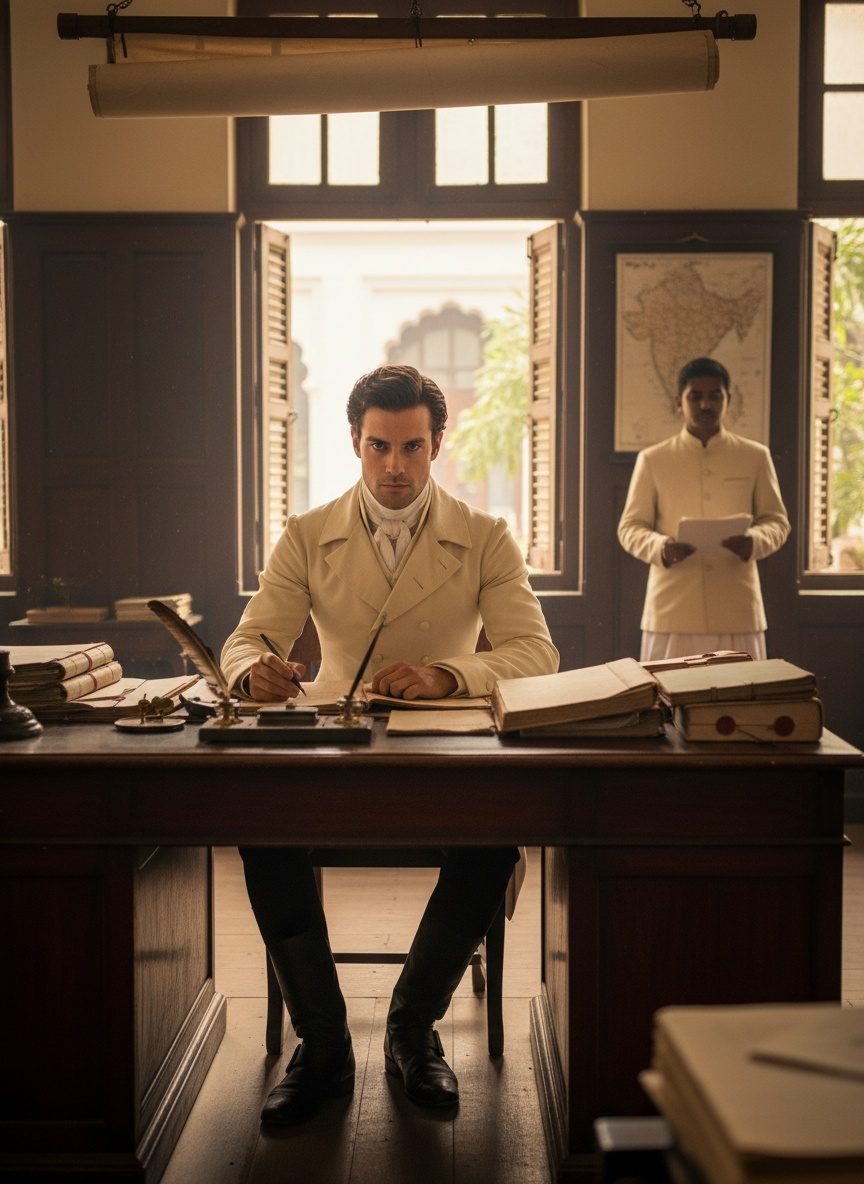
Calcutta, 1835. A young British politician faced a committee. He argued every Indian child deserved a proper education. The committee voted against him. He appealed to the Governor-General. And changed a continent.
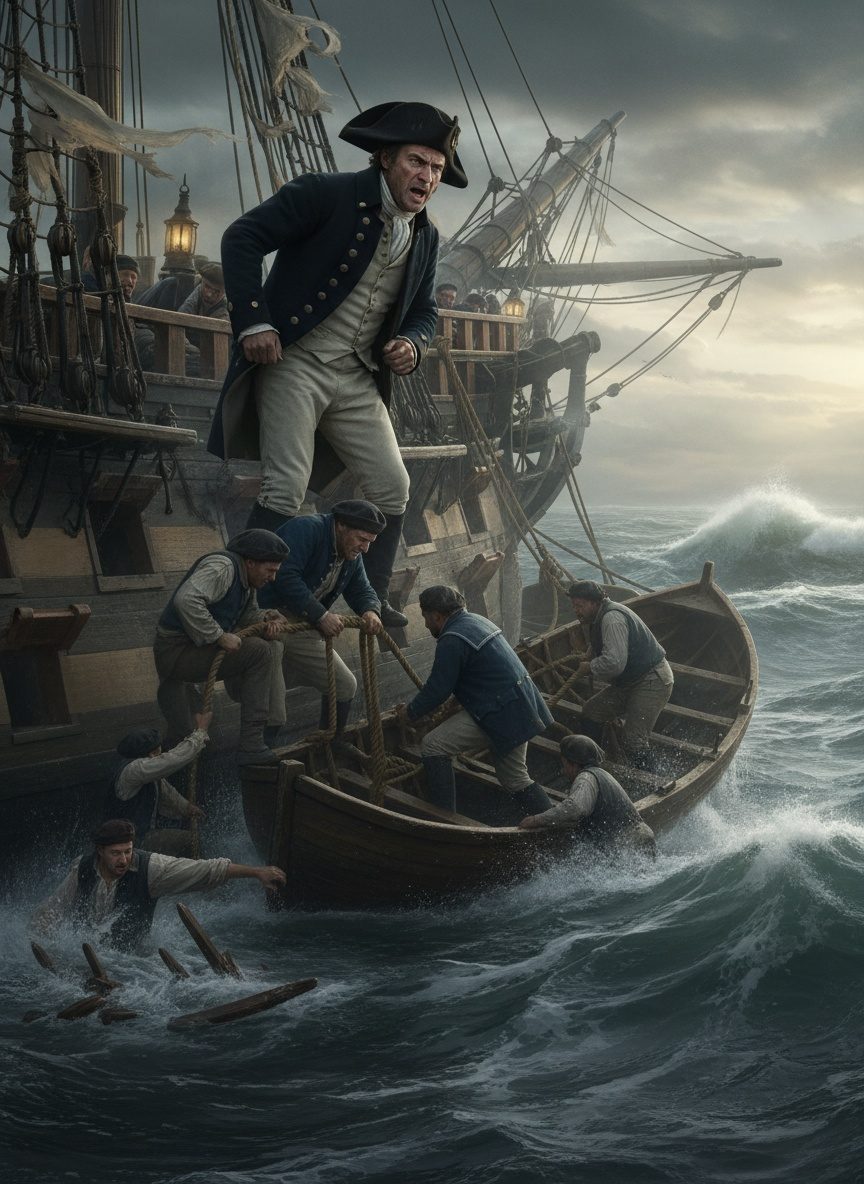
February 1797. HMS Indefatigable had just sunk a French frigate. The sea was black and freezing. Pellew ordered every boat lowered. He pulled 278 enemy sailors from the Atlantic. Men he had just tried to kill.
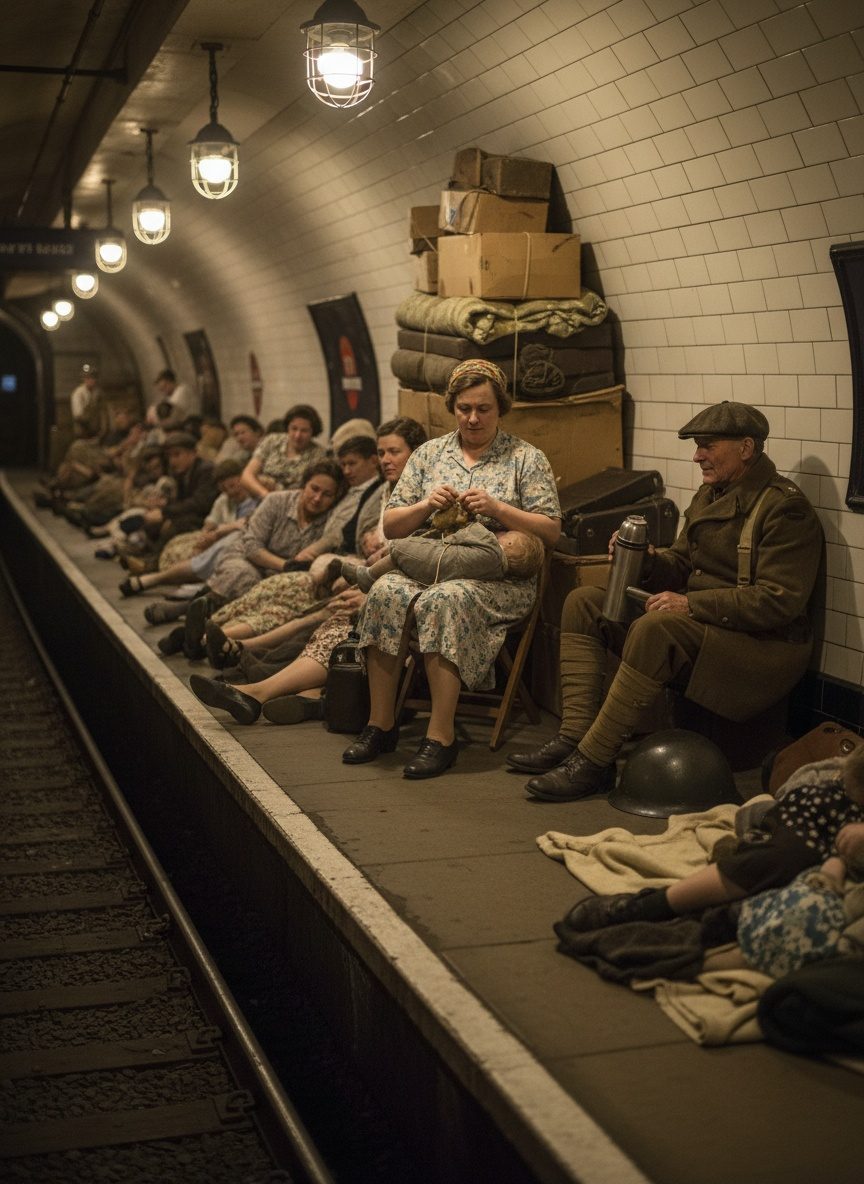
When the bombs fell, Londoners didn't wait for permission. They descended into the Underground and refused to leave. The government called it a problem. History called it survival.
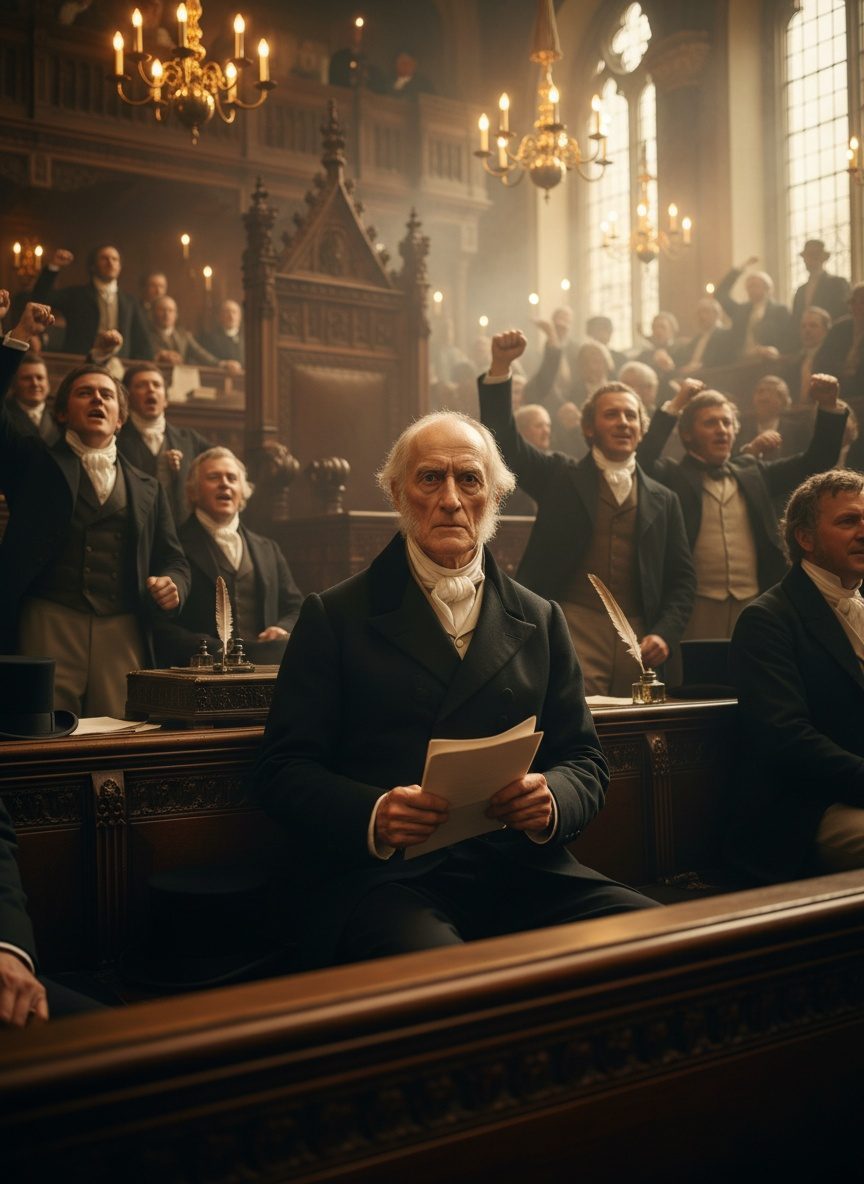
August 1833. Parliament passed the Slavery Abolition Act. Eight hundred thousand enslaved people across the British Empire were freed. One law. One empire. One moment that changed the world forever.
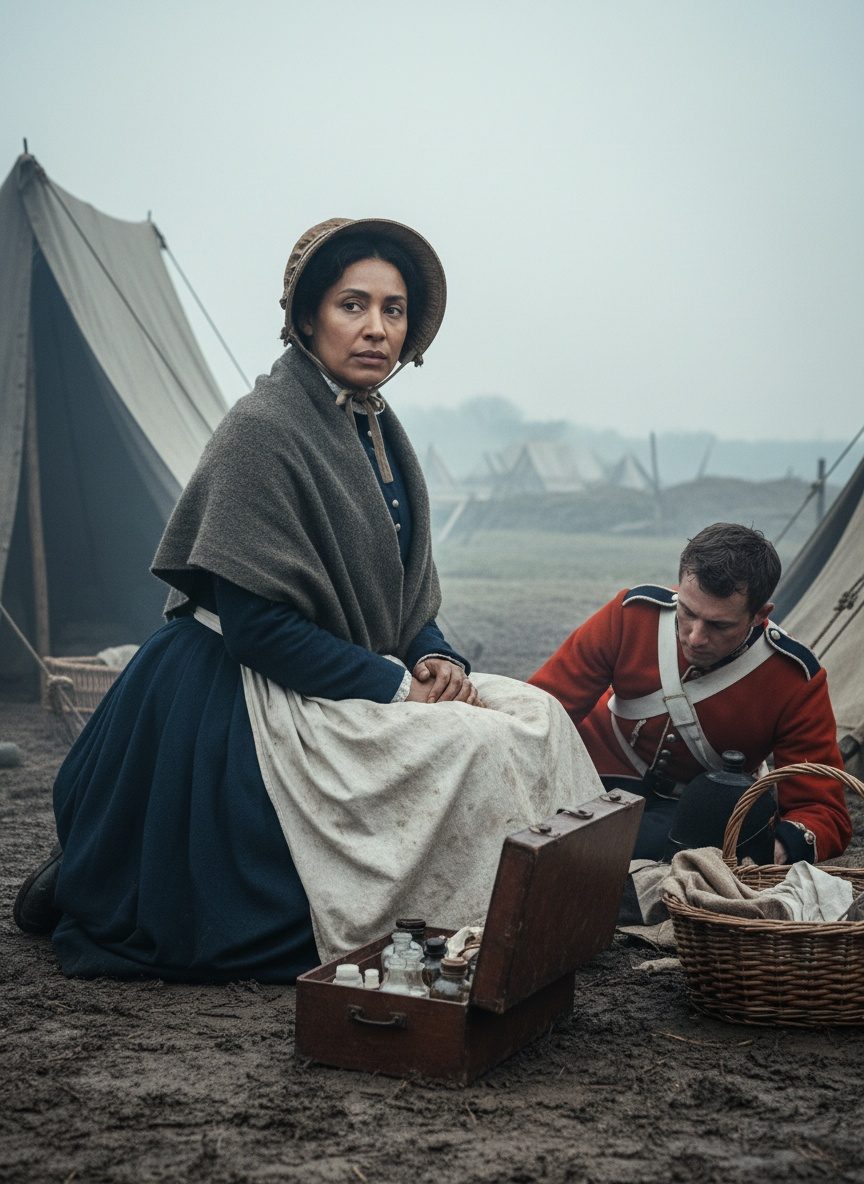
Crimea, 1855. The War Office had refused her. She paid her own passage anyway. Under fire at the front, she knelt beside dying men. She had no orders. No salary. Just her hands and her medicine chest.
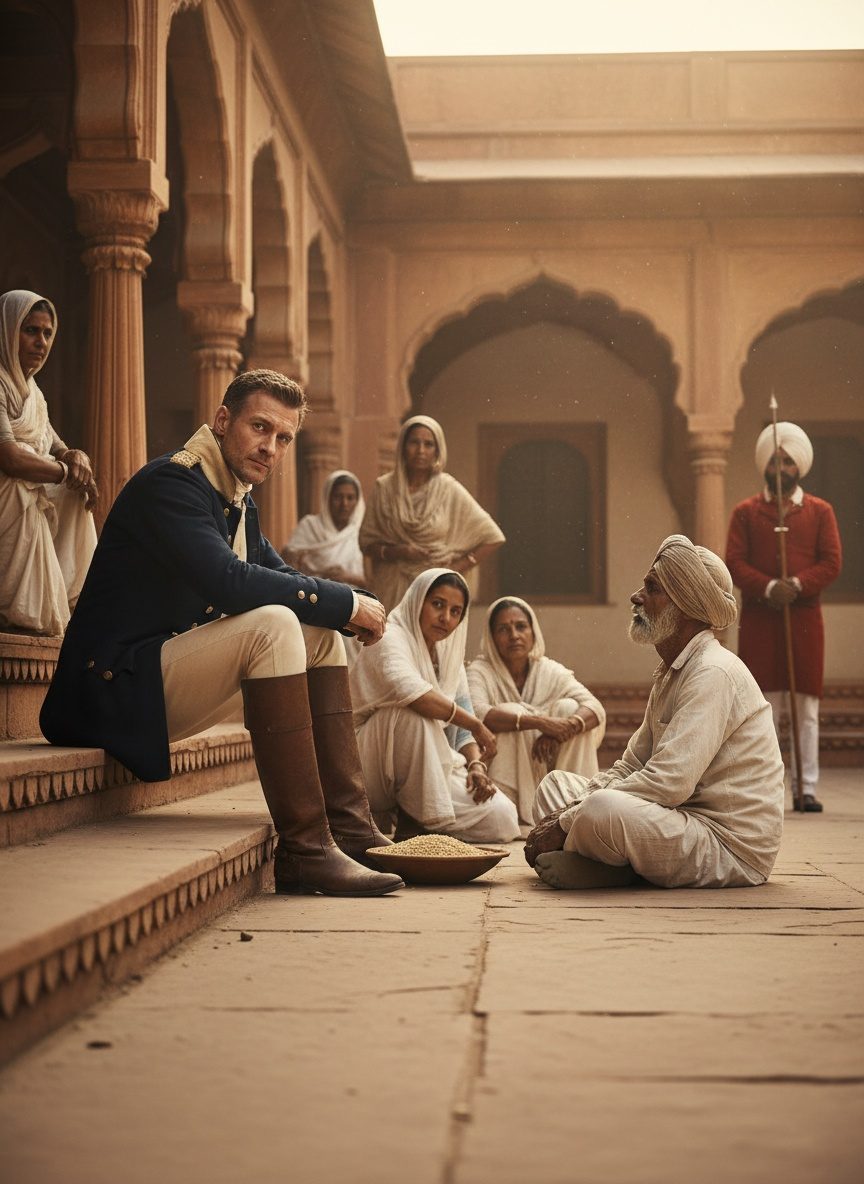
Lahore, 1846. The Punjab lay conquered. Henry Lawrence had the power to take everything. He gave food instead. He paid from his own pocket. He sat with the hungry. A conqueror who knelt.
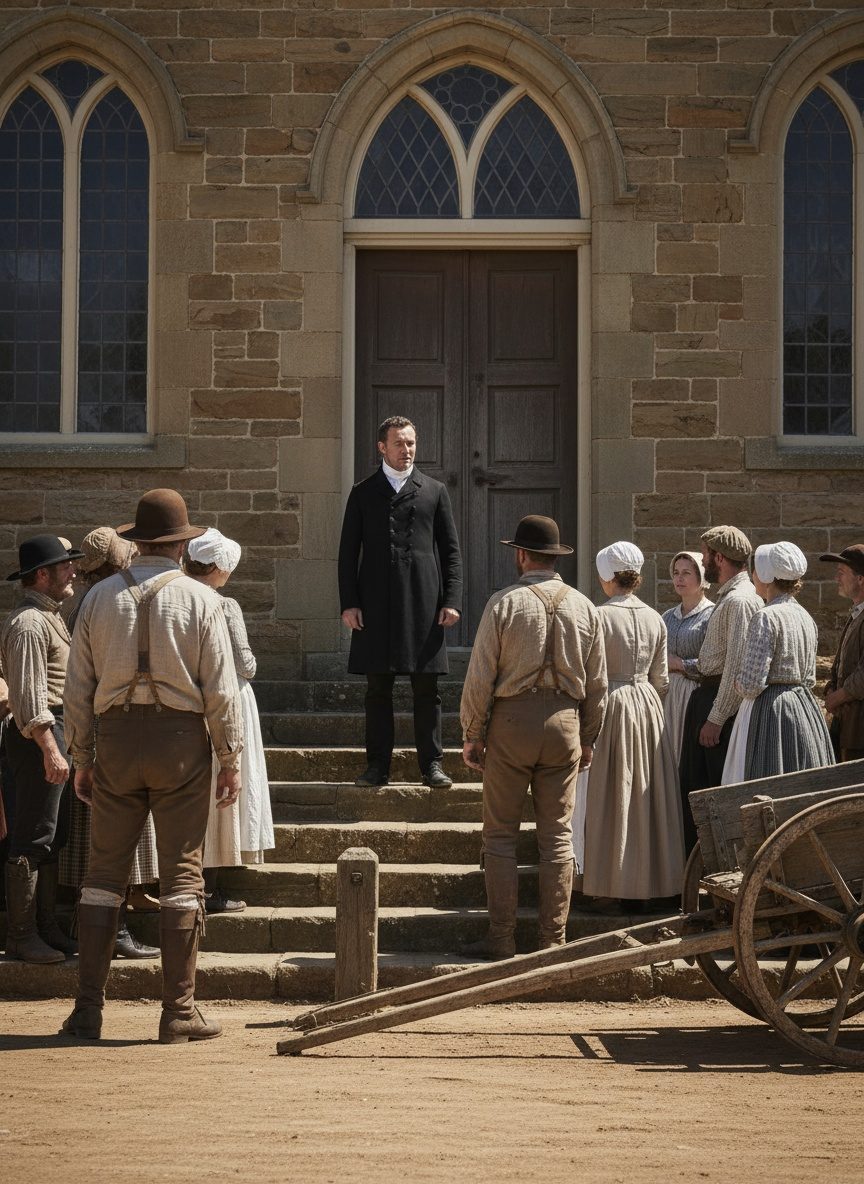
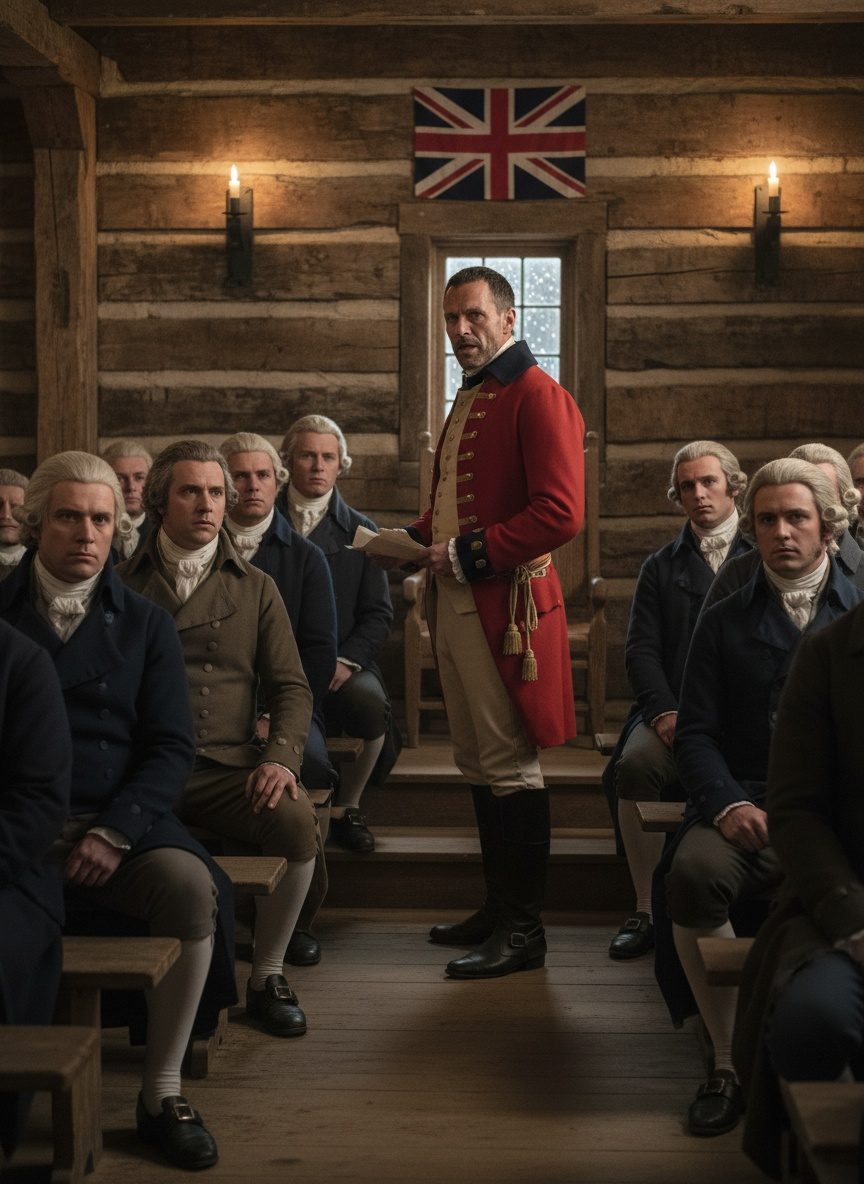
Sydney, 1838. A Scottish minister stood before a hostile governor. He had brought free settlers to New South Wales at his own expense. The governor moved to crush him. Lang refused to yield. He went to prison. The settlers stayed free.
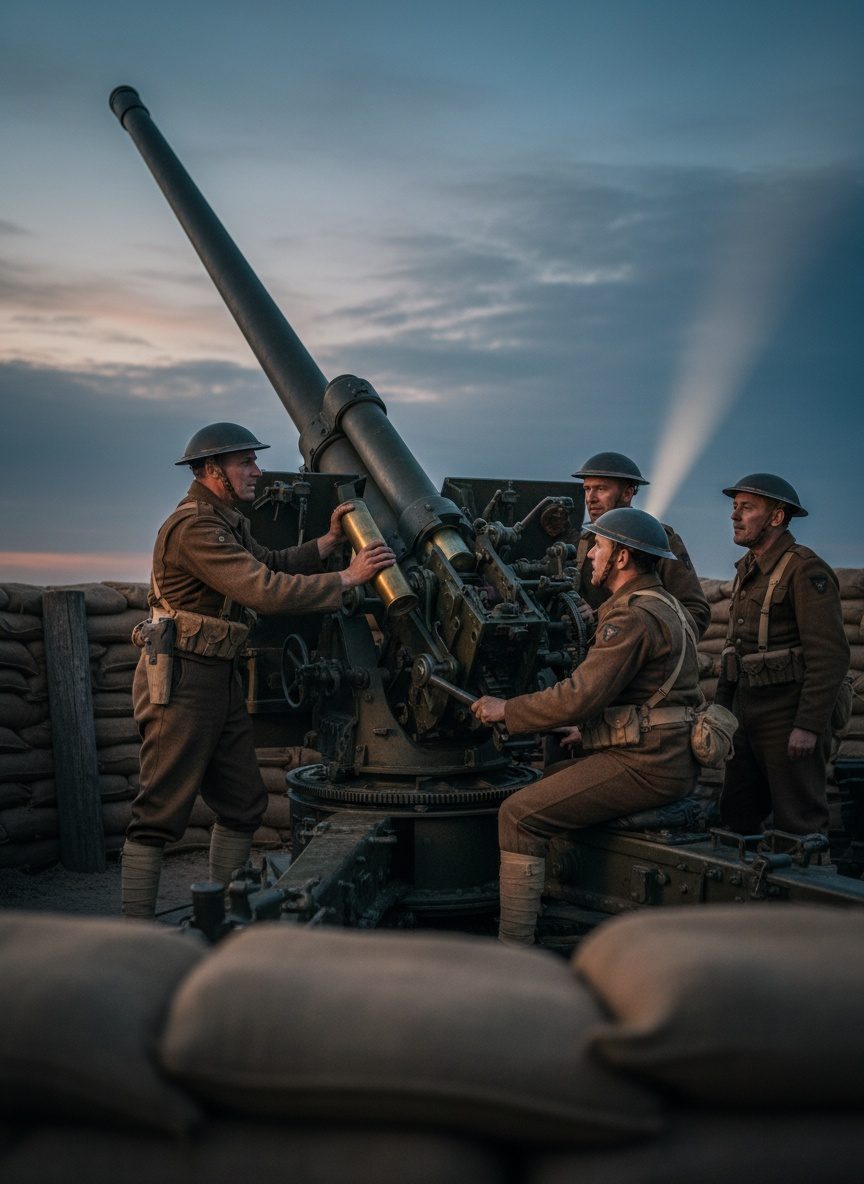
Britain needed a world-class anti-aircraft gun. Engineers delivered one so powerful the Army refused to use it as a tank-killer — a decision that haunted commanders for years.
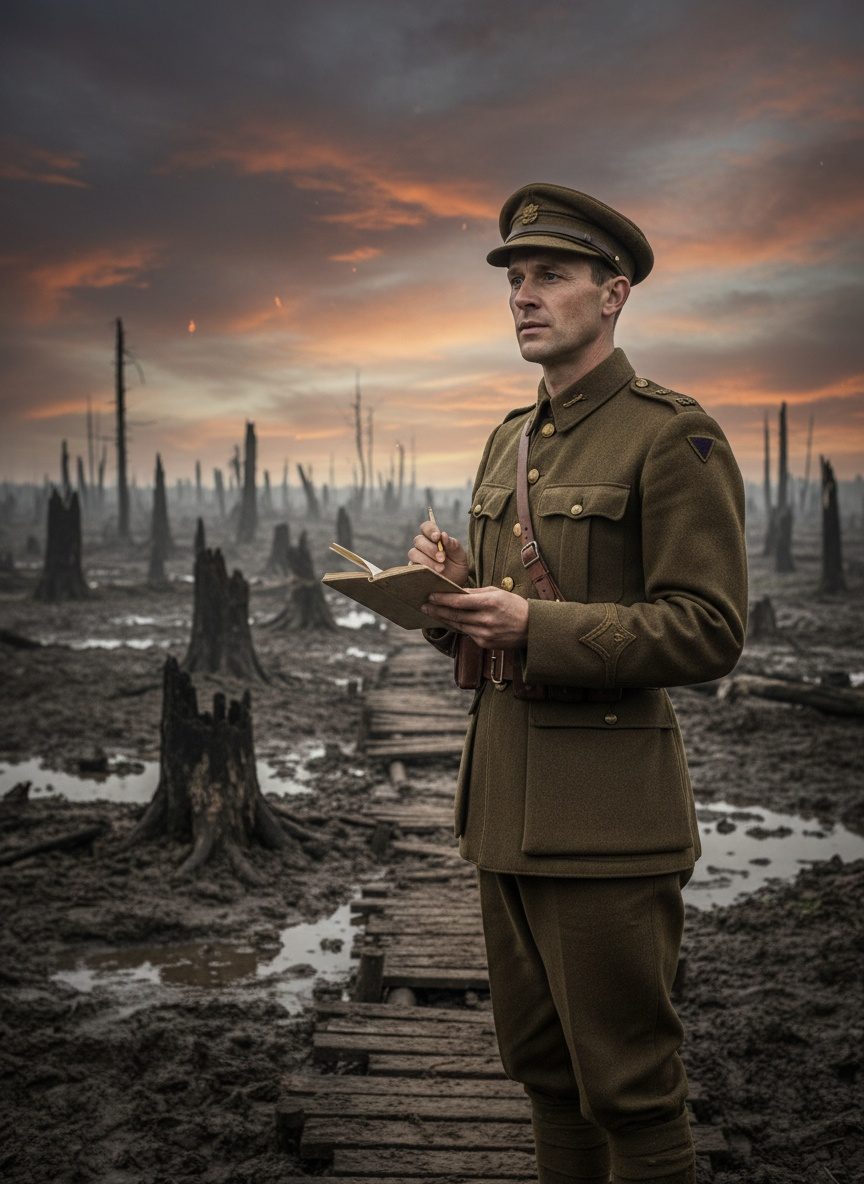
He went to the Front as an official war artist. He came back changed. Paul Nash's canvases didn't show glory — they showed a landscape murdered by men. Britain had never seen war painted like this.
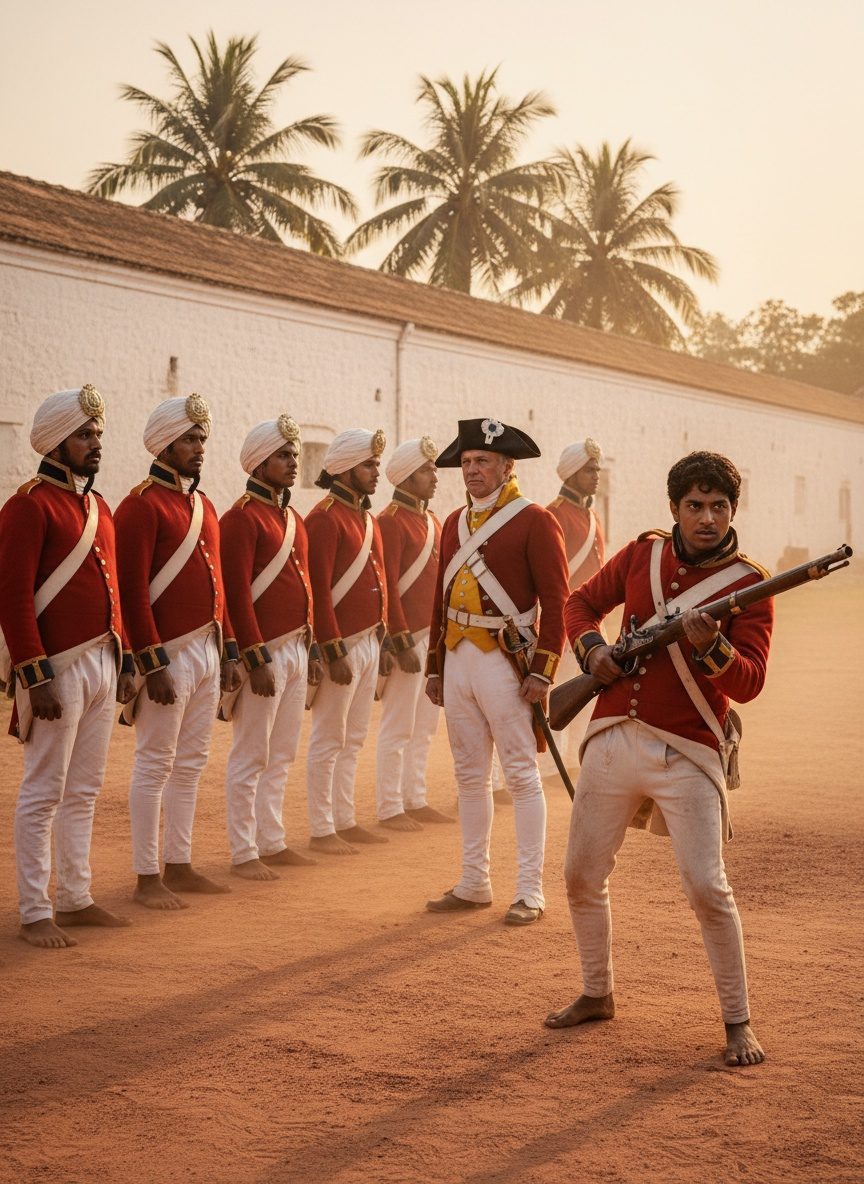
They were farmers, weavers, barbers and fishermen. Then a Company recruiter arrived. Within weeks, they were soldiers of the most powerful private army the world had ever seen.
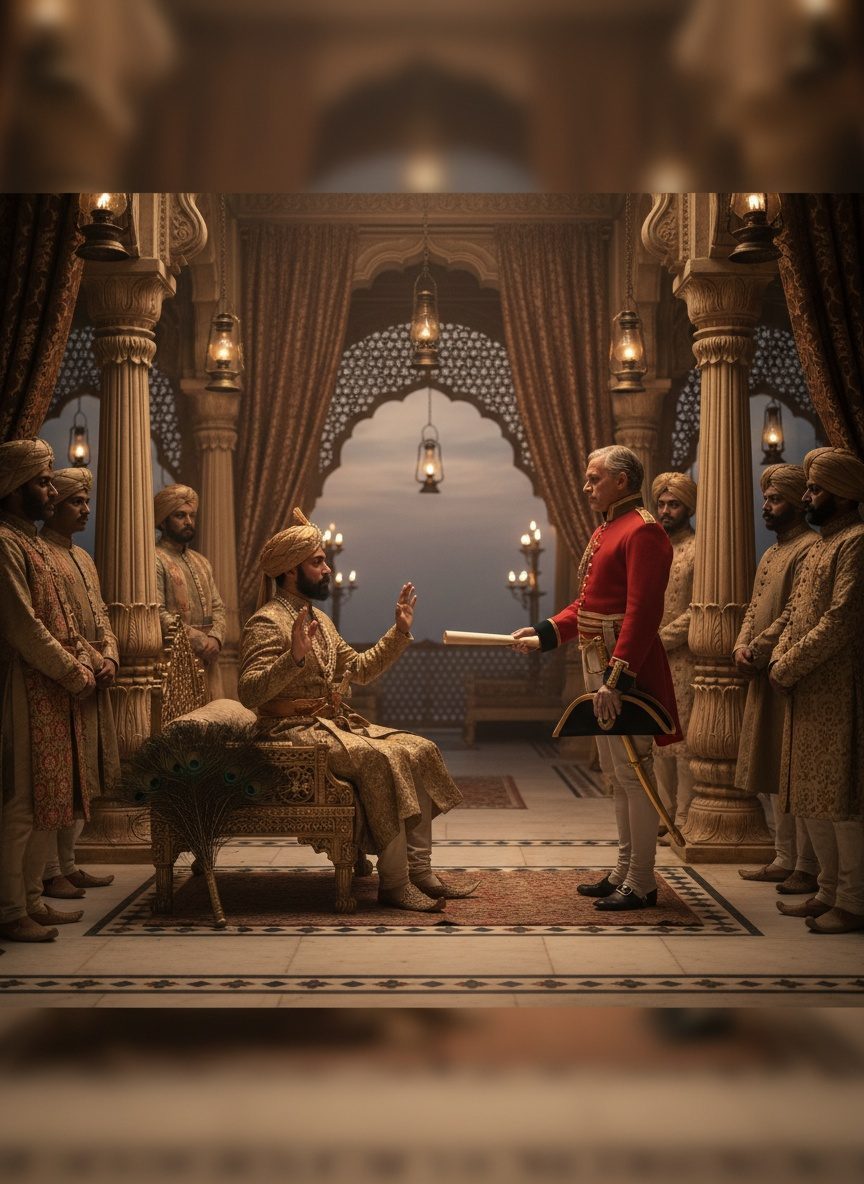
1856. The British demanded Wajid Ali Shah sign away his kingdom. He refused. He wept. He tore off his turban and laid it at their feet instead. A king surrendered his crown. But not his dignity.
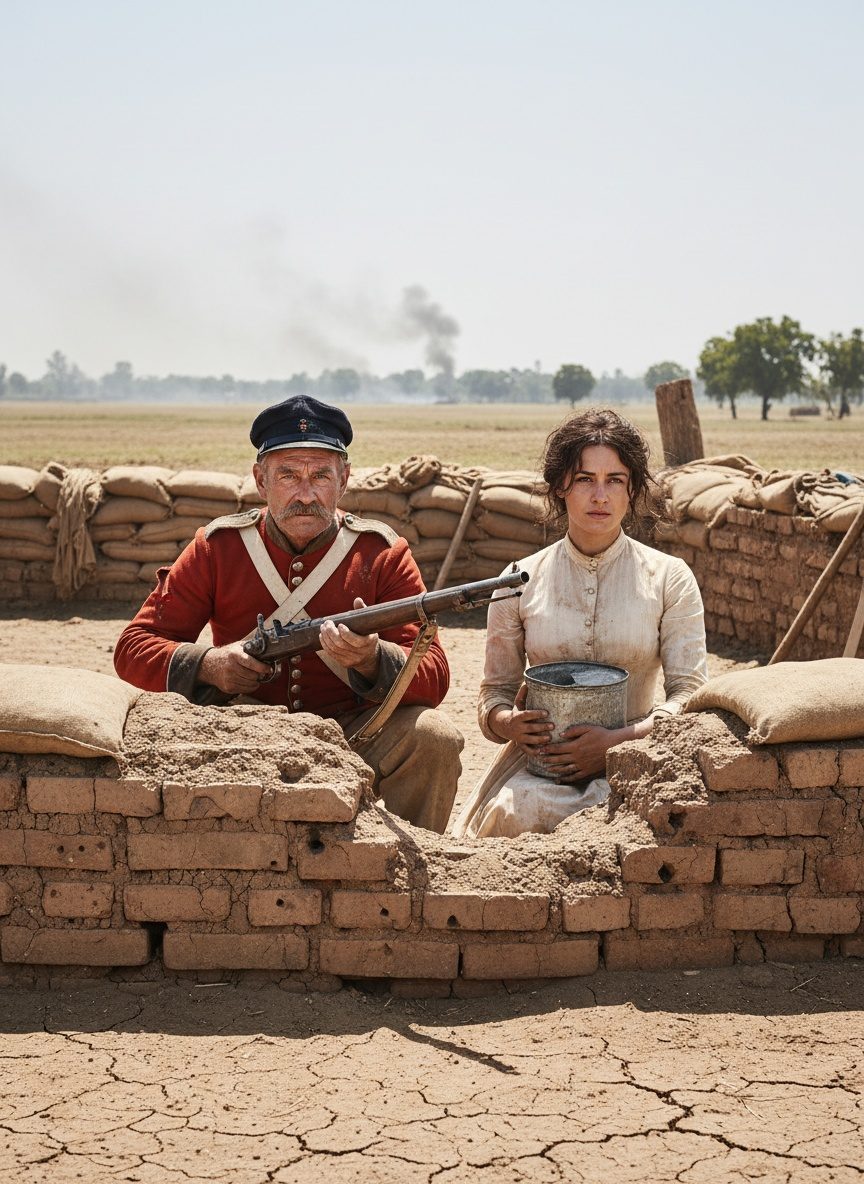
June 1857. Cawnpore was surrounded. Nana Sahib offered surrender terms. General Wheeler refused. Inside the entrenchment, two hundred women and children waited. The British held. Three weeks. Without water. Under the guns.
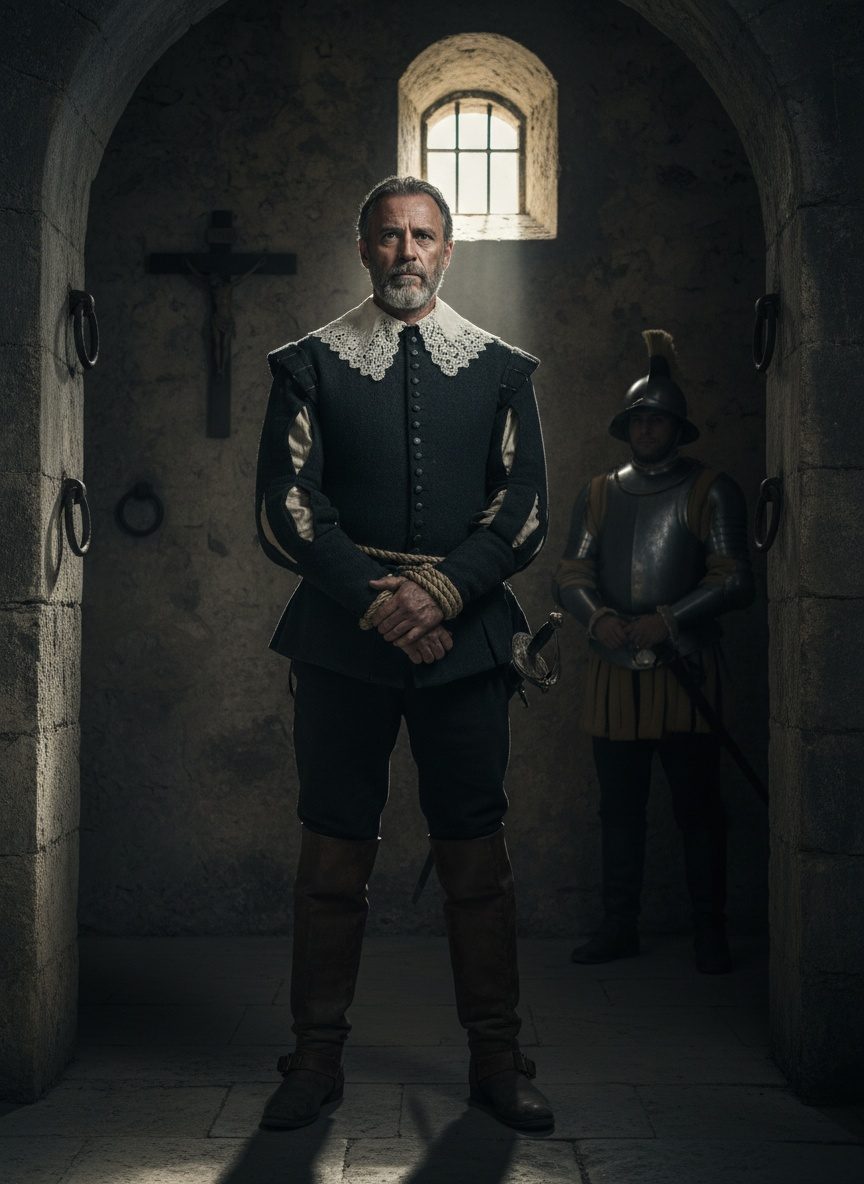
1597. Sir Richard Hawkins was chained in a Spanish prison. He had surrendered to save his dying crew. Spain demanded he renounce England. He refused. He waited. Elizabeth sent for him anyway.
Tristan da Cunha. No harbour. No doctor. A Royal Navy sloop with orders to help. Commander Moore had one chance to land men and supplies — before the Atlantic swells made it impossible.
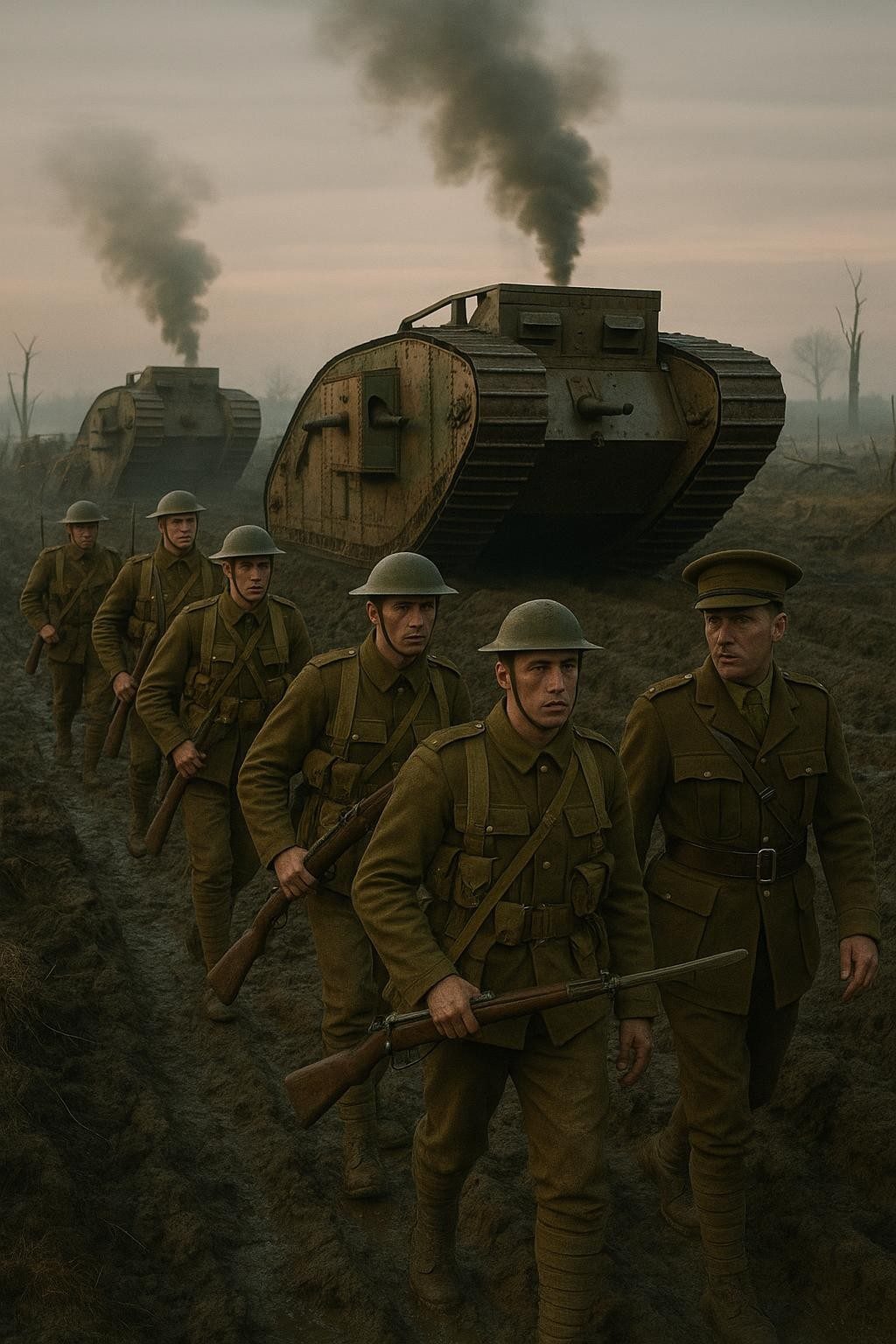
November 1917. Nearly 400 British tanks massed in secret. No artillery barrage. No warning. At dawn, they simply rolled forward — and punched a six-mile hole in the German line in hours.
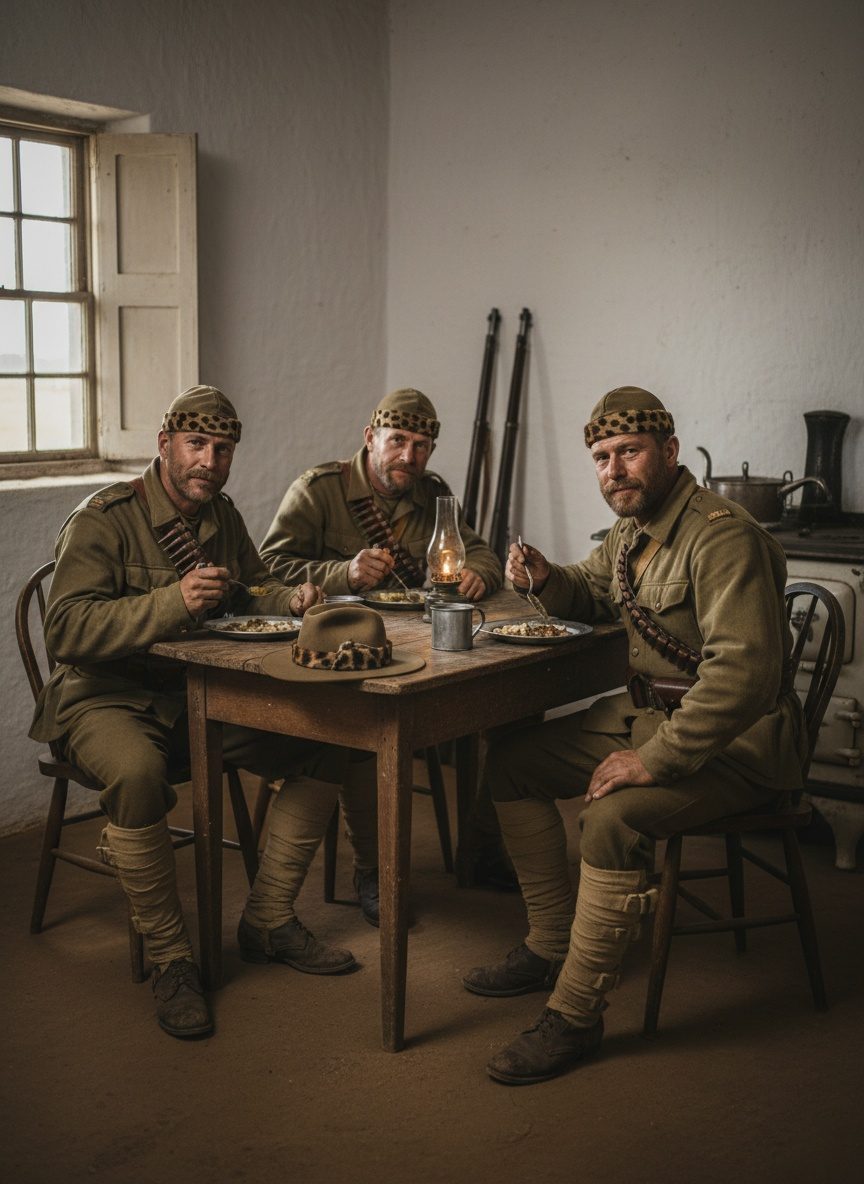
South Africa, 1900. Rimington's Guides — part scout, part shadow — pushed deep into Boer country. In deserted farmhouses, they ate, rested, and vanished. Their leopard-skin headbands became a legend.
1801. HMS Lively had taken a French corvette off Toulon. The prize crew was aboard when fire broke out below decks. Captain Israel Pellew went back. He fought the flames with his bare hands. He brought every man home.
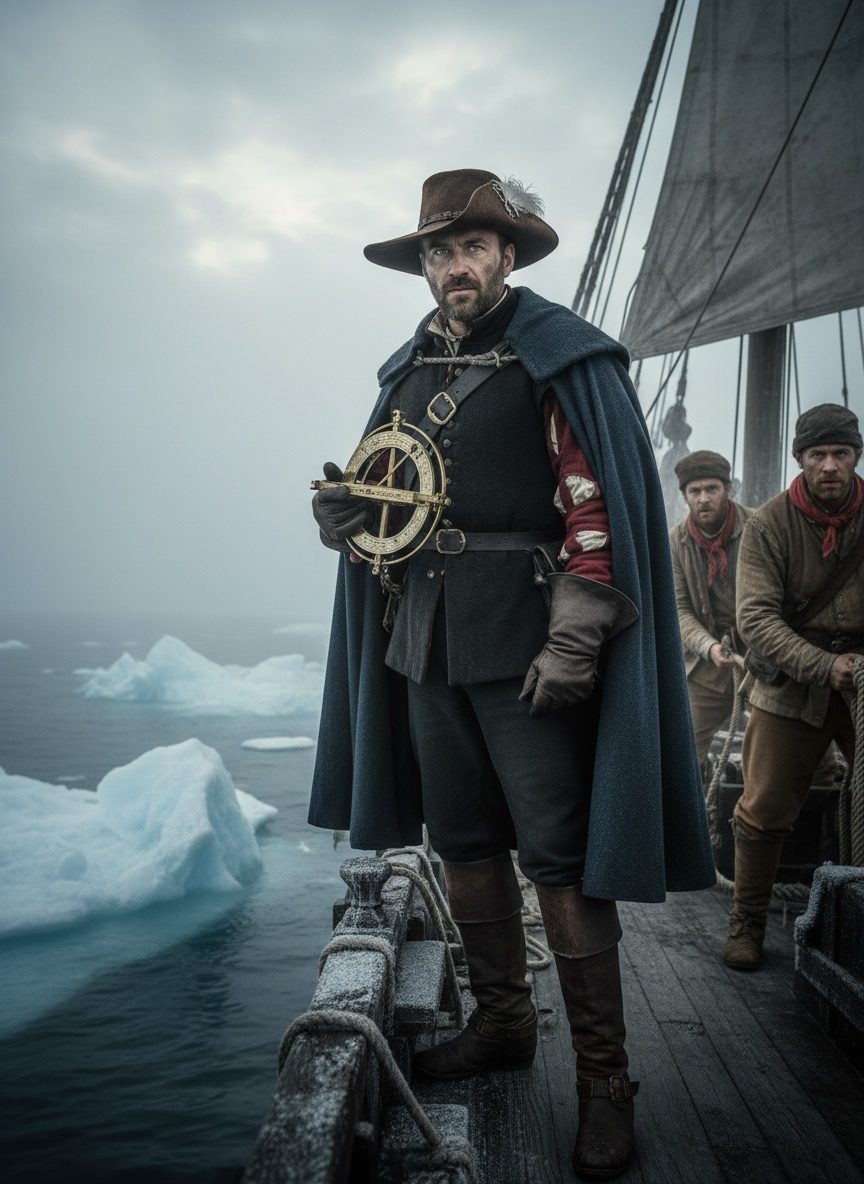
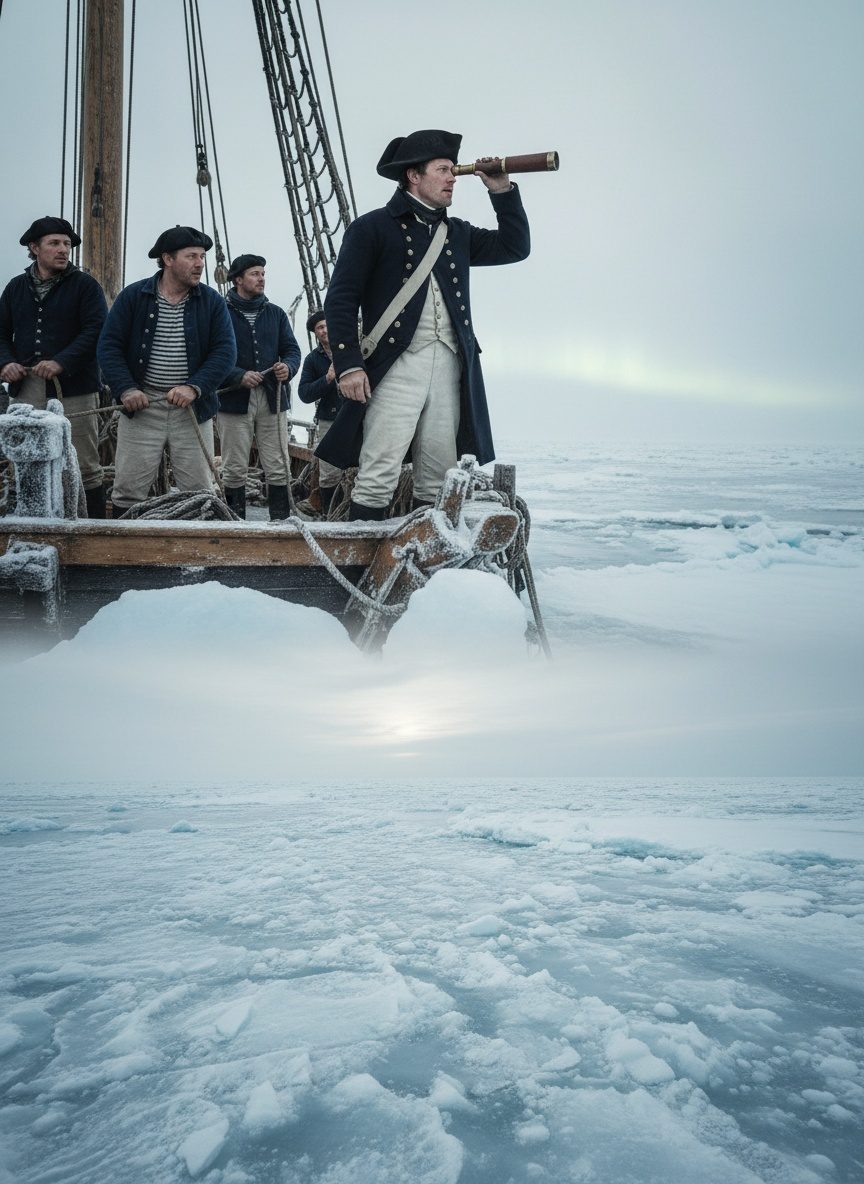
1585. No Englishman had sailed so far north. John Davis turned his ships into the Arctic fog anyway. Ice cracked against the hull. The crew prayed. He kept going. Three voyages. No passage found. But the charts he made changed navigation forever.
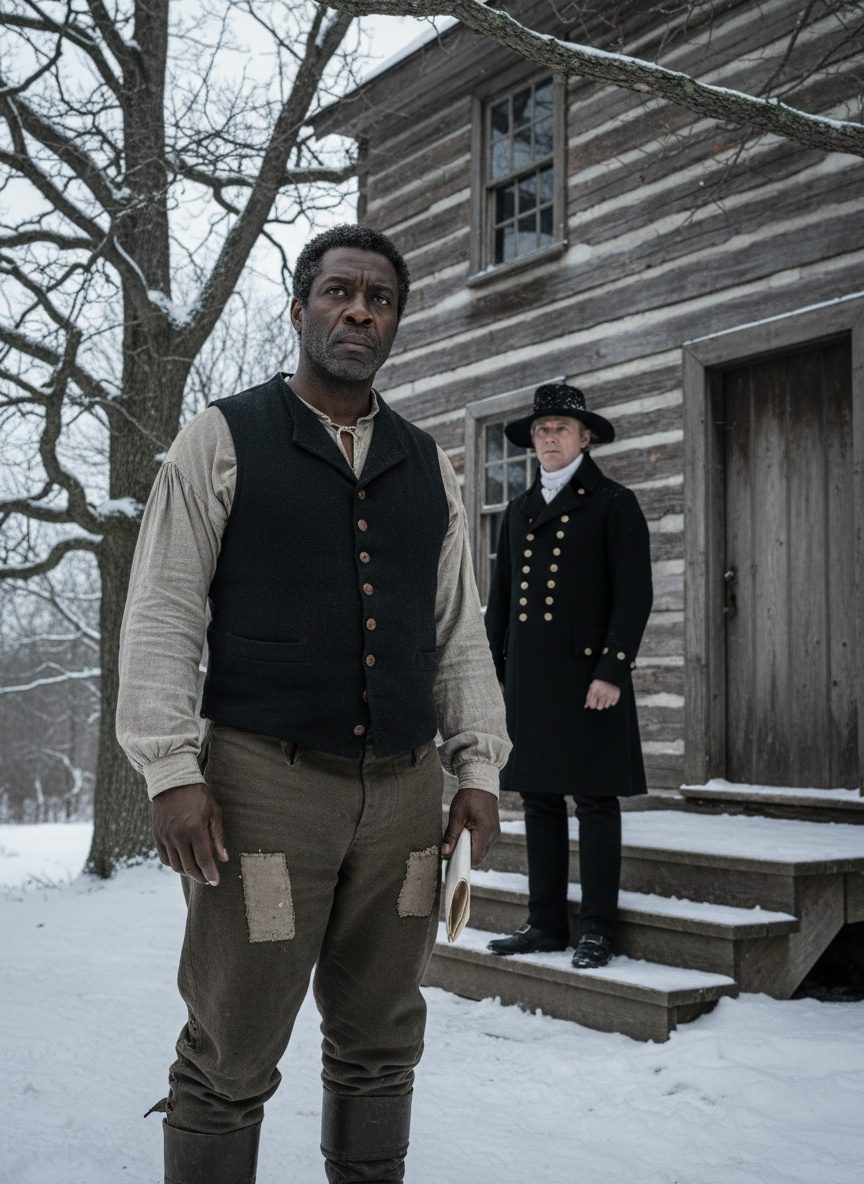
Upper Canada, 1793. A young enslaved woman named Chloe Cooley was bound and shipped across a river against her will. One man witnessed it. Peter Martin brought her case to the Governor. The legislature acted. Slavery began to die in British North America.
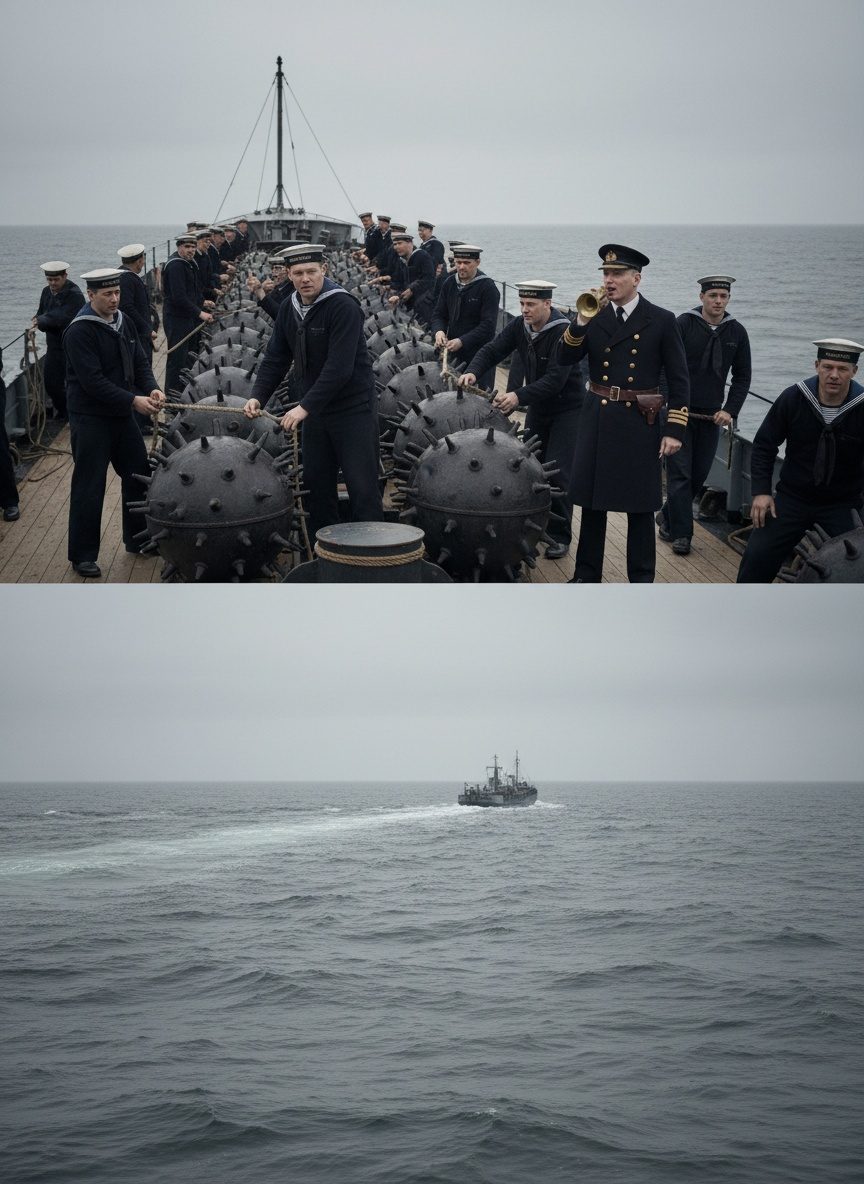
By 1917, German U-boats were sinking 300 ships a month. Britain's answer: 70,000 mines stretched from Scotland to Norway. The North Sea Mine Barrage — history's largest naval minefield.
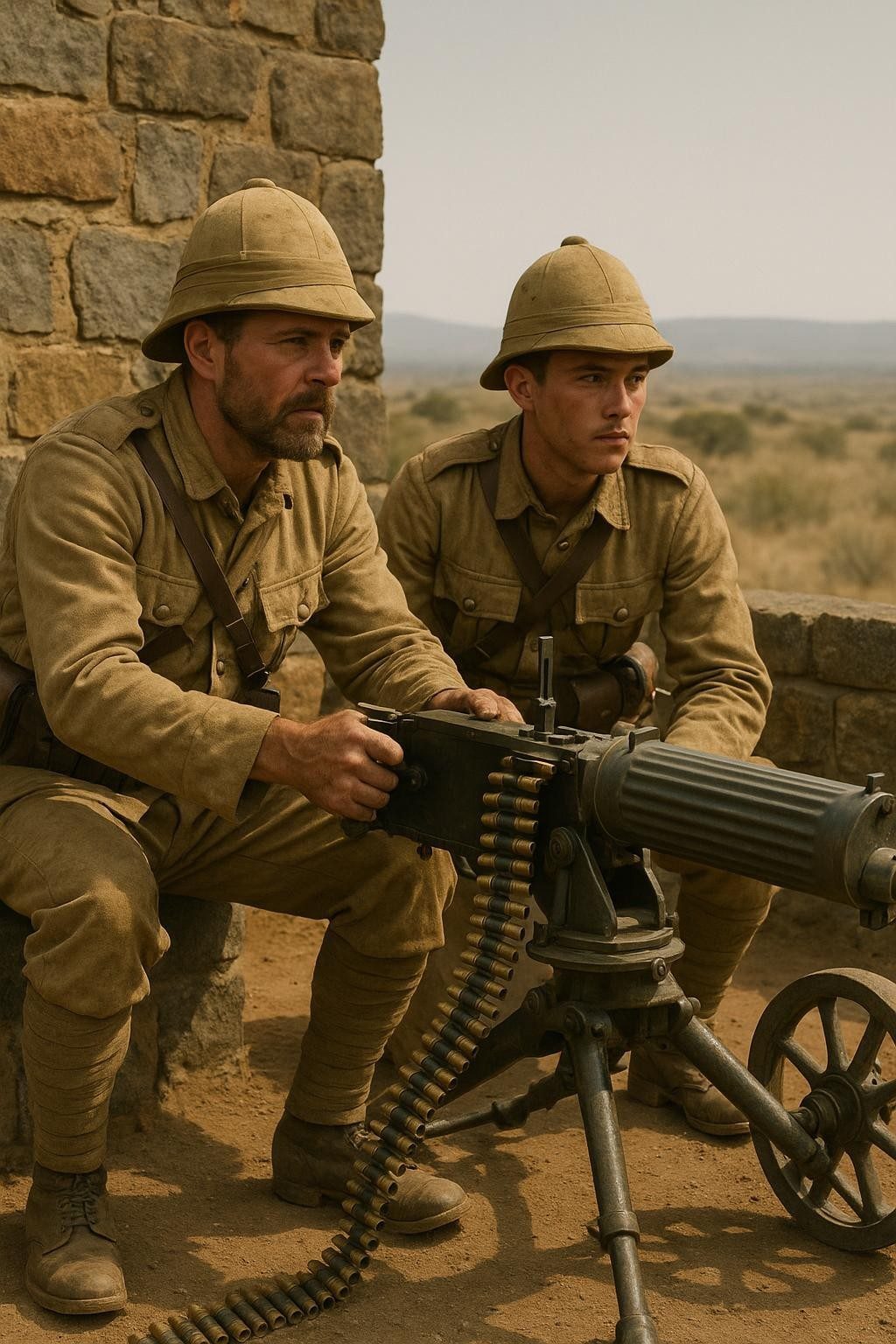
31 May 1900. Lord Roberts marched into Johannesburg. At the fort, a Maxim gun crew stood ready. The city fell without a shot. But the gun told the whole story.
One ship. One mission. Find the Northwest Passage from the west. HMS Blossom pushed past Alaska's icy rim — and waited. Franklin never came. But what they mapped changed everything.
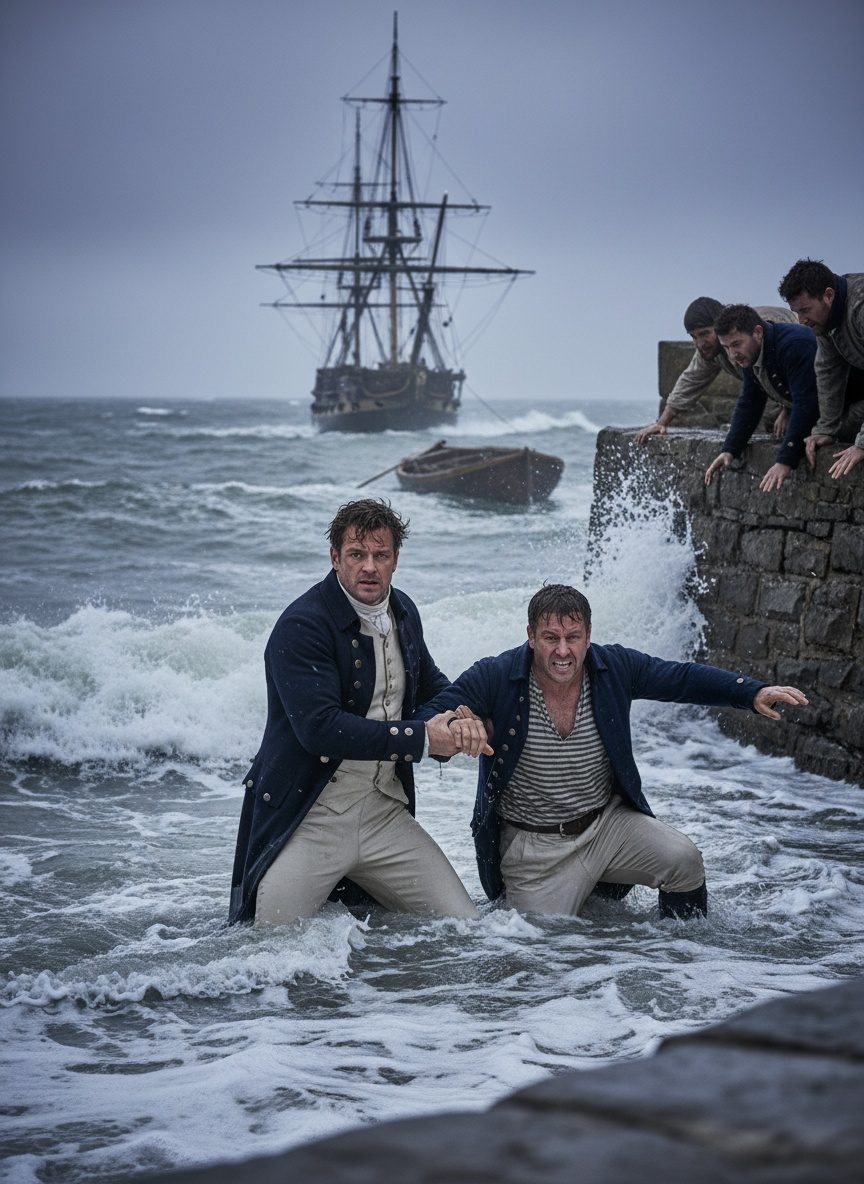
January 1796. HMS Indefatigable lay at anchor off Falmouth. A longboat capsized in the freezing surf. One man jumped in without hesitation. That man was Captain Edward Pellew. He saved every soul aboard.
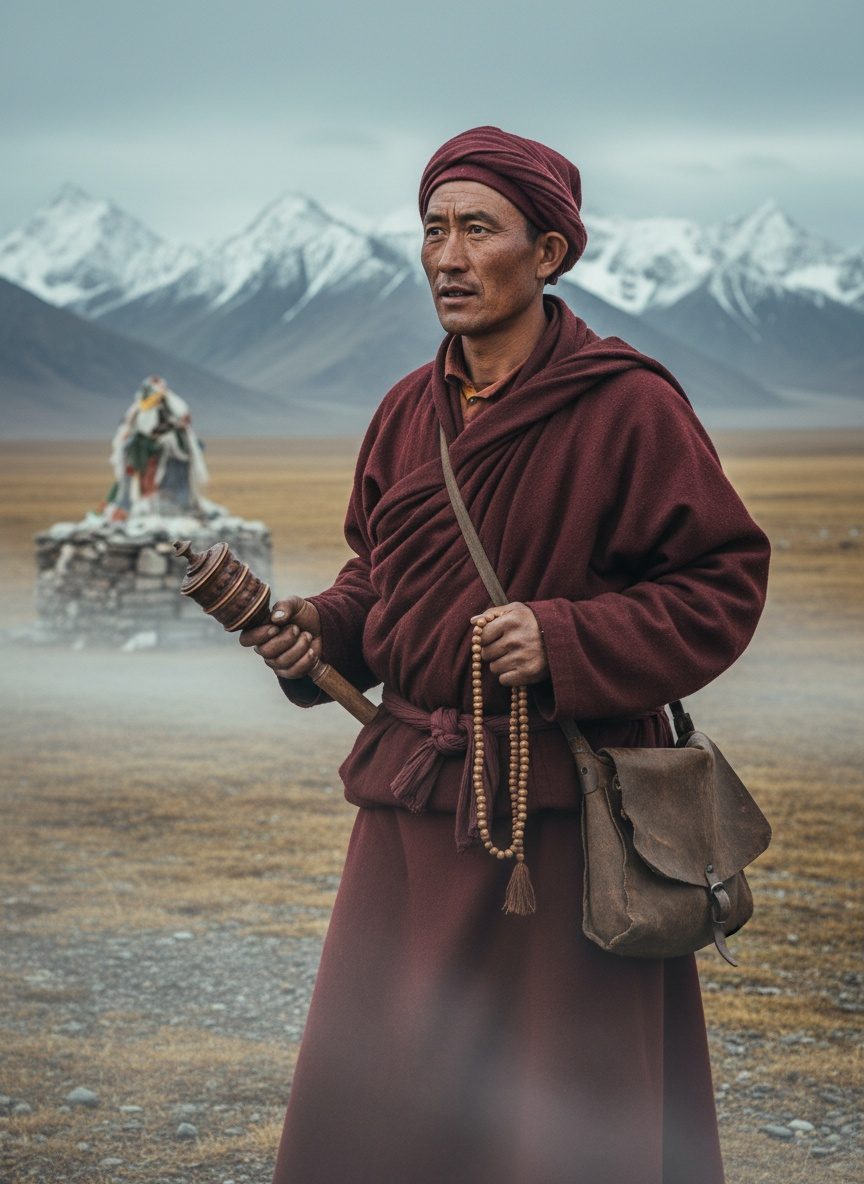
1865. Tibet was sealed to outsiders. Nain Singh entered disguised as a monk. Captured. Interrogated. He kept walking. He mapped 1,200 miles in secret. Britain's greatest unknown spy.
1793. Upper Canada. A British governor stood before his own assembly. He demanded a law no colony had yet dared pass. The Act Against Slavery became law. Canada was the first place in the Empire to move toward abolition.
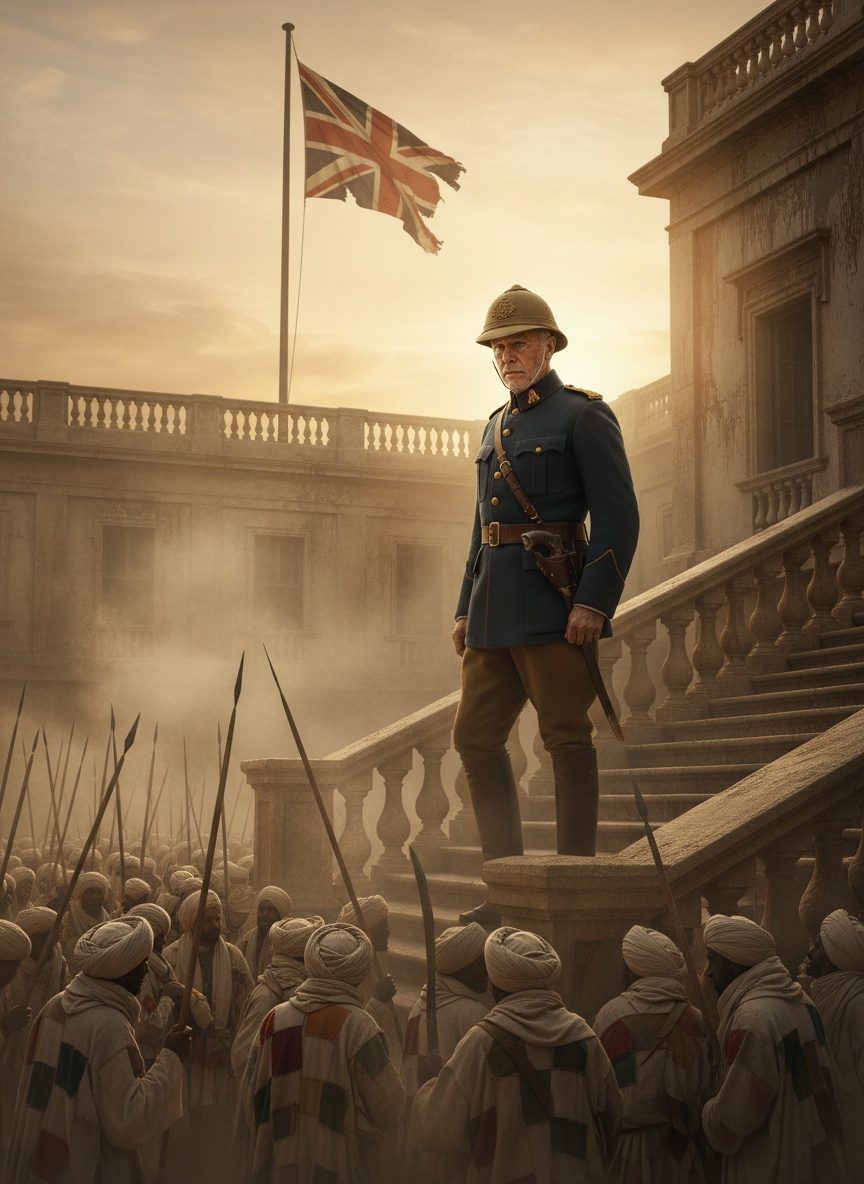
Britain sent its most celebrated soldier to evacuate Sudan. Gordon ignored his orders. Khartoum fell. He died alone on the palace steps. London received the news two days too late.
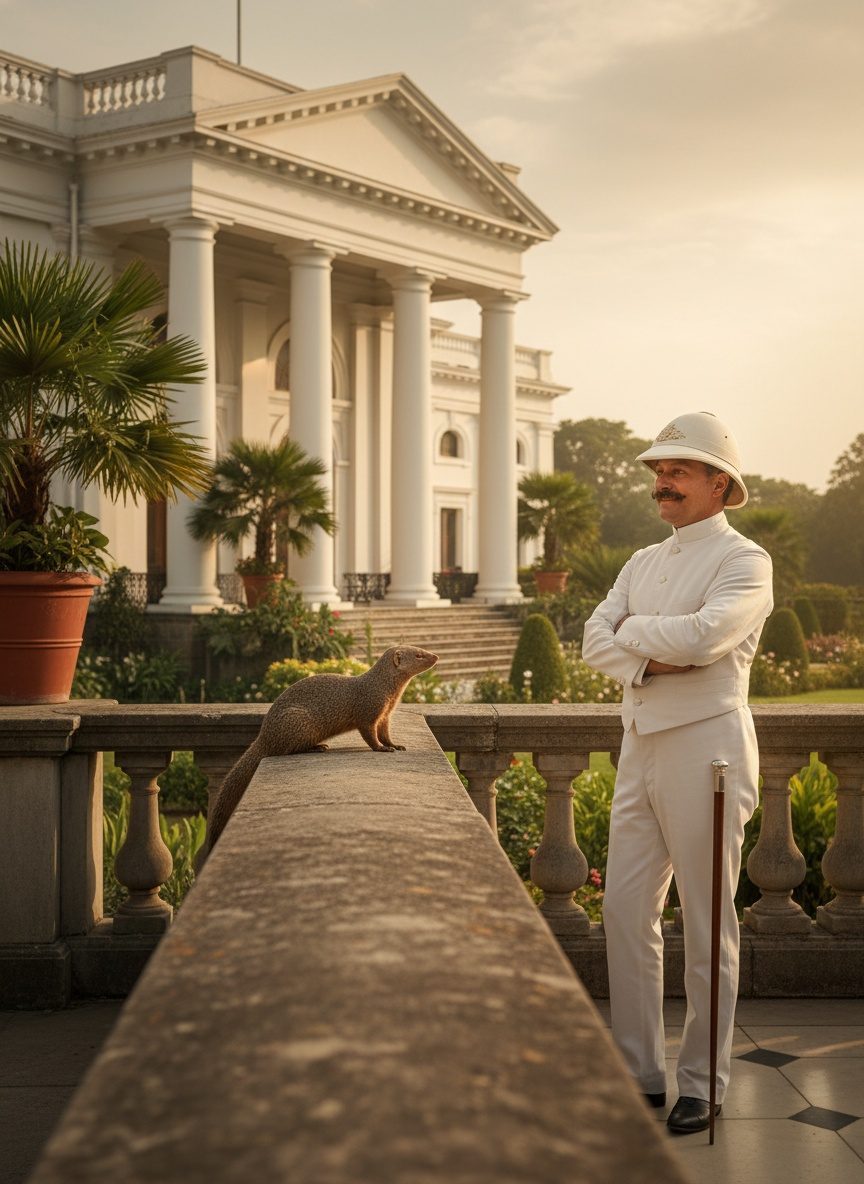
He had no rank, no salary, and no orders. Yet Kipling, Curzon, and half the Bengal Civil Service knew his name. Rikki-Tikki lived in Government House longer than most men governed it.
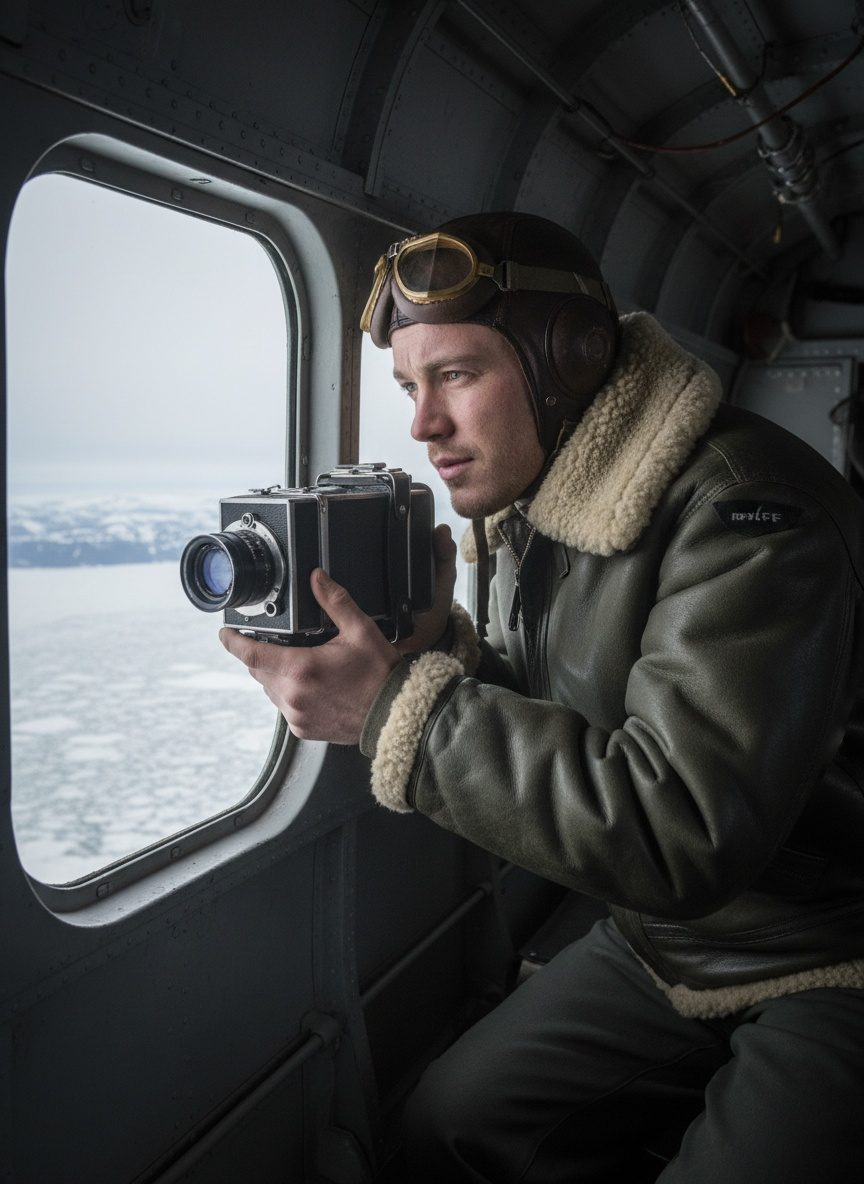
May 1942. A crewman leans from a Lockheed Hudson window above Iceland's frozen sea. His camera records what no sailor below could see. The ice patrol was unglamorous. The photographs were everything.
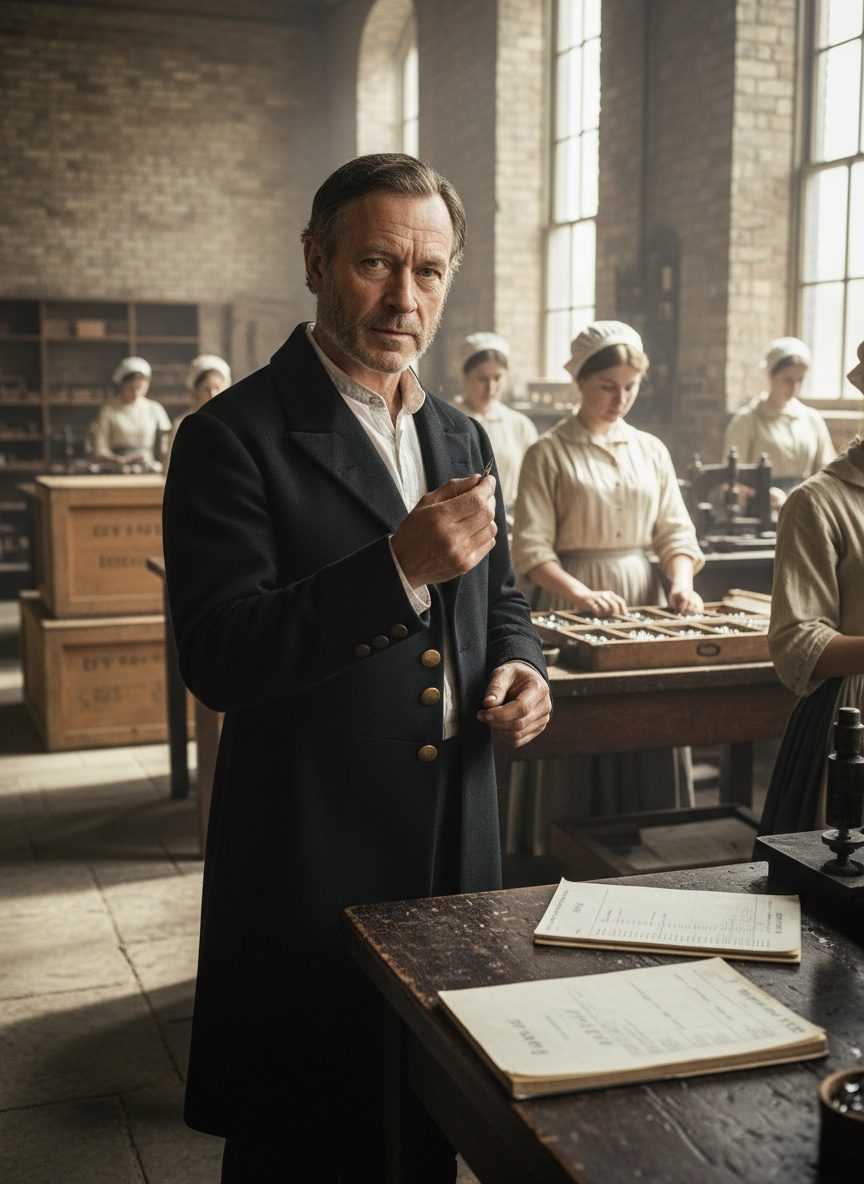
Birmingham, 1844. One man's factory made nine out of every ten steel pen nibs used across the British Empire. Josiah Mason had started as a peddler. He ended as the man who put ink to paper across the world.
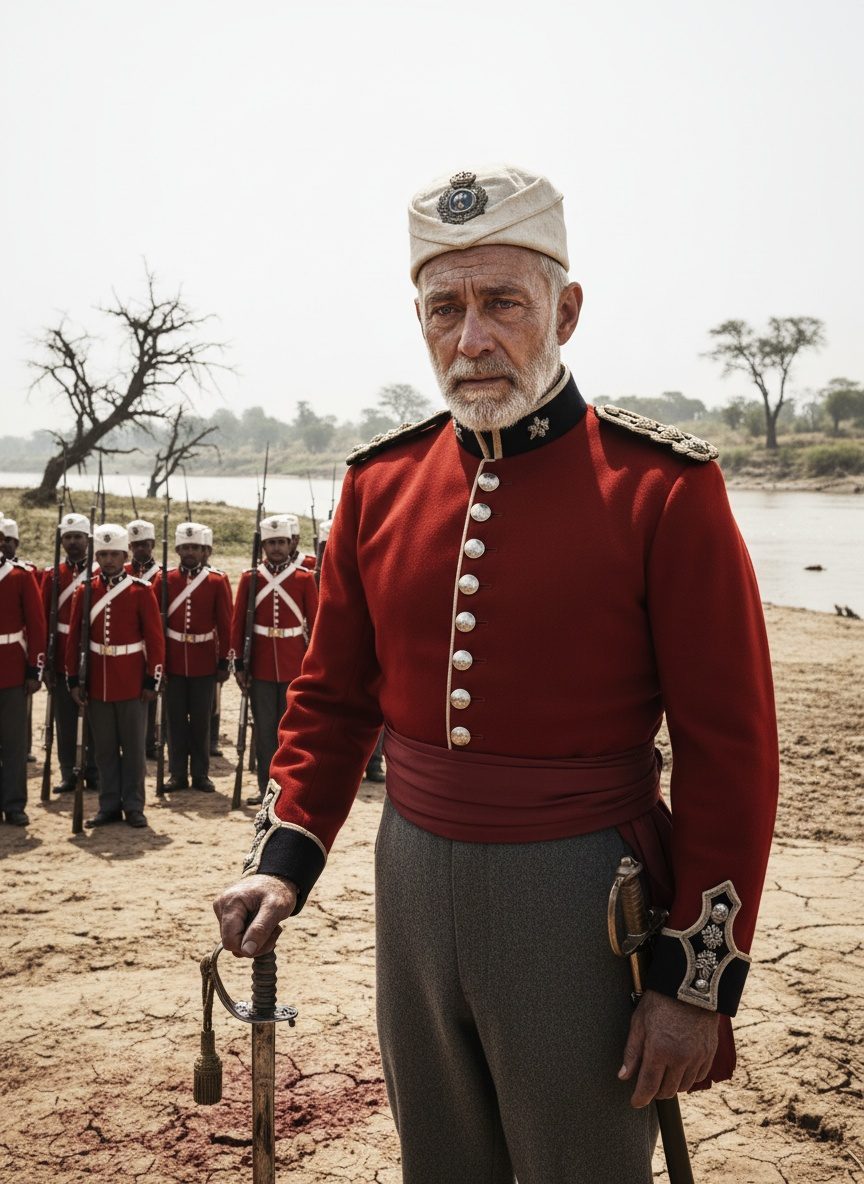
July 1857. Cawnpore had fallen to the mutineers. Hundreds of British civilians were dead. One general refused to stop marching. Havelock crossed the Ganges in the Indian heat. He arrived too late to save them. He wept. Then he pressed on to Lucknow.
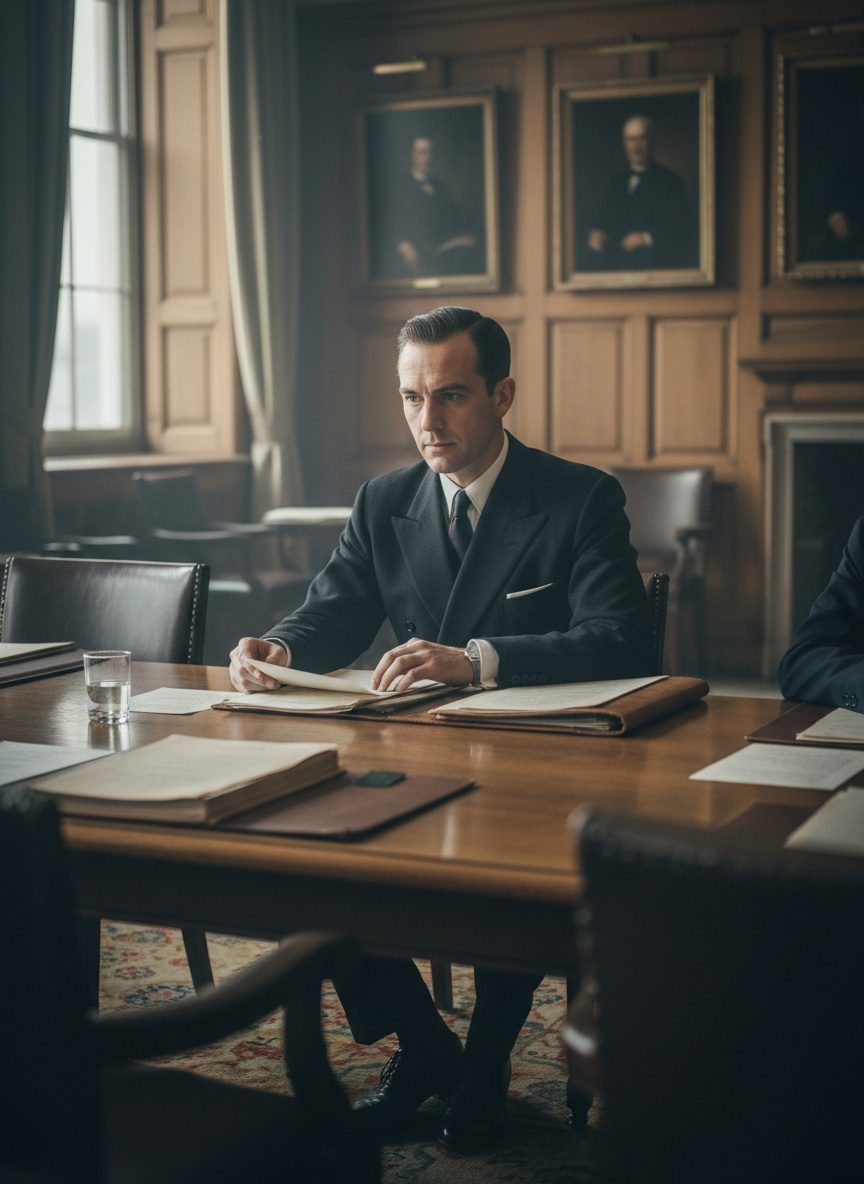
London. 1954. Britain planned to rearm West Germany. One minister had signed the original veto. Now his own government asked him to reverse it. Kenneth Younger stood up. Voted no. Lost everything. History proved him right.
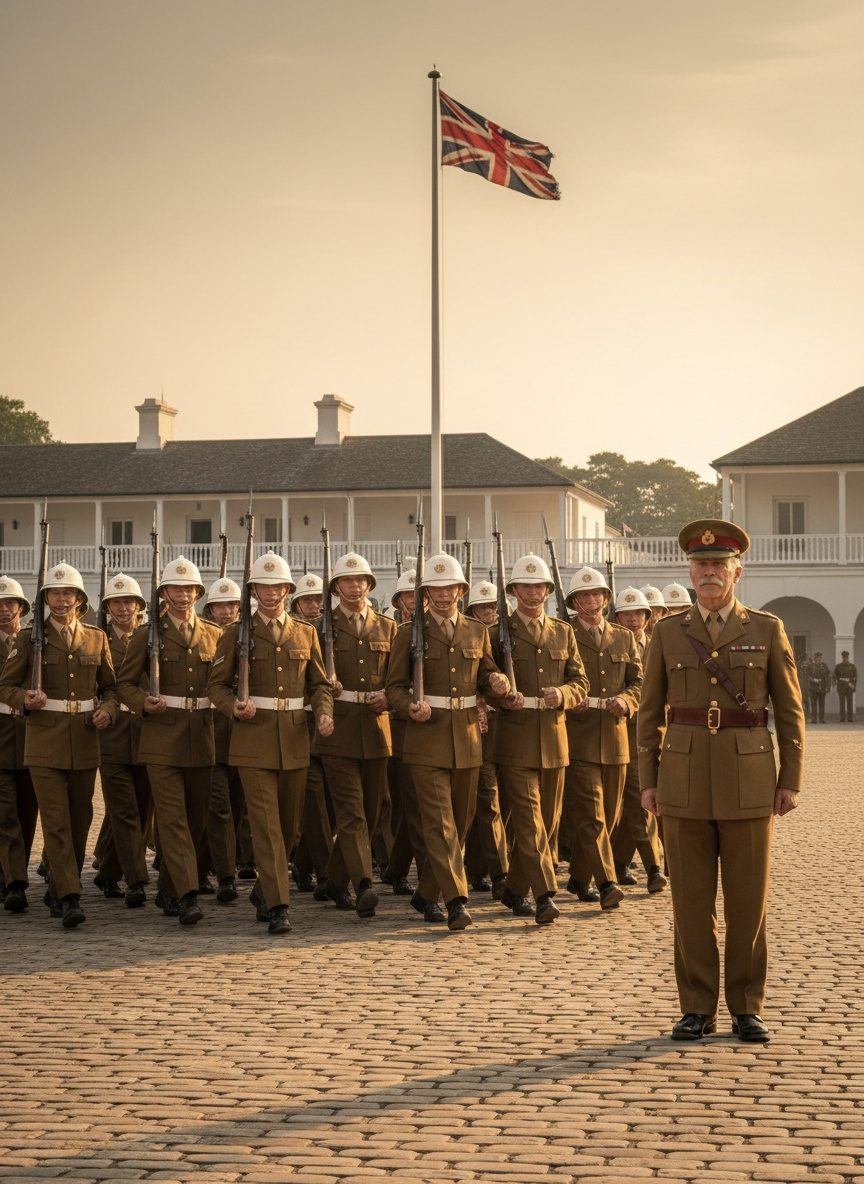
Hong Kong's local soldiers served Britain for over a century. They guarded the colony, fought pirates, resisted Japan. In 1997, they marched off parade for the last time — loyal to the very end.
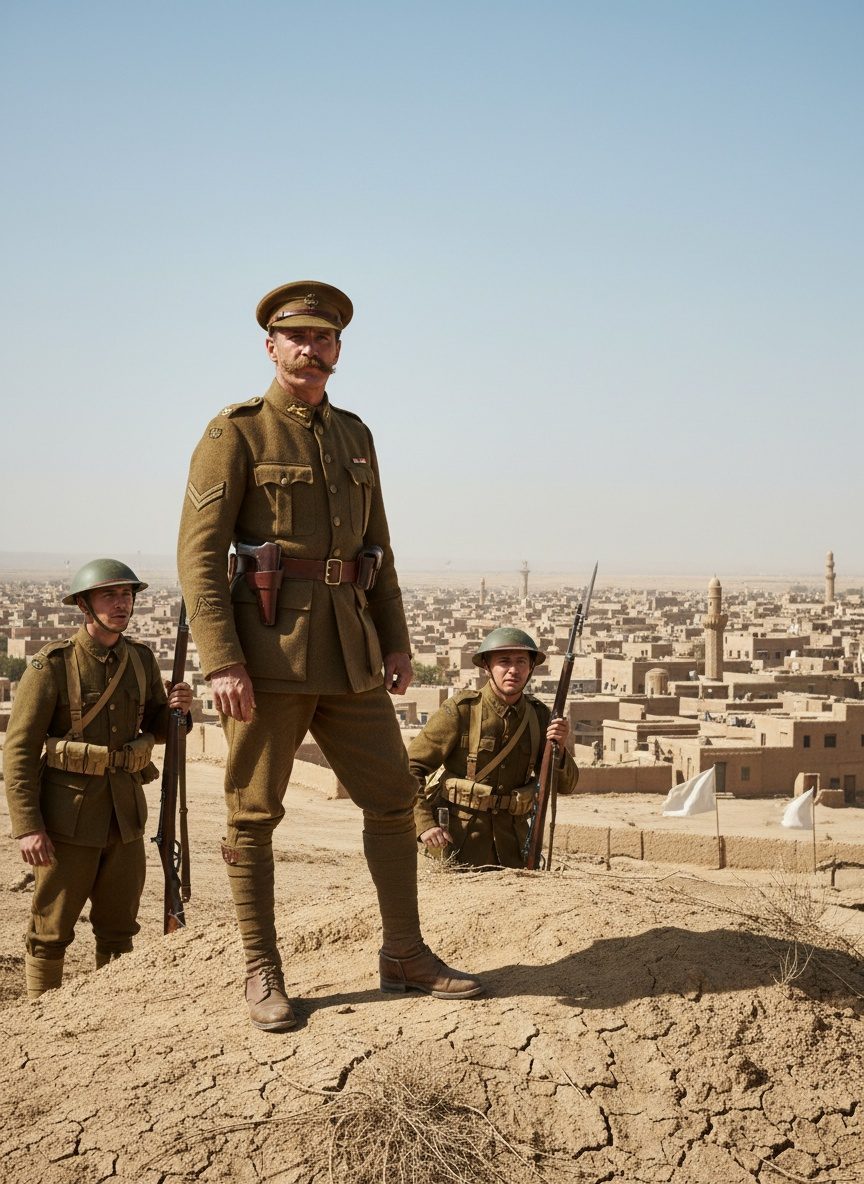
After the shame of Kut, Britain needed a victory. General Maude rebuilt a broken army. On 11 March 1917, white flags rose over Baghdad. The city had fallen.
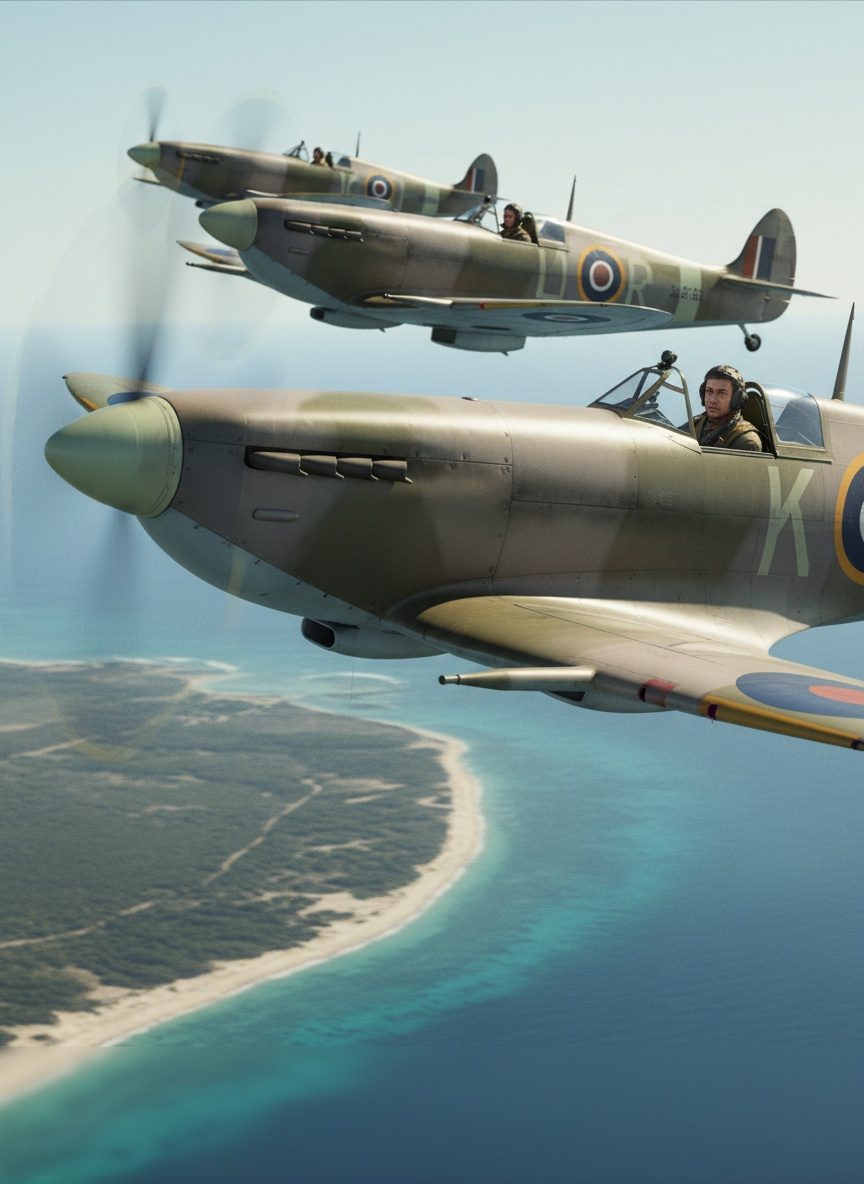
March 1943. Three Spitfires of No. 244 Wing peel off the Tunisian coast. Below them: Mareth. Behind them: light bombers they'd just shepherded home. The Afrika Korps never saw them coming.
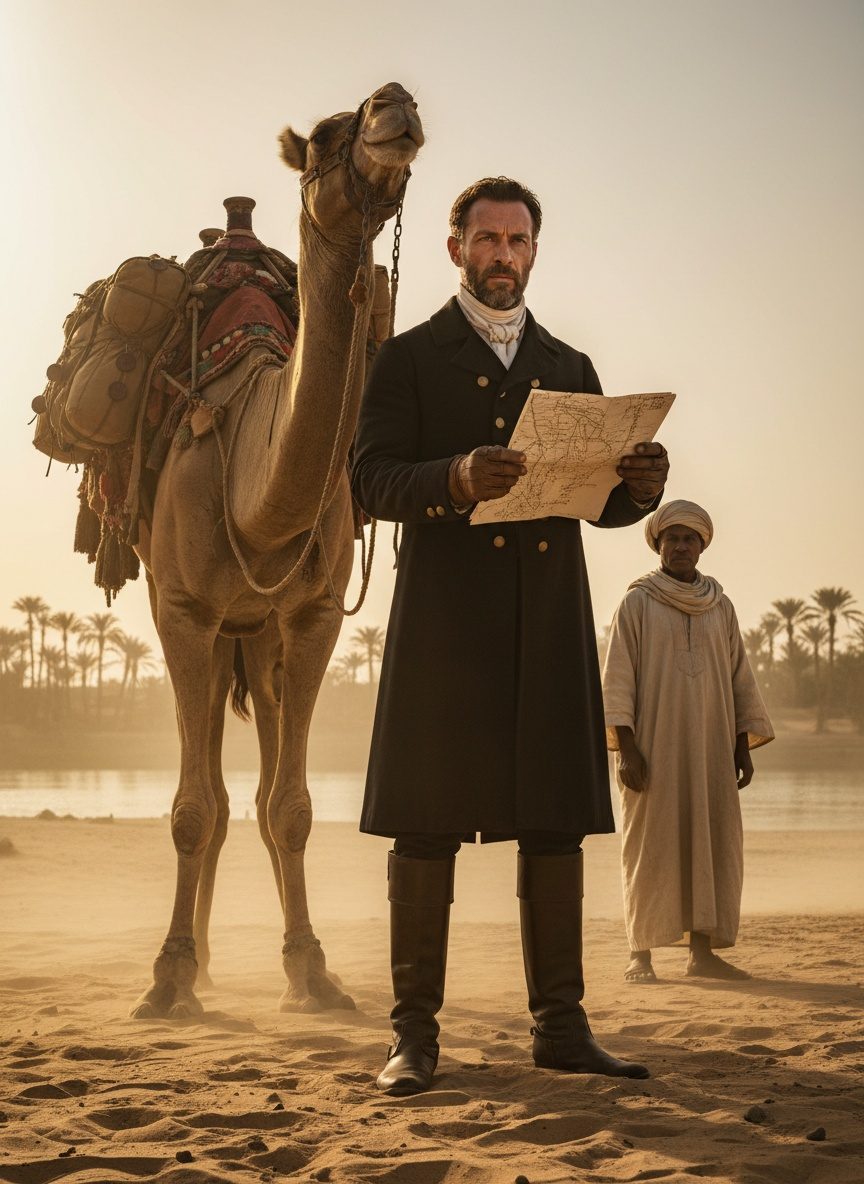
1835. Britain's India mail took months by sea. Thomas Waghorn believed there was a faster way. He crossed Egypt alone. On foot. By camel. By barge. He proved it could be done. The Empire's mail would never be slow again.
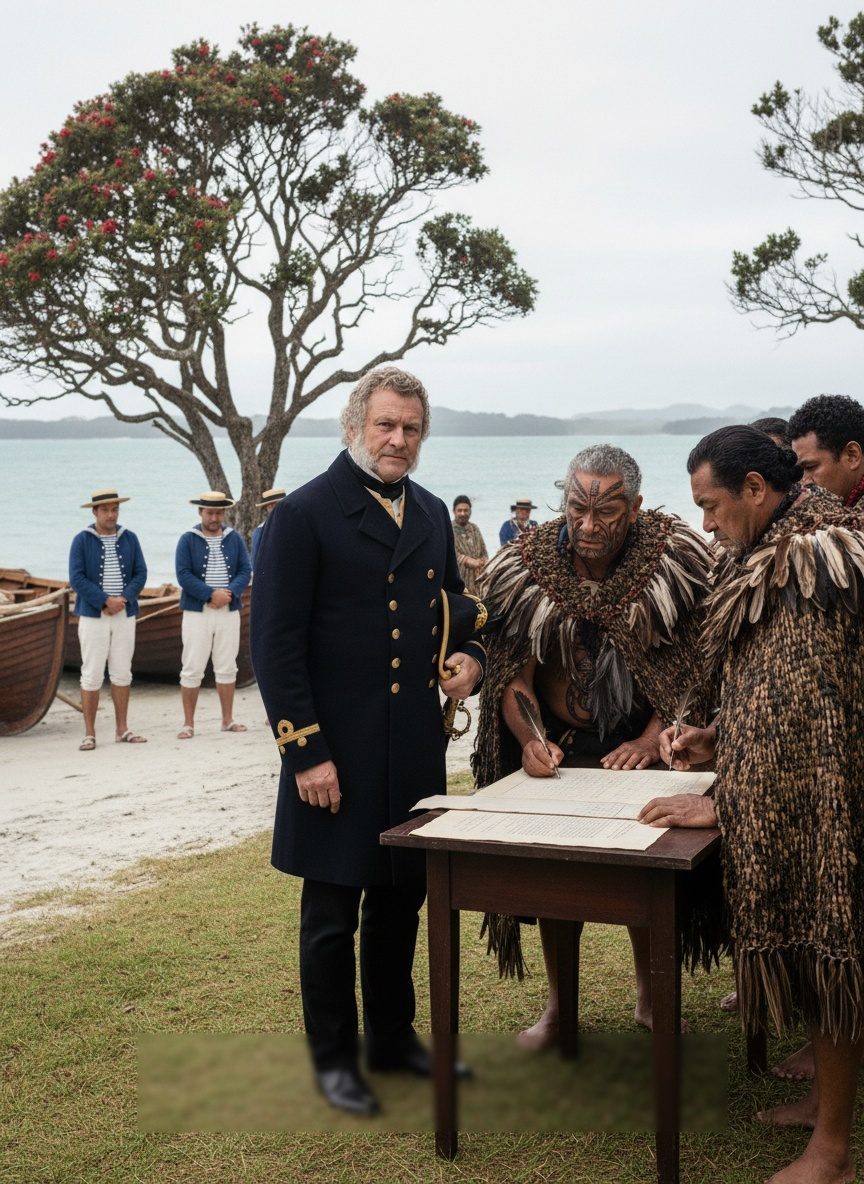
February 1840. A British official unfurled a document on a windswept beach. Maori chiefs gathered. One by one they pressed their marks to the page. The Treaty of Waitangi was signed. Its principles still govern a nation today.
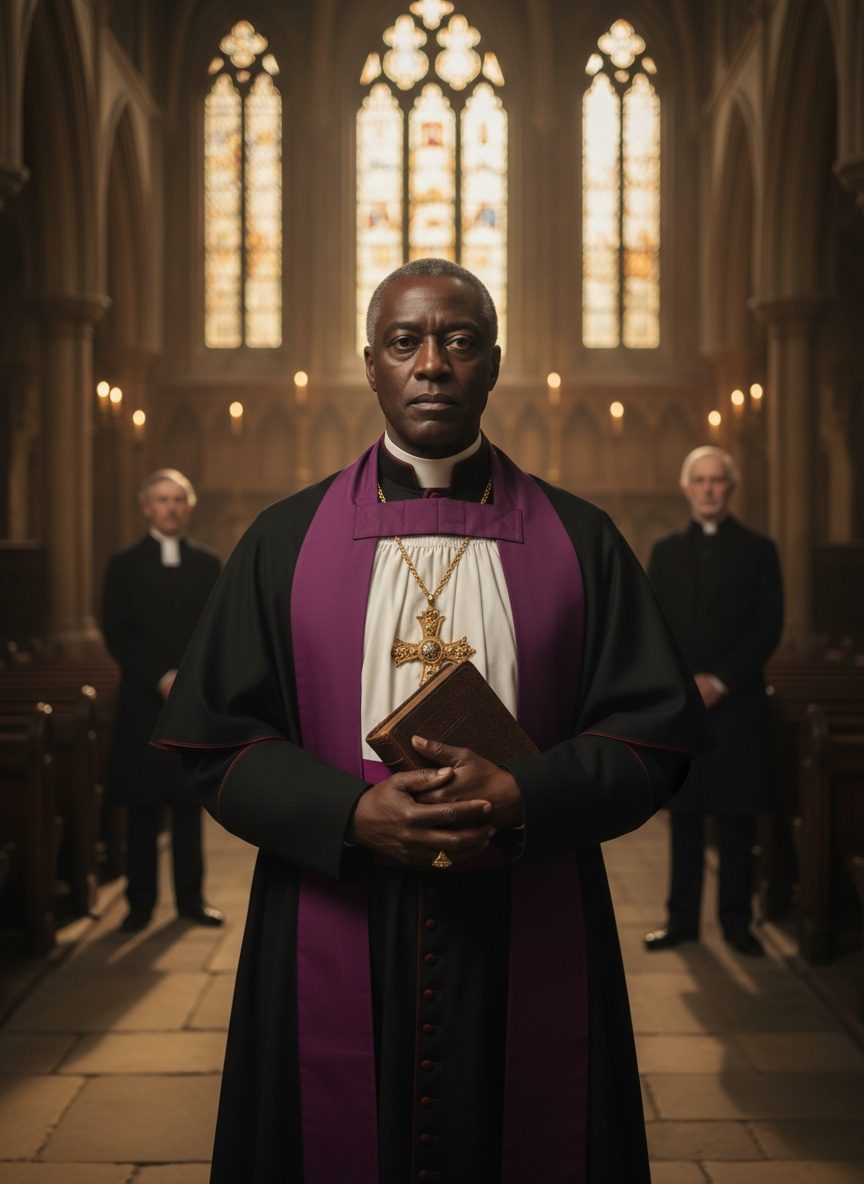
1864. A freed slave stood before the Church of England. He had been torn from his mother at twelve. Sold. Rescued. Educated. Now he held a Bible and a bishop's cross. He would not be silent.
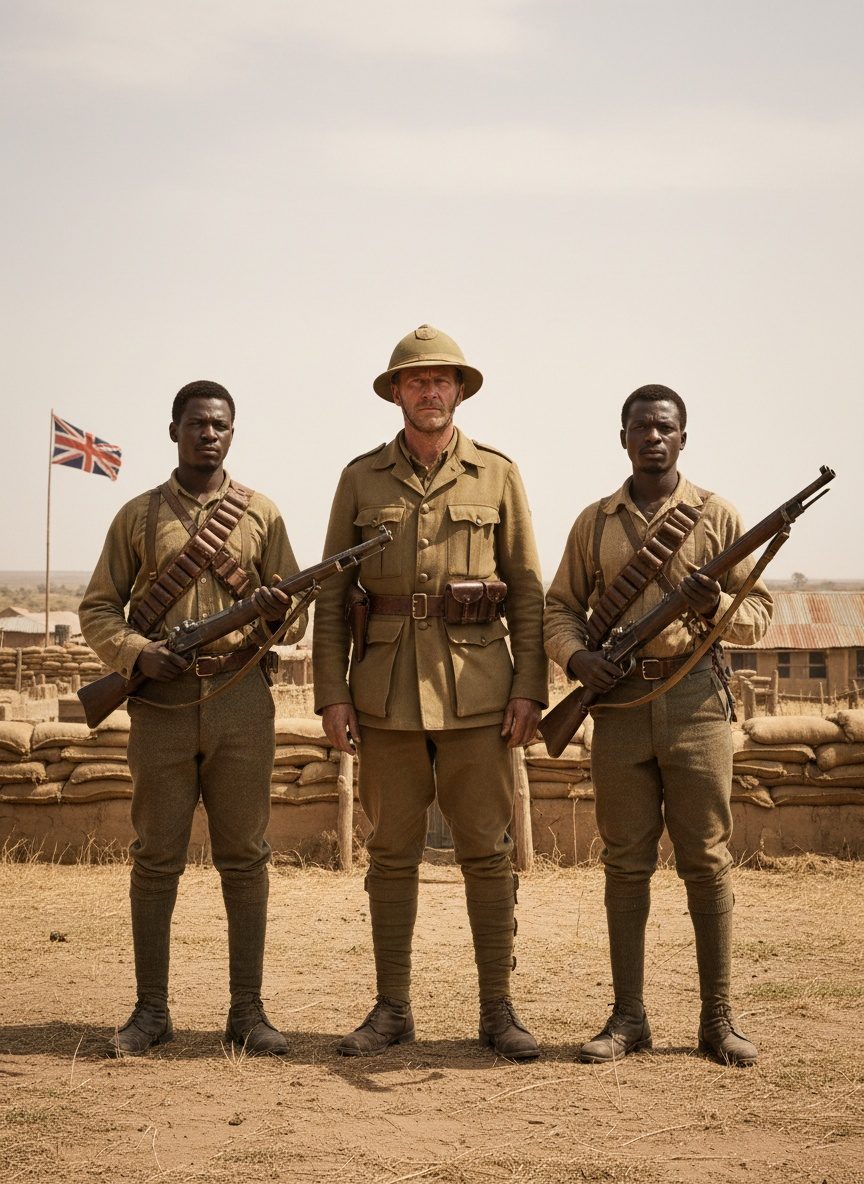
Mafeking. 217 days under siege. Baden-Powell was outnumbered, outgunned — and furious letters from the Boer lines kept arriving. His crime? Arming Black men in a white man's war.
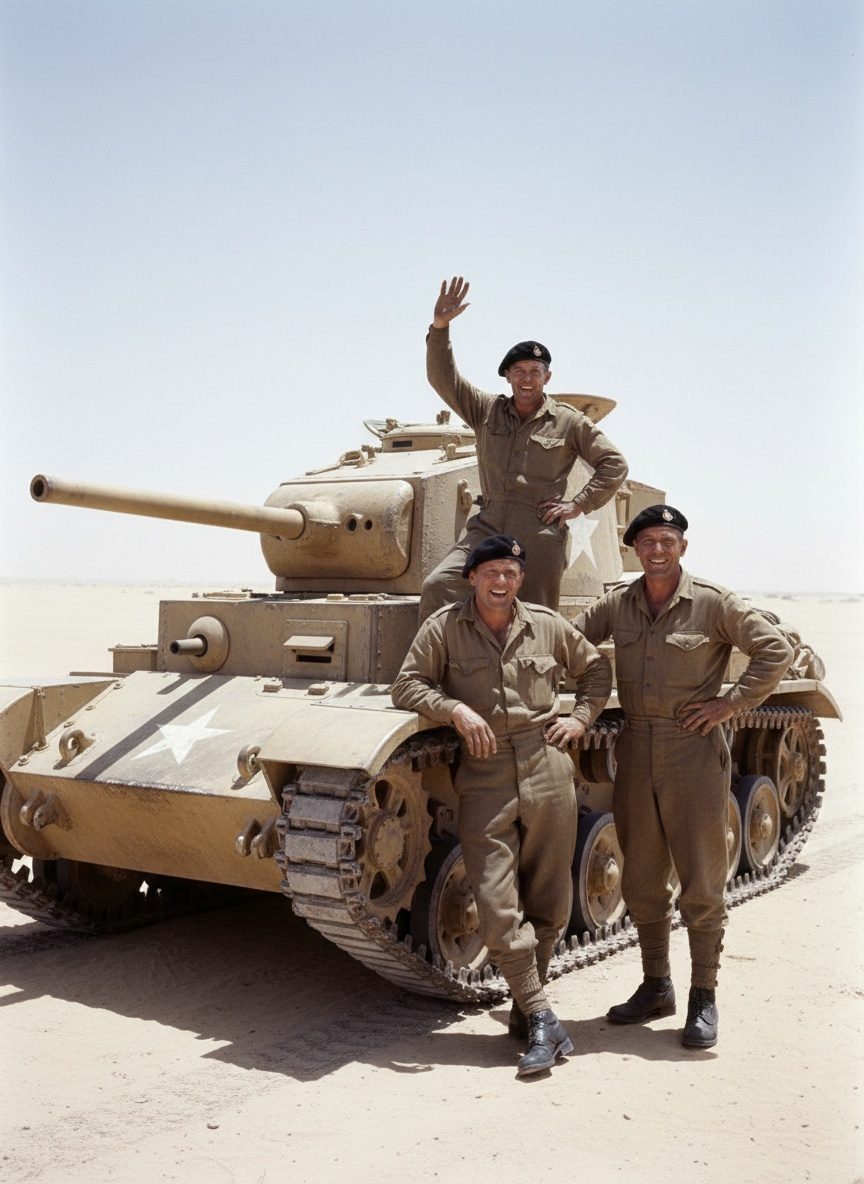
Libya, April 1942. A Crusader tank crew climbed aboard their machine and posed for a photograph. Not a battle shot. A thank-you. Britain had sent the tanks. The men wanted someone back home to know they were grateful.
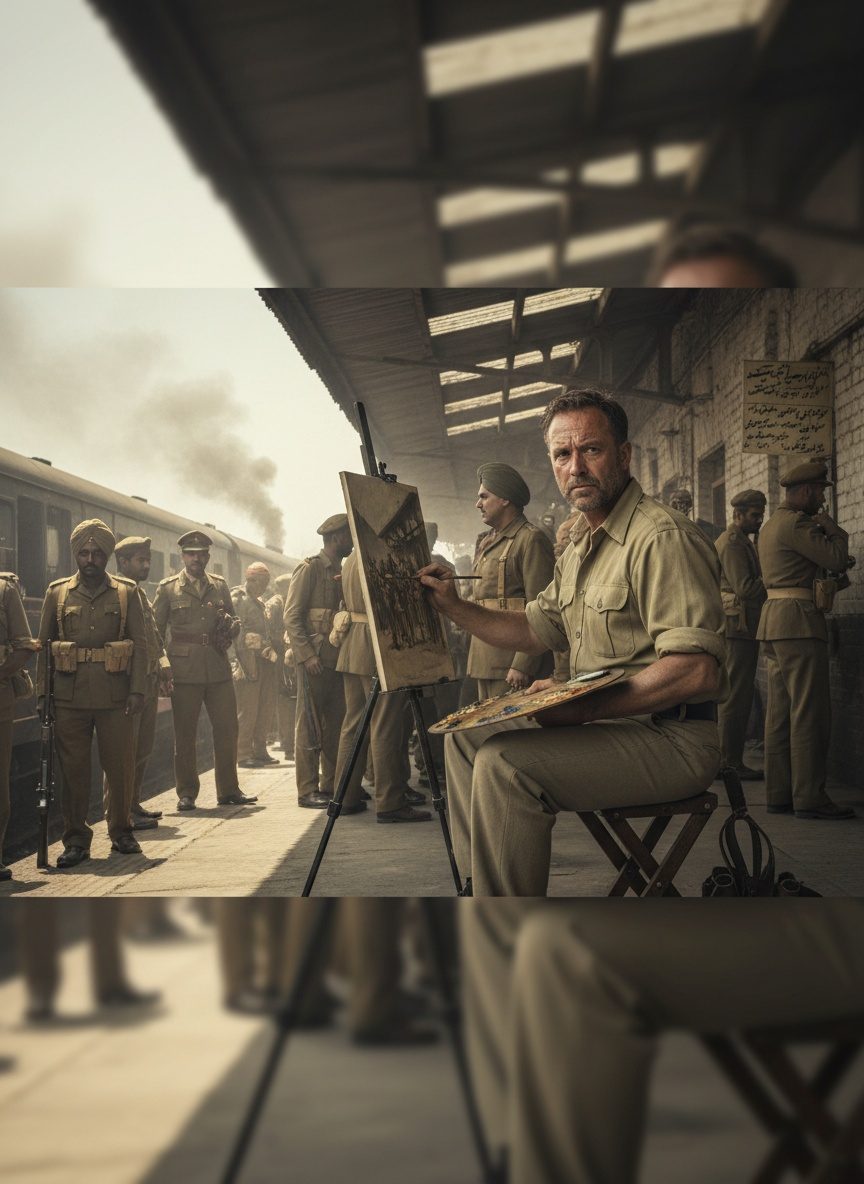
In 1943, Britain sent artists into India's war. Their canvases caught something cameras missed — an empire at its peak, already quietly ending. The paint barely dried before independence changed everything.
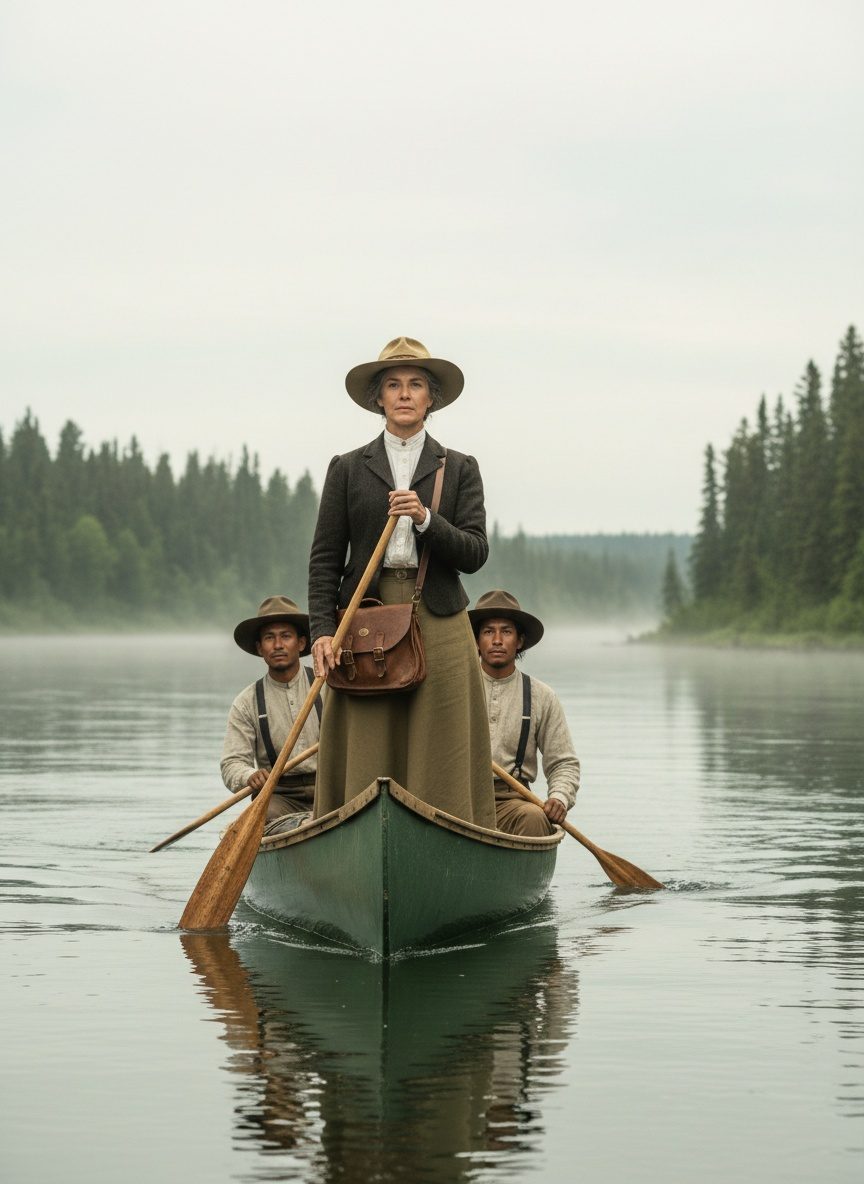
1908. Every railway official said no. Every newspaper mocked her. Agnes Deans Cameron packed her bags anyway. She walked two thousand miles into Canada's northern wilderness. A schoolteacher. Alone. She came back with proof that the Empire's north was alive.
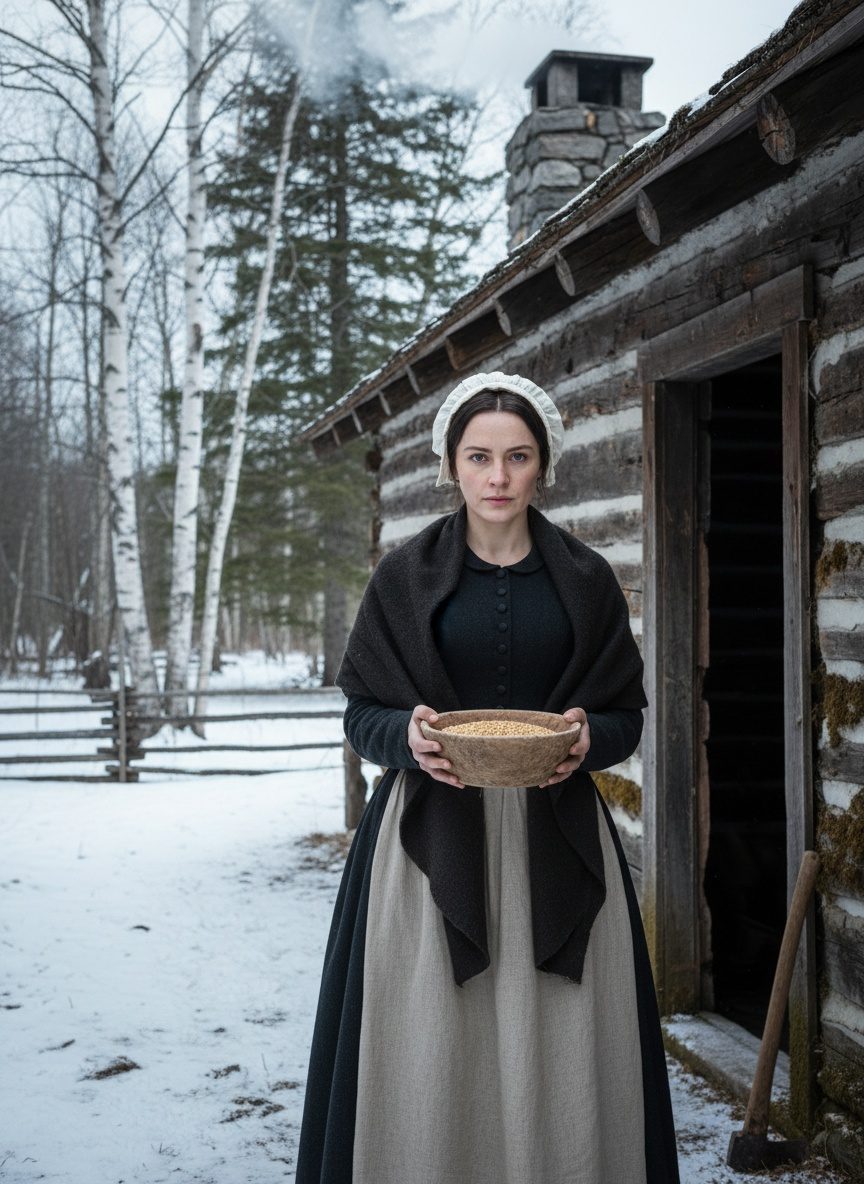
Ontario, 1834. The harvest had failed. Susanna Moodie had almost nothing. Her neighbours had less. She gave it away. Every last grain. Then she waited for spring.
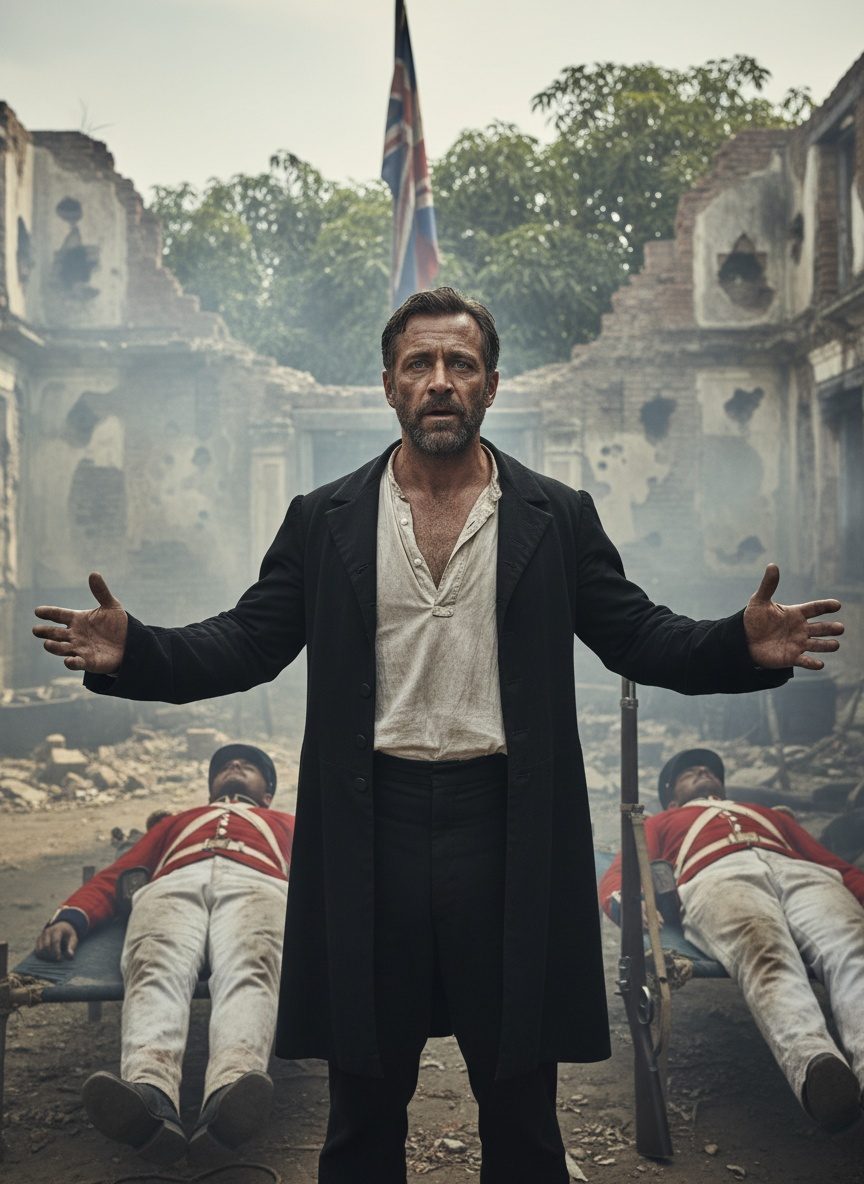
Lucknow, 1857. The siege was breaking men. A British chaplain refused to leave the wounded. He walked unarmed between soldiers and the guns. He bargained. He pleaded. He saved them.
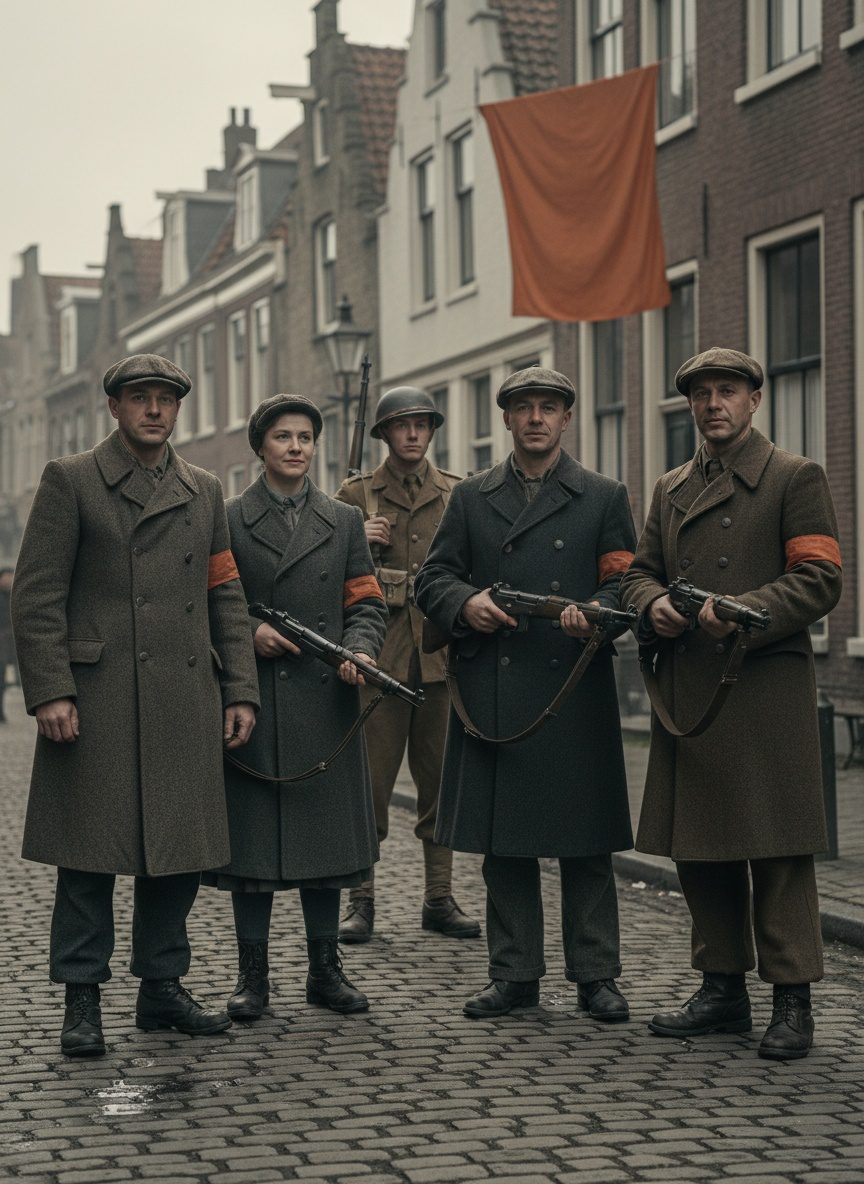
March 1945. British forces push into Holland. But ahead of them, ordinary Dutch men and women had already taken the streets. Armed with stolen weapons, they held their own town until the redberets arrived.
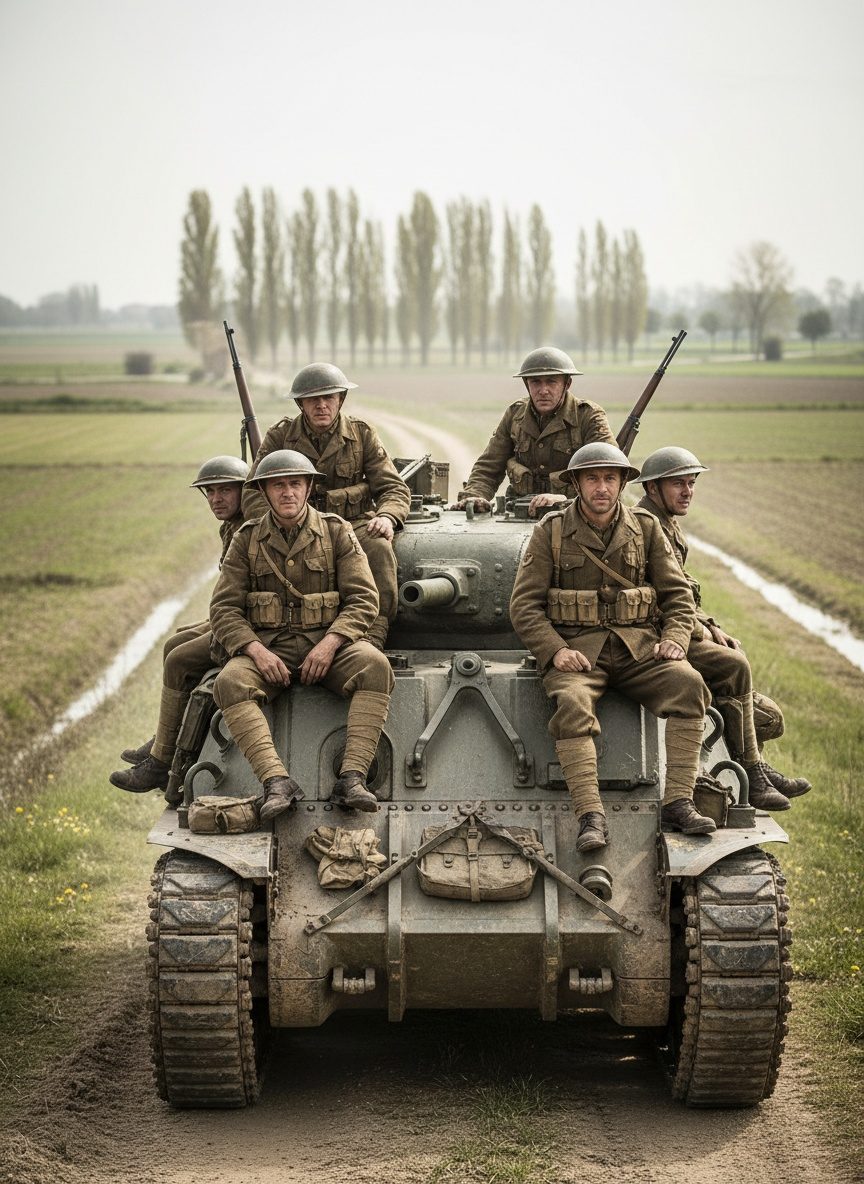
April 1945. The war was nearly over — but not yet. Men of the 2nd Lancashire Fusiliers climbed onto Sherman tanks near Ferrara and rode hard into the final push. No trenches. Just speed, steel, and nerve.
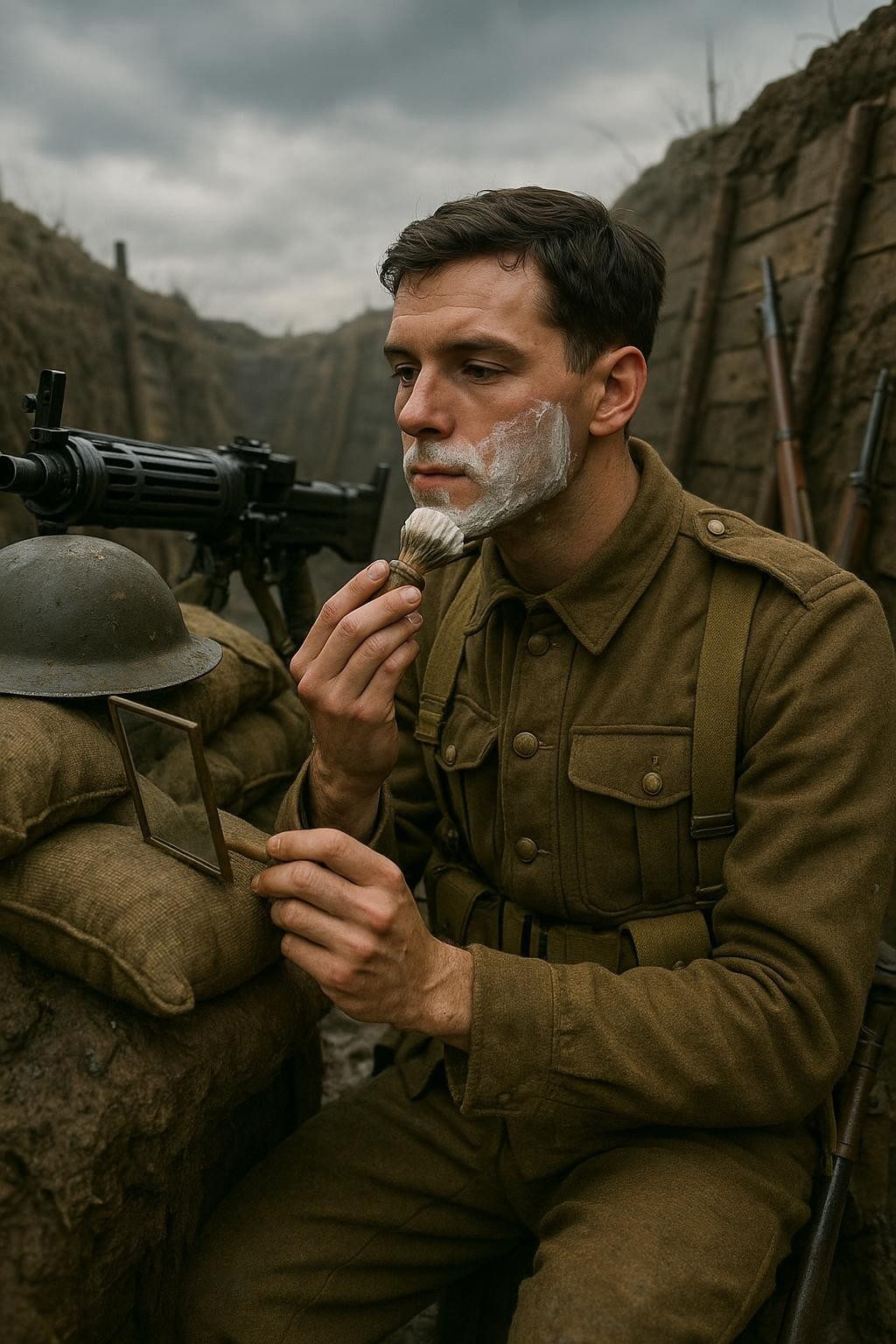
Western Front, 1918. Between the shells, a soldier lathers his face and shaves. Not a pause in the war. Just a man refusing to stop being human. Small acts. Enormous defiance.
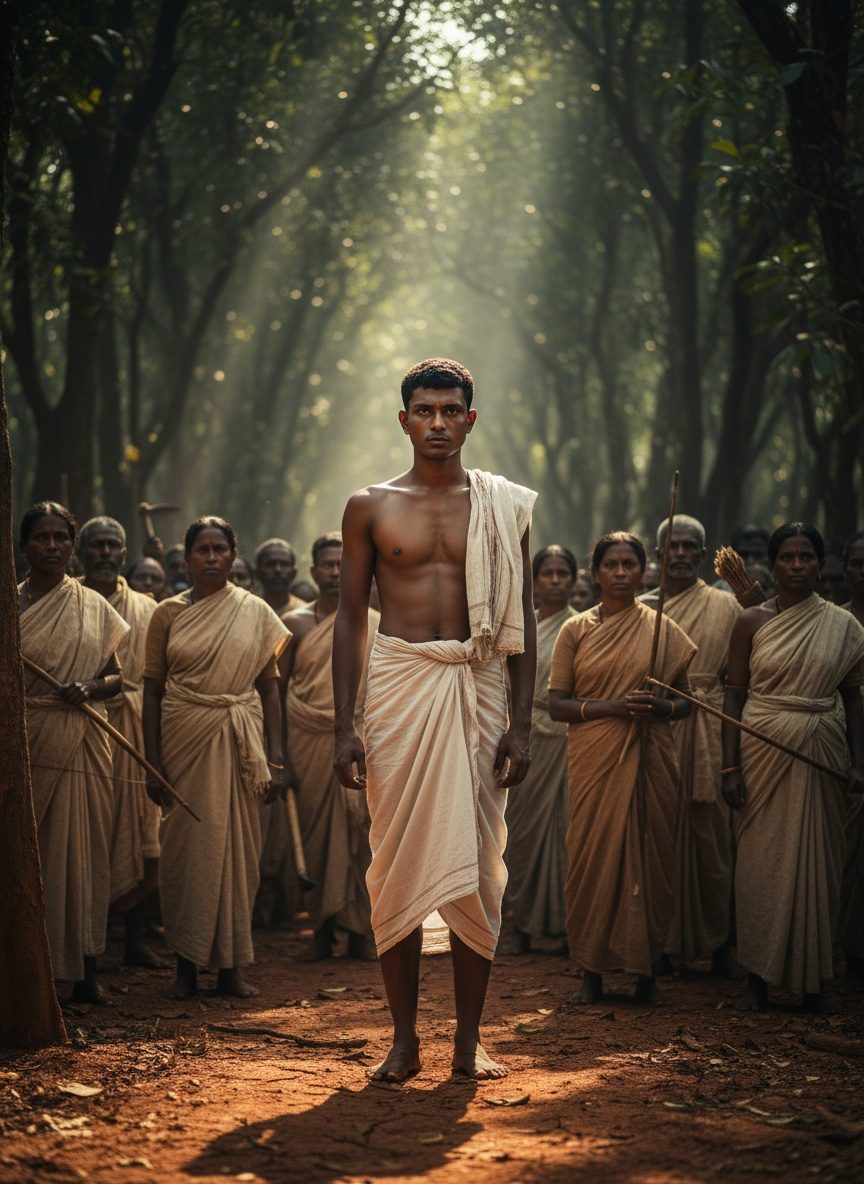
1899. A young tribal leader stood barefoot in the Jharkhand forest. He told his people the land was theirs. The British sent soldiers. He faced them unarmed. They arrested him. History never forgot his name.
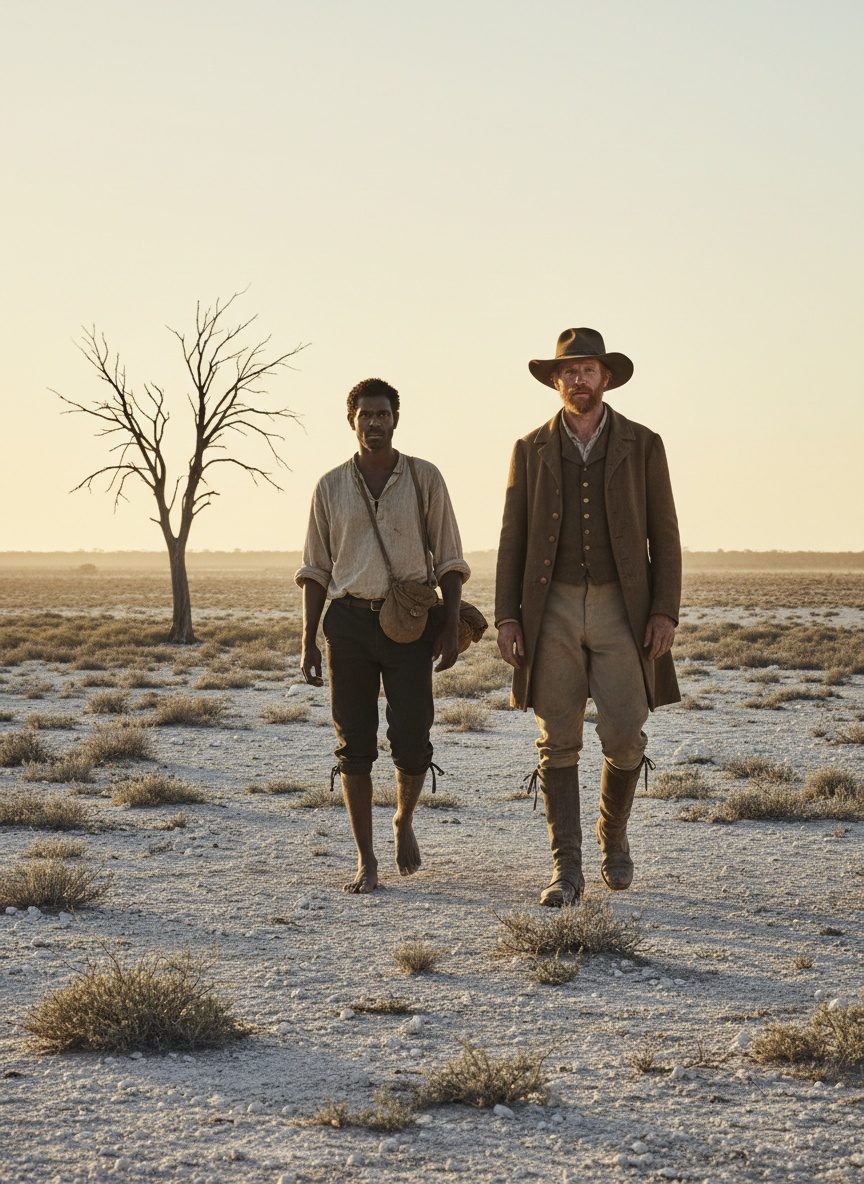
April 1841. Edward Eyre was crossing Australia's dead heart. Food was gone. Water was gone. His Aboriginal companion Wylie kept walking. He shared his last scraps. He carried Eyre's pack. He never stopped.
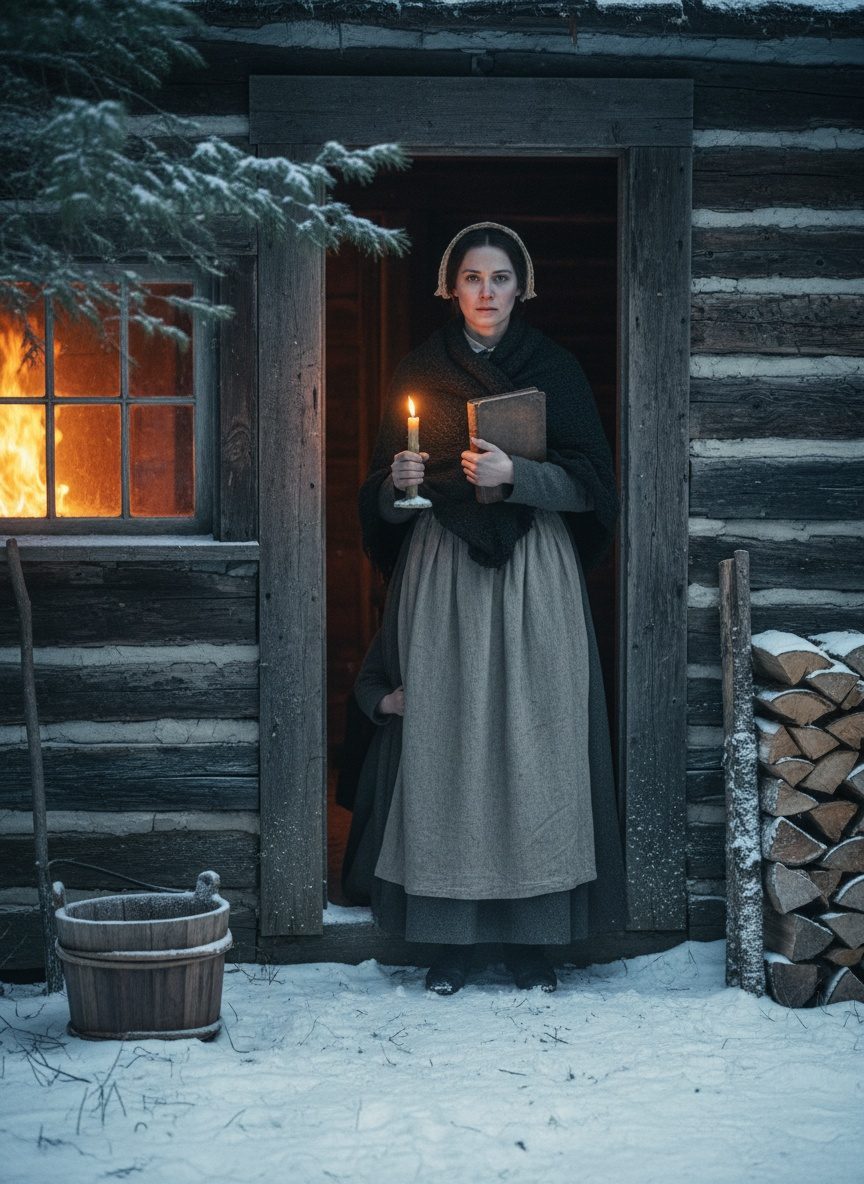
Ontario, 1833. Susanna Moodie had left a comfortable English life for the wilderness. Her husband was gone for months. The forest closed in. The cold came. She kept the fire. She kept her children alive. She kept writing.
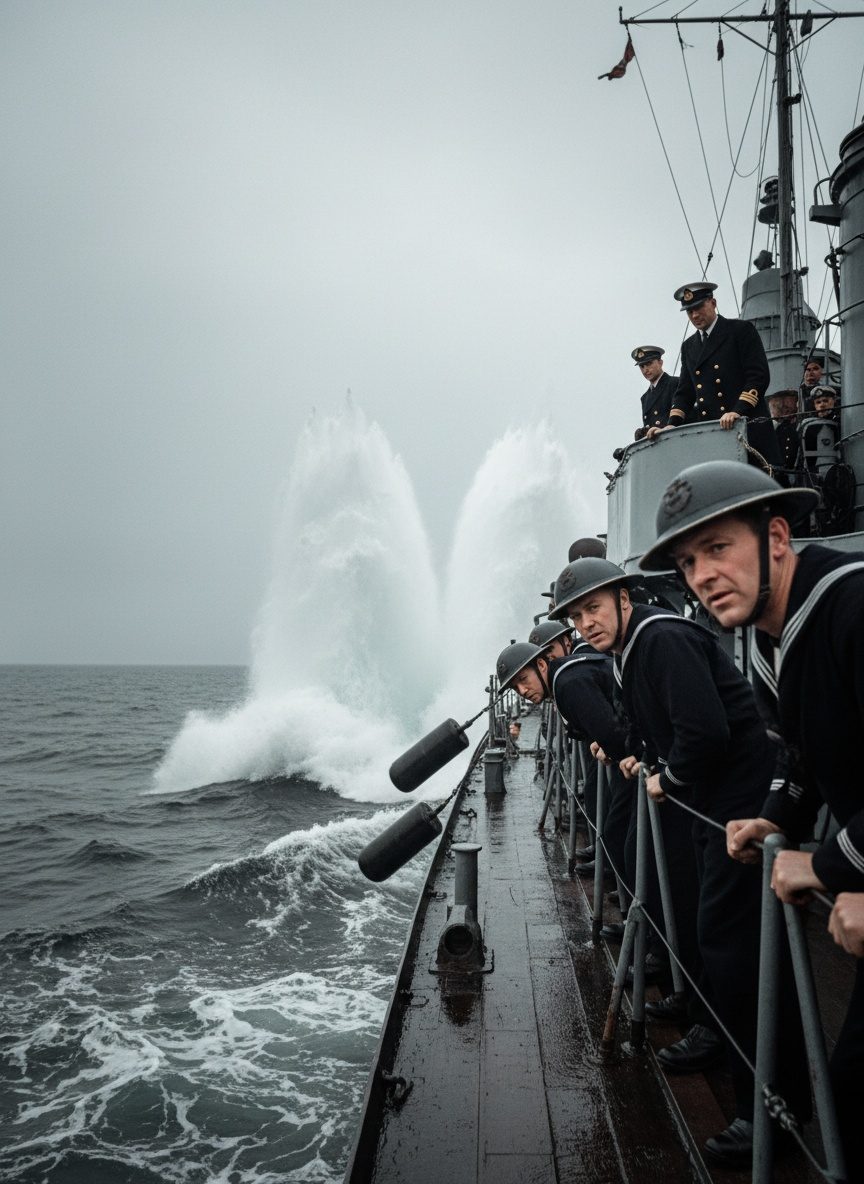
March 1941. U-99 had sunk 35 Allied ships. HMS Walker forced her to the surface with depth charges. Otto Kretschmer — the Reich's deadliest U-boat commander — surrendered at sea.
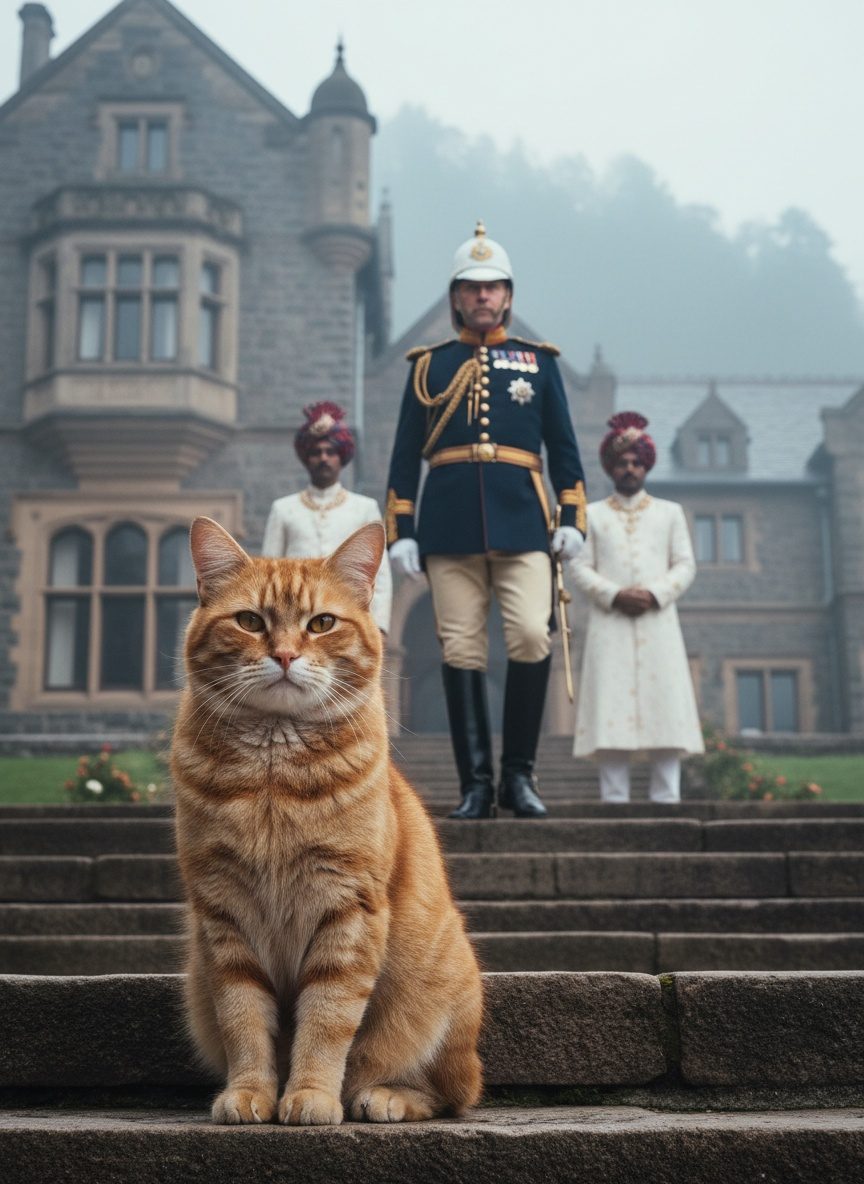
Seven Viceroys ruled India from Viceregal Lodge in Simla. Empires rose and fell. One resident never left. The lodge cat watched them all come and go — and stayed.
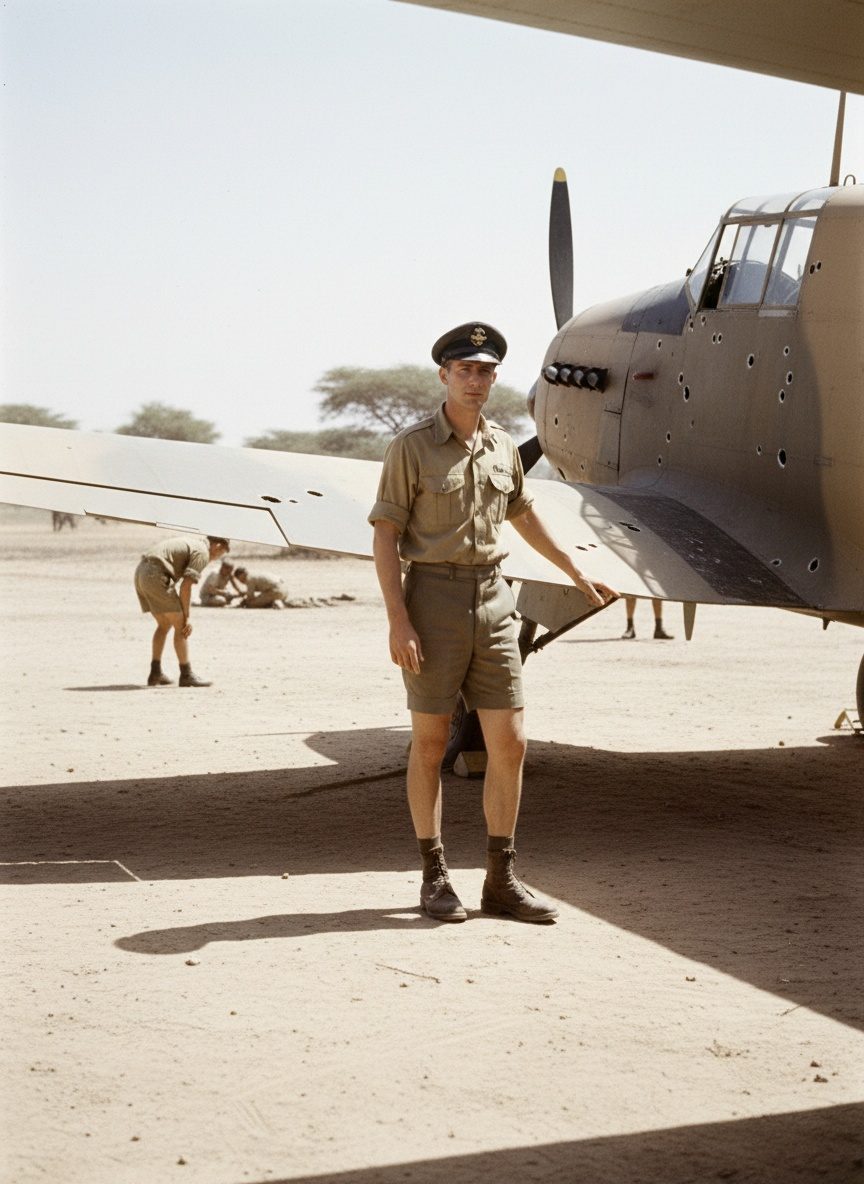
March 1941. East Africa. Kennedy's Wellesley limped back from Keren riddled with bullet holes. Two Italian Fiat CR.42 biplanes had jumped him over the target. He made it back. Just.
Hand-picked from Britain Untold's archive. The stories you weren't taught at school. 3-minute read.
No spam. Unsubscribe in one click. We hate spam too. Privacy Policy.