The British Empire — the forgotten chapters · page 9 of 22
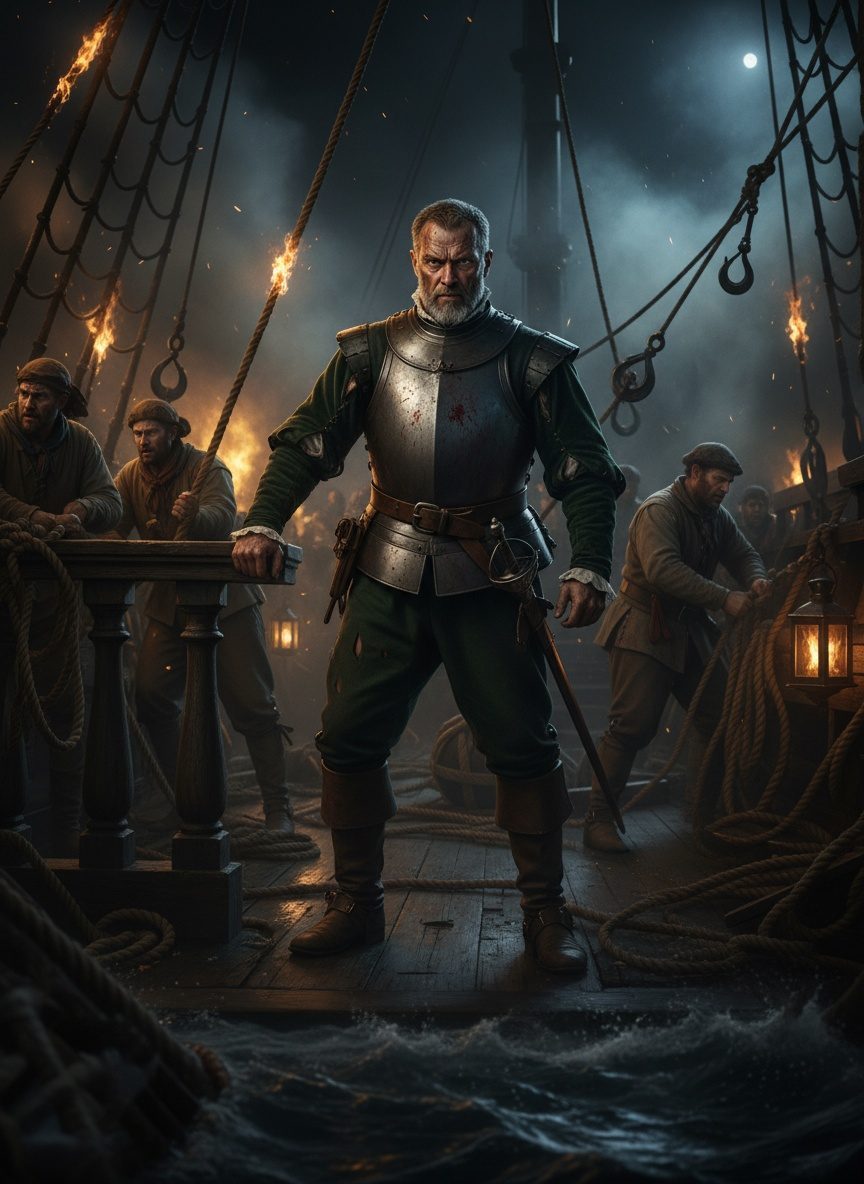
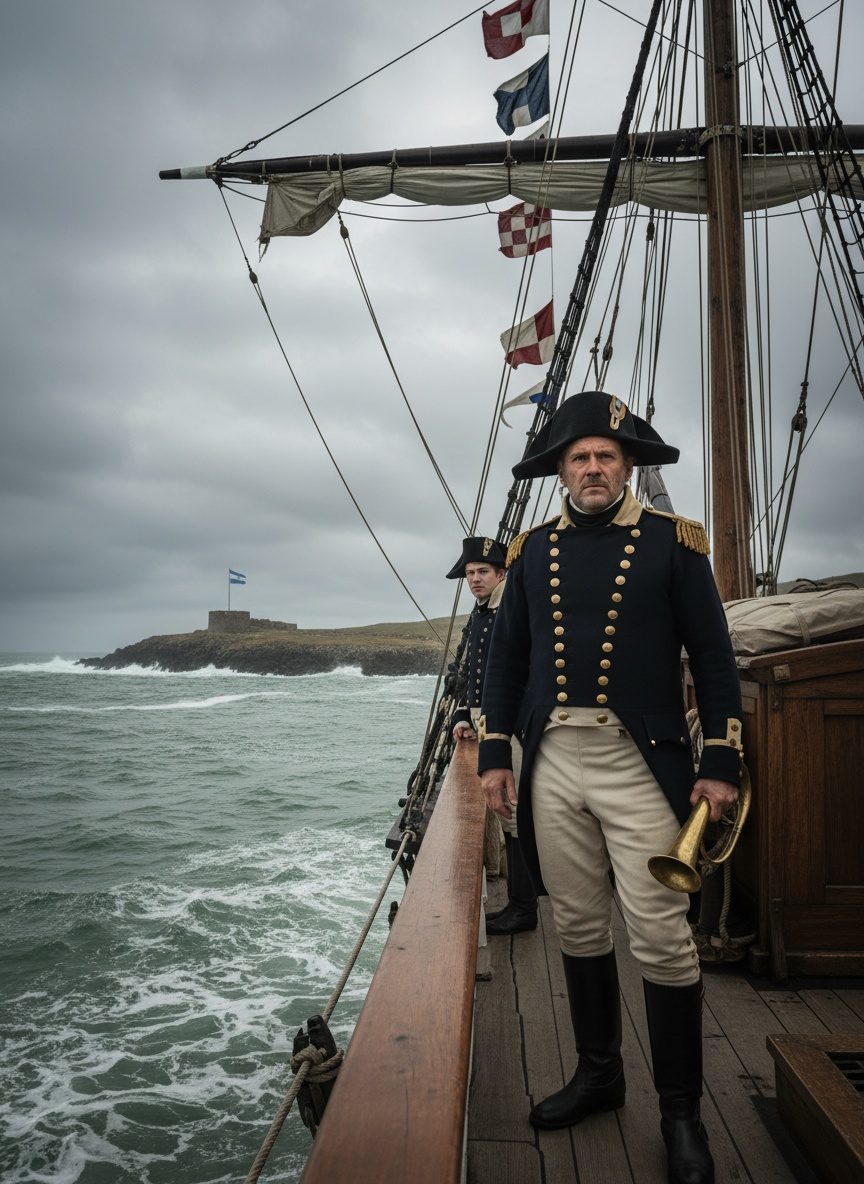
August 1591. One English warship. Fifty-three Spanish vessels. Sir Richard Grenville refused to run. He fought for fifteen hours. Alone. Outnumbered a thousand to one. He never surrendered.
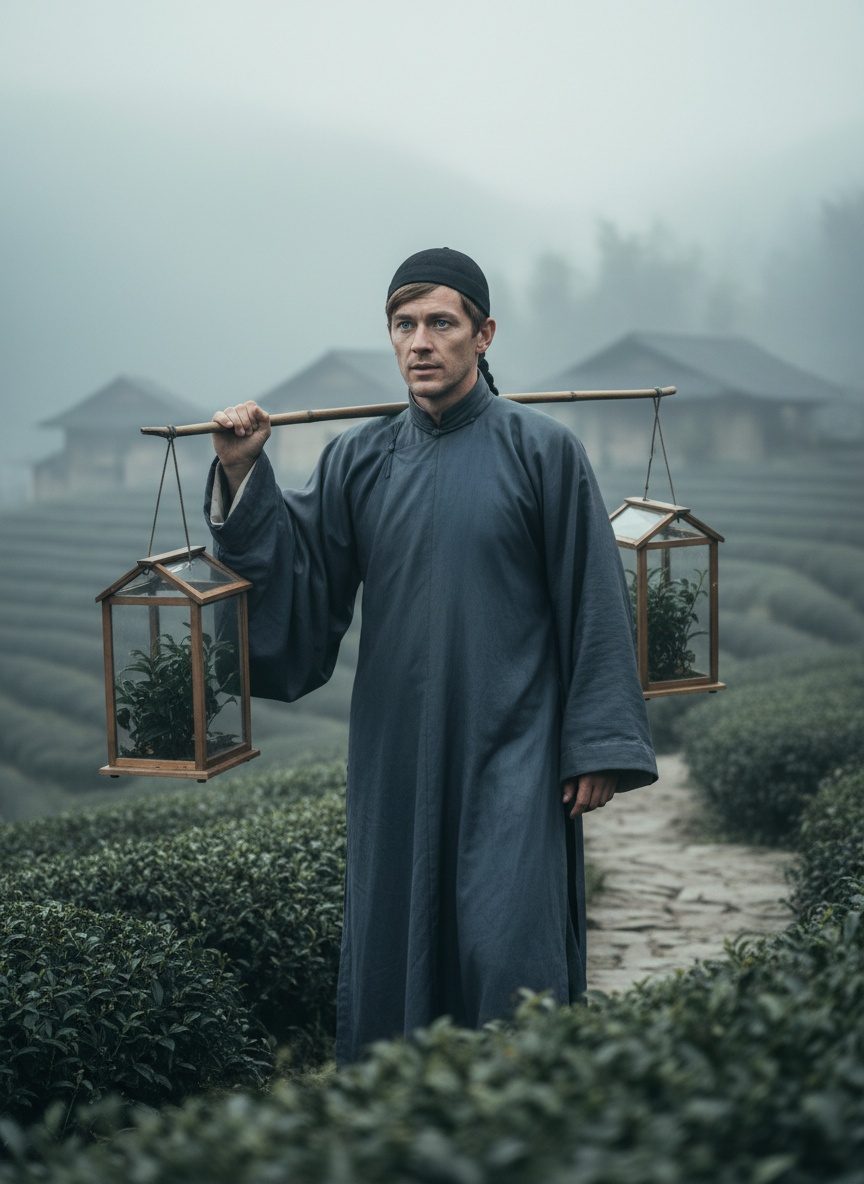
1848. China held a monopoly on tea. Britain was desperate. One botanist disguised himself as a Chinese merchant. He walked into the forbidden interior. He stole the plants. He stole the knowledge. He changed the world.
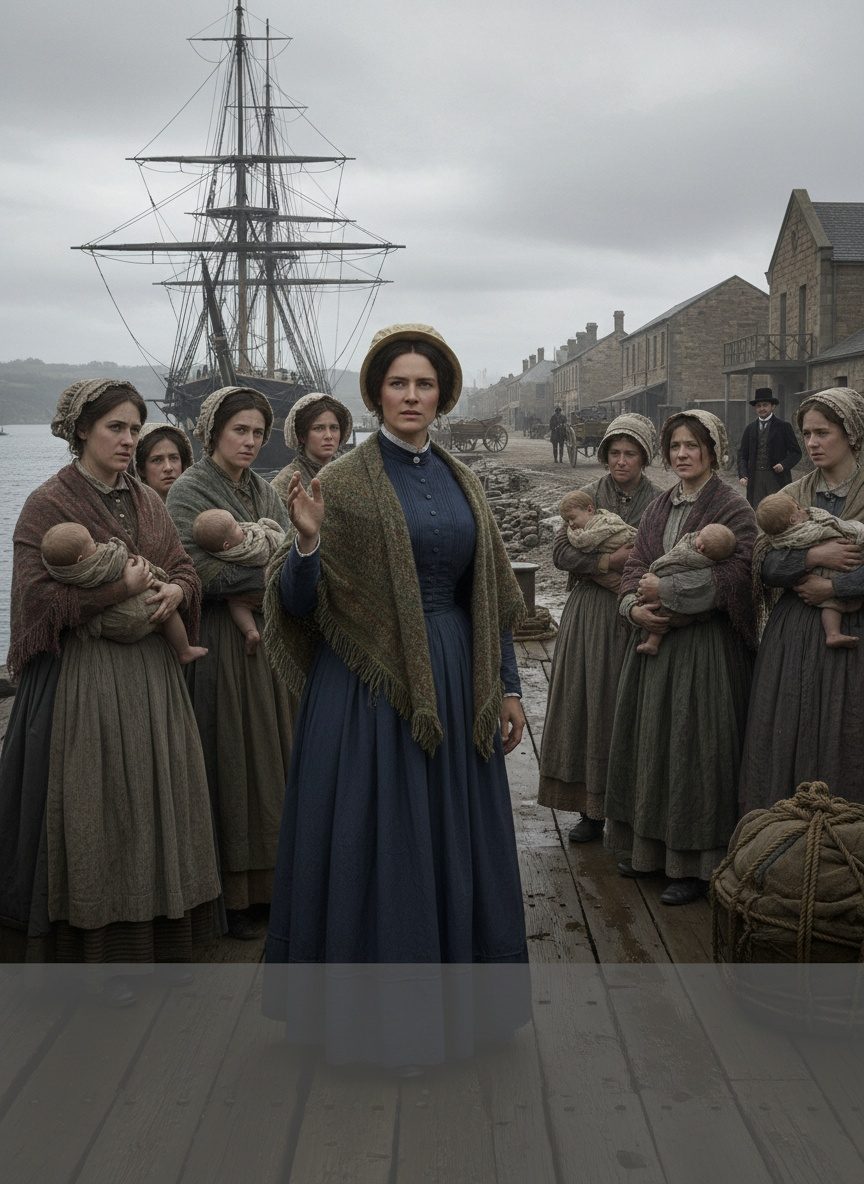
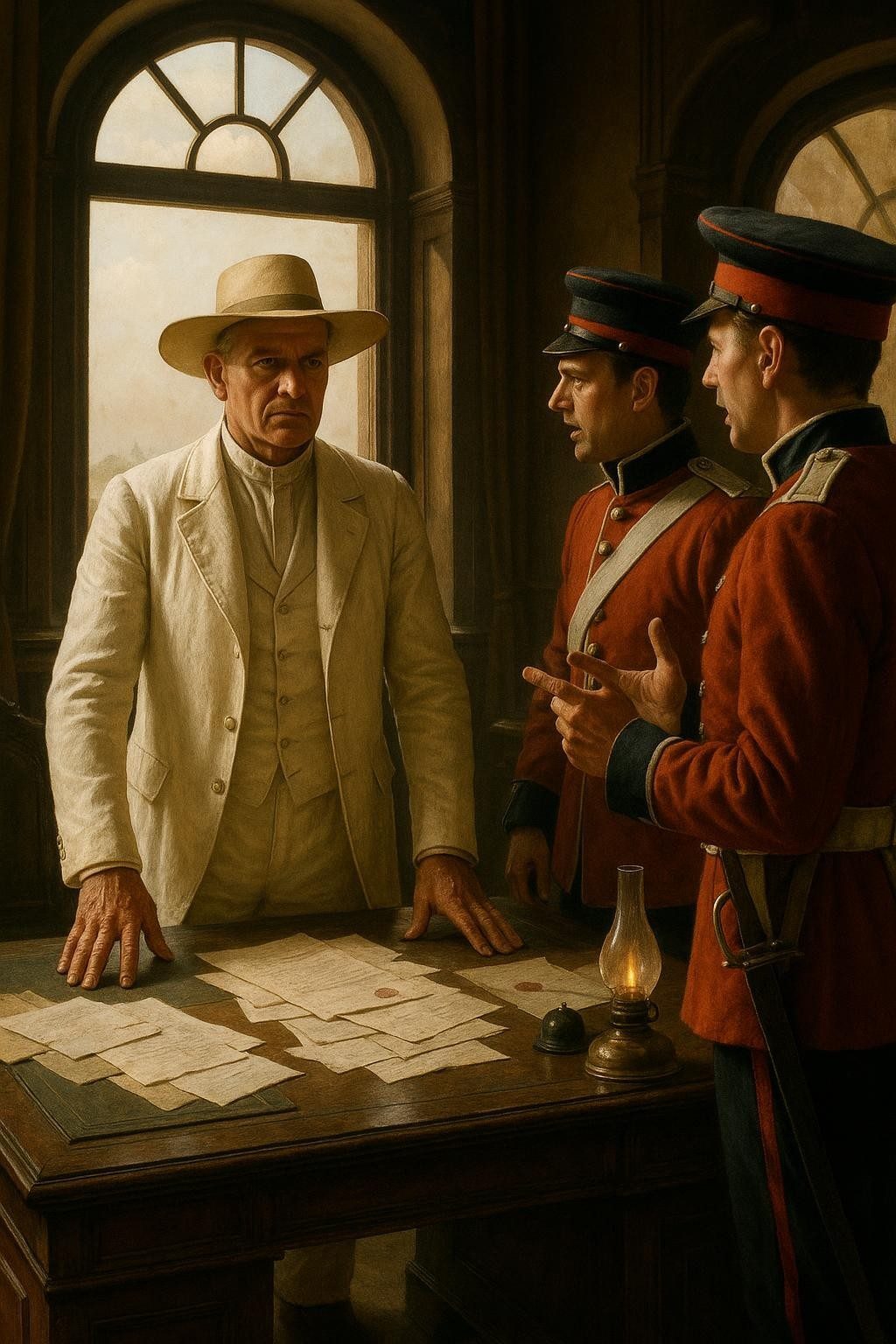
Sydney, 1841. Thousands of women arrived penniless on the docks. No shelter. No work. Governor Gipps refused to help. Caroline Chisholm opened her own home. Fed them. Placed every last one. She saved over a thousand lives with nothing but her word.
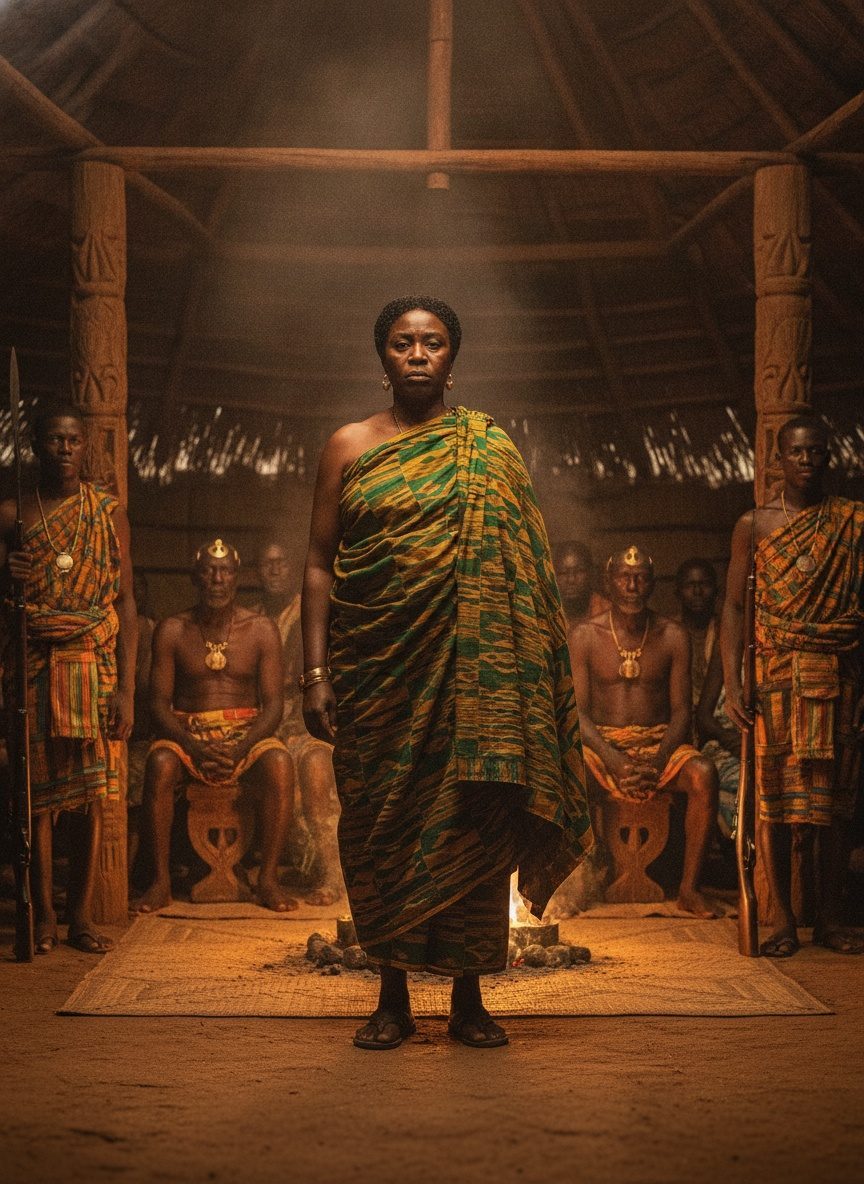
1900. The British Governor demanded the Golden Stool of Ashanti. A throne sacred beyond words. Yaa Asantewaa stood. An elder woman. A queen mother. She took up a rifle. And told the men of Ashanti to fight.
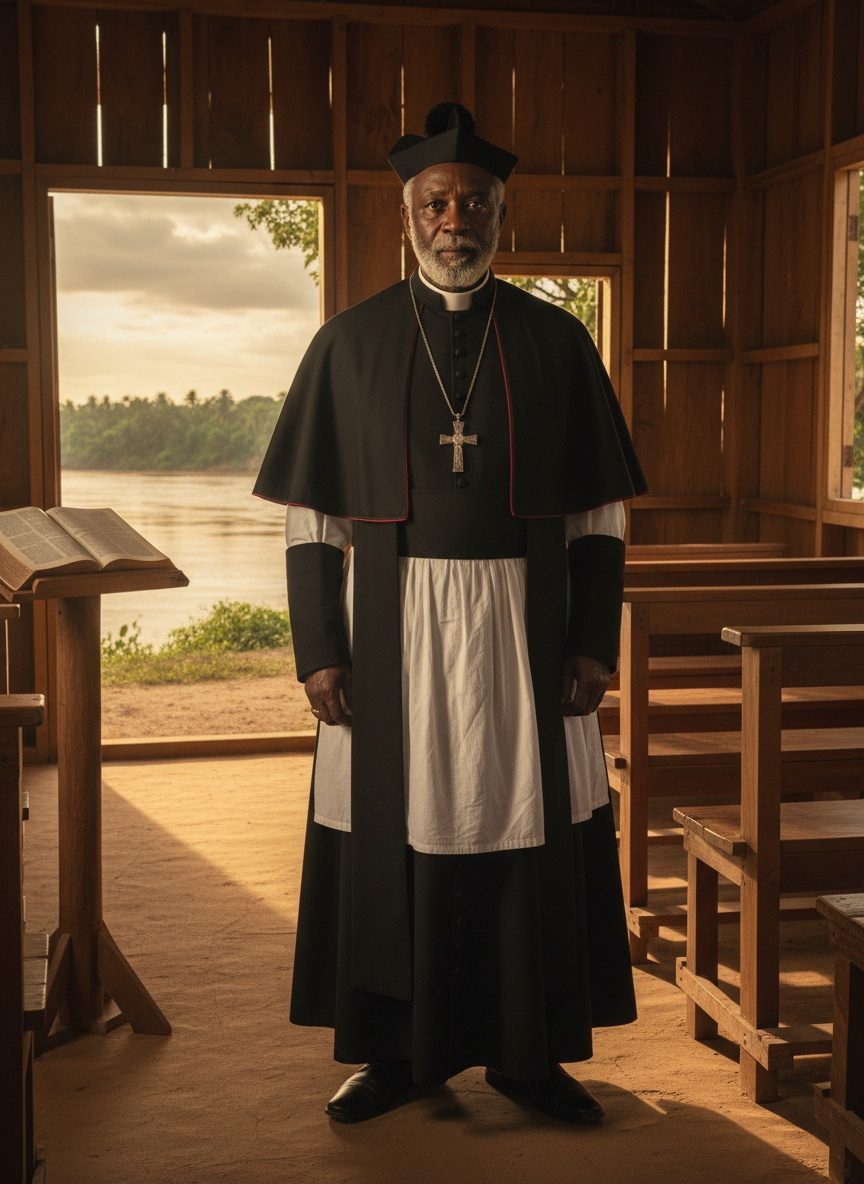
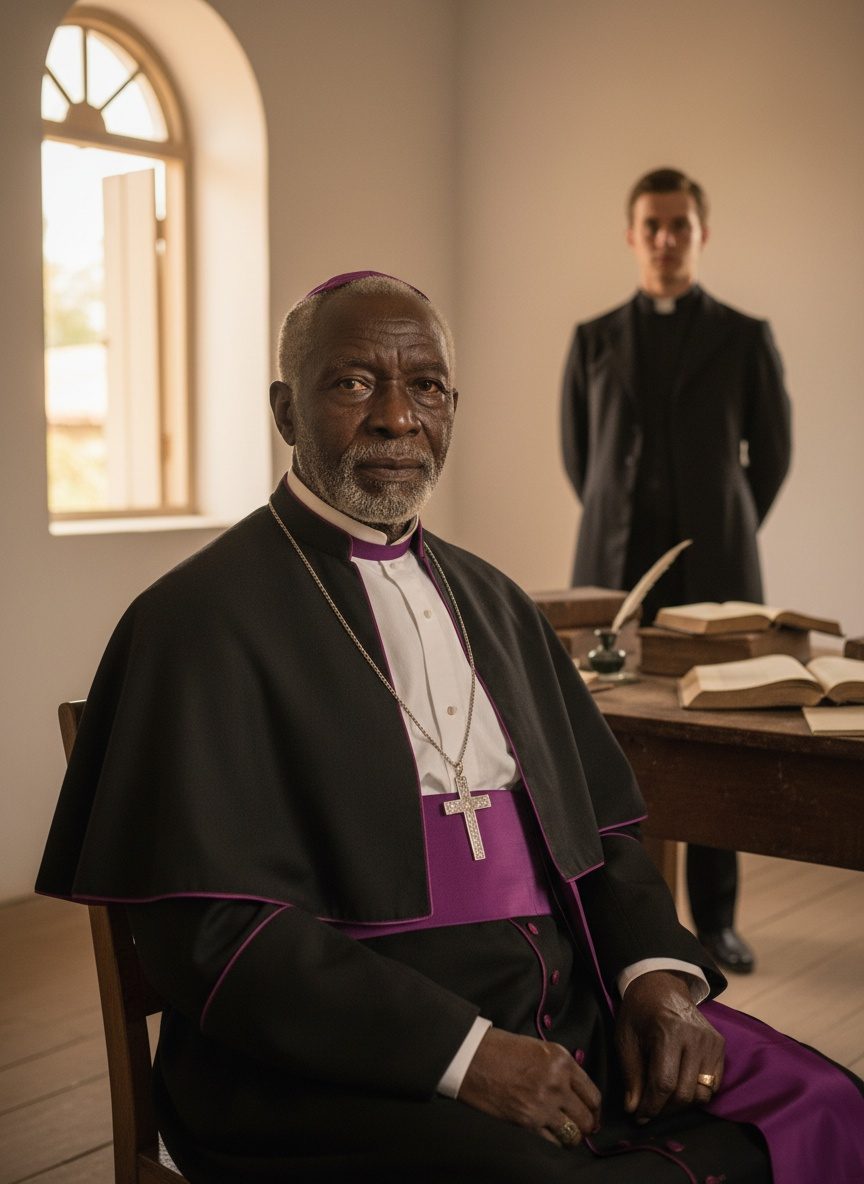
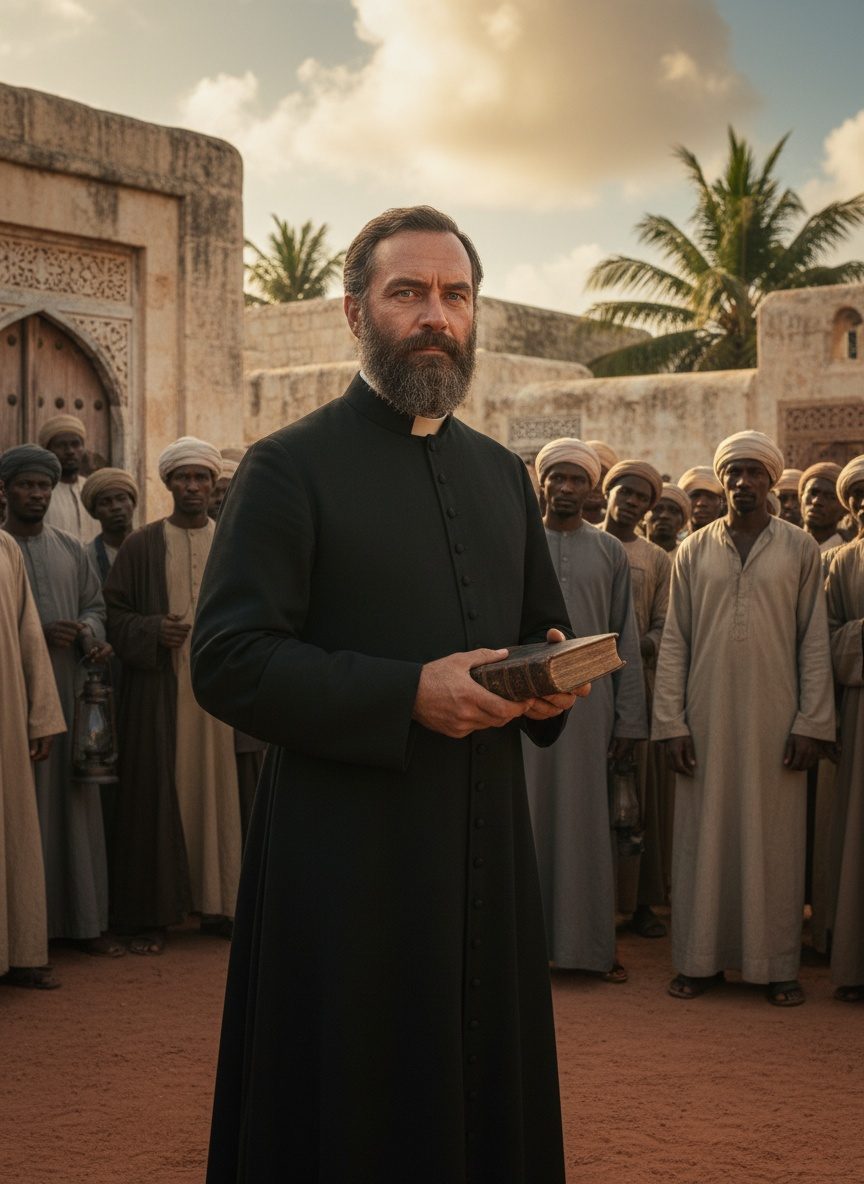
1879. Samuel Ajayi Crowther was Africa's first Anglican bishop. British missionaries demanded he resign. He had been seized as a slave boy. He had built a church where chains once rang. He refused to go quietly.
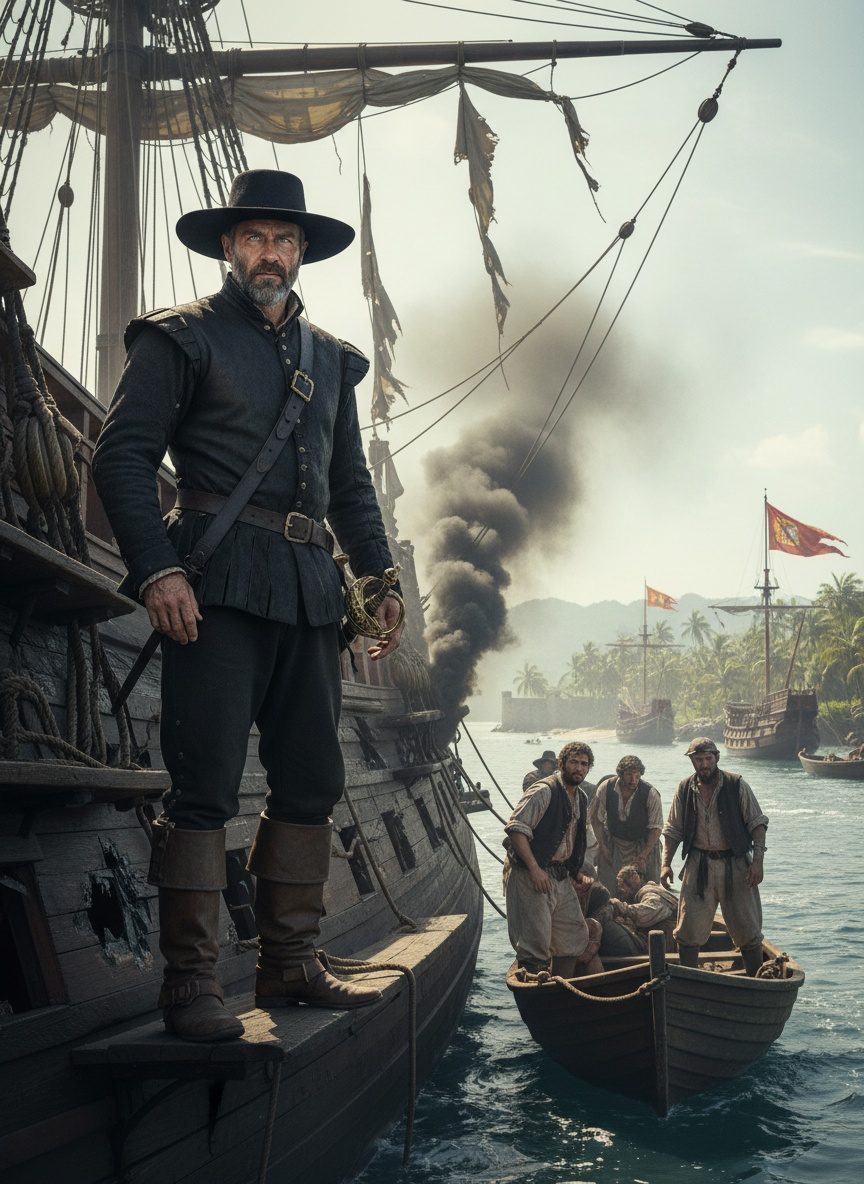
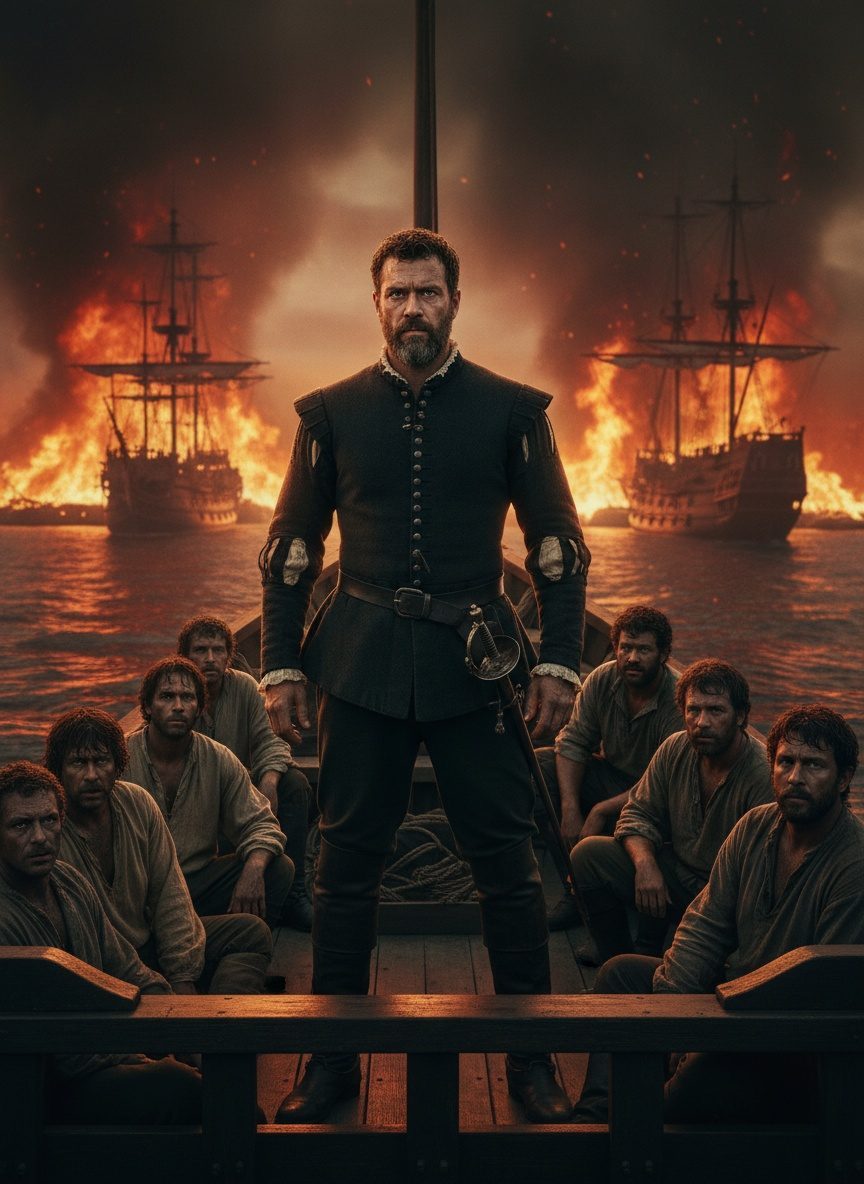
San Juan de Ulúa. 1568. The Spanish fleet trapped Hawkins in harbour. His ships were shattered. Hundreds of his men faced death or capture. He put the weakest ashore. Walked away from the cargo. Chose his crew over profit.
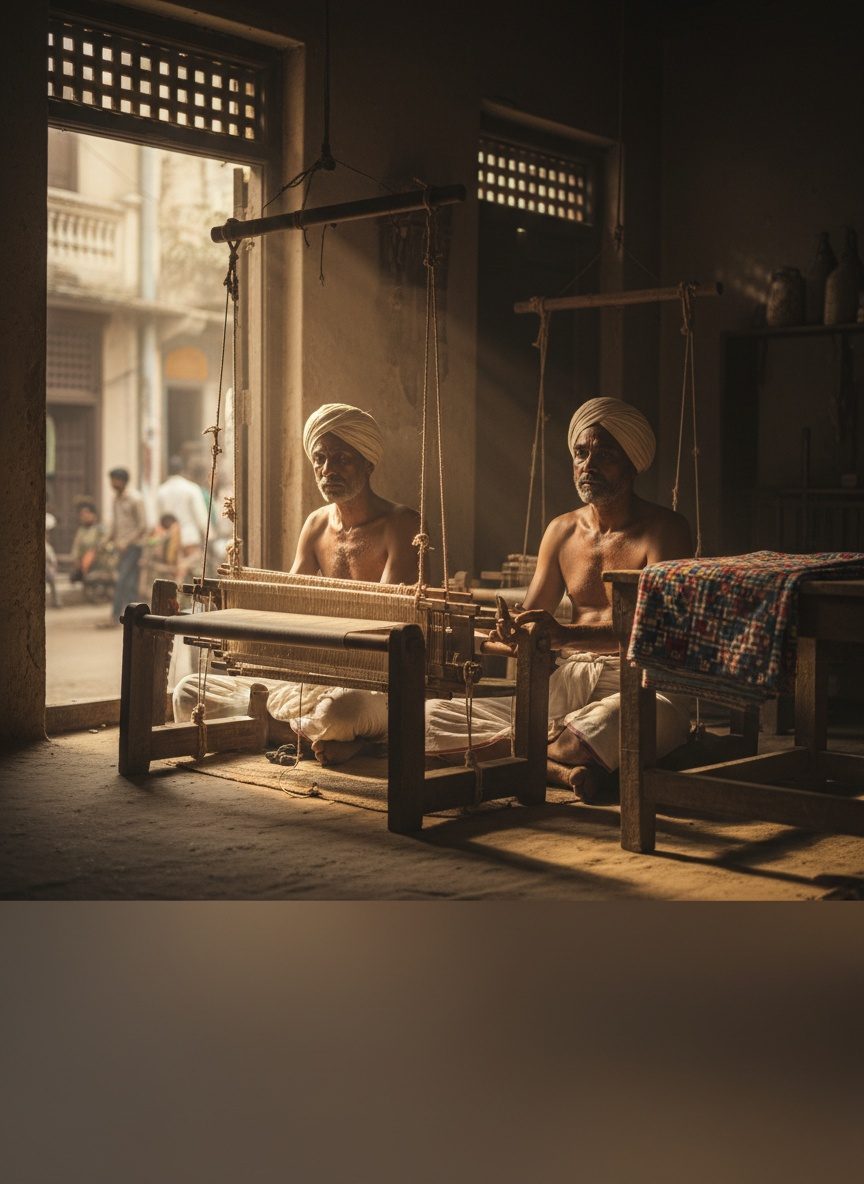
British power looms flooded India with cheap cloth. Dacca's master weavers — once paid by Mughal emperors — starved in silence. Their legendary skill became worthless overnight.
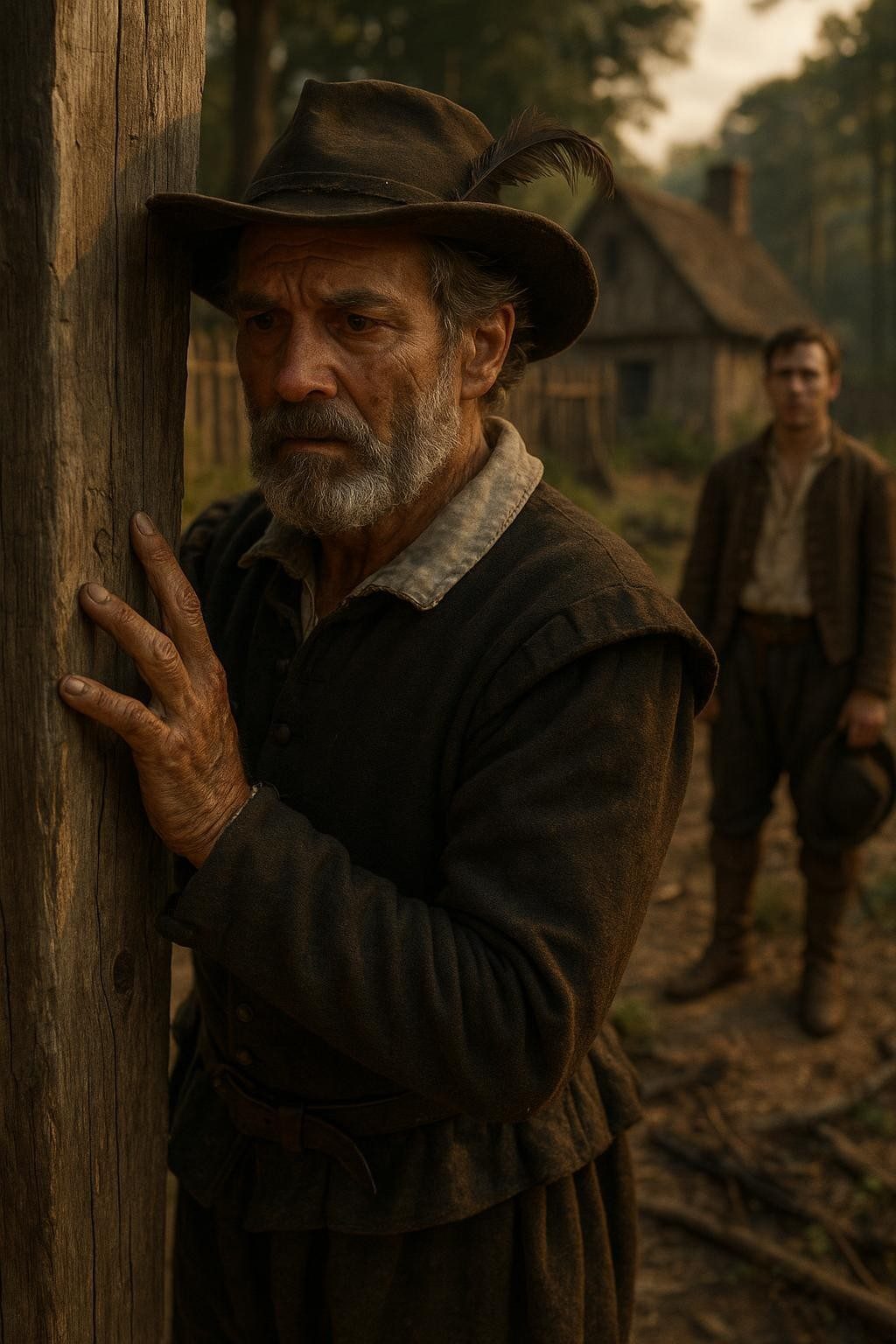
August 1590. John White finally returned to Roanoke. Three years had passed. The settlement was empty. No bodies. No graves. One word carved into a post. CROATOAN. His granddaughter was among the missing.
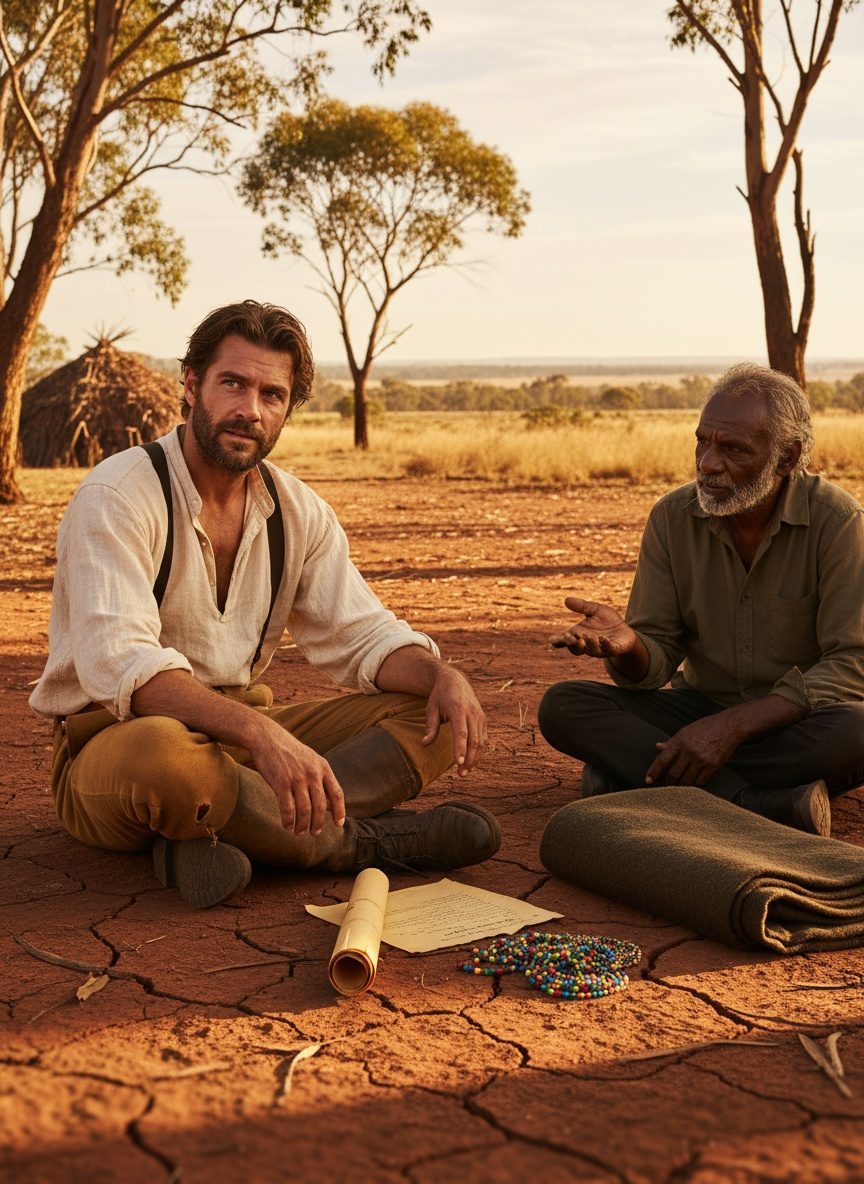
1835. No governor had sanctioned it. No soldier stood behind him. John Batman walked alone into the bush. He sat with the Wurundjeri elders. Signed a treaty. And handed back beads and blankets in return for 600,000 acres. One man. One word. A continent changed.
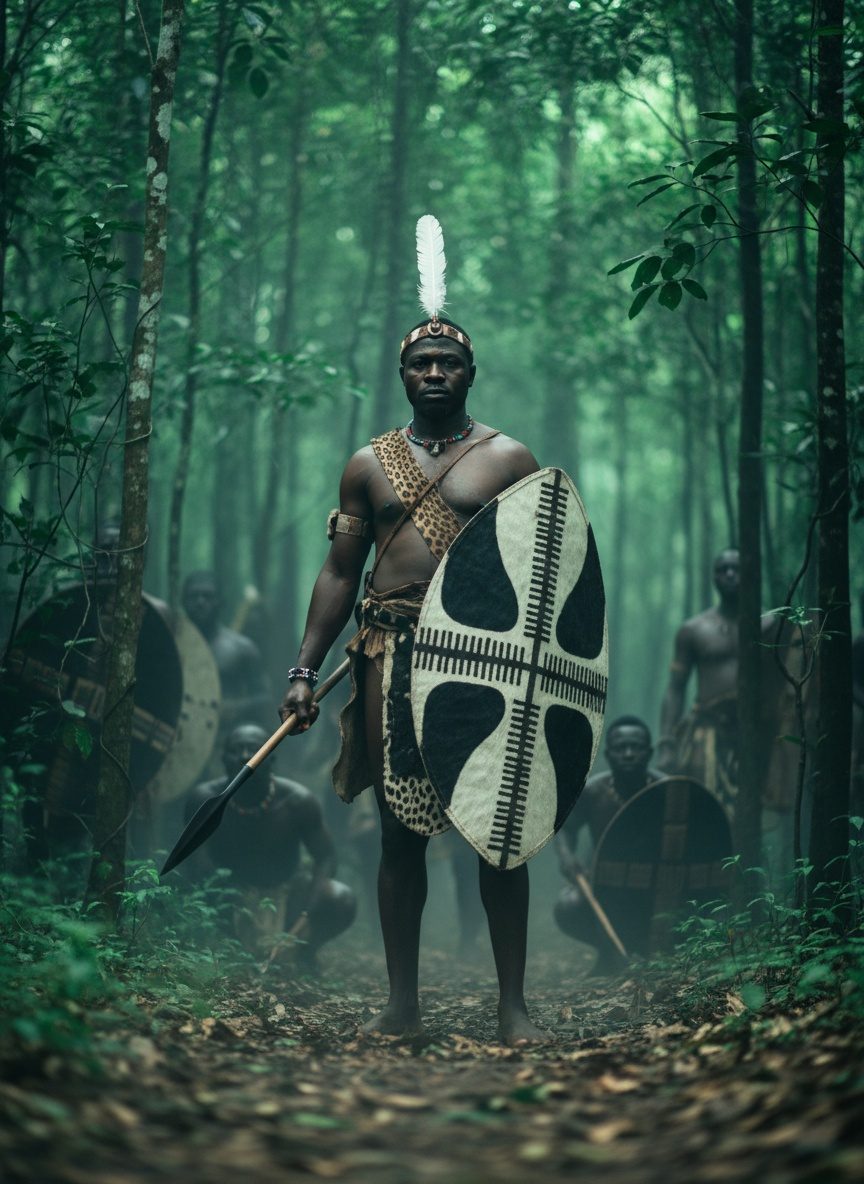
Natal, 1906. A poll tax pushed Zulu men to breaking point. Chief Bhambatha kaMancinza refused to collect it. He fled into the Nkandla forest. He raised the old shields. He chose to fight.
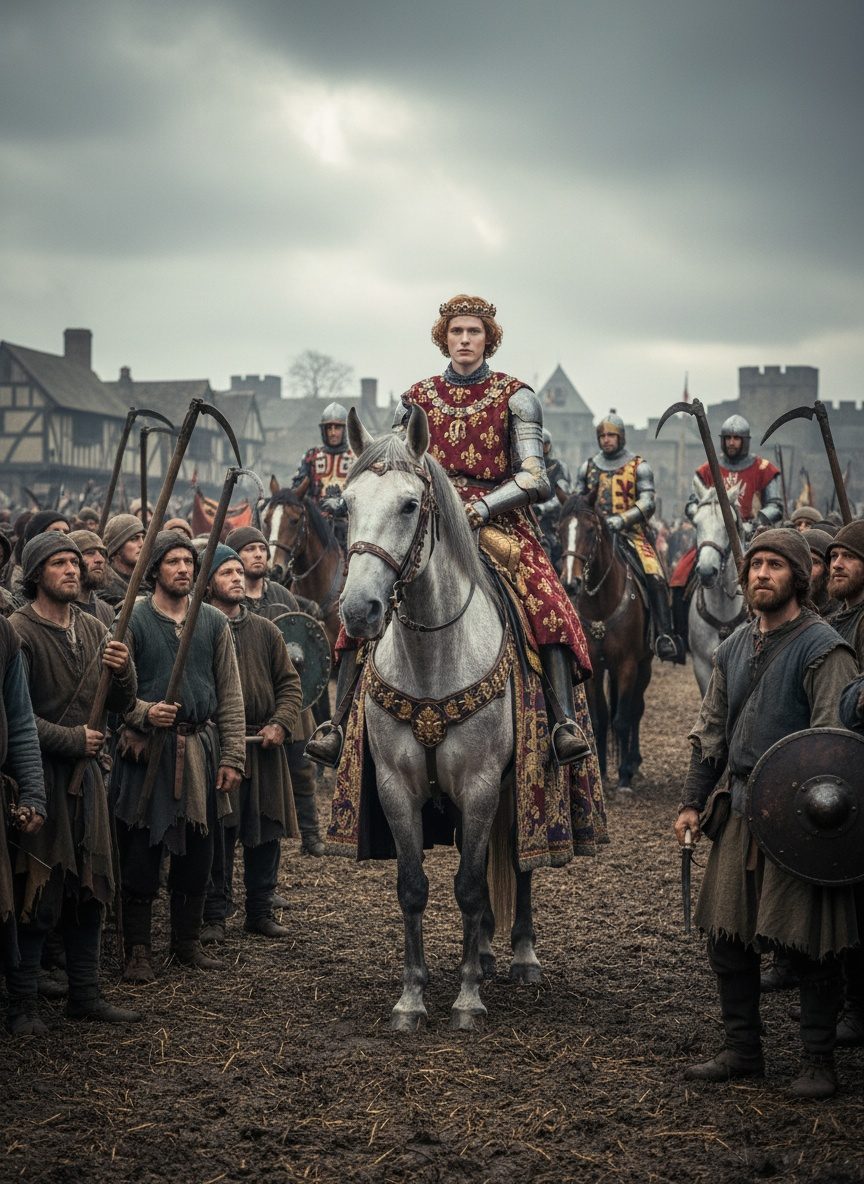
June 1381. A teenage king faced 100,000 rebels. Richard II rode out alone. He listened. He made promises. The rebels believed him. It was the bravest moment of his reign.
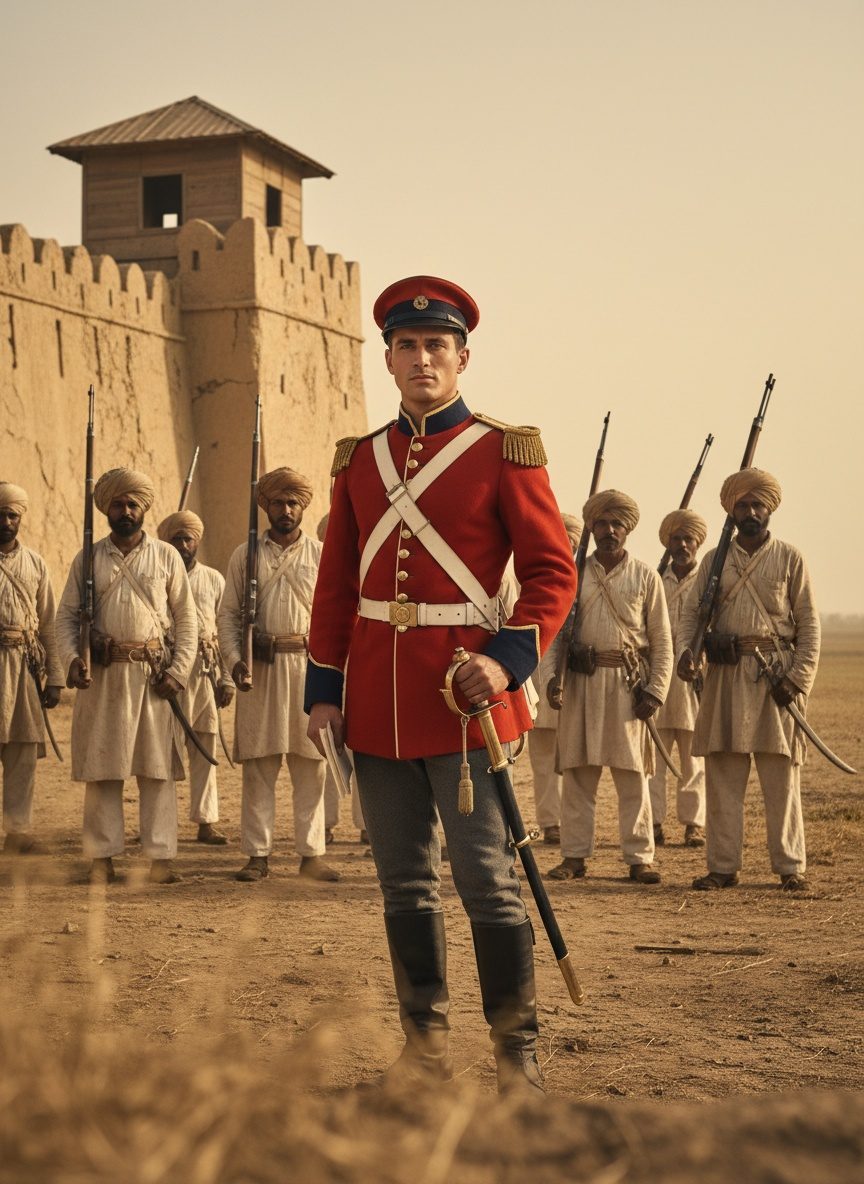
June 1857. The Punjab held fifty thousand armed soldiers. The Mutiny was spreading. John Lawrence faced his officers. He chose to disarm the sepoys. Alone. Against every instinct of caution. The Punjab held.
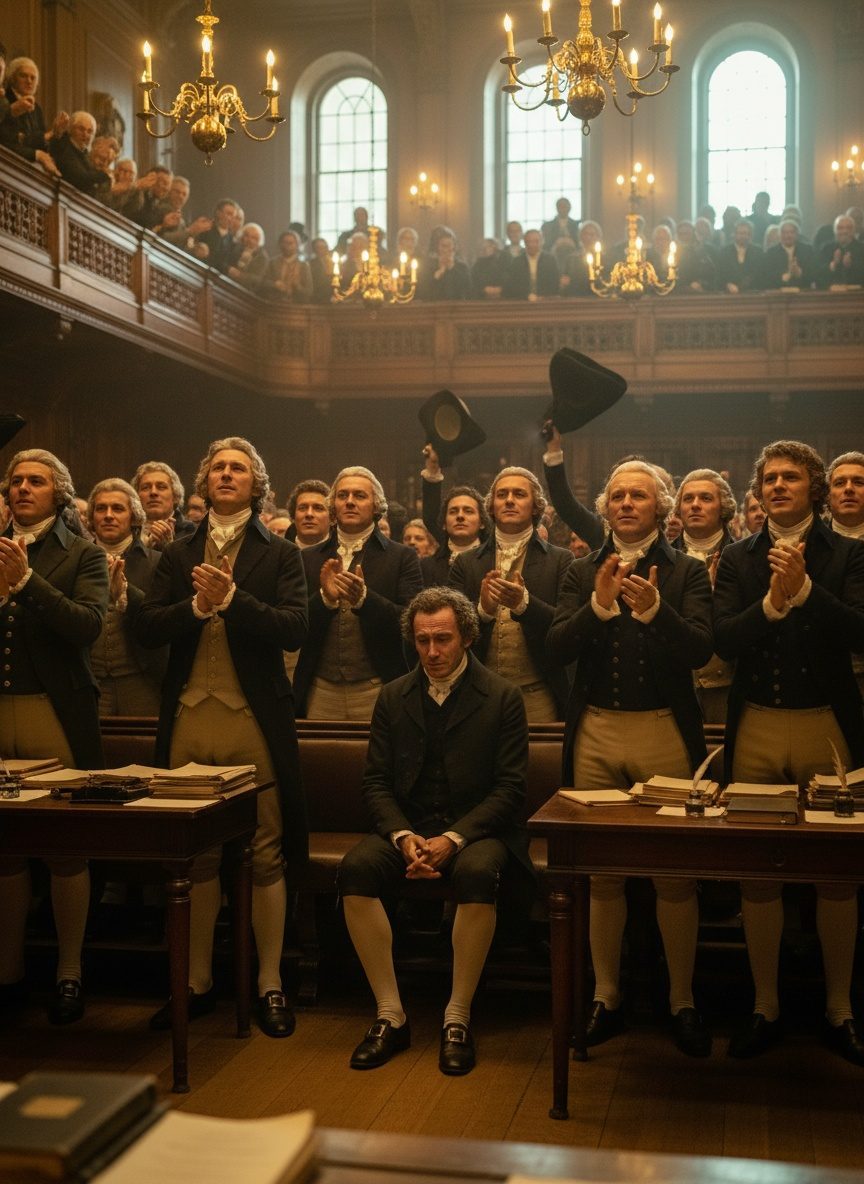
February 1807. Parliament had debated abolition for twenty years. Wilberforce sat exhausted in the chamber. The vote was called. Members rose. They cheered him by name. He wept.
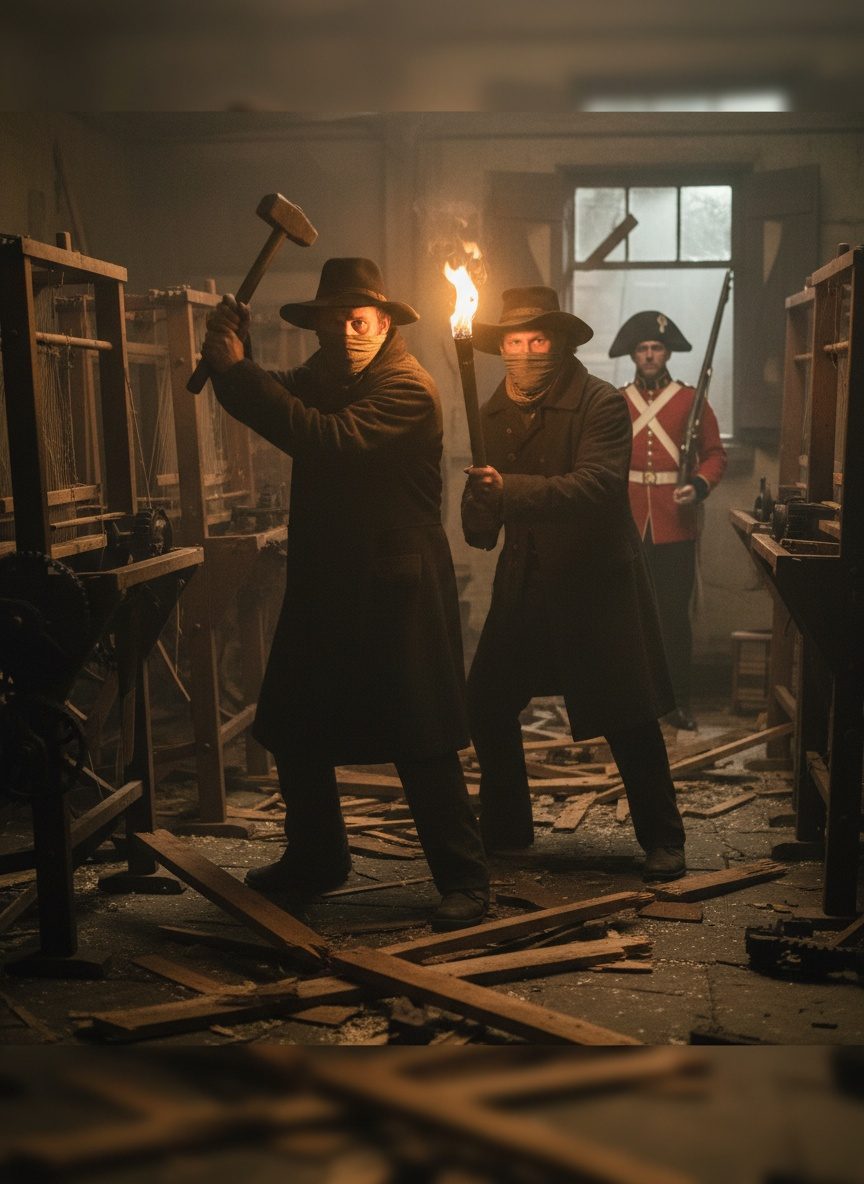
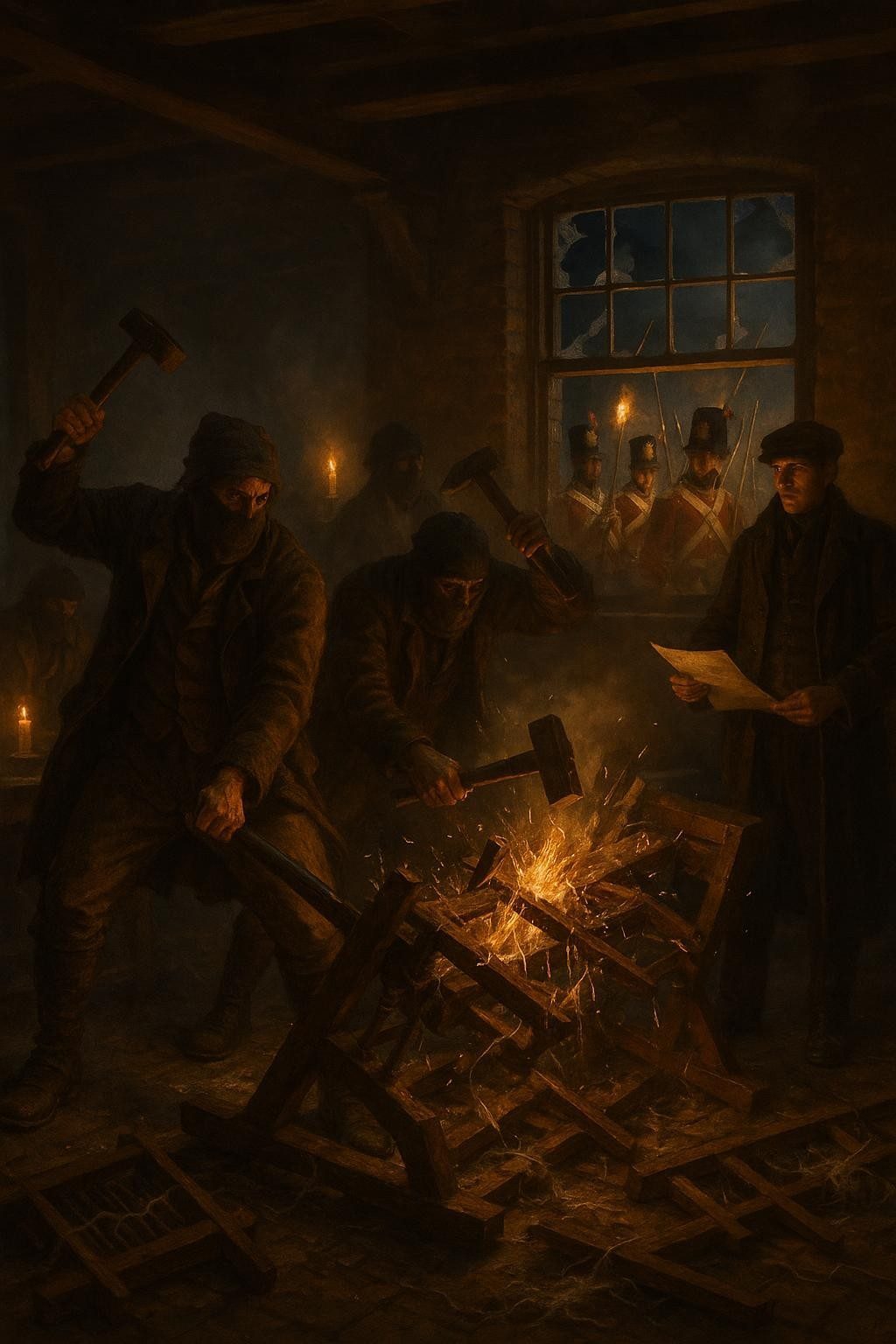
In 1811, English stocking-weavers smashed factory machines by night. The Crown sent more troops to Nottingham than Wellington had in Portugal. A workers' revolt shook the Empire's industrial core.
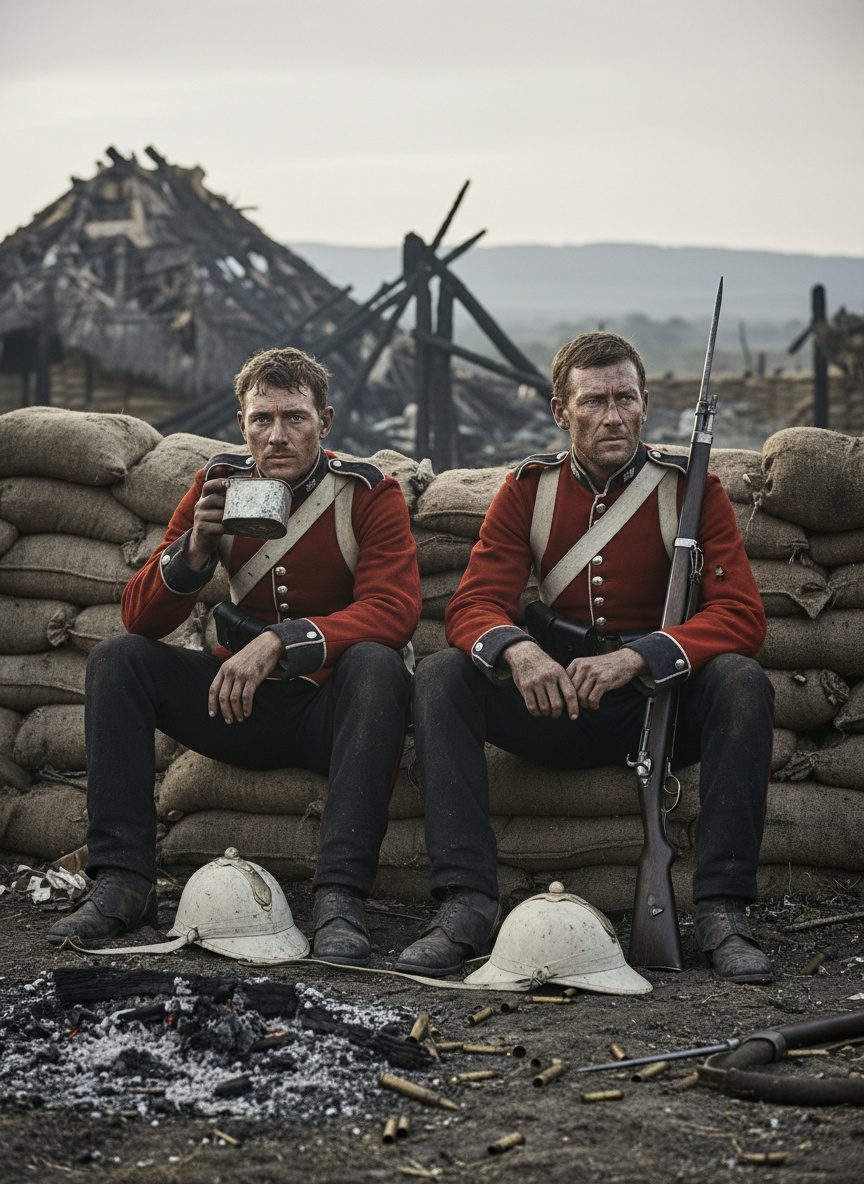
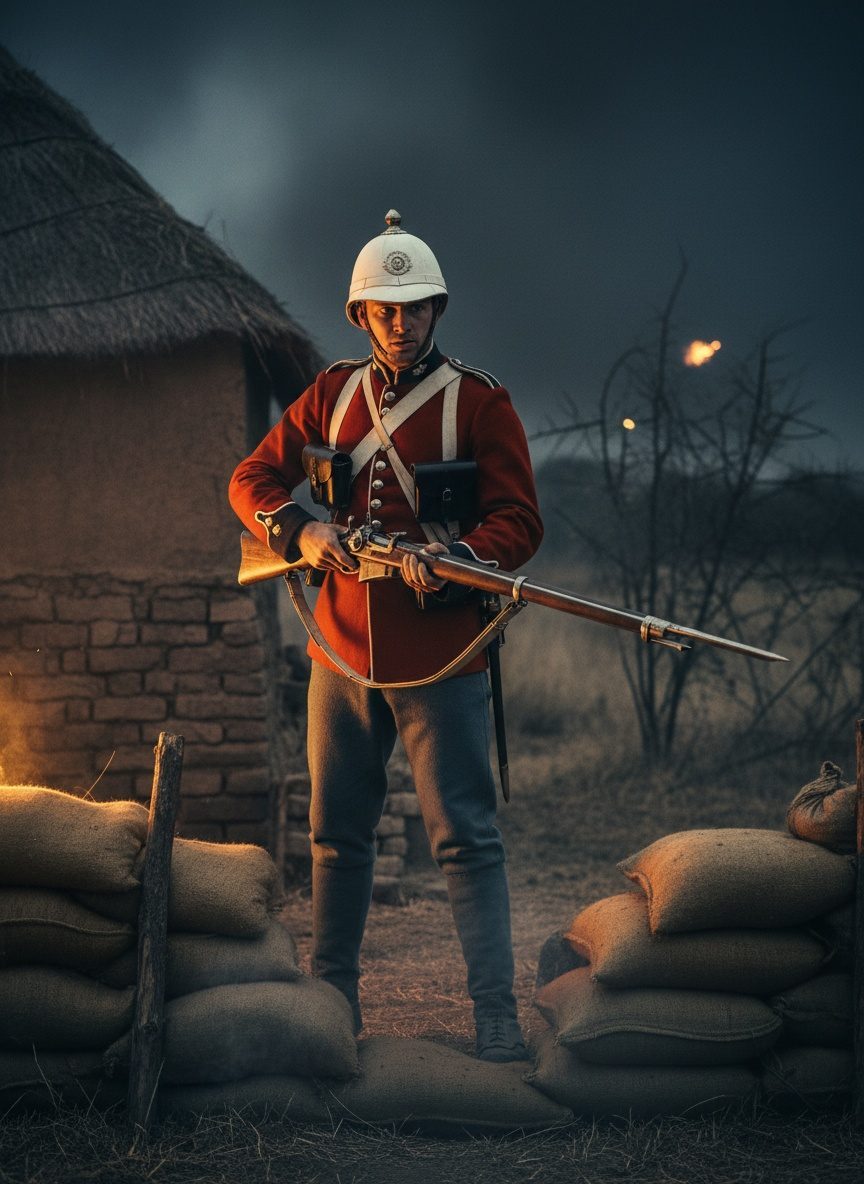
The battle was over. 150 men had held a mission station against 4,000 Zulu warriors. At dawn, two survivors sat in the wreckage and ate what was left. No triumph. Just silence and cold rations.
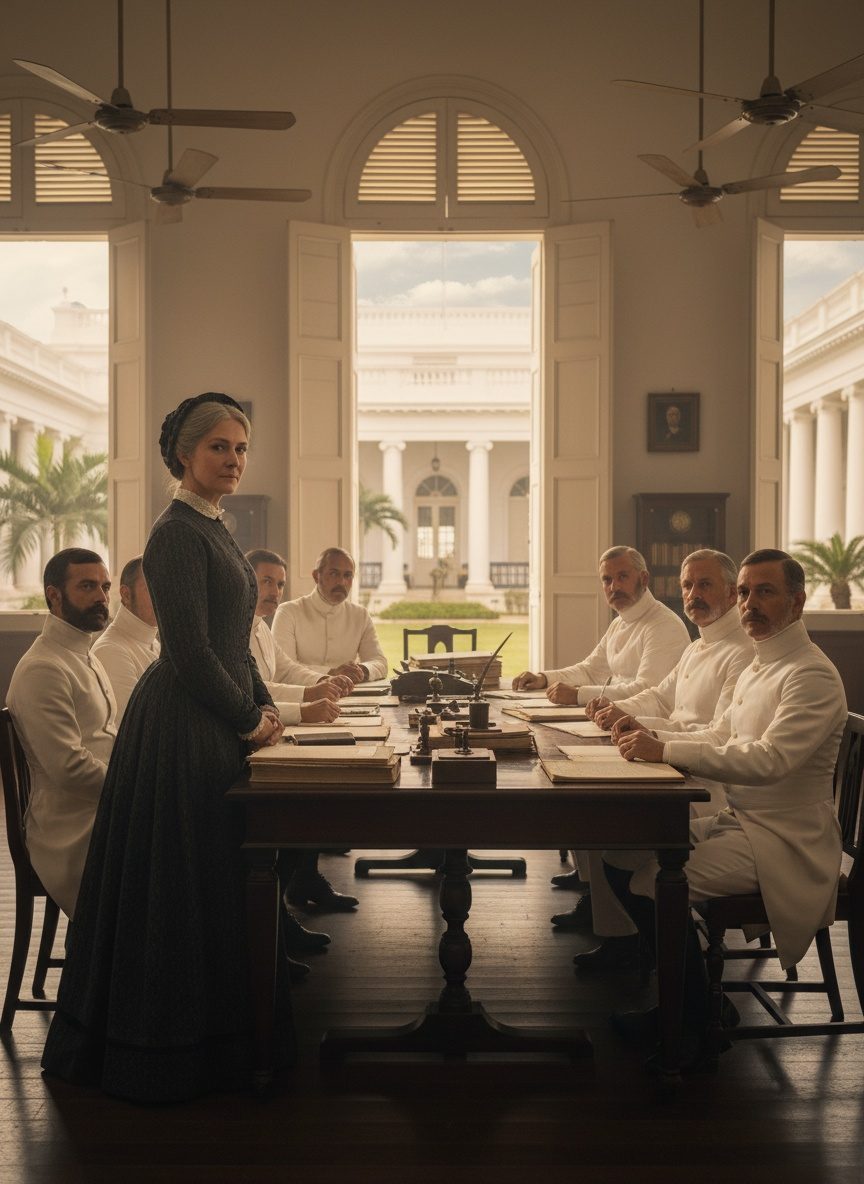
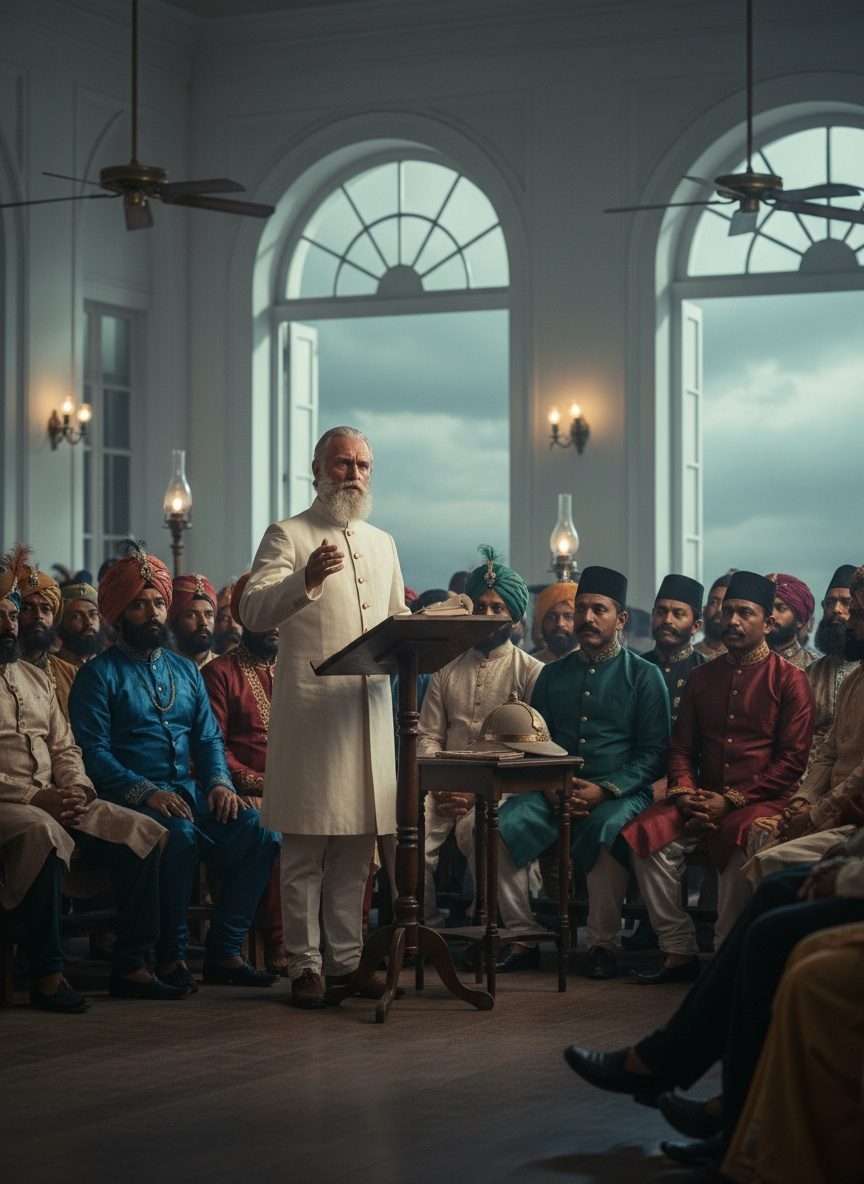
1866. A Bristol reformer stood before India's governors. She had no army. No title. No power. She had only the truth. She spoke it anyway. The Raj listened. India's first girls' schools followed.
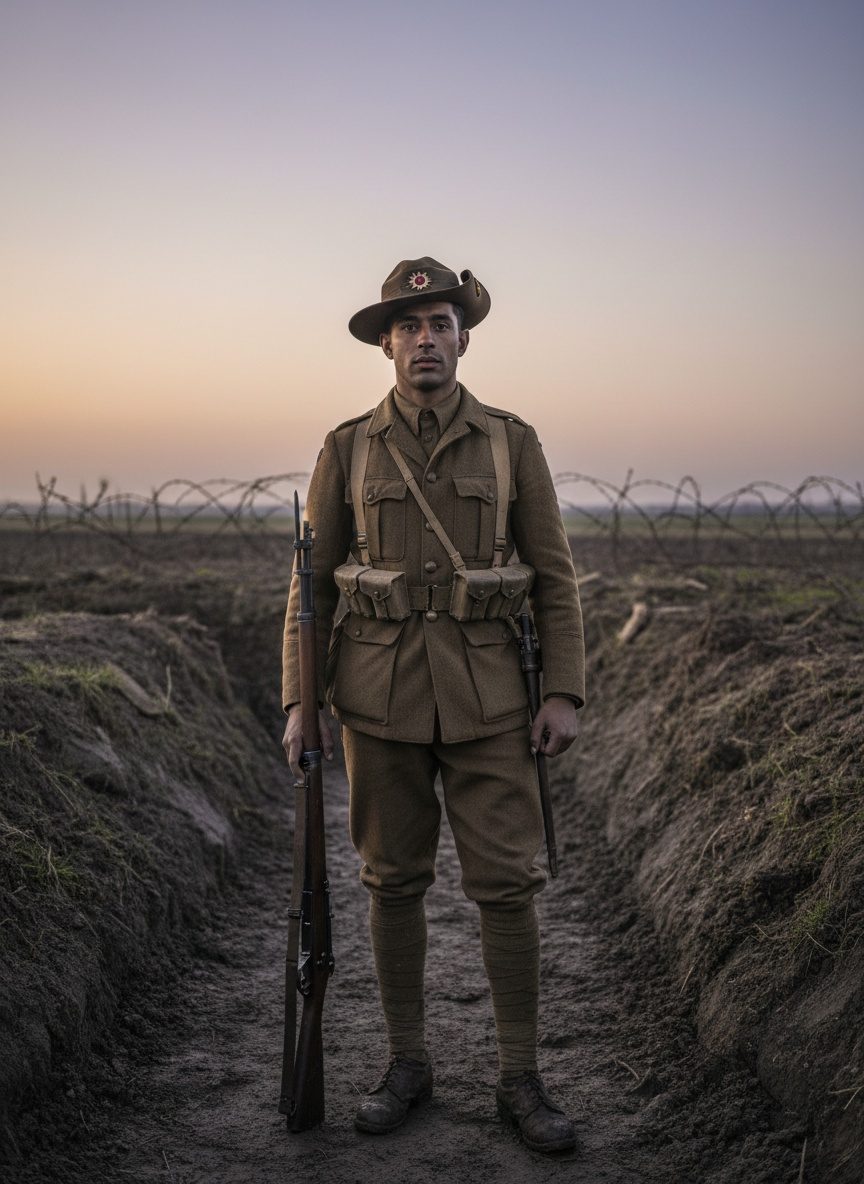
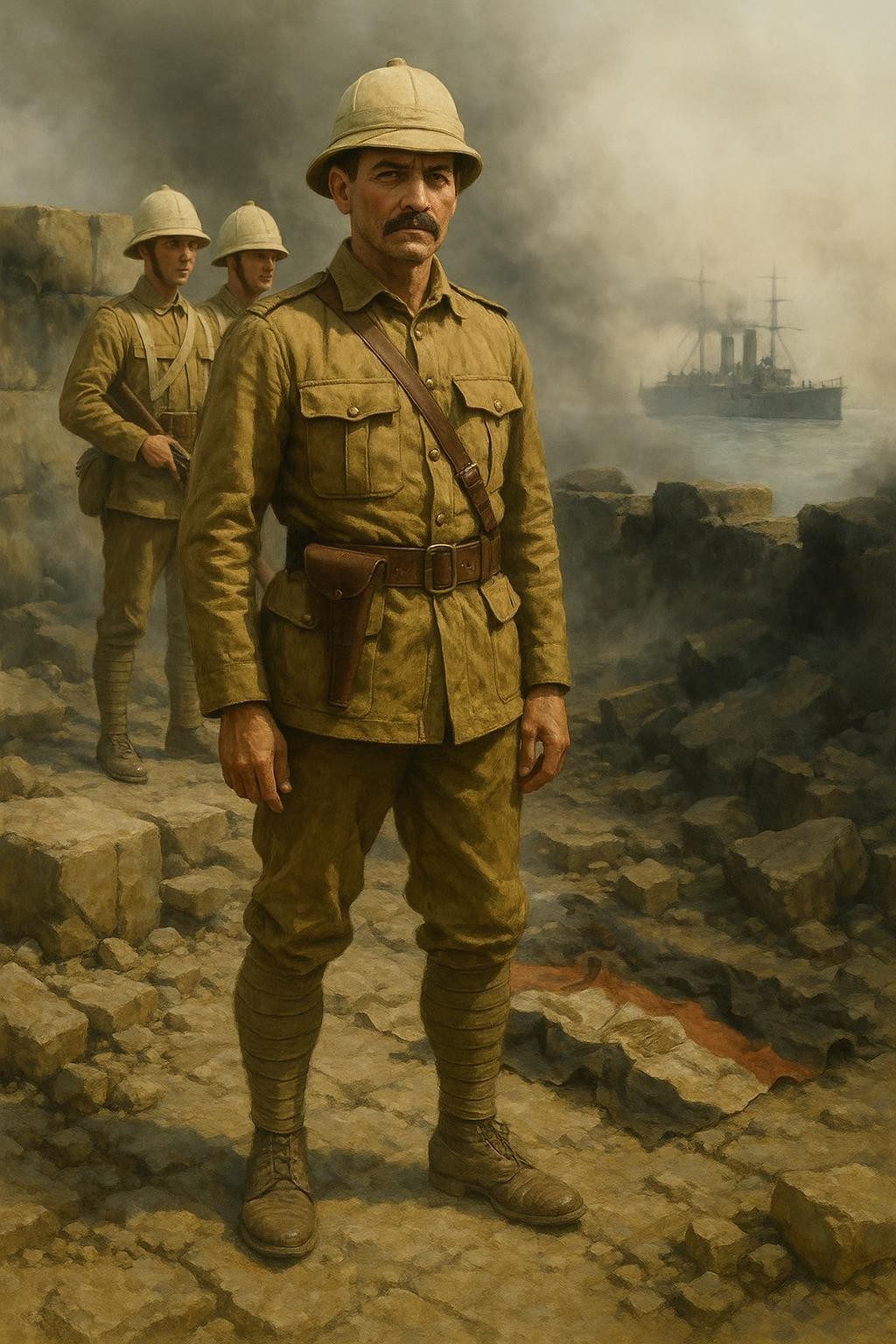
January 1879. One hundred and thirty-nine men. Four thousand Zulu warriors. Colour Sergeant Frank Bourne was twenty-four years old. He walked the barricades all night. Calm. Steady. Unbreakable.
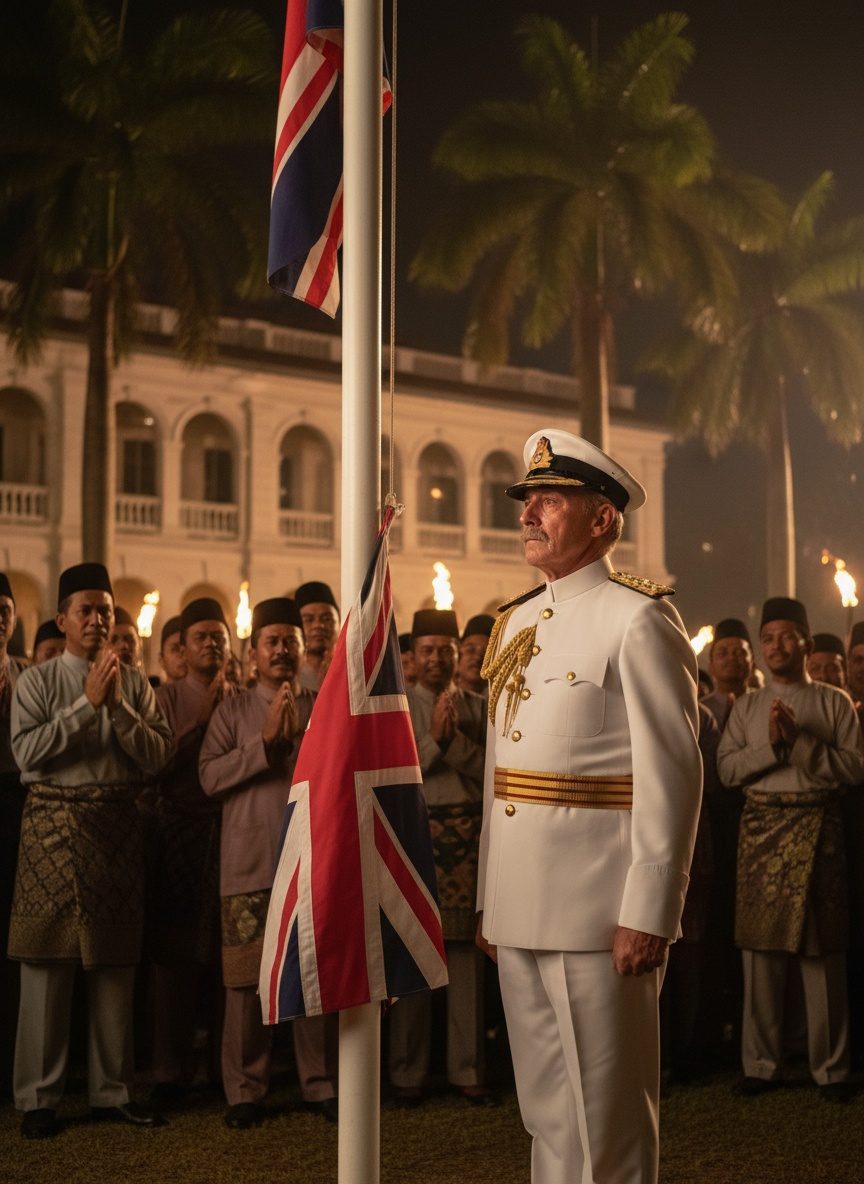
August 1957. Kuala Lumpur held its breath. Sir Donald MacGillivray stood at attention. The Union Jack came down. A new flag rose. He did not hide his tears. Neither did the crowd.
1865. Hong Kong. One Scottish banker had forty-eight hours. The colony needed a bank. London had refused. Thomas Sutherland wrote the prospectus himself. Subscribers filled it in a single morning. The Hongkong and Shanghai Bank opened its doors.
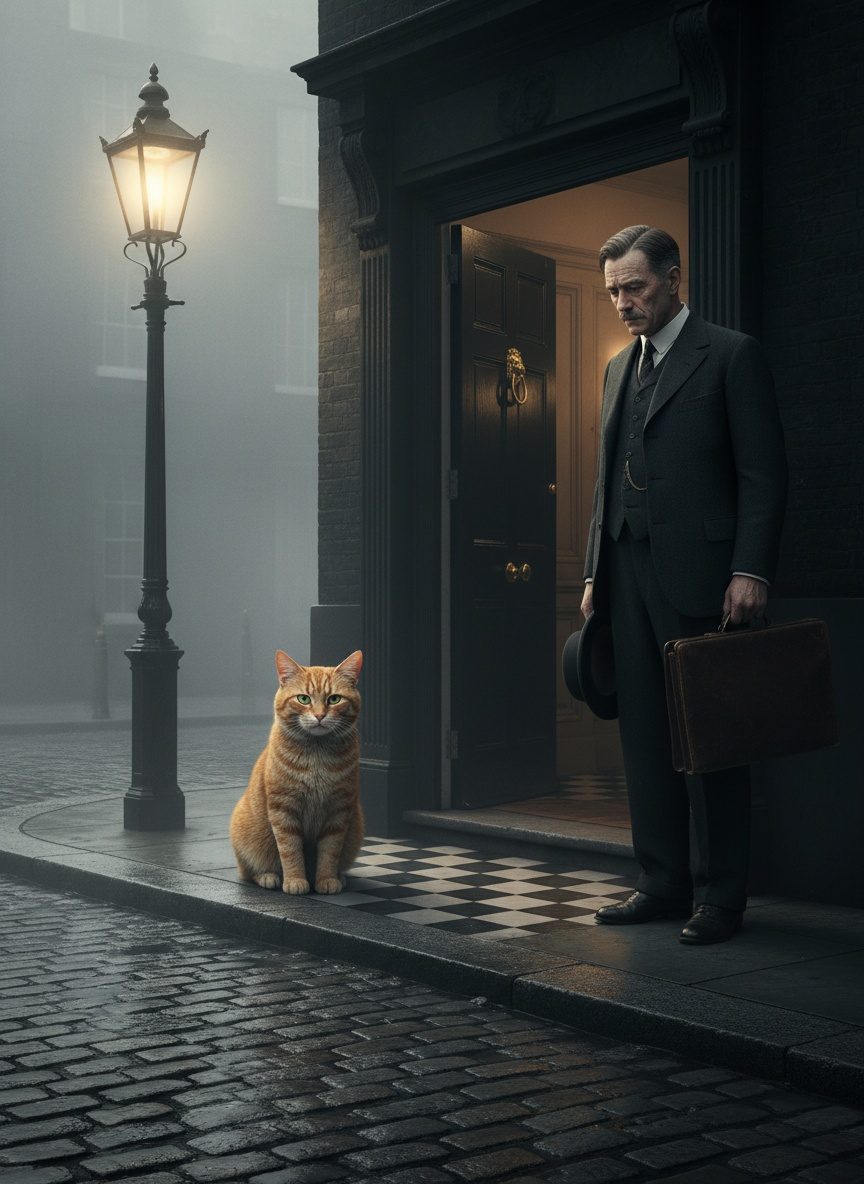
A stray tom called Treasury Bill arrived at Downing Street in 1929. He stayed through the Depression, a World War, and seven Prime Ministers. No election. No appointment. He simply never left.
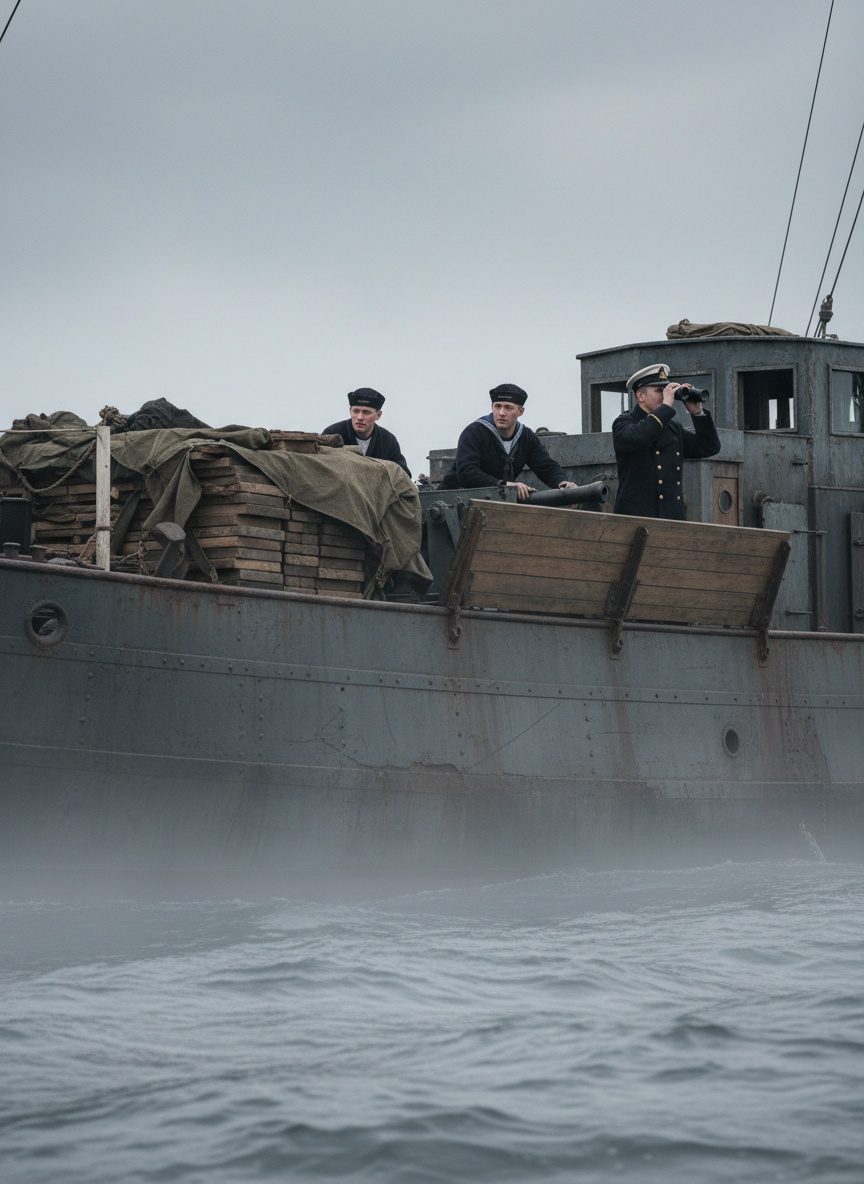
She looked like a rust-streaked merchant freighter. She was a death trap — for submarines. HMS Saxifrage carried hidden guns behind false plating. U-boat captains surfaced to sink her. They never surfaced again.
In 1811, English weavers smashed factory machines across the Midlands. The Crown deployed more troops to stop them than Wellington had in Spain. Parliament made it a hanging offence.
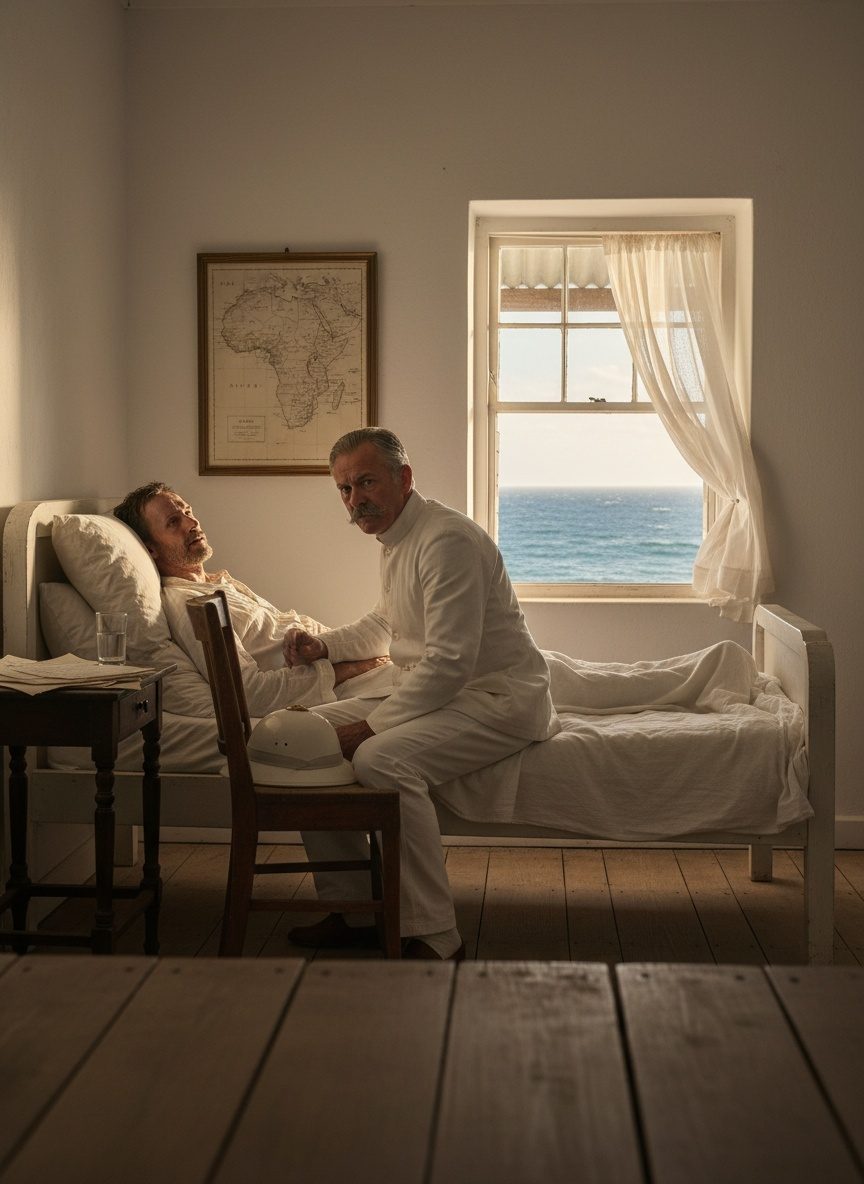
March 1902. Cecil Rhodes lay dying in a seaside cottage near Cape Town. The man who once ruled a territory the size of Western Europe had been reduced to gasping for breath in the summer heat. He was 48 years old.
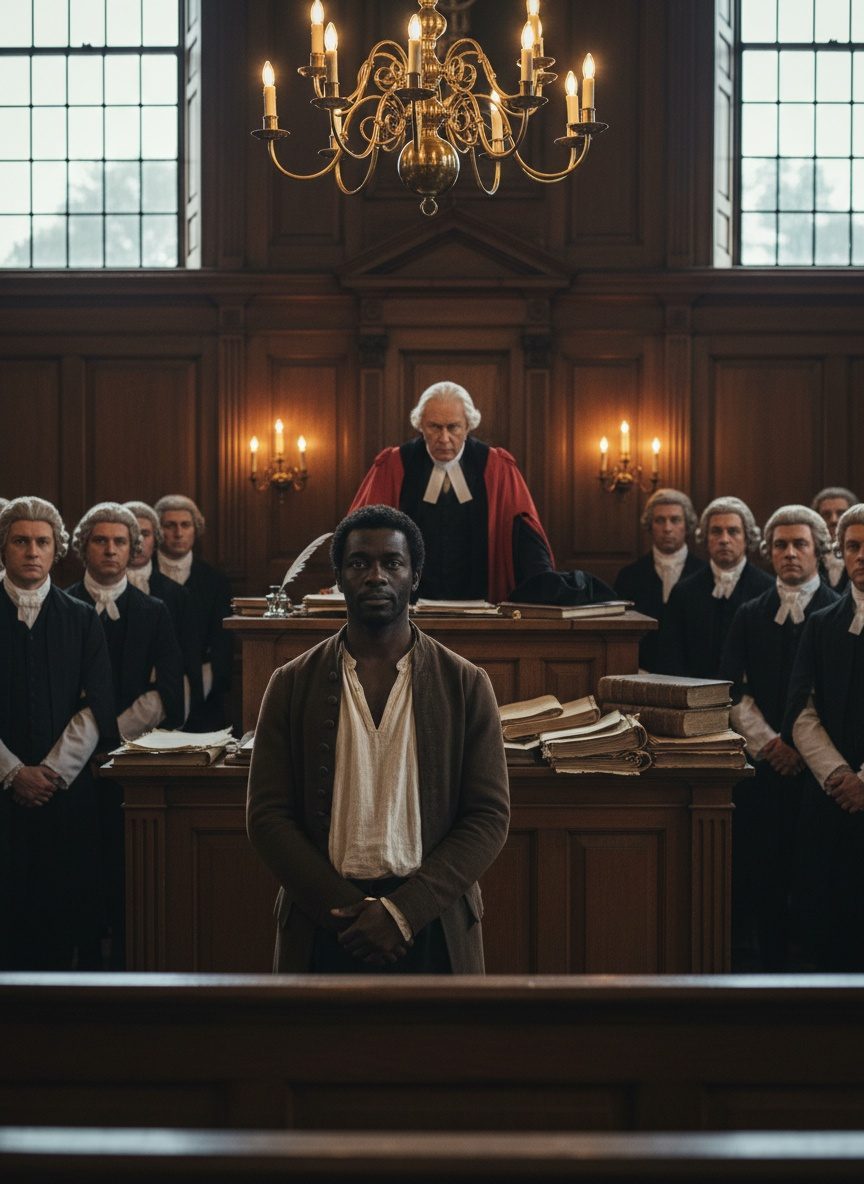
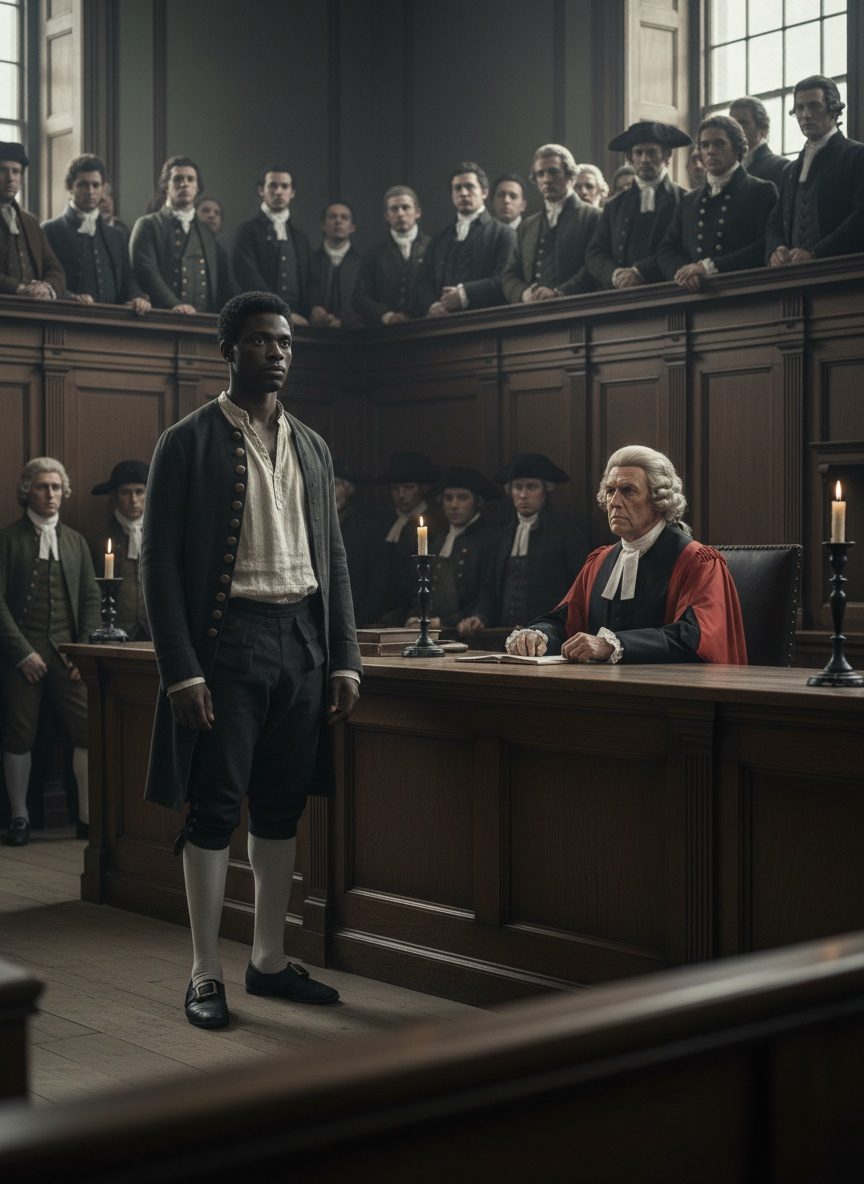
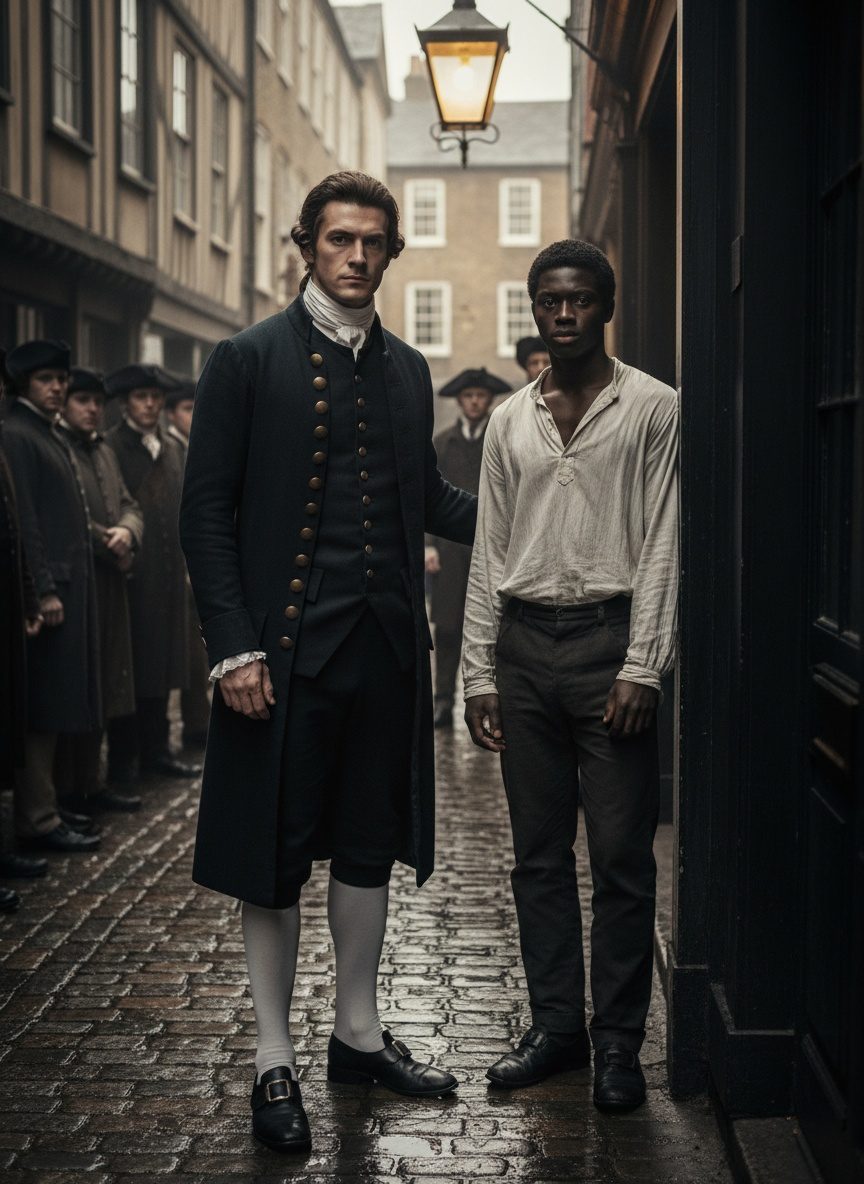
London, 1772. A Black man named James Somerset stood before Lord Mansfield. He had been a slave. His master wanted him back. Mansfield ruled. No man could be enslaved on English soil. One judgment. Fourteen colonies heard it.
Upper Canada, 1793. Chloe Cooley was chained and sold across the border. One witness, Peter Martin, walked to the Governor. Simcoe listened. He changed the law. Slavery began its end in British North America.
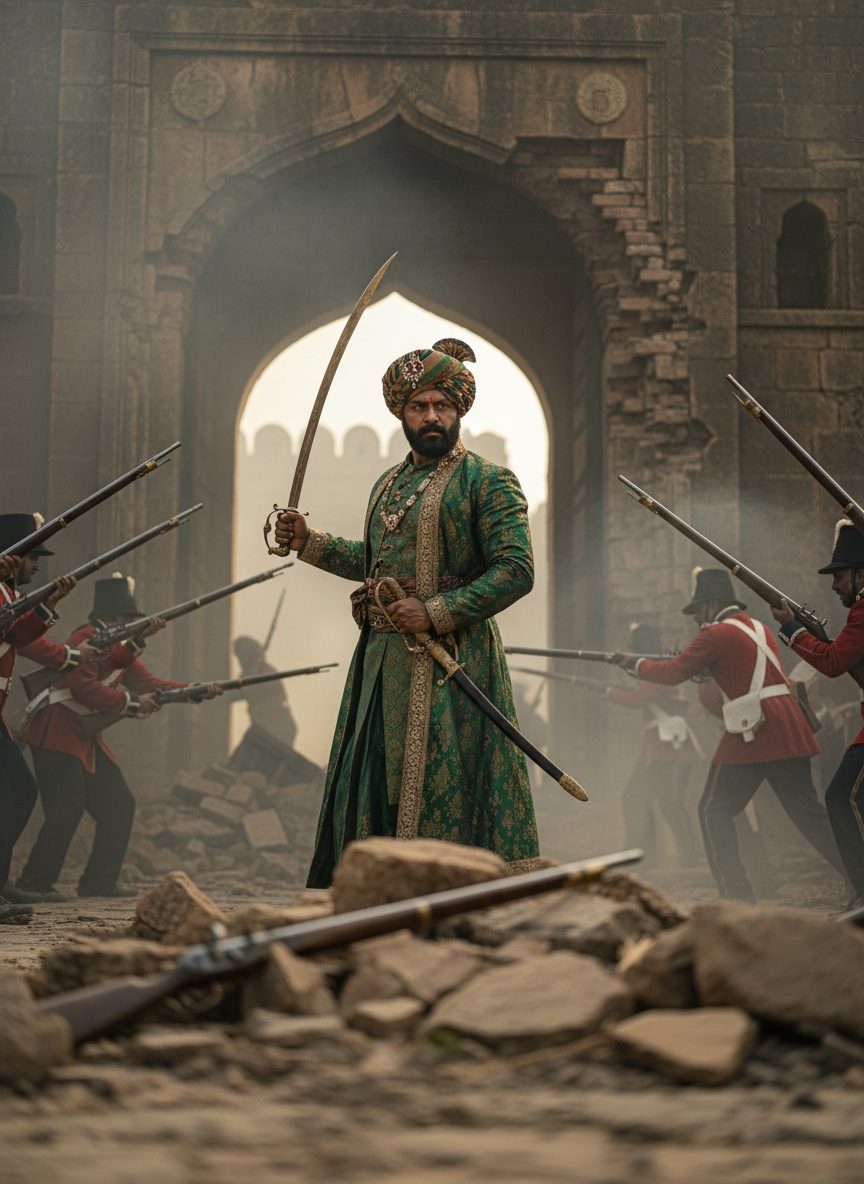
May 1799. Seringapatam was falling. Tipu Sultan refused every offer of surrender. He fought room by room. He died with his sword in his hand. The Tiger of Mysore would not kneel.
1885. A retired British civil servant faced his own government. Allan Hume founded the Indian National Congress. Not to end the Empire. To give India a voice within it. London was furious. He did not care.
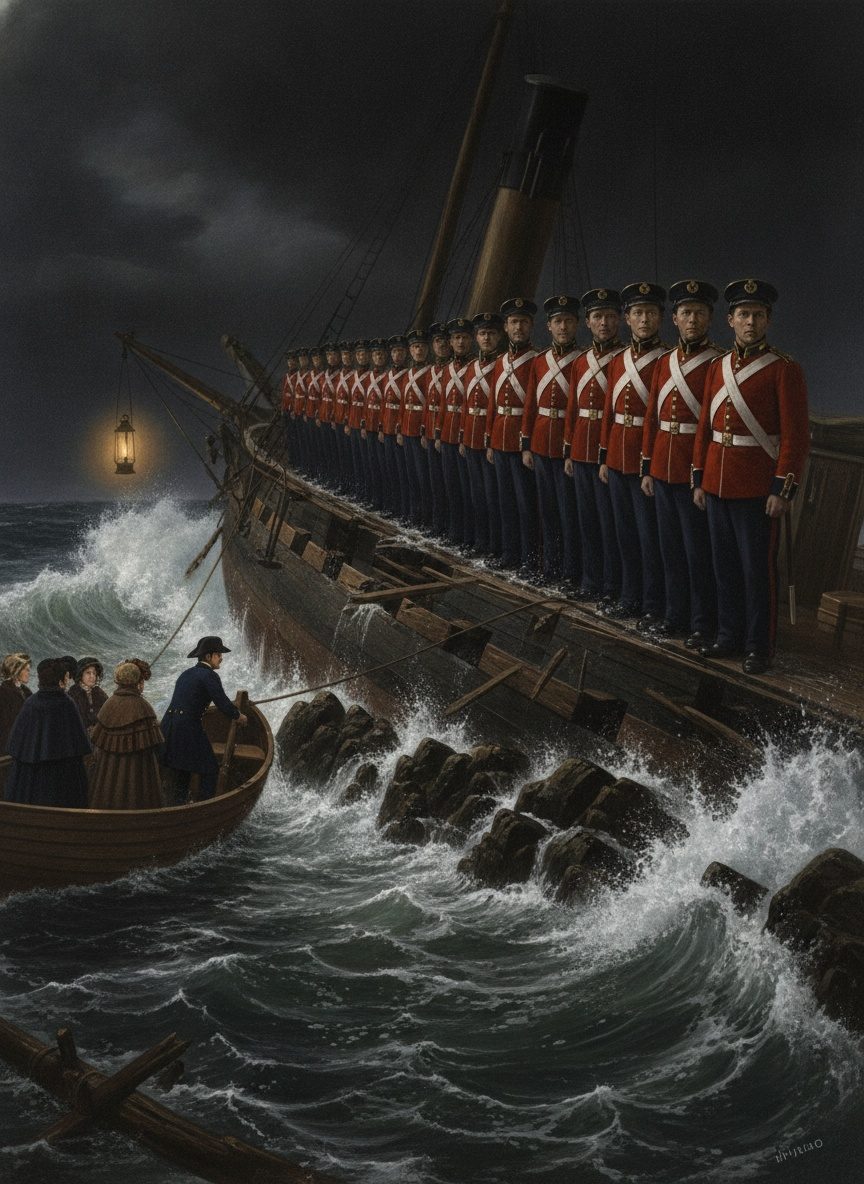
She struck rock off South Africa at 2am. The soldiers stood in rank on a sinking deck. They never broke. 436 men drowned so 193 women and children could reach the boats. The drill has never been forgotten.
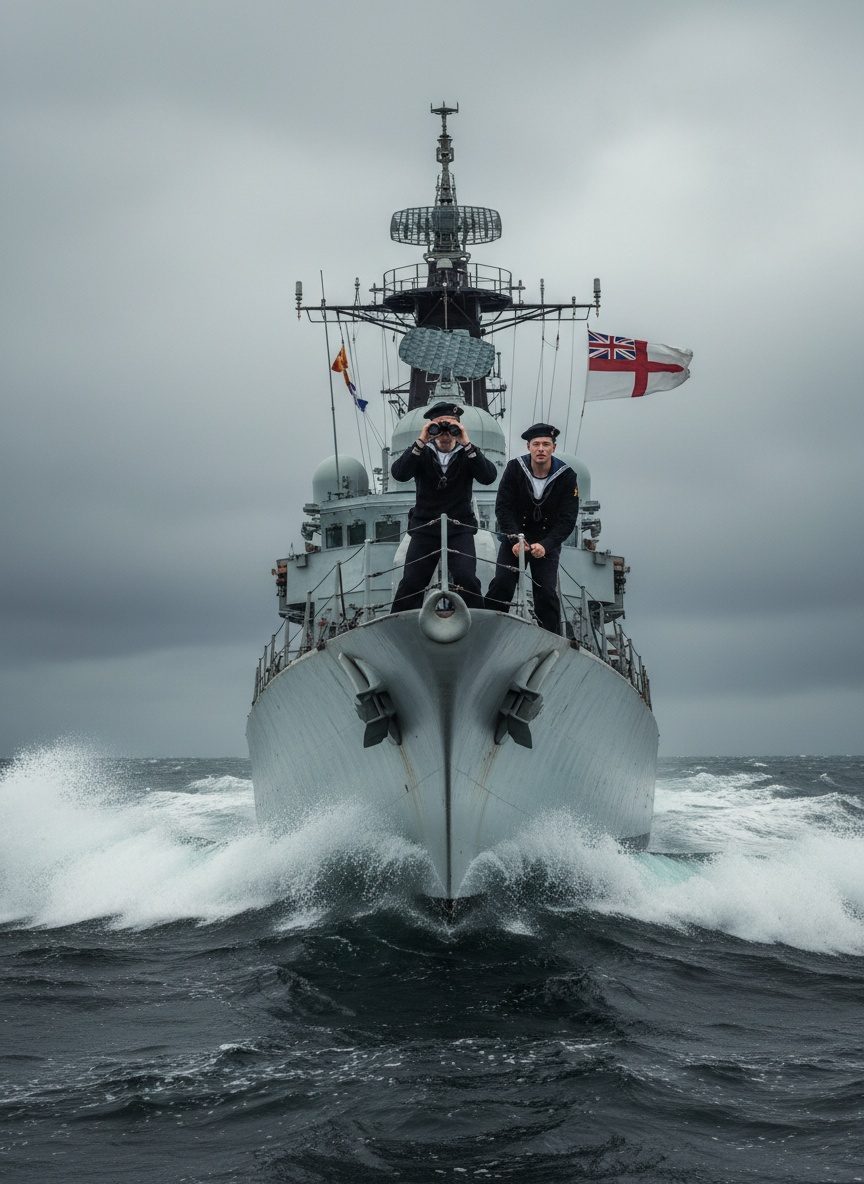
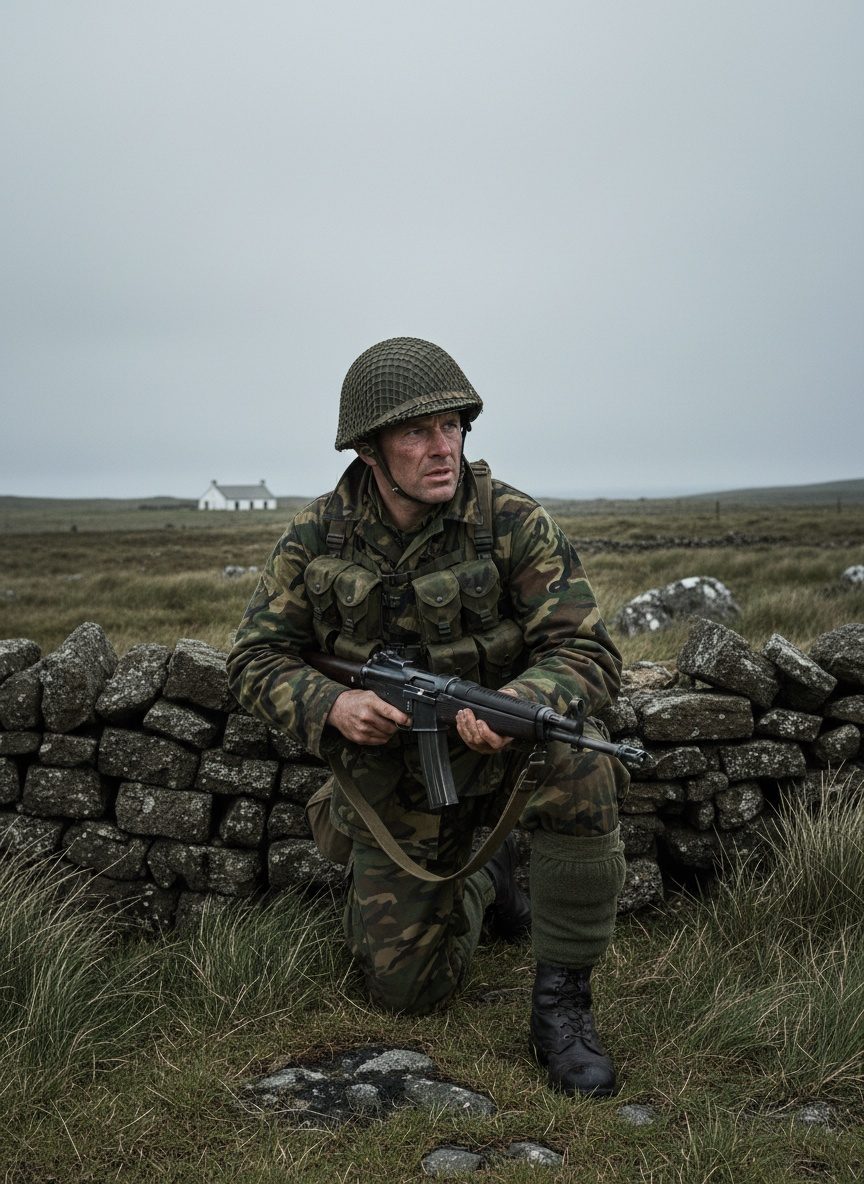
April 1982. Argentina's junta seized British territory. 255 men died taking it back. The fleet sailed 8,000 miles. Britain's honour cost everything — and was paid in full.
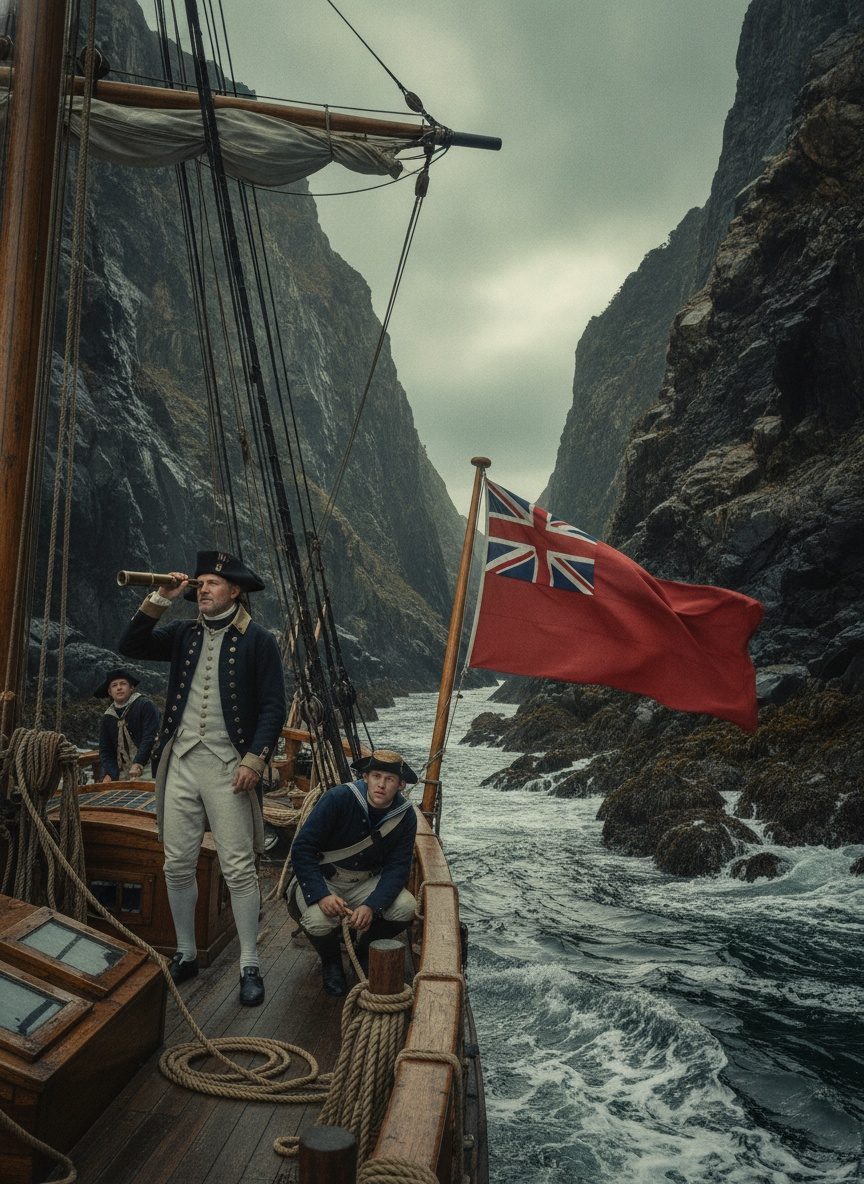
Spain controlled it. Britain sailed it. Argentina didn't exist yet. When Royal Navy ships first passed through the Strait of Magellan, they weren't asking permission — they were asserting a right no nation could legally deny.
London. 1772. A runaway slave stood before England's highest court. His master demanded him back. Lord Mansfield paused. Then ruled. No man could be enslaved on English soil. Somerset walked free. The world was never the same.
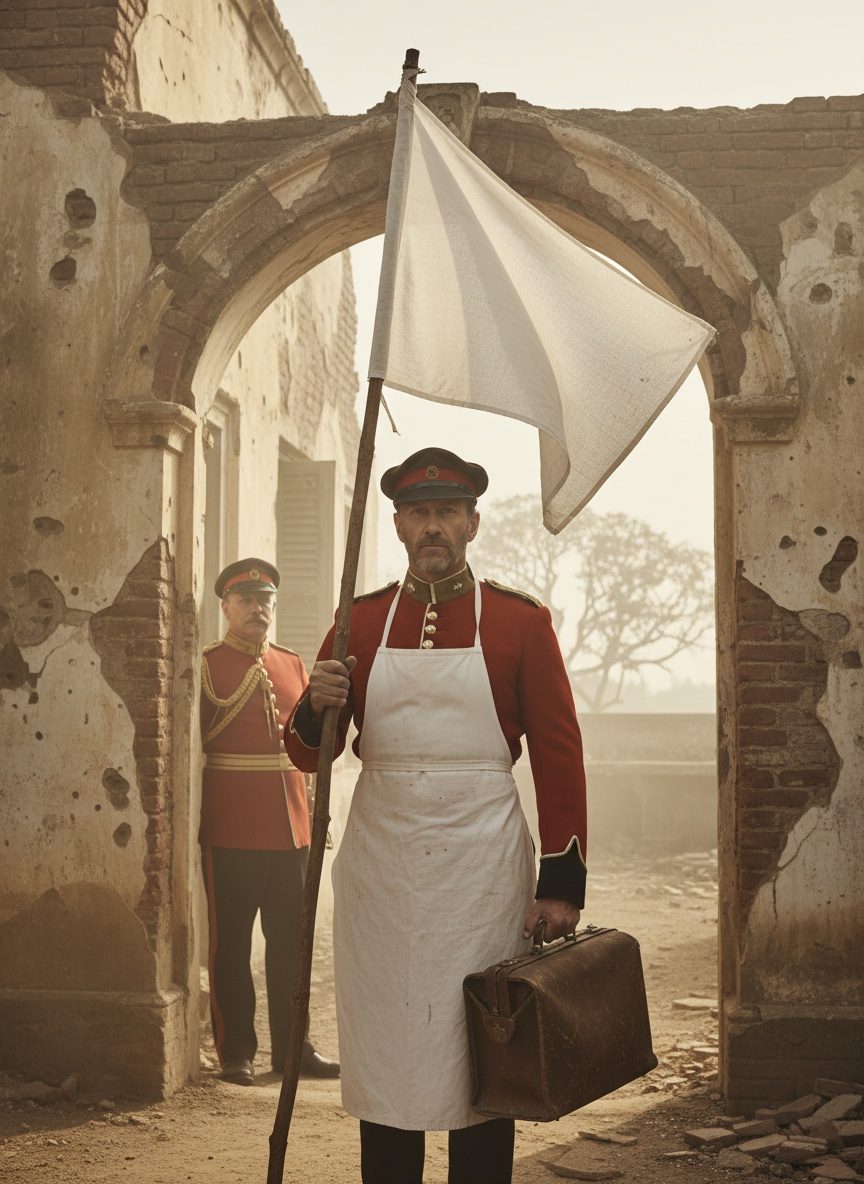
June 1857. Lucknow was under siege. The wounded lay dying on both sides. Henry Lawrence ordered his surgeon out under a white flag. To treat the enemy's injured. The rebel commander wept.
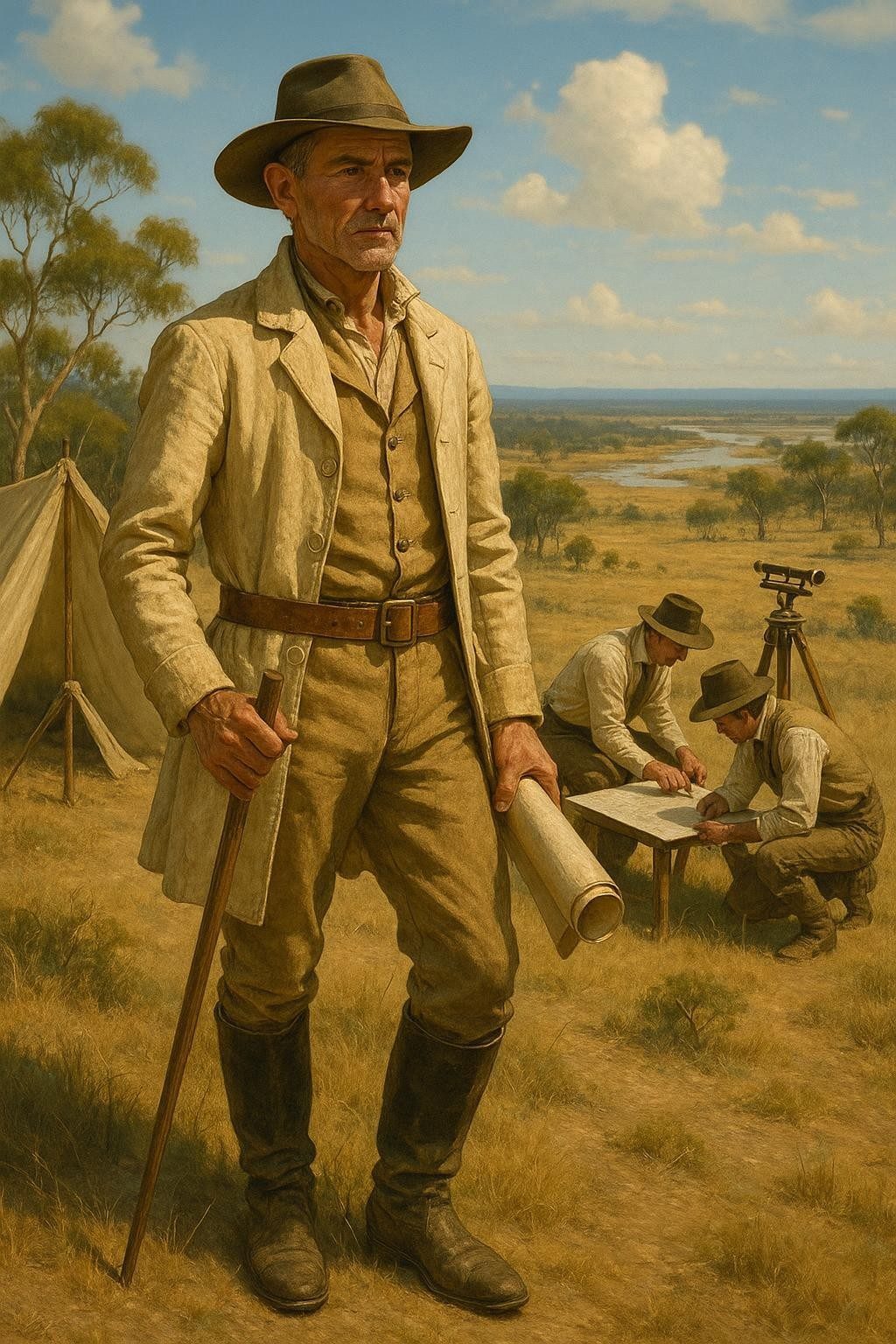
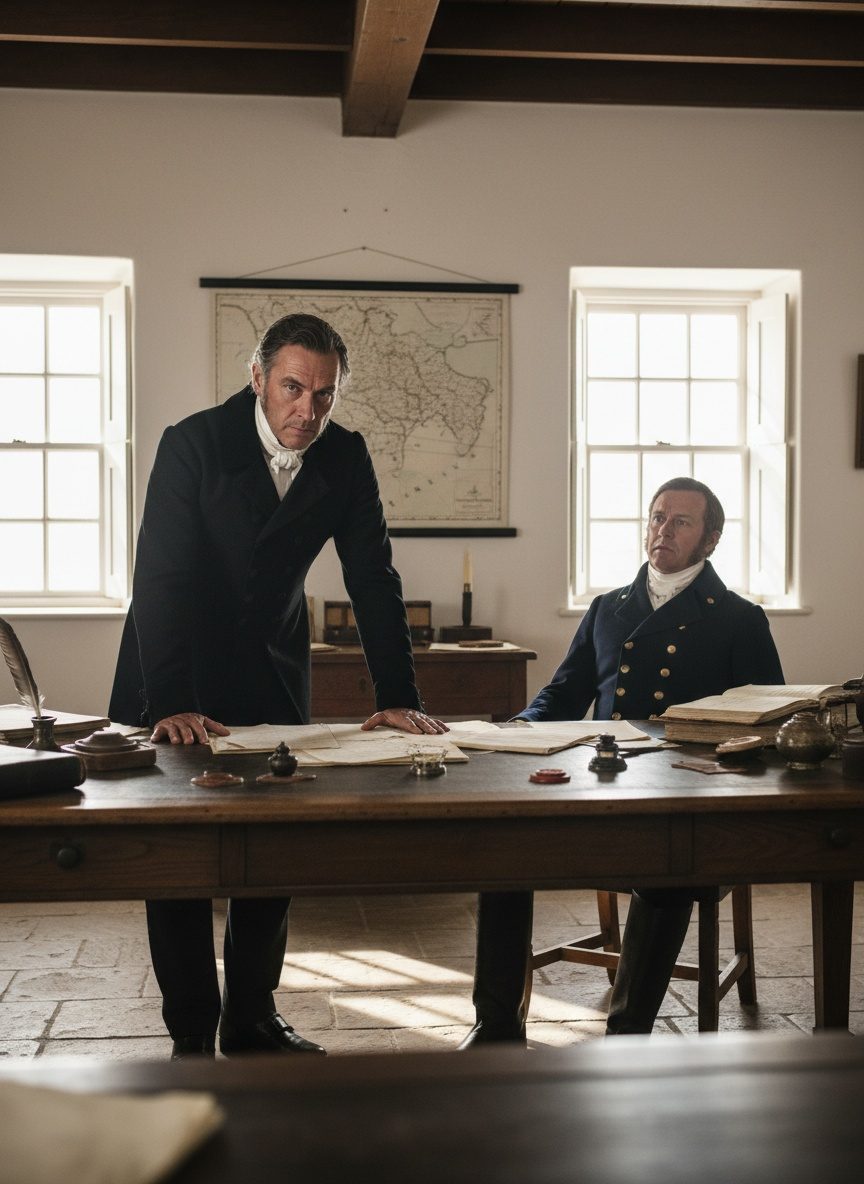
1838. Governor Hindmarsh despised Light's chosen site. He demanded a new city. Light refused. He staked his career on a single hill. Adelaide rose exactly where he planted his flag.
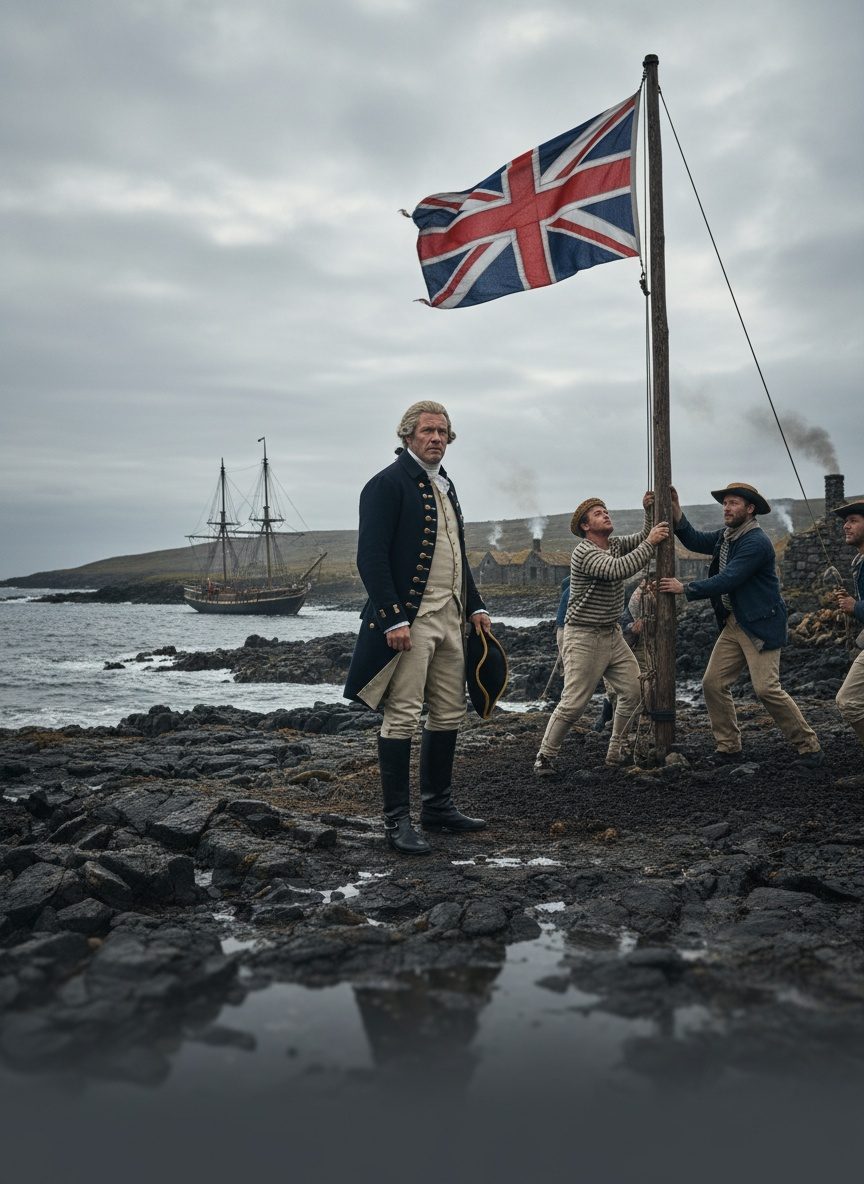
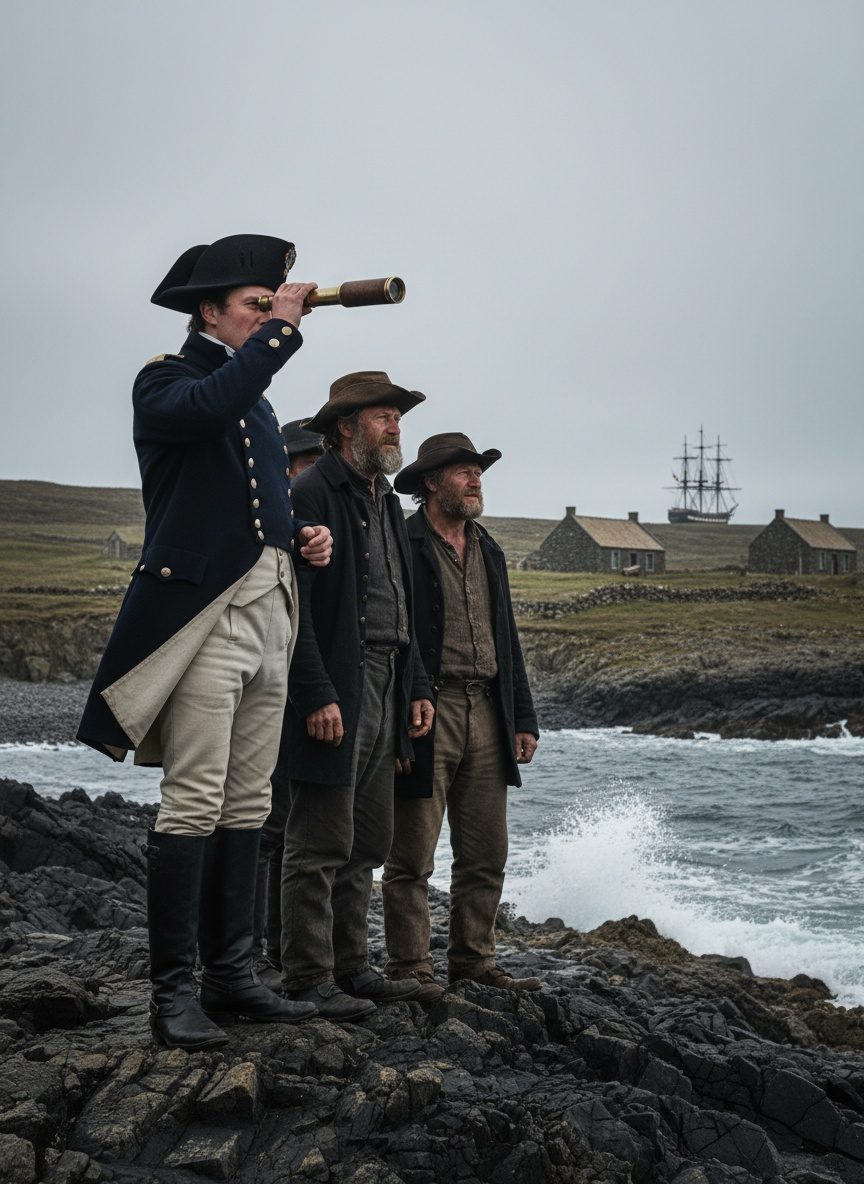
In 1764 France planted a colony on the Falklands. Britain followed in 1765 — not knowing France was already there. Spain then bought France out and demanded Britain leave. Britain refused. Then caved. Then took them back anyway.
In 1982, a fascist junta that had murdered 30,000 of its own citizens invaded British territory. The islanders had voted overwhelmingly to remain British. Argentina called it liberation. The world called it what it was.
September 1568. Spanish warships closed in at San Juan de Ulúa. John Hawkins had one small vessel left. He loaded it with survivors. Then made the hardest choice of his life. He left men behind. So others could live.
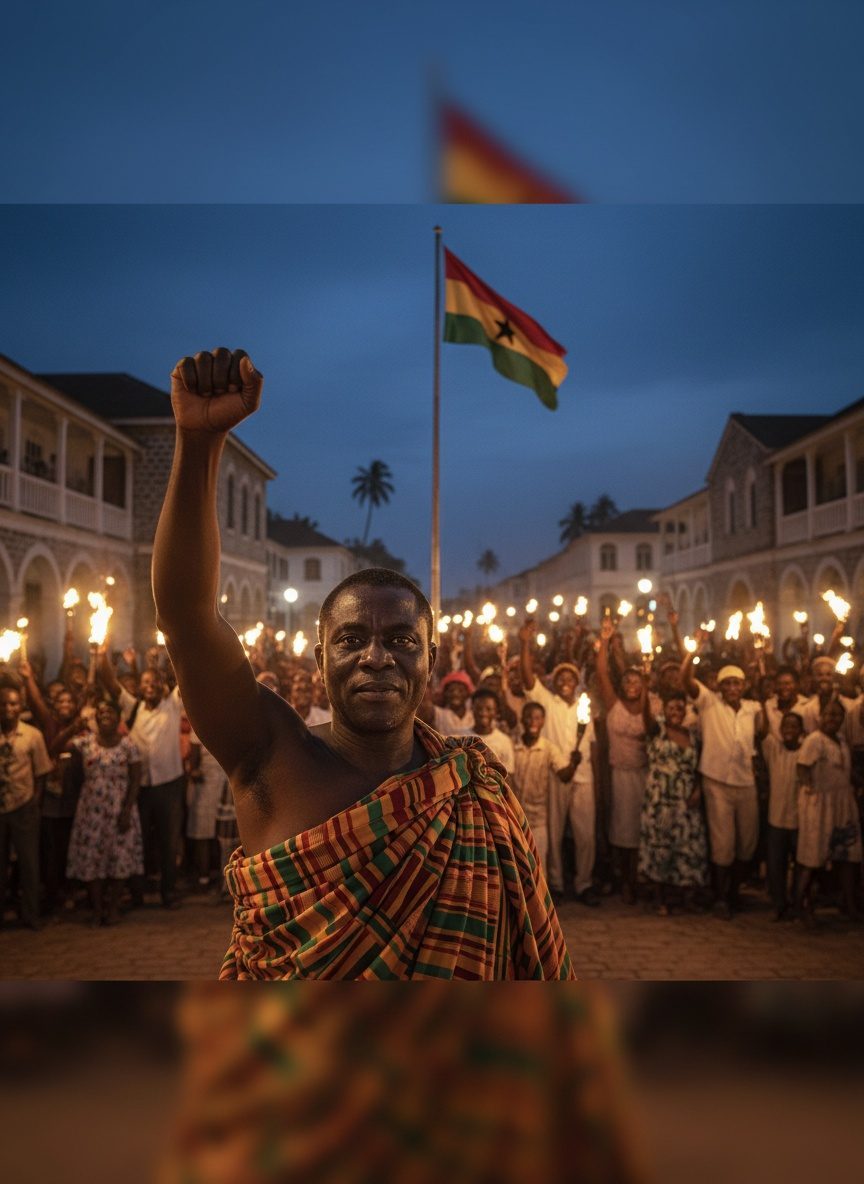
March 1957. Kwame Nkrumah stood before a roaring crowd in Accra. Britain's Gold Coast was no more. Ghana was born. The first sub-Saharan colony to win its freedom. He raised his fist. The night erupted.
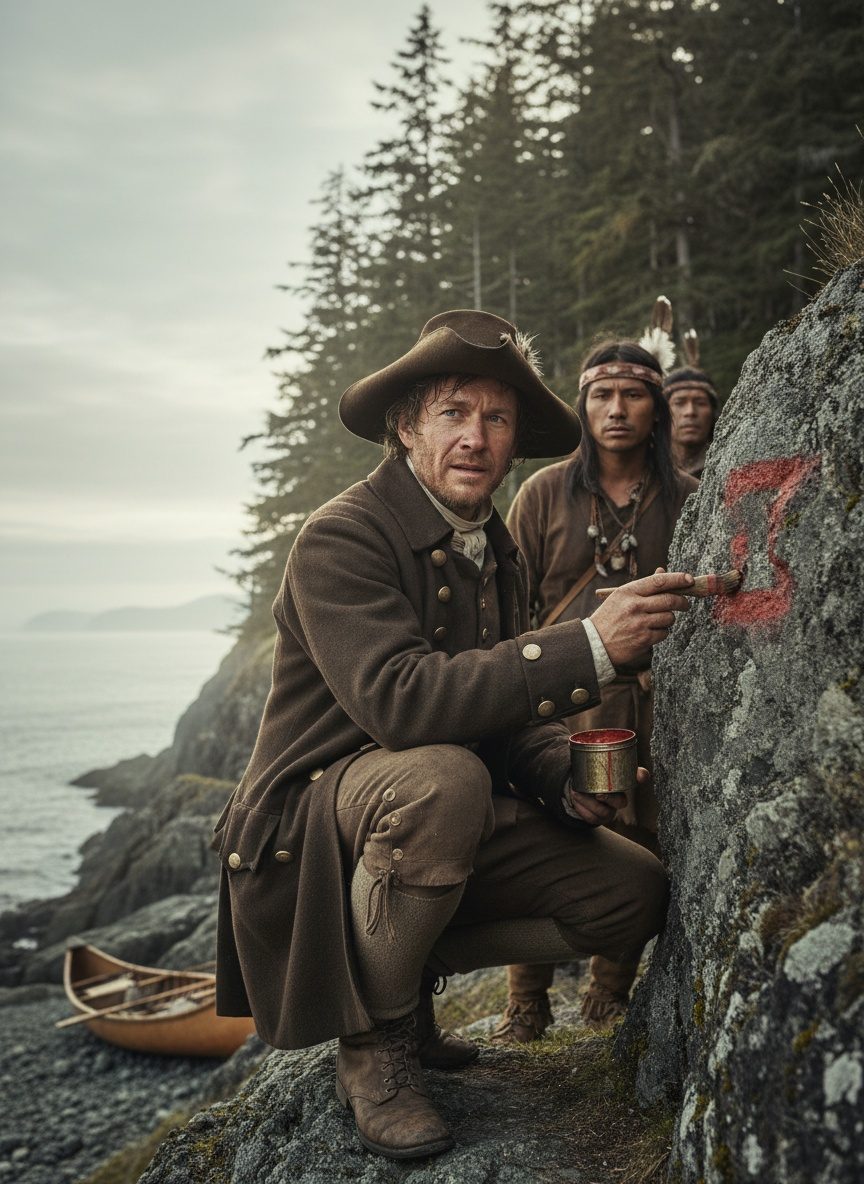
July 1793. Alexander Mackenzie stood on a rock above the Pacific Ocean. He had walked across a continent no European had ever crossed. He mixed vermilion and grease. Painted nine words on the rock. Turned. And walked back.
In 1833, Britain reclaimed the Falklands. Buenos Aires said its settlers were violently expelled. The record tells a different story. Most left willingly. Several stayed. The myth outlasted the facts by two centuries.
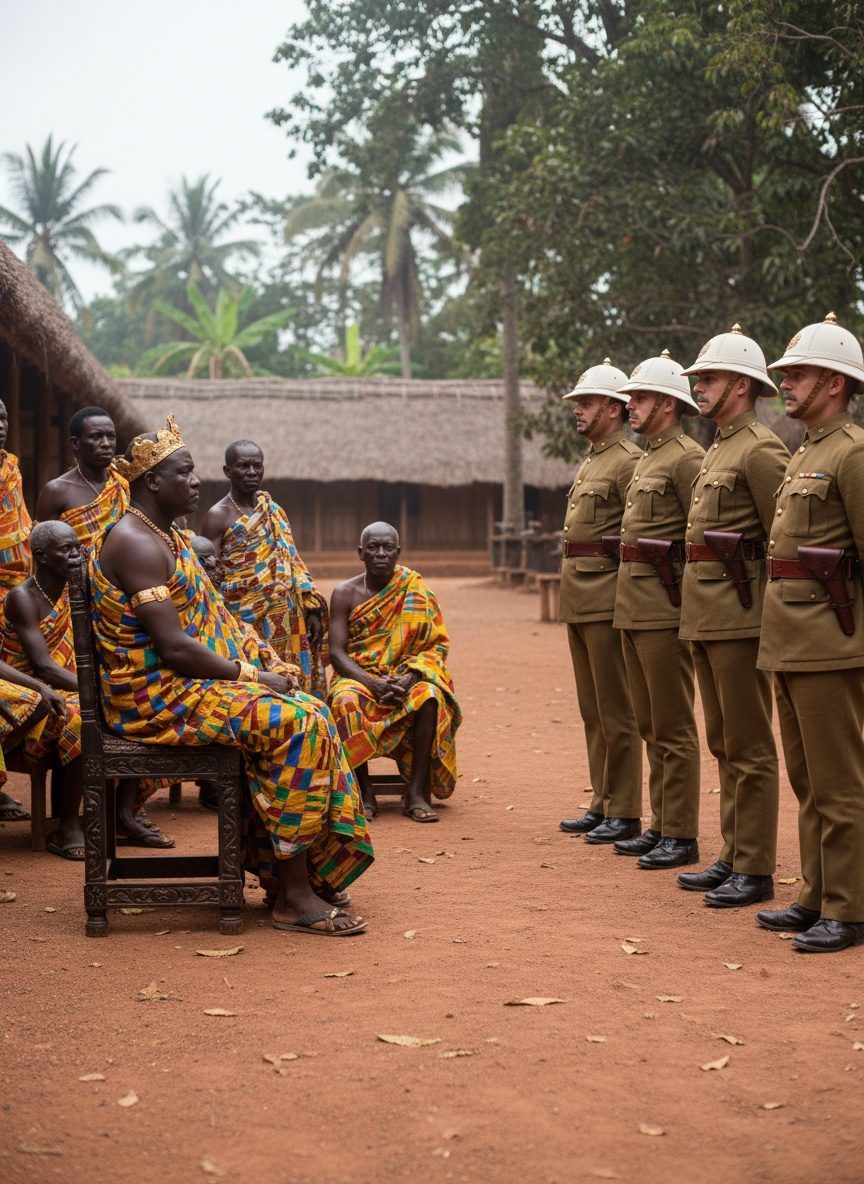
He was the Asante king they could not break. In 1896 the British forced Prempeh I to kneel. They exiled him to the Seychelles for 24 years. He returned. His people still called him king.
He fell at Fromelles in 1916. His battalion lost 90% of its strength in a single day. For 92 years, no one knew where he lay. Then science gave him back his name.
1848. The Punjab was on the edge of revolt. A 27-year-old lieutenant held it alone. No regiment. No orders. Just his word. And it held.
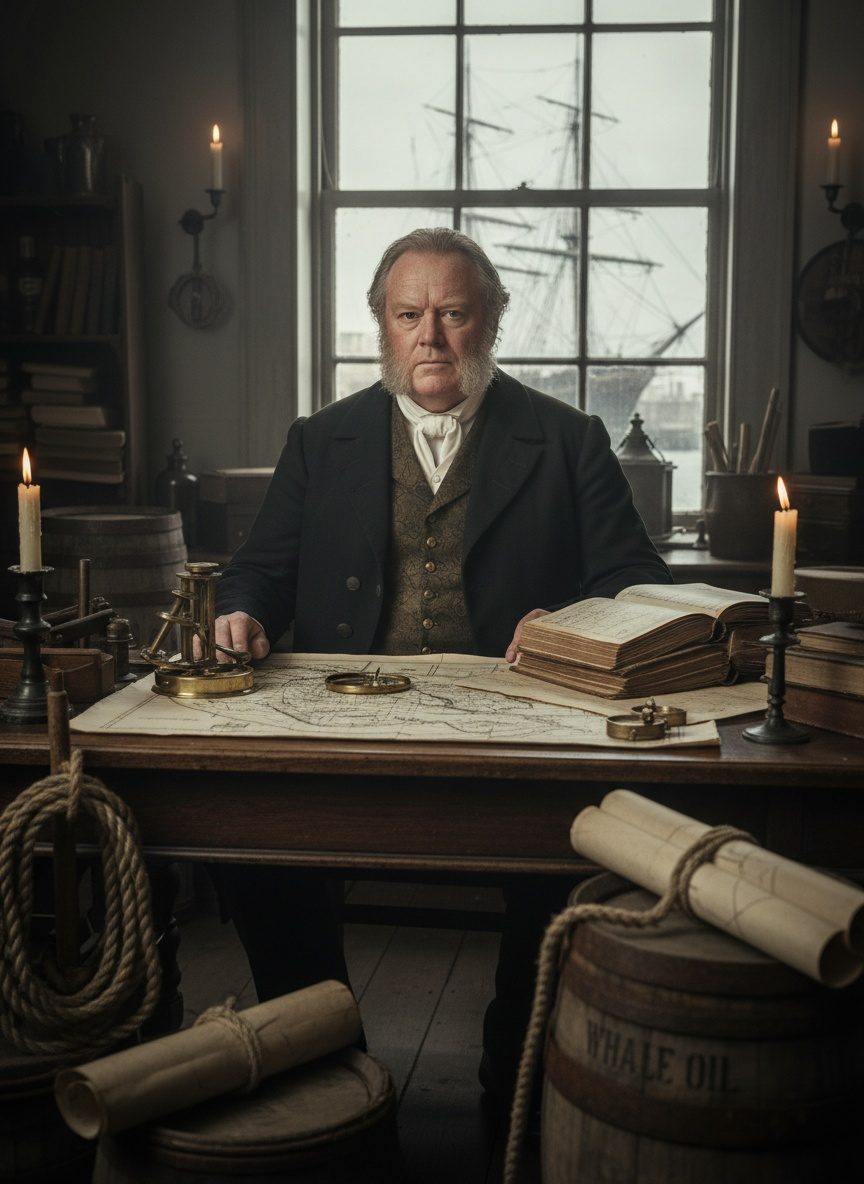
1833. A London merchant sent his own ships where navies dared not go. Captain John Biscoe sailed south until the ice closed in. He mapped coastlines no man had seen. He came home half-dead. Enderby paid him anyway. And ordered him back.
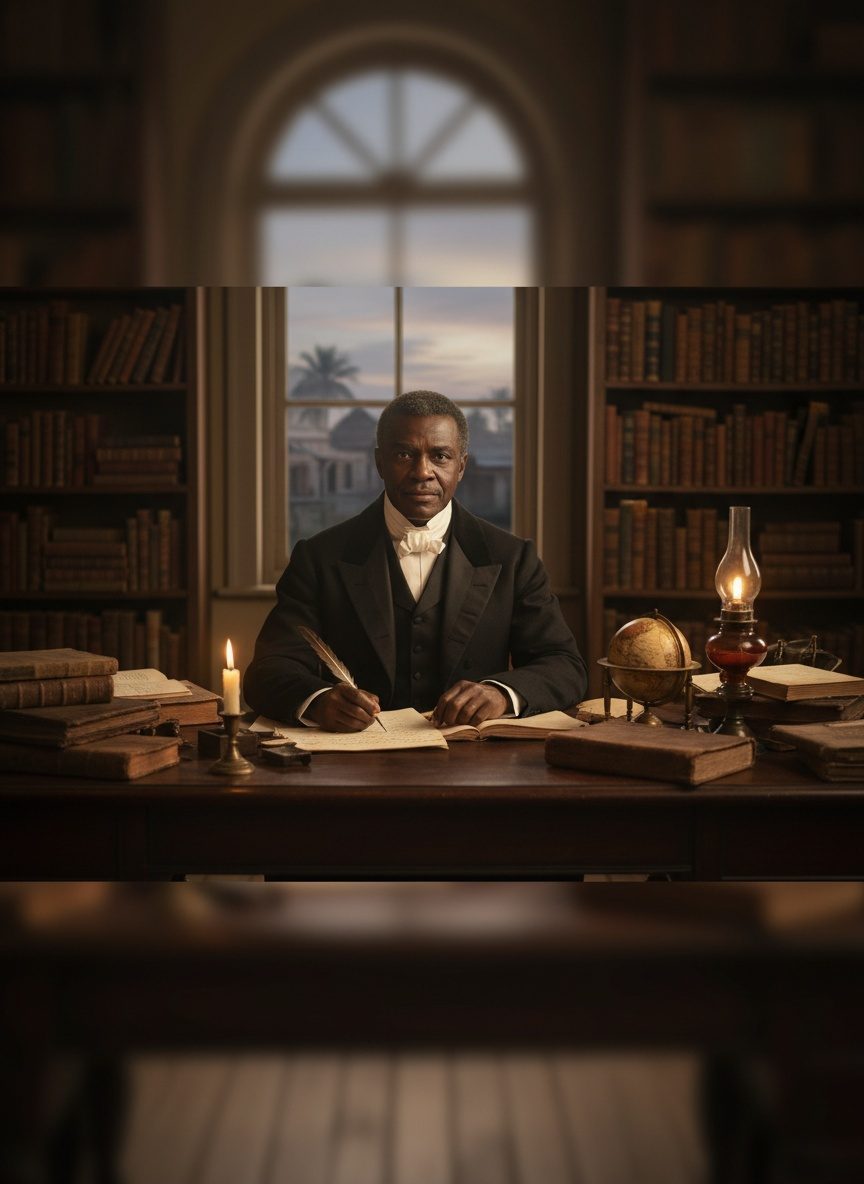
1890. Samuel Crowther was Africa's first Anglican bishop. Younger missionaries demanded his removal. He was 83 years old. A former slave. He refused to go quietly. He stood before his accusers. And told them exactly who he was.
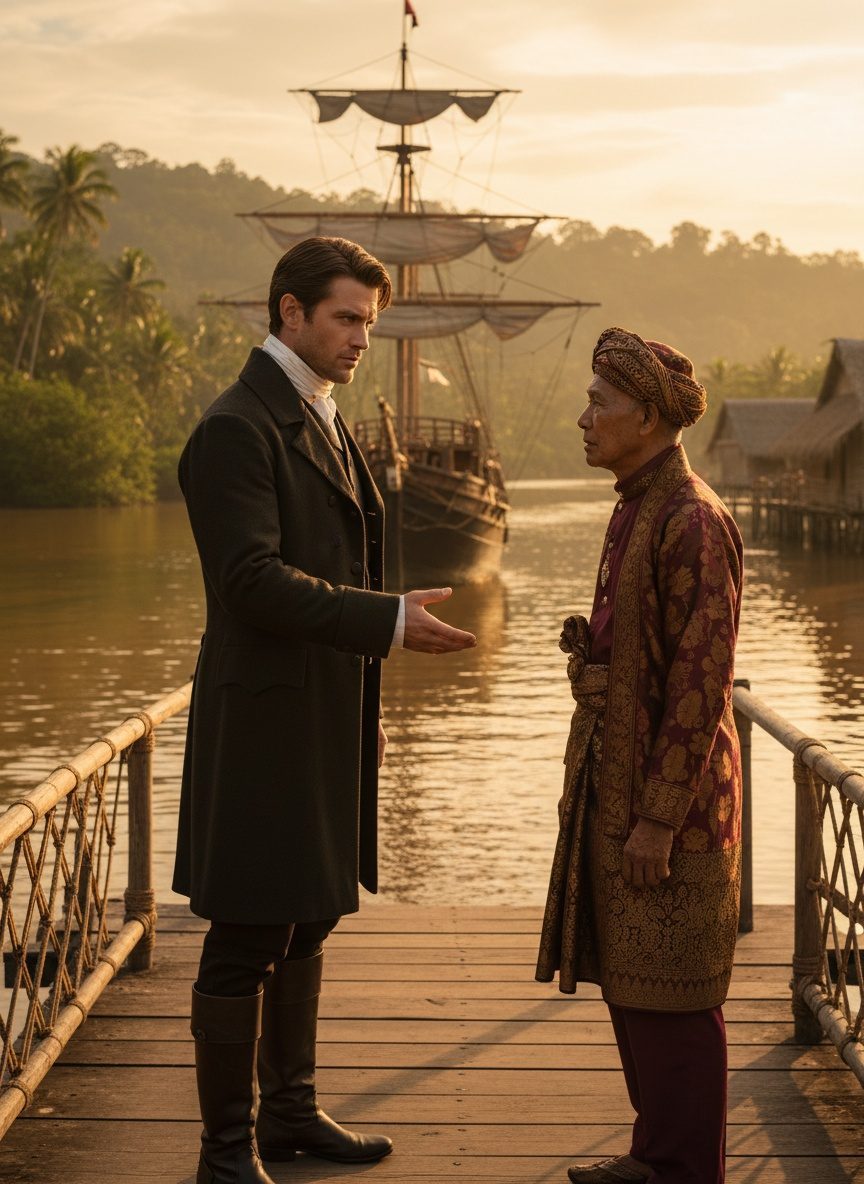
Sarawak, 1841. A former Company officer stepped ashore with nothing but a ship and a promise. The Sultan's nephew was losing his kingdom to revolt. Brooke offered to fight. He asked only for his word. He got a country.
Egypt's ruler asked Britain to intervene. Britain did — then never left. When Khedive Tewfik's own army mutinied, London sent a fleet. The bombardment lasted ten hours. A nation's fate was decided without a single Egyptian vote.
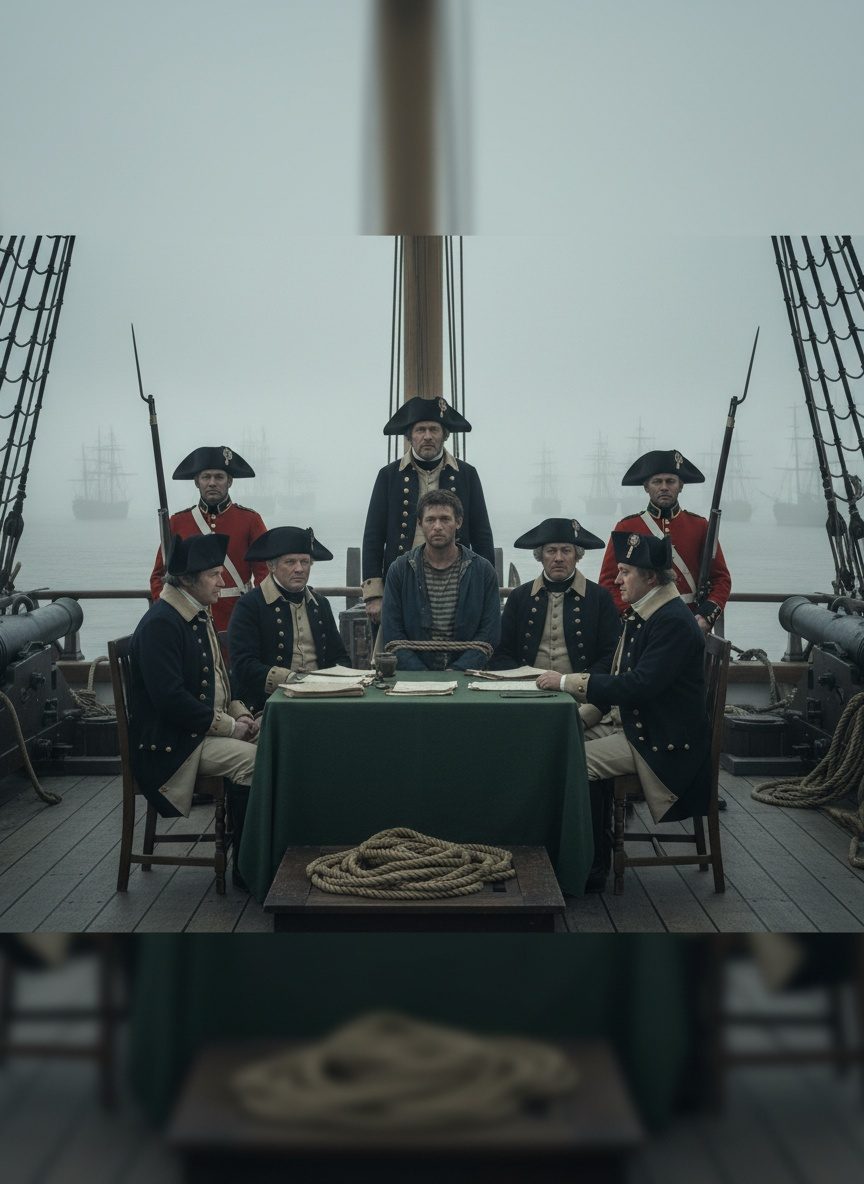
He led 100,000 sailors in mutiny. The Admiralty wanted him hanged. Instead, they did something far more brutal: they stripped his rank in front of every ship in the fleet.
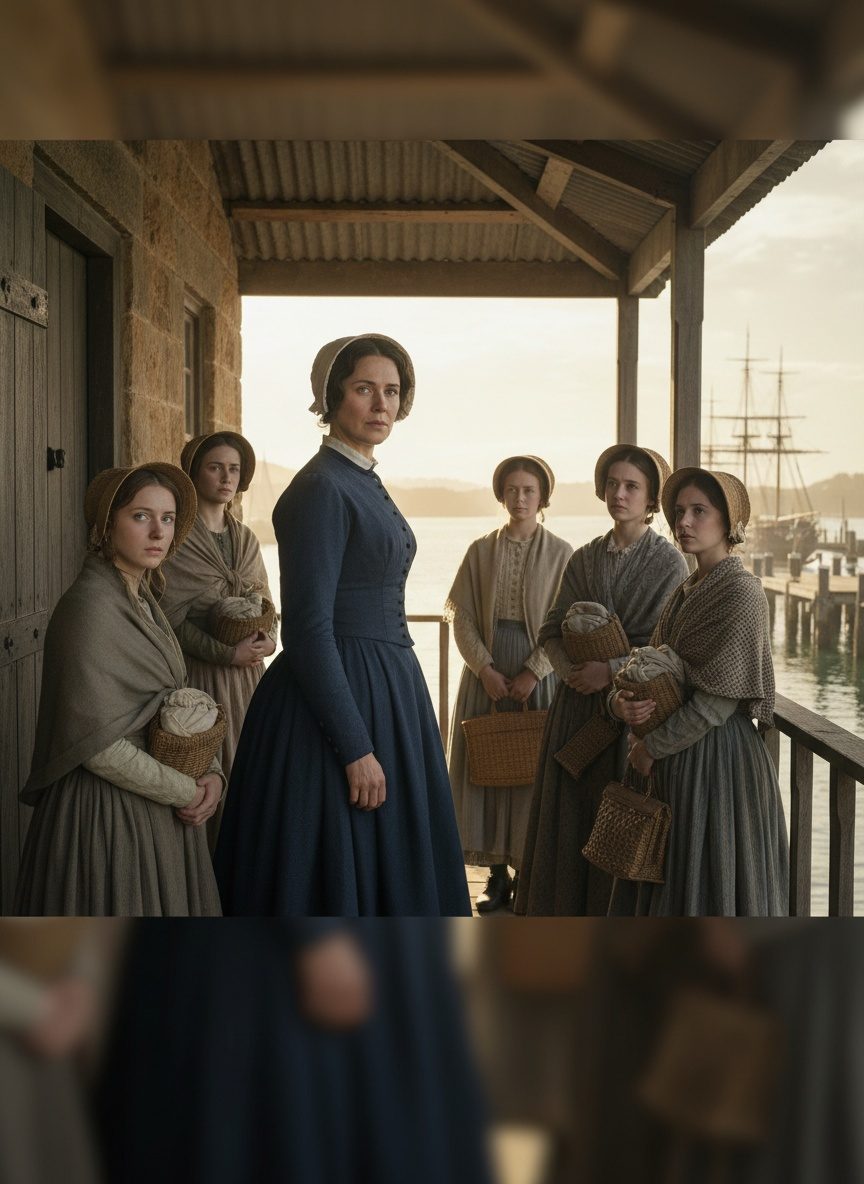
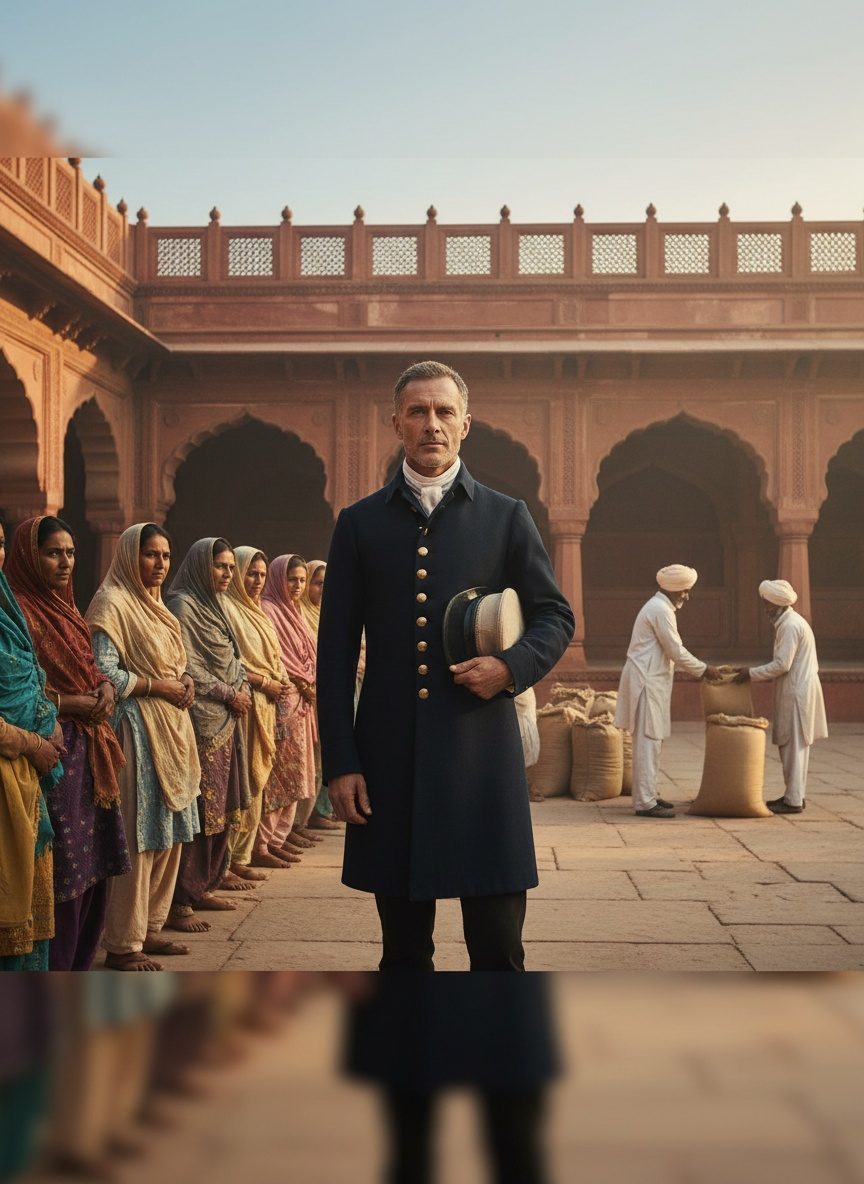
1841. Ships full of immigrant women arrived in Sydney with nowhere to go. They slept in the streets. One English woman saw it and refused to look away. Caroline Chisholm opened her own home. Then she opened the governor's barracks. Then she saved ten thousand lives.
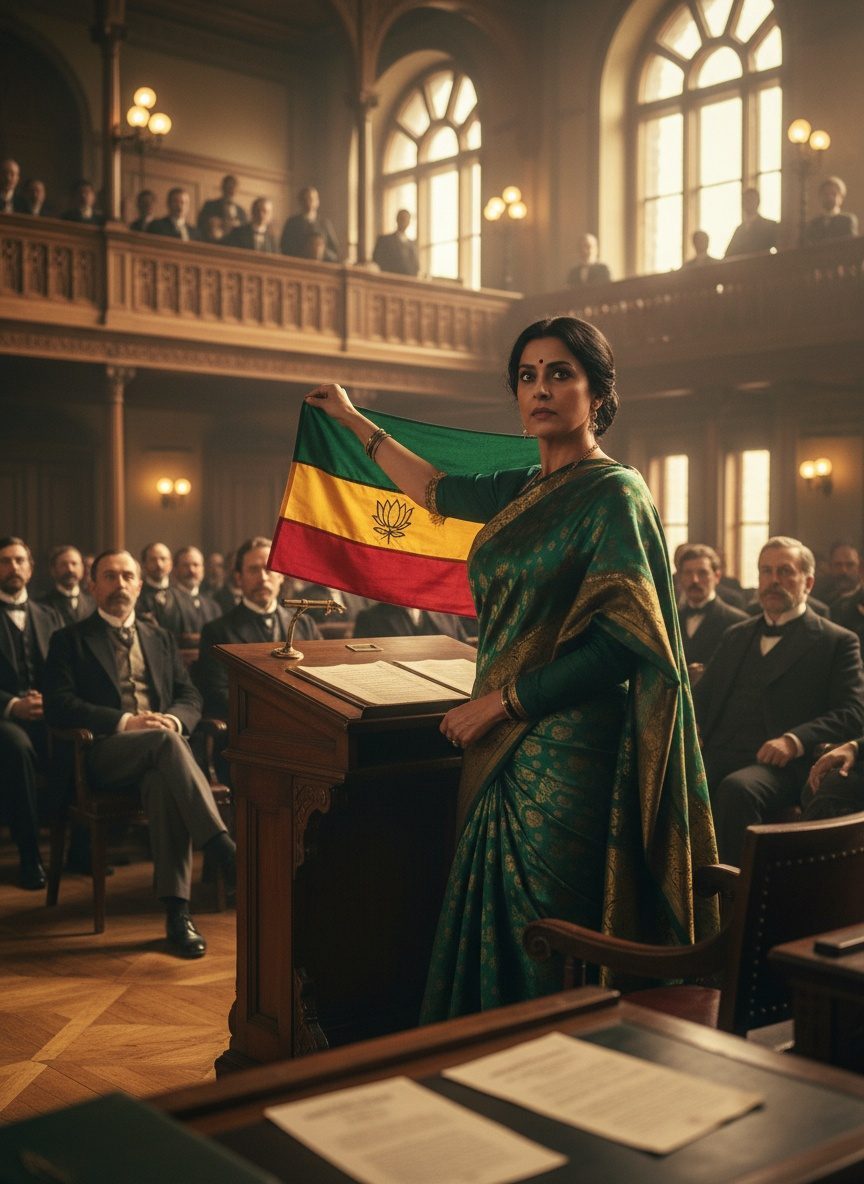
Stuttgart, 1907. A British Indian woman stood before the International Socialist Congress. She unfolded a flag. No Indian had done this before. She declared India's freedom to the world. They could not silence her.
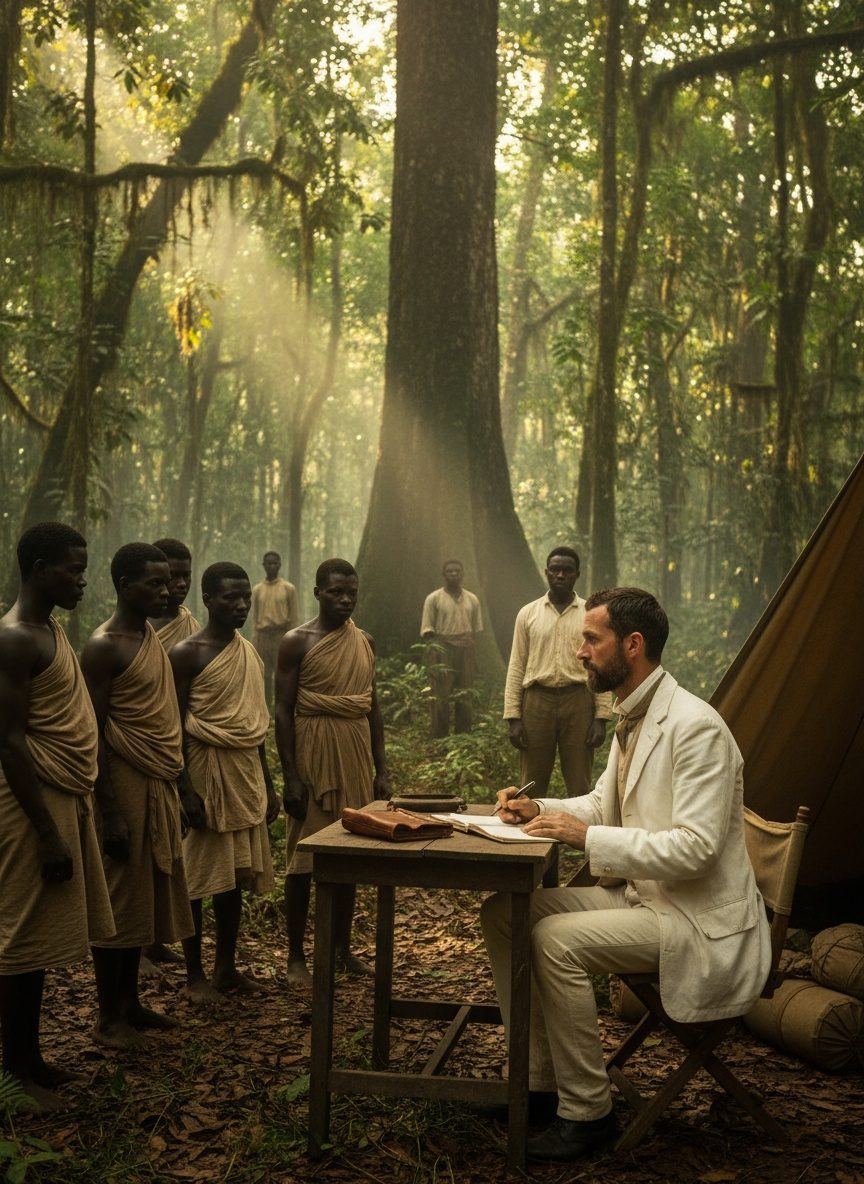
1903. The Congo was a private colony. King Leopold's agents ruled by terror. Roger Casement walked in alone. He wrote down every name. Every scar. Every missing hand. His report shook the world.
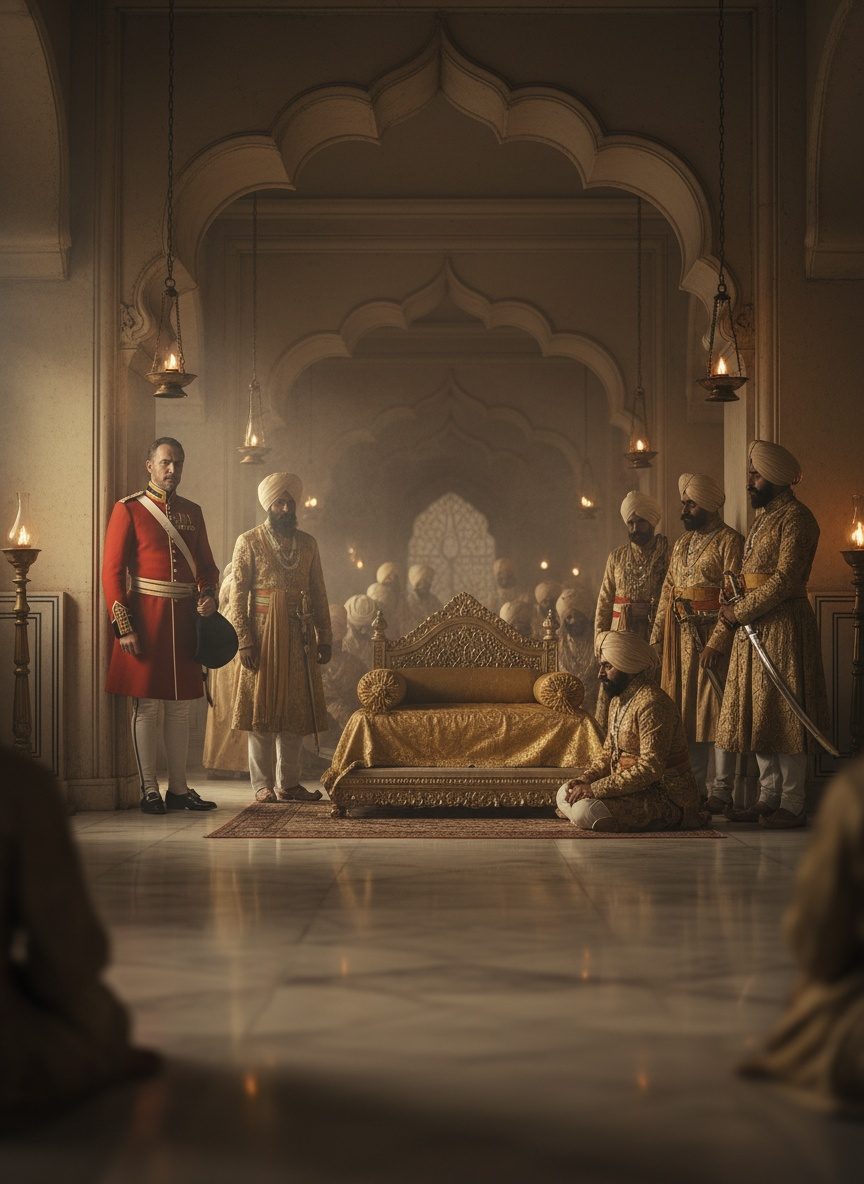
The Lion of the Punjab was dead. No succession plan. No heir strong enough. The British watched from Ludhiana — patient, calculating. Within ten years, they would own everything he had built.
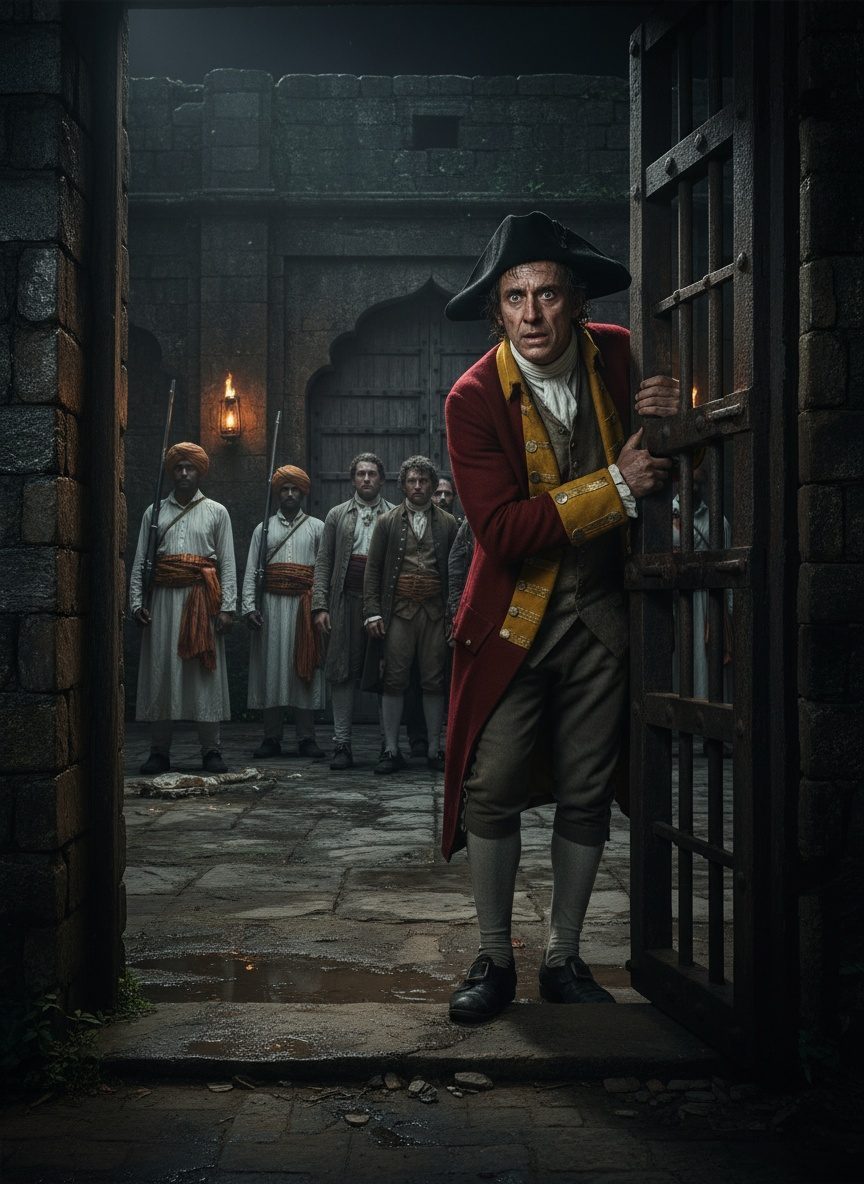
Siraj ud-Daulah had every reason to hate the Company. But seizing Fort William — and throwing British prisoners into a room built for six — was a declaration of war. Some never walked out.
Argentina claimed the Falklands. Britain took them back — without firing a single shot. But London stayed silent for decades. The islands that later cost 1,000 lives were almost forgotten the moment they were won.
Winter 1846. Lahore was starving. A British officer opened the treasury. He fed thousands from his own authority. No order. No permission. Just conscience.
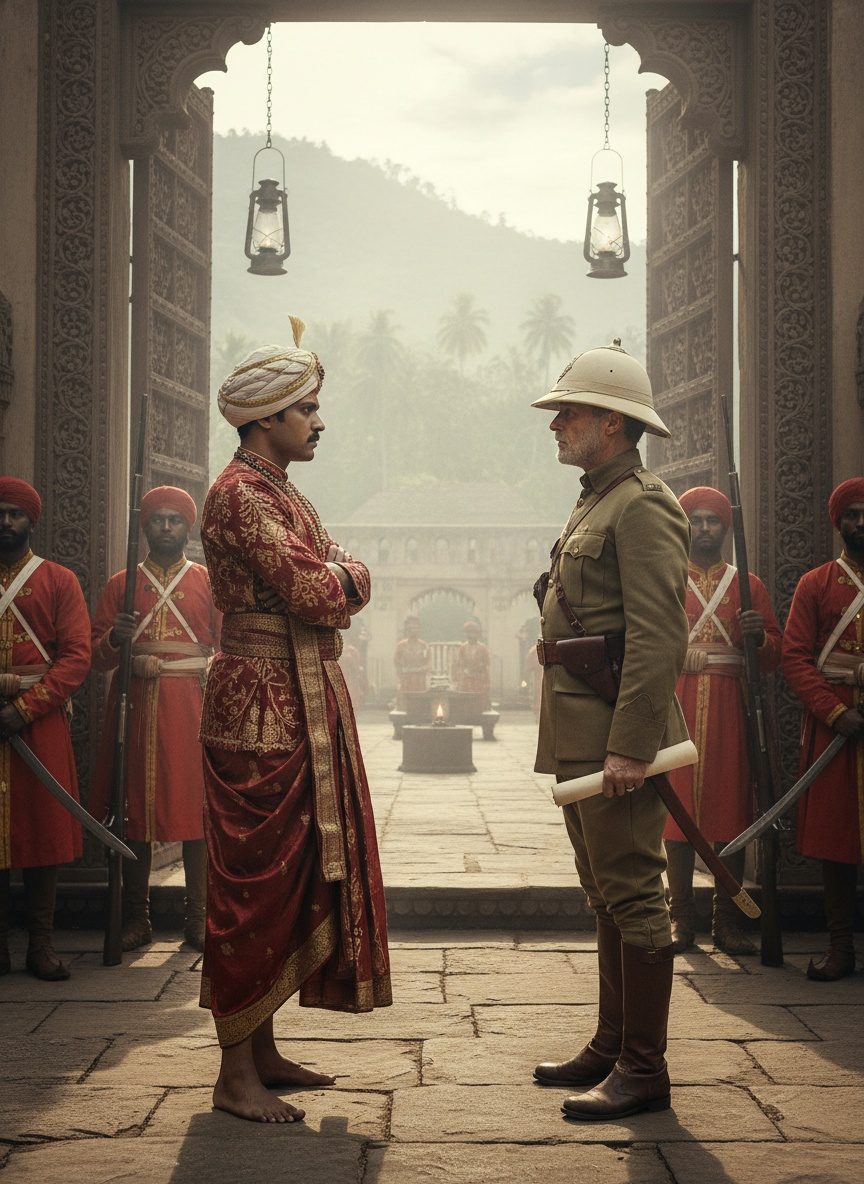
March 1891. The British Resident marched into Manipur's palace. He expected surrender. Tikendrajit Singh stood firm. He refused. The palace gates closed. The Empire had to choose its next move.
Cape Colony, 1828. The Khoikhoi people had no rights. No court would hear them. One Scottish missionary walked into the governor's office with a document that changed everything. He refused to leave until it was signed.
1873. Zanzibar's slave market had run for centuries. Bishop Edward Steere stood before the Sultan's court. He demanded it close. Permanently. The Sultan agreed. Steere built a cathedral on the site where slaves once stood in chains.
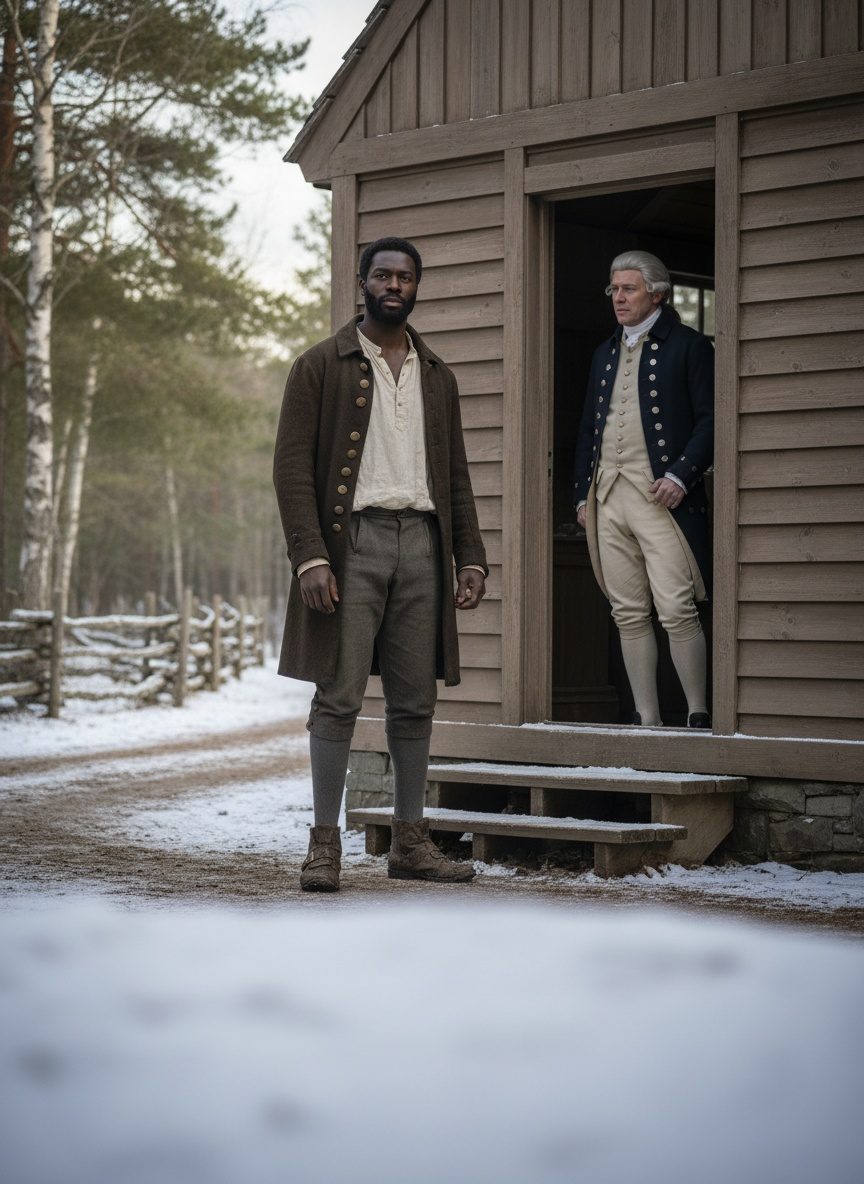
London, 1767. A young enslaved man lay beaten in the street. A clerk named Granville Sharp carried him to hospital. Two years later, his former master came to reclaim him. Sharp stood in the doorway. He refused to move.
1887. A Black scholar stood before London's most powerful men. He carried no weapon. Only a book. He told them Africa had a soul. That its people had a history. That no empire could erase it. They listened.
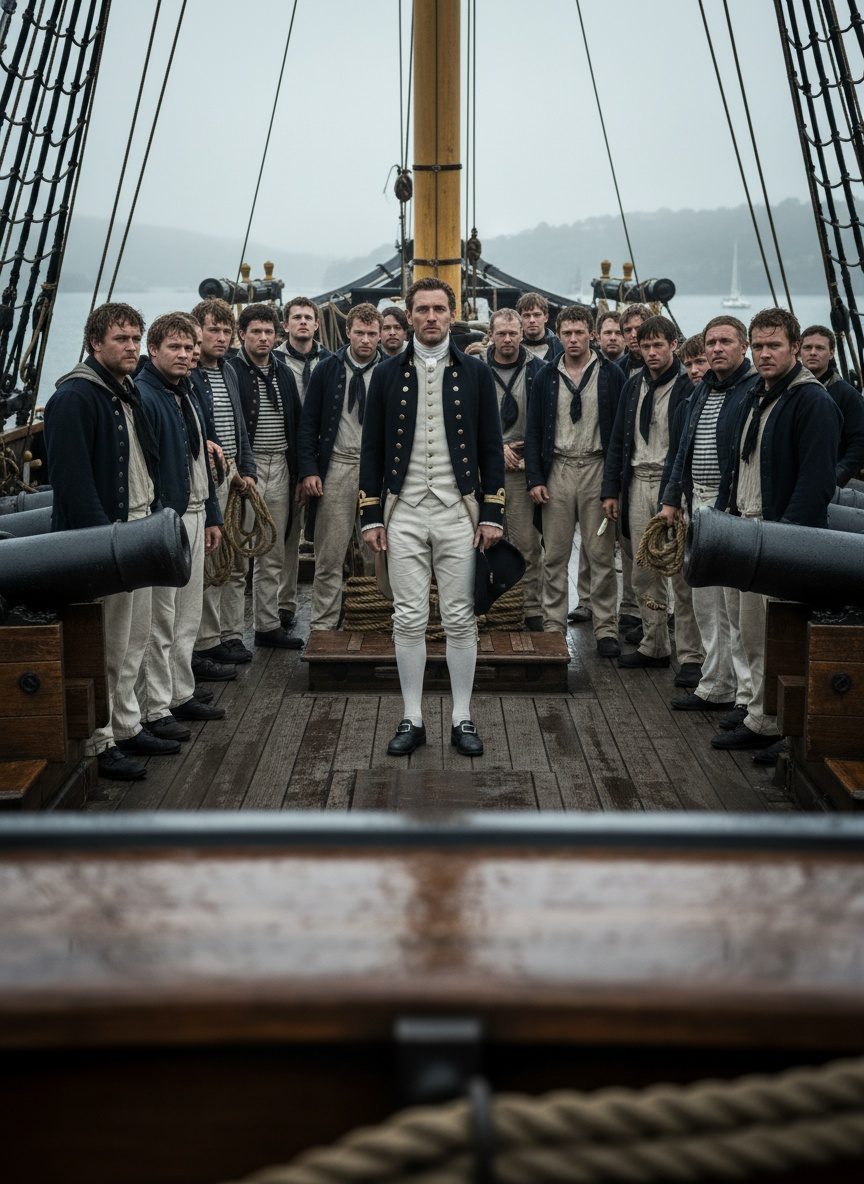
1797. HMS Nymphe lay at anchor off Plymouth. Forty sailors refused to sail. No officers were armed. Captain Edward Pellew walked alone onto the deck. He spoke. They picked up their ropes. The ship sailed.
Hand-picked from Britain Untold's archive. The stories you weren't taught at school. 3-minute read.
No spam. Unsubscribe in one click. We hate spam too. Privacy Policy.