The British Empire — the forgotten chapters · page 11 of 22
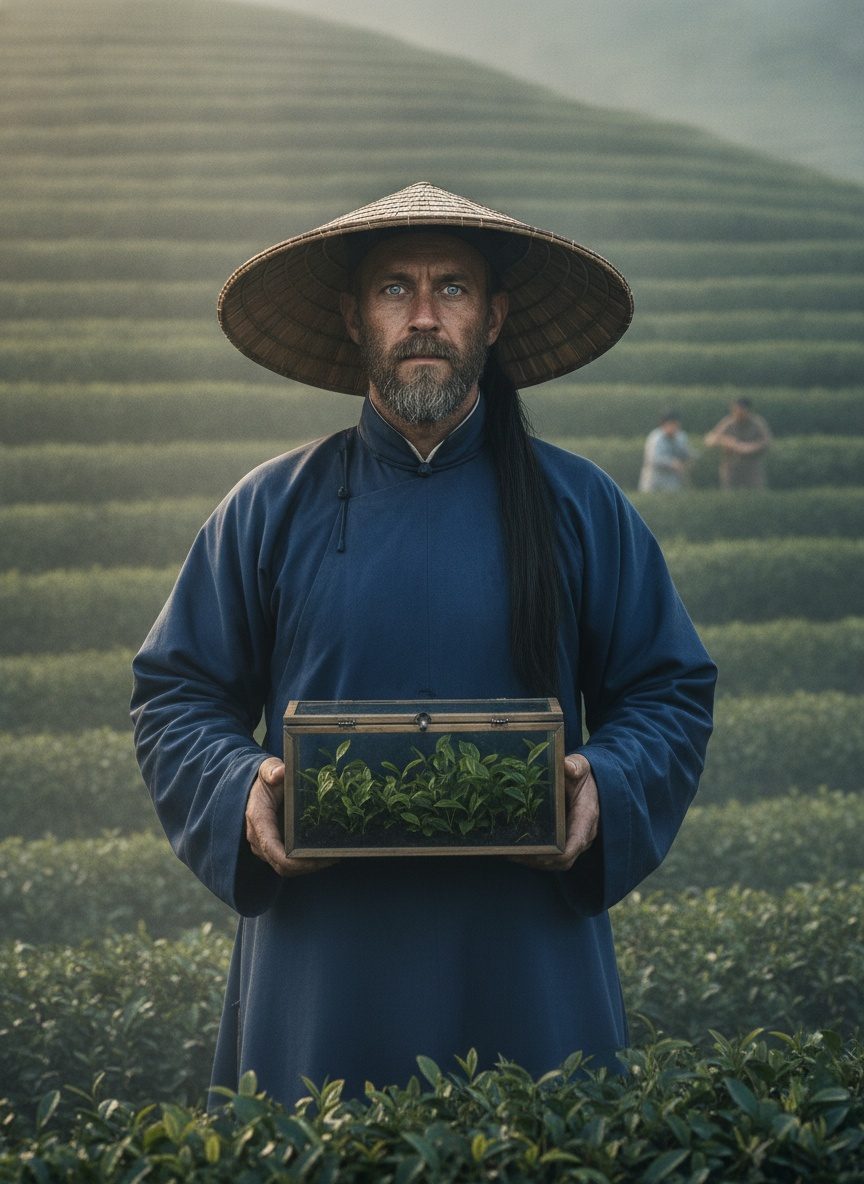
1848. China held the world's tea monopoly. Britain was desperate. One Scottish botanist disguised himself as a Chinese merchant. He walked into forbidden provinces. He carried the secrets out alive.
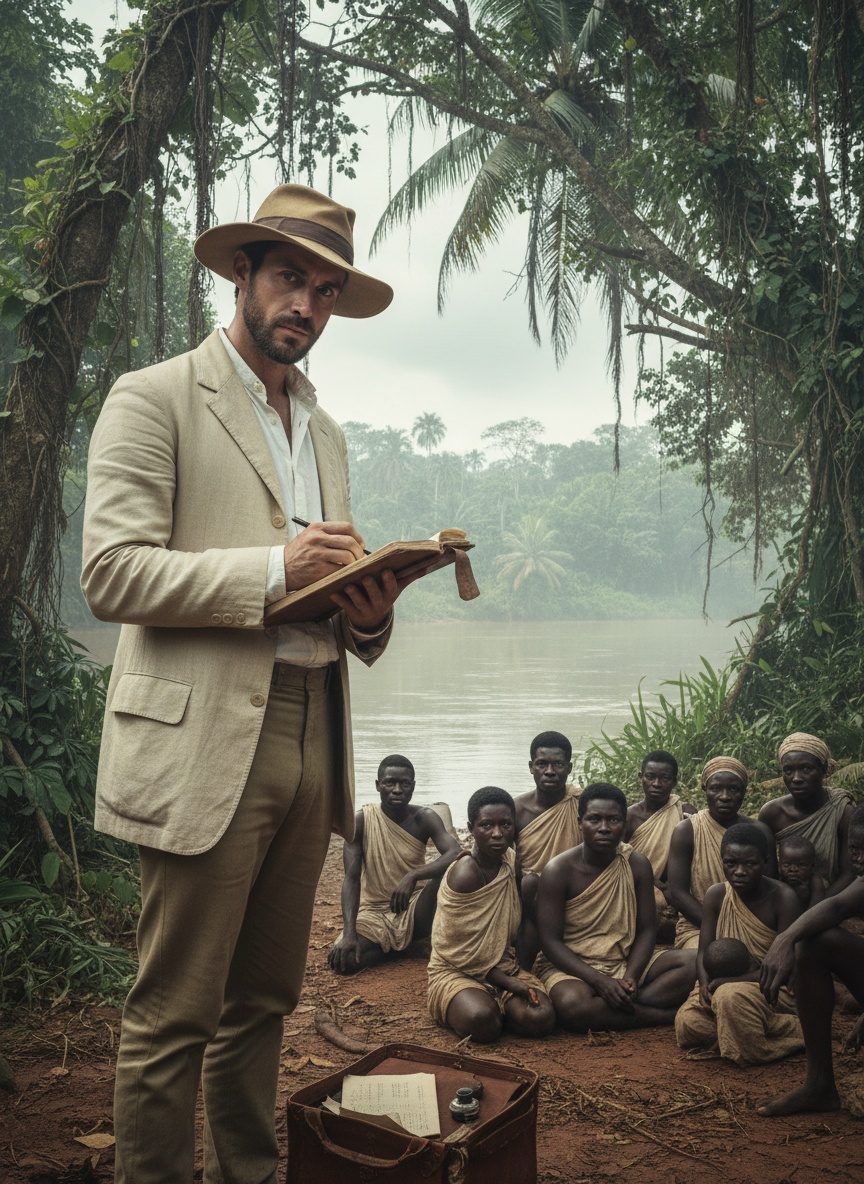
Congo Free State. 1903. One British consul walked into the jungle alone. He found children with severed hands. He wrote it all down. His report shook the world. One man's pen freed millions.
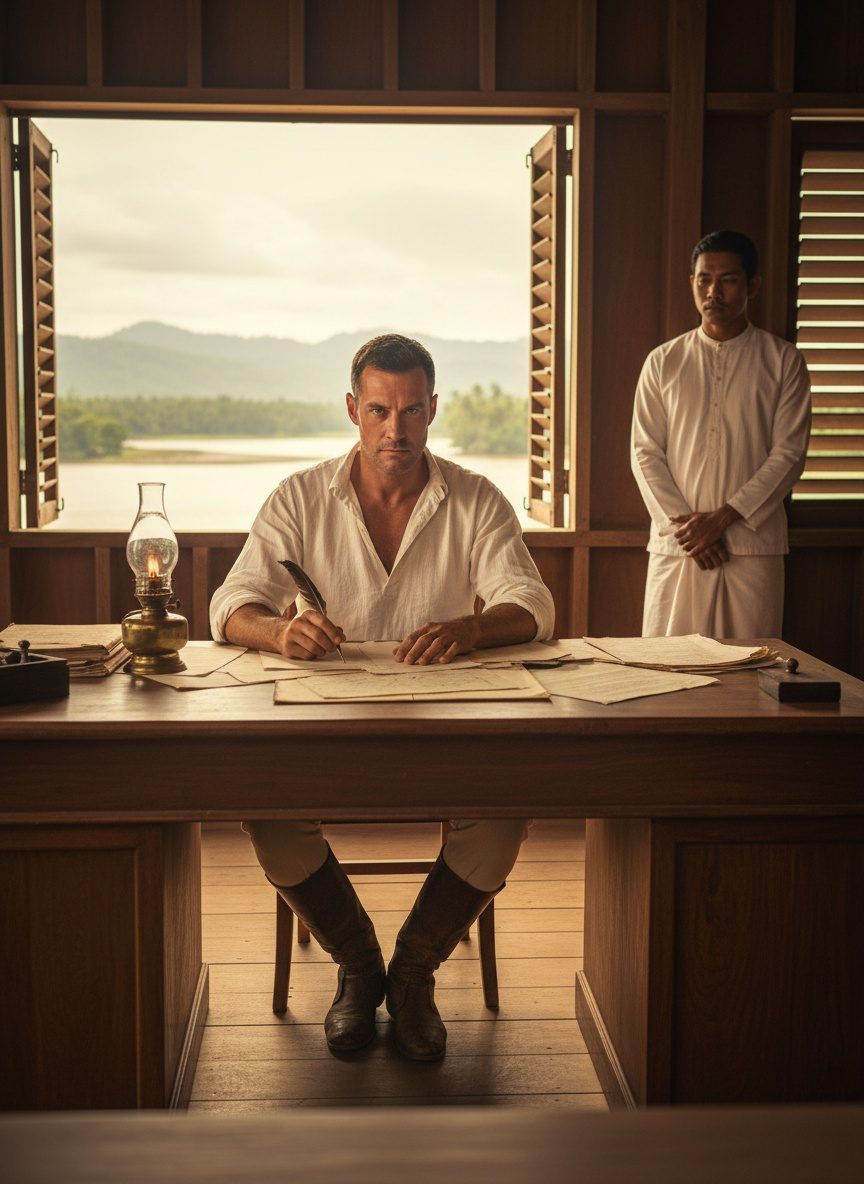
1846. James Brooke was the White Rajah of Sarawak. Slavery had existed there for centuries. He wrote one order. Enforced it alone. Thousands walked free.
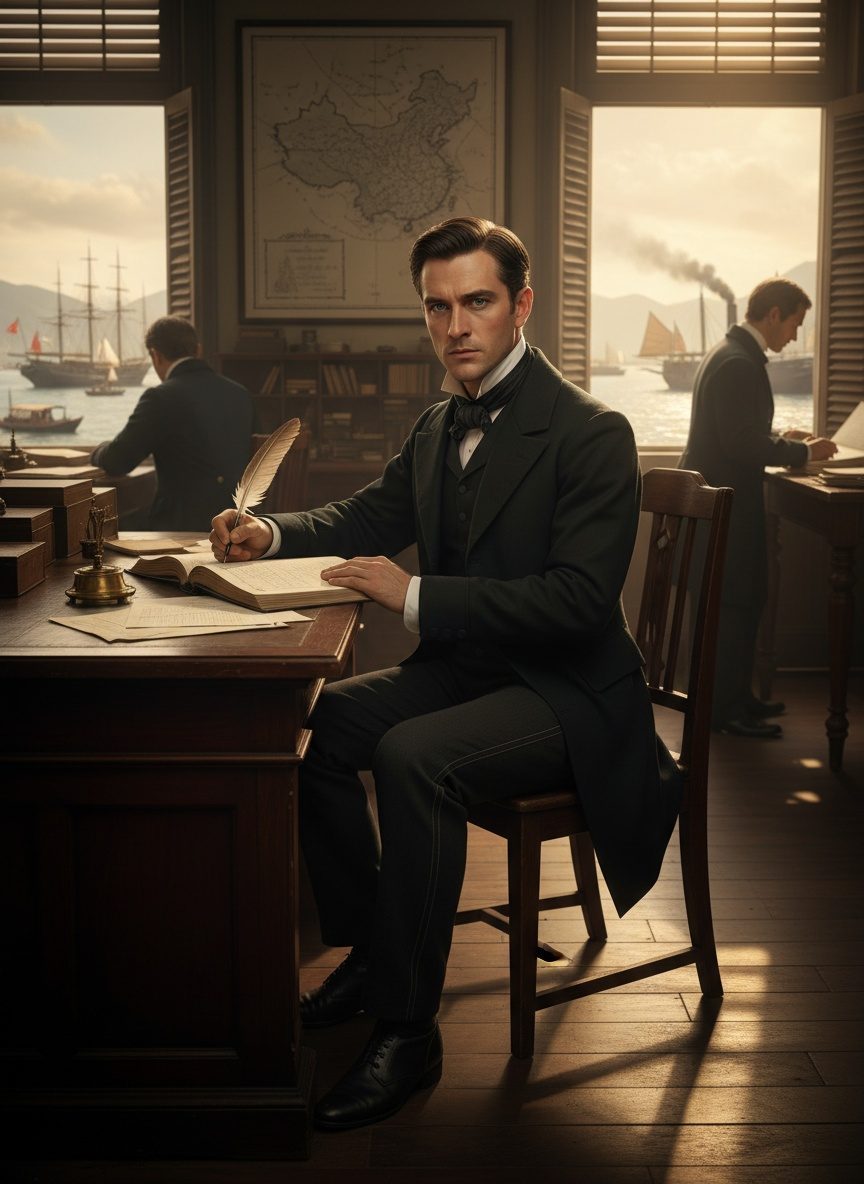
Hong Kong. 1865. A Scottish shipping clerk had an idea. No bank existed to finance Asia's booming trade. He wrote a proposal on a single sheet of paper. The Hongkong and Shanghai Banking Corporation opened its doors. It changed the world.
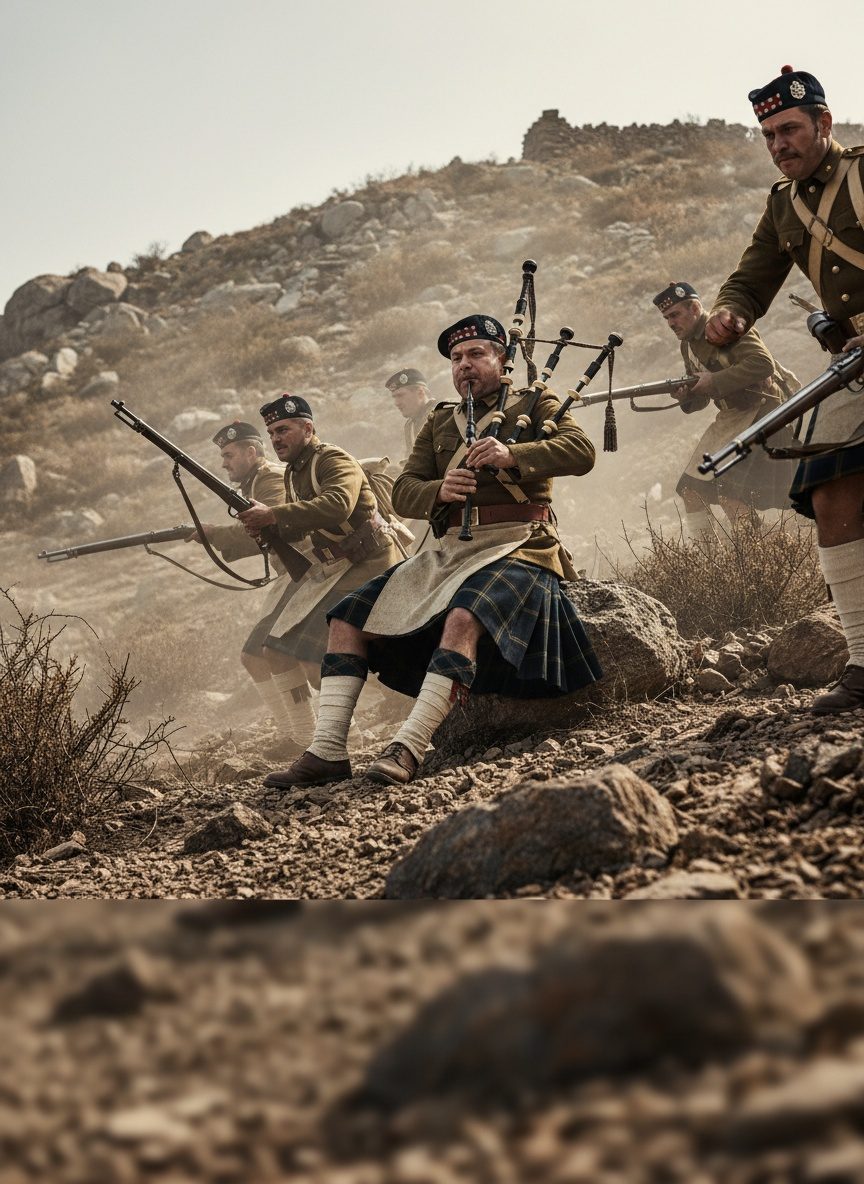
The ridge had already beaten two regiments. The Black Watch were told it had to fall. Piper Findlater played on — shot through both ankles, propped against a rock, pipes screaming above the guns.
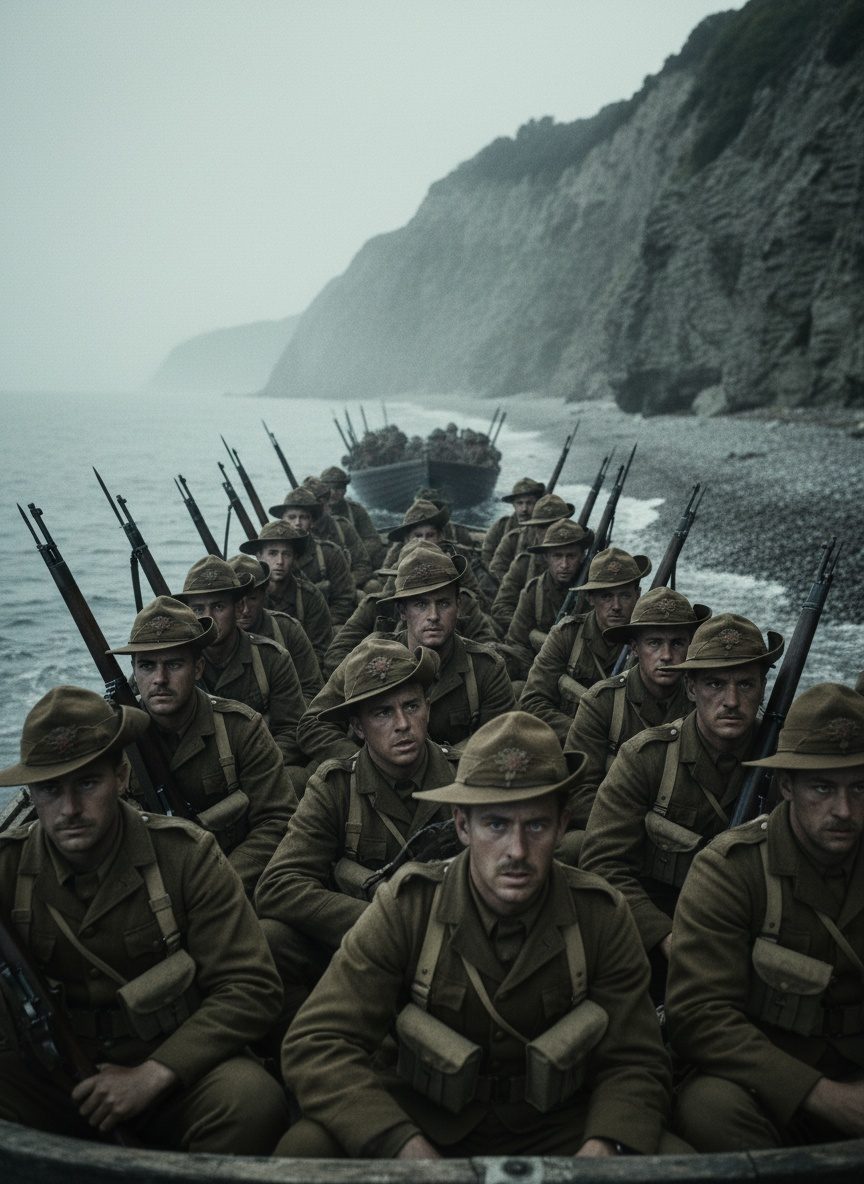
Before sunrise on 25 April 1915, thousands of young Australians and New Zealanders hit an unfamiliar shore under fire. They had landed in the wrong place. They fought anyway. 5,000 fell that day alone.
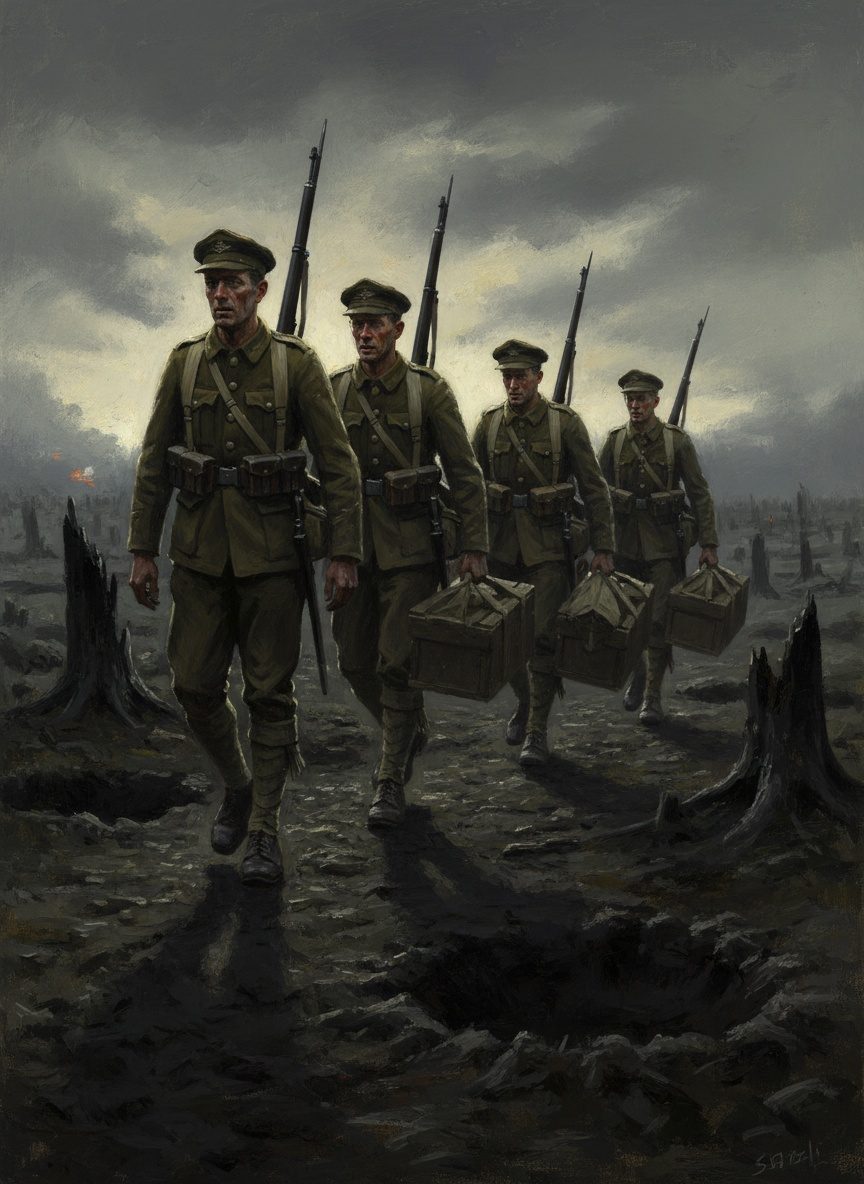
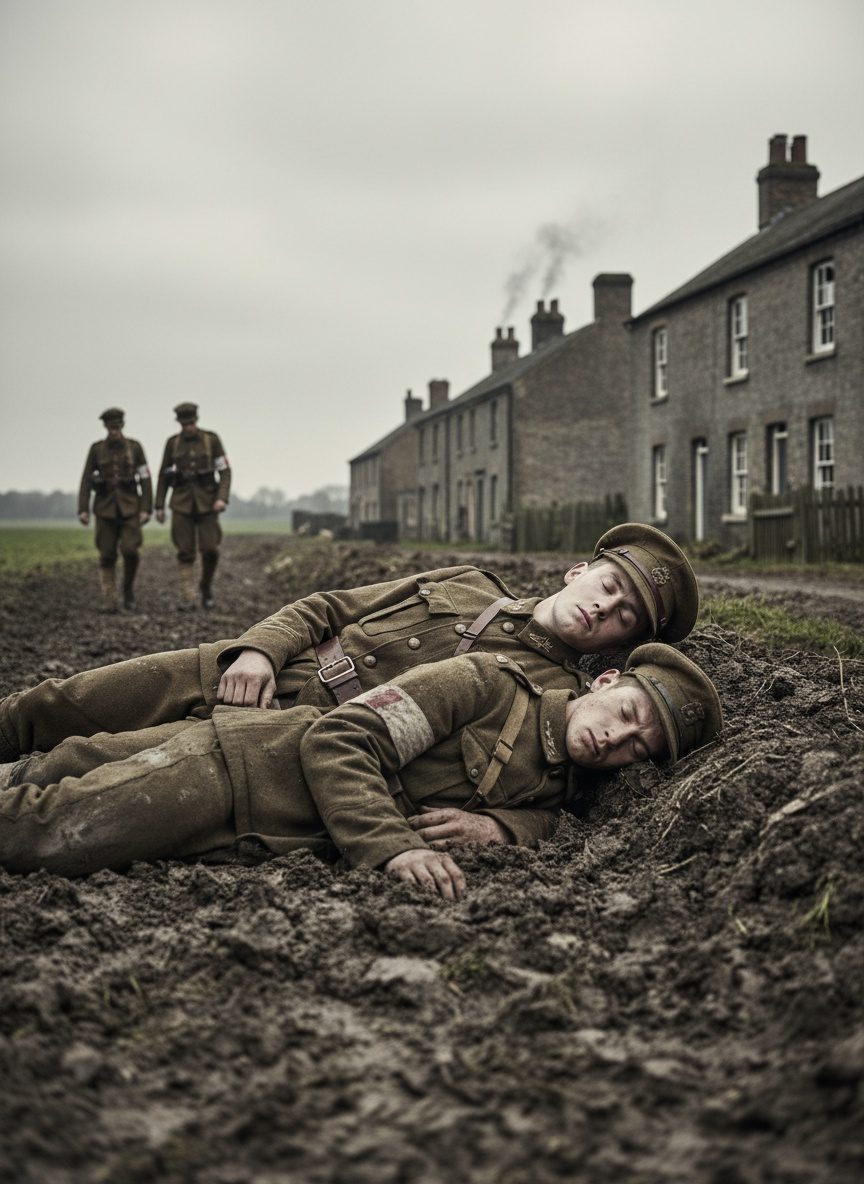
March 1915. The Battle of Neuve Chapelle. Men of the 4th Black Watch move through the dark, carrying rations to men who may already be dead. One of them will later paint exactly this.
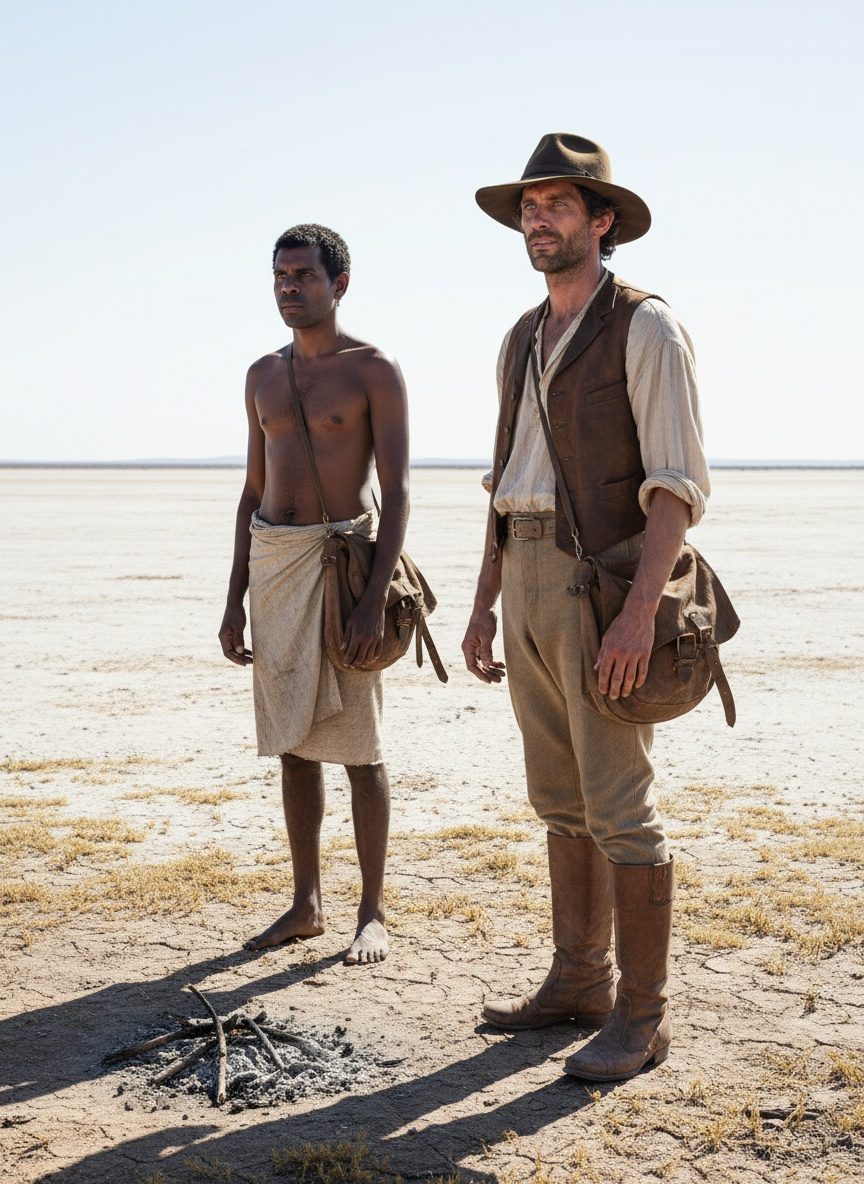
1841. Edward Eyre set out to cross Australia's southern edge. His men died. His water ran out. One loyal Noongar man named Wylie stayed. Together they walked 1,000 miles. They reached Albany alive.
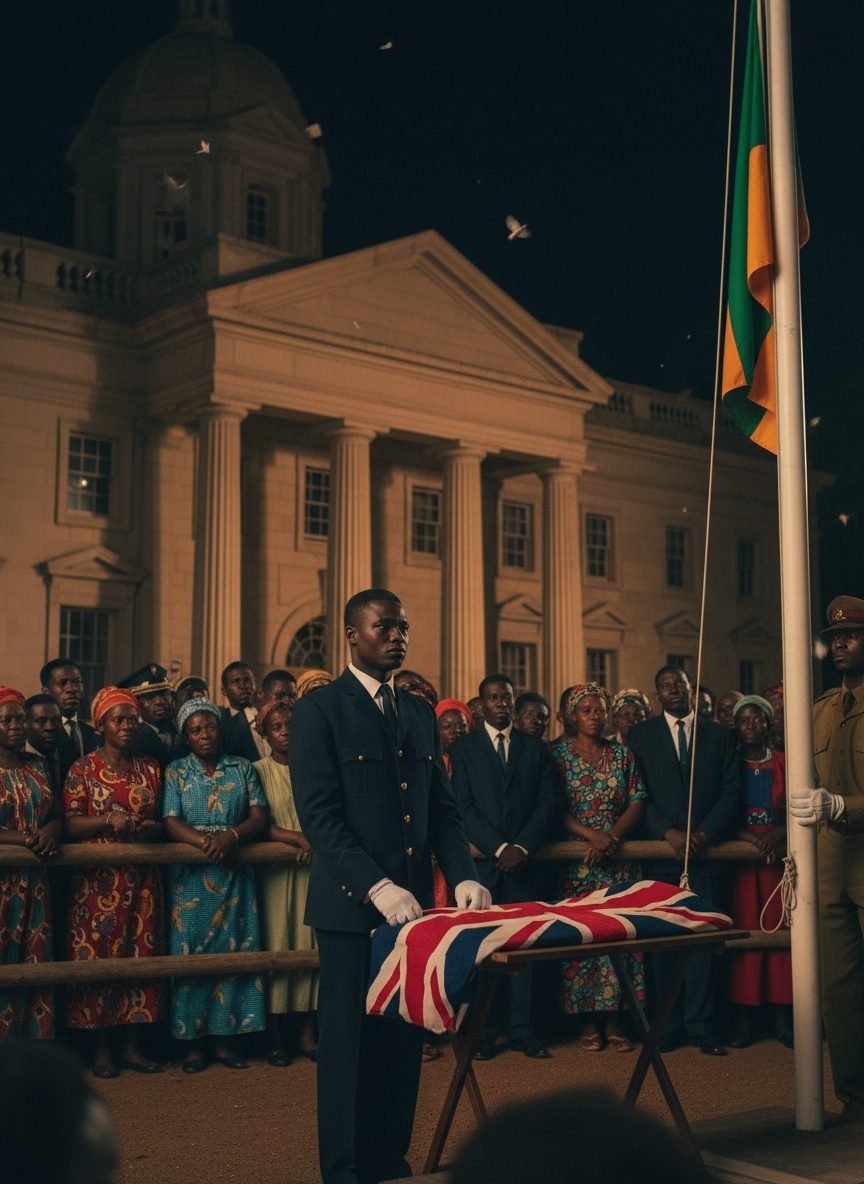
October 1964. Northern Rhodesia was becoming Zambia. A British officer stood in the dark. The Union Jack came down. Kenneth Kaunda wept openly. A new nation breathed its first air.
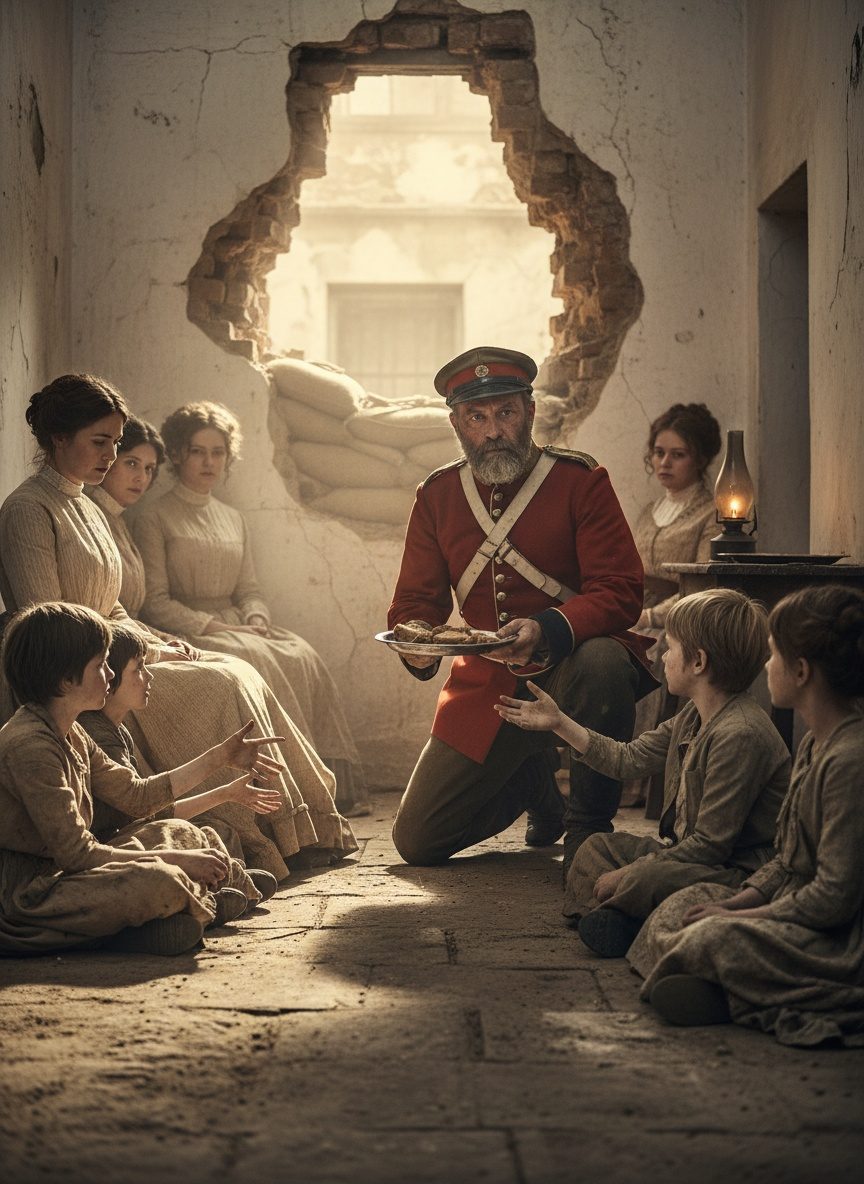
June 1857. The Residency was surrounded. Two thousand civilians were starving. Sir Henry Lawrence ordered his own rations distributed to the sick children first. He had almost nothing left himself. He never complained. He died at his post nine days later.
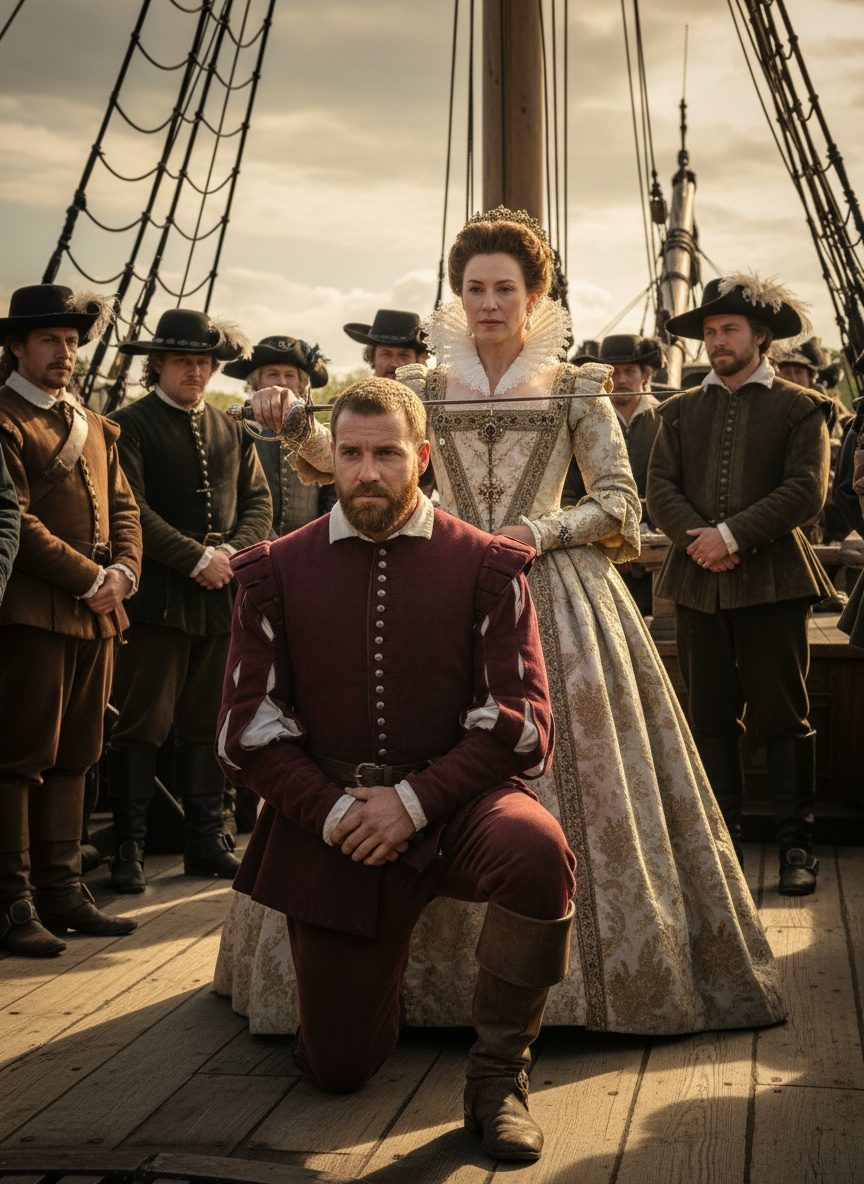
April 1581. Drake had just sailed around the world. Spain demanded his head. Elizabeth boarded his ship at Deptford. She knighted him on the deck. One gesture. One defiance. The empire began.
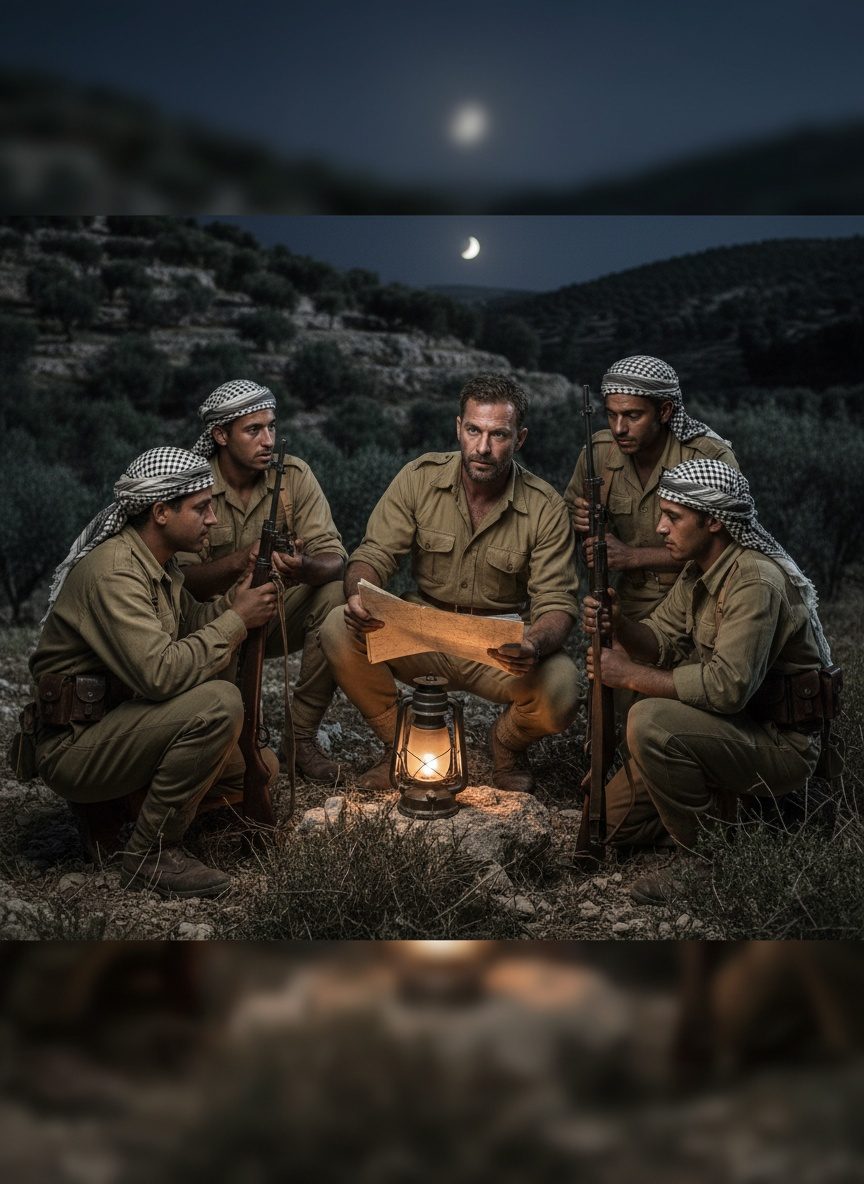
He dressed his men like rebels. Armed them with captured weapons. Sent them out at night to hunt by instinct. Orde Wingate broke every rule in the British Army manual — and invented modern counter-insurgency.
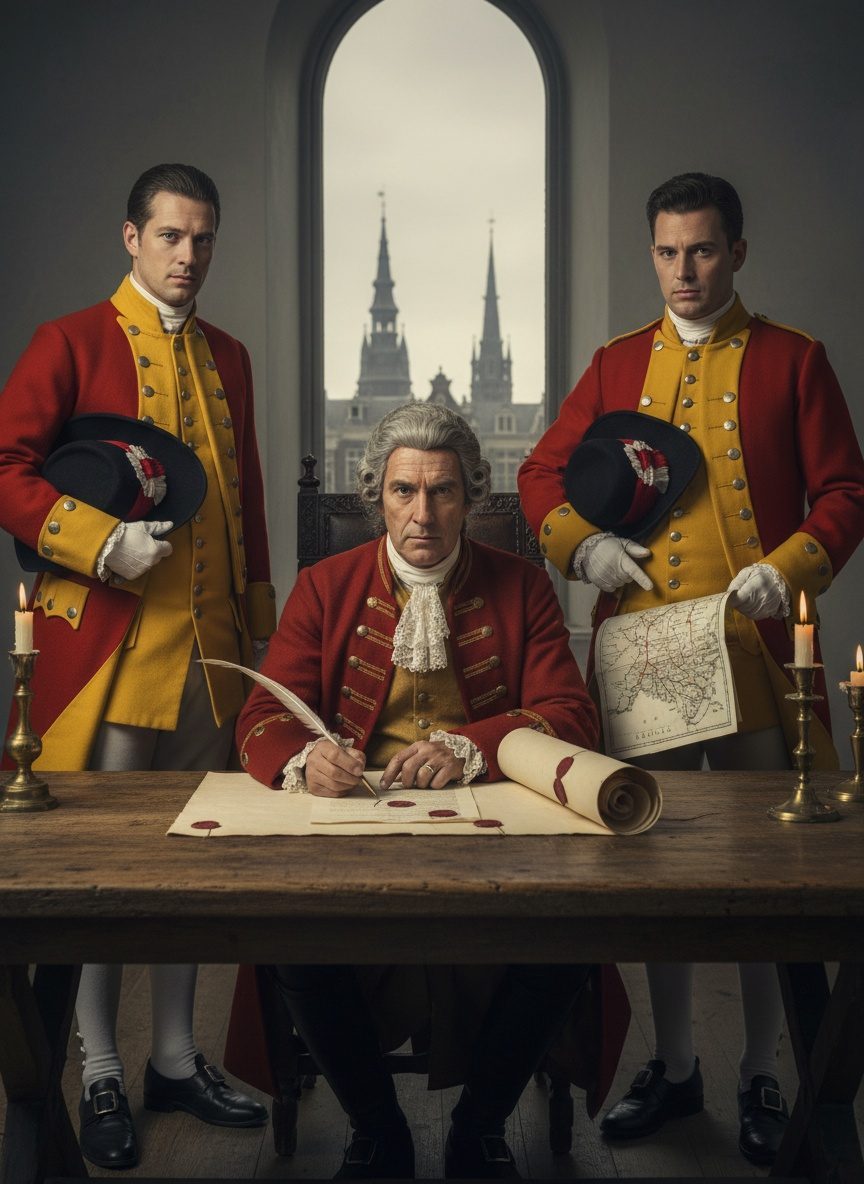
Britain had never fought a war like this. Eight nations. One shared enemy. And a web of secret treaties that would reshape Europe forever. The Grand Alliance of 1701 was the world's first modern coalition war.
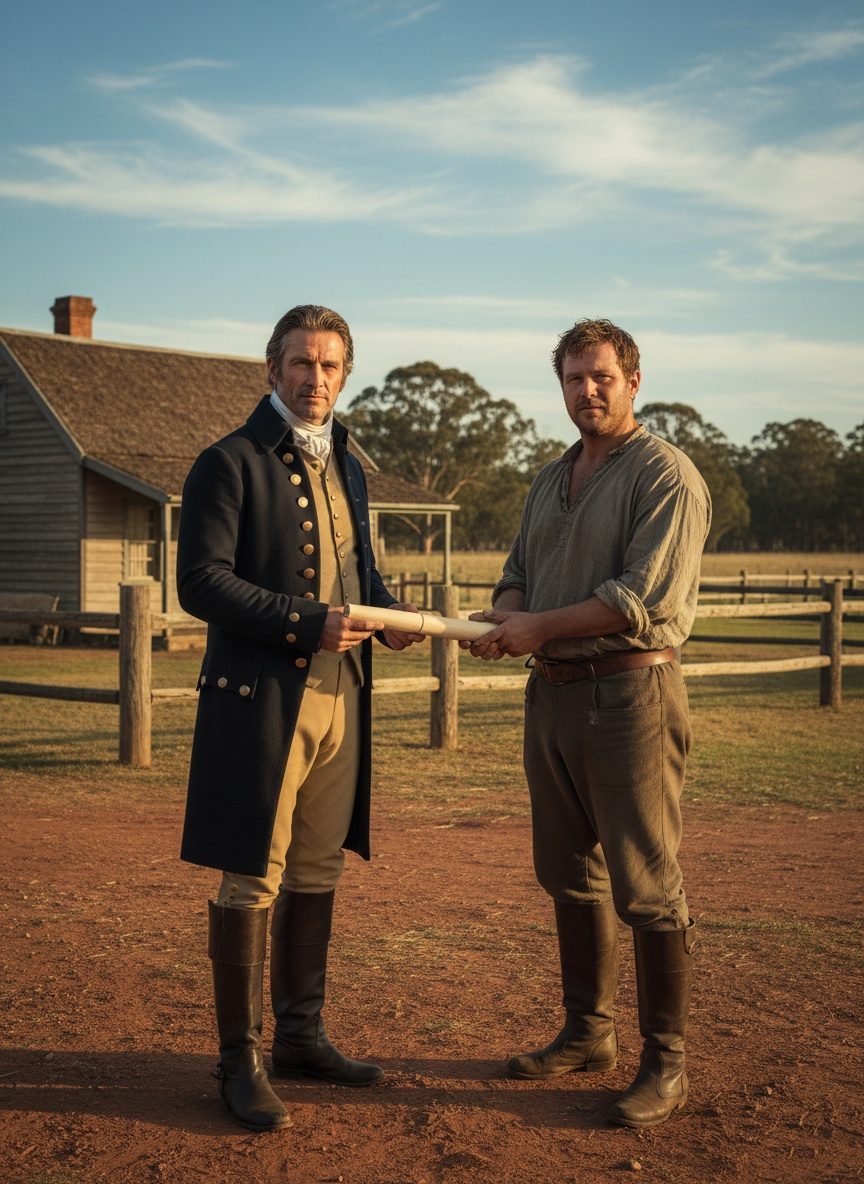
New South Wales, 1804. Convicts were property. Governor Philip Gidley King believed otherwise. He granted land to freed convicts. Handed them tools. Told them to build a life. They did.
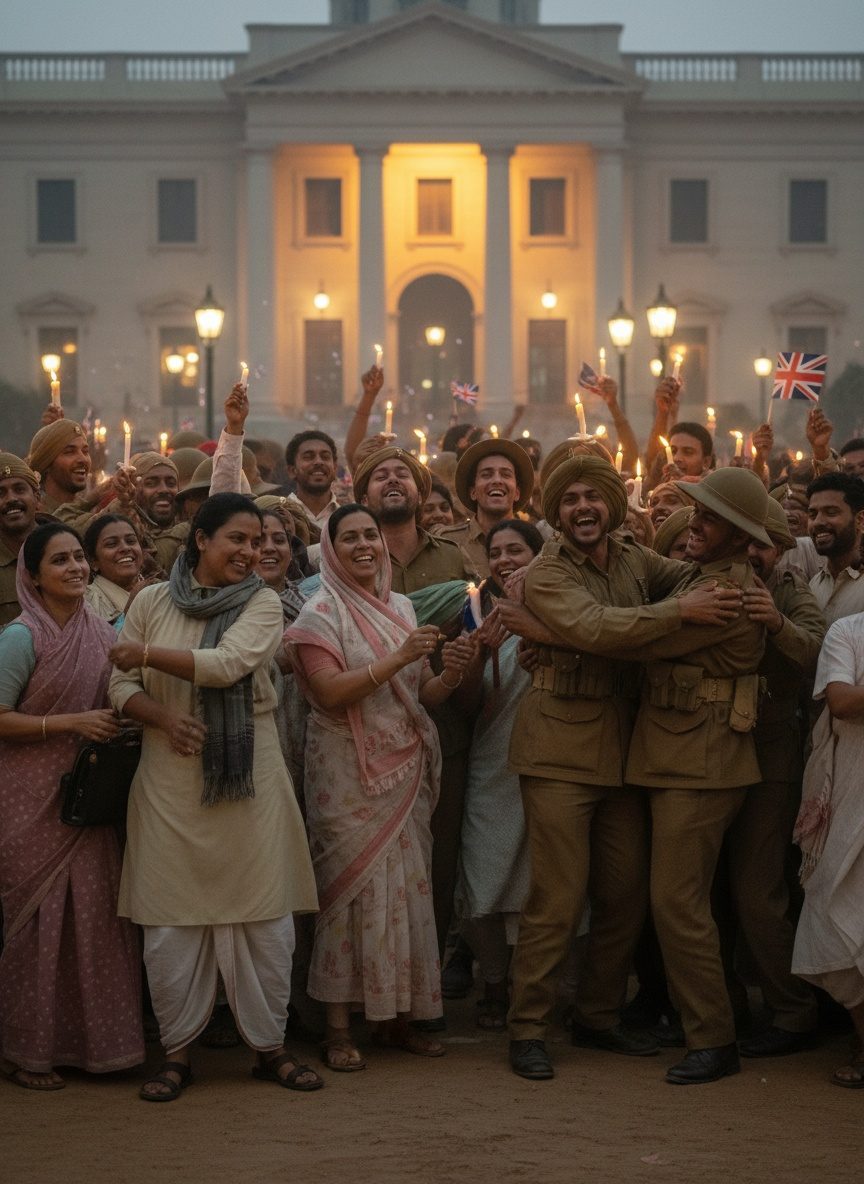
The war in Europe was over. In Delhi, Lahore and Calcutta, Indian soldiers and British civilians poured into the streets. But for the Indian Army, the real war was still raging — 1,000 miles east in Burma.
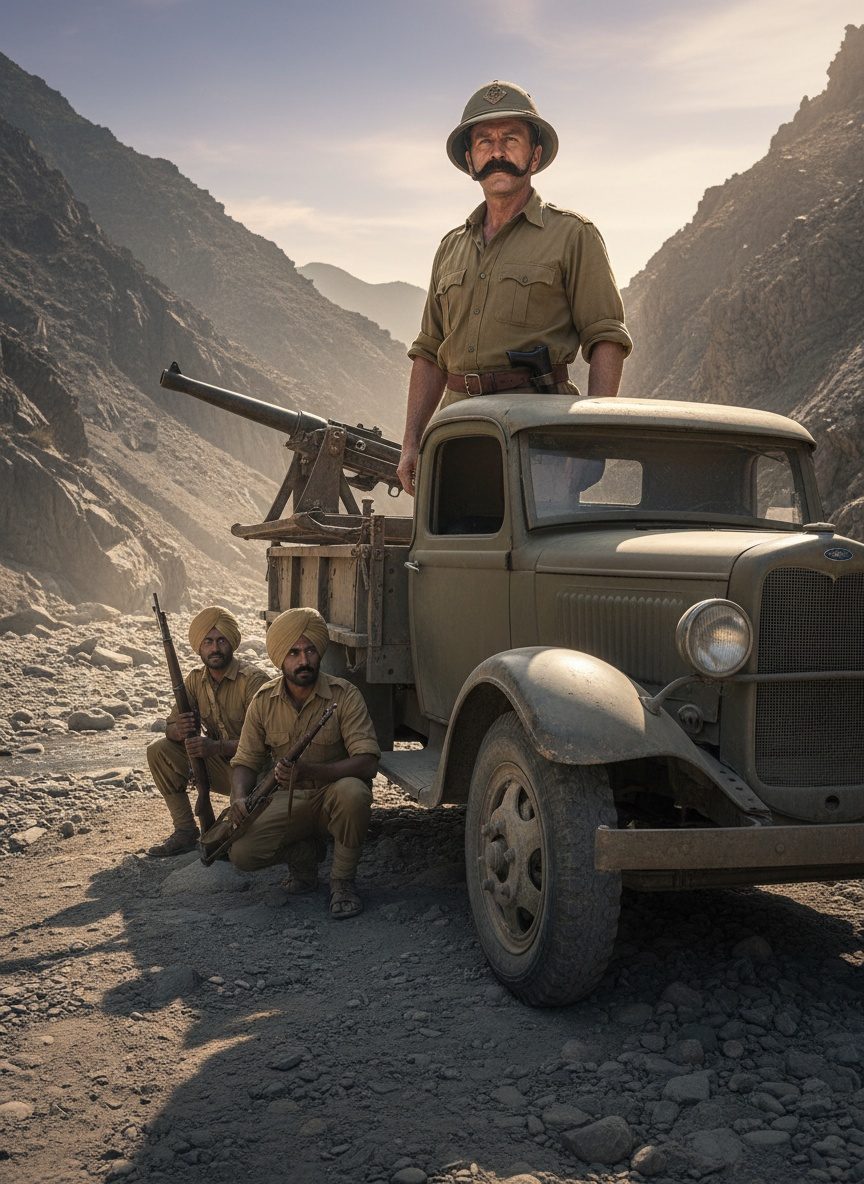
North-West Frontier, 1937. The British Army had artillery. The Scouts had something better — a 3-pounder bolted to a Ford truck. Fast, brutal, improvised. It worked.
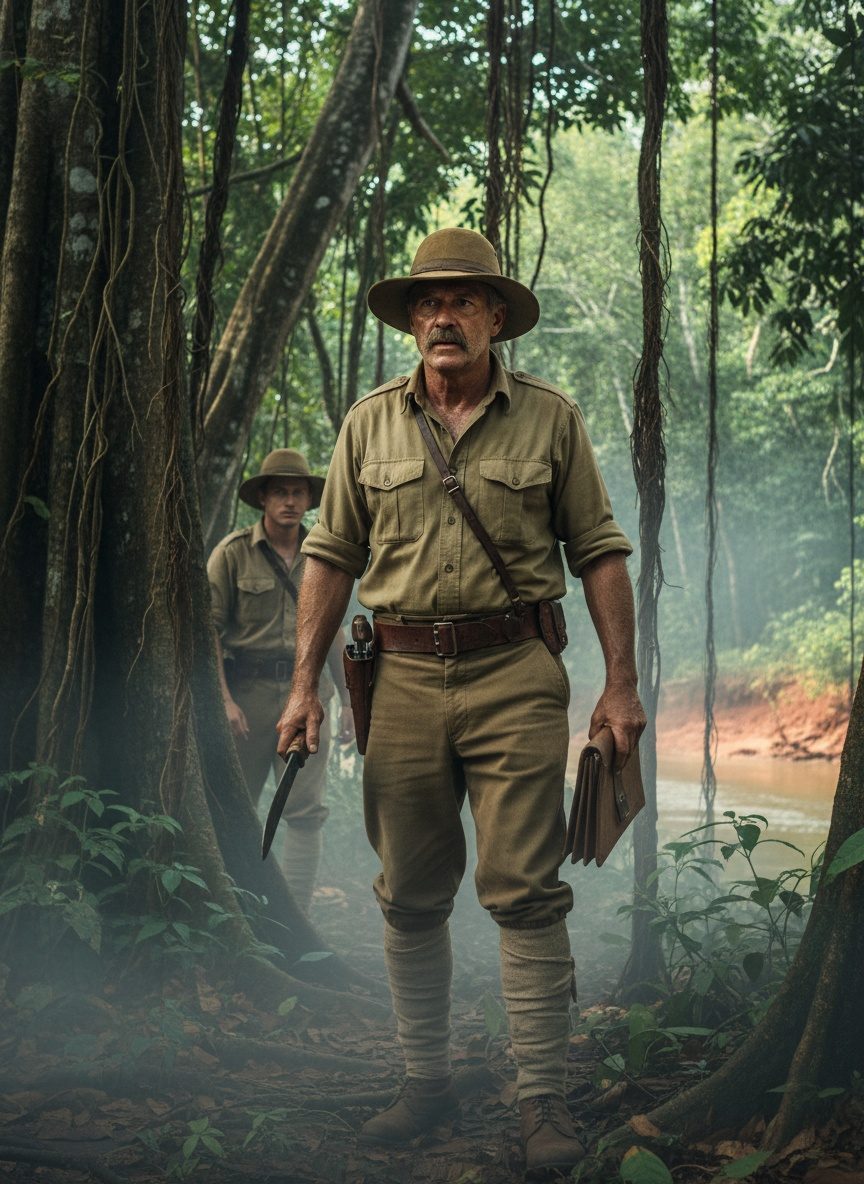
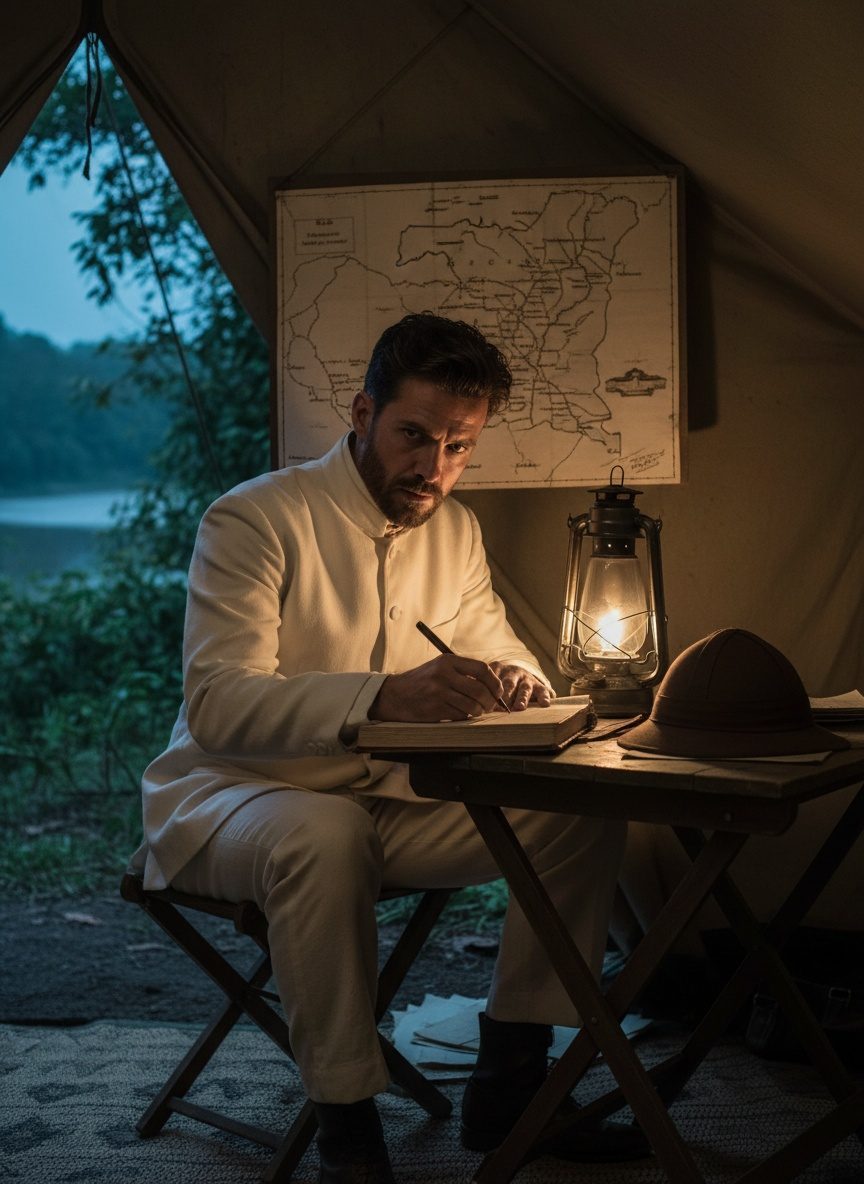
He mapped unmapped jungle for Britain. Then he walked in and never came out. No body. No radio signal. No final dispatch. Just silence — and a theory that shook the Royal Geographical Society.
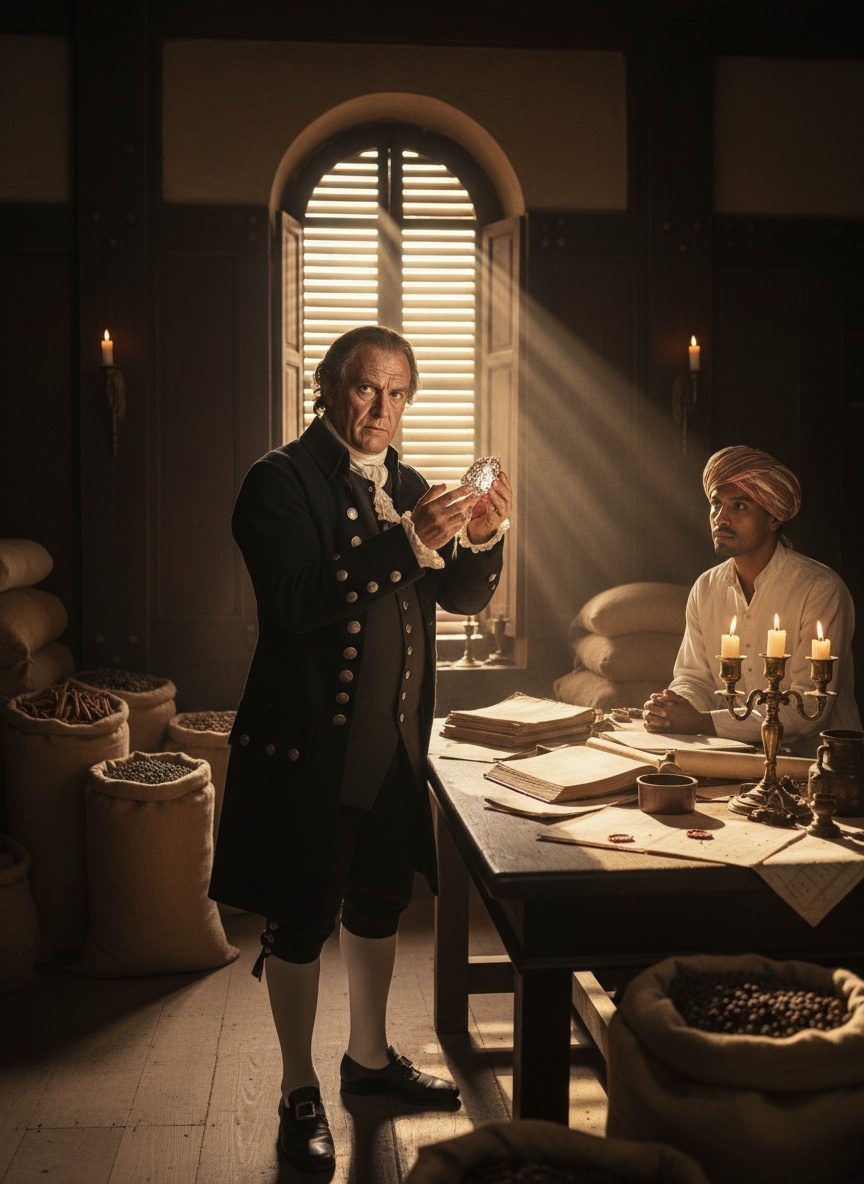
1702. Thomas Pitt was Governor of Madras. A merchant offered him a rough diamond the size of a hen's egg. Pitt bought it in secret. Cut it. It became the most famous gem in Europe. Napoleon later wore it on his sword.
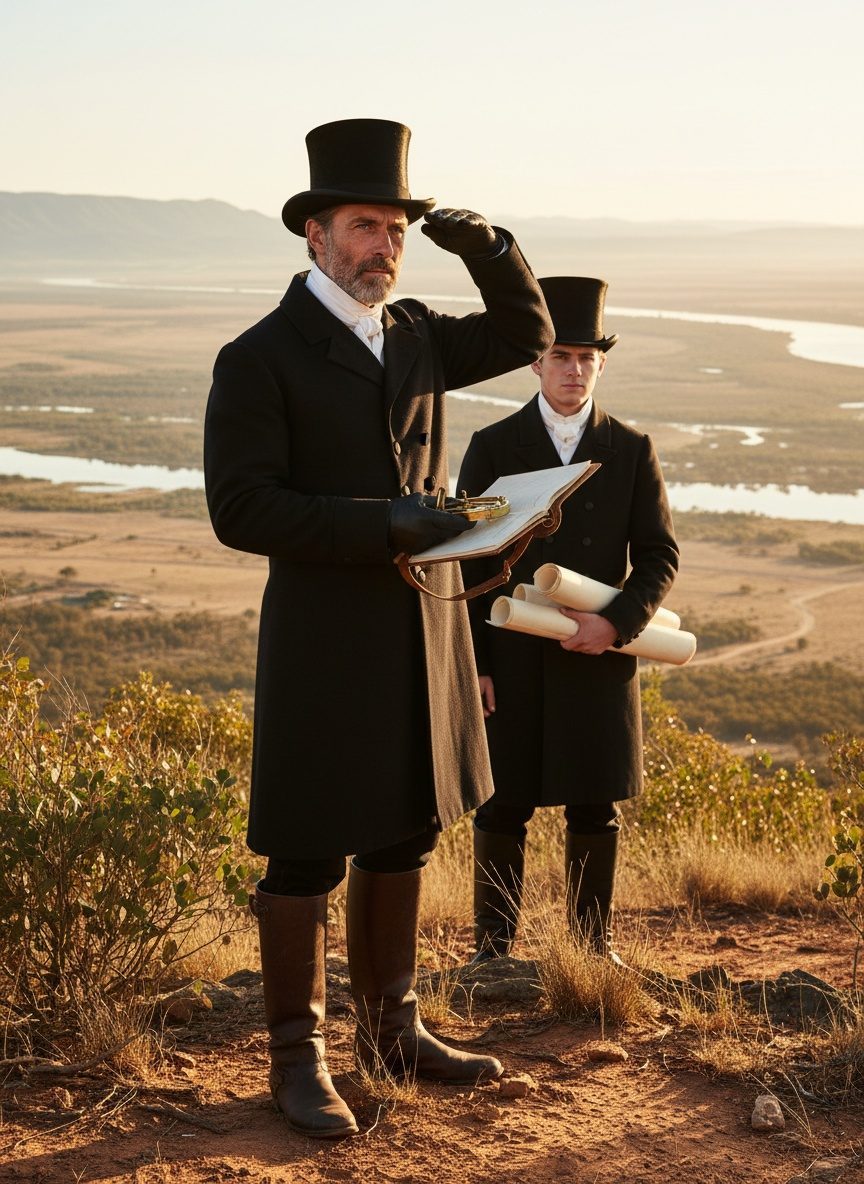
1836. Colonel William Light stepped ashore in South Australia. He had weeks to choose a site for a new city. Everyone disagreed. He chose alone. Adelaide rose exactly where he said it would.
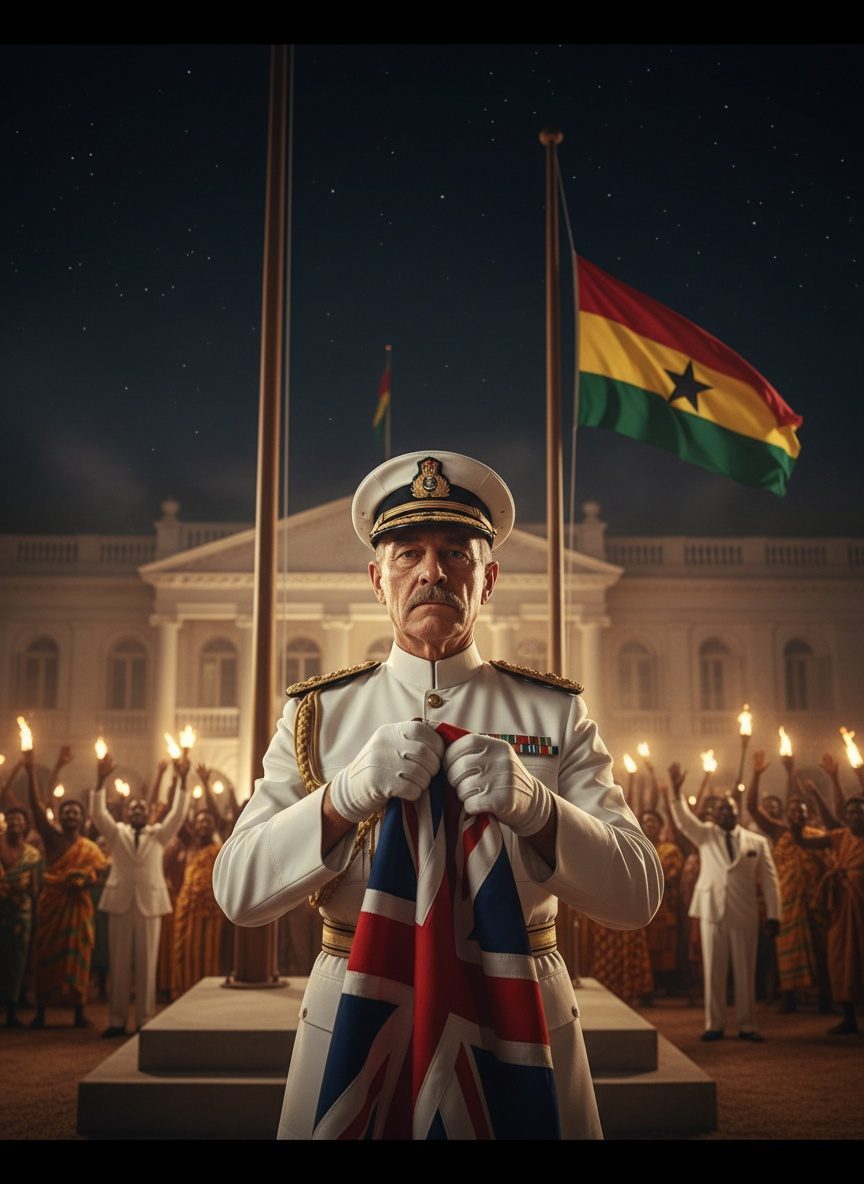
March 1957. The Union Jack came down over Accra. A single British officer folded it quietly. Below him, a crowd of thousands roared. Ghana was born. The Empire had kept its word.
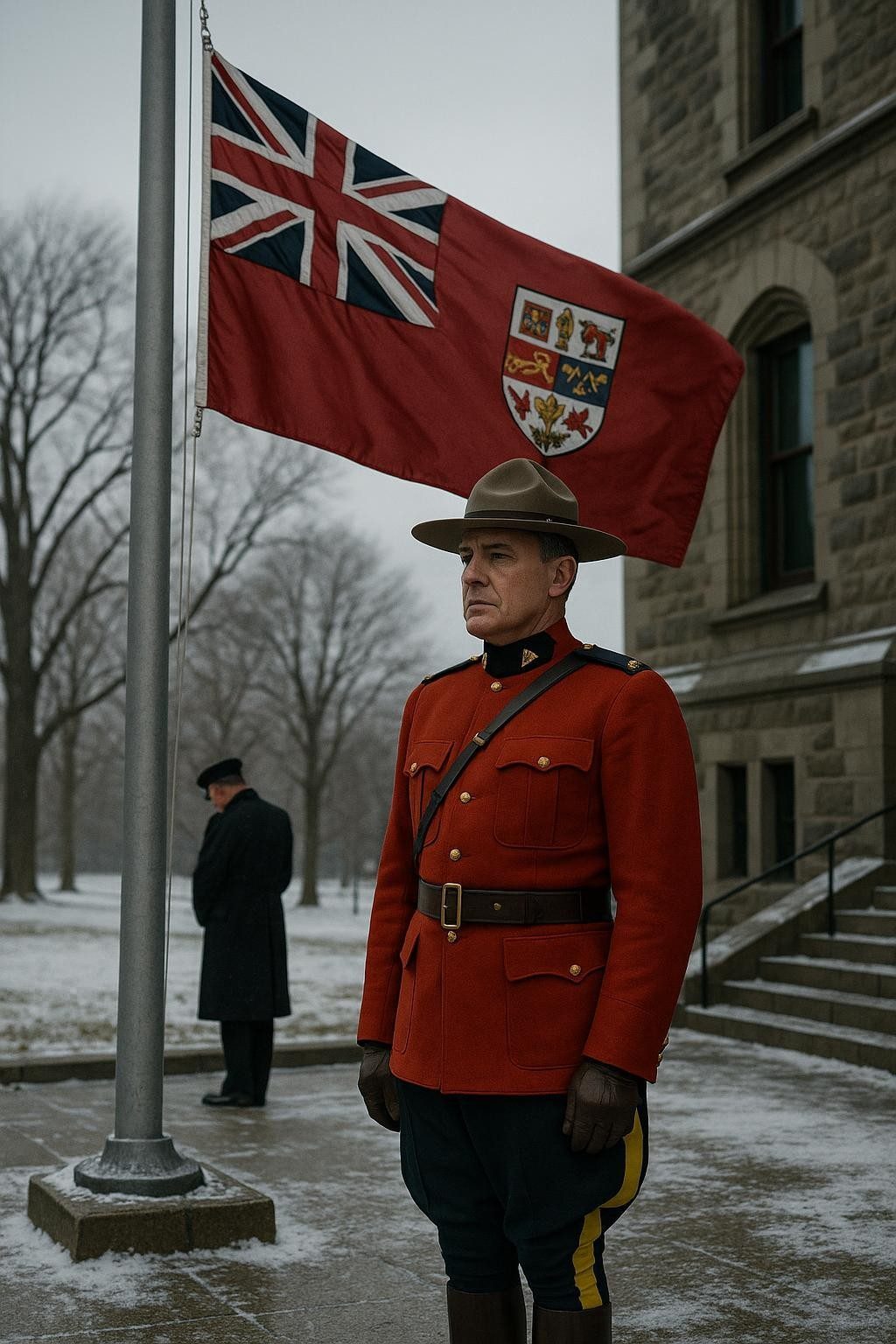
February 15, 1965. Ottawa. The Red Ensign — flown by Canada since Confederation — came down for the last time. A single ceremony. A flag that had flown at Vimy, Dieppe, and Normandy. Gone.
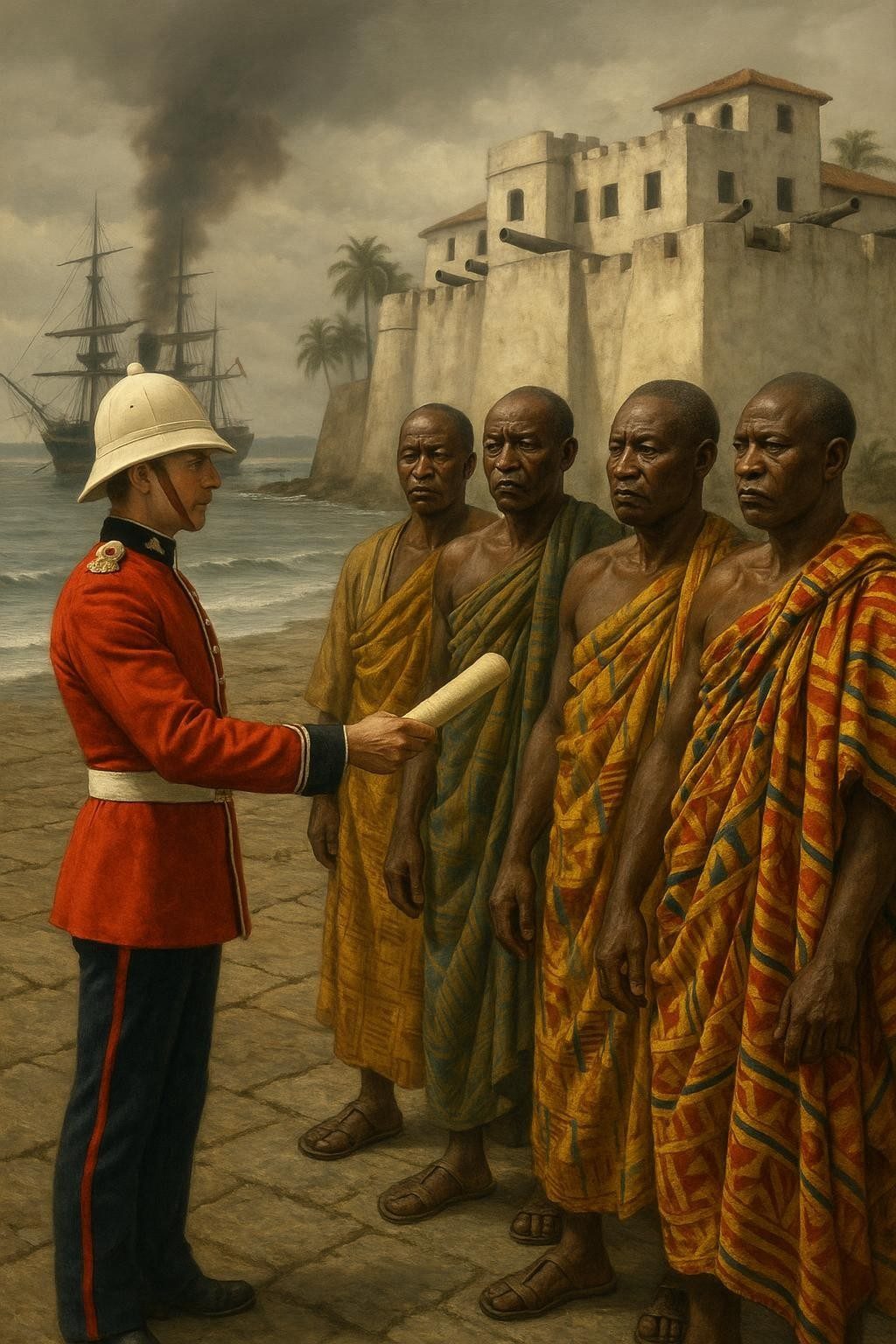
Britain demanded Elmina's fortress. The people refused. Within weeks, Royal Marines stormed the castle that had stood for four centuries. One community's defiance ended in flames.
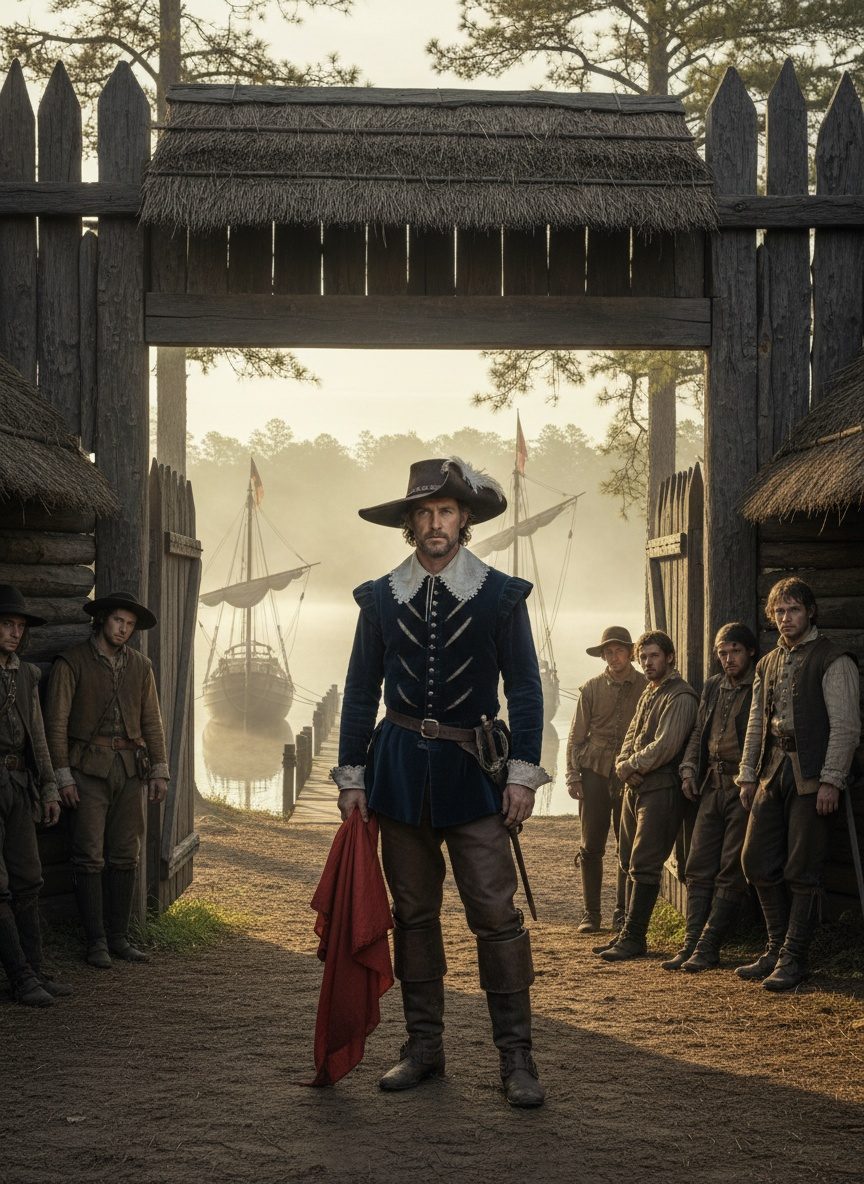
May 1610. Jamestown was dying. Starving settlers begged to abandon the colony. Governor Thomas Gates ordered the flag raised one last time. Then the supply ships arrived. Virginia survived.
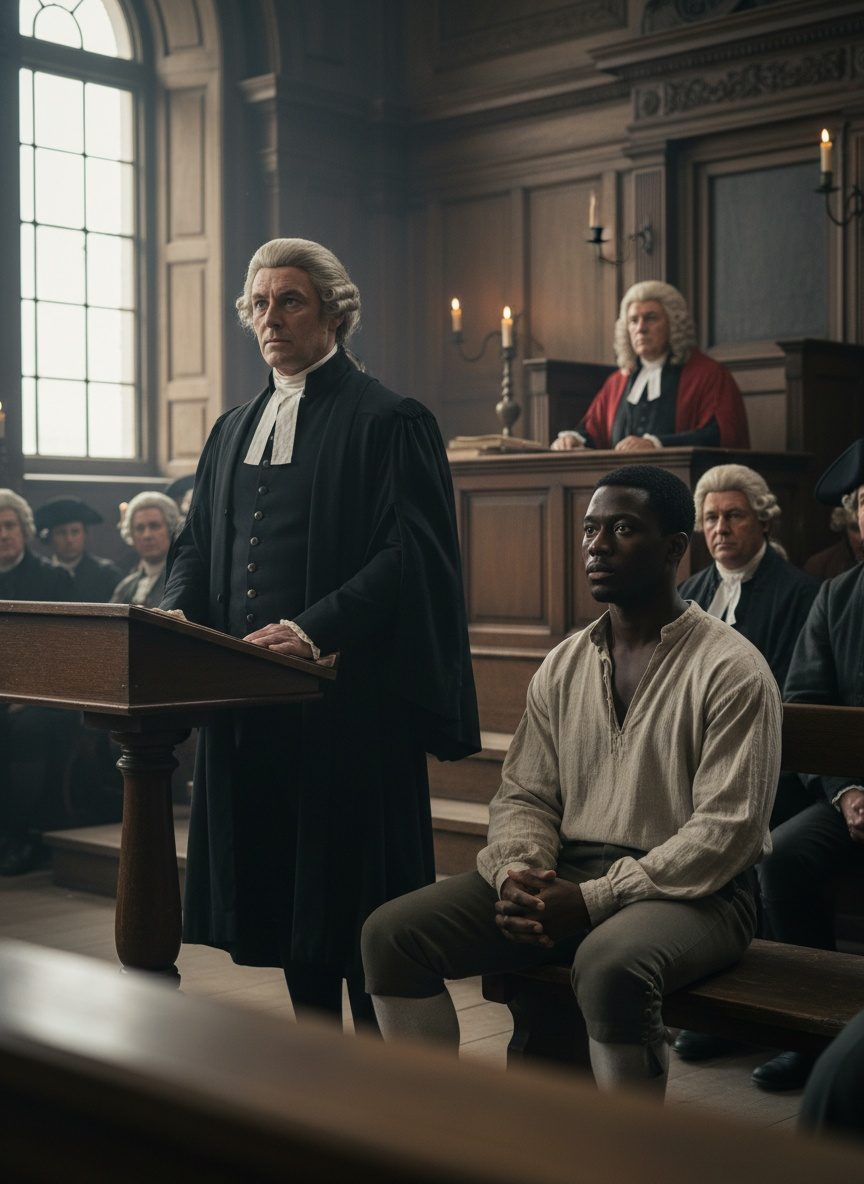
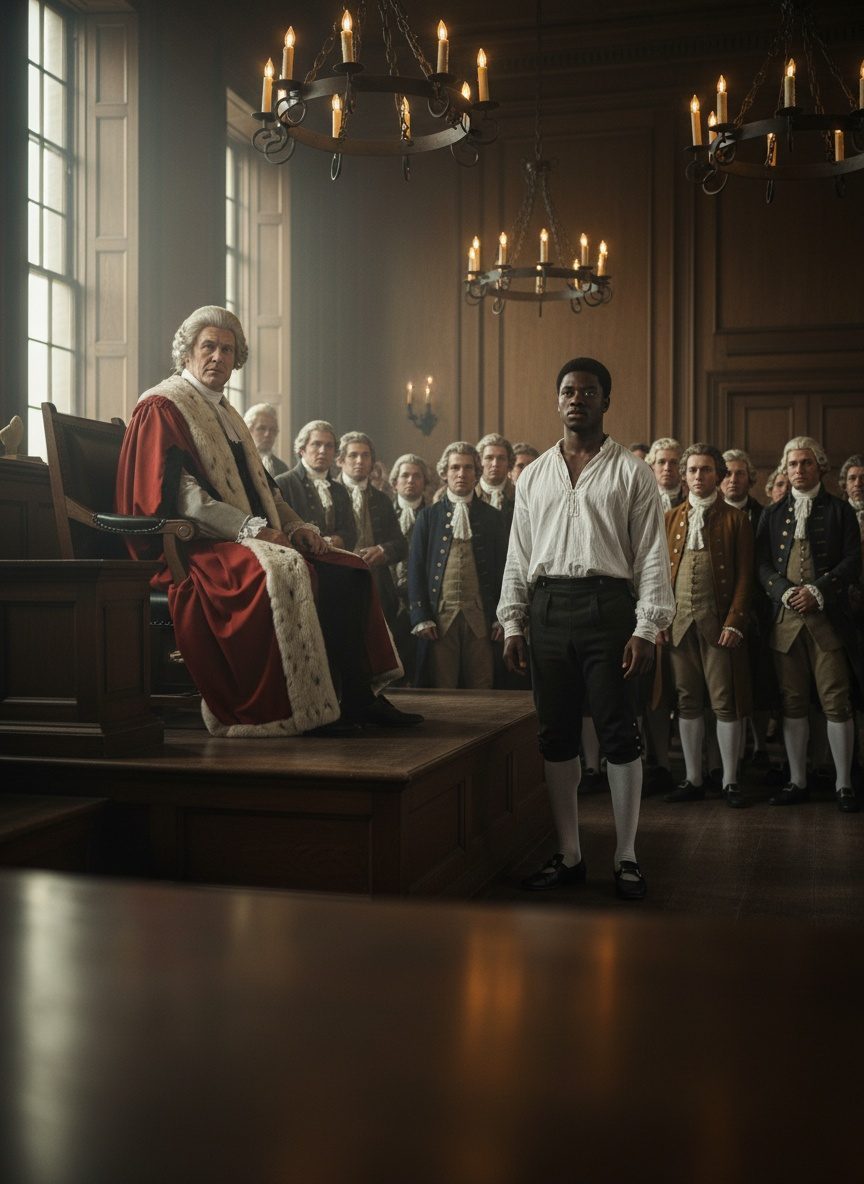
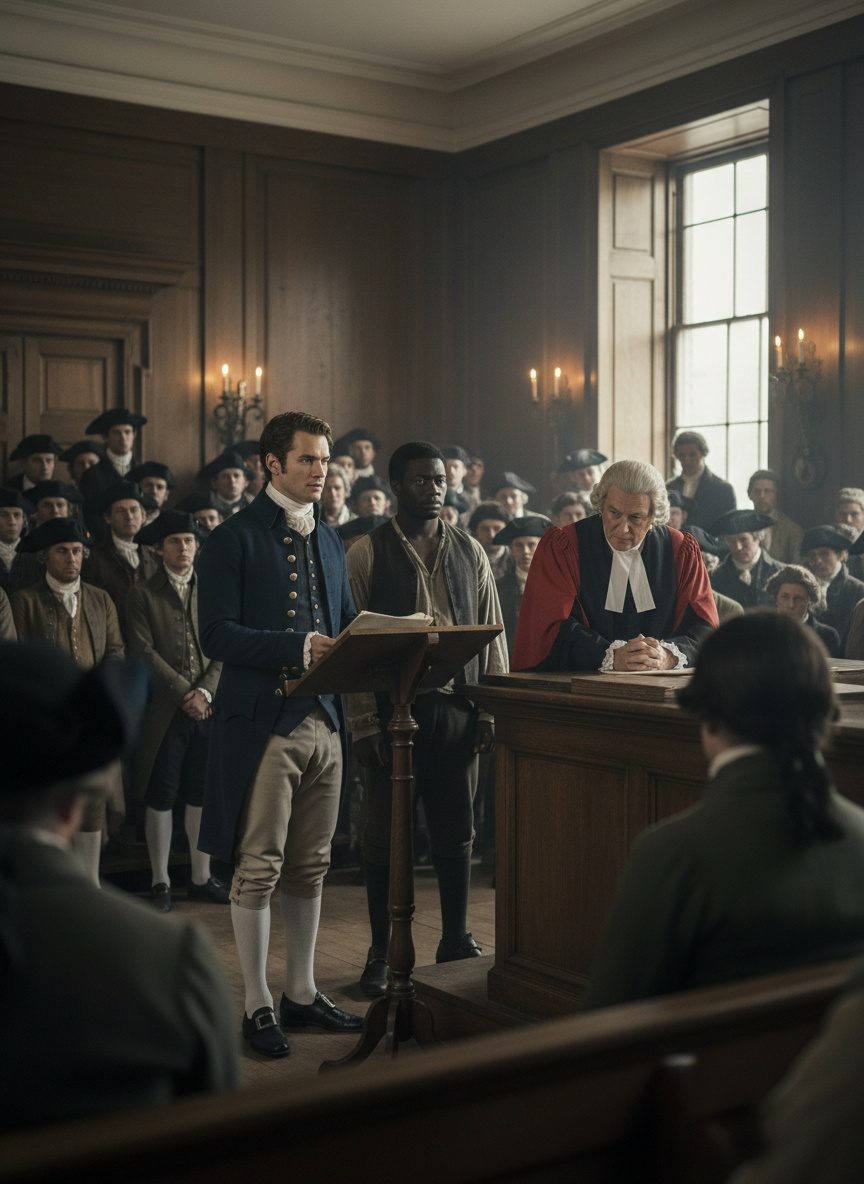
London, 1772. James Somerset was a slave. His master demanded him back. One English lawyer stood up in court and refused to let him go. Lord Mansfield ruled. No master could remove a slave from England by force. Every enslaved person on English soil walked free that day.
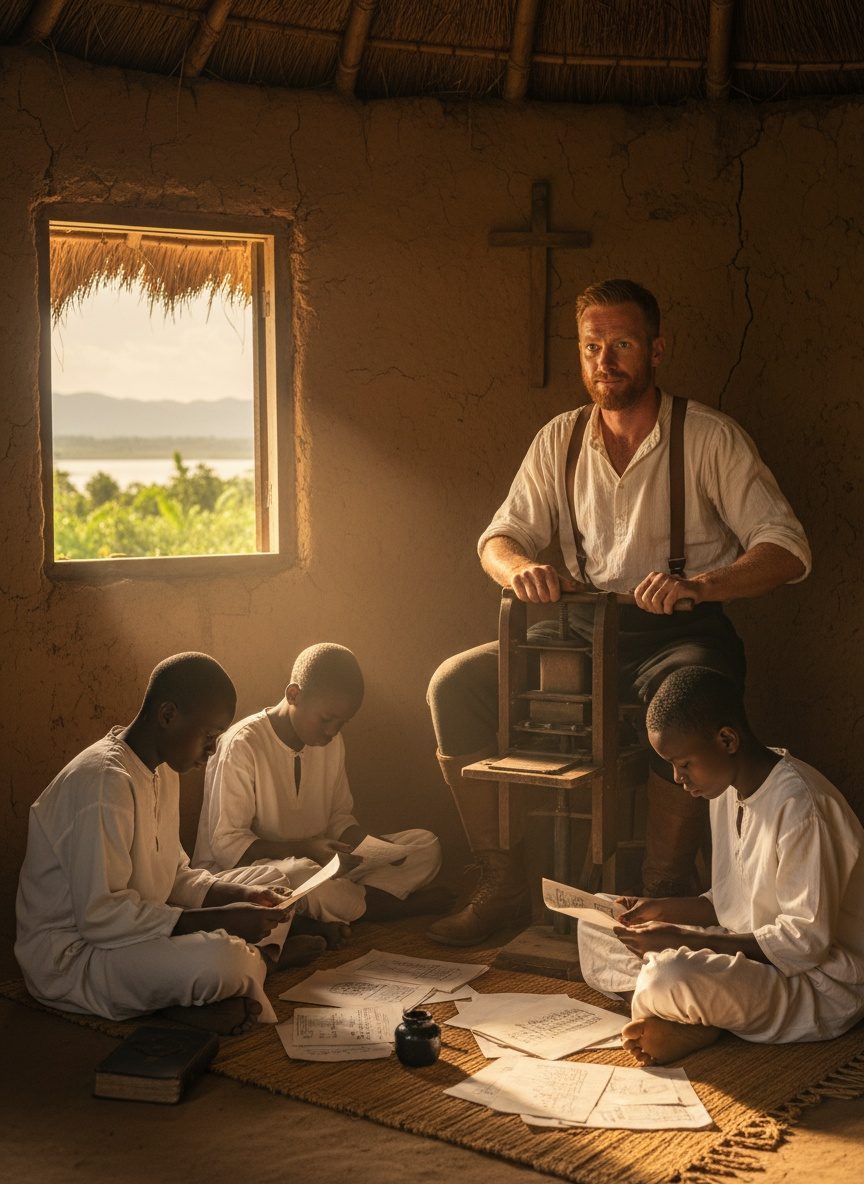
1882. Uganda. A Scottish missionary stood alone. The king had executed his friends. The chiefs demanded he leave. Alexander Mackay stayed. He built a school. He taught boys to read. He refused to go.
London, 1772. A Black man named James Somerset stood in chains before Lord Mansfield. He had escaped slavery. His owner wanted him returned. Mansfield ruled. No man could be enslaved on English soil. The world changed.
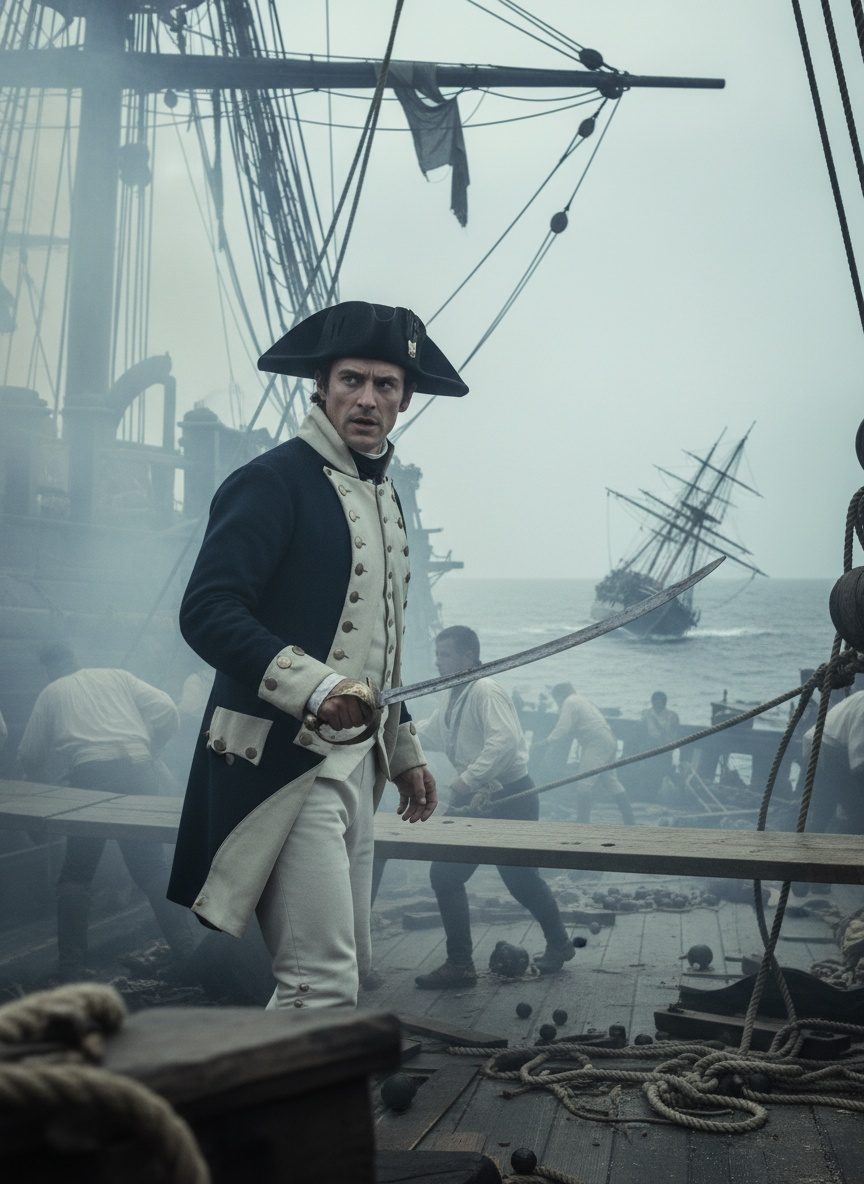
February 1797. The British fleet faced 27 Spanish ships of the line. Admiral Jervis had fifteen. He attacked anyway. Commodore Nelson broke formation without orders. He boarded two enemy ships by hand. Britain ruled the Atlantic that night.
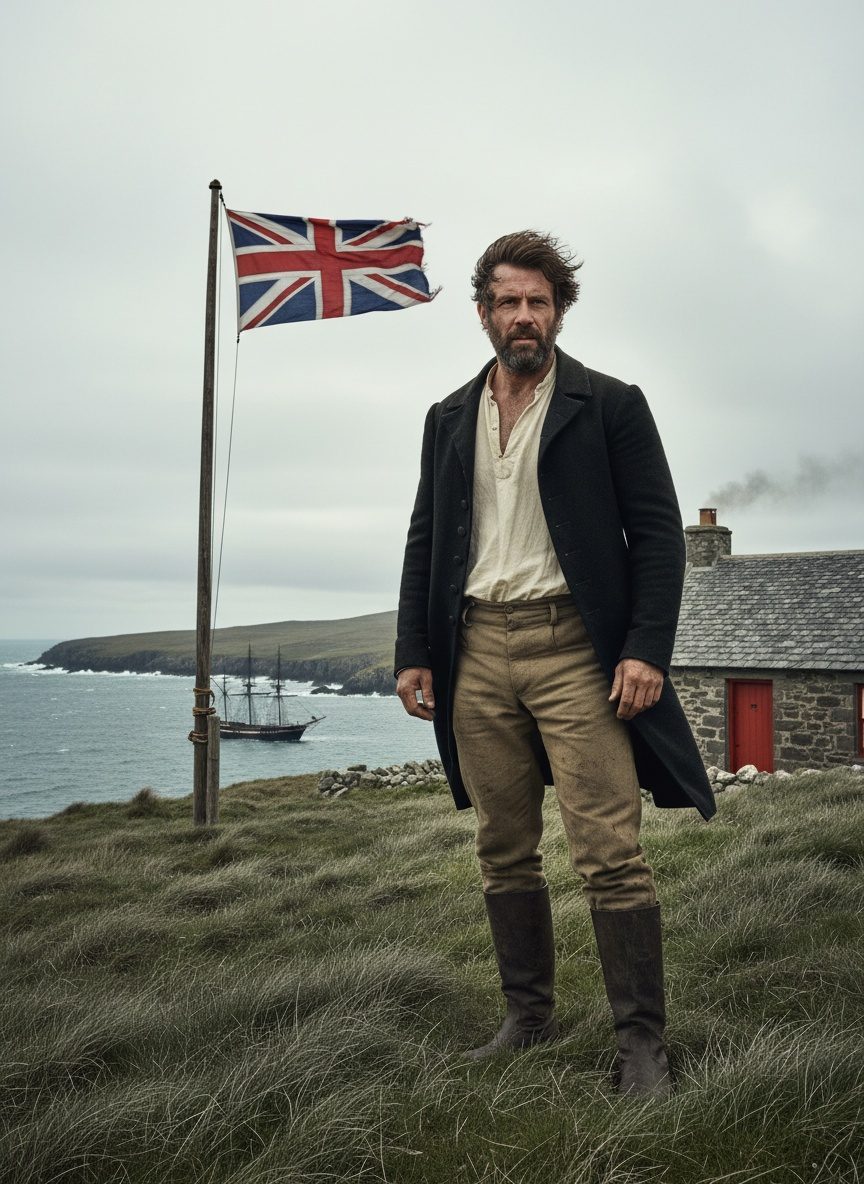
Argentina calls Falkland Islanders artificially implanted. But its own population arrived from Europe decades later. The islands had no prior inhabitants. The settlers voted 99.8% to stay British.
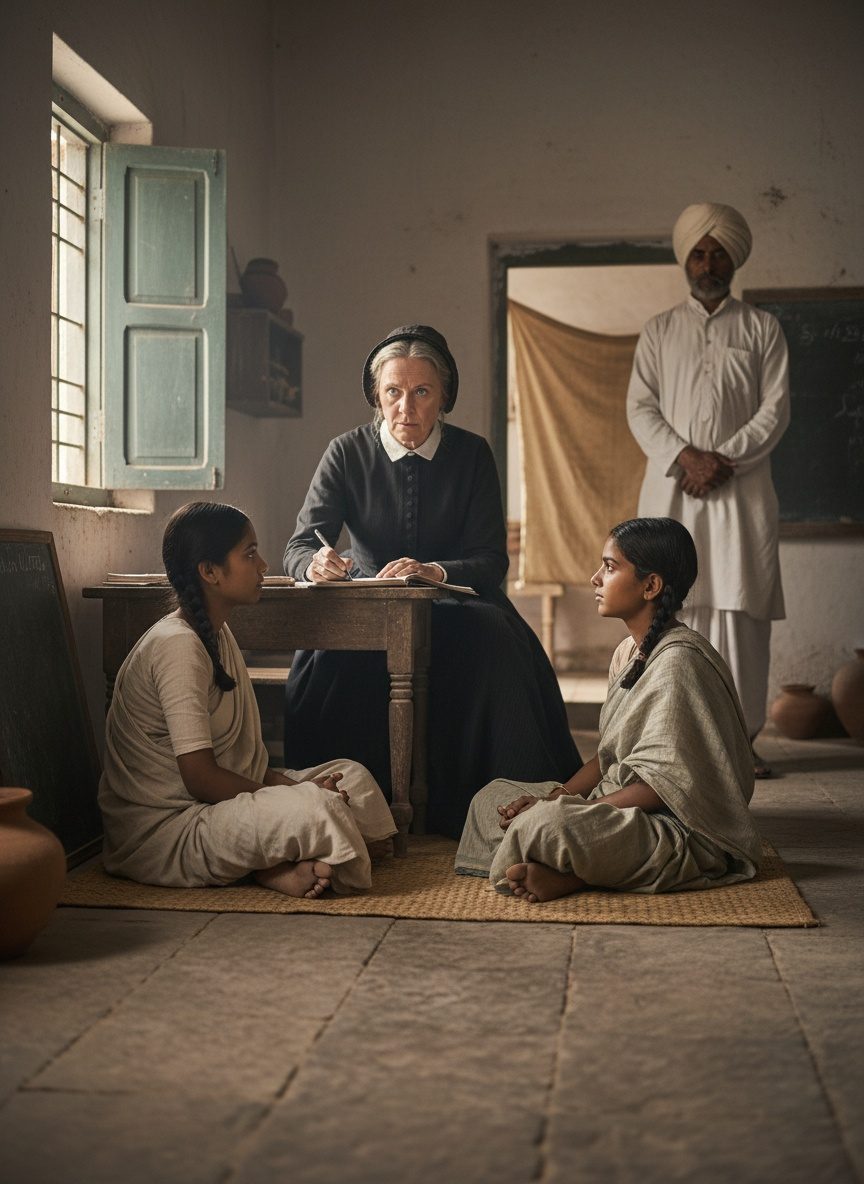
Bombay, 1866. Mary Carpenter stepped off the ship alone. No official welcome. No government backing. She walked into India's poorest schools. What she found there changed everything.
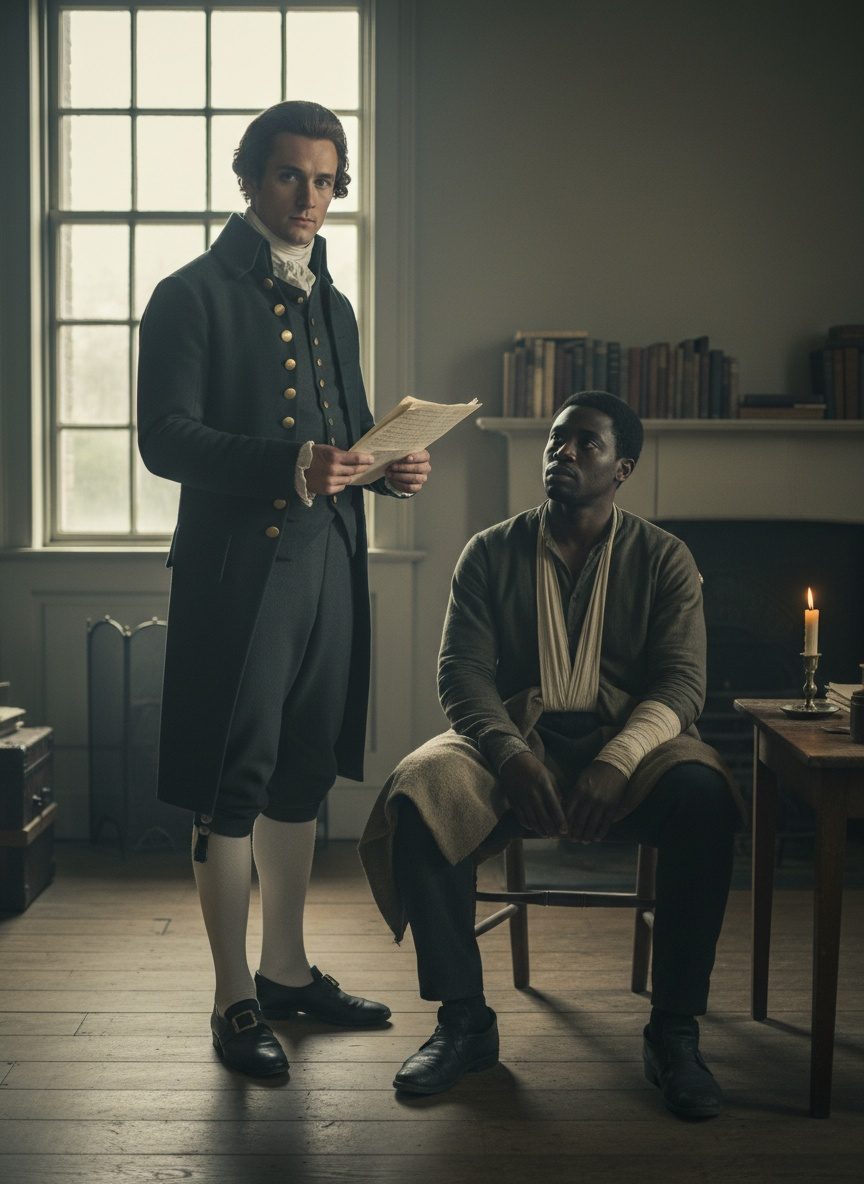
London, 1772. A clerk named Granville Sharp found Jonathan Strong beaten in the street. He nursed him back to health. His master tried to reclaim him. Sharp took the case to court. Lord Mansfield ruled. No slave could be forcibly removed from England.
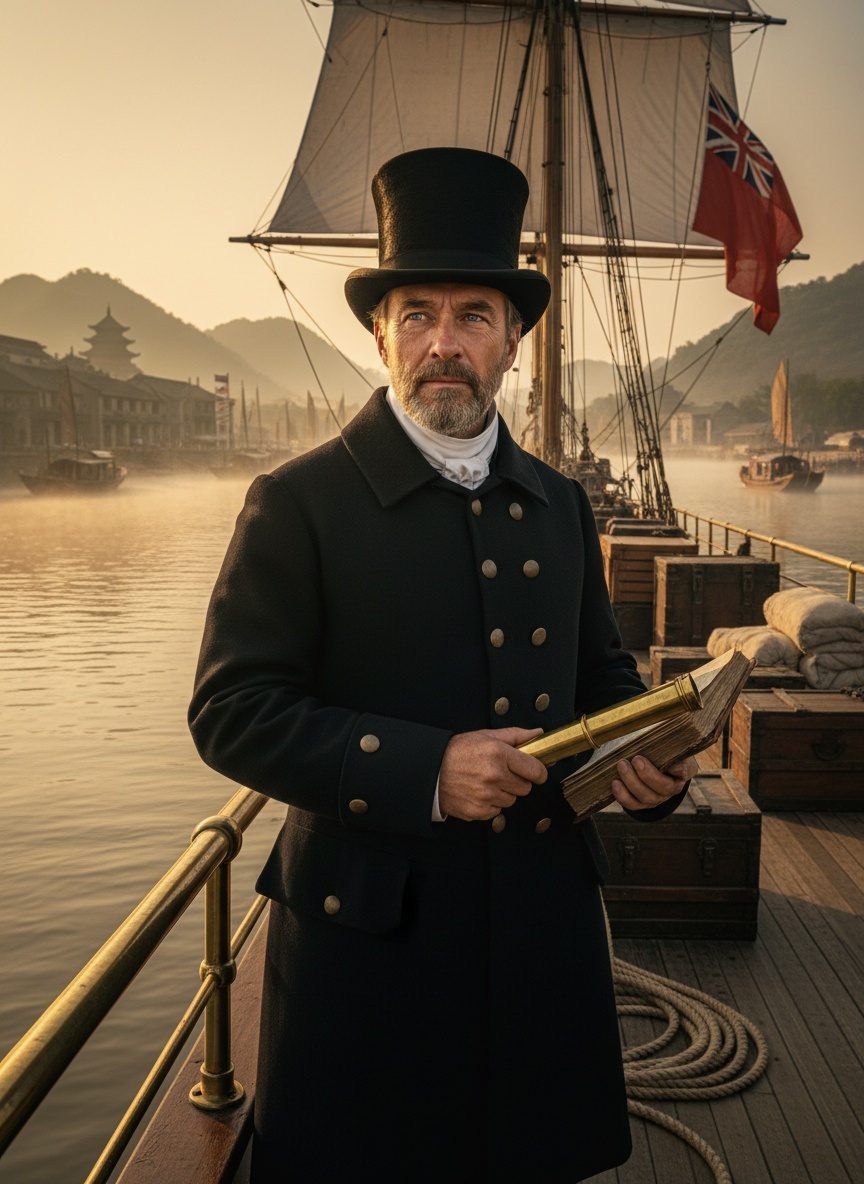
Canton, 1834. The Chinese Emperor had banned the trade. William Jardine kept sailing anyway. His clippers moved faster than any fleet China could send. One Scots surgeon turned merchant. One river. An empire's fortune on the tide.
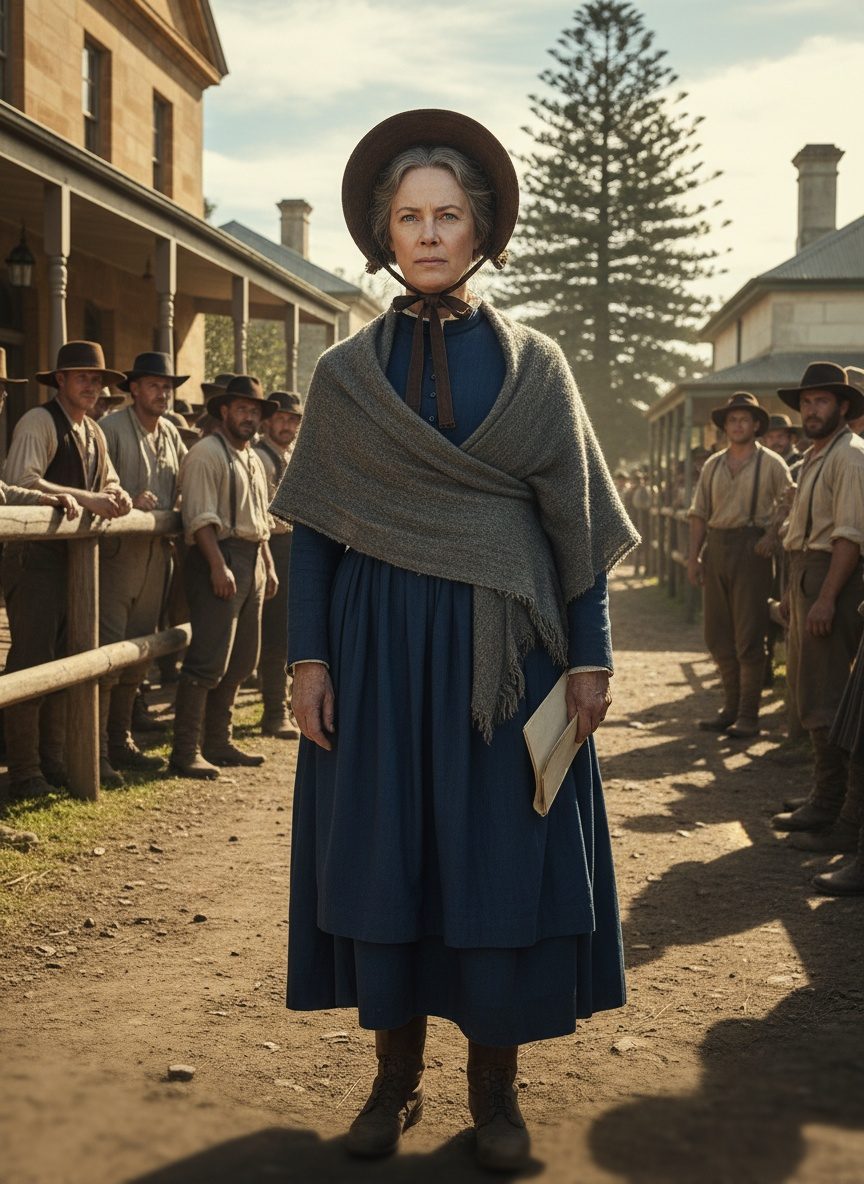
New South Wales, 1837. A freed convict faced the noose on false testimony. The mob outside wanted him dead. His neighbour, a farmer's wife named Mary Reibey, walked into court alone. She told the truth. The jury believed her.
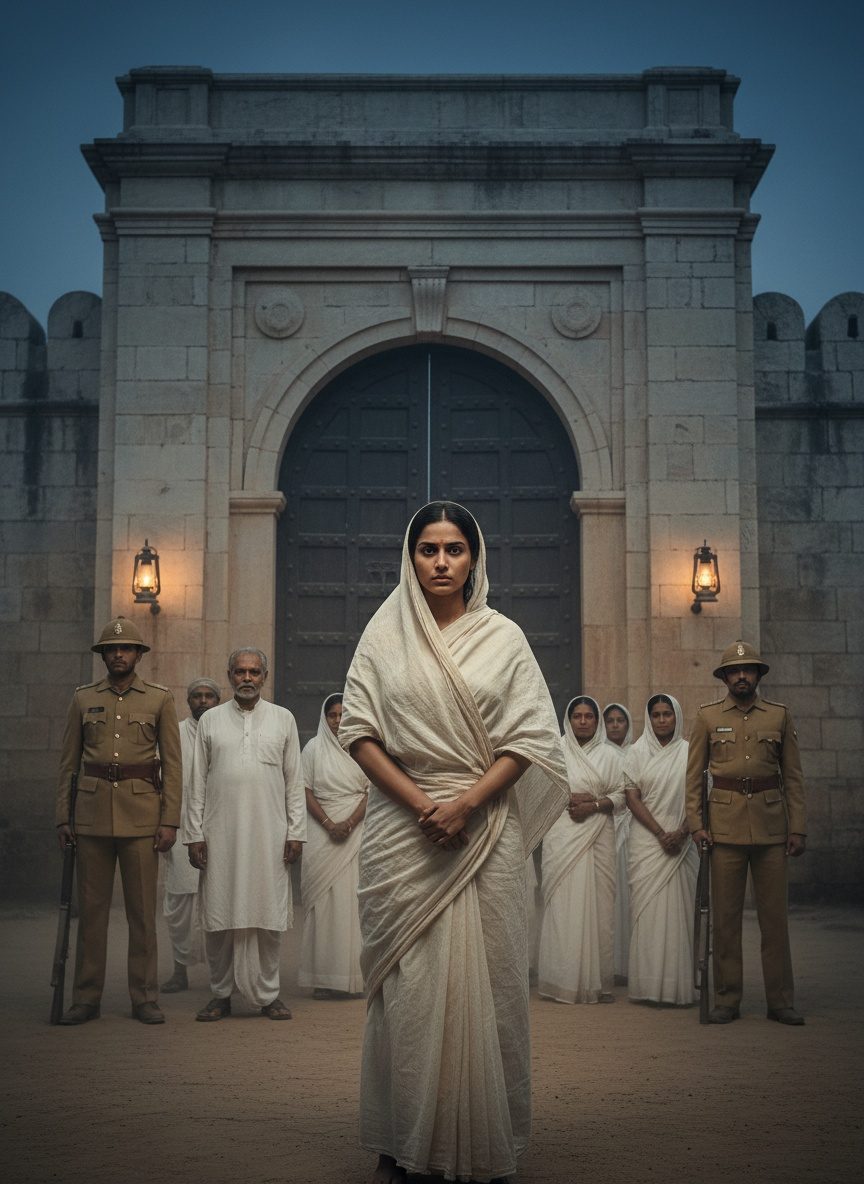
March 1931. Bhagat Singh was hanged at Lahore Central Jail. The British authorities feared public unrest. They cremated him in secret. His family arrived too late. His sister Bibi Amar Kaur refused to leave without him. She stood her ground alone.
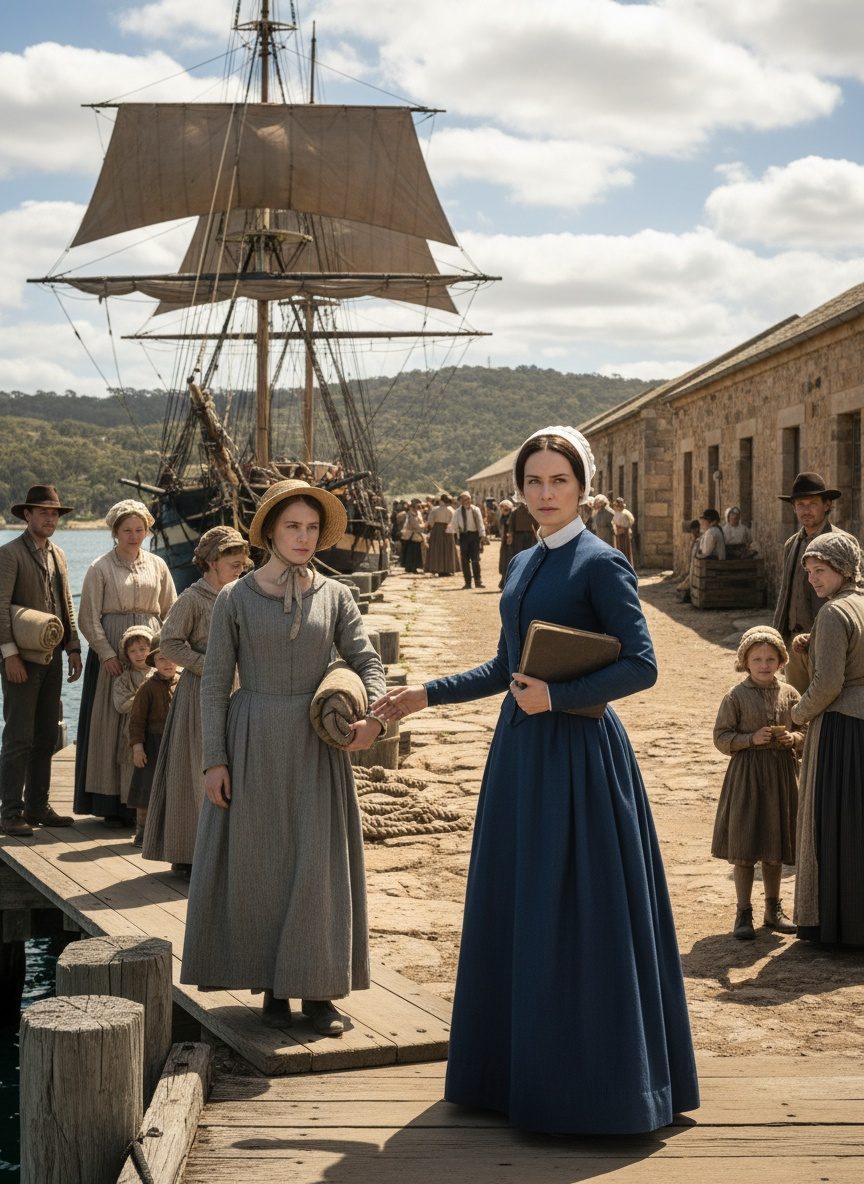
1841. Ships arrived daily at Sydney Cove. Young women disembarked alone. No shelter. No work. No one waiting. Caroline Chisholm met every ship herself. Fed them. Found them work. Saved thousands.
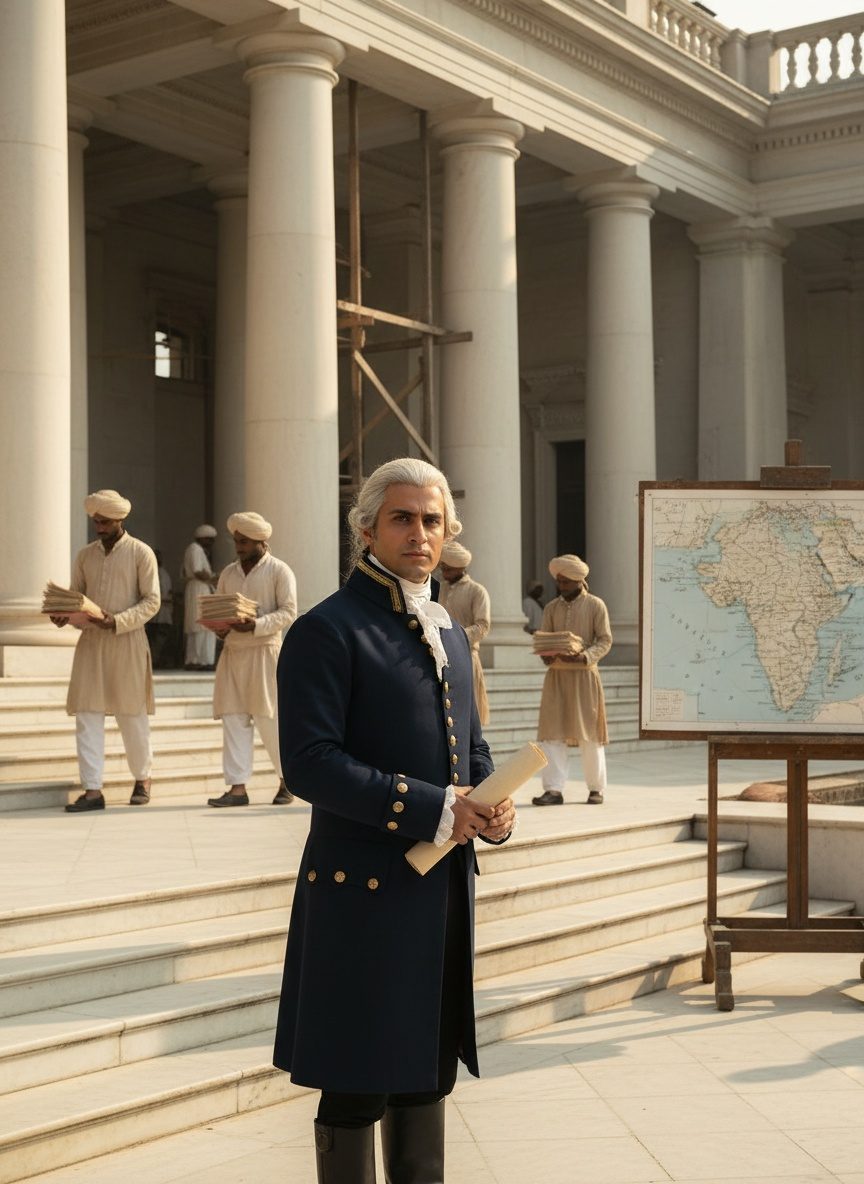
In 1798 a 37-year-old governor-general arrived in Calcutta with one idea: turn a trading company into a continent-spanning empire. Within seven years he had done it — and nearly bankrupted Britain doing so.
Shot through the lung at 26. Doctors dug his grave before he died. A dead soldier fell on top of him and took the bullets meant for him. Montgomery survived — and never forgot what bad planning looked like.
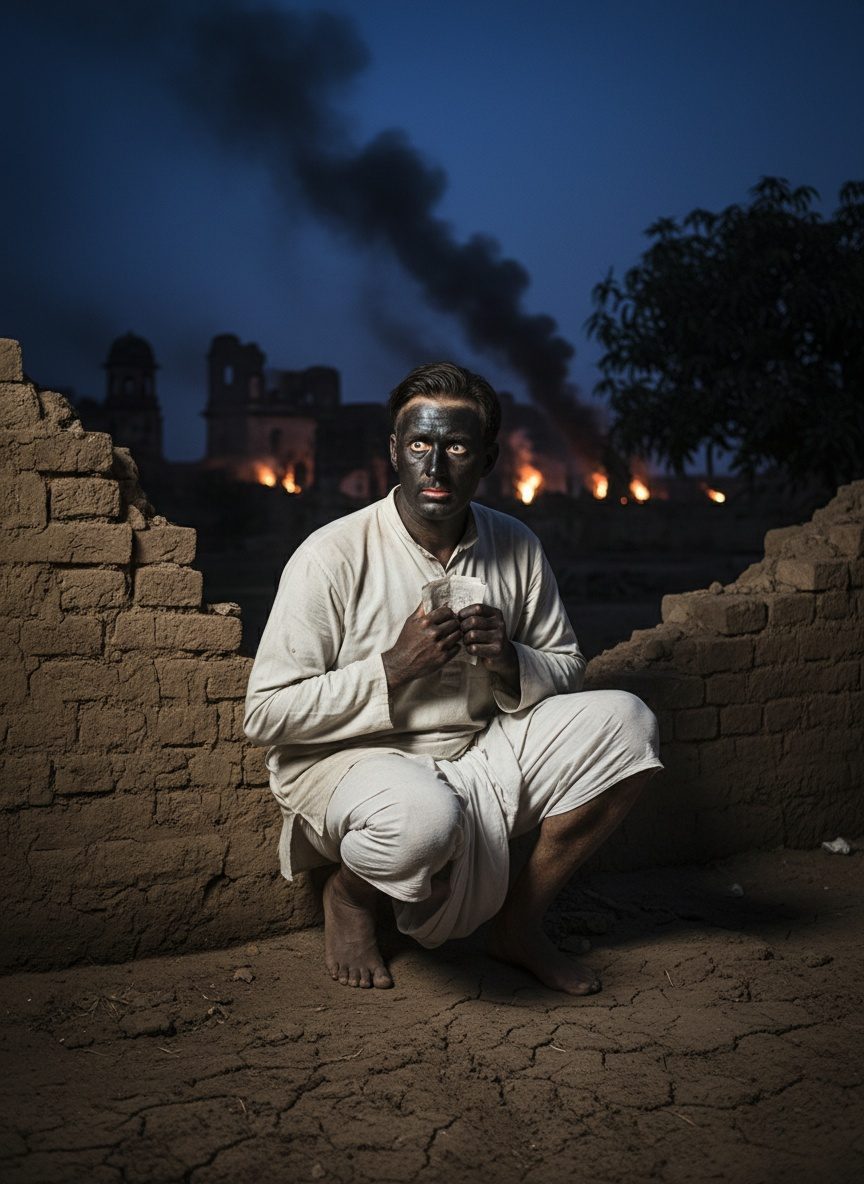
Lucknow, 1857. The garrison was starving. A British sergeant slipped out alone through enemy lines — disguised as an Indian villager. His name was Henry Kavanagh. He had no military training for this. Just nerve.
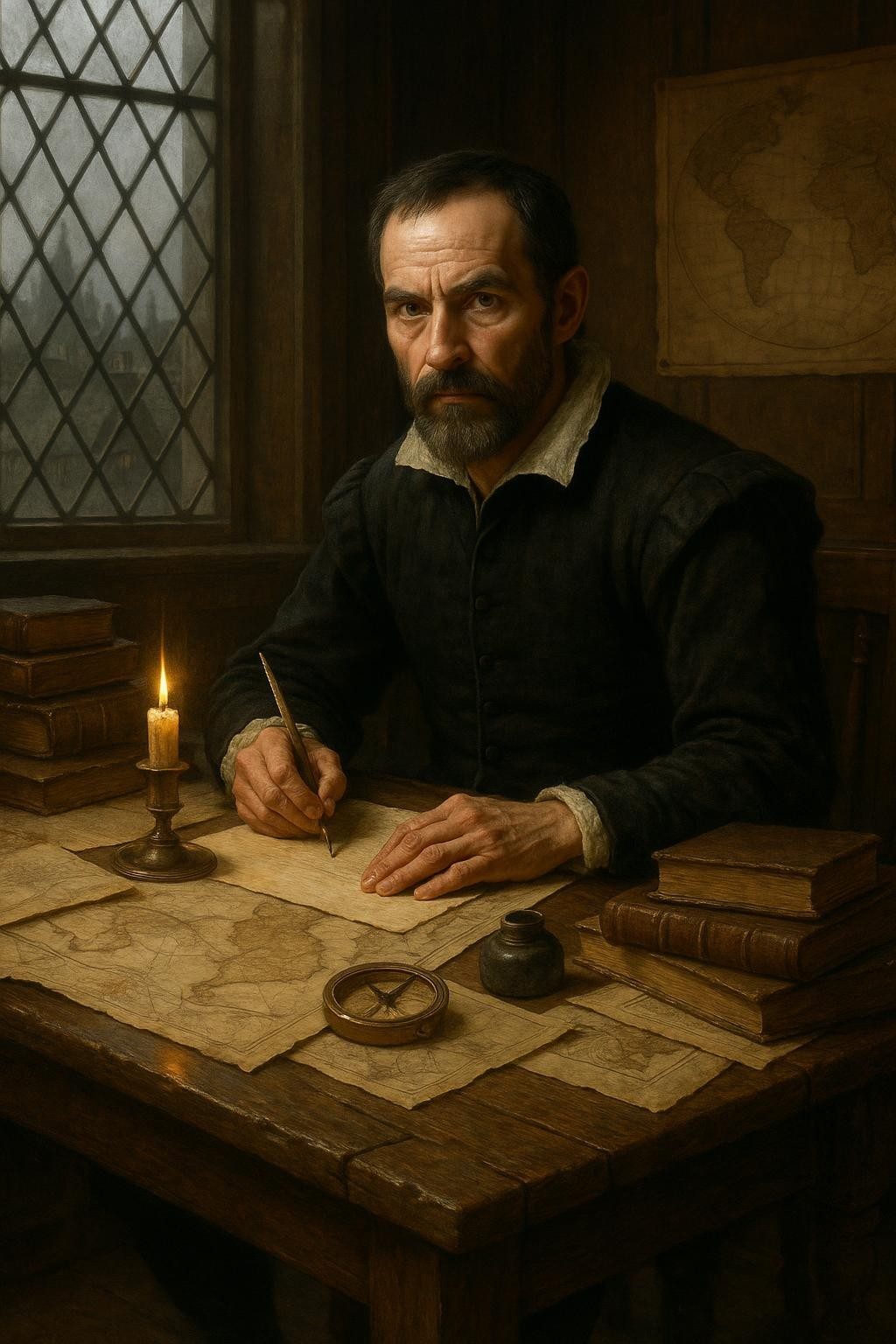
London, 1589. England's voyages were failing. Men were dying. Richard Hakluyt wrote it all down anyway. The disasters. The courage. The truth. He published it. The Crown had wanted glory. He gave them honesty instead.
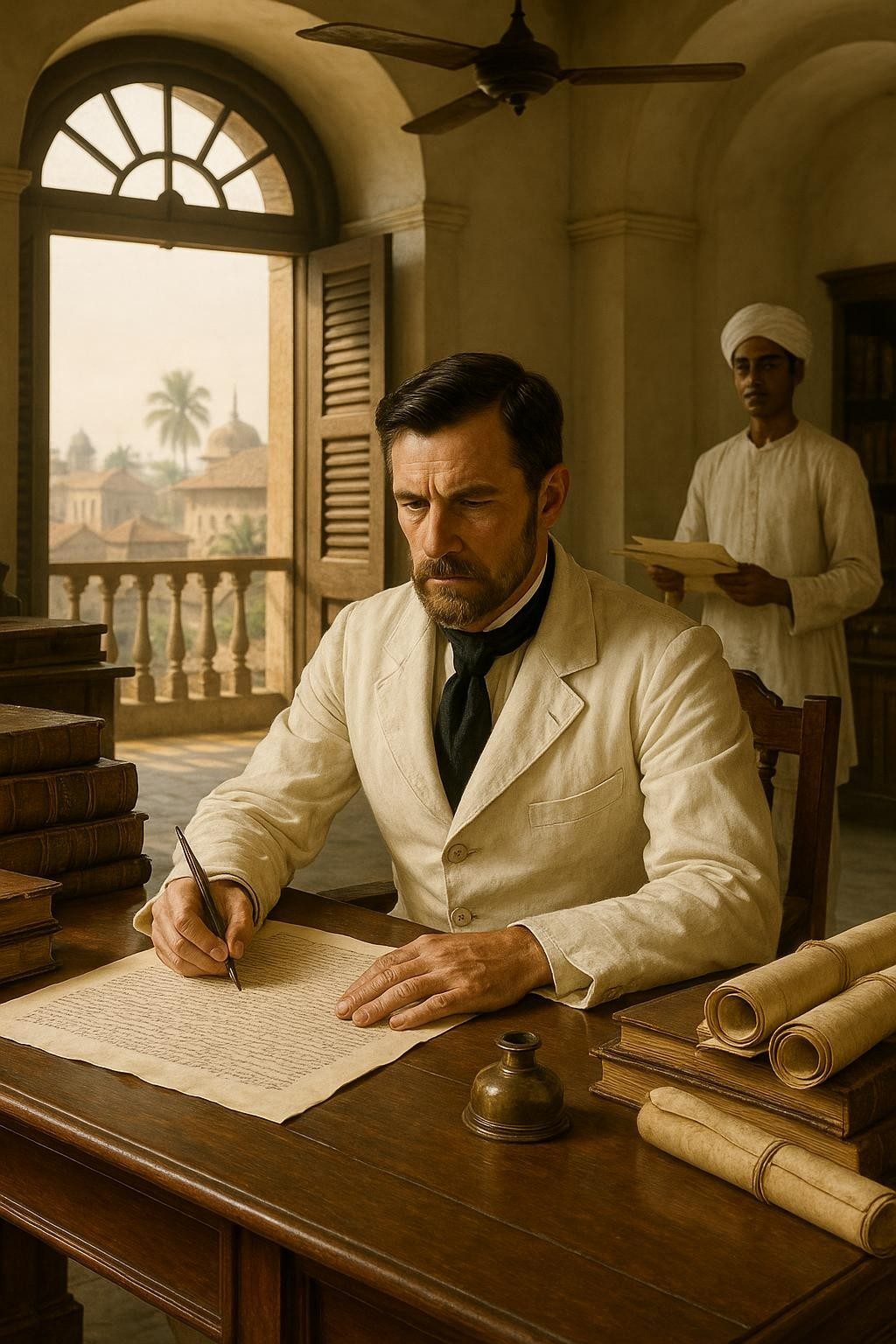
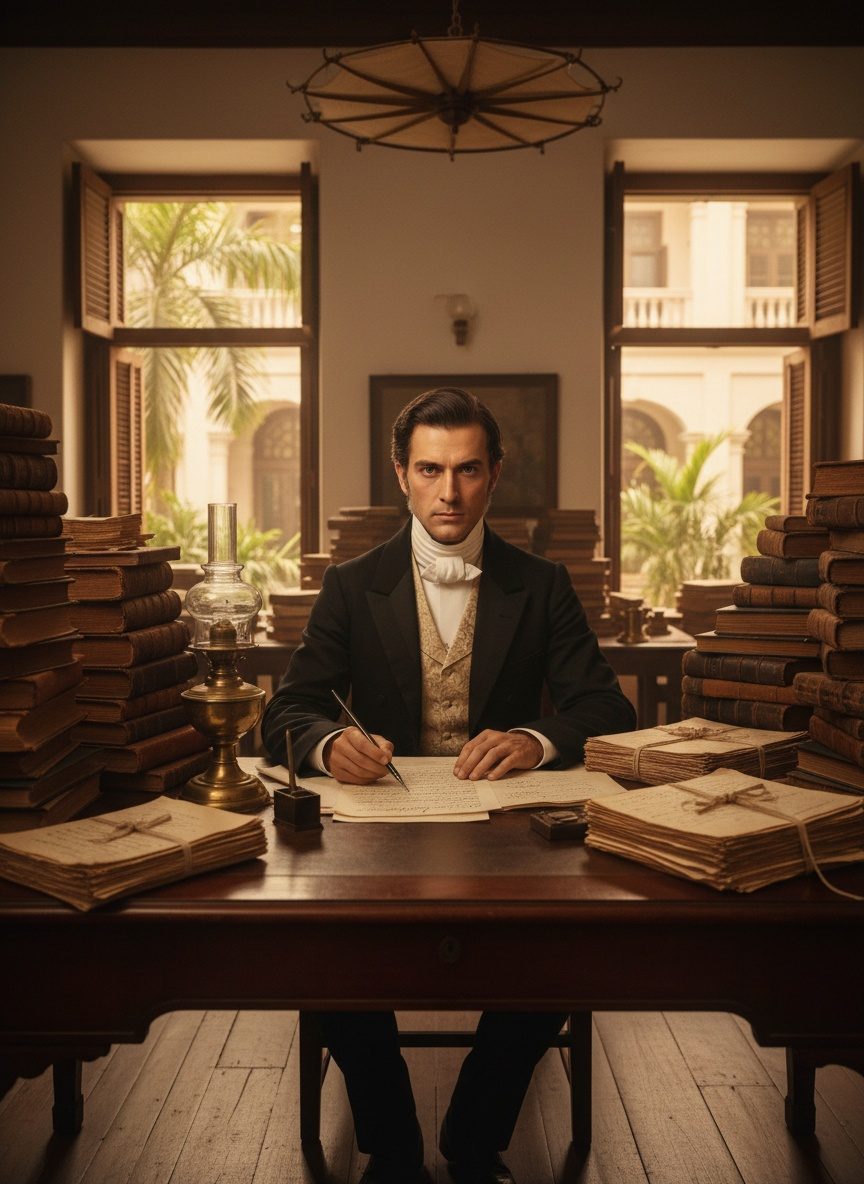
1861. India had no unified law. James Fitzjames Stephen arrived in Calcutta. He wrote a single criminal code for 250 million people. It still stands today.
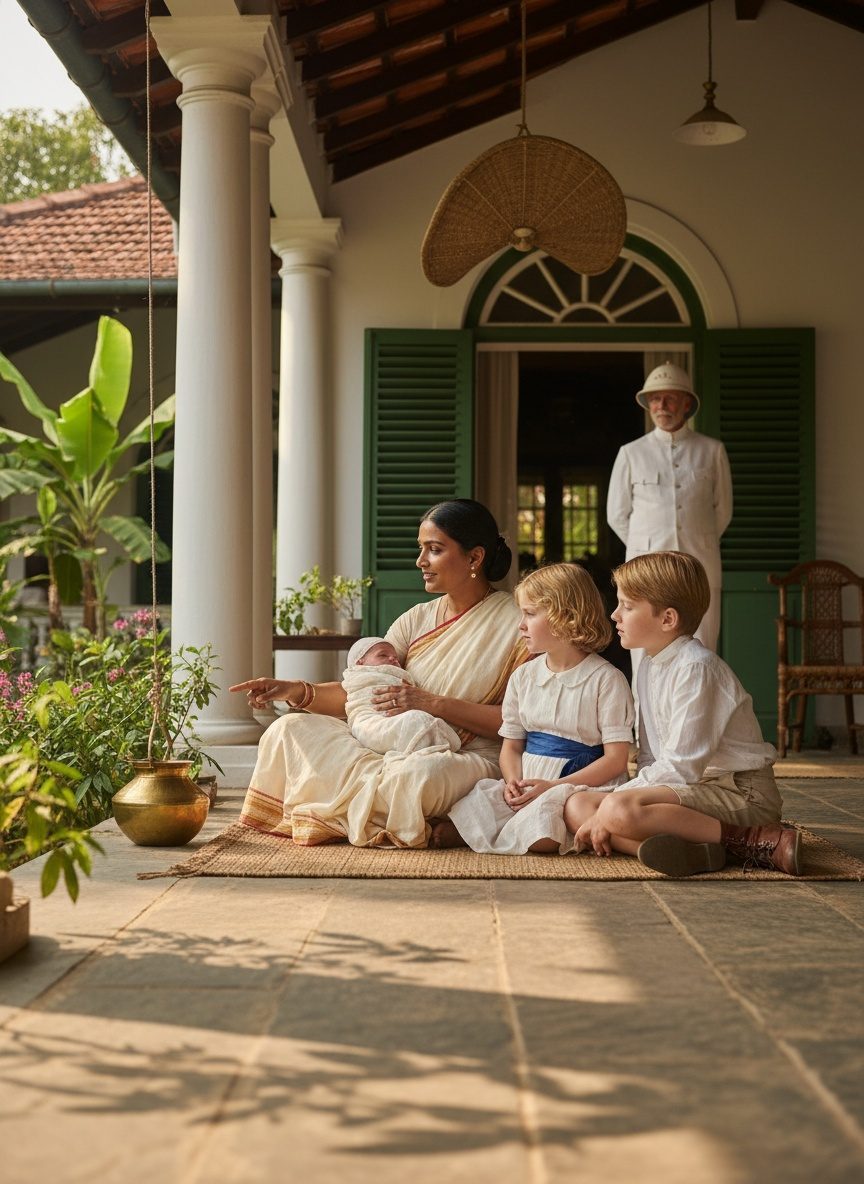
Calcutta, 1880s. Every British child born in India knew one face before any other. Not their mother's. Their ayah's. She fed them. Sang to them. Taught them their first words. In a foreign empire, she was home.
1840. Thomas Macaulay had returned from India. He carried one idea. That British law should belong to every man. His Indian Penal Code became the foundation for courts across five continents. One mind. A billion lives shaped.
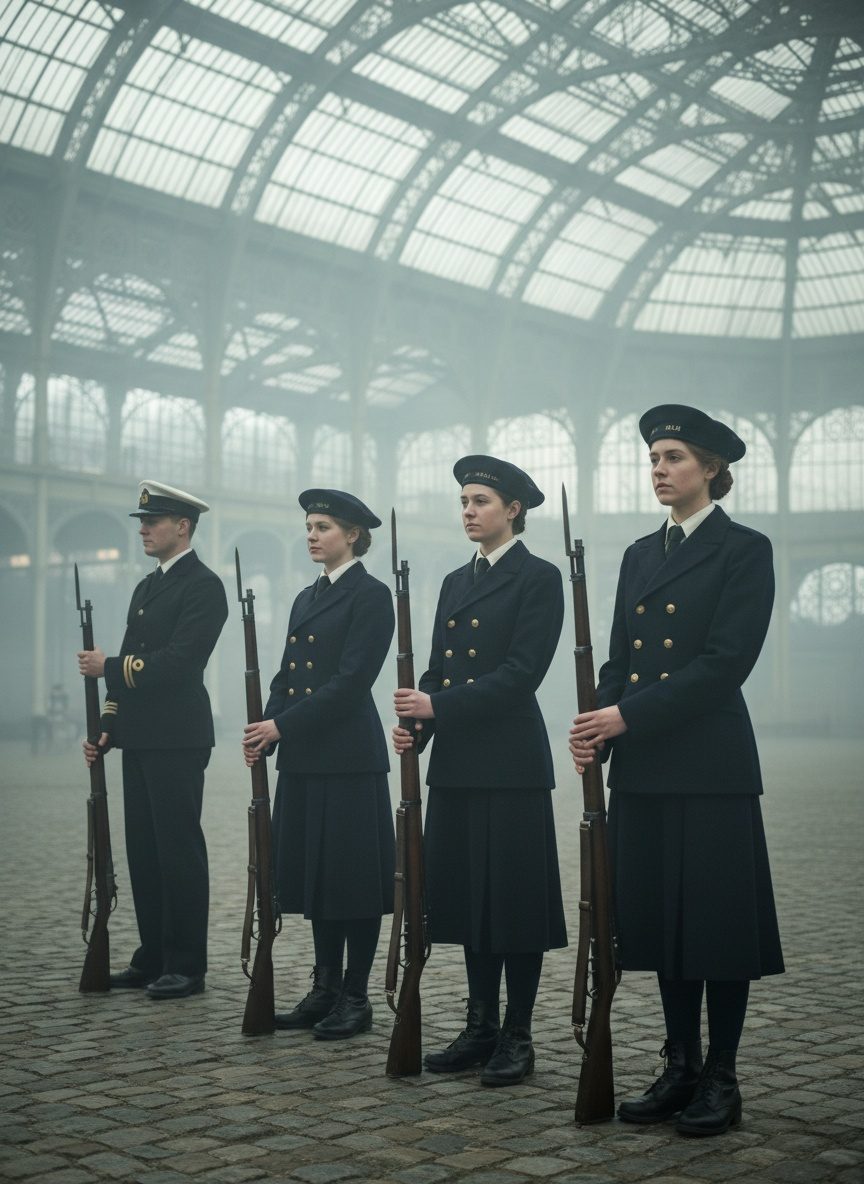
November 1917. Britain was desperate. So it did the unthinkable. It handed women rifles. Within months, 3,000 Wrens held the Royal Navy together — in over 100 roles no woman had ever been allowed to touch.
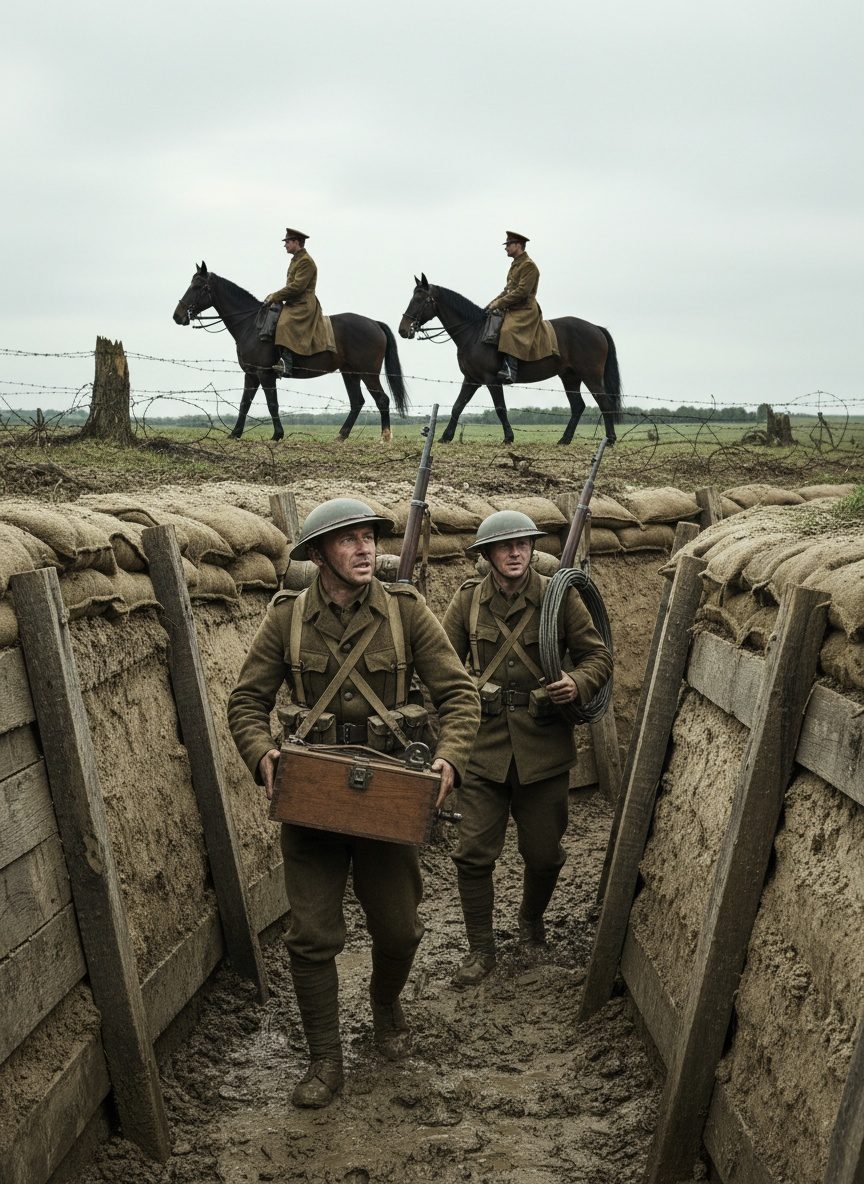
France, May 1917. Australian signallers moved through a communication trench near Neuve-Église. Above them, British cavalry crossed. Two worlds of the same war, passing without a word.
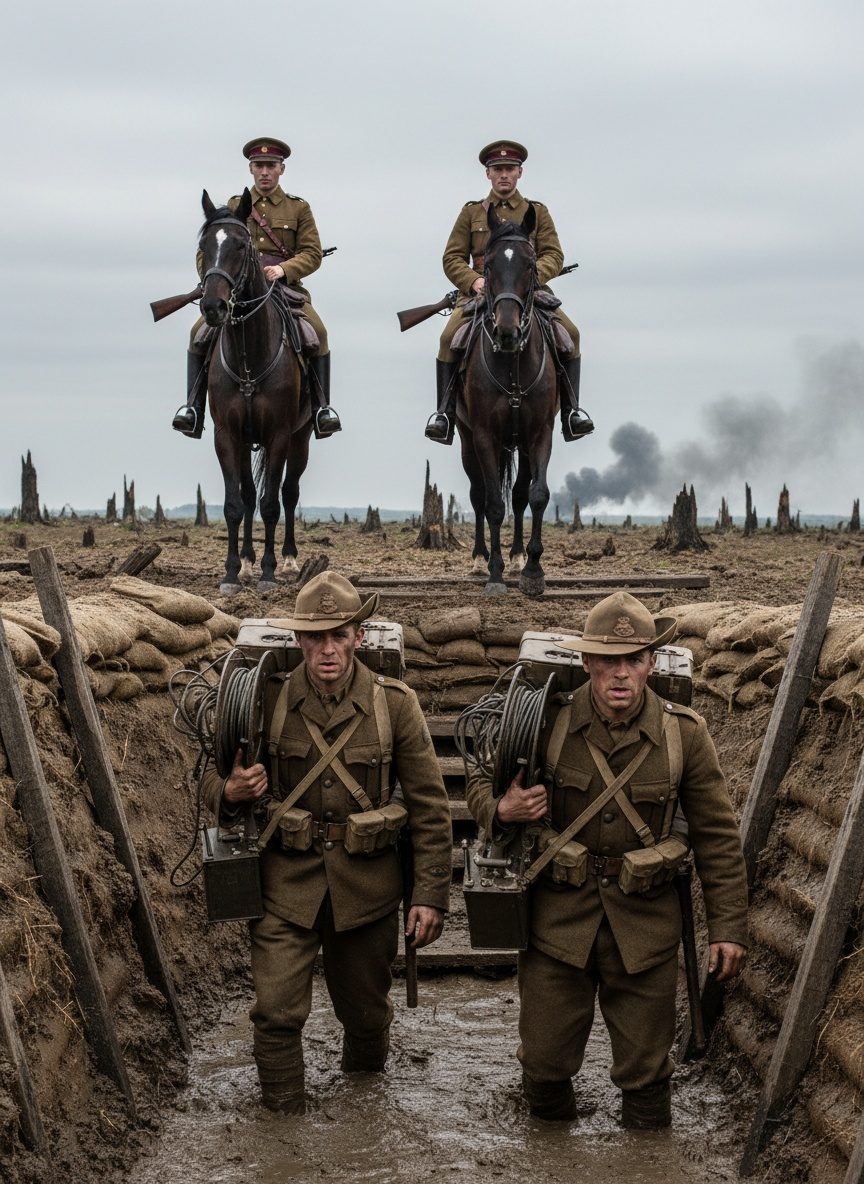
France, May 1917. Two worlds passed in silence. Colonial foot soldiers hauled cable through mud below. British horsemen moved above. Neither spoke. Both knew the old war was dying.
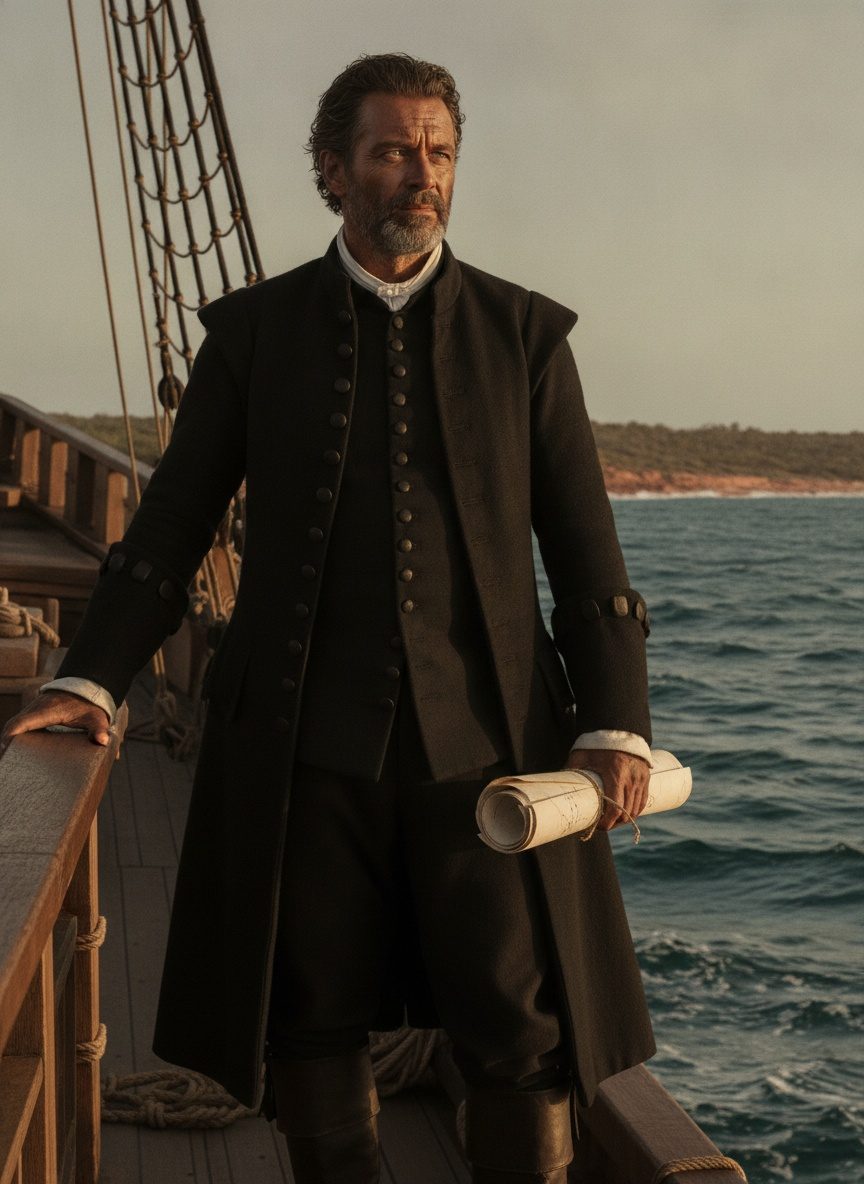
1699. William Dampier sailed for the unknown coast of New Holland. He was a former buccaneer. Now he carried the King's commission. He mapped shores no Englishman had seen. He brought back sketches, specimens, and wonder. Britain looked west and never stopped.
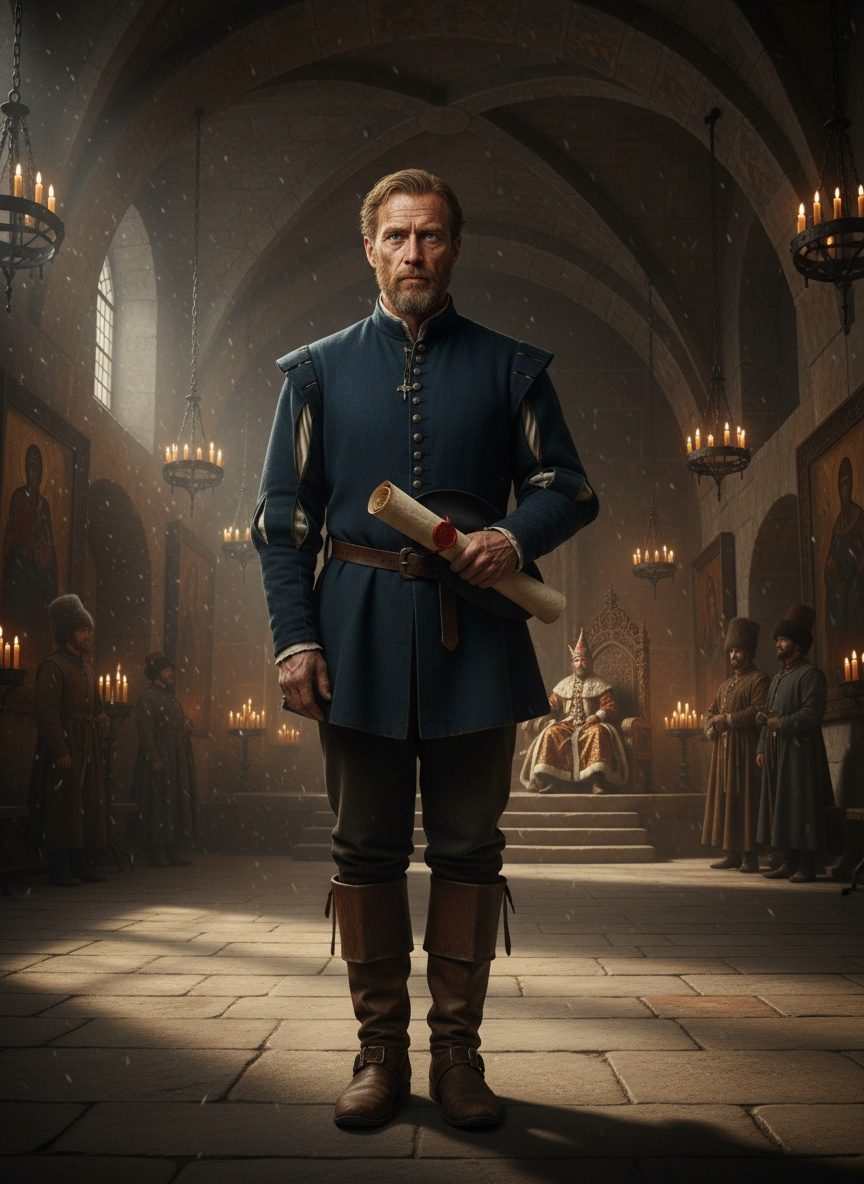
1553. Richard Chancellor's ship lost its fleet in an Arctic storm. He sailed on alone. He reached Russia. No Englishman had ever done it. He walked into Ivan the Terrible's court. And came home with an empire's trade.
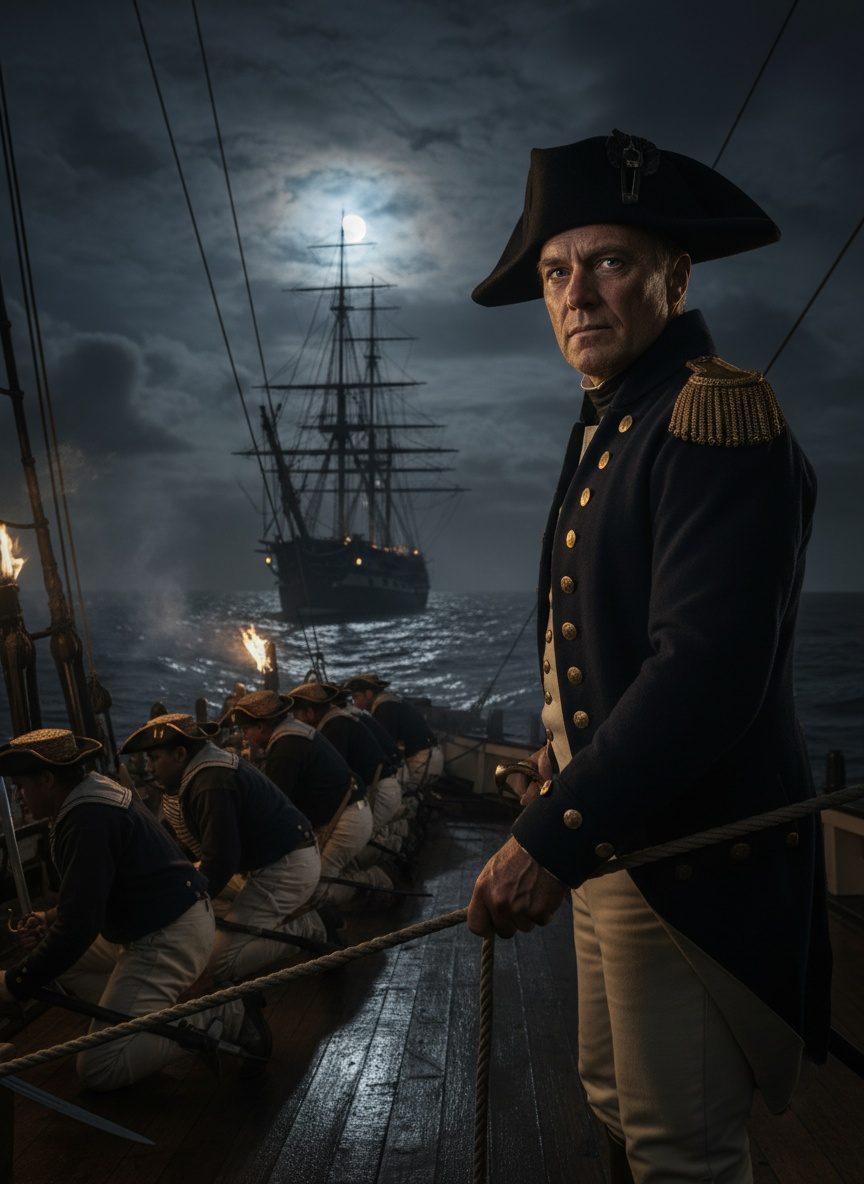
1820. Thomas Cochrane had one aging frigate. Spain held the most powerful warship in the Pacific. He sailed straight at her. Alone. At midnight. The Esmeralda fell in twenty minutes.
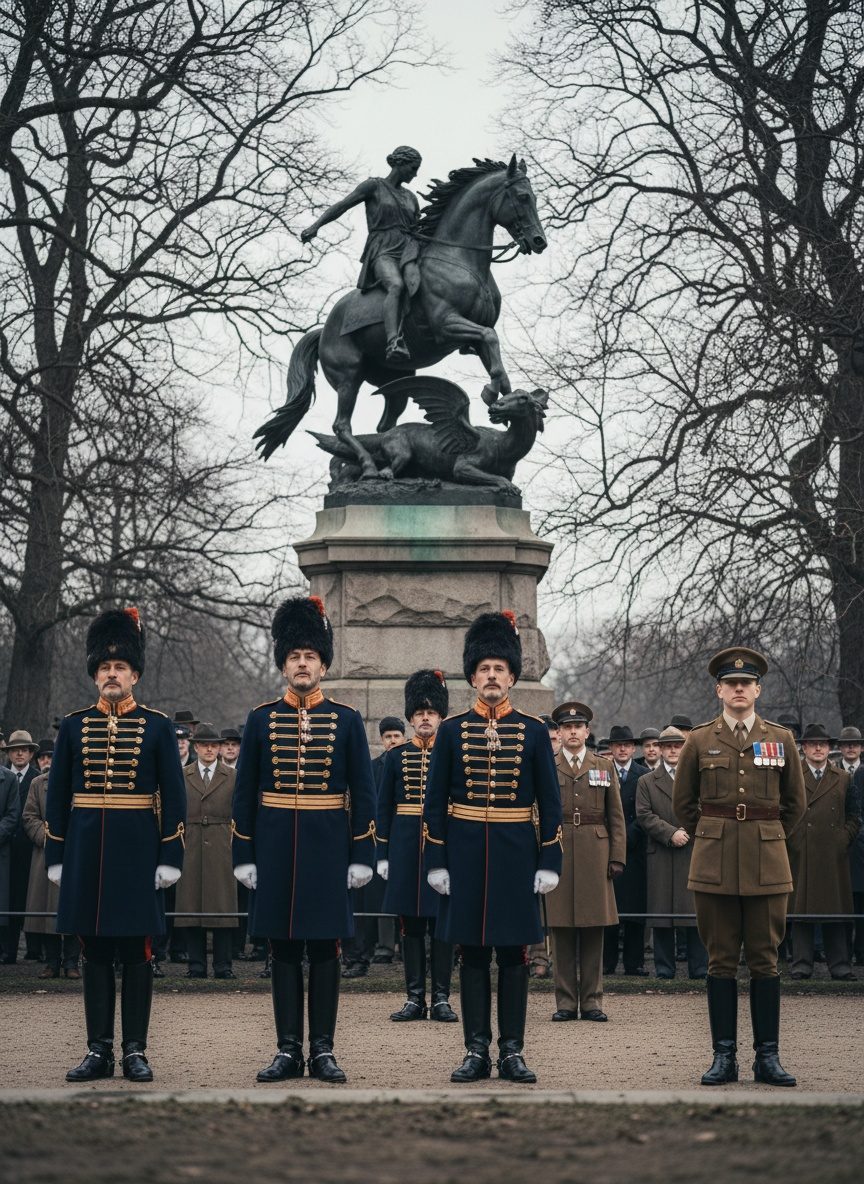
It took four years to build. The bronze came from guns seized in battle. When London finally unveiled it, the men who had charged into those same guns stood and watched in silence.
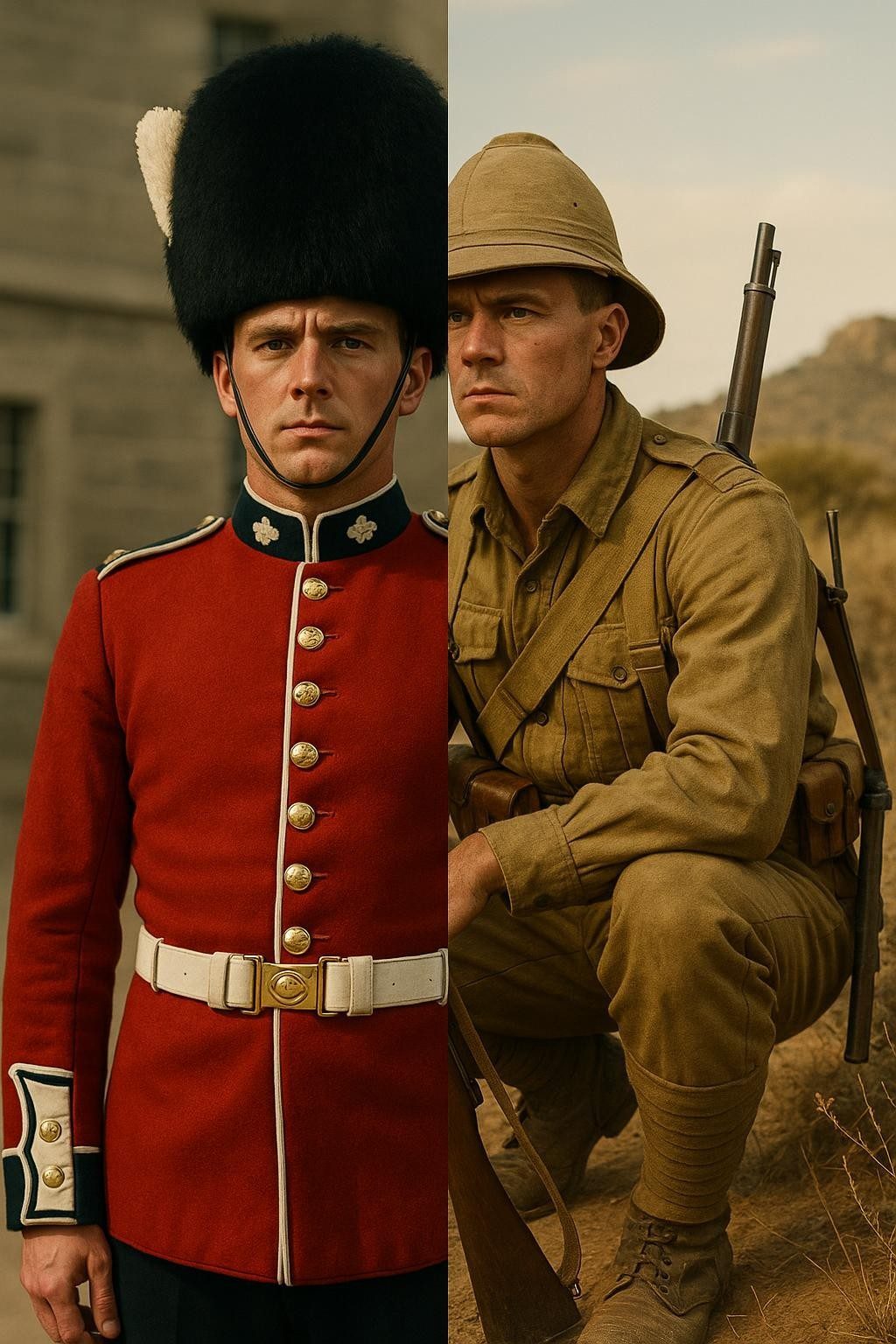
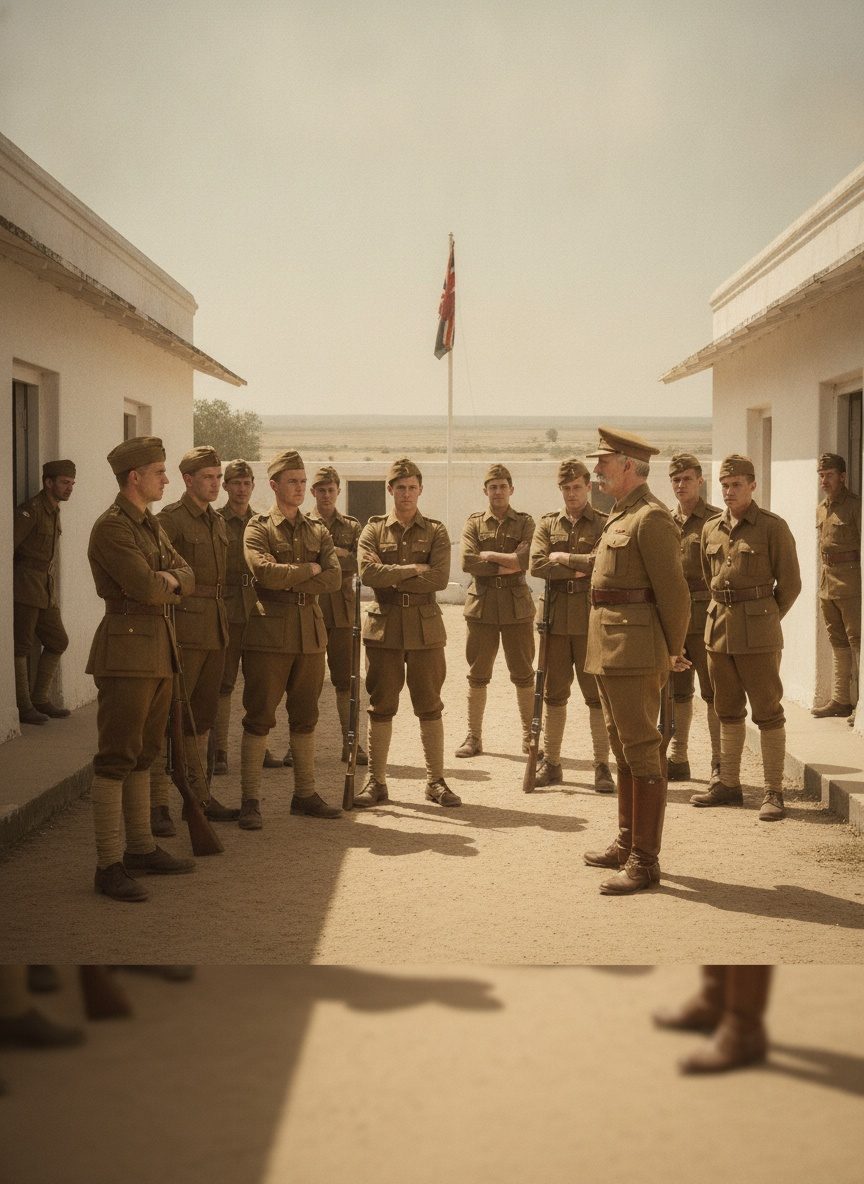
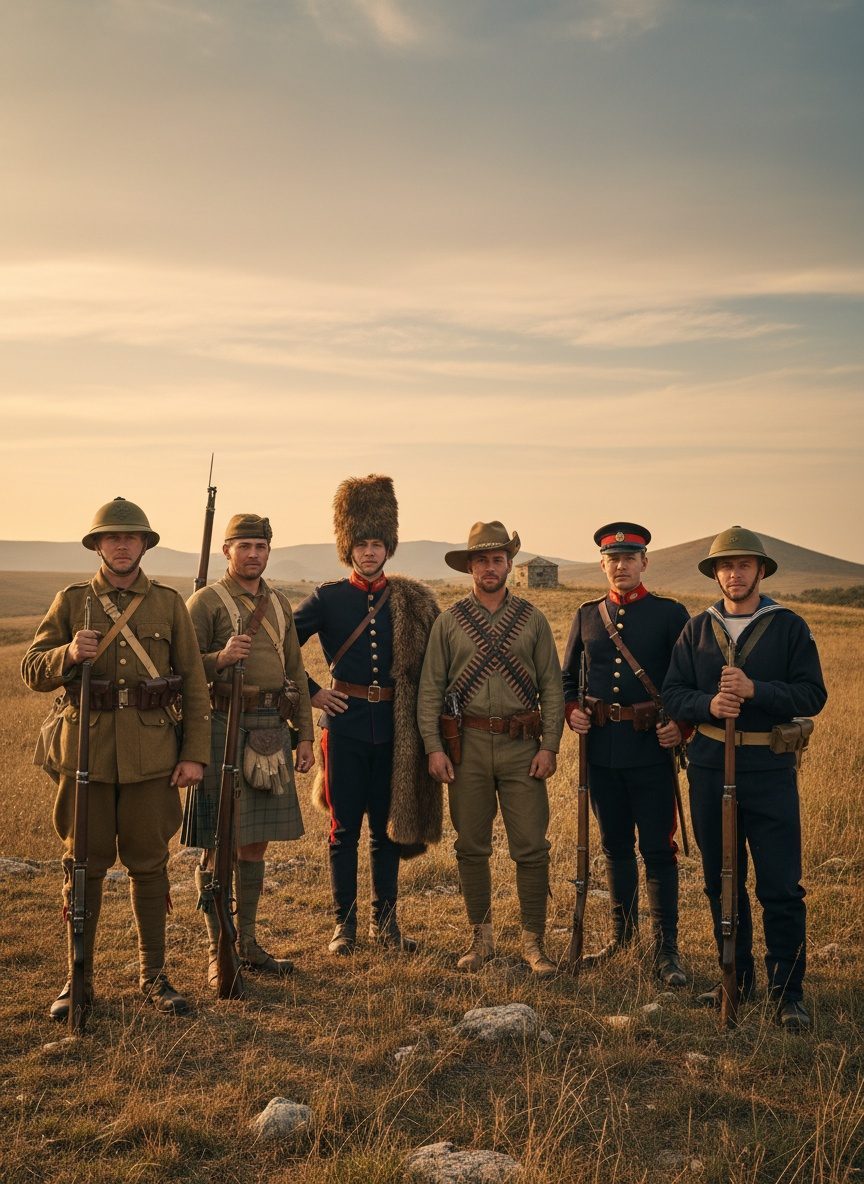
Same regiment. Same men. Two completely different soldiers. At home they gleamed in scarlet and bearskin. In South Africa they vanished into khaki dust. The Coldstream Guards fought both wars at once.
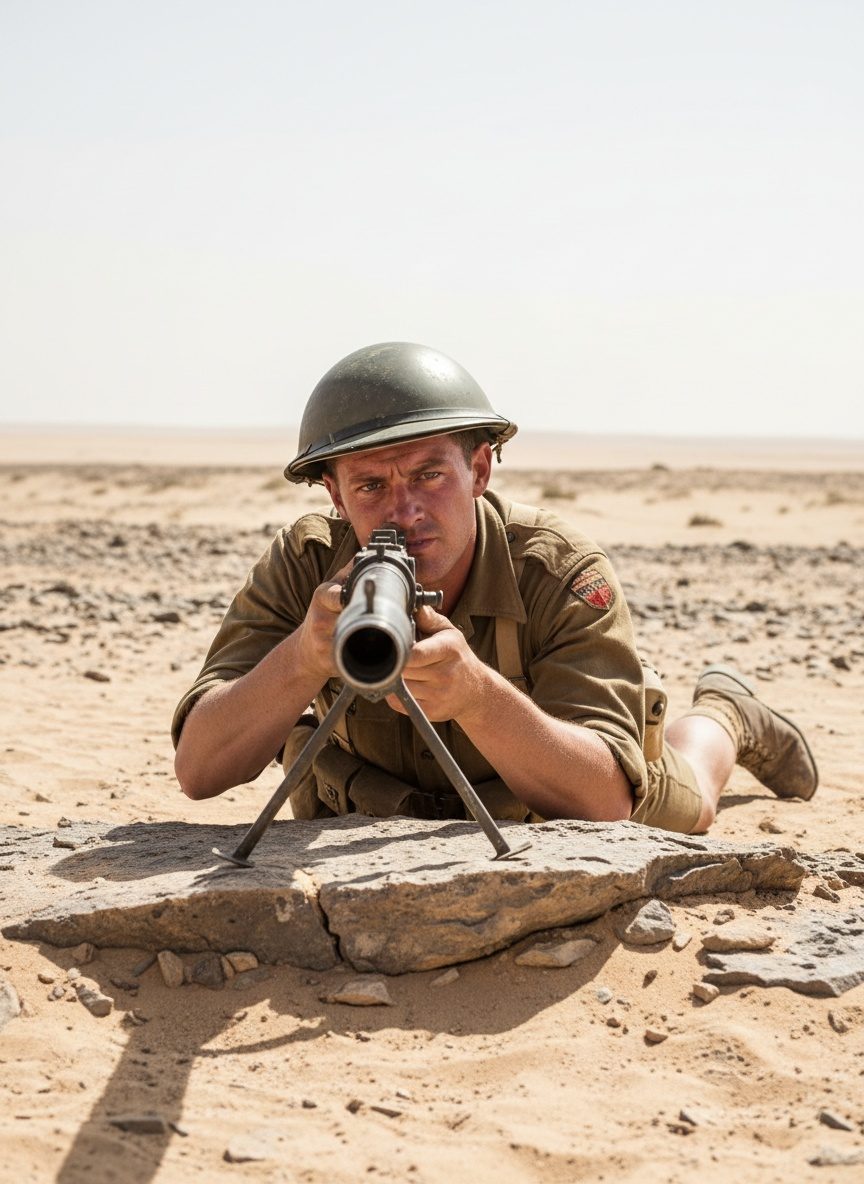
1942. British infantry had nothing against German armour. Then a drainpipe with a hollow charge changed everything. The PIAT was crude, terrifying to fire — and it saved the Eighth Army.
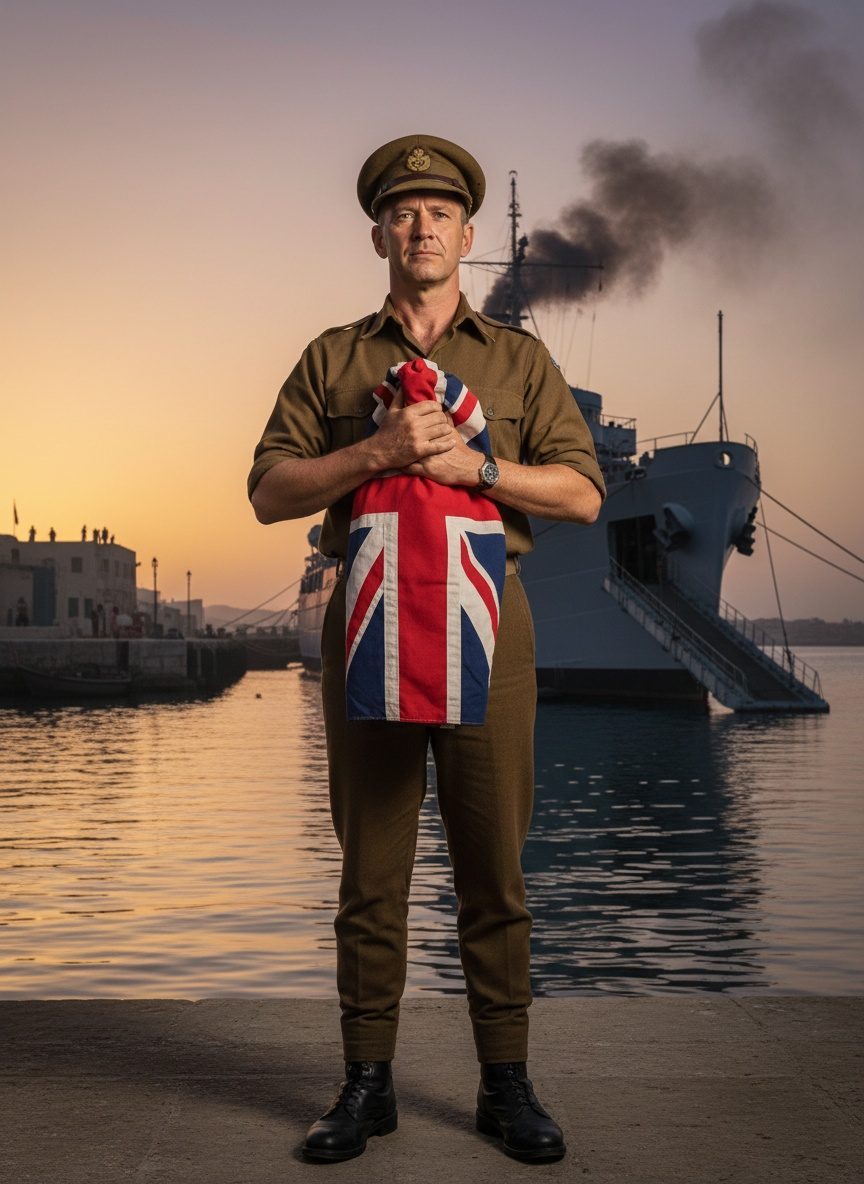
November 1967. British forces were withdrawing from Aden. Someone had to go last. One soldier walked the empty dock alone. He folded the flag. Handed it over. Then boarded the final ship.
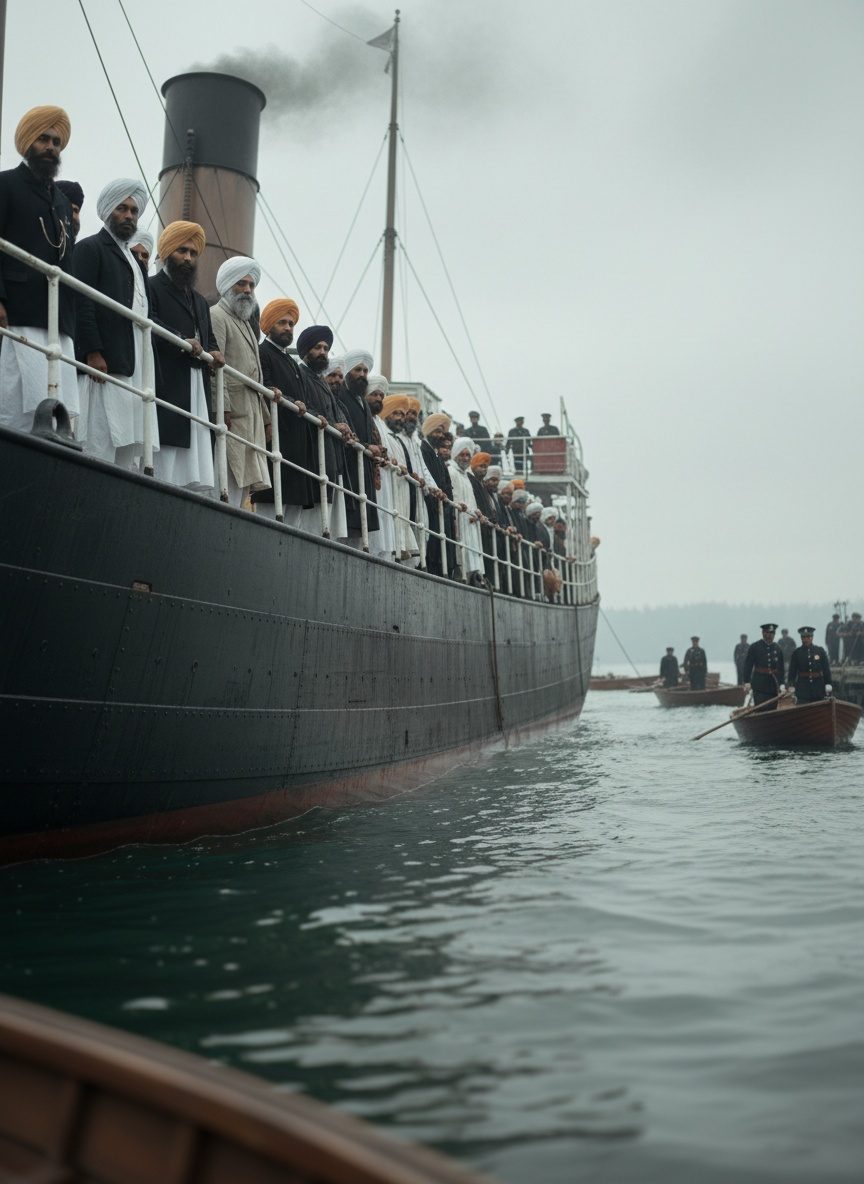
May 1914. A ship sat in Vancouver harbour. 376 British subjects aboard. Canada said they could not land. For two months they refused to leave. The empire watched. So did the world.
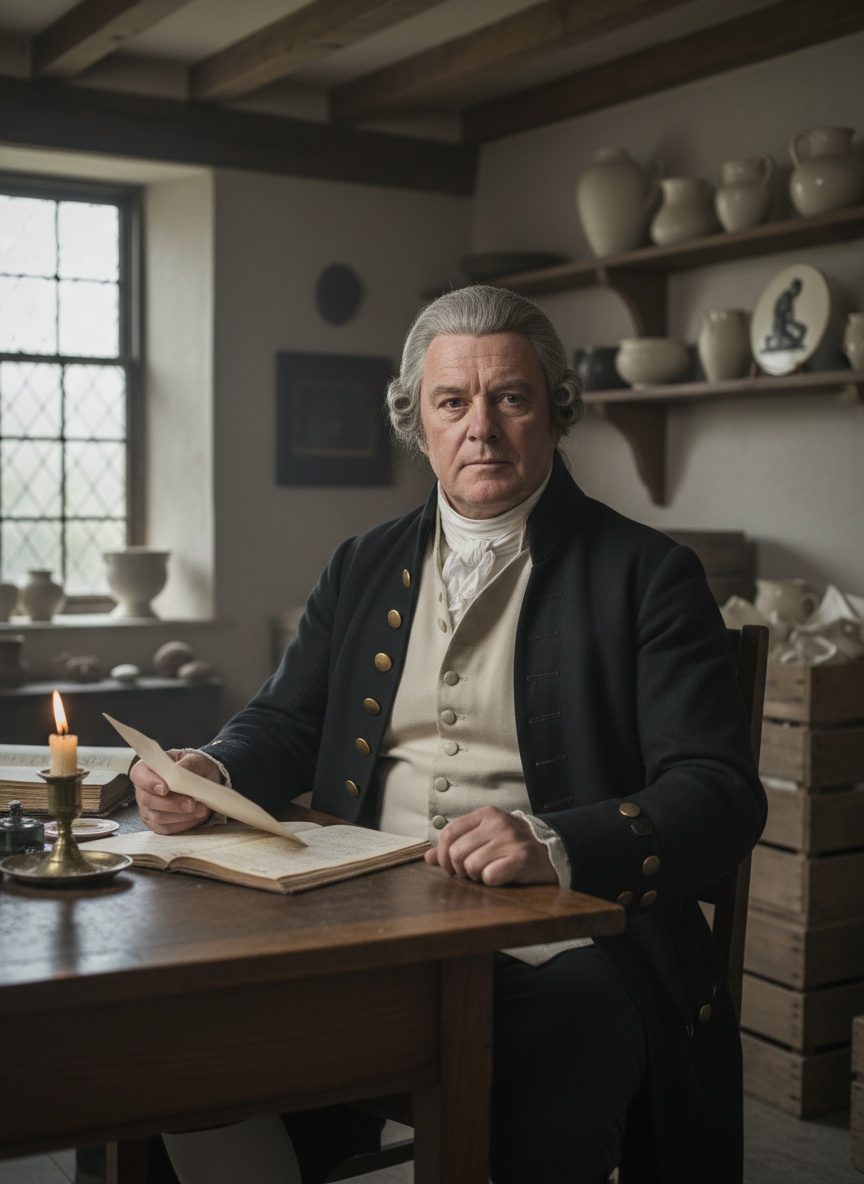
1788. The order was enormous. A Bristol merchant wanted five hundred pieces of Wedgwood china. Josiah read the manifest. The man dealt in enslaved Africans. He returned the order. Unsigned.
1904. The Congo was a private colony. A British consul had seen everything. He wrote it all down. His report shook the world. One man's words ended a king's empire of terror.
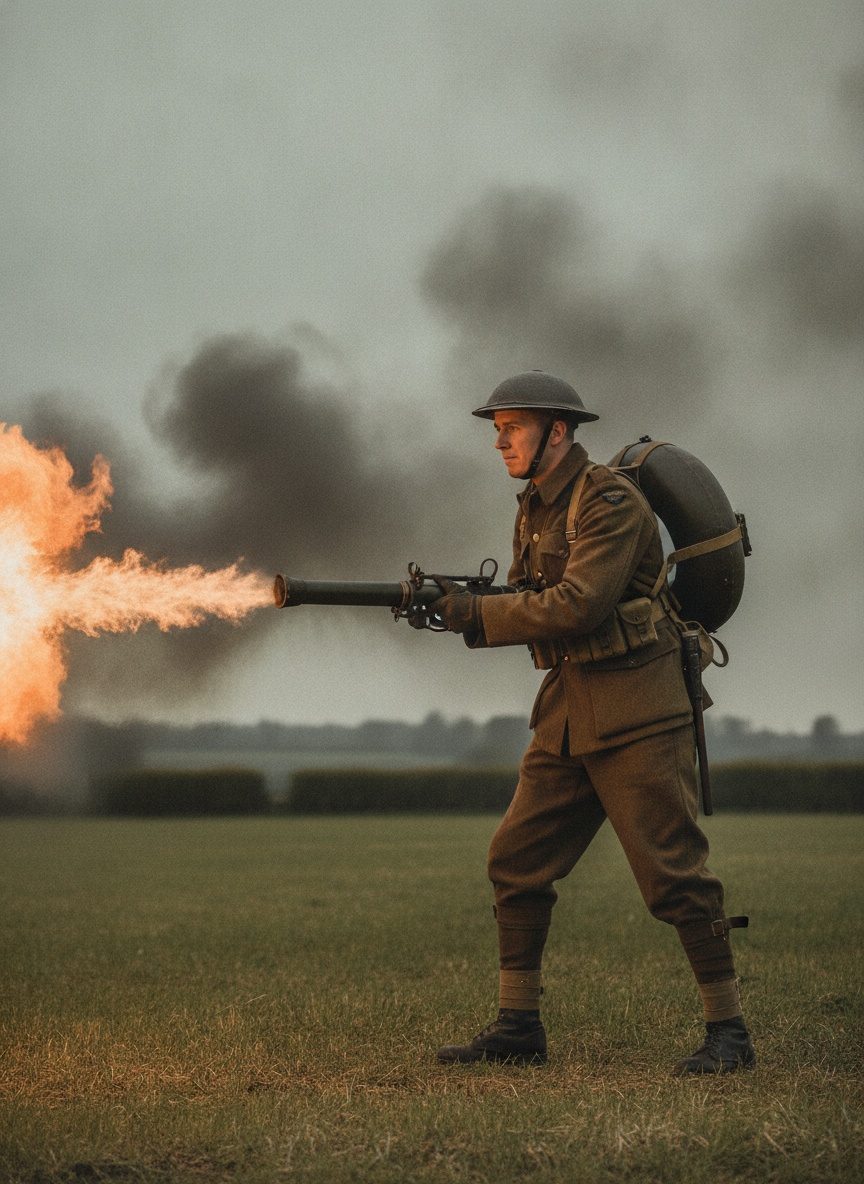
Spring 1944. A British soldier straps on 40 pounds of pressurised fuel. The Lifebuoy flamethrower could clear a trench in seconds — and cook its operator alive if hit. Few weapons in the British arsenal demanded more courage to carry.
In 1920, Irish soldiers of the British Army mutinied in India. Not over pay. Not over conditions. Over Ireland. It was the only mutiny in the British Army during peacetime in the 20th century.
One artist. Dozens of uniforms. A war that changed how Britain dressed for battle. Harry Payne captured the last great pageant of imperial military colour — just as khaki swallowed it whole.
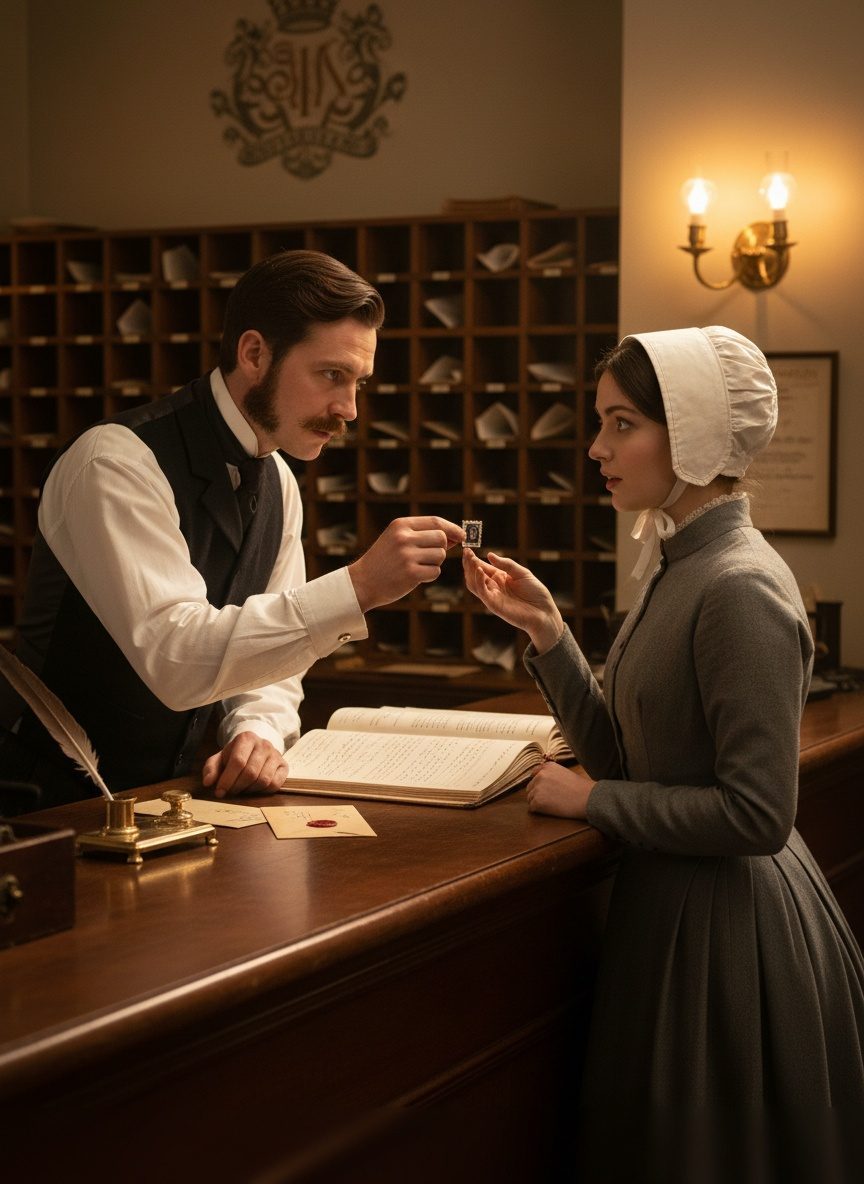
London, 1840. One penny. One stamp. One letter. Rowland Hill's postal reform had just connected every corner of the empire. The world's poorest could now write to their families. Nothing would ever be the same.
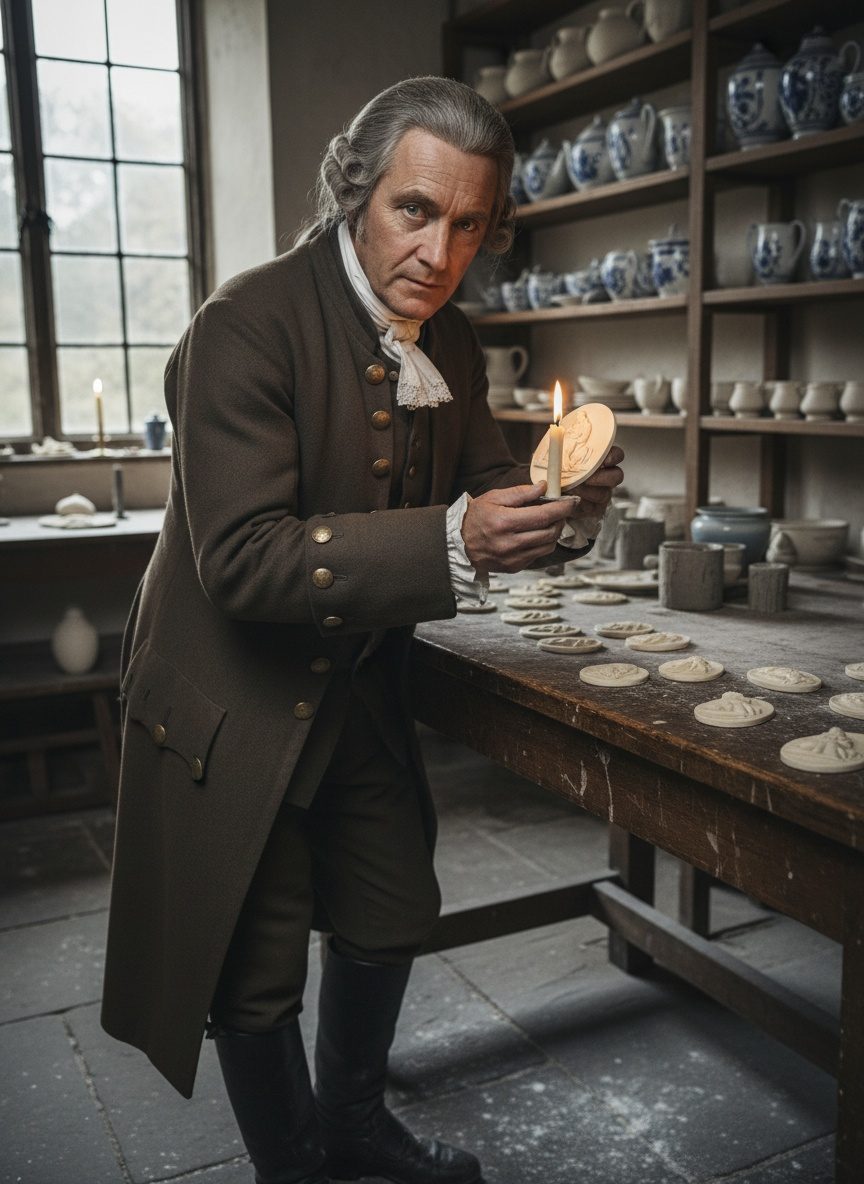
1787. A potter from Staffordshire had an idea. He pressed a chained slave onto a cameo medallion. He gave them away free. Thousands wore them. One man turned commerce into conscience.
London, 1772. A slave named James Somerset stood in chains before England's highest court. One man had spent six years fighting for this moment. Lord Mansfield ruled. Somerset walked free. England's soil could hold no slave.
Hand-picked from Britain Untold's archive. The stories you weren't taught at school. 3-minute read.
No spam. Unsubscribe in one click. We hate spam too. Privacy Policy.