The British Empire — the forgotten chapters · page 12 of 22
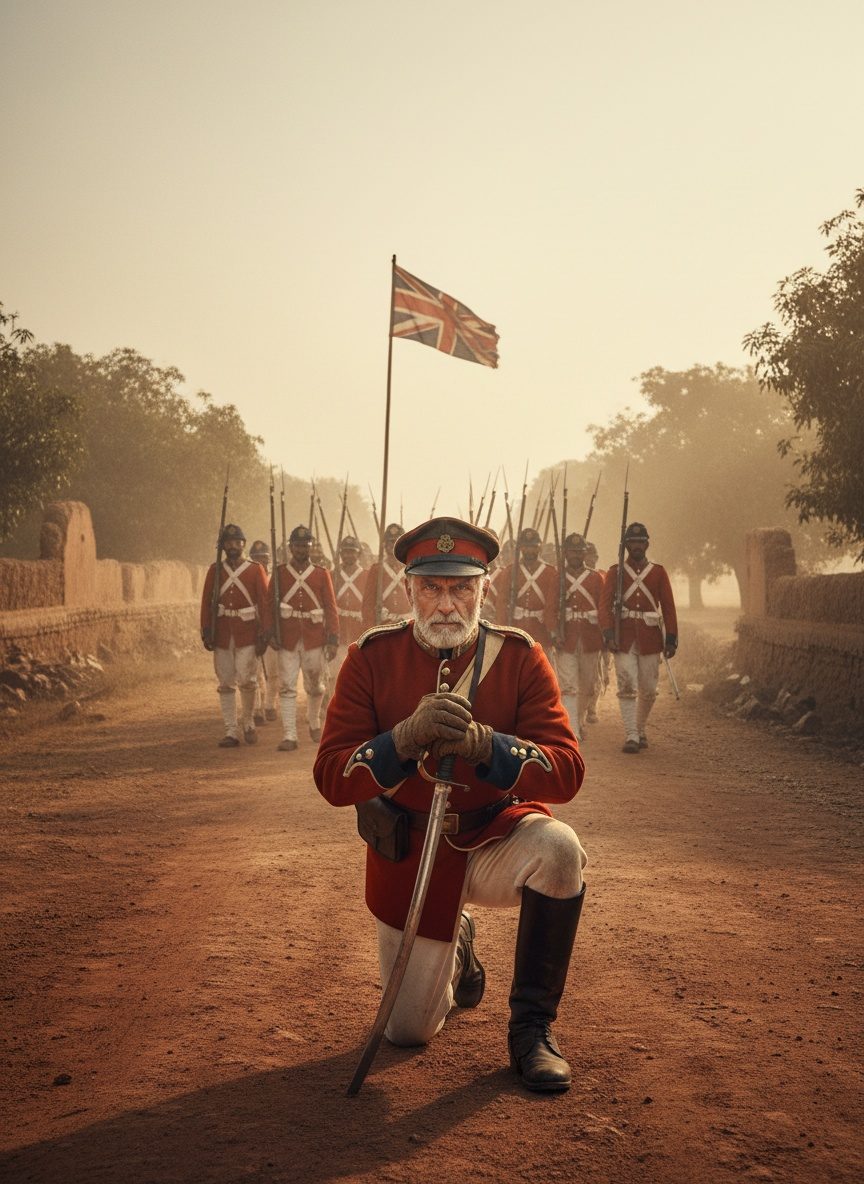
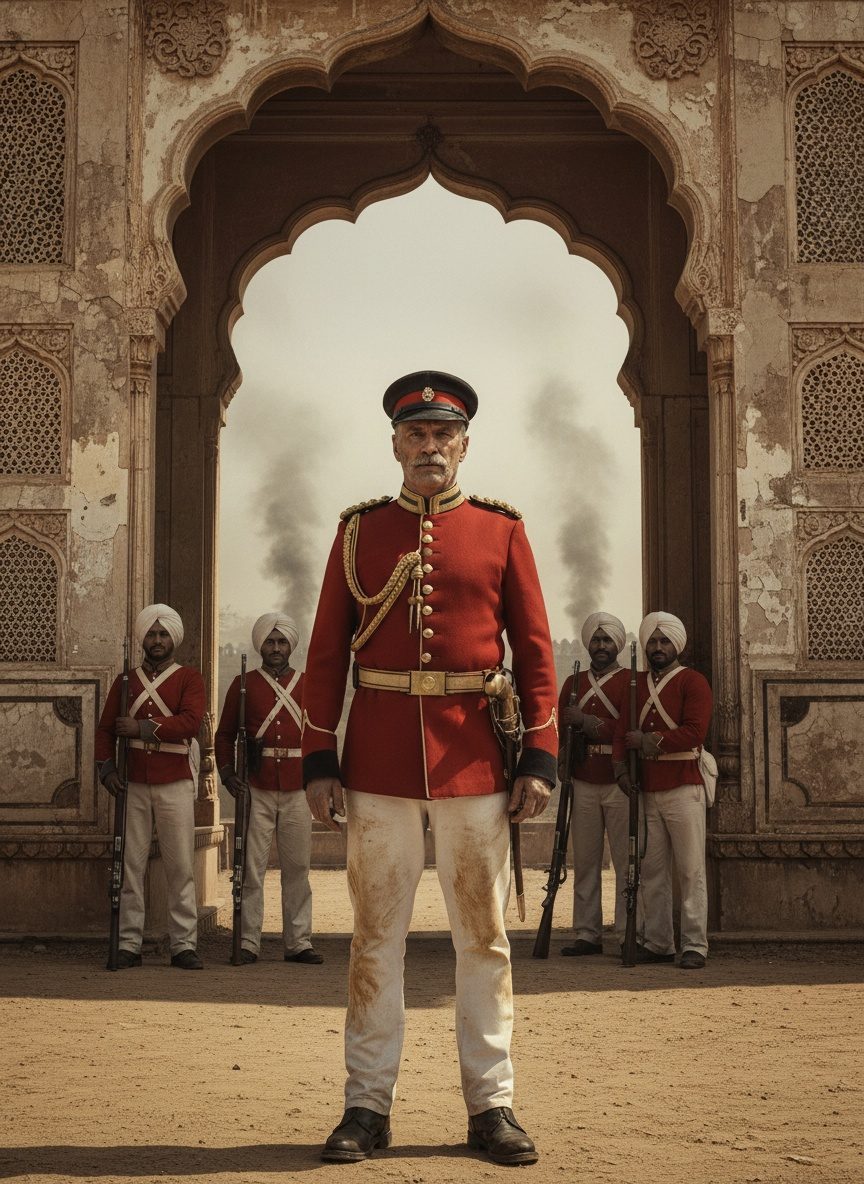
July 1857. The Lucknow Residency was surrounded. Thousands of British civilians were dying inside. General Henry Havelock knelt in the dust and prayed. Then he rose. And marched.
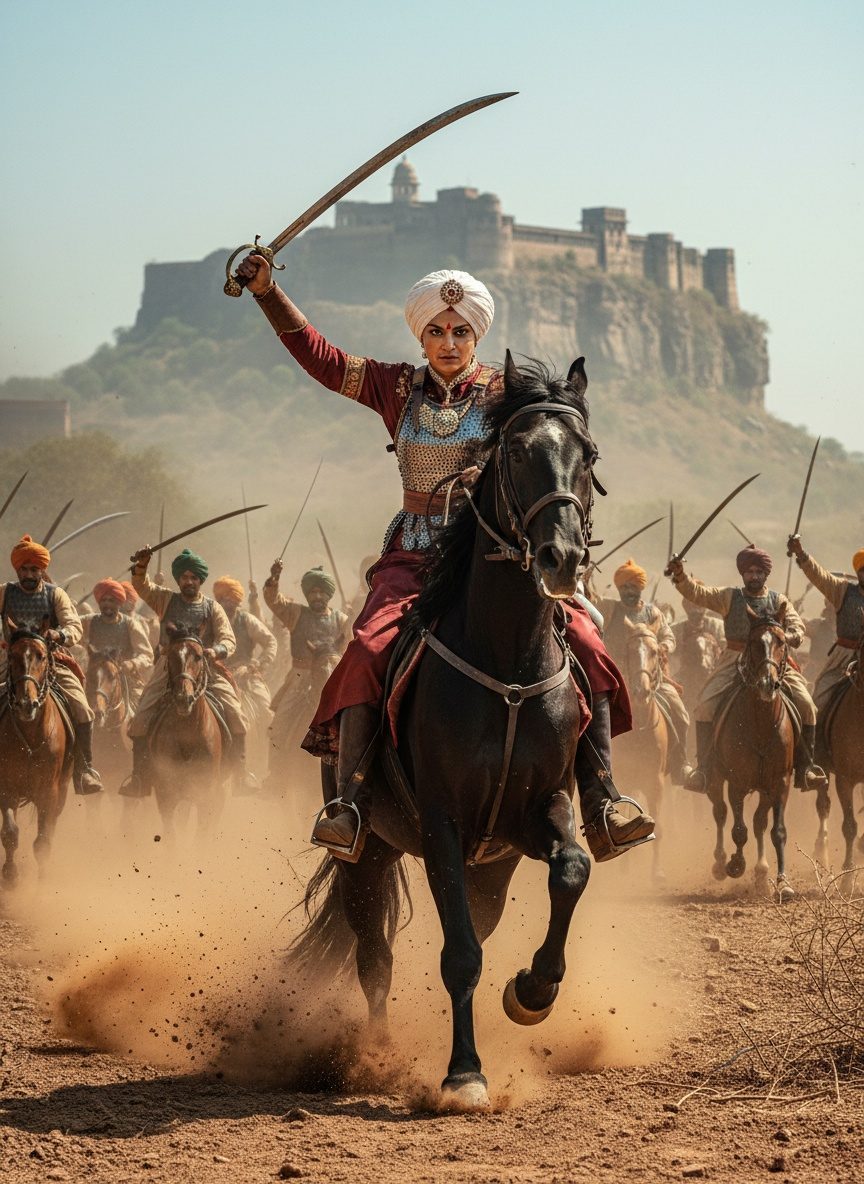
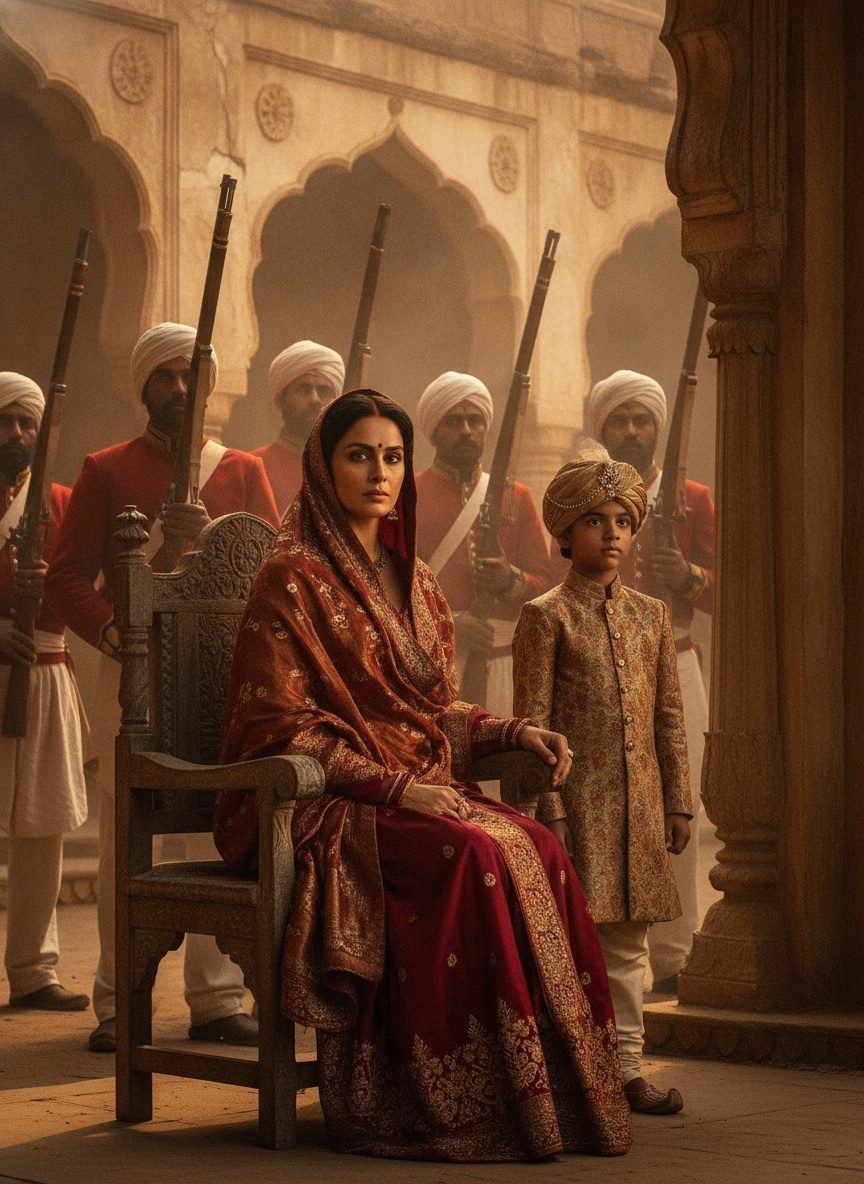
June 1858. The Rani of Jhansi was surrounded. Her kingdom was gone. Her son was strapped to her back. She drew her sword anyway. She charged the British line alone. She fell fighting.
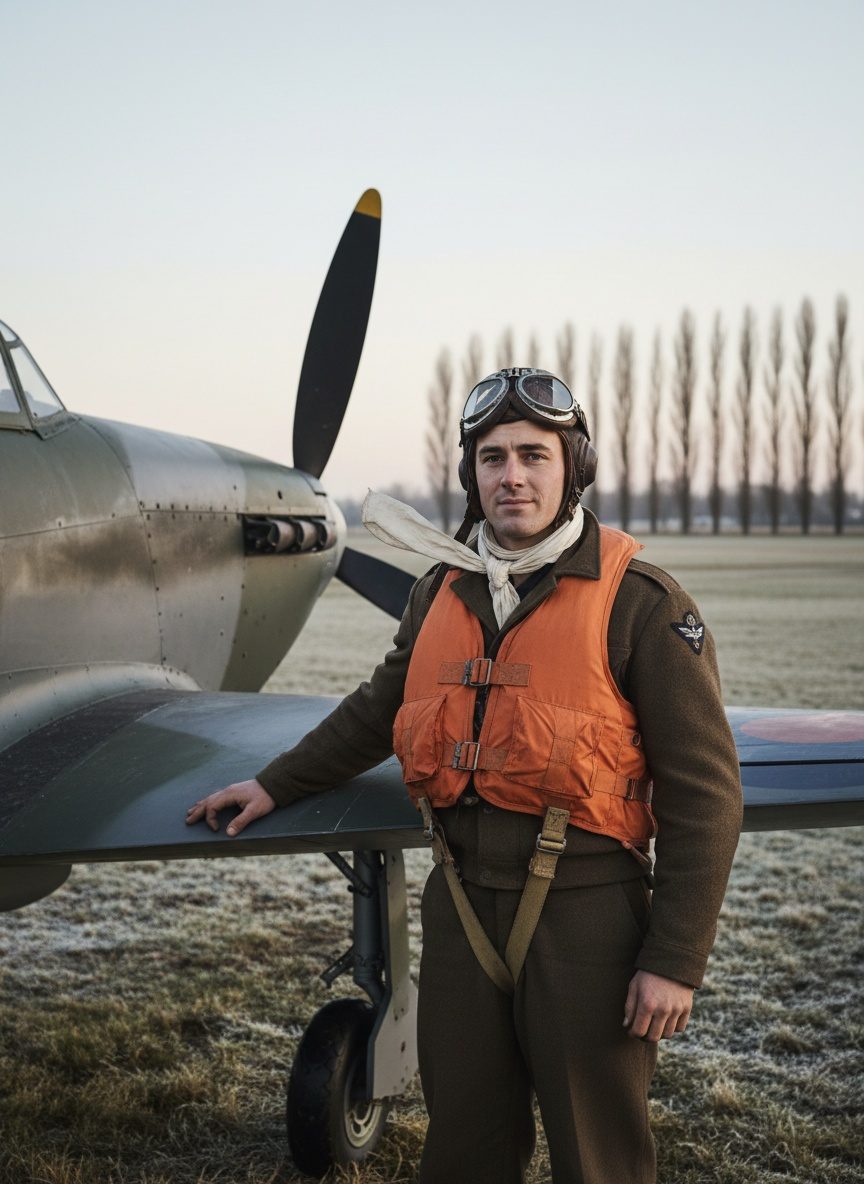
November 1939. A 21-year-old New Zealander in a Hurricane intercepted a German Dornier over France. One burst. One kill. The gun he ripped from the wreckage became a trophy — and a prophecy.
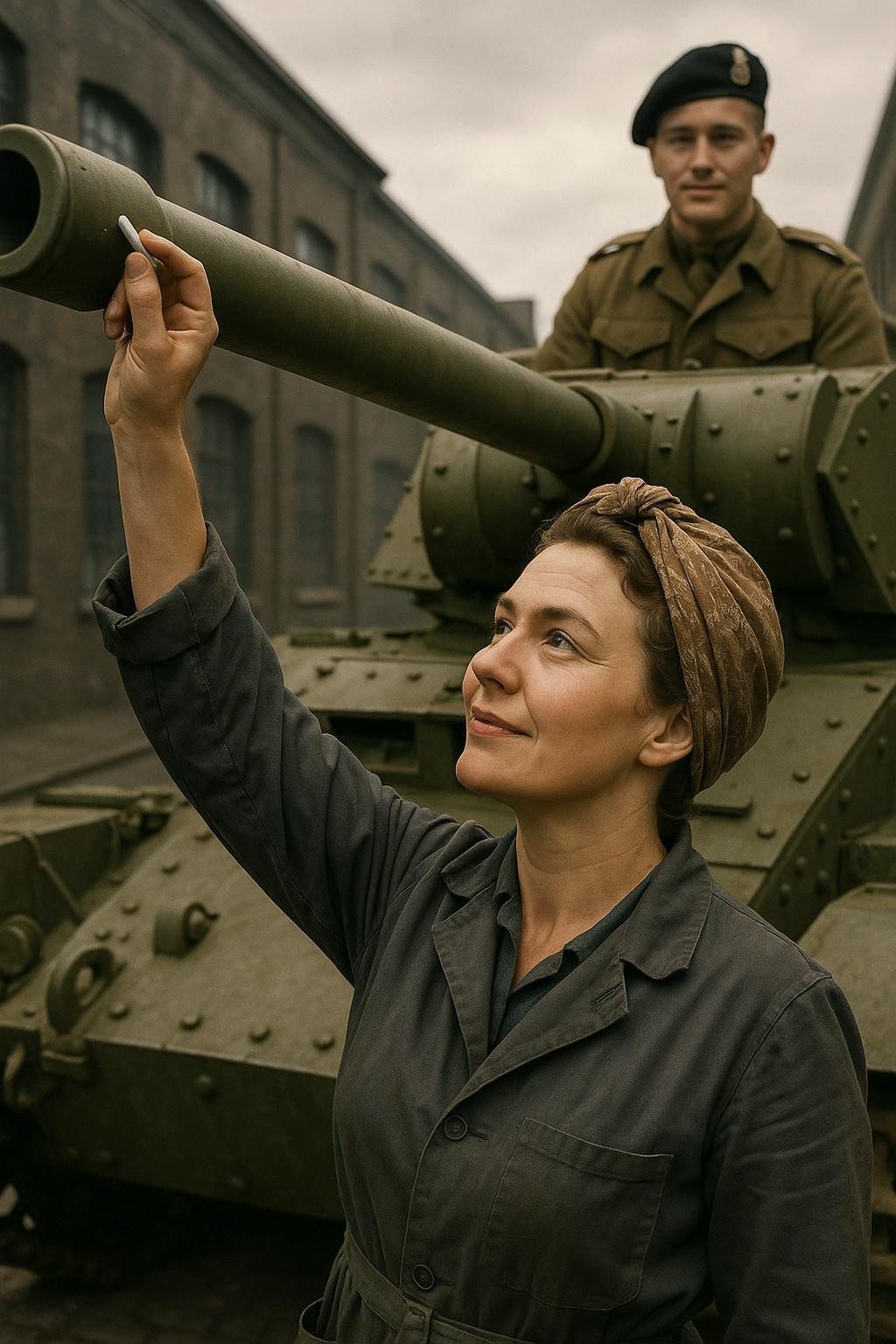
September 1942. A woman from a London munitions factory walks up to a Covenanter tank and chalks four words on the barrel. The Guards Armoured Division is heading to war. She just wanted them to know someone was watching.
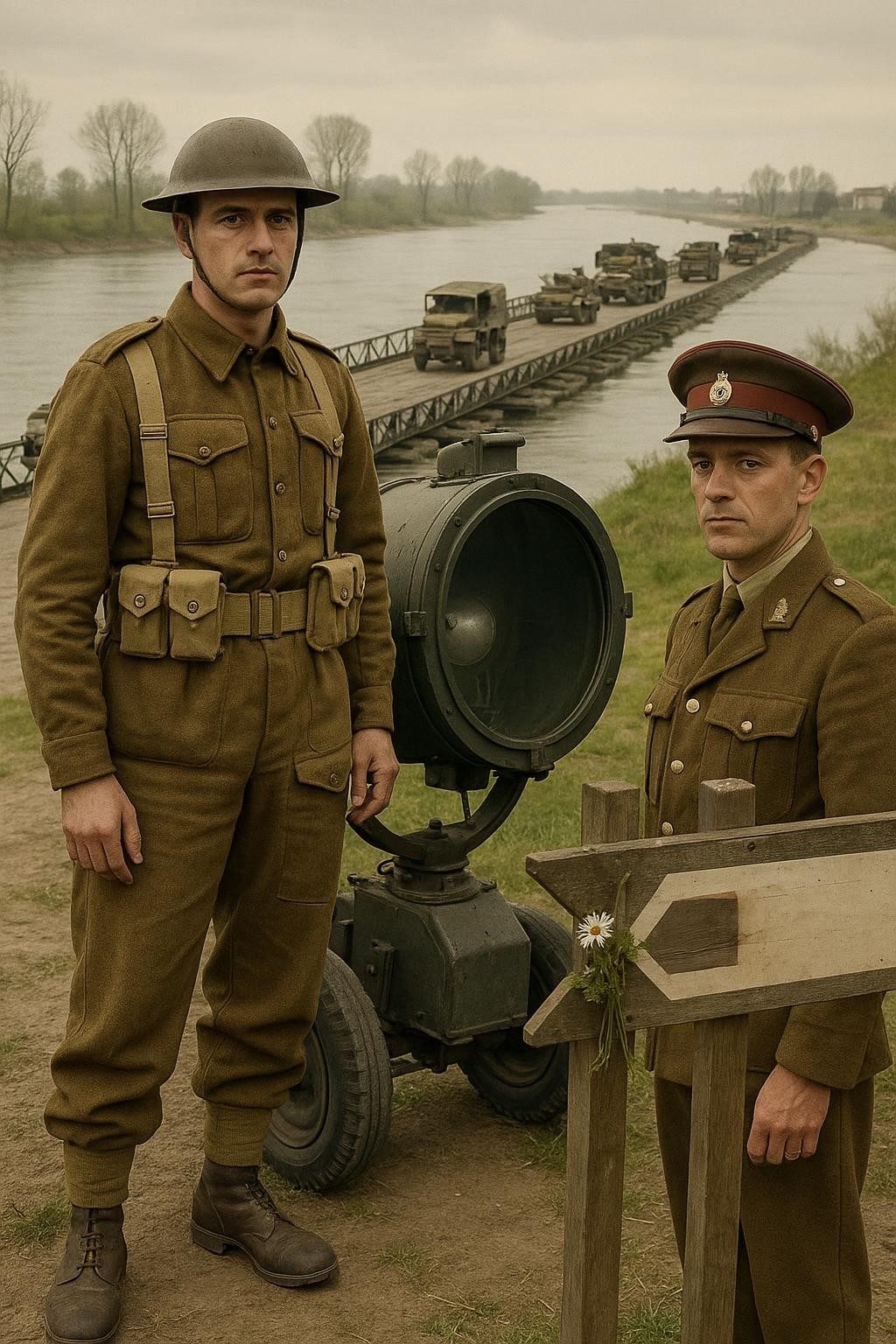
April 1945. Italy. The Eighth Army reaches the River Po. One pontoon bridge. One military policeman. One sign — wrapped in flowers. The war in Italy had days left to run.
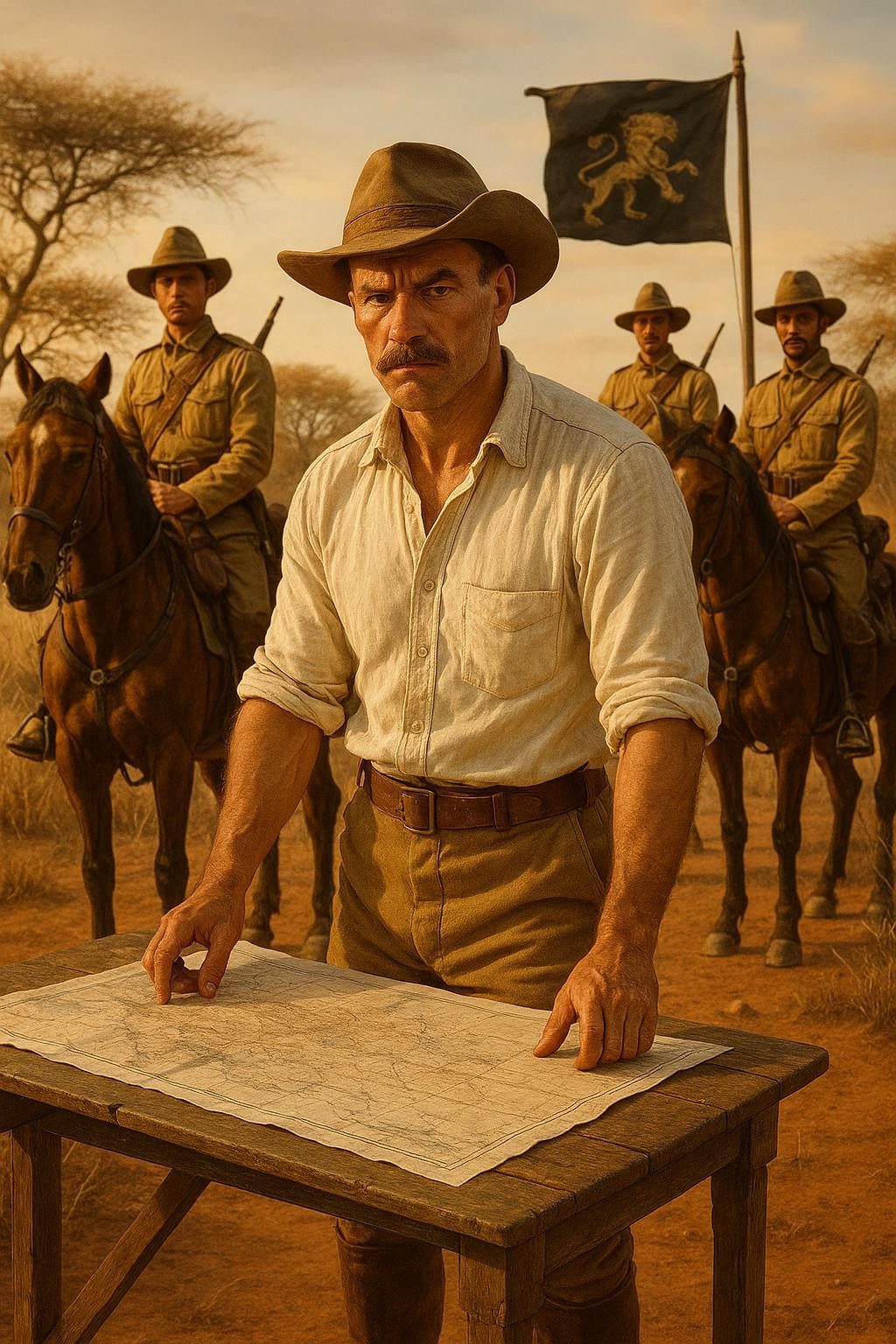
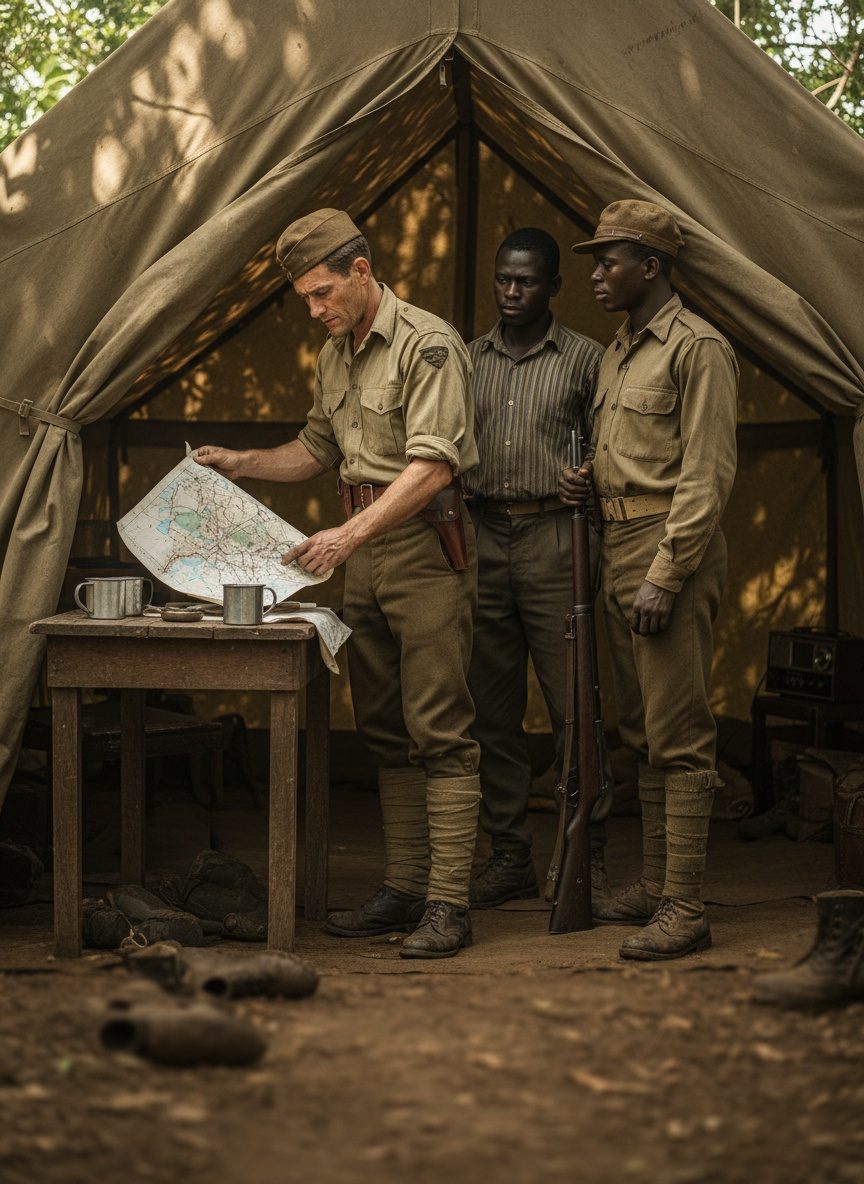
1893. Lobengula's kingdom stood between Rhodes and the north. One man sent a column into the unknown. The Matabele warriors held their ground. The empire moved anyway.
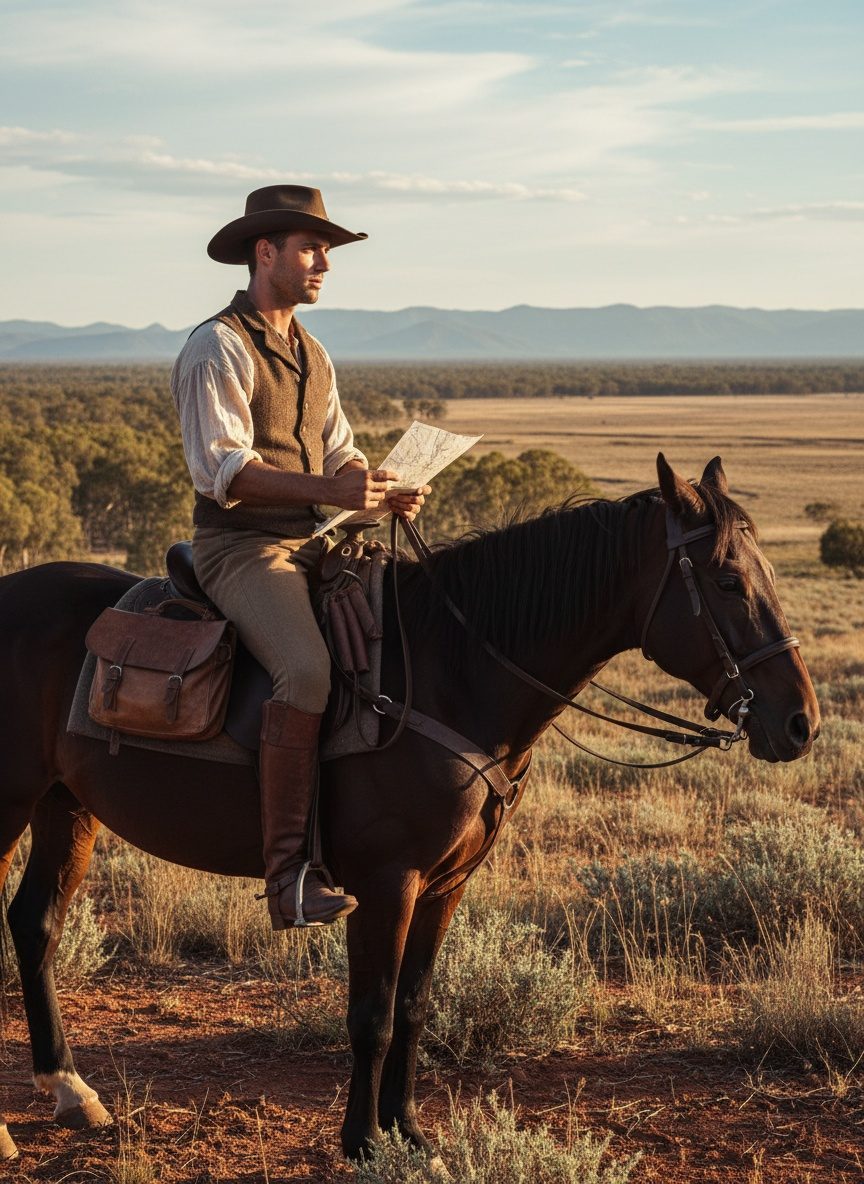
New South Wales, 1827. James Macarthur rode alone into unmapped bush west of Camden Park. No track. No guide. He returned with land enough to double the family's empire. One man. One horse. One chance.
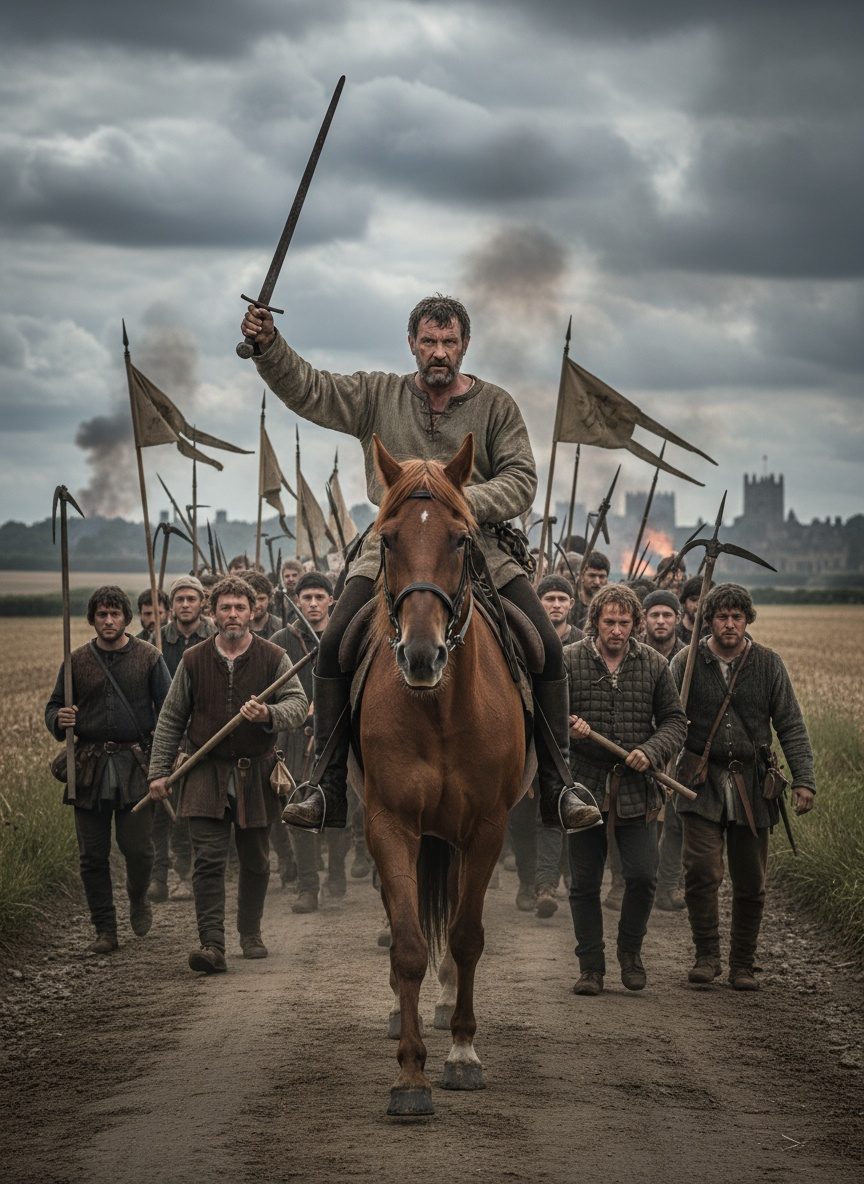
June 1381. A peasant army reached London. No king had ever faced this. Wat Tyler rode at its head. A hundred thousand men behind him. England held its breath.
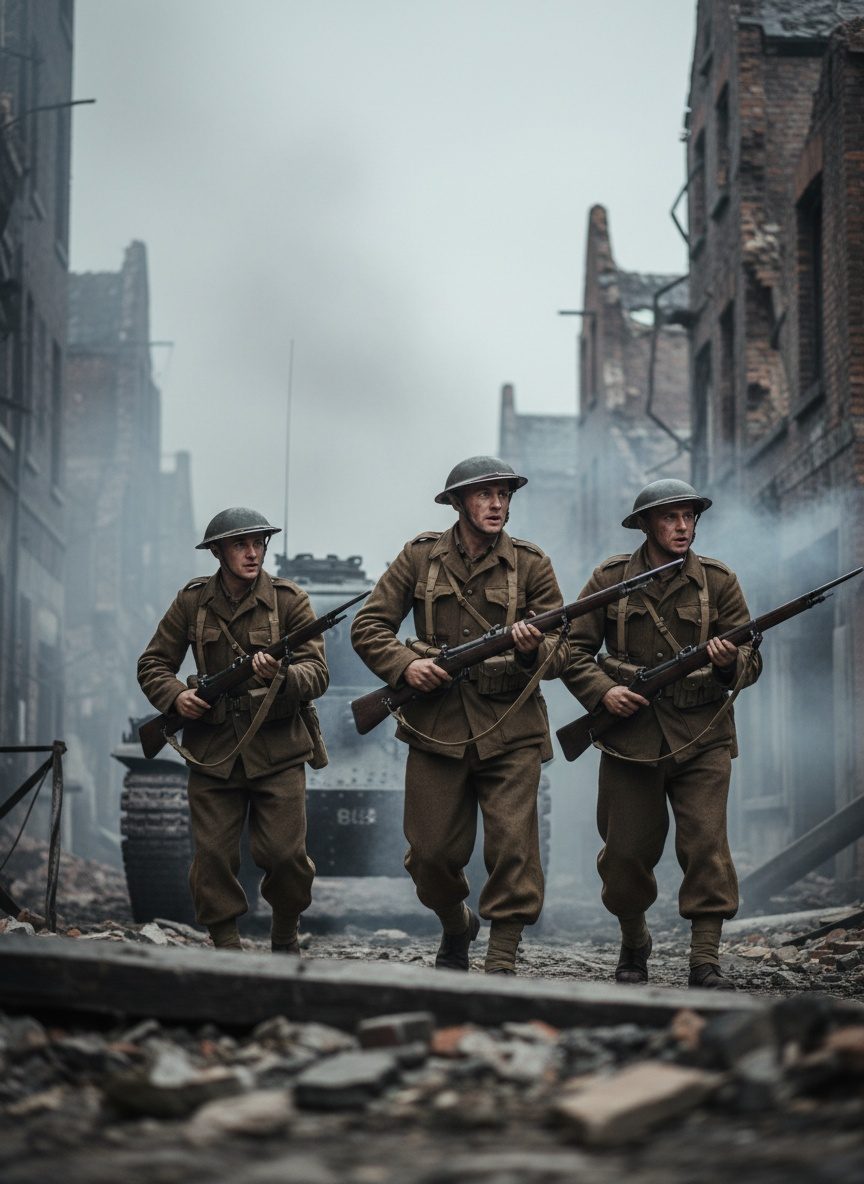
2 May 1945. Germany was collapsing — but men were still dying. The Wiltshires pushed south of Lübeck with Churchill tanks at their shoulder. One last pocket of resistance stood between them and the end.
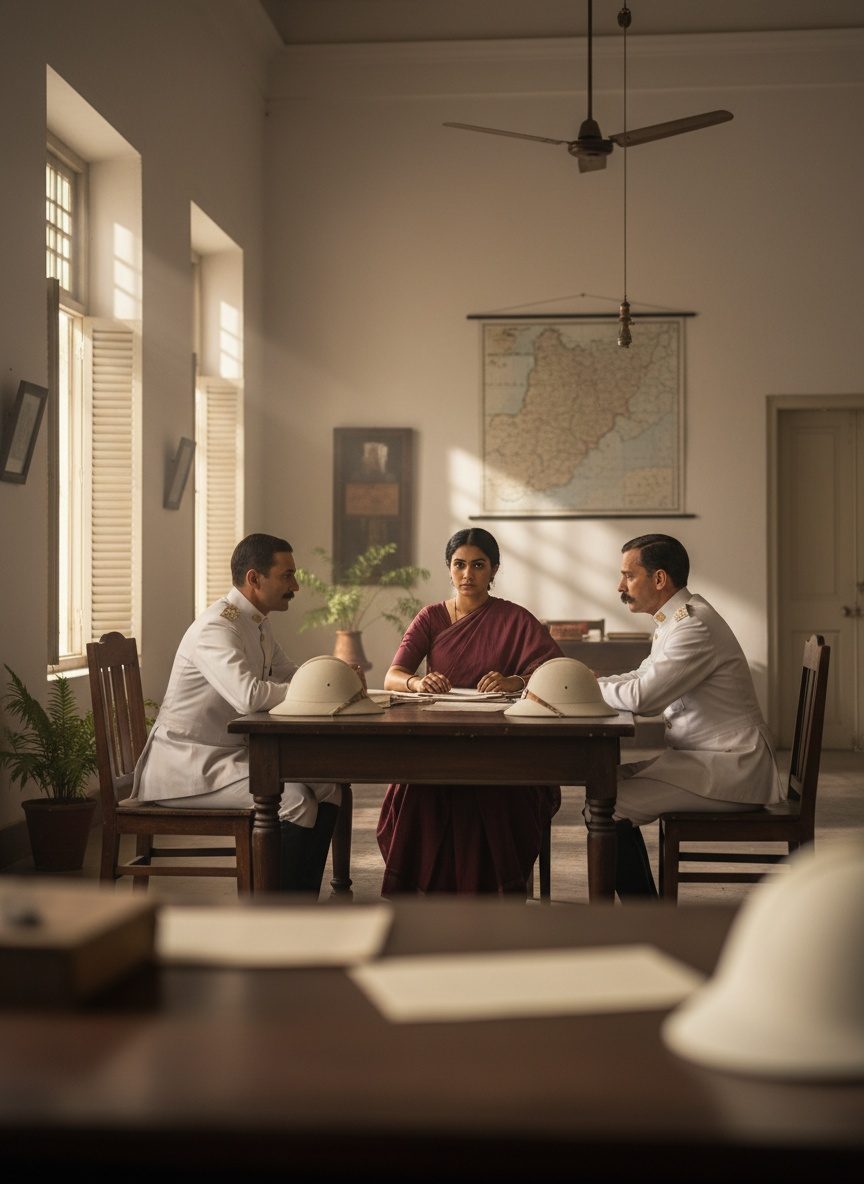
Poona, 1851. Child widows had no school. No future. No voice. Pandita Ramabai had lost everything. She stood before the Raj's commissioners anyway. She spoke. They listened. India changed.
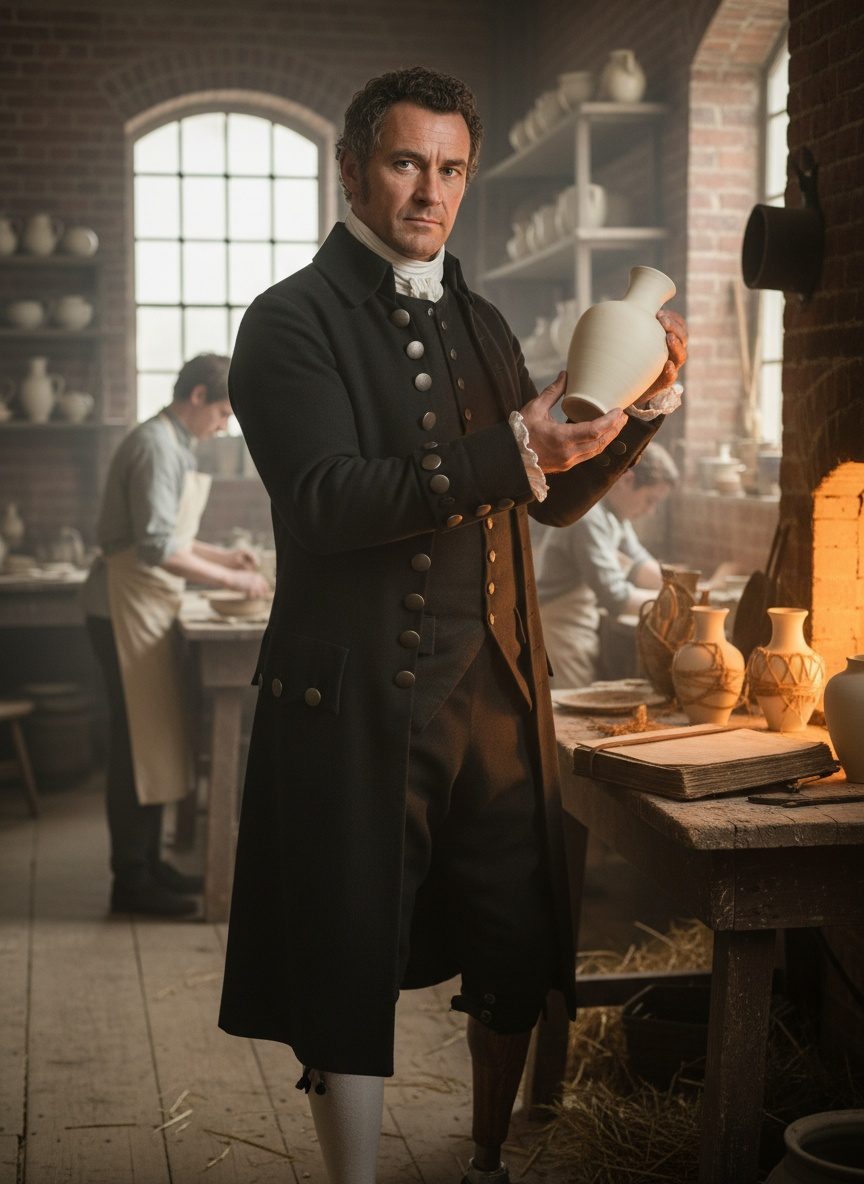
1773. A Staffordshire potter stood in his factory. He had one leg. He had a burning kiln. He had a dream. He sent his china to Catherine the Great. She ordered 952 pieces. The world followed.
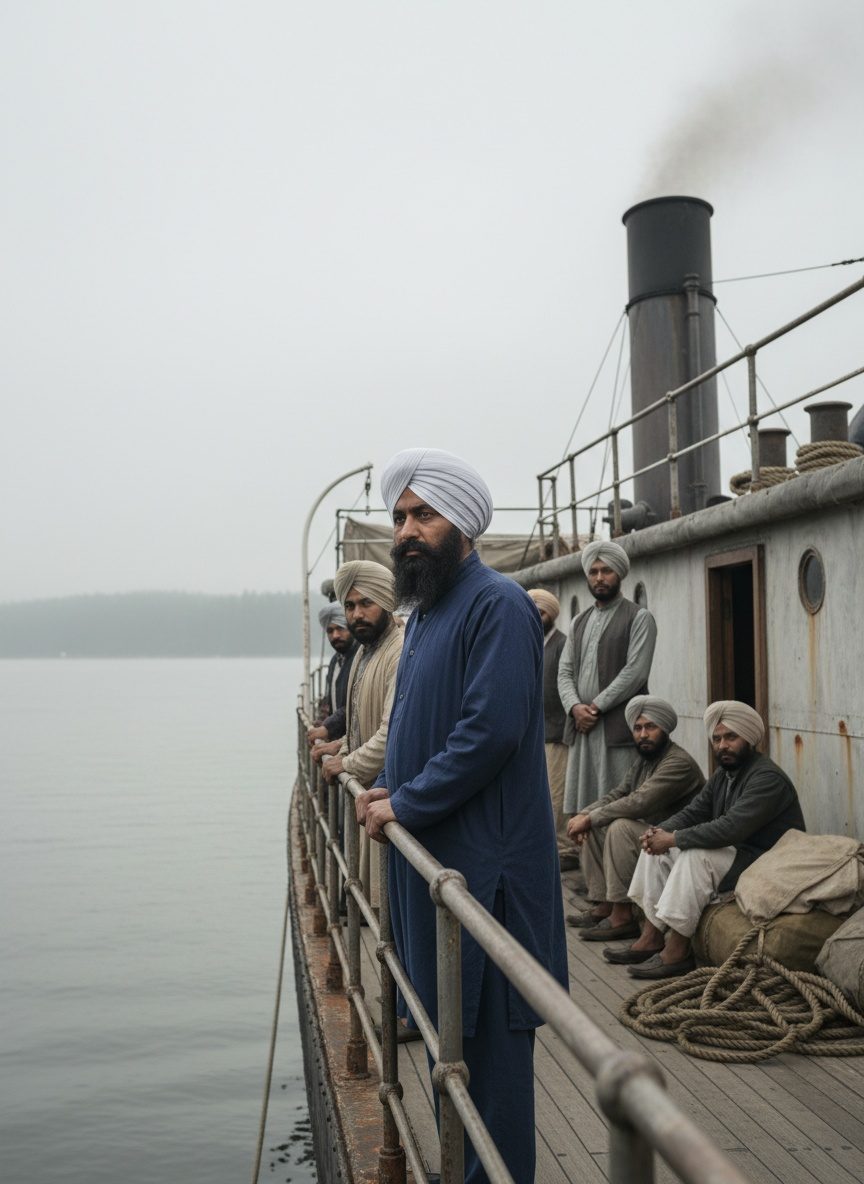
May 1914. A ship sat in Vancouver harbour. 376 British subjects from India. Canada refused to let them land. For two months they waited. Starving. Then the Empire sent a warship to drive them away.
June 1857. The British had deposed her husband. Stripped her kingdom. Hazrat Mahal refused to surrender. She raised an army. Led it herself. And held Lucknow against the Empire for months.
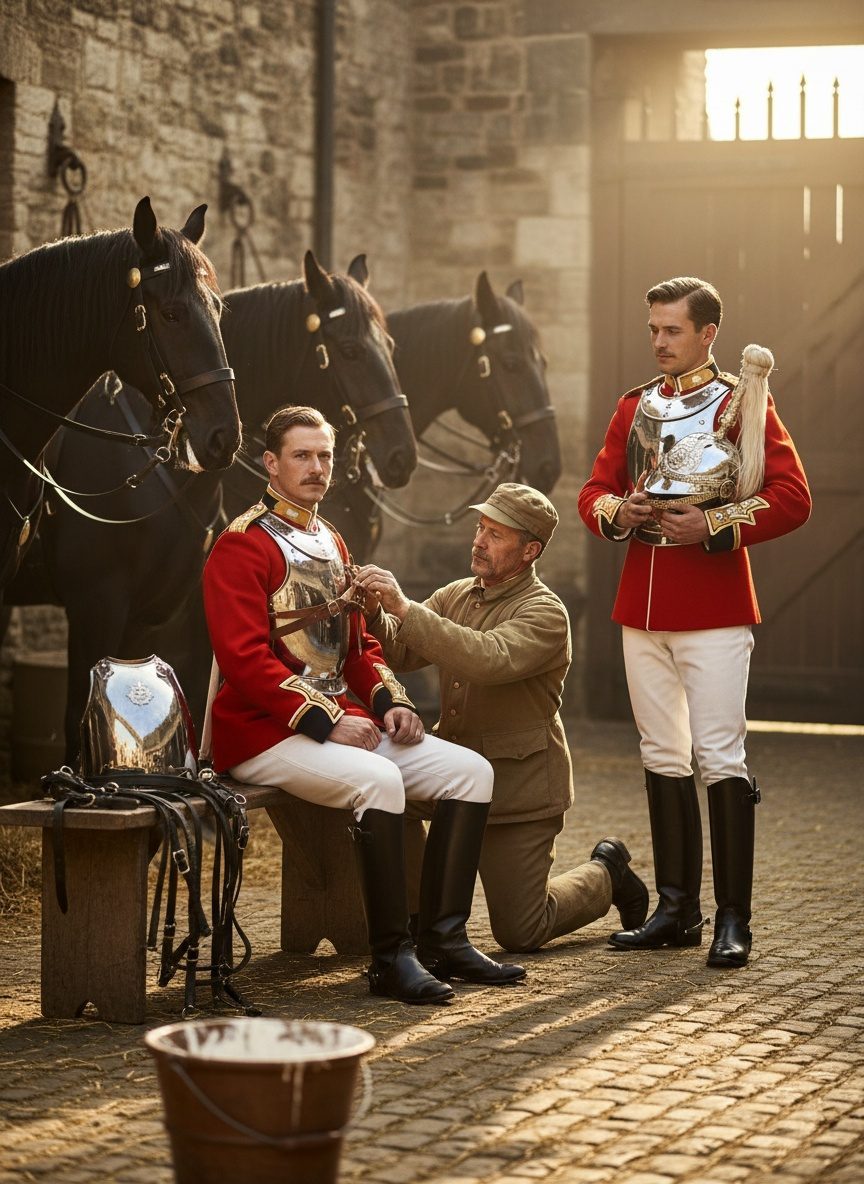
Behind the gleaming breastplates and plumed helmets, chaos reigned. The Life Guards' preparations for Victoria's Golden Jubilee review were a masterclass in controlled pandemonium. Every boot, every cuirass, every horse had to be perfect.
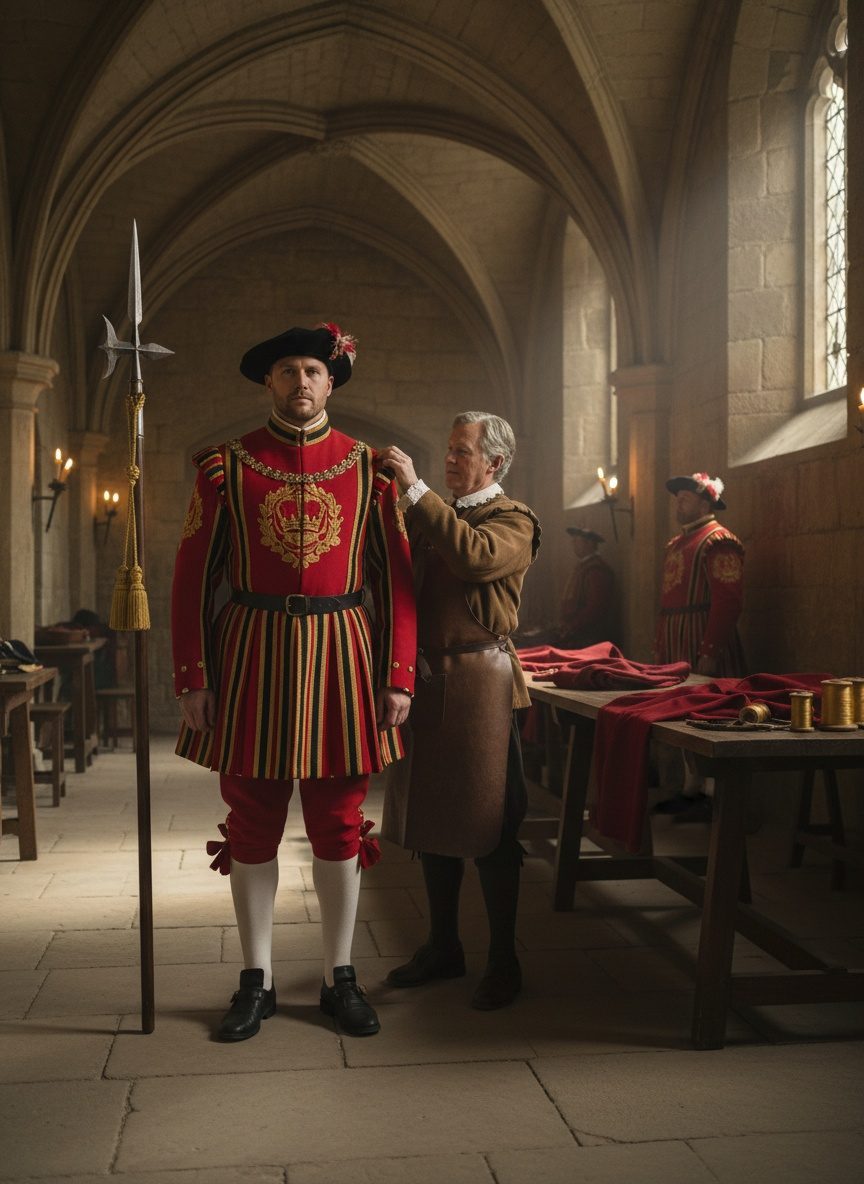
Five hundred years before Canadian reservists lined up for their bearskins, England's oldest royal bodyguard was being fitted for Tudor livery. The ritual was meticulous. The stakes were deadly serious.
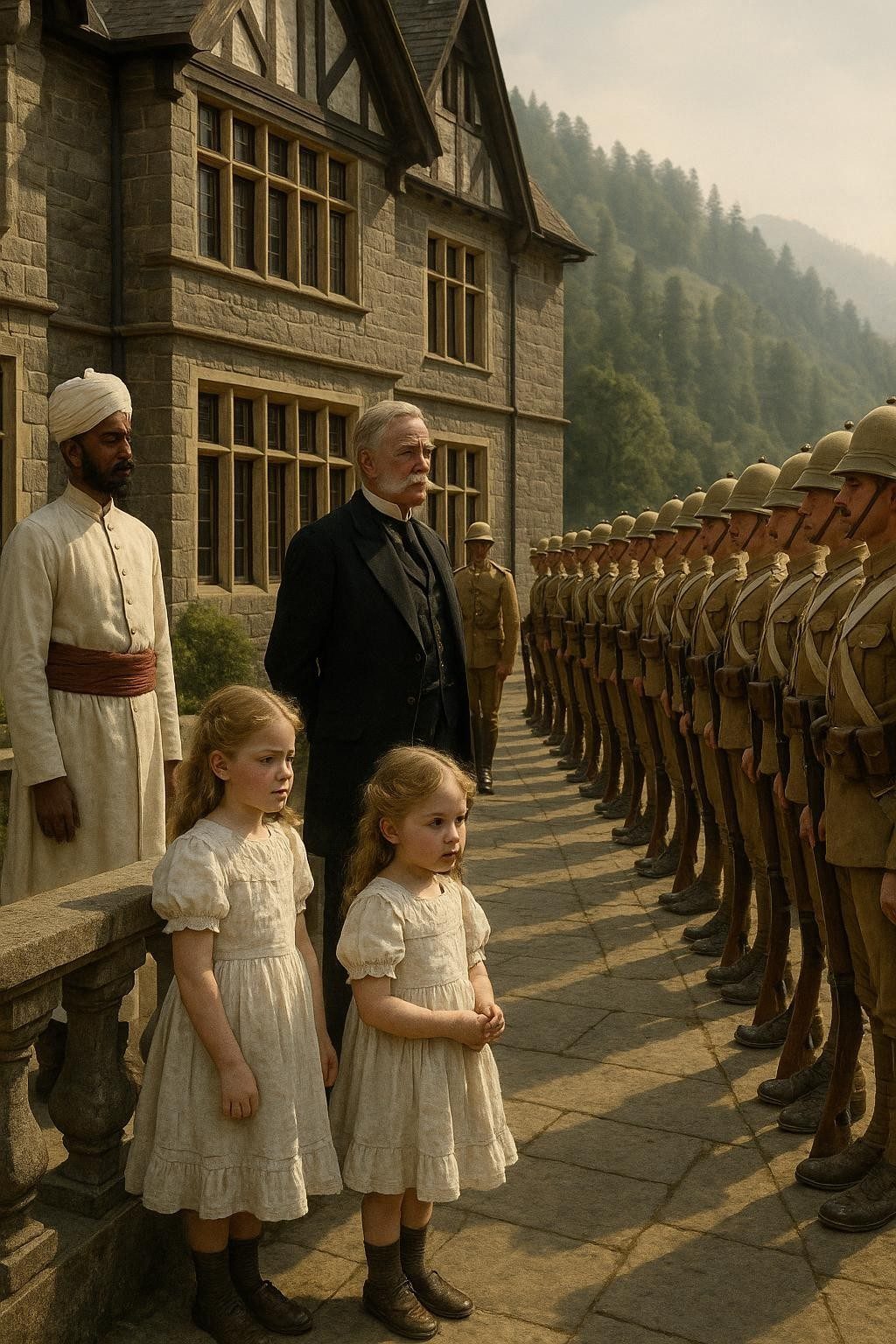
Every summer the Viceroy left Calcutta's heat for Simla's hills. There he inspected the garrison — red coats swapped for khaki, bayonets gleaming in mountain air. Then came the children's levee. The same hands that commanded an empire poured lemonade for schoolmasters' daughters.
Lucknow, 1857. The Residency was falling. A lone British officer walked into the enemy's court. No army behind him. No guarantee of return. He bargained. He held his nerve. He walked out alive. So did a thousand refugees.
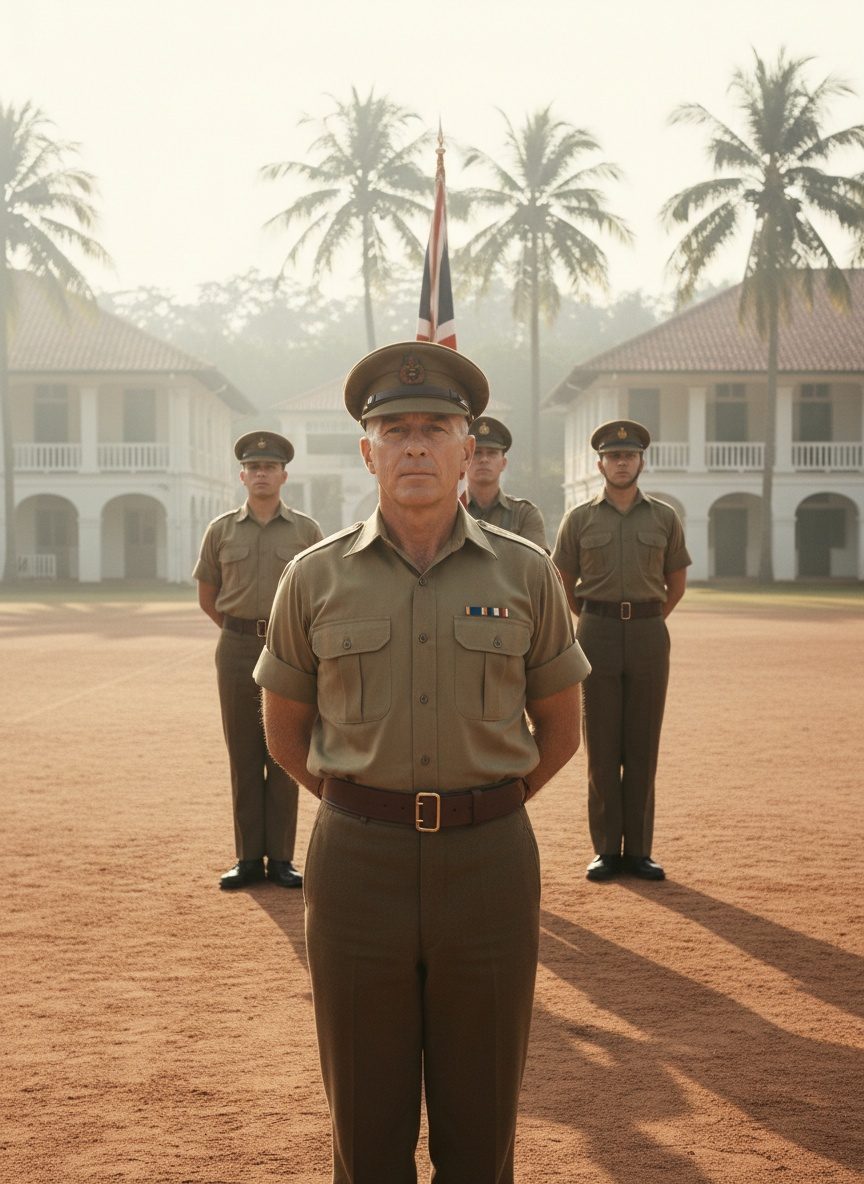
October 1971. The last British garrison prepared to leave Singapore. Twenty-six years after liberating it from Japan. The band played. The flag came down. An empire east of Suez ended quietly.
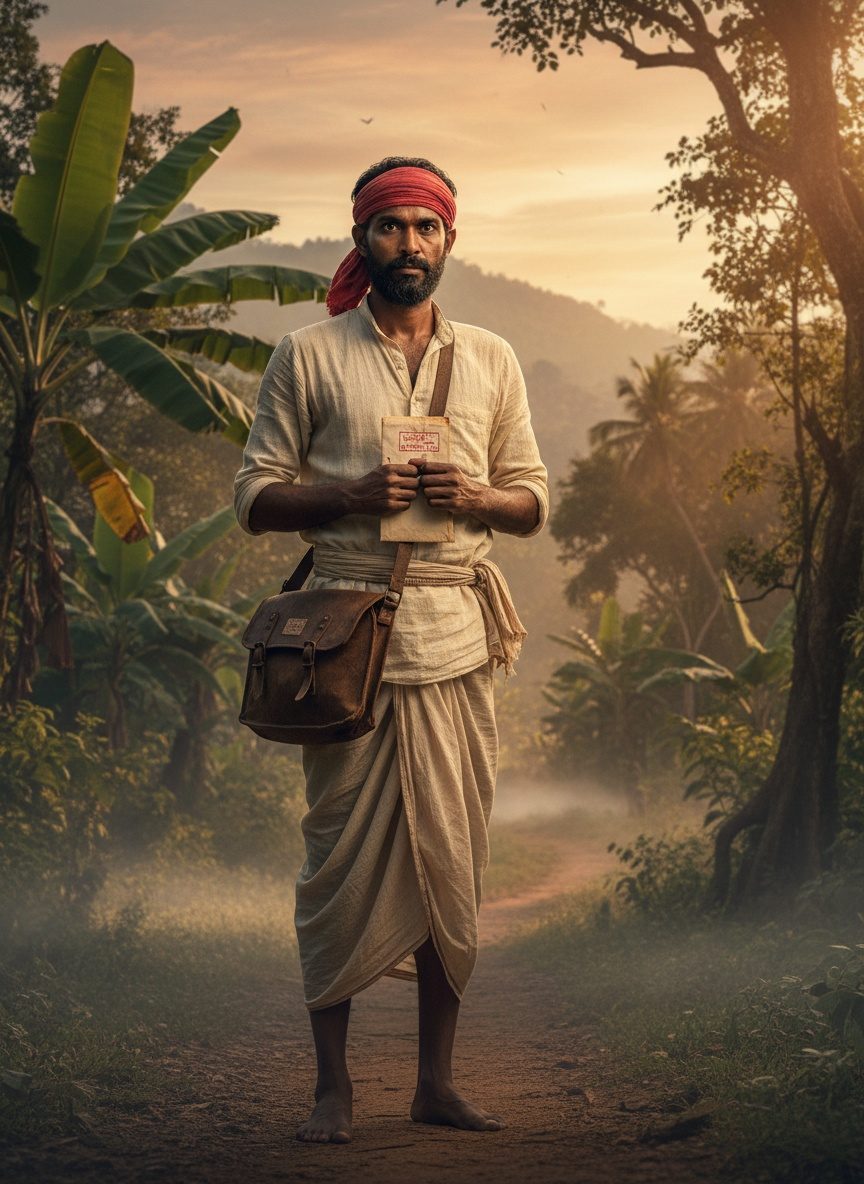
India, 1885. A single letter had to reach a remote hill station. No telegraph line ran there. A dak wallah took it. Sixty miles of jungle. Three river crossings. He arrived at dawn. On foot.
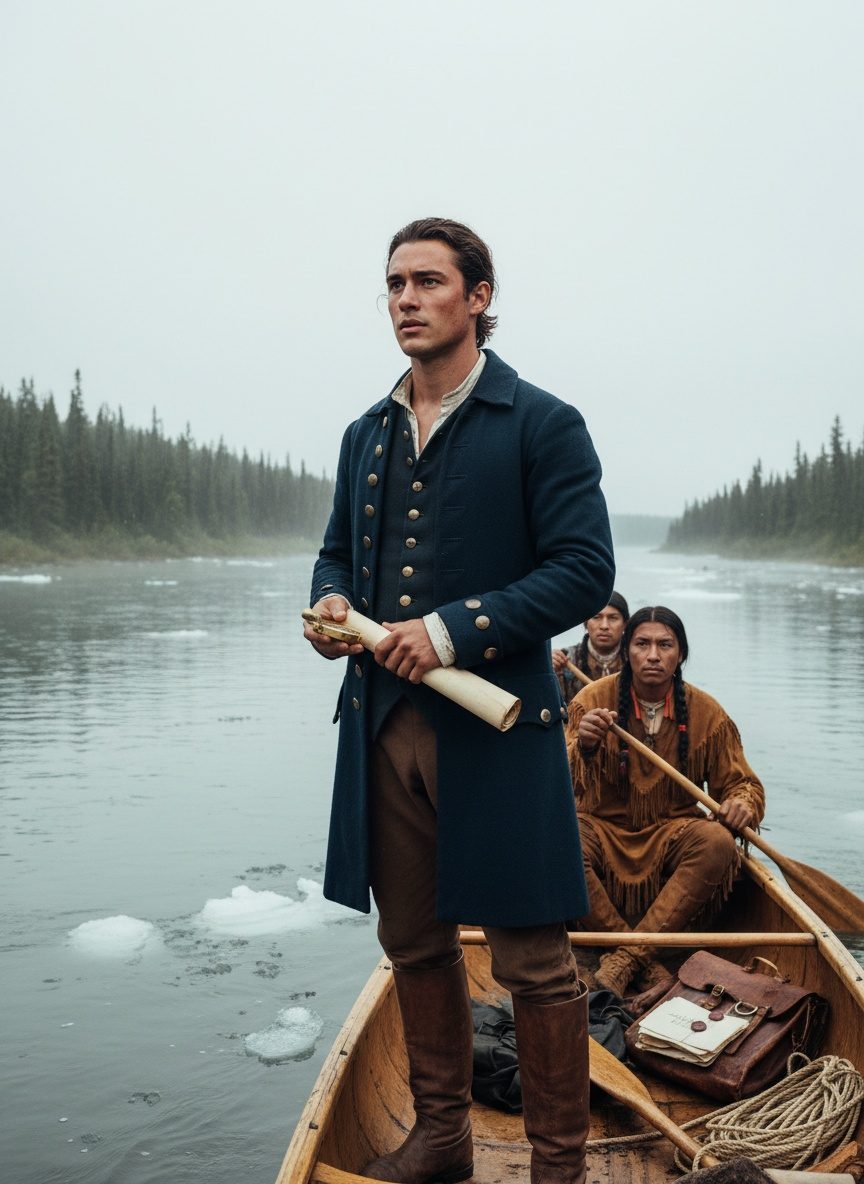
June 1789. Alexander Mackenzie paddled into the unknown. No maps. No guides who had been this far. The river stretched forever north. Seventy-two days later he reached the Arctic Ocean. He was twenty-five years old.
Kenya, 1953. A young British officer had a radical idea: use captured Mau Mau fighters to hunt Mau Mau. No one had tried it at this scale. It worked — and changed counter-insurgency warfare forever.
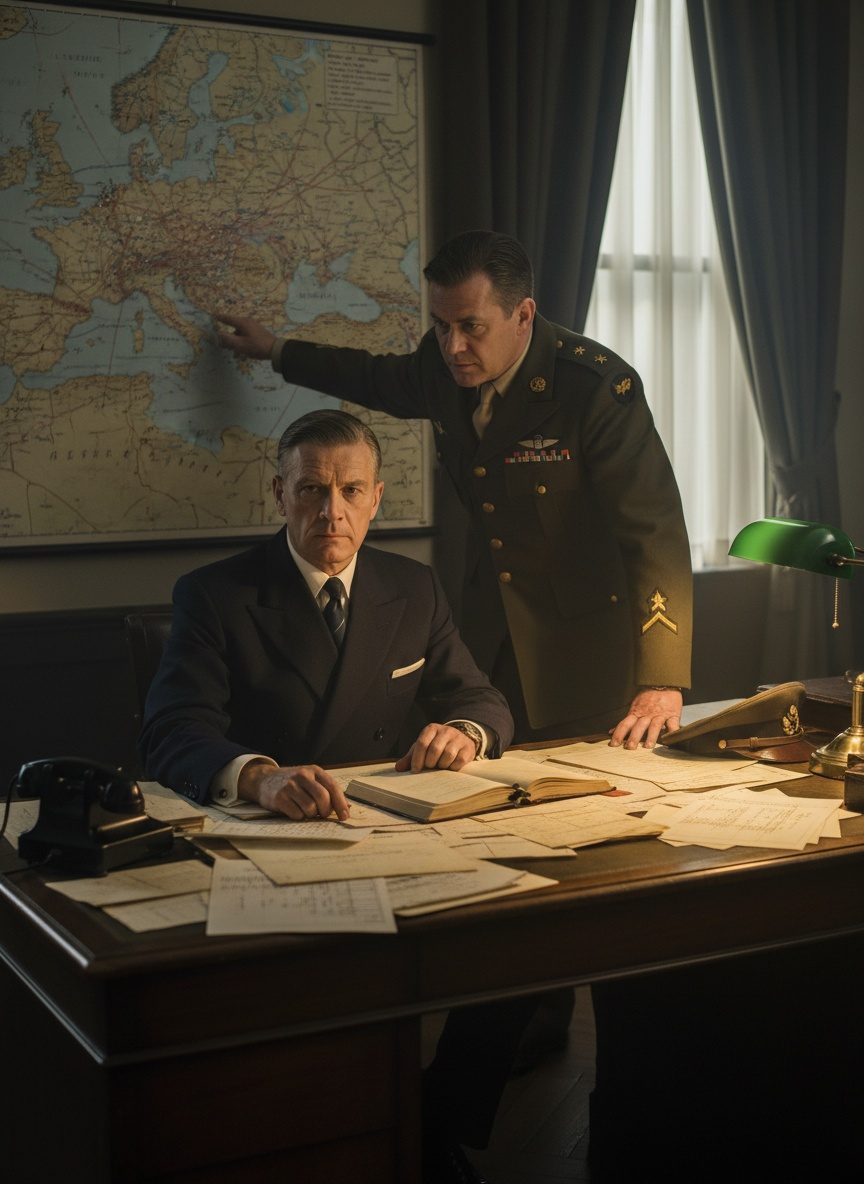
In 1943, Britain and America signed a secret signals deal in wartime Washington. By 1946 it had grown into the most comprehensive intelligence pact in history. No parliament debated it. No public knew it existed.
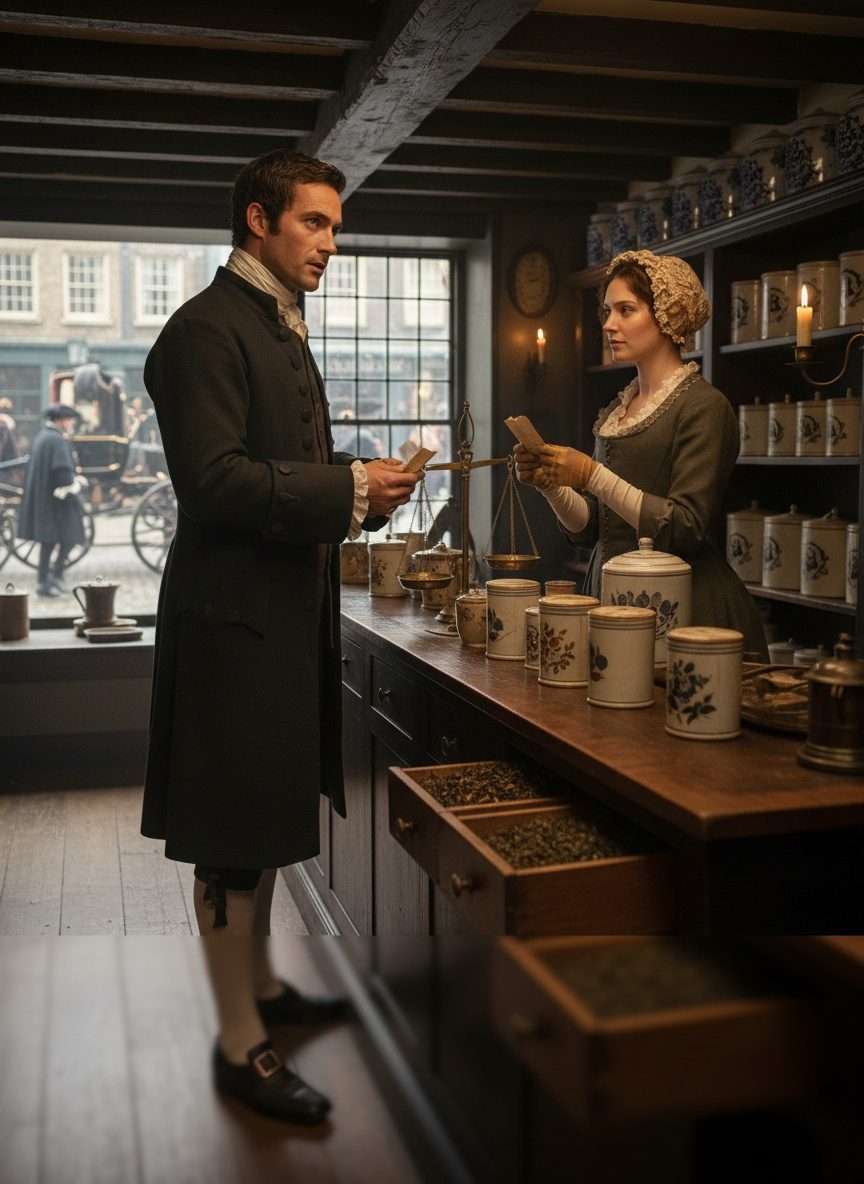
London, 1706. Tea was a luxury only the wealthy could buy. Thomas Twining opened a tiny shop in the Strand. He sold it to anyone. The world changed in a doorway.
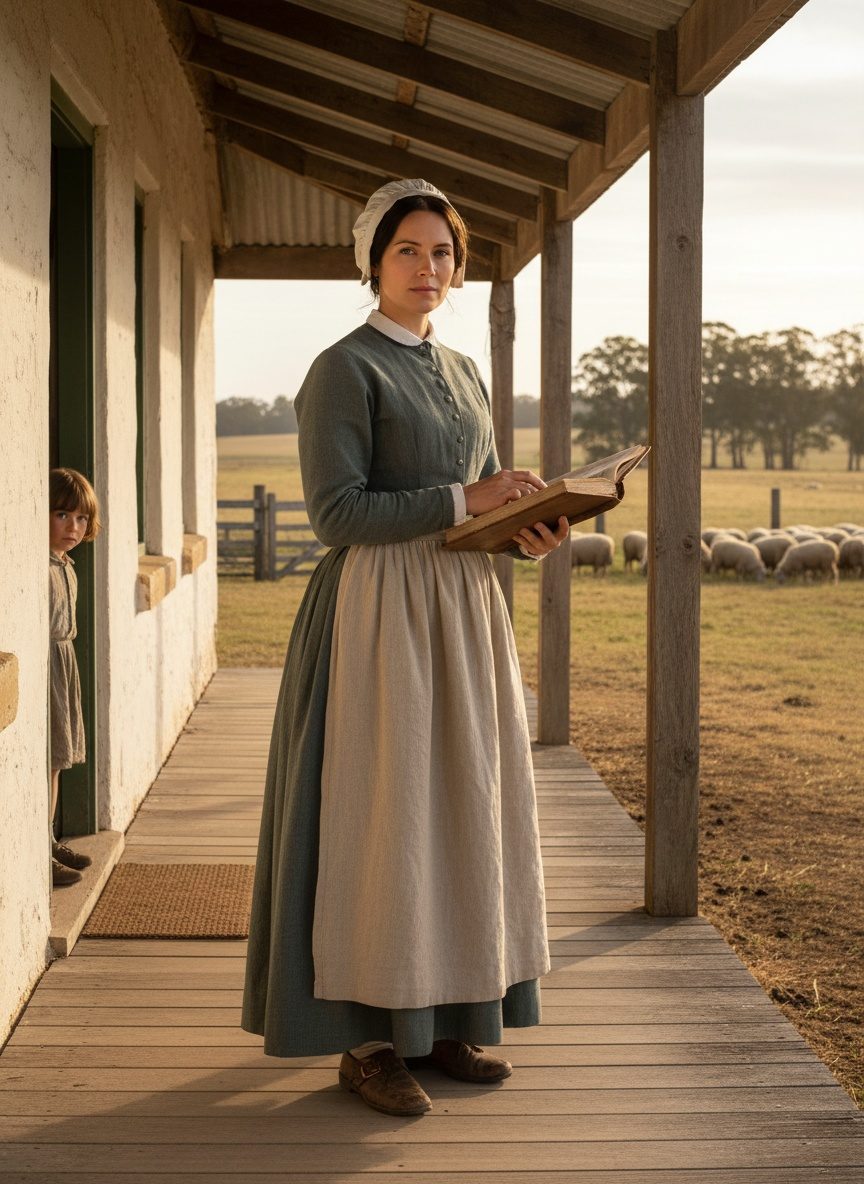
1801. John Macarthur was arrested and shipped to England. His wife Elizabeth was left alone. Eight children. A struggling sheep station. No money. She ran it all. For eight years. And built an industry that saved the colony.
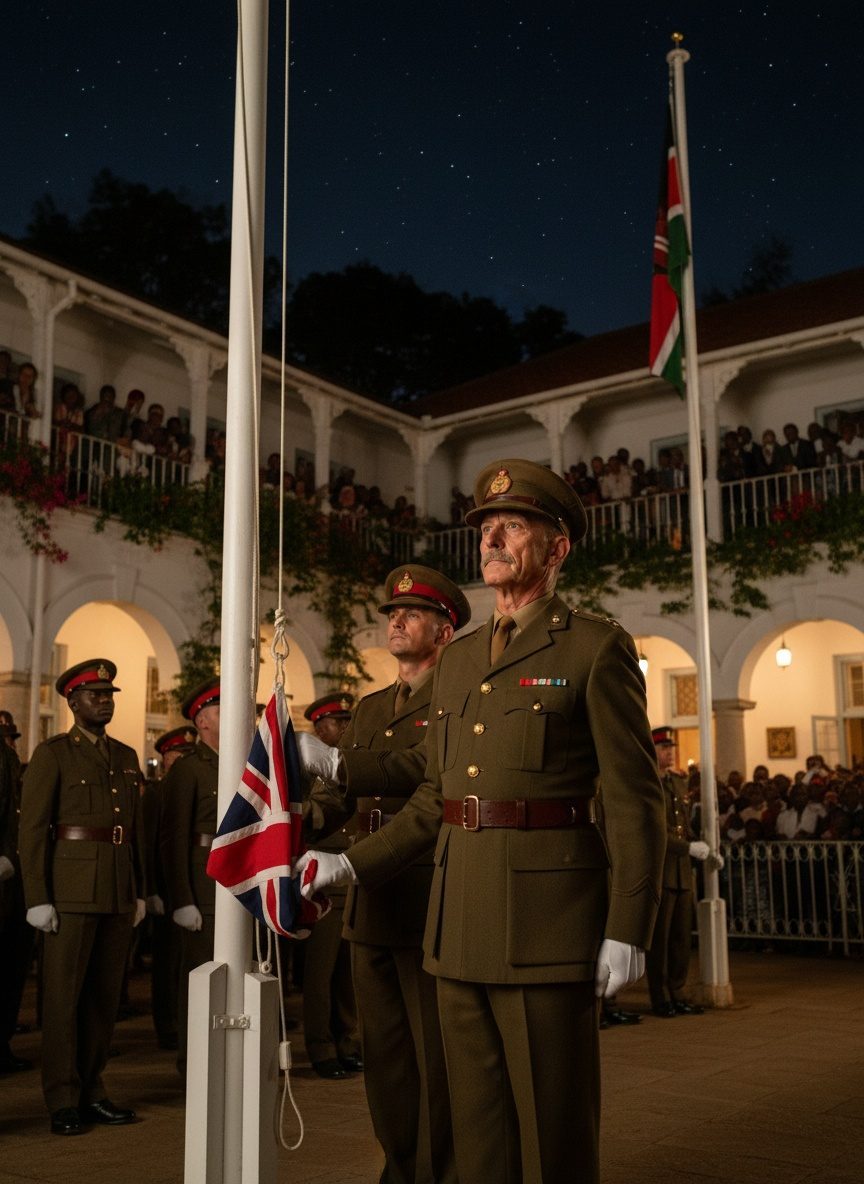
December 1963. Kenya was hours from independence. A British garrison stood at attention in the Nairobi darkness. The Union Jack came down. A new flag rose. An empire exhaled its last breath in East Africa.
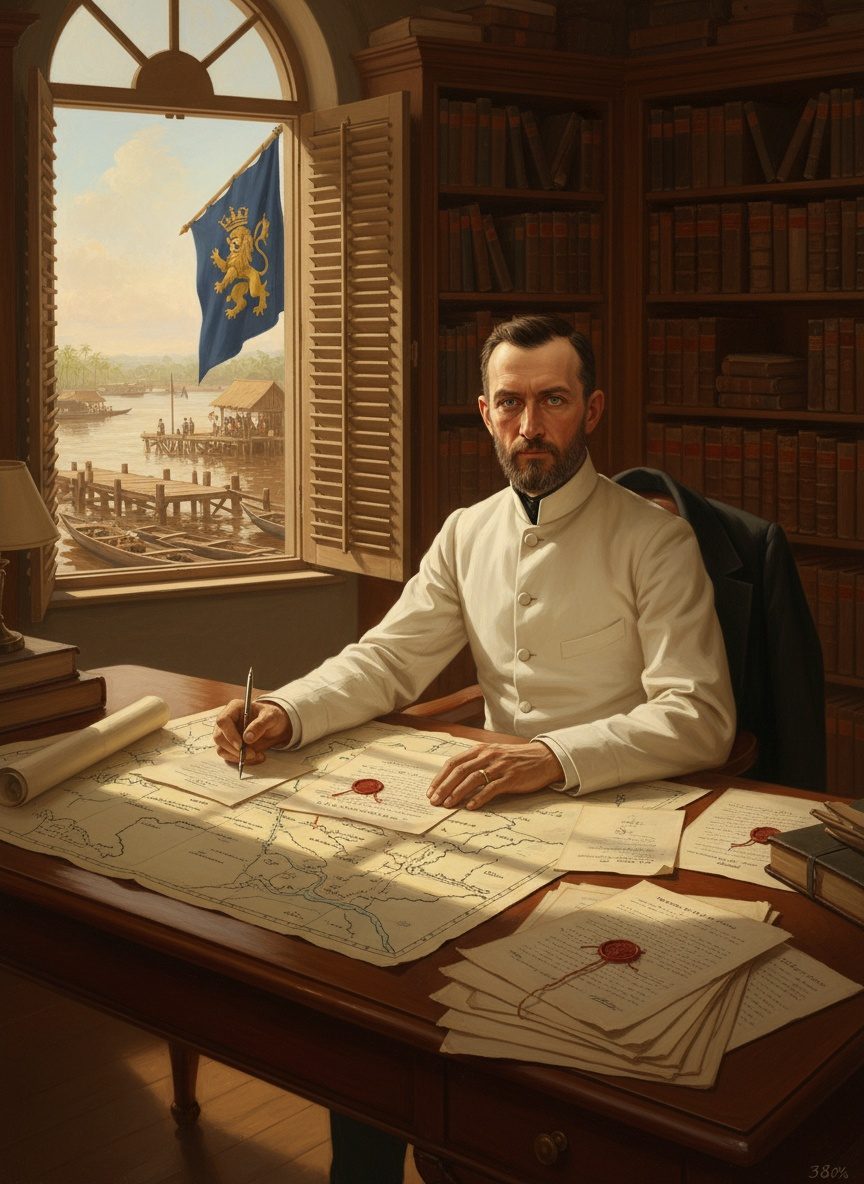
1886. The Niger Delta was a patchwork of rival trading empires. One British merchant had spent a decade outmaneuvering them all. George Goldie raised a flag. Drew a border. Built a nation from nothing.
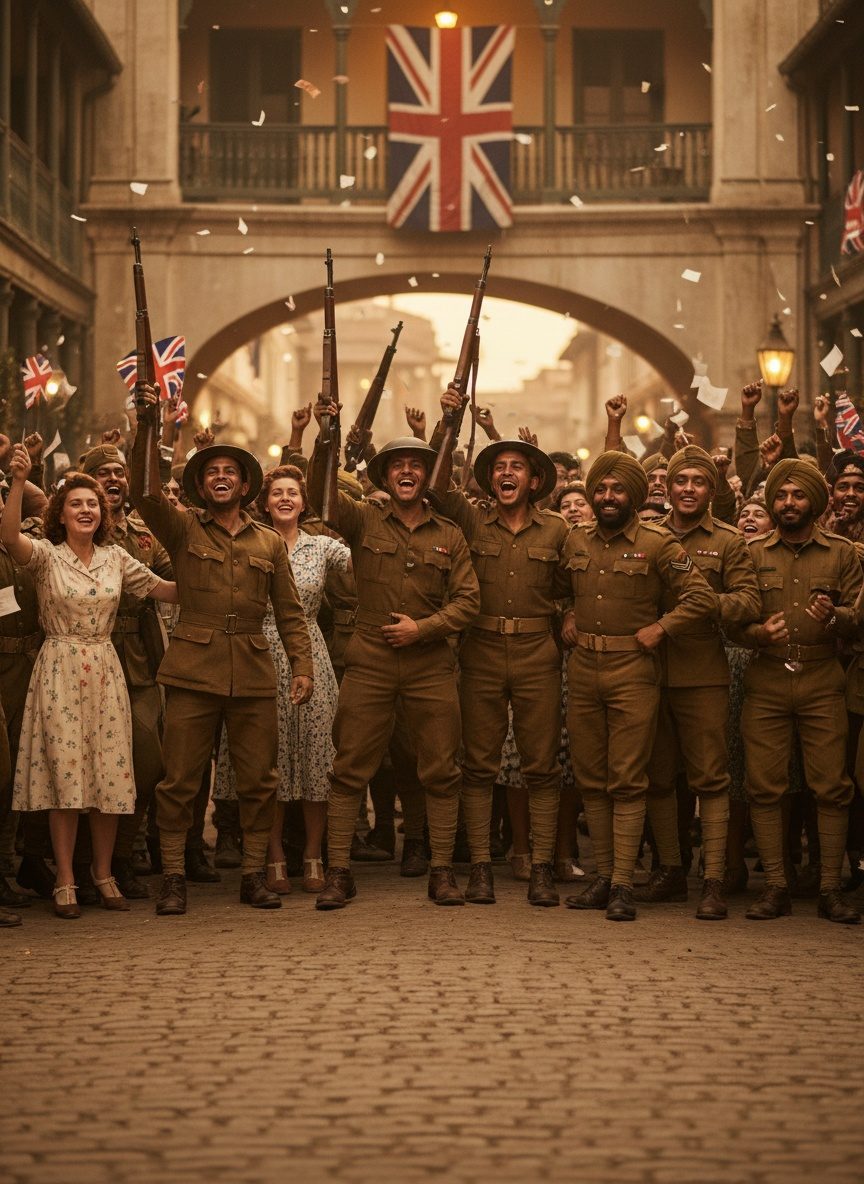
14 August 1945. Japan surrendered. From London to Calcutta to Singapore, the Empire's streets erupted. Six years of war — over. But for the soldiers still in the jungle, the news took days to arrive.
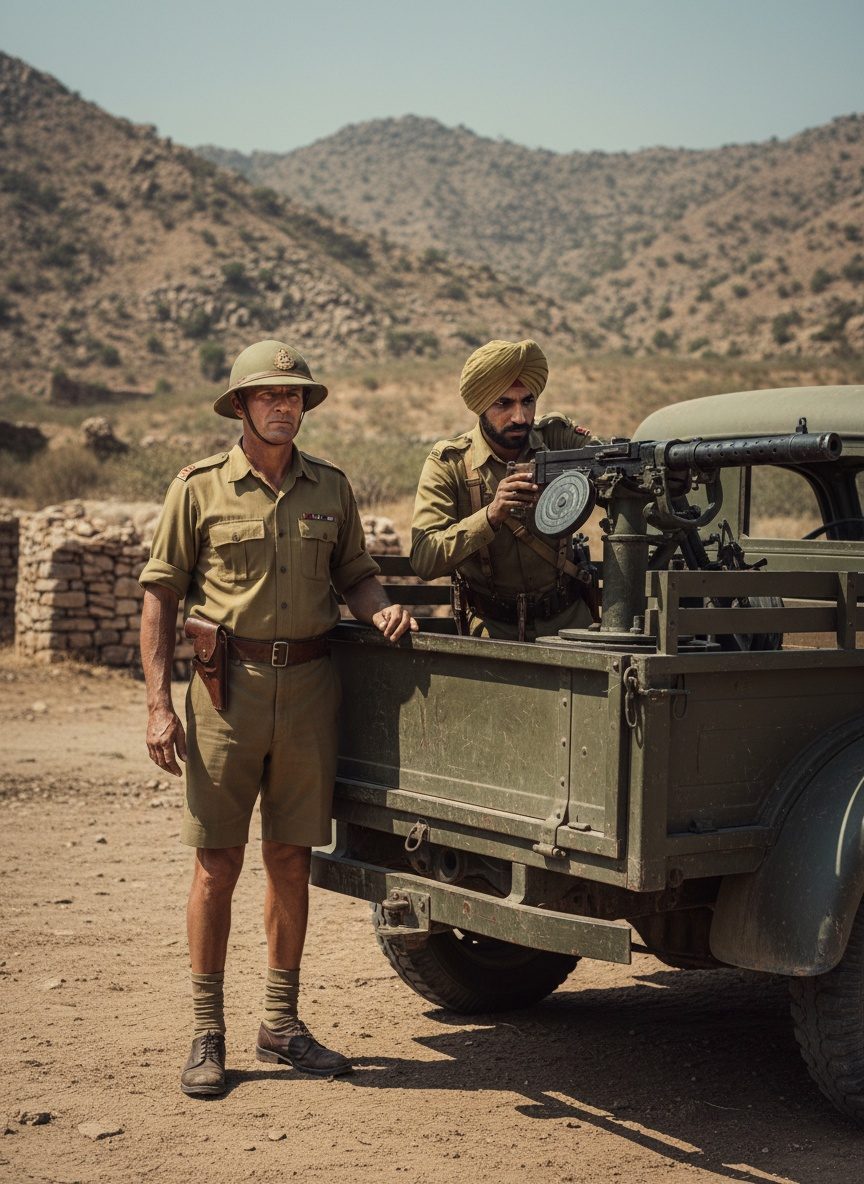
North-West Frontier, 1937. The tribesmen had cover. The road was exposed. So one British officer stripped a cannon from a crashed biplane and welded it to a Ford truck. The Empire improvised — or it died.
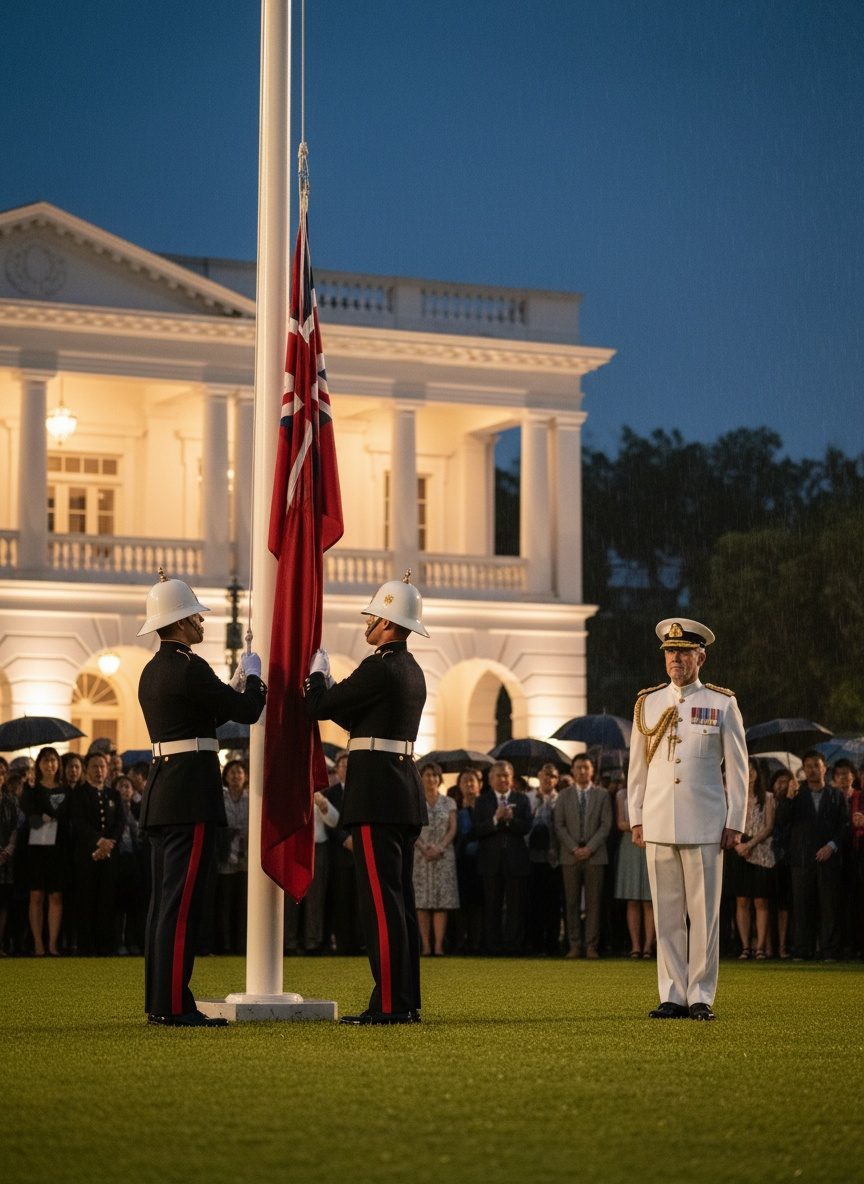
June 30, 1997. A Royal Marines colour party lowered the Red Ensign over Government House, Hong Kong. 156 years of British rule. Gone in minutes. The last flag folded and handed away.
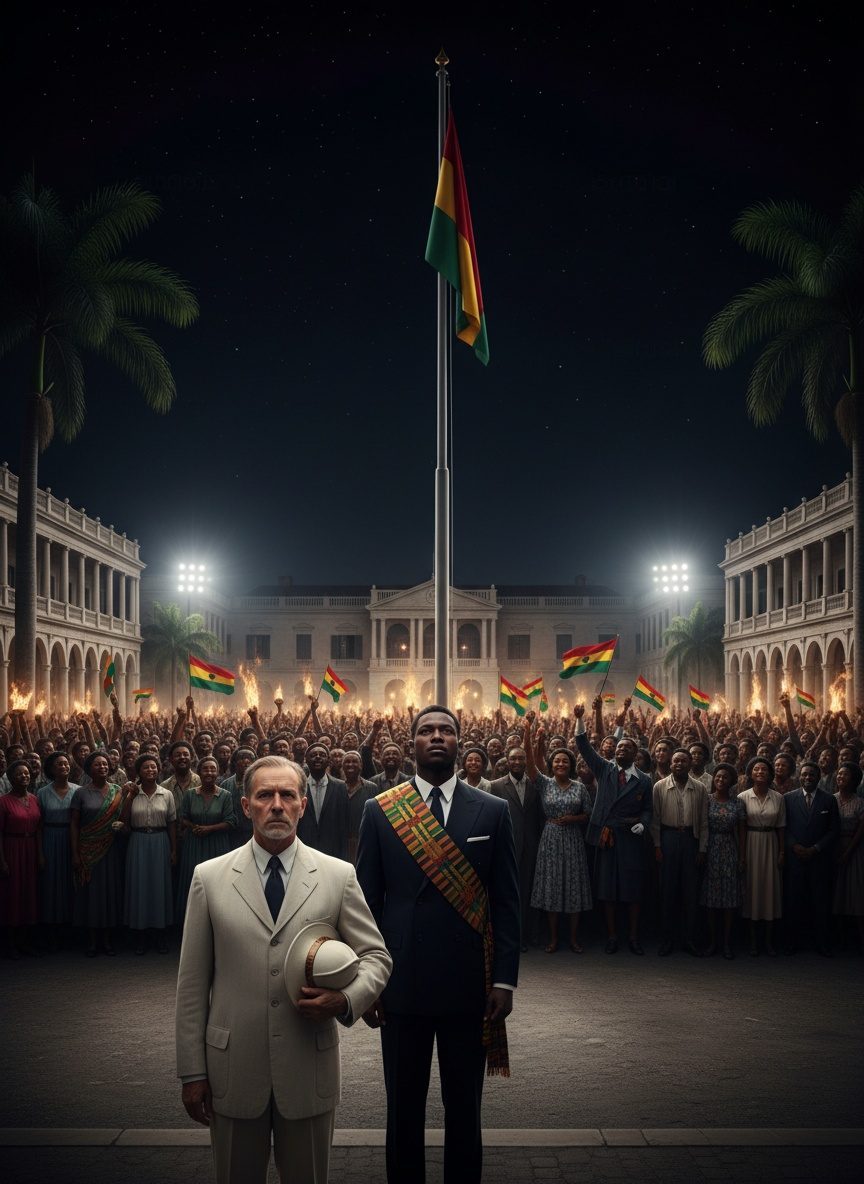
March 1957. The last British governor stood in Accra. The Union Jack came down. A new flag rose. One hundred thousand voices roared. The Gold Coast was gone. Ghana was born.
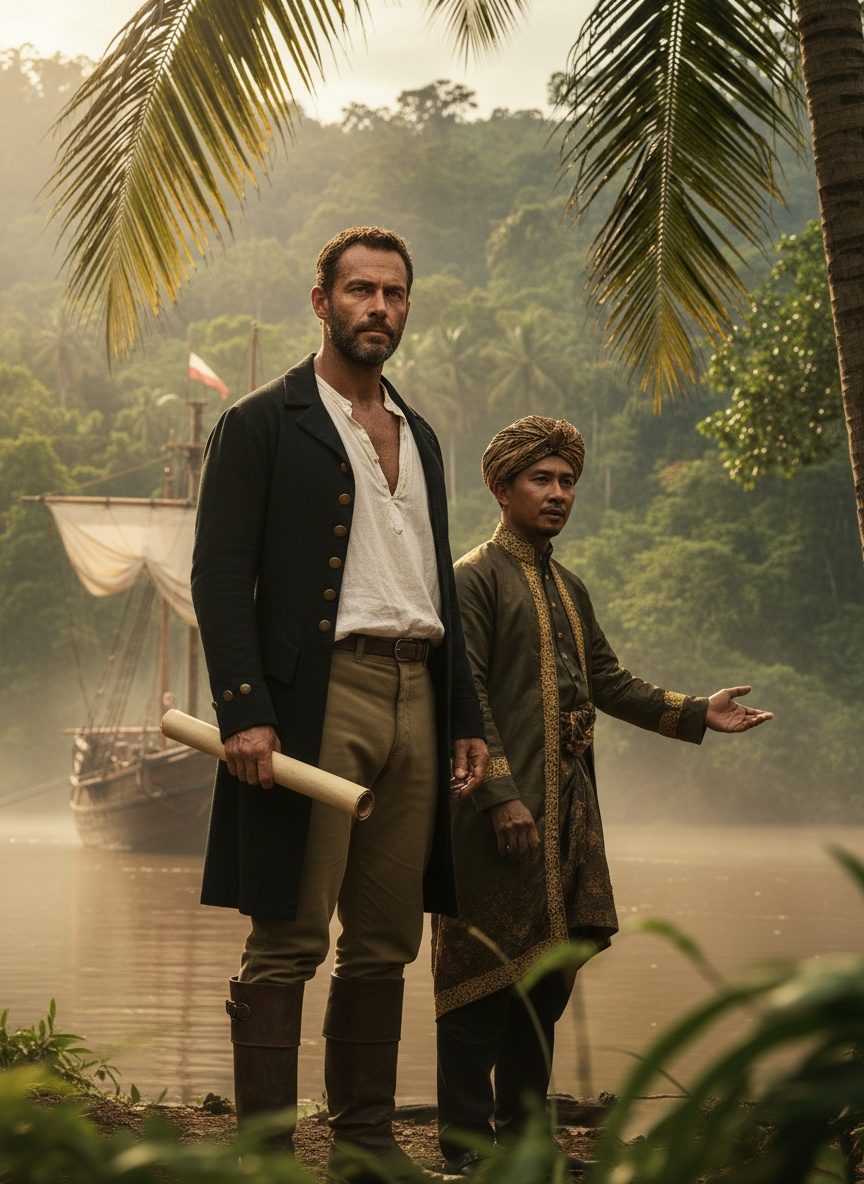
1841. Borneo. A bankrupt English adventurer stepped ashore with one schooner and forty men. The local raja offered him a kingdom. He accepted. James Brooke ruled Sarawak for life.
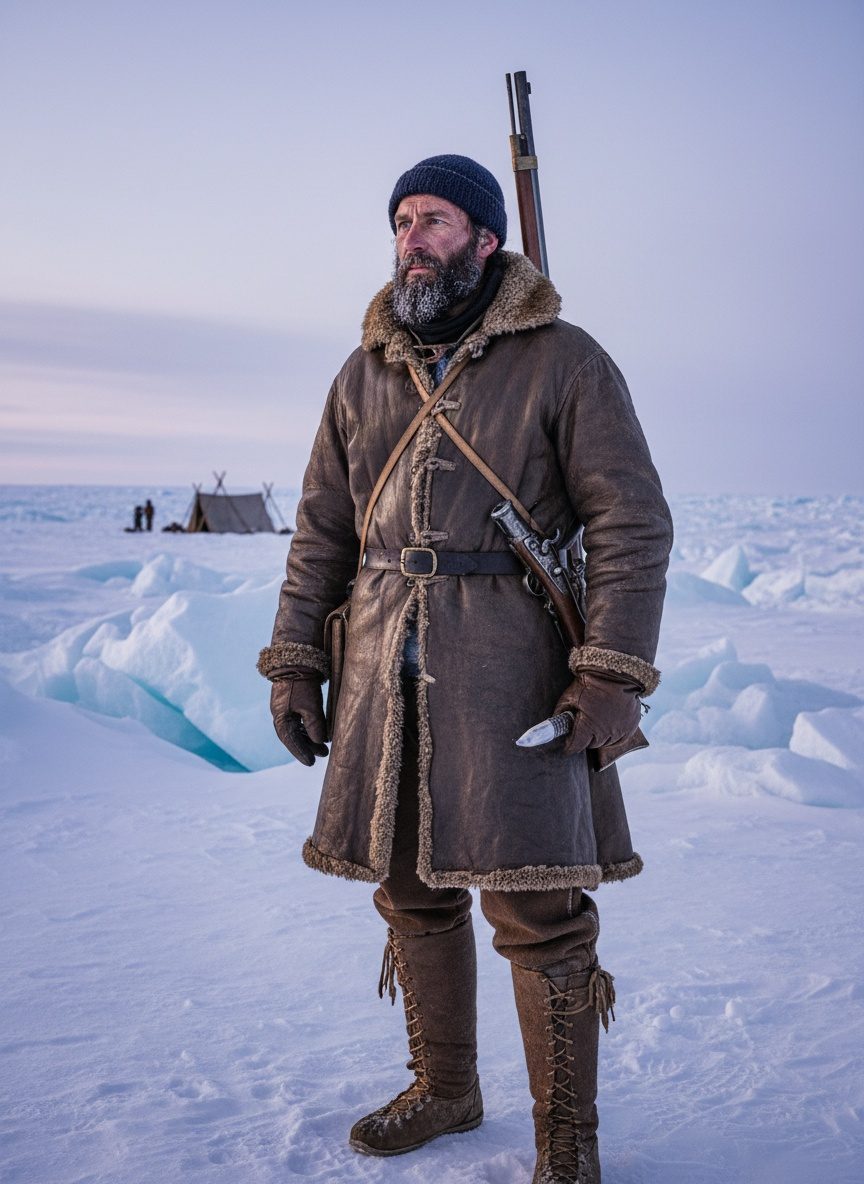
1854. Every expedition had failed. John Rae walked 1,200 miles alone through Arctic ice. He found what navies could not. He brought home the truth about Franklin. The Empire refused to believe him.
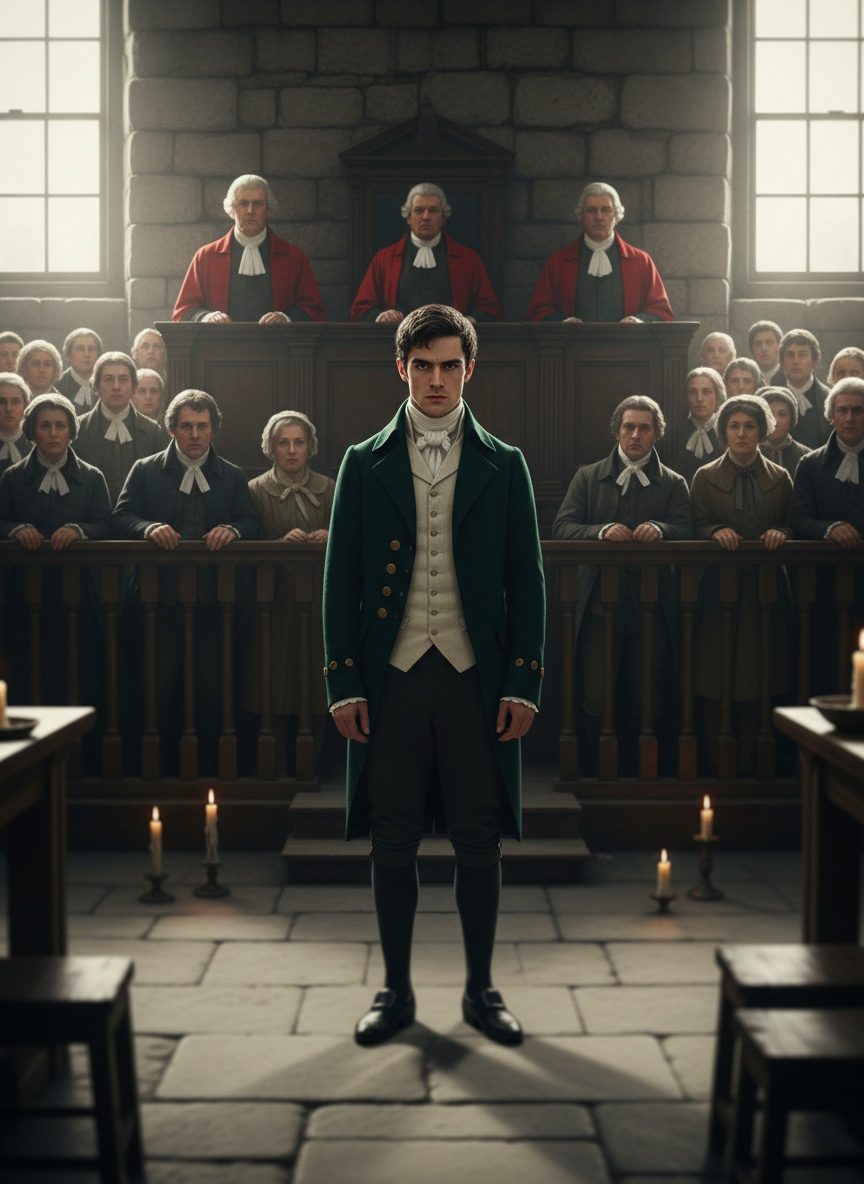
1803. The United Irish rebellion was crushed. Robert Emmet had ninety men. He marched on Dublin Castle anyway. He was captured. At the gallows he spoke. Ireland never forgot.
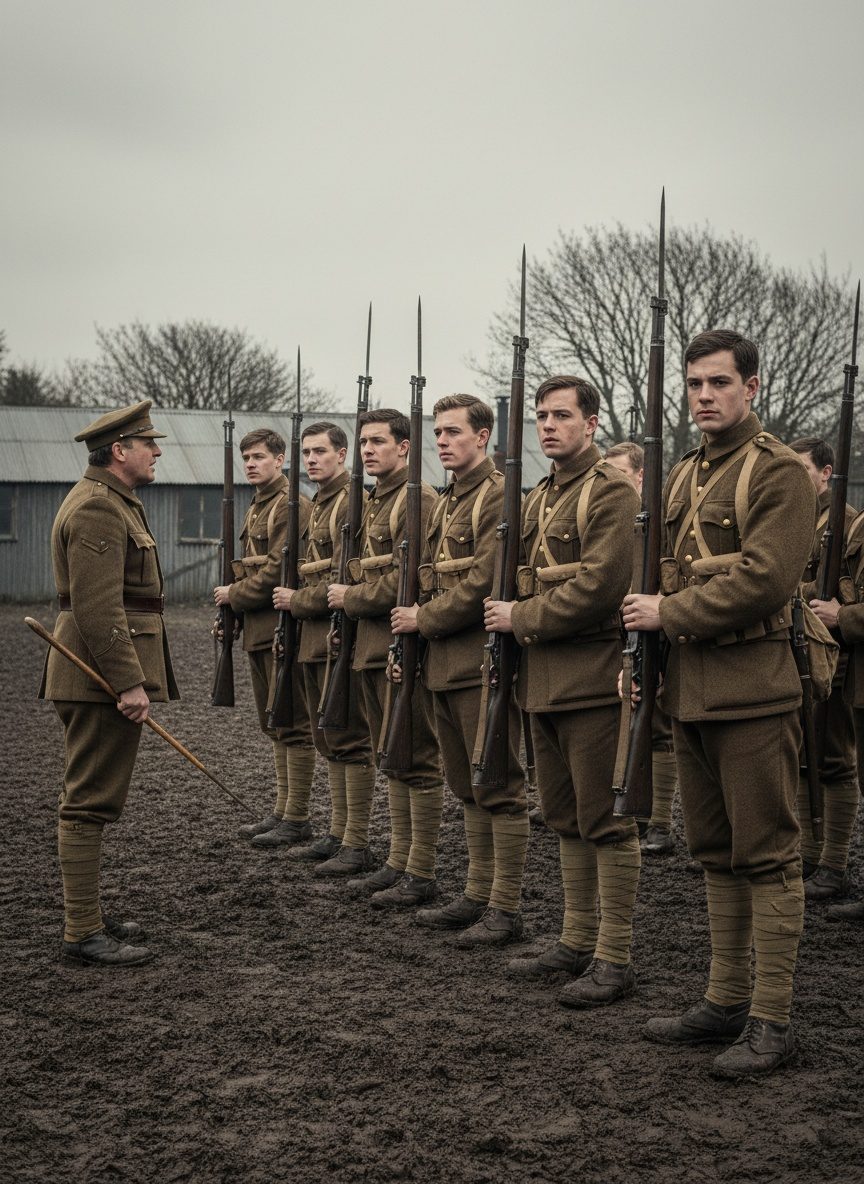
In January 1916, Britain did something it had never done in its history. It forced its men to fight. The Military Service Act ended voluntary enlistment. Two million civilians became soldiers almost overnight.
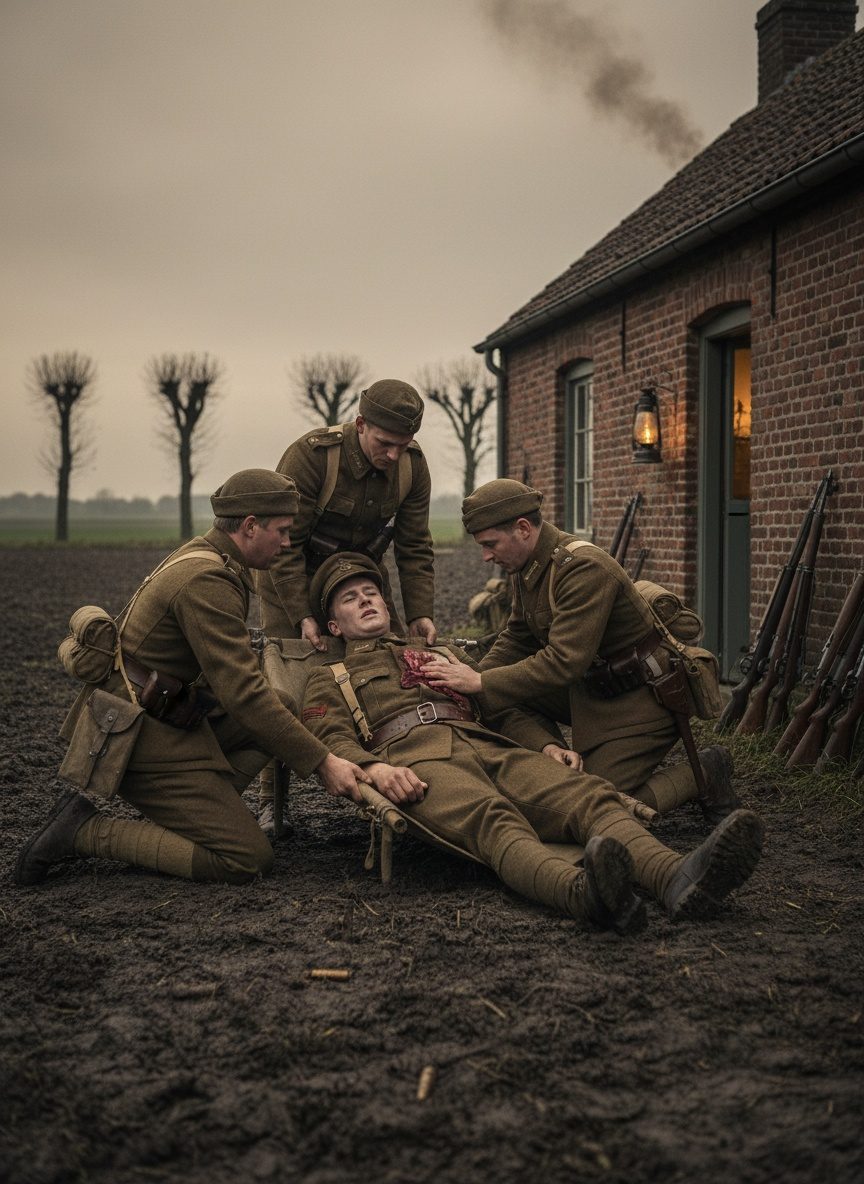
Shot through the lung at 26. Doctors ordered his grave dug. A sniper's bullet and a dead soldier's body were all that stood between Bernard Montgomery and oblivion — and they made him the general he became.
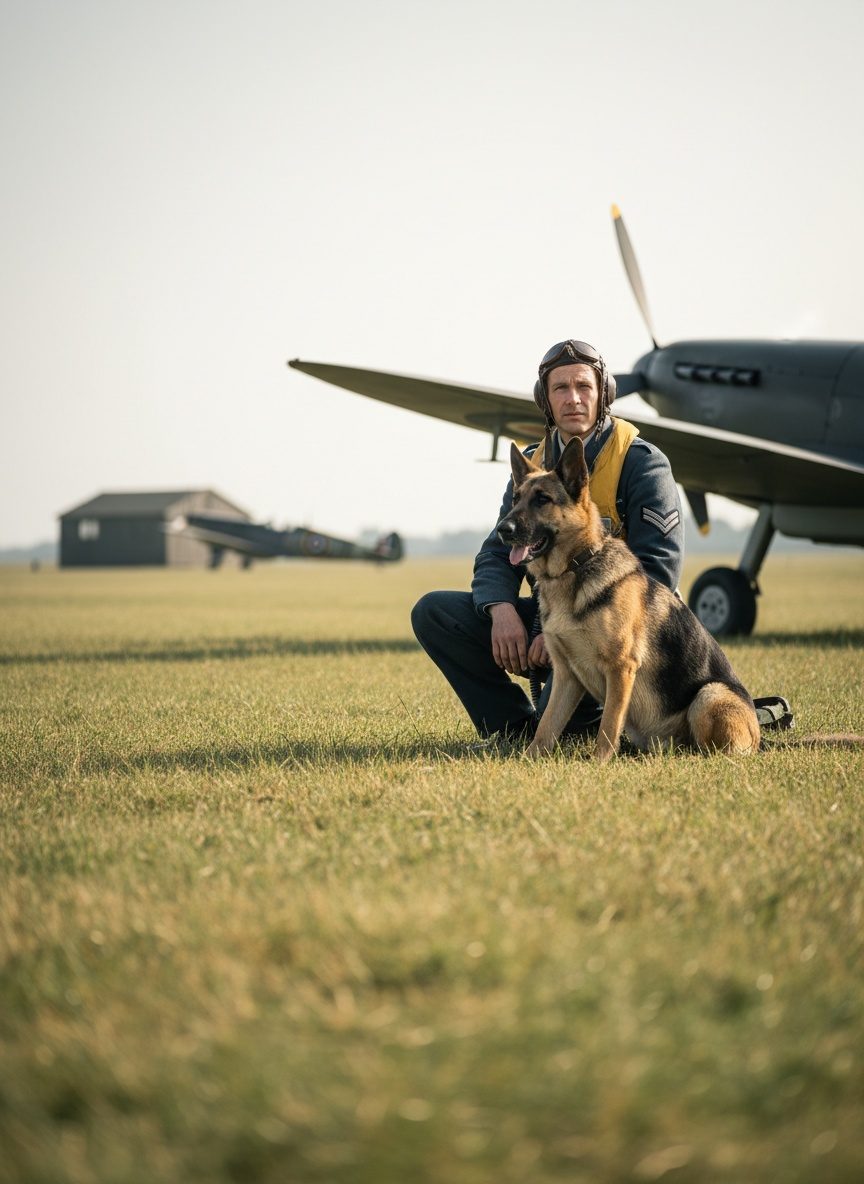
He joined the RAF as a clerk. A miner's son with no connections, no officer's accent, no path to a cockpit. Then he learned to fly. Then came the Battle of Britain. And he became one of its deadliest pilots.
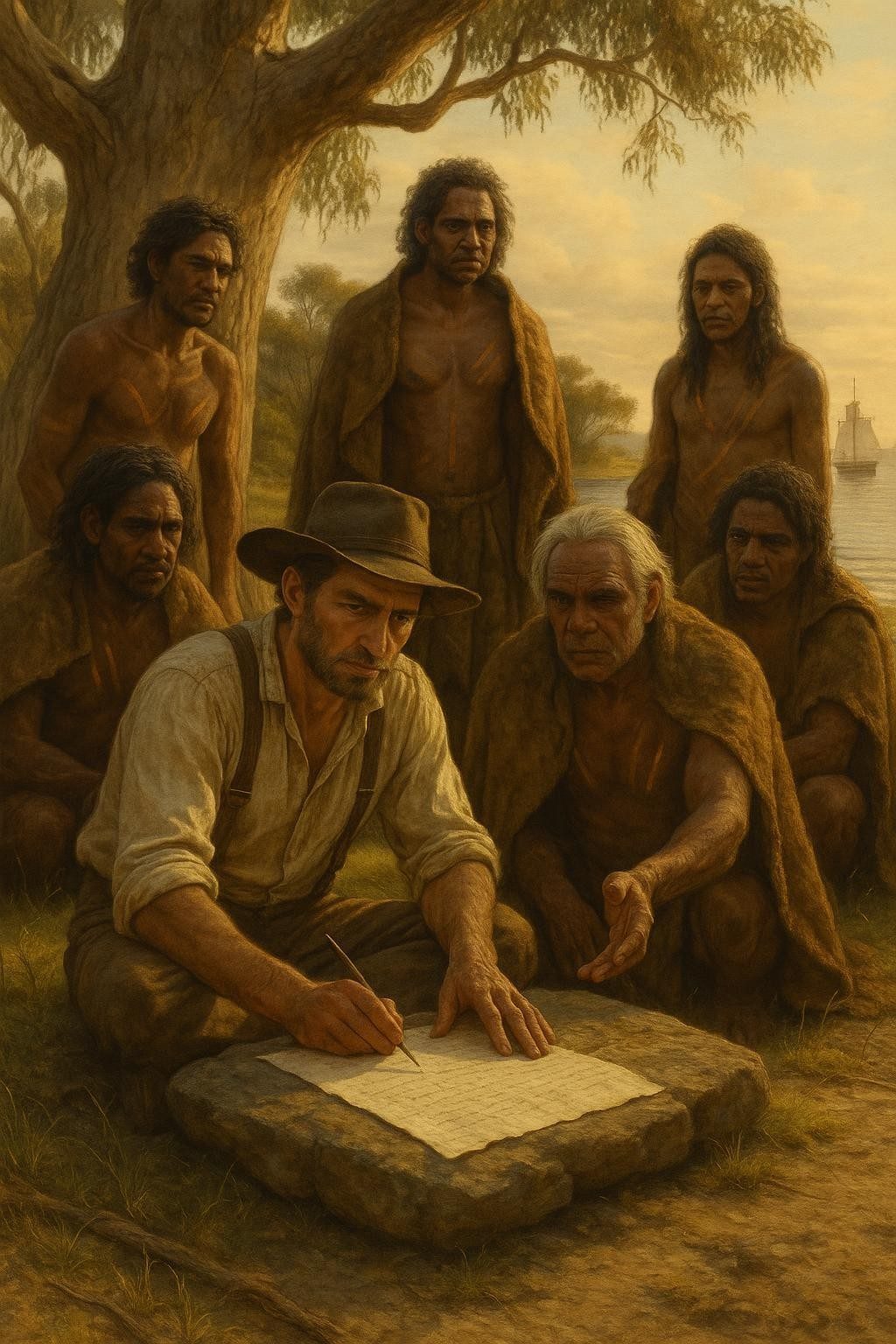
June 1835. John Batman sailed into Port Phillip Bay. He sat beneath a eucalyptus tree. Signed a deed with Wurundjeri elders. Wrote in his diary: 'This is the place for a village.' That village became Melbourne.
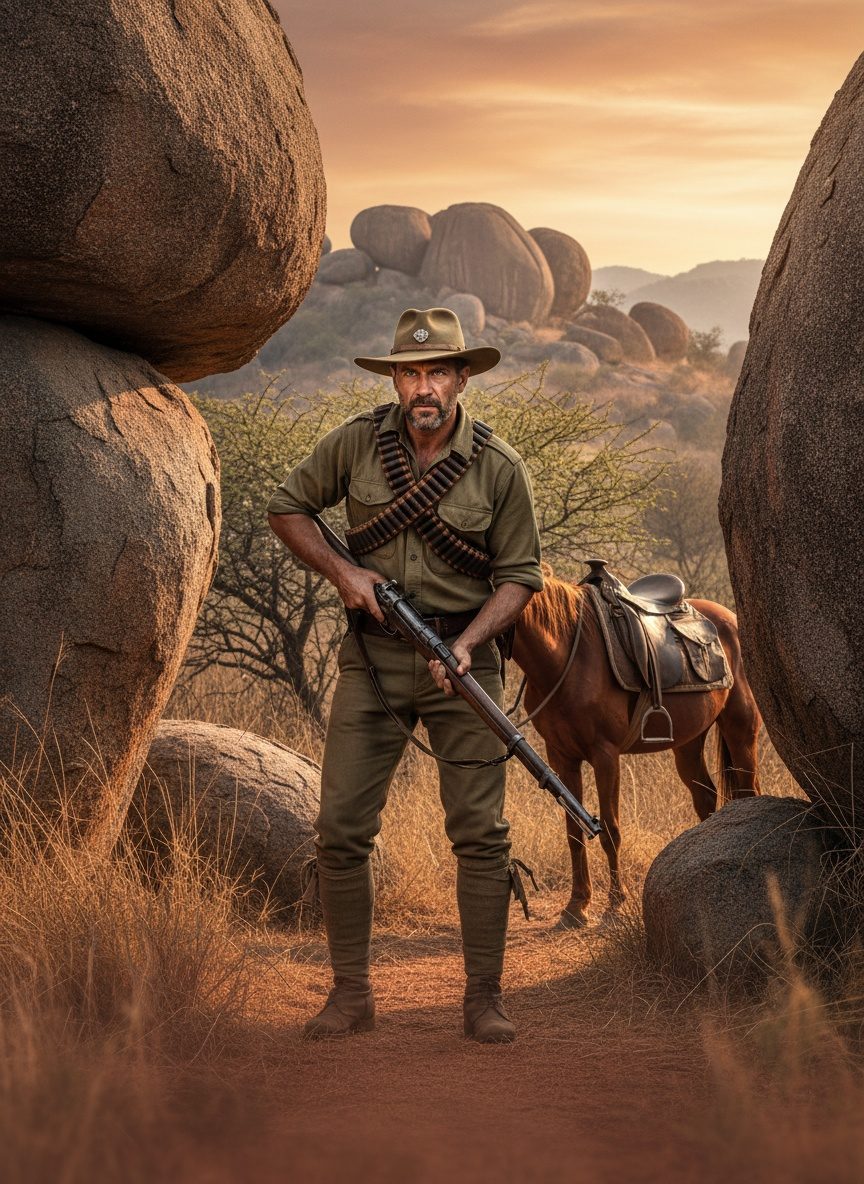
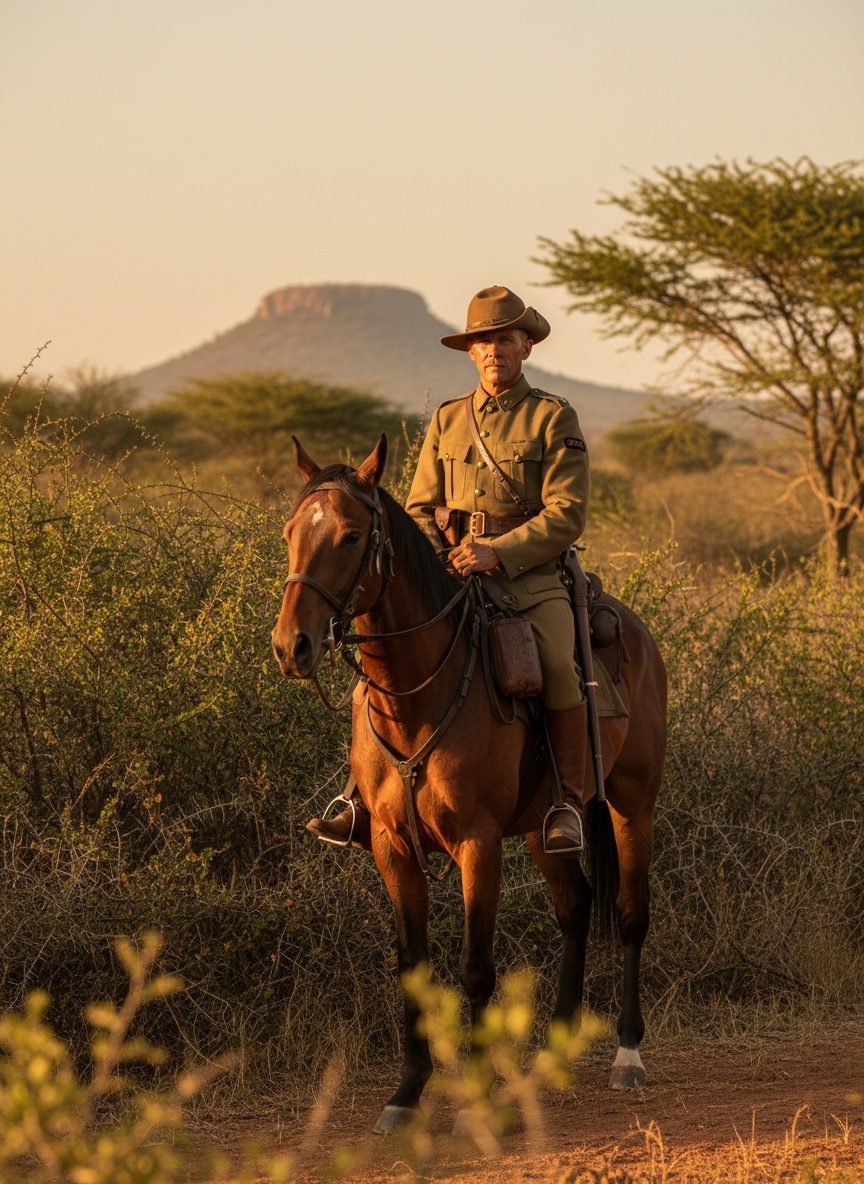
Matabeleland, 1896. The Ndebele had risen. Scouts were dying. Frederick Burnham rode alone into the hills to locate the rebel stronghold. He found it. He came back.
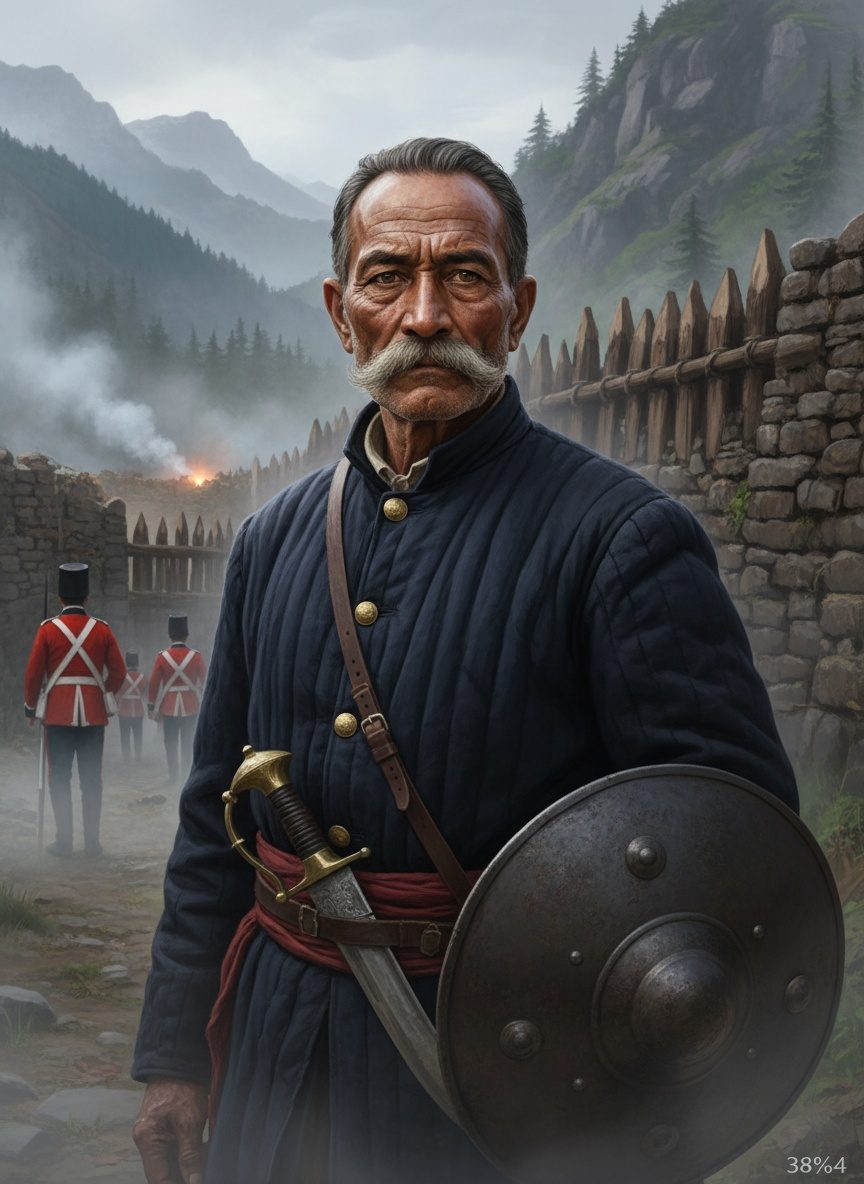
October 1814. A British force of 3,000 besieged a fort held by 600 Gurkhas. The Gurkhas would not break. Their commander Bhakti Thapa walked into cannon fire. He died on the wall. His enemies buried him with full military honours.
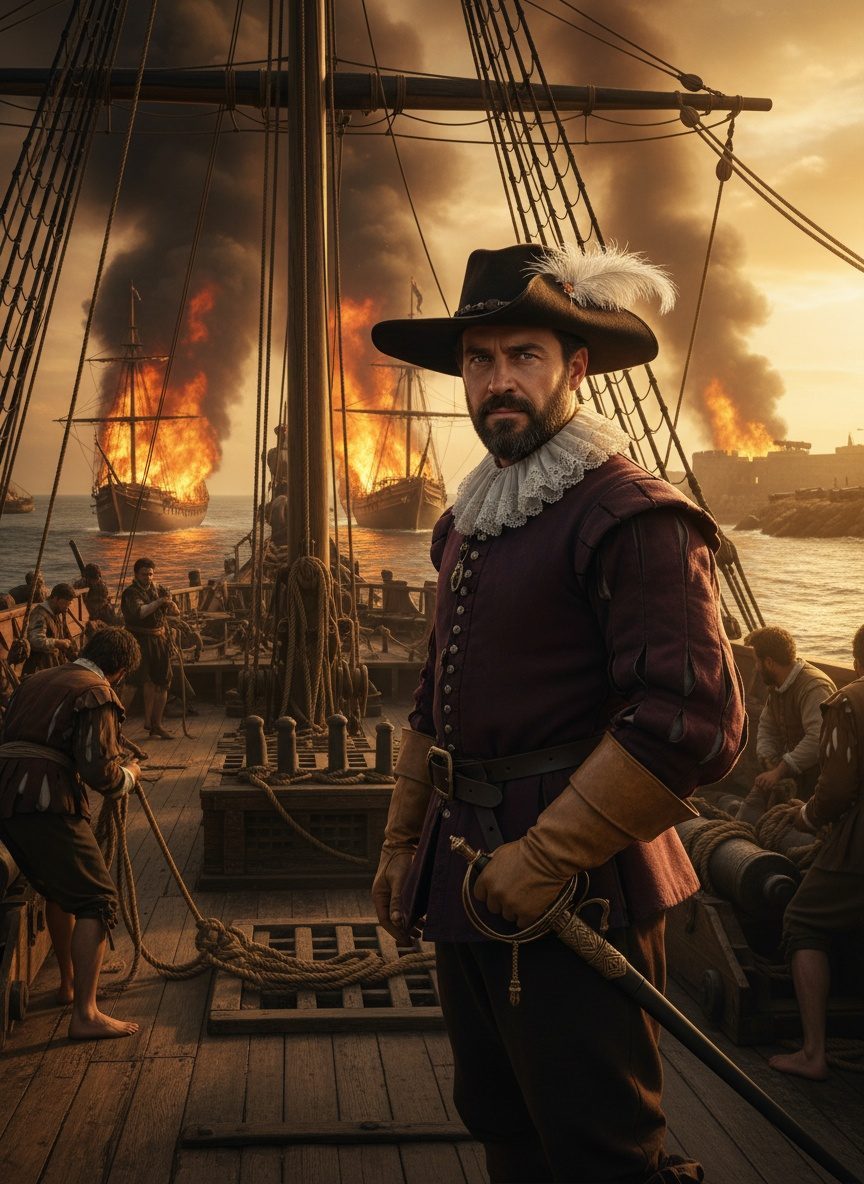
April 1587. Spain was building the greatest fleet in history. Drake sailed into Cadiz harbour. Alone. He burned thirty ships in a single afternoon. Then he held the harbour for three days. England bought herself a year.
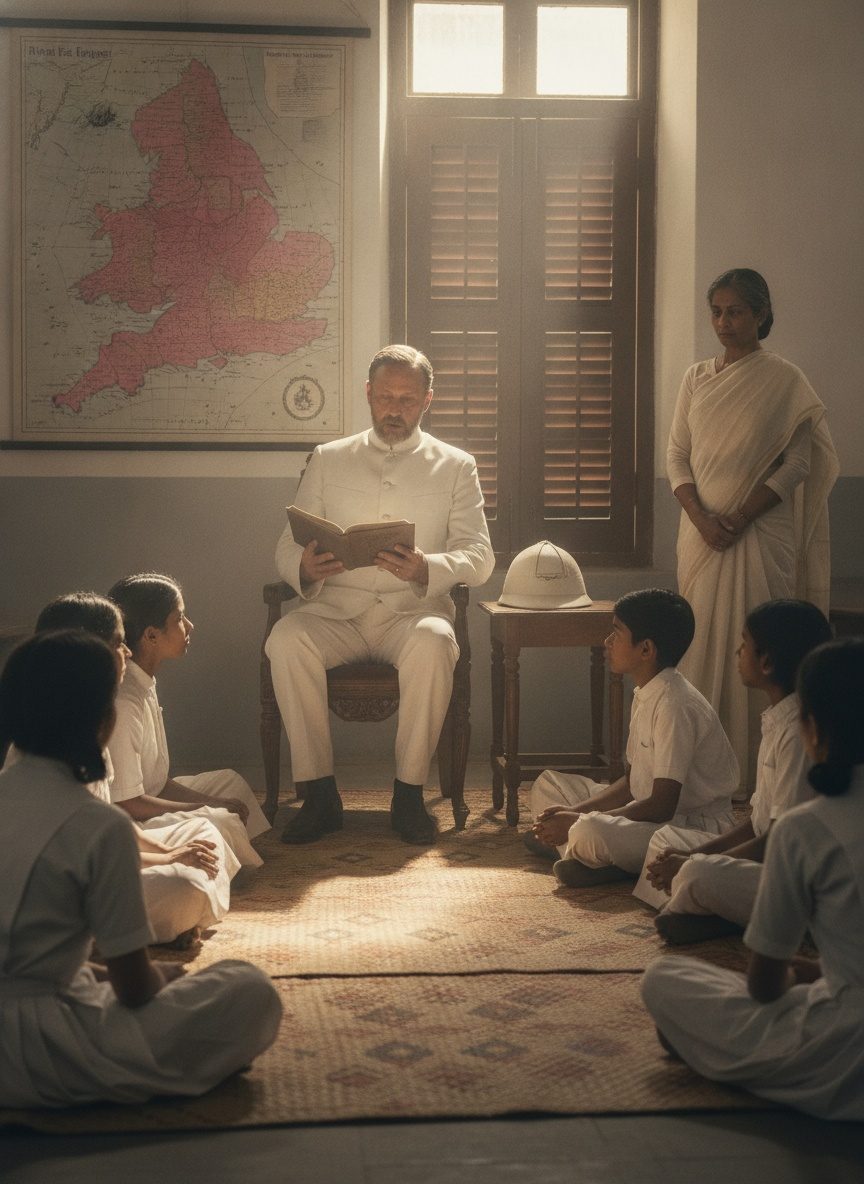
Lord Hardinge had just survived an assassination attempt. Weeks later, he stood in a Calcutta schoolroom reading aloud to Indian children. Power and pageantry — then a quiet room and a book.
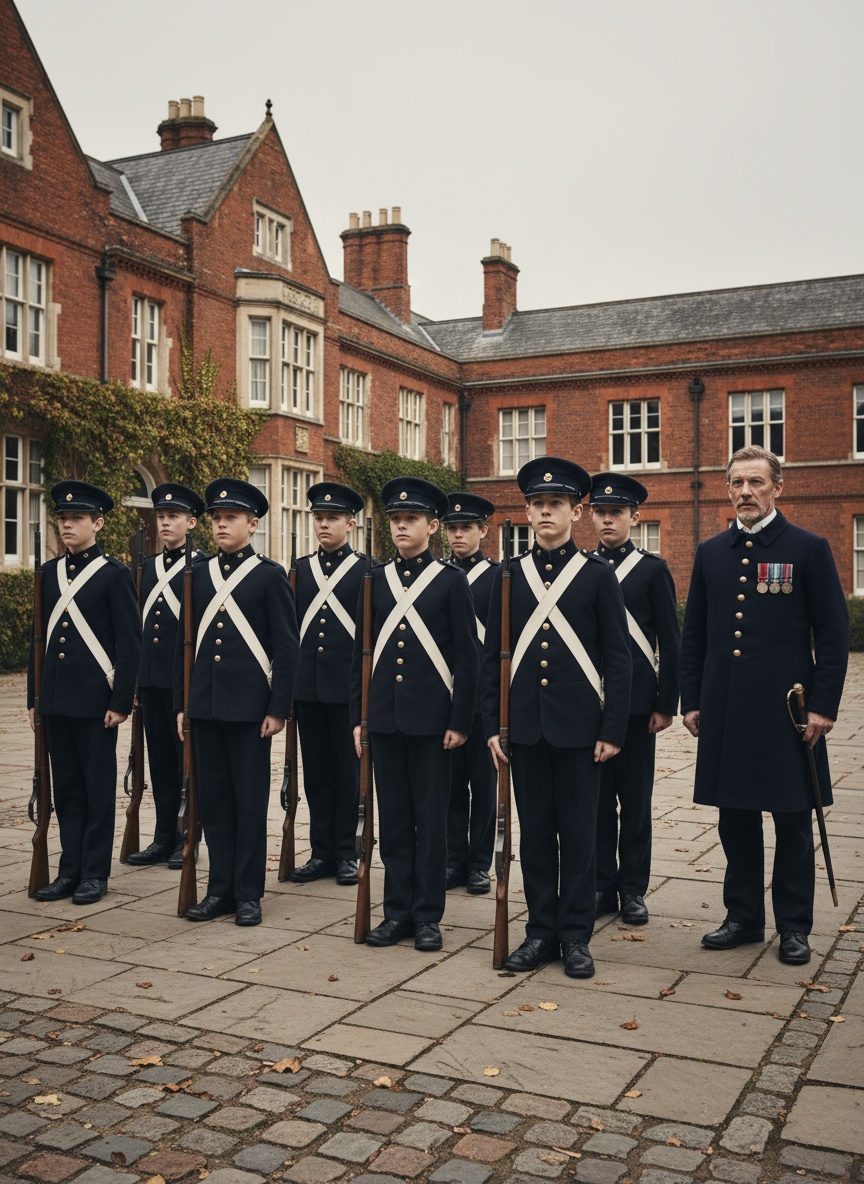
By 1860, Britain needed a pipeline of soldiers. The answer: boys. Thousands of them. Drilled in schoolyards, issued dummy rifles, taught to march before they could shave. The empire trained its next generation in plain sight.
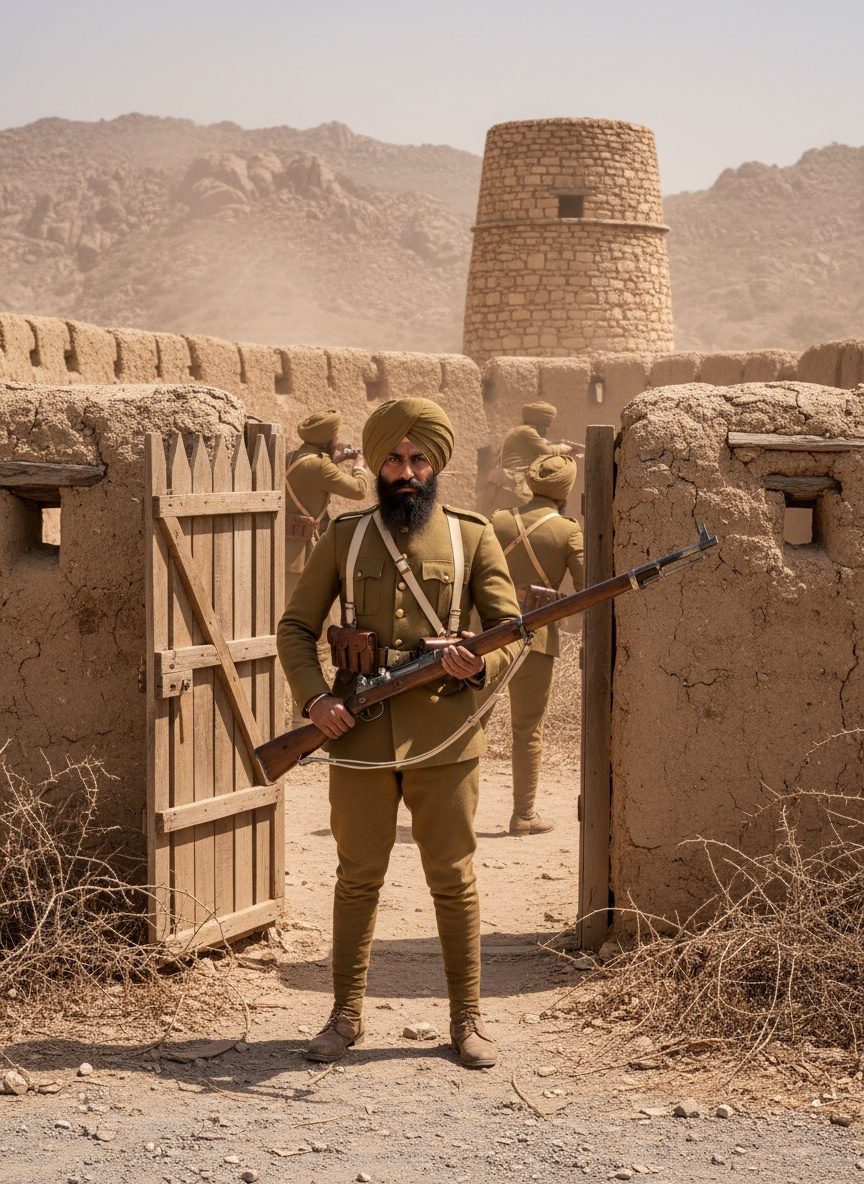
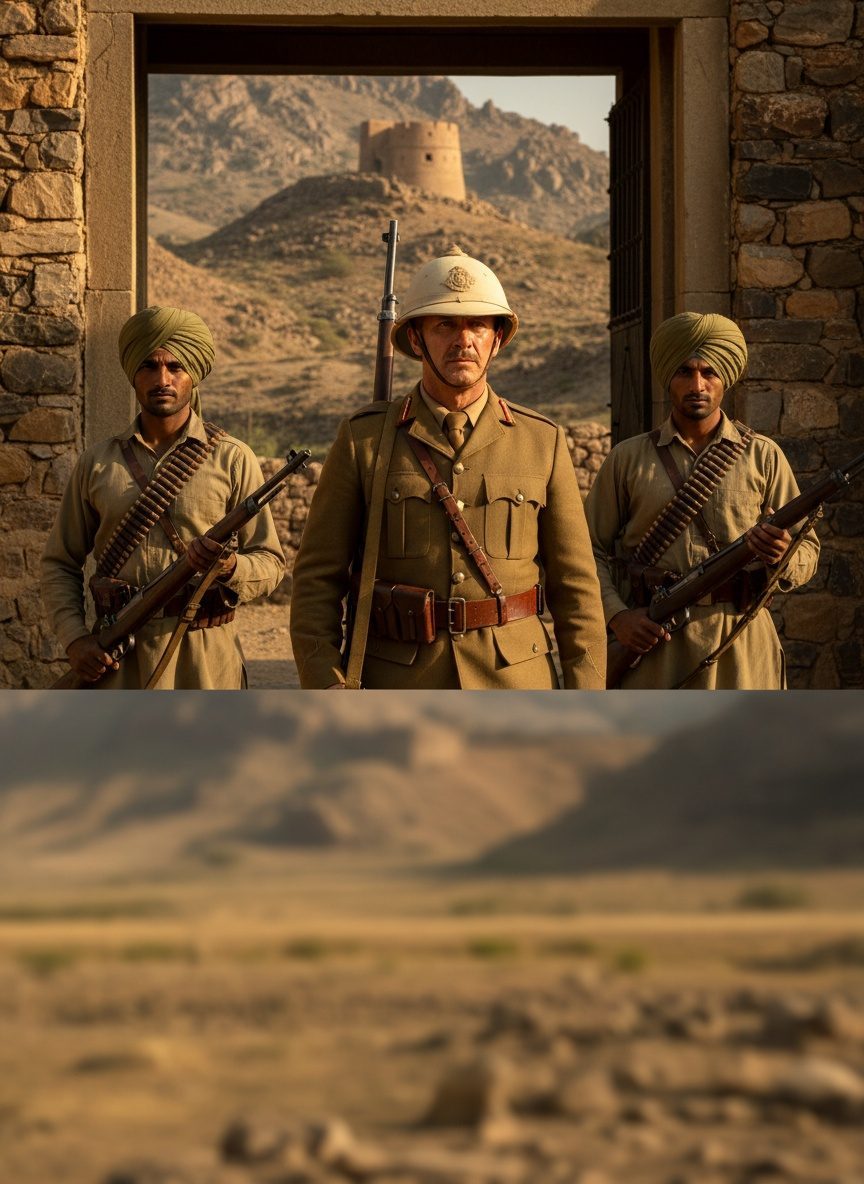
12 September 1897. Twenty-one Sikh soldiers held a tiny signal post. Ten thousand Afridi tribesmen surrounded them. Not one man surrendered. They fought until the walls fell.
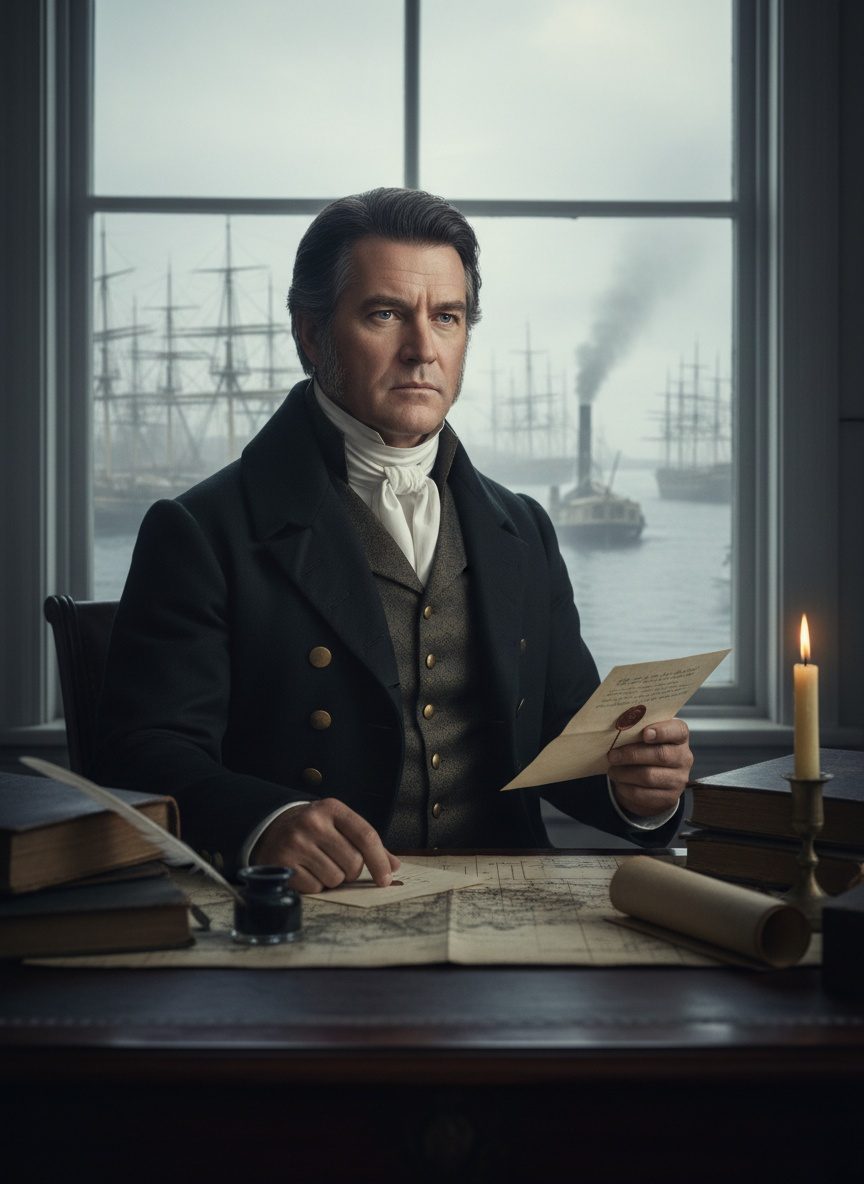
1839. A Nova Scotian merchant held one letter. It was from the British Admiralty. A mail contract. Four steamships. A fixed schedule across the Atlantic. Samuel Cunard had just rewritten the ocean.
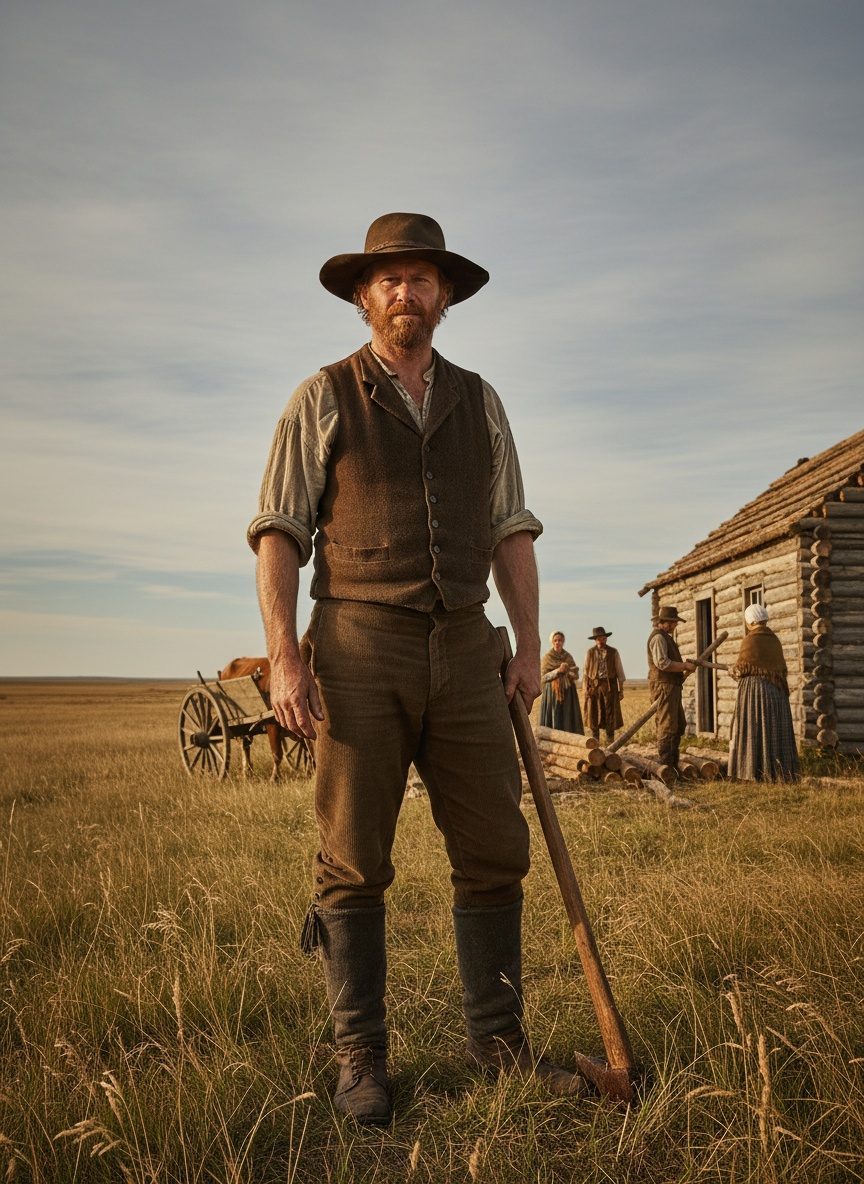
1812. Lord Selkirk had a plan. He would take Scotland's starving crofters and plant them on the Canadian plains. Five thousand miles from home. In the middle of nowhere. They came anyway. They survived anyway.
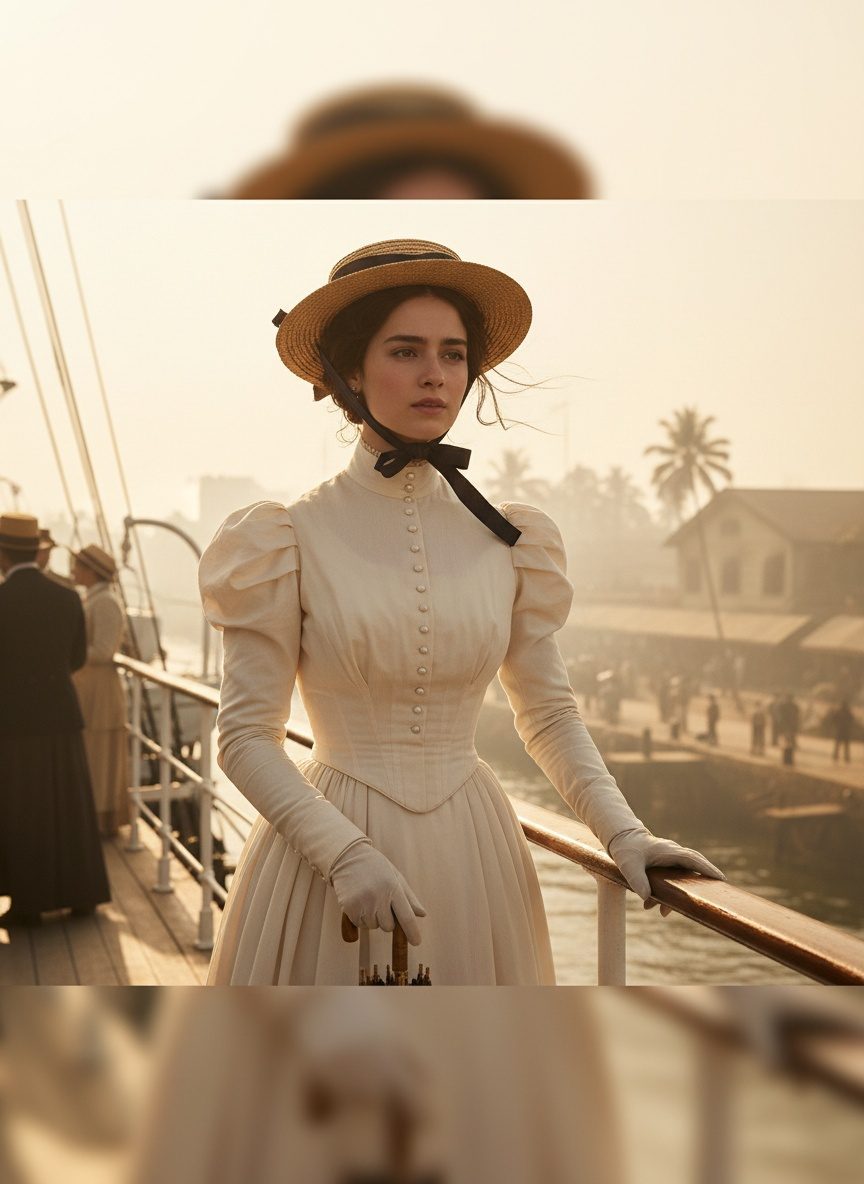
Bombay, 1890. She had sailed six weeks alone. No family. No guarantee. Just a trunk, a letter of introduction, and hope. Thousands of young British women made this crossing. Most never came home.
On the North-West Frontier, the British had armies. But it was a tiny, mongrel force of frontier constabulary that held the passes. Mixed, lean, underfunded — they punched far above their weight.
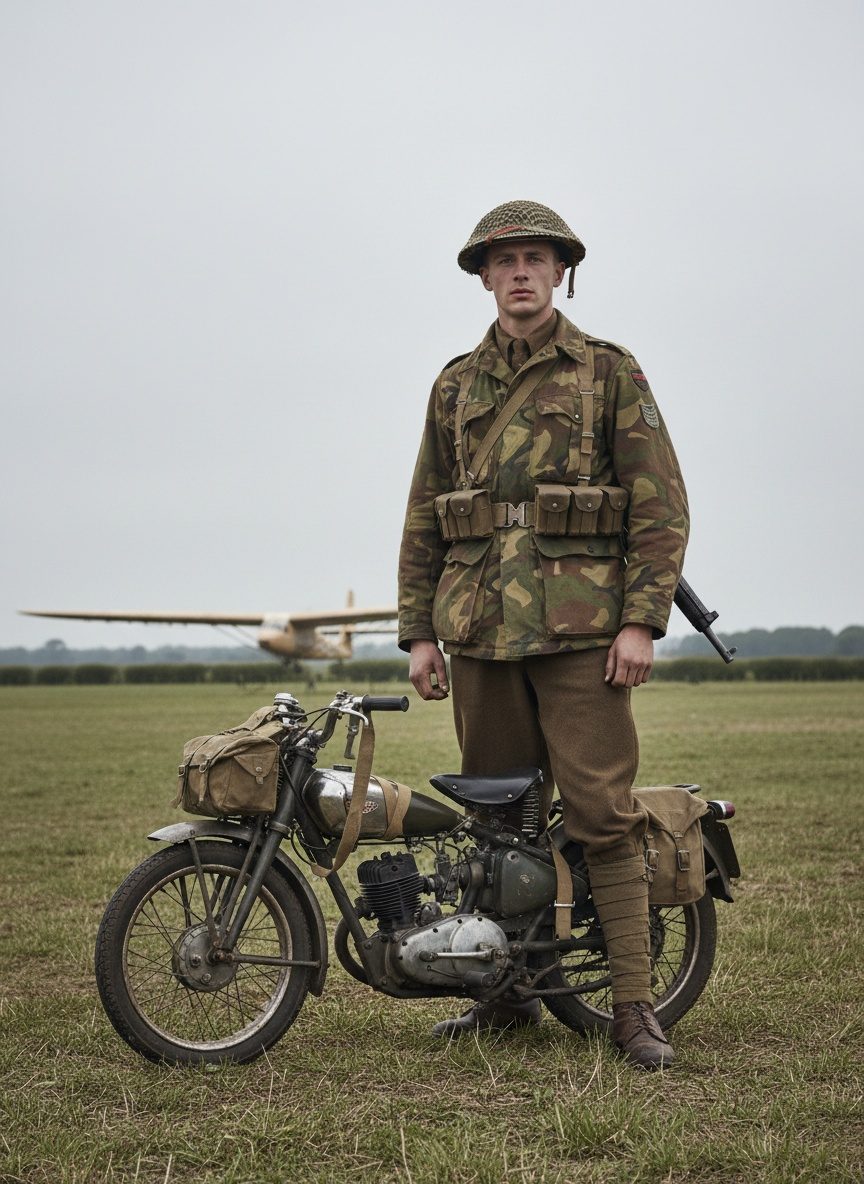
A motorcycle small enough to fit inside a glider. Light enough to drop by parachute. In 1944, British paratroopers jumped into battle with a Royal Enfield strapped beside them. War had never moved like this.
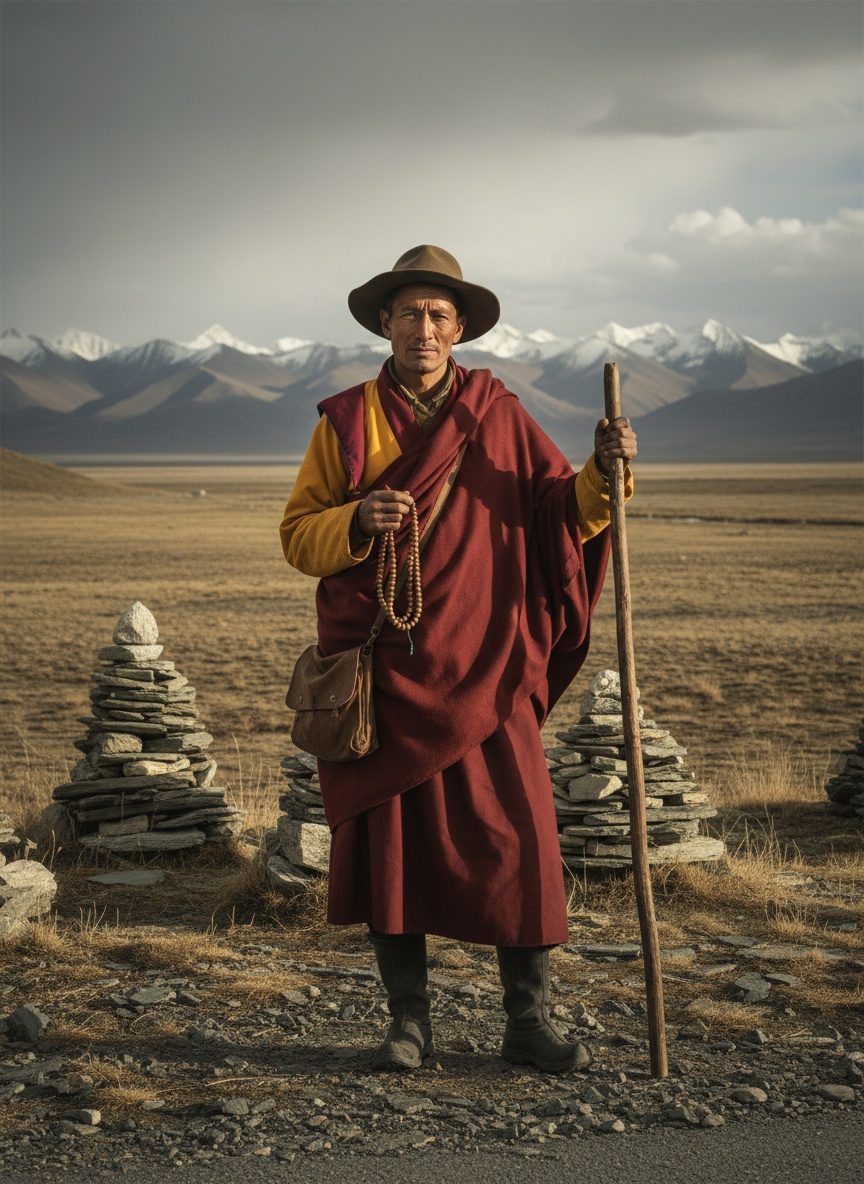
Britain couldn't send soldiers into Tibet. So they sent a schoolteacher. Nain Singh walked 1,200 miles disguised as a monk, counting steps on a secret rosary. Every bead was a measurement. Every prayer was a map.
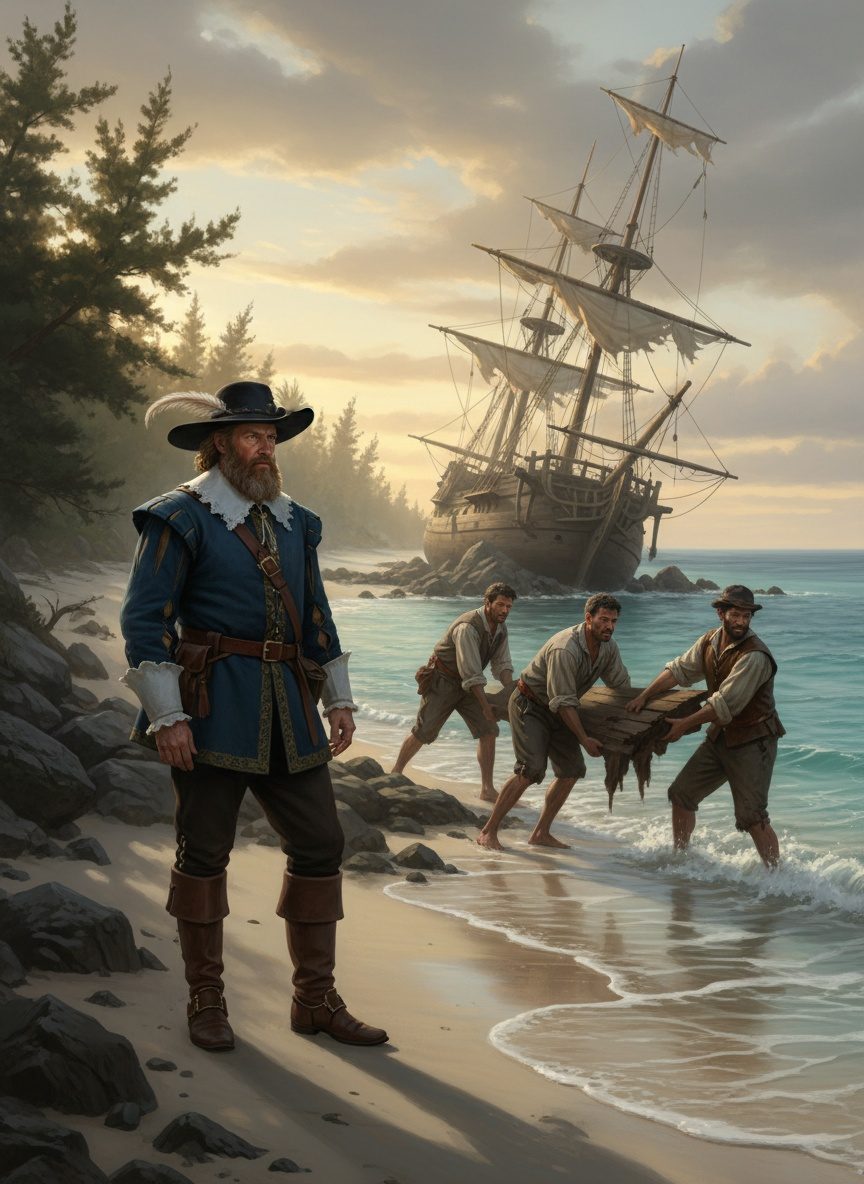
July 1609. A hurricane hit the Sea Venture hard. Sir George Somers drove her onto a reef to save his men. Every soul survived. They built two new ships from cedar. And sailed on to Virginia.
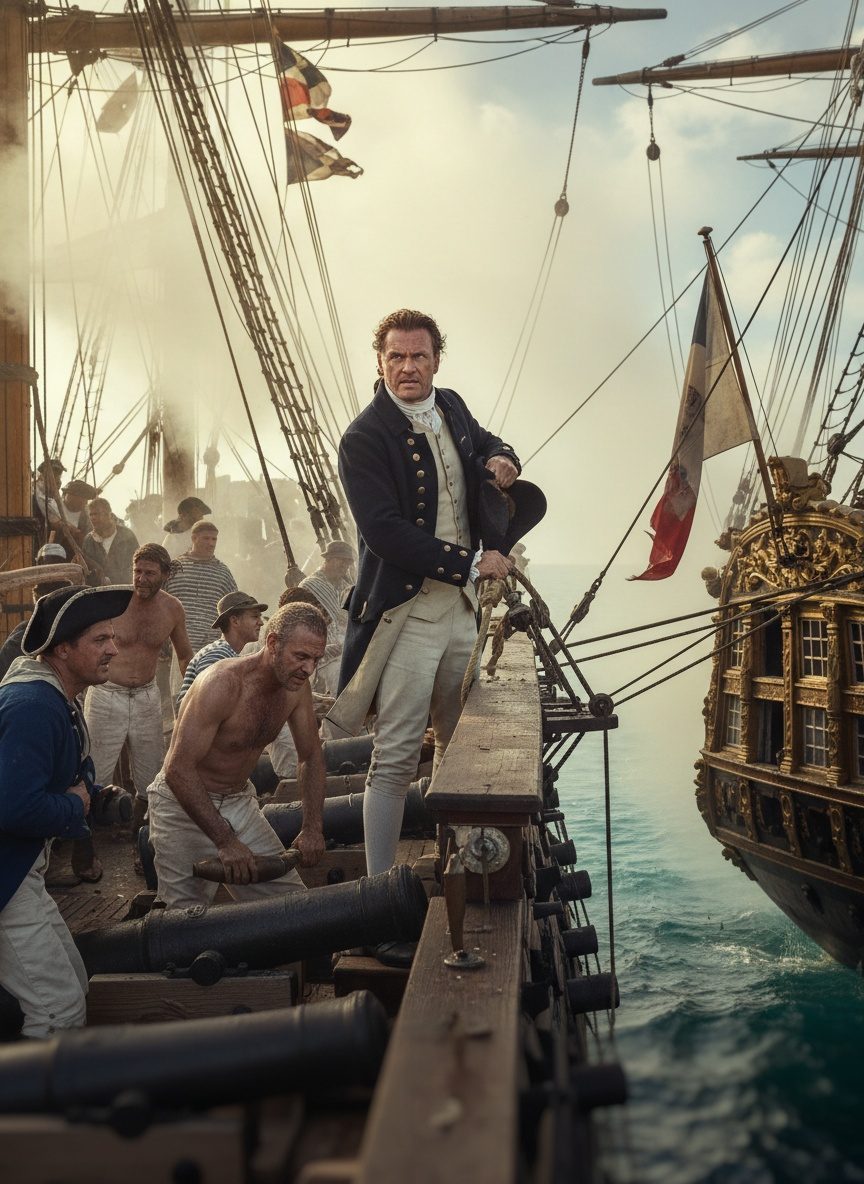
April 12, 1782. The Battle of the Saintes. Captain Lord Rodney's fleet faced France's finest. Then Captain Alan Gardner of HMS Duke drove straight into the French line. The gap broke everything. Britain ruled the Caribbean that afternoon.
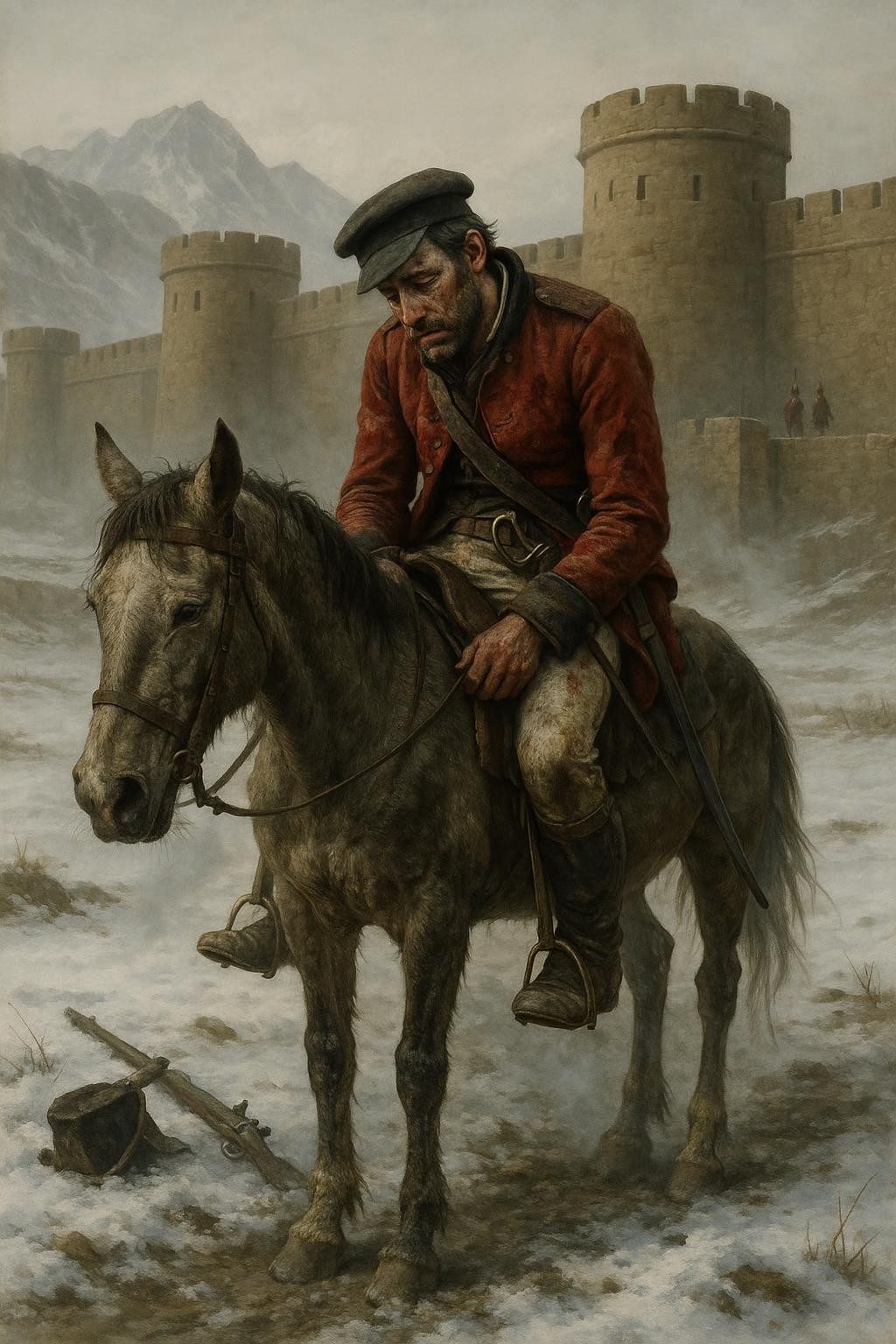
January 1842. Sixteen thousand soldiers and civilians left Kabul. Afghan tribesmen closed in from every pass. One man rode back alone to buy them time. His name was William Brydon. He was the only one who made it to Jalalabad.
Calcutta, 1883. A bill passed that let Indian judges try British subjects. The memsahibs exploded. They petitioned, marched, and screamed — and broke a Viceroy's nerve in a single season.
They weren't trained for desks. The British South Africa Police chased armed men through thornbush on horseback. No backup. No protocol. Just nerve. The men who built them had left Britain to find harder ground.
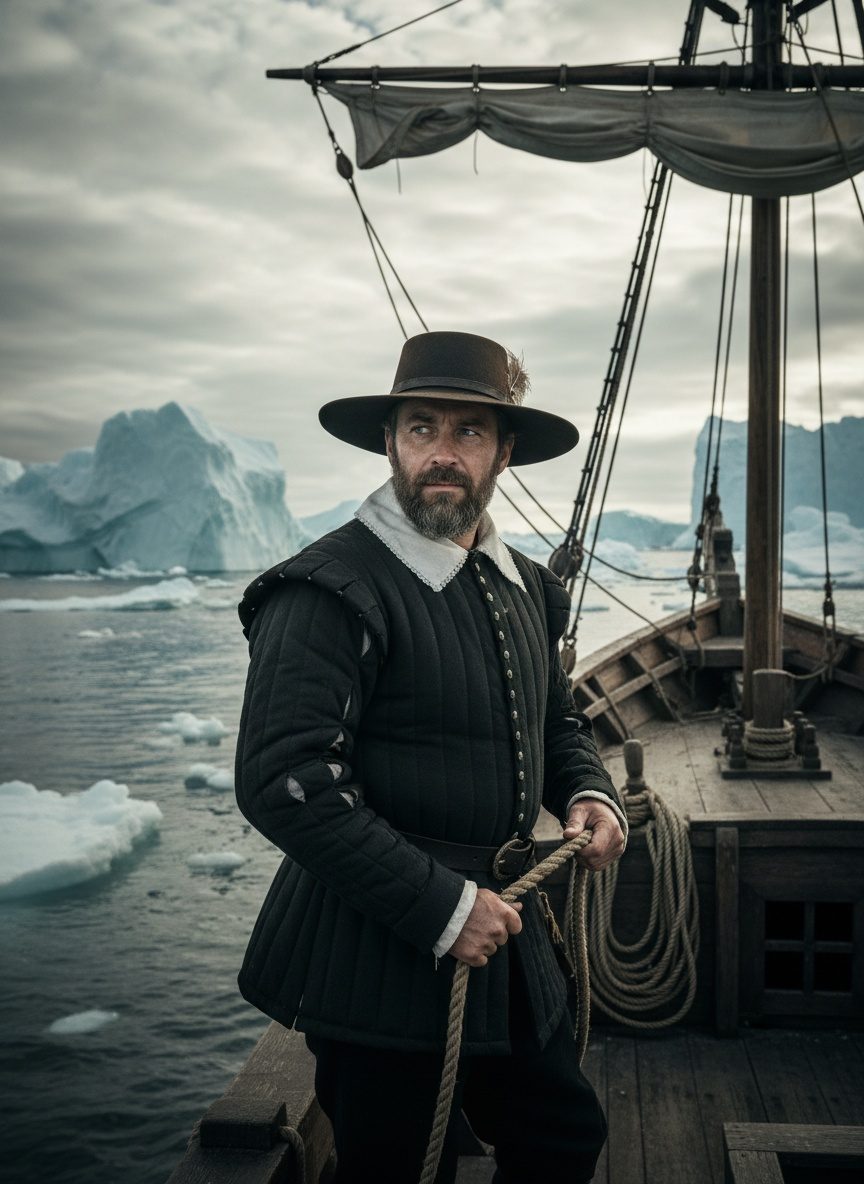
Summer, 1576. Martin Frobisher sailed north with one small ship. Ice crushed his fleet. Two vessels turned back. He did not. He pressed on alone into the unknown. He reached what no Englishman had ever seen. He came home.
1872. Two ships left Foochow harbour on the same tide. John Willis's Cutty Sark and the Thermopylae. 16,000 miles to London. One prize. The greatest race in sailing history had begun.
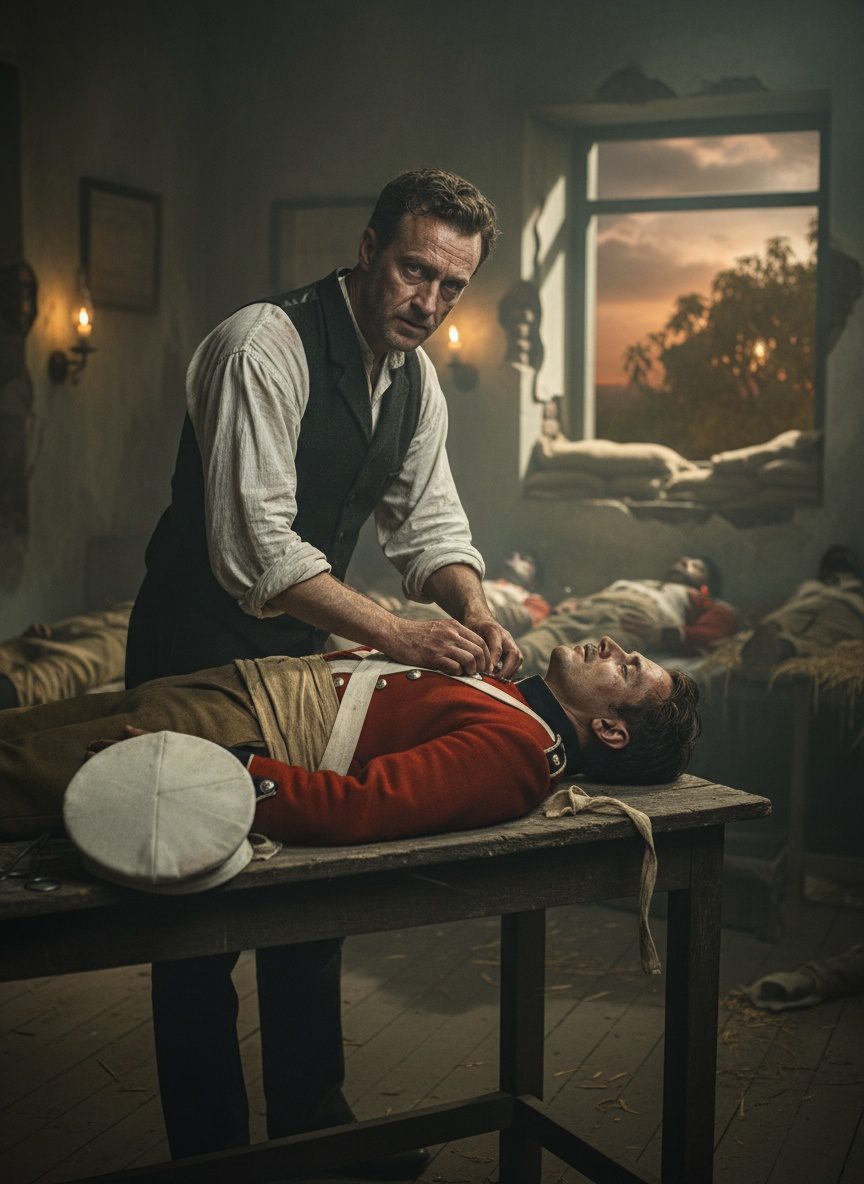
June 1857. The Lucknow Residency was surrounded. Surgeon Joseph Fayrer had no supplies. No relief. Two thousand civilians sheltered inside. He worked without stopping. For eighty-seven days. He saved hundreds. The Empire held.
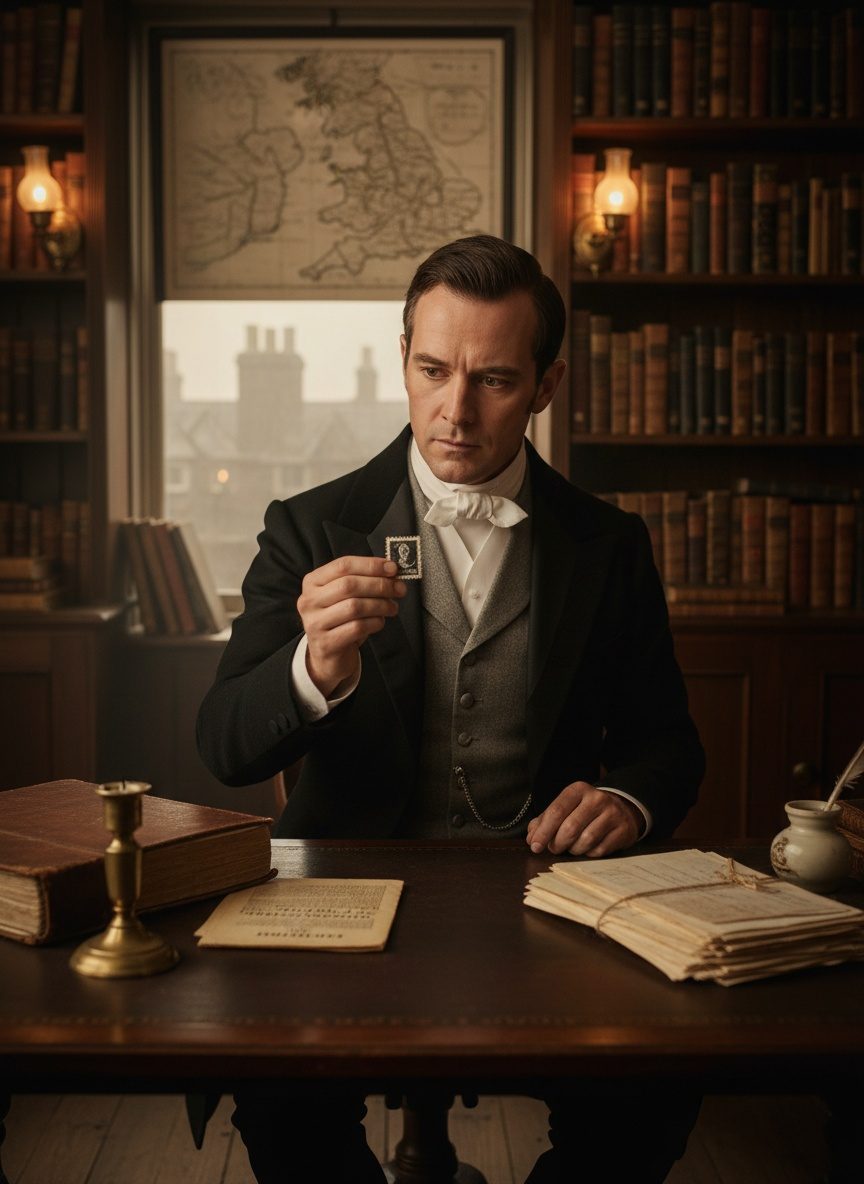
1840. Britain's Post Office charged by distance. The poor could not afford a letter. Rowland Hill changed everything. One penny. Any distance. The whole world copied it.
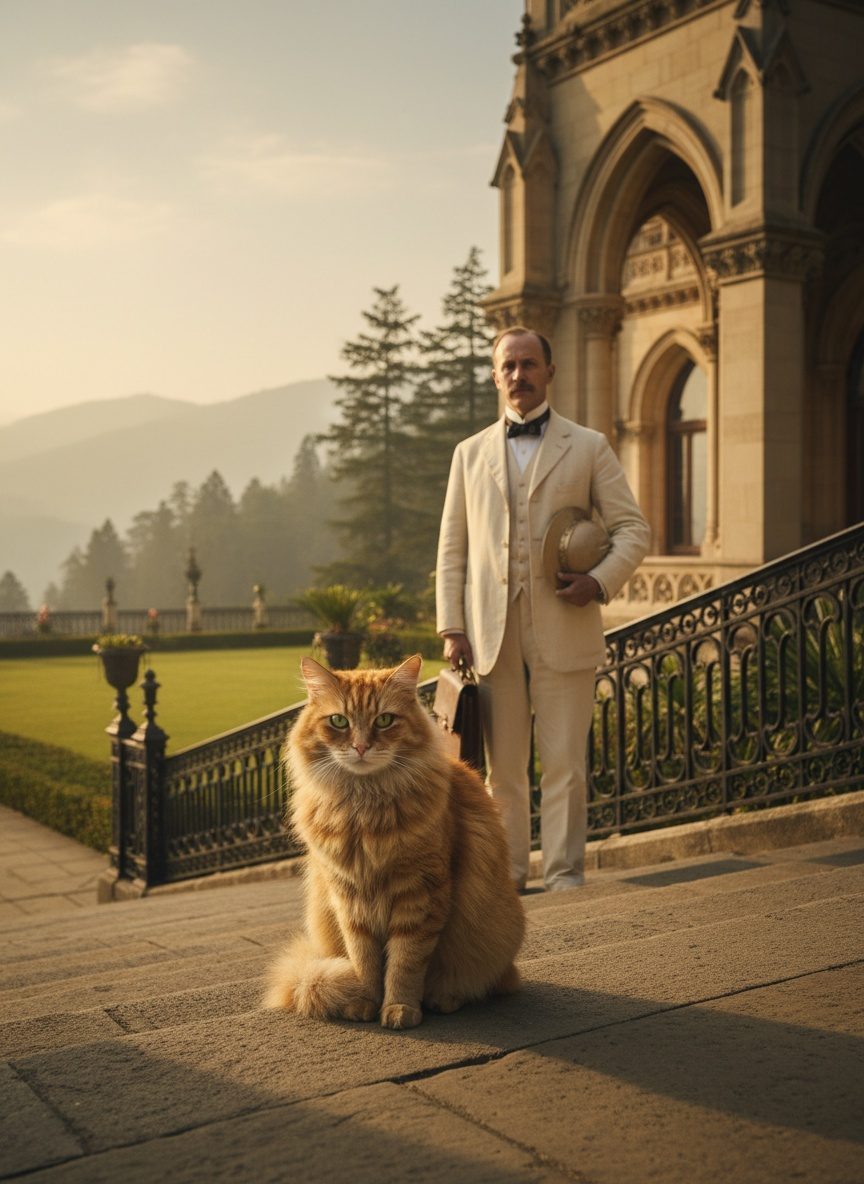
Six Viceroys ruled India. Wars were fought. Empires cracked. But the cats of the Viceregal Lodge in Simla just kept purring. While men came and went, the Lodge cats outlasted them all.
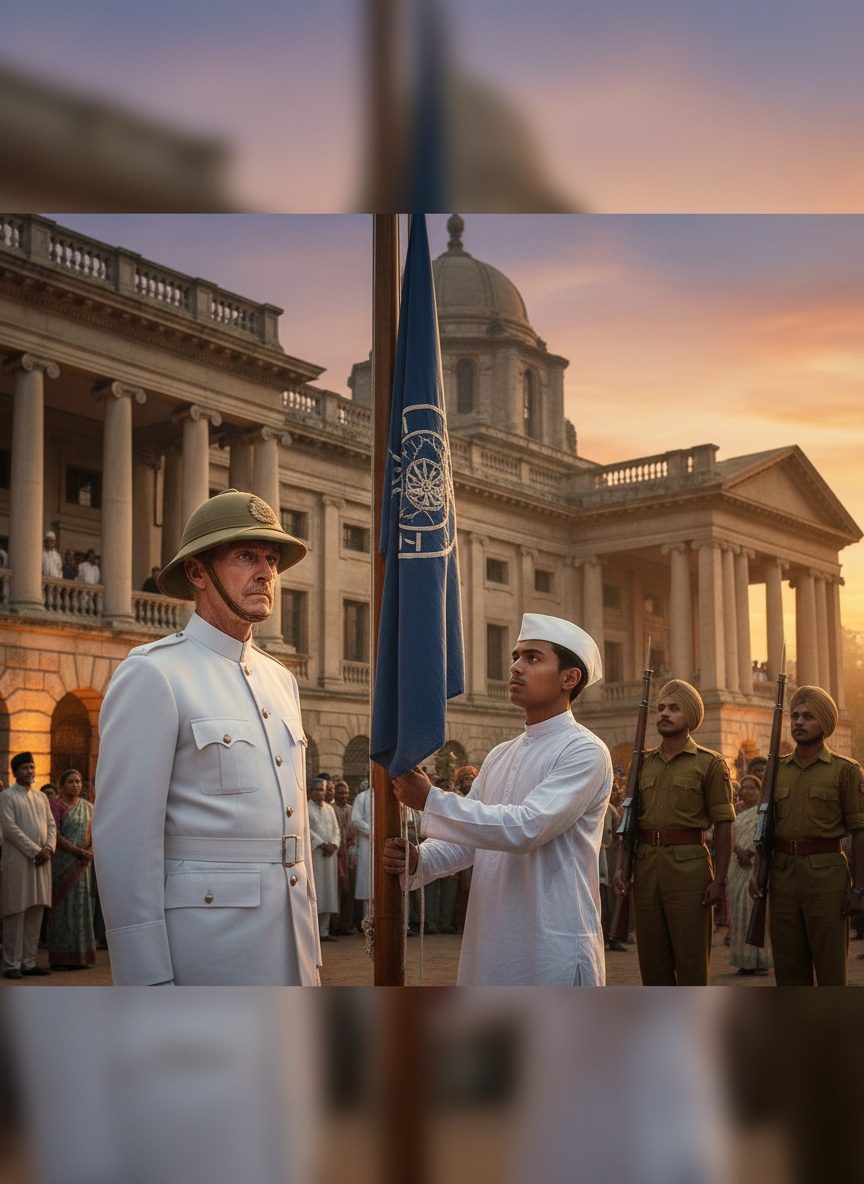
For nearly 90 years, the Star of India flew over the subcontinent. It was never formally India's national flag. But it was the symbol every colonial official, soldier, and subject knew. At midnight on 14 August 1947, it came down forever.
Hand-picked from Britain Untold's archive. The stories you weren't taught at school. 3-minute read.
No spam. Unsubscribe in one click. We hate spam too. Privacy Policy.