The British Empire — the forgotten chapters · page 15 of 22
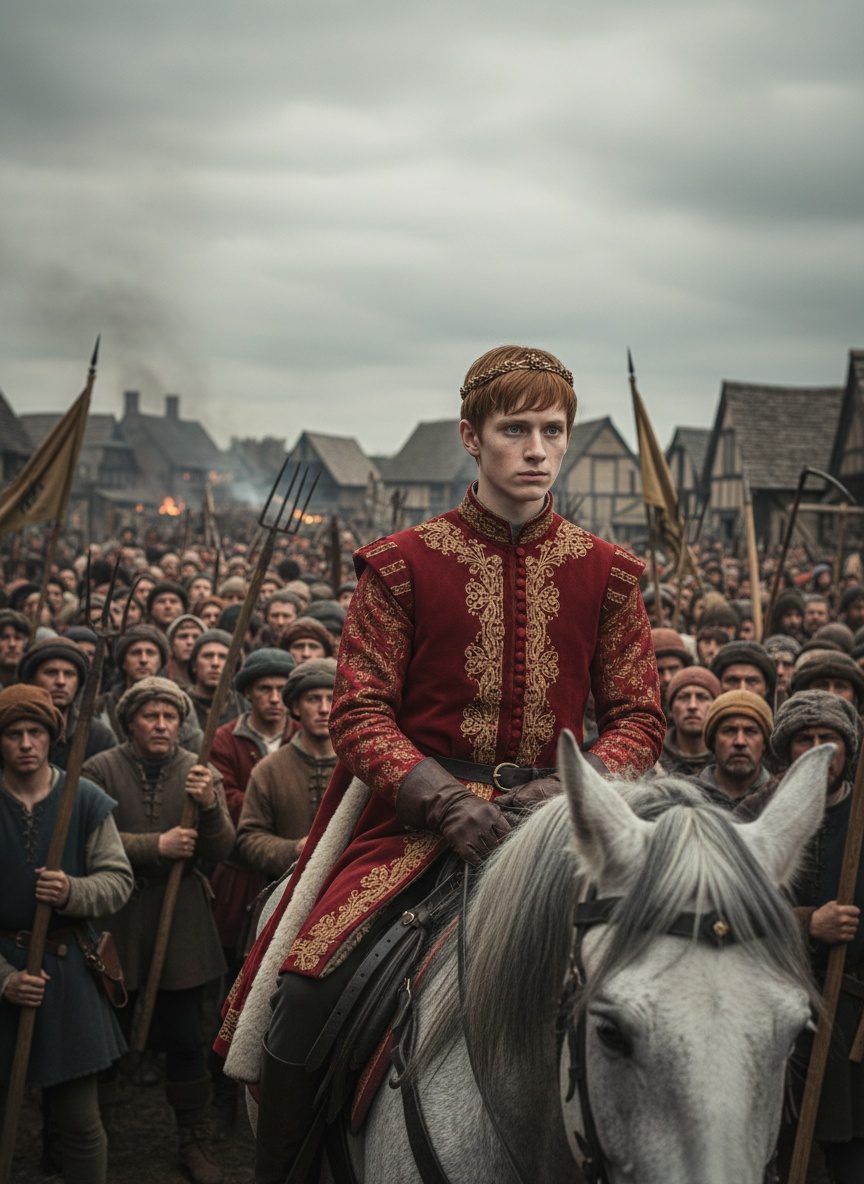
June 1381. A boy king rode out alone to meet a rebel army. Thousands of starving peasants had marched on London. Richard II was just fourteen. He faced them. He made a promise. England held its breath.
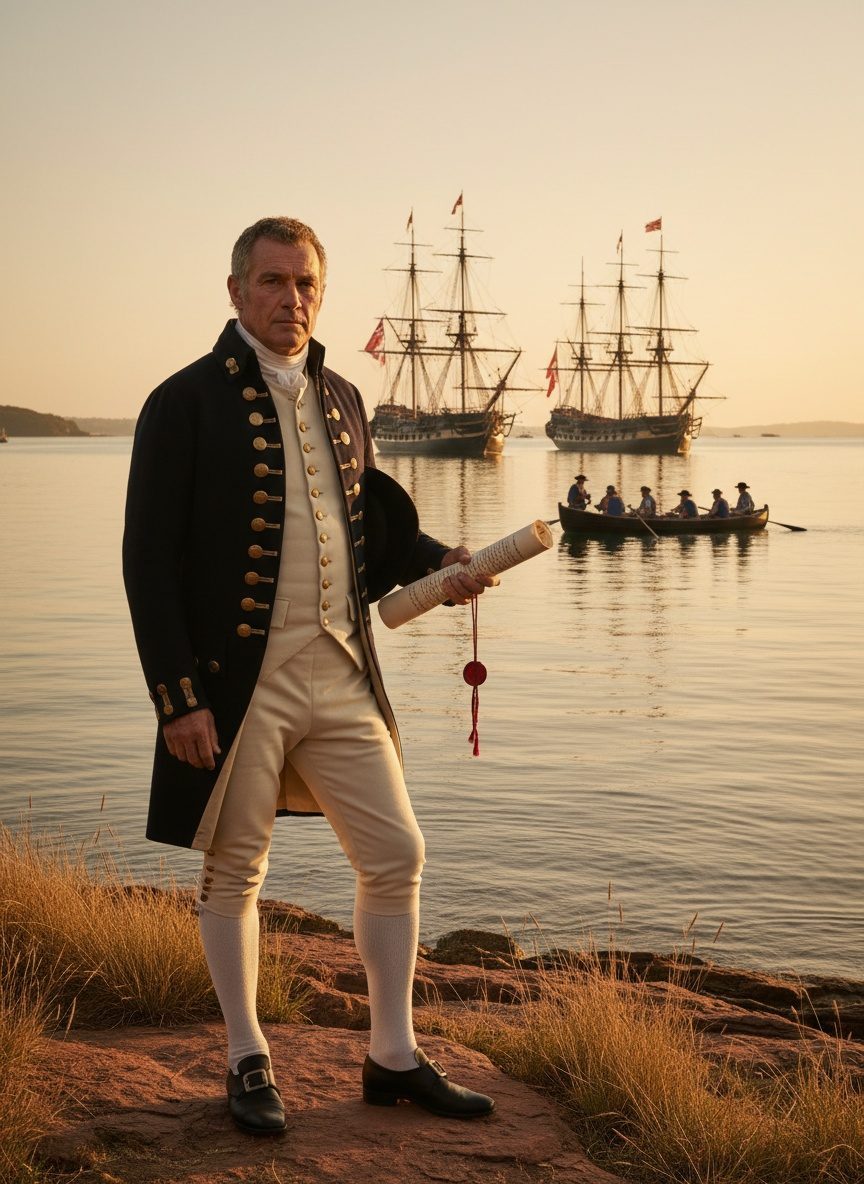
January 1788. A fleet of eleven ships dropped anchor at Sydney Cove. The soldiers carried muskets. The convicts carried chains. But tucked into the cargo was something stranger. A copy of English law. It would outlast an empire.
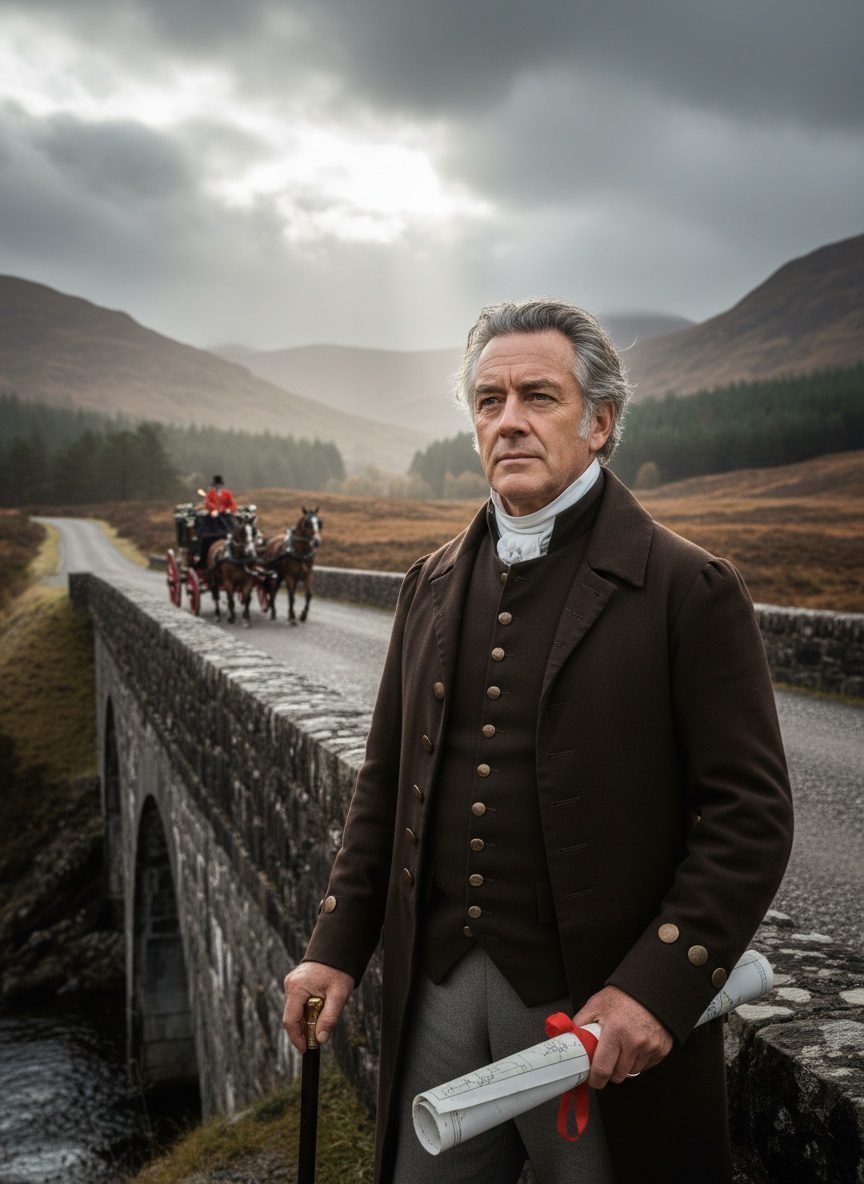
1826. A Scottish stonemason's son had just finished the impossible. 1,100 miles of new road. 1,200 bridges. The Scottish Highlands connected to London for the first time. One man. One hammer. One nation.
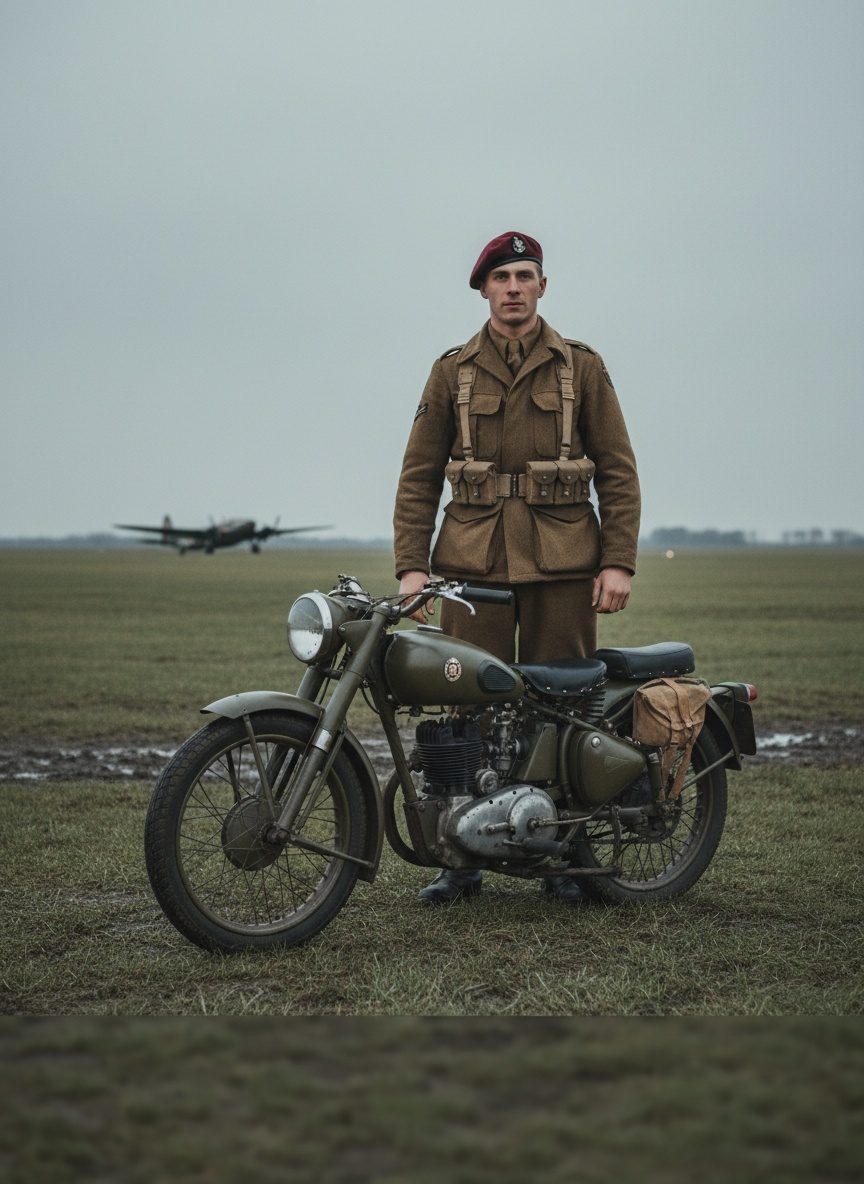
A motorcycle small enough to parachute into battle. The Royal Enfield WD/RE weighed just 60kg. British paratroopers dropped it from planes. Then rode it to war.
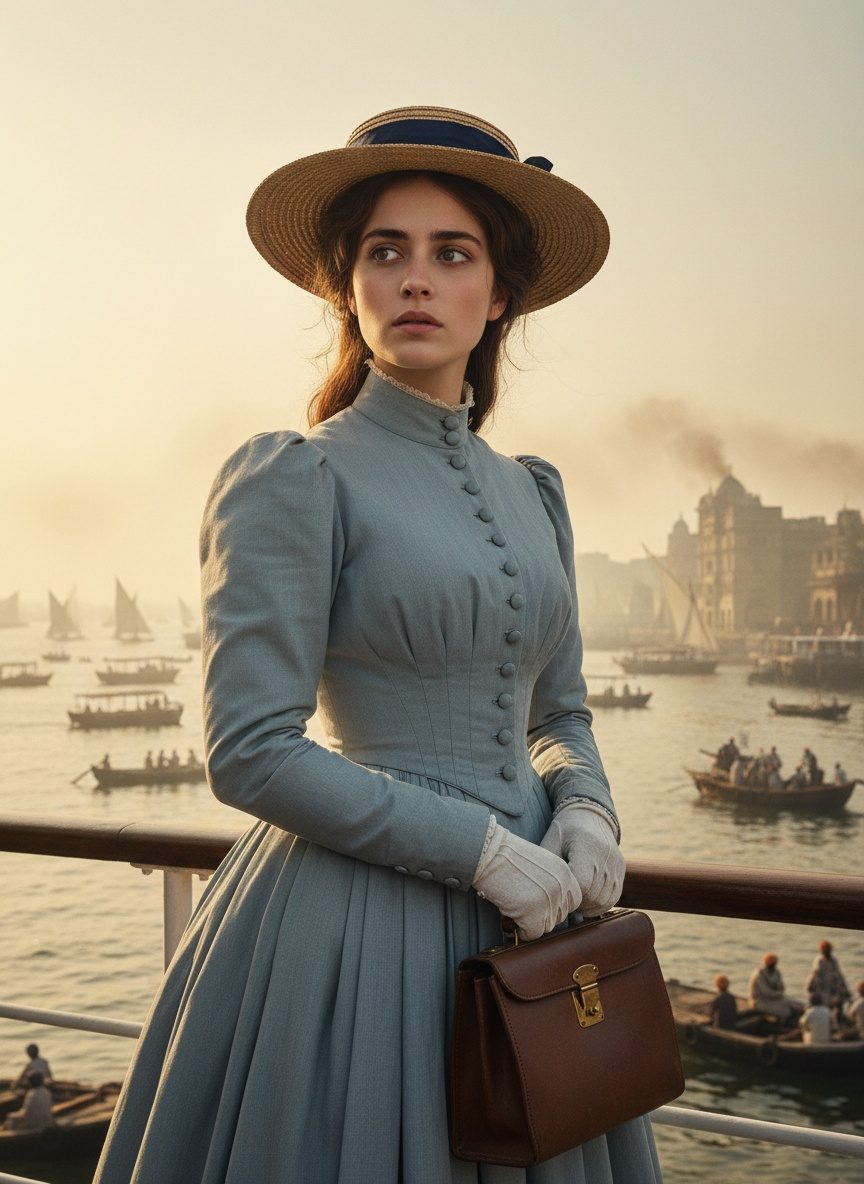
Bombay, 1885. She had crossed the Black Water alone. Six weeks at sea. A new dress. A borrowed hat. The steamer docked. India roared up to meet her. She had come to find a husband. She found a world.
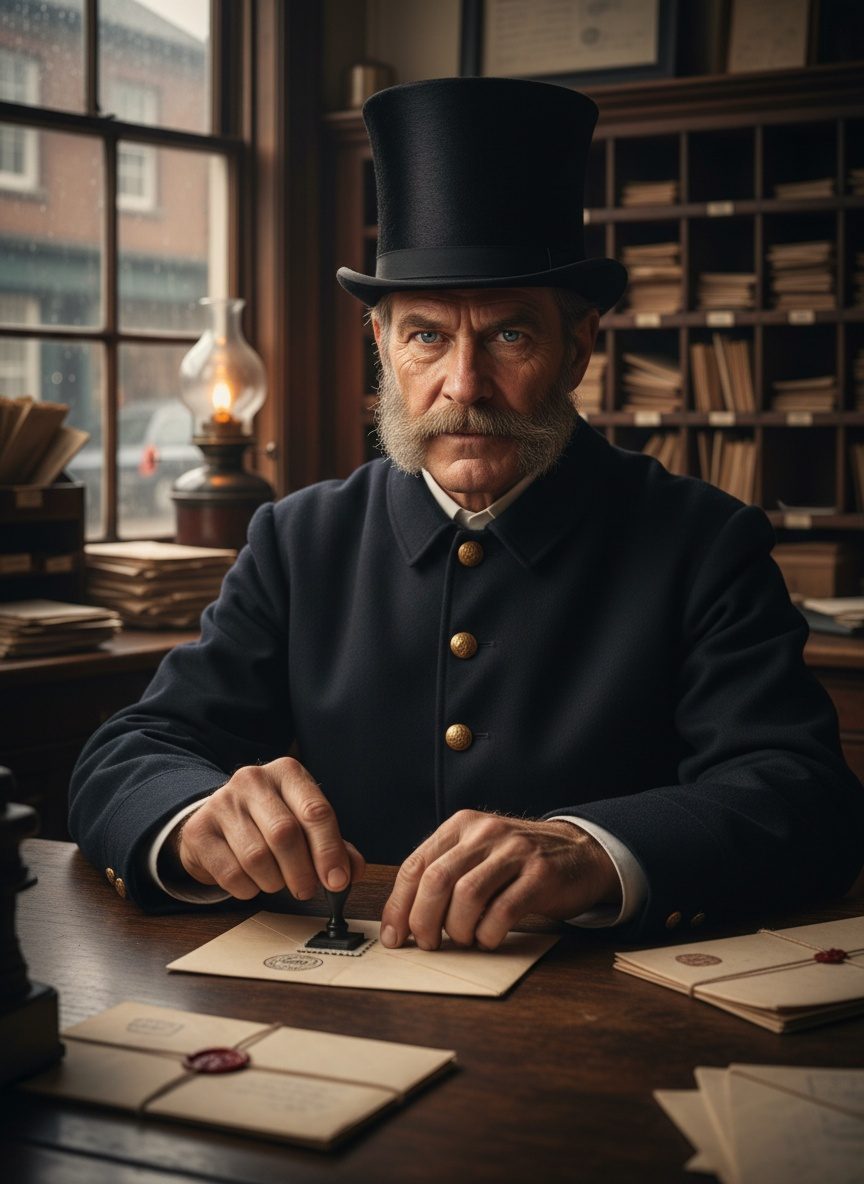
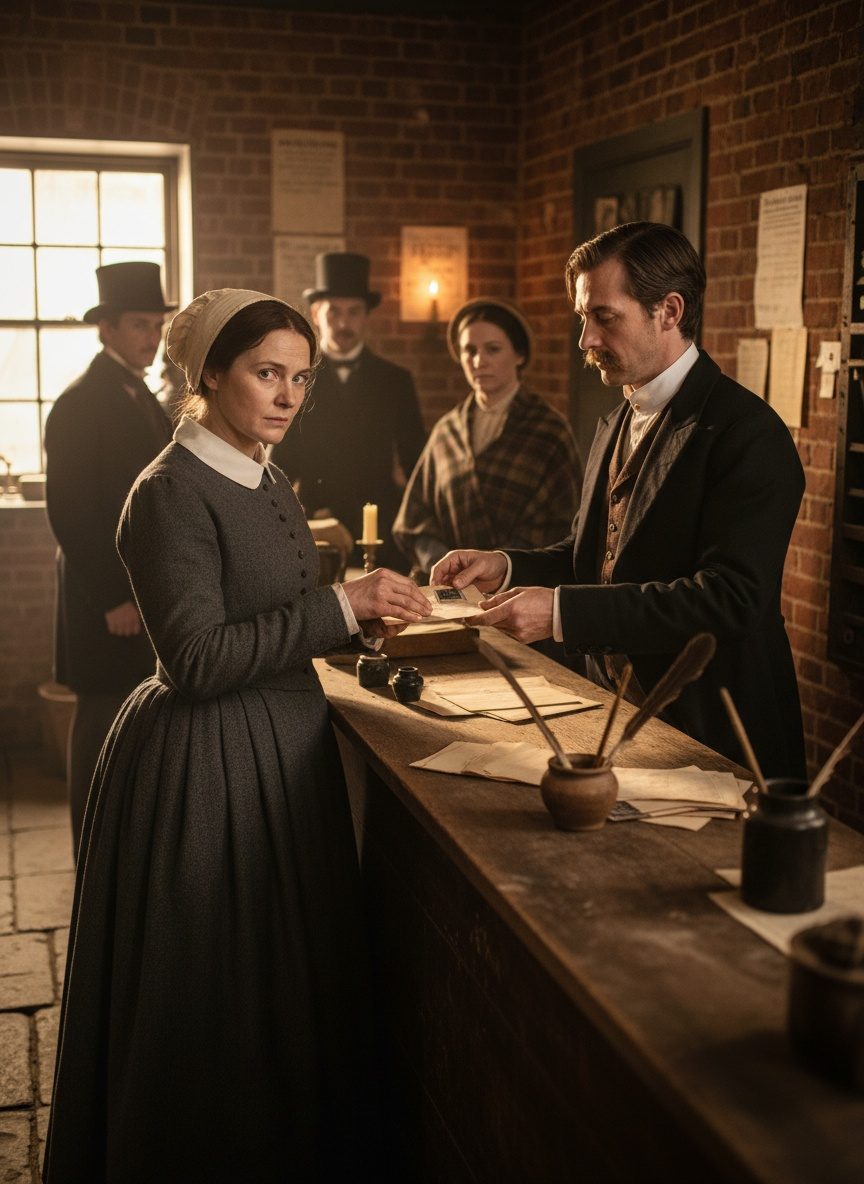
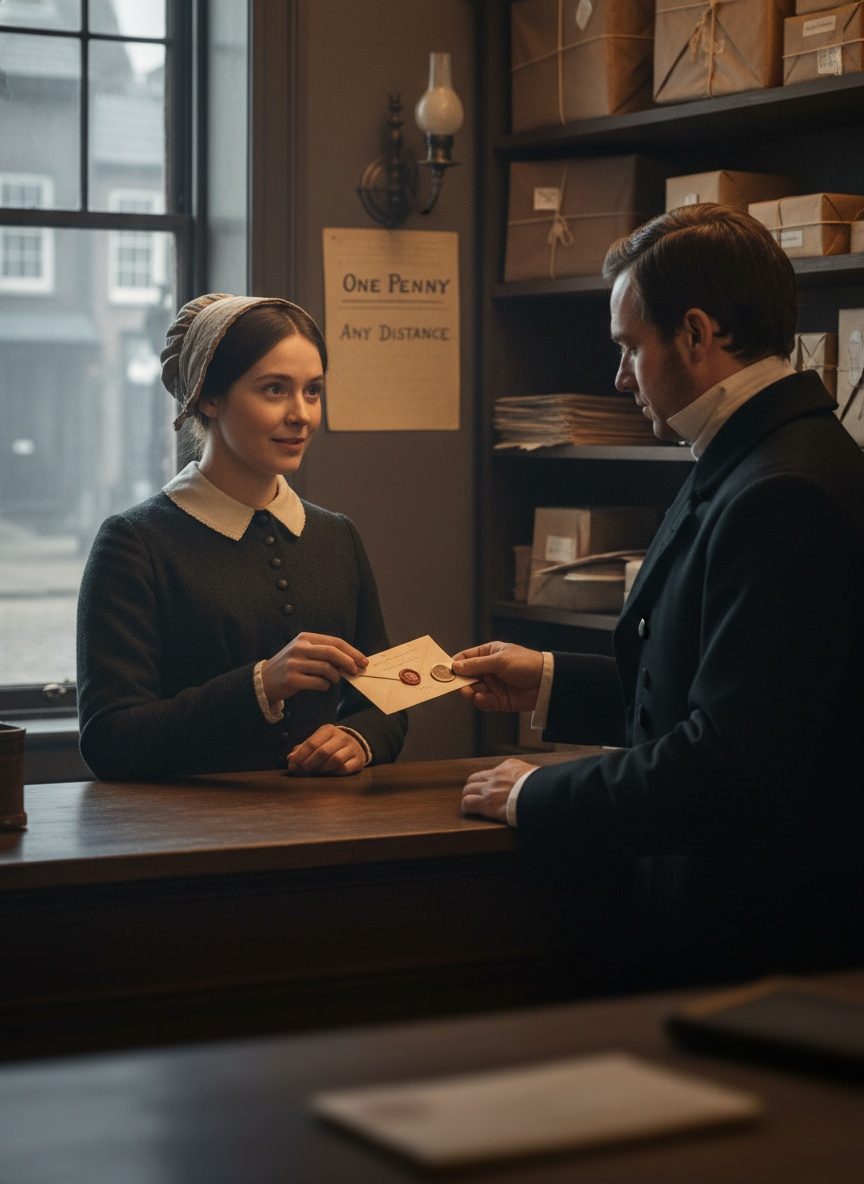
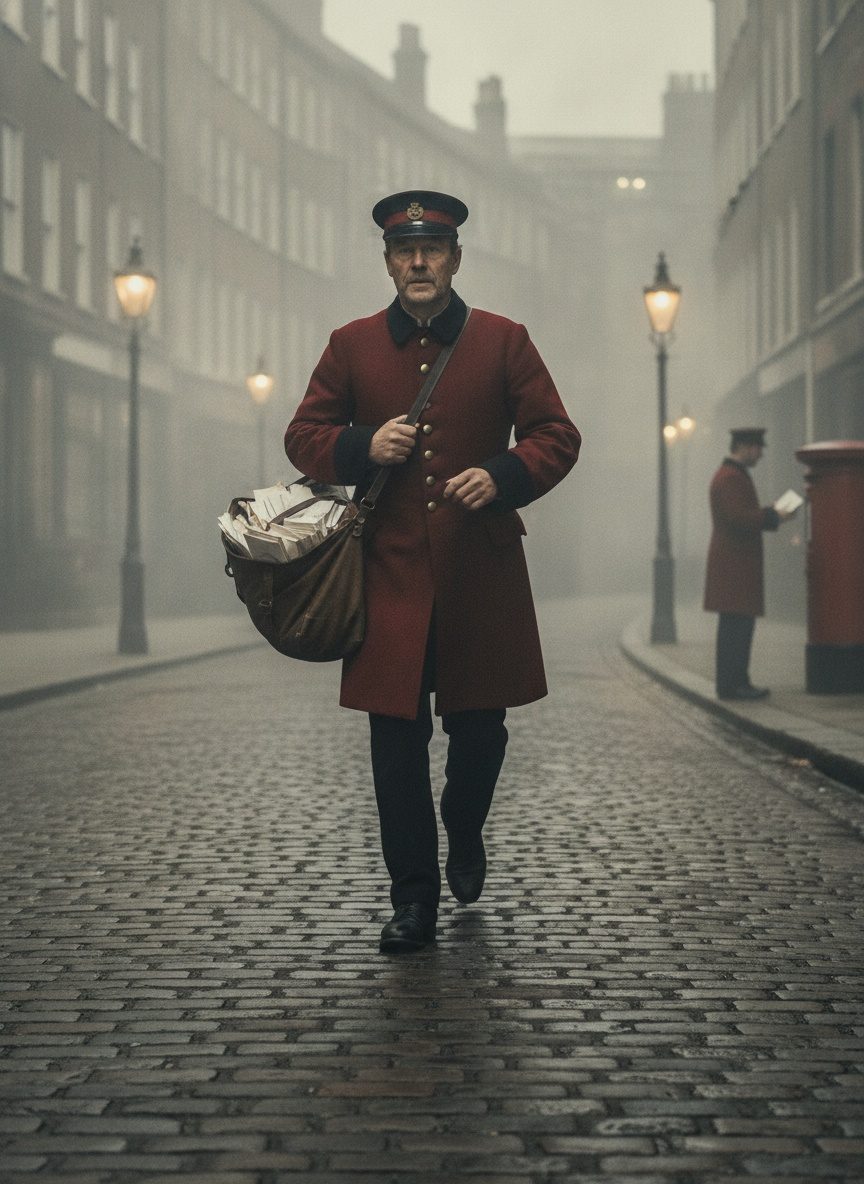
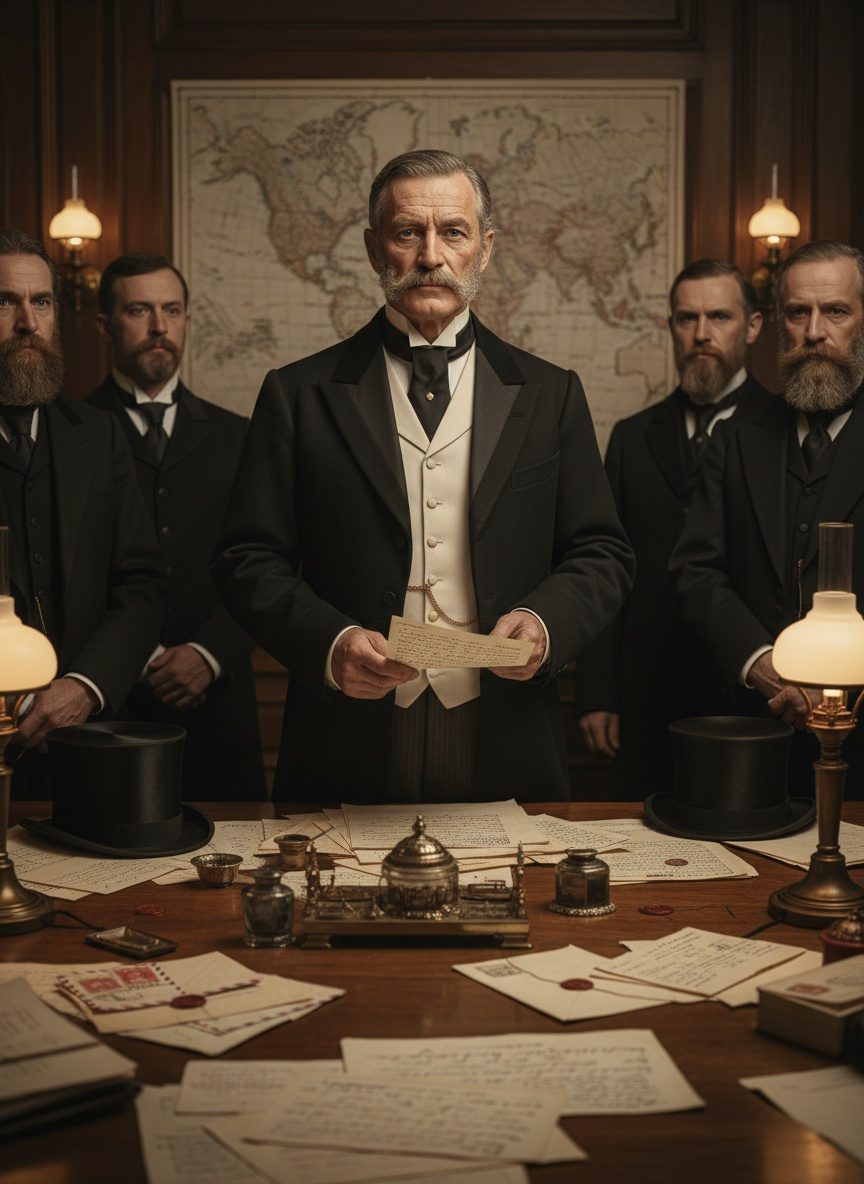
January 1840. A schoolteacher named Rowland Hill had one idea. A stamp worth a penny. Paid by the sender. Not the receiver. That single rule spread to every nation on earth. The world still uses it today.
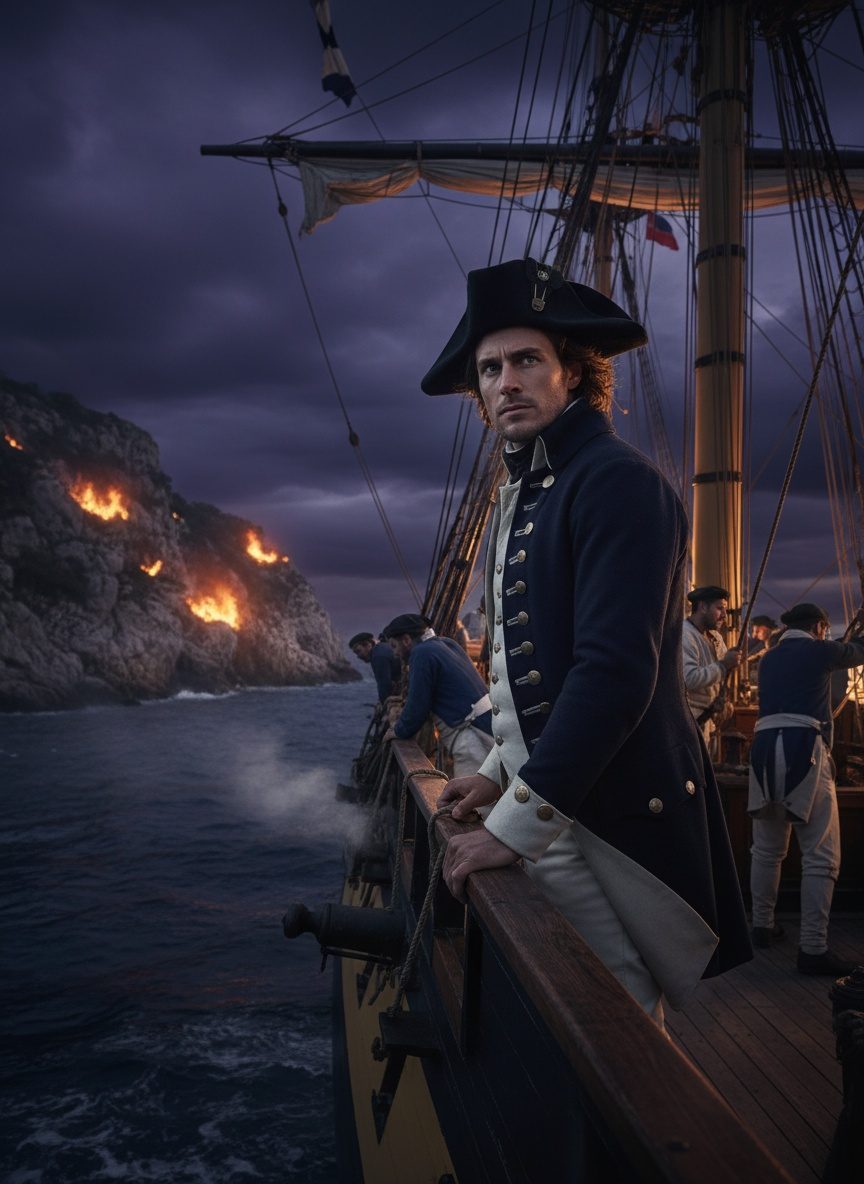
1807. One British frigate. Six hundred miles of French coastline. Captain Thomas Cochrane lit fake signal fires across the cliffs. Napoleon's coastal garrisons panicked. Thousands of troops rushed inland. One ship had paralysed an army.
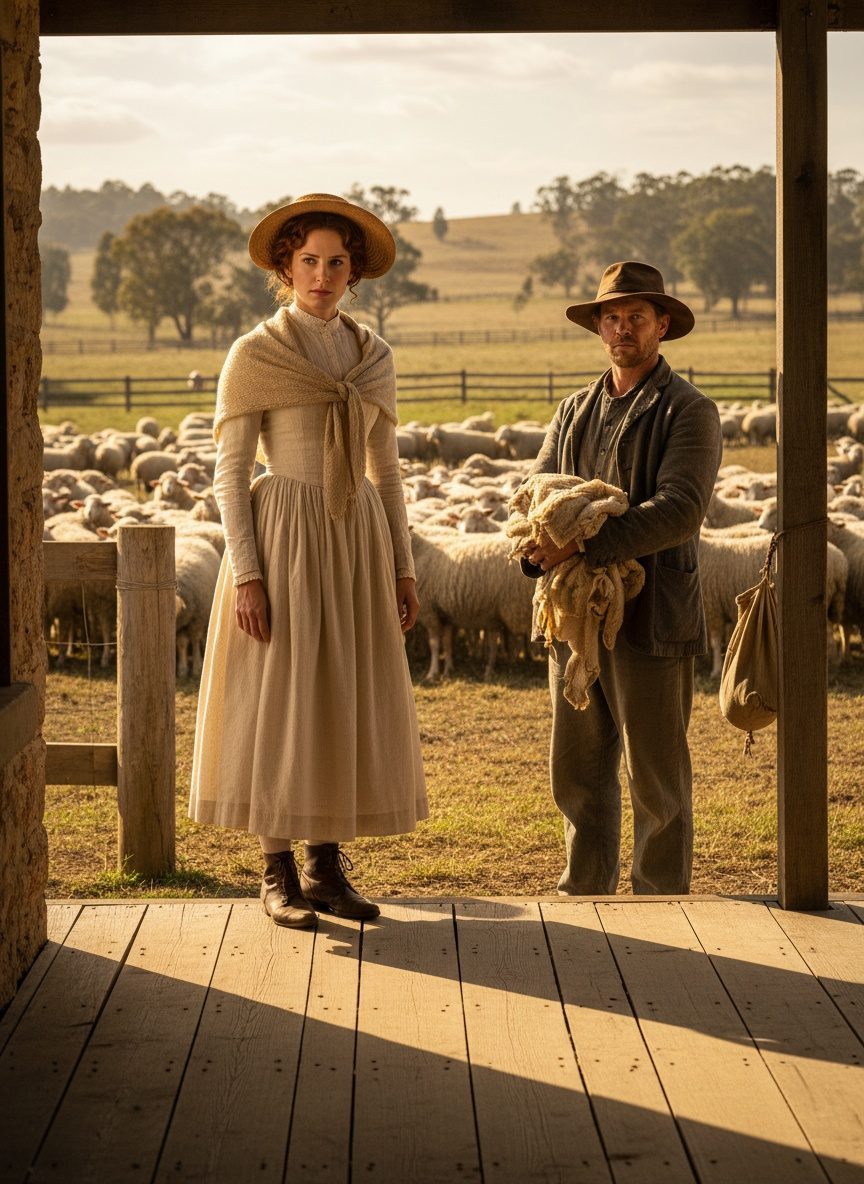
New South Wales, 1813. The colony was starving for trade. One woman refused to give up. Elizabeth Macarthur managed the farm alone for eight years. Her wool changed a nation. Her courage changed everything.
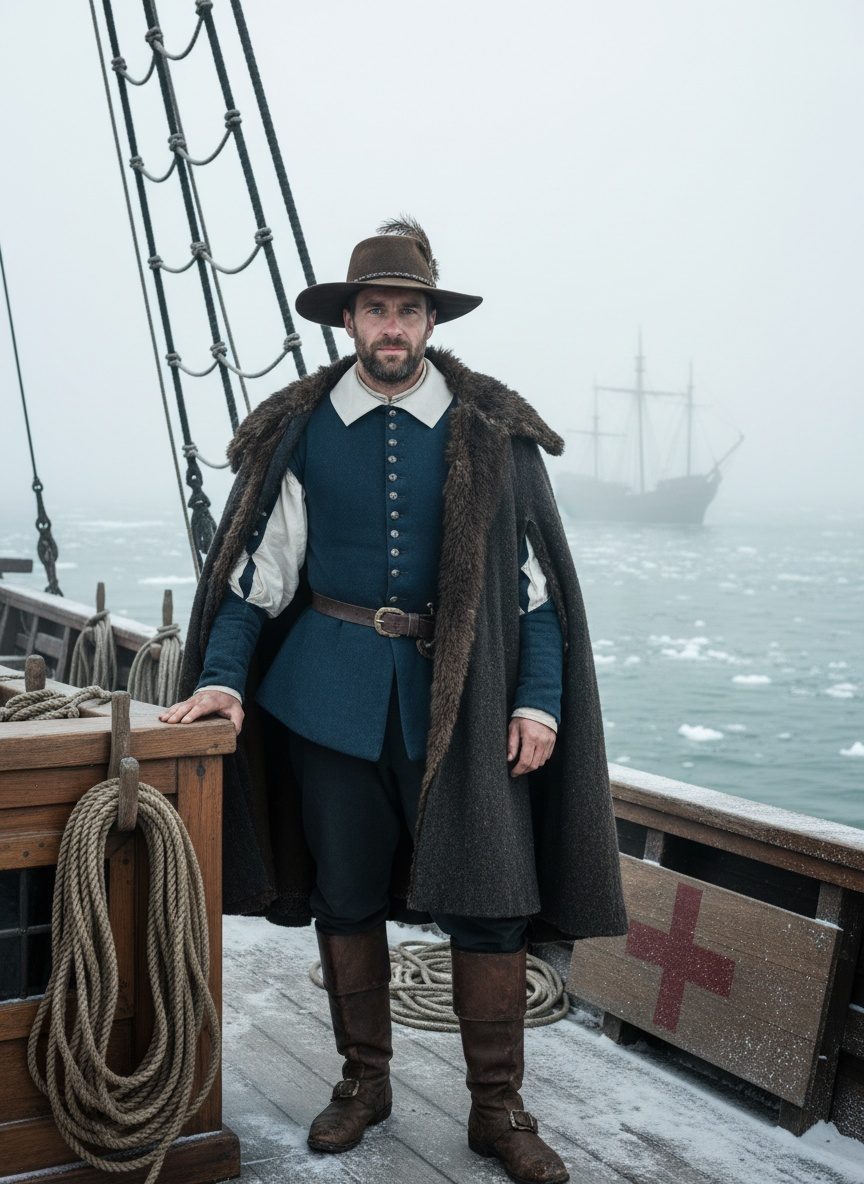
1553. Three ships sailed north into frozen darkness. Two never returned. Hugh Willoughby perished in the ice. But Richard Chancellor pressed on alone. He sailed into Russia. Met Ivan the Terrible. And opened a trade route no Englishman had dared dream of.
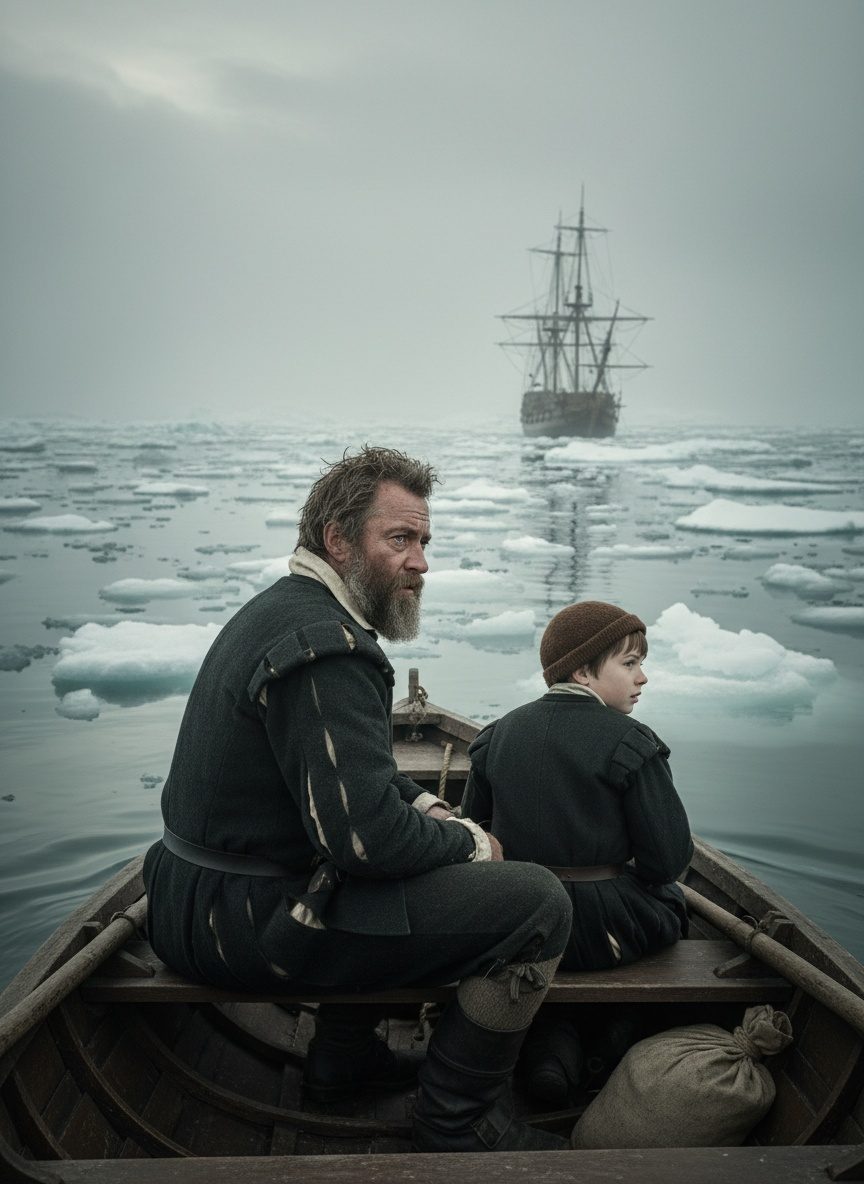
June 1611. The ice would not break. Henry Hudson's crew had starved for months. They seized him at dawn. Put him in a small boat. His young son beside him. Cast them into the vast frozen bay. Neither was ever seen again.
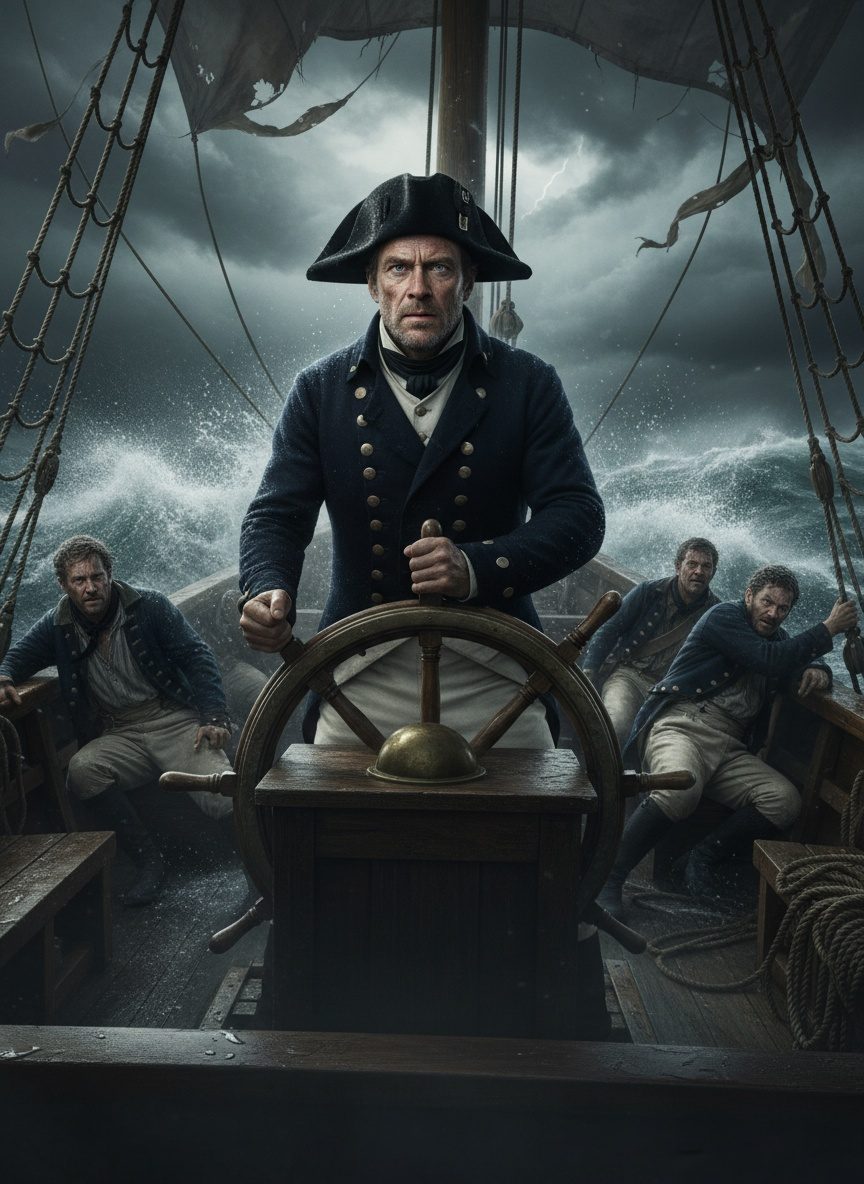
October 1805. HMS Pickle carried the news of Trafalgar. Just a tiny schooner. Sent ahead of the fleet. Lieutenant Lapenotiere drove his crew through Atlantic storms for nine days. Then walked into the Admiralty at midnight. 'Sir. We have won a great victory. But we have lost Lord Nelson.'
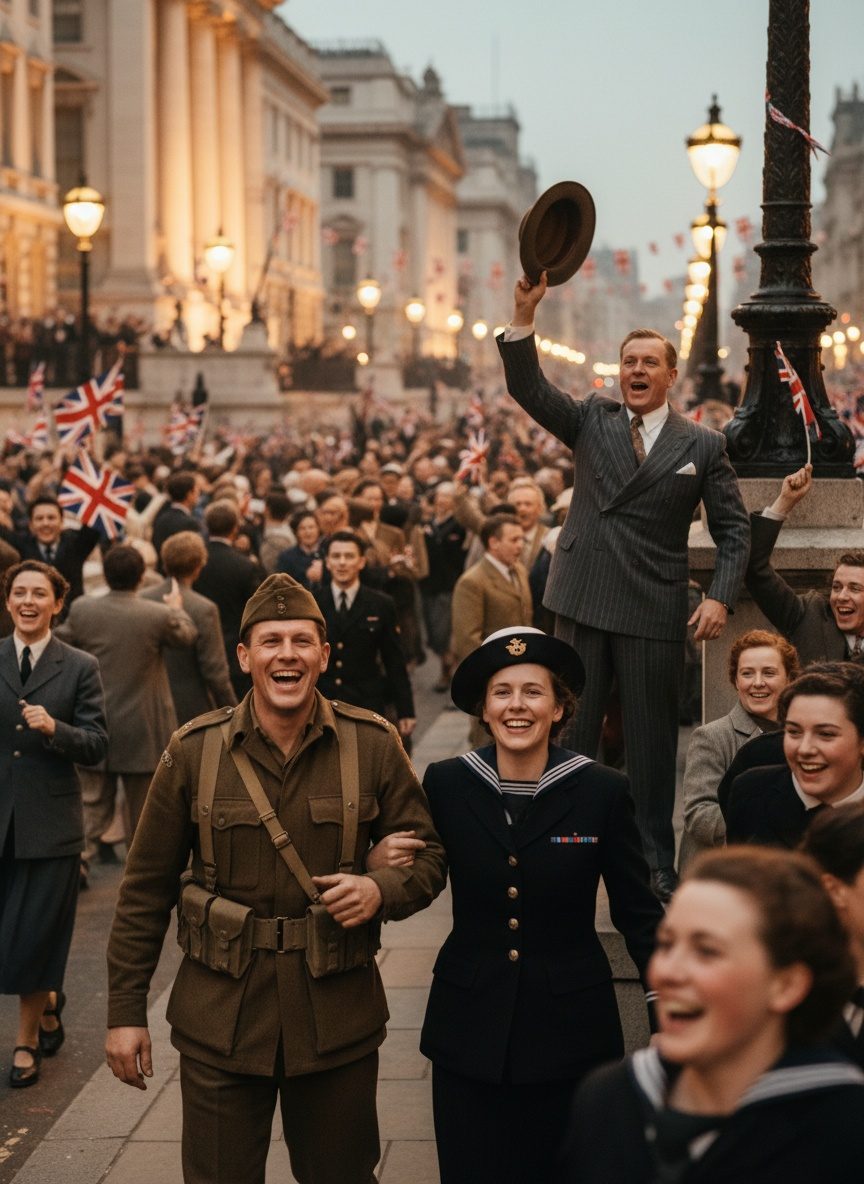
8 May 1945. Six years of war ended in one night. From Trafalgar Square to Delhi, the Empire celebrated together. But for the colonies, the question now was: what comes next?
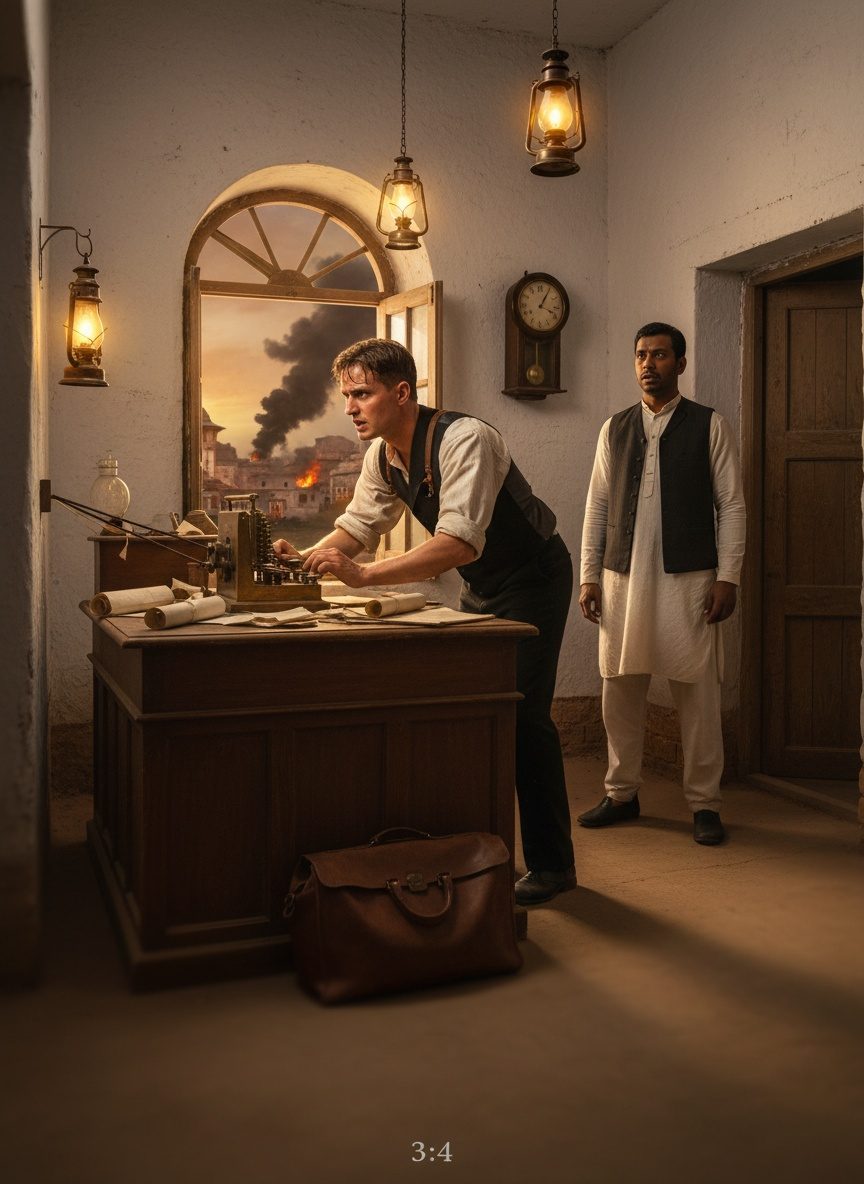
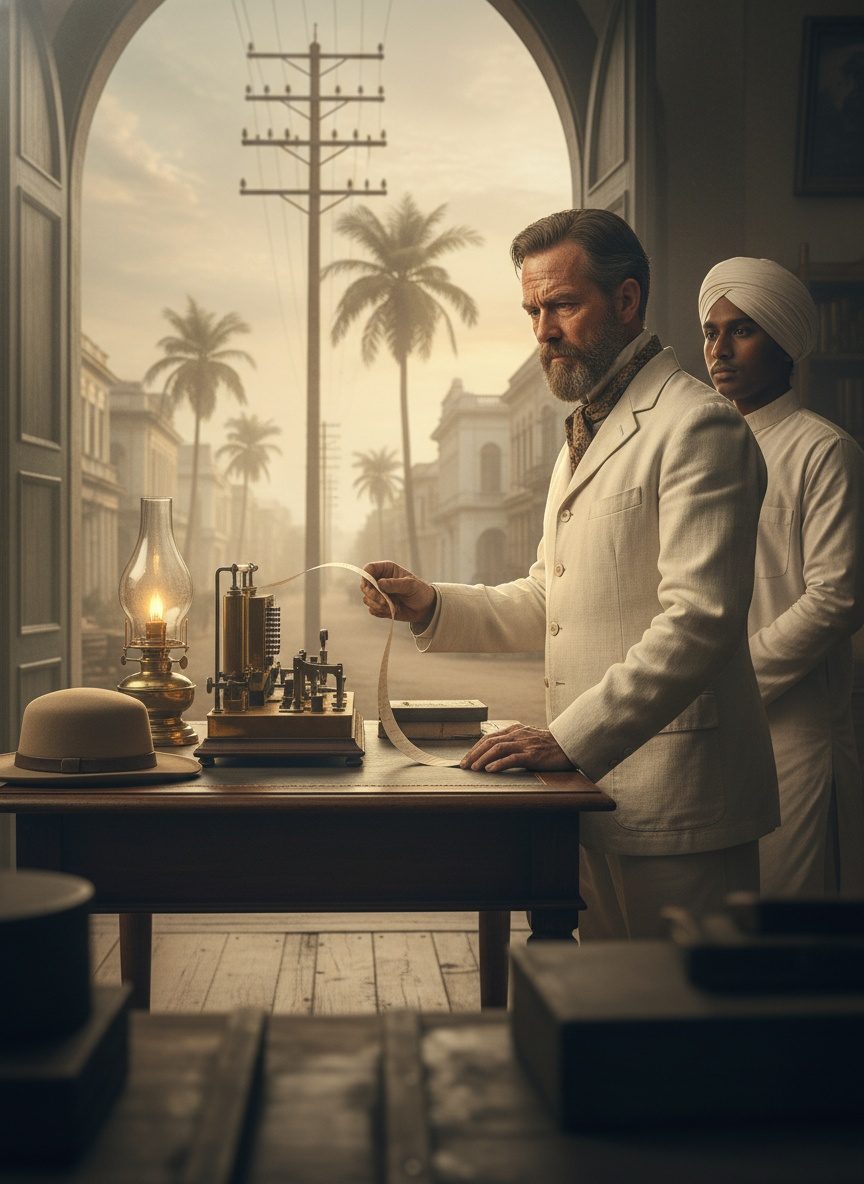
In May 1857 sepoys rose across northern India. But before the smoke cleared, telegraph operators — many of them Indian — had already wired Calcutta. The warnings that saved British India were tapped out in minutes.
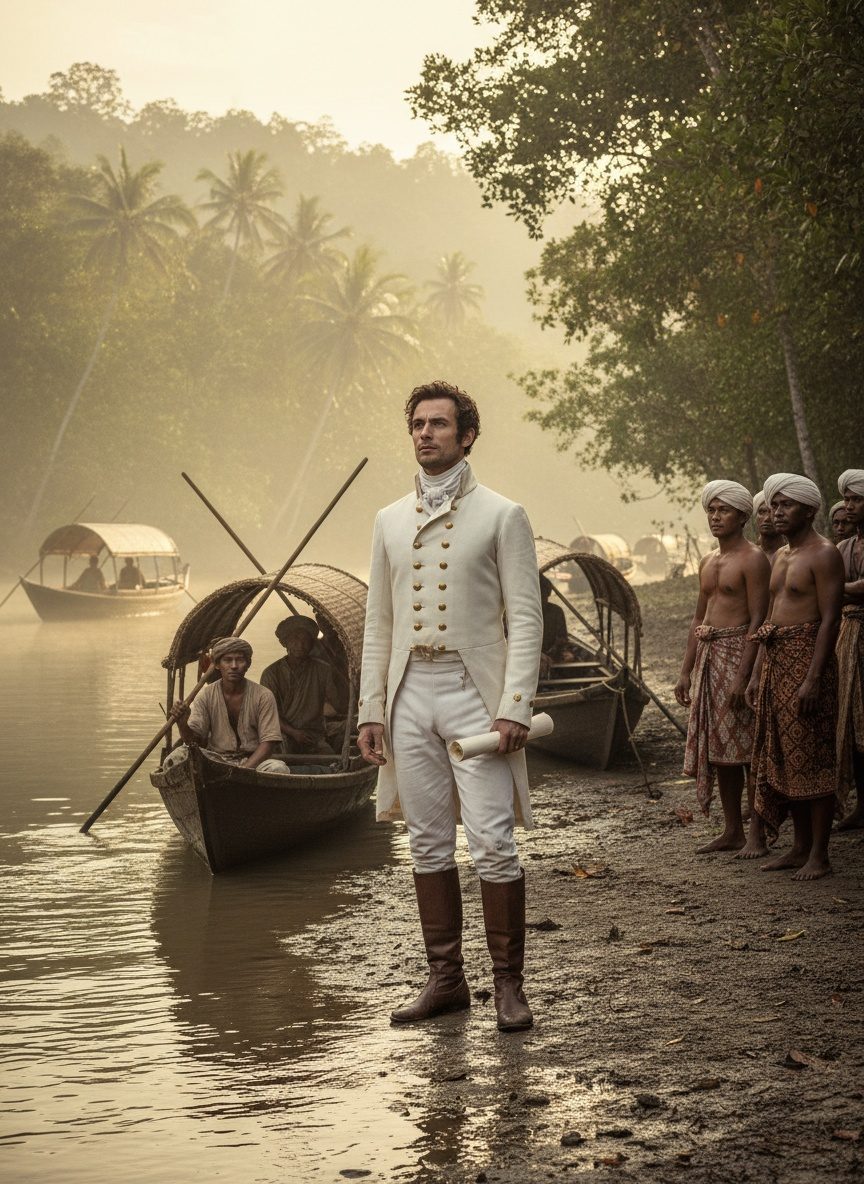
January 1819. A British official stepped ashore on a swampy island. No army. No authority. Just nerve. In seven days he signed a treaty. In two centuries it became a city of millions.
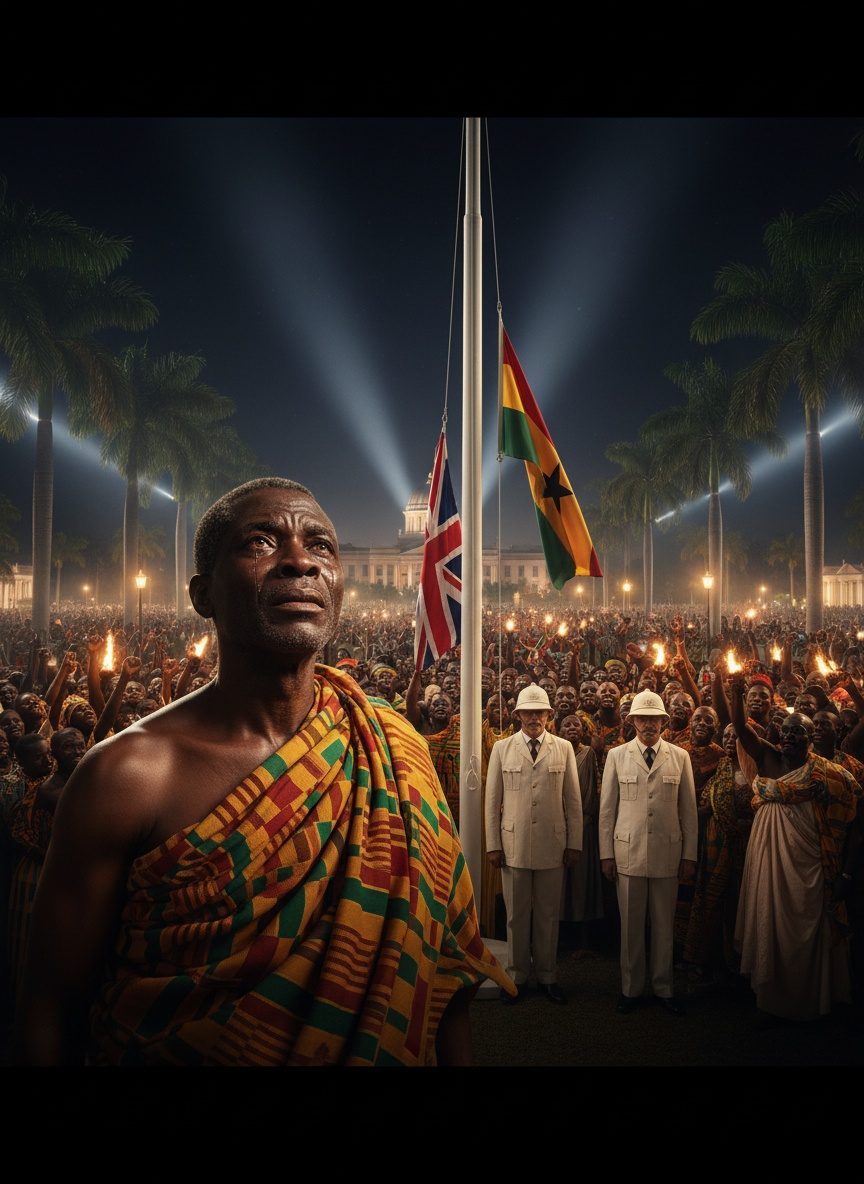
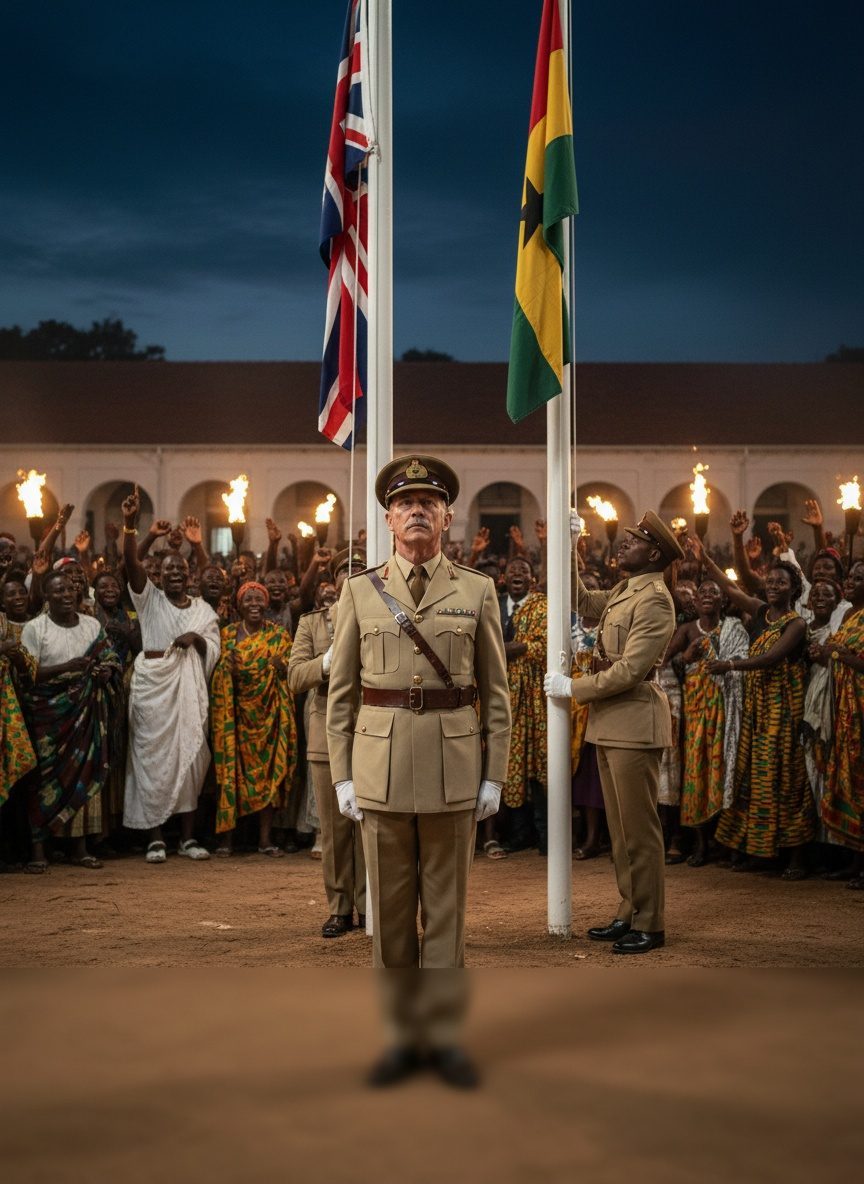
March 1957. Midnight in Accra. The Union Jack came down. A new flag rose. The crowd roared. One man wept. Ghana was born. The first black African nation to break free. The world would never be the same.
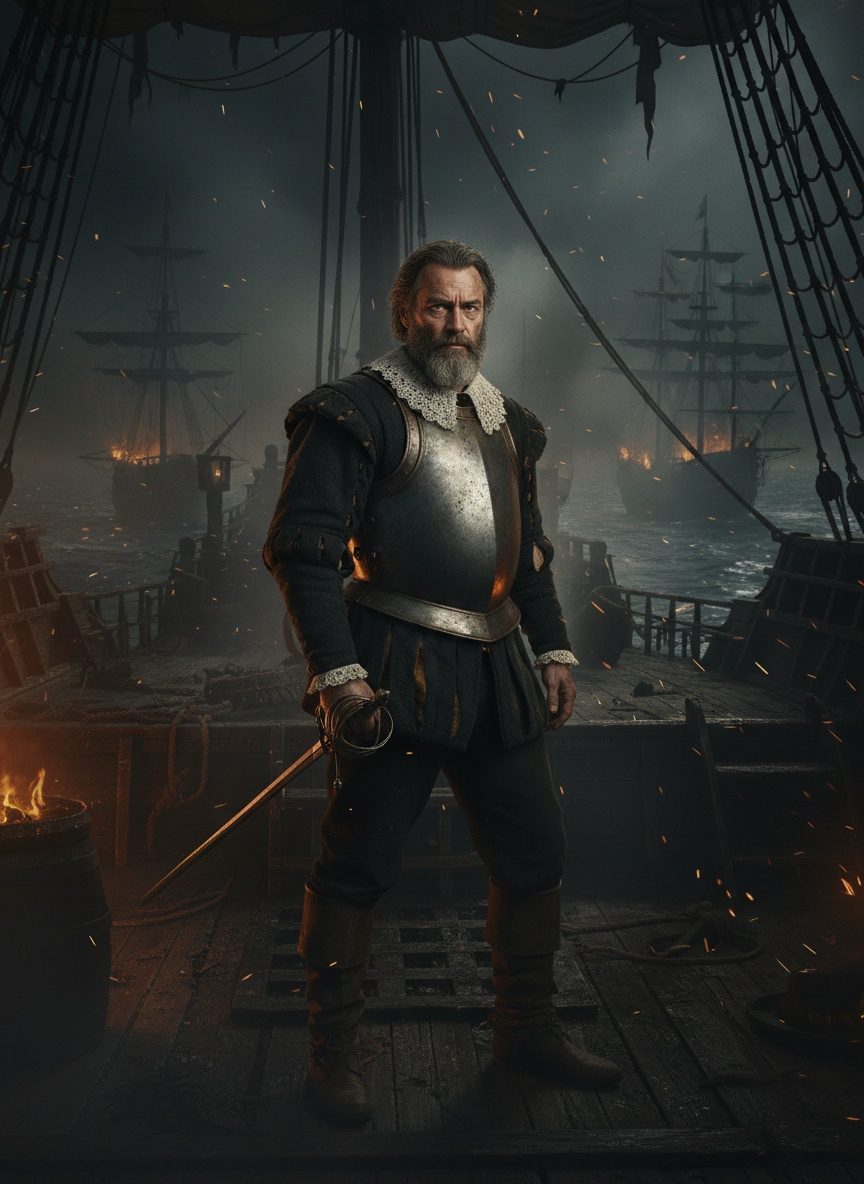
August 1591. One English warship. Fifty-three Spanish vessels. Sir Richard Grenville refused to surrender. The Revenge fought through the night. She was taken only after Grenville lay dying. He never struck his colours.
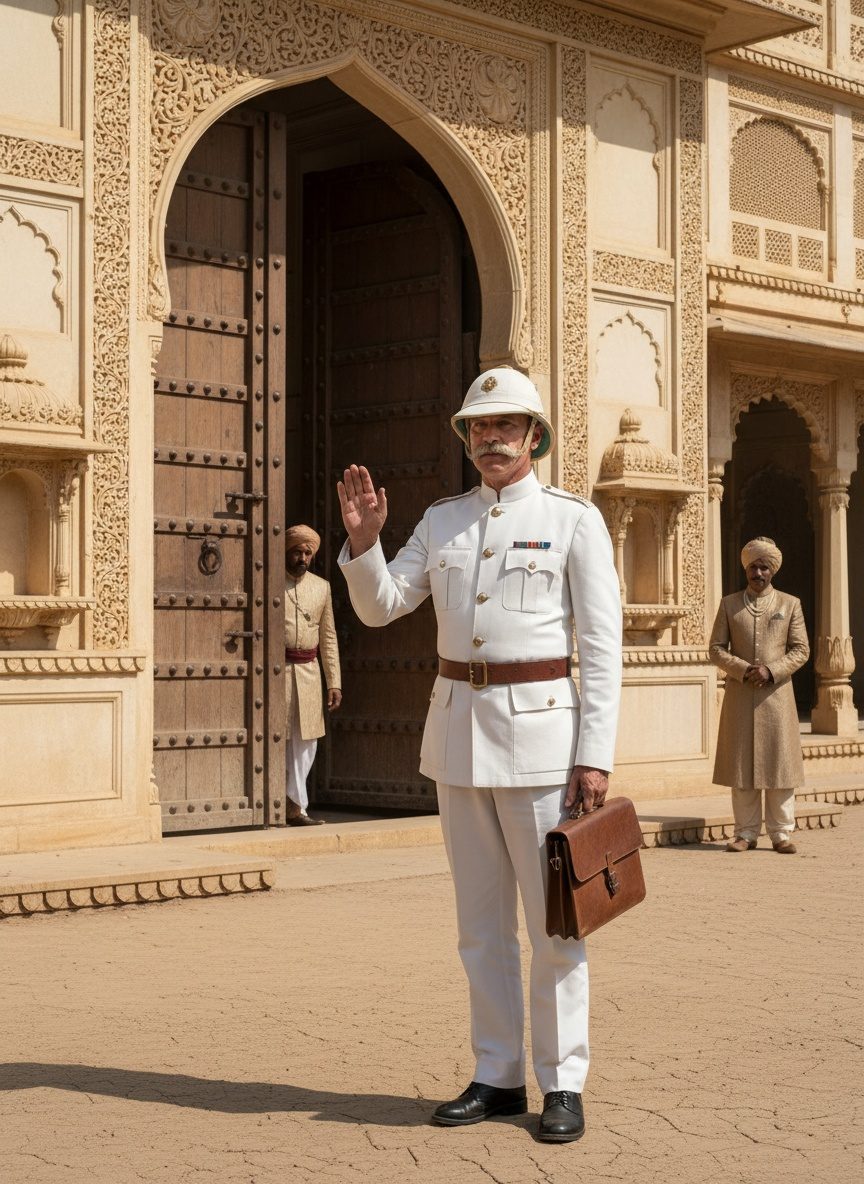
Rajkot, 1881. A single British political agent faced a fortified palace. The Maharaja of Morvi had barricaded his gates. No troops. No cannon. Just one man with a letter. He walked in. And walked out with a signed submission.
January 1840. A penny stamp. One coin. Any letter. Any address. Anywhere in Britain. The poor could write home at last. Within a decade the world copied it. One idea changed how humanity speaks.
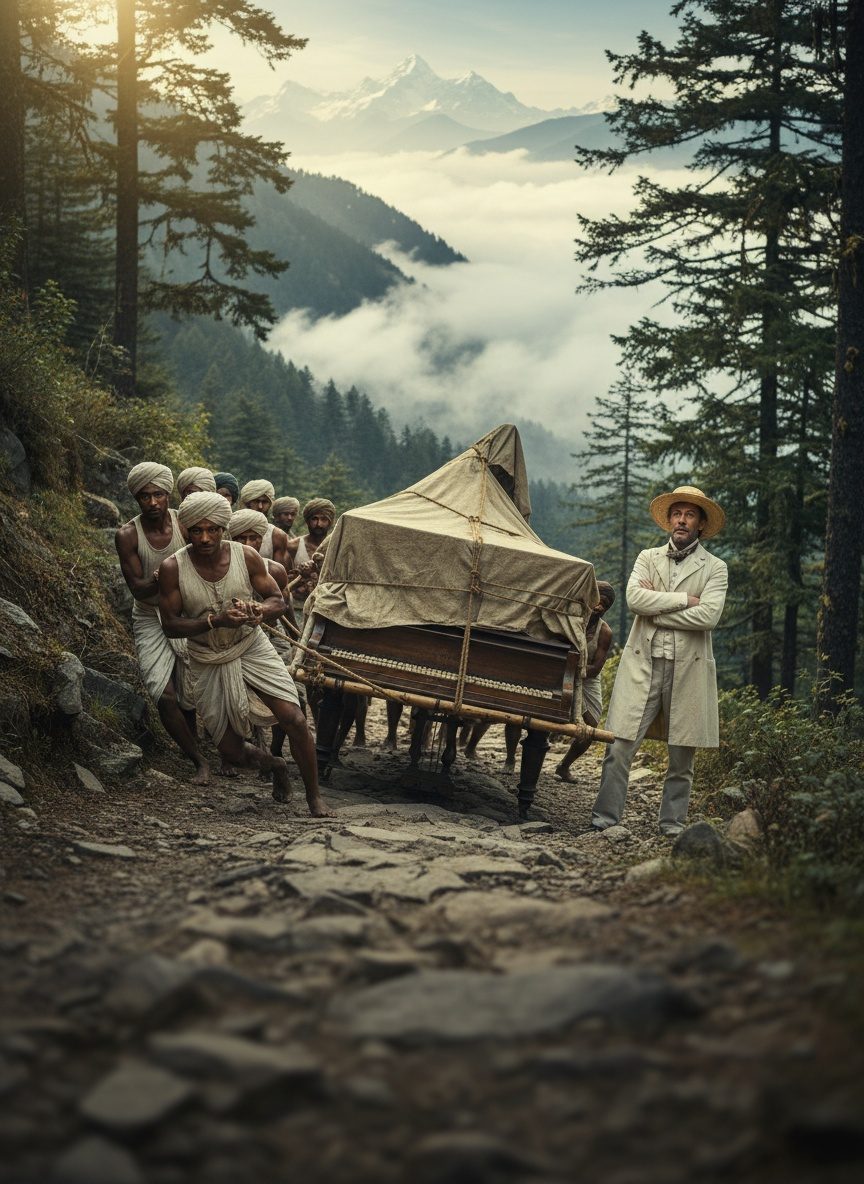
Simla, 1836. A grand piano arrived at the foot of the Himalayas. No road reached the hill station. Sixty men carried it up seven thousand feet. Rope by rope. Step by step. It arrived unbroken.
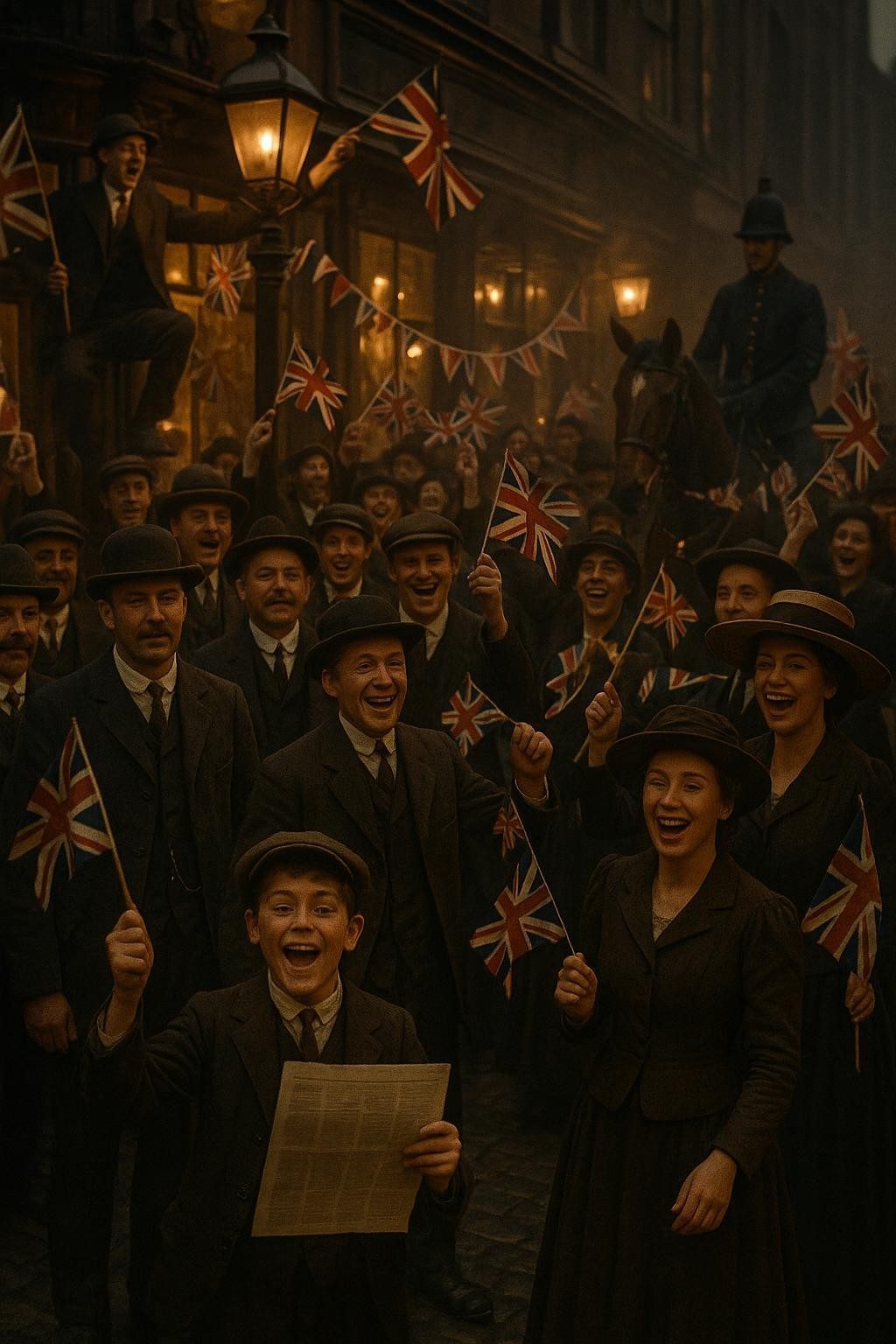
217 days. A British garrison pinned inside a dusty South African town. When the relief column finally broke through on 17 May 1900, the news hit London like a thunderclap — and the streets erupted.
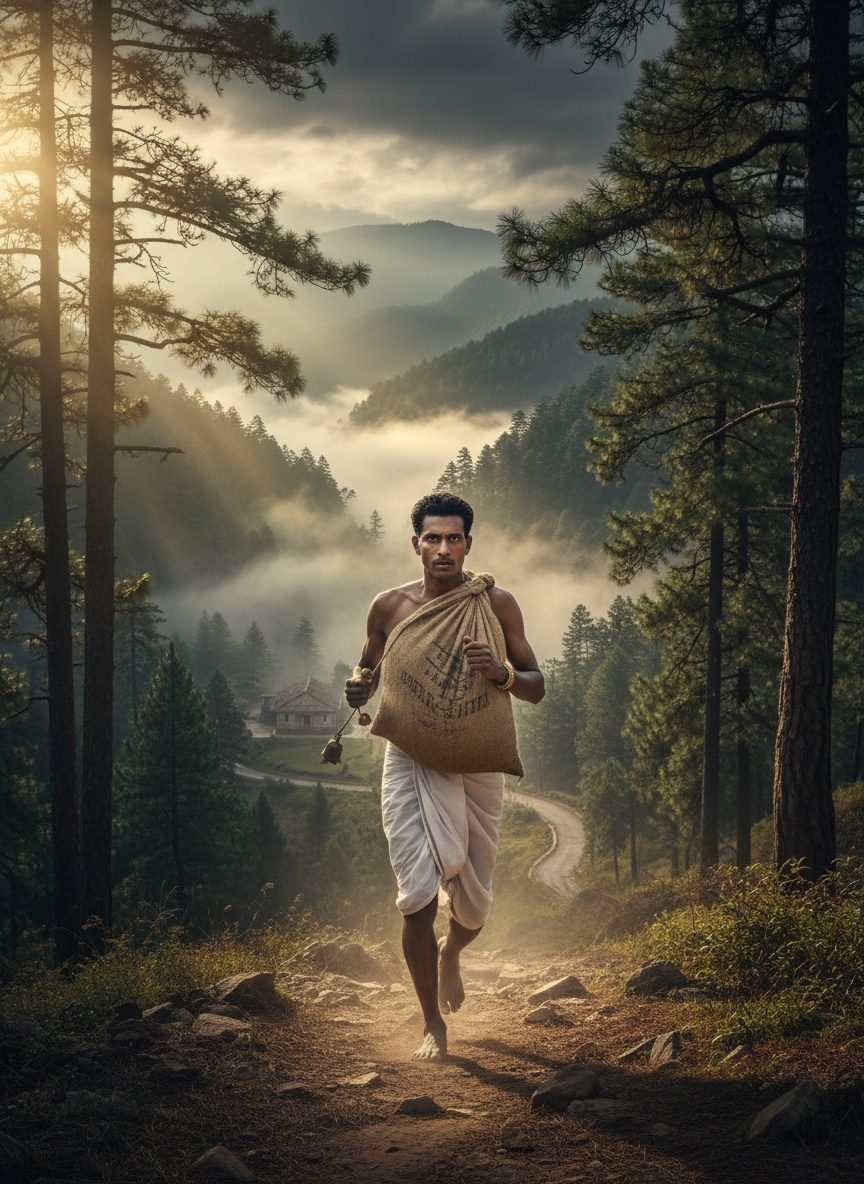
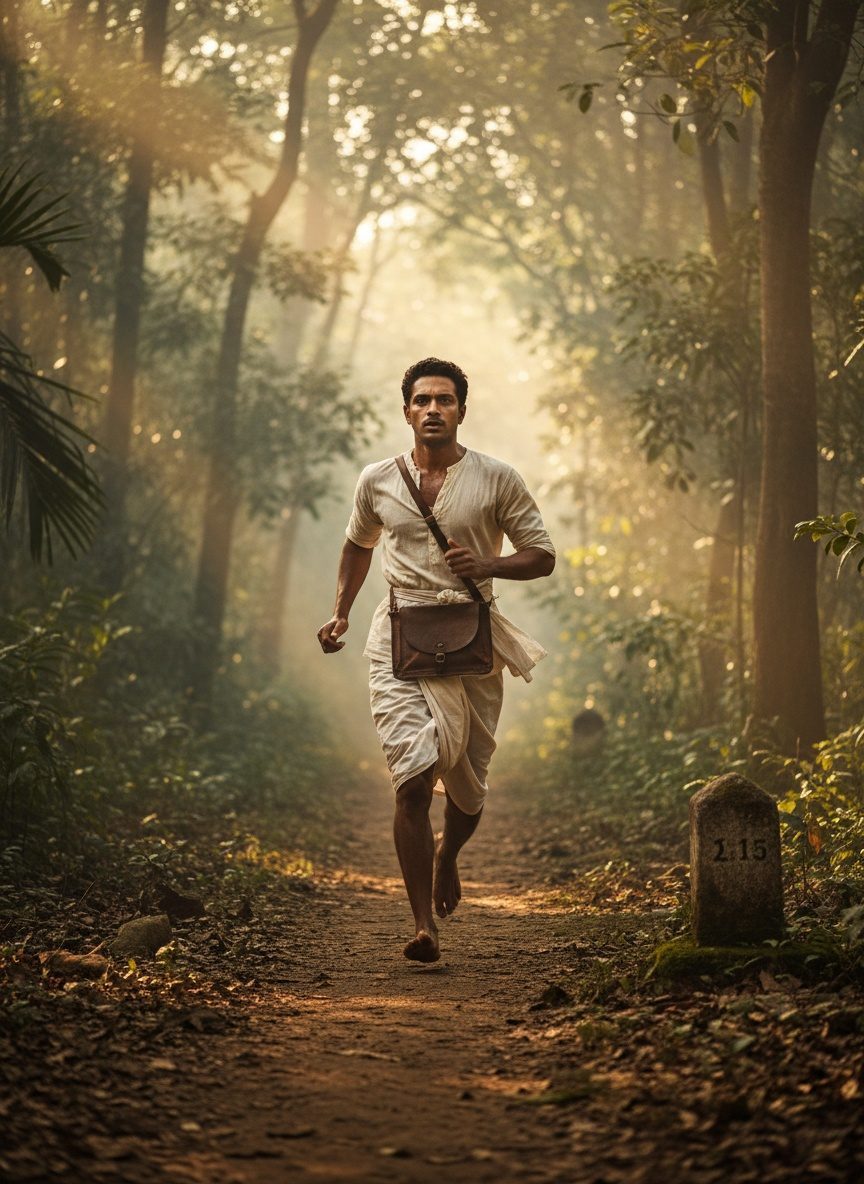
India's postal dak system promised delivery across 1,800 miles in 30 days. Runners carried it through jungle, flood, and tiger country — on foot, at night. The Post Office called it reliable. The runners called it survival.
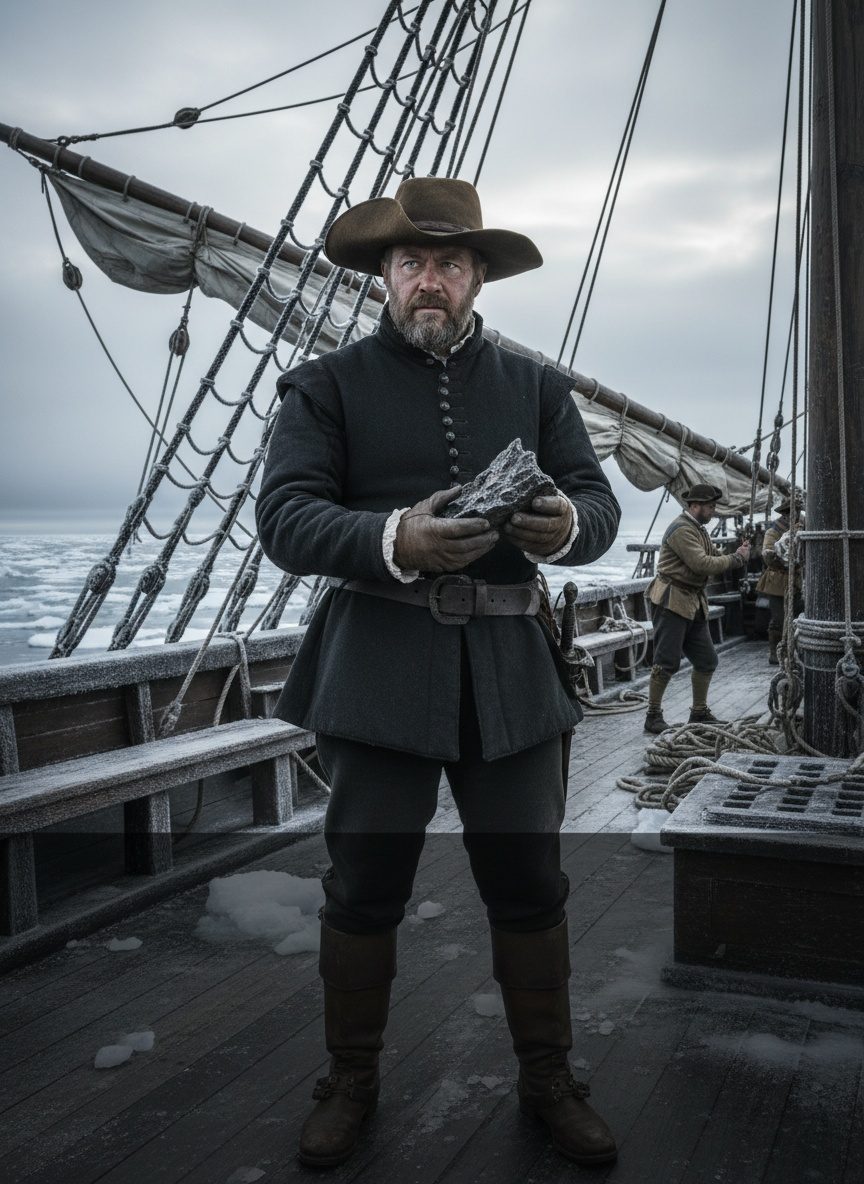
1578. Martin Frobisher loaded fifteen ships with black Arctic rock. He was certain it was gold. England believed him. The ships returned. The ore was worthless. Every penny gone.
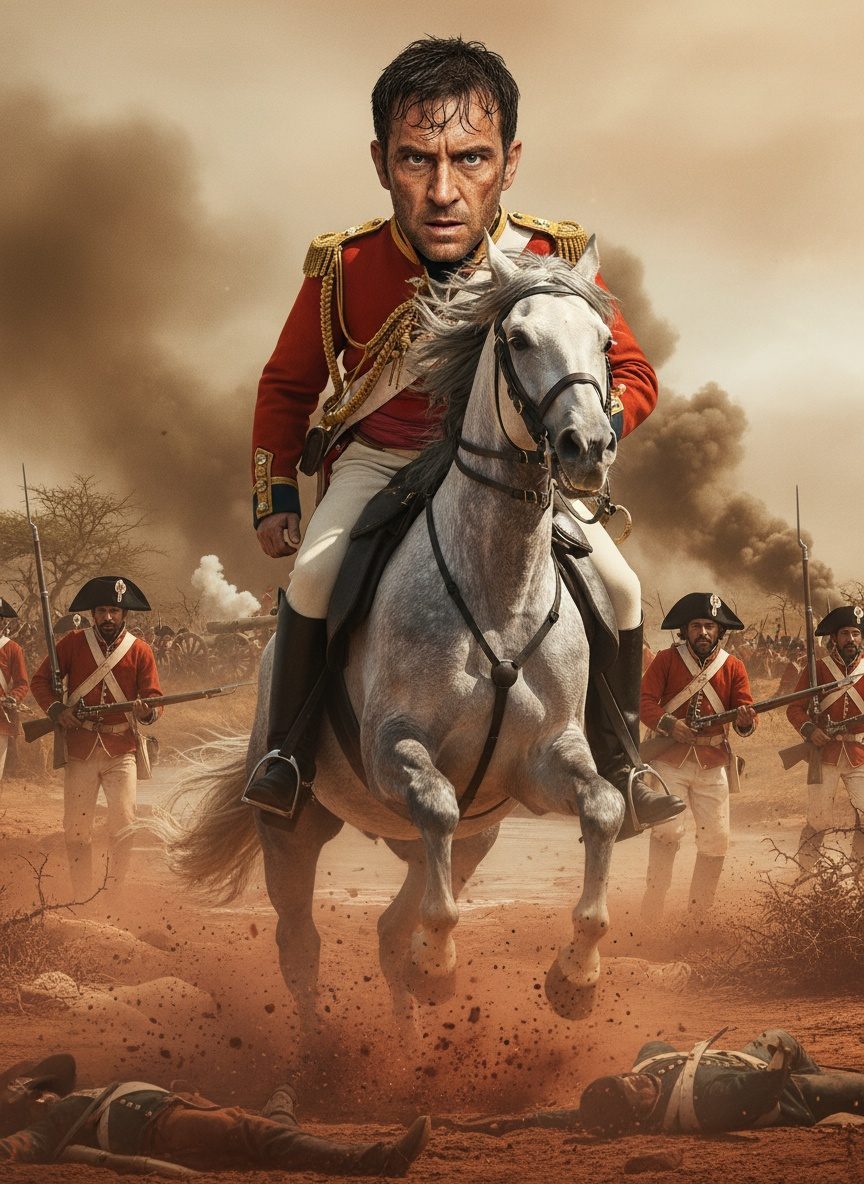
September 1803. The future Duke of Wellington faced 50,000 Maratha troops with 7,000 men. Two horses were shot beneath him. He did not retreat. Assaye was won. He called it the finest thing he ever did.
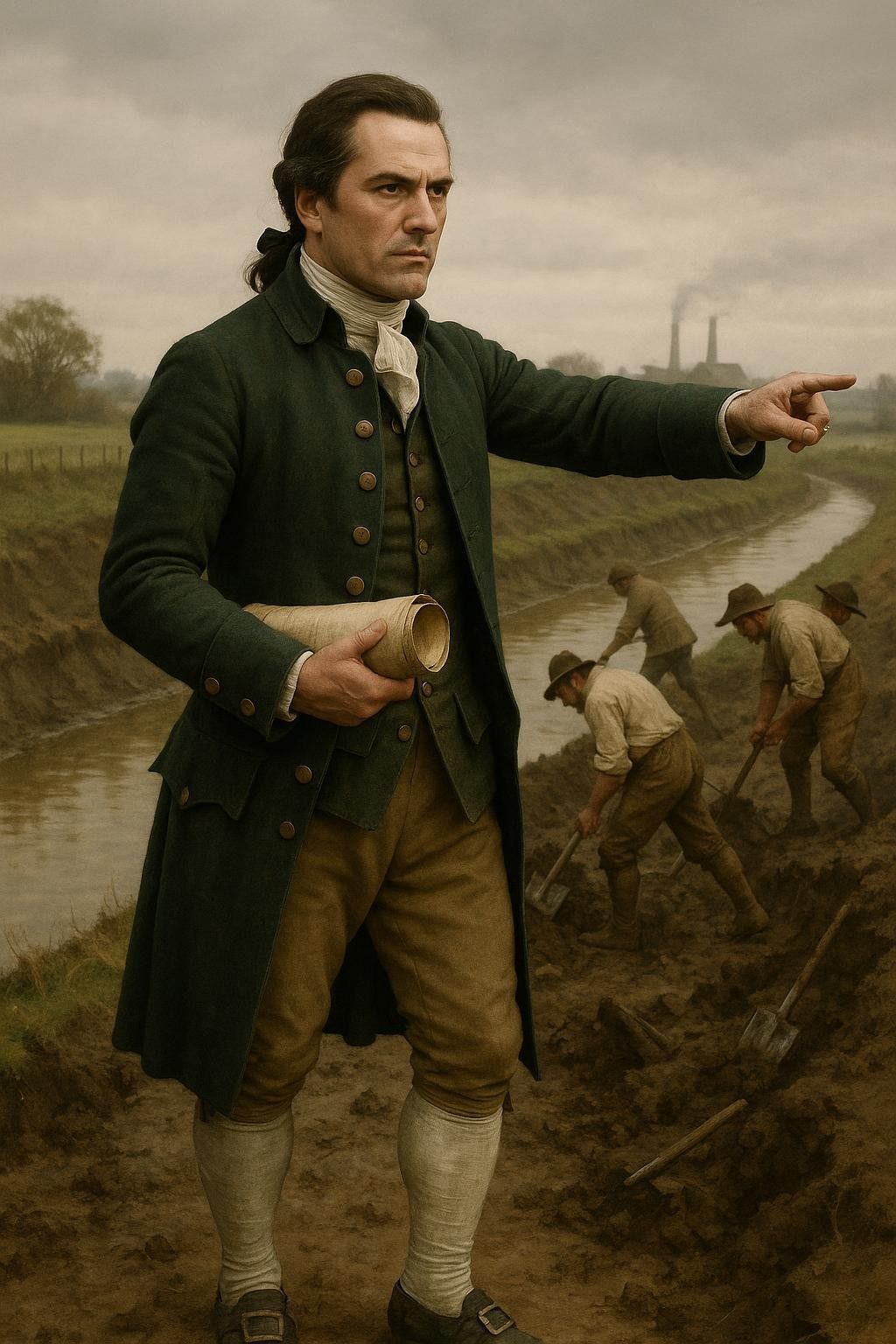
1766. Josiah Wedgwood needed a canal. His pottery was too fragile for rutted roads. He lobbied Parliament. He invested his own fortune. He walked the route himself. The Trent and Mersey Canal opened in 1777. It changed British trade forever.
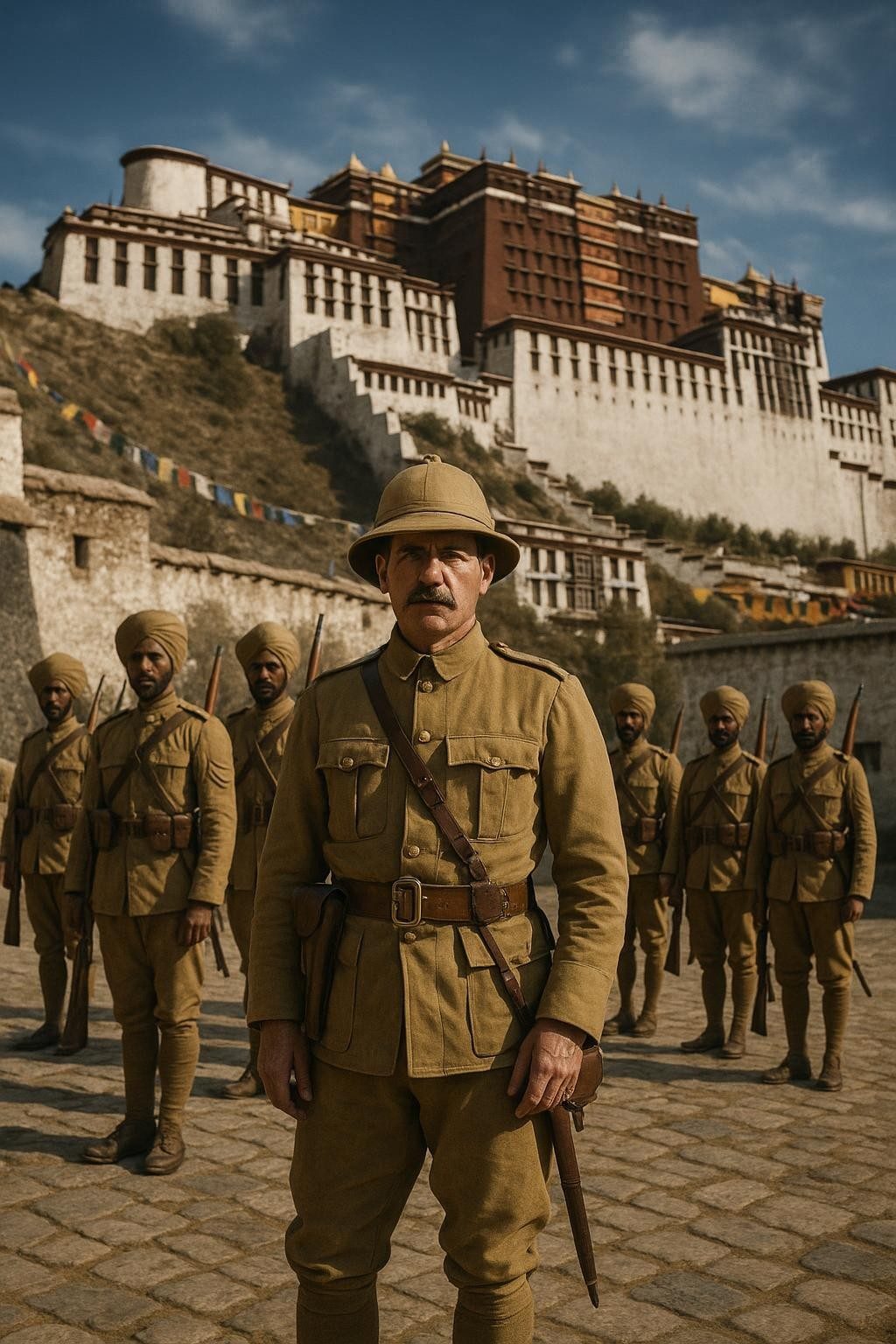
August 1904. No westerner had entered Lhasa in centuries. Francis Younghusband led 3,000 men through the Himalayas. The gates of the Forbidden City opened. He walked inside. Britain had reached the roof of the world.
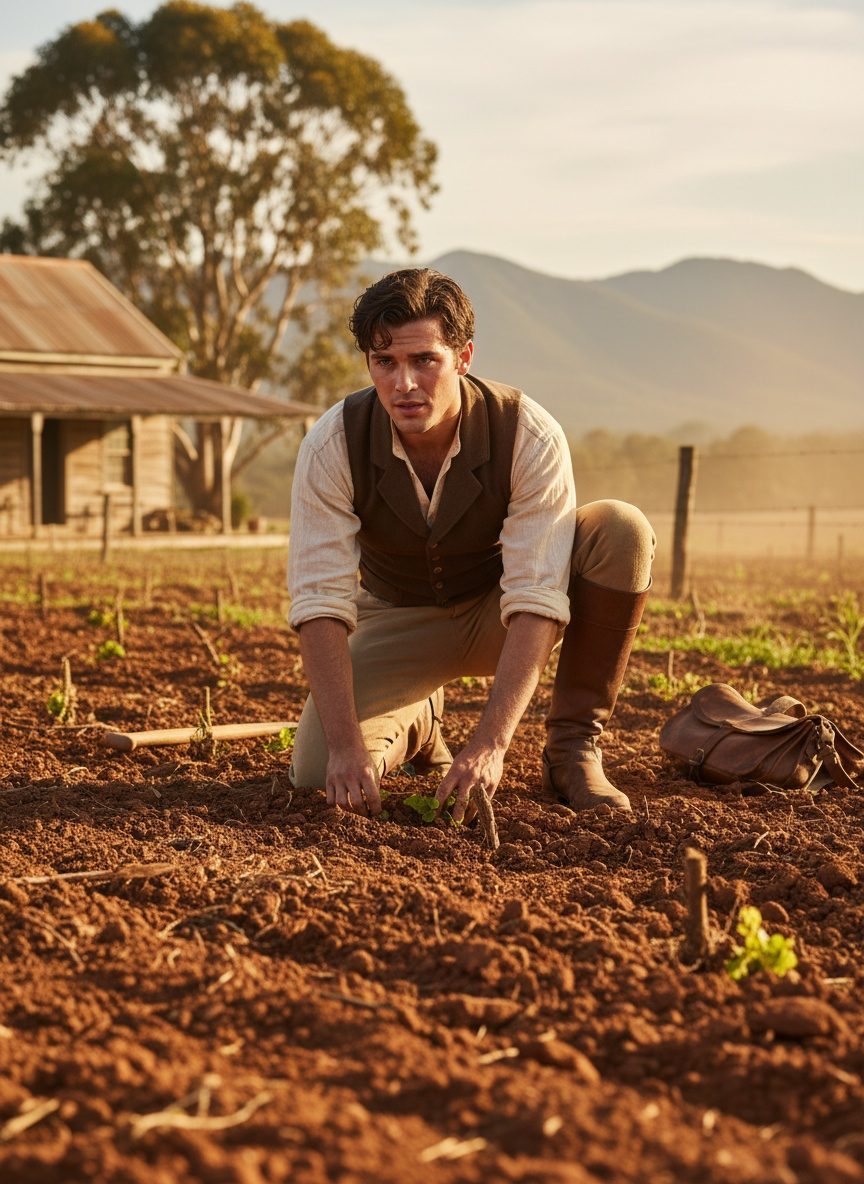
New South Wales. 1835. The son of a disgraced soldier knelt in red Australian soil. He pressed a cutting into the earth. That vine became the foundation of an industry worth billions. He never sought fame. The land remembered.
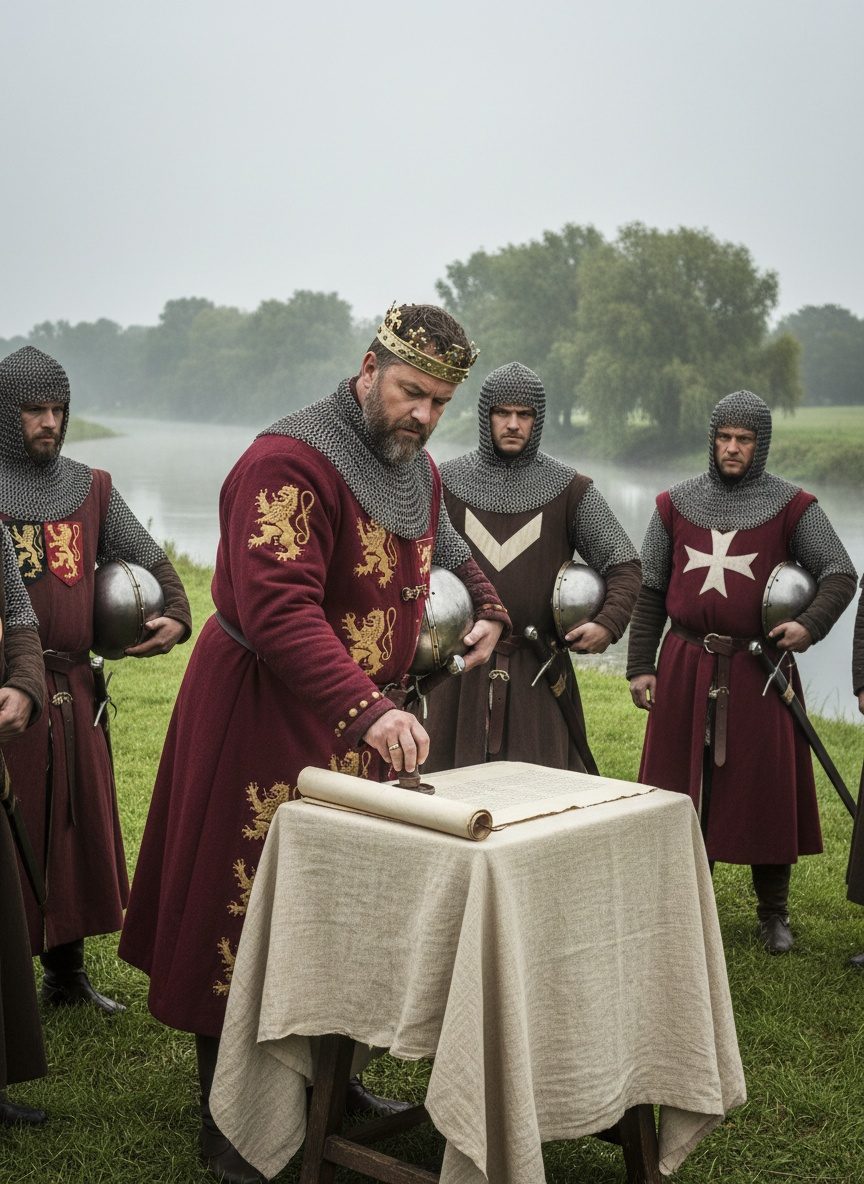
June 1215. A king knelt to his barons at Runnymede. He pressed his seal into wax. No man could have known. That single document would one day govern billions across every ocean on earth.
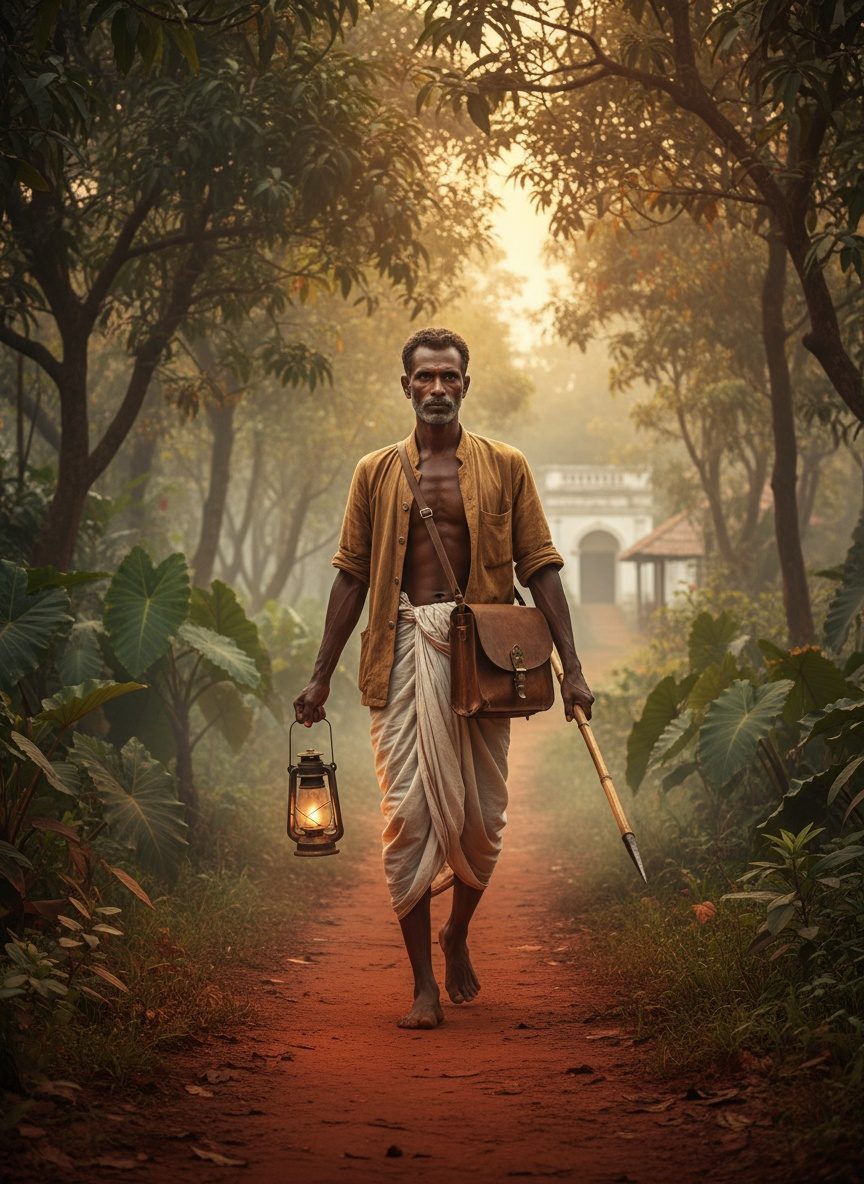
1880s. The Indian hill stations needed mail. The railway stopped at the foothills. So the dak wallahs ran. Twenty-two miles a day. Through mountain passes. Through monsoon rains. Every single day.
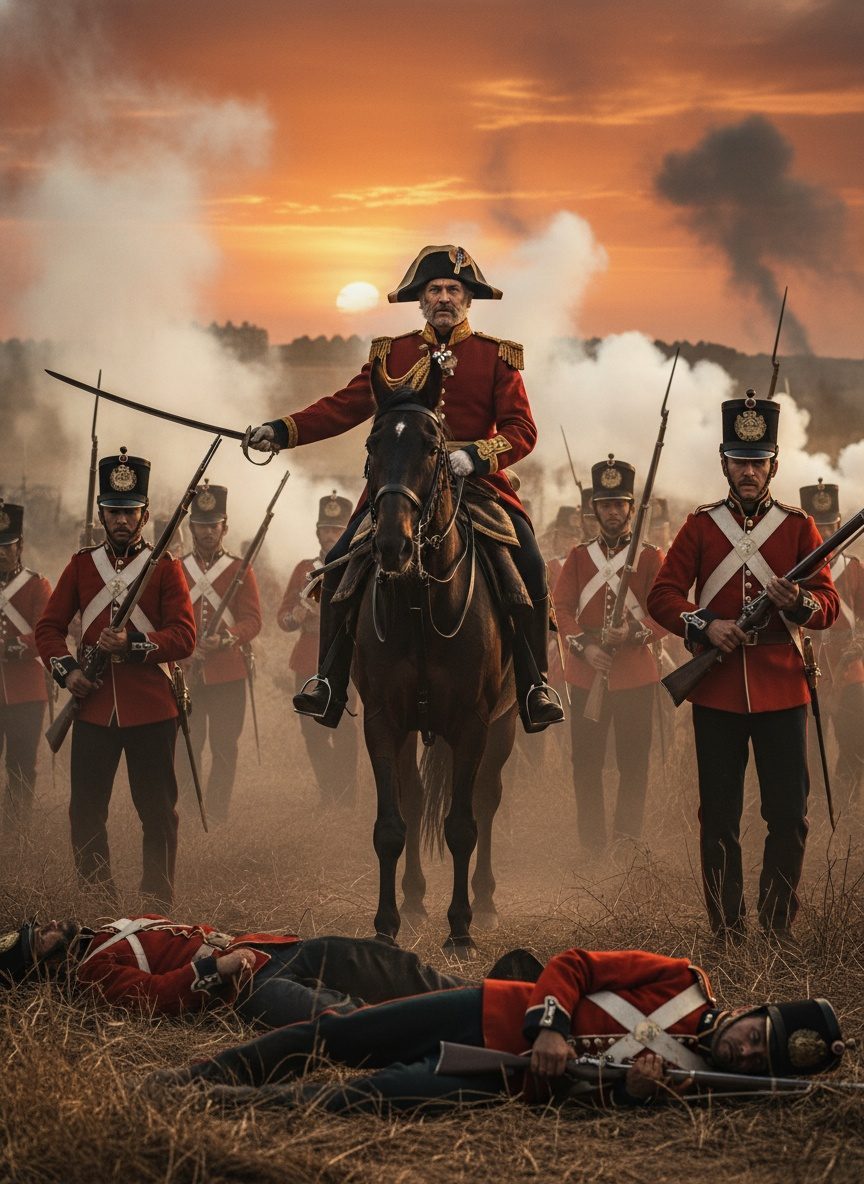
The Sikh guns had torn his army apart for two days. His officers begged him to retreat. Gough refused. At dawn he ordered a bayonet charge into the smoke — and broke the strongest fortress the Punjab could build.
Before 1840, sending a letter cost a week's wages. A reformer changed everything in one stroke. Suddenly, a factory girl in Manchester could write to her mother in Cork.
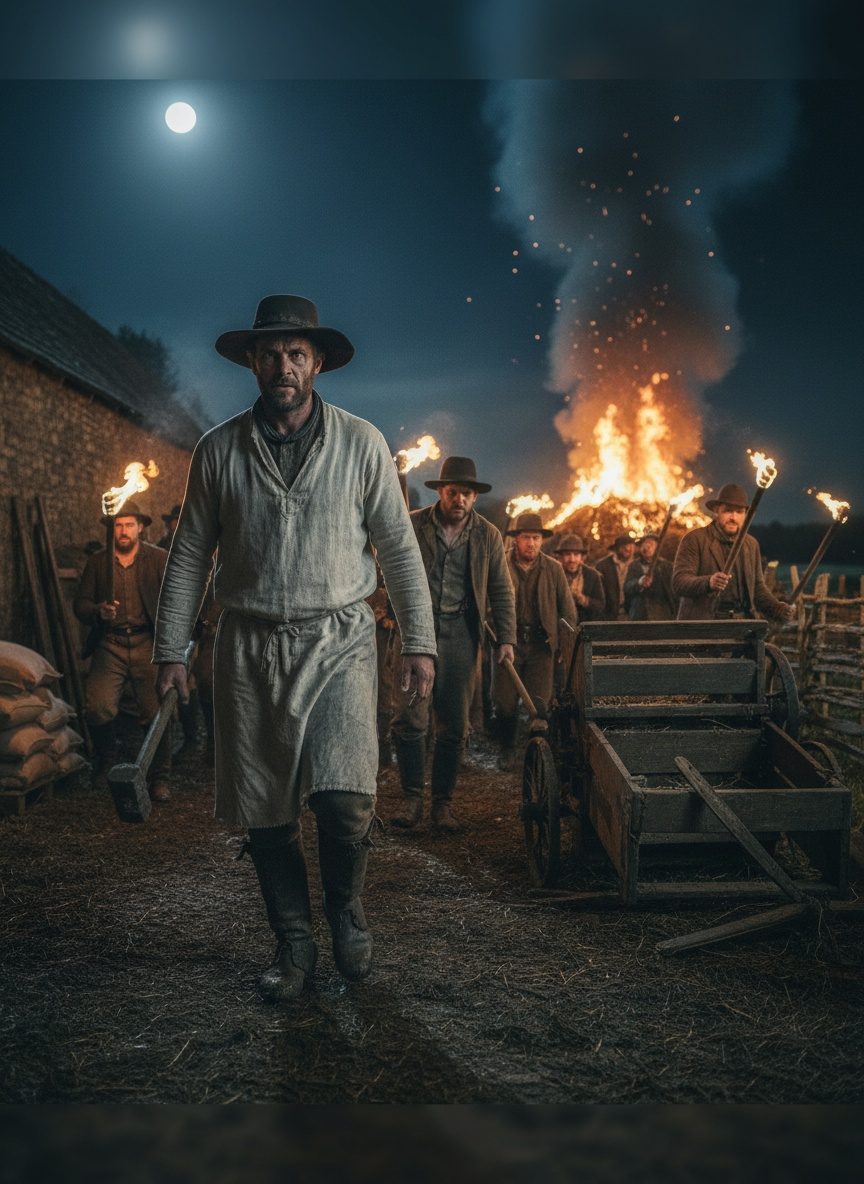
November 1830. Starving farm labourers rose across England. They smashed threshing machines. They burned haystacks. They signed their letters Captain Swing. Nobody knew who he was. Nobody ever would.
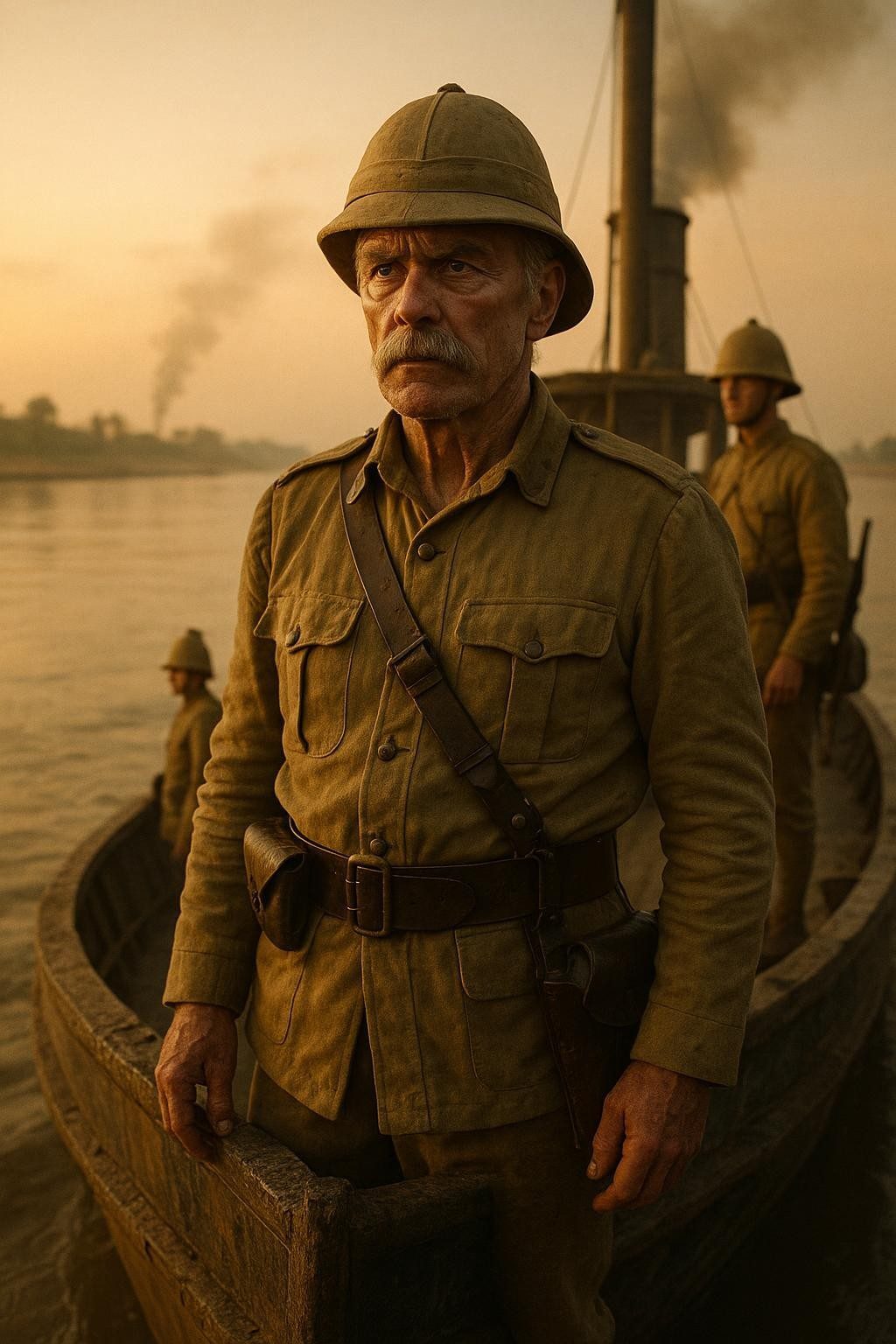
January 1885. Khartoum was surrounded. General Gordon had held out for 317 days. A single British officer raced upriver with news of relief. He arrived two days too late. Gordon was already dead.
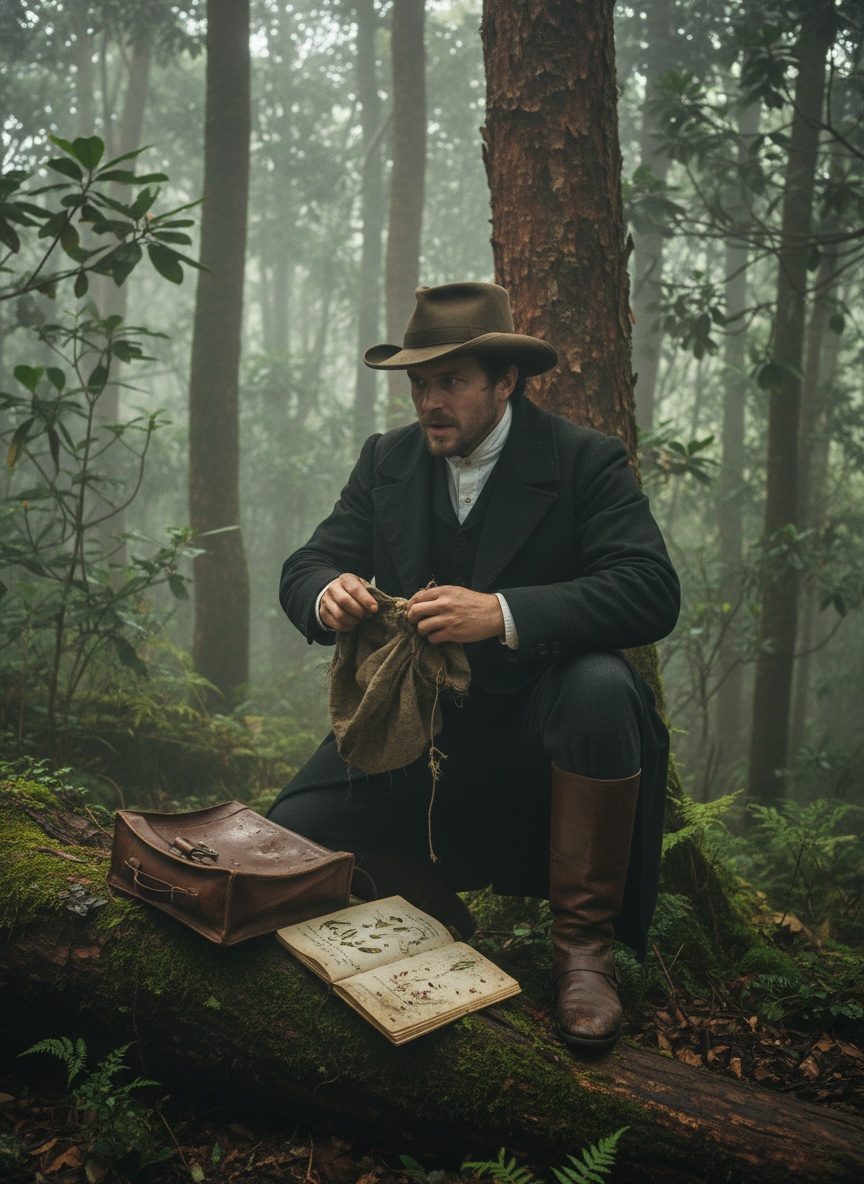
1860. Malaria was killing British soldiers across India. One man had a plan. Clements Markham trekked into the Andes. He smuggled cinchona seeds past Peruvian guards. Planted them in India. Saved millions of lives.
April 1587. Spain was building the greatest fleet the world had ever seen. Francis Drake sailed straight into Cadiz harbour. He sank thirty ships in a single afternoon. He called it singeing the King of Spain's beard.
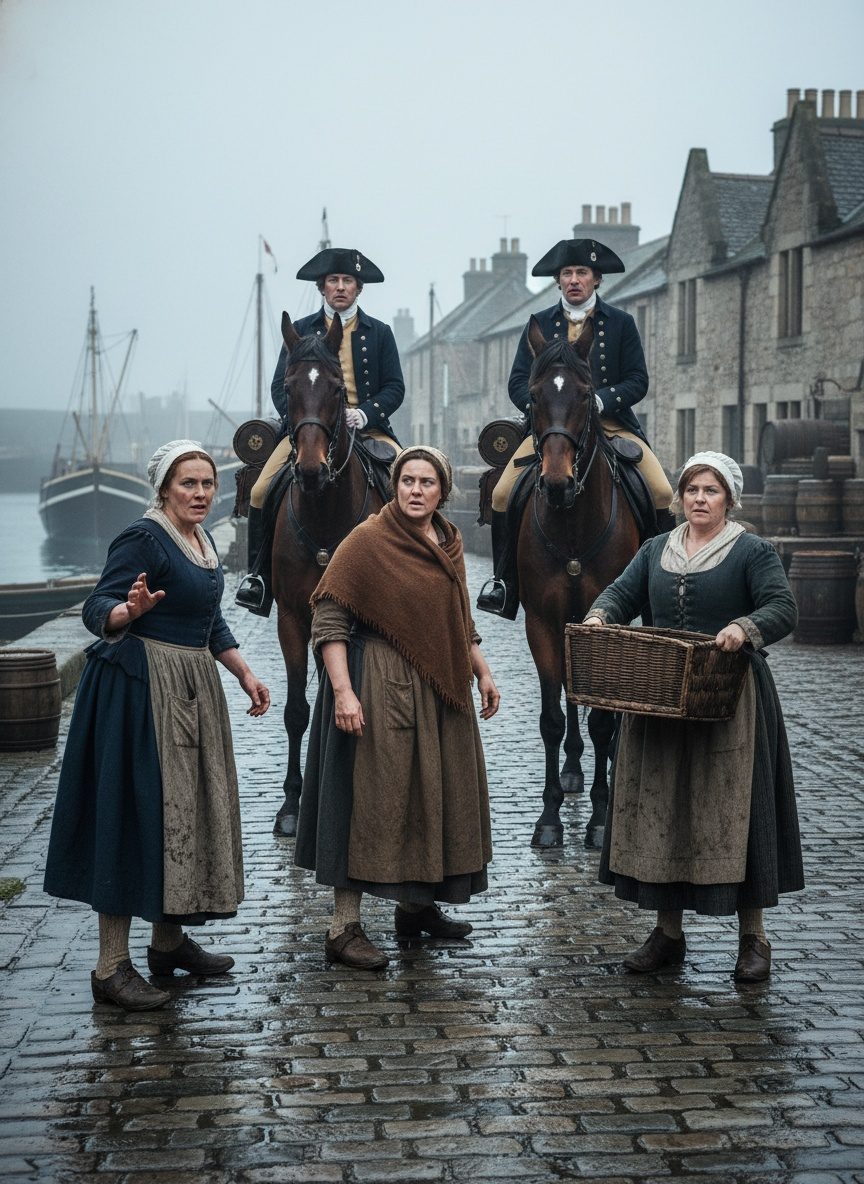
Pittenweem, Fife. 1736. The Crown's salt tax collectors arrived at dawn. The fishwives refused to move. They seized the officers' horses. Drove them from the harbour. No soldier dared return. The women of Fife won.
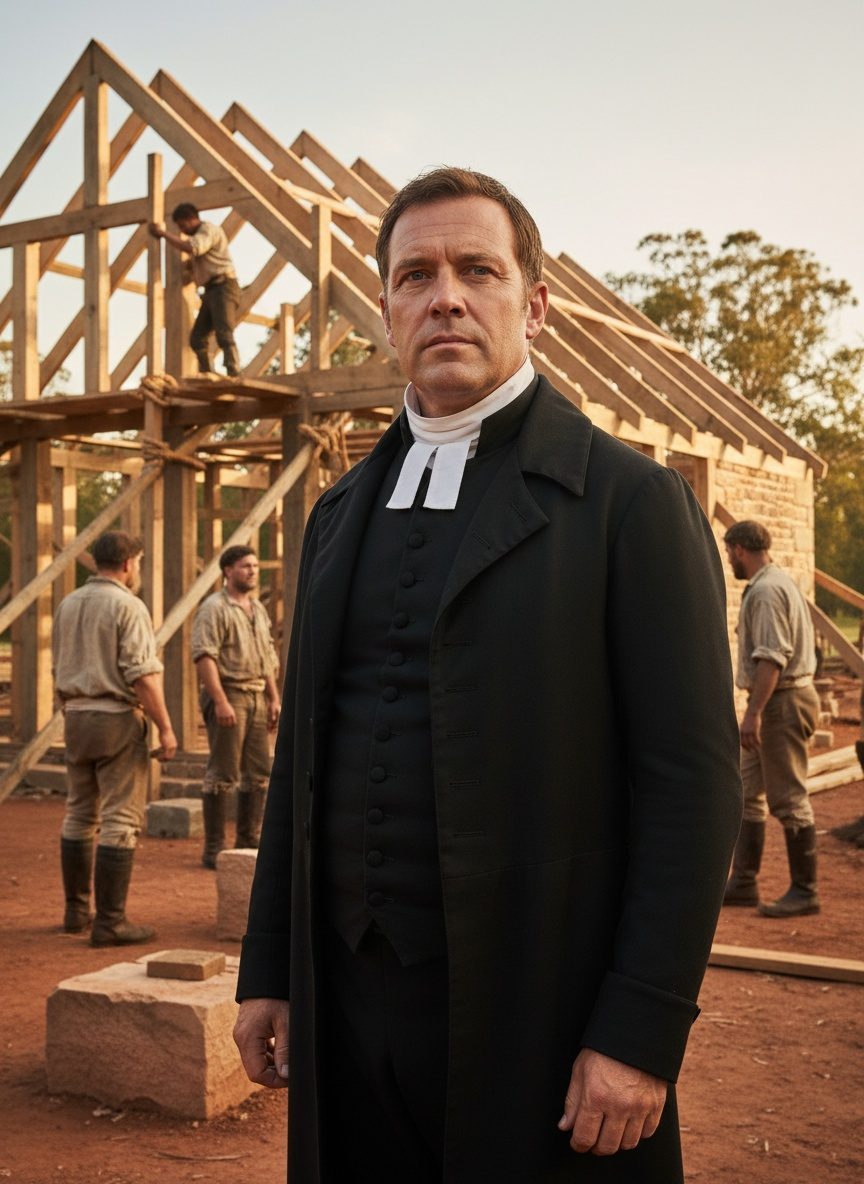
1793. A young surgeon arrived in New South Wales with a box of seedlings. Samuel Marsden had nothing else. He cleared land with convicts. He built a school. Then a church. It still stands in Parramatta today.
Before the telegraph, urgent messages from Calcutta to Bombay took weeks. By 1856, Lord Dalhousie had wired 4,000 miles across India. The empire could now think at the speed of light.
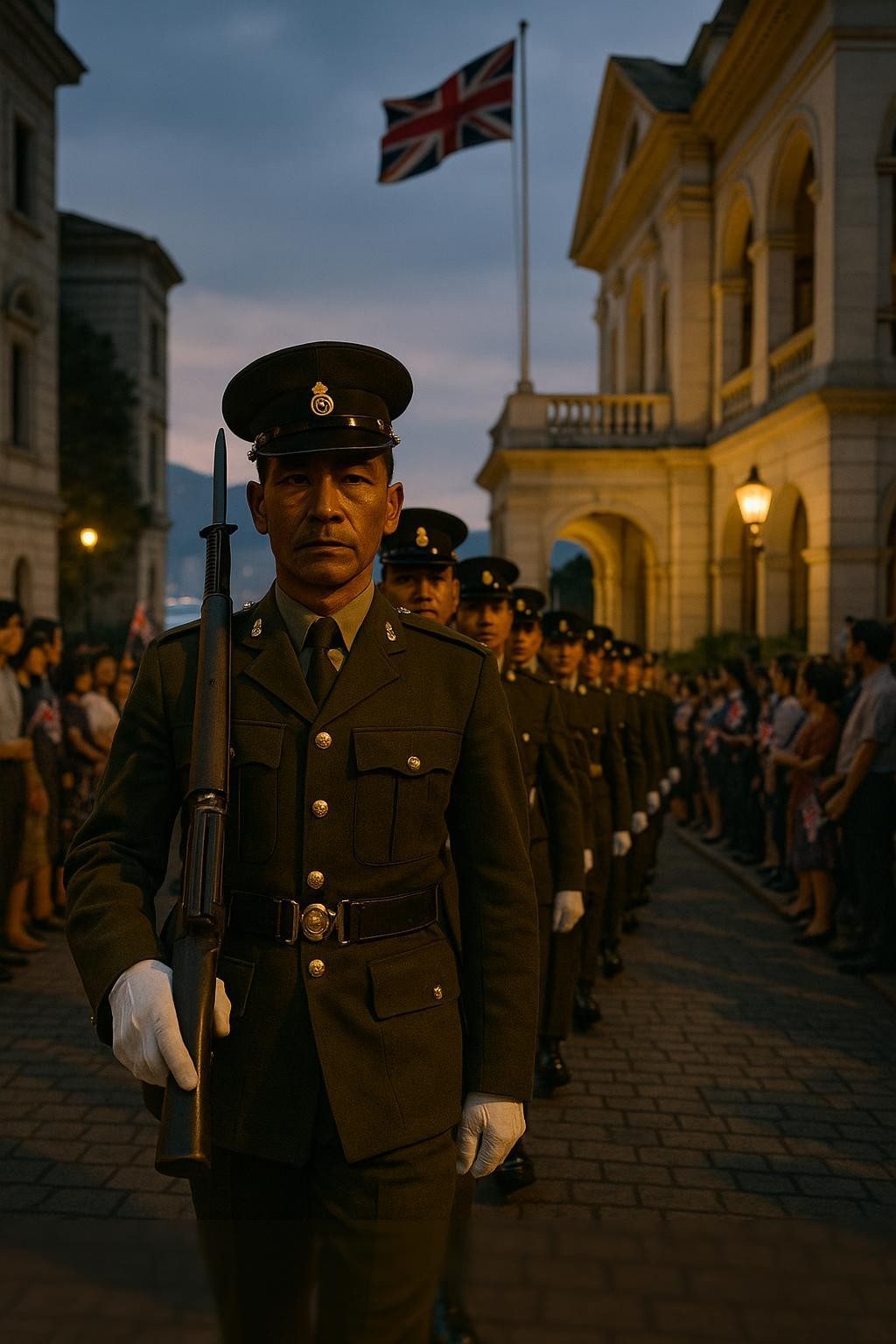
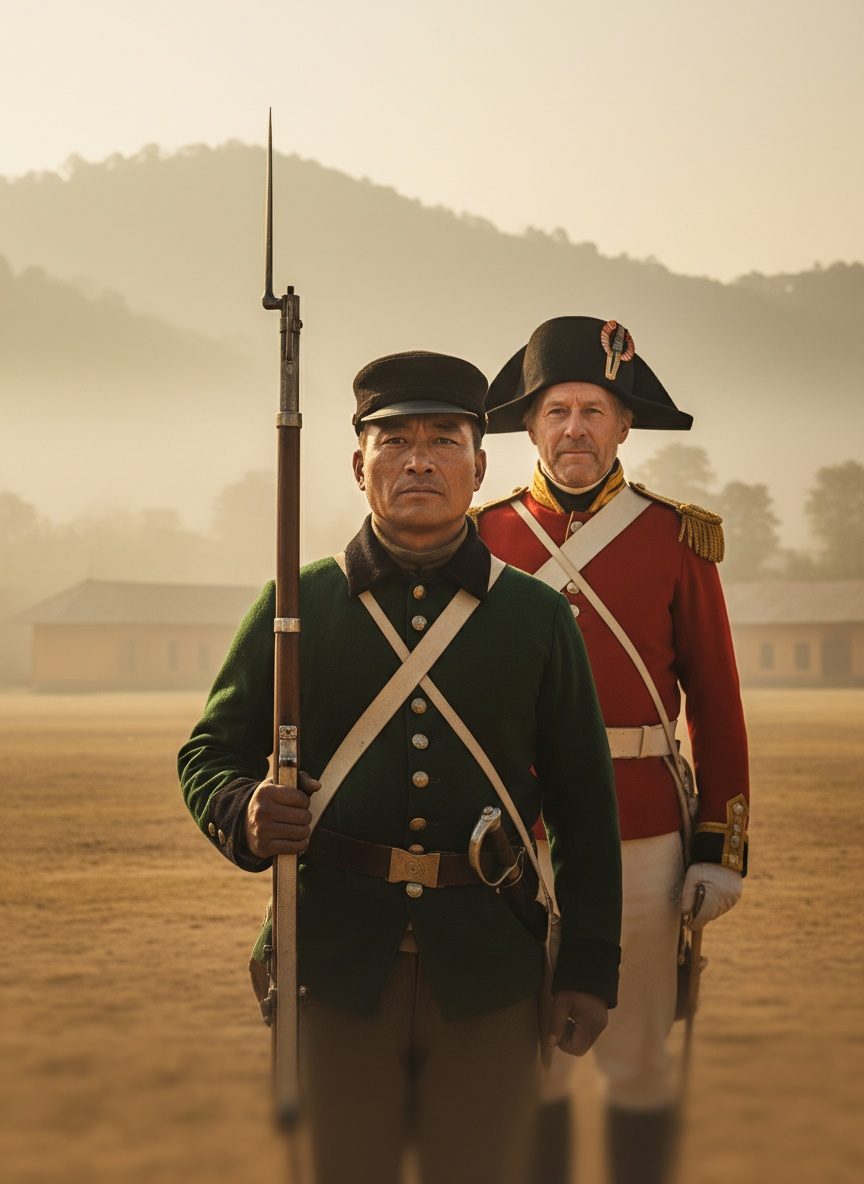
June 1997. The handover was hours away. The Queen's Gurkha Engineers formed up for the last time. Boots polished. Rifles straight. They had served Hong Kong for 156 years. Now they marched out. Proud. Silent. Unbroken.
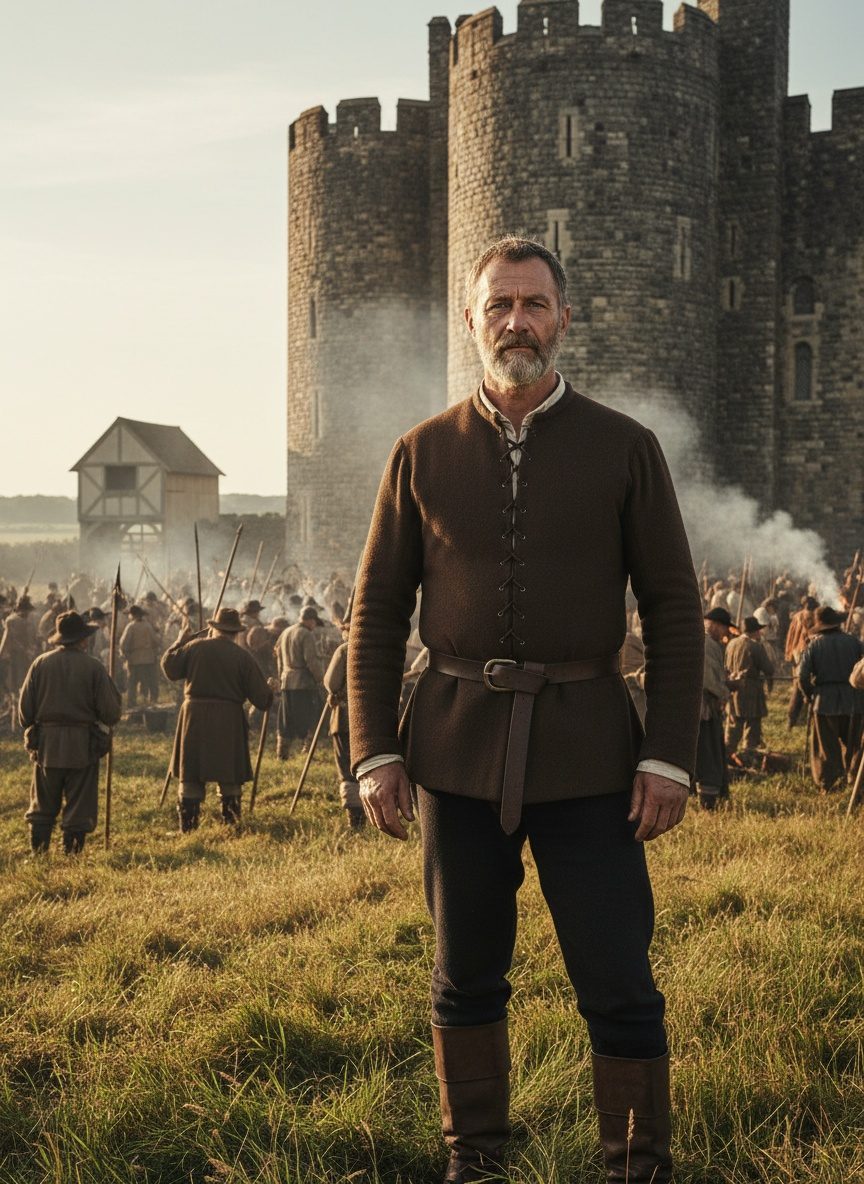
Summer 1549. A Norfolk landowner watched his neighbours lose their fields. He could have stayed silent. Instead, Robert Kett led 16,000 men to Norwich. They held it for six weeks. He was hanged from the castle walls. He never renounced them.
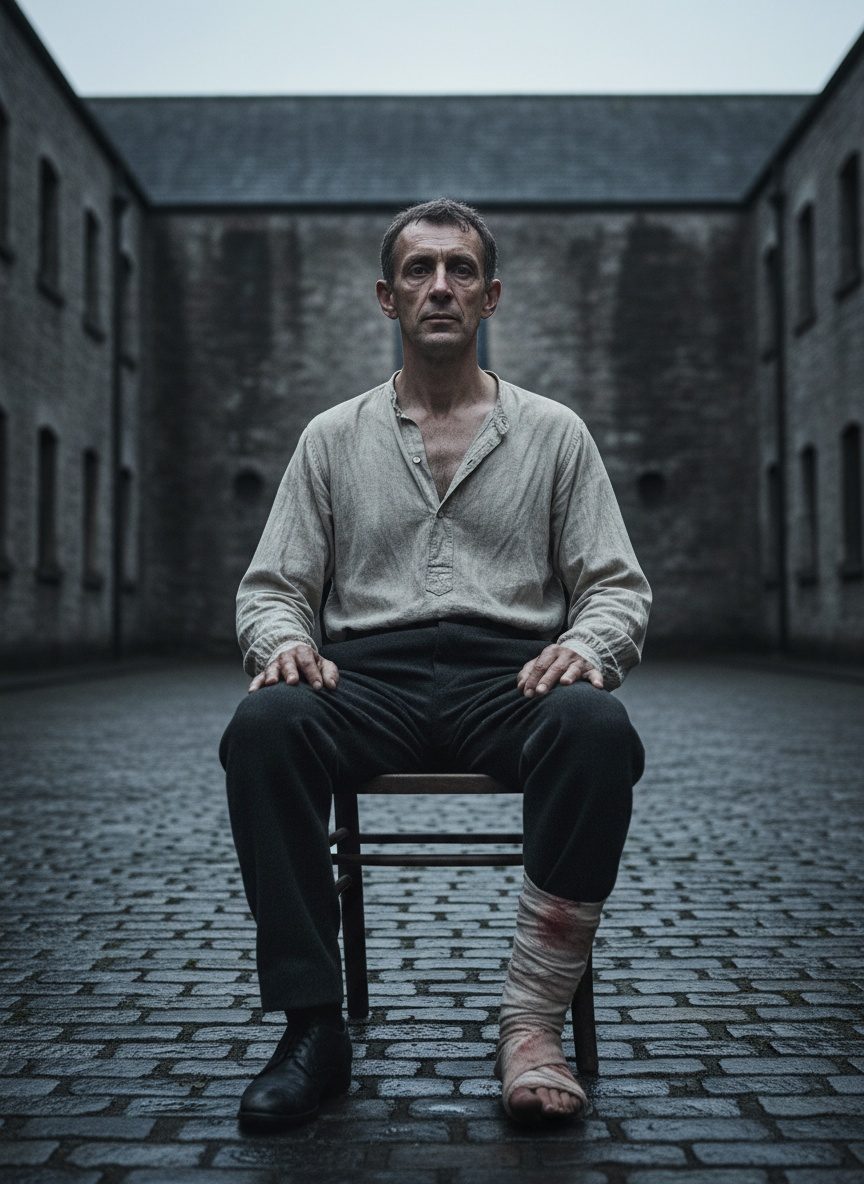
Dublin, 1916. The Easter Rising had failed. James Connolly lay wounded. Too injured to stand. The British strapped him to a chair. And shot him sitting down. Ireland never forgot.
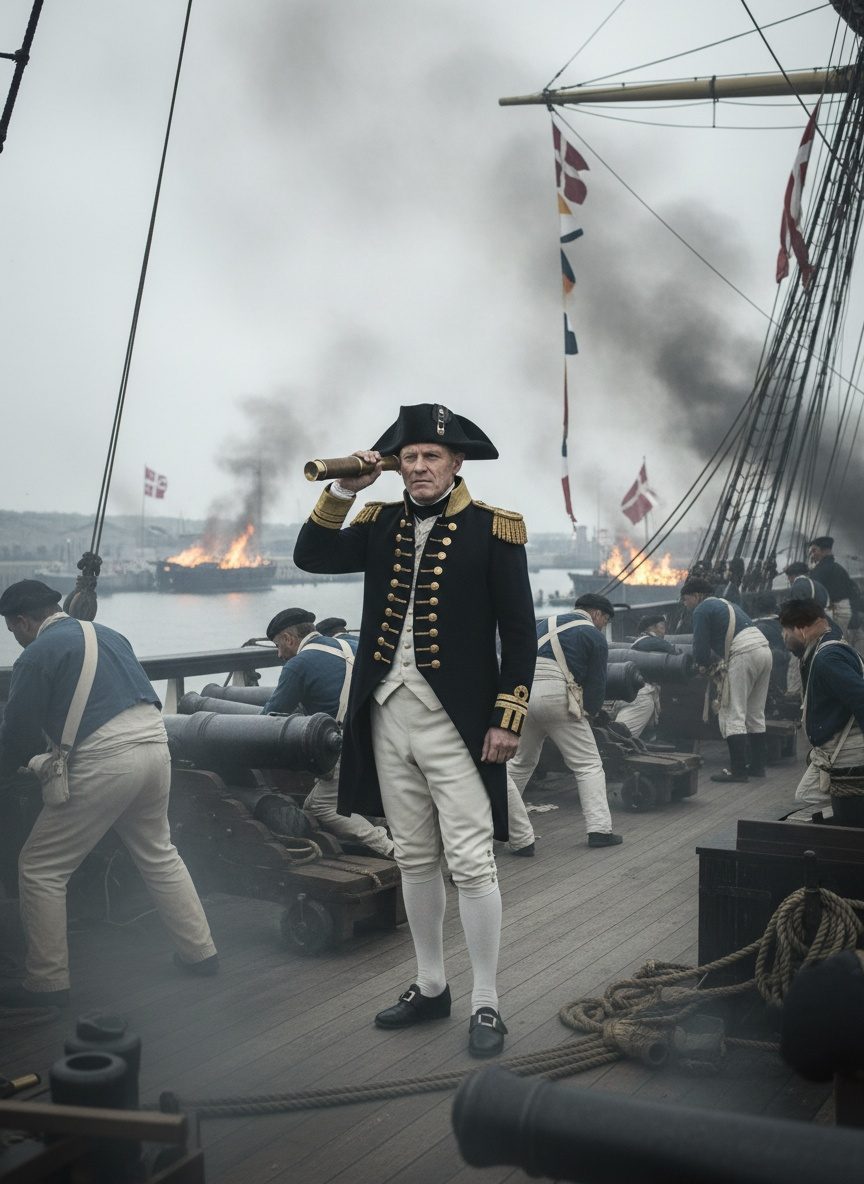
April 1801. Nelson's fleet was being torn apart. His commander signalled retreat. Nelson raised his telescope to his blind eye. 'I see no signal,' he said. He fought on. Denmark surrendered within hours.
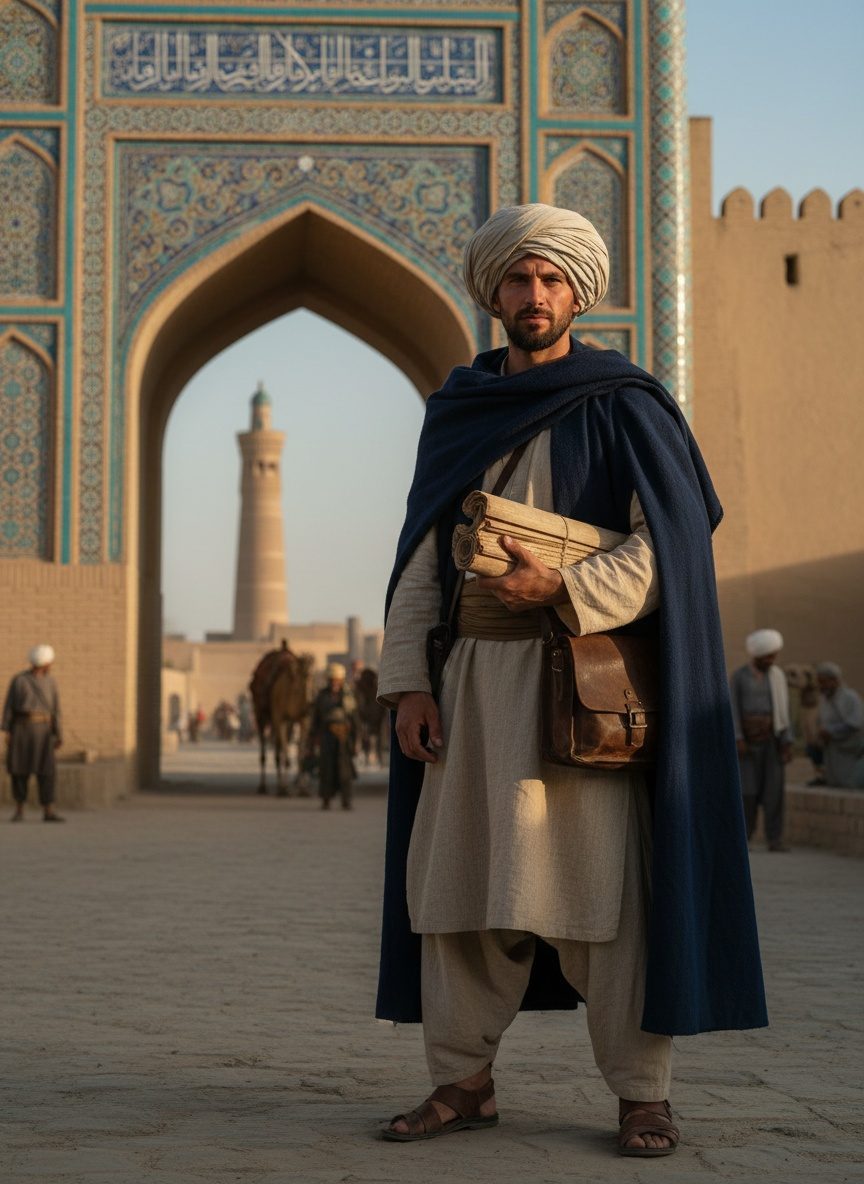
1826. Bokhara was forbidden to Europeans. Any outsider who entered risked execution. Alexander Burnes walked in anyway. He dressed as an Afghan merchant. He spoke Farsi. He made it out alive. No Briton had done it before.
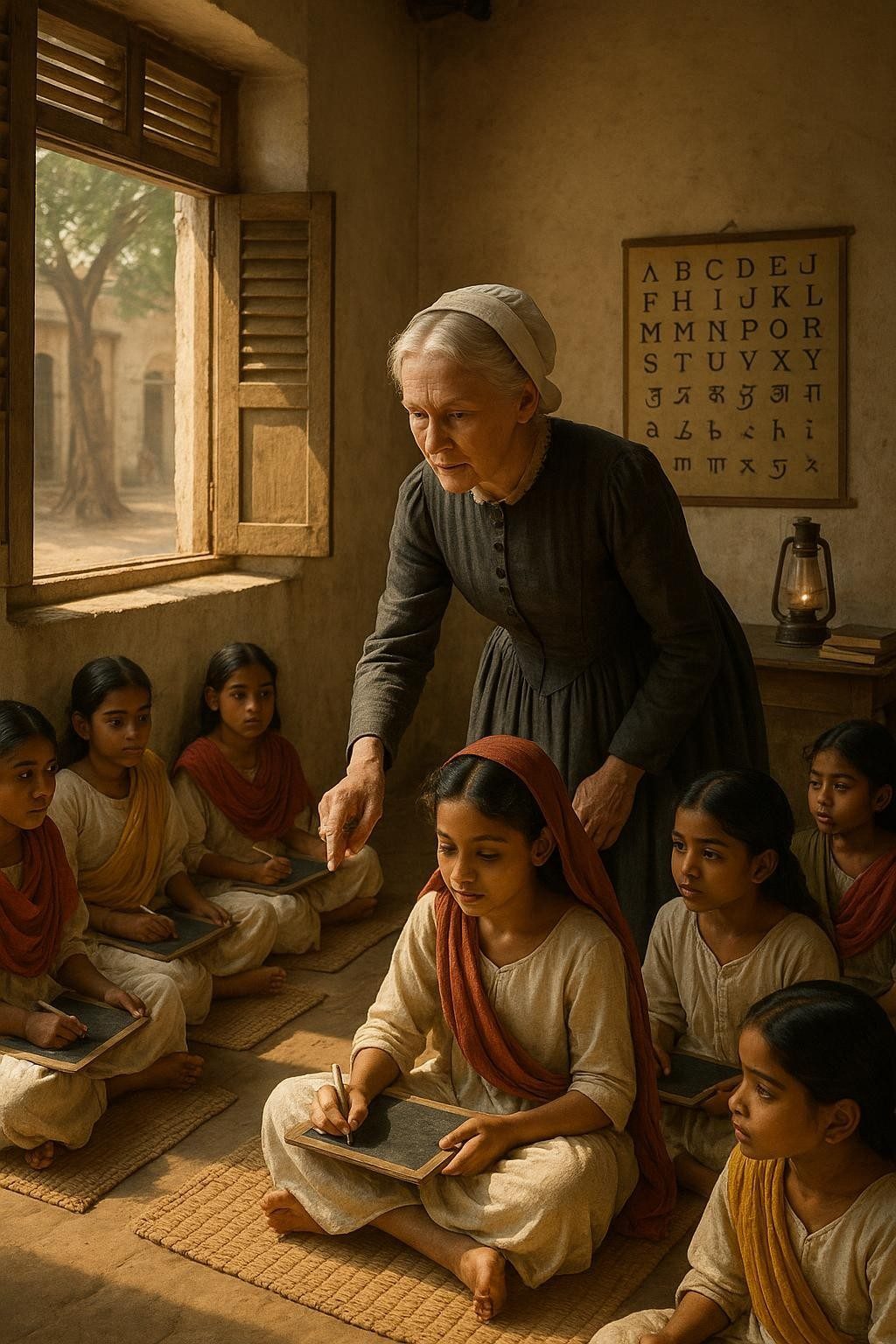
Calcutta, 1857. Mary Carpenter arrived alone. No staff. No funds. No Hindi. She opened a school for girls the British had abandoned. Within a year, 200 children filled its rooms. She changed India.
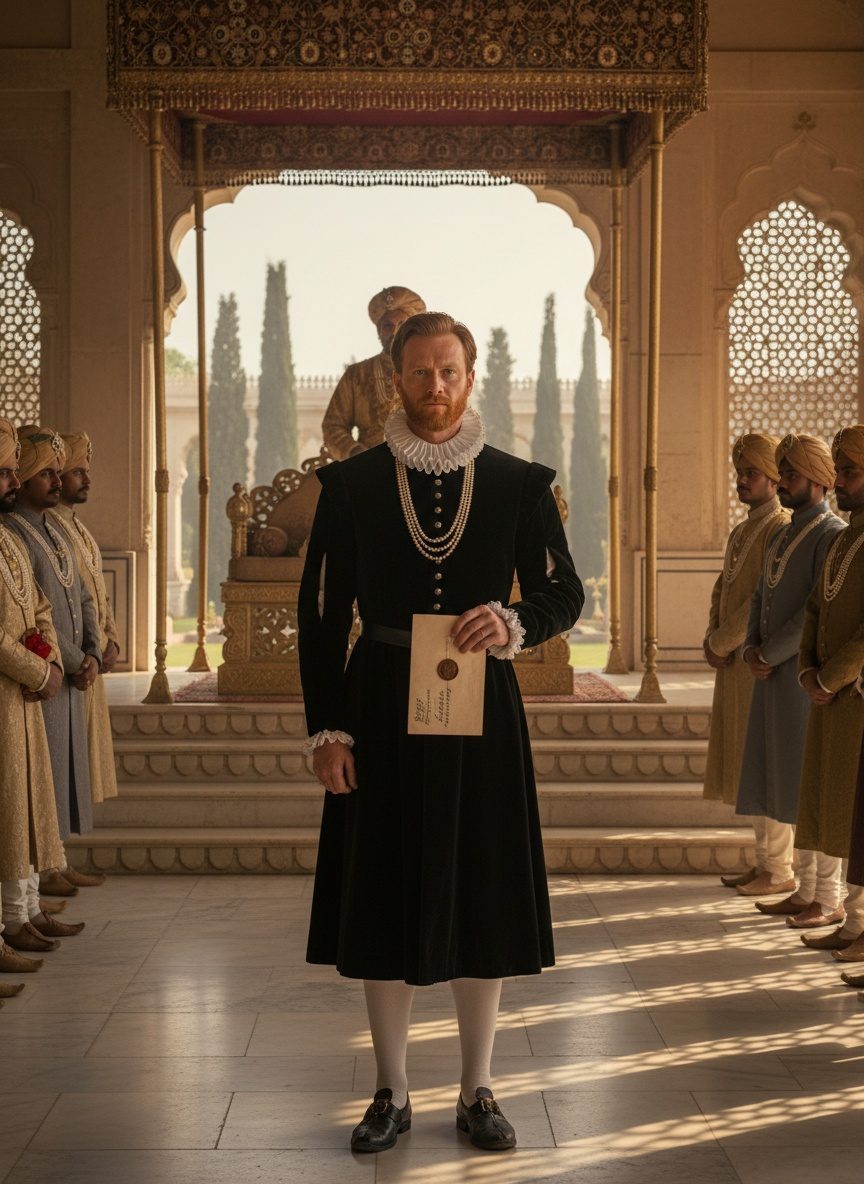
1615. One man stood at the gates of Agra. Thomas Roe carried a letter from King James. He faced the most powerful ruler on earth. He had no army. No gifts. Just words. He won.
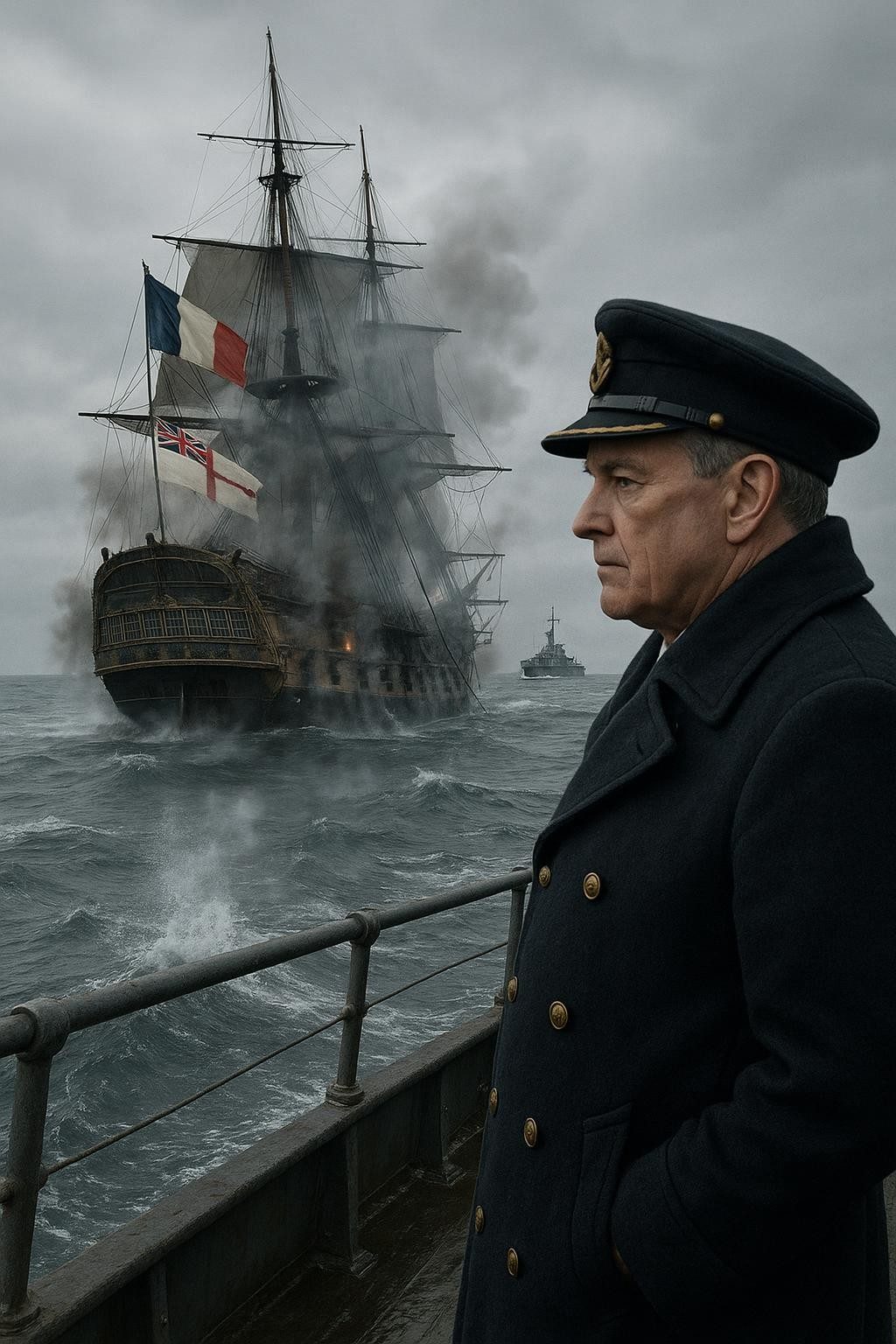
She fought at Trafalgar under a French flag. Then she fought for Britain. By 1949, she was the second-oldest warship afloat. The government sent her to the bottom anyway.
In British India, mail moved on human legs. Dak runners sprinted relay stages through jungle, flood, and tiger territory — night and day. Some never arrived. The letters always did.
March 1957. Accra blazed with firelight. A British officer stood at attention. The Union Jack came down. A new flag rose. Ghana was born. The crowd roared. History turned quietly.
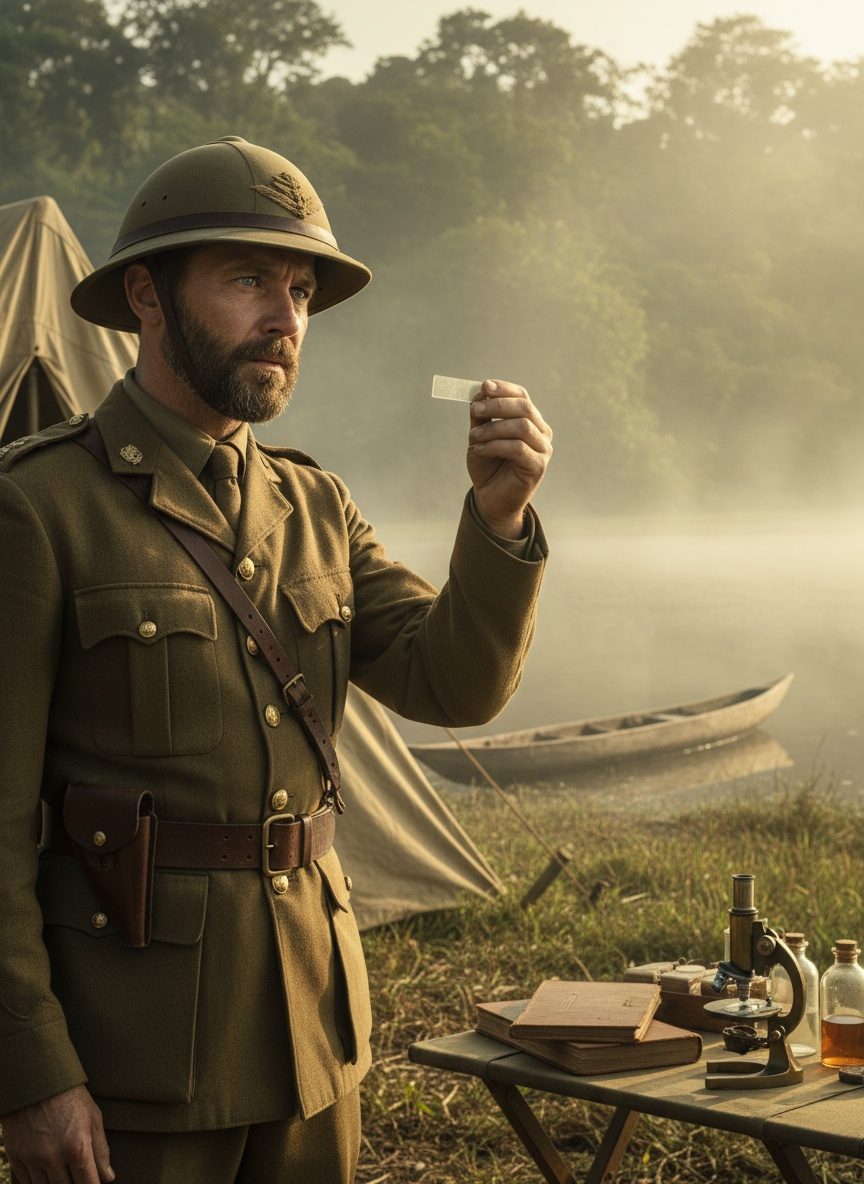
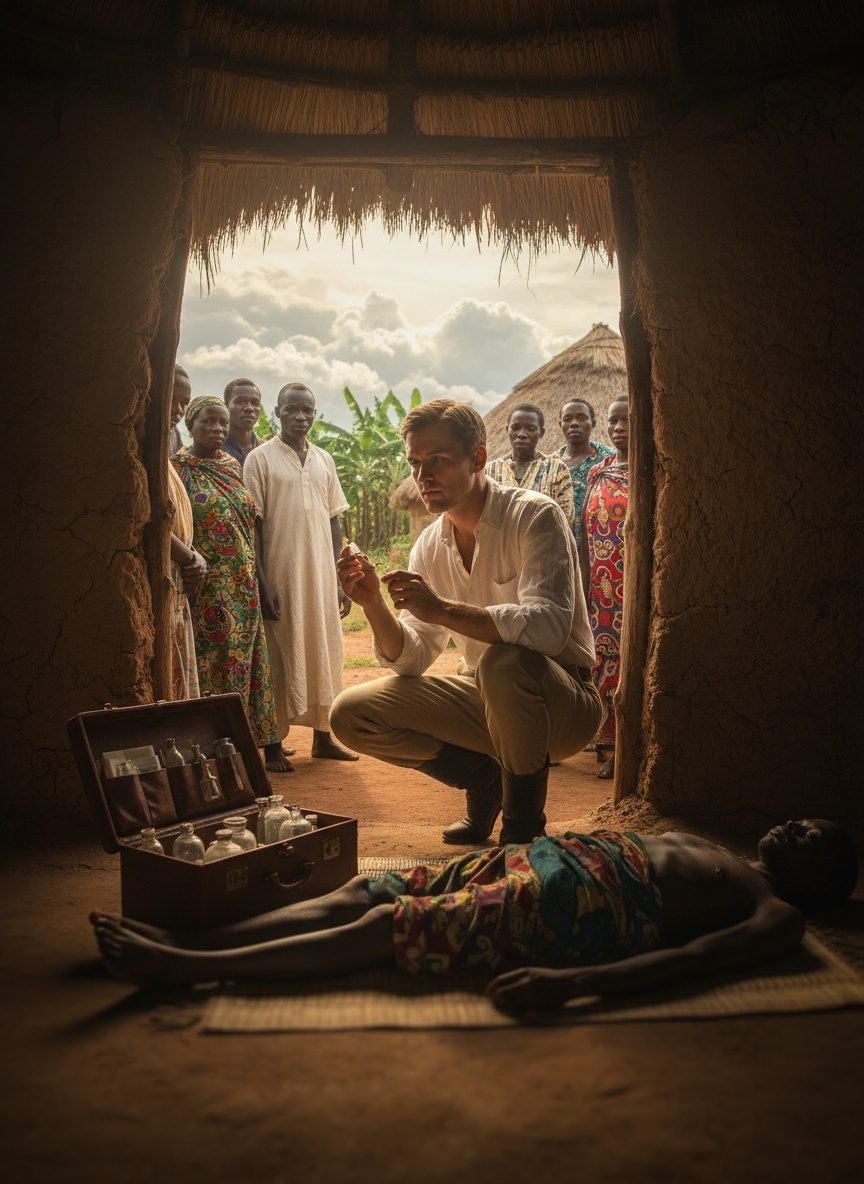
Uganda. 1902. A plague was killing thousands. Sleeping sickness. No cure existed. One British doctor sailed up the Nile alone. David Bruce found the killer. A tiny parasite. Carried by the tsetse fly. He saved a continent.
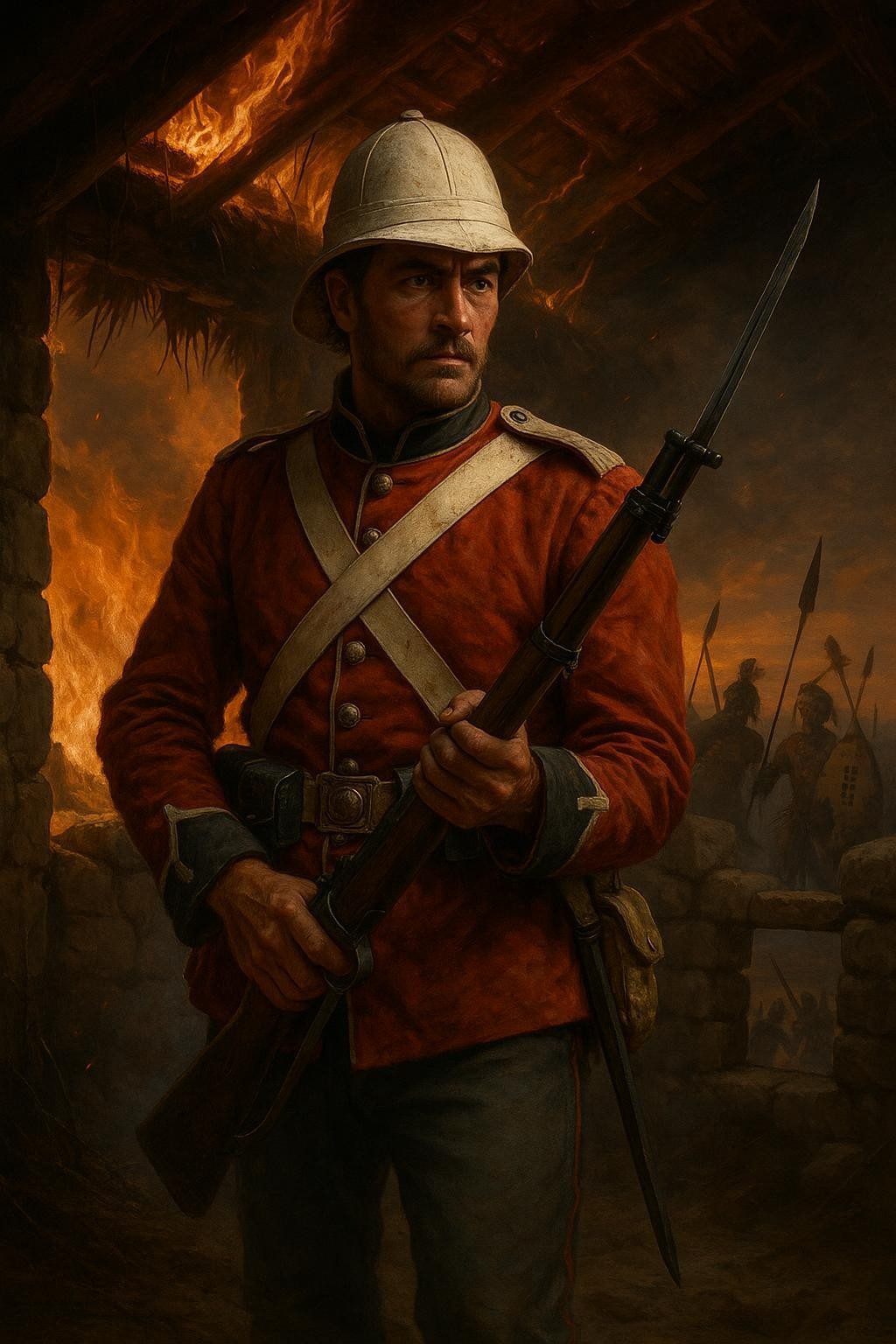
January 1879. One hundred and thirty-nine British soldiers faced four thousand Zulu warriors. Private Henry Hook fought through a burning hospital. He pulled eleven wounded men to safety. One by one. Under fire. They all survived.
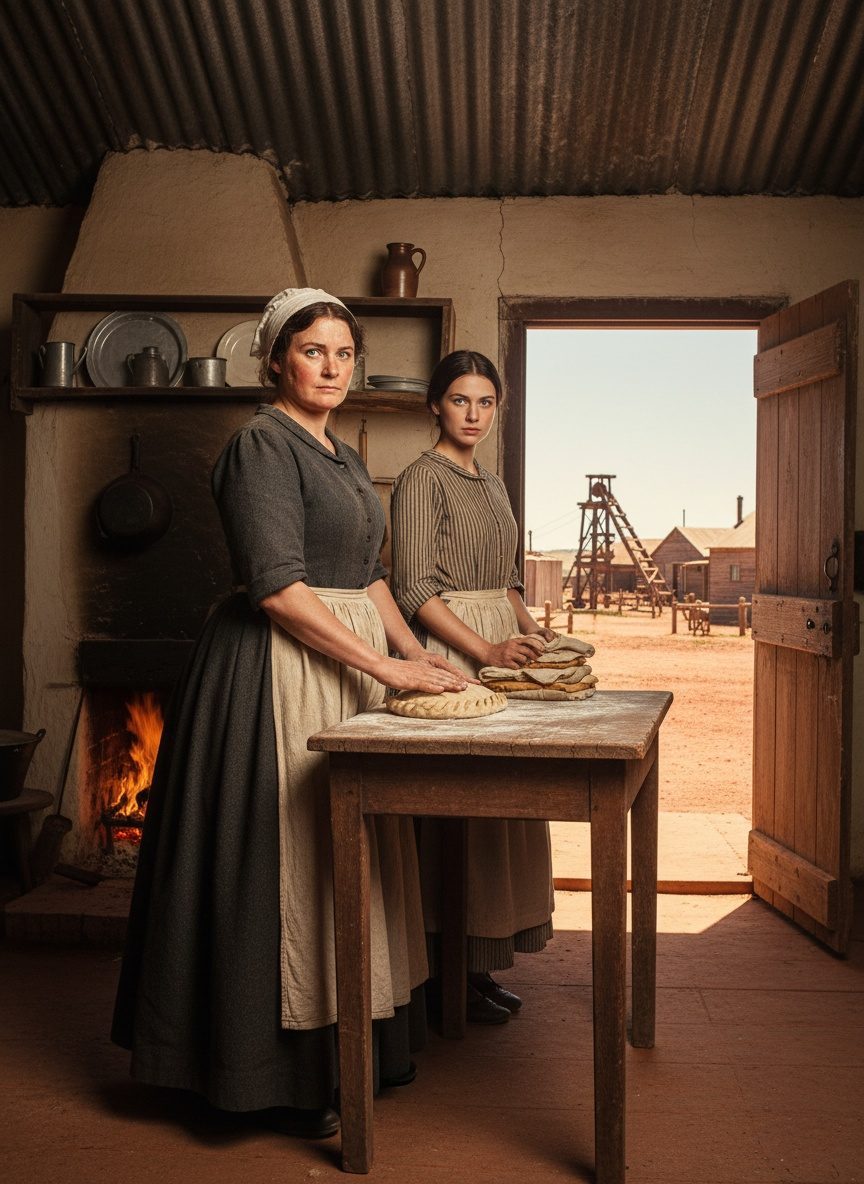
Burra, South Australia, 1872. The copper mines were booming. Thousands of Cornish miners had crossed the world. Their wives had followed. In tin-roofed kitchens they cooked pasties. Fed whole shifts. Built a community from nothing.
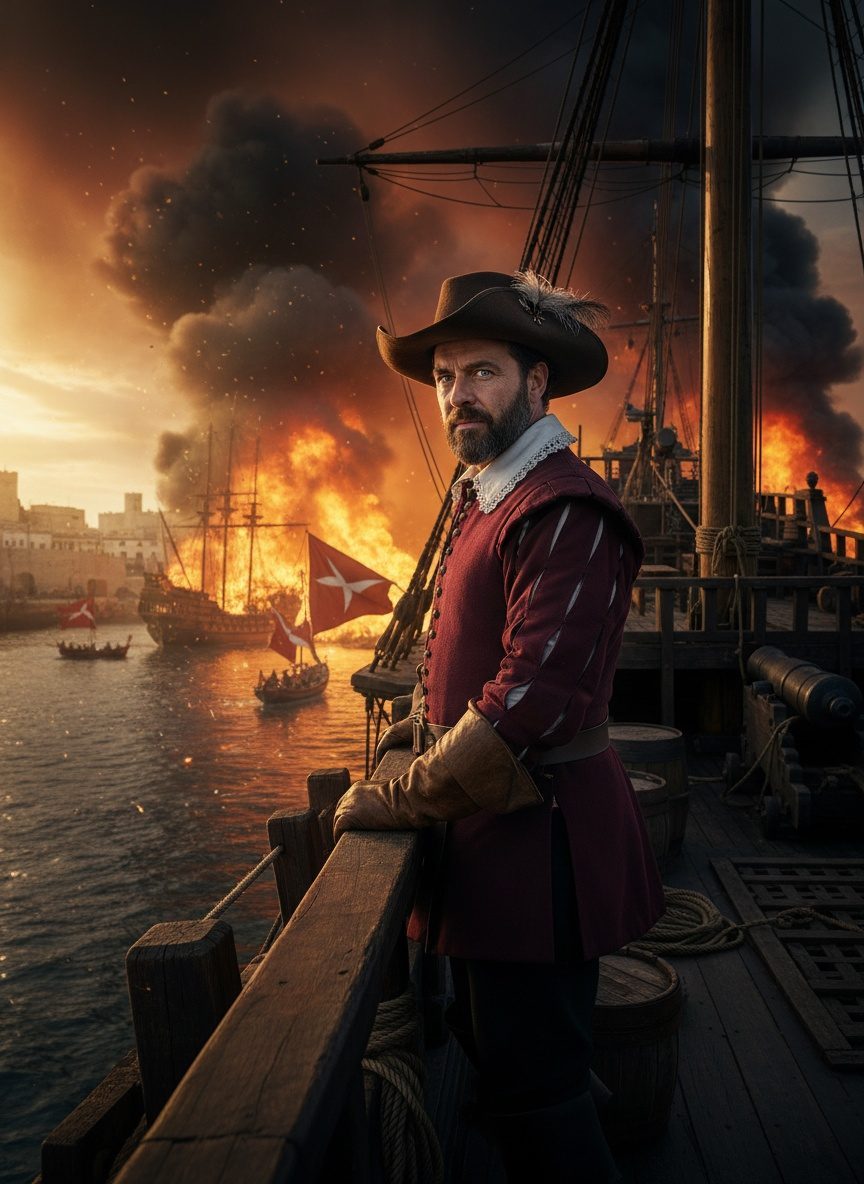
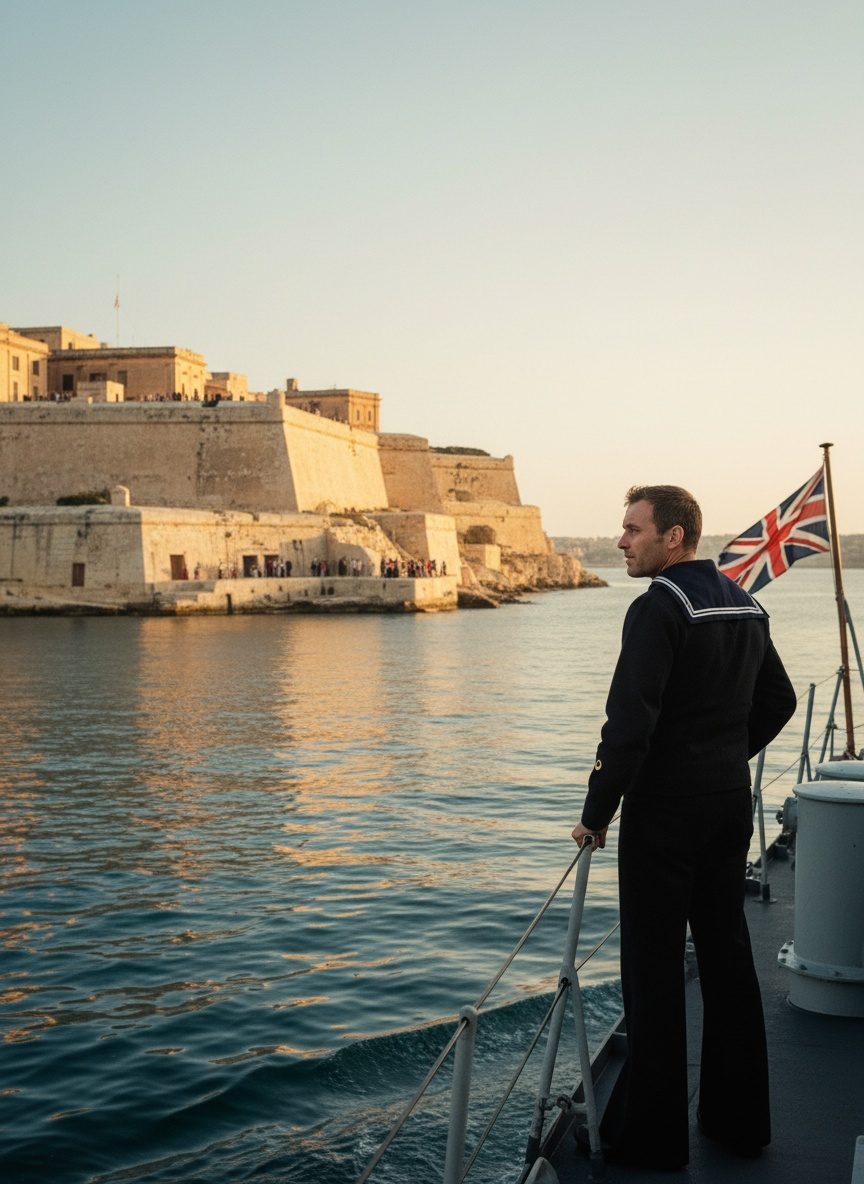
March 1979. The Royal Navy's last ships left Valletta's Grand Harbour. For 179 years Britain had ruled the sea from this island. Maltese families lined the battlements. Bells rang. The ships disappeared into the Mediterranean. An empire's anchor lifted.
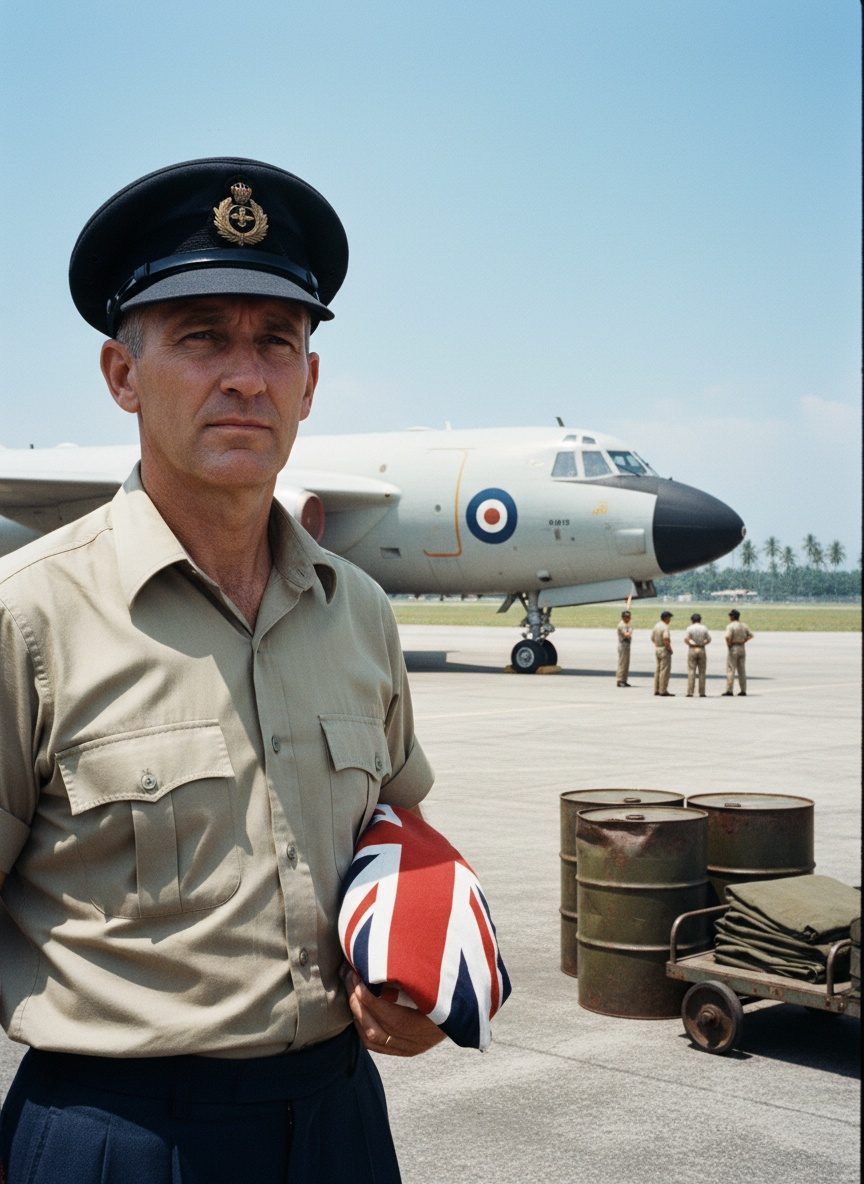
October 1971. Britain's last RAF squadron prepared to leave Singapore. Decades of empire packed into kitbags. The engines fired. The runway fell behind. An era ended without a ceremony. Just noise. Then silence.
Uganda, 1897. Smallpox was tearing through the kingdom of Buganda. Dr. Albert Cook walked into village after village. No army. No escort. Just his bag and his nerve. He vaccinated thousands. He held the line alone.
In 1815, Britain's hardest enemy became its most loyal soldier. Defeated in battle, the Gurkhas asked to serve the Crown. The British said yes — and nothing was ever the same.
By 1880, London had the fastest postal system on Earth. Twelve deliveries a day. A letter posted at breakfast arrived before lunch. Londoners complained if it took longer than two hours.
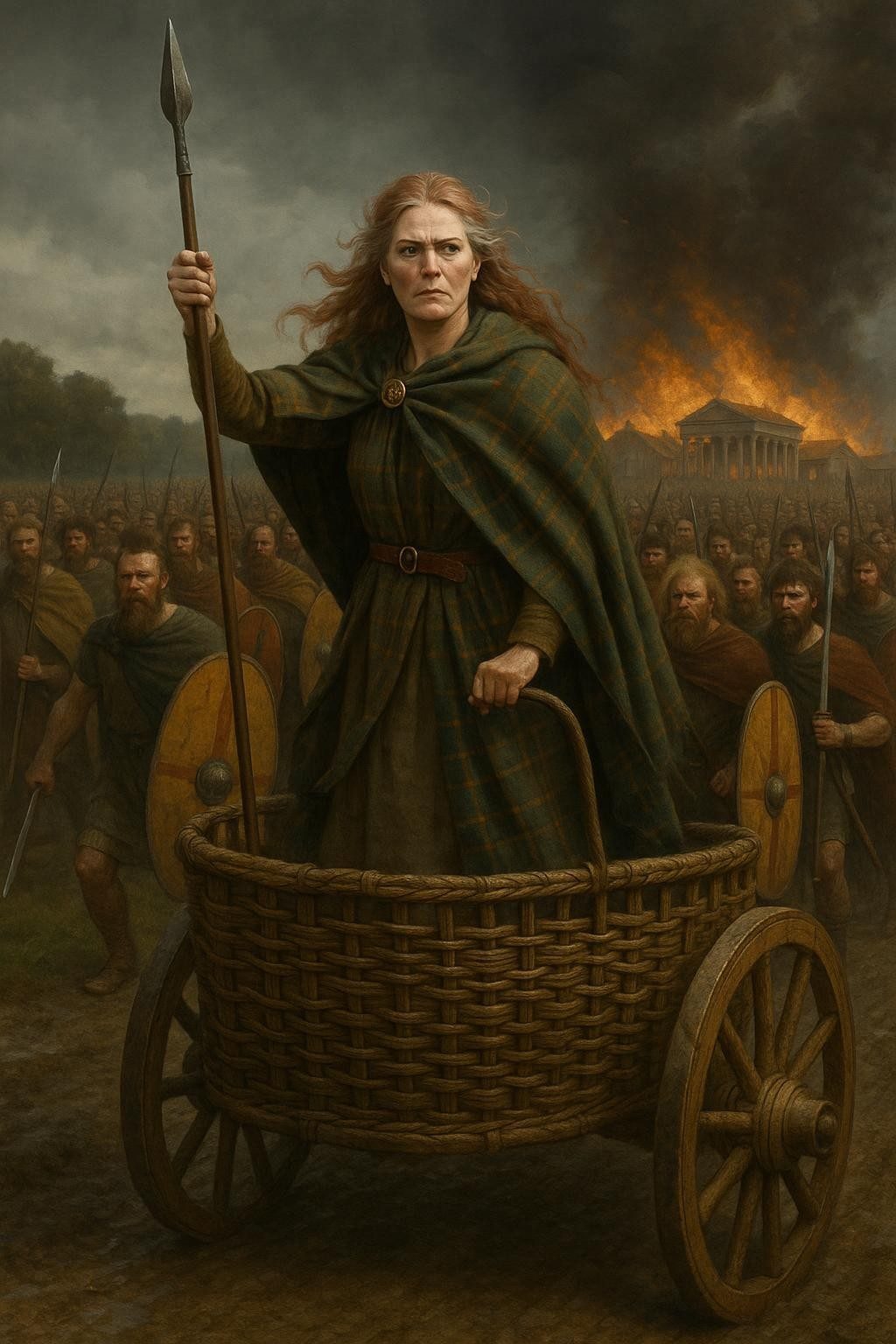
60 AD. Rome ruled Britain with iron. Then a queen rose. Boudica led 100,000 warriors south. Camulodunum burned. Londinium burned. Verulamium burned. Three cities gone. Rome shook.
1874. Twenty-two nations gathered in Berne. They argued over how letters crossed borders. A British proposal changed everything. One stamp. One price. One world. The General Post Union was born. Every letter that crosses an ocean today follows its rules.
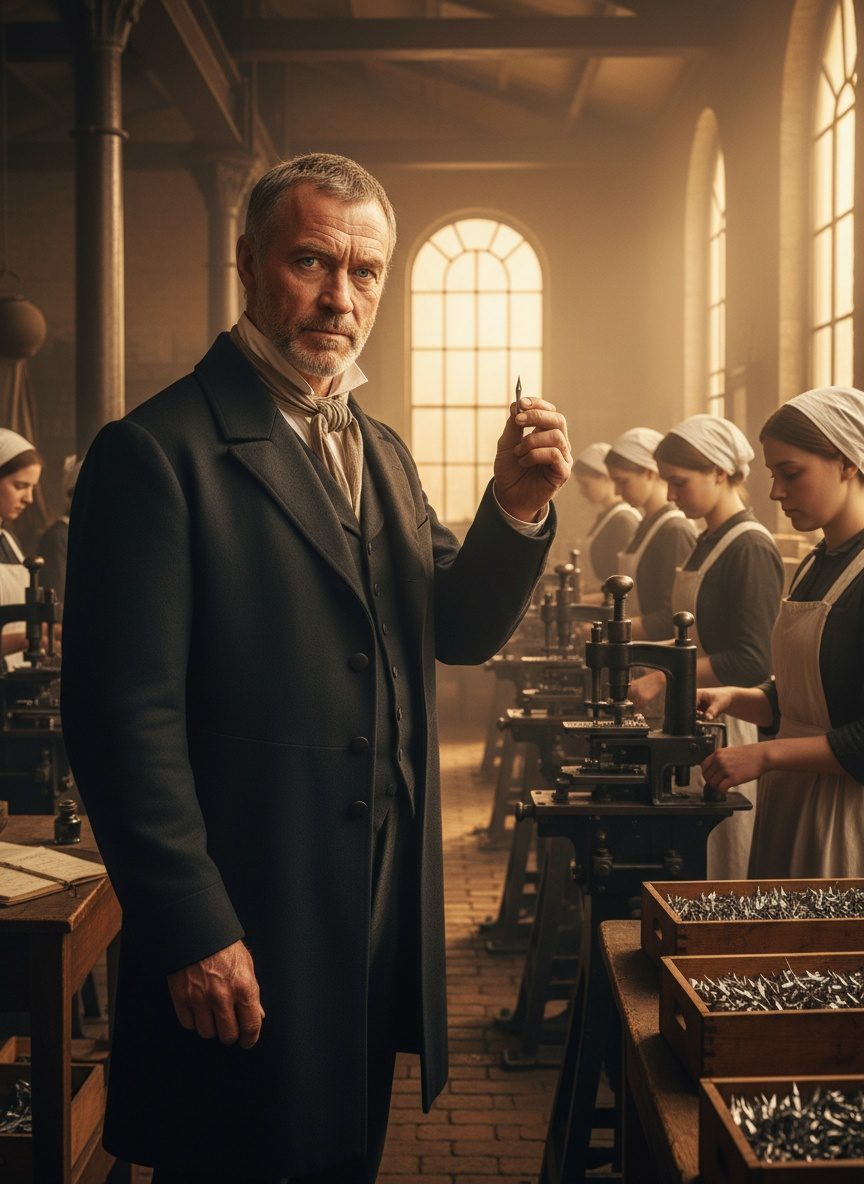
Birmingham, 1830s. Steel pen nibs cost a fortune. Writing was for the wealthy. Josiah Mason changed that. One factory. One machine. Seventy-two million nibs a year. The world wrote itself into the future.
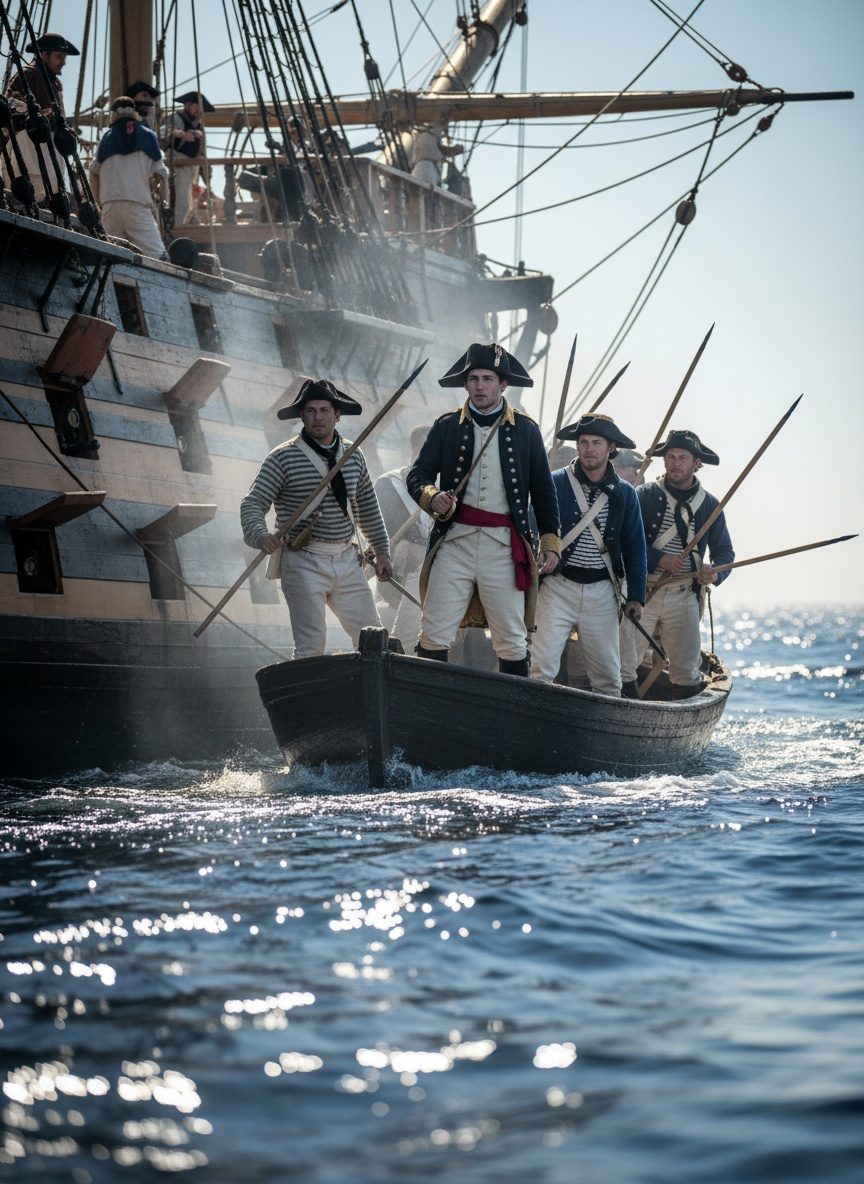
Atlantic Ocean. 1801. HMS Speedy carried just 14 tiny guns. The Spanish warship Gamo carried 32. Captain Cochrane attacked anyway. He took her. With 54 men against 319.
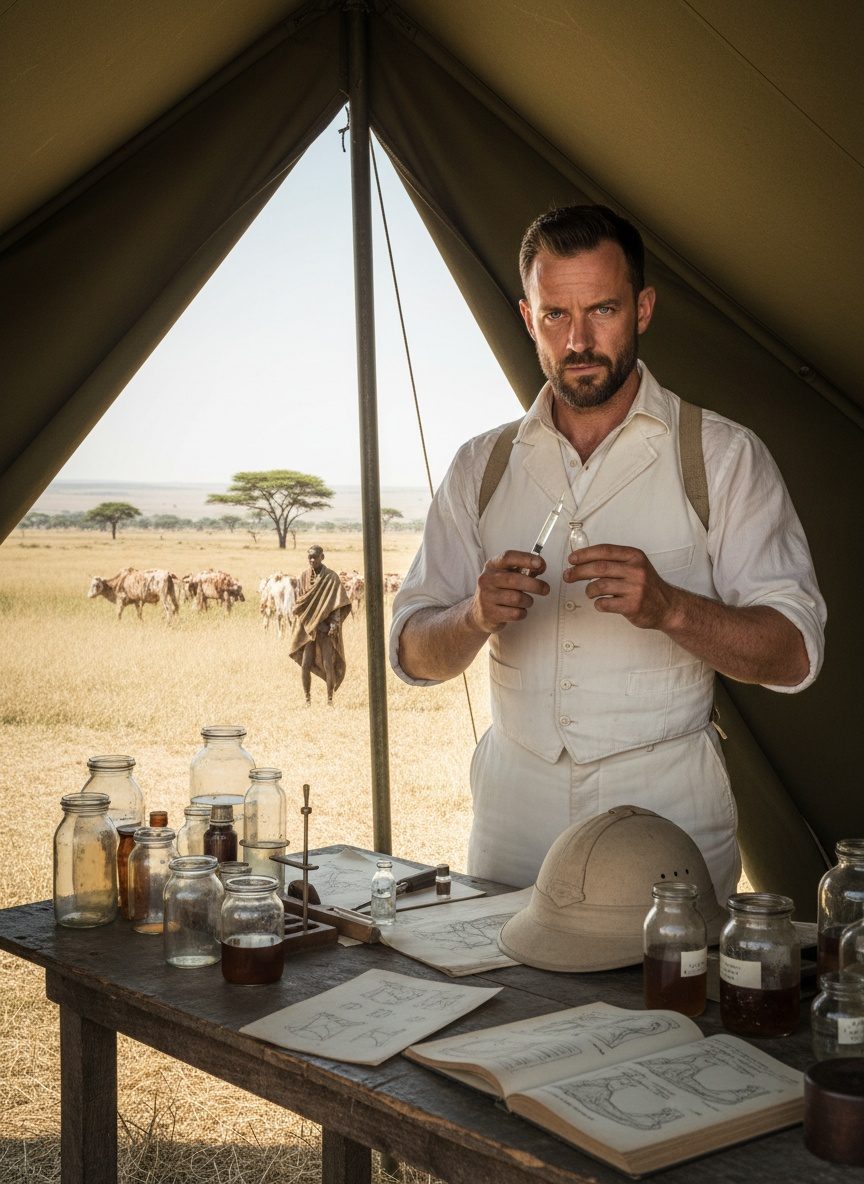
1896. A plague was sweeping Africa. Rinderpest was killing cattle from Egypt to the Cape. Entire nations were starving. One Scottish veterinary surgeon named Arnold Theiler refused to watch. He found the cure. He saved a continent.
Hand-picked from Britain Untold's archive. The stories you weren't taught at school. 3-minute read.
No spam. Unsubscribe in one click. We hate spam too. Privacy Policy.