The British Empire — the forgotten chapters · page 13 of 22
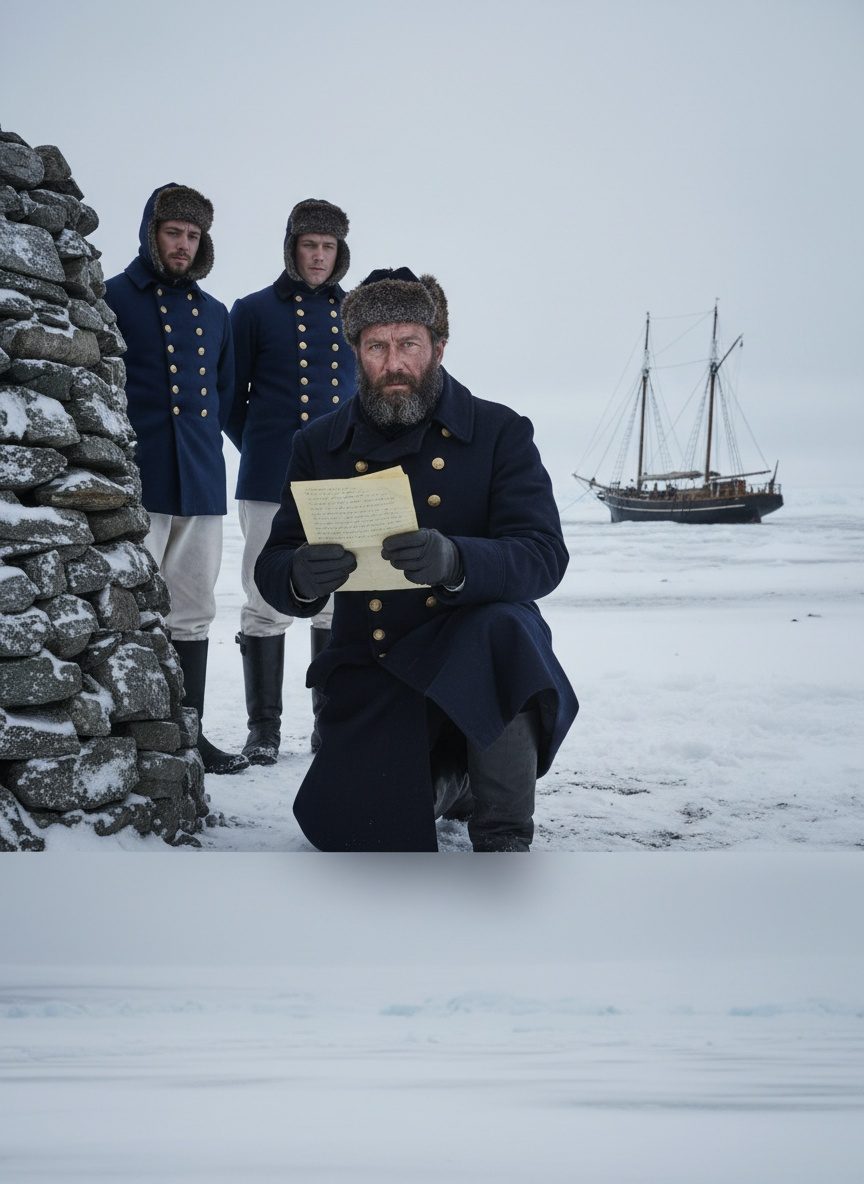
Franklin's ships vanished in 1845. For 14 years, Britain found nothing. Then one small yacht, one fox-fur sledge, and a cairn note written by a dying officer cracked the Arctic's silence forever.
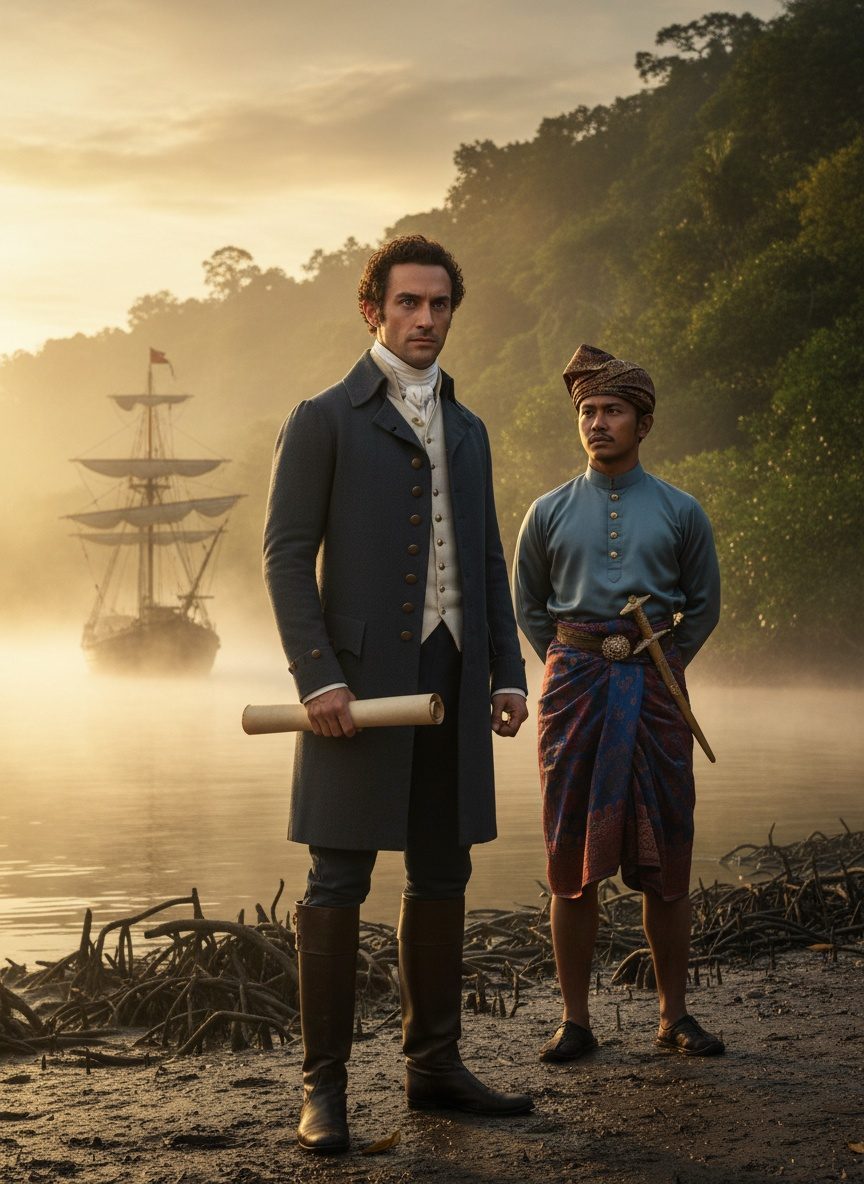
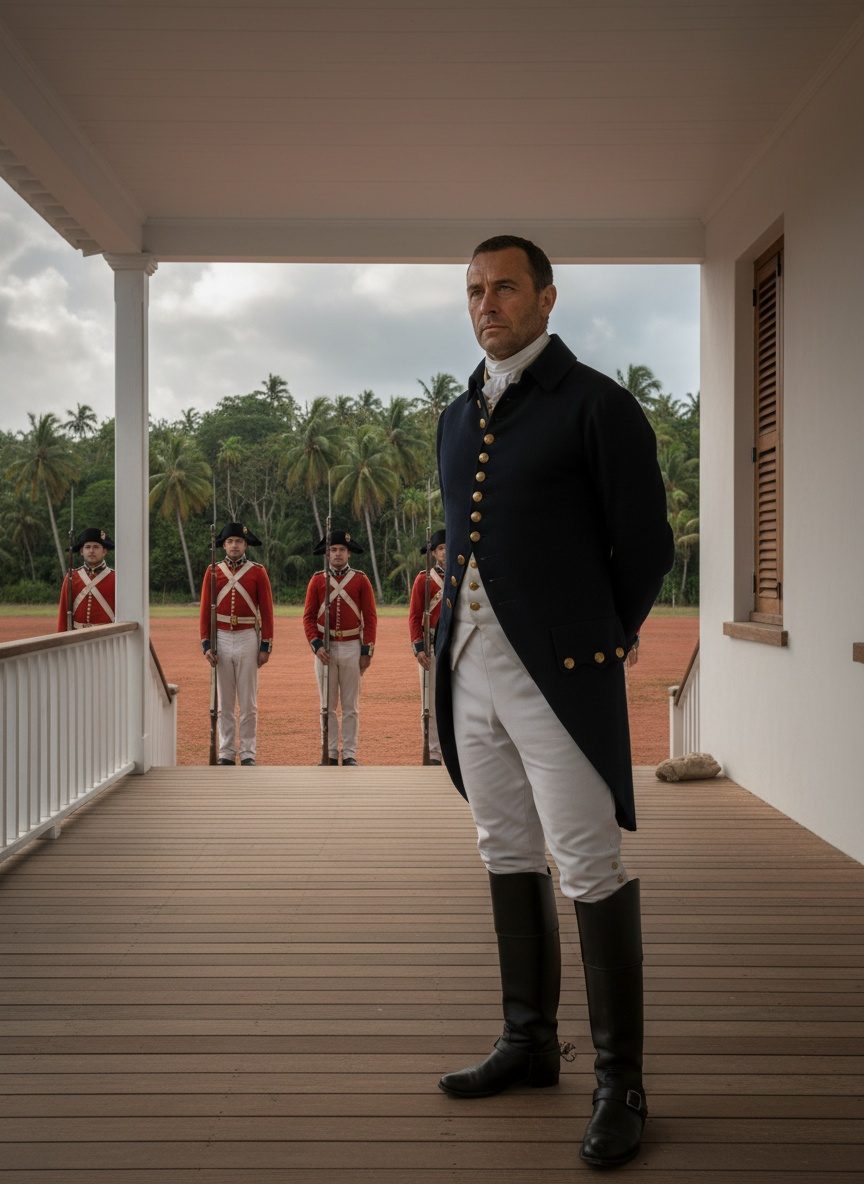
January 1819. A young clerk stood on a muddy shore. Behind him, a dying empire. Ahead, nothing but jungle and tide. He signed a treaty. Singapore was born.
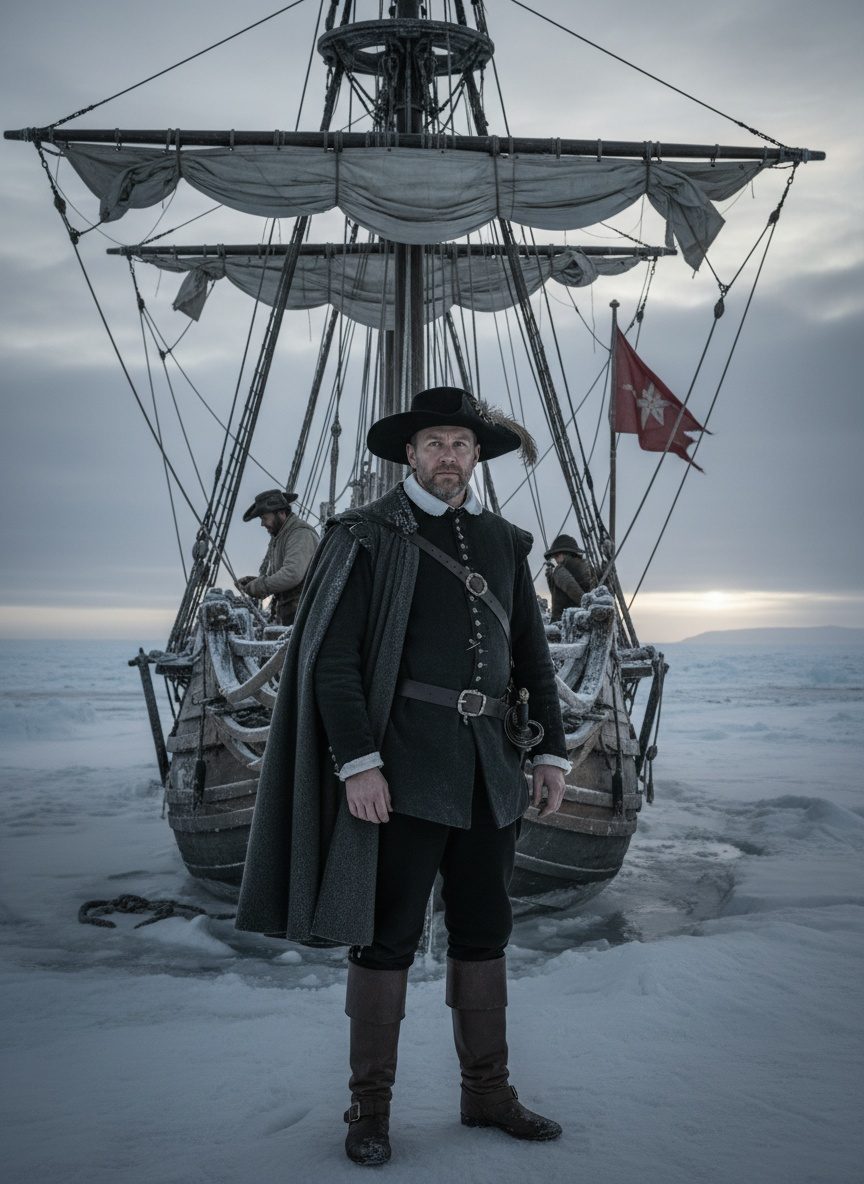
1553. Three ships sailed north into unknown waters. Ice closed in. Two crews froze to death at anchor. One captain survived. Richard Chancellor alone reached the court of Ivan the Terrible. And won England a trade empire.
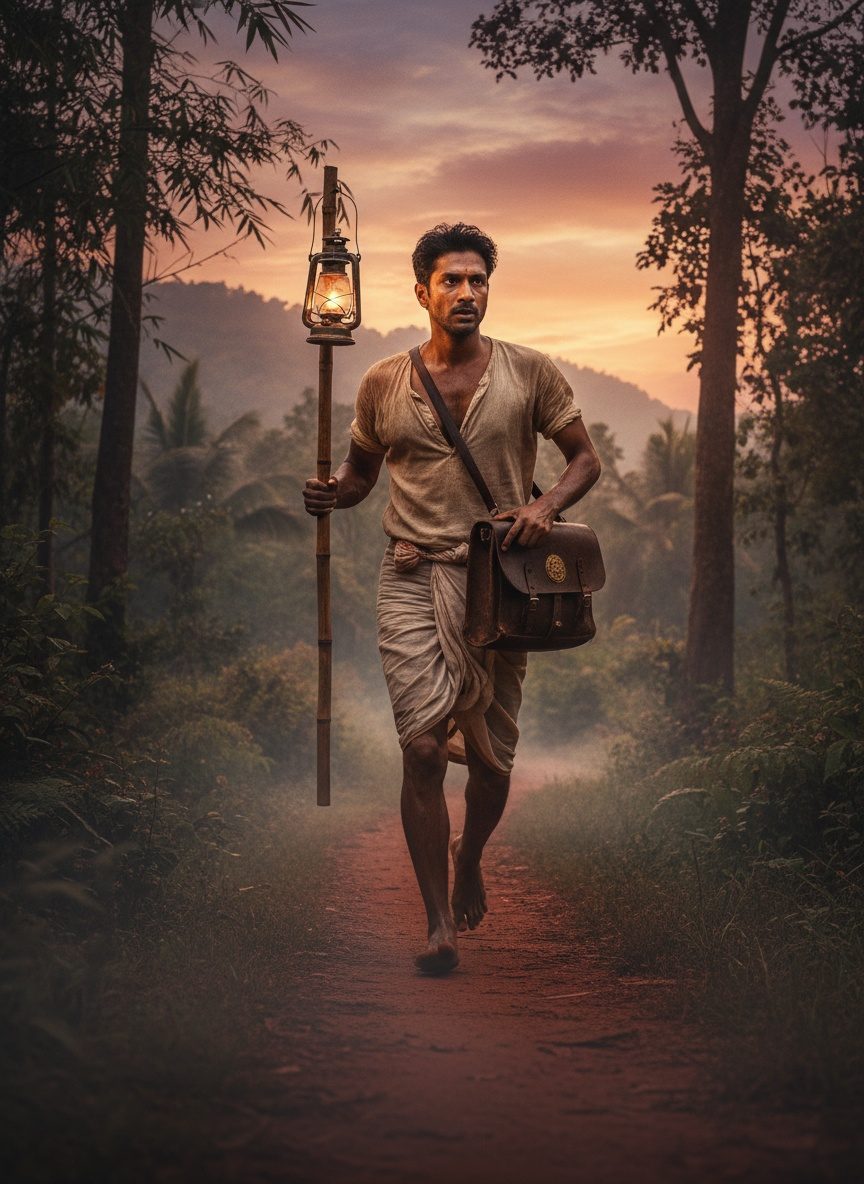
India, 1880s. The imperial mail had to move. No roads. No telegraph. Just one man. A leather satchel. Miles of jungle. He ran anyway.
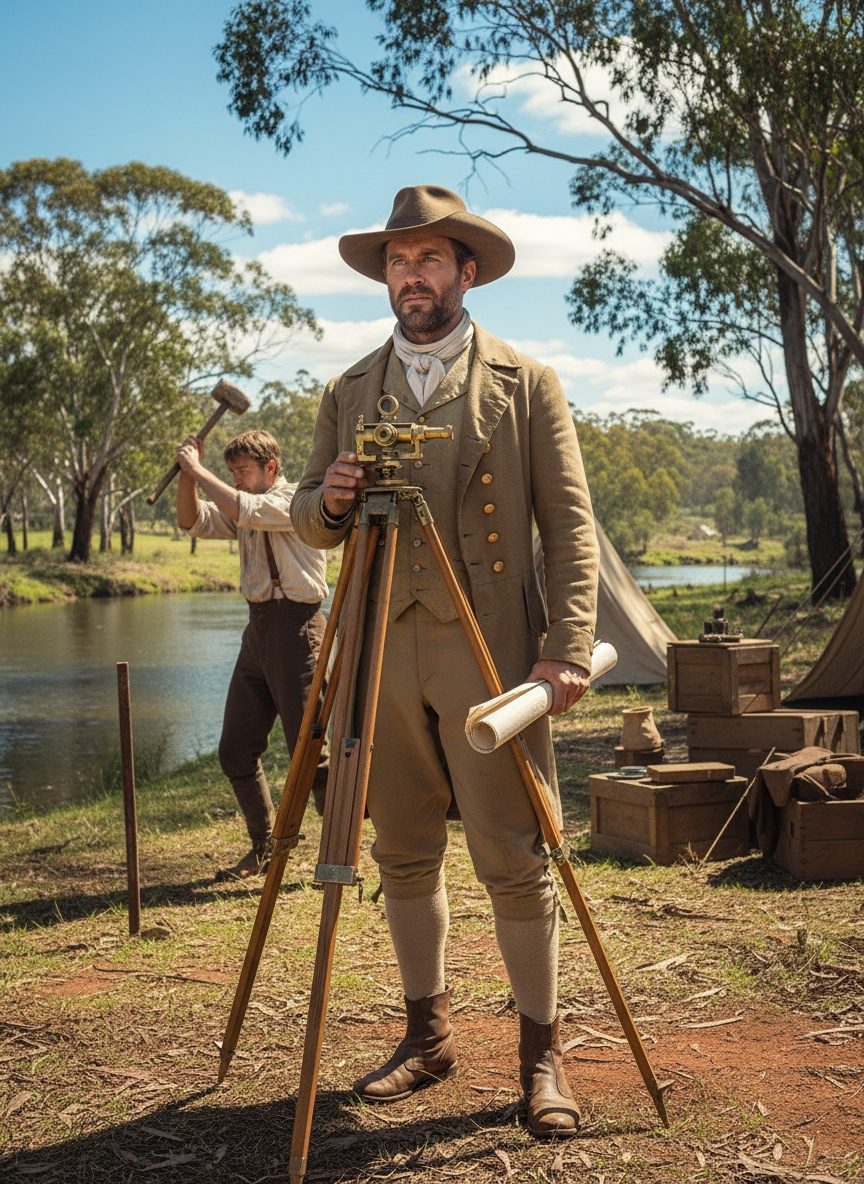
Port Phillip Bay. 1835. John Batman landed and bought land from the Wurundjeri. One year later, surveyor Robert Hoddle arrived. He drew straight lines in the bush. Those lines became Melbourne.
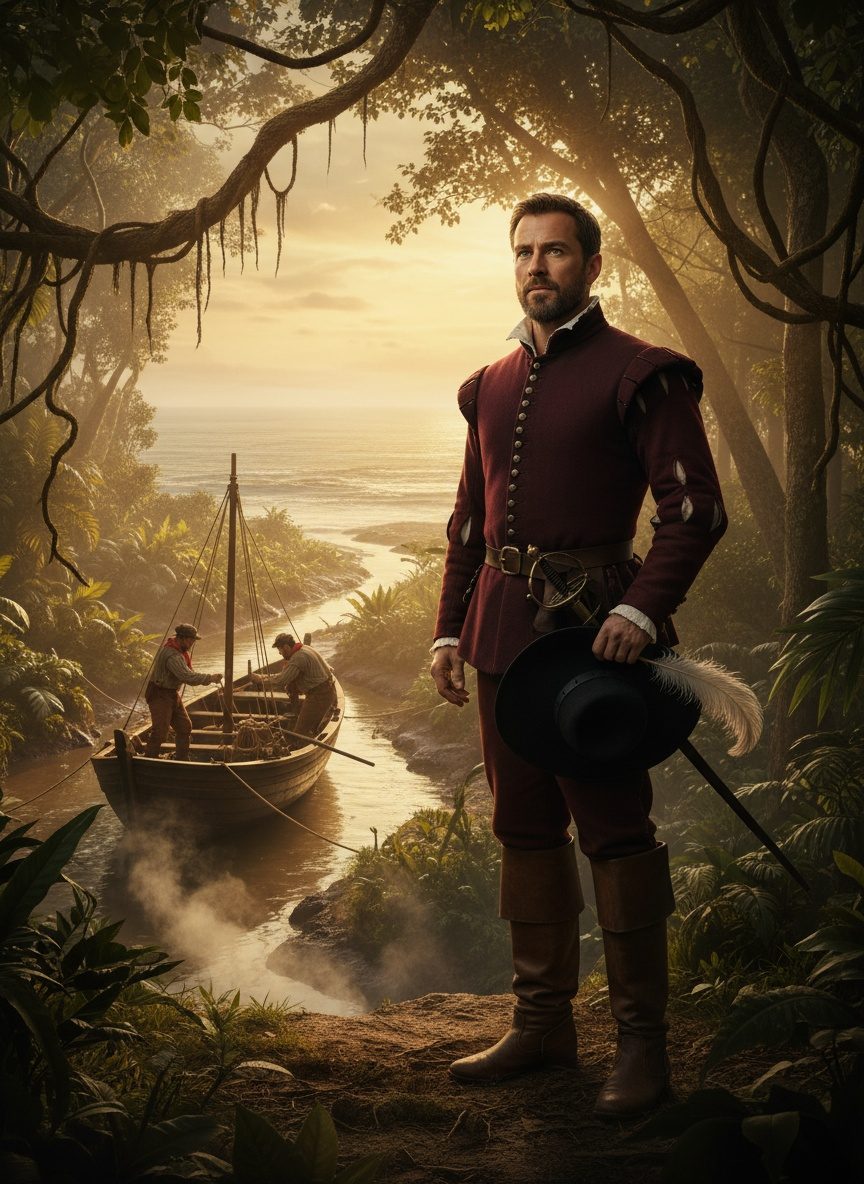
1575. No Englishman had ever crossed the Darien alone. John Oxenham did. He hauled a dismantled pinnace over the mountains. Launched it on the Pacific. Flew the English flag where no Englishman had sailed. He paid for it with his life.
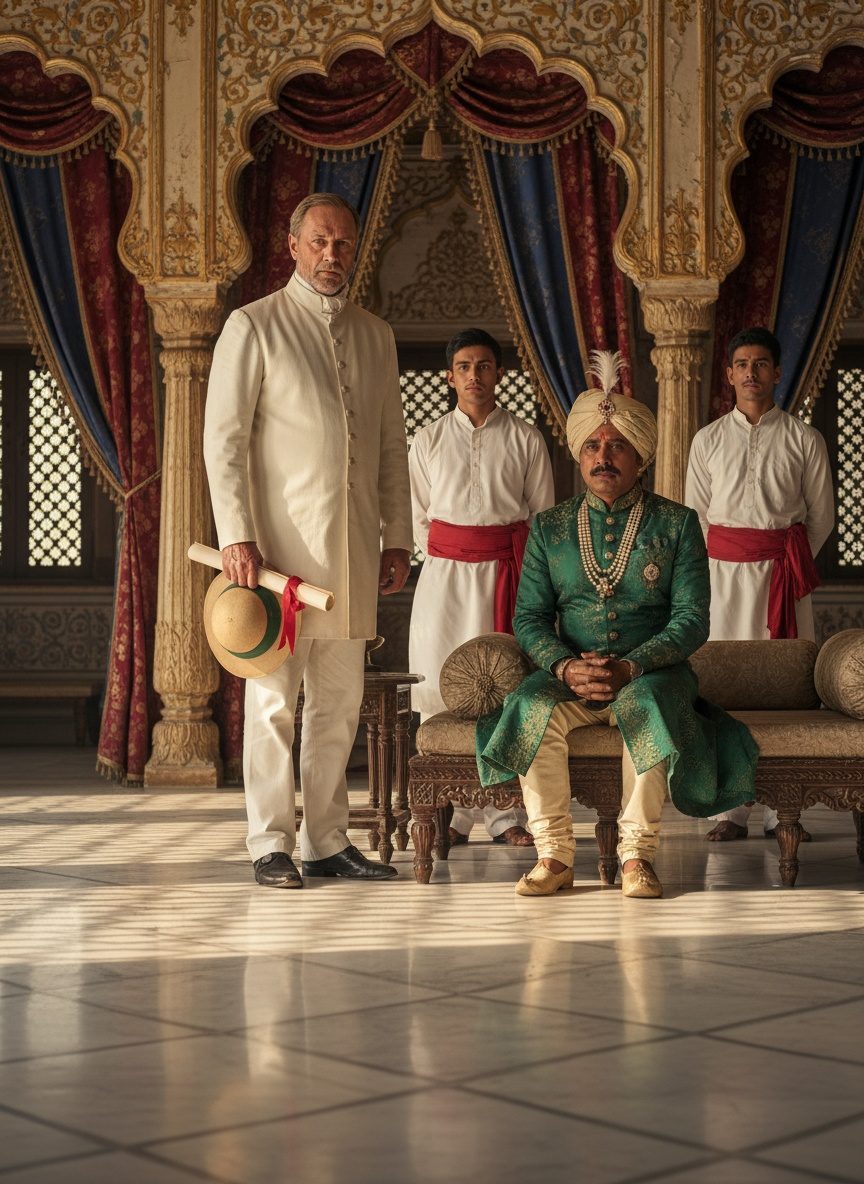
Lord Dalhousie called Awadh's king unfit. He annexed the kingdom in a single day. Within a year, India was on fire. One controversial decision changed the Empire forever.
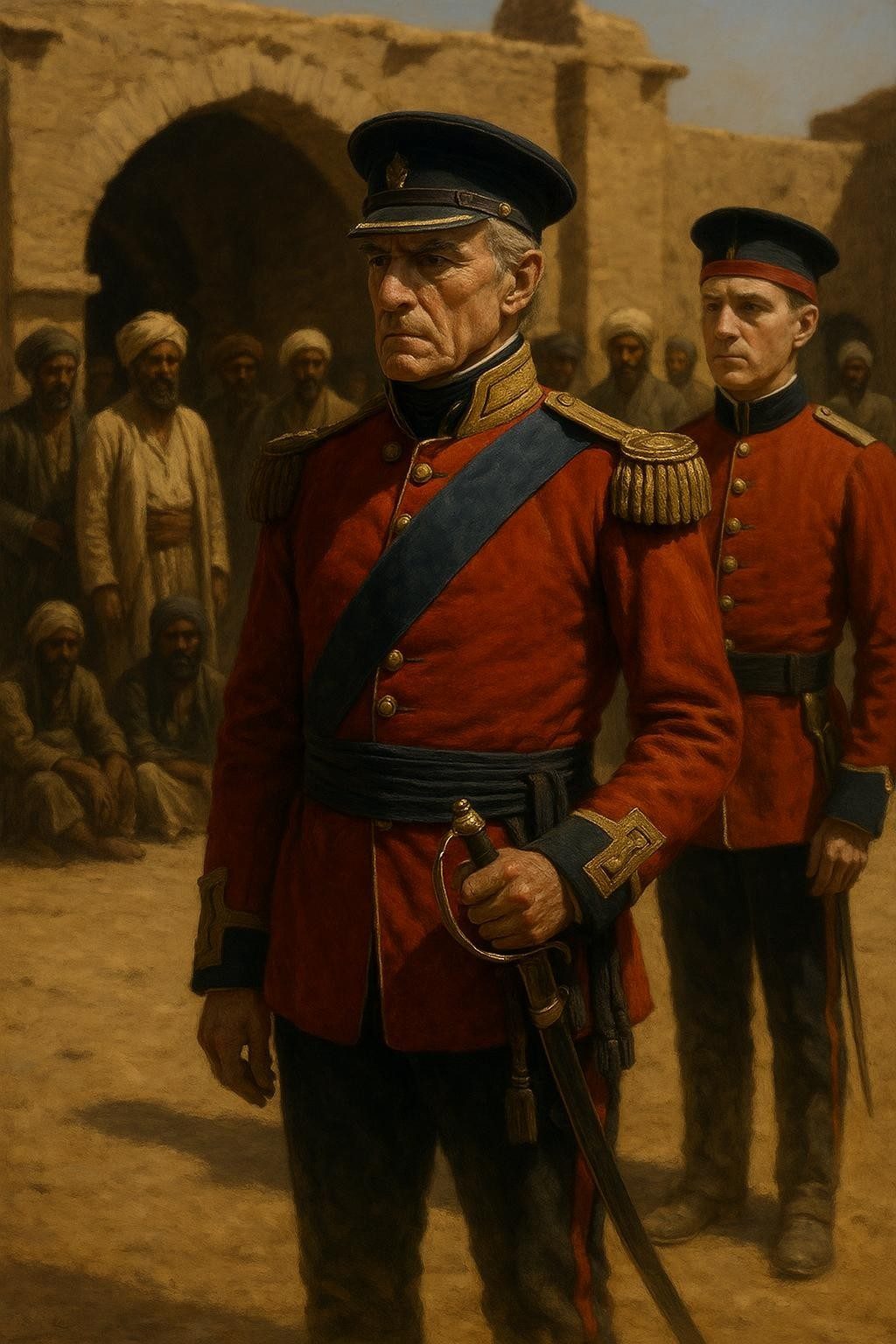
Napier conquered Sindh with 2,800 men against 30,000. Then he did something no one expected. He walked into the slave markets and shut them down by force. No committee. No debate. Just done.
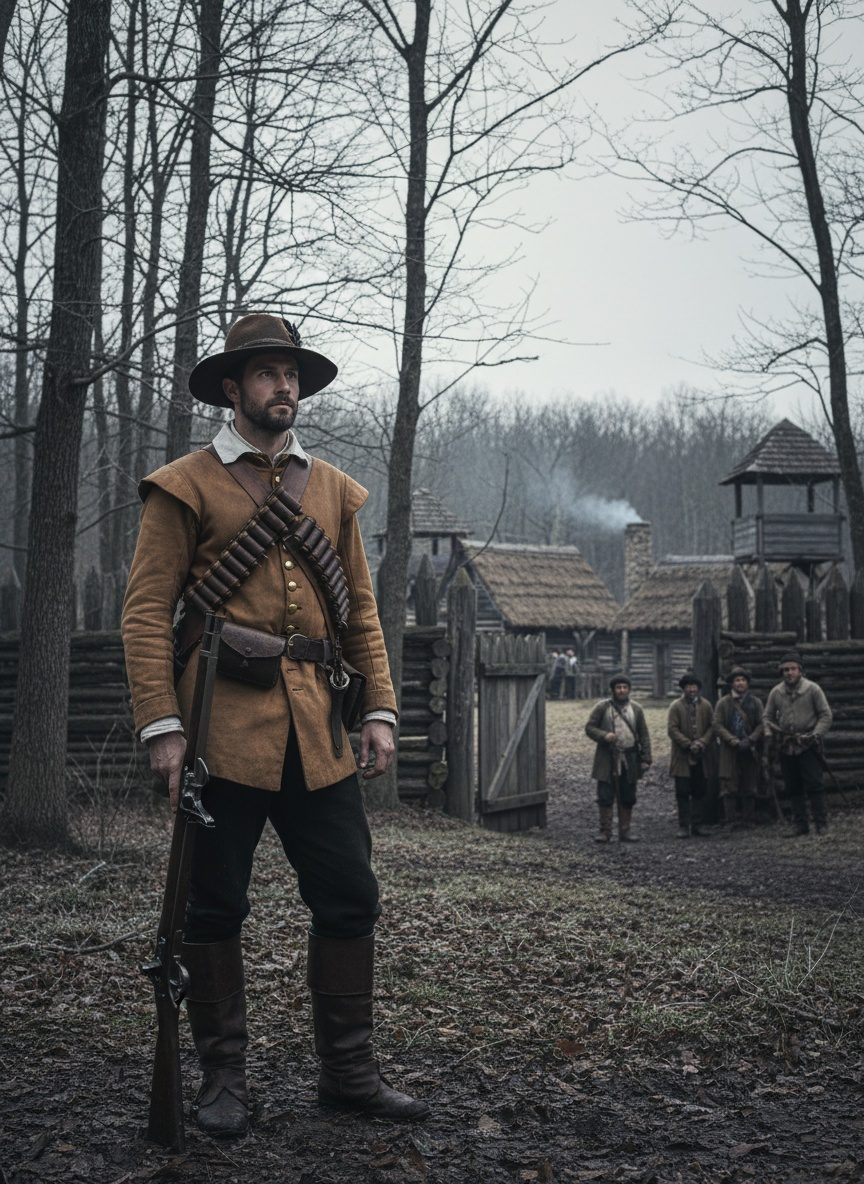
Winter 1608. Jamestown was dying. Forty settlers remained. Starvation had taken the rest. Captain John Smith walked into the wilderness alone. He came back with food. He saved England's first colony.
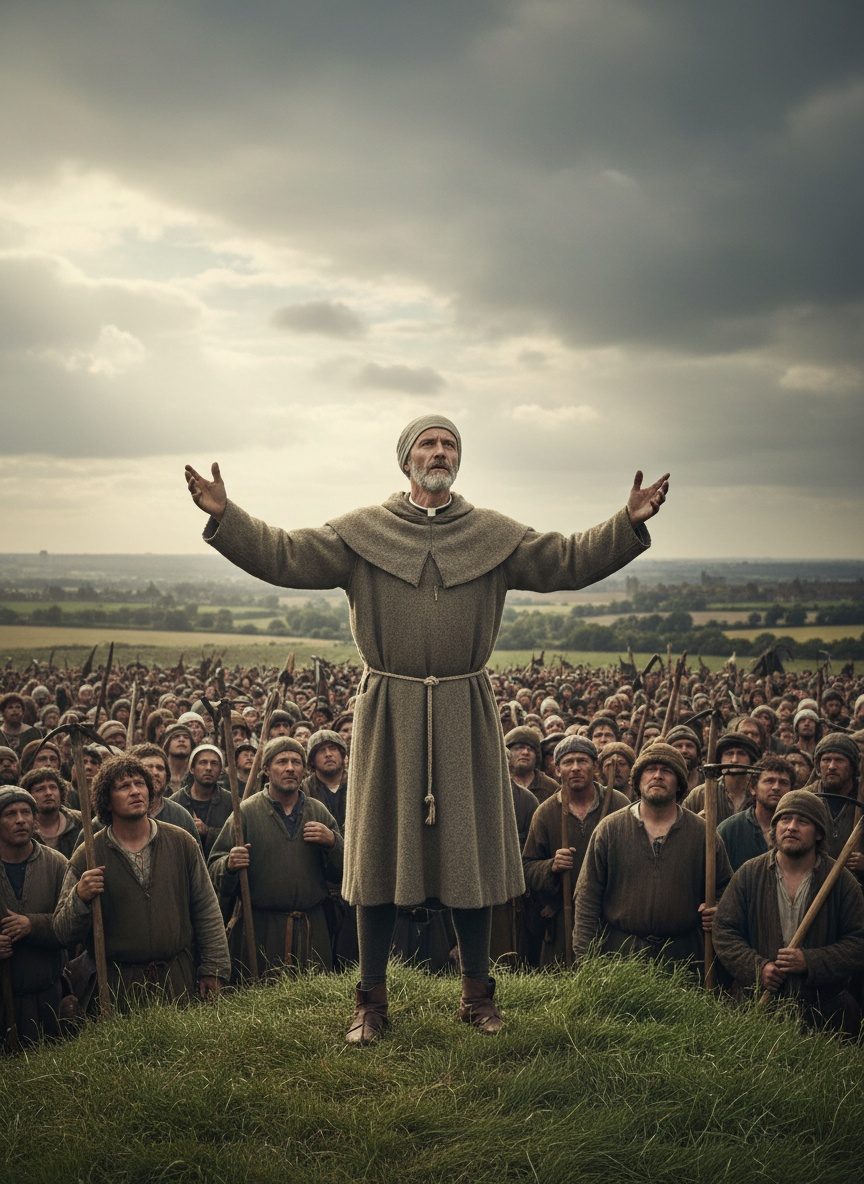
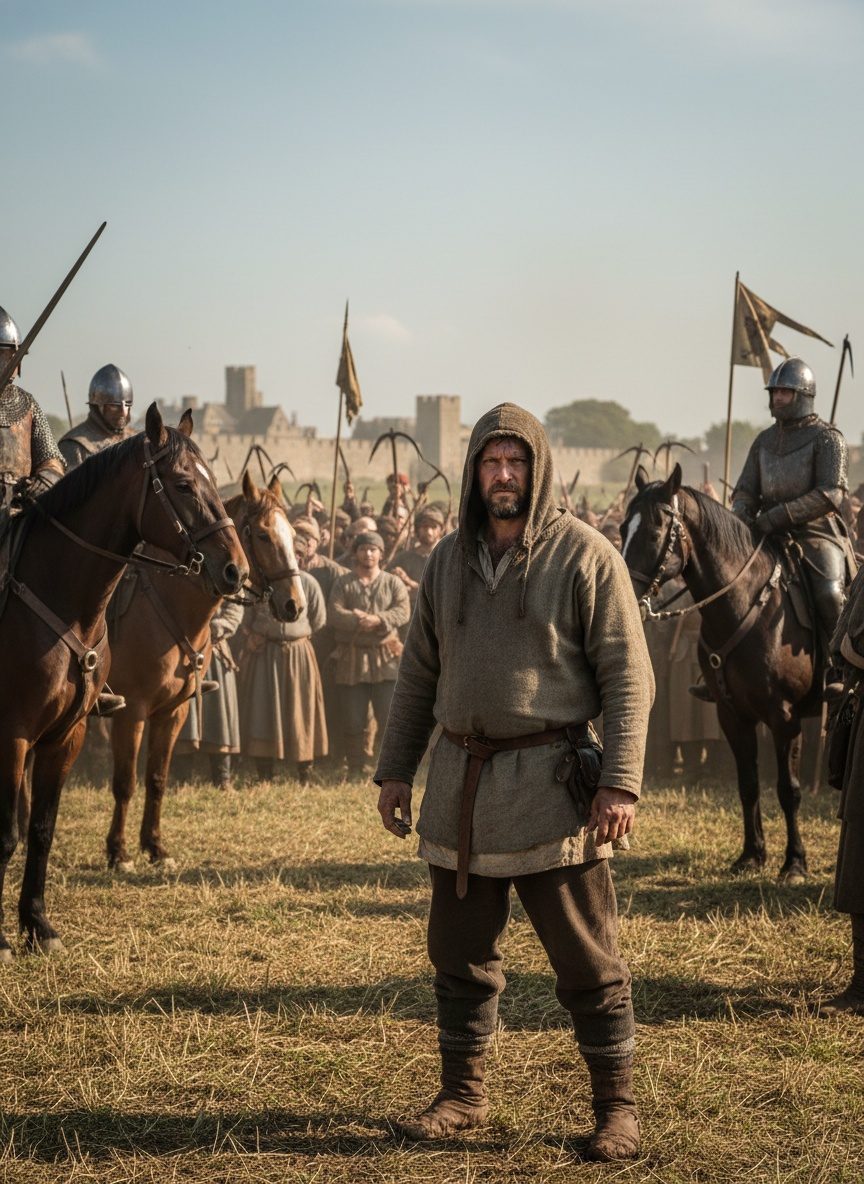
June 1381. A priest stood before 100,000 rebels. He had been jailed three times for preaching equality. He preached again. The crowd roared. England would never be quite the same.
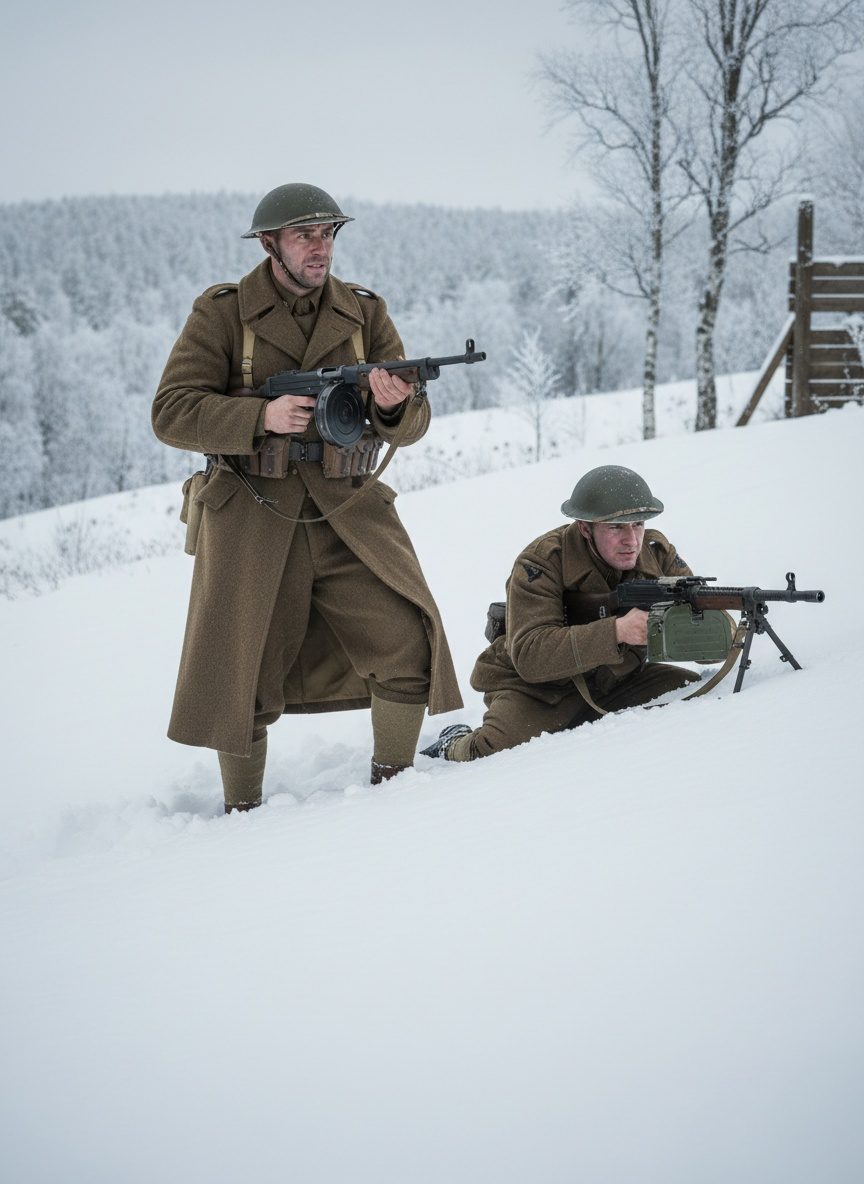
Scotland, March 1942. Royal Marines drill in deep snow with Thompson guns and Brens. No theatre yet assigned. No enemy named. Just bitter cold and the grinding work of becoming ready.
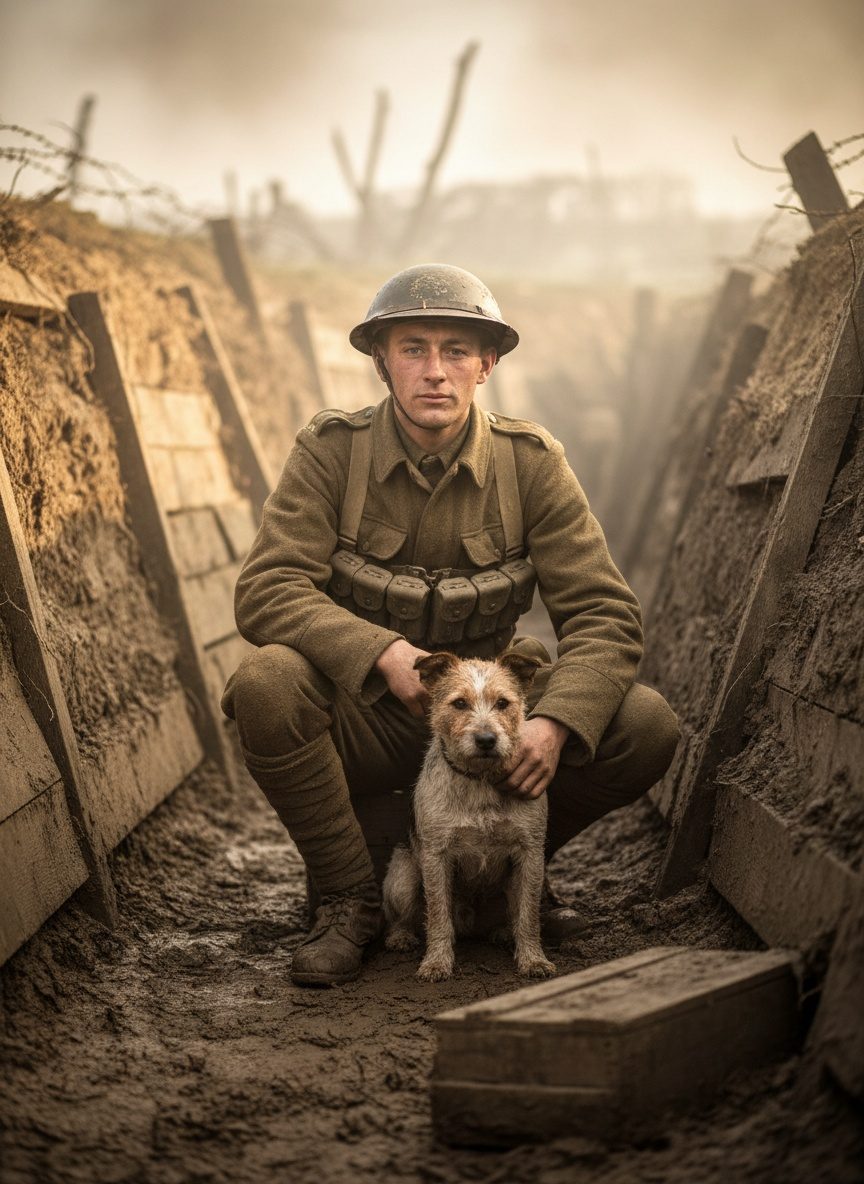
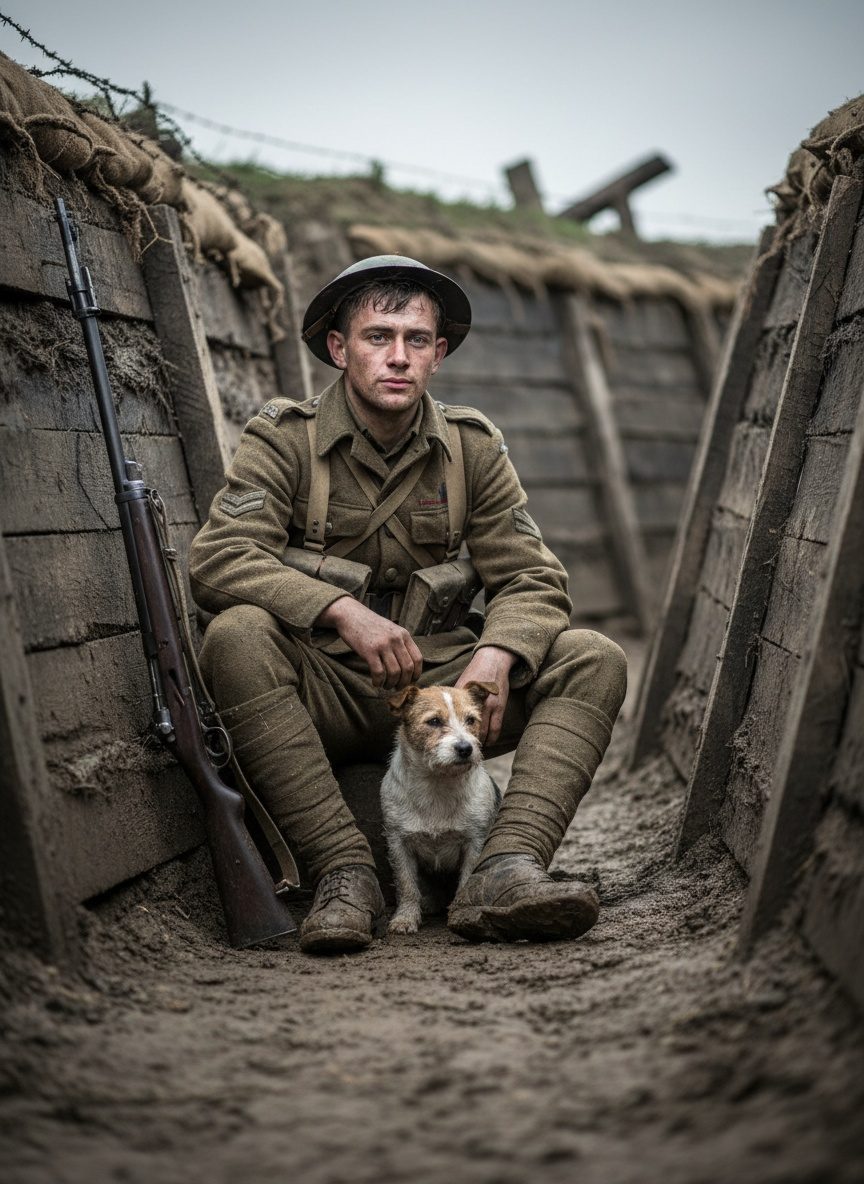
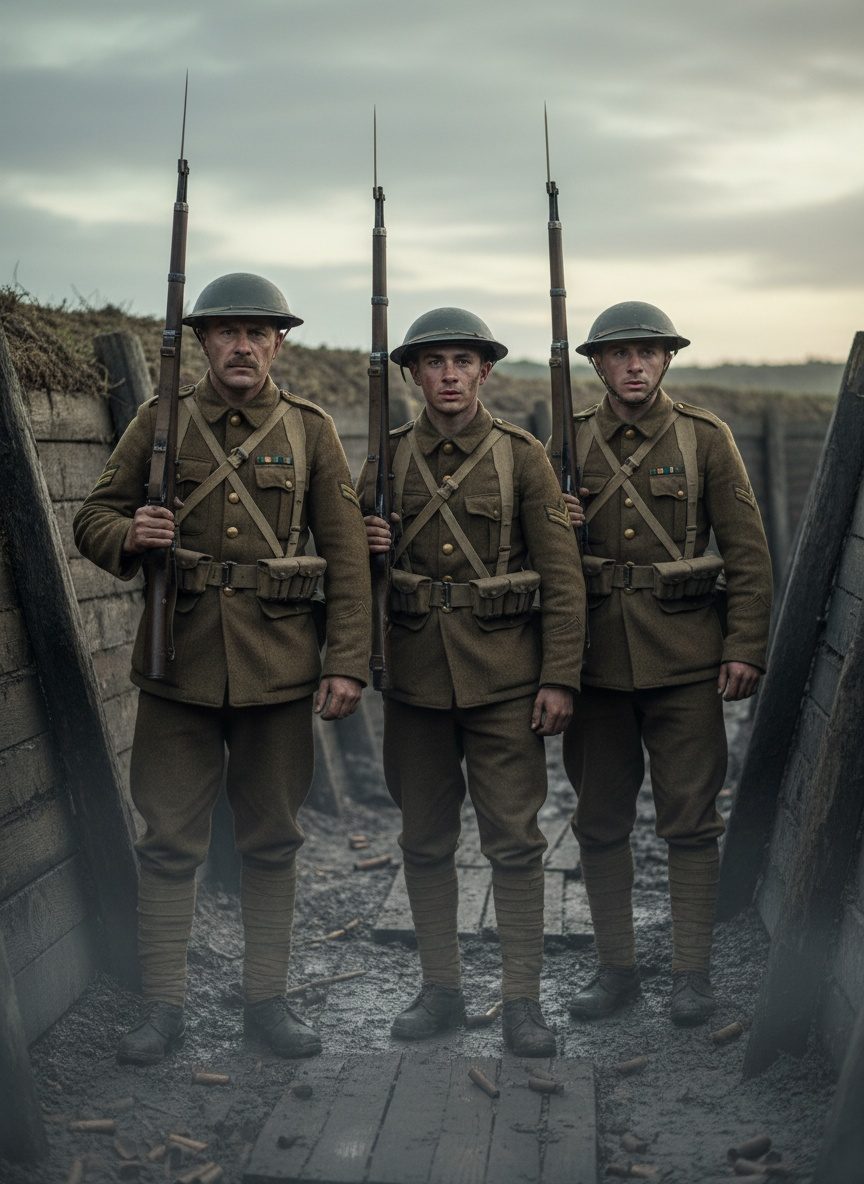
Western Front, May 1918. A soldier of the East Lancashire Regiment shelters in a ditch at Guyencourt. Beside him — a small dog. In the worst battle of that spring, the dog refused to leave.
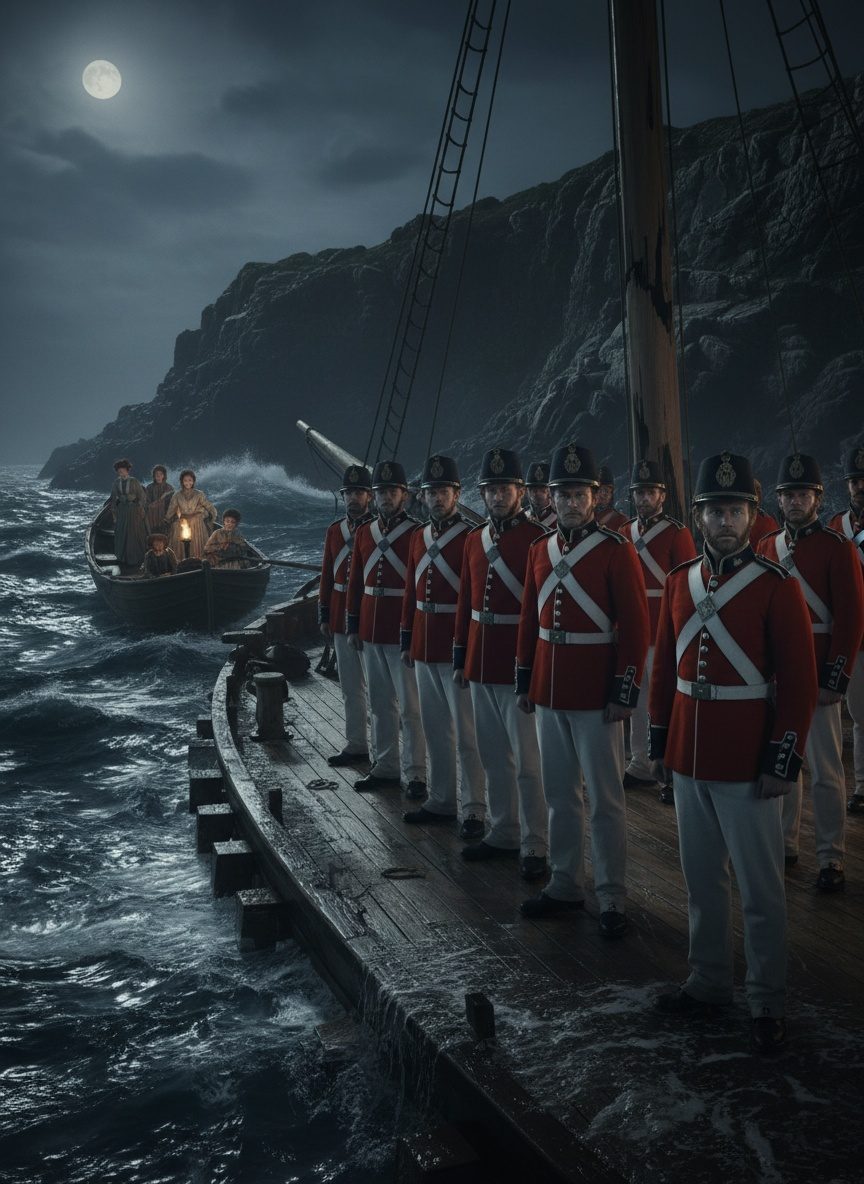
The ship hit a rock. The lifeboats held only women and children. So 480 British soldiers stood in formation on the sinking deck and did not move. They drowned in silence. The world never forgot.
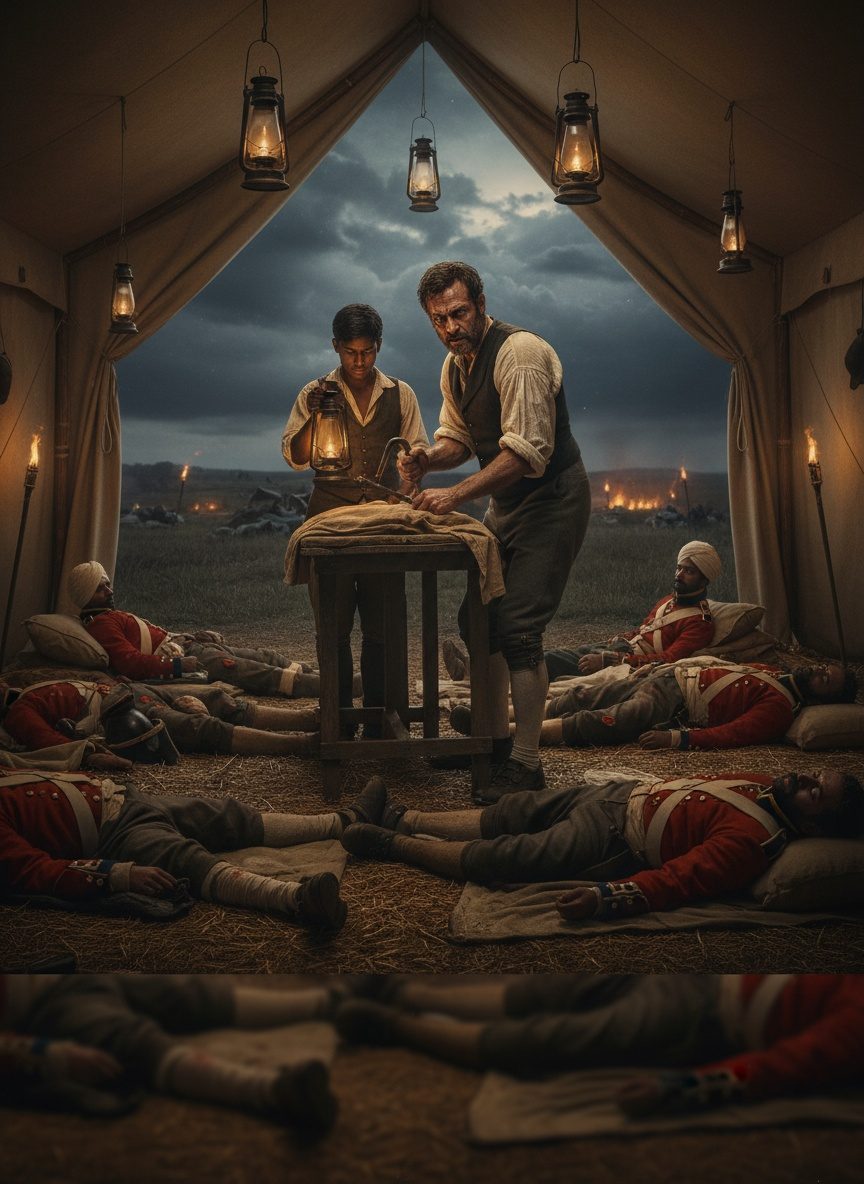
September 23, 1803. Assaye, India. Wellesley's army had smashed a Maratha force three times its size. The field was carnage. One surgeon worked through the night. He did not stop until dawn.
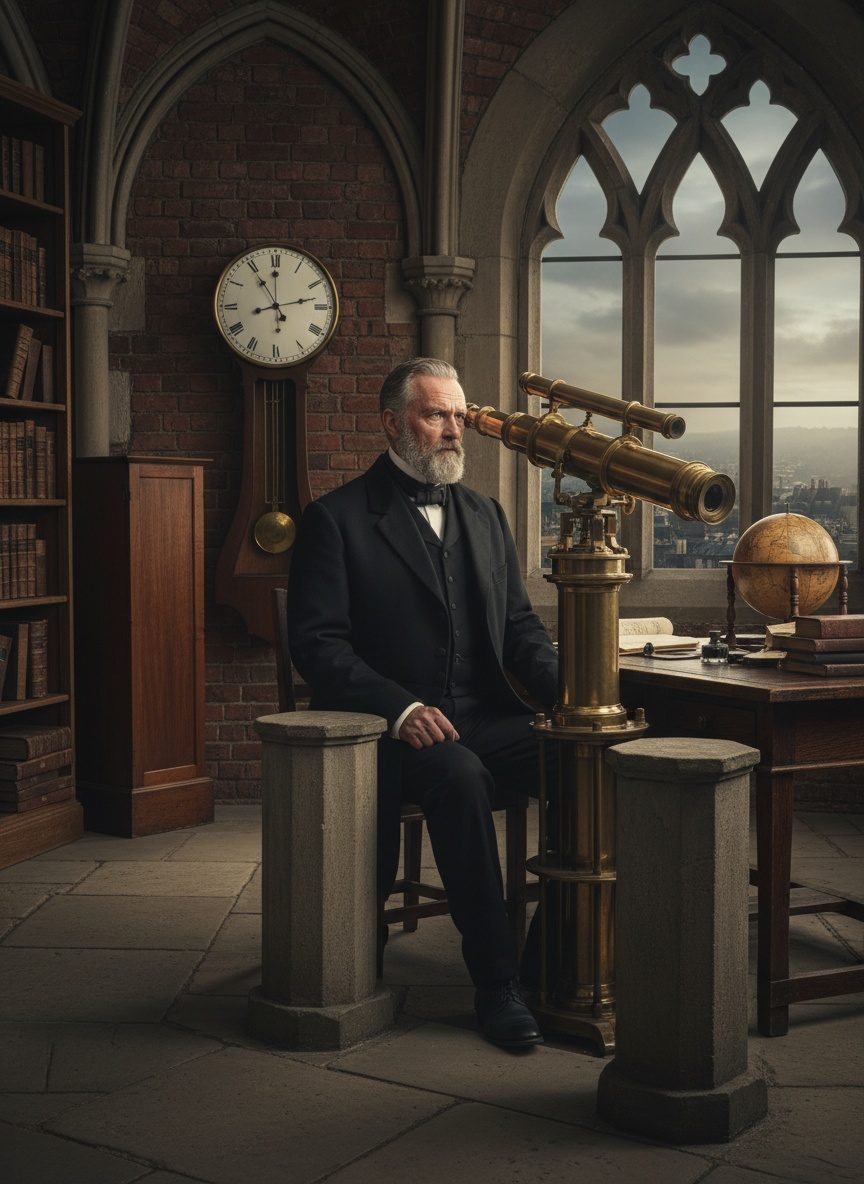
October 1884. Delegates from 25 nations gathered in Washington. They were deciding how the world would tell time. Britain's Greenwich won. Every clock on earth set itself to a London suburb.
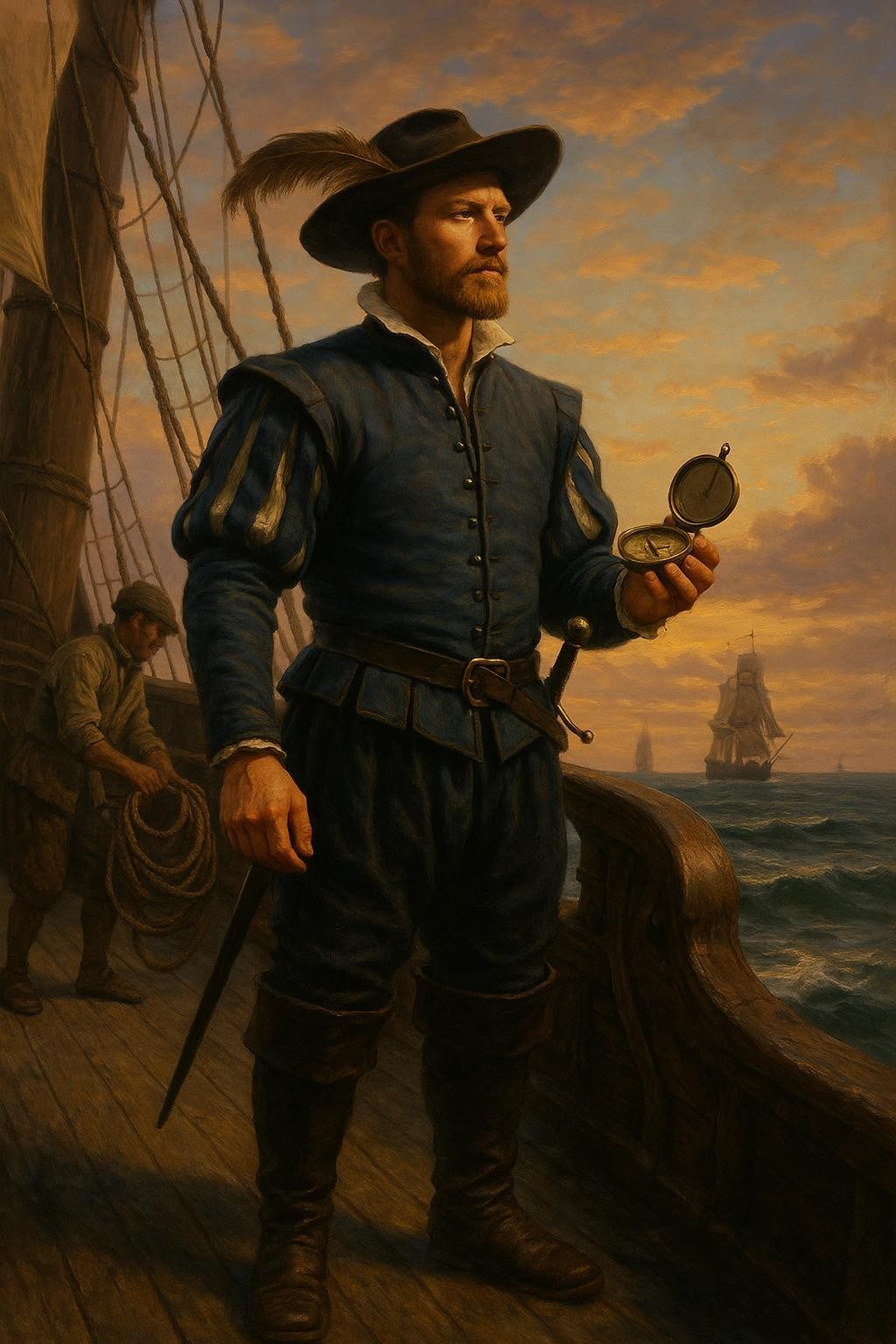
December 1577. Francis Drake led five small ships into the Atlantic. His mission was secret. His destination unknown to most of his crew. He would not return for three years. He came back with a fortune. And a knighthood.
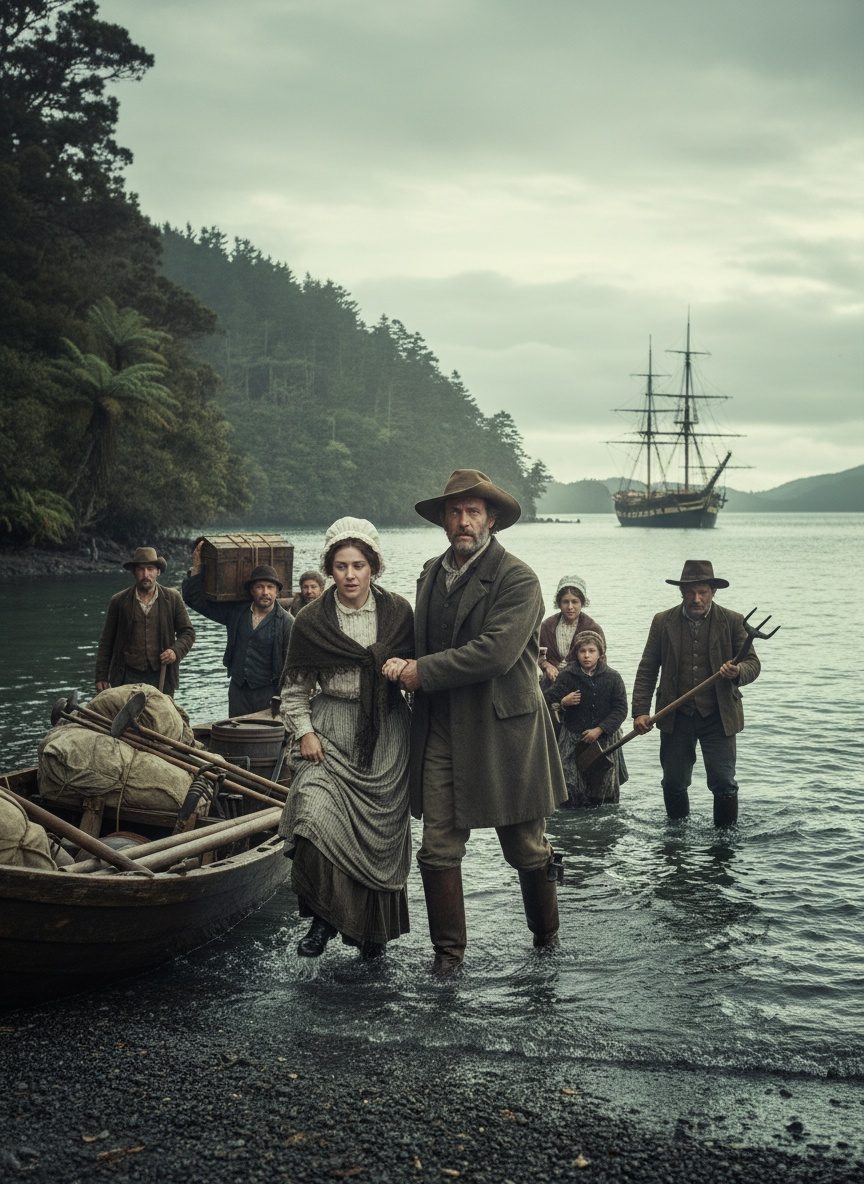
1840. A handful of English settlers stepped ashore at Petone Beach. They carried seeds, tools, and a dream. Edward Jerningham Wakefield had promised them England in the Pacific. The bush was impenetrable. The dream held.
France, May 1918. The front was collapsing. But one East Lancashire soldier had company — a small dog curled beside him in the mud. In the worst war the world had ever seen, one animal refused to leave his man.
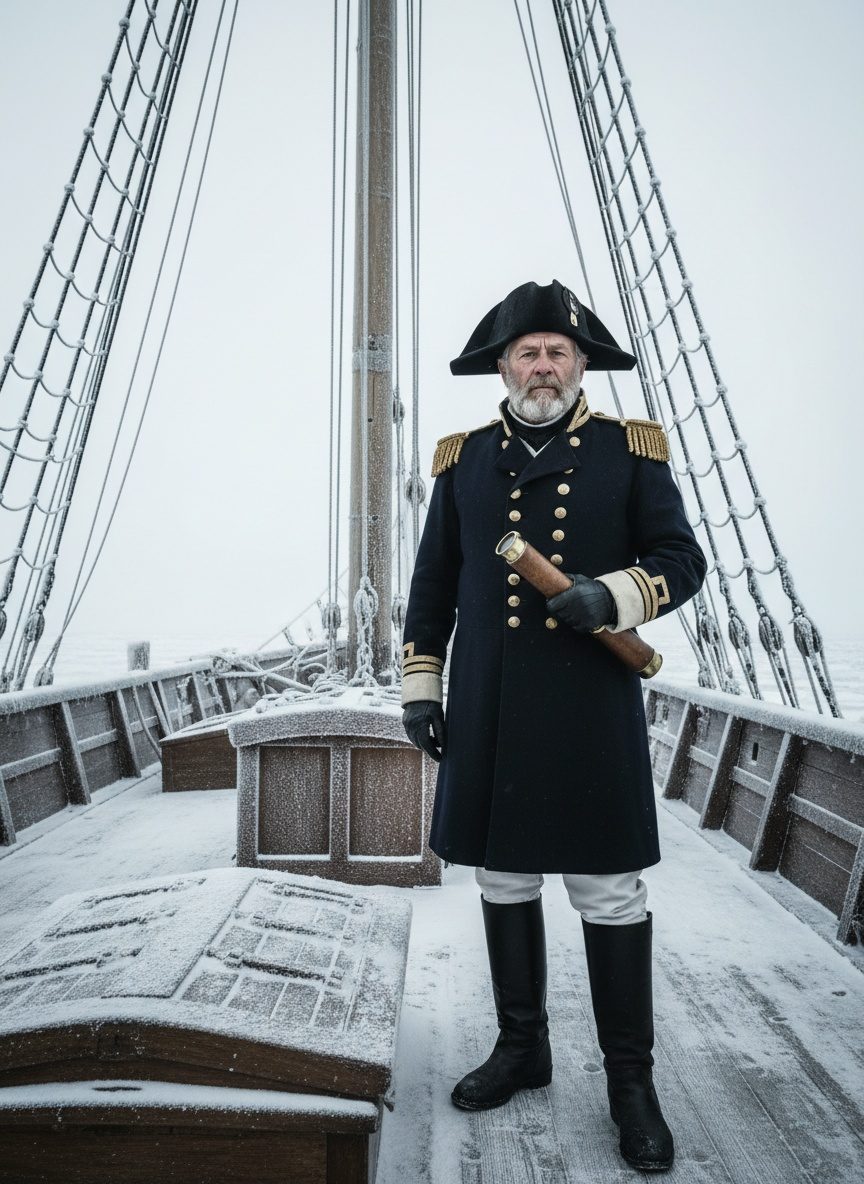
In 1845, HMS Erebus vanished with 129 men searching for the Northwest Passage. For 171 years, the Arctic kept its secret. Then an Inuit hunter remembered a mast in the ice — and the wreck appeared in hours.
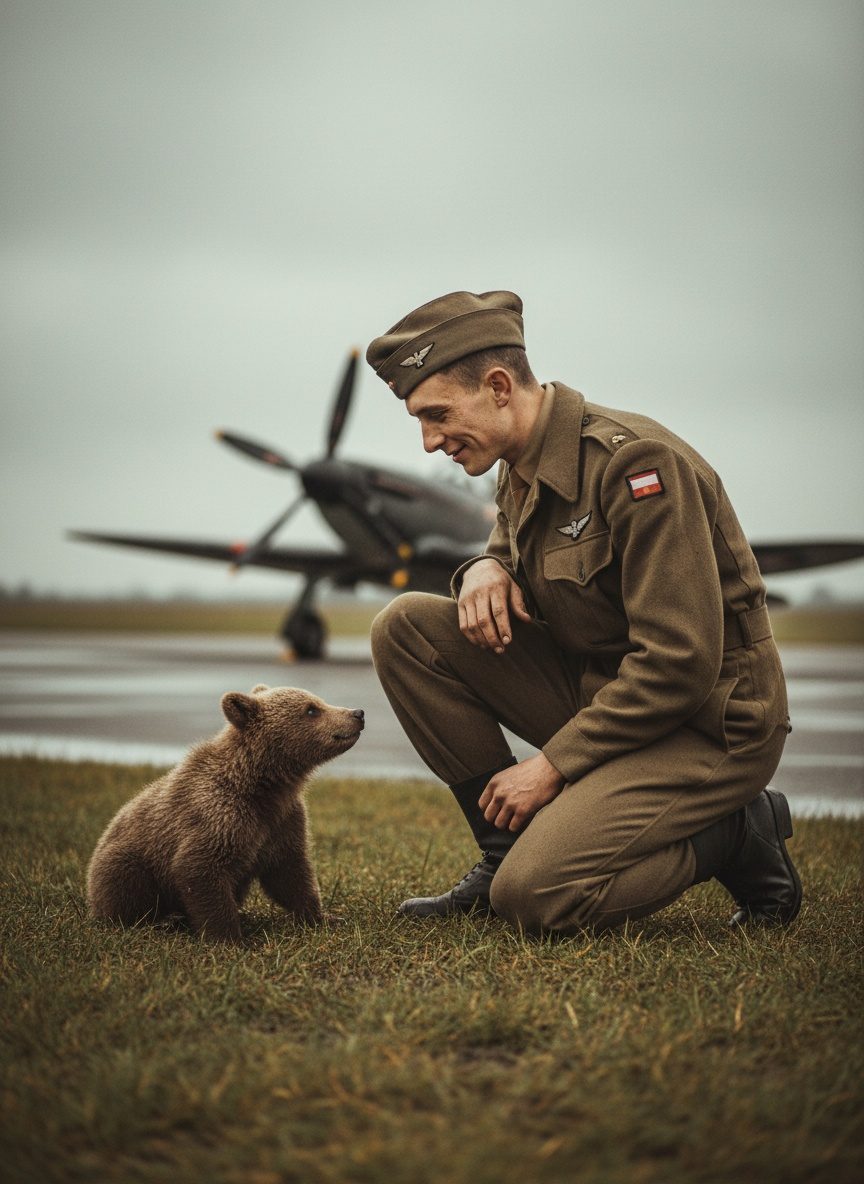
RAF Northolt, 1941. A Syrian bear cub named Wojtek arrived with Polish aircrew who had nowhere else to call home. He lived on the flight line. He became their reason to keep flying.
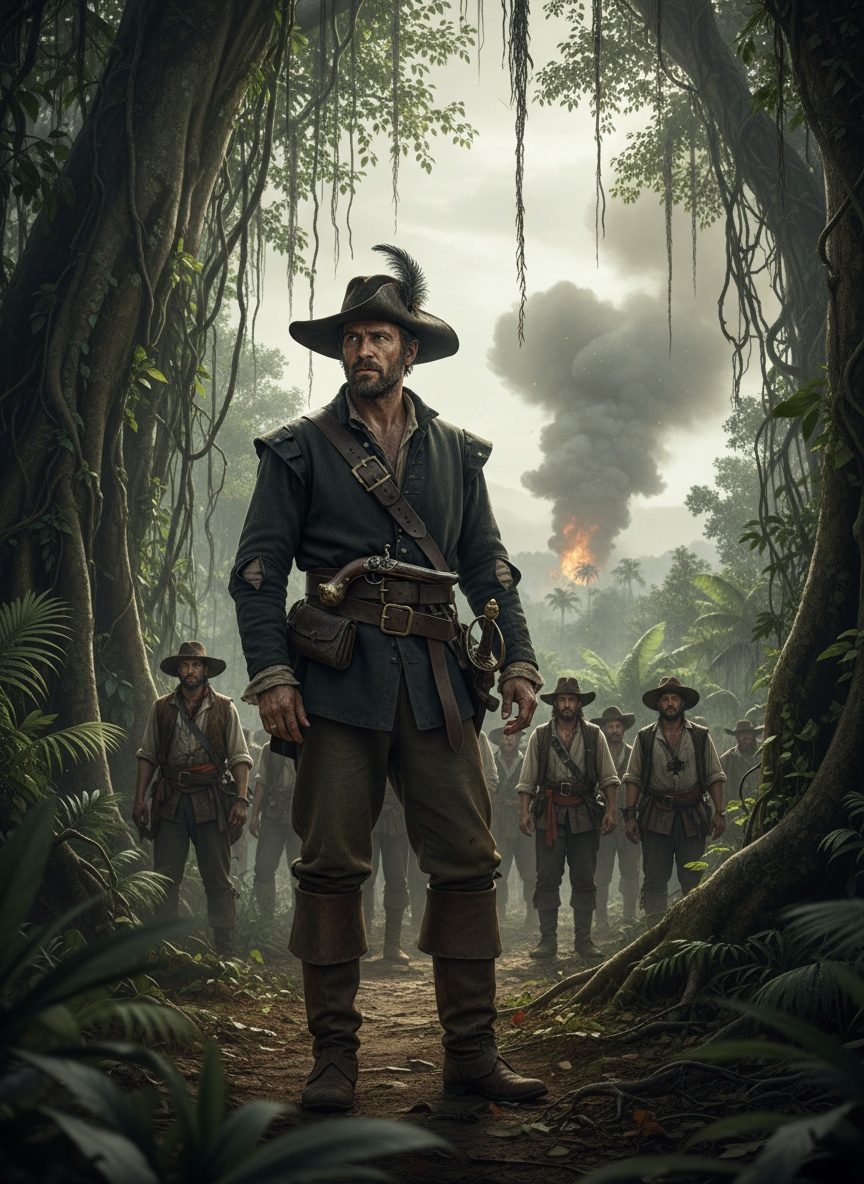
January 1671. Henry Morgan led 1,200 men into the jungle toward Panama. Spain called it the richest city in the New World. Nine days of hunger and ambush. Then the city burned. Morgan walked out with a fortune.
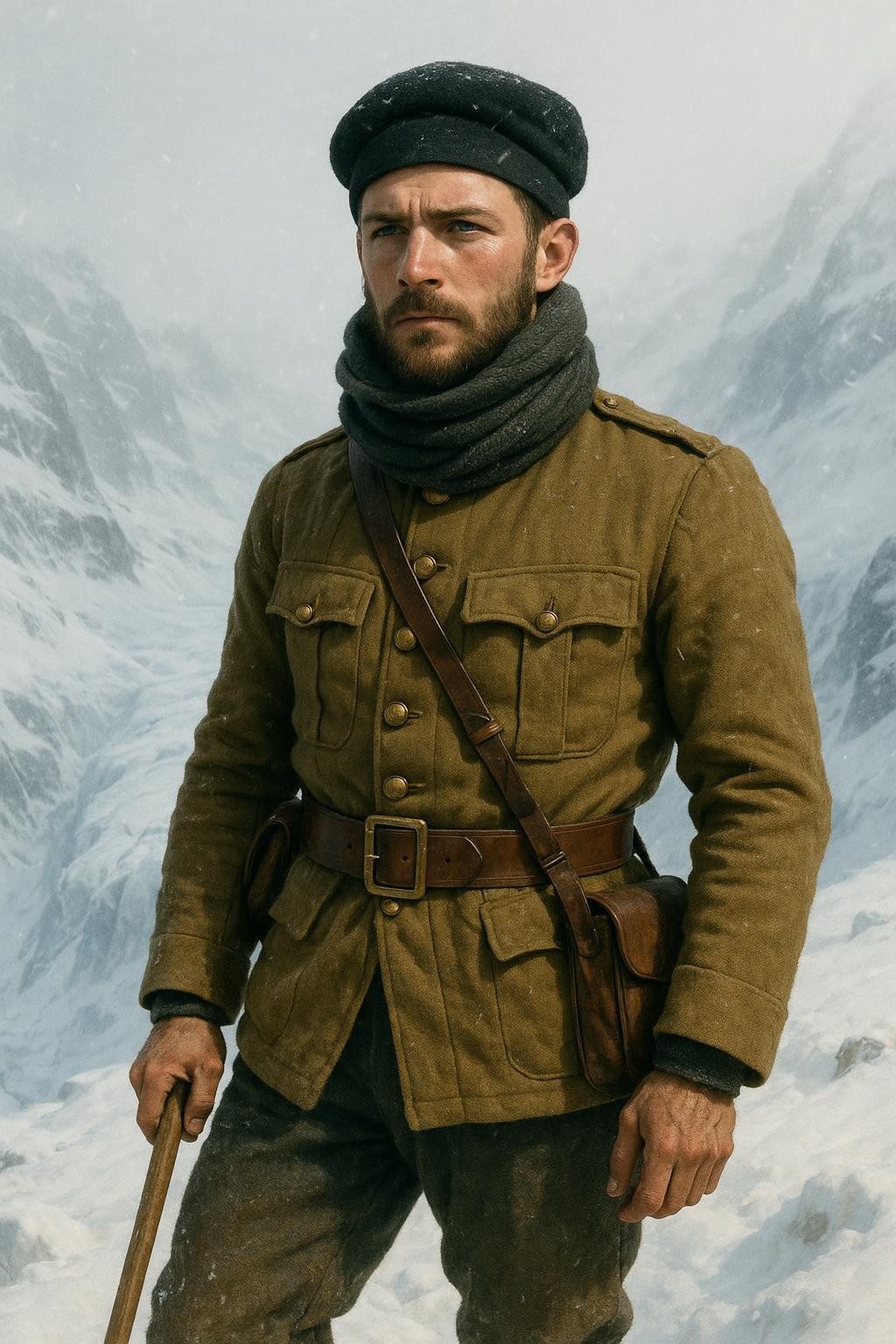
1887. Francis Younghusband was 24 years old. He crossed the Gobi Desert alone. Then he climbed the Mustagh Pass in winter. No rope. No guide. No map. He became the first European to cross Central Asia overland in a generation.
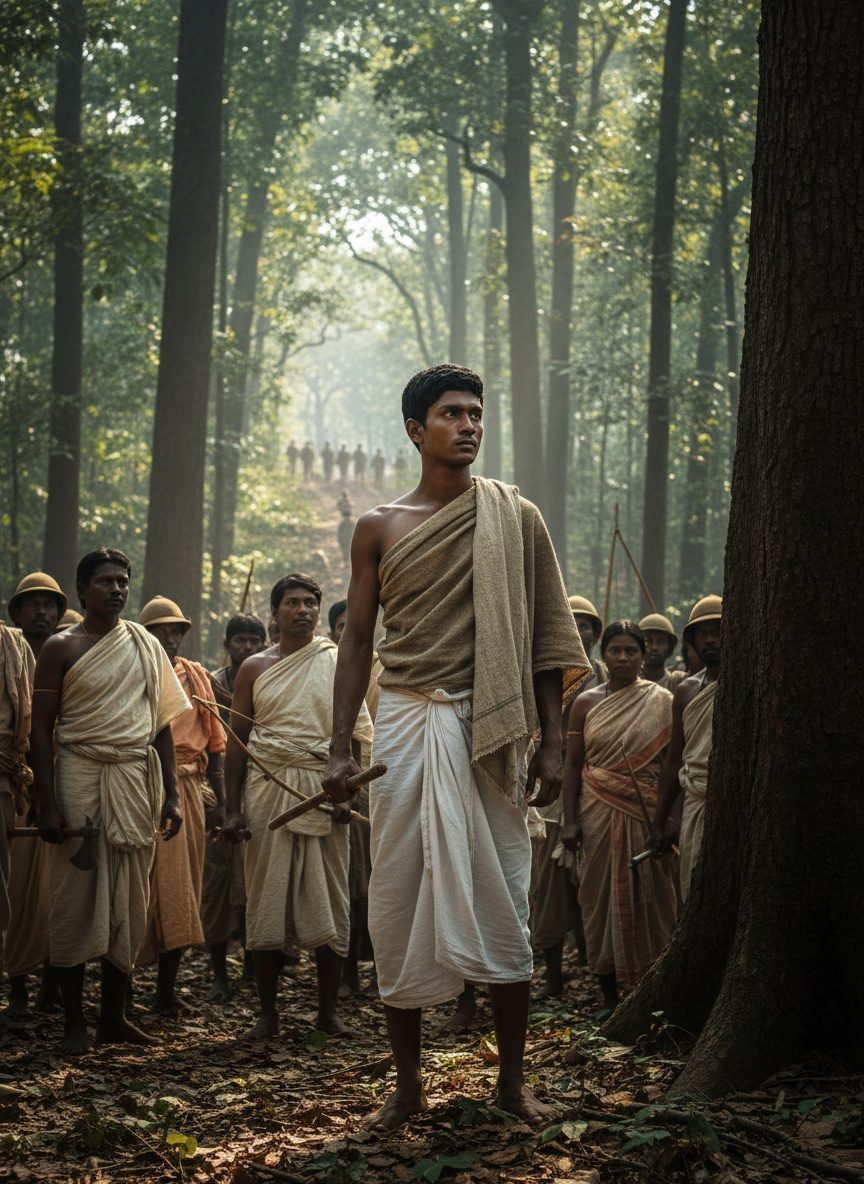
1899. A barefoot tribal boy from Jharkhand declared himself a prophet. He rallied thousands against the Raj. British troops hunted him across dense forest. He was 25 years old. He never surrendered.
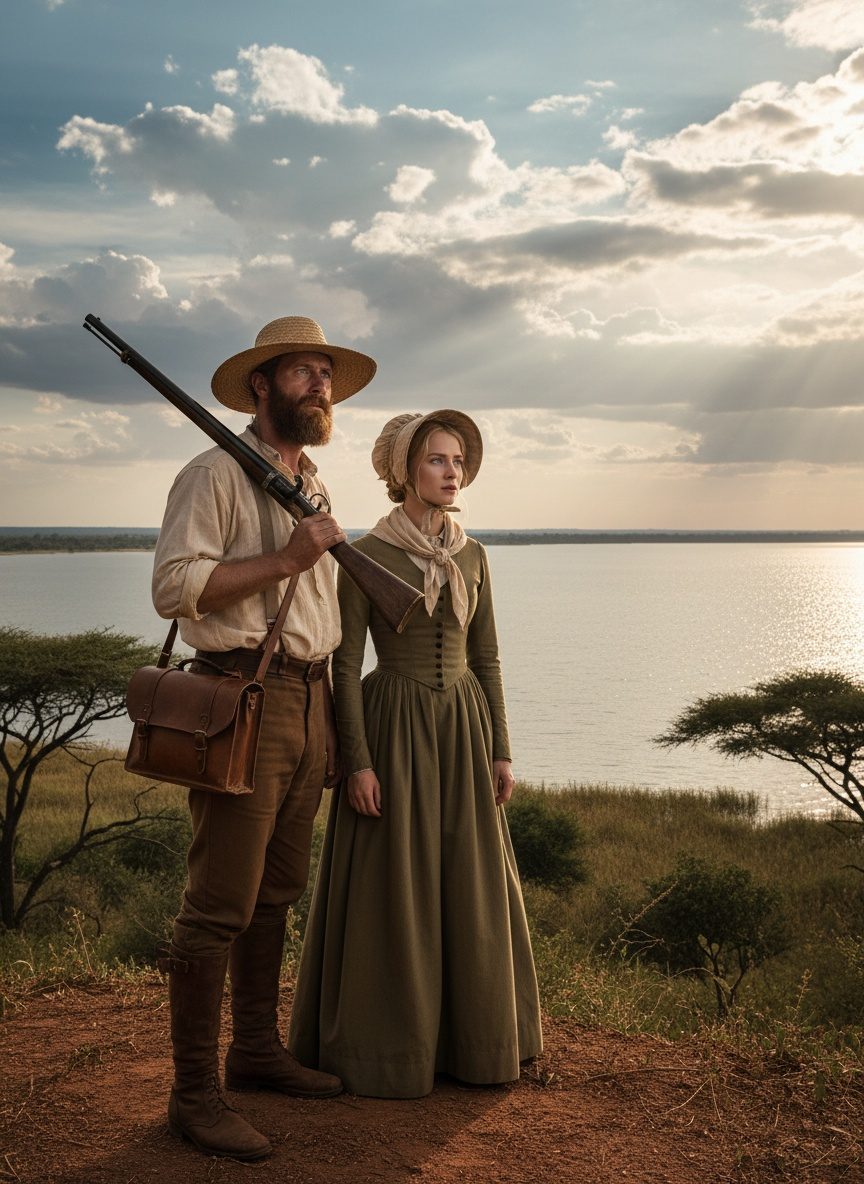
March 1864. Samuel Baker and his wife Florence stood on a cliff edge in Central Africa. Below them lay a vast glittering lake. No European had ever seen it. Baker named it Lake Albert. He wept.
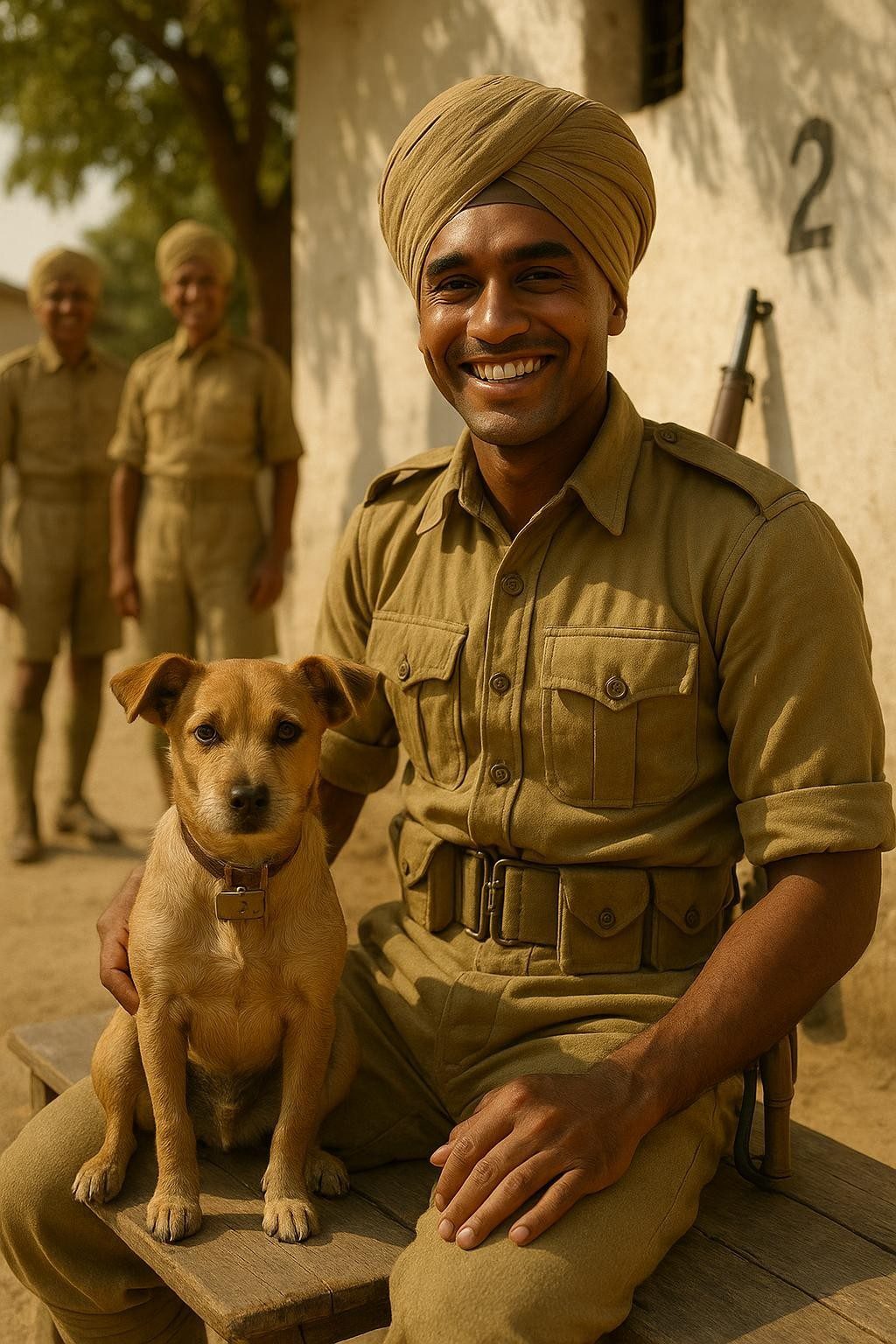
A stray pup followed a column of Indian Army soldiers into camp and never left. The men of the 2nd Punjab adopted him as their own. He wore a miniature regimental collar and attended every parade.
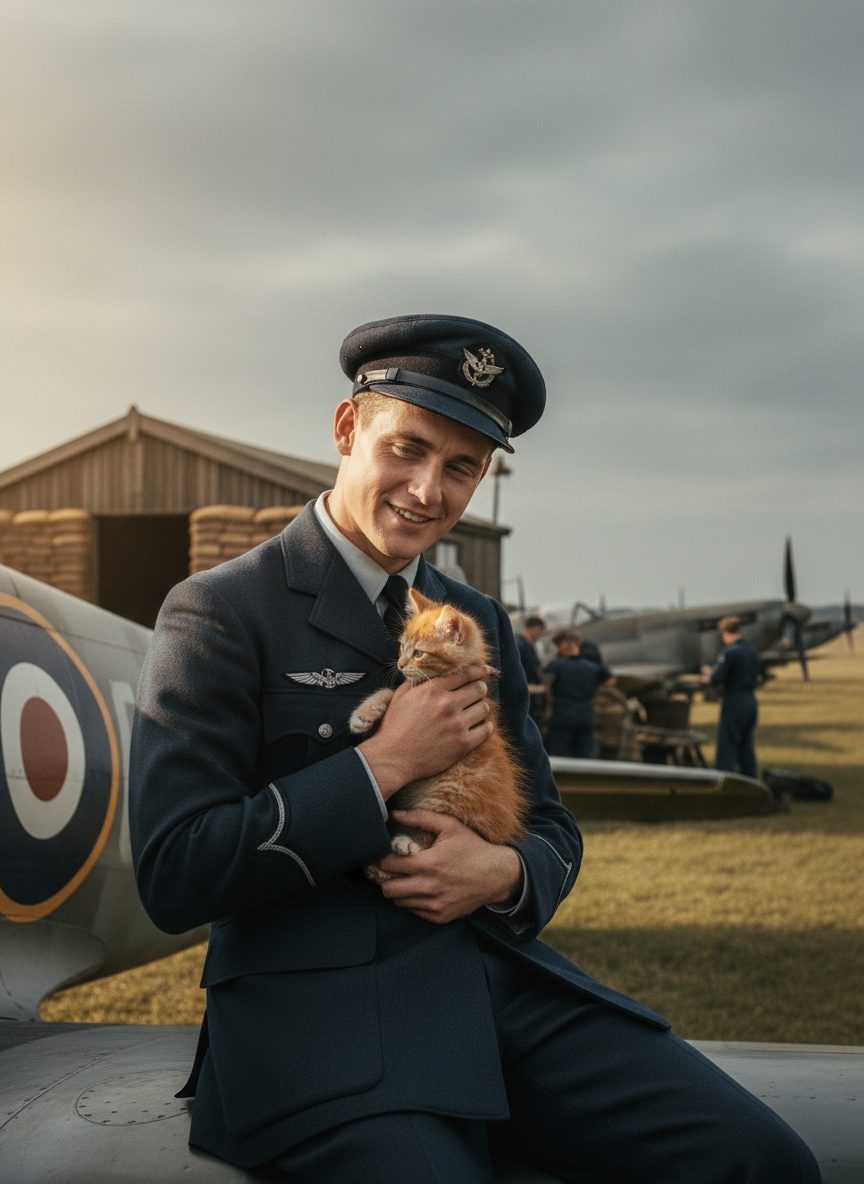
RAF Northolt, 1942. Between sorties, pilots sought something simple: an animal to hold. Squadron mascots — dogs, cats, even bear cubs — became lifelines for men who might not return.
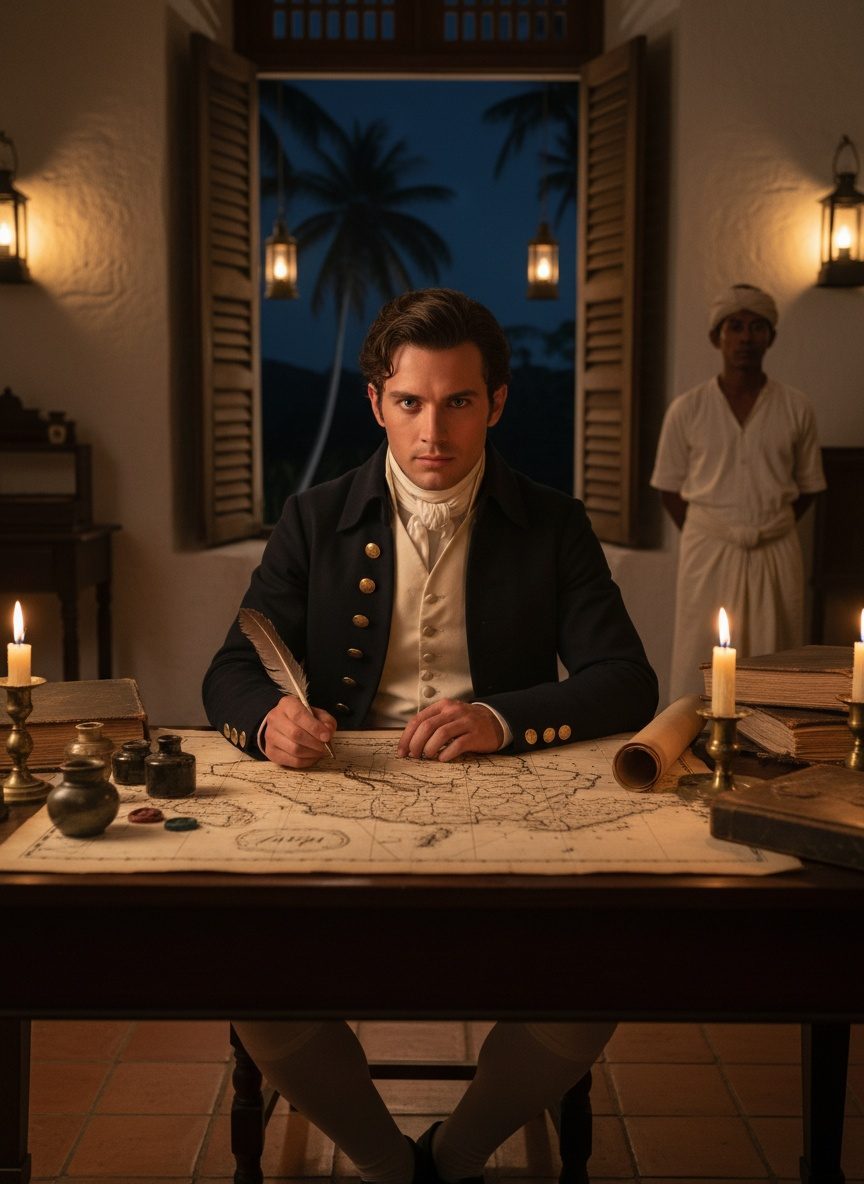
September 1811. Stamford Raffles had just helped seize Java from Napoleon's allies. He was thirty years old. The Governor-General handed him an island of seven million souls. He sat down and began to govern.
June 1381. A blacksmith's son led 100,000 peasants to London. They burned the palaces. They freed the prisoners. Wat Tyler rode alone to meet the King. One dagger ended it all.
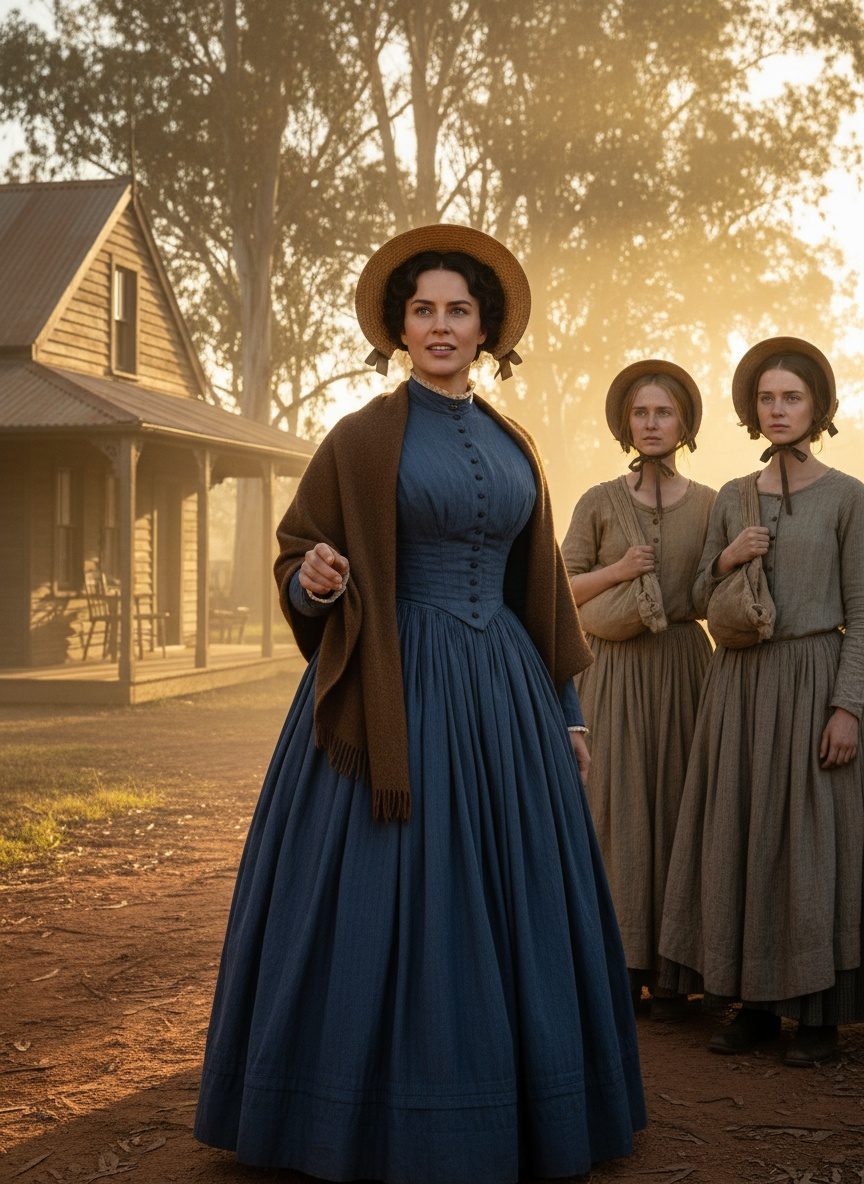
Sydney, 1841. Thousands of women slept in the streets. No work. No shelter. No hope. Caroline Chisholm walked out alone. She found them farms. She found them futures. She saved them all.
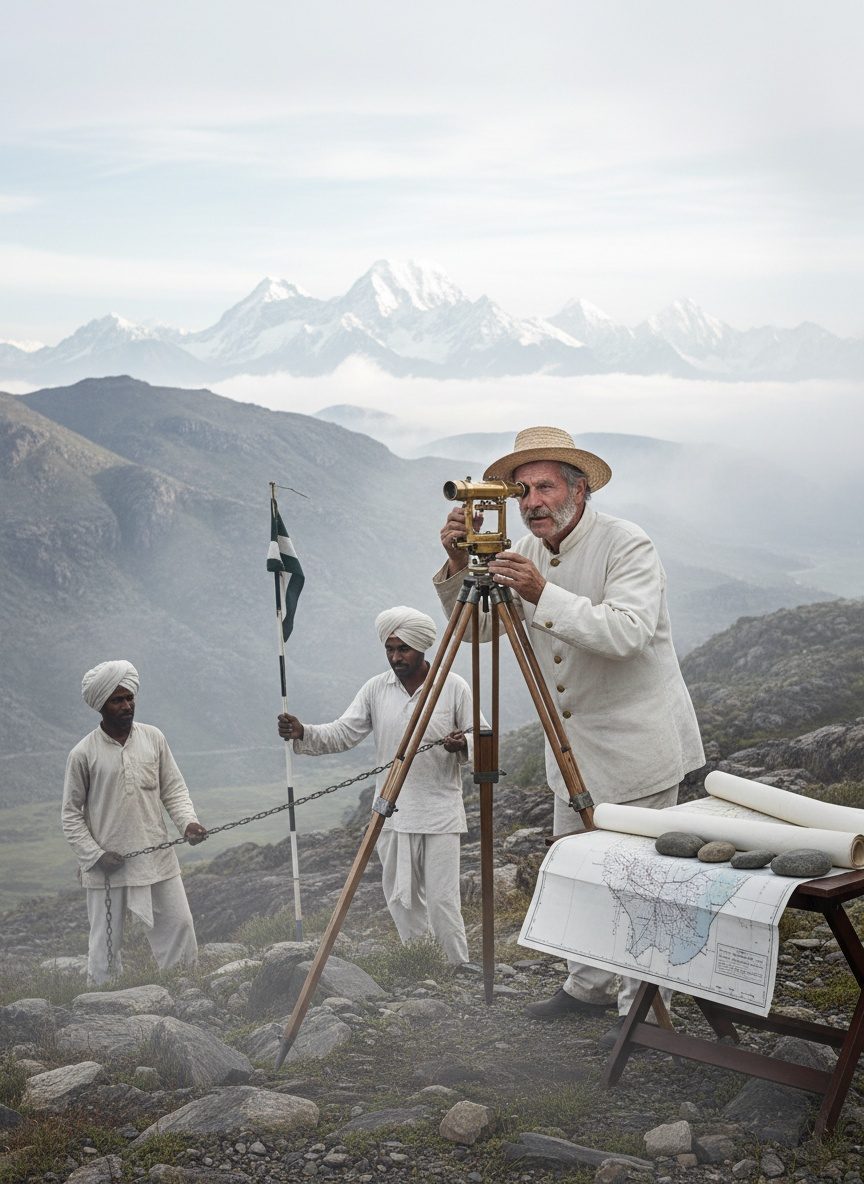
1843. The Himalayas had never been measured. George Everest carried a theodolite into the clouds. He triangulated the unthinkable. The highest point on Earth had a number. Then it had his name.
Half of Canada's WWI dead were born in Britain. Not immigrants fighting for a new homeland. British subjects answering the Empire's call — and paying with their lives.
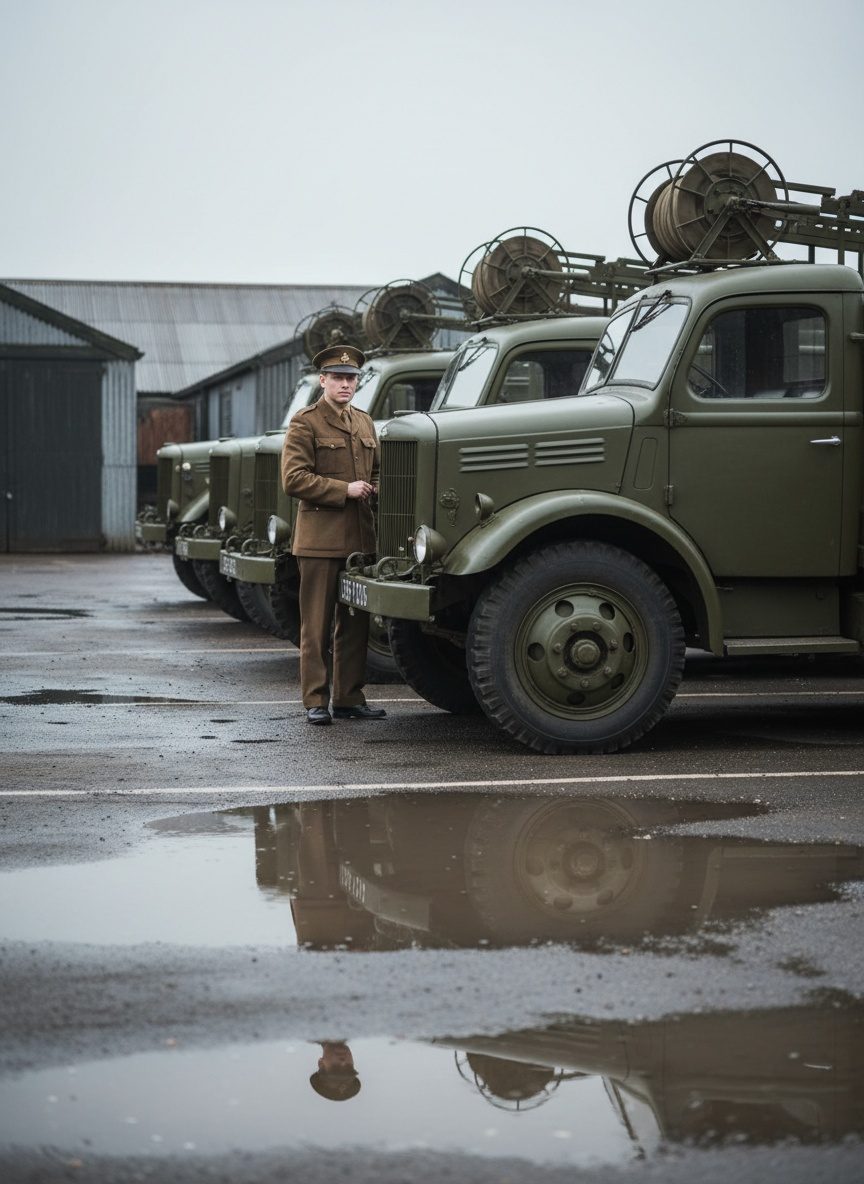
Britain built 900 fire engines in 1953. Military trucks. Green paint. Kept in mothballs for 50 years. Soldiers drove them when firefighters walked out. Make do and mend — imperial style.
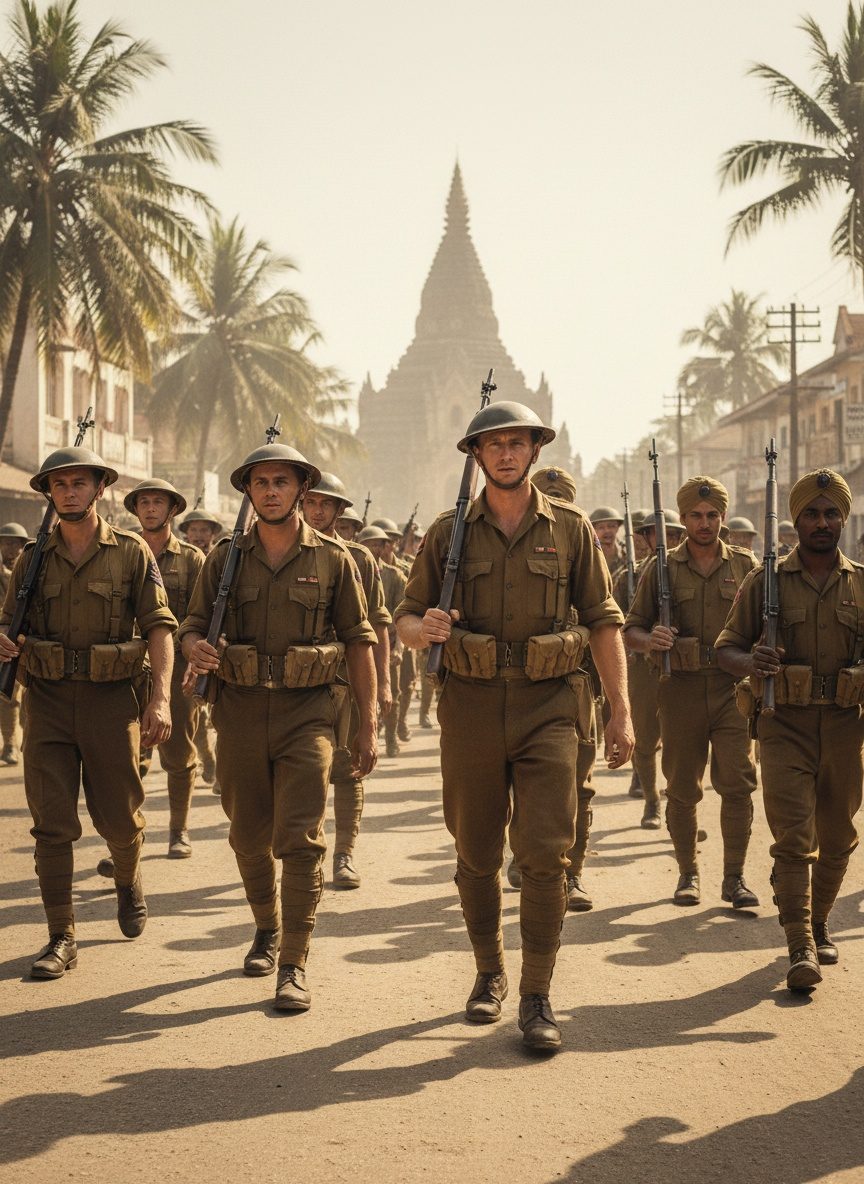
May 1945. Burma's capital falls. After three years of jungle war, British and Indian troops march into Rangoon. A cameraman captures it all in colour — and the images stop you cold.
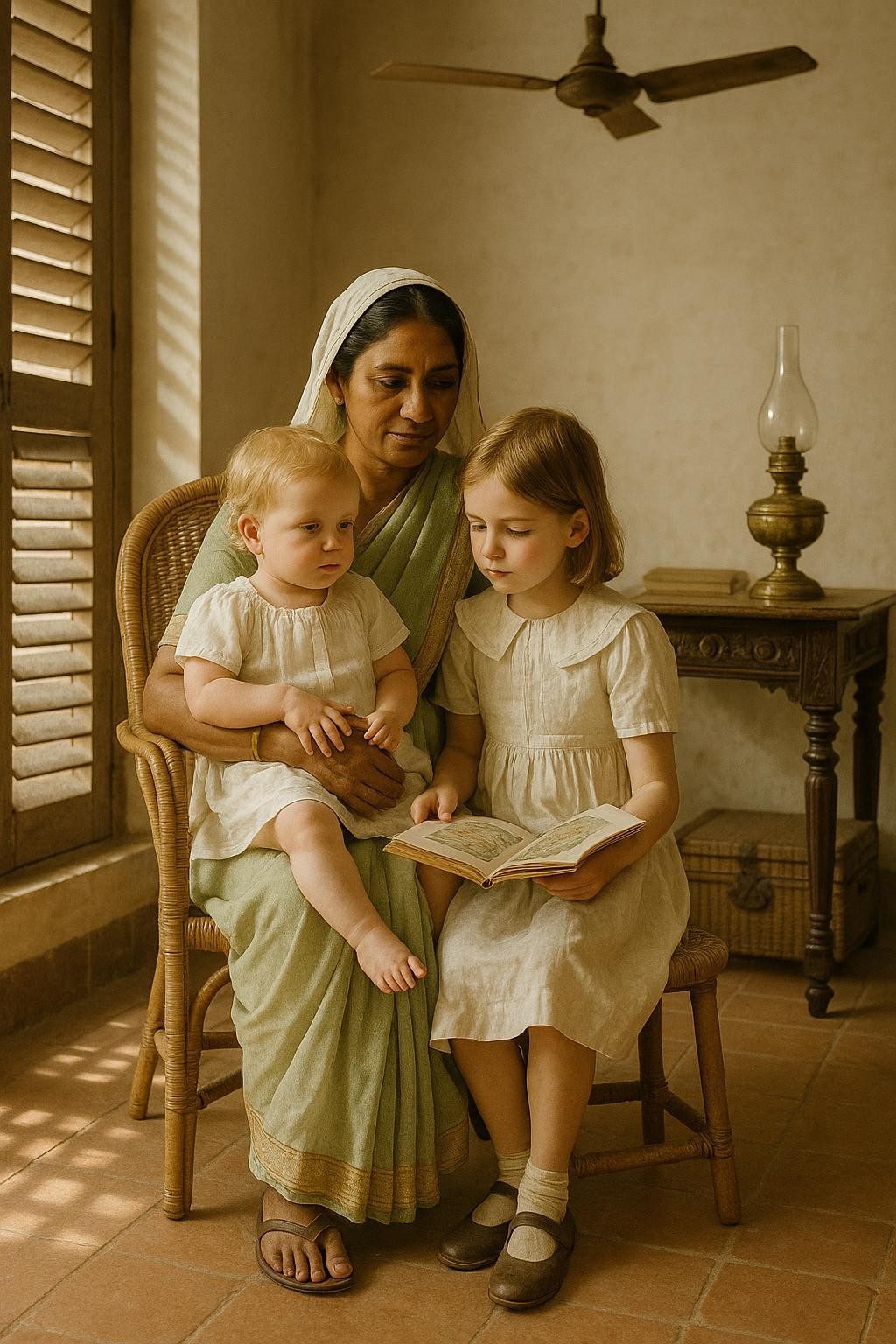
Bombay, 1887. The memsahib was ill. The children were frightened. Mary the ayah had raised three British families. She held the youngest child close. Sang softly. She had always been there.
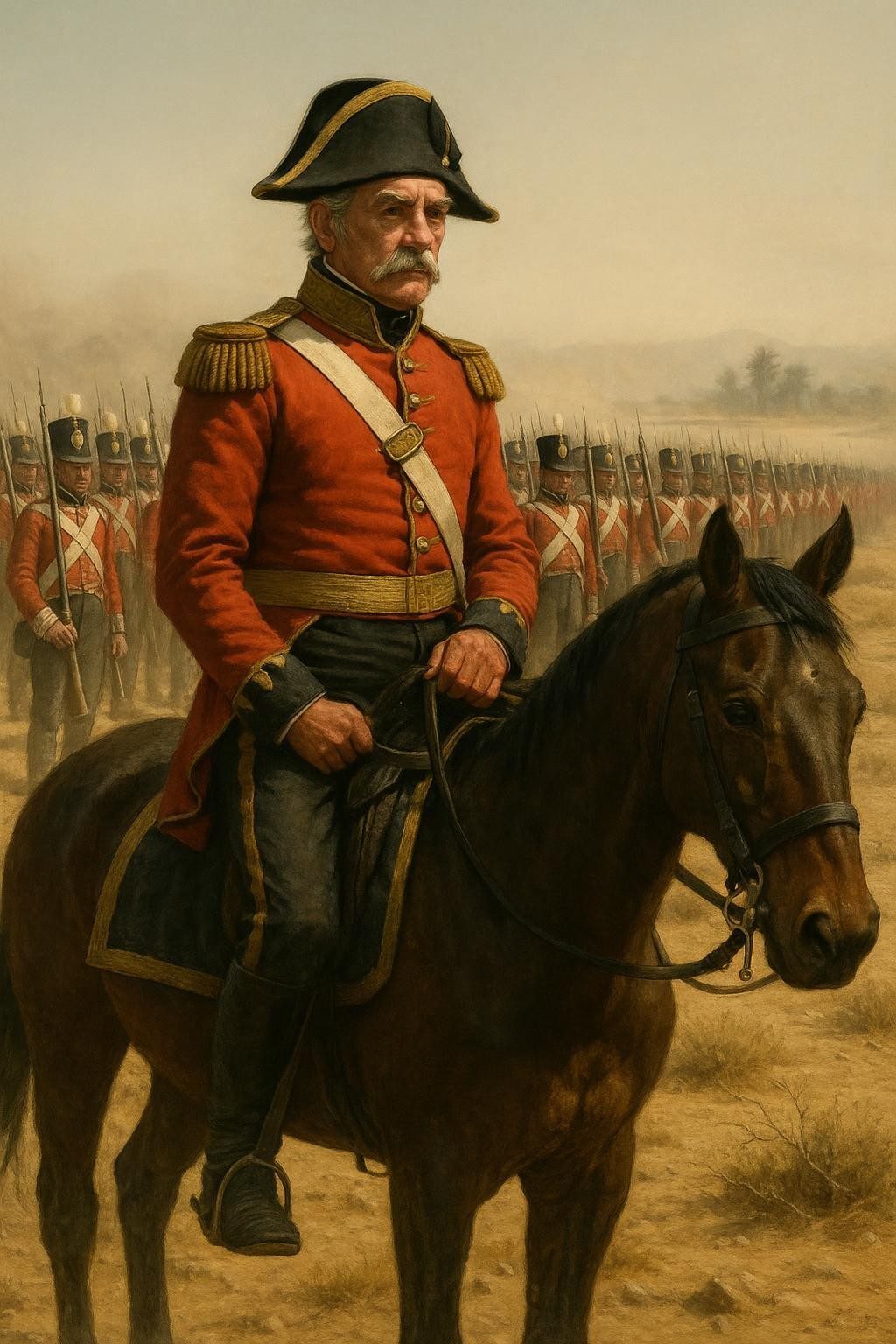
February 1843. Charles Napier had 2,800 men. The Baluchi army had 35,000. His cavalry was outnumbered ten to one. He attacked anyway. By nightfall the entire Sind was British.
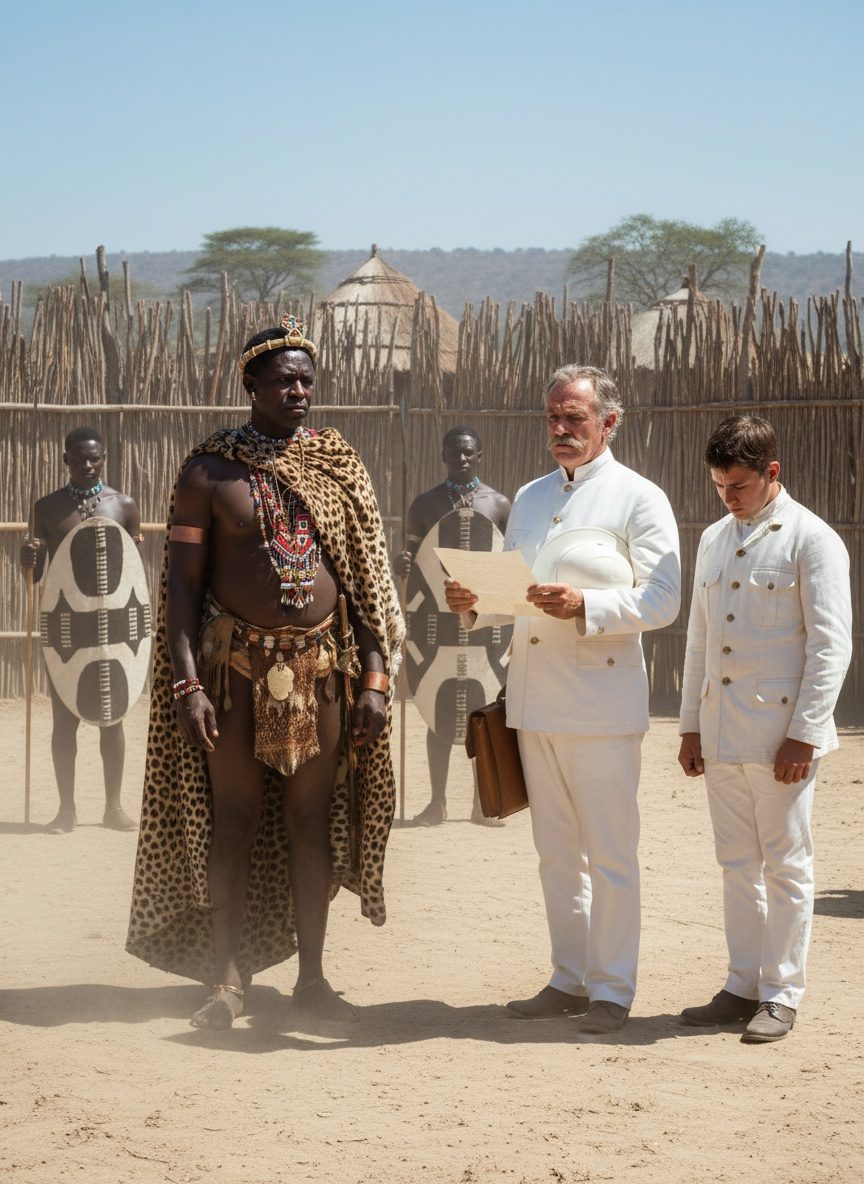
December 1878. A British envoy read an ultimatum to the Zulu king. Cetshwayo had thirty days. Disband his army. Accept a British resident. He refused. Ten thousand warriors sharpened their spears.
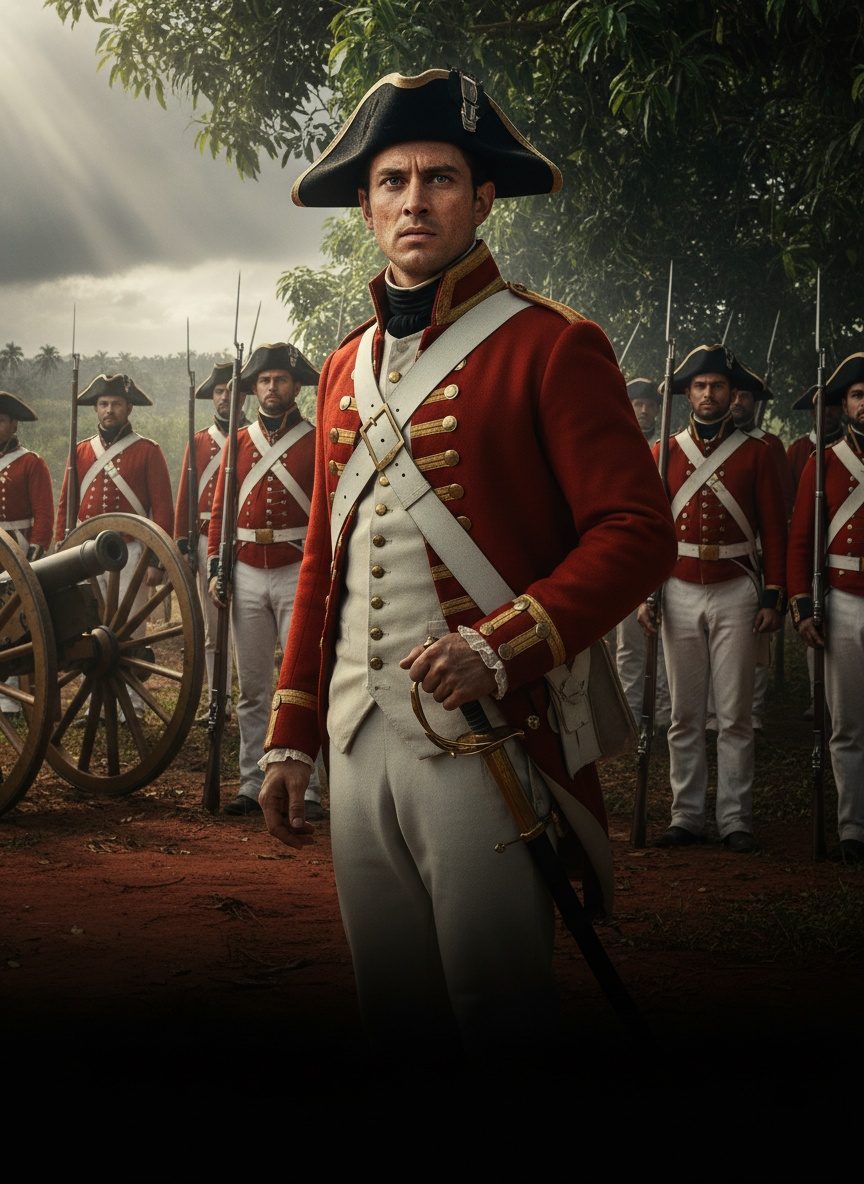
June 1757. A 32-year-old clerk-turned-soldier faced 50,000 men. Robert Clive had 3,000. A monsoon storm broke over Plassey. His cannons fired. Theirs fell silent. Bengal fell in an afternoon.
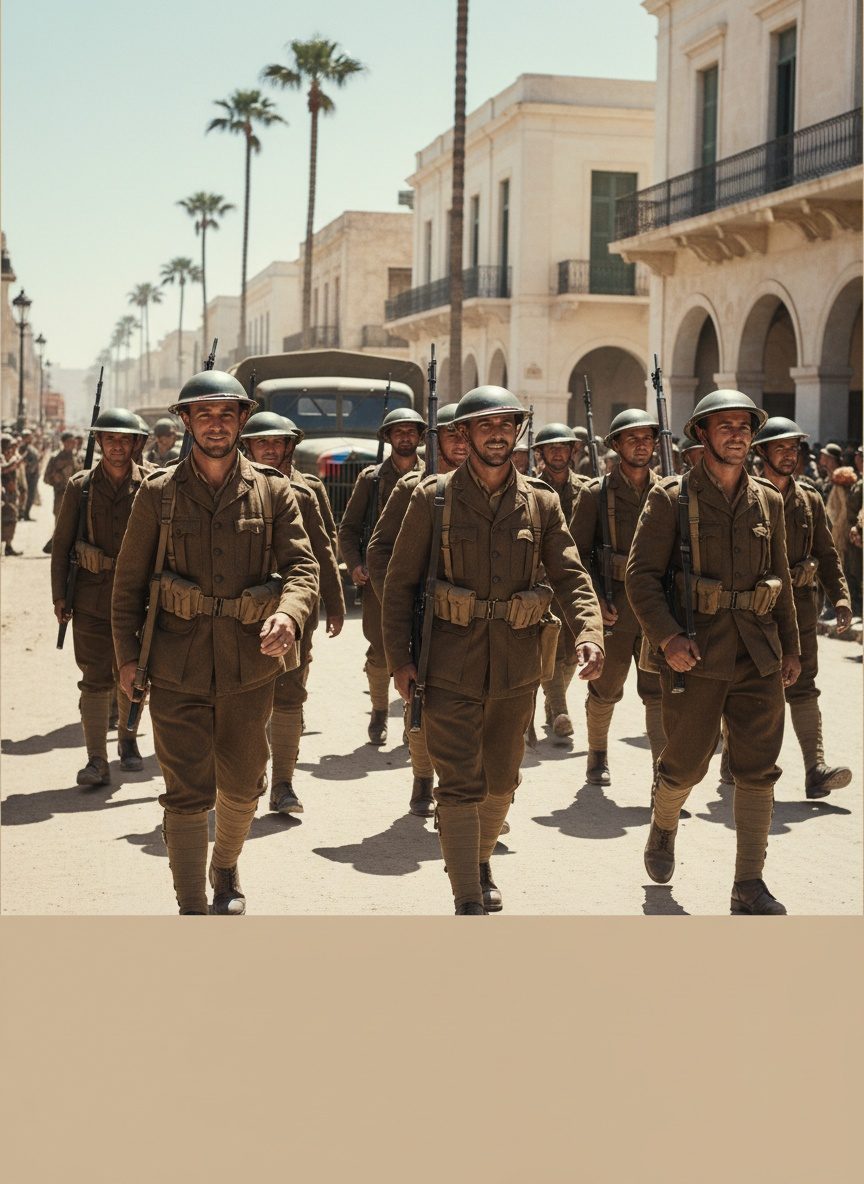
January 1943. The Eighth Army enters Tripoli. After 1,400 miles of desert war, the men who held at Alamein march through the gates. The cameras are rolling — in colour.
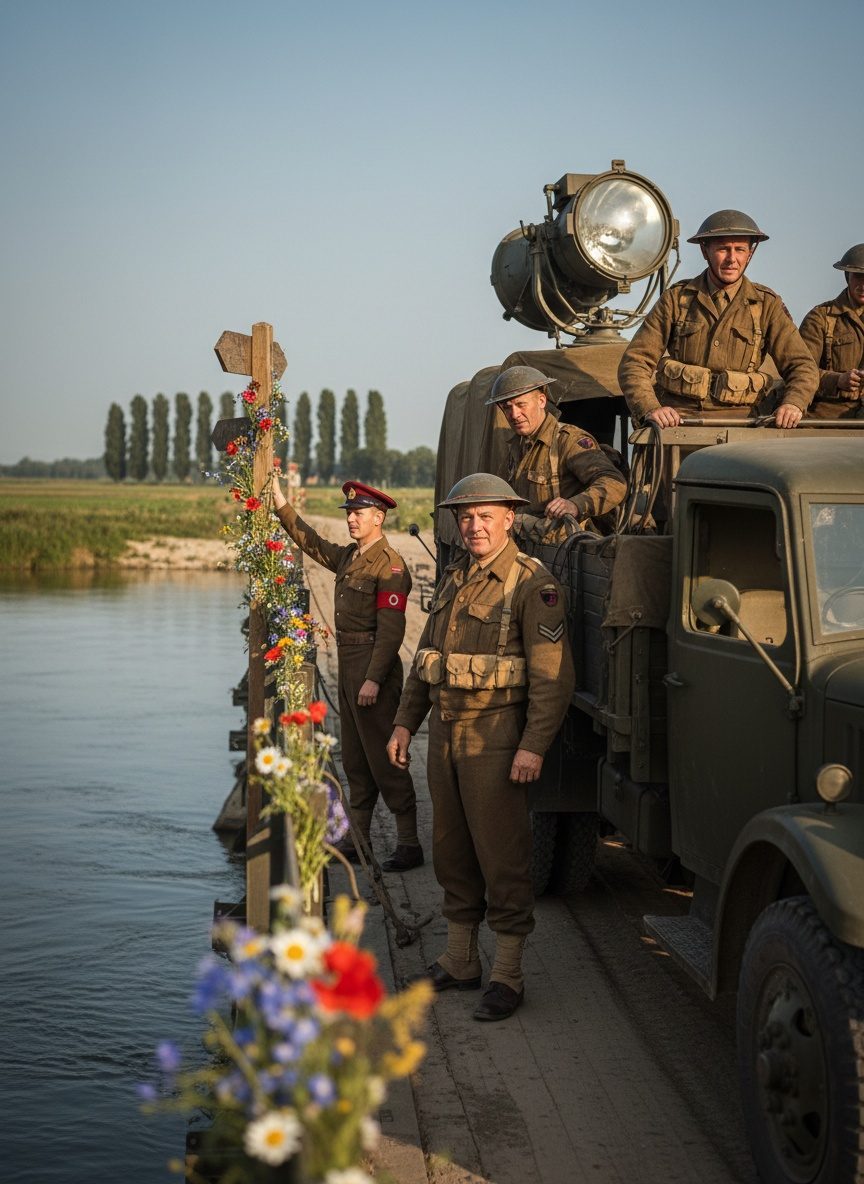
April 1945. Italy's last battle. The Eighth Army crossed the River Po as the Wehrmacht collapsed. Rare colour film caught it all — the bridge, the guns, the flowers on the signs.
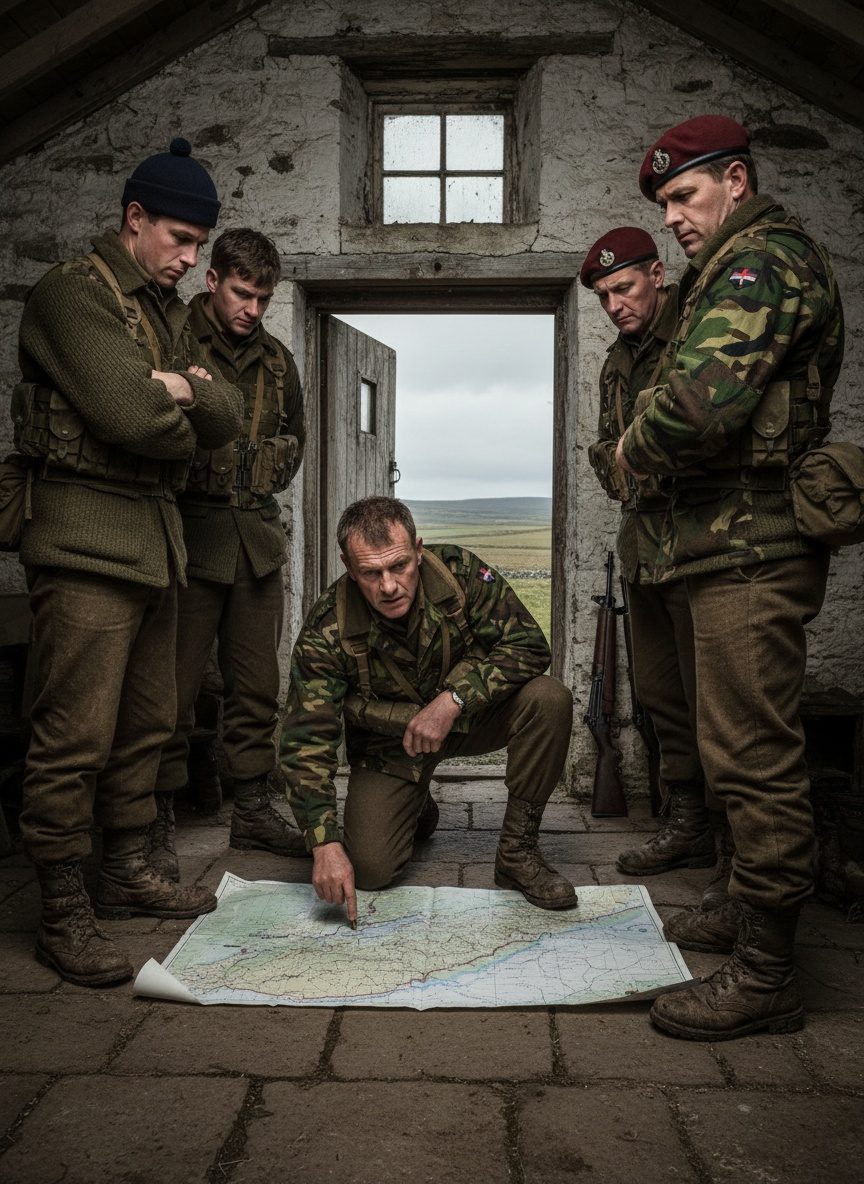
28 May 1982. 2 Para was ready to attack Goose Green. Then the BBC broadcast their exact plan to the world. Argentine commanders were listening. Men were about to die for it.
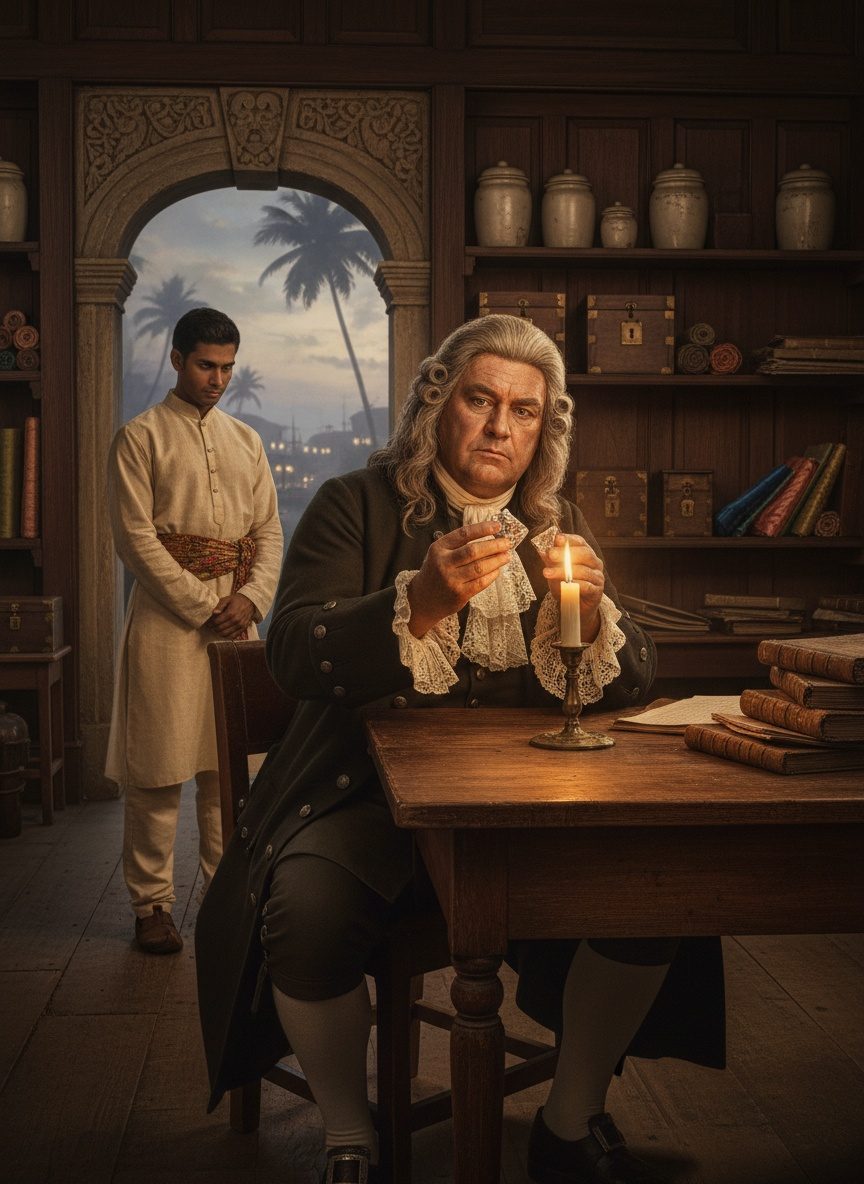
1702. Thomas Pitt was governor of Madras. A merchant offered him a diamond the size of a pigeon's egg. He paid a fortune. He smuggled it home in a shoe heel. The Regent Diamond would crown the kings of France.
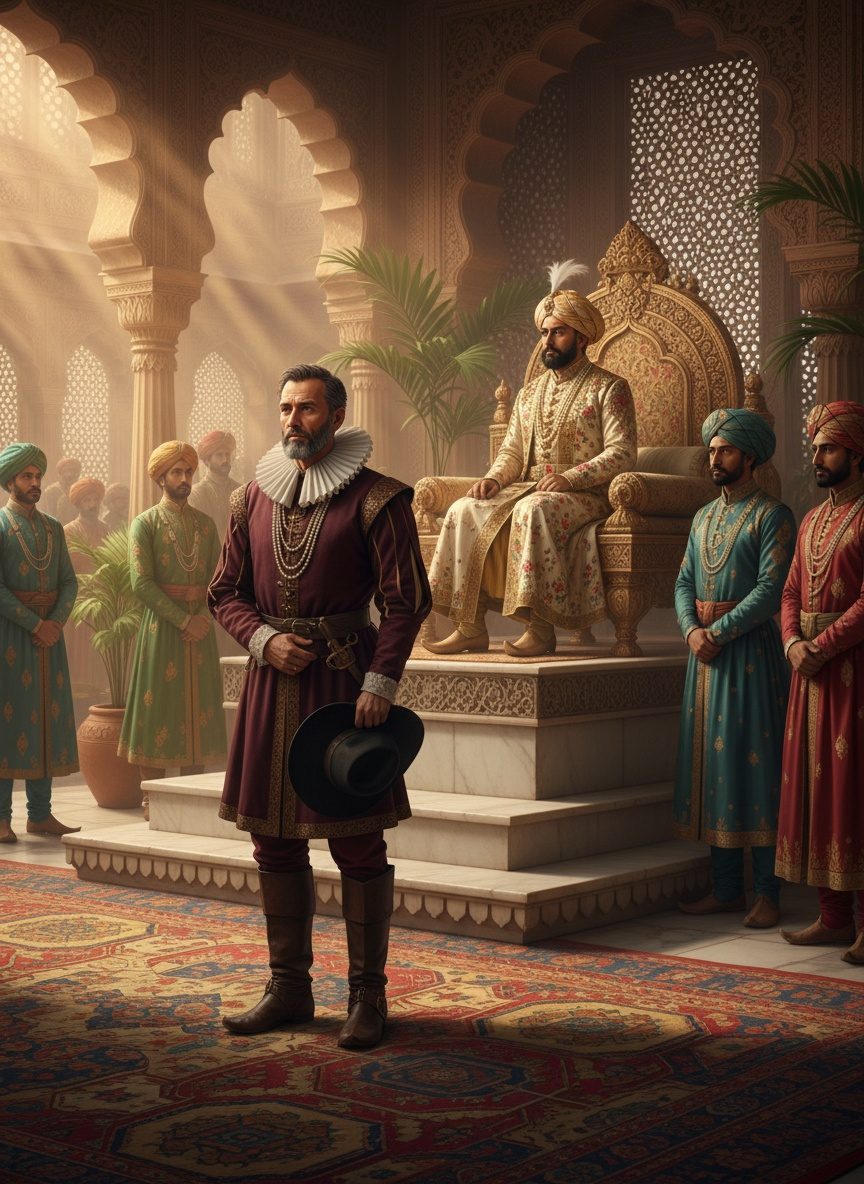
1608. A lone English merchant stood before the Mughal Emperor Jahangir. He carried no army. No fleet. Just words. William Hawkins spoke Turkish. The Emperor listened. And Britain's first foothold in India began.
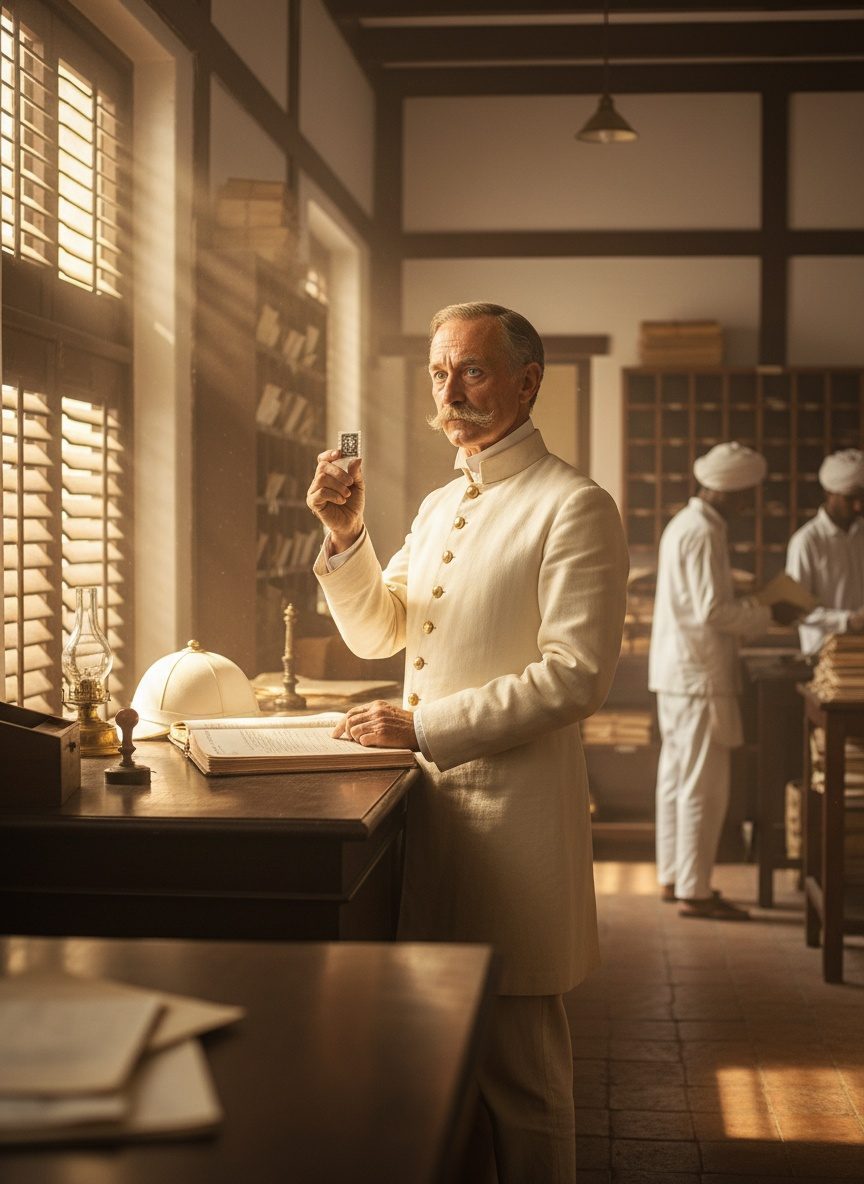
1840. A British penny stamp. One tiny square of paper. It crossed every ocean. Reached every colony. Linked every corner of the empire. One stamp. One world.
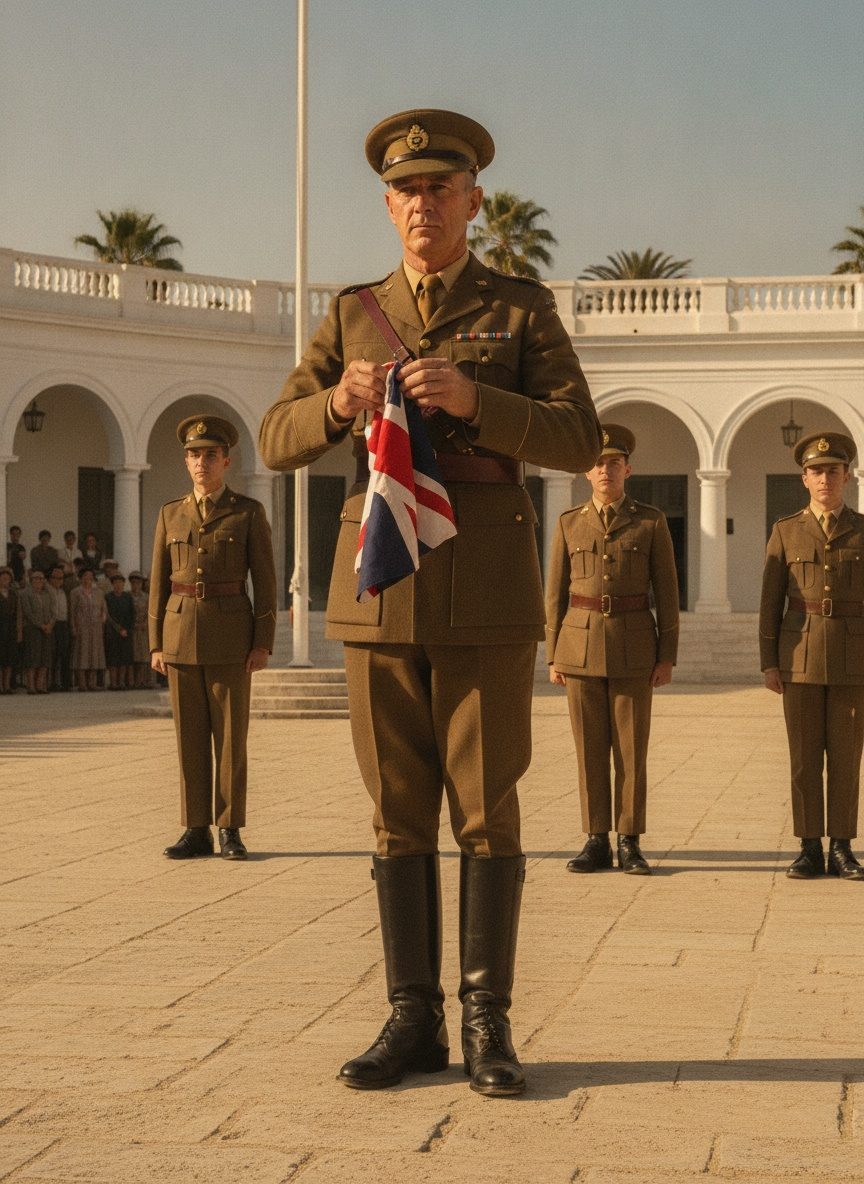
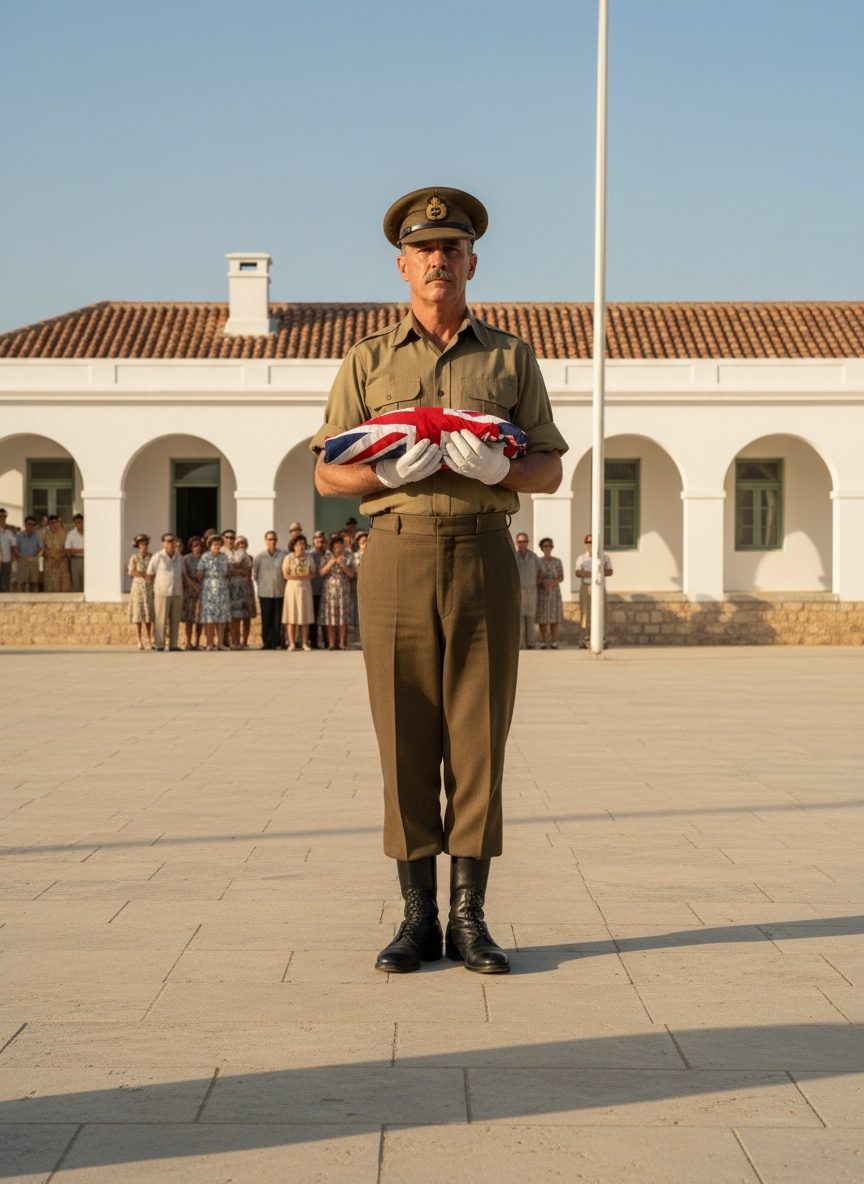
August 1960. Cyprus had fought for independence. Britain had held on. Now the flag was coming down. One soldier folded it. Handed it over. Walked to the ship. The island was free.
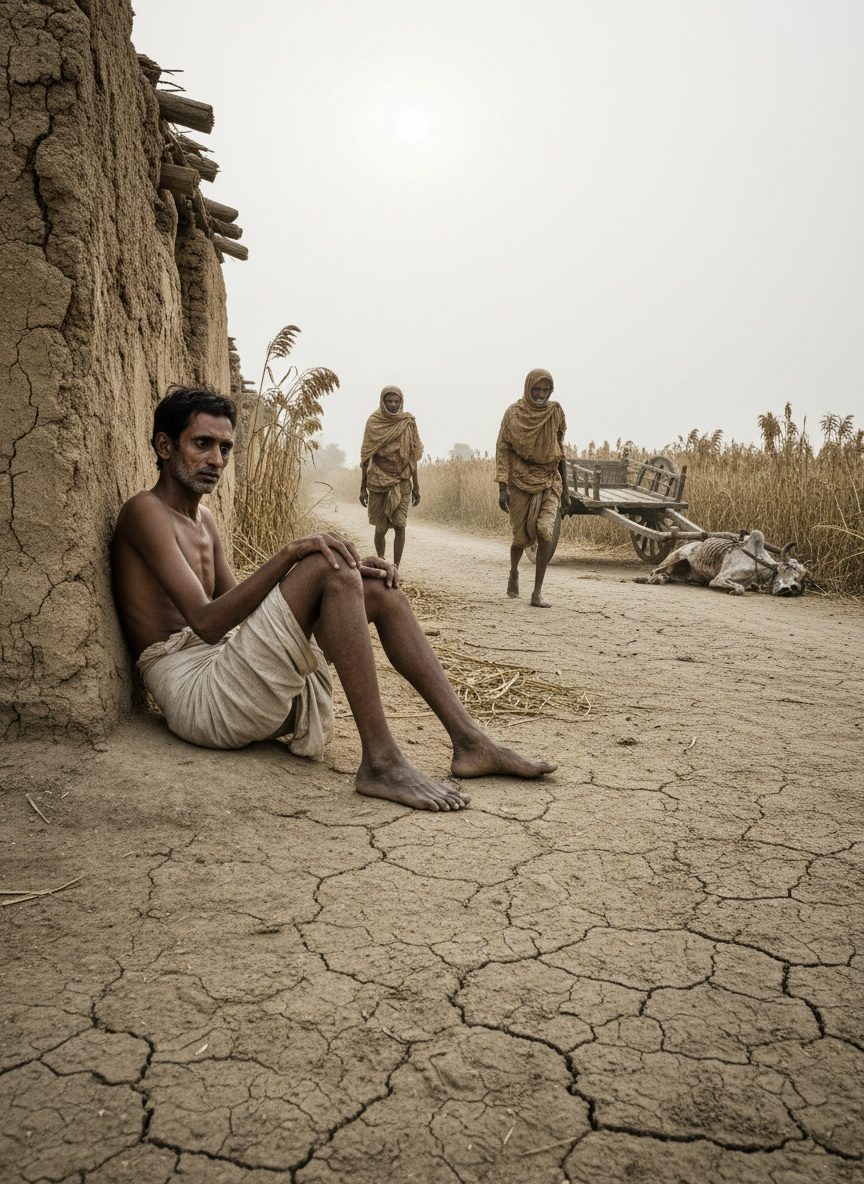
In 1630, two years of failed harvests turned the Deccan into a graveyard. Millions starved under Shah Jahan. No British soldier stood within a thousand miles. History forgot it anyway.
August 1960. Cyprus was free. A British colour sergeant stood alone on the parade ground. He folded the Union Jack slowly. Handed it to no one. Walked to the truck. The island watched in silence.
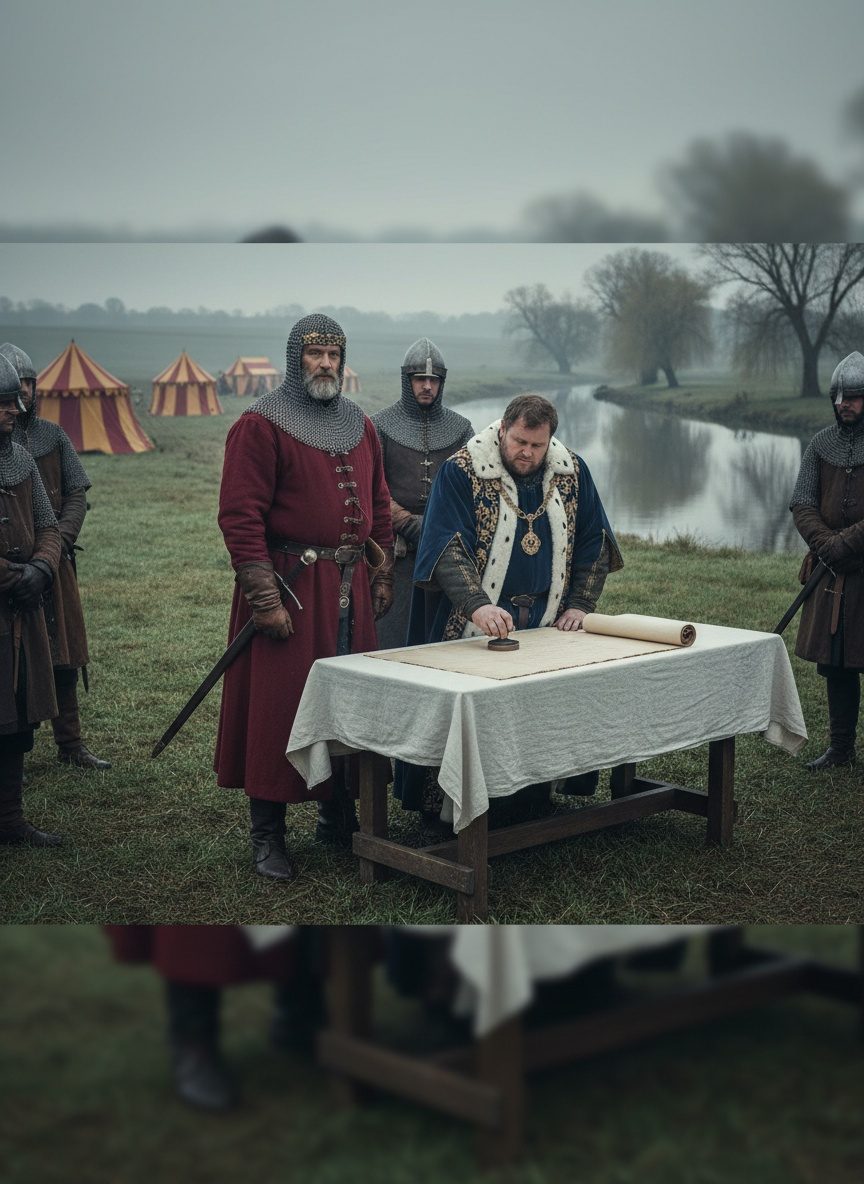
1215. A meadow beside the Thames. King John pressed his seal into wax. Eight hundred years later, those words still govern billions. Every court. Every constitution. Every right.
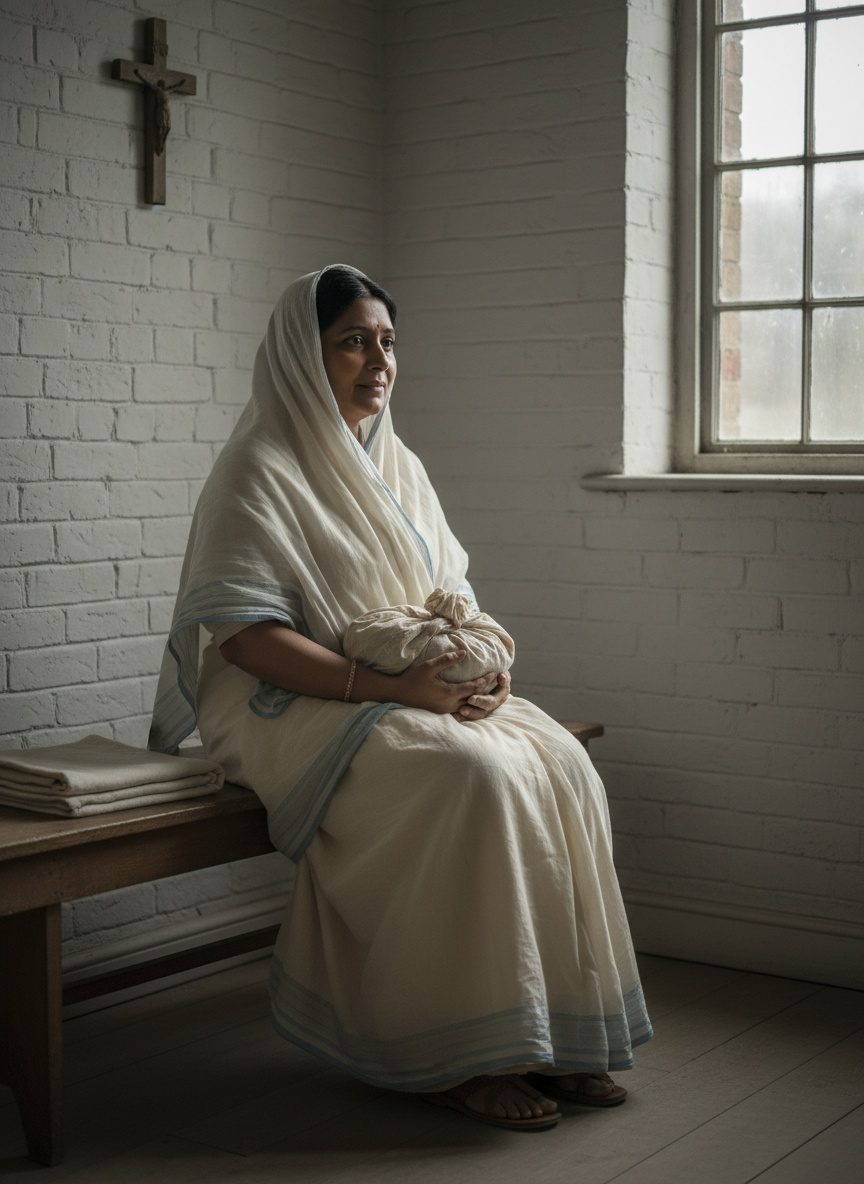
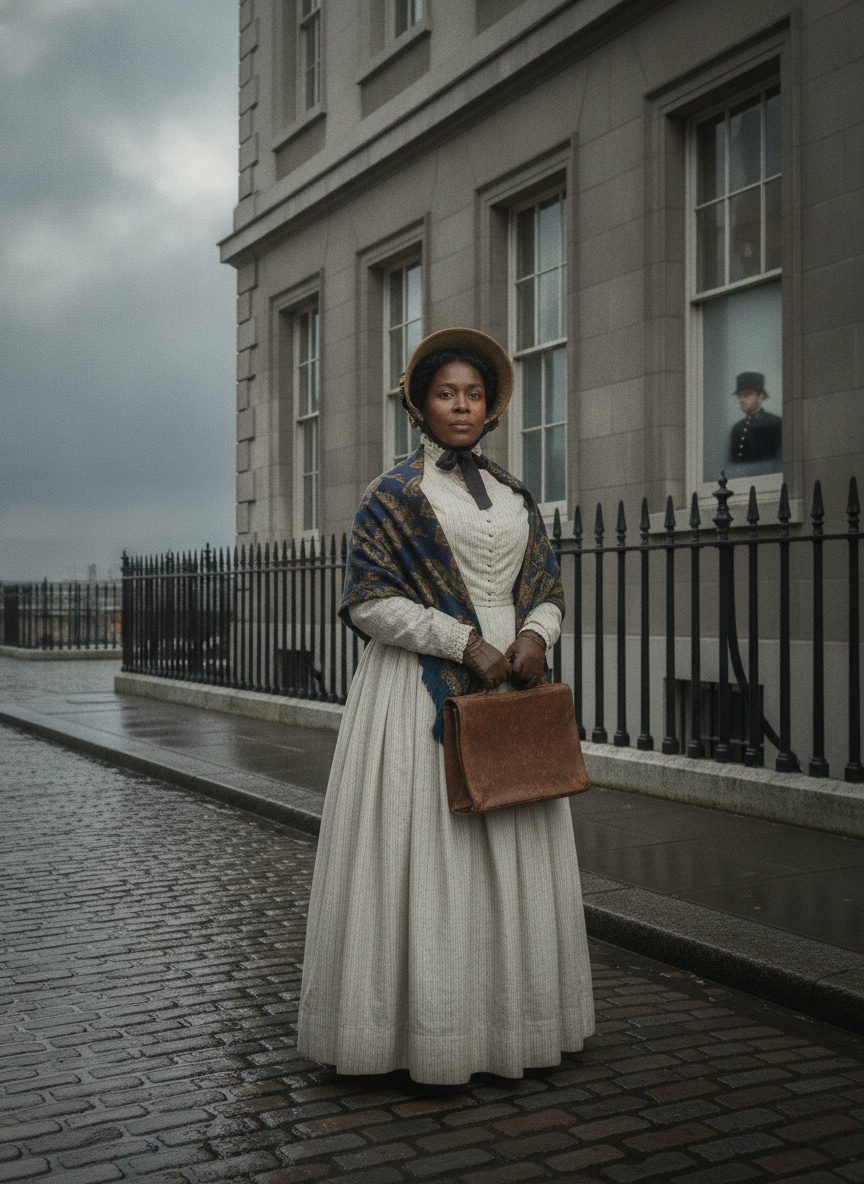
London, 1888. A small Indian woman stood alone on the docks. She had sailed from Calcutta. Crossed an ocean. She carried one child. She would return alone. The ayahs waited months. Forgotten. Faithful.
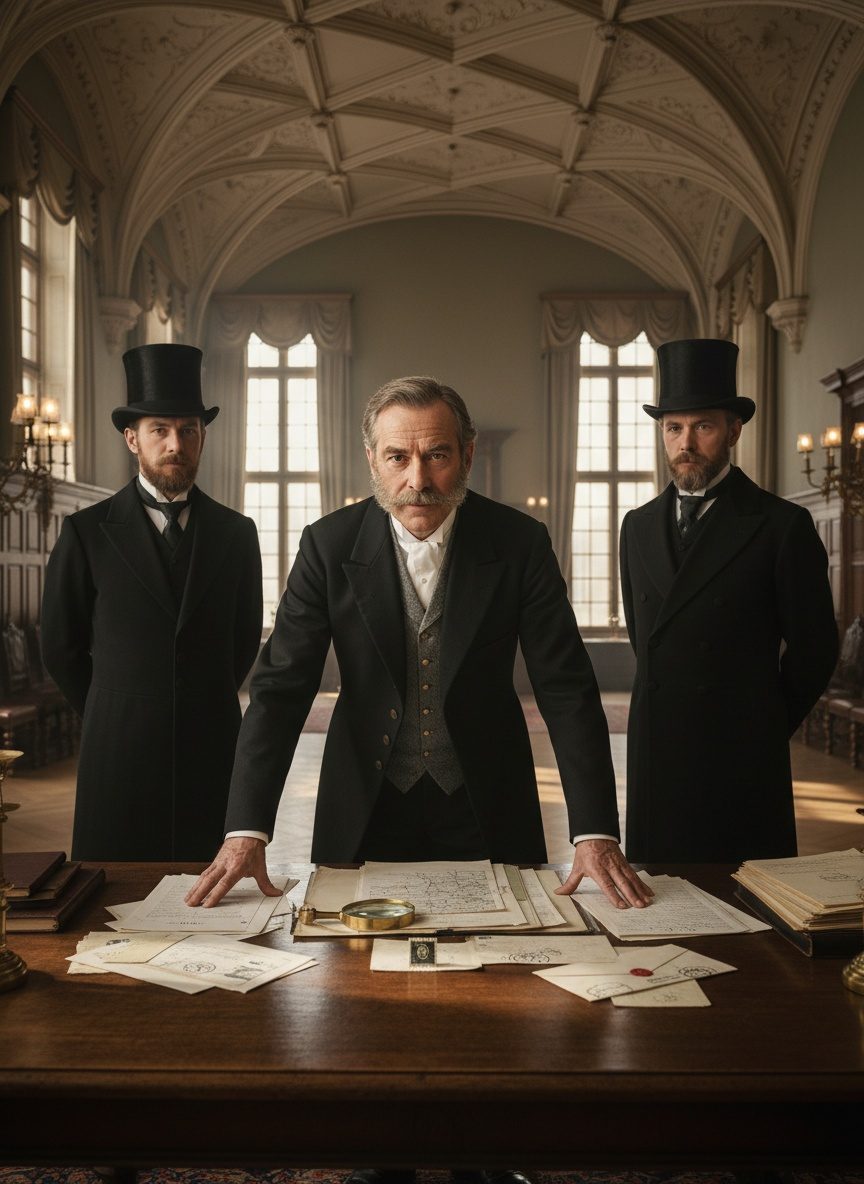
1840. Britain's penny post had remade the world. Forty years on, nations gathered in Paris. They agreed. One standard. One rate. One system. Built on a single British idea. The empire had given the world its voice.
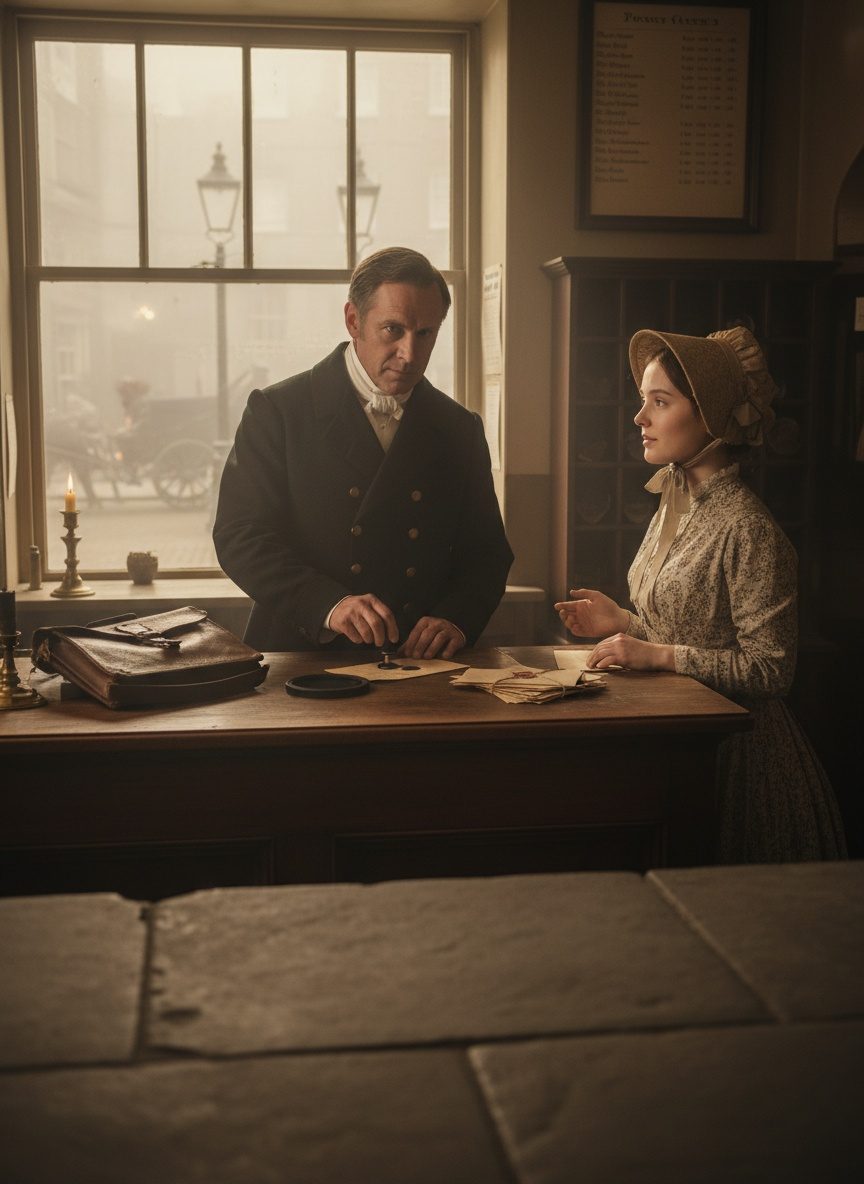
1840. A single black stamp. Rowland Hill's dream made real. One penny. Any letter. Anywhere in Britain. The Empire's million voices finally had one price to speak.
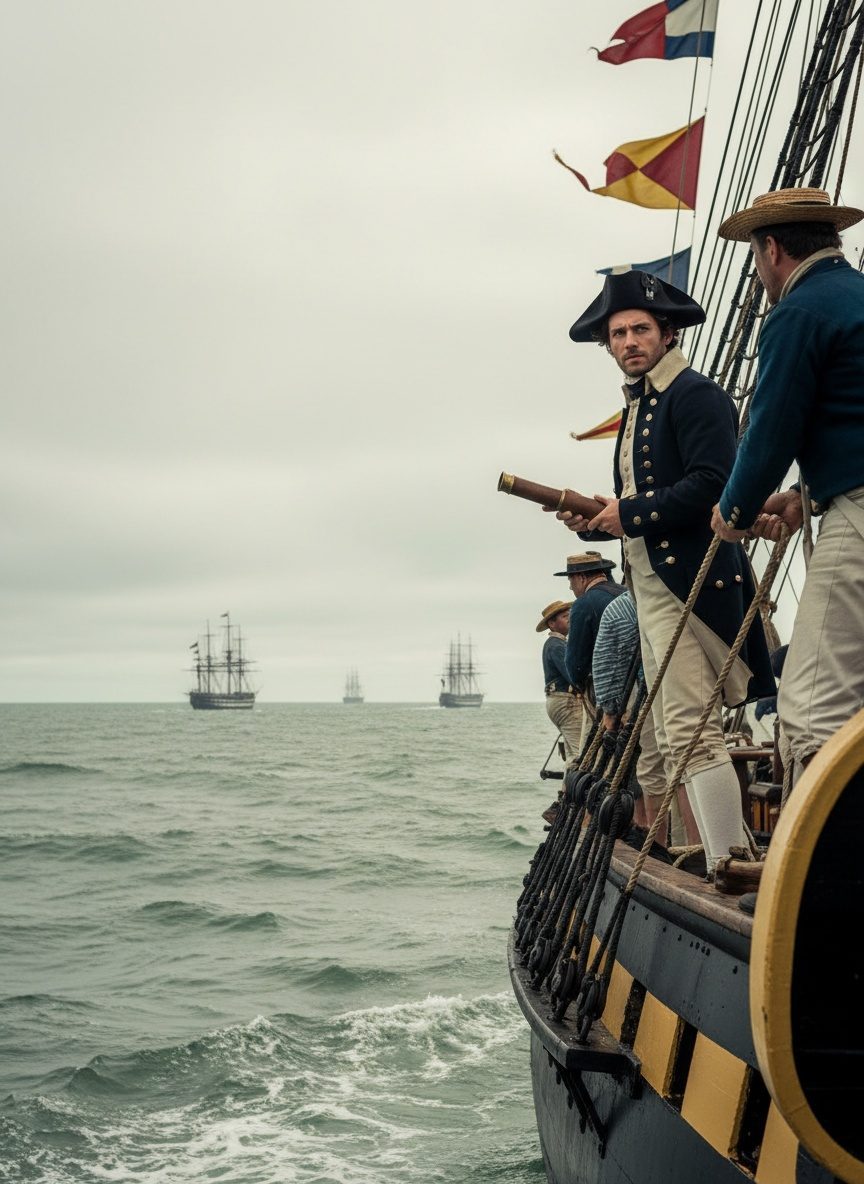
April 1806. One British frigate. Thirty enemy ships. Captain Lord Cochrane raised false signals and sailed straight through them. Not a shot fired. He walked free.
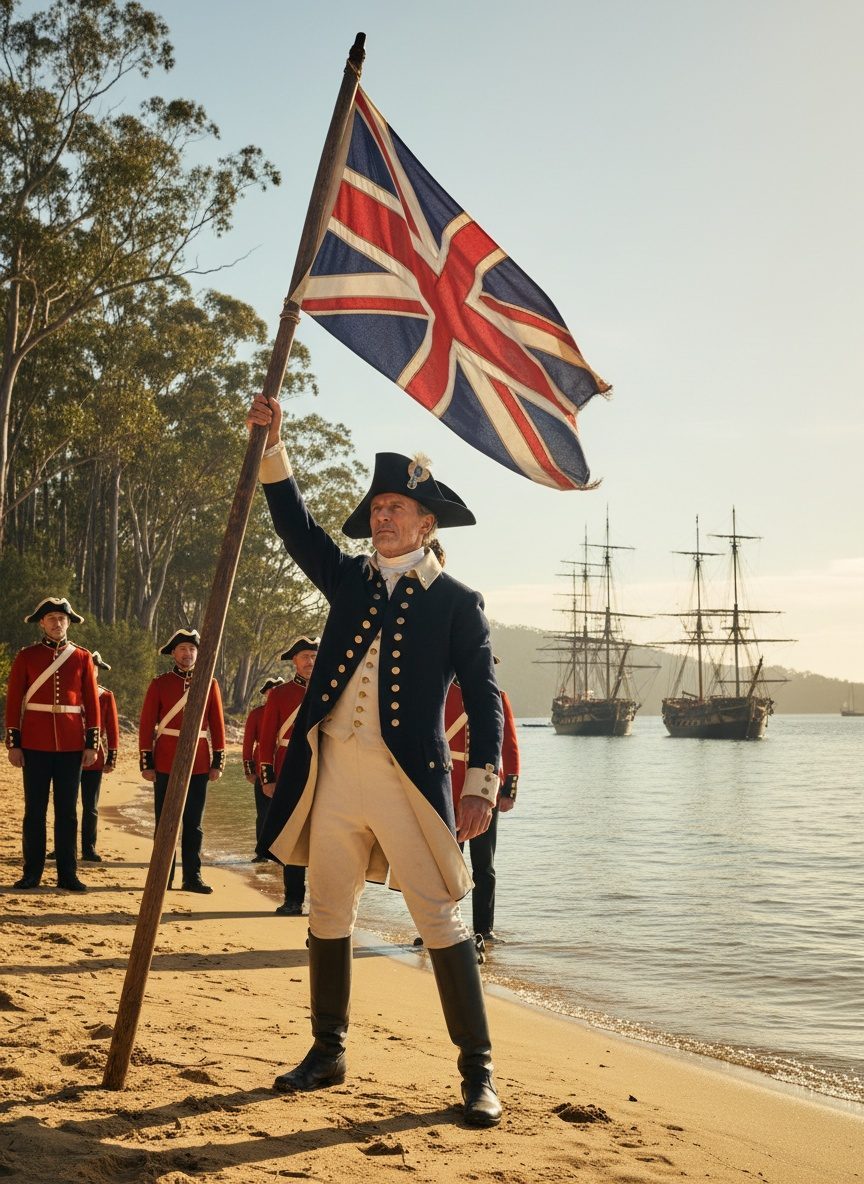
January 1788. Arthur Phillip sailed into an unknown harbour. He had 1,500 souls, no maps, and no certainty. He raised the Union Jack on a strip of beach. He named it Sydney Cove. A nation began.
1797. Britain seized Trinidad from Spain. Governor Picton faced jungle, disease, and chaos. He built courts, roads, and farms from nothing. A broken island became a working colony in three years.
The British Army turned her away three times. She funded her own passage, built her own hotel under fire, and nursed dying soldiers for free. Then she came home bankrupt — and took her case to the public.
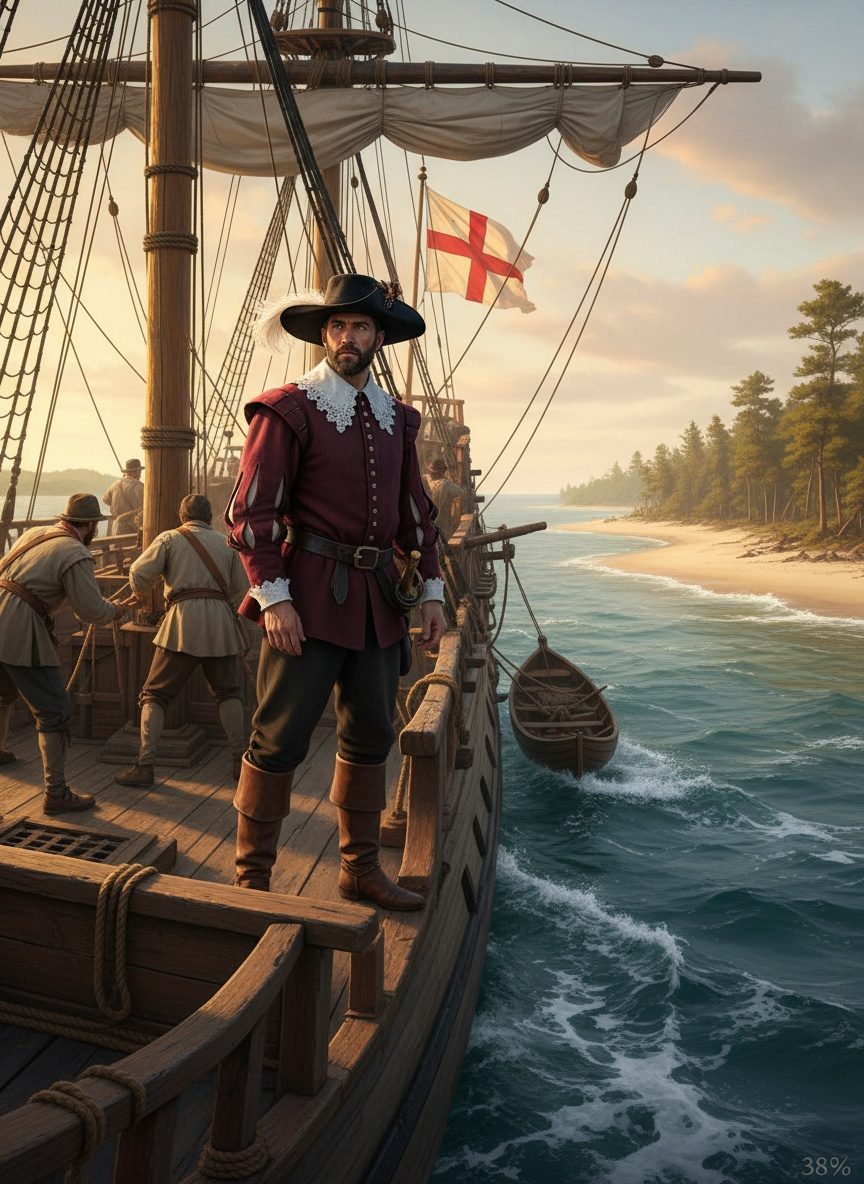
Summer 1585. Seven ships crossed the Atlantic. Sir Richard Grenville landed 108 men on a strip of Carolina sand. No roads. No fort. No guarantee of return. He built England's first colony in the New World. Then sailed home alone.
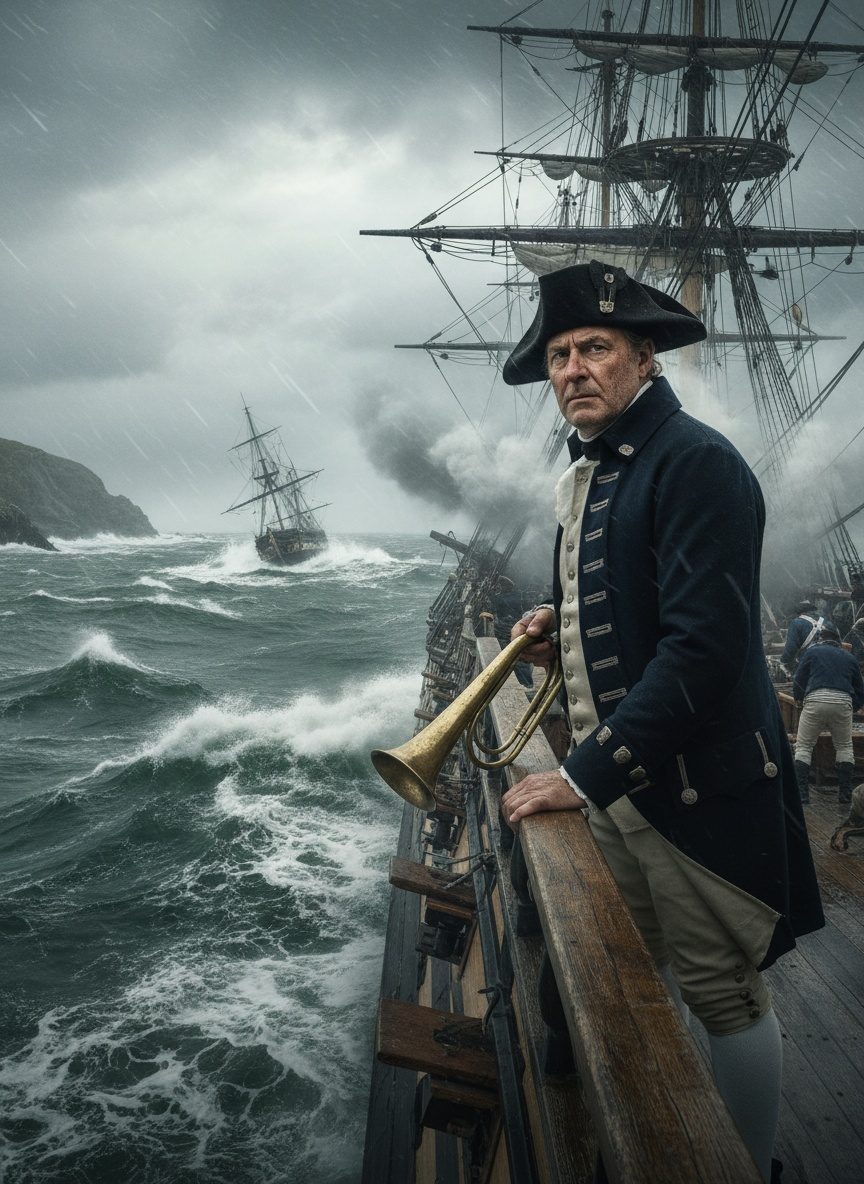
November 1759. A French fleet of 21 ships of the line raced for Quiberon Bay. Admiral Hawke gave chase through a raging Atlantic storm. His captains followed into the rocks. France never invaded Britain again.
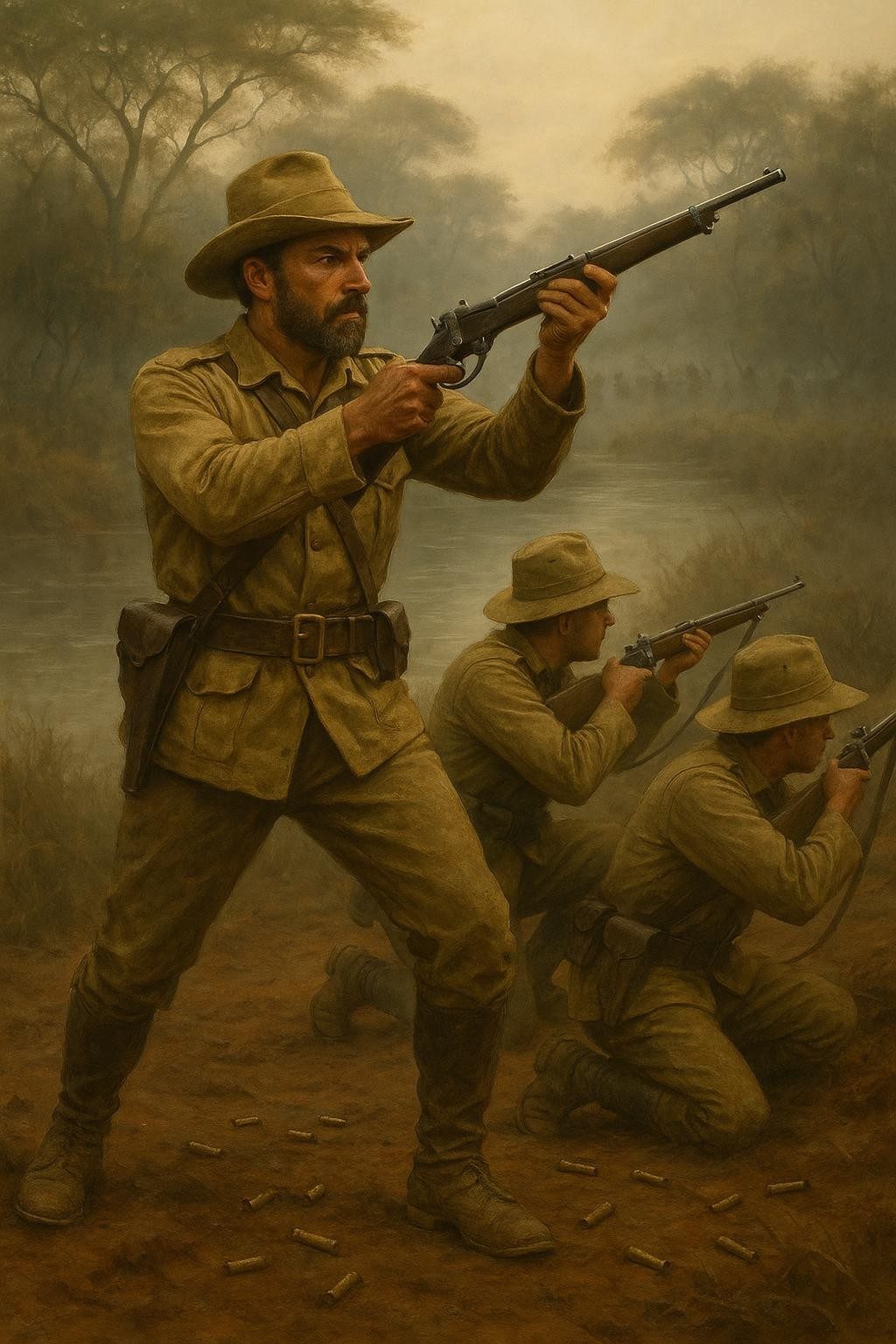
November 1893. The Shangani River was rising fast. Major Allan Wilson's patrol was cut off. Trooper Frederick Burnham had escaped. Three men stayed behind. They formed a circle. They fought until the last shot was fired.
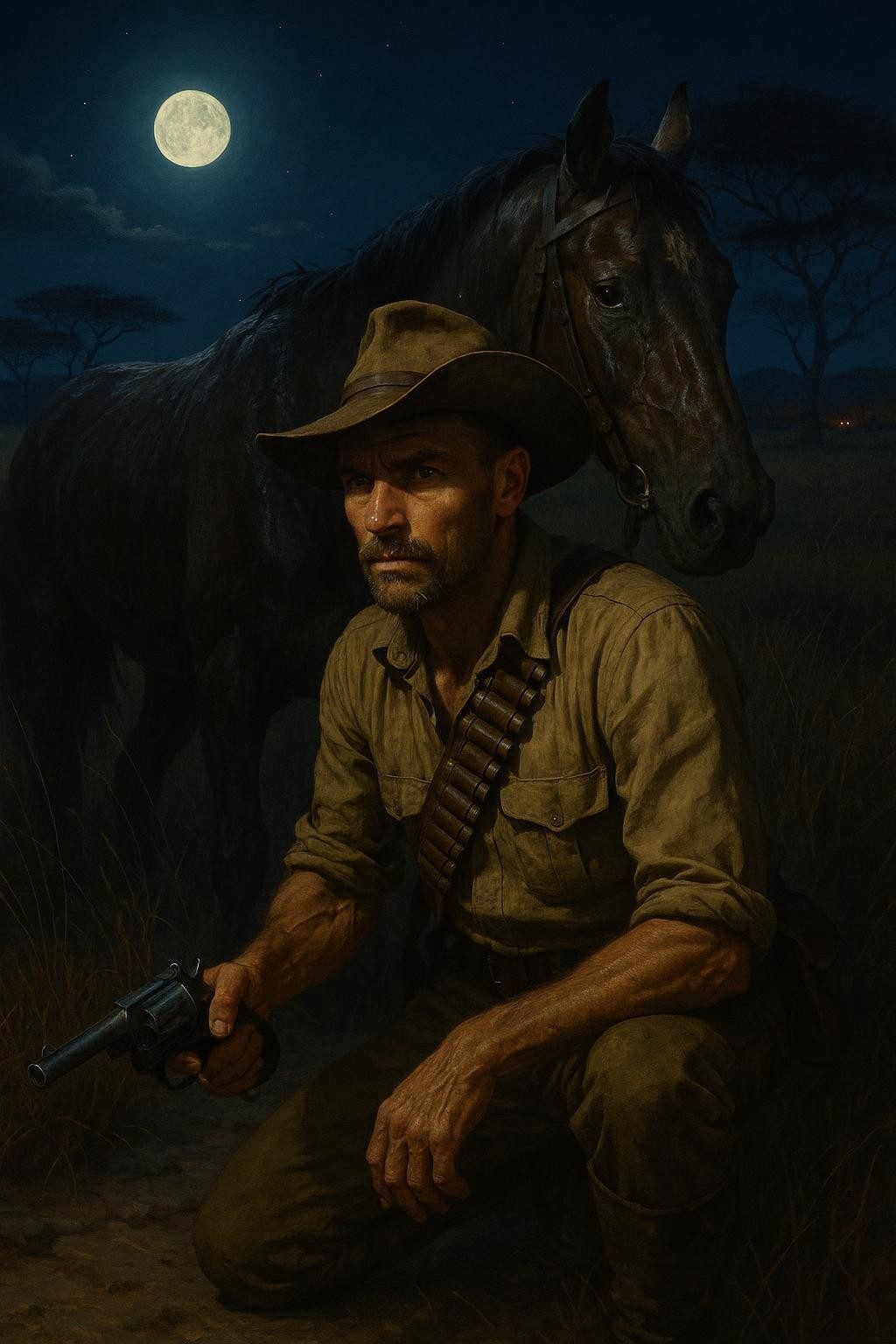
Matabeleland, 1896. The Matabele rising had trapped a British column. One scout rode out alone. He crossed thirty miles of enemy country in the dark. He returned with the intelligence that saved the column.
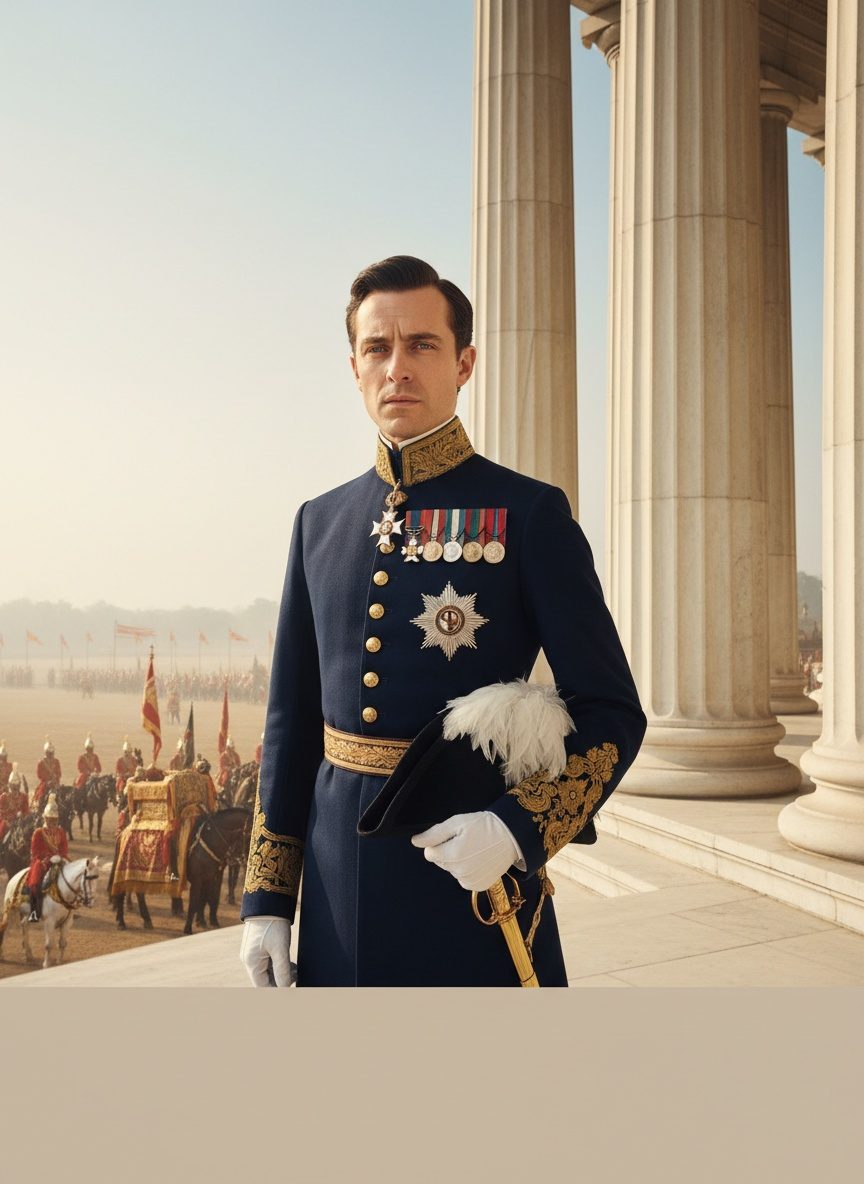
January 1903. One man stood before a million gathered subjects. Lord Curzon had planned every detail. The Durbar would outshine any court in history. Britain had never looked more powerful. Or more fragile.
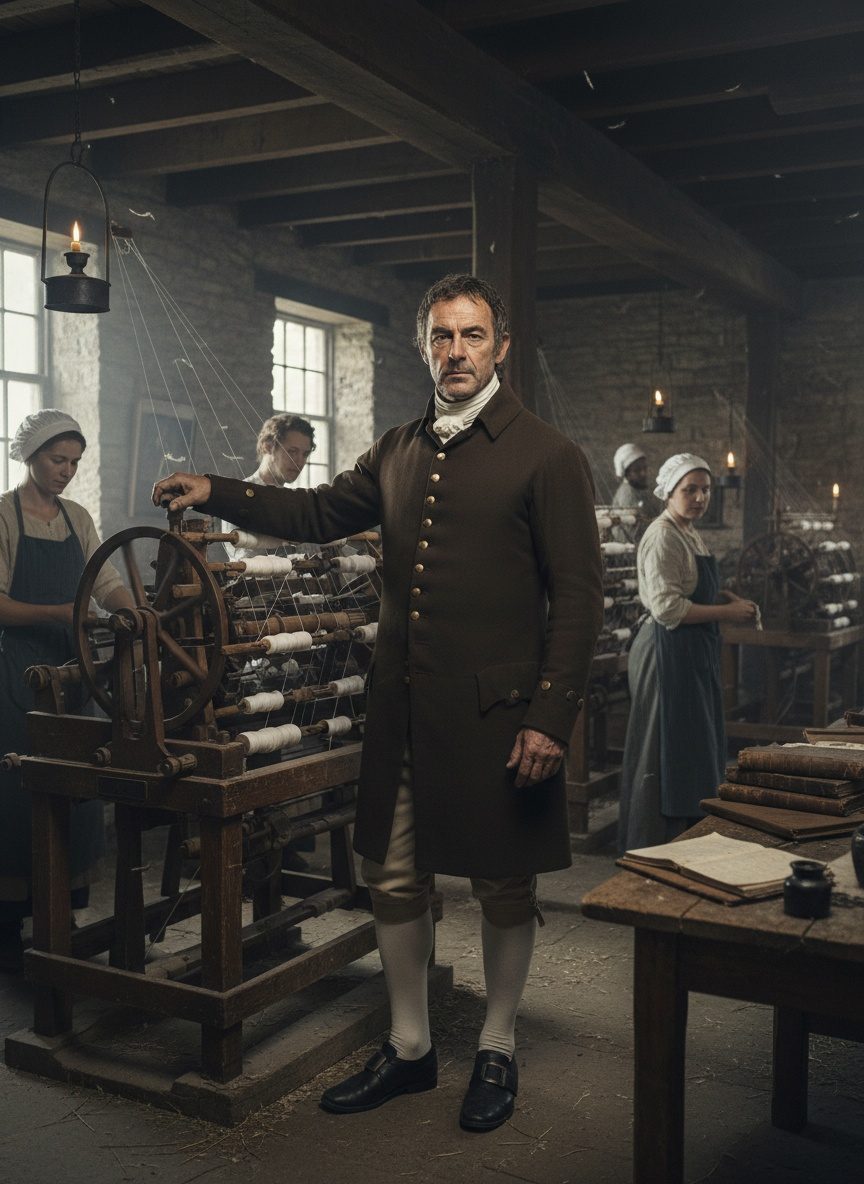
1771. A barber's son from Preston stood in a converted mill. He had no formal education. No wealthy backers. Just a machine that spun cotton faster than any human hand. Cromford changed everything.
Hand-picked from Britain Untold's archive. The stories you weren't taught at school. 3-minute read.
No spam. Unsubscribe in one click. We hate spam too. Privacy Policy.