The British Empire — the forgotten chapters · page 14 of 22
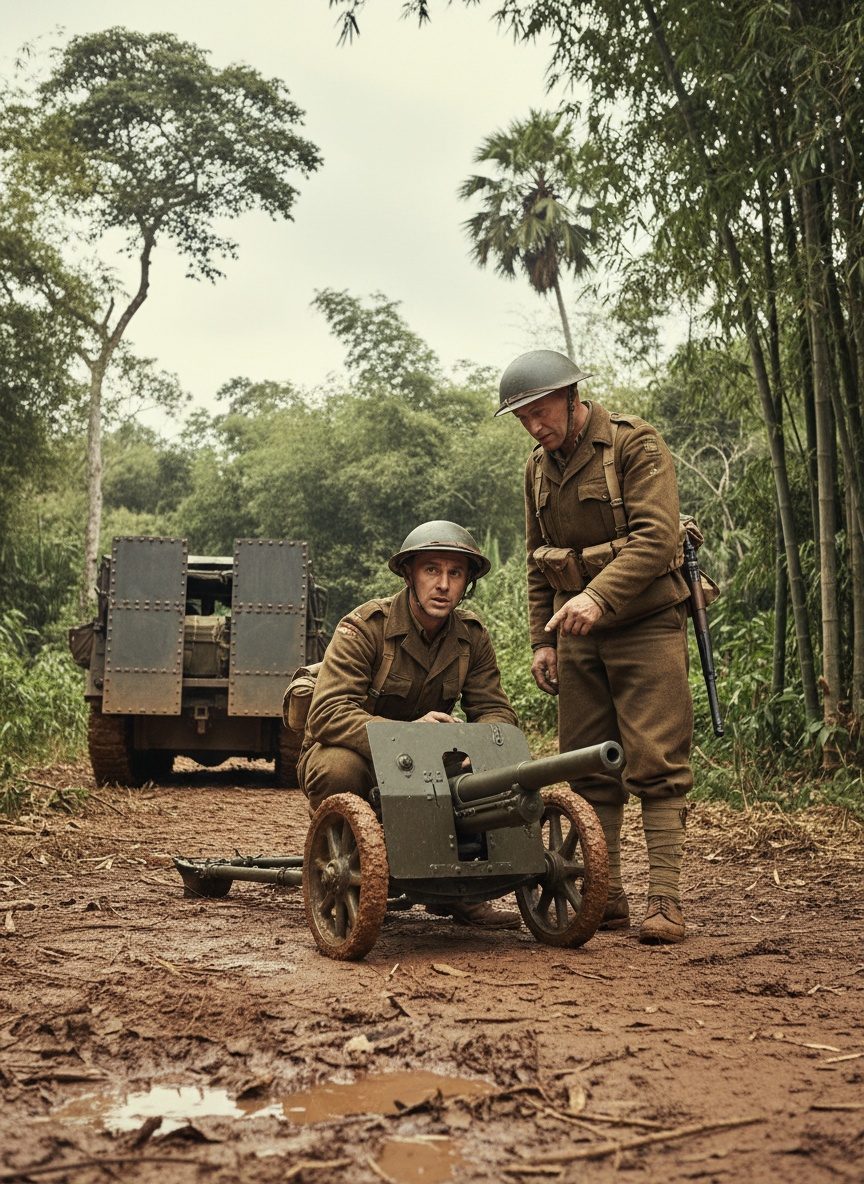
Burma, January 1945. British soldiers gather around a captured Japanese 37mm anti-tank gun. Behind them, a Universal Carrier sits low on deep wading screens. The enemy had retreated. The hardware stayed.
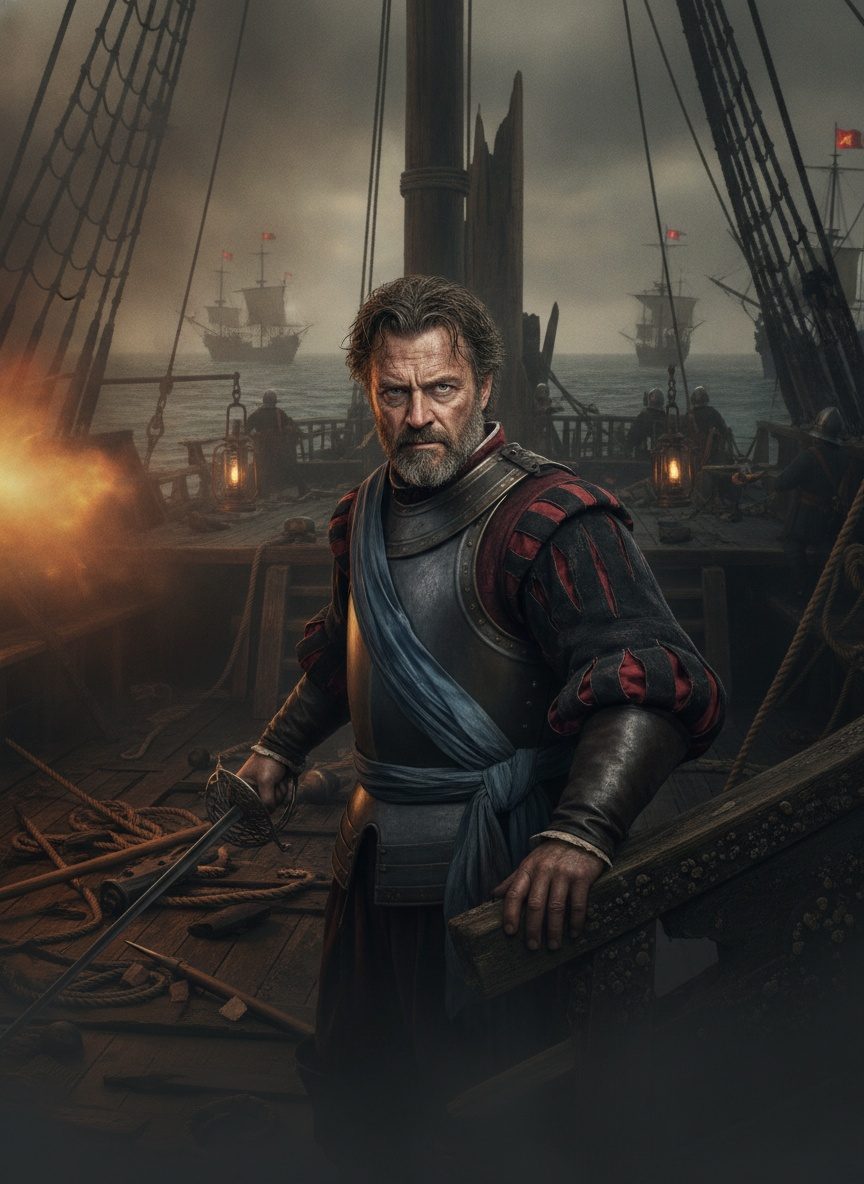
August 1591. One English warship faced fifty-three Spanish vessels off the Azores. Sir Richard Grenville refused to run. He fought for fifteen hours. Alone. He never struck his colours.
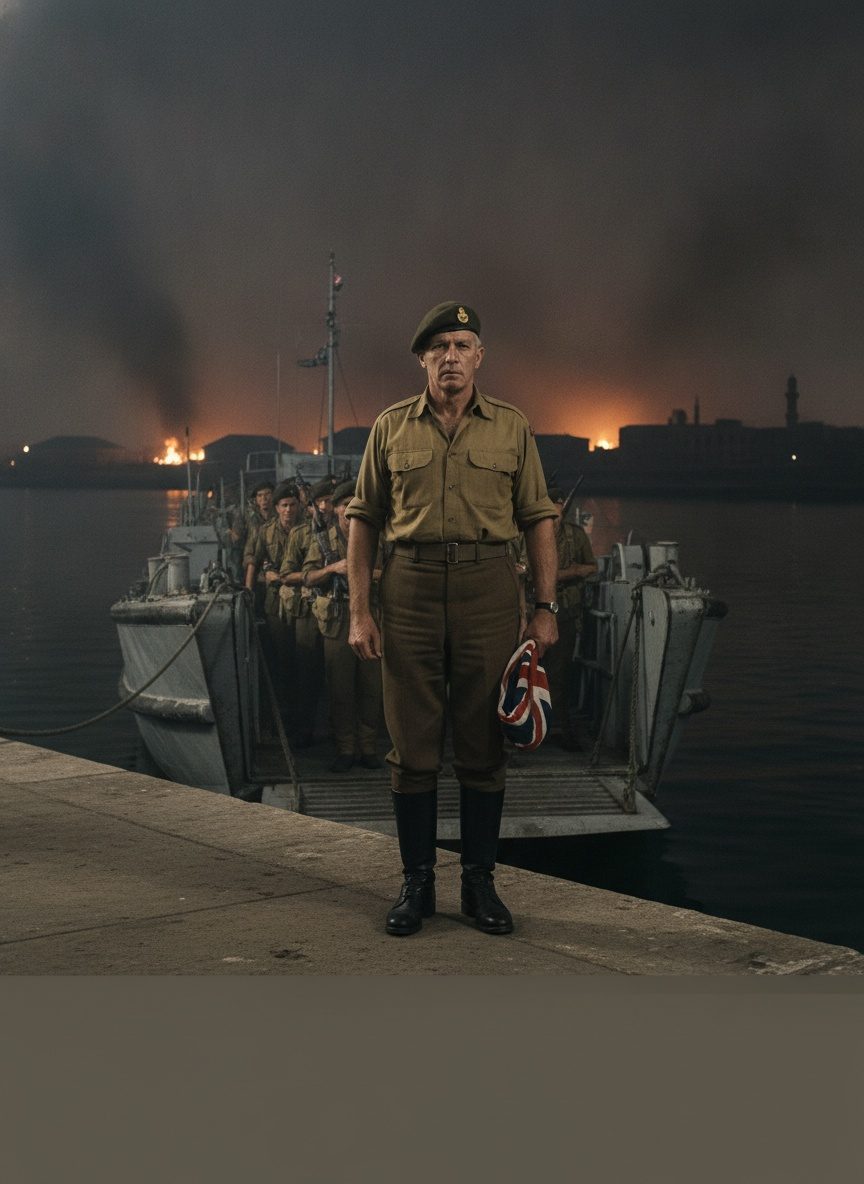
November 1967. Britain was leaving Aden for good. The streets were burning. One company of soldiers held the final perimeter. They boarded in silence. The Union Jack came down. The last man stepped onto the ship.
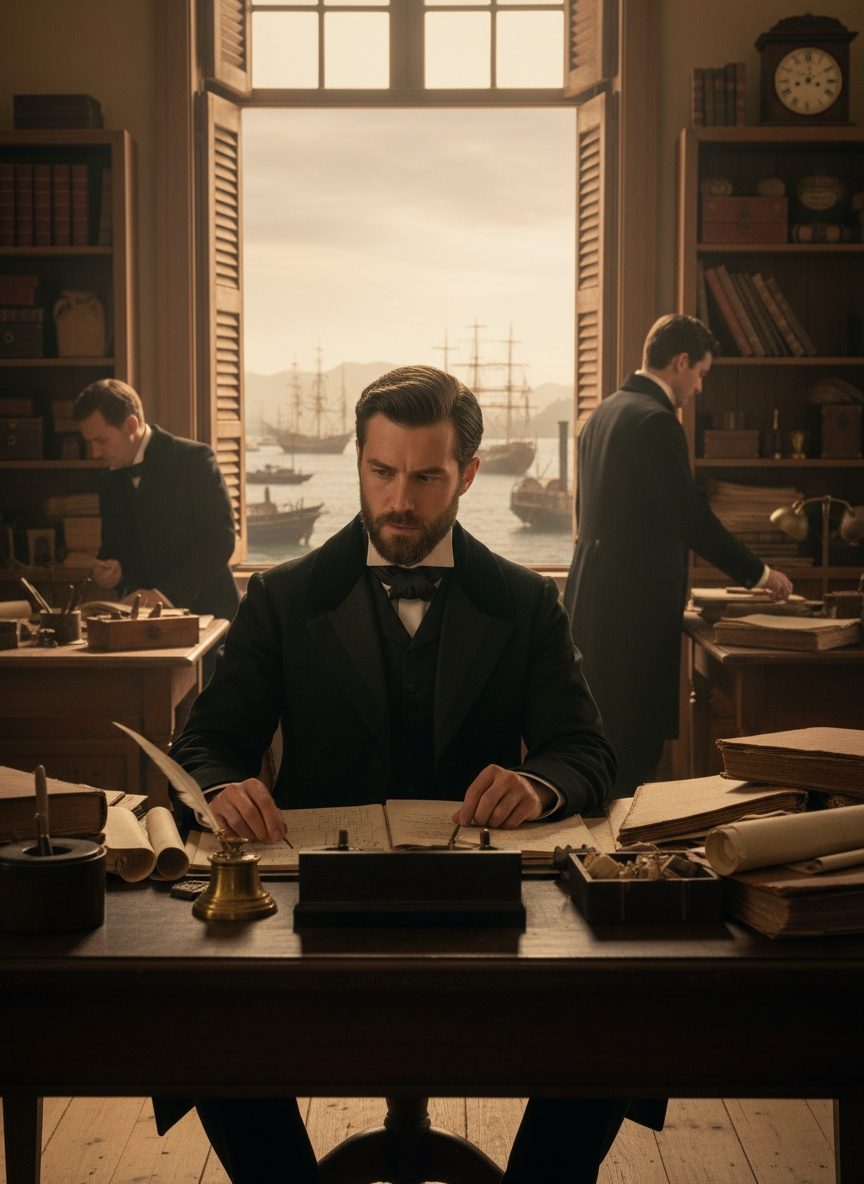
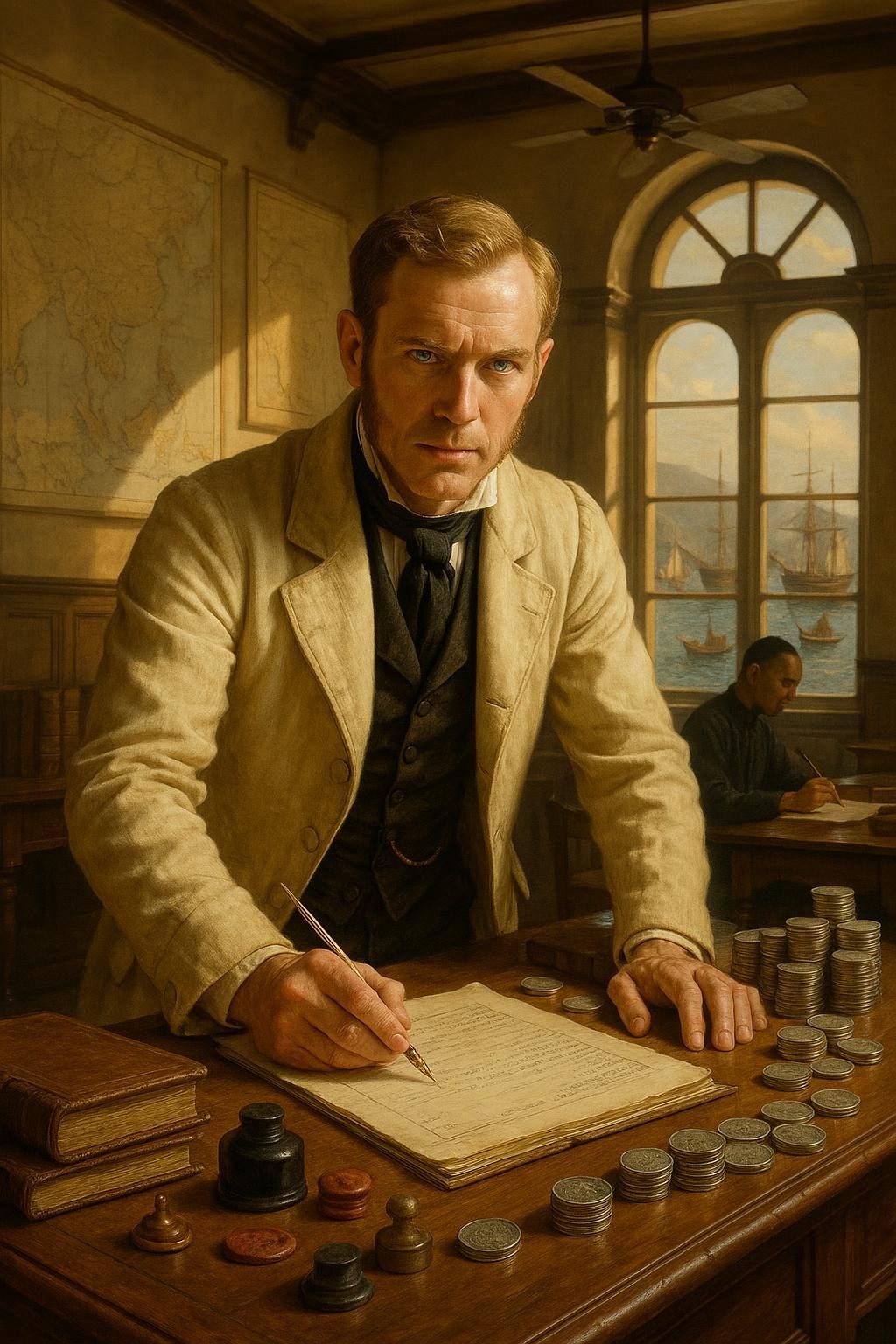
1865. Hong Kong. One Scotsman had an idea on a steamship. He wrote it on a napkin. Six weeks later the Hongkong and Shanghai Banking Corporation opened its doors. It would finance an empire.
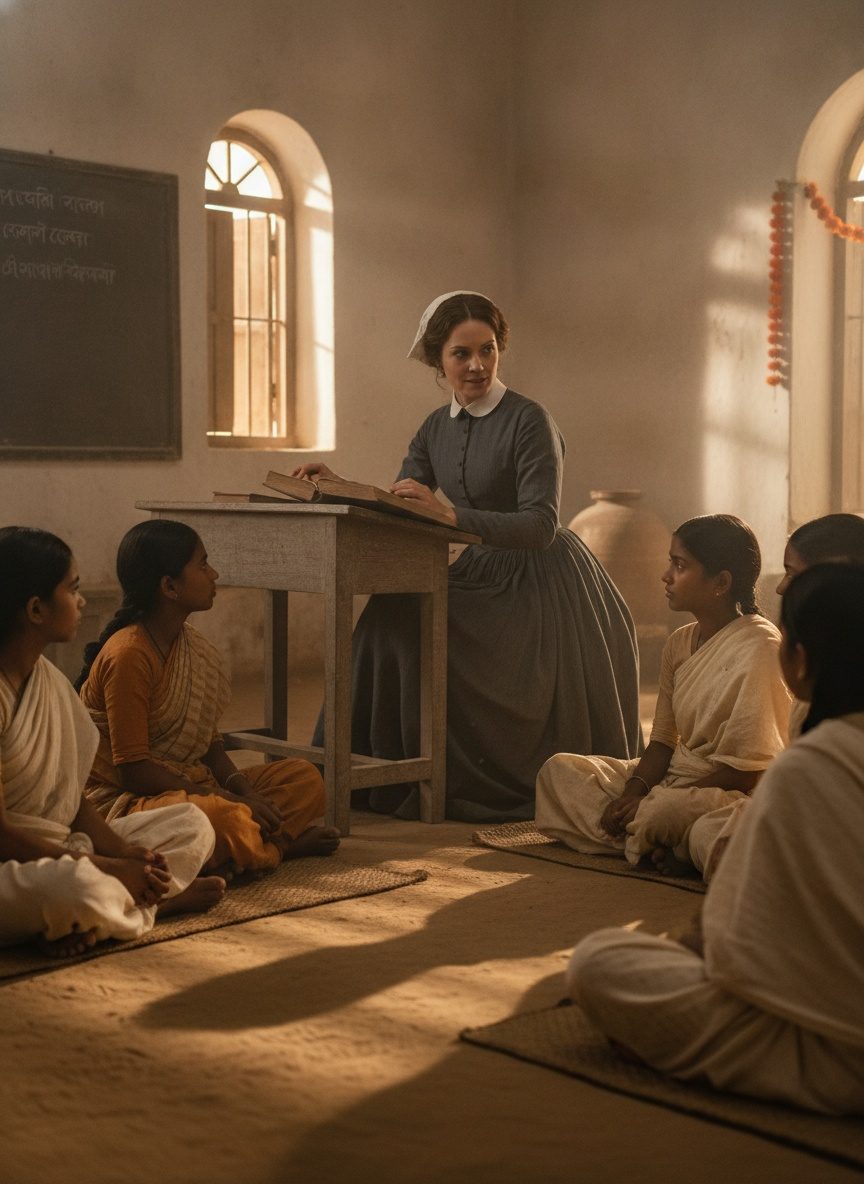
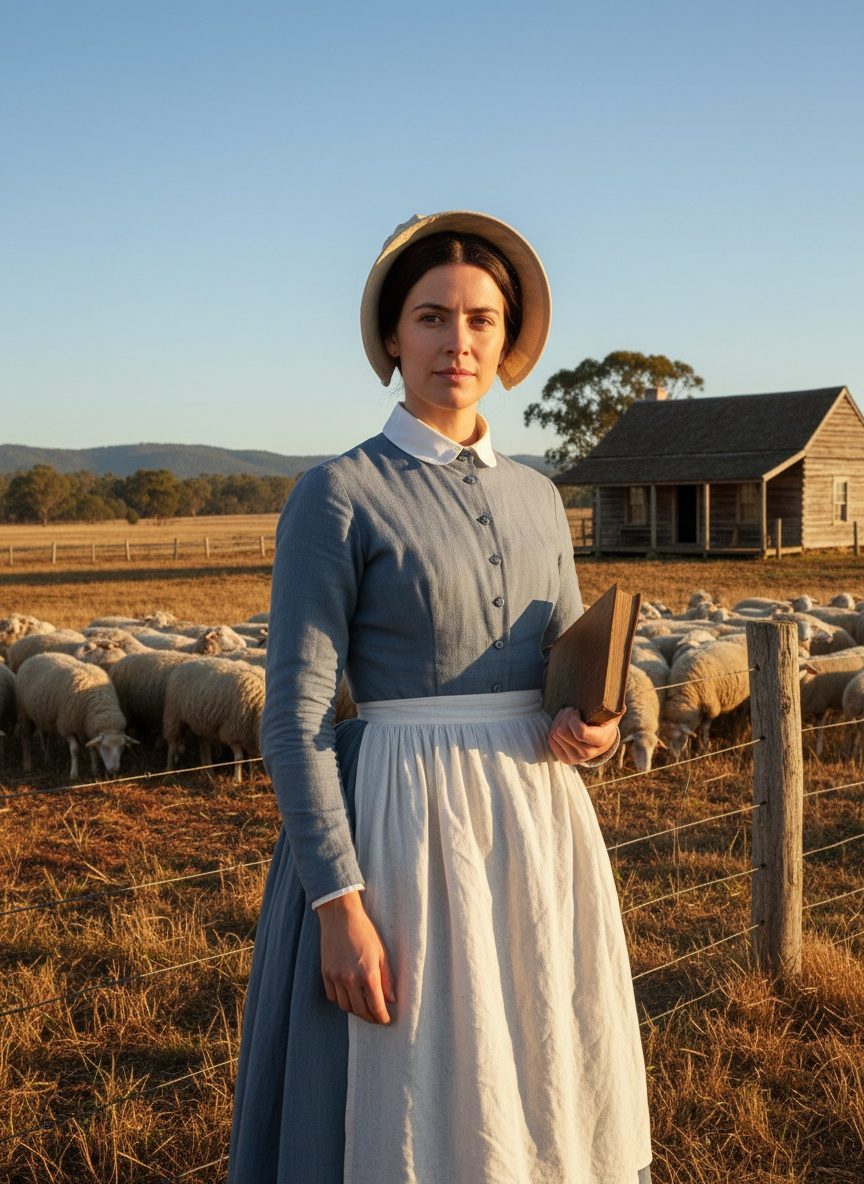
Calcutta, 1849. Mary Carpenter stepped off the ship alone. No government backing. No mission society. She walked into the slums. She opened a door. Inside, forty girls waited to learn to read.
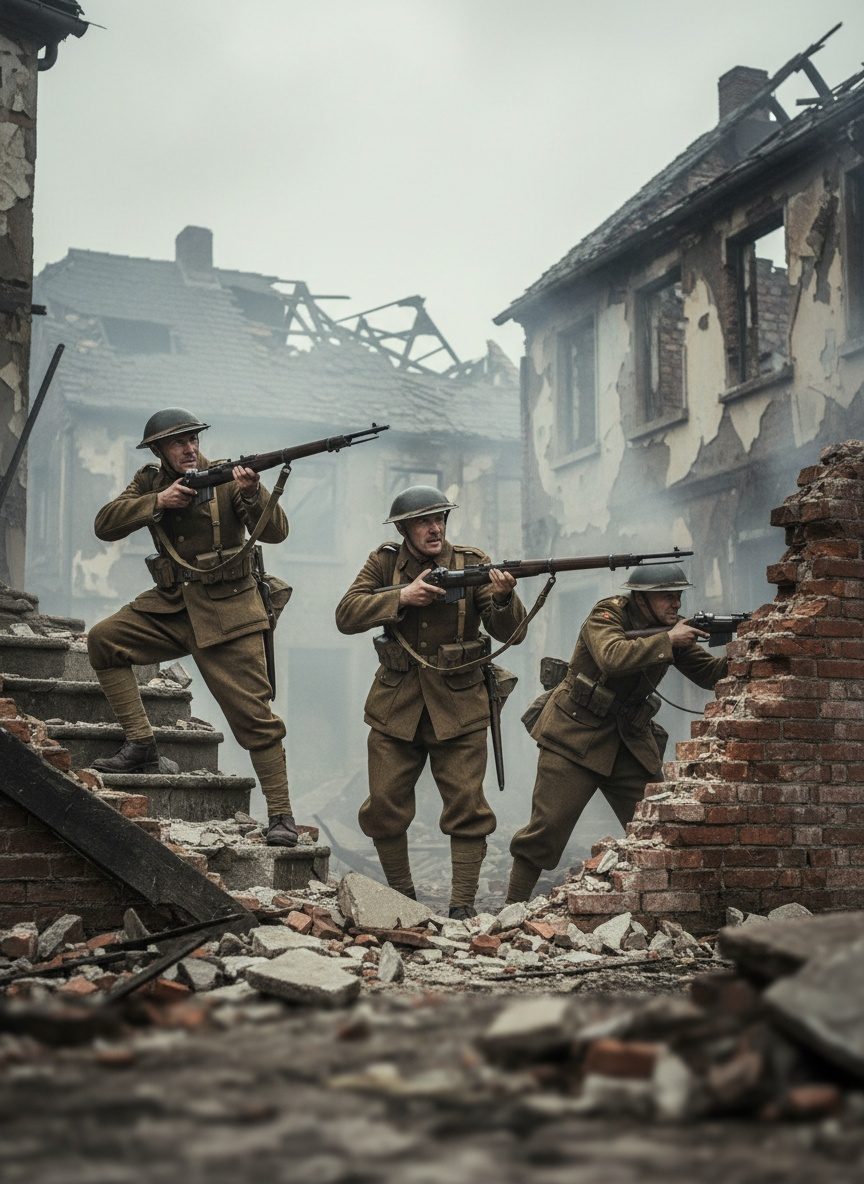
Germany, May 1945. The war was days from ending. But south of Lübeck, men were still dying. The 2nd Wiltshires went house to house — rifles up, nerves raw — finishing the job nobody else would.
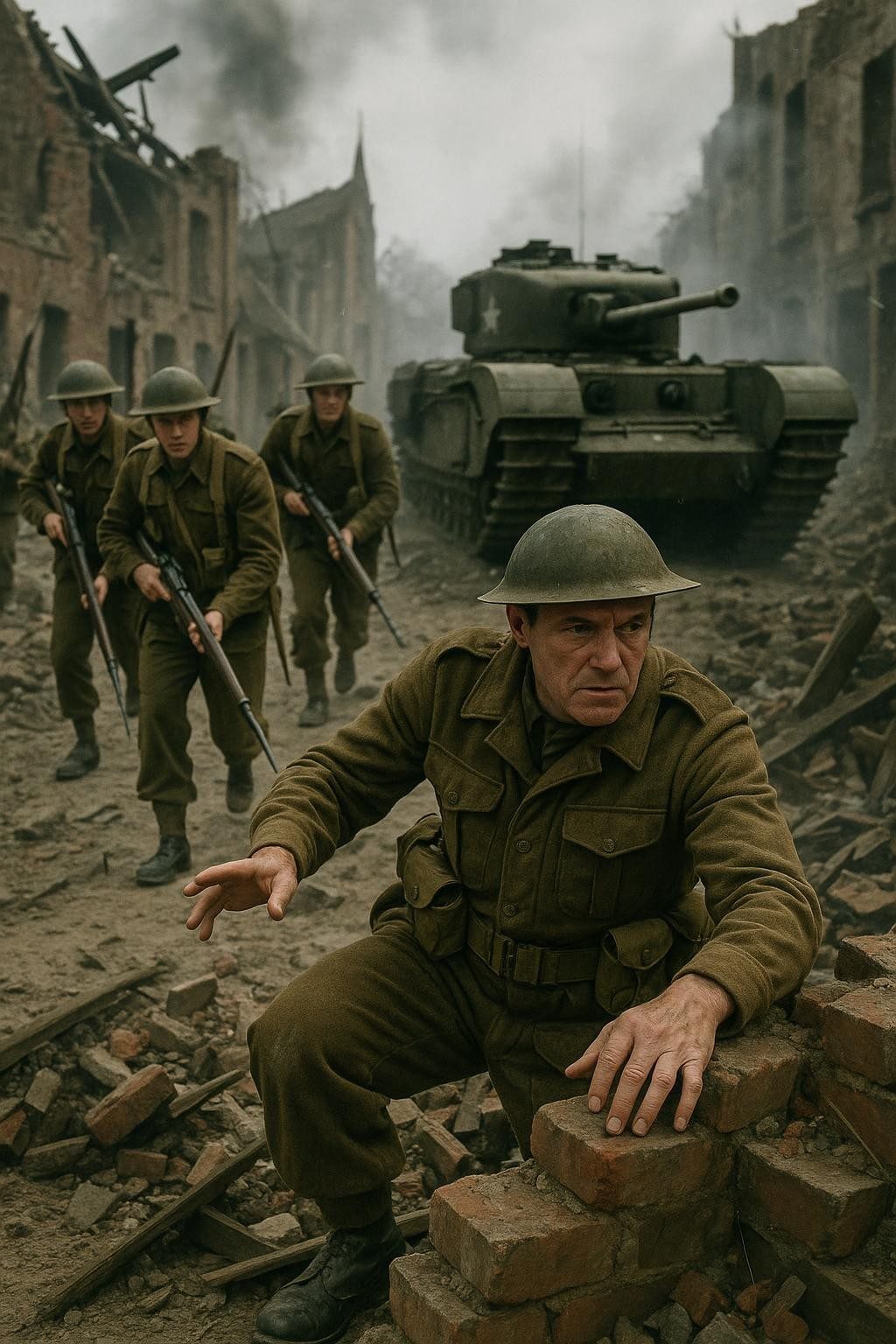
2 May 1945. Three years of grinding war. Now British infantry and Churchill tanks pushed into Germany's last holdouts. Not surrender. Clearance. House by house. The end was here — but the dying wasn't over.
Britain seized Aden in 1839 for a coaling stop. They stayed 128 years. What began as a tactical port became a powder keg — and no one in London had a plan for getting out.
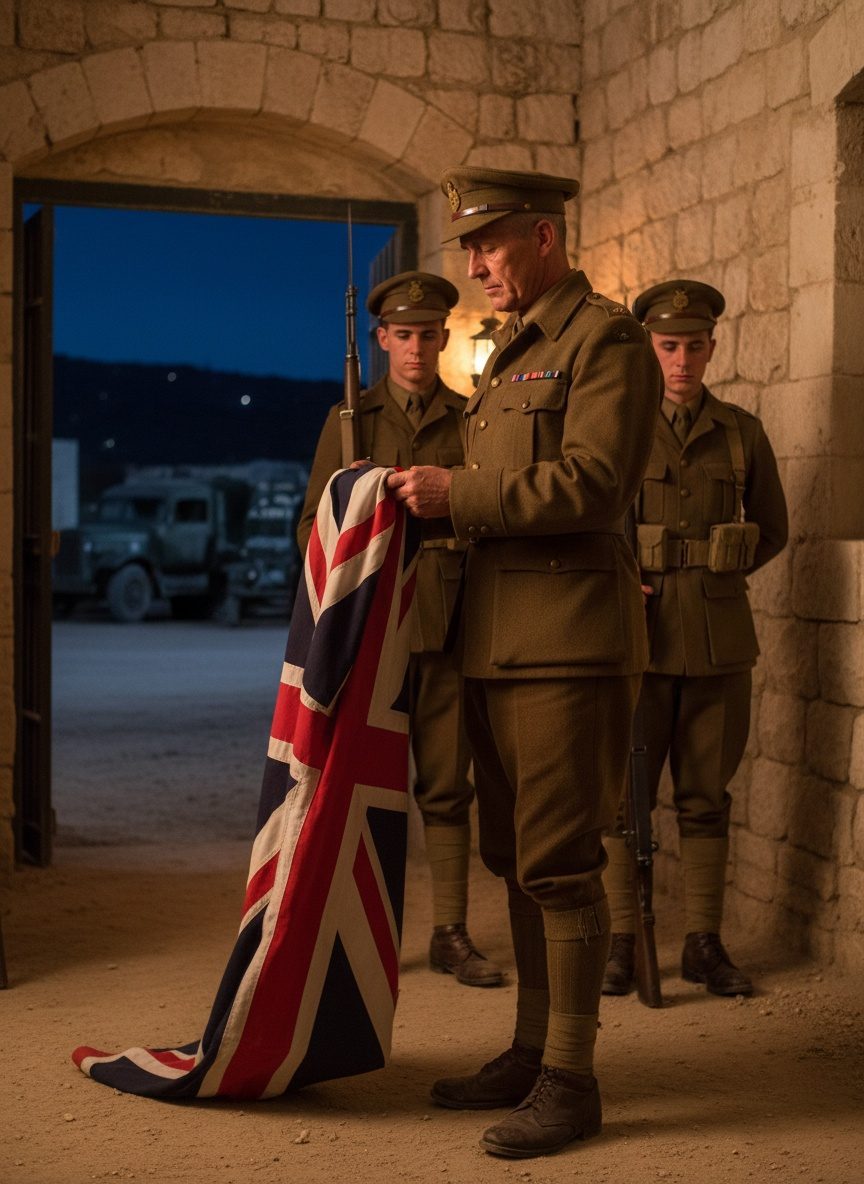
May 1948. The British Mandate was ending. One sergeant folded the flag. No ceremony. No crowd. Just darkness and the sound of boots on stone. The Empire left Palestine as it had found it. Quietly. Alone.
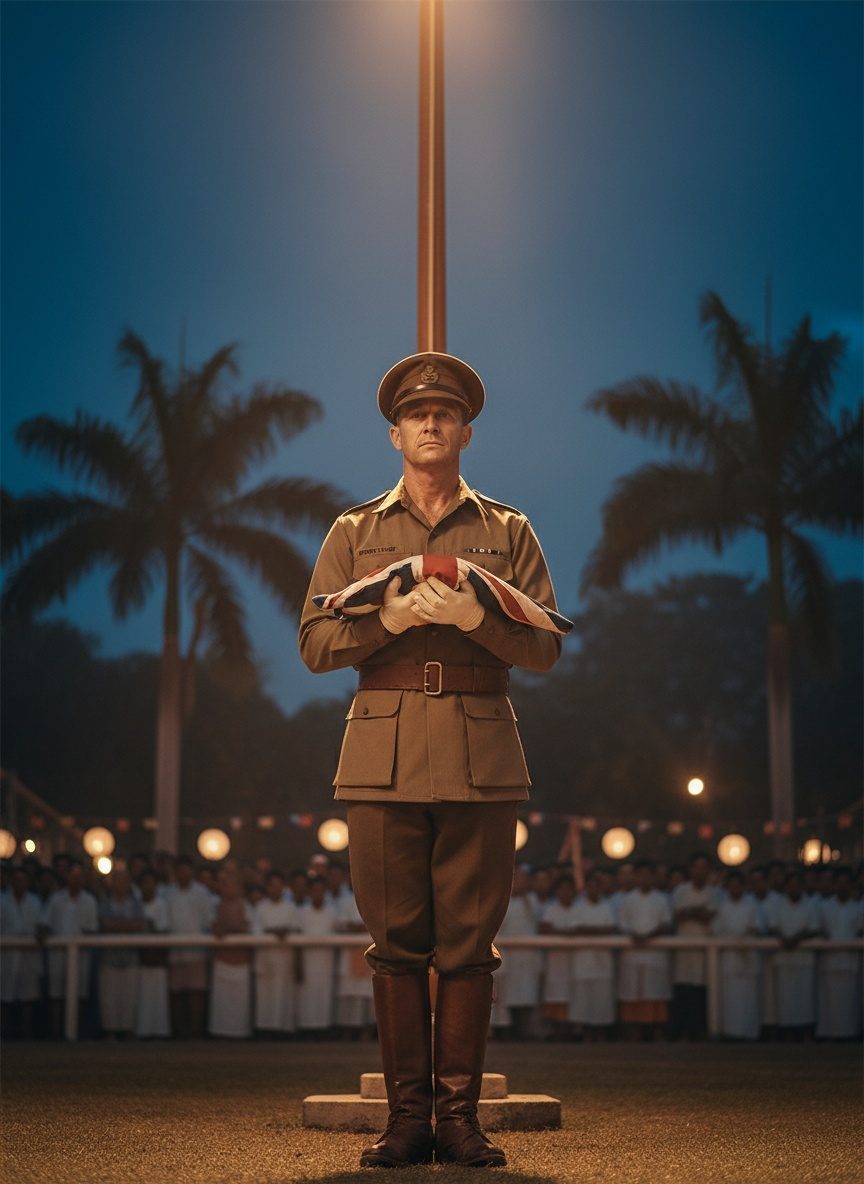
August 1957. Kuala Lumpur held its breath. A British colour sergeant stood at attention. The Union Jack came down. A new flag rose. The crowd roared. An empire quietly kept its word.
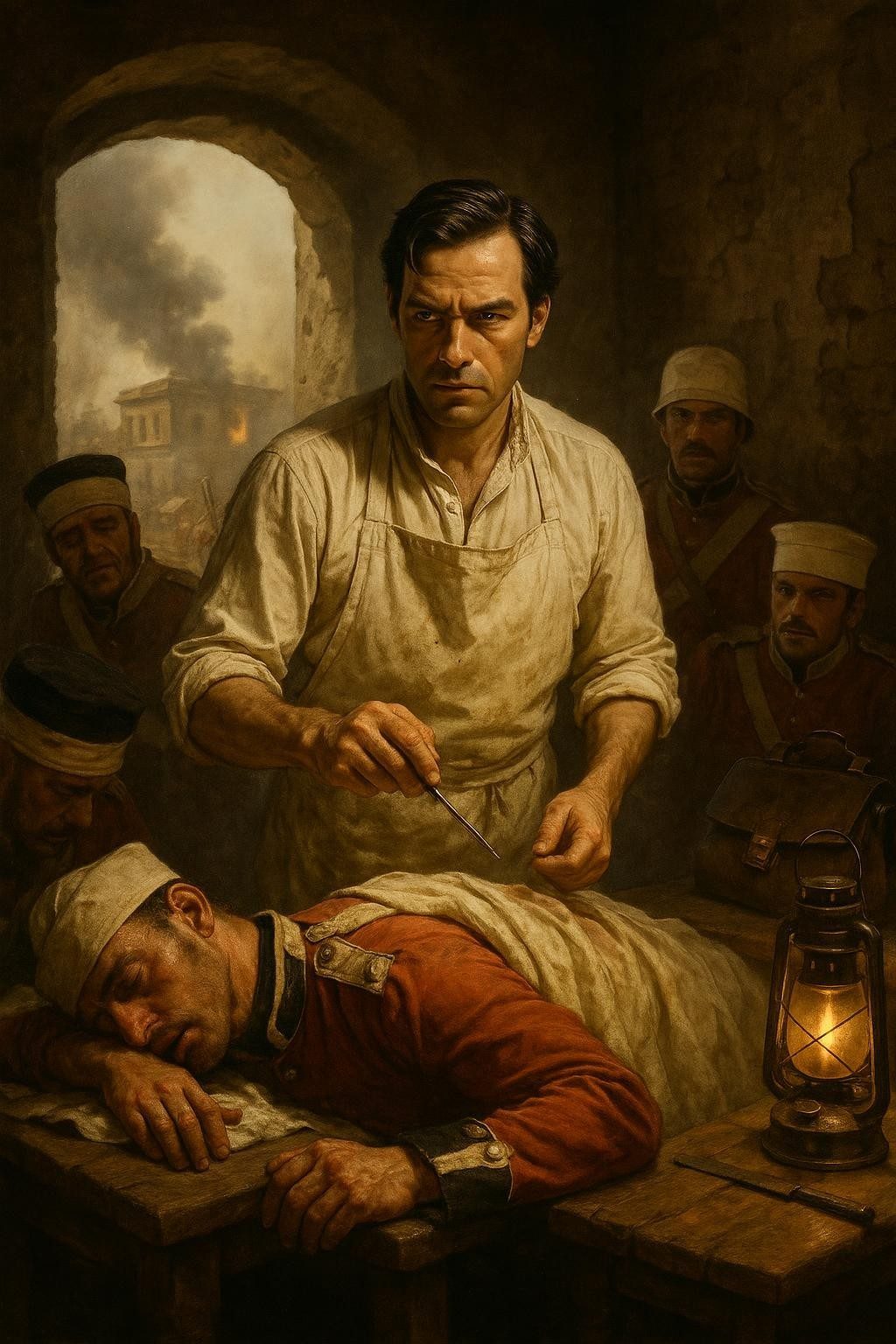
June 1857. The Lucknow Residency was surrounded. Surgeon Joseph Fayrer had no soldiers to command. He had only a scalpel. For eighty-seven days he kept the wounded alive. The fort held.
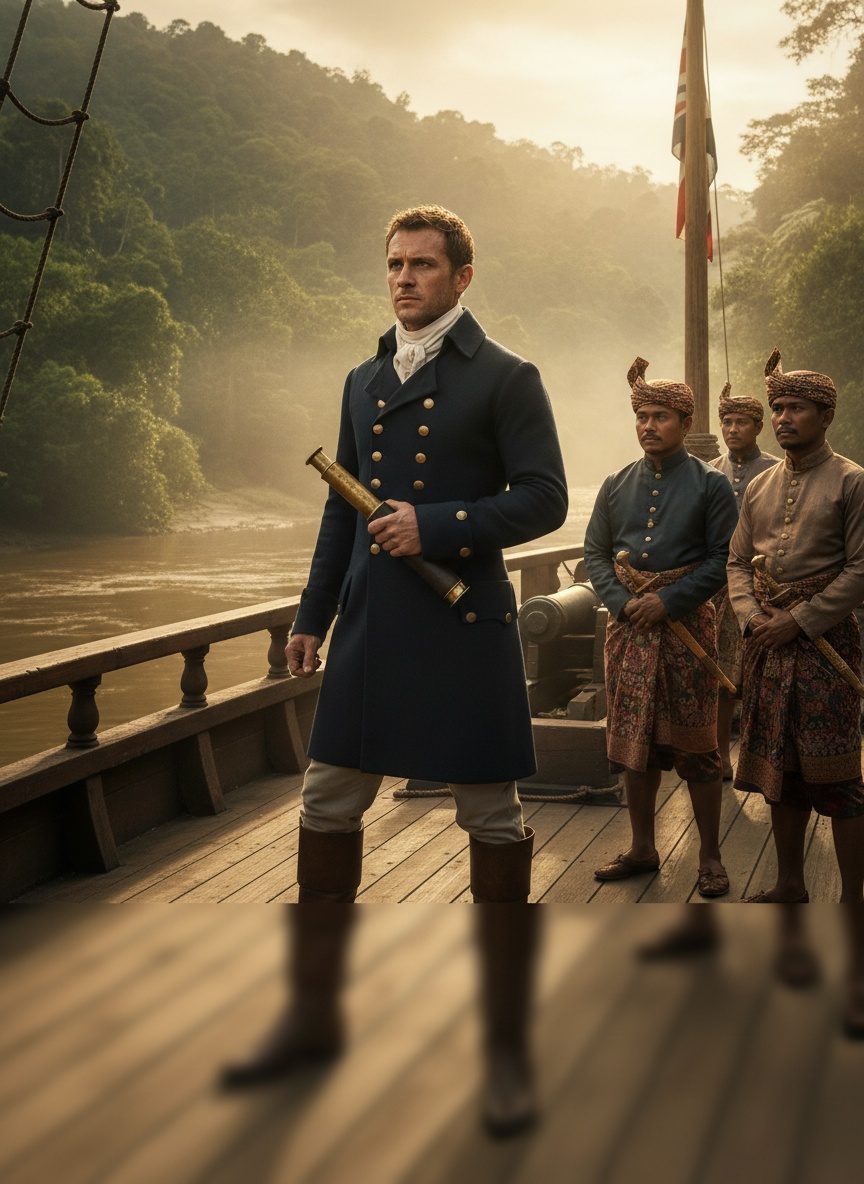
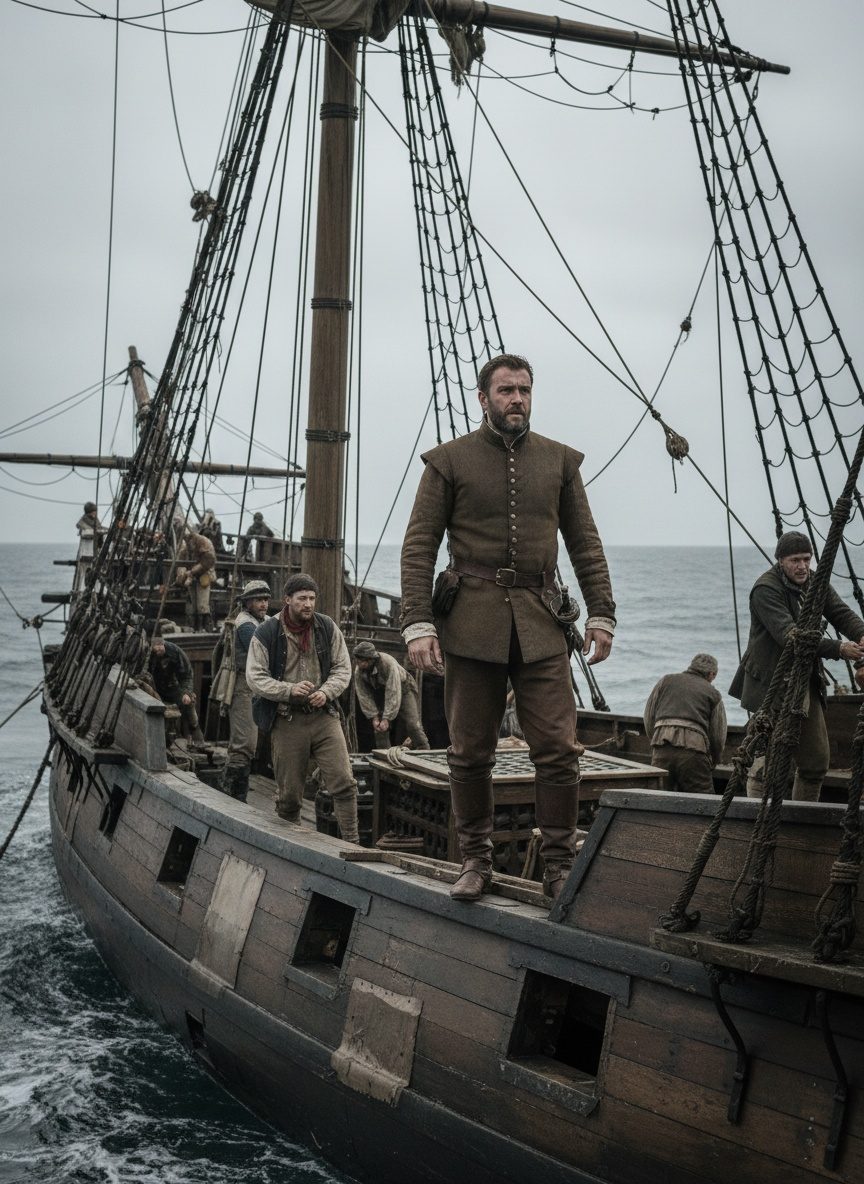
1841. A British adventurer sailed into a jungle war. James Brooke had one ship. He had no orders. He helped crush a rebellion. The Sultan of Sarawak handed him a kingdom. He ruled it for life.
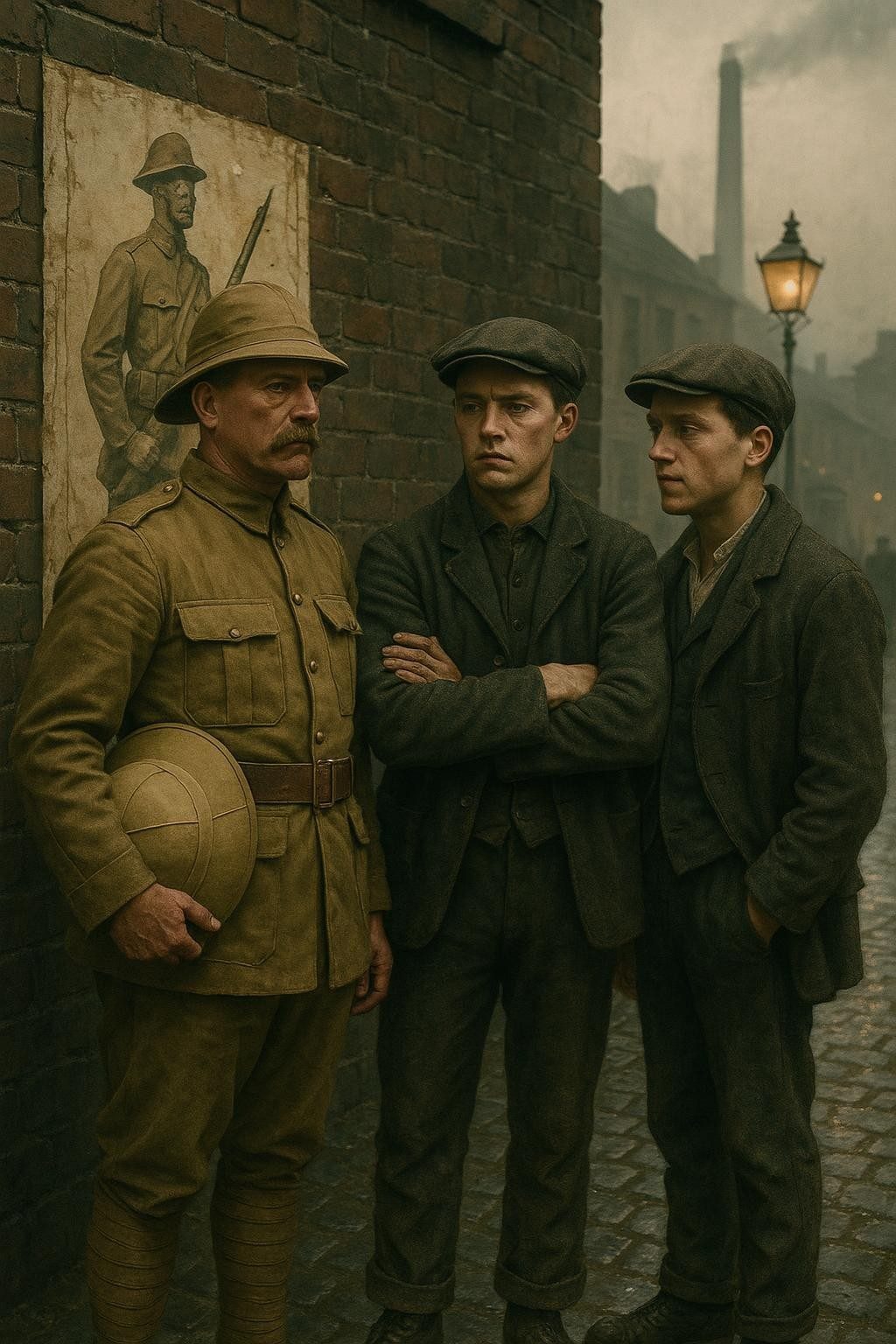
In 1899, Britain called for volunteers. Thousands answered. But thousands more refused — quietly, stubbornly, at home. A forgotten draft crisis that shook the War Office before a single shot was fired.
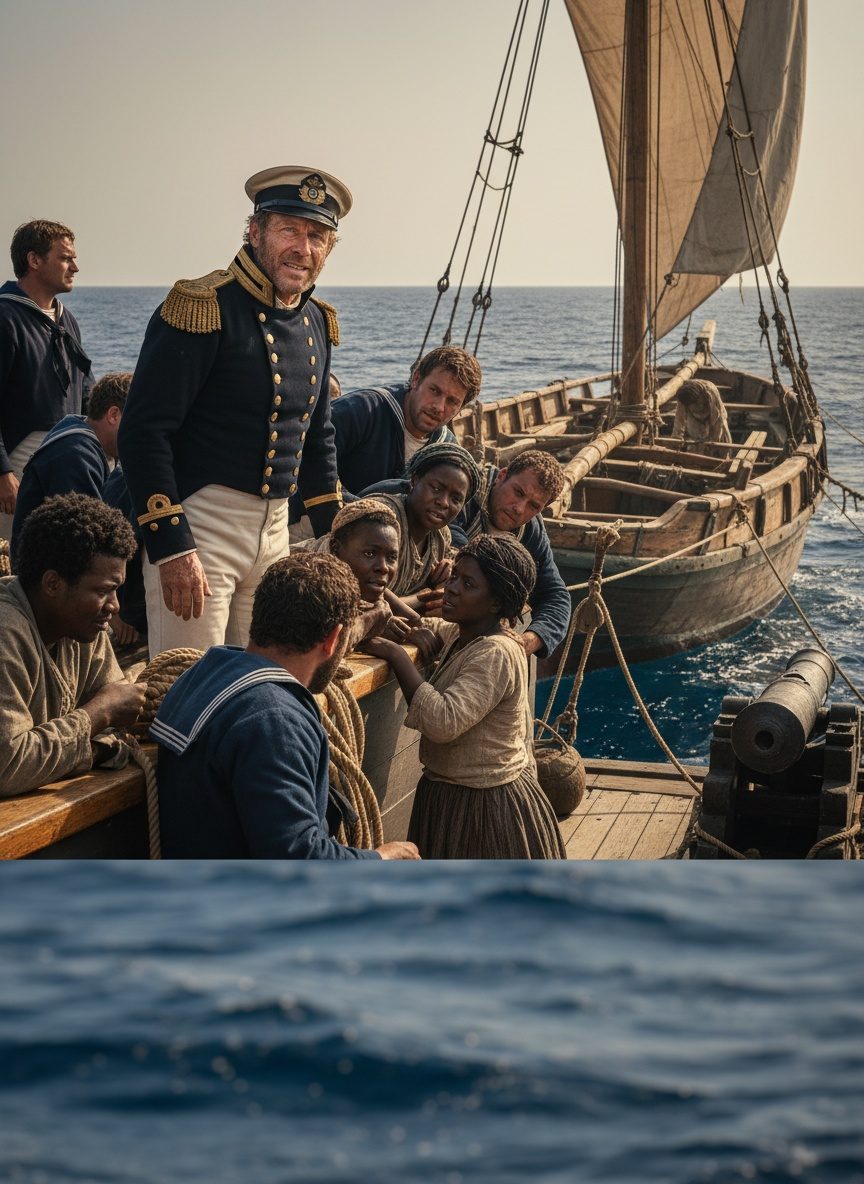
In 1868, a Royal Navy sloop stopped a dhow carrying chained men and women off East Africa. The crew of HMS Daphne pulled them aboard. Britain had been doing this for sixty years — at enormous cost.
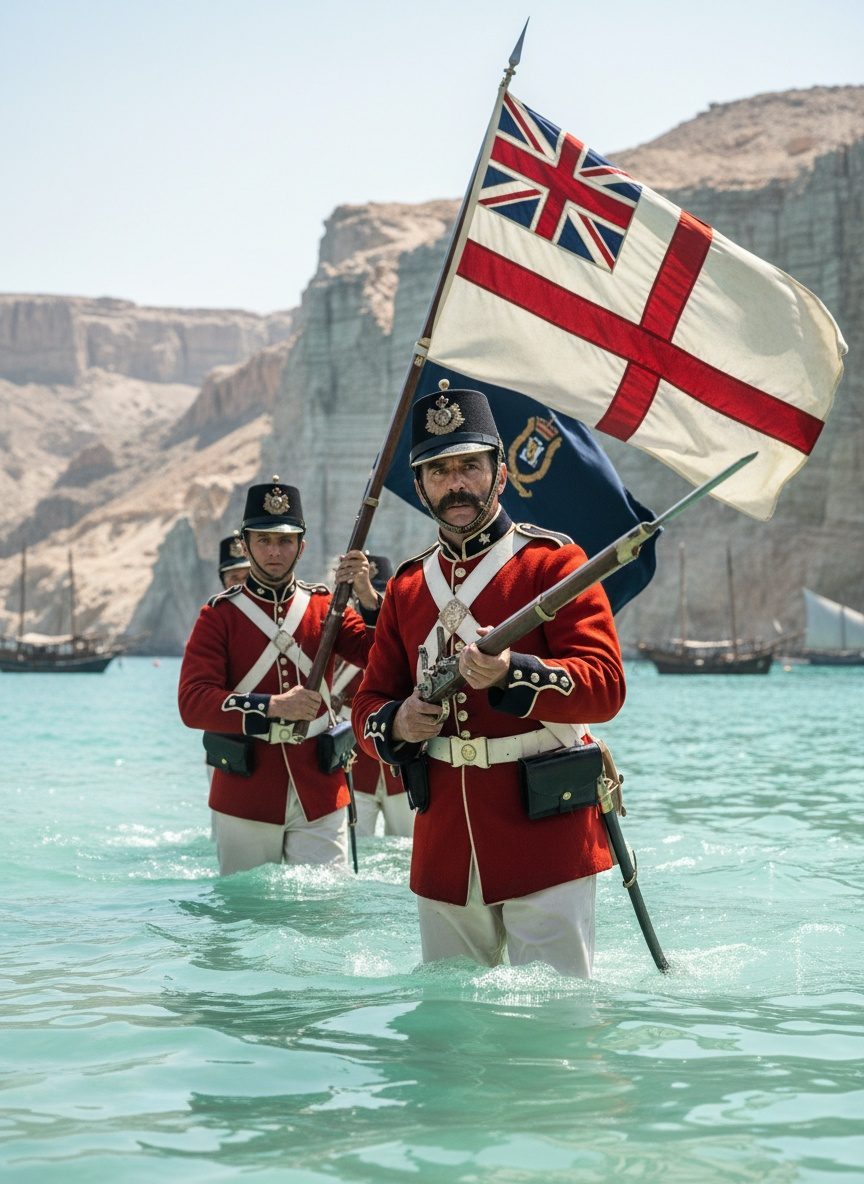
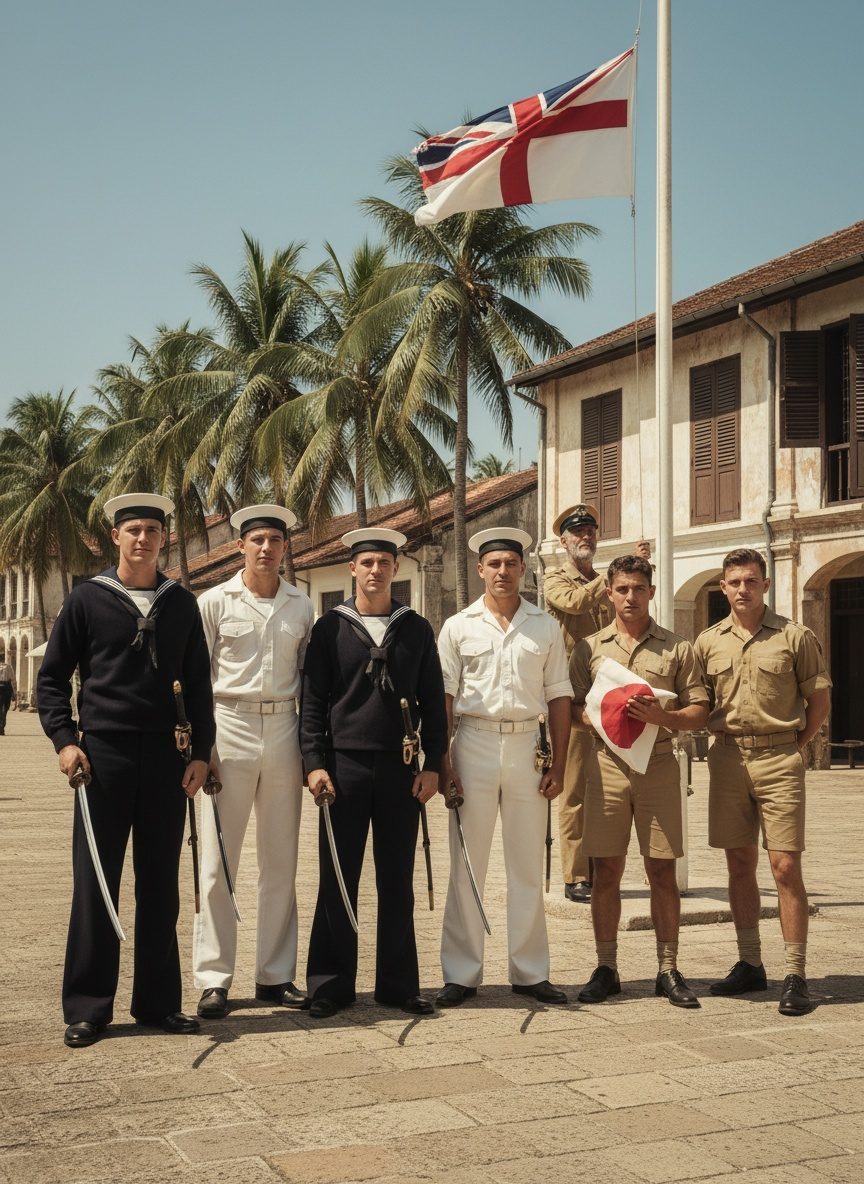
September 1945. Royal Navy sailors stepped ashore at Penang after three years of Japanese occupation. They carried rifles. They left carrying surrendered swords. The Empire's flag went back up before the ink dried.
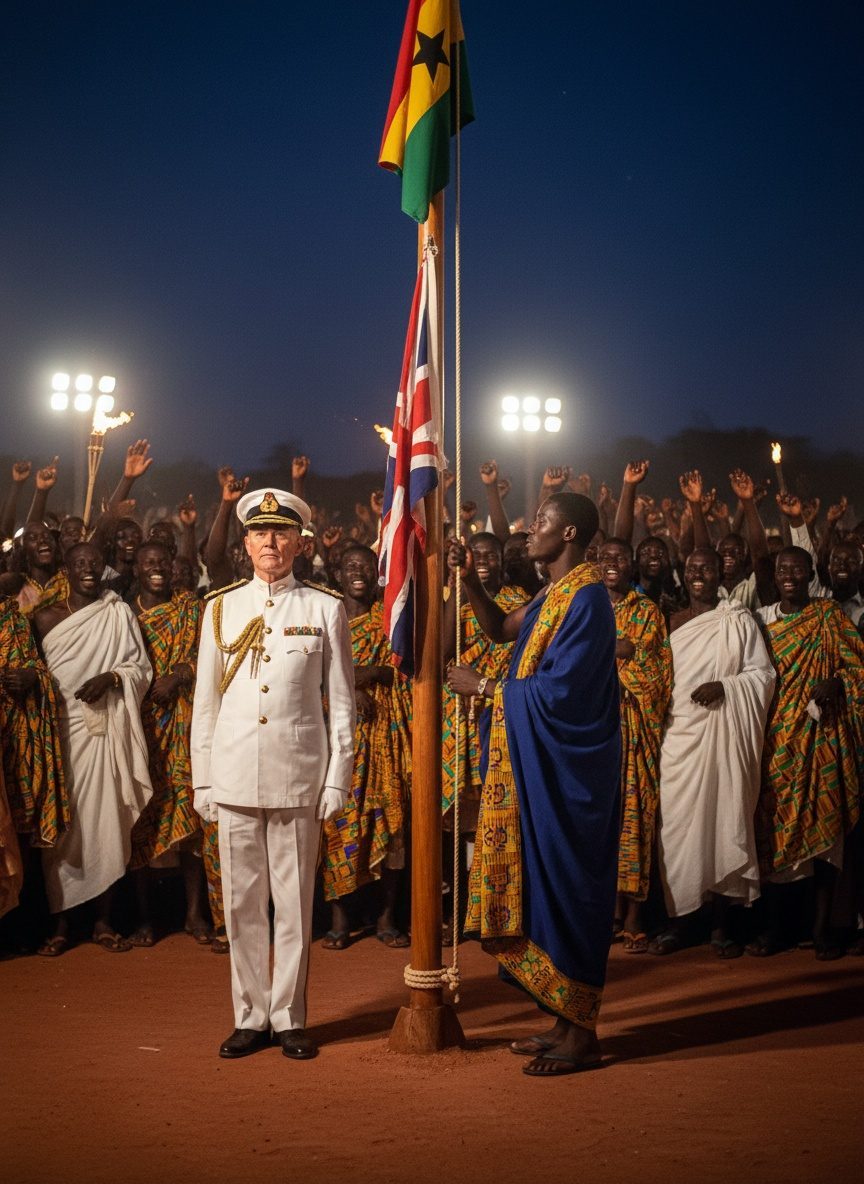
March 1957. The Gold Coast was becoming Ghana. The crowd waited in the dark. At midnight the Union Jack came down. A new flag rose. A nation was born. Kwame Nkrumah wept.
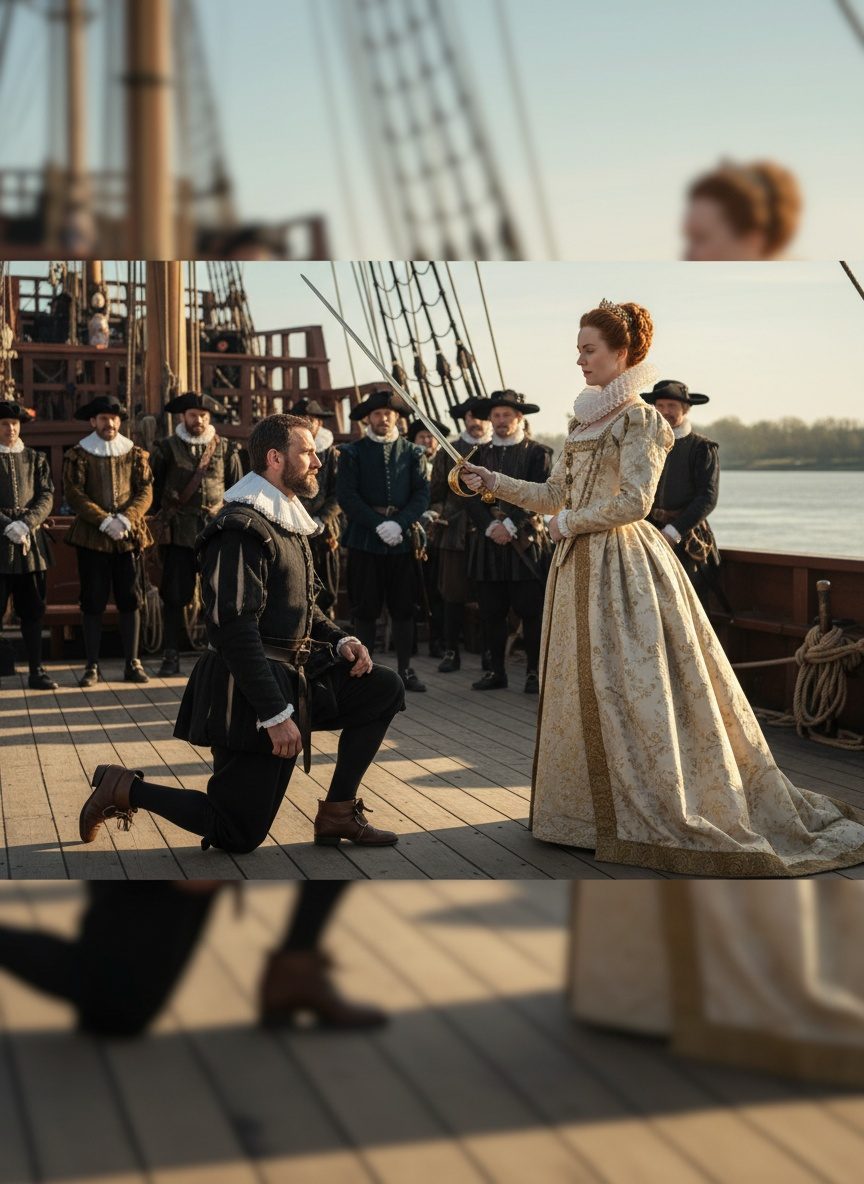
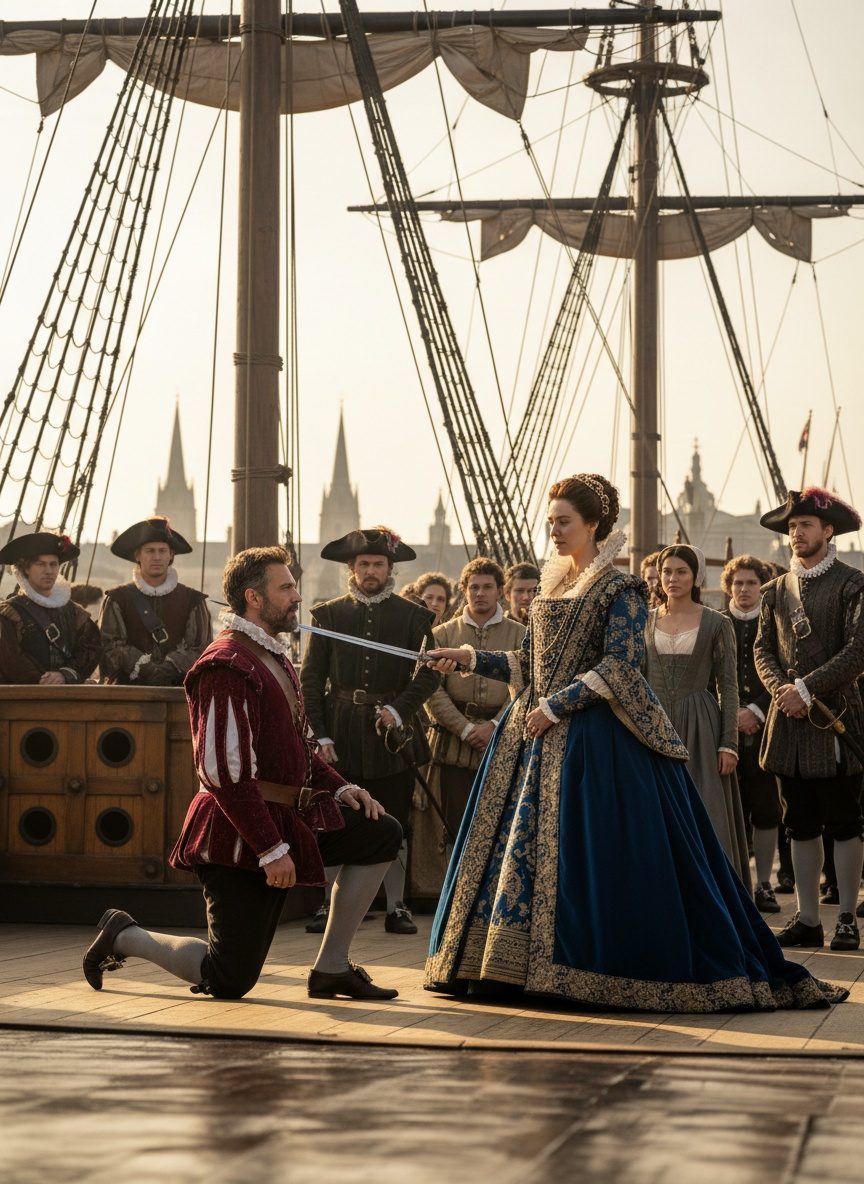
April 1581. Drake's ship sat at Deptford. The Queen stepped aboard. He had sailed around the world. Plundered Spanish gold. Defied an empire. She raised her sword. Knighted him on his own deck.
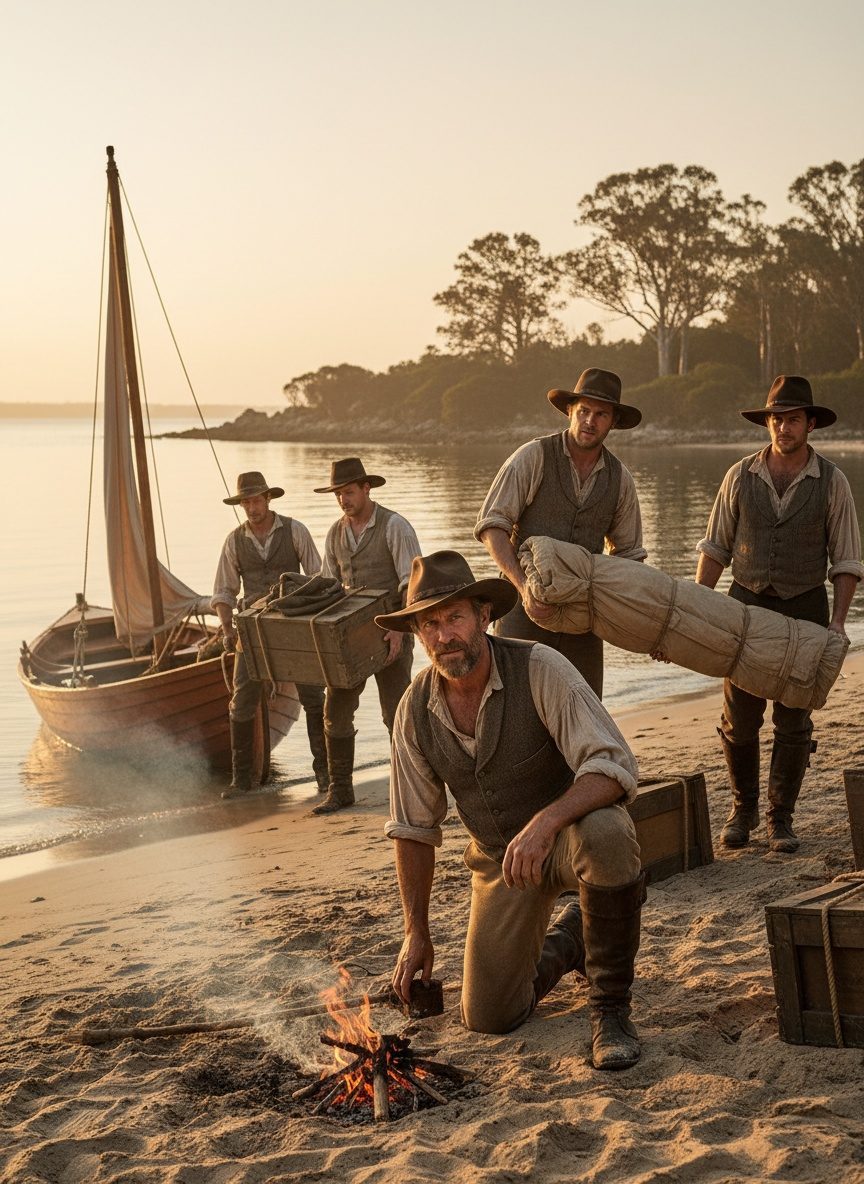
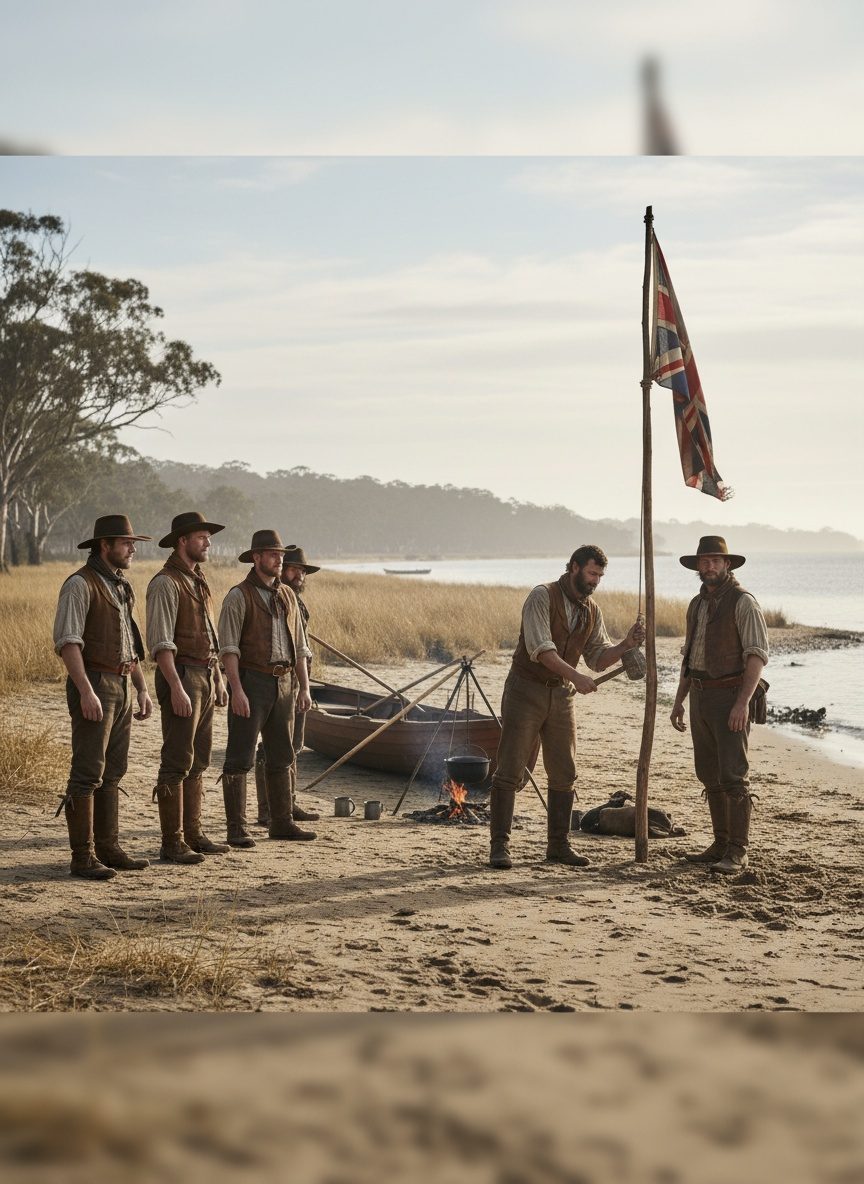
August 1835. A small boat pushed ashore at Port Phillip Bay. Seven men stepped onto empty land. No governor. No orders. No permission. They lit a fire. They stayed. Melbourne had begun.
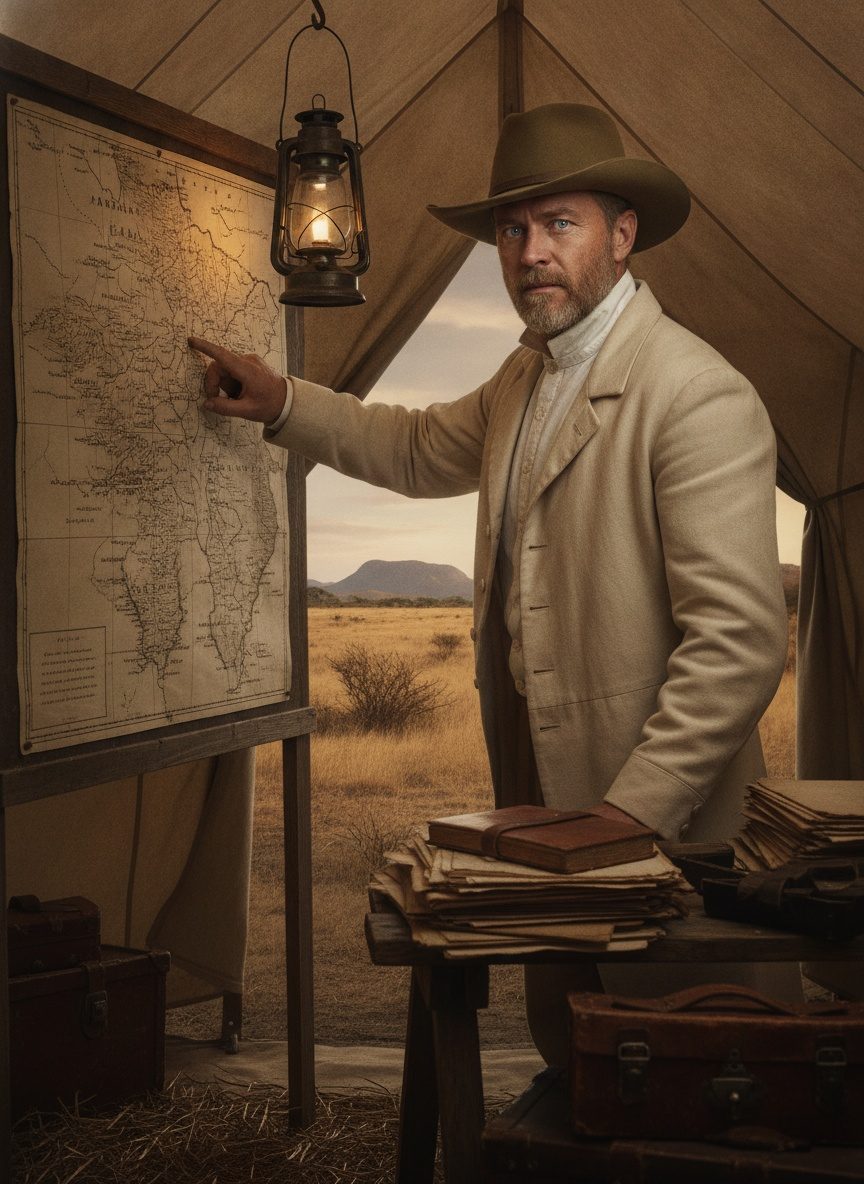
1890. Cecil Rhodes needed Mashonaland before Portugal or the Boers moved first. He had no army. He had a charter and a dream. He sent 200 settlers north. They planted a flag at Fort Salisbury. An empire was born overnight.
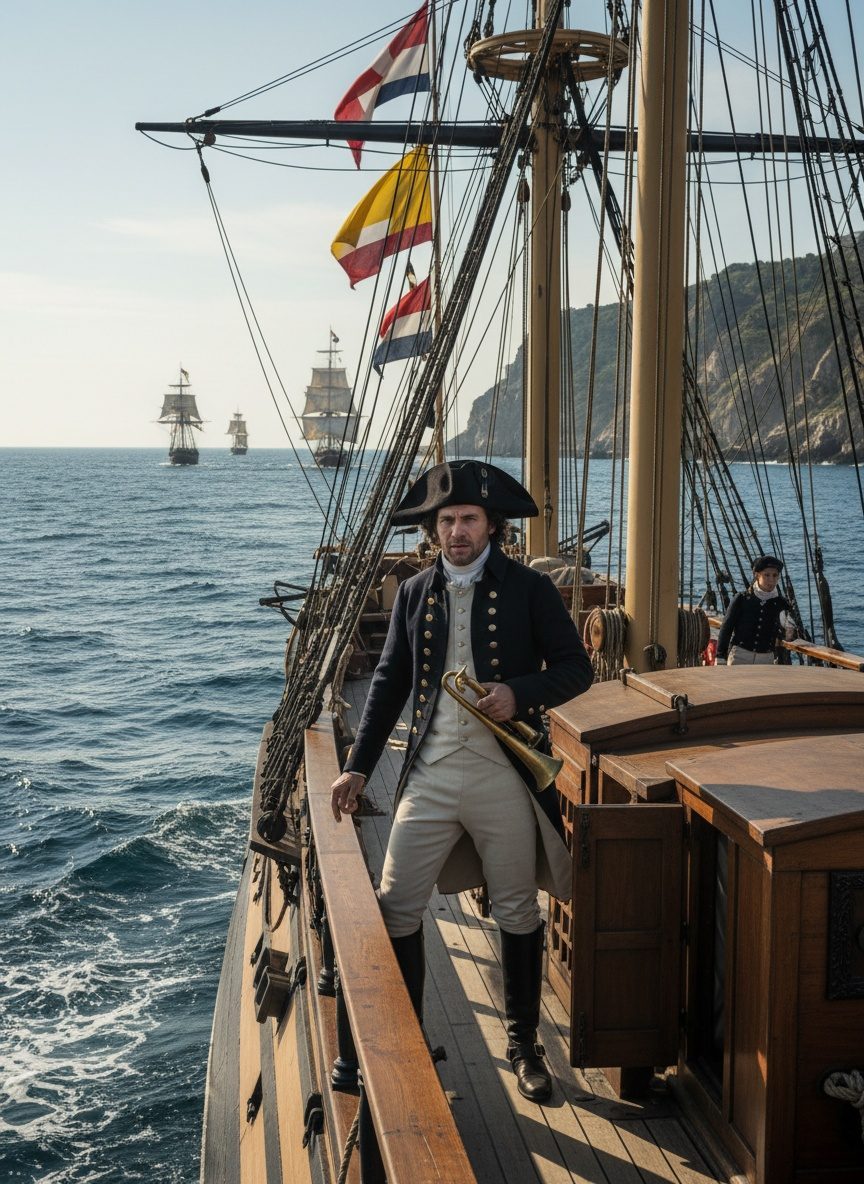
April 1808. Lord Cochrane had three small ships. A French squadron of fifteen vessels blockaded Catalonia's coast. He raised false signals. They ran. One British captain scattered a fleet without firing a single shot.
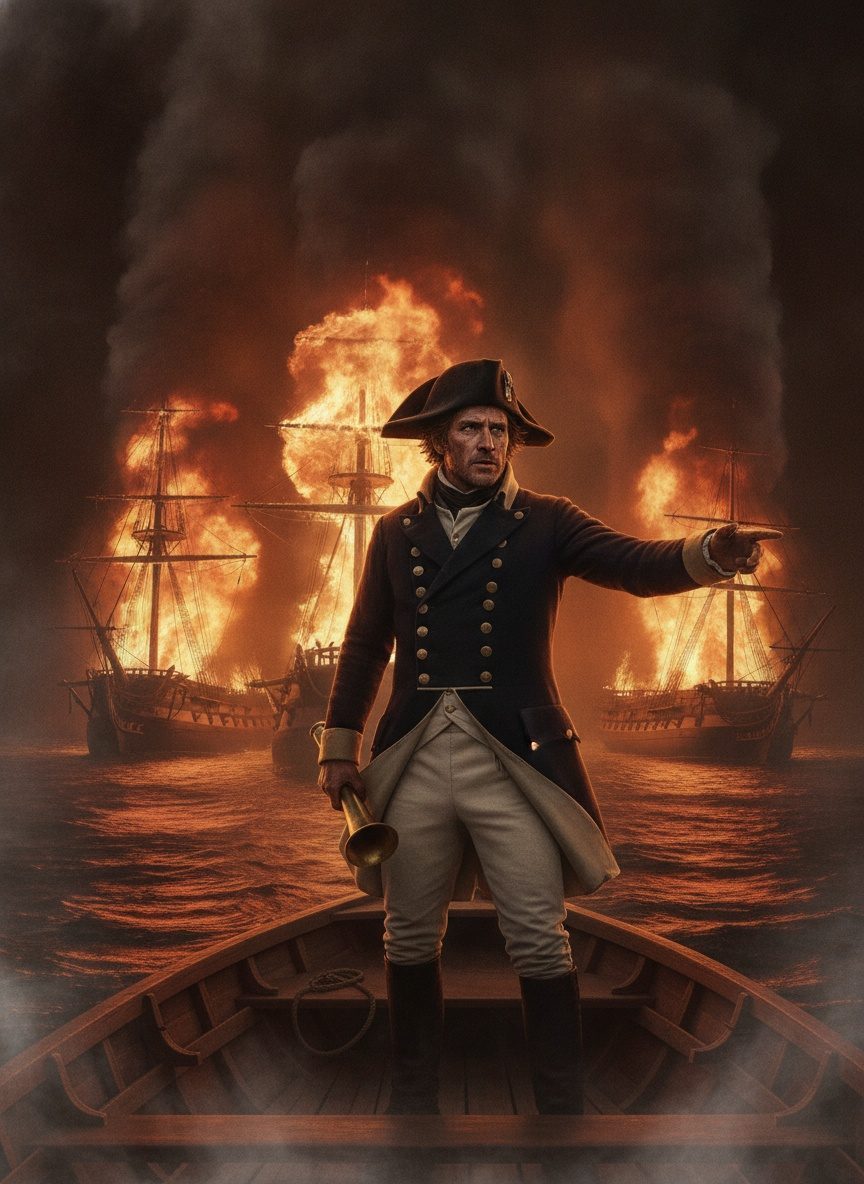
April 1809. Napoleon's fleet lay at anchor in Aix Roads. Lord Cochrane lit his fireships alone. The French cut their cables in panic. Four ships of the line ran aground. One captain had shattered an empire's navy.
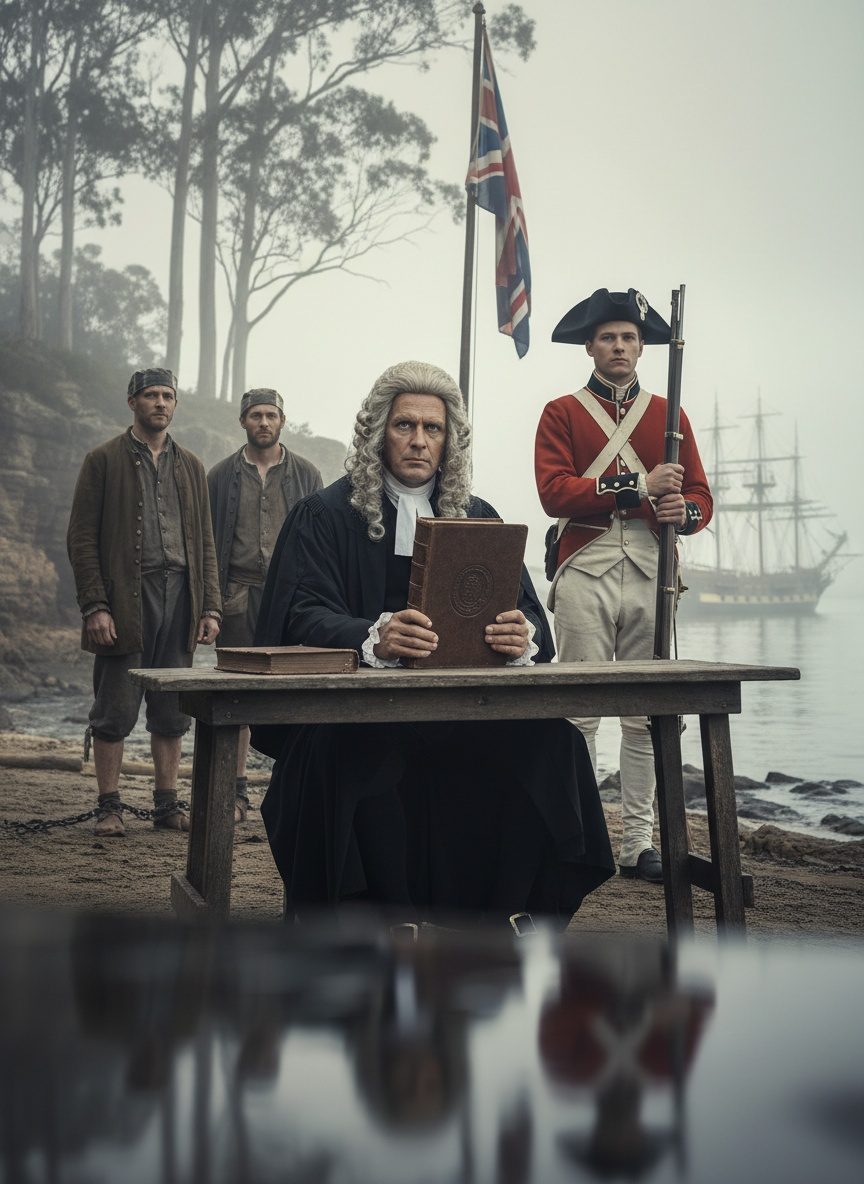
1788. The First Fleet dropped anchor at Sydney Cove. With it came something invisible. English common law. One legal tradition. It would travel to every continent. Today it governs two billion people.
July 1857. Lucknow was besieged. Over a thousand British women and children were trapped inside. General Havelock marched 126 miles in blistering heat. He fought four pitched battles in eight days. He broke through.
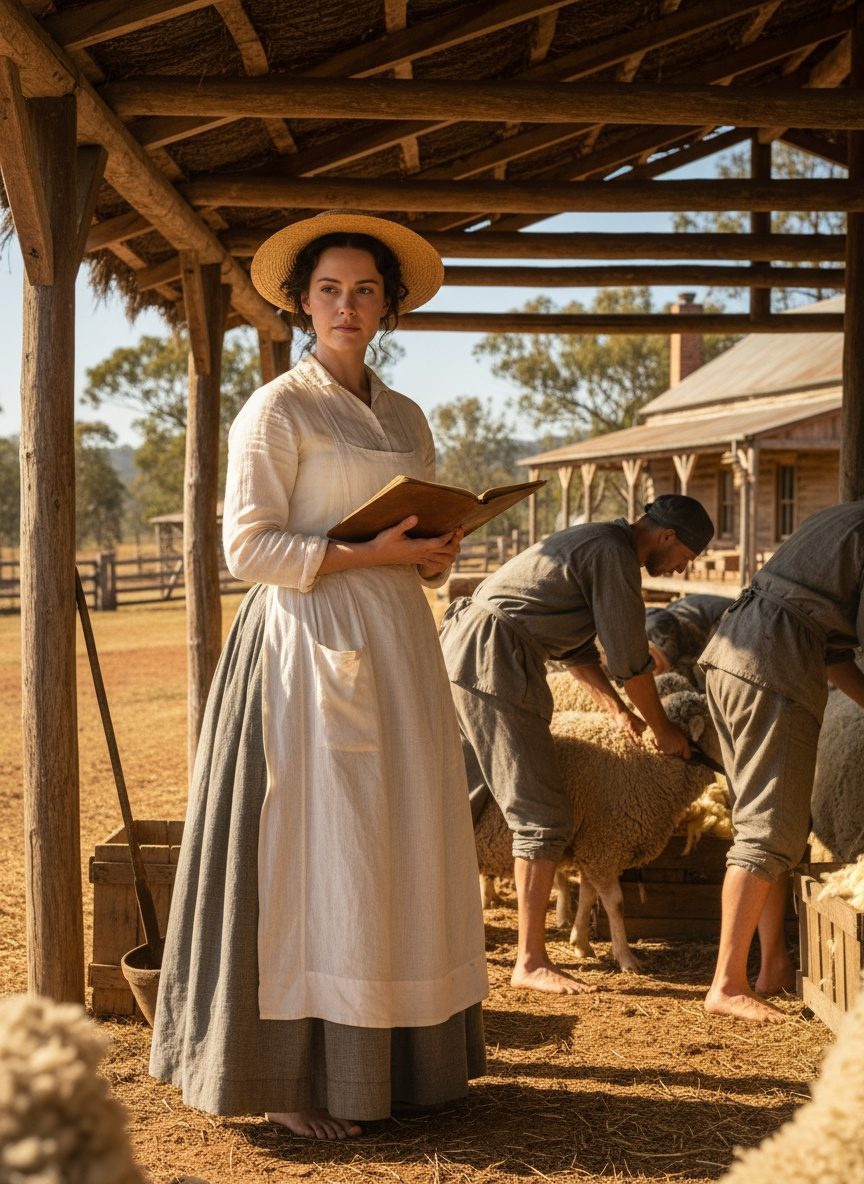
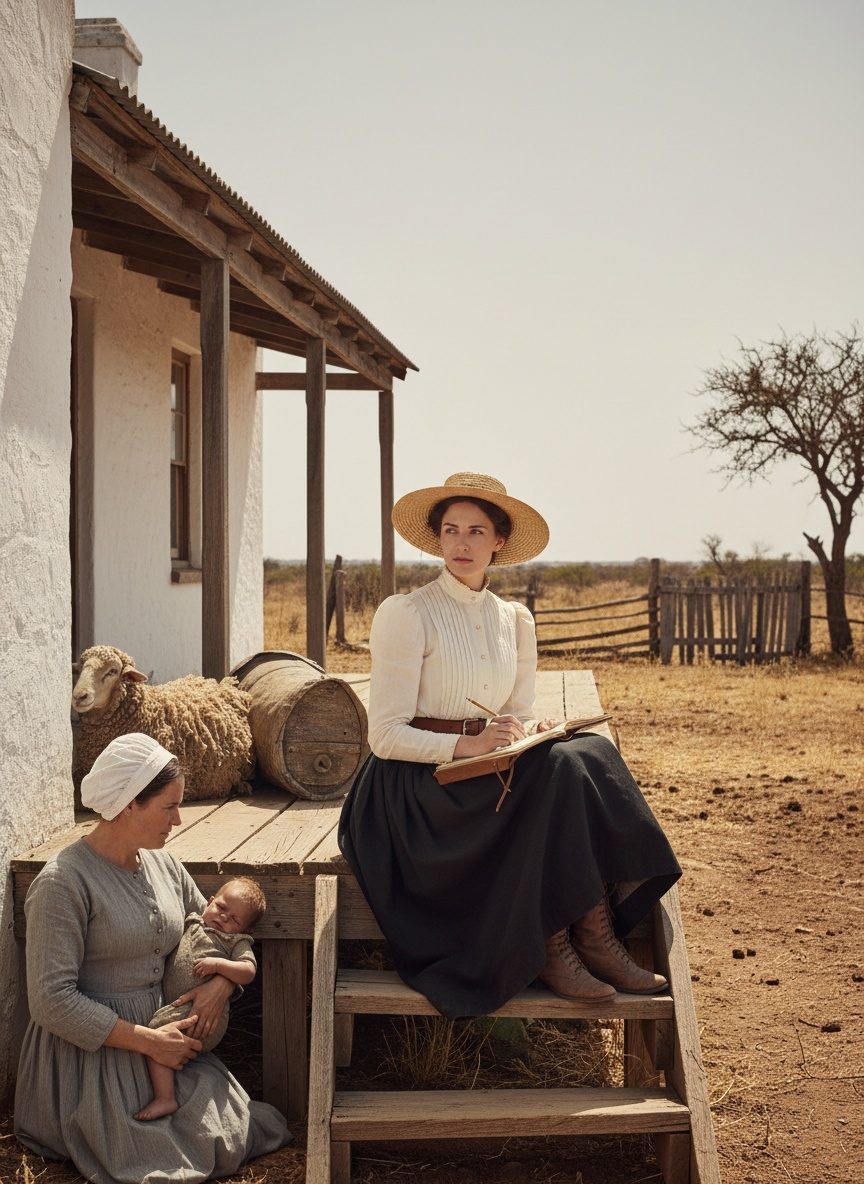
Sydney, 1805. Elizabeth Macarthur had run the farm alone for years. Her husband exiled. Her workers convicts. Her merino flock the finest in the colony. She sheared them anyway. The wool reached London. It changed everything.
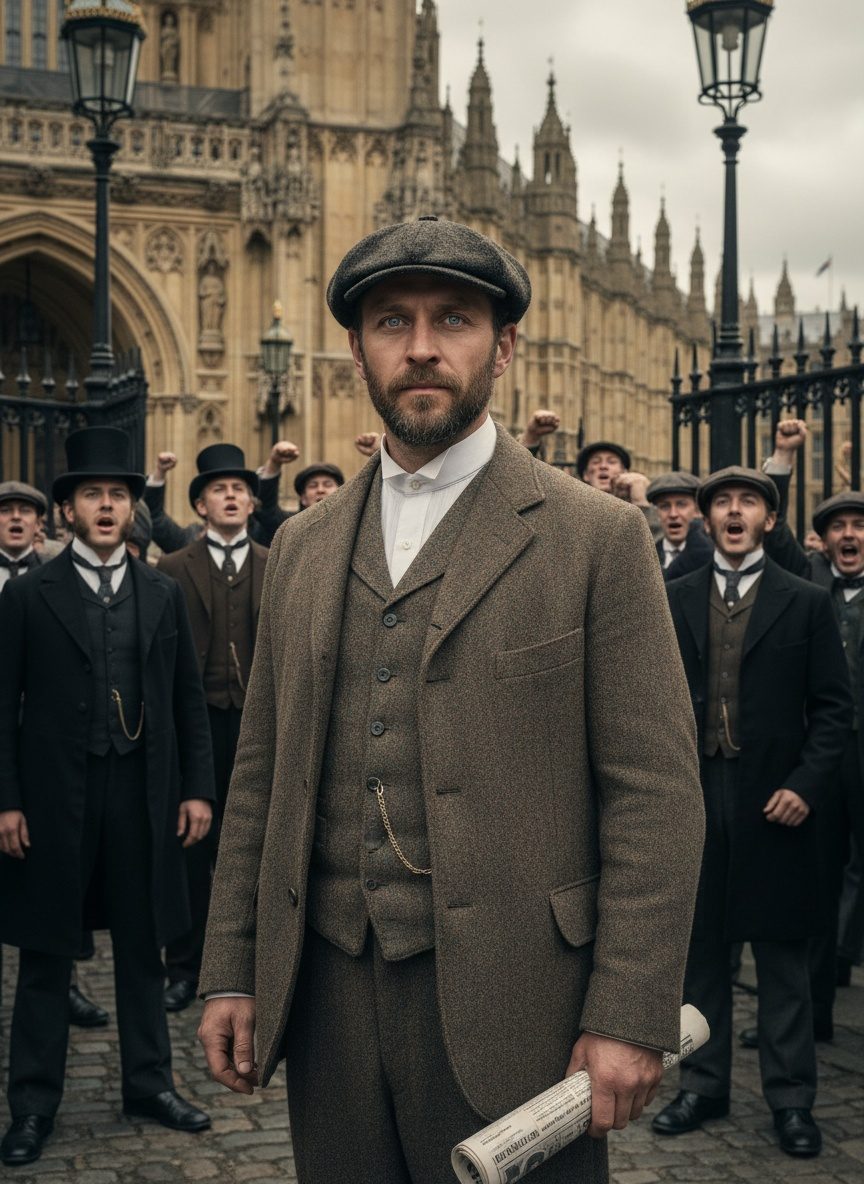
August 1892. James Keir Hardie entered Parliament. No top hat. No frock coat. A cloth cap. A brass band played him in. The miners of Cumnock had sent a working man to Westminster. Nothing would ever be the same.
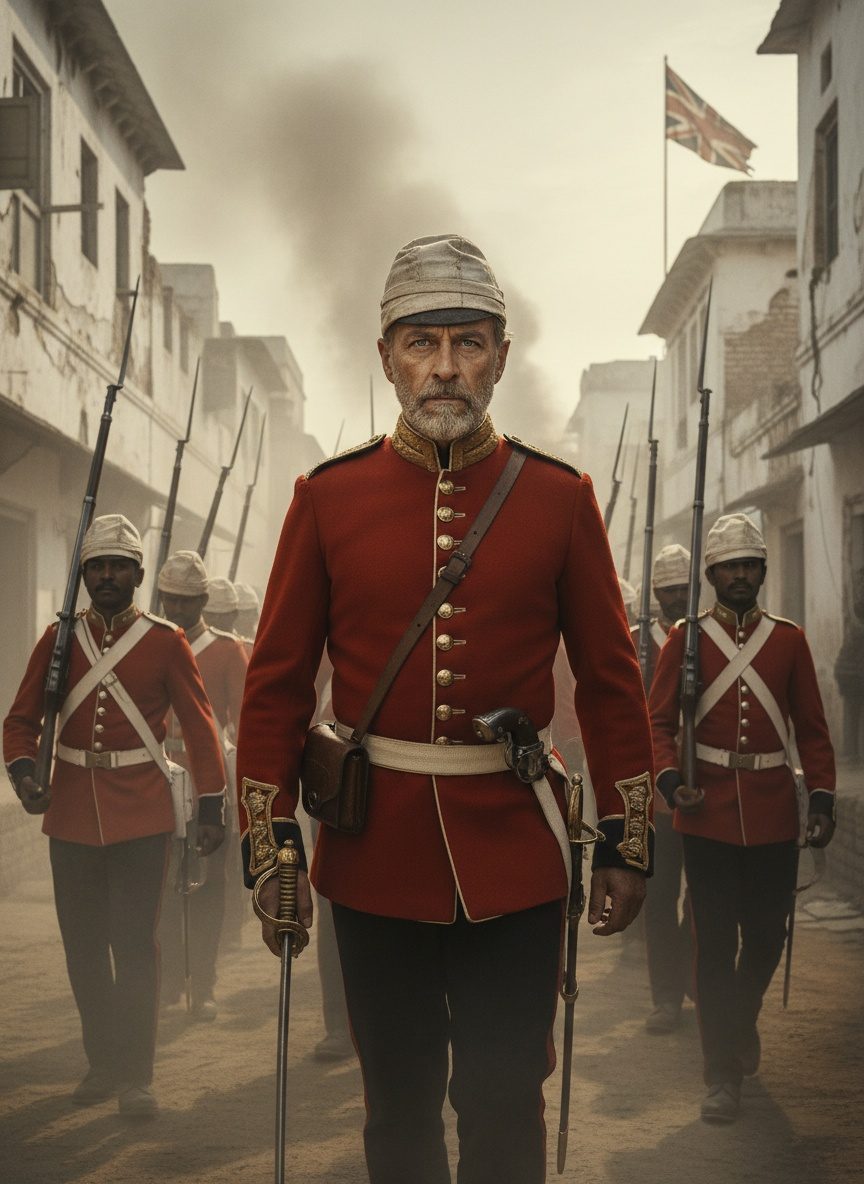
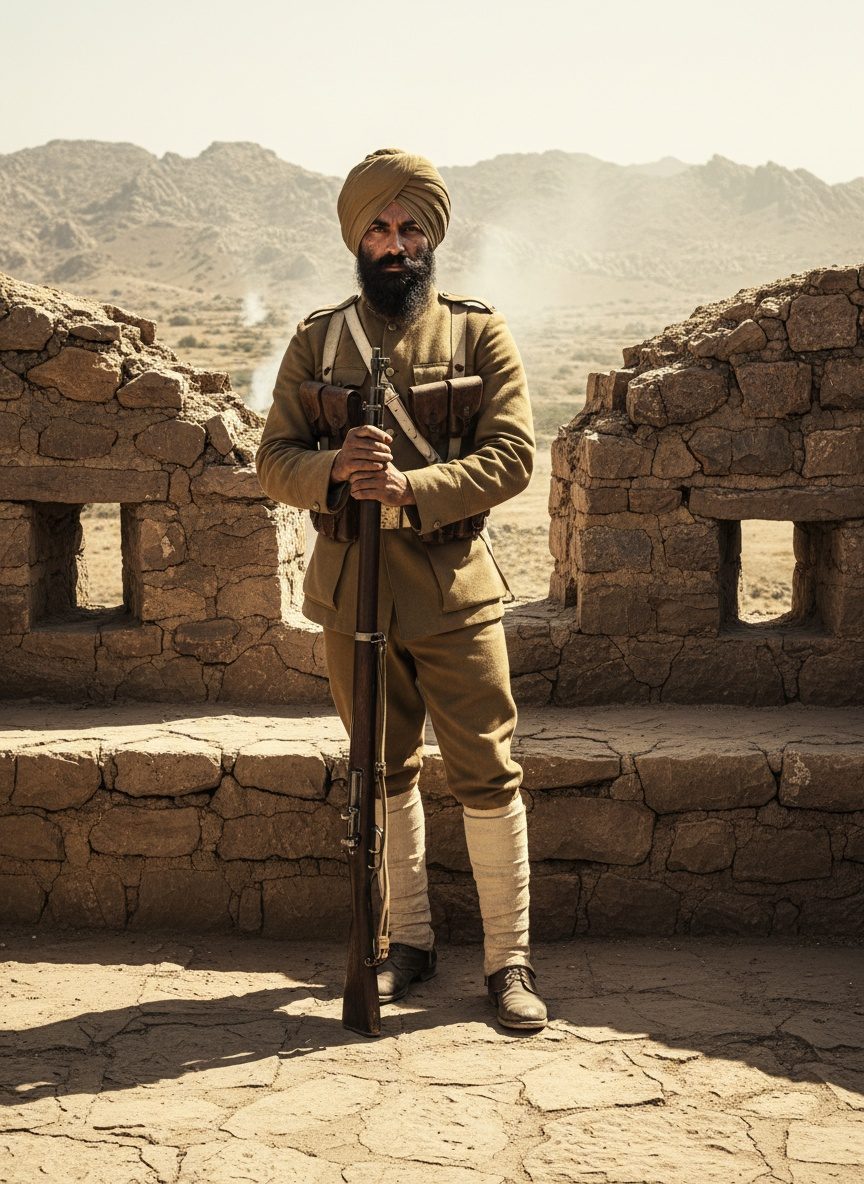
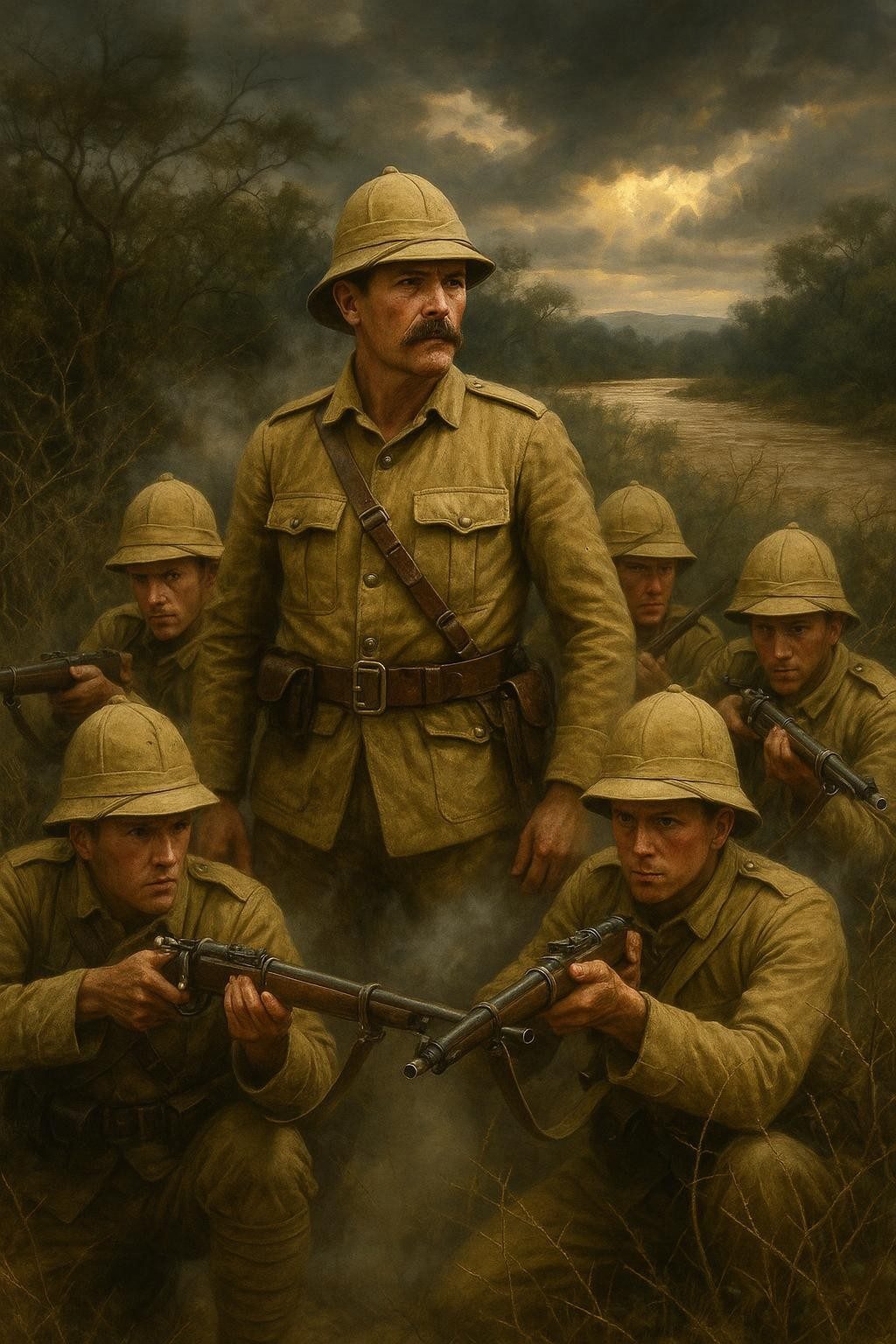
12 September 1897. Twenty-one Sikh soldiers held a signal post. Ten thousand Afridi tribesmen surrounded them. They sent one message. Then they fought. Every man died. None surrendered.
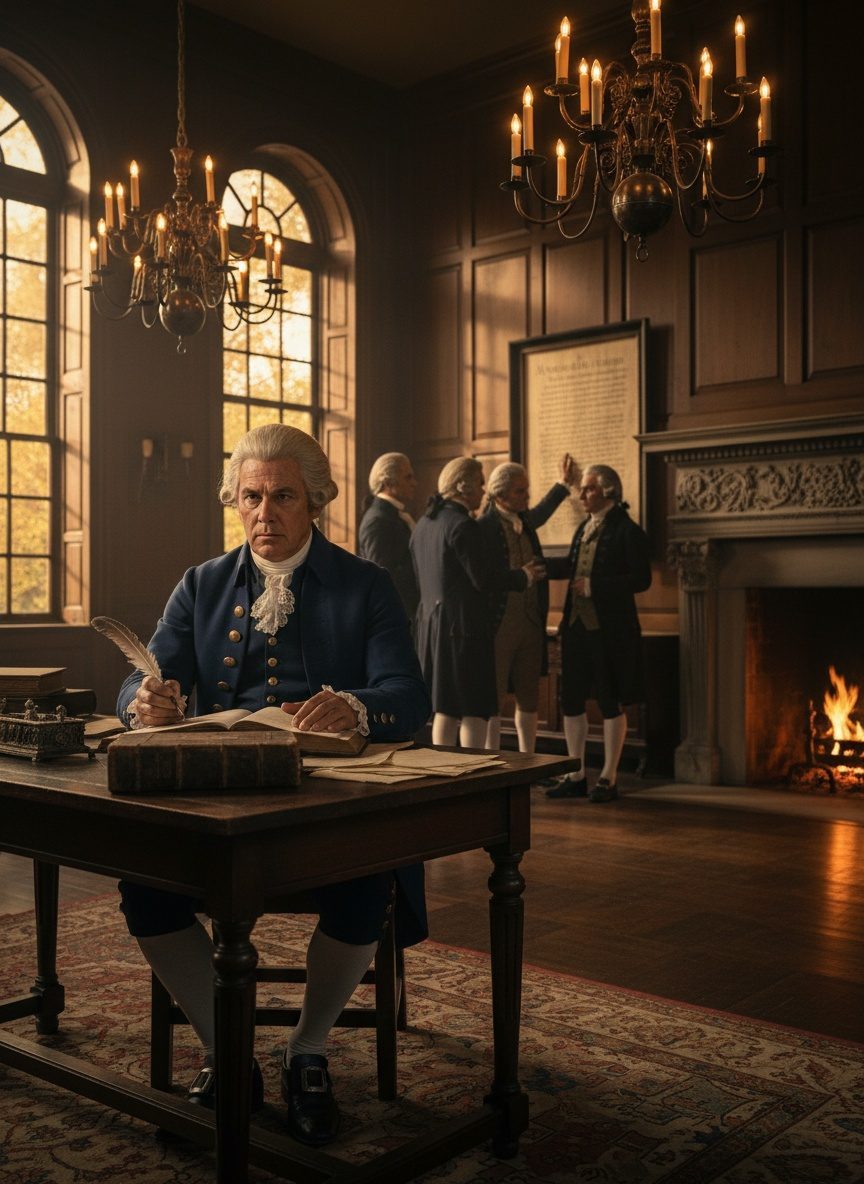
1787. Philadelphia. Men gathered to build a nation from scratch. They reached for the oldest law they knew. Magna Carta. English common law. The words of Blackstone. Britain's legal inheritance became freedom's foundation.
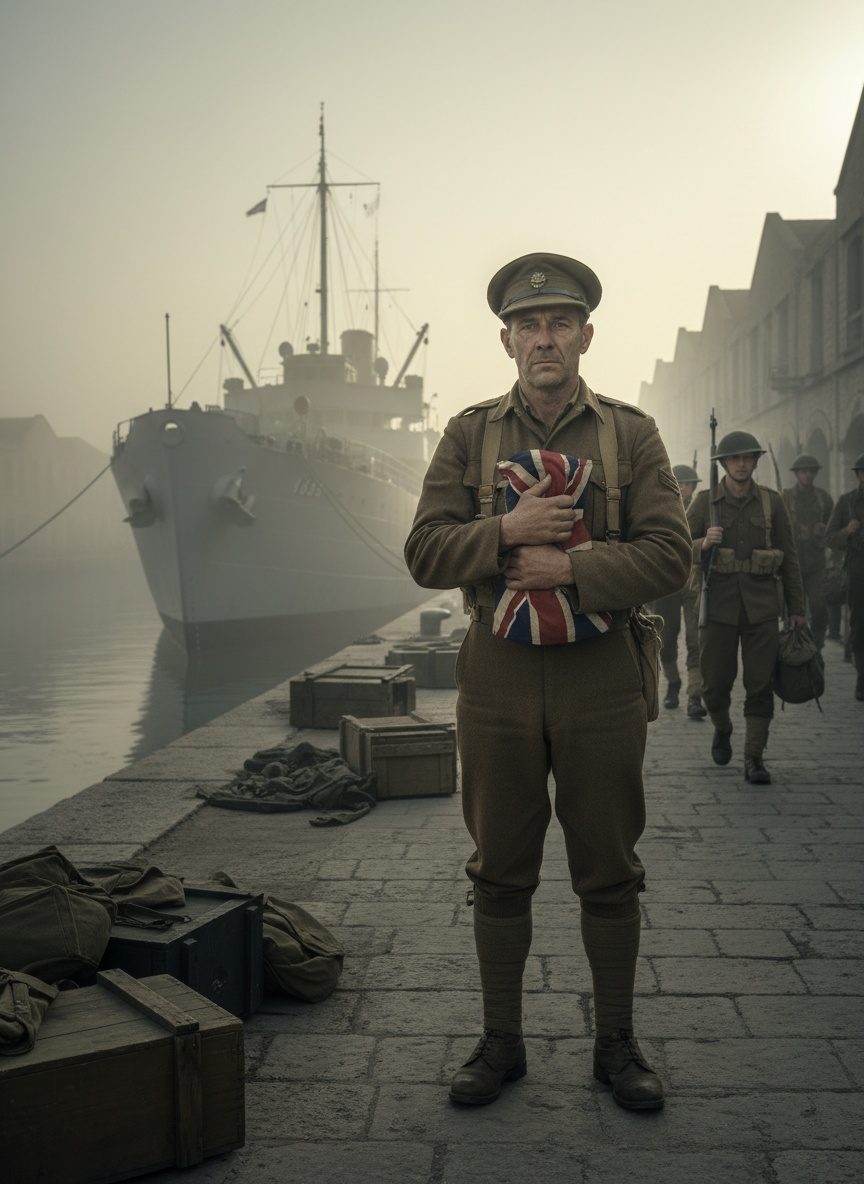
May 1948. The last British troops were leaving Haifa. Thirty years of Mandate were ending. A sergeant folded the Union Jack. Handed it to no one. Walked to the ship alone.
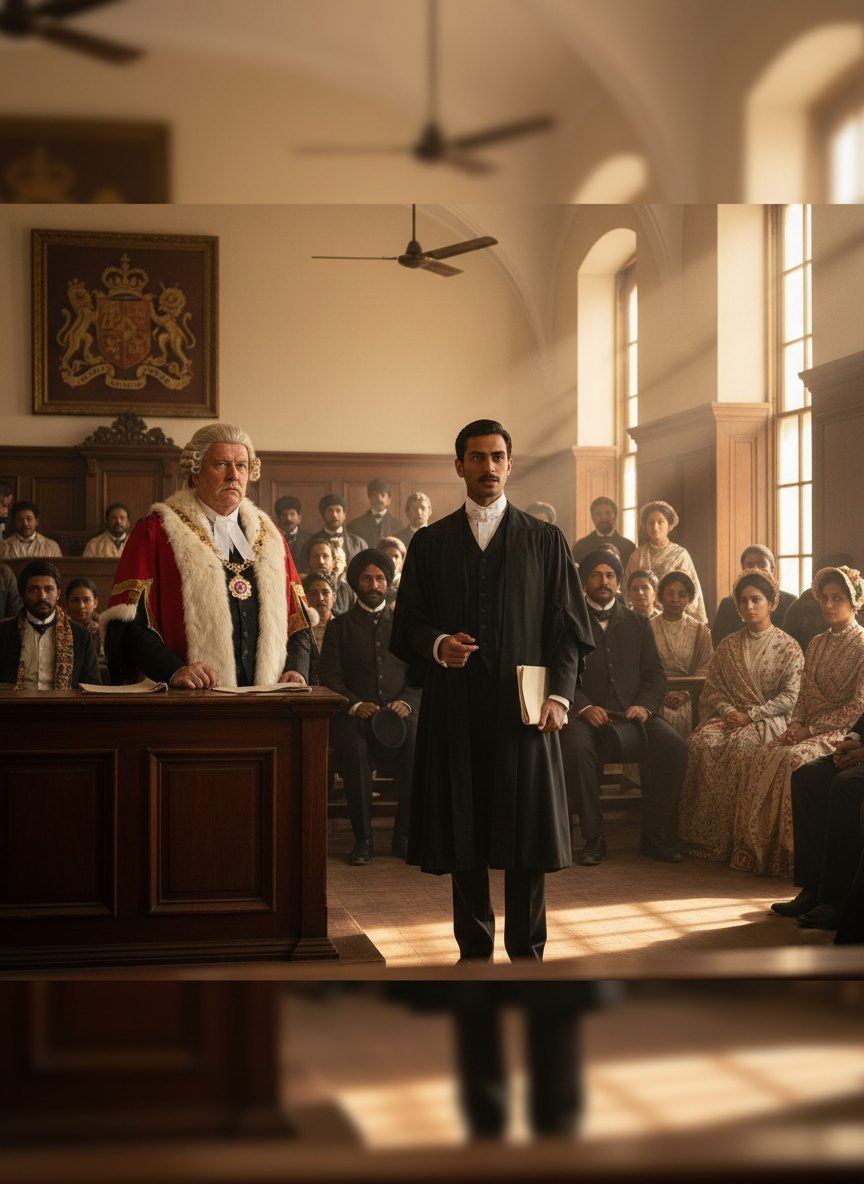
1858. Britain gave India a legal code. Courts. Juries. Rights. Today forty-seven nations govern by laws written in Westminster. A quarter of humanity lives under rules born on one small island.
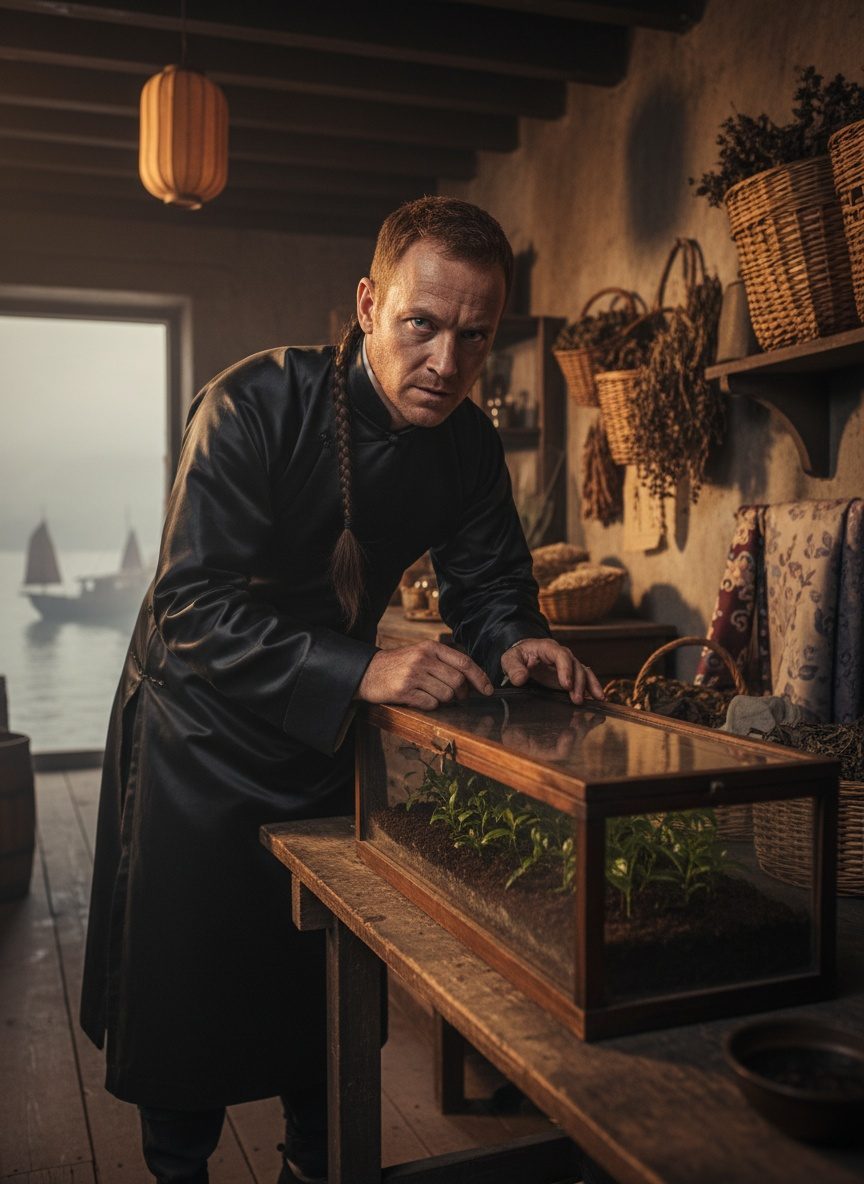
1848. Britain needed tea. China owned the secret. Robert Fortune disguised himself as a Chinese merchant. He walked into the forbidden interior. He smuggled out 20,000 plants. He changed the empire forever.
1901. The drought was killing the Cape Colony's sheep farms. Emily Hobhouse rode out alone. She found British families starving on abandoned homesteads. She fed them. Shamed a government. Saved hundreds.
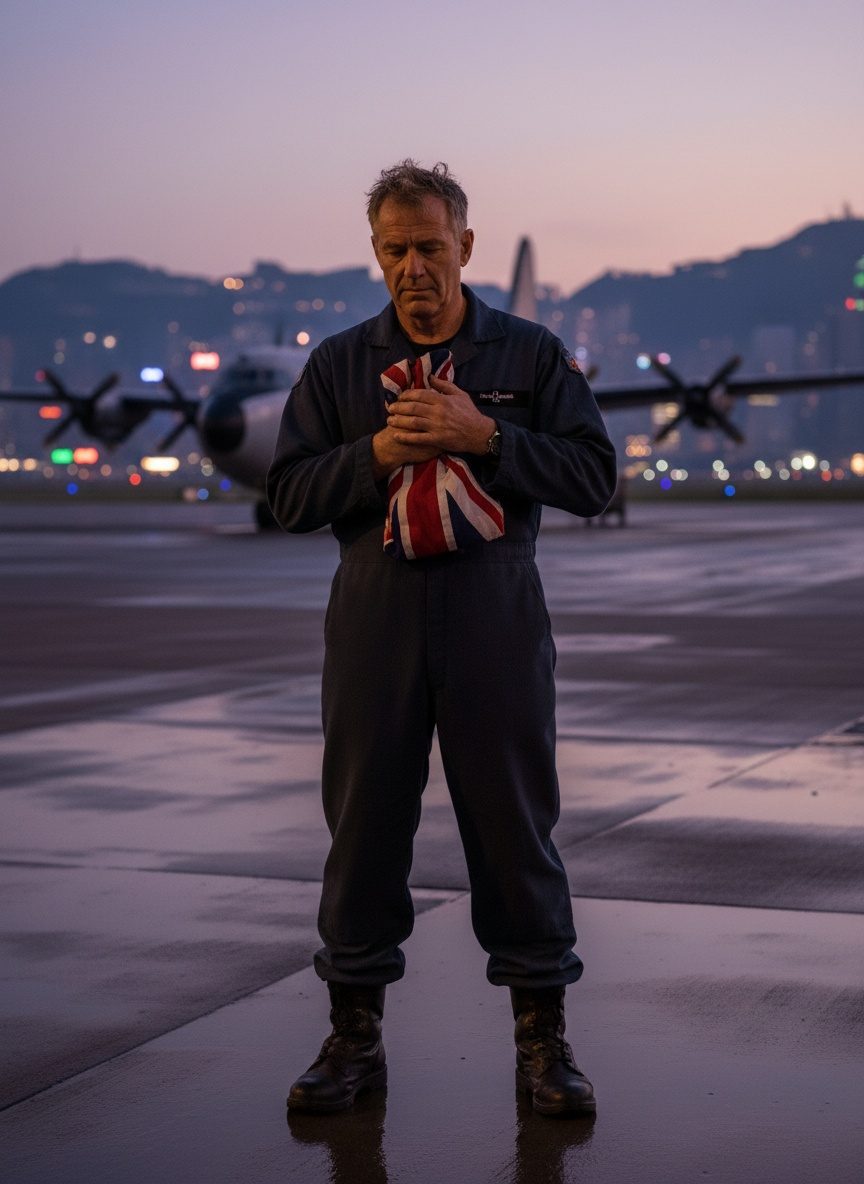
June 1997. The handover was hours away. The last RAF crew walked to their aircraft. No fanfare. No speeches. Just engineers in khaki drill folding the last British flag at Kai Tak. Then the runway lights went dark.
November 1893. Major Allan Wilson crossed the Shangani River deep into Matabele territory. The river rose behind him. He was cut off. Thirty-four men. Thousands of warriors closing in. They stood their ground. Not one broke.
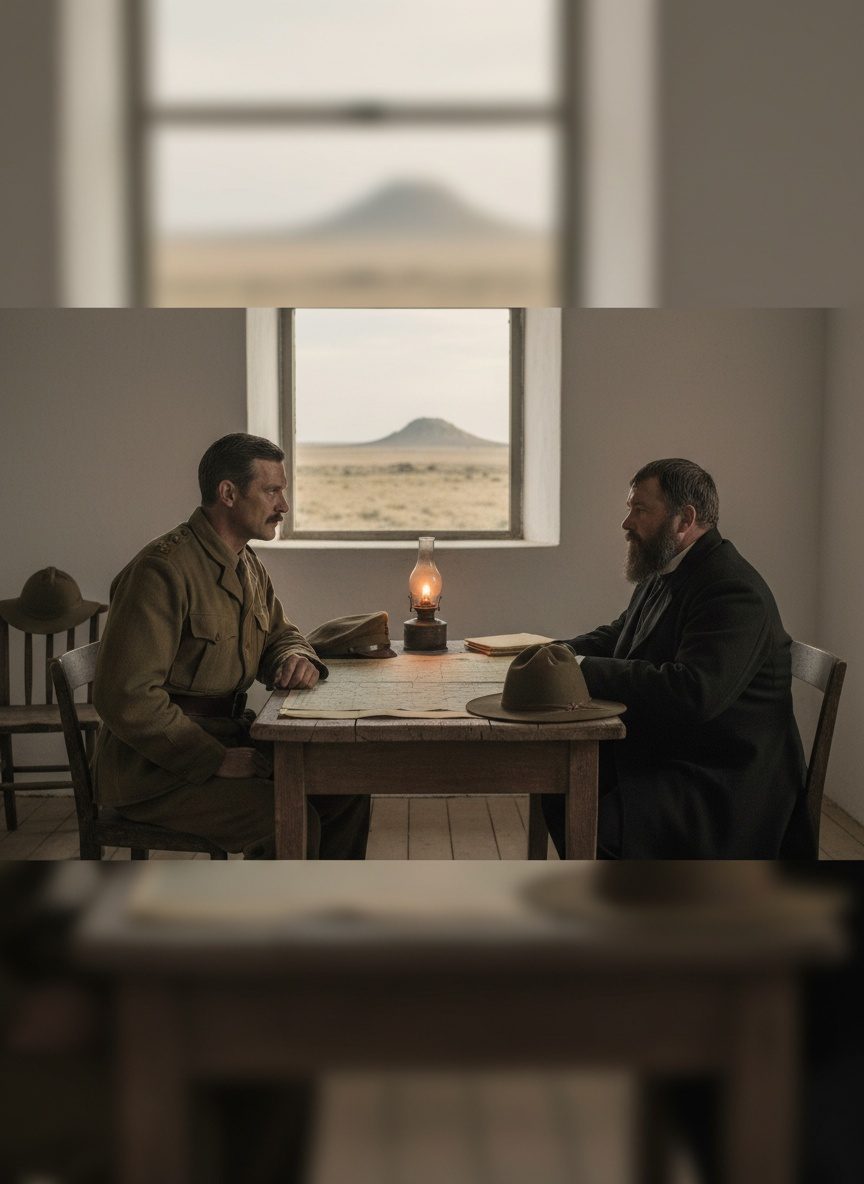
February 1901. Kitchener offered Botha terms that most generals would have taken. Reconstruction. Language rights. A path to self-rule. Botha said no. Fifteen more months of war followed.
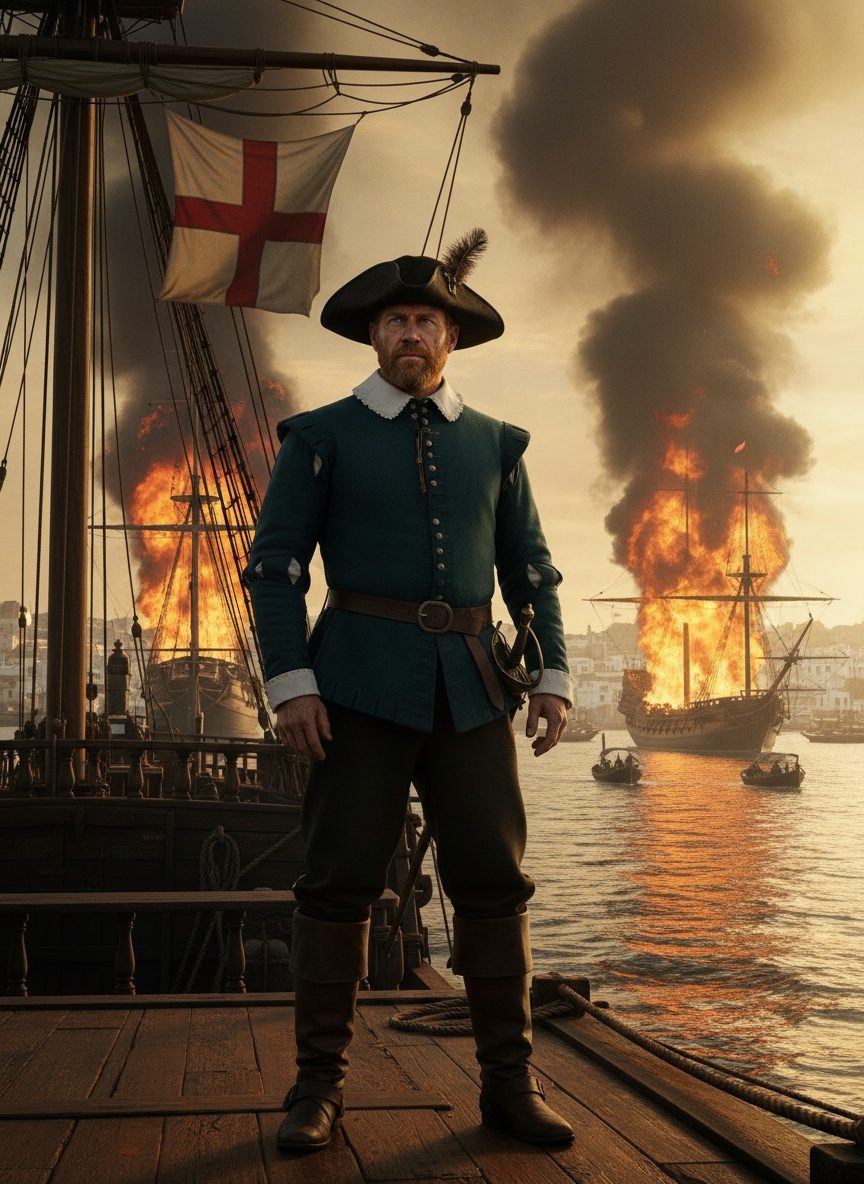
April 1587. Spain was building the greatest armada in history. Drake sailed into Cadiz harbour with eighteen ships. He burned thirty-seven Spanish vessels in a single afternoon. He called it singeing the King of Spain's beard.
Hong Kong. 1865. A Scots shipping clerk had an idea. No London bank would fund the Far East trade. So he built one himself. The Hongkong and Shanghai Banking Corporation opened its doors. It would finance an empire.
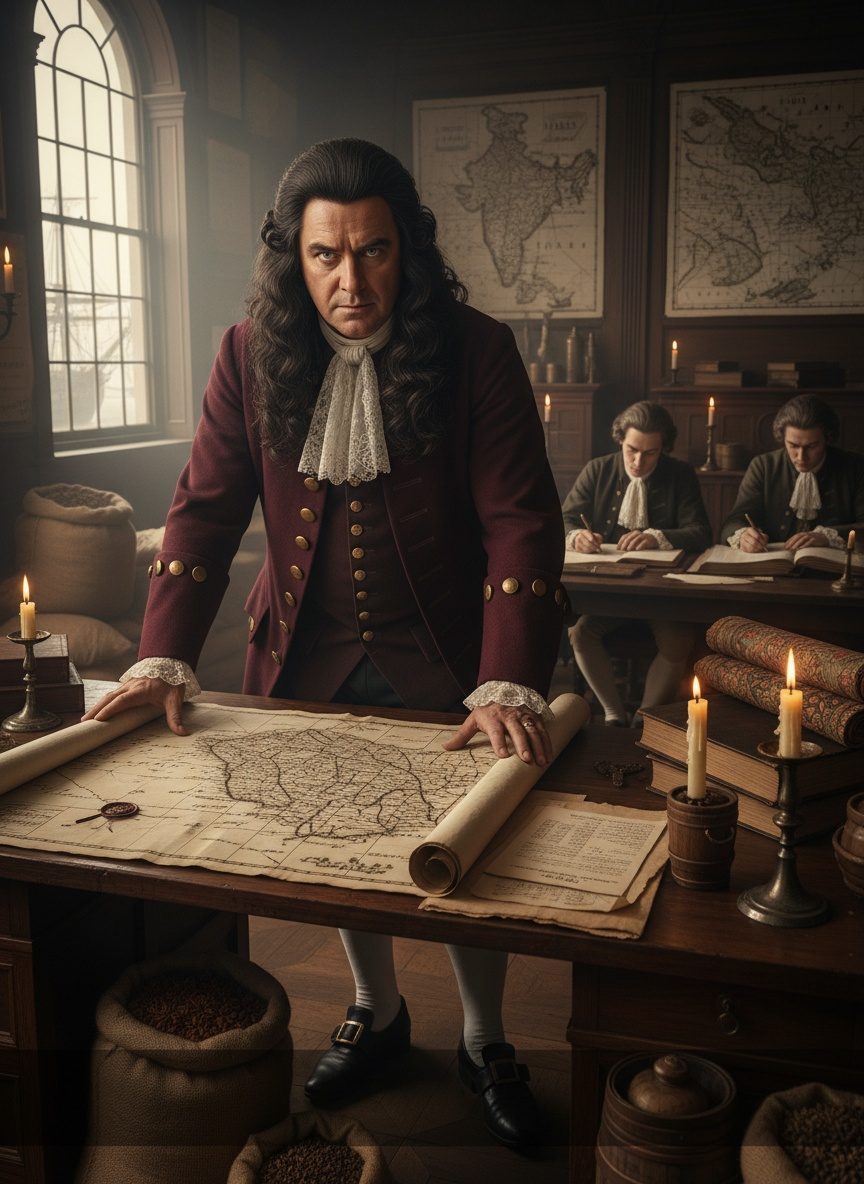
London, 1688. One merchant held a monopoly over half the world's trade. Sir Josiah Child rewrote company law, bribed Parliament, and made the East India Company untouchable. No man had ever seized so much commerce with a pen.
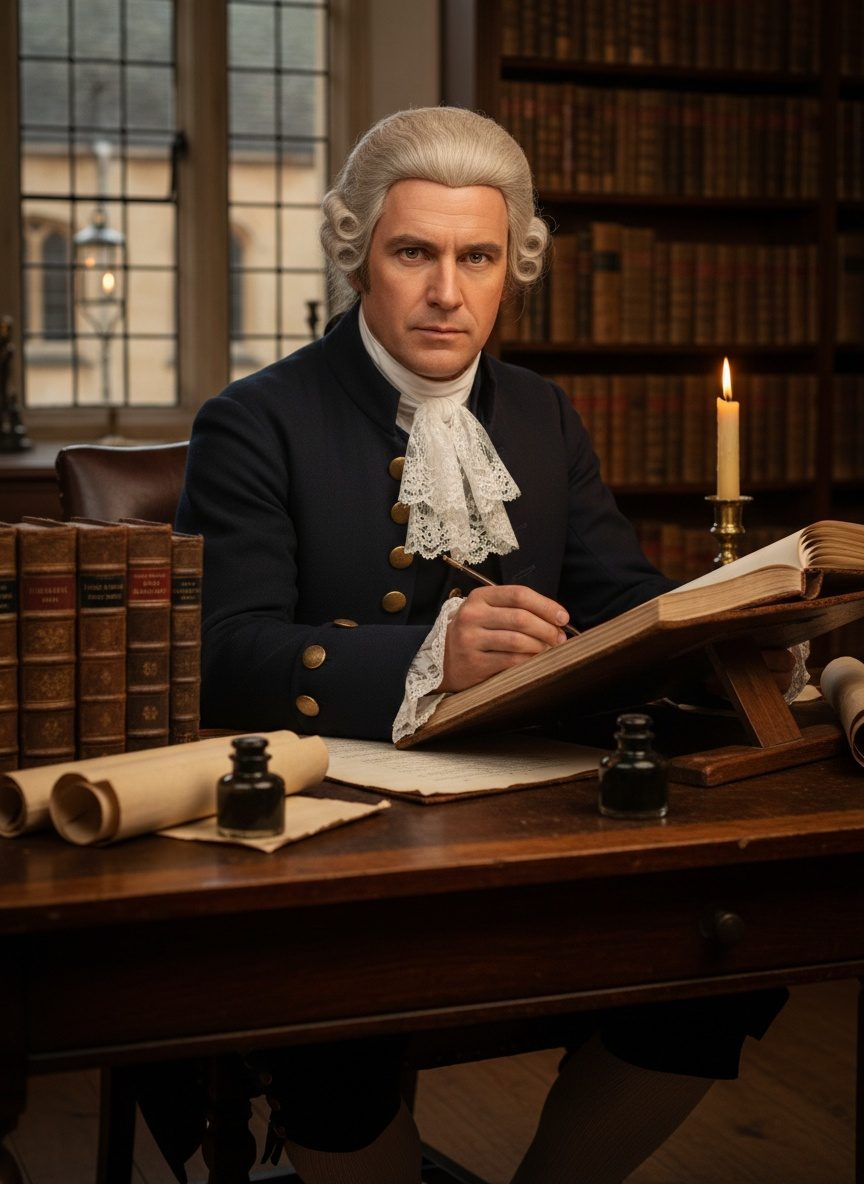
1765. William Blackstone published his Commentaries on the Laws of England. A single set of books. They crossed every ocean. Today they underpin the legal systems of a billion people. One man's pen shaped the world's justice.
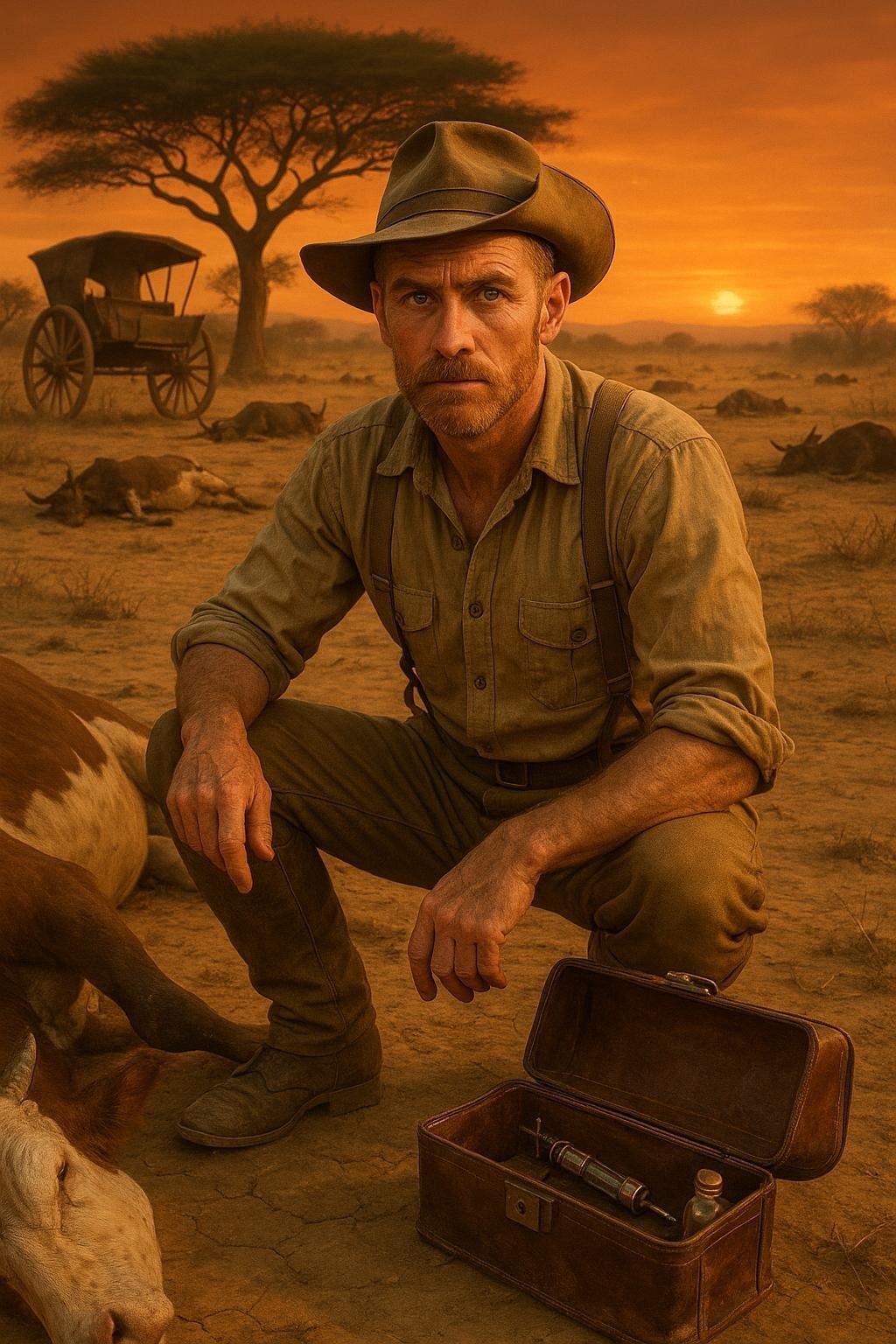
1896. A plague was killing Africa's cattle. Entire tribes faced starvation. Scottish veterinarian Arnold Theiler rode alone into the dying herds. He found the answer. He saved a continent.
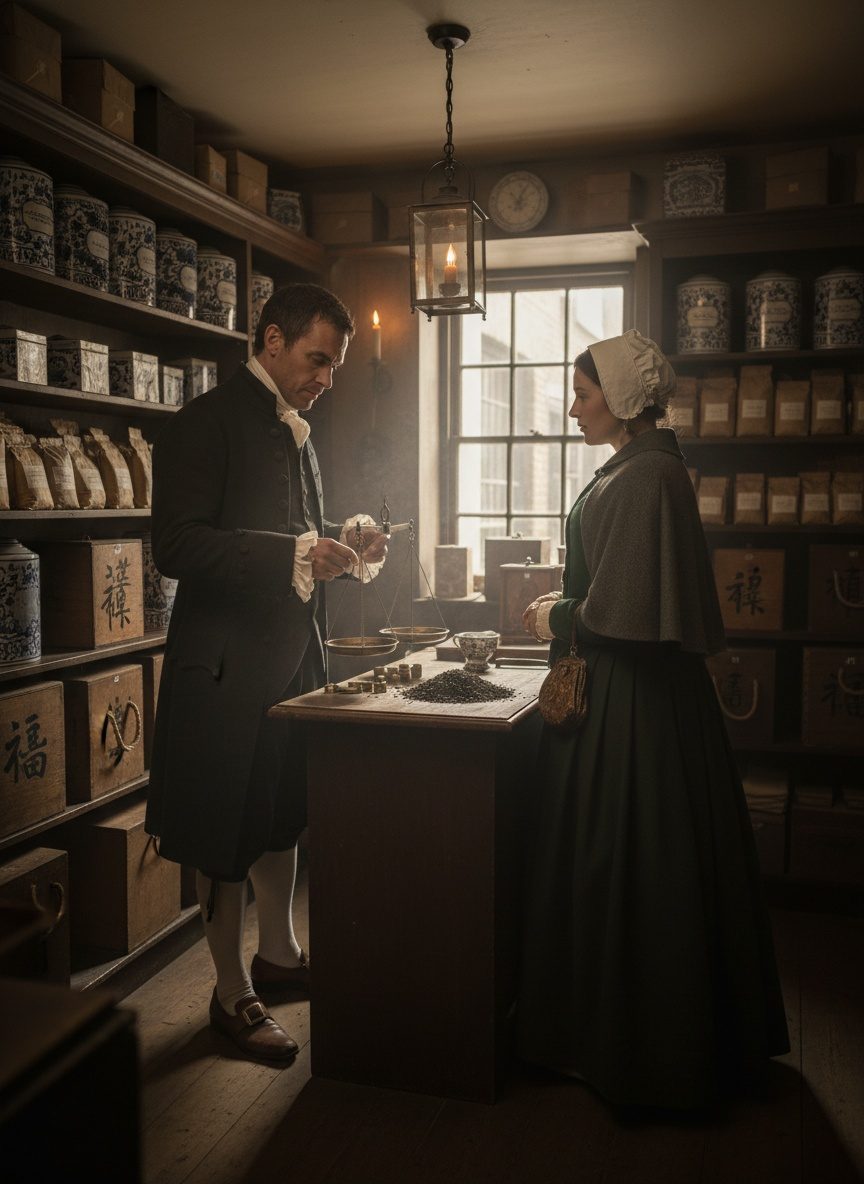
London, 1706. Tea was taxed beyond reach. Thomas Twining opened a tiny shop off the Strand. He sold it by the leaf. Not the cup. Women could buy it themselves. Everything changed.
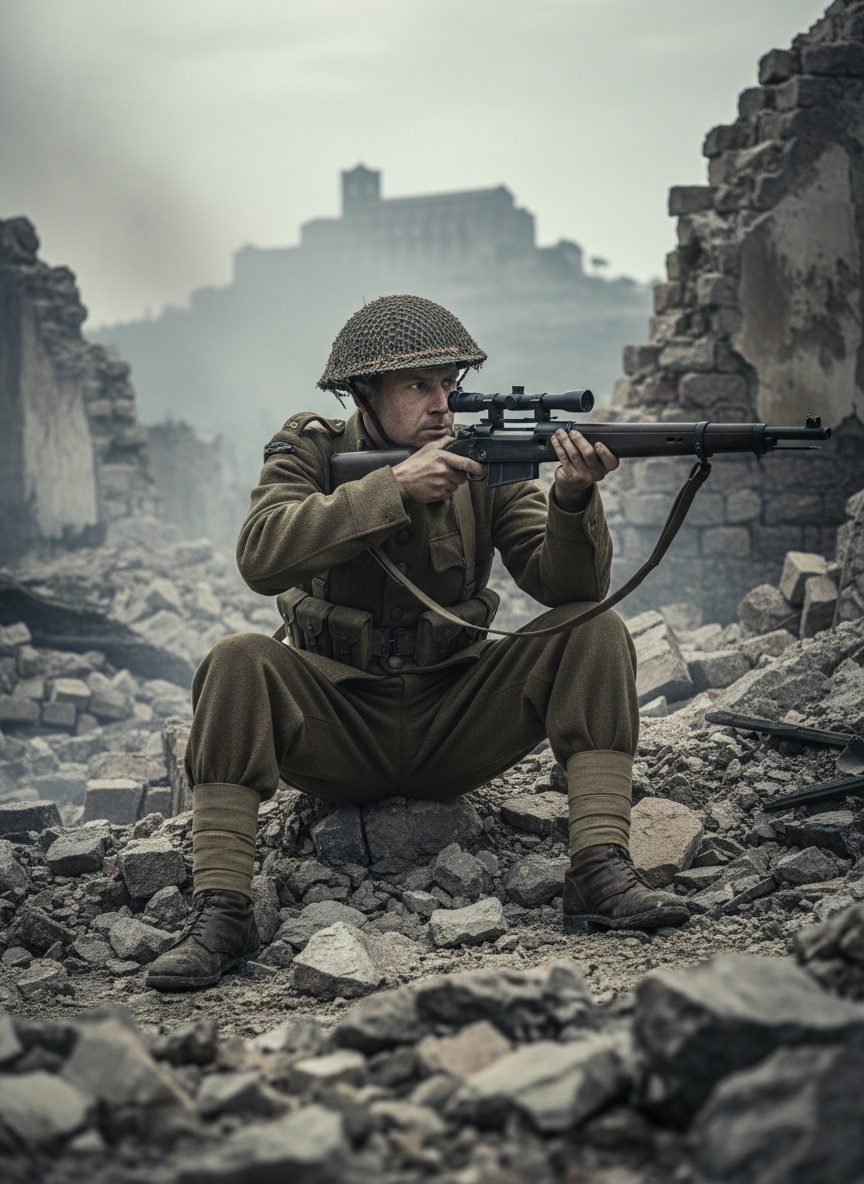
Monte Cassino, March 1944. A British sniper lay motionless for hours in the rubble. One shot. One breath held. The monastery loomed above. Some men fight battles. Others decide them.
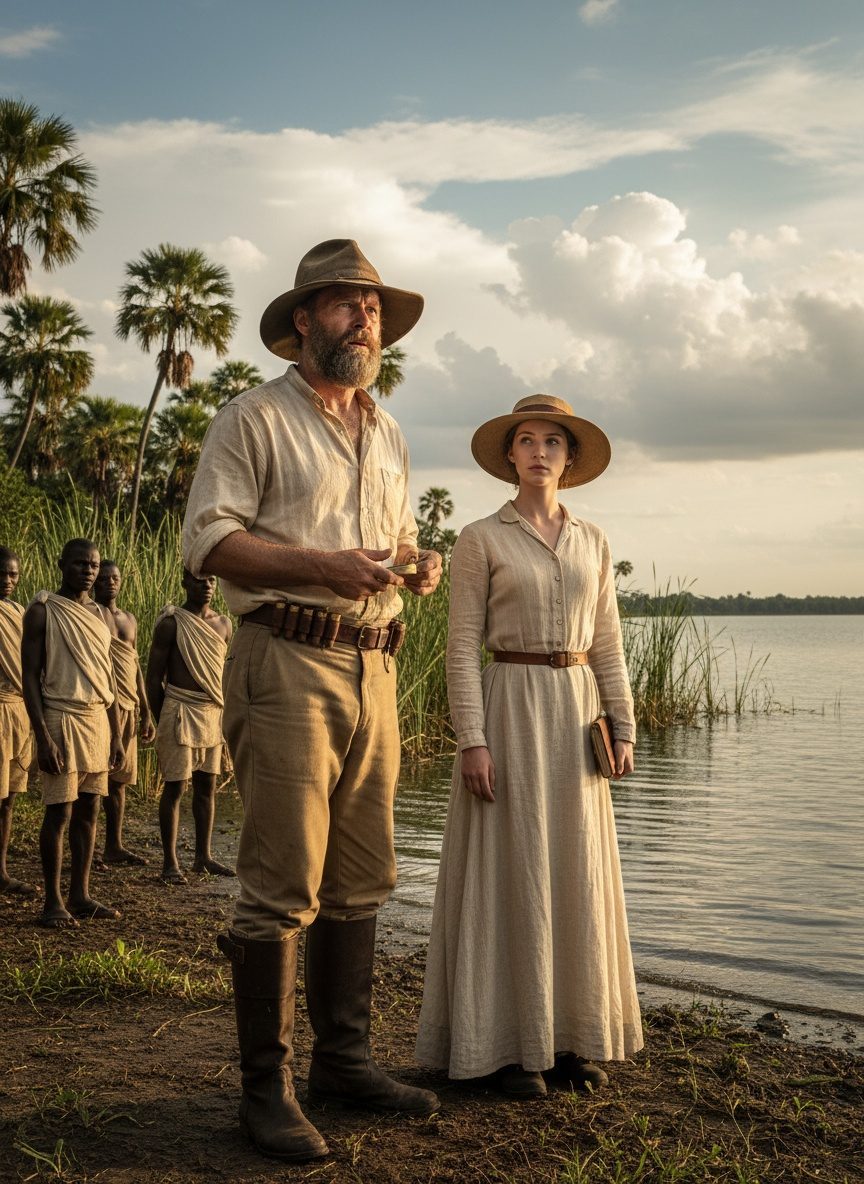
Uganda, 1863. Samuel Baker and his wife Florence pressed deeper into unknown Africa. Armed men blocked their path. Baker refused to turn back. They pushed on. The source of the Nile waited ahead.
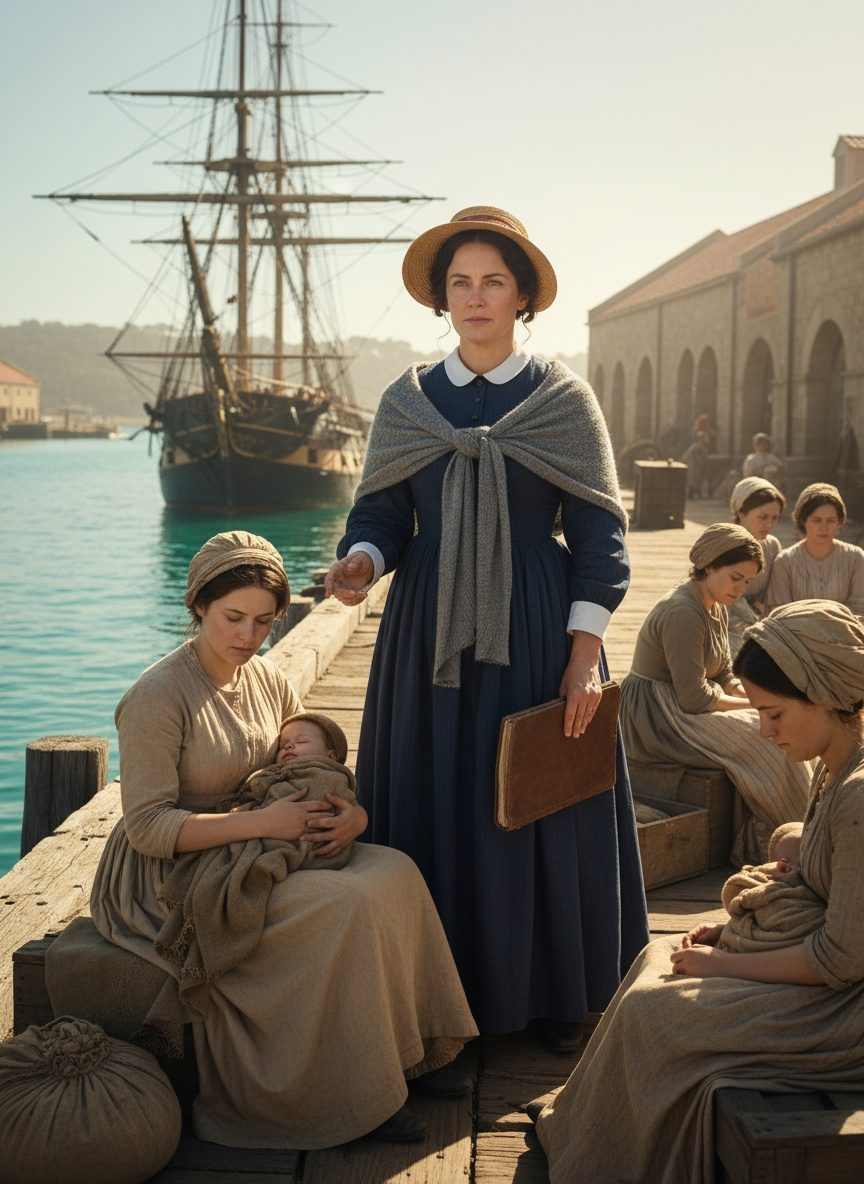
Sydney. 1841. Ships were unloading hundreds of starving women onto the docks. No food. No shelter. No work. Caroline Chisholm stood between them and ruin. She fed them herself. Then she found every one a home.
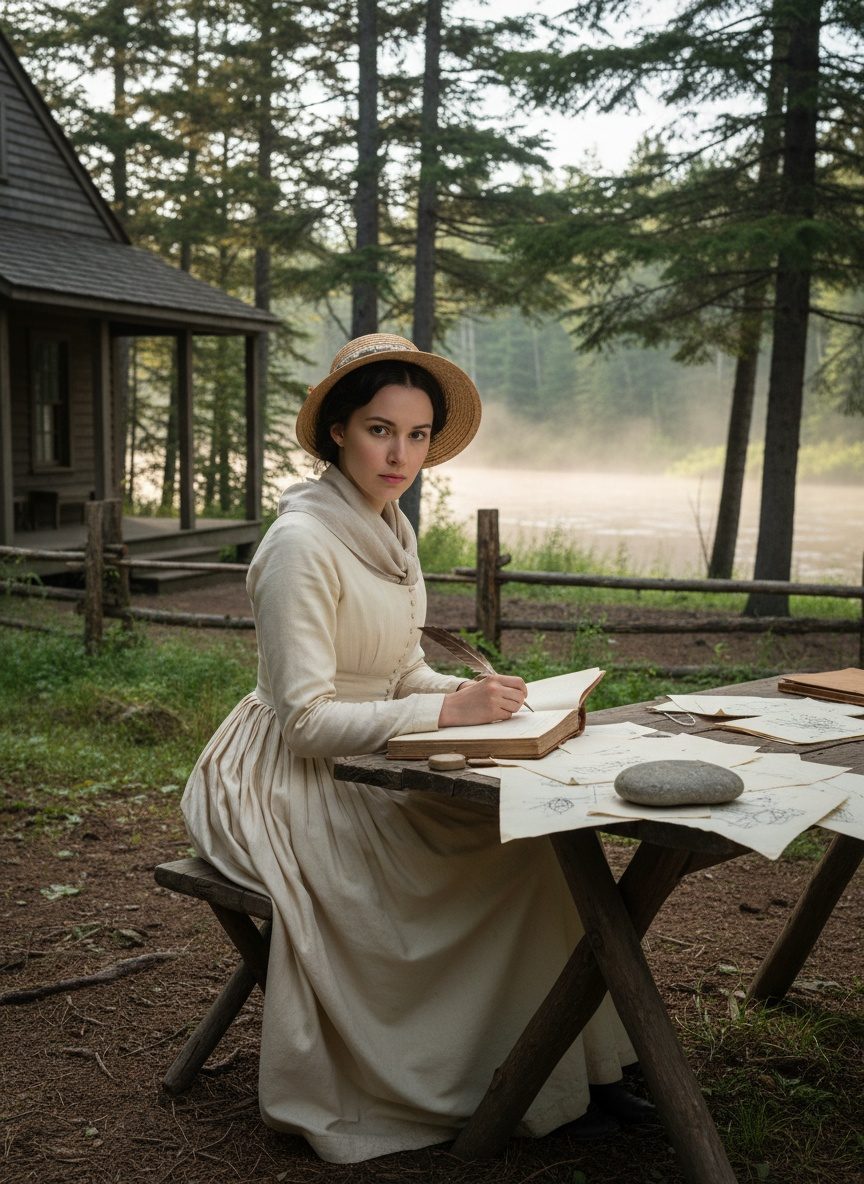
1796. Governor Simcoe sailed home to England, gravely ill. His wife Elizabeth stayed behind. She sketched. She wrote. She mapped a wilderness colony. Alone. Her journals became Upper Canada's founding record.
1801. John Macarthur was sent back to England in disgrace. Elizabeth Macarthur was left alone. She ran the sheep station herself. She bred the merinos. She built the flock. She did it all. For nine years.
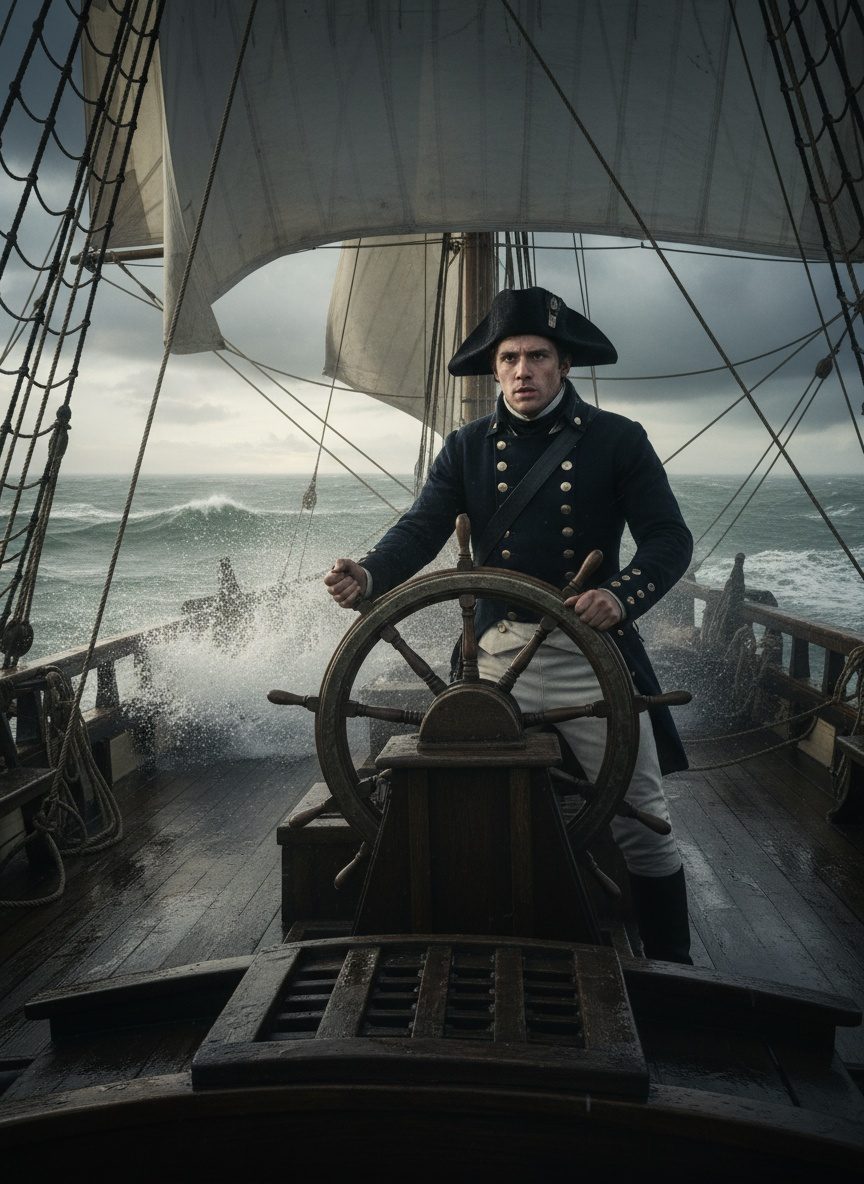
October 1805. HMS Pickle was the smallest ship in the fleet. Trafalgar had just been won. Nelson was dead. Lieutenant Lapenotiere sailed 1,000 miles in eight days through Atlantic storms to bring Britain the news.
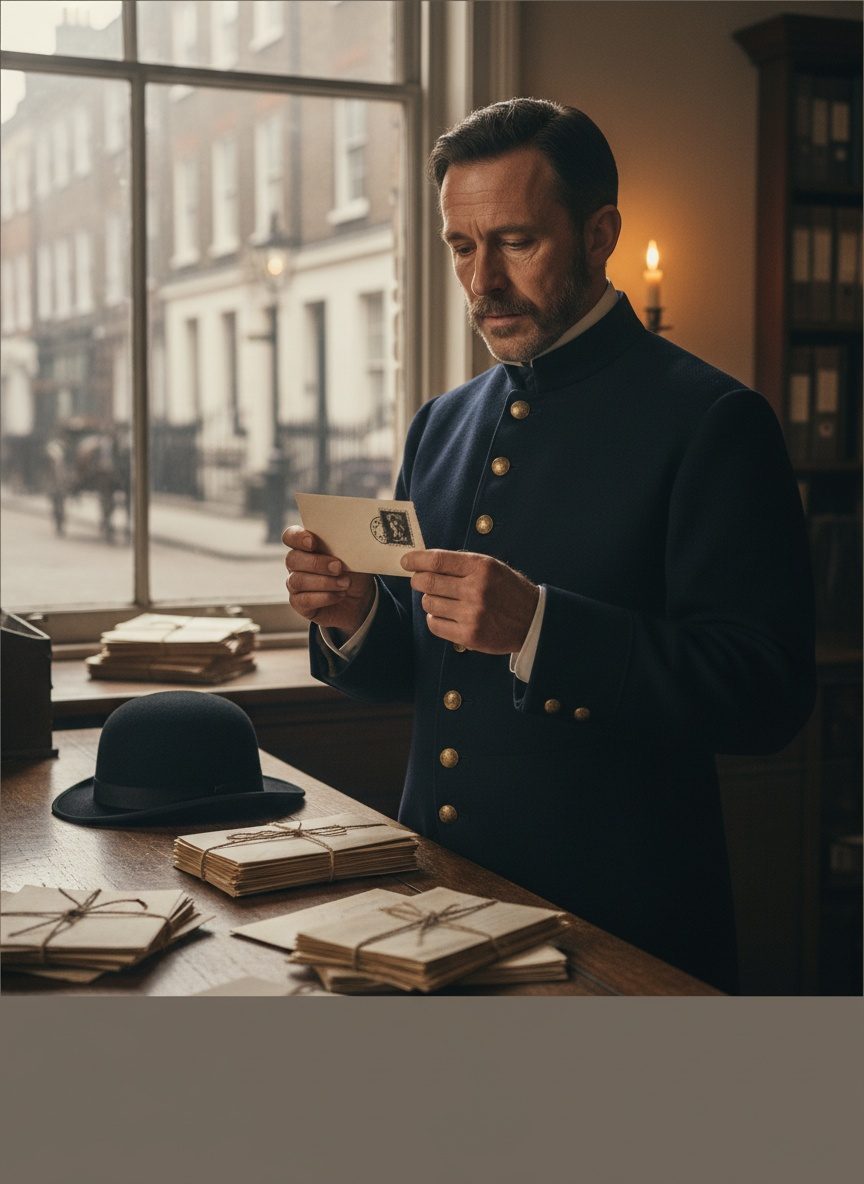
1840. A single British penny. A letter in a soldier's hand. For the first time, anyone could write home. The Penny Post spread English across every colony. Today, 1.5 billion people read it daily.
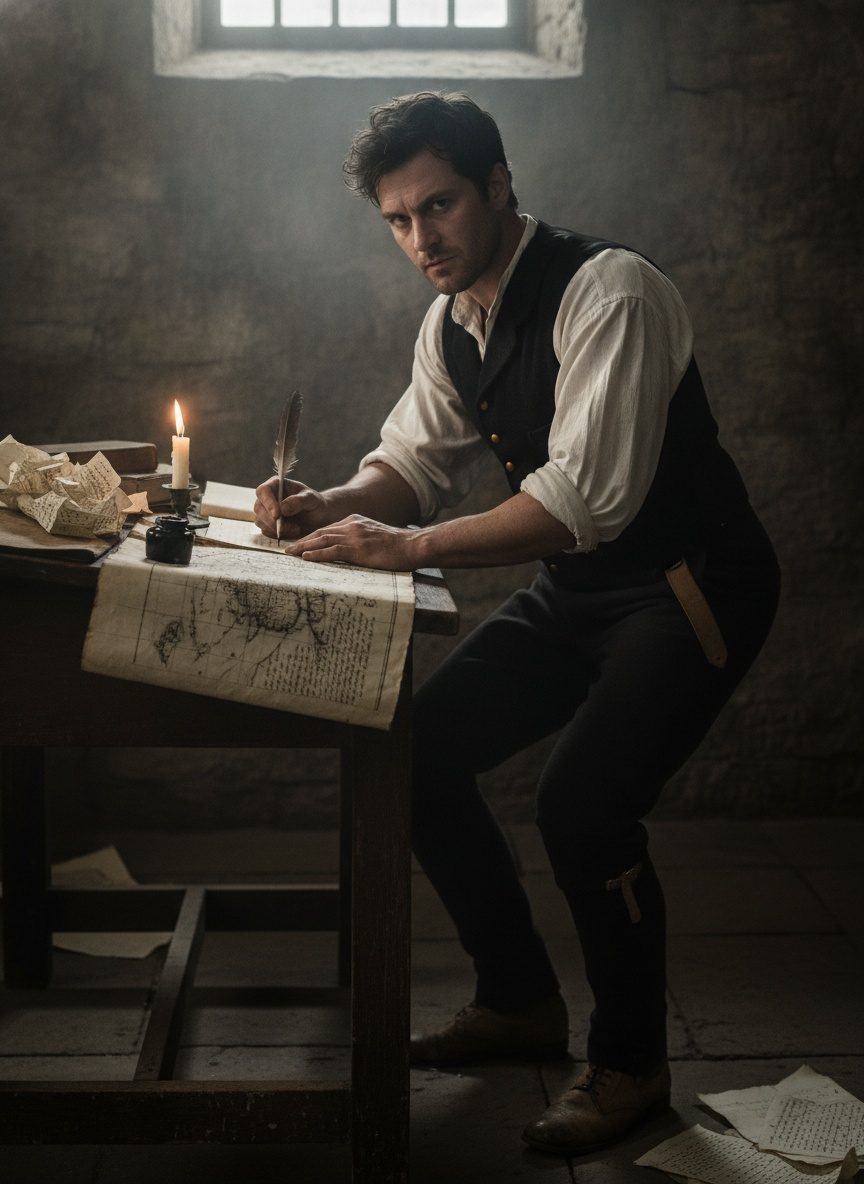
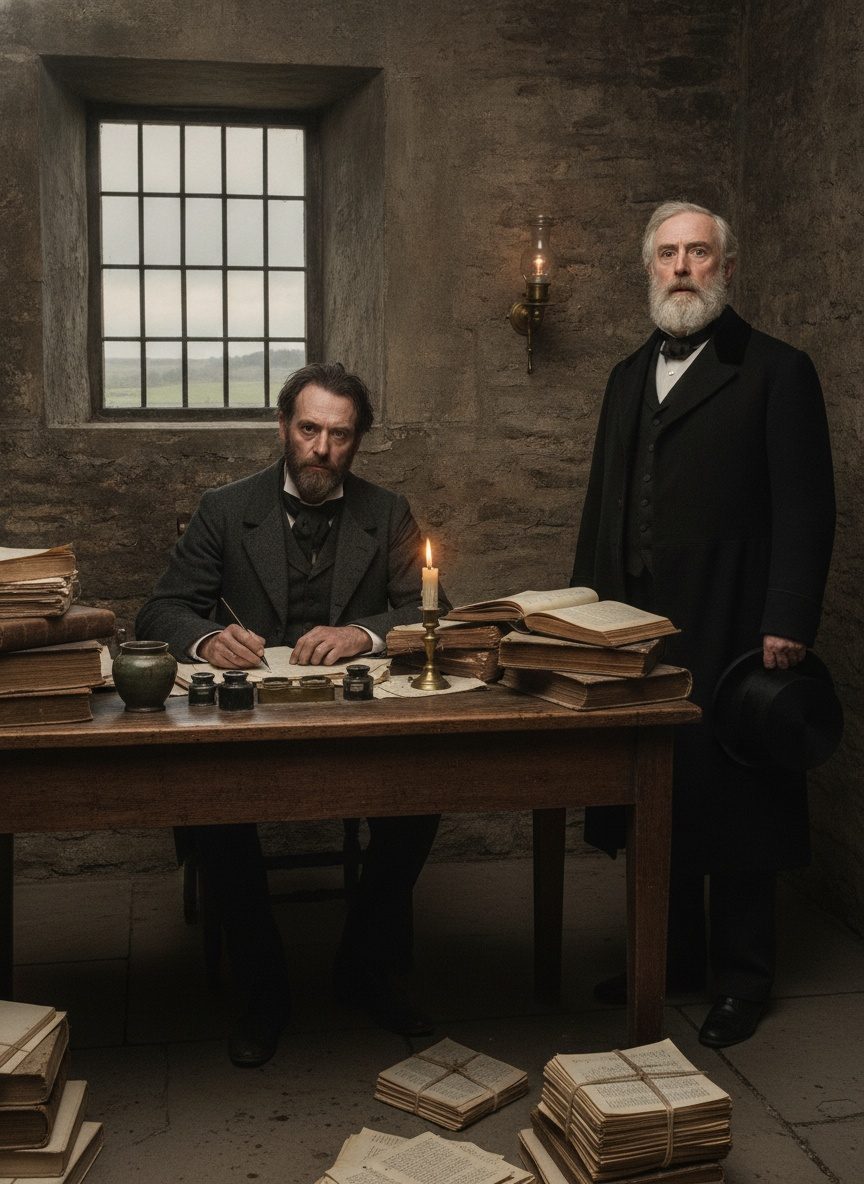
1829. Edward Gibbon Wakefield sat in Newgate Prison. He had no map. No ships. No army. He wrote a plan for a perfect colony. It changed the world.
Dr. W.C. Minor was a US Army surgeon, a murderer, and a patient in Broadmoor Criminal Lunatic Asylum. For thirty years he secretly sent thousands of citations to the Oxford English Dictionary. The editors thought he was a retired gentleman scholar.
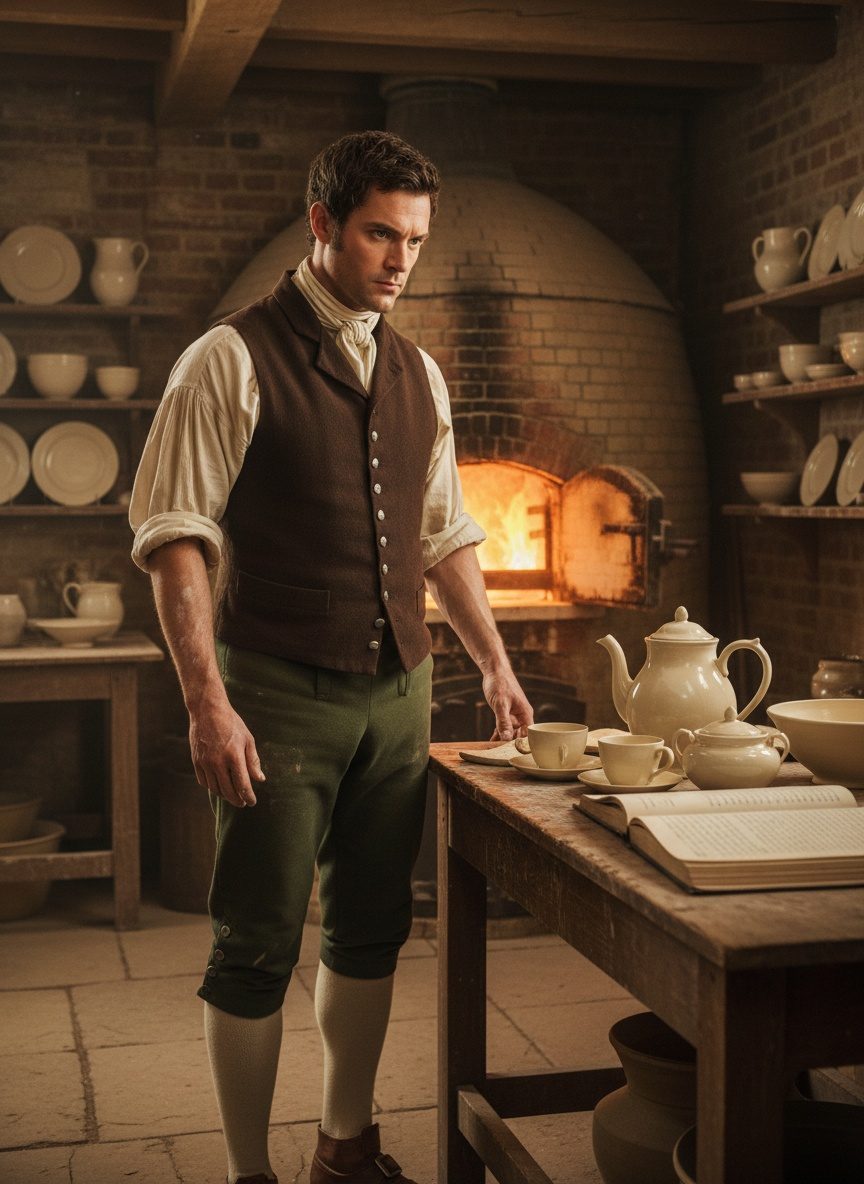
Staffordshire, 1765. A potter's son sat at his wheel. He had no grand backing. No noble patron. He had clay, a kiln, and one idea. He made a creamware tea set for the Queen. She said yes. The world followed.
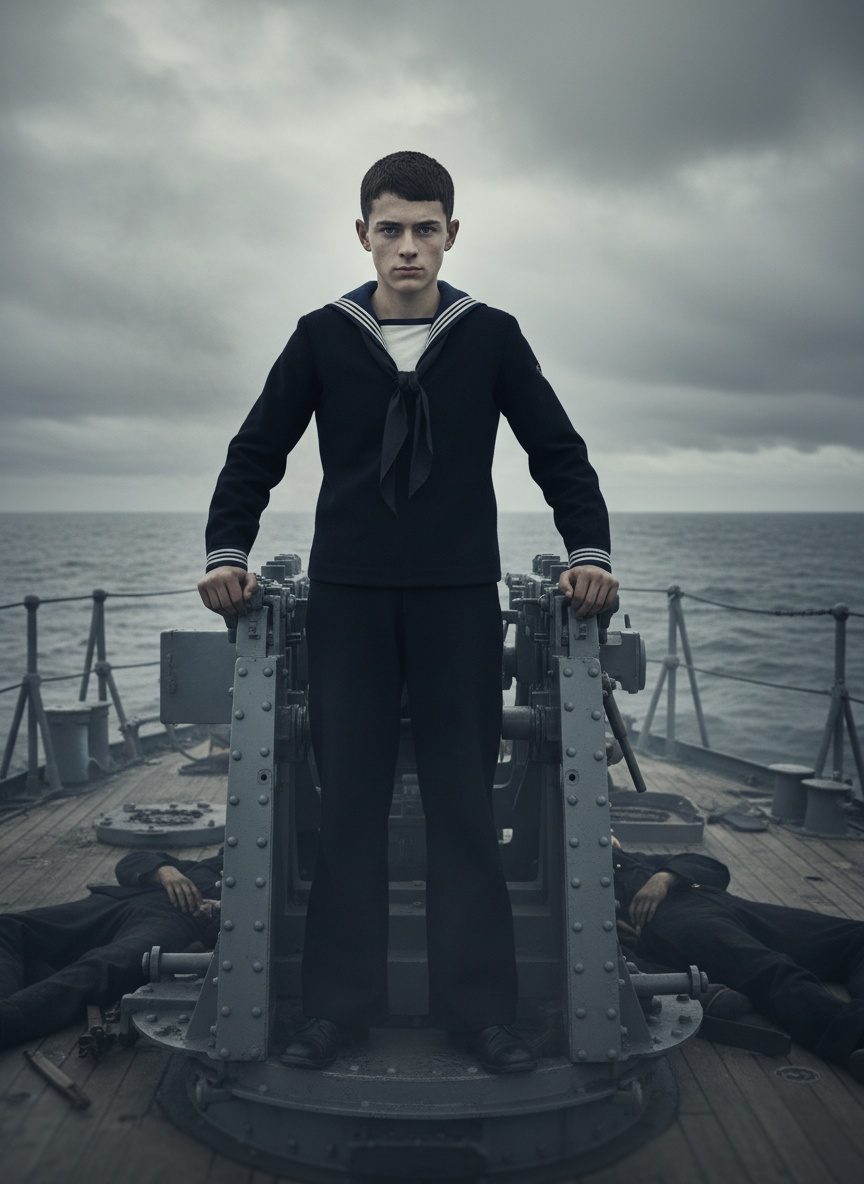
May 1916. HMS Chester sailed into the Battle of Jutland. Every man at Jack Cornwell's gun was killed. He was sixteen. He stood alone at his post. Waited for orders that never came. They found him still standing.
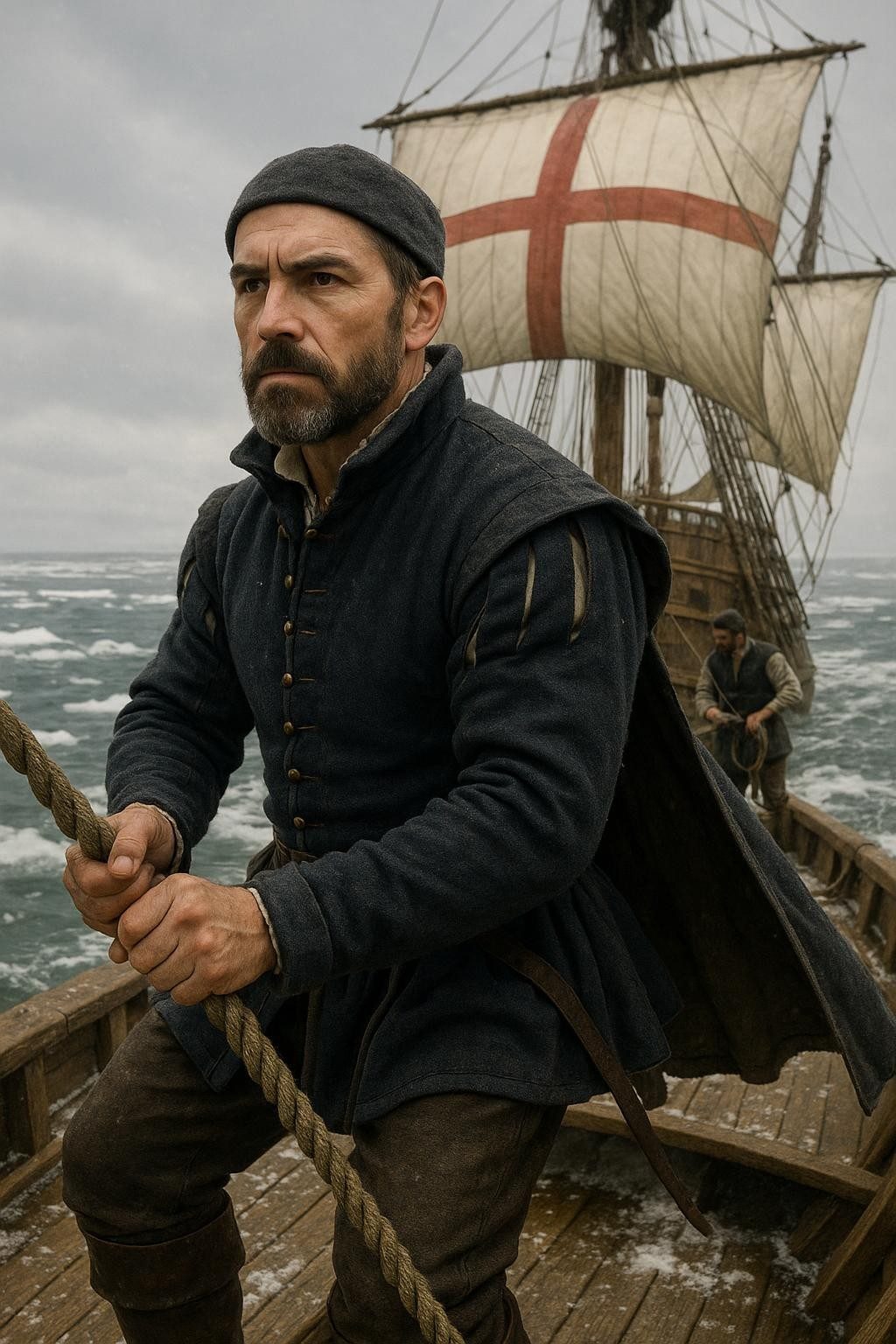
1553. Three ships left England seeking a northern passage to China. Two were lost in Arctic ice. One sailed on. Richard Chancellor dropped anchor in a frozen bay. He had found Russia.
September 1568. John Hawkins had 600 men and no ships. The Spanish had ambushed his fleet at San Juan de Ulúa. He loaded 300 men onto two battered vessels. Too many to survive. He made the cruellest choice. He left 114 men on a Mexican beach. He sailed home anyway.
August 1835. A small boat crept into Port Phillip Bay. Eight men stepped ashore. They planted a flag. Built a fire. Named a city. Melbourne began.
April 1581. Francis Drake knelt on the deck of the Golden Hinde. He had sailed around the world. Queen Elizabeth raised her sword. A pirate became a knight. England had announced herself to the world.
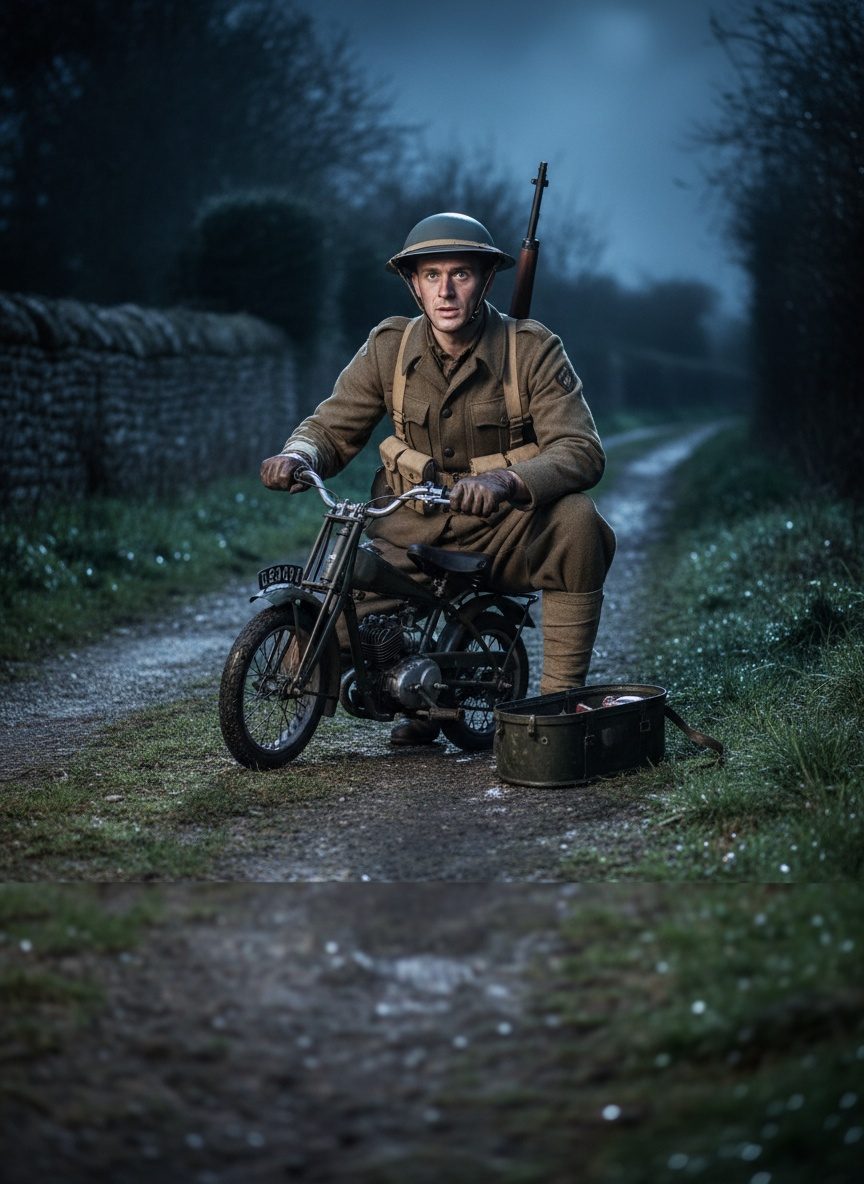
It weighed 70 pounds. It folded into a standard parachute canister. And it was meant to give one lone commando a fighting chance behind enemy lines. The Welbike was the war's most audacious getaway plan.
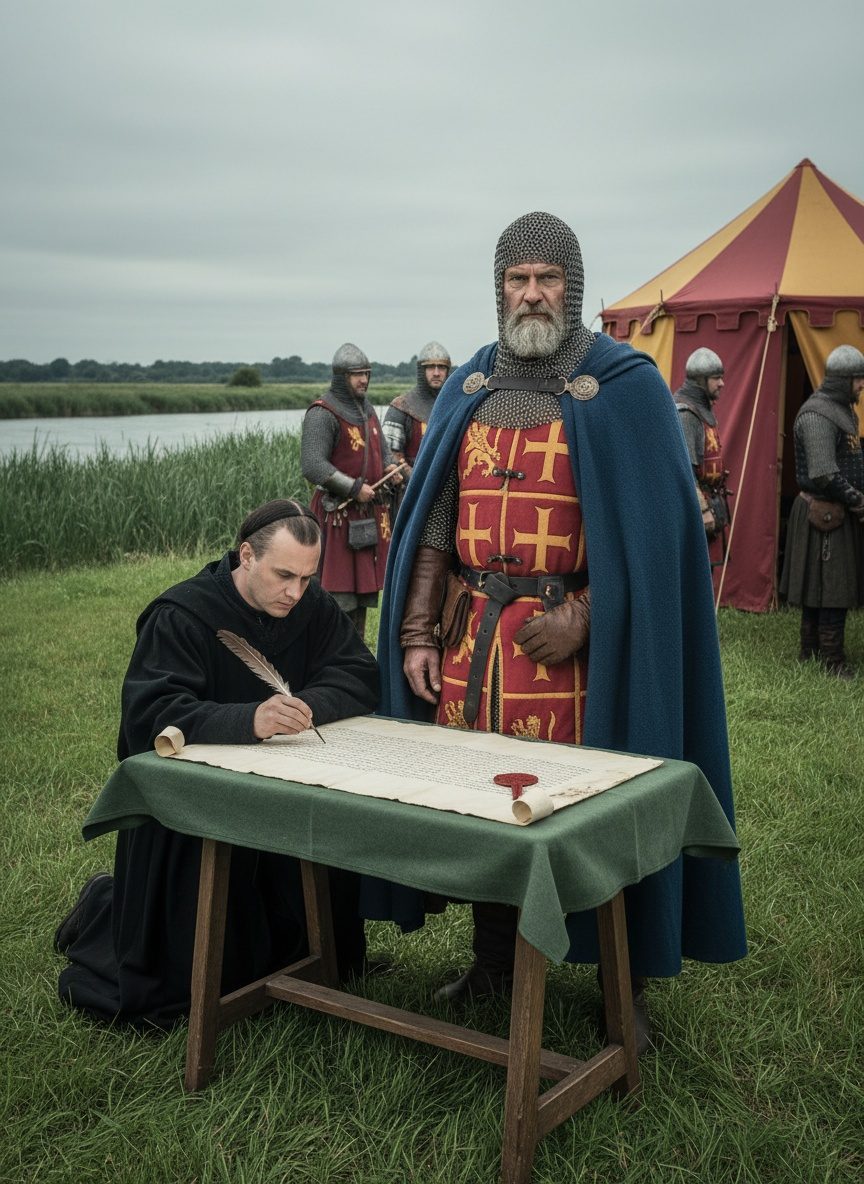
June 1215. A king knelt to his barons on a meadow by the Thames. He signed a document. No king had done this before. That document became the foundation of law for half the world. It still is.
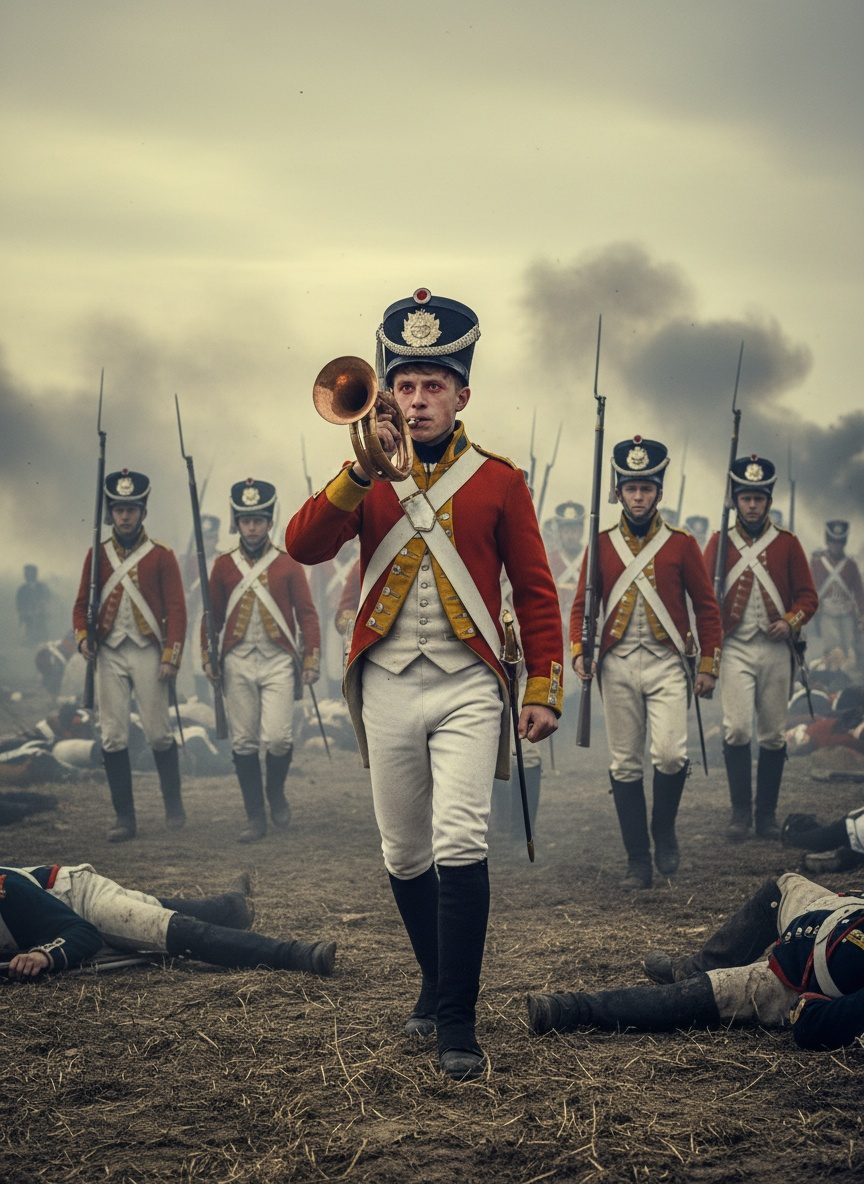
May 1811. Albuera, Spain. The Fusilier Brigade was shattered. French cavalry had torn through the line. Then a single bugler sounded the advance. The men heard it. They turned. They charged. They broke the French.
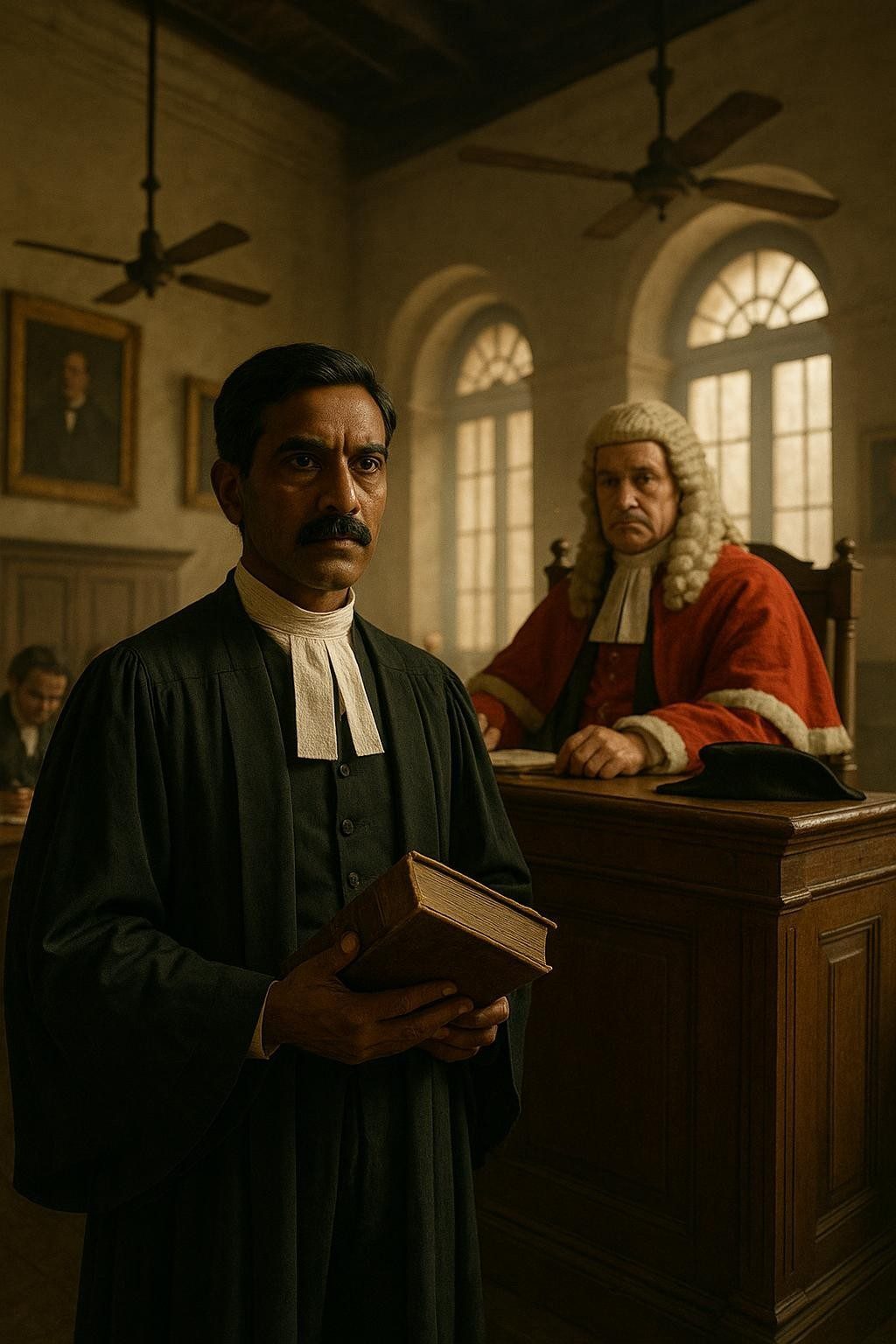
1858. The British Crown took India. With it came something unexpected. English common law. The right to a fair trial. The presumption of innocence. Those courts still stand today.
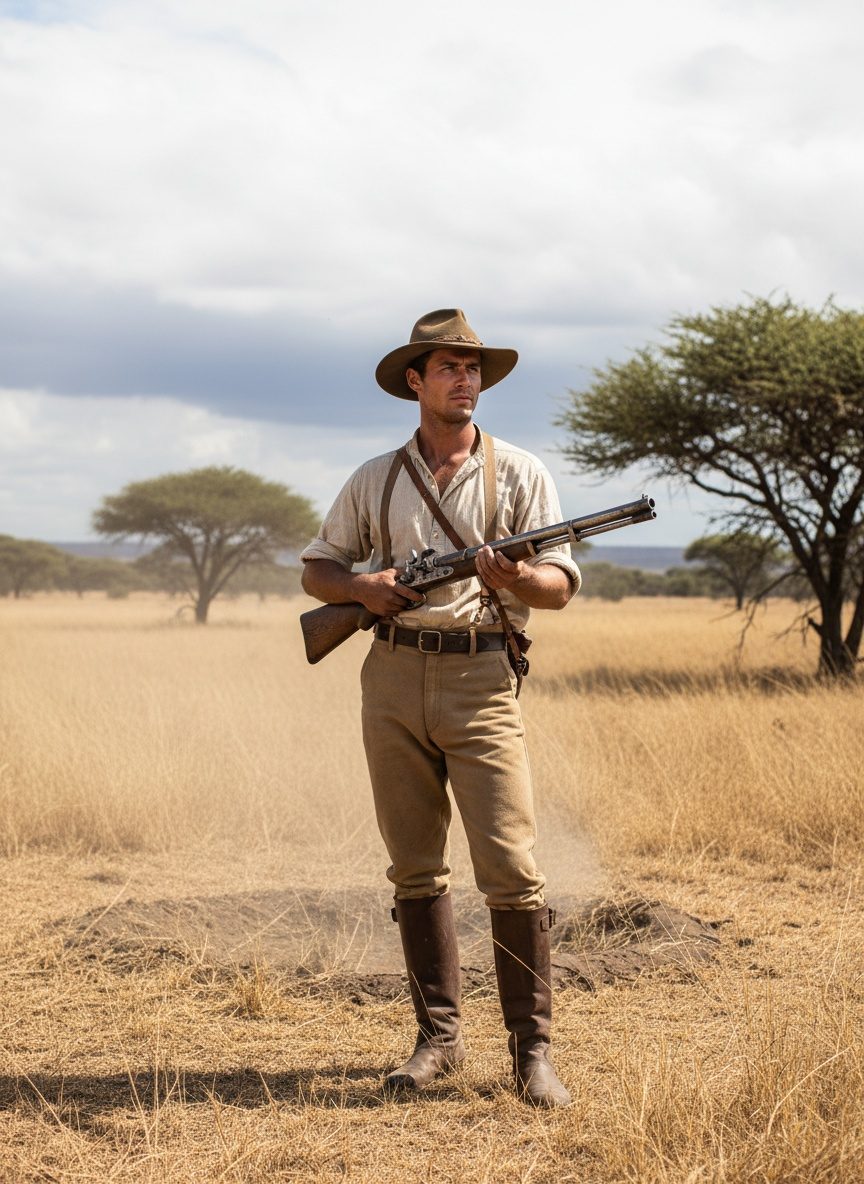
Matabeleland, 1877. Frederick Selous rode into lion country alone. His horse bolted. His rifle misfired. The lion charged. He stood his ground. He survived. He wrote it all down.
Hand-picked from Britain Untold's archive. The stories you weren't taught at school. 3-minute read.
No spam. Unsubscribe in one click. We hate spam too. Privacy Policy.