The British Empire — the forgotten chapters · page 7 of 22
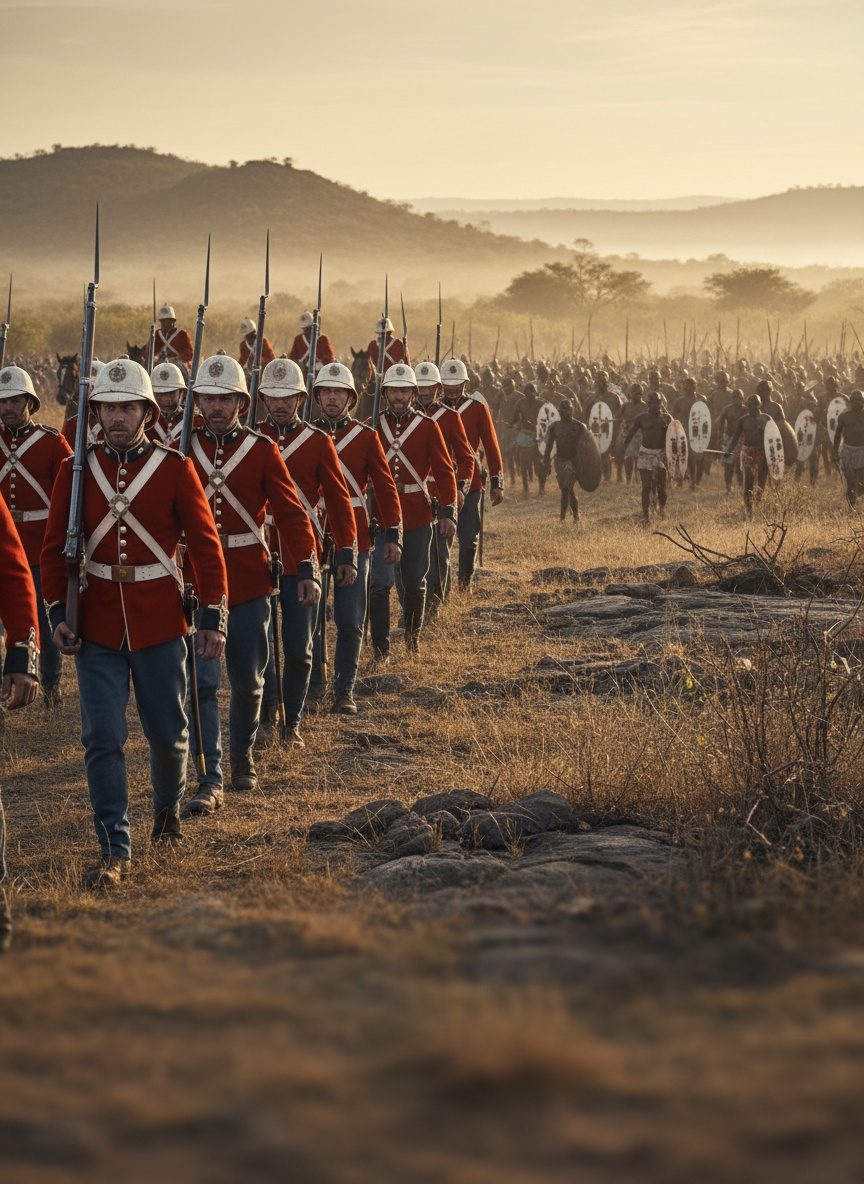
Dawn, 23 January 1879. Chelmsford's exhausted column approached the Buffalo River — and the Zulu force that had fought all night emerged from a valley 400 metres away. Both sides stopped. Neither fired.
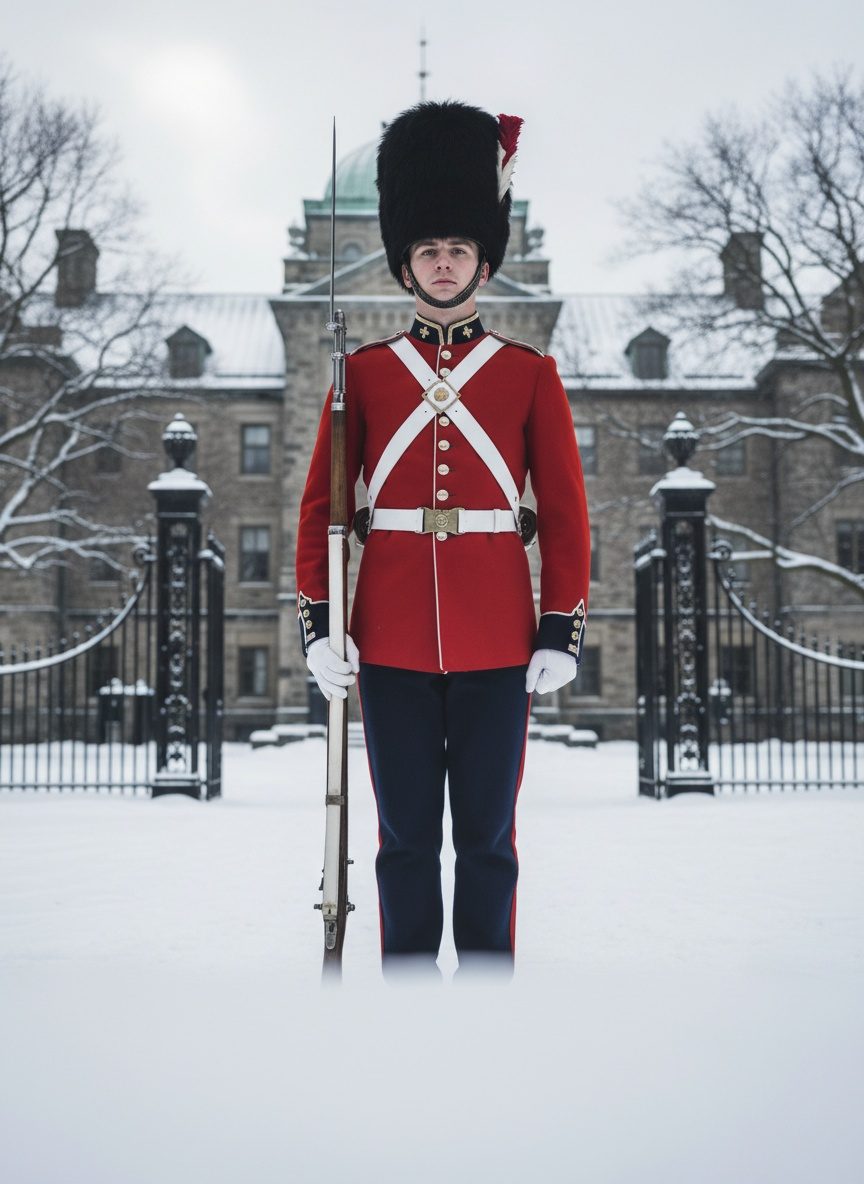
Canada was a new Dominion. Britain needed a symbol of loyalty in stone and scarlet. So Ottawa got its own household guard — modelled on the men who stood outside Buckingham Palace.
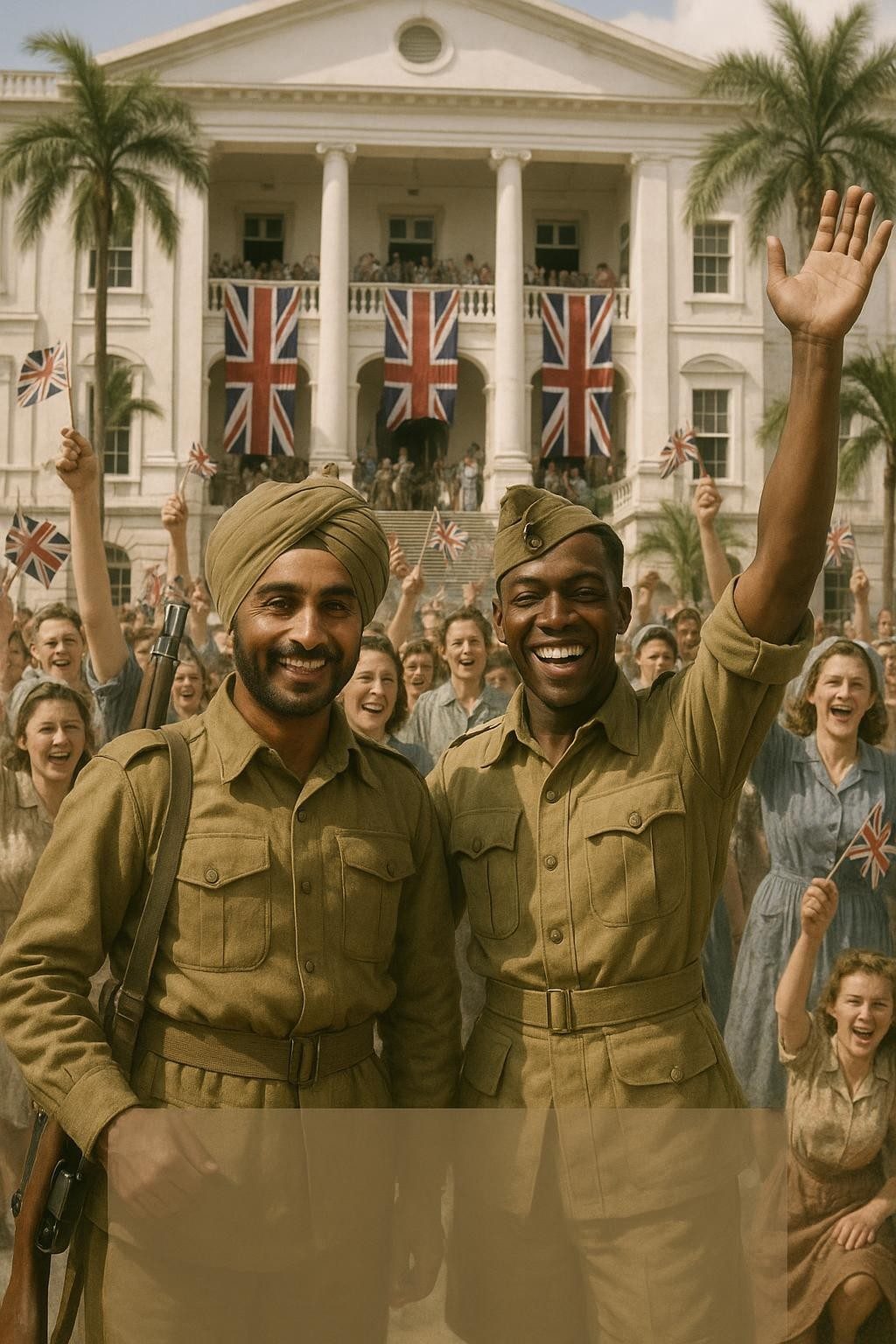
8 May 1945. London erupted. But across the Empire — Delhi, Nairobi, Kingston, Calcutta — millions who had fought and bled for Britain celebrated too. Victory was theirs as much as anyone's.
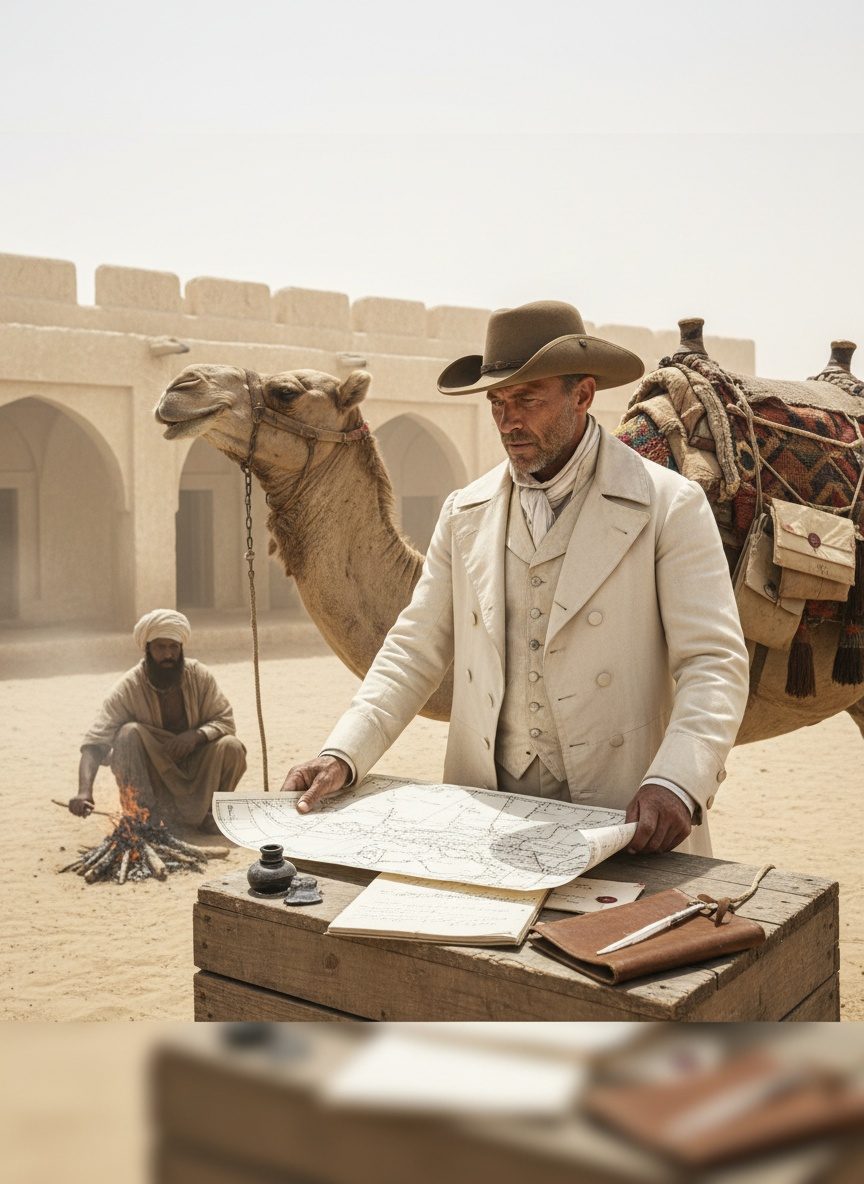
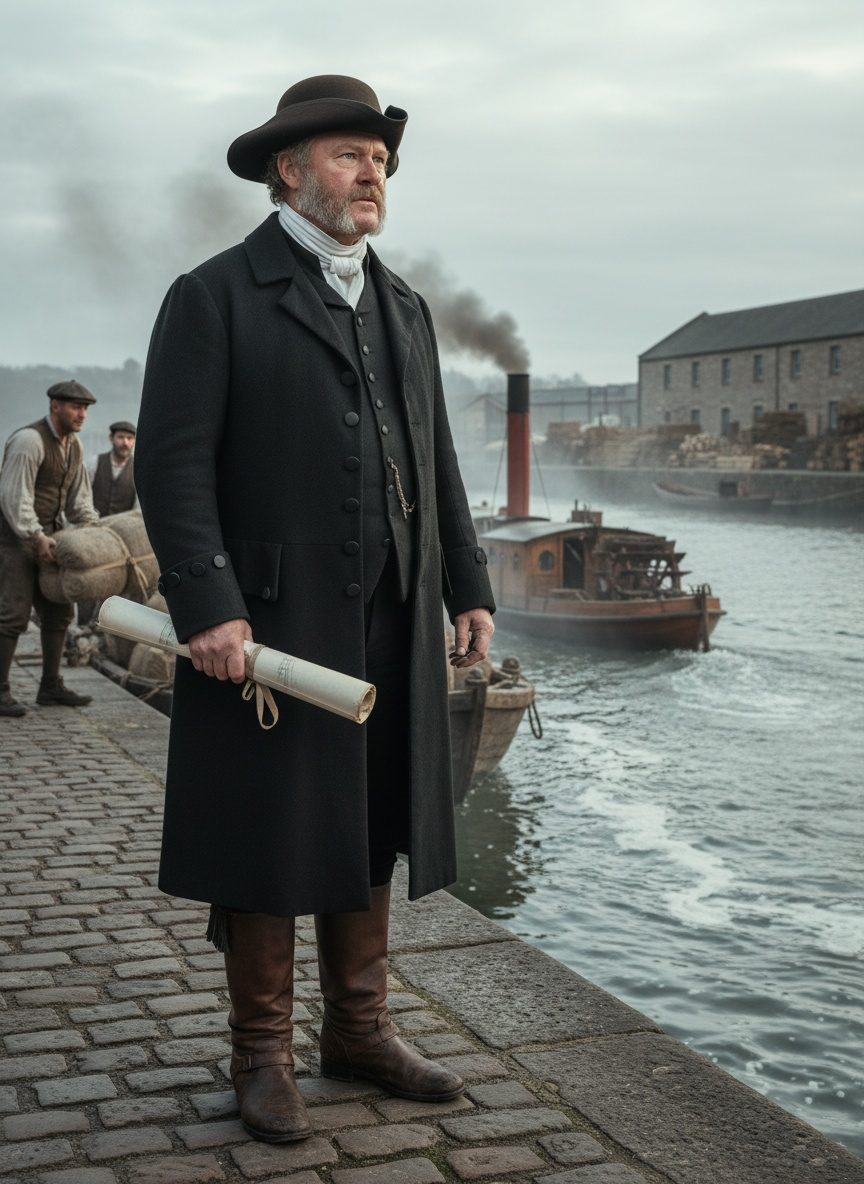
1835. The mail from London to Bombay took months by sea. Thomas Waghorn believed there was a faster way. He crossed Egypt on camel and foot. He proved it. The empire never looked back.
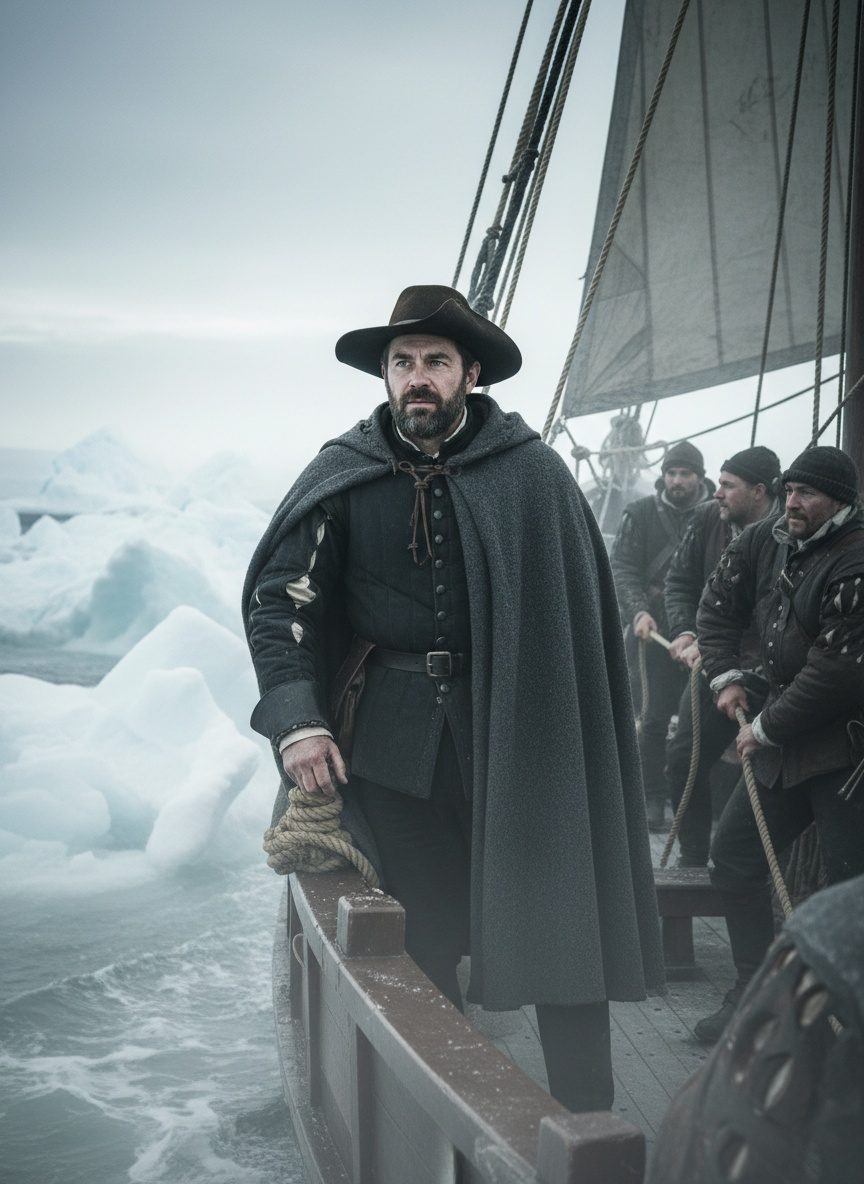
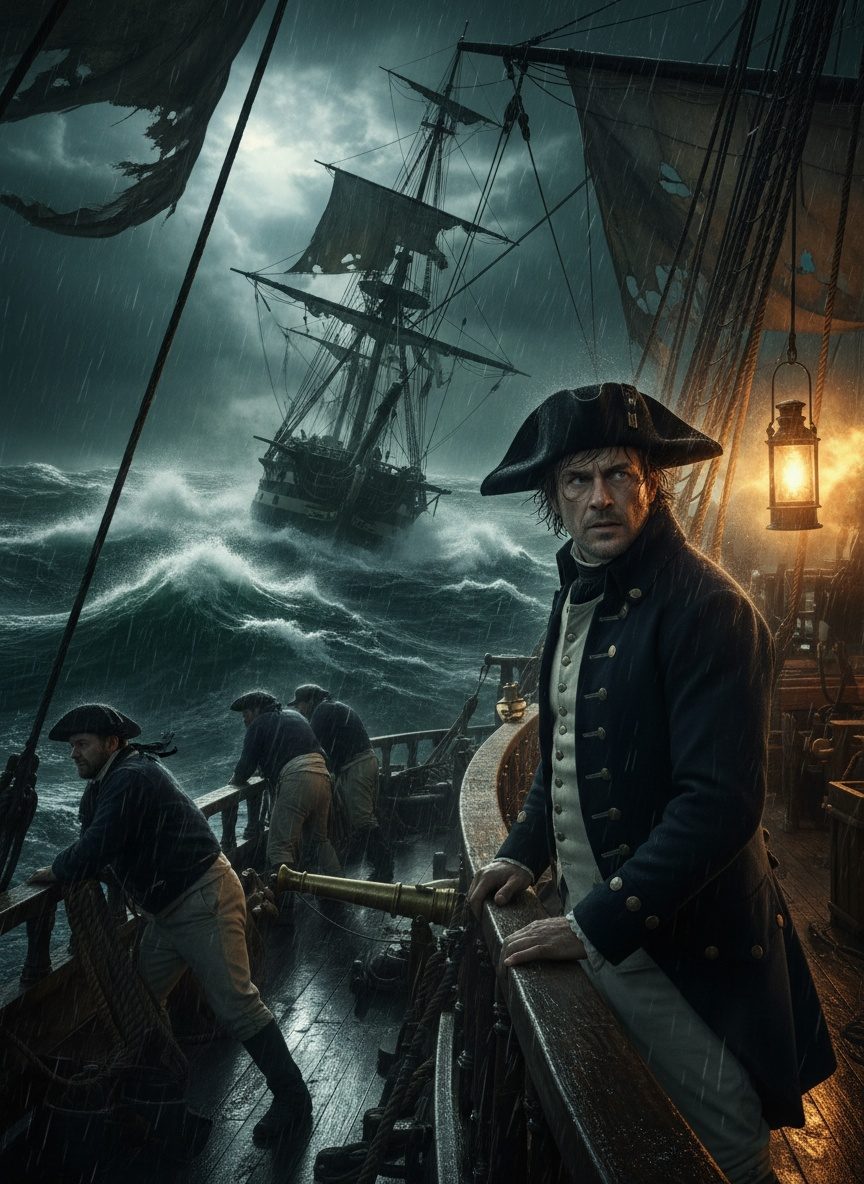
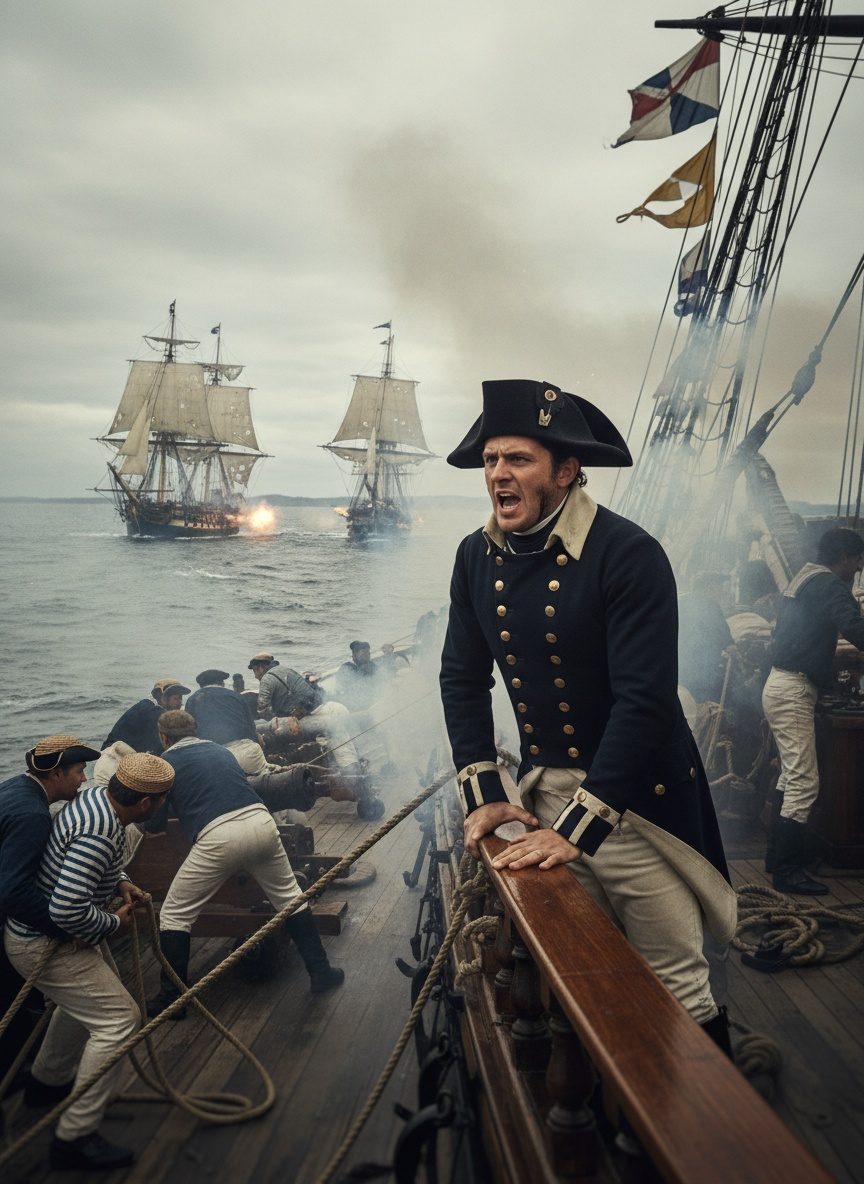
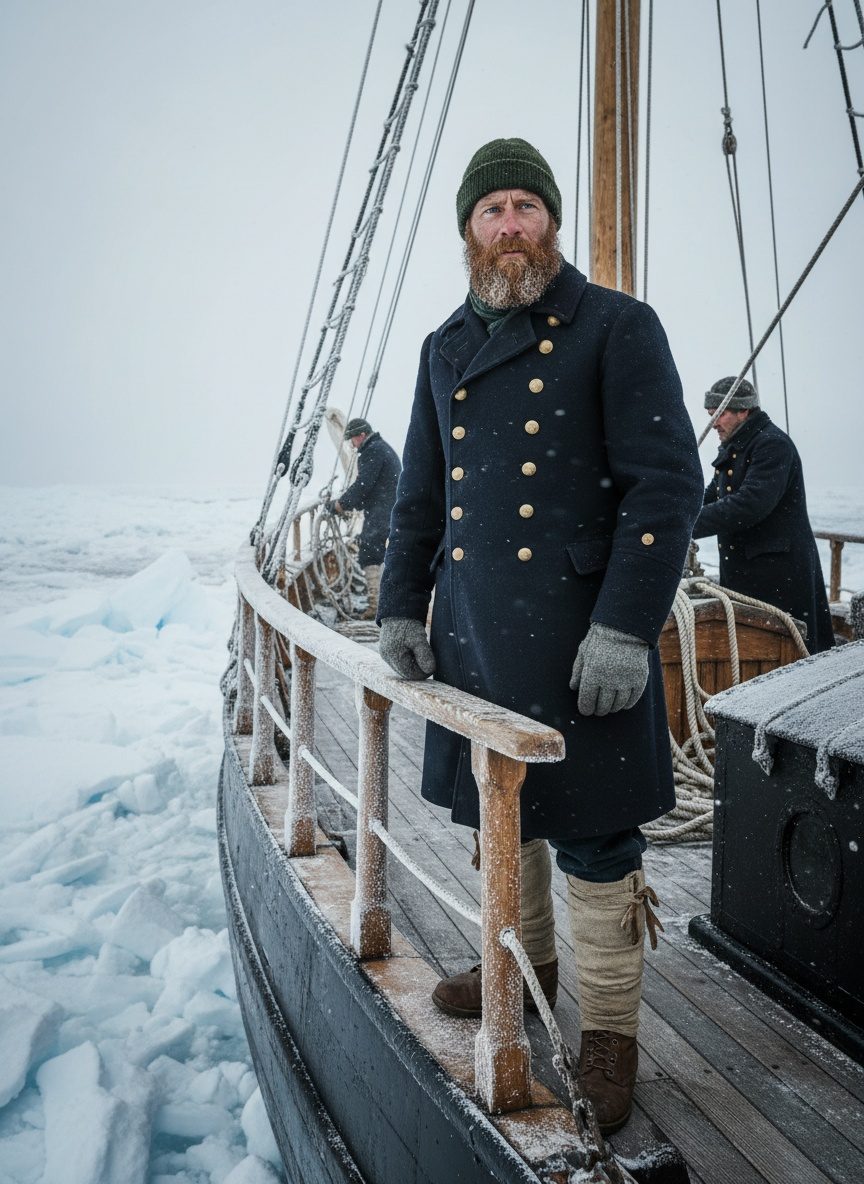
1576. Three tiny English ships sailed into unknown Arctic waters. Two turned back. One pressed on. Martin Frobisher gripped the helm. Ice closed around him. He did not flinch. He found the passage no one else dared seek.
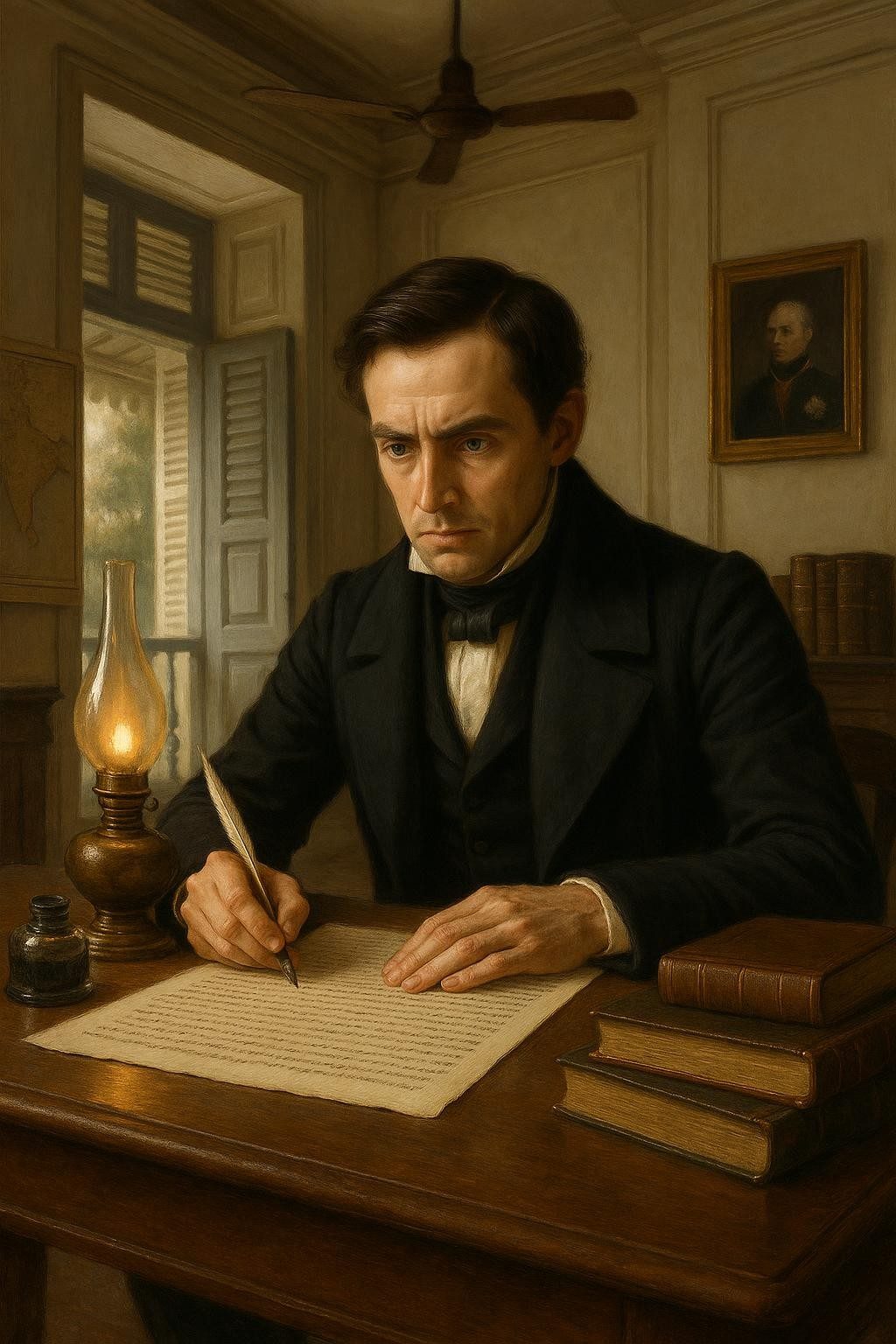
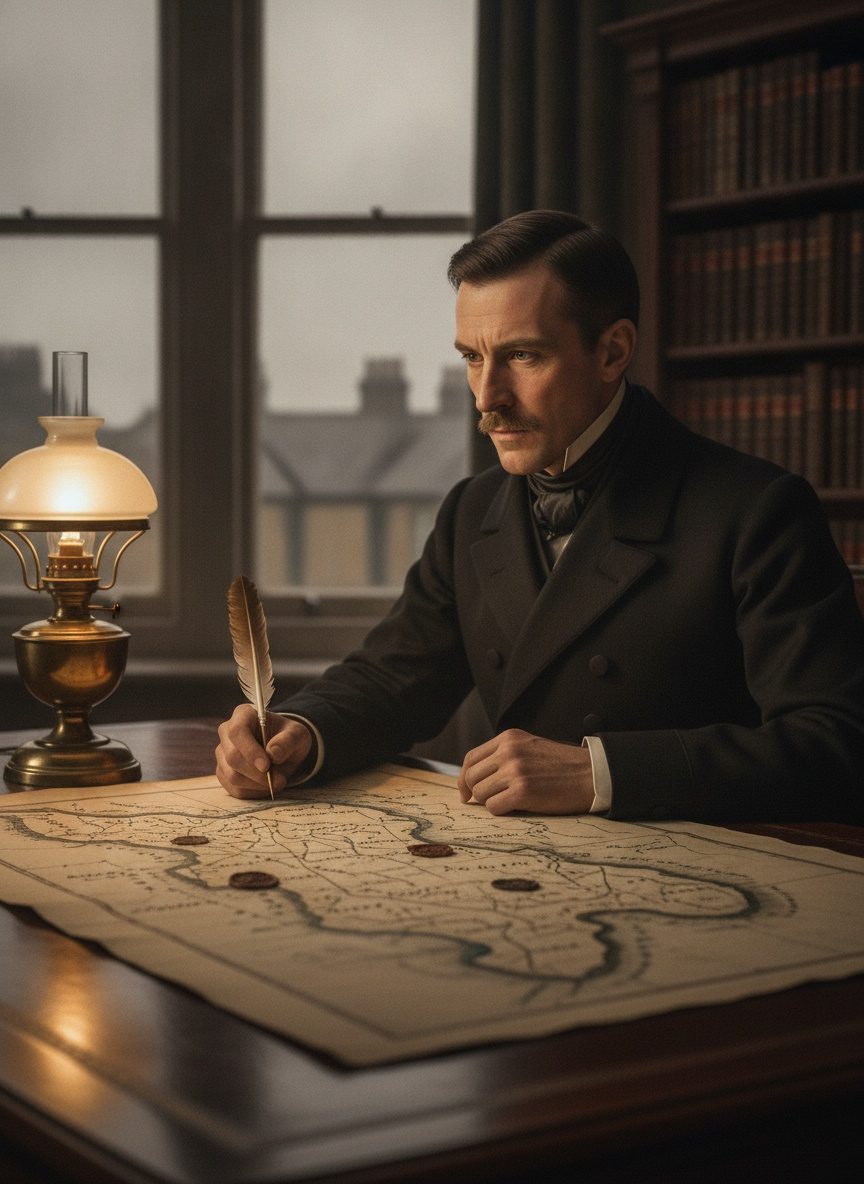
February 1835. One man sat down in Calcutta. He wrote forty minutes of argument. The Governor-General signed it. Every child in India would learn English. One document. One continent. Changed forever.
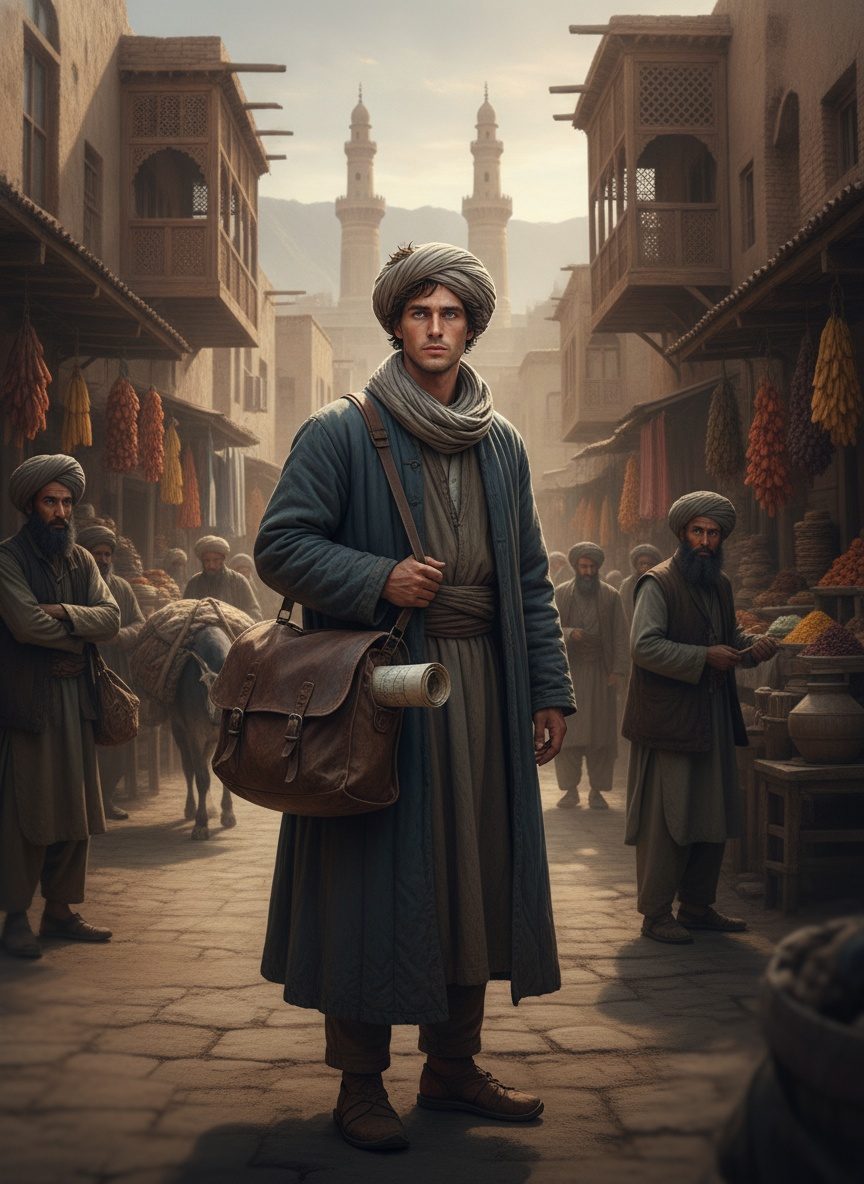
1832. A 26-year-old Scots officer entered Kabul disguised as a merchant. No army. No escort. Just nerve. He mapped the city from memory. Walked out alive. And handed Britain its first intelligence on Afghanistan.
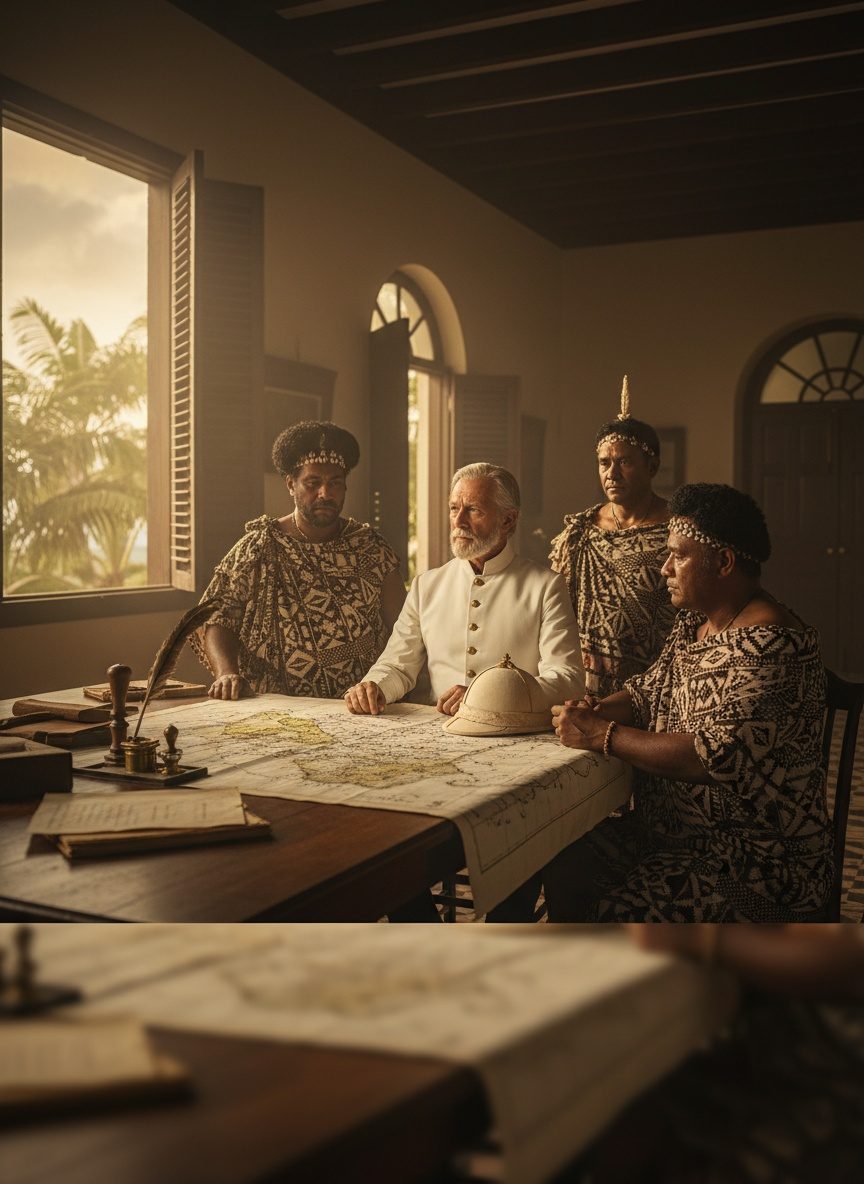
1875. Fiji had just become British. Governor Arthur Gordon faced a smallpox epidemic killing thousands. He chose to govern with Fijian chiefs, not against them. That decision shaped a nation still standing today.
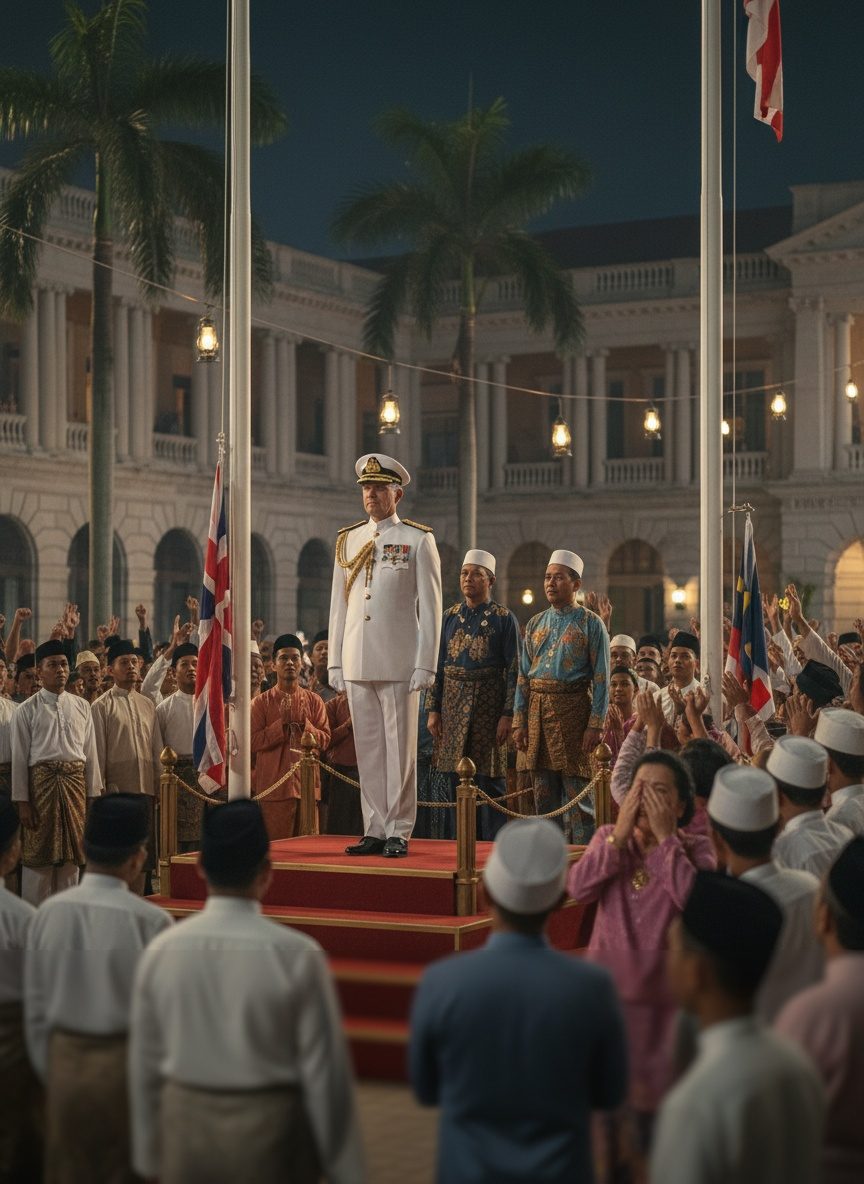
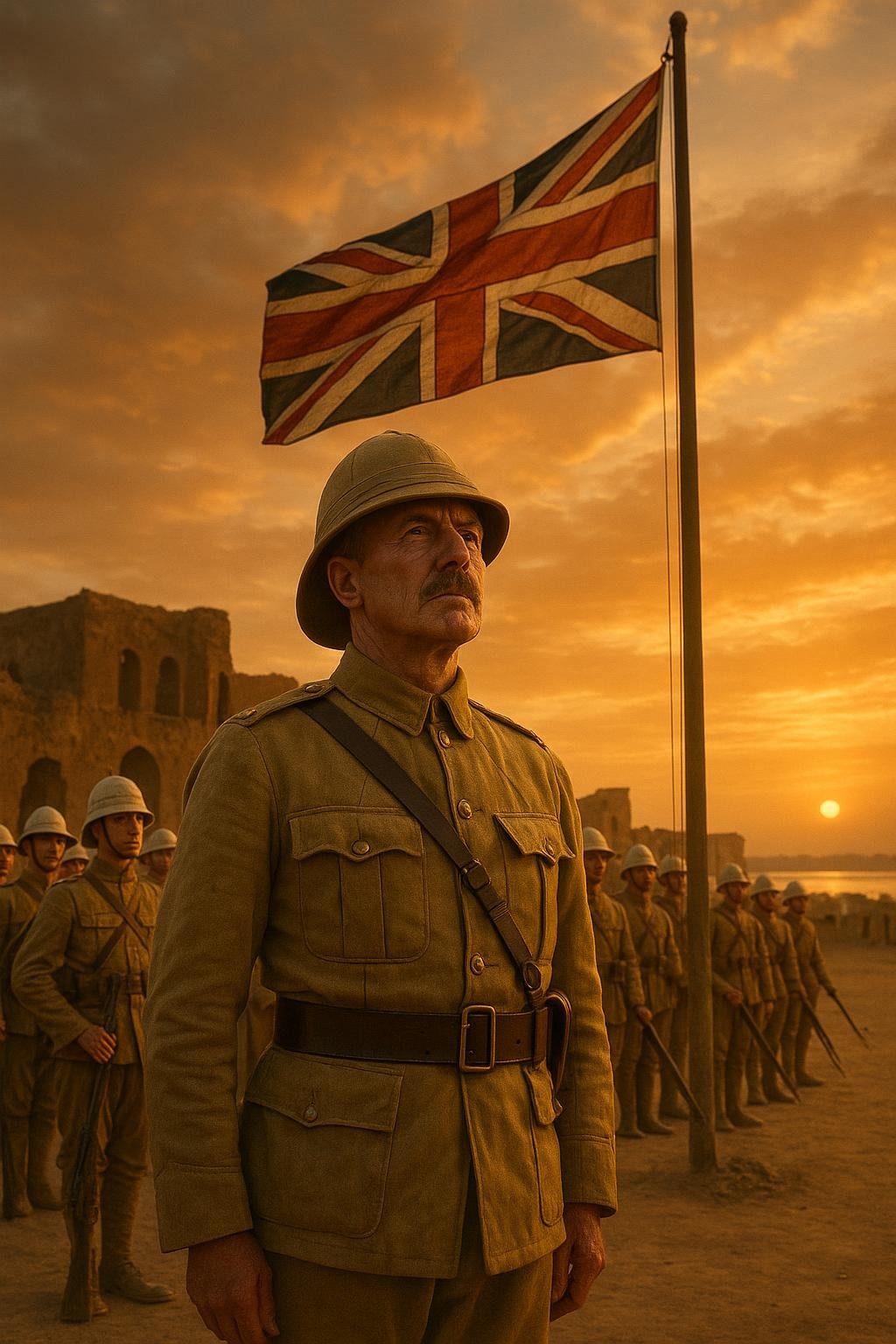
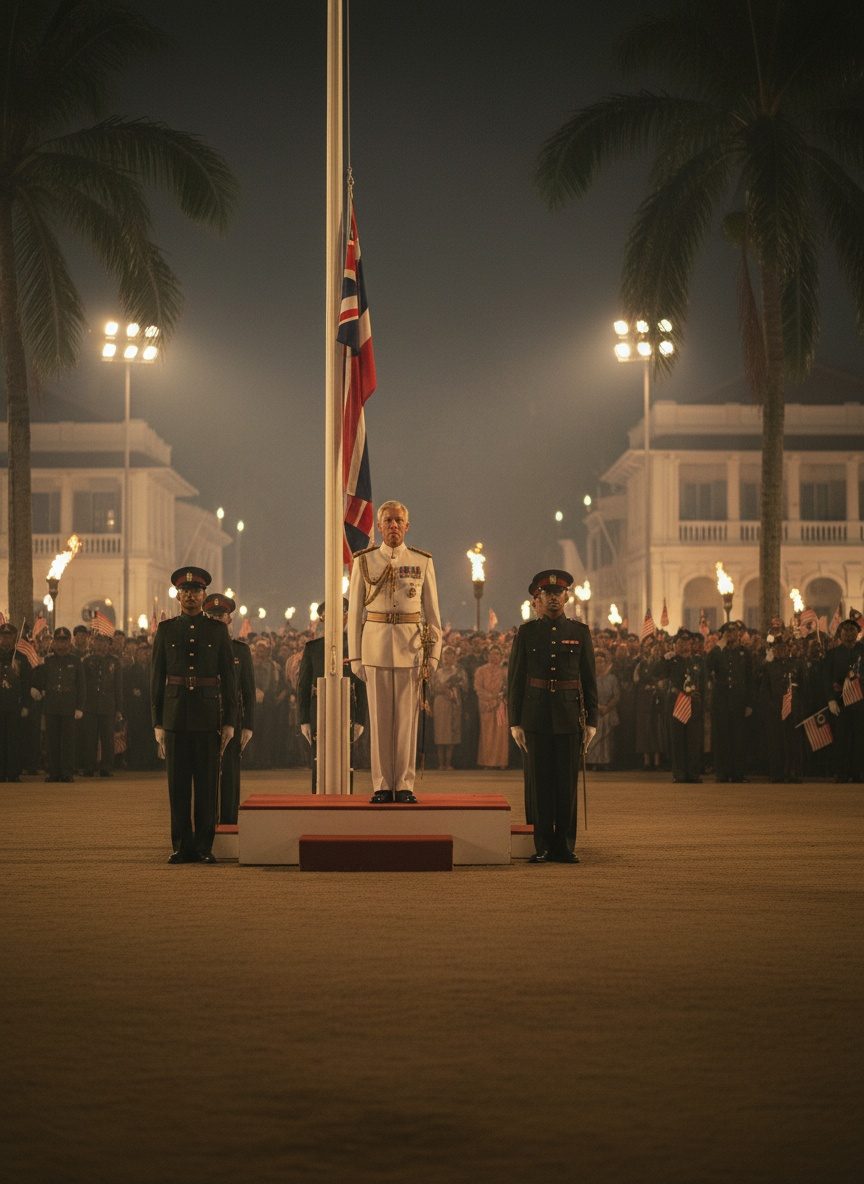
August 1957. Malaya had been British for over a century. Governor Donald MacGillivray stood at the podium. The Union Jack came down. The new flag rose. A nation was born without a shot fired.
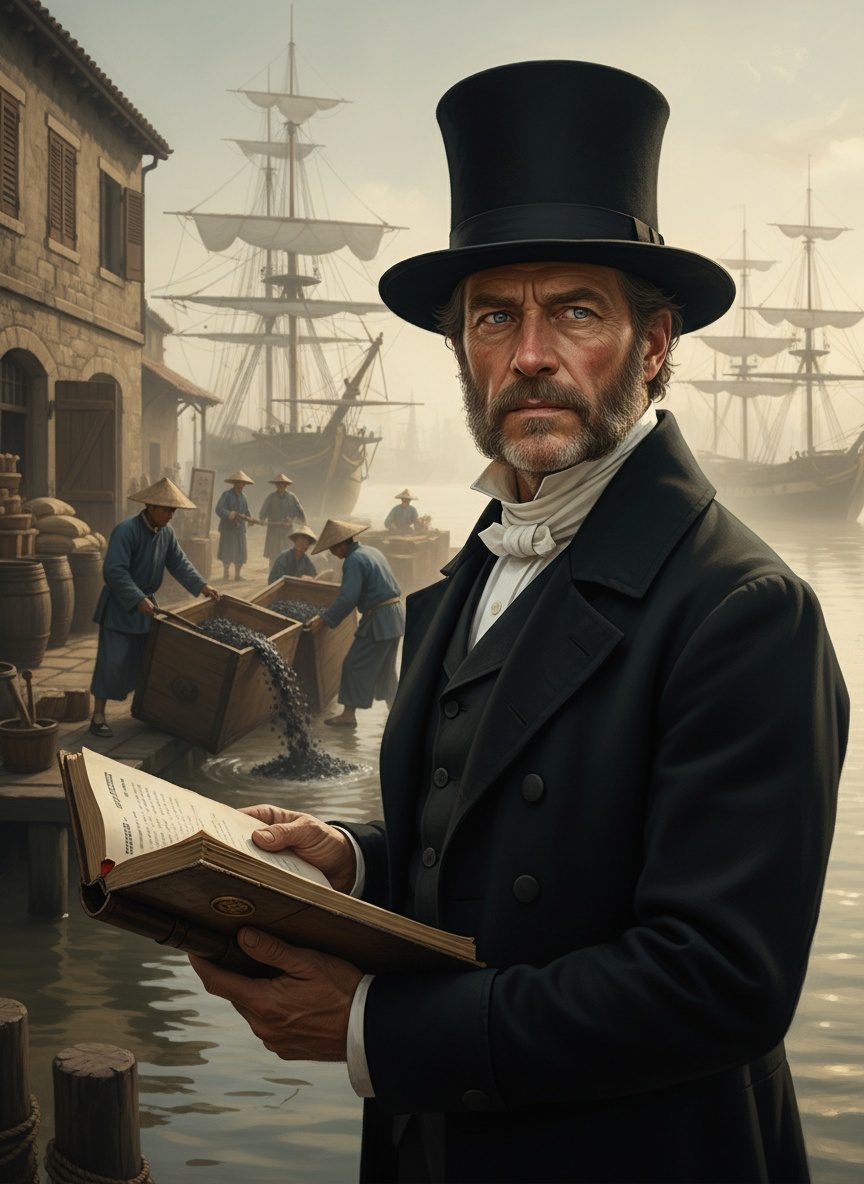
Canton, 1839. British merchants watched in silence. Commissioner Lin Zexu ordered twenty thousand chests of opium destroyed. Valued at two million pounds. Every grain dissolved into the Pearl River. The trade that built an empire ended in an afternoon.
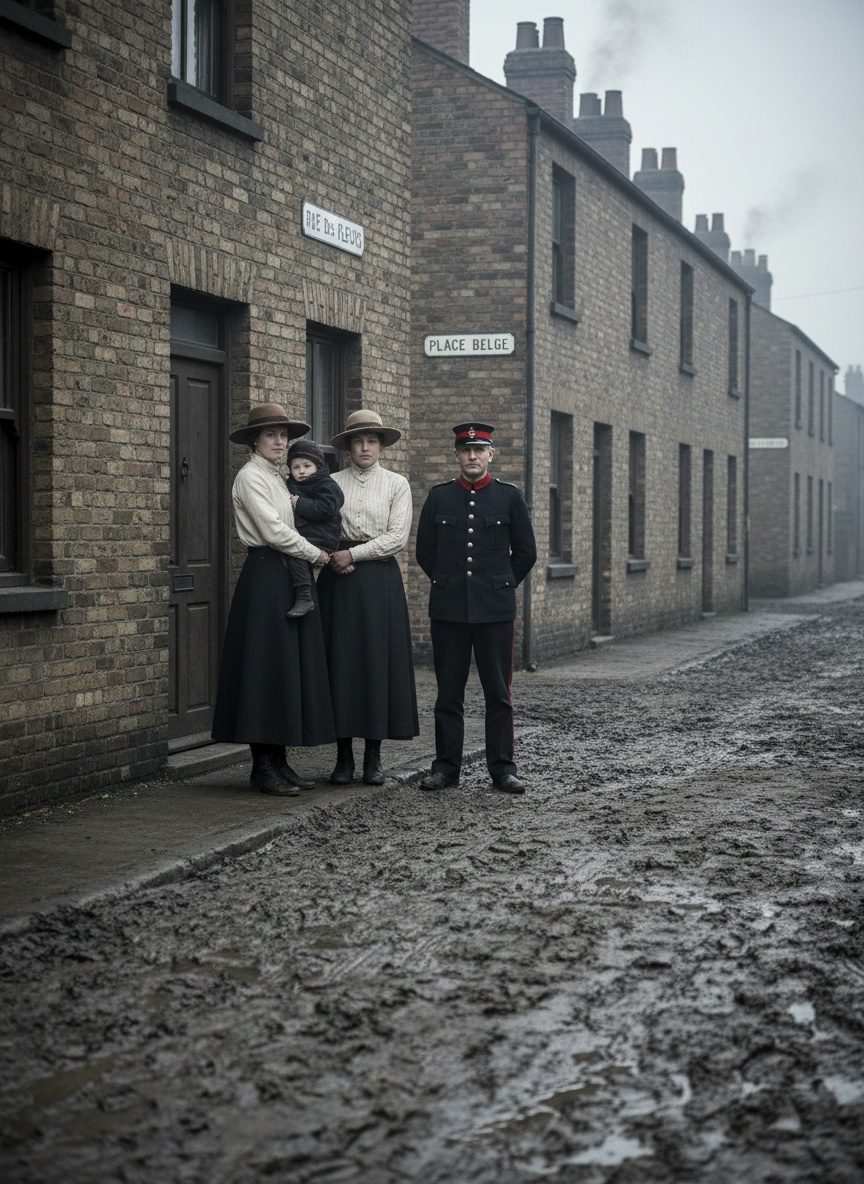
Germany invaded Belgium. A quarter million civilians fled to Britain. But 6,000 needed more than a spare room. So Britain built them their own town — with Belgian laws, Belgian police, and Belgian street names.
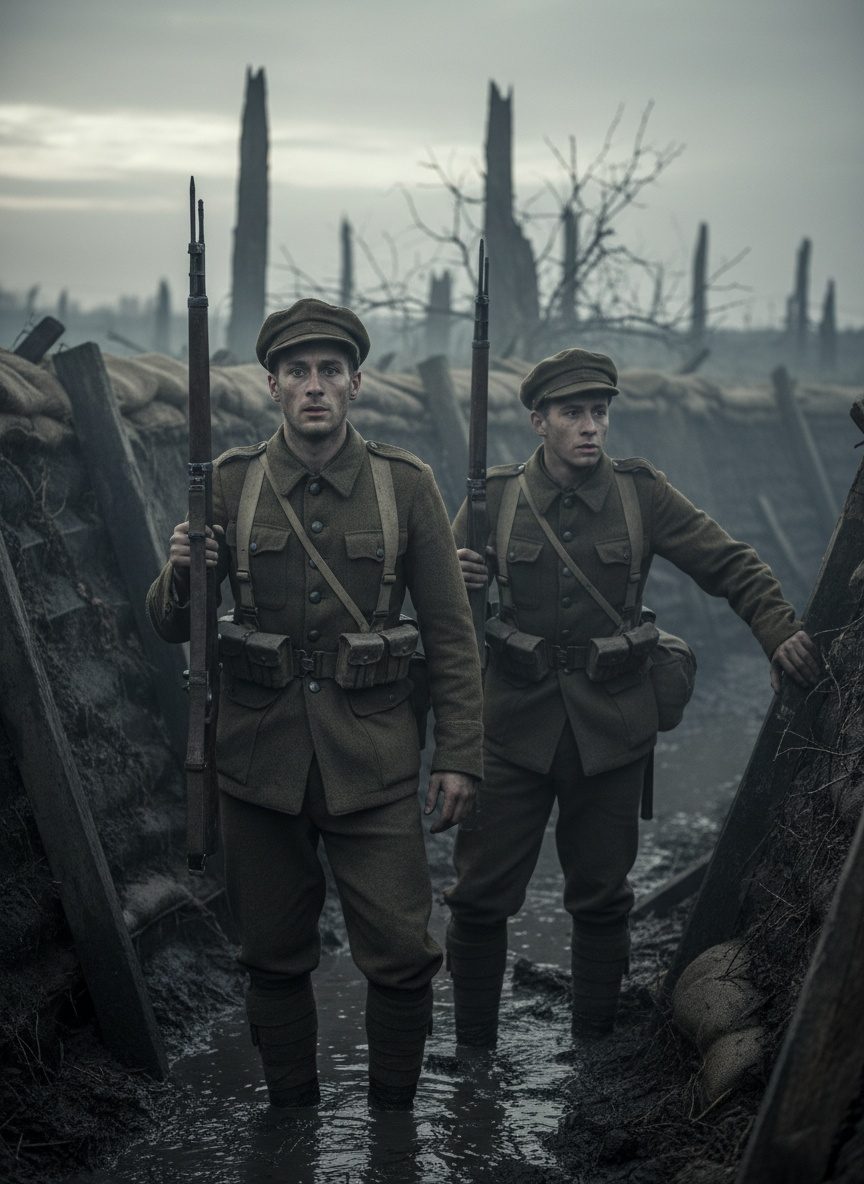
November 1914. The 1st Cameronians held a flooded trench at Ypres for six days without relief. Men drowned standing up. They held the line.
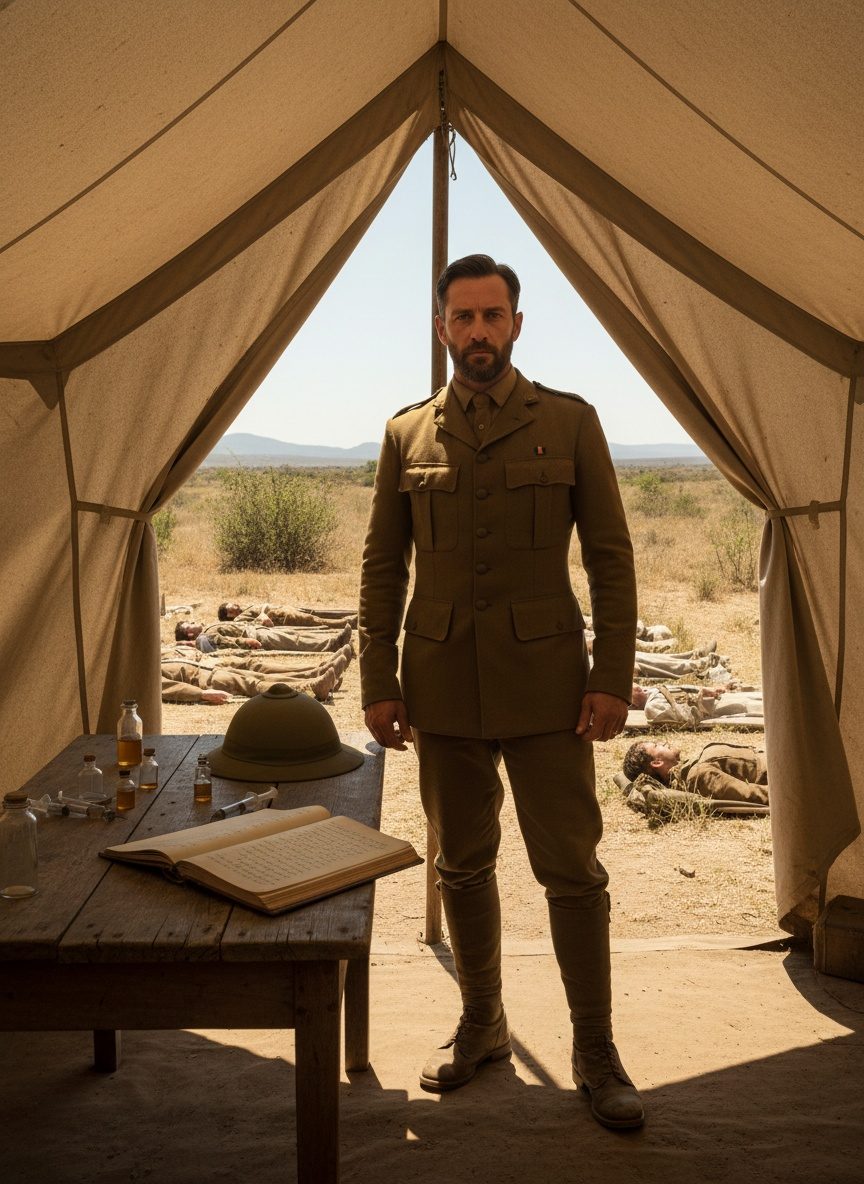
More British soldiers died of typhoid than Boer bullets. One man had the cure. The Army refused him. He injected himself first — then watched thousands die unnecessarily.
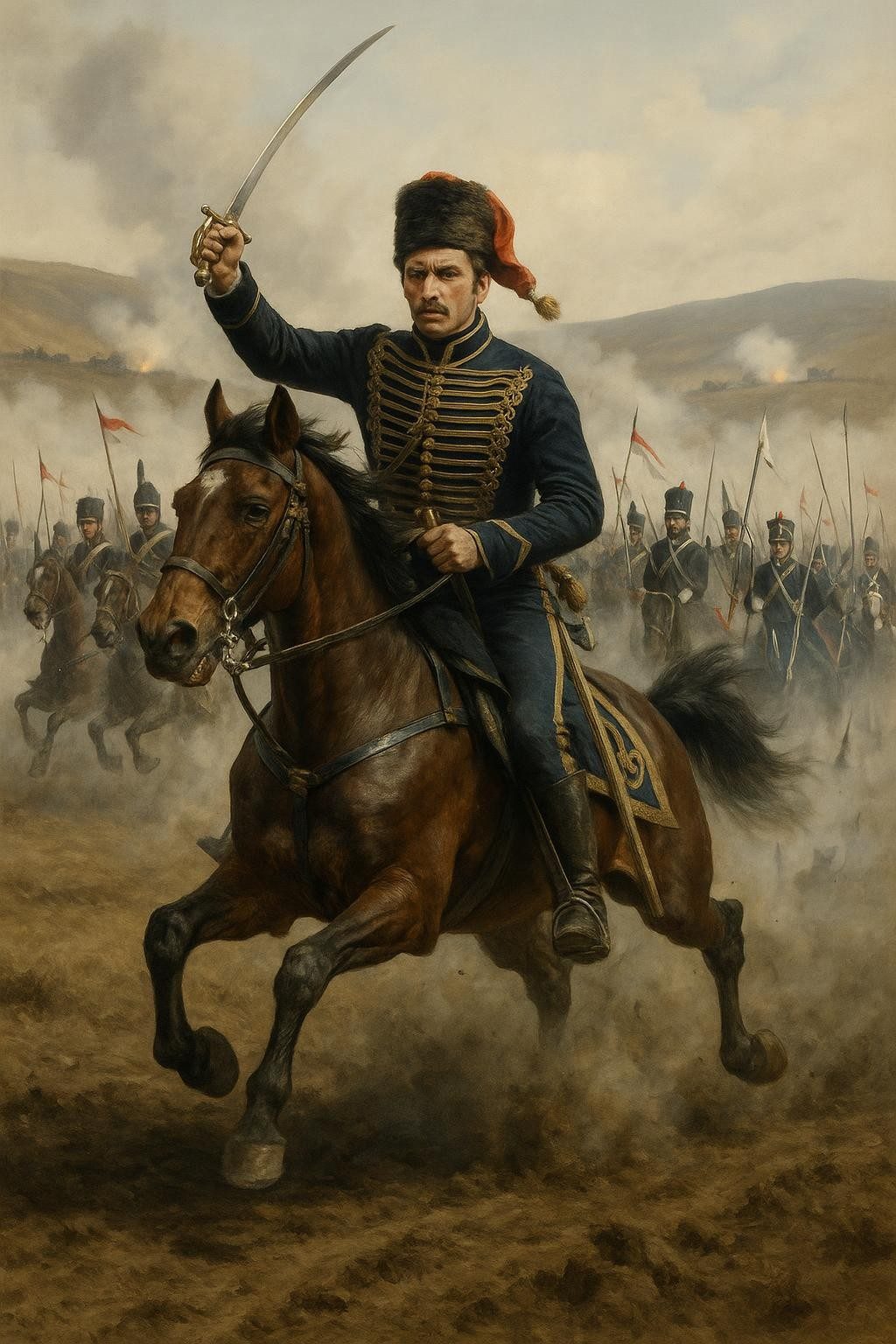
October 25, 1854. Six hundred and seventy British horsemen rode into a valley bracketed by Russian guns. In seventeen minutes, 278 men and horses were gone. The order that sent them was wrong. They went anyway.
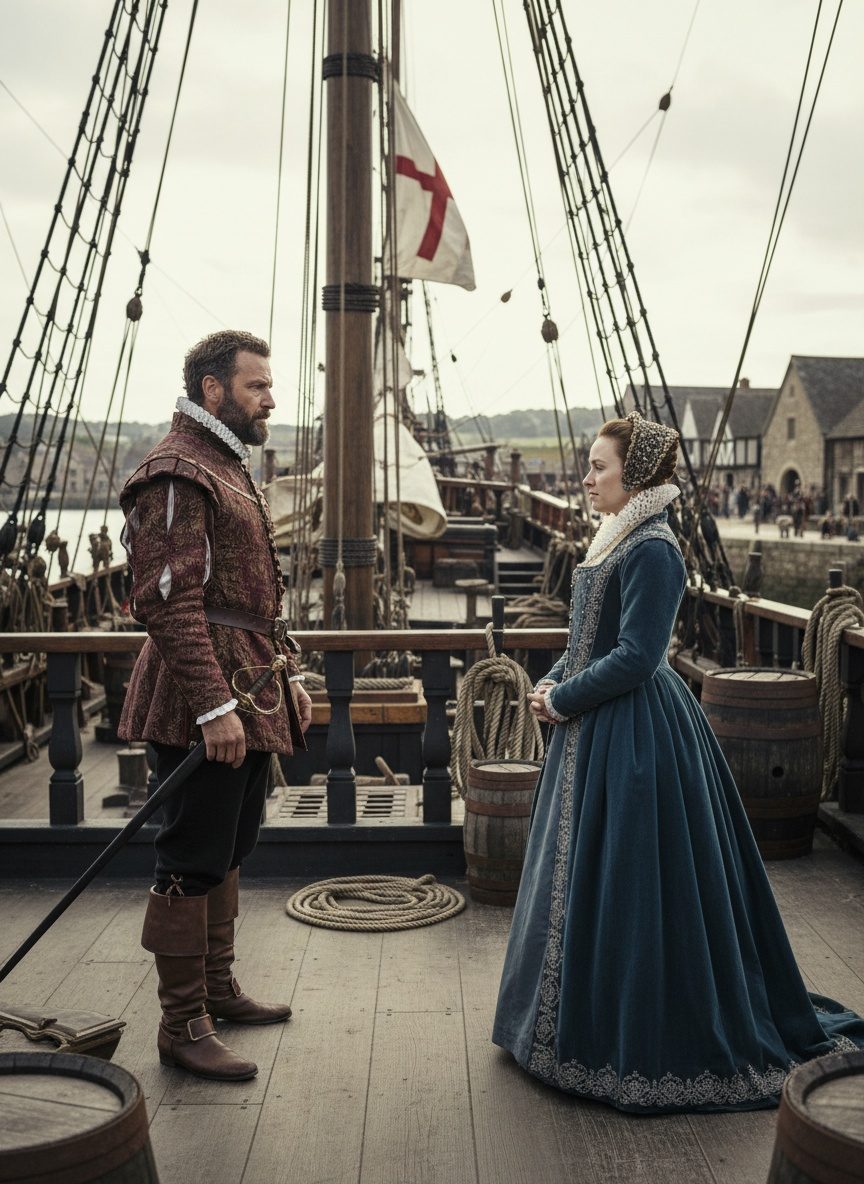
September 1580. Drake's battered Golden Hind crept into Plymouth harbour. Three years gone. Fifty-six men left from a hundred and sixty-four. He had sailed around the entire world. The Queen knighted him on his own deck.
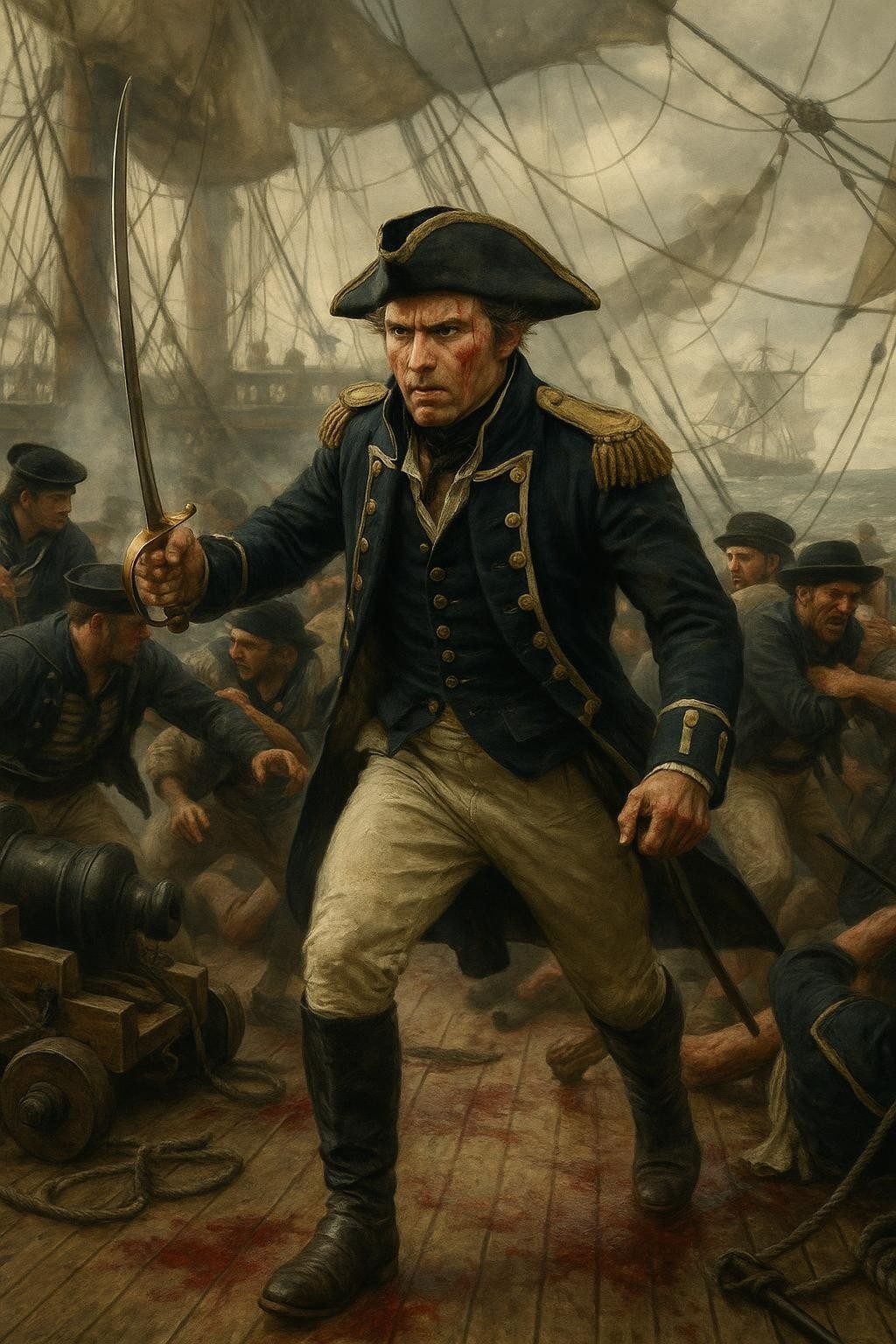
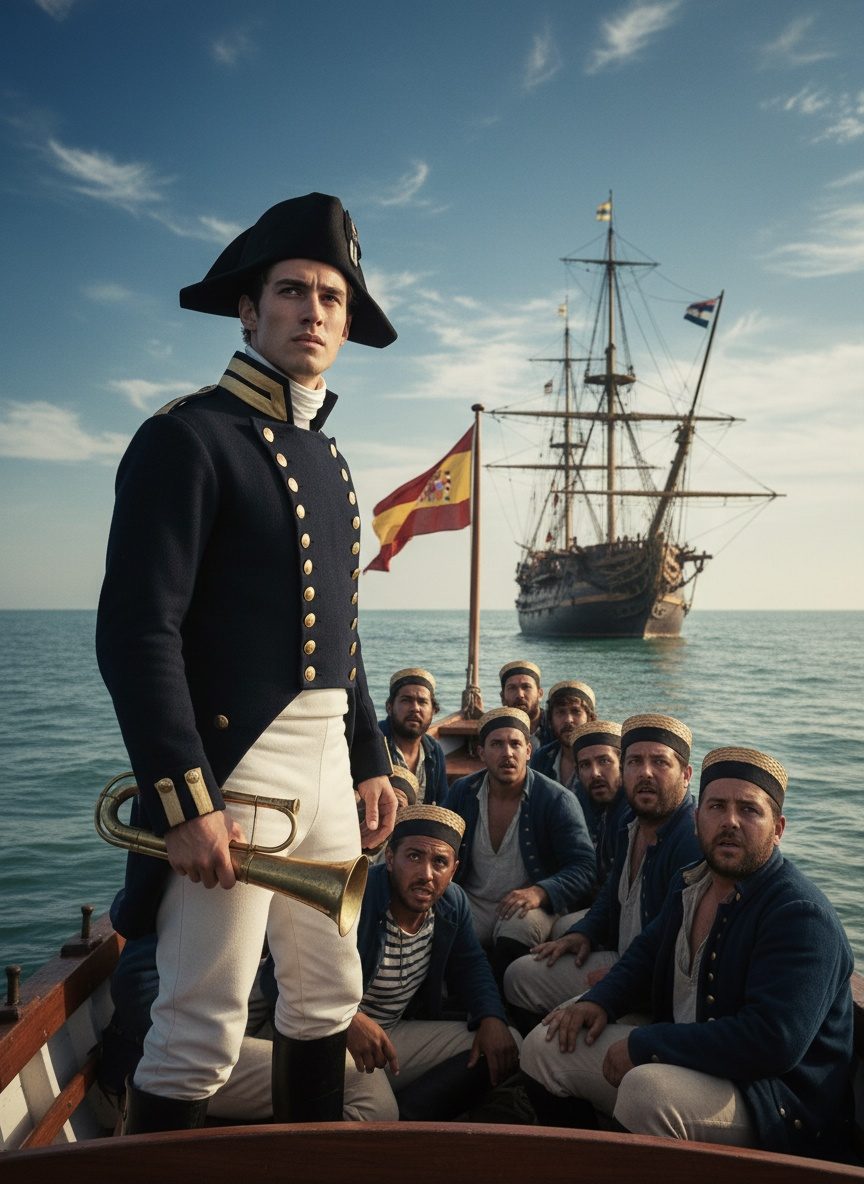
May 1801. HMS Speedy had fourteen guns. The Spanish frigate Gamo had thirty-two. Captain Cochrane attacked anyway. Fifty-four men boarded a crew of over three hundred. They took the ship. Cochrane lost three men.
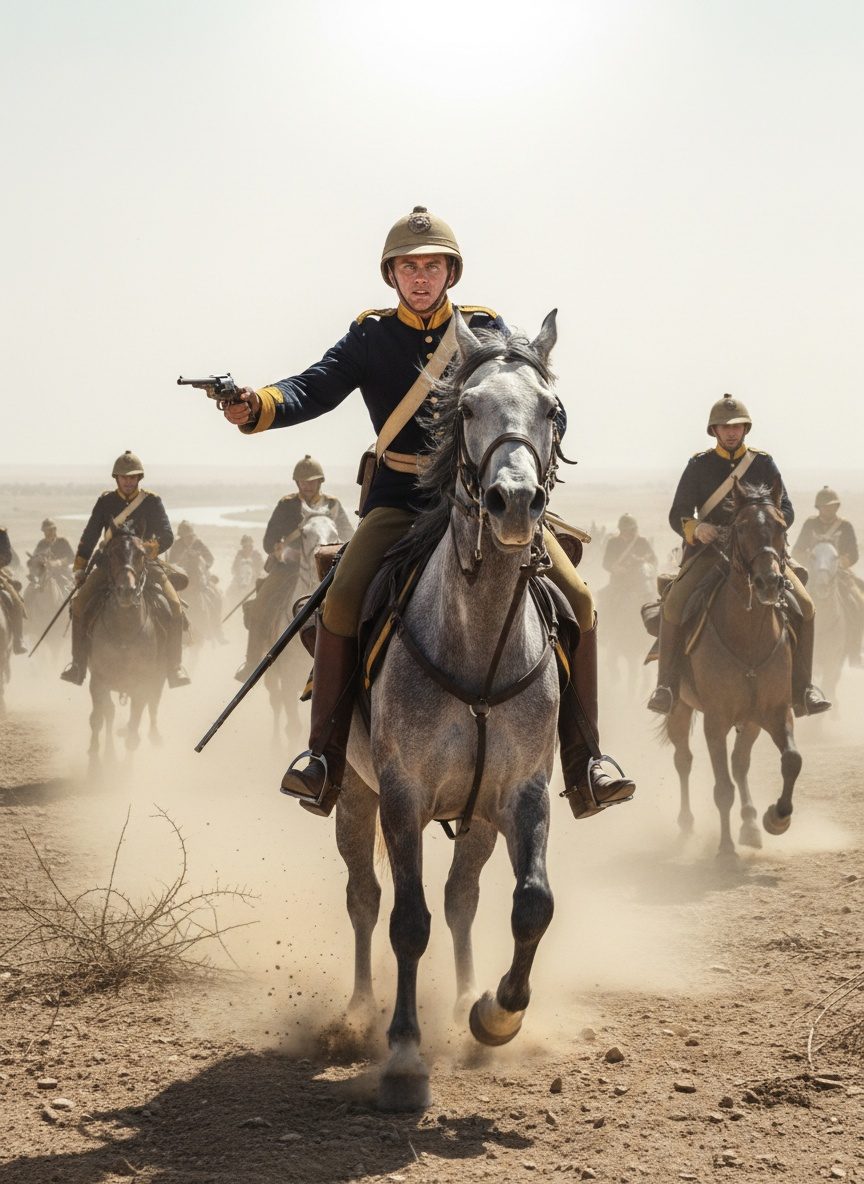
September 1898. The Dervish army spread across the Sudan desert. A young British officer fixed his revolver. The 21st Lancers charged. Churchill rode into the last great cavalry charge of empire. He survived. Barely.
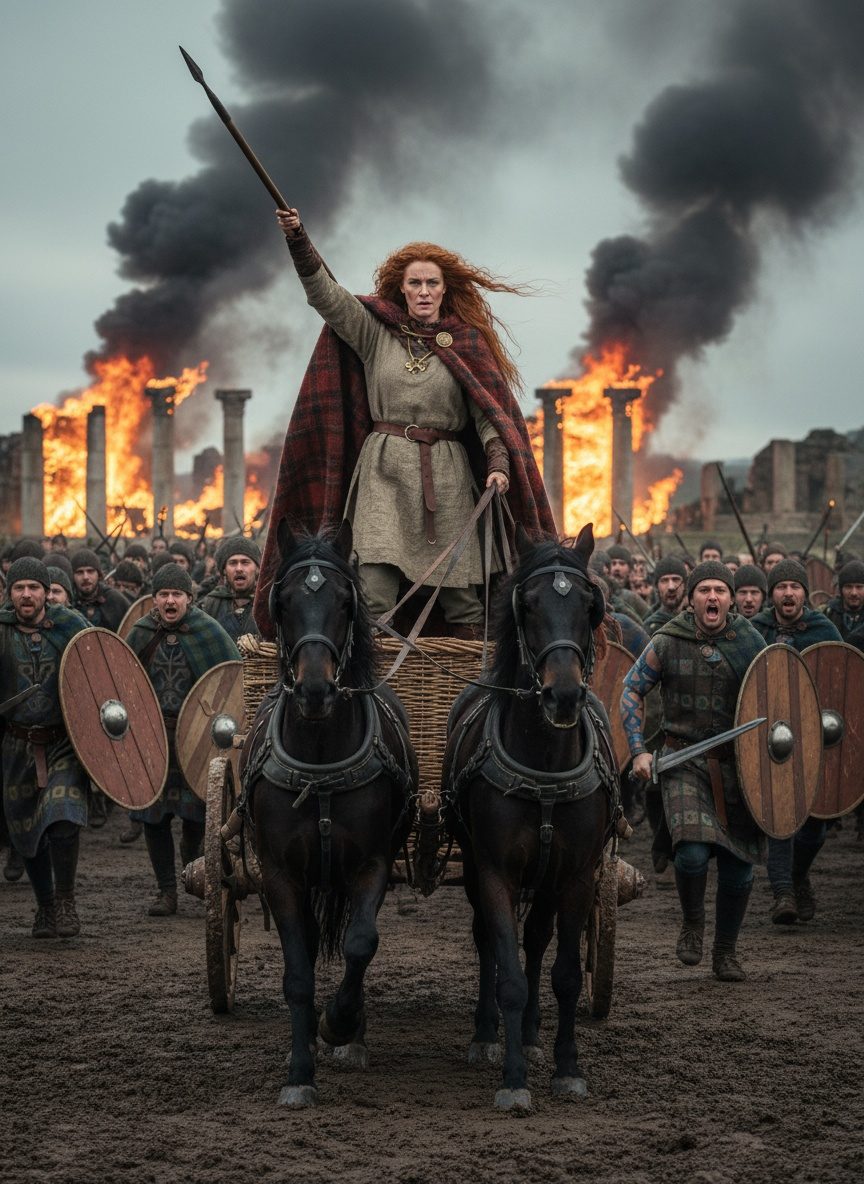
60 AD. Boudicca's warriors burned Camulodunum to ash. Then London. Then Verulamium. Three Roman cities gone in days. One British queen had brought an empire to its knees.
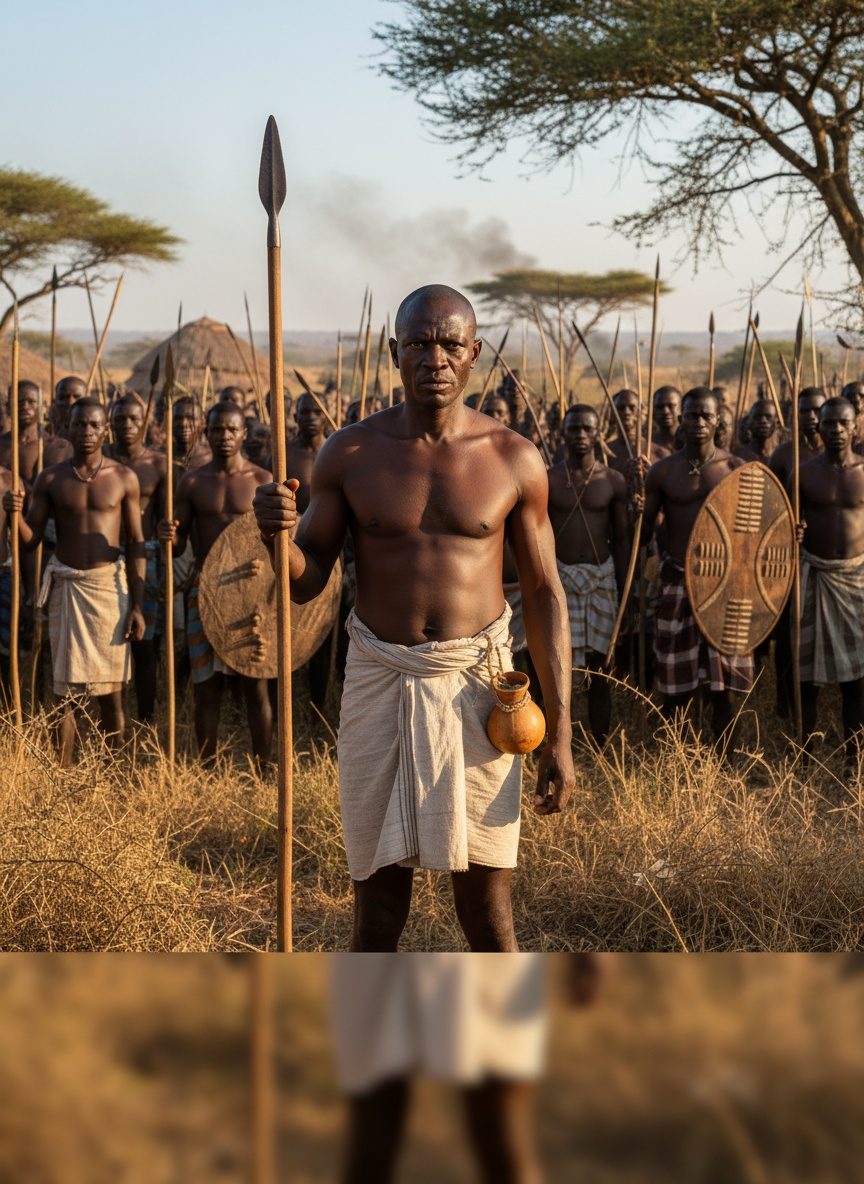
East Africa, 1905. A holy man told his people the water would turn bullets to rain. Thousands rose. They charged German guns without fear. The bullets did not turn. But they rose anyway.
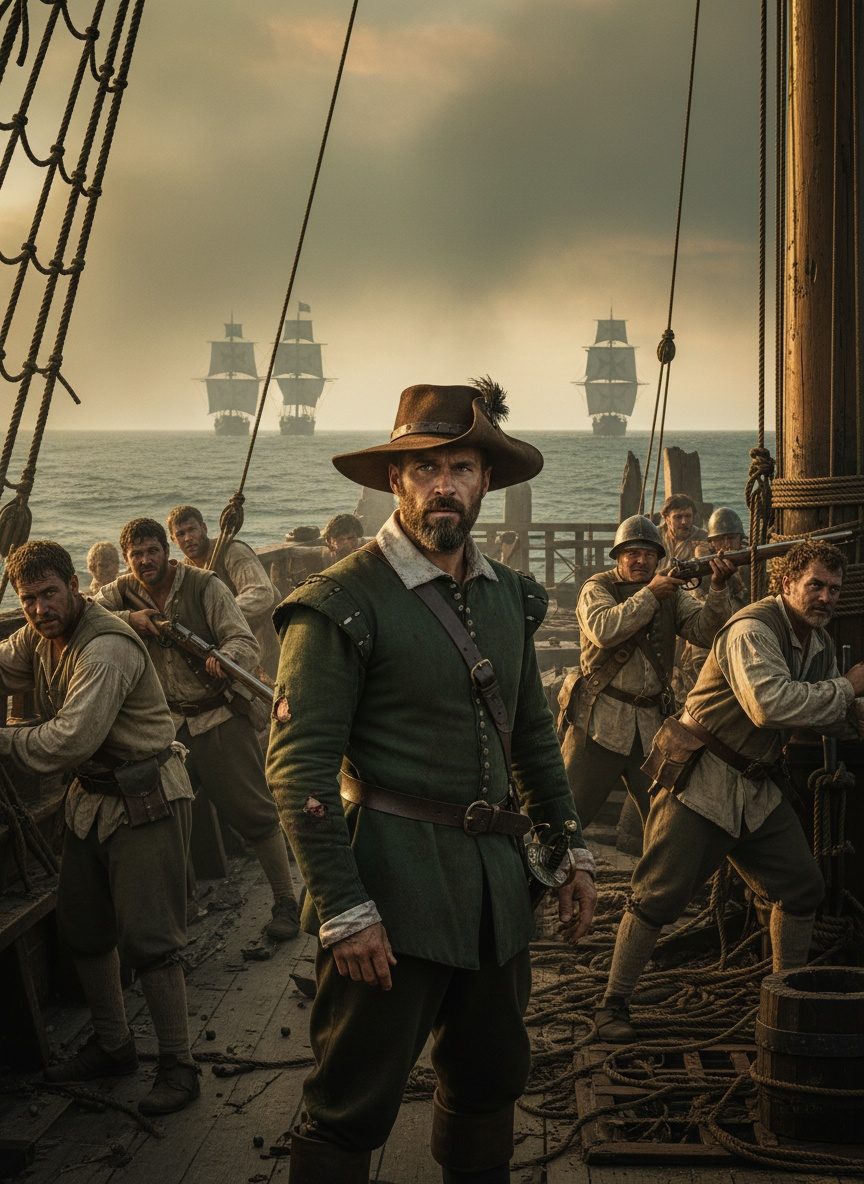
1594. Sir Richard Hawkins sailed the Dainty into the Pacific alone. Three Spanish warships found him off Ecuador. He fought for three days. Outnumbered ten to one. He refused to strike his colours until his decks ran red.
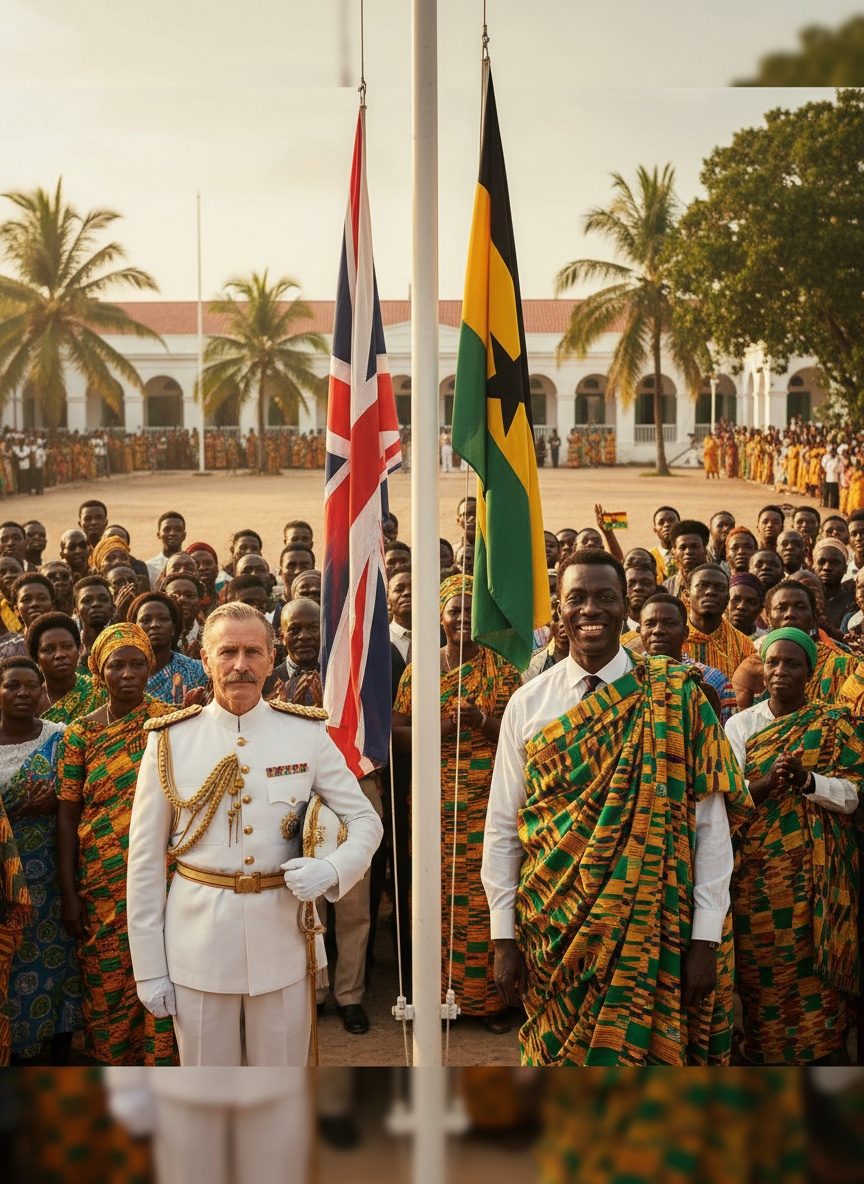
March 1957. Governor Charles Arden-Clarke stood before a crowd of thousands. He had governed the Gold Coast for seven years. Now he handed the flag to Kwame Nkrumah. Ghana was born. He shook the hand of the man who had once been his prisoner.
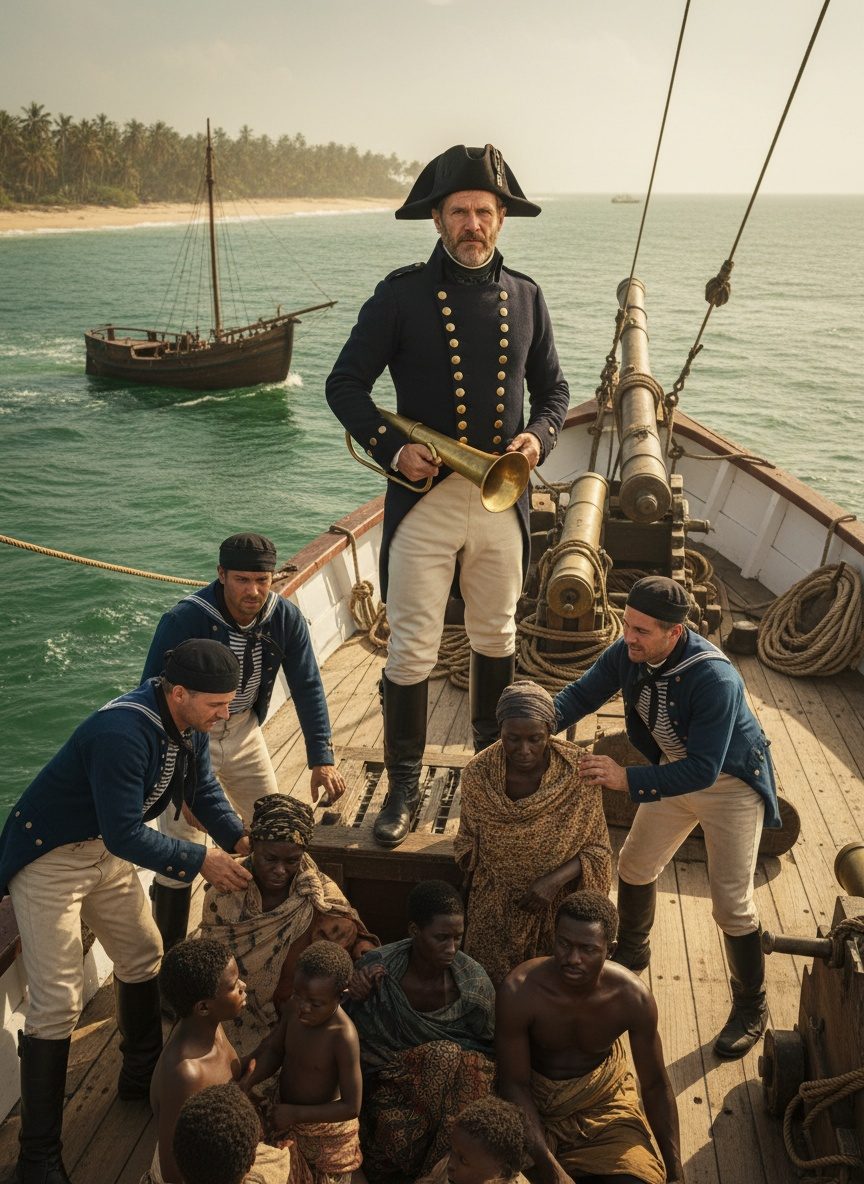
Britain outlawed the slave trade in 1807. Then sent its navy to enforce it for sixty years. Over 1,600 ships seized. 150,000 Africans freed. The West Africa Squadron lost more men to fever than to cannon.
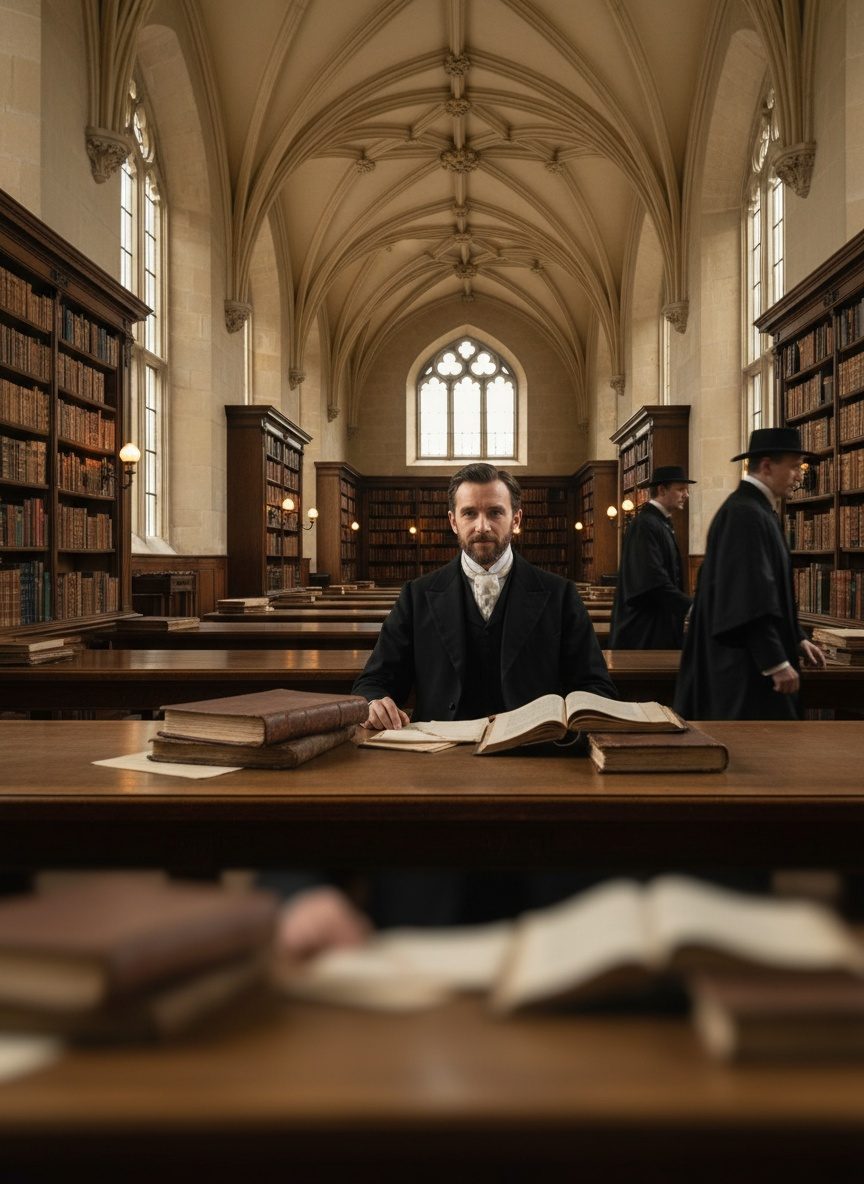
He had no degree. No published work. No verified past. Yet Oxford's Bodleian gave him full access. When the fraud unravelled, the institution quietly looked away. His name: Antony Fabroni.
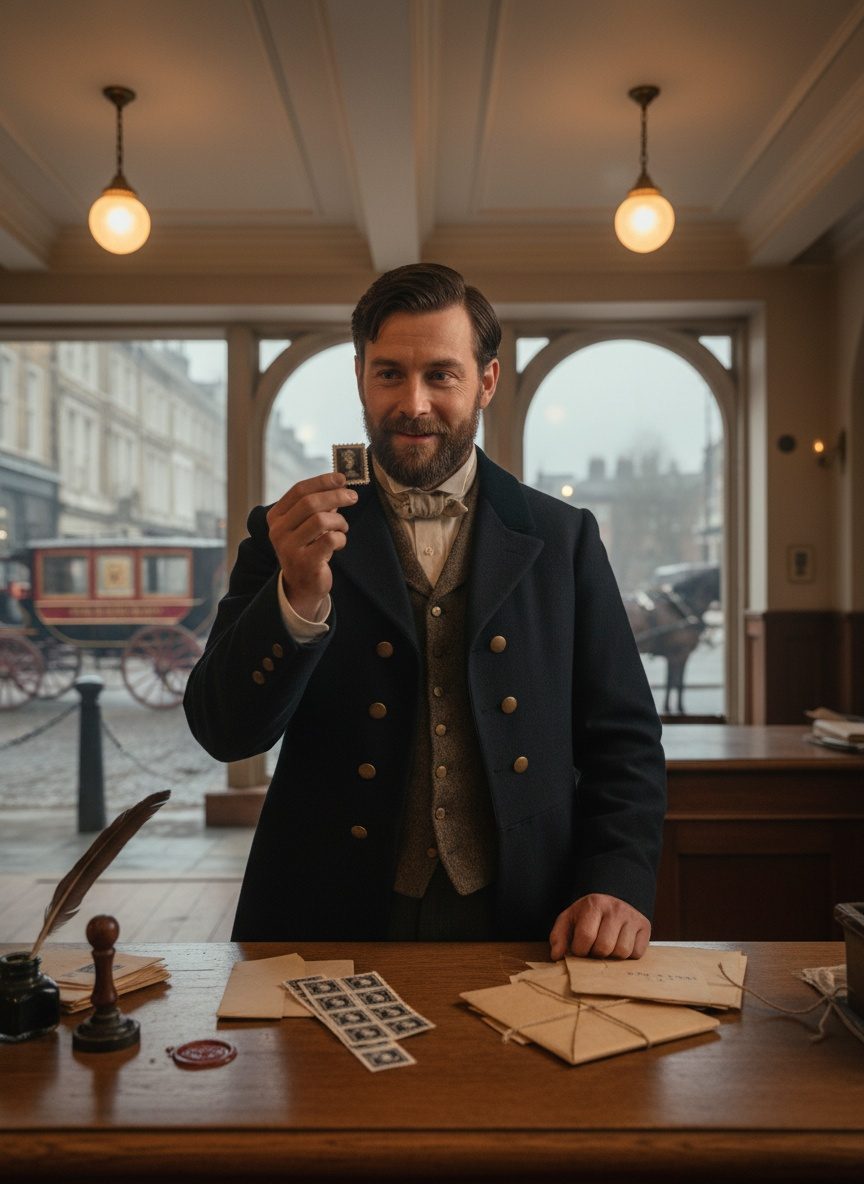
1840. A single stamp. One penny. For the first time, any person in Britain could send a letter anywhere for the same price. Rowland Hill's idea had changed how the world communicated. Every empire that followed copied it.
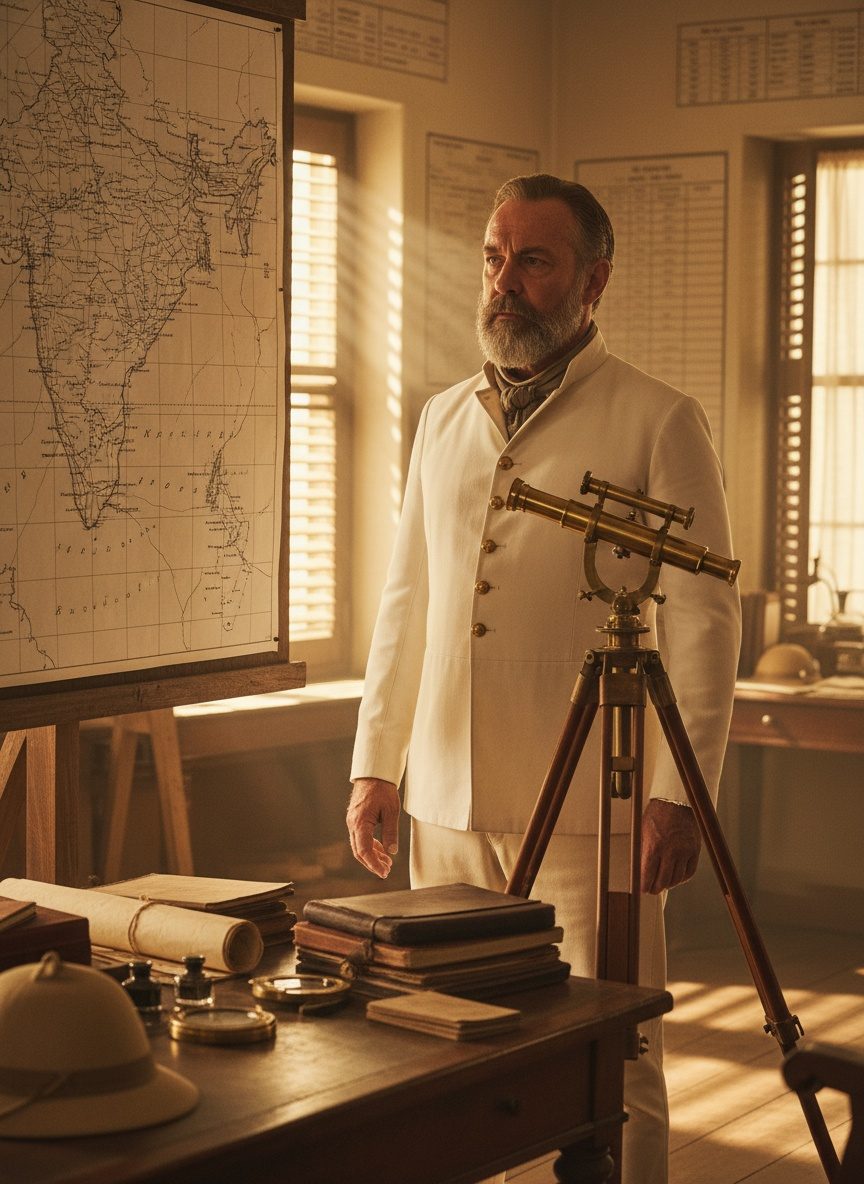
1856. A mountain had no name. George Everest spent decades triangulating India's spine. His surveyors climbed through fever and monsoon. One peak measured higher than any other. They named it after the man who made it possible.
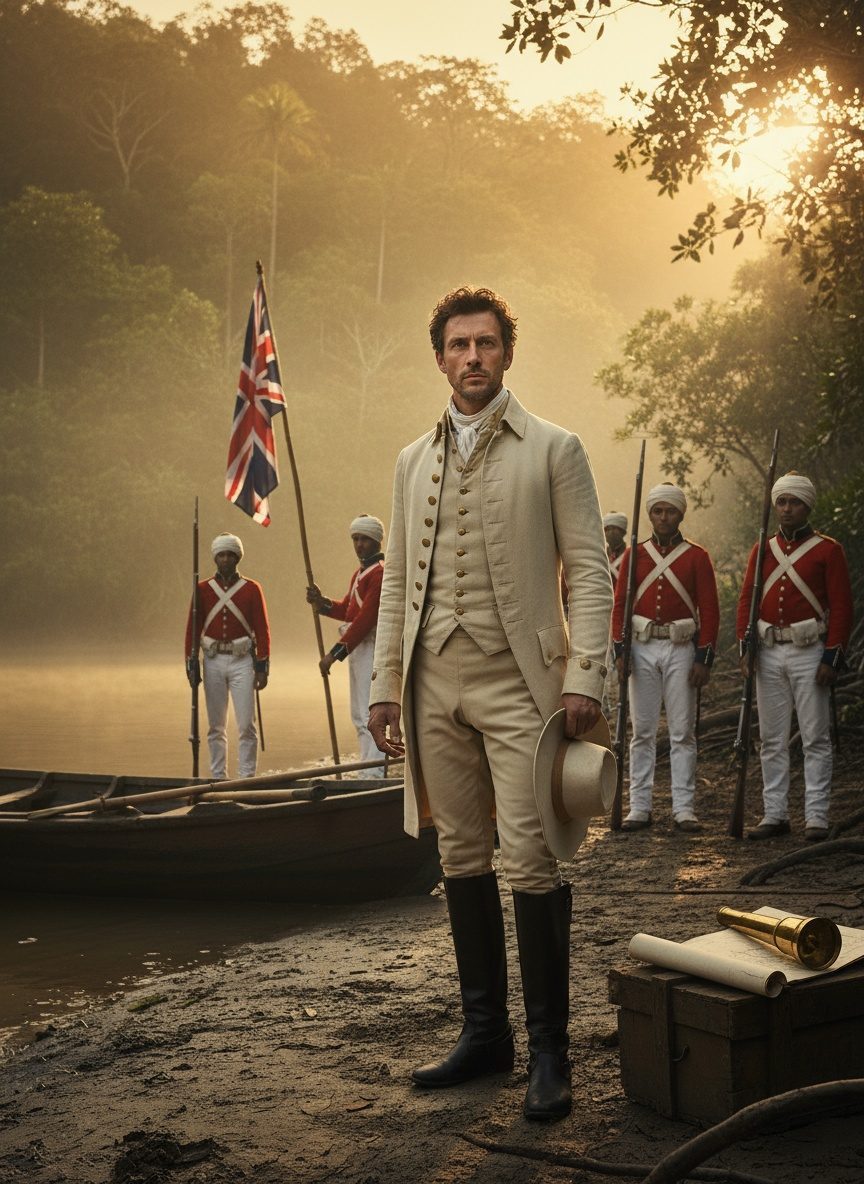
January 1819. A 37-year-old clerk's son stepped ashore on a swampy island. No orders. No army. No permission. He planted a flag anyway. Five days later, Singapore existed.
June 1813. HMS Shannon lay waiting off Boston Harbour. Captain Philip Broke sent a written challenge to his American rival. The USS Chesapeake came out. Thirteen minutes later, it was over. Broke had taken her with his bare sword.
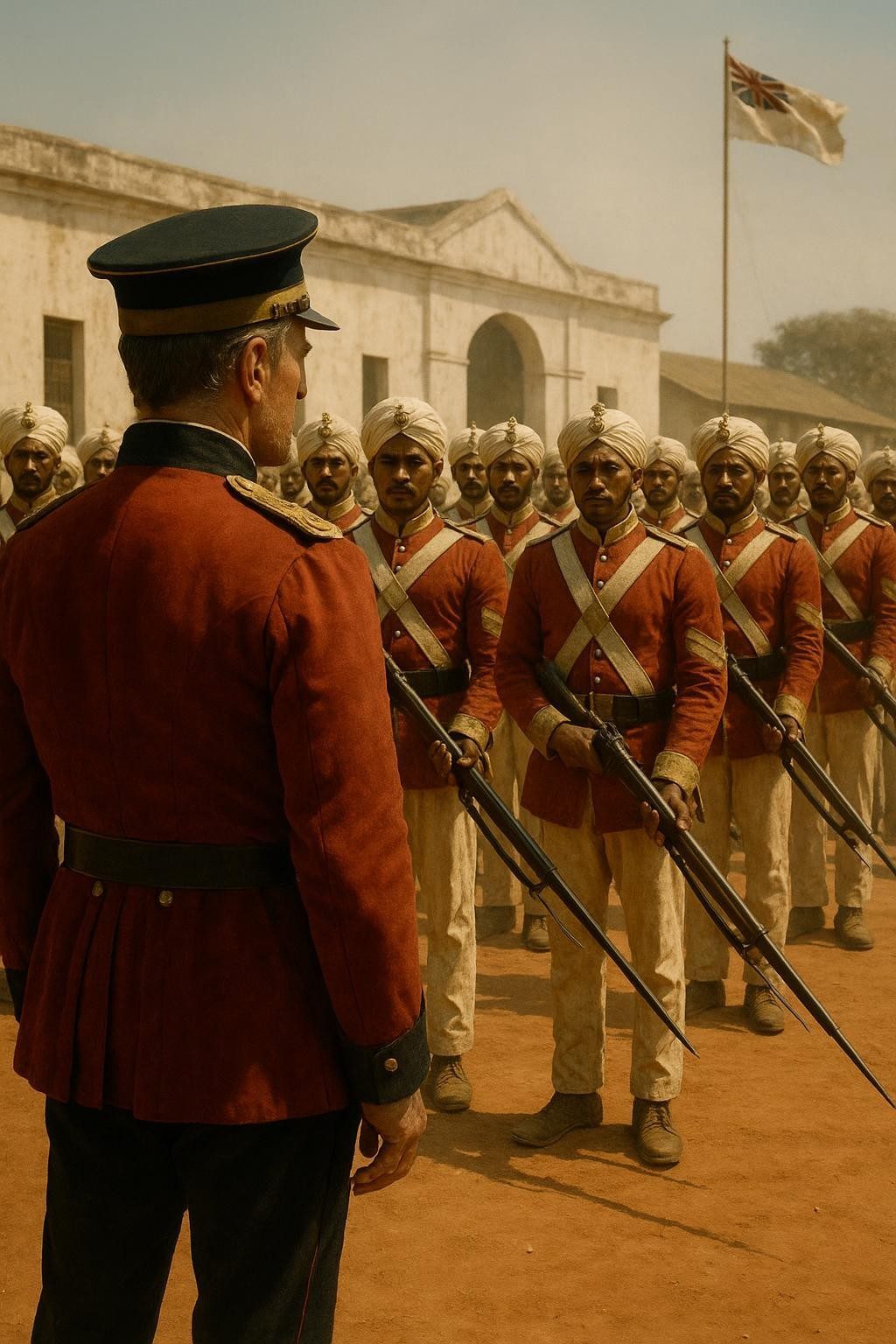
May 1857. The 19th Bengal Native Infantry refused to touch their cartridges. Their British officers stood alone on the parade ground. Every sepoy was armed. Not one shot was fired. They stood down. And the fuse for the Great Mutiny was lit.
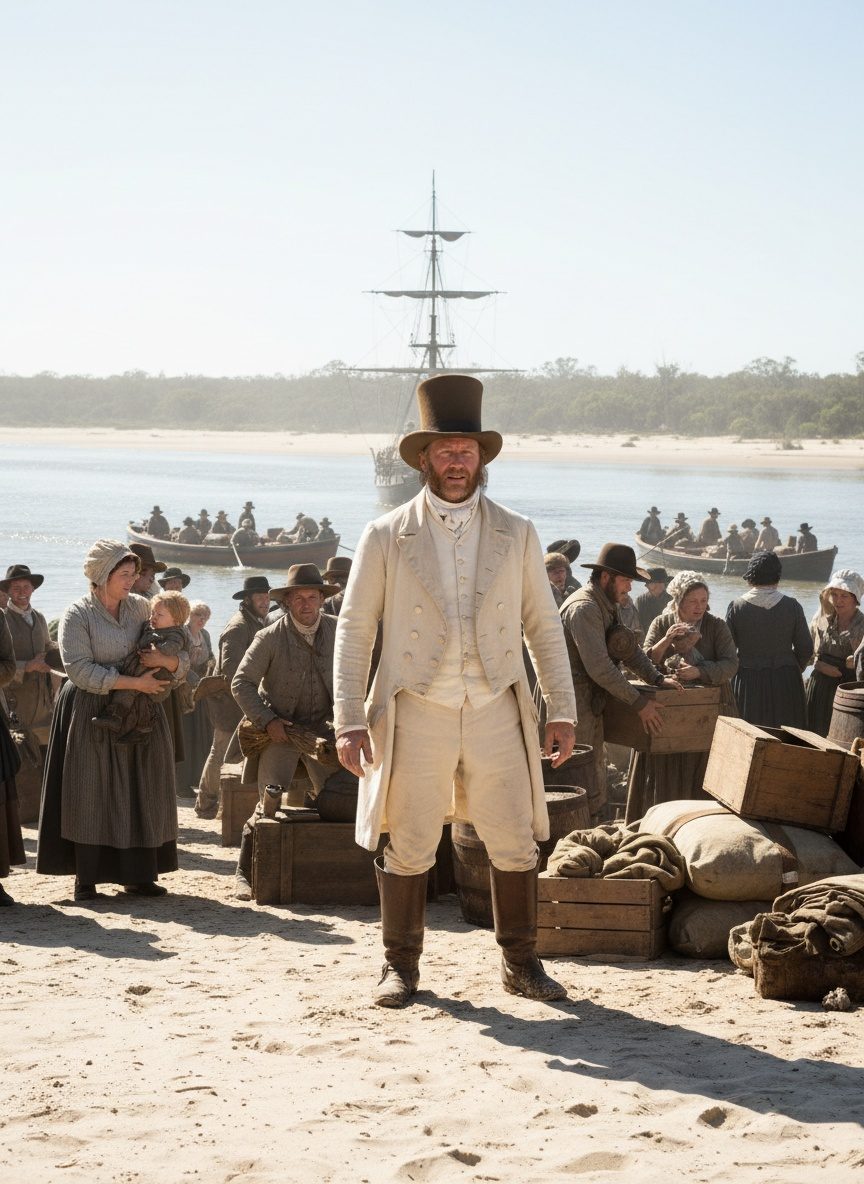
1829. Thomas Peel sailed to Australia with four hundred settlers. He had promised them land. He had no idea where it was. They camped on a beach and waited. He never found it. They built the colony anyway.
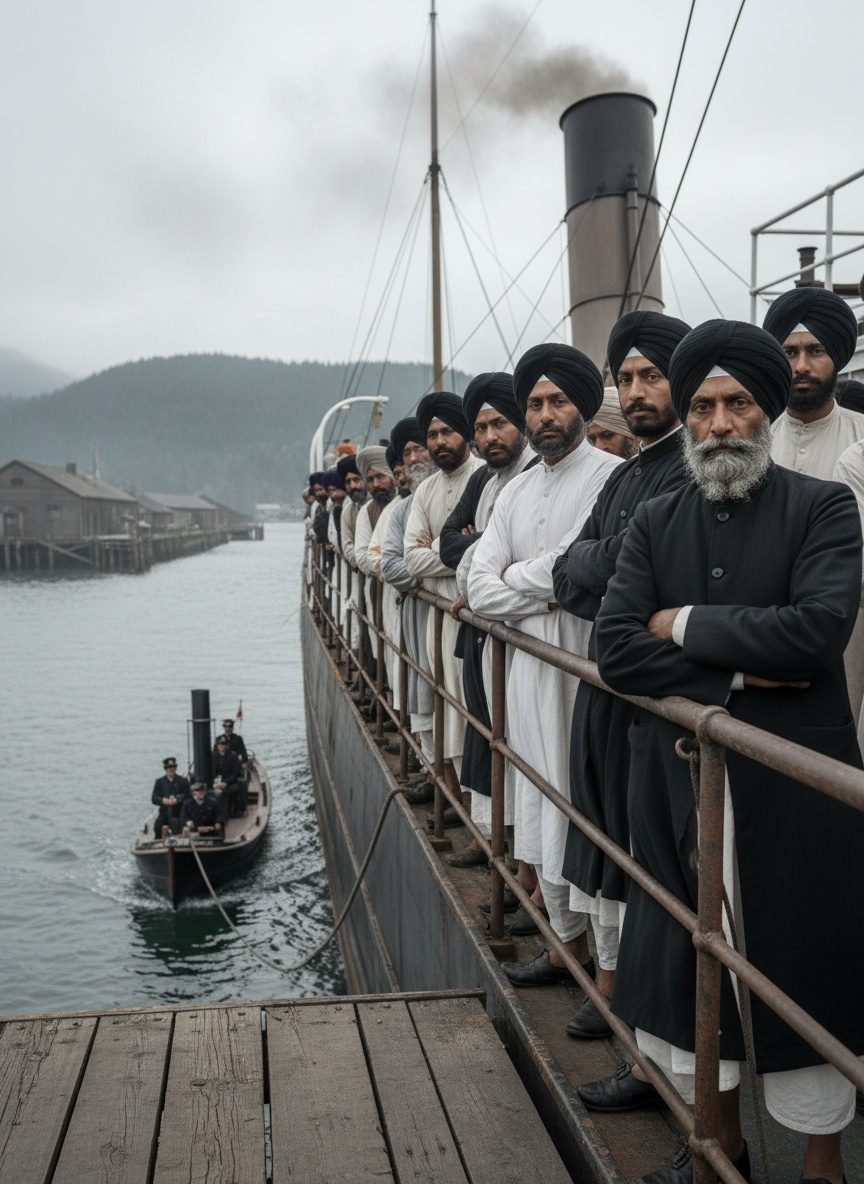
May 1914. A ship of 376 Sikhs, Muslims, and Hindus sat in Vancouver harbour. They were British subjects. Canada refused to let them land. They refused to leave. For two months, they held their ground.
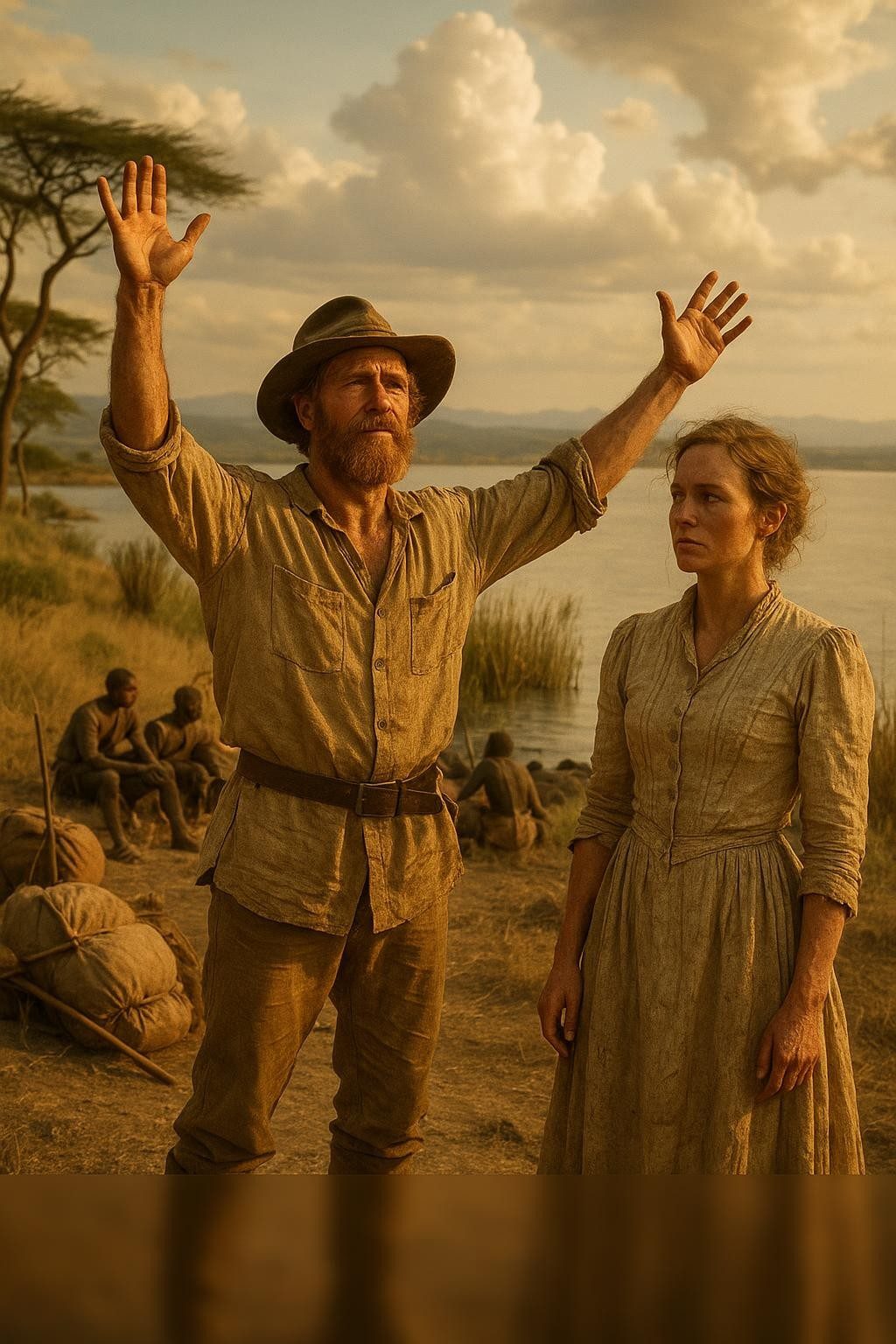
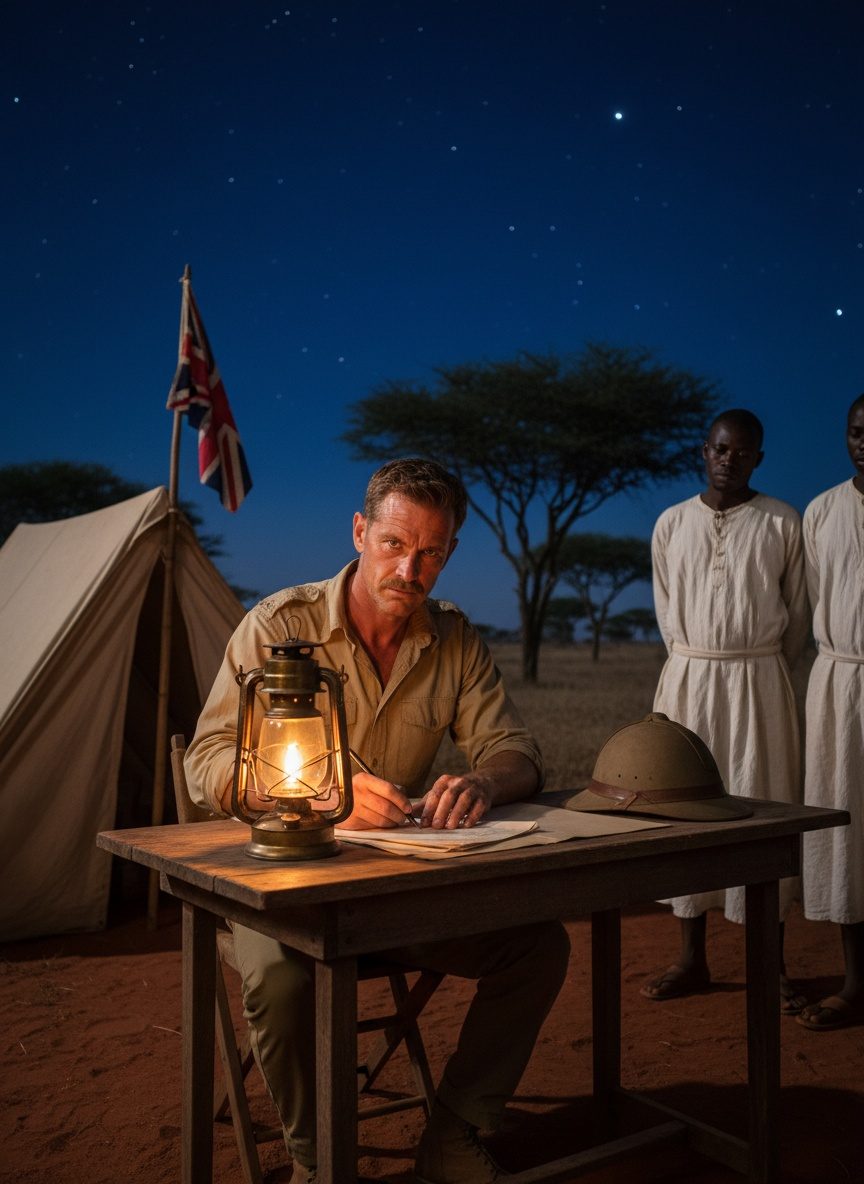
March 1864. Samuel Baker stood at the edge of a vast unknown lake. No European had ever seen it. He named it Lake Albert. His wife Florence had walked every step beside him. Two English people. The heart of Africa. Found.
9 August 1945. A second bomb fell on Japan. Britain had helped build it. Few knew. Fewer spoke of it. The Empire's hand was in the ash.
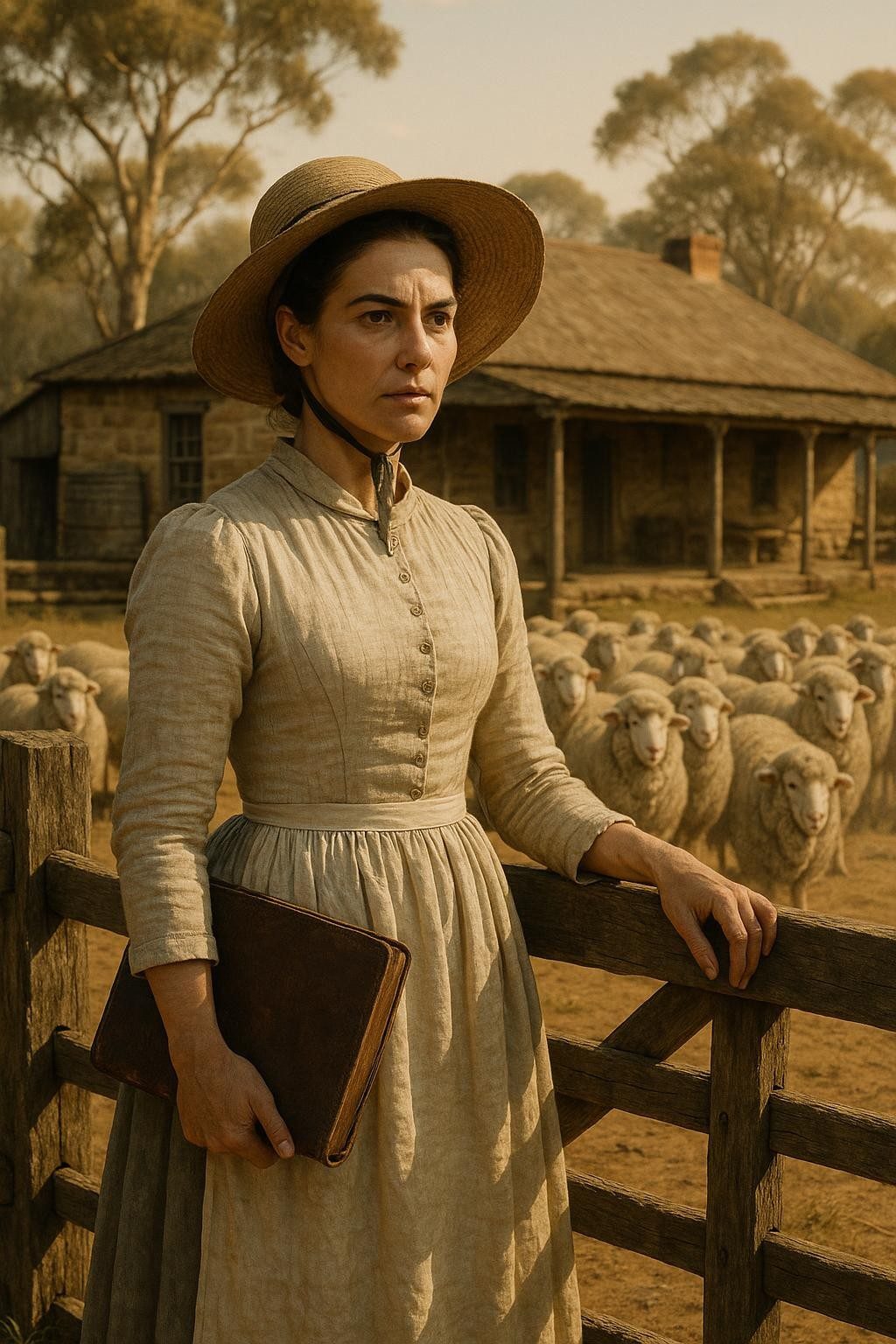
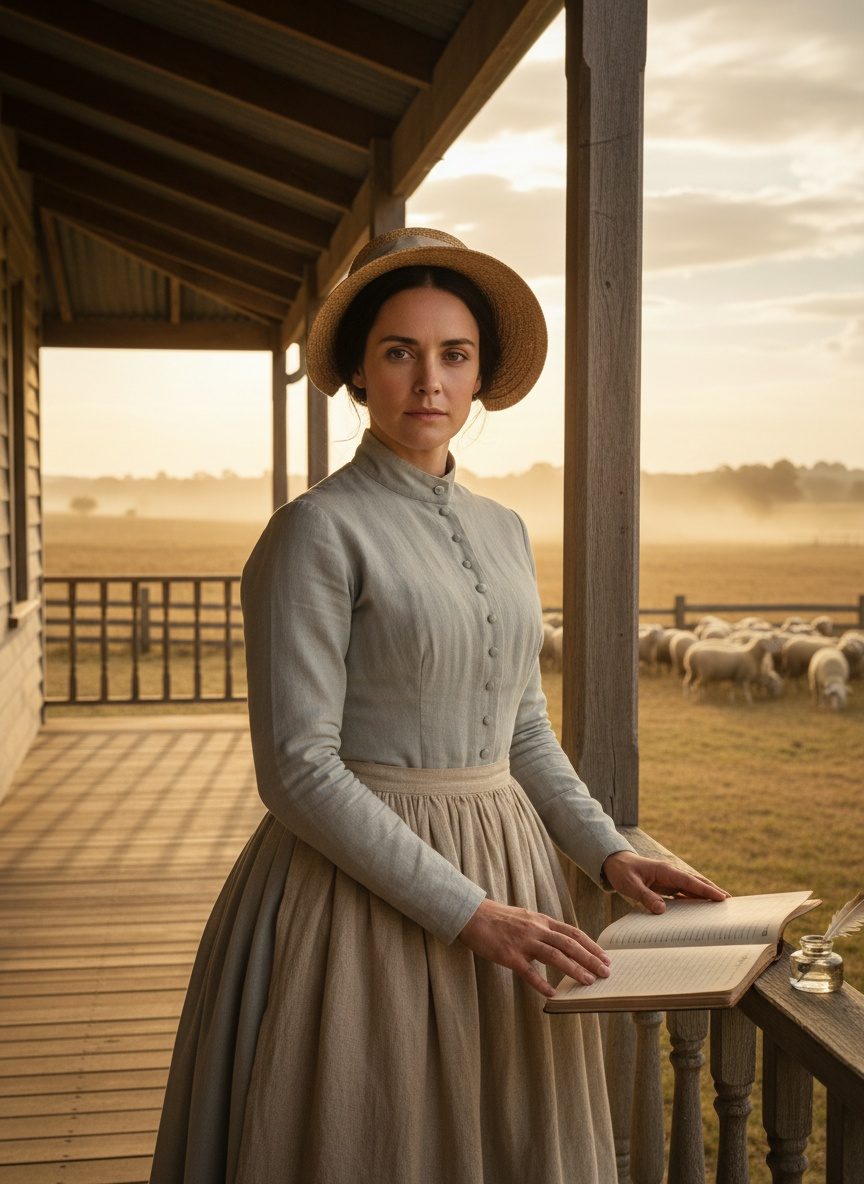
1804. John Macarthur sailed to England in chains. His wife Elizabeth stood alone. Seven children. A half-built flock. No overseer. She ran the sheep station herself. Four years. She saved the colony's future.
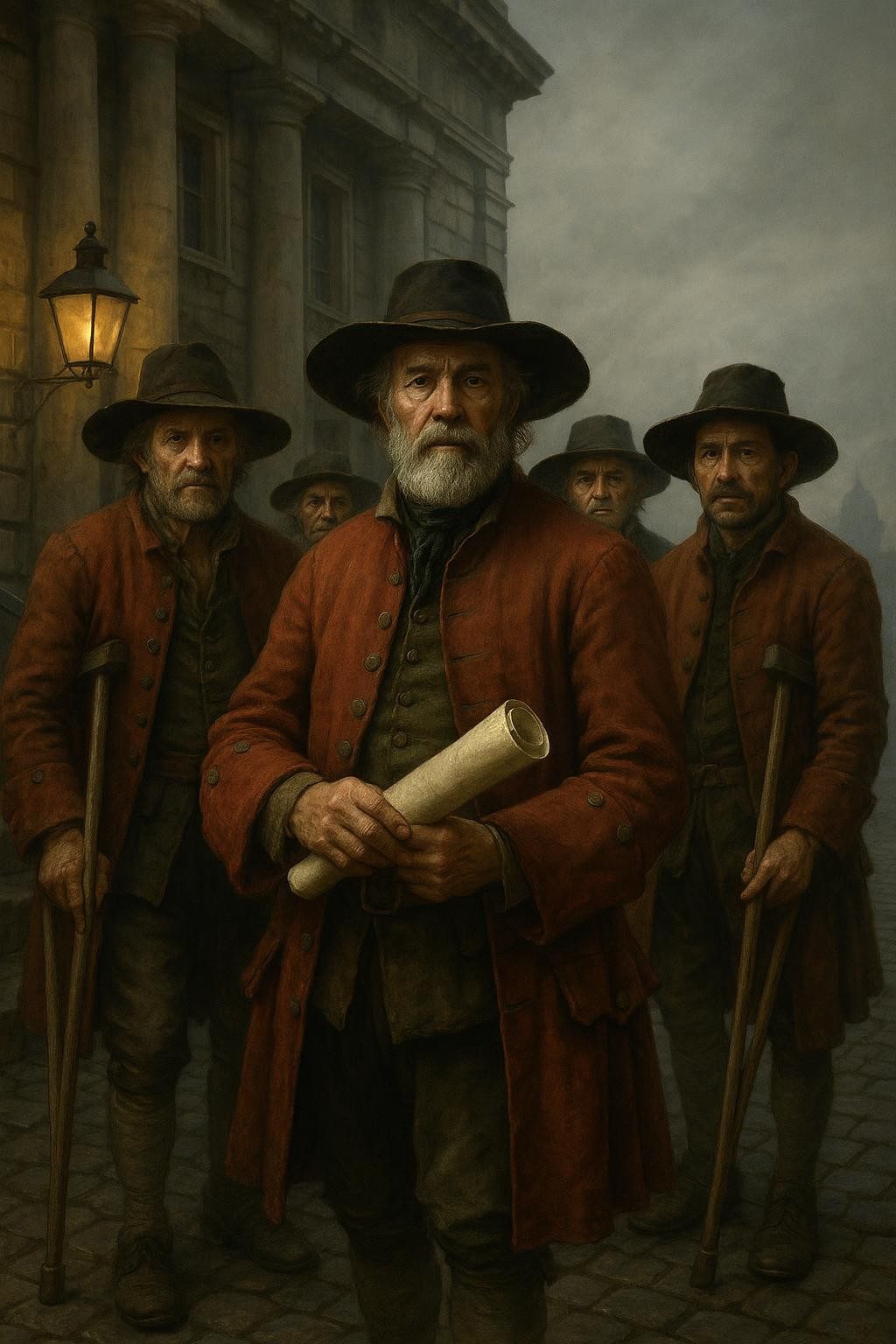
England's veterans came home from war to poverty and silence. No pensions. No protection. So they marched on Parliament itself. What followed changed the British military forever.
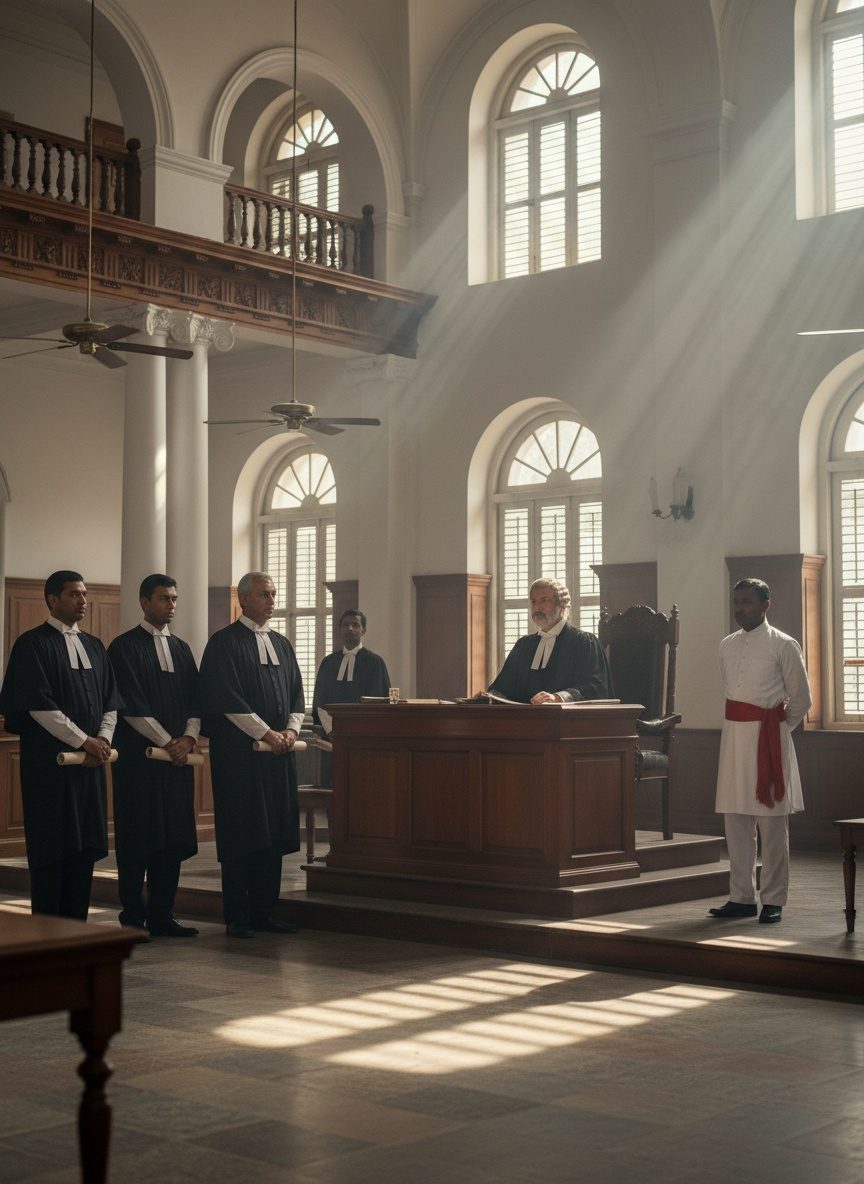
1861. Britain passed the Indian High Courts Act. Calcutta, Bombay, Madras. Three new courts opened. They used English law. They still do. Half a billion cases a year. Decided by rules written in London.
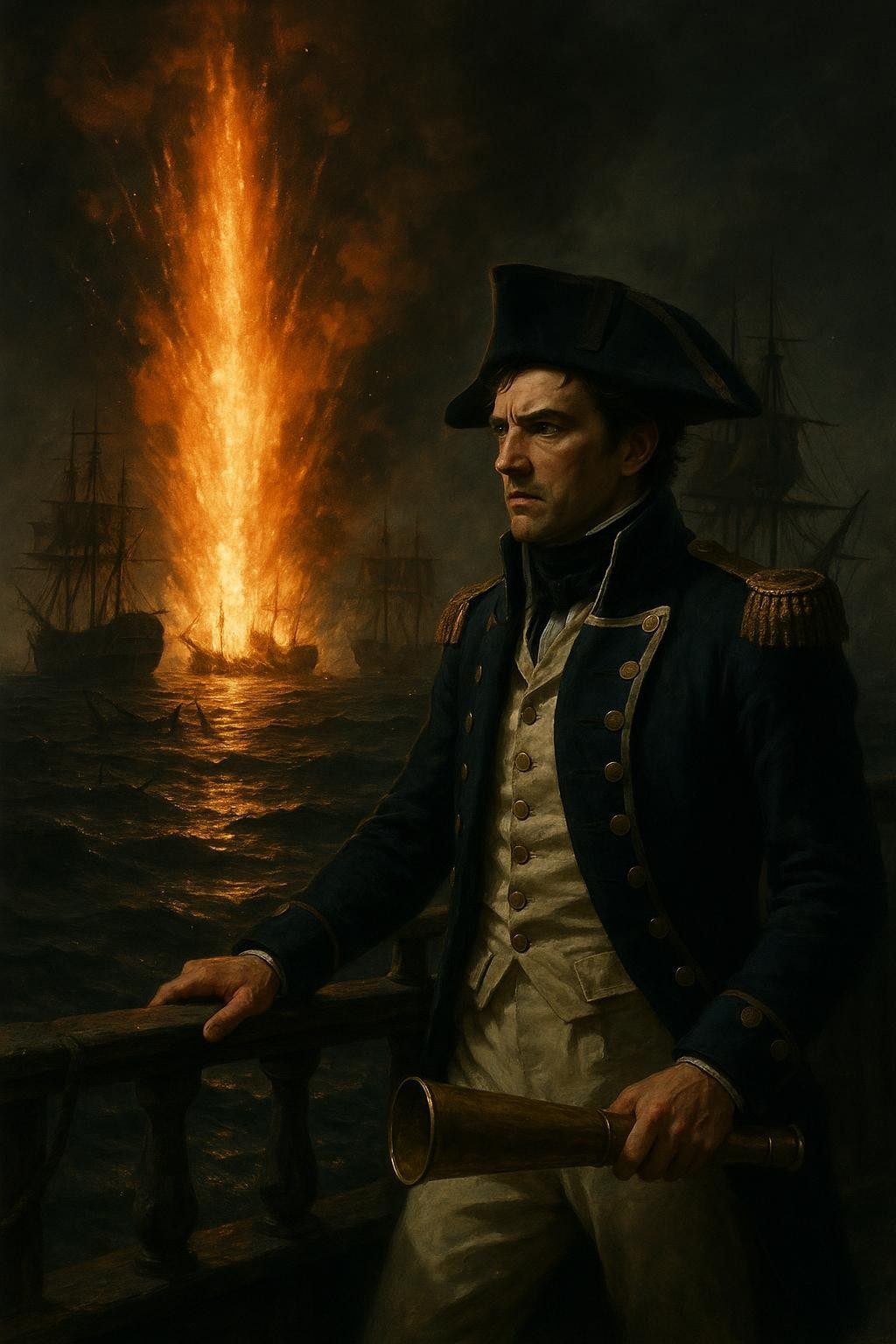
April 1809. Lord Cochrane had one chance. He loaded three ships with explosives and aimed them at the French fleet at anchor. The night erupted. Eleven French warships ran aground in panic. One officer had terrified an entire navy.
January 1797. A single British frigate chased a French 74-gun ship of the line into a winter storm. HMS Indefatigable pounded her through the night. Dawn broke over a beach strewn with wreck. Sir Edward Pellew had done the impossible.
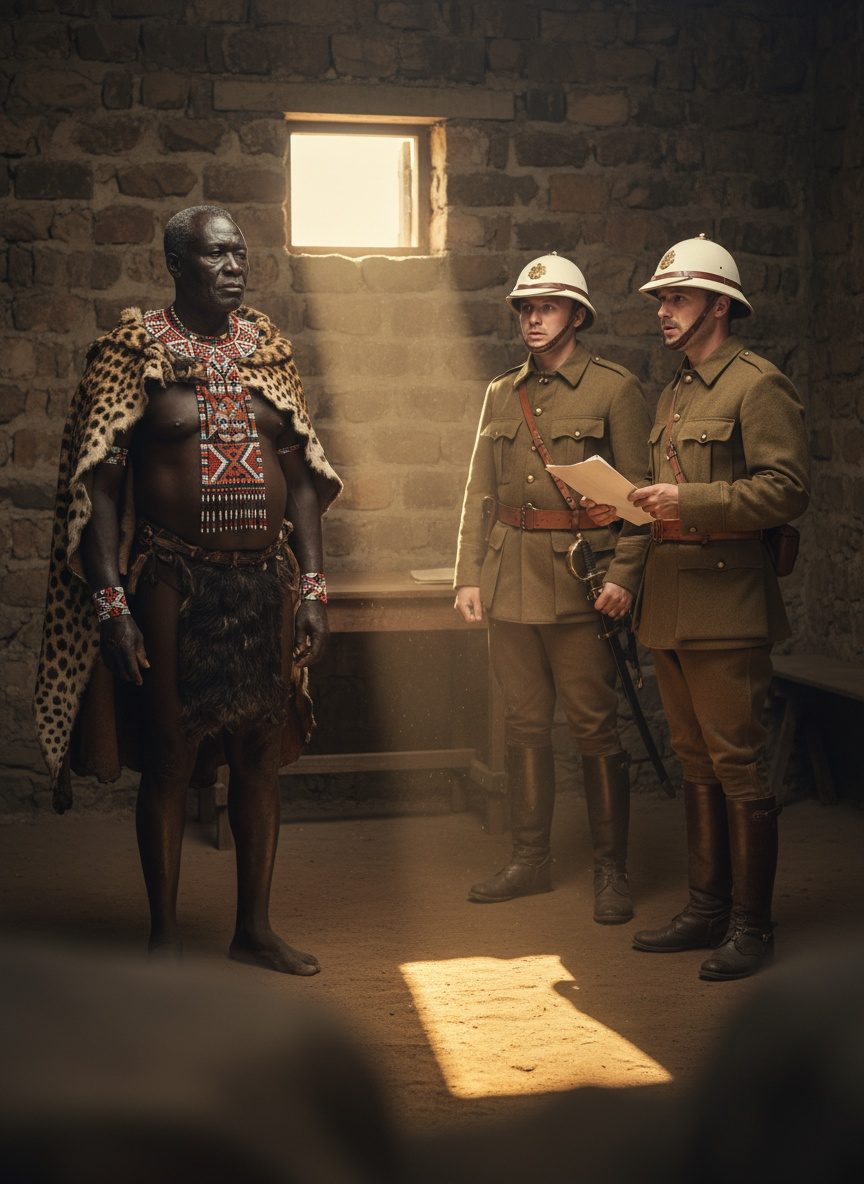
1879. The Zulu king stood before his captors. They offered him a chair. He refused it. He would not be made small. They exiled him anyway. But the world had already seen him stand.
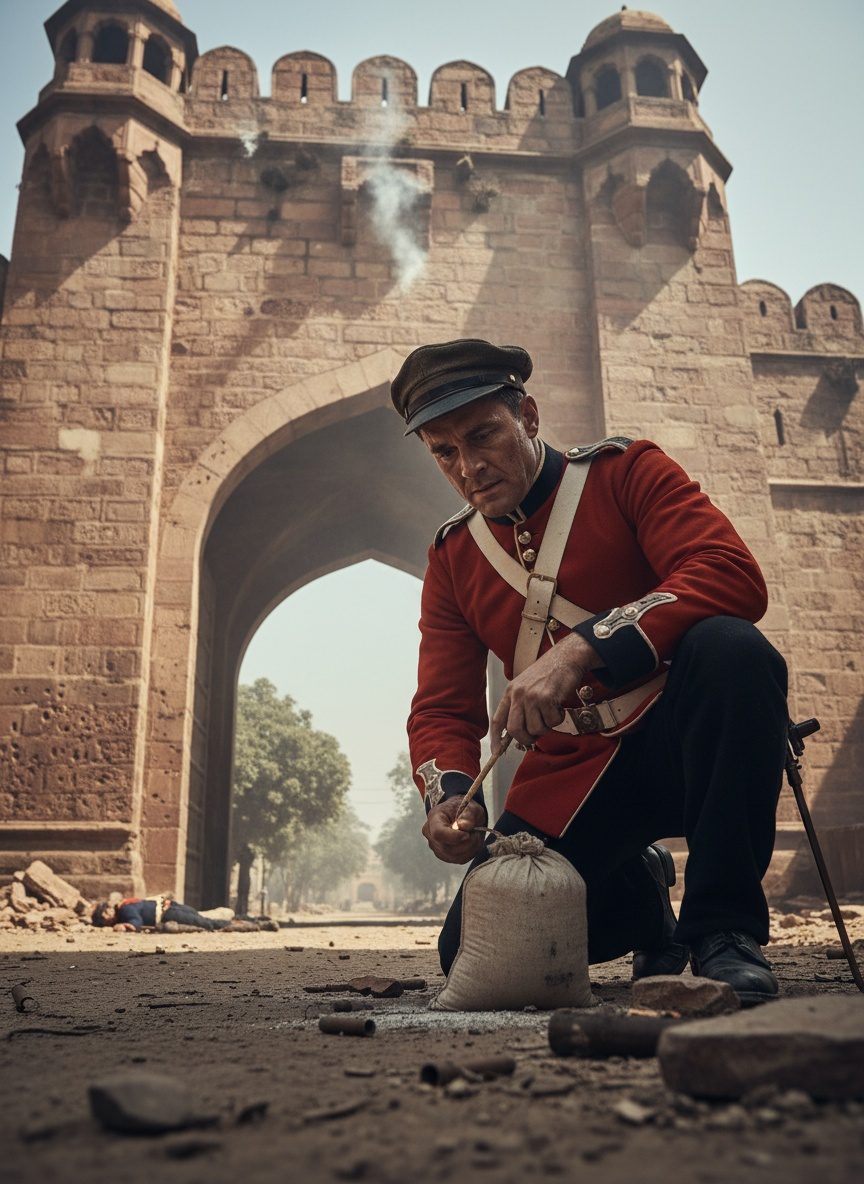
Delhi. September 1857. The Kashmir Gate stood locked. Four men walked through open fire to blow it. Three died reaching the door. One survived to light the fuse. The gate exploded. The British stormed in.
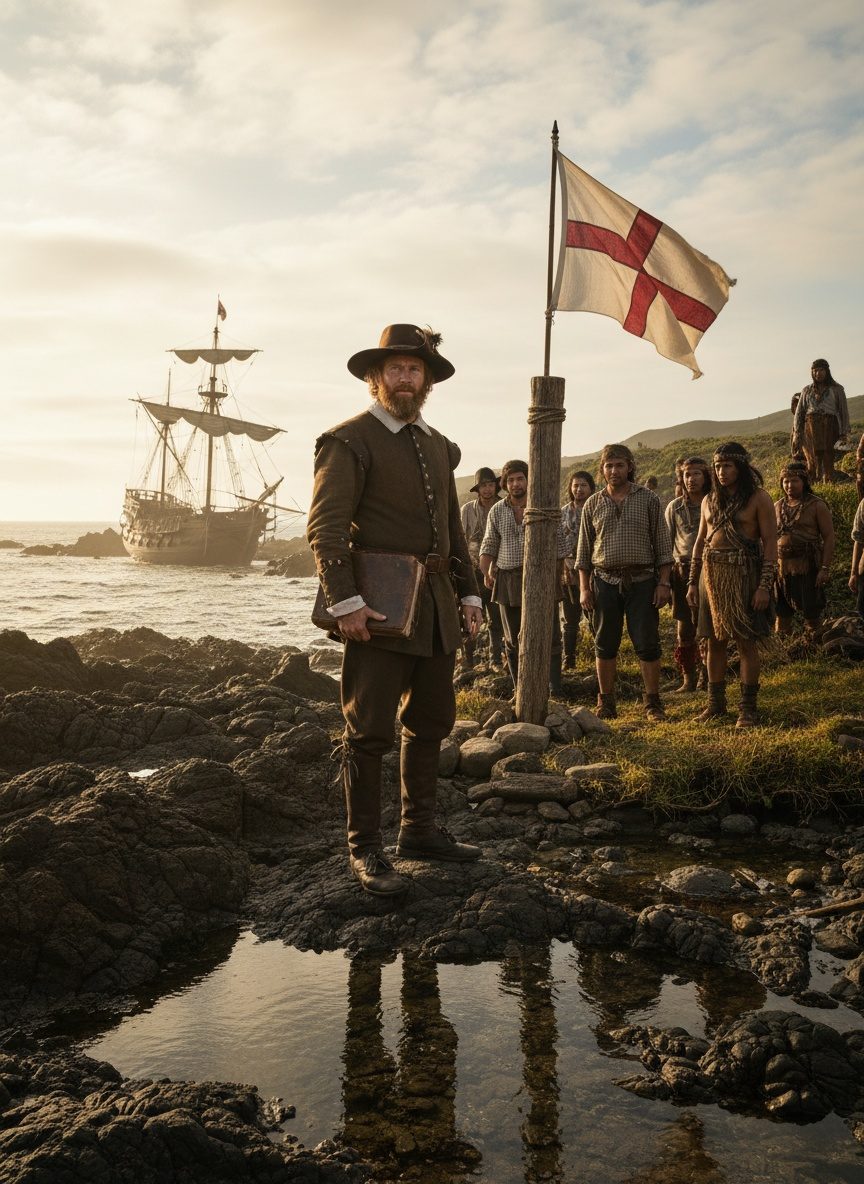
June 1579. Drake's battered Golden Hinde limped into a bay north of Spanish Mexico. He stepped ashore. Raised the English flag. Read prayers aloud to the Miwok people watching from the cliffs. Named it Nova Albion. England's first claim on the Pacific coast.
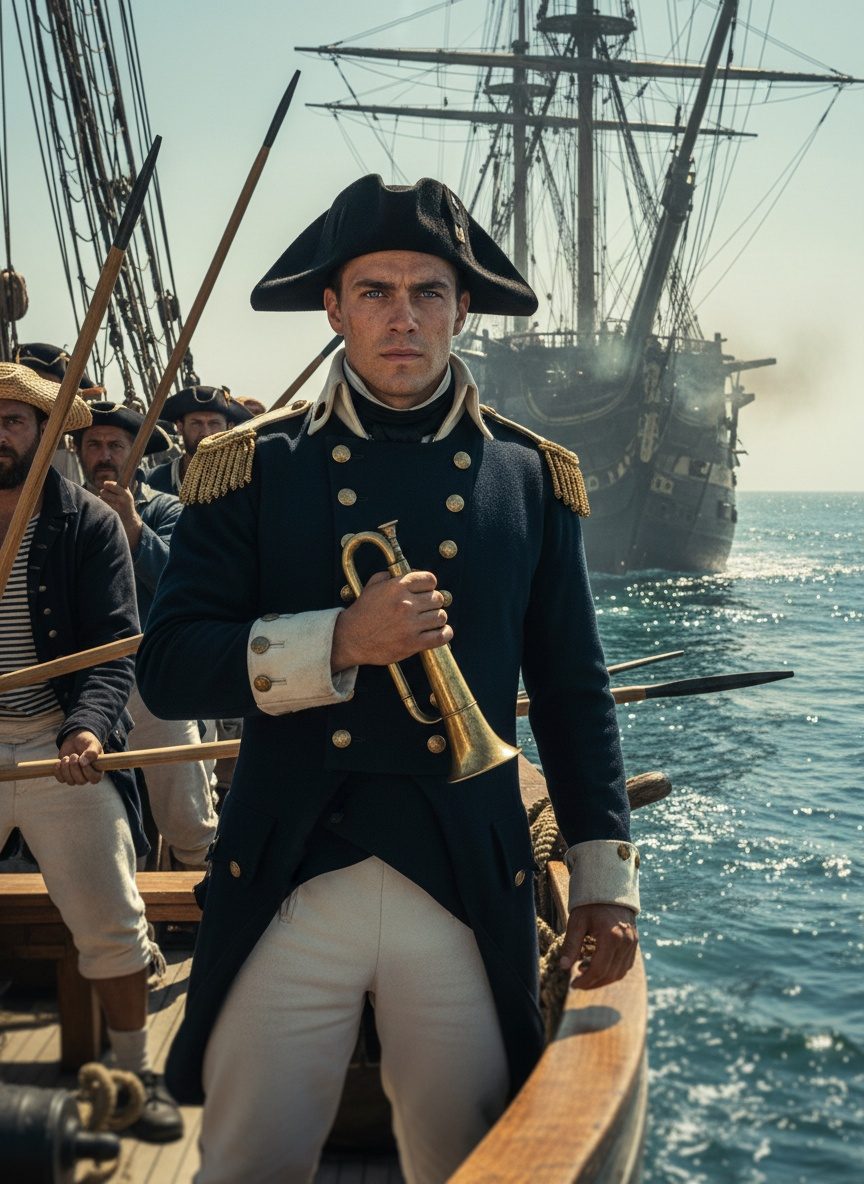
September 1898. Thirteen years after Gordon's death. Kitchener stood at Khartoum. The guns fell silent. A bugler raised his instrument. The Union Jack climbed the pole. The men wept.
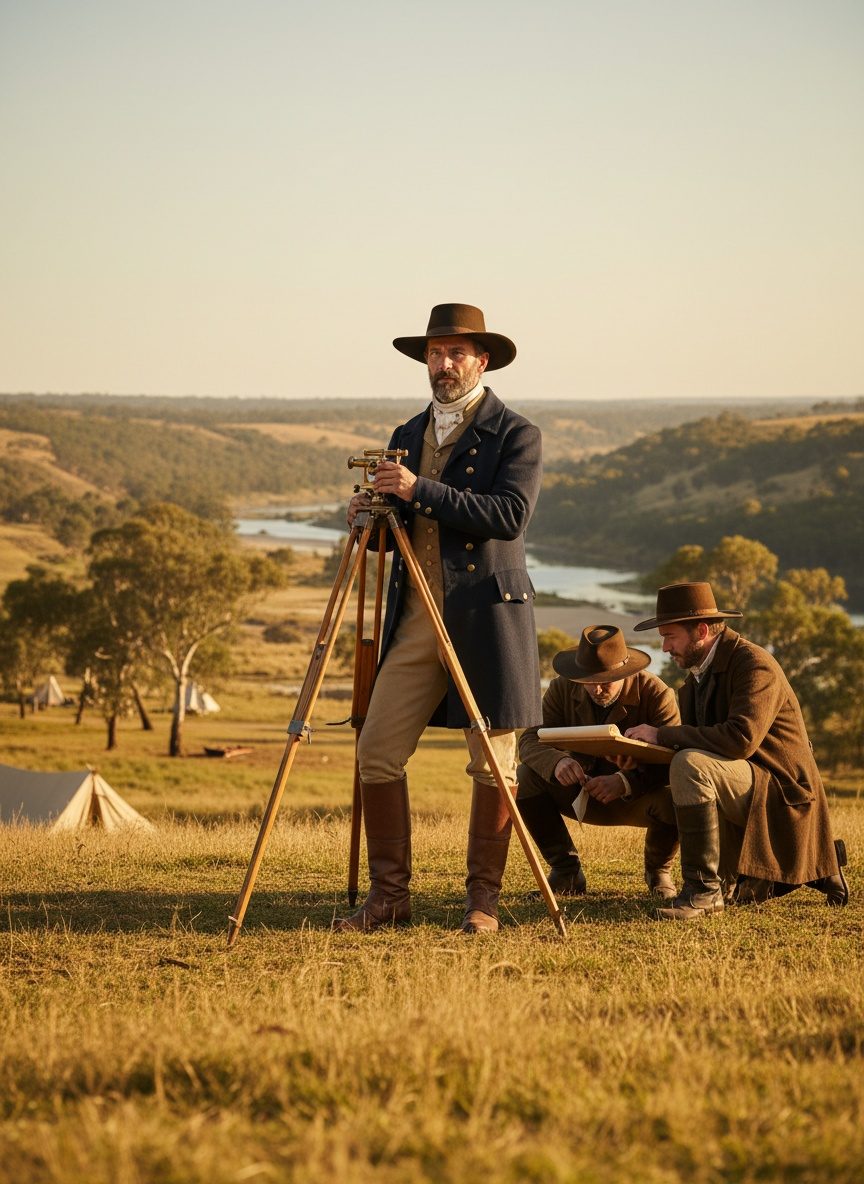
1836. South Australia had no roads. No town. No map. Colonel William Light stepped ashore with a surveying chain and a dying man's ambition. He chose the site for Adelaide in weeks. Governors raged. He refused to move it. He was right.
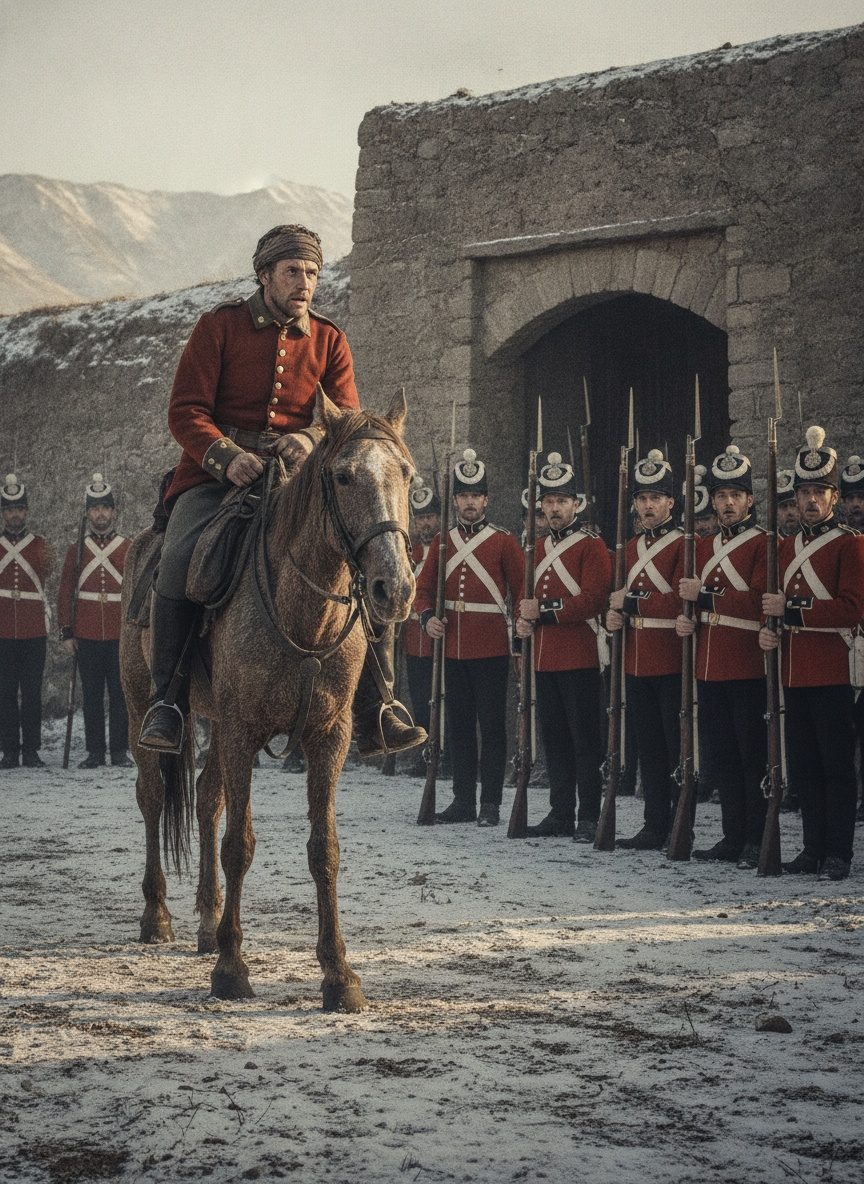
An army of 16,000 left Kabul. One man reached Jalalabad. William Brydon, half-dead in the saddle, was the sole survivor. He had plugged his skull wound with a page torn from a magazine.
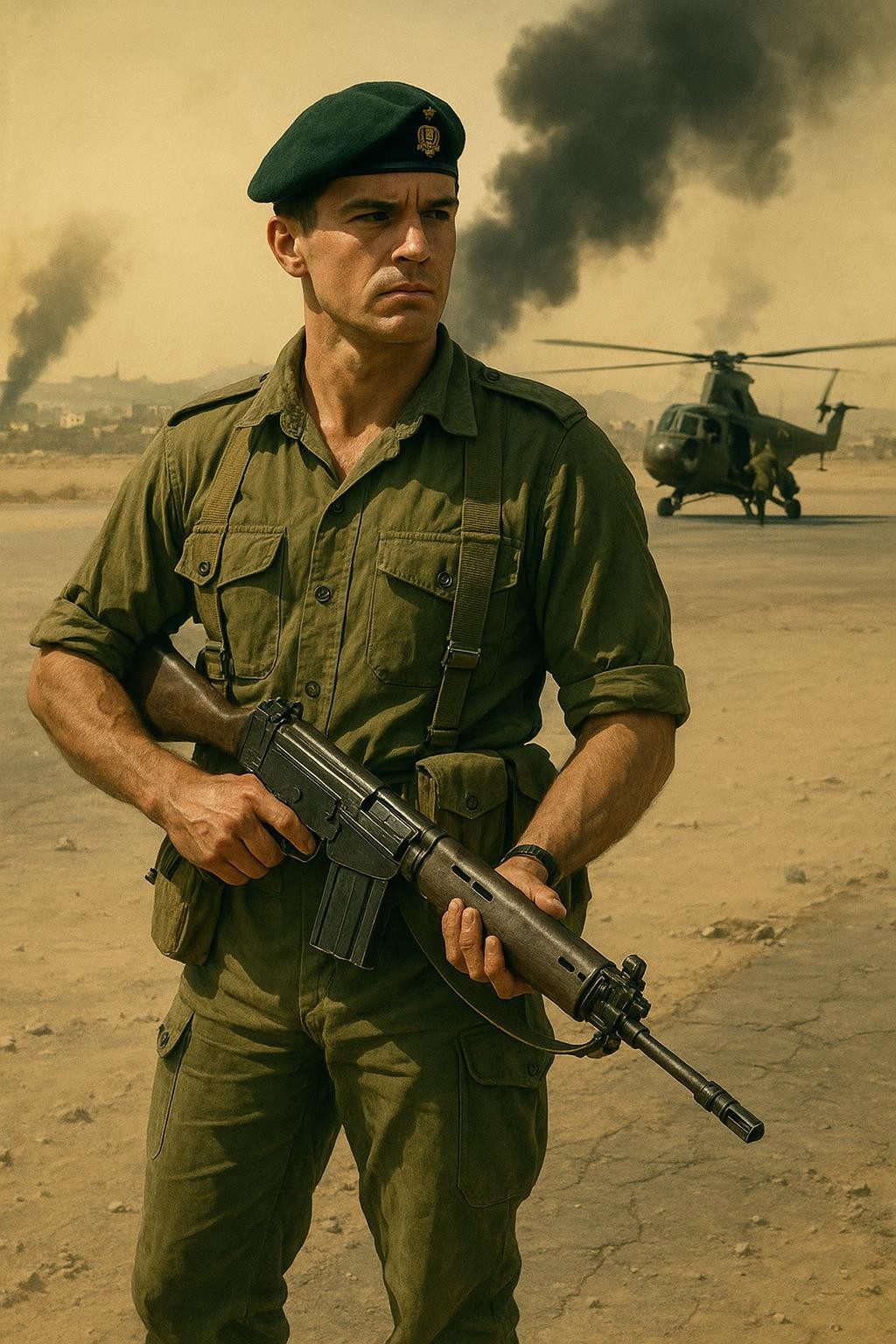
November 1967. Britain was leaving Aden. The streets were burning. One company of Royal Marines held the final perimeter. They withdrew yard by yard. Then the last boot lifted off Arabian soil. The empire left without a farewell.
March 1811. Four French frigates. Three British. Captain William Hoste was outnumbered. He signalled his squadron. Four words. 'Remember Nelson.' Then he attacked.
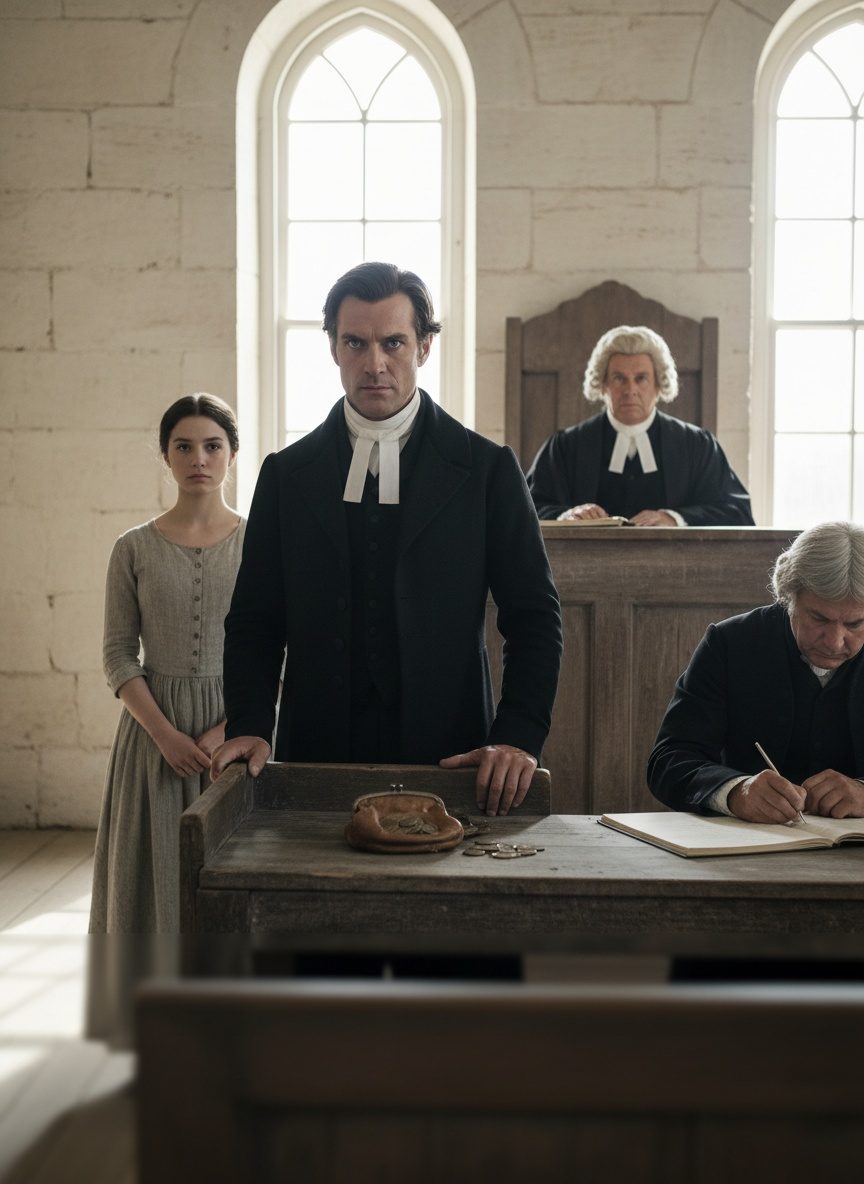
Sydney, 1837. A Scots minister stood in court alone. He had no legal power. He had no authority. He had only his own purse. He paid a woman's bond himself. She walked free.
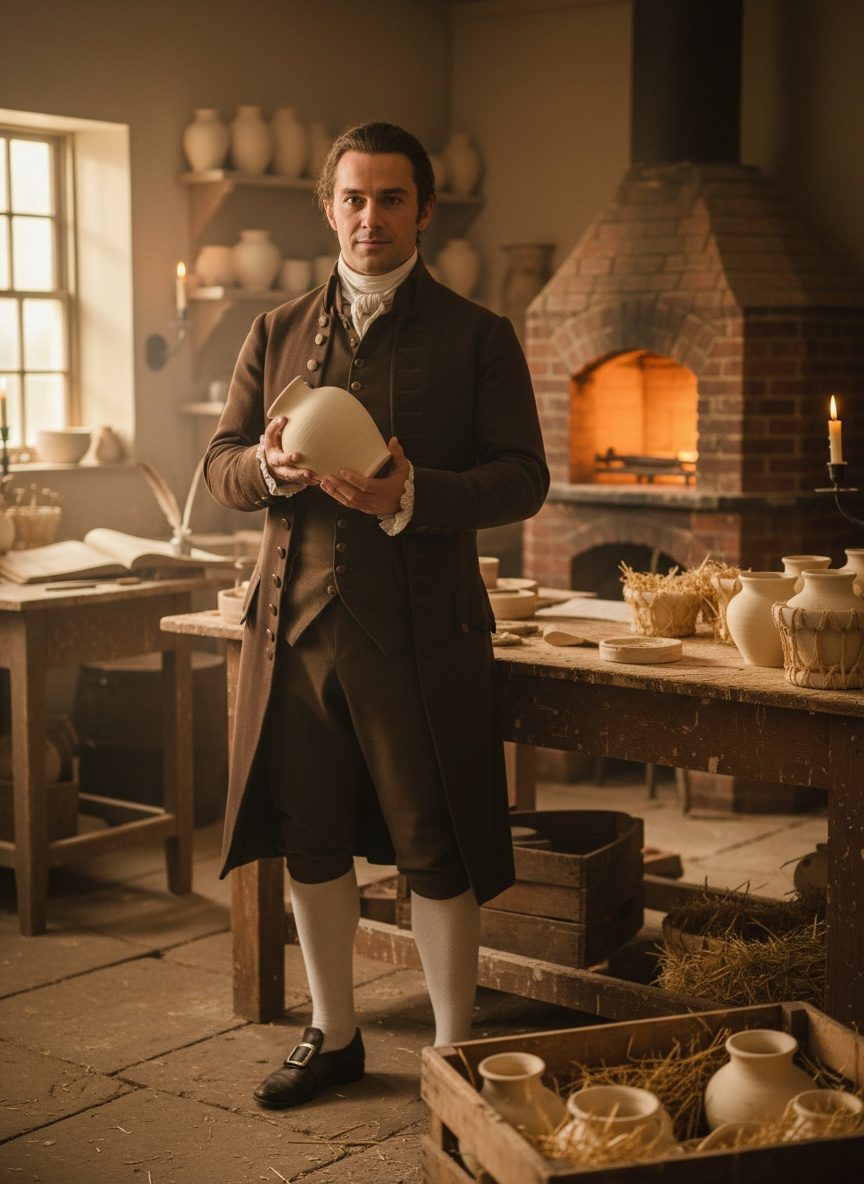
1765. A Staffordshire potter sent a crate of cream-coloured earthenware to the Queen of England. She loved it. He called it Queensware. Within months, every court in Europe wanted it. A man with one leg had just broken French dominance of fine ceramics forever.
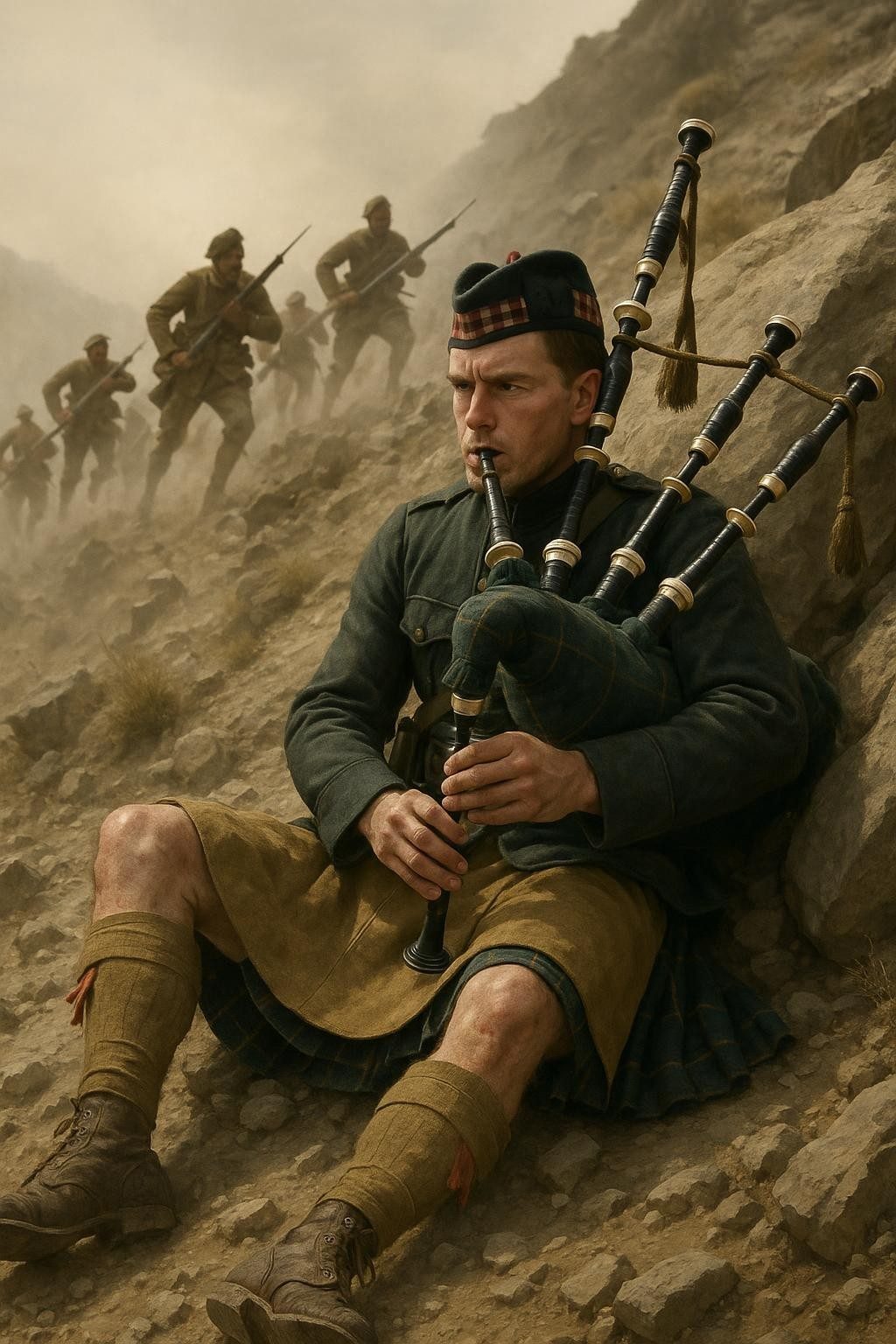
October 1897. The Dargai Heights. Three British regiments had already tried. Three had failed. Then the Gordon Highlanders stepped forward. Their colonel gave one order. They charged uphill. Into open fire. Piper Findlater played the whole way. Shot through both ankles. Still playing.
January 1812. Henry Bell launched the Comet on the River Clyde. The first commercially successful steamship in Europe. Scottish engineers had changed trade forever. The age of sail was ending. The empire would never move the same way again.
August 1957. Kuala Lumpur held its breath. Sir Donald MacGillivray stood at attention. The Union Jack came down for the last time. A new flag rose. He did not look away.
1851. China held the world's tea monopoly. Britain was paying a fortune for every cup. Robert Fortune dressed as a Chinese merchant. He walked into forbidden provinces. He smuggled 20,000 plants and the secret of processing to India. The monopoly died.
August 1894. Two empires were racing for Borgu. Frederick Lugard marched through fever and bush. He reached Nikki first. One treaty. One signature. Nigeria was won.
Ice closed around the Scotia. The crew faced death. Bruce did not radio for help — he repaired the ship himself with whatever was at hand, then sailed home and published findings that changed polar science forever.
1801. John Macarthur was arrested and sent to England. His wife Elizabeth was left alone. Eight children. A sheep station. A collapsing colony. She ran it all. For eight years. She built an empire from a paddock.
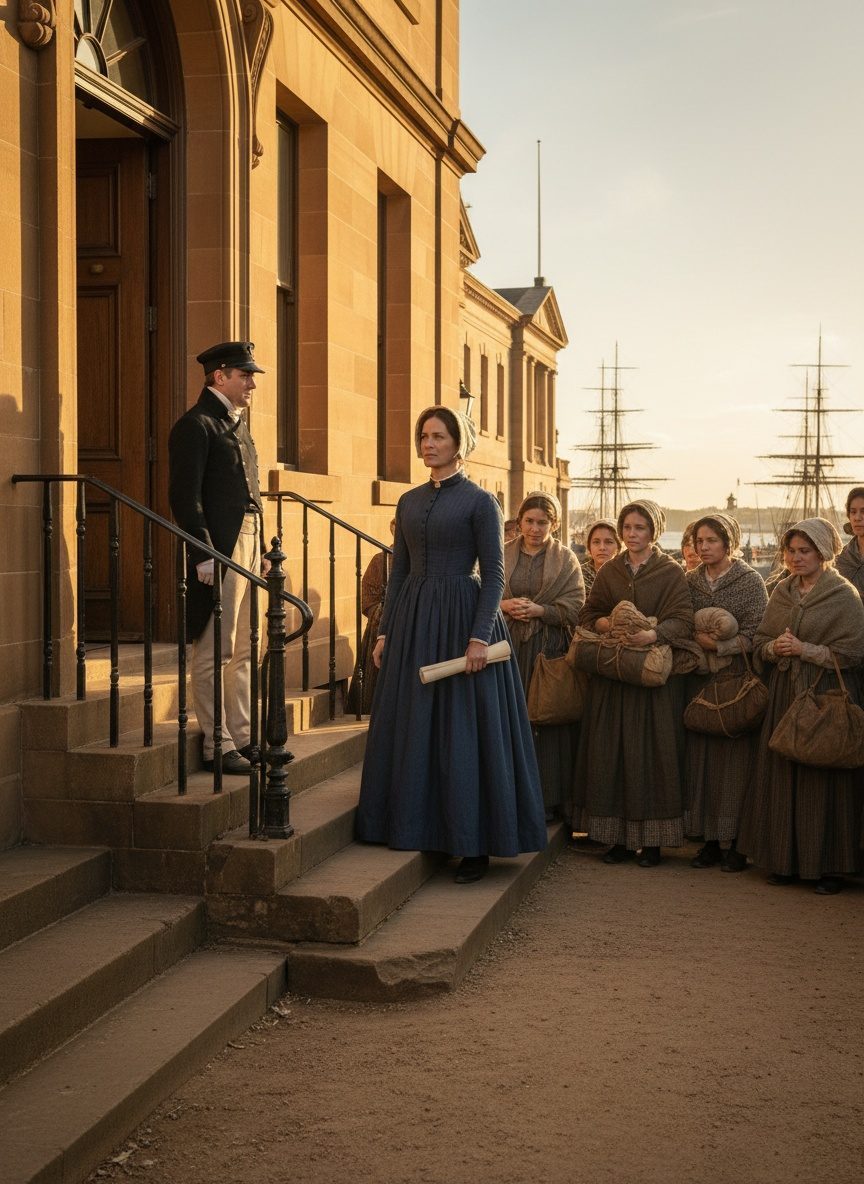
Sydney, 1846. Hundreds of women arrived in New South Wales with nowhere to go. Governor FitzRoy refused to act. Caroline Chisholm stood in his office and would not leave. She won. Every woman found shelter that night.
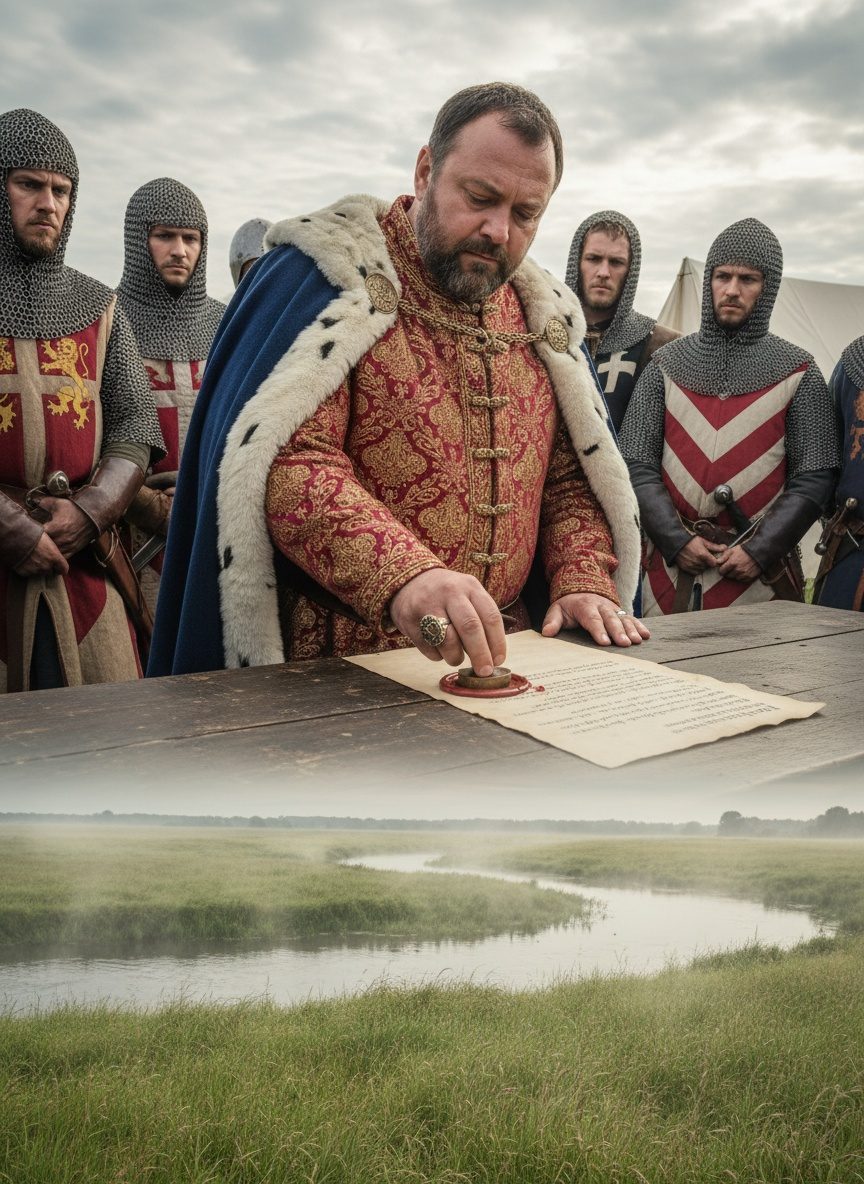
June 1215. King John knelt at Runnymede. Barons surrounded him. He pressed his seal into wax. One document. Eight hundred years later, its words still live in the courts of fifty nations.
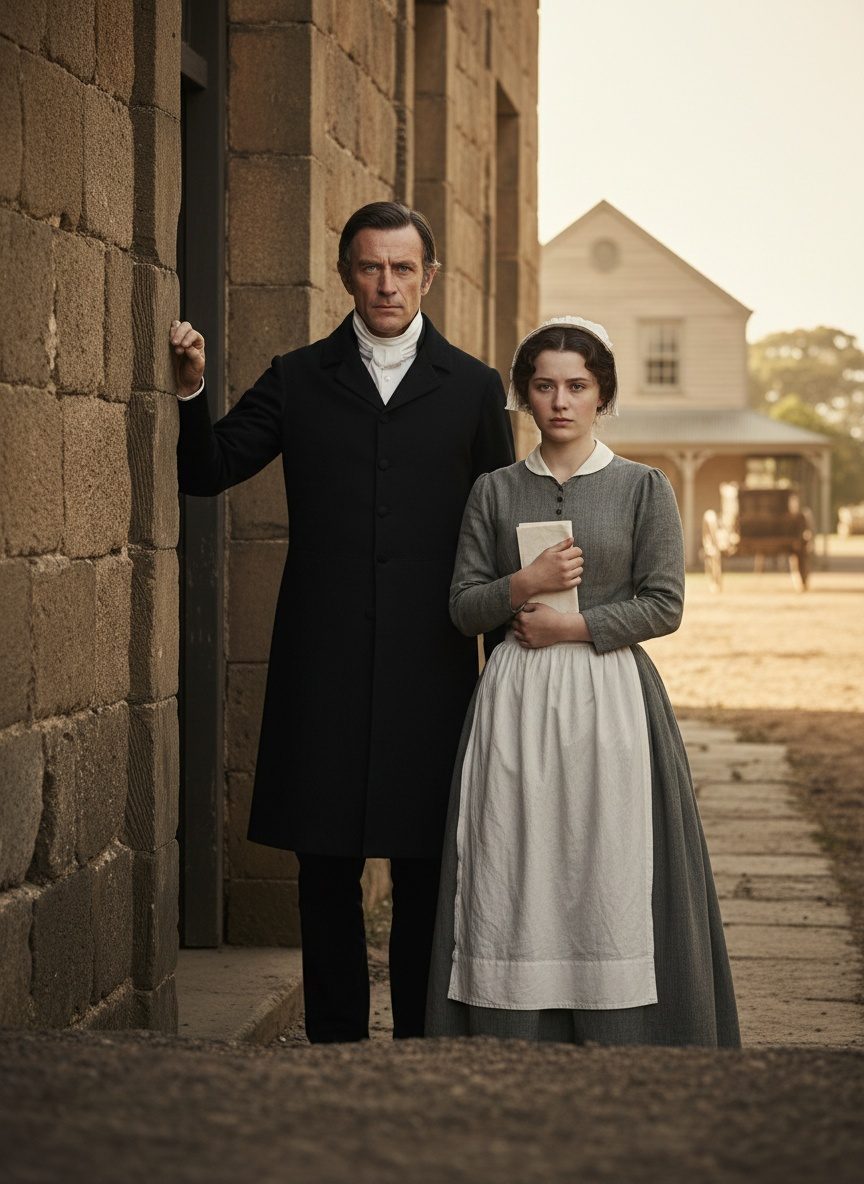
Sydney, 1837. A convict woman faced flogging for refusing her master's advances. No one would help her. Reverend John Dunmore Lang paid her bond from his own pocket. Then he named her abuser in the press.
August 1801. HMS Speedy was gone. Lord Cochrane had just one tiny hired vessel and fourteen men. A 32-gun Spanish xebec-frigate bore down on him. He raised an American flag. Bluffed. Held. And sailed away free.
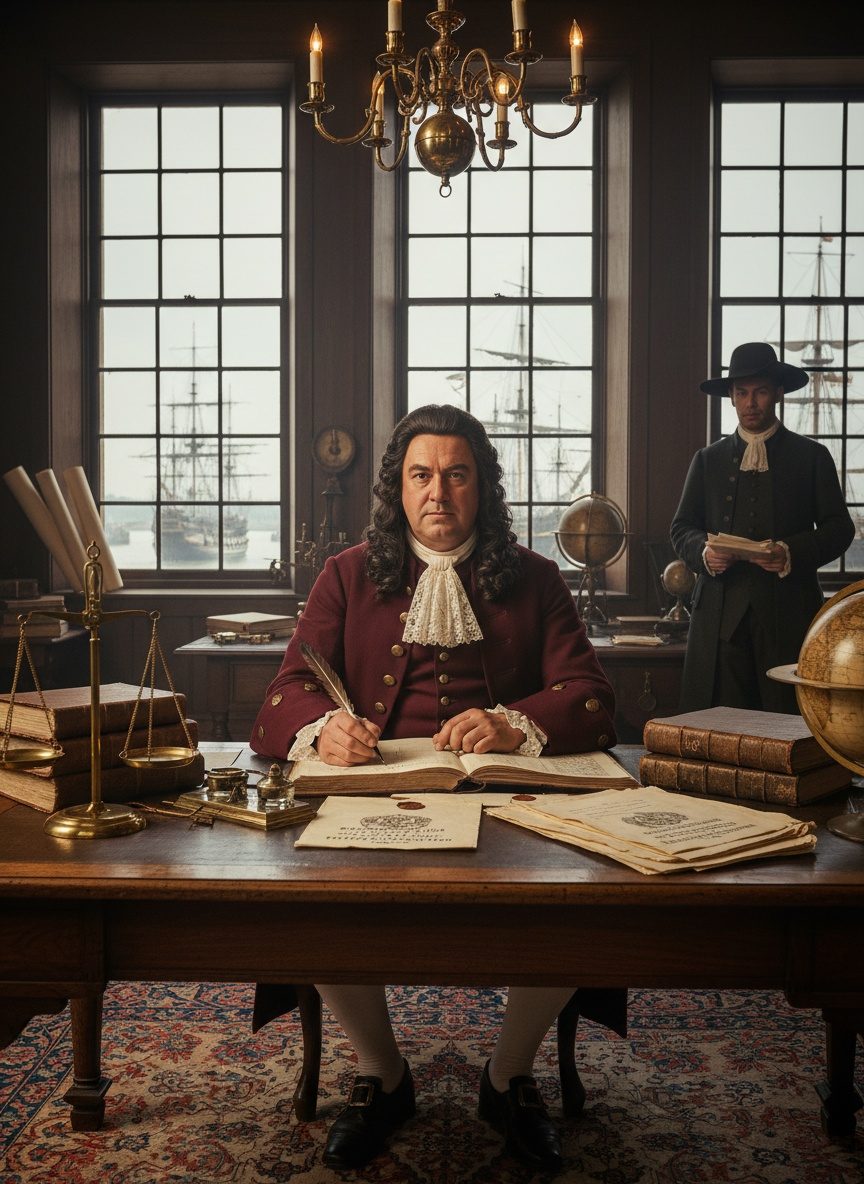
1688. One man controlled England's entire trade with Asia. Sir Josiah Child had rewritten the East India Company's charter. Bribed Parliament. Cornered the spice routes. Then the merchants fought back. And the monopoly cracked.
1886. London. A private trader's company held sovereign power over the Niger River. George Goldie had done what no government dared. He bought out rivals. He signed treaties. He raised a flag. One man drew a nation.
Hand-picked from Britain Untold's archive. The stories you weren't taught at school. 3-minute read.
No spam. Unsubscribe in one click. We hate spam too. Privacy Policy.