The British Empire — the forgotten chapters · page 5 of 22
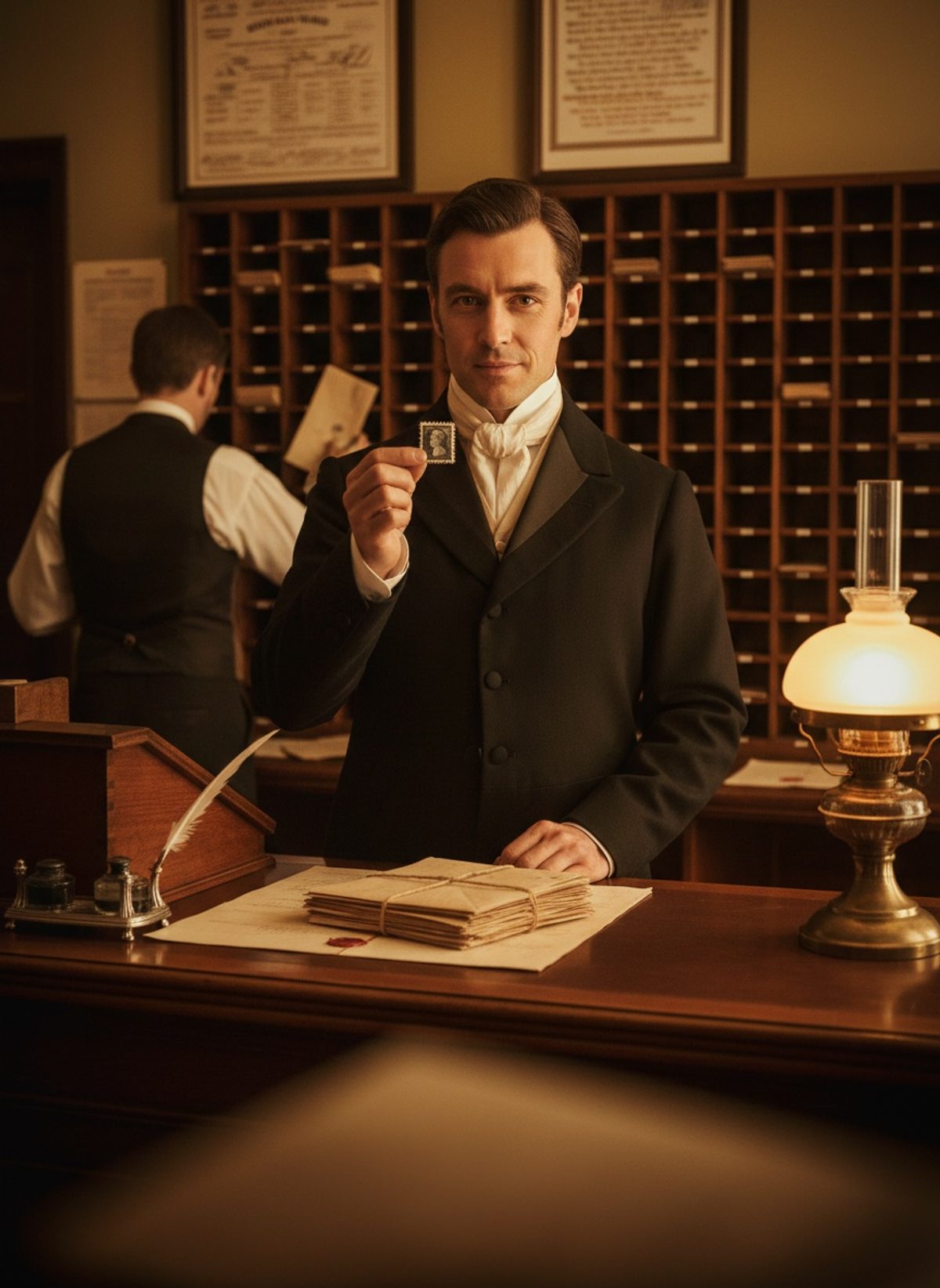
January 1840. Britain invented something no empire had tried. A single penny. Any letter. Anywhere in the kingdom. Within a generation, the world copied it. Today, every postal stamp on earth traces back to that one British idea.
In 1620, a Dutch inventor submerged a leather-wrapped craft beneath the Thames. King James I reportedly rode inside. England nearly funded the world's first military submarine — then walked away.
The East India Company was founded in 1600. America declared independence 176 years later. By then, the Company already ruled trade across three oceans — older than a nation that would one day inherit its world.
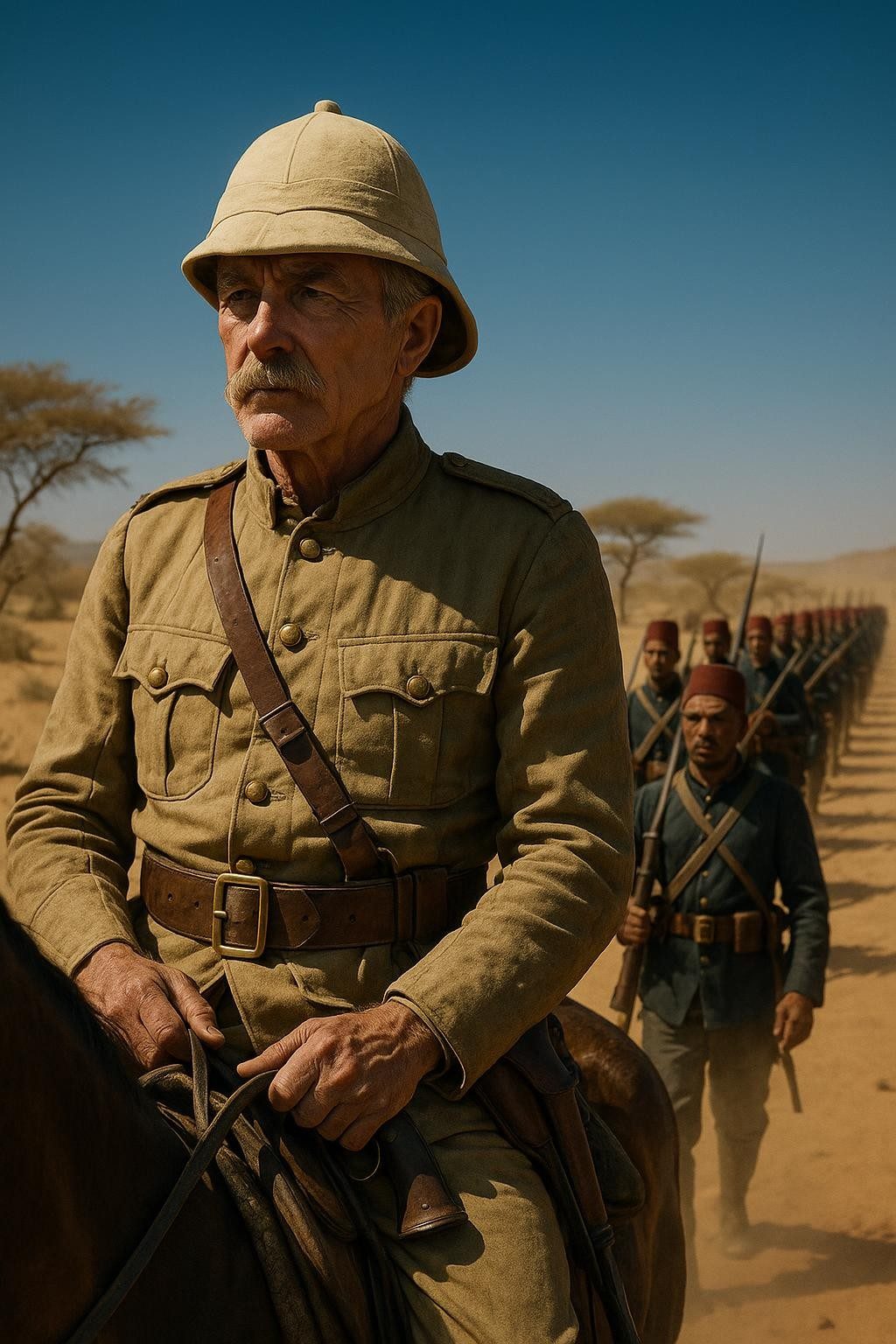
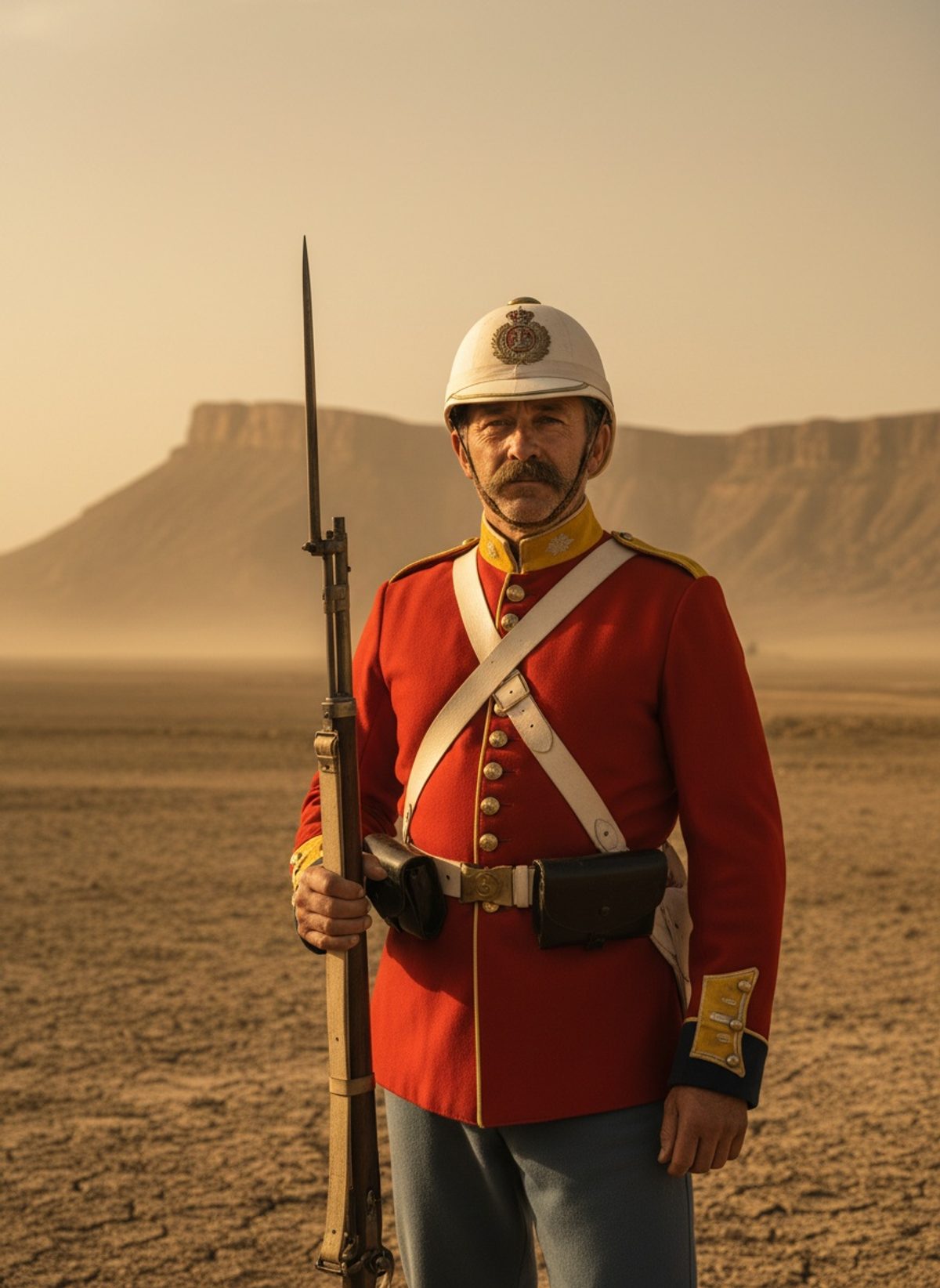
November 1883. Ten thousand men marched into the desert. General William Hicks led them south. The Mahdi's warriors were waiting. Not one man came back. Britain learned what the Sudan would cost.
60 AD. The Roman city of Londinium was thriving. Then Boudica's Iceni came. They did not conquer it. They erased it. Archaeologists still find the ash layer today.
January 1874. Deep in the Gold Coast jungle. General Wolseley had 2,500 men and a deadline. The Asante capital lay ahead. No European army had ever reached it. He drove forward anyway. Kumasi fell in a single afternoon.
November 1857. Lucknow was still burning. The Black Watch advanced through smoke and rubble. Piper George Muir walked upright. Pipes screaming. Men followed the sound when they could see nothing else.
1861. Britain planted a single legal seed across a subcontinent. One code. One court system. One standard of evidence. A billion people would one day inherit it. The world's largest democracy still argues in its shadow.
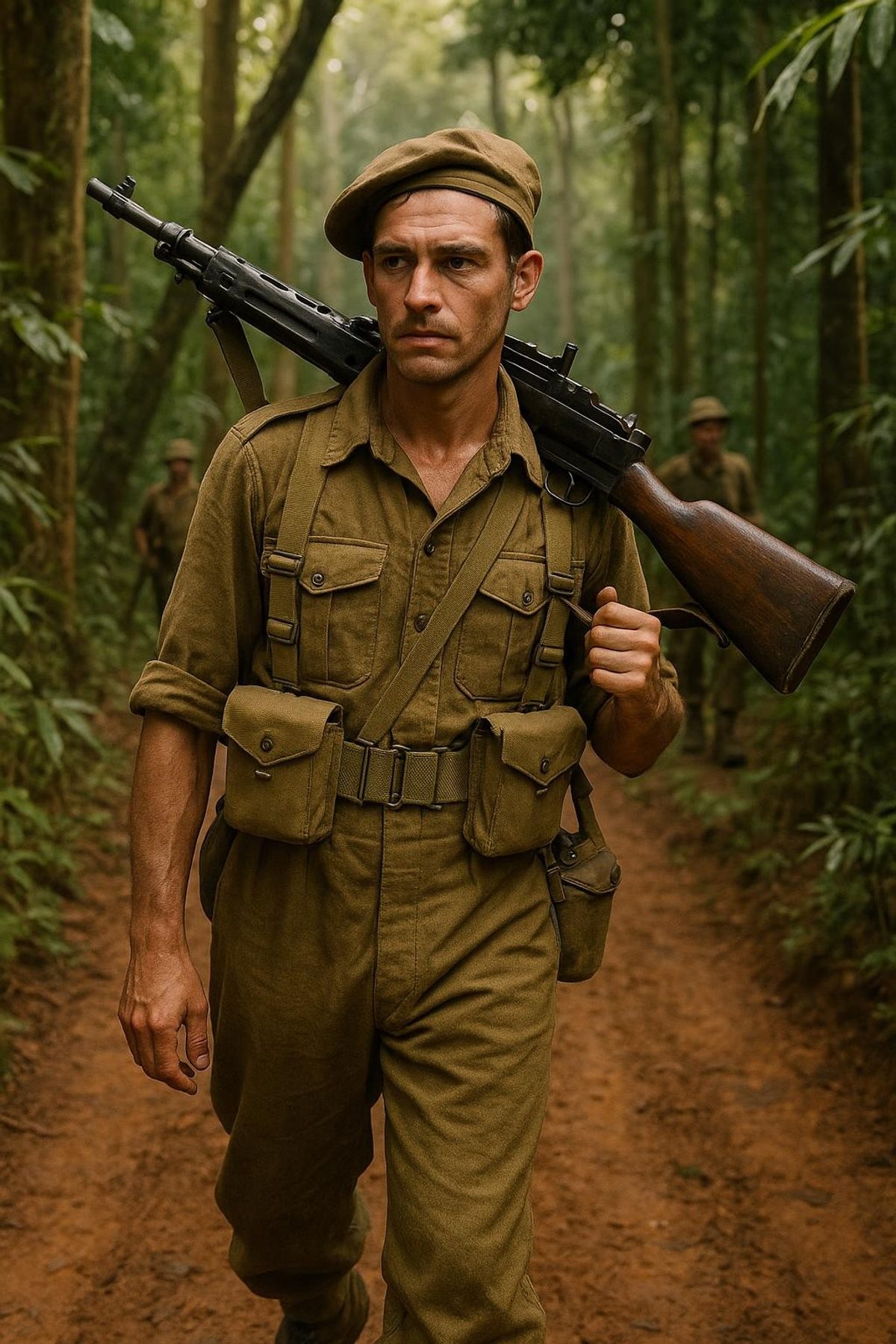
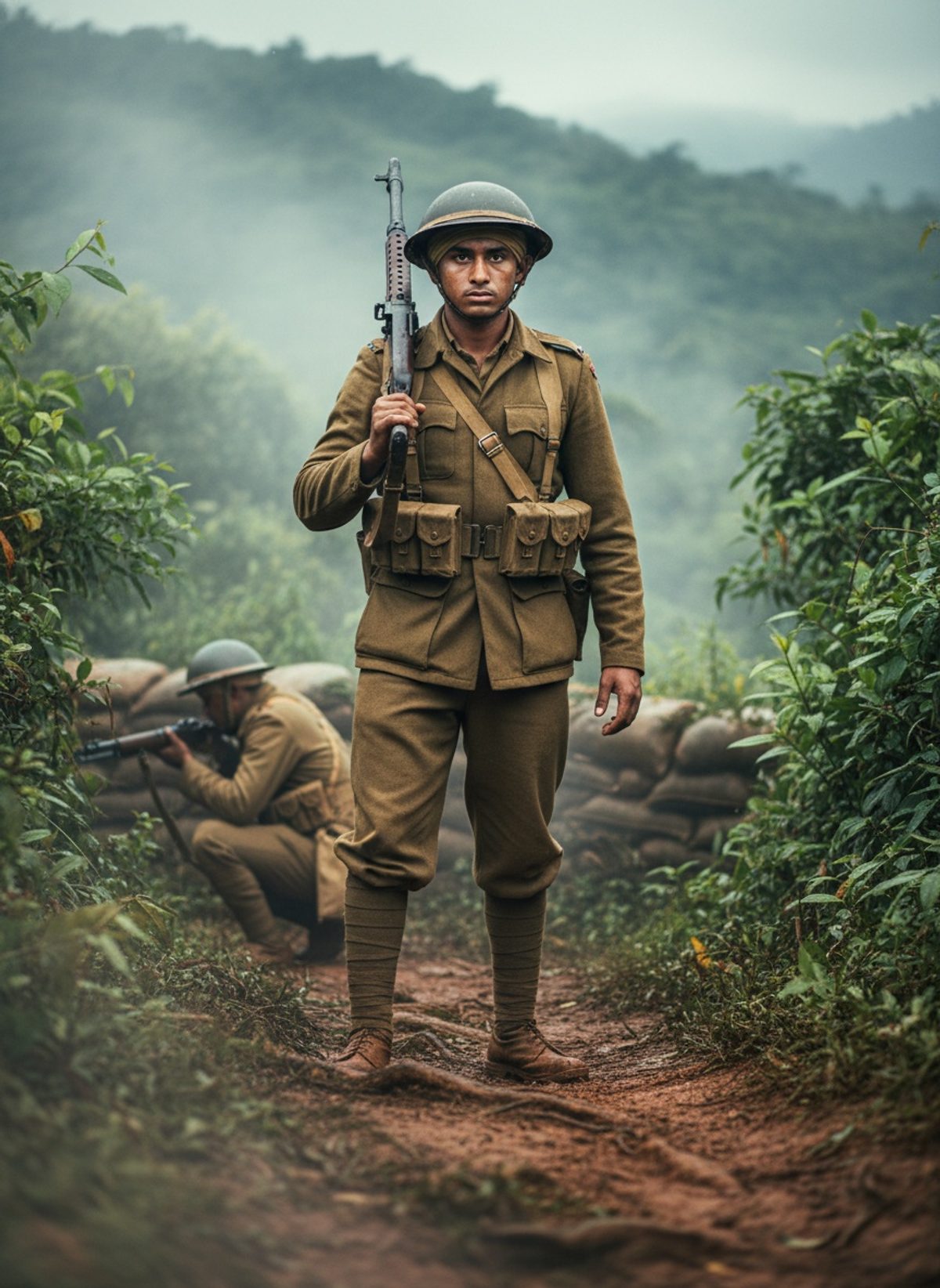
Burma, 1944. One British corporal. One Bren gun. Miles of jungle between him and the enemy. He carried it anyway. Some men don't make headlines. They just carry the weight.
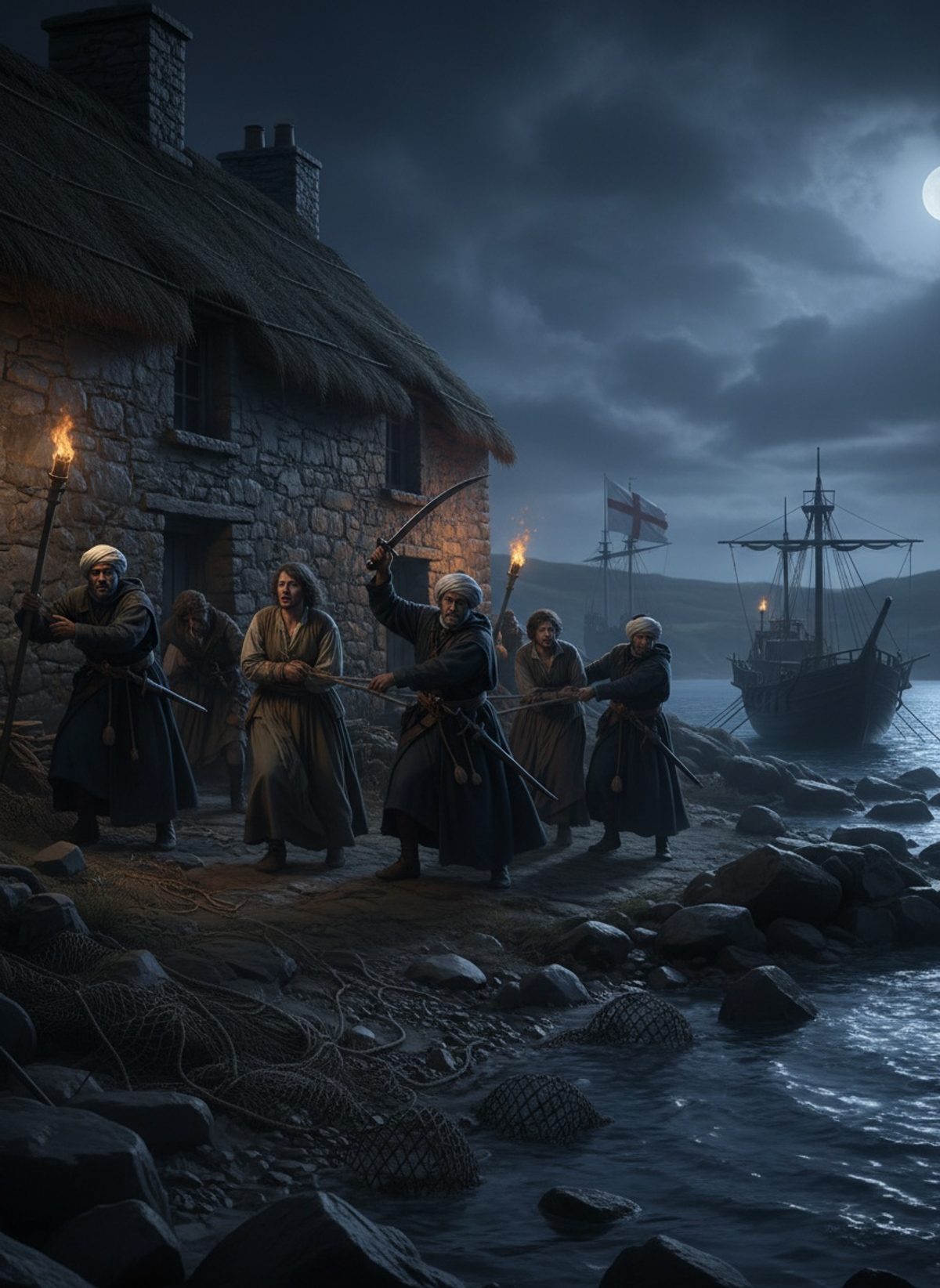
June 1631. Two Algerian corsair ships landed on the Irish coast at night. By dawn, 107 men, women and children were in chains. Most never came home. England's coastline was not safe.
Kohima, April 1944. The Japanese were fifty yards away. Sepoy Mast Khan of the 1/1st Punjab didn't wait for orders. He picked up the Bren and walked forward. Some men are simply made differently.
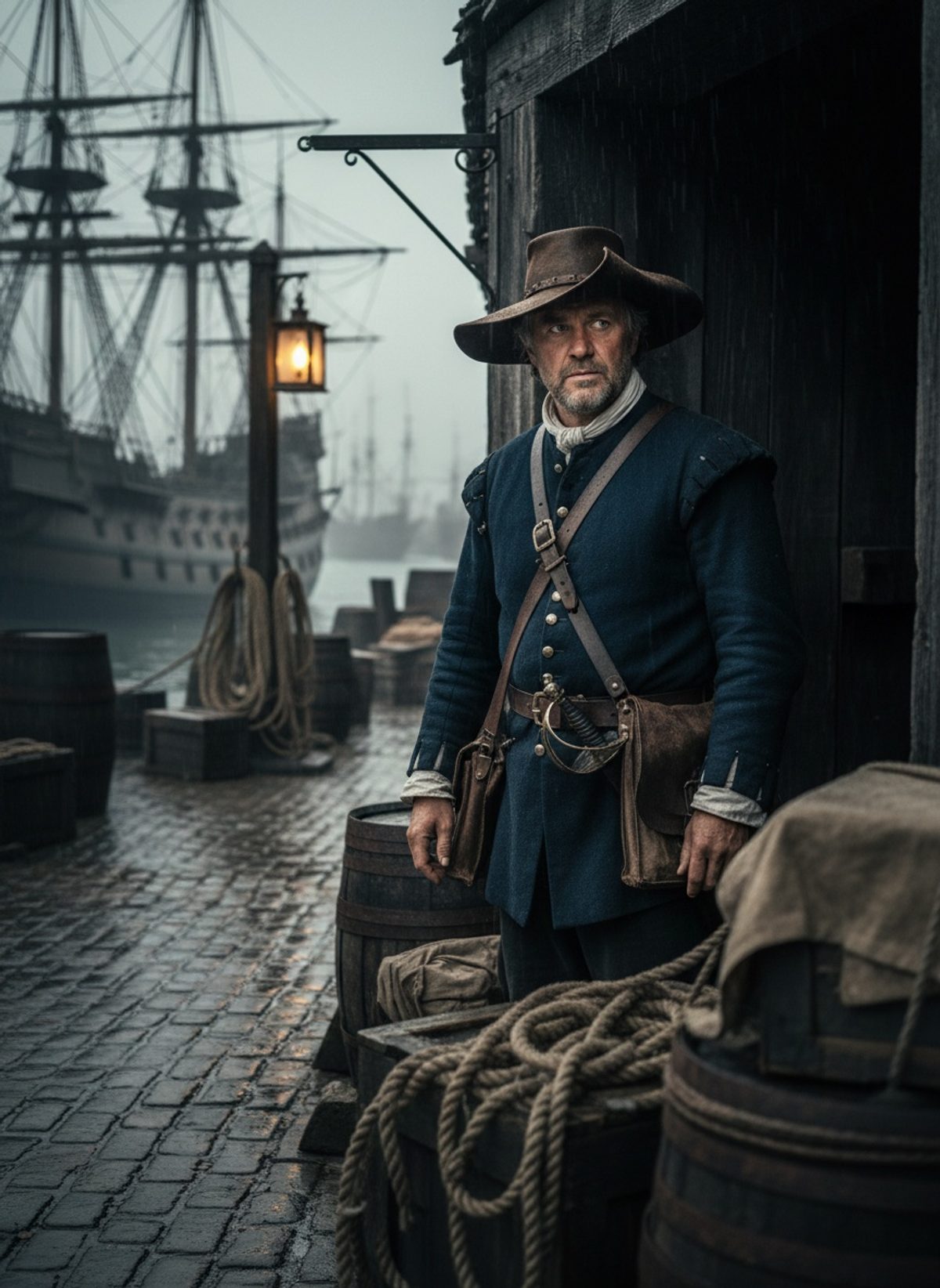
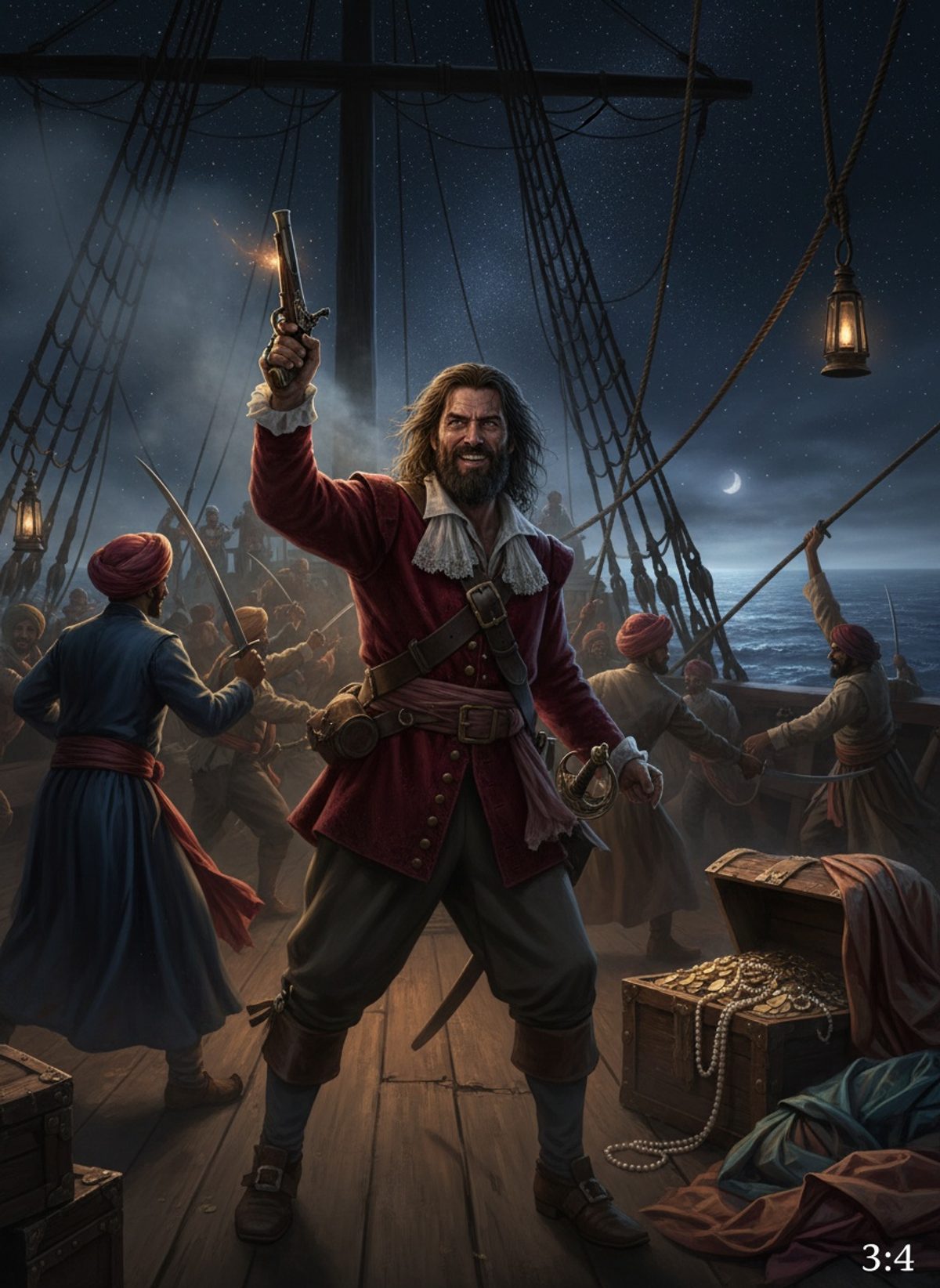
1696. Every port in England watched. Henry Every had taken the richest prize ever seized at sea. He had 500 men and a hold full of Mughal gold. Then he simply disappeared. No one ever found him.
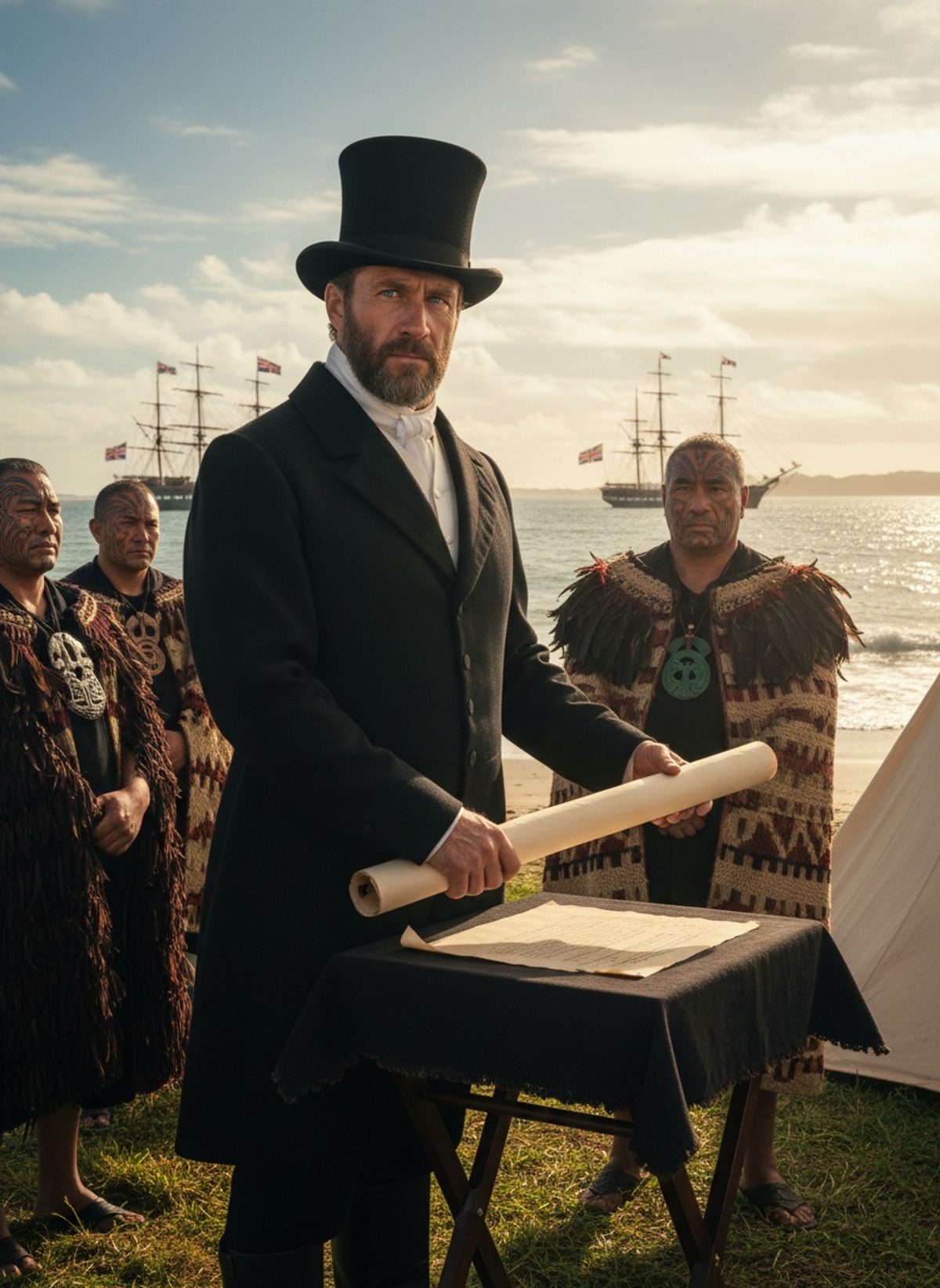
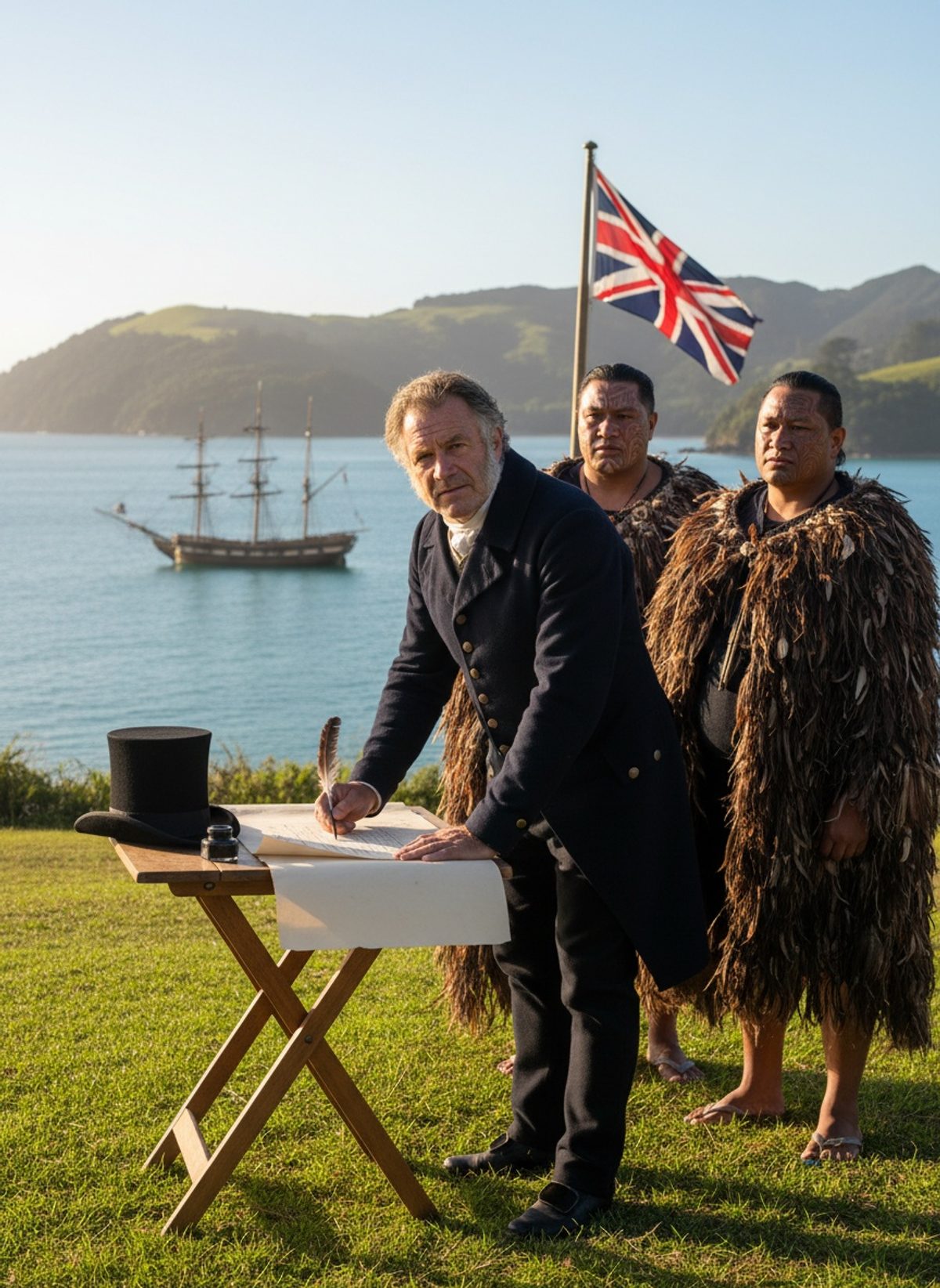
February 1840. A tent on a beach at Waitangi. A British official unrolled a document. Chiefs gathered. They pressed their moko to the page. In that moment, English law crossed the Pacific forever.
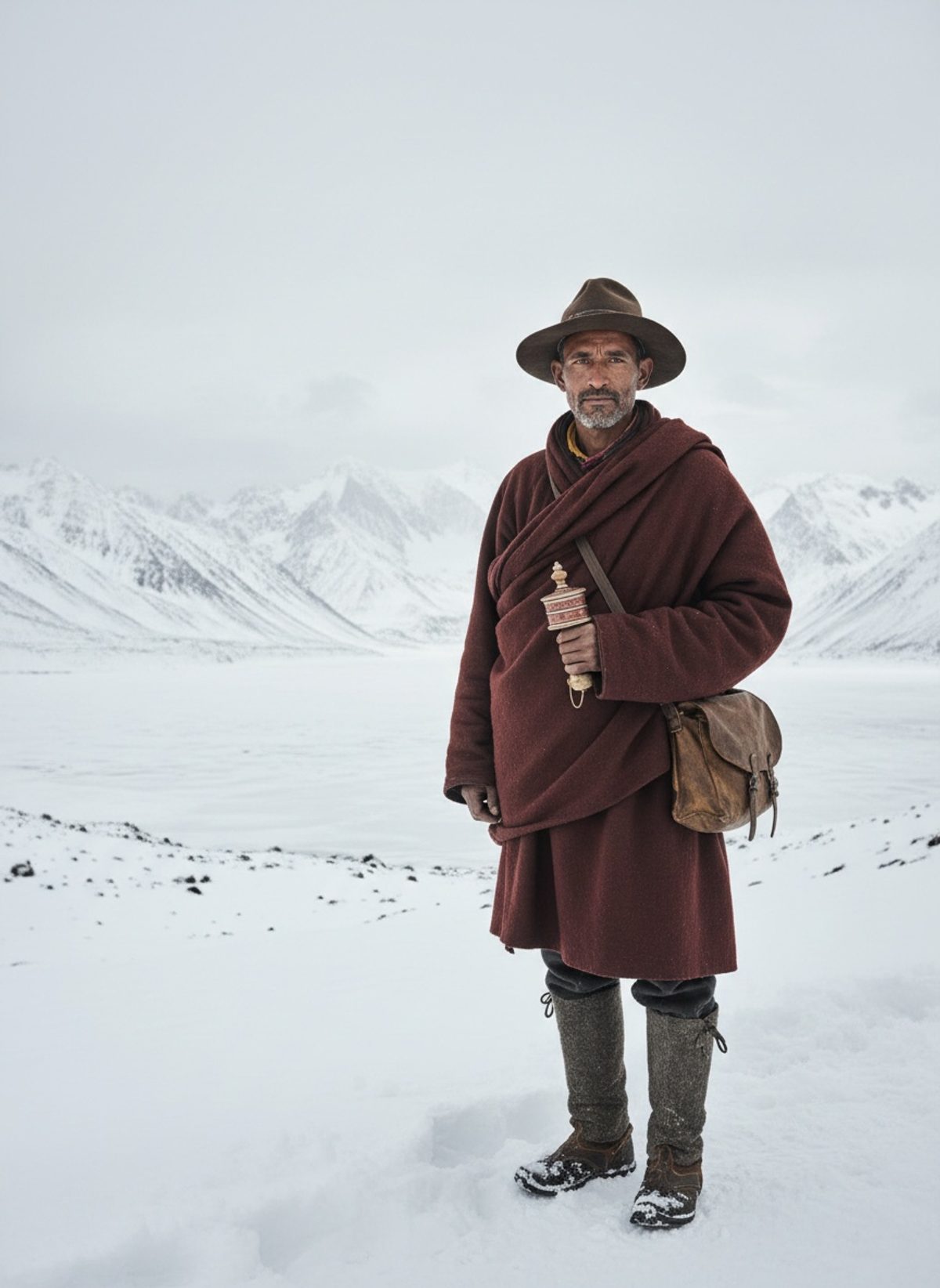
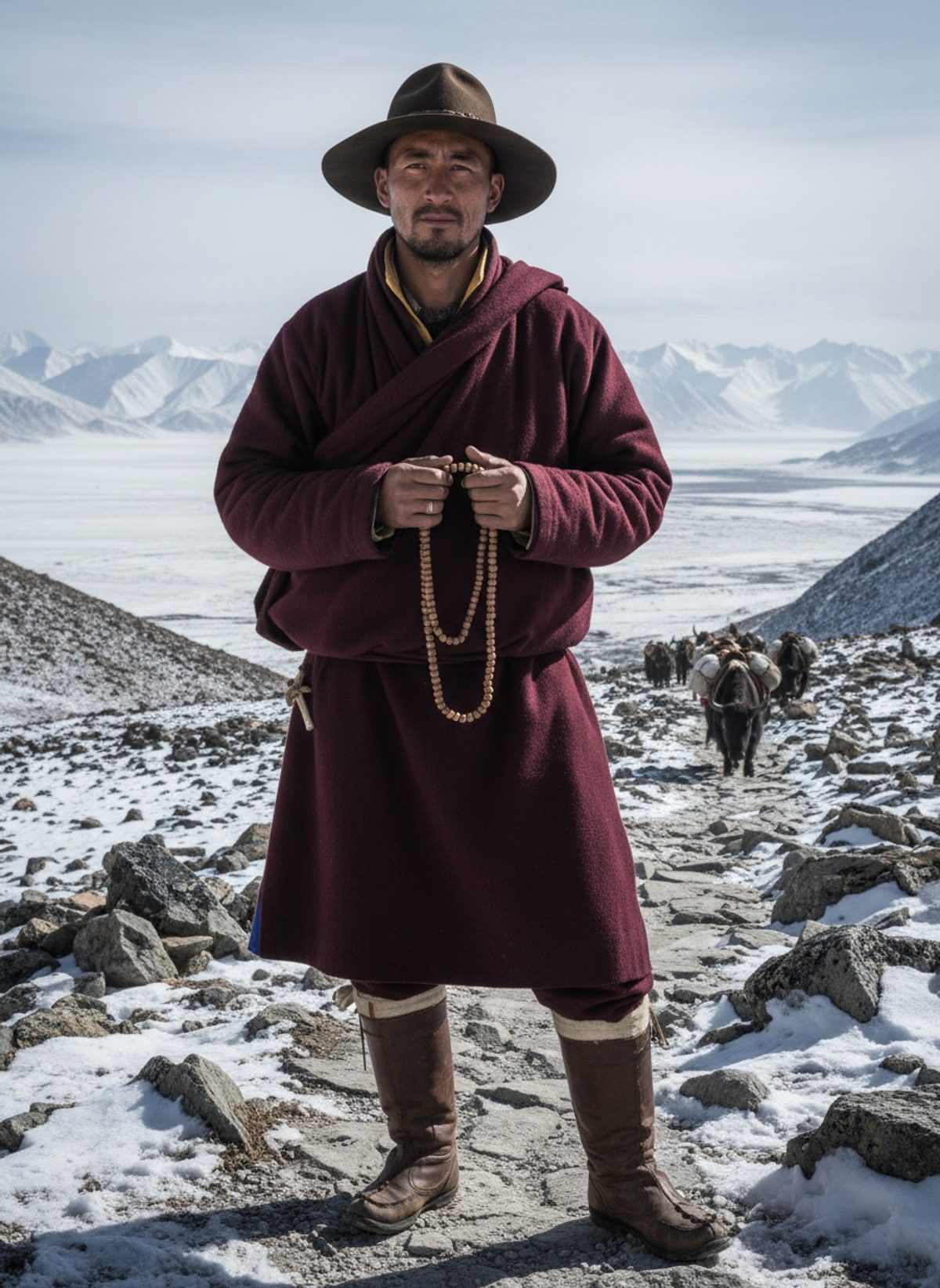
1865. The Survey of India needed Tibet mapped. No British officer could enter. Nain Singh crossed the Himalayas in disguise. He counted every step. 2,000 miles. Alone. He brought back the first accurate map of Lhasa.
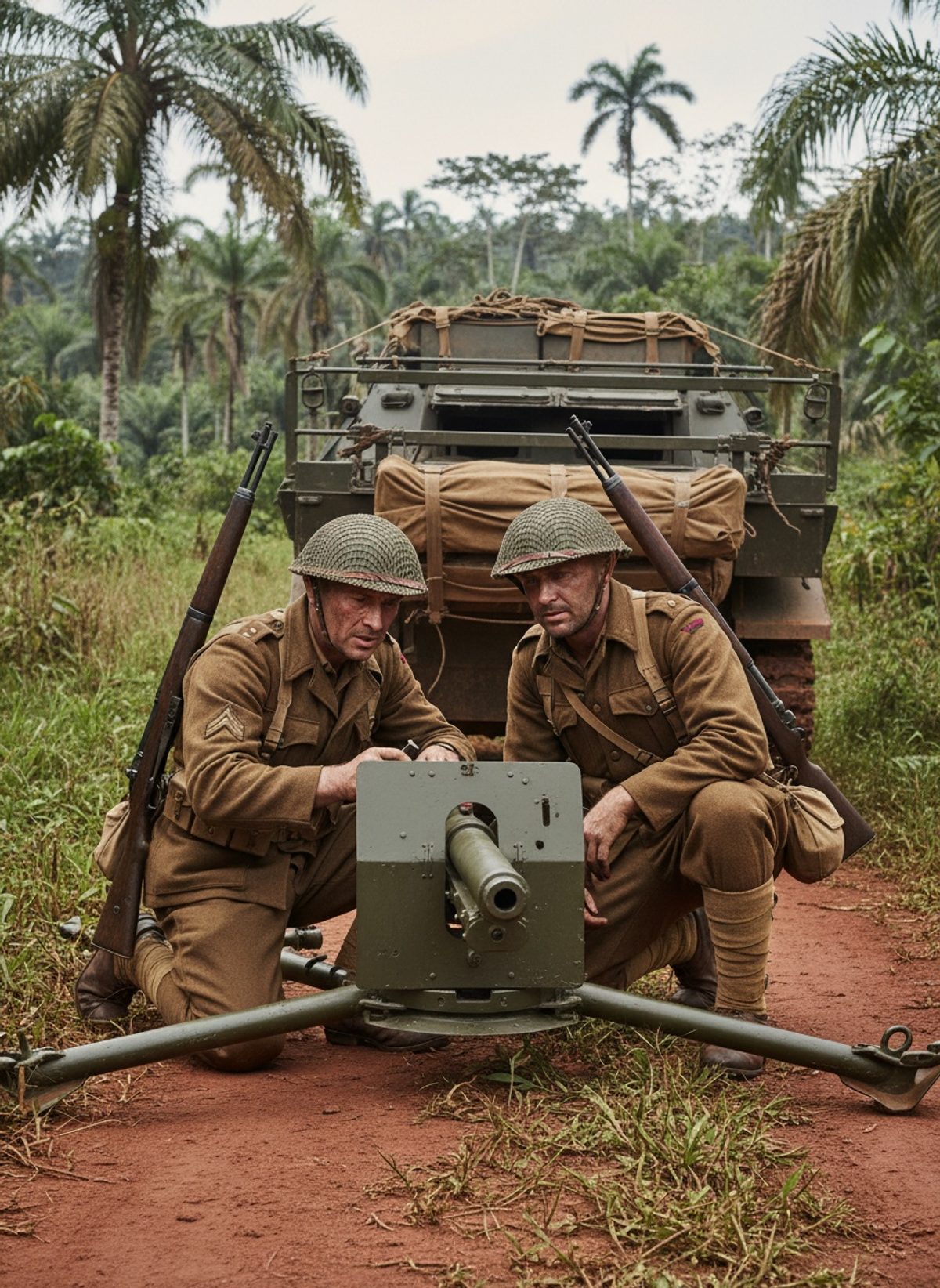
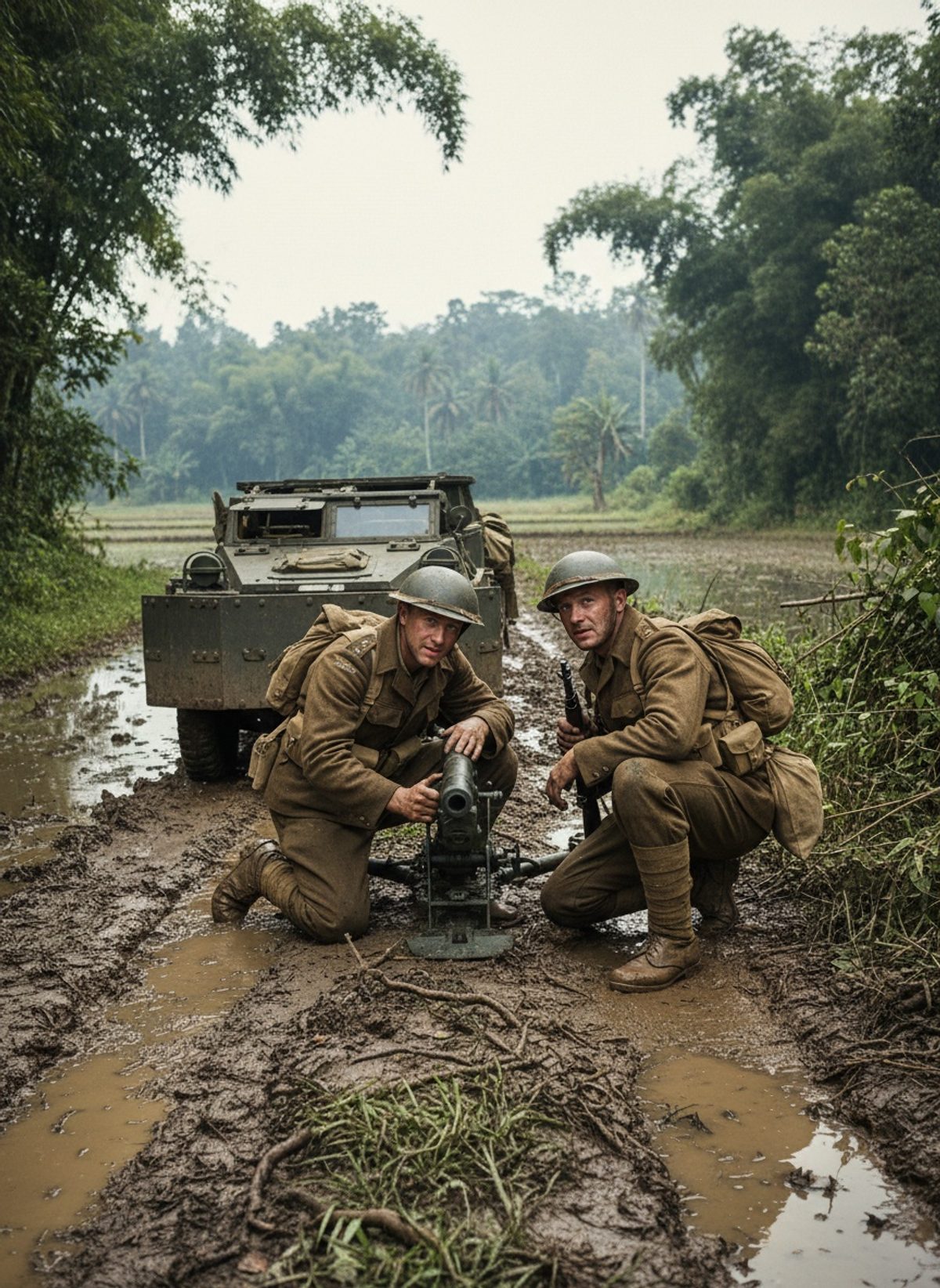
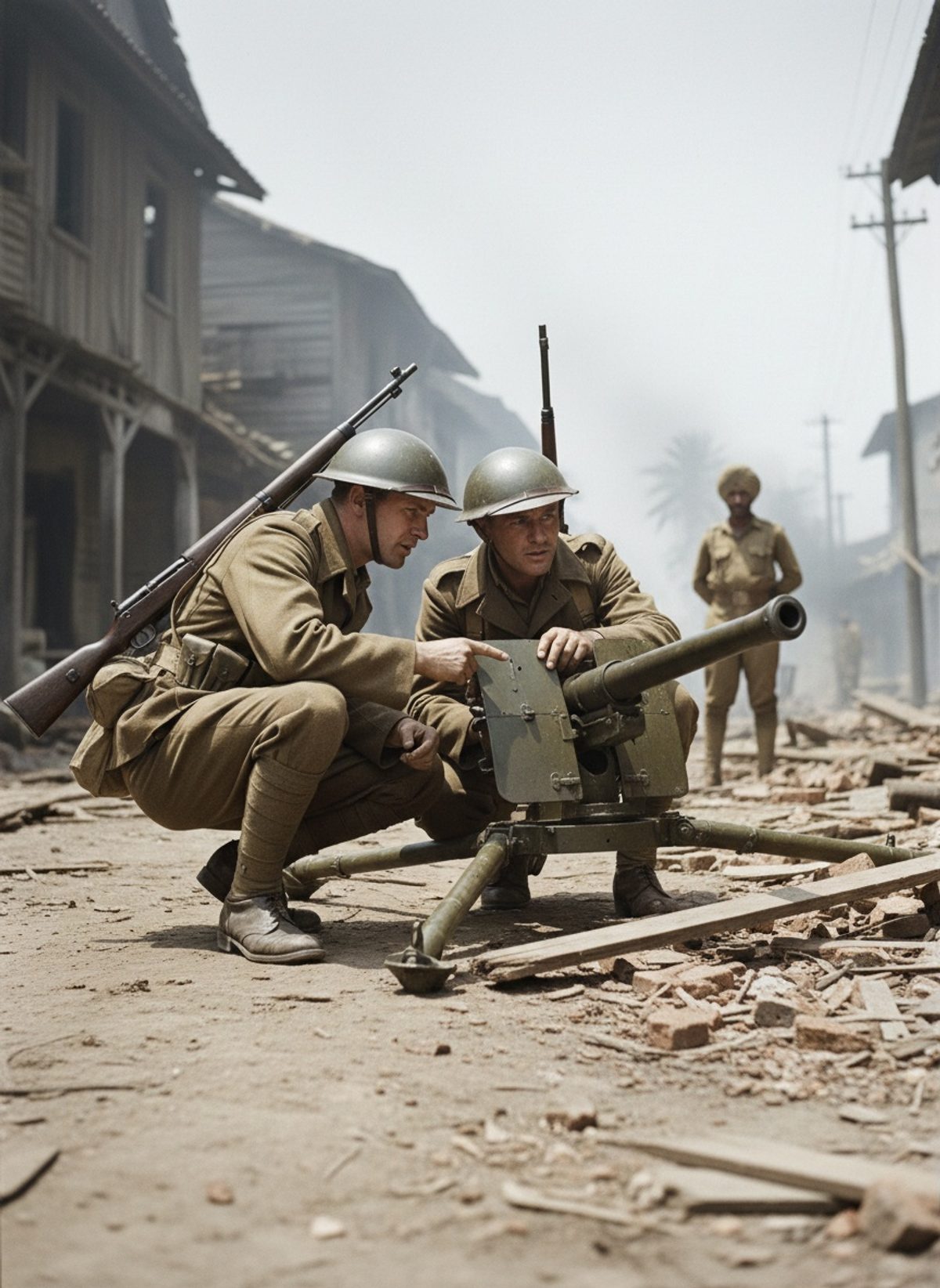
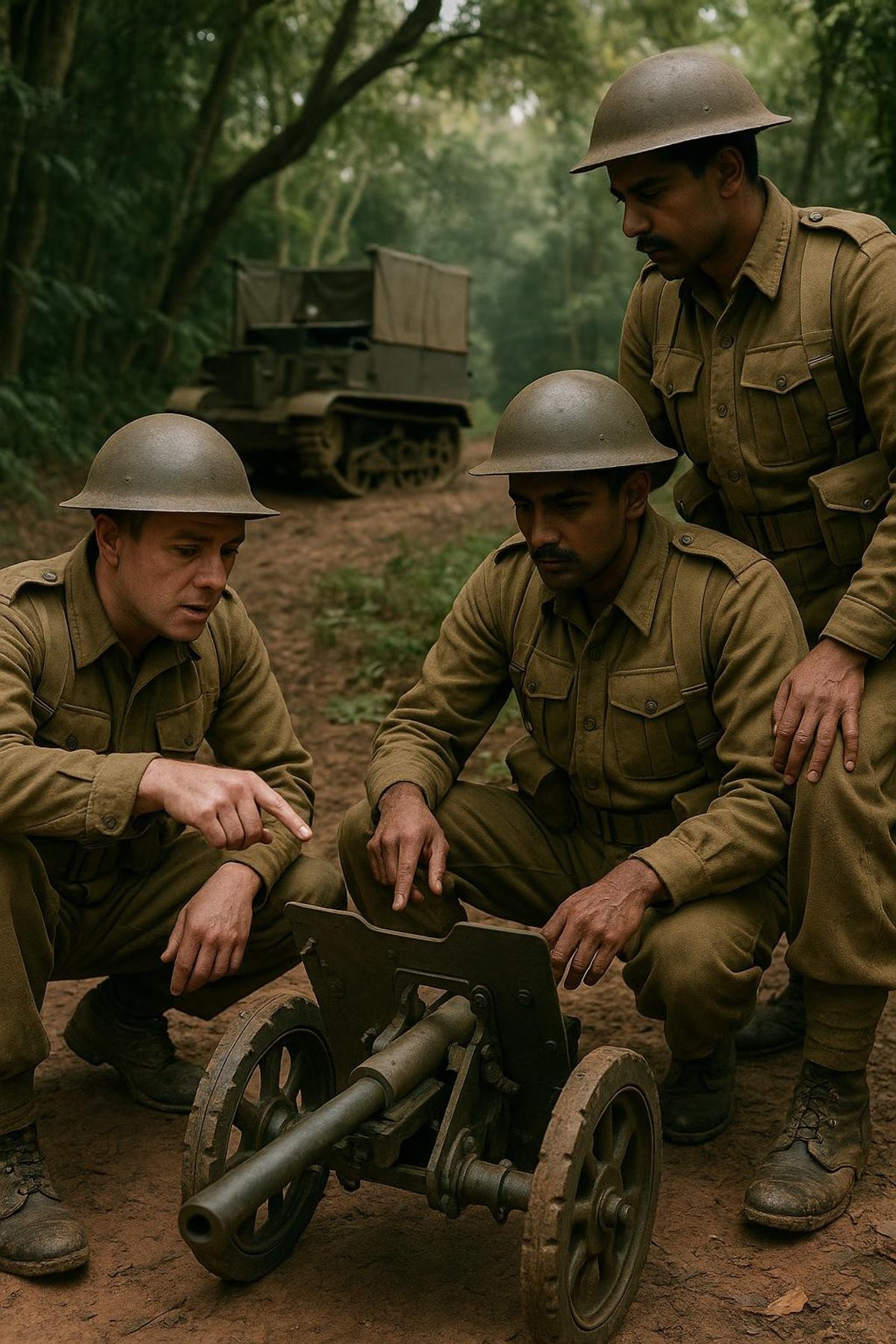
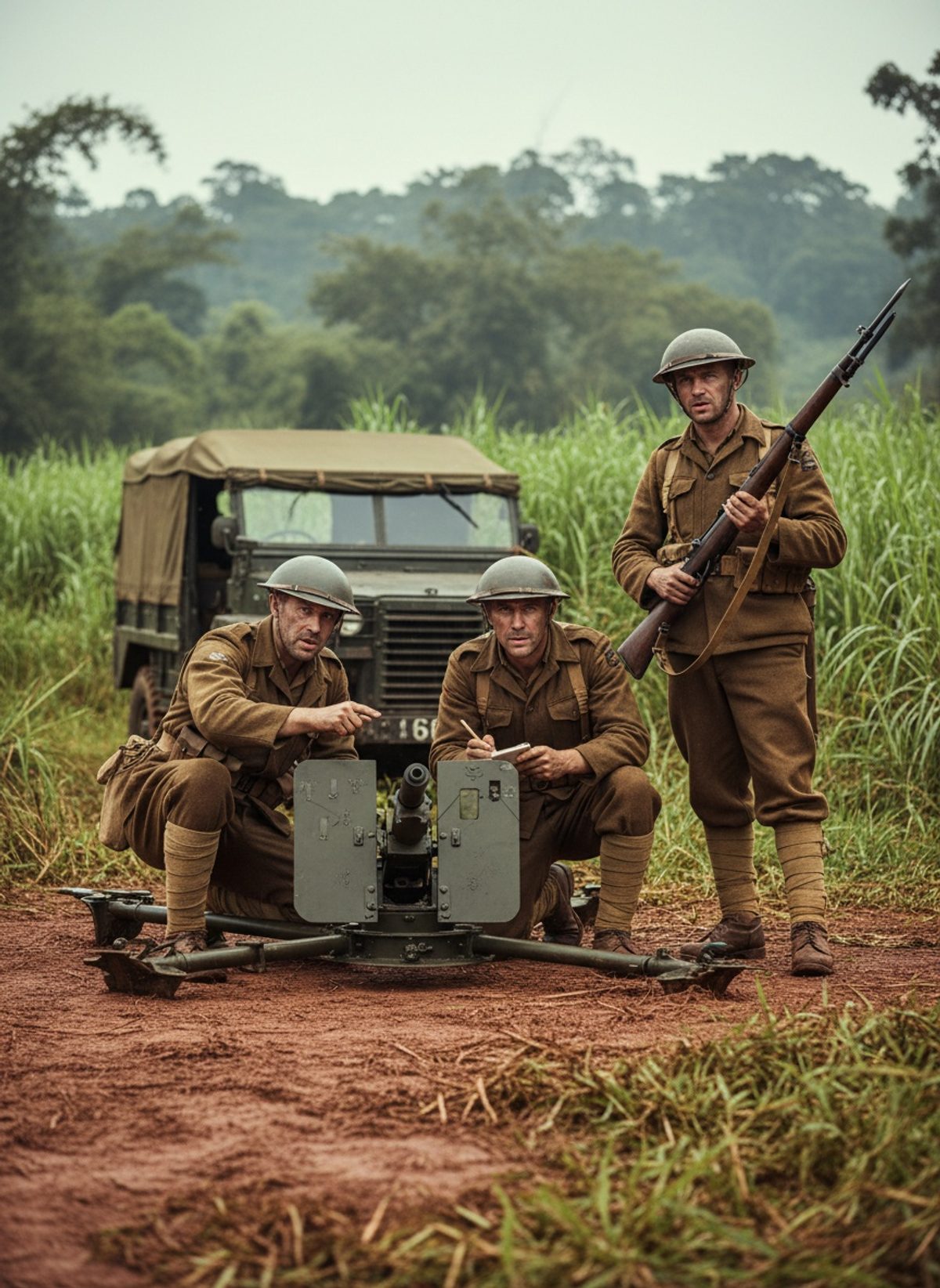
Burma, January 1945. A Japanese 37mm anti-tank gun — captured intact. British soldiers dismantled it piece by piece. Every weakness they found became a weapon against its makers.
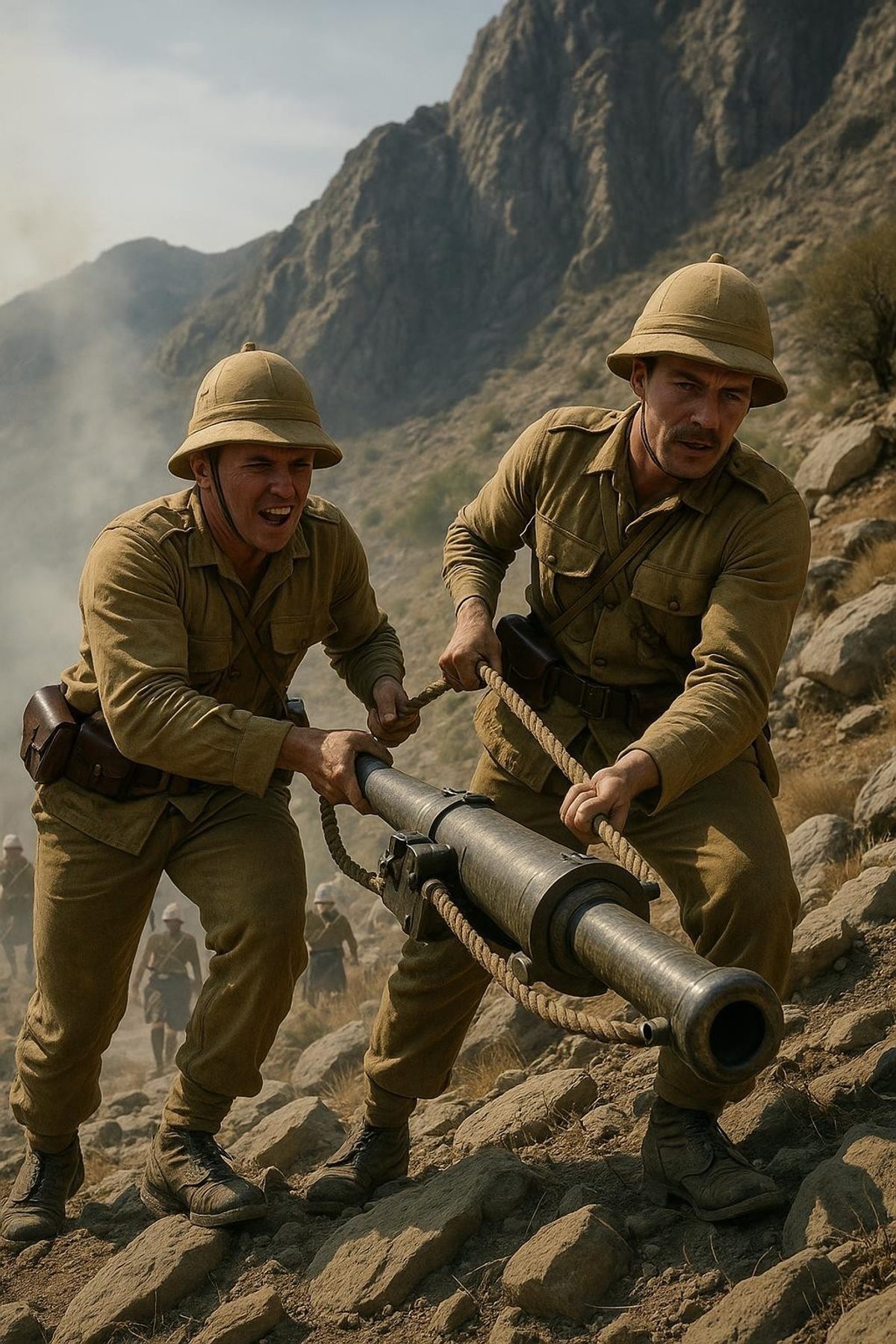
The Dargai Heights held by Afghan tribesmen. Four attempts failed. Then the Gordon Highlanders charged — bagpipes playing. A mountain gun crew dragged their 75mm up the cliff face behind them.
Burma, 1945. British armour pushed where tanks were never meant to go. Deep wading screens let Bren carriers cross flooded ground unsupported. The Japanese never expected iron to walk through water.
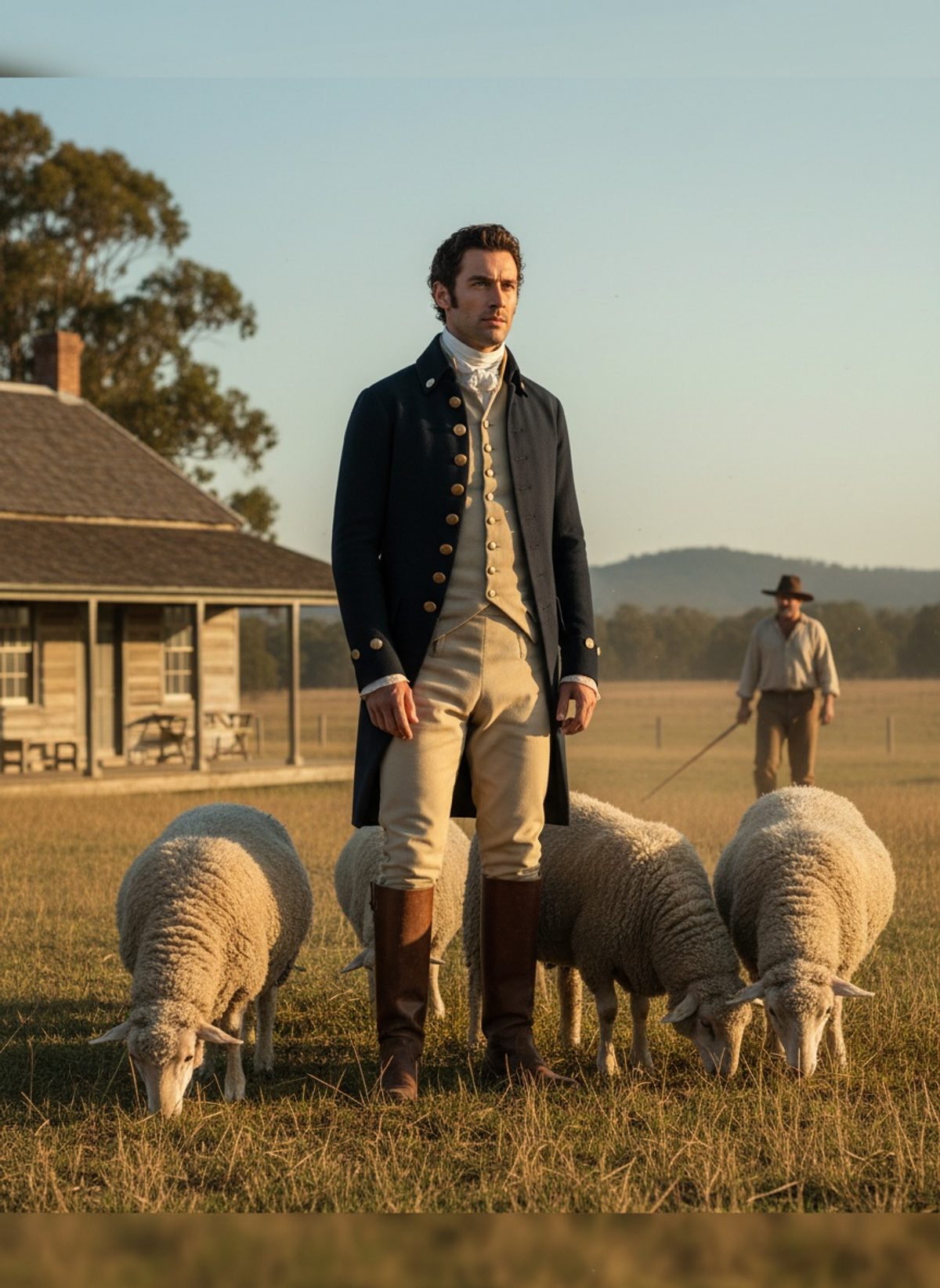
1797. A disgraced officer arrived in New South Wales with eight Spanish merino sheep. The colony was starving. London had written it off. He saw something no one else could see. Those eight sheep would clothe the world.
September 1695. A Bristol-born captain named Henry Every turned pirate in the Indian Ocean. He seized the Mughal emperor's own treasure ship. The haul was staggering. The consequences nearly destroyed England's trade with India forever.
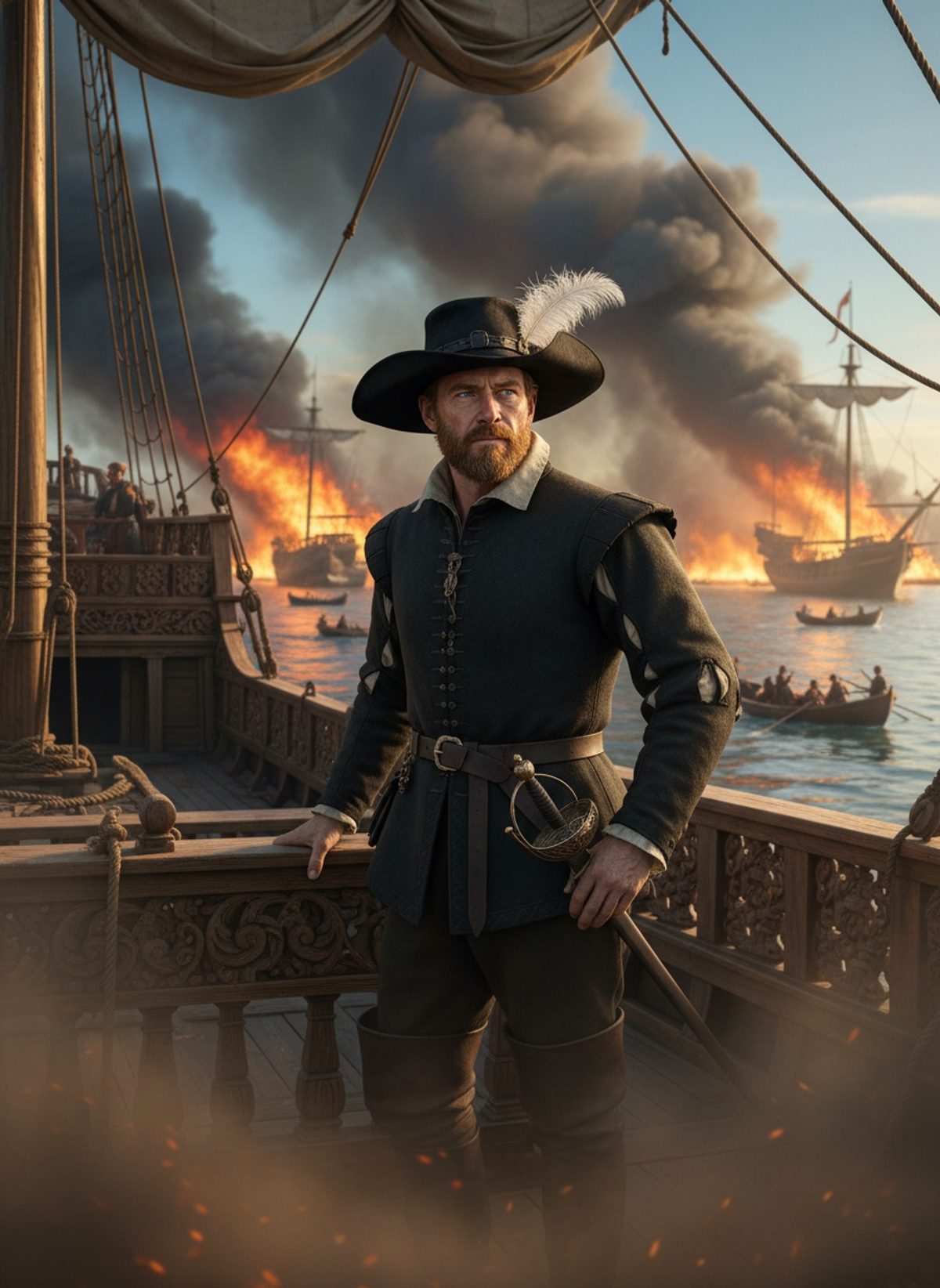
April 1587. Spain was building the greatest fleet ever seen. Drake sailed straight into Cádiz harbour. He destroyed thirty-seven ships in a single afternoon. The Armada was delayed by a year. England bought time.
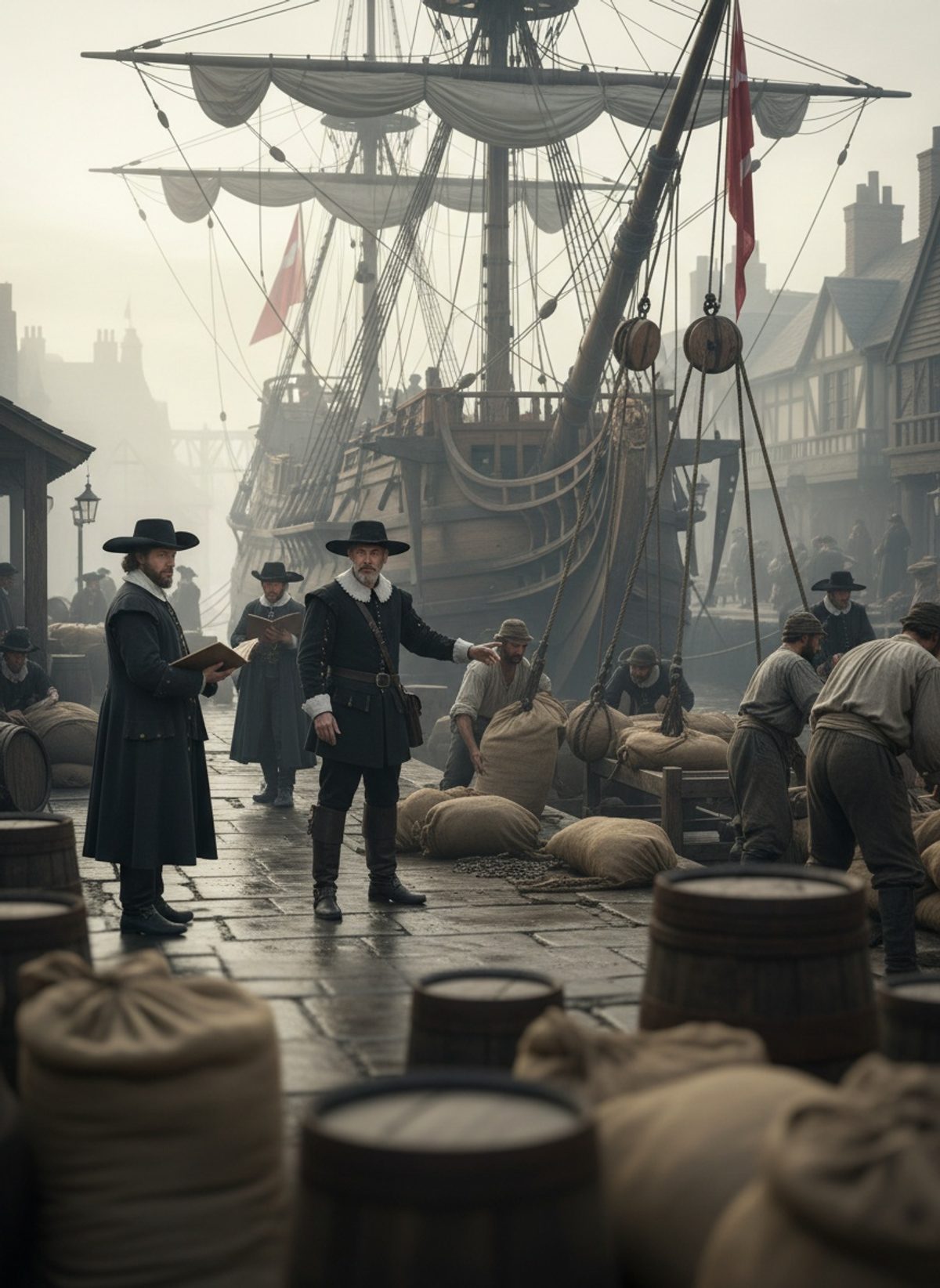
1603. James Lancaster sailed into the Thames with five ships groaning with pepper. England had never seen a cargo like it. One voyage had paid for itself twenty times over. The East India Company was born in profit.
Burma, March 1945. British and Indian troops stormed Meiktila. The Japanese had ringed the town with weapons no one expected. When the guns fell silent, soldiers moved in to see what had stopped them.
Burma, January 1945. British troops stood over a captured Japanese 37mm anti-tank gun. Behind them, a carrier waited with deep wading screens fitted. The jungle war was turning.
Burma, 1945. A captured Japanese 37mm gun. British troops stripped it down on the spot. Behind them — a carrier fitted for deep wading. The tide of war had finally turned.
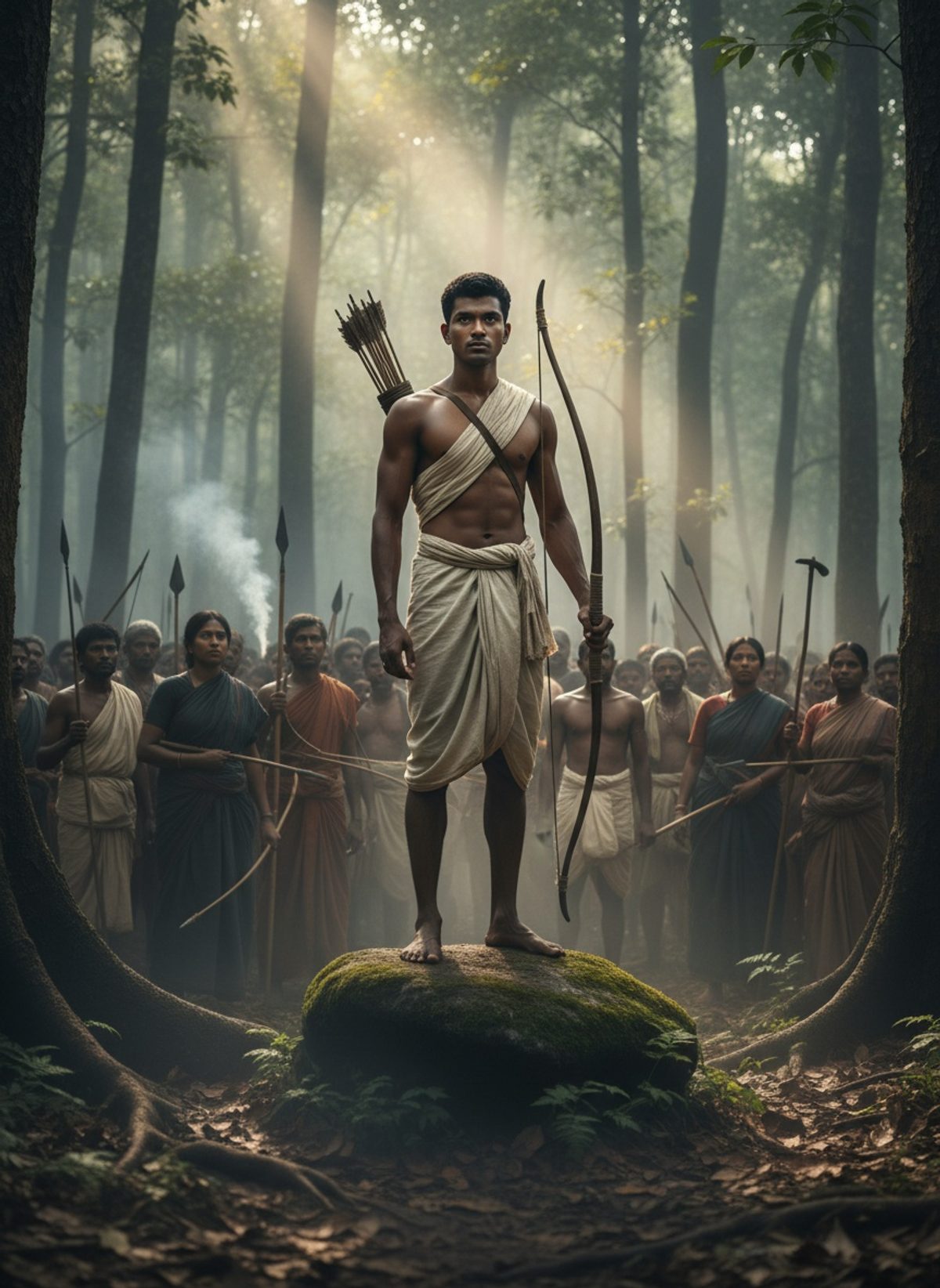
1900. Deep in the Chota Nagpur jungle. A young tribal leader told his people the land was theirs. Birsa Munda raised his bow. The Raj sent soldiers. He was taken. But the tribes remembered.
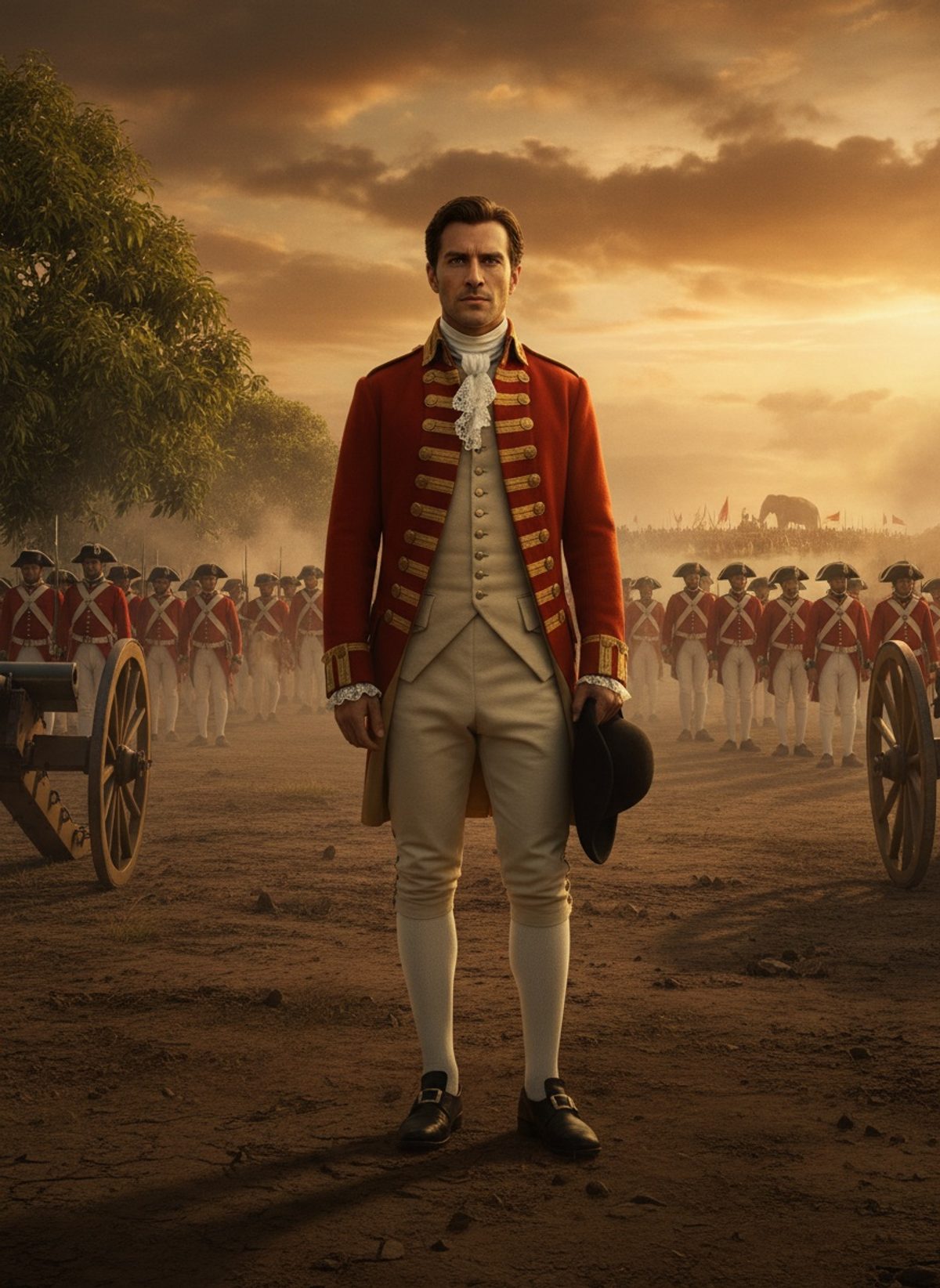
June 1757. A young clerk turned soldier faced an army of fifty thousand. Robert Clive had three thousand men. One cannon battery. One afternoon. He gambled everything. By evening, Bengal belonged to Britain.
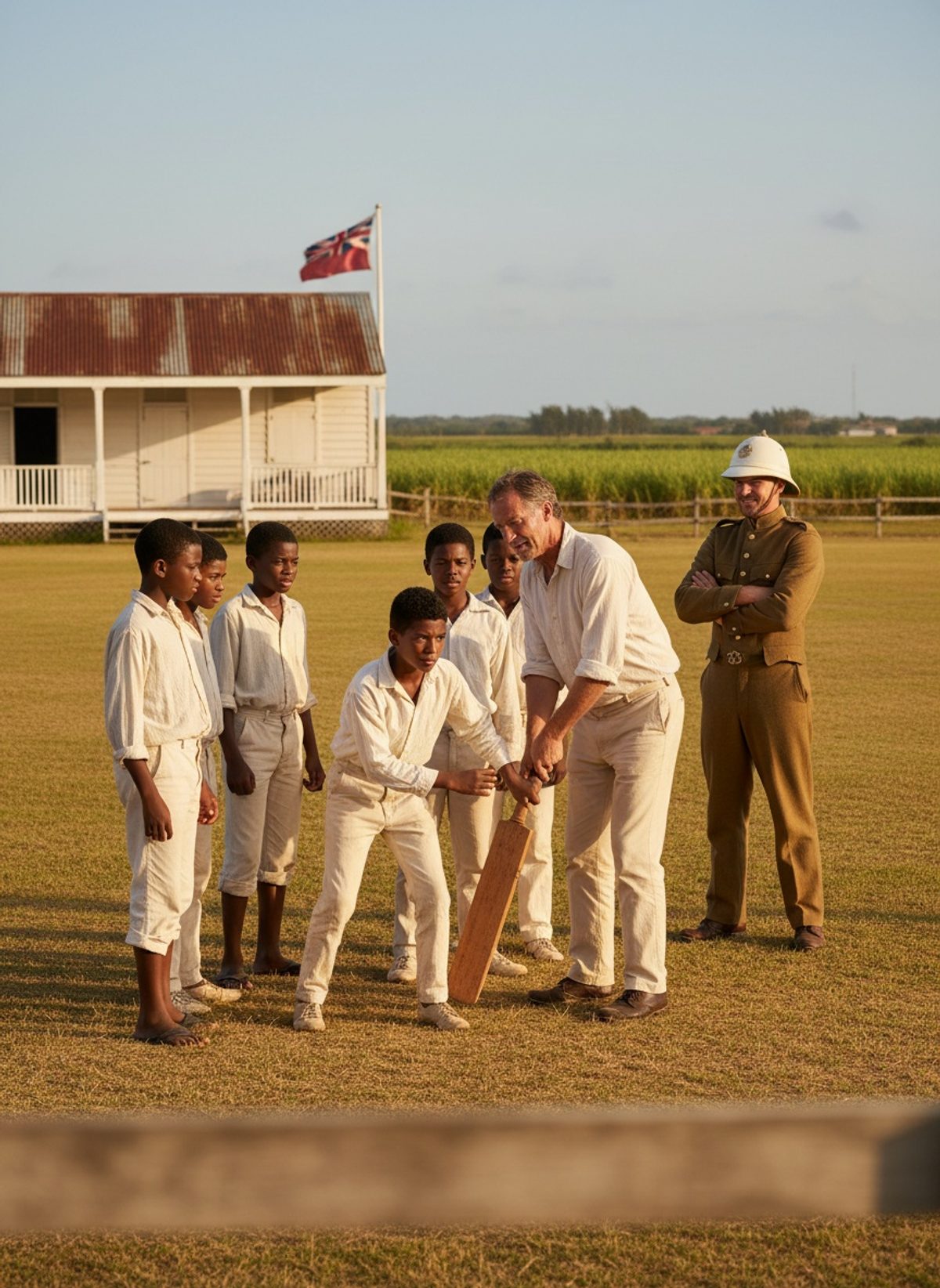
1900. A dusty ground in Barbados. Boys with bare feet and home-carved bats. They played the empire's game. Then they made it their own. A century later, they were the best in the world.
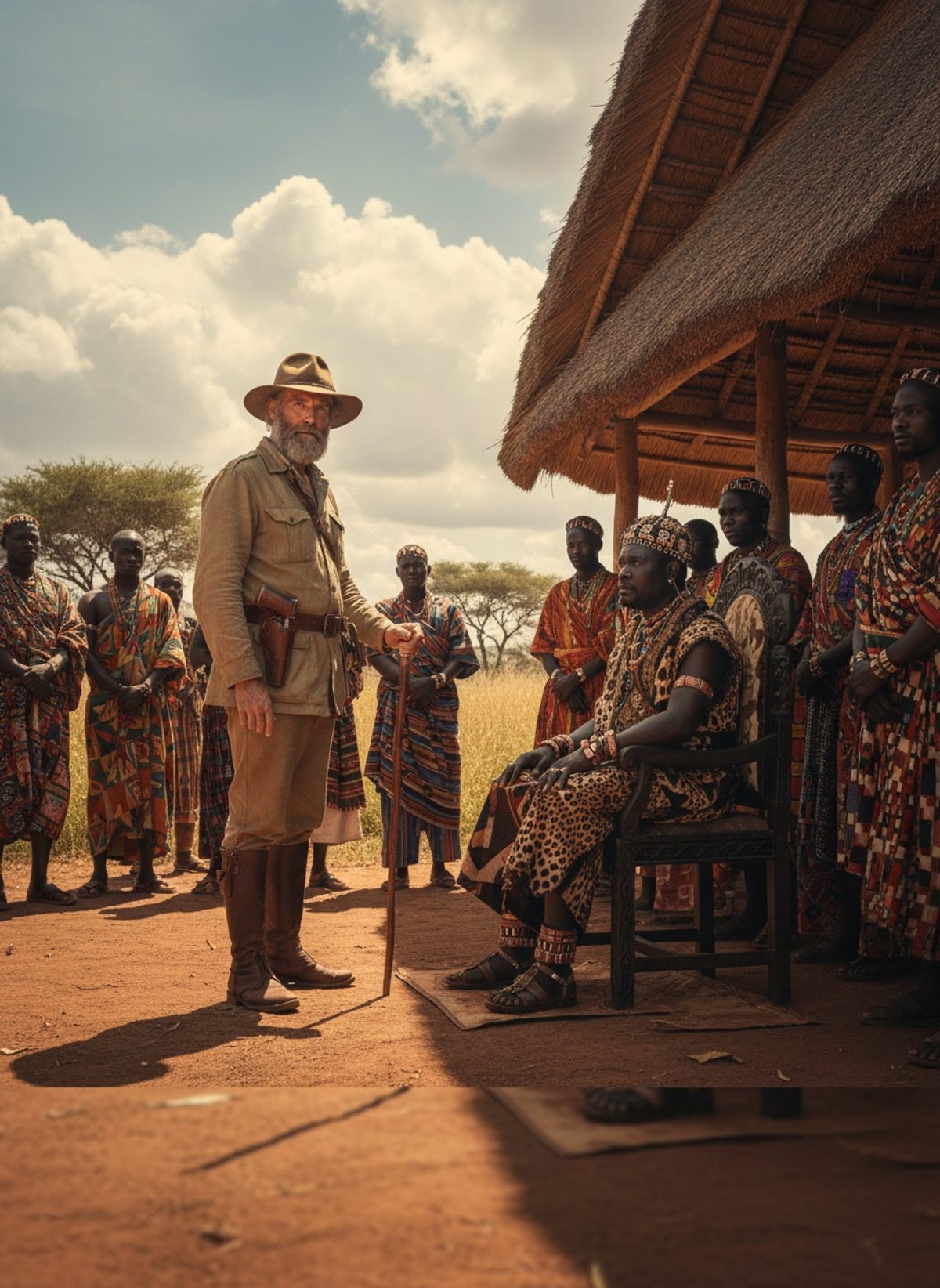
1872. The Nile basin. Sir Samuel Baker stood before Kabarega of Bunyoro. No army behind him. No treaty in hand. He had come to end the slave trade at its source. One man. One king. One chance.
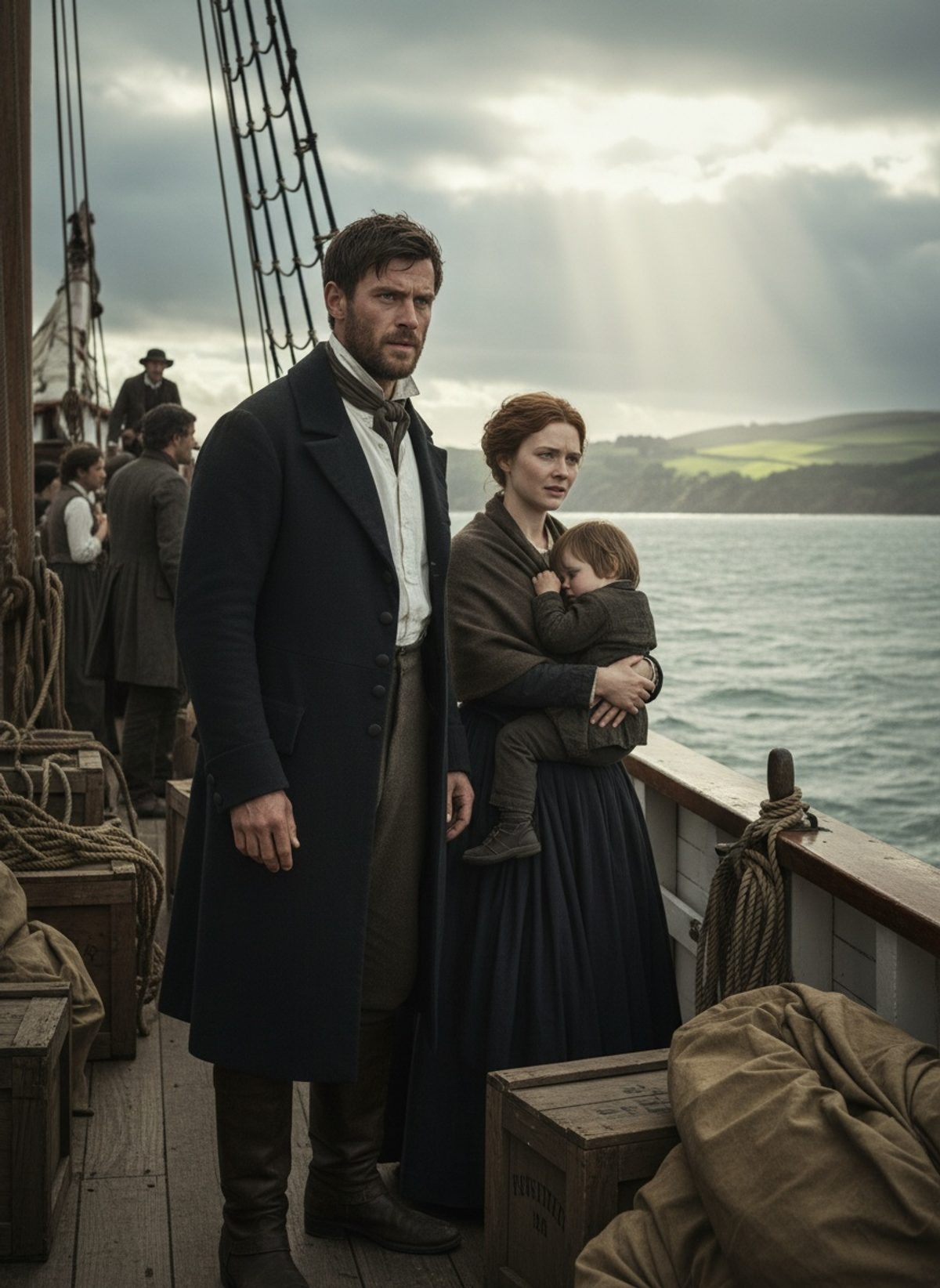
1837. A pamphlet circulated London. It promised something extraordinary. Not convicts. Not soldiers. Families. Farmers. Clergymen. A new England. Built from scratch in New Zealand. They believed it. They came.
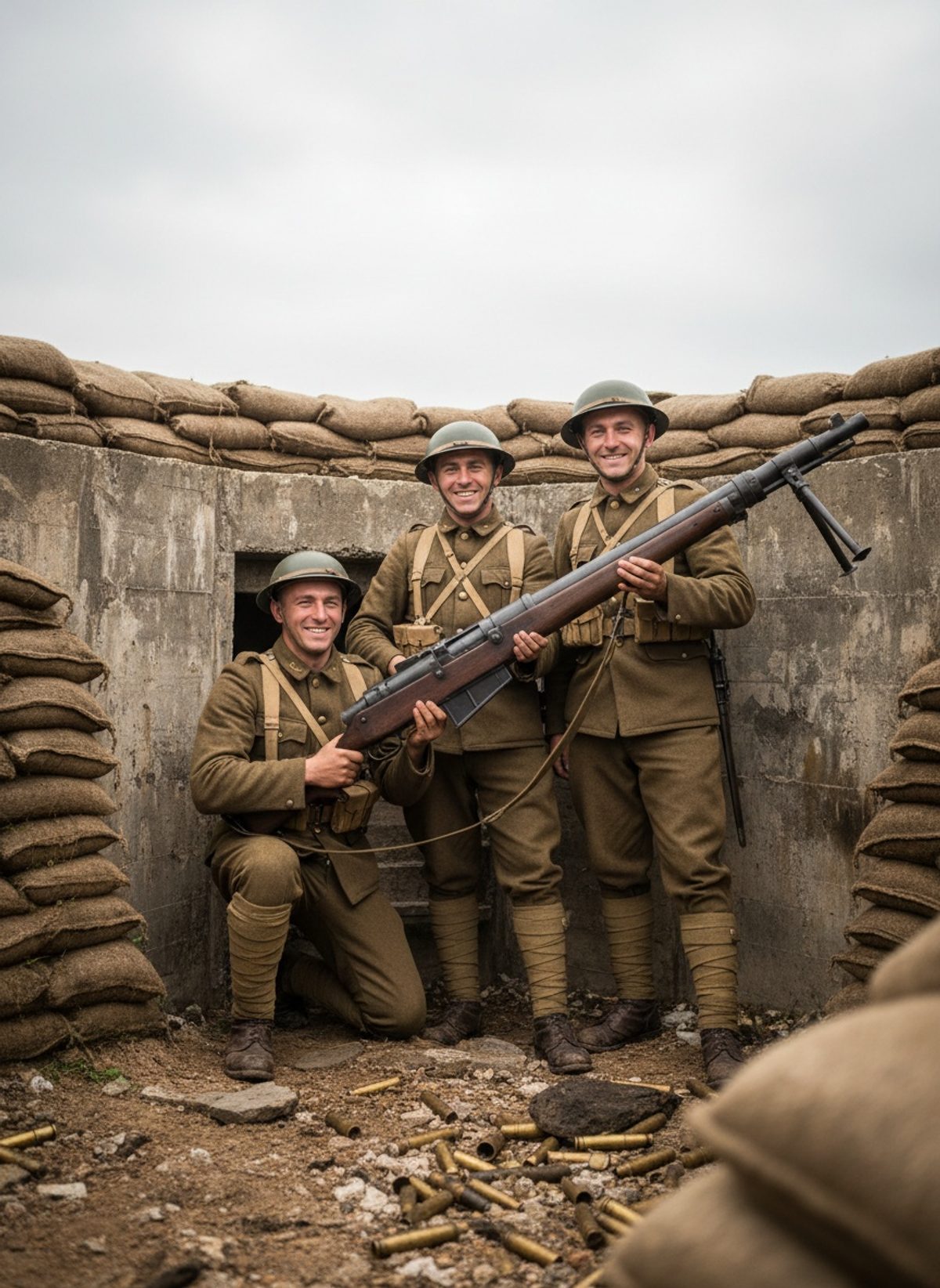
August 1918. New Zealand troops overran a German position near Grévillers, France. Inside: the most feared anti-tank weapon on the Western Front. They picked it up and posed for the camera.
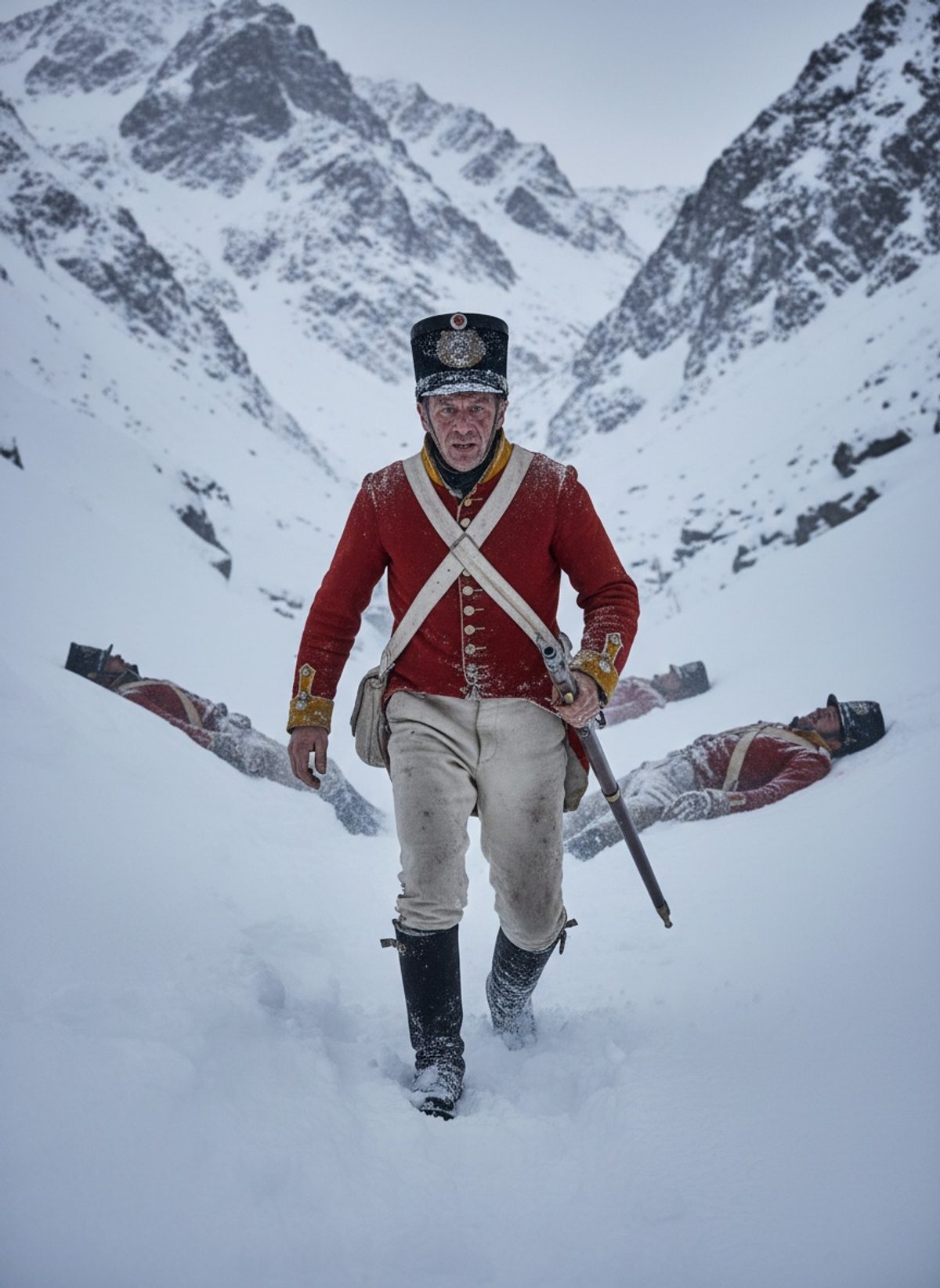
Afghanistan, 1842. Britain's army was destroyed. One man survived. The generals kept their ranks. The sepoys kept their silence. The blame fell on a corporal.
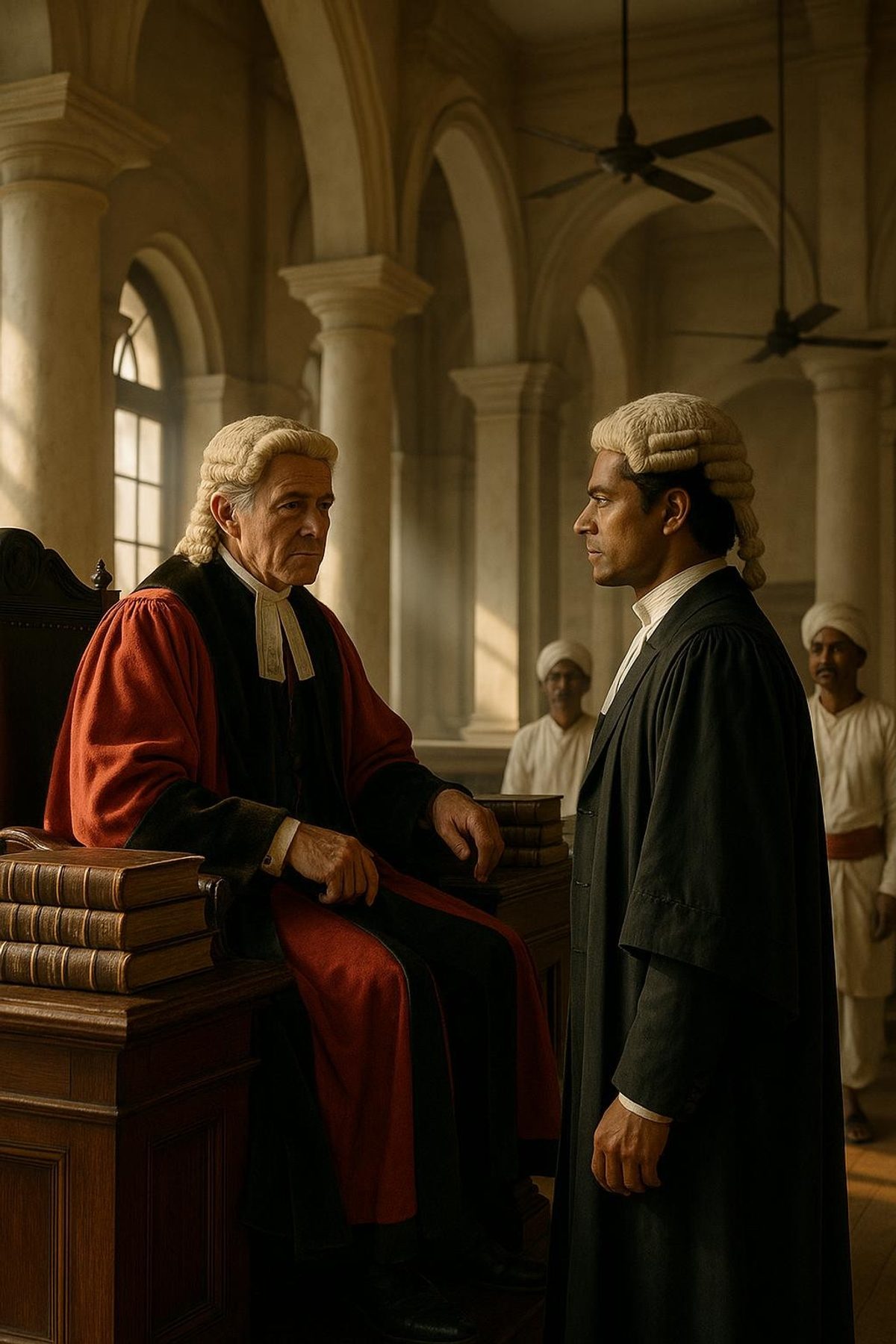
1861. Britain passed the Indian High Courts Act. Ancient Mughal courts were replaced. English common law took root across a subcontinent. Those courts still stand. Still decide. Still deliver verdicts in English.
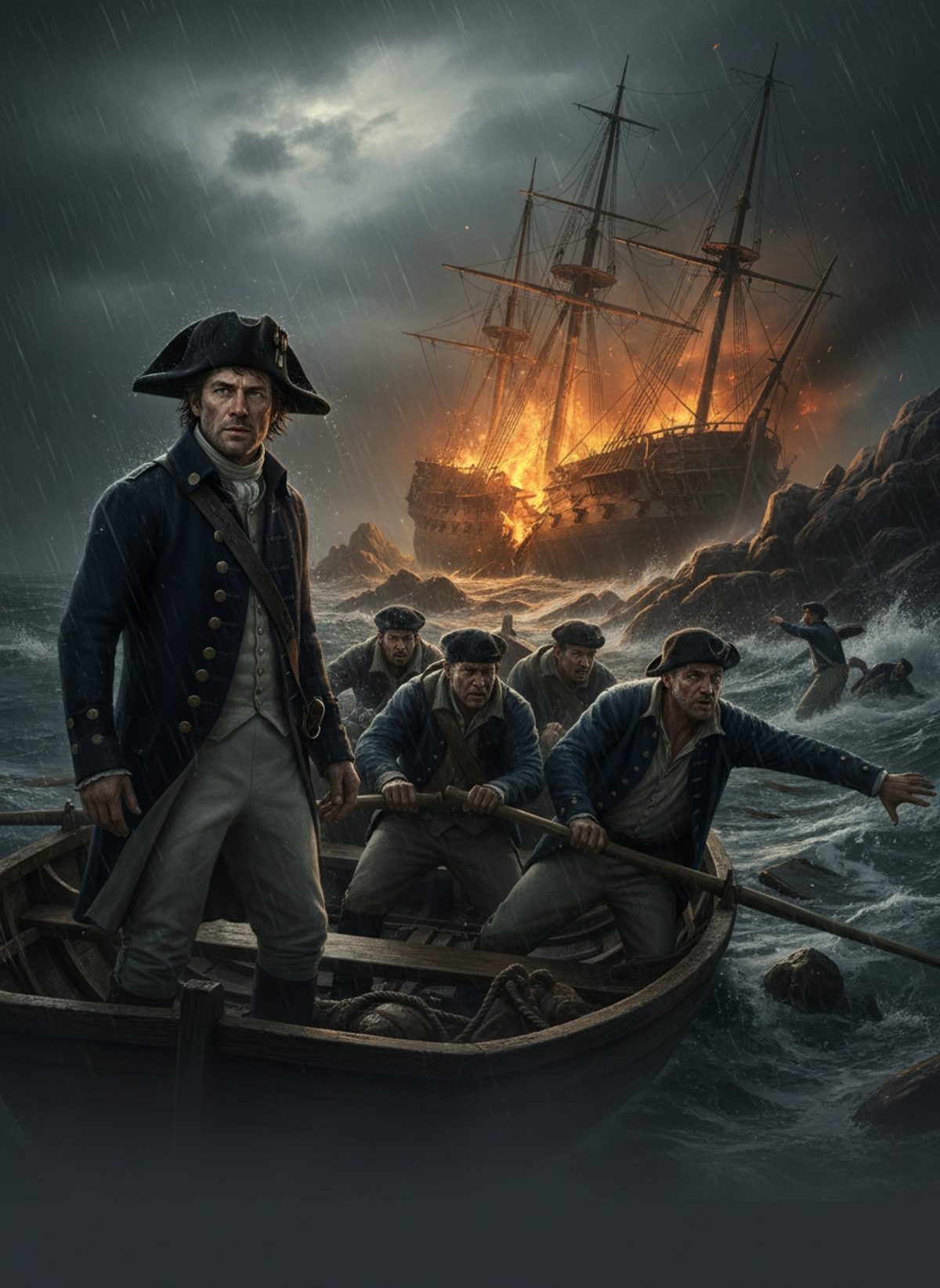
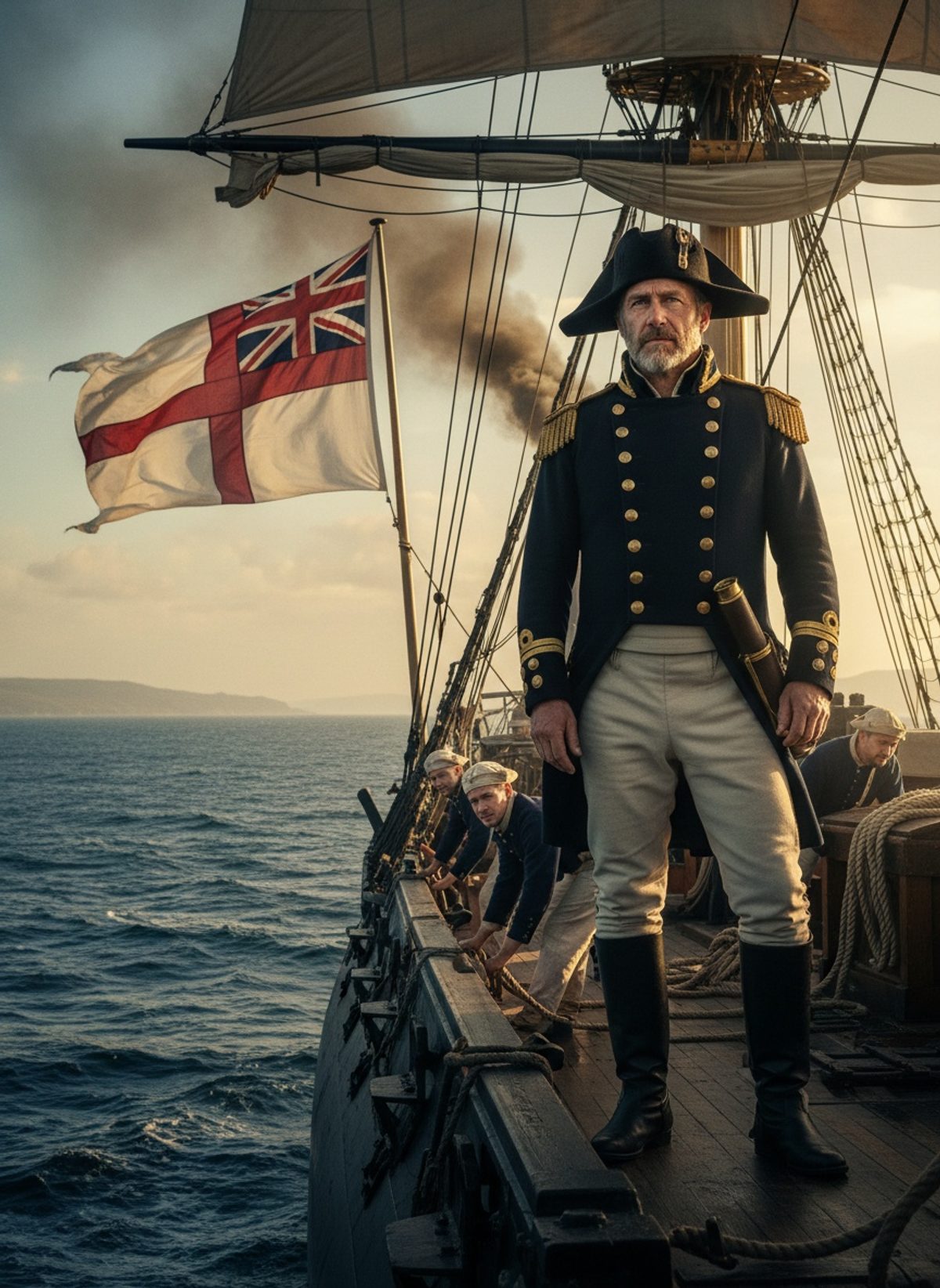
October 1797. HMS Indefatigable found a French warship wrecked and burning on the rocks. Pellew ordered his men into the surf. They saved 278 souls. From a sinking enemy ship. In a winter storm.
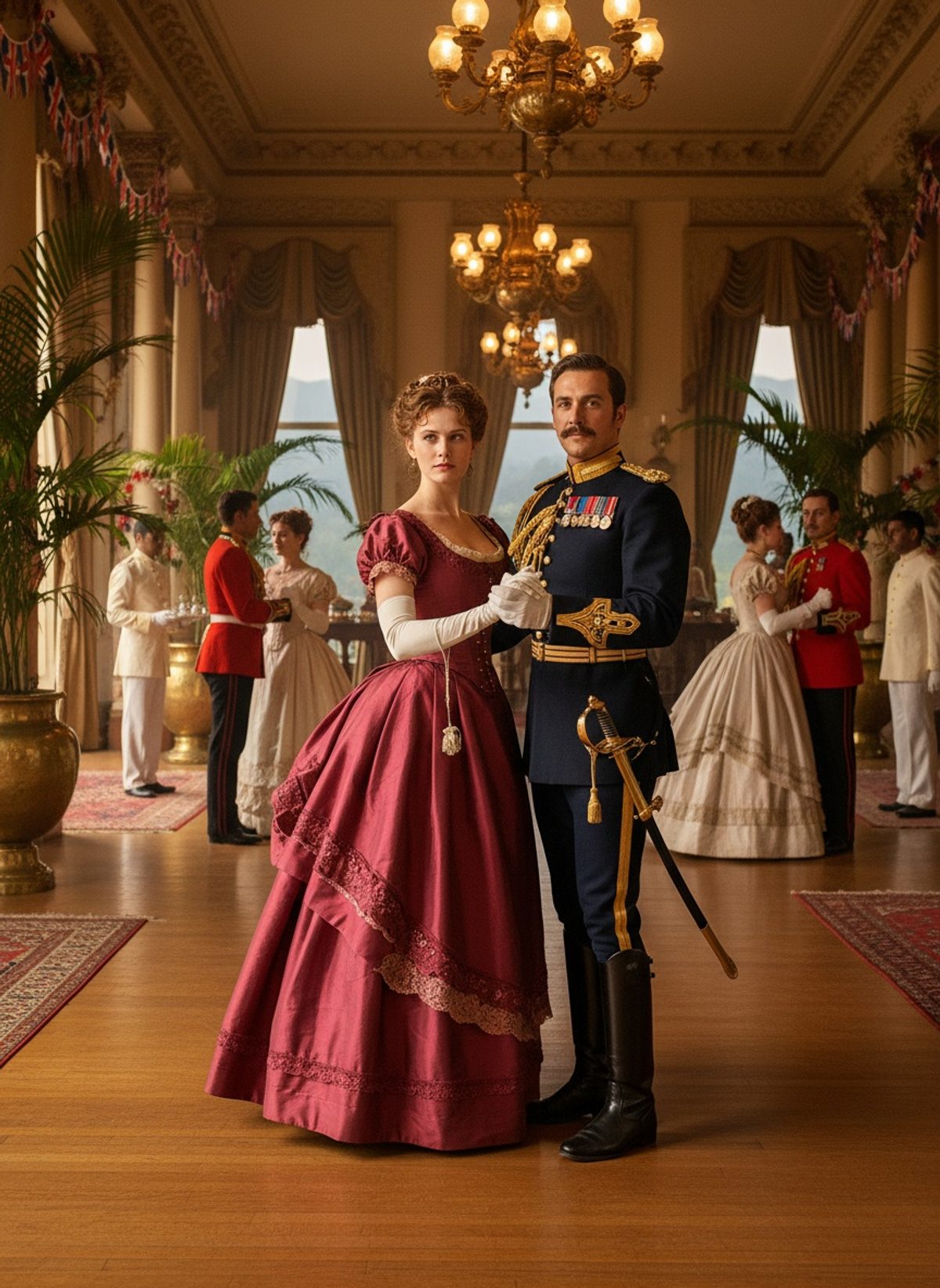
Simla, 1885. The hill station blazed with lanterns. Young women had sailed months to reach this ballroom. Officers in full dress spun them across the floor. England felt very far away. This was the Empire's drawing room.
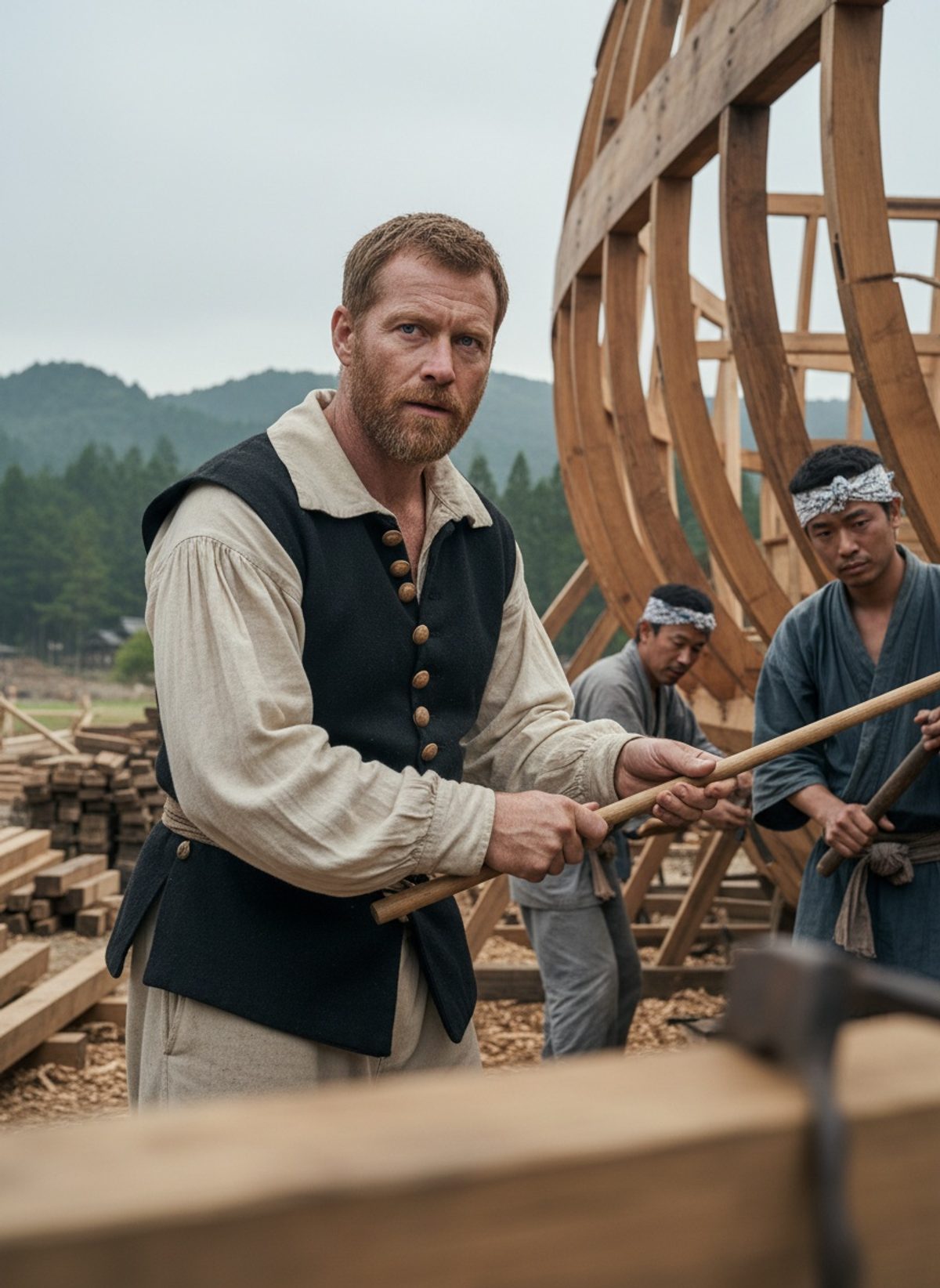
1604. An English sailor stood in a Japanese shipyard. He had been a prisoner. Now he was a master shipwright. Tokugawa Ieyasu wanted Western ships. Adams built them. Japan launched its first.
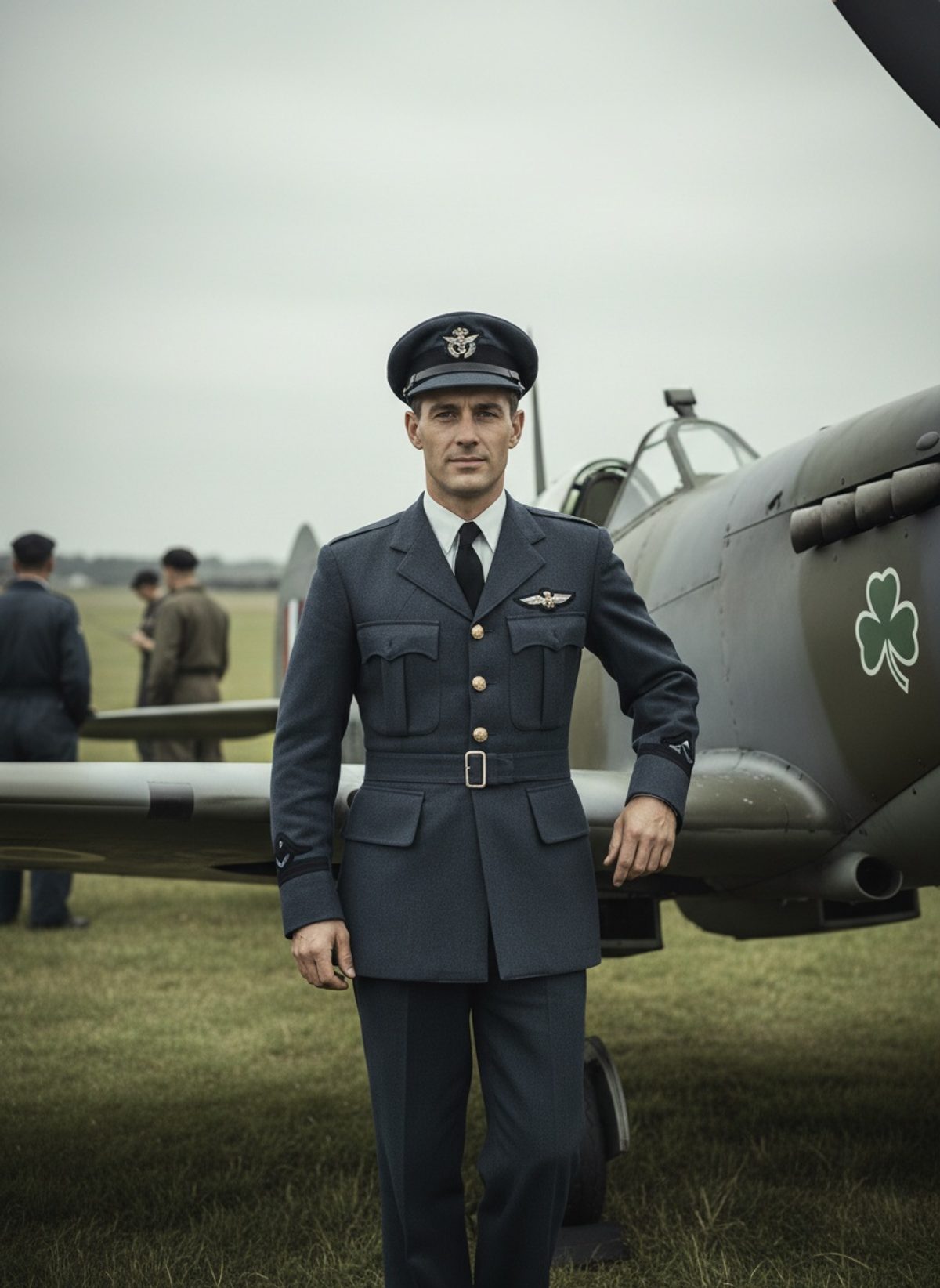
Born in Dublin. Raised in Richmond. By 21, he commanded a RAF wing. Brendan 'Paddy' Finucane shot down 32 enemy aircraft — then vanished into the English Channel on a routine sweep.
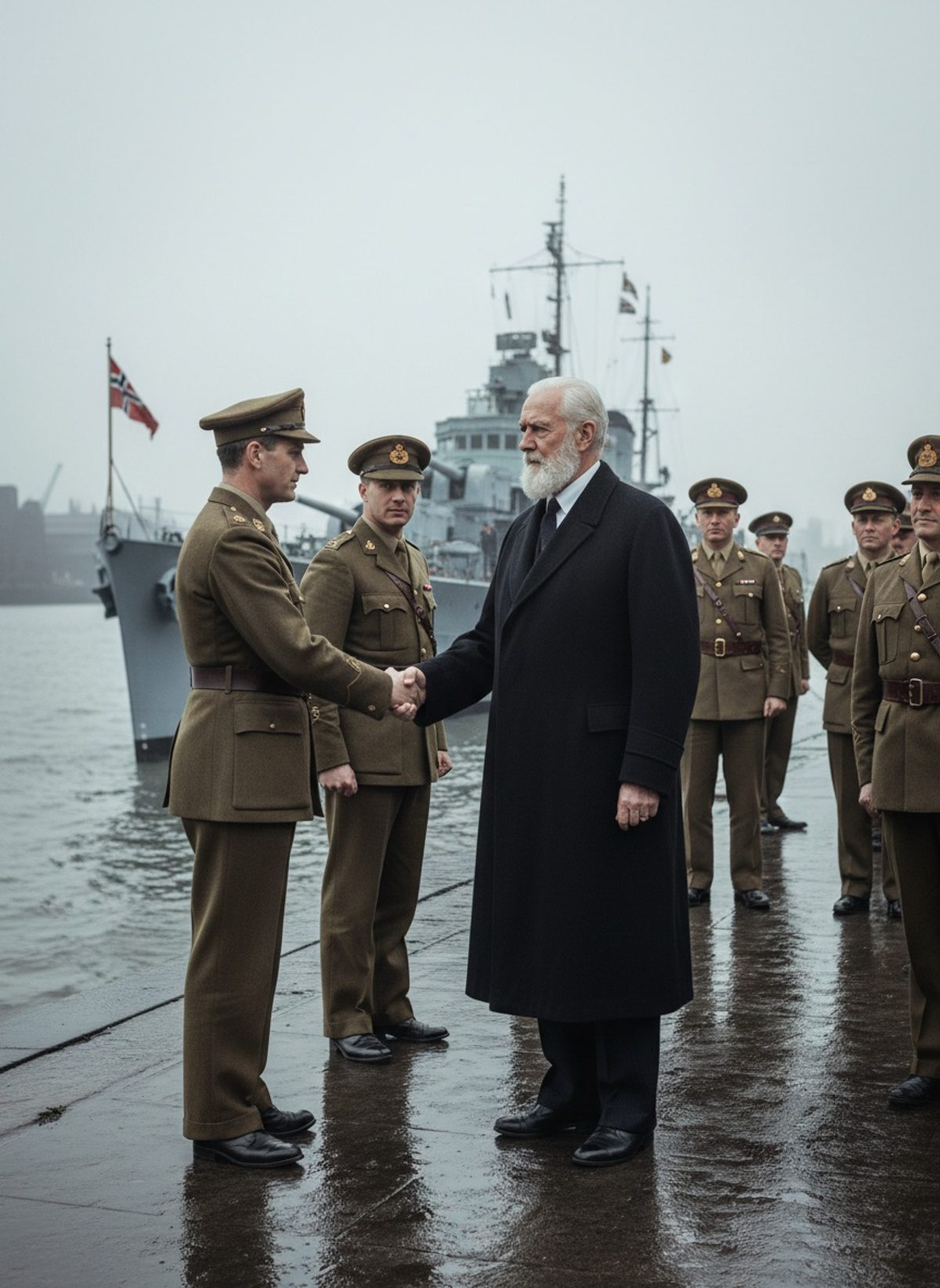
Germany gave Norway's king an ultimatum: accept occupation or watch his capital burn. Haakon VII chose war. His 'no' would define a nation — and bind Norway to Britain for the rest of the fight.
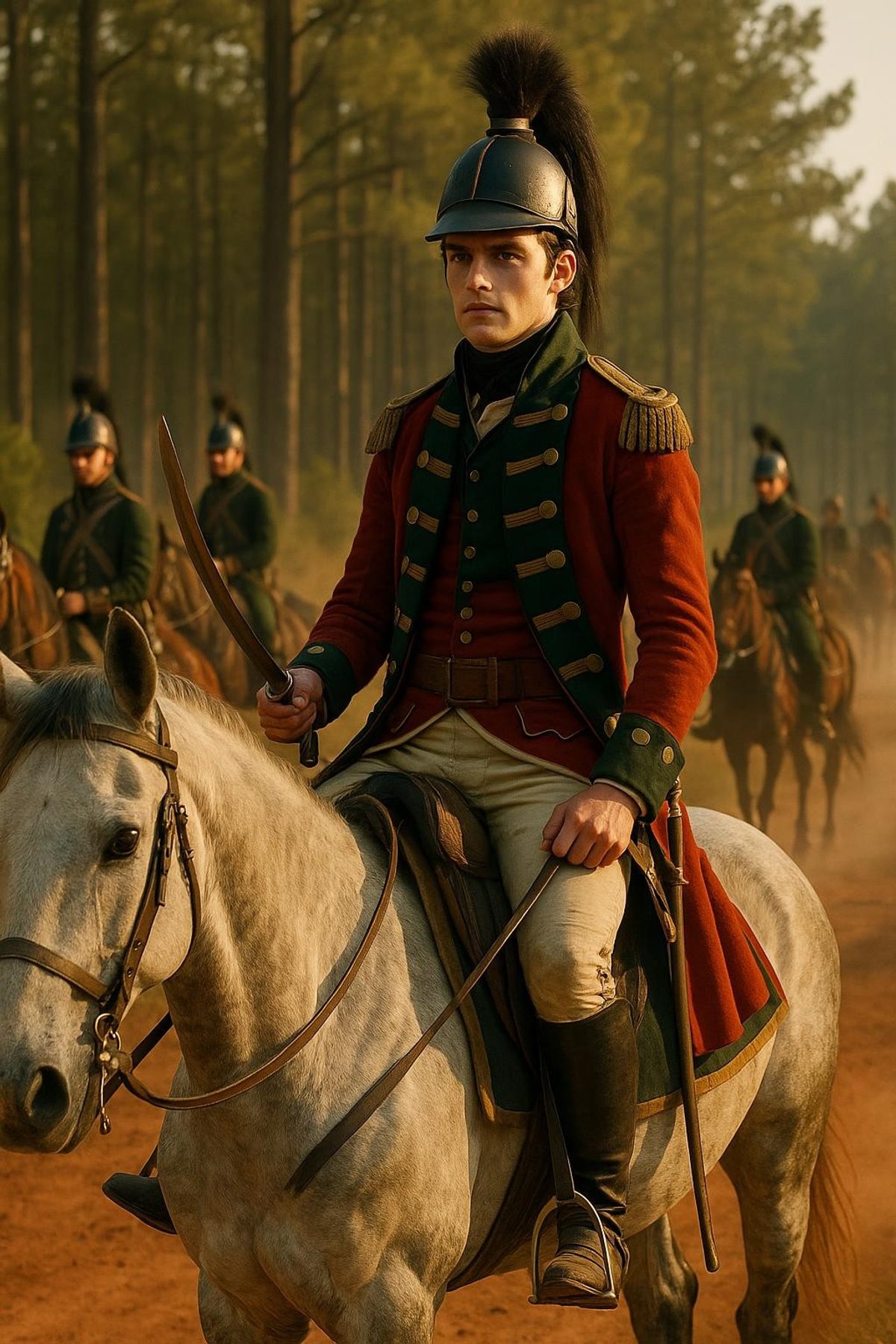
He was 26 years old. He had no peer in the field. At Waxhaws, Tarleton's Legion hit so hard that 'Tarleton's Quarter' became a byword for terror across the American South.
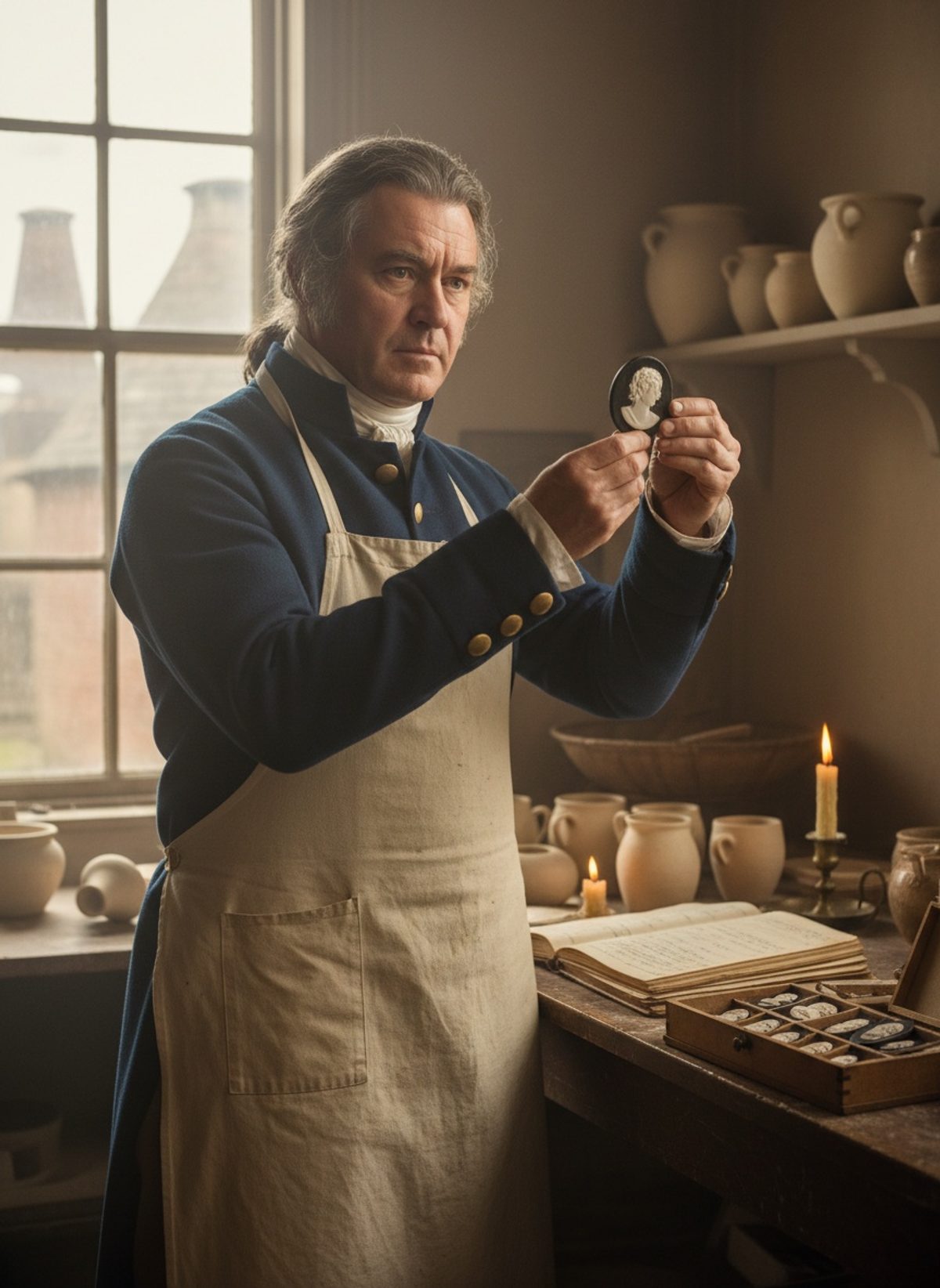
1787. A Staffordshire potter held a small medallion. It showed a chained man kneeling. He mass-produced it. Gave it away free. Women wore it as jewellery. It became the abolition movement's most powerful weapon. One man. One image. One factory.
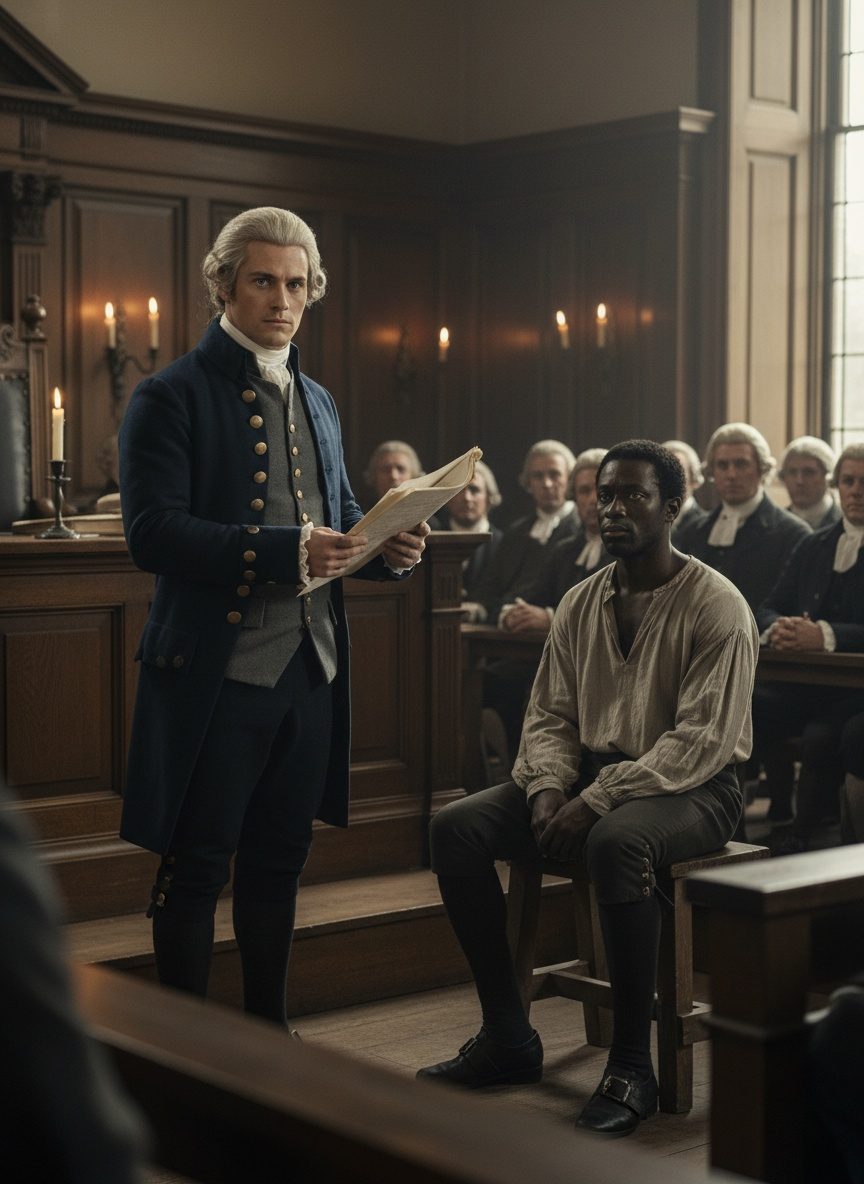
London, 1772. A dying man named James Somerset lay in chains. One Englishman refused to walk past. Granville Sharp took his case to the highest court in England. Lord Mansfield ruled. No slave could be held on English soil.
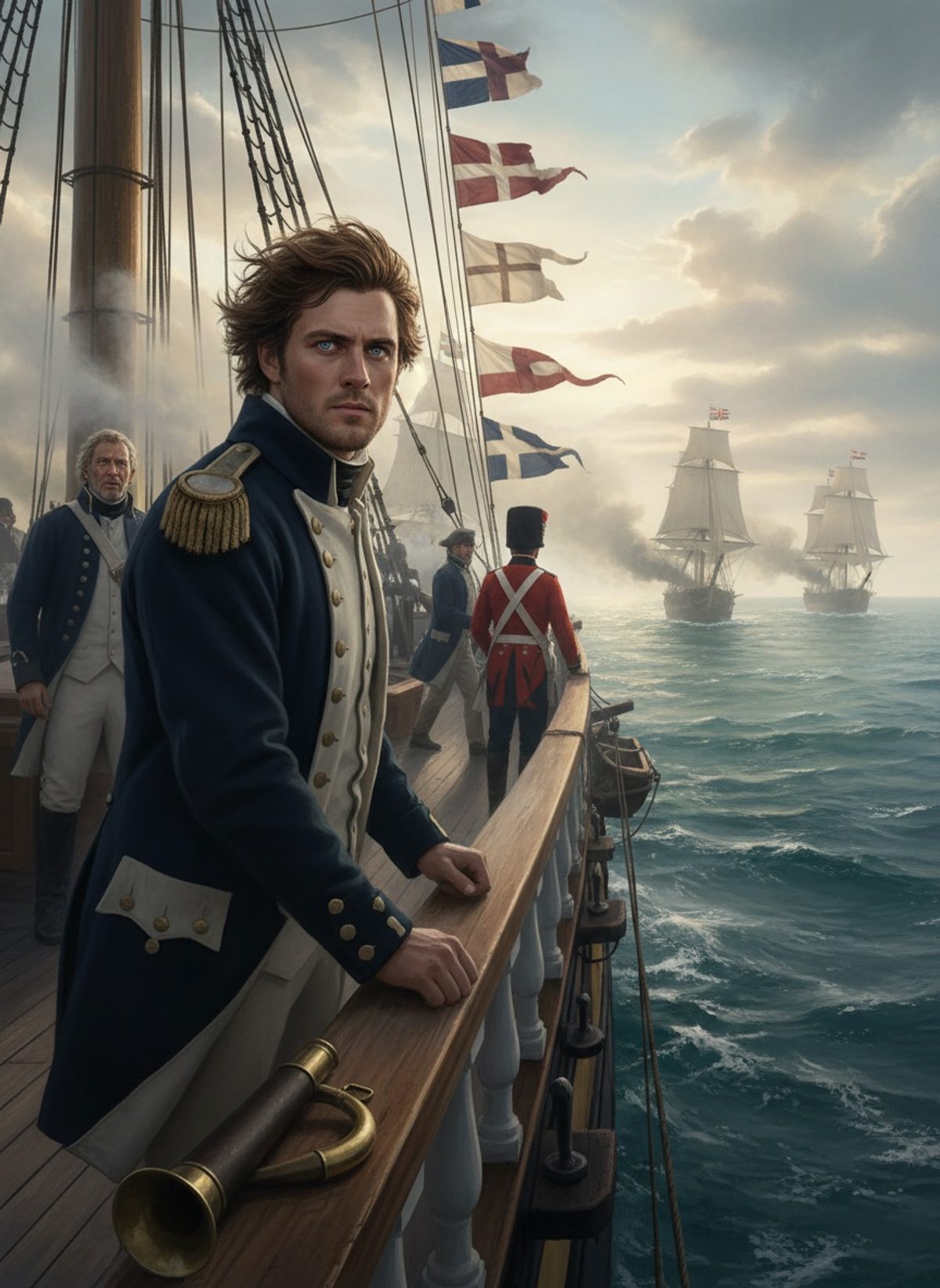
March 1811. Captain William Hoste faced a Franco-Venetian fleet of eleven warships. He had four frigates. He signalled one order. 'Remember Nelson.' Then he attacked.
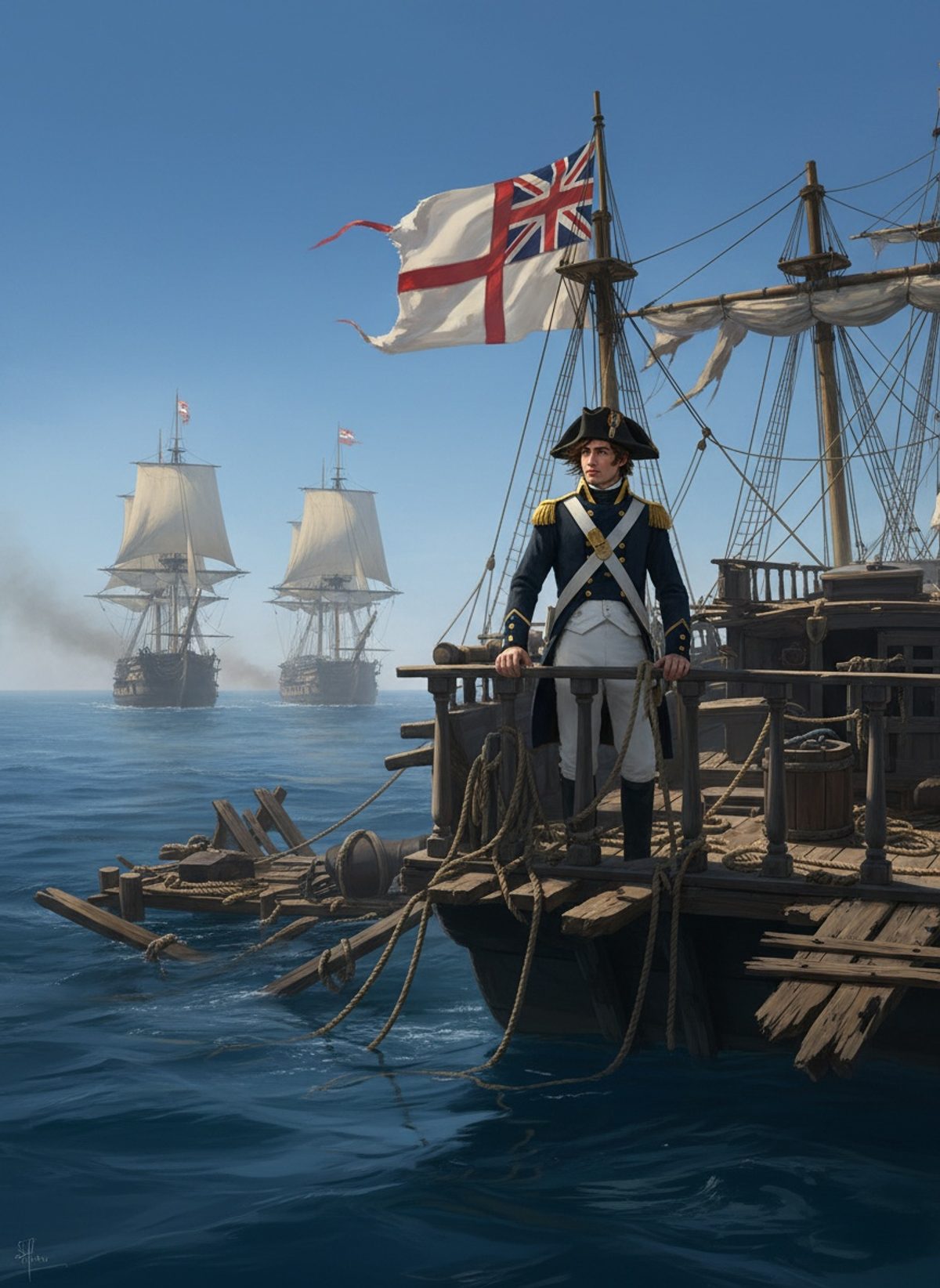
August 1801. HMS Speedy was done. Cochrane had no ammunition left. Three Spanish warships circled. He refused to lower his flag for two hours. Every minute bought his crew a chance.
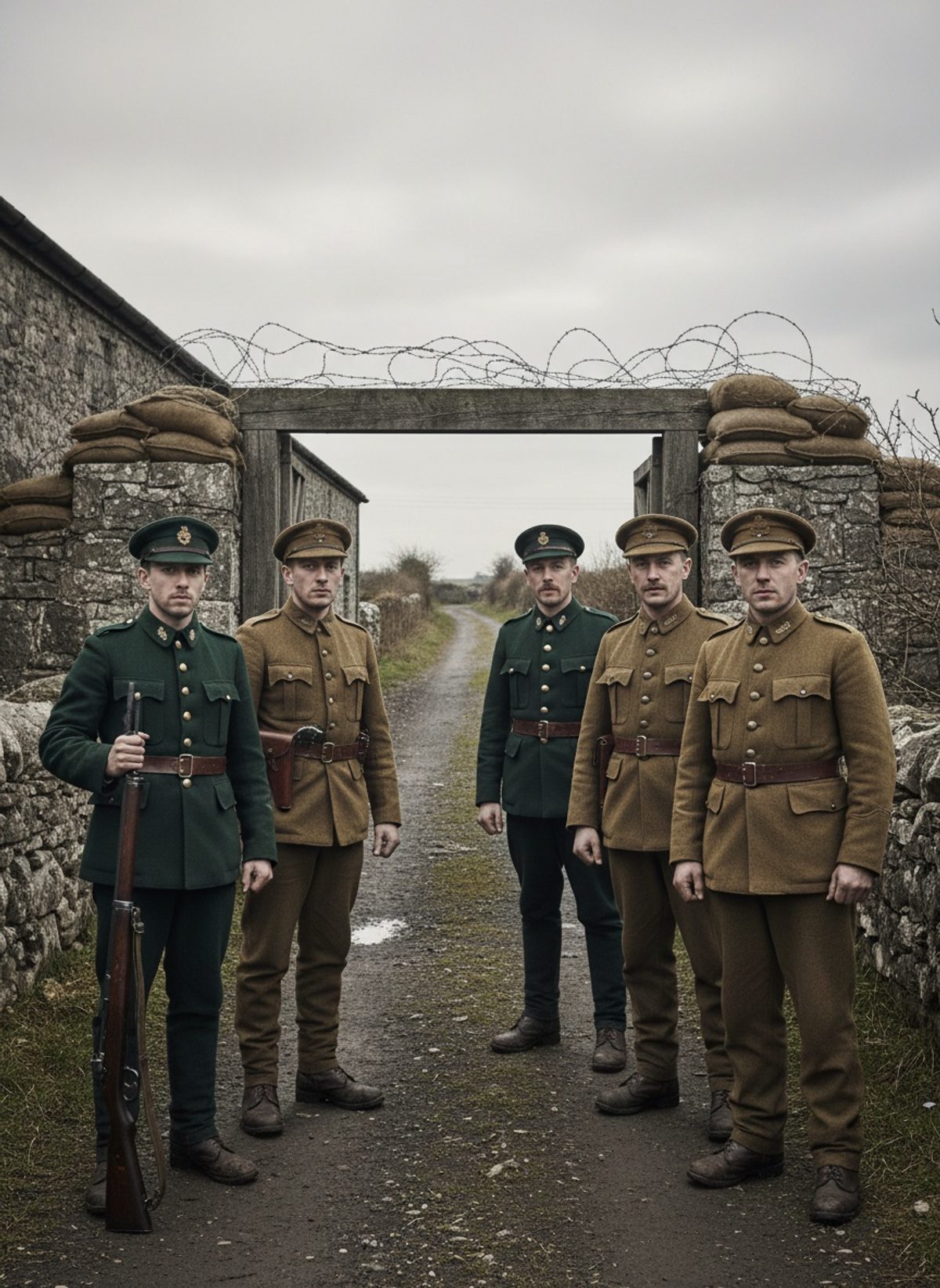
Britain needed men to hold Ireland. It recruited ex-soldiers, gave them mismatched uniforms, and unleashed them on a war they could not win. They became the most hated force in Irish history.
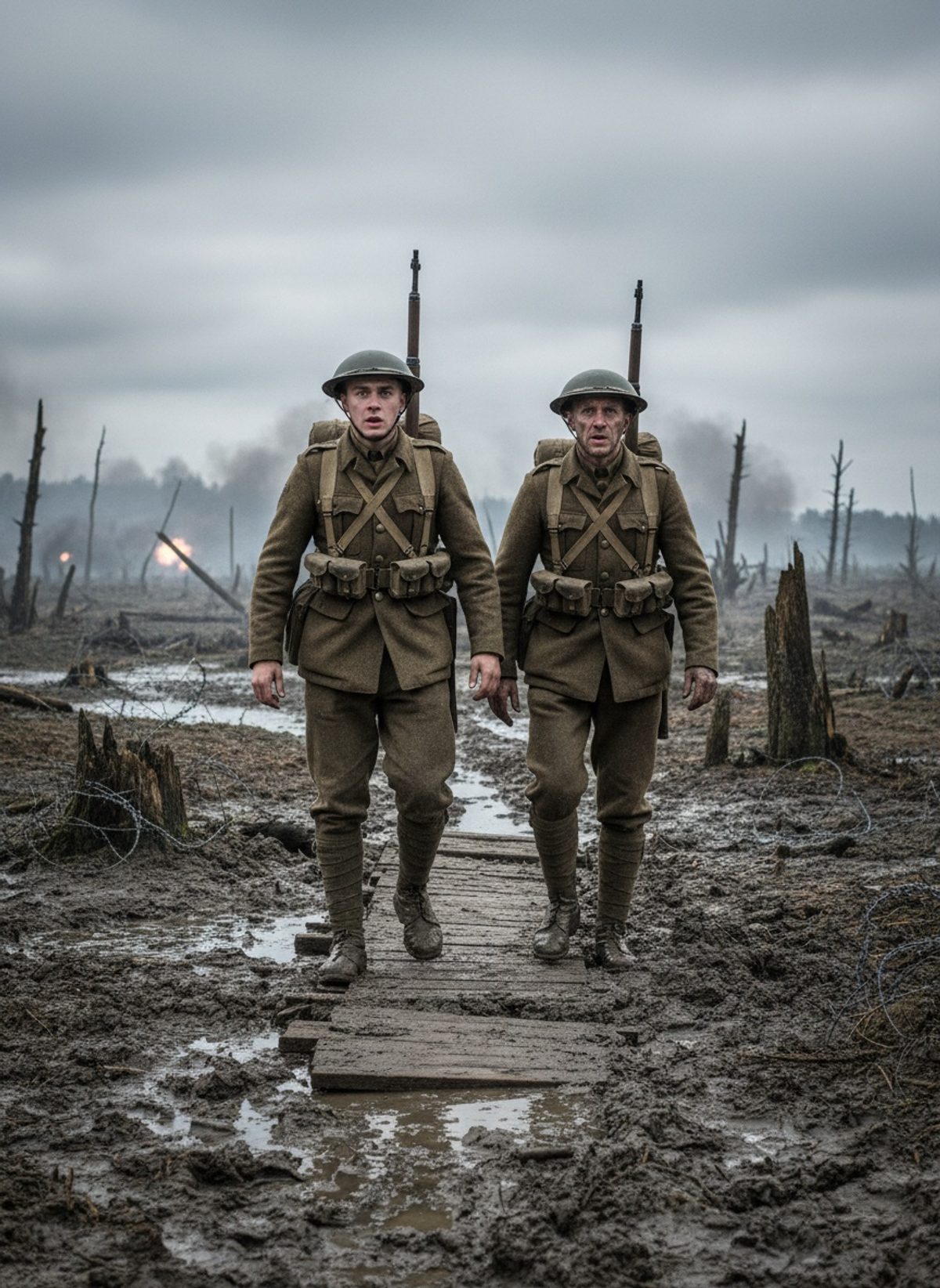
31 July 1917. The guns had roared for two weeks. Then the rain came. The drainage was gone. The battlefield became a swamp. And British soldiers drowned in it.
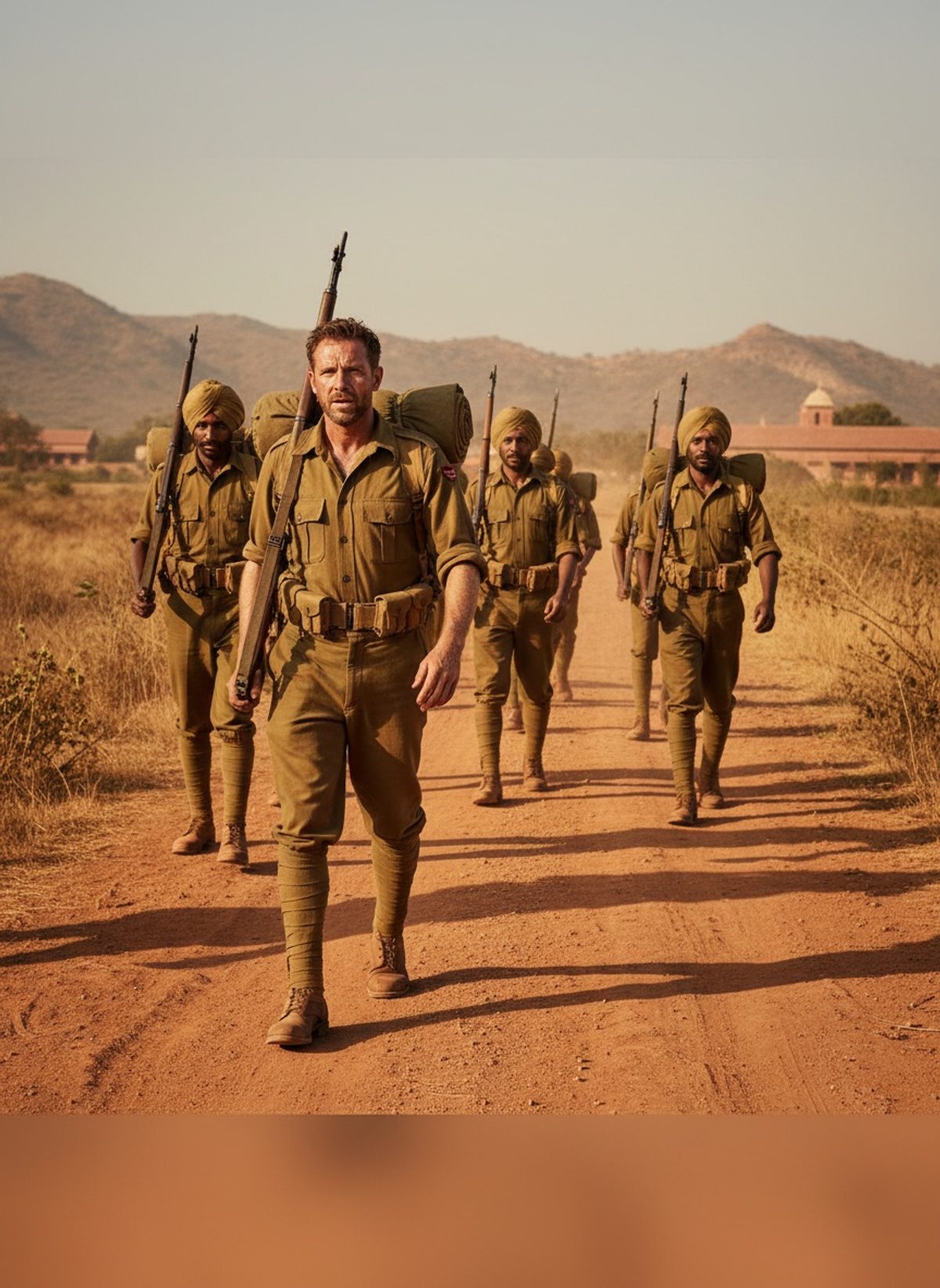
British officers stripped of rank. Given a rifle and a pack. Told to march with their men. The Indian Army called it a leadership course. The men who survived it never forgot it.
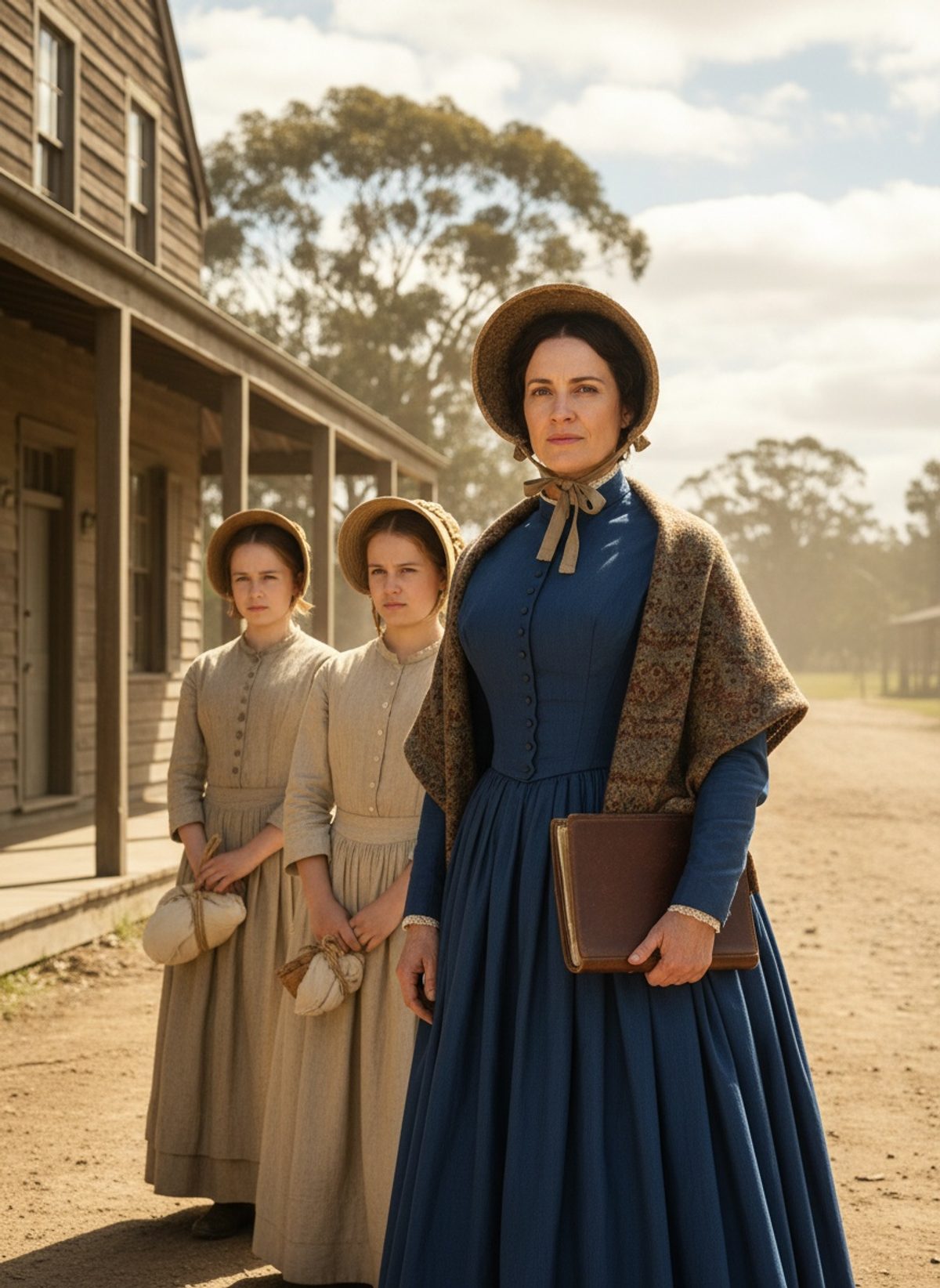
1841. Thousands of young women arrived in Sydney with nowhere to go. One woman refused to accept it. Caroline Chisholm walked the roads herself. She found them work. She found them homes. She changed a colony.
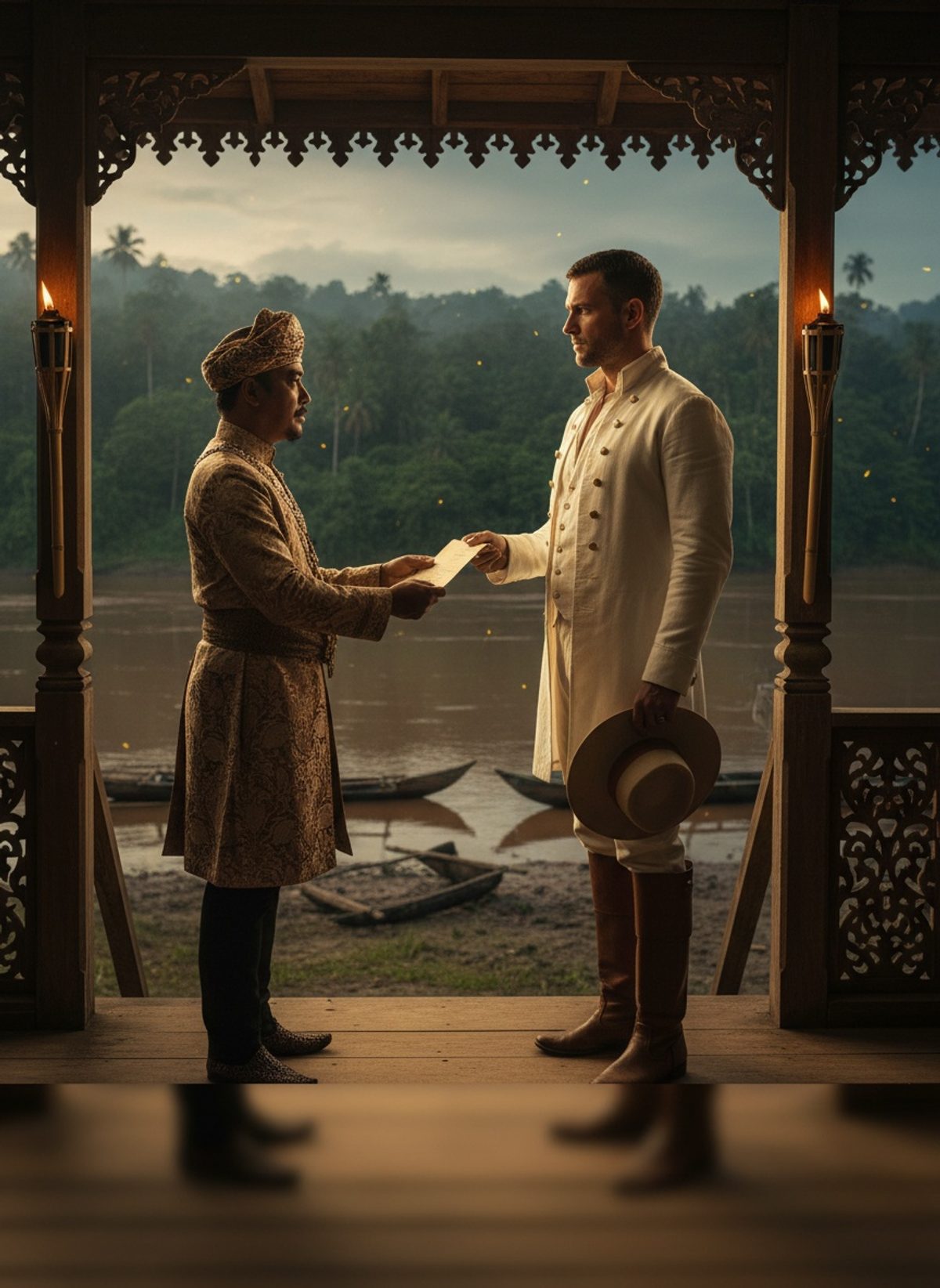
1841. James Brooke sailed to Borneo with one ship and forty men. He crushed a pirate rebellion. The Sultan of Brunei offered him a kingdom. He accepted. One English adventurer ruled a land the size of England for the rest of his life.
After Waterloo, Britain policed every ocean on earth. Alone. The Royal Navy's budget dwarfed every ally's contribution combined. Britain paid. The world traded safely. Nobody said thank you.
He served 13 years. Six deployments to the same war. On his last tour, the helicopter never made it down. Private John Sherwood didn't come home either. The worst 24 hours in a generation.
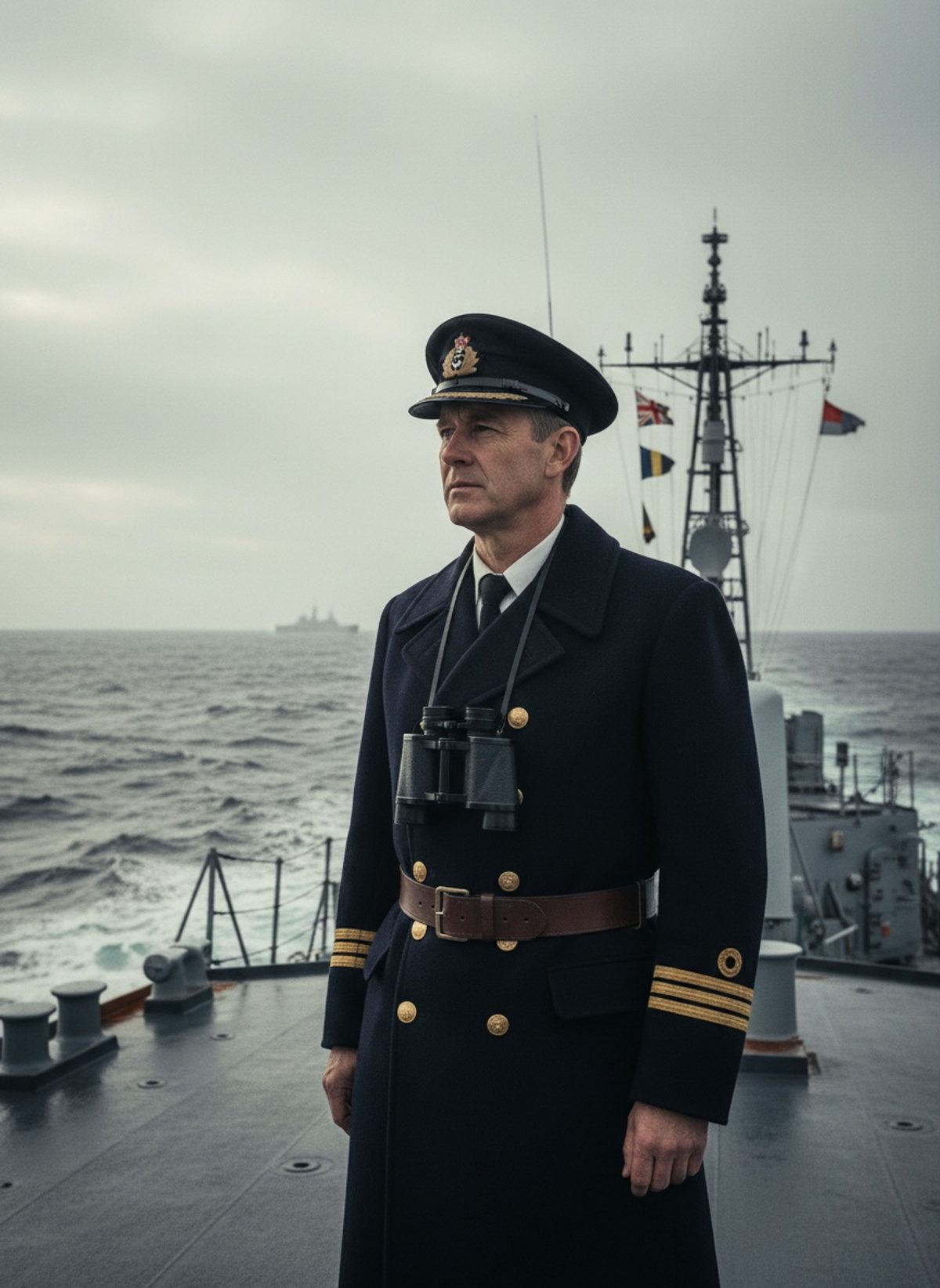
June 1940. France surrendered. America stayed home. The Empire stood alone. Churchill knew the brutal truth: Britain had no guarantees. Only the sea and its own nerve stood between civilisation and collapse.
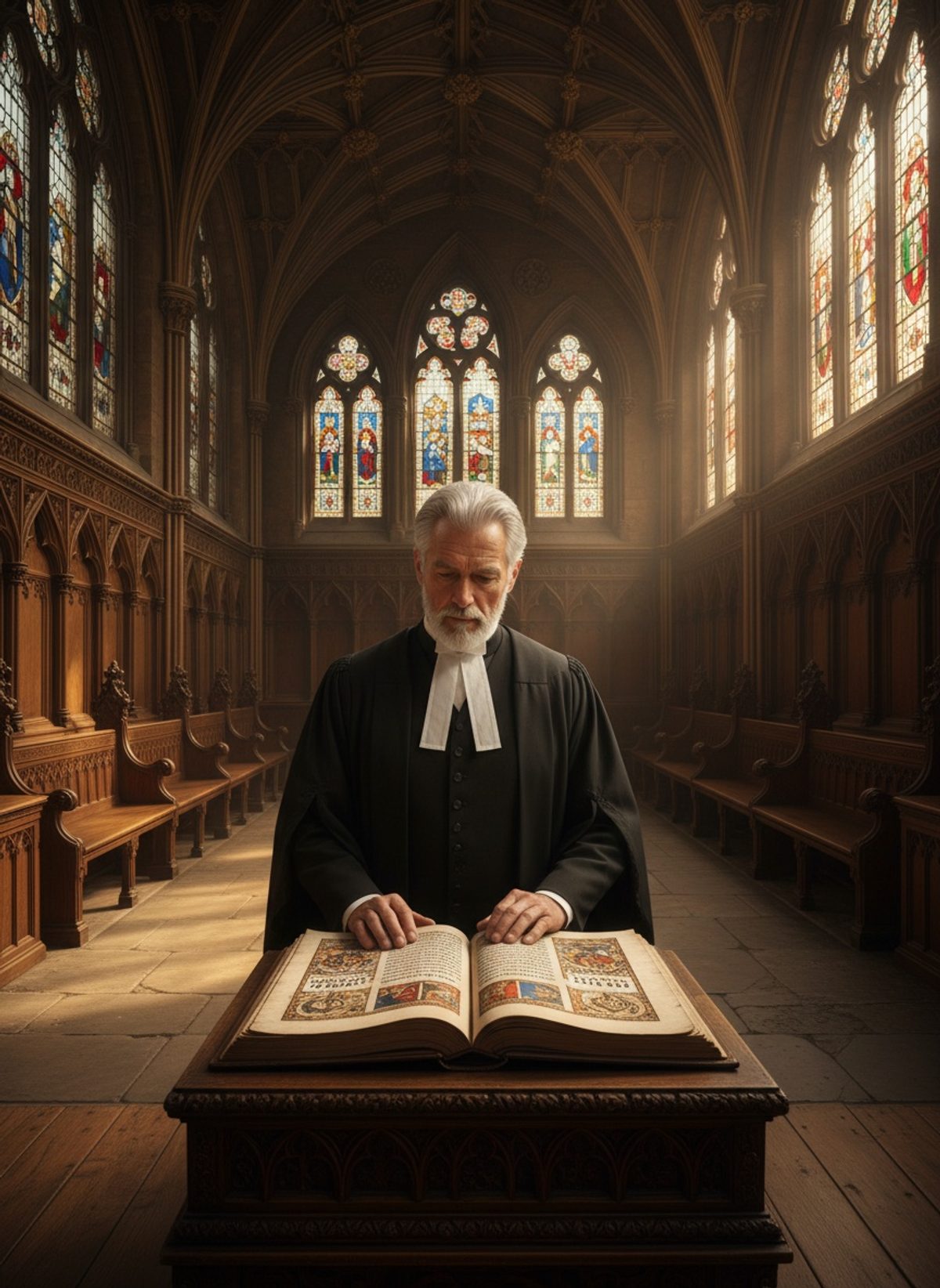
1840. A single document signed in New Zealand carried words written in London centuries before. Those words became the bedrock of a nation. They still are today. The common law travelled further than any army.
1865. Tibet was closed to all outsiders. A Himalayan schoolteacher walked in anyway. He counted every step. 2,000 miles. On prayer beads. He mapped a forbidden empire alone.
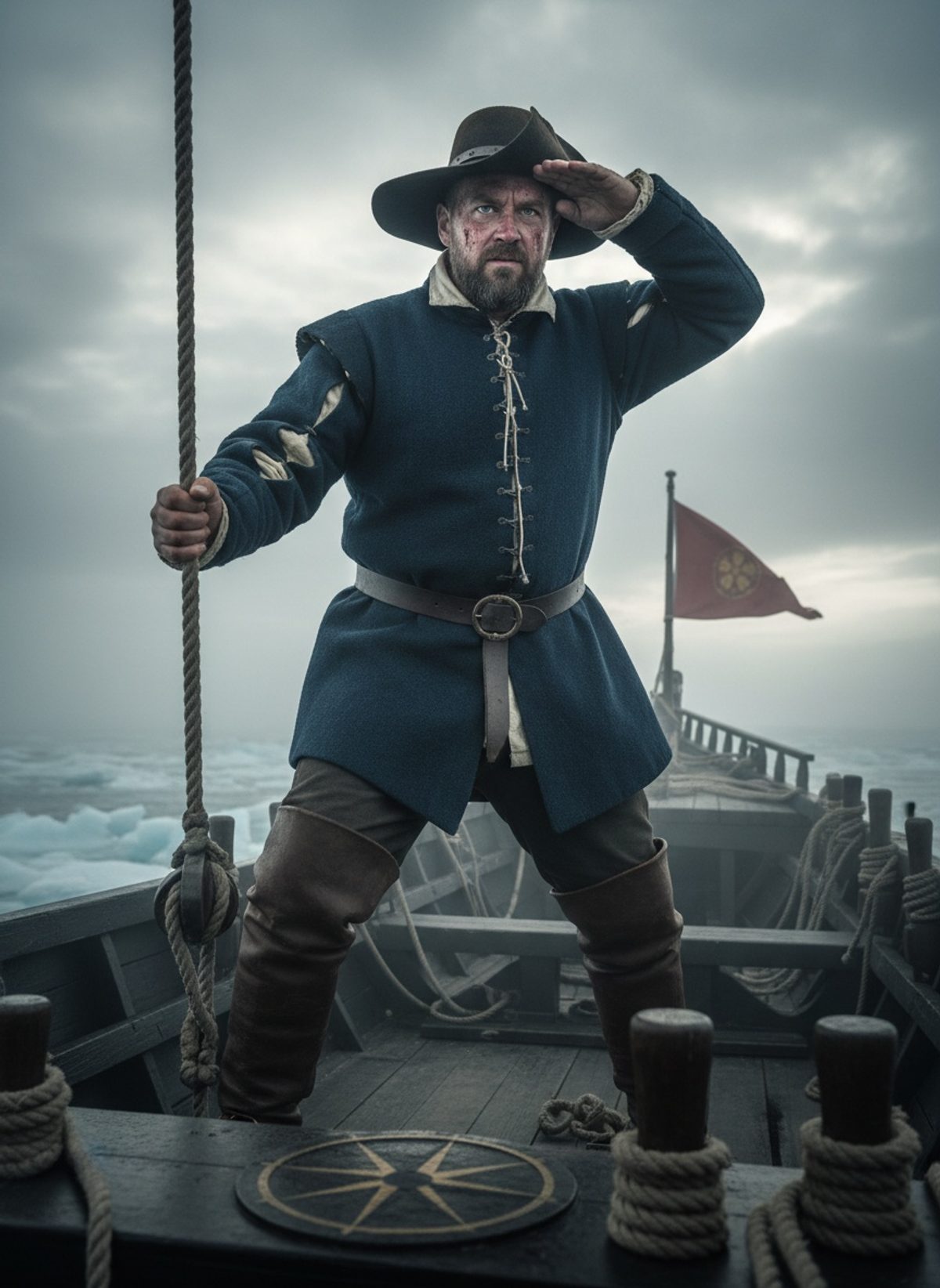
Summer, 1576. Martin Frobisher left England with three small ships. One sank. One turned back. He pressed on alone. He found a bay no Englishman had seen. He brought home black rock he thought was gold. England went mad.
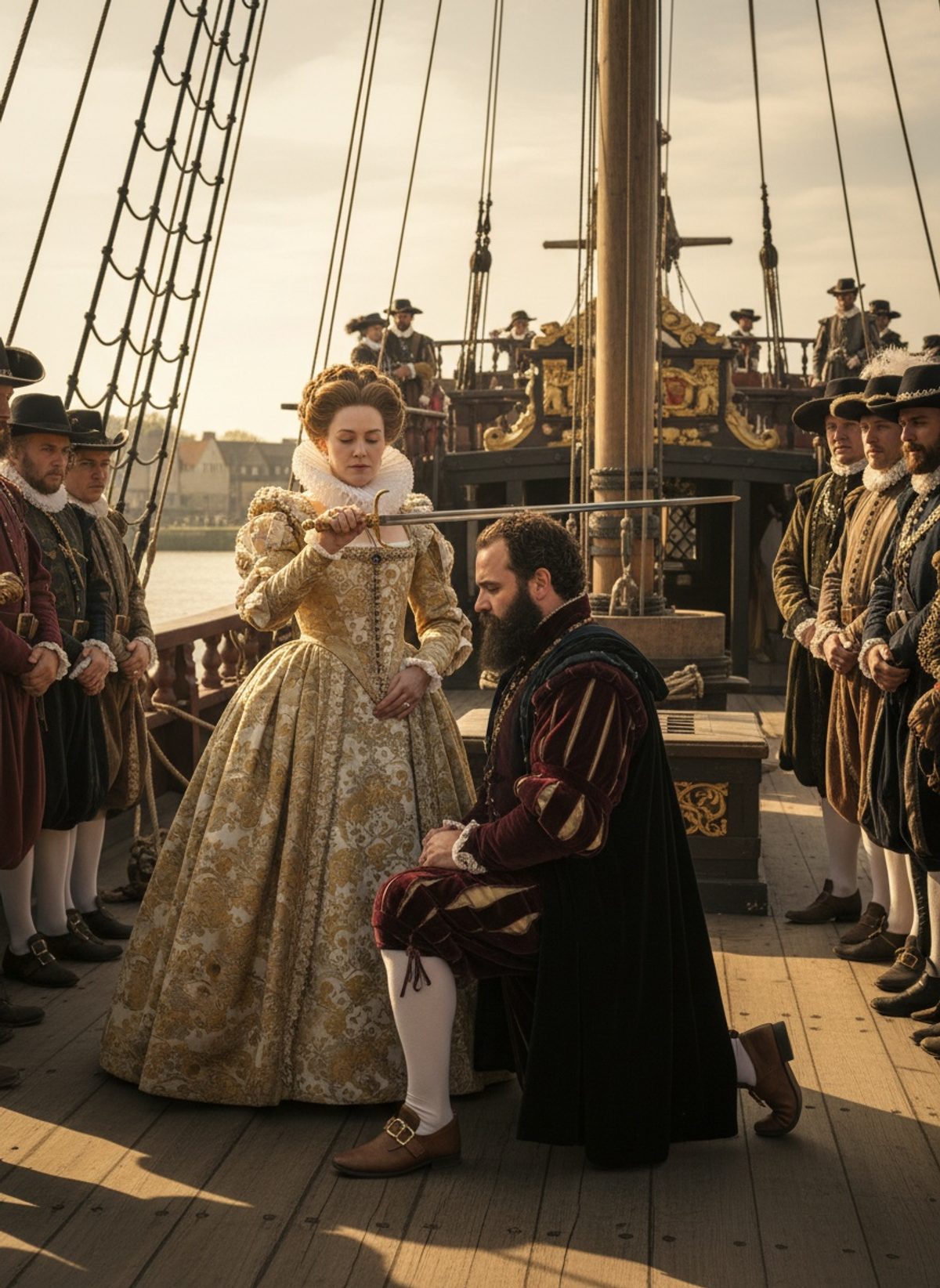
April 1581. Drake knelt on the deck of the Golden Hind. Queen Elizabeth raised a gilded sword. She dubbed him knight. Spain had demanded his head. England made him a legend.
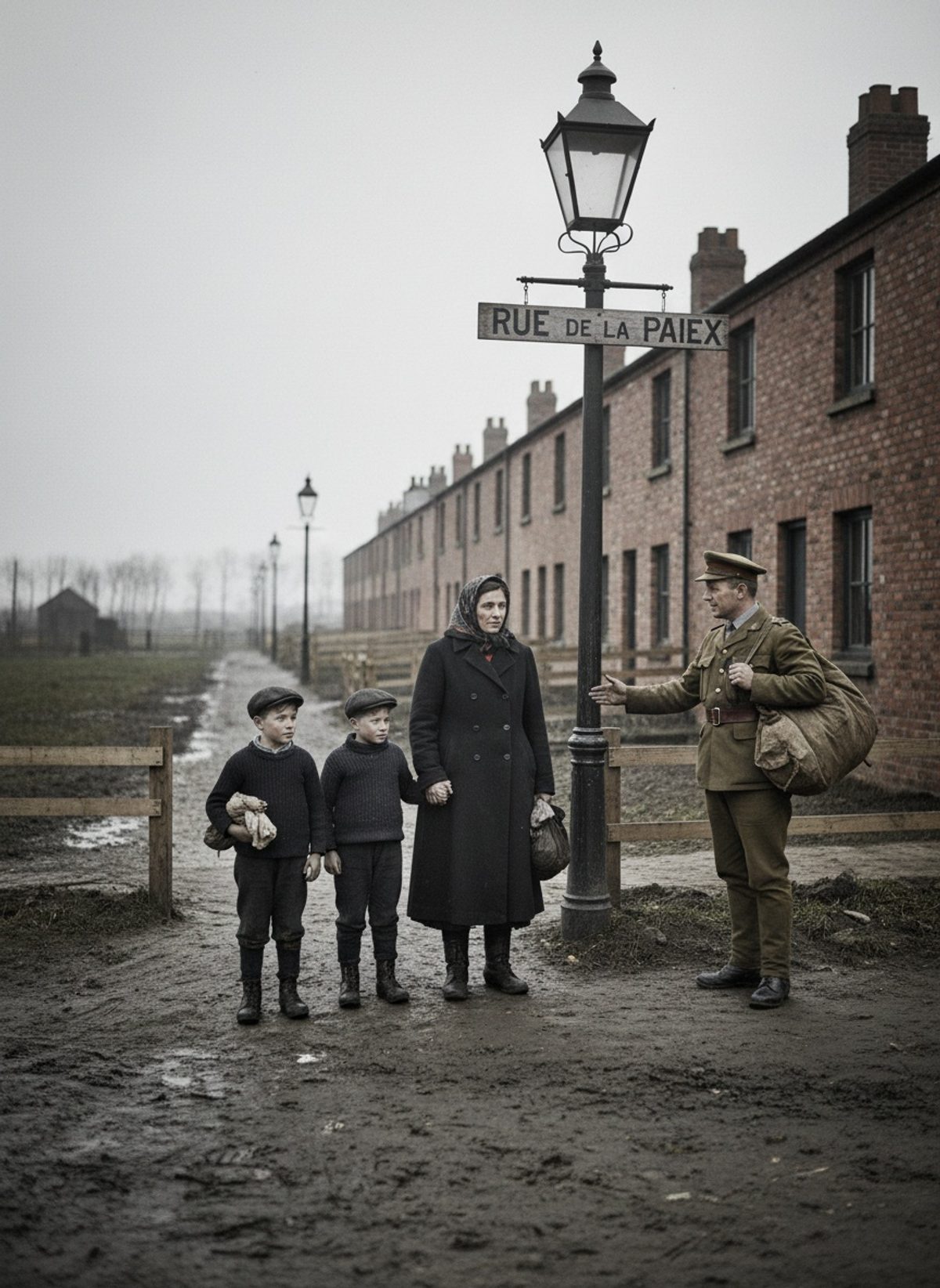
Germany invaded Belgium. A quarter million Belgians fled to Britain. For most, a spare room. For thousands, something stranger: a brand new Belgian town — built on English soil, run under Belgian law.
April 1982. Argentina seizes the Falklands. Britain turns to Washington. But US support comes with a condition no one expected. An ally's ultimatum — dressed as friendship.
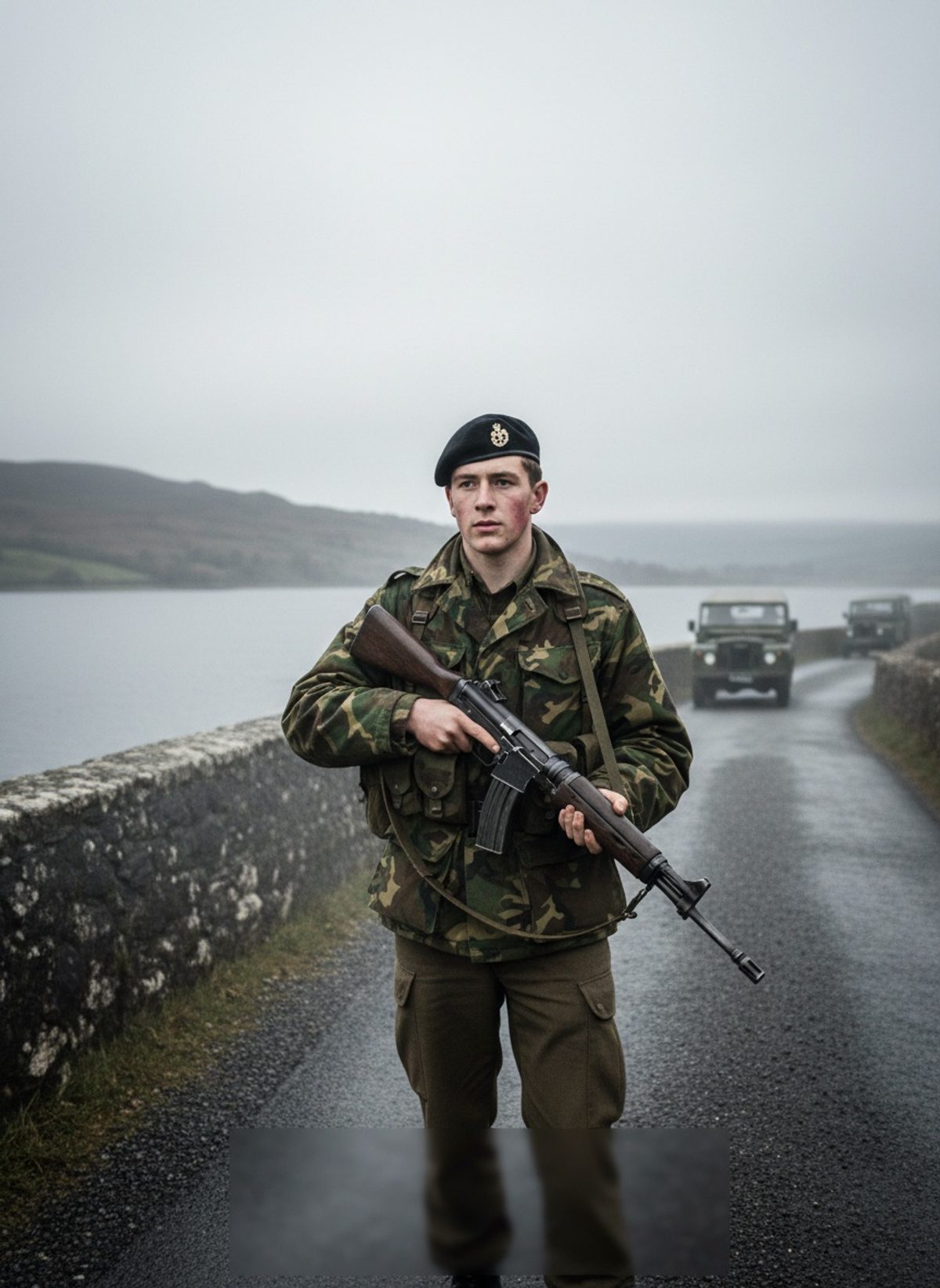
Two bombs. One convoy. Eighteen dead. The second blast was set to kill the rescuers of the first. August 1979. The deadliest single attack on British soldiers since the Second World War.
1215. A king knelt in a meadow. He signed. The words spread. Today 2.5 billion people live under laws born in that field. One document. One moment. The whole world changed.
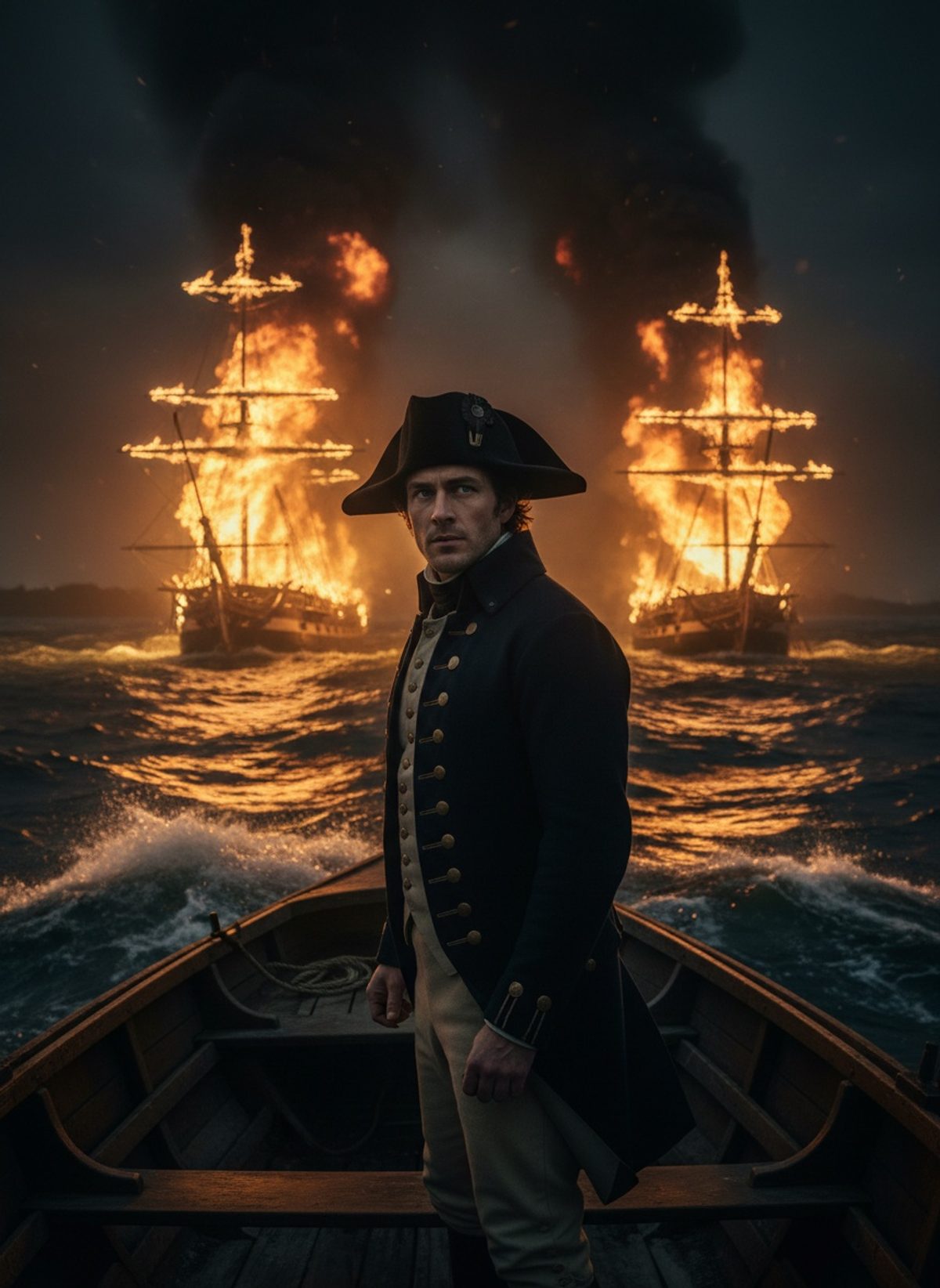
April 1809. Napoleon's fleet sheltered behind a boom at Basque Roads. Lord Cochrane lit his fireships and sailed them in alone. The French cut their anchors and ran. One man broke a fleet.
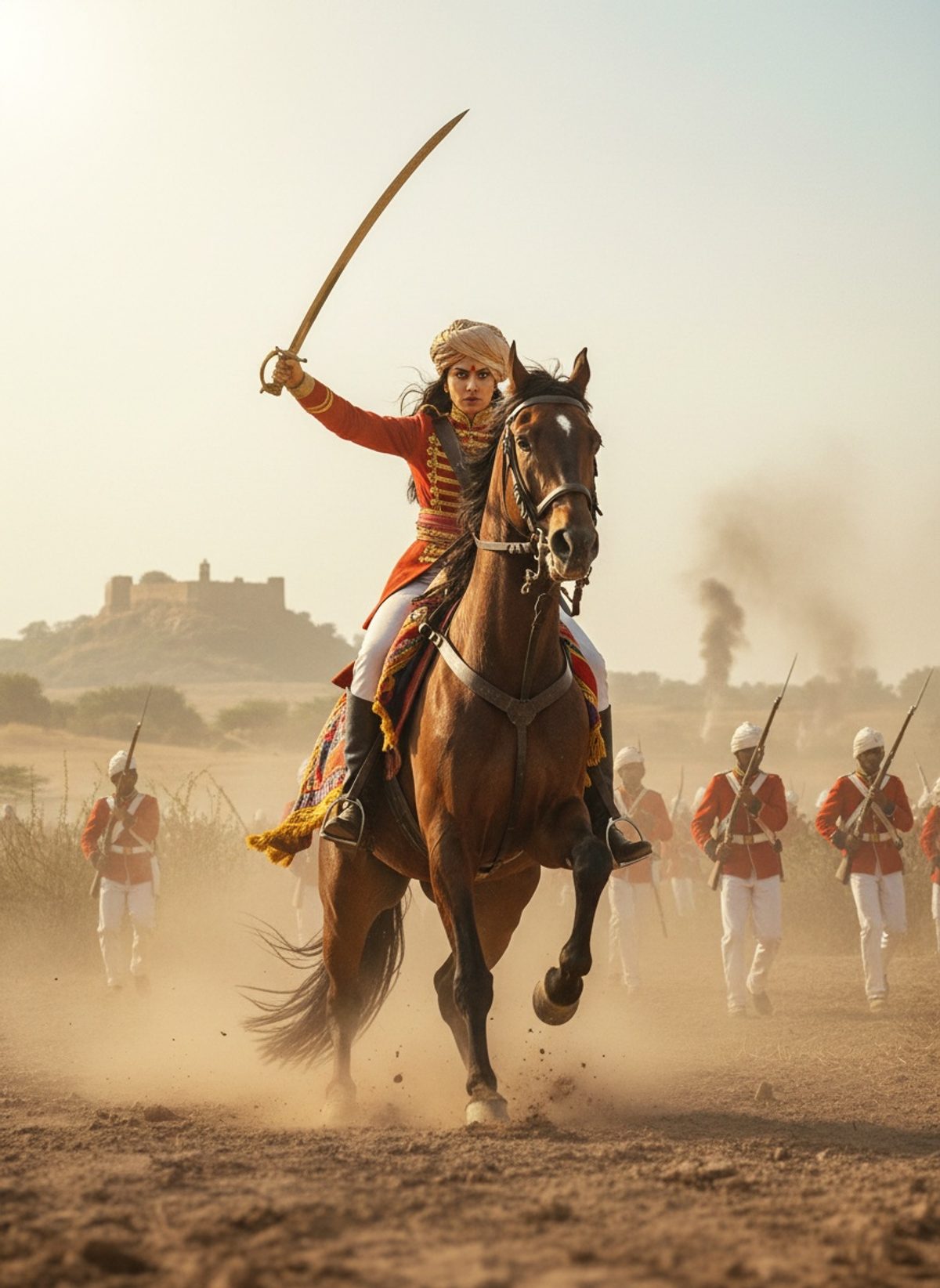
June 1858. The Rani of Jhansi was surrounded. Her city had fallen. Her army was broken. She dressed as a soldier. She charged anyway. The British called her the most dangerous of all their enemies.
Hand-picked from Britain Untold's archive. The stories you weren't taught at school. 3-minute read.
No spam. Unsubscribe in one click. We hate spam too. Privacy Policy.