The British Empire — the forgotten chapters · page 6 of 22
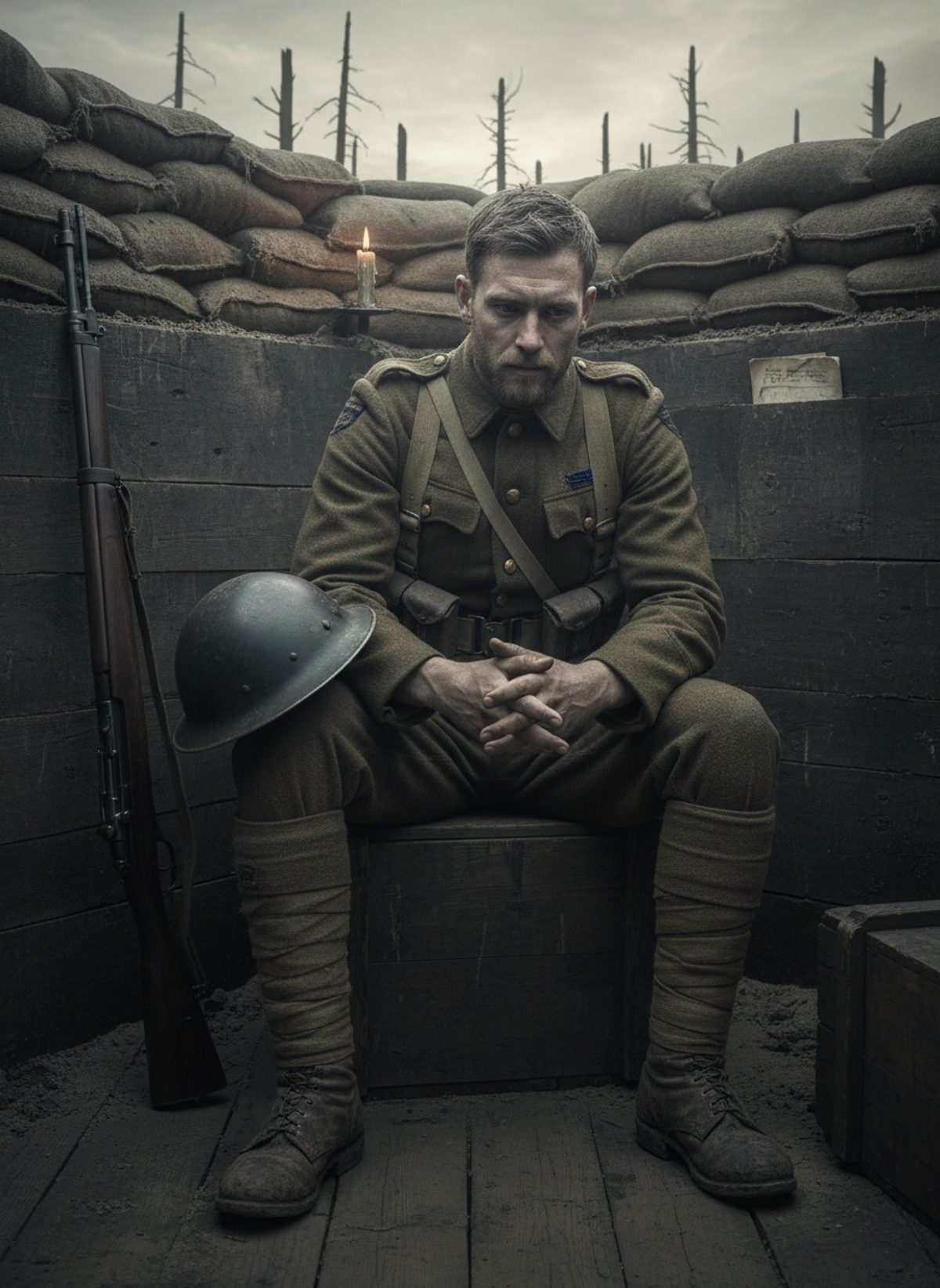
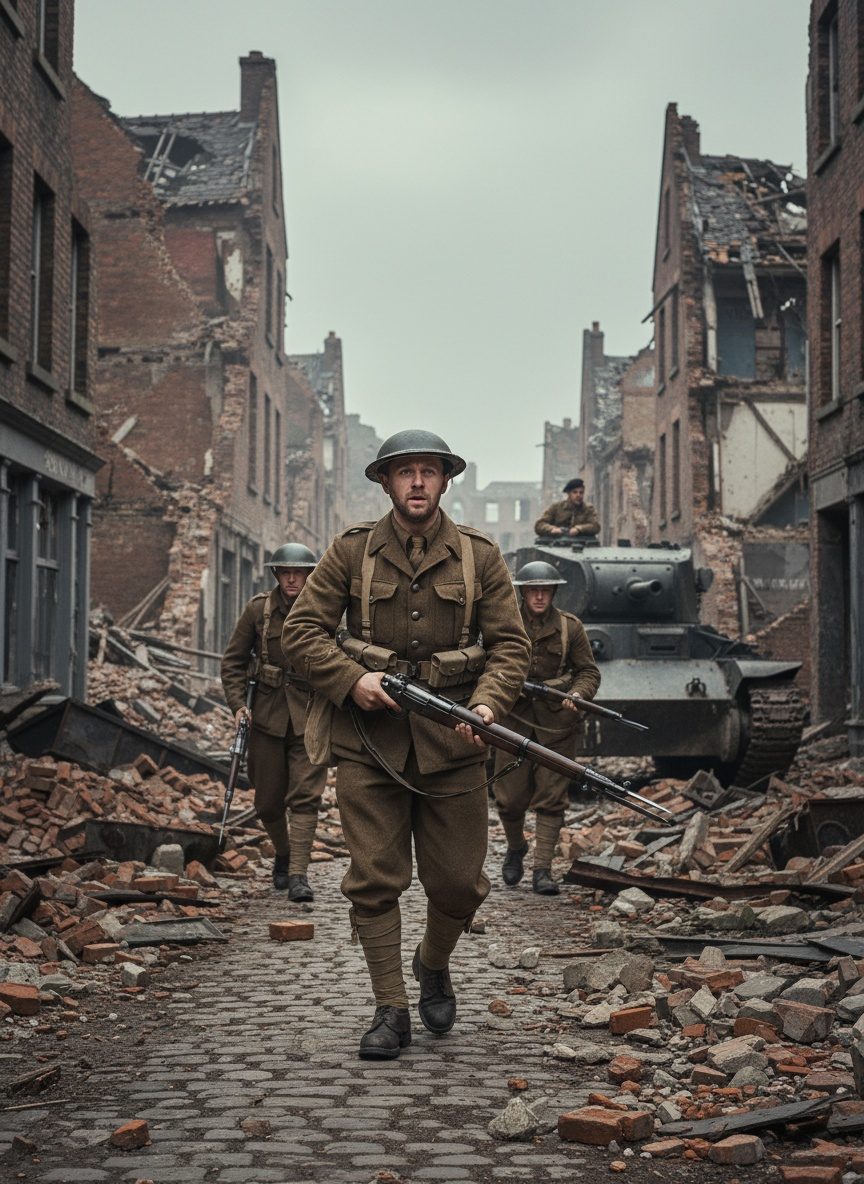
They followed orders all the way to France. Then one wrong order broke them. Britain's answer was a firing squad. These men are still waiting for justice.
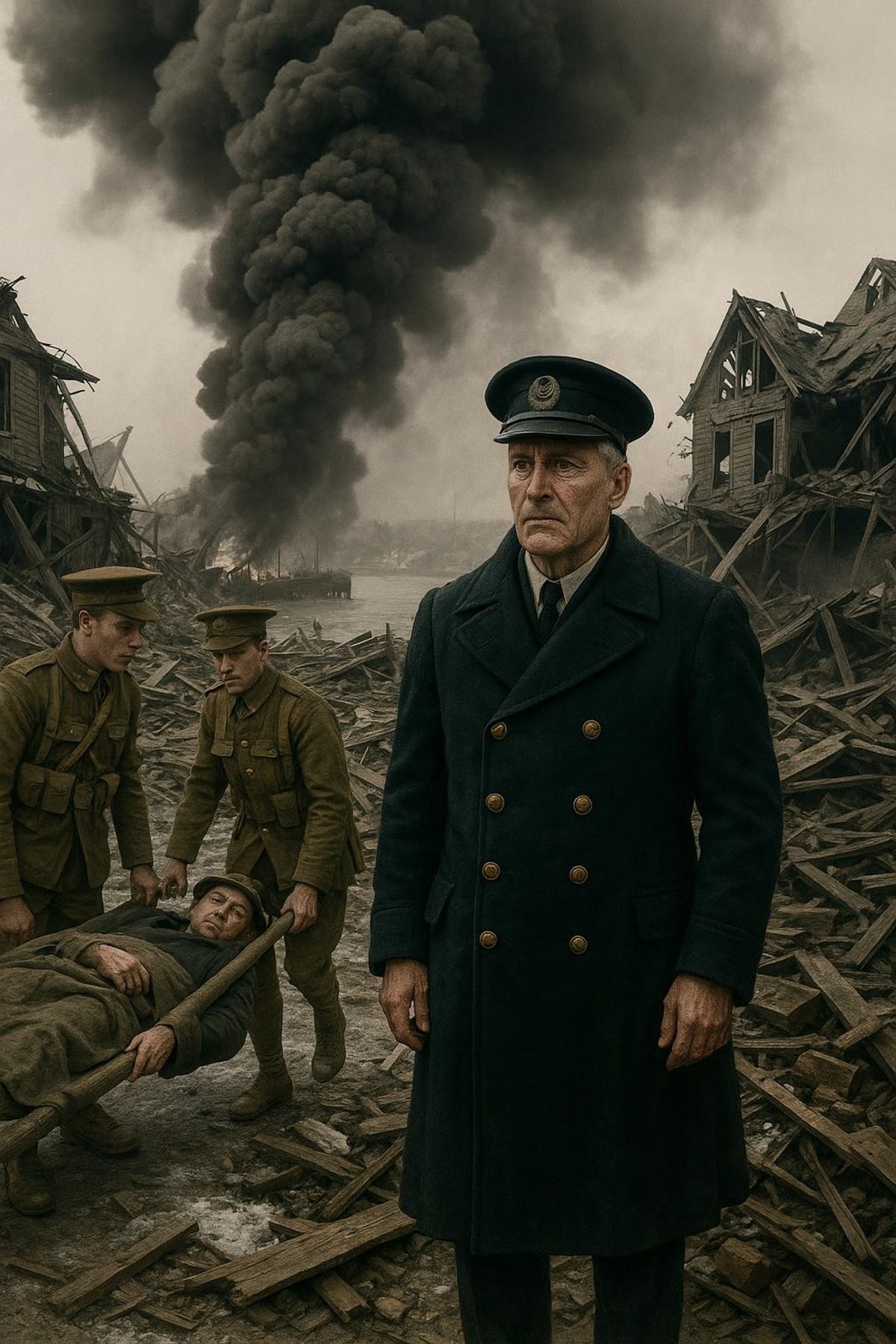
A French munitions ship. A Belgian relief vessel. One harbour. The collision took seconds. The explosion that followed was the largest man-made blast in history — before the atomic age.
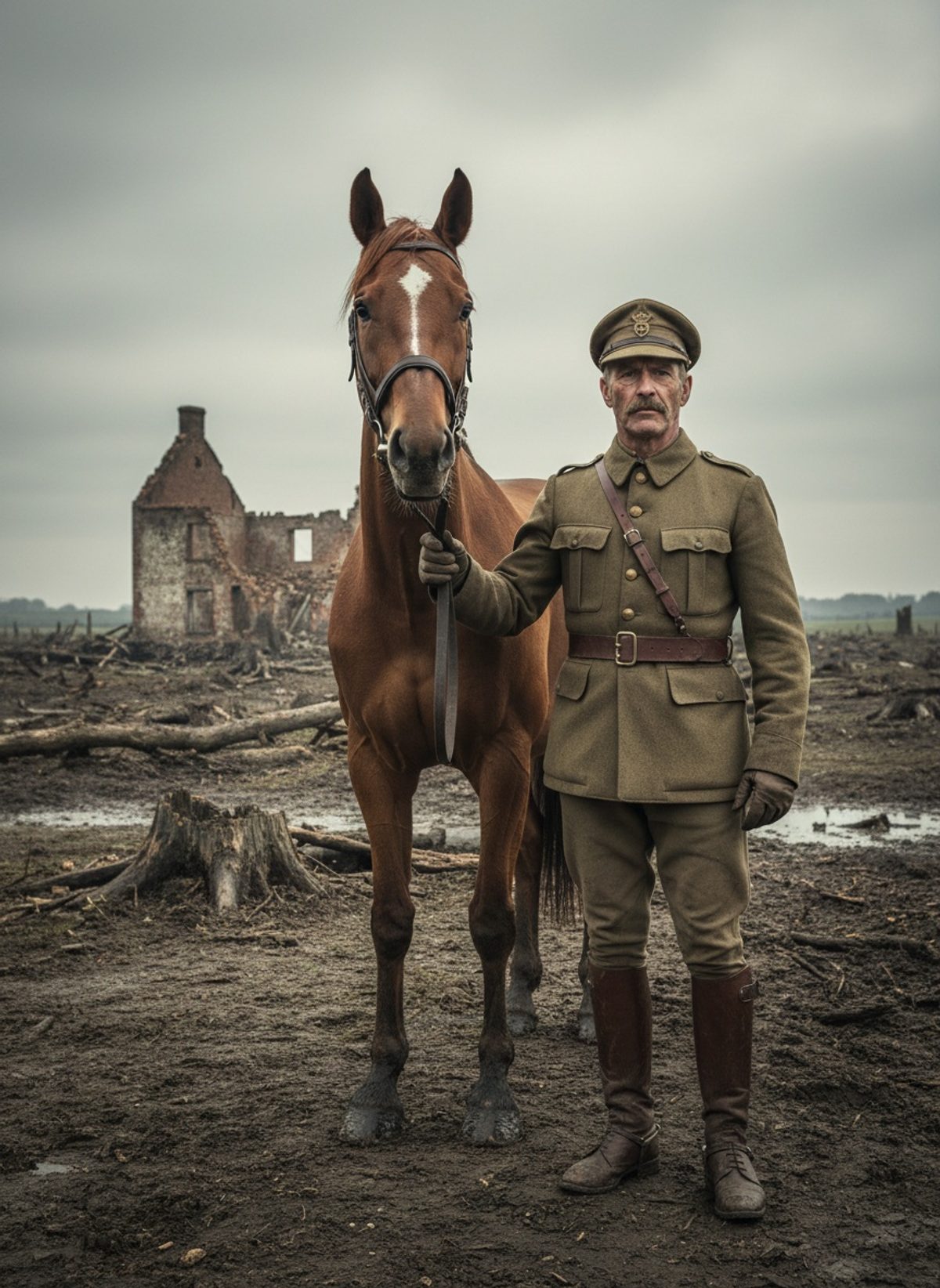
Britain sent hundreds of thousands of horses to the Great War. Almost none came back. One did. His name was Warrior. And his story broke a nation's heart.
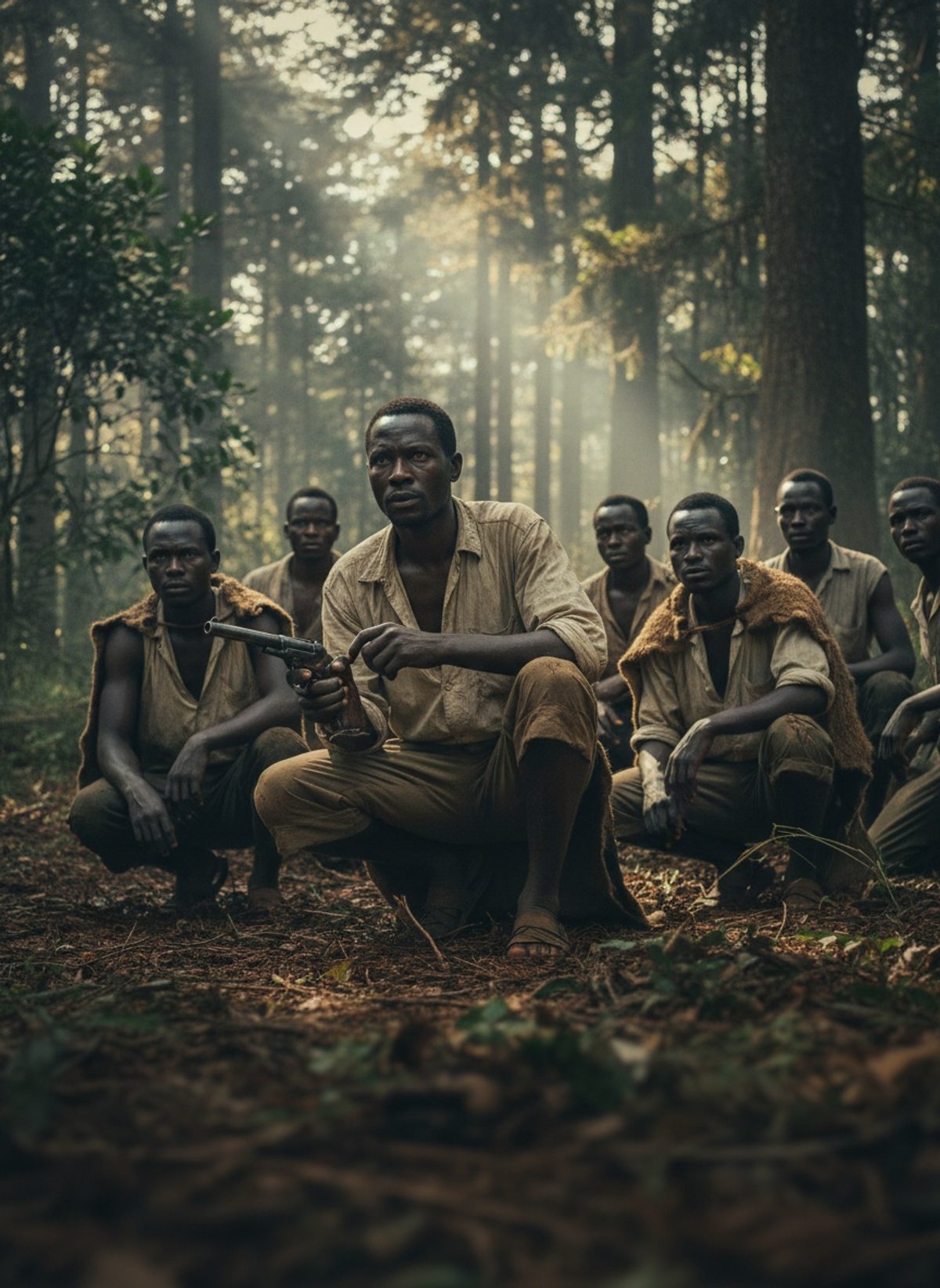
Kenya, 1952. The forests of Mount Kenya hid something the Empire had not expected. Armed men. Oath-bound. Refusing to yield. The Mau Mau uprising had begun. Britain would never look at Africa the same way again.
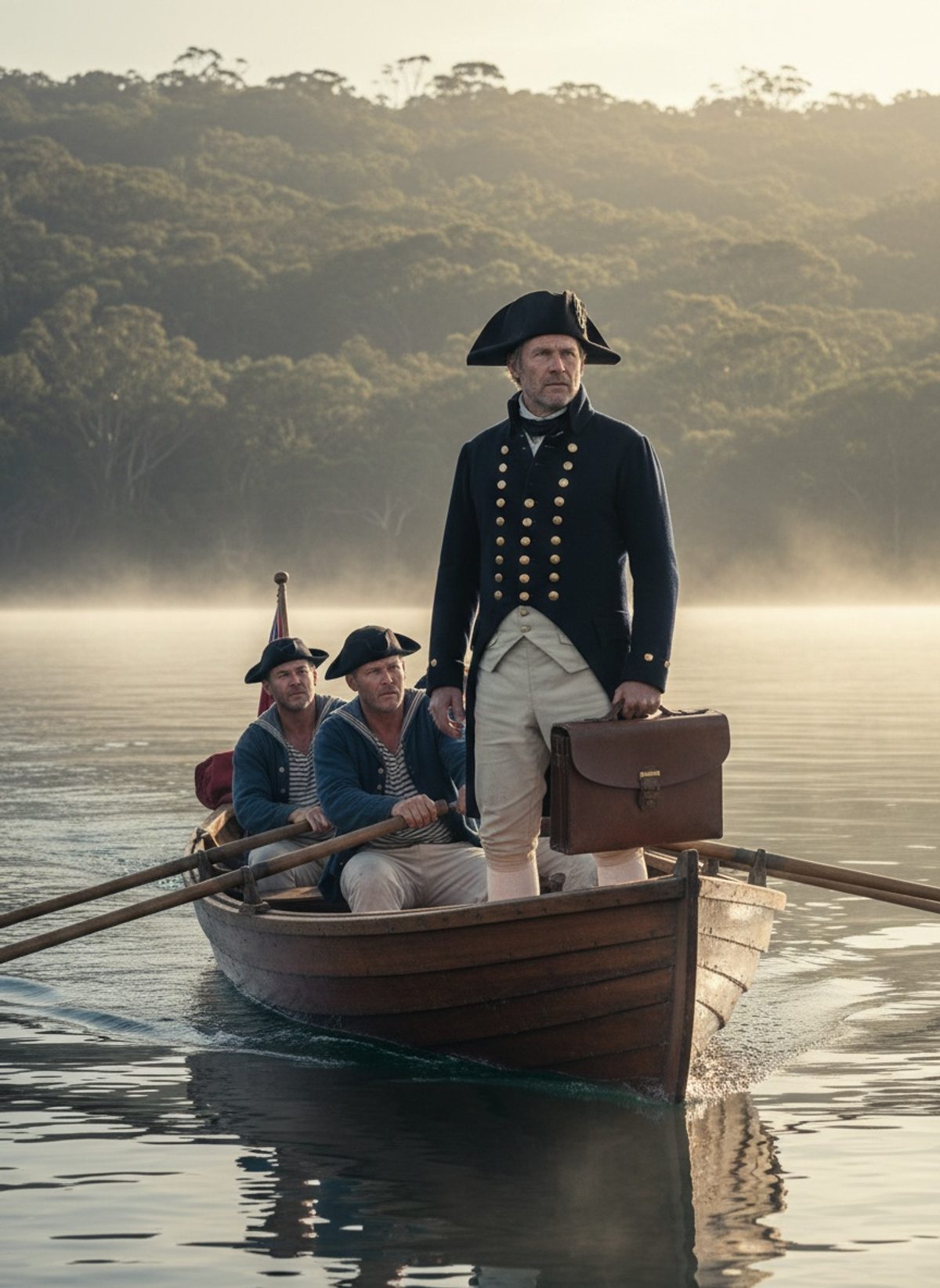
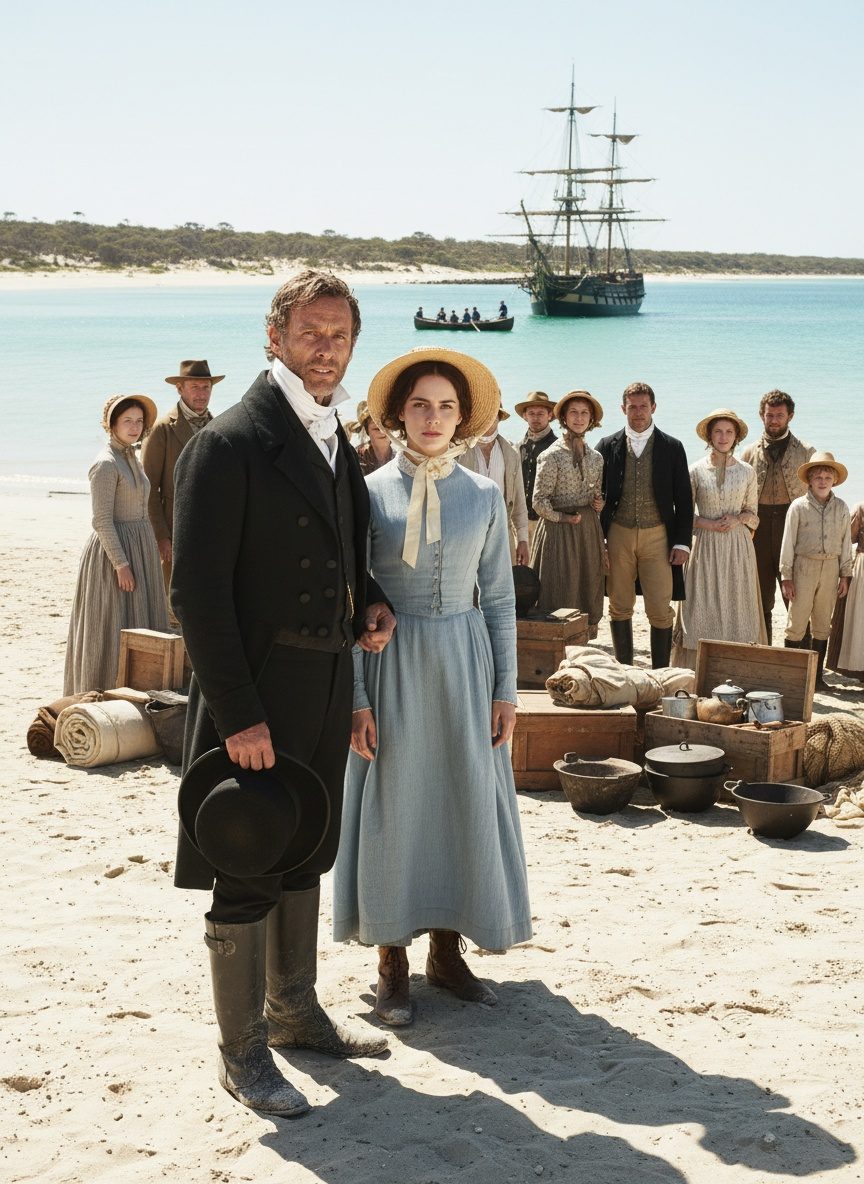
January 1788. A fleet of eleven ships anchored at Sydney Cove. With them came something no cannon could fire. English common law. Planted in Australian soil that day. It still grows there now.
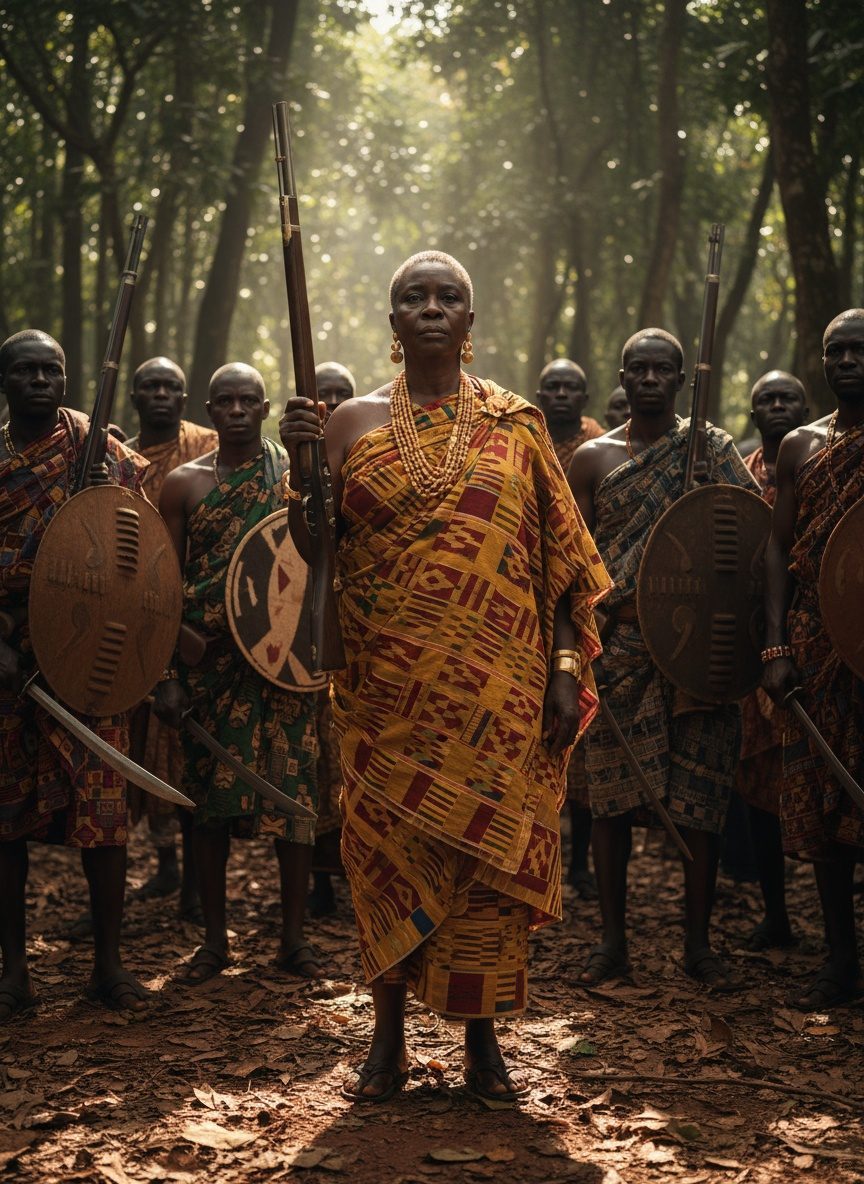
1900. The British had seized the Asante king. His chiefs sat silent. A queen mother rose. She shamed them. Then she picked up a rifle. And led the last great West African resistance herself.
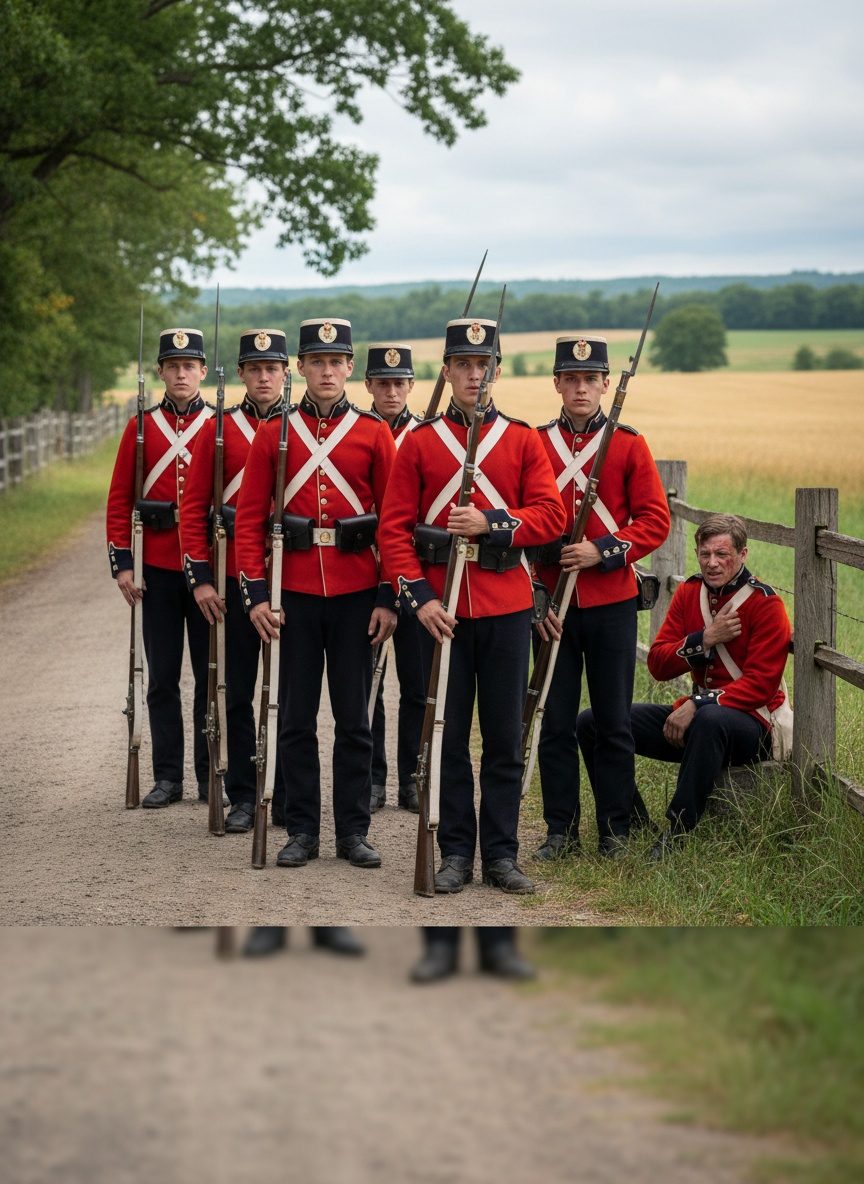
June 1866. Armed Irish-American veterans crossed the Niagara frontier. Young Canadian militiamen marched to meet them. Nine never came home. Canada was still a year from existing.
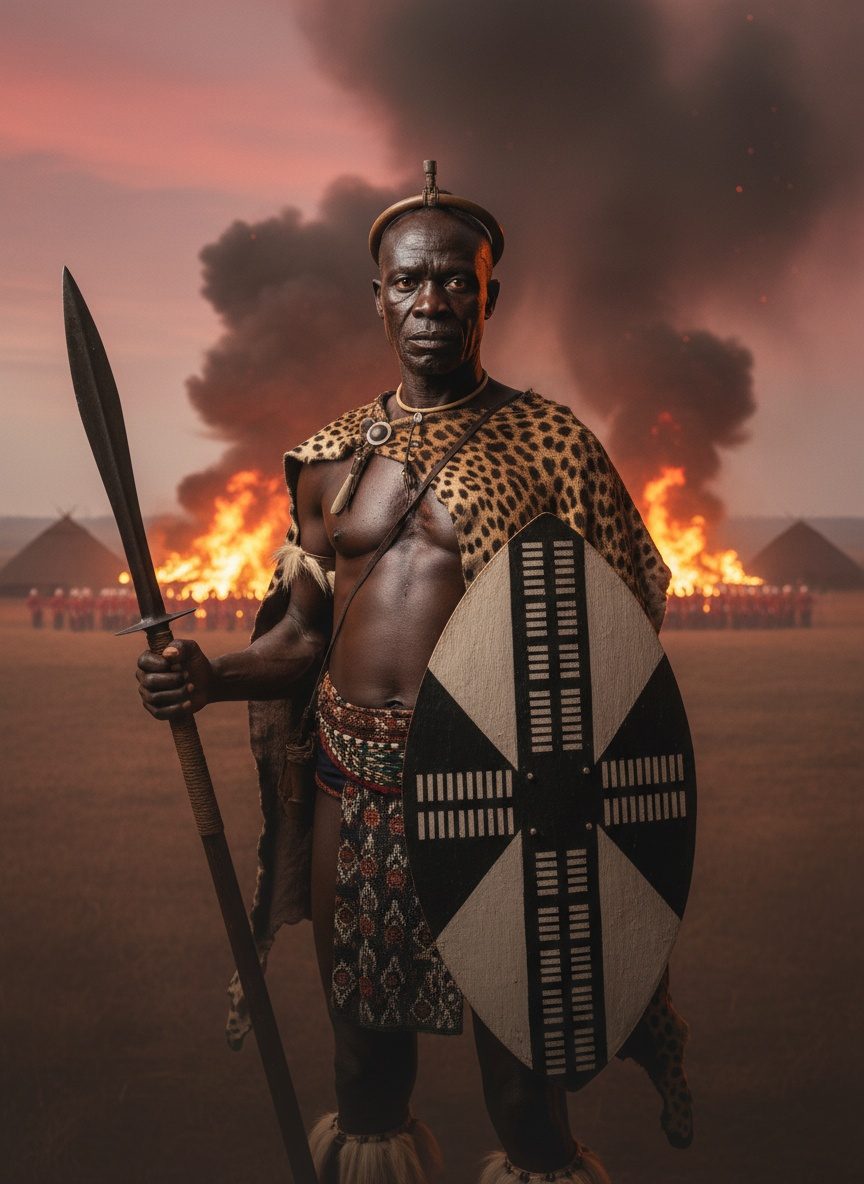
July 1879. The Zulu kingdom was broken. But one induna refused to flee. Ntshingwayo kaMahole had commanded at Isandlwana. Now he stood at Ulundi. He watched the flames take everything. He did not run.
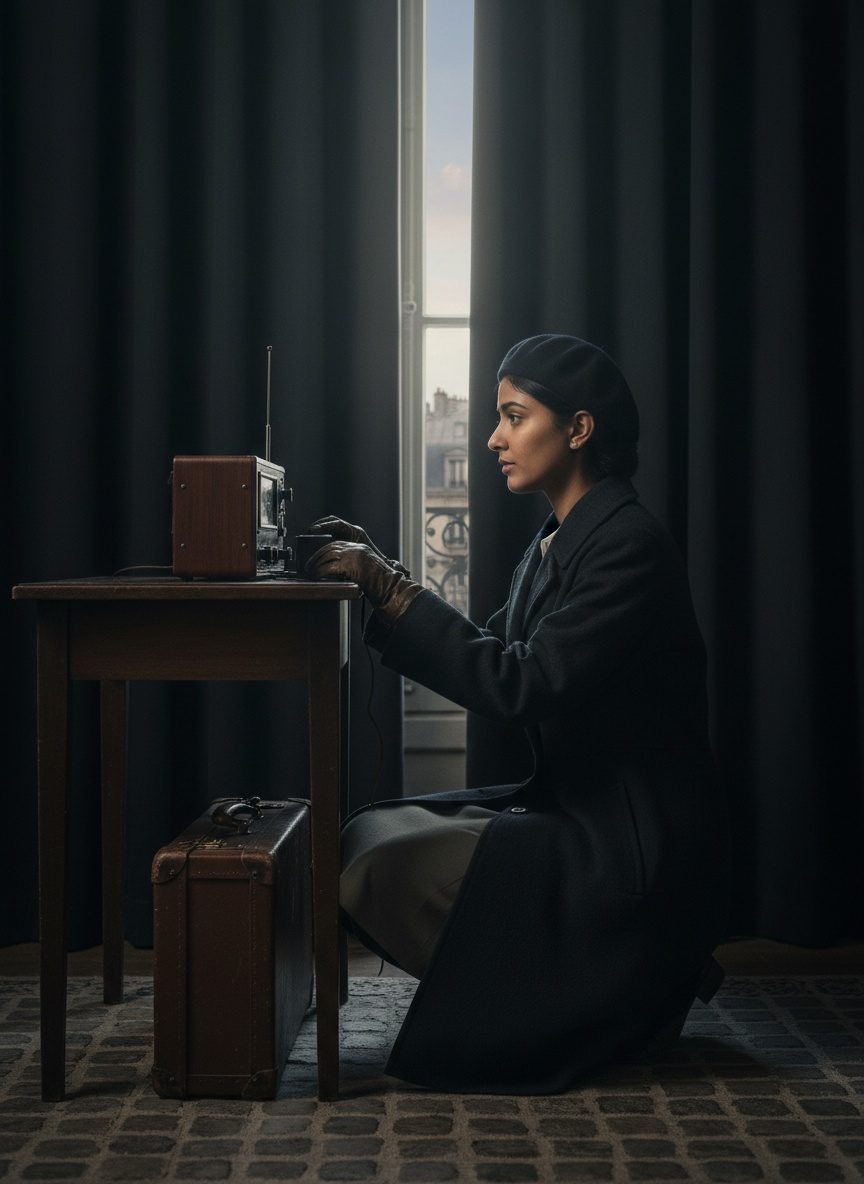
She was a children's book author turned secret agent. Sent into occupied Paris alone. Captured, she refused to talk. The Gestapo called her 'highly dangerous.' She never gave a name.
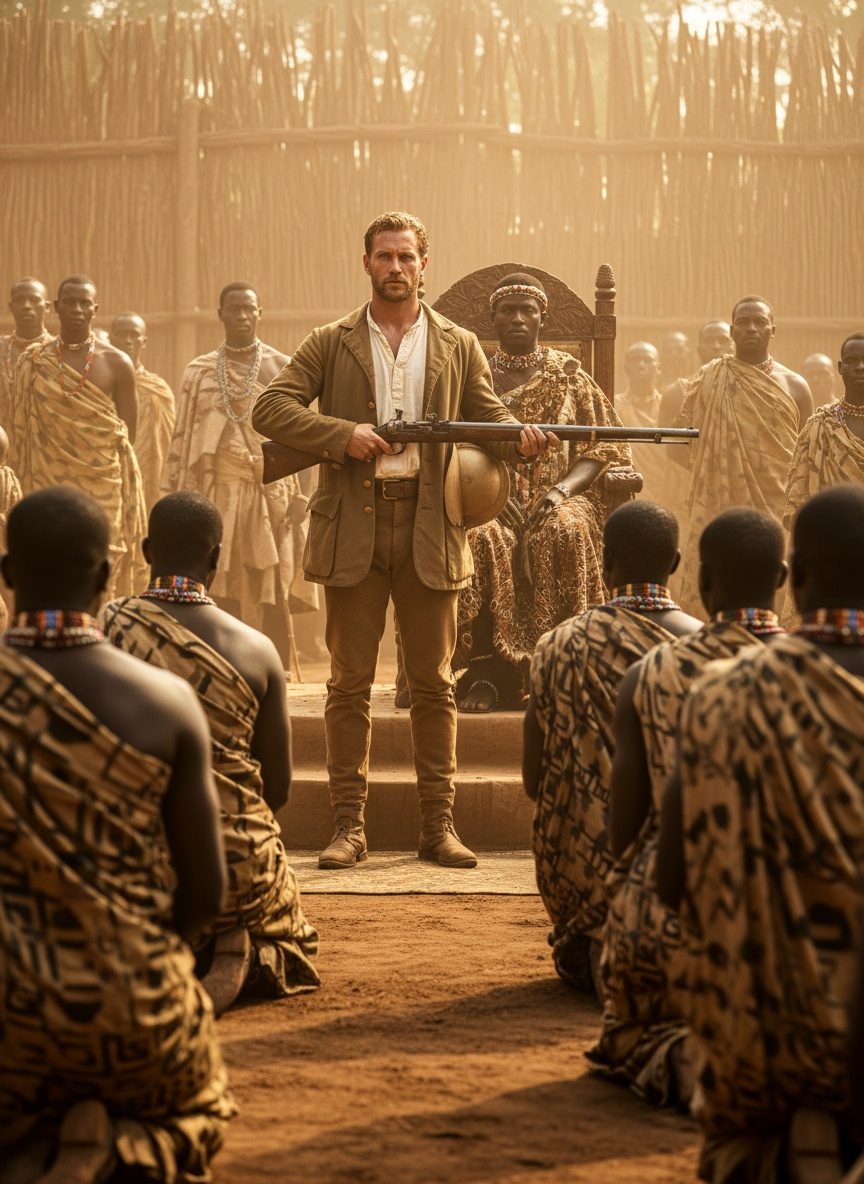
1862. Speke stood before Mutesa, Kabaka of Buganda. No European had entered this court before. He carried a rifle as a gift. Mutesa accepted. The Nile's secret lay just days ahead.
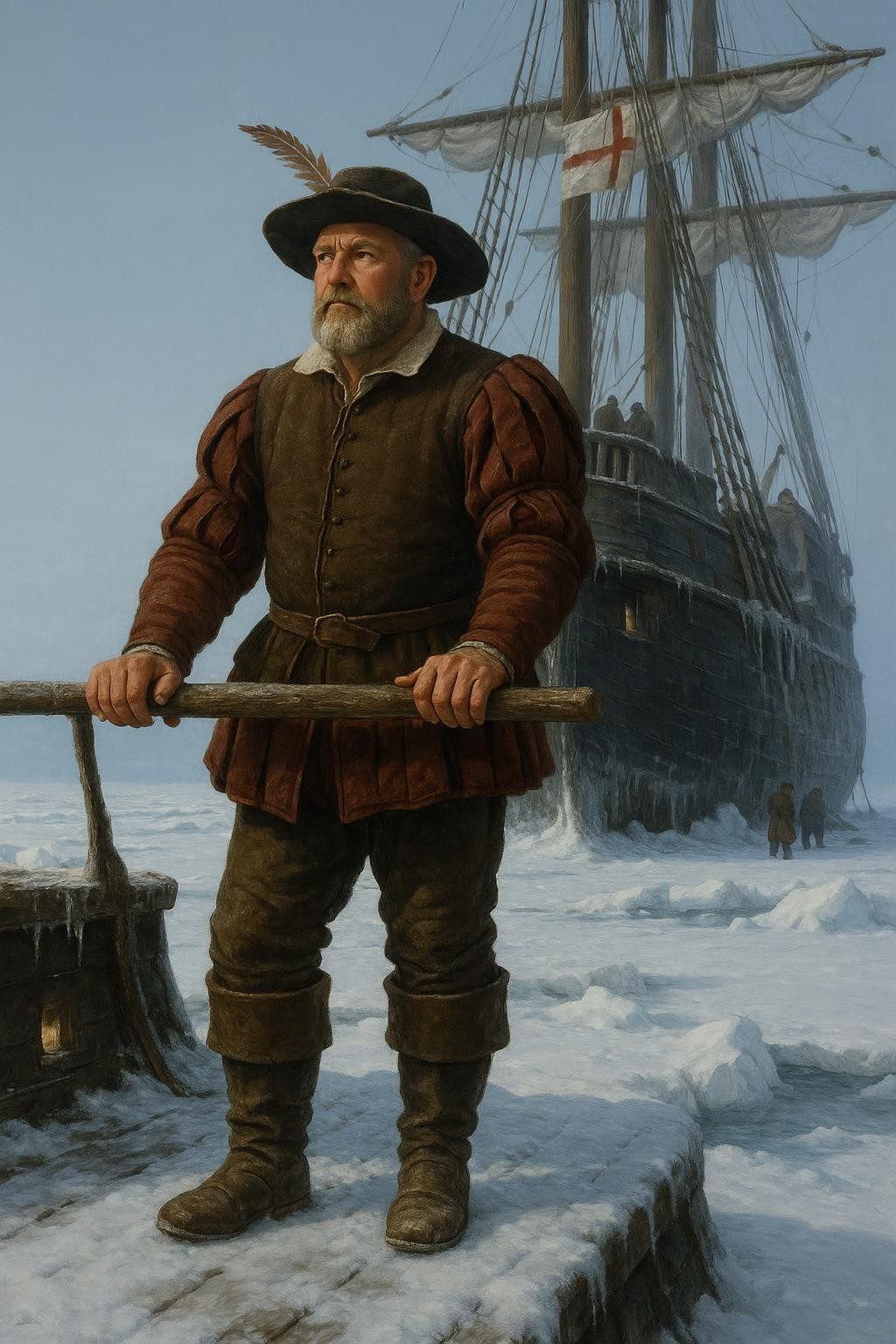
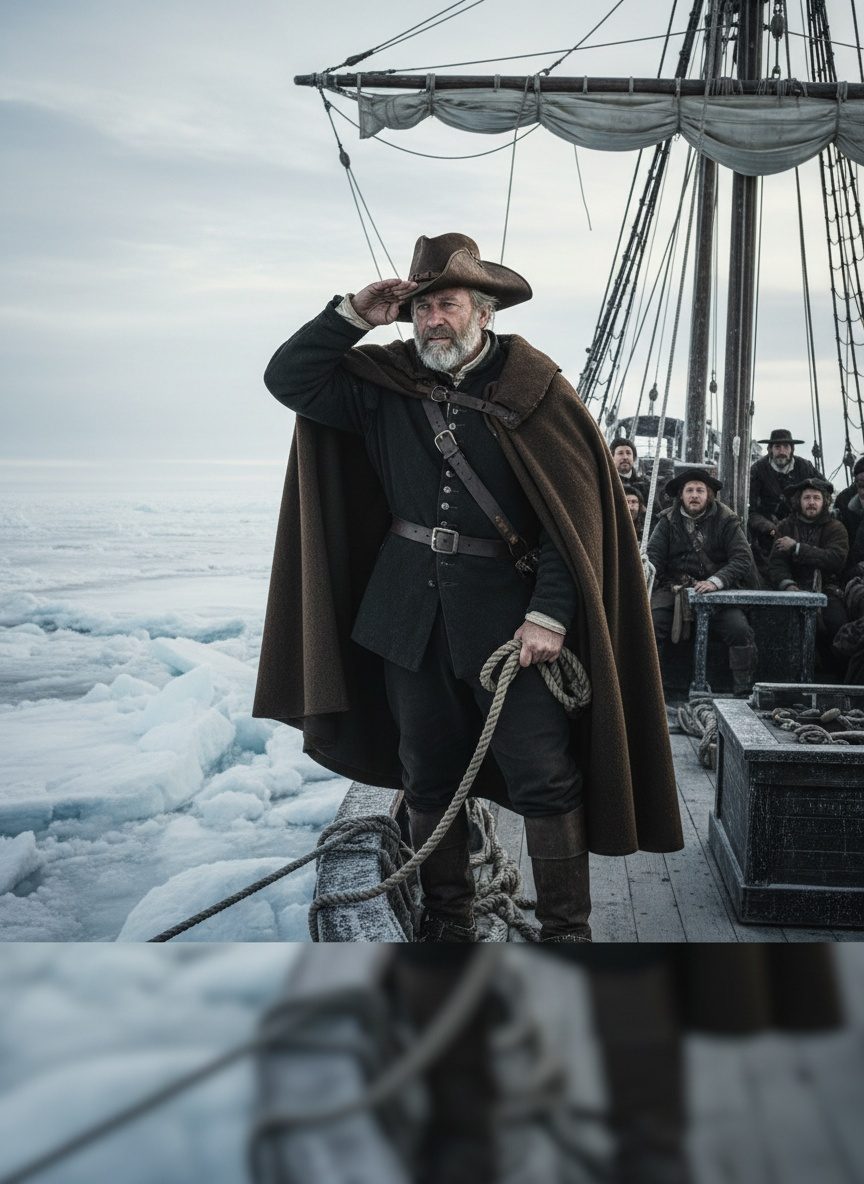
1553. Three English ships sailed northeast to find a route to China. Two vanished in the Arctic winter. Months later, Russian fishermen found them. Crews frozen at their posts. Logs still open. Pens beside them.
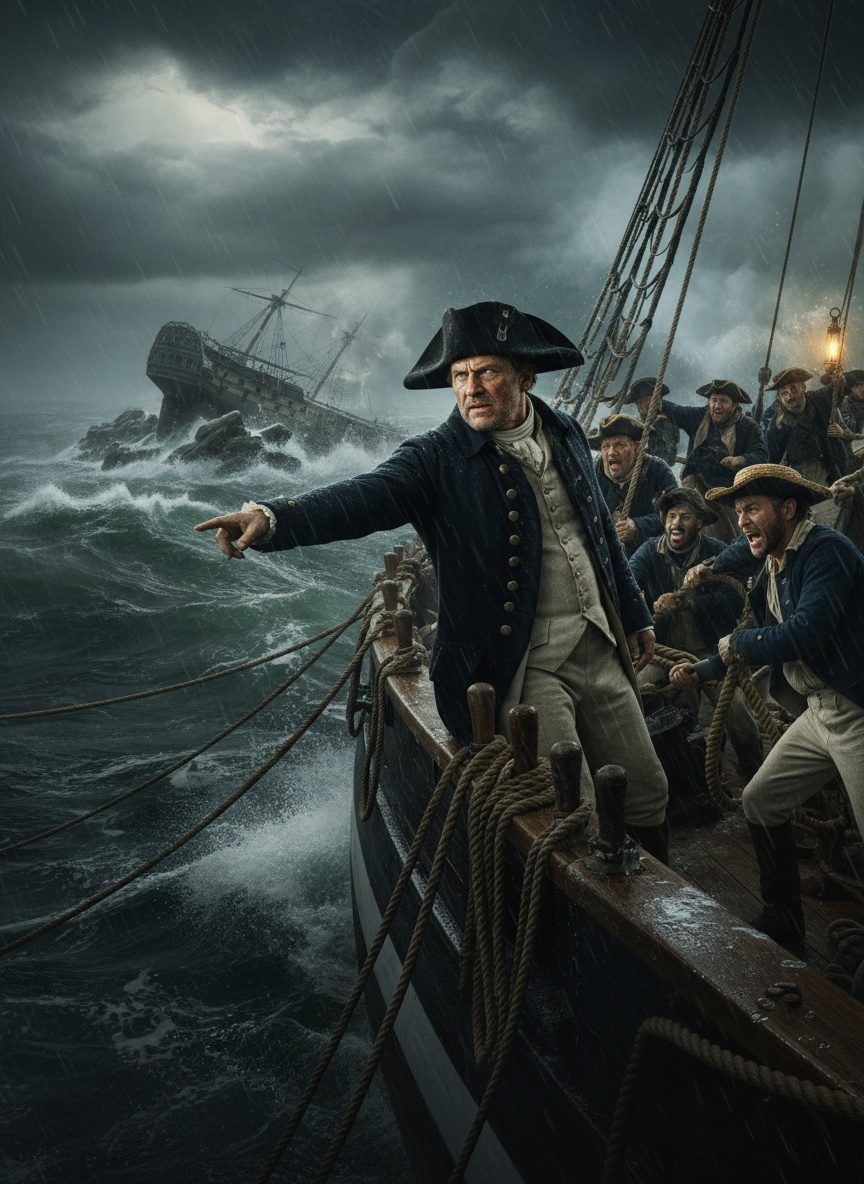
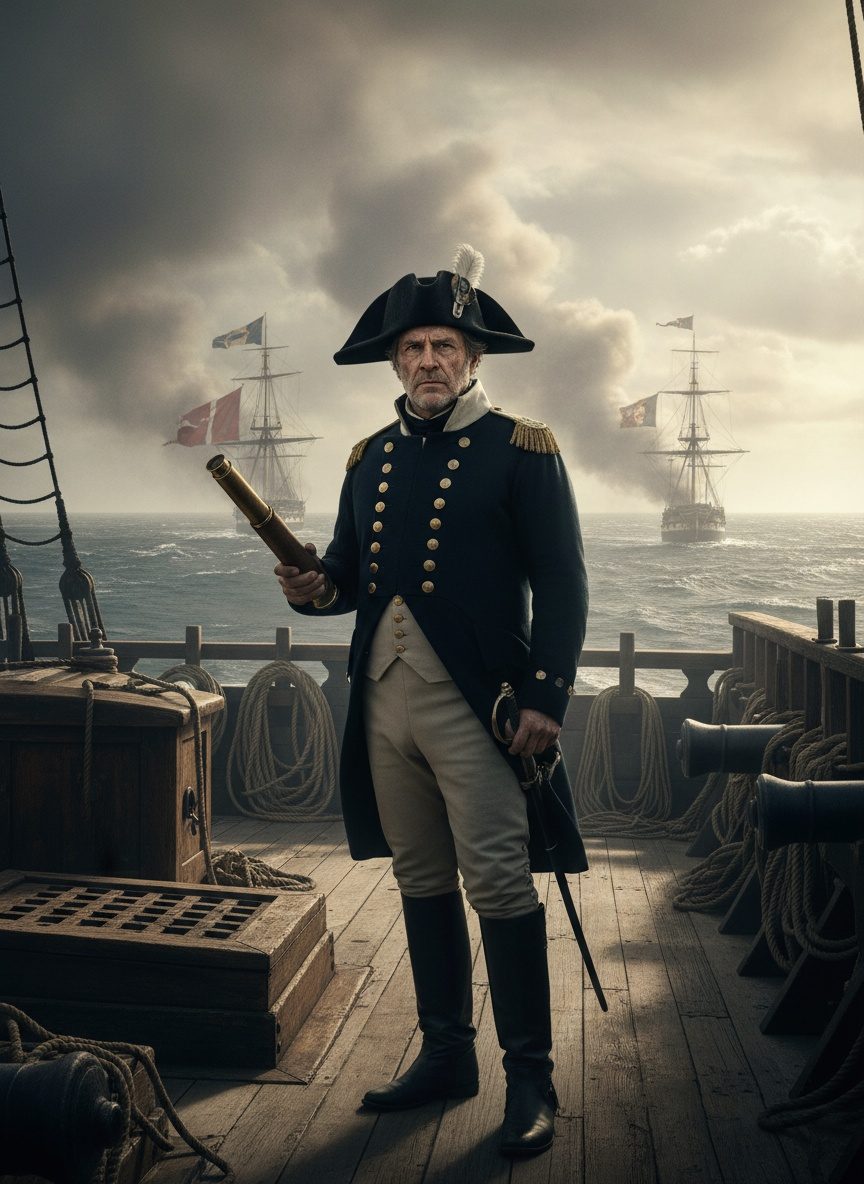
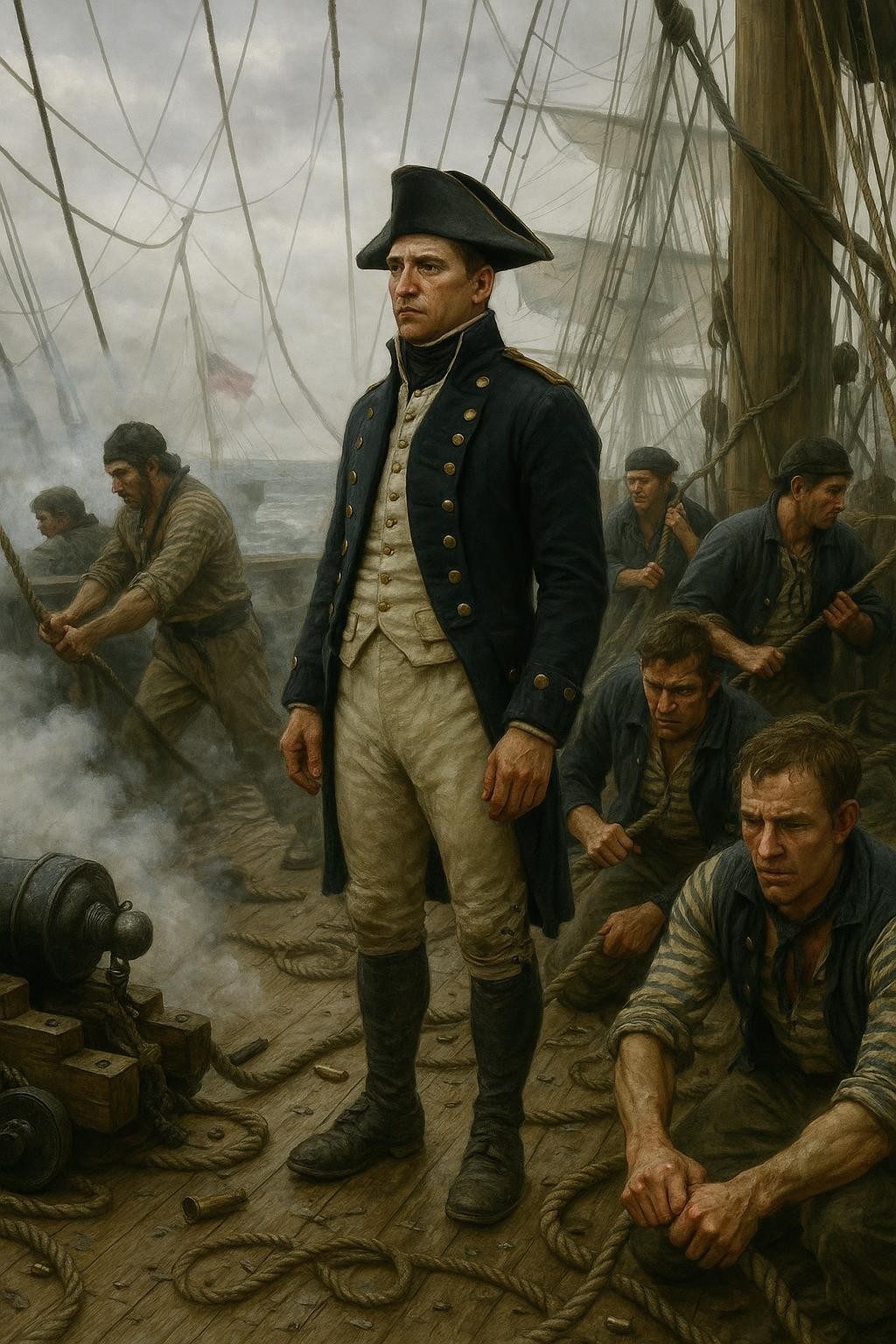
January 1797. HMS Indefatigable had just wrecked a French warship on the rocks. Hundreds of enemy sailors were drowning in the Atlantic surf. Captain Edward Pellew turned back into the storm. He saved every man he could reach.
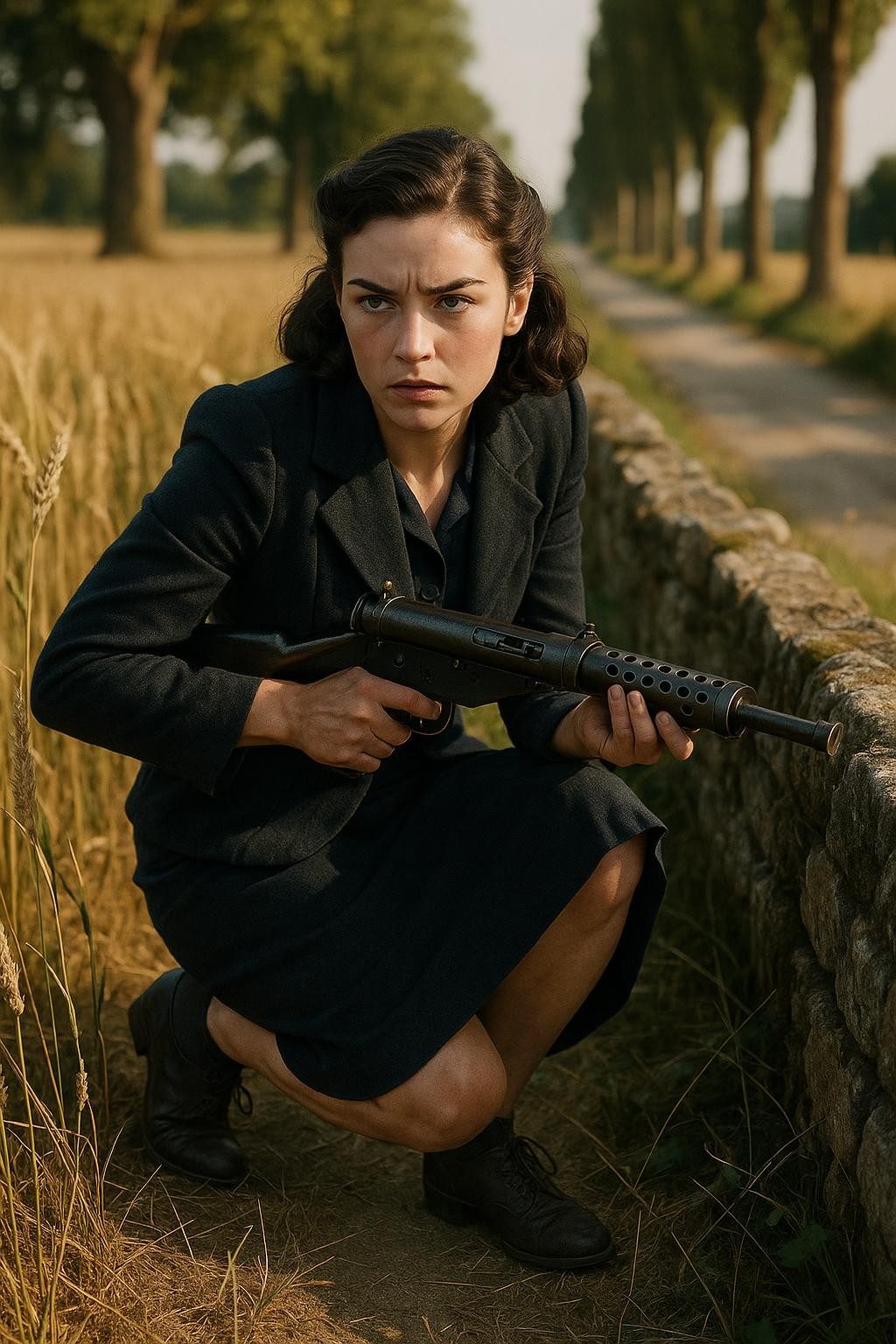
She spoke perfect French. She had a baby daughter at home. She parachuted into Nazi-occupied France anyway. Violette Szabo ran her network until the Gestapo closed in — and she held them off alone.
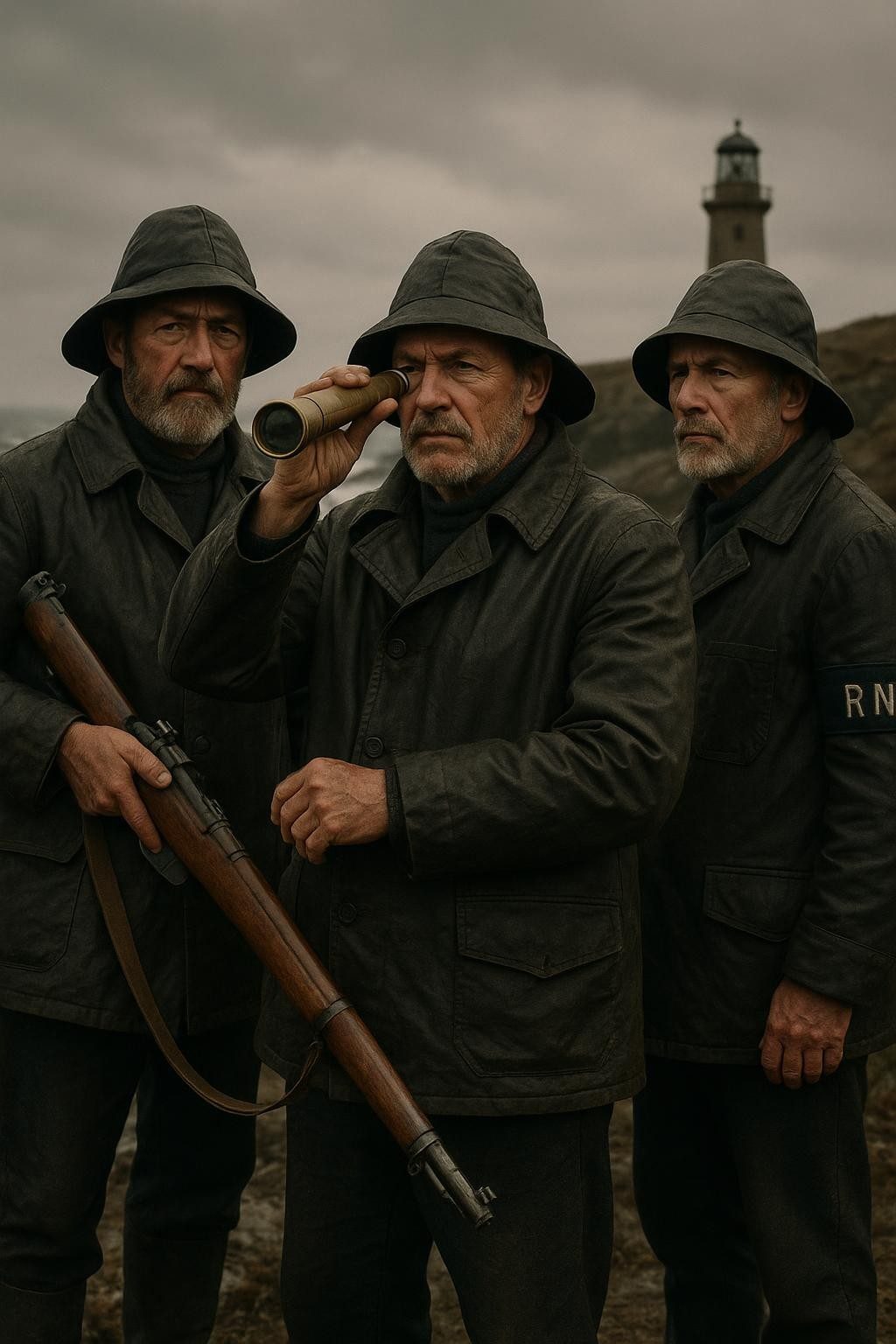
War broke out. The Navy was gone. Britain's coastline stood unguarded. So they handed rifles to fishermen, lighthouse keepers, and retired sailors — and called them a fighting force.
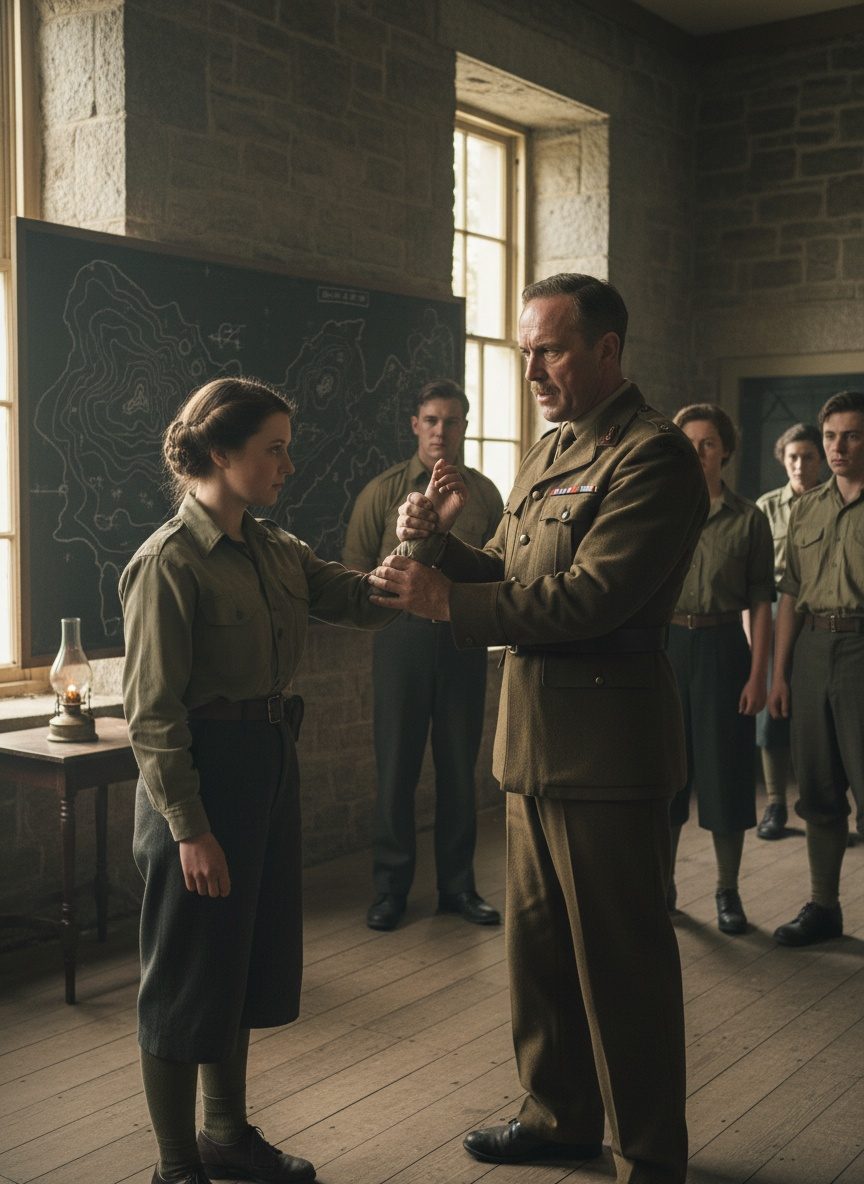
July 1940. France had fallen. Churchill needed a new weapon. So Britain built one in secret — training ordinary men and women to fight behind enemy lines. Few who went in came back unchanged. Many didn't come back at all.
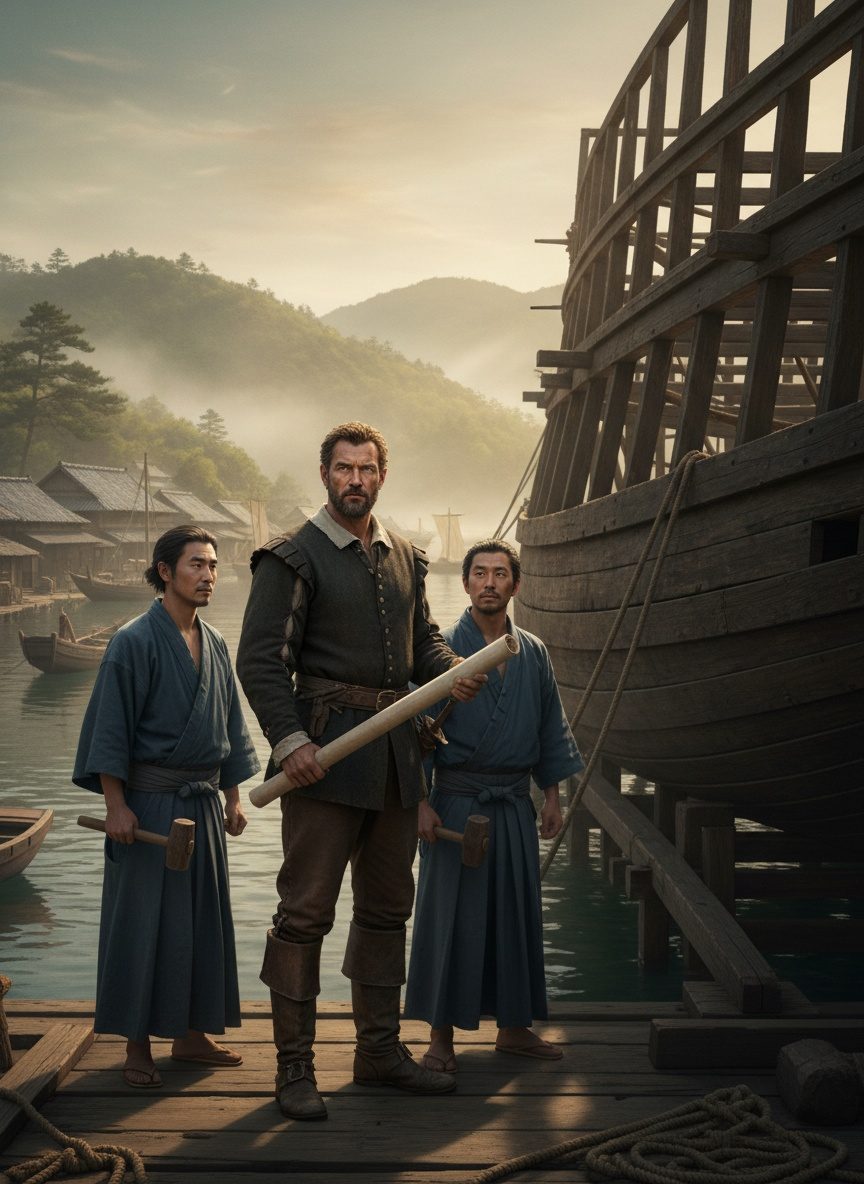
1600. An English pilot washed ashore in Japan. He expected execution. Instead the Shogun summoned him. Adams built Japan's first Western warships. He never came home. He died a samurai.
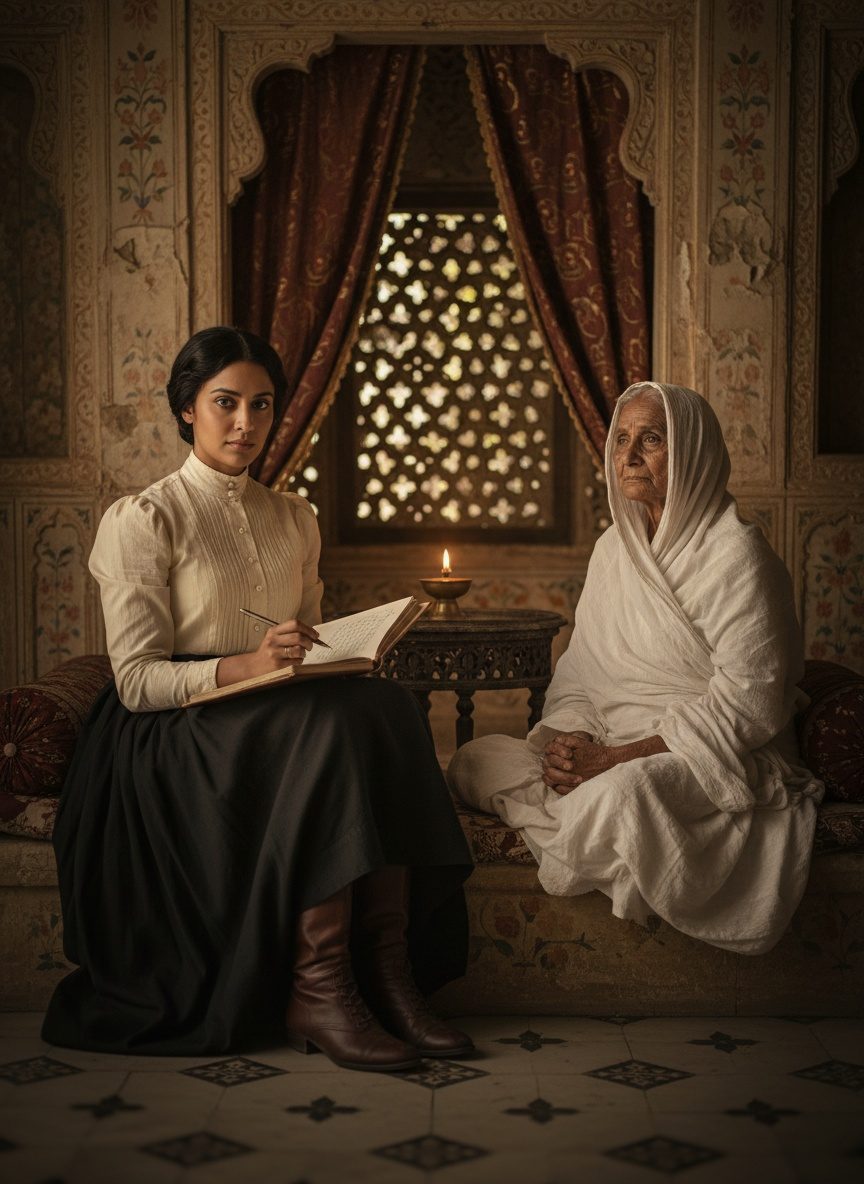
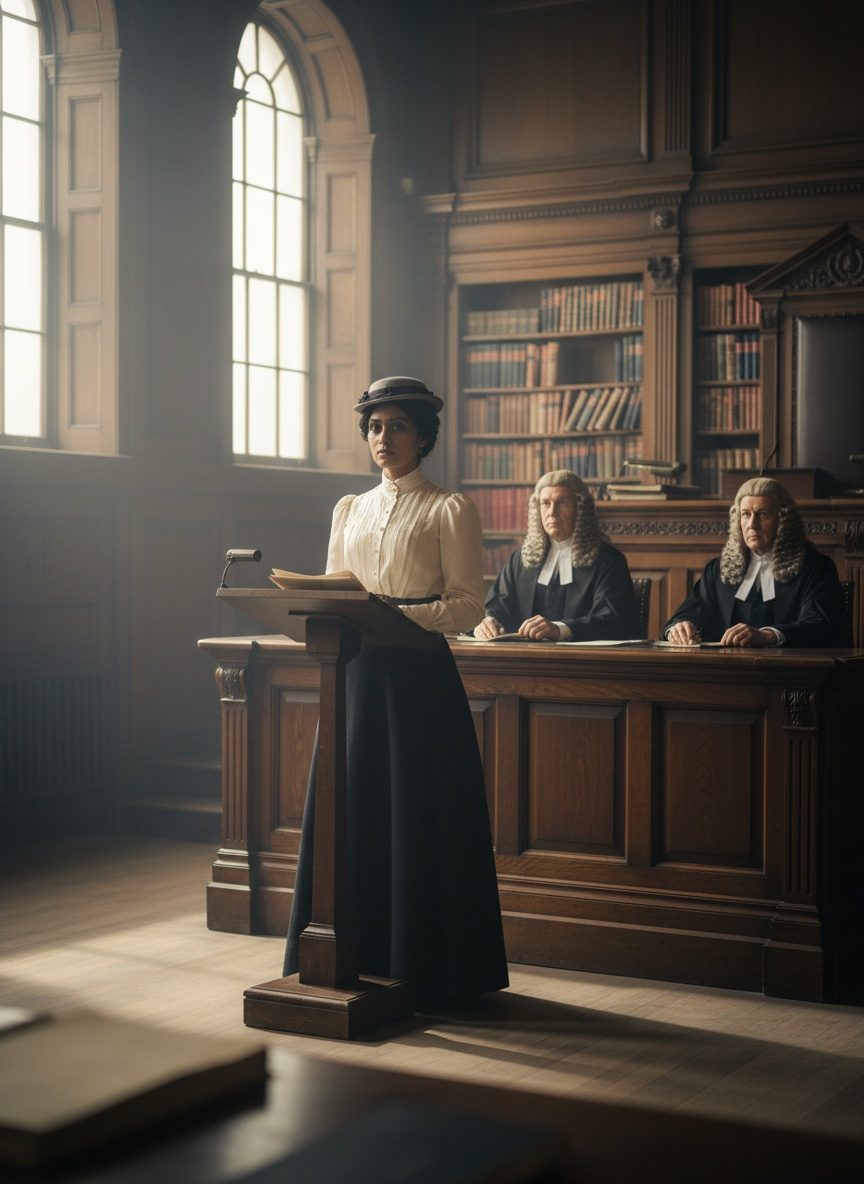
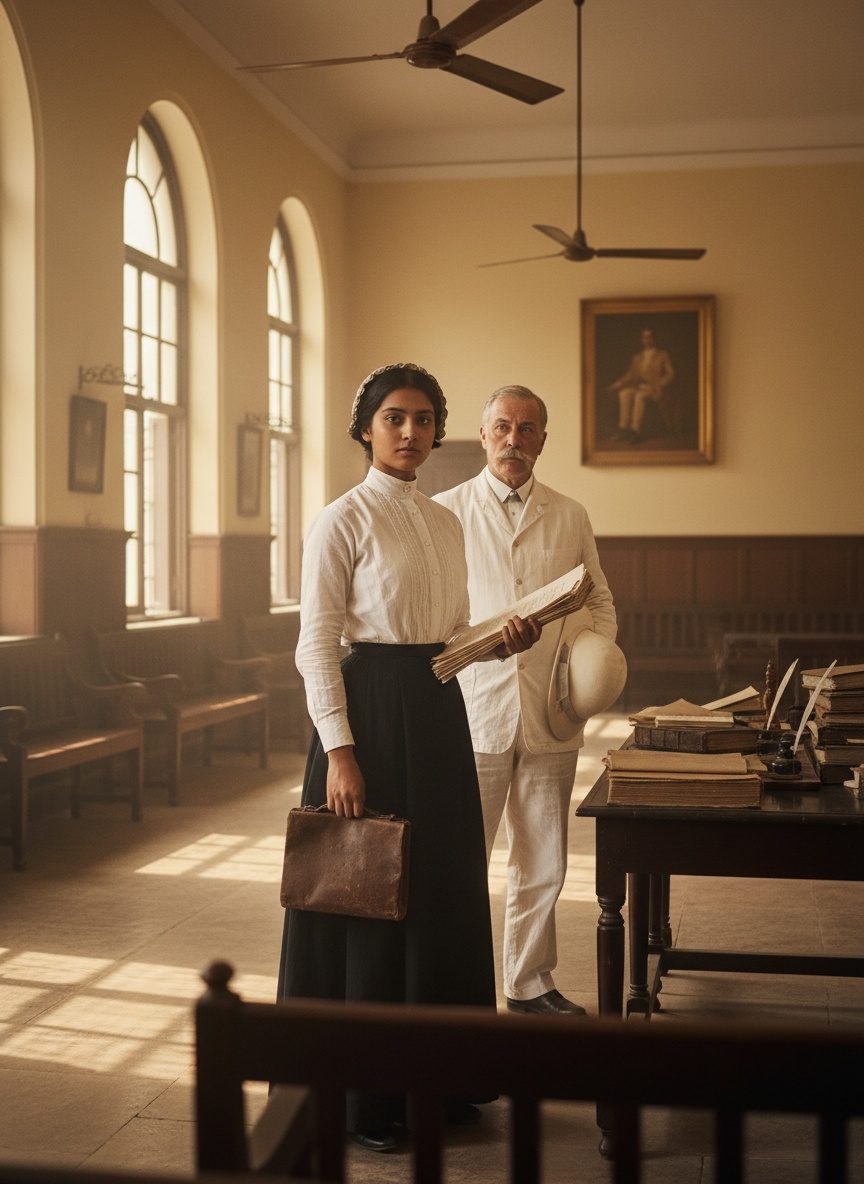
Allahabad, 1904. A woman no court would employ. She walked alone into the locked women's quarters of a dying widow's estate. She carried a notebook. No man could enter. She was the only lawyer in India who could.
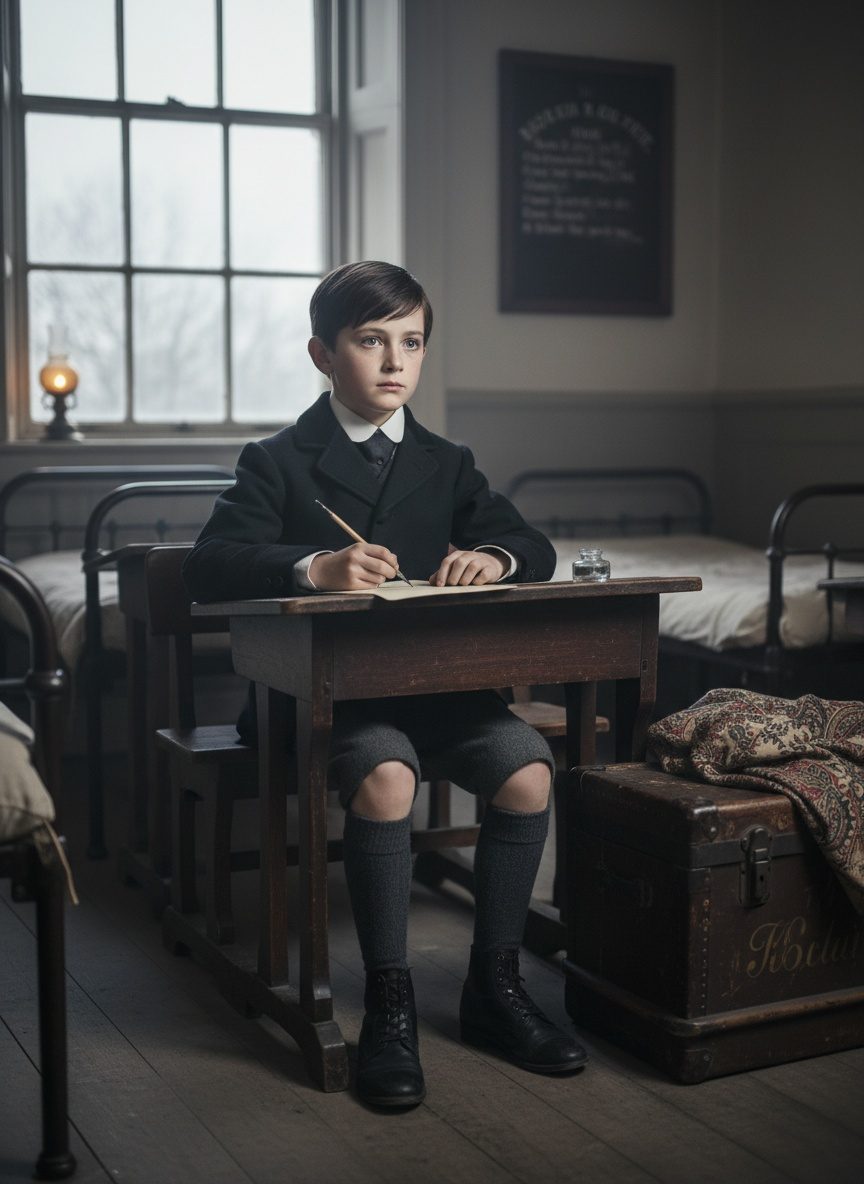
India, 1885. He was seven years old. His parents were three weeks away by sea. He sat at a cold English desk. He wrote. 'Dear Mama. I am well. Please come.' The letter took six weeks to arrive.
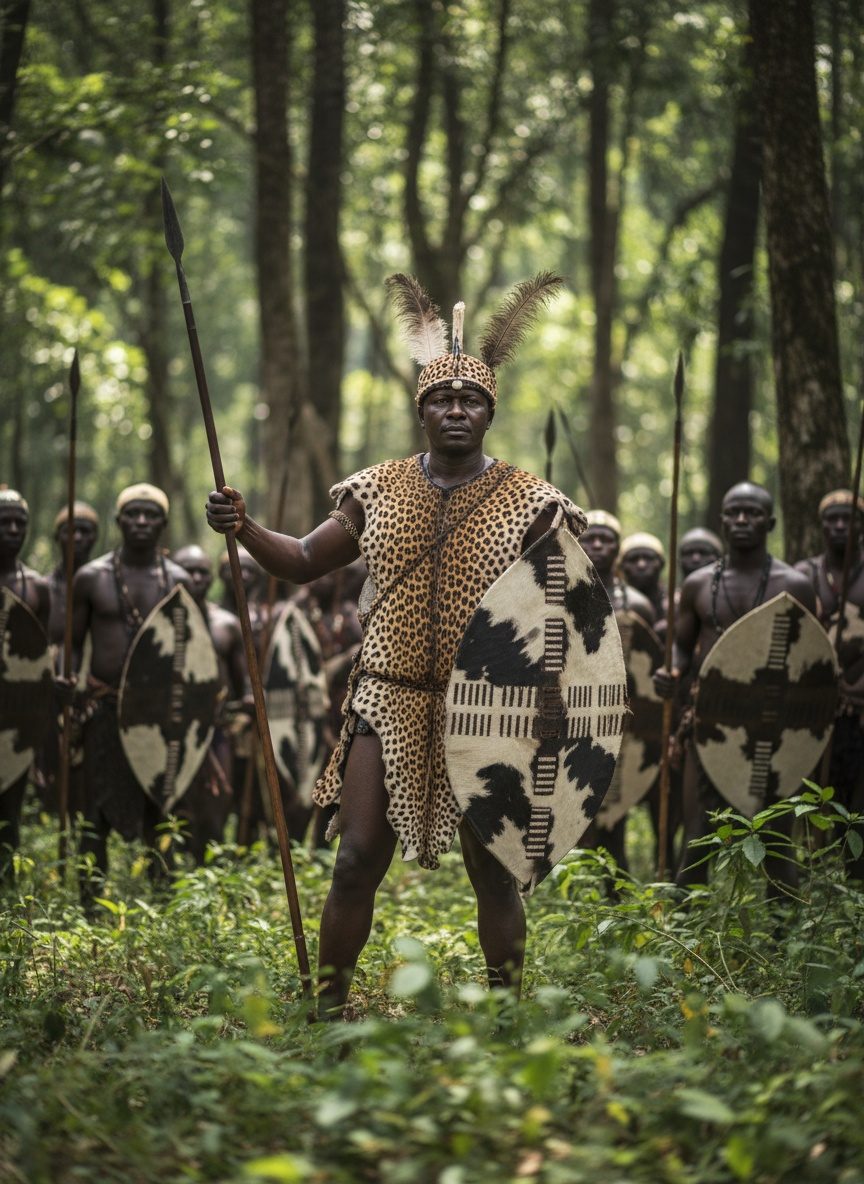
Natal, 1906. The colonial government demanded a new tax. Every Zulu man must pay. Bhambatha kaMancinza refused. He took to the Nkandla forest. He fought. The last armed Zulu resistance had begun.
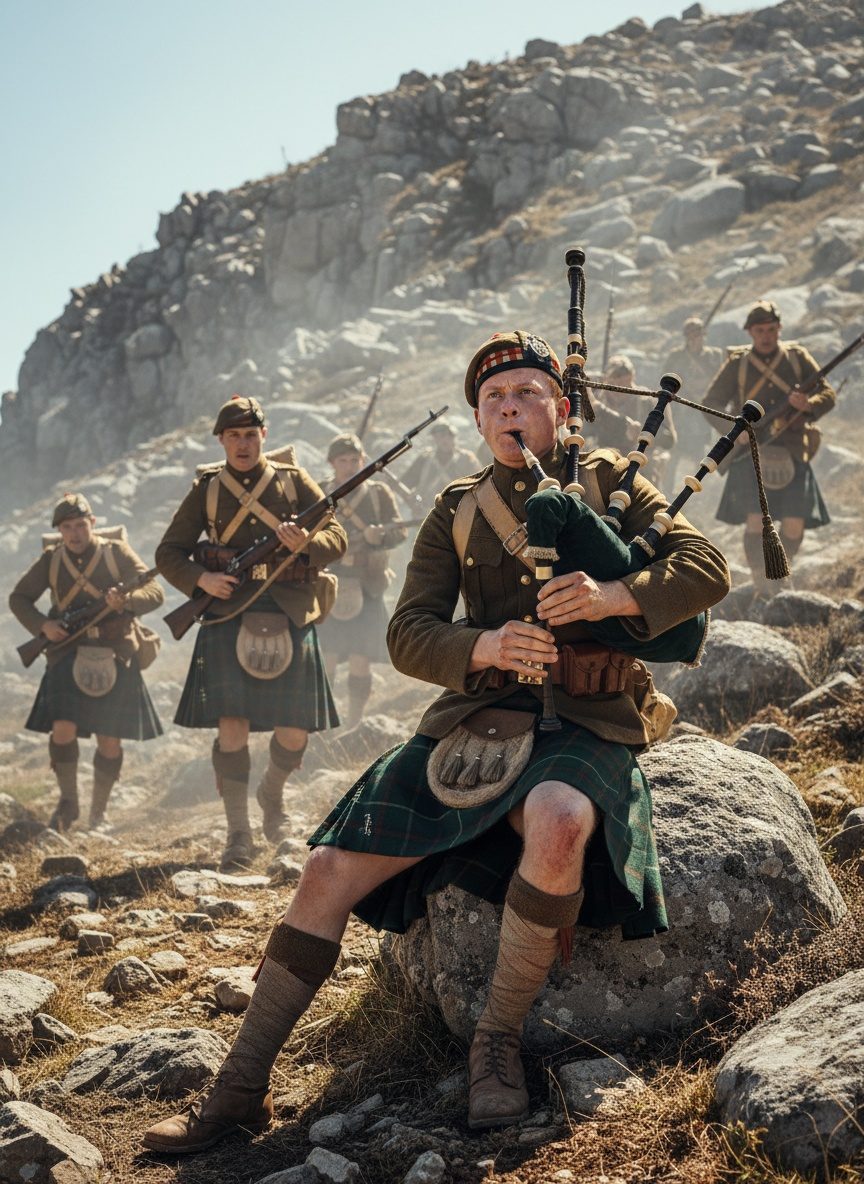
October 1897. The Gordon Highlanders were pinned on a rocky slope. Piper George Findlater was shot through both ankles. He propped himself against a boulder. And played his pipes. The men rose and charged.
1906. A woman stood before England's highest court. She was Indian. She was a lawyer. No woman had argued there before. She won. Her clients were widows no one else would defend.
Summer 1610. Hudson's ship pushed deep into Canada's frozen bay. His crew mutinied. They put him in a small boat. His son sat beside him. The ice closed in. He was never seen again.
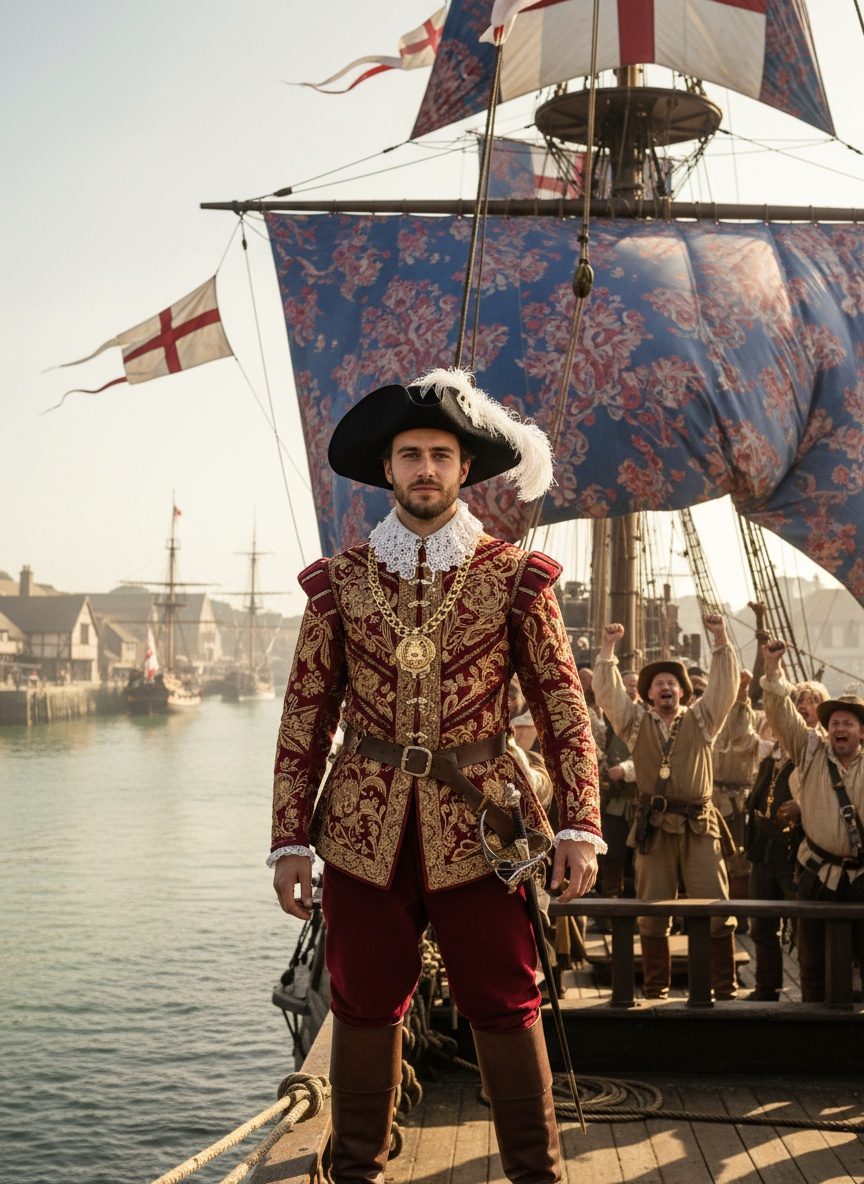
September 1588. Thomas Cavendish sailed into Plymouth Harbour. His sails were made of Chinese damask. His men wore gold chains. He had just circumnavigated the world. He was twenty-eight years old.
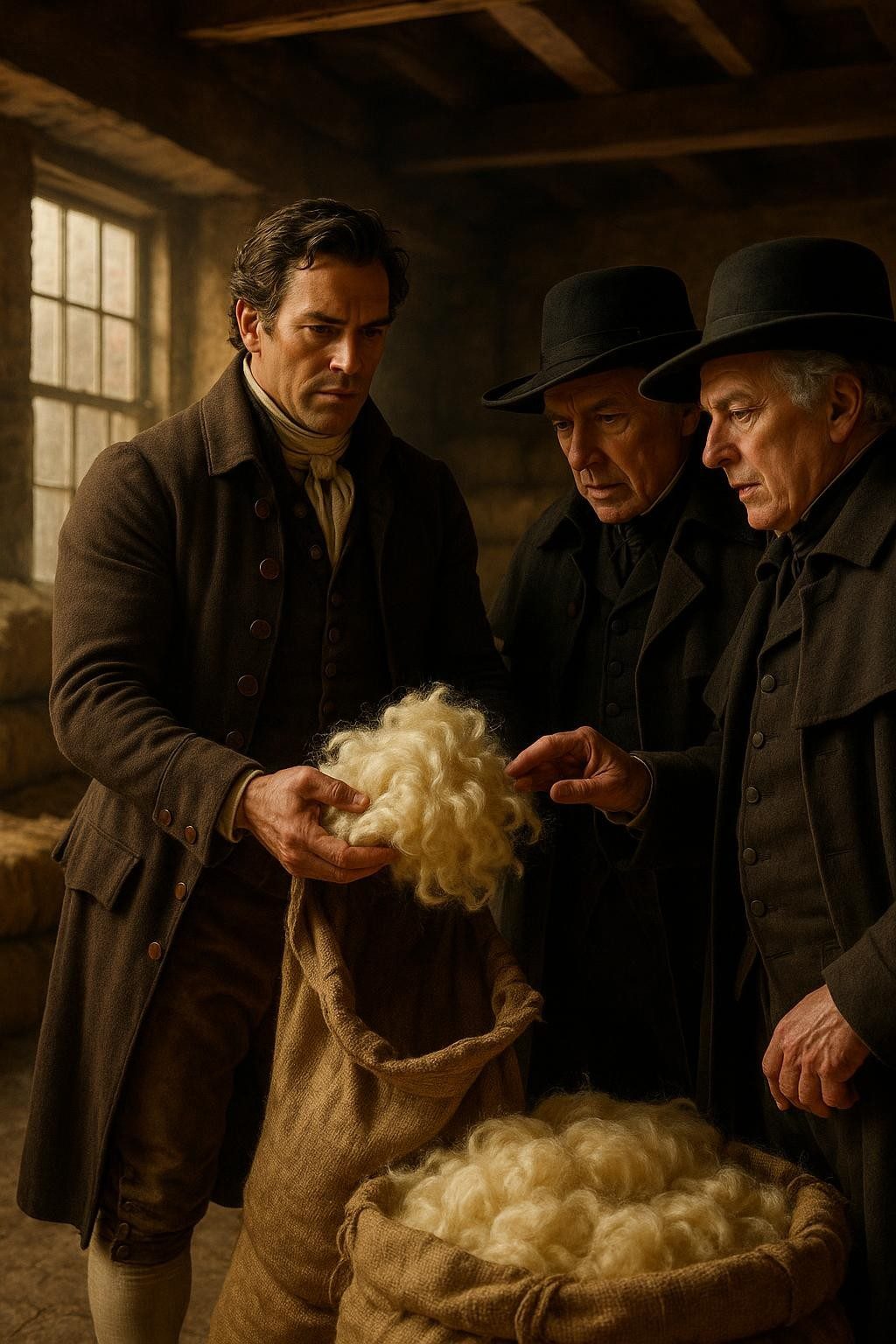
1803. A former soldier stood before Britain's finest wool merchants. He carried fleece from a sheep station at Parramatta. They had never seen its equal. Australia's future had just arrived in a sack.
1830. Three ships anchored off the coast of Western Australia. Thomas Peel had promised his settlers farms, tools, and a new life. There were none. Just sand. And silence.
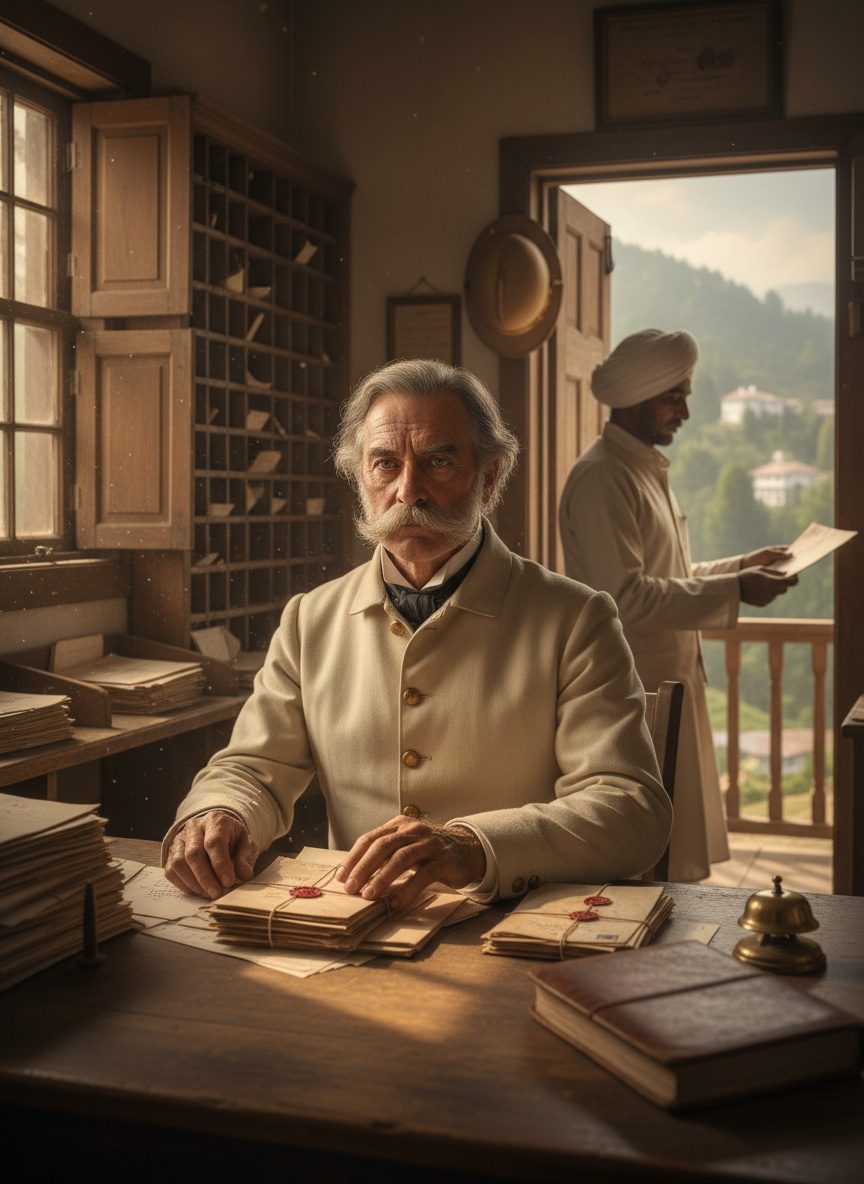
Simla, 1864. The Raj had moved its summer capital to the Himalayan hills. Every letter home crossed three thousand miles. One postmaster handled them all. He knew every family by name. He knew whose son had not written back.
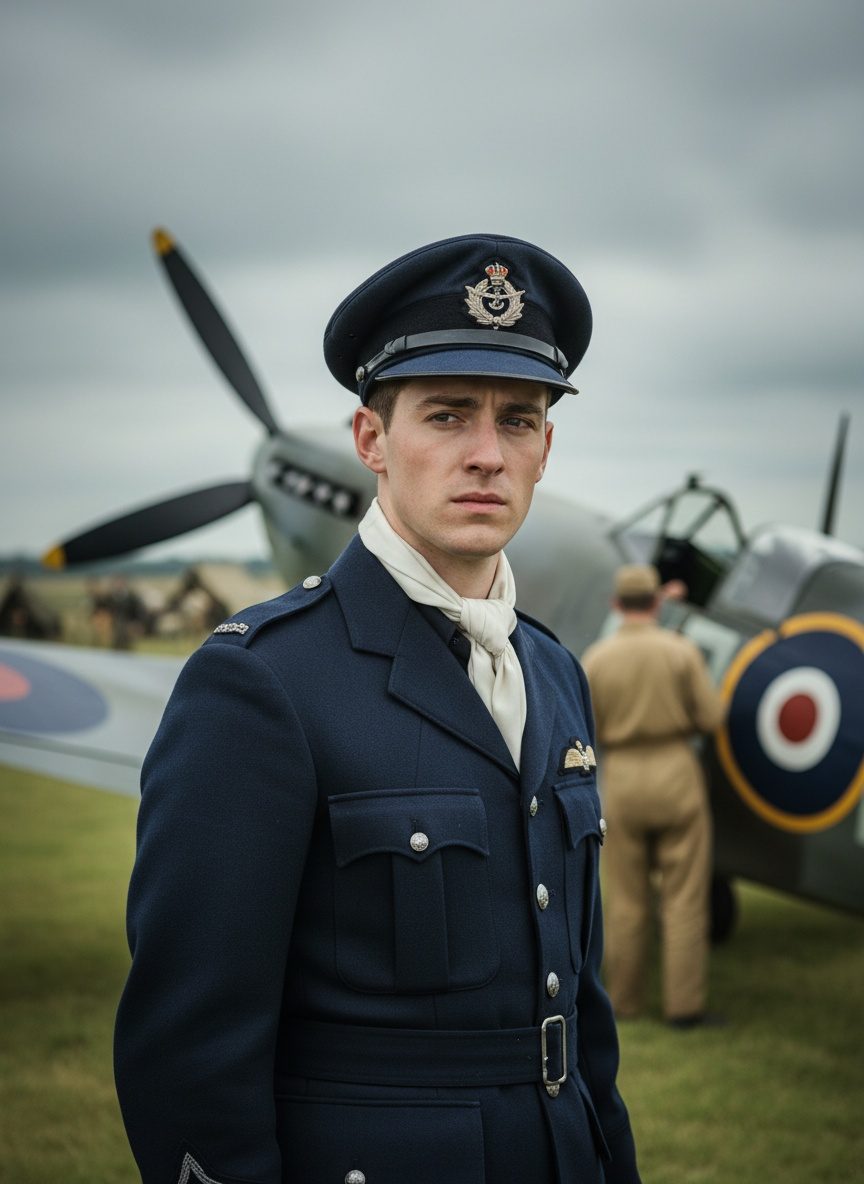
In June 1942, Brendan 'Paddy' Finucane became the RAF's youngest Wing Commander at just 21. Born in Dublin. Trained by Britain. Feared by the Luftwaffe. Dead two months later.
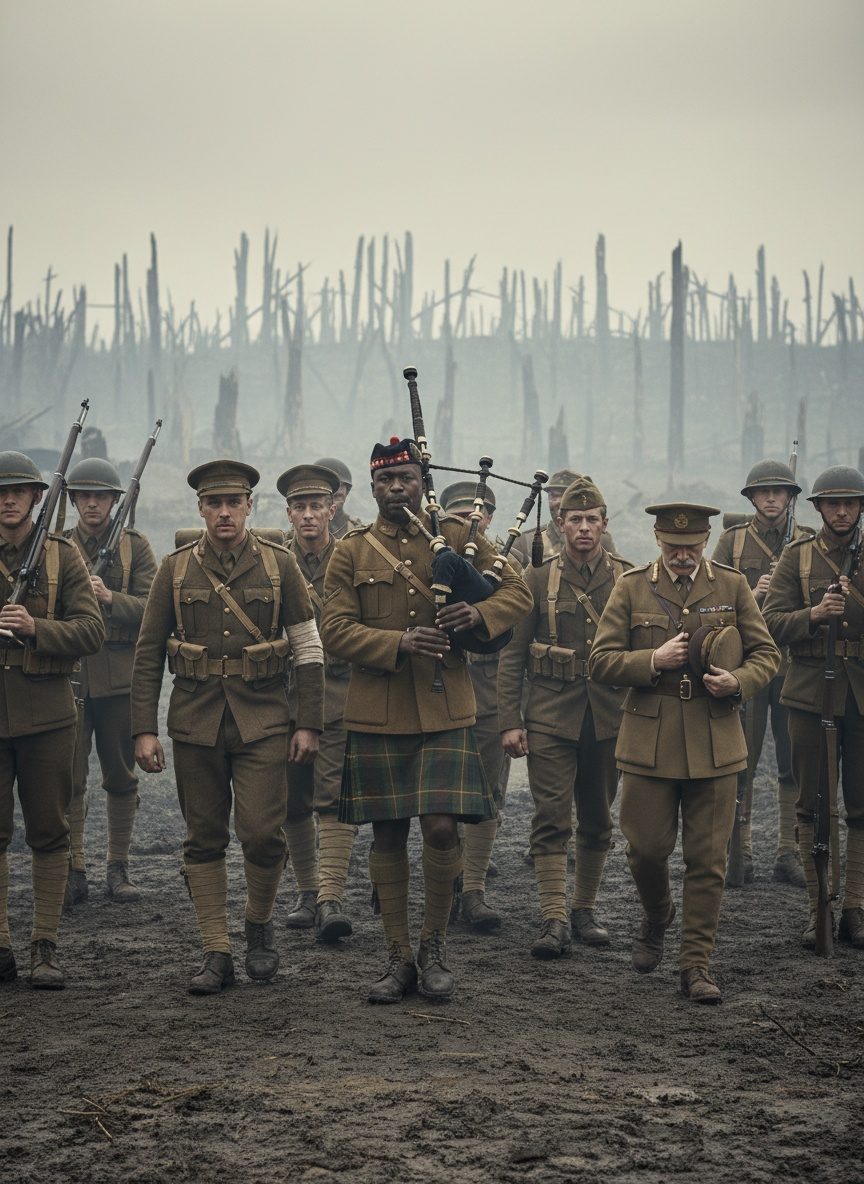
July 1916. 140 survivors shuffled out of Delville Wood. The Black Watch pipers met them. General Lukin took the salute — then removed his cap and wept.
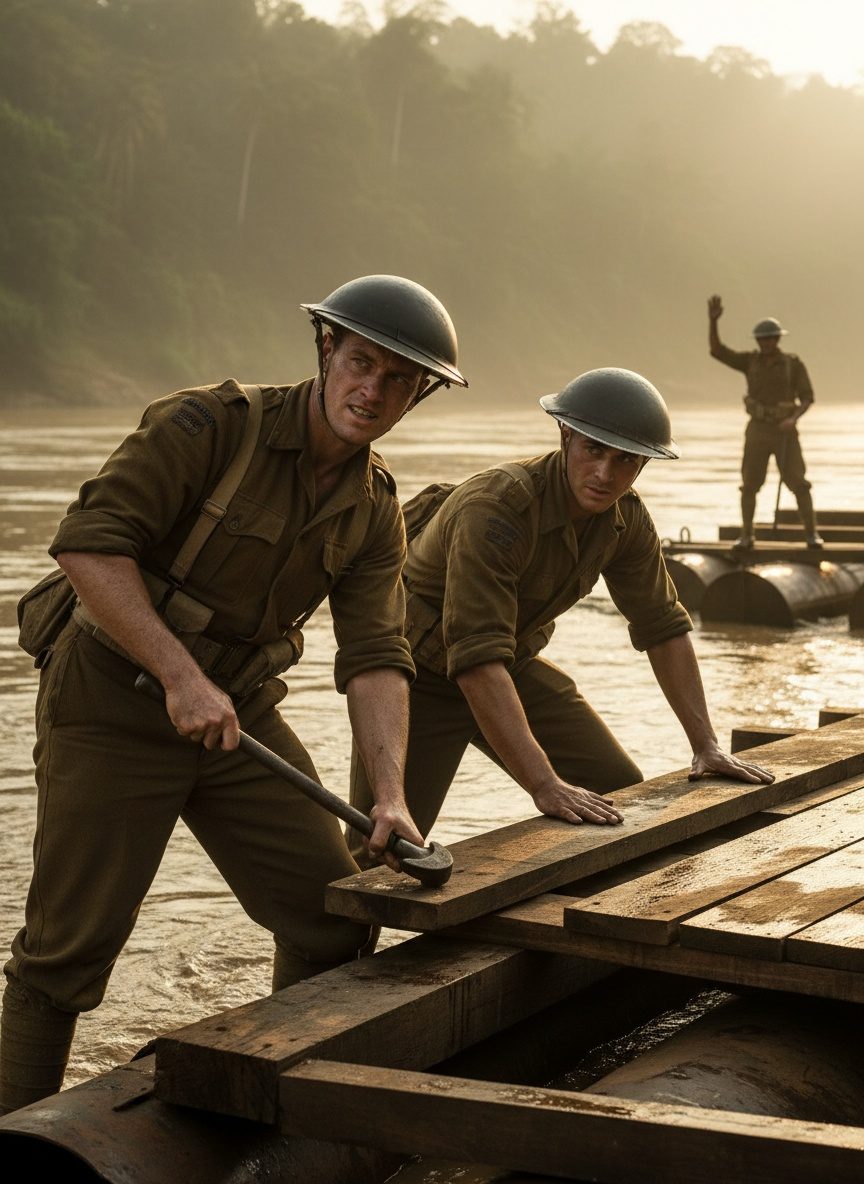
Burma, 1945. The Irrawaddy was a mile wide and the Japanese held the far bank. Britain's sappers built the bridge anyway — under fire, in the dark, in four days.
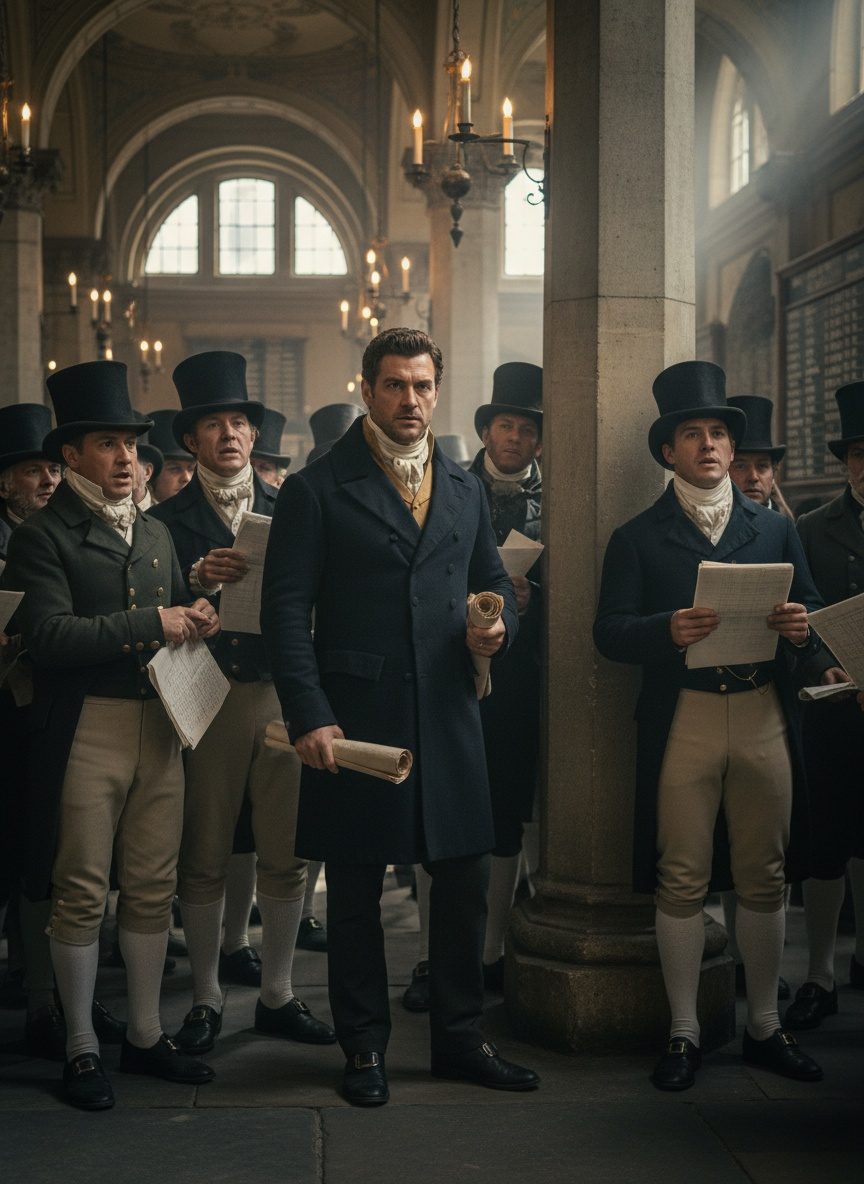
June 1815. Waterloo had just been fought. Britain did not yet know who had won. Nathan Rothschild knew. He bought. Every British government bond in sight. By noon he had made a fortune. And saved the empire's credit.
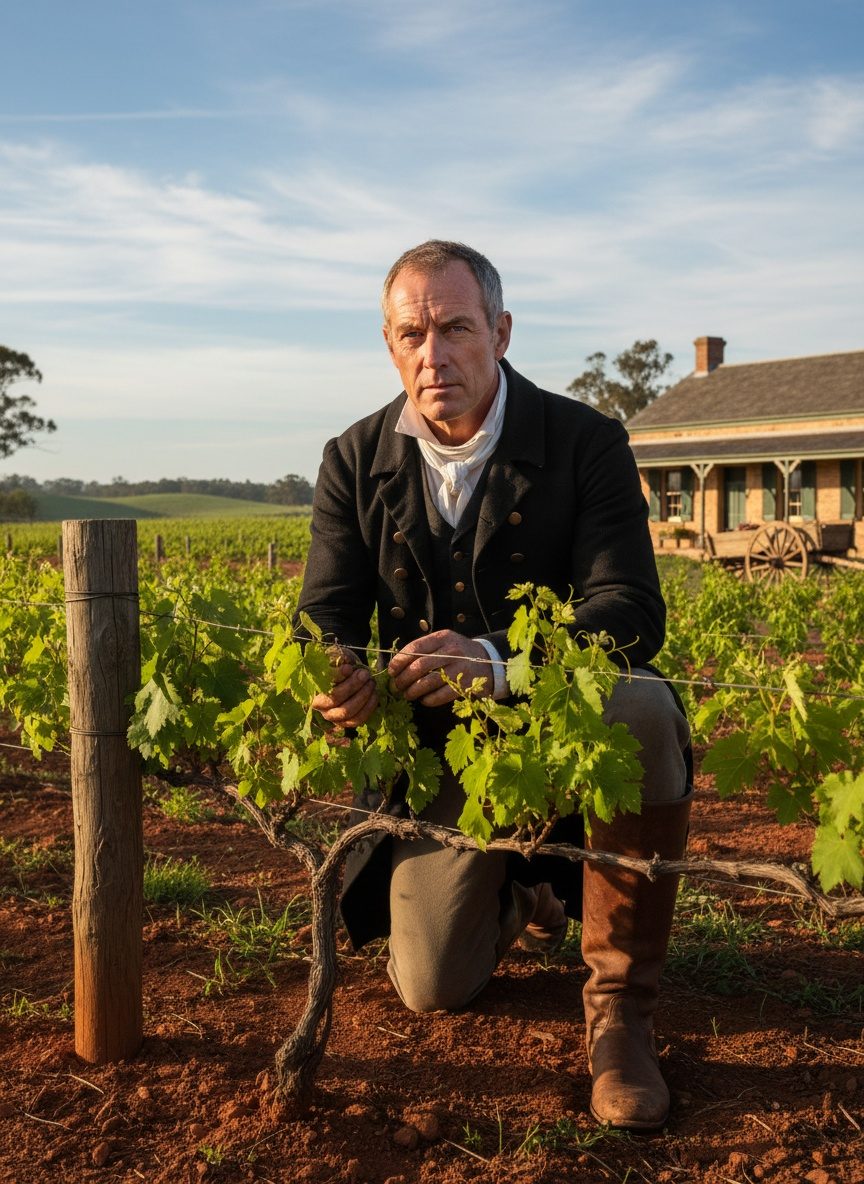
Parramatta, 1817. A Scottish-born soldier planted vines in Australian soil. Everyone said it was madness. The grapes grew. He proved them wrong. Australia would never be the same.
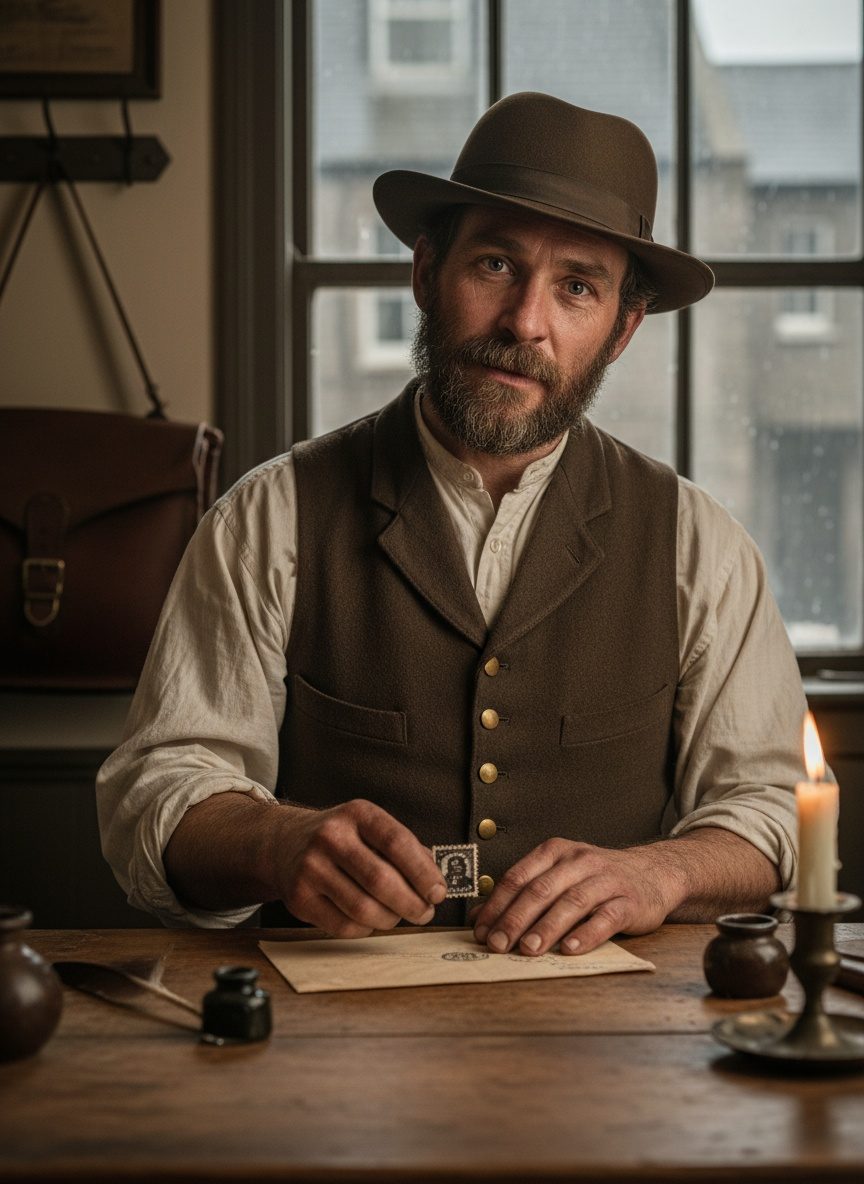
January 1840. A single penny. A small black stamp. It changed everything. For the first time, any letter. Any person. Any corner of Britain. One price. The world copied it. Every nation followed. The Penny Black never left.
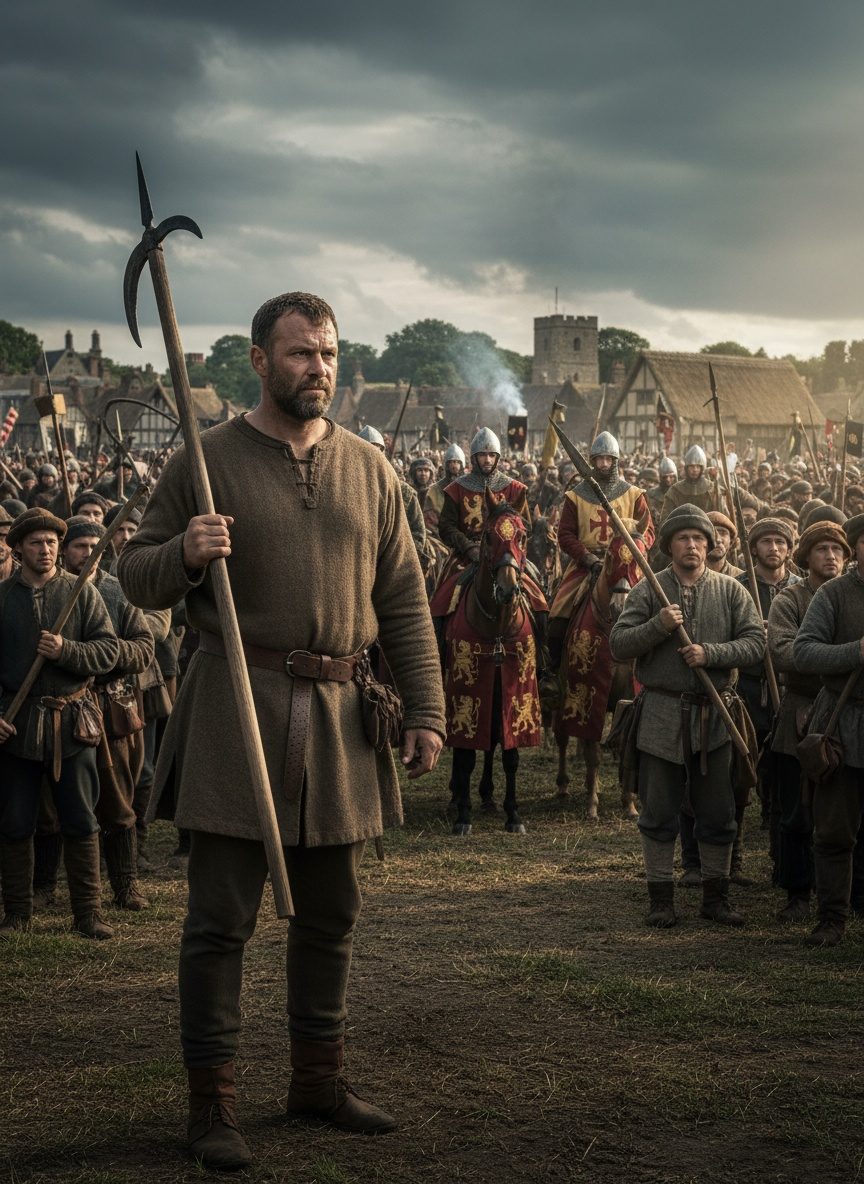
June 1381. A blacksmith named Wat Tyler led sixty thousand men to London. They burned the Savoy Palace. They freed the prisoners of the Tower. Then Tyler faced the king alone. One man. One moment. England held its breath.
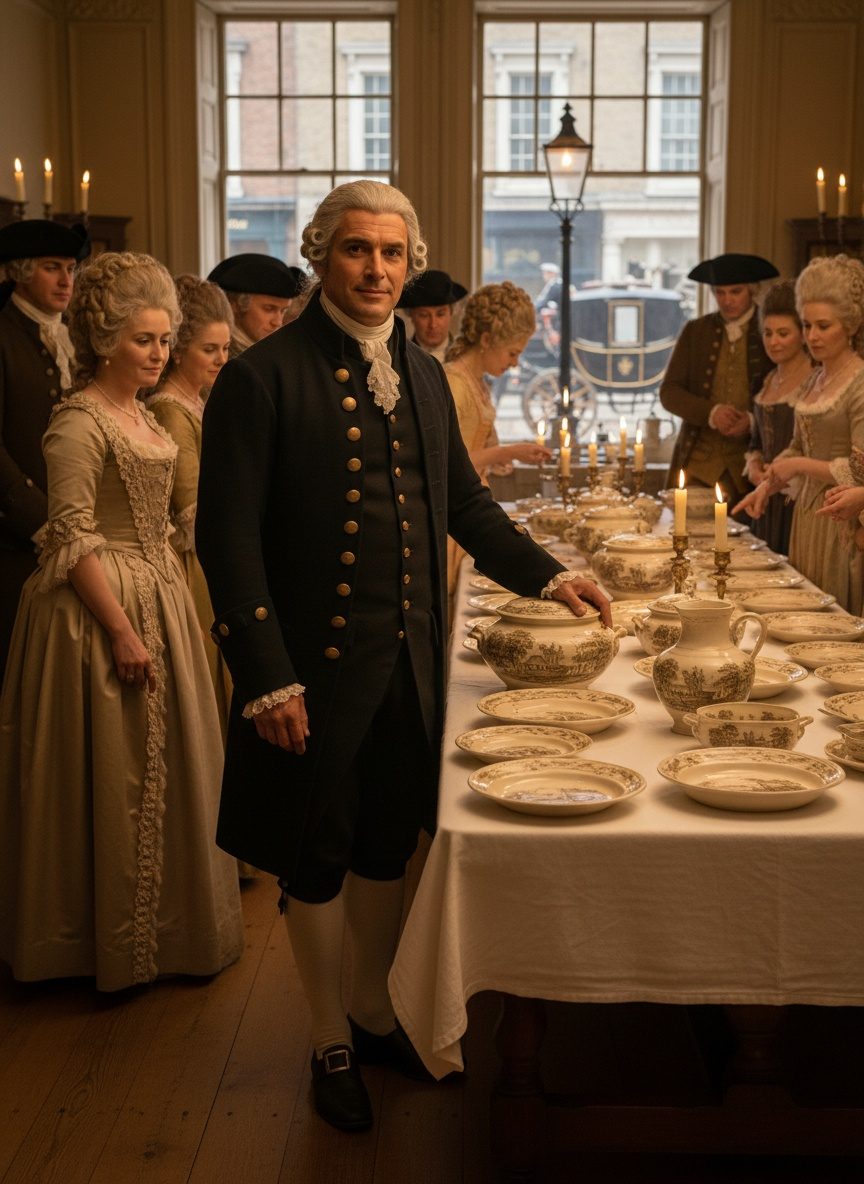
1773. A Staffordshire potter had a plan. He would make the Empress of Russia his showroom. Catherine ordered 952 pieces. Wedgwood displayed every piece in London first. The world came to look. Orders flooded in.
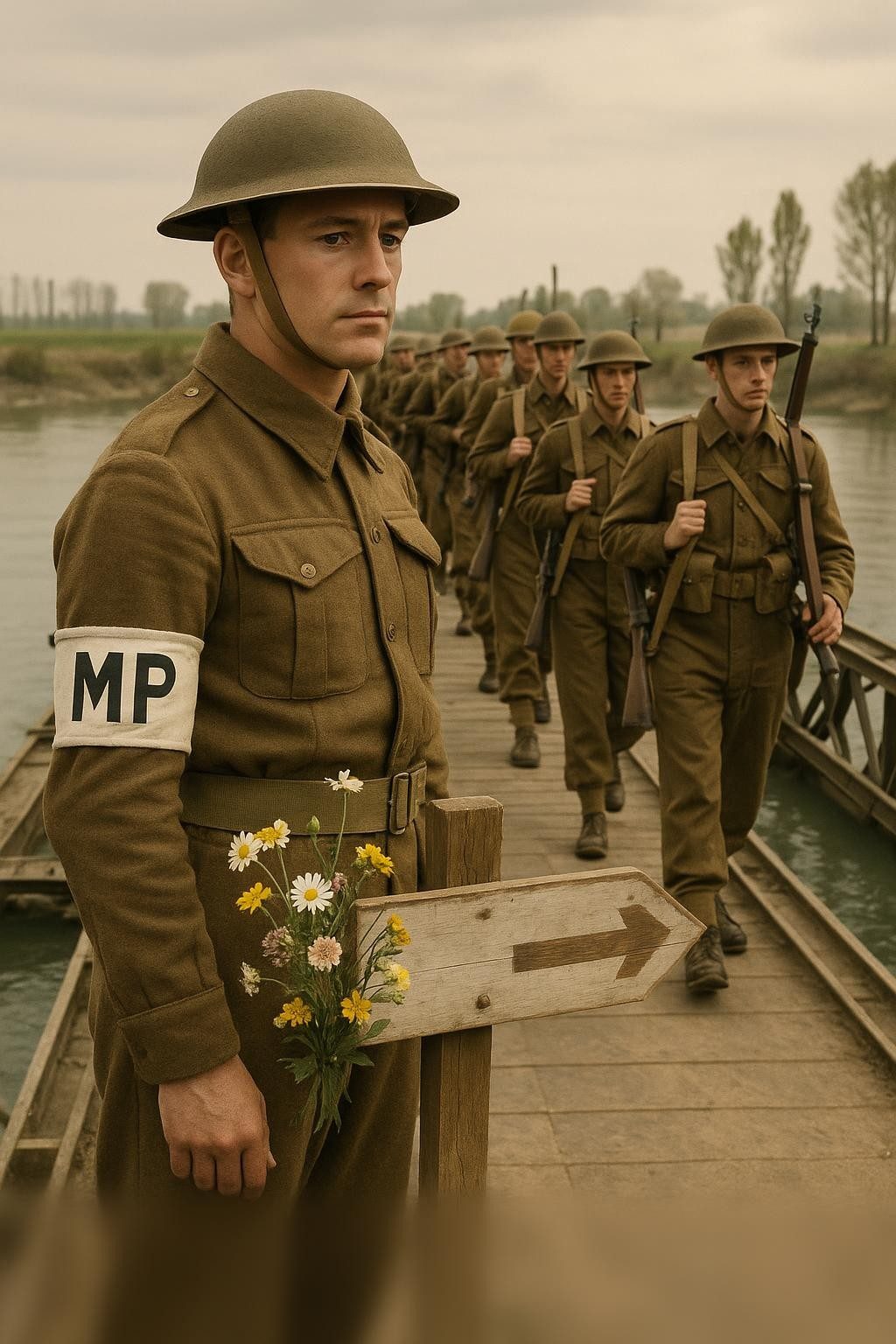
April 1945. The Po stood between the Eighth Army and the end. They bridged it in hours. Within four days, Axis forces in Italy surrendered — the whole campaign, over.
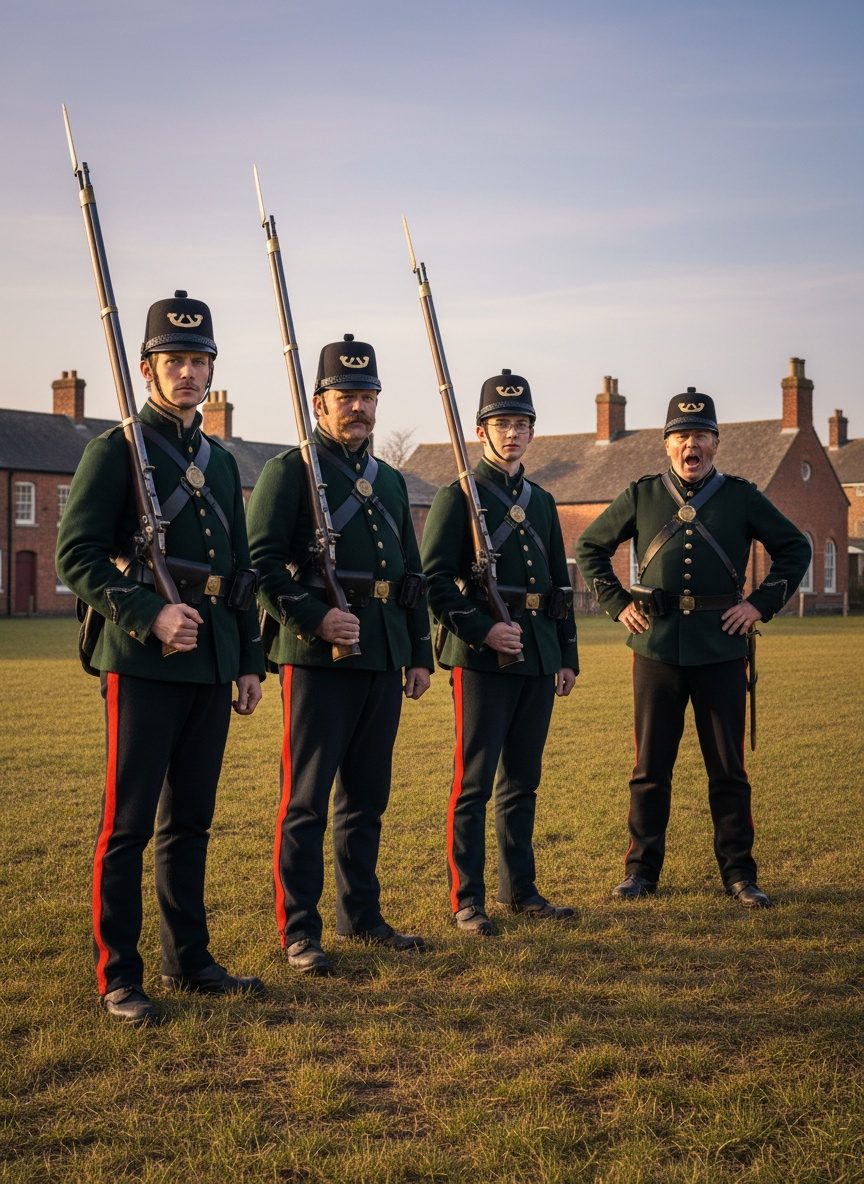
After invasion scares shook Britain, ordinary men picked up rifles. Clerks. Shopkeepers. Schoolmasters. They drilled at night and on weekends — and nobody gave them orders to stop.
Napoleon controlled half of Europe. One thing stood between him and the rest. Not an army. A fleet. Remove it — and the world looks unrecognisable.
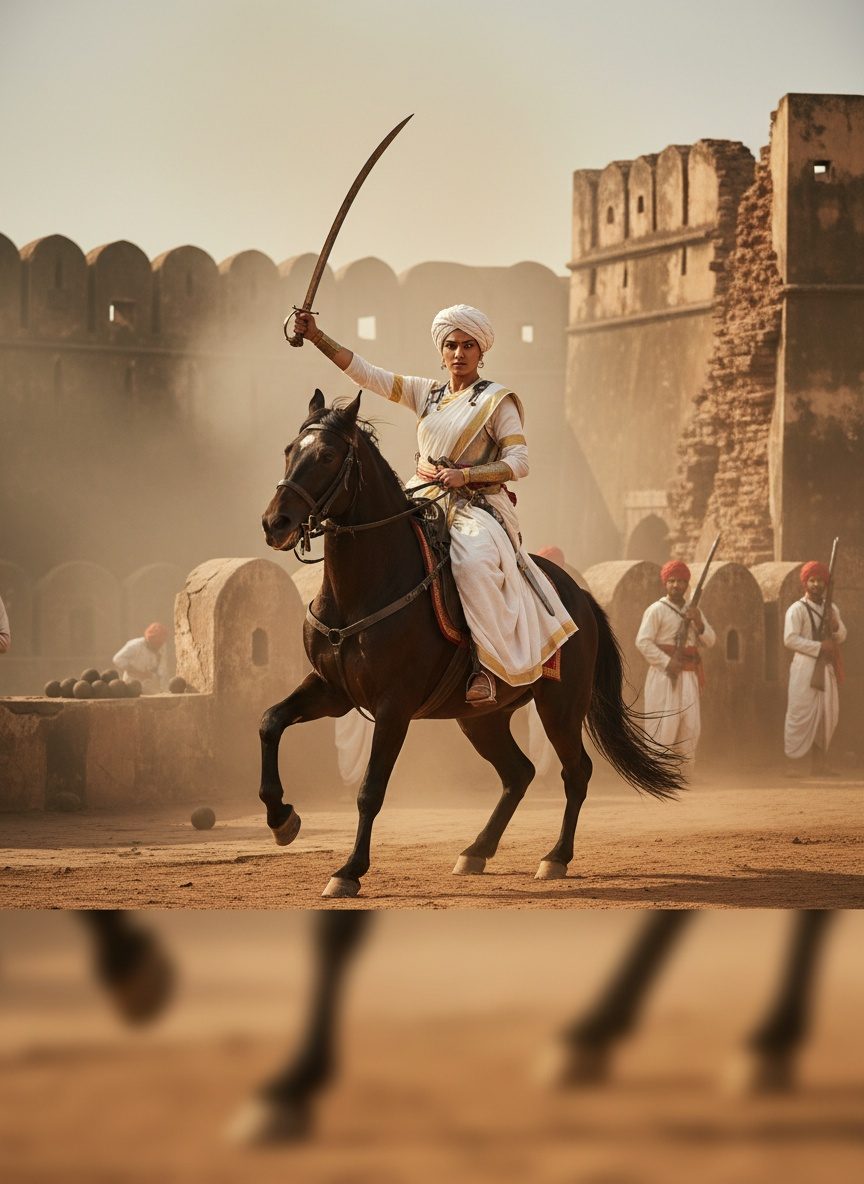
June 1857. Jhansi was surrounded. The British demanded surrender. Rani Lakshmibai refused. She armed her own household. Trained women to fight. Held the city herself. When the walls finally fell, she rode out through cannon fire. Sword drawn. Alone.
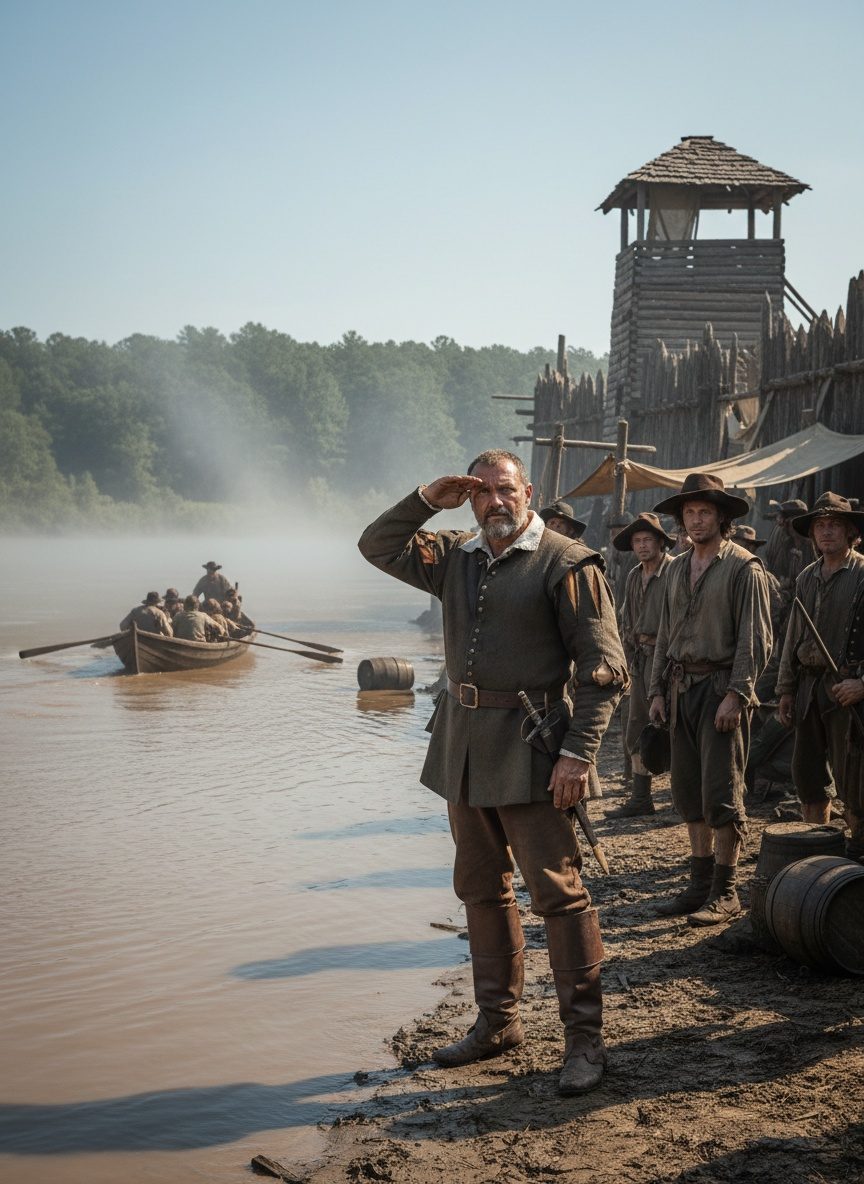
Summer 1610. Jamestown was dying. The survivors had eaten leather. Then sails appeared on the James River. Governor Thomas Gates made a choice that saved a colony — and a continent.
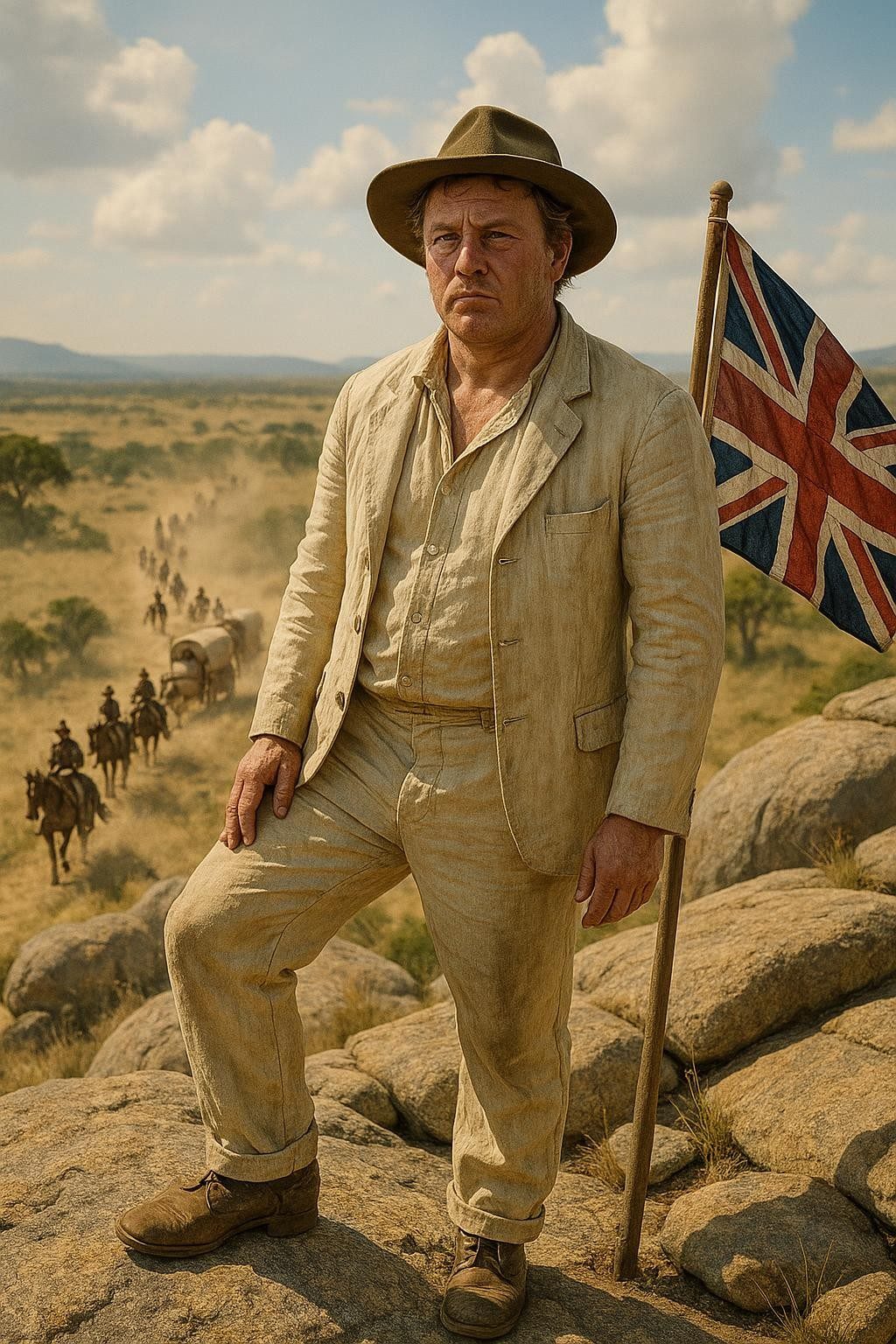
1890. Cecil Rhodes stood on a granite kopje above the Matabeleland plateau. Below him, his Pioneer Column had raised the Union Jack at Fort Salisbury. He had financed the entire expedition himself. One man. One flag. A new country.
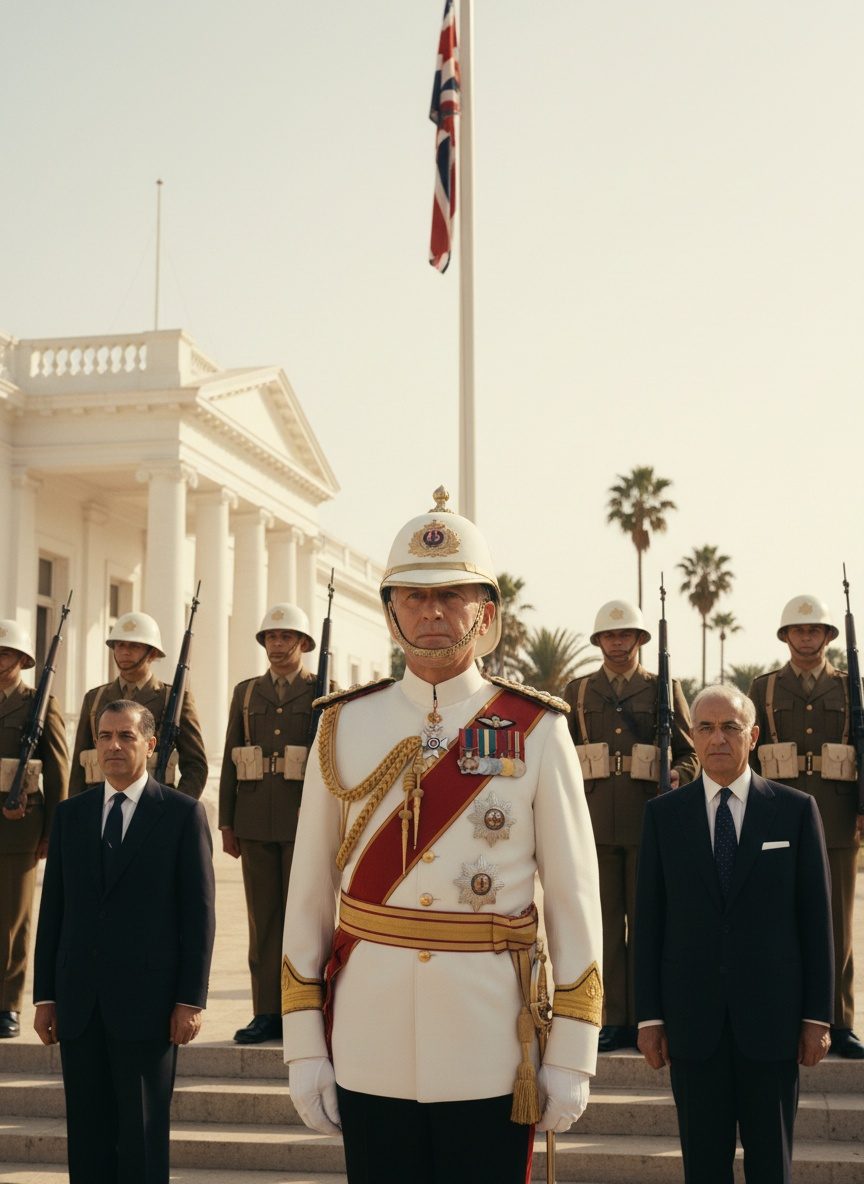
August 1960. Cyprus had fought for years to be free. Governor Foot stood on the steps of Government House. He signed the papers. The Union Jack came down. A new flag rose. He watched. Then walked quietly to the waiting car.
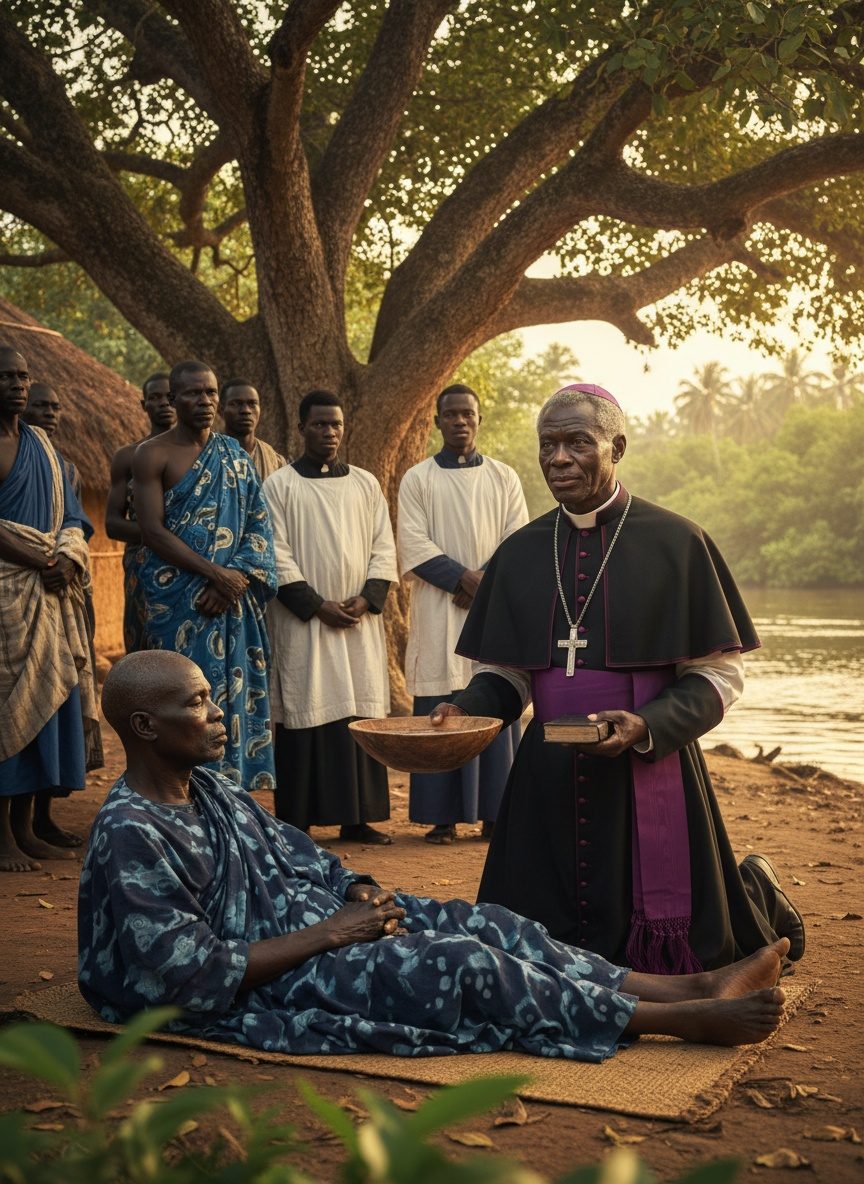
1864. Deep in the Niger Delta. A man once sold into slavery now stood as Africa's first Black Anglican bishop. He knelt beside a dying chief. He spoke in Yoruba. He baptised him. A slave had become a shepherd.
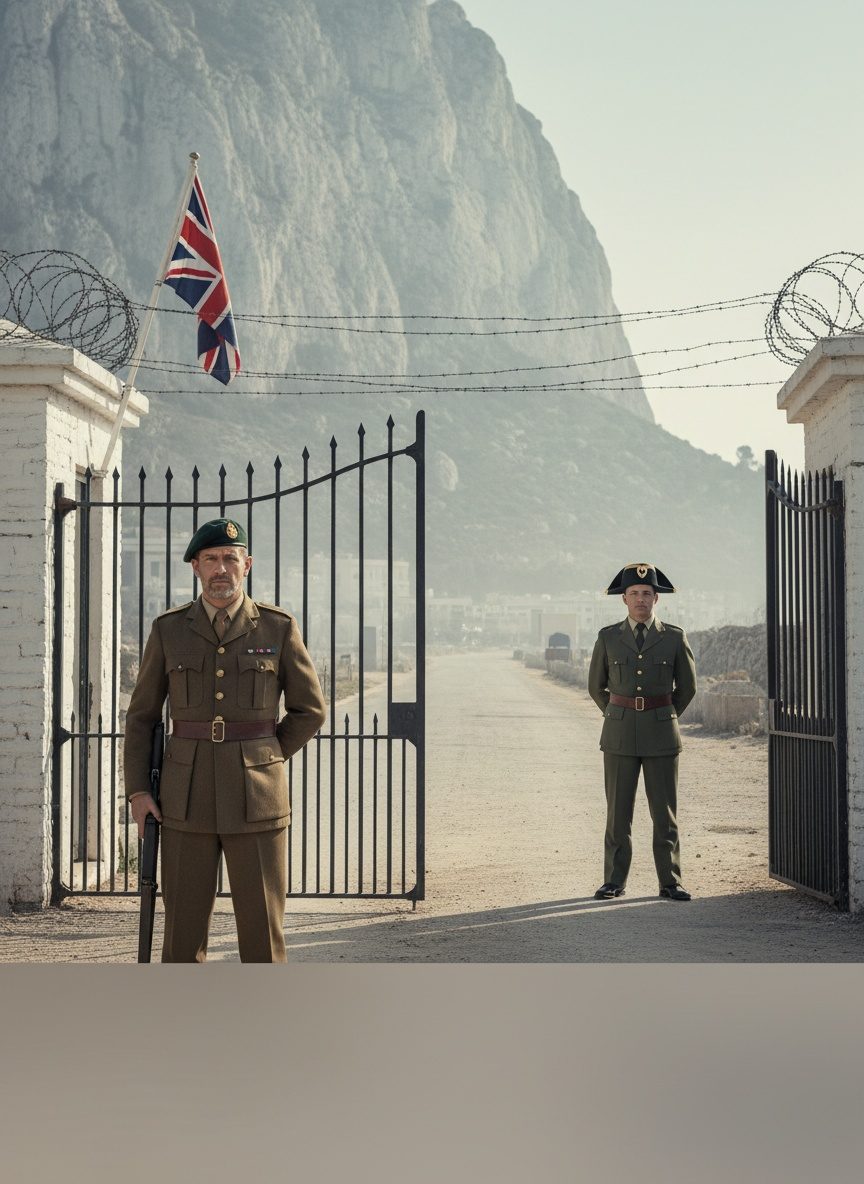
In 1969, Franco slammed the border shut. 15,000 workers cut off overnight. Families split. Britain held the Rock — but never answered the siege. It lasted thirteen years.
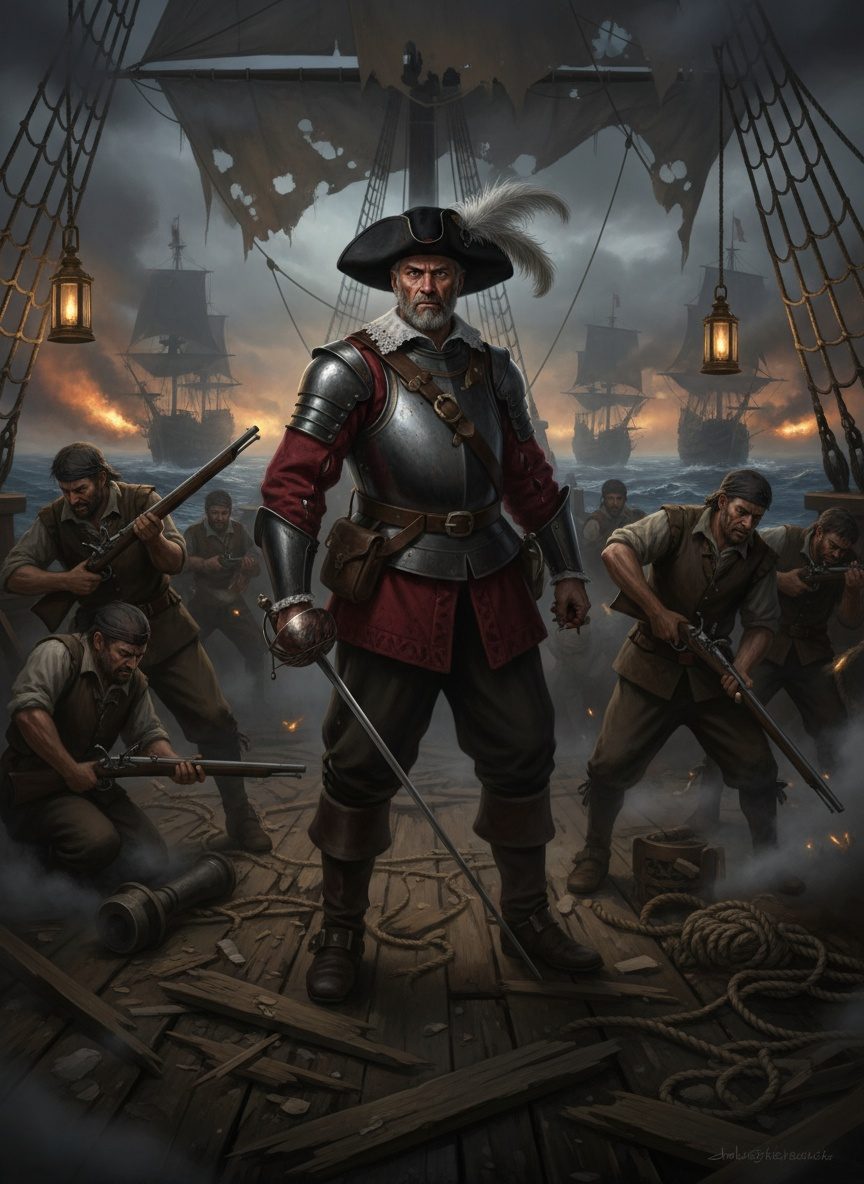
August 1591. One English warship. Fifteen Spanish galleons. Sir Richard Grenville refused to run. The Revenge fought through the night. Alone. When she finally fell, she had not surrendered. She had simply run out of men to fight.
June 1813. HMS Shannon lay off Boston harbour. Captain Philip Broke wrote a letter to the USS Chesapeake. A formal challenge. Ship to ship. Come out and fight. She came. Thirteen minutes later, she was British.
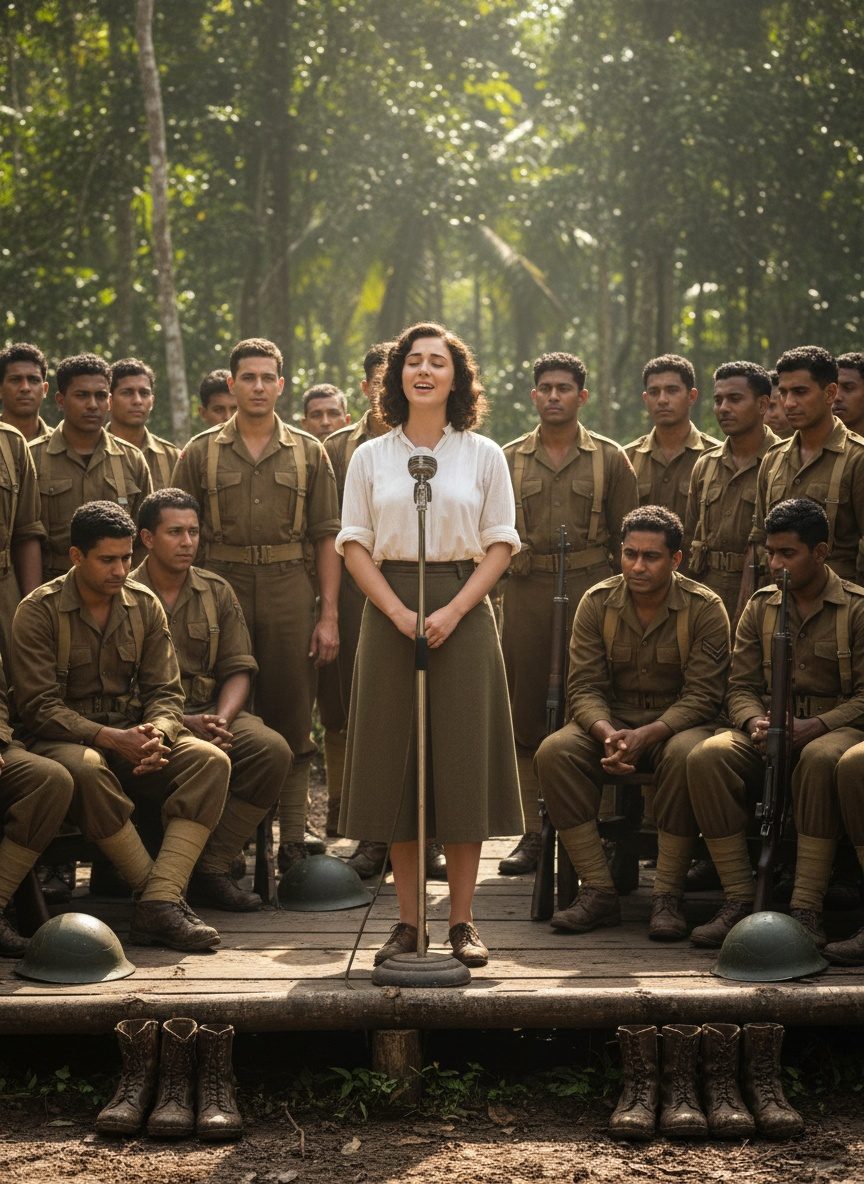
She had no rank, no rifle, no uniform. But when Vera Lynn sang to British soldiers in the Burmese jungle in 1944, she was given something no general ever received — unconditional devotion.
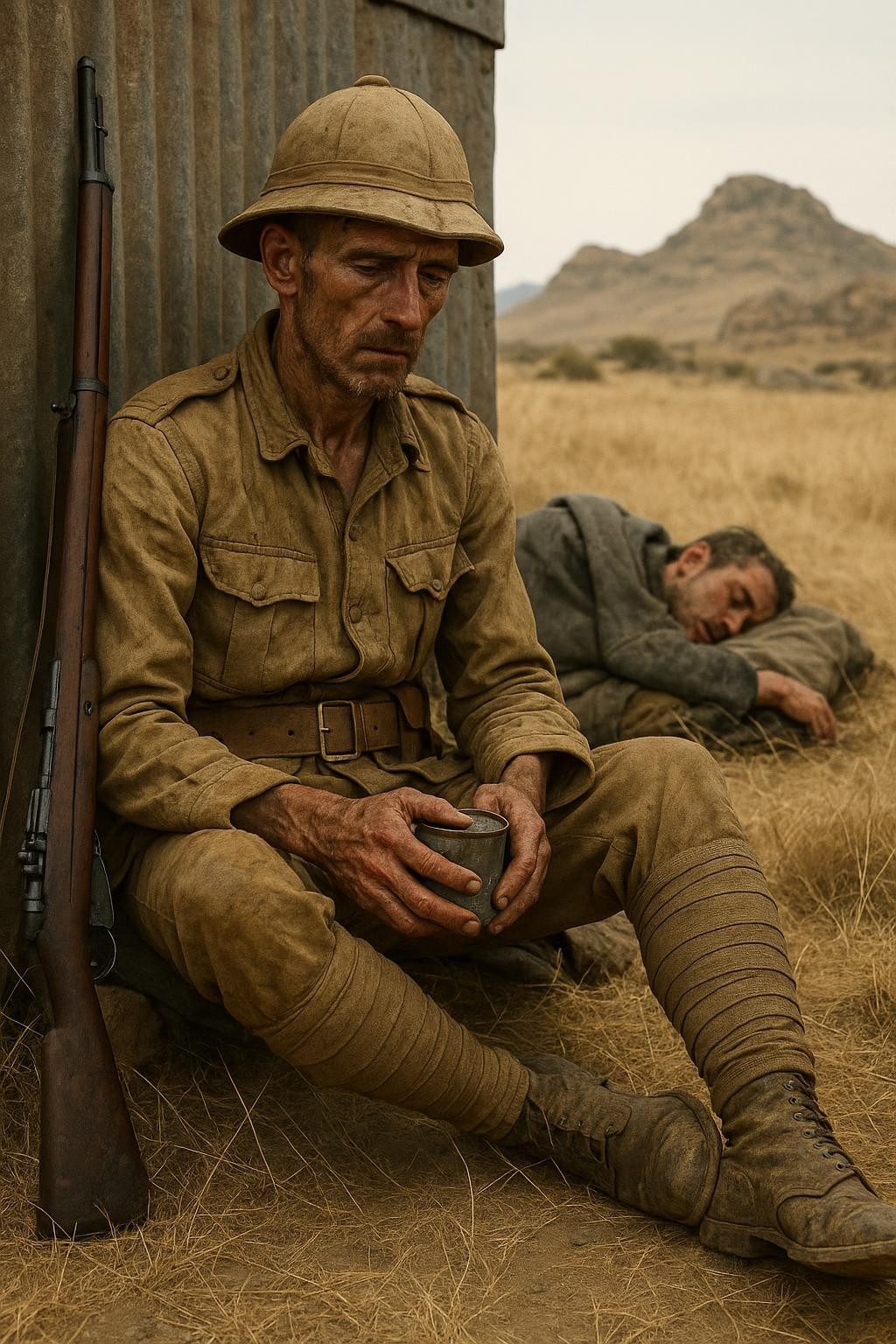
Soldiers weren't falling to Boer bullets. They were falling to their own rations. Tinned meat. Biscuit. No vegetables. Scurvy and enteric fever killed more British troops in South Africa than combat ever did.
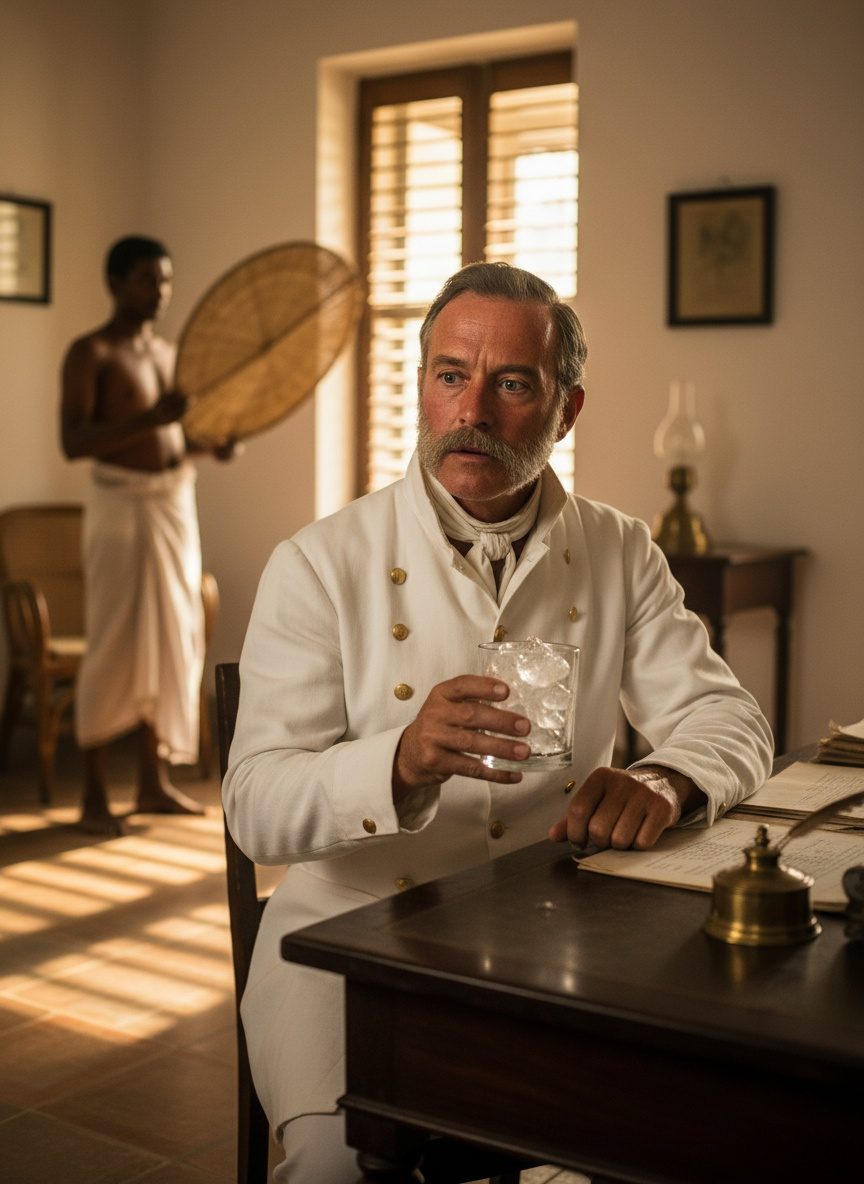
Delhi, 1833. British officials were dying from the heat. A merchant named Frederic Tudor shipped 180 tons of ice from Boston to Calcutta. It arrived intact. For the first time, a British officer in India tasted a chilled drink. Nothing was the same again.
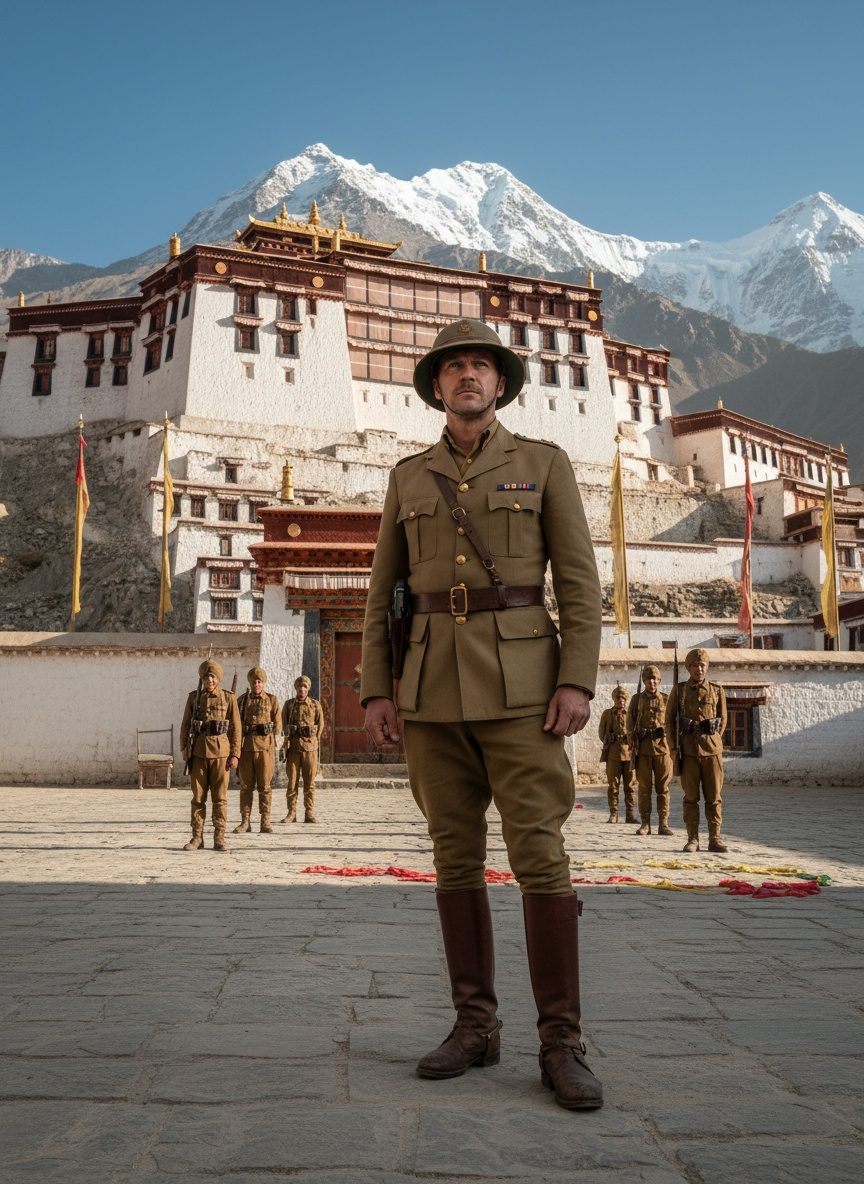
August 1904. No army had ever entered Lhasa. Francis Younghusband led his column through the Forbidden City's gates. The Dalai Lama had fled. The golden temples stood silent. Britain had reached the roof of the world.
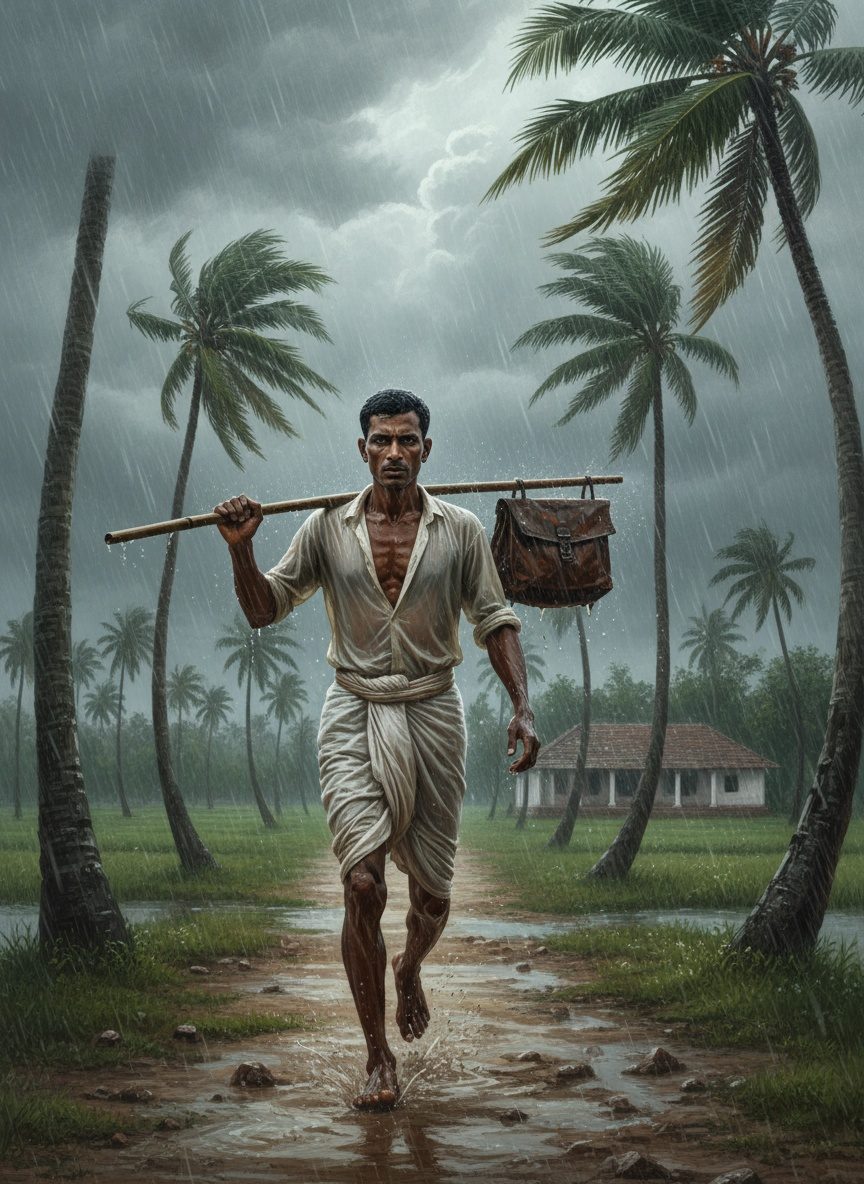
India. Monsoon season. 1877. The rivers were rising. The roads were gone. But the mail had to move. He ran anyway. Barefoot. Through the flood. Twenty miles. The letter arrived.
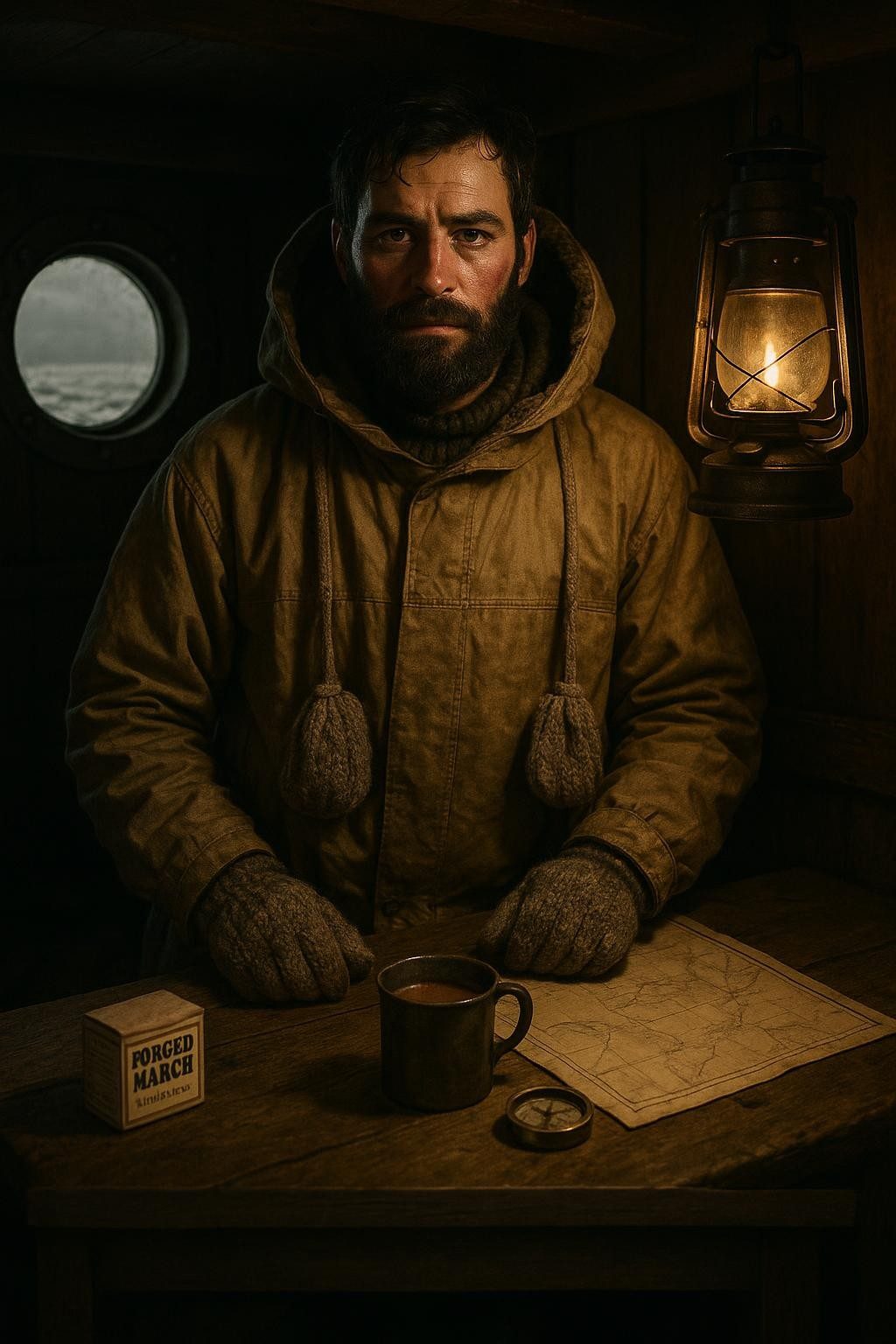
British polar explorers carried cocaine tablets called 'Forced March' — made in London. Scott's 1901 Discovery crew relied on them in crisis. The Empire's most respectable pharmaceutical firm supplied them.
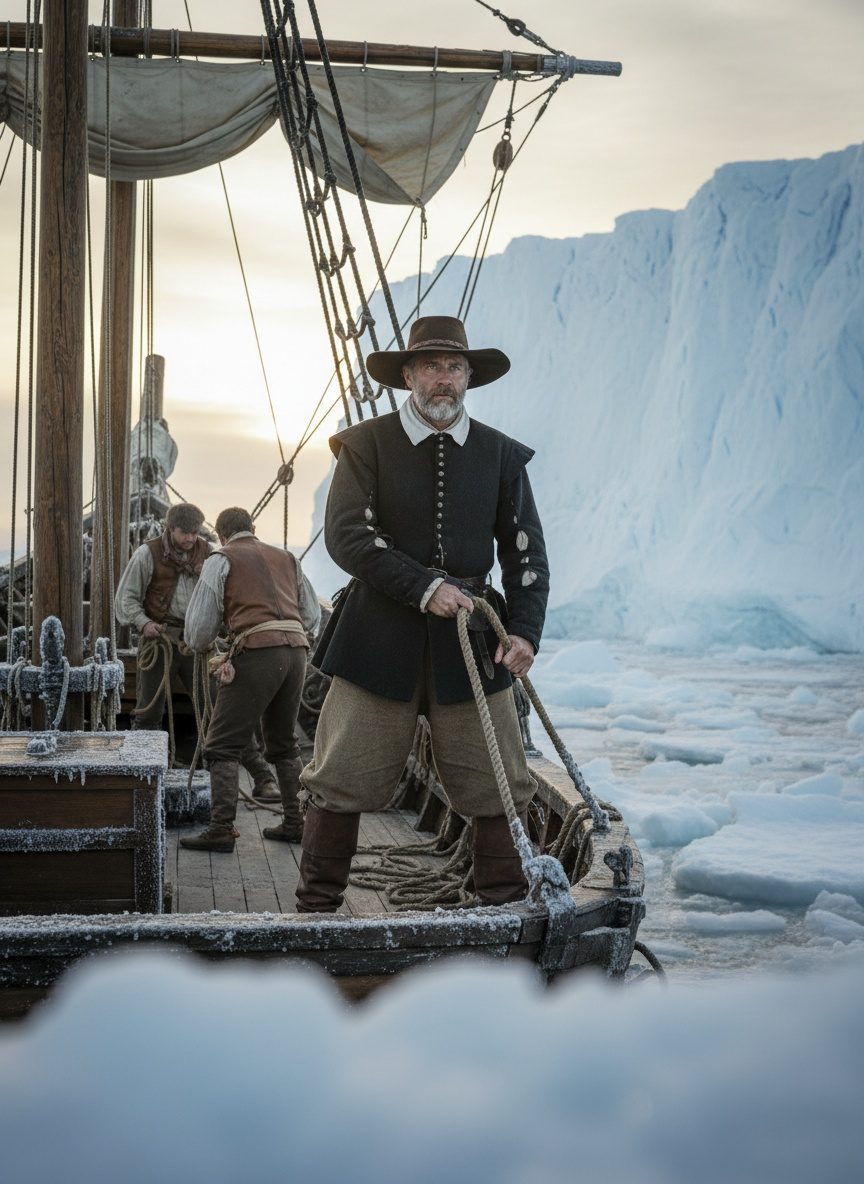
1607. Henry Hudson pointed his tiny ship north. His crew begged him to turn back. The ice closed around the hull. He refused. He pushed further north than any Englishman before him. The passage was not there. But the courage was.
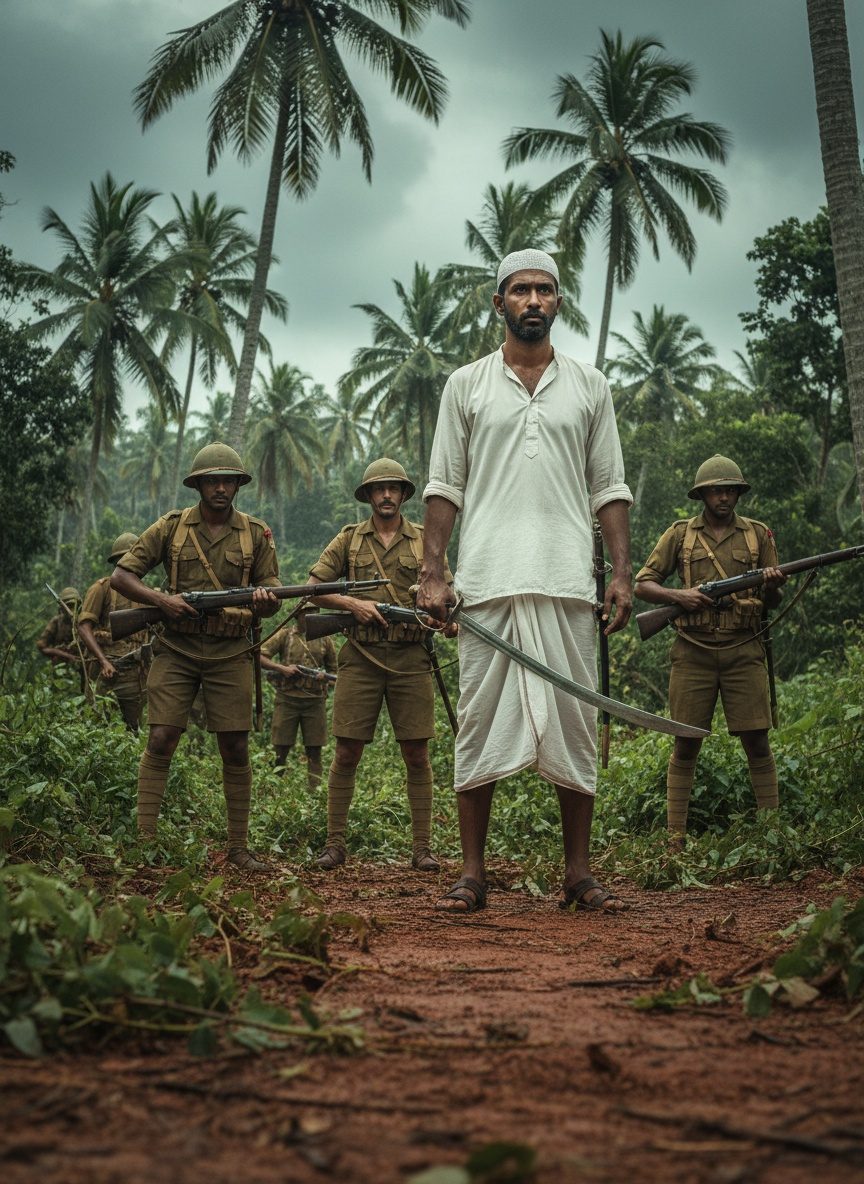
August 1921. In the hills of Malabar, the Moplah Muslims rose. They burned courts and drove out revenue officers. Britain sent the Dorset Regiment. The jungle swallowed both sides whole.
2 May 1945. The war had days left. But in a pocket south of Lübeck, German troops still fought. The Wiltshires went in on foot. The Guards came in armour. Together, they finished it.
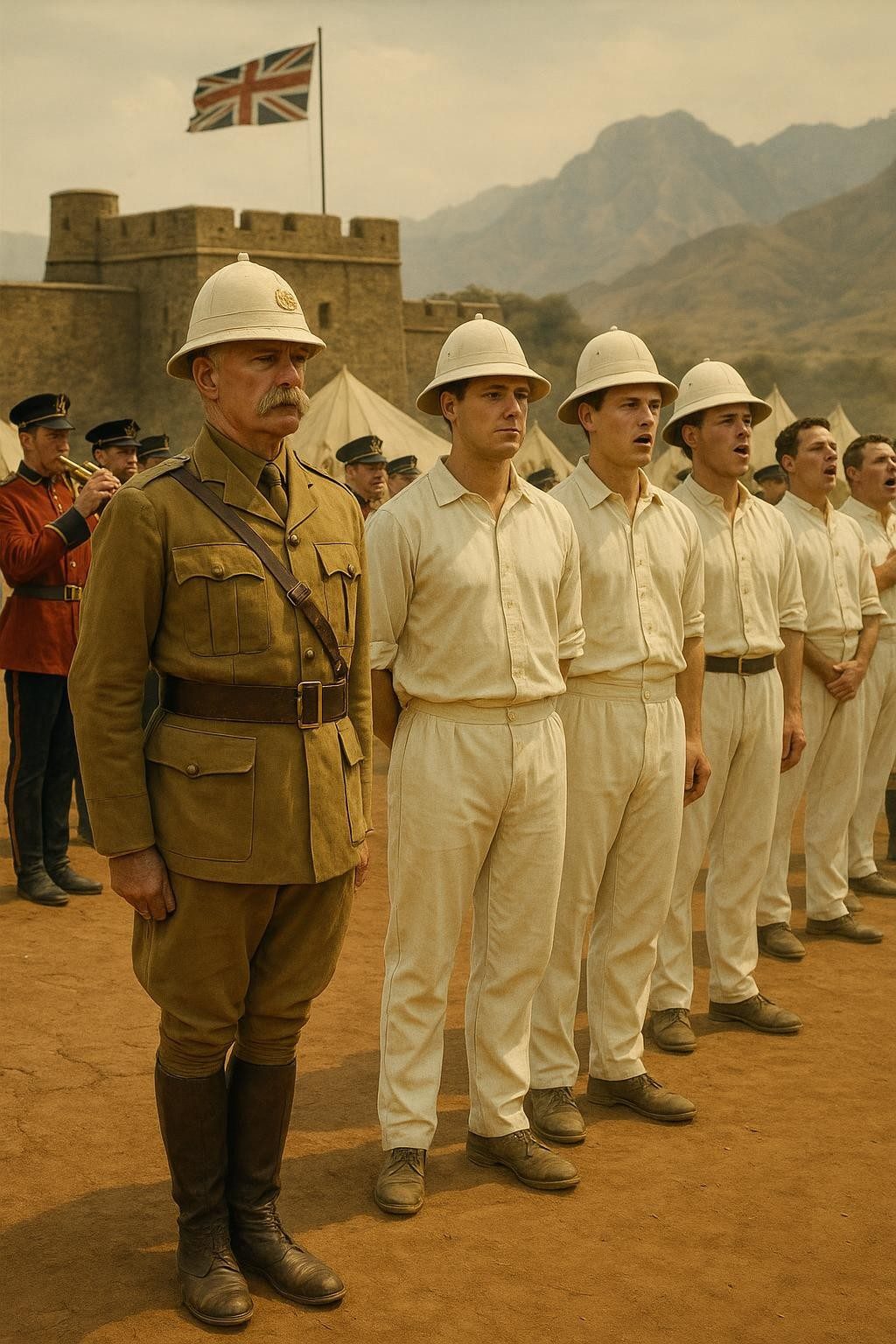
A British cricket XI toured India in 1878. Before a match near Peshawar, the band struck up God Save the Queen. Half the players stood silent. The regiment's colonel watched. He never picked three of them again.
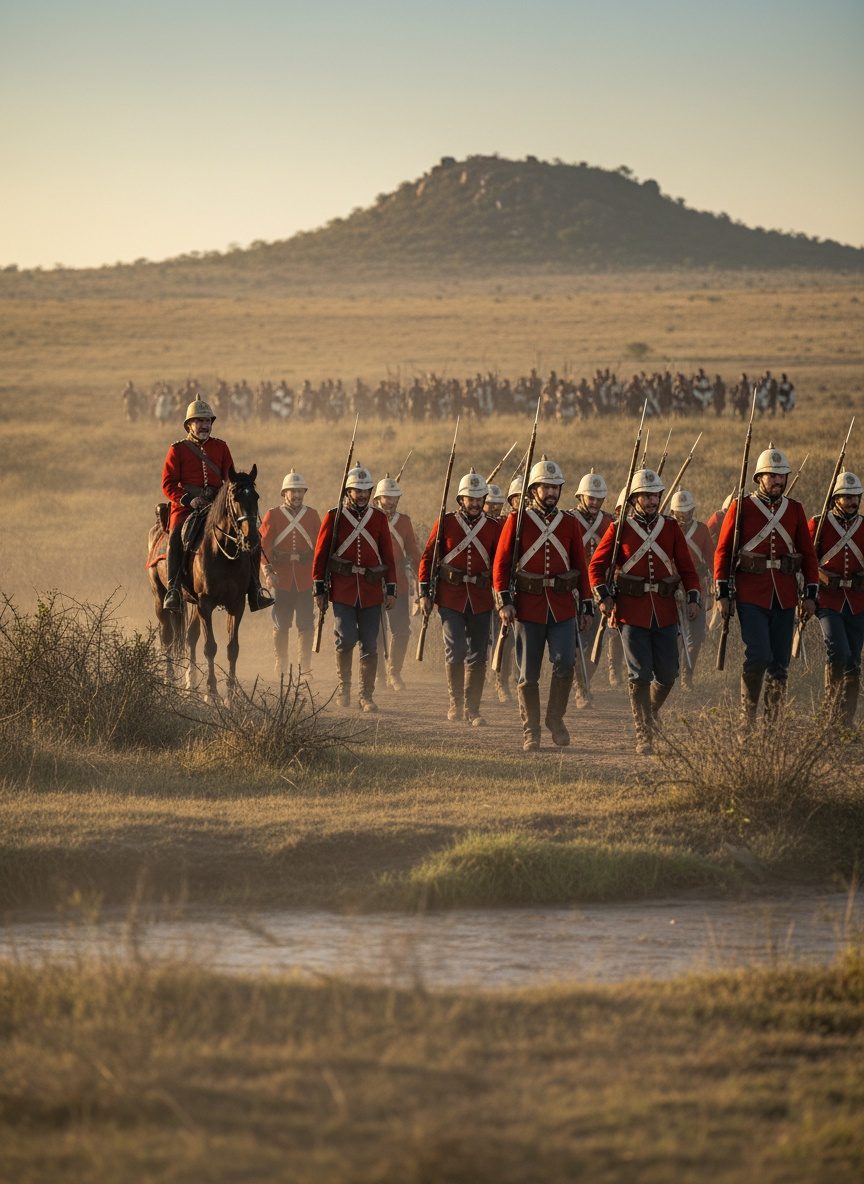
22 January 1879. Chelmsford's column had been destroyed. By dawn on the 23rd, he led his exhausted survivors back — straight toward a Zulu force that had fought all night. Neither side fired. Both were spent.
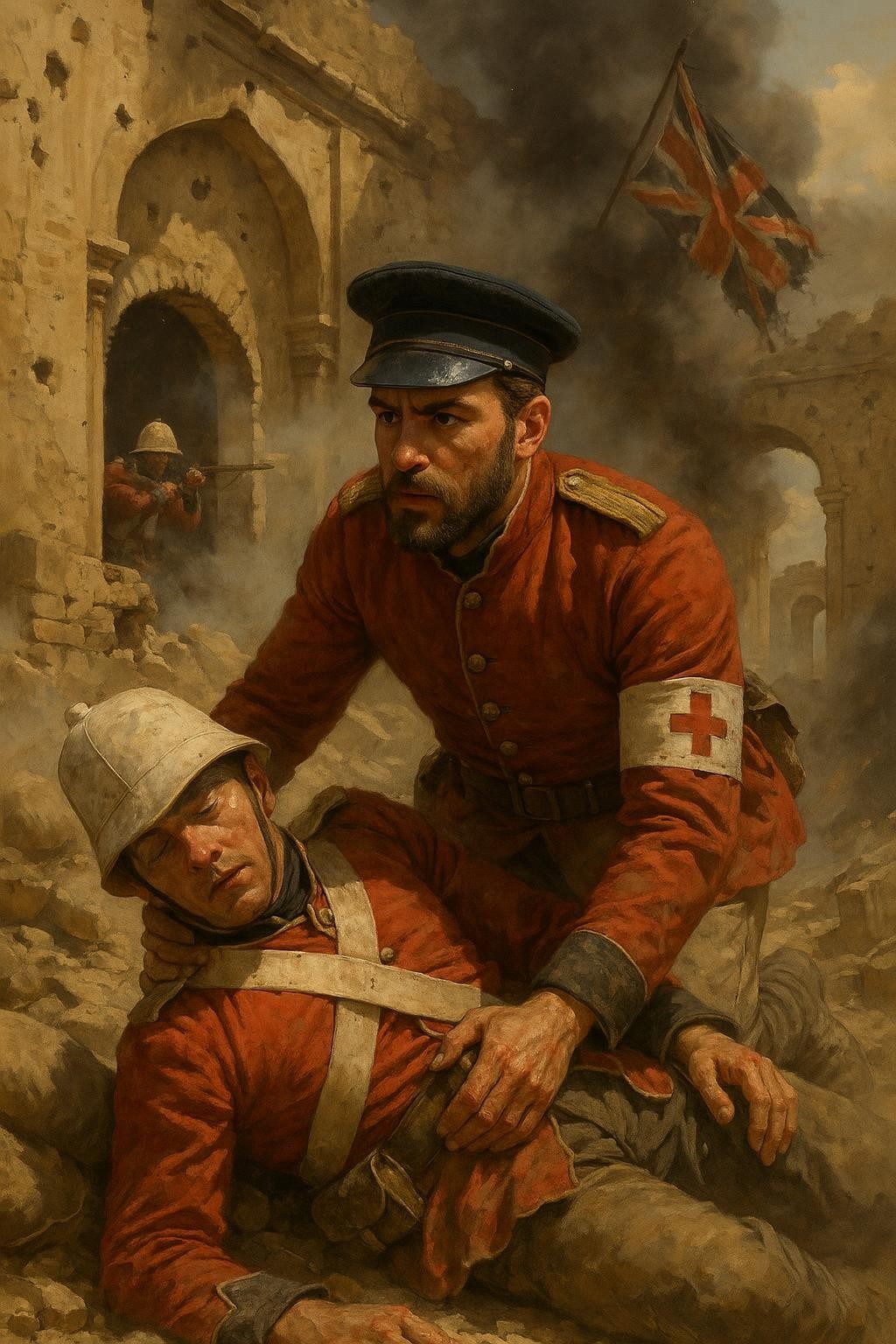
September 1857. The Lucknow Residency was burning. Surgeon William Lowe had no weapon. He stood at the breach anyway. He pulled the wounded clear. He held the line. A doctor became the last defence.
Allahabad, 1904. A woman walked into a British courtroom. No woman had done it before. Cornelia Sorabji was India's first female barrister. She fought for purdahnashins. Widows locked away. Robbed blind. She gave them a voice.
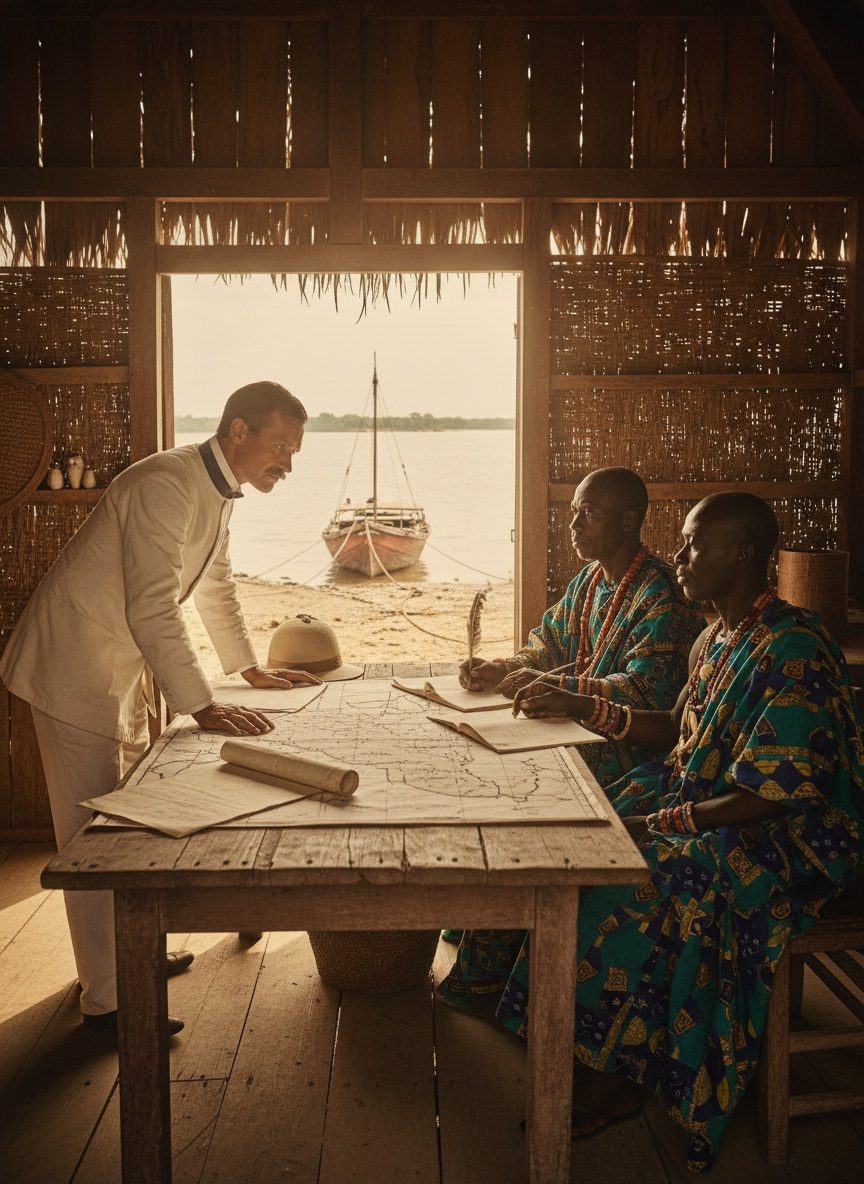
1884. A lone Scotsman sat across from the chiefs of the Niger Delta. No army behind him. No warship in sight. He offered a treaty. One by one, they signed. Britain had a river empire — won with ink.
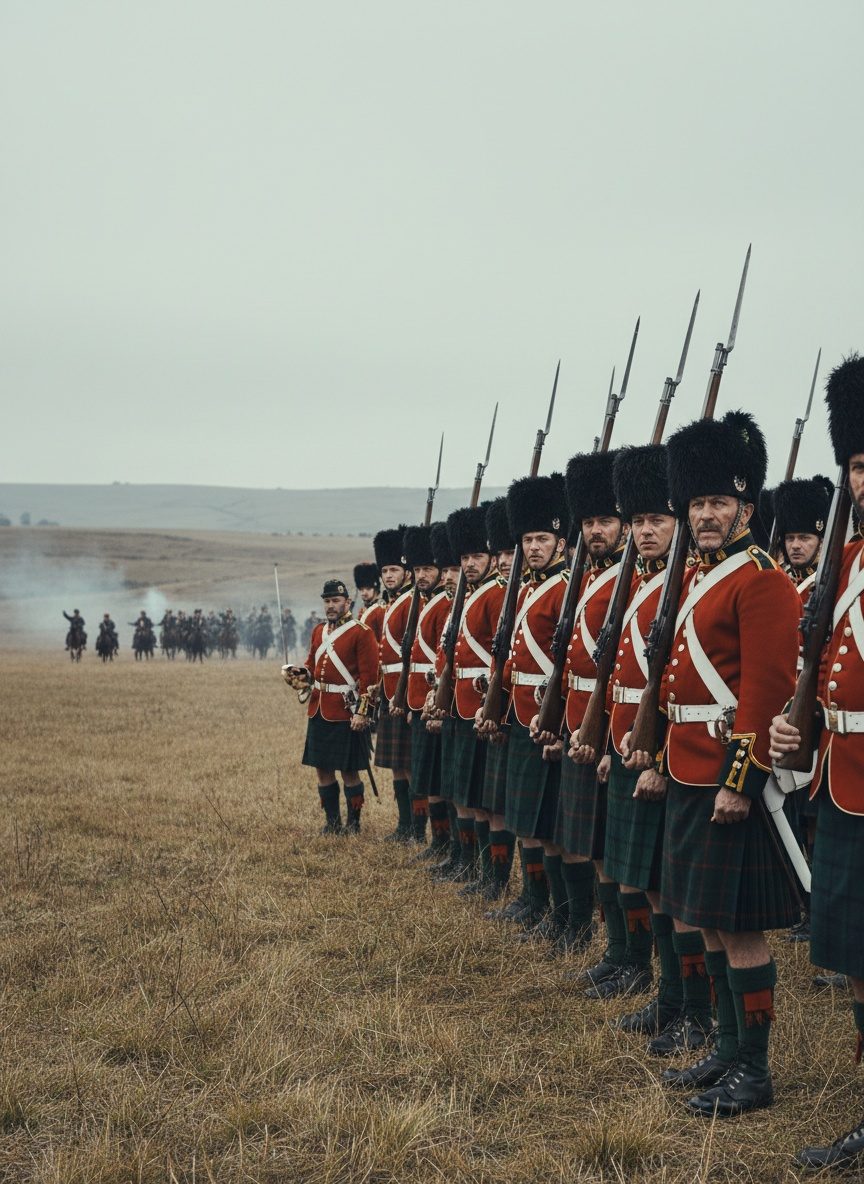
November 1854. Russian cavalry charged toward Balaclava. One thin line of Highlanders stood between them and the base. Sir Colin Campbell told his men there was no retreat. They held. They fired twice. The Russians turned.
Hand-picked from Britain Untold's archive. The stories you weren't taught at school. 3-minute read.
No spam. Unsubscribe in one click. We hate spam too. Privacy Policy.