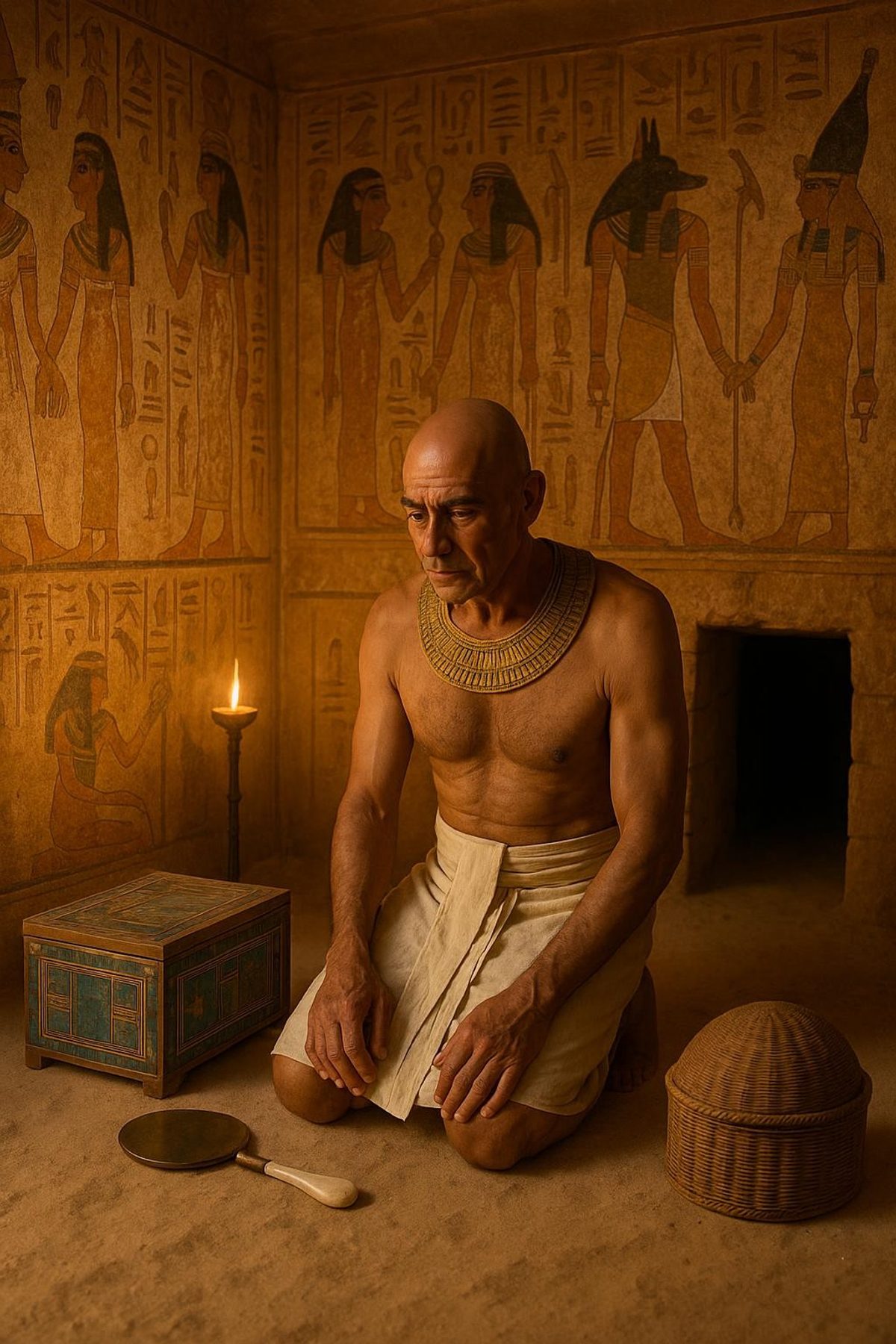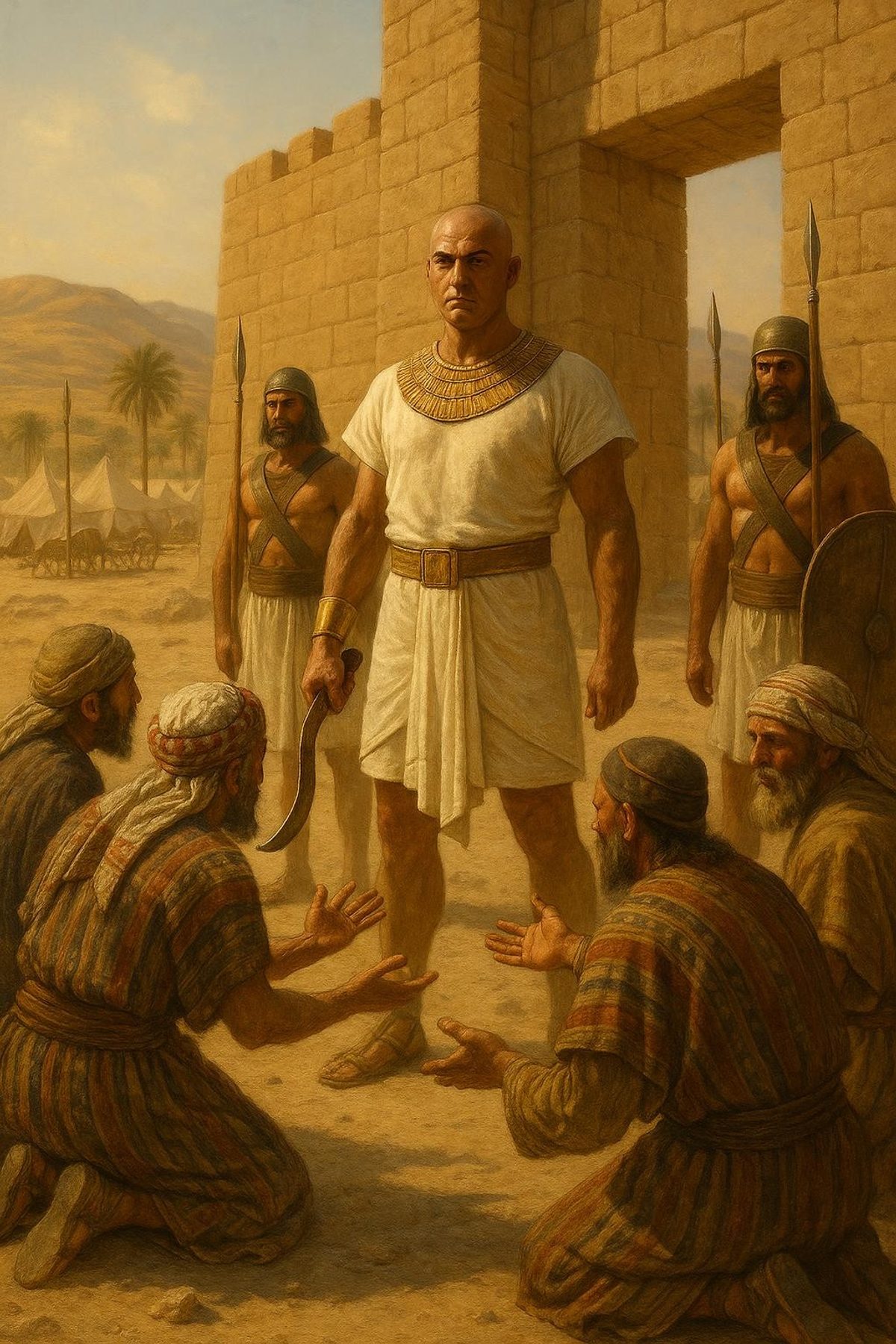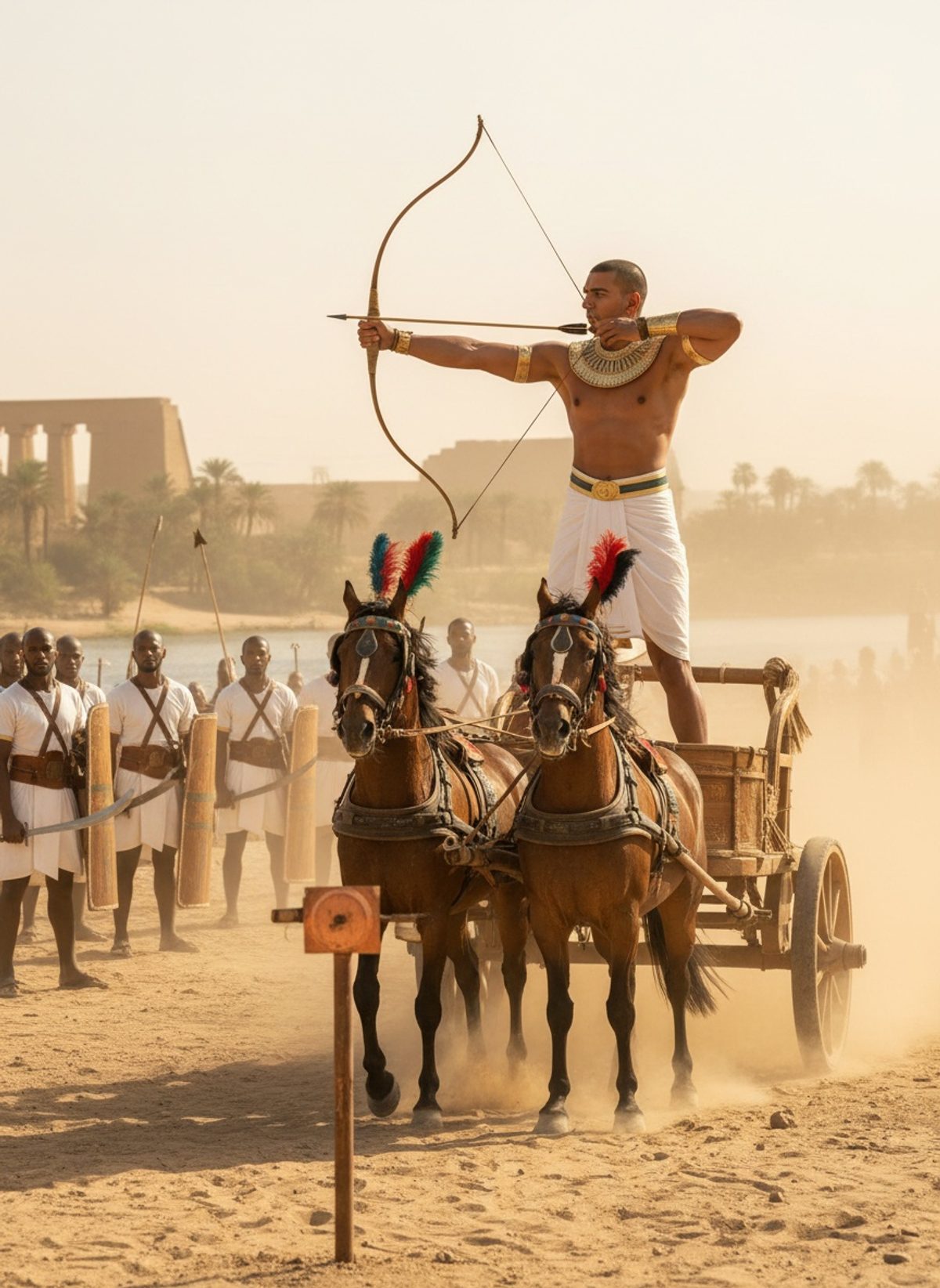
Circa 1380 BC. The banks of the Nile shimmered under the unforgiving Egyptian sun.
A Commoner's Rise
In an era dominated by the grandeur of pharaohs and the divine elegance of their courts, the name Amenhotep Son of Hapu rose from humble beginnings to become one of Ancient Egypt’s most revered figures. Born in Athribis, known today as Banha, and living towards the end of the reign of the formidable Thutmose III, Amenhotep's rise was nothing short of extraordinary. Educated in the art of literacy at a local library and scriptorium, he was not a man of privilege, but rather a figure molded by his own intellectual prowess and adaptability.
Amenhotep's administrative acumen became evident as he served as a Scribe of Recruits under Pharaoh Amenhotep III. This role was not merely bureaucratic; it was crucial. As the organizer of labor and provider of manpower for the pharaoh’s many ambitious projects, Amenhotep ensured the realization of architectural wonders that would echo through history. Among these was the majestic mortuary temple at western Thebes, of which the colossal stone guardians, the Colossi of Memnon, still stand sentinel over time's passage.
With responsibilities also extending to architecture, Amenhotep is attributed with significant plans, such as those for the renowned Luxor Temple and the Temple of Soleb in Nubia. His involvement in the creation of the quarry of El-Gabal el-Ahmar showcases not only his architectural insight but also his hands-on approach to building the legacy of his time.
Read next: Harkhuf Brought a Dancing Dwarf. The Pharaoh Wept.
Despite his pivotal role and the accolades that came with it, Amenhotep did not lose touch with the common people. His commitment to the populace was distinct, even audacious, for an Egypt ruled by divine kings. The same hands that drafted plans for temples held the hearts of the disadvantaged, stepping where others of his status dared not tread.
The People's Scribe
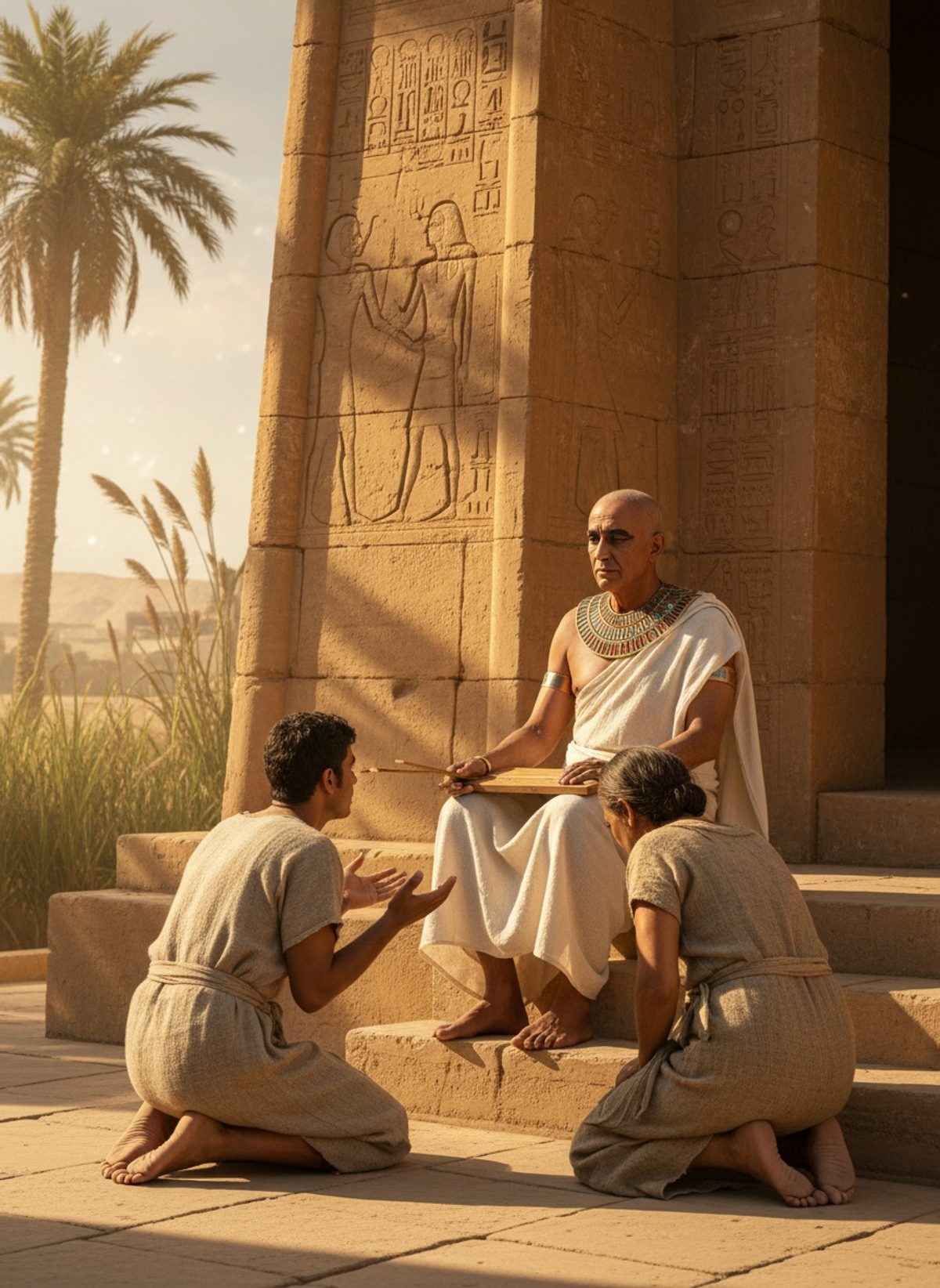
In the rigid hierarchical society of Ancient Egypt, where the voices of the common people often went unheard, Amenhotep, Son of Hapu, broke the mold. With the tacit blessing of Pharaoh Amenhotep III, he transformed his home into a bastion of hope, opening its doors not to the powerful, but to the impoverished seeking justice and intervention.
This act of opening his doors, literally and figuratively, to the cries of the people was unheard of, marking a paradigm shift in how the elite operated. Amenhotep would hear petitions personally, a conduit for grievances in a world where such voices floated unheard amidst the ceaseless clamor of aristocratic privilege.
In this unique role as a public ally, Amenhotep displayed characteristics that bordered on the empathetic and revolutionary for his era. His petition-gathering sessions would serve as a primitive but effective forums for those seeking redress. As an intermediary between the common folk and the pharaonic throne, Amenhotep wielded influence not just through architecture and recruitment but through genuine public service.
This act did not go unnoticed. In a society where peers moved among the pantheon of gods, Amenhotep chose to walk amongst mortals, and the people responded with reverence. The Pharaoh himself, wise to the sway his scribe had over the hearts of his subjects, allowed this breach of social norms, recognizing in Amenhotep the ability to maintain harmony within his kingdom.
The legacy of Amenhotep, Son of Hapu, began to transcend life and veer into the realms of legend. Posthumously deified alongside Imhotep, another sage from times past, Amenhotep was immortalized as a god of healing, a testament to the deep impact he had on the land and its people.
Eternal Reverence
Despite his passing, Amenhotep’s legacy endured, etched in the sands of time, cultivated by a grateful populace that venerated him as a healer and philosopher. His teachings continued to resonate, and devotees across Egypt revered him as a figure of wisdom and solace.
The remarkable stature Amenhotep achieved after his death is vividly illustrated by the honors bestowed upon him. Statues of him as a scribe were placed within the hallowed halls of temples, where ordinary Egyptians approached them with prayers for understanding and healing. A funerary temple in Thebes dedicated to his memory stood beside the monument he had helped craft for Pharaoh Amenhotep III, a privilege that underscored the unique respect he commanded during and after life.
As the centuries rolled by, his cult persisted, supported by inscriptions and dedications that spanned dynasties. Even during the Ptolemaic period, which saw a resurgence in his worship, chapels in significant religious sites bore his name, reaffirming the enduring reverence he inspired.
This extraordinary journey from civil servant to deified figure, a commoner enshrined by society not through coercive power but through the altruistic use of influence, offers profound insights into the fabric of human history. In Amenhotep, we see the enduring strength of empathy and action in the service of others. It is a lesson as resonant today as it was in the shadow of the ancient colossi. In moments when the greatness of empires often overshadowed the needs of men, Amenhotep's story is a rare reminder that true leadership is felt not in command but in compassion.