History is often written with a sword. Thutmose III used a different tool—compassion.
The Siege at Megiddo
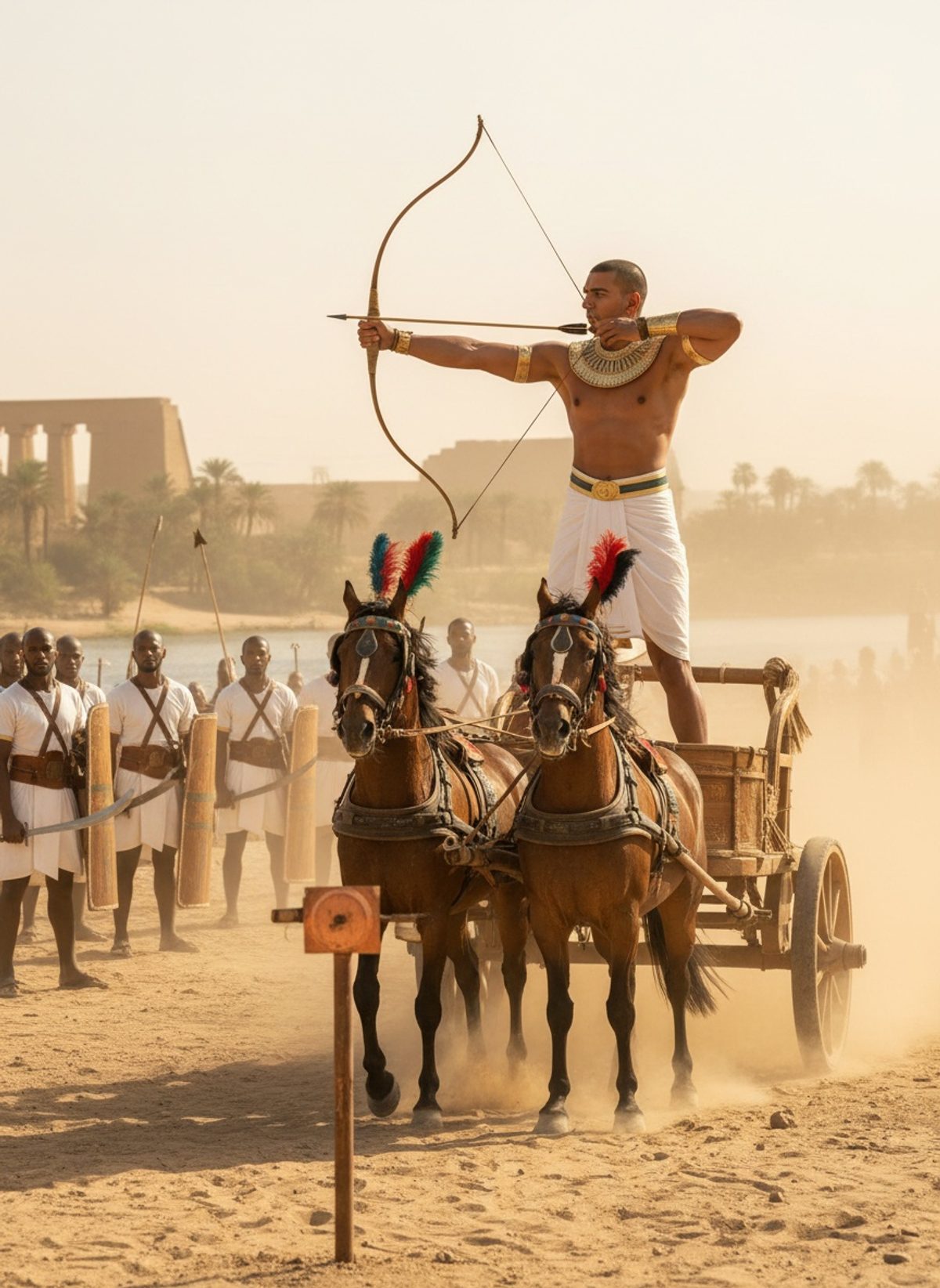
In 1457 BC, the ancient city of Megiddo found itself ensnared in the web of Egyptian ambition. Thutmose III, a young pharaoh determined to consolidate power and assert Egypt's dominance over Canaanite territories, led his forces into a campaign that would become legendary. Megiddo, perched with strategic prowess on a hill in what is now Israel, was not just any target. It was the nucleus of rebellion, where a coalition of Canaanite princes stood defiant against the looming shadow of Egyptian control.
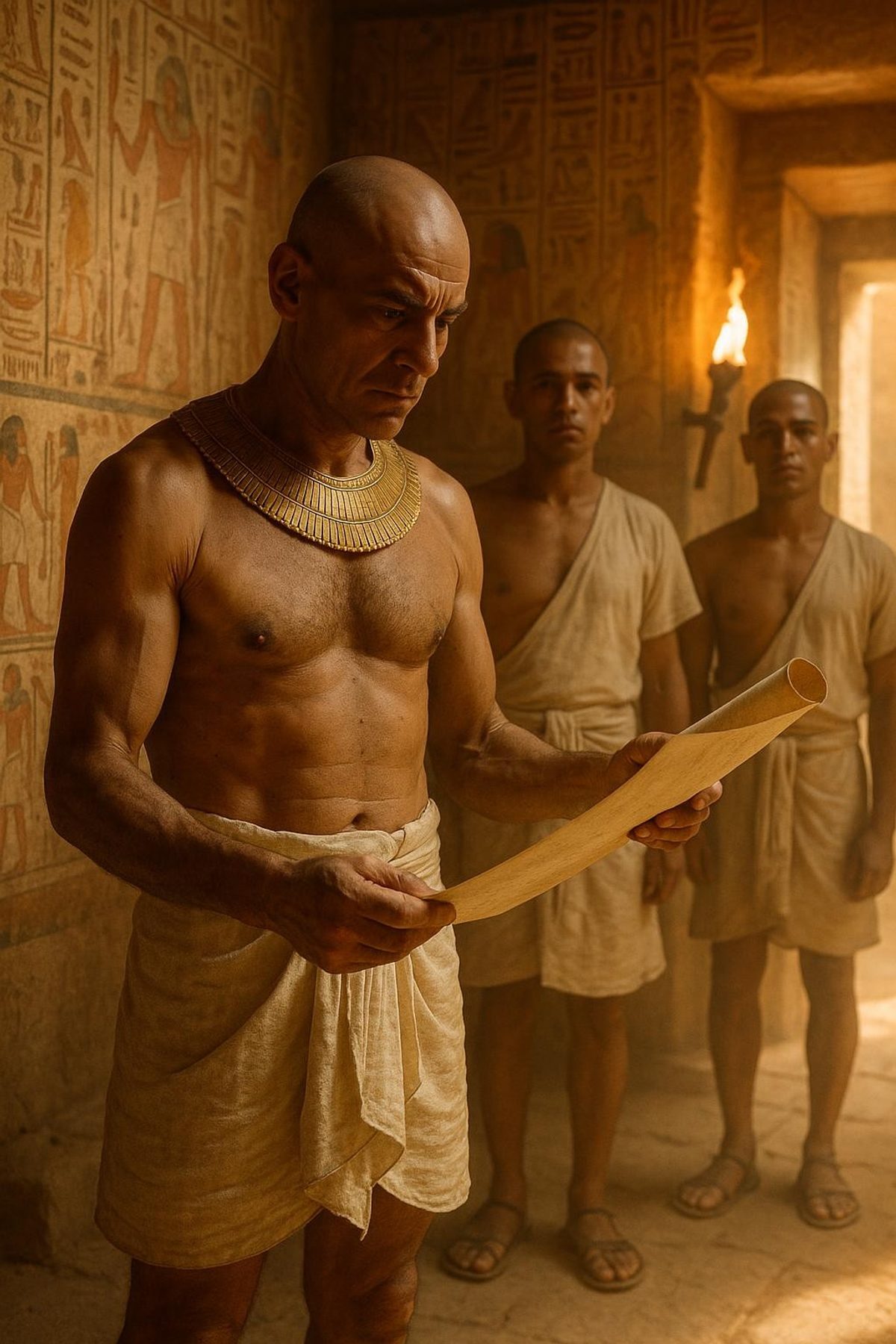
The siege was as brutal as it was inevitable. Egyptian forces, disciplined and seasoned, surrounded the city's walls, effectively cutting off any hope of reinforcements or sustenance for the defenders within. Under normal circumstances, the city would either face a bloody onslaught or starve into submission—a cruel fate shared by many before it. Yet, Thutmose had no intention of following the script of destruction that history had so often dictated.
The Surprising Compassion of a Conqueror
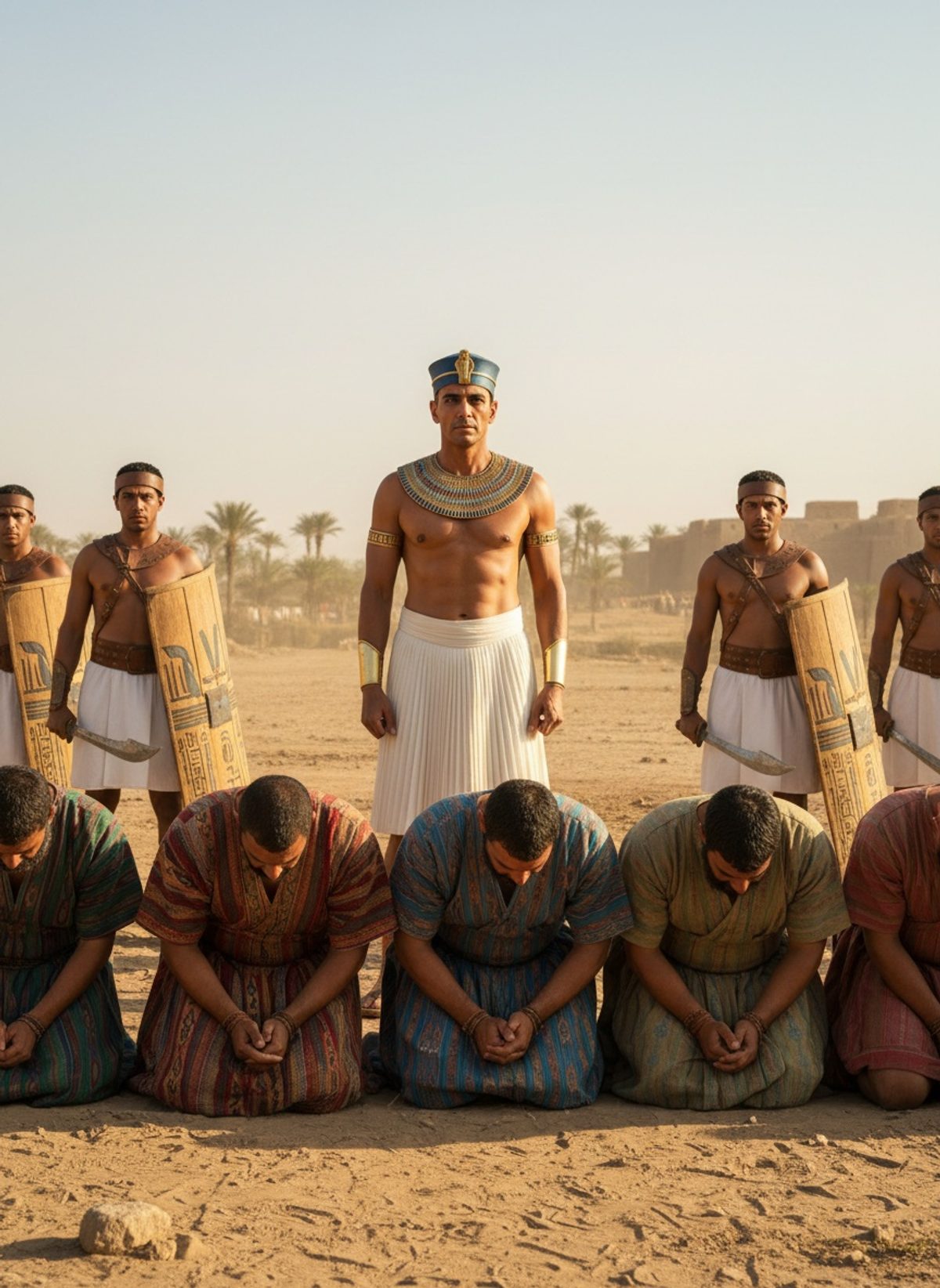
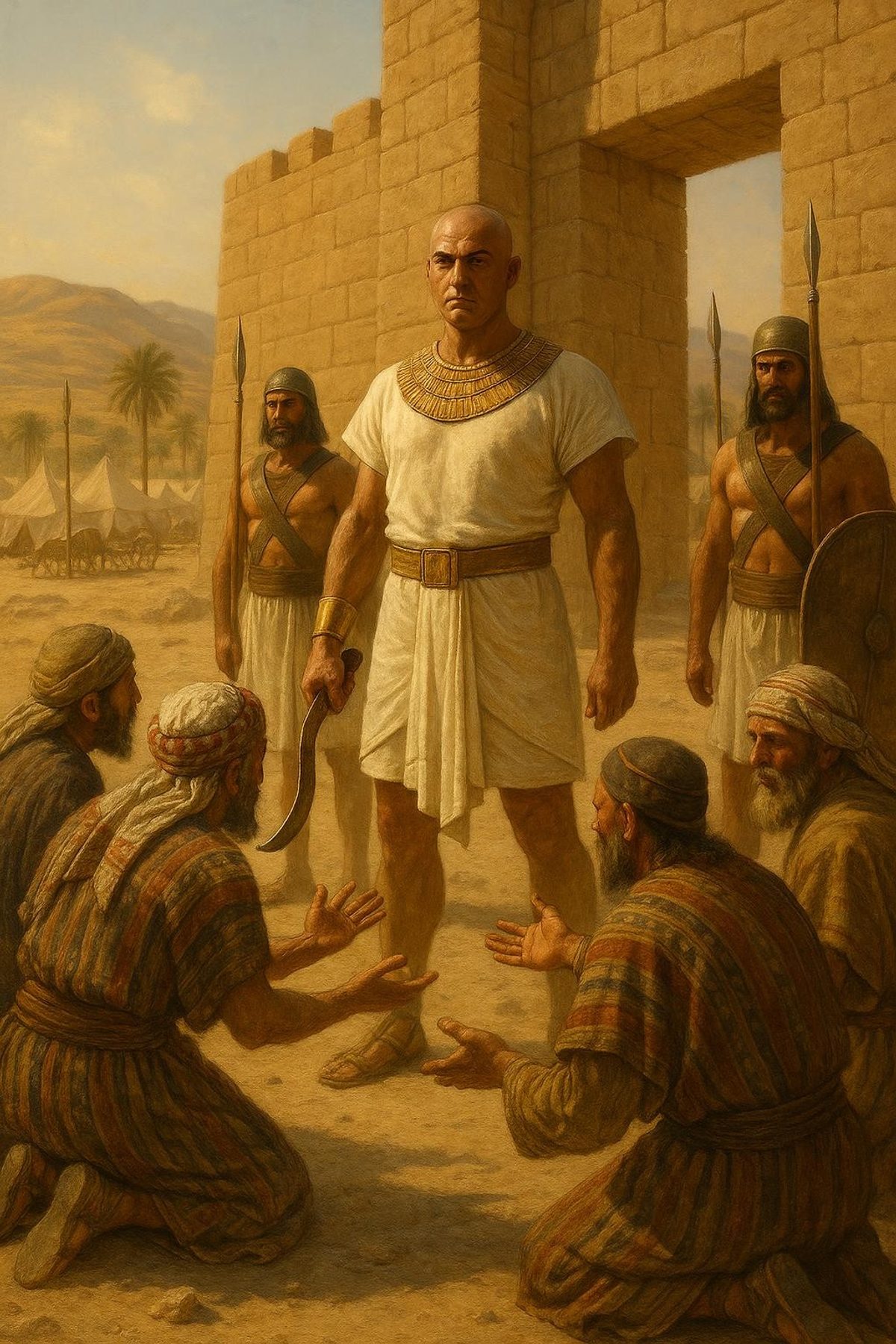
As the days of the siege dragged on, desperation mounted among the Canaanite leaders inside Megiddo. They were faced with a stark choice: wait for starvation to claw at their resolve or risk annihilation by resisting to the bitter end. When the gates finally creaked open, the chiefs and their families emerged, treading a path of defeat toward the Egyptian camp. Just as they prostrated themselves on the ground before Thutmose's generals, expecting harsh judgement or execution, a moment of historical rarity unfolded.
Read next: Amenhotep Son of Hapu Heard the Poor. He Wrote It Down.
Thutmose III made a choice that would echo through the ages. Rather than smash his heel down upon the vanquished, he displayed an unexpected leniency by sparing them. The defeated rulers, shaken yet alive, found themselves not only forgiven but respected. Their children, held as hostages meant to ensure compliance, were returned. Instead of punitive measures, they received gifts—symbols of goodwill and promise.
The Roots of an Empire’s Longevity
What prompted Thutmose III to forgo the merciless traditions of conquest might lie in his visionary understanding of rule and governance. By allowing these Canaanite chiefs to return home with dignity intact, Thutmose sowed the seeds of loyalty that stood to benefit his empire far more than burnt ruins would. He understood that an empire constructed on shared interests and mutual respect would endure longer than one held together by sheer force.
This act of clemency didn't just quell rebellion; it allowed Egypt to weave Canaan into its intricate tapestry of allies and vassals. By transforming potential adversaries into loyal subjects, Thutmose III bolstered the stability of the region. Through his policy of enlightened governance, the seeds of Egyptian influence spread far beyond the boundaries of traditional conquest, binding disparate peoples to the Pharaoh with ties stronger than mere subordination.
A Legacy of Unification
This shrewd blend of warfare and diplomacy not only secured Egypt's influence over the newly subjugated lands but also fortified Thutmose's own legacy. His rule marked a zenith in Egyptian territorial might, a testament to the power of strategy both on the battlefield and in the halls of governance. The choices made in that spired city on the hill reflected a profound understanding of what it means to wield power—a blend of strength tempered with humanity.
In a world accustomed to the relentless march of conquerors, Thutmose III’s actions at Megiddo stand out as an echo of a future yet to come—a world where diplomacy can wield as much power as the sword. We may never know all the stories of those whose lives were spared that day, but the lessons of understanding and empathy over blind destruction remain etched in the annals of history, a reminder that sometimes the most enduring empires are those built upon foundations of compassion.