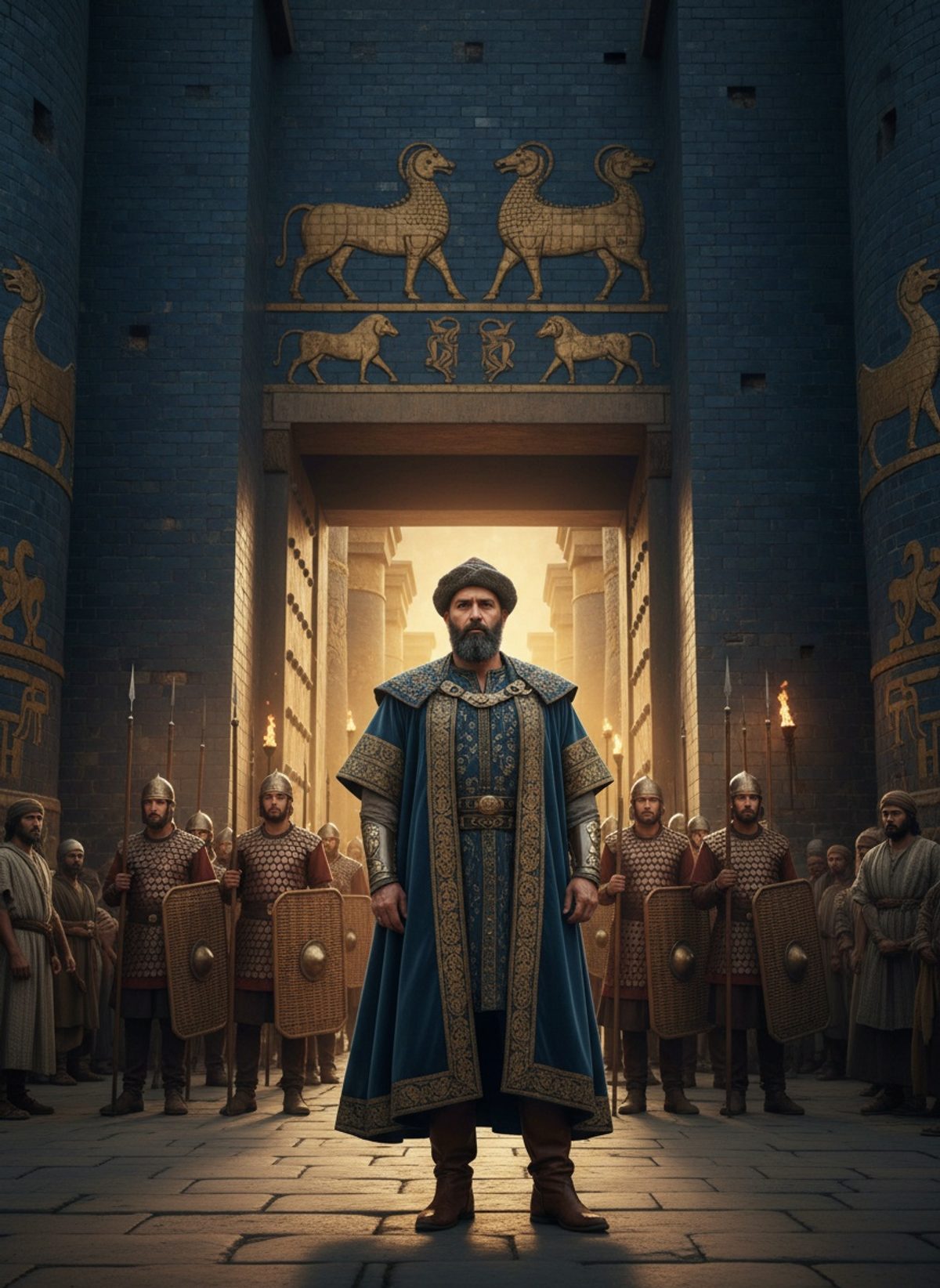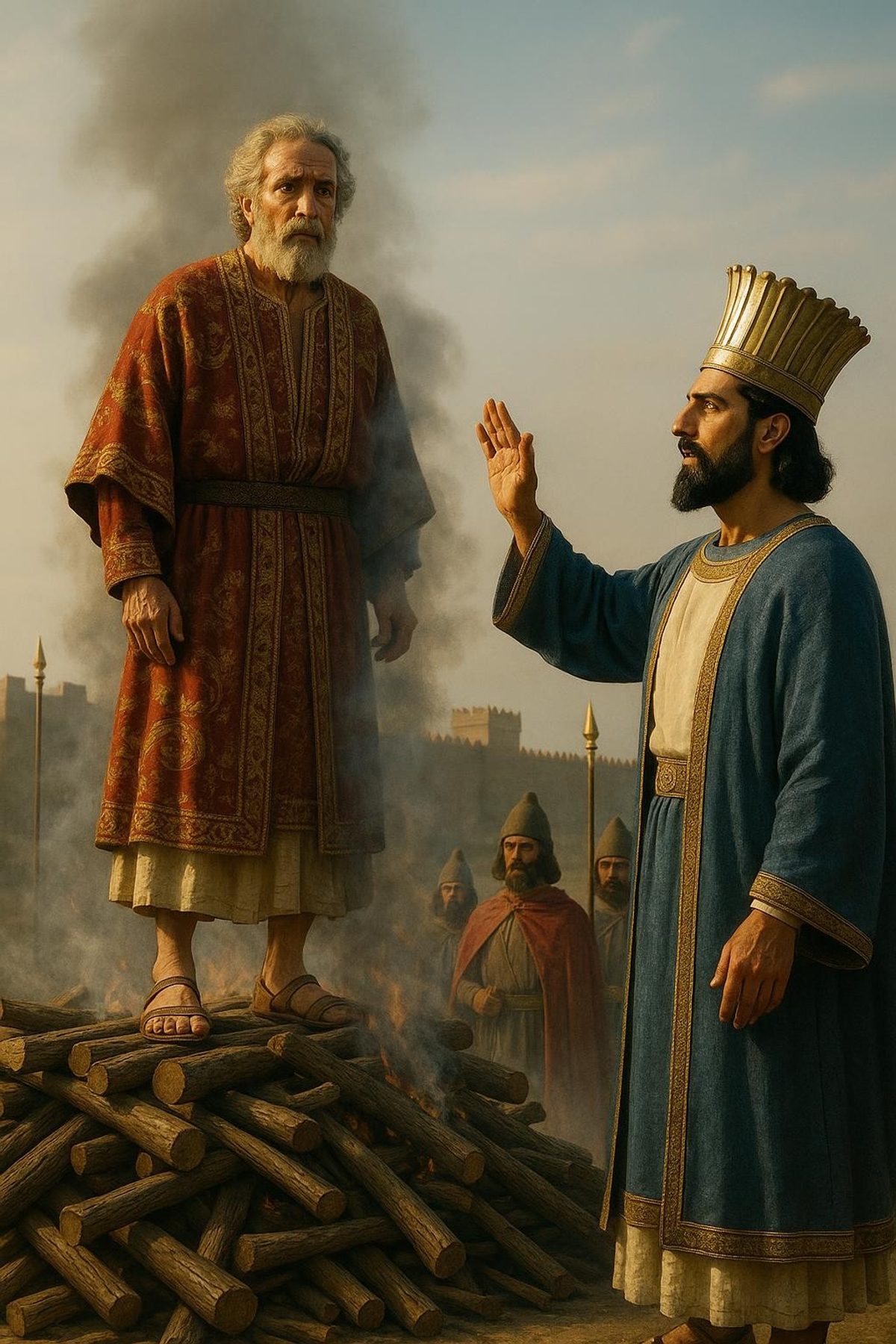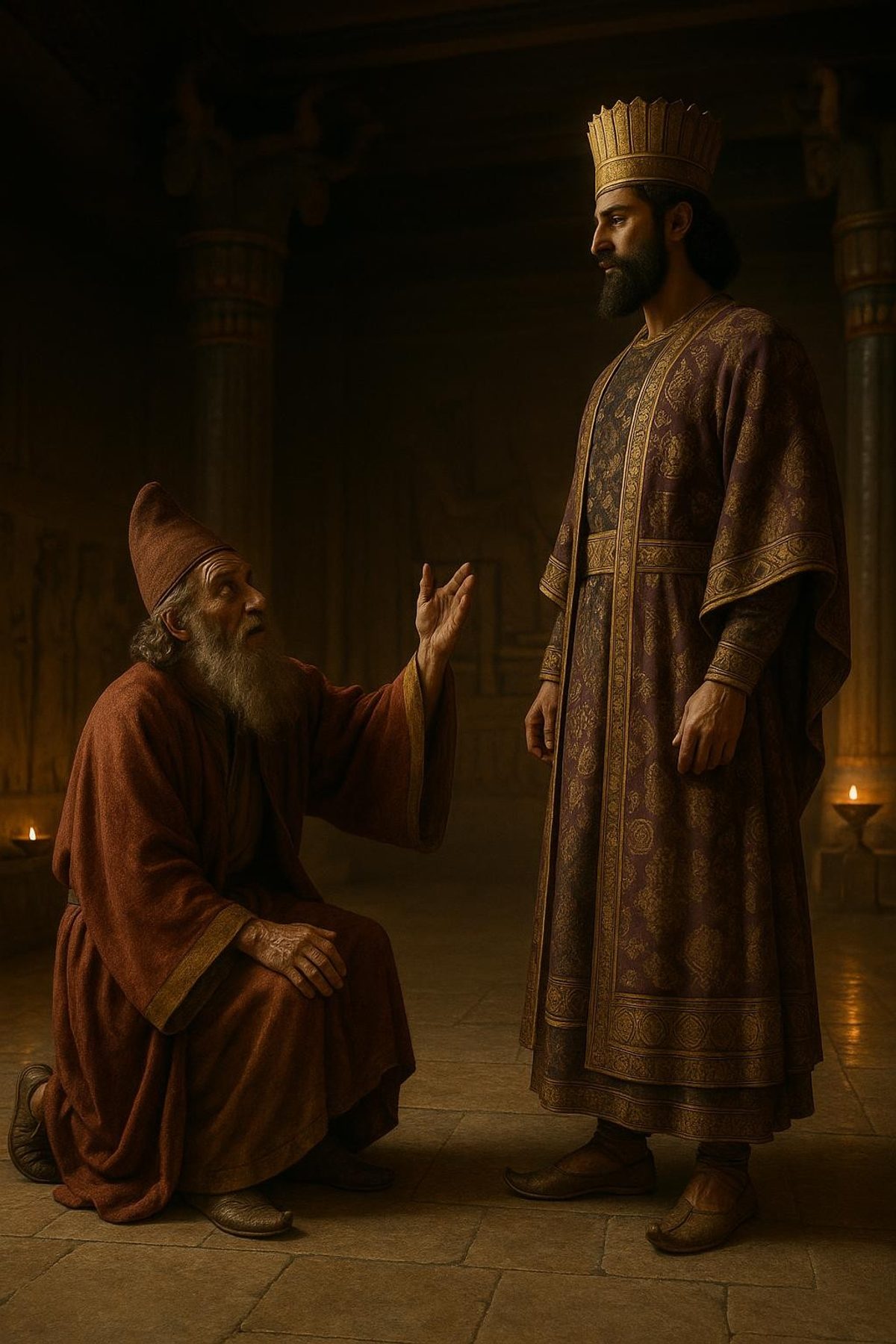
Xerxes had never seen Europe, and neither had Artabanus. But only one of them lacked the foresight of its dangers. The former was the King of Kings, the ruler of the Persian Empire at its zenith. The latter, Artabanus, merely his uncle, stood in defiance of a tide even he couldn’t stop.
The Whispered Warnings of Artabanus
In 480 BC, Persia stood at the edge of a colossal undertaking—an invasion the likes of which the ancient world had never witnessed. Thousands upon thousands of soldiers, horses, and ships poised to descend upon Greece with a single ambition: conquest. But behind this bravado lay a quieter, insistent voice, attempting to tug Xerxes back from the precipice.
Artabanus was no stranger to the caprices of power and the volatility of warfare. As one of Xerxes' advisors, his counsel bore wisdom, wrought from the experiences of empires past. He had faced and understood the cruel unpredictability of battle, knowing well that the confines of palace walls often obscure the stark realities of foreign lands. For all his insight, Artabanus understood two great truths: the hubris inherent in the vast military undertaking, and the simmering spirit of resistance that awaited in the rugged hills of Greece.
In the quiet confines of the Persian court, Artabanus detailed his concerns to his nephew. The dangers were manifold; the exhaustion of supply lines stretched thin across hostile waters, the unpredictable tempests of the Aegean Sea, and the fierce independence of the Greek city-states who, though often divided amongst themselves, were united in their indignation against foreign domination. Artabanus urged patience and prudence, drawing upon the lessons learned from his own ancestors' encounters with these Westerners.
Read next: Darius Was Dying. Democedes Refused the Gold.
But the allure of conquest charged Xerxes' blood. Listening but unfazed, the young king weighed his uncle’s words with the weight of anticipation rather than rationality. He smiled—a reflection of his unshaken confidence, a brief flicker that acknowledged Artabanus' fears as nothing more than a cloud swiftly passing before the sun of ambition. As the King of Kings looked out from the Persian shore, his eyes saw not danger but destiny.
The March of Magnificence and Misfortune
The invasion that followed was grand, a sweeping endeavor that sought to carve Xerxes’ name into the annals of history. The Persian War machine moved like a tide, seemingly unstoppable. The crossing of the Hellespont, where a vast pontoon bridge bound the twin shores, was a marvel of engineering ambition. It symbolized the greatness of a king who dared challenge the gods themselves, marrying idea to action with rope and timber.
The advance of the Persian army was a scene of awe and terror. Herodotus, the father of history, estimated vast numbers—a daunting procession of men and might, the very earth trembling beneath the footfall of soldiers and steeds. But the euphoria of triumph was fleeting. The Greeks, aware of their enemy’s weakness, carved out a resistance from legend. At Thermopylae, the Spartan King Leonidas and his warriors forged a tale of defiance in the narrow pass, stunning the Goliath with David-like resolve.
The Persian tide ebbed and flowed but never fully drew back. Victory remained elusive, its specter dancing tantalizingly just out of reach. From battle to battle, the Greeks employed strategies not born solely of might, but of cunning and terrain. At Salamis, the Persian fleet found itself outmaneuvered and outmatched within the confines of the straits—where Greek ships held the advantage, exacting a price that no vast treasury could cover.
As Artabanus Predicted
History records the outcome of Xerxes' campaign with a clarity that evaded its participants at the outset. The Persian king, brought low by the very hubris his uncle had warned of, watched his dreams unravel. The logistics of sustaining such an army in foreign lands proved as tangled as Artabanus had foreseen. The rugged land of Greece was not a compliant canvas for Persian ambition but a battleground of attrition and guerilla resistance.
Artabanus' warnings, though unheeded at the moment, rang with truth in the aftermath. As the grand armada limped home, each mile marked by losses in morale and men, the cost of the campaign weighed heavily. Never again would Persia attempt such an overreach. The majesty of Xerxes lingered in memory, a cautionary tale of aspiration and error that reverberated throughout the centuries.
In the end, this episode serves as a vivid and enduring reminder of the perils of unchecked ambition. The lessons nestled in the narrative of Artabanus' foresight versus Xerxes’ assurance underscore the timeless nature of strategic wisdom versus the allure of conquest. As we traverse the pages of history, they implore us to hear the cautions of foresight amidst the whispers of grandeur.