October, 539 BC. The desert air was still and heavy, a testament to the grandeur that lay within the high walls of Babylon.
The Opening of Babylon
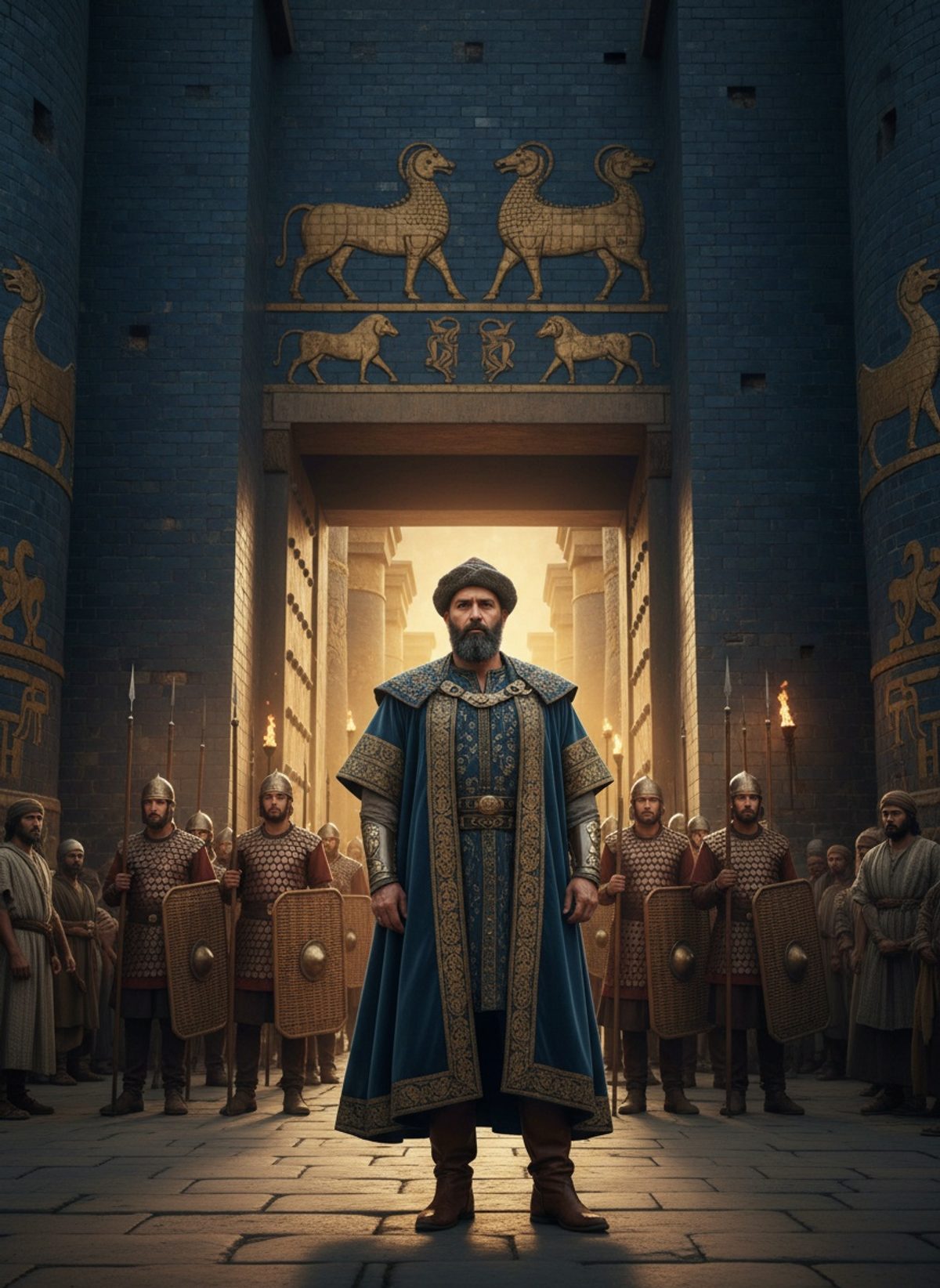
By the time Cyrus the Great, the illustrious King of Persia, approached Babylon, the city was an imposing fortress of human achievement and military might. Known as the "Gateway of God," Babylon was a sprawling metropolis whose walls stretched nearly 50 miles in circumference, towering over twelve stories high, and deep enough below ground to prevent any attempted invasion from tunneling beneath. Yet on this momentous day in 539 BC, its mighty gates swung open not through siege or skirmish, but by a twist of political acumen and internal dissent.
At the heart of this drama was Gobryas, a respected Persian general hailing from the Median nobility. Disillusioned by the faltering leadership of Babylon's ruling king, Nabonidus, Gobryas became instrumental in persuading key Babylonian leaders to favor the Persian cause. His most audacious feat, however, would come when he orchestrated the opening of Babylon’s gates, leaving the city vulnerable to Cyrus's forces. Gobryas's calculated actions spared Babylon the destruction and looting that would usually follow the capture of such an ancient marvel. As Persian troops entered the city without drawing their swords, Babylon's residents witnessed a moment of profound change, both in their governance and their destiny.
Cyrus's Promise and Its Impact
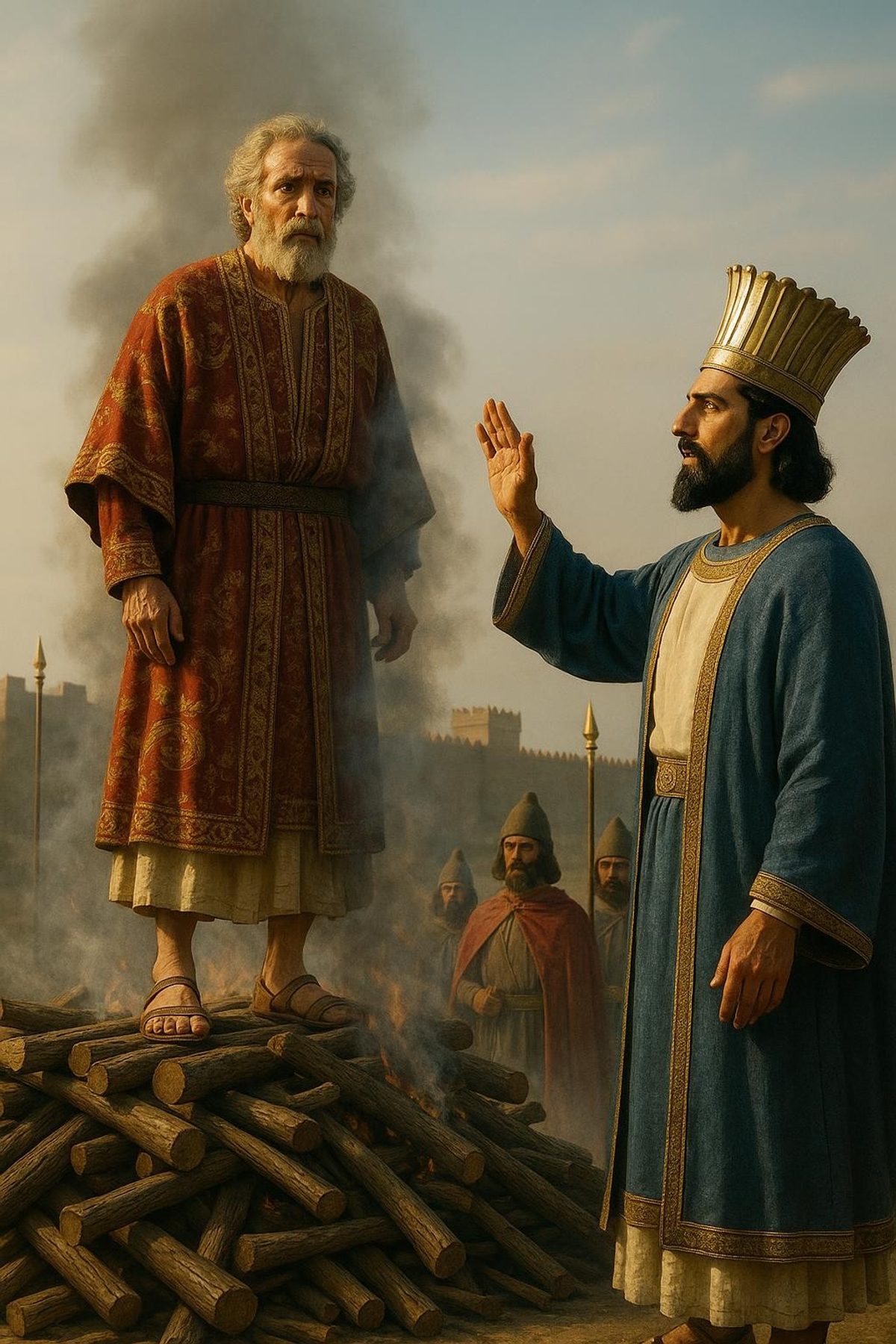
The entry of Cyrus into Babylon marked more than just a military victory; it ushered in a new era of rulership that repelled the wanton destruction typical of conquerors. Bearing the promise of a ruler determined to preserve rather than plunder, Cyrus's reputation as a benevolent leader spread rapidly. Perhaps most remarkable was his decision to release the many peoples who had been subjugated and exiled to Babylon under previous regimes, including the Jewish populace.
Read next: Roxana Stood Before the Nobles. She Did Not Beg.
Chronicled in ancient texts, Cyrus’s decree not only allowed the Jews to return to their homeland but also facilitated the funding necessary for the reconstruction of their sacred temple in Jerusalem. This act of liberation was monumental, as it granted both religious and cultural resurgence to communities long held in captivity. The liberation was etched into history, eventually embedding Cyrus’s name within the sacred Judaic texts as a liberator and a divinely anointed monarch. This approach contrasted sharply with typical imperial strategies of forced assimilation and cultural suppression.
The Lasting Legacy of Cyrus
While Babylon had opened her gates without a struggle, the conquest was not marked by Cyrus's singular promise alone. His administration signaled a shift towards governance that respected and upheld the cultural and religious identities of diverse peoples under Persian rule. It was an embodiment of political subtlety and innovative governance that eschewed violence in favor of diplomacy and statesmanship.
Under Cyrus’s reign, a new model of rule was instituted — one where subject states retained their customs and leaders recognized their traditions while pledging loyalty to the Persian Empire. This strategic inclusivity not only solidified Cyrus’s reputation among his subjects but also stabilized the vast territories of the burgeoning empire. The inscription known as the Cyrus Cylinder corroborates this forward-thinking policy, evidencing the king's dedication to his peaceful and integrative approach.
The ramifications of Cyrus’s conquest and subsequent policies reverberated far beyond the sunny October day when Babylon opened its gates to him. His methods laid a foundational ethos of tolerance and respect, which many rulers would come to admire, if not emulate. In a world that had often equated power with brutality and annihilation, Cyrus's actions offered a beacon of possibility — that leadership could be driven more by honor and wisdom than by fear or force. And for many people released from oppression, Cyrus's promise was much more than a diplomatic pledge; it was a key to restoring lost hope and identity, a gift from a conqueror whose legacy was fundamentally unlike any other.