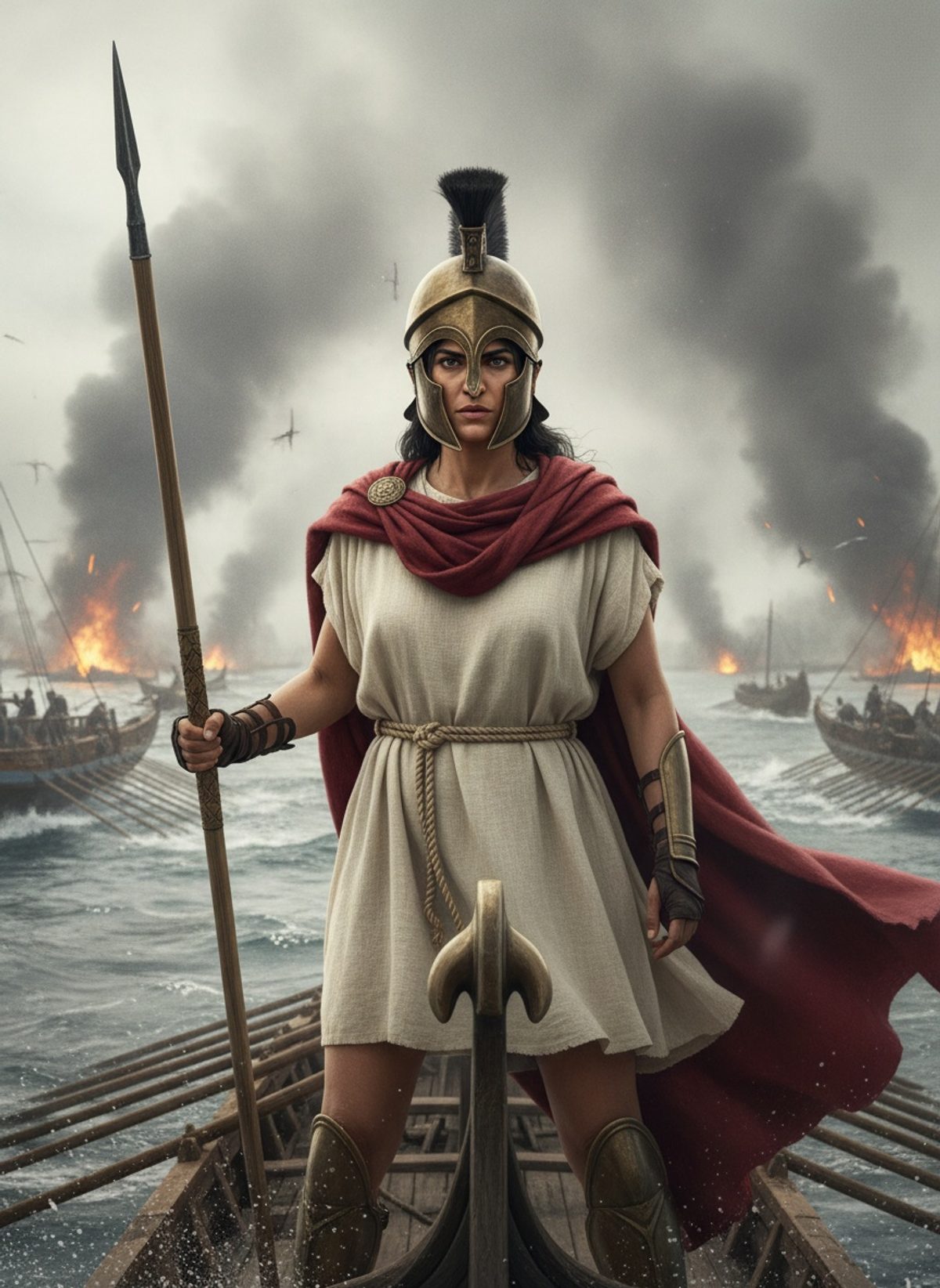
The salty spray from the Arabian Sea lashed against the hull of the ship as Scylax of Caryanda tightened his grip on the mast. The vast expanse of water unfurled before him, its depths a mystery few had dared to venture into. Behind him lay the winding, perilous route of the Indus River, a journey that had tested the limits of courage and endurance. Scylax had traversed territories largely unknown to the world he came from, in service to the formidable Darius the Great, King of Kings. Yet, as the riches of Persia beckoned him back, his mind was filled not with dreams of gold, but with the expansiveness of the earth itself, waiting to be charted.
An Expedition Beyond Boundaries
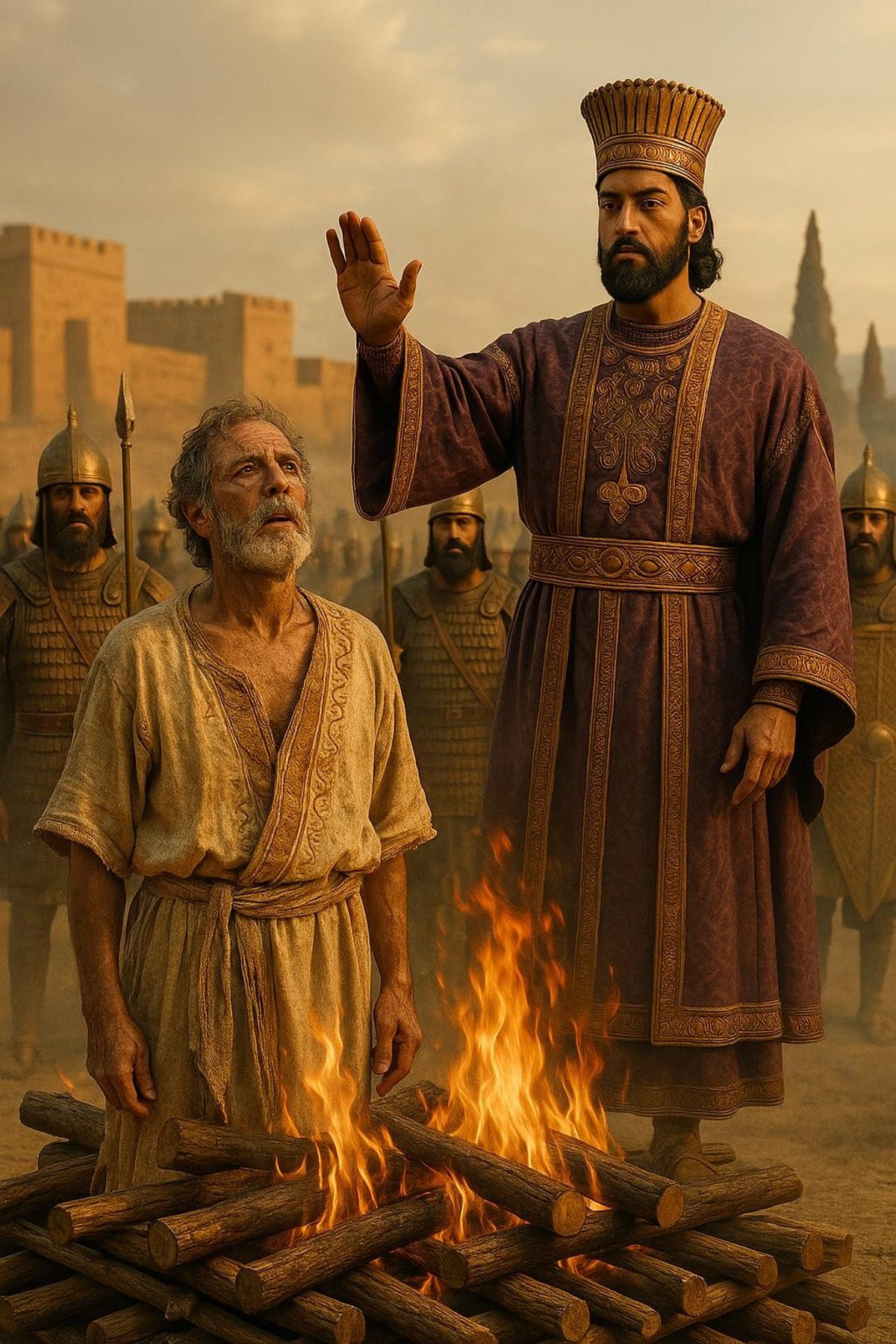
The story of Scylax's voyage begins in the vast Achaemenid Empire, under the rule of Darius I, who reigned from 522 BCE to 486 BCE. The empire at its peak stretched from the fringes of Greece to the Indus Valley, encompassing a myriad of cultures, languages, and landscapes. Darius, known for his innovative governance, had ambitions that extended beyond the mere consolidation of his empire. He sought to understand the world he ruled, unlocking its mysteries to enhance trade routes and secure his borders against the unknown.
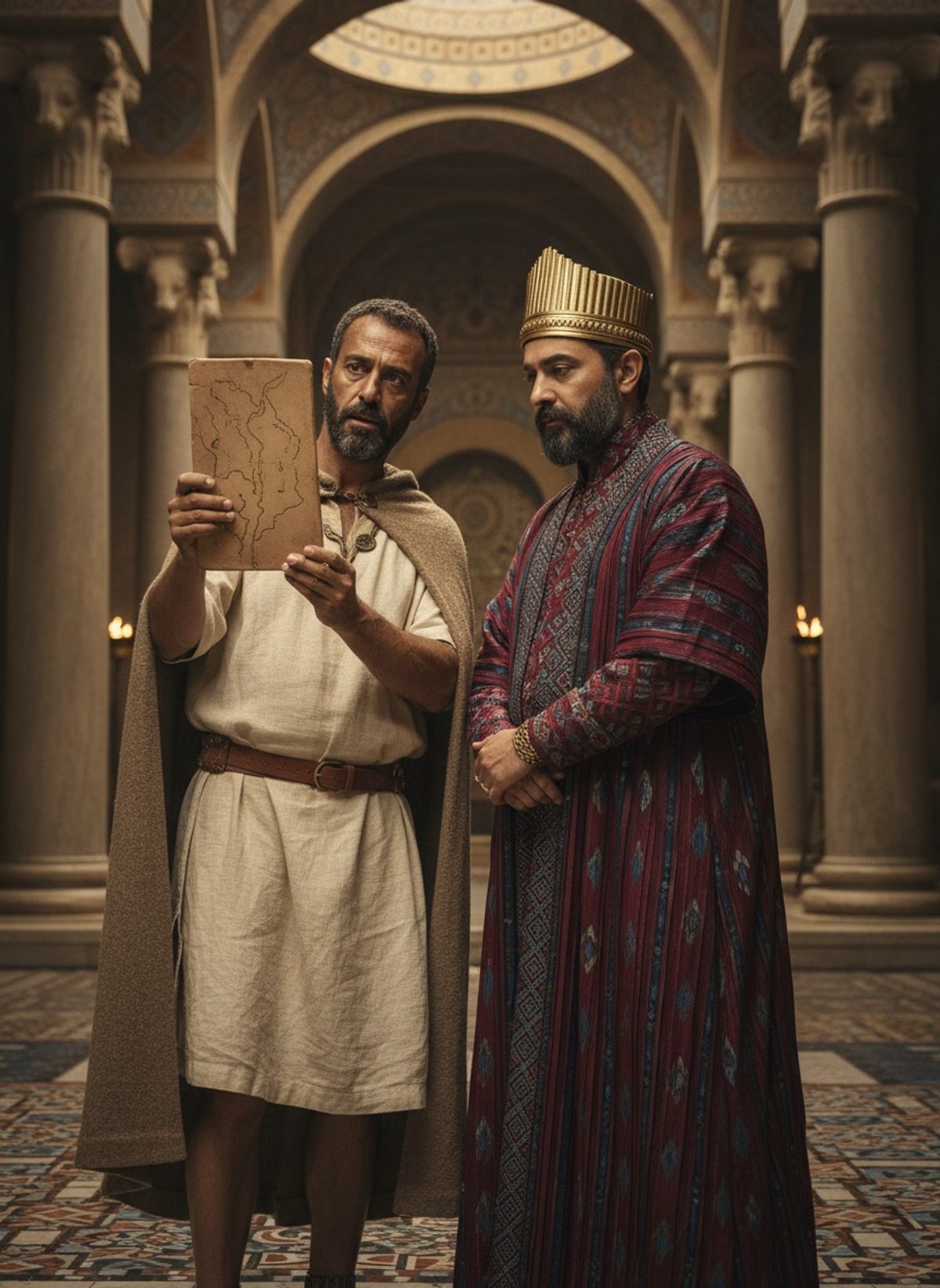
It was with this thirst for knowledge that Darius commissioned Scylax, a Greek from the coastal city of Caryanda, to embark on a daring journey. His mission was to navigate the Indus River, charting its course, documenting the lands and peoples along its banks, and ultimately determining where this mighty river met the sea. In a time when many saw the known world as finite, bordered by ominous waters and unmapped wilderness, Scylax carried the torch of exploration into the abyss.
Stepping into a rugged vessel guided only by sails and stars, his expedition began in the heart of the Indus Valley. The eastern reaches of Darius’s empire were vibrant with life, characterized by bustling settlements interwoven with nomadic tribes. Along the riverbanks, the ancient Indus civilization revealed itself in the echoes of thriving trade, complex societies, and age-old traditions. Navigating these waters was not merely a geographic challenge but a cultural odyssey.
Read next: Artabanus Warned the King. The King Smiled. Then He Marched.
Past languid bends and roaring rapids, Scylax encountered the diverse peoples who dwelled along the Indus. They were as varied as the terrain itself, from agrarian communities to pastoral clans, each holding the secret of their land in stories and customs. The lands were fertile and rich, their bounty enticing yet fierce. Here, Scylax learned the art of diplomacy and observation, skills necessary for mapping not just geography, but the human tapestry that colored these distant frontiers.
The Ocean's Breath and the Maps to Be Made
After two and a half years, the horizon shifted, offering a new voyage. His vessel crested the final curve of the river, spilling into the vast expanse of the ocean. Here lay the monsoon-driven Arabian Sea, its waves rising with the breath of the universe. To those unfamiliar with its temperament, the sea was a wild beast. For Scylax, however, it became a canvas for curiosity. As he navigated its coasts, cataloging its capes and bays, he meticulously documented what he saw, committed to memory the endless shores that lay beyond Persian comprehension.
Darius's investment in Scylax’s journey was not just about cartography; it was a geopolitical maneuver. By understanding the maritime routes, Persia could engage with new trade partners far beyond its terrestrial borders. Such knowledge fortified his empire's economic and strategic stances, transforming oceanic boundaries into opportunities.
Returning to the bustling courts of Persia, Scylax was greeted as a hero. The treasures of the Indus were numerous, yet it was the knowledge he brought back that held the greatest value. Offered wealth and titles by Darius, Scylax famously asked instead for what some might deem trivial: seeds of future voyages, the means to map further unknowns. This request reflected a profound philosophy—riches fade, but knowledge expands, altering the landscape of empires as surely as rivers carve into stone.
His accounts laid the foundation for future explorers, marking a shift in Persian perspective. Darius's domains, once considered the edge of civilization, were now seen as a threshold to uncharted horizons. The expanded vision catalyzed by Scylax contributed not just to Persian geographic understanding but also played a role in fostering a connected world, bridging east and west with routes of exploration and trade.
The Legacy of an Explorer's Vision
The chronicles of Scylax, though fragmented by time, remain a remarkable testament to human ambition and curiosity. His voyage symbolized a bridge between ancient wisdom and new frontiers, a legacy echoed in the works of Herodotus and later explorers who chronicled the expanse of human knowledge.
Darius the Great, with his vast empire and monumental achievements, understood the significance of Scylax’s contribution. The Persian Empire under his rule was a tapestry of diversity and innovation, much of it informed by the geographic and cultural insights brought back from the edges of the known world. Scylax’s journey revealed the potential for discovery that lay beyond established borders, encouraging a shift from the fear of the unknown to the pursuit of understanding.
As we reflect on this tale from over two millennia ago, we see its relevance through a modern lens. The pursuit of knowledge, the courage to venture into uncharted territories, and the relentless curiosity that drives exploration are timeless pursuits. Today’s global interactions owe much to those early forays into the unknown, where the seeds of discovery were planted by individuals like Scylax—men who asked not for riches, but for the opportunity to see what lay beyond the visible horizon.