Babylon had revolted. What followed was an act of unimaginable sacrifice.
The Bitter Rebellion
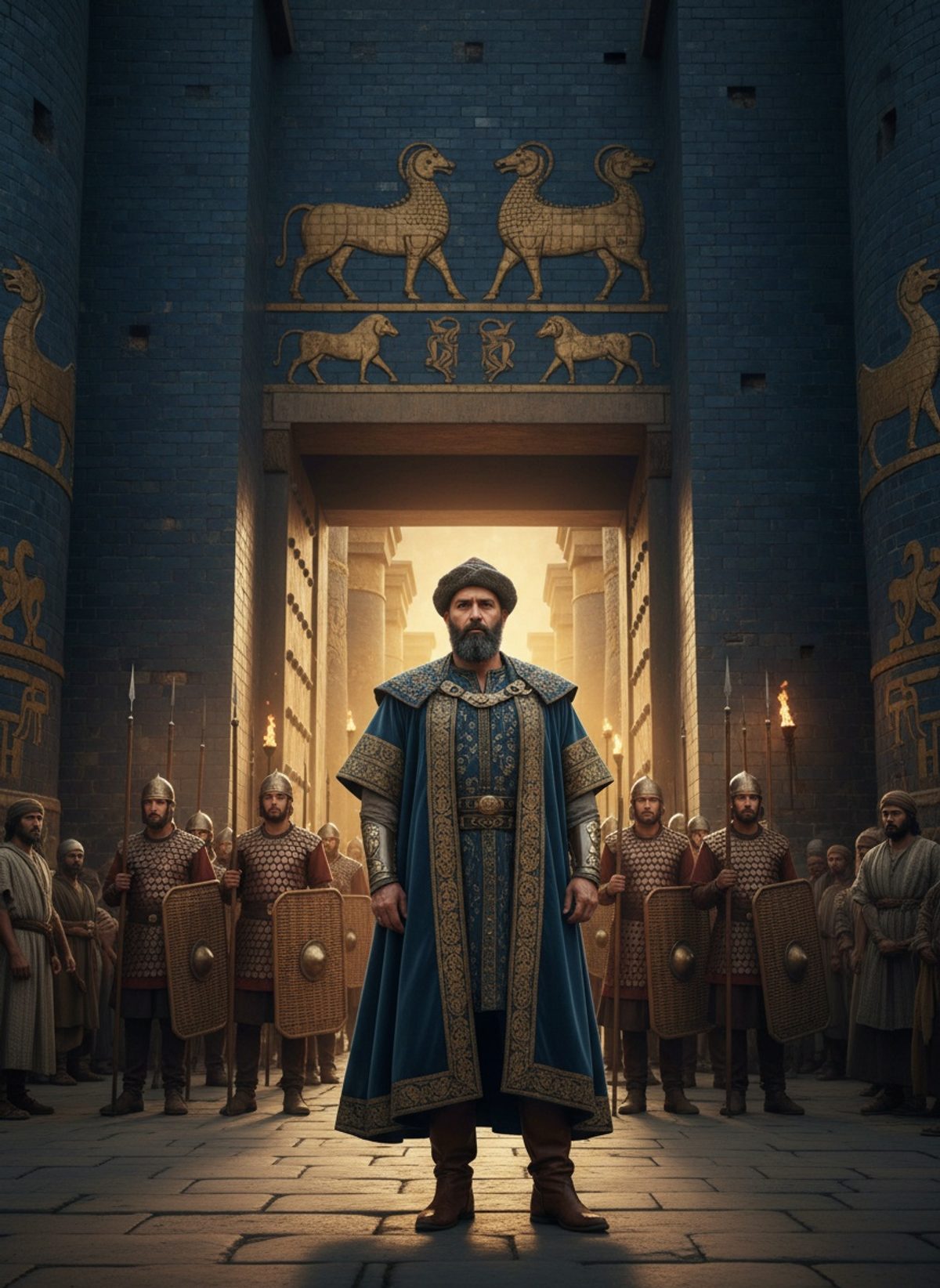
In 519 BCE, the sun rose amidst turmoil in the heart of the Achaemenid Empire. The formidable city of Babylon had risen in rebellion against Darius the Great, the king renowned for expanding the Persian Empire to unprecedented territories and organizing it into a coherent economic power. Darius had successfully quelled numerous uprisings across the vast reaches of his empire, yet Babylon, that ancient city steeped in pride and history, resisted with ferocity. It was a testament to its unyielding spirit and strategic genius that the defiant city withstood multiple attempts by the Persian forces to reclaim it. Babylon’s walls, towering and wrought with impressive strength, became the embodiment of resistance.
The rebellion of Babylon was no ordinary insurrection; it was deeply personal for Darius. This city had once been a jewel in the Achaemenid crown, a locus of wealth and culture, subjugated by Cyrus the Great, Darius’s predecessor. Allowing Babylon to slip through his grasp posed a challenge to his authority, a challenge he could not tolerate. The stakes were high, and so was Darius's determination to reassert control.
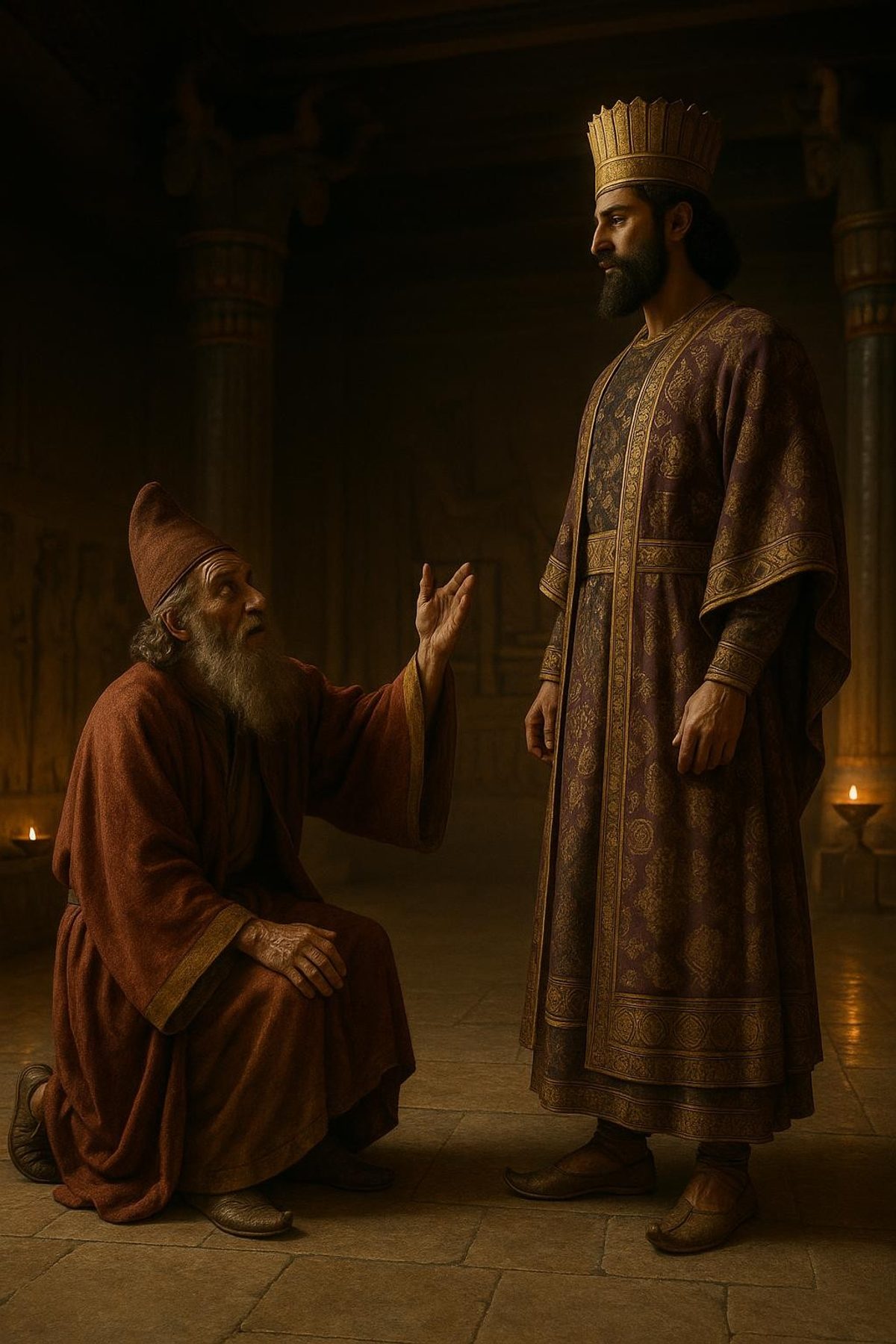
Commanders of the Persian army found their extensive campaigns frustrated. The city was too well-defended, its inhabitants too driven by a sense of righteous revolt. Desperation spurred innovative plans, yet none bore fruit. Within the royal tent, tension simmered; the pressure to achieve victory was immense. Enter Zopyrus, a nobleman whose mind brimmed with audacity and cunning. He presented a plan so bold, so extreme, it captured Darius’s attention immediately. Zopyrus proposed to do what only madness might justify — he would mutilate himself, turning the ultimate sacrifice into a stratagem that might deliver Babylon back into Persian hands.
Read next: Croesus Wept on the Pyre. Cyrus Heard His Name.
A Face of Courage
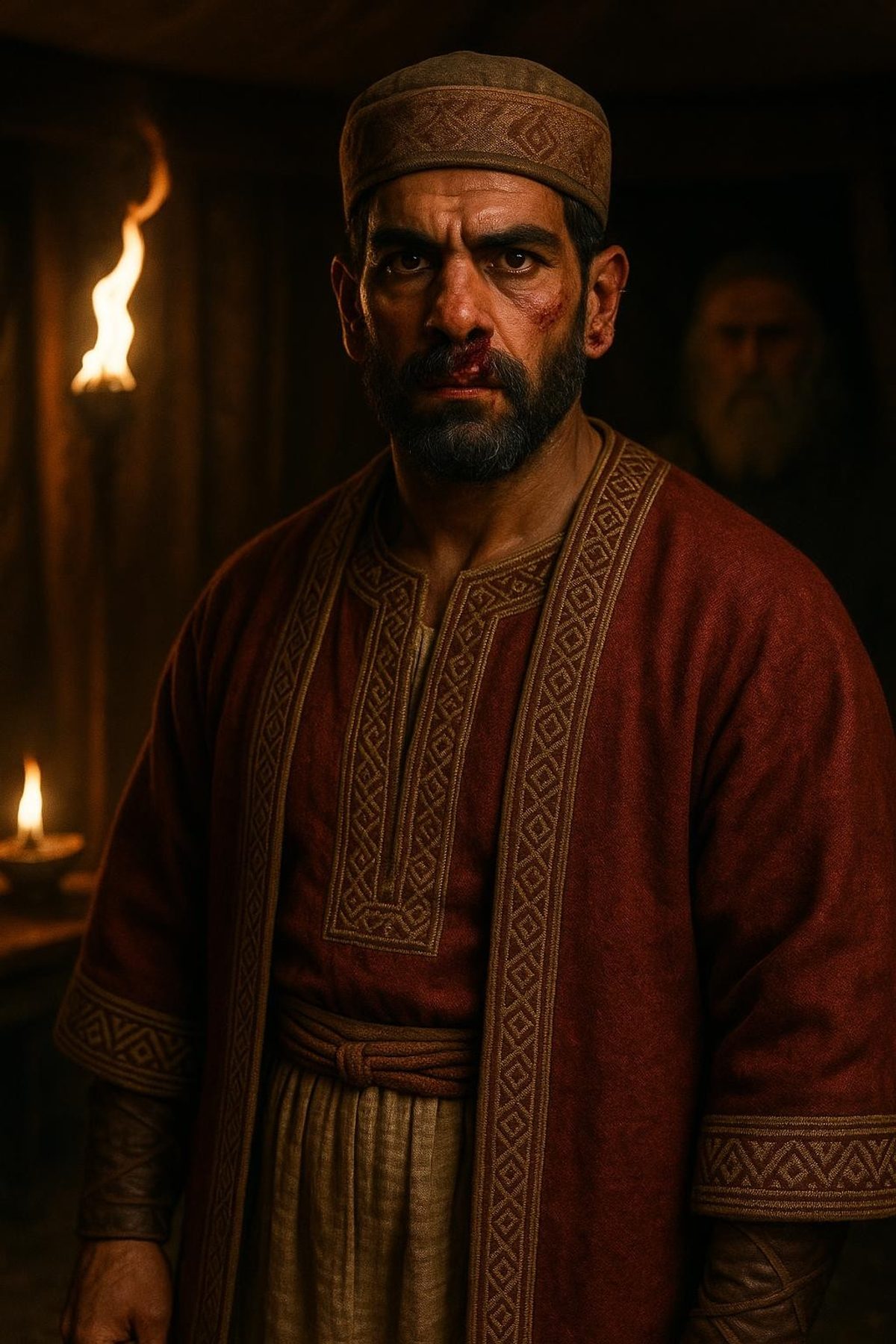
Zopyrus’s approach was not merely a display of loyalty; it was a masterstroke of tactical genius. History often overlooks the intricate details, but the profound resolve and the shocking extent of his self-sacrifice make this tale unforgettable. In a scene that must have chilled the bones of those present, Zopyrus entered Darius’s tent, his face gruesomely disfigured. He had deliberately cut off his own nose and ears, inflicted deep wounds upon his own body, and left himself a living symbol of Persian grit. His disfigurement told a story of betrayal, a false narrative ready to be cast into the chaotic tableau of Babylonian rebellion.
Archaeologically, Babylon was an impregnable fortress. Its walls were formidable, and its people imbued with a spirit of resistance that seemed inexhaustible. The news of a Persian noble appearing at the gate, a victim of Darius’s wrath, was a gift to the Babylonians — so it seemed. Zopyrus, his pride and appearance left as casualties to his cause, was admitted as a defector. What the Babylonians failed to see was the method behind the madness. Once within the walls, Zopyrus set to work, infiltrating the highest echelons of Babylonian defense, earning trust as only one bearing the marks of suffering might.
Zopyrus orchestrated a series of skirmishes that only enhanced his standing among the Babylonians. He led successful raids against the Persians, further cementing his role as a dedicated defector. Layer by layer, he peeled away the defenses of Babylon from the inside, setting the stage for an internal collapse. Meanwhile, outside the walls, Darius and his commanders laid in wait, their confidence buoyed by Zopyrus’s progress. This level of espionage and psychological warfare required raw nerve and an unwavering commitment to a strategy that hinged entirely upon trust and deceit.
The Fall of Babylon
After months of subterfuge, the moment of truth arrived. With trust unwavering in Zopyrus, the Babylonians were blindsided when the gates of their mighty city swung open to admit the waiting Persian army. The trap, years in the making, snapped shut with terrifying efficiency. Darius marched into Babylon in triumph, his authority reestablished amid the dust of a shattered rebellion. The fall of Babylon was a testament not only to the strategic prowess of the Persian forces but to the individual sacrifice of one man who bled for a king and an empire.
The historical tapestry weaves a rich recounting of this episode, its threads colored by the sheer audacity of Zopyrus’s act. This tale, all too easily forgotten among the annals of battles and reigns, epitomizes the channels of loyalty and desperation that run deep within the heart of an empire. Though Zopyrus’s actions may not grace the covers of history’s grand volumes, they underscore an ingenuity and personal sacrifice that empire-building demanded. The victory at Babylon stood not only as a consolidation of Darius's territorial command but also as a reminder of the extremes to which loyalty and courage could ascend.
History books tend to favor broader strokes — the rise and fall of emperors, the sweeping conquests of nations. Yet the story of Zopyrus lingers at the edges, whispering a narrative of profound personal sacrifice, of a man who defaced himself to empower his king, blending cunning with sheer audacity to change the course of an empire's history. It reminds us that sometimes, the course of history is altered not by overwhelming force but by the daring of those willing to make the ultimate sacrifice. In Zopyrus’s story, we find a reflection not only of a bygone era but of the enduring human spirit soaring to surpass insurmountable odds.