The air in Memphis in the spring of 1962 carried a hint of new beginnings. The sweet scent of magnolias mingled with the earthy aroma rising from the freshly turned soil as workers laid the final stones of an unexpected beacon of hope. As the sun filtered through the budding trees, casting dappled shadows on the pavement, a building stood poised to redefine both medical practices and social mores of the time. This wasn't just another hospital; it was the South's first fully integrated hospital, destined to challenge perceptions and eradicate barriers for all who stepped through its doors. In a city marked by divide, unity would soon wear a new name—a hospital dedicated to children facing cancer, with a promise never to send a bill.
A Vow Born from Desperation
In 1940, the cradle of Memphis rocked with the cries of a newborn, a welcomed sound set against the backdrop of an uncertain world. The child, a beacon of joy for her parents, stirred deeply within her father—a down-on-his-luck entertainer—with a fresh sense of responsibility. Laden with mounting debts and the desperate worry of an unpaid hospital bill, the father found his way to a quiet church. The church walls, old and echoing tales of faith, bore witness to his sincerest plea. With $7 to his name and a heart full of hope, he made a solemn vow to the heavens: he promised to erect a shrine if his fortunes changed.
Fate, as inscrutable as it often is, nudged things in a different direction. Though the entertainer could barely have imagined the path his vow would take, threads of destiny were already weaving the fabric of what would become his greatest legacy. Opportunities he once regarded as mere dreamscapes began to unfurl before him, paving roads and fortifying connections that seemed almost divinely inspired. As years tumbled forward, his budding career began to flourish, leaving the looming shadow of debt ever further behind.
Foundation of Dreams
Fast forward two decades, and the air in Memphis crackled with a progressive energy. The entertainer, now a well-established figure with influence and means, turned his gaze toward fulfilling that long-ago promise. But instead of a shrine, he envisioned something more meaningful—a monument to life and health. In the heart of Memphis, he lay the cornerstone for a new era in pediatric healthcare. The hospital was more than bricks and mortar; it was a visionary combination of compassion and science, a sanctuary for hope where racial boundaries dissolved in the face of shared humanity.
Read next: Thespis Stepped Off the Chorus. Then He Spoke Alone.
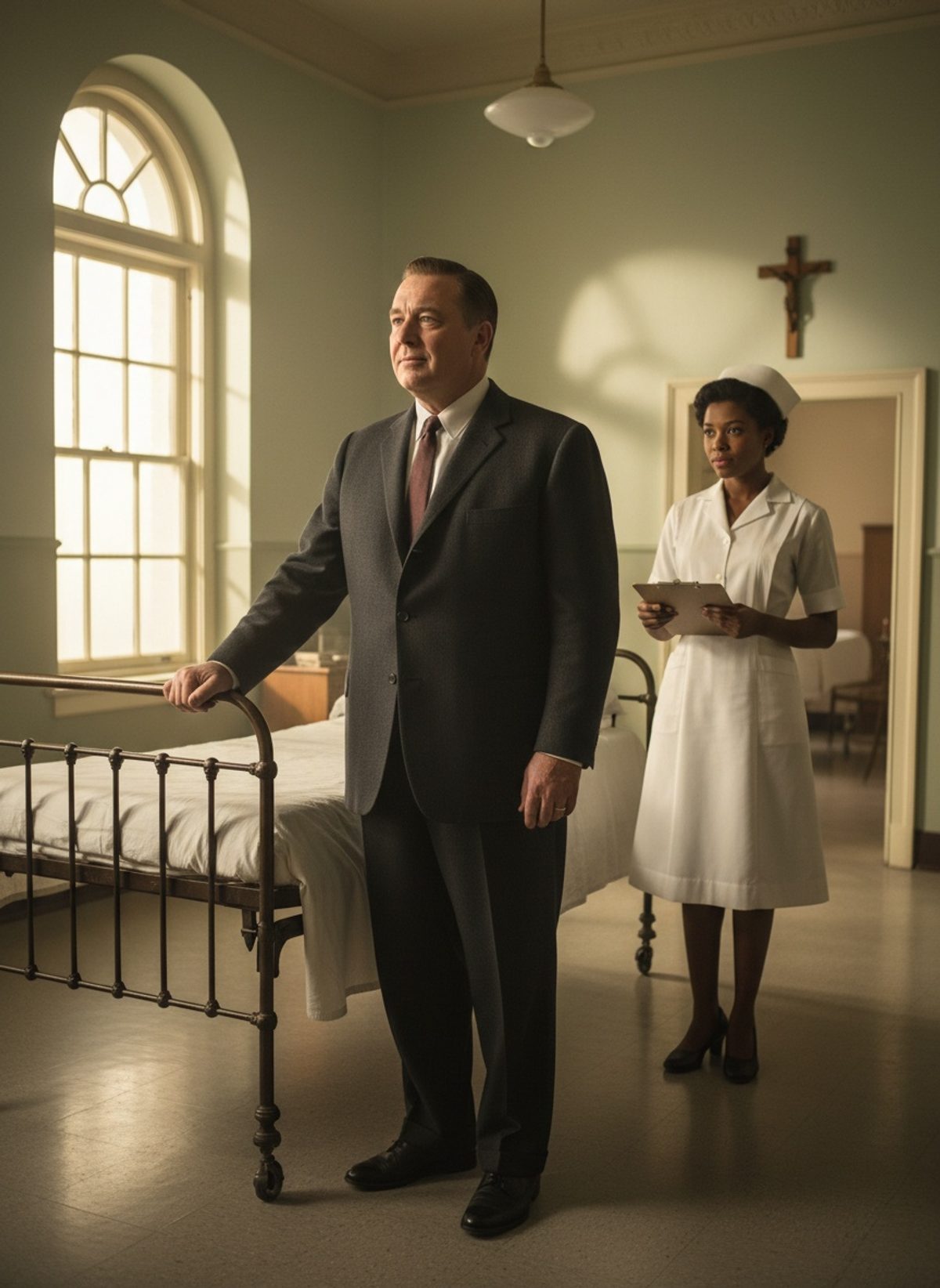
The hospital opened its doors with one guiding principle—that no family would ever be burdened with the financial costs of medical care. In an era when segregation still lingered strongly in the South, it became the first fully integrated hospital in the region. The decision to integrate was nothing short of revolutionary, an act of defiance against the prevailing prejudices of the age. Doctors, nurses, and other staff worked side by side regardless of race, united by the mission to save young lives.
Medical Miracles and Milestones
At the time, childhood leukemia was as much a death sentence as it was a diagnosis. The survival rate was a grim 4%, leaving families in desolate despair. But the hospital set its sights on shifting that grim statistic and channeling unprecedented amounts of research toward cutting-edge cancer treatments. The collaboration among dedicated scientists, passionate healthcare professionals, and supportive benefactors was the driving engine that breathlessly pushed the frontiers of medicine. New protocols were tested and refined, dispelling the oppressive shadows of fatal diagnosis with one breakthrough at a time.
Word of the hospital’s innovative methods spread rapidly through medical communities, attracting top-tier researchers eager to contribute to this fledgling institution's mission. Into its halls, once weighed down by uncertain expectations, poured a potent blend of brainpower and empathy. Time, determination, and relentless pursuit of knowledge began to produce extraordinary results. By the 21st century, the hospital boasted a nearly miraculous 94% cure rate for childhood leukemia—a staggering leap that reverberated as a triumph in medical history.
The Resonance of a Promise Kept
Inside those hallowed walls, where laughter now trills through the corridors and success stories outnumber the ones begun with broken hearts, the true measure of faith and resolve can be gauged. This hospital is a living testament to the power of a single vow spoken in earnest—how a whisper can ripple into a roar of life-saving accomplishments. Every child who returns home able to dream anew stands as a quiet guardian of the hospital's profound message.
In keeping with the vision of its founding father, the hospital remains steadfast in its commitment to care without financial burden—a decision that inspires global admiration and imitation. Its courageous origins, nestled within a rapidly changing world, continue to teach an essential lesson about the courage of innovation and the universality of compassion. Universally, it challenges us to look beyond divides, envisioning what it means to create a space where healing and hope hold no boundaries.