111 stories
He had no degree. Segregation kept him from every medical school. Yet in 1944, Vivien Thomas designed the surgical technique that saved dying infants. The surgeon who performed it called him a miracle.
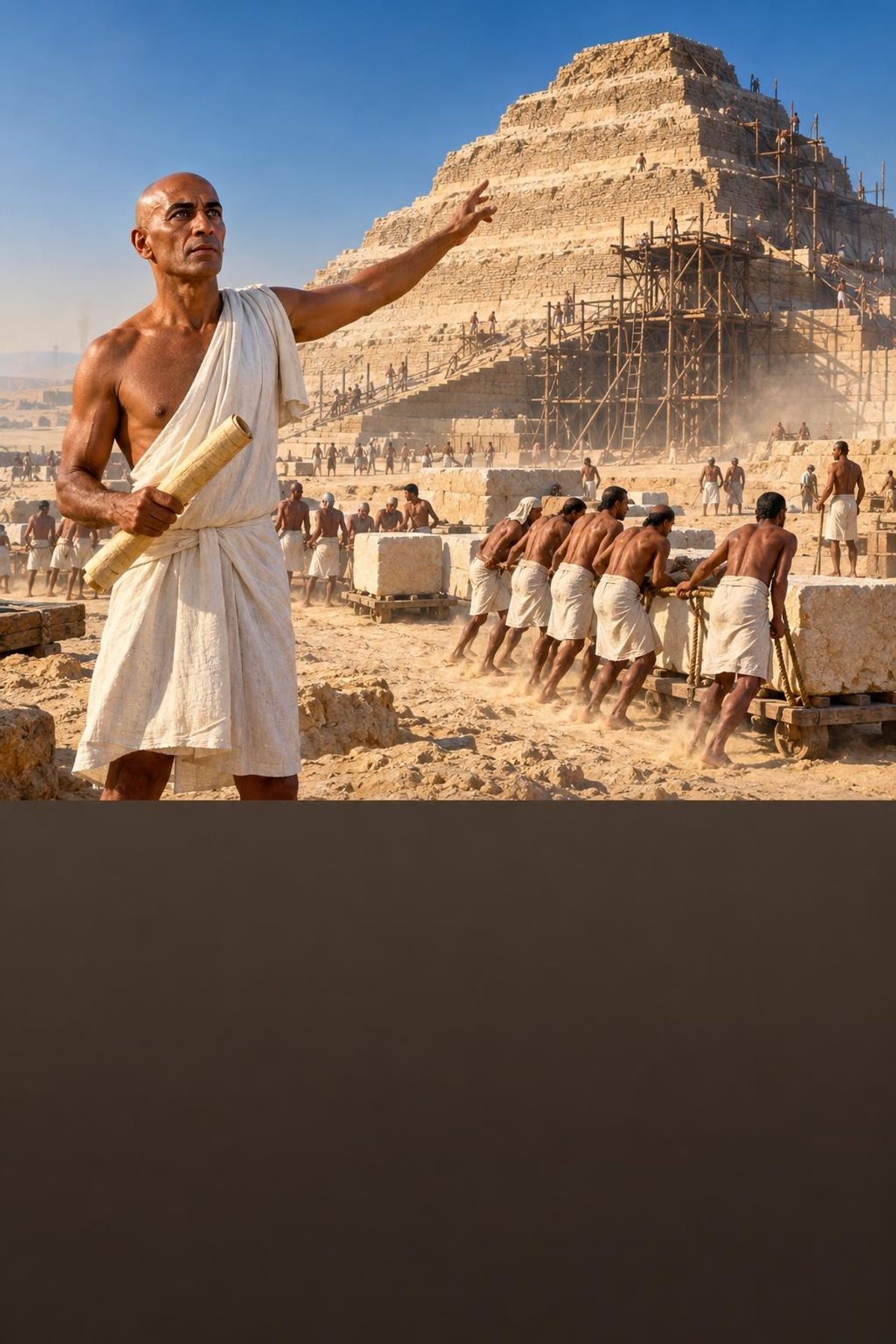
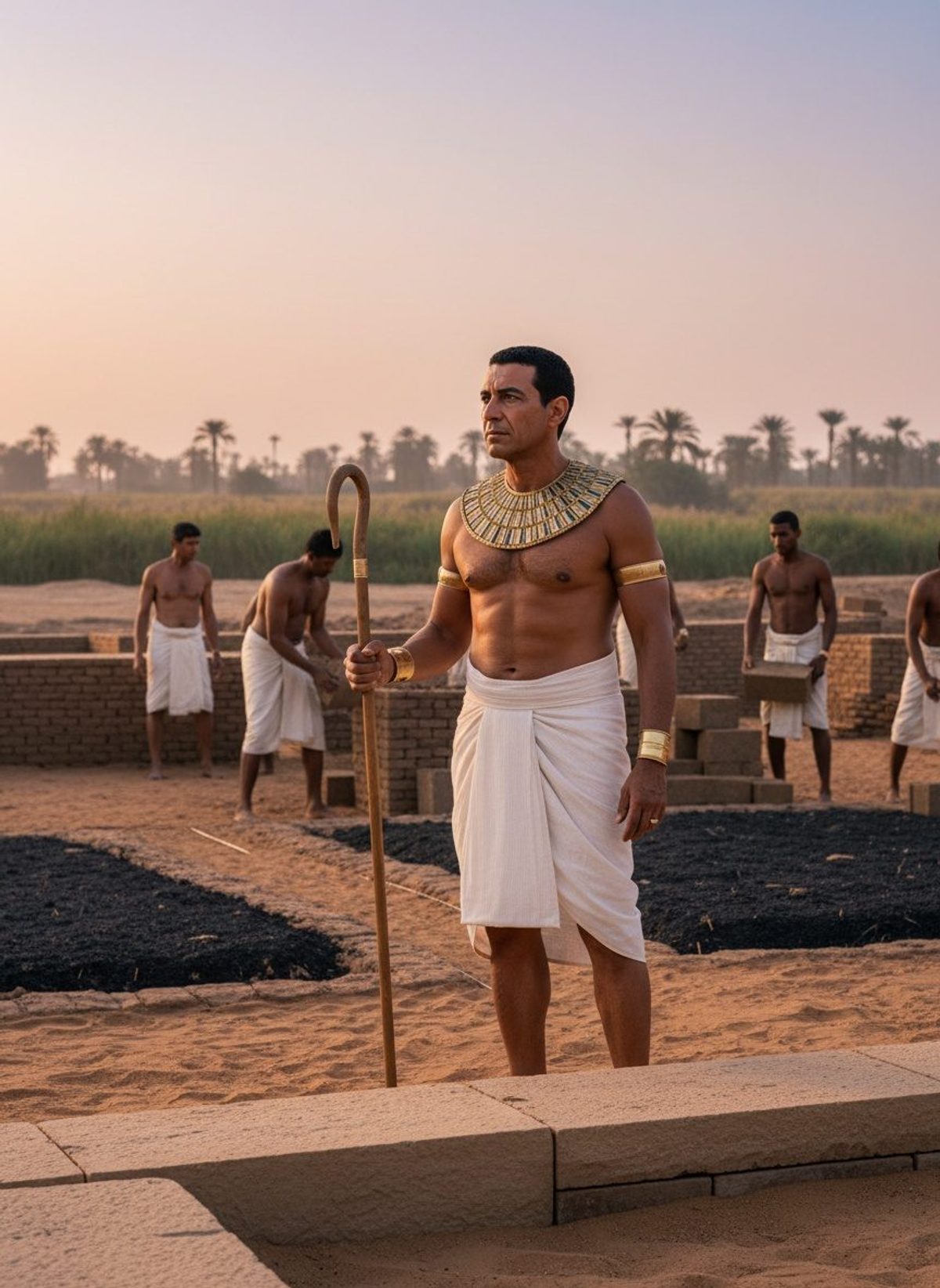
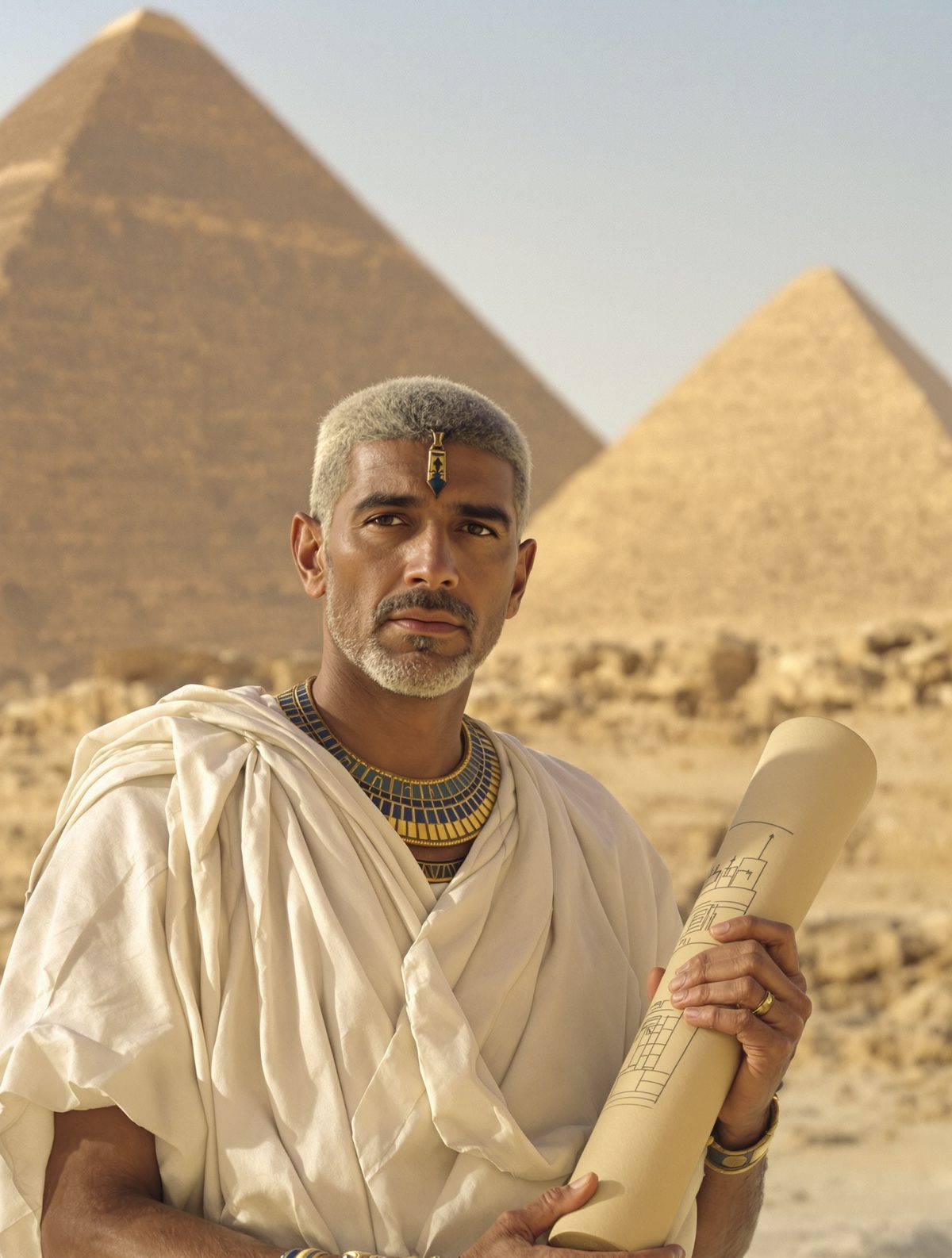
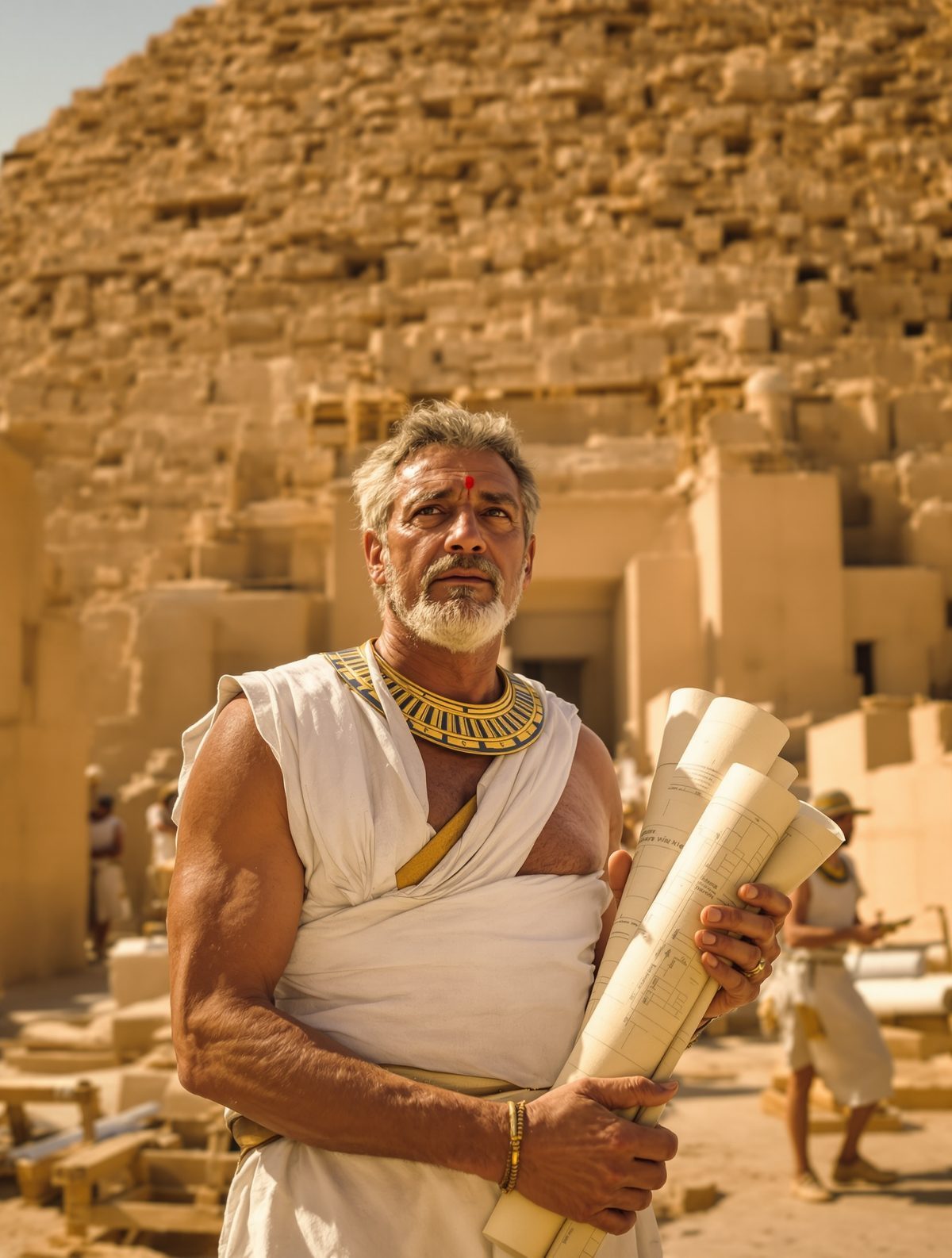
2650 BCE. No pyramid had ever been built. Imhotep stacked six mastabas in stone. Each one smaller than the last. The result rose 62 metres above Saqqara. The world's first monumental stone structure.
Oklahoma, 1937. A grocer watched shoppers abandon full baskets at the checkout. He welded wheels and a basket onto a folding chair. His staff refused to use it. His wife called it pointless. He hired actors to push them around the store.
In 1880, a 21-year-old Harvard student wrote his thesis defending women's equal legal rights. He even rejected the custom of women taking their husband's name. That student was Theodore Roosevelt.
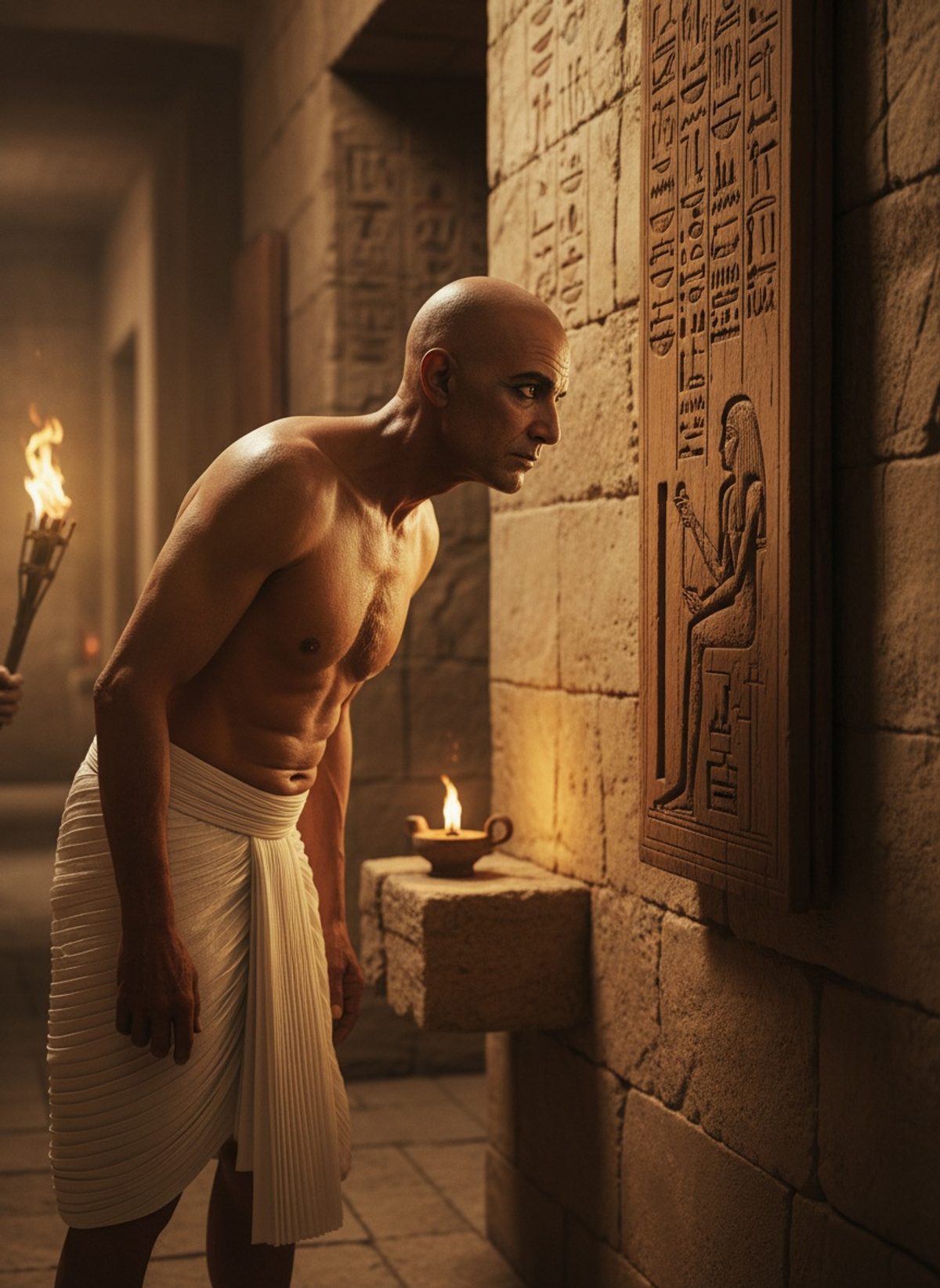
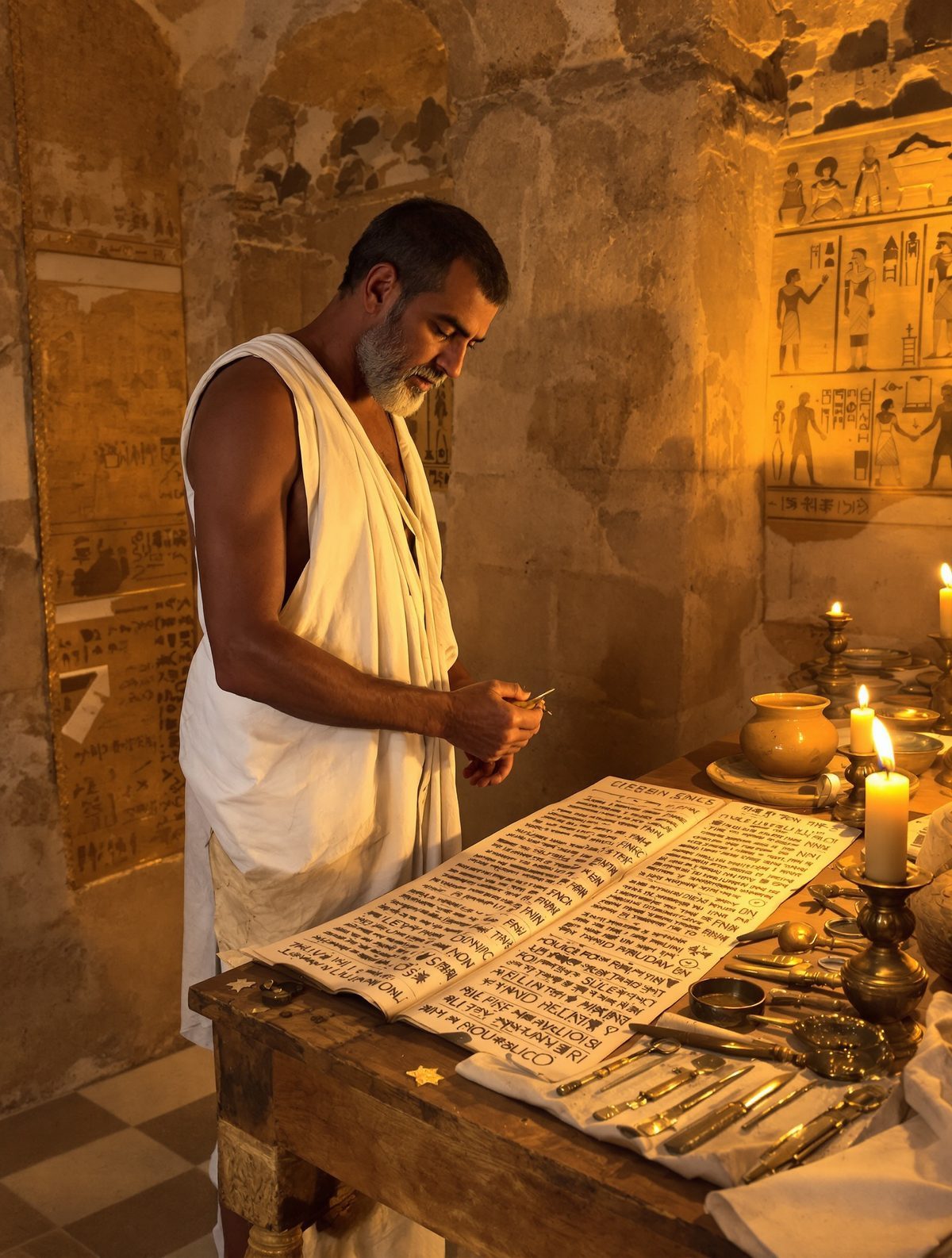
2650 BCE. Egypt. A wooden panel was carved for a man named Hesy-Ra. It called him Chief of Dentists and Physicians. His name survived 4,700 years. Medicine had its first face.
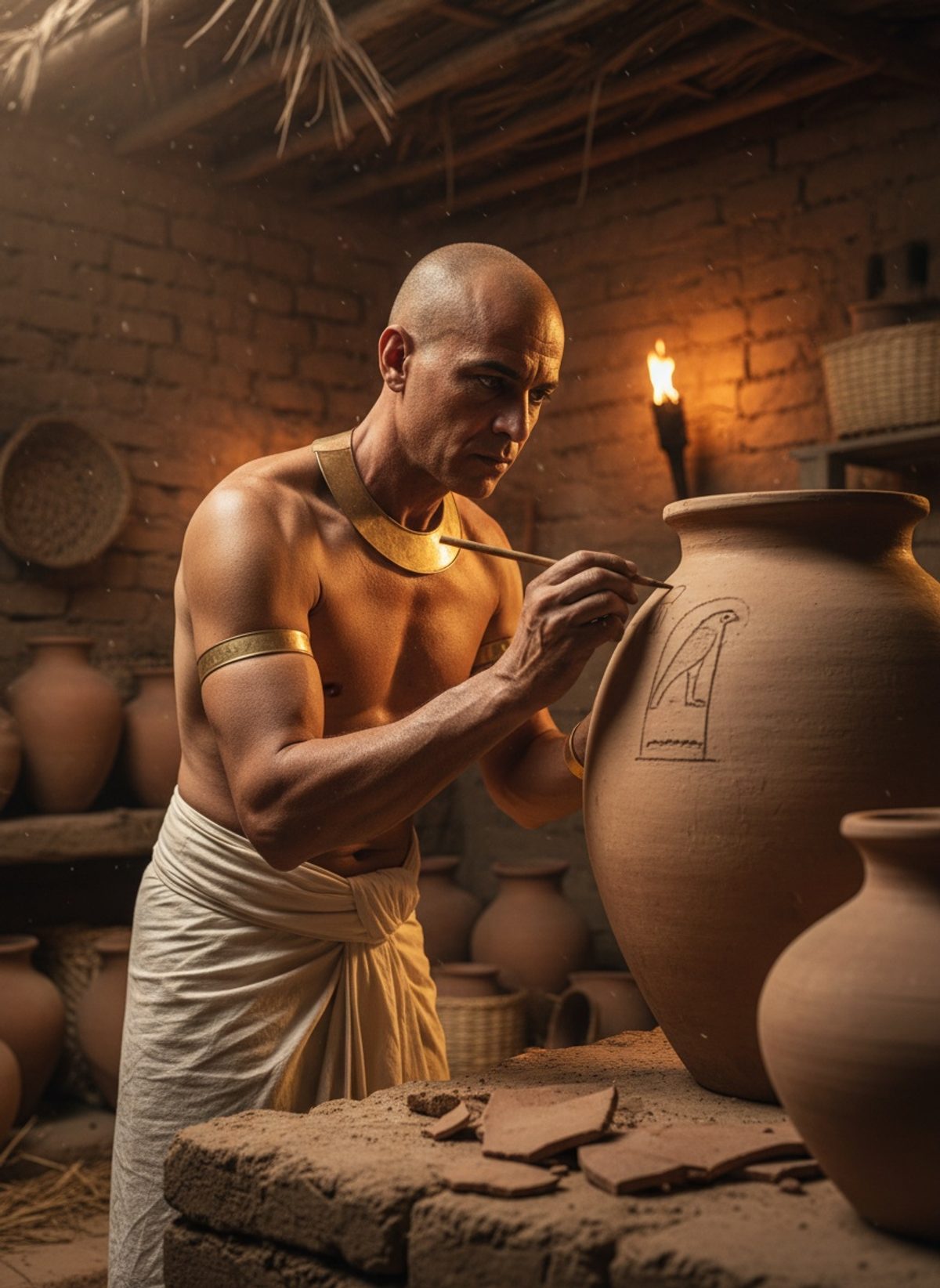
Egypt. 3200 BCE. A ruler scratched his name into clay and pottery. No king had done this before. Iry-Hor left the oldest known writing of a named individual. One sign. One name. History began.
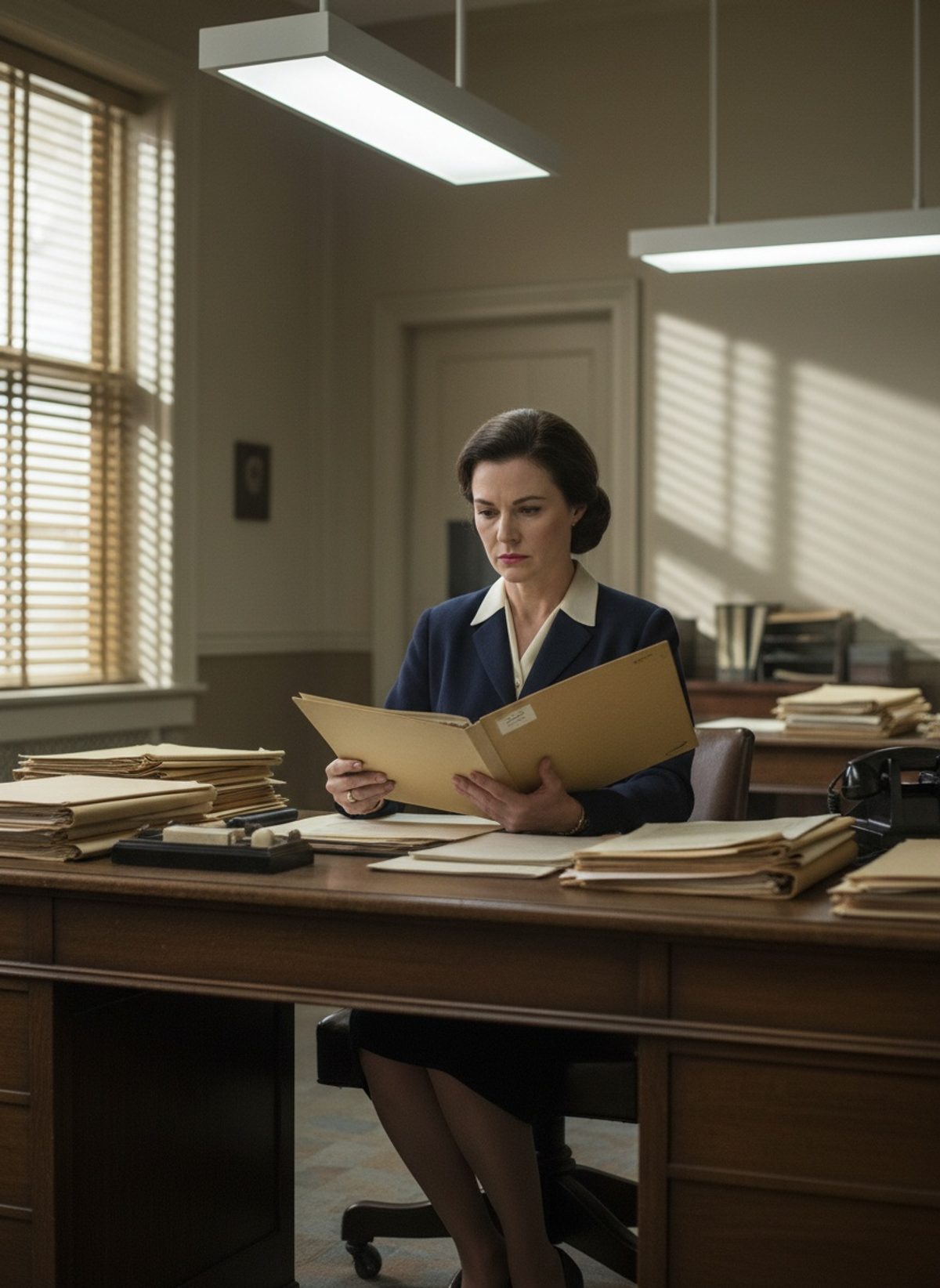
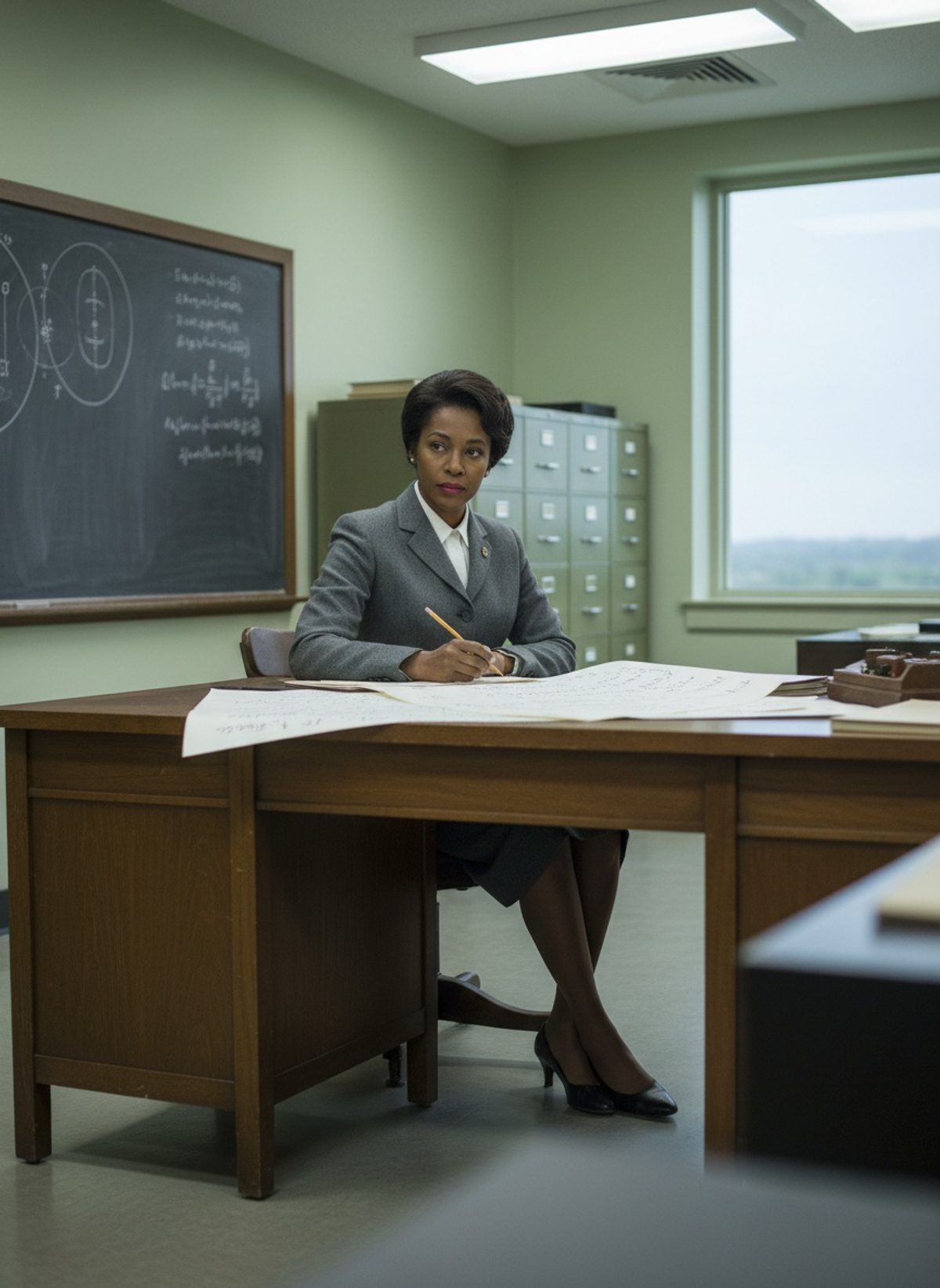
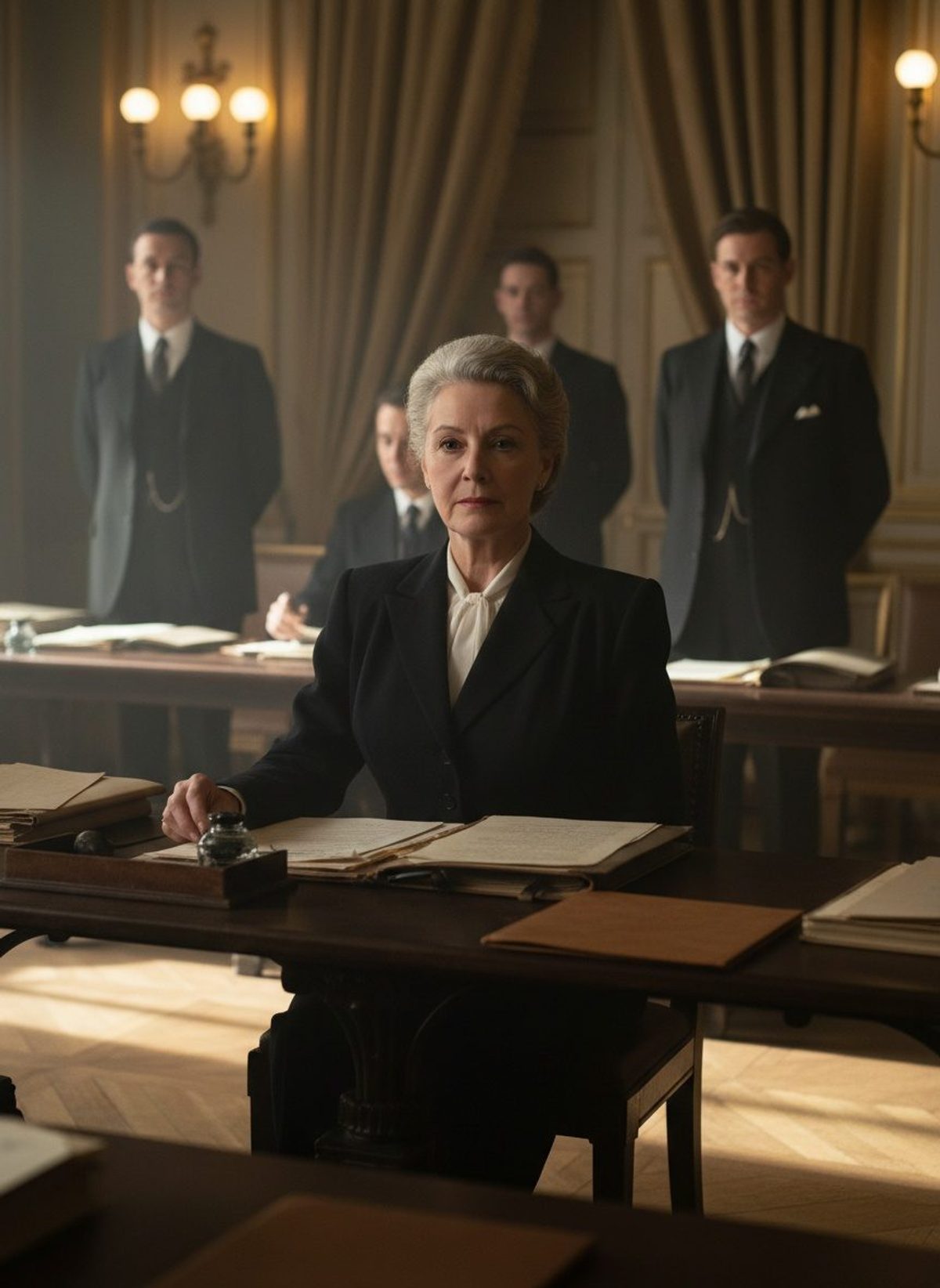
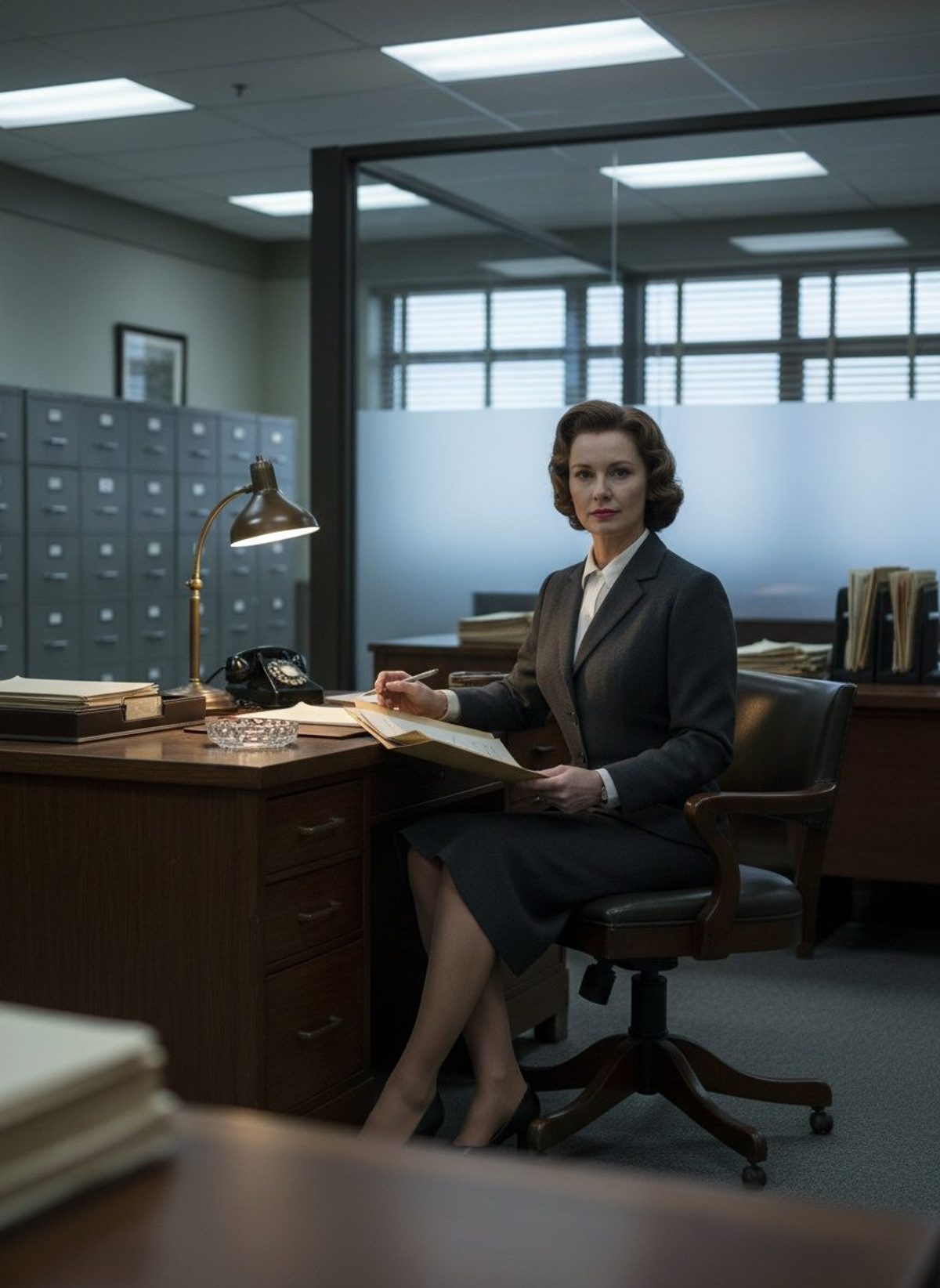
1960. A new FDA reviewer got her first big case. The drug was already approved in 20 countries. She read the file. The evidence wasn't there. She sent it back. The company was furious. She held.
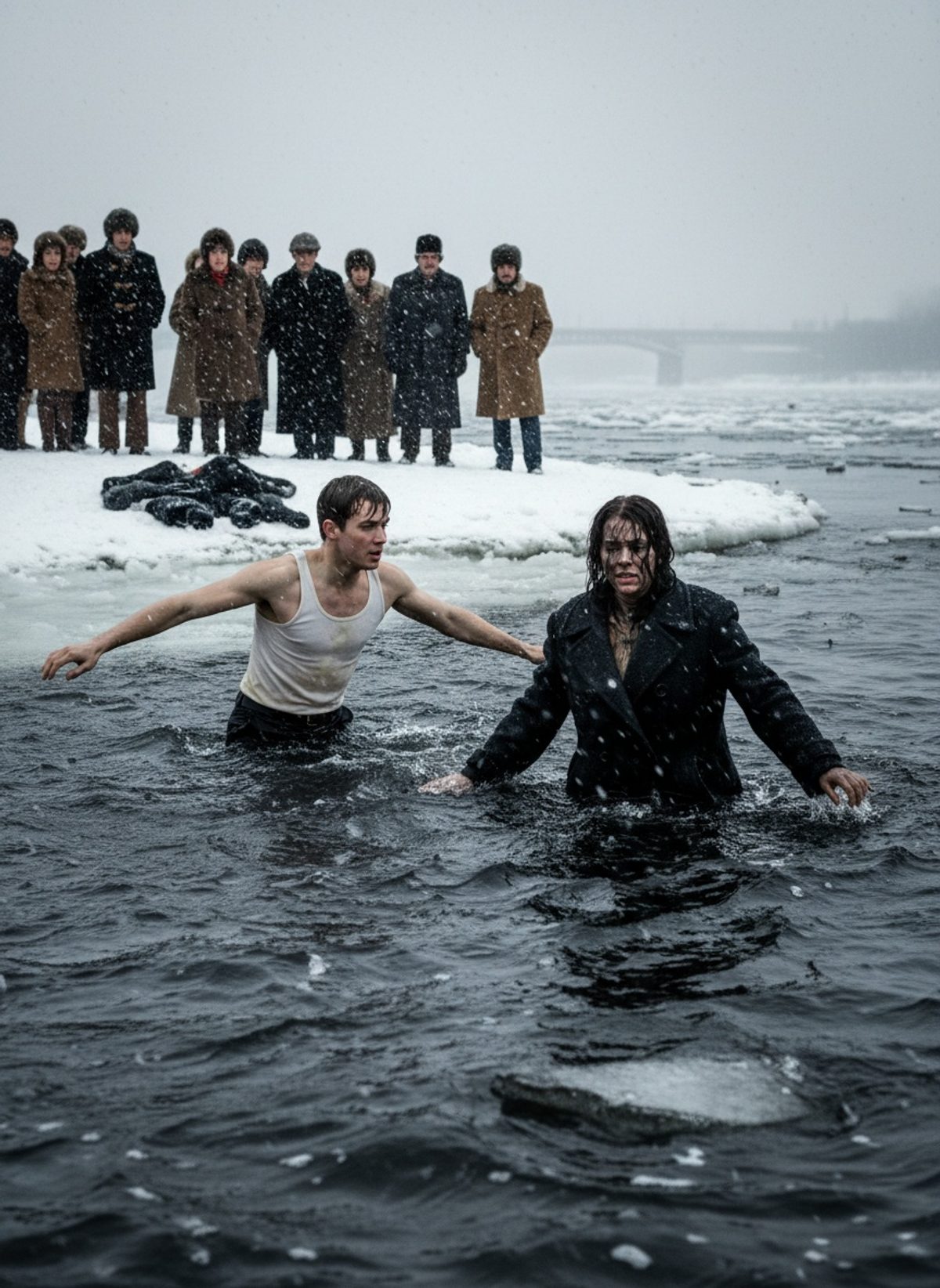
A plane hit the 14th Street Bridge in a blizzard. Five survived. One woman lost her grip. A government clerk with no training stripped off his coat and jumped into the frozen Potomac.
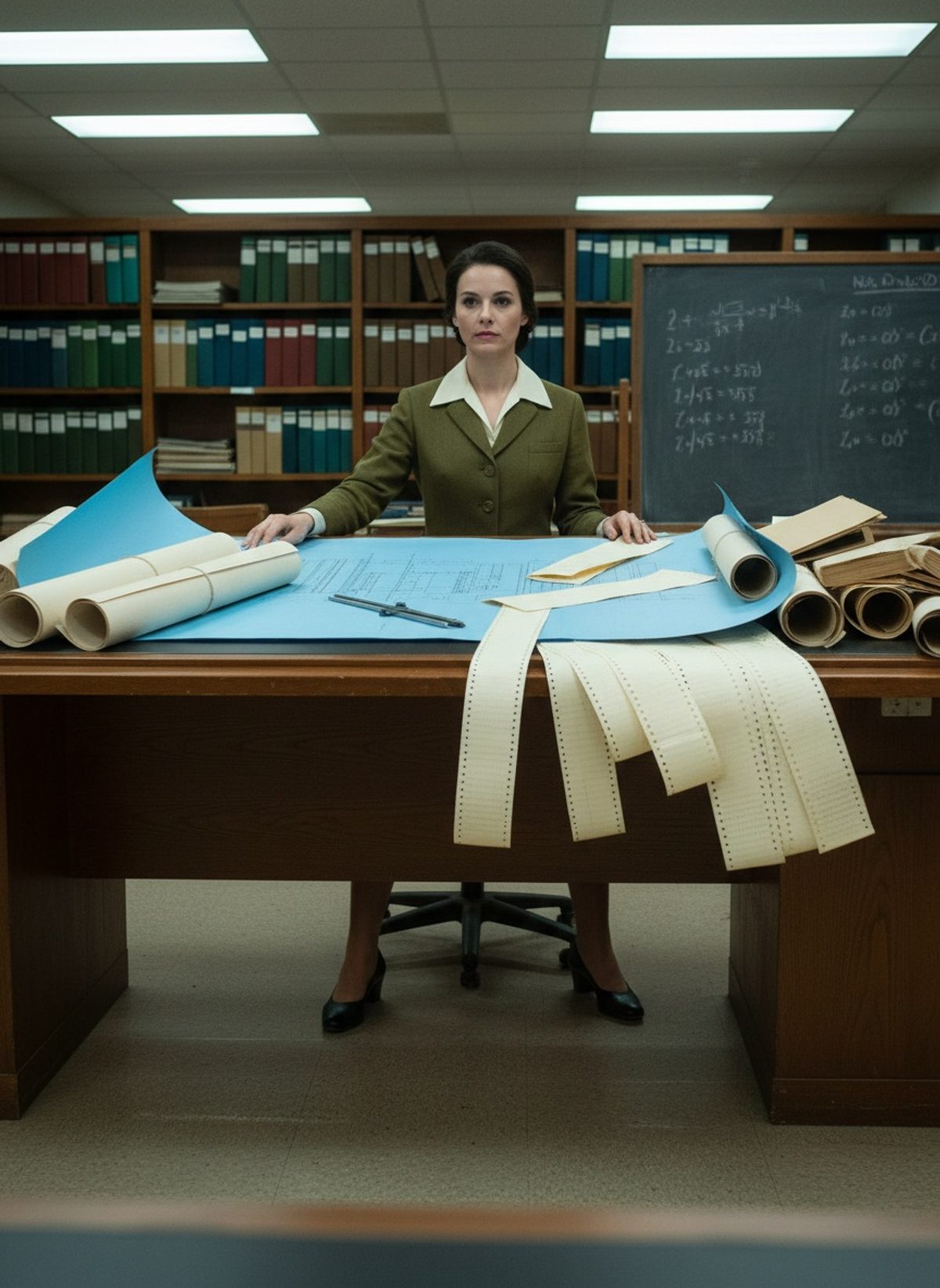
Judith Love Cohen built the system that saved Apollo 13. On the day she gave birth, she brought her work to the hospital. She solved the engineering problem before her son arrived.
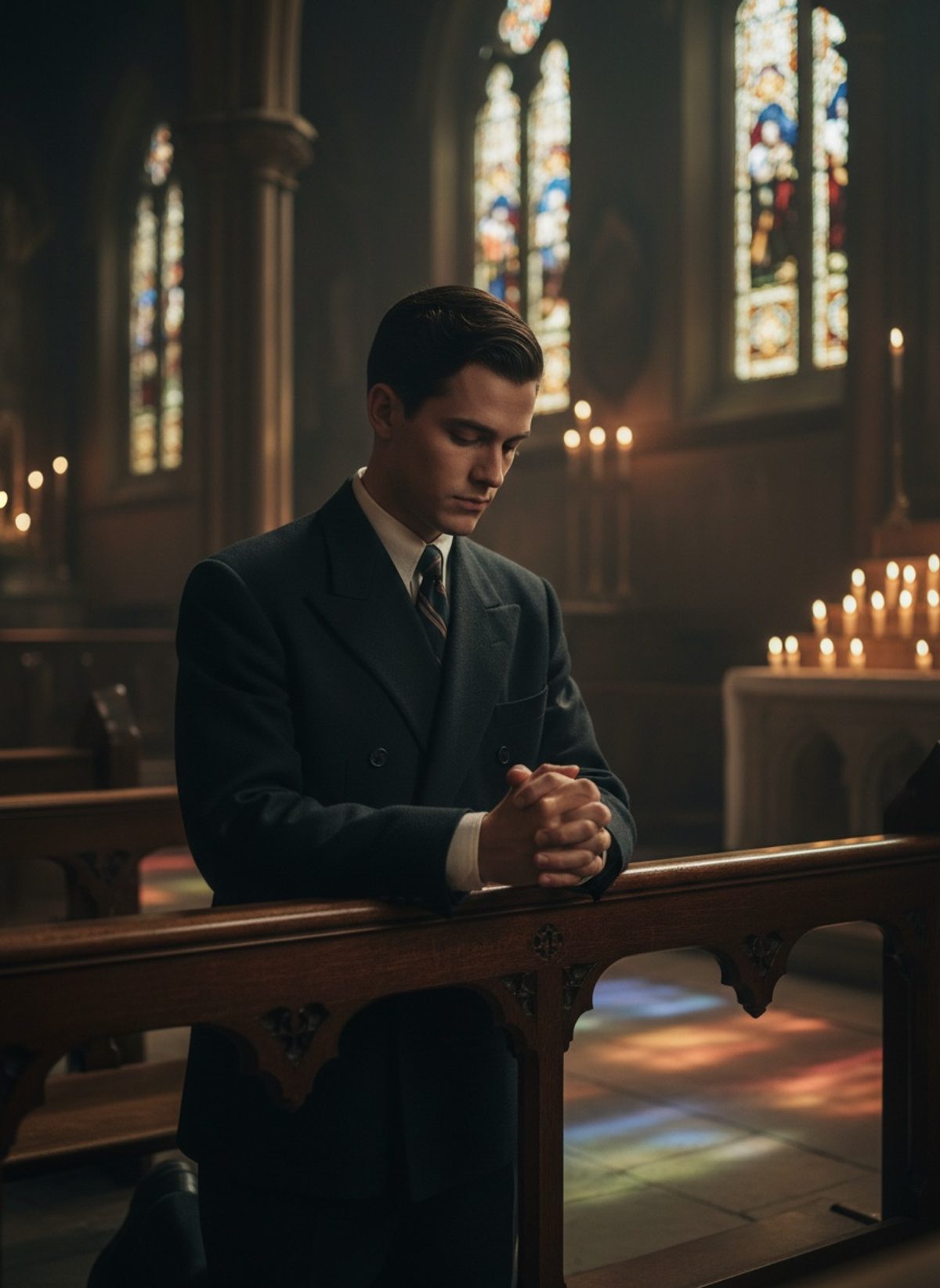
1940. A broke comedian kneeled in a Chicago church. He promised God: let me find work, and I will build something for children with nowhere to go. He kept that promise.
The land was salt. The wells were dry. One man decided to grow trees anyway. Sheikh Zayed did not wait for rain. He built the water himself. 200 million trees followed.
164 BCE. A plague swept through the Han capital. Officials fled. One man walked toward it. Chunyu Yi was China's first recorded physician. He kept notes on every patient. Every death. Every cure. Those notes survived.
Soldiers at Fort Huachuca couldn't leave their cars in uniform. So one franchisee cut a hole in his wall. On January 24, 1975, the world's first McDonald's drive-through opened. It changed everything.
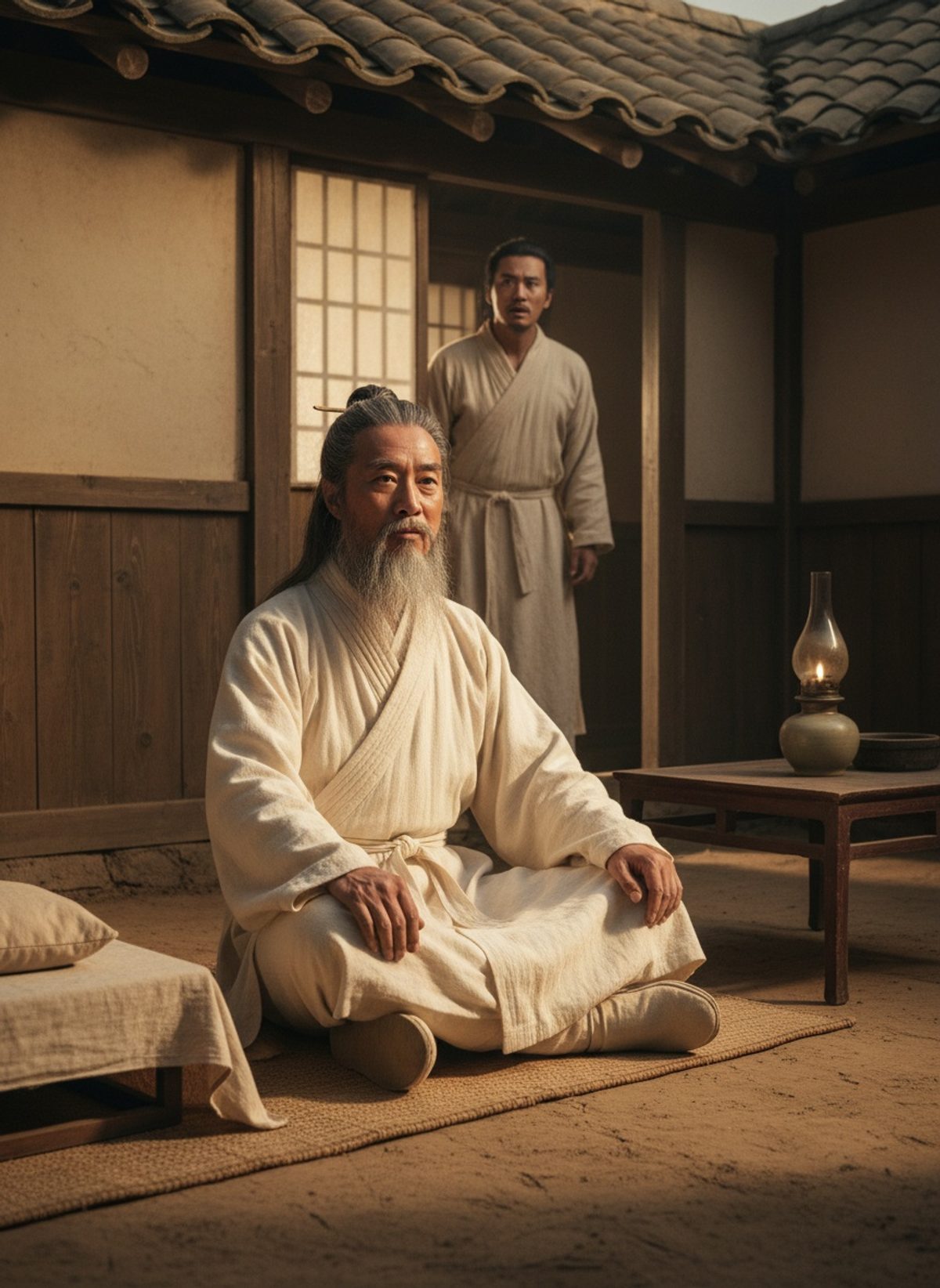
369 BCE. China. His wife had just died. His friend found him singing. He explained. He had wept first. Then he remembered. She had come from nothing. She would return to nothing. Grief, he said, would insult that.
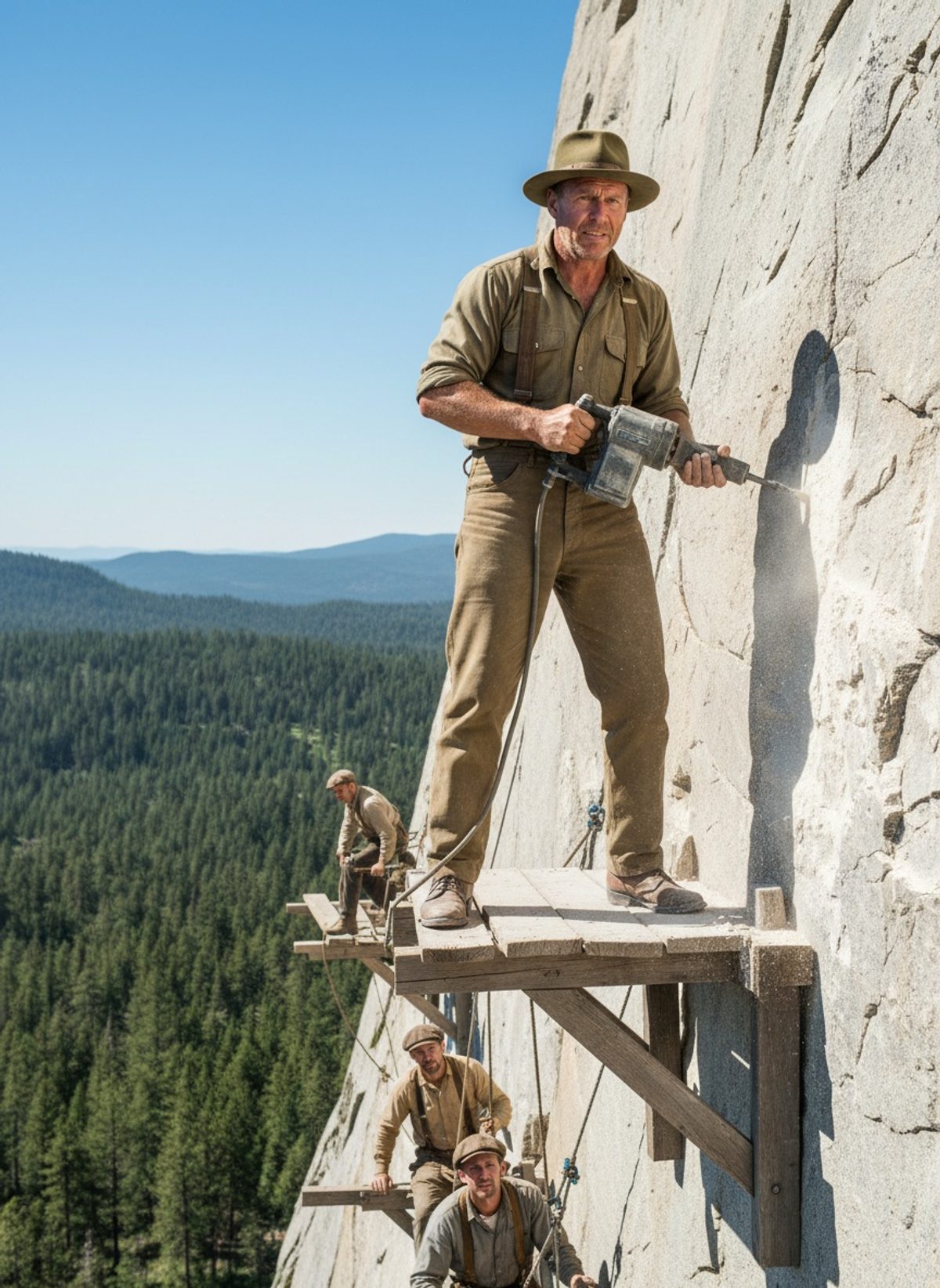
October 4, 1927. A sculptor named Gutzon Borglum pressed a drill into solid granite. Fourteen years and 400 workers later, four presidents stared down from the mountain forever.
In 1980, Terry Fox dipped his prosthetic leg in the Atlantic and ran west. One leg. One mission. 143 days later, cancer stopped him. He had run 5,373 miles.
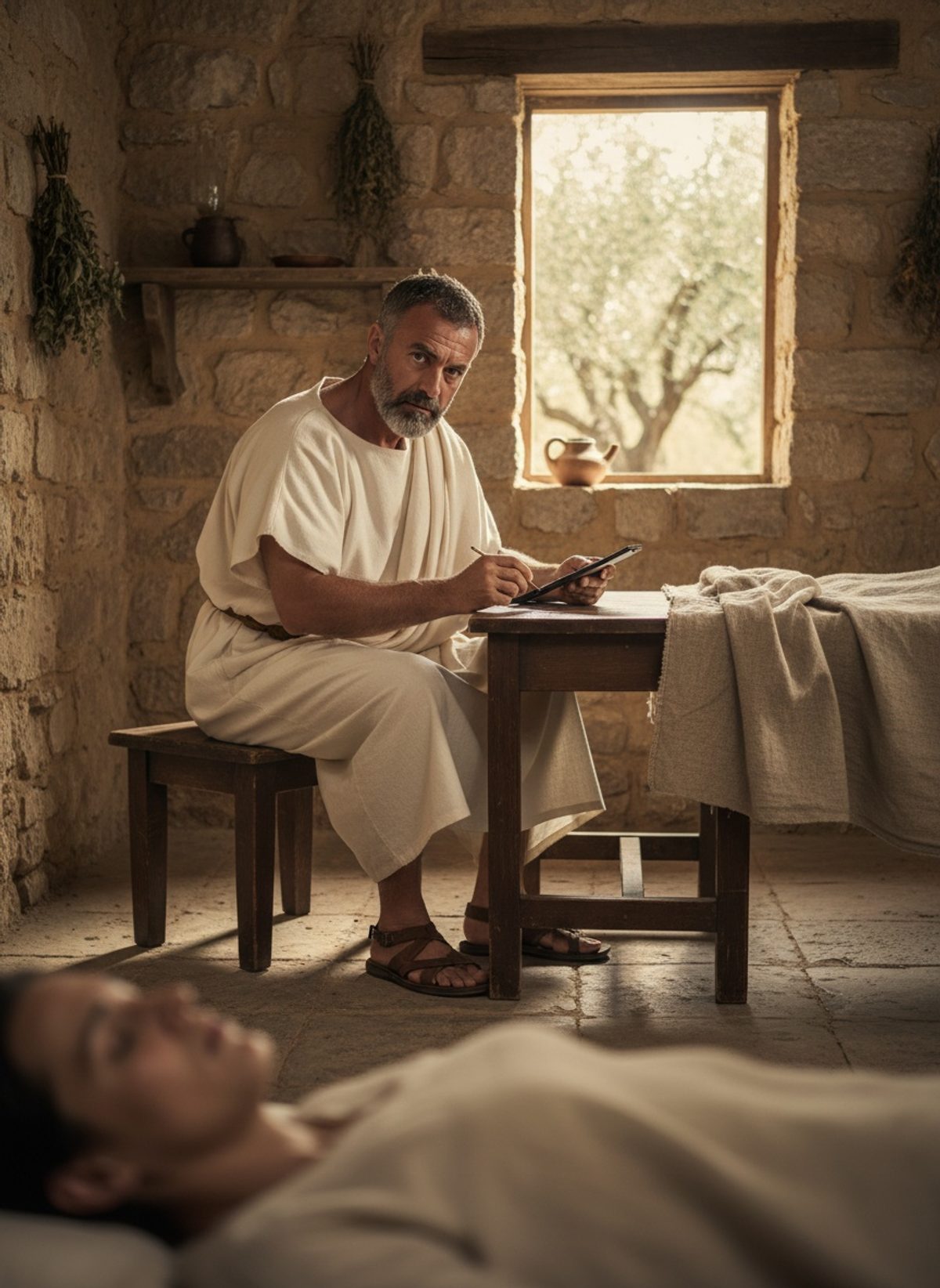
400 BCE. A Greek physician stood before the sick. He rejected the gods. He watched. He recorded. Hippocrates of Cos said disease came from nature. Not punishment. Not fate. He was right.
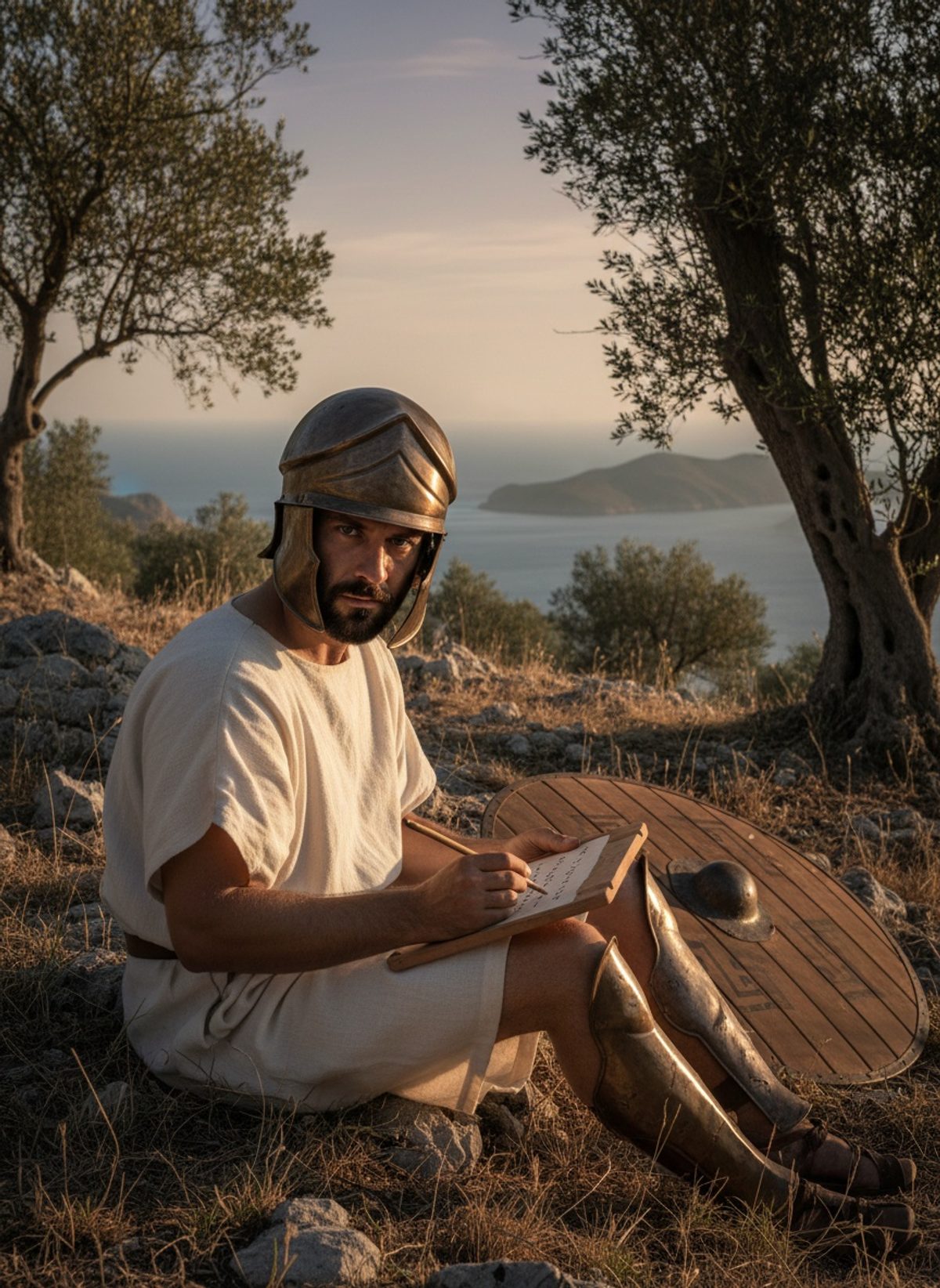
Seven century BCE Paros. The battle was lost. A Greek soldier dropped his shield and ran. He survived. Then he did the unthinkable. He wrote a poem bragging about it.
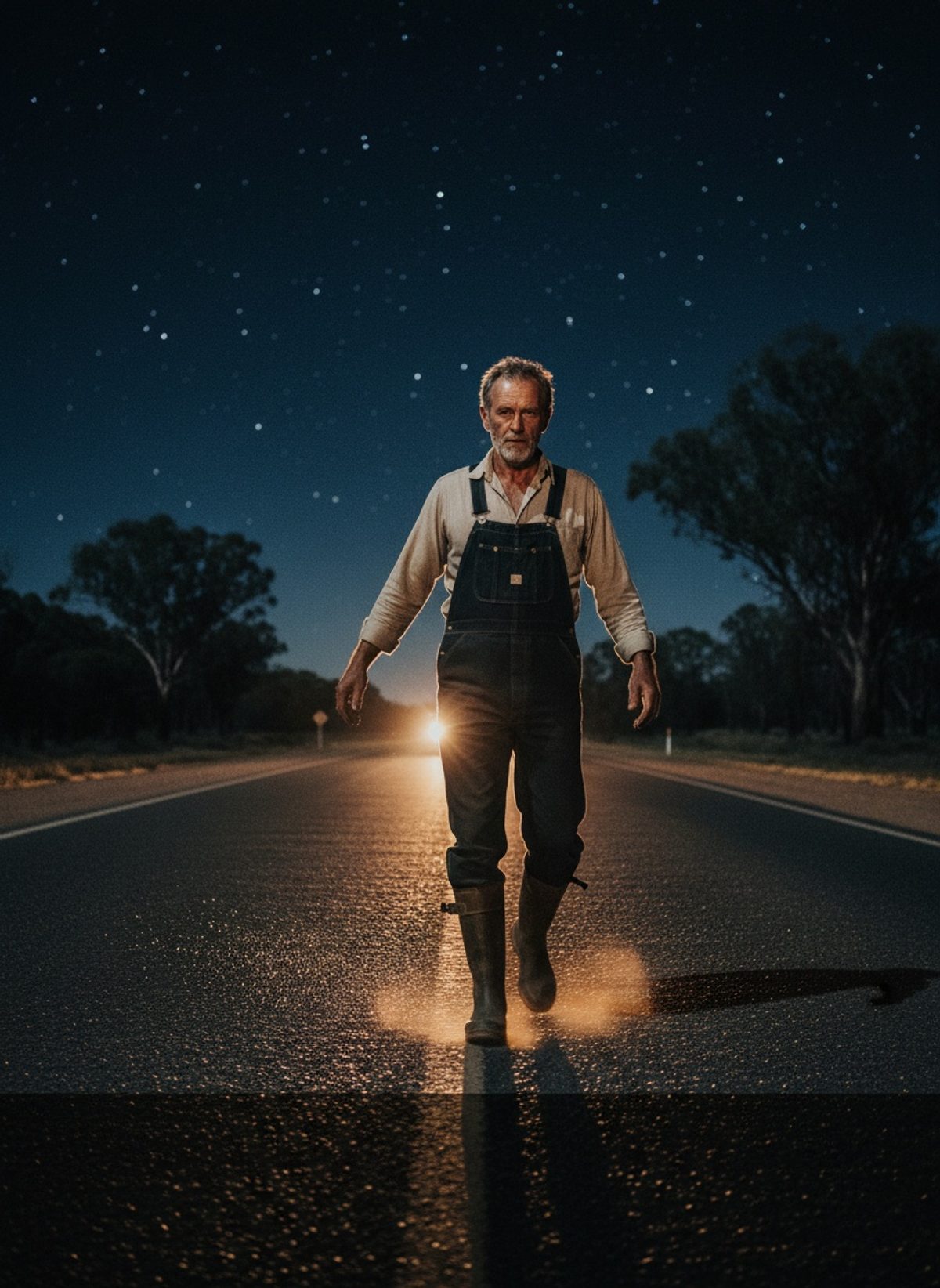
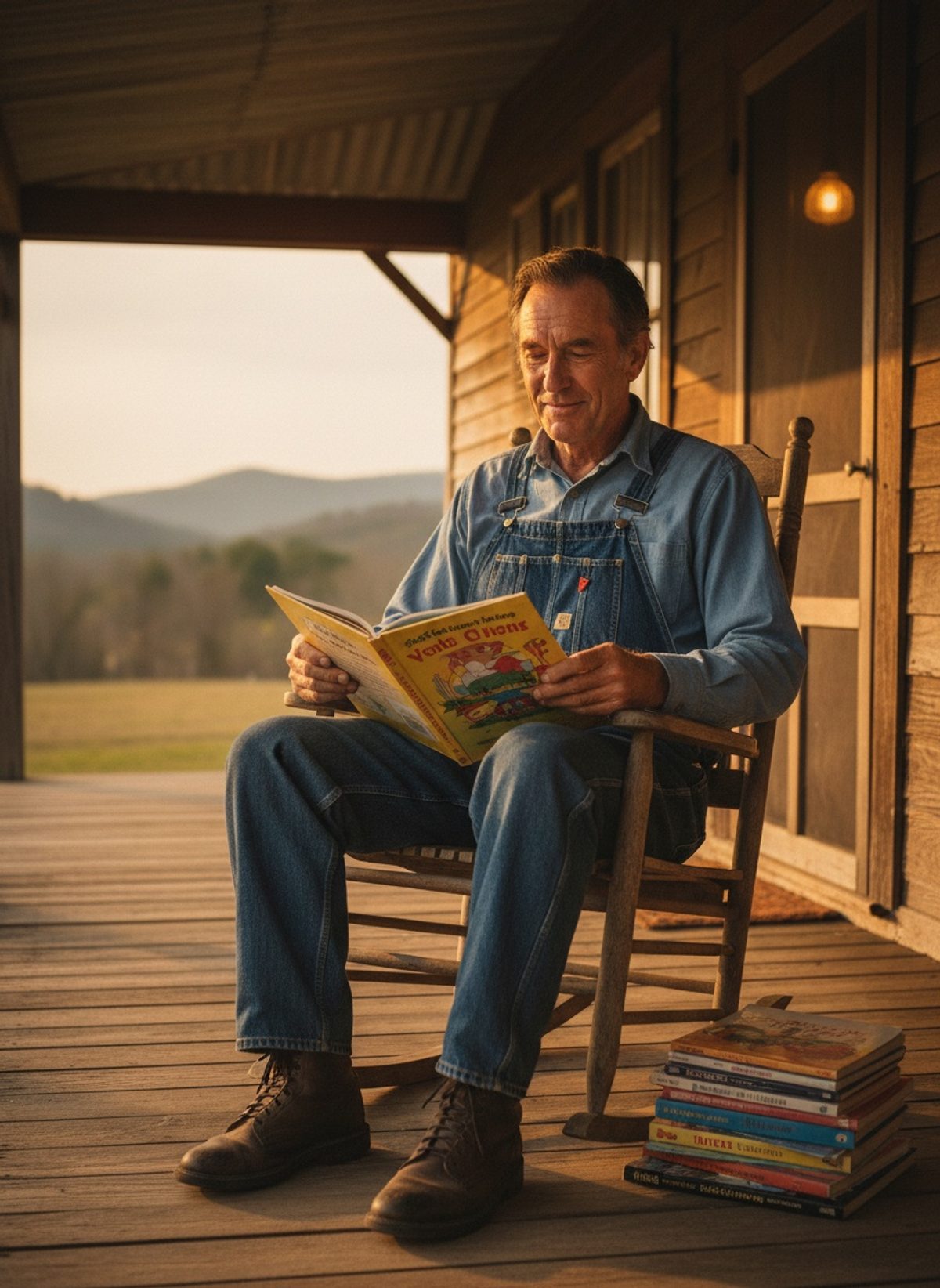
A 61-year-old sheep farmer showed up to an elite 875km ultramarathon in overalls and rubber boots. The professionals laughed. Five days later, he crossed the finish line alone — nearly two days ahead of the record.
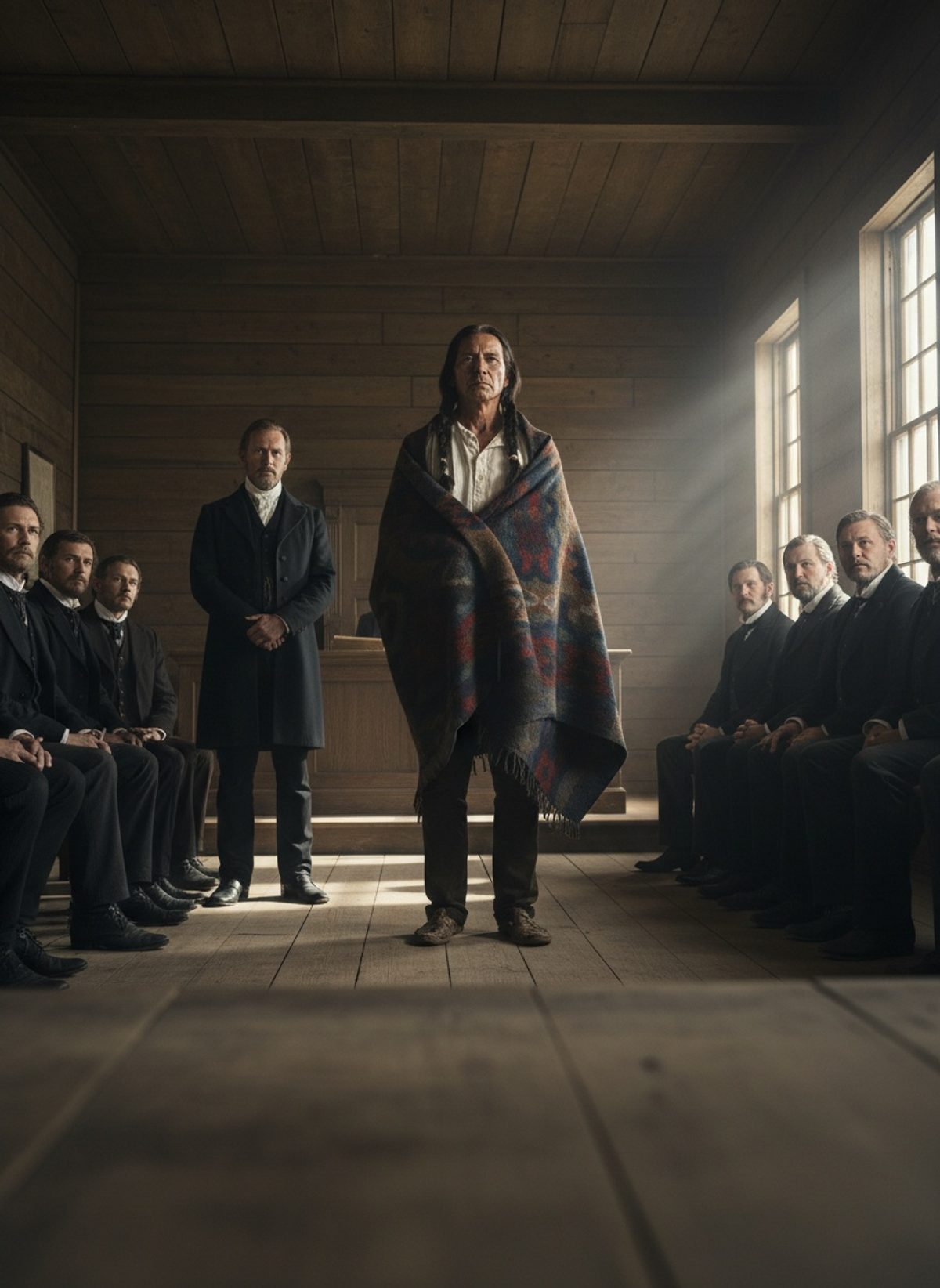
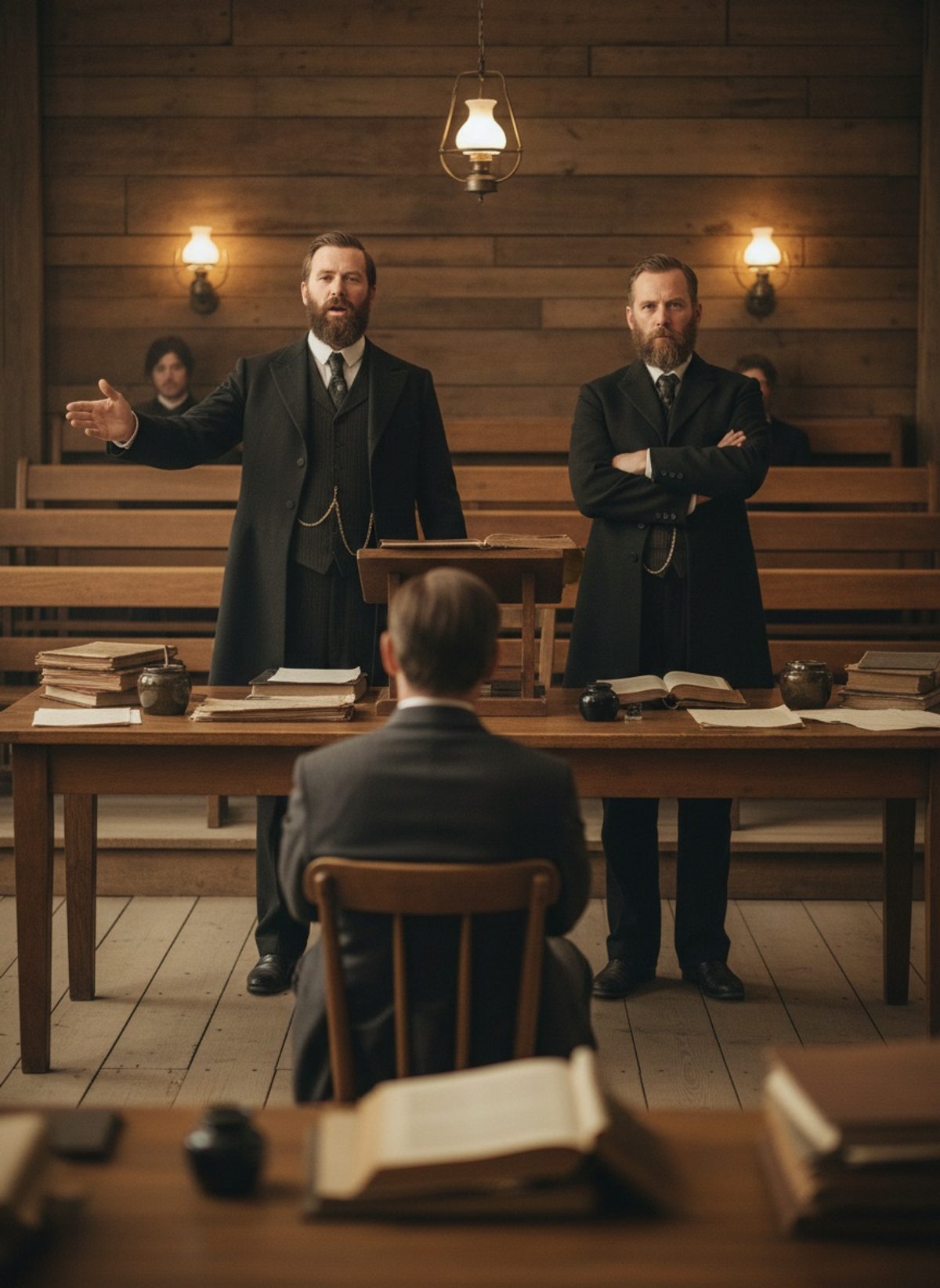
In 1879, a Ponca chief was arrested for returning to bury his son. His lawyer argued the unthinkable. A federal judge ruled: Standing Bear was a person under U.S. law. No court had ever said so before.
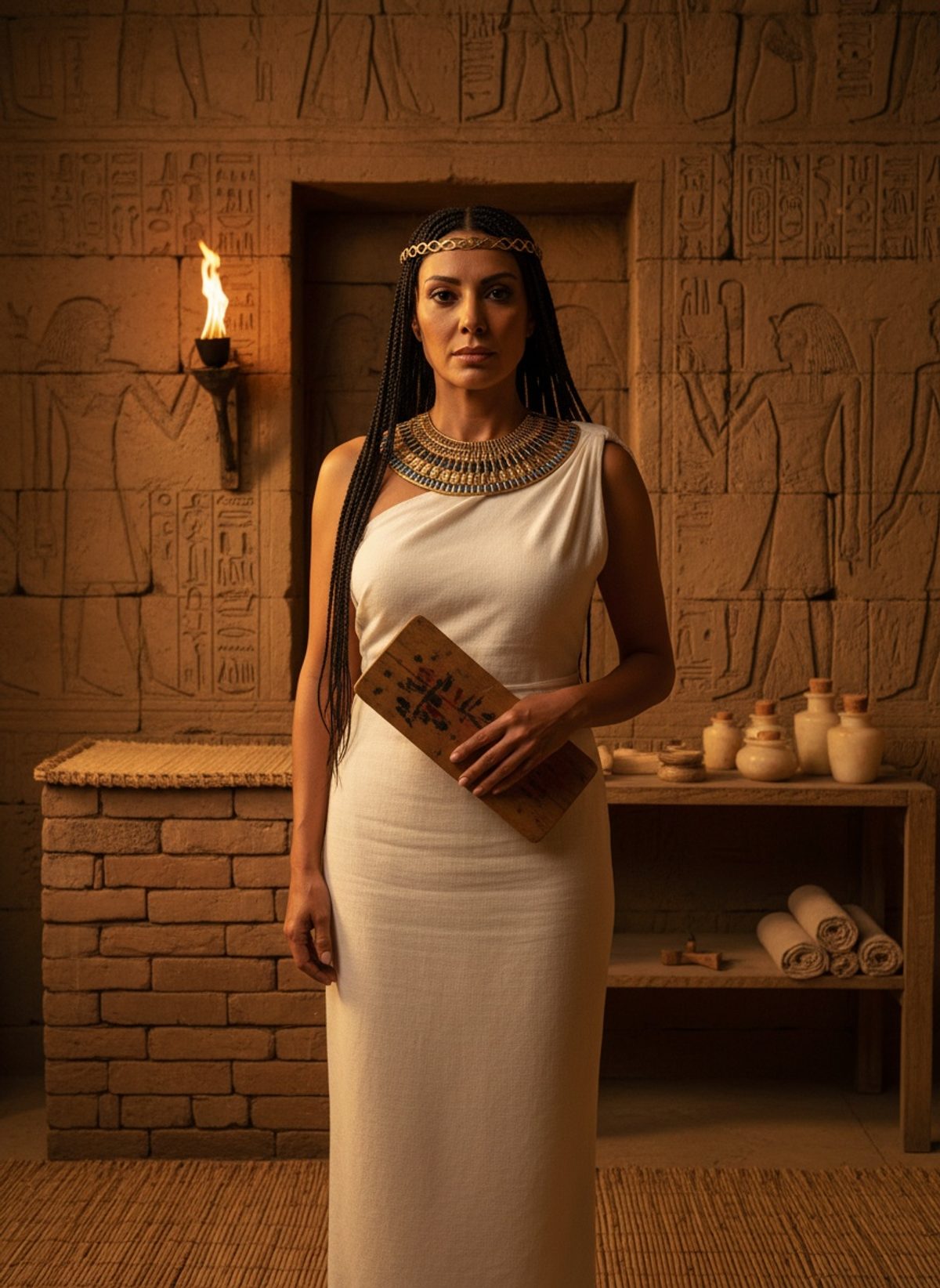
Egypt. 2400 BCE. A woman named Peseshet held the highest medical title in the land. She trained doctors. She healed the sick. She was not a priestess. She was a physician. The first named female doctor in all of recorded history.
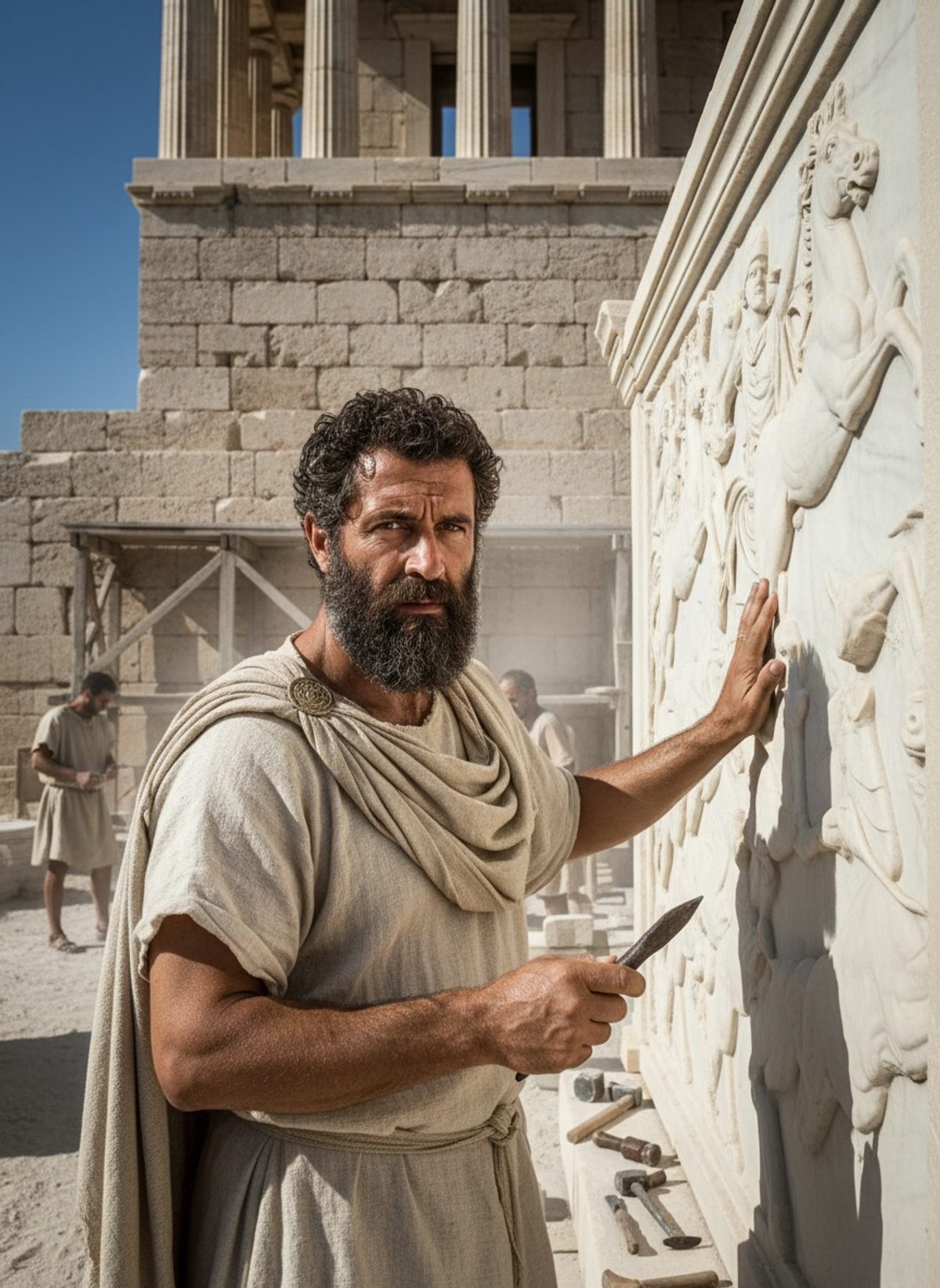
350 BCE. A king died in Asia Minor. His widow refused to let him be forgotten. She hired the greatest sculptors in Greece. They built something the ancient world had never seen. It became one of the Seven Wonders.
Memphis, 1962. A hospital opened its doors — and sent no bills. It was the South's first fully integrated hospital. Its cure rate for childhood leukemia was then 4%. Today it is 94%.
NASA had computers. Glenn didn't trust them. He trusted one woman. Katherine Johnson checked every number by hand — and only then did he agree to fly.
In 1869, Wyoming gave women the vote. When Congress blocked statehood over it, Wyoming refused to back down. Its message: stay out forever rather than abandon them.
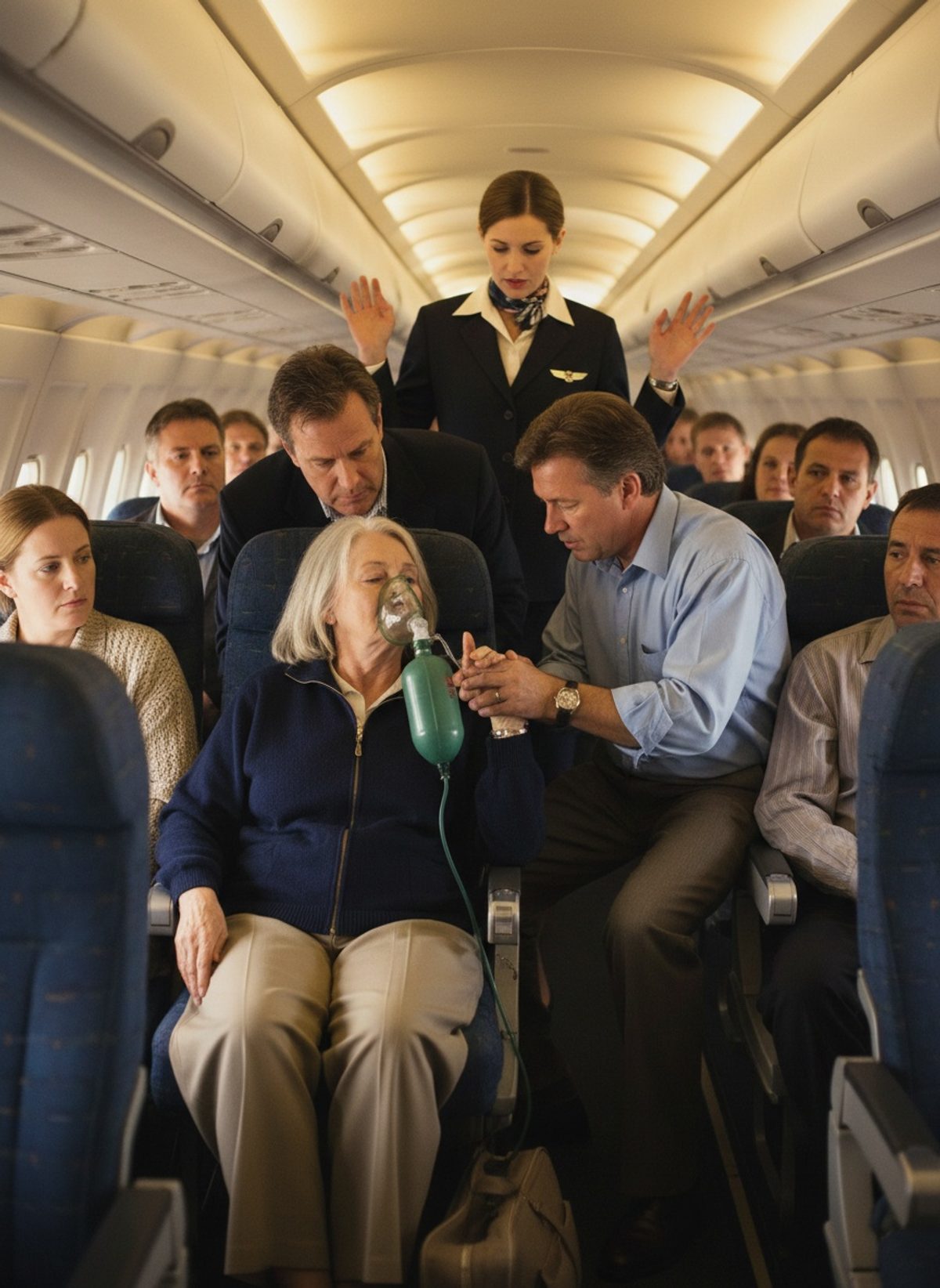
In 2003, Dorothy Fletcher, 67, had a heart attack mid-flight to her daughter's wedding. The crew asked for a doctor. Fifteen cardiologists stood up. They were all flying to the same conference.
In 1963, a Soviet textile worker became the first woman in space. She had never parachuted before her selection. She orbited Earth 48 times. No woman would follow for 19 years.
Dolly Parton's father never learned to read or write. She never forgot it. Decades later, her Imagination Library has placed over 300 million free books into the hands of children worldwide.
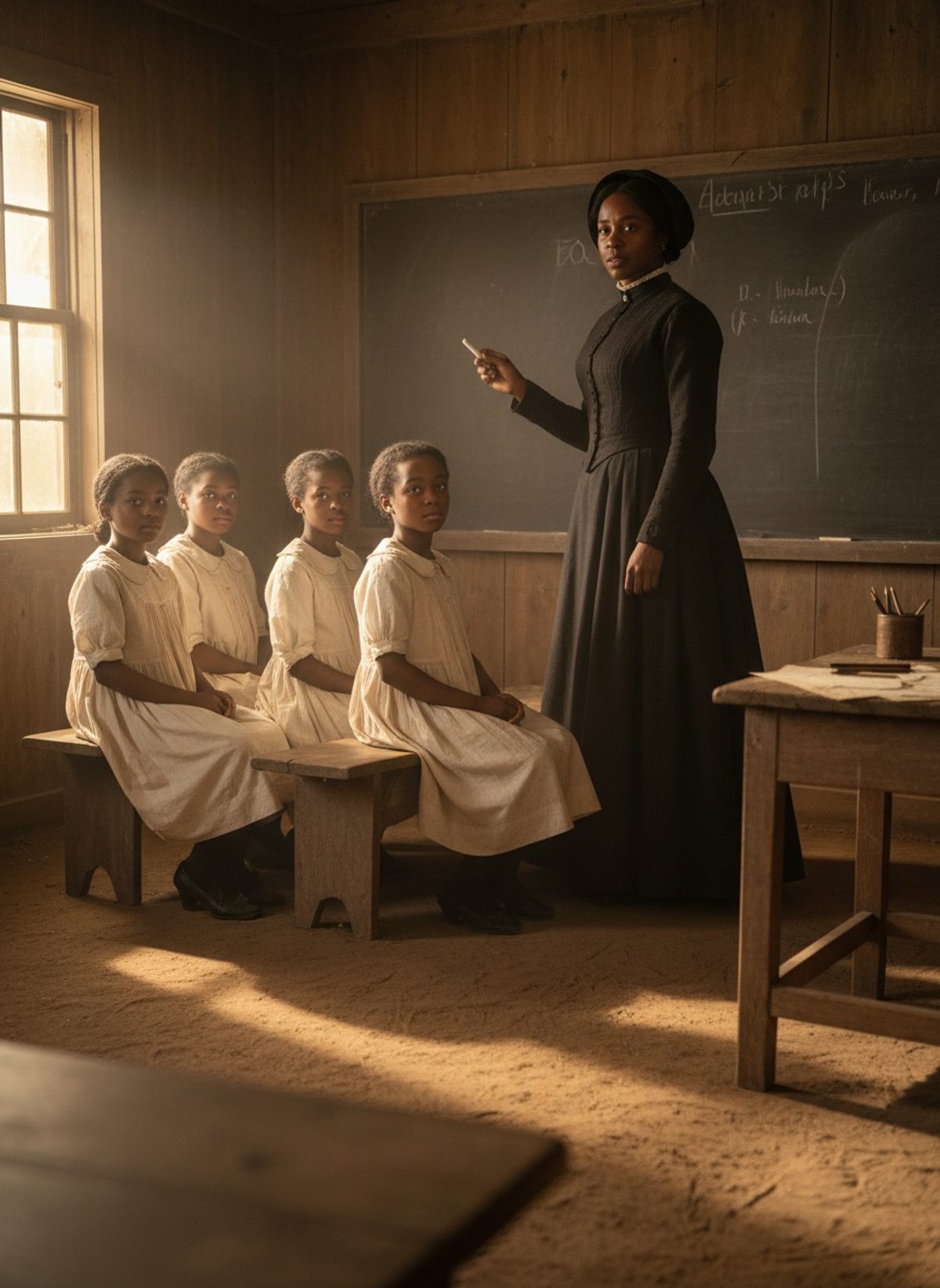
Mary Macleod Bethune was born to former slaves. She had $1.50 and a dream. She turned both into a school that changed thousands of lives.
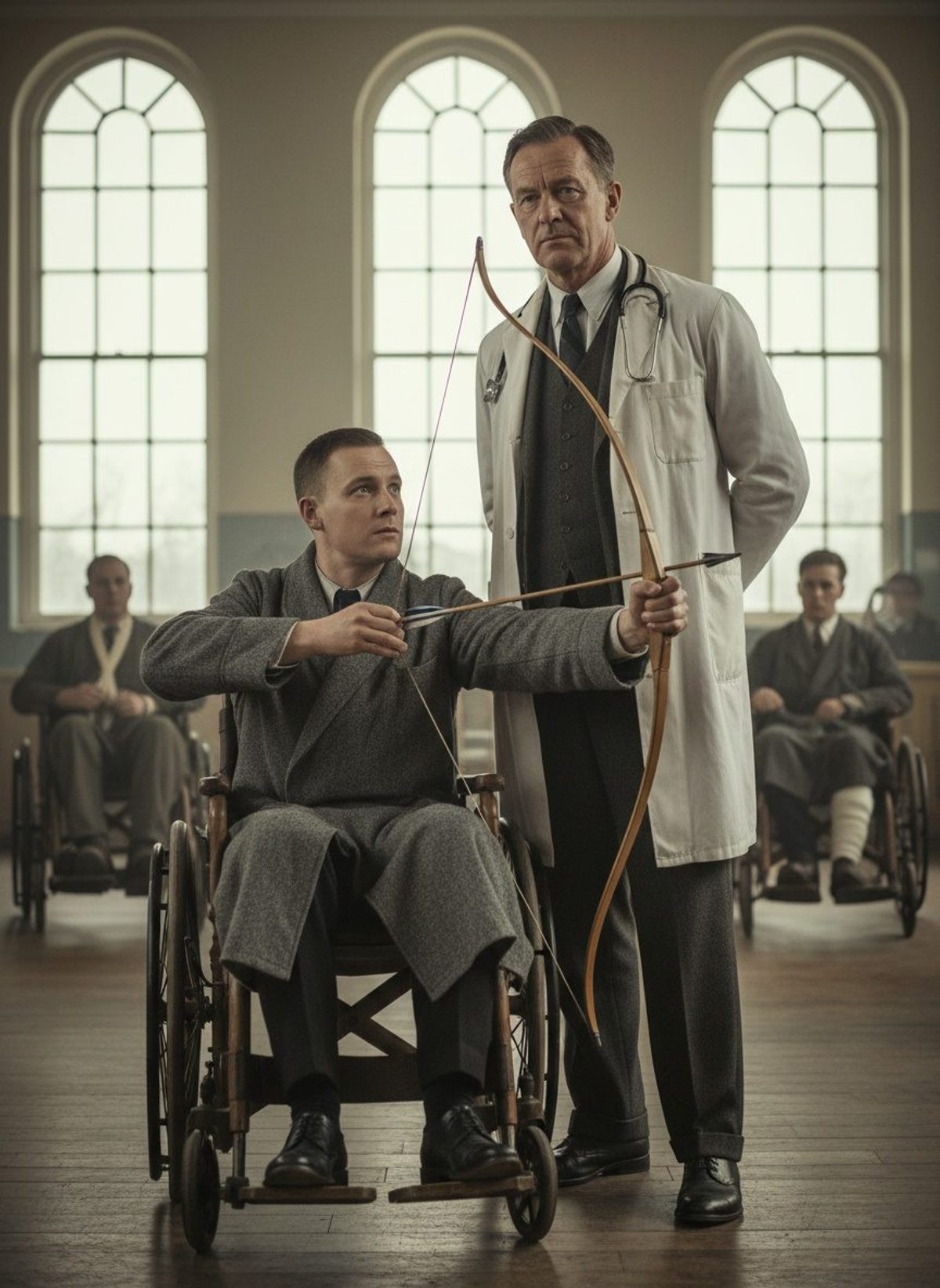
A Jewish doctor admitted 64 arrested men the night of Kristallnacht. Illegally. Then argued each case to the Gestapo at dawn. 60 escaped deportation. Twenty years later, he gave disabled athletes the world.
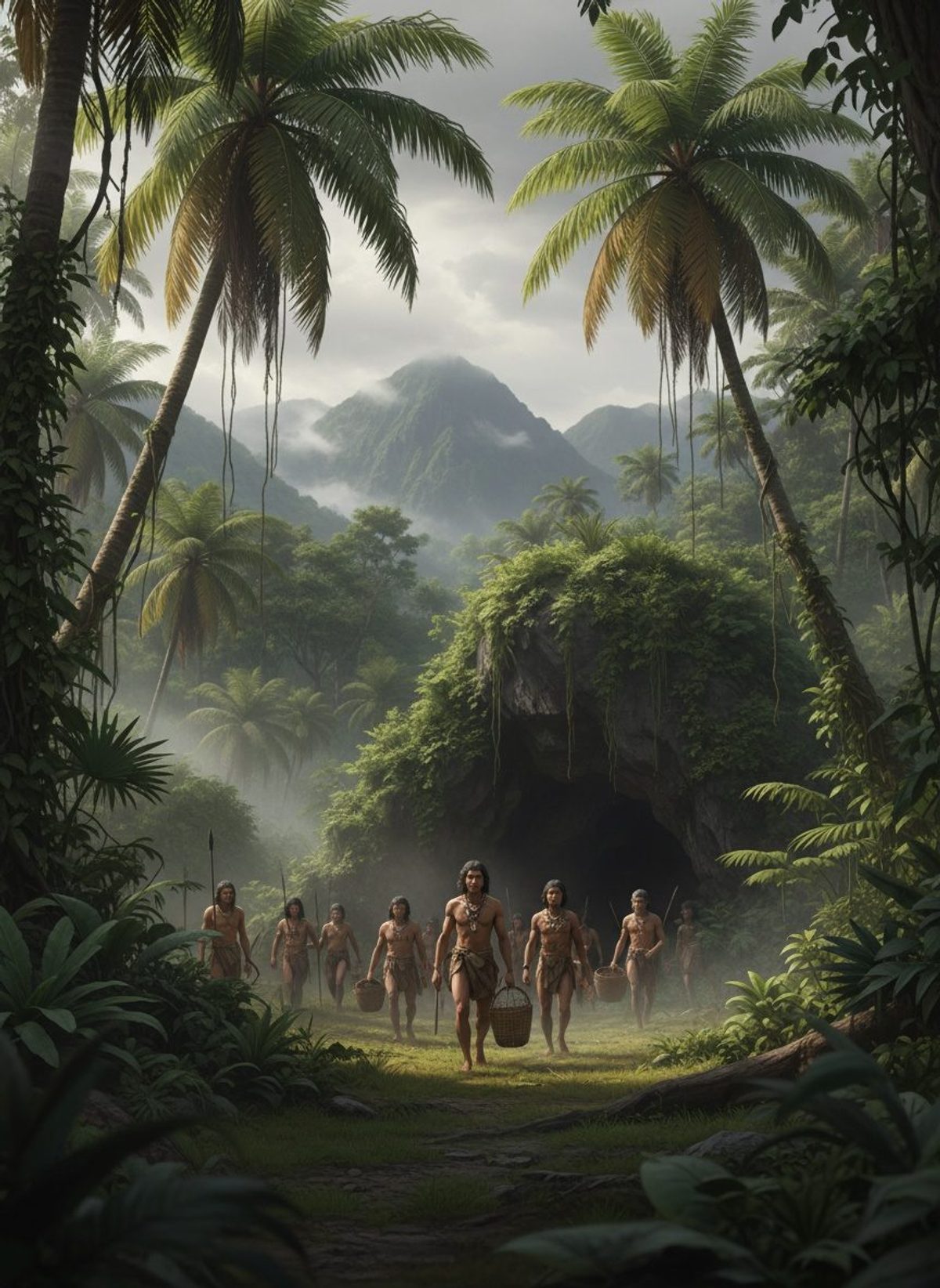
Ancient Sulawesi islanders sucked palm seeds containing a neuroactive substance to relieve dental pain.
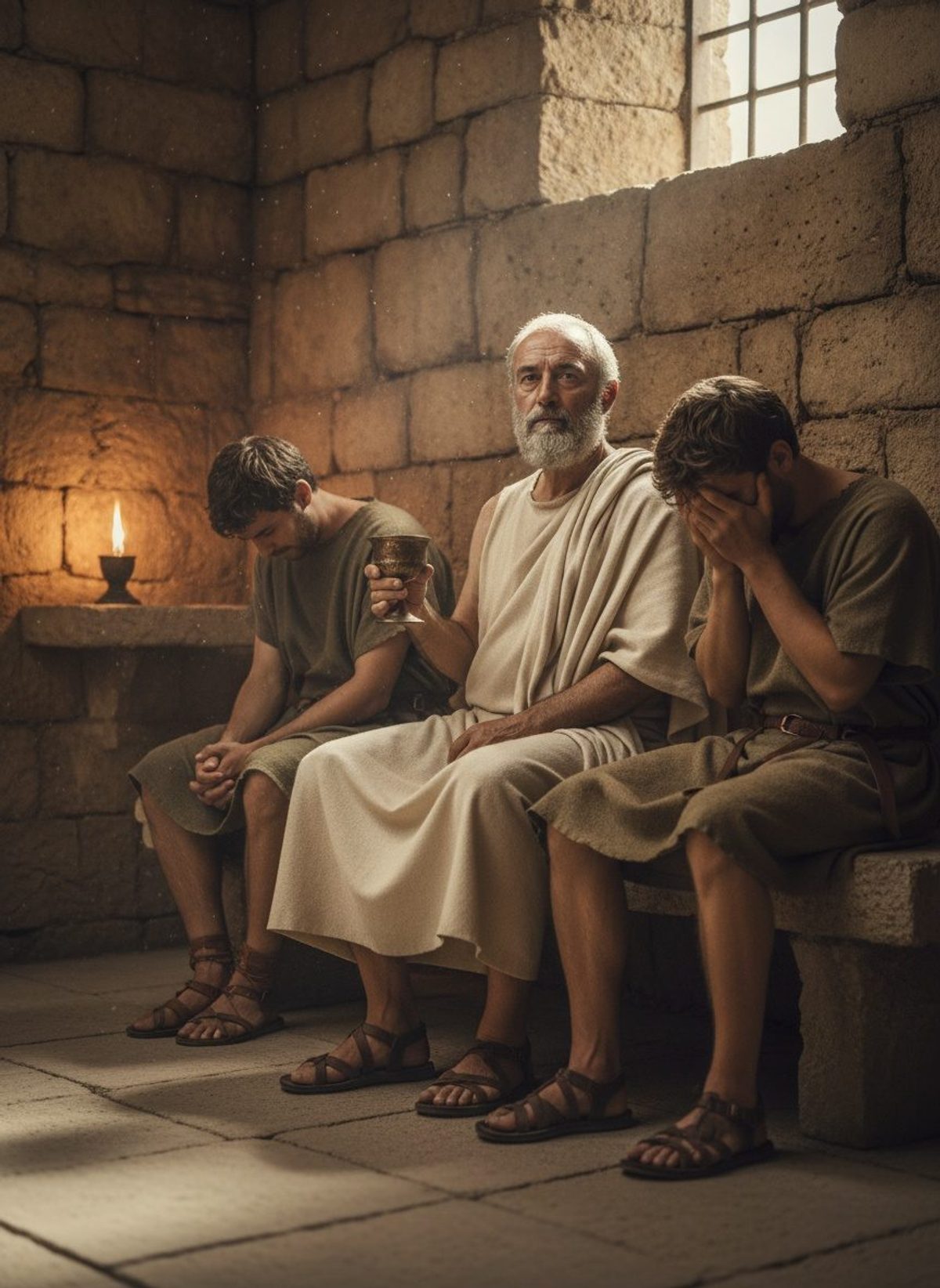
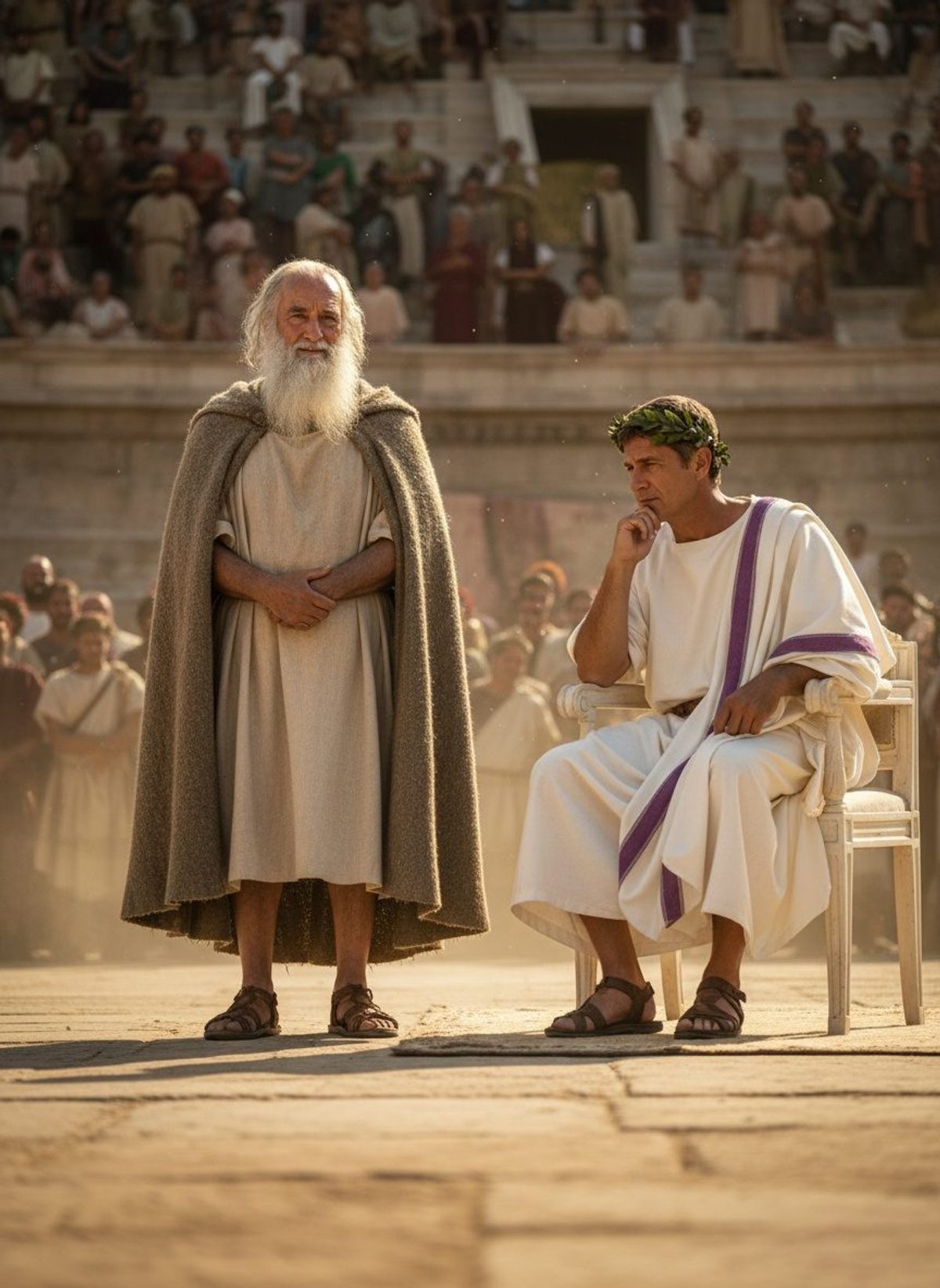
Athens, 399 BCE. Socrates was condemned to die. His wife Xanthippe came with their youngest child. She wept. He did not. She was led away. He asked his friends to be calm. Then he drank.
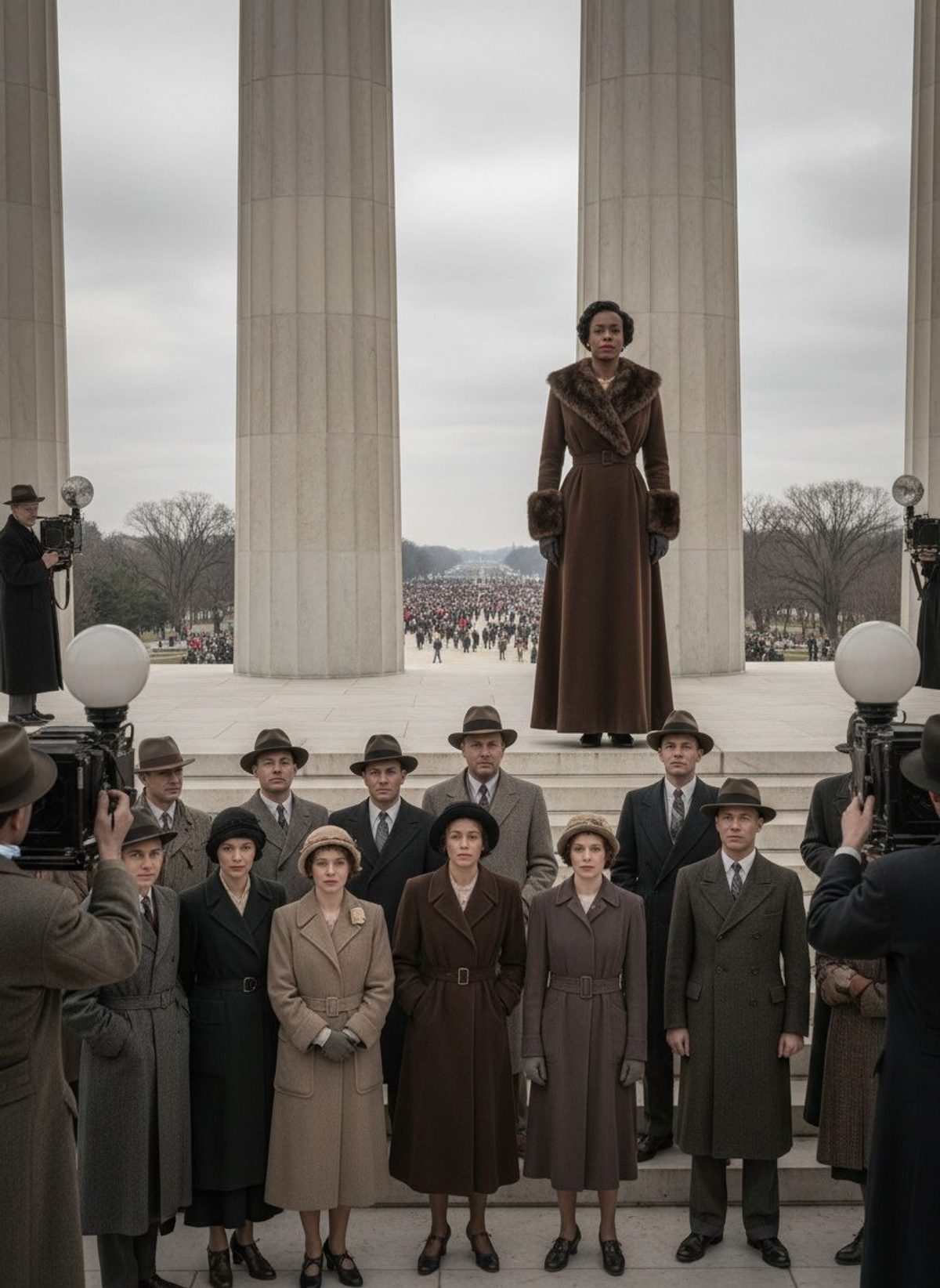
In 1939, the Daughters of the American Revolution barred Marian Anderson from their hall because she was Black. Eleanor Roosevelt resigned in protest. Anderson sang from the Lincoln Memorial steps to 75,000 people.
Herbert Hoover never kept a paycheck. For four decades in public life, he donated every government salary he earned — long before the White House, and long after it.
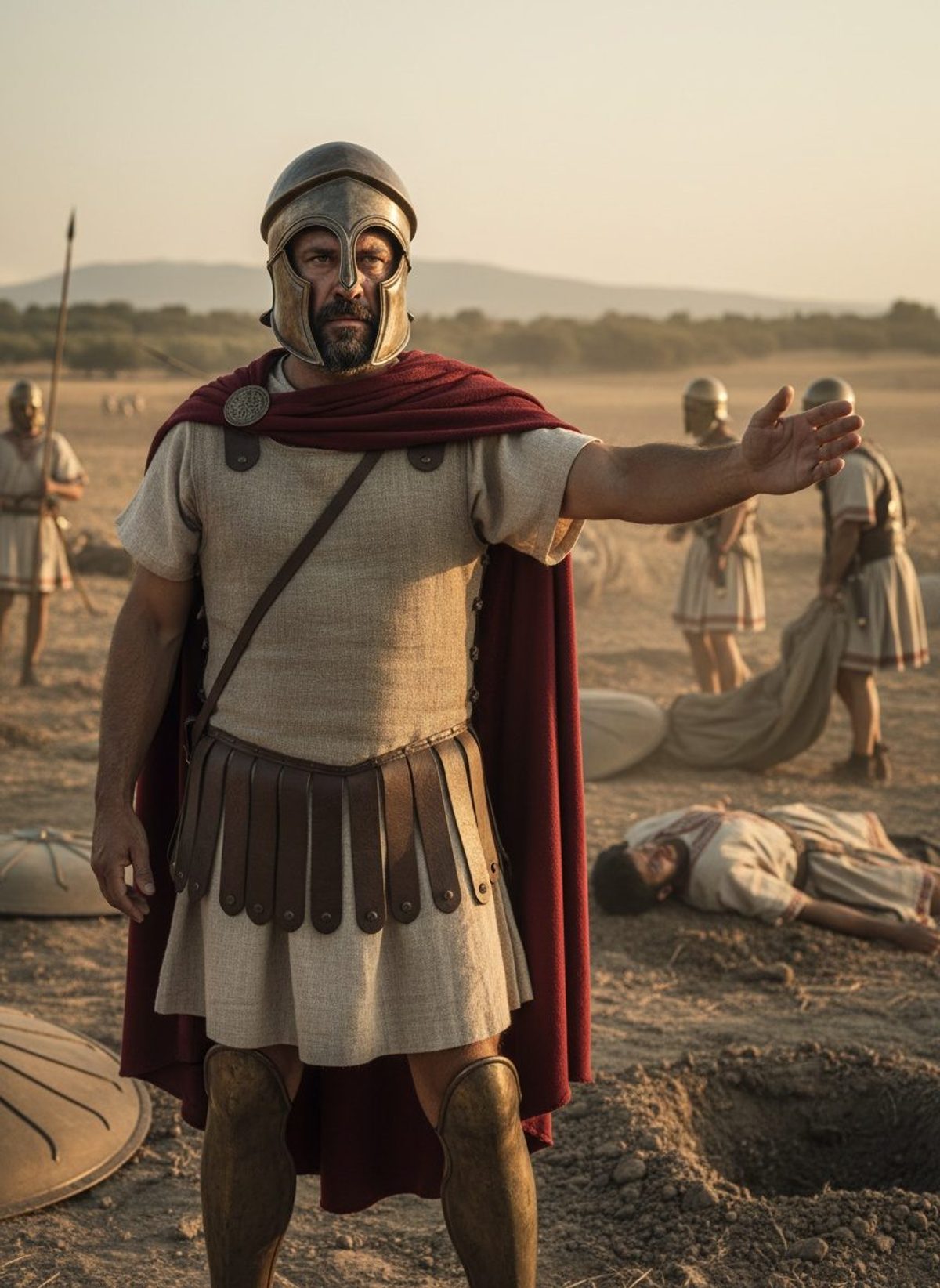
479 BCE. Greece had just survived. The Persian dead lay across Plataea. Every soldier expected revenge. Pausanias gave the order. Bury them. With honours. The victors stood in silence.
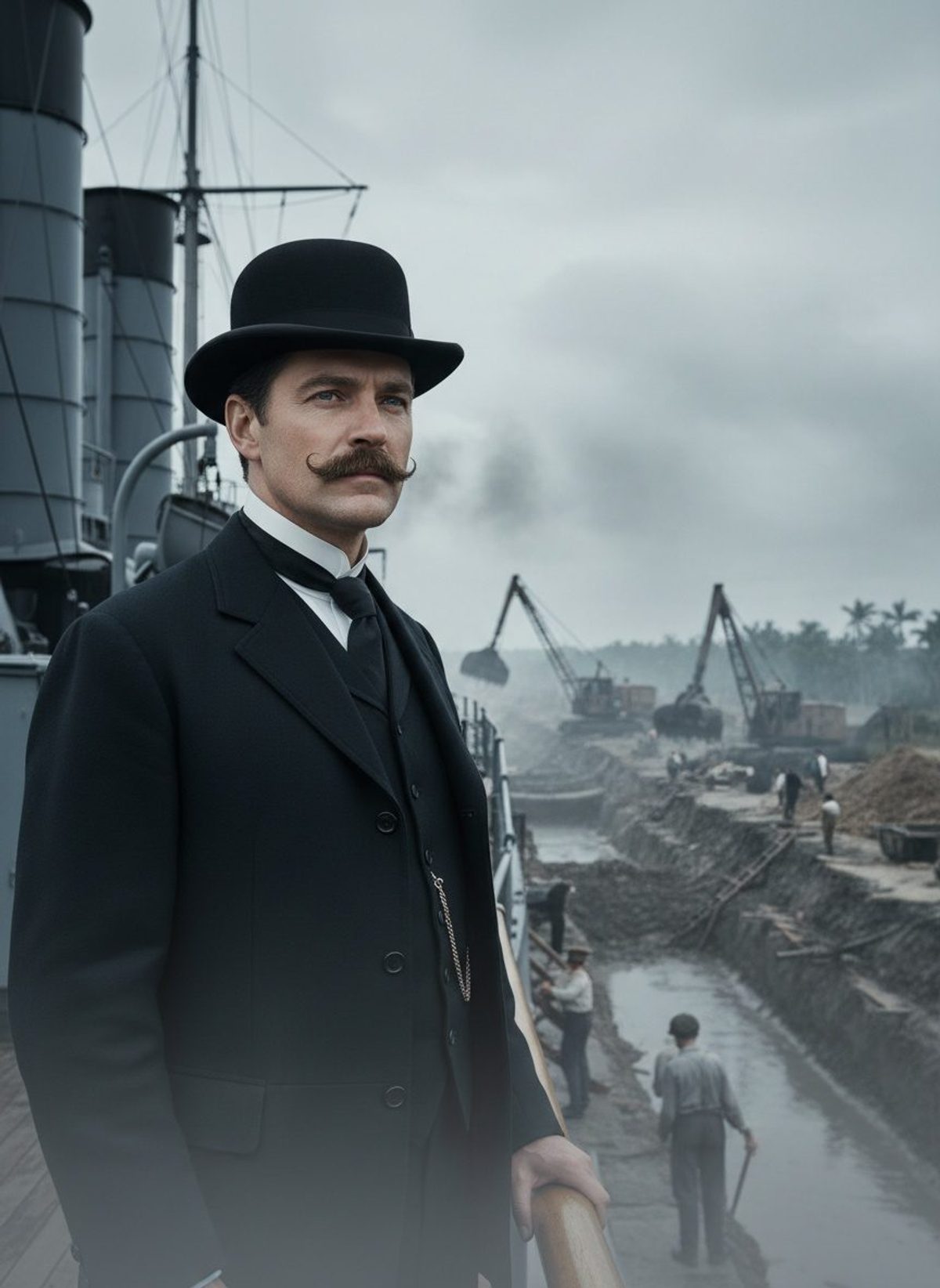
For 117 years, no sitting president left American soil. Then Theodore Roosevelt boarded a ship to Panama. One man ended a tradition stretching back to Washington — and changed the presidency forever.
Both engines dead. 155 people aboard. No runway in reach. In under four minutes, one pilot made a decision that should have been impossible — and every single person lived.
In 1955, stations demanded Betty White drop her Black co-star. She refused. Then she gave him more airtime. Arthur Duncan never forgot who stood beside him when no one else would.
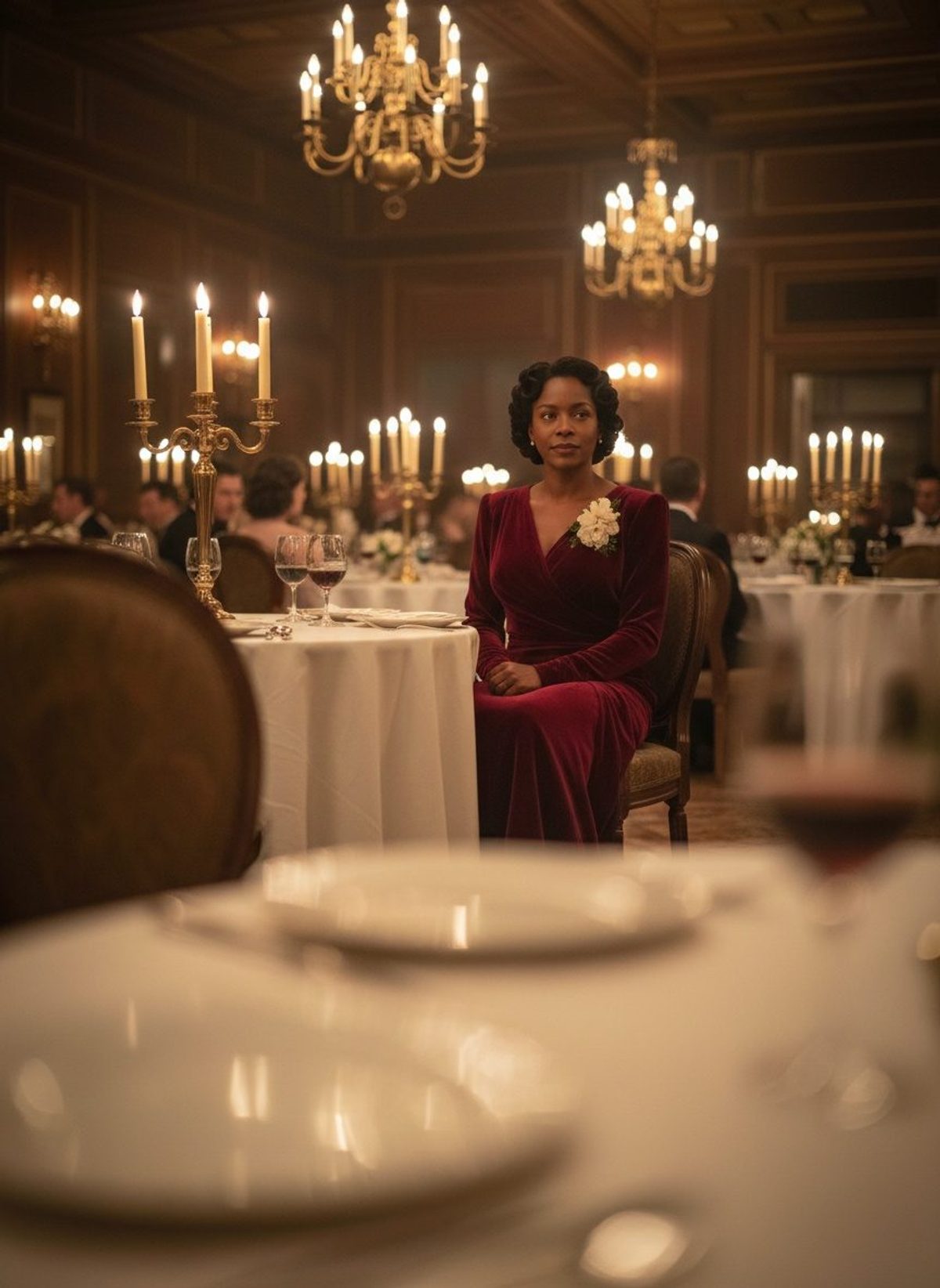
She made history at the 1940 Oscars. First Black actor to win. But the hotel made her sit apart from her cast. She accepted the award. She did not let them see her break.
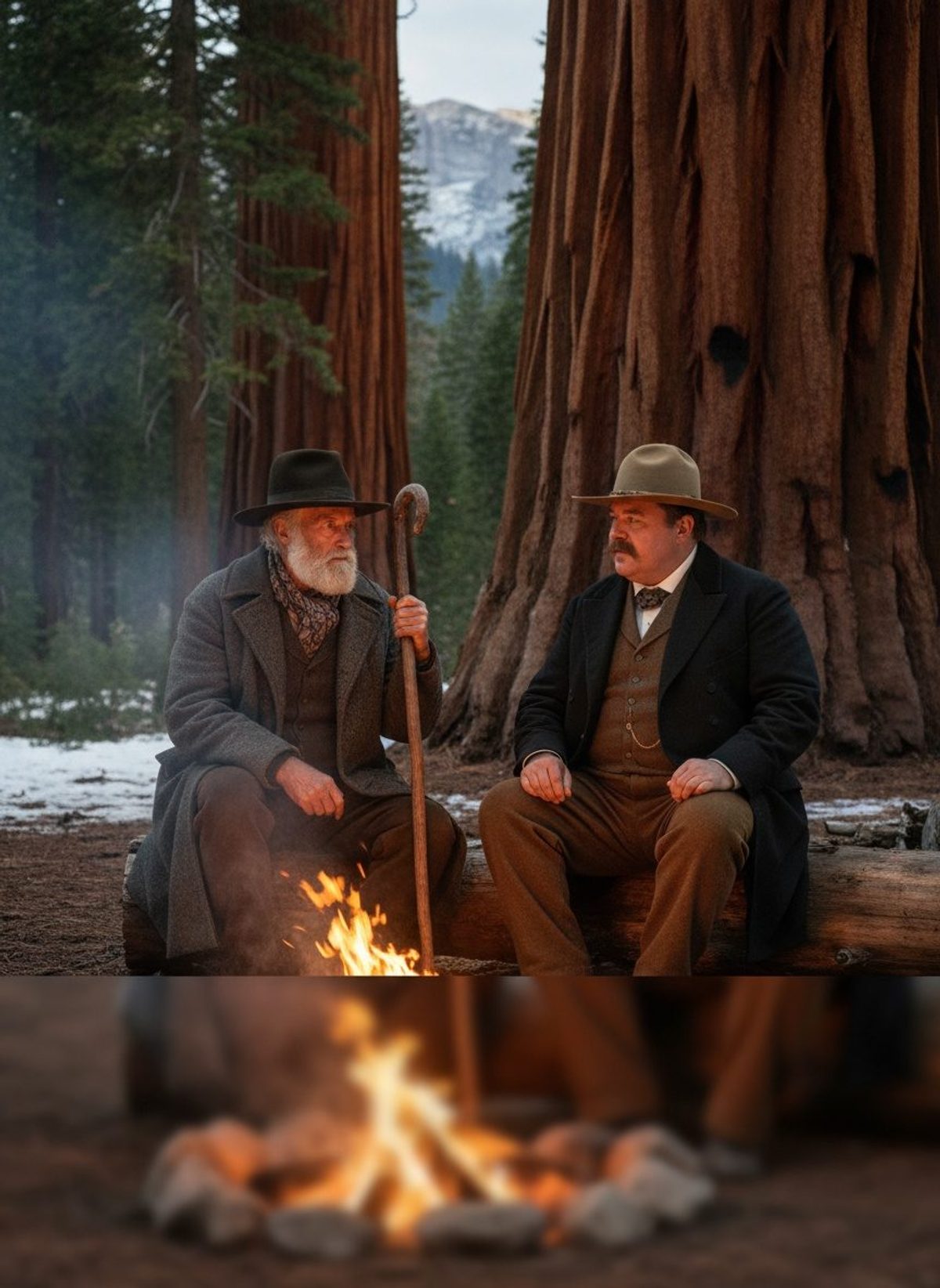
In 1903, John Muir took President Roosevelt into Yosemite's wilderness for three nights. No staff. No politics. Just snow, giant sequoias, and one man's plea. Roosevelt emerged and protected 230 million acres.
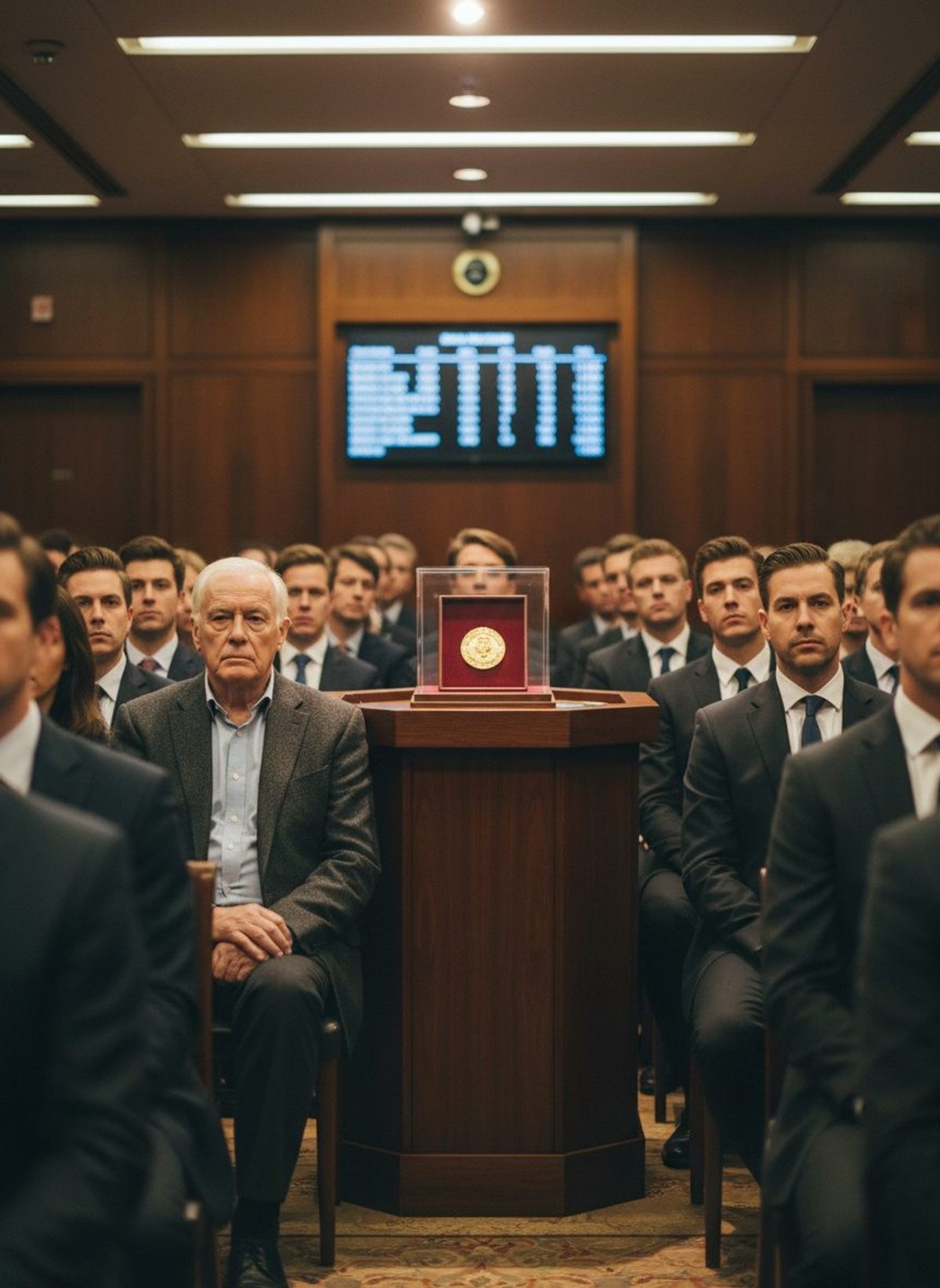
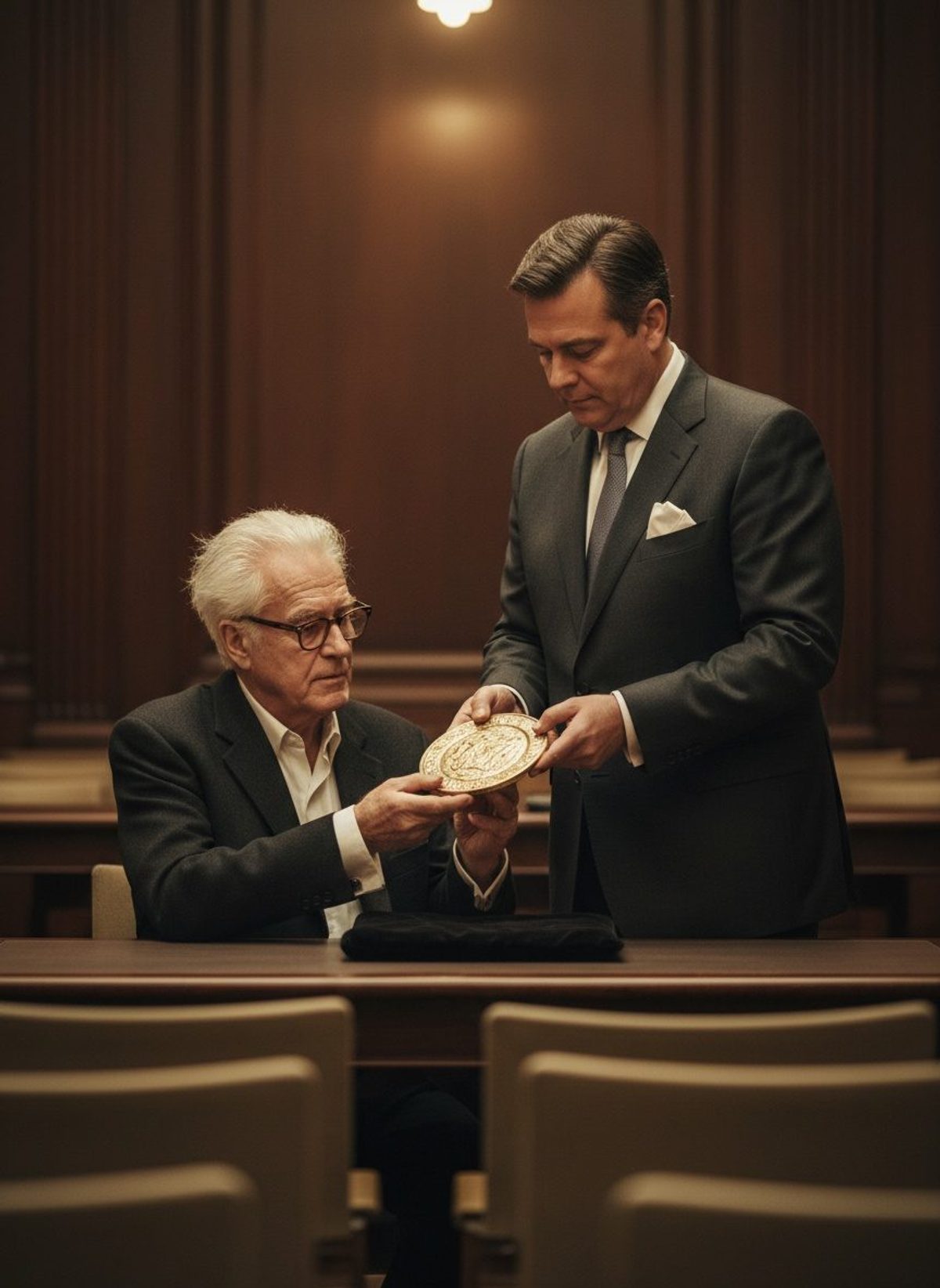
In 2014, James Watson auctioned his Nobel Prize medal for $4.1 million — the first living laureate to do so. Buyer Alisher Usmanov stunned the world. He returned it immediately.
Herbert Hoover directed the feeding of 10 million starving Europeans after WWI. He refused every salary offered. For years, he paid his own expenses. He called it his duty.
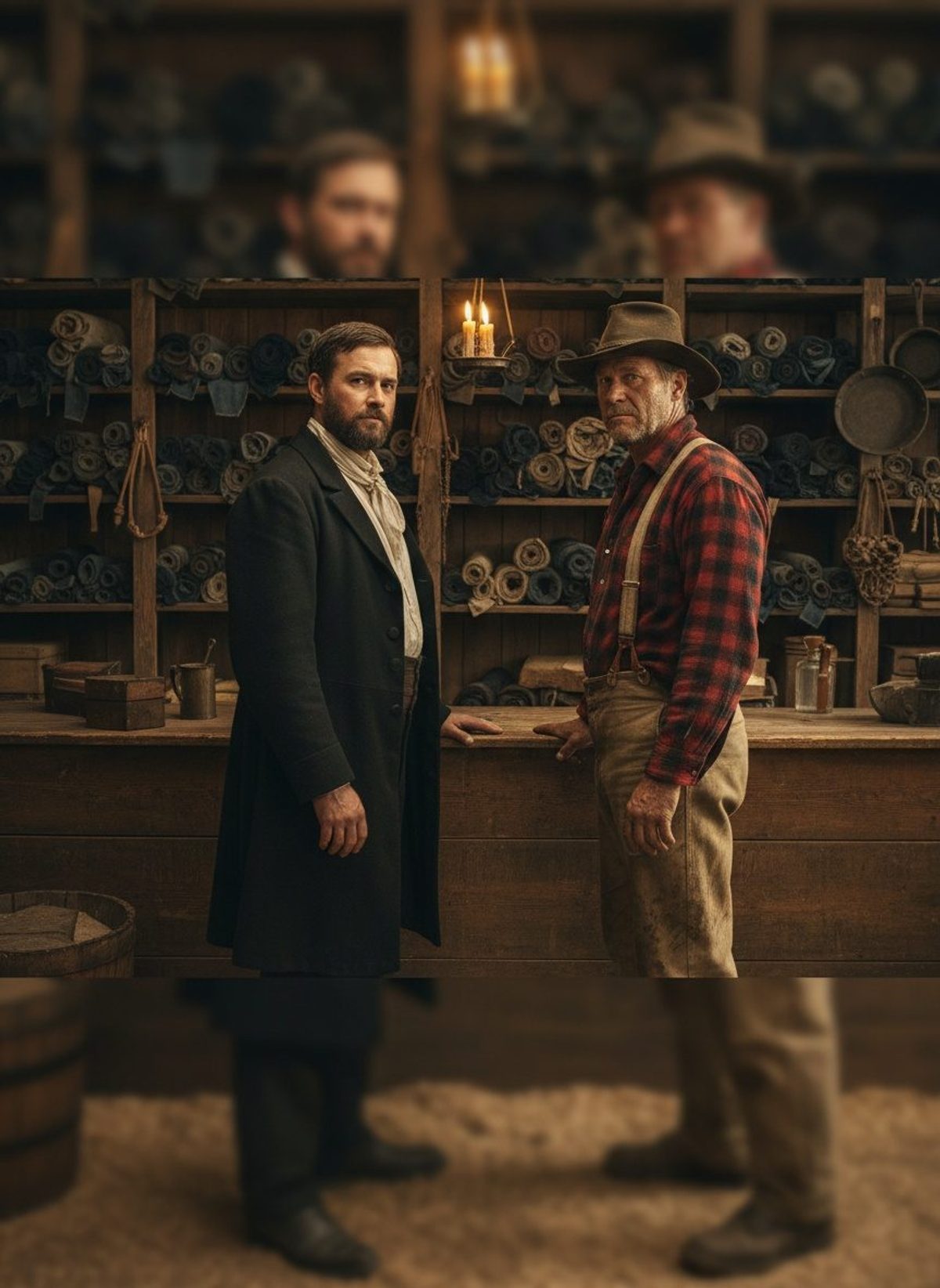
In 1853, a Bavarian immigrant sold canvas trousers to miners who destroyed every other pair. He switched to denim. Added rivets. The pants became a legend.
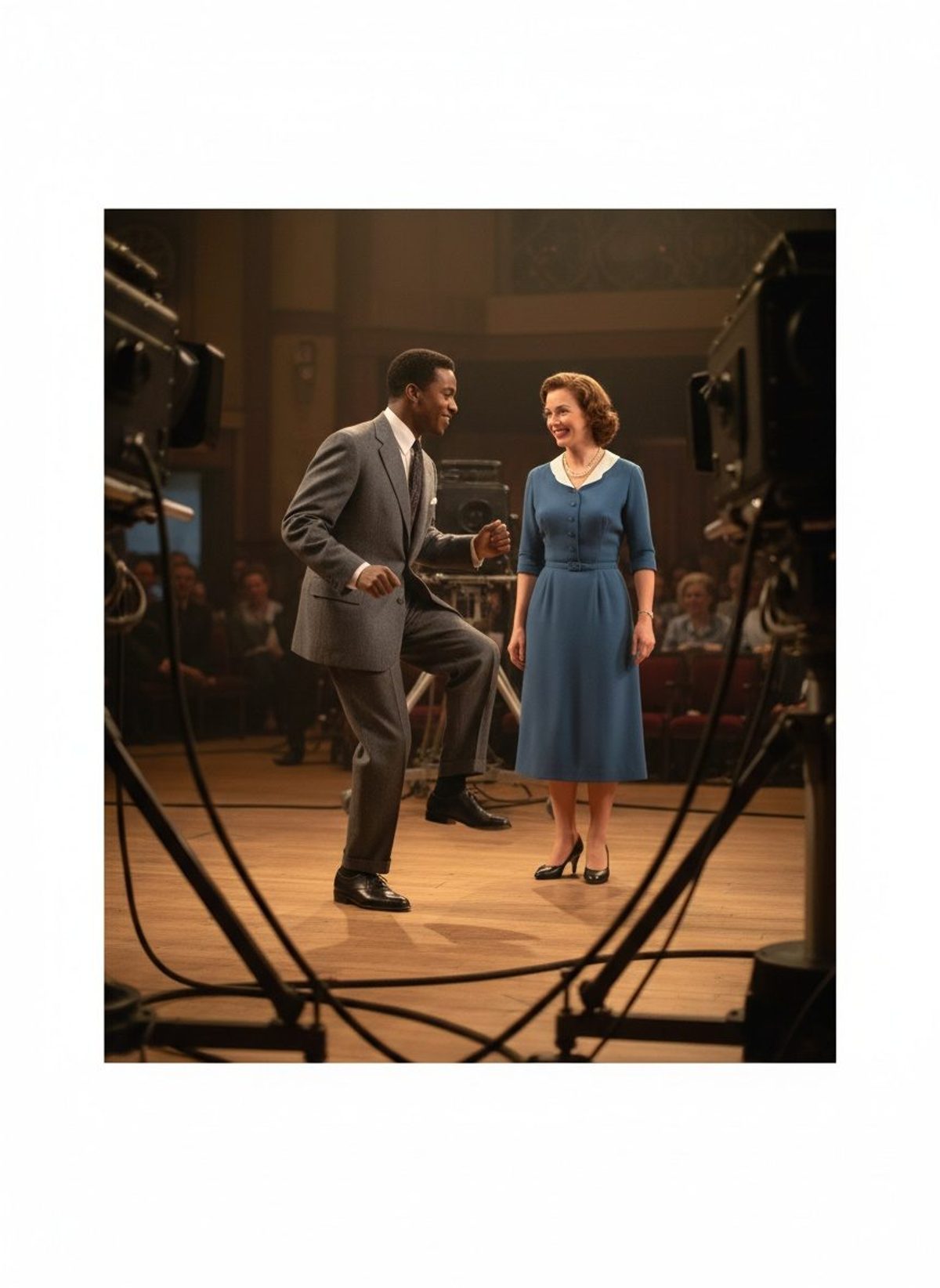
In 1980, industry gatekeepers dismissed The Blues Brothers as too Black for white audiences. They booked it on fewer screens. Then audiences ignored the gatekeepers entirely.
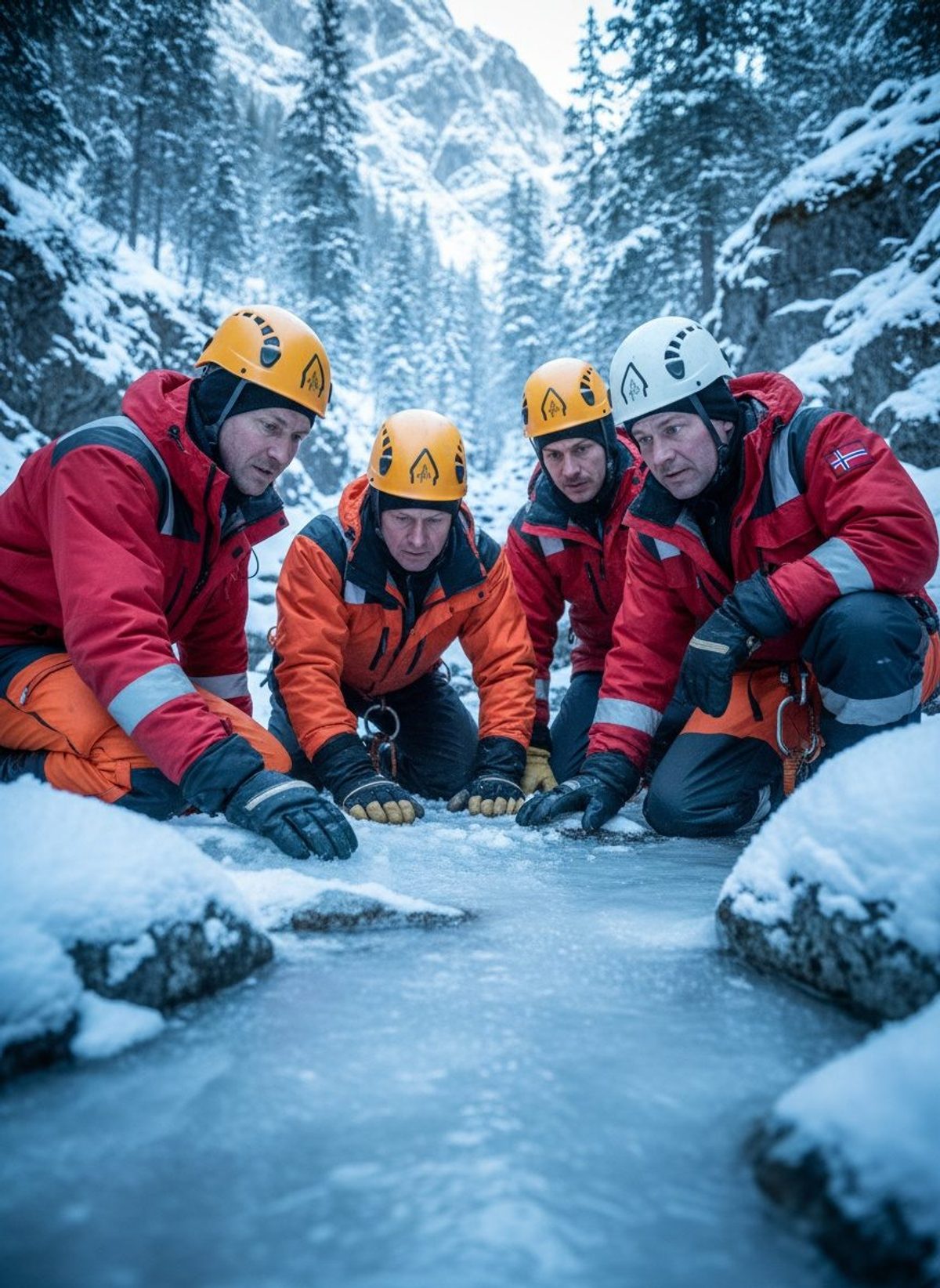
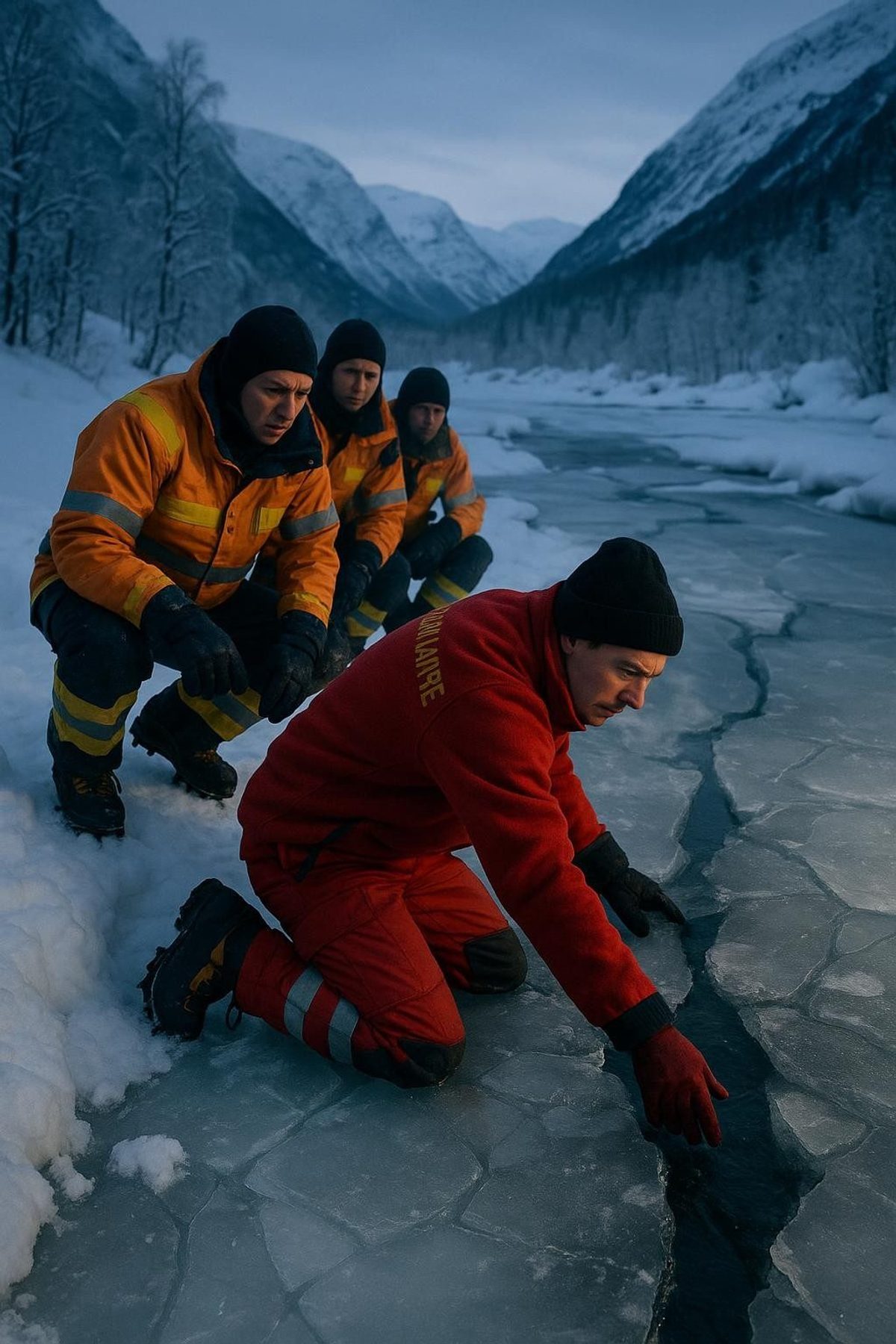
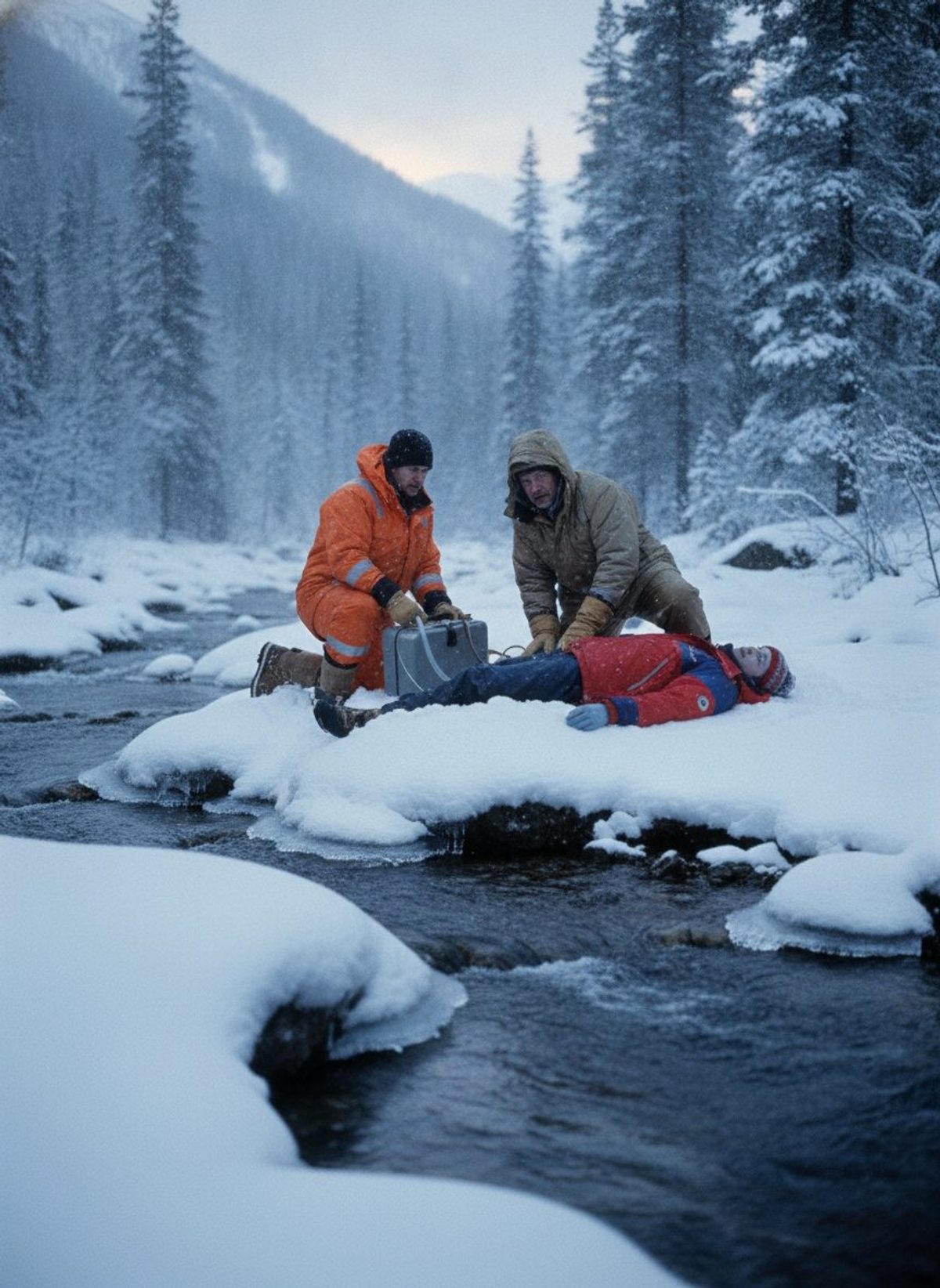
In 1999, a skier fell into a frozen stream in Norway. Her heart stopped for 80 minutes. Doctors refused to give up. She walked out of hospital weeks later.
Athens. 424 BCE. A comedian stood before thousands. He named the most powerful general in Greece. Mocked him. To his face. The crowd roared. No one stopped him. That was the law.
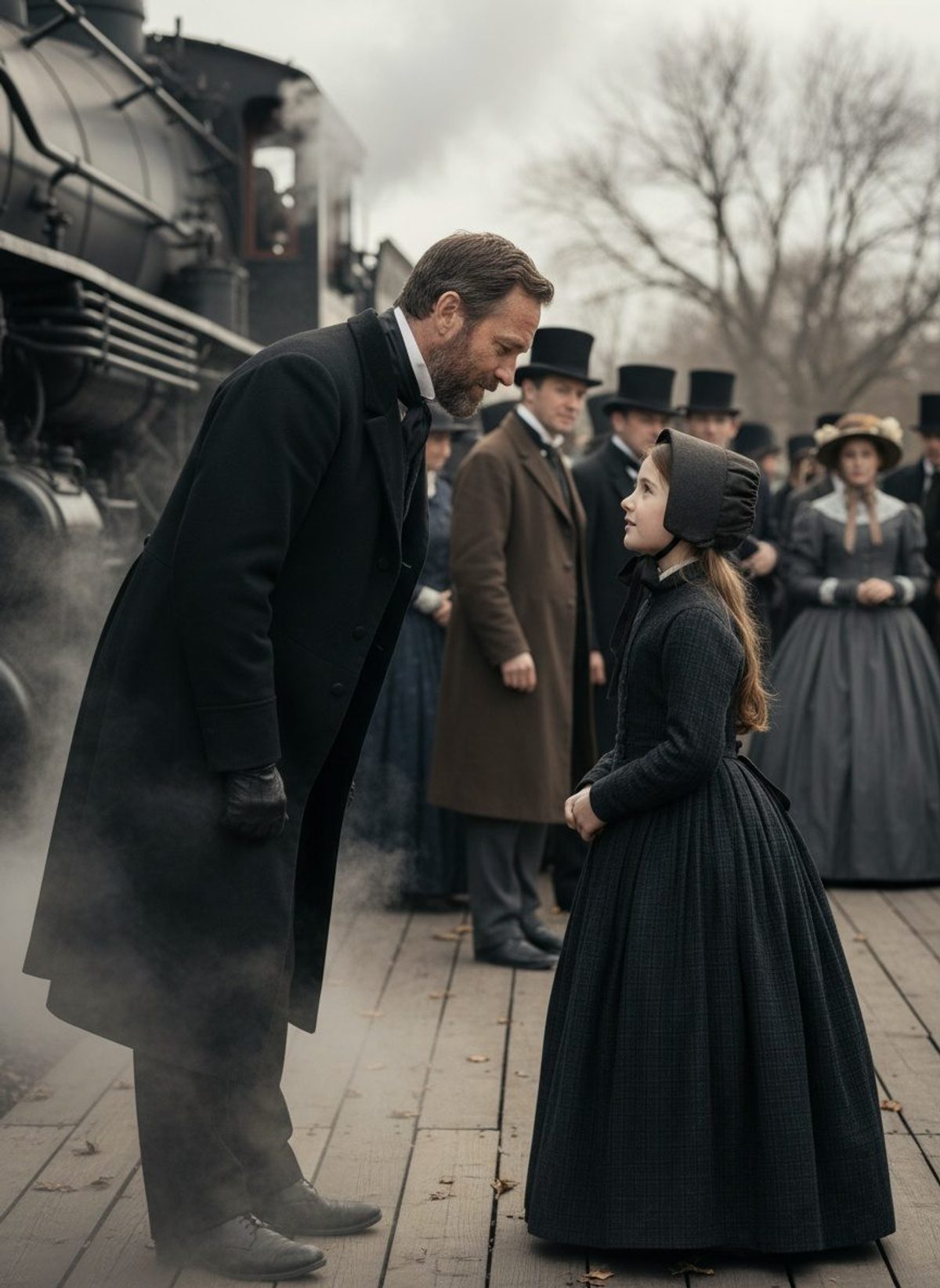
In 1860, an 11-year-old girl wrote to presidential candidate Lincoln. She told him to grow a beard. He wrote back. Then he did it. When his train stopped in her town, he stepped out to find her.
Egypt. 3100 BCE. Two kingdoms. One man. Hor-Aha chose a single point where the black land met the desert. He built Memphis there. A city that would outlast every empire on earth.
Her heart stopped for 80 minutes. Her body temperature dropped to 56°F. Every doctor in the room knew she was gone. They kept going anyway.
In 2014, James Watson auctioned his Nobel Prize medal for $4.1 million — the first living laureate to do so. Buyer Alisher Usmanov made one announcement: it belonged with Watson. He returned it.
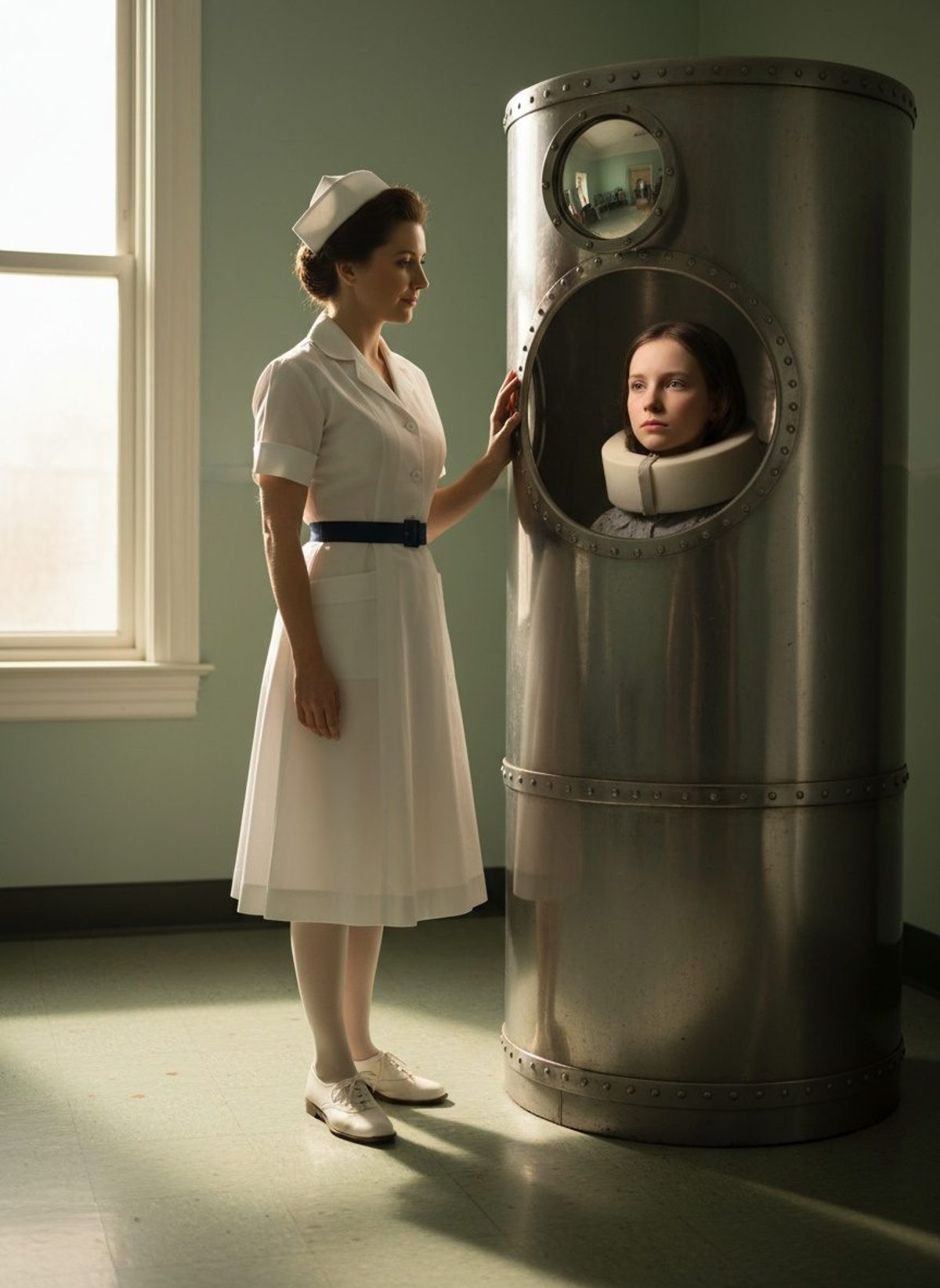
In 1953, a young girl caught polio. Doctors gave her no future. She lived to 78 — writing poetry, living alone, and breathing through an iron lung every single night.
Smyrna, 155 CE. The Roman proconsul offered the old bishop one choice. Curse Christ and live. Polycarp refused. He had followed him eighty-six years. He would not stop now. The crowd fell silent.
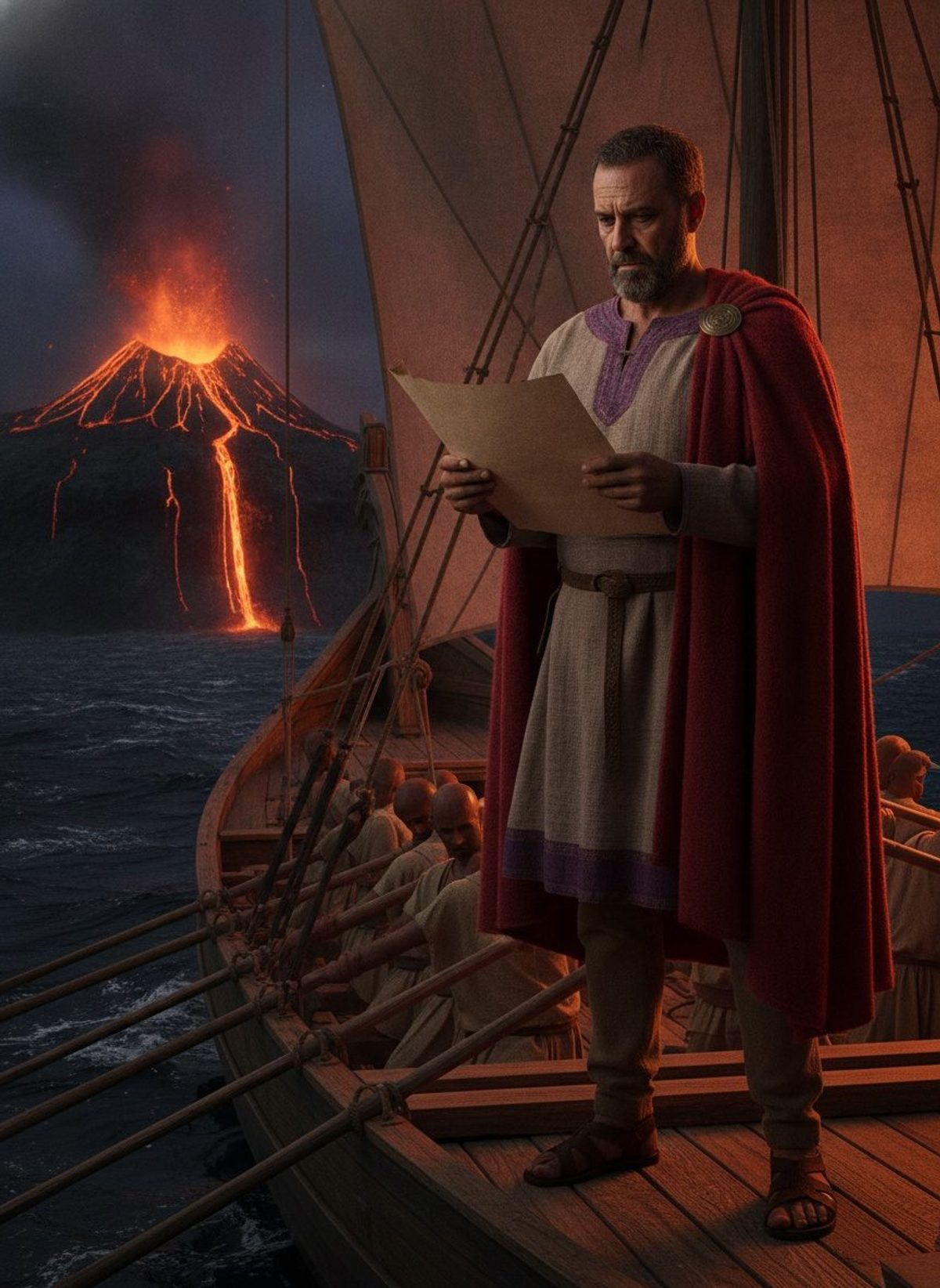
500 BCE. A Carthaginian admiral sailed beyond the edge of the known world. He passed rivers of fire pouring into the sea. He wrote every word down. The scroll survived. The mountains still burn.
She fell into an icy torrent beneath the snow. Her heart stopped. Her body temperature dropped to 13.7°C. Doctors worked for hours on a corpse. Then she opened her eyes.
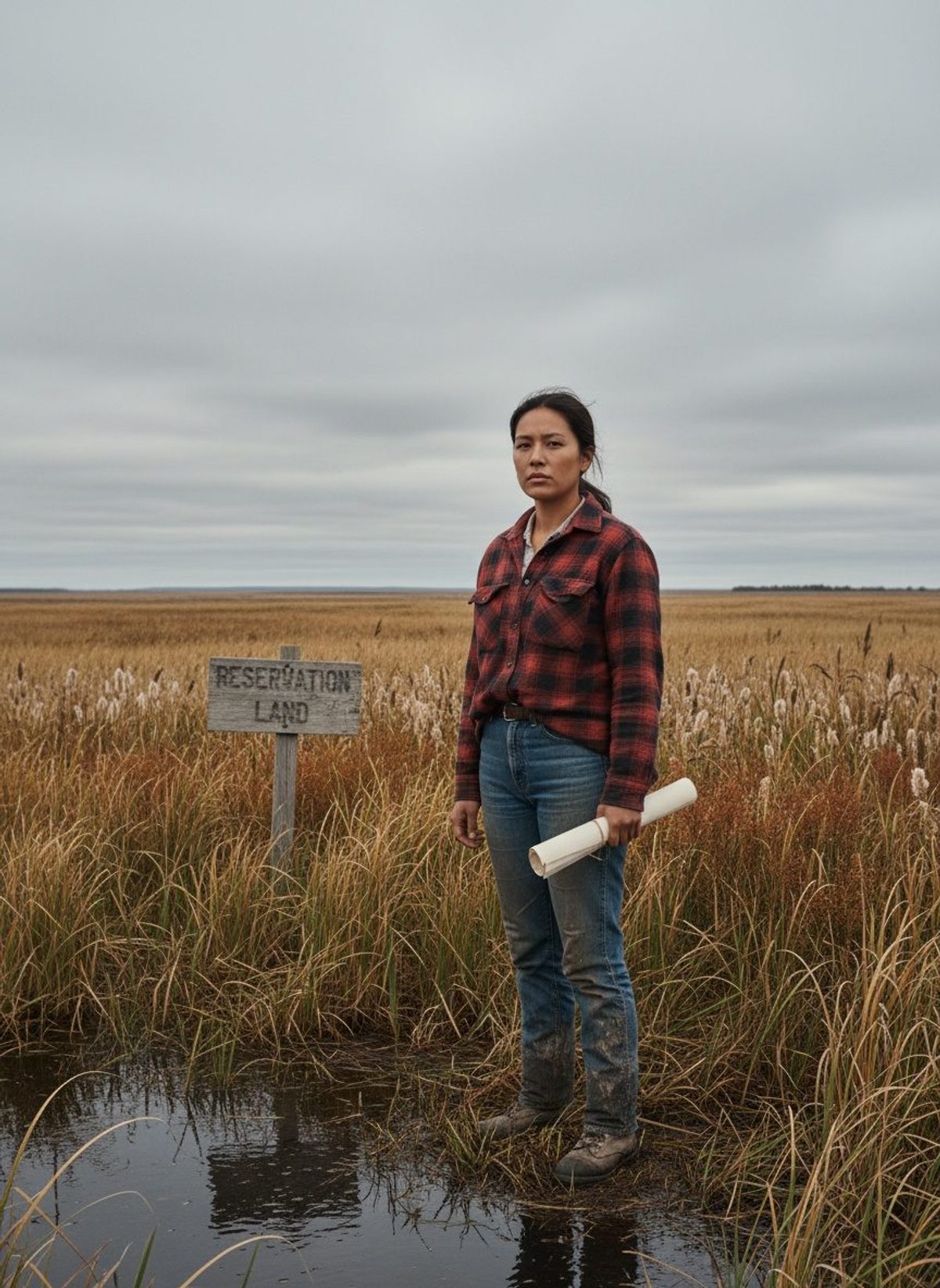
Harvard-educated. Twenty-two years old. She moved to a reservation she'd never lived on. No cameras. No applause. Just stolen land and a century of paper-wars to undo.
Pittsburgh, 1955. Jonas Salk had beaten polio. The reporter asked who owned the patent. Salk paused. 'The people,' he said. 'Could you patent the sun?' He walked away from $7 billion.
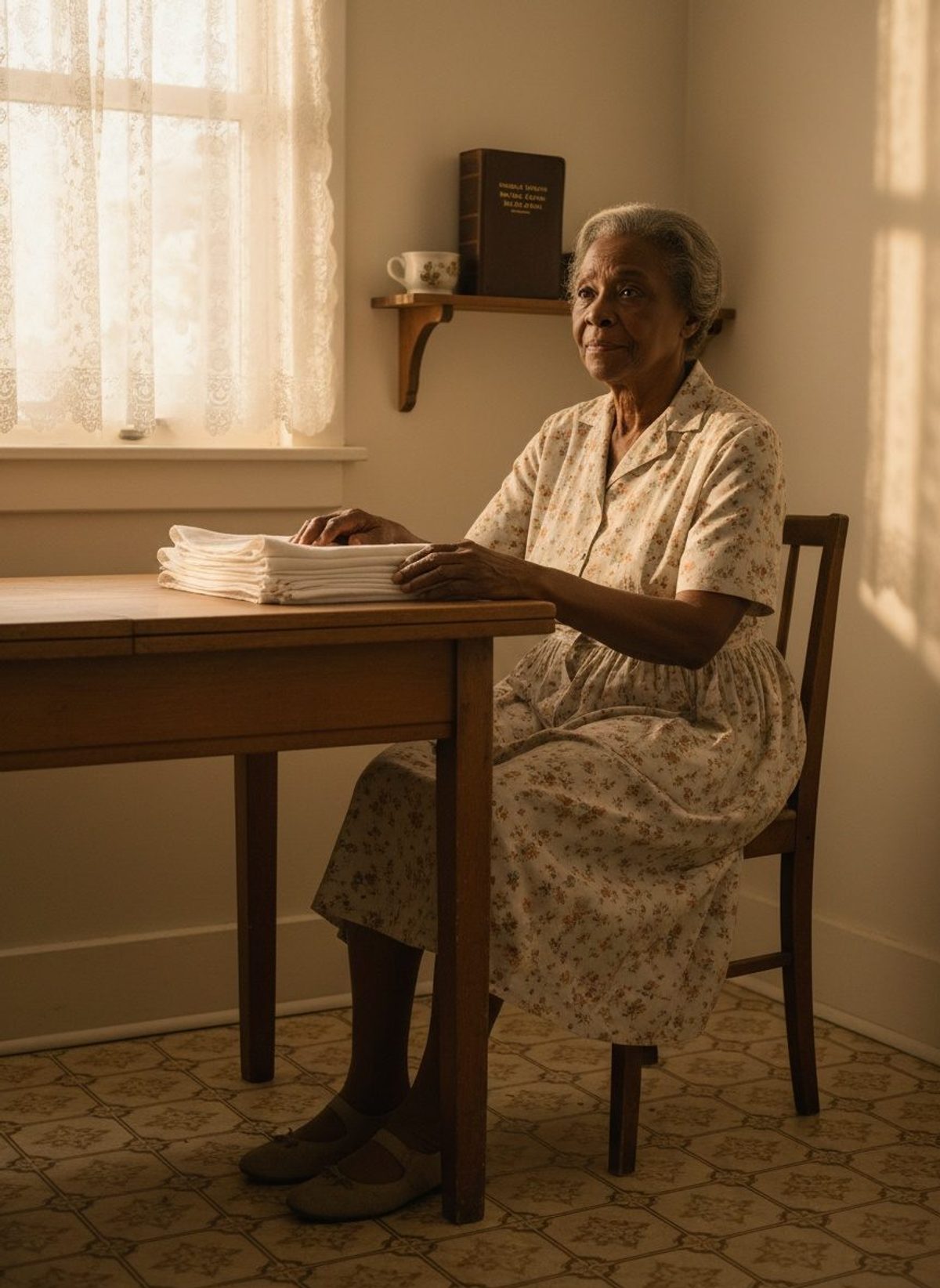
Oseola McCarty washed laundry by hand for 75 years. She never owned a car. Never owned a TV. When she finally stopped, she gave $150,000 to students she would never meet.
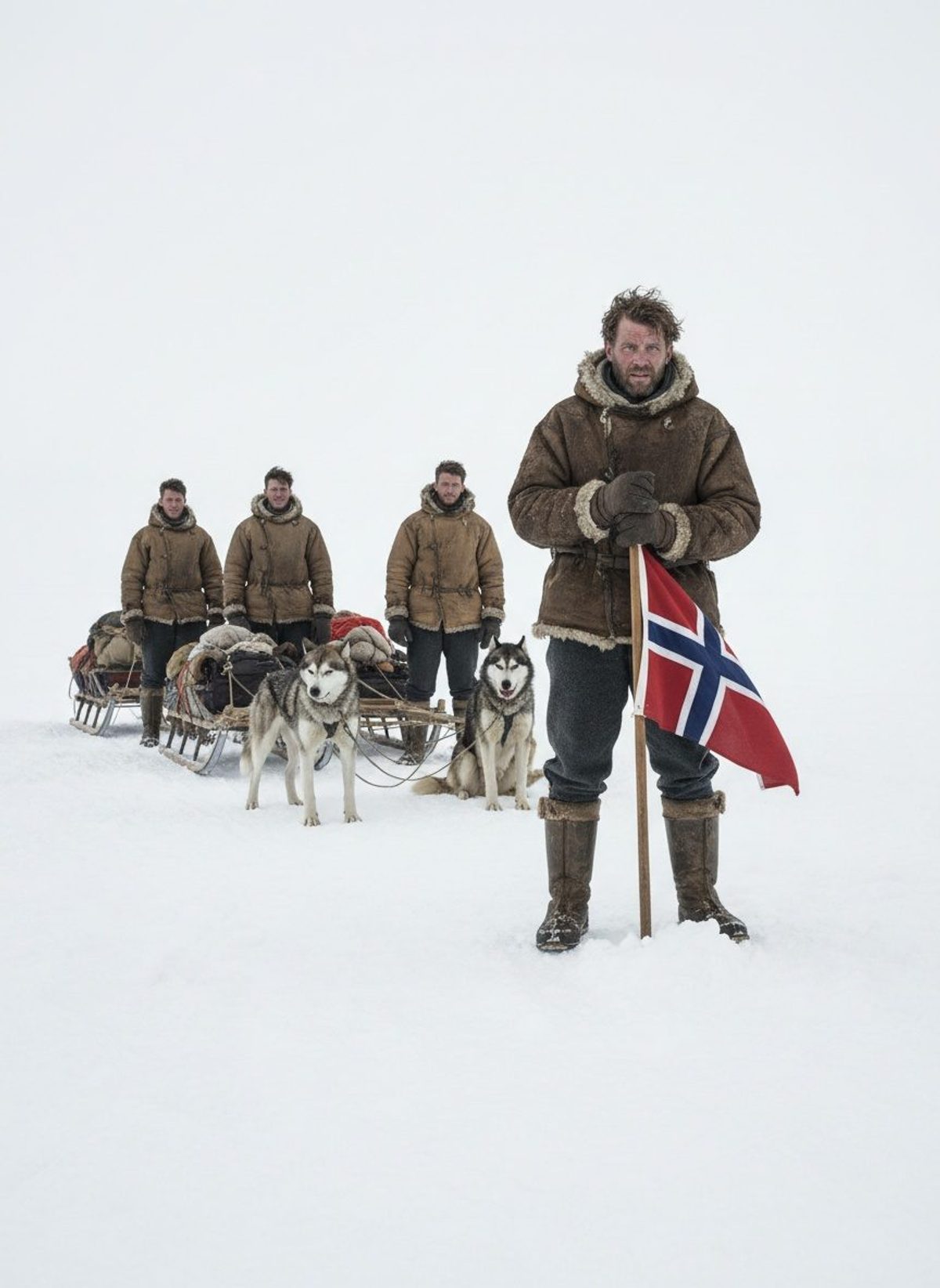
Roald Amundsen trained his whole life for one goal: the poles. He learned from the Inuit, selected 97 dogs individually, and reached the South Pole first. Scott arrived 34 days later. He never came home.
In 1956, Chien-Shiung Wu ran the experiment no one else could. She proved a law of physics wrong. The Nobel went to the two men who had the idea. Her name was never mentioned.
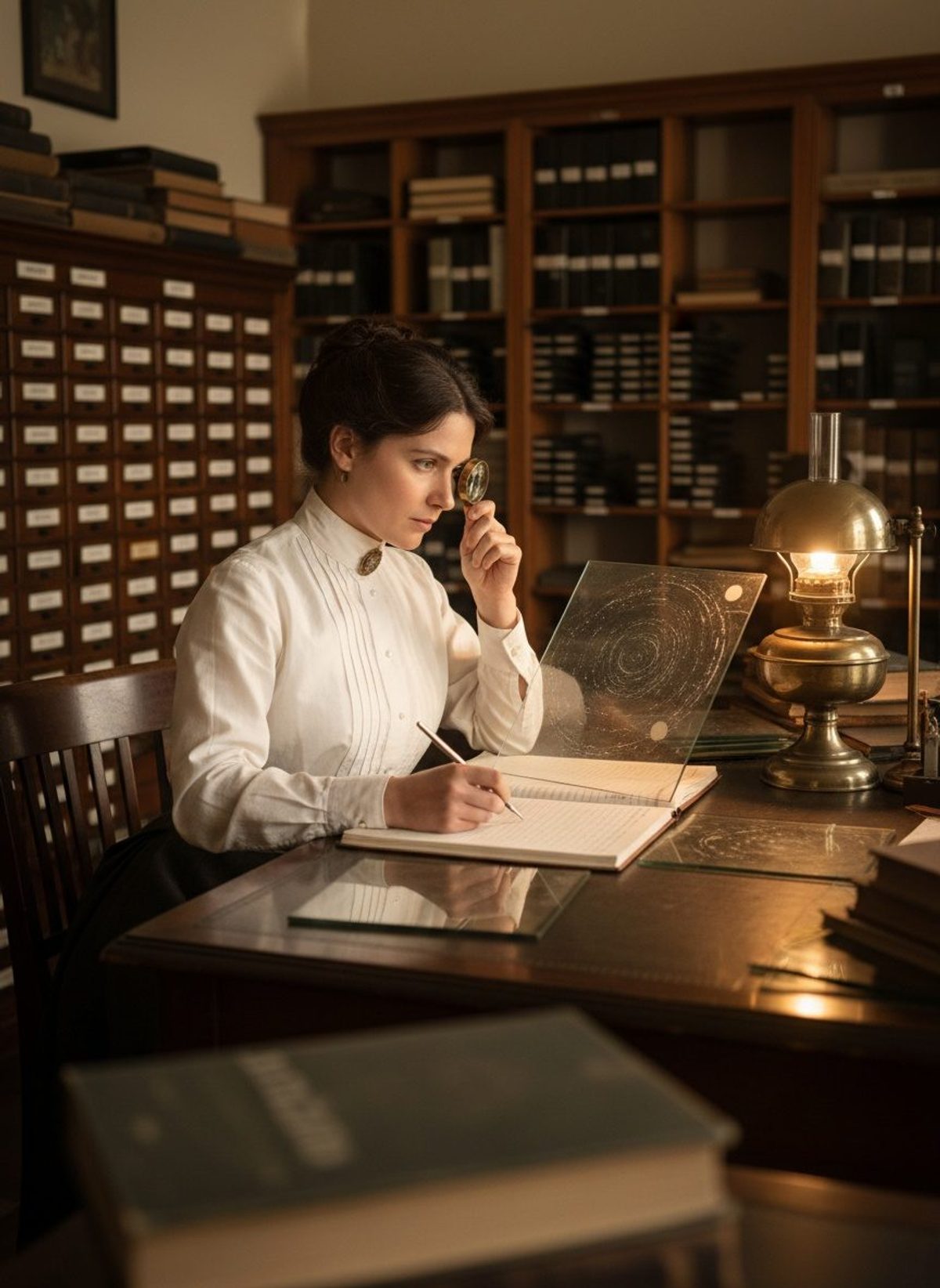
Henrietta Swan Leavitt was hired to count stars. She discovered how to measure the universe. Harvard published her work under a man's name.
In 1948, one woman chaired the committee that wrote the rules for all of humanity. No army. No throne. Just words — and the will to make them matter.
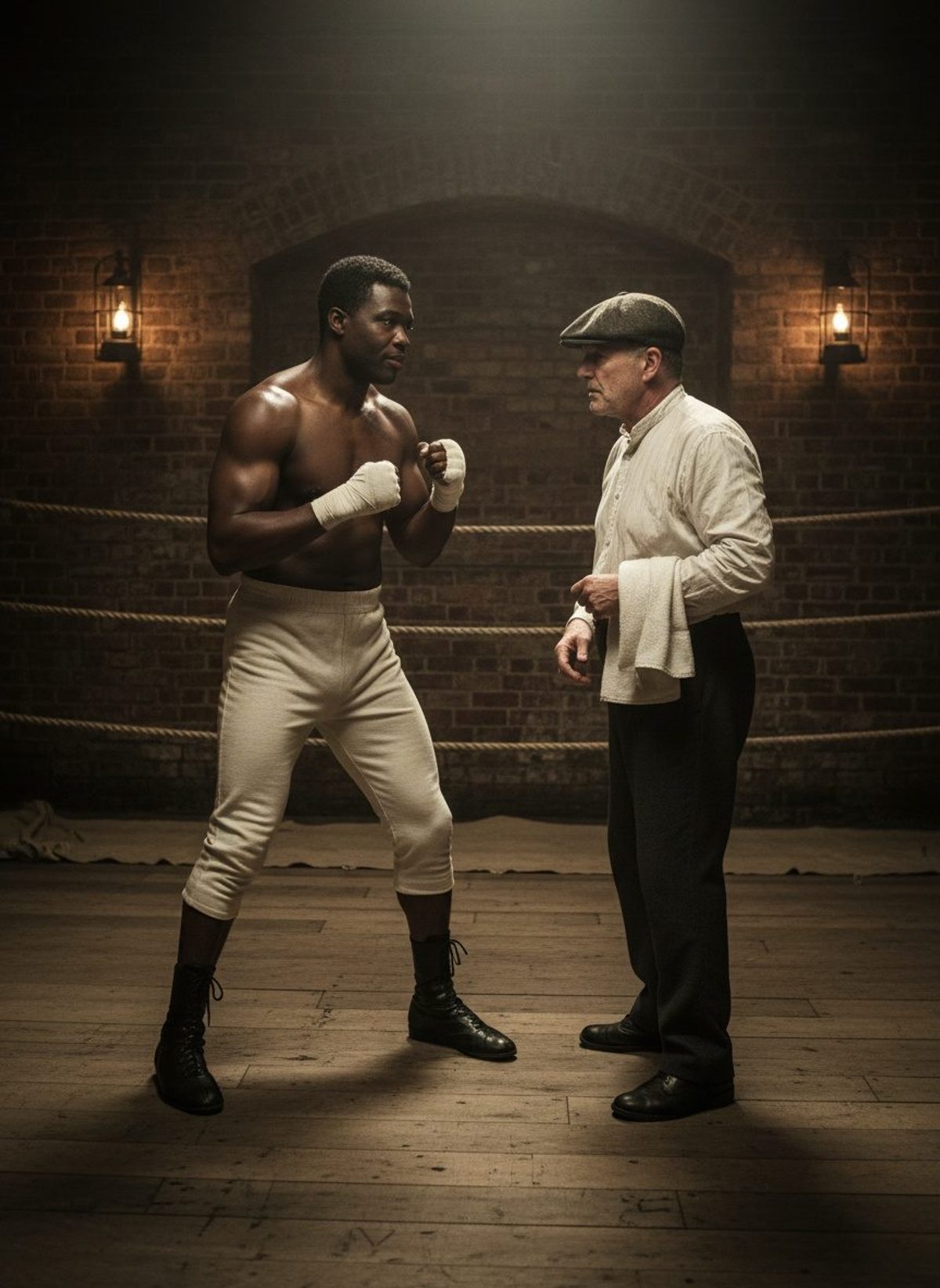
Peter Jackson was a Black boxer who beat every man put in front of him. America's champion refused to fight him. So history forgot him. Until now.
September 1960. A new FDA officer received a routine drug file. She asked one question no one else had. Her superiors backed her. Fifty visits could not move her. Ten thousand children were born damaged in 46 countries. None of them were American.
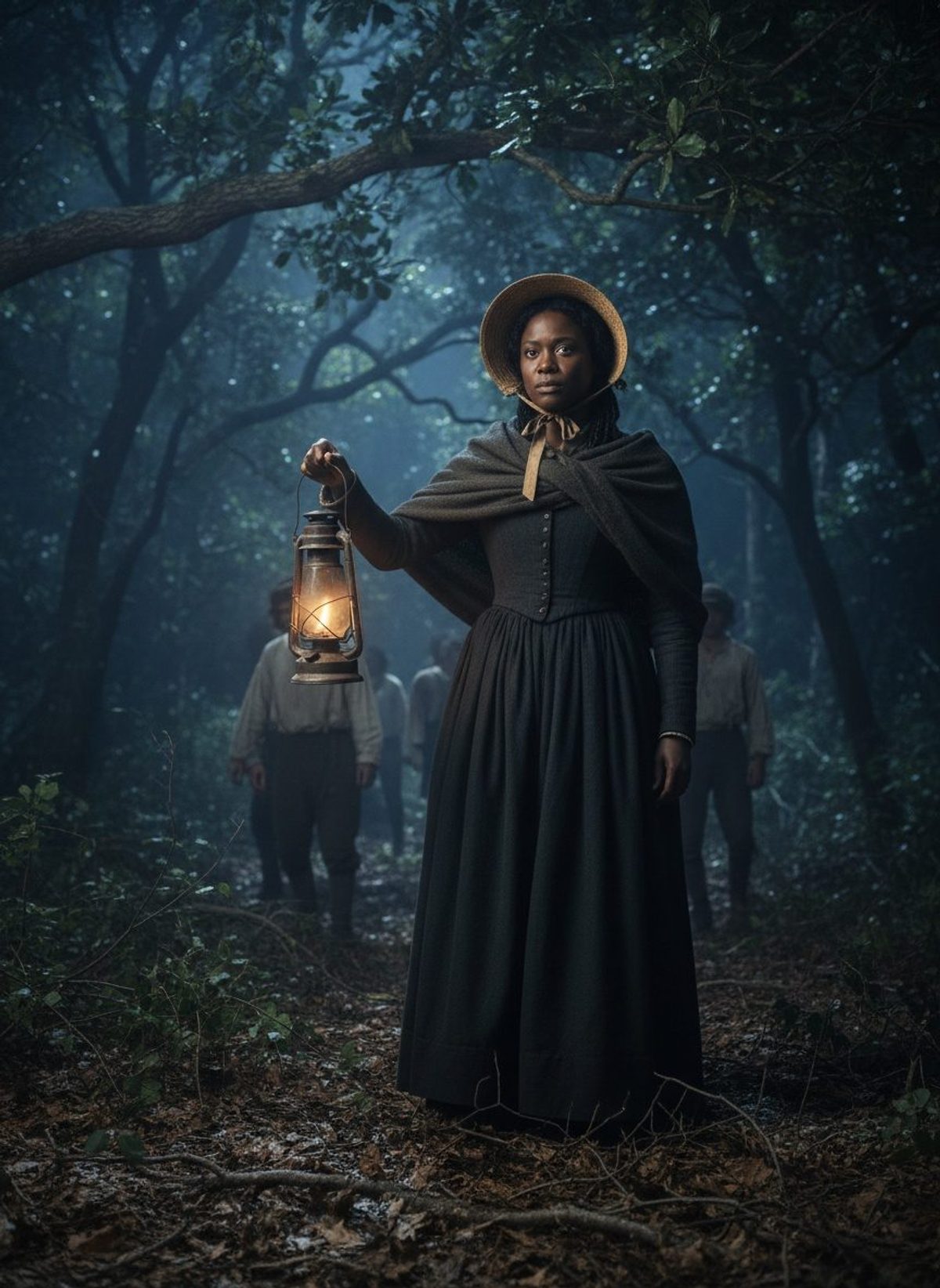
She escaped slavery in 1849. Then she turned around. She returned south thirteen times, leading over 70 people to freedom. The reward for her capture reached $40,000. She was never caught.
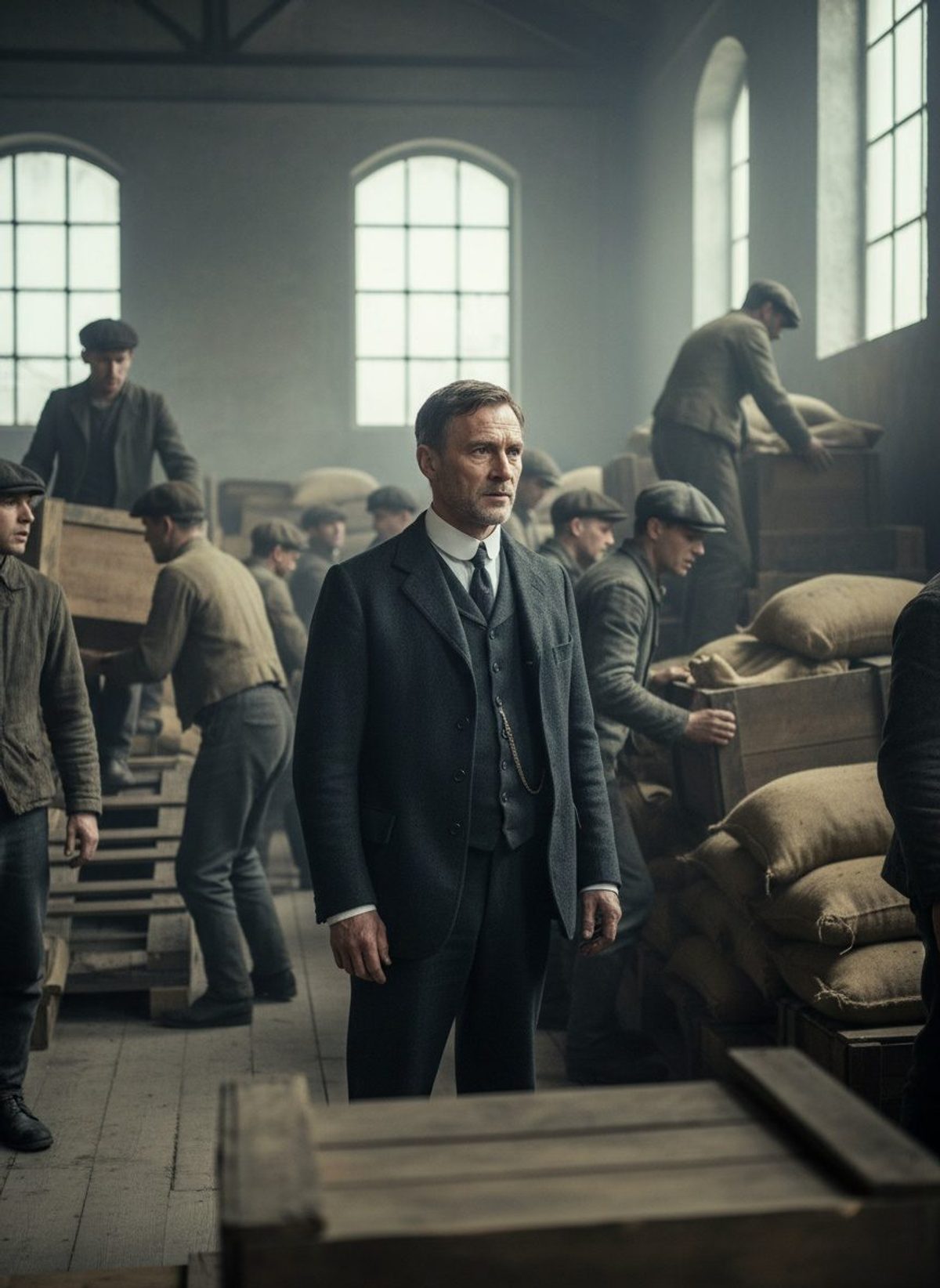
He landed in New York with nothing. He built the system that powers everything. Edison buried him. Morgan abandoned him. He died alone in a hotel room lit by his own invention.
She was a stray from Moscow's streets. Soviet scientists chose her because strays were tough. She was launched into orbit on November 3, 1957. There was never a plan to bring her back.
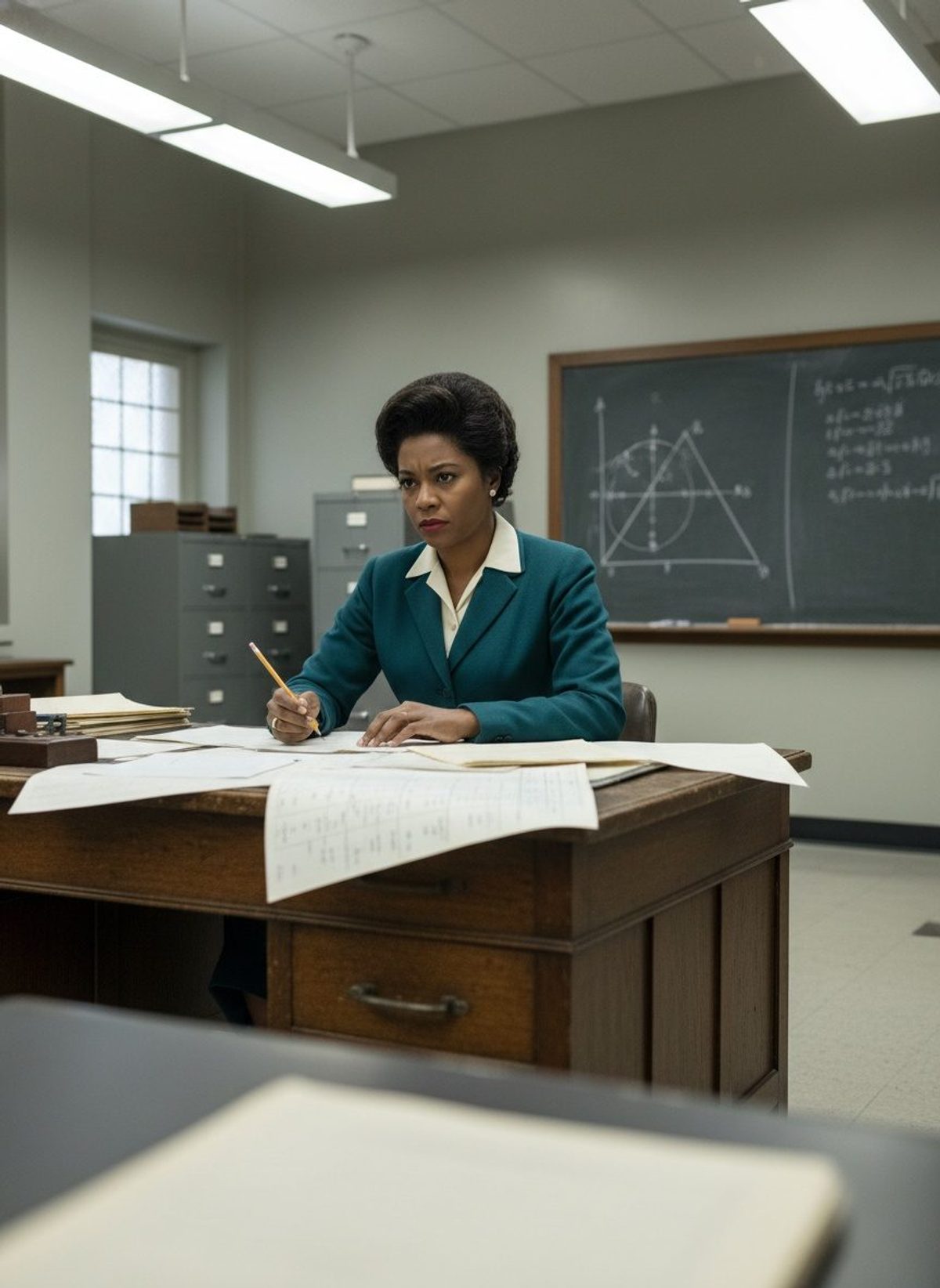
Katherine Johnson did the maths that put Americans in space. John Glenn refused to launch until she checked the computer's numbers by hand. NASA hid her name for fifty years.
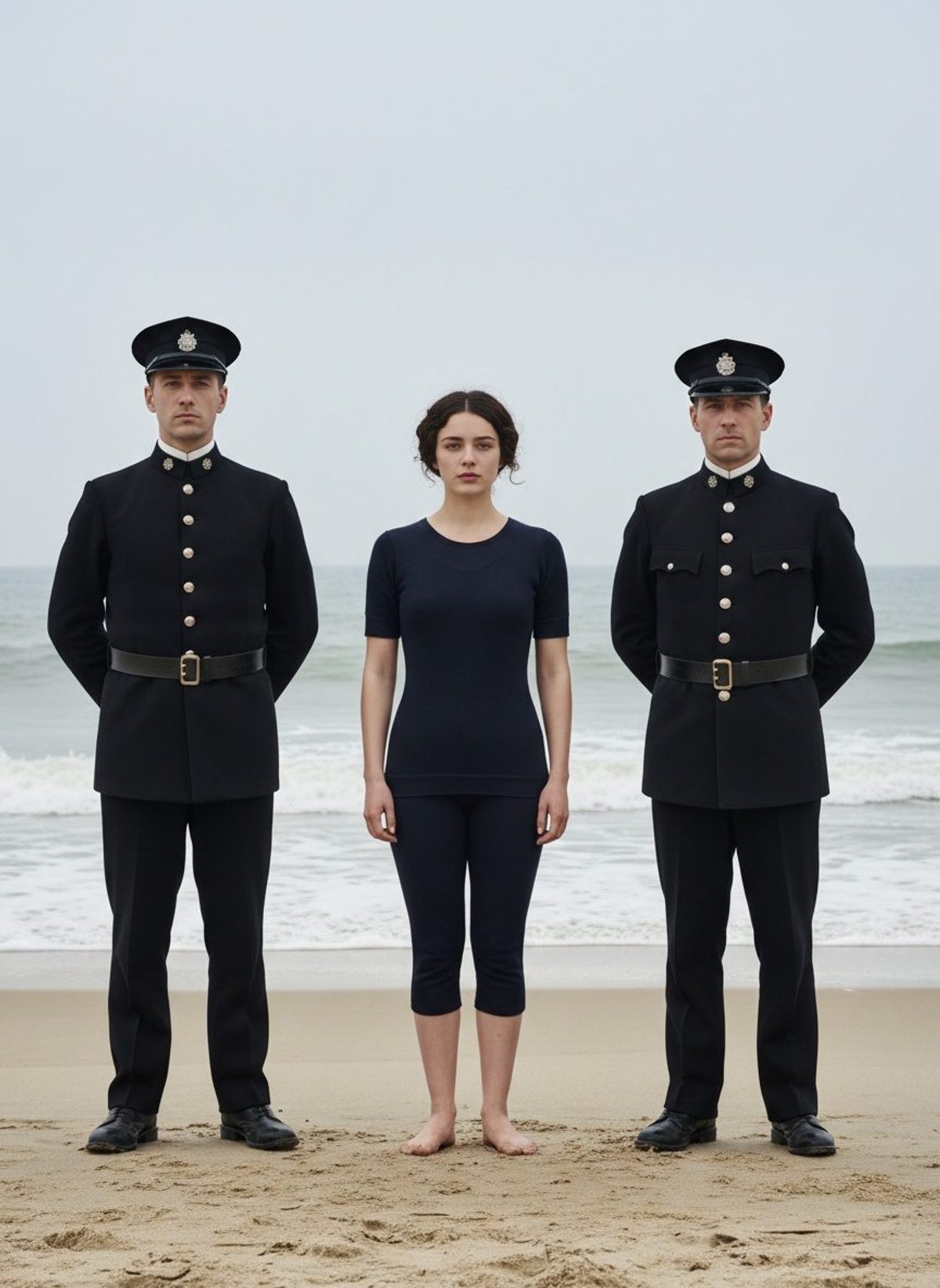
Annette Kellermann walked onto Revere Beach in a one-piece suit built for swimming. Officers handcuffed her on the sand. What followed cracked open a national debate America wasn't ready for.
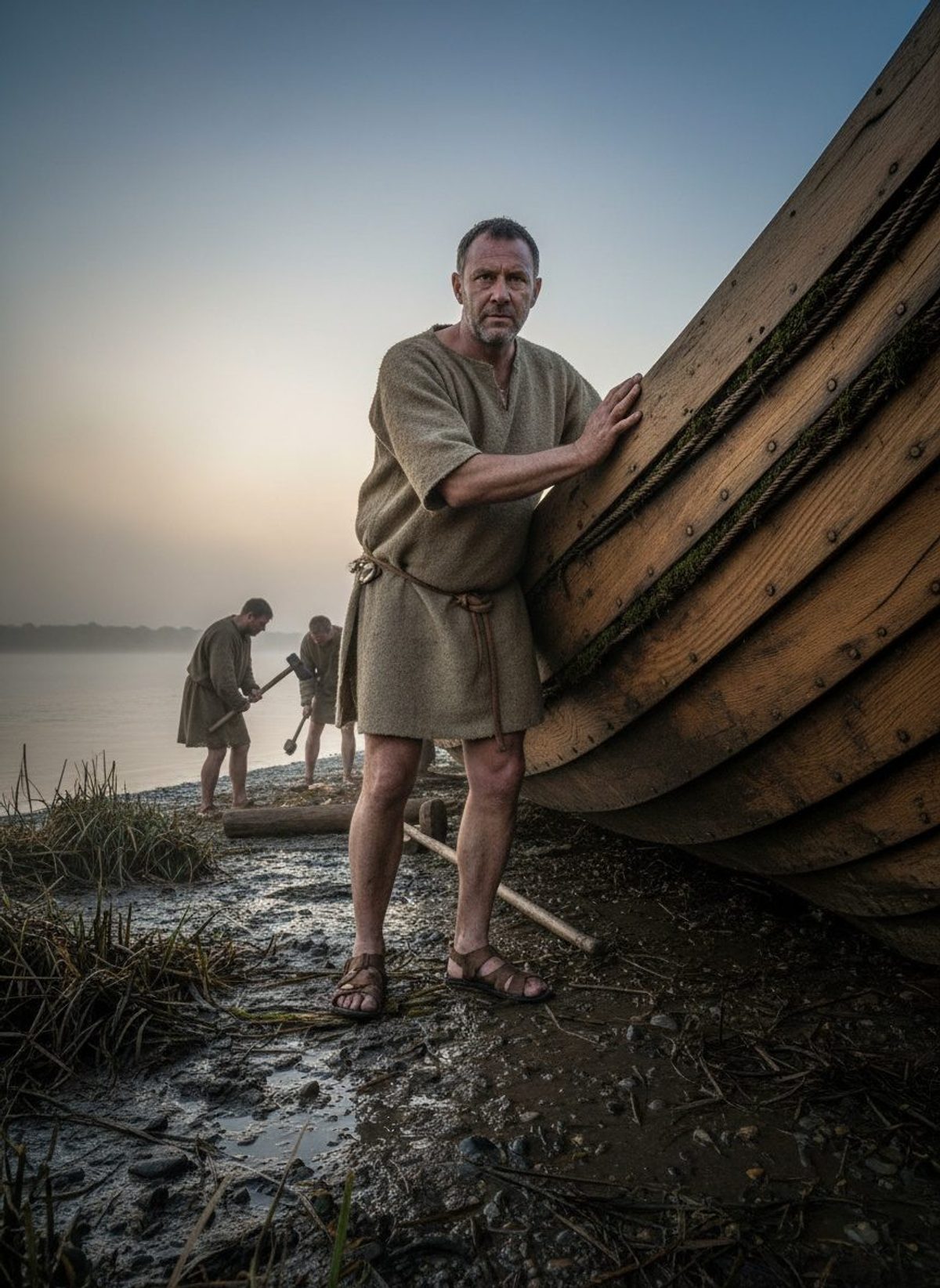
1550 BCE. The Humber Estuary. A boat unlike anything ever seen. Forty feet of oak planks. Stitched together with yew withies. Sealed with moss and beeswax. The Dover Bronze Age Boat was already ancient when Rome was born.
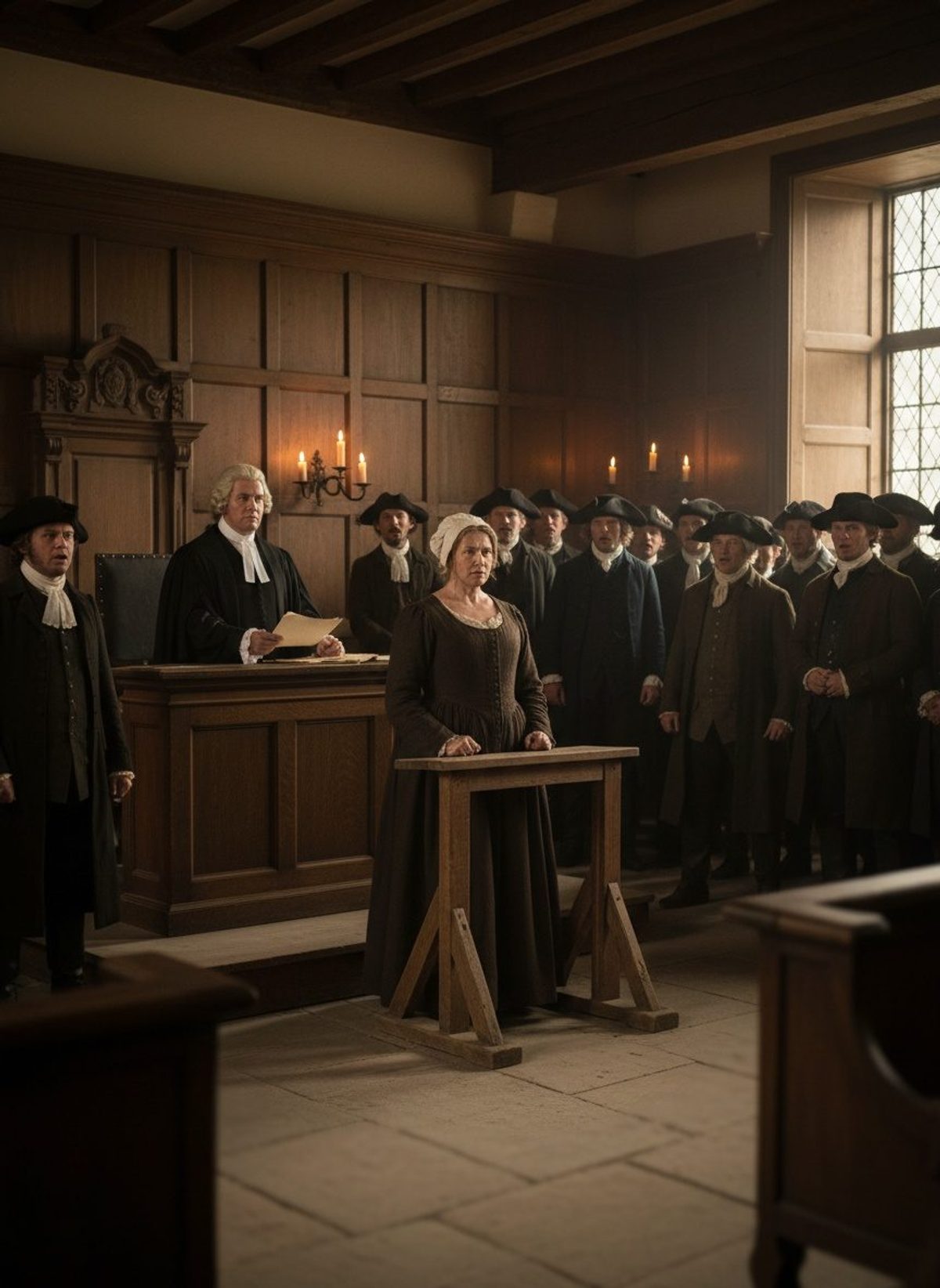
England, 1712. A village wanted Jane Wenham dead. The courtroom wanted blood. But the judge had read too much law to believe in broomsticks. What he said next stopped a hanging — and broke witchcraft prosecution forever.
1550 BCE. A child was buried on Whitehorse Hill, Dartmoor. Around his neck. An amber necklace. Traded from the Baltic Sea. Thousands of miles away. Britain was already connected to the world.
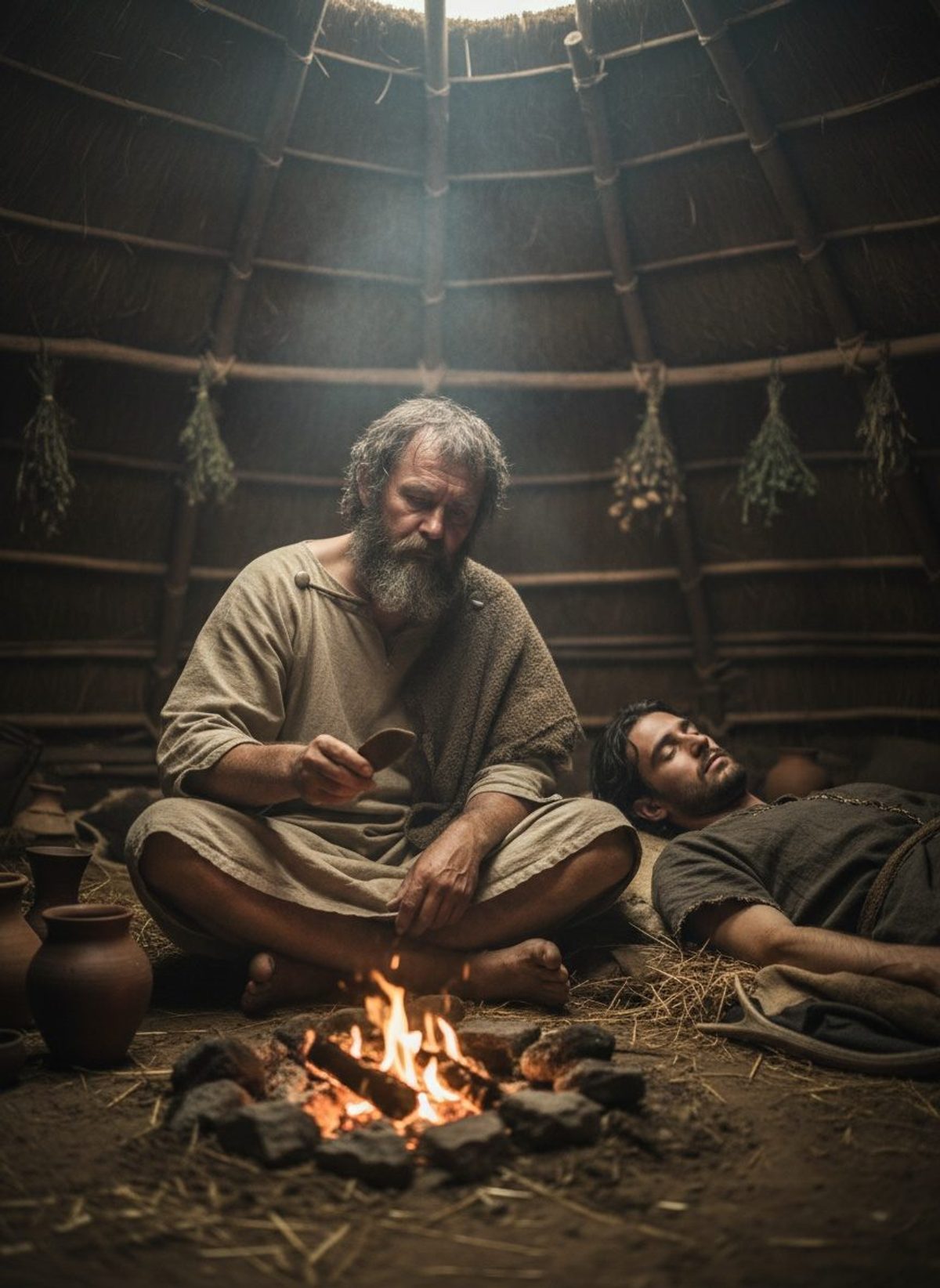
Neolithic Britain. 5,500 years ago. A surgeon cut open a living skull. With stone tools. The patient survived. We know because the bone grew back.
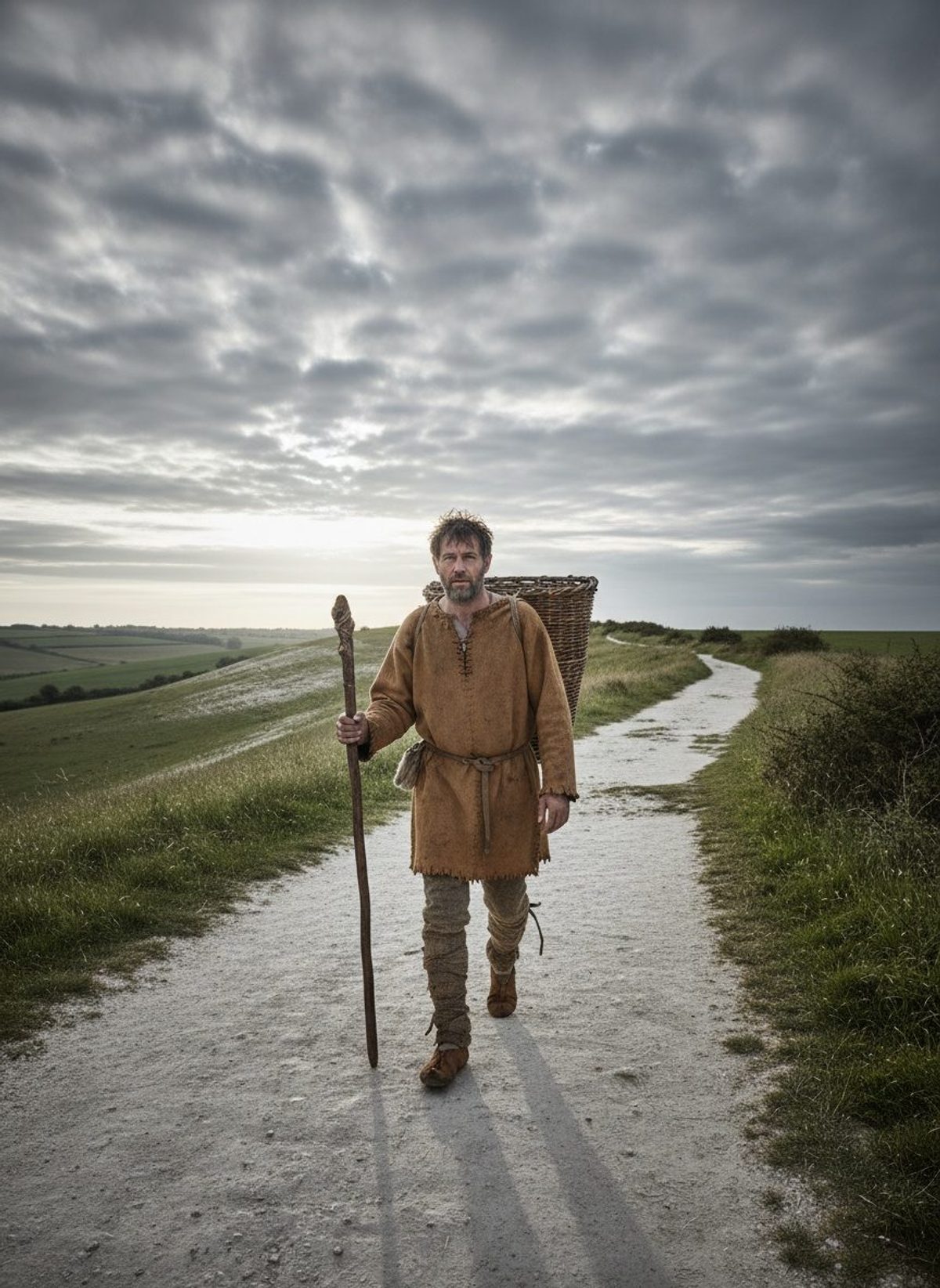
3000 BCE. A chalk ridge above the English downs. Traders moved along it for centuries. No one built it. No one ordered it. They simply walked. The same path. Again and again. Until the land remembered.
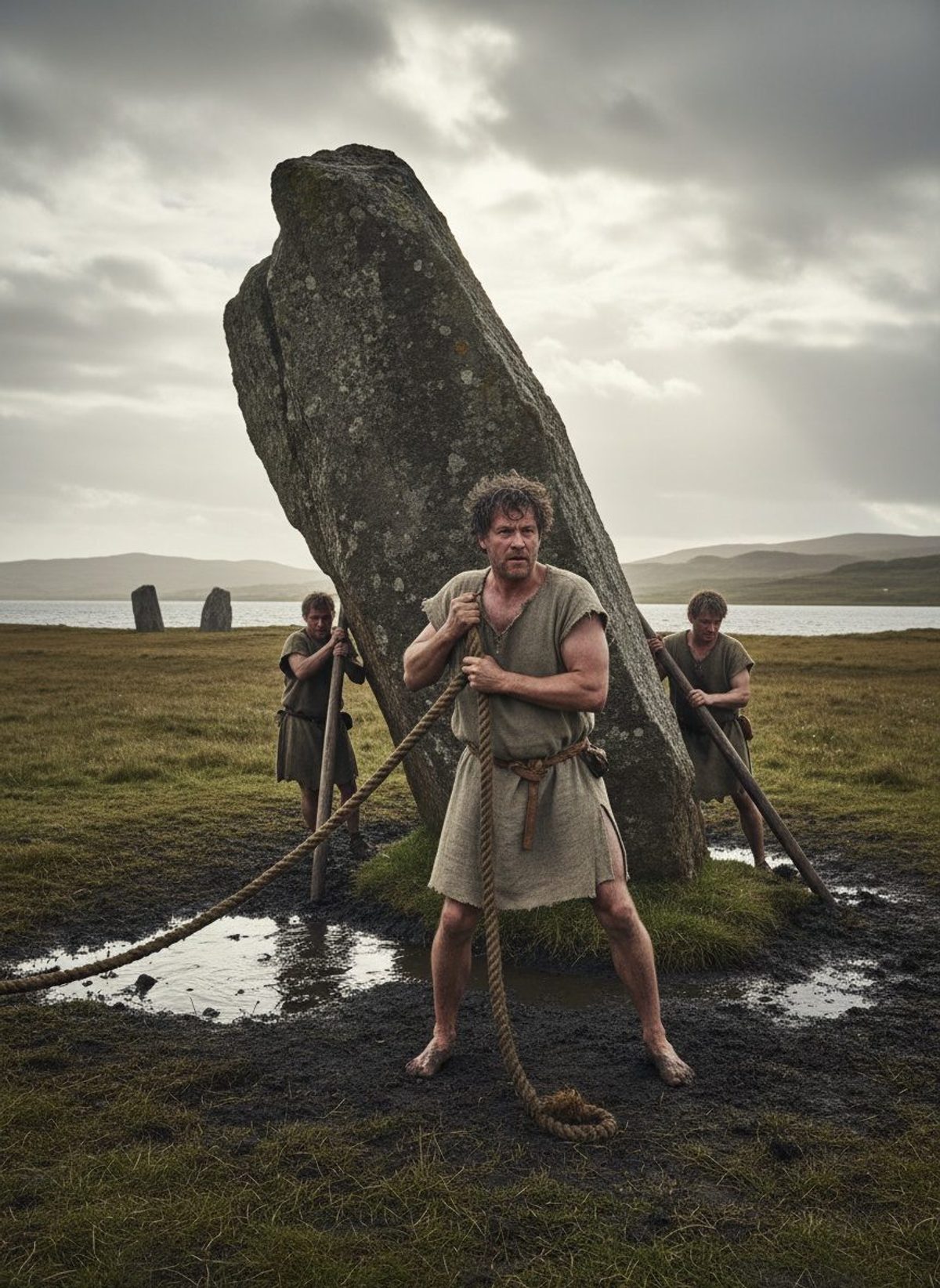
3800 BCE. Orkney, Scotland. A community of farmers raised a stone circle. No metal tools. No wheels. Just bone, wood, and will. The Stones of Stenness stood. They still do.
The oldest written recipe ever found was for beer, not bread - discovered in Mesopotamia
Stone Age surgeons performed complex amputation surgery thousands of years before farming
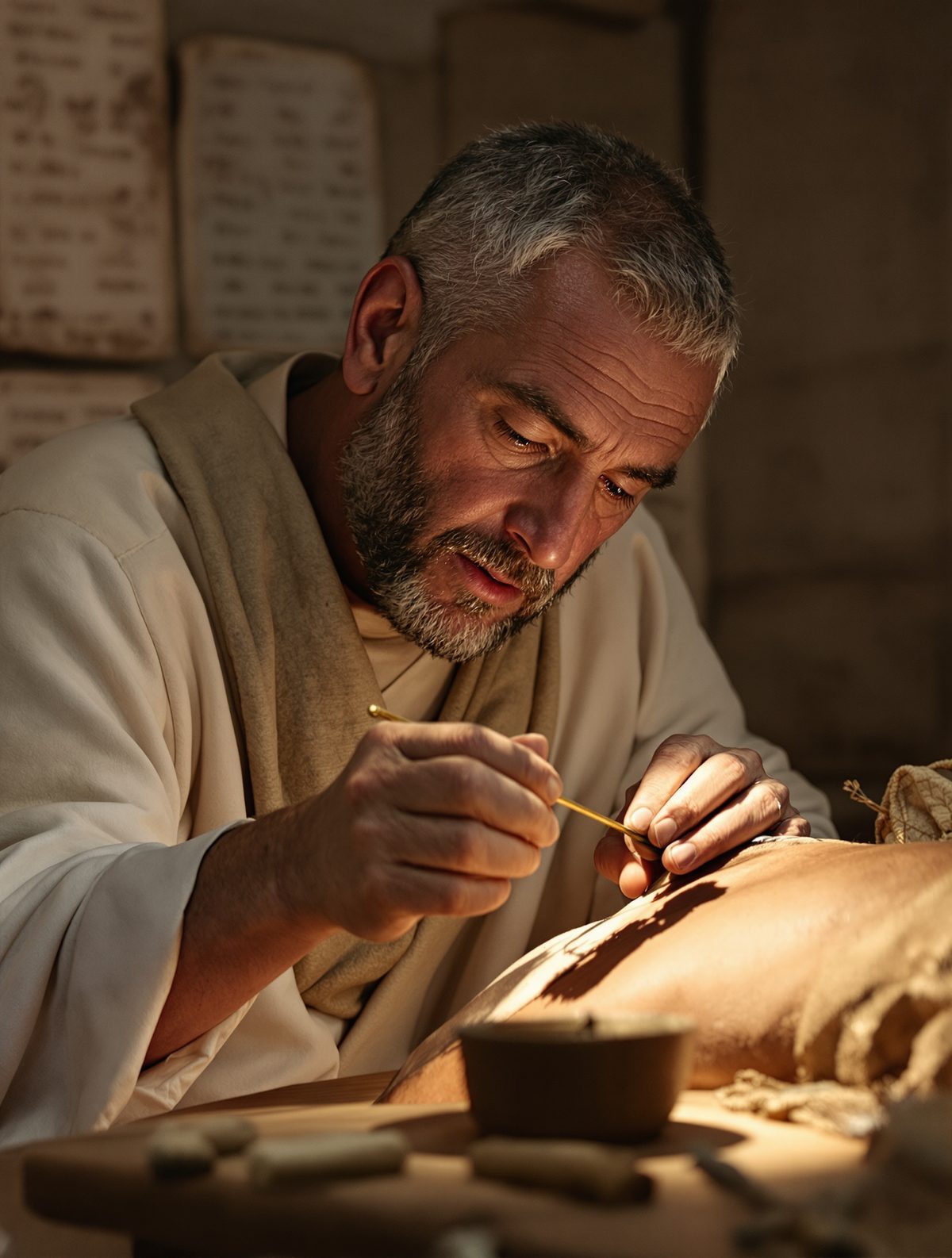
Mesopotamian barber Ur-Lugal removes clouded lens from nobleman's eye. Uses bronze needle and honey. Patient sees clearly for first time in years. Becomes royal physician overnight.
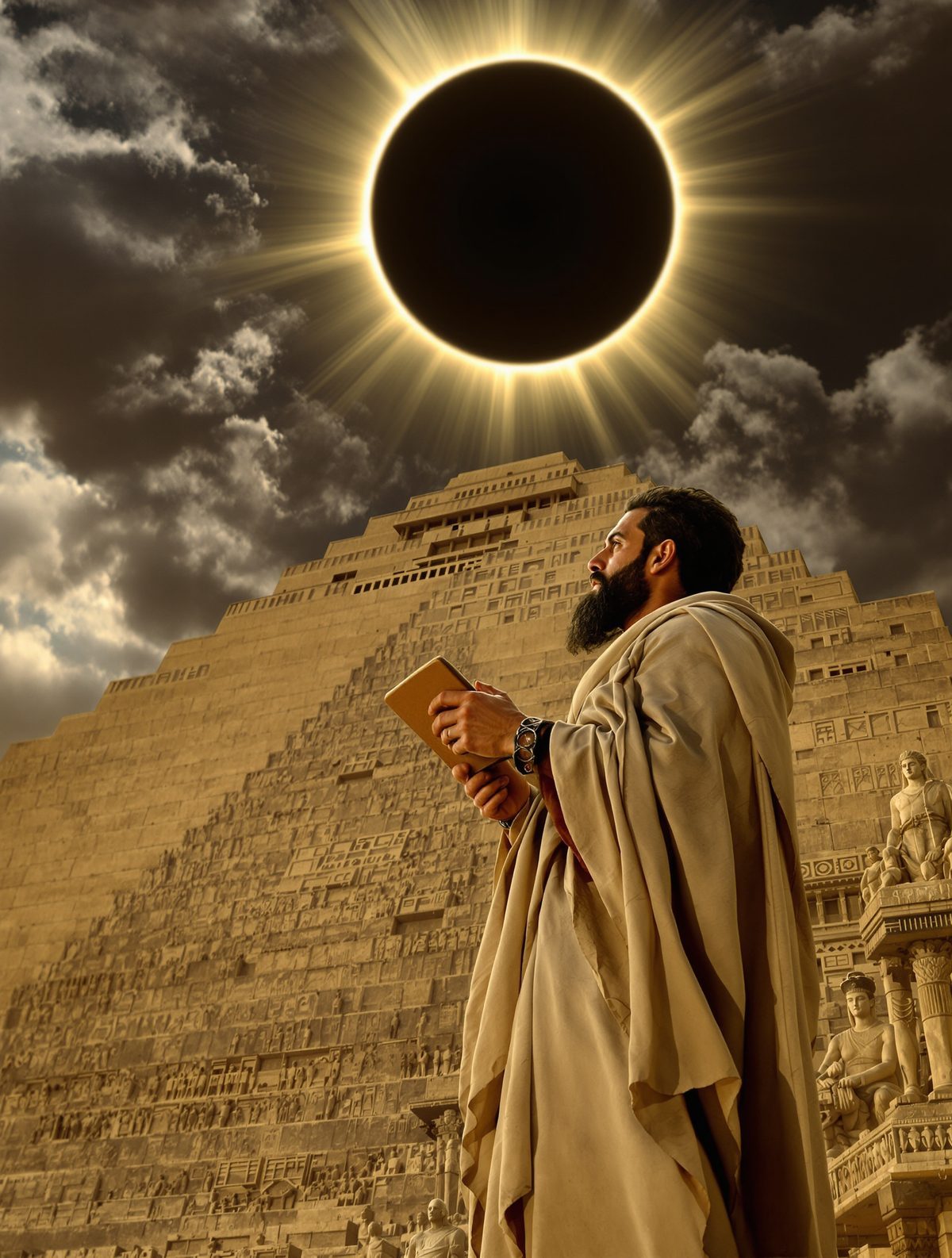
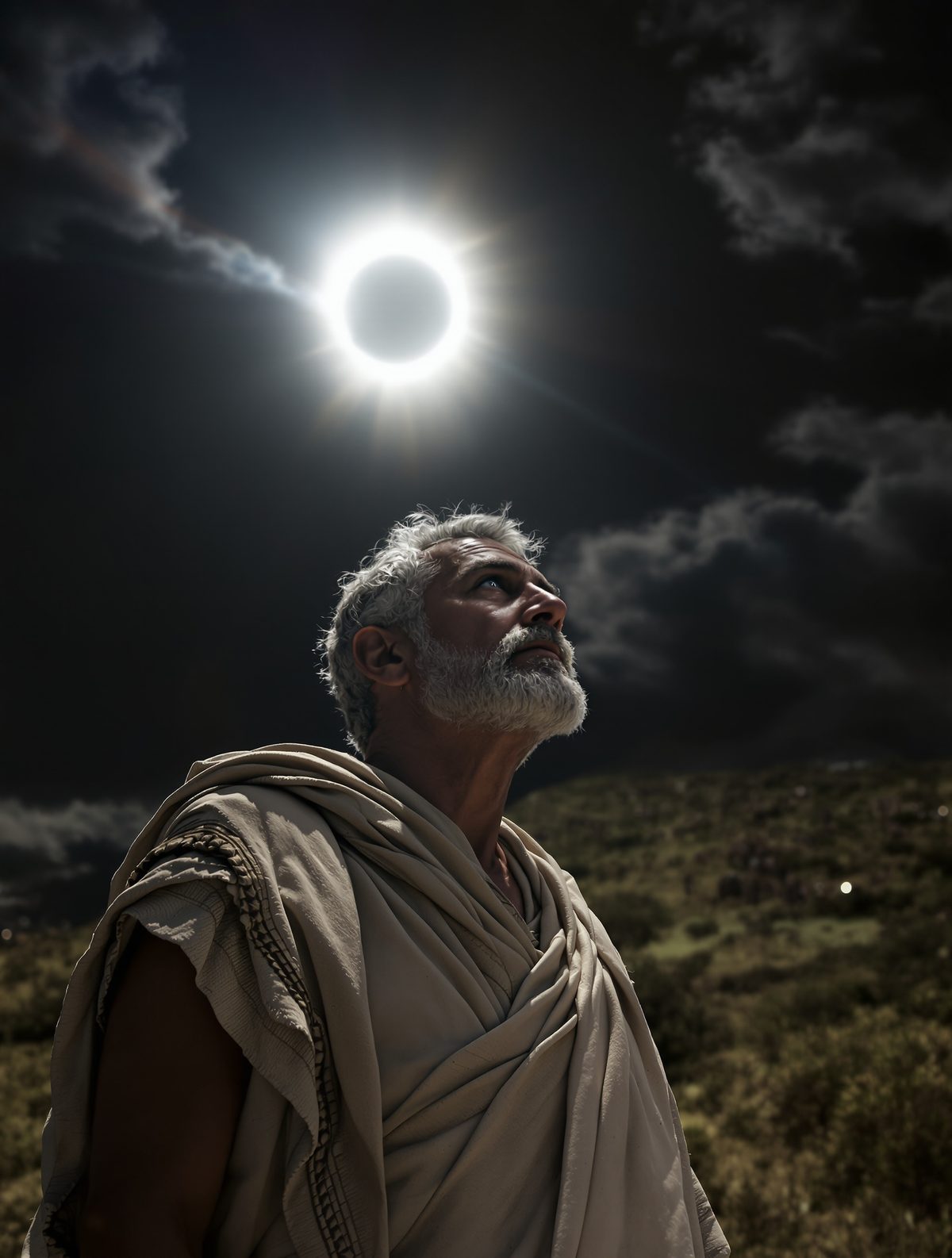
Royal astronomer Utu-hegal stood atop Ur's great ziggurat. The sun began to disappear in broad daylight. While crowds fled in terror, he carved the moment into clay. History's first recorded solar eclipse.
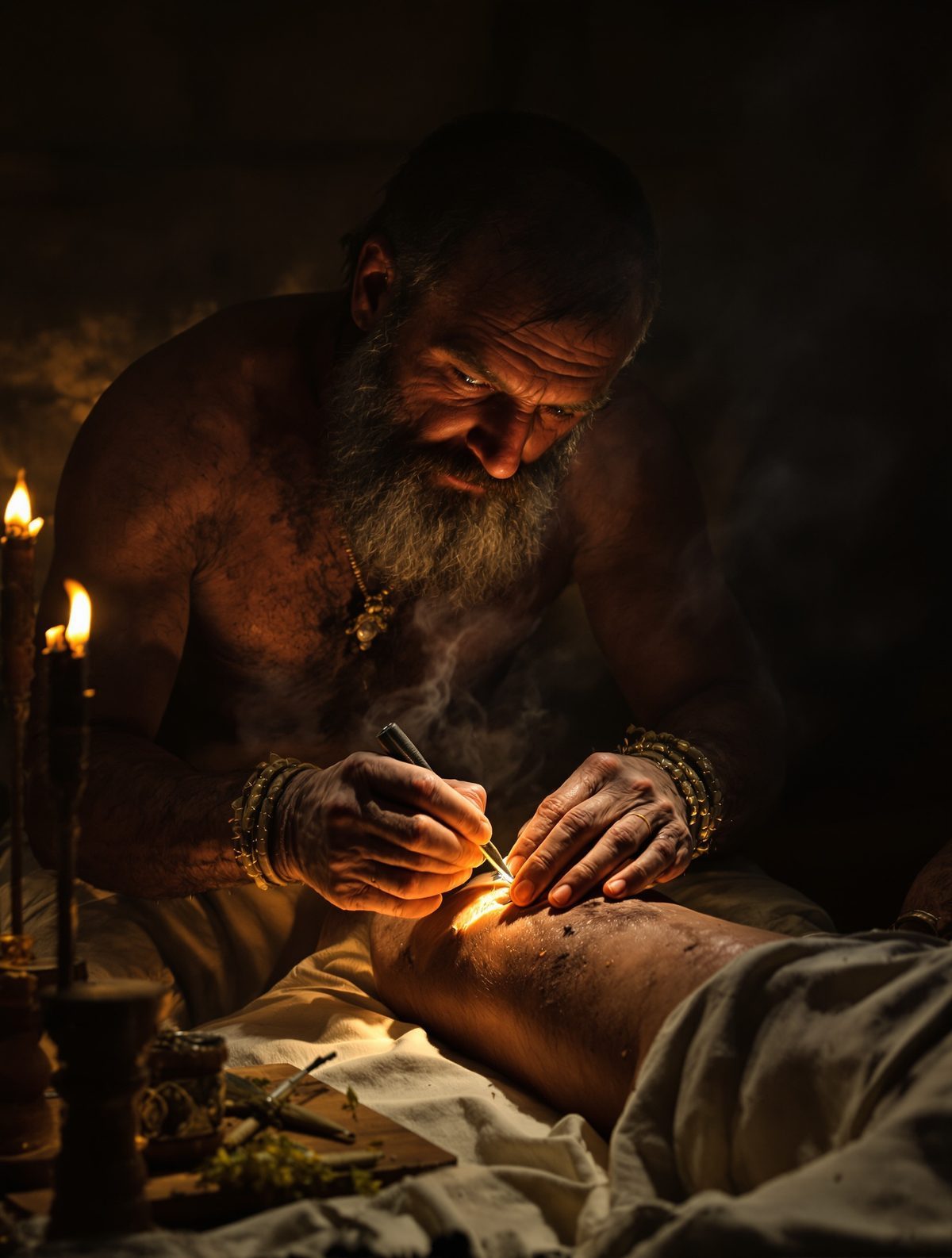
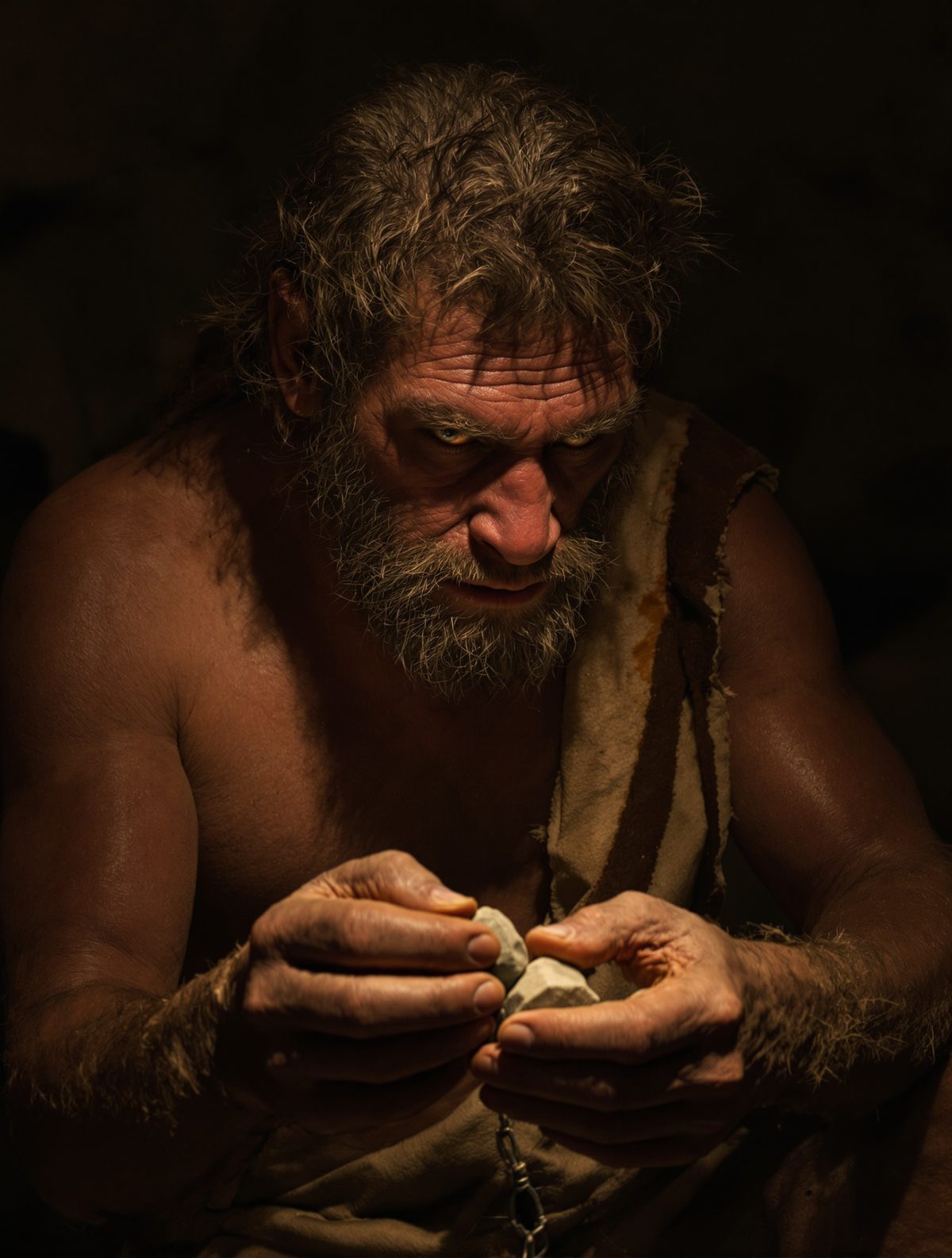
Deep in Shanidar Cave, a Neanderthal healer faced an impossible choice. His patient's arm was shattered beyond repair. Using stone tools, he carefully cut through bone and flesh. The patient survived for years.
Lulu the physician mixed beer with turtle shell powder. He carved the recipe into clay. It worked. The world's first medical prescription was born in ancient Sumer.
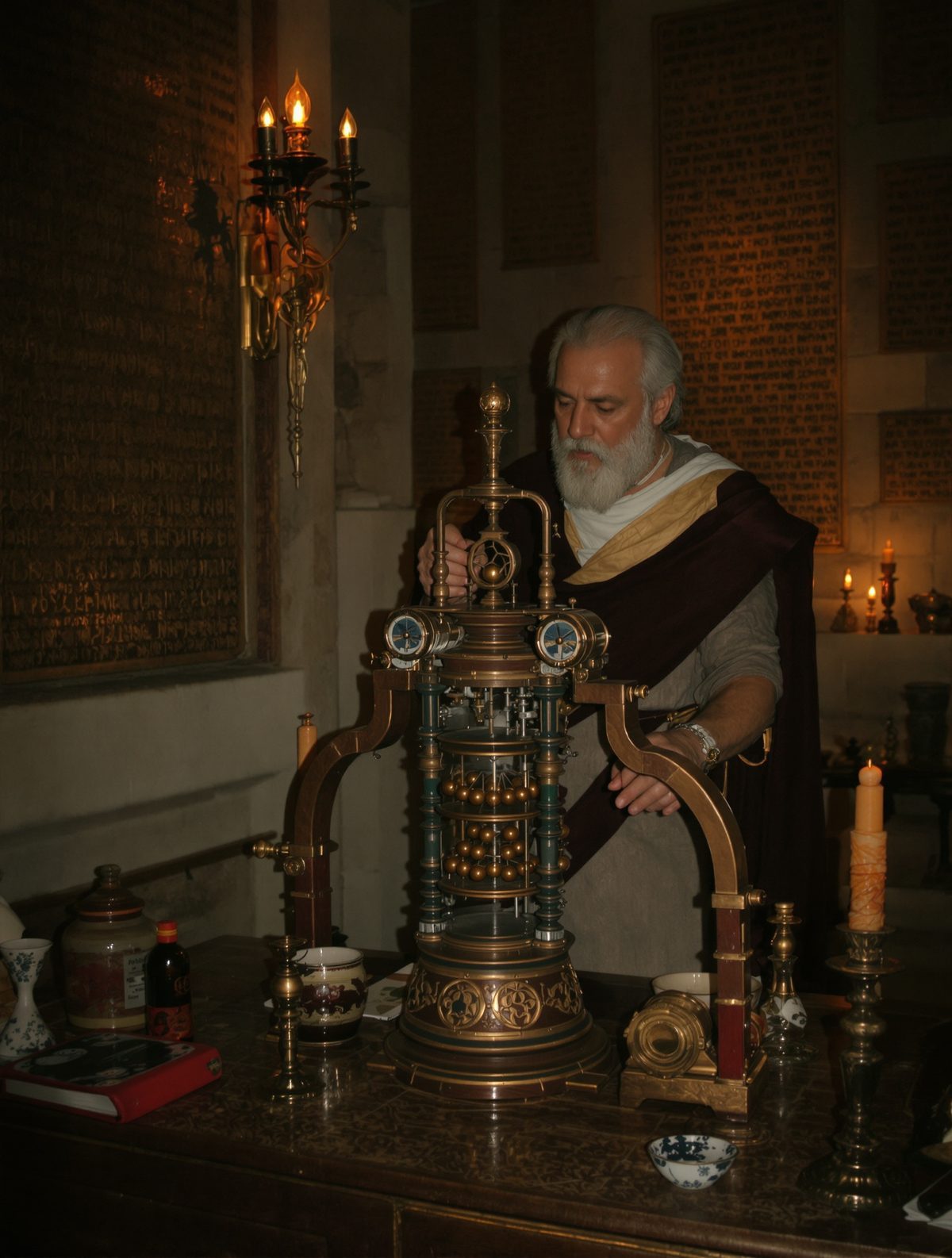
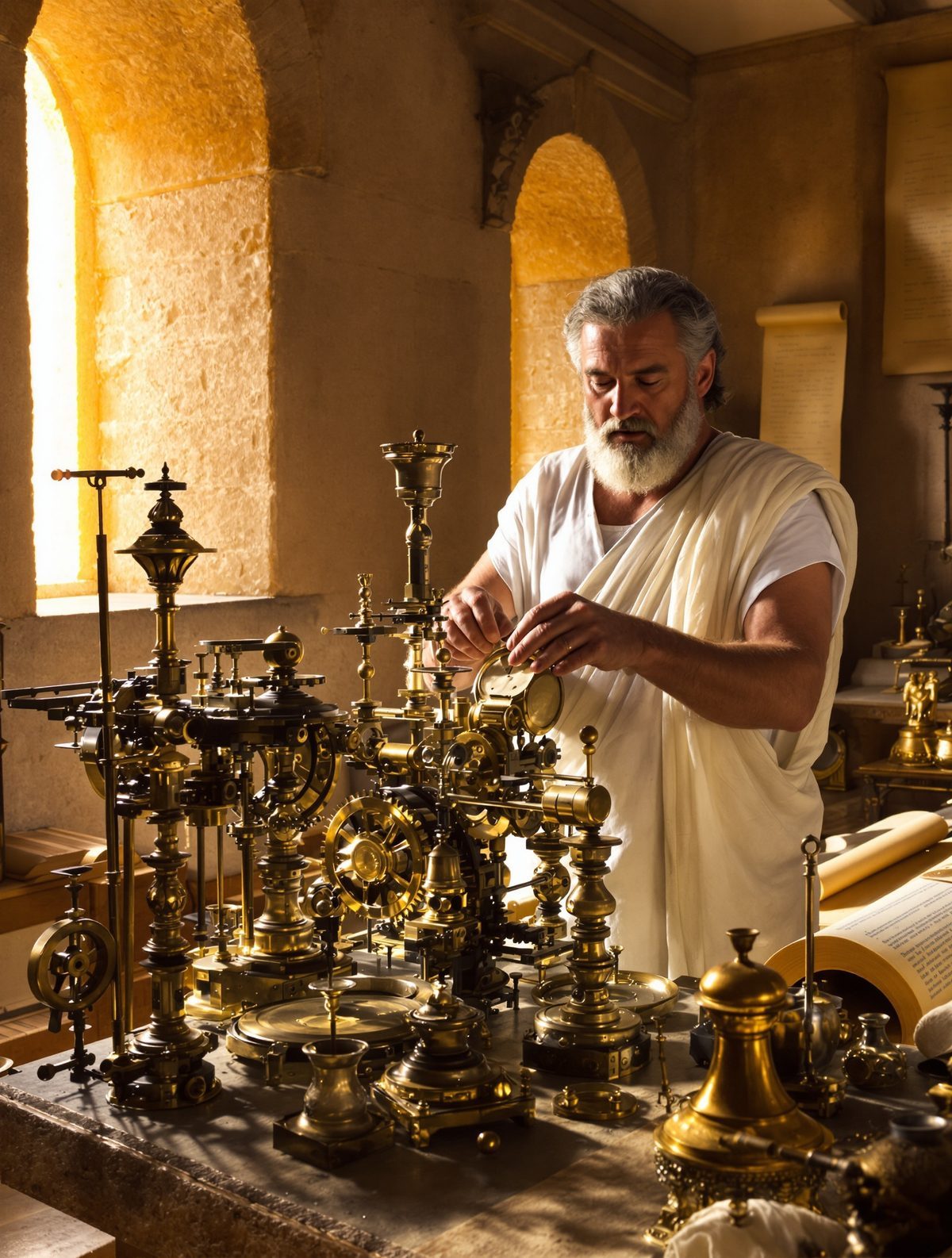
Nabu-rimanni needed to wake before dawn to observe stars. He designed a water clock that dropped bronze balls onto a metal plate. The clatter woke him at precise times. He became history's first person to set an alarm.
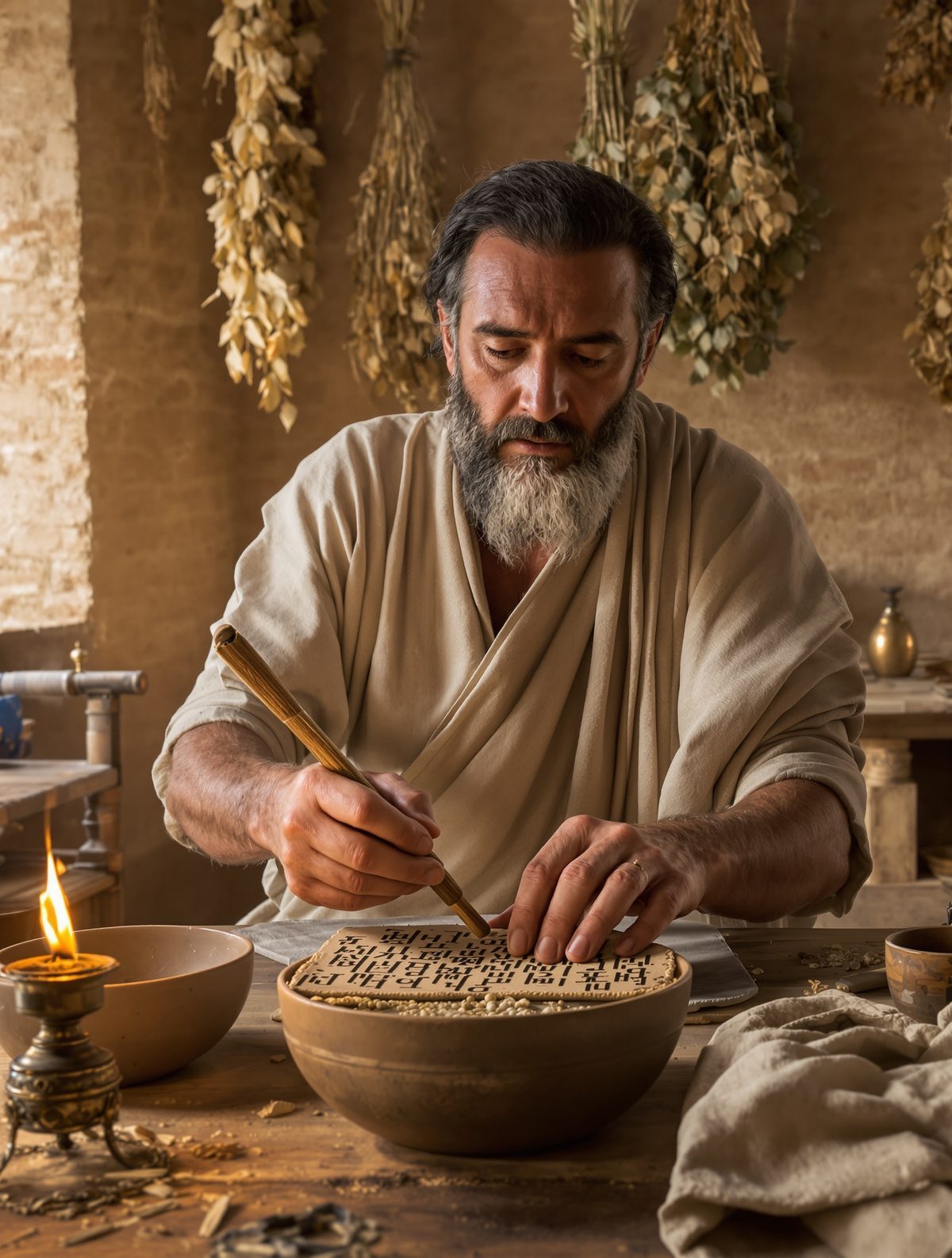
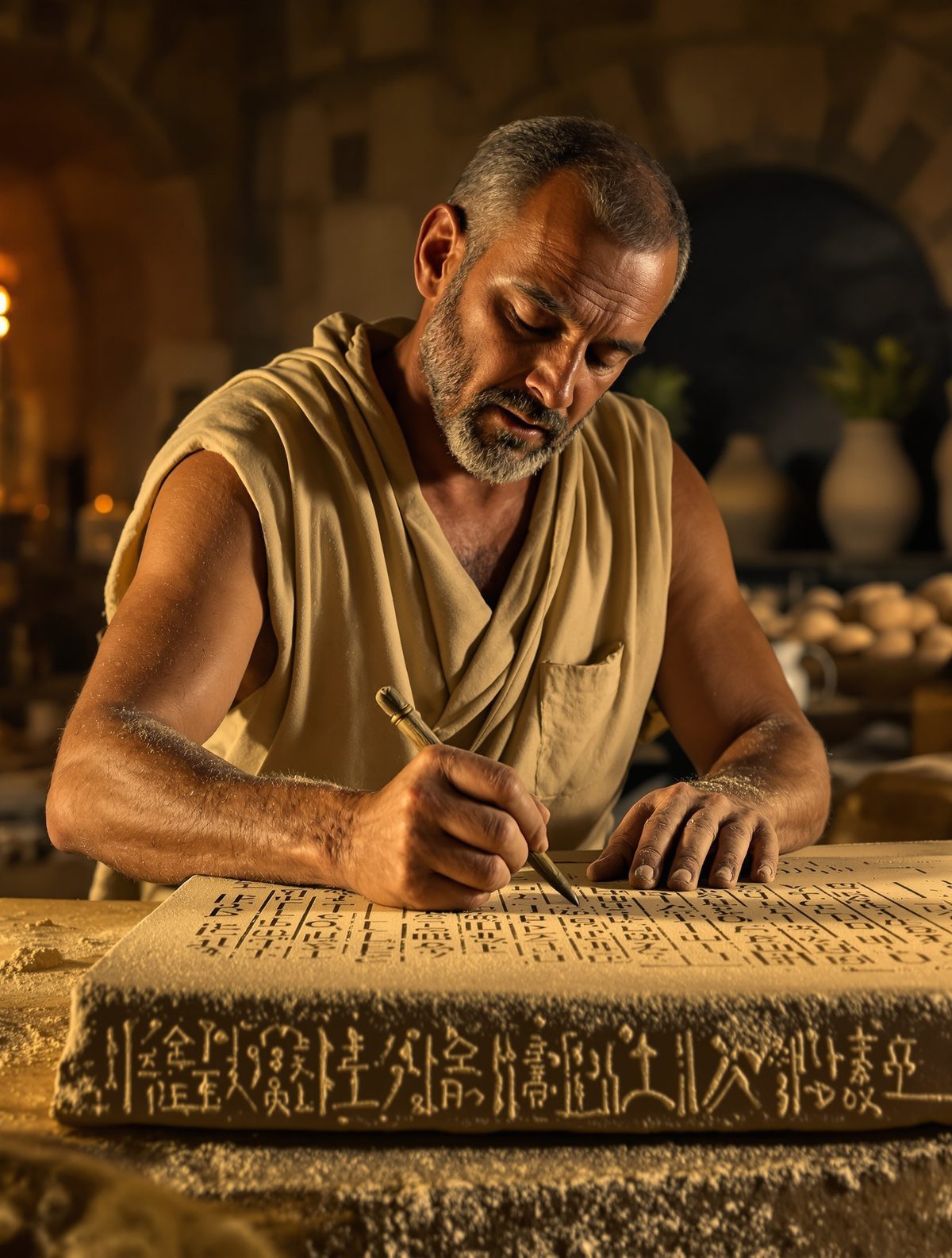
Alulu the baker carved symbols into clay tablets. Not for gods or kings. For bread customers who paid in advance. He accidentally invented the world's first business receipt. And modern accounting.
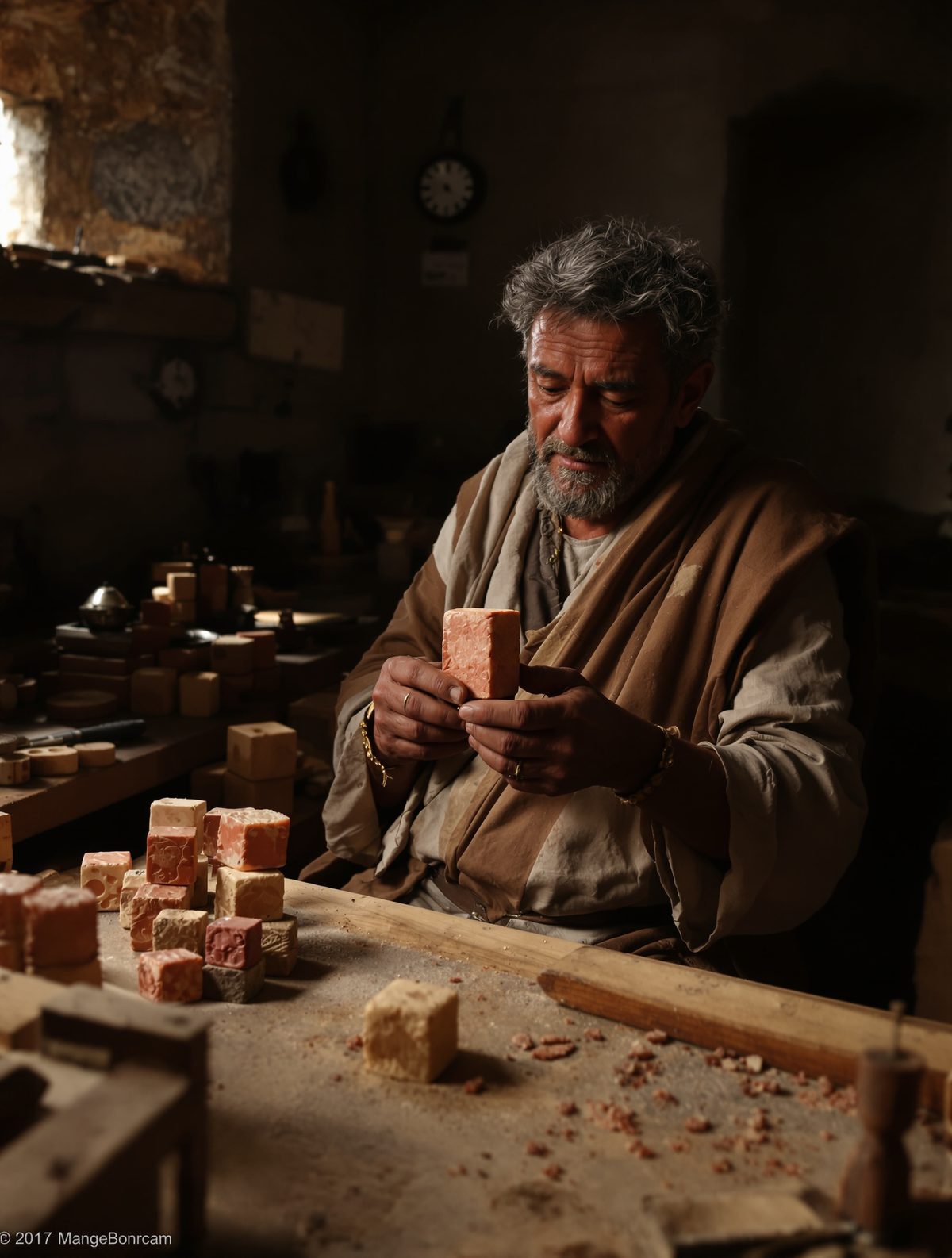
Deep in the Indus Valley, a master craftsman carved perfect cubes from red stone. Each weight precisely matched the others. He had just invented the world's first standardized measurement system.
Imhotep designed Egypt's first pyramid for Pharaoh Djoser. But he didn't stop there. He also performed the world's first recorded surgical procedures. Within centuries of his death, Egyptians worshipped him as the god of medicine.
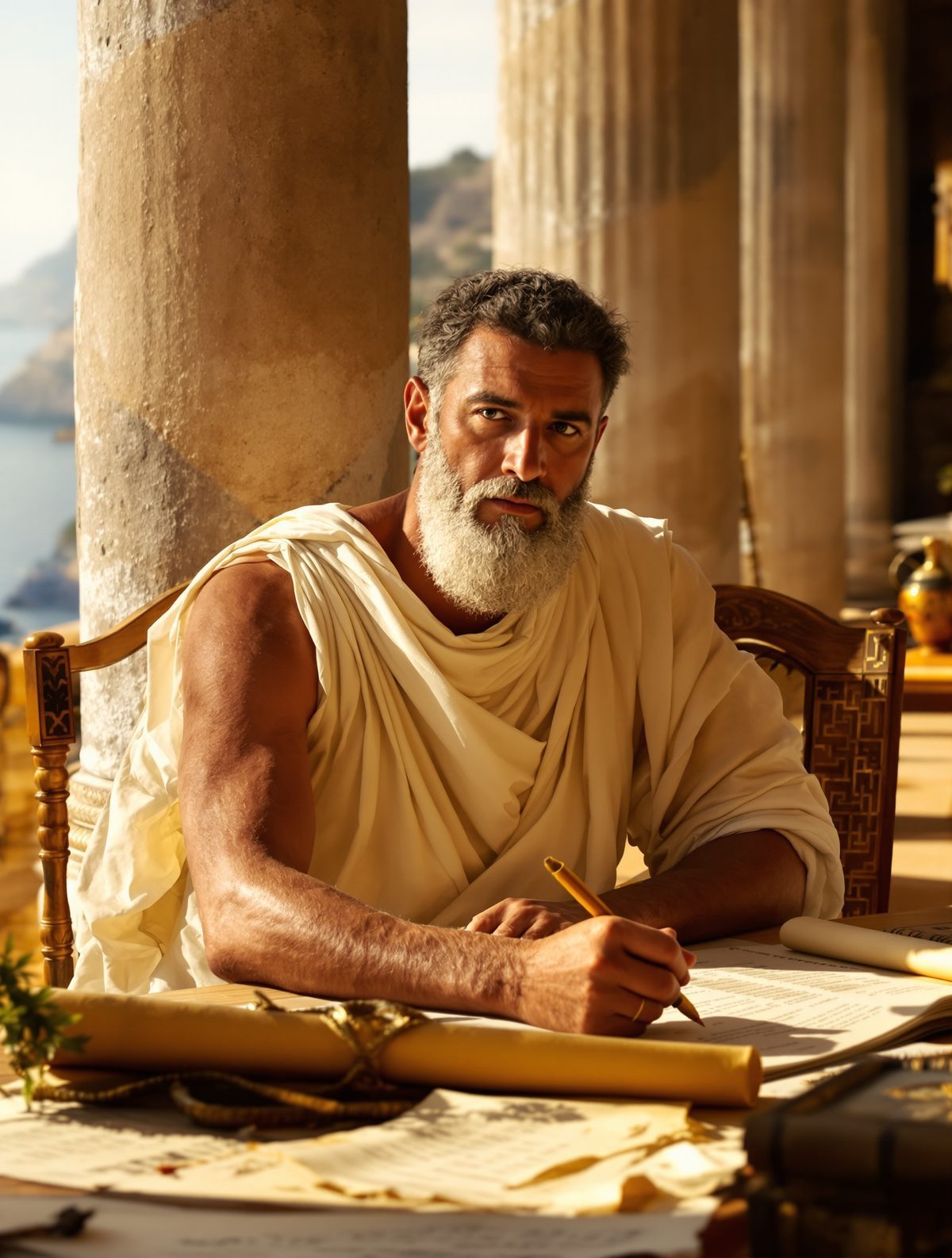
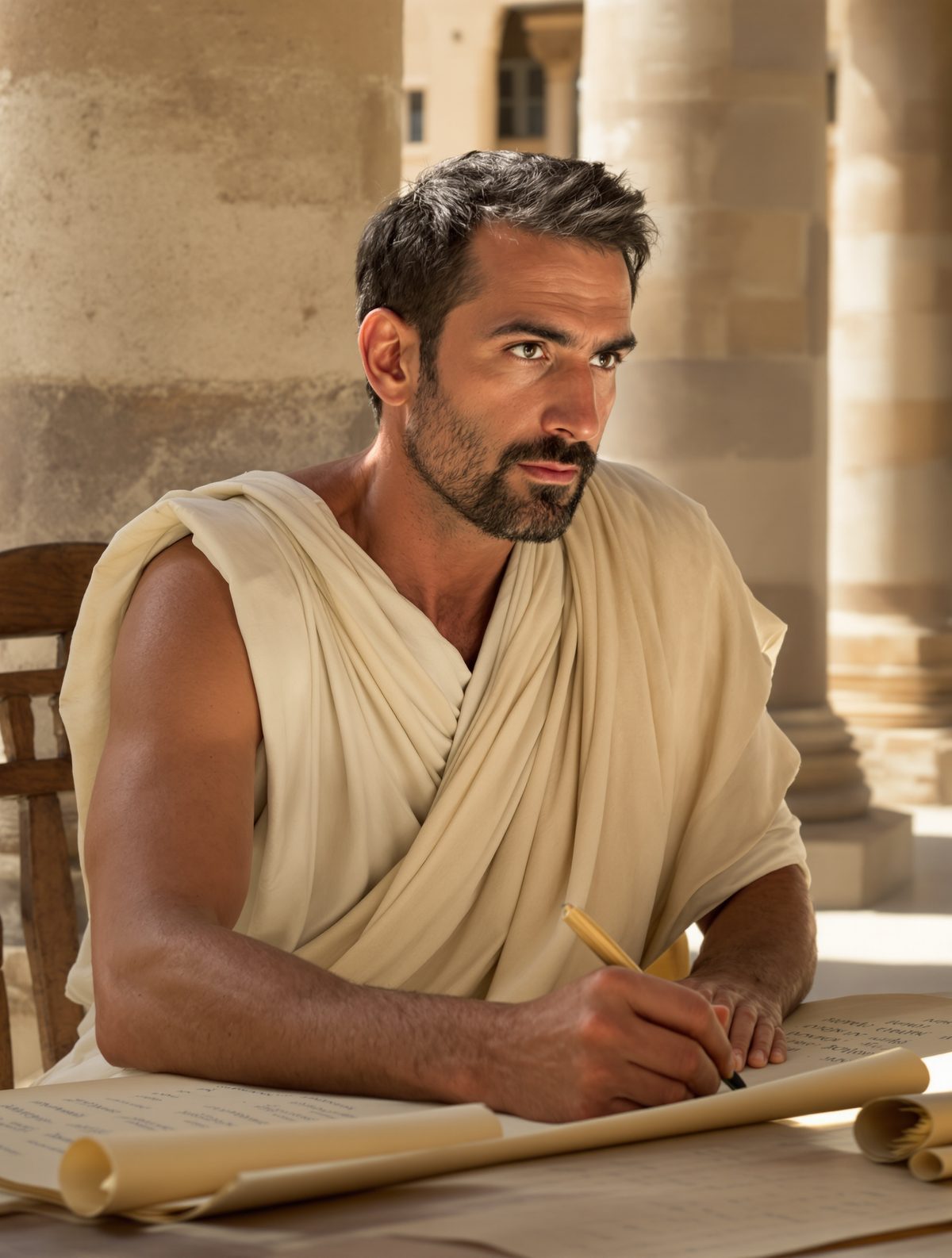
Greek scholar Herodotus sits writing his revolutionary work. He's documenting not just Greek victories, but interviewing Persian enemies too. His contemporaries call him crazy for recording 'barbarian' stories. He just invented historical writing.
A baby floats down the Euphrates in a reed basket. A royal gardener finds him. That abandoned infant becomes Sargon. He conquers all of Mesopotamia and creates history's first empire.
Two armies clashed on the battlefield. The sky suddenly went dark. The sun vanished completely. Both sides threw down their weapons in terror. One Greek philosopher had seen it coming.
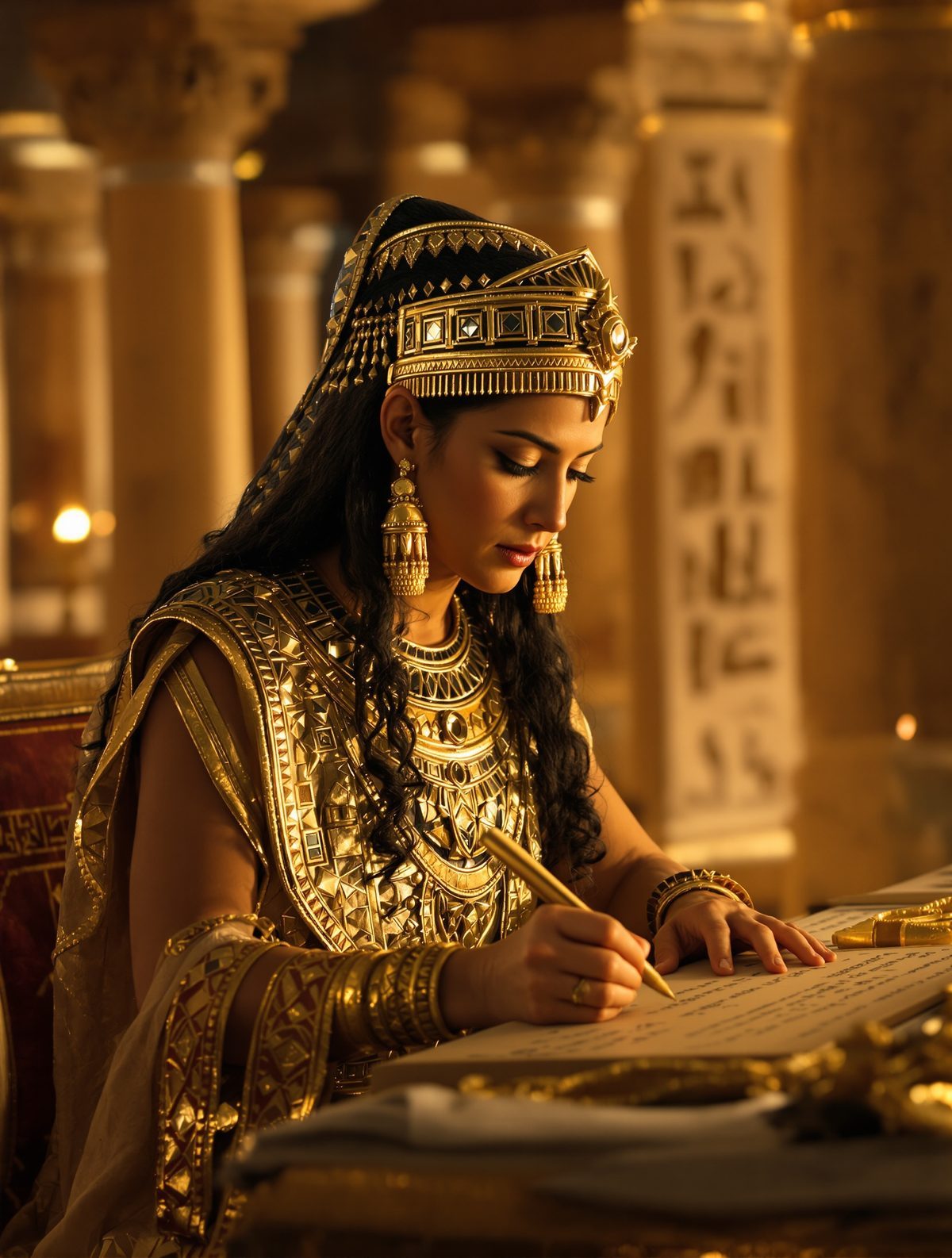
Princess Enheduanna held dual power as high priestess and poet in ancient Sumer. She penned the world's first signed literary work. When political enemies stripped her of temple duties, she wrote her way back to power with verses that still survive today.
Sparta's legendary lawgiver created the most feared military society in history. Then he made his people swear never to change his laws until he returned. He sailed away and starved himself to death on a distant island. His laws lasted 500 years.
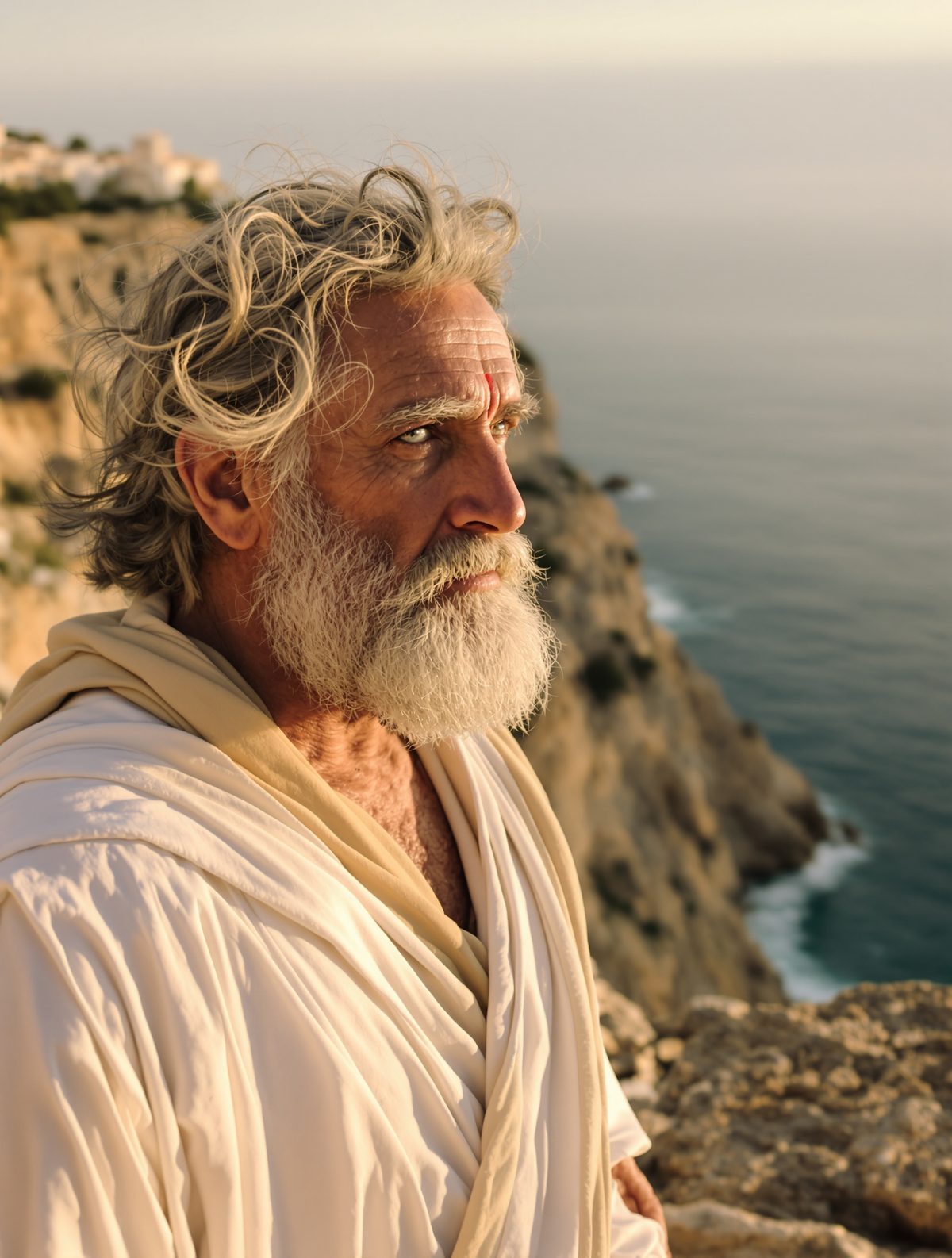
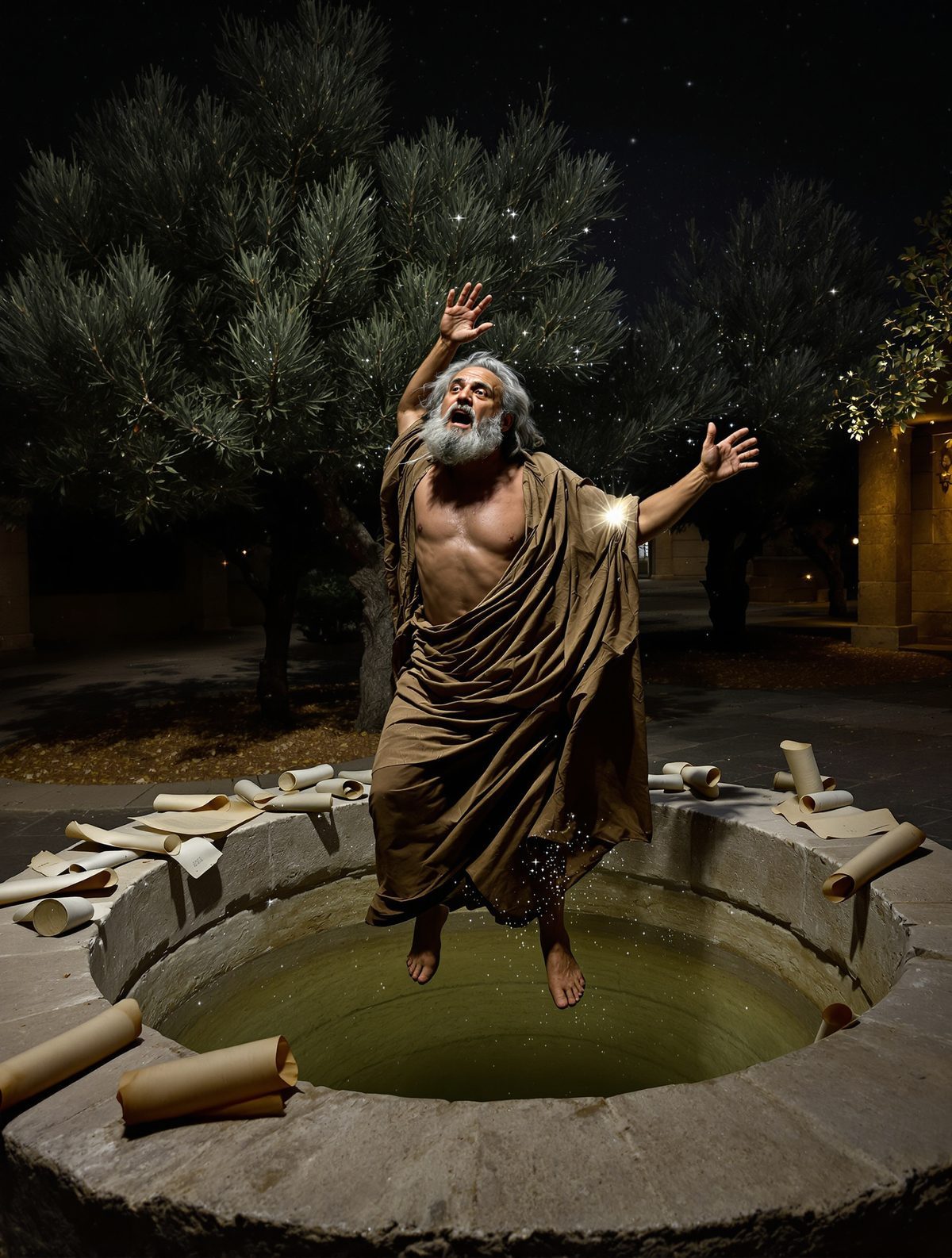
Thales was walking at night. Studying the stars above. Mapping celestial movements. He fell straight into a well. A servant girl laughed at him. 'How can you know the heavens when you can't see what's at your feet?'
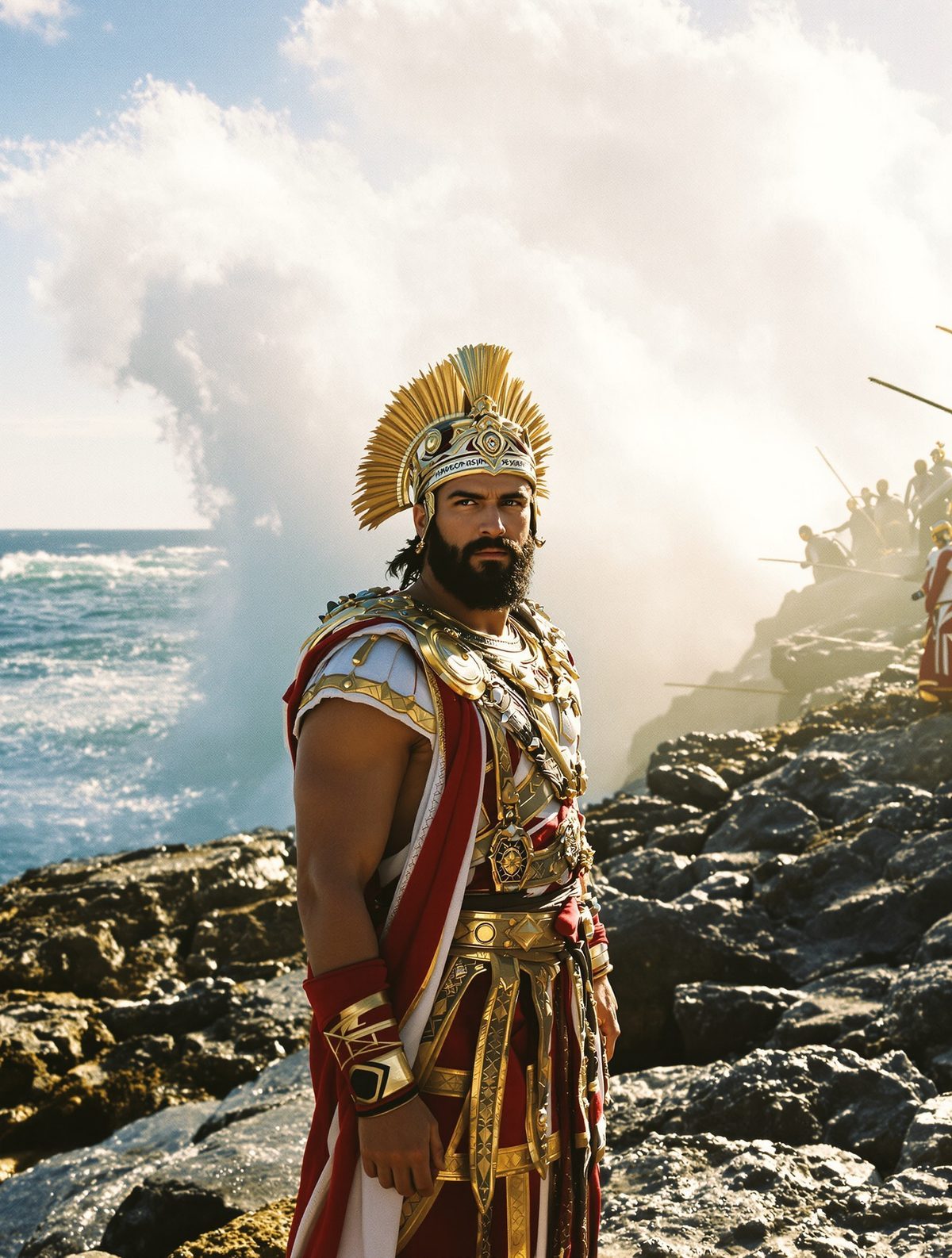
King Xerxes built a bridge of ships across the Hellespont to invade Greece. A storm destroyed it overnight. His response? He ordered 300 lashes for the sea itself. Soldiers whipped the waves while shouting accusations of betrayal.
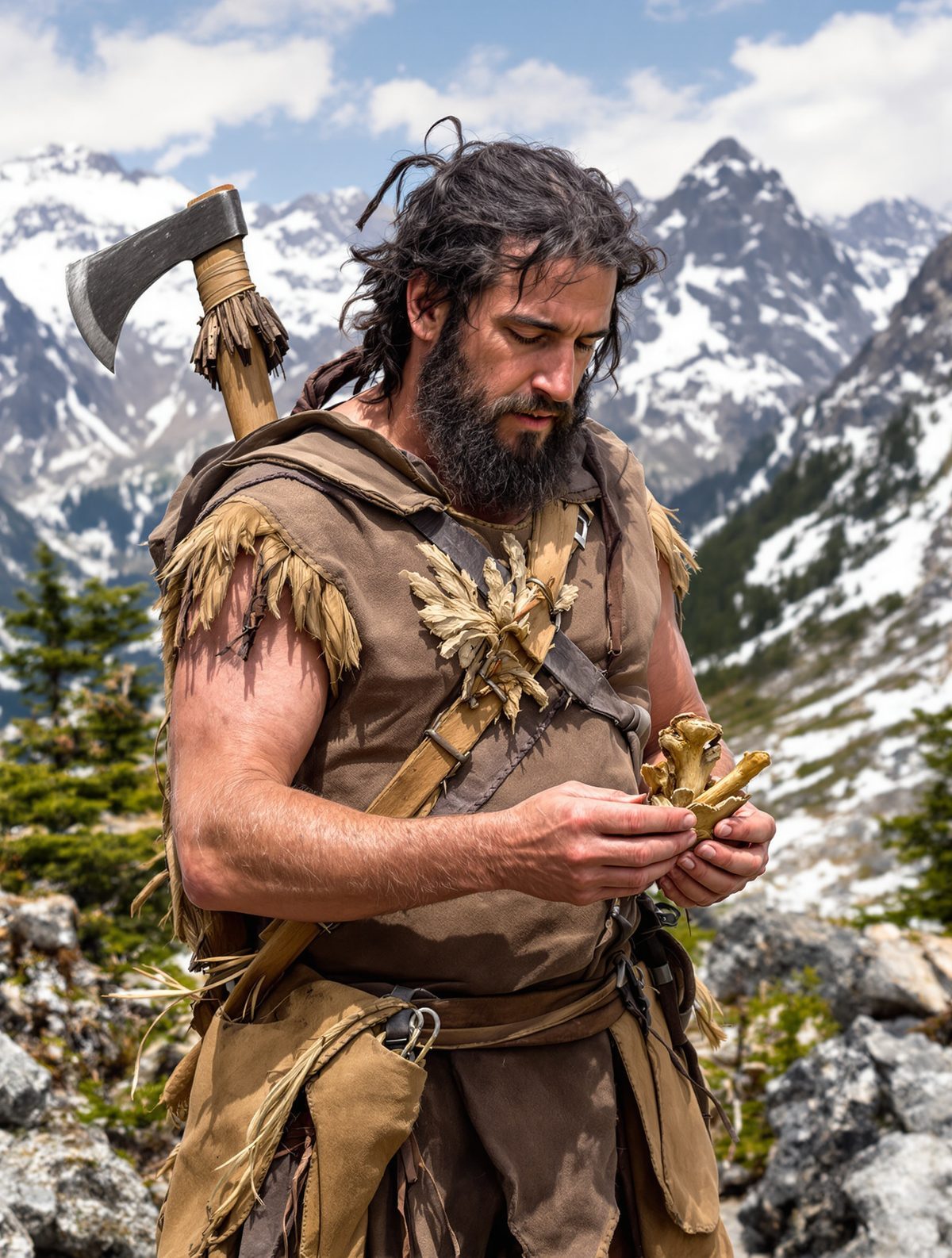
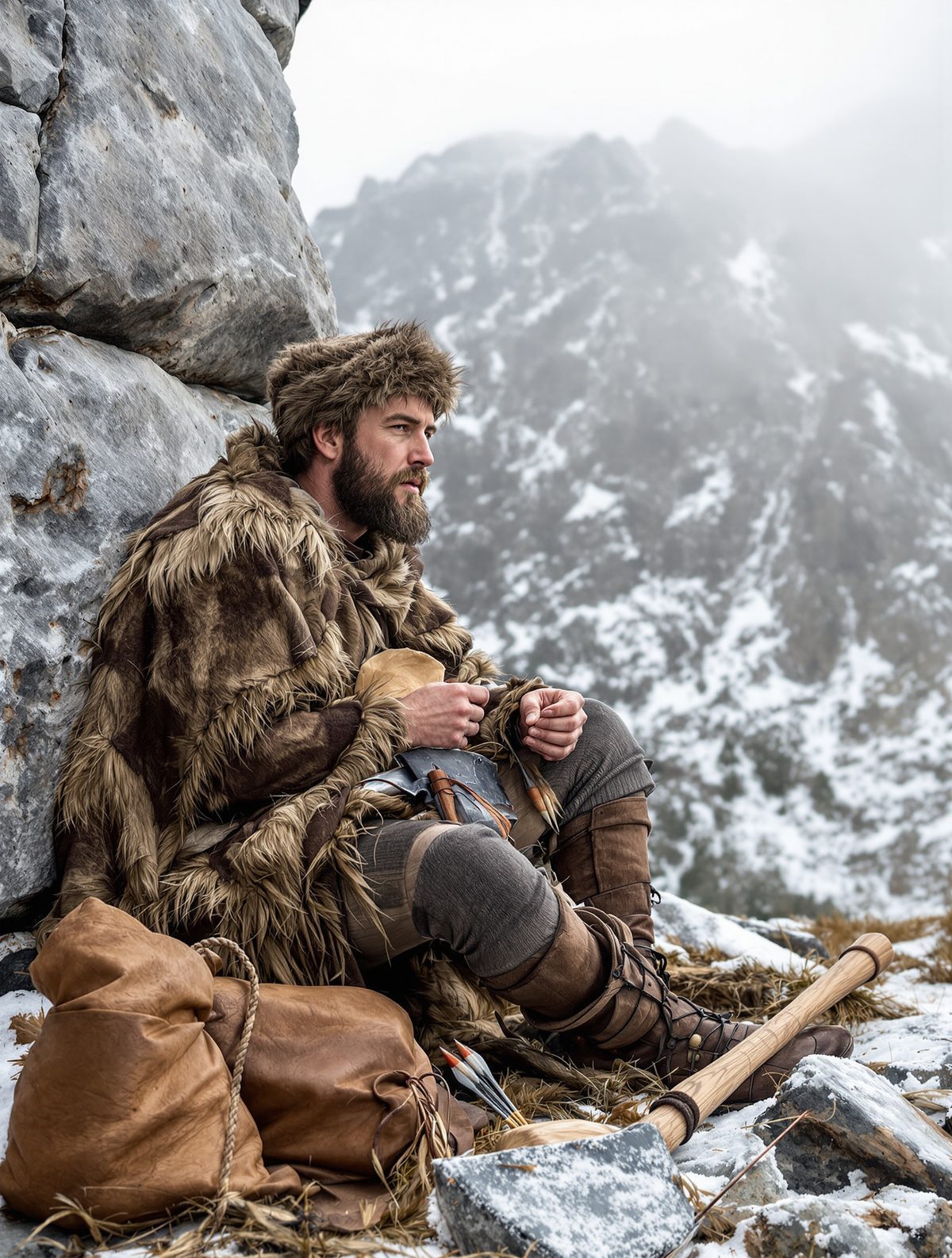
High in the Alps, a Copper Age hunter clutches his wounded shoulder. An arrowhead is buried deep in his back. He will die here in the snow. 5,300 years later, hikers will find his perfectly preserved body.
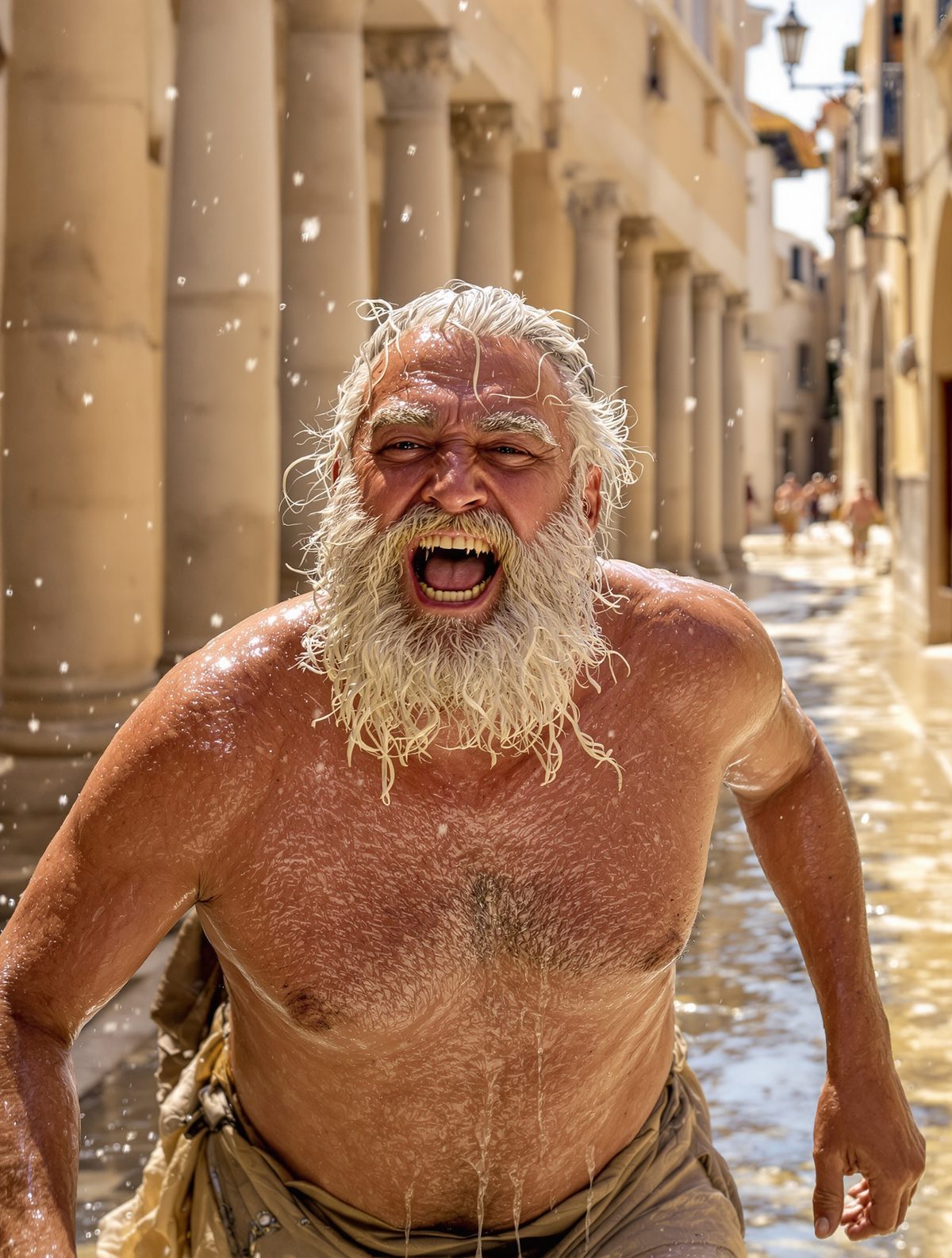
Archimedes steps into his bath. The water overflows. Suddenly he understands displacement. He leaps out naked and runs through the streets of Syracuse screaming 'Eureka!' The greatest mathematical discovery began with a simple bath.
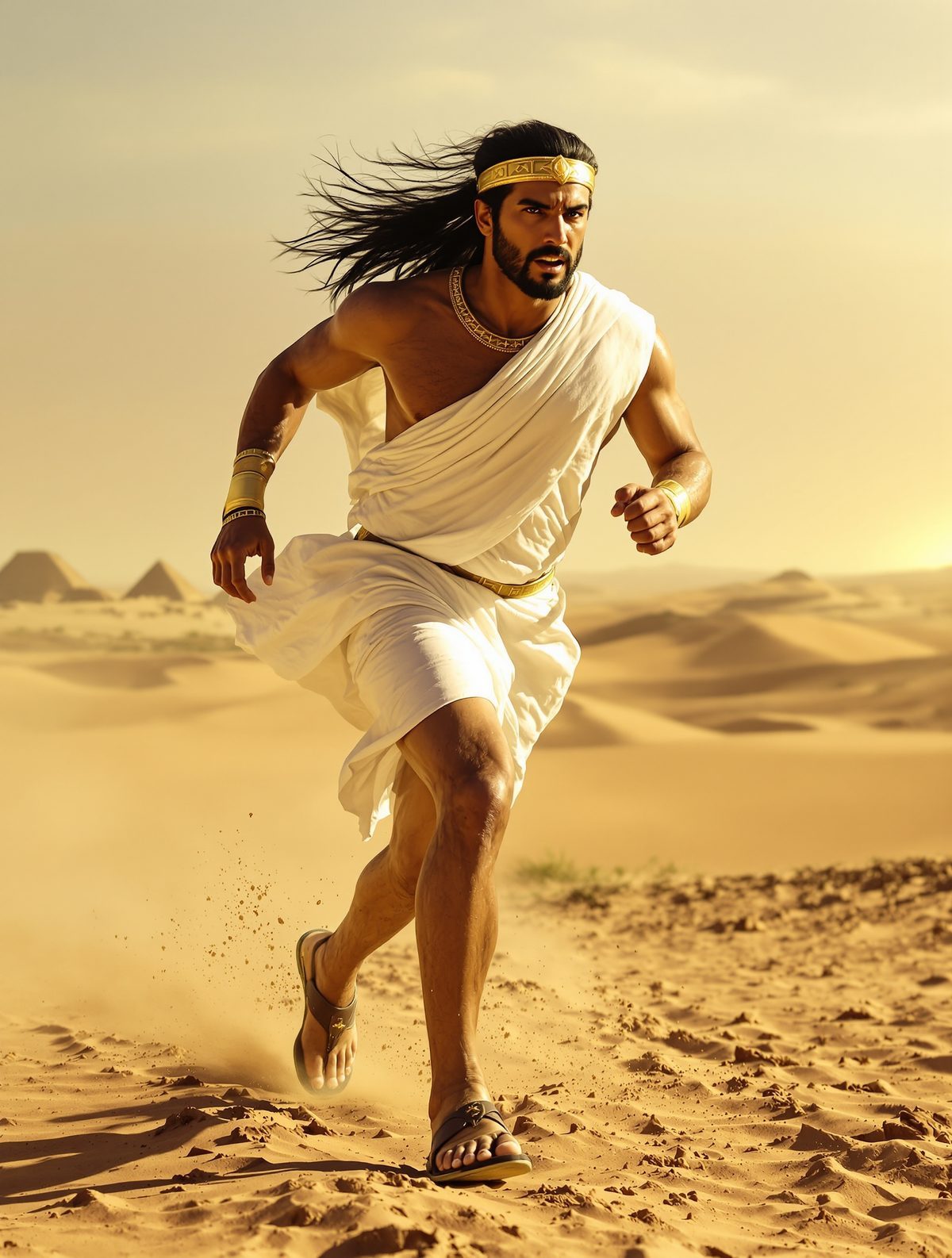
King Shulgi of Ur claimed he could run faster than any mortal. To prove his divine nature, he announced he would run from Nippur to Ur in a single day. The distance was over 100 miles. Witnesses lined the route. He completed the impossible run.
Herodotus set out to write entertaining stories about distant lands. He interviewed old soldiers. Collected wild tales from travelers. Then accidentally created the world's first history book.
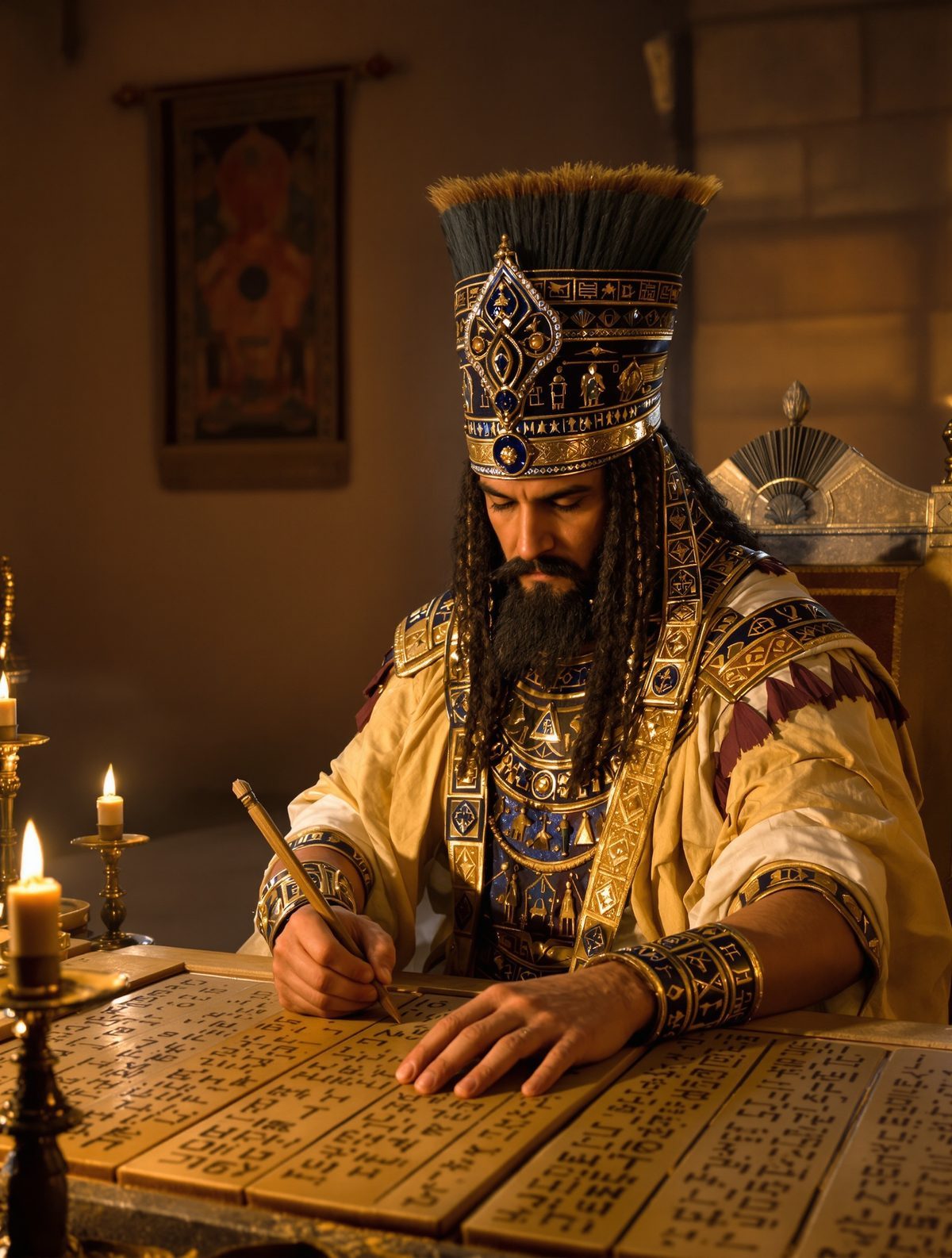
King Ur-Nammu of Ur sits in his palace, carefully pressing cuneiform into wet clay tablets. He's writing history's first legal code. 300 years before Hammurabi. His laws protected widows and orphans. Justice was just invented.
Alexandria, 270 BC. Ctesibius unveils his water-powered contraption. At dawn, bronze balls drop onto a gong. The world's first alarm clock awakens the city. Ancient insomnia was born.
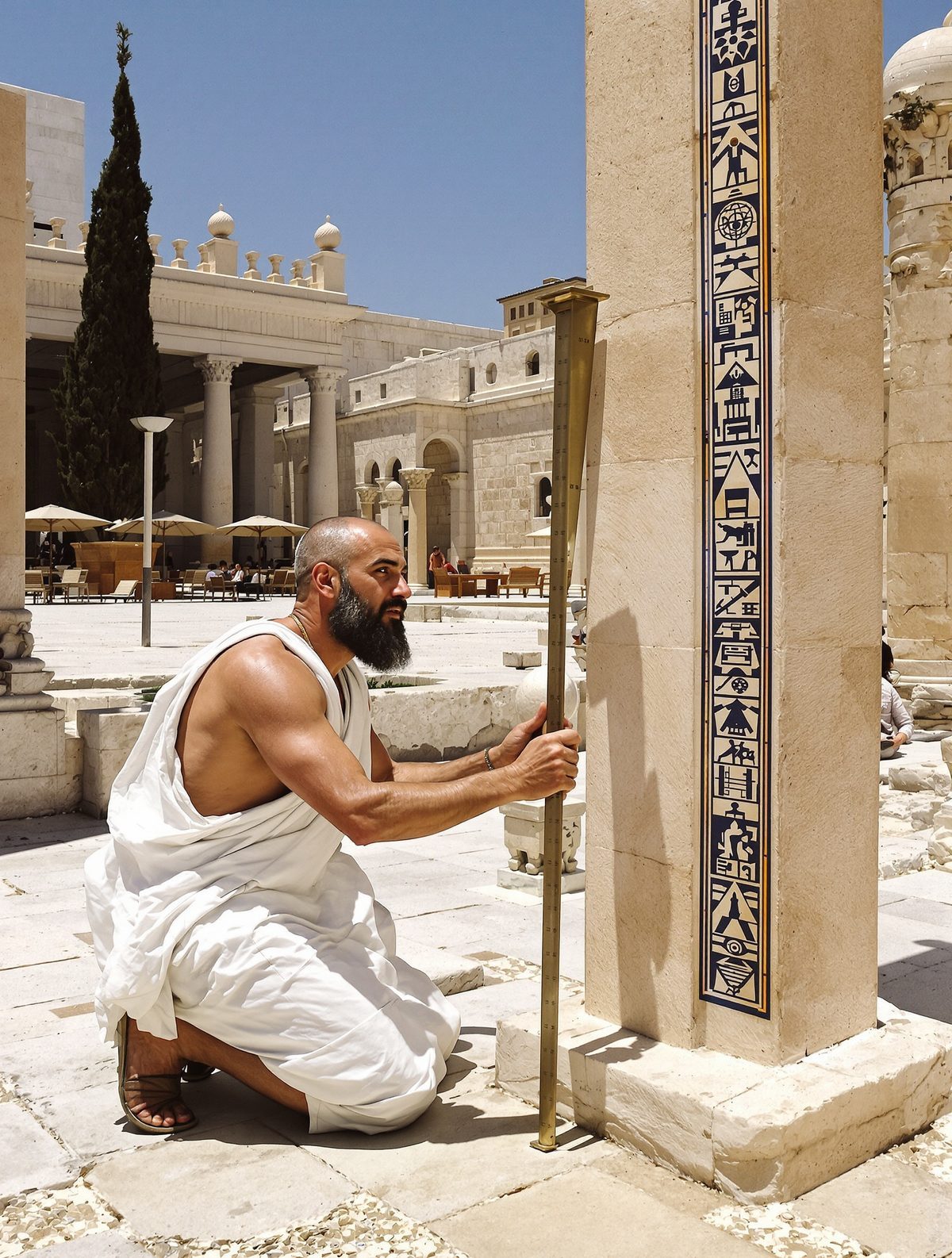
Eratosthenes noticed shadows fell differently in two Egyptian cities on the same day. He hired a man to pace the distance between them. Using only geometry and footsteps, he calculated Earth's circumference. He was off by less than 2%.
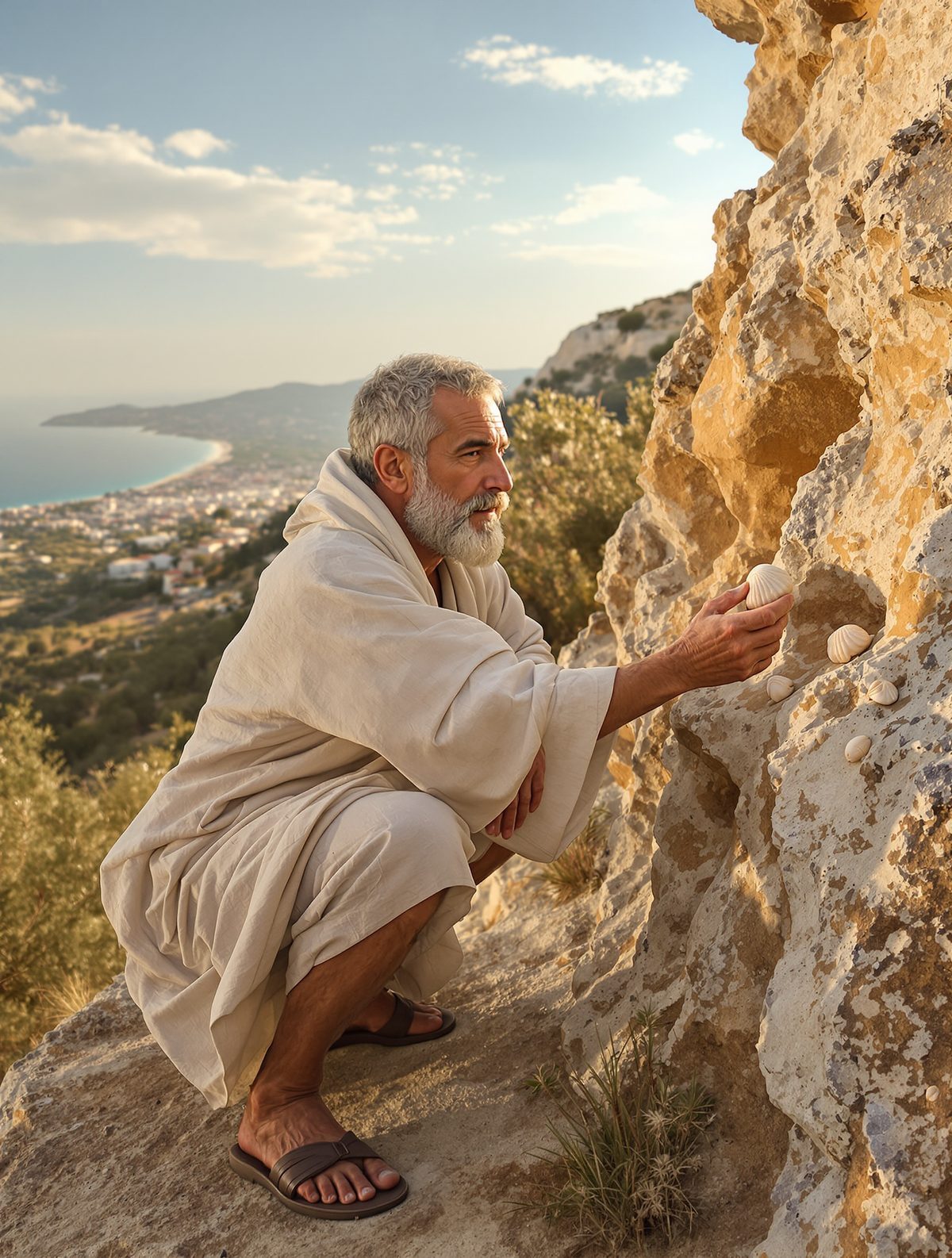
Ancient Greek philosopher Xenophanes found seashells embedded in rocks on mountaintops. He realized the sea had once covered the land. His discovery revealed Earth's vast age 2,000 years before modern geology.
Imhotep designed the first pyramid for Pharaoh Djoser. He was also Egypt's greatest physician. Two thousand years after his death, common people worshipped him as the god of medicine. A mortal man became divine through his healing touch.
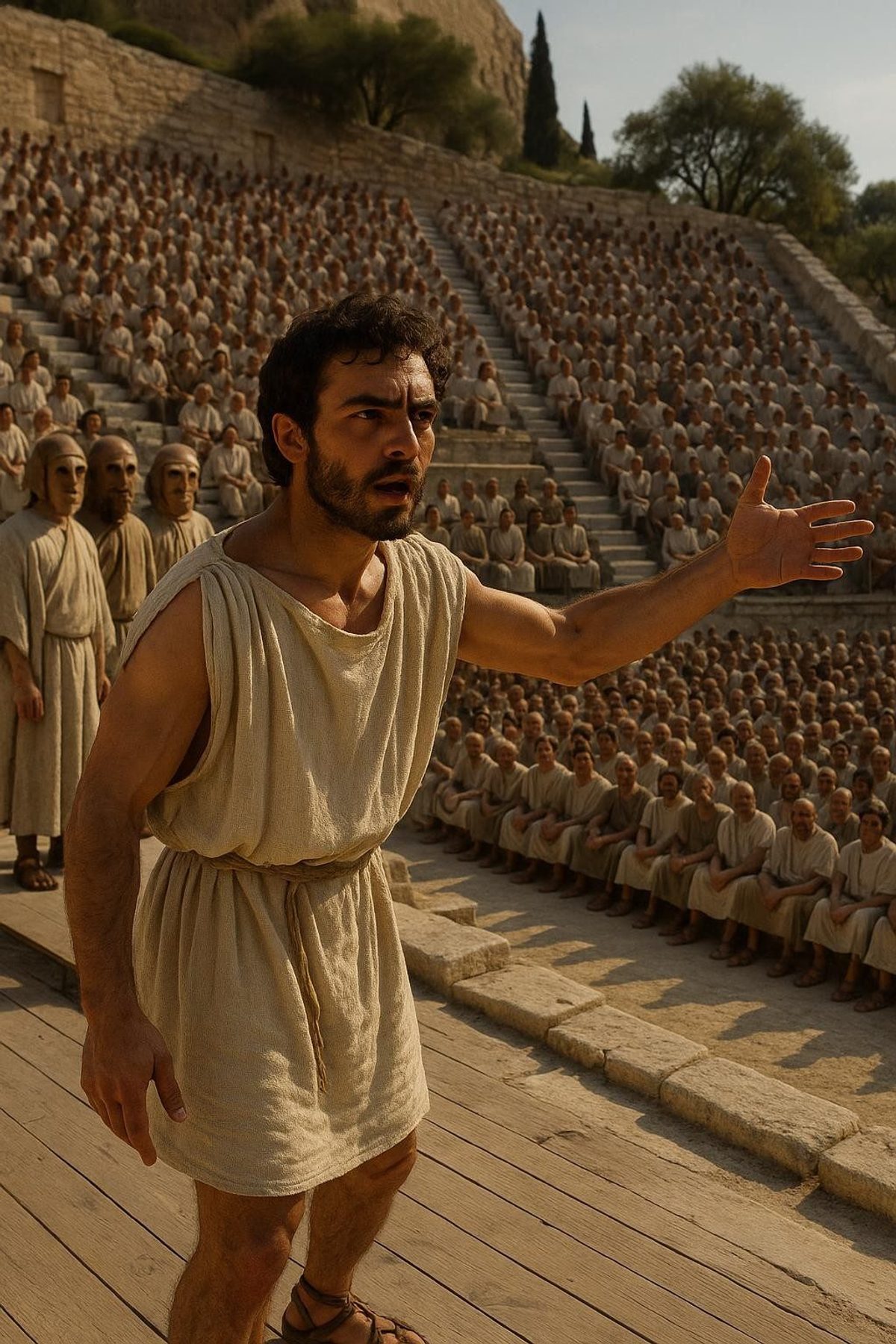
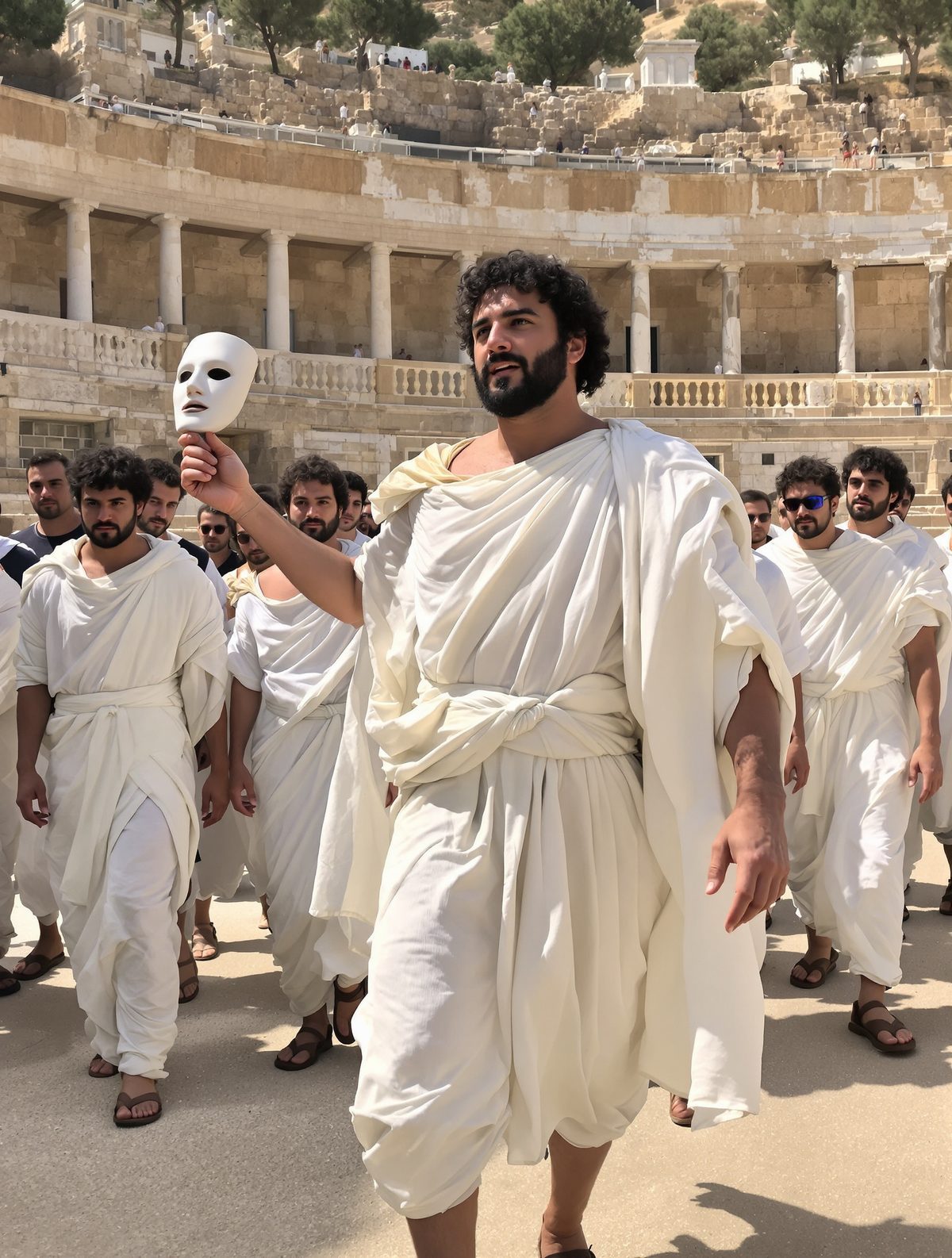
Athens, 534 BC. The Dionysus festival chorus chants in unison. One man steps forward. He speaks as an individual character. Theater is born in a single moment of rebellion.
The royal architect Imhotep designed the first pyramid for Pharaoh Djoser. But he did something no commoner had ever done before. He signed his name on the monument. 2,000 years later, Egyptians worshipped him as a god.
Frozen for 5,000 years in the Alps, this Stone Age hunter carried birch fungus for infections. Willow bark for pain. Moss for bandages. He was history's first traveling doctor.
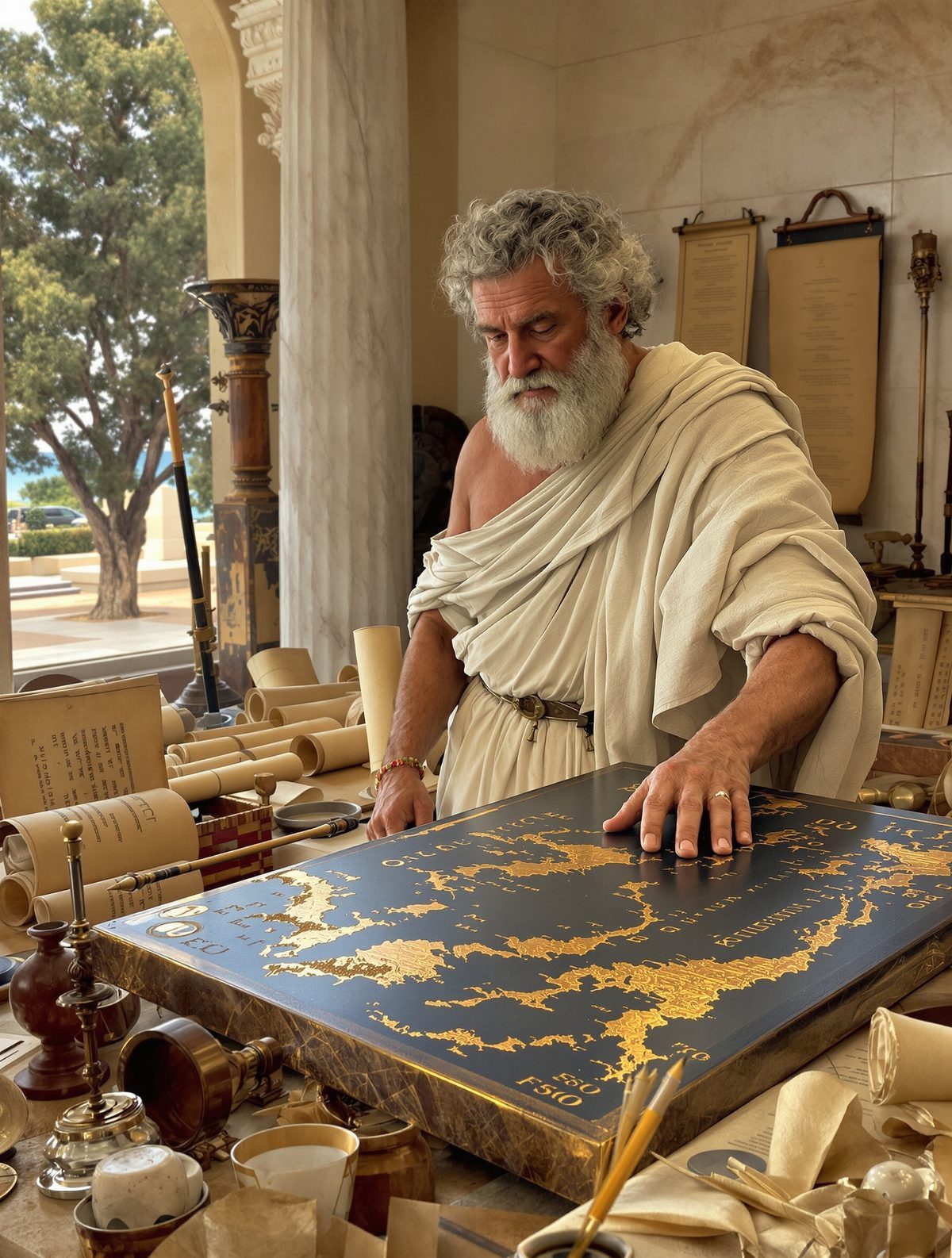
Anaximander of Miletus stared at his bronze tablet. No one had ever tried to draw the entire world before. He etched coastlines from memory and travelers' tales. The first map was born.
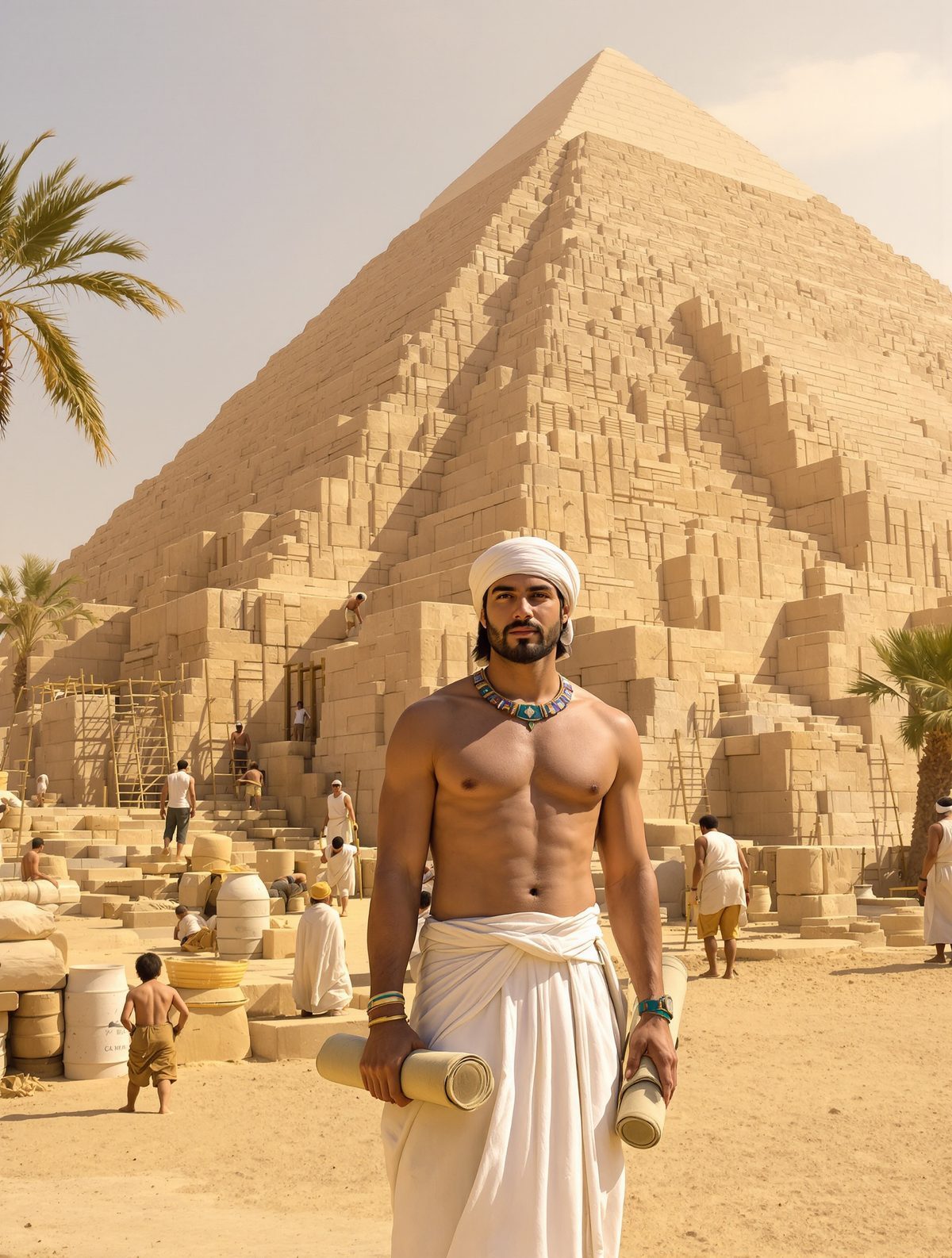
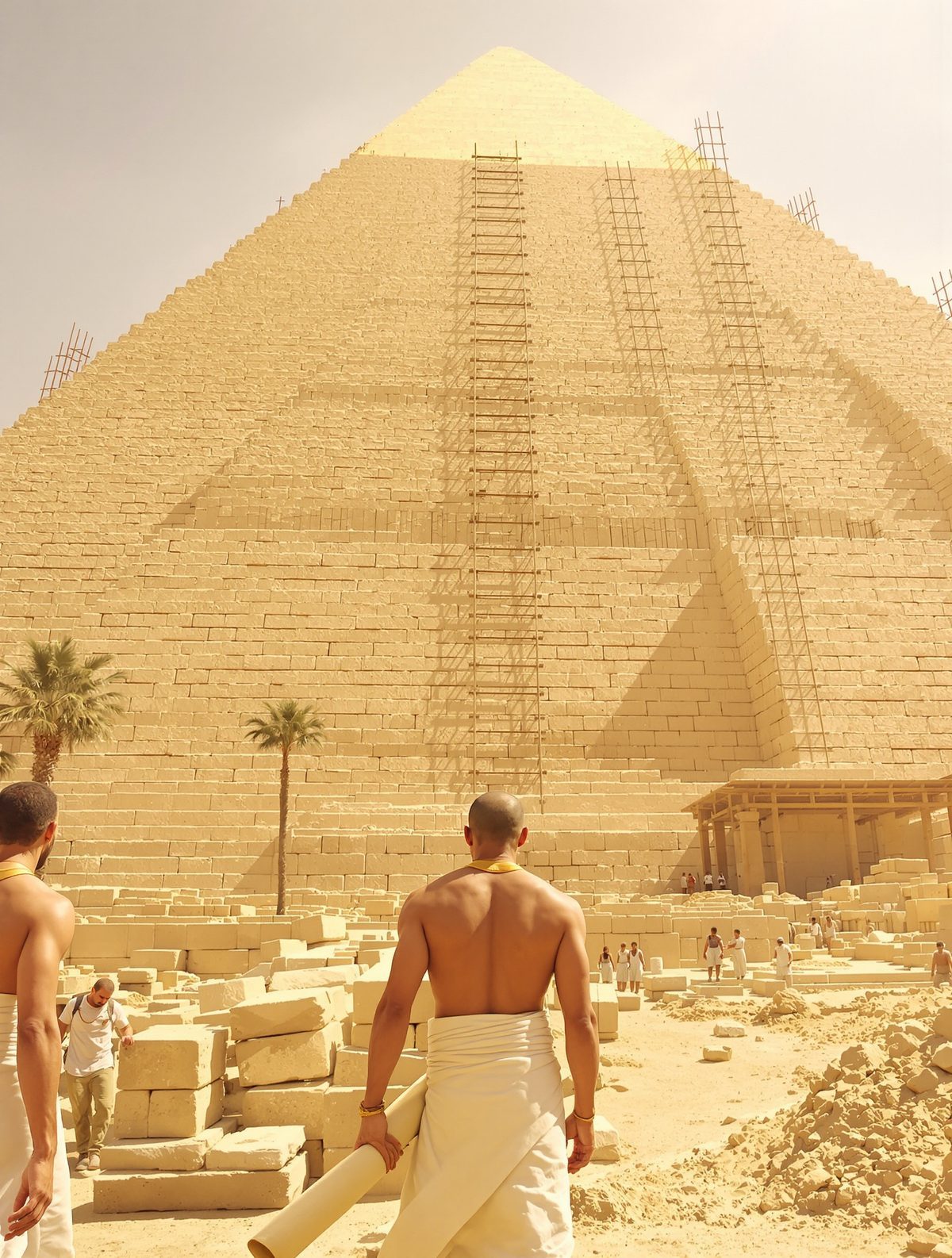
The royal architect stared at his radical design. No mud bricks this time. Only carved limestone blocks, stacked six steps high. King Djoser's tomb would scrape the sky itself.
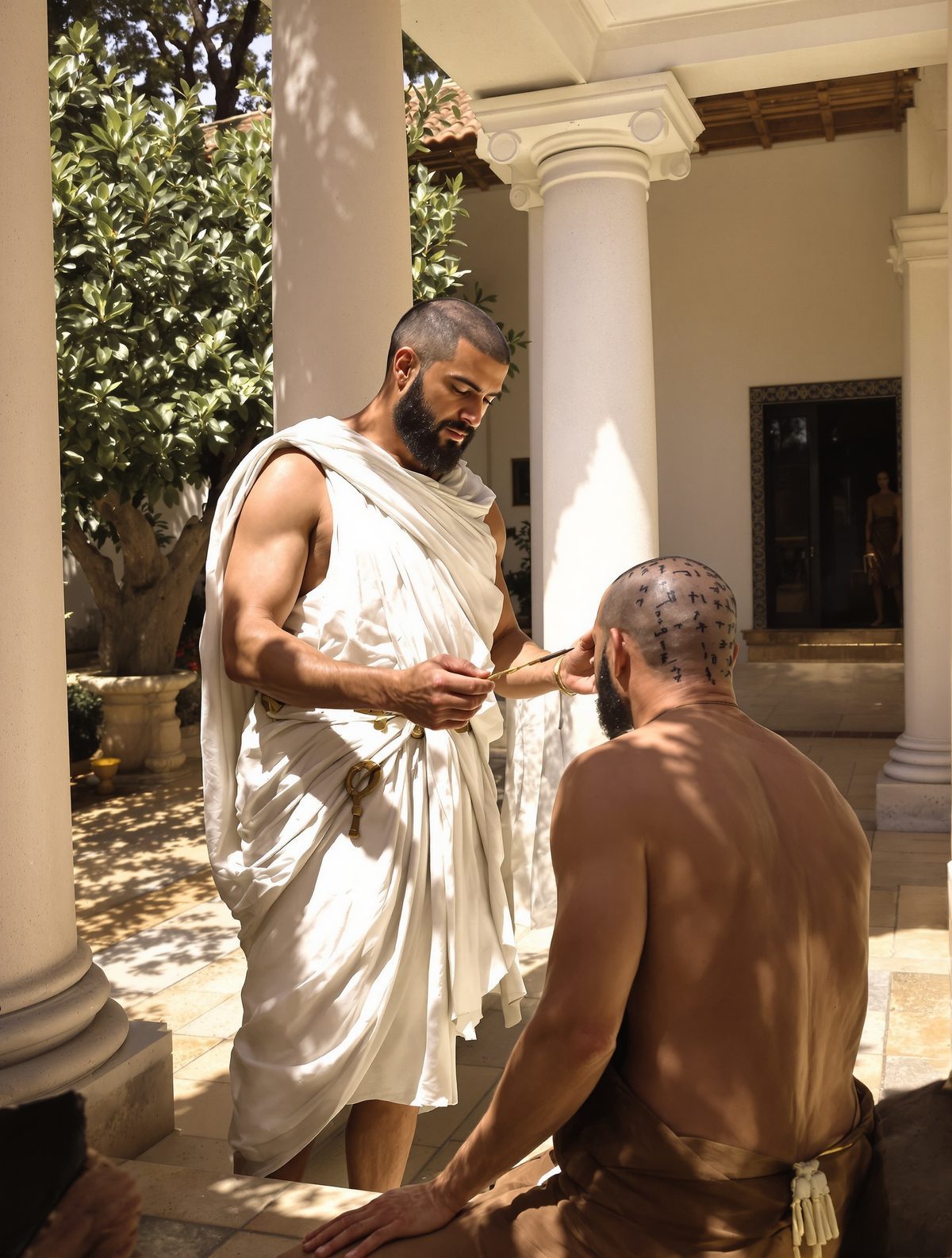
Aristagoras needed to send a secret revolt plan to Sparta. But Persia watched every road. So he shaved his slave's head. Tattooed the message on his scalp. Waited for the hair to grow back. Then sent him walking across the empire.
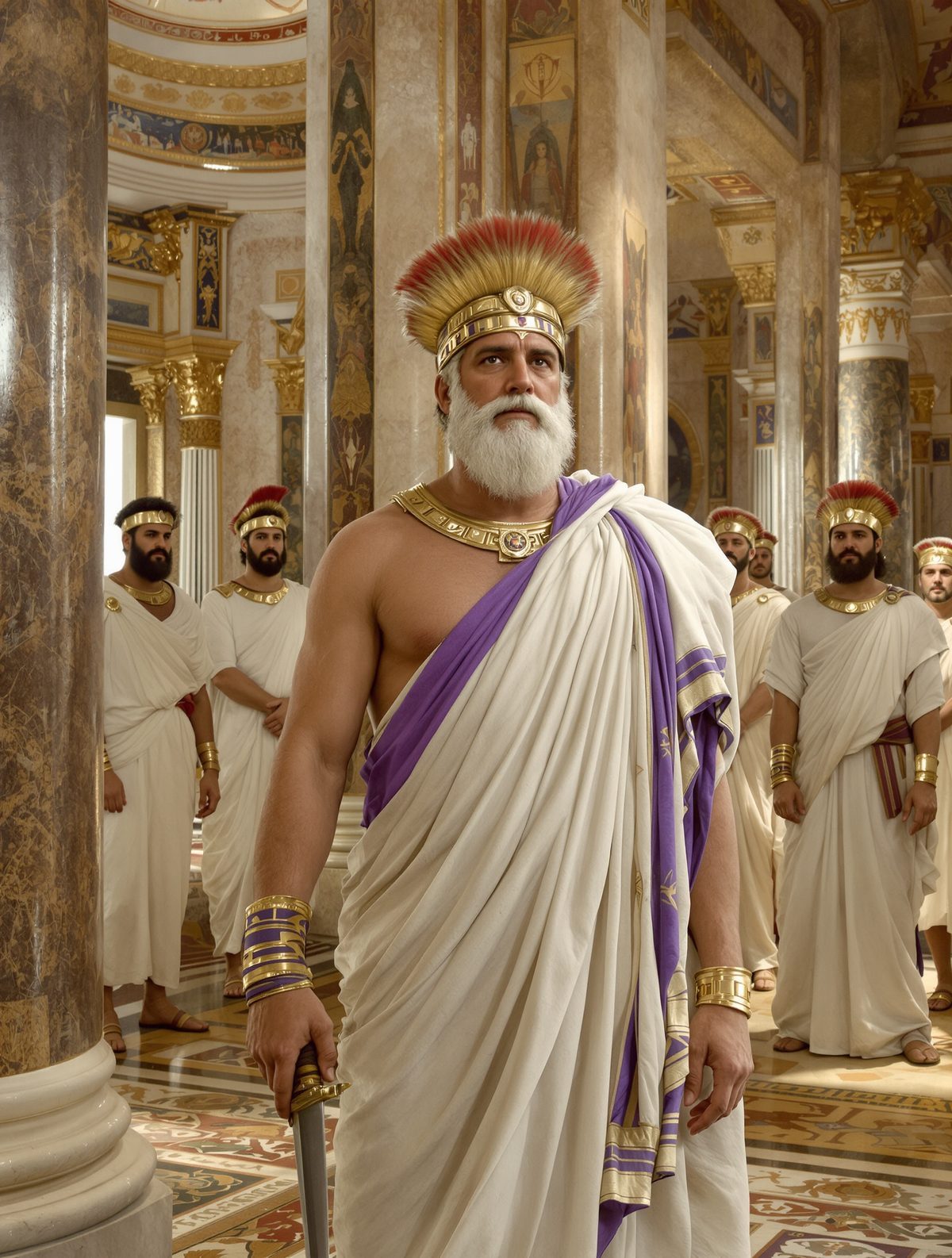
Emperor Otho had won his first battle against rival Vitellius. His generals urged him to continue the civil war. Instead, Otho chose suicide. 'I will not be the cause of such a battle,' he declared, stabbing himself to spare Roman blood.
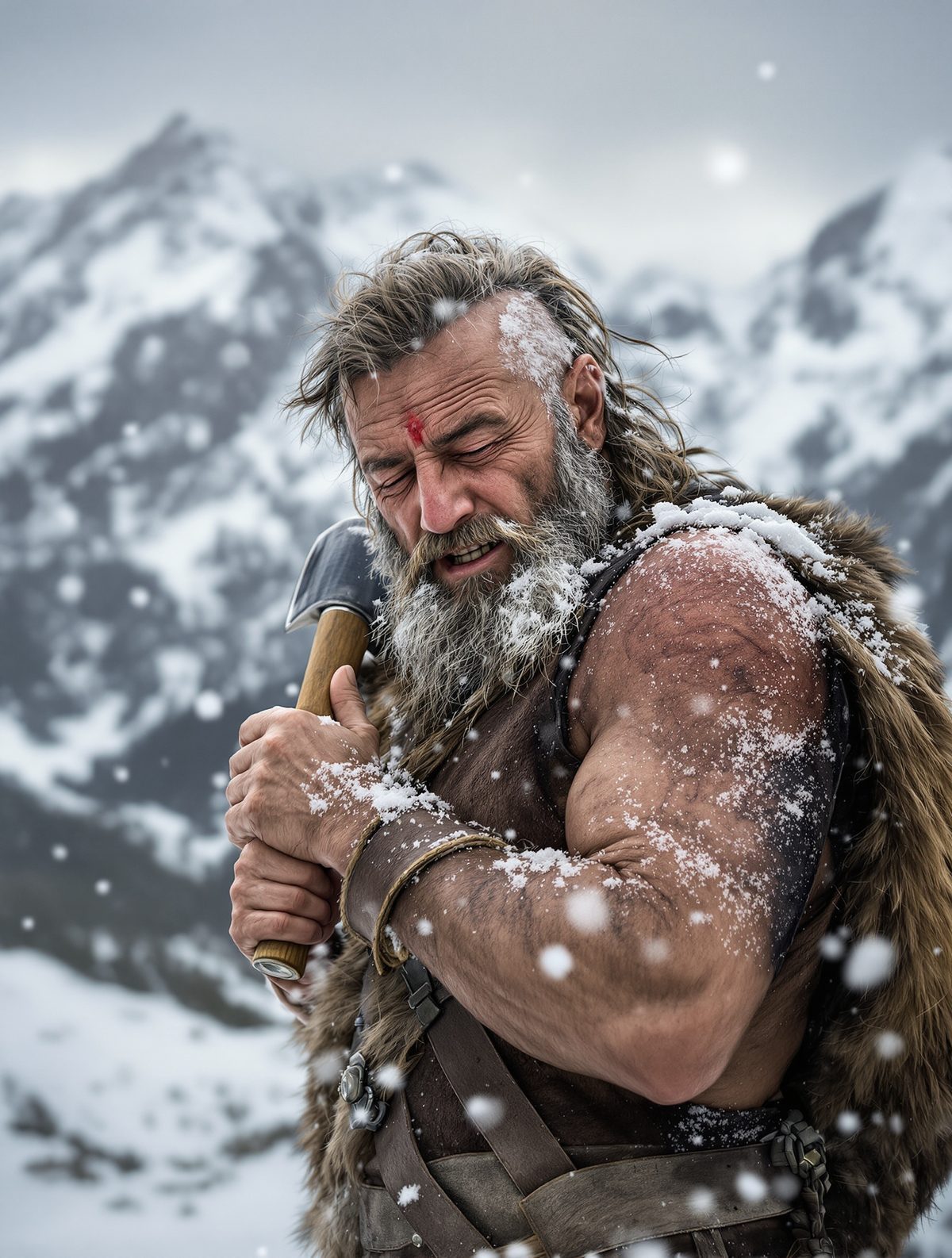
He was shot in the back with an arrow. He never saw it coming. But before he died, Ötzi ate a full meal. Scientists found it perfectly preserved in his stomach. Red deer. Einkorn wheat. And ibex fat.
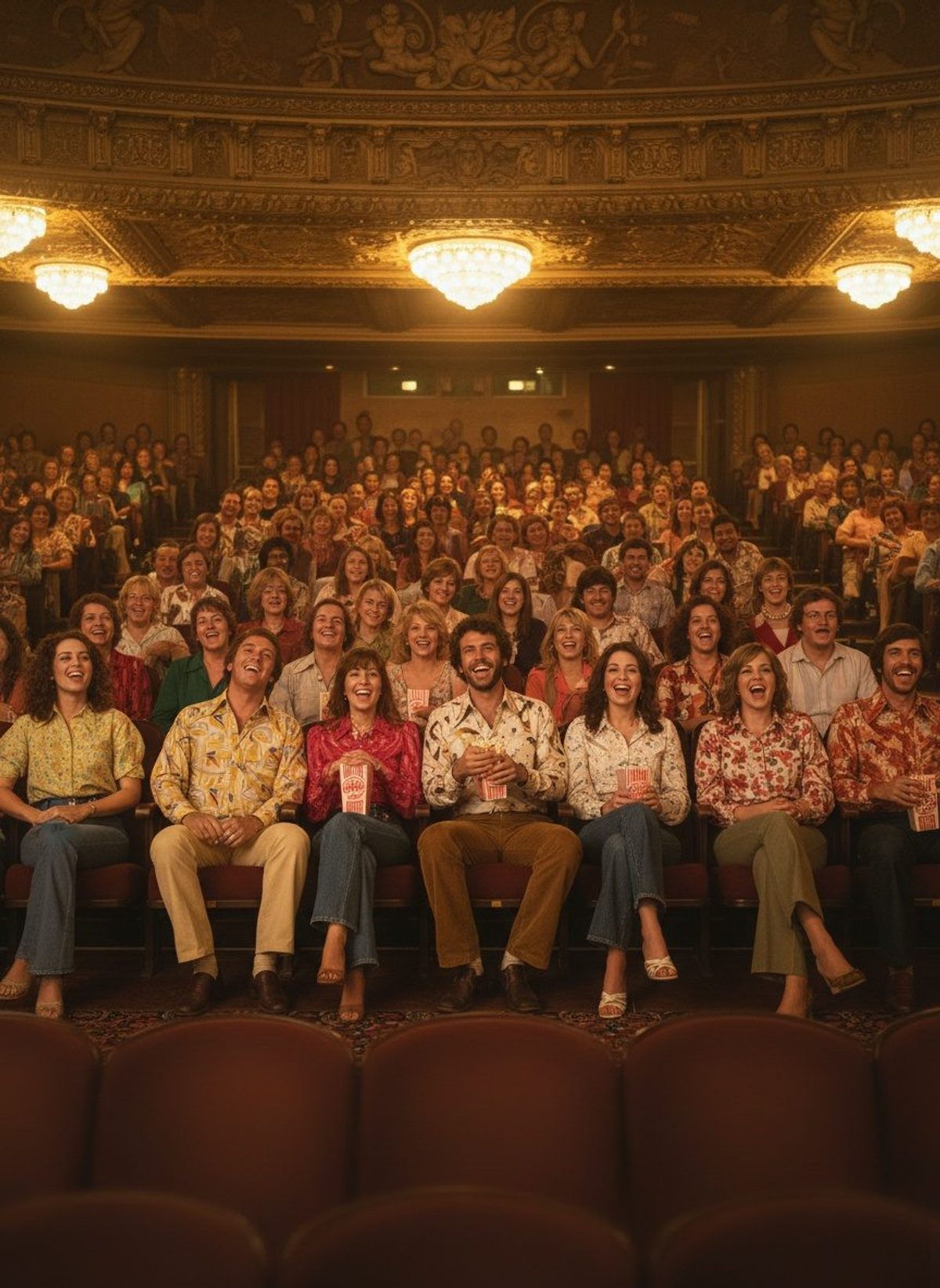
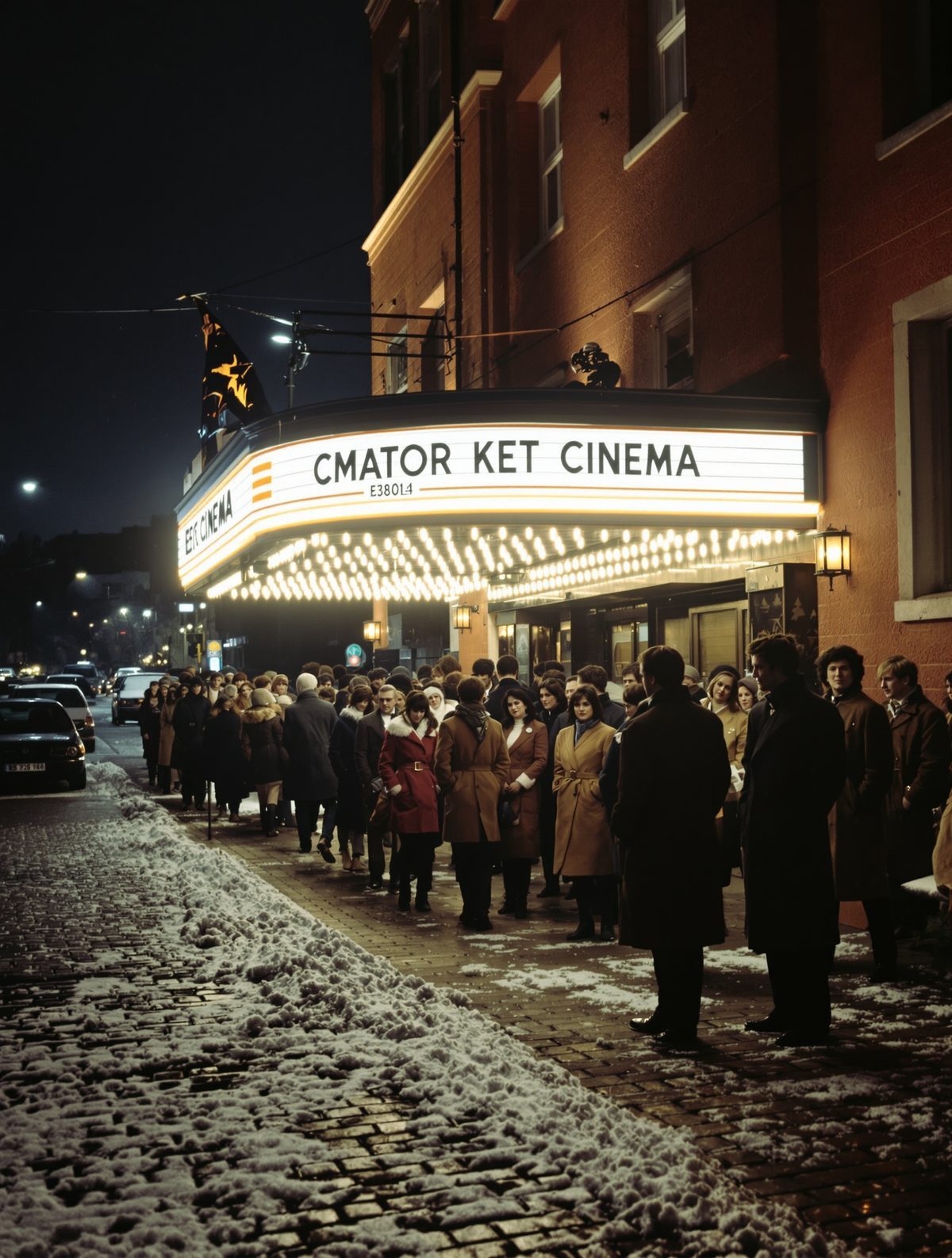
Norway banned Monty Python's Life of Brian in 1979. Swedes called it 'the film so funny it was banned in Norway.' Norwegians drove across the border by the thousands. The censors had handed Python its greatest ad.
Every pharaoh before him was buried under a flat stone slab. Imhotep looked at that tradition. Then he stacked six of them on top of each other. The world had never seen a pyramid.
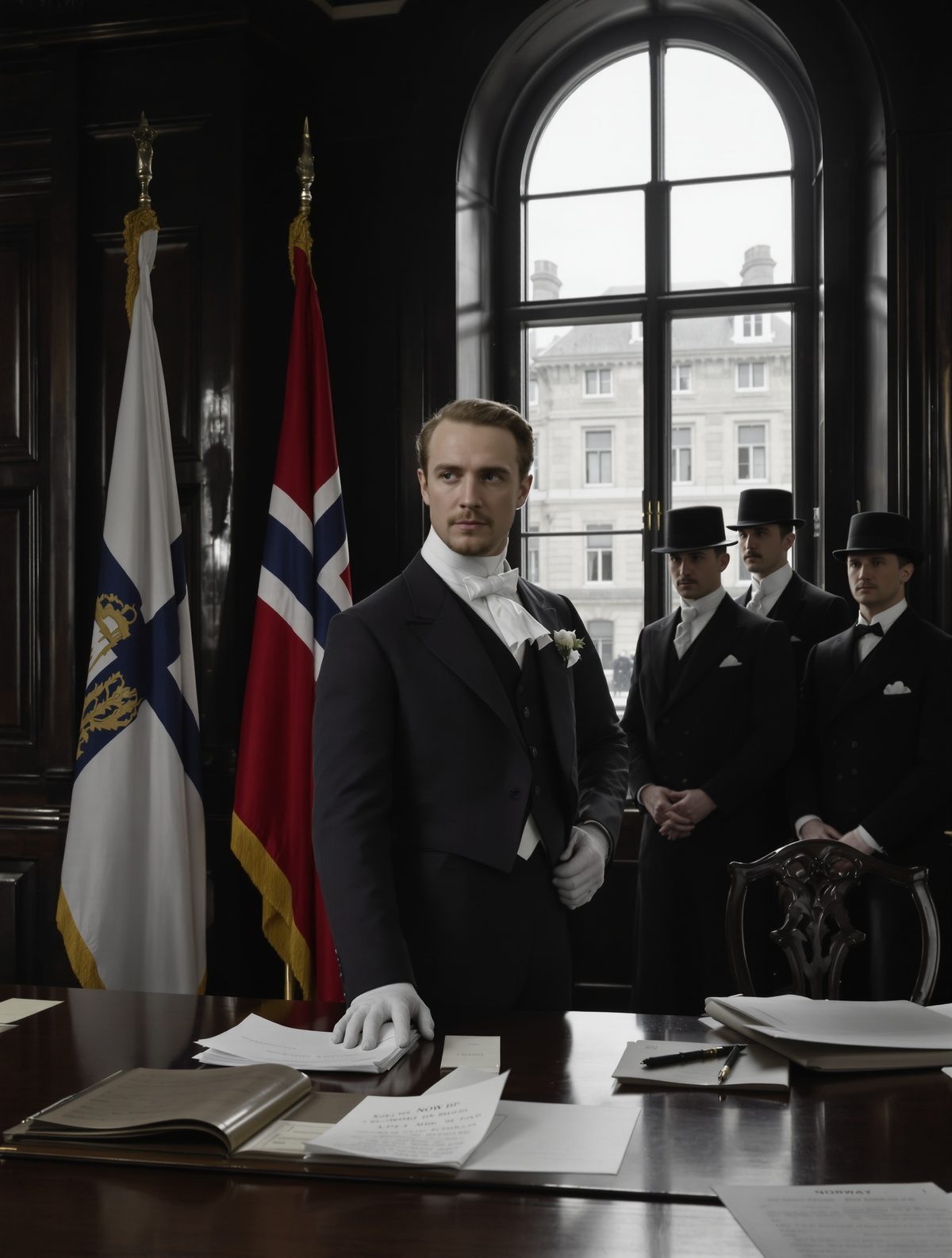
In 1905, Norway broke from Sweden and needed a king. The man offered the crown said no — not until the people voted. 79% said yes. He took the throne as Haakon VII.
Hand-picked from Britain Untold's archive. The stories you weren't taught at school. 3-minute read.
No spam. Unsubscribe in one click. We hate spam too. Privacy Policy.