To many, Giovanni da Pian del Carpine is an unknown name. Yet his audacious mission into the heart of the Mongol Empire remains one of history's most daring diplomatic endeavors.
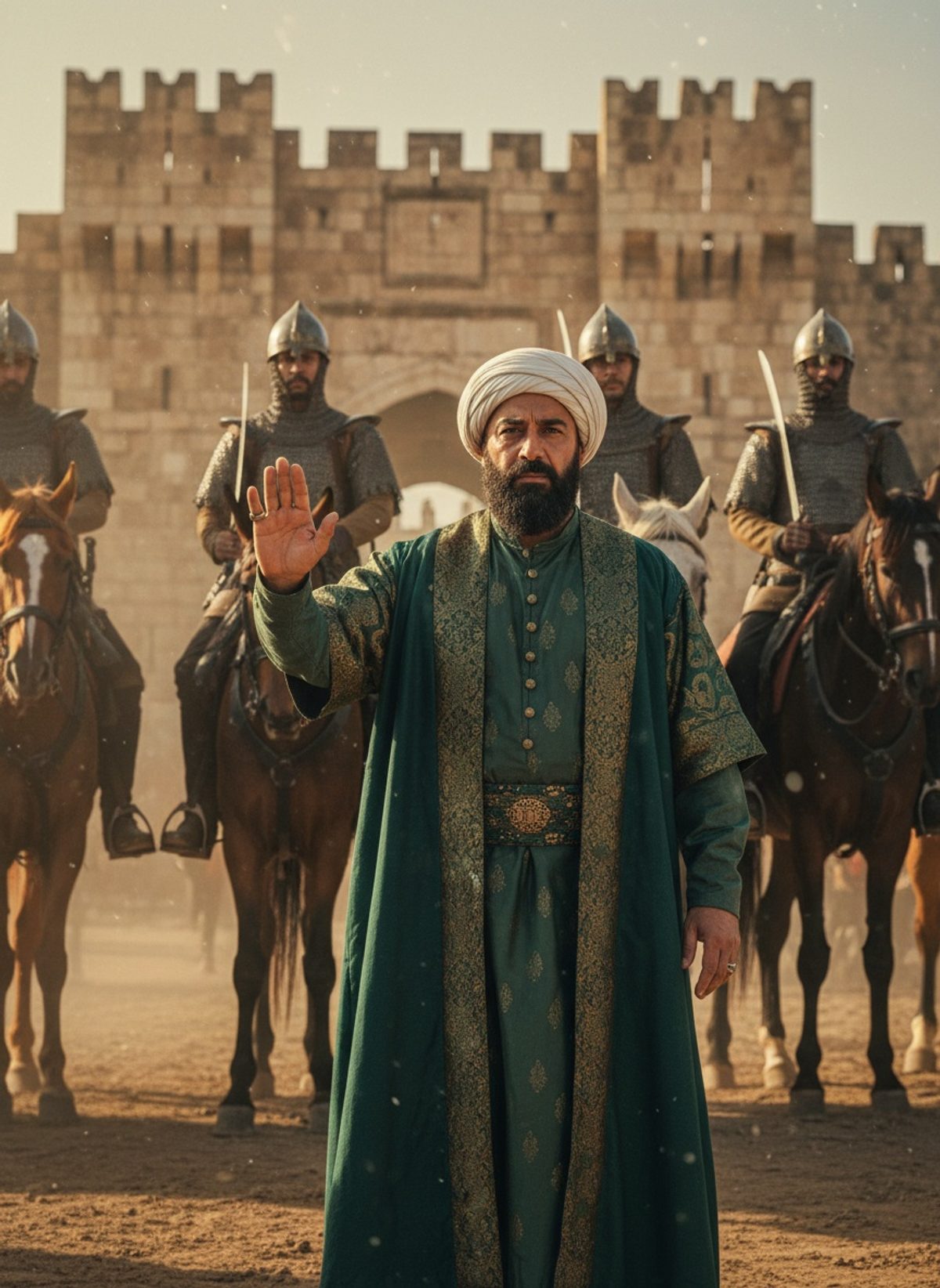
In the year 1241, the shadow of the Mongol Empire stretched ominously across Europe. The devastating defeats of Poland and Hungary left rulers from every corner of the continent trembling at the thought of further incursions. The Mongol forces, known for their swiftness and brutality, had shattered Europe's finest military defenses with alarming ease. It was against this backdrop that a single friar, Giovanni da Pian del Carpine, was tasked with a mission both improbable and perilous. Sent by Pope Innocent IV in 1245, four years after the initial Mongol sieges, Giovanni was to travel into the lion's den, bearing only the papal authority and his own indomitable spirit.
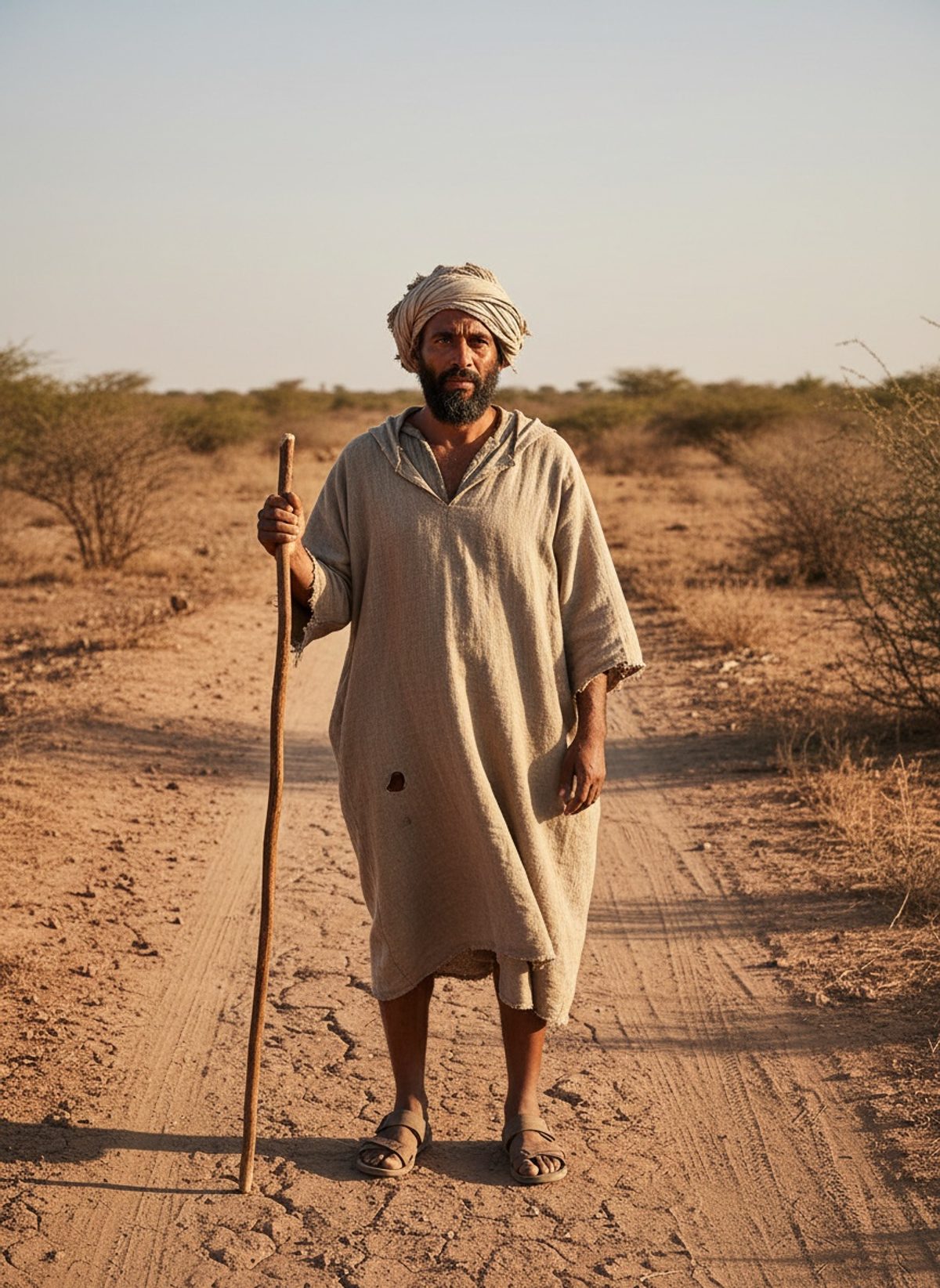
Giovanni was not a warrior. He was a Franciscan friar, distinguished by his dedication to peace and missionary work. Sixty years old and weighed down not only by his years but also by the heavy expectations placed upon him, Giovanni was a most unlikely messenger to negotiate with the Mongols. The mission required traversing thousands of miles, much of it on foot, across unforgiving steppes that offered little in the way of comfort or safety.
As legend has it, Giovanni did not walk unaccompanied by danger or doubt. The journey to the Mongol heartlands was fraught with not only the physical perils of hostile lands and harsh climates but also the ever-present threat of a Mongol arrow or sword. Yet each step forward was driven by a singular purpose—forging a path to Batu Khan's camp and the legendary tent of the Great Khan—a path tangled in the web of potential war and tenuous peace.
Read next: She Walked Into the Plague. The King Begged Her to Stop.
Upon reaching the Mongol camp, a sight awaited him that must have been both magnificent and terrifying. The nomadic Mongols, famed for their equestrian mastery and relentless warfare, had established a sprawling encampment that seemed to pulse with a relentless energy. Yet, amidst the cacophony and chaos, lay Giovanni's purpose and hope—an audience with Batu Khan, grandson of Genghis, and ruler of the Golden Horde.
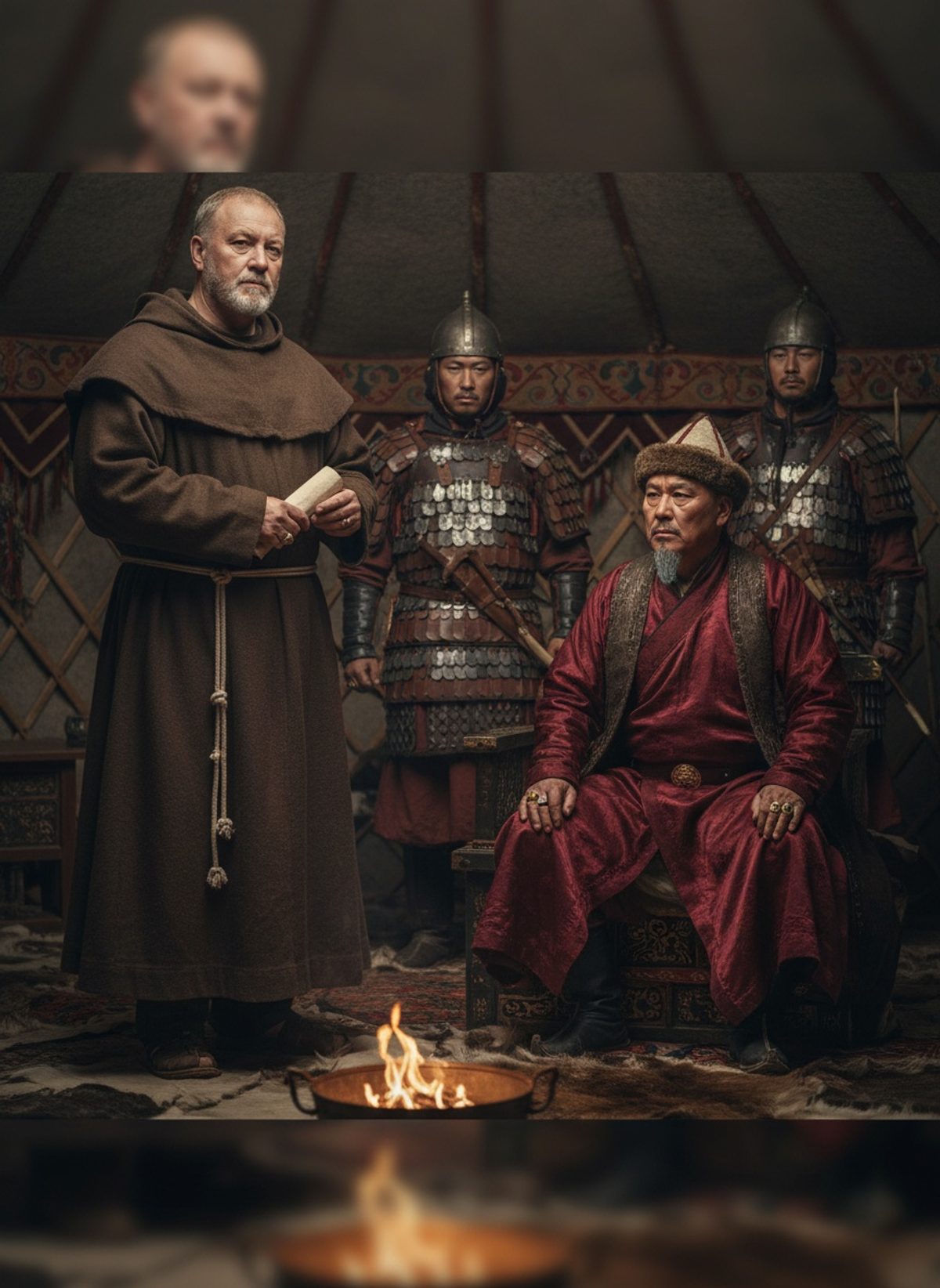
The meeting encapsulated a clash of civilizations. With calm resolve, Giovanni approached the Mongol overlord. In a custom revered by the Mongols, bowing was both an acknowledgement of power and submission, acts that carved out the intricate tapestries of Mongol diplomacy and domination. Yet Giovanni, guided by his faith and the missive of Pope Innocent IV, stood firm and chose not to kneel. In doing so, he not only defied the customs of one of the world's most formidable empires but signaled a resistance, however symbolic, that spoke volumes.
Giovanni’s hand found its purpose as he presented the letter from the pope. This was no mere parchment; it was a testament of defiance, dialogue, and perhaps desperation. It called for peace, urging the Mongols to cease their conquests and return to Asia. The contents of the letter mattered less to the Mongols than the very act of delivering it; in their eyes, a representative of a distant faith and seemingly distant power dared to walk among them with courage rather than fear.
That Giovanni left the camp alive was notable. That he received a reply spoke to the ripple of unexpected respect his boldness may have instigated. The response from the Mongols, dictated with stark clarity, was a challenge: submit to the Mongol Empire or face its wrath. It was clear—brutally so—that the political dialogues of the medieval world were often written in blood.
Giovanni's return journey was perhaps as daunting as the venture forth. The miles stretched endlessly again, as did the weight of his mission’s outcome. The world he returned to in Europe was fraught with anxiety over the Mongol presence, and his report would envelop the papal seat with a mixture of relief and foreboding. His mission had fortified him in the annals of history, for he had dared to stand upright in the very tempest of medieval geopolitics.
But why does Giovanni da Pian del Carpine’s venture resonate today? His solitary stride into the Mongol heartland underscores a timeless narrative—one of courage against formidable odds. It speaks of the will to bridge seemingly insurmountable divides for the promise, however slim, of peace. In the style of a lone friar who defied the norms of his time, we find echoes of resilience in facing the unknown, choosing diplomacy over submission, and confronting tyranny with the power of words and the conviction of belief. Giovanni's journey remains testament to the endurance of human spirit—undaunted, unbowed. His is a story waiting to be rediscovered by those who seek lessons beyond the conventional pages of history. Giovanni walked into the Khan's tent and emerged unbent—a quiet emblem of resistance in an age darkened by conquest.