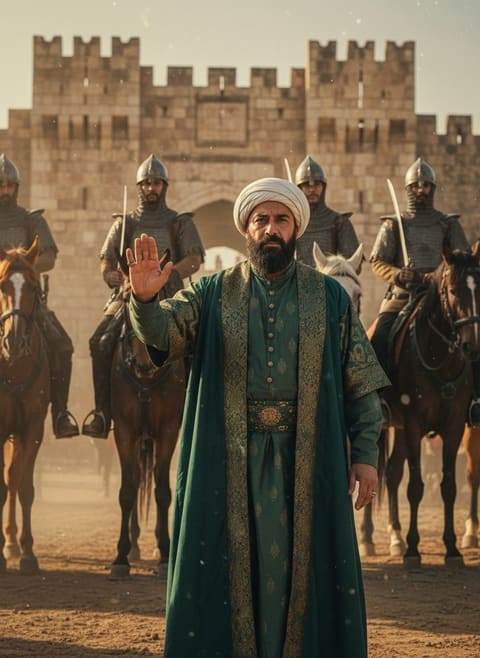
He was unarmed, and he didn't come from the military elite. Instead, Yelü Chucai was a scholar immersed in strategy and philosophy. Yet, it was his voice, not a sword, that saved Kaifeng from the wrath of the Mongol horde.
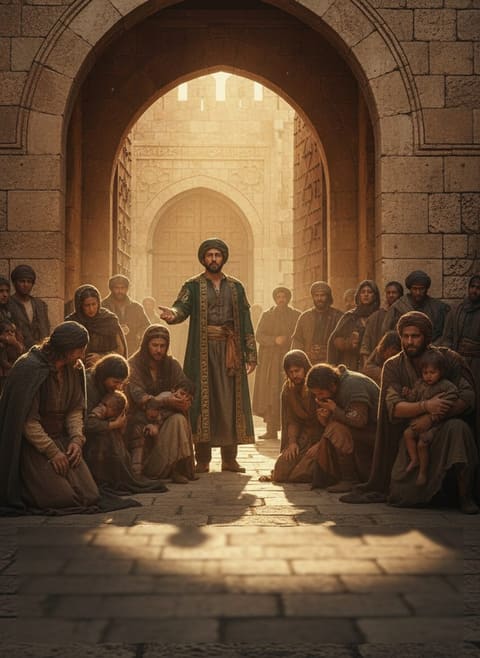
In 1233 AD, the city of Kaifeng stood quivering under the shadow of certain doom. The Mongol army, known for its ruthless devastation, had placed the city under siege. For months, the town had resisted, an act typically met by merciless retribution. But fate intervened in the form of one man who had both the courage and intellect to face the wrath of the invaders. Yelü Chucai was a Chinese official of Khitan descent, a man whose life had been etched by the arts and sciences rather than battle scars. His journey—from the study halls of Hebei Province, where he learned the Confucian classics, to the battlefield of diplomacy—was anything but ordinary.
Yelü Chucai’s connection with the Mongols was unique. He was an adviser to Genghis Khan and continued under Ögedei Khan. His advice was sometimes as impactful as any siege engine, shaping Mongol policy in ways that historians still unpack today. Kaifeng, however, posed a particularly challenging problem. This was no ordinary outpost; it was a city teeming with a million souls, every one of them staring down the barrel of obliteration.
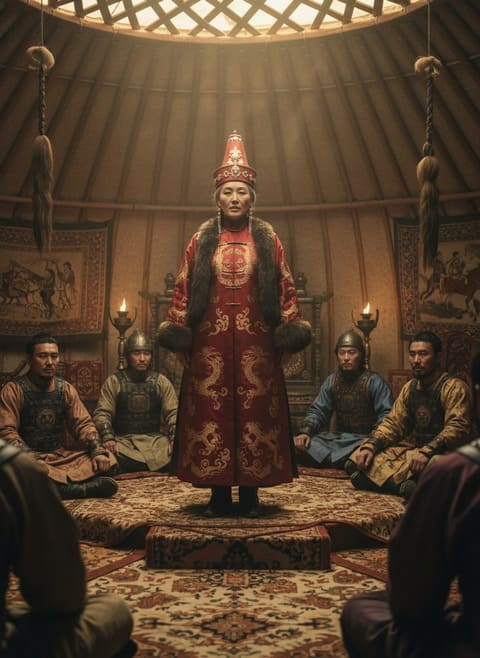
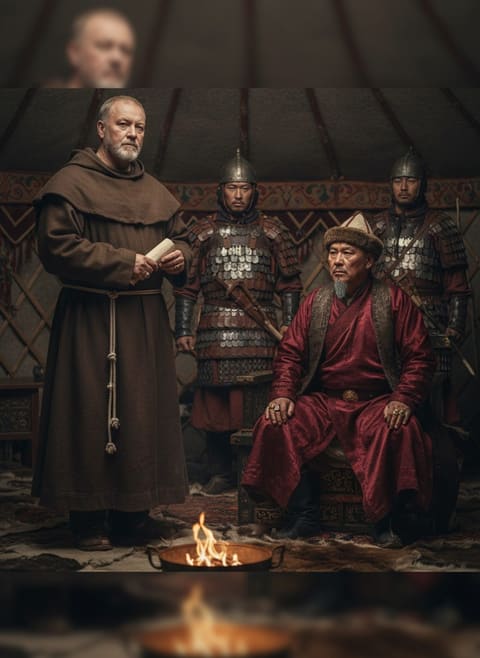
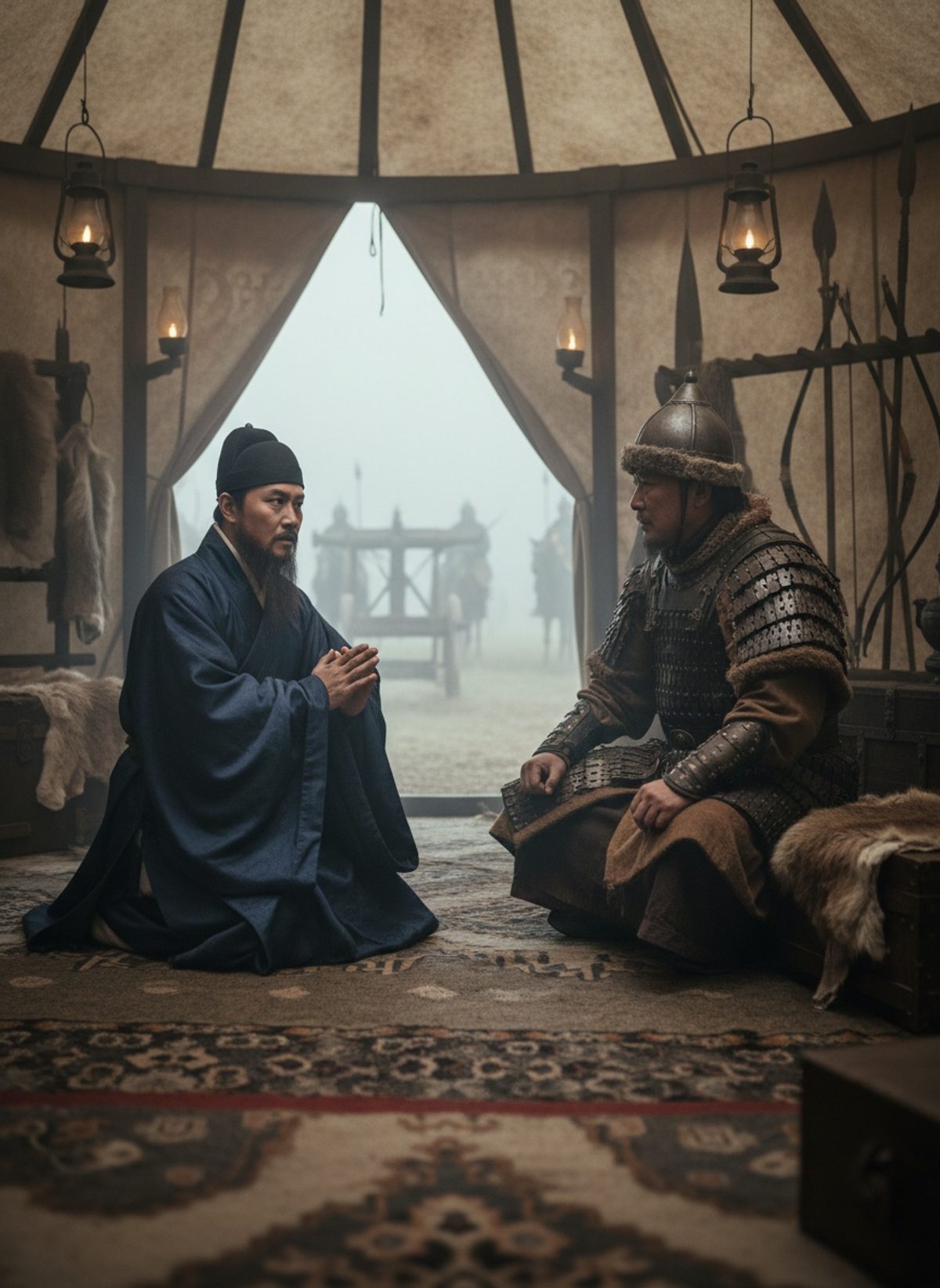
As Yelü Chucai walked through the Mongol camp, past warriors bearing their deadly composite bows and saber-rattling horsemen, he didn't flinch. His mission was perilous yet noble: to argue for mercy where none had been given before. Inside the command tent, Kaifeng’s fate hung in the balance. On one side, the fierce determination of the Mongols, epitomized by generals who had never wavered in their resolve. On the other, just one man, willing to speak amid imminent destruction.
Read next: He Stood Before the Emperor. He Returned the Gold.
Chucai, stepping softly yet assuredly, began a discourse lasting three hours. He leaned on a mixture of Li Shi, pragmatism, and a deep understanding of Mongol objectives. The Mongol leadership was pragmatic, if ruthless, and Yelü Chucai exploited this shrewdly. His arguments woven together with philosophical insights emphasized the potential prosperity that Kaifeng could bring under Mongol rule. Sparing the city, he reasoned, would yield taxes, resources, and manpower far superior to any short-lived plunder.
His words painted a future where the Mongols, known for their brutal scorched earth tactics, could evolve into disciplined rulers. And for the first time, the general's sword lowered, perhaps not quite grudgingly, as the prospect of learning from a seasoned administrator who understood the value of sustaining conquest dawned. Chucai's plea echoed differently from the laments of war; it resonated with the possibilities of empire.
This unlikely negotiation was underpinned by times that demanded change. The Mongols, reputed masters of warfare and dominion, had reached the outskirts of Chinese culture and sophistication. What they found was a tapestry of urban life and agriculture advanced enough to intrigue even their steely hearts. Chucai recognized this curiosity and used it to his advantage. It wasn’t just about saving Kaifeng but intertwining the Mongol legacy with the tangible intricacies of governance.
Read next: He Stood Before the Khan. He Freed Ten Thousand.
After the siege was lifted, Kaifeng stood as a testament to the power of the spoken word. Yelü Chucai’s intervention did more than just spare the city; it highlighted a shifting tide in Mongol strategy, from pillaging to administration. Chucai played a crucial role thereafter, implementing policies that reformed taxation and preserved the vast wealth of knowledge embedded in conquered territories. These moves reverberated through the ranks of the Mongol Empire, fundamentally altering its trajectory.
This poignant encounter serves as an ageless narrative of how wisdom and intellect can stand alongside raw power. More than just a historical anecdote, Yelü Chucai’s stand transforms our understanding of what courage must look like and where it can lead us. It forces us to consider the possibilities that exist within discourse and diplomacy and how one voice, grounded in knowledge and empathy, can stymie an unstoppable force.
Historically understudied yet profoundly instructional, Chucai’s legacy endures because it transcends the simple triumph of saving a city. It’s about safeguarding the wealth that lies within human potential and the civilizations we build. And at a time when the world’s future often seemed as brittle as Kaifeng's city walls, individuals like Yelü Chucai remind us of what it means to listen, to learn, and ultimately, to transcend the mightiest of hegemonies through well-reasoned compassion. In doing so, he not only gifted Kaifeng a reprieve but enriched the Mongol narrative with the grace of statesmanship—proof that even the fieriest of conquerors can be tamed by the gentlest of voices.