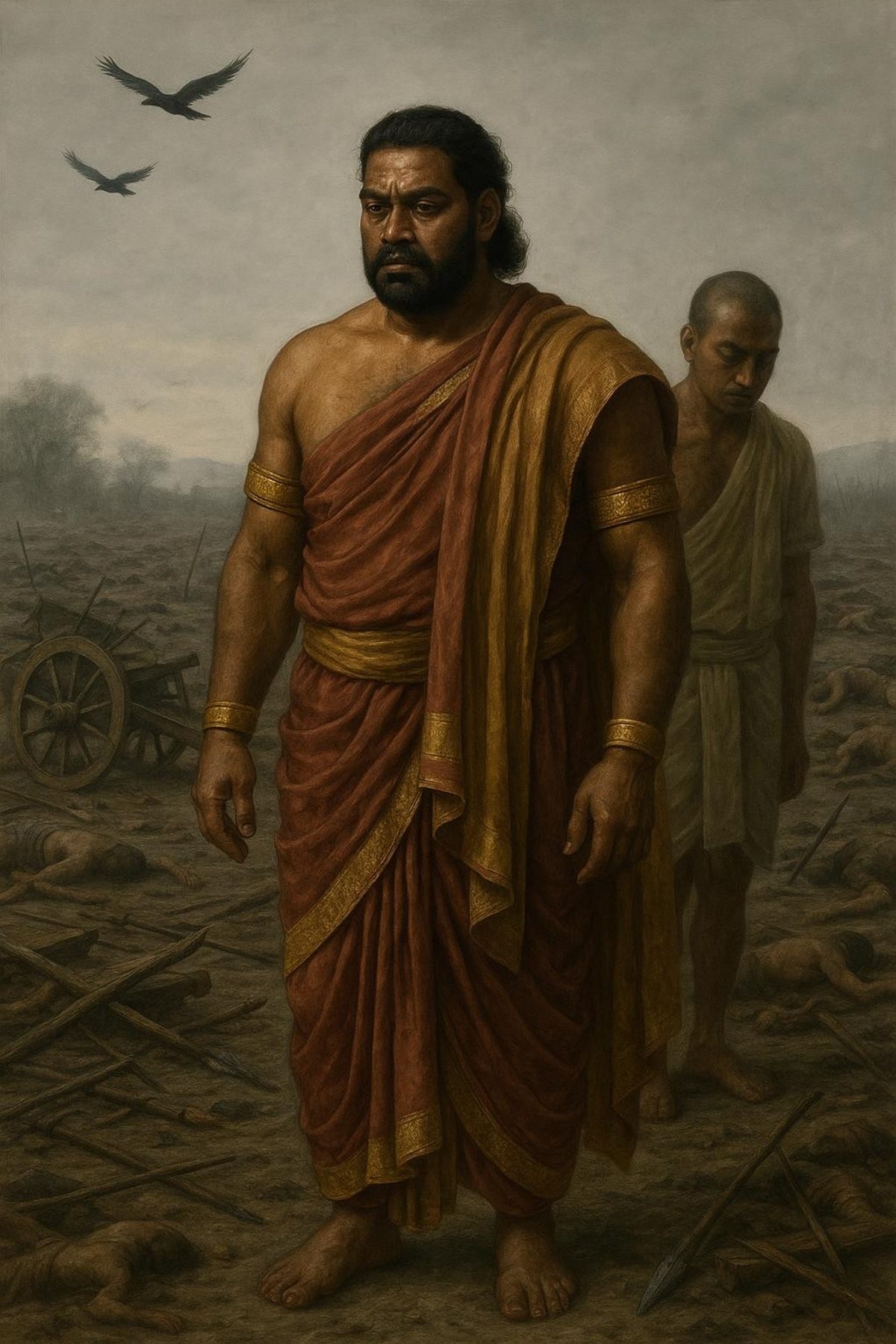
The morning sun stretched over the ancient city of Alexandria, its rays piercing through the salty mist rising from the Mediterranean Sea. As light began to coat the cobblestones in warm gold, the city was a bustling hub of trade and intellect, where the clamor of merchants intertwined with the hushed conversations of scholars. Amid this dynamic scene, the air was tense with an unseen threat. The half-moon streets of Alexandria were about to become the stage for one of history’s most tragic acts — the last chapter in the life of Hypatia, an extraordinary mathematician and philosopher whose legacy trembled on the brink of oblivion.
The Jewel of Alexandria
Alexandria, a city emblematic of human achievement and intellectual pursuit, was home to the legendary Library of Alexandria, the heart of knowledge in the ancient world. Within this beacon of learning stood Hypatia, a towering figure whose brilliance shone amidst the scholarly elite. Known for her profound understanding of mathematics, astronomy, and philosophy, she was a pioneer whose ideas transcended the confines of her time. Her reputation drew students from lands far and wide, eager to bask in the wisdom she imparted.
Of her many students, one stood out — Synesius of Cyrene. A man who had dared to traverse the harsh deserts separating Cyrene and Alexandria, Synesius was initially drawn by Hypatia's intellectual allure. Like many who sought her teachings, he arrived thirsting for knowledge and left enriched, shaped not only by her sharp intellect but also by her inclusive spirit. Synesius would eventually rise to the esteemed position of a Christian bishop, thanks in no small part to the depth of understanding and faith Hypatia instilled in him.
The relationship between teacher and student evolved from mere academia to something deeply personal and transformative. While Hypatia's brilliance illuminated many minds across the ancient world, it was Synesius who ensured her legacy would not be extinguished by the dark tide of ignorance sweeping toward Alexandria.
Read next: Sundiata's Griot Sang When No One Else Would
When Shadows Fell
The fragile peace of Hypatia’s Alexandria was not destined to last. The city, ever a microcosm of the vast Roman Empire, was tethered to shifting political and religious currents. As societal tensions mounted, the once harmonious city found itself teetering on the edge of chaos. Beneath its vibrant scholarly tradition, seeds of discord were sown, threatening to uproot everything that had flourished there.
Despite her pagan roots, Hypatia was a symbol of the unity that knowledge and reason could bring, but to some, she epitomized the growing schism between the old ways and the new Christian faith that was rapidly entrenching itself within the empire. In March of 415 AD, the strains snapped, manifesting in violence against those who seemed to resist change. The animus that had been simmering boiled over, and an enraged mob stormed through the city, its target none other than Hypatia herself.
These were no ordinary rabble-rousers; incensed by unfounded rumors and driven by a zealous fervor, they saw Hypatia's wisdom as a threat to their burgeoning orthodoxy. Her life was brutally extinguished, silencing her in one of history’s most grievous acts of intolerance. Yet, the impact of her teachings resonated far beyond the reaches of their violence.
The Letters that Survived
Before his own departure from the mortal plane, Synesius was acutely aware of the brewing conflict. A bond of respect bound him to Hypatia, whom he revered not just as a mentor, but as an embodiment of enlightened thought. Determined that her intellectual contributions would endure, he set about preserving every letter she had penned to him. In his hands, these missives became more than mere correspondence; they were a testament to her pioneering mind and indomitable spirit.
Synesius’ own writings, filled with references to Hypatia’s ideas and profound influence, became the vessels through which her legacy slipped through time's grasp. His actions ensured that her story would not be lost to the swirling sands of history, even as physical evidence of her life and works were swept away.
Deserts separated them physically, but not in ideals. Synesius’ commitment to safeguarding Hypatia’s essence through the written word was a formidable act of defiance against the oblivion that threatened her memory. Each letter he shielded was a spark that connected future generations to the fire of her genius.
The Undying Influence of Hypatia
The tragedy of Hypatia serves as a stark reminder of the fragile nature of intellectual progress in the face of societal upheaval. Yet, it also highlights the resilience of human ideas and their ability to transcend the constraints of their origin. Through Synesius’ dedication, Hypatia's thoughts survived the tumult of changing times, reaching across centuries to inspire and educate anew.
Her story is not just an account of loss, but also one of enduring influence. Her intellectual legacy, preserved in part by the foresight of a devoted student, continues to ignite curiosity and foster understanding in realms that span beyond the ancient city she once called home. She lives on in every scholar who challenges the limits of known knowledge, in every individual who dares to seek truth in the face of adversity.
Hypatia’s enduring presence in the annals of history stands as a poignant reminder: while physical manifestations of knowledge may perish, the ideas they nurture possess the power to endure, crafting a timeless dialogue between past and future. Her life and legacy are forever enshrined in the consciousness of those who strive to learn, grow, and remember.