1385. The stone walls of Kraków Castle seemed to hum with anticipation.
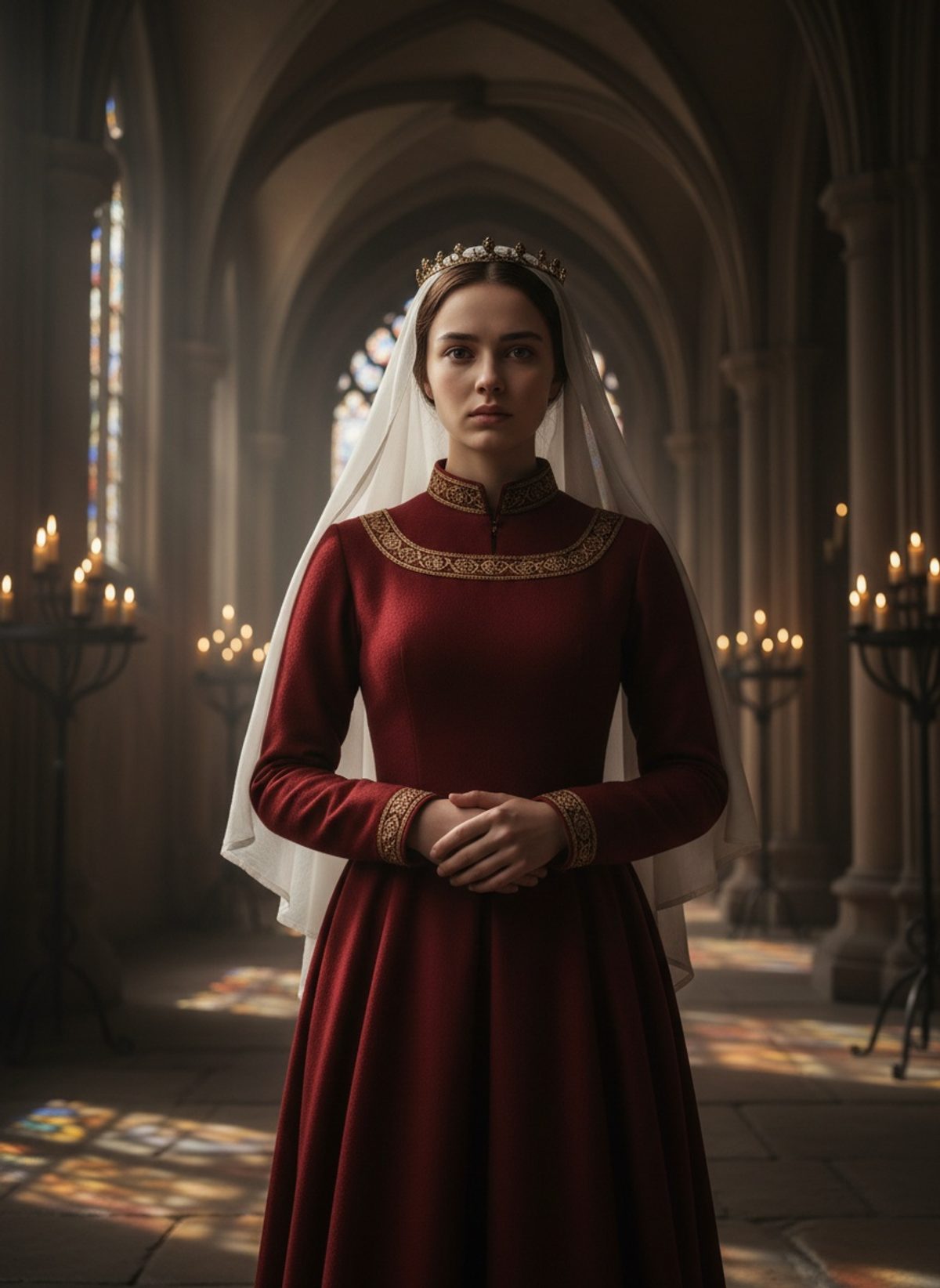
Within these walls, a fourteen-year-old queen contemplated her kingdom's future. Jadwiga of Poland faced decisions that would burden even the most seasoned monarch. Yet, she bore the weight unflinchingly. Crowned in 1384, her coronation had defied the expectations of an era when women were rarely rulers in their own right. Her title was queen, but it was Jadwiga’s heart and spirit that endeared her to her people.
Kraków, her regal home, was alive with whispers and frantic footsteps. As dawn broke, the medieval city bustled with merchants and guilds setting up their wares, unaware or perhaps uncaring of the political dramas unfolding above. For in the castle's chambers, energies circled around a central question: Who would share the throne beside Jadwiga?
Her heart already knew the answer, a truth wrapped in memories of innocent laughter and promises made. Her betrothed was the Habsburg prince, Wilhem, a childhood companion and friend. In Vienna, medieval tapestries and chandeliers were the silent witnesses to their innocent bond, formed as much by diplomatic necessity as by affection. Wilhem had made the perilous journey across Europe to claim his bride, unaware of the tumult his arrival would cause.
Read next: She Entered the Mongol Court Alone. She Left With an Army.
The halls of power in Poland seethed with pragmatic voices urging Jadwiga to look beyond her heart's desire. The kingdom stood at a crossroads, vulnerable and surrounded by power-hungry neighbors. Poland needed more than just a queen with a Habsburg alliance through her marriage. The corridors were abuzz with another possibility—a union with the Grand Duchy of Lithuania solidified through marriage to their grand duke, Jogaila. Such a union promised strategic strength and a vast coalition that could stabilize Poland and repel external threats.
Yet, the choice was wrought with personal anguish. For Jadwiga, the decision was like tearing a chapter from her own story, one written with youthful dreams. The Polish nobility, however, were unyielding, pushing forward a marriage to Jogaila. For them, the prospect of a reinforced alliance outweighed any romantic ideals. In this web of political intrigue, Jadwiga's fate was woven into Poland's very future.
Through the grand halls of Wawel Castle, past tapestries that told tales of knights and battles, Jadwiga summoned strength perhaps too great for her years. At that moment, she became not just a queen but also a symbol of sacrifice and duty. She made the painful decision to send Wilhem away, a gesture that broke hearts and bound nations. Her decision carried echoes of an enduring truth about monarchy—the crown is heavier than it seems.
Jadwiga's choice was not merely personal. It altered the course of Central European history. Her marriage to Jogaila marked the conversion of Lithuania to Christianity, a monumental shift that integrated Lithuania into the larger Christian tapestry of Europe. It was a strategic masterstroke that echoed far beyond Poland's borders, reshaping alliances and forging new frontiers of political power.
In Kraków's Cathedral, the scene of Jadwiga's coronation, her legacy was knit into the stones. High above congregants, the sun poured through stained glass, casting colored lights that danced upon her path. Poland and Lithuania would grow stronger together, and a new dynasty was born—a testament to Jadwiga’s vision and sacrifice.
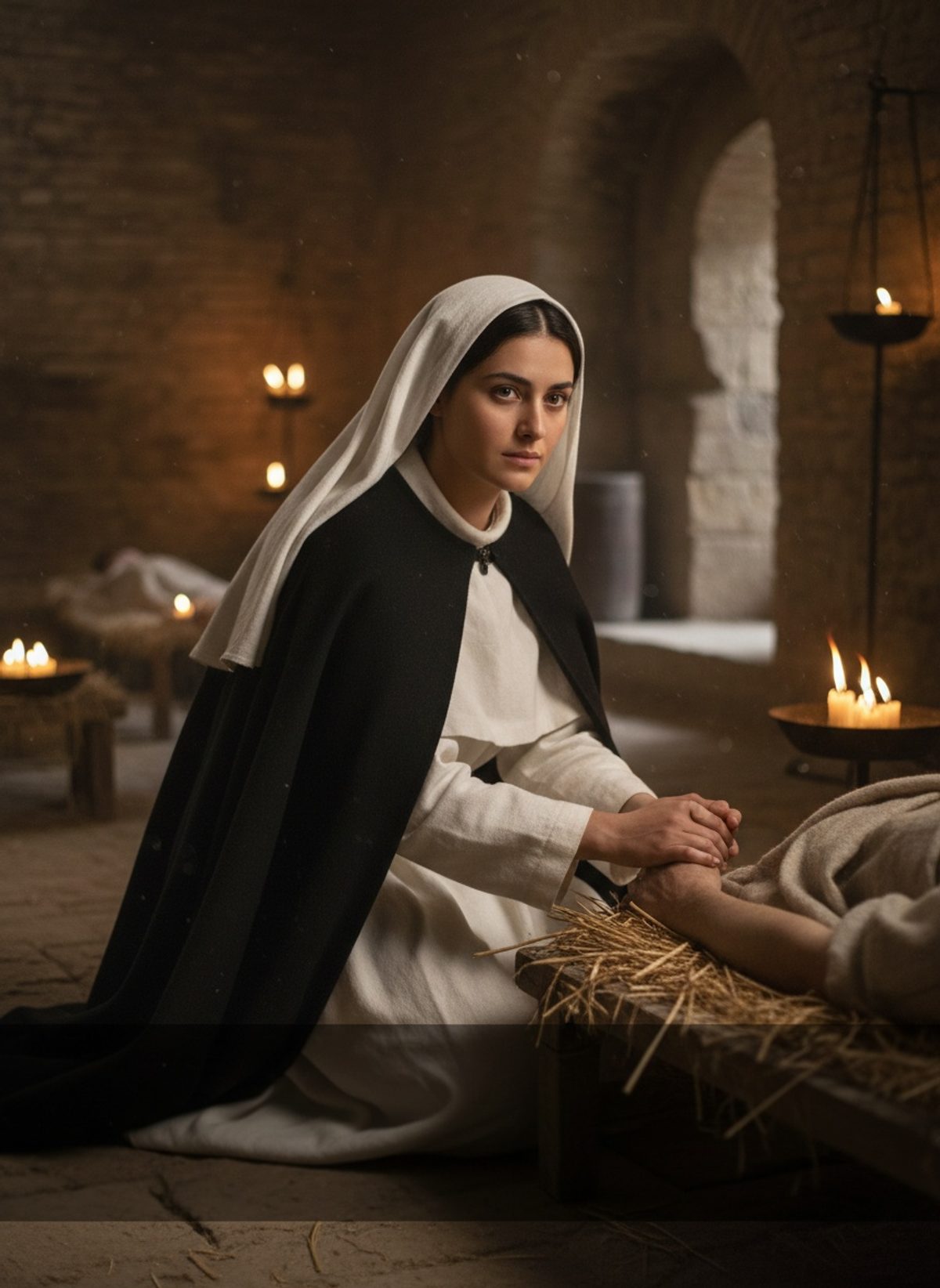
The queen whose heart beat fiercely for one man became the architect of a nation. She devoted herself to piety and generosity, establishing hospitals, supporting scholarship, and watching over her people. Her reign, though brief, was a tapestry woven with compassion and righteousness, as she became revered not merely as a ruler but as a paragon of virtue.
Jadwiga's heart may have been compelled to act for the greater good, but her memory clung to her first love like ivy to stone. Her marriage to Jogaila began a legacy felt throughout the Polish-Lithuanian Commonwealth and far beyond—a union that reshaped the medieval world.
As the candle's flicker echoed her fervor, Jadwiga's spirit lived on in the cradles of Europe's reborn paths. Kraków would never forget the girl who placed a crown's weight into God's hands, seeking neither reward nor ease but a cause greater than herself. Her story, though tender with heartbreak, emboldens us to reflect on the nature of power, love, and the responsibilities they carry.
Jadwiga lived in a world where the choices of royalty could alter destinies. This narrative is steeped in the tapestry of human experience, challenging us to remember that history is both profound and personal. Jadwiga sacrificed for Poland, and by doing so, she left a mark indelible, enduring as the medieval stones themselves.