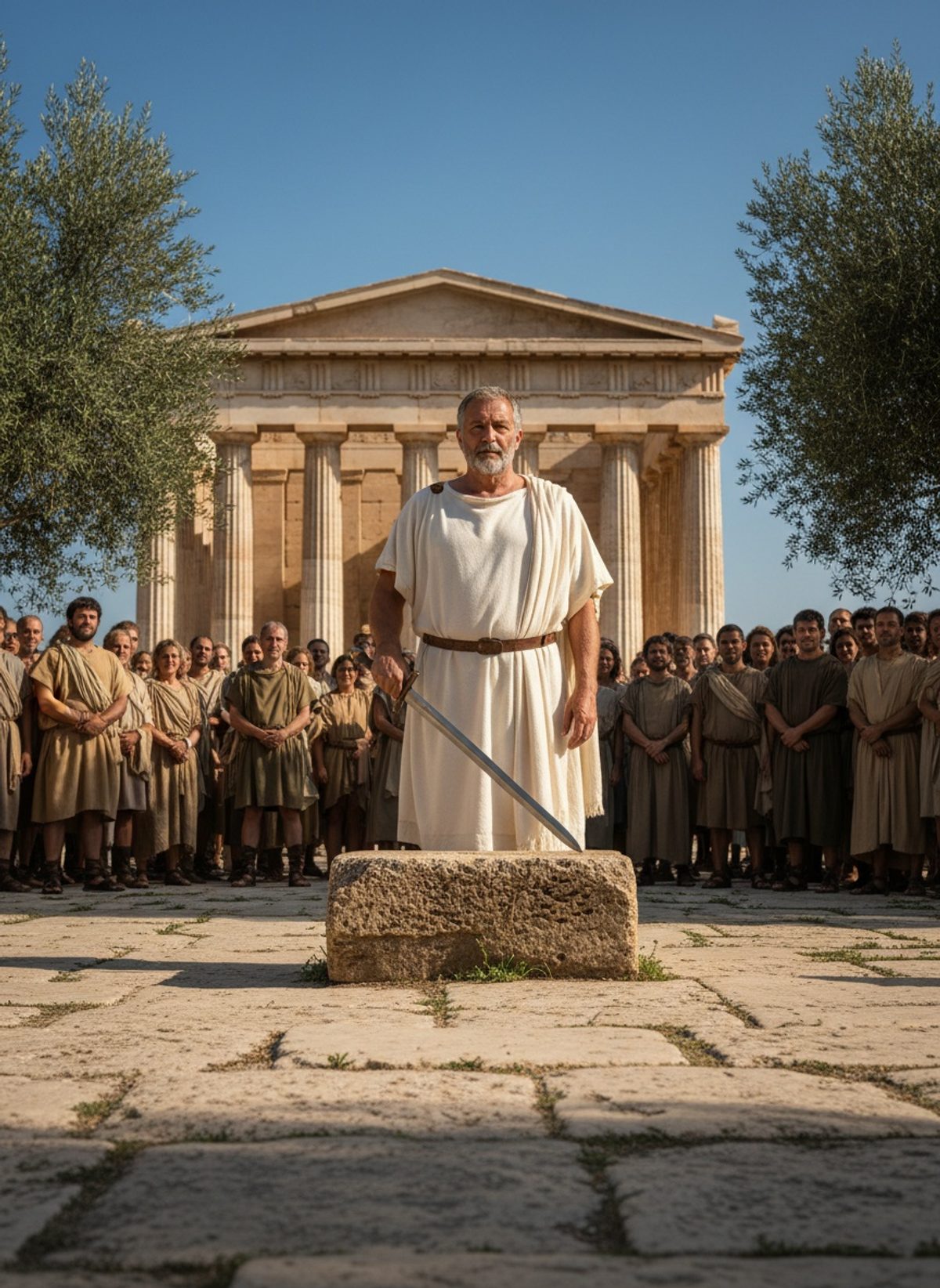
Leonidas was dead. Eurybiades held the line.
The facts of ancient battles are often penned with finality to capture the seismic shifts they created. Yet, the ink often obscures the moments charged with daring and tension that shaped those outcomes. As Leonidas and his 300 Spartans fell at Thermopylae, another story was unfolding across the blue canvas of the Aegean Sea. Here, in the cramped quarters of a command tent on the island of Salamis, history teetered like a precarious tightrope walker. The shadow of defeat loomed large over Greece, but unbeknownst to all, the steadfast resolve of one man would turn the tide.
The Unlikely Leader
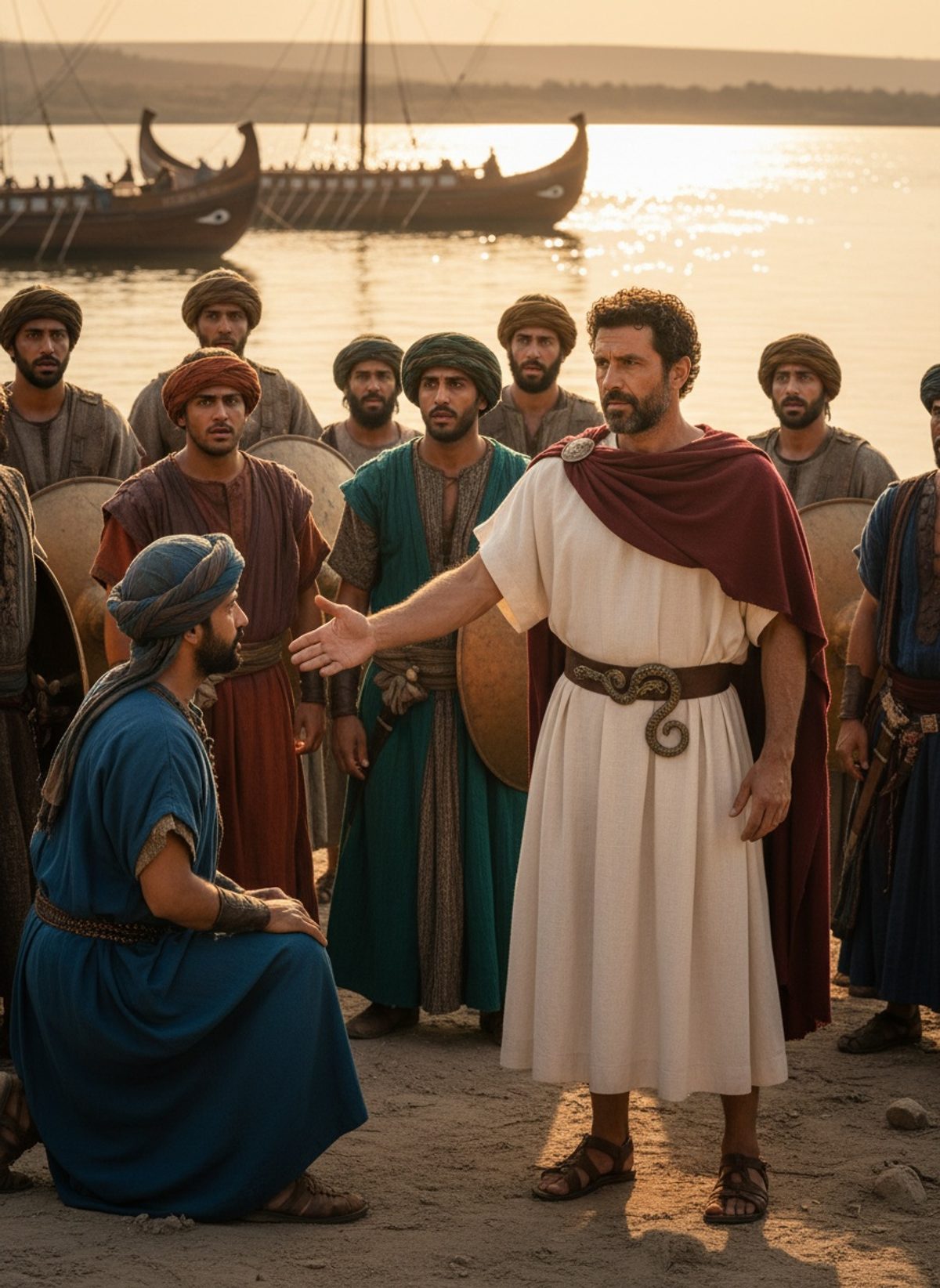
As the salty breeze of September 480 BC swept across the harbor, fear crept through whispers in the Greek camps. The naval confrontation looming near the island of Salamis promised to decide the fate of Greece. Xerxes I, the Persian king, had unfurled the full majesty of his empire’s strength, bringing a fleet that outmatched the patchwork Greek alliance by at least three to one. Most commanders knew their own mortality; scattered fleets and slaughter seemed imminent should they stay and fight. Yet, here was Themistocles, an Athenian without the official command of the fleet, facing down Greek admirals eager to cut their losses and retreat.
Themistocles's unconventional brilliance was a double-edged sword. Known as much for his cunning stratagems as for his contentious nature, he wasn't the easiest ally. But when the sky darkened with Persian sails, his resolve hardened. Themistocles knew the nature of the Aegean Sea and the narrow straits as intimately as one knows the twists of a favored blade. The cramped geography could be his secret ally, and he alone seemed to grasp the implications.
Read next: Xenophon Led Ten Thousand Men Out of Persia. Alone.
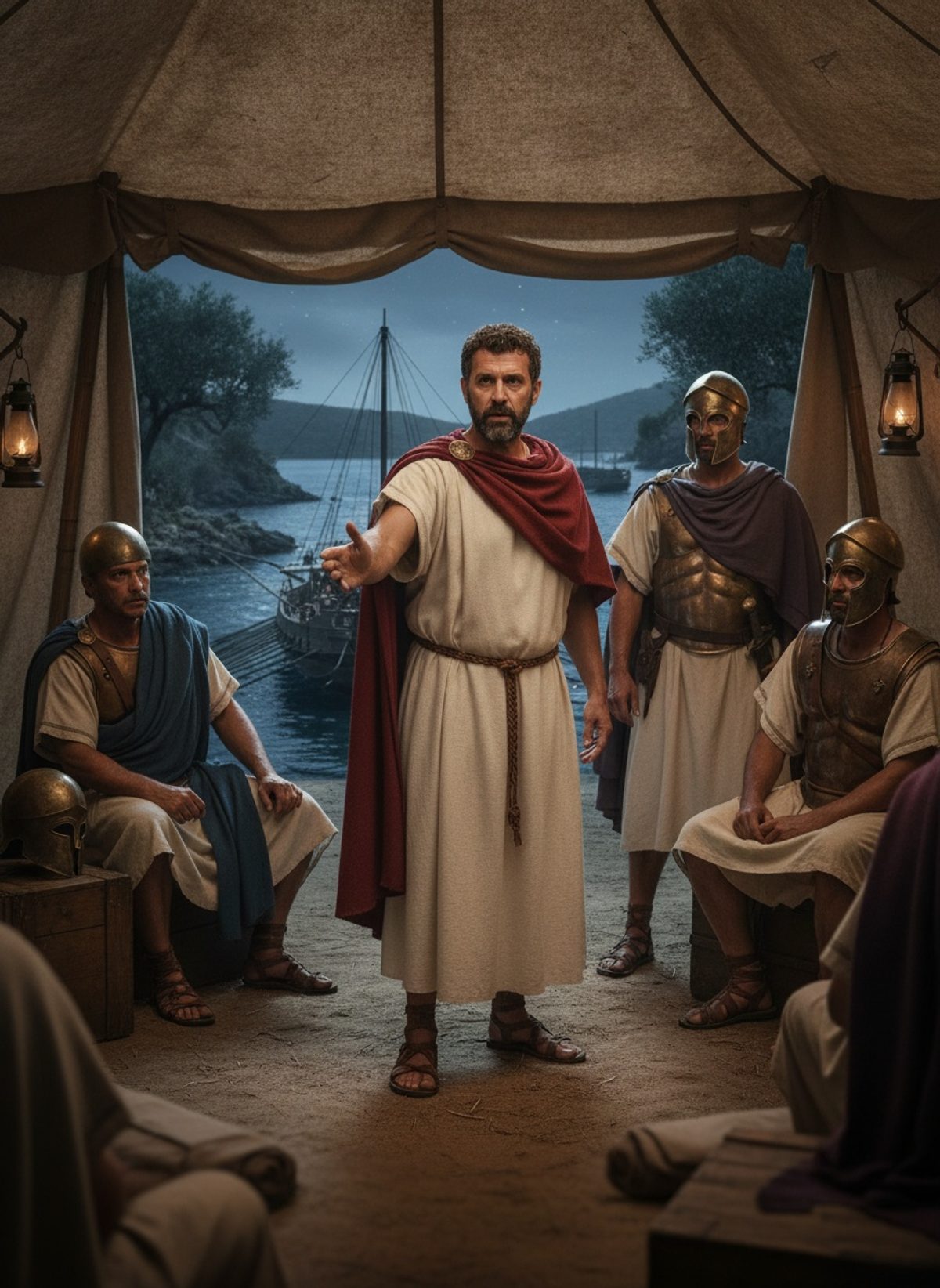
He entered the command tent, a space thick with tension and the looming dread of annihilation. The Athenian laid bare his argument not through lofty rhetoric but with the raw impetus of desperation and insight. He appealed to Eurybiades, the Spartan commanding the allied fleet—a man of tradition and cautious command. Themistocles insisted staying and engaging the Persians at Salamis was their only viable option.
Through sheer force of will and strategic foresight, Themistocles persuaded Eurybiades to risk it all. The decision was precarious, and the resolve of Eurybiades was pivotal. Though lesser known than Leonidas, without his steadiness, Greece might have faltered. It was a bold call to action as soldiers braced against the coming storm, an invocation to that intrinsic spirit of unity that bound the disparate Greek city-states in their most desperate hour.
Sail into the Tempest
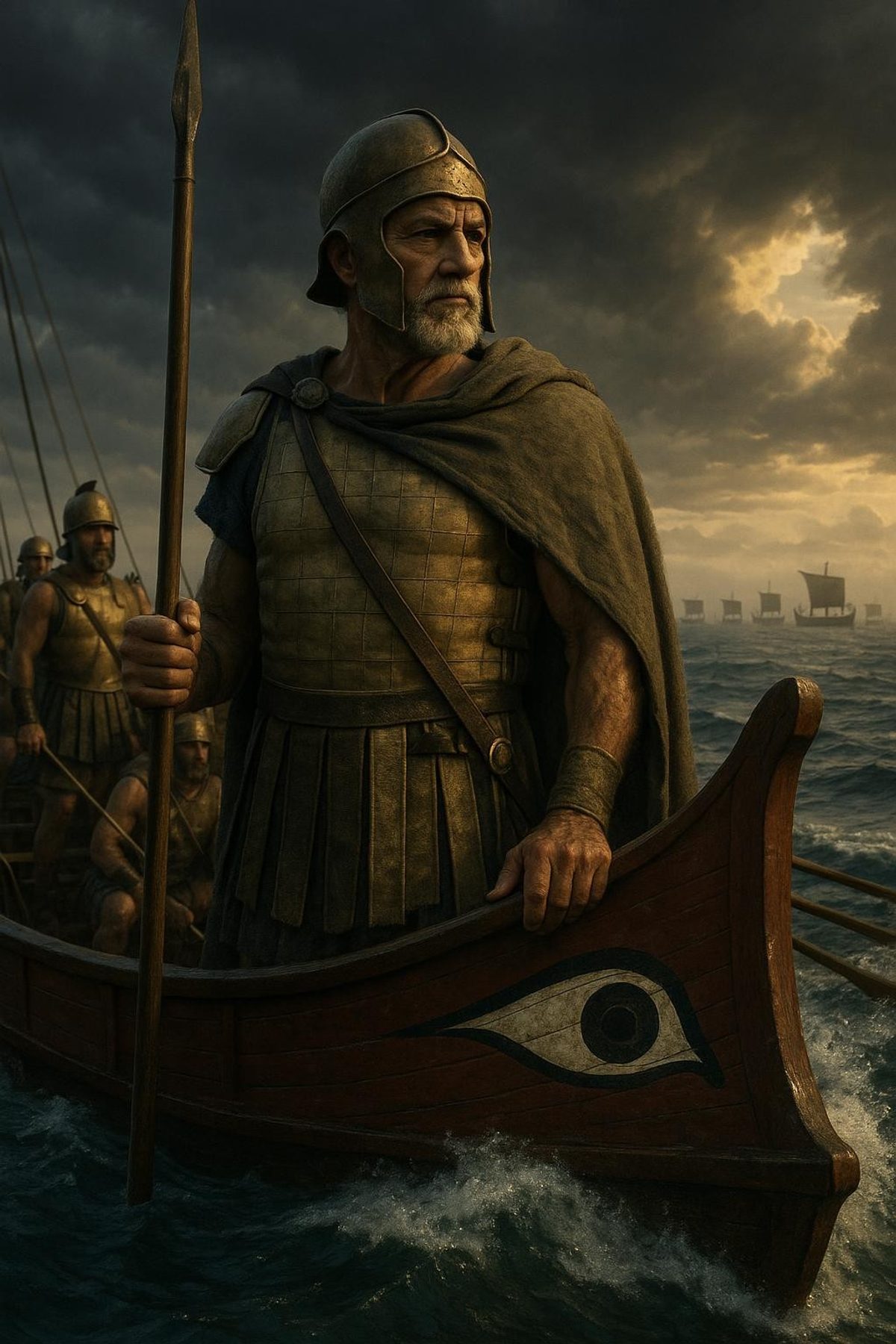
As sunlight poured golden rays over the straits, the Greek ships readied themselves beneath a canopy of tension. Persian vessels darkened the horizon, their numbers vast and seemingly insurmountable. Yet, Eurybiades was steadfast; there was no retreat. Alongside him, the wily Themistocles waited for that strategic moment when geography would tip the scales in their favor.
Salamis was not a hopeless gamble. It was a precise tactical move that dared the Persians to encounter a different kind of resistance. The tighter spaces of the straits nullified the Persians' numerical supremacy, forcing them into chaotic clashes their ships were ill-suited for. Themistocles’s foresight became their strategic bulwark—a brilliant move that appeared suicidal to skeptics now transformed into a masterstroke that caught even the seemingly invincible Persian navy off guard.
The Greeks rowed with precision and fury, their oars churning the sea into a frothy cauldron. The confines of the strait allowed each Greek trireme to engage Persian ships in lethal clusters. This was personal combat, veering from the grand theater of naval warfare into tight, grim contests where tenacity and the very decks beneath one’s feet became the line between survival and oblivion.
The Persians were ensnared, unable to exploit their numbers in the frenetic labyrinth. Waves echoed with the crash of wood and iron, the shouts of commands in dozens of dialects, and the undying roar of Greek oarsmen straining like warriors of old sagas. As the battle raged, stories later woven into the fabric of legend took root—a testament to the eternal struggle for freedom and autonomy.
The Stakes of Civilization
With twilight settling like a cloak over a ravaged sea, a victory had emerged from the chaos. Salamis was not merely saved; it became the fulcrum upon which entire civilizations would be balanced. Against all odds, Greece had defied the might of Persia, and it was in that dramatic underdog victory that the seeds of the future were sown. This was not just a maritime skirmish, but a seminal moment birthing the promise of Athenian democracy, profound philosophies, and enduring cultural legacies.
Themistocles' role, though indirect in terms of command, was pivotal. His was the power of persuasion, of logic and necessity overriding fear, as potent as any spear or sword. Eurybiades, meanwhile, was the unheralded bulwark, a guardian of a decision that would ripple through the annals of history. The cost was not insubstantial—the lives lost at Salamis were a stark reminder of sacrifice. Yet, through the crucible of war, the soul of Greece found renewal—an embodiment of the fighting spirit that was to echo down generations.
In the retelling, one grasps why these events resonate beyond mere strategy and battle. The audacious resolve displayed against disparity reminds us that history's courses are often set by those willing to stand firm, to bend circumstances toward the extraordinary. As the Greek victors pulled shattered and burnt hulls from the sea, they had carved out more than just survival: they had safeguarded ideals that would thread through the tapestry of Western civilization. The outcome seared into history by the convergence of courage and strategy, as much marked by Eurybiades at Salamis as by Leonidas at Thermopylae.