In 401 BC, ten thousand Greek soldiers ventured into the heart of Persia. They returned with only a story that survives the ages. It was not how they intended to be remembered.
The Deadly Betrayal at Cunaxa
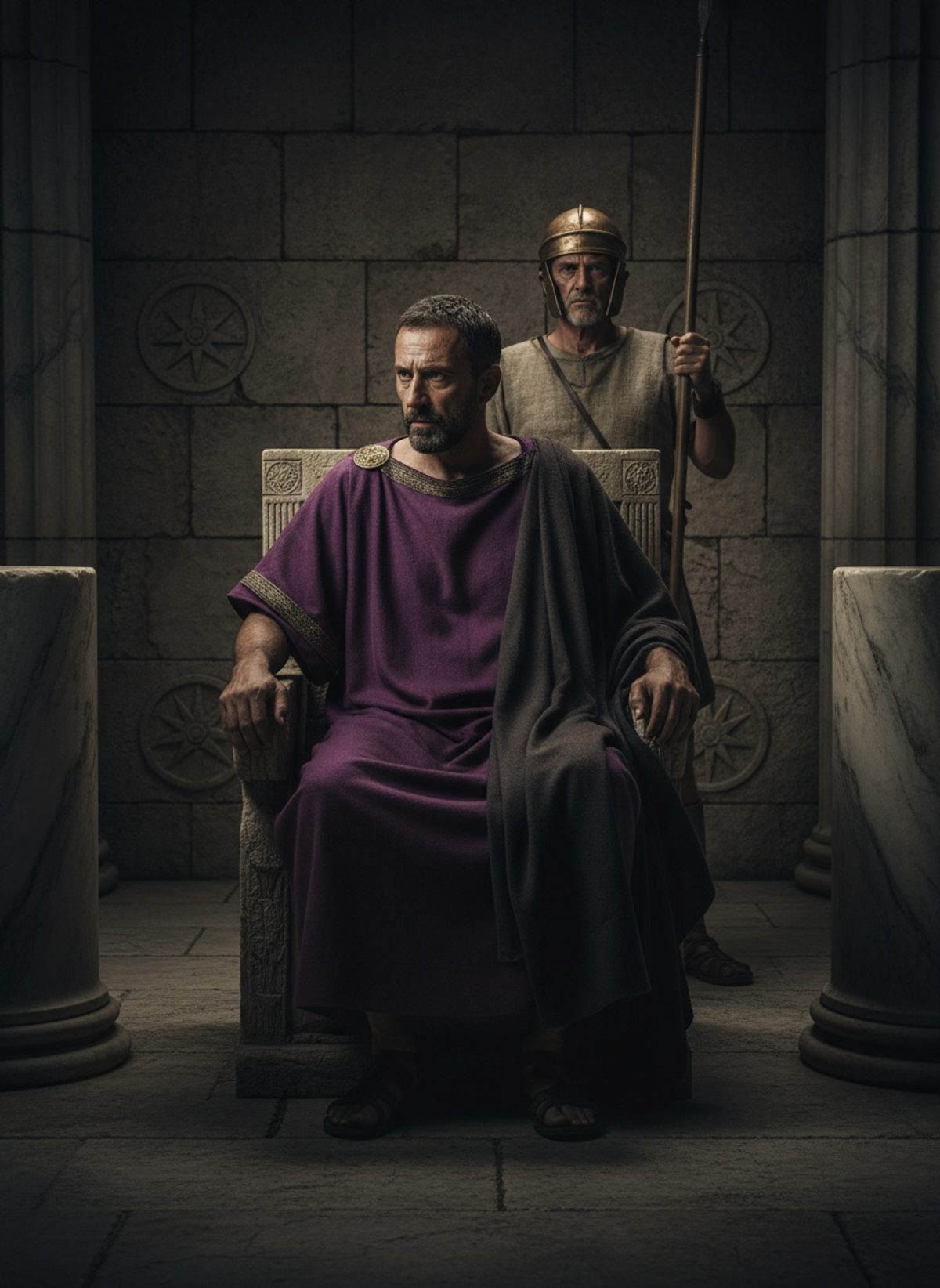
As the dust settled on the battlefield of Cunaxa in September 401 BC, it was clear that Cyrus the Younger’s dream to seize the Persian throne had been shattered. His Greek mercenaries, known as the Ten Thousand, had been the lynchpin in his ambitious campaign against his brother Artaxerxes II. Commanding an army of such seasoned warriors, Cyrus seemed poised to challenge the very foundation of the Achaemenid Empire. However, in the end, he lay dead, his ambitions crushed, leaving his mercenaries stranded deep in hostile territory.
Cunaxa, located north of Babylon, had been a gamble for these Greek soldiers recruited to serve a foreign prince. Their journey from their homeland, through Asia Minor, and into Mesopotamia spoke of adventure and peril, but now they faced an uncertain road home. The execution of their generals under the ruse of peace negotiations had stripped the Greek troops of leadership and direction. Surrounding them was a vast empire teeming with betrayals and dangers. They stood, exposed and vulnerable, in the heart of Persia. It was then that Xenophon, an Athenian and merely an observer in their mission, took an unexpected stand.
Xenophon's Unlikely Leadership
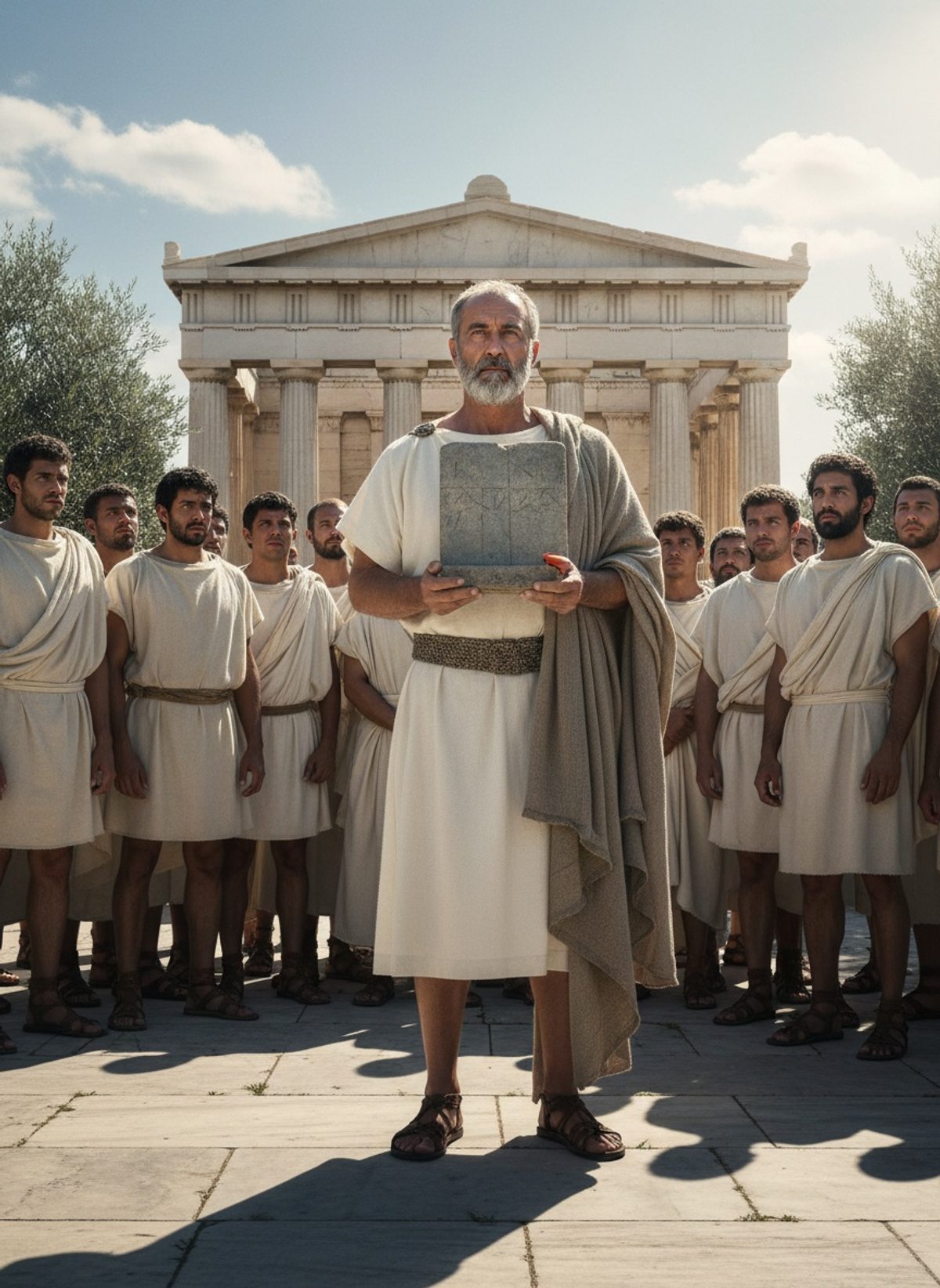
Xenophon was no general—in fact, he had no official military rank. He was a student of Socrates, an affluent young man from Athens, and his motives for joining the expedition were personal rather than political. Yet, as a roar of discontentment and fear swept through the Greek ranks, it was Xenophon's voice that rose above the chaos, embodying vision and resolve. At the age of thirty, armed with his philosophical insights and lessons learned in Athens, he rallied the shattered factions.
Read next: Socrates Was Dead. One Man Refused to Let Him Be Forgotten.
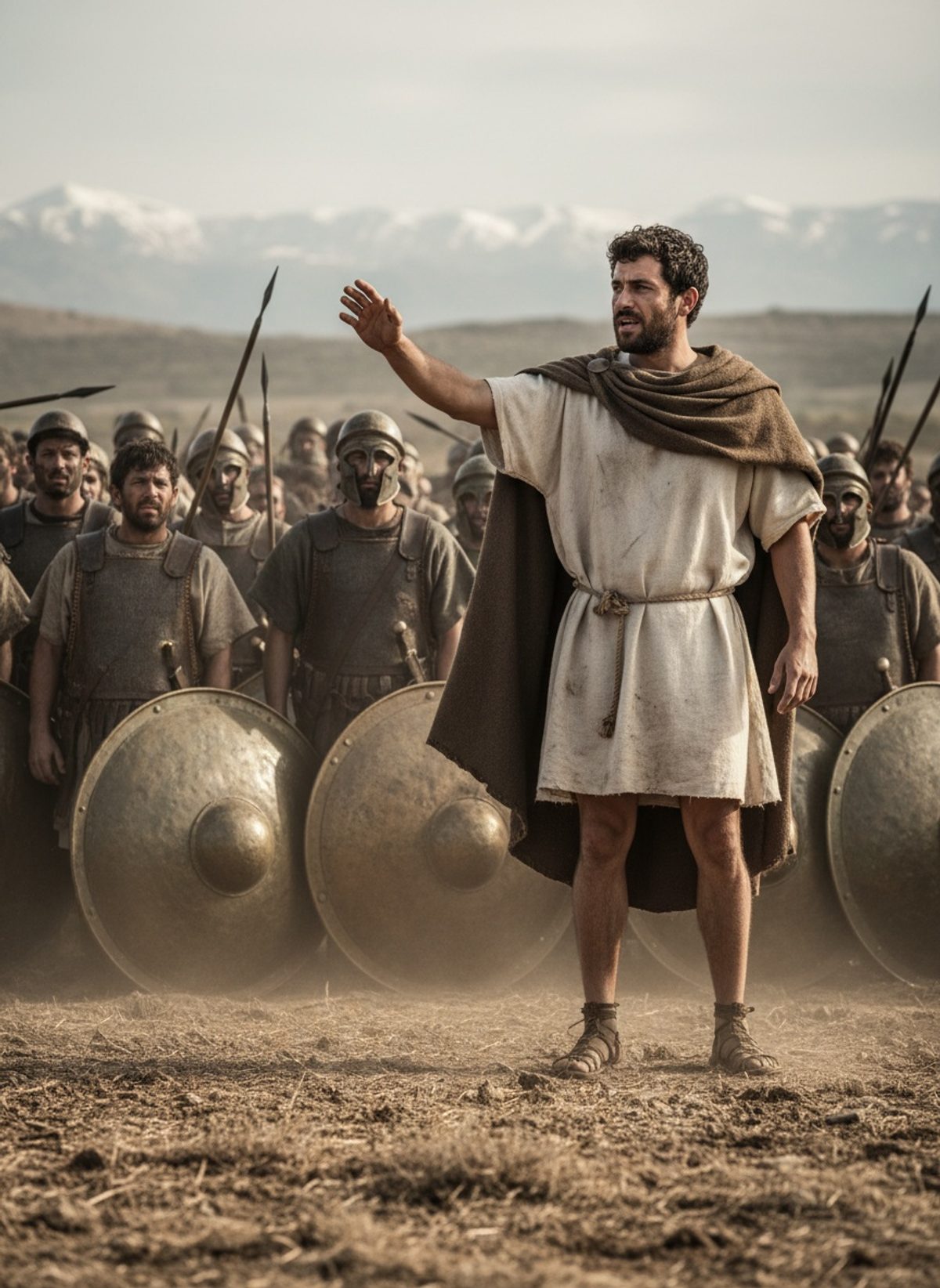
He proposed an audacious plan: retreat. Not in defeat, but as a strategic maneuver through the land they had once tread as conquerors. *Anabasis*, which translates to "march inland" or "ascent," would become the narrative of their retreat and a foundational document of Xenophon's leadership. He systematically organized the army into mobile units, urging camaraderie and discipline. His detailed recounting of this journey, later written in his epic work, "Anabasis," describes not only the military maneuvers but the trials of commanding freelance warriors across unforgiving terrains, forging ahead amidst natural barriers, hostile forces, and dwindling supplies.
The Perilous March to the Black Sea
Xenophon’s strategic genius was evident in the way he navigated the army through daunting challenges. The retreating force traversed the perilous regions of Armenia, confronting the Tigris and the Euphrates, grappling with bitter cold and hostile tribes. Onward they marched, braving snow-capped mountains and engaging in skirmishes with local satraps eager to curry favor with the Persian king. Each victory, small as it may seem, was a testament to both survival and Xenophon's tactical prowess.
Through these adversities, the march toward the Black Sea became a living classroom in the art of war and leadership. Xenophon found within himself not just the courage to lead but the wisdom to innovate. He pioneered strategies such as flanking maneuvers and deception tactics—laying groundwork that would inspire later military minds, including the likes of Alexander the Great.
After enduring months of grueling hardship, the sight of the Black Sea was both mythical and redemptive for the Ten Thousand. The famous exclamation “Thalatta! Thalatta!” (“The sea! The sea!”) marked not just an end to their perilous journey but the moment these soldiers were reborn—not solely as mercenaries or adventurers, but as participants in a historical odyssey that would redefine their era.
Legacy of the Long Retreat
The journey of the Ten Thousand was more than a mere military retreat—it was the dawn of something profoundly new in the Greek consciousness. The Anabasis highlighted the tenacity and resilience of the Greek spirit in the face of formidable odds. Through Xenophon's account, the story became a beacon of philosophical inquiry as much as a military record—interweaving Socratic ideals with martial might. It captivated the imagination of the ancient world and inspired countless generations.
Xenophon’s legacy far exceeded the bounds of the battlefield. His writings not only immortalized the resilience of his journey but also laid the foundation for future historians, military leaders, and philosophers. By leading an army out of the depths of an empire that dwarfed their tiny city-states, Xenophon taught the Greeks—and the world—that the human spirit, fortified by intelligence and heart, could transcend seemingly insurmountable challenges.
The audacity of this escape, a trek from enemy lands back to the cradle of Greek civilization, stands as a reminder of the power of leadership in crisis. In Xenophon’s tale, we uncover the strength found in unity and the courage born from despair, illuminating a path through history that teaches us not just how to retreat, but how to redefine the possibilities of human endeavor.