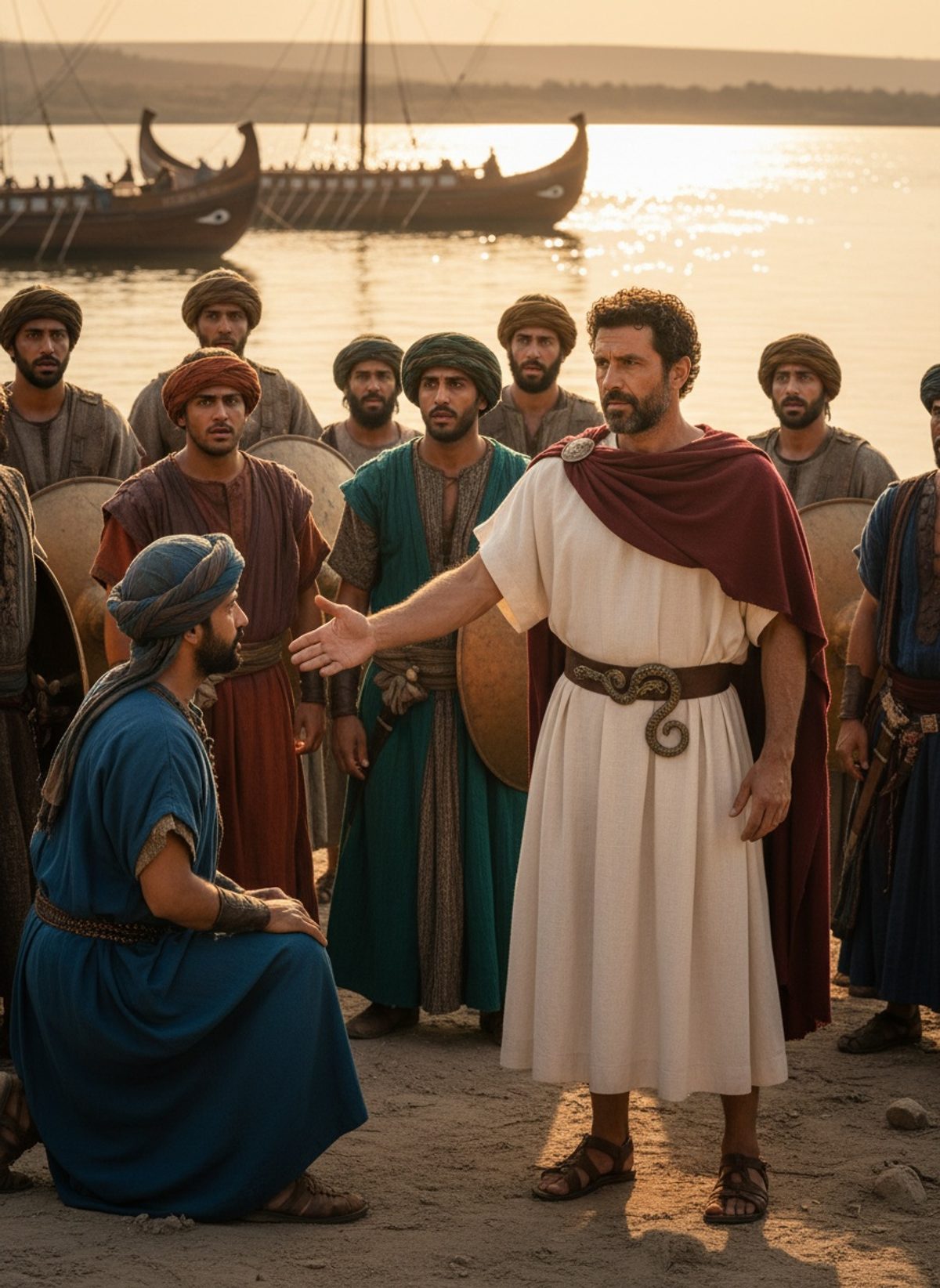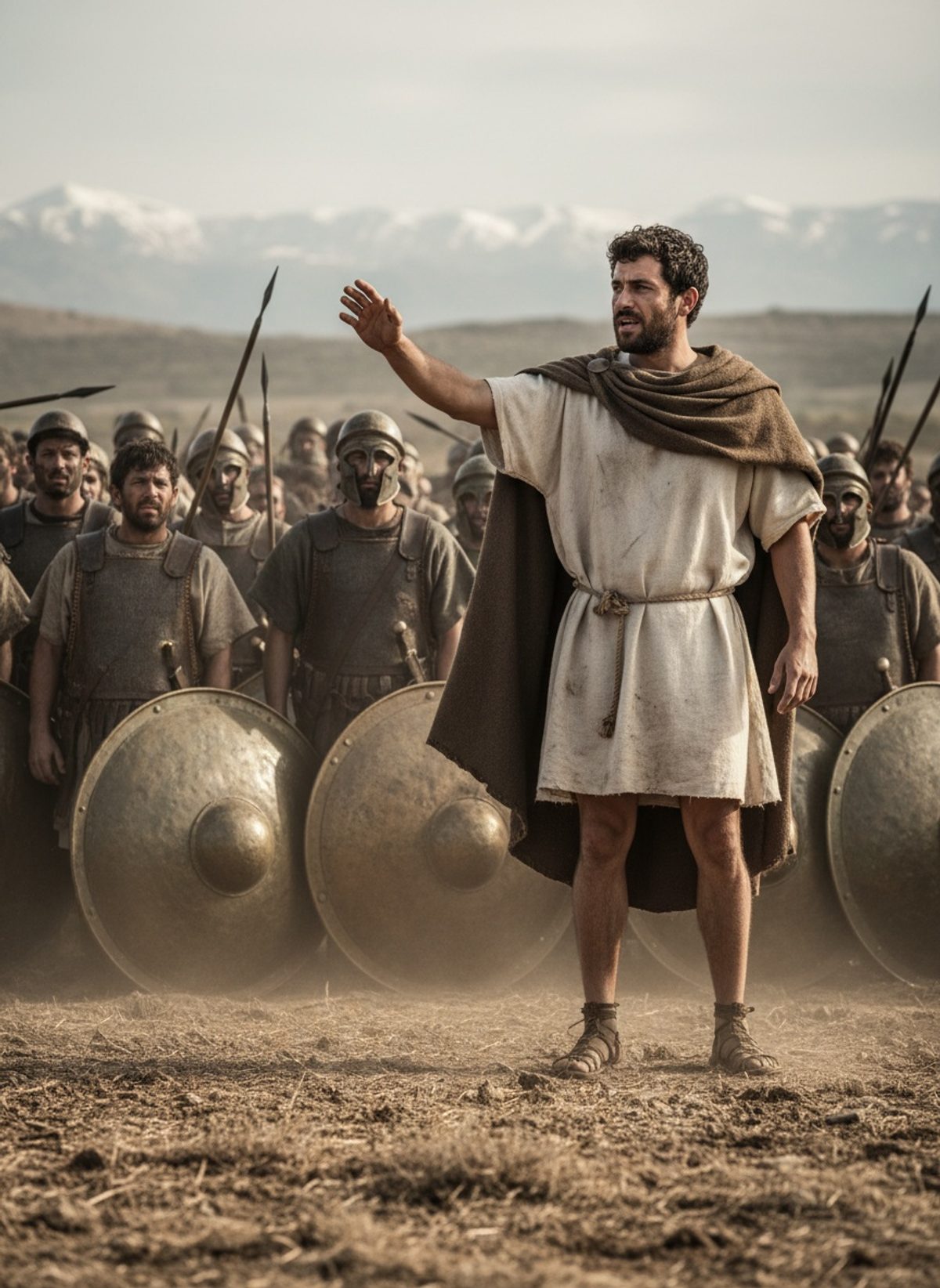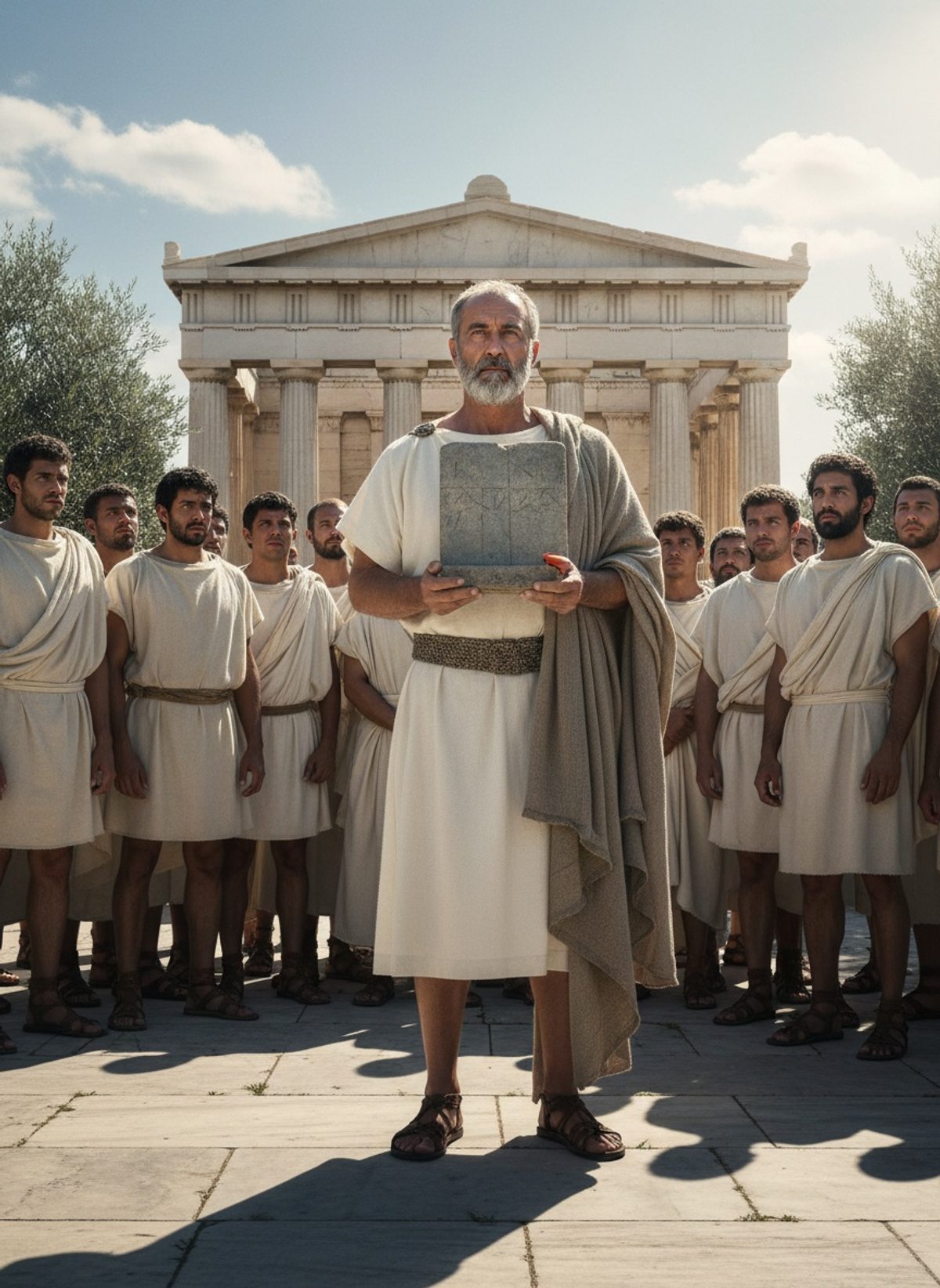
Leonidas's stand at Thermopylae is legendary, a beacon of courage. The man who helped make his heroism possible, Eurybiades, is largely forgotten.
The Most Imposing Fleet in History
In 480 BC, the mightiest force the ancient world had ever seen descended upon Greece. King Xerxes of Persia had amassed an enormous invasion fleet, their numbers bolstered by men from conquered lands stretching from Egypt to the Hindu Kush. Ancient historians claimed the Persian fleet consisted of as many as 1,200 warships, a leviathan of floating power seemingly unstoppable in its mission to conquer Greece. The Festival of Carneia, however, bound the Spartans, preventing them from mobilizing their full force. The Greek city-states, notoriously fractious and rarely united, faced the prospect of foreign domination as Persian troops and ships drew closer.
Determined to halt or at least delay the Persian advance, the Greek city-states took a startling step: they chose Eurybiades, a Spartan admiral, to lead their naval forces. Yet, he was not the man calling the shots on the Athenian triremes patrolling the straits at Artemisium. That man was Themistocles, a brilliant if controversial Athenian politician and general. He persuaded, cajoled, and, at times, threatened to ensure adherence to his strategy. It was a daring plan devised to complement Leonidas’s stand at Thermopylae, to thicken the narrative with a desperate struggle for time. Time, Themistocles insisted, was Greece’s finest ally.
The Battle of Artemisium
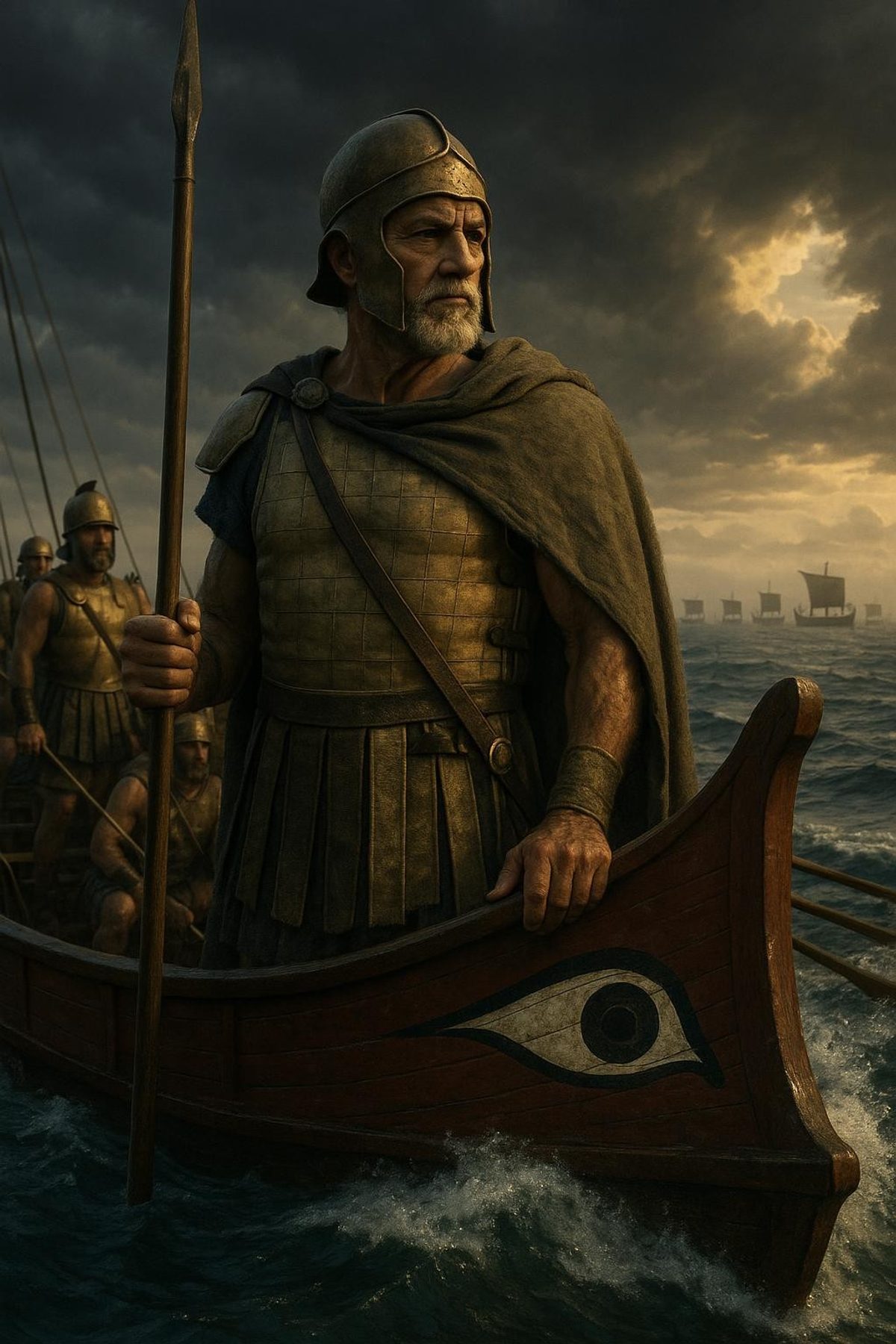
Artemisium was strategically critical, a narrow strait that could could neutralize the Persian fleet's numerical advantage. The site was nothing like the rocky, cinematic glory of Thermopylae. Instead, it was a churning cauldron of salt and tempest, scattered with the battered skeletons of triremes. Here, Eurybiades commanded a fleet of 271 Greek ships, dwarfed by the Persian armada. They faced relentless onslaughts over three days of battle, embroiled in repeated skirmishes that pitted ships Greek sailors had built, helmed in sheer desperation to stand against the looming Persian horde.
Read next: Cassander Feared Alexander's Ghost. He Was Right To.
Amidst the chaos, Eurybiades’s role was less about legendary heroics than steadfast obedience. The Spartan, accustomed to disciplined hierarchy, took orders from an Athenian. This uncommon alliance flowered by the grace of Themistocles’s cunning. Every skirmish at Artemisium served a dual purpose: a battlefield victory and an invaluable lesson in cohesive defense against a merciless aggressor. The Greek fleet held, though not without significant losses, including some of their most nimble and prized triremes.
The cost was high: both sides suffered, but Artemisium achieved its underlying goal—it bought time. As loss echoed through the straits, Greek unity emerged as undefeated. Thermopylae had its heroics, but Artemisium held the line, setting the stage for the decisive Battle of Salamis. Herein lies Eurybiades's forgotten heroism: his stoic obedience allowed Themistocles's strategic genius to flourish.
The Untold Alliance
This collaboration between a cautious Spartan and a headstrong Athenian embodies a rarely discussed dimension of the Greek alliance against Persia's threat. Eurybiades faced pressure beyond the battlefield. Plausibly upholding Spartan pride while tethered to an Athenian strategist required immense diplomacy and trust. The charismatic Themistocles employed a web of tactics to side against Persian spies and deceit, demonstrating political-military craft unknown before 480 BC.
Amid strategic feints and delaying actions, rumors of strife among Greek ranks were widespread. The rift between the two generals was never more than a hairline fracture. Eurybiades, understanding his role, never flinched against the tide of Greek discontent. If nothing else, his nondescript apparel was his camouflage—his influence quietly reinforced by Themistocles’s commanding presence. Eurybiades’s unflinching composure ensured that Greek forces held against the onrush until Themistocles sailed them into Salamis’s dark chapters.
The Legacy Left Unsaid
The deeds of Artemisium laid the bedrock for Salamis, where Themistocles’s brilliance finally shone amidst the tides of war. Thermopylae is often celebrated as the showcase of Spartan resilience, yet it was Artemisium’s unheralded coalition that deterred Persia’s strategy. With characteristic modesty, Eurybiades fused Greek ambition despite probable fear. The words and ways of an erstwhile partnership underscore the combined military measures against encroaching Persian forces.
Power, subterfuge, and sacrifice. Yet, history seldom credits Eurybiades as a pivotal figure of grace under fire. Even as Leonidas's name echoes through eternity, it is important to recognize those whose voices history masters in whispers. Here lies a lesson resisted by notoriety—that forgotten human alliances can reshape destinies regardless of the spectacular valor around them. So, next time you hear of Thermopylae, spare a thought for Eurybiades's overlooked endurance alongside the celebrated stories. Building steadfast strength isn't always recorded by grandstand heroics. Sometimes, it lies hushed in loyalty amongst the shadows. After all, Greece’s very survival depended on moments such as these.